


Abstract
Freeze–thaw cycles on the Qinghai–Tibetan Plateau inhibit microbial activity and challenge silage preservation. This paper aimed to elucidate how an indigenous, freeze–thaw-resistant Lactobacillus plantarum strain (LP160) improves oat silage quality under such stress. Oats were ensiled for 60 days under constant 20 °C (t) or freeze–thaw cycles (12 h at 20 °C/−5 °C; s) with or without LP160 inoculation. Samples after ensiling and 5-day aerobic exposure were analyzed for fermentation parameters, nutrients, microbiome, and non-targeted metabolomics using liquid chromatography–tandem mass spectrometry (LC-MS/MS). LP160 inoculation improved silage quality, as shown by the lower pH, ammoniacal nitrogen, neutral detergent fiber, acid detergent fiber contents as well as the greater amount of lactic acid. Key findings demonstrated that LP160 inoculation significantly enhanced Lactobacillus dominance, effectively curbed the growth of detrimental bacteria like Mucor, and regulated the microbial structure. During the aerobic exposure phase, the microbial community structures and successions varied under different temperature treatments. When inoculated under freeze–thaw conditions, the genus Bacillus increased, while Paenibacillus was not impeded. A total of 943 metabolites were identified, predominantly comprising amino acids, fatty acids, and the like. The expressions of metabolites with antioxidant and antibacterial properties were upregulated with LP160 inoculation. This led to the inhibition of protein hydrolysis and a reduction in ammonia–nitrogen production. The results of correlation analysis indicated that inoculating LP160 suppressed the proliferation of Mucor and enhanced the abundance of Torulaspora; meanwhile, the expression of L-palmitoylcarnitine involved in the fatty acid degradation pathway and fatty acid metabolism pathway was inhibited along with the generation of ammonia–nitrogen. Consequently, the degradation of fatty acids and proteins was restrained. The results of this paper provided new insights into the silage under freeze–thaw conditions.
1. Introduction
The fermentation process of silage, in essence, is a complex metabolic network regulation process under the synergistic action of plant raw materials and microorganisms. The activities of microorganisms during this process will generate a large number of metabolites, including amino acids, aromatic compounds, fatty acids, flavoring agents, oligosaccharides, peptides, and vitamins [1]. Most previous studies have focused on macroscopic indicators such as the pH value and lactic acid content. However, metabolomics systematically analyzes the dynamic changes in small-molecule metabolites during the silage process, providing a new perspective for revealing the fermentation mechanism, optimizing the process, and improving the feed quality.
As silage additives, lactic acid bacteria (LAB) play a crucial role in improving lactic acid fermentation and inhibiting the growth of spoilage microorganisms. Whereas homofermentative LAB such as L. plantarum primarily accelerate acidification and are primarily used to improve fermentation efficiency and animal performance, heterofermentative LAB (e.g., L. buchneri) are specifically associated with enhancing aerobic stability [2]. The introduction of LAB modifies the structure and succession of the microbial community, thereby influencing its diversity [3,4]. Furthermore, interactions among bacteria, fungi, and between the microbial community and metabolites collectively shape the quality of silage fermentation. Silage is an important component of ruminant feed, and its safety and quality, to a certain extent, determine the steady development of the livestock industry. In alpine regions, improving the quality of silage fermentation is an important way to solve the problem of forage shortage and is also a key link between forage cultivation and livestock raising. Some studies have shown that low temperatures will reduce the growth rate of microorganisms and the activity of enzymes, thereby decreasing the fermentation efficiency, which may be related to the inhibitory effect of low temperatures on bacterial metabolism [1]. The Qinghai–Tibet Plateau is characterized by substantial temperature fluctuations and persistent low temperatures, which expose silage to repeated freeze–thaw cycles during ensiling. Therefore, investigating freeze–thaw processes is essential for understanding oat silage fermentation in alpine regions. Previous research has demonstrated that freeze–thaw conditions delay the pH decline in silage, alter the microbial community, and inhibit the activity of lactic acid bacteria (LAB), ultimately leading to an unstable fermentation process [5]. These findings highlight the importance of using LAB additives to mitigate such challenges. It is well documented that a drop in temperature can temporarily halt cellular growth in most bacteria. During this period, protein synthesis is severely inhibited, which in turn affects the viability of bacteria and their acidification activity [6]. Therefore, screening for lactic acid bacteria (LAB) strains that remain functional under such stressful conditions is crucial for improving silage quality. In this context, Santos et al. [7] screened L. buchneri, which can improve fermentation characteristics and inhibit pathogenic and spoilage bacteria. They believed that it works by changing the microbial population and metabolites.
While previous research has established the challenges of low-temperature ensiling and the general benefits of LAB additives, the specific impact of dynamic freeze–thaw stress—a defining feature of the Qinghai–Tibet Plateau—on the silage microbiome and metabolome remains poorly understood, particularly regarding the mechanistic role of native freeze–thaw-resistant LAB strains. To address this gap, we conducted a comprehensive investigation to elucidate how this specifically adapted strain mitigates freeze–thaw damage. These findings provide a theoretical basis for improving silage quality in alpine regions, advancing our knowledge beyond studies conducted under optimal or constant low-temperature conditions.
2. Materials and Methods
2.1. Silage Preparation
The trial was conducted in Guinan County, Hainan Prefecture, Qinghai Province, China (98°55′ E~105°50′ E, 34°38′ N~37°10′ N) on 13 September 2022. The milk-ripened oats were mowed with a stubble height of 10 cm, cut into 1–2 cm lengths with a kneading machine, and then mixed thoroughly after a short period of wilting. LP160 is a high-quality freeze–thaw-resistant lactic acid bacteria (L. plantarum) strain that was screened from local silage by our research group in a previous study and has been granted national invention patent authorization (ZL 202210218695.5). The LP160 strain was propagated in liquid medium after plate culture [8], then diluted with sterile distilled water to a viable count of 106 CFU/mL, and applied to the raw material at a ratio of 3 mL per 100 g. After thorough mixing, approximately 1000 g of the inoculated substrate was randomly sampled, placed into sterile vacuum-sealed bags (dimensions: 20 cm × 30 cm), and vacuum-sealed (group Ino.LP). An equivalent volume of sterile distilled water served as the control treatment (group Control). Silages were stored under two temperature regimes: constant 20 °C (denoted as t) and freeze–thaw cycling (denoted as s; 20 °C/−5 °C alternated every 12 h with temperature transitions at 0.3 °C/min until stabilization). After 60 days of ensiling, the bags were opened to assess aerobic stability. Approximately 800 g of silage was uniformly sampled from each treatment, packed into a sterilized 2 L beaker, and covered with two layers of sterile cheesecloth. The samples were then incubated for 5 days at room temperature (25 ± 2 °C). The temperature in the core region of the silage was continuously monitored using a real-time temperature recorder (Shenhua Technology Co., Ltd., Shenzhen, China) with measurements recorded every 5 min. Sampling was performed at two time points: after 60 days of ensiling and after 5 days of aerobic exposure. All treatments were conducted in triplicate [9].
2.2. Fermentation Characteristics and Nutrient Content Determination
The samples were oven-dried at 65 °C to constant weight using an oven (Model DHG-9053A, Weiling, Shanghai, China), and the dry matter (DM) content was determined. Subsequently, the dried samples were ground and passed through a 1 mm sieve. The ground samples were then used to determine the following nutrient components: the crude protein (CP) content was determined using the Dumas combustion method [10]; neutral detergent fiber (NDF) and acid detergent fiber (ADF) contents were measured according to Van Soest et al. [11]; and the water-soluble carbohydrate (WSC) content was estimated using a soluble sugar content assay kit (Suzhou Ke Ming Biotechnology Co., Ltd., Suzhou, China). The DM loss was determined using the whole-bag weighing method, as described by Weissbach [12].
Silage samples (20 g) were mixed with 180 mL of distilled water, sealed, and incubated at 4 °C for 24 h. The pH of the resulting aqueous extract was measured using a pH meter (pHS-3C, Light Magnetic, Shanghai Instrumental Instrument Co., Ltd., Shanghai, China). The extract was then filtered through four layers of gauze and stored at −20 °C for the subsequent analysis of ammoniacal nitrogen (NH3-N) and organic acids. The ammoniacal nitrogen (NH3-N) concentration was determined using the phenol–hypochlorite colorimetric method [13]. Organic acids, including lactic acid (LA), acetic acid (AA), propionic acid (PA), and butyric acid (BA), were quantified by high-performance liquid chromatography (HPLC) (Thermo Fisher UltiMate3000, Thermo Scientific, USA). HPLC separation was performed on an RSpak KC-811 column (Shimadzu Co., Ltd., Kyoto, Japan) using 0.1% (w/w) H3PO4 as the mobile phase at a flow rate of 0.5 mL·min−1 and a column temperature of 55 °C [14].
2.3. Microbiota
A 20 g silage sample was homogenized with 180 mL of sterile distilled water and shaken at 4 °C for 30 min (HZQ-F160A, Shanghai Yiheng Scientific Instrument Co., Ltd., Shanghai, China). The homogenate was filtered through two layers of sterile cheesecloth, and the resulting filtrate was centrifuged at 10,000 rpm and 4 °C for 10 min. After discarding the supernatant, the pellet was resuspended in 3 mL of sterile distilled water to form a microbial suspension. The total DNA was extracted using the TIANamp Bacterial DNA Kit (DP302, Tiangen, Beijing, China). The purity and concentration of the extracted DNA were subsequently assessed by agarose gel electrophoresis; then, an appropriate amount of DNA was taken into a centrifuge tube and diluted to 1 ng/μL with sterile water. New England Biolabs’ Phusion® High-Fidelity PCR Master Mix with GC Buffer and high-fidelity enzymes were used for PCR to ensure amplification efficiency and accuracy. The PCR reaction system consisted of 15 μL of Phusion® High-Fidelity PCR Master Mix (New England Biolabs, Inc., Ipswich, MA, USA), 0.2 μmol/L of each primer, and 10 ng of genomic DNA template. Bacterial sequences were amplified using specific primers 515F (5′-GTTTCGGTGCCAGCMGCCGCGGTAA-3′) and 806R (5′-GCCAATGGACTACHVGGGGTWTCTAAT-3′) for the 16S rRNA gene V4 region; fungal sequences were amplified using specific primers ITS5-1737F (5′-GGAAGTAAAAGTCGTAACAAGG-3′) and ITS2-2043R (5′-GCTGCGTTCTTCATCGATGC-3′). The thermal cycling conditions were as follows: initial denaturation at 98 °C for 1 min, which was followed by 30 cycles of denaturation at 98 °C for 10 s, annealing at 50 °C for 30 s, and extension at 72 °C for 30 s with a final extension at 72 °C for 5 min. The PCR products were detected by electrophoresis using agarose gels with a concentration of 2%; PCR products that passed the test were purified by magnetic beads and quantified by enzyme labeling. The PCR products were mixed in equal quantities according to the concentration of PCR products. Then the PCR products were detected by electrophoresis on a 2% agarose gel after sufficient mixing, and the target bands were recovered using the gel recovery kit provided by Qiagen (Qiagen GmbH, Hilden, Germany). The library was constructed using an NEBNext® Ultra™ IIDNA Library Prep Kit (New England Biolabs, Inc., Ipswich, MA, USA), and the constructed library was subjected to Qubit and Q-PCR quantification. After the library was qualified, NovaSeq6000 (Illumina, Inc., San Diego, CA, USA) was used for on-line sequencing and subsequent data analysis, and FLASH (V1.2.7) was used for the splicing of each sample’s reads. The final valid sequence was obtained by referring to the Tags quality control process of QIIME (V1.9.1). All valid sequences from all samples were clustered using the Uparse algorithm (Uparse v7.0.1001), which clustered the sequences into OTUs by default with 97% concordance. The taxonomic assignment of representative OTU sequences was performed using the SILVA database (Release 138) for bacterial 16S rRNA gene sequences and the UNITE database (version 8.0) for fungal ITS sequences. The phylogenetic relationships of all OTUs representing sequences were obtained by performing a fast multiple sequence comparison using MUSCLE (Version 3.8.31) software. Alpha and beta diversity indices were calculated using Qiime software (Version 1.9.1) and displayed using R software (Version 2.15.3). The sequencing data are available in the NCBI (BioProject PRJNA1300648).
2.4. Metabolite Analysis
Approximately 100 mg of a liquid nitrogen-pulverized tissue sample was placed in a microcentrifuge tube, which was followed by the addition of 500 μL of 80% (v/v) methanol aqueous solution. The mixture was vortexed vigorously and incubated on ice for 5 min. Subsequent centrifugation was performed at 15,000× g and 4 °C for 20 min. A measured aliquot of the supernatant was diluted with mass spectrometry-grade water to achieve a final methanol concentration of 53% (v/v). The diluted extract was centrifuged again at 15,000× g and 4 °C for 20 min. The resulting supernatant was collected for LC-MS analysis. Chromatographic separation was achieved using a Hypersil Gold column (C18) maintained at 40 °C with a mobile phase flow rate of 0.2 mL·min−1 [15,16].
The mass spectrometry conditions were set to select a scanning range of 100–1500 m/z, the ESI source was set to 3.5 kV spray voltage, and the sheath gas flow rate was 35 psi. We also used an auxiliary gas flow rate of 10 L·min−1, an S-lens RF level of 60 for the ion guide, an aux gas heater temp of 350 °C, positive and negative polarity, and data-dependent MS/MS secondary scans.
2.5. Statistical Data
The effect of LP160 inoculation on silage fermentation characteristics and nutritional components was determined using ANOVA with Tukey’s HSD test on IBM SPSS Statistics 26 software. A p-value < 0.05 was considered statistically significant.
The raw files (.raw) obtained through mass spectrometry detection were imported into CD3.1 (Compound Discoverer 3.1) software for spectral processing and database searching to obtain the qualitative and quantitative results of the metabolites, and then the data were subjected to quality control to ensure the accuracy and reliability of the data results. The metabolites were then subjected to multivariate statistical analyses, including principal component analysis (PCA) and partial least squares discriminant analysis (PLS-DA), to reveal the differences in metabolic patterns among different groups. Correlation analysis was utilized to reveal the relationship between microorganisms and metabolites.
3. Results
3.1. Effects of Freeze–Thaw-Resistant LAB Inoculation on Chemical and Fermentation Profiles
Nutritional quality was assessed after 60 days of ensiling (Table 1). Significant differences (p < 0.05) were observed among treatments for DM, DM loss, NDF, ADF, and WSC content. Under freeze–thaw conditions, LP160 inoculation significantly reduced DM loss and NDF (p < 0.05) while increasing WSC content (p < 0.05).
Table 1.
Fermentation characteristics and nutritional components of oat silage ensiled with and without Lactobacillus plantarum LP160 inoculation.
Fermentation characteristics were evaluated after 60 days of ensiling and subsequently 5 days after aerobic exposure. LA, AA, pH and NH3-N showed significant differences among treatments (p < 0.05). LP160 inoculation significantly reduced pH and NH3-N content after aerobic exposure under both constant 20 °C and freeze–thaw conditions (p < 0.05). Additionally, it significantly increased the lactic acid content under freeze–thaw conditions. BA and PA were not detected.
3.2. Effects of Freeze–Thaw-Resistant LAB Inoculation on Microbial Communities
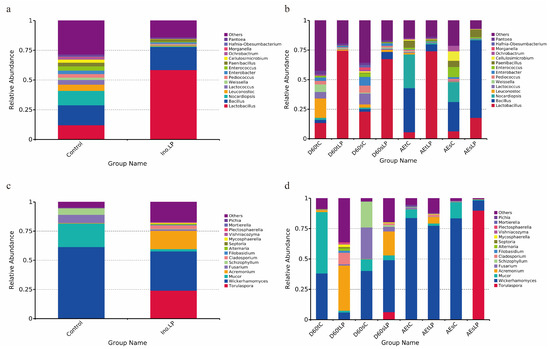
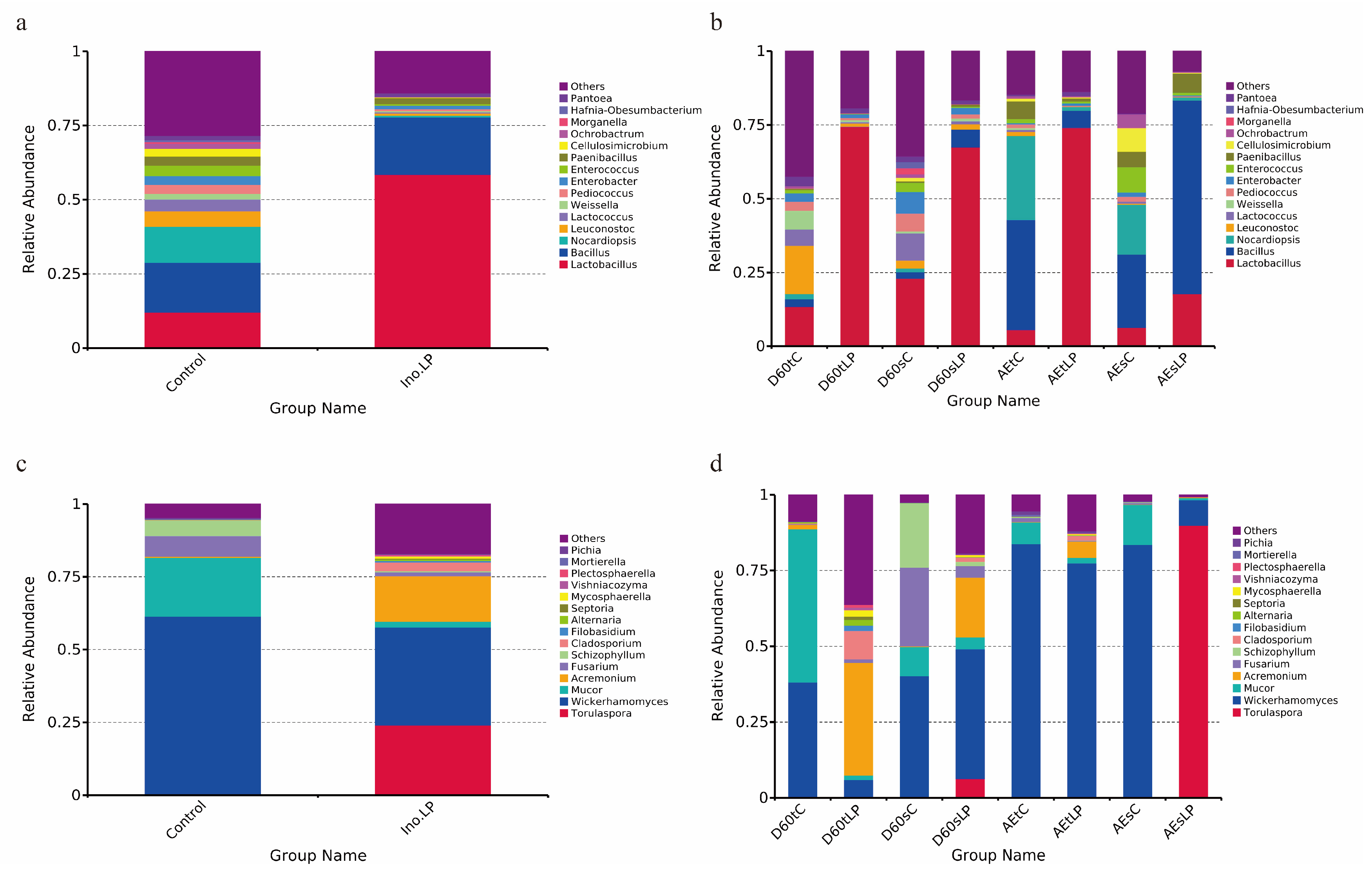
From 60 days of ensiling to 5 days of aerobic exposure, distinct shifts in the bacterial community structure and abundance were observed between the control group (Control) and the inoculated group (Ino.LP). The Control group exhibited relatively uniform bacterial distribution (Figure 1a) with Lactobacillus accounting for only 12.1% and Bacillus dominating at the highest abundance. In contrast, the Ino. LP group was dominated by Lactobacillus (58.5%), which was followed by Bacillus. After 60 days of ensiling, inoculation with LP160 significantly increased Lactobacillus (Figure 1b) under both 20 °C and freeze–thaw conditions, suppressing undesirable microorganisms. However, under freeze–thaw conditions (D60sLP), Bacillus and Weissella increased moderately. After 5 days of aerobic exposure, Lactobacillus remained predominant in AEtLP (74%), while Bacillus and Nocardiopsis accounted for 5.8% and 1.3%, respectively. In contrast, the control (AEtC) retained only 5.6% Lactobacillus with Bacillus and Nocardiopsis at 37.3% and 28.4%, respectively. In AEsLP, Lactobacillus just accounted for 17.8%, while Bacillus dominated at 65.6%. Compared to AEsC, AEsLP showed more Lactobacillus, Bacillus, and Paenibacillus while it reduced Nocardiopsis, Enterococcus, Ochrobactrum, and Cellulosimicrobium.
Figure 1.
The relative abundance of dominant bacterial (a,b) and fungal (c,d) taxa at the genus level. (a) Bacterial composition: Comparison between Control (C) and Lactobacillus plantarum LP160 inoculated (Ino.LP) groups across all treatments and sampling points. (b) Bacterial composition: Comparison between Control (C) and Ino.LP groups at each sampling time point (D60 and AE5). (c) Fungal composition: Comparison between Control (C) and Ino.LP groups across all treatments and sampling points. (d) Fungal composition: Comparison between Control (C) and Ino.LP groups at each sampling time point (D60 and AE5). Ino.LP: Lactobacillus plantarum strain LP160 inoculation. t: Constant temperature (20 °C). s: Freeze–thaw cycles (12 h at −5 °C/12 h at 20 °C). C: Control (no inoculation). D60: After 60 days of ensiling. AE: After 5 days of aerobic exposure (AE5). Same as below.
Fungal communities in the Control group were dominated by Wickerhamomyces, Mucor, Fusarium, and Schizophyllum (Figure 1c), whereas the Ino.LP group exhibited higher abundances of Torulaspora, Wickerhamomyces, and Acremonium. After 60 days of ensiling and 5 days of aerobic exposure (Figure 1d), LP160 inoculation under different temperatures resulted in distinct fungal compositions. D60tLP showed higher Acremonium and Cladosporium, while D60sLP was enriched with Torulaspora, Wickerhamomyces, Mucor, and Fusarium. Compared to D60tC, D60tLP reduced Wickerhamomyces abundance but increased Acremonium and Cladosporium. Similarly, D60sLP exhibited higher Torulaspora and Acremonium but lower Mucor and Fusarium than D60sC. After aerobic exposure, control groups under different temperatures displayed similar fungal structures, whereas LP160-inoculated groups diverged significantly. For instance, Wickerhamomyces dominated at AEtLP (77.4%), while Torulaspora accounted for 89.9% in AEtsLP.
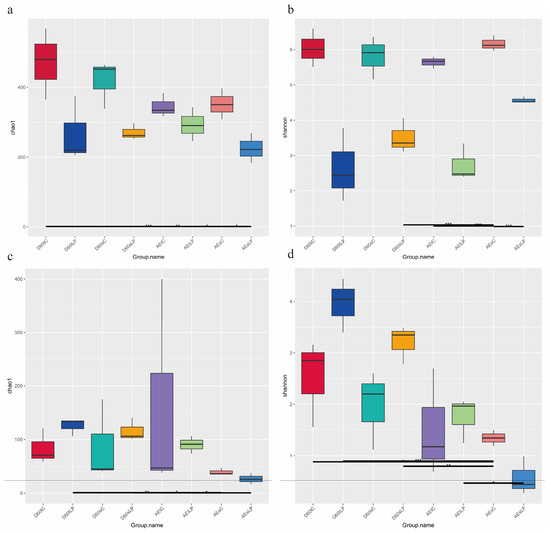
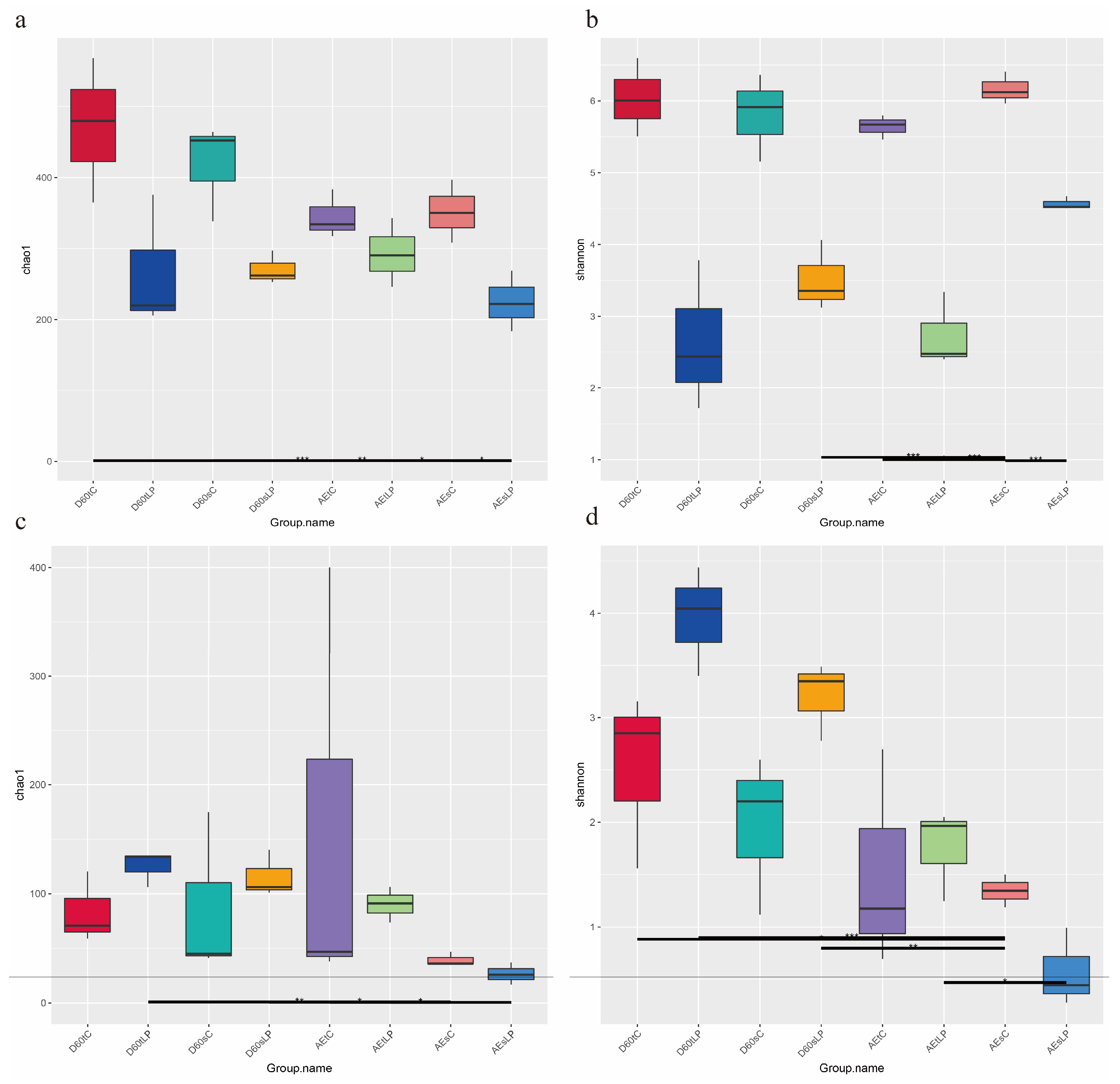
An analysis of microbial alpha diversity indices (Figure 2) revealed that LP160 inoculation consistently resulted in lower bacterial diversity compared to controls. Specifically, bacterial Chao1 indices were significantly reduced in D60tLB (p < 0.01), D60sLB (p < 0.05), and AEsLB (p < 0.05) relative to their respective controls (Figure 2a). Bacterial Shannon indices demonstrated highly significant reductions (p < 0.01) across all inoculated groups (D60tLB, D60sLB, AEtLB, AEsLB) versus corresponding controls (Figure 2b). For fungal diversity, while the Chao1 index showed non-significant increases in most inoculated groups (excluding AEsLB, which decreased relative to AEsC; Figure 2c), Shannon indices were significantly elevated in D60tLB and D60sLB compared to their controls (p < 0.01; Figure 2d).
Figure 2.
Alpha diversity of bacterial and fungal communities. (a) Bacterial Chao1 index. (b) Bacterial Shannon index. (c) Fungal Chao1 index. (d) Fungal Shannon index. Comparison between Lactobacillus plantarum LP160 inoculated (Ino.LP) and Control (C) groups under constant temperature (t) and freeze–thaw cycles (s) conditions. A single asterisk (*) indicates statistical significance at the 5% level (p < 0.05), a double asterisk (**) indicates significance at the 1% level (p < 0.01) and a triple asterisk (***) indicates high significance at the 0.1% level (p < 0.001).
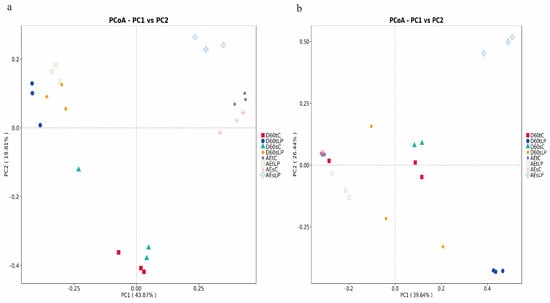
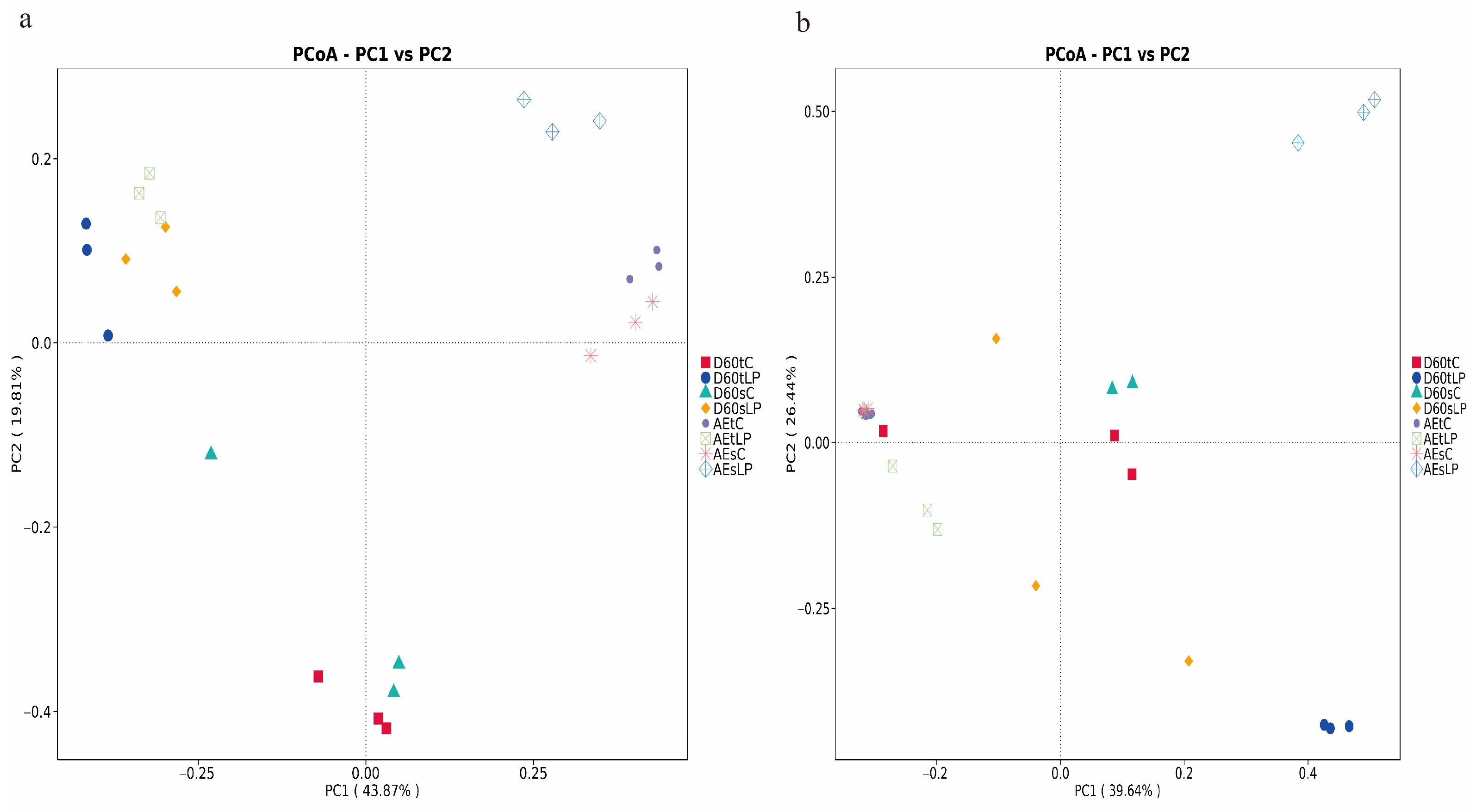
Principal Coordinates Analysis (PCoA) revealed distinct clustering patterns in the microbial community structure (Figure 3). The bacterial profiles of D60tC and D60sC clustered closely together (Figure 3a), indicating high similarity. Similarly, the profiles of D60tLP, D60sLP, and AEtLP formed a distinct cluster. A third cluster comprised AEtC and AEsC. Fungal communities in AEtC and AEsC clustered together, whereas other treatments showed greater dispersion with AEsLP exhibiting markedly divergent bacterial and fungal structures (Figure 3b).
Figure 3.
Principal Coordinates Analysis (PCoA) of bacterial (a) and fungal (b) community structures. Comparison between Lactobacillus plantarum LP160 inoculated (Ino.LP) and Control (C) groups under constant temperature (t: 20 °C) and freeze–thaw cycle (s: 12 h at −5 °C/12 h at 20 °C) conditions.
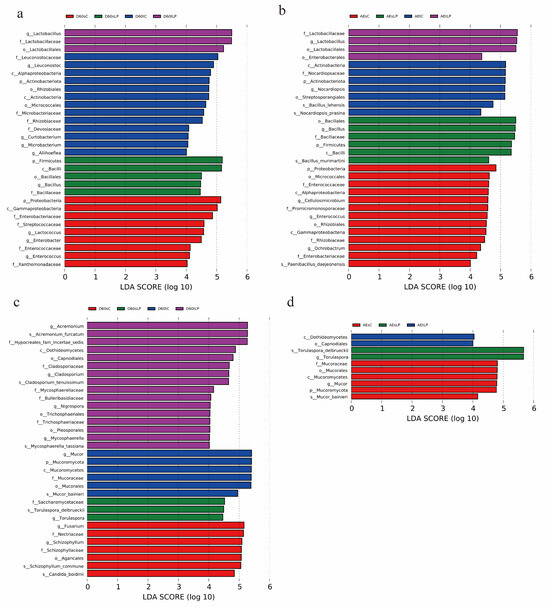
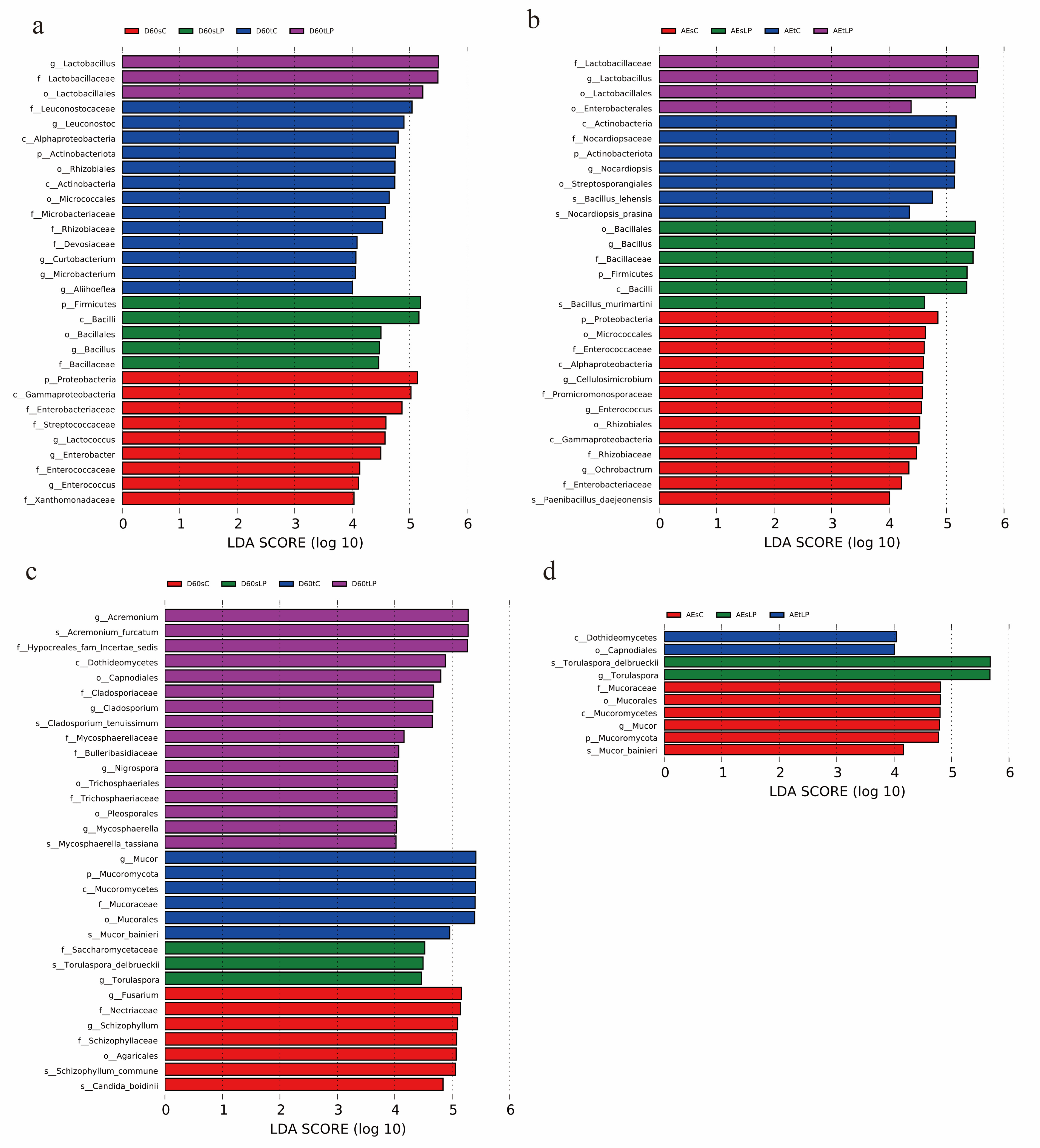
After 60 days of ensiling (Figure 4a), the differential bacterial taxa in D60tC were primarily Leuconostoc and Microbacterium, while D60tLP was characterized by Lactobacillus. In D60sC, the dominant differential taxa were Proteobacteria, Lactococcus, Enterobacter, and Enterococcus, whereas D60sLP was significantly enriched in Firmicutes and Bacillus. After 5 days of aerobic exposure (Figure 4b), AEtC showed a significant enrichment of Nocardiopsis, while AEtLP was characterized by Lactobacillus and other taxa. In AEsC, the differential taxa included Proteobacteria, Cellulosimicrobium, and Enterococcus, whereas AEsLP was significantly enriched in Firmicutes and Bacillus. From the fungal community, LEfSe analysis (Figure 4c,d) revealed that after 60 days of ensiling, D60tC was primarily characterized by Mucor, while D60tLP showed a significant enrichment of Acremonium, Cladosporium, Nigrospora, and Mycosphaerella. D60sC was dominated by differential taxa such as Fusarium and Schizophyllum, whereas D60sLP was significantly enriched in Torulaspora. After 5 days of aerobic exposure, AEsC was primarily characterized by Mucor, while AEsLP showed a significant enrichment of Torulaspora.
Figure 4.
LEfSe analysis of bacterial community before (a) and after (b) aerobic exposure, fungus community before (c) and after (d) aerobic exposure.
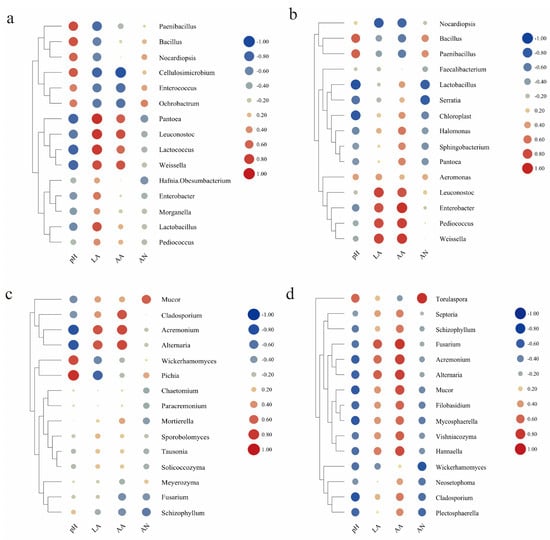
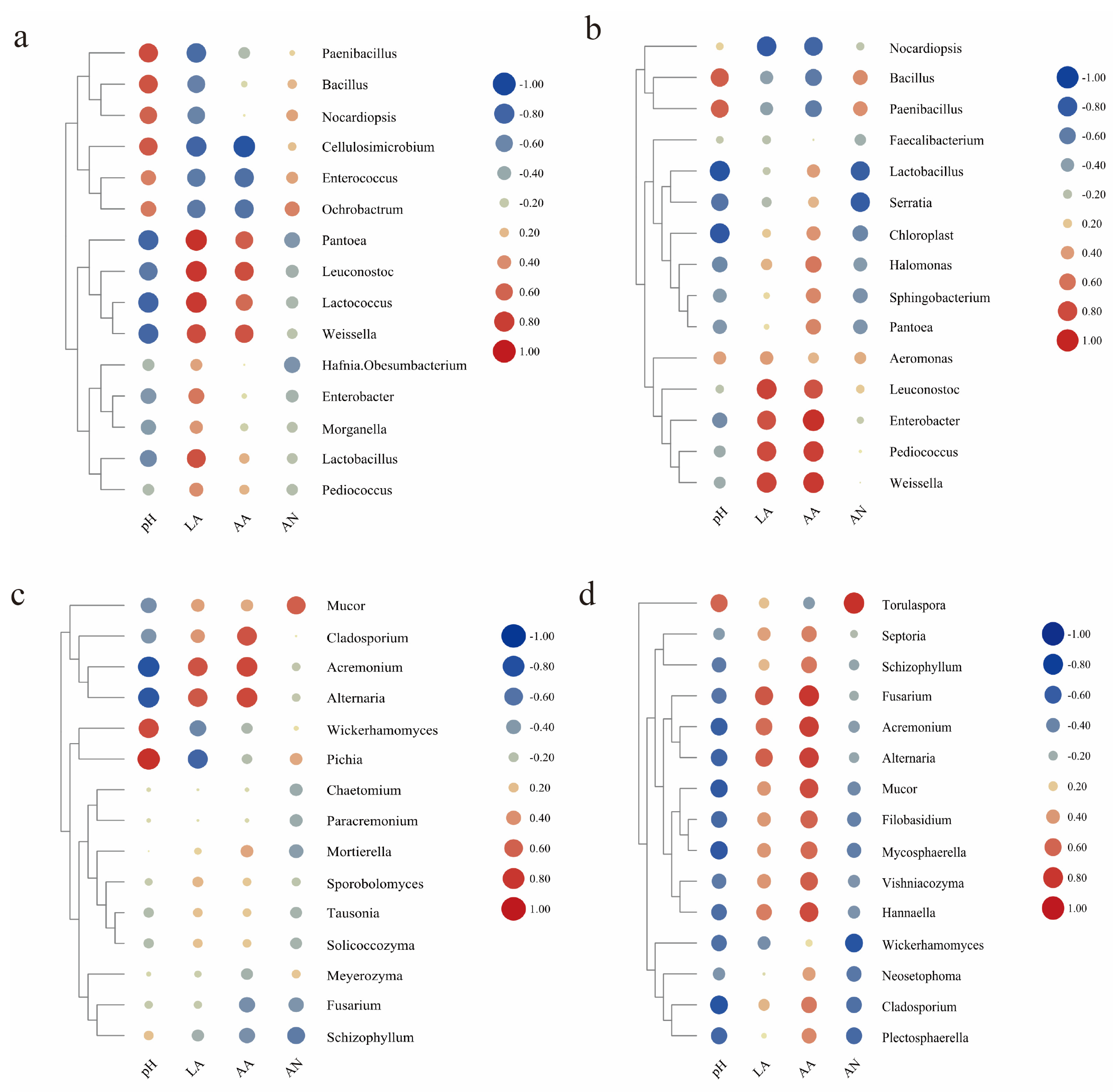
Correlation analysis was performed between the top 15 most abundant bacterial genera and key fermentation parameters (Table 1). In the Control group (Figure 5a), the pH exhibited highly significant negative correlations (p < 0.01) with Pantoea, Weissella, and Lactococcus, while there were significant negative correlations (p < 0.05) with Lactobacillus and Leuconostoc. Conversely, pH showed a highly significant positive correlation (p < 0.01) with Paenibacillus and significant positive correlations (p < 0.05) with Bacillus and Nocardiopsis. Lactic acid (LA) was highly positively correlated with Pantoea, Weissella, Leuconostoc, and Lactococcus (p < 0.01), and it was significantly positively correlated with Lactobacillus (p < 0.05) but negatively correlated with Paenibacillus and Cellulosimicrobium (p < 0.01). Acetic acid (AA) exhibited significant positive correlations with Pantoea, Leuconostoc, and Weissella (p < 0.05). In the Ino.LP group (Figure 5b), pH was highly negatively correlated with Lactobacillus (p < 0.01) but positively correlated with Bacillus and Paenibacillus. Furthermore, Leuconostoc, Enterococcus, Pediococcus, and Weissella showed strong positive correlations with LA and AA (p < 0.01), while Nocardiopsis was negatively correlated with both (p < 0.01). Ammonia-N (AN) was highly negatively correlated with Lactobacillus (p < 0.01).
Figure 5.
Correlation analysis between environmental factors and bacteria communities in control (a) and Lactobacillus plantarum LP160 inoculated (Ino.LP) groups (b), correlation analysis between environmental factors and fungus in control (c) and Lactobacillus plantarum LP160 inoculated (Ino.LP) groups (d).
Fungal correlation analysis indicated that Pichia in the control group (Figure 5c) was highly positively correlated with pH (p < 0.01) but negatively correlated with LA (p < 0.05). Mucor showed a significant positive correlation with AN (p < 0.05). Alternaria and Acremonium were highly negatively correlated with pH (p < 0.01) but positively correlated with LA (p < 0.05) and AA (p < 0.01). In the inoculated group (Figure 5d), Torulaspora was positively correlated with pH (p < 0.05) and highly positively correlated with AN (p < 0.01), while Wickerhamomyces was negatively correlated with AA (p < 0.05). Alternaria, Fusarium, and Acremonium exhibited strong positive correlations with AA (p < 0.01).
3.3. Effects of Freeze–Thaw-Resistant LAB Inoculation on Metabolite Profiles
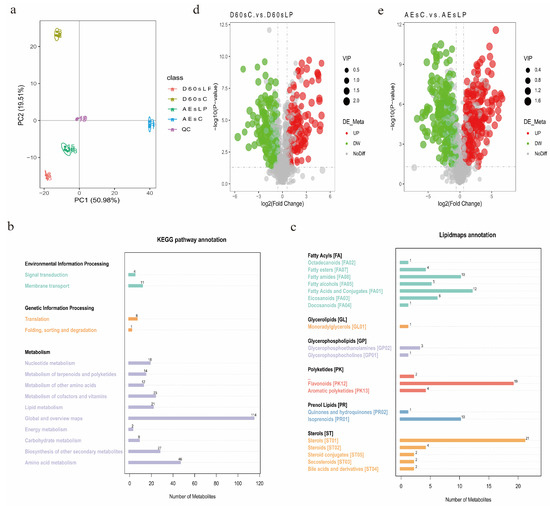
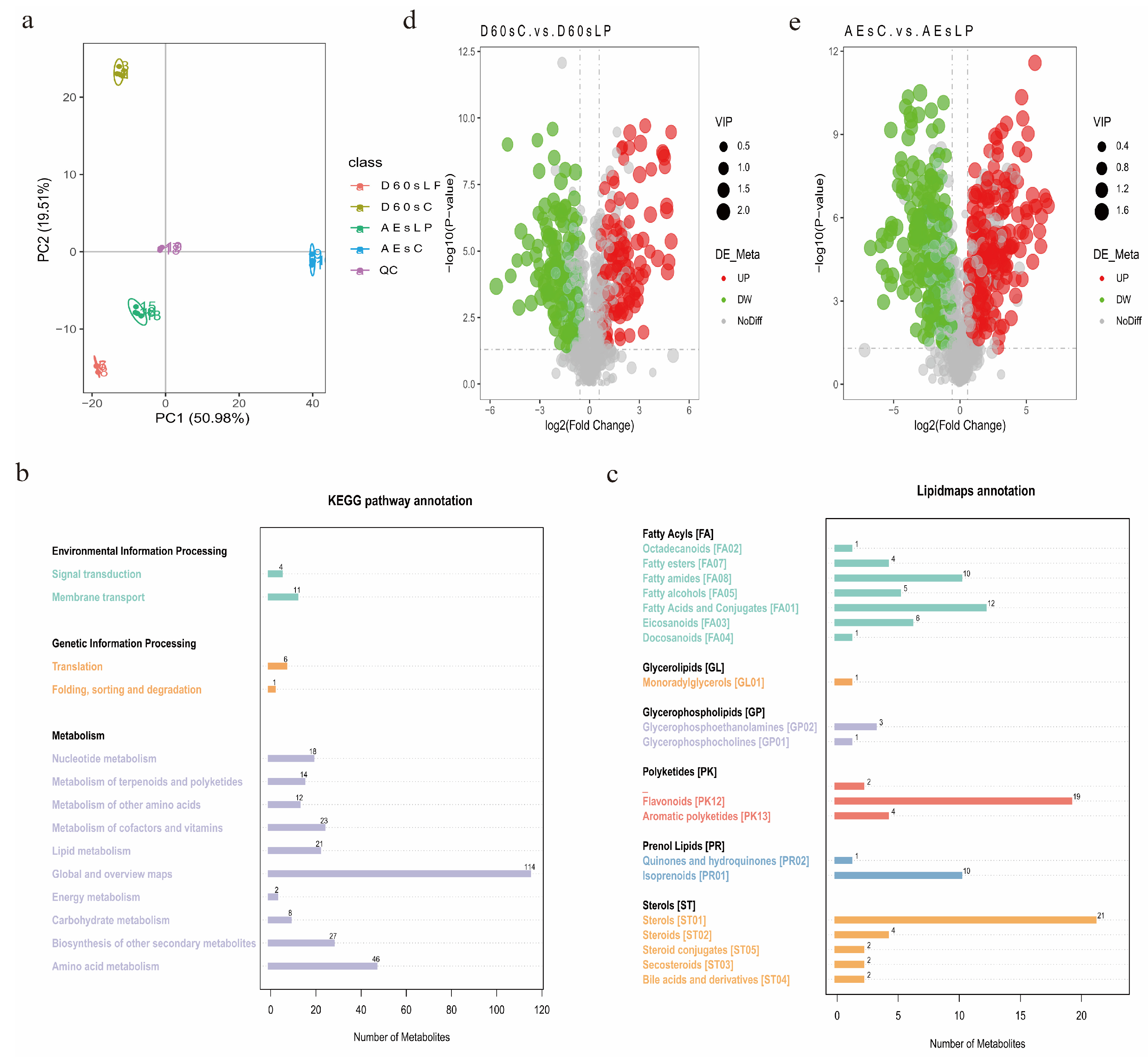
Untargeted metabolomic analysis was performed using LC-MS/MS, identifying a total of 943 metabolites across all 16 samples (Figure 6a). Functional and categorical annotation of the identified metabolites was conducted. KEGG pathway annotation (Figure 6b) revealed that these metabolites were primarily involved in environmental information processing, genetic information processing, and metabolic pathways, including nucleic acid metabolism, terpenoid/polyketide metabolism, amino acid metabolism, lipid metabolism, and energy metabolism. LIPIDMAPS annotation (Figure 6c) identified 39 fatty acyl-related metabolites (12 fatty acids/conjugates), 25 polyketides (19 flavonoids), and 31 sterols.
Figure 6.
Metabolomic profiling of silage samples. (a) Principal Component Analysis (PCA) score plot of all treatment groups. (b) KEGG pathway annotation of metabolites. (c) LIPID MAPS classification of metabolites. (d,e) Volcano plots of differentially abundant metabolites: (d) After 60-day ensiling (D60). (e) After 5-day aerobic exposure (AE5).
Volcano plots highlighted 268 differentially expressed metabolites (122 upregulated, 146 downregulated) in D60sC vs. D60sLP (Figure 6d) and 412 metabolites (213 upregulated, 199 downregulated) in AEsC vs. AEsLP (Figure 6e). Twenty-five metabolites linked to fatty acid or amino acid metabolism (FC ≥ 2 or ≤0.5, VIP > 1) were selected for further analysis. Common differentially abundant metabolites identified in both comparisons included L-palmitoylcarnitine, dihydrocapsaicin, shikimic acid, N-(5-acetamidopentyl) acetamide, adrenic acid, and agmatine. Notably, L-palmitoylcarnitine was highly significantly upregulated (p < 0.01) in both groups. There were common metabolites across both comparisons. In D60sCK vs. D60sLP, dihydrocapsaicin, N-feruloylagmatine, glucosamine, L-glutamine, and agmatine were downregulated, while metabolites such as 4-(3,4-dihydro-2H-1,5-benzodioxepin-7-ylamino)-4-oxobutanoic acid, shikimic acid, and histamine were upregulated. In AEsC vs. AEsLP, dihydrocapsaicin, shikimic acid, N-acetylputrescine, and L-ornithine were downregulated, whereas palmitoyl ethanolamide, adrenic acid, and arachidonoyl serinol were upregulated (p < 0.01).
3.4. Microbial–Metabolite Correlation
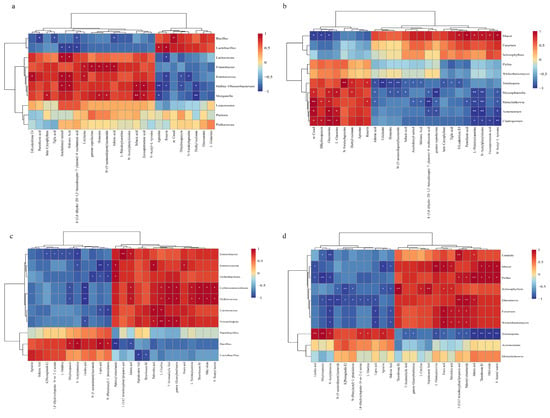
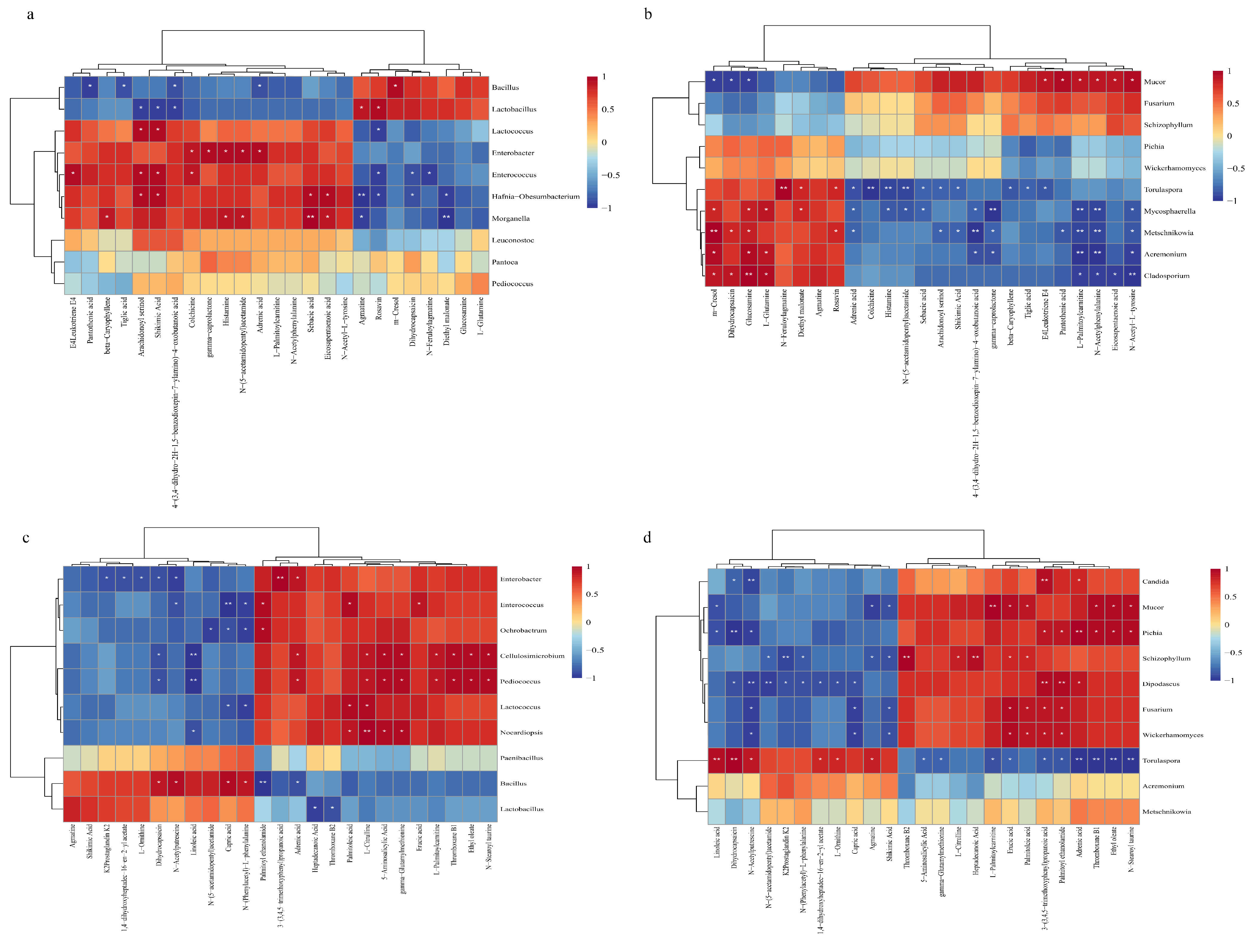
To investigate microbiota–metabolite relationships, correlation analysis was performed between the 25 selected metabolites and bacterial (16S rRNA)/fungal (ITS) community profiles. After 60 days of ensiling (D60sC vs. D60sLP, Figure 7a), Lactobacillus and Bacillus exhibited positive correlations with significantly downregulated metabolites and negative correlations with significantly upregulated metabolites. Conversely, Lactococcus, Enterobacter, Enterococcus, Hafnia-Obesumbacterium, and Morganella showed the opposite correlation pattern. Specifically, Lactobacillus showed significant positive correlations (p < 0.05) with agmatine and rosavin, while it had significant negative correlations (p < 0.05) with arachidonoyl serinol, 4-(3,4-dihydro-2H-1,5-benzodioxepin-7-ylamino)-4-oxobutanoic acid, and shikimic acid. Enterococcus showed significant positive correlations (p < 0.05) with colchicine, γ-caprolactone, histamine, N-(5-acetamidopentyl)acetamide, and adrenic acid. After 5 days of aerobic exposure (AEsC vs. AEsLP, Figure 7c), Lactobacillus and Bacillus exhibited positive correlations with significantly downregulated metabolites and negative correlations with significantly upregulated metabolites. Conversely, Enterobacter, Enterococcus, Pediococcus, Cellulosimicrobium, Lactococcus, and Nocardiopsis showed the opposite correlation pattern. Notably, Pediococcus and Cellulosimicrobium showed significant correlations (p < 0.05) with several significantly upregulated metabolites, including L-palmitoylcarnitine and adrenic acid.
Figure 7.
Integrated microbiome–metabolome correlation analysis. Correlation analysis between differential bacteria (a) and differential fungi (b) with differential metabolites in 60-day silage; correlation analysis between differential bacteria (c) and differential fungi (d) with differential metabolites after 5 days of aerobic exposure. A single asterisk (*) indicates statistical significance at the 5% level (p < 0.05) and a double asterisk (**) indicates significance at the 1% level (p < 0.01).
Fungal–metabolite correlations showed that after 60 days of ensiling (D60sC vs. D60sLP, Figure 7b), Torulaspora, Acremonium, Cladosporium, Metschnikowia, and Mycosphaerella exhibited positive correlations with significantly downregulated metabolites and negative correlations with significantly upregulated metabolites. Conversely, Mucor showed the opposite pattern and exhibited a significant positive correlation (p < 0.05) with L-palmitoylcarnitine. After 5 days of aerobic exposure (AEsC vs. AEsLP, Figure 7d), Torulaspora exhibited positive correlations with significantly downregulated metabolites and negative correlations with significantly upregulated metabolites. Conversely, Candida, Mucor, Pichia, Schizophyllum, Dipodascus, Fusarium, and Wickerhamomyces showed the opposite correlation pattern.
4. Discussion
4.1. Fermentation and Nutrient Characteristics of LP160 Inoculation
LAB inocula critically influence the preservation and fermentation of forage crops in inoculated silages [17]. Temperature is a key determinant of LAB proliferation and succession. The freeze–thaw-tolerant strain L. plantarum LP160 improves silage quality, which may be associated with two primary mechanisms. Firstly, it enhances acidification and preservation by significantly increasing LA production, thereby accelerating pH reduction. This rapid acidification ensures proper fermentation, minimizes deamination and proteolysis, and consequently reduces NH3-N content, which is consistent with established LAB functions [18,19]. Secondly, LP160 improves nutritional retention by reducing DM loss and the contents of NDF and ADF while increasing CP content. Freeze–thaw stress physically damages plant tissues, increasing silage susceptibility to spoilage microorganisms (e.g., yeasts) upon aerobic exposure [20]. In this study, LP160 significantly mitigated post-opening aerobic spoilage compared to the control, which was evidenced by the lower pH and NH3-N content and higher LA content after 5 days of aerobic exposure. Notably, LP160 induced temperature-dependent variations in AA content: AA decreased significantly under constant 20 °C but increased after 60 days of ensiling under freeze–thaw conditions. This divergence potentially aligns with reports that L. plantarum can ferment pentoses to produce acetate under specific conditions [2,21,22]. This mechanism needs further investigation.
4.2. Impact of LP160 on Bacterial Community Dynamics
The addition of LP160 significantly increased the relative abundance of Lactobacillus at different temperatures. LP160 modulated the bacterial community structure by reducing alpha diversity and promoting Lactobacillus as the dominant species [23], thereby suppressing the proliferation of Nocardiopsis, Enterococcus, Ochrobactrum, and Cellulosimicrobium. Reduced alpha diversity often reflects competitive exclusion, where a well-adapted dominant species (Lactobacillus) outcompetes others under specific conditions, enhancing functional stability in managed ecosystems like silage [3,23]. This specialization improves the core metabolic efficiency (e.g., acidification) but may increase vulnerability if the dominant species is suppressed [24]. In our study, lower diversity coincided with improved fermentation parameters, suggesting that LP160 inoculation established a functionally optimized community with enhanced short-term stability under freeze–thaw stress. The bacterial community varied under different temperatures with LP160 inoculation. Under freeze–thaw conditions, the increase in Lactobacillus was accompanied by a rise in Bacillus, particularly after 5 days aerobic exposure, when Bacillus abundance surpassed that of Lactobacillus. Notably, Bacillus became the significantly differentiated genus under freeze–thaw conditions with added LP160. This phenomenon could potentially be explained by the survival advantage of Bacillus in aerobic environments conferred by their endospore-forming ability. Previous studies have reported that Bacillus and Lactobacillus can co-exist and potentially benefit each other during silage fermentation. For instance, Bacillus species may consume oxygen during the initial aerobic phase, creating more favorable conditions for Lactobacillus growth [25]. We postulate that the dominance of Lactobacillus may have created conditions that indirectly favored Bacillus proliferation, although further functional studies are needed to confirm this possible interaction. Similar effects have been observed with B. subtilis inoculation, which enhanced silage fermentation and aerobic stability [26]. After aerobic exposure, LP160 addition under freeze–thaw conditions did not inhibit Paenibacillus, which was originally classified under the Bacillus genus and reclassified as a distinct genus in 1993 [27]. Paenibacillus can produce diverse extracellular enzymes (e.g., polysaccharide-degrading and proteolytic enzymes) and antimicrobial compounds against pathogens and fungi. It also enhances animal immune function through polysaccharide utilization [28]. Furthermore, studies suggest that Paenibacillus promotes Lactobacillus growth in corn silage by generating xylo-oligosaccharides [29], indicating potential synergistic interactions between these genera.
4.3. Impact of LP160 on Fungal Community Dynamics
The inoculation of LP160 effectively suppressed the proliferation of Mucor, which is a primary contributor to silage spoilage [30]. However, after aerobic exposure, the relative abundance of Wickerhamomyces rapidly increased. Notably, fungal community structures and successional patterns differed across temperature treatments, particularly under freeze–thaw conditions with LP160 inoculation followed by 5 days aerobic exposure, indicating distinct microbial responses to temperature variations. After 60 days ensiling, the alpha diversity index of fungal communities increased in LP160-treated silage. Under freeze–thaw conditions, LP160 reduced the relative abundance of spoilage molds such as Mucor and Fusarium. These genera, along with Schizophyllum, are recognized as common contaminants in silage that are associated with feed spoilage and quality deterioration [30,31,32] while promoting the proliferation of Cladosporium, Acremonium, and Torulaspora. Schizophyllum has been reported to exacerbate dry matter loss, reduce nutritional value, and impair feed intake in silage [32]. Yeasts were the early fungi to dominate post-aerobic exposure. Under freeze–thaw conditions, Torulaspora abundance surged dramatically, replacing Wickerhamomyces as the dominant genus. Torulaspora is frequently employed in wine fermentation for its ability to enhance aromatic profiles and sensory properties [33], and it may thrive under freeze–thaw stress by maintaining intact plasma membrane integrity [34]. This mechanism likely explains its increased presence under freeze–thaw conditions.
4.4. Effects of LP160 on Metabolites
In the comparison between D60sC and D60sLP, the addition of LP160 significantly upregulated the expression of dihydrocapsaicin, N-feruloylagmatine, glucosamine, L-glutamine, and agmatine. Studies have shown that feruloylagmatine [35], dihydrocapsaicin, and glucosamine exhibit antioxidant and antimicrobial activities. The increased expression of these metabolites induced by LP160 effectively suppressed the growth of undesirable microorganisms. During aerobic exposure, the expression of dihydrocapsaicin and agmatine was also elevated. Agmatine participates in the proline and arginine metabolic pathways, which further explains the significant differences in ornithine and citrulline observed between AEsC and AEsLP. Ornithine and citrulline are primary metabolites of arginine with ornithine serving as a precursor to citrulline. Arginine is hydrolyzed by arginase to produce ornithine, which subsequently combines with ammonia to form citrulline. This mechanism may account for the lower NH3-N content in LP160-treated silage, as LP160 enhanced amino acid retention and reduced proteolysis, aligning with previous findings [36,37].
The inoculation of LP160 downregulated the expression of L-palmitoylcarnitine, which is a key metabolite in fatty acid degradation and metabolism. Correlation analysis indicated a positive association of Mucor with both L-palmitoylcarnitine and ammonia-N, suggesting that LP160 inhibits Mucor proliferation, which in turn reduces the production of L-palmitoylcarnitine and ammonia-N, thereby alleviating the degradation of fatty acids and proteins. Furthermore, aerobic exposure markedly increased the abundance of Torulaspora, which showed a negative correlation with L-palmitoylcarnitine, implying that LP160 may also suppress this metabolite by promoting Torulaspora. Shikimic acid and N-(5-acetamidophenyl) acetamide were significantly upregulated in the D60sC vs. D60sLP comparison but downregulated in AEsC vs. AEsLP. Shikimic acid is primarily involved in the biosynthesis of phenylalanine, tyrosine, tryptophan, and various secondary metabolites. Its differential expression under aerobic/anaerobic conditions and microbial influences may reflect the delayed protein degradation induced by LP160. Additionally, shikimic acid possesses anti-inflammatory properties. Histamine levels were notably upregulated in the D60sC vs. D60sLP comparison. Histamine is a biogenic amine formed through the microbial decarboxylation of the amino acid histidine during silage fermentation, particularly when protein degradation occurs [38]. Although statistically upregulated, it may be that the absolute histamine concentrations remained below ideal levels, which needs further study.
5. Conclusions
Inoculation with the native optimized strain LP160 significantly improved the silage quality and microbial community structure, and succession varied under different temperature treatments. LP160 significantly increased the abundance of Lactobacillus, effectively suppressed the relative abundance of undesirable microorganisms such as Mucor, modulated the microbial community structure, and reduced bacterial alpha diversity. LP160 upregulated the expression of metabolites with antioxidant and antimicrobial activities, inhibited proteolysis, and decreased ammonia-N production. By suppressing Mucor proliferation and enhancing Torulaspora, LP160 reduced the expression of L-palmitoylcarnitine and ammonia-N generation, thereby mitigating fatty acid and protein degradation. This paper provides a scientific basis for the application and regulation of LAB in freeze–thaw silage in alpine regions.
Author Contributions
Conceptualization, H.L. and Q.Z.; methodology, H.G. and Y.C.; software, W.L.; formal analysis, Z.J. and H.W.; Writing—original draft, H.L.; writing—review and editing, H.L. and H.G.; data curation, Q.Y.; supervision, W.L., Q.Z. and Y.C.; funding acquisition, H.L. All authors have read and agreed to the published version of the manuscript.
Funding
This paper was supported by the Qinghai Provincial Department of Science and Technology, grant number 2024-ZJ-978, and the National Natural Science Foundation of China, grant number 32460360.
Institutional Review Board Statement
Not applicable.
Data Availability Statement
The data that support the findings of this study are available from the corresponding author upon reasonable request.
Conflicts of Interest
The authors declare that they have no conflicts of interest.
Abbreviations
The following abbreviations are used in this manuscript:
| LAB | lactic acid bacteria |
| DM | dry matter |
| NDF | neutral detergent fiber |
| ADF | acid detergent fiber |
| WSC | water-soluble carbohydrate |
| CP | crude protein |
| LA | lactic acid |
| AA | acetic acid |
| PA | propionic acid |
| BA | butyric acid |
References
- Guo, X.S.; Ke, W.C.; Ding, W.R.; Ding, L.M.; Xu, D.M.; Wang, W.W.; Zhang, P.; Yang, F.Y. Profiling of metabolome and bacterial community dynamics in ensiled Medicago sativa inoculated without or with Lactobacillus plantarum or Lactobacillus buchneri. Sci. Rep. 2018, 8, 357. [Google Scholar] [CrossRef] [Scilit]
- Muck, R.E.; Nadeau, E.M.G.; McAllister, T.A.; Contreras-Govea, F.E.; Santos, M.C.; Kung, L., Jr. Silage review: Recent advances and future uses of silage additives. J. Dairy Sci. 2018, 101, 3980–4000. [Google Scholar] [CrossRef] [Scilit]
- Jin, Y.; Wang, P.; Li, F.; Yu, M.; Du, J.; Zhao, T.; Yi, Q.; Tang, H.; Yuan, B. The Effects of Lactobacillus plantarum and Lactobacillus buchneri on the Fermentation Quality, In Vitro Digestibility, and Aerobic Stability of Silphium perfoliatum L. Silage. Animals 2024, 14, 2279. [Google Scholar] [CrossRef] [Scilit]
- Ávila, C.L.; Carvalho, B.F.; Pinto, J.C.; Duarte, W.F.; Schwan, R.F. The use of Lactobacillus species as starter cultures for enhancing the quality of sugar cane silage. J. Dairy Sci. 2013, 97, 940–951. [Google Scholar] [CrossRef] [Scilit]
- Li, H.P.; Guan, H.; Jia, Z.F.; Liu, W.H.; Ma, X.; Liu, Y.; Wang, H.; Zhou, Q.P. Freeze-thaw condition limits the fermentation process and accelerates the aerobic deterioration of oat (Avena sativa) silage in the Qinghai-Tibet Plateau. Front. Microbiol. 2022, 13, 944945. [Google Scholar] [CrossRef] [Scilit] [PubMed]
- Song, S.; Bae, D.W.; Lim, K.; Griffiths, M.W.; Oh, S. Cold stress improves the ability of Lactobacillus plantarum L67 to survive freezing. Int. J. Food Microbiol. 2014, 191, 135–143. [Google Scholar] [CrossRef] [Scilit] [PubMed]
- Santos, A.O.; Ávila, C.L.; Schwan, R.F. Selection of tropical lactic acid bacteria for enhancing the quality of maize silage. J. Dairy Sci. 2013, 96, 7777–7789. [Google Scholar] [CrossRef] [Scilit]
- Ni, K.K.; Wang, Y.P.; Cai, Y.M.; Pang, H.L. Natural lactic acid bacteria population and silage fermentation of whole-crop wheat. Asian–Australas. J. Anim. Sci. 2015, 28, 1123–1132. [Google Scholar] [CrossRef] [Scilit] [PubMed]
- Ranjit, N.K.; Kung, L., Jr. The effect of Lactobacillus buchneri, Lactobacillus plantarum, or a chemical preservative on the fermentation and aerobic stability of corn silage. J. Dairy Sci. 2000, 83, 526–535. [Google Scholar] [CrossRef] [Scilit]
- Lee, M.H. Official Methods of Analysis of AOAC International (16th edn); Official and Standardized Methods of Analysis (3rd edn). Trends Food Sci. Technol. 1995, 6, 382–383. [Google Scholar] [CrossRef] [Scilit]
- Van Soest, P.J.; Robertson, J.B.; Lewis, B.A. Methods for dietary fiber, neutral detergent fiber, and nonstarch polysaccharides in relation to animal nutrition. J. Dairy Sci. 1991, 74, 3583–3597. [Google Scholar] [CrossRef] [Scilit] [PubMed]
- Weissbach, F. A simple method for the correction of fermentation losses measured in laboratory silos. In Proceedings of the XIV International Silage Conference, Belfast, UK, 3–6 July 2005; p. 278. [Google Scholar]
- Broderick, G.A.; Kang, J.H. Automated Simultaneous Determination of Ammonia and Total Amino Acids in Ruminal Fluid and In Vitro Media. J. Dairy Sci. 1980, 63, 64–75. [Google Scholar] [CrossRef] [Scilit] [PubMed]
- Li, P.; Shen, Y.; You, M.; Zhang, Y.; Yan, J.; Li, D.; Bai, S. Effect of grape pomace on fermentation quality and aerobic stability of sweet sorghum silage. Anim. Sci. J. 2017, 88, 1523–1530. [Google Scholar] [CrossRef] [Scilit] [PubMed]
- Dunn, W.B.; Broadhurst, D.; Begley, P.; Zelena, E.; Francis-McIntyre, S.; Anderson, N.; Brown, M.; Knowles, J.D.; Halsall, A.; Haselden, J.N.; et al. Procedures for large-scale metabolic profiling of serum and plasma using gas chromatography and liquid chromatography coupled to mass spectrometry. Nat. Protoc. 2011, 6, 1060–1083. [Google Scholar] [CrossRef] [Scilit]
- Want, E.J.; Wilson, I.D.; Gika, H.; Theodoridis, G.; Plumb, R.S.; Shockcor, J.; Holmes, E.; Nicholson, J.K. Global metabolic profiling procedures for urine using UPLC–MS. Nat. Protoc. 2010, 5, 1005–1018. [Google Scholar] [CrossRef] [Scilit]
- Kim, D.; Lee, K.D.; Choi, K.C. Role of LAB in silage fermentation: Effect on nutritional quality and organic acid production—An overview. AIMS Agric. Food 2021, 6, 216–234. [Google Scholar] [CrossRef] [Scilit]
- Li, X.; Chen, F.; Wang, X.; Sun, L.; Guo, L.; Xiong, Y.; Wang, Y.; Zhou, H.; Jia, S.; Yang, F.; et al. Impacts of Low Temperature and Ensiling Period on the Bacterial Community of Oat Silage by SMRT. Microorganisms 2021, 9, 274. [Google Scholar] [CrossRef] [Scilit]
- Zhang, M.; Wang, L.; Wu, G.; Wang, X.; Lv, H.; Chen, J.; Liu, Y.; Pang, H.; Tan, Z. Effects of Lactobacillus plantarum on the Fermentation Profile and Microbiological Composition of Wheat Fermented Silage Under the Freezing and Thawing Low Temperatures. Front. Microbiol. 2021, 12, 671287. [Google Scholar] [CrossRef] [Scilit]
- Dong, Z.; Li, J.; Chen, L.; Wang, S.; Shao, T. Effects of Freeze-Thaw Event on Microbial Community Dynamics During Red Clover Ensiling. Front. Microbiol. 2019, 10, 1559. [Google Scholar] [CrossRef] [Scilit]
- Gobbetti, M.; Lavermicocca, P.; Minervini, F.; De Angelis, M.; Corsetti, A. Arabinose fermentation by Lactobacillus plantarum in sourdough with added pentosans and alpha-L-arabinofuranosidase: A tool to increase the production of acetic acid. J. Appl. Microbiol. 2000, 88, 317–324. [Google Scholar] [CrossRef] [Scilit]
- Zhang, H.; Wu, J.; Zhao, X.; Yan, P.; Yang, R.; Yan, J.; Yuan, X.; Cui, Z. Improving aerobic stability and methane production of maize stover silage with lactic acid bacteria inoculants: Focus on pentose-fermentation. Ind. Crops Prod. 2023, 200, 116861. [Google Scholar] [CrossRef] [Scilit]
- Guan, H.; Shuai, Y.; Yan, Y.H.; Ran, Q.F.; Wang, X.; Li, D.D.; Cai, Y.M.; Zhang, X.Q. Microbial Community and Fermentation Dynamics of Corn Silage Prepared with Heat-Resistant Lactic Acid Bacteria in a Hot Environment. Microorganisms 2020, 8, 719. [Google Scholar] [CrossRef] [Scilit]
- Konopka, A. What is microbial community ecology? ISME J. 2009, 3, 1223–1230. [Google Scholar] [CrossRef] [Scilit]
- Wang, Y.; Ke, W.; Lu, Q.; Zhang, G. Effects of Bacillus coagulans and Lactobacillus plantarum on the Fermentation Characteristics, Microbial Community, and Functional Shifts during Alfalfa Silage Fermentation. Animals 2023, 13, 932. [Google Scholar] [CrossRef] [Scilit]
- Bai, J.; Xu, D.; Xie, D.; Wang, M.; Li, Z.; Guo, X. Effects of antibacterial peptide-producing Bacillus subtilis and Lactobacillus buchneri on fermentation, aerobic stability, and microbial community of alfalfa silage. Bioresour. Technol. 2020, 315, 123881. [Google Scholar] [CrossRef] [Scilit] [PubMed]
- Ash, C.; Priest, F.G.; Collins, M.D. Molecular identification of rRNA group 3 bacilli (Ash, Farrow, Wallbanks and Collins) using a PCR probe test. Proposal for the creation of a new genus Paenibacillus. Antonie Leeuwenhoek 1993, 64, 253–260. [Google Scholar] [CrossRef] [Scilit]
- Li, N.Z.; Xia, T.; Xu, Y.L.; Qiu, R.R.; Xiang, H.; He, D.; Peng, Y.Y. Genome sequence of Paenibacillus sp. strain Aloe-11, an endophytic bacterium with broad antimicrobial activity and intestinal colonization ability. J. Bacteriol. 2012, 194, 2117–2118. [Google Scholar] [CrossRef] [Scilit] [PubMed]
- Xu, Z.; Zhang, S.; Mu, Y.; Kong, J. Paenibacillus panacisoli enhances growth of Lactobacillus spp. by producing xylooligosaccharides in corn stover ensilages. Carbohydr. Polym. 2018, 184, 435–444. [Google Scholar] [CrossRef] [Scilit] [PubMed]
- Alonso, V.A.; Pereyra, C.M.; Keller, L.A.; Dalcero, A.M.; Rosa, C.A.; Chiacchiera, S.M.; Cavaglieri, L.R. Fungi and mycotoxins in silage: An overview. J. Appl. Microbiol. 2013, 115, 637–643. [Google Scholar] [CrossRef] [Scilit]
- Orsi, R.; Corrêa, B.; Possi, C.R.; Schammass, E.A.; Nogueira, J.R.; Dias, S.M.C.; Malozzi, M.A.B. Mycoflora and occurrence of fumonisins in freshly harvested and stored hybrid maize. J. Stored Prod. Res. 2000, 36, 75–87. [Google Scholar] [CrossRef] [Scilit]
- Brady, K.C.; O’Kiely, P.; Forristal, P.D.; Fuller, H. Schizophyllum commune on big-bale grass silage in Ireland. Mycologist 2005, 19, 30–35. [Google Scholar] [CrossRef] [Scilit]
- Ruiz-de-Villa, C.; Poblet, M.; Cordero-Otero, R.; Bordons, A.; Reguant, C.; Rozès, N. Screening of Saccharomyces cerevisiae and Torulaspora delbrueckii strains in relation to their effect on malolactic fermentation. Food Microbiol. 2023, 112, 104212. [Google Scholar] [CrossRef] [Scilit]
- Alves-Araújo, C.; Almeida, M.J.; Sousa, M.J.; Leão, C. Freeze tolerance of the yeast Torulaspora delbrueckii: Cellular and biochemical basis. FEMS Microbiol. Lett. 2004, 240, 7–14. [Google Scholar] [CrossRef] [Scilit]
- Zduńska, K.; Dana, A.; Kolodziejczak, A.; Rotsztejn, H. Antioxidant Properties of Ferulic Acid and Its Possible Application. Ski. Pharmacol. Physiol. 2018, 31, 332–336. [Google Scholar] [CrossRef] [Scilit]
- Bai, J.; Ding, Z.; Ke, W.; Xu, D.; Wang, M.; Huang, W.; Zhang, Y.; Liu, F.; Guo, X. Different lactic acid bacteria and their combinations regulated the fermentation process of ensiled alfalfa: Ensiling characteristics, dynamics of bacterial community and their functional shifts. Microb. Biotechnol. 2021, 14, 1171–1182. [Google Scholar] [CrossRef] [Scilit]
- Guo, X.S.; Undersander, D.J.; Combs, D.K. Effect of Lactobacillus inoculants and forage dry matter on the fermentation and aerobic stability of ensiled mixed-crop tall fescue and meadow fescue. J. Dairy Sci. 2013, 96, 1735–1744. [Google Scholar] [CrossRef] [Scilit]
- Steidlová, Š.; Kalač, P. Levels of biogenic amines in maize silages. Anim. Feed Sci. Technol. 2002, 102, 197–205. [Google Scholar] [CrossRef] [Scilit]

Disclaimer/Publisher’s Note: The statements, opinions and data contained in all publications are solely those of the individual author(s) and contributor(s) and not of MDPI and/or the editor(s). MDPI and/or the editor(s) disclaim responsibility for any injury to people or property resulting from any ideas, methods, instructions or products referred to in the content. |
© 2026 by the authors. Licensee MDPI, Basel, Switzerland. This article is an open access article distributed under the terms and conditions of the Creative Commons Attribution (CC BY) license.