


Abstract
Brassica rapa includes economically important vegetables such as Chinese cabbage, pak choi, and turnip, whose development and agricultural traits are strongly influenced by environmental conditions. This review summarizes current understanding of epigenetic regulation in B. rapa, an area that has advanced from substantial findings in the model plant Arabidopsis thaliana. Epigenetic mechanisms, including DNA methylation, histone modifications, small RNAs, and chromatin organization, regulate gene expression, transposable-element activity, genome stability, and phenotypic variation. Recent advances in methylome and chromatin profiling have revealed both conserved mechanisms and regulatory features shaped by whole-genome triplication (WGT) in B. rapa. During vernalization in A. thaliana, Polycomb-mediated accumulation of H3K27me3 represses FLOWERING LOCUS C (FLC), while related mechanisms regulate BrFLC paralogs and flowering time in B. rapa. Epigenetic changes are also associated with heterosis and responses to temperature stress and pathogens. However, major challenges remain in establishing their causal roles in B. rapa, particularly given the genomic complexity arising from WGT, the limited functional evidence for causal epialleles, and uncertainties regarding the transgenerational stability of epigenetic marks. Furthermore, transposable elements, which are normally suppressed by DNA methylation, can influence nearby gene expression through local changes. We distinguish mechanisms established in A. thaliana and findings directly supported in B. rapa, and discuss how epigenetic markers, chemically or genetically induced variation, stress priming, and epigenome editing could contribute to future breeding of Brassica.
1. Introduction
Epigenetic regulation has emerged as a central mechanism controlling genome function, development, and environmental adaptation in plants. Unlike genetic variation, epigenetic modifications alter chromatin states and transcriptional activity without changing the underlying DNA sequence, thereby enabling dynamic and potentially reversible regulation of gene expression. Major epigenetic mechanisms in plants include DNA methylation, histone modifications, and chromatin remodeling, all of which act cooperatively to shape genome activity [1,2,3].
Among epigenetic mechanisms, DNA methylation is one of the best-characterized and is critical for transposable element (TE) silencing, maintenance of genome integrity, and transcriptional regulation. In plants, DNA methylation occurs in three cytosine sequence contexts—CG, CHG, and CHH (H = A, T, or C)—each maintained by distinct enzymatic pathways. CG methylation is primarily maintained by METHYLTRANSFERASE1 (MET1), whereas CHG methylation is maintained by CHROMOMETHYLASE3 (CMT3) in association with histone H3 lysine 9 dimethylation (H3K9me2)-mediated heterochromatin formation [3,4]. CHH methylation is mainly established through the RNA-directed DNA methylation (RdDM) pathway, in which RNA polymerase IV (Pol IV) generates precursor transcripts that are converted into double-stranded RNAs by RNA-DEPENDENT RNA POLYMERASE2 (RDR2) and subsequently processed into 24-nt small interfering RNAs (siRNAs) by DICER-LIKE3 (DCL3) and loaded onto ARGONAUTE4 (AGO4). NUCLEAR RNA POLYMERASE E1 (NRPE1), the largest catalytic subunit of Pol V, is required for the production of scaffold transcripts at RdDM target loci. Interactions between AGO4–siRNA complexes and these scaffold transcripts recruit DOMAINS REARRANGED METHYLTRANSFERASE2 (DRM2), thereby establishing de novo DNA methylation [3,5]. RdDM is functionally coupled with repressive histone modifications and heterochromatin formation, with DNA methylation and chromatin modifications acting together to reinforce transcriptional silencing. In addition to the canonical RdDM pathway, CHROMOMETHYLASE2 (CMT2) also contributes to CHH methylation in heterochromatic regions. In contrast, active DNA demethylation is mediated by a family of 5-methylcytosine DNA glycosylases, including REPRESSOR OF SILENCING1 (ROS1), DEMETER-LIKE2 (DML2), and DML3, which remove methylated cytosines through a base excision repair pathway and regulate stress-responsive gene expression and TE activity [3,5]. DNA methylation states are further dynamically regulated by chromatin remodelers such as DECREASE IN DNA METHYLATION1 (DDM1), which facilitates DNA methylation maintenance in heterochromatic regions and plays important roles in TE silencing, genome stability, and stress-responsive gene regulation [3,6]. Importantly, DNA methylation patterns can be stably inherited across generations, but can also change dynamically, giving rise to epialleles that contribute to phenotypic variation independently of DNA sequence polymorphisms [1,2,3,4].
Histone modifications, including active marks such as histone acetylation, H3K4me3, and H3K36me3, and repressive marks such as H3K27me3 and H3K9me2, together with histone deacetylation, further define transcriptionally permissive or repressive chromatin states [7]. H3K27me3-mediated repression is primarily regulated by Polycomb Repressive Complex 2 (PRC2) components such as CURLY LEAF (CLF), SWINGER (SWN), EMBRYONIC FLOWER2 (EMF2), FERTILIZATION-INDEPENDENT ENDOSPERM (FIE), MULTICOPY SUPPRESSOR OF IRA1 (MSI1), VERNALIZATION2 (VRN2), and VERNALIZATION INSENSITIVE3 (VIN3), which play central roles in developmental regulation, phase transitions, floral organ specification, and vernalization [8]. In contrast, Trithorax group (TrxG)-related histone methyltransferases such as SET DOMAIN GROUP8/EARLY FLOWERING IN SHORT DAYS (SDG8/EFS) promote transcription through deposition of active H3K36me3 marks. Histone demethylases, including EARLY FLOWERING6 (ELF6), RELATIVE OF EARLY FLOWERING6 (REF6), and JmjC domain-containing proteins, further modulate chromatin states by removing repressive histone methylation marks, thereby enabling dynamic and reversible regulation of stress-responsive and developmental genes [9]. These histone modifications interact closely with DNA methylation and chromatin organization to coordinate genome-wide transcriptional regulation.
Species of the genus Brassica provide an excellent system for studying epigenetic regulation because of their complex polyploid genomes, extensive phenotypic diversity, and agricultural importance. The genus Brassica has undergone whole-genome triplication (WGT), resulting in extensive gene duplication, subgenome diversification, and large-scale TE accumulation, which together create a highly dynamic chromatin landscape [10,11]. Within this genomic context, epigenetic mechanisms play roles in diverse biological processes, and epigenomic variation represents an important source of phenotypic plasticity in Brassica rapa, offering valuable opportunities for future crop improvement and breeding strategies in Brassica species [12].
This review summarizes current knowledge of epigenetic regulation in B. rapa with particular emphasis on how DNA methylation and histone modifications are involved in TE regulation, stress-responsive epigenetic dynamics, heterosis, immune responses, and vernalization. Rather than treating mechanisms established in A. thaliana as directly transferable, we distinguish between (i) conserved molecular components, (ii) mechanisms directly supported by experimental evidence in B. rapa, and (iii) hypotheses inferred from A. thaliana or other Brassica species. Using this framework, we examine where A. thaliana provides a useful mechanistic model, where WGT and paralog-specific regulation require direct testing in B. rapa, and which epigenomic observations currently represent associations rather than causal or heritable mechanisms. We also discuss recent technological advances in epigenome analysis and highlight emerging perspectives on how epigenetic mechanisms contribute to environmental adaptation and crop improvement in Brassica species.
2. Epigenome Analysis
Importantly, interactions between DNA methylation and histone modifications establish multilayered regulatory networks that modulate developmental transitions and environmental responses. Recent studies have also highlighted the importance of higher-order chromatin organization and three-dimensional (3D) genome architecture in stress-responsive transcriptional regulation. Many of these insights were gained through advances in high-throughput sequencing technologies for profiling plant epigenomes at genome-wide resolution.
2.1. Whole-Genome Bisulfite Sequencing (WGBS) and Advances in Brassica Methylome Analysis
DNA methylation was initially investigated using methylation-sensitive restriction enzymes such as McrBC. Methylation-sensitive amplified polymorphism (MSAP), which combines methylation-sensitive restriction enzyme digestion with amplified fragment length polymorphism (AFLP), was also developed to assess genome-wide methylation patterns [13]. In addition, antibody-based approaches, such as methylated DNA immunoprecipitation (MeDIP) and methyl-binding protein-based methods, have been widely used to enrich methylated DNA fragments [14].
Recent advances in sequencing technologies have enabled high-resolution genome-wide profiling of DNA methylation. Among these, whole-genome bisulfite sequencing (WGBS), also known as Bisulfite-seq (BS-seq), is widely regarded as the gold standard for single-base-resolution methylome analysis. In WGBS, genomic DNA is treated with sodium bisulfite prior to sequencing, which converts unmethylated cytosines to uracil, whereas methylated cytosines remain unchanged. Following sequencing, methylation levels at individual cytosine sites are inferred based on the proportion of converted versus unconverted reads [15,16]. This approach has been extensively applied in plants, particularly in A. thaliana, as well as in a wide range of crop species, including those in the genus Brassica. WGBS enables comprehensive identification of methylated regions, differentially methylated regions (DMRs), and differentially methylated genes (DMGs). Furthermore, integrating WGBS data with transcriptomic datasets, such as RNA-sequencing (RNA-seq), facilitates investigation of the relationship between DNA methylation and gene expression levels [17]. In B. rapa breeding research, WGBS can be used to identify genome-wide DMRs and facilitate the identification of epigenetic quantitative trait loci (epiQTLs), potentially enabling the development of epigenetic markers associated with agronomic traits.
In B. rapa, WGBS-based analyses have revealed characteristic genome-wide methylation patterns. For example, methylation levels were reported to be approximately 36–39% in CG, 13–15% in CHG, and ~5% in CHH contexts, with similar trends observed across developmental stages [18,19]. DNA methylation in promoter regions, particularly CG methylation upstream of genes, is generally negatively correlated with gene expression. In contrast, gene body methylation (gbM), especially CG methylation within exons, is often associated with moderately to highly expressed genes [18]. Non-CG methylation (CHG and CHH) within gene bodies tends to correlate negatively with expression, indicating distinct functional roles depending on the sequence context and genomic location [18,19]. Comparable but quantitatively distinct patterns have been observed in Brassica oleracea, where CG methylation levels are higher overall, and the relationships between gene body methylation and expression appear more complex and non-linear [20]. The differences in DNA methylation levels between B. rapa and B. oleracea may be substantially influenced by differences in the abundance and distribution of TEs (details in Section 3), which are targeted for DNA methylation. Comparative methylome analyses between these species could therefore provide insights into how differences in TE landscapes contribute to species-specific DNA methylation patterns. At the same time, identifying DNA sequences that are commonly targeted for methylation in both species may help distinguish conserved methylation patterns from species-specific epigenetic features and provide clues to the biological significance of DNA methylation in plants. In addition to interspecific differences, intraspecific variation in DNA methylation should also be considered, as epigenetic variation among genotypes may influence the interpretation and generalization of methylome patterns. These observations emphasize an important principle for translating epigenetic knowledge from A. thaliana to vegetable Brassica crops: conservation of the molecular machinery does not necessarily imply conservation of the epigenomic state or its phenotypic consequences. Thus, comparative analyses integrating interspecific and intraspecific variation in DNA methylation may provide a more comprehensive framework for understanding the biological and evolutionary significance of DNA methylation in Brassica.
The Brassica genome has undergone WGT, resulting in three subgenomes: least fractionated (LF) and two more fractionated subgenomes (MF1 and MF2). WGBS studies have demonstrated that DNA methylation patterns are partially conserved among paralogous genes across subgenomes, particularly in gene bodies. However, subgenome-specific differences also exist. In B. rapa, genome-wide analyses have revealed differences in DNA methylation and gene expression among the three subgenomes, highlighting the epigenomic consequences of WGT [21]. In particular, the MF1 subgenome shows higher methylation levels and lower gene expression compared with the LF subgenome, suggesting an inverse relationship between methylation and transcriptional activity [21]. gbM appears to be relatively conserved despite WGT, and significant correlations in gbM levels between orthologous genes in B. rapa and A. thaliana across all three subgenomes (LF, MF1, and MF2), as well as between paralogous genes within B. rapa, have been observed, suggesting that gbM patterns can be maintained following both speciation and WGT [19]. In B. oleracea, although LF genes tend to be more highly expressed, the correlation between DNA methylation and expression across subgenomes is less consistent, indicating species-specific epigenomic regulation following WGT [20]. Together, these findings highlight the need to distinguish conserved gene-level methylation patterns from differences in overall methylation landscapes and transcriptional regulation. Direct extrapolation of epigenetic relationships established in A. thaliana to Brassica should be made cautiously, taking into account subgenome-specific methylation, paralog expression and regulation, and the distribution of TEs, which may influence local DNA methylation patterns and gene expression.
WGBS provides single-base-resolution methylation profiles but is limited by bisulfite-induced DNA fragmentation, substantial DNA input and sequencing requirements, reduced sequence complexity and mapping accuracy, uneven genome coverage, and potential conversion and PCR biases. To overcome some limitations of bisulfite-based approaches, alternative technologies have been developed. Enzymatic methyl-seq (EM-seq) uses enzymatic conversion instead of bisulfite treatment, thereby reducing DNA degradation and preserving fragment integrity [22]. Another emerging platform is nanopore sequencing, developed by Oxford Nanopore Technologies (ONT), which enables direct detection of DNA methylation from native DNA molecules without chemical conversion. This technology measures changes in ionic current as DNA passes through a nanopore, allowing simultaneous determination of DNA sequence and base modifications [22]. Importantly, its long-read capability facilitates accurate analysis of repetitive regions such as TEs, centromeres, and pericentromeres, which are often difficult to resolve using short-read sequencing [22].
A direct comparison of WGBS, EM-seq, and nanopore-based methylome analysis in B. rapa using identical DNA samples revealed both shared features and platform-specific biases (Figure 1). All methods consistently reproduced global methylation patterns, including the canonical CG > CHG > CHH hierarchy and enrichment in TE-rich pericentromeric regions, with strong concordance observed between WGBS and EM-seq (Pearson’s r > 0.90). However, WGBS tended to report higher methylation levels, particularly in CHG and CHH contexts, likely due to bisulfite-related biases, whereas EM-seq provided more uniform genome coverage and slightly lower, potentially more accurate methylation estimates. In contrast, nanopore sequencing showed distinct advantages in mapping efficiency and coverage, especially in repetitive TE regions, but exhibited lower concordance with short-read methods and a higher false-positive rate in methylation calling [22]. Even after statistical correction, nanopore data consistently indicated lower CHH methylation levels in TEs, suggesting that short-read approaches may overestimate methylation in complex regions. DMR analysis further demonstrated that most discrepancies among platforms are concentrated in intergenic and TE-rich regions, whereas gene bodies and promoters are more consistently profiled, underscoring the importance of selecting appropriate methodologies depending on the genomic context and research objectives [22].
Figure 1.
Comparison of three DNA methylation profiling methods: whole-genome bisulfite sequencing (WGBS), enzymatic methyl-sequencing (EM-seq), and Oxford Nanopore Technologies (ONT). The figure summarizes the workflow, major advantages, limitations, and platform-specific characteristics of each method based on analyses of identical B. rapa DNA samples.
Overall, WGBS remains a robust and widely used method for high-resolution methylome analysis in Brassica species, providing single-base-resolution profiles across CG, CHG, and CHH contexts. However, bisulfite-induced DNA degradation and reduced sequence complexity can compromise coverage and mapping accuracy. EM-seq offers advantages in reduced DNA damage and more uniform coverage, although its performance still depends on library preparation and sequencing depth. Nanopore preserves native DNA molecules and enables long-read DNA methylation profiling across complex and repetitive regions, including TEs, although methylation-calling accuracy depends on the type of modification, sequencing depth, and computational models (Figure 1) [22]. The choice of method should therefore be guided by the biological question, sample availability, and genomic features of the target species. These considerations are particularly important in Brassica genomes, where WGT, highly similar paralogous sequences, and abundant TEs can complicate read mapping and the assignment of methylation signals to specific genomic regions. Integrating complementary technologies while accounting for mapping ambiguity, sequence coverage, and platform-specific biases will be crucial for distinguishing biological variation from technical artifacts and achieving a comprehensive understanding of DNA methylation dynamics in Brassica, particularly in relation to polyploidy, TE regulation, and epigenetic variation underlying agronomic traits. From a breeding perspective, WGBS, EM-seq, and ONT can be used to identify genome-wide DMRs and candidate epigenetic markers associated with agronomic traits. EM-seq is particularly useful when only limited amounts of DNA are available, whereas ONT facilitates the identification of TE-associated epialleles in repetitive regions and duplicated paralogs.
2.2. Chromatin Immunoprecipitation Sequencing (ChIP-Seq)
Chromatin immunoprecipitation followed by sequencing (ChIP-seq) has enabled genome-wide profiling of histone modifications using specific antibodies, providing key insights into epigenetic regulation in plants [7]. In B. rapa, ChIP-seq analyses of young leaf tissues have characterized the genome-wide distribution of major active histone marks, including H3K4me3 and H3K36me3, as well as repressive marks such as H3K9me2 and H3K27me3 [19,23,24]. Genome-wide analyses have demonstrated that these histone modifications are unevenly distributed across the genome. Active marks (H3K4me3 and H3K36me3), together with the facultative repressive mark H3K27me3, are predominantly enriched in euchromatic regions, whereas H3K9me2 is mainly associated with heterochromatic regions [19,23,24]. Comparative analyses integrating histone modifications and DNA methylation revealed coordinated but distinct epigenetic relationships in B. rapa. Active histone marks tend to co-occur and are positively correlated with one another, whereas H3K9me2 shows antagonistic relationships with these marks [24]. DNA methylation is positively associated with H3K9me2 but negatively correlated with H3K4me3, H3K36me3, and H3K27me3 [24]. Regions enriched for H3K9me2 display elevated DNA methylation levels relative to the genome average, whereas regions marked by active histone modifications generally show reduced DNA methylation levels. These observations highlight the coordinated interplay between chromatin states and DNA methylation in shaping the Brassica epigenome [24]. Antagonistic patterns between H3K36me3 and H3K27me3 have also been observed within gene bodies, whereas bivalent chromatin states marked by the simultaneous presence of H3K4me3 and H3K27me3 have been identified in a subset of genes [24].
The effects of WGT on histone modification patterns and gene regulation have also been investigated in B. rapa. H3K27me3 marks are conserved among some paralogous genes, whereas other genes exhibit copy-specific H3K27me3 patterns. In 14-day leaves, approximately 30% of the examined paralogous gene pairs showed H3K27me3 in both copies, while others showed the mark in only one copy. H3K27me3-marked paralogs generally exhibited lower expression levels and greater tissue-specific expression than their unmarked counterparts, suggesting that this modification may contribute to regulatory divergence following WGT [23]. Complementary evidence has been obtained for the active histone marks H3K4me3 and H3K36me3 [24]. Differences in H3K36me3 levels between paralogous gene pairs were associated with differences in gene expression and tissue specificity, suggesting a potential role for this modification in the subfunctionalization of duplicated genes. These findings indicate that, following WGT, paralogous genes can retain similar histone modification patterns or acquire distinct epigenetic states associated with divergent expression patterns [24]. Taken together, these studies demonstrate that epigenetic regulation in B. rapa reflects both the conservation of regulatory mechanisms among duplicated genes and the divergence of individual paralogs. Therefore, findings from A. thaliana should not be directly extrapolated to Brassica without considering the effects of WGT, subgenome identity, and paralog-specific regulation.
In addition to protein-coding genes, epigenetic profiling of long noncoding RNA (lncRNA)-encoding regions in B. rapa has revealed distinct chromatin features compared with protein-coding loci [25,26]. Active marks such as H3K4me3 and H3K36me3 are enriched in transcribed lncRNA regions and are more frequently associated with lncRNA loci than with protein-coding genes. A positive relationship between these marks and expression levels has been observed for long intergenic noncoding RNAs (lincRNAs), whereas such correlations are weaker or absent for natural antisense transcripts (NATs) and intronic noncoding RNAs (incRNAs). In contrast, H3K27me3 is detected at a smaller proportion of lncRNA loci, and its association with transcriptional repression appears less pronounced than in protein-coding genes. In some cases, lncRNA expression is maintained or even elevated despite the presence of H3K27me3, suggesting distinct regulatory mechanisms [25,26]. These findings indicate that epigenetic regulation of lncRNAs differs from that of protein-coding genes and may involve additional regulatory layers. However, these conclusions should be interpreted cautiously because lncRNA expression is highly tissue-specific and responsive to environmental conditions. Therefore, analyses restricted to a single tissue or developmental stage are unlikely to capture the full repertoire of lncRNA loci.
Epigenetic regulation, particularly H3K27me3-mediated gene silencing, plays essential roles in controlling developmental transitions such as flowering. The functions of the Jumonji demethylases BrELF6 and BrREF6 have been investigated in B. rapa, revealing that BrREF6 exerts a stronger influence on genome-wide H3K27me3 dynamics (Table 1) [27]. Another study further demonstrated the importance of H3K27me3 in shaping the epigenomic landscape and regulating development in B. rapa [28]. Using ChIP-seq and 3′-end RNA-seq in leaves and inflorescences, H3K27me3 was shown to cover approximately one-third of protein-coding genes and to correlate with low gene expression levels. Functional characterization of a brclf mutant, which is defective in H3K27 methyltransferase activity, revealed pleiotropic phenotypes, including curly leaves, associated with reduced H3K27me3 levels and increased expression of AGAMOUS-like genes (Table 1) [28]. In the B. rapa genomic male sterile (GMS) line ‘Bcajh97-01A/B’, male sterility results from abnormal meiotic cytokinesis and premature tapetal cell death, leading to microspore degeneration and defective pollen wall formation. Transcriptome analyses across developmental stages identified key genes involved in tapetum function, callose metabolism, exine formation, and cell wall modification. ChIP-seq analyses further revealed that many pollen development-related genes are epigenetically regulated through H3K4me3 and H3K27me3 modifications [29].
Table 1.
Summary of gene or gene families involved in epigenetic regulation and their potential application.
Precise chromatin regulation is essential for controlling gene expression and cellular identity during development and disease. Accordingly, technologies for profiling histone modifications and chromatin-associated proteins have become increasingly important. Although ChIP-seq has been widely used to profile histone modifications, Cleavage Under Targets and Release Using Nuclease (CUT&RUN) has emerged as a powerful high-resolution alternative for epigenomic profiling, enabling sensitive and efficient mapping of chromatin features across diverse cell and tissue types [30]. Using a low-input CUT&RUN approach, researchers successfully generated high-resolution genome-wide H3K27me3 landscapes from approximately 20,000 purified A. thaliana endosperm nuclei, demonstrating high sensitivity, specificity, and reproducibility. This study showed that CUT&RUN is an effective alternative to ChIP for investigating parent-specific epigenetic regulation in tissues with limited starting material (Figure 2) [31]. Similarly, CUT&RUN profiling in Norway spruce (Picea abies) revealed that H3K27me3 predominantly accumulates in genic regions and is strongly associated with embryogenic potential during somatic embryogenesis. Embryonic callus exhibited low levels of H3K27me3, which increased during embryo induction, highlighting the importance of PRC2-mediated epigenetic regulation in cell-fate determination and embryonic development in gymnosperms [32].
Figure 2.
Schematic comparison of major epigenomic profiling methods used in plant chromatin research. B. rapa leaf tissue is processed for nuclei/chromatin isolation and then analyzed using Chromatin immunoprecipitation sequencing (ChIP-seq), Cleavage Under Targets and Release Using Nuclease (CUT&RUN), Assay for transposase-accessible chromatin using sequencing (ATAC-seq), or High-throughput chromosome conformation capture (Hi-C).
The assay for transposase-accessible chromatin using sequencing (ATAC-seq) is a powerful method for mapping genome-wide chromatin accessibility [33]. ATAC-seq has become an important tool in plant epigenetics because it requires relatively small amounts of input material while providing high-resolution profiles of chromatin dynamics during development, stress responses, and environmental adaptation [34]. Recent integrative epigenomic studies in B. rapa demonstrated that whole-genome duplication induces extensive chromatin and transcriptional reprogramming during autopolyploidization. Combined analyses using ATAC-seq, ChIP-seq, and RNA-seq revealed that increasing ploidy alters chromatin accessibility and histone modification patterns, particularly H3K4me3 distribution near transcription start sites, resulting in widespread transcriptional changes. These chromatin alterations affect key developmental regulators, including the transcription factors GROWTH-REGULATING FACTOR 13 (BrGRF13) and AUXIN RESPONSE FACTOR 11 (BrARF11), thereby contributing to leaf morphology and head development (Table 1). Collectively, these findings provide important insights into the molecular mechanisms by which genome duplication drives phenotypic diversification and facilitates polyploid crop improvement [35].
High-throughput chromosome conformation capture (Hi-C) analysis combined with three-dimensional (3D) chromatin structure simulations has also been performed in Chinese cabbage, revealing distinct antidiagonal contact patterns in interphase leaf cells. Using this approach, Yang et al. [36] examined how chromatin architecture changes in response to heat stress. In addition to Hi-C analysis, the study integrated methylome and transcriptome analyses to examine the relationships among chromatin structure, epigenetic modifications, and gene expression [36]. Although reports of Hi-C analysis in B. rapa remain limited, such integrative approaches are expected to provide important insights into how chromatin organization is dynamically remodeled under abiotic and biotic stress conditions.
Although ChIP-seq, CUT&RUN, ATAC-seq, and Hi-C provide complementary information on chromatin states and genome organization, their resolution, input requirements, and potential biases differ substantially. ChIP-seq is well established for profiling histone modifications and chromatin-associated proteins, but its performance depends on antibody specificity, chromatin fragmentation, and background enrichment. CUT&RUN generally requires less starting material and can provide higher-resolution profiles with reduced background, although antibody performance and nuclei preparation remain important considerations. ATAC-seq efficiently identifies accessible chromatin regions with relatively low input requirements, but bias toward particular genomic regions, organellar DNA contamination, and tissue-specific chromatin composition can affect data interpretation. Hi-C reveals long-range chromatin interactions, but its effective resolution depends on sequencing depth, library quality, and analytical procedures. In Brassica species, WGT and subsequent gene loss have generated complex relationships among homoeologous regions, making unambiguous read assignments and the interpretation of subgenome-specific signals particularly challenging. Careful selection of the reference-genome sequence, mapping-quality assessment, and appropriate treatment of repetitive and duplicated regions are therefore essential. Integrating complementary assays can strengthen biological interpretations, but differences in their measurement principles and resolution should be considered when comparing datasets or inferring causal relationships between chromatin states and gene expression.
In summary, epigenomic studies in B. rapa have demonstrated that histone modifications, DNA methylation, chromatin accessibility, and higher-order chromatin organization collectively regulate gene expression, development, and stress responses. Functional evidence is particularly strong for H3K27me3 regulators such as BrCLF, BrELF6, and BrREF6, whereas many relationships identified by integrated epigenomic analyses remain associative. Advances in technologies such as ChIP-seq, CUT&RUN, ATAC-seq, and Hi-C have provided high-resolution insights into chromatin dynamics within this triplicated genome (Figure 2). From a breeding perspective, ChIP-seq and CUT&RUN can help identify histone modifications associated with important agronomic traits, ATAC-seq can reveal candidate regulatory regions linked to trait-related gene expression, and Hi-C can uncover chromatin interactions that may contribute to the regulation of these genes. Integrating these datasets with gene expression and phenotypic information could facilitate the identification of candidate epigenetic markers and regulatory targets for crop improvement. These findings highlight the central roles of epigenetic regulation in developmental plasticity, stress memory, genome evolution, and trait diversification, thereby providing an important foundation for future Brassica crop improvement and climate-resilient breeding strategies.
2.3. General Considerations for the Application of Epigenomic Information to B. rapa
Studies in A. thaliana have provided much of the evidence linking epigenetic variation to plant phenotypes. Epigenetic differences can be used as markers, new variation can be induced by chemical treatment, and selected loci can be modified by epigenome editing. The use of epigenetic recombinant inbred lines (epiRILs), which segregate DNA methylation patterns with minimal genetic variation, has provided strong evidence for the contribution of epigenetic variation to agriculturally important traits [2]. These findings support the use of epigenetic markers in crops. Unlike a conventional genetic marker, an epigenetic marker does not require a DNA sequence difference at the marked locus, thereby potentially offering additional markers. However, its DNA methylation state may still be influenced by nearby or distant genetic polymorphisms, and may also vary with the environment, tissue, or developmental stage, implying the importance of using epigenetic markers alongside genetic markers. Before such a marker can be used in B. rapa breeding, its association with the trait must be confirmed across generations, environments, developmental stages, and genetic backgrounds. Furthermore, epigenetic manipulation of the candidate locus would strengthen evidence as to whether the epigenetic difference causes the phenotype or merely accompanies it.
Chemical treatment provides a relatively simple way to generate epigenetic variation. The DNA methylation inhibitors most commonly used in plants include 5-azacytidine, 5-aza-2′-deoxycytidine (also known as decitabine), and zebularine, which are cytidine analogues. During DNA replication, they can be incorporated into newly synthesized DNA, bind DNA methyltransferases, and prevent the maintenance of DNA methylation patterns in daughter cells [37,38]. Consequently, when the inhibitor is removed, DNA methylation can be restored as cells divide. The outcome depends on the dose and duration of treatment, as well as on the tissue and developmental stage exposed to the inhibitor. In A. thaliana, global methylation levels and methylation of repetitive sequences largely recovered after plants were transferred from zebularine-containing medium to inhibitor-free conditions [39]. Some induced changes may nevertheless persist. In B. rapa, 5-azacytidine treatment was used to produce approximately 1000 selfed hypomethylated lines, and variation in seed yield and composition was detected in the second and third generations after treatment [40]. However, the detection of phenotypic variation in later generations does not by itself demonstrate inheritance of a specific epiallele, because cytidine analogues can also induce DNA damage and chromosomal abnormalities [41,42,43].
The timing of treatment is also important. In Brassica napus and barley microspore cultures, short 5-azacytidine treatment promoted the initiation of embryogenesis, whereas longer treatment inhibited embryo development [44]. In B. rapa, DNA methylation and histone acetylation inhibitors have been reported to affect temperature responses, as described in Section 4.1 and Section 4.2. These studies show that the effect of an inhibitor depends on the experimental conditions and cannot be predicted solely from the direction of the DNA methylation change. On another note, these chemicals act across the genome, altering many genes, TEs, and chromosomal regions simultaneously. A change in gene expression alone therefore does not prove that the gene caused the phenotype. Stable epigenetic inheritance would require identification of the altered locus, exclusion of associated DNA sequence changes, and demonstration of meiotic transmission in the absence of further treatment. Chemical treatment can generate useful variation and identify candidate pathways, but it is less suitable for testing the epigenetic influence on a single locus.
On the other hand, epigenome editing can modify a selected locus without causing genome-wide changes. A catalytically inactive Cas9 (dCas9) protein can be directed to a specific DNA sequence by a guide RNA. Inactive Cas9 does not excise the DNA and can be designed to carry or recruit an enzyme that adds or removes DNA methylation or alters histone modifications. In A. thaliana, targeted methylation of the FWA promoter changed FWA expression and flowering time [45]. Targeted recruitment of the human Ten-eleven translocation 1 (TET1) catalytic domain was also used to remove DNA methylation and activate selected loci [46]. These experiments allowed the effects of local DNA methylation changes to be tested directly. A similar approach has been applied to rice, where targeted demethylation of FIE1 produced a heritable epiallele and a dwarf phenotype [47]. As an alternative approach to targeted methylation in potato, siRNAs produced in a transgenic tobacco scion grafted onto the potato rootstock induced promoter DNA methylation and transcriptional silencing. The silenced state was maintained in vegetatively propagated progeny tubers even after the transported siRNAs were no longer detected [48]. This study showed that an induced state can persist during vegetative propagation but did not investigate inheritance through meiosis.
For B. rapa, sequence-specific epigenome editing has not been reported to our knowledge; however, genome editing has already been achieved. CRISPR/Cas9 editing of FLOWERING LOCUS C (FLC) produced heritable early-flowering plants [49], and CRISPR ribonucleoproteins have been introduced into B. rapa protoplasts [50]. These studies do not show epigenome editing, but they demonstrate that CRISPR/Cas9-mediated targeting can function in B. rapa.
Knowledge obtained from A. thaliana provides a useful starting point for B. rapa. The basic mechanisms of DNA methylation, RdDM, and histone modification are conserved between the two species. The same experimental approaches can therefore be used to identify and test candidate loci. However, a useful target in A. thaliana may not have the same function in B. rapa. As described in Section 2.2 and Section 6.2, WGT resulted in multiple copies of genes in B. rapa. These copies can differ in their expression and chromatin states. The distribution of TEs also differs between the two species and can affect DNA methylation around nearby genes. Each target must therefore be examined directly in B. rapa. A candidate epigenetic state should first show a reproducible association with the trait after accounting for the effects of genotype, development, and environment. Targeted manipulation should then alter expression of the candidate gene and produce the predicted phenotype. The resulting plants should be tested for inheritance, off-target changes, unintended effects on other traits, and performance under relevant cultivation conditions. Until these requirements are met, epigenomic information is most useful for identifying candidate regulatory loci and improving phenotypic prediction when used together with genomic information.
3. Regulation of Transposable Elements
TEs constitute a large proportion of plant genomes, particularly in species with large genome sizes. For example, the maize genome, which is known for its large size, is approximately 2.3 Gb in size, of which ~80–85% is composed of TEs, making them the major component of the genome [51,52]. Many TEs have lost their ability to transpose and were once regarded as “junk DNA”. However, accumulating evidence indicates that TEs play diverse roles in plants, including the regulation of gene expression, stress responses, genome evolution, and the generation of genetic diversity [51]. These findings suggest that TEs are not merely selfish genetic elements but also important components that shape plant genome structure, function, and evolution [53]. Thus, TE abundance provides both a challenge to genome stability and a source of regulatory innovation, making their distribution in Brassica genomes particularly relevant.
Consistent with this broader pattern, TEs represent a substantial fraction of the B. rapa genome. In B. rapa, approximately 43.4–53.5% of the assembled sequences (approximately 238–308 Mb) were annotated as TEs, and a positive correlation was observed between total TE content and assembled genome size among 20 genomes [54]. TEs are classified into two major types with contrasting modes of replication, each of which is further subdivided into distinct subfamilies: class I elements (retrotransposons) that transpose via reverse transcription of their RNA intermediates in a “copy-and-paste” manner, and class II elements (DNA transposons) that move directly as DNA via a “cut-and-paste” mechanism [55]. In B. rapa, class I elements are the most abundant, with long terminal repeat (LTR)/Gypsy elements comprising the largest proportion (9.3–13.2% of the genome), followed by LTR/Copia elements as the second most abundant group. Class II elements constitute approximately 6.5–12.3% of the genome [54]. This high TE content provides a genomic basis for examining how TE composition differs among Brassicaceae species.
Among Brassicaceae species, differences in TE composition and proliferation have been reported. For example, TEs are more abundant in B. oleracea than in B. rapa [20,56]. Recent analyses have shown that B. oleracea contains approximately 2.23-fold more TEs than B. rapa, and the high similarity in their retrotransposon LTR sequences suggests more recent TE proliferation in B. oleracea [57]. Approximately half of the TE families are shared between B. rapa and B. oleracea, indicating that they originated prior to species divergence, whereas the remaining families are species-specific, with B. oleracea harboring a large number of unique TE families. In particular, the expansion of the Ty1-copia family is thought to have contributed to the enlargement of the genome in B. oleracea [57]. Differences in syntenic regions between B. rapa and B. oleracea are largely attributable to TE insertions, with the B. oleracea genome containing more TE insertions in orthologous regions, thereby contributing to its larger genome size [58,59]. These comparative analyses suggest that TE expansion has contributed not only to genome-size differences but also possibly to regulatory divergence between B. rapa and B. oleracea.
Because TE insertions can occur within or near genes, they can directly influence gene function and transcriptional regulation. TE insertions within coding regions may disrupt gene function, whereas insertions in promoter regions can sometimes alter gene expression levels [60,61]. TE insertions located near flowering-related genes in syntenic regions of both species are suggested to contribute to variation in gene expression [57]. For example, TE insertions have been identified in several FLC alleles, a key regulator of flowering time, and these insertions can affect FLC expression, leading to variation in flowering time in the genus Brassica (Table 1). These findings suggest that TE insertions play a crucial role in determining flowering time in this genus [62]. Supporting their potential regulatory effect, approximately 23% of genes in the Chiifu-401-42 reference genome harbor TE insertions and tend to exhibit lower expression levels [54]. These observations indicate that TE insertions can influence important agronomic traits by modifying the expression of key regulatory genes.
Beyond coding and promoter regions, intronic TE insertions may also influence gene regulation, although their functional consequences remain less well understood. In A. thaliana, short TEs located within or near genes can be targeted by DNA methylation and RdDM, indicating that intragenic TEs may affect local chromatin states [63]. For some genes in A. thaliana, intronic TE insertions have been reported to correlate with DNA methylation and to be required to facilitate the production of full-length transcripts [64,65]. Supporting this, studies of transgenes inserted into introns in A. thaliana have shown that heterochromatinization and DNA methylation-related silencing of inserted sequences within introns can be required for proper gene expression and splicing, suggesting that epigenetic control of intronic insertions is important for maintaining host gene function [66]. Because introns are transcribed as part of precursor mRNAs, TE insertions within introns could potentially influence transcriptional elongation, alternative splicing, RNA processing, or local epigenetic states. However, the magnitude and direction of these effects may depend on the TE family, insertion position, DNA methylation status, and expression pattern of the host gene. Thus, intronic insertions represent a potentially important but underexplored class of gene-associated TE effects.
This issue may be especially relevant in Brassica species because their genomes are larger and more TE-rich than those of A. thaliana. In B. oleracea, the higher TE content may further increase the frequency of intronic TE insertions, potentially strengthening the influence of TE-associated DNA methylation, small RNAs, and heterochromatic marks on gene regulation. For example, a retrotransposon insertion in an intron was reported to suppress MYB gene BjPur expression in Brassica juncea, correlating with increased DNA methylation and altered repressive histone modifications, thereby reducing anthocyanin levels and producing green rather than purple leaves (Table 1) [67]. This example illustrates how TE-associated epigenetic changes may contribute to variation in an agronomically relevant trait. Similarly, TE insertions near flowering-related genes cause flowering-time variation in Brassica [62]. In other plant species, TE-associated epigenetic variation has also been linked to agricultural traits [1,2]. Although direct functional evidence for intronic TEs in Brassica remains limited, these elements may represent an important source of epigenetic and regulatory variation that contributes to phenotypic diversification. Together, these examples highlight the potential relevance of TE-associated regulatory variation to vegetable breeding. However, distinguishing the effects of TE insertion polymorphisms from those of epigenetic modifications is essential for determining their respective contributions to phenotypic variation.
In addition to affecting nearby genes, some TE-derived sequences have been incorporated into host genomes and co-opted as functional genes [68]. These are referred to as transposon-derived genes. A representative example is the SLEEPER gene family, which originated from hAT-type transposons. In A. thaliana, the transposon-derived gene DAYSLEEPER is predominantly expressed in actively dividing tissues and has been reported to localize to the nucleus and vesicular compartments (Table 1). Both overexpression lines and loss-of-function mutants of DAYSLEEPER exhibit severe developmental abnormalities, indicating that DAYSLEEPER plays an essential role in plant development as a domesticated protein [69,70]. More recently, the SLEEPER gene family has been shown to be widely conserved across Brassica species, with greater paralog diversity than in A. thaliana, suggesting further expansion and diversification. In addition, individual SLEEPER genes display tissue-specific expression patterns in B. napus [71], indicating that transposon-derived genes have acquired beneficial functions for the host and have been evolutionarily retained as novel genes.
Despite their potential contributions to genome evolution, active TE transposition can pose deleterious or even lethal risks to the host genome, creating a potential conflict between TE mobilization and host-mediated repression. To prevent deleterious activity, TEs are typically epigenetically repressed and can become activated in DNA-hypomethylated mutants [72,73]. Epigenomic analyses in B. rapa have shown that TEs exhibit higher levels of cytosine methylation across all sequence contexts than the genome-wide average [14,18,19]. Low levels of H3K4me3, H3K36me3, and H3K27me3 have been observed at TEs, whereas H3K9me2 is highly enriched [14,23,24]. Transcriptional activation of TEs and preferential hypomethylation at TE regions have been observed in ddm1 knockdown transgenic plants, suggesting that DDM1 plays an important role in maintaining DNA methylation at TEs in B. rapa [13,74]. Together, these findings show that DNA methylation and repressive chromatin marks are central to TE silencing in B. rapa.
Small RNA pathways provide an additional layer of TE regulation in B. rapa. In B. rapa pol IV (nrpd1) mutants, reduced accumulation of Pol IV-dependent siRNAs and alterations in small RNA regulation associated with TE-derived sequences have been reported [75]. Pol IV-dependent siRNAs are predominantly enriched in non-LTR retrotransposons, DNA transposons, and Helitron-associated loci, whereas they are less abundant in LTR retrotransposons in B. rapa [76]. In addition, abundantly expressed maternal siRNAs, termed ovule siren siRNAs, are concentrated at Helitron-associated loci [77], although many ovule siRNAs are also derived from non-TE regions [78]. High CHH methylation levels observed in embryos are particularly enriched in DNA transposons and Helitrons among TE families [79]. Importantly, the functions of RdDM in B. rapa extend beyond TE regulation. nrpd1 and nrpe1 mutants cause developmental abnormalities in seed size, and the occurrence of seed abortion after fertilization indicates that RdDM function is required in maternal sporophytic tissues [76], although nrpd1 and nrpe1 mutants in A. thaliana did not show any phenotypic differences. These findings suggest that small RNA-mediated epigenetic regulation can influence reproductive development and seed production, highlighting the need to consider potential effects on fertility and reproductive traits when targeting small RNA pathways in Brassica breeding.
Beyond maintaining genome stability, TE-associated epigenetic regulation can also contribute to plant stress and immune responses. Retrotransposons activated under heat stress in the genus Brassica have also been shown to be epigenetically regulated, suggesting a close relationship between TE activity and chromatin control [80]. In the triple demethylase mutant rdd (ros1 dml2 dml3) of A. thaliana, stress-responsive genes are frequently associated with short TE-derived sequences in their promoter regions. These TE sequences are targets of DNA demethylases, suggesting that TE-associated DNA methylation states can influence nearby gene expression (Table 1) [81,82]. Furthermore, treatment of A. thaliana with the bacterial elicitor flg22 induces DNA demethylation, release of transcriptional gene silencing (TGS), and activation of TEs. This process is accompanied by downregulation of components of the RdDM pathway and involves the DNA demethylase ROS1. These observations further support a model in which dynamic changes in DNA methylation, particularly at TE-associated regions, contribute to immune activation [83]. In addition, RdDM in A. thaliana preferentially targets short TEs in euchromatic regions, indicating that epigenetic regulation of TEs is closely associated with that of nearby genes. TEs function not merely as repetitive sequences but also as important genomic components involved in gene regulation, environmental responses, and morphological evolution through epigenetic mechanisms, positioning TEs as important contributors to plant evolution.
Evidence obtained directly in B. rapa supports the enrichment of DNA methylation and H3K9me2 at TEs and demonstrates roles for DDM1, Pol IV, and other RdDM components in TE repression and reproductive development. By contrast, the functional effects of intronic TEs, domesticated transposases, and TE-associated regulation of immune genes described above are based mainly on studies in A. thaliana, B. juncea, B. napus, or other plant species. These studies provide plausible mechanisms and candidate loci, but their conservation and phenotypic effects in B. rapa require direct functional testing. In particular, the effects of TE insertion polymorphisms must be distinguished from those of epigenetic modifications at the inserted element before a causal epigenetic contribution can be established.
Overall, these studies indicate that TE-associated variation can influence agronomically important traits through both TE insertion polymorphisms and epigenetic regulation of TE-containing regions and nearby genes. TE-associated epigenetic variation is consequently a useful source of candidate regulatory loci, but its application to breeding will require separation of the effects of TE sequence polymorphisms from those of the surrounding chromatin state. Compared to A. thaliana, epigenome data remain limited but are accumulating for Brassica vegetables and integrating information on TE insertion polymorphisms with DNA methylation, histone modifications, small RNA profiles, and gene expression may help identify regulatory variation associated with agriculturally important traits. This integrated approach could provide a basis for identifying candidate regulatory loci for functional validation and their potential use in vegetable breeding.
4. Epigenetic Regulation Under Stress
Unlike animals, plants are sessile organisms that must cope with environmental fluctuations and have therefore evolved sophisticated mechanisms that modulate gene expression through epigenetic regulation. Over the past decade, accumulating evidence has shown that epigenetic mechanisms play critical roles in stress adaptation in plants [84,85]. These epigenetic mechanisms function in a coordinated and context-dependent manner to fine-tune plant responses to environmental stress. In B. rapa, environmental stresses such as heat, cold, and overwintering can induce dynamic changes in DNA methylation, histone modification, and three-dimensional chromatin organization, which contribute to stress-responsive gene regulation, stress tolerance, and may also contribute to epigenetic memory.
In this review, stress memory refers to the persistence of an altered physiological or molecular state, or to an enhanced response to subsequent stress, after the stressor has been removed. Such memory may be maintained within the same plant through mitotic cell divisions but does not necessarily involve transmission to the next generation. An intergenerational effect refers to an effect detected in immediate progeny that may have been directly exposed to original stress through parental tissues or gametes. By contrast, transgenerational epigenetic inheritance requires the transmission of an epigenetic state through meiosis and its persistence in descendants that were not directly exposed to the original stress. Importantly, stress memory within an individual plant and intergenerational effects do not, by themselves, demonstrate transgenerational epigenetic inheritance. Evidence for transgenerational inheritance should also distinguish epigenetic transmission from linked DNA sequence changes or continued environmental exposure.
4.1. DNA Methylation Under Stress
Among epigenetic mechanisms, DNA methylation is one of the most environmentally responsive epigenetic marks. In non-heading Chinese cabbage, WGBS was used to investigate DNA methylation dynamics after 4 h and 12 h of heat stress, revealing distinct DMRs between control and heat-treated plants. Most DMRs were distributed across genic and intergenic regions, whereas relatively few DNA methylation changes were detected within TEs. Functional enrichment analysis further showed that DMR-associated genes were enriched in distinct Gene Ontology categories at 4 h and 12 h, suggesting stage-specific activation of heat-responsive pathways [18]. More recent evidence has shown that heat stress treatment in Chinese cabbage decreased CG and CHG methylation levels while increasing CHH methylation at the whole-genome level [36]. Another group reported increased DNA methylation levels at CG, CHG, and CHH sites across the genome following heat stress treatment, although the changes were not drastic, with CHH methylation levels in promoter regions showing a particularly significant increase [86]. These apparently contrasting patterns may reflect differences in genotype, tissue type, developmental stage, duration and intensity of heat treatment, and the methods used to assess DNA methylation. When DNA methylation was chemically inhibited with 5-azacytidine treatment, plants exhibited markedly more severe wilting under heat stress than untreated plants, demonstrating that DNA methylation plays an active role in thermotolerance. In addition, several genes, including IQ-domain 21 (IQD21), SIAMESE-RELATED 1 (SMR1), and PLANT CADMIUM RESISTANCE 2 (PCR2), showed increased CHH methylation in their promoter regions, accompanied by transcriptional repression. Furthermore, virus-induced gene silencing of these genes enhanced heat tolerance, suggesting that they function as negative regulators of heat tolerance (Table 1). Together, these findings suggest that heat-induced changes in DNA methylation may contribute to the regulation of heat stress tolerance in B. rapa [86], although the direction and extent of these changes appear to depend on the biological and experimental context.
Using four winter rapeseed (B. rapa) lines with varying levels of cold resistance, changes in DNA methylation induced by a 24 h low-temperature treatment were investigated using MSAP analysis. DNA methylation patterns generally shifted toward demethylation following cold treatment, with greater demethylation observed in the more cold-tolerant lines, suggesting that DNA methylation contributes to genotype-specific adaptive responses to cold stress [87]. In contrast to short-term cold treatment, prolonged cold exposure during vernalization reduced DNA methylation and upregulated the transcription of two casein kinase II subunits, CASEIN KINASE II α SUBUNIT 2 (BrCKA2) and CASEIN KINASE II β SUBUNIT 2 (BrCKB4). Under vernalization conditions, the expression period of the clock gene, CIRCADIAN CLOCK ASSOCIATED 1 (BrCCA1), was shortened, but this was not observed in double BrCKA2- and BrCKB4-silenced plants, suggesting that demethylation and transcriptional activation of BrCKA2 and BrCKB4 following vernalization might be involved in the shortened expression period of BrCCA1 (Table 1) [88]. Winter rapeseed was grown under field conditions, and DNA methylation in root collar tissues was analyzed at four developmental stages: pre-winter, two overwintering stages (mid- and late overwintering), and re-greening. The overall DNA methylation levels ranged from 64.21% to 71.14% in the CG context, 26.89% to 31.97% in the CHG context, and 10.32% to 12.84% in the CHH context. Although variations were observed among stages, the differences were relatively modest overall. Notably, DNA methylation levels increased from the pre-winter to the mid-overwintering stage, where they reached their highest levels, and then decreased to their lowest levels at the re-greening stage. Compared with the pre-winter stage, more than 20,000 CG-DMRs, 10,000 CHG-DMRs, and 1000 CHH-DMRs were identified in the two overwintering stages and the re-greening stage, indicating that overwintering induces widespread changes in DNA methylation. This study demonstrated that key survival genes maintained their remodeled DNA methylation states and altered transcript levels even after the freezing stress was completely removed during the spring re-greening stage, leading to overwintering memory in B. rapa [89].
In addition, cross-stress epigenetic responses provide strong evidence that DNA methylation contributes to environmental stress memory (Figure 3). In pak choi (B. rapa var. chinensis), MeDIP-seq revealed that both DNA methylation and demethylation occur during cold acclimation and vernalization [88,90]. Plants exposed to cold acclimation subsequently showed enhanced tolerance to heat stress, which was associated with reduced DNA methylation and increased expression of four stress-responsive genes: MALATE DEHYDROGENASE 1 (BrMDH1), 3-KETOACYL-CoA THIOLASE 2 (BrKAT2), SERINE HYDROXYMETHYLTRANSFERASE 4 (BrSHM4), and 4-COUMARATE-CoA LIGASE 2 (Br4CL2) (Table 1) [90]. A similar pattern of DNA demethylation accompanied by transcriptional activation was also observed following treatment with 5-azacytidine; however, increases in organic acid levels and heat tolerance were not achieved by DNA demethylation alone [90]. Chemical inhibition provided evidence that perturbation of DNA methylation can alter heat performance, but because 5-azacytidine acts throughout the genome, it does not establish a causal role for methylation at any single candidate locus. The available studies, therefore, did not identify a straightforward relationship between heat tolerance and induced changes in global DNA methylation in B. rapa. Thus, cold acclimation may prime subsequent heat responses within the same plant, but the causal contribution of individual methylation changes and their transmission through meiosis remain untested.
Figure 3.
Overview of epigenetic mechanisms underlying stress-induced epigenetic memory and its potential transgenerational inheritance through meiosis in plants. Distinction between stress-induced epigenetic responses, stress memory within an exposed plant, and transgenerational epigenetic inheritance. Persistence of an epigenetic state after stress removal within the same plant represents within-generation stress memory. Transgenerational inheritance requires transmission through meiosis and persistence in descendants that were not directly exposed to the original stress.
These findings suggest that DNA methylation changes induced by one stress may contribute to the priming of plants for subsequent exposure to another stress (Figure 3). However, whether DNA methylation alone accounts for this cross-stress memory remain unclear, and other epigenetic mechanisms, including histone modifications, small RNAs, TE activity, and higher-order chromatin organization, may also contribute to the establishment or maintenance of this primed state. Nevertheless, the persistence of some DNA methylation changes across seasons and genotypes highlights their potential roles in within-generation epigenetic memory and involvement in long-term environmental adaptation.
4.2. Histone Modifications and Chromatin Dynamics Under Stress
In addition to DNA methylation, histone modifications provide another important layer of epigenetic regulation in B. rapa in response to environmental stress. In B. rapa, several histone acetyltransferase (HAT) and histone deacetylase (HDAC) genes respond actively to environmental stresses such as salinity, wounding, and low temperature [91,92]. Increased acetylation of histone H3 under stress conditions correlates with changes in gene expression, reflecting a coordinated balance between open and closed chromatin. Experimental manipulation of histone acetylation further underscores its importance, as altering it can improve seed germination under cold stress and enhance protective physiological responses, including antioxidant enzyme activity and osmolyte accumulation [92].
The H3K27me3 mark is well known for its role in plant development, but it also contributes to stress-related metabolic pathways. In B. rapa, the CLF homolog BrCLF, a core component of PRC2, has been shown to regulate genes involved in seed dormancy, flowering, and leaf development, as well as genes responsible for aliphatic and indolic glucosinolate biosynthesis. Epigenome analyses further revealed that H3K27me3 is substantially enriched at genes associated with these developmental and stress-responsive processes [93]. Although global levels of H3K27me3 may remain relatively stable following prolonged cold treatment, dynamic changes at specific loci can influence gene expression [23]. Furthermore, genes simultaneously marked by H3K4me3 and H3K27me3 were identified, many of which are associated with stress-responsive functions, suggesting that bivalent histone modification states may contribute to transcriptional plasticity in stress responses [24].
Beyond individual epigenetic marks, the spatial organization of the genome also plays a critical role in stress responses. Recent studies have shown that heat stress can reshape the three-dimensional (3D) chromatin structure in Chinese cabbage, thereby altering chromatin interactions and gene expression patterns, as revealed by integrated Hi-C, WGBS, and RNA-seq analyses. Heat exposure induced transitions between active and inactive chromatin compartments, with a predominant shift from active to inactive compartments. These changes in chromatin conformation were associated with alterations in gene expression. Heat stress also affected both the number and size of topologically associating domain (TAD)-like structures, as well as chromatin loops, indicating extensive reorganization of genome architecture. Importantly, these structural changes occurred alongside genome-wide alterations in DNA methylation, including decreased CG methylation and increased CHH methylation in inactive compartments, suggesting a close relationship among epigenetic modifications, chromatin organization, and transcriptional regulation. Together, these findings indicate that under heat stress, gene regulation in B. rapa occurs not only at individual loci but also through coordinated changes across larger chromosomal regions, enabling rapid transcriptional reprogramming in response to elevated temperature [36].
5. DNA Methylation and Plant Immune Responses
Functional evidence that DNA methylation regulates plant immunity has been obtained primarily from A. thaliana mutants and epiRILs. In B. rapa, direct functional evidence linking methylation at a particular locus to disease resistance remains limited, but evidence through methylome analyses is starting to accumulate, linking cultivar- and infection-associated variation.
5.1. Evidence from Hypo- and Hypermethylated Mutants of A. thaliana
Studies in A. thaliana have provided key insights into the relationship between DNA methylation and disease resistance. Mutants exhibiting global hypomethylation, such as met1, met1/nrpd2, and ddc (drm1 drm2 cmt3), show enhanced resistance to the biotrophic bacterial pathogen Pseudomonas syringae pv. tomato DC3000 (Pst), which depends on living host tissue for nutrient acquisition [83,94,95]. Conversely, mutants defective in active DNA demethylation, such as ros1, display increased susceptibility to Pst, suggesting that DNA demethylation positively contributes to antibacterial defense [83].
A similar pattern has been observed in responses to the oomycete pathogen Hyaloperonospora arabidopsidis (Hpa). Hypomethylated mutants such as nrpe1 and ddm1 exhibit enhanced resistance, whereas ros1 mutants are more susceptible (Table 1) [96]. These contrasting phenotypes have been associated with differences in defense responses, including callose deposition and induction of the salicylic acid (SA)-responsive marker gene Pathogenesis-related protein 1 (PR1). In fungal pathosystems, such as infection by Fusarium oxysporum, the rdd mutant shows enhanced susceptibility, further supporting a positive role for DNA demethylation in disease resistance [81,97]. However, the role of DNA methylation is not uniform across all pathosystems. For necrotrophic fungal pathogens such as Plectosphaerella cucumerina and Alternaria brassicicola, the relationship appears reversed: nrpe1 mutants are more susceptible, whereas ros1 mutants exhibit enhanced resistance [96,98]. These findings indicate that the impact of DNA methylation on immunity is highly context-dependent and may vary with the pathogen’s lifestyle.
5.2. Epigenetic Variation and Disease Resistance in A. thaliana
Transcriptome analyses have revealed that altered DNA methylation does not necessarily lead to constitutive activation of defense-related genes. Instead, hypomethylated mutants often exhibit altered inducibility of pathogen-responsive genes upon infection. For example, in Pst-infected plants, defense-related genes are not constitutively upregulated in hypomethylated mutants but show hyper-activated induction upon pathogen challenge [95]. Similar observations have been made for Hpa infection [96]. These findings suggest that DNA methylation primarily influences responsiveness rather than basal expression. Notably, changes in DNA methylation are often not directly correlated with expression changes at nearby loci. Instead, many studies support a trans-acting regulatory mechanism whereby DNA methylation changes at specific genomic regions indirectly influence broader transcriptional networks [95,96].
The use of epiRILs has provided strong evidence for the contribution of epigenetic variation to disease resistance. In epiRIL populations derived from ddm1 mutants, hypomethylated regions were associated with increased resistance to pathogens such as Plasmodiophora brassicae and Hpa. Importantly, resistance-associated loci identified as epiQTLs were often not directly linked to differential expression of nearby genes. Instead, enhanced resistance was associated with stronger induction of defense-related genes upon infection, again supporting a trans-acting mechanism. For example, epiRILs resistant to Hpa showed stronger induction of PR1 and other defense genes after inoculation, despite similar basal expression levels [99,100]. Recent findings in A. thaliana indicate that differences in inherent (basal) DNA methylation (referred to as epialleles), particularly in nucleotide-binding leucine-rich repeat (NLR) genes rather than infection-induced changes, may contribute to variation in disease resistance against P. brassicae (Table 1) [101].
5.3. DNA Methylation and Disease Resistance in B. rapa
In B. rapa, DNA methylation may contribute to variation in disease resistance, although its effects appear more limited and less well understood than in A. thaliana. Studies comparing resistant and susceptible cultivars infected with Albugo candida, a biotrophic oomycete causing white rust, revealed only minor infection-induced changes in DNA methylation in both cultivars [102], although transcriptional changes were evident following A. candida infection [103,104]. In this study, similar numbers of DMRs were observed between infected and uninfected conditions in both susceptible and resistant cultivars. Interestingly, no overlapping DMRs were found between the two cultivars, indicating that infection-induced DMRs are cultivar-specific. Moreover, the small number of differentially expressed genes (DEGs) associated with DMRs suggests that gene expression changes following A. candida infection are largely independent of DNA methylation states [102].
Unlike the infection-induced changes in DNA methylation described above, WGBS analyses identified numerous DMRs, particularly in CHH contexts and TE-rich regions, between A. candida-resistant and -susceptible B. rapa cultivars, both in the presence and absence of A. candida infection (Figure 4). However, only a small fraction of DMGs overlapped with DEGs, and correlations between DNA methylation and expression levels were generally weak [105]. These findings are consistent with the idea that DNA methylation has a limited direct effect on steady-state gene expression in intraspecific comparisons [14].
Figure 4.
Schematic overview of the identification of differentially methylated regions (DMRs) between the Albugo candida-resistant (‘Nanane’) and -susceptible (‘Misugi’) komatsuna cultivars by whole-genome bisulfite sequencing (WGBS) following mock or A. candida inoculation. Seedlings were sprayed with either water (mock) or an A. candida spore suspension (center), and disease resistance was evaluated based on disease symptoms (left). Leaf tissues collected from mock- and pathogen-treated plants at 72 h after inoculation (HAI) were subsequently subjected to DNA extraction for WGBS, followed by the identification of DMRs and downstream bioinformatic analyses (right).
Nevertheless, specific loci—especially disease resistance genes such as NLR genes—may be influenced by DNA methylation. A subset of NLR genes overlapping DMRs showed line-specific expression differences, suggesting that epigenetic variation at key immune loci could contribute to resistance phenotypes [101]. In B. napus, 87 of 2252 resistance gene analogs (RGAs) were differentially methylated at their promoter regions following Leptosphaeria maculans infection [106]. Although DNA methylation generally shows a negative correlation with gene expression at the genome-wide level, in some cases, higher DNA methylation in the promoter of an NLR gene has been associated with increased gene expression [107], indicating that the relationship between DNA methylation and transcription is not always repressive. In B. rapa, 33 of 190 NLR genes overlapped with DMRs between A. candida-resistant and -susceptible cultivars, and two of these genes exhibited higher expression levels in the resistant cultivar, accompanied by elevated promoter DNA methylation under both pre- and post-A. candida infection conditions [105]. Stable epigenetic variation, including DNA methylation differences at NLR loci, may represent an additional layer of heritable variation contributing to disease resistance in B. rapa. Further studies integrating methylome, transcriptome, and functional analyses will be essential to clarify the precise mechanisms by which DNA methylation shapes plant-pathogen interactions.
Thus, the evidence from A. thaliana and B. rapa differs in both type and strength. Mutant and epiRIL studies in A. thaliana provide functional evidence that altered methylation can modify immune responsiveness [83,94,95,96,97,98,99,100,101]. In B. rapa, by contrast, current studies mainly identify cultivar-specific DMRs and relatively weak relationships between methylation and gene expression [102,105]. DMRs at NLR loci are therefore useful candidates, but their causal contribution to resistance, stability across environments and generations, and independence from linked genetic polymorphisms remain to be tested.
6. Epigenetic Regulation of Vernalization in B. rapa: The Central Role of Histone Methylation
The life cycle of higher plants consists mainly of vegetative and reproductive phases. The floral transition, during which plants switch from vegetative to reproductive growth, represents a major developmental step. In Brassicaceae, prolonged cold exposure can accelerate flowering, a phenomenon known as vernalization [108].
6.1. Epigenetic Regulation of the FLOWERING LOCUS C (FLC) Gene in A. thaliana
The molecular mechanisms of vernalization have been extensively studied in A. thaliana, where genetic, epigenetic, and environmental pathways converge on key regulators [109]. Central to this process is the FRIGIDA (FRI)–FLC module [109]. FRI promotes the expression of FLC, a MADS-box transcription factor that represses floral activators such as FLOWERING LOCUS T (FT) and SUPPRESSOR OF OVEREXPRESSION OF CONSTANS 1 (SOC1) [109]. High FLC expression delays flowering, which is characteristic of winter-annual accessions.
At the chromatin level, FLC expression is dynamically regulated by opposing histone modifications. Prior to cold exposure, the FLC locus is maintained in an active state enriched with histone acetylation, H2B monoubiquitination (H2Bub1), and H3K4me3/H3K36me3. These are deposited by Trx-related complexes, including SET1-RNA polymerase II associated factor 1 (COMPASS-like and PAF1)-associated complexes, as well as SET-domain methyltransferases such as ARABIDOPSIS TRITHORAX 1 (ATX1) and SDG8/EFS [108]. The FRI-containing complex recruits chromatin remodelers such as SWR1, which incorporates the histone variant H2A.Z to enhance the transcriptional competence of FLC. Establishment of active FLC chromatin begins during embryogenesis and is mediated by LEAFY COTYLEDON1 (LEC1) and seed-specific B3-domain transcription factors, including LEC2, ABSCISIC ACID-INSENSITIVE 3 (ABI3), and FUSCA3 (FUS3), which cooperate to accumulate permissive histone marks [110].
During vernalization, FLC is progressively repressed through replacement of active marks with the repressive mark H3K27me3, catalyzed by PRC2 [108,111]. This complex includes core components such as VRN2 and accessory proteins with plant homeodomain (PHD) fingers, notably VIN3 and its homologs [108,109]. VIN3 is uniquely induced by prolonged cold and acts as a key trigger for initiating FLC repression. Recruitment of PRC2 to the FLC nucleation region is facilitated by cold-induced lncRNAs [111]. Additional regulatory layers have been identified that refine this process. Specific cis-elements within the first intron of FLC, known as Cold Memory Elements (CME), are recognized by B3-domain transcription factors VIVIPAROUS1/ABI3-LIKE1(VAL1) and VAL2, which reinforce H3K27me3 deposition [112].
Following vernalization, repression of FLC is stably maintained even after plants return to warm temperatures. This involves the spreading of H3K27me3 across the entire FLC locus and its inheritance through cell divisions, forming an epigenetic memory of winter. Maintenance of this silenced state requires additional factors, including LIKE HETEROCHROMATIN PROTEIN 1 (LHP1) and VRN1, as well as DNA replication-coupled mechanisms involving histone chaperones such as CHROMATIN ASSEMBLY FACTOR 1 (CAF1), which ensure faithful propagation of repressive chromatin states [113].
In the vernalization system, “memory” refers to mitotic maintenance of FLC repression after plants return to warm conditions within the same generation. FLC is reactivated during embryogenesis, and the vernalized state is therefore reset rather than transmitted as a stable transgenerational state.
6.2. Epigenetic Control of Vernalization in B. rapa
Flowering time regulation in B. rapa is a key determinant of crop productivity and adaptation. This is particularly important in leafy vegetables such as Chinese cabbage, where premature bolting directly reduces yield. Central to this process is the regulation of FLC. While A. thaliana provides a conceptual framework for understanding vernalization, the FLC regulatory system cannot be directly transferred to B. rapa because of differences in gene copy number and paralog-specific regulation. B. rapa exhibits both conservation and diversification of the vernalization pathways as a consequence of WGT, resulting in multiple BrFLC paralogs.
Multiple paralogs of key flowering regulators exist in B. rapa. This species contains four BrFLC paralogs (BrFLC1, BrFLC2, BrFLC3, and BrFLC5) and two FRI paralogs, with BrFLC1, BrFLC2, and BrFLC3 acting as major floral repressors. Importantly, unlike A. thaliana, which has a single major FLC gene, B. rapa possesses multiple BrFLC paralogs that can collectively contribute to the regulation of flowering time. The total pre-vernalization expression level of the major BrFLC paralogs has been shown to correlate with flowering time [114], highlighting the importance of considering their combined contribution rather than focusing on a single FLC gene. QTL analyses further support their importance, as regions associated with flowering time frequently co-localize with BrFLC genes or regulators such as BrVIN3.1 [62,115]. Natural variation, including TE insertions within BrFLC loci, can disrupt vernalization responses and lead to extreme flowering phenotypes [62].
At the chromatin level, flowering regulation in B. rapa is strongly governed by histone methylation dynamics. Active histone marks such as H3K4me3 and H3K36me3 are associated with transcriptionally active genes [24], whereas the repressive mark H3K27me3 is linked to stable gene silencing [23]. Genome-wide studies in B. rapa have demonstrated that H3K27me3 is broadly deployed to silence developmental regulators, including flowering-time genes. Its distribution is largely conserved among paralogous loci in the triplicated genome [23,28], highlighting its fundamental role in controlling developmental phase transitions.
Before vernalization, all four BrFLC paralogs are enriched with active histone marks (H3K4me3 and H3K36me3), consistent with their active transcription [24]. Upon prolonged cold exposure, however, H3K27me3 accumulates around the transcription start sites of BrFLC paralogs, leading to transcriptional repression (Table 1) [23]. This chromatin response is consistent with a conserved role for PRC2. Functional analysis of BrCLF supports the involvement of PRC2-mediated H3K27me3 deposition in B. rapa, whereas the contributions of individual PRC2-associated factors at each BrFLC locus require further investigation. After plants return to warm conditions, H3K27me3 spreads across the entire BrFLC locus, maintaining long-term silencing and creating an epigenetic “memory” of winter. This stable repression of BrFLC paralogs relieves inhibition of downstream floral activators such as BrFT and BrSOC1, enabling flowering [108].
Functional studies in B. rapa confirm the importance of PRC2-mediated repression. Loss-of-function mutants of BrCLF exhibit early bolting, reduced H3K27me3 levels, and increased expression of floral integrator genes such as BrFT, BrSOC1, and SEPALLATA3 (BrSEP3) [116]. These findings indicate that PRC2–CLF normally maintains the vegetative state by repressing genes that promote flowering. Similarly, mutations in other chromatin regulators, including histone methyltransferases and demethylases, further demonstrate the importance of dynamic histone modification in fine-tuning flowering time [108].
Opposing the repressive action of PRC2, TrxG proteins maintain active chromatin states through the deposition of H3K4me3 and H3K36me3. In B. rapa, the histone methyltransferase BrSDG8 plays a conserved role in promoting BrFLC expression. Loss-of-function mutants of BrSDG8 show reduced expression of all BrFLC paralogs and exhibit early bolting (Table 1) [117], indicating that H3K36 methylation is required to sustain adequate levels of floral repressors. Genome-wide profiling further confirms that H3K4me3 and H3K36me3 are enriched at actively transcribed genes, including many involved in the regulation of flowering. Another TrxG-related enzyme, BrEFS, also contributes to H3K36 methylation and is required for proper floral development, linking active histone marks not only to flowering initiation but also to reproductive organ formation (Table 1) [118].
In addition to histone methyltransferases, histone demethylases provide an additional regulatory layer by removing methyl marks and enabling flexible responses to environmental cues. In B. rapa, the Jumonji (JMJ)-domain-containing proteins BrELF6 and BrREF6 demethylate H3K27me3 and influence flowering through distinct pathways. Mutations in BrELF6 increase H3K27me3 at BrFLC loci, thereby strengthening gene repression and promoting early flowering (Table 1) [27]. In contrast, BrREF6 primarily affects flowering indirectly by regulating gibberellin biosynthesis genes, leading to delayed flowering in mutants (Table 1) [27]. Furthermore, the temperature-responsive demethylase BrJMJ18 modulates H3K36me2/3 levels and influences BrFLC3 expression, contributing to natural variation in flowering responses under elevated temperatures (Table 1) [119].
Although lncRNAs such as COOLAIR, COLDAIR, and COLDWRAP play critical roles in recruiting PRC2 to FLC in A. thaliana, their roles in B. rapa appear more limited or divergent. In B. rapa, only COOLAIR-like antisense transcripts have been identified at the BrFLC1 and BrFLC2 loci [120,121,122]. Equivalent transcripts for other BrFLC paralogs or COLDAIR/COLDWRAP-like RNAs have not been detected. Despite this, robust H3K27me3 accumulation still occurs at all BrFLC loci during vernalization, suggesting that alternative mechanisms for PRC2 recruitment exist in B. rapa and remain an important area for future research.
Thus, conservation between A. thaliana and B. rapa is most clearly supported at the level of the chromatin response: prolonged cold induces H3K27me3 accumulation and repression at FLC-family loci in both species. In B. rapa, genetic analyses of BrCLF, BrSDG8, BrEFS, BrELF6, BrREF6, and BrJMJ18 provide direct functional support for the involvement of histone methylation and demethylation in flowering regulation. By contrast, the mechanisms that recruit PRC2 to individual BrFLC paralogs, particularly the contributions of VIN3-, VRN2-, and lncRNA-mediated pathways, have not been established as comprehensively as in A. thaliana.
Taken together, these findings support a model in which flowering time in B. rapa is determined by the chromatin state of a relatively small set of key regulatory genes. PRC2-mediated deposition of H3K27me3 silences the floral repressors BrFLCs during vernalization and represses floral activators under non-inductive conditions. In contrast, TrxG-mediated H3K4me3 and H3K36me3 maintain active transcription of BrFLCs. The dynamic interplay between these opposing histone modifications, together with the action of specific demethylases, enables plants to integrate environmental signals such as temperature and translate them into stable developmental decisions. Although the fundamental principles established in A. thaliana provide a useful framework for understanding and manipulating flowering time in B. rapa, direct transfer of the A. thaliana model requires caution because of the presence of multiple BrFLC paralogs and differences in their regulation, as well as the less clearly conserved roles of noncoding RNAs in recruiting or maintaining H3K27me3. The number and cold responsiveness of functional BrFLC paralogs may contribute to natural variation in vernalization requirements, suggesting that their individual and combined effects could be exploited to develop cultivars with tailored flowering responses. For bolting-resistant leafy vegetables, maintaining BrFLC expression by limiting H3K27me3 accumulation at specific BrFLC loci may represent a potential breeding strategy. In this context, modification of CME or targeted epigenome-editing approaches could provide future opportunities to fine-tune the chromatin state of individual BrFLC loci. Thus, integrating conserved epigenetic mechanisms with the paralog-specific regulatory features of B. rapa may provide a more precise framework for manipulating flowering and bolting traits and for developing cultivars adapted to different production seasons and temperature regimes.
7. Heterosis and Epigenetic Regulation
Heterosis refers to the superior performance of F1 hybrids relative to their parental lines in traits such as biomass production, yield, and tolerance to biotic and abiotic stresses [123]. Although heterosis has been widely exploited in crop breeding for more than a century, the molecular mechanisms underlying this phenomenon remain to be understood.
7.1. Phenotypic Characteristics of Heterosis in Brassicaceae
In A. thaliana, biomass heterosis becomes evident at early developmental stages, suggesting that events occurring shortly after germination play a crucial role in establishing heterosis [124,125,126]. Consistent with this hypothesis, early leaf growth has been shown to be a key determinant of biomass heterosis at later developmental stages [127].
Similar developmental characteristics have been reported in Brassica crops. In Chinese cabbage (B. rapa var. pekinensis), heterosis is detectable as early as four days after sowing (DAS), when F1 hybrids develop larger cotyledons than their parental lines, followed by enhanced true leaf expansion and greater biomass accumulation throughout vegetative growth [128]. Comparable patterns of early biomass heterosis have also been reported in canola (B. napus) [129]. In this species, heterosis is expressed not only during vegetative growth but also in reproductive performance, with seed yield heterosis primarily associated with a greater number of siliques per plant [130,131]. Likewise, in cauliflower (B. oleracea var. botrytis), heterosis is reflected in traits such as plant height and curd size [132]. In cabbage (B. oleracea var. capitata), head weight is one of the major heterotic traits contributing directly to marketable yield [133]. In addition to yield-related traits, heterosis has been reported for metabolic traits, such as soluble sugar and protein content, in pak choi [134], suggesting that heterosis influences multiple physiological and metabolic processes.
7.2. Epigenetic Contribution of Heterosis in Brassicaceae
Accumulating evidence suggests that epigenetic variation is associated with heterosis in addition to genetic differences between parental lines [123,135]. Hybrids derived from parental lines with distinct DNA methylation landscapes can exhibit altered growth phenotypes, supporting a role for epigenetic divergence in heterosis [2,12]. Such epigenetic variation may be mediated by small RNA pathways and associated chromatin modifications. In particular, trans-chromosomal methylation (TCM) and trans-chromosomal demethylation (TCdM) generate nonadditive epigenetic states in F1 hybrids and are closely linked to the activity of 24-nt siRNAs (Figure 5) [123,136].
Figure 5.
Relationship between DNA methylation and heterosis. (A) Concept of trans-chromosomal methylation (TCM) and trans-chromosomal demethylation (TCdM) in F1 hybrids. TCM represents a non-additive gain of DNA methylation, whereas TCdM represents a non-additive loss of DNA methylation upon hybridization. (B) Wild-type F1 hybrids between C24 and Columbia-0 (Col-0) exhibit pronounced shoot biomass heterosis, whereas ddm1 mutants exhibit reduced heterosis accompanied by reduced genome-wide DNA methylation levels. (C) Variation in DNA methylation is associated with heterosis. F1 hybrids between wild-type plants and msh1-derived epilines or epiRILs, which differ primarily in their DNA methylation patterns, exhibit heterosis. Together, (B,C) support an association between DNA methylation variation and heterosis, although they do not by themselves establish causality.
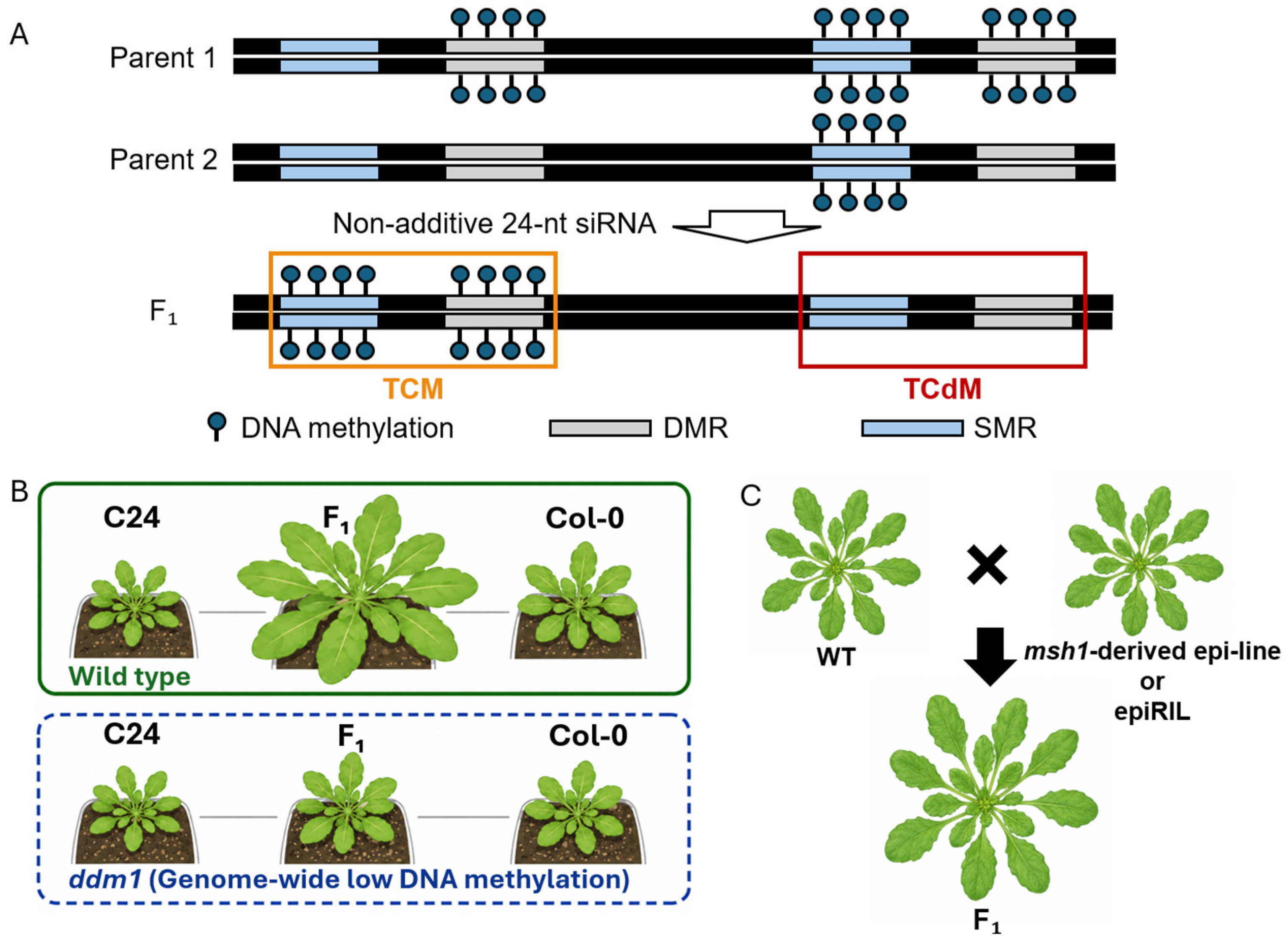
7.2.1. Small RNA
MicroRNAs (miRNAs) represent a key class of regulatory small RNAs involved in post-transcriptional gene regulation. In B. rapa, miRNA profiling revealed widespread nonadditive expression in F1 hybrids, often showing reduced expression relative to mid-parent values at both seedling and heading stages [137]. The target genes of these miRNAs are enriched in pathways related to leaf development, photosynthesis, and chlorophyll biosynthesis, suggesting a potential role in biomass heterosis [137].
In addition, 24-nt siRNAs also exhibit nonadditive expression patterns in A. thaliana F1 hybrids [138,139]. These siRNAs are closely associated with DNA methylation and transcriptional regulation, indicating crosstalk between small RNA pathways and epigenetic modification systems [140,141]. However, genetic disruption of 24-nt siRNA biogenesis pathways does not necessarily abolish heterosis [142,143,144], suggesting that these changes may be largely correlative rather than causative.
7.2.2. DNA Methylation and Chromatin Regulation
In A. thaliana, heterosis is significantly reduced in ddm1 mutants, which exhibit impaired maintenance of DNA methylation, indicating that chromatin-level regulation is important for heterosis (Figure 5) [142,144]. Similarly, F1 hybrids generated using MutS homolog 1 (msh1) mutant-derived epilines [145] or selected epiRILs display altered methylomes and enhanced vigor (Figure 5) [146,147,148], further supporting an association between parental epigenetic divergence and heterosis.
Epigenetic remodeling in hybrids involves widespread TCM and TCdM, leading to deviations from mid-parent methylation levels [143,149,150]. These processes contribute to genome-wide changes in DNA methylation, particularly in TE-rich regions, and are conserved across Brassicaceae species [134,139,143,151]. Although such changes can influence gene expression [139,149], their direct causal role in heterosis remains unclear.
Recent studies have further suggested that higher-order chromatin organization may provide a mechanistic link between epigenetic variation and heterosis. In A. thaliana, Hi-C analyses revealed increased long-range chromatin interactions at promoters of DEGs in F1 hybrids [152]. Moreover, in B. rapa and B. napus, enhanced chromatin accessibility has been proposed to contribute to heterosis [153,154].
Genome-wide DNA methylation analyses in Brassica species consistently show modest but reproducible differences between F1 hybrids and their parental lines. In pak choi, WGBS showed slightly elevated DNA methylation levels in F1 hybrids [134], whereas in broccoli, DNA methylation patterns were additive or mildly increased in F1 hybrids [151]. DMRs are predominantly located in intergenic and TE-rich regions in F1 hybrids of pak choi [134]. Importantly, changes in promoter or gene-body methylation are often not directly correlated with changes in gene expression, suggesting that DNA methylation does not act as a primary determinant of transcriptional changes in F1 hybrids. For instance, expression of Light-harvesting chlorophyll a/b-binding protein 1 (BrLhcb1) in pak choi does not correlate with its promoter DNA methylation status (Table 1) [134].
Functional evidence for a causal contribution of DNA methylation to heterosis comes primarily from A. thaliana mutants, epiRILs, and msh1-derived epilines [142,143,144,145,146,147,148,149,150]. Studies in B. rapa, B. napus, and B. oleracea have identified reproducible but generally modest differences in DNA methylation, small RNAs, chromatin accessibility, and three-dimensional genome organization [134,137,151,153,154]. These observations support an association between epigenomic remodeling and heterosis in Brassica crops, but they do not yet establish which changes are causal or whether manipulating a specific epigenetic state can reproducibly increase hybrid performance.
Overall, epigenetic regulation, including DNA methylation, small RNA pathways, and higher-order chromatin organization, is consistently associated with heterosis across Brassicaceae. However, current evidence suggests that these mechanisms may act primarily through indirect effects on gene regulatory responsiveness and network dynamics rather than through direct control of individual gene expression. The precise causal mechanisms remain to be fully elucidated, and future studies integrating genetic, epigenetic, and chromatin-level analyses in both A. thaliana and Brassica crops will be essential to understand the molecular basis of heterosis.
8. Perspective
Recent advances in epigenomics have substantially improved our understanding of how chromatin-based regulatory systems shape genome function and environmental responses in B. rapa. Studies integrating DNA methylation, histone modifications, chromatin accessibility, and 3D genome architecture have revealed that epigenetic regulation in B. rapa operates as a highly interconnected and dynamic system (Figure 6). Nevertheless, many fundamental questions remain unresolved, and recent technological developments are beginning to overcome several limitations of population- and tissue-level epigenomic analyses. In particular, single-cell and spatial approaches provide opportunities to resolve cell-type-specific chromatin states and regulatory responses that are otherwise masked by bulk tissue measurements. This is particularly relevant to B. rapa because its leaves, meristems, vascular tissues, and developing heads comprise heterogeneous cell populations with distinct developmental and stress responses. Although single-cell DNA methylation and histone profiling in plants remain technically challenging, single-cell chromatin accessibility and transcriptomic approaches are increasingly useful for identifying cell-type-specific regulatory networks. AI and machine-learning approaches offer opportunities to integrate DNA methylation, histone modifications, chromatin accessibility, transcriptomics, metabolomics, genotype, and phenotypic data. In the context of breeding, the major opportunity is not simply to predict phenotypes, but to identify reproducible epigenomic features that improve prediction across genotypes and environments. Such models will require sufficiently large and well-controlled datasets and should be combined with experimental validation to distinguish predictive associations from causal mechanisms.
Figure 6.
Schematic overview of the potential applications of epigenetics in B. rapa breeding. Analysis of epigenetic modifications by next-generation sequencing (NGS) may contribute to breeding by identifying epigenetic marks useful for breeding, enhancing stress tolerance through priming, and generating beneficial epigenetic variation through epigenome editing.
Once the causal loci responsible for the trait of interest are defined, targeted epigenome-editing technologies will further elucidate the epigenomic relationship to the phenotype, potentially enabling regulation of the trait. Indeed, regulation of traits such as flowering time by epigenome editing has already been demonstrated in A. thaliana, and it is now possible to test these findings in B. rapa; however, this is limited to genetically transformable cultivars. Nevertheless, these emerging approaches are expected to provide a more comprehensive understanding of how epigenetic variation contributes to genome regulation, environmental responses, and phenotypic variation in B. rapa, while opening new avenues for future research and applications in B. rapa breeding.
One major challenge is to distinguish causal epigenetic regulation from secondary consequences of transcriptional activity. Although numerous correlations among DNA methylation, histone modifications, and gene expression have been identified, direct functional relationships remain unclear in many cases. This issue is particularly important for understanding stress responses and disease resistance, where many DMRs show only weak correlations with nearby gene expression. Future studies combining genome and epigenome editing technologies will be necessary to establish causal links between epigenetic states and phenotypic outcomes (Figure 6).
Epialleles and epiQTLs provide a potential framework for connecting naturally occurring epigenetic variation with quantitative phenotypic variation. In A. thaliana, epiRIL populations and methylation-based association analyses (epi-QTL) have demonstrated that epigenetic variation can contribute to traits such as flowering time and disease resistance, providing an important conceptual foundation for crop species. Thus, epiRIL populations may have considerable potential as a new resource for epigenetics-based breeding approaches in B. rapa. However, this approach remains largely unexplored. Although DNA methylation can be readily detected in B. rapa, mutations in key epigenetic regulators such as DDM1 and MET1 may cause severe phenotypes, unlike the corresponding mutants in A. thaliana. Indeed, NRPD1 mutations have been shown to affect reproductive development in B. rapa. In addition, evaluating genetically transformed plants under diverse or agronomically relevant cultivation conditions remains technically challenging. However, epiRIL populations could enable the assessment of whether DNA methylation changes associated with phenotypic variation are stably inherited across generations in B. rapa. Although technically challenging, such approaches may provide a valuable route toward establishing the heritability and functional significance of epigenetic variation and could ultimately open new avenues for epigenetics-based crop breeding in B. rapa.
The relationship between TEs and epigenetic regulation also represents an important frontier. TEs are major targets of DNA methylation and heterochromatin formation, yet also act as sources of regulatory innovation and stress-responsive variation. Increasing evidence indicates that TE-associated epigenetic changes influence the expression of nearby genes and may contribute to environmental adaptation. Long-read sequencing provides a complementary solution to the structural complexity of Brassica genomes, as ultra-long nanopore sequencing and high-fidelity long reads can improve the resolution of repetitive sequences, TEs, duplicated regions, and other structurally complex loci. Higher-quality and increasingly complete genome assemblies will facilitate more accurate interpretation of DNA methylation states and epigenetic variation in TE-rich regions and duplicated genomic segments. These advances are expected to provide a more comprehensive view of the interplay between TEs and epigenetic regulation and to clarify their potential contributions to environmental adaptation in B. rapa.
The role of epigenetic memory in long-term environmental adaptation is another particularly promising area (Figure 6). For this, stress memory within an exposed plant should be distinguished from stable inheritance through meiosis. Accumulating evidence suggests that temperature stress, vernalization, and pathogen exposure can induce stable epigenetic changes that persist after the stress is removed. However, the stability, inheritance, and adaptive significance of these changes remain largely unclear in Brassica crops. Importantly, epigenetic changes detected following environmental stress should be distinguished from those that have been shown to functionally contribute to stress tolerance. A stress-induced DMR, for example, may reflect altered cellular metabolism or developmental state rather than a regulatory mechanism that enhances stress tolerance (Figure 6). Accordingly, stress-related epigenetic changes should be interpreted according to the strength of the available evidence: changes in DNA methylation or histone modifications accompanied by altered gene expression should be considered associations unless genetic or epigenetic perturbation demonstrates a functional contribution. Stronger evidence requires experimental manipulation of the relevant epigenetic pathway or locus and demonstration that this manipulation alters stress performance. Determining whether stress-induced epigenetic variation can be stably transmitted across generations and contribute to crop adaptation in fluctuating environments will be an important topic for future studies, especially in the context of ongoing climate change. For breeding applications, identifying a stress-associated DMR alone is therefore insufficient. A useful epigenetic breeding marker should be reproducible across generations, environments, developmental stages, and genetic backgrounds. Stable epialleles must consequently be distinguished from transient, environmentally induced DNA methylation, while potential pleiotropic effects on growth and development, as well as dependence on genetic background, should also be evaluated. For stress adaptation, epigenetic states associated with priming or stress memory may provide valuable information for understanding environmental responsiveness, but their direct application to breeding will require evidence that the desired response is sufficiently stable and does not impose a yield penalty under non-stress conditions. A realistic future framework is therefore to use epigenomic information initially for discovery and prediction, followed by genetic dissection, multi-environment validation, and targeted functional testing. Only epigenetic states that remain reproducibly associated with desirable phenotypes after these steps should be considered candidates for practical breeding applications.
Overall, epigenetic regulation represents a critical layer of genome function in Brassica species. Continued integration of multi-omics technologies, functional genomics, evolutionary analyses, and breeding approaches will deepen our understanding of how epigenetic systems regulate plant development and adaptation. Such knowledge will not only advance fundamental plant biology but also contribute to the development of resilient and sustainable Brassica crops for future agriculture.
Author Contributions
Conceptualization, R.F. and K.O.; writing—original draft preparation, H.Y., K.K.S., C.M., R.F., A.A. and K.O.; writing—review and editing, H.Y., K.K.S., C.M., R.F., A.A. and K.O.; visualization, H.Y., K.K.S., R.F. and A.A.; supervision, R.F. and K.O.; project administration, R.F. and K.O.; funding acquisition, R.F., K.O. and A.A. All authors have read and agreed to the published version of the manuscript.
Funding
This research was funded by Kobe University Strategic International Collaborative Research Grant (Type B Fostering Joint Research) to R.F., Grant-in-Aid for Scientific Research (B) from JSPS (23K23603) to R.F., Japan Society for the Promotion of Science (JSPS) Postdoctoral Fellowship for Research in Japan to A.A. (25KF0247), the Research and implementation promotion program through open innovation grants (JPJ011937) from the Project of the Bio-oriented Technology Research Advancement Institution (BRAIN) to R.F., and Adaptable and Seamless Technology Transfer Program through Target-driven R&D (A-STEP) from the Japan Science and Technology Agency (JST) (JPMJTR23U1) to R.F. and K.O.
Institutional Review Board Statement
Not applicable.
Data Availability Statement
No new data were created or analyzed in this study. Data sharing does not apply to this article.
Acknowledgments
During the preparation of this manuscript, the authors used [ChatGPT, version 5.5] for text editing and generation of graphics. The authors have reviewed and edited the output and take full responsibility for the content of this publication.
Conflicts of Interest
The authors declare no conflicts of interest. The funders had no role in the design of the study; in the collection, analysis, or interpretation of data; in the writing of the manuscript; or in the decision to publish the results.
References
- Fujimoto, R.; Sasaki, T.; Ishikawa, R.; Osabe, K.; Kawanabe, T.; Dennis, E.S. Molecular mechanisms of epigenetic variation in plants. Int. J. Mol. Sci. 2012, 13, 9900–9922. [Google Scholar] [CrossRef] [Scilit] [PubMed]
- Tonosaki, K.; Fujimoto, R.; Dennis, E.S.; Raboy, V.; Osabe, K. Will epigenetics be a key player in crop breeding? Front Plant Sci. 2022, 13, 958350. [Google Scholar] [CrossRef] [Scilit] [PubMed]
- Zhang, H.; Zhu, J.K. Epigenetic gene regulation in plants and its potential applications in crop improvement. Nat. Rev. Mol. Cell Biol. 2025, 26, 51–67. [Google Scholar] [CrossRef] [Scilit] [PubMed]
- Kawakatsu, T.; Ecker, J.R. Diversity and dynamics of DNA methylation: Epigenomic resources and tools for crop breeding. Breed. Sci. 2019, 69, 191–204. [Google Scholar] [CrossRef] [Scilit] [PubMed]
- Xie, G.; Du, X.; Hu, H.; Du, J. Molecular mechanisms underlying the establishment, maintenance, and removal of DNA methylation in plants. Annu. Rev. Plant Biol. 2025, 76, 143–170. [Google Scholar] [CrossRef] [Scilit] [PubMed]
- Akinmusola, R.Y.; Wilkins, C.A.; Doughty, J. DDM1-mediated TE silencing in plants. Plants 2023, 12, 437. [Google Scholar] [CrossRef] [Scilit] [PubMed]
- Le, H.; Simmons, C.H.; Zhong, X. Functions and mechanisms of histone modifications in plants. Annu. Rev. Plant Biol. 2025, 76, 551–578. [Google Scholar] [CrossRef] [Scilit] [PubMed]
- Bieluszewski, T.; Xiao, J.; Yang, Y.; Wagner, D. PRC2 activity, recruitment, and silencing: A comparative perspective. Trends Plant Sci. 2021, 26, 1186–1198. [Google Scholar] [CrossRef] [Scilit] [PubMed]
- Rina, S.; Xinyue, F.; Hongmei, S. Dynamic regulatory mechanisms of histone methylation in plant development and environmental adaptation. Hortic. Res. 2026, 13, uhag047. [Google Scholar] [CrossRef] [Scilit] [PubMed]
- Ma, W.; Zhang, P.; Zhao, J.; Hong, Y. Chinese cabbage: An emerging model for functional genomics in leafy vegetable crops. Trends Plant Sci. 2023, 28, 515–518. [Google Scholar] [CrossRef] [Scilit] [PubMed]
- Jeon, D.; Kim, C. Polyploids of Brassicaceae: Genomic insights and assembly strategies. Plants 2024, 13, 2087. [Google Scholar] [CrossRef] [Scilit] [PubMed]
- Nishimura, K.; Miyazaki, J.; Takada, Y.; Akter, M.A.; Sarker, K.K.; Chowdhury, A.P.; Tonosaki, K.; Osabe, K.; Dennis, E.S.; Fujimoto, R. Epigenetic regulation in horticultural crops. Hort. J. 2026, 95, 141–163. [Google Scholar] [CrossRef] [Scilit]
- Sasaki, T.; Fujimoto, R.; Kishitani, S.; Nishio, T. Analysis of target sequences of DDM1s in Brassica rapa by MSAP. Plant Cell Rep. 2011, 30, 81–88. [Google Scholar] [CrossRef] [Scilit] [PubMed]
- Takahashi, S.; Fukushima, N.; Osabe, K.; Itabashi, E.; Shimizu, M.; Miyaji, N.; Takasaki-Yasuda, T.; Suzuki, Y.; Seki, M.; Fujimoto, R. Identification of DNA methylated regions by using methylated DNA immunoprecipitation sequencing in Brassica rapa. Crop Pasture Sci. 2018, 69, 107–120. [Google Scholar] [CrossRef] [Scilit]
- Cokus, S.J.; Feng, S.; Zhang, X.; Chen, Z.; Merriman, B.; Haudenschild, C.D.; Pradhan, S.; Nelson, S.F.; Pellegrini, M.; Jacobsen, S.E. Shotgun bisulphite sequencing of the Arabidopsis genome reveals DNA methylation patterning. Nature 2008, 452, 215–219. [Google Scholar] [CrossRef] [Scilit] [PubMed]
- Lister, R.; O’Malley, R.C.; Tonti-Filippini, J.; Gregory, B.D.; Berry, C.C.; Millar, A.H.; Ecker, J.R. Highly integrated single-base resolution maps of the epigenome in Arabidopsis. Cell 2008, 133, 523–536. [Google Scholar] [CrossRef] [Scilit] [PubMed]
- Niederhuth, C.E.; Schmitz, R.J. Covering your bases: Inheritance of DNA methylation in plant genomes. Mol. Plant 2014, 7, 472–480. [Google Scholar] [CrossRef] [Scilit] [PubMed]
- Liu, G.; Xia, Y.; Liu, T.; Dai, S.; Hou, X. The DNA methylome and association of differentially methylated regions with differential gene expression during heat stress in Brassica rapa. Int. J. Mol. Sci. 2018, 19, 1414. [Google Scholar] [CrossRef] [Scilit] [PubMed]
- Takahashi, S.; Osabe, K.; Fukushima, N.; Takuno, S.; Miyaji, N.; Shimizu, M.; Takasaki-Yasuda, T.; Suzuki, Y.; Dennis, E.S.; Seki, M.; et al. Genome-wide characterization of DNA methylation, small RNA expression, and histone H3 lysine nine di-methylation in Brassica rapa L. DNA Res. 2018, 25, 511–520. [Google Scholar] [CrossRef] [Scilit] [PubMed]
- Parkin, I.A.P.; Koh, C.; Tang, H.; Robinson, S.J.; Kagale, S.; Clarke, W.E.; Town, C.D.; Nixon, J.; Krishnakumar, V.; Bidwell, S.L.; et al. Transcriptome and methylome profiling reveals relics of genome dominance in the mesopolyploid Brassica oleracea. Genome Biol. 2014, 15, R77. [Google Scholar] [CrossRef] [Scilit] [PubMed]
- Chen, X.; Ge, X.; Wang, J.; Tan, C.; King, G.J.; Liu, K. Genome-wide DNA methylation profiling by modified reduced representation bisulfite sequencing in Brassica rapa suggests that epigenetic modifications play a key role in polyploid genome evolution. Front. Plant Sci. 2015, 6, 836. [Google Scholar] [CrossRef] [Scilit] [PubMed]
- Iwamura, M.; Wu, R.; Miyaji, N.; Akter, A.; Shimizu, M.; Fujimoto, R.; Tonosaki, K. Comparative evaluation of DNA methylation platforms reveals context- and region-specific biases. Hort. J. 2026, 95, 545–554. [Google Scholar] [CrossRef] [Scilit]
- Akter, A.; Takahashi, S.; Deng, W.; Shea, D.J.; Itabashi, E.; Shimizu, M.; Miyaji, N.; Osabe, K.; Nishida, N.; Suzuki, Y.; et al. The histone modification H3 lysine 27 tri-methylation has conserved gene regulatory roles in the triplicated genome of Brassica rapa L. DNA Res. 2019, 26, 433–443. [Google Scholar] [CrossRef] [Scilit] [PubMed]
- Mehraj, H.; Takahashi, S.; Miyaji, N.; Akter, A.; Suzuki, Y.; Seki, M.; Dennis, E.S.; Fujimoto, R. Characterization of histone H3 Lysine 4 and 36 Tri-methylation in Brassica rapa L. Front. Plant Sci. 2021, 12, 659634. [Google Scholar] [CrossRef] [Scilit] [PubMed]
- Mehraj, H.; Shea, D.J.; Takahashi, S.; Miyaji, N.; Akter, A.; Seki, M.; Dennis, E.S.; Fujimoto, R.; Osabe, K. Genome-wide analysis of long noncoding RNAs, 24-nt siRNAs, DNA methylation and H3K27me3 marks in Brassica rapa. PLoS ONE 2021, 16, e0242530. [Google Scholar] [CrossRef] [Scilit] [PubMed]
- Akter, M.A.; Mehraj, H.; Miyaji, N.; Takahashi, S.; Takasaki-Yasuda, T.; Seki, M.; Dennis, E.S.; Fujimoto, R.; Osabe, K. Transcriptional association between mRNAs and their paired natural antisense transcripts following Fusarium oxysporum inoculation in Brassica rapa L. Horticulturae 2022, 8, 17. [Google Scholar] [CrossRef] [Scilit]
- Poza-Viejo, L.; Payá-Milans, M.; Martín-Uriz, P.S.; Castro-Labrador, L.; Lara-Astiaso, D.; Wilkinson, M.D.; Piñeiro, M.; Jarillo, J.A.; Crevillén, P. Conserved and distinct roles of H3K27me3 demethylases regulating flowering time in Brassica rapa. Plant Cell Environ. 2022, 45, 1428–1441. [Google Scholar] [CrossRef] [Scilit] [PubMed]
- Payá-Milans, M.; Poza-Viejo, L.; Martín-Uriz, P.S.; Lara-Astiaso, D.; Wilkinson, M.D.; Crevillén, P. Genome-wide analysis of the H3K27me3 epigenome and transcriptome in Brassica rapa. GigaScience 2019, 8, 1–13. [Google Scholar] [CrossRef] [Scilit] [PubMed]
- Shen, X.; Xu, L.; Liu, Y.; Dong, H.; Zhou, D.; Zhang, Y.; Lin, S.; Cao, J.; Huang, L. Comparative transcriptome analysis and ChIP-sequencing reveals stage-specific gene expression and regulation profiles associated with pollen wall formation in Brassica rapa. BMC Genom. 2019, 20, 264. [Google Scholar] [CrossRef] [Scilit] [PubMed]
- Hainer, S.J.; Fazzio, T.G. High-resolution chromatin profiling using CUT&RUN. Curr. Protoc. Mol. Biol. 2019, 126, e85. [Google Scholar] [CrossRef] [Scilit] [PubMed]
- Zheng, X.Y.; Gehring, M. Low-input chromatin profiling in Arabidopsis endosperm using CUT&RUN. Plant Reprod. 2019, 32, 63–75. [Google Scholar] [CrossRef] [Scilit] [PubMed]
- Nakamura, M.; Batista, R.A.; Köhler, C.; Hennig, L. Polycomb Repressive Complex 2-mediated histone modification H3K27me3 is associated with embryogenic potential in Norway spruce. J. Exp. Bot. 2020, 71, 6366–6378. [Google Scholar] [CrossRef] [Scilit] [PubMed]
- Buenrostro, J.D.; Wu, B.; Chang, H.Y.; Greenleaf, W.J. ATAC-seq: A method for assaying chromatin accessibility genome-wide. Curr. Protoc. Mol. Biol. 2015, 109, 21–29. [Google Scholar] [CrossRef] [Scilit] [PubMed]
- Erdoğan, D.E.; Karimifard, S.; Khodadadi, M.; Ling, L.; Linke, L.; Catalán, A.; Doublet, V.; Glaser-Schmitt, A.; Niehuis, O.; Nowick, K.; et al. ATAC-seq in emerging model organisms: Challenges and strategies. J. Exp. Zool. B Mol. Dev. Evol. 2025, 344, 394–414. [Google Scholar] [CrossRef] [Scilit] [PubMed]
- Dong, H.; Liu, Y.; Liu, Y.; Xuan, S.; Chen, H.; Wei, L.; Zhang, G.; Pei, H.; Dai, Z.; Wang, Y.; et al. Autopolyploidization-induced chromatin remodeling regulates leaf size variation in Brassica rapa. Adv. Sci. 2026, 13, e13558. [Google Scholar] [CrossRef] [Scilit] [PubMed]
- Yang, Q.; Sun, X.; Liu, M.; Zhang, X.; Liang, H.; Chang, X.; Feng, D.; Lu, Y.; Hong, Y.; Zhao, J.; et al. A heat stress-responsive epigenome defines the dynamic 3D chromatin structure in Chinese cabbage. Plant Physiol. 2025, 199, kiaf449. [Google Scholar] [CrossRef] [Scilit] [PubMed]
- Santi, D.V.; Norment, A.; Garrett, C.E. Covalent bond formation between a DNA-cytosine methyltransferase and DNA containing 5-azacytosine. Proc. Natl. Acad. Sci. USA 1984, 81, 6993–6997. [Google Scholar] [CrossRef] [Scilit] [PubMed]
- Zhou, L.; Cheng, X.; Connolly, B.A.; Dickman, M.J.; Hurd, P.J.; Hornby, D.P. Zebularine: A novel DNA methylation inhibitor that forms a covalent complex with DNA methyltransferases. J. Mol. Biol. 2002, 321, 591–599. [Google Scholar] [CrossRef] [Scilit] [PubMed]
- Baubec, T.; Pecinka, A.; Rozhon, W.; Mittelsten Scheid, O. Effective, homogeneous and transient interference with cytosine methylation in plant genomic DNA by zebularine. Plant J. 2009, 57, 542–554. [Google Scholar] [CrossRef] [Scilit] [PubMed]
- Amoah, S.; Kurup, S.; Lopez, C.M.R.; Welham, S.J.; Powers, S.J.; Hopkins, C.J.; Wilkinson, M.J.; King, G.J. A hypomethylated population of Brassica rapa for forward and reverse epi-genetics. BMC Plant Biol. 2012, 12, 193. [Google Scholar] [CrossRef] [Scilit] [PubMed]
- Liu, C.H.; Finke, A.; Díaz, M.; Rozhon, W.; Poppenberger, B.; Baubec, T.; Pecinka, A. Repair of DNA damage induced by the cytidine analog zebularine requires ATR and ATM in Arabidopsis. Plant Cell 2015, 27, 1788–1800. [Google Scholar] [CrossRef] [Scilit] [PubMed]
- Finnegan, E.J.; Ford, B.; Wallace, X.; Pettolino, F.; Griffin, P.T.; Schmitz, R.J.; Zhang, P.; Barrero, J.M.; Hayden, M.J.; Boden, S.A.; et al. Zebularine treatment is associated with deletion of FT-B1 leading to an increase in spikelet number in bread wheat. Plant Cell Environ. 2018, 41, 1346–1360. [Google Scholar] [CrossRef] [Scilit] [PubMed]
- Finnegan, E.J.; Crisp, P.A.; Zhang, P.; Eglitis-Sexton, J.; Greenwood, J.; Hintzsche, J.; Li, J.; Taylor, J.; Wallace, X.; Swain, S. Testing the potential of zebularine to induce heritable changes in crop growth and development. Theor. Appl. Genet. 2025, 138, 26. [Google Scholar] [CrossRef] [Scilit] [PubMed]
- Solís, M.-T.; El-Tantawy, A.-A.; Cano, V.; Risueño, M.C.; Testillano, P.S. 5-Azacytidine promotes microspore embryogenesis initiation by decreasing global DNA methylation, but prevents subsequent embryo development in rapeseed and barley. Front. Plant Sci. 2015, 6, 472. [Google Scholar] [CrossRef] [Scilit] [PubMed]
- Papikian, A.; Liu, W.; Gallego-Bartolomé, J.; Jacobsen, S.E. Site-specific manipulation of Arabidopsis loci using CRISPR-Cas9 SunTag systems. Nat. Commun. 2019, 10, 729. [Google Scholar] [CrossRef] [Scilit] [PubMed]
- Gallego-Bartolomé, J.; Gardiner, J.; Liu, W.; Papikian, A.; Ghoshal, B.; Kuo, H.Y.; Zhao, J.M.C.; Segal, D.J.; Jacobsen, S.E. Targeted DNA demethylation of the Arabidopsis genome using the human TET1 catalytic domain. Proc. Natl. Acad. Sci. USA 2018, 115, E2125–E2134. [Google Scholar] [CrossRef] [Scilit] [PubMed]
- Tang, S.; Yang, C.; Wang, D.; Deng, X.; Cao, X.; Song, X. Targeted DNA demethylation produces heritable epialleles in rice. Sci. China Life Sci. 2022, 65, 753–756. [Google Scholar] [CrossRef] [Scilit] [PubMed]
- Kasai, A.; Bai, S.; Hojo, H.; Harada, T. Epigenome editing of potato by grafting using transgenic tobacco as siRNA donor. PLoS ONE 2016, 11, e0161729. [Google Scholar] [CrossRef] [Scilit] [PubMed]
- Jeong, S.Y.; Ahn, H.; Ryu, J.; Oh, Y.; Sivanandhan, G.; Won, K.H.; Park, Y.D.; Kim, J.S.; Kim, H.; Lim, Y.P.; et al. Generation of early-flowering Chinese cabbage (Brassica rapa spp. pekinensis) through CRISPR/Cas9-mediated genome editing. Plant Biotechnol. Rep. 2019, 13, 491–499. [Google Scholar] [CrossRef] [Scilit]
- Murovec, J.; Guček, K.; Bohanec, B.; Avbelj, M.; Jerala, R. DNA-free genome editing of Brassica oleracea and B. rapa protoplasts using CRISPR-Cas9 ribonucleoprotein complexes. Front. Plant Sci. 2018, 9, 1594. [Google Scholar] [CrossRef] [Scilit] [PubMed]
- Lisch, D. How important are transposons for plant evolution? Nat. Rev. Genet. 2013, 14, 49–61. [Google Scholar] [CrossRef] [Scilit] [PubMed]
- Schnable, P.S.; Ware, D.; Fulton, R.S.; Stein, J.C.; Wei, F.; Pasternak, S.; Liang, C.; Zhang, J.; Fulton, L.; Graves, T.A.; et al. The B73 maize genome: Complexity, diversity, and dynamics. Science 2009, 326, 1112–1115. [Google Scholar] [CrossRef] [Scilit] [PubMed]
- Pulido, M.; Casacuberta, J.M. Transposable element evolution in plant genome ecosystems. Curr. Opin. Plant Biol. 2023, 75, 102418. [Google Scholar] [CrossRef] [Scilit] [PubMed]
- Cai, X.; Lin, R.; Liang, J.; King, G.J.; Wu, J.; Wang, X. Transposable element insertion: A hidden major source of domesticated phenotypic variation in Brassica rapa. Plant Biotechnol. J. 2022, 20, 1298–1310. [Google Scholar] [CrossRef] [Scilit] [PubMed]
- Fukai, E.; Gers, A. Somatic activity transposition of transposable elements and their significance in horticultural breeding. Hort. J. 2026, 95, 533–544. [Google Scholar] [CrossRef] [Scilit]
- Fujimoto, R.; Takuno, S.; Sasaki, T.; Nishio, T. The pattern of amplification and differentiation of Ty1-copia and Ty3-gypsy retrotransposons in Brassicaceae species. Genes Genet. Syst. 2008, 83, 13–22. [Google Scholar] [CrossRef] [Scilit] [PubMed]
- Zheng, P.X.; Ko, C.Y.; Ou, J.Y.; Zuccolo, A.; Lin, Y.C. Transposable elements drive evolution and perturb gene expression in Brassica rapa and B. oleracea. Plant J. 2025, 123, e70452. [Google Scholar] [CrossRef] [Scilit] [PubMed]
- Fujimoto, R.; Okazaki, K.; Fukai, E.; Kusaba, M.; Nishio, T. Comparison of the genome structure of the self-incompatibility (S) locus in interspecific pairs of S haplotypes. Genetics 2006, 173, 1157–1167. [Google Scholar] [CrossRef] [Scilit] [PubMed]
- Liu, S.; Liu, Y.; Yang, X.; Tong, C.; Edwards, D.; Parkin, I.A.P.; Zhao, M.; Ma, J.; Yu, J.; Huang, S.; et al. The Brassica oleracea genome reveals the asymmetrical evolution of polyploid genomes. Nat. Commun. 2014, 5, 3930. [Google Scholar] [CrossRef] [Scilit] [PubMed]
- Fujimoto, R.; Sugimura, T.; Fukai, E.; Nishio, T. Suppression of gene expression of a recessive SP11/SCR allele by an untranscribed SP11/SCR allele in Brassica self-incompatibility. Plant Mol. Biol. 2006, 61, 577–587. [Google Scholar] [CrossRef] [Scilit] [PubMed]
- Fujimoto, R.; Kinoshita, Y.; Kawabe, A.; Kinoshita, T.; Takashima, K.; Nordborg, M.; Nasrallah, M.E.; Shimizu, K.K.; Kudoh, H.; Kakutani, T. Evolution and control of imprinted FWA genes in the genus Arabidopsis. PLoS Genet. 2008, 4, e1000048. [Google Scholar] [CrossRef] [Scilit] [PubMed]
- Akter, A.; Itabashi, E.; Kakizaki, T.; Okazaki, K.; Dennis, E.S.; Fujimoto, R. Genome triplication leads to transcriptional divergence of FLOWERING LOCUS C genes during vernalization in the genus Brassica. Front. Plant Sci. 2021, 11, 619417. [Google Scholar] [CrossRef] [Scilit] [PubMed]
- Erdmann, R.M.; Picard, C.L. RNA-directed DNA methylation. PLoS Genet. 2020, 16, e1009034. [Google Scholar] [CrossRef] [Scilit] [PubMed]
- Le, T.N.; Miyazaki, Y.; Takuno, S.; Saze, H. Epigenetic regulation of intragenic transposable elements impacts gene transcription in Arabidopsis thaliana. Nucleic Acids Res. 2015, 43, 3911–3921. [Google Scholar] [CrossRef] [Scilit] [PubMed]
- He, L.; Huang, H.; Bradai, M.; Zhao, C.; You, Y.; Ma, J.; Zhao, L.; Lozano-Durán, R.; Zhu, J.K. DNA methylation-free Arabidopsis reveals crucial roles of DNA methylation in regulating gene expression and development. Nat. Commun. 2022, 13, 1335. [Google Scholar] [CrossRef] [Scilit] [PubMed]
- Osabe, K.; Harukawa, Y.; Miura, S.; Saze, H. Epigenetic regulation of intronic transgenes in Arabidopsis. Sci. Rep. 2017, 7, 45166. [Google Scholar] [CrossRef] [Scilit] [PubMed]
- Cheng, Q.; Dong, S.; Guo, L.; Jiang, S.; Yin, N.; Sun, D.; Cheng, F.; Yu, C.; Wan, Z. Intronic transposon insertion within the MYB transcription factor gene BjPur disturbs anthocyanin accumulation by inducing epigenetic modification in Brassica juncea. New Phytol. 2026, 249, 325–341. [Google Scholar] [CrossRef] [Scilit] [PubMed]
- Bourque, G.; Burns, K.H.; Gehring, M.; Gorbunova, V.; Seluanov, A.; Hammell, M.; Imbeault, M.; Izsvák, Z.; Levin, H.L.; Macfalan, T.S.; et al. Ten things you should know about transposable elements. Genome Biol. 2018, 19, 199. [Google Scholar] [CrossRef] [Scilit] [PubMed]
- Bundock, P.; Hooykaas, P. An Arabidopsis hAT-like transposase is essential for plant development. Nature 2005, 436, 282–284. [Google Scholar] [CrossRef] [Scilit] [PubMed]
- Knip, M.; Hiemstra, S.; Sietsma, A.; Castelein, M.; de Pater, S.; Hooykaas, P. DAYSLEEPER: A nuclear and vesicular-localized protein that is expressed in proliferating tissues. BMC Plant Biol. 2013, 13, 211. [Google Scholar] [CrossRef] [Scilit] [PubMed]
- Zhu, R.; An, S.; Fu, J.; Liu, S.; Fu, Y.; Zhang, Y.; Wang, R.; Zhao, Y.; Wang, M. Genome-wide identification and characterization of SLEEPER, a transposon-derived gene family and their expression pattern in Brassica napus L. BMC Plant Biol. 2024, 24, 810. [Google Scholar] [CrossRef] [Scilit] [PubMed]
- Miura, A.; Yonebayashi, S.; Watanabe, K.; Toyama, T.; Shimada, H.; Kakutani, T. Mobilization of transposons by a mutation abolishing full DNA methylation in Arabidopsis. Nature 2001, 411, 212–214. [Google Scholar] [CrossRef] [Scilit] [PubMed]
- Tsukahara, S.; Kobayashi, A.; Kawabe, A.; Mathieu, O.; Miura, A.; Kakutani, T. Bursts of retrotransposition reproduced in Arabidopsis. Nature 2009, 461, 423–426. [Google Scholar] [CrossRef] [Scilit] [PubMed]
- Fujimoto, R.; Sasaki, T.; Inoue, H.; Nishio, T. Hypomethylation and transcriptional reactivation of retrotransposon-like sequences in ddm1 transgenic plants of Brassica rapa. Plant Mol. Biol. 2008, 66, 463–473. [Google Scholar] [CrossRef] [Scilit] [PubMed]
- Huang, Y.; Kendall, T.; Mosher, R.A. Pol IV-dependent siRNA production is reduced in Brassica rapa. Biology 2013, 2, 1210–1223. [Google Scholar] [CrossRef] [Scilit] [PubMed]
- Grover, J.W.; Kendall, T.; Baten, A.; Burgess, D.; Freeling, M.; King, G.J.; Mosher, R.A. Maternal components of RNA-directed DNA methylation are required for seed development in Brassica rapa. Plant J. 2018, 94, 575–582. [Google Scholar] [CrossRef] [Scilit] [PubMed]
- Grover, J.W.; Burgess, D.; Kendall, T.; Baten, A.; Pokhrel, S.; King, G.J.; Meyers, B.C.; Freeling, M.; Mosher, R.A. Abundant expression of maternal siRNAs is a conserved feature of seed development. Proc. Natl. Acad. Sci. USA 2020, 117, 15305–15315. [Google Scholar] [CrossRef] [Scilit] [PubMed]
- Burgess, D.; Chow, H.T.; Grover, J.W.; Freeling, M.; Mosher, R.A. Ovule siRNAs methylate protein-coding genes in trans. Plant Cell 2022, 34, 3647–3664. [Google Scholar] [CrossRef] [Scilit] [PubMed]
- Chakraborty, T.; Kendall, T.; Grover, J.W.; Mosher, R.A. Embryo CHH hypermethylation is mediated by RdDM and is autonomously directed in Brassica rapa. Genome Biol. 2021, 22, 140. [Google Scholar] [CrossRef] [Scilit] [PubMed]
- Nozawa, K.; Kawagishi, Y.; Kawabe, A.; Sato, M.; Masuta, Y.; Kato, A.; Ito, H. Epigenetic regulation of a heat-activated retrotransposon in cruciferous vegetables. Epigenomes 2017, 1, 7. [Google Scholar] [CrossRef] [Scilit]
- Le, T.N.; Schumann, U.; Smith, N.A.; Tiwari, S.; Au, P.C.K.; Zhu, Q.H.; Taylor, J.M.; Kazan, K.; Llewellyn, D.J.; Zhang, R.; et al. DNA demethylases target promoter transposable elements to positively regulate stress responsive genes in Arabidopsis. Genome Biol. 2014, 15, 458. [Google Scholar] [CrossRef] [PubMed]
- Schumann, U.; Lee, J.; Kazan, K.; Ayliffe, M.; Wang, M.B. DNA-demethylase regulated genes show methylation-independent spatiotemporal expression patterns. Front. Plant Sci. 2017, 8, 1449. [Google Scholar] [CrossRef] [Scilit] [PubMed]
- Yu, A.; Lepère, G.; Jay, F.; Wang, J.; Bapaume, L.; Wang, Y.; Abraham, A.L.; Penterman, J.; Fischer, R.L.; Voinnet, O.; et al. Dynamics and biological relevance of DNA demethylation in Arabidopsis antibacterial defense. Proc. Natl. Acad. Sci. USA 2013, 110, 2389–2394. [Google Scholar] [CrossRef] [Scilit] [PubMed]
- Ashapkin, V.V.; Kutueva, L.I.; Aleksandrushkina, N.I.; Vanyushin, B.F. Epigenetic mechanisms of plant adaptation to biotic and abiotic stresses. Int. J. Mol. Sci. 2020, 21, 7457. [Google Scholar] [CrossRef] [Scilit] [PubMed]
- Chinnusamy, V.; Zhu, J.K. Epigenetic regulation of stress responses in plants. Curr. Opin. Plant Biol. 2009, 12, 133–139. [Google Scholar] [CrossRef] [Scilit] [PubMed]
- Zhao, R.; Zhu, H.; Yin, Y.; Yin, M.; Luo, Y.; Fang, Y.; Zhang, D. Integrative analysis of DNA methylome and transcriptome reveals the mechanism of heat tolerance in non-heading Chinese cabbage. J. Agric. Food Chem. 2026, 74, 2024–2036. [Google Scholar] [CrossRef] [Scilit] [PubMed]
- Liu, L.; Wang, W.; Lu, X.; Zhang, T.; Wu, J.; Fang, Y.; Ma, L.; Pu, Y.; Yang, G.; Wang, W.; et al. Methyl-sensitive amplification polymorphism (MSAP) analysis provides insights into the DNA methylation changes underlying adaptation to low temperature of Brassica rapa L. Plants 2024, 13, 1748. [Google Scholar] [CrossRef] [Scilit] [PubMed]
- Duan, W.; Zhang, H.; Zhang, B.; Wu, X.; Shao, S.; Li, Y.; Hou, X.; Liu, T. Role of vernalization-mediated demethylation in the floral transition of Brassica rapa. Planta 2017, 245, 227–233. [Google Scholar] [CrossRef] [Scilit] [PubMed]
- Liu, L.J.; Pu, Y.Y.; Fang, Y.; Ma, L.; Yang, G.; Niu, Z.X.; Wang, W.T.; Yue, J.L.; Bian, L.; Liu, M.M.; et al. Genome-wide analysis of DNA methylation and transcriptional changes associated with overwintering memory in Brassica rapa L. grown in the field. Chem. Biol. Technol. Agric. 2024, 11, 132. [Google Scholar] [CrossRef] [Scilit]
- Liu, T.; Li, Y.; Duan, W.; Huang, F.; Hou, X. Cold acclimation alters DNA methylation patterns and confers tolerance to heat and increases growth rate in Brassica rapa. J. Exp. Bot. 2017, 68, 1213–1224. [Google Scholar] [CrossRef] [Scilit] [PubMed]
- Eom, S.H.; Hyun, T.K. Histone acetyltransferases (HATs) in Chinese cabbage: Insights from histone H3 acetylation and expression profiling of HATs in response to abiotic stresses. J. Am. Soc. Hortic. Sci. 2018, 143, 296–303. [Google Scholar] [CrossRef] [Scilit]
- Bian, L.; Fahim, A.M.; Wu, J.; Liu, L.; Pu, Y.; Ma, L.; Fang, Y.; Zhang, D.; Yang, G.; Wang, W.; et al. Systematic analysis of the BrHAT gene family and physiological characteristics of Brassica rapa L. treated with histone acetylase and deacetylase inhibitors under low temperature. Int. J. Mol. Sci. 2024, 25, 9200. [Google Scholar] [CrossRef] [Scilit]
- Nugroho, A.B.D.; Kim, S.; Lee, S.W.; Kim, D.H. Transcriptomic and epigenomic analyses revealed that polycomb repressive complex 2 regulates not only developmental but also stress responsive metabolism in Brassica rapa. Front. Plant Sci. 2023, 14, 1079218. [Google Scholar] [CrossRef] [Scilit] [PubMed]
- Luna, E.; Bruce, T.J.A.; Roberts, M.R.; Flors, V.; Ton, J. Next-generation systemic acquired resistance. Plant Physiol. 2012, 158, 844–853. [Google Scholar] [CrossRef] [Scilit] [PubMed]
- Dowen, R.H.; Pelizzola, M.; Schmitz, R.J.; Lister, R.; Dowen, J.M.; Nery, J.R.; Dixon, J.E.; Ecker, J.R. Widespread dynamic DNA methylation in response to biotic stress. Proc. Natl. Acad. Sci. USA 2012, 109, E2183–E2191. [Google Scholar] [CrossRef] [Scilit] [PubMed]
- Sánchez, A.L.; Stassen, J.H.M.; Furci, L.; Smith, L.M.; Ton, J. The role of DNA (de)methylation in immune responsiveness of Arabidopsis. Plant J. 2016, 88, 361–374. [Google Scholar] [CrossRef] [Scilit] [PubMed]
- Schumann, U.; Lee, J.M.; Smith, N.A.; Zhong, C.; Zhu, J.K.; Dennis, E.S.; Millar, A.A.; Wang, M.B. DEMETER plays a role in DNA demethylation and disease response in somatic tissues of Arabidopsis. Epigenetics 2019, 14, 1074–1087. [Google Scholar] [CrossRef] [Scilit]
- López, A.; Ramírez, V.; García-Andrade, J.; Flors, V.; Vera, P. The RNA silencing enzyme RNA polymerase V is required for plant immunity. PLoS Genet. 2011, 7, e1002434. [Google Scholar] [CrossRef] [Scilit] [PubMed]
- Liégard, B.; Baillet, V.; Etcheverry, M.; Joseph, E.; Lariagon, C.; Lemoine, J.; Evrard, A.; Colot, V.; Gravot, A.; Manzanares-Dauleux, M.J.; et al. Quantitative resistance to clubroot infection mediated by transgenerational epigenetic variation in Arabidopsis. New Phytol. 2019, 222, 468–479. [Google Scholar] [CrossRef] [Scilit] [PubMed]
- Furci, L.; Jain, R.; Stassen, J.; Berkowitz, O.; Whelan, J.; Roquis, D.; Baillet, V.; Colot, V.; Johannes, F.; Ton, J. Identification and characterisation of hypomethylated DNA loci controlling quantitative resistance in Arabidopsis. eLife 2019, 8, e40655. [Google Scholar] [CrossRef] [Scilit] [PubMed]
- Gravot, A.; Liégard, B.; Quadrana, L.; Veillet, F.; Aigu, Y.; Bargain, T.; Bénéjam, J.; Lariagon, C.; Lemoine, J.; Colot, V.; et al. Two adjacent NLR genes conferring quantitative resistance to clubroot disease in Arabidopsis are regulated by a stably inherited epiallelic variation. Plant Commun. 2024, 5, 100824. [Google Scholar] [CrossRef] [Scilit] [PubMed]
- Tirnaz, S.; Miyaji, N.; Takuno, S.; Bayer, P.E.; Shimizu, M.; Akter, M.A.; Edwards, D.; Batley, J.; Fujimoto, R. Whole-Genome DNA methylation analysis in Brassica rapa subsp. perviridis in response to Albugo candida Infection. Front. Plant Sci. 2022, 13, 849358. [Google Scholar] [CrossRef] [Scilit] [PubMed]
- Miyaji, N.; Akter, M.A.; Shimizu, M.; Mehraj, H.; Doullah, M.A.U.; Dennis, E.S.; Chuma, I.; Fujimoto, R. Differences in the transcriptional immune response to Albugo candida between white rust-resistant and susceptible cultivars in Brassica rapa L. Sci. Rep. 2023, 13, 8599. [Google Scholar] [CrossRef] [Scilit]
- Akter, M.A.; Miyaji, N.; Shimizu, M.; Mehraj, H.; Doullah, M.A.U.; Chuma, I.; Fujimoto, R. Identification of candidate genes associated with the defense response following Albugo candida inoculation in Brassica rapa L. Acta Hortic. 2024, 1404, 469–476. [Google Scholar] [CrossRef] [Scilit]
- Wu, R.; Iwamura, M.; Miyaji, N.; Takahashi, S.; Shimizu, M.; Seki, M.; Fujimoto, R.; Akter, M.A. Genome-wide DNA methylation profiling reveals cultivar-dependent epigenomic signatures in Brassica rapa. Hort. J. 2026, 95, 179–189. [Google Scholar] [CrossRef] [Scilit]
- Tirnaz, S.; Merce, C.; Bayer, P.E.; Severn-Ellis, A.A.; Edwards, D.; Batley, J. Effect of Leptosphaeria maculans infection on promoter DNA methylation of defence genes in Brassica napus. Agronomy 2020, 10, 1072. [Google Scholar] [CrossRef] [Scilit]
- Li, Y.; Xia, Q.; Kou, H.; Wang, D.; Lin, X.; Wu, Y.; Xu, C.; Xing, S.; Liu, B. Induced Pib expression and resistance to Magnaporthe grisea are compromised by cytosine demethylation at critical promoter regions in rice. J. Integr. Plant Biol. 2011, 53, 814–823. [Google Scholar] [CrossRef] [Scilit] [PubMed]
- Yano, S.; Chowdhury, A.P.; Akter, A.; Fujimoto, R.; Buzas, D.M.; Osabe, K. Vernalization control in the Brassicaceae: A multidimensional translational landscape. Front. Hortic. 2026, 5, 1791790. [Google Scholar] [CrossRef] [Scilit]
- Kim, D.H. Current understanding of the vernalization-mediated floral transition process in Arabidopsis and several Brassica crop plants. Hort. J. 2026, 95, 164–178. [Google Scholar] [CrossRef] [Scilit]
- Xu, G.; Tao, Z.; He, Y. Embryonic reactivation of FLOWERING LOCUS C by ABSCISIC ACID-INSENSITIVE 3 establishes the vernalization requirement in each Arabidopsis generation. Plant Cell 2022, 34, 2205–2221. [Google Scholar] [CrossRef] [Scilit] [PubMed]
- Whittaker, C.; Dean, C. The FLC locus: A platform for discoveries in epigenetics and adaptation. Annu. Rev. Cell Dev. Biol. 2017, 33, 555–575. [Google Scholar] [CrossRef] [Scilit] [PubMed]
- Yuan, W.; Luo, X.; Li, Z.; Yang, W.; Wang, Y.; Liu, R.; Du, J.; He, Y. A cis cold memory element and a trans epigenome reader mediate Polycomb silencing of FLC by vernalization in Arabidopsis. Nat. Genet. 2016, 48, 1527–1534. [Google Scholar] [CrossRef] [Scilit] [PubMed]
- Zhao, T.; Zhan, Z.; Jiang, D. Histone modifications and their regulatory roles in plant development and environmental memory. J. Genet. Genom. 2019, 46, 467–476. [Google Scholar] [CrossRef] [Scilit] [PubMed]
- Takada, S.; Akter, A.; Itabashi, E.; Nishida, N.; Shea, D.J.; Miyaji, N.; Mehraj, H.; Osabe, K.; Shimizu, M.; Takasaki-Yasuda, T.; et al. The role of FRIGIDA and FLOWERING LOCUS C genes in flowering time of Brassica rapa leafy vegetables. Sci. Rep. 2019, 9, 13843. [Google Scholar] [CrossRef] [Scilit] [PubMed]
- Su, T.; Wang, W.; Li, P.; Zhang, B.; Li, P.; Xin, X.; Sun, H.; Yu, Y.; Zhang, D.; Zhao, X.; et al. A genomic variation map provides insights into the genetic basis of spring Chinese cabbage (Brassica rapa ssp. pekinensis) selection. Mol. Plant 2018, 11, 1360–1376. [Google Scholar] [CrossRef] [Scilit] [PubMed]
- Poza-Viejo, L.; Payá-Milans, M.; Wilkinson, M.D.; Piñeiro, M.; Jarillo, J.A.; Crevillén, P. Brassica rapa CURLY LEAF is a major H3K27 methyltransferase regulating flowering time. Planta 2024, 260, 27. [Google Scholar] [CrossRef] [Scilit] [PubMed]
- Fu, W.; Huang, S.; Gao, Y.; Zhang, M.; Qu, G.; Wang, N.; Liu, Z.; Feng, H. Role of BrSDG8 on bolting in Chinese cabbage (Brassica rapa). Theor. Appl. Genet. 2020, 133, 2937–2948. [Google Scholar] [CrossRef] [Scilit] [PubMed]
- Moon, H.; Kim, H.; Kim, D.H. A histone methyltransferase, EARLY FLOWERING IN SHORT DAYS (EFS) is required for reproductive organs development via histone H3K36 methylation in the oil-seed type Brassica rapa (B. rapa var. trilocularis) plant. Hortic. Environ. Biotechnol. 2025, 66, 701–714. [Google Scholar] [CrossRef] [Scilit]
- Xin, X.; Li, P.; Zhao, X.; Yu, Y.; Wang, W.; Jin, G.; Wang, J.; Sun, L.; Zhang, D.; Zhang, F.; et al. Temperature-dependent jumonji demethylase modulates flowering time by targeting H3K36me2/3 in Brassica rapa. Nat. Commun. 2024, 15, 5470. [Google Scholar] [CrossRef] [Scilit] [PubMed]
- Li, X.; Zhang, S.; Bai, J.; He, Y. Tuning growth cycles of Brassica crops via natural antisense transcripts of BrFLC. Plant Biotechnol. J. 2016, 14, 905–914. [Google Scholar] [CrossRef] [Scilit] [PubMed]
- Shea, D.J.; Nishida, N.; Takada, S.; Itabashi, E.; Takahashi, S.; Akter, A.; Miyaji, N.; Osabe, K.; Mehraj, H.; Shimizu, M.; et al. Long noncoding RNAs in Brassica rapa L. following vernalization. Sci. Rep. 2019, 9, 9302. [Google Scholar] [CrossRef] [Scilit] [PubMed]
- Dai, Y.; Gao, X.; Zhang, S.; Li, F.; Zhang, H.; Li, G.; Sun, R.; Zhang, S.; Hou, X. Exploring the regulatory dynamics of BrFLC-associated lncRNA in modulating the flowering response of Chinese cabbage. Int. J. Mol. Sci. 2024, 25, 1924. [Google Scholar] [CrossRef] [Scilit] [PubMed]
- Fujimoto, R.; Uezono, K.; Ishikura, S.; Osabe, K.; Peacock, W.J.; Dennis, E.S. Recent research on the mechanism of heterosis is important for crop and vegetable breeding systems. Breed. Sci. 2018, 68, 145–158. [Google Scholar] [CrossRef] [Scilit] [PubMed]
- Meyer, R.C.; Törjék, O.; Becher, M.; Altmann, T. Heterosis of biomass production in Arabidopsis. Establishment during early development. Plant Physiol. 2004, 134, 1813–1823. [Google Scholar] [CrossRef] [Scilit] [PubMed]
- Meyer, R.C.; Witucka-Wall, H.; Becher, M.; Blacha, A.; Boudichevskaia, A.; Dörmann, P.; Fiehn, O.; Friedel, S.; von Korff, M.; Lisec, J.; et al. Heterosis manifestation during early Arabidopsis seedling development is characterized by intermediate gene expression and enhanced metabolic activity in the hybrids. Plant J. 2012, 71, 669–683. [Google Scholar] [CrossRef] [Scilit] [PubMed]
- Zhu, A.; Greaves, I.K.; Liu, P.C.; Wu, L.; Dennis, E.S.; Peacock, W.J. Early changes of gene activity in developing seedlings of Arabidopsis hybrids relative to parents may contribute to hybrid vigour. Plant J. 2016, 88, 597–607. [Google Scholar] [CrossRef] [Scilit] [PubMed]
- Liu, P.C.; Peacock, W.J.; Wang, L.; Furbank, R.; Larkum, A.; Dennis, E.S. Leaf growth in early development is key to biomass heterosis in Arabidopsis. J. Exp. Bot. 2020, 71, 2439–2450. [Google Scholar] [CrossRef] [Scilit] [PubMed]
- Saeki, N.; Kawanabe, T.; Ying, H.; Shimizu, M.; Kojima, M.; Abe, H.; Okazaki, K.; Kaji, M.; Taylor, J.M.; Sakakibara, H.; et al. Molecular and cellular characteristics of hybrid vigour in a commercial hybrid of Chinese cabbage. BMC Plant Biol. 2016, 16, 45. [Google Scholar] [CrossRef] [Scilit] [PubMed]
- Zhu, A.; Wang, A.; Zhang, Y.; Dennis, E.S.; Peacock, W.J.; Greaves, I.K. Early establishment of photosynthesis and auxin biosynthesis plays a key role in early biomass heterosis in Brassica napus (Canola) hybrids. Plant Cell Physiol. 2020, 61, 1134–1143. [Google Scholar] [CrossRef] [Scilit] [PubMed]
- Luo, X.; Ma, C.; Yi, B.; Tu, J.; Shen, J.; Fu, T. Genetic distance revealed by genomic single nucleotide polymorphisms and their relationships with harvest index heterotic traits in rapeseed (Brassica napus L.). Euphytica 2016, 209, 41–47. [Google Scholar] [CrossRef] [Scilit]
- Shen, Y.; Sun, S.; Hua, S.; Shen, E.; Ye, C.Y.; Cai, D.; Timko, M.P.; Zhu, Q.H.; Fan, L. Analysis of transcriptional and epigenetic changes in hybrid vigor of allopolyploid Brassica napus uncovers key roles for small RNAs. Plant J. 2017, 91, 874–893. [Google Scholar] [CrossRef] [Scilit] [PubMed]
- Singh, S.; Dey, S.S.; Bhatia, R.; Kumar, R.; Sharma, K.; Behera, T.K. Heterosis and combining ability in cytoplasmic male sterile and doubled haploid based Brassica oleracea progenies and prediction of heterosis using microsatellites. PLoS ONE 2019, 14, e0210772. [Google Scholar] [CrossRef] [Scilit] [PubMed]
- Li, S.; Jayasinghege, C.P.A.; Guo, J.; Zhang, E.; Wang, X.; Xu, Z. Comparative transcriptomic analysis of gene expression inheritance patterns associated with cabbage head heterosis. Plants 2021, 10, 275. [Google Scholar] [CrossRef] [Scilit] [PubMed]
- Liu, T.; Duan, W.; Chen, Z.; Yuan, J.; Xiao, D.; Hou, X.; Li, Y. Enhanced photosynthetic activity in pak choi hybrids is associated with increased grana thylakoids in chloroplasts. Plant J. 2020, 103, 2211–2224. [Google Scholar] [CrossRef] [Scilit] [PubMed]
- Miyaji, N.; Fujimoto, R. Hybrid Vigor: Importance of Epigenetic Processes and Consequences for Breeding. In Advances in Botanical Research; Mirouze, M., Bucher, E., Gallusci, P., Eds.; Academic Press: Cambridge, MA, USA, 2018; Volume 88, pp. 247–275. [Google Scholar] [CrossRef] [Scilit]
- Kakoulidou, I.; Johannes, F. DNA methylation remodeling in F1 hybrids. Plant J. 2024, 118, 671–681. [Google Scholar] [CrossRef] [Scilit] [PubMed]
- Li, P.; Su, T.; Zhang, D.; Wang, W.; Xin, X.; Yu, Y.; Zhao, X.; Yu, S.; Zhang, F. Genome-wide analysis of changes in miRNA and target gene expression reveals key roles in heterosis for Chinese cabbage biomass. Hortic. Res. 2021, 8, 39. [Google Scholar] [CrossRef] [Scilit] [PubMed]
- Groszmann, M.; Greaves, I.K.; Albertyn, Z.I.; Scofield, G.N.; Peacock, W.J.; Dennis, E.S. Changes in 24-nt siRNA levels in Arabidopsis hybrids suggest an epigenetic contribution to hybrid vigor. Proc. Natl. Acad. Sci. USA 2011, 108, 2617–2622. [Google Scholar] [CrossRef] [Scilit] [PubMed]
- Shen, H.; He, H.; Li, J.; Chen, W.; Wang, X.; Guo, L.; Peng, Z.; He, G.; Zhong, S.; Qi, Y.; et al. Genome-wide analysis of DNA methylation and gene expression changes in two Arabidopsis ecotypes and their reciprocal hybrids. Plant Cell 2012, 24, 875–892. [Google Scholar] [CrossRef] [Scilit] [PubMed]
- Borges, F.; Martienssen, R.A. The expanding world of small RNAs in plants. Nat. Rev. Mol. Cell Biol. 2015, 16, 727–741. [Google Scholar] [CrossRef] [Scilit] [PubMed]
- Chen, X.; Rechavi, O. Plant and animal small RNA communications between cells and organisms. Nat. Rev. Mol. Cell Biol. 2022, 23, 185–203. [Google Scholar] [CrossRef] [Scilit] [PubMed]
- Kawanabe, T.; Ishikura, S.; Miyaji, N.; Sasaki, T.; Wu, L.M.; Itabashi, E.; Takada, S.; Shimizu, M.; Takasaki-Yasuda, T.; Osabe, K.; et al. Role of DNA methylation in hybrid vigor in Arabidopsis thaliana. Proc. Natl. Acad. Sci. USA 2016, 113, E6704–E6711. [Google Scholar] [CrossRef] [Scilit] [PubMed]
- Zhang, Q.; Wang, D.; Lang, Z.; He, L.; Yang, L.; Zeng, L.; Li, Y.; Zhao, C.; Huang, H.; Zhang, H.; et al. Methylation interactions in Arabidopsis hybrids require RNA-directed DNA methylation and are influenced by genetic variation. Proc. Natl. Acad. Sci. USA 2016, 113, E4248–E4256. [Google Scholar] [CrossRef] [Scilit] [PubMed]
- Zhang, Q.; Li, Y.; Xu, T.; Srivastava, A.K.; Wang, D.; Zeng, L.; Yang, L.; He, L.; Zhang, H.; Zheng, Z.; et al. The chromatin remodeler DDM1 promotes hybrid vigor by regulating salicylic acid metabolism. Cell Discov. 2016, 2, 16027. [Google Scholar] [CrossRef] [Scilit] [PubMed]
- Virdi, K.S.; Laurie, J.D.; Xu, Y.Z.; Yu, J.; Shao, M.R.; Sanchez, R.; Kundariya, H.; Wang, D.; Riethoven, J.J.M.; Wamboldt, Y.; et al. Arabidopsis MSH1 mutation alters the epigenome and produces heritable changes in plant growth. Nat. Commun. 2015, 6, 6386. [Google Scholar] [CrossRef] [Scilit] [PubMed]
- Dapp, M.; Reinders, J.; Bédiée, A.; Balsera, C.; Bucher, E.; Theiler, G.; Granier, C.; Paszkowski, J. Heterosis and inbreeding depression of epigenetic Arabidopsis hybrids. Nat. Plants 2015, 1, 15092. [Google Scholar] [CrossRef] [Scilit] [PubMed]
- Lauss, K.; Wardenaar, R.; Oka, R.; van Hulten, M.H.A.; Guryev, V.; Keurentjes, J.J.B.; Stam, M.; Johannes, F. Parental DNA methylation states are associated with heterosis in epigenetic hybrids. Plant Physiol. 2018, 176, 1627–1645. [Google Scholar] [CrossRef] [Scilit] [PubMed]
- Kakoulidou, I.; Piecyk, R.S.; Meyer, R.C.; Kuhlmann, M.; Gutjahr, C.; Altmann, T.; Johannes, F. Mapping parental DMRs predictive of local and distal methylome remodeling in epigenetic F1 hybrids. Life Sci. Alliance 2024, 7, e202402599. [Google Scholar] [CrossRef] [Scilit] [PubMed]
- Greaves, I.K.; Groszmann, M.; Ying, H.; Taylor, J.M.; Peacock, W.J.; Dennis, E.S. Trans chromosomal methylation in Arabidopsis hybrids. Proc. Natl. Acad. Sci. USA 2012, 109, 3570–3575. [Google Scholar] [CrossRef] [Scilit] [PubMed]
- Greaves, I.K.; Eichten, S.R.; Groszmann, M.; Wang, A.; Ying, H.; Peacock, W.J.; Dennis, E.S. Twenty-four–nucleotide siRNAs produce heritable trans-chromosomal methylation in F1 Arabidopsis hybrids. Proc. Natl. Acad. Sci. USA 2016, 113, E6895–E6902. [Google Scholar] [CrossRef]
- Li, H.; Yuan, J.; Wu, M.; Han, Z.; Li, L.; Jiang, H.; Jia, Y.; Han, X.; Liu, M.; Sun, D.; et al. Transcriptome and DNA methylome reveal insights into yield heterosis in the curds of broccoli (Brassica oleracea L var. italica). BMC Plant Biol. 2018, 18, 168. [Google Scholar] [CrossRef] [Scilit] [PubMed]
- Gao, Z.; Su, Y.; Chang, L.; Jiao, G.; Ou, Y.; Yang, M.; Xu, C.; Liu, P.; Wang, Z.; Qi, Z.; et al. Increased long-distance and homo-trans interactions related to H3K27me3 in Arabidopsis hybrids. J. Integr. Plant Biol. 2024, 66, 208–227. [Google Scholar] [CrossRef] [Scilit] [PubMed]
- Hu, Y.; Xiong, J.; Shalby, N.; Zhuo, C.; Jia, Y.; Yang, Q.Y.; Tu, J. Comparison of dynamic 3D chromatin architecture uncovers heterosis for leaf size in Brassica napus. J. Adv. Res. 2022, 42, 289–301. [Google Scholar] [CrossRef] [Scilit] [PubMed]
- Liu, E.; Lyu, S.; Wang, Y.; Xiao, D.; Liu, T.; Hou, X.; Li, Y.; Zhang, C. Integrating dynamic 3D chromatin architecture and gene expression alterations reveal heterosis in Brassica rapa. Int. J. Mol. Sci. 2024, 25, 2568. [Google Scholar] [CrossRef] [Scilit] [PubMed]
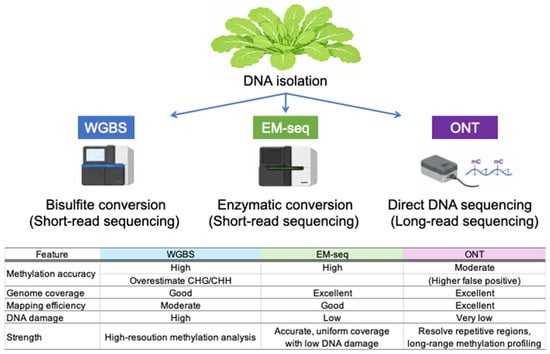
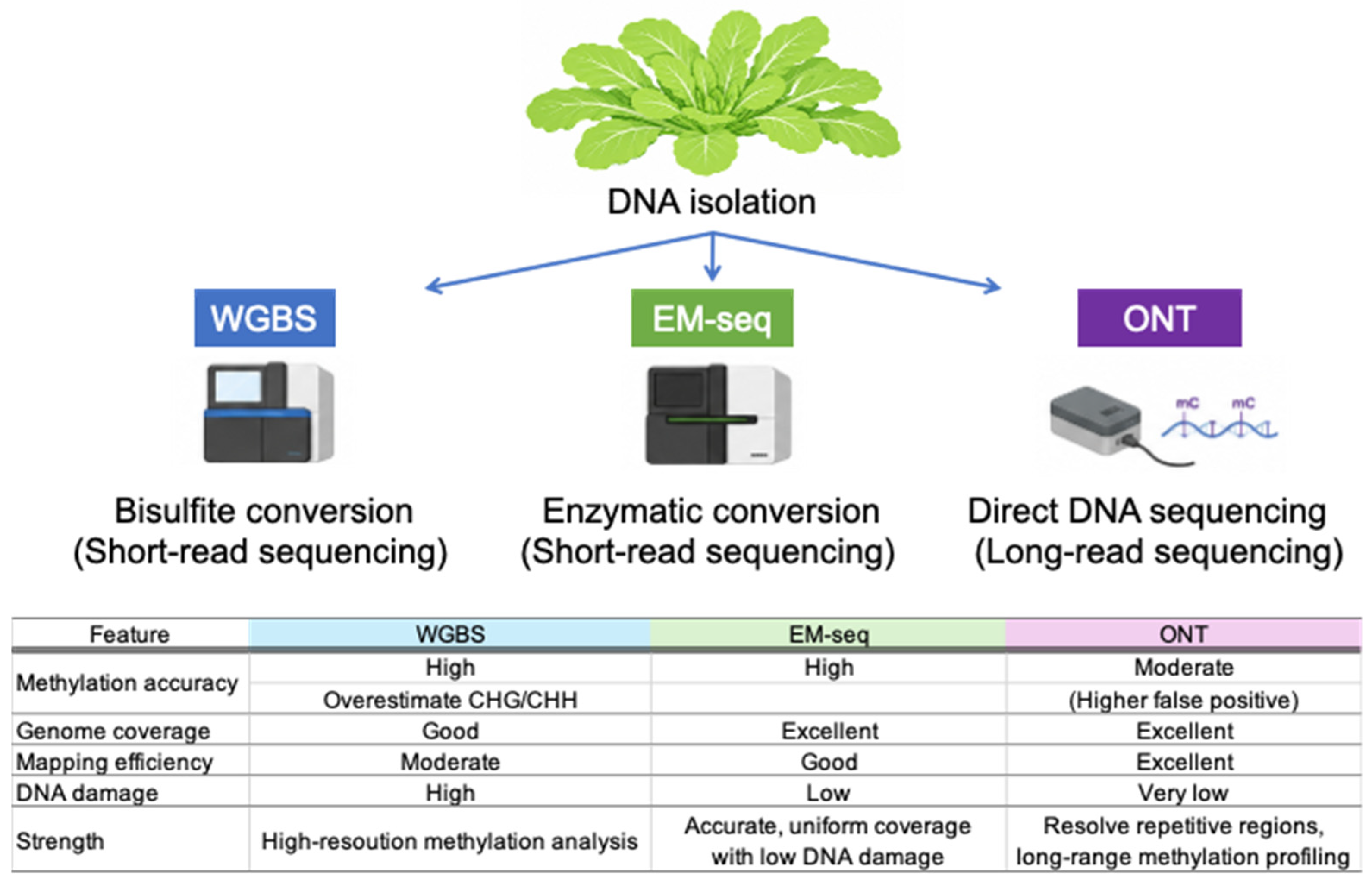
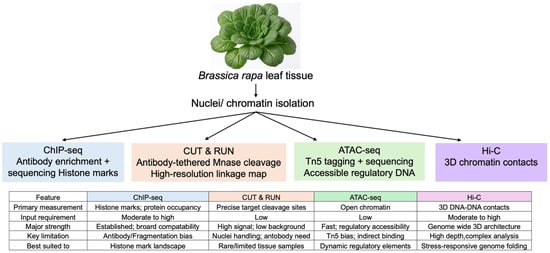
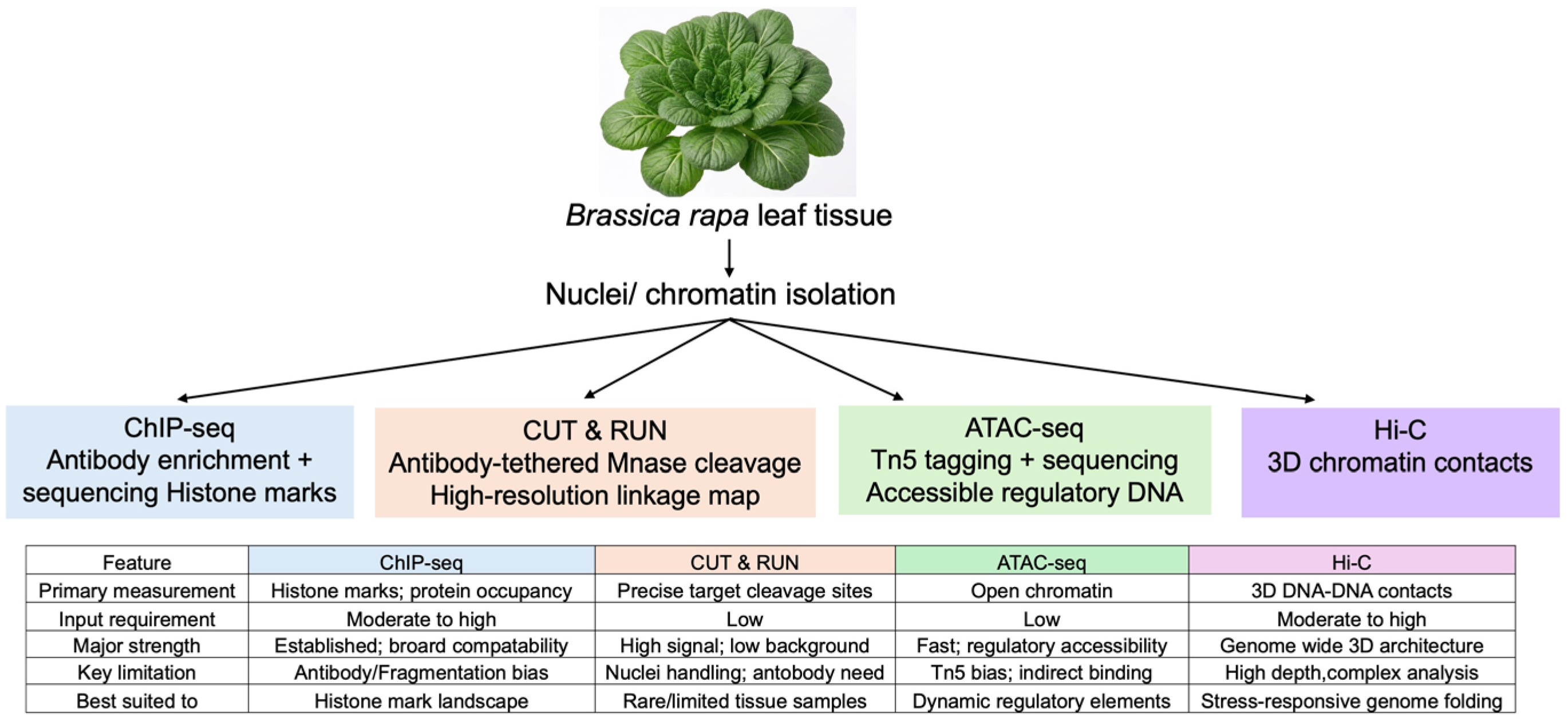
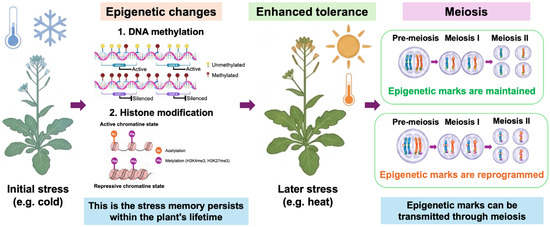
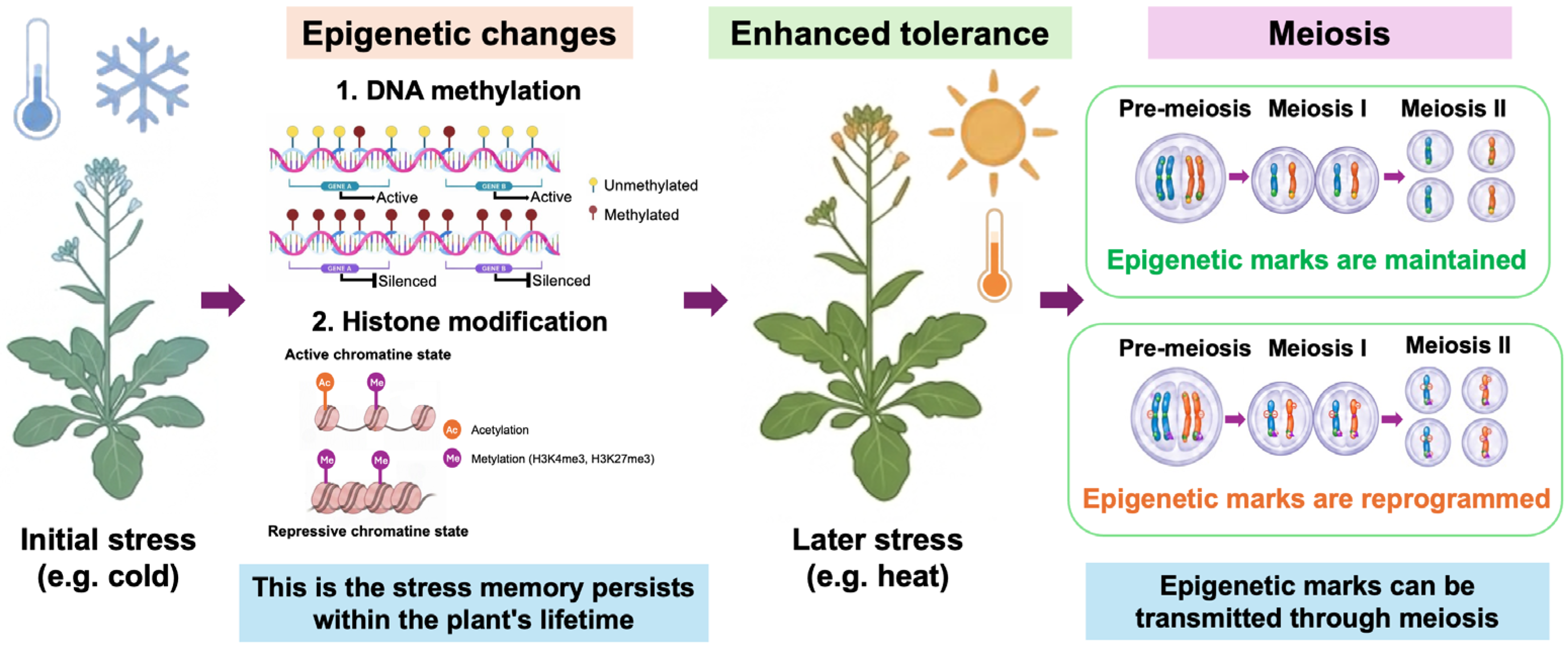
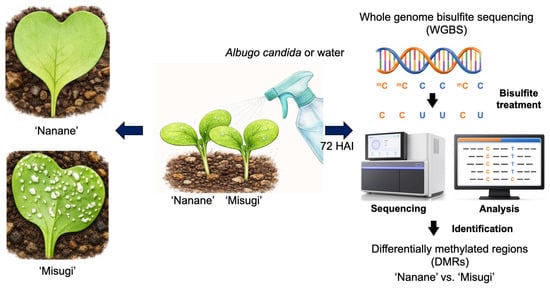
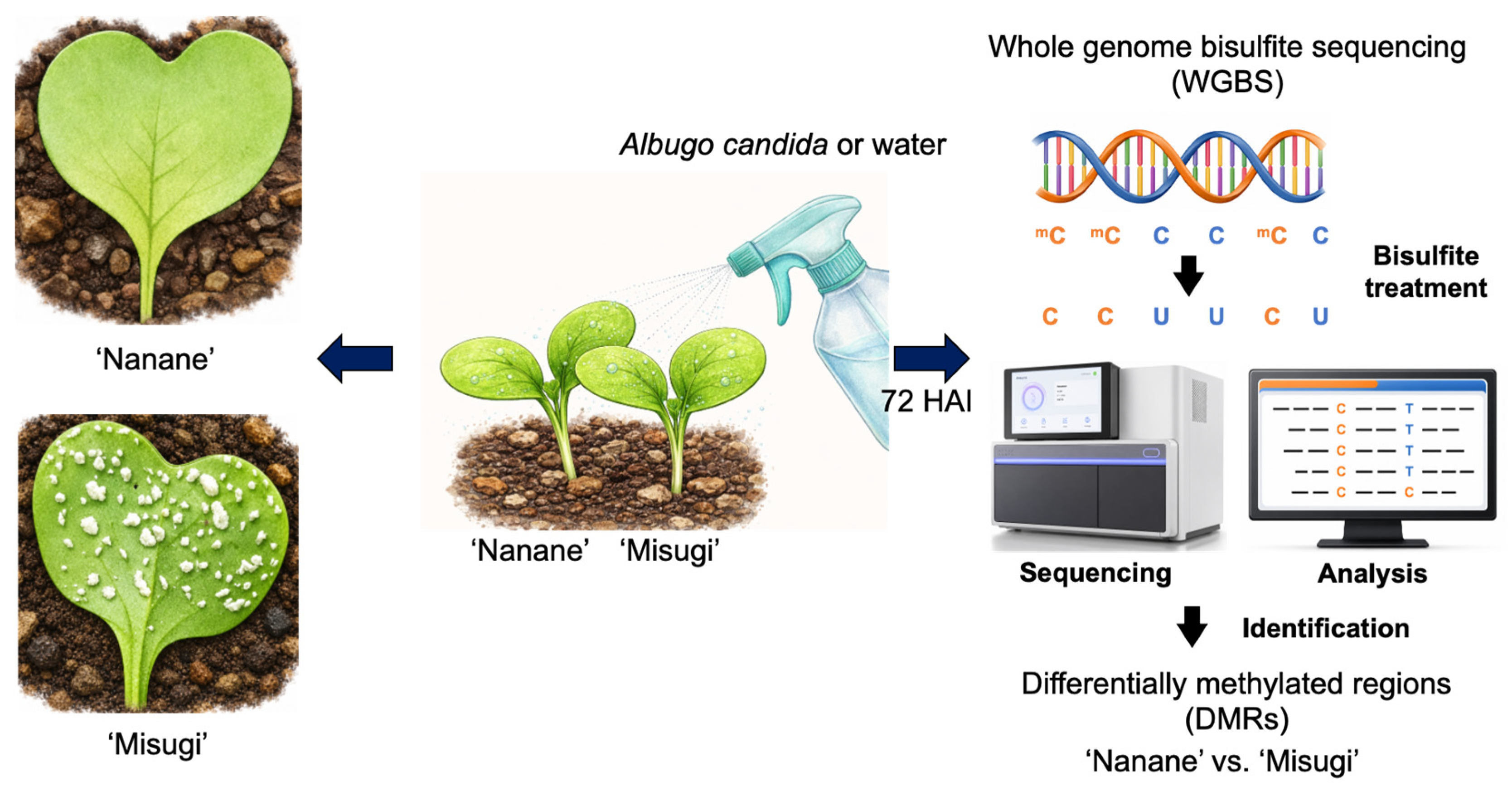
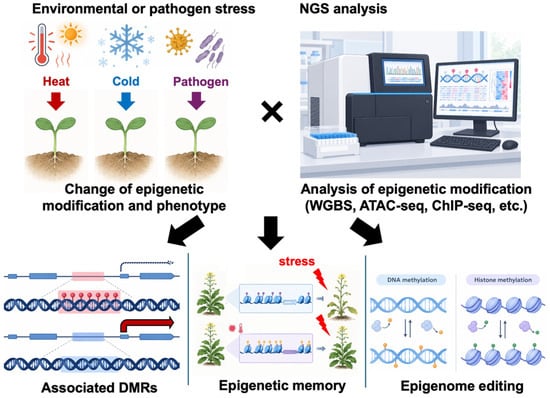
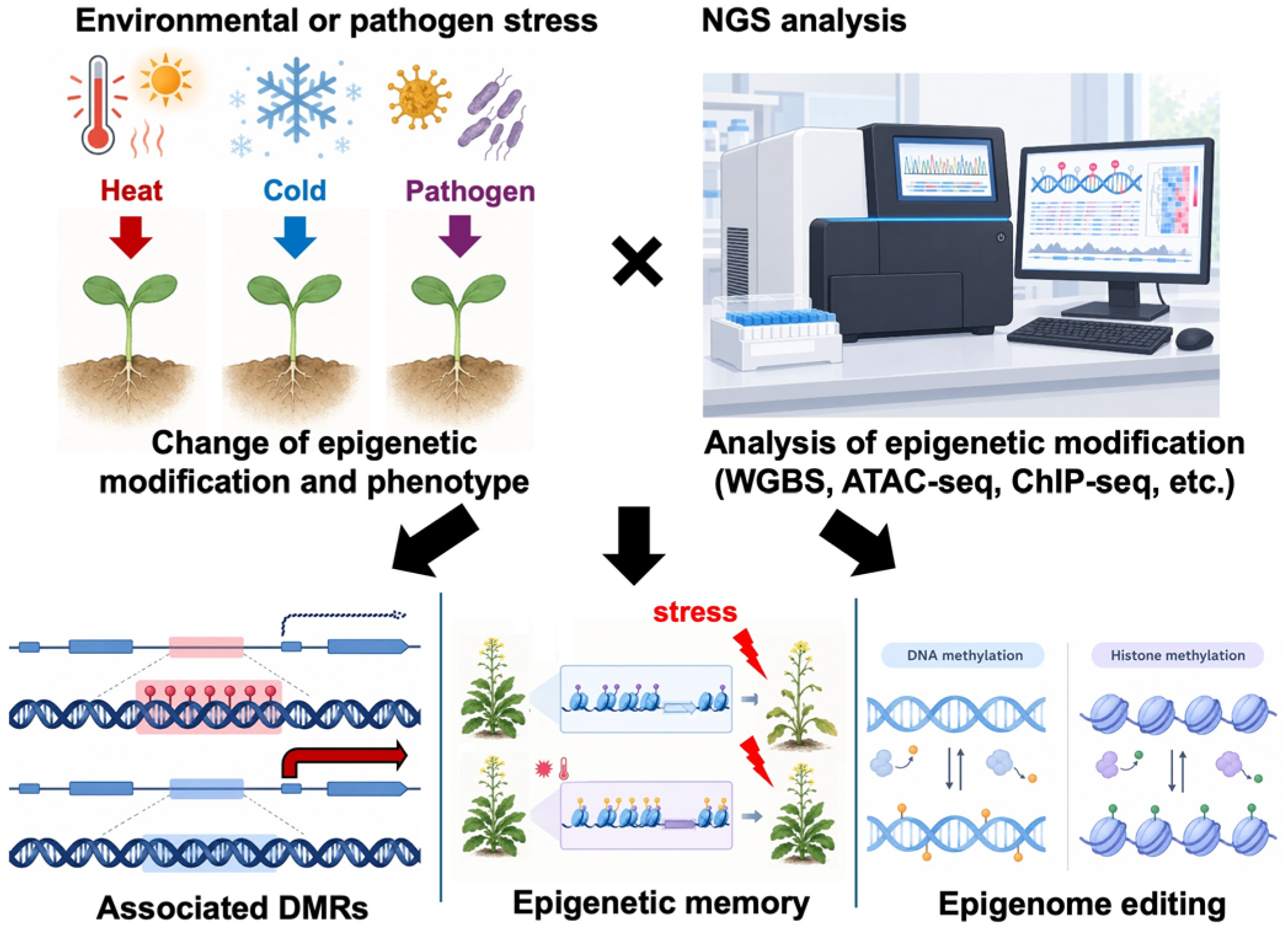

Disclaimer/Publisher’s Note: The statements, opinions and data contained in all publications are solely those of the individual author(s) and contributor(s) and not of MDPI and/or the editor(s). MDPI and/or the editor(s) disclaim responsibility for any injury to people or property resulting from any ideas, methods, instructions or products referred to in the content. |
© 2026 by the authors. Licensee MDPI, Basel, Switzerland. This article is an open access article distributed under the terms and conditions of the Creative Commons Attribution (CC BY) license.