


Abstract
Terbufos is a soil-applied organophosphorus insecticide whose residue definition includes the parent compound and relevant oxidative metabolites. This study investigated the uptake behavior of terbufos and its metabolites in lettuce cultivated under two greenhouse soil conditions and evaluated dietary exposure. A 3% granular formulation was applied once before transplanting at single (0.18 kg a.i. 10a−1) and double (0.36 kg a.i. 10a−1) application rates. Soil and lettuce samples collected at 21, 28, and 35 days after treatment (DAT) were extracted using a modified QuEChERS method and analyzed by LC–MS/MS. At 21 DAT, maximum total terbufos residues in lettuce were 0.59 and 0.66 mg kg−1 for the single and double application rates in Field I, respectively, and 0.17 and 0.40 mg kg−1 in Field II. Terbufos sulfoxide and terbufos oxon sulfoxide were major residue components in lettuce, indicating the contribution of oxidative metabolites to total residues. Terbufos, terbufos sulfoxide, and terbufos sulfone were major residue components in soil. Differences in residue levels and composition between the two fields may reflect combined effects of field-related soil and environmental conditions on terbufos residue behavior. Estimated dietary exposure ranged from 0.43% to 12.49% of the acceptable daily intake. These results indicate that relevant metabolites and field-related conditions should be considered when assessing terbufos residues in lettuce following soil application.
1. Introduction
Pesticides are widely used in crop production to control pests and diseases. However, pesticide residues may remain in crops following application [1,2]. Residue assessment is therefore important for verifying compliance with regulatory standards and evaluating dietary exposure [2,3]. For soil-applied pesticides in particular, residues remaining in cultivated soil may become available for plant uptake and contribute to residues in edible crops [4,5, 6].
Terbufos is a soil-applied organophosphorus insecticide used to control soil pests [7,8]. The World Health Organization (WHO) classifies technical-grade terbufos as Class Ia based on its acute toxicity. In the Republic of Korea, pesticide products containing terbufos are permitted for use on registered crops, including lettuce, in accordance with their registration conditions and pesticide safety use standards [7]. In contrast, terbufos is not approved as an active substance for use in plant protection products in the European Union (EU). Terbufos can be transformed into several oxidative metabolites, including terbufos sulfoxide, terbufos sulfone, terbufos oxon, terbufos oxon sulfoxide, and terbufos oxon sulfone [8]. Previous toxicological studies have reported that the acute toxicity of terbufos metabolites varies among compounds, with some oxidative metabolites exhibiting greater acute toxicity than the parent compound. These findings highlight the importance of considering both terbufos and its metabolites in dietary residue assessments. For both compliance with maximum residue limits (MRLs) and estimation of dietary intake, the Joint FAO/WHO Meeting on Pesticide Residues (JMPR) and the Codex Alimentarius Commission define the residue for terbufos as the sum of terbufos, its oxygen analog, and their sulfoxides and sulfones, expressed as terbufos [8,9]. Similarly, the Korean residue definition for terbufos includes the parent compound and its five metabolites, expressed as terbufos equivalents [10]. These metabolites may arise through biotic and abiotic transformation processes, including oxidation and hydrolysis. Reported oxidative pathways include the conversion of terbufos to terbufos sulfoxide and subsequently to terbufos sulfone, as well as the formation of terbufos oxon and its sulfoxide and sulfone derivatives [8]. The proposed transformation pathways based on previous studies are summarized in Supplementary Figure S1. Following soil application, terbufos-related residues in soil may contribute to residues in edible crop tissues through plant uptake [8,11]. The extent of soil-to-crop uptake can be influenced by pesticide physicochemical properties, soil characteristics, and crop-specific factors [6,12].
Lettuce is relevant to pesticide residue assessment because monitoring studies in Korea have reported MRL exceedances in lettuce and other leafy vegetables [3,13]. In addition, lettuce is commonly consumed as a raw leafy vegetable, making residues in its edible portion relevant to dietary exposure assessment [13]. Previous studies have reported terbufos residues in cole crops following soil application [11]. It was reported terbufos residues of up to 0.02 mg kg−1 in field-grown potatoes following double-rate application [14]. Total terbufos residues of 0.036–0.051 mg kg−1 were reported in greenhouse-grown succeeding butterbur following fivefold soil application [15]. However, studies comparing total residue levels and parent–metabolite composition in corresponding soil and lettuce samples across different greenhouse sites remain limited. This study therefore quantified terbufos and the five metabolites included in its residue definition in treated soil and lettuce at two greenhouse sites following soil application. Residue levels and parent–metabolite composition in soil and lettuce were compared, and dietary exposure associated with lettuce consumption was assessed.
2. Materials and Methods
2.1. Chemicals and Reagents
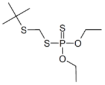
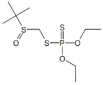
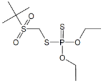
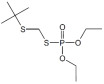
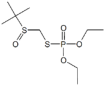
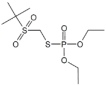
A commercial 3% terbufos granular formulation (Kyung Nong Corporation, Seoul, Republic of Korea) was used in the greenhouse field experiments. Analytical standard solutions of terbufos and its five metabolites were purchased from Kemidas (Gunpo, Gyeonggi-do, Republic of Korea). The chemical names, structures, molecular weights, and molecular formulas of terbufos and its metabolites are presented in Table 1. The certified concentrations were 1005.1 mg kg−1 for terbufos in acetone; 100.1 and 102.0 mg kg−1 for terbufos sulfoxide and terbufos sulfone, respectively, in methanol; and 101.0, 101.4, and 101.3 mg kg−1 for terbufos oxon, terbufos oxon sulfoxide, and terbufos oxon sulfone, respectively, in acetonitrile. Acetonitrile, methanol, and water were of HPLC grade and were purchased from J.T. Baker (Easton, PA, USA). Formic acid (≥99.0%) was of LC–MS grade, whereas ammonium acetate was of HPLC grade; both were purchased from Thermo Fisher Chemical (Phillipsburg, NJ, USA).
Table 1.
Chemical names, structures, molecular weights, and molecular formulas of terbufos and its metabolites.
Samples were prepared using a modified Quick, Easy, Cheap, Effective, Rugged, and Safe (QuEChERS) procedure. QuEChERS extraction salts and dispersive solid-phase extraction (d-SPE) clean-up tubes were purchased from the Korea Analytical Technology Research Institute (Daejeon, Republic of Korea). Each extraction pouch contained 6.0 g of anhydrous magnesium sulfate (MgSO4) and 1.5 g of sodium acetate (NaOAc). The d-SPE tubes contained 150 mg of anhydrous MgSO4, 25 mg of primary–secondary amine (PSA), and either 25 mg of C18 for soil samples or 2.5 mg of graphitized carbon black (GCB) for lettuce samples.
2.2. Greenhouse Field Experiment
Two greenhouse field trials were conducted in 2024 at commercial greenhouse sites in Damyang (Field I; approximately 35.2537° N, 126.8883° E) and Naju (Field II; approximately 35.0609° N, 126.8309° E), Jeollanam-do, Republic of Korea, in accordance with the Criteria and Methods for Crop Residue Trials established by the Rural Development Administration (RDA), Republic of Korea [16]. The physicochemical properties of the soils in the two greenhouse fields are summarized in Supplementary Table S1.
At each site, separate areas were established for the untreated control, the registered application rate (single), and twice the registered application rate (double), with a buffer of at least 1.0 m between the untreated control and treated areas. Each treated area measured 2 m × 15 m (30 m2) and was divided into three replicate plots of 10 m2 each. The untreated controls were included to assess background residues and provide untreated matrices for analytical method validation. One-month-old lettuce seedlings were transplanted at 20 cm × 20 cm spacing and cultivated under conventional greenhouse management. The single and double application rates corresponded to 6.0 and 12.0 kg of the 3% terbufos granular formulation per 10 a (1000 m2, equivalent to 0.1 ha), equivalent to 0.18 and 0.36 kg of active ingredient (a.i.) per 10 a, respectively. The single rate was based on the registered application rate for lettuce in the Republic of Korea, whereas the double rate was included to simulate potential overapplication and evaluate its effects on terbufos residues and metabolite profiles in soil and lettuce.
Before application, the soil was tilled and leveled. The granular formulation was mixed with sieved soil as a carrier and evenly distributed over the soil surface. On the day of application, black polyethylene mulch was installed, after which the lettuce seedlings were transplanted. At 21, 28, and 35 days after treatment (DAT), lettuce and soil samples were collected separately from the corresponding replicate plots on the same sampling dates. Samples from each replicate plot were processed and analyzed separately. These sampling times were selected at 7-day intervals around the expected lettuce harvest date (28 DAT) to evaluate changes in terbufos residue levels and metabolite profiles during the harvest period. Lettuce sampling, transport, and storage procedures followed the RDA guidelines for crop residue trials [16]. The same procedures were applied at both greenhouse sites. At each sampling date, at least 1.0 kg of lettuce was collected from each plot. Samples were transported to the laboratory in polyethylene bags within approximately 30 min. Fresh weight was recorded, and the lettuce samples were frozen at −20 °C for at least 24 h. The frozen samples were homogenized with dry ice, sealed in polyethylene bags, and stored at –20 °C until extraction. Soil samples were collected from eight points within each plot at a depth of 0–20 cm using a 5-cm-diameter Edelman auger [17]. Different sampling points within each plot were used at each sampling date. At least 1.0 kg of soil was collected from each plot and transported to the laboratory within approximately 30 min. The soil samples were then air-dried overnight in the dark, passed through a 2-mm sieve, homogenized, and stored at −20 °C until extraction.
2.3. Sample Extraction and Clean-Up
Sample preparation for the analysis of terbufos and its metabolites in lettuce and soil was performed using a modified QuEChERS method [18,19]. For soil samples, 10.0 g of air-dried soil was weighed into a 50-mL centrifuge tube, mixed with 10 mL of distilled water, and allowed to hydrate for 15 min. For lettuce samples, 10.0 g of homogenized sample was weighed directly into a 50-mL centrifuge tube. Acetonitrile (10 mL) was then added to each sample, and the mixture was shaken at 2500 rpm for 2.0 min. A QuEChERS extraction pouch containing 6.0 g of anhydrous MgSO4 and 1.5 g of NaOAc was added, followed immediately by shaking at 2500 rpm for 2.0 min and centrifugation at 3500 rpm for 5.0 min. A 1-mL aliquot of the supernatant was transferred to a d-SPE tube containing 150 mg of anhydrous MgSO4, 25 mg of PSA, and either 25 mg of C18 for soil samples or 2.5 mg of GCB for lettuce samples. The tubes were shaken at 2500 rpm for 2.0 min and centrifuged at 8000 rpm for 3.0 min. The resulting supernatants were passed through a 0.2-µm PTFE syringe filter, diluted 1:1 (v/v) with acetonitrile, and analyzed by LC–MS/MS. Sample extracts containing analyte concentrations exceeding the calibration range were further diluted with blank matrix extracts to bring the concentrations within the calibration range of 0.0025–0.10 mg L−1. Quantification was performed using matrix-matched calibration, and the individual dilution factors applied to each analyte, including terbufos and its five metabolites, were taken into account when calculating residue concentrations in the original samples.
2.4. LC–MS/MS Analysis
Terbufos and its metabolites were simultaneously determined using a Waters ACQUITY UPLC system coupled to a Waters Xevo TQD triple-quadrupole mass spectrometer (Waters Corporation, Milford, MA, USA). Chromatographic separation was performed using a CAPCELL CORE C18 column (150 mm × 2.1 mm, 2.7 µm; Osaka Soda, Osaka, Japan) at 35 °C. Mobile phase A was water containing 5 mM ammonium acetate and 0.1% (v/v) formic acid, and mobile phase B was methanol containing the same additives. At a flow rate of 0.3 mL min−1, the gradient program was set to 10% B initially, 40% B at 1.5 min, 95% B at 4.0 min, and 10% B at 6.5 min. The injection volume was 7 µL. Electrospray ionization (ESI) in positive-ion mode was used for the LC–MS/MS analysis of terbufos and its metabolites. The optimized multiple reaction monitoring (MRM) transitions and LC–MS/MS conditions are shown in Supplementary Tables S2 and S3, respectively.
2.5. Analytical Method Validation
Analytical method validation was performed in accordance with the RDA Criteria and Methods for Crop Residue Trials [16]. Six-point solvent-based and matrix-matched calibration curves for terbufos and its five metabolites were prepared using standard solutions. Calibration curves were prepared over the concentration range of 0.0025–0.10 mg L−1, and linearity was evaluated using the coefficient of determination (r2) from the regression equation. Matrix effects were evaluated by comparing the slopes of the matrix-matched and solvent-based calibration curves, and matrix-matched calibration was used for quantification. Identification of the target compounds was based on their retention times and qualifier-to-quantifier ion ratios, with ion-ratio deviations within ±30% of those obtained from the calibration standards in the same analytical sequence. The limit of quantification (LOQ) was established at 0.01 mg kg−1 as the lowest validated level.
Accuracy and precision were evaluated through recovery experiments. Untreated soil and lettuce samples (10.0 g) were fortified with mixed standard solutions at 0.01 and 0.10 mg kg−1 for each compound. After fortification, the samples were mixed thoroughly and allowed to stand for 1 h before extraction and clean-up. The samples were analyzed in triplicate at each fortification level. Recovery was calculated as the percentage ratio of the measured concentration to the fortified concentration, and precision was expressed as the relative standard deviation (RSD).
The storage stability of terbufos and its five metabolites in lettuce was evaluated by analyzing fortified samples after frozen storage. Untreated lettuce samples fortified with each analyte at 0.10 mg kg−1 were stored at −20 °C for 70 days (Field I) and 69 days (Field II). Following storage, the samples were extracted and analyzed in triplicate using the method described above, and the recoveries of individual compounds were determined. For soil, storage stability was evaluated based on the recovery results obtained after 144 days of storage at −20 °C for both Field I and Field II.
Total terbufos residues were calculated according to the residue definition provided by the National Institute of Agricultural Sciences (NAS) [10]. Concentrations of terbufos and its five metabolites were converted into terbufos equivalents using molecular-weight conversion factors, and the converted concentrations were summed to obtain total terbufos residues (Equation (1)).
where C represents the measured concentration of the corresponding residue component (mg kg−1).
Ctotal terbufos = Cterbufos + (Cterbufos sulfoxide × 0.95) + (Cterbufos sulfone × 0.90) + (Cterbufos oxon × 1.06)
+ (Cterbufos oxon sulfoxide × 1.00) + (Cterbufos oxon sulfone × 0.95)
+ (Cterbufos oxon sulfoxide × 1.00) + (Cterbufos oxon sulfone × 0.95)
2.6. Dietary Exposure Assessment
Dietary exposure to total terbufos residues in lettuce was assessed as a percentage of the acceptable daily intake (%ADI). The estimated daily intake (EDI) was calculated using the mean total terbufos residue concentration for each field, application rate, and sampling date, a mean daily lettuce intake of 6.81 g day−1 reported in the Korean National Nutrition Statistics [20], and a mean body weight of 60 kg used for pesticide dietary risk assessment in the Republic of Korea [21]. The Korean lettuce consumption value represents the mean for the overall surveyed population, including non-consumers, and was derived from the 2023 Korea National Health and Nutrition Examination Survey (KNHANES), which included 6786 participants aged one year or older who completed a 24-h dietary recall survey. Survey weights were applied to account for the complex sampling design. To examine the influence of dietary consumption assumptions, an additional scenario was evaluated using the WHO GEMS/Food G10 cluster diet consumption value of 19.50 g day−1 for leaf lettuce. The EDI and %ADI were calculated for both consumption scenarios using the same mean total terbufos residue concentration for each experimental condition (n = 3). The two consumption values were treated as alternative dietary assumptions because they were derived from different data sources and estimation methods.
The ADI for terbufos was 0.0006 mg kg−1 body weight day−1, as reported in the Korean Pesticide Safety Information System [22]. The EDI and %ADI were calculated using Equations (2) and (3).
EDI (mg kg−1 body weight day−1) = [residue concentration (mg kg−1) ×
food intake (kg day−1)]/mean body weight (60 kg)
food intake (kg day−1)]/mean body weight (60 kg)
%ADI = [EDI (mg kg−1 body weight day−1)/ADI (mg kg−1 body weight day−1)] × 100
2.7. Statistical Analysis
Fresh-weight and residue data are presented as the means ± standard deviations (SDs) of three replicate plots (n = 3). Statistical analyses were performed using IBM SPSS Statistics 20.0 (IBM Corporation, Armonk, NY, USA). Fresh-weight data, total terbufos residues, and concentrations of individual residue components were analyzed by one-way analysis of variance (ANOVA), followed by Duncan’s multiple range test for comparisons among groups defined by each combination of field, application rate, and sampling date. Soil and lettuce residue datasets were analyzed separately. For the purpose of comparing residue patterns, values below the LOQ were assigned as zero when calculating total terbufos residues and performing statistical analyses. This study-specific assumption does not imply that the actual residue concentrations were zero and may lead to an underestimation of total residues. This approach was not intended for the regulatory derivation of maximum residue levels (MRLs), supervised trials median residues (STMRs), or highest residues (HRs). Statistical significance was determined at p < 0.05.
3. Results and Discussion
3.1. Greenhouse Soil and Plant Growth
Both greenhouse soils were classified as loam but differed in particle-size distribution, organic matter content, and cation-exchange capacity (Supplementary Table S1). Lettuce fresh weight increased during the harvest period, with no application rate-related difference between the two treated groups (Supplementary Figure S2). These results suggest that pesticide application did not affect the growth of lettuce under greenhouse conditions. Therefore, the effect of plant growth on the pesticide residue would not be significantly different between the treatments. In addition, lettuce growth differences between the two fields were not significant during the cultivation period, suggesting that differences in plant growth were unlikely to be a major factor contributing to the observed variation in residue levels. Therefore, the effect of plant growth on the pesticide residue would not be significantly different between the fields.
3.2. Analytical Method Validation
The matrix-matched calibration curves for terbufos and its metabolites showed good linearity over the concentration range of 0.0025–0.10 mg L−1, with coefficients of determination (r2) ranging from 0.997 to 1.000 (Supplementary Table S4). Matrix effects ranged from −31.0% to −0.4%, indicating matrix-induced signal suppression (Table 2). Accordingly, matrix-matched calibration was applied to all quantitative analyses to minimize matrix-related effects. At both greenhouse sites, terbufos and all five metabolites were below the limit of quantification (LOQ; 0.01 mg kg−1) in untreated soil and lettuce samples.
Table 2.
Sample matrix effects on the analysis of terbufos and its metabolites.
Mean recoveries of terbufos and its metabolites in soil and lettuce samples ranged from 80.1% to 115.6% at 0.01 and 0.10 mg kg−1, with RSDs below 20% (Table 3 and Table 4). All analytes met the ±30% ion-ratio tolerance relative to the corresponding calibration standards. The storage stability of terbufos and its five metabolites was confirmed in lettuce and soil samples stored at −20 °C. Mean recoveries ranged from 83.6% to 97.6% in lettuce after 69–70 days and from 89.4% to 106.1% in soil after 144 days, demonstrating adequate storage stability under the tested conditions (Supplementary Table S5). These results met the Codex validation criteria [23] for pesticide residue analysis, including recovery within 70–120% and RSD within 20%.
Table 3.
Recovery values of terbufos and its metabolites fortified in lettuce and soil samples.
Table 4.
Relative standard deviation (RSD) of terbufos and its metabolites in recovery tests.
3.3. Residues of Terbufos and Its Metabolites in Soil and Lettuce Samples
3.3.1. Residues of Terbufos and Its Metabolites in Field I
In Field I, the maximum total residues in soil during the harvest period were 1.42 and 2.12 mg kg−1 at the single and double application rates, respectively, while the corresponding values in lettuce were approximately 0.59 and 0.66 mg kg−1 (Table 5). Terbufos, terbufos sulfoxide, and terbufos sulfone were major residue components quantified in soil samples, whereas terbufos oxon sulfoxide was quantified only in a few samples (Table 6). Terbufos oxon and terbufos oxon sulfone were below the LOQ in all soil samples. At 21 DAT at the double application rate, terbufos sulfoxide was the largest residue component, with residues of 1.13 and 1.00 mg kg−1 for terbufos sulfoxide and parent terbufos, respectively. This residue pattern is broadly consistent with previously reported soil transformation patterns in which terbufos was oxidized to terbufos sulfoxide, followed by the formation of terbufos sulfone [24,25].
Table 5.
Total terbufos residues expressed as terbufos equivalents in lettuce and soil samples during harvest.
Table 6.
Residues of terbufos and its metabolites in lettuce-cultivated soil samples during harvest.
The residue composition in lettuce differed from that in soil (Table 7). Terbufos sulfoxide and terbufos oxon sulfoxide were major residue components in lettuce samples. Terbufos sulfone and terbufos oxon sulfone were also found in lettuce samples. Terbufos oxon was below the LOQ in all lettuce samples. At 21 DAT, terbufos sulfoxide and terbufos oxon sulfoxide were found at higher concentrations than parent terbufos at both application rates. Similar residue patterns have been reported in crops following soil application of terbufos. Terbufos sulfoxide, terbufos oxon sulfoxide, and terbufos sulfone accounted for most of the terbufos-related residues in broccoli, whereas parent terbufos represented only a small proportion of the total residue [11]. Terbufos sulfoxide, terbufos oxon sulfoxide, and terbufos sulfone were also found in pepper and pepper leaves following soil treatment [26]. More recently, oxidative terbufos metabolites were reported in aboveground potato tissues [14]. Taken together, these previous observations are consistent with the present results, in which oxidative metabolites made substantial contributions to total terbufos residues in lettuce.
Table 7.
Residues of terbufos and its metabolites in lettuce samples during harvest.
Overall, the residue composition in Field I differed between soil and lettuce. Interestingly, terbufos oxon sulfoxide was quantified in lettuce throughout the sampling period for both application rates but only in a few soil samples, indicating that the residue profile in lettuce did not simply mirror that measured in soil.
3.3.2. Residues of Terbufos and Its Metabolites in Field II
In Field II, the maximum total residues during the harvest period were 1.01 and 1.40 mg kg−1 in soil for the single and double application rates, respectively, while the corresponding values in lettuce were 0.17 and 0.40 mg kg−1 (Table 5). Terbufos, terbufos sulfoxide, and terbufos sulfone were also major residue components quantified in soil samples in Field II (Table 6). However, the relative contributions of parent terbufos and terbufos sulfoxide differed from those observed in Field I. At 21 DAT at the double application rate, parent terbufos was the largest residue component in Field II, where residues of terbufos and terbufos sulfoxide were 1.01 and 0.41 mg kg−1, respectively. Terbufos oxon, terbufos oxon sulfoxide, and terbufos oxon sulfone were below the LOQ in soil samples.
In lettuce, terbufos sulfoxide and terbufos oxon sulfoxide were major residue components, and terbufos sulfone and terbufos oxon sulfone were also found (Table 7). Terbufos oxon was below the LOQ in all lettuce samples. At 21 DAT, terbufos sulfoxide and terbufos oxon sulfoxide were found at higher concentrations than parent terbufos for both application rates. Thus, although parent terbufos contributed substantially to soil residues in Field II, oxidative metabolites constituted major components of the residues measured in lettuce. As observed in Field I, the residue composition in lettuce did not directly reflect that measured in soil. The present data do not allow for differentiation between direct uptake of individual residue components from soil and their formation through transformation after uptake, a limitation also recognized in previous soil application studies [26].
3.3.3. Terbufos Residue Differences Between Greenhouse Fields
Total terbufos residue levels in lettuce varied between the two greenhouse fields when compared at the same application rate and sampling date. Total terbufos residues were consistently higher in Field I than in Field II over all sampling dates at the single application rate, whereas this field difference was not consistent over time at the double application rate. At 21 DAT, total residues were approximately 3.4- and 1.7-fold higher in Field I than in Field II for the single and double application rates, respectively. Differences between the two application rates were more consistently observed in Field II than in Field I. In Field I, the difference between the two application rates was no longer significant at 28 or 35 DAT. In contrast, in Field II, total residues remained significantly higher in the double application rate throughout the sampling period. Significant differences between the two application rates were observed at all sampling dates in Field II, whereas such differences were observed only 21 DAT in Field I. At 21 DAT at the double application rate, terbufos sulfoxide was the largest residue component in Field I, whereas parent terbufos was the largest residue component in Field II. Thus, the relative contributions of parent terbufos and its oxidation products differed between the two fields.
Terbufos and its oxidative metabolites also differ in physicochemical properties relevant to their behavior in soil. The reported water solubilities of terbufos sulfoxide and terbufos sulfone are 2936 and 240 mg L−1, respectively, substantially higher than that of parent terbufos (5.4 mg L−1) [8]. Terbufos sulfoxide and terbufos sulfone have also been reported to show lower soil adsorption and greater mobility than parent terbufos [27]. Previous studies have reported that the behavior of soil-applied terbufos can vary among soils and under different soil conditions. Temperature, soil moisture, and soil type have been shown to affect terbufos persistence, with soil type influencing its behavior largely through differences in adsorption [28]. Terbufos behavior has also been reported to vary with biochar amendment, soil moisture, and soil sterilization [29], while soil texture and organic amendment influenced its distribution and mobility in packed soil columns [30]. In the present study, although both soils were classified as loam, their physicochemical properties differed (Supplementary Table S1). The differences in residue levels and composition observed between the two fields are consistent with previous reports of soil-dependent variation in terbufos behavior. However, the contribution of individual soil properties or other field-related factors could not be distinguished from the present data. In addition, differences in residue composition between soil and lettuce suggest that the relative contributions of individual residue components may be influenced by transformation processes occurring in soil and after plant uptake. Previous studies have suggested that terbufos and its oxidative metabolites can be translocated from treated soil into plants and undergo further oxidation after uptake [11]. Oxidative metabolic pathways, including oxidative reactions mediated by enzyme systems such as cytochrome P450, have been reported to contribute to the transformation of various organophosphorus pesticides, including the formation of oxon derivatives [31]. Therefore, the detection of terbufos oxon sulfoxide as one of the major residue components in lettuce, despite its limited occurrence in soil, suggests that additional oxidative transformation after uptake may have contributed to the residue composition observed in lettuce. Nevertheless, the specific pathway responsible for the formation of oxon-containing metabolites could not be determined in the present study. Future studies incorporating controlled comparisons of soil physicochemical properties and microbial activity, together with investigations of terbufos uptake and metabolism in lettuce, may help evaluate the relative contributions of these processes to the observed differences in residue composition. Additional sampling at earlier time points after application may also provide further insights into the initial transformation processes and temporal changes in residue profiles. Overall, these results indicate that lettuce residues following soil application of terbufos should be interpreted in relation to both application rate and field-related conditions, considering differences in residue composition between soil and edible lettuce.
3.4. Dietary Exposure Assessment
The total terbufos residues detected in lettuce during the harvest period ranged from 0.02 to 0.66 mg kg−1 across all treatments and fields, and remained below the current established MRL for terbufos of 1.5 mg kg−1 [32]. Based on these measured residue concentrations, dietary exposure from lettuce was assessed by calculating %ADI for each experimental condition (Table 8). In the Korean mean lettuce consumption scenario (6.81 g day−1), the %ADI values ranged from 0.43% to 12.49%. At 21 DAT, the %ADI values for the single and double application rates were 11.18% and 12.49% in Field I, respectively, compared with 3.25% and 7.50% in Field II. These differences reflected the higher total terbufos residue concentrations measured in lettuce from Field I at the same sampling date. The %ADI values decreased with sampling time, corresponding to the decline in total terbufos residues in lettuce. Previous studies have used %ADI values to evaluate relative dietary exposure to pesticide residues [33,34,35,36]. Recent pesticide-monitoring and safety-assessment studies in Korea have also reported relatively high %ADI values for terbufos, which have been attributed in part to its comparatively low ADI [37,38].
Table 8.
Estimated dietary exposure to total terbufos residues from lettuce under different experimental conditions and consumption scenarios.
To further estimate the influence of dietary consumption assumptions, an additional scenario was evaluated using the WHO GEMS/Food G10 cluster diet consumption value of 19.50 g day−1 for leaf lettuce. Under the same residue concentration and body weight assumptions, the estimated %ADI values were approximately 2.86 times higher than those calculated using the Korean mean consumption value, reaching a maximum of approximately 35.8% for the double application rate 21 DAT in Field I (Table 8). Thus, although the absolute exposure estimates varied with the assumed lettuce consumption, the differences among experimental conditions reflected the observed variations in total terbufos residues. Terbufos sulfoxide and terbufos oxon sulfoxide were major residue components in lettuce. Accordingly, dietary exposure was estimated using total terbufos residues, including the parent compound and its measured metabolites expressed as terbufos equivalents. In both consumption scenarios, the estimated dietary exposure from lettuce remained below the ADI. However, the present assessment was based on condition-specific mean residue concentrations and did not account for potential exposure from other food commodities or acute dietary exposure. Therefore, these estimates provide a comparison of lettuce-derived dietary exposure across the evaluated experimental conditions rather than a comprehensive assessment of human health risks associated with total dietary exposure to terbufos.
4. Conclusions
Following soil application, terbufos and its metabolites were quantified in edible lettuce, with total residues being the highest 21 DAT and declining thereafter. Residues in lettuce were not composed predominantly of parent terbufos; terbufos sulfoxide and terbufos oxon sulfoxide were major residue components and were present at higher concentrations than the parent compound 21 DAT in both fields and at both application rates. Total terbufos residue levels in lettuce differed between the two fields, and differences between the two application rates were more consistently observed in Field II than in Field I. The residue composition in lettuce differed from that in soil, where parent terbufos, terbufos sulfoxide, and terbufos sulfone were major residue components. Estimated dietary exposure ranged from 0.43% to 12.49% of the ADI under the tested greenhouse conditions. Residue assessment of soil-applied terbufos in lettuce should therefore include both the parent compound and relevant metabolites, while interpretation of residue patterns should account for field-related conditions. Further studies incorporating broader soil conditions and measurements of transformation processes are needed to identify factors contributing to field-dependent differences in lettuce residues. In the additional WHO GEMS/Food G10 consumption scenario, the maximum estimated %ADI was approximately 35.8%, compared with 12.49% in the Korean mean consumption scenario. Although the estimated dietary exposure from lettuce remained below the ADI in both scenarios, these lettuce-specific estimates did not account for exposure from other food commodities or acute dietary exposure and therefore cannot provide a comprehensive assessment of human health risks.
Supplementary Materials
The following supporting information can be downloaded at: https://www.mdpi.com/article/10.3390/agriculture16212403/s1, Figure S1. Proposed transformation pathways of terbufos and its metabolites based on previous studies; Table S1: Physicochemical properties of the greenhouse soils; Table S2: Multiple reaction monitoring conditions for terbufos and its metabolites; Table S3: LC–MS/MS conditions for analysis of terbufos and its metabolites; Figure S2: Fresh weight of lettuce 21, 28, and 35 days after treatment (DAT) following single and double applications of terbufos in Field I and Field II. Table S4: Calibration equations and coefficients of determination (r2) for matrices; Table S5. Storage stability of terbufos and its five metabolites in fortified lettuce and soil samples.
Author Contributions
Conceptualization, I.S.K.; methodology, J.S., H.O.K. and I.S.K.; validation, J.S., H.O.K. and S.H.K.; formal analysis, J.S., H.O.K. and I.S.K.; investigation, J.S. and S.H.K.; resources, S.H.K. and I.S.K.; data curation, J.S. and H.O.K.; writing—original draft preparation, J.S. and S.H.K.; writing—review and editing, J.S., H.O.K. and I.S.K.; visualization, J.S. and H.O.K.; supervision, I.S.K.; project administration, I.S.K.; funding acquisition, I.S.K. All authors have read and agreed to the published version of the manuscript.
Funding
This research was funded by the Rural Development Administration, Republic of Korea (Project No. RS–2024–00396930).
Data Availability Statement
All data are available in the main text or in the Supplementary Information.
Acknowledgments
A part of this work was submitted as J. Shin’s dissertation in partial fulfillment of the requirements for the Master of Agriculture in the Department of Agricultural Chemistry, Chonnam National University.
Conflicts of Interest
The authors declare no conflicts of interest.
References
- Park, J.E.; Lee, M.Y.; Kim, S.H.; Song, S.M.; Park, B.K.; Seo, S.J.; Song, J.Y.; Hur, M.J. A survey on the residual pesticides on agricultural products on the markets in Incheon from 2016 to 2018. Korean J. Environ. Agric. 2019, 38, 205–212. [Google Scholar] [CrossRef] [Scilit][Green Version]
- Park, D.W.; Yang, Y.S.; Lee, Y.U.; Han, S.J.; Kim, H.J.; Kim, S.H.; Kim, J.P.; Cho, S.J.; Lee, D.; Song, N.; et al. Pesticide residues and risk assessment from monitoring programs in the largest production area of leafy vegetables in South Korea: A 15-year study. Foods 2021, 10, 425. [Google Scholar] [CrossRef] [Scilit] [PubMed]
- European Food Safety Authority (EFSA); Medina Pastor, P.; Carrasco Cabrera, L.; Di Piazza, G.; González Ciria, C. The 2024 European Union report on pesticide residues in food. EFSA J. 2026, 24, e10054. [Google Scholar] [CrossRef] [Scilit] [PubMed]
- Hwang, J.I.; Lee, S.E.; Kim, J.E. Comparison of theoretical and experimental values for plant uptake of pesticide from soil. PLoS ONE 2017, 12, e0172254. [Google Scholar] [CrossRef] [Scilit] [PubMed]
- Ju, C.; Li, X.; He, S.; Shi, L.; Yu, S.; Wang, F.; Xu, S.; Cao, D.; Fang, H.; Yu, Y. Root uptake of imidacloprid and propiconazole is affected by root composition and soil characteristics. J. Agric. Food Chem. 2020, 68, 15381–15389. [Google Scholar] [CrossRef] [Scilit] [PubMed]
- Kwak, S.-Y.; Lee, S.-H.; Kim, H.-Y.; Shin, B.-G.; Kim, J.-E. Uptake and translocation of ethoprophos mixed with soil for cultivation of preceding crop into succeeding crop. Korean J. Environ. Agric. 2021, 40, 92–98. [Google Scholar] [CrossRef] [Scilit]
- Rural Development Administration (RDA). Pesticide Safety Information System. Available online: https://psis.rda.go.kr/psis/ (accessed on 24 August 2026).
- Food and Agriculture Organization of the United Nations (FAO); World Health Organization (WHO). Pesticide Residues in Food—2005 Evaluations, Part I: Residues; FAO Plant Production and Protection Paper 184/1; Terbufos (167); Food and Agriculture Organization of the United Nations: Rome, Italy, 2006. [Google Scholar]
- Codex Alimentarius Commission. Pesticide Residues in Food and Feed: Terbufos (167). FAO/WHO Codex Alimentarius Pesticides Database. Available online: https://www.fao.org/fao-who-codexalimentarius/codex-texts/dbs/pestres/ (accessed on 24 August 2026).
- National Institute of Agricultural Sciences (NAS). Pesticide Residue Definitions for Agricultural Products: Crops, 2nd revised ed.; National Institute of Agricultural Sciences, Rural Development Administration: Wanju, Republic of Korea, 2018; p. 173. [Google Scholar]
- Szeto, S.Y.; Brown, M.J.; Mackenzie, J.R.; Vernon, R.S. Degradation of terbufos in soil and its translocation into cole crops. J. Agric. Food Chem. 1986, 34, 876–879. [Google Scholar] [CrossRef] [Scilit]
- Wang, F.; Li, X.; Yu, S.; He, S.; Cao, D.; Yao, S.; Fang, H.; Yu, Y. Chemical factors affecting uptake and translocation of six pesticides in soil by maize (Zea mays L.). J. Hazard. Mater. 2021, 405, 124269. [Google Scholar] [CrossRef] [Scilit] [PubMed]
- Park, D.W.; Kim, K.G.; Choi, E.A.; Kang, G.R.; Kim, T.S.; Yang, Y.S.; Moon, S.J.; Ha, D.R.; Kim, E.S.; Cho, B.S. Pesticide residues in leafy vegetables, stalk and stem vegetables from South Korea: A long-term study on safety and health risk assessment. Food Addit. Contam. Part A Chem. Anal. Control Expo. Risk Assess. 2016, 33, 105–118. [Google Scholar] [CrossRef] [Scilit] [PubMed]
- Lee, J.; Kim, D.; Han, H.; Park, S.E.; Lee, J.W.; Oh, M.; Park, J.; Noh, H.H.; Son, K.A.; Choi, J.Y.; et al. Residual characteristics of terbufos and phorate granules differ with treatment dose in potatoes and soil. Korean J. Pestic. Sci. 2025, 29, 34–45. [Google Scholar] [CrossRef] [Scilit]
- Gwon, S.H.; Kim, S.C. Residual behaviors of terbufos and its metabolites in preceding and succeeding crops following soil application. Korean J. Agric. Sci. 2025, 52, 513–527. [Google Scholar] [CrossRef] [Scilit]
- Rural Development Administration (RDA). Standards for Registration of Pesticides and Technical Ingredients. Appendix 14: Criteria and Methods for Crop Residue Trials; Rural Development Administration: Wanju, Republic of Korea, 2025. [Google Scholar]
- Lim, D.-J.; Kim, S.-W.; Kim, Y.-E.; Yoon, J.-H.; Cho, H.-J.; Shin, B.-G.; Kim, H.-Y.; Kim, I.-S. Plant-back intervals of imicyafos based on its soil dissipation and plant uptake for rotational cultivation of lettuce and spinach in greenhouse. Agriculture 2021, 11, 495. [Google Scholar] [CrossRef] [Scilit]
- Anastassiades, M.; Lehotay, S.J.; Štajnbaher, D.; Schenck, F.J. Fast and easy multiresidue method employing acetonitrile extraction/partitioning and dispersive solid-phase extraction for the determination of pesticide residues in produce. J. AOAC Int. 2003, 86, 412–431. [Google Scholar] [CrossRef] [Scilit]
- Lehotay, S.J.; Maštovská, K.; Lightfield, A.R. Use of buffering and other means to improve results of problematic pesticides in a fast and easy method for residue analysis of fruits and vegetables. J. AOAC Int. 2005, 88, 615–629. [Google Scholar] [CrossRef] [Scilit]
- Korea Health Industry Development Institute (KHIDI). National Nutrition Statistics: Food Intake by Food, 2023. Available online: https://www.khidi.or.kr/nutristat (accessed on 26 June 2026).
- Lee, T.H.; Hwang, K.W.; Jeong, K.S.; Sun, J.H.; Kim, H.J.; Park, S.J.; Moon, J.K. Residual patterns of dimethomorph and mandipropamid in mandarin. Korean J. Pestic. Sci. 2022, 26, 188–196. [Google Scholar] [CrossRef] [Scilit]
- Rural Development Administration (RDA). Pesticide Safety Information System (PSIS)—Toxicity and ADI Data for Terbufos (Component Code: 157). Available online: https://psis.rda.go.kr/psis/saf/rss/agchmRssLst.ps (accessed on 4 September 2026).
- Codex Alimentarius Commission. Guidelines on Performance Criteria for Methods of Analysis for the Determination of Pesticide Residues in Food and Feed; CXG 90-2017; Codex Alimentarius Commission: Rome, Italy, 2017. [Google Scholar]
- Laveglia, J.; Dahm, P.A. Oxidation of terbufos (Counter®) in three Iowa surface soils. Environ. Entomol. 1975, 4, 715–718. [Google Scholar] [CrossRef] [Scilit]
- Chapman, R.A.; Tu, C.M.; Harris, C.R.; Dubois, D. Biochemical and chemical transformations of terbufos, terbufos sulfoxide, and terbufos sulfone in natural and sterile, mineral and organic soil. J. Econ. Entomol. 1982, 75, 955–960. [Google Scholar] [CrossRef] [Scilit]
- Rahman, M.M.; Choi, J.H.; Abd El-Aty, A.M.; Abid, M.D.N.; Park, J.H.; Na, T.W.; Kim, Y.D.; Shim, J.H. Pepper leaf matrix as a promising analyte protectant prior to the analysis of thermolabile terbufos and its metabolites in pepper using GC–FPD. Food Chem. 2012, 133, 604–610. [Google Scholar] [CrossRef] [Scilit] [PubMed]
- Bowman, B.T.; Sans, W.W. Adsorption, desorption, soil mobility, aqueous persistence and octanol-water partitioning coefficients of terbufos, terbufos sulfoxide and terbufos sulfone. J. Environ. Sci. Health B 1982, 17, 447–462. [Google Scholar] [CrossRef] [Scilit] [PubMed]
- Felsot, A.; Wei, L.; Wilson, J. Environmental chemodynamic studies with terbufos (Counter®) insecticide in soil under laboratory and field conditions. J. Environ. Sci. Health B 1982, 17, 649–673. [Google Scholar] [CrossRef] [Scilit] [PubMed]
- Sarker, A.; Yoo, J.H.; Jeong, W.T. Environmental fate and metabolic transformation of two non-ionic pesticides in soil: Effect of biochar, moisture, and soil sterilization. Chemosphere 2023, 345, 140458. [Google Scholar] [CrossRef] [Scilit] [PubMed]
- Sarker, A.; Kim, T.K.; Kim, S.I.; Jeong, W.T. Influence of soil types and organic amendment during persistence, mobility, and distribution of phorate and terbufos in soils. Korean J. Pestic. Sci. 2023, 27, 242–258. [Google Scholar] [CrossRef] [Scilit]
- Costa, L.G. Organophosphorus Compounds at 80: Some Old and New Issues. Toxicol. Sci. 2018, 162, 24–35. [Google Scholar] [CrossRef] [Scilit] [PubMed]
- Ministry of Food and Drug Safety (MFDS). Food Safety Korea: Pesticide Maximum Residue Limits in Agricultural Products. Available online: https://www.foodsafetykorea.go.kr/residue/prd/mrls/list.do?currentPageNo=1&searchCode=&searchFoodCode=&menuKey=&subMenuKey=&subChildMenuKey=&searchConsonantFlag=kr&searchConsonantFlag2=kr&searchValue2=%E3%85%8C&searchFlag=prd&searchClassLCode=&searchClassMCode=&searchClassScode=&searchValue=%E3%85%8C (accessed on 24 August 2026).
- Chun, O.K.; Kang, H.G. Estimation of risks of pesticide exposure, by food intake, to Koreans. Food Chem. Toxicol. 2003, 41, 1063–1076. [Google Scholar] [CrossRef] [Scilit] [PubMed]
- Noh, H.H.; Lee, J.Y.; Park, H.K.; Lee, J.W.; Jo, S.H.; Lim, J.B.; Shin, H.G.; Kwon, H.; Kyung, K.S. Dissipation, persistence, and risk assessment of fluxapyroxad and penthiopyrad residues in perilla leaf (Perilla frutescens var. japonica Hara). PLoS ONE 2019, 14, e0212209. [Google Scholar] [CrossRef] [Scilit] [PubMed]
- Szpyrka, E.; Kurdziel, A.; Matyaszek, A.; Podbielska, M.; Rupar, J.; Słowik-Borowiec, M. Evaluation of pesticide residues in fruits and vegetables from the region of south-eastern Poland. Food Control 2015, 48, 137–142. [Google Scholar] [CrossRef] [Scilit]
- Abdallah, O.I.; Alrasheed, A.M.; Al-Mundarij, A.A.; Omar, A.F.; Alhewairini, S.S.; Al-Jamhan, K.A. Levels of residues and dietary risk assessment of the fungicides myclobutanil, penconazole, tebuconazole, and triadimenol in squash. Biomed. Chromatogr. 2021, 35, e5126. [Google Scholar] [CrossRef] [Scilit] [PubMed]
- Kim, M.K.; Kim, S.H.; Kim, D.K.; Park, J.E.; Kim, Y.M.; Hwang, S.N. Research on the residual pesticide and risk assessment of agricultural products at local food markets in Ulsan. J. Food Hyg. Saf. 2023, 38, 140–151. [Google Scholar] [CrossRef] [Scilit]
- Jo, A.H.; Jung, S.J.; Lee, S.; Kim, A.H.; Seo, H.M.; Mun, H.; Park, S.; An, Y.J. Safety evaluation of pesticide residues and heavy metals in convenience foods preferred by single-person households. Food Sci. Preserv. 2026, 33, 518–533. [Google Scholar] [CrossRef] [Scilit]

Disclaimer/Publisher’s Note: The statements, opinions and data contained in all publications are solely those of the individual author(s) and contributor(s) and not of MDPI and/or the editor(s). MDPI and/or the editor(s) disclaim responsibility for any injury to people or property resulting from any ideas, methods, instructions or products referred to in the content. |
© 2026 by the authors. Licensee MDPI, Basel, Switzerland. This article is an open access article distributed under the terms and conditions of the Creative Commons Attribution (CC BY) license.