


Abstract
The sustainable development of tourism can contribute to the diversification of local economies, job creation, and the valorization of natural and cultural heritage. The study analyses the perceived role of rural tourism in the sustainable development of mountain communities through an approach that involves multiple stakeholders and integrates the perspectives of tourists, economic operators, and local authorities. This manuscript aims to connect tourists’ experiences with the problems encountered in the economic activities of tourism operators and the involvement of local authorities in supporting the sustainable development of mountain communities through tourism in the Banatul Montan region. The analysis, conducted between 12 May and 1 July 2026, included three non-probability samples from the Banatul Montan region: 260 tourists, 64 economic operators, and 31 representatives of local authorities. The research is based on a cross-sectional, exploratory, associative, and multi-actor approach. The methodology consisted of developing and administering three distinct questionnaires addressed to tourists, economic operators, and representatives of local public authorities. The results obtained were analyzed using descriptive statistics, scale reliability assessment through Cronbach’s alpha coefficient, as well as correlation analyses and ordinal logistic regressions. The conclusions indicate that the results highlight a descriptive contrast between the perspectives of the three groups, without metric equivalence or a statistical demonstration of differences. The analysis keeps the experiential, operational, and institutional levels distinct and does not allow causal inferences. The study results may serve as a basis for informing sustainable development strategies for the region, aiming to improve residents’ quality of life and tourists’ satisfaction in the mountain area analyzed.
1. Introduction
Rural tourism can diversify the economic base of mountain destinations and valorize natural or cultural heritage. However, these processes may exert additional pressures on ecosystems, accentuate dependence on seasonality, and distribute benefits unequally. For this reason, research on mountain tourism addresses economic development, social impact, and conservation as interdependent dimensions, not as automatically compatible outcomes [1,2,3,4,5,6,7,8].
The assessment of local development requires the separation of three levels: visitor experience, the operational conditions of providers, and the institutional capacity for coordination. Social exchange theory, tourism research, and governance models link support for tourism both to the distribution of benefits and costs and to participation and effective access to resources [9,10,11,12,13,14,15]. None of these levels can replace observed economic, social, or ecological indicators.
The landscape, accessibility, services, and sustainability attributed to the destination may influence the assessment of experience and the declared loyalty of tourism demand [15,16,17,18,19,20,21]. However, intentions to return and recommend do not represent observed behaviors, and the concentration of responses in the upper categories may limit the instrument’s capacity to differentiate experiences.
The international literature describes different mechanisms through which conservation governance, tangible and intangible heritage, adaptive capacity, spending on local products, and planning coordination can connect tourism with rural development [22,23,24,25,26,27,28,29,30,31,32]. This diversity requires the differentiated interpretation of evidence, not its aggregation into an assumed overall effect of tourism.
Research conducted in mountain regions of Romania has analyzed strategic priorities, the perceptions of residents and entrepreneurs, the tourist experience, and differences between territorial development models [16,17,33,34,35,36,37,38,39,40,41]. The literature thus provides arguments for a contextual analysis, without allowing the direct transfer of results from one destination to another.
Other studies conducted at the national level have addressed the development of rural tourism, the evolution of mountain tourism, destination perception, directions in national research, the relationship between tourist flows and revenues, demographic transformations, and ecological infrastructure solutions [18,42,43,44,45,46,47,48,49].
To complete this contextualization, in Figure 1 we constructed the keyword network from a set of 338 bibliographic records exported from Web of Science. The network, produced in VOSviewer, comprises 30 terms organized into five clusters, among which 160 links are identified. Node size indicates the frequency of occurrences, colors represent clusters, and lines indicate co-occurrence links.
Figure 1.
Keyword co-occurrence network from the analyzed bibliographic set. Source: authors’ own elaboration in VOSviewer 1.6.21, based on author keywords and Keywords Plus from the Web of Science export.
The terms “mountain tourism”, “tourism”, “sustainability”, and “sustainable development” stand out through their frequency of occurrence, while the connections with “rural tourism”, “agritourism”, “rural development”, “stakeholders”, and “governance” illustrate the intersection of themes concerning mountain tourism, rural development, and the coordination of the stakeholders involved. This structure provides a reference point for approaching research on the perspectives of tourists, economic operators, and local authorities. The interpretation of the map remains limited to the bibliographic set analyzed, with the links indicating term co-occurrence, without demonstrating causal relationships or the existence of a research gap.
The definitions formulated by the World Tourism Organization (UNWTO, currently UN Tourism), the European Union’s vision for rural areas, and the OECD framework on tourism and rural development provide terminological and public policy reference points [50,51,52,53]. These sources serve delimitation and contextualization, without substituting the theoretical foundation or empirical data of the study.
The literature examines tourists [15,16,17,19,20,21,44,45], farmers and operators [11,49], residents [9,20,34], and governance [8,10,12,13] separately. It remains less clear how these assessments are articulated when they are collected within the same tourist area, through instruments adapted to the position of each group. To address this gap, the study uses a multi-actor architecture that keeps the three dimensions separate and correlates them exclusively thematically.
The main objective of the article is to test the association between economic and community, sociocultural, sustainability, environmental, and motivation indices and their overall experience. The secondary objectives concern the description of the benefits, constraints, and support reported by operators, the examination of institutional assessments regarding development and resilience, as well as the identification of points of alignment or tension between groups. The contribution of the study concerns analytical integration and contextual diagnosis; the design does not allow causal inferences.
The study highlights complementary but distinct perspectives of tourists, economic operators, and local authorities regarding the role of tourism in the sustainable development of communities in the Banatul Montan region. In the case of tourists, the perception regarding the sustainability of tourism in this area shows the clearest independent association with the overall assessment of the tourist experience, without allowing the formulation of a causal conclusion.
Economic operators and local authorities generally express favorable assessments regarding the contribution of tourism to local economic development; however, differences emerge between the concrete institutional support reported by economic operators in the field of tourism and the more favorable assessment of the authorities–business environment relationship formulated by representatives of the local administration. The main contribution of the study thus consists in the analytical separation at the level of the three dimensions: experiential, operational, and institutional, which allows the triangulation of perspectives without transforming them into a single indicator of destination performance. At the same time, the article specifies that the results do not demonstrate objective economic, ecological, or governance effects and do not allow causal inferences, these being limited by the cross-sectional, non-probabilistic, and perceptual character of the data. Consequently, subsequent validation requires objective indicators, larger samples, and longitudinal or comparative designs.
The research gap, identified through a review of the specialized literature, stems—from a methodological standpoint—from the fact that both international and national studies analyze the actors involved in tourism either in an isolated and fragmented manner, or by focusing exclusively on the experience, satisfaction, and behavior of tourists. Although the literature addresses the development of rural (mountain) tourism extensively, existing research remains largely segmented, treating the perceptions of visitors, service providers, and public decision-makers as separate entities. Consequently, a critical gap persists regarding an integrated, multi-actor analytical framework capable of facilitating direct dialogue between the experiential level (tourists), the operational level (economic operators), and the coordination level (local authorities) within a single—potentially vulnerable—geographical area.
2. Theoretical Framework, Hypotheses, and Research Questions
The theoretical framework is synthesized along three directions.
2.1. Social Exchange Theory
Social exchange theory explains attitudes toward tourism development through the assessment of the relationship between the perceived benefits and the costs associated with this activity. Studies conducted in rural and mountain communities show that these assessments differ depending on the characteristics of the economic and social actors involved and on the territorial context [9,20,34]. Within the research, this perspective is useful for interpreting the situation in which favorable perceptions of the contribution of tourism to community development coexist with less favorable assessments regarding access to institutional support, especially in the case of economic operators. Because the study does not include a distinct sample of residents and does not explicitly measure the relationship between the benefits and costs perceived by them, referring to rural tourism, social exchange theory is used as an interpretative benchmark and is not tested directly.
2.2. Stakeholders, Local Tourism, and Destination Governance
The governance of a tourist destination depends on how authorities, economic operators, and other local stakeholders cooperate, coordinate their decisions, and use the available resources. Studies conducted in mountain regions show that the development of local tourism is influenced by the capacity for cooperation, the facilitation of dialogue, and the integration of community interests into tourism projects [10]. At the same time, differences between operators’ interests may make more active institutional coordination necessary [11], while the fragmentation of responsibilities may constitute a barrier distinct from the insufficiency of resources [8]. From this perspective, the general assessment of the relationship between authorities and the business environment must be analyzed separately from operators’ effective access to programs, funding, consultancy, or other forms of institutional support.
2.3. Sustainable Rural Tourism and Mountain Development
In mountain environments, sustainability brings together economic viability, sociocultural continuity, conservation, and adaptive capacity. Research on social impact and resilience [6,26,27], the climatic vulnerability of Romanian rural tourism [7], the experiences of isolated communities [27], and the role of cultural heritage [23,24,25] shows that the same activity may generate benefits in one dimension and negative effects in another. Favorable responses are therefore not brought together into a general verdict on sustainable development.
For tourists, the landscape and the cultural values of the destination contribute to defining the mountain experience [13,15]. In this study, the environmental dimension is operationalized through assessments regarding the use of local and sustainable resources, the environmentally friendly character, and the sustainable development of the area. The association with experience is theoretically plausible, because these assessments are part of the destination image, but they do not constitute a measure of ecological performance.
2.4. Hypotheses and Research Questions
The research hypotheses and their rationale are as follows:
H1.
Tourists’ perceived sustainability is positively associated with overall tourist-satisfaction rating in the Banatul Montan region.
H2.
Tourists’ economic impact, social impact, and perceived sustainability are each positively associated with their destination-decision score.
The research questions to which we seek answers are as follows:
RQ1. How are tourists’ economic impact, social impact, and perceived sustainability associated with their overall satisfaction rating and decision index in Banatul Montan?
RQ2. What are the main benefits, constraints, and development opportunities identified by economic operators regarding the tourism activity carried out in the Banatul Montan region?
RQ3. What thematic convergences and differences emerge among the assessments of tourists, economic operators, and local public authorities regarding tourism in the Banatul Montan region?
Table 1 summarises the research hypotheses and questions, the corresponding variables or stakeholder groups, and the statistical methods applied.
Table 1.
Synthesis of the objectives and research questions.
3. Materials and Methods
3.1. Study Area, Tourism Context, and Participant Recruitment
The delimitation of the study area represents a fundamental methodological stage, because it conditions the comparability of the statistical analyses, the interpretation of the results, and the validity of the conclusions formulated within the research.
The Banatul Montan region is located in southwestern Romania and is associated mainly with the mountain area of Banat, with a delimitation based on geographic, functional and strategic characteristics.
The analyzed area integrates small rural and urban localities, natural resources, cultural and industrial heritage, as well as tourism activities developed in different territorial contexts. From the perspective of the research, the location is relevant in relation to relief, accessibility, the connectivity between attractions, and positioning in relation to tourist flows, elements that can influence both visitors’ experience and the functioning of economic operators [5,14,35,38].
The Banatul Montan region, a mountain tourism region, operationally delimited as a territorially coherent system from a geographical and functional point of view, comprises 64 administrative-territorial units (ATUs). Of these, 55 belong to Caraș-Severin County, 5 to Timiș County, and 4 to Mehedinți County, Figure 2. In the article, the delimitation of the Banatul Montan region is carried out by corroborating the legislative framework regarding Romania’s mountain area with the specialized literature and the relevant strategic documents, so that the analyzed area reflects both the physical-geographical particularities and the functional and tourism relations specific to the region [15,35,54,55,56,57]. The territorial delimitation was thus carried out by integrating legislative, geographical, and functional criteria, taking into account spatial continuity, mountain characteristics, tourism relations, and compatibility with official statistical data [5,14,35,38,50,53,54,55,56].
Figure 2.
Location of the Banatul Montan region on the map of Romania.
The territorial structure of the area is also supported by the presence of distinct natural and tourism units. The Banatul Montan region includes Semenic–Cheile Carașului National Park, Cheile Nerei–Beușnița National Park, Domogled–Valea Cernei National Park, and Porțile de Fier Natural Park. These protected areas contribute to the internal differentiation of the area through particularities of relief, landscape, biodiversity, and modes of tourism valorization and constitute relevant territorial landmarks for the analysis of mountain tourism development.
At the same time, the area presents an internal heterogeneity relevant to the research design. Within the same region coexist localities with an industrial tradition, villages with a rural profile, protected natural areas, cultural heritage, tourism services at different stages of development, and communities exposed to distinct socio-economic contexts. This diversity allows the analysis of the interactions between natural resources, economic development, and local communities in a complex territorial context, specific to sustainable development [5,32].
The differences regarding accessibility, infrastructure, the local economic profile, and the degree of tourism valorization justify the use of a multi-actor approach, capable of capturing the perspectives of tourists, economic operators, and local authorities without assuming the territorial homogeneity of the Banatul Montan region [14,30,35,38].
The strongest argument in choosing the Banatul Montan area for the research is the existence of varied forms of tourism developed on the basis of the region’s natural and anthropic resources. Mountain tourism, ecotourism, rural tourism, agritourism, spa tourism, cultural tourism, and adventure tourism coexist within the same area, offering the possibility of analyzing different models of valorization of local resources. At the same time, the region includes communities at different stages of economic and tourism development, an aspect that facilitates the comparison of the perceived effects of tourism development on local communities and on the sustainable use of resources [1,30,35].
Beyond the geographical characteristics and the diversity of natural and anthropic resources, the tourism profile of the Banatul Montan region can be contextualized through the evolution of accommodation infrastructure and tourist circulation, this being another argument for choosing this study area. For this purpose, the official statistical data available in the INS TEMPO-Online database [53], concerning tourist reception establishments with tourist accommodation functions, accommodation capacity, tourist arrivals, and overnight stays recorded in the delimited area, were analyzed. The indicators are used exclusively to characterize the tourism context of the area and are kept distinct from the perceptual data obtained through the questionnaires administered within the research.
The first dimension analyzed is the evolution of tourism infrastructure, expressed by the number of tourist reception establishments with tourist accommodation functions existing in the area. The data highlight changes in both the volume and the structure of the accommodation supply during the period 2010–2025 (Figure 3).
Figure 3.
Accommodation infrastructure: (a) establishments (number); (b) accommodation capacity (places). Source: authors’ processing of existing R outputs based on INS TEMPO-Online.
Among available observations, agrotourist boarding houses increased from 39 establishments in 2010 to 123 in 2025, and tourist boarding houses from 36 to 62. Hotels numbered 20 in 2010, 31 in 2020, and 30 in 2025; their number was not constant after 2020. Capacity increased from 701 to 2162 places for agrotourist boarding houses and from 657 to 1259 for tourist boarding houses, while hotel capacity changed from 4159 to 4107 places. Changes describe the available series and should not be attributed to a particular cause or interpreted as complete regional totals.
Hotel arrivals changed from 53,343 in 2010 to 162,027 in 2025, and overnight stays from 347,007 to 502,518. The corresponding average stay declined from 6.51 to 3.10 nights per arrival. Agrotourist boarding houses recorded 8740/33,100 arrivals and 19,219/76,652 overnight stays in 2010/2025, Figure 4. These contextual indicators remain separate from the questionnaire measures; they do not validate reported tourism impacts or establish why the observed changes occurred.
Figure 4.
Tourism flows: (a) arrivals (number); (b) overnight stays (number); (c) average length of stay (nights per arrival), calculated on the matched records retained by the original R procedure. Source: authors’ processing of existing R outputs based on INS TEMPO-Online.
In accordance with the aspects presented above, the selection of this region for the research does not indicate that this area is representative of all mountain areas of Romania, since each region has its own geographical, economic, and social particularities. Instead, the complexity of its natural and anthropogenic characteristics, the diversity of tourism activities, the existence of rural communities at different stages of development, and the availability of a substantial volume of data and documents justify the use of the Banatul Montan region as a case study for investigating the analyzed phenomena. Under these conditions, the research results are interpreted in relation to the specificity of the investigated area, without extending the conclusions beyond the limits imposed by the adopted methodological design [58].
The three instruments were developed around the study objectives and adapted to each respondent group. A pilot application took place on 29 April–7 May 2026 to assess wording and platform functionality, followed by minor adjustments. This reported procedure is distinguished from independent validation of the measurement constructs. Reliability assessment follows the distinction between internal consistency and construct validity [59,60].
Data collection is reported in the source manuscript as taking place from 12 May to 1 July 2026. Recruitment was non-probability and combined direct contact, voluntary participation, and referral-based (snowball) dissemination of questionnaire links. The procedure did not use a random sampling frame.
Economic operators and local-authority representatives were contacted in person where participation was feasible or received a questionnaire link. Selection based on access and willingness to participate introduces convenience and purposive elements alongside referral-based dissemination. These channels do not establish known inclusion probabilities.
Participation was voluntary and required agreement through the questionnaire’s consent item before substantive questions. The questionnaire information described responses as anonymous and intended for academic research. Results are reported in aggregate. Residents not employed in tourism were not recruited as a separate group; the operator and authority samples therefore do not represent all community residents.
The inclusion criteria in the research required the expression of consent to participate for all three categories of respondents, and, in the case of tourists, the additional fulfillment of the condition of having visited the Banatul Montan area in the last three years. Respondents who did not express their consent to participate or who did not meet the eligibility criteria were excluded from the statistical analysis.
3.2. Study Design, Instruments, and Analytical Samples
The research uses a cross-sectional, exploratory, associative, and multi-actor design, grounded in the simultaneous investigation of the main categories of stakeholders involved in tourism development in the Banatul Montan region. The complexity of the relationships between tourism and the sustainable development of mountain rural communities requires the integration of the complementary perspectives of tourists, economic operators, and representatives of local public authorities, each category of respondents capturing a distinct dimension of the local tourism system [8,10,11,12,13,31,52,58].
The three groups were selected to address distinct questions: tourists assess the destination experience, operators report operating conditions and support, and authorities assess institutional and community matters. Residents outside tourism were not recruited as a separate group. This restricts the scope to these actor positions and does not provide direct evidence on general resident acceptance or the distribution of tourism benefits. Operators and authorities cannot substitute for a resident sample.
Three actor-specific questionnaires were administered, with five-level ordinal items, single- or multiple-answer questions, and the participant/business characteristics actually collected by each instrument. The instruments are not assumed to measure a single equivalent construct across groups.
The tourist instrument collects destination evaluations, overall experience, and stated intentions. The operator instrument covers business characteristics, relationships/social capital, perceived contributions, constraints, and support. The authority instrument covers perceived tourism contribution, infrastructural capacity, local development, and adaptive capacity. The three instruments have distinct analytical roles.
After consent and eligibility screening, the analytical samples contained 260 tourists, 64 economic operators, and 31 local-authority representatives (355 participants in total). The samples were analyzed separately. Their non-probability recruitment does not support design-based population generalization; institutional and business findings are interpreted descriptively.
Voluntary participation and contact/referral networks may introduce selection bias. No complete invitation register is available; consequently, a response rate cannot be calculated. The numbers retained after consent and eligibility screening are analytical sample sizes, not survey response rates.
The achieved sample sizes reflect access and willingness to participate; no prospective sample-size or power calculation is documented. The 64 operators and 31 authority representatives support descriptive, exploratory interpretation, with limited scope for subgroup analyses.
The geographical distribution of the respondents is presented in Table 2. The results describe the participants’ perceptions and are interpreted in an exploratory manner, within the limitations inherent to non-probability sampling.
Table 2.
Geographical distribution of respondents.
According to the recruitment information supplied by the author, the 31 authority responses represent distinct administrative-territorial units: 26 in Caraș-Severin, 2 in Mehedinți, and 3 in Timiș, out of 55, 4, and 5 units respectively in the operational study area. The 31/64 coverage (48.4%) describes territorial coverage, not a response rate or evidence of statistical representativeness. A complete invitation register is unavailable, so the survey response rate cannot be calculated.
The statistical analyses were carried out separately for each category of respondents, in accordance with the research objectives and the specificity of the constructs investigated. The main inferential component of the study is grounded in the data from the tourist sample, which allows for investigating statistical relationships between the analyzed constructs and the testing of the formulated hypotheses. The data obtained from economic operators and representatives of local public authorities complement the analysis by providing a multi-actor perspective on the tourism development of the Banatul Montan region, contributing to the integrated interpretation of the economic, socio-cultural, institutional, and environmental dimensions associated with the sustainable development of mountain rural communities.
The methodological approach adopted allows the identification of both elements of convergence and the perceptual particularities specific to each category of stakeholders, providing a comprehensive perspective on the role of tourism in the sustainable development of the area investigated [8,13,58,61].
3.3. Variables and the Conceptual Model
The questionnaires contain items that highlight the economic impact and social impact, as well as aspects related to sustainability or resilience. These were grouped into constructs, and the structure of each questionnaire is presented in Table 3.
Table 3.
Functions and composition of the questionnaires.
To the items specified above, a set of categorical variables is added in each questionnaire.
The variable named “Decision” measures the perceived importance of destination choice factors, not the actual decision to select the destination. The score represents the arithmetic mean of items E1–E4, concerning contact with nature and tranquillity, interaction with the rural community, the variety of natural and human-made tourism resources, and local traditions and customs. It summarizes the stated importance of the attributes investigated, without measuring choice between alternative destinations.
The items were formulated and grouped in accordance with the conceptual dimensions we sought to investigate and the research objectives. Each group of questions included in the questionnaire was designed to reflect characteristics that could define tourism in Banatul Montan. The item groups were also developed according to the target category of respondents. The internal consistency of the item groups was assessed using Cronbach’s alpha coefficient to support the reliability of the scales. Correlation and regression analyses were performed, allowing the examination of relationships between the composite variables without, however, constituting direct evidence of construct validity. Thus, their interpretation was based on the initial conceptual foundation of the items and the empirical results obtained, taking into account the distinction between reliability and validity. To construct the composite variables, the arithmetic mean of the variables containing the responses to the items corresponding to each characteristic was used. Individual responses to Likert-type items are ordinal; nevertheless, aggregating multiple items may allow a summary score to be obtained through the arithmetic mean while retaining the unit of measurement of the originally defined scale. These summary scores facilitated the interpretation and comparison of the characteristics we investigated in this study. This approach was adopted after assessing the internal consistency of the item groups. Thus, the composite scores were treated as approximately continuous variables in the correlation and linear regression analyses performed. This procedure is understood to represent an approximation of the ordinal nature of the original responses. In addition, to assess the robustness of the results we obtained regarding tourist satisfaction, the application of an ordinal logistic regression model was also examined.
3.4. Statistical Analysis
Categorical variables were described by frequencies and percentages. Interpretations of responses to items with numerical values were presented through indicators of descriptive statistics: mean, median, standard deviation, minimum, and maximum. The use of descriptive statistics for ordinal items is treated as a procedure of empirical synthesis, not as a strict equivalence of the distances between scale categories [59,60].
The constructs were defined through groups of items specific to each domain, and internal consistency was assessed using Cronbach’s alpha coefficient. Composite scores calculated as the arithmetic mean of the items were used to describe each construct. To evaluate certain relationships between variables describing the constructs, bivariate correlations estimated using Spearman’s coefficient were used. The assessment of the dependence of certain observed variables on the variables related to the constructs was carried out through regression models appropriate to the level of measurement and the analytical objectives [59,60,61,62,63,64,65].
Two ordinal logistic models were fitted to the tourist responses, with economic impact, social impact and perceived sustainability retained as explanatory variables. Outcome variables were satisfaction, which was measured by an item with five ordered categories, and decision, a composite variable calculated as the mean of the items associated with it, with 11 observed ordered levels. A leniency bias is evident in this case, with the observed levels skipping from 1 to 2.75, with the following levels having a step of 0.25 between levels. The ordinal model uses their ordering and does not require equal numerical gaps for generating results. Continuous composite predictors can enter an ordinal model, whose response likelihood represents ordered categories [64].
For satisfaction, evidence against the ordinary proportional-odds restriction motivated a partial proportional-odds model [66], as the simulation-calibrated score test of proportional odds had a result of p = 0.002. Economic and social coefficients were allowed to change linearly with outcome-cutoff index, using two parameters per predictor; sustainability retained a common coefficient. Predictor scores remained linear within each cutoff comparison.
For modeling decisions, economic and social impact were entered as linear score terms, while sustainability was represented by a restricted cubic spline with three fixed knots at 3.3, 4 and 5, corresponding to its sample 10th, 50th and 90th percentiles. The same predictor functions were applied across all outcome thresholds, maintaining the proportional-odds assumption.
Uncertainty was summarized with 95% confidence intervals using the Wald method.
The analyses were run in R 4.6.1 with the packages readxl 1.5.0, psych 2.6.5, GPArotation 2026.6.1, polycor 0.8-2, and ordinal 2025.12-29, VOSviwer 1.6.21.
4. Results
4.1. Tourists’ Experience and Perception
The distribution of the overall experience was as follows: score 1, three respondents; score 2, seven respondents; score 3, 24 respondents; score 4, 87 respondents; score 5, 139 respondents. The median was 5, and the interquartile range was 1. The intention to return was declared by 238/260 tourists (91.5%), and 256/260 tourists (98.5%) indicated that they would recommend the destination to other people. The concentration of responses in the upper categories indicates a ceiling effect, more pronounced for the item concerning recommendation of the destination.
The economic impact that rural tourism has on the local economy was assessed through four questions: A1—Rural tourism contributes to increasing the revenues of economic units and of the local administration, A2—Tourism activities support the development of the local economy, A3—Tourists’ expenditures contribute to the development of the local community/increase in the local budget, A4—Local products are valorized through tourism activities. The internal consistency of this set of items is good, with a Cronbach’s alpha value of α = 0.884. The statistical summary is presented in Table 4.
Table 4.
Statistical summary for describing the economic impact that rural tourism has on the local economy in tourists’ opinion.
The results highlight a favorable perception among tourists regarding the economic impact of rural tourism on the local economy. All four items recorded a median of 5, and the arithmetic means are high, ranging between 4.423 and 4.588, which indicates a generally high level of agreement. The highest mean was recorded for item A2 (M = 4.588; SD = 0.689), followed by A3 (M = 4.500; SD = 0.711), A1 (M = 4.465; SD = 0.778) and A4 (M = 4.423; SD = 0.780).
The distribution of responses indicates a predominantly favorable assessment of the perceived contribution of rural tourism to local economic development, although the minimum values recorded for all four items highlight the existence of unfavorable individual assessments. To describe the statistical parameters, the notations M—mean (arithmetic) and SD—std. deviation were used.
Social impact was assessed through four questions: B1—rural tourism contributes to improving the quality of life of local community members; B2—interaction with local residents is important for the tourism experience; B3—tourism contributes to preserving local traditions; B4—the tourism experience is authentic. The Cronbach’s alpha value was determined as The statistical summary for the answers to these questions is presented in Table 5.
Table 5.
Statistical summary describing the social impact in tourists’ opinions.
The results indicate a favorable assessment of the social impact of rural tourism by tourists. The arithmetic means are high for all four items, ranging between 4.315 and 4.446, and the medians are 5 for B2, B3 and B4 and 4 for B1. The highest assessment was recorded for item B4 (M = 4.446; SD = 0.757), and the lowest for B1 (M = 4.315; SD = 0.806).
The responses show that tourists positively perceive the contribution of rural tourism to the social dimension of the community and of the tourism experience, with a particularly high level of agreement regarding the authenticity of the tourism experience. The variability in responses is moderate, with the greatest dispersion recorded for B3 (SD = 0.901).
The aspects referring to perceived sustainability were determined following the application of the questions: C1—rural tourism uses local products and sustainable resources; C2—rural tourism activity is carried out in an environmentally friendly manner; C3—tourism is developed sustainably in the area. The sustainability items also form a construct with good internal consistency, , as indicated by Cronbach’s alpha value. The statistical summary is presented in Table 6.
Table 6.
Statistical summary for describing the perceived sustainability of rural tourism in tourists’ opinion.
The data indicate a favorable, but less pronounced, perception among tourists regarding the sustainability associated with rural tourism. All three items recorded a median of 4, and the arithmetic means range between 3.908 and 4.262. The highest assessment was recorded for item C2 (M = 4.262; SD = 0.825), followed by C1 (M = 4.131; SD = 0.887), while C3 recorded the lowest mean (M = 3.908; SD = 0.954) and the greatest dispersion of responses.
Tourists tend to evaluate the sustainable character of rural tourism positively; however, the levels of agreement are lower than in the case of the economic and social dimensions, which indicates a more reserved assessment of aspects related to sustainability.
Factors that influenced destination decision were assessed through the questions: E1—contact with nature, tranquility; E2—interaction with the rural community; E3—the variety and multitude of natural and anthropic tourism resources; E4—local traditions and customs. The statistical summary is presented in Table 7. The Cronbach’s alpha value is 0.845.
Table 7.
Statistical summary for describing the decision-making factors for choosing the tourism destination in tourists’ opinion.
The analyzed factors are highly important in destination decision-making. The arithmetic means range between 4.215 and 4.588, and the medians are 5 for items E1 and E4 and 4 for E2 and E3. The highest assessment was recorded for E1 (M = 4.588; SD = 0.637), followed by E4 (M = 4.362; SD = 0.771) and E3 (M = 4.346; SD = 0.748), while E2 had the lowest mean (M = 4.215; SD = 0.847).
The responses indicate that the factors included in the analysis contribute significantly to the process of destination decision, with more pronounced relevance for items E1 and E4.
The degree of satisfaction of the respondents was assessed through the question F1: How do you evaluate the tourism experience in this area? The statistical summary of the responses is presented in Table 8.
Table 8.
Statistical summary for describing the degree of satisfaction according to tourists’ opinions.
The data indicate a high level of declared satisfaction, with a mean of 4.354 and a median of 5. The distribution of responses covers the entire range of the scale, from 1 to 5, and the standard deviation of 0.846 highlights a moderate variability in the evaluations.
The median value shows a concentration of responses in the upper part of the scale, which is compatible with a predominantly favorable assessment of the tourist experience.
The high values of Cronbach’s alpha indicate the internal consistency of each group of items. This provided the basis for grouping the corresponding items into composite scores, calculated using the arithmetic mean. These are defined by the variables economic impact, social impact, sustainability, and decision, respectively, with the observed variable expressed through the single item satisfaction.
Spearman correlation analysis highlights positive and statistically significant relationships between all the constructs analyzed (p < 0.001). The strongest association was identified between economic impact and social impact (ρ = 0.6913), followed by the relationship between social impact and the decision to choose the destination (ρ = 0.6698). Economic impact is also moderately correlated with the decision to choose the destination (ρ = 0.5521). Perceived sustainability shows moderate associations both with decision (ρ = 0.4699) and with satisfaction (ρ = 0.5139), while the associations between economic impact and perceived sustainability (ρ = 0.3263) and between economic impact and satisfaction (ρ = 0.3157) are lower.
The results indicate that tourists’ perceptions of the economic, social, and sustainability dimensions are intercorrelated and are significantly associated with the decision to choose the destination and with satisfaction with the tourist experience.
In Figure 5, the existence of statistically significant direct correlations between all the analyzed variables can be observed. The highest value of the correlation coefficient shows that persons who perceive the economic impact that rural tourism has on the local community also understand the social impact to a similar extent. The relationship between perceived sustainability and economic factors exists but is nevertheless of lower intensity, , while in the case of social factors, the value is , indicating a medium intensity. This fact may show that sustainability is understood rather through its social effects than through its economic ones. Thus, the preservation of traditions and cultural heritage and authentic experiences may be related to the sustainable character of tourism. At the same time, the increase in revenues or the development of the local economy does not appear, according to tourists’ perceptions, to be strongly correlated with perceived sustainability. Both the decision to choose the tourism destination and the respondents’ degree of satisfaction correlate with the perceived sustainability dimension at a medium level. This fact shows that tourists perceive a destination as sustainable, and this determines their degree of satisfaction.
Figure 5.
Spearman correlation matrix between the constructs analyzed in the tourist sample.
A partial proportional-odds model analysis was used in order to assess the association of the predictors with the degree of satisfaction regarding the tourism experience in this area. Predictor VIFs were 2.053, 2.303, and 1.190, respectively. Table 9 reports cumulative odds of exceeding each satisfaction cutoff, conditional on the other predictors.
Table 9.
Coefficients of the ordinal logistic regression model for explaining tourists’ degree of satisfaction in relation to the research constructs according to tourists’ opinions.
Higher perceived sustainability was associated with higher satisfaction across all cutoff values (OR = 5.238; 95% Wald CI for B: 1.237 to 2.074; p < 0.001). Economic impact was positively associated at cutoffs 1, 2, and 3 under the Wald tests (p < 0.001, p < 0.001, and p = 0.002), but showed no clear association with the maximum rating versus lower ratings (cutoff 4; p = 0.875). Social impact had no individually significant cutoff-specific coefficient. The results of the regression model are more intuitively shown in Figure 6, where the likelihood of a visitor ranking satisfaction at the maximum level is highly dependent on their perceived sustainability rating, whereas economic impact and social impact exert reduced influence at this level. The colored bands in Figure 6 represent 95% Wald confidence intervals for the independent variables.
Figure 6.
Predicted probability of maximum satisfaction rating across economic, social and perceived sustainability scores.
The variable decision was analyzed using the ordinal logistic model with linear economic and social terms and a three-knot perceived sustainability spline. Economic (OR = 2.030, 95% Wald CI for B: 0.201–1.215, p = 0.006) and social impact (OR = 6.455, 95% Wald CI for B: 1.330–2.400, p < 0.001) were positively associated with higher importance ratings (Table 10). Sustainability showed an overall association when its two spline coefficients were tested jointly (LR χ2 = 27.354, df = 2, p < 0.001). Its association was therefore interpreted through predicted probabilities, as with tourists’ satisfaction.
Table 10.
Coefficients of the ordinal logistic regression model for explaining the decision to choose the tourist destination in relation to the research constructs according to tourists’ opinions.
Higher economic and social scores were associated with higher importance ratings consistently in this model. As such, a one-point increase in perceived economic impact was associated with 2.030 times the cumulative odds of a higher rating. For perceived social impact, the corresponding odds ratio was 6.455.
As evidenced in Figure 7, economic impact shows a gradual but positive association, while social impact rises more steeply at higher scores. Sustainability has a nonlinear association, as was shown by the need to add a spline: the curve declines slightly through the middle range, then increases sharply above approximately 4.
Figure 7.
Predicted probability of maximum decision rating across economic, social and perceived sustainability scores.
The colored bands in Figure 7 represent 95% Wald confidence intervals. Shaded areas mark sparse scores below 3, where interpretation requires particular caution, as only 12 tourists had sustainability scores below 3.
4.2. Perceptions of Economic Operators
Economic operators favorably evaluated the contribution of tourism to the development of the local community, Figure 8. Thus, 57/64 respondents (89.1%; 95% CI: 78.8–95.5) indicated the contribution of tourism to increasing the community’s revenues: 55/64 (85.9%; 95% CI: 75.0–93.4) emphasized job creation as a result of tourism development; 60/64 (93.8%; 95% CI: 84.8–98.3) considered the stimulation of the local economy through tourism activities important; and 62/64 (96.9%; 95% CI: 89.2–99.6) assessed community development as a favorable result.
Figure 8.
Evaluation of the contribution of tourism to the development of the local community.
A total of 60 respondents out of 64 (93.8%; 95% CI: 84.8–98.3) considered tourism activity to be environmentally friendly; 52/64 (81.3%; 95% CI: 69.5–89.9) stated that rural tourism valorizes local products and sustainable resources; 47/64 respondents (73.4%; 95% CI: 60.9–83.7) consider that tourism is developed sustainably in the investigated area, while the preservation of traditions and cultural identity is important for 44 of the 64 respondents (68.8%; 95% CI: 55.9–79.8). To estimate the uncertainty of the calculated proportions, 95% confidence intervals (95% CI) were determined.
The main constraints selected by the economic operators were high taxation (60/64; 93.8%), accessibility of the area (59/64; 92.2%), insufficient promotion of the area (57/64; 89.1%), lack of entrepreneurial education (55/64; 85.9%), lack of labor force and low staff qualification (51/64 each; 79.7%), deficient orientation infrastructure (51/64; 79.7%), and difficulty in accessing European or national funds (48/64; 75.0%), Figure 9.
Figure 9.
Main constraints perceived by economic operators.
Twenty-five of the sixty-four economic operators (39.1%; 95% CI: 27.1–52.1) state that they have benefited from support from the authorities, while 11/64 respondents (17.2%; 95% CI: 8.9–28.7) accessed different support programs. The intention to expand the activity was expressed by 16/64 operators (25.0%), whereas 42/64 (65.6%) stated that they were unsure about the future development of the activity, and 6/64 (9.4%) did not intend to expand it.
To construct the composite scores, the responses of 64 economic operators in the tourism field were analyzed. The questionnaire questions were 5-point Likert-scale items, with the value 1 representing total disagreement and the value 5 total agreement.
The assessment of the extent to which social capital has implications for the activity was analyzed through responses to five questions. A1—the family contributes significantly to the operation of the business; A2—family support influences business performance; A3—the network of acquaintances is important for business development; A4—local relationships facilitate the attraction of tourists to the area; A5—collaboration with other local stakeholders is essential for the development of the activity. The value of Cronbach’s alpha coefficient for this group of items is 0.762 and indicates acceptable internal consistency. The statistical summary describing the responses to the questions is presented in Table 11.
Table 11.
Statistical summary for describing the extent to which social capital has implications for the business in the opinion of economic operators.
The results indicate a favorable assessment of the role of social capital in the resilient activity of economic operators. The arithmetic means are high for all five items, ranging between 4.219 and 4.563, and the medians are 5 for A1, A2, A3, and A5 and 4 for A4. The highest assessment was recorded for item A3 (M = 4.563; SD = 0.614), which also presents the lowest dispersion of responses. At the opposite pole, A1 has the lowest mean (M = 4.219) and the highest standard deviation (SD = 1.161), indicating more varied opinions in relation to this aspect.
The role of family relationships, networks of acquaintances, and collaboration with other local stakeholders in supporting tourism activity from the perspective of economic operators. The high values recorded for the analyzed items indicate that these components of social capital are perceived as relevant resources both for the current operation of the business and for its development, by facilitating cooperation, local relationships, and access to potential tourists.
The economic impact that tourism has on the local community was analyzed through the following questions: B1—tourism activity contributes significantly to the community’s income; B2—tourism demand has increased in recent years; B3—tourism contributes to job creation; B4—tourism activity stimulates the local economy; B5—tourism activity stimulates collaboration with local producers (food, traditional products). The value of Cronbach’s alpha coefficient for this group of items is 0.735 and indicates acceptable internal consistency. The statistical summary is presented in Table 12.
Table 12.
Statistical summary describing the economic impact that tourism has on the local community in the opinion of economic operators.
The results highlight a favorable perception among economic operators regarding the economic impact of tourism on the local community. The arithmetic means are high for most items, ranging between 3.953 and 4.453. The highest assessment was recorded for item B4 (M = 4.453; SD = 0.615), followed by B1 (M = 4.391; SD = 0.789) and B3 (M = 4.359; SD = 0.764). Item B2 recorded the lowest mean (M = 3.953; SD = 0.844), indicating a more reserved assessment compared with the other components of economic impact.
Economic operators consider that tourism contributes positively to the economy of the local community, especially by stimulating economic activity, creating jobs, and supporting income at the local level.
A total of four questions were addressed to operators in the tourism industry regarding the social impact of rural tourism: C1—tourism contributes to the development of the local community; C2—tourism activity involves the local community; C3—tourism contributes to the preservation of traditions and cultural identity; C4—the tourist–local resident interaction is present in the tourism experience. Acceptable internal consistency was obtained; the value of Cronbach’s alpha coefficient for this group of items is 0.784. Table 13 presents the corresponding statistical summary.
Table 13.
Statistical summary describing the social impact that tourism has on the local community in the opinion of economic operators.
A positive perception among economic operators regarding the social impact of tourism at the level of the local community. The arithmetic means range between 4.063 and 4.500, and the medians are four for items C2–C4 and five for C1. The highest mean was recorded for C1 (M = 4.500; SD = 0.563), which also shows the lowest dispersion of responses. Item C3 records the greatest variability (SD = 0.893), while C2 shows the lowest mean (M = 4.063). The data suggest that operators perceive the social contribution of tourism mainly through the development of the local community, while community involvement is assessed to a somewhat lesser extent.
Economic operators consider that tourism has positive social effects on the local community, and among the aspects analyzed, the contribution to community development is assessed most highly.
The perceived sustainability of local tourism development was assessed through 3 questions: D1—rural tourism activity is carried out in an environmentally friendly manner; D2—rural tourism uses local products and sustainable resources; D3—tourism is developed sustainably in the area. The value of Cronbach’s alpha coefficient for this group of items is α = 0.734 and indicates acceptable internal consistency. Table 14 contains the statistical summary of tourism operators’ responses regarding sustainability.
Table 14.
Statistical summary for describing the extent to which local tourism development has a sustainable character in the opinion of economic operators.
The results indicate a favorable assessment of the perceived sustainable character of local tourism development. The arithmetic means range between 3.938 and 4.516, and the medians are 5 for D1 and 4 for D2 and D3. The highest assessment was recorded for D1 (M = 4.516; SD = 0.617), while D3 had the lowest mean (M = 3.938; SD = 0.774), which indicates a more reserved assessment of the overall perceived sustainability of tourism in the area.
The general assessment regarding the relationship with the authorities was evaluated through question J3—How do you assess the relationship with local authorities? Table 15 describes the statistical summary.
Table 15.
Statistical summary describing the relationship of economic operators with local authorities.
The assessment of the relationship of economic operators with local authorities was moderately favorable. Item J3 recorded a median of 4 and an arithmetic mean of 3.438, which suggests that assessments tend toward the positive area of the scale, but are more reserved than for the other dimensions analyzed. The relatively high standard deviation (SD = 1.097) indicates substantial variability in opinions, and the full range of responses, from one to five, confirms the existence of both favorable evaluations and unfavorable assessments.
The relationship with local authorities is generally perceived as satisfactory; however, the responses highlight visible differences of opinion among economic operators. The relatively high variability in the evaluations shows that their experiences in relation to the authorities are not uniform, with both favorable assessments and more reserved or unfavorable perceptions being present.
The groups of items representing the operators’ responses to questions concerning social capital, economic impact, social impact, and perceived sustainability were transformed into variables with composite scores calculated using the arithmetic mean. The Spearman correlation analysis led to the results in Figure 10. The correlations between groups are direct and statistically significant () and most frequently have a medium intensity, except for the variable describing the relationship with the authorities. The highest coefficient has the value and shows that local tourism operators who perceive the existence of benefits induced by the economic impact tend to perceive similarly the social impact that tourism has at the local level. The fact that social capital correlates to a medium extent with economic impact (), social impact () and perceived sustainability () shows that firms that develop good relationships at family, community, and other local stakeholder levels tend to understand—even if to a medium extent—the socio-economic impact and the sustainable character of local tourism. Regarding the relationship of local operators with the authorities, the responses correlate more weakly in relation to the other factors. The correlation coefficient , which is not statistically significant, shows that there is no statistical evidence that economic operators who are capable of developing good local social relationships also develop good relationships with local authorities. Economic operators who perceive the economic impact, social impact, and sustainability of tourism show a lower tendency to develop relationships with local authorities.
Figure 10.
Spearman correlation matrix—economic operators.
4.3. Perception of Local Authorities
A total of 31 persons with responsibilities within local institutions/authorities answered questions with responses organized on a 5-point Likert scale, in which 1 represents total disagreement/very poor, and 5 represents total agreement/very good, with details regarding the impact of tourism, infrastructural capacity, local development, and resilience. All 31 representatives of local authorities favorably assessed the perceived contribution of tourism to job creation and to the revenues of local businesses (31/31; 100.0%), and 30/31 respondents (96.8%) favorably indicated the contribution to increasing local budget revenues. Infrastructure development and the improvement of the relationship between authorities and the business environment were each supported by 27/31 respondents (87.1%), the cultural openness of the community by 28/31 (90.3%), and the implementation of environmental protection projects by 23/31 (74.2%). The overall development of the community was supported by 28/31 respondents (90.3%), local perceived sustainable development by 29/31 (93.5%), and the improvement of quality of life by 27/31 (87.1%).
The community’s capacity to respond to seasonal variations in tourist demand was assessed as good or very good by 24/31 respondents (77.4%), the capacity to respond to global events by 22/31 (71.0%), and the response to economic crises by 17/31 (54.8%).
Local infrastructure was assessed favorably by 21/31 respondents (67.7%), waste management and environmental protection systems by 19/31 (61.3%), protection of the natural environment under conditions of high tourist flow by 17/31 (54.8%), management of congestion during peak periods by 21/31 (67.7%), and the maintenance of local specificity and authenticity by 22/31 respondents (71.0%).
A group of eight questions was addressed to local authorities regarding the impact of tourism at the socio-economic and environmental level: A1—tourism contributes to job creation; A2—tourism generates income for local businesses; A3—tourism contributes to increasing local budget revenues; A4—tourism stimulates infrastructure development; A5—tourism contributes to preserving and valorizing local traditions; A6—tourism stimulates the implementation of environmental protection projects; A7—tourism favors the cultural openness of the community; A8—tourism improves the relationship between authorities and the economic environment. The value of Cronbach’s alpha coefficient for this group of items is 0.909 and indicates very good internal consistency of the group. The statistical summary describing the authorities’ responses to these questions is presented in Table 16.
Table 16.
Statistical summary describing the extent of the impact of tourism at the socio-economic and environmental level in the opinion of local authorities.
The arithmetic means are high for all eight items, ranging between 4.032 and 4.710. The highest values were recorded for A1 and A2 (M = 4.710; SD = 0.461), followed by A3 (M = 4.645; SD = 0.551), which highlights a very high level of agreement for these dimensions. At the opposite end, A6 recorded the lowest mean (M = 4.032) and the highest standard deviation (SD = 1.110), indicating a more reserved assessment and greater variability in responses for this aspect.
The medians of 5 for most items and of 4 for A6 and A8 confirm, overall, a positive perception of local authorities regarding the effects of tourism, with differences in intensity among the analyzed components.
The way in which infrastructural capacity is effective for the conduct of tourism activities was assessed through five questions: B1—Does local infrastructure (water, sanitation, energy consumption) cope during periods of high tourist traffic? B2—Do waste management and environmental protection systems cope with the increase in the number of tourists? B3—Is the natural environment (ecosystems, habitats) protected under conditions of high tourist flow? B4—Is the level of congestion managed efficiently during peak periods? B5—Are local specificity and authenticity maintained in the context of tourism development and a high tourist flow? The internal consistency of the group of items is given by the high value of Cronbach’s alpha coefficient, 0.926. The statistical summary is presented in Table 17.
Table 17.
Statistical summary describing the extent to which infrastructural capacity is effective for the conduct of tourism activities in the opinion of local authorities.
All five items have medians of 4, and the arithmetic means range between 3.516 and 3.806. The highest assessments were recorded for the capacity of local infrastructure to cope with periods of high tourist traffic (B1), congestion management during peak periods (B4), and the maintenance of local specificity and authenticity (B5), each with M = 3.806. The lowest assessment was associated with protection of the natural environment under conditions of high tourist flow (B3; M = 3.516; SD = 1.313), followed by the capacity of waste management and environmental protection systems (B2; M = 3.645; SD = 1.199).
The internal consistency of the group of items is very good, with Cronbach’s alpha coefficient having the value 0.926. Local authorities consider that infrastructure and mechanisms for managing tourist flows function at a relatively good level, but the assessments are more reserved with regard to protection of the natural environment and the capacity of waste management systems, these representing the components for which respondents’ opinions indicate the most reservations.
To test the authorities’ opinion regarding local development, referring to aspects related to benefits for the community, three questions were addressed that assess the extent of their contribution: C1—tourism contributes significantly to the overall development of the community; C2—tourism contributes to improving quality of life; C3—tourism represents an important factor of local sustainable development. For this group of items, Cronbach’s alpha, 0.936, was obtained, indicating very good internal consistency. The statistical summary is presented in Table 18.
Table 18.
Statistical summary describing local development through benefits for the community in the opinion of local authorities.
The results indicate a high assessment of tourism’s contribution to local development and to the associated benefits for the community. All three items recorded a median of 5, and the arithmetic means range between 4.323 and 4.548. The highest value was recorded for C3 (M = 4.548; SD = 0.768), followed by C1 (M = 4.419; SD = 0.848), while C2 had the lowest mean (M = 4.323; SD = 0.909), which shows a slightly more reserved assessment of tourism’s contribution to improving quality of life.
Tourism has an important role in community development, with all three analyzed dimensions being assessed at a high level. The values obtained indicate a favorable perception by local authorities both of tourism’s contribution to the overall development of the community and of the improvement of quality of life and the support of local sustainable development.
The opinion of the authorities regarding resilience, specifically the extent to which the community copes with inherent challenges, was assessed through the responses to the items: D1—the community copes with seasonal variations; D2—the community copes with the effects of global events; D3—the community copes with the impact of economic crises. The Cronbach’s alpha coefficient, 0.908, also has a high value. The statistical summary is presented in Table 19.
Table 19.
Statistical summary for describing the degree of community resilience in the face of the challenge induced by tourism activities, in the opinion of local authorities.
The results indicate a moderately favorable assessment of the community’s capacity to respond to different challenges. All three items have medians of 4, and the arithmetic means range between 3.548 and 3.968. The highest assessment was recorded for D1 (M = 3.968; SD = 0.912), referring to the community’s capacity to cope with seasonal variations, followed by D2 (M = 3.839; SD = 1.068), concerning the response to the effects of global events. D3, referring to the capacity to cope with economic crises, recorded the lowest mean (M = 3.548) and the highest standard deviation (SD = 1.261), which indicates a more reserved assessment and more heterogeneous opinions for this dimension.
Local authorities consider that these communities have a relatively good capacity to adapt to different types of pressures, but this assessment becomes more reserved when the capacity to respond to economic crises, captured through item D3, is analyzed.
Composite scores were also calculated using the arithmetic mean for the groups of items described above. The resulting variables—tourism impact, infrastructural capacity, local development, and resilience—formed the basis of a correlation analysis. The values of the Spearman correlation coefficient are shown in Figure 11. A direct, statistically significant correlation at a 5% threshold is observed between the resulting variables. The highest value of the correlation coefficient occurs between infrastructural capacity and resilience, This shows that infrastructure that is adapted to these activities can be associated with a higher degree of resilience in the community, allowing them to cope with challenges related to global economic phenomena. The correlation coefficient between the impact of tourism on the community at the socio-economic and environmental level and local development through benefits for the community also has a high value, . Moderate values regarding the intensity of correlations were also observed between the other variables.
Figure 11.
Spearman correlation matrix—local authorities.
Viewed comparatively, the results summarized in Table 15, Table 17 and Table 19 differ from the other analyzed dimensions through more moderate levels of assessment and higher variability in responses. The relationship of economic operators with local authorities, infrastructural capacity, and community resilience thus appear as domains in which respondents’ opinions are less homogeneous and more cautious. In the case of the relationship with local authorities, the distribution of responses indicates different experiences among operators, while the assessment of infrastructure highlights more pronounced reservations regarding the protection of the natural environment and waste management. Regarding resilience, the most moderate assessments are associated with the community’s capacity to respond to economic crises. These results highlight more reserved assessments of institutional, infrastructural, and adaptive dimensions, compared with the predominantly favorable assessments regarding the economic and social contribution of tourism. However, the interpretation must be maintained at the perceptual level, as the available data do not allow these results to be classified as objective deficiencies of the analyzed area.
4.4. Triangulation of Stakeholder Perspectives
The descriptive results answer RQ1–RQ3 within the specific limits of each instrument. Table 20 relates the common themes, without assuming metric equivalence and without performing statistical tests between groups.
Table 20.
Synthesis of descriptive triangulation.
The descriptive contrast between the concrete support reported by operators and the assessment of the authorities–economic environment relationship is presented in Figure 12.
Figure 12.
Institutional support indicators reported by operators and authorities.
5. Discussion
5.1. General Considerations
The results outline three complementary but non-equivalent levels. At the experiential level, the sustainability index most clearly differentiates tourists’ assessments. Regarding the operational level, the reported local benefits coexist with persistent barriers, while at the institutional level, the general relationship with the economic environment receives a more favorable assessment than the concrete support described by operators. The analysis is relevant not through an aggregate score of the destination, but through the separation of these levels.
The association between the perceived sustainability index and experience deserves attention because the index does not record the highest descriptive mean but differentiates experience better than the dimensions evaluated more favorably. The result is compatible with the role of landscape and destination attributes in mountain experiences [15,16,17,19,21]. However, the cited studies analyze broader configurations of the destination and loyalty, whereas, in the present research, the predictor and the outcome were measured simultaneously. The ceiling effect, the absence of covariates, and the self-reported nature allow alternative explanations, including the transfer of a generally positive evaluation onto both measures. H1 therefore benefits from associative, not causal, support.
The economic association with satisfaction depends on the cutoff: it is positive under the Wald tests at the first three cutoffs and uncertain at the cutoff separating the maximum rating from lower responses. The social coefficients are individually uncertain across satisfaction cutoffs. By contrast, both economic and social impacts are positively associated with the decision index. Cultural heritage and participation may generate experiential and local value [23,24,25], but the instrument used does not allow these mechanisms to be isolated.
The favorable evaluation of local economic development, from the perspective of the three dimensions, is consistent with studies on rural operators, Romanian mountain priorities, and residents’ perceptions [11,16,17,30,33,34,35,36,37,38,39,40,49]. In a Nepalese destination, Baral and Rijal [27] identified economic and social benefits that were more evident than environmental ones, illustrating the dependence of impacts on context and on the group consulted. The data from the Banatul Montan region do not measure income, jobs, or environmental conservation, but document a favorable narrative shared by respondents. In the absence of residents not economically involved, the distribution of benefits and social acceptance cannot be established.
The share of favorable evaluations of resilience is numerically lower for economic crises than for seasonality. However, the items were not compared inferentially and do not describe an evolution over time. The literature approaches resilience as an outcome of the evaluation of social impact, networks, and adaptation to multiple risks [6,7,26,27]. In the present analysis, it remains exclusively an institutional assessment of the community’s capacity.
The difference between the favorable assessment of the institutional relationship by authorities and the limited access to support reported by operators cannot be directly assimilated to an institutional failure. Research on tourism and rural operators distinguishes dialogue, facilitation competencies, and coordination from the mere formal existence of stakeholders [10,11,12,13,14,31,32]. The Alpine model proposed by Bassi et al. [8] likewise shows that fragmentation of coordination can limit the valorization of resources. The instruments used here are not equivalent and do not allow for a more accurate evaluation to be established; they indicate an administrative tension that can be verified through data on programs, eligibility, and beneficiaries.
The most reserved evaluations appear in the area of institutional relations, infrastructural capacity, and community resilience. These results suggest the existence of perceived vulnerabilities regarding institutional support, infrastructure, and adaptive capacity. Operators report different experiences in their relationship with local authorities, and, in the case of infrastructure, most reservations concern the protection of the natural environment and waste management. With regard to resilience, the community’s capacity to respond to economic crises is evaluated more reservedly than the response to seasonal variations or global events. These findings are consistent with the literature on the role of institutional coordination, infrastructure, and adaptive capacity in the development of rural and mountain tourism [6,7,8,10,14,26,27,31,32]. However, the interpretation remains perceptual and descriptive, without demonstrating the existence of objective structural vulnerabilities or causal relationships.
5.2. Theoretical Implications
The theoretical contribution lies in the delimitation of the experiential, operational, and institutional levels of the destination. Social exchange theory facilitates the interpretation of the coexistence of benefits and costs, but its empirical support depends on the profile and context of residents [9,20,34], and the available data do not allow it to be tested directly. The stakeholder framework explains why the favorable evaluation of an institutional relationship does not automatically imply access to resources. The result regarding the perceived sustainability introduces an additional distinction: the sustainability attributed to the destination may be part of the experience without demonstrating ecological performance.
Our study presents findings that are consistent with some previous research and makes its own contextual contribution (see the eight bibliographic sources). Other studies do not “certify” our study: its validity depends on the data, instruments, and methods used.
The areas of agreement support the interpretation of the results:
- •
- The separate interpretation of the perspectives of tourists, economic operators, and local authorities in Banatul Montan is consistent with the recognition of stakeholder roles in sustainable tourism development by Byrd [67] and with the attention given to the diversity of opinions by Hardy and Pearson [68];
- •
- The assessments of tourism’s contribution to local development and the need for institutional support show thematic similarities with the research conducted by Iorio and Corsale [69], while the distinction between sustainability and responsibility for its implementation is compatible with the framework discussed by Mihalic et al. [70];
- •
- The positive association between perceived sustainability and the evaluation of the tourist experience is consistent in direction with the findings of Conti et al. [71], while López-Sanz et al. [72] highlight the relevance of subjective destination evaluations for satisfaction;
- •
- The studies by Constantin et al. [73] and Dobre et al. [74] provide a context for interpreting the tourist experience in relation to destination attributes and visitor characteristics, although these sources of variation were not tested in our models.
Furthermore, the present study highlights findings that differ from previous research:
- •
- Unlike the conceptual framework of Byrd [67] and the bibliometric analysis of Mihalic et al. [70], our study empirically examines the perceptions of participants from Banatul Montan, without including residents not involved in tourism as a separate group;
- •
- Hardy and Pearson [68] investigate configurations of attitudes that may extend beyond group membership, whereas our analysis maintains role-defined categories and does not test common configurations across them;
- •
- Compared with the qualitative research conducted by Iorio and Corsale [69], we use questionnaires and do not measure actual changes in income or livelihoods;
- •
- Conti et al. [71] examine an urban context and use a multi-item satisfaction scale;
- •
- López-Sanz et al. [72] examine destination image, a construct distinct from perceived sustainability; these differences prevent direct comparisons of coefficients;
- •
- Constantin et al. [73] distinguish between dimensions of satisfaction, destinations, and visitor segments, whereas our model uses a single-item overall evaluation of the tourist experience;
- •
- Dobre et al. [74] recruited participants at a tourism fair and examined differences associated with their profiles, whereas our study is territorially delimited and separately integrates the perspectives of economic operators and local authorities, without testing demographic differences in the regression models. These particularities define the contextual contribution of the research without demonstrating measurement equivalence or causal relationships.
The contribution of the study lies in the complementary examination of the perspectives of tourists, economic operators, and local authorities in Banatul Montan, while preserving the differences between the instruments and the limitations of associative interpretation.
Therefore, the thematic similarities identified in relation to the existing literature help support the interpretation of the results and highlight their relevance in relation to previous research, while the methodological, contextual, and conceptual differences define the specificity and original contribution of the study. Both aspects are important for critically positioning the research within the existing literature.
5.3. Methodological Implications
The separate analysis of the three databases prevents artificial comparisons between non-equivalent units and instruments. Thematic triangulation has diagnostic value but does not allow the comparison of means or proportions between groups. Factorial overlap and the use of the same sample for exploration and modeling require item refinement, confirmatory validation on an independent sample, and invariance testing before future comparisons.
5.4. Practical Implications
For the more reserved evaluations, we propose three priority directions of intervention, oriented toward consolidating institutional relations, improving infrastructural capacity, and increasing the resilience of local communities, Figure 13.
- ⮚
- The relationship of economic operators with local authorities supports the need to strengthen communication, consultation, and institutional support mechanisms. In this regard, authorities can provide clearer information on available funding programs, eligibility criteria, access procedures, applicants, and beneficiaries, so that lack of information, access difficulties, and the actual insufficiency of support can be differentiated.
- ⮚
- Increased attention is needed for the components about which the greatest reservations were expressed (especially the protection of the natural environment and waste management during periods of high tourist flow). Local priorities will target the periodic assessment of the capacity of infrastructure and services, their adaptation to seasonal variations in tourism demand, and the monitoring of pressures exerted on the environment.
- ⮚
- The capacity of communities to respond to economic crises indicates the need to strengthen local resilience. We therefore propose the diversification of activities and income sources associated with tourism, the reduction in vulnerability to seasonality, and the development of cooperation and adaptation mechanisms for periods of economic instability.
For these three lines of action to have a real, measurable impact, their implementation must be based on shared responsibility among local and regional stakeholders, each with clear mandates and specific objectives and outcomes. The relationship between implementation and outcomes can be viewed as follows:
Figure 13.
Proposed action areas for rural tourism in “Banatul Montan”.
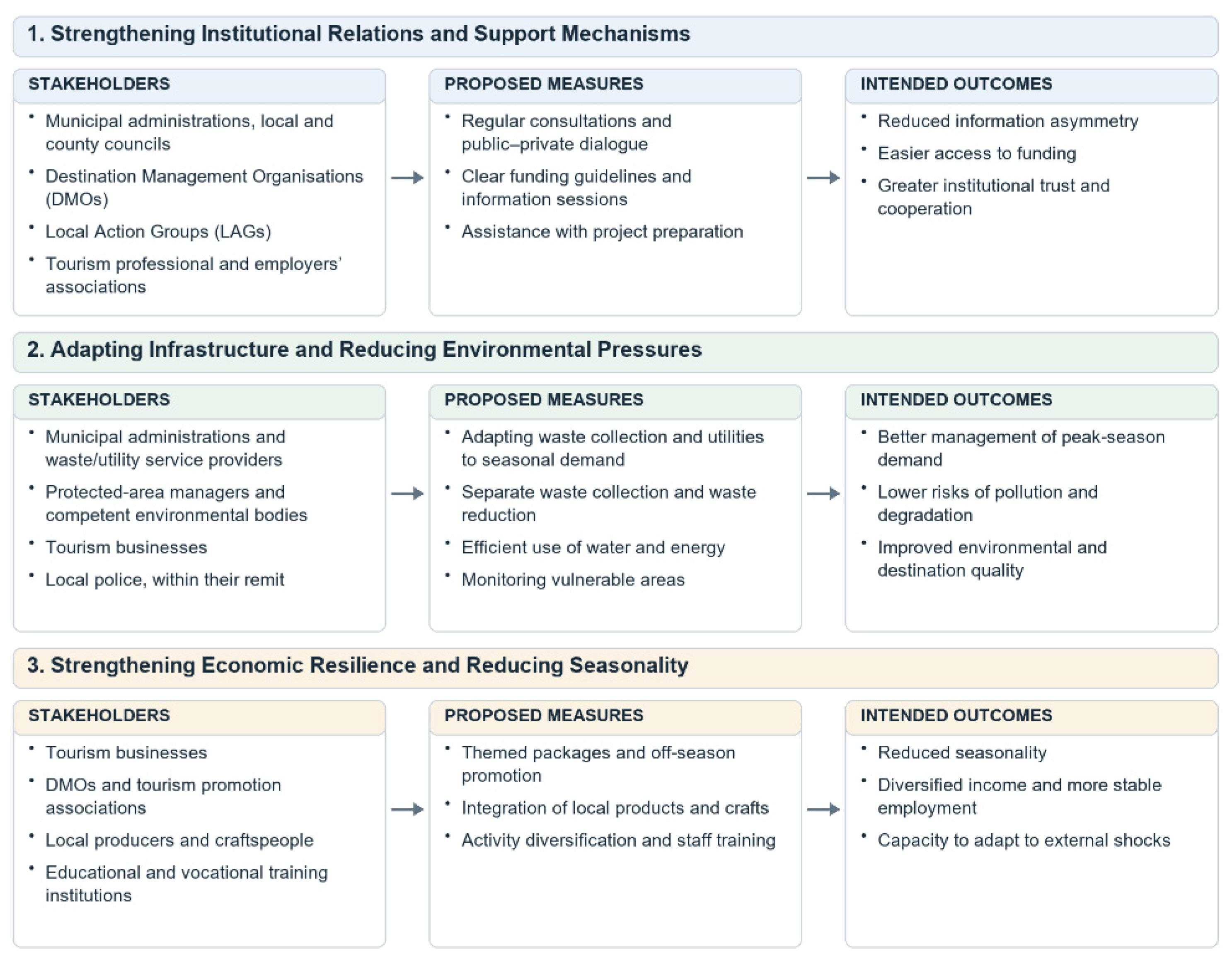
6. Conclusions
The study analyzed perceptions regarding the relationship between tourism and the perceived sustainable development of rural communities through a multi-stakeholder framework that included tourists, tourism operators, and local authorities. The perspectives of the three groups were not considered equivalent evidence but were interpreted according to their analytical role.
Thus, the assessment of the destination varies depending on the level analyzed. For tourists, the perceived sustainability construct (C1 and C3), perceived as a single variable, retained its independent and robust association, empirically supporting H1 within the limits of the design. Tourism operators and local authorities generally reported favorable perceptions of the economic and social role of tourism, but expressed less convergent evaluations regarding institutional support, cooperation, and governance. The groups may therefore recognize similar development opportunities, while evaluating institutional capacity from different experiential and operational perspectives. The main contribution of the study is the analytical framework that delimits the experiential, operational, and institutional perspectives, without merging them into a single construct. Methodologically, this approach reduces the risk of generalization and provides a transparent basis for descriptive triangulation. Theoretically, the results support the integration of actor-oriented approaches with the perspectives of sustainable tourism and show that the groups capture complementary, not interchangeable, dimensions of tourism development.
In practical terms, the results show that sustainable tourism policies cannot rely exclusively on tourist satisfaction indicators. To identify areas of convergence and persistent governance deficiencies, decision-makers must consider both the operational experience of tourism operators and the institutional perspective of local authorities. Such an approach can support more balanced destination management and evidence-based local planning.
The results do not demonstrate objective economic, environmental, or governance effects of tourism and do not establish causal relationships between tourism activity and sustainable local development. They capture patterns of actors’ perceptions that may guide further empirical research, examining whether these persist over time and in different territorial contexts.
In relation to the research hypotheses formulated, we provide the following final clarifications. H1 received some support, as the structured partial proportional-odds model shows higher perceived sustainability was associated with higher overall experience ratings OR = 5.238). However, social impact was shown to not be significant at any given cutoff points, while economic impact was significant only at lower cutoff points. As such, at high satisfaction levels, only perceived sustainability exerts additional benefits in explanatory power.
Hypothesis H2 evidence derives directly from the regression model proposed in the research, in which the dependent variable is represented by the decision construct, and the predictors are economic impact, social impact, and perceived sustainability. The statistical analysis allows the evaluation of both the individual influence of each predictor and the model’s capacity to explain the variability in the decision to choose the tourism destination. H2 received qualified, partial support. Economic and social perceptions were positively associated with higher decision-factor importance ratings in the ordinal proportional-odds model. Sustainability was associated with those ratings nonlinearly, with a positive adjusted contrast between scores 4 and 5. A uniformly positive association across the entire perceived sustainability range was not established.
The answers to the research questions can be summarized as follows:
R1: Tourists’ perceptions regarding the economic impact, social impact, and perceived sustainability of the destination are associated with satisfaction and the tourism experience in the Banatul Montan region, across cutoffs. Among the dimensions analyzed, perceived sustainability retains a non-linear independent association with the overall tourism experience. The results express associative relationships between the analyzed variables and do not allow causal conclusions to be formulated.
R2: Economic operators identify both benefits of tourism activity and constraints and development opportunities. The results highlight favorable evaluations regarding the local economic contribution of tourism, alongside the existence of difficulties regarding institutional support and access to programs. These results reflect the perceptions of economic operators and do not represent direct measurements/evaluations of economic or institutional performance.
R3: The perspectives of tourists, economic operators, and local authorities present both elements of convergence and differences in the assessment of the role of tourism in the sustainable development of local communities. The differences are highlighted especially between the institutional support reported by economic operators and the more favorable assessment of the relationship between authorities and the business environment formulated by representatives of the local administration. The comparison of the three perspectives is carried out descriptively and thematically, without assuming metric equivalence between the instruments applied to the groups and without direct statistical tests between them.
The methodological value of this work lies in the clear delineation and maintenance of the independence of three distinct dimensions: the experiential, the operational, and the institutional. The inclusion of various stakeholders confirms that favorable attitudes toward tourism can coexist with dissatisfaction regarding local governance. Had the study focused on only one group of actors, the conclusions would have been partial or even misleading. For tourists, sustainability is a component of the destination’s image, whereas for the local community and the business sector, it represents a structural challenge related to resilience. The study demonstrates that sustainable development strategies cannot be based solely on indicators of tourist satisfaction (which are inherently subjective). Furthermore, the article shows that a mountain tourist destination cannot be understood as a homogeneous system.
7. Limitations and Future Research Directions
The cross-sectional design and non-probability sampling limit the temporal interpretation and transferability of the results. A prospective justification of the sample sizes is not available, and the current analytical dataset does not include the respondents’ profiles. Predictors and experience were self-reported simultaneously, which introduces common method bias, and the model does not control for individual or stay-related characteristics. The ceiling effect reduces discriminatory capacity. The mixed factorial fit, especially the socio-cultural–motivational overlap, does not allow the indices to be treated as confirmed measures.
The E1–E4 score summarizes the stated importance of four destination attributes, not actual choice behavior. Since participants had already visited the area, the assessments are retrospective and do not allow the determining role of these attributes in the initial choice to be established.
The instruments applied to the three groups are not metrically equivalent, the samples of economic operators and local authorities are small, and the community is represented indirectly, without including residents not economically involved, employees, and local producers. The analysis does not include objective administrative, economic, or ecological indicators. The items regarding infrastructural capacity and the management of tourism pressure at the local level were interpreted on the basis of the complete formulations available in the original questionnaire and in the frequency file; however, they measure institutional perceptions, not the objective performance of infrastructure, environmental protection systems, or mechanisms for managing tourist flows.
Future research will include a combination of documented sampling, complete participant profiles, instruments piloted and validated on independent samples, longitudinal waves, and indicators regarding employment, revenues, investments, ecological pressures, and access to programs.
Supplementary Materials
The following supporting information can be downloaded at: https://www.mdpi.com/article/10.3390/agriculture16212343/s1, S1. Percepția turiștilor asupra impactului turismului rural în spațiul montan. S2. Percepția operatorilor economici asupra impactului economico- social al turismului. S3. Percepția autorităților locale asupra impactului turismului în comunitate.
Author Contributions
Conceptualization, D.C.C., I.A.M., T.I., M.R.C. and T.C.A.; methodology, D.C.C., T.I. and C.I.R.; software, D.C.C., M.I.G. and C.I.R.; validation, T.I., M.R.C., E.P., T.C.A. and I.A.M.; formal analysis, D.C.C. and C.I.R.; investigation, D.C.C., E.P., C.M. and M.I.G.; resources, D.C.C., T.I., M.R.C., T.C.A. and I.I.M.; data curation, D.C.C., I.A.M., M.I.G. and C.I.R.; writing—original draft preparation, D.C.C. and I.A.M.; writing—review and editing, T.I., M.R.C., E.P., V.T., C.I.R., T.C.A., I.I.M.; C.M., M.I.G. and I.A.M.; visualization, D.C.C. and C.I.R.; supervision, T.C.A., M.R.C., T.I., V.T. and I.A.M.; project administration, D.C.C. and T.I. All authors have read and agreed to the published version of the manuscript.
Funding
This research received no external funding.
Institutional Review Board Statement
The research did not involve medical or biological interventions, experimental procedures on the participants or the collection of biological samples. The data obtained were intended exclusively for scientific analysis, in compliance with the principles of confidentiality and the applicable rules on the protection of personal data. In accordance with the provisions of USVT-RO84—Regulations of the Bioethics Commission, Edition 2/Revision 1, the Bioethics Commission confirms that the mentioned study fell into the category of research for which it was not mandatory to obtain prior ethical approval. Therefore, the research is exempt from the obligation to obtain prior ethical approval.
Data Availability Statement
The original contributions presented in the study are included in the Supplementary Materials. Further inquiries can be directed to the corresponding author. The full original wording and available administration constraints are provided in S1–S3.
Acknowledgments
The authors would like to thank the Doctoral School “Engineering of Vegetable and Animal Resources”, University of Life Sciences “King Mihai I” from Timisoara (Calea Aradului 119, 300645 Timisoara, Romania), for the academic support and resources provided throughout the development of this research.
Conflicts of Interest
The authors declare no conflicts of interest.
References
- Chiodo, E.; Fantini, A.; Dickes, L.; Arogundade, T.; Lamie, R.D.; Assing, L.; Stewart, C.; Salvatore, R. Agritourism in Mountainous Regions—Insights from an International Perspective. Sustainability 2019, 11, 3715. [Google Scholar] [CrossRef] [Scilit]
- Adamov, T.; Ciolac, R.; Iancu, T.; Brad, I.; Peț, E.; Popescu, G.; Șmuleac, L. Sustainability of Agritourism Activity. Initiatives and Challenges in Romanian Mountain Rural Regions. Sustainability 2020, 12, 2502. [Google Scholar] [CrossRef] [Scilit]
- Ciolac, R.; Adamov, T.; Iancu, T.; Popescu, G.; Lile, R.; Rujescu, C.; Marin, D. Agritourism-A Sustainable Development Factor for Improving the ‘Health’ of Rural Settlements. Case Study Apuseni Mountains Area. Sustainability 2019, 11, 1467. [Google Scholar] [CrossRef] [Scilit]
- Grillini, G.; Sacchi, G.; Streifeneder, T.; Fischer, C. Differences in sustainability outcomes between agritourism and non-agritourism farms based on robust empirical evidence from the Tyrol/Trentino mountain region. J. Rural Stud. 2023, 104, 103152. [Google Scholar] [CrossRef] [Scilit]
- Turnock, D. Sustainable Rural Tourism in the Romanian Carpathians. Geogr. J. 1999, 165, 192. [Google Scholar] [CrossRef] [Scilit]
- Imperiale, A.J.; Vanclay, F. Using Social Impact Assessment to Strengthen Community Resilience in Sustainable Rural Development in Mountain Areas. Mt. Res. Dev. 2016, 36, 431–442. [Google Scholar] [CrossRef] [Scilit]
- Velea, L.; Irimescu, A.; Bojariu, R.; Chitu, Z. Climate Change and Its Impact on Romanian Rural Tourism—A Review of Actionable Knowledge. Agriculture 2024, 14, 1917. [Google Scholar] [CrossRef] [Scilit]
- Bassi, I.; Deotto, V.; Iseppi, L. Territorial Governance for Sustainable Tourism in the Alpine Mountains: A Stakeholder-Based Organizational Model from Northeast Italy. Land 2026, 15, 509. [Google Scholar] [CrossRef] [Scilit]
- Lopes, H.D.S.; Remoaldo, P.; Ribeiro, V. Residents’ perceptions of tourism activity in a rural North-Eastern Portuguese community: A cluster analysis. Bull. Geogr. Socio-Econ. Ser. 2019, 46, 119–135. [Google Scholar] [CrossRef] [Scilit]
- Khartishvili, L.; Mitrofanenko, T.; Muhar, A.; Penker, M. Issues with Applying the Concept of Community-Based Tourism in the Caucasus. Mt. Res. Dev. 2020, 40, R11–R20. [Google Scholar] [CrossRef] [Scilit]
- Peira, G.; Longo, D.; Pucciarelli, F.; Bonadonna, A. Rural Tourism Destination: The Ligurian Farmers’ Perspective. Sustainability 2021, 13, 13684. [Google Scholar] [CrossRef] [Scilit]
- Karampela, S.; Papapanos, G.; Kizos, T. Perceptions of Agritourism and Cooperation: Comparisons between an Island and a Mountain Region in Greece. Sustainability 2019, 11, 680. [Google Scholar] [CrossRef] [Scilit]
- Qian, C.; Sasaki, N.; Jourdain, D.; Kim, S.M.; Shivakoti, P.G. Local livelihood under different governances of tourism development in China—A case study of Huangshan mountain area. Tour. Manag. 2017, 61, 221–233. [Google Scholar] [CrossRef] [Scilit]
- Lun, L.-M.; Pechlaner, H.; Volgger, M. Rural Tourism Development in Mountain Regions: Identifying Success Factors, Challenges and Potentials. J. Qual. Assur. Hosp. Tour. 2016, 17, 389–411. [Google Scholar] [CrossRef] [Scilit]
- Dax, T.; Tamme, O. Attractive Landscape Features as Drivers for Sustainable Mountain Tourism Experiences. Tour. Hosp. 2023, 4, 374–389. [Google Scholar] [CrossRef] [Scilit]
- Cozma, A.-C.; Coroș, M.-M.; Pop, C. Mountain Tourism in the Perception of Romanian Tourists: A Case Study of the Rodna Mountains National Park. Information 2021, 12, 45. [Google Scholar] [CrossRef] [Scilit]
- Stanciu, M.; Popescu, A.; Stanciu, C. Rural Tourism, Agrotourism and Ecotourism in Romania: Current Research Status and Future Trends. Sci. Pap. Ser. Manag. Econ. Eng. Agric. Rural Dev. 2023, 23, 745–758. [Google Scholar]
- Herman, G.V.; Banto, N.; Ciaciora, T.; Ungureanu, M.; Furdui, S.; Garai, L.D.; Grama, V. The perception of Bihor mountain tourist destination, Romania. Geogr. Pol. 2021, 94, 573–587. [Google Scholar] [CrossRef] [Scilit]
- Tiwari, S.; Lai Nguyen, T.P.; Thapa, A. A quest for rural tourism sustainability along the Annapurna sanctuary trail in Nepal: A study of tourist satisfaction and loyalty. World Dev. Perspect. 2026, 41, 100763. [Google Scholar] [CrossRef] [Scilit]
- Kaltenborn, B.P.; Andersen, O.; Nellemann, C.; Bjerke, T.; Thrane, C. Resident Attitudes Towards Mountain Second-Home Tourism Development in Norway: The Effects of Environmental Attitudes. J. Sustain. Tour. 2008, 16, 664–680. [Google Scholar] [CrossRef]
- Skuras, D.; Petrou, A.; Clark, G. Demand for rural tourism: The effects of quality and information. Agric. Econ. 2006, 35, 183–192. [Google Scholar] [CrossRef] [Scilit]
- Castillo-Salazar, I.P.; Sanagustín-Fons, V.; Pardo, I.L. Ecotourism as a Catalyst for Sustainable Development: Conservation Governance in Mountain Regions. Societies 2025, 15, 196. [Google Scholar] [CrossRef] [Scilit]
- Shakya, M.; Vagnarelli, G. Creating value from intangible cultural heritage—The role of innovation for sustainable tourism and regional rural development. Eur. J. Cult. Manag. Policy 2024, 14, 12057. [Google Scholar] [CrossRef] [Scilit]
- Statuto, D.; Picuno, P. Valorisation of vernacular farm buildings for the sustainable development of rural tourism in mountain areas of the Adriatic-Ionian macro-region. J. Agric. Eng. 2017, 48, 21. [Google Scholar] [CrossRef] [Scilit]
- Sun, Y.-H.; Dela Cruz, M.J.; Min, Q.-W.; Liu, M.-C.; Zhang, L.-Y. Conserving agricultural heritage systems through tourism: Exploration of two mountainous communities in China. J. Mt. Sci. 2013, 10, 962–975. [Google Scholar] [CrossRef] [Scilit]
- Gabriel-Campos, E.; Werner-Masters, K.; Cordova-Buiza, F.; Paucar-Caceres, A. Community eco-tourism in rural Peru: Resilience and adaptive capacities to the Covid-19 pandemic and climate change. J. Hosp. Tour. Manag. 2021, 48, 416–427. [Google Scholar] [CrossRef] [Scilit]
- Baral, R.; Rijal, D.P. Visitors’ impacts on remote destinations: An evaluation of a Nepalese mountainous village with intense tourism activity. Heliyon 2022, 8, e10395. [Google Scholar] [CrossRef] [Scilit] [PubMed]
- Zeng, L.; Li, R.Y.M.; Nuttapong, J.; Sun, J.; Mao, Y. Economic Development and Mountain Tourism Research from 2010 to 2020: Bibliometric Analysis and Science Mapping Approach. Sustainability 2022, 14, 562. [Google Scholar] [CrossRef] [Scilit]
- Grillini, G.; Streifeneder, T.; Stotten, R.; Schermer, M.; Fischer, C. How tourists change farms: The impact of agritourism on organic farming adoption and local community interaction in the Tyrol-Trentino mountain region. J. Rural Stud. 2025, 114, 103531. [Google Scholar] [CrossRef] [Scilit]
- Kubal-Czerwińska, M.; Mitrofanenko, T.; Szabó-Diószeghy, Á.; Szabó, M.; Szpara, K.; Zawilińska, B. Agritourism and local products in terms of protection and sustainable development of the Carpathians: A participatory discussion on key issues and challenges. Hum. Geogr. J. Stud. Res. Hum. Geogr. 2022, 16, 33–52. [Google Scholar] [CrossRef] [Scilit]
- Robinson, J.; O’Connor, N. Ballyhoura—A Case Study of Cohesive Rural Tourism Planning in Ireland. Tour. Plan. Dev. 2013, 10, 307–318. [Google Scholar] [CrossRef] [Scilit]
- Khartishvili, L.; Muhar, A.; Dax, T.; Khelashvili, I. Rural Tourism in Georgia in Transition: Challenges for Regional Sustainability. Sustainability 2019, 11, 410. [Google Scholar] [CrossRef] [Scilit]
- Gherdan, A.E.M.; Bacter, R.V.; Ciolac, R.; Iancu, T.; Maerescu, C.M.; Dodu, M.A.; Chereji, A.I.; Herman, V.G.; Ungureanu, A.; Bacter, D.P. Sustainable Agritourism Development in Romania’s North-West Mountain Region: A TOPSIS-Based Evaluation of Strategic Priorities. Agriculture 2025, 15, 601. [Google Scholar] [CrossRef] [Scilit]
- Saghin, D.; Lăzărescu, L.-M.; Diacon, L.D.; Grosu, M. Residents’ Perceptions of Tourism: A Decisive Variable in Stimulating Entrepreneurial Intentions and Activities in Tourism in the Mountainous Rural Area of the North-East Region of Romania. Sustainability 2022, 14, 10282. [Google Scholar] [CrossRef] [Scilit]
- Popescu, C.A.; Iancu, T.; Popescu, G.; Croitoru, I.M.; Adamov, T.; Ciolac, R. Rural Tourism in Mountain Rural Comunities-Possible Direction/Strategies: Case Study Mountain Area from Bihor County. Sustainability 2024, 16, 1127. [Google Scholar] [CrossRef] [Scilit]
- Adamov, T.; Iancu, T.; Peț, E.; Popescu, G.; Șmuleac, L.; Feher, A.; Ciolac, R. Rural Tourism in Marginimea Sibiului Area—A Possibility of Capitalizing on Local Resources. Sustainability 2023, 15, 241. [Google Scholar] [CrossRef] [Scilit]
- Ciolac, R.; Rujescu, C.; Constantinescu, S.; Adamov, T.; Dragoi, M.; Lile, R. Management of a Tourist Village Establishment in Mountainous Area through Analysis of Costs and Incomes. Sustainability 2017, 9, 875. [Google Scholar] [CrossRef] [Scilit]
- Linca, A.; Toma, E. Study Regarding the Evolution of Mountain Tourism and Rural Mountain Tourism in Romanian Carpathians. Sci. Pap. Ser. Manag. Econ. Eng. Agric. Rural Dev. 2021, 21, 463–470. [Google Scholar]
- Moise, G.; Popescu, A.; Bratu, I.A.; Răducuță, I.; Nistoreanu, B.G.; Stanciu, M. Can We Talk about Smart Tourist Villages in Mărginimea Sibiului, Romania? Sustainability 2023, 15, 7475. [Google Scholar] [CrossRef] [Scilit]
- Dobre, C.; Toma, E.; Linca, A.-C.; Iorga, A.M. Rural Tourism Recovery Patterns in the Eastern Carpathians: A Cluster-Based Approach. Sustainability 2025, 17, 4576. [Google Scholar] [CrossRef] [Scilit]
- Mateoc-Sîrb, N.; Albu, S.; Rujescu, C.; Ciolac, R.; Țigan, E.; Brînzan, O.; Mănescu, C.; Mateoc, T.; Milin, I.A. Sustainable Tourism Development in the Protected Areas of Maramureș, Romania: Destinations with High Authenticity. Sustainability 2022, 14, 1763. [Google Scholar] [CrossRef] [Scilit]
- Bălan, M.; Burghelea, C. Rural Tourism and its Implication in the Development of the Fundata Village. Procedia-Soc. Behav. Sci. 2015, 188, 276–281. [Google Scholar] [CrossRef] [Scilit]
- Ungureanu, D. Sustainable Development Alternatives by Rural Tourism and Agritourism in the Romanian Mountain Rural Area. Amfiteatru Econ. 2008, 10, 207–212. [Google Scholar]
- Stanciu, M.; Danciu, C.-A.; Pop-David, A.; Antonie, I. Local Gastronomic Points—A Tool for Sustainable Value Chain in Rural Tourism from Romania. Sci. Pap. Ser. Manag. Econ. Eng. Agric. Rural Dev. 2025, 25, 817–828. [Google Scholar]
- Vlad, I.M.; Dinu, T.A.; Stoian, E. Exploring the Links between the Average Income and the Arrivals’ Number in Tourist Accommodation Establishments in Romania. Agric. Agric. Sci. Procedia 2016, 10, 591–597. [Google Scholar] [CrossRef] [Scilit]
- Membretti, A.; Iancu, B. From Peasant Workers to Amenity Migrants. Socialist Heritage and the Future of Mountain Rurality in Romania. Rev. Géographie Alp. 2017, 105-1, 1–13. [Google Scholar] [CrossRef] [Scilit]
- Paruch, A.M.; Mæhlum, T.; Eltun, R.; Tapu, E.; Spinu, O. Green wastewater treatment technology for agritourism business in Romania. Ecol. Eng. 2019, 138, 133–137. [Google Scholar] [CrossRef] [Scilit]
- Ciolac, R.; Iancu, T.; Brad, I.; Popescu, G.; Marin, D.; Adamov, T. Agritourism Activity—A “Smart Chance” for Mountain Rural Environment’s Sustainability. Sustainability 2020, 12, 6237. [Google Scholar] [CrossRef] [Scilit]
- Ciolac, R.; Iancu, T.; Brad, I.; Adamov, T.; Mateoc-Sîrb, N. Agritourism—A Business Reality of the Moment for Romanian Rural Area’s Sustainability. Sustainability 2021, 13, 6313. [Google Scholar] [CrossRef] [Scilit]
- World Tourism Organization. UNWTO Tourism Definitions; UNWTO: Madrid, Spain, 2019. [Google Scholar]
- European Commission. A Long-Term Vision for the EU’s Rural Areas—Towards Stronger, Connected, Resilient and Prosperous Rural Areas by 2040; European Commission: Brussels, Belgium, 2021. [Google Scholar]
- Organisation for Economic Co-Operation and Development. Tourism and Rural Development; OECD: Paris, France, 2020. [Google Scholar]
- National Institute of Statistics. TEMPO-Online Statistical Database: Matrices TUR101C, TUR102C, TUR104E and TUR105E. Available online: http://statistici.insse.ro/tempoins/ (accessed on 29 June 2026).
- Parliament of Romania. Mountain Law No. 197 of 20 July 2018; Part I, No. 659, 30 July 2018; Monitorul Oficial al României: Bucharest, Romania, 2018.
- Ministry of Agriculture and Rural Development; Ministry of Regional Development and Public Administration. Order No. 97/1.332/2019 Approving the Classification Criteria and the List of Localities in the Mountain Area; Part I, No. 224, 22 March 2019; Monitorul Oficial al României: Bucharest, Romania, 2019.
- World Bank. Sectorul Agroalimentar În Zona Montană a României: O Analiză Aprofundată; World Bank: Washington, DC, USA, 2023. [Google Scholar]
- National Institute of Statistics. SIRUTA 2025—Register of Romania’s Administrative-Territorial Units. Available online: https://data.gov.ro/dataset/fcba1a54-cffd-422c-b3ac-920f63564085 (accessed on 24 July 2026).
- Jick, T.D. Mixing Qualitative and Quantitative Methods: Triangulation in Action. Adm. Sci. Q. 1979, 24, 602–611. [Google Scholar] [CrossRef] [Scilit]
- Cronbach, L.J. Coefficient Alpha and the Internal Structure of Tests. Psychometrika 1951, 16, 297–334. [Google Scholar] [CrossRef] [Scilit]
- Gadermann, A.M.; Guhn, M.; Zumbo, B.D. Estimating ordinal reliability for Likert-type and ordinal item response data: A conceptual, empirical, and practical guide. Pract. Assess. Res. Eval. 2012, 17, 1–13. [Google Scholar] [CrossRef]
- Fabrigar, L.R.; Wegener, D.T.; MacCallum, R.C.; Strahan, E.J. Evaluating the use of exploratory factor analysis in psychological research. Psychol. Methods 1999, 4, 272–299. [Google Scholar] [CrossRef]
- Kaiser, H.F. An Index of Factorial Simplicity. Psychometrika 1974, 39, 31–36. [Google Scholar] [CrossRef] [Scilit]
- Bartlett, M.S. A Note on the Multiplying Factors for Various χ2 Approximations. J. R. Stat. Soc. Ser. B Stat. Methodol. 1954, 16, 296–298. [Google Scholar] [CrossRef] [Scilit]
- McCullagh, P. Regression Models for Ordinal Data. J. R. Stat. Soc. Ser. B Stat. Methodol. 1980, 42, 109–127. [Google Scholar] [CrossRef] [Scilit]
- Benjamini, Y.; Hochberg, Y. Controlling the False Discovery Rate: A Practical and Powerful Approach to Multiple Testing. J. R. Stat. Soc. Ser. B Stat. Methodol. 1995, 57, 289–300. [Google Scholar] [CrossRef] [Scilit]
- Peterson, B.; Harrell, F.E. Partial Proportional Odds Models for Ordinal Response Variables. J. R. Stat. Soc. Ser. C Appl. Stat. 1990, 39, 205–217. [Google Scholar] [CrossRef] [Scilit]
- Byrd, E.T. Stakeholders in sustainable tourism development and their roles: Applying stakeholder theory to sustainable tourism development. Tour. Rev. 2007, 62, 6–13. [Google Scholar] [CrossRef] [Scilit]
- Hardy, A.; Pearson, L.J. Examining stakeholder group specificity: An innovative sustainable tourism approach. J. Destin. Mark. Manag. 2018, 8, 247–258. [Google Scholar] [CrossRef] [Scilit]
- Iorio, M.; Corsale, A. Rural tourism and livelihood strategies in Romania. J. Rural Stud. 2010, 26, 152–162. [Google Scholar] [CrossRef] [Scilit]
- Mihalic, T.; Mohamadi, S.; Abbasi, A.; Dávid, L.D. Mapping a Sustainable and Responsible Tourism Paradigm: A Bibliometric and Citation Network Analysis. Sustainability 2021, 13, 853. [Google Scholar] [CrossRef] [Scilit]
- Conti, S.; Dias, Á.; Pereira, L. Perceived City Sustainability and Tourist Behavioural Intentions. Smart Cities 2023, 6, 692–708. [Google Scholar] [CrossRef] [Scilit]
- López-Sanz, J.M.; Penelas-Leguía, A.; Gutiérrez-Rodríguez, P.; Cuesta-Valiño, P. Sustainable Development and Consumer Behavior in Rural Tourism—The Importance of Image and Loyalty for Host Communities. Sustainability 2021, 13, 4763. [Google Scholar] [CrossRef] [Scilit]
- Constantin, C.P.; Ispas, A.; Candrea, A.N. Examining the Relationships between Visitors Profile, Satisfaction and Revisit Intentions: Evidence from Romanian Ecotourism Destinations. Land 2022, 11, 186. [Google Scholar] [CrossRef] [Scilit]
- Dobre, C.; Linca, A.-C.; Toma, E.; Iorga, A. Sustainable Development of Rural Mountain Tourism: Insights from Consumer Behavior and Profiles. Sustainability 2024, 16, 9449. [Google Scholar] [CrossRef] [Scilit]
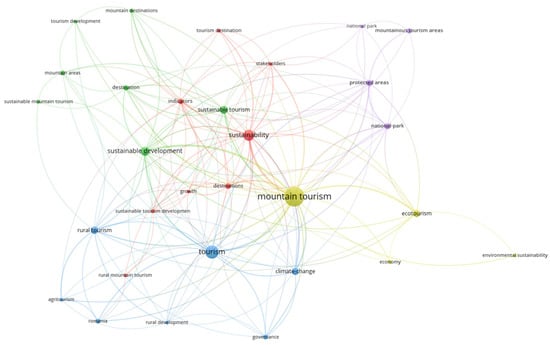
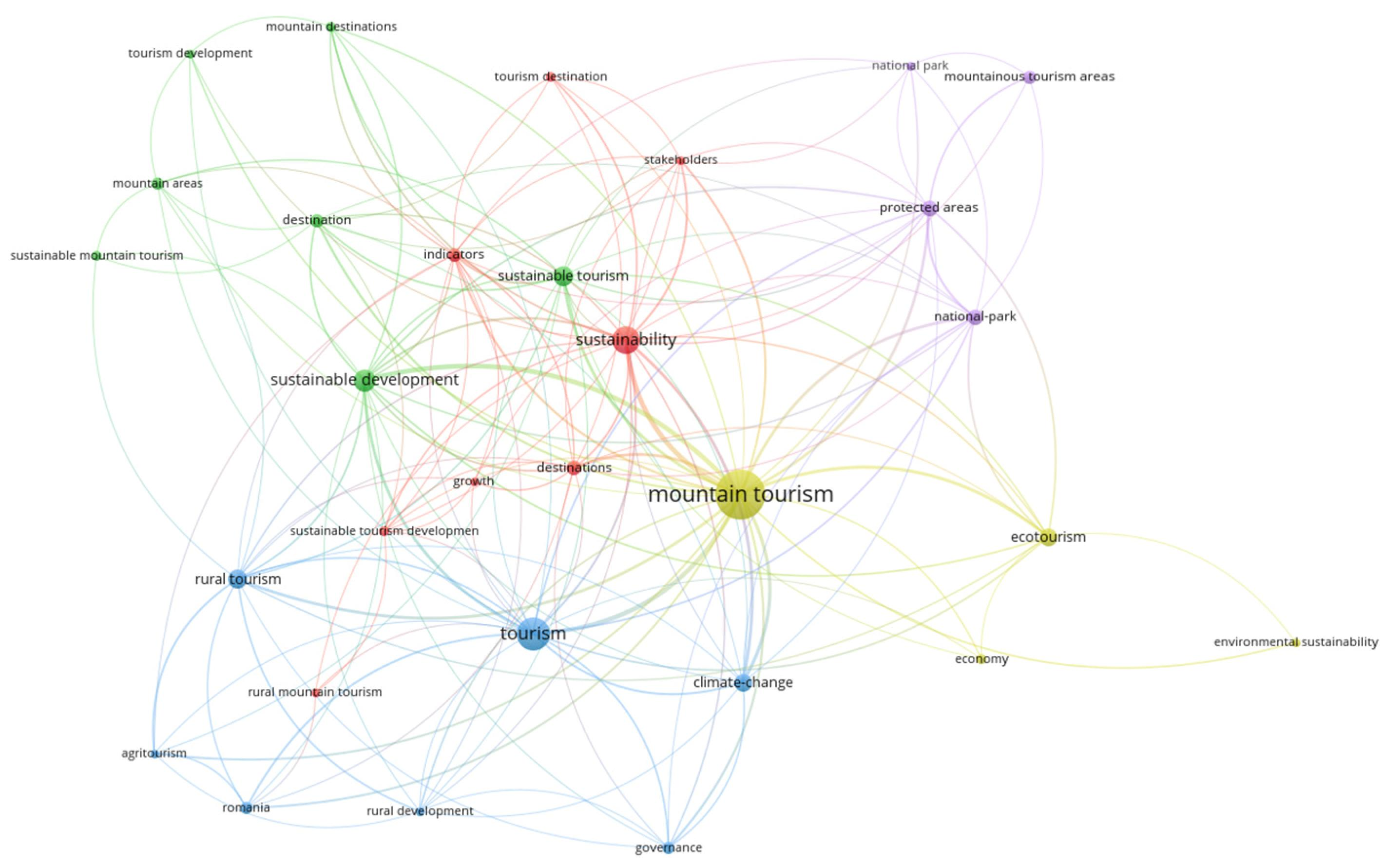
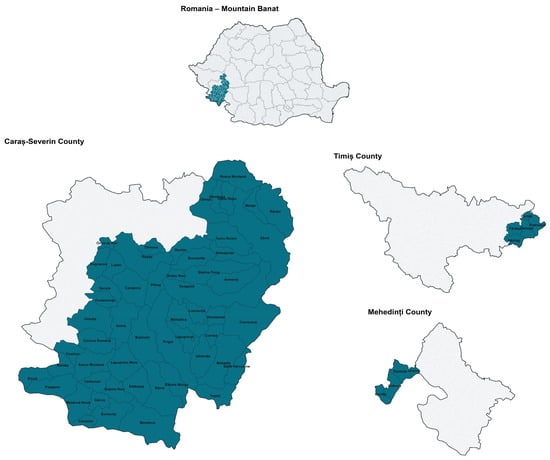
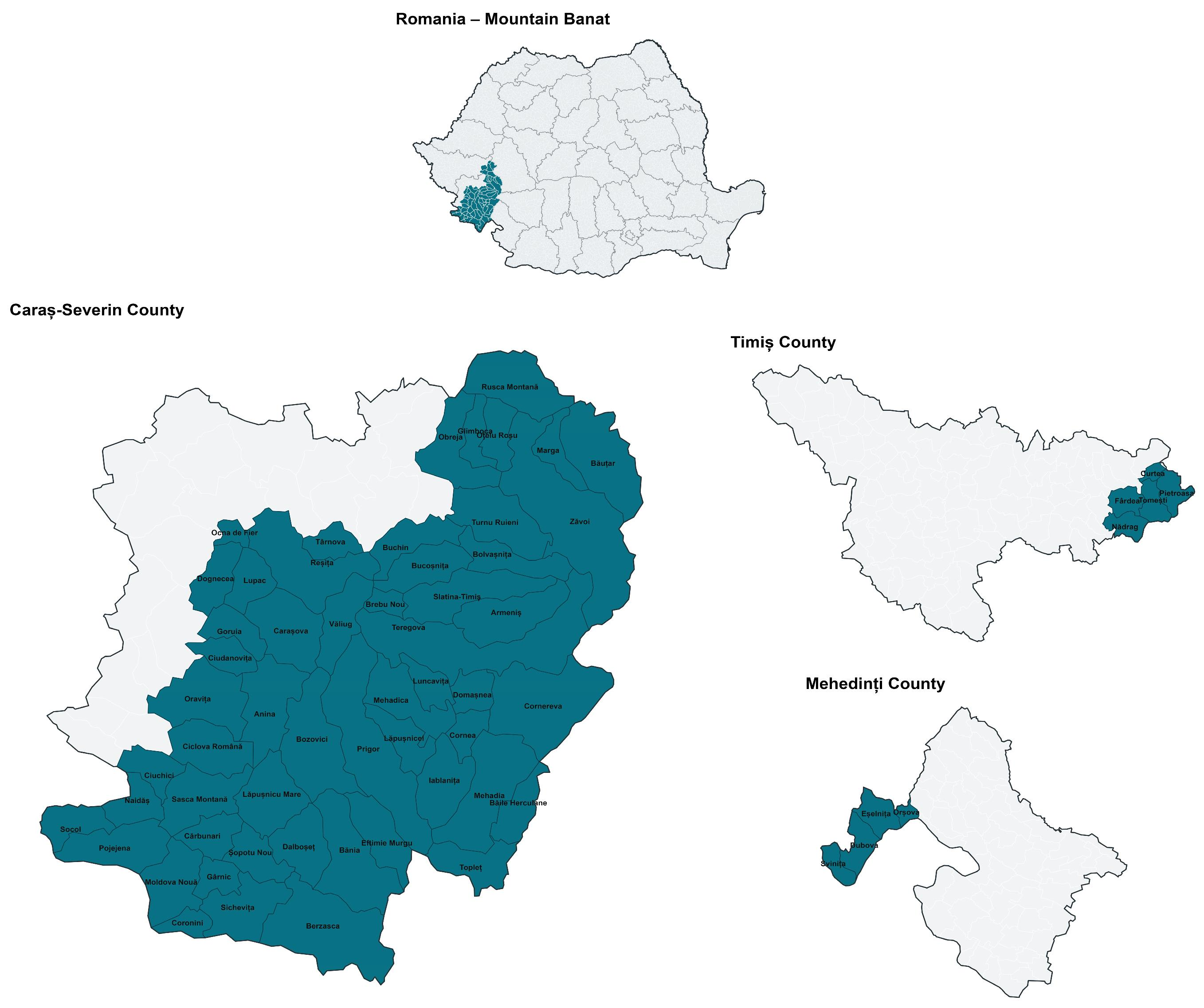
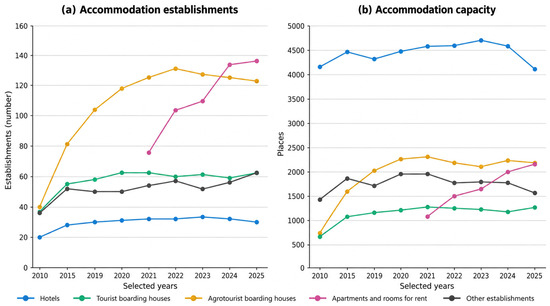
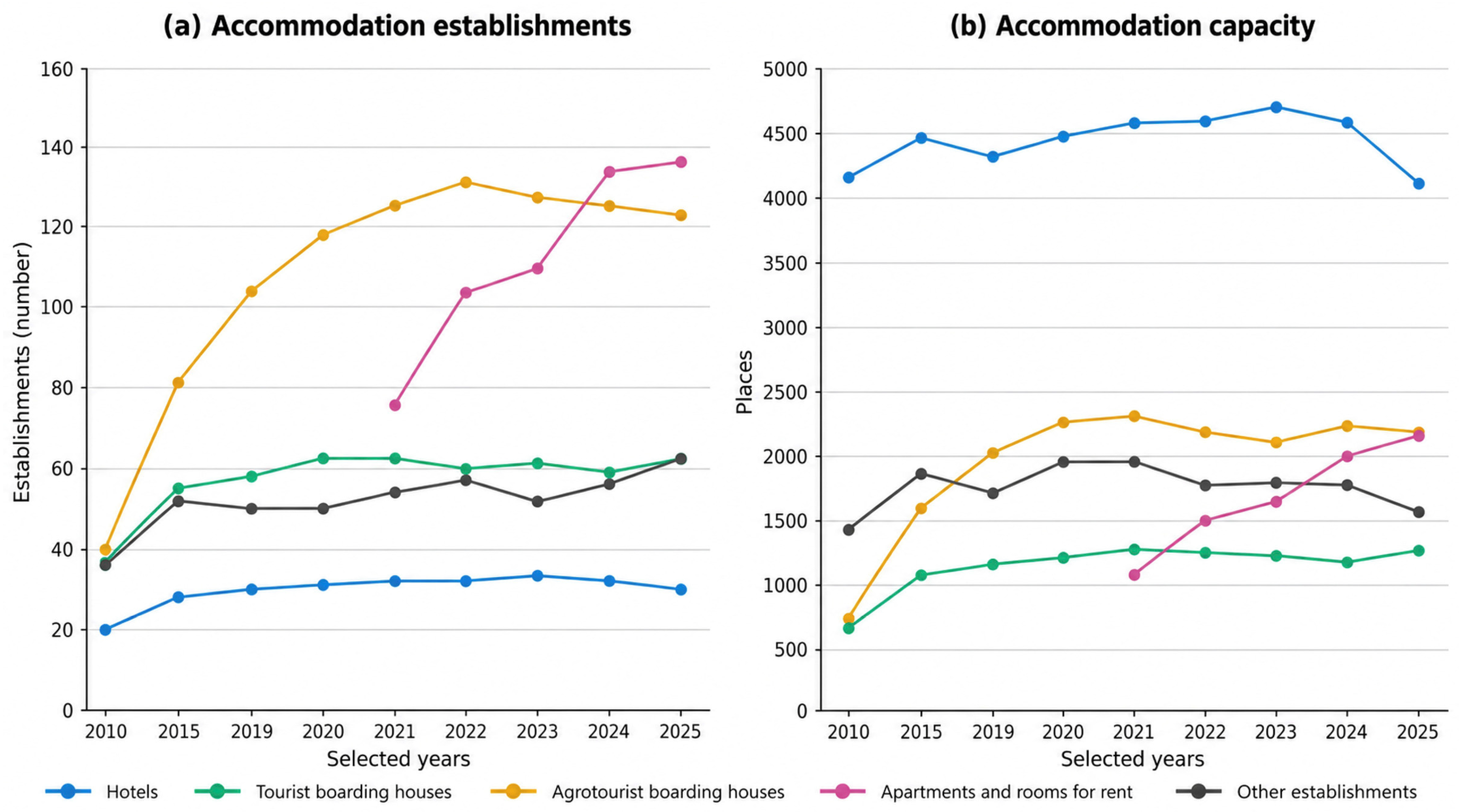
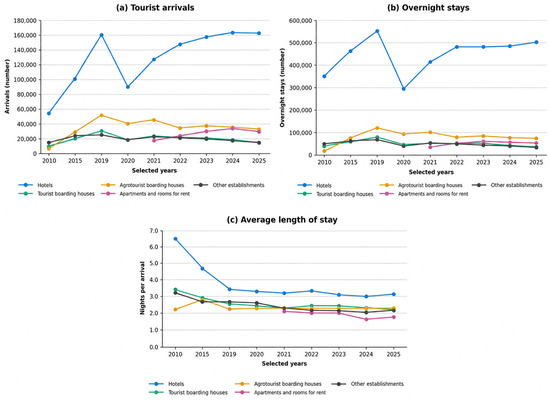
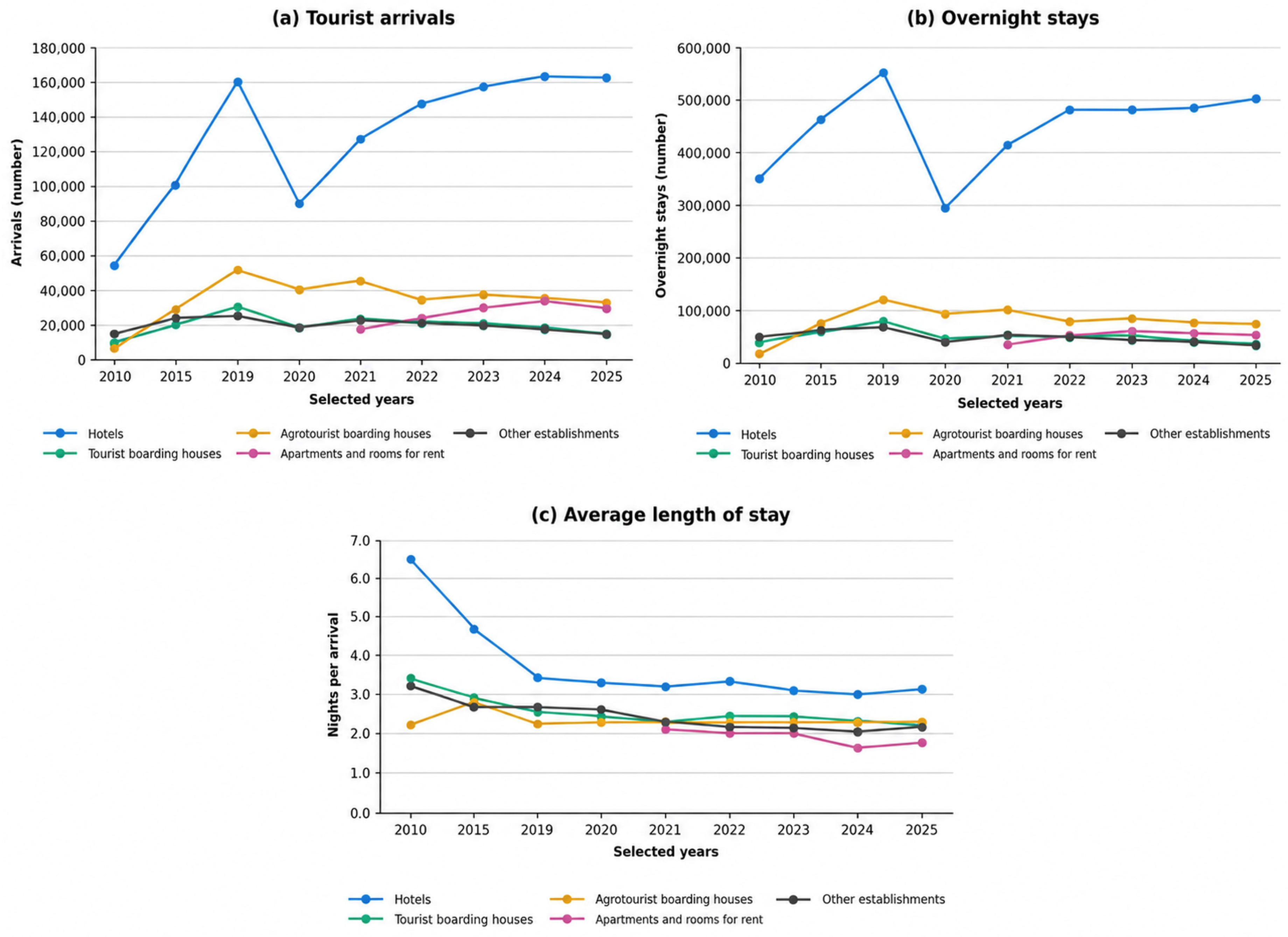
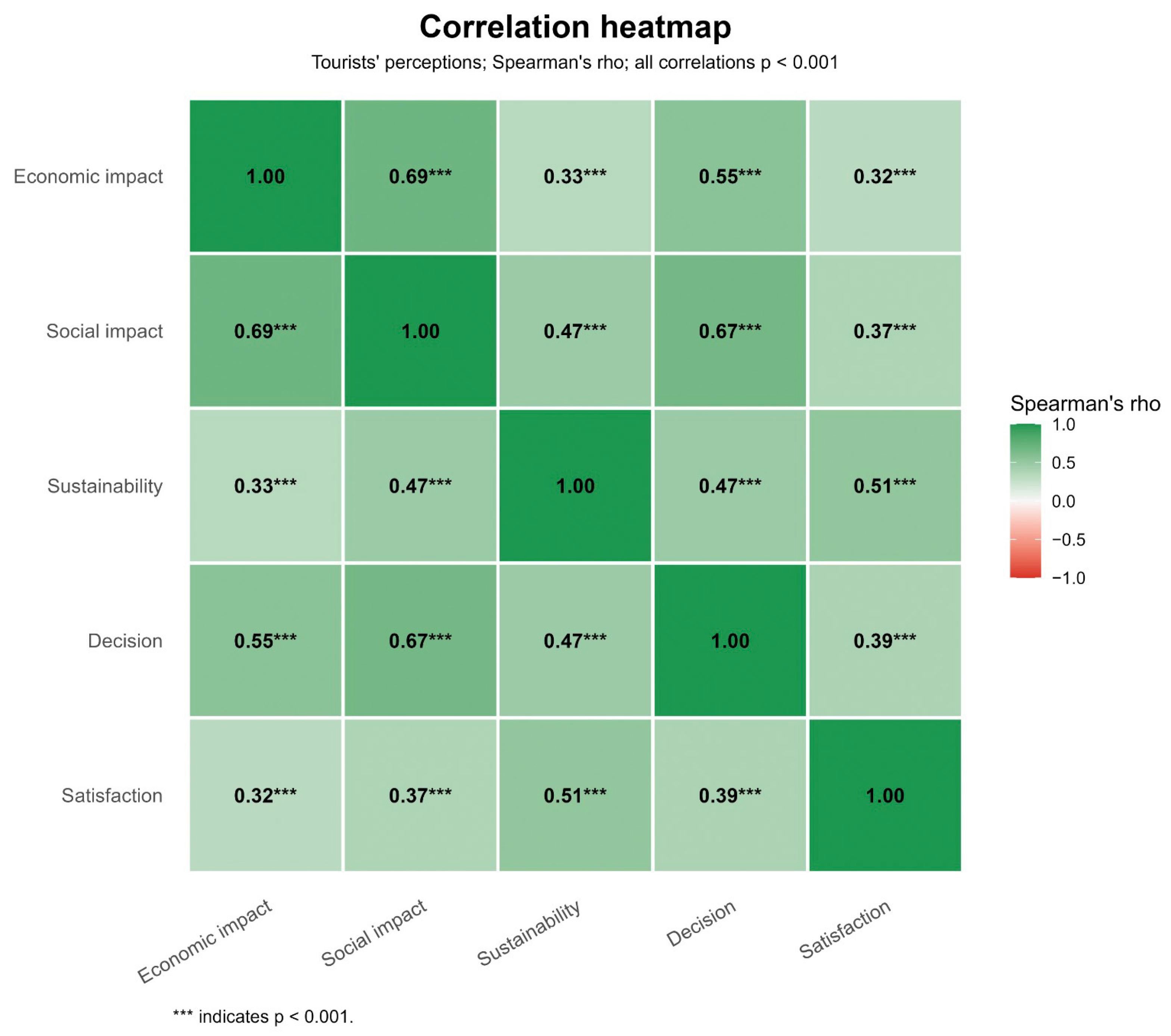
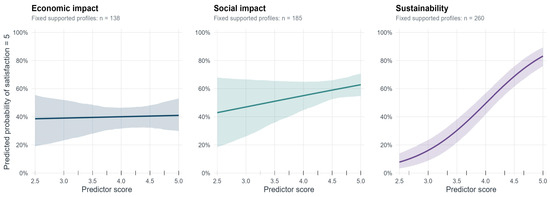
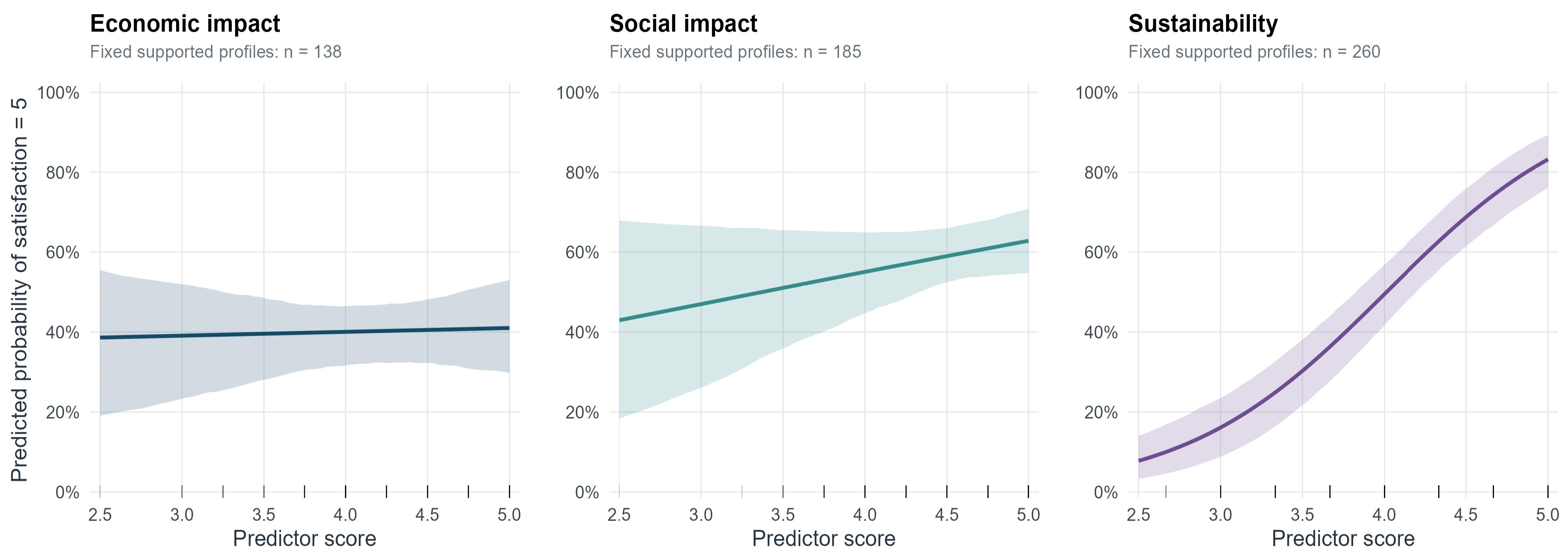
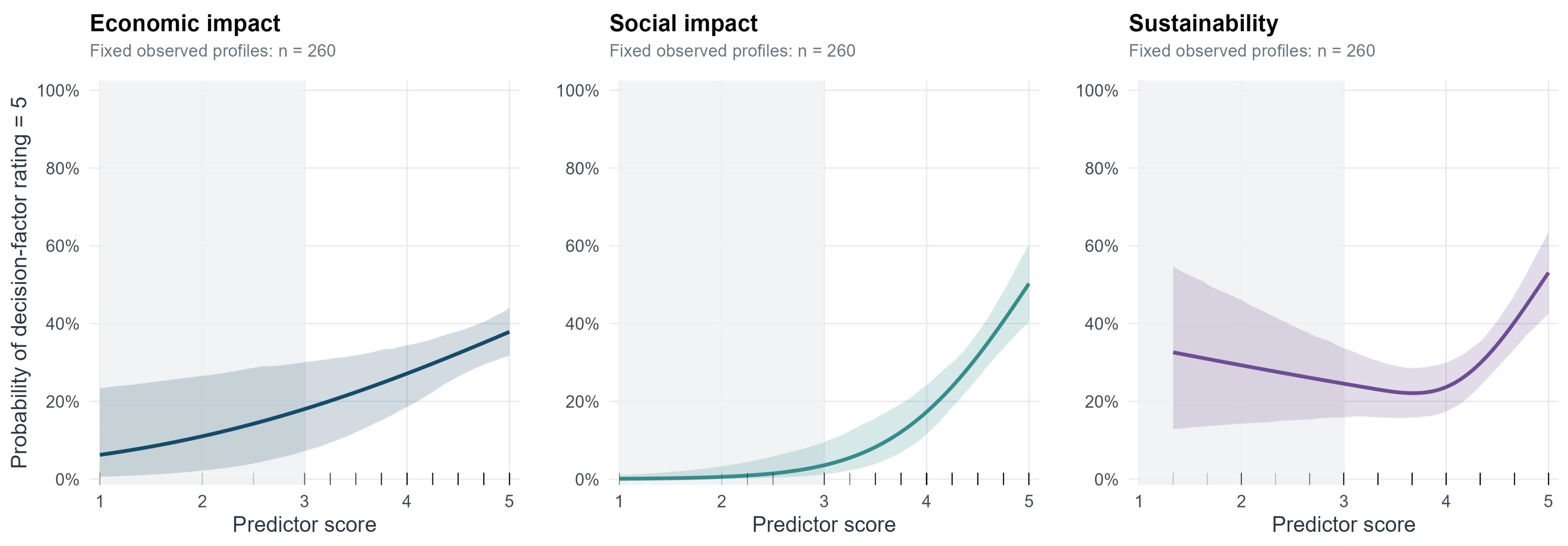
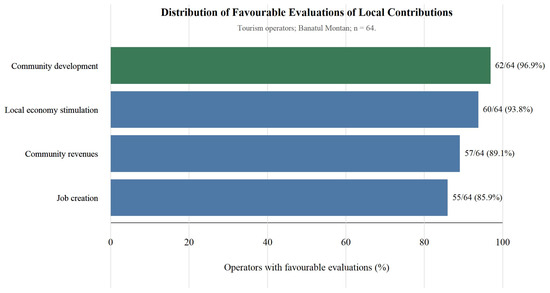
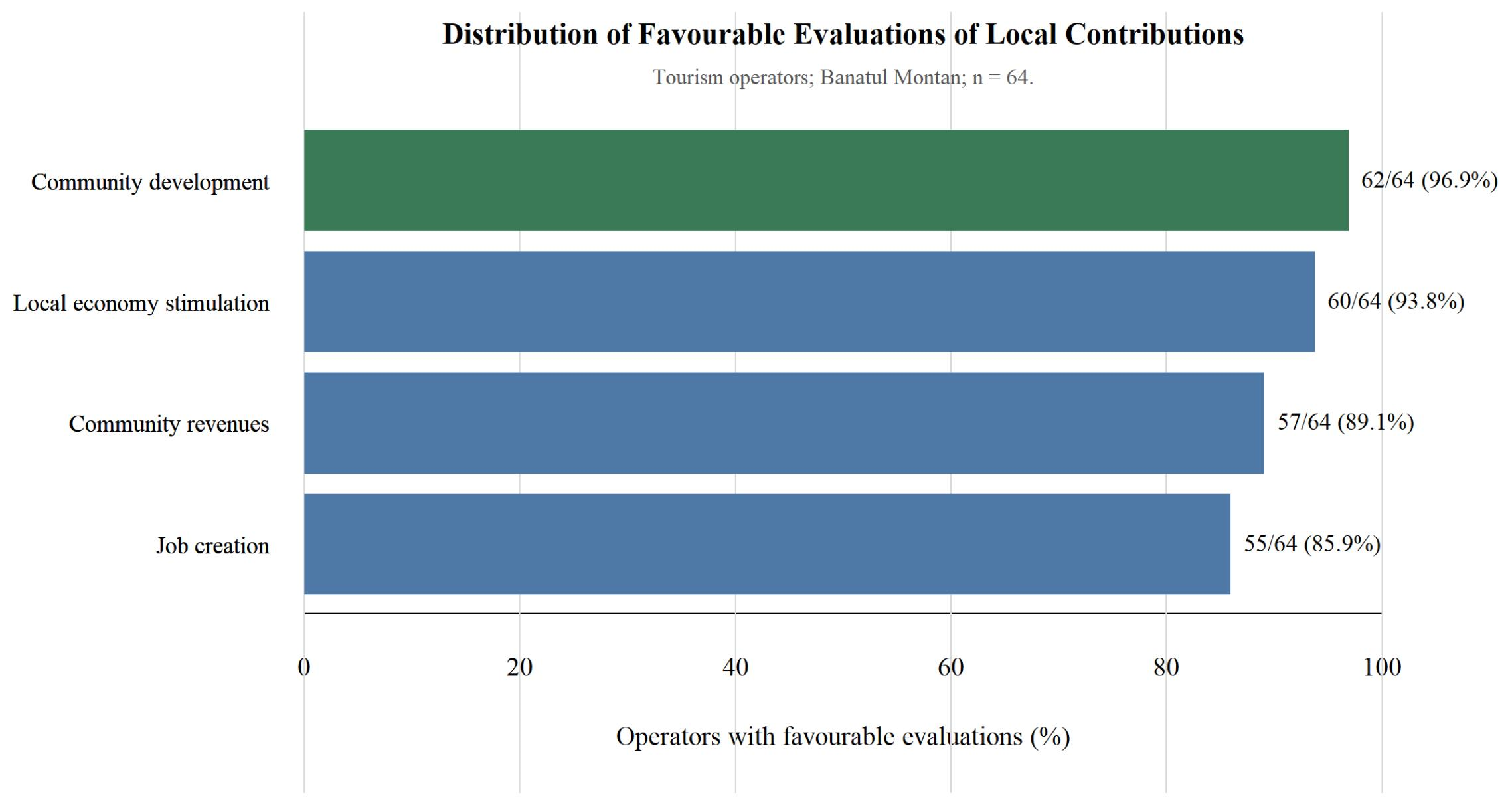
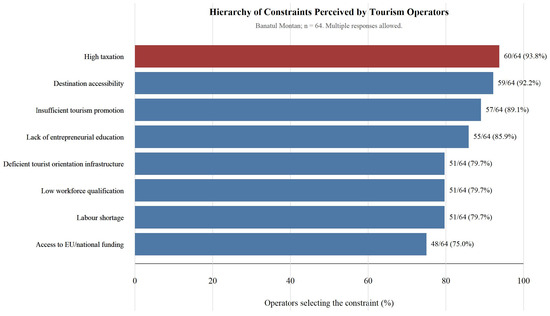
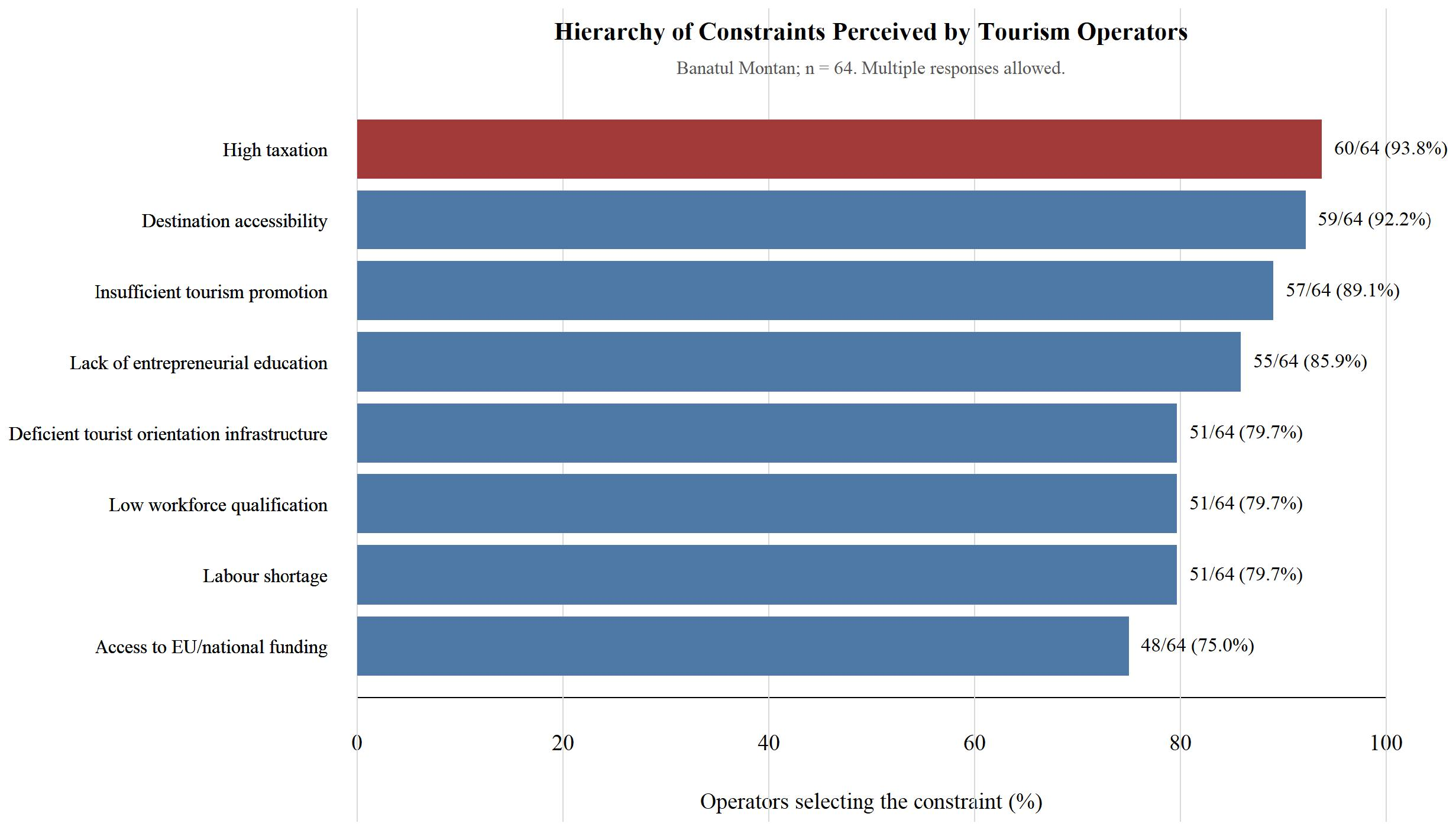
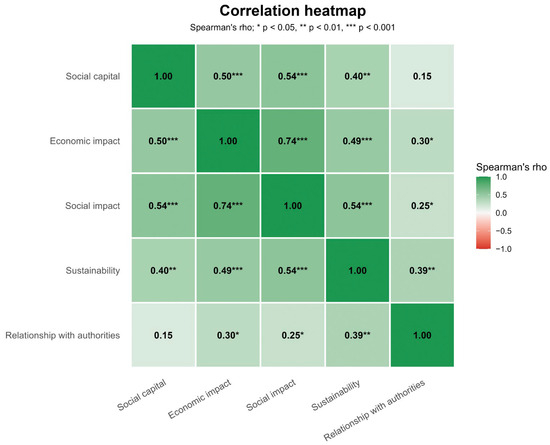
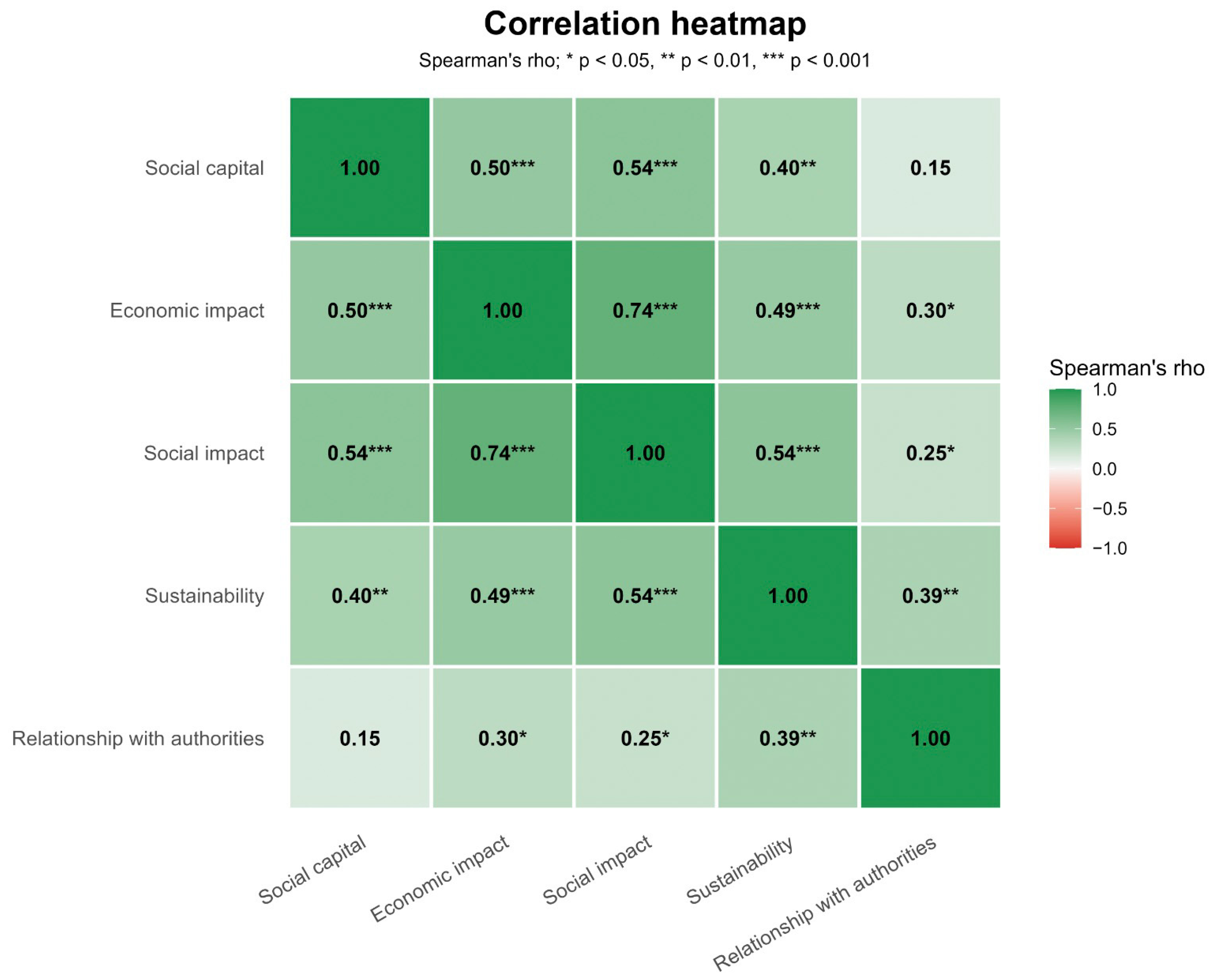
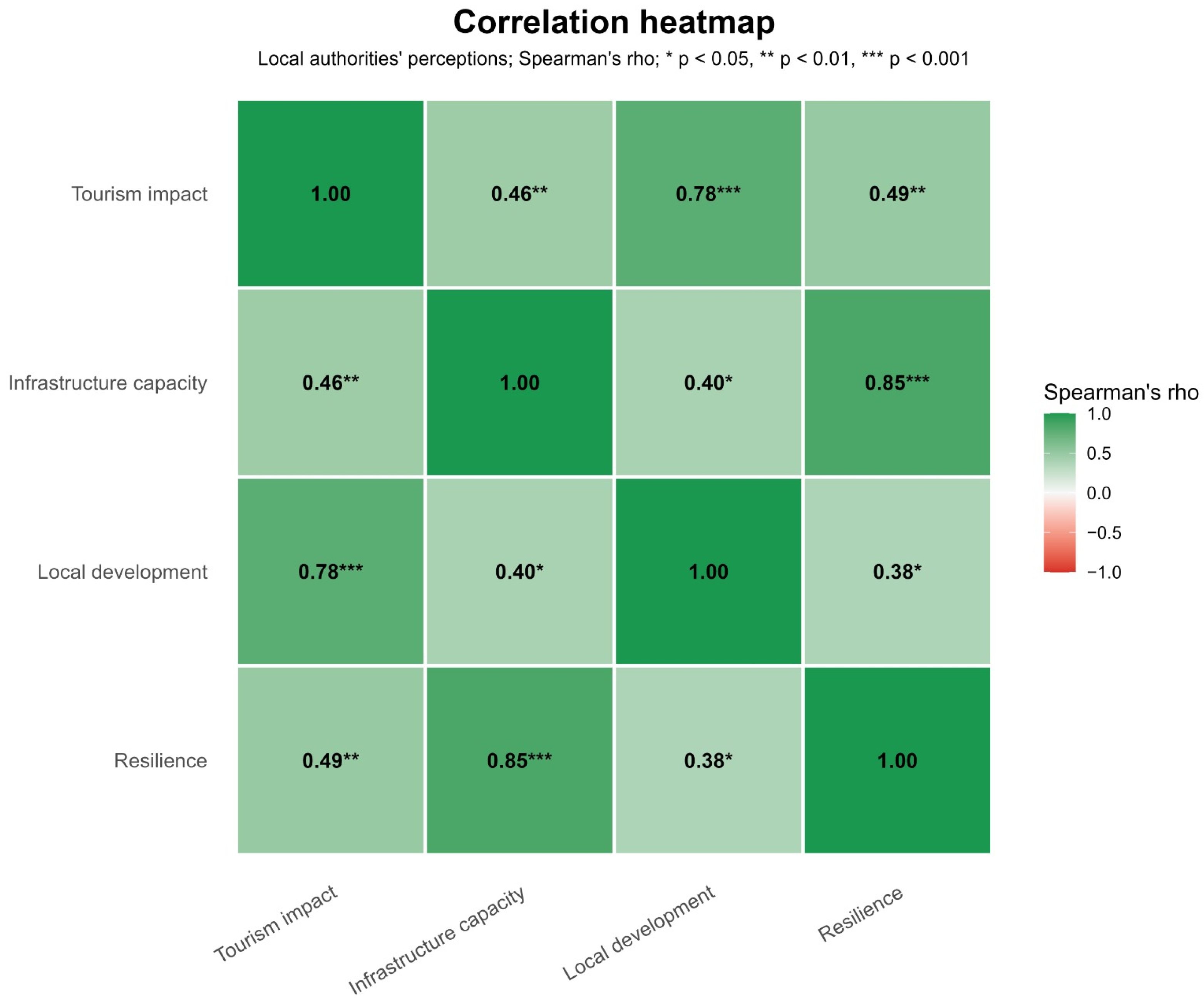
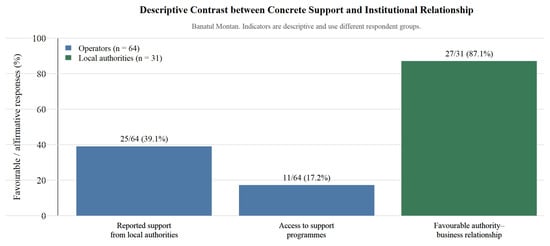
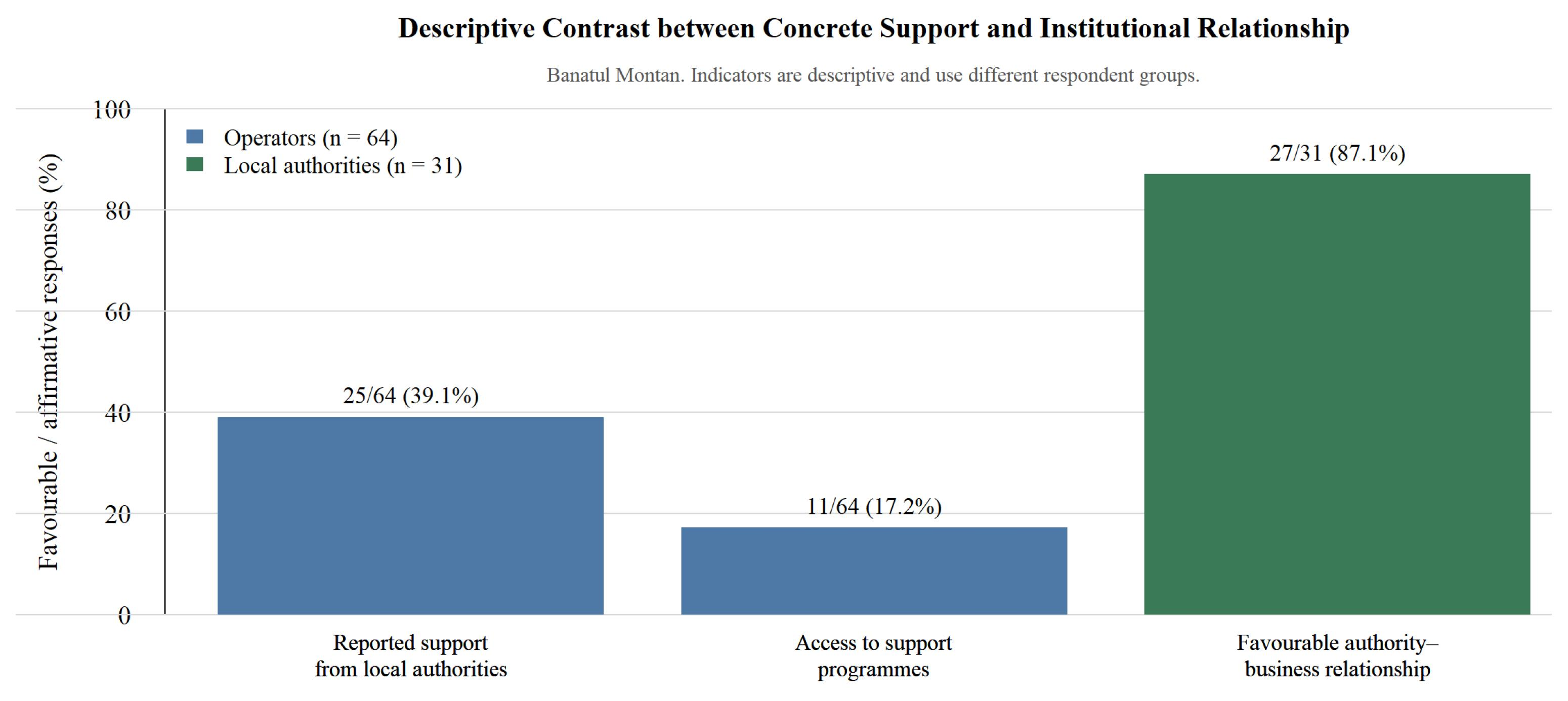

Disclaimer/Publisher’s Note: The statements, opinions and data contained in all publications are solely those of the individual author(s) and contributor(s) and not of MDPI and/or the editor(s). MDPI and/or the editor(s) disclaim responsibility for any injury to people or property resulting from any ideas, methods, instructions or products referred to in the content. |
© 2026 by the authors. Licensee MDPI, Basel, Switzerland. This article is an open access article distributed under the terms and conditions of the Creative Commons Attribution (CC BY) license.