


Abstract
Farmers are central local actors in agricultural heritage conservation, and understanding the decision processes underlying their participation is essential for long-term and effective conservation. Using the Shexian Dryland Stone Terraced System, a Globally Important Agricultural Heritage System, as a case study, this study develops an integrated stakeholder-Theory of Planned Behavior (TPB) framework. Economic benefits and government support are modeled as external antecedents, and structural equation modeling is used to test how these antecedents, the core TPB constructs, participation intention, and conservation behavior are related. The results show that subjective norm showed the strongest association with participation intention; economic benefits have significant indirect associations with participation intention and self-reported conservation behavior through the core TPB constructs; and government support has the largest estimated total association with self-reported conservation behavior, exceeding the estimated association between participation intention and self-reported conservation behavior. The study extends the application of TPB to agricultural heritage conservation and identifies key modeled pathways associated with farmers’ participation, providing policy-relevant empirical evidence to inform efforts to strengthen farmer participation in heritage conservation.
1. Introduction
Agricultural heritage is increasingly understood as a living socio-ecological system rather than a static cultural object. Within the Globally Important Agricultural Heritage Systems (GIAHS) framework, agricultural heritage systems are valued because long-term farming practices, biodiversity, landscape structures, local knowledge, and cultural identity are reproduced through everyday agricultural production [1,2]. Unlike monument-based heritage, terraces, irrigation facilities, and farming rituals cannot retain their heritage value through physical preservation alone; they depend on continuous cultivation, maintenance, and intergenerational transmission by local farmers [2,3]. Where this labor is withdrawn, terraced landscapes in Europe and Asia face abandonment, wall collapse, and soil degradation [4,5,6]. Farmers are therefore not passive residents of heritage sites but central actors who reproduce the landscapes and knowledge systems on which agricultural heritage depends.
Agricultural heritage also matters to farmers because it provides livelihood resources and development opportunities. Traditional farming landscapes can support agrobiodiversity conservation, food security, differentiated products, ecological services, and cultural tourism [1,7,8]. In terraced systems, the heritage landscape is both a cultural asset and a productive resource tied to household income and rural identity. Heritage tourism, branded products, and cooperative marketing may convert cultural and ecological values into additional income and strengthen residents’ support for conservation [9,10]. These benefits, however, are neither automatic nor evenly distributed. When conservation increases labor and opportunity costs without credible returns, farmers may regard participation as an externally imposed burden. Conservation sustainability therefore depends partly on whether farmers perceive participation as economically worthwhile, socially recognized, and practically feasible.
Existing research has shifted from resource description to local participation, examining household value perceptions [7], community participation [11,12], and motivation, opportunity, and ability in World Heritage conservation [13,14]. Reviews also identify stakeholder coordination and conservation-development balance as major themes [9,10,15,16]. A parallel international literature on farmers’ participation in agri-environmental schemes shows that financial incentives, program support, attitudes, and social norms jointly shape conservation decisions [17,18,19]. However, this literature often lists individual determinants without explaining how external governance conditions interact with farmers’ internal cognitions. Economic benefits, government support, community norms, and individual capacity are commonly discussed separately, leaving unclear whether they are related to behavior directly or indirectly through attitude toward the behavior, subjective norm, perceived behavioral control, and intention.
Stakeholder theory and the theory of planned behavior (TPB) offer complementary perspectives. Stakeholder theory explains how benefits, resources, responsibilities, and institutional expectations are distributed among actors who affect or are affected by conservation, and which of these actors are salient enough to shape a focal actor’s decisions [20,21,22,23]. TPB explains how farmers interpret these conditions and form participation intention and conservation behavior [24,25,26]. Integrating the two perspectives links external governance conditions with individual-level decision processes without assuming that incentives or policy support automatically produce conservation action. Stakeholder theory is not used here to model the full stakeholder network; rather, it is used to identify the most salient external actors, to specify the resource channels through which they reach farmers, and to derive testable pathways into the TPB process.
Using the Shexian Dryland Stone Terraced System in Hebei Province, a Globally Important Agricultural Heritage System, as a case study, this research develops a stakeholder-informed extended TPB framework and applies structural equation modeling to data from local farming households. Economic benefits and government support are modeled as external antecedents, whereas attitude toward the behavior, subjective norm, and perceived behavioral control represent the core TPB process. The study examines direct, mediated, and sequentially mediated pathways to participation intention and conservation behavior. It contributes by moving beyond lists of associated factors to examine how stakeholder-related governance conditions relate to farmers’ cognition and action, and by testing whether these conditions operate only through the TPB constructs, as the theory’s sufficiency assumption implies, or also present direct associations with intention and behavior.
2. Literature Review and Conceptual Framework
2.1. Farmer Participation in Living Agricultural Heritage
Agricultural heritage is distinguished by the continuity of productive practices, ecological knowledge, and community organization. The GIAHS literature describes these systems as adaptive combinations of landscapes, biodiversity, farming knowledge, and cultural identity rather than collections of isolated heritage objects [1,2,3]. Their conservation therefore depends on continued cultivation, terrace maintenance, water and soil management, and intergenerational knowledge transmission. Recent heritage research likewise treats local communities as active participants in management rather than passive beneficiaries [27]. In agricultural heritage systems, farmers’ everyday production decisions directly affect both the physical landscape and the persistence of associated knowledge. Rural-household research consequently identifies farmers as key conservation actors, while studies of agricultural heritage and agrobiodiversity show that traditional management contributes to ecological diversity and landscape resilience [7,8,28]. International evidence points in the same direction. In Mediterranean Europe, terrace abandonment following rural out-migration has accelerated wall collapse and soil erosion [4]; in the Ifugao rice terraces of the Philippines, youth out-migration, market integration, and the decline of customary practices threaten the transmission of terrace knowledge [5]; and at the Noto GIAHS site in Japan, the conservation of terraced paddies relies on an ageing farming population supported by subsidies, volunteers, and urban “owner” schemes [6].
Farmer participation nevertheless involves labor, time, financial resources, and opportunity costs. Agricultural heritage can support food security, product differentiation, ecological services, tourism, and rural identity [1,7,8,9,10], but public heritage value does not automatically become a household-level benefit. Tourism development, branded products, and cooperative marketing may create income opportunities, yet uneven benefit distribution may weaken local support. Tourism research grounded in social exchange theory shows that residents support heritage-related development when they perceive its benefits to outweigh its costs [29]. Research on agricultural heritage tourism indicates that value creation depends on interaction among residents, visitors, and service organizations rather than on heritage designation alone [30]. Evidence from the World Heritage village of Ogimachi in Japan likewise shows that designation-driven tourism growth can bring both new income and commercialization pressures to residents [31], and in European agri-environmental schemes farmers’ participation reflects both a financial imperative and conservation concern [17,32]. Farmer participation should therefore be understood as both a cultural responsibility and a livelihood decision.
2.2. Stakeholder-Based Heritage Governance
The growing emphasis on community participation has shifted heritage management from expert-led protection toward multi-actor governance. A systematic review comparing Chinese and international practices shows that communities may participate in value identification, planning, decision-making, implementation, and benefit sharing, although the depth of participation varies across institutional settings [11]. Outside China, assessments of African heritage sites show that the promise of community participation has often gone unfulfilled, with communities rarely sharing in management decisions or benefits [12], while research at Malaysian World Heritage Sites shows that motivation mainly supports low-level participation, whereas opportunities created by institutions are needed for higher-level involvement [14]. Research on World Heritage conservation similarly demonstrates that motivation is insufficient without opportunities, knowledge, resources, and channels for participation [13]. Broader reviews identify local engagement, stakeholder coordination, conservation-development balance, and institutional cooperation as recurring concerns [9,10,15,16,33]. A review of stakeholder participation in environmental management likewise concludes that participation produces better outcomes when it is institutionalized, begins early, and explicitly addresses differences in power and interests among stakeholders [34]. Participation is therefore produced through relationships among actors rather than through individual willingness alone.
Stakeholder theory provides a basis for analyzing these relationships. Freeman’s approach directs attention to actors who affect or are affected by governance activities [14], while Donaldson and Preston emphasize the descriptive, instrumental, and normative dimensions of stakeholder relationships [21]. Stakeholder analysis in natural-resource management further shows that identifying actors and clarifying their interests are essential for collective action [22]. Mitchell et al. argue that stakeholders differ in salience according to their power, legitimacy, and urgency, so that analysts should identify the actors that actually shape a focal actor’s decisions rather than treating all stakeholders as equivalent [23]. Frooman adds that stakeholders influence a focal actor mainly by controlling resources on which that actor depends—by supplying them, withholding them, or attaching conditions to their use [34]. In heritage management, Aas et al. showed for Luang Prabang that collaboration between heritage-conservation and tourism stakeholders turned on communication between the two sectors, the generation of tourism revenue for conservation, and the involvement of local residents in decision-making [35]. In agricultural heritage conservation, governments provide policy legitimacy, funding, training, infrastructure, and incentives; market actors and cooperatives can convert heritage attributes into product premiums, tourism income, and brand value; community networks reinforce collective norms and peer demonstration; and farmers contribute cultivation, maintenance, and knowledge transmission. From the farmer’s standpoint, these actors matter less as separate organizations than as sources of the resources and expectations on which household participation depends.
Recent Heritage Science studies reinforce this perspective. Research on agricultural heritage adaptation models interactions among farmers, government, and service organizations and shows that incentives and benefit distribution affect the stability of conservation strategies [36]. Studies of rural cultural-conservation networks emphasize coordination between cultural and ecological objectives [37], while research on heritage-buffer-zone agroforestry highlights the need to align conservation with local production and livelihood benefits [38]. Stakeholder theory is therefore used here in a specific and bounded way, elaborated in Section 2.4: it guides the identification of salient actors, specifies the resource channels through which they reach farmers, and informs the hypothesized links to the TPB constructs. The empirical model does not measure the complete stakeholder network or the interactions among stakeholders; economic benefits and government support operationalize the two most salient resource channels through which that governance context is experienced by farmers. Community actors, in turn, enter the model as normative referents within subjective norm.
2.3. TPB and Conservation Participation
The theory of planned behavior provides a complementary individual-level decision framework. TPB proposes that behavioral intention is shaped by attitude toward the behavior, subjective norm, and perceived behavioral control, and that intention is a proximal predictor of behavior [24,25]. Meta-analytic evidence indicates that the theory explains on average 39% of the variance in intention and 27% of the variance in behavior, with subjective norm generally the weakest of the three predictors of intention [39]. The framework is useful for conservation participation because it distinguishes whether participation is considered worthwhile, socially expected, and feasible with available knowledge and resources. Agricultural heritage participation involves voluntary decisions made within social and institutional constraints, making these dimensions particularly relevant. TPB has also been widely applied to farmers’ conservation decisions outside China, including Brazilian cattle farmers’ adoption of improved natural grassland [40] and Australian farmers’ adoption of sustainable agricultural practices [41]; Sok et al. reviewed 124 applications of the theory to farmer behavior [42], and Dessart et al. synthesized the dispositional, social, and cognitive factors in farmers’ adoption of sustainable practices to inform European agri-environmental policy [19].
Applications of extended TPB show that contextual variables can be incorporated as antecedents when their links to the core constructs are theoretically specified. Ajzen treats demographic, social, and contextual variables as background factors that are expected to influence intention and behavior indirectly through behavioral, normative, and control beliefs, and holds that attitude, subjective norm, and perceived behavioral control should be sufficient to predict intention—the sufficiency assumption [43]. Sok et al. found, however, that most extended-TPB studies of farmers regressed background factors directly on intention without testing mediation through the core constructs, and that few reported the increment in explained variance over the standard model [42]. Recent research in Heritage Science has applied an extended TPB framework to green cultural heritage conservation and confirmed the importance of connecting participatory cognition, intention, and behavior [26]. The advantage of this approach is that external conditions are not treated as automatically producing behavior. Their effects may instead be internalized through evaluations, perceived social pressure, and assessments of feasibility before being translated into intention and action.
2.4. Stakeholder-Informed Extended TPB Framework and Research Gap
Existing studies have established that farmers are indispensable to living agricultural heritage, that participation depends on benefits and resources, and that intention is shaped by psychological and social processes. These insights remain fragmented. Agricultural heritage research often emphasizes livelihood value and policy conditions; stakeholder studies focus on coordination among actors; and behavioral research concentrates on intention and its proximal predictors. The relationships between external governance conditions and farmer-level participation decisions therefore remain insufficiently explained.
This study connects these strands through a stakeholder-informed extended TPB framework. Stakeholder theory explains the external distribution of benefits, resources, responsibilities, and institutional expectations, whereas TPB explains how farmers interpret those conditions and form participation intention and conservation behavior. Economic benefits represent the livelihood and market-related channel: expected product premiums, tourism income, subsidies, and household gains may improve evaluations of participation, reduce perceived financial barriers, and create community demonstration effects. Government support represents the institutional and resource-provision channel: funding, technical guidance, policy communication, infrastructure, and recognition can reduce implementation barriers and signal that conservation is socially expected.
Stakeholder theory performs three specific functions in this framework. First, it acts as a salience filter. Following Mitchell et al. [23], the actors most likely to shape farmers’ conservation decisions are those that combine power, legitimacy, and urgency with respect to household livelihoods. In the Shexian terrace system, two groups meet these conditions most clearly: the state, whose county and township governments hold formal authority over heritage designation, conservation funding, infrastructure, and conservation programs; and market-related actors—the farmer-founded Qingyangshan cooperative, product buyers, and tourism operators—which determine whether heritage attributes are converted into household income. Second, stakeholder theory specifies the channel through which these actors reach farmers. Under the resource-dependence logic of stakeholder influence [34], external actors affect a focal actor primarily by supplying, withholding, or conditioning the resources on which that actor depends. Because farmers experience the state and the market mainly through the resources they provide—funds, services, organization, and recognition on the one hand; prices, premiums, and income opportunities on the other—these influences can be measured at the household level as perceived government support and perceived economic benefits. Third, stakeholder theory informs the hypothesized pathways into the TPB process. The instrumental dimension of stakeholder relationships [21] implies that expected returns shape farmers’ outcome evaluations (attitude); the legitimacy and normative dimensions imply that visible benefits and institutional endorsement shape perceived social expectations (subjective norm); and resource provision implies changes in perceived and actual control (perceived behavioral control and behavior).
The framework does not ignore other stakeholders but represents them according to how they reach farmers. Village committees, Party-branch cadres, and the terrace conservation association act mainly as normative referents and organizers; their influence is captured by subjective norm (SN2) and, where they implement government programs, by government support (GS3). Family members and neighbors are captured by subjective norm (SN1) and by the demonstration effects hypothesized for economic benefits. Cooperatives, buyers, tourism operators, and subsidy providers are captured by the product-price, tourism-income, and subsidy items of economic benefits (EB1–EB3). Academic institutions, heritage experts, and international bodies such as FAO influence farmers mostly indirectly, through designation standards and government programs, and are therefore not modeled as separate farmer-level antecedents. Modeling each actor as a separate latent construct would have required respondents to distinguish closely intertwined sources of support—for instance, subsidies channelled by government through associations—and would have created conceptual overlap with subjective norm, contrary to the requirement that added predictors be conceptually independent of the existing TPB constructs [43]. The two-channel specification is also consistent with international research, in which financial returns and program or institutional support are recurrent explanatory factors in farmers’ participation in agri-environmental schemes and conservation practices, although their effects vary across contexts [17,18,32], and in which residents’ support for heritage-related development is closely tied to perceived benefits [29].
On this basis, the framework extends conventional TPB in two ways. First, rather than regressing external variables directly on intention, it examines the links between two stakeholder channels and the core TPB constructs, responding to calls to specify and test the mediating role of the proximal antecedents [42,43]. Second, it treats the sufficiency assumption as an empirical question. Standard TPB implies that external conditions affect intention only through attitude, subjective norm, and perceived behavioral control, and affect behavior only through intention and actual control [43]. Stakeholder theory, by contrast, suggests that actors controlling critical resources may shape behavior directly—for example, by organizing collective work or supplying the materials required to act. The model therefore allows government support to participation intention and conservation behavior directly, whereas economic benefits, which reach farmers as expectations rather than as immediately usable resources, are specified to operate through the TPB constructs. Comparing the two channels shows whether stakeholder conditions are fully internalized in farmers’ cognitions or also act as external facilitating conditions; this comparison, rather than the mere addition of two variables, constitutes the analytical contribution of combining the two theories.
This perspective shifts the analysis from isolated factors to connected pathways. It allows external antecedents to have direct paths, indirect paths through the core TPB constructs, and sequentially mediated paths through participation intention. It also provides a basis for examining the intention–behavior gap, in which farmers may support conservation but fail to act when resources or implementation opportunities are insufficient. The framework therefore links agricultural heritage governance with farmers’ internal decision processes and provides the basis for the hypotheses developed in the following section.
2.5. Theory of Planned Behavior
TPB proposes that participation intention is shaped by attitude toward the behavior, subjective norm, and perceived behavioral control [24,25] (Figure 1). Attitude and subjective norm are expected to influence behavior primarily through intention. Perceived behavioral control may also predict behavior directly when perceived control approximates actual control; however, the present study focuses on its intention-mediated pathway.
Figure 1.
Theory of Planned Behavior. Source: Adapted from Ajzen [24].
Attitude toward the behavior refers to an individual’s positive or negative evaluation of performing a specific behavior [24]. In this study, it denotes farmers’ evaluation of participating in terrace conservation. Previous research has confirmed that favorable conservation attitudes strengthen participation intention and behavior [26,44]. Ge et al. [45] also found that rice farmers’ attitudes toward low-carbon fertilization positively affected conservation behavior through participation intention.
Subjective norm refers to perceived social pressure from important referents to perform or not perform a behavior [24]. In agricultural heritage conservation, these referents include family members, neighbors, village cadres, associations, and government agencies. Community rules, peer behavior, and institutional advocacy may reinforce subjective norm, although formal requirements are conceptually distinct from perceived social pressure. Evidence from the Longji Terraces indicates that participation was higher where management bodies actively mobilized residents [46]. Outside China, Fielding et al. found that the norms of farmers’ own reference group predicted Australian farmers’ intentions to adopt sustainable practices, especially among those who identified strongly with that group [41], and Burton showed that farming practices carry symbolic value as visible signals of being a “good farmer” within the local farming community [47].
Perceived behavioral control refers to an individual’s assessment of the ease or difficulty of performing a behavior and of the resources under their control [24]. Here, it denotes farmers’ perceived knowledge, skills, time, tools, resources, and opportunities for terrace conservation. Individuals with stronger resource control perceive fewer barriers and show greater willingness to act [48]. Liu et al. [49] further found that subjective norm and perceived behavioral control positively affected agricultural heritage conservation behavior through participation intention.
Together, these relationships suggest that farmers are more likely to form participation intention when they evaluate conservation positively, perceive support from important referents, and believe that they possess the resources required to act. Participation intention then provides the principal motivational pathway to conservation behavior. Accordingly, the following hypotheses are proposed.
H1a–c.
Attitude toward the behavior, subjective norm, and perceived behavioral control have positive effects on participation intention.
H2a–c.
Attitude toward the behavior, subjective norm, and perceived behavioral control have positive indirect effects on conservation behavior through participation intention.
Participation intention captures the motivational readiness to perform a behavior, including the effort an individual plans to invest [25]. Stronger intention generally increases the likelihood of action, although resource and implementation constraints may create an intention–behavior gap. In agricultural heritage conservation, farmers with stronger participation intention are therefore expected to be more likely to undertake conservation behavior. Accordingly, the following hypothesis is proposed.
H3.
Participation intention has a significant positive effect on farmers’ conservation behavior.
2.6. Extended Theory of Planned Behavior
Traditional TPB focuses on proximal psychological predictors. To improve contextual sensitivity, extended TPB models incorporate additional antecedents when their relationships with the core constructs can be theoretically justified [50]. Such models have been applied to heritage conservation and farmers’ production decisions [26,41,42,51,52]. In this study, economic benefits and government support are introduced as external antecedents derived from the stakeholder governance context. Following Ajzen’s treatment of background factors, their effects are expected to operate primarily through the core constructs, and direct paths are specified only where stakeholder theory gives reason to expect resource effects that bypass cognition (Section 2.4).
2.6.1. Economic Benefits
Expected economic benefits can improve farmers’ attitude toward conservation when heritage protection is associated with product value, tourism income, subsidies, or livelihood security. Sun et al. [53] found that perceived returns from agricultural heritage conservation increased residents’ satisfaction and positive evaluations. Farmers who expect conservation to support household livelihoods are therefore more likely to regard participation as worthwhile. This expectation is consistent with social exchange accounts of residents’ support for heritage and tourism development [29].
Economic benefits may also influence subjective norm through demonstration effects. When early participants obtain visible returns, neighboring farmers receive evidence that conservation is both socially approved and materially meaningful. Dong et al. [54] reported a positive relationship between livelihood capital and conservation-related cognition, supporting the role of peer comparison and descriptive norms. International evidence on social learning points in the same direction: pineapple farmers in Ghana adjusted their input use after observing the results obtained by farmers in their information networks [55]. Economic incentives may therefore become more influential when the community collectively recognizes that conservation can generate benefits.
Expected benefits can also strengthen perceived behavioral control by reducing perceived financial constraints and increasing access to the resources required for participation. Farmers’ capacity and income expectations affect whether they believe they can engage in heritage conservation [56], while livelihood assets can influence intention through the core TPB constructs [57]. Economic benefits do not automatically improve technical ability, but they can make labor, tools, and time costs more manageable.
H4a–c.
Economic benefits positively affect attitude toward the behavior, subjective norm, and perceived behavioral control.
H5a–c.
Economic benefits positively affect participation intention through the mediating roles of attitude toward the behavior, subjective norm, and perceived behavioral control.
H6a–c.
Economic benefits affect conservation behavior through the sequential mediation of each core TPB antecedent and participation intention.
2.6.2. Government Support
Government support is a key institutional source of resources, information, and incentives for agricultural heritage conservation [58]. Policy communication can strengthen farmers’ recognition of conservation value [59], while targeted support programs, technical training, and infrastructure can reduce costs and risks and improve farmers’ perceived capacity [60,61]. In the European Union, public payments and program support are major reasons for farmers’ enrolment in agri-environmental schemes, although participation also reflects farmers’ own conservation concerns [17,32].
Government support may also influence participation intention directly by signaling institutional commitment and social approval. Appropriate support from grassroots governments has been associated with stronger willingness to participate in farming-culture conservation [58]. In Zhejiang, administrative coordination and industrial development have also encouraged farmers to continue or return to traditional livelihood practices [62]. These findings suggest that government support may be related to attitude, perceived behavioral control, and intention.
Perceived government support may be associated with conservation behavior through access to funds, tools, technical services, and collective organization. These resources may help reduce implementation barriers that may persist even when farmers intend to participate. Stronger perceived government support is therefore expected to be positively associated with conservation participation. In TPB terms, such support approximates actual behavioral control, which, together with intention, determines behavior [43]; this matters because intentions typically account for less than one-third of the variance in behavior [63]. At the same time, a direct path of government support on conservation behavior may reflect organized or administratively mobilized participation rather than voluntary action; this possibility is examined in the Discussion.
H7a–d.
Government support has significant positive effects on attitude toward the behavior, perceived behavioral control, participation intention, and conservation behavior.
H8a,b.
Government support positively affects participation intention through the mediating roles of attitude toward the behavior and perceived behavioral control.
H9a,b.
Government support affects conservation behavior through the sequential mediation of attitude toward the behavior or perceived behavioral control and participation intention.
H10.
Government support positively affects conservation behavior through participation intention.
By incorporating economic benefits and government support as external antecedents, the research model links the stakeholder governance context with the TPB decision process. Figure 2 presents the proposed relationships among the external antecedents, core TPB constructs, participation intention, and conservation behavior.
Figure 2.
Stakeholder-Informed Extended TPB Research Model. Source: Authors’ construction.
3. Methods
3.1. Data Collection
3.1.1. Study Area and Background
In 2014, the Shexian dryland terrace system was recognized as a China-Nationally Important Agricultural Heritage System; in 2022, it was designated by the Food and Agriculture Organization of the United Nations as a Globally Important Agricultural Heritage System. Local farmers have relied on the terraces and developed, through extensive practice, farming techniques for storing grain in the land, storage techniques for preserving grain in barns, and survival strategies for saving grain in daily life. These practices have been transmitted across generations, enabling this mountainous area, where drought is frequent, to secure basic livelihoods and even maintain population growth despite severe natural disasters [64]. Building on this foundation, farmers have developed industries based mainly on Sichuan pepper and black dates, and they have independently established the Qingyangshan Agricultural Products Specialized Cooperative, a national-level model farmers’ cooperative, to provide integrated production, supply, and marketing services. In 2022, the cooperative sold 250,000 jin of Sichuan pepper and 220,000 jin of black dates. Conserving the Shexian Dryland Stone Terrace System is therefore highly significant for rural revitalization and for increasing local farmers’ employment and income.
Shexian County, Handan City, Hebei Province, is the location of this heritage system and lies in southwestern Hebei. The area ranges in elevation from 200 to 1600 m, with slopes reaching up to 66 degrees. The terrain is dominated by mountains and hills, and the climate is temperate continental monsoon, with four distinct seasons and simultaneous rainfall and heat.
The Shexian Dryland Stone Terrace System covers 46 administrative villages, including 15 villages in Jingdian Town, 15 in Gengle Town, and 16 in Guanfang Township. The system covers a total area of 27.68 km2 and was entirely built by hand. In the core Wangjinzhuang area, the stone-wall terraces cover 800 hm2, the average stone-wall thickness is 0.7 m, and the elevation difference is nearly 500 m [65] (Figure 3).
Figure 3.
Location of Shexian County. This map was produced using ArcMap 10.5 (Esri, Redlands, CA, USA), with digital elevation model and administrative boundary data obtained from the Geospatial Data Cloud.
3.1.2. Questionnaire Design
Based on the existing theory, the previous literature, and a preliminary survey, the initial questionnaire was developed from theoretical analysis and prior research findings. The questionnaire consisted of two parts. The first covered demographic characteristics, social identity, geographical distribution, education level, and economic foundation. The second included seven latent variables and their corresponding measurement items: farmers’ attitude toward behavior, subjective norm, perceived behavioral control, intention, self-reported conservation behavior, economic benefits, and government support. Specifically, the measurement items for the latent variables in the original TPB model were constructed based on the scale proposed by Taylor and Todd [66], with supplementation from recent literature. The measurement items for the extended variables were developed with reference to relevant studies and adapted to the context of terrace conservation. Economic benefits reflect farmers’ perceptions of benefit distribution and economic returns associated with agricultural heritage conservation, including increases in agricultural product value, tourism income, economic security from subsidies, and improvements in household living standards. Government support reflects farmers’ perceptions of institutional and resource support provided by the government, including financial support, technical guidance and training, organization and promotion, and recognition and rewards. Before the formal survey, six experts reviewed the questionnaire content, the clarity of item wording, and contextual appropriateness. A five-point Likert scale was used to measure each item, with responses ranging from “strongly disagree” to “strongly agree” and assigned values from 1 to 5. The latent variables and measurement items are shown in Table 1.
In this study, the behavior construct measures farmers’ self-reported conservation behavior in terrace conservation. Previous research on environmentally significant behavior recognizes multiple forms of environmental action [67]. Based on this view, B1, B2, and B3 capture participation in conservation activities, intervention in response to terrace damage, and conservation advocacy, respectively. Although the three items refer to different situations and actions, they share the same behavioral target of terrace conservation. They all reflect farmers’ conservation-related behavioral responses. Therefore, we define this construct as “self-reported conservation behavior.”
Table 1.
Measurement Scale.
3.1.3. Data Collection and Sample Characteristics
This study conducted a field questionnaire survey from 16 to 27 July 2025, in the Shexian Dryland Stone Terraced System. This survey is divided into two parts. At the level of village selection, a random sampling method is used; while at the level of respondent selection, a snowball non-probability sampling method is adopted. Firstly, all villages were divided into three groups based on the area of the terraces: small, medium, and large. Ten villages were randomly selected from each group, totaling 30 survey villages. The specific details are shown in Table 2. Secondly, the respondents had to meet two conditions: they must be 18 years old or above and be local residents actually engaged in agricultural production. In each selected village, local village cadres served as the initial respondents and recommended other eligible participants. About 10–15 respondents were recruited from each village. Once the target number was reached, the referral chain ended and snowball sampling restarted in the next village. Only one eligible adult from each household was surveyed. Questionnaires were completed through face-to-face communication. All participants provided informed consent before completing the questionnaire. The survey was anonymous. A total of 357 questionnaires were distributed. After strict screening, invalid questionnaires with incomplete responses or obvious answer patterns were removed, leaving 349 valid questionnaires, with an effective response rate of 97.8%.
Table 2.
Number of Valid Questionnaires by Village. Source: Authors’ field survey.
The sample size required for structural equation modeling depends on model-specific characteristics. Previous studies have shown that the number of latent variables, observed indicators, and structural relationships can affect the sample size required for SEM [79]. The SEM in this study included seven latent variables, and the questionnaire contained 24 core observed indicators. We further evaluated sample adequacy using the lower-bound method proposed by Westland [80]. The ratio of indicators to latent variables was r = 3.43. According to Equation (1), the lower bound of the required sample size can be calculated as follows:
N ≥ 50r2 − 450r + 1100
Accordingly, the estimated lower bound was approximately 145. The study obtained 349 valid responses, exceeding this lower bound and providing further support for the adequacy of the sample size for the specified SEM.
Descriptive statistics for the basic characteristics of the 349 farmer respondents are shown in Table 3. In terms of demographic characteristics, males accounted for 77.08%, and respondents aged 36–59 accounted for 85.68%. Social identity was dominated by ordinary farmers and village cadres; employment was mainly agricultural; and respondents were concentrated in Jingdian Town (45.56%) and Guanfang Township (40.69%). Education showed a middle-concentrated pattern: 48.42% had senior high school education, 37.25% had university education, and 14.33% had junior high school education. Economically, 61.03% of households had an annual income of no more than 50,000 yuan, and 29.23% were in the 50,000–100,000 yuan range.
Table 3.
Basic Characteristics of the Respondents. Source: Authors’ field survey.
3.2. Statistical Analysis
This study used structural equation modeling (SEM) to test the theoretical model and hypotheses. SEM can simultaneously handle relationships between latent variables and their observed indicators, making it suitable for testing the complex logical pathways that combine the theory of planned behavior and stakeholder theory in this study [81]. The statistical analysis strictly followed the two-step approach proposed by Anderson and Gerbing (1988) [82]. First, SPSS 27.0 (IBM Corp., Armonk, NY, USA) was used for data cleaning, outlier testing, descriptive statistical analysis, reliability analysis, and exploratory factor analysis. Principal component analysis was used for factor extraction, followed by Promax oblique rotation. In addition, Harman’s single-factor test was used to assess potential common method bias. AMOS 24.0 (IBM Corp., Armonk, NY, USA) was then used to assess the reliability and validity of the measurement model through confirmatory factor analysis [83]. Second, after the measurement model met the required criteria, AMOS 24.0 was used to evaluate the overall fit of the structural model and test direct effects. Finally, bias-corrected bootstrapping with 5000 resamples was used to test mediating effects [84].
4. Results
4.1. Descriptive Statistical Results
The descriptive statistical results for the core measurement items among the 349 farmer respondents are presented below, with detailed values shown in Figure 4.
Figure 4.
Mean Scores of Core Measurement Items. Source: Authors’ survey data.
The mean scores of the measurement items ranged from 3.71 to 4.29, all above the midpoint of the scale (3.0), indicating that respondents generally held positive attitudes and intentions toward terrace conservation. Specifically, the scores for attitude toward conservation behavior and economic benefits were relatively high. The item “conserving the terraces is a social responsibility” had the highest mean score (AB3 = 4.29 ± 0.791), followed by “heritage conservation improves the quality and price of agricultural products” (EB1 = 4.27 ± 0.735), reflecting strong recognition among farmers of both the social responsibility and economic benefits associated with conservation. By contrast, the intention dimension scored slightly lower; the item “I would encourage my children and grandchildren to participate in terrace conservation” had the lowest mean score (I4 = 3.71 ± 0.813), although it still fell within the positive range.
4.2. Measurement Model
SPSS 27.0 was used to test the reliability and validity of the measurement model in order to further confirm the reliability and accuracy of the data.
Reliability was tested using Cronbach’s alpha. The calculated Cronbach’s alpha coefficients for the seven latent variables ranged from 0.756 to 0.893, all exceeding the threshold of 0.7, indicating good internal consistency across the questionnaire dimensions and high reliability and stability of the data.
Validity was tested through exploratory factor analysis, confirmatory factor analysis, and discriminant validity testing. Exploratory factor analysis requires a KMO value above 0.6 and a significant Bartlett’s test of sphericity (p ≤ 0.05). The overall KMO value of the scale was 0.847, and Bartlett’s test statistic was 3449.51 with p ≤ 0.05, indicating significant correlations among variables. Principal component analysis with Promax oblique rotation extracted seven components with eigenvalues greater than 1, consistent with the seven theoretically specified constructs. They accounted for 68.353% of the total variance. All items loaded primarily on their expected components without substantial cross-loadings (Table 4).
Table 4.
Pattern Matrix of the Exploratory Principal Component Analysis.
In addition, to further assess the content validity of economic benefits and government support, the eight measurement items were rated by six experts using a four-point relevance scale. The I-CVI values ranged from 0.833 to 1.000, and the S-CVI/Ave was 0.979, further supporting the content validity of these items.
Second, Harman’s single-factor test was used to assess potential common method bias. The unrotated analysis extracted seven components with eigenvalues greater than 1. The first component accounted for 28.055% of the total variance. Since no single component accounted for the majority of the variance, the results did not indicate serious common method bias.
Confirmatory factor analysis was then conducted. Standardized factor loadings should be greater than 0.5 [85]. As shown in Table 5, the observed variables had values ranging from 0.617 to 0.902, indicating that each observed variable had good explanatory power for its corresponding latent variable. Confirmatory factor analysis further requires assessment of composite reliability (CR) and convergent validity (AVE). Composite reliability refers to the consistency among all items within a dimension, while convergent validity indicates the average explanatory ability of each item. Fornell and Larcker recommend CR values above 0.7 and AVE values above 0.5 [83]. As shown in Table 5, CR values for all dimensions ranged from 0.773 to 0.835, all above 0.7, and AVE values ranged from 0.521 to 0.569, all above 0.5; thus, the criteria were met.
Table 5.
Reliability and Convergent Validity Tests.
Discriminant validity tests whether different latent variables overlap excessively. As shown in Table 6, the square root of AVE for each latent variable is greater than the correlation coefficients among latent variables, meeting the standard requirement. Therefore, the latent variables in this study have clear conceptual boundaries and good mutual discriminant validity. The measurement model thus demonstrates good reliability and validity and satisfies the prerequisite for further analysis.
Table 6.
Discriminant Validity Test.
4.3. Structural Model
AMOS 24.0 was used to evaluate the model. First, there was no serious collinearity among variables, satisfying the criterion of VIF < 5. Second, the R2 values for AB, SN, PBC, I, and B were 0.210, 0.133, 0.181, 0.577, and 0.242, respectively. Among them, the model explained 57.7% of the variance in participation intention and 24.2% of the variance in self-reported conservation behavior. Overall, the model explained a larger proportion of the variance in participation intention than in conservation behavior. In addition, the standardized root mean square residual (SRMR) of the model was 0.052, below the threshold of 0.08, indicating good model fit. The model-fit results are shown in Table 7. Six indicators, including Chi-square value/df, GFI, and IFI, all met the required standards, indicating that the model was suitable for hypothesis testing.
Table 7.
Model Fit Test Results.
The path-analysis results of the structural equation model are shown in Table 8 and Figure 5. All 11 direct-effect hypotheses were supported.
Table 8.
Direct Effects Test Results.
Figure 5.
Standardized Path Diagram. Source: Authors’ analysis using AMOS 24.0. Note: *** indicates p < 0.001,** indicates p < 0.05
Among the variables associated with participation intention, subjective norm had the largest standardized path coefficient (β = 0.472, p < 0.001), followed by attitude toward behavior (β = 0.238, p < 0.001) and perceived behavioral control (β = 0.218, p < 0.001). The standardized path coefficient from participation intention to conservation behavior was 0.220 (p = 0.002), indicating a significant but relatively limited association between the two constructs.
Among the estimated paths from antecedent variables to the core TPB variables, economic benefits showed the largest coefficient for subjective norm (β = 0.365, p < 0.001), followed by attitude toward behavior (β = 0.263, p < 0.001) and perceived behavioral control (β = 0.228, p < 0.001). Government support showed the largest path coefficient for attitude toward behavior (β = 0.312, p < 0.001), followed by perceived behavioral control (β = 0.305, p < 0.001). In addition, government support showed significant direct paths to both participation intention (β = 0.258, p < 0.001) and conservation behavior (β = 0.348, p < 0.001).
4.4. Mediating Effects of the Structural Model
This study used bias-corrected bootstrapping with 5000 resamples to test mediating effects. Whether the 95% confidence interval included zero and whether the p value was less than 0.05 were used as criteria for determining significance. As shown in Table 9, all 14 mediating paths passed the significance test.
Table 9.
Mediation Effects Test Results.
Among the indirect effects of the core TPB variables on conservation behavior through intention, the path through subjective norm had the largest estimate (0.084). For the indirect effects of economic benefits on intention, the main pathway was through subjective norm (0.184), followed by attitude toward behavior (0.067) and perceived behavioral control (0.053). For the indirect effects of economic benefits on conservation behavior, the EB → SN → I → B pathway had the largest effect (0.036). For the indirect effects of government support on intention, the pathway through attitude toward conservation behavior had the largest effect (0.065), followed by perceived behavioral control (0.058). For the indirect effects of government support on conservation behavior, the pathway through intention had the largest effect (0.044).
4.5. Overall Effects Analysis
To compare the estimated relationships with farmers’ participation intention and conservation behavior, this study further analyzed direct, indirect, and total effects. The results are shown in Table 10. The three variables with the largest total effects on participation intention were subjective norm (0.472), government support (0.399), and economic benefits (0.285). In the originally specified structural model, the association between economic benefits and participation intention was mainly reflected in indirect effects through the core TPB variables, with the specific indirect pathway through subjective norm showing the largest estimate. In terms of total effects on conservation behavior, government support had the largest standardized total effect (0.436), indicating a relatively strong overall association between government support and farmers’ conservation behavior. Except for government support and participation intention, the total effects of other variables on conservation behavior were mainly indirect through participation intention, and their total effects were relatively small. In addition, the total effect of subjective norm on intention (0.472) was clearly larger than its total effect on conservation behavior (0.104).
Table 10.
Overall Effects Results.
To further examine whether economic benefits had an independent direct association with participation intention, we additionally estimated the EB → I direct path based on the original structural model. The path did not reach the conventional 0.05 significance level but was close to the threshold (β = 0.121, 95% CI = [−0.0003, 0.2391], p = 0.051). After adding this direct path, the three indirect paths, EB → AB → I, EB → SN → I, and EB → PBC → I, remained significant, and none of their bias-corrected 95% CIs included zero. Therefore, we no longer simply characterize the relationship between economic benefits and participation intention as “fully mediated” but interpret it based on the results of both the direct and specific indirect paths.
5. Discussion
5.1. Factors Associated with Participation Intention and Conservation Behavior
The results show that subjective norm is positively associated with farmers’ participation intention. This is consistent with previous findings that perceived social norms have a significant positive influence on farmers’ cultivated-land protection behavior [86]. This pattern may reflect the relational context of rural China, where farmers whose livelihoods remain closely dependent on local natural conditions may be influenced by family, neighbors, village cadres, and community organizations when deciding whether to participate. It also reflects the cooperative character of terrace construction and maintenance. Organizations such as terrace conservation and utilization associations establish rules for collective activities, making perceived expectations and peer behavior more strongly associated with participation intention than individual attitude alone. The finding therefore supports the applicability of TPB to conservation activities requiring coordinated action. In the Shexian Dryland Stone Terraced System, neighborhood demonstration, collective consensus, and recognition by important referents are key correlates of participation intention.
The strength of subjective norm is nonetheless notable when compared with the broader TPB literature, and it is where the Shexian case differs most clearly from previous studies. Meta-analytic evidence identifies subjective norm as the weakest of the three predictors of intention [39], and international applications to farmers have more often found attitude and perceived behavioral control to be the main drivers, with normative influence emerging mainly through the norms of specific reference groups [41,42]. In the present study, by contrast, the standardized path coefficient from subjective norm to intention (β = 0.472) was roughly twice that of attitude (0.238) or perceived behavioral control (0.218). Four features of the case may help explain this difference. First, terrace conservation in Shexian is a collective rather than an individual behavior. Terrace walls on a slope are structurally and hydrologically connected, so the collapse of an unmaintained wall can damage adjacent plots [4], and repairs often depend on pooled labor. Conservation therefore resembles a common-pool problem, in which expectations about others’ contributions shape one’s own [87]. Cross-cultural research shows that subjective norm gains weight not only in more collectivist settings but also when a behavior is performed together with others [88]; terrace maintenance in Shexian combines both conditions. Second, the subjective norm construct in this study encompasses institutional as well as interpersonal referents: SN2 refers to village cadres and the terrace conservation association, and SN3 to government publicity. The construct therefore captures injunctive expectations transmitted through the village governance hierarchy, not only peer pressure, which may partly explain its strength and suggests that normative and governmental influences are intertwined in practice. Third, nearly one-quarter of respondents were village cadres (Table 3), who are simultaneously sources and recipients of normative expectations and may therefore report stronger normative pressure. Fourth, the survey was conducted three years after GIAHS designation, when publicity about the heritage status and collective recognition of it are likely to have been especially salient. These explanations cannot be disentangled with the present data; multi-group analysis comparing village cadres with ordinary farmers, and separate measurement of peer-based descriptive norms and institutionally transmitted injunctive norms, would allow future studies to test them. It should also be noted that the strong normative pathway to intention did not correspond to an equally strong effect on behavior (indirect effect = 0.084), which is consistent with the well-documented intention–behavior gap [63].
Perceived behavioral control had a significant but comparatively small association with participation intention. Although TPB often identifies perceived behavioral control as an important predictor, similar patterns have been reported in studies of conservation tillage and green agricultural production [86,89]. One possible explanation is that respondents with greater productive capacity may also anticipate higher costs or risks from changing established practices. Another is that many respondents were middle-aged or older farmers with extensive traditional farming experience, which may have reduced perceived need for additional skills. These explanations remain tentative because age, experience, and risk perception were not tested as moderators. Nevertheless, the significant pathway is consistent with the interpretation that access to knowledge, tools, time, and implementation opportunities remains relevant to farmers’ participation decisions.
5.2. Importance of Economic Benefits and Government Support
One notable finding is that government support showed direct and indirect paths to participation intention and had the largest total path estimate for conservation behavior. Its direct path to conservation behavior was larger than the path from participation intention to conservation behavior. This pattern may reflect the institutional context of rural heritage governance in China, where local governments coordinate funding, infrastructure, technical services, and collective action. Although bottom-up participation remains important, it often depends on complementary public support [90,91,92]. In Shexian, the direct path from government support may also be related to the high labor and coordination requirements of terrace maintenance. Farmers may intend to participate yet remain unable to act without funds, tools, technical guidance, or collective organization. This pattern is consistent with the possibility that government support may reduce these implementation barriers. However, this study did not directly measure objective resources or services.
The association between government support and conservation behavior may have two possible interpretations. On the one hand, it may indicate that support functions as actual behavioral control, enabling farmers to act on intentions they already hold [43]. On the other hand, it may reflect administrative mobilization rather than spontaneous farmer participation. In rural China, conservation and environmental tasks are frequently implemented through campaign-style mobilization, in which township governments and village cadres organize collective activities and monitor compliance [93]. In the participation typologies of Pretty [94] and Tosun [95], such arrangements correspond to functional or induced participation—taking part in activities designed and organized by external agencies—as distinct from spontaneous or self-mobilized participation. Two features of the measurement are consistent with the second reading: GS3 asks whether the government “actively organizes and promotes conservation activities,” and B1 asks whether the respondent “participated in terrace conservation activities,” which are often organized collectively. Part of the path from government support to conservation behavior may therefore capture attendance at government-organized activities rather than autonomous conservation effort. The conservation behavior construct also includes self-initiated actions (B2, stopping damage to terraces; B3, explaining the importance of conservation to others), and the model also showed significant indirect paths through attitude and perceived behavioral control. Administrative mobilization alone may therefore not fully explain the observed association. The distinction nonetheless matters for long-term conservation: participation that depends on administrative mobilization may decline when campaigns, funds, or cadres’ attention shift elsewhere, and externally controlled incentives can crowd out intrinsic motivation [96]. The present cross-sectional data cannot separate these mechanisms, and the finding should not be read as evidence that stronger administrative intervention will necessarily produce more durable conservation.
The effects of economic benefits on participation intention were modeled as operating indirectly through the core TPB constructs, suggesting that perceived returns matter primarily through farmers’ evaluations, social expectations, and perceived capacity. Previous studies likewise identify perceived benefits and policy incentives as important conditions for conservation participation [97,98]. In this study, the largest estimated indirect path involved subjective norm, consistent with Dong et al. [54] and with international evidence on social learning among farmers [55]. This finding suggests that economic incentives may be more strongly associated with participation when visible returns are accompanied by a descriptive norm that conservation is both beneficial and socially endorsed. Because agricultural heritage returns are often long-term and uncertain, individual income gains alone may be insufficient to mobilize collective participation. Findings therefore suggest that economic measures may be considered alongside policy support and community engagement.
The composition of the economic-benefit construct also points to a distinctive feature of the Shexian case. The construct was anchored most strongly by expectations of better product quality and prices (EB1: loading = 0.902; mean = 4.27) and least strongly by tourism income (EB2: loading = 0.617). In Shexian, heritage value therefore appears to be perceived mainly through agricultural products marketed by the farmer-founded cooperative rather than through tourism. This differs from heritage sites with mature tourism economies, such as the Longji Terraces [46] or the World Heritage village of Ogimachi in Japan [31], where tourism is a principal benefit channel. Product-based benefits are visible among neighboring producers and are shared through a local cooperative, which may help explain why the largest indirect path involved subjective norm—that is, through social comparison and demonstration—rather than through individual evaluations alone.
5.3. Theoretical and Practical Implications
The findings have theoretical and practical implications for agricultural heritage conservation and farmer participation.
At the theoretical level, the study shows how stakeholder theory can be used to extend TPB in a disciplined rather than ad hoc way. Stakeholder salience and resource-dependence reasoning were used to select the external antecedents and to specify how they enter the decision process. The results show that the two stakeholder channels relate to the TPB process in different ways. Market-related economic benefits were mainly linked to farmers’ attitudes, perceived norms, and perceived control, broadly consistent with TPB’s sufficiency assumption. Government support also showed direct associations with intention and conservation behavior, suggesting that it may partly reflect external facilitating conditions. The contribution therefore lies not in the addition of two variables as such, but in showing that different stakeholder channels relate to farmers’ cognitions in different ways. We acknowledge that the model is a stakeholder-informed extension of TPB rather than a full stakeholder-network model; modeling the perspectives of, and interactions among, government, cooperatives, village organizations, and households remains a task for future research.
Second, the study extends the application of TPB to farming households in the core area of the Shexian Dryland Stone Terraced System. The strong association of subjective norm is consistent with the cooperative character of terrace maintenance and the relational context of rural communities. However, because no cross-cultural comparison was conducted, this pattern should not be attributed solely to collectivist culture. The finding nevertheless provides evidence that perceived social expectations may be especially relevant in conservation activities requiring coordinated action.
In addition, the findings offer practical implications for agricultural heritage conservation. Because the study examined farmers’ perceptions and modeled relationships rather than the effectiveness of specific policy instruments, the suggestions below should be read as directions derived from the modeled pathways. Their effects, costs, and distributional consequences need to be assessed through pilot implementation and evaluation before wider adoption.
In practical terms, local governments and community organizations could consider the following measures to strengthen bottom-up management and farmer participation, each accompanied by safeguards against potential risks.
Strengthen social norms and voluntary engagement. On the one hand, associations, village Party-branch and village-committee cadres, local elites, and capable villagers should be encouraged to play demonstrative and leading roles by participating first in terrace conservation and technical inheritance. On the other hand, heritage conservation requirements could be incorporated into village rules and agreements to align institutional norms with farmers’ voluntary participation and support shared stewardship. At the same time, norm-based mobilization risks turning voluntary participation into an obligation enforced through social or administrative pressure, which may increase burdens on households with limited labor, such as elderly households or those whose members work away from the village. Village rules should therefore be formulated through deliberation with villagers, participation should remain voluntary, and households unable to contribute labor should not be penalized.
Strengthen skills training. Regular training should be organized in traditional farming, stone-wall terrace repair, and related techniques. In line with farmers’ existing knowledge, accessible illustrated manuals on terrace conservation should be prepared, and household-level outreach could regularly disseminate terrace conservation knowledge to support farmers’ skills and understanding of conservation participation. At the same time, the scheduling of terrace conservation activities should fully consider farmers’ agricultural calendars and daily production and living rhythms to avoid conflicts.
Strengthen brand building and improve economic benefits. The brand value of agricultural products from the Shexian Dryland Stone Terraced System should be further developed, environmental certification and brand-based operation should be promoted, and a complete industrial chain should be developed. At the same time, agriculture-tourism integration could be promoted. Based on the advantages of terrace resources, new forms of activity such as terrace sightseeing and farming experiences should be developed carefully and at an appropriate scale to broaden farmers’ non-agricultural income channels while avoiding excessive reliance on economic incentives to guide conservation participation. These measures also carry risks that the present data cannot assess. Benefits from branding and tourism may accrue disproportionately to cooperative leaders, village elites, or households with more land, labor, or capital [99], and commercialization may turn farming practices and landscapes into staged products for visitors, eroding the authenticity and knowledge systems that constitute heritage value [31,100]. Transparent benefit-sharing rules within the cooperative, deliberate inclusion of smallholders and elderly farmers, limits on the scale of tourism, and monitoring of how income is distributed across households are therefore necessary complements.
Improve government support and incentive policies. On the one hand, the government could increase infrastructure investment in the Shexian terrace heritage area to reduce the labor costs of traditional farming. On the other hand, a sound system of evaluation, commendation, and awards should be established to publicly recognize individuals and groups with outstanding performance in terrace conservation. Special conservation funds should be established, and ecological compensation and subsidies for distinctive planting should be provided to farmers who have long adhered to traditional farming modes, consciously maintained the ecological landscape of the terraces, and actively fulfilled their conservation responsibilities. In addition, various actors could provide targeted services related to terrace management and technical inheritance to support a governance pattern involving government, the market, and society. Subsidies and ecological compensation should nevertheless be designed with their potential side effects in mind. Evidence from payments for ecosystem services shows that eligibility rules and payment designs can reproduce existing inequalities [101], and monetary incentives can crowd out intrinsic conservation motivation [96]. Compensation criteria should therefore be transparent and inclusive, application and reporting procedures should be kept simple so as not to add administrative burdens for farmers, and financial support should complement rather than replace recognition of farmers’ stewardship. Given that part of the observed association of government support may reflect administrative mobilization, the role of government may be most sustainable if it gradually shifts from organizing conservation activities to enabling farmer-led and cooperative-led conservation.
5.4. Limitations and Future Research
Although this study makes theoretical and practical contributions, it still has certain limitations that indicate directions for future research.
First, the sample covers only the core area of the Shexian Dryland Stone Terraced System. The area has distinctive topographic, economic, and sociocultural characteristics, so the applicability of the findings requires further verification. Future research should expand the study area and conduct multi-case comparisons to assess the model across different heritage systems.
Second, the sample structure and data sources have several limitations. Ordinary farmers accounted for 68.48% of the sample, while village cadres accounted for 22.64%. At the same time, the recruitment was initiated by village officials and expanded through a snowball method. This might cause the sample to be biased towards the internal members of the village governance network or farmers who have more connections with the village officials. Ordinary farmers at the periphery of the social network might be overlooked. Because village cadres are both farmers and participants in village-level governance, their perceptions of government support, subjective norm, and participation intention may differ from those of ordinary farmers. This disparity may have led to a certain degree of overestimation of the respondents’ perceived levels of government support, subjective norms, and willingness to participate in this study at the overall level. This sample structure may have limited the representativeness of the research conclusions for ordinary farming households. In addition, stakeholder theory was operationalized through two farmer-perceived channels. The model does not capture other stakeholders’ own perspectives or the interactions among government, cooperatives, village organizations, and households, and it cannot distinguish government-organized from self-initiated participation. Because government support and conservation behavior were both self-reported by the same respondents, common method variance cannot be fully excluded. Future research can verify and expand the conclusions of this paper by adopting a more rigorous household random sampling method. It will also combine household surveys with surveys or interviews of other stakeholders, social network analysis, and administrative records, and use multi-group SEM to examine heterogeneity across identity, age, and other characteristics.
Finally, the study used cross-sectional survey data and therefore cannot establish causal relationships over time. The conservation behavior measures were self-reported and may be affected by social desirability bias. In addition, the measures of participation intention and conservation behavior use different temporal references. Therefore, the relationship between intention and conservation behavior mainly reflects a statistical association and does not indicate that current participation intention predicts subsequent conservation behavior over time. Future research should use longitudinal designs to observe farmers’ participation intentions and conservation behavior at multiple time points, analyze changes over time, and compare self-reported conservation behavior with administrative or observational records of actual participation.
6. Conclusions
This study takes the Shexian Dryland Stone Terraced System as an example, combining stakeholder theory with the Theory of Planned Behavior to analyze the relationships and pathways between external governance factors, farmers’ psychological factors, participation intention, and self-reported conservation behavior. The specific conclusions are as follows.
Firstly, among the core variables of TPB, the relationship between subjective norm and participation intention is the strongest (β = 0.472), indicating that farmers’ protection participation decisions are closely related to the social norms formed by family, neighbors, village organizations, and other important reference groups. There is a significant positive relationship between participation intention and conservation behavior (β = 0.220), but the association is relatively limited.
Secondly, economic benefits and government support show different modeled pathways. In the structural model set in this study, economic benefits show significant indirect associations with participation intention through the core TPB variables, with the path through subjective norm being the strongest; government support is significantly associated with participation intention and conservation behavior, and its total association with conservation behavior is the largest. Thus, farmers’ participation in agricultural heritage protection is related not only to social norms and livelihood gains, but also to institutional and resource support.
Finally, this study provides an analytical framework that integrates external governance conditions and individual psychological processes to understand farmers’ participation in similar agricultural heritage contexts. In practice, when similar heritage sites formulate protection policies, they should also consider farmers’ livelihood gains and provide financial, technical, and organizational support for continued participation.
Author Contributions
Conceptualization, J.H. and A.J.; methodology, Y.W. (Yueying Wang); software, J.L.; validation, J.H., A.J. and Y.W. (Yuhong Wang); formal analysis, Y.W. (Yimeng Wang); investigation, J.H.; resources, J.H.; data curation, J.H.; writing—original draft preparation, J.H., A.J. and Y.W. (Yuhong Wang); writing—review and editing, Y.W. (Yuhong Wang) and Y.W. (Yueying Wang); visualization, J.L.; supervision, A.J.; project administration, A.J.; funding acquisition, A.J. All authors have read and agreed to the published version of the manuscript.
Funding
Exploration and Practice Research on the Implementation Path of Agricultural Cultural Heritage Helping Rural Revitalization in Hebei Province (ZD202515). Study on the protection and development of rural buildings of agricultural cultural heritage in Hebei Province (2024Z1302). Basic Research Funds for Beijing Municipal Universities (QJKC-2025019). Young Faculty Research and Innovation Capacity Enhancement Programme—Beijing University of Agriculture (QJKC-2025019).
Institutional Review Board Statement
Ethical review and approval were waived for this study because it was a non-interventional, anonymous questionnaire survey of adult farming households, involving no sensitive personal information or more than minimal risk.
Informed Consent Statement
Informed consent was obtained from all subjects involved in the study.
Data Availability Statement
The original contributions presented in this study are included in the article. Further inquiries can be directed to the corresponding authors.
Acknowledgments
Key Research Base of Humanities and Social Sciences in colleges and universities of Hebei Province—Research Center of Local Culture and Rural Governance, Agricultural University of Hebei.
Conflicts of Interest
The authors declare no conflicts of interest.
References
- Koohafkan, P. Globally Important Agricultural Heritage Systems (GIAHS): A Legacy for Food and Nutrition Security; CABI Publishing: Wallingford, UK, 2019; pp. 204–214. [Google Scholar]
- Koohafkan, P.; Cruz, M.J.D. Conservation and adaptive management of Globally Important Agricultural Heritage Systems (GIAHS). J. Resour. Ecol. 2011, 2, 22–28. [Google Scholar] [CrossRef]
- Min, Q.; Zhang, B. Research Progress in the conservation and development of China-Nationally Important Agricultural Heritage Systems (China-NIAHS). Sustainability 2019, 12, 126. [Google Scholar] [CrossRef] [Scilit]
- Tarolli, P.; Preti, F.; Romano, N. Terraced landscapes: From an old best practice to a potential hazard for soil degradation due to land abandonment. Anthropocene 2014, 6, 10–25. [Google Scholar] [CrossRef] [Scilit]
- Castonguay, A.C.; Burkhard, B.; Müller, F.; Horgan, F.G.; Settele, J. Resilience and adaptability of rice terrace social-ecological systems: A case study of a local community’s perception in Banaue, Philippines. Ecol. Soc. 2016, 21, 15. [Google Scholar] [CrossRef] [Scilit]
- Qiu, Z.; Chen, B.; Takemoto, K. Conservation of terraced paddy fields engaged with multiple stakeholders: The case of the Noto GIAHS site in Japan. Paddy Water Environ. 2014, 12, 275–283. [Google Scholar] [CrossRef] [Scilit]
- He, S.; Li, H.; Min, Q. Value and conservation actors of Important Agricultural Heritage Systems (IAHS) from the perspective of rural households. Resour. Sci. 2020, 42, 870–880. [Google Scholar] [CrossRef] [Scilit]
- Mauro, A.; Antonio, S. Agricultural heritage systems and agrobiodiversity. Biodivers. Conserv. 2022, 31, 2231–2241. [Google Scholar] [CrossRef] [Scilit]
- Zhang, Z.; Xiong, K.; Huang, D. Natural world heritage conservation and tourism: A review. Herit. Sci. 2023, 11, 55. [Google Scholar] [CrossRef] [Scilit]
- Zhang, S.; Liang, J.; Su, X.; Chen, Y.; Wei, Q. Research on global cultural heritage tourism based on bibliometric analysis. Herit. Sci. 2023, 11, 139. [Google Scholar] [CrossRef] [Scilit]
- Li, J.; Krishnamurthy, S.; Roders, A.P.; van Wesemael, P. Community participation in cultural heritage management: A systematic literature review comparing Chinese and international practices. Cities 2020, 96, 102476. [Google Scholar] [CrossRef] [Scilit]
- Chirikure, S.; Manyanga, M.; Ndoro, W.; Pwiti, G. Unfulfilled promises? Heritage management and community participation at some of Africa’s cultural heritage sites. Int. J. Herit. Stud. 2010, 16, 30–44. [Google Scholar] [CrossRef] [Scilit]
- Abdelazim, T.; Alfraidi, Y.; Tueaiman, A.; Alhamli, F.; Elhassan, A.; Nassr, A. Local people’s participation in Jubbah Heritage Site conservation: Extending the motivation, opportunity, and ability (MOA) theory. npj Herit. Sci. 2025, 13, 7. [Google Scholar] [CrossRef] [Scilit]
- Rasoolimanesh, S.M.; Jaafar, M.; Ahmad, A.G.; Barghi, R. Community participation in World Heritage Site conservation and tourism development. Tour. Manag. 2017, 58, 142–153. [Google Scholar] [CrossRef] [Scilit]
- Min, W. A scientometric review of cultural heritage management and sustainable development through evolutionary perspectives. npj Herit. Sci. 2025, 13, 215. [Google Scholar] [CrossRef] [Scilit]
- Zhang, J.; Xiong, K.; Liu, Z.; He, L. Research progress and knowledge system of world heritage tourism: A bibliometric analysis. Herit. Sci. 2022, 10, 42. [Google Scholar] [CrossRef] [Scilit]
- Wilson, G.A.; Hart, K. Financial imperative or conservation concern? EU farmers’ motivations for participation in voluntary agri-environmental schemes. Environ. Plan. A 2000, 32, 2161–2185. [Google Scholar] [CrossRef] [Scilit]
- Prokopy, L.; Floress, K.; Arbuckle, J.; Church, S.; Eanes, F.; Gao, Y.; Gramig, B.; Ranjan, P.; Singh, A. Adoption of agricultural conservation practices in the United States: Evidence from 35 years of quantitative literature. J. Soil Water Conserv. 2019, 74, 520–534. [Google Scholar] [CrossRef] [Scilit]
- Dessart, F.J.; Barreiro-Hurlé, J.; van Bavel, R. Behavioural factors affecting the adoption of sustainable farming practices: A policy-oriented review. Eur. Rev. Agric. Econ. 2019, 46, 417–471. [Google Scholar] [CrossRef] [Scilit]
- Freeman, R.E. Strategic Management: A Stakeholder Approach; Cambridge University Press: Cambridge, UK, 2010. [Google Scholar]
- Donaldson, T.; Preston, L.E. The stakeholder theory of the corporation: Concepts, evidence, and implications. Acad. Manag. Rev. 1995, 20, 65–91. [Google Scholar] [CrossRef] [Scilit]
- Reed, M.S.; Graves, A.; Dandy, N.; Posthumus, H.; Hubacek, K.; Morris, J.; Prell, C.; Quinn, C.H.; Stringer, L.C. Who’s in and why? A typology of stakeholder analysis methods for natural resource management. J. Environ. Manag. 2009, 90, 1933–1949. [Google Scholar] [CrossRef] [Scilit] [PubMed]
- Mitchell, R.K.; Agle, B.R.; Wood, D.J. Toward a theory of stakeholder identification and salience: Defining the principle of who and what really counts. Acad. Manag. Rev. 1997, 22, 853–886. [Google Scholar] [CrossRef] [Scilit]
- Ajzen, I. The theory of planned behavior. Organ. Behav. Hum. Decis. Processes 1991, 50, 179–211. [Google Scholar] [CrossRef] [Scilit]
- Ajzen, I. From Intentions to Actions: A Theory of Planned Behavior; Springer: Berlin/Heidelberg, Germany, 1985; Volume 50, pp. 11–39. [Google Scholar]
- Xie, J.; Li, H.; Furuya, K.; Chen, J.; Luo, S. Participatory intention and behavior in green cultural heritage conservation: An application of the extended theory of planned behavior. Herit. Sci. 2024, 12, 299. [Google Scholar] [CrossRef] [Scilit]
- Xu, Y.; Tang, Y.; Zhang, L. Exploring the connotation of “Local Community” in ICOMOS discourse: A textual analysis based on authoritative documents. Herit. Sci. 2024, 12, 116. [Google Scholar] [CrossRef] [Scilit]
- Zhao, L.; Ma, R.; Chen, F.; Li, J.; Chen, Q.; Fan, Y. Enhancing the spatial resilience of agricultural heritage through constructing a balanced production-living-ecological space protection network. npj Herit. Sci. 2025, 13, 368. [Google Scholar] [CrossRef] [Scilit]
- Nunkoo, R. Developing a community support model for tourism. Ann. Tour. Res. 2011, 38, 964–988. [Google Scholar] [CrossRef] [Scilit]
- Song, H.; Sheng, J.; Chen, P.; Chen, Y.; Wang, S. Exploring the value creation mechanism of agricultural heritage creative tourism based on SEM and fsQCA. npj Herit. Sci. 2025, 13, 147. [Google Scholar] [CrossRef] [Scilit]
- Jimura, T. The impact of world heritage site designation on local communities—A case study of Ogimachi, Shirakawa-mura, Japan. Tour. Manag. 2011, 32, 288–296. [Google Scholar] [CrossRef] [Scilit]
- Defrancesco, E.; Gatto, P.; Runge, F.; Trestini, S. Factors affecting farmers’ participation in agri-environmental measures: A northern Italian perspective. J. Agric. Econ. 2008, 59, 114–131. [Google Scholar] [CrossRef] [Scilit]
- Coimbra, I.; Conceio, P.S.; Sousa, A.R.; Alves, F.B.; Tavares, D.; Breda-Vázquez, I. The management of urban World Heritage Sites: A semi-systematic literature review. npj Herit. Sci. 2025, 13, 610. [Google Scholar] [CrossRef] [Scilit]
- Frooman, J. Stakeholder influence strategies. Acad. Manag. Rev. 1999, 24, 191–205. [Google Scholar] [CrossRef] [Scilit]
- Aas, C.; Ladkin, A. Stakeholder collaboration and heritage management. Ann. Tour. Res. 2004, 32, 28–48. [Google Scholar] [CrossRef] [Scilit]
- Chen, Y.; Sun, Z.; Zhou, Y. Cultural rice fields in the wave of climate change: A multilateral evolutionary game framework for adaptive management of agricultural heritage systems. Herit. Sci. 2024, 12, 243. [Google Scholar] [CrossRef] [Scilit]
- Li, H.; Gao, M.; Zhang, Y.; Zhou, Z. Mapping cultural diversity conservation networks to enhance cultural sustainability in rural Southwest China. Herit. Sci. 2024, 12, 424. [Google Scholar] [CrossRef] [Scilit]
- Fang, R.; Xiong, K.; Ding, Y.; Wang, D. Integration of the Natural World Heritage conservation and development of buffer zone agroforestry: From scientometrics insights and implications for the Karst World Heritage. Herit. Sci. 2024, 12, 338. [Google Scholar] [CrossRef] [Scilit]
- J, A.C.; M, C. Efficacy of the theory of planned behaviour: A meta-analytic review. Br. J. Soc. Psychol. 2001, 40, 471–499. [Google Scholar] [CrossRef] [Scilit] [PubMed]
- Borges, J.A.R.; Lansink, A.G.J.M.O.; Ribeiro, C.M.; Lutke, V. Understanding farmers’ intention to adopt improved natural grassland using the theory of planned behavior. Livest. Sci. 2014, 169, 163–174. [Google Scholar] [CrossRef] [Scilit]
- S, F.K.; J, T.D.; M, M.B.; A, H.M. Integrating social identity theory and the theory of planned behaviour to explain decisions to engage in sustainable agricultural practices. Br. J. Soc. Psychol. 2008, 47, 23–48. [Google Scholar] [CrossRef] [Scilit] [PubMed]
- Jaap, S.; Rossi, B.J.; Peter, S.; Icek, A. Farmer behaviour as reasoned action: A critical review of research with the theory of planned behaviour. J. Agric. Econ. 2020, 72, 388–412. [Google Scholar] [CrossRef] [Scilit]
- Ajzen, I. The theory of planned behavior: Frequently asked questions. Hum. Behav. Emerg. Technol. 2020, 2, 314–324. [Google Scholar] [CrossRef] [Scilit]
- Du, Y.; Liu, B.; Chen, J.; Wang, H.; Chen, Y. Analysis of factors influencing farmers’ protection willingness based on structural equation model: Taking the Hunchun area of Northeast China Tiger and Leopard National Park as an example. Biodivers. Sci. 2024, 32, 98–108. [Google Scholar] [CrossRef] [Scilit]
- Ge, X.; He, S.; Liu, Y.; Zhu, L. An empirical study on the Formation Mechanism of low-carbon fertilization behavior of rice farmers—A case study of a survey of 622 rice farmers in Jiangsu Province. J. Anhui Agric. Sci. 2025, 53, 191–199. [Google Scholar]
- Zhou, Q.; Zou, H.; Fang, N. Research on community residents’ participation in the protection of agricultural cultural heritage: A case study of Longji Terraces in Longsheng, Guilin. Tour. Overv. 2016, 168–169. [Google Scholar]
- Burton, R.J.F. Seeing through the ‘good farmer’s’ eyes: Towards developing an understanding of the social symbolic value of ‘productivist’ behaviour. Sociol. Rural. 2004, 44, 195–215. [Google Scholar] [CrossRef] [Scilit]
- Zhang, R.; Liu, G.; Liu, X. The contingent relationship between creative self-efficacy and taking charge: Perspective from theory of planned behavior. Bus. Manag. J. 2018, 40, 194–208. [Google Scholar] [CrossRef]
- Liu, J.; Zhang, Y.; Li, X. Impact of farmers’ cognition on their participation behavior in the conservation of agricultural heritage systems:A case study of Anxi Tieguanyin Tea Culture System in Fujian Province. Chin. J. Eco-Agric. 2021, 29, 1442–1452. [Google Scholar] [CrossRef]
- E, R.R.; S, C.K. Relationships between personality, an extended theory of planned behaviour model and exercise behaviour. Br. J. Health Psychol. 2003, 8, 19–36. [Google Scholar] [CrossRef] [Scilit] [PubMed]
- Xiong, C.; Yao, J.; Zhao, X.; Chen, H. Research on willingness to pay for tourists’ ecological compensation based on extended theory of planned behavior: Take Tianshan Tianchi World Natural Heritage Site as an example. Areal Res. Dev. 2020, 39, 111–117. [Google Scholar]
- Shi, Z.H.; Cui, M.; Zhang, H. Study on farmers’green production willingness based on expanded planning behavior theory. J. Arid. Land Resour. Environ. 2020, 34, 40–48. [Google Scholar] [CrossRef]
- Sun, Y.; Cheng, J.; Wu, Q. Research on spatial characteristics of Agricultural Cultural Heritage protection based on farmers’ perceptions:a case study of Dancong Tea culture system in Chaozhou, Guangdong. J. Northwest. Ethn. Stud. 2025, 116–129. [Google Scholar] [CrossRef]
- Dong, Q.; Zhang, B.; Cai, X.; Wang, X.; Morrison, A.M. Does the livelihood capital of rural households in national parks affect intentions to participate in conservation? A model based on an expanded theory of planned behavior. J. Clean. Prod. 2024, 474, 143604. [Google Scholar] [CrossRef] [Scilit]
- Conley, T.G.; Udry, C.R. Learning about a new technology: Pineapple in Ghana. Am. Econ. Rev. 2010, 100, 35–69. [Google Scholar] [CrossRef] [Scilit]
- Hu, X.; Min, Q.; Lai, G.; Wu, Q.; Chen, T.; Pan, S. Regional differences in the willingness to pay fornon-use value of agriculture heritage: Chongyi Hakka Terrace system in Jiangxi. Resour. Sci. 2017, 39, 737–746. [Google Scholar]
- He, S.; Wang, B. Driving mechanism for farmers to adopt agroecology for biodiversity conservation: Inspiration from tea management in a China National Park. J. Appl. Ecol. 2024, 61, 1841–1866. [Google Scholar] [CrossRef] [Scilit]
- Rao, J.J.; Zhang, G.B. Study on farmers’ willingness to participate in the protection and inheritance of farming culture. J. Anhui Agric. Sci. 2024, 52, 235–239. [Google Scholar]
- Zhang, H.; Li, J. Impact of policy advocacy on the resource utilization of farmers’ livestock and poultry manure. Heilongjiang Anim. Sci. Vet. Med. 2023, 1–9+18. [Google Scholar] [CrossRef]
- Hou, J.; Hou, B. Farmers’ adoption of low-carbon agriculture in China: An extended theory of the planned behavior model. Sustainability 2019, 11, 1399. [Google Scholar] [CrossRef] [Scilit]
- Gonzalvo, C.M.; Maharjan, K.L.; Baggo, J.C.; Embate, J.M. Farmer perceptions of GIAHS: Analyzing farmer involvement and GIAHS benefits in the Ifugao Rice Terraces. Agriculture 2024, 14, 2305. [Google Scholar] [CrossRef] [Scilit]
- Xiao, Y. Agricultural heritage conservation as a social intervention: The Zhejiang experience. J. China Agric. Univ. (Soc. Sci.) 2025, 42, 140–154. [Google Scholar] [CrossRef]
- Sheeran, P. Intention–Behavior relations: A conceptual and empirical review. Eur. Rev. Soc. Psychol. 2002, 12, 1–36. [Google Scholar] [CrossRef] [Scilit]
- Zhao, P.; Yu, Z. Protection of terraced fields in China’s important agricultural heritage. Anc. Mod. Agric. 2018, 92–101. [Google Scholar]
- Li, C.; Wang, Y.; Wang, H.; Jia, Y.; Huang, H.; Zhang, X.; Wang, G. Analysis of conservation and utilization of crop germplasm resources—Based on Wangjinzhuang village located in the core area of Shexian dry-land stone terraced system in Hebei. Agric. Outlook 2023, 19, 44–48. [Google Scholar]
- Taylor, S.; Todd, P.A. Understanding information technology usage: A test of competing models. Inf. Syst. Res. 1995, 6, 144–176. [Google Scholar] [CrossRef] [Scilit]
- Stern, P.C. New environmental theories: Toward a coherent theory of environmentally significant behavior. J. Soc. Issues 2000, 56, 407–424. [Google Scholar] [CrossRef] [Scilit]
- Lu, X. The relationship among residents’ perceptions of tourism impact, attitude, and their participation behavior. Sci. Res. Manag. 2012, 33, 138–144. [Google Scholar] [CrossRef]
- Wang, X.; Hu, H.; Ning, A.; Li, G.; Wang, X. The impact of farmers’ perception on their cultivated land quality protection behavior: A case study of Ningbo, China. Sustainability 2022, 14, 6357. [Google Scholar] [CrossRef] [Scilit]
- Lee, T.H. Influence analysis of community resident support for sustainable tourism development. Tour. Manag. 2013, 34, 37–46. [Google Scholar] [CrossRef] [Scilit]
- Zhong, R.; Zhong, K. Driving mechanism of subjective cognition on farmers’ adoption behavior of straw returning technology: Evidence from rice and wheat producing provinces in China. Front. Psychol. 2022, 13, 922889. [Google Scholar] [CrossRef] [Scilit] [PubMed]
- Ling, H.; Cheng, L.; Zhao, C.Y.; Li, S.L.; Wei, M.Y. To carry the can through tours: The formation mechanism of tourists’ heritage responsibility behaviors. Tour. Sci. 2021, 35, 30–51. [Google Scholar] [CrossRef]
- Fan, Z.W.; Chen, S.Y.; Zhang, J.W.; Yang, G.R.; Lai, Q.F. The willingness of community residents to participate in the value cocreation of forest tourism from the perspective of subjective perception. Issues For. Econ. 2024, 44, 96–105. [Google Scholar] [CrossRef]
- Yuan, H.; Francisco, A.; Jie, Y.; Ting, Q.; Li, W. Predicting citizens’ participatory behavior in urban green space governance: Application of the extended theory of planned behavior. Urban For. Urban Green. 2021, 61, 127110. [Google Scholar] [CrossRef] [Scilit]
- Heesup, H.; Tzang, H.L.; Chwen, S. Application of the Theory of Planned Behavior to green hotel choice: Testing the effect of environmental friendly activities. Tour. Manag. 2009, 31, 325–334. [Google Scholar] [CrossRef] [Scilit]
- Lu, Y. A Study of Tourists’ Heritage Responsibility Behavior Based on the Planned Behavior Theory—Taking the Mogao Grottoes, a World Cultural Heritage Sites, as an Example. Master’s Thesis, Northwest Normal University, Lanzhou, Gansu, China, May 2024. [Google Scholar] [CrossRef]
- Li, H.Y.; Kinoshita, T.; Chen, J.; Xie, J.; Luo, S.X.; Su, D. What promotes residents’ donation behavior for adaptive reuse of cultural heritage projects? An application of the extended theory of planned behavior. Sustain. Cities Soc. 2024, 102, 105213. [Google Scholar] [CrossRef] [Scilit]
- Jv, Y.; Cheng, L. Formation mechanism of heritage responsibility behavior of residents in the tourism community of cultural heritage sites: Based on the fuzzy-set qualitative comparative analysis. J. Nat. Resour. 2023, 38, 1135–1149. [Google Scholar] [CrossRef] [Scilit]
- Wolf, E.J.; Harrington, K.M.; Clark, S.L.; Miller, M.W. Sample size requirements for structural equation models: An evaluation of power, bias, and solution propriety. Educ. Psychol. Meas. 2013, 76, 913–934. [Google Scholar] [PubMed]
- Westland, J.C. Lower bounds on sample size in structural equation modeling. Electron. Commer. Res. Appl. 2010, 9, 476–487. [Google Scholar] [CrossRef] [Scilit]
- Bagozzi, R.P.; Yi, Y. On the evaluation of structural equation models. J. Acad. Mark. Sci. 1988, 16, 74–94. [Google Scholar] [CrossRef]
- Anderson, J.C.; Gerbing, D.W. Structural equation modeling in practice: A review and recommended two-step approach. Psychol. Bull. 1988, 103, 411–423. [Google Scholar] [CrossRef]
- Fornell, C.; Larcker, D.F. Evaluating structural equation models with unobservable variables and measurement error. J. Mark. Res. 1981, 18, 39–50. [Google Scholar] [CrossRef] [Scilit]
- J, P.K.; F, H.A. Asymptotic and resampling strategies for assessing and comparing indirect effects in multiple mediator models. Behav. Res. Methods 2008, 40, 879–891. [Google Scholar] [CrossRef] [Scilit] [PubMed]
- Hair, J.F.; Black, W.C.; Babin, B.J.; Anderson, R.E. Multivariate Data Analysis: A Global Perspective; Pearson Prentice Hall: Upper Saddle River, NJ, USA, 2010; p. 686. [Google Scholar]
- Guo, H.; Guo, M.; Pan, C.; Xu, S. Impact of cooperative support and value perception on farmers’ intention to adopt conservation tillage technology. J. Arid. Land Resour. Environ. 2026, 40, 87–98. [Google Scholar] [CrossRef]
- Ostrom, E. A general framework for analyzing sustainability of social-ecological systems. Science 2009, 325, 419–422. [Google Scholar] [CrossRef] [Scilit] [PubMed]
- Bagozzi, R.P.; Wong, N.; Abe, S.; Bergami, M. Cultural and situational contingencies and the theory of reasoned action: Application to fast food restaurant consumption. J. Consum. Psychol. 2000, 9, 97–106. [Google Scholar] [CrossRef] [Scilit] [PubMed]
- Wang, X.; Chen, Y.; Zhao, D. Research on green agriculture production behaviors of farmers based on SEM—Evidence of 352 sample farmers from Xinjiang. Chin. J. Agric. Resour. Reg. Plan. 2022, 43, 67–74. [Google Scholar]
- Liu, T.; Du, L.; Hou, J.; Zeng, X.; Zhang, W.; Xu, H. The influences of China’s Cultivated Land Fertility Protection Subsidy policy on farmers’ agro-eco-environmental protection behavior: An application of the extended theory of planned behavior. J. Environ. Manag. 2025, 394, 127219. [Google Scholar] [CrossRef] [Scilit] [PubMed]
- Dong, C.; Yao, J.; Hu, J.; Li, Q. Study on farmers’ participation behavior in ecological environment governance—Take Changji city in Xinjiang as an example. Chin. J. Agric. Resour. Reg. Plan. 2023, 44, 110–122. [Google Scholar]
- Dong, H.; Zhang, Y.; Chen, T. A Study on Farmers’ Participation in Environmental Protection in the Context of Rural Revitalization: The Moderating Role of Policy Environment. Int. J. Environ. Res. Public Health 2023, 20, 1768. [Google Scholar] [CrossRef] [Scilit] [PubMed]
- Liu, N.N.; Lo, C.W.H.; Zhan, X.; Wang, W. Campaign-style enforcement and regulatory compliance. Public Adm. Rev. 2015, 75, 85–95. [Google Scholar] [CrossRef] [Scilit]
- Pretty, J.N. Participatory learning for sustainable agriculture. World Dev. 1995, 23, 1247–1263. [Google Scholar] [CrossRef] [Scilit]
- Tosun, C. Expected nature of community participation in tourism development. Tour. Manag. 2006, 27, 493–504. [Google Scholar] [CrossRef] [Scilit]
- Rode, J.; Gómez-Baggethun, E.; Krause, T. Motivation crowding by economic incentives in conservation policy: A review of the empirical evidence. Ecol. Econ. 2015, 117, 270–282. [Google Scholar] [CrossRef] [Scilit]
- Zhang, Y.; Lu, X.; Zhang, M.; Ren, B.; Zou, Y.; Lv, T. Understanding farmers’ willingness in arable land protection cooperation by using fsQCA: Roles of perceived benefits and policy incentives. J. Nat. Conserv. 2022, 68, 126234. [Google Scholar] [CrossRef] [Scilit]
- Huan, Y.; Ling, Q.; Xin, F. Toward Cultural Heritage Sustainability through Participatory Planning Based on Investigation of the Value Perceptions and Preservation Attitudes: Qing Mu Chuan, China. Sustainability 2021, 13, 1171. [Google Scholar] [CrossRef] [Scilit]
- Platteau, J.P. Monitoring elite capture in community-driven development. Dev. Change 2004, 35, 223–246. [Google Scholar] [CrossRef] [Scilit]
- Erik, C. Authenticity and commoditization in tourism. Ann. Tour. Res. 1988, 15, 371–386. [Google Scholar] [CrossRef] [Scilit]
- Unai, P.; Jacob, P.; Eneko, G.; Katrina, B.; Esteve, C.; Adrian, M.; Erik, G.B.; Roldan, M. Social equity matters in payments for ecosystem services. BioScience 2014, 64, 1027–1036. [Google Scholar] [CrossRef] [Scilit]
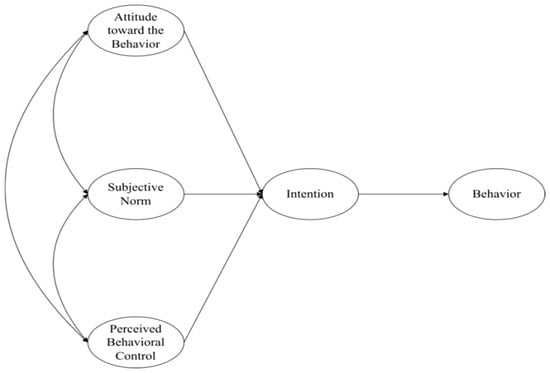
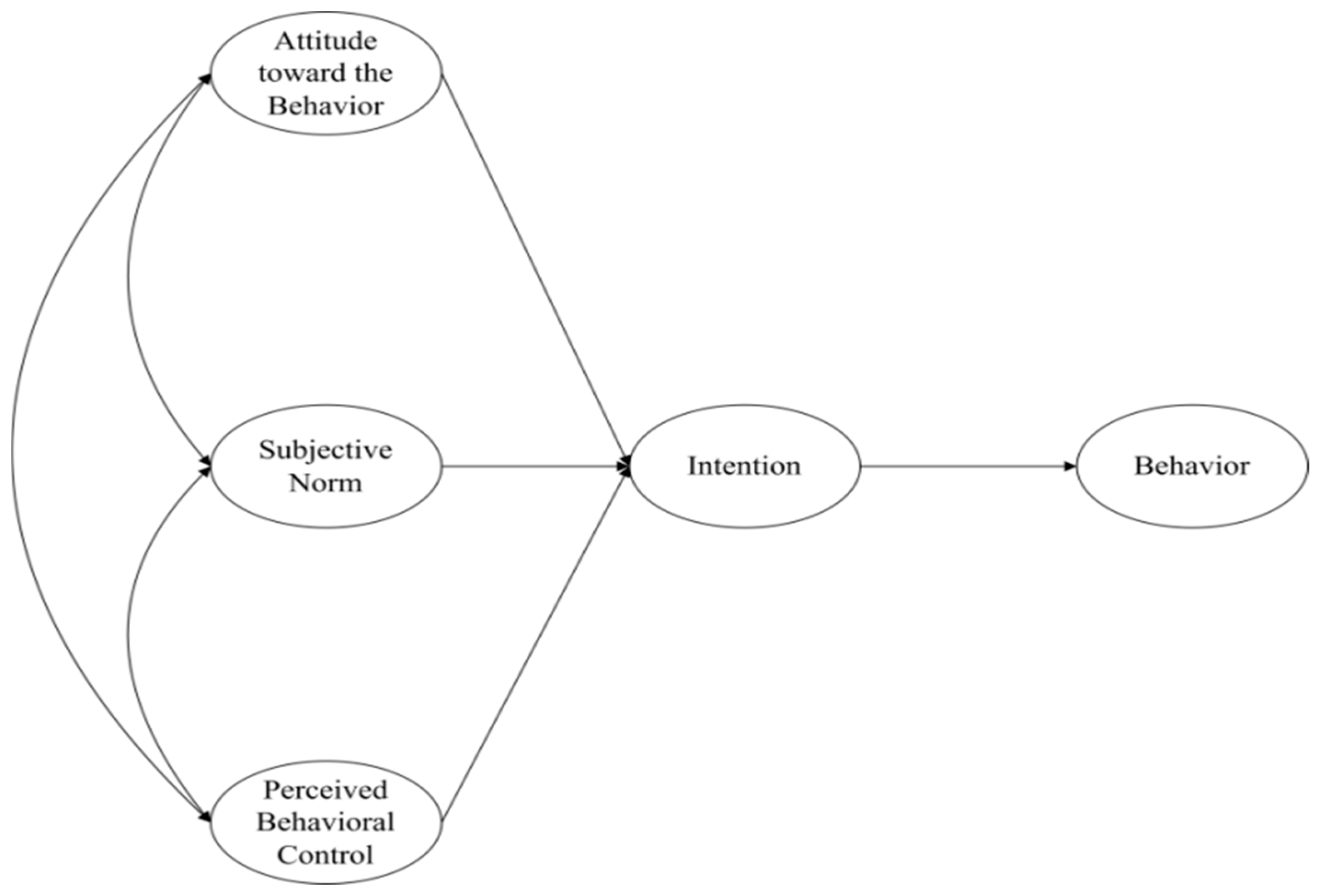
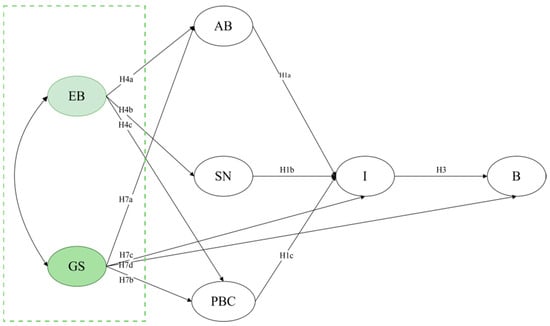
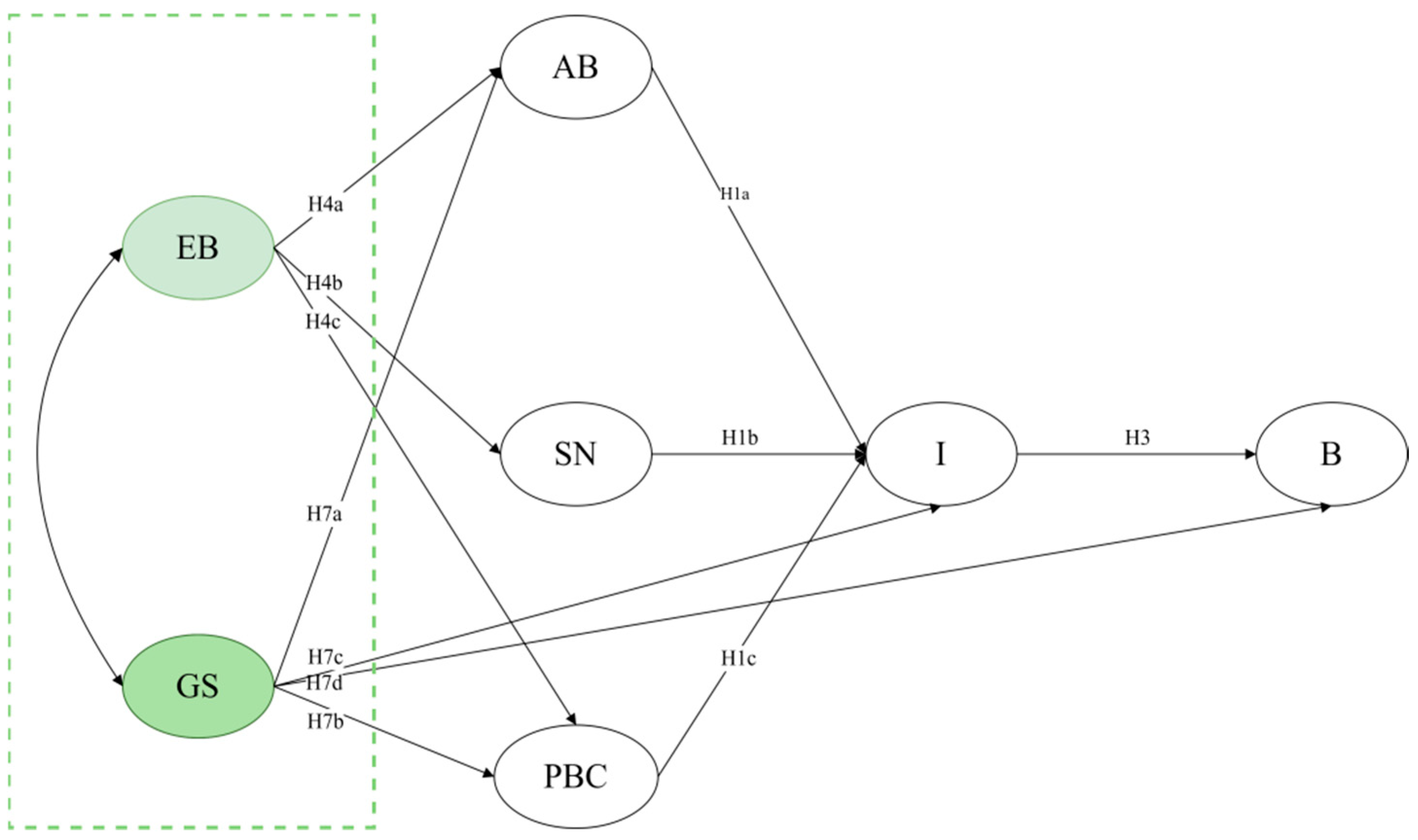
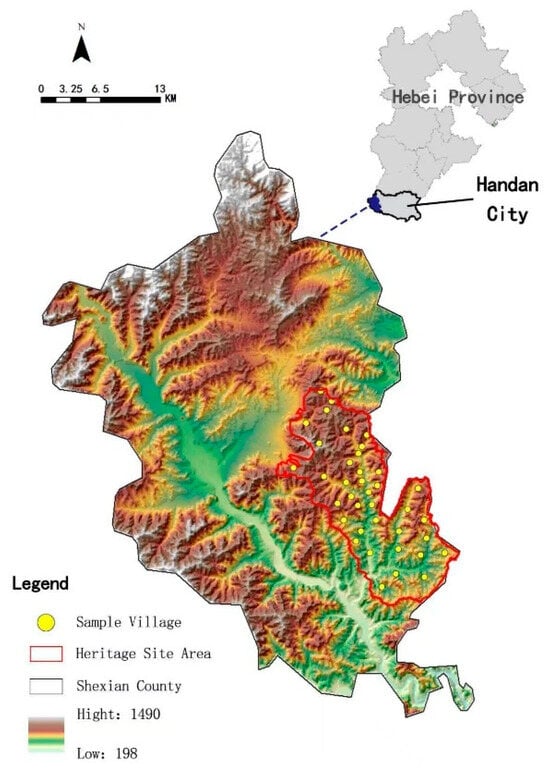
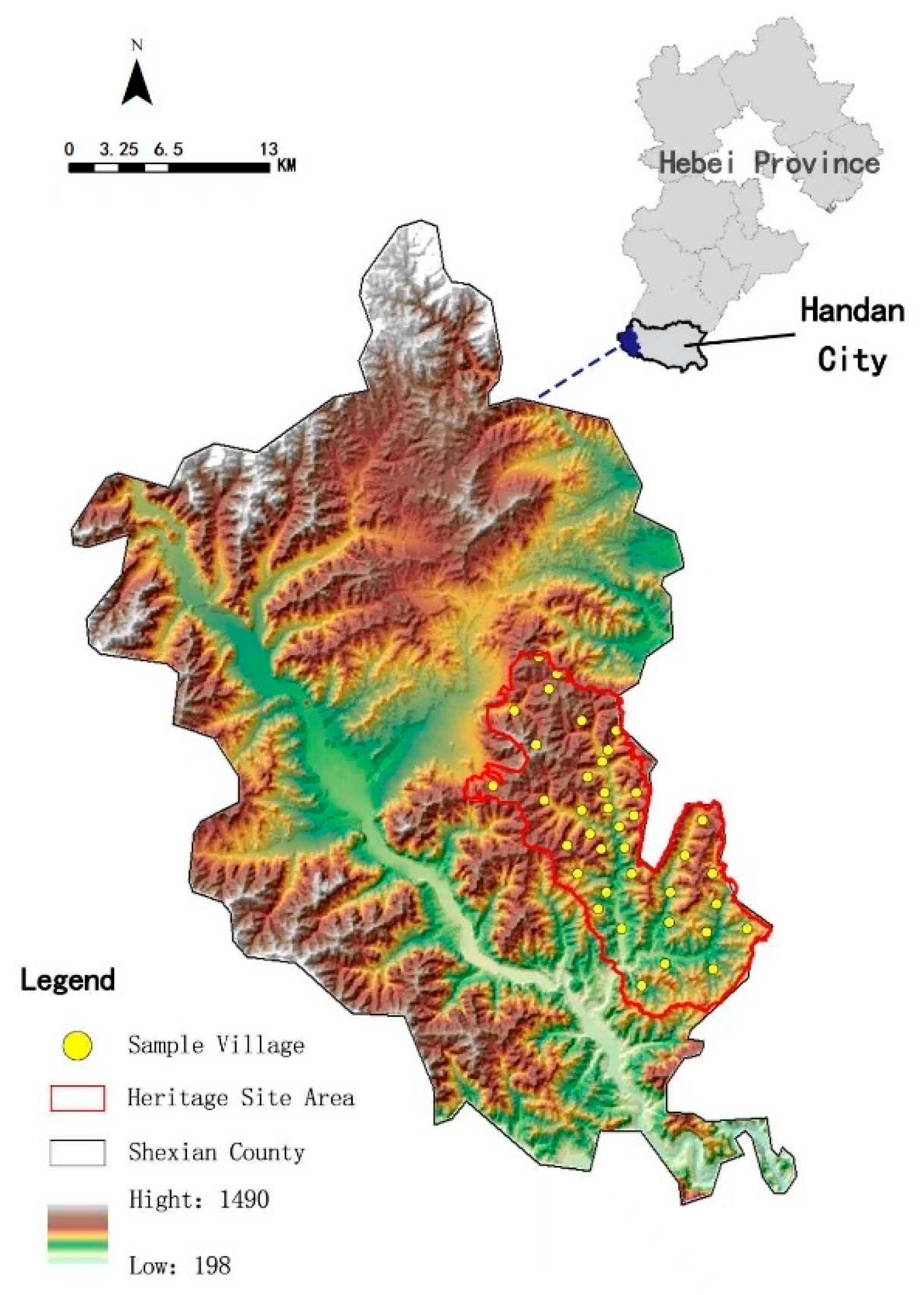
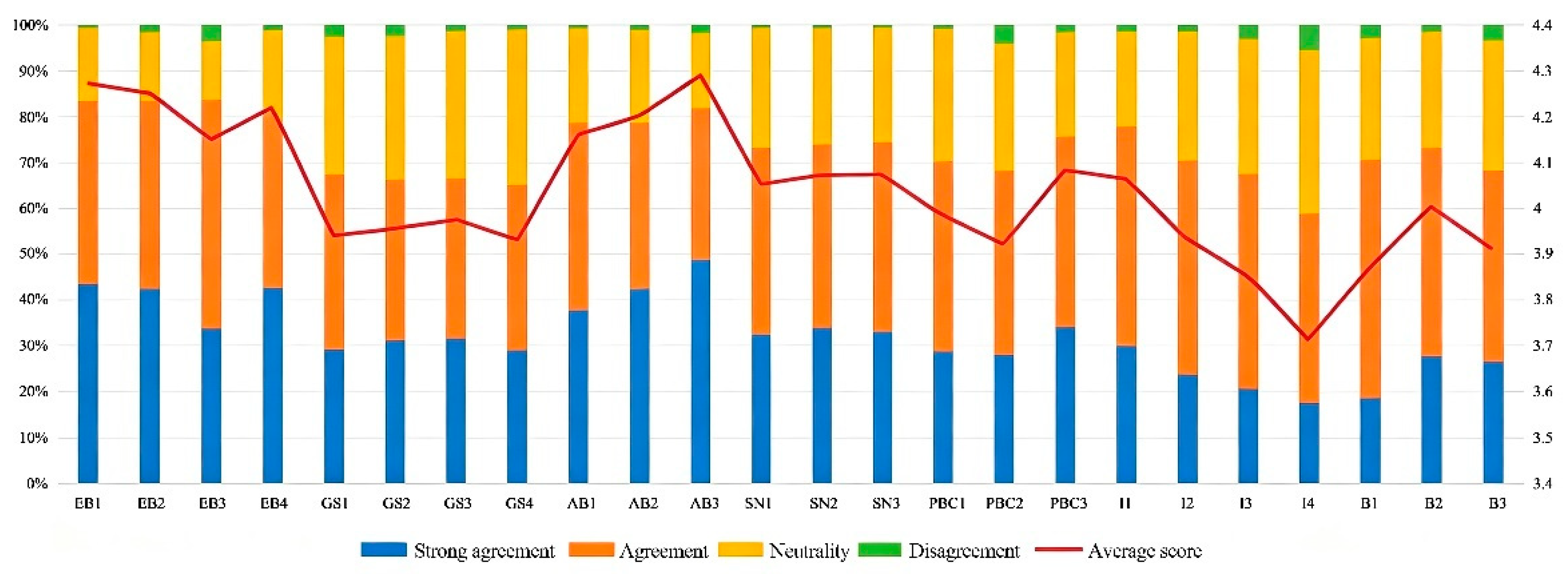
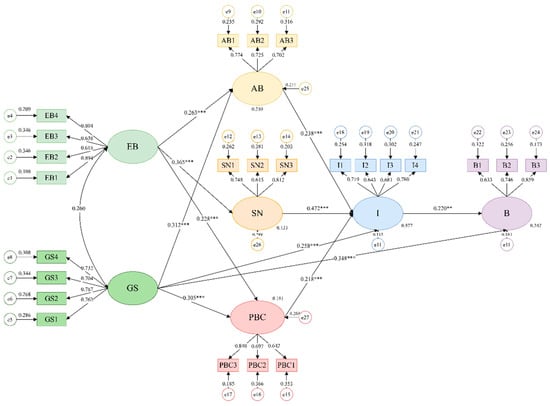
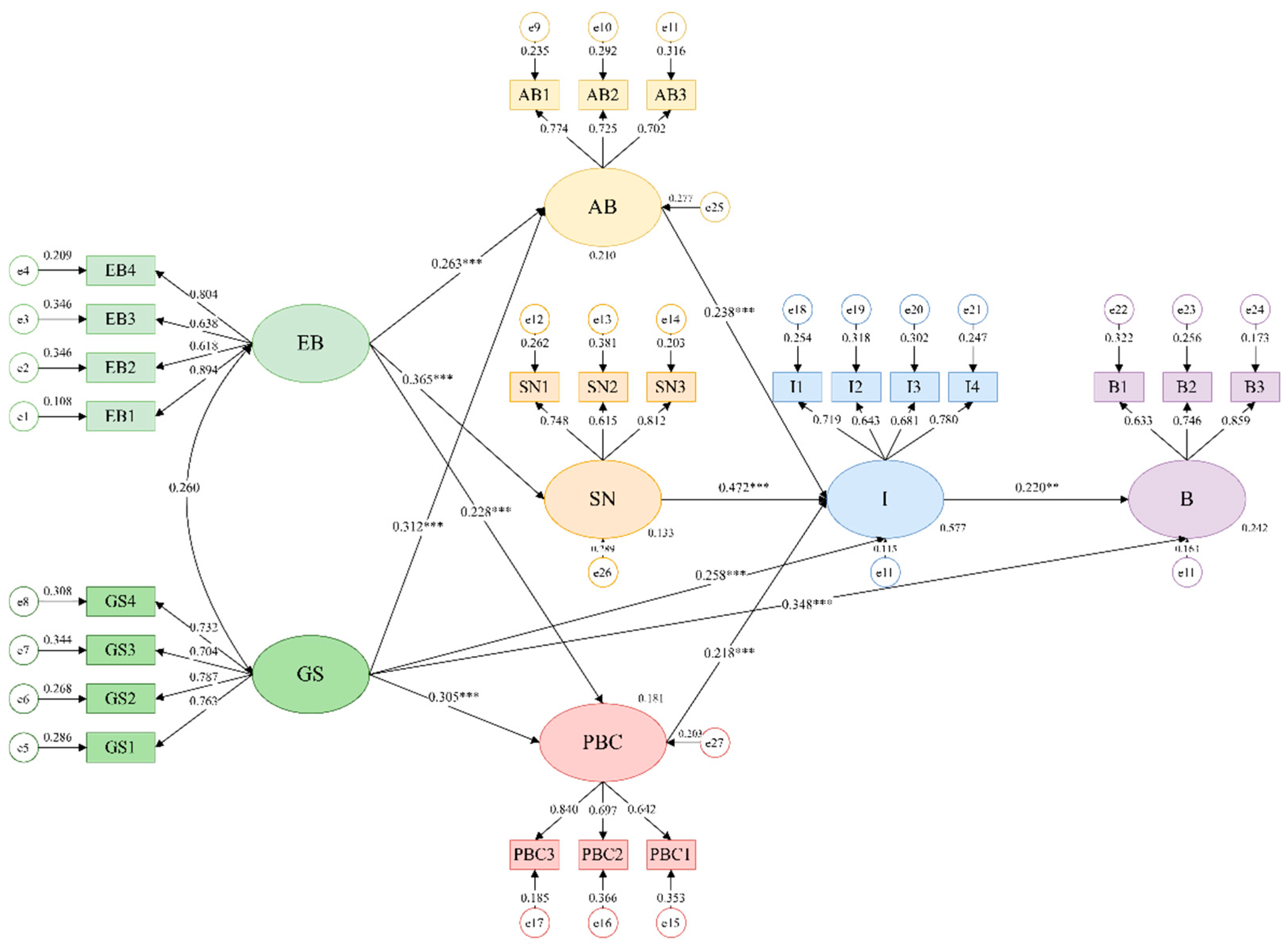

Disclaimer/Publisher’s Note: The statements, opinions and data contained in all publications are solely those of the individual author(s) and contributor(s) and not of MDPI and/or the editor(s). MDPI and/or the editor(s) disclaim responsibility for any injury to people or property resulting from any ideas, methods, instructions or products referred to in the content. |
© 2026 by the authors. Licensee MDPI, Basel, Switzerland. This article is an open access article distributed under the terms and conditions of the Creative Commons Attribution (CC BY) license.