


Abstract
Pitahaya (Hylocereus spp.), commonly known as dragon fruit, has attracted increasing attention as a high-value crop because of its nutritional attributes, environmental adaptability, and growing market demand. However, existing reviews typically address individual topics—such as nutrition, cultivation, postharvest management, or sustainability—without integrating these aspects across the production cycle. This fragmentation hinders a comprehensive understanding of how propagation methods, agronomic and reproductive management, and cultivation conditions influence fruit quality and postharvest performance. This review synthesizes scientific and technological evidence on propagation, cultivation systems, agronomic management, nutritional composition, fruit quality, postharvest technologies, by-product valorization, sustainability, and innovation. Scientific publications and patents published between January 2019 and March 2026 were analyzed. An initial search identified approximately 170 scientific records and 2000 patent records; after screening, 105 scientific publications and 96 patents were included in the review. The evidence indicates advances in vegetative propagation, greenhouse and soilless cultivation, nutrient and environmental management, characterization of bioactive compounds, postharvest preservation, and by-product valorization. Patent activity also reflects technological developments in protected cultivation, structural support systems, and digital agriculture. Nevertheless, commercial-scale validation, standardized crop-specific management protocols, quantitative comparisons among production systems, and effective technology transfer remain limited.
1. Introduction
Pitahaya (Hylocereus spp.), commonly known as dragon fruit, is a high-value crop of increasing agroecological, economic, and nutritional importance. Its adaptability to contrasting environmental conditions, particularly in semiarid regions, has increased interest in its incorporation into sustainable agricultural systems [1]. Favorable climatic conditions and growing global demand have expanded its cultivation across Latin America and Asia, including Mexico, Colombia, Ecuador, Vietnam, and China [2]. Its presence in international markets has also increased because consumers value exotic fruits with desirable flavor, color, texture, and health-promoting attributes.
Several pitahaya species have commercial importance, which varies according to external appearance, pulp color, phytochemical composition, and agronomic characteristics. White-fleshed pitahaya, commonly represented by Hylocereus undatus, has red skin and white pulp. In contrast, H. polyrhizus has red skin and red pulp and generally contains higher concentrations of betalains. Yellow pitahaya, classified as Selenicereus megalanthus, is characterized by yellow skin and white pulp. These differences are relevant because species and genotype influence fruit composition, antioxidant capacity, reproductive behavior, agronomic performance, and postharvest characteristics [2,3]. Therefore, pitahaya diversity should be considered when comparing results from agronomic, nutritional, and technological studies. Pitahaya has gained prominence in specialized markets as a premium fruit with added value for fresh consumption. It is also marketed in processed forms, including powders, extracts, and nutraceutical ingredients [4]. Scientific interest in pitahaya has increased largely because it is considered a functional food rich in bioactive compounds, including phenolic compounds, flavonoids, and betalains. These compounds have shown potential antioxidant, anti-inflammatory, and therapeutic properties [4]. Consequently, pitahaya has been investigated as a source of functional foods and natural bioactive compounds. Another relevant area is the valorization of pitahaya by-products, particularly the peel. Pitahaya peel contains betalains, dietary fiber, and other functional constituents, and it may exhibit antioxidant activity comparable to or greater than that of the pulp. These characteristics support its potential use in the development of functional ingredients, natural colorants, and biopolymer-based materials [5,6]. Accordingly, compounds derived from pitahaya peel have been investigated for application as natural pigments, food ingredients, and biopolymeric materials [7,8]. This approach may reduce waste, generate value-added products within the agri-food chain, and support circular-economy principles [9].
Interest in pitahaya production is also shifting from conventional open-field cultivation toward protected and technologically assisted systems. The crop has potential for greenhouse and soilless cultivation, which can improve control over irrigation, nutrient supply, and environmental conditions. These systems may reduce part of the variability associated with open-field production and potentially improve fruit quality and productivity [10]. However, the transition to intensive production systems also increases technical and economic requirements related to infrastructure, irrigation management, environmental monitoring, crop-specific nutrition protocols, and specialized labor. Therefore, their agronomic benefits should be evaluated alongside resource requirements and commercial feasibility.
The consolidation of pitahaya as a strategic crop requires the integration of current knowledge and the identification of remaining research needs. Its development is still constrained by agronomic, environmental, and technological limitations. Temperature variability and water availability can affect vegetative growth, flowering, fruit set, and yield stability. Differences in propagation practices, nutrient management, pruning, pollination, and cultivation systems also influence productivity and fruit quality. Pest and disease management represents an additional biological constraint, particularly as production shifts toward more intensive systems [11]. Furthermore, the lack of standardized, crop-specific management protocols and the limited transfer of research findings to commercial production can hinder the adoption of cultivation technologies, especially in emerging production regions [12].
Previous studies have addressed specific components of pitahaya production and its value chain. Much of the available literature has focused on nutritional composition, phytochemical profiles, antioxidant properties, and nutraceutical potential [4,9,10,13]. Other studies have examined taxonomy, crop adaptation, nutrient management, pest control, and sustainable cultivation practices, particularly in emerging production regions such as India [14,15,16]. Although these studies have expanded knowledge in individual research areas, production, nutritional composition, postharvest management, and technological development have generally been examined separately. This fragmentation creates important knowledge gaps. Agronomic and biotechnological studies are rarely assessed in relation to their subsequent effects on fruit quality, bioactive-compound accumulation, or postharvest behavior. Similarly, emerging cultivation technologies, including protected agriculture, hydroponics, and precision management, have not been sufficiently integrated with evidence on resource-use efficiency and commercial feasibility. Research on bioactive compounds and by-product valorization often emphasizes composition or laboratory-scale applications without linking these findings to production conditions, scalability, or circular-bioeconomy strategies. In addition, technological innovation has received limited attention in previous reviews, making it difficult to determine whether advances reported in the scientific literature are progressing toward practical commercial implementation.
These gaps are particularly relevant because pitahaya is no longer only a crop of regional importance; it is becoming a high-value crop increasingly cultivated in intensive and technologically supported systems. Consequently, a comprehensive assessment should go beyond an isolated description of agronomic, nutritional, or postharvest advances. It is necessary to examine the interactions among these areas throughout the production and value chain, identify where scientific evidence is sufficiently mature for technological application, and recognize where important uncertainties remain.
Therefore, this review analyzes current scientific and technological evidence on pitahaya by integrating propagation strategies, cultivation systems, agronomic management, nutritional composition, fruit quality, postharvest technologies, by-product valorization, and patent development. Special emphasis is placed on quantitative findings, the relationships between production practices and fruit quality, technological maturity, and barriers to commercial implementation.
2. Materials and Methods
This review used a structured literature search and evidence synthesis approach to integrate scientific and technological information on pitahaya. Scientific literature was identified through searches of Scopus, PubMed, and Google Scholar. Technological developments were identified through patent databases, including the World Intellectual Property Organization (WIPO) and the Mexican Institute of Industrial Property (IMPI).
The search focused primarily on scientific publications and patent documents published between January 2019 and March 2026. Publications published before this period were retained only when they provided relevant background, conceptual information, or evidence not represented within the defined timeframe. Because this review was not designed to document every stage of study screening, the number of records identified during the initial searches was reconstructed from the search history, reference library, and patent search results. Consequently, the numbers reported for the identification stage should be interpreted as approximate values.
The literature search used the primary terms “pitahaya,” “dragon fruit,” and “Hylocereus,” combined with topic-specific terms including “bioactive compounds,” “hydroponics,” “cultivation systems,” “greenhouse,” “micropropagation,” “postharvest,” “sustainability,” “circular economy,” and “by-product valorization.” Additional studies were identified through citation tracking. For the technological analysis, patent searches combined the terms “pitahaya,” “dragon fruit,” and “Hylocereus” with “cultivation,” “greenhouse,” “micropropagation,” “postharvest,” “bioactive compounds,” “trellising systems,” “by-product,” and “automation.”
Initially, approximately 170 scientific publications were identified. Publications were eligible if they specifically addressed pitahaya, Hylocereus species, or closely related taxonomic designations; addressed at least one predefined thematic area; provided experimental, analytical, or technological information; and were published between January 2019 and March 2026. The predefined thematic areas included propagation; cultivation systems and agronomic management; nutritional composition and bioactive compounds; fruit quality and postharvest management; by-product valorization and the circular economy; sustainability; and technological innovation.
Duplicate records, publications outside the defined date range, and studies unrelated to the thematic categories were excluded. Publications published before the search period were retained only when they provided essential background and were not considered primary evidence of recent developments. Original research articles were prioritized as the main source of quantitative and experimental evidence, whereas review articles were used to provide context and identify research trends. After screening and removing duplicate, out-of-range, and off-topic records, 105 scientific publications were included in this review.
For patents, the initial search identified approximately 2000 records. During the first screening stage, 1210 documents published before 2019 were excluded, leaving 790 records for further evaluation. The remaining records were assessed according to their technological relevance to pitahaya and alignment with the predefined categories. Patents were excluded when they were highly repetitive or described substantially similar technological approaches, when their technical content was not directly related to pitahaya, or when they did not fit the technological categories established for this review. Following the second screening stage, approximately 694 additional records were excluded, resulting in 96 patent documents included in the technological analysis.
The selected patents were classified according to their primary technological purpose: crop propagation and establishment; soilless cultivation and intensive production systems; structural support systems and agricultural mechanization; by-product valorization and functional applications; and processing, preservation, automation, and digital technologies. Patent information was also organized by country of origin to identify geographical patterns of innovation.
The selected scientific literature was organized manually using Mendeley Reference Manager for bibliographic management and duplicate identification. For each publication, key information relevant to the corresponding thematic section was extracted, including the species, cultivation system, main findings, and reported biological or technological implications. Particular attention was given to quantitative data on yield, biological activity, postharvest behavior, and technological performance. Scientific publications and patents were subsequently synthesized to identify key findings, technological advances, evidence limitations, and remaining research gaps.
The methodological workflow used for the identification, screening, selection, classification, and synthesis of scientific publications and patents is summarized in Figure 1. The workflow includes both the scientific-literature and patent searches and presents the screening stages, exclusion criteria, final number of included documents, and their subsequent thematic organization for analysis.
Figure 1.
Methodological workflow for the identification, screening, selection, classification, and synthesis of scientific publications and patent documents related to pitahaya.
All references included in the review were examined to confirm their relevance to the topics addressed. Scientific articles and patent documents were cross-checked against their corresponding bibliographic or patent records before inclusion.
Mendeley Reference Manager was used to facilitate bibliographic organization. Grammarly (14.1334.0) was used during manuscript preparation to improve language clarity and readability. ChatGPT (GPT-6) was used to assist in organizing and presenting the patent information included in Section 8. All information was reviewed, verified, and edited by the authors, who assume full responsibility for the accuracy and integrity of the final manuscript.
3. Propagation Strategies, Plant Establishment, and Biotechnology
Successful establishment of pitahaya (Hylocereus spp.) plantations depends largely on the selection of appropriate propagation strategies and effective early-stage management. Recent research has expanded beyond conventional propagation practices toward more controlled and scalable approaches that integrate plant physiology, biotechnology, and agronomic management. These advances aim to improve plant uniformity, reduce production costs, and support consistent crop establishment and yield across cultivation systems.
3.1. Vegetative Propagation by Cuttings
Vegetative propagation using stem cuttings is the most common method for establishing pitahaya plantations because it is simple, inexpensive, and preserves genetic uniformity. Conventional propagation protocols often include the application of auxins to promote rooting and the use of specific substrate mixtures. However, the available evidence indicates that the benefits of these practices are not consistent across genotypes and growing conditions.
Indole-3-butyric acid (IBA) is commonly applied to stimulate root formation; however, it may not be necessary under greenhouse conditions. For example, H. undatus cuttings have been reported to root successfully without exogenous auxin application [17]. From a production perspective, this result suggests that propagation costs may be reduced without compromising plant establishment or quality. Substrate composition and environmental conditions are also key factors affecting rooting success. Accordingly, the response to auxin application across different substrates varies according to genotype and growing conditions, indicating that propagation protocols should be optimized for specific production environments [18].
3.2. Micropropagation and In Vitro Techniques
Advances in plant biotechnology have expanded the possibilities for pitahaya propagation. In vitro techniques can produce large quantities of uniform, disease-free planting material, thereby addressing an important limitation of conventional propagation systems. Protocols based on areole explants have demonstrated high morphogenetic potential under controlled conditions. Regeneration systems using these explants have achieved efficient shoot induction and rooting, followed by successful acclimatization under greenhouse conditions [19].
Similarly, studies of in vitro germination and morphogenetic induction in pitahaya have shown that manipulation of culture conditions, including light, temperature, and nutrient availability, can influence plant development, from shoot proliferation to root differentiation [20]. These findings demonstrate the responsiveness of pitahaya tissues to controlled environmental stimuli, which is relevant for large-scale propagation. The multiplication of in vitro plantlets also expands the available propagation tools by enabling the production of genetically uniform plant material while reducing the risk of contamination [21]. In addition, research on pollen germination under controlled conditions provides relevant information on reproductive biology and fertilization processes that may support genetic-improvement programs [22].
At a more advanced stage, micropropagation systems have incorporated temporary immersion systems (TIS) and bioreactors to improve the efficiency of mass propagation [23,24]. These systems promote nutrient uptake through the periodic immersion of plant tissues in liquid media while improving gas exchange and reducing hyperhydricity. Their use has resulted in higher multiplication rates, improved rooting percentages, and shorter production cycles [23,24]. Therefore, TIS and bioreactor-based systems may be particularly valuable for scaling up commercial propagation.
One study also evaluated the physiological responses of pitahaya micropropagules under stress conditions. Osmotic stress was used to simulate water deficit, revealing changes in daily photosynthetic performance and the capacity for recovery after rehydration [25]. These responses are relevant during acclimatization, when plantlets transition from in vitro to ex vitro conditions and must adapt to variable environmental conditions. However, although osmotic stress affected physiological performance and recovery capacity, the study did not quantify changes in betalains, phenolic compounds, or other secondary metabolites. Therefore, the available evidence does not allow conclusions regarding whether simulated water stress increases or decreases secondary-metabolite accumulation.
Overall, pitahaya micropropagation is progressing from an experimental technique toward a potentially viable production method. Its integration with conventional propagation may provide a balanced strategy by combining the scalability of traditional methods with the precision, sanitary quality, and uniformity offered by biotechnological techniques.
3.3. Scaling up Propagation Systems
Micropropagation offers important advantages in terms of plant quality, uniformity, and sanitary status; however, its large-scale implementation remains constrained by economic and technical factors. Infrastructure requirements, specialized labor, and culture-media costs can limit its adoption compared with conventional propagation methods. Nevertheless, the integration of bioreactors and automated systems may gradually reduce these constraints by improving production efficiency [23]. Therefore, conventional and biotechnological propagation methods should be regarded as complementary strategies, with their selection depending on production scale, resource availability, and required plant quality.
Overall, pitahaya propagation is evolving toward integrated systems in which traditional practices are optimized and combined with biotechnological tools. This integration may help meet the growing demand for high-quality planting material while supporting economic viability.
4. Cultivation Systems, Agronomic Management, and Emerging Technologies
Pitahaya can be cultivated using a range of production systems, from traditional open-field cultivation to controlled environments such as greenhouses and soilless systems. The selected cultivation system influences plant growth, yield, fruit quality, and resource-use efficiency. Consequently, research has focused on optimizing these systems through improved agronomic management and the integration of emerging technologies to enhance crop performance under diverse environmental conditions.
4.1. Open-Field Cultivation
Open-field cultivation is the most common production system for pitahaya, particularly in tropical regions with favorable climatic conditions. Compared with protected cultivation, this system requires less infrastructure and relies directly on natural environmental conditions, including solar radiation, rainfall, and temperature. However, crop performance under open-field conditions is strongly influenced by local climate and agronomic management.
Field studies have shown that yield responses vary according to fertilization, irrigation, pruning, pollination, and growth-regulator management. Therefore, open-field cultivation should not necessarily be considered a low-input production system [26]. For example, under field conditions in the Peruvian Amazon, the combined application of potassium and gibberellic acid was evaluated in yellow pitahaya. The treatment combining 100 kg K2O ha−1 with 50 mg L−1 GA3 produced the highest fruit weight (369.5 ± 9.7 g) and yield (12.0 ± 1.25 t ha−1), indicating that field productivity can respond positively to integrated nutrient and hormone management [26].
Nevertheless, open-field production remains highly exposed to temperature fluctuations, irregular rainfall, pests and diseases, and variation in water and nutrient availability. Comparisons among open-field studies should therefore be interpreted cautiously, because genotype, planting density, crop age, environmental conditions, and management intensity can substantially affect reported yield values.
Soil Health and Site Suitability
Soil characteristics, including organic carbon content and soil structure, play a fundamental role in plant development and long-term productivity. Recent research has highlighted the importance of soil health in pitahaya cultivation [27]. These authors evaluated soil organic carbon in red and yellow pitahaya plantations and reported higher carbon concentrations in the 0–5 cm soil layer: 2.01% for red pitahaya plants and 1.77% for yellow pitahaya plants. Carbon stocks in the 0–30 cm profile were 50.34, 49.40, and 47.95 t ha−1 for yellow pitahaya plants, the inter-row space of the yellow plantation, and red pitahaya plants, respectively, whereas the inter-row space of the red plantation showed the lowest value, at 38.10 t ha−1. These differences demonstrate that species, plantation age, and location within the field influence soil carbon distribution, factors that must be considered when evaluating soil health responses in pitahaya cultivation.
Site suitability depends on the combined effect of climatic, edaphic, and accessibility factors. GIS, remote sensing, F-AHP, and PROMETHEE can be used for this purpose. In the study by Tuesta-Trauco et al. [28], conducted in Amazonas, Peru, mean annual temperature was identified as the criterion with the highest weight (20.7%), followed by soil organic matter (11.8%), mean annual precipitation (9.50%), and proximity to roads (9%). The final suitability map classified only 0.006% of the study area (2.39 km2) as highly suitable and 4.60% (1661.97 km2) as moderately suitable, while 95.30% (34,459.31 km2) was considered unsuitable. Similarly, Hosen et al. [29] applied a comparable GIS- and AHP-based approach in northwestern Bangladesh. The authors used 10 criteria related to terrain, climate, and soil—specifically temperature, pH, soil organic carbon, salinity, moisture, soil texture, slope, elevation, nutrient status, and precipitation. Unlike the findings from Peru, the assessment in Bangladesh classified 33.83% of the arable land (19,982.93 km2) as very suitable for pitahaya cultivation, while 24.64% was classified as highly suitable, 19.22% as moderately suitable, 19.88% as having low suitability, and only 2.43% as having very low suitability. The results from Peru and Bangladesh demonstrate that land suitability for pitahaya is region-specific. Both studies employed spatial multi-criteria approaches, yet the proportion of suitable land differed because of variations in climatic, soil, topographic, and land-use conditions. Thus, while GIS-based suitability models are useful for identifying potential cultivation zones, their results require local validation before being used to guide commercial expansion.
4.2. Greenhouse Cultivation
Greenhouse cultivation represents an important step toward intensifying and stabilizing pitahaya production. Compared with traditional open-field systems, it offers greater control over environmental and agronomic conditions and reduces exposure to climatic fluctuations. One study evaluated the adaptation of the pitahaya varieties “White Jaina” and “Red Jaina” under protected cultivation in subtropical conditions in Turkey between 2020 and 2022. The plants were grown in a plastic-covered greenhouse with drip irrigation and 40% shade netting during the summer. Throughout the growing period, minimum temperatures ranged from 10.57 °C to 24.63 °C, maximum temperatures from 20.21 °C to 34.06 °C, and average relative humidity from 56.84% to 71.18% [30]. Both cultivars required between 44 and 45 days from flowering to harvest. Mean fruit weight differed between the cultivars: “White Jaina” averaged 264.60 g, while “Red Jaina” averaged 344 g. Additionally, soluble solids content was higher in “Red Jaina” (12.35%) than in “White Jaina” (10.98%). Fruit firmness was similar for both cultivars, at 1.11 and 1.13 N, respectively. By the second year, yields reached 1.74 t ha−1 for “White Jaina” and 1.65 t ha−1 for “Red Jaina”. The authors noted that these comparatively low yields reflected the early years of production, highlighting the importance of crop age when evaluating performance under greenhouse conditions [30]. Moreover, protected cultivation allows environmental conditions to be managed in accordance with the crop’s physiological requirements. Research has indicated that yellow pitahaya thrives within a temperature range of 18–30 °C and a relative humidity of 60–80%, and that 70% light transmittance can promote growth under protected conditions [31]. The same study showed that excess water can increase the risk of root rot, whereas stable light, temperature, and humidity levels can improve crop yield. However, the effects of greenhouse cultivation also depend on the agronomic practices implemented. The same study by Dong [31] addressed the importance of nitrogen management and artificial pollination for yellow pitahaya. The highest yield in terms of nitrogen fertilization was achieved with 300 g of N per plant, while manual pollination performed within six hours of flowering produced the best results for fruit set and size. The study also noted that delaying pollination until the morning after flowering was associated with a 23% reduction in productivity. Overall, the reviewed studies demonstrate that protected cultivation provides the infrastructure for more precise management of both the environment and the crop; however, yield improvements depend on fertilization, irrigation, pollination, and canopy management rather than on the greenhouse structure alone. Furthermore, the information on cultivation systems reported by Dong [31] offers a useful comparison. In a study on yellow pitahaya, open-field plants produced fruit with an average weight of 219.04 g, compared with 186.48 g under protected cultivation. Conversely, greenhouse-grown plants produced a higher number of fruits per plant (3.70) and longer cladodes (121.24 cm). Soluble solids content was slightly higher in the open field (15.20 °Brix) than under protected cultivation (14.66 °Brix). This comparison illustrates that protected cultivation does not necessarily improve every yield or quality parameter, as outcomes depend on both genotype and environmental conditions. Therefore, the agronomic advantage of greenhouse cultivation is not attributable to the structure itself. The studies analyzed show that protected cultivation offers greater control over temperature, radiation, irrigation, pollination, nutrient management, and crop protection. However, responses in terms of fruit size, yield, and quality remain dependent on the cultivar and the management practices applied.
4.3. Soilless Systems: Hydroponics and Substrate-Based Systems
In a six-month greenhouse experiment, 12 cuttings of Hylocereus undatus (white-fleshed pitahaya) and H. hybridum (red-fleshed pitahaya) were evaluated in two aquaponic configurations—the nutrient film technique (NFT) and the media-bed (MB) system—using substrate-based hydroponics in pots as a reference [32]. The response depended on genotype and root-zone cultivation system. Greater vegetative growth and earlier shoot emergence were observed in H. hybridum than in H. undatus. However, for both genotypes, the best shoot growth performance was achieved in substrate-based hydroponics, followed by the NFT system. Regarding root development, H. undatus performed better in the substrate system, whereas H. hybridum showed earlier root emergence in the NFT system. The MB treatment was more susceptible to soft rot in the red-fleshed genotype. These findings demonstrate that soilless cultivation does not confer a uniform advantage across pitahaya genotypes and that the physical and nutritional characteristics of the cultivation system can influence establishment and initial vegetative development [32]. This study also highlights an important nutritional limitation of aquaponic cultivation. The need to optimize potassium and nitrogen fertilization was identified, as potassium deficiency is inherent to aquaponic systems and can restrict pitahaya development if nutrient supplementation is not properly managed. This finding underscores the need to establish species- and genotype-specific nutrition protocols. From an agronomic perspective, Sambo et al. [33] identified efficient water and nutrient use as key advantages of soilless cultivation. Across the crops analyzed, estimated water requirements were lower in soilless systems than in soil-based cultivation, demonstrating the potential magnitude of water savings in recirculating or controlled systems, although water-use efficiency specifically for pitahaya has not yet been adequately determined [33]. Soilless systems also enable precise nutrient management, although this depends on maintaining adequate nutrient concentrations and interactions within the solution. Sambo et al. [33] also noted that processes such as precipitation and solubilization, nutrient antagonism, substrate-specific nutrient uptake, and imbalances in solution composition can alter nutrient acquisition and crop quality. These authors further described emerging approaches, including plant growth-promoting rhizobacteria, nanoparticles, multi-element sensors, and machine-learning algorithms, for monitoring and adjusting nutrient solutions in real time. These technologies demonstrate the potential integration of hydroponics with smart agriculture, although their application to pitahaya remains unvalidated.
Despite these potential advantages, current studies do not indicate that hydroponic pitahaya cultivation is more productive or yields higher-quality fruit than open-field cultivation. The study by Suárez-Cáceres et al. [32] did not assess yield or fruit composition, but it did observe that the substrate-based treatment outperformed the NFT and MB systems in terms of early growth responses. Furthermore, the literature lacks robust economic comparisons linking the capital and operating costs of hydroponic pitahaya cultivation to fruit yield, market value, or quality. Consequently, the technical and economic superiority of hydroponic cultivation for pitahaya production cannot be established. Furthermore, no studies were identified that directly compared betalain concentrations in pitahaya fruits grown under hydroponic conditions vs. open-field conditions. Current research on soilless cultivation has focused primarily on rooting, vegetative growth, nutrient management, and system yield, rather than on fruit pigment composition. Comparisons are complicated by methodological variability across studies, specifically differences in genotype, fruit maturity, environmental conditions, sampled tissue, extraction procedures, and analytical methods. Since betalain accumulation is influenced by genotype and developmental stage, future studies should compare the same plant material at equivalent stages of maturity, under controlled environmental conditions, and using standardized analytical procedures. Such experiments are necessary to determine whether the cultivation system itself affects betalain accumulation and overall fruit composition.
4.4. Nutrient Management and Physiological Regulation
Nutrient management during the vegetative stage plays a crucial role in pitahaya establishment and productivity. Nitrogen availability and chemical form can influence plant growth and nutritional status. Sierra-Balbuena et al. [34] evaluated three pitahaya taxa—Selenicereus undatus, Selenicereus sp., and S. ocamponis—under greenhouse hydroponic conditions, using five NH4+/NO3− ratios: 0/100, 25/75, 50/50, 75/25, and 100/0. Responses varied among species, suggesting that a single nitrogen regimen cannot be generalized to all pitahaya genotypes. In S. undatus, stem Fe concentration increased from 71.25 mg/kg at the 0/100 ratio to 155.62 mg/kg at the 50/50 ratio, while Mn increased from 37.16 to 84.01 mg/kg under the same comparison. Similarly, in Selenicereus sp., the highest Mn concentration (116.08 mg/kg) was observed at the 75/25 ratio, and in S. ocamponis, Fe levels reached 182.92 mg/kg at the 50/50 ratio [34]. Growth regulators can also modify early development and reproductive behavior. One study evaluated gibberellic acid (GA3) at concentrations of 0, 50, 100, and 500 mg/L on white-fleshed pitahaya seeds and found that the seed maturation stage influenced the response to GA3 [35]. For freshly harvested fruit, the optimal range for enhancing seedling vigor was 150–300 mg/L GA3, whereas seeds extracted after fruit storage required higher concentrations (500 mg/L). These results demonstrate that the effects of GA3 must be interpreted in relation to the physiological state of the seed rather than being regarded as a universally beneficial treatment.
Similarly, hormonal regulation influences reproductive performance. Another study evaluated nine combinations of fertilization and phytohormone treatments on 2.5-year-old yellow pitahaya plants, observing effects of fertilization, phytohormones, and their interaction on flowering, fruiting, and yield [36]. The combination of 136 g of NPK per plant and 138 ppm of phytohormones produced the greatest increases in reproductive variables. However, fruit weight, length, and diameter were not altered by the treatments. This finding is significant because it shows that a higher reproductive yield does not necessarily imply simultaneous improvements in fruit size or morphology [36]. Together, these studies indicate that pitahaya development is regulated by an interaction between nutrient availability and hormonal signaling. Because these factors operate in a coordinated manner, management strategies that combine optimized fertilization with the use of growth regulators can yield more efficient results. Recent research suggests that pitahaya development is regulated by interactions among nutrient availability, nitrogen form, physiological status, and hormonal signaling, and that the response depends on species and developmental stage. Therefore, future studies should integrate nutrient composition, phenological stage, genotype, and reproductive response rather than evaluating these factors in isolation.
4.5. Biostimulants, Organic Inputs, and Beneficial Microorganisms
The vegetative development of pitahaya is influenced by nutrient availability and the use of organic amendments and biostimulants. One study evaluated Hylocereus undatus and H. ocamponis using combinations of fertigation and vermicompost applied at rates of 0, 50, 100, and 150 t ha−1 [37]. Fertigation treatments supplied 200 mg L−1 of N, P, and K, and plant response was monitored through the number of shoots, total stem length, and tissue nutrient composition. For white-fleshed pitahaya, fertigation combined with 50 t ha−1 of vermicompost produced 19.8 shoots per plant, compared with 9.4 shoots per plant in the control, while fertigation with 150 t ha−1 of vermicompost resulted in 16.8 shoots per plant. Conversely, for red-fleshed pitahaya, combinations of fertigation and vermicompost increased total stem length, reaching values of 370 cm in certain treatments. These findings suggest that the response to organic amendments depends on their interaction with fertigation rather than on vermicompost application alone [37].
The interaction between nutrition and radiation was evaluated by Castillo-González et al. [38], who compared shading levels of 0%, 35%, and 50% combined with either 0 or 3 kg of vermicompost in H. ocamponis and H. undatus. Stem chlorophyll concentration was 23% higher under 35% shade than under full sun exposure. In H. ocamponis, the greatest growth and dry matter accumulation were also observed under 35% shade. Conversely, 50% shading reduced stem concentrations of N, Ca, Mg, and Zn by 11%, 21%, 11%, and 38%, respectively, compared with plants grown in full sun. Vermicompost increased tissue nutrient concentrations, although excessive shading reduced dry matter accumulation and promoted etiolation. These results demonstrate that organic fertilization should not be evaluated independently of light conditions and that moderate shading may be more favorable for vegetative development than heavier shading [38].
The use of biostimulants as a tool for promoting vegetative development has also been studied. One study evaluated foliar applications of Ascophyllum nodosum on Hylocereus monacanthus and H. ocamponis [39]. The highest application rate increased plant height in H. monacanthus by 7% compared with the control, while stem diameter increased by 16% in both species. Shoot length was 19% greater in plants treated with the highest doses of A. nodosum than in those receiving lower application rates. These results demonstrate that seaweed-derived biostimulants can enhance vegetative traits, although the response varies with genotype and application rate [39].
Organic fertilization has also shown dose-dependent effects on pitahaya yield. De-la-Cruz-Sánchez et al. [40] examined 315 Hylocereus undatus plants treated with humus or compost at rates of 2, 4, and 8 t ha−1. The organic fertilizers elicited similar responses when applied at equivalent rates, with growth and yield variables decreasing as the application rate was reduced. The highest yield response was obtained with the 8 t ha−1 rate for both compost and humus treatments. These findings support the use of organic amendments as a nutrient management strategy and demonstrate that crop response depends on the application rate rather than on the type of fertilizer alone [40].
Integrated agri-aquaculture systems may also represent a promising strategy for improving nutrient-use efficiency and strengthening plant performance under more sustainable production conditions. Flores-Aguilar et al. [41] provided evidence from the aquaponic cultivation of fruit shrubs and endemic medicinal plants, indicating that interactions among nutrient availability, microbial processes, and recirculating-water management can influence plant growth, physiological status, and the accumulation of bioactive compounds. In pitahaya, these systems could potentially contribute to vegetative vigor and resilience by providing a continuous supply of nutrients and a biologically active rhizosphere; however, this hypothesis has not yet been validated under pitahaya-specific production conditions. Therefore, the available evidence should not be extrapolated directly across species or cultivation systems [42].
Future pitahaya studies should evaluate whether integrated agri-aquaculture systems affect plant growth, shoot emergence, flowering phenology, fruit set, yield, fruit quality, antioxidant capacity, and the concentrations of phenolic compounds and betalains. Such experiments should compare species and genotypes under standardized nutrient, environmental, and crop-management conditions to determine whether the responses reported in fruit shrubs and medicinal plants can be reproduced in pitahaya.
Beneficial microorganisms represent another approach, although the available information for pitahaya remains largely descriptive. Heredia-Montalvo et al. [43] characterized the arbuscular mycorrhizal fungi associated with Selenicereus undatus in the Peruvian Amazon. The authors identified 16 fungal species across eight genera, with Acaulospora being the most abundant. Root colonization reached 38% in the “Cabo Alberto Leveau” accession and 22% in the “Bellavista” accession. Molecular analysis detected a 1500 bp arbuscular mycorrhizal fungal DNA fragment in the roots of both accessions. These results demonstrate the existence of natural associations between these fungi and pitahaya plants and provide a foundation for future inoculation studies. However, because the study did not quantify improvements in phosphorus uptake, water-use efficiency, drought tolerance, or yield, the potential benefits require experimental validation in pitahaya crops [43].
Canopy management may also be a significant factor interacting with nutritional and biological management by altering light penetration, tissue renewal, and disease pressure. Suellen et al. [44] evaluated winter pruning in commercial pitahaya orchards in South Florida and reported a 6% reduction in stem canker severity. This finding demonstrates that pruning can also contribute to integrated disease management by removing infected tissue and improving canopy conditions. However, since pruning is neither a biostimulant nor a nutritional treatment, its role should be viewed as a complementary agronomic practice within integrated crop management.
4.6. Emerging Technologies for Precision and Controlled-Environment Production
The incorporation of precision technologies is expanding the possibilities for regulating growth, flowering, fruit quality, and resource use in pitahaya.
Supplementary lighting is one of the most advanced approaches. In one study, Cr3+-activated deep-red-emitting phosphors were developed for phosphor-conversion LEDs designed for pitahaya cultivation [45]. The material exhibited a broad excitation range (400–650 nm) and deep-red emission (670–770 nm) that overlapped with plant phytochrome absorption regions. The phosphor retained 93% of its room-temperature emission at 423 K, with internal and external quantum efficiencies of 71.77% and 11.86%, respectively. When the LED device was applied to pitahaya cultivation, the concentration of reducing sugars in the juice increased from 98.28 to 111.85 g L−1, representing a 13.8% increase. These results provide evidence that deep-red lighting can modify fruit quality attributes in pitahaya [45].
During the reproductive stage, supplemental lighting can be used to modify flowering. Chen et al. [46] investigated the physiological effects and technical strategies of LED lighting in pitahaya cultivation, demonstrating that combinations of red, blue, and far-red wavelengths, together with supplemental photoperiods of 4 to 6 h, can improve flowering regulation and off-season production. This study shows that spectral composition, light intensity, photoperiod, and developmental stage influence the magnitude of the response. In practical applications, lighting has been associated with changes in flowering time, flower number, fruit set, and yield. However, these responses vary across lighting configurations, highlighting the need to optimize spectral composition and exposure duration [46].
Energy consumption is a significant constraint for commercial supplemental lighting. Traditional methods for inducing off-season flowering have employed 75–100 W incandescent lamps for 4–10 h during the night. In contrast, LED systems enriched with red and far-red light aim to reduce energy requirements while maintaining reproductive responses [46]. Consequently, lighting strategies must be evaluated comprehensively, considering the biological response, energy consumption, and economic viability.
Current studies are insufficient to conclude that LED supplementation increases phenolic compounds or betalains in mature pitahaya fruit. Liu et al. [45] reported an increase in reducing sugars under deep-red lighting, whereas Chen et al. [46] demonstrated broader effects on flowering, yield, and fruit quality. However, quantitative evidence on the accumulation of phenolic compounds or betalains remains limited.
Precision cultivation can also incorporate sensors to monitor temperature, relative humidity, pH, electrical conductivity, and nutrient-solution composition. Sambo et al. [33] demonstrated, for soilless systems, automated nutrient management, multi-element sensing, and machine-learning approaches for real-time irrigation and nutrient adjustment; however, these technologies have been validated only for other horticultural crops, not for pitahaya [33]. Thus, although precision technologies can improve the regulation of light, climate, irrigation, and nutrient supply, their effectiveness depends on genotype, environmental conditions, energy demands, and production scale. To date, research on supplemental lighting and controlled root-zone management is more advanced, whereas commercial-scale validation and the economic viability of smart technologies remain limited.
Table 1 summarizes the pitahaya cultivation systems and agronomic approaches analyzed in this review, including open-field and greenhouse cultivation, soilless systems, nutrient management and physiological aspects, organic inputs and biostimulants, and precision technologies. These systems differ in their degree of environmental control, resource-use efficiency, technical complexity, resource-management potential, and agronomic limitations. For example, protected and soilless systems offer greater potential for regulating water, nutrients, and environmental conditions; however, their advantages are not uniform across genotypes or production contexts, and specific information on pitahaya—particularly regarding yield stability, economic performance, and sustainability—remains limited. Therefore, the comparison presented in Table 1 outlines the main advantages, limitations, research gaps, and sustainability implications associated with each cultivation approach.
Table 1.
Comparative overview of pitahaya cultivation systems and management approaches.
5. Bioactive Compounds and Functional Potential
Pitahaya has attracted considerable attention as an exotic fruit and as a source of bioactive compounds with health benefits, which has positioned it among the fruits considered functional. However, its chemical profile varies depending on the species, genotype, growing conditions, and even the analytical methods employed, which makes its study particularly interesting. For this reason, the functional value of pitahaya cannot be generalized across genotypes; quantitative comparisons are therefore necessary to understand the variability of its bioactive composition.
5.1. Nutritional Composition and Interspecific Variability
From a compositional perspective, pitahaya is characterized by high water and moisture content, a relatively low protein concentration, and a low caloric value, making it a refreshing food suitable for balanced diets. It provides fiber, organic acids, essential minerals such as calcium, magnesium, and phosphorus, and appreciable amounts of vitamins, particularly vitamins C and B. The fruit is also a source of compounds with antioxidant, antidiabetic, anti-inflammatory, and therapeutic properties [4,9].
Recent quantitative analyses have shown that its composition is not homogeneous across species. Differences between white- and red-fleshed varieties are particularly evident in terms of macronutrient distribution and the concentration of bioactive compounds [47]. In that study, an ash content of 0.78% was reported for red-fleshed pitahaya (H. polyrhizus) and 0.70% for white-fleshed pitahaya (H. undatus), with a titratable acidity of 0.26% for both fruits. These results indicate that certain basic characteristics are similar across species, whereas other physicochemical parameters vary considerably. The differences become more evident when bioactive compounds are considered [47]. The same authors also quantified total phenolic compounds at 4.69 ± 0.03 mg GAE/g (gallic acid equivalents per gram of fresh weight) in the red pulp and 4.36 ± 0.22 mg GAE/g in the white pulp. The red pulp also contained 3.15 ± 0.15 mg of betalains per 100 g; however, betalains were not quantified in the white pulp sample. In turn, antioxidant capacity differed substantially depending on the assay used. The red pulp showed an ABTS value (2,2′-azino-bis(3-ethylbenzothiazoline-6-sulfonic acid) free-radical-scavenging assay) of 19.66 ± 0.04 mM Trolox/g, compared with 0.18 ± 0.01 mM Trolox/g for the white pulp, whereas the β-carotene/linoleic acid assay showed protection levels of 35.52 ± 2.97% and 28.48 ± 4.09%, respectively. In contrast, white-fleshed pitahaya showed higher radical-scavenging activity in the DPPH assay, demonstrating that antioxidant capacity cannot be interpreted on the basis of a single analytical method.
Similar results have been observed in other comparative studies. Total phenolic contents of 16.66 and 17.11 mg GAE/100 g fresh weight were recorded for red- and white-fleshed pitahayas, respectively, indicating that total phenolic values were similar between the two types [3]. The authors also reported a higher antioxidant capacity in the red-fleshed fruit (46.81 ± 2.93%) than in the white-fleshed fruit (38.36 ± 2.67%). These findings underscore the importance of distinguishing among individual compounds, antioxidant-activity assays, and cultivation conditions when comparing genotypes.
Variation is also observed among cultivars grown in the same production environment. Under protected cultivation, one study showed that the ‘Condor’ cultivar (red/pink pulp) achieved the highest phenolic content, with a total of 621.06 ± 0.97 mg GAE/L, whereas the ‘Vietnamese Jaina’ variety (white pulp) had the lowest, at 38.59 ± 0.17 mg GAE/L, reflecting differences between species. Meanwhile, the ‘American Beauty’, ‘Dark Star’, and ‘Condor’ varieties (red/pink pulp) exhibited antioxidant activities of 15.17, 14.75, and 14.84 mg Trolox equivalents/L, respectively, whereas the ‘Costa Rica White’ and ‘Vietnamese Jaina’ varieties showed antioxidant activities of 2.02 ± 0.01 and 2.19 ± 0.06 mg Trolox equivalents/L, respectively. Furthermore, the highest total monomeric anthocyanin content was recorded in ‘Thai Red’ (8.19 mg cyanidin-3-glucoside/100 mL), followed by ‘Malaysia Red’ (5.57 mg/100 mL), while the lowest content was recorded in ‘Costa Rica White’ (0.28 ± 0.05 mg/100 mL). Overall, white-fleshed cultivars exhibited lower values of phenolic compounds, antioxidant activity, and pigments than red-fleshed ones [48].
Overall, these studies demonstrate that species and cultivar influence the composition of pitahaya; however, the magnitude and direction of these differences depend on both the compounds analyzed and the analytical methods employed. This variability should be considered when evaluating pitahaya for use in functional foods, nutraceutical products, or specific industrial applications.
5.2. Phenolic Compounds, Betalains and Phytochemical Profiles
Much of the relevance of pitahaya lies in its phytochemical composition. These compound groups are associated with antioxidant activity and also participate in other biological processes. Phenolic compounds and betalains are two of the phytochemical groups most relevant to the functional properties of pitahaya, and their distribution varies according to fruit tissue, genotype, and extraction method.
Phenolic compounds, including flavonoids such as quercetin, have been detected in both the pulp and the peel, contributing to the fruit’s antioxidant potential. Regarding the pulp, one study found that quercetin is the predominant flavonoid in both species, with the red-fleshed variety showing a value of 3.43 ± 0.16 mg/100 g and the white-fleshed variety 3.09 ± 0.10 mg/100 g [3].
Indeed, betalains, particularly betacyanins, are what distinguish the red-fleshed varieties. These pigments are responsible for the characteristic coloration and for the antioxidant capacity observed in H. polyrhizus. However, betalains appear to have functions beyond their antioxidant activity, as they can neutralize free radicals, delay oxidation, inhibit microbial growth, and counteract inflammatory processes [47]. These authors presented a detailed characterization of the betalain profile of red-fleshed pitahaya (H. polyrhizus). Spectrophotometric analysis indicated a total betalain content of 3.15 ± 0.15 mg/100 g fresh weight. Further analysis enabled the identification of seven betalain compounds, comprising five betacyanins and two betaxanthins. The betacyanin fraction consisted of betanin, (iso)betanin, phyllocactin, 4′-O-malonyl-betanin, and isophyllocactin, whereas the two betaxanthins present were isoxaxanthin and indicaxanthin. Phyllocactin was the predominant betalain, with a concentration of 0.864 ± 0.006 mg/mL of extract, followed by betanin at 0.495 ± 0.030 mg/mL. Lower concentrations were recorded for isophyllocactin (0.0869 ± 0.0006 mg/mL), 4′-O-malonyl-betanin (0.0734 ± 0.005 mg/mL), and (iso)betanin (0.0489 ± 0.0003 mg/mL). The total betalain concentration was 1.569 ± 0.005 mg/mL, expressed as betanidin 5-β-D-glucoside equivalents. This profile demonstrates that the pigmentation of red pitahaya is associated with a diverse betalain fraction. The high phyllocactin content is significant because differences in betalain composition can influence pigment stability, antioxidant activity, and the suitability of red-pitahaya extracts for use as natural colorants and in functional foods [47]. The same study also demonstrated that the differences between red- and white-fleshed pitahaya extend beyond betalains. Four flavonoids were identified: eriodictyol–hexoside and taxifolin–hexoside were detected only in the red flesh, whereas isorhamnetin–hexoside was detected only in the white flesh. Quercetin-3-rutinoside was found in both types and was the predominant flavonol, at 10.61 ± 0.01 µg/mL. These differences demonstrate the existence of genotype-specific phytochemical profiles and indicate that flesh color does not fully describe the functional composition of pitahaya [47].
Furthermore, attention has shifted toward the inedible portion of the fruit. The peel, a generally discarded by-product, has been shown to contain high levels of phenolics, flavonoids, tannins, and proteins, and may even exhibit antioxidant properties superior to those of the pulp [5,6]. One study demonstrated that pitahaya peel contains both free and bound phenolic fractions, and 37 individual phenolic compounds were identified using analytical methods. Chlorogenic acid, caffeic acid, ferulic acid, and p-coumaric acid were prominent in red-fleshed pitahaya peel, whereas chlorogenic acid, caffeic acid, ferulic acid, rutin, and isoquercitrin were among the major compounds in white-fleshed pitahaya peel. The results showed that the extraction method influenced the amount of phenolic compounds recovered. Alkaline hydrolysis released 11.6 mg GAE/g dry weight from red-fleshed pitahaya peel and 10.5 mg GAE/g dry weight from white-fleshed peel. These values were higher than those obtained through acid hydrolysis (0.9 and 0.1 mg GAE/g dry weight for the red- and white-fleshed varieties, respectively), demonstrating that a significant proportion of pitahaya phenolic compounds exists in bound forms. This compositional difference was reflected in antioxidant capacity. Free phenolic extracts from the peel of red- and white-fleshed pitahaya showed ABTS activities of 13.03 and 13.43 µmol TE/g dry weight, DPPH activities of 6.82 and 7.01 µmol TE/g dry weight and FRAP (ferric reducing antioxidant power) values of 102.69 and 107.99 µmol Fe(II)SE/g dry weight, respectively. In the red-fleshed variety, the bound phenolic fraction released through alkaline hydrolysis reached 33.62 µmol TE/g dry weight in the ABTS assay, 31.34 µmol TE/g dry weight in the DPPH assay, and 237.25 µmol Fe(II)SE/g dry weight in the FRAP assay. Significant positive correlations were observed between total phenolic content and antioxidant activity [49].
Overall, these studies show that the functional composition of pitahaya depends not only on whether the pulp is red or white, but also on the cultivar, the tissue, the extraction procedure, and the analytical method employed. Furthermore, the peel may contain significant concentrations of bound phenolic compounds.
5.3. Biological Activity and Health-Related Potential
The biological activity attributed to pitahaya is associated with its complex phytochemical composition. Antioxidant capacity is one of its most frequently reported characteristics and is attributed to the synergistic effect of phenolic compounds and betalains, as supported by chemical assays. In turn, antimicrobial, anti-inflammatory, antidiabetic, and antiviral properties have been evaluated using in vitro models; therefore, these activities should be interpreted as potential biological functions.
Antioxidant activity is one of the most frequently reported functional properties of pitahaya. Phenolic compounds and betalains can act through complementary mechanisms, and quantitative comparisons indicate that antioxidant activity depends on genotype, fruit tissue, extraction method, and analytical assay. As previously mentioned, one study reported an antioxidant capacity of 19.66 ± 0.04 mM Trolox/g for the red-fleshed variety, whereas the white-fleshed variety showed 0.18 ± 0.01 mM Trolox/g; however, the behavior of both species varied when other antioxidant assays were applied. Similarly, Tang et al. [49] found that bound phenolic fractions released from pitahaya peel through alkaline hydrolysis exhibited substantially higher ABTS and FRAP activities than conventional free-phenolic extracts. These observations demonstrate that antioxidant capacity is not attributable solely to flesh color or the total concentration of phenolic compounds.
Pitahaya extracts have also demonstrated antimicrobial activity, although responses depend on the species, tissue, and target microorganism. Differences in the antimicrobial activity of red- and white-fleshed fruits, as reported by Gomes et al. [47], were associated with distinct profiles of phenolic compounds, organic acids, flavonoids, and betalains. Phenolic compounds can contribute to antimicrobial effects by altering microbial membrane permeability and interfering with cellular proteins and enzymes. In that study, crude extracts from red- and white-fleshed pitahaya were tested against five foodborne pathogens at concentrations of 50%, 25%, and 12.5%. For red-fleshed pitahaya, these concentrations corresponded to 10.6, 5.3, and 2.6 mg GAE/mL, respectively, whereas the same percentages for white-fleshed pitahaya corresponded to 9.6, 4.8, and 2.4 mg GAE/mL. Antimicrobial activity was expressed as inhibition potential (IP), calculated as the log reduction in viable bacterial counts relative to the control; thus, an IP value of 1 represents a tenfold reduction in the bacterial population. Both extracts showed moderate antimicrobial activity against Escherichia coli, Listeria monocytogenes, Pseudomonas aeruginosa, Salmonella spp., and Staphylococcus aureus, with the response increasing with extract concentration. With the red-fleshed extract at 50% (10.6 mg GAE/mL), inhibition potentials were 0.8 log cycles for E. coli, 1.1 for L. monocytogenes, 2.0 for P. aeruginosa, 1.5 for Salmonella spp., and 1.1 for S. aureus. When the red-fleshed extract concentration was reduced to 25% (5.3 mg GAE/mL), the corresponding IP values decreased to 0.4, 0.7, 1.4, 1.4, and 1.0 log cycles, respectively, and at 12.5% (2.6 mg GAE/mL), inhibition decreased further to 0.2, 0.6, 0.7, 0.7, and 0.6 log cycles. Thus, P. aeruginosa was the microorganism most strongly inhibited by the red pulp, achieving a 2.0-log reduction at the highest concentration tested. A similar concentration-dependent response was observed for the white pulp extract, although the antimicrobial pattern varied with the microorganism. At a white pulp extract concentration of 50% (9.6 mg GAE/mL), the IP values were 0.8 log cycles for E. coli, 0.3 for L. monocytogenes, 0.7 for P. aeruginosa, 0.8 for Salmonella spp., and 2.4 for S. aureus. At 25% (4.8 mg GAE/mL), the values decreased to 0.4, 0.2, 0.6, 0.6, and 1.3 log cycles, respectively, and at 12.5% (2.4 mg GAE/mL) they were 0.2, 0.1, 0.1, 0.5, and 0.7 log cycles. S. aureus was inhibited most strongly by the white pulp extract, reaching a maximum reduction of 2.4 log cycles, whereas for the remaining microorganisms the red pulp extract showed greater inhibition, an effect suggested to be associated, at least in part, with the betalains present in the red pulp [47].
These authors also evaluated whether pitahaya extracts could interfere with bacterial quorum sensing (QS), a cell-density-dependent communication system that regulates traits such as pigment production, virulence factors, motility, and biofilm formation. These assays were conducted at sub-inhibitory concentrations to distinguish QS interference from the direct suppression of bacterial growth. The four microorganisms used in the QS assays were Chromobacterium violaceum, Aeromonas hydrophila, Serratia marcescens, and Hafnia alvei, and their minimum inhibitory concentration was greater than 50% extract, corresponding to more than 10.6 mg GAE/mL for the red pulp extract and 9.6 mg GAE/mL for the white pulp extract. Both pitahaya extracts inhibited violacein production in C. violaceum, a phenotype regulated by the QS system. In solid medium, the red- and white-fleshed extracts produced pigment-inhibition halos of 27 and 28 mm, respectively. Bacterial growth remained visible within these halos, demonstrating that the extracts inhibited violacein production rather than bacterial growth itself. In liquid medium, the highest concentrations tested reduced violacein production by approximately 87% for the red-fleshed extract and 89% for the white-fleshed extract. However, the anti-QS effect was phenotype-specific: none of the extracts significantly affected the swarming motility of A. hydrophila, H. alvei, or S. marcescens at the concentrations tested, and no inhibitory effect on biofilm formation was observed under sub-inhibitory conditions. Thus, the results do not indicate a general suppression of all QS-regulated functions but rather a selective effect on violacein production in C. violaceum.
Overall, these findings indicate that the pulp extracts exhibit a mild, concentration-dependent antimicrobial effect, with susceptibility patterns varying according to the bacterial species and the type of pitahaya (red- or white-fleshed). The results also suggest a more specific anti-QS effect involving the inhibition of violacein production. Phenolic compounds may contribute to these responses by altering bacterial membrane permeability, interfering with enzymatic systems, or damaging genetic material, whereas betalains could account for part of the greater inhibition observed with the red-fleshed pulp extract [47]. However, because the assays were conducted using crude extracts, the specific contribution of individual phenolic compounds, flavonoids, or betalains cannot be determined; further studies are therefore required to establish effective concentrations and mechanisms of action in food or physiological systems.
A recent and particularly significant advance is the demonstration of the antiviral activity of betacyanins from red pitahaya. One study evaluated betacyanin-rich fractions isolated from H. polyrhizus against the influenza A virus in human lung epithelial A549 cells [50]. Treatment with betacyanins at concentrations of 12.5, 25, and 50 µg/mL reduced virus-induced cytopathic effects and lowered viral loads over a 72 h period. At concentrations of 25 and 50 µg/mL, the fractions also reduced viral nucleoprotein expression. Moreover, at concentrations below 100 µg/mL, they showed no cytotoxicity under the experimental conditions used. These results suggest that the antiviral response was not solely attributable to nonspecific cellular toxicity and indicate interference with viral replication or viral protein accumulation [50]. The antiviral activity of pitahaya pigments may involve more than one mechanism. Betacyanins possess redox-active structures that can limit the oxidative stress associated with viral infection; however, the observed reduction in viral nucleoprotein and infectious viral particles suggests additional effects on intracellular viral processes.
A previous experimental study also reported antiviral activity of betacyanin compounds derived from red pitahaya (Hylocereus polyrhizus) against dengue virus serotype 2 (DENV-2) in Vero cells [51]. The half-maximal cytotoxic concentration (CC50) of the red-fleshed pitahaya betacyanin fraction was 4.346 mg/mL, while the half-maximal inhibitory concentration (IC50) was 125.8 µg/mL, resulting in a selectivity index of 5.8. When the maximum non-toxic concentration was evaluated for direct virucidal activity, the pitahaya betacyanin fraction inhibited DENV-2 by 95%, with an IC50 of 126.70 µg/mL. These results demonstrated that the antiviral effect occurred at concentrations below those associated with cytotoxicity, supporting a selective antiviral response rather than nonspecific cellular damage [51].
Together, the results of both studies suggest that the antiviral activity of red pitahaya betacyanins could extend to viruses with different characteristics. However, the current evidence is based on in vitro cell assays, and further research is required to determine specific viral or cellular targets, the bioavailability of the active pigments, effective in vivo concentrations, and their therapeutic relevance.
Pitahaya has also been linked to anti-inflammatory and metabolic effects, owing to its diverse phytochemical composition. Phenolic acids, flavonoids, and betalains can influence inflammation by limiting oxidative signaling and modulating pathways involved in the production of inflammatory mediators. In addition, antioxidant effects and enzyme modulation have been proposed as mechanisms contributing to the antidiabetic potential attributed to pitahaya extracts [4,8]. However, the existing literature shows variability in extract composition, experimental models, concentrations, and the parameters evaluated.
Overall, current research indicates that the bioactive compounds in pitahaya act through multiple and potentially complementary mechanisms. Phenolic compounds and betalains contribute to redox regulation, certain extracts exhibit antimicrobial effects, and betacyanins have demonstrated direct antiviral activity at the cellular level. However, most studies remain at the in vitro or preclinical stage. Therefore, future research should prioritize the identification and standardization of active compounds, the determination of bioavailability and metabolism, dose–response studies, in vivo validation, and clinical studies in humans.
5.4. Prebiotic Compounds and Gut Microbiota Modulation
In addition to phenolic compounds and betalains, research has also focused on the role of pitahaya as a source of prebiotic compounds, particularly fructooligosaccharides (FOS). These carbohydrates consist of fructose residues linked by β(2→1) glycosidic bonds, which are not hydrolyzed by human digestive enzymes. Consequently, a portion of them can reach the colon, where FOS can be fermented by beneficial microorganisms and contribute to the production of short-chain fatty acids such as acetate, propionate, and butyrate [52].
Recent research quantified the presence and digestive resistance of FOS in pitahaya pulp and peel. One study reported that freeze-dried pulp extracts contained approximately 77–81 g of FOS per 100 g after partial purification. The highest extraction yields were obtained using a pulp-to-solvent ratio of 1:10 (w/v), reaching 209.41 ± 2.42 mg/g with water and 214.32 ± 18.67 mg/g with 80% ethanol. Ultrafiltration further increased the FOS concentration, with the ultrafiltrate obtained through aqueous extraction reaching 81.25 g/100 g, indicating that pitahaya pulp can serve as a concentrated source of fermentable oligosaccharides [52]. The digestive stability of these compounds is essential for their potential prebiotic function. Using the standardized INFOGEST 2.0 in vitro digestion model, FOS from pitahaya pulp showed a hydrolysis resistance of 52.87%. The degree of hydrolysis depended on the solvent and purification treatment. The ultrafiltered ethanolic extract exhibited the lowest total hydrolysis (44.95 ± 3.04%), representing a digestion resistance of approximately 55%, whereas the aqueous extract reached a total hydrolysis of 51.02 ± 3.15%. In comparison, inulin, used as a reference prebiotic, showed hydrolysis of only 11.69 ± 0.99%. These differences demonstrate that extraction and purification conditions influence the proportion of pitahaya oligosaccharides capable of reaching the colon [52].
Pitahaya peel also contains FOS. Villafán-González et al. [53] identified a peel-to-solvent ratio of 1:30 (w/v) with a final ethanol concentration of 40% as the optimal extraction condition, yielding 69.3 mg of FOS per gram of freeze-dried peel. The extracted FOS showed 56.36% resistance to simulated gastrointestinal hydrolysis, indicating that more than half of the recovered oligosaccharides remained resistant under the digestion conditions evaluated.
Beyond their resistance to digestion, FOS derived from pitahaya have shown selective effects on the growth of beneficial bacteria. In extracts obtained from the pulp, Lacticaseibacillus casei, L. rhamnosus, and Lactobacillus delbrueckii responded differently depending on the solvent and ultrafiltration treatment used. The ethanolic extract without ultrafiltration promoted the greatest growth of L. casei after 24 h, an effect similar to that of inulin, whereas the aqueous extract without ultrafiltration stimulated L. rhamnosus and L. delbrueckii. The responses of each strain demonstrate that the prebiotic effect depends on FOS concentration, extract composition, and purification conditions [50]. A comparable effect was observed for FOS derived from the peel: the ultrafiltered peel extracts stimulated L. casei, whereas the non-ultrafiltered extract promoted L. rhamnosus to a greater extent, although neither extract stimulated L. delbrueckii under the experimental conditions [53]. These results suggest that pitahaya peel and pulp should not be considered equivalent prebiotic matrices, as differences in carbohydrate composition and processing can influence their utilization by bacteria.
The mechanisms underlying these effects are consistent with the established behavior of FOS in the gastrointestinal tract. Because β(2→1) glycosidic bonds resist digestion in the upper gastrointestinal tract, the surviving oligosaccharides can reach the colon and serve as fermentable substrates for beneficial bacteria. Their fermentation promotes the formation of short-chain fatty acids, which can lower intestinal pH and influence the structure of the microbial community. Furthermore, previous in vivo evidence cited in that study indicates that the administration of pitahaya oligosaccharides to rats at a dose of 2 g/kg increased fecal populations of Bifidobacterium and Lactobacillus while reducing those of Bacteroides and Clostridium, demonstrating a modulatory effect on the microbiota [53].
The available evidence demonstrates the prebiotic potential of pitahaya-derived FOS, although it is currently based solely on in vitro digestion models and bacterial cultures. Limiting factors include differences in extraction procedures, purification methods, bacterial strains, and analytical approaches. Consequently, further research is needed to evaluate dose–response relationships, fermentation products, interactions with gut microbial communities, stability during food processing, and clinical effects in humans before specific health claims can be established.
In this way, pitahaya is regarded not only as a fruit but also as a source of metabolites with multiple applications (Figure 2). Recent integrative analyses support this perspective, revealing that its full potential lies in the combined exploitation of its nutritional and functional properties [54].
Figure 2.
Bioactive compounds identified in pitahaya (Hylocereus spp.), their mechanisms of action, and potential health-related effects.
6. Fruit Quality, Postharvest Management, and Emerging Technologies
The commercial success of pitahaya depends on its yield, fruit quality, and postharvest handling. One of the main limitations of this crop is the high perishability of the fruit, which restricts its shelf life and market distribution. For this reason, research has focused on understanding the factors that affect fruit quality and on developing technologies to preserve its physicochemical and functional properties postharvest.
6.1. Fruit Maturity and Postharvest Deterioration
Pitahaya is a non-climacteric fruit; therefore, its postharvest quality is influenced by the degree of maturity at harvest, water loss, tissue softening, respiration, oxidative metabolism, and susceptibility to mechanical and microbial damage. Peel color is generally used as an indicator of maturity, although changes in soluble solids, titratable acidity, firmness, pigmentation, and bioactive compounds also help determine sensory quality and postharvest storage behavior. Pitahaya is highly perishable because of its high moisture content, delicate peel, and rapid metabolic activity postharvest; these factors lead to weight loss, softening, and degradation of bioactive compounds, ultimately affecting marketability.
Maturity has a marked effect on the physical and chemical characteristics of the fruit. One study evaluated yellow pitahaya (Selenicereus megalanthus) from grafted and non-grafted plants across maturity stages 0 to 5, observing a progressive decrease in firmness as ripening advanced [55]. In fruit from non-grafted plants, firmness dropped from 18.98 ± 0.39 N/cm2 at stage 0 to 4.11 ± 0.05 N/cm2 at stage 5, whereas in fruit from grafted plants it decreased from 19.29 ± 1.01 N/cm2 to 3.33 ± 0.21 N/cm2. Regarding total soluble solids, levels in fruit from non-grafted plants rose from 3.60 ± 0.10 °Brix at stage 0 to 20.07 ± 0.06 °Brix at stage 5, while in fruit from grafted plants they increased from 3.33 ± 0.31 °Brix to 19.57 ± 0.15 °Brix. These changes demonstrate the relationship between quality and postharvest durability: ripened fruits accumulate more sugars but have softer tissues, making them susceptible to bruising and mechanical damage during handling. The same study observed that fruit weight and pulp content increased with maturity, with fruits from grafted plants at maturity stage 5 reaching 277.28 ± 1.72 g, compared with 185.58 ± 1.30 g at stage 0. Thus, the optimal harvest time is not determined solely by fruit size or sweetness [55].
Storage time further alters these characteristics. Yoplac et al. [56] evaluated green (semi-mature) and yellow (mature) pitahayas stored for 20 days at 16 °C and 85% relative humidity. Storage affected weight loss, pH, soluble solids, and titratable acidity, although the stage of maturity exerted a greater influence on fruit dimensions, moisture content, and firmness. During storage, fruit dimensions, volume, thickness, soluble solids, and acidity decreased, whereas weight loss, pH, color development, and the maturity index increased. For instance, soluble solids dropped from 18.3 ± 0.5 °Brix on day 1 to 17.9 ± 0.8 °Brix on day 20, while titratable acidity fell from 0.107 ± 0.009 to 0.075 ± 0.006 g citric acid/100 g. Conversely, pH rose from 4.3 ± 0.1 to 4.9 ± 0.1, and the maturity index increased from 171.8 ± 15.5 to 240.7 ± 22.8. Consequently, the authors identified semi-mature and mature fruits as the most suitable for harvesting, noting that mature fruits are better suited to local markets, whereas semi-mature fruits are more appropriate for marketing over longer distances [56].
Water loss is also a significant component of the deterioration process. Transpiration reduces fresh weight and promotes skin shriveling and a loss of visual quality, an effect of particular importance given that pitahaya is marketed primarily on the basis of its external appearance. One study recorded a weight loss of approximately 5.5% after 20 days at 7 °C and 85% relative humidity, regardless of the coating treatment, and uncoated fruits exhibited shriveling on 16.3% of the skin surface by day 15. This demonstrates that visual deterioration can become commercially significant even when internal characteristics remain relatively stable [57]. Microbial deterioration can be an even more limiting factor. In the same study, anthracnose lesions caused by Colletotrichum gloeosporioides were observed on day 15, affecting between 2% and 10% of the fruit surface, and increased to 15.5–20% by day 20, at which point all treatments were considered visually unacceptable, as surface defects exceeded 50%. These results show that pitahaya deterioration involves the interaction of physical, physiological, and pathological processes and does not depend on a single quality parameter [57].
Oxidative metabolism also affects postharvest senescence. The accumulation of reactive oxygen species (ROS), particularly H2O2 and O2, can promote membrane damage, pigment changes, and loss of tissue integrity. Recent evidence demonstrates that limiting ROS accumulation and maintaining antioxidant-enzyme activity can contribute to better preservation of firmness, color, and commercial quality during storage [58].
6.2. Postharvest Preservation Strategies and Emerging Technologies
The goal of postharvest preservation strategies for pitahaya is to slow water loss, respiration, softening, oxidative deterioration, and microbial decay while maintaining sensory and functional quality. Current evidence suggests that effective preservation depends on the combined management of temperature, humidity, surface barriers, antioxidant systems, and quality control [57,59].
Among postharvest technologies, edible coatings have become an effective and sustainable strategy for extending fruit shelf life and are among the most widely evaluated approaches. Razali et al. [57] compared a vegetable oil-based coating and a carnauba wax-based coating on red-fleshed pitahaya (Hylocereus costaricensis) stored at 7 °C and 85% relative humidity for 20 days. The carnauba coating prevented visible exocarp wrinkling for 15 days, whereas uncoated fruit showed 16.3% of the surface area affected. Mesocarp firmness remained at 8.17 N until day 15, and both coatings maintained acceptable overall quality for 15 days, although they did not reduce total weight loss, which reached approximately 5.5% after 20 days. The coatings had little effect on the internal chemical composition: the average soluble solids content remained between 11.5% and 11.8%, and titratable acidity was 0.38% across the coated treatments. Storage time had a more pronounced effect, as acidity decreased from 0.59% at harvest to 0.25% after 20 days, while soluble solids remained between 11.3% and 12%. These results demonstrate that the coatings were effective primarily in preserving external appearance without altering ripening chemistry. However, their efficacy was limited by the onset of disease: anthracnose severity increased from day 15 onward, and all fruit were deemed unacceptable by day 20 regardless of the coating treatment. Thus, coatings alone may not provide sufficient control when microbial spoilage becomes the limiting factor for shelf life [57].
Comparable results for yellow pitahaya were reported in another study that evaluated Cerabrix and a natural wax during storage [59]. Coated fruit showed a 21% reduction in mass loss, with Cerabrix yielding the greatest response. However, firmness decreased during storage, dropping from 51.2 to 7.3 N after six days, indicating that the reduction in transpiration did not prevent tissue softening. Meanwhile, the respiration rate increased from 10.48 to 26.35 mg CO2 kg−1 h−1, and pH rose from 4.13 to 5.17. Soluble solids, acidity, and the maturity index also varied during storage. These results demonstrate that coatings can reduce specific deterioration processes, particularly water loss, but do not simultaneously control all physiological changes [59].
Recent preservation strategies have focused on regulating oxidative metabolism. One study examined red-fleshed fruit (H. polyrhizus) harvested 40 days after pollination; the fruit were treated with 1.0 ppm nano-hydrogen water for 3 min and stored at 25 ± 2 °C for 9 days, during which thirty-two variables related to quality and antioxidant capacity were evaluated. The nano-hydrogen water treatment affected commercial quality: by day 9, the decay index of the treated fruit was 20% lower than that of the control, while the marketable rate was 40% higher. The treatment also delayed the reduction in peel thickness, whole-fruit firmness, and pulp firmness, with differences between treatments becoming apparent on day 5 and reaching their maximum magnitude by day 9. Fruit treated with nano-hydrogen water exhibited a higher total soluble solids content and slower changes in titratable acidity, indicating that the treatment influenced both deterioration and sensory quality attributes [58].
The preservation response was linked to changes in oxidative metabolism. During storage, superoxide radical (O2−) and H2O2 levels increased in untreated fruit, whereas nano-hydrogen water restricted their accumulation. This response was accompanied by the maintenance of antioxidant-enzyme activity: the treatment slowed the decline in superoxide dismutase (SOD) and catalase (CAT) activity and enhanced peroxidase (POD) activity. The treatment also promoted higher concentrations of non-enzymatic antioxidants, mainly polyphenols and flavonoids. Consequently, DPPH radical-scavenging activity and antioxidant capacity remained higher in the treated fruit throughout storage. These biochemical changes may be associated with better maintenance of cellular integrity and reduced metabolic activity, as nano-hydrogen water slowed the increase in electrolyte leakage and enhanced the reduction in respiration rate, indicating reduced membrane degradation and lower metabolic activity during storage. Furthermore, PLS-DA analysis revealed that fruit treated with nano-hydrogen water on day 9 clustered near untreated fruit from day 5, indicating a delay in the progression of postharvest senescence [58]. These results suggest that nano-hydrogen water does not function primarily as a physical barrier or a direct antimicrobial treatment; rather, its preservative effect appears to be linked to a reduced accumulation of reactive oxygen species (ROS) and strengthened enzymatic and non-enzymatic antioxidant defenses, which in turn correlate with better preservation of membrane integrity, texture, color, and marketability. However, the authors note that the mechanism by which this treatment delays disease development in pitahaya has not yet been elucidated and that it has so far been evaluated only under controlled storage conditions rather than in commercial packaging, transport, and distribution systems.
Packaging serves as a complementary strategy to reduce postharvest deterioration in pitahaya by modifying moisture transfer and the gaseous environment surrounding the fruit. Controlled-atmosphere storage studies have shown that gas composition must be carefully optimized [60]. These authors identified 2% O2 and 5% CO2 as the ideal controlled-atmosphere conditions for Hylocereus undatus, maintaining fruit quality and limiting the formation of fermentation metabolites. A more recent experiment has supported the use of modified-atmosphere packaging: Fernandes et al. [61] stored pitahaya for 20 days at 13 ± 2 °C and 90 ± 5% relative humidity using low-density polyethylene bags and observed that modified- and controlled-atmosphere treatments better preserved fruit color.
Active packaging and nanoemulsion-based coatings offer additional opportunities to incorporate antimicrobial or antioxidant compounds into postharvest systems. However, compared with conventional coatings and modified-atmosphere packaging, experimental evidence on the application of these technologies to pitahaya remains limited and warrants further investigation. At present, these emerging approaches should be regarded as promising but requiring further validation in terms of formulation stability, safety, sensory effects, scalability, and commercial-scale performance [62].
Preservation treatments can also be complemented by non-destructive quality assessment. Da Silva Ferreira et al. [63] evaluated portable near-infrared spectroscopy (NIRS) and a low-cost electronic nose (e-nose) to monitor the quality of H. polyrhizus. Classification models based on NIR spectra and e-nose signals achieved over 90% accuracy in distinguishing fruit according to shelf-life stage. NIR-based partial least squares regression predicted acidity and pH with coefficients of determination (R2P) of 0.89 and 0.83, respectively, and RMSEP values of 0.03 and 0.23, while the corresponding e-nose models yielded R2P values of 0.85 for acidity and 0.86 for pH, with RMSEP values of 0.04 and 0.22. Unlike coatings, NIRS and e-nose systems do not delay fruit deterioration; instead, these technologies enable rapid, non-destructive quality assessment, allowing classification by maturity and grade, storage monitoring, and the early identification of changes associated with deterioration. However, broader validation covering more cultivars, production environments, and maturity stages is required before these technologies can be implemented [63].
Overall, the evidence shows that no single postharvest intervention can control all deterioration processes. Coatings help reduce water loss and maintain external appearance; treatments that regulate antioxidant activity act on physiological and oxidative processes; packaging can modify the storage environment; and sensing technologies provide information that enables quality-based management. The future integration of these approaches could yield greater benefits than the application of individual technologies in isolation.
6.3. Integration of Preharvest and Postharvest Strategies
Preharvest and postharvest management should be viewed as two connected phases of the same process, because fruit quality is largely defined while the crop is still in the field. Nutrient availability, irrigation, light conditions, growth regulators, elicitors, and harvest maturity all shape fruit size, firmness, soluble solids content, pigmentation, antioxidant compounds, yield, and the fruit’s susceptibility to later deterioration. In other words, how the fruit behaves postharvest reflects the interaction between what happened before harvest, its physiological maturity at picking, and the storage conditions it subsequently encounters.
Light management illustrates this relationship clearly. Red pitahaya (Hylocereus costaricensis) has been evaluated under 35%, 50%, 65%, and 80% shade in comparison with full-sun exposure [64]. In the first year, the estimated maximum number of fruits per plant under 30% shade was 2.3–66% higher than under full sunlight (1.4 fruits per plant), and the estimated maximum fruit fresh weight under the same shade level reached 389 g, a 48% increase over full sun (263 g). The same pattern held in the second year, when 35% shade again produced the best results: the yield reached 18.7 t ha−1 compared with 10.9 t ha−1 under full sunlight, an increase of roughly 70%. Shading also raised the maximum quantum efficiency of photosystem II (Fv/Fm) and chlorophyll accumulation while protecting the plants from photoinhibition and stem bleaching [62]. Crucially, these preharvest conditions carried over into fruit quality: shaded plants produced heavier, firmer fruit with a more intense red coloration, a trait associated with greater betalain accumulation. Radiation management therefore affected not only vegetative growth and photosynthesis but also the attributes that determine postharvest quality and consumer appeal [64].
Nutrition and hormone management tell a similar story. Four potassium rates (0, 50, 100, and 150 kg K2O ha−1) combined with two gibberellic acid (GA3) levels (0 and 50 mg L−1) were tested in yellow pitahaya (H. megalanthus). The strongest response came from 100 kg K2O ha−1 together with 50 mg L−1 GA3, which produced fruits weighing 369.5 ± 9.7 g with a volume of 322.2 ± 39.4 cm3 and 22.78 ± 0.69 °Brix, at a yield of 12 ± 1.25 t ha−1. Production per plant reached 10.8 ± 1.1 kg, and pulp weight rose to 212.5 ± 29.9 g. Overall, the authors attributed to this combination a 64% increase in yield, a 44% increase in fruit weight, and a 16% increase in soluble solids [26].
Together, these results show that preharvest practices can reshape the traits that govern how the fruit performs in the market and postharvest period. De Oliveira et al. [64] demonstrated that shading eased radiation stress and improved flesh firmness and pigmentation, while Santos-Pelaez et al. [26] showed that potassium and GA3 enhanced fruit size, flesh development, and soluble solids. An important caveat applies to both studies, however: fruit quality was measured at harvest only, and neither trial followed the fruit through storage. The evidence therefore establishes that preharvest management shapes the initial condition of the fruit as it enters the postharvest chain but says nothing about how long those advantages last once storage begins.
Preharvest elicitor treatments, by contrast, have yielded direct evidence of residual effects during storage. Erazo-Lara et al. [65] sprayed yellow pitahaya (Selenicereus megalanthus) under greenhouse conditions with methyl salicylate (MeSa) and methyl jasmonate (MeJa) at 0.1 mM, and with salicylic acid (SA) and oxalic acid (OA) at 5 mM, applying each treatment four times at 15-day intervals after flowering. At harvest, the MeSa- and SA-treated fruit contained more soluble solids (17–18 °Brix) and less titratable acidity (0.10 g/100 g), whereas the MeJa- and OA-treated fruit showed the opposite pattern (14–15 °Brix and 0.14 g/100 g), indicating that MeSa accelerated ripening while MeJa delayed it. During storage at 10 °C, every elicitor treatment sustained elevated polyphenol concentrations: untreated fruit lost antioxidant activity down to 30 mg Trolox equivalents per 100 g, but treated fruit retained high antioxidant responses. The treatments also enriched bioactive compounds in the peel, with MeSa proving especially effective at raising polyphenol, carotenoid, and mineral contents. This experiment demonstrates that preharvest induction can influence the fruit from harvest through the entire storage period [65].
When considering all studies on maturity status, findings reveal a clear relationship between crop management and postharvest behavior. Practices that alter development or maturity, such as shading, nutrition, and the use of elicitors, can modify the initial firmness, sugar concentration, pigmentation, and antioxidant status of the fruit upon entering storage. Consequently, a management plan must link preharvest environmental conditions and agronomic practices with harvest maturity, initial fruit quality, and postharvest preservation. Currently, few studies on pitahaya have experimentally tracked these stages within a single trial. Therefore, future research needs to evaluate whether preharvest improvements, regarding firmness, betalain accumulation, soluble solids, or antioxidant status, translate into measurable differences concerning water loss, deterioration, oxidative stress, shelf life, and response to preservation treatments.
7. By-Products Valorization and Circular Economy
Pitahaya is now valued not only as a fresh fruit but also as a source of by-products from which additional value can be recovered, with the peel attracting the most attention. Depending on the species and the processing method, the peel represents a substantial fraction of the fruit and is separated during pulp extraction or fresh consumption. Rather than discarding this material, recent studies have examined pitahaya peel as a source of betalains, phenolic compounds, dietary fiber, polysaccharides, and fructooligosaccharides, as well as other functional ingredients intended for food, packaging, environmental, and biomedical applications [6,7]. This perspective is closely aligned with circular-bioeconomy strategies, in which by-products are reintegrated into value chains as sources of functional ingredients and biomaterials. Sustainable extraction methods have indeed been developed to recover pigments and antioxidants from these residues, underscoring their potential for producing natural colorants and functional ingredients [7,8]. Although seeds are sometimes grouped with processing residues, classifying them as a pitahaya by-product is less straightforward, since they are consumed together with the pulp. This section therefore concentrates on the peel and on by-products that have been experimentally documented, avoiding the assumption that seeds are a routinely discarded fraction.
7.1. Composition and Functional Potential of Pitahaya By-Products
Pitahaya by-products, particularly the peel, combine dietary fiber, betalains, phenolic compounds, minerals, and polysaccharides, a profile that supports their use as raw materials for food, nutraceutical, and biomaterial applications. Beyond the biological properties discussed in Section 5, what makes these compounds significant is their concentration within the fractions generated during fruit processing, together with the technological properties that allow them to be reincorporated into value-added products.
One study characterized flours obtained from the peel and pulp by-products of Hylocereus ocamponis. The peel flour contained 56.56 g/100 g of fiber—far above the 8.22 g/100 g measured in the pulp flour, along with higher protein (6.72 vs. 6.06 g/100 g) and ash (11.63 vs. 3.63 g/100 g) contents. The peel fraction was also richer in minerals and phytochemicals: potassium reached 4.43 g/100 g, while catechin, quercetin-3-rhamnoside, and myricitrin were detected at 25.85, 11.66, and 12.10 mg/g, respectively. These compositional differences translated into greater water-holding, oil-holding, and swelling capacities, as well as higher antioxidant activity in the peel flour than in the pulp flour, confirming its technological suitability as a food-enrichment ingredient [6].
The functional value of these residues extends well beyond fiber and pigments. Polysaccharides recovered from H. polyrhizus pomace have also been investigated [66]. Industrial pitahaya pomace, comprising peel, seeds, and residual pulp, represents roughly 30–50% of the fruit’s weight, and the polysaccharides extracted from it yielded 4.4% on a dry-weight basis, consisting mainly of galactose (42.84%), rhamnose (19.76%), and arabinose (16.38%). When these polysaccharides were supplemented to C57BL/6J mice fed a high-fat diet, they restored goblet cells and strengthened intestinal barrier integrity: the expression of the barrier-associated proteins MUC-2, Claudin-1, Occludin, and ZO-1 increased by 31.37%, 446.15%, 463.64%, and 47.83%, respectively. The treatment also reshaped the gut microbiota, reducing the Firmicutes/Bacteroidetes ratio from 8.11 to 5.29 and increasing short-chain fatty acid production. These findings indicate that pitahaya pomace can yield structurally and biologically active polysaccharides with potential nutraceutical applications, although—because the evidence comes from a mouse model—the effects should be regarded as preclinical rather than proven therapeutic benefits in humans [66].
Pitahaya peel is likewise a source of functional carbohydrates. Villafán-González et al. [53] evaluated the recovery of fructooligosaccharides (FOS) from freeze-dried pitahaya peel and showed that extraction conditions strongly influenced the yield: the highest FOS recovery was obtained with a peel-to-solvent ratio of 1:30 (w/v) and 40% ethanol, yielding 69.3 mg per gram of peel. The resulting extracts resisted simulated gastrointestinal hydrolysis and stimulated beneficial bacteria, including Lacticaseibacillus casei and L. rhamnosus. These results reinforce the potential of the peel as a source of prebiotic carbohydrates.
How efficiently these compounds are recovered ultimately depends on the extraction technology. One study combined ultrasonic pretreatment with enzymatic hydrolysis to recover antioxidants from red pitahaya peel, optimizing the process with an artificial neural network coupled to a genetic algorithm. The optimal conditions were 27.5 min of ultrasound treatment at 47.1 °C followed by 135.1 min of enzymatic incubation, which produced an extract with a total phenolic content of 165.34 mg GAE/g of peel, a betacyanin content of 131.87 mg/100 g of peel, and a DPPH antioxidant activity of 0.92 mg TE/100 g. This work illustrates how processing technology determines both recovery efficiency and ingredient quality, supporting the transition from waste disposal to the selective recovery of high-value compounds [7].
Taken together, these studies make clear that pitahaya by-products are far from homogeneous. Peel flour is rich in dietary fiber, minerals, phenolic compounds, and pigments, and can additionally serve as a source of FOS and antioxidant-rich extracts, whereas pomace contributes functional polysaccharides. Realizing this potential requires matching the composition of each fraction with an appropriate processing route and end application. At present, the main limitation is scale: most studies have been conducted at the laboratory or pilot level, and little information is available on industrial-scale extraction yields, processing costs, stability during storage, regulatory requirements, and techno-economic feasibility.
7.2. Applications in Food Systems
Incorporating pitahaya by-products into foods has been explored as a way to enrich products with fiber, natural pigments, and antioxidants while partially replacing conventional ingredients. Among these applications, pitahaya peel flour has proven effective at enhancing the nutritional and antioxidant profile of bakery products such as cookies and cakes, without compromising their sensory attributes [67,68].
Bakery goods are, in fact, the most direct application documented to date. One study replaced wheat flour with Hylocereus undatus peel powder at 10%, 20%, and 30% in sweet cookies and recorded changes in protein, moisture, pH, color, hardness, and sensory properties. Protein ranged from 5.86% to 9.08%, moisture from 4.86% to 6.48%, and hardness from 51.95 to 206.11 N, with the product darkening progressively as peel incorporation increased. Of the formulations tested, the 10% level struck the best balance between texture and sensory acceptability [67]. Biswas et al. [68] reported a comparable trend when adding H. polyrhizus peel powder to biscuits at levels of up to 9%. With increasing substitution, ash rose from 0.71% to 2.27% and fiber from 0.08% to 0.74%, while moisture fell from 5.58% to 4.21%. At the 9% level, the biscuits contained 0.50 mg GAE/g of phenolics, 1.99 ± 0.02 mg QE/g of flavonoids, and 38.79% DPPH antioxidant activity, although panelists identified 6% as the sensory optimum, since higher concentrations produced a darker color and a less agreeable flavor. These studies confirm that pitahaya peel flour can improve the nutritional and antioxidant profile of bakery products, but also that sensory and structural constraints set a ceiling on how much can be incorporated.
Meat products have been another testing ground, since the fiber, water-holding capacity, pigments, and antioxidants in the peel can support both formulation design and oxidative stability. Corimayhua-Silva et al. [69] assessed red pitahaya peel fiber in low-fat alpaca sausages. The peel powder, milled to a particle size below 177 µm, showed a water-retention capacity of 32.1 g water/g peel, an oil-retention capacity of 2.20 g oil/g peel, and a pectin yield of 27.1%. Added to the sausage formulation, it replaced 65.7% of the fat relative to the control, and the resulting low-fat sausage displayed lower hardness (34.8 N) and chewiness (21.7 N) but greater redness (a = 19.3) and color saturation (C = 22.9). The study demonstrates that peel performance depends on species composition and particle size, and that processed peel powder can act as a fiber-rich fat substitute that reshapes the texture and color of meat products. Reyes-García et al. [70] extended this approach to beef patties, incorporating H. ocamponis peel flour at 1.5% and 3% and analyzing chemical composition, cooking behavior, lipid oxidation, color, texture, and sensory properties. The flour contained 56.56 g/100 g fiber, 11.63 g/100 g ash, and 6.72 g/100 g protein. In the cooked patties, mineral content rose markedly: calcium, potassium, and phosphorus increased by 613%, 21%, and 27% at 1.5%, and by 1114%, 39%, and 45% at 3%. The flour also improved cooking performance, reducing cooking loss from 27.34% in the control to 25.17% and 20.93%, shrinking diameter loss from 23.08% to 18.79% and 10.85%, and boosting thickness gain from 7.69% to 16% and 26.67%. Color shifted accordingly, with red intensity (a-value) climbing from 10.09 in the control to 14.48 and 16.31, and yellow intensity (b-value) dropping from 11.59 to 9.09 and 7.79. Taken together, the sausage and patty studies position pitahaya peel both as a nutritional fortifier and as a reformulation ingredient for meat products.
Fermentation opens an additional valorization route. In one study, H. polyrhizus peel was brewed into kombucha and benchmarked against formulations made from the edible pulp. After 7 and 14 days of fermentation, the peel-based kombucha showed the highest phenolic content, reaching 208.31 mg/L vs. 190.73 mg/L for the pulp-based version. The peel beverage sustained its antioxidant activity throughout fermentation, boosted butyric acid production by 70% by day 14, and contained high proportions of propionic (17.03 ± 0.05%), valeric (16.07 ± 0.09%), and isobutyric (12.41 ± 0.58%) acids. Zygosaccharomyces bailii, Komagataeibacter saccharivorans, and Acetobacter dominated the microbial community. These findings show that pitahaya peel can act simultaneously as a source of phenolic compounds and as a substrate that steers fermentation metabolism [71].
Microencapsulation represents a more sophisticated strategy for stabilizing the compounds recovered from these residues. Otálora et al. extracted betaxanthin pigments and mucilage from the peel of yellow pitahaya (Selenicereus megalanthus), a residue making up roughly 30% of the fruit’s weight, and employed the mucilage as the wall material in spray drying. Extraction yields were 1.44 ± 0.51% for the betaxanthin-rich extract and 1.24 ± 0.50% for the mucilage. Microcapsules built with pitahaya mucilage retained more pigment, losing only 17.8% of their betaxanthin content relative to the initial extract, against a 19.7% loss for maltodextrin-coated capsules. The authors credited the mucilage’s viscosity and emulsifying capacity, which promote the formation of a protective barrier around the pigments. When the microcapsules were added to gummy candies, the mucilage base raised total fiber content and altered gumminess and chewiness, while the yellow color held steady through 30 days of storage, evidence of the potential of peel-derived microcapsules as natural food colorants [72].
Most recently, these by-products have been enlisted to protect probiotics and pitahaya-derived compounds at the same time. One study produced spray-dried co-microcapsules containing Lacticaseibacillus paracasei and betalains from Hylocereus ocamponis, with pitahaya peel flour blended with whey protein concentrate or gum arabic serving as wall materials. Notably, the peel flour itself was rich in total polyphenols (2066 mg GAE/100 g), betaxanthins (76.8 mg/100 g), and betacyanins (201 mg/100 g), meaning the encapsulation matrix delivered bioactive compounds rather than serving as an inert carrier. Incorporated into yogurt, the co-microcapsules supplied natural coloration and enhanced functionality by shielding both the probiotic and the pitahaya pigments [73]. A single by-product thereby performs two roles at once: the peel flour provides the structural encapsulation material and, simultaneously, the phenolic compounds and betalains—an integrated valorization strategy for fermented foods. Even so, storage stability, probiotic viability over shelf life, gastrointestinal survival, and industrial-scale reproducibility remain to be established [73].
Functional beverages round out the application landscape for pitahaya-derived ingredients. Torres et al. [74] formulated a drink from H. ocamponis pulp sweetened with yacon syrup. With a juice dilution of 1:2.5 and 50 °Brix syrup, the beverage delivered 0.589 ± 0.028 mg/100 mL of vitamin C, an antioxidant capacity of 560.9 ± 1.6 µg Trolox/100 mL, and 296 ± 0.003 µg/100 mL of FOS. The formulation sweetened with 30 °Brix syrup at the same dilution, in contrast, contained more total phenolics (117.9 ± 0.2 mg GAE/100 mL) and scored better sensorially. Although this work does not valorize by-products directly, it illustrates the breadth of pitahaya-derived compounds for functional beverage development and provides a useful benchmark against peel-based fermented beverages.
Viewed as a whole, the literature shows that pitahaya by-products can play distinct roles depending on the food matrix: peel flour boosts fiber and antioxidant content in bakery products; peel-derived fiber enables fat replacement and water retention in meats; the peel supports fermentation; and peel mucilage or flour doubles as an encapsulation material for pigments and probiotics. The optimal inclusion level, however, is application-specific—higher proportions may strengthen nutritional or antioxidant properties, but at the cost of color, texture, or flavor. Future work should therefore prioritize formulation optimization, storage stability, consumer acceptance, regulatory compliance, and validation at industrial scale.
7.3. Biopolymers, Sustainable Packaging, and Advanced Materials
Pitahaya by-products hold considerable promise in the field of biopolymers and sustainable packaging. Beyond their direct incorporation into foods, the peel is particularly valuable because its components, pectin, cellulose, mucilage, and pigments, can be recovered and transformed into films or built into complex delivery systems. Research in this area has evolved from conventional peel-derived films toward biorefineries, plasticized biopolymer matrices, probiotic-loaded edible films, and electrospun nanofibers [75,76].
The foundational work on mucilage films used Hylocereus undatus peel, combining pectin at 1.0% and 1.5% (w/v) with glycerol at 0.5% and 1.0% (v/v). The resulting films measured 0.037 to 0.060 mm in thickness and 21.3% to 32.4% in moisture content. The effect of glycerol was evident: raising its content improved flexibility at the expense of strength, with the formulation containing 1% pectin and 1% glycerol reaching 7.71% elongation at break but only 0.006 MPa tensile strength. At the opposite extreme, the formulation with 1.5% pectin and 0.5% glycerol exhibited the highest tensile strength (0.026 MPa) and hardness (3.873 N), but a lower elongation of 4.73%. Water vapor permeability ranged from 0.344 to 0.604 g·mm·kPa−1·h−1·m−2, with the highest values recorded at 1% glycerol, confirming that greater plasticization trades away moisture-barrier performance. The films were also highly water-soluble (98.23–99.08% after 1 h of immersion), so their suitability depends on the intended food application and expected exposure to moisture. Neither glycerol nor pectin appreciably altered film color: opacity remained between 10.53 and 11.37, and the films kept a reddish hue derived from the betalains in the peel—an attribute that could prove advantageous when packaging red-colored foods such as berries, meat, or sausages. Scanning electron microscopy revealed smoother, denser, and more homogeneous surfaces in the formulations containing 1% glycerol, whereas those with 0.5% glycerol showed rougher, more irregular matrices. All formulations began degrading in organic compost after 7 days, disintegrated almost completely by day 28, and broke down fully by day 35, confirming their biodegradability [75]. Overall, pitahaya peel mucilage can serve as a film-forming material for biodegradable packaging, provided the formulation balances flexibility, tensile strength, water vapor permeability, and high-water solubility.
Arroyo-Esquivel et al. [77] demonstrated a more integrated approach through a cascade biorefinery designed to obtain multiple products from red pitahaya peel. The process recovered a betalain-rich extract, pectin, and cellulose nanofibers, which were then incorporated into bioactive films, achieving an overall recovery yield of 75.95%. The pectin films were reinforced with cellulose nanofibers at 5%, 15%, 30%, and 45%; the 45% formulation provided the greatest reinforcement, reaching a tensile strength of 20.47 MPa compared with the pectin matrix alone. Betalain-rich extract was subsequently added at levels from 5% to 50%, and at the highest concentrations the ultraviolet-blocking capacity rose by 57%, although transparency fell by 43% to 50%. The gain came at the cost of barrier performance: water vapor permeability increased by 50% to 70%, accompanied by greater wettability. These findings show that comprehensive utilization of the peel can generate distinct functional fractions from a single process.
The choice of plasticizer also allows film performance to be tuned. Another study produced biopolymer films from pitahaya peel using glycerol, sorbitol, or ethylene glycol at concentrations of 0.05, 0.06, and 0.07 mol/L, evaluating their properties after 1 and 30 days [78]. Film thickness ranged from 0.087 to 0.175 mm, and the plasticized formulations achieved elongations of 11.9% and 14.2%, compared with 5.1% for the controls. Solubility tracked the plasticizer used, reaching 59% with sorbitol, 56% with glycerol, 43% for the control, and 37% with ethylene glycol, while water vapor permeability was lowest in the control (2.431 µg·s−1·m−2·Pa−1) and highest in the glycerol films (3.938 µg·s−1·m−2·Pa−1). Thermal properties remained stable, with a glass transition temperature of 62.4 °C and a melting temperature of 131 °C. The plasticizers thus improved film flexibility and homogeneity but altered solubility and moisture-barrier behavior, so the formulation must be optimized for the intended packaging application.
Pitahaya components can also confer active functionality on edible films. Films were formulated with 1% guar gum combined with 10% red pitahaya extract, the probiotic strain Limosilactobacillus fermentum MA-7, or both, using 3% glycerol as a plasticizer [76]. Extracts from both peel and pulp displayed antimicrobial activity, with maximum inhibition zones of 12.97 and 13.32 mm, respectively, against Candida albicans. When pulp extract and the probiotic were combined in an edible film, inhibition zones of 21.63 mm against Aeromonas hydrophila and 21.52 mm against C. albicans were observed, demonstrating that pitahaya-derived extracts can impart antimicrobial activity to the film matrix. Direct validation of shelf life in packaged foods, however, is still required.
At the nanoscale, an H. polyrhizus extract was encapsulated within sweet potato starch nanofibers produced by electrospinning. The fibers showed uniform morphology, with diameters of 134 to 204 nm and extract-loading capacities of 43–83%. Encapsulation enhanced the thermal stability of the betanins, extending it to the 197–297 °C range—a level of protection far superior to that of the unencapsulated pigment. The nanofibers also retained their antioxidant potential during simulated gastrointestinal digestion and showed greater surface affinity for milk than for water, suggesting applications in food-contact or compound-release systems [79].
Taken together, these studies trace a clear valorization trajectory spanning biodegradable mucilage films, cascade biorefineries, optimized plasticized films, antimicrobial matrices, and nanostructured delivery vehicles. Most of these systems, however, currently exist only at laboratory scale. Before industrial implementation, comparative studies are needed on mechanical strength, barrier properties, migration, biodegradation under standardized conditions, food-contact safety, and storage behavior, along with production costs.
7.4. Environmental, Energy, Biomedical, and Cosmetic Applications
Materials derived from pitahaya have been investigated for applications extending beyond food systems and packaging. These include water treatment, bioenergy generation, oral health formulations, and cosmetics. Such approaches broaden the scope for the valorization of pitahaya by-products.
Pitahaya peel was evaluated as a biosorbent for the removal of potentially toxic metal ions from water. Hylocereus spp. peel was tested against Pb(II), Cd(II), Co(II), and Ni(II) in single-component and multi-component aqueous systems [80]. Adsorption followed pseudo-second-order kinetics and fitted the Langmuir model, with maximum sorption capacities of 82.64 mg/g for Pb(II), 17.95 mg/g for Cd(II), 6.01 mg/g for Co(II), and 5.32 mg/g for Ni(II). Thus, the affinity followed the order Pb(II) > Cd(II) > Co(II) > Ni(II). Furthermore, FTIR analysis suggested that hydroxyl and carboxyl groups present in the peel participate in metal binding, while SEM observations revealed a heterogeneous, porous surface favorable for mass transfer. Performance decreased when all four metals were present simultaneously; biosorption capacities dropped from 5.985, 4.482, 1.728, and 1.455 mg/g in single-component systems to 1.378, 1.235, 0.441, and 0.378 mg/g for Pb(II), Cd(II), Co(II), and Ni(II), respectively, representing a 72–77% reduction due to competition for adsorption sites. The material could be regenerated and reused over two adsorption–desorption cycles, although desorption efficiency varied depending on the metal and the cycle. These findings highlight the potential of pitahaya peel as a low-cost biosorbent and demonstrate that performance under chemically complex wastewater conditions may be lower than the values obtained in single-metal experiments [80].
Another alternative for the valorization of pitahaya involves converting processing waste into electrical energy. A study by Rojas-Flores et al. [81] utilized red pitahaya by-products as a substrate in single-chamber microbial fuel cells equipped with zinc and copper electrodes. Over a 10-day period, the system reached peak values of 0.46 ± 0.03 V and 2.86 ± 0.07 mA, with a pH of 4.22 ± 0.09, an electrical conductivity of 175.86 ± 4.72 mS/cm, and a soluble solids content of 8 °Brix. The calculated internal resistance was 75.58 ± 5.89 Ω, and the maximum power density reached 304.33 ± 16.51 mW cm−2 at a current density of 5.06 A cm−2. The research identified the yeast-like fungus Geotrichum candidum with 99.59% sequence identity, suggesting the involvement of microorganisms in substrate degradation and electron generation processes. Although these results demonstrate the technical feasibility of using pitahaya-derived organic matter as a substrate for microbial fuel cells, they should be interpreted as preliminary data. This is because the experiments were conducted at a laboratory scale; further validation is required to determine energy yield per unit of biomass, stability over repeated operating cycles, electrode durability, substrate pretreatment requirements, and the economic competitiveness of this alternative compared to other options for valorizing pitahaya by-products.
Biomedical applications have focused on specific bioactive fractions. A betacyanin fraction obtained from red pitahaya (H. polyrhizus) has been investigated for its activity against Streptococcus mutans, combining transcriptomic analysis with an in vitro denture biofilm model. Treatment with betacyanins altered bacterial gene expression, resulting in the upregulation of 170 genes and the downregulation of 240 genes. Applying strict criteria (p < 0.01 and log2 fold change > ±2), 57 genes showed significant upregulation, and 77 showed significant downregulation. The most affected pathways included sucrose metabolism, ATP production, cell wall biosynthesis, bacterial intercellular communication, stress response, and carbohydrate transport. The suppression of pfkB, fructose phosphotransferase system transporters, and the ciaR/ciaH two-component system was linked to alterations in energy metabolism, adhesion, and biofilm development [80]. These molecular effects were corroborated by a denture model, in which the betacyanin fraction reduced the stained biofilm area by 79% compared to the control. While 0.2% chlorhexidine produced stronger inhibition, the pitahaya fraction demonstrated anti-biofilm activity without causing the staining associated with chlorhexidine in the experimental comparison. However, as these results stem from transcriptomic and in vitro models rather than clinical trials, their application should be viewed solely as a promising foundation for oral hygiene formulations [82].
Cosmetic applications represent another potential use for extracts derived from pitahaya, particularly those obtained from the peel. A study by Asan-Ozusaglam and Celik [83] evaluated the antimicrobial and photoprotective activity of methanolic extracts from the pulp and peel of white pitahaya, incorporating them into a commercial cream formulation alongside Lactobacillus fermentum MA-7. The peel extract exhibited a higher intrinsic sun protection factor (SPF) than the pulp extract, 6.66 vs. 3.95, respectively, demonstrating UV radiation-blocking capabilities of 80% and 75%. When incorporated into the cream at a higher concentration, the SPF rose to 23.34 for the peel extract formulation and 9.26 for the pulp extract formulation. The pitahaya extract cream demonstrated antimicrobial activity, with the largest recorded zone of inhibition measuring 11.25 mm against Escherichia coli O157:H7. These findings suggest that pitahaya peel can provide compounds with antimicrobial and UV-absorbing properties, supporting its potential as a natural cosmetic additive. As with the previous experiments, these results were derived from in vitro assays and model cream formulations. Therefore, before commercial application, further studies are required to determine extract stability, skin compatibility, cytotoxicity, SPF performance in validated test systems, formulation shelf life, and compliance with current regulations [83].
These studies present various alternatives for the valorization of pitahaya. Peel biomass can act as a biosorbent, the organic material can serve as a substrate for microbial fuel cells, and purified compounds can offer cosmetic properties. Biosorption and microbial fuel cells are environmental technologies currently confined to the laboratory setting, whereas biomedical and cosmetic applications require safety and efficacy validation before proceeding to clinical or commercial stages.
7.5. Circular Bioeconomy Perspective
The studies reviewed in this section demonstrate that pitahaya by-products can be converted into food ingredients, fermentation substrates, biodegradable films, biosorbents, feedstocks for bioenergy, and sources of bioactive compounds. An important qualification applies, however: the existence of individual valorization options does not mean the pitahaya value chain operates on circular-economy principles. A circular bioeconomy demands the collective recovery and reintegration of biological resources across production, processing, distribution, and end use—not a collection of isolated laboratory applications. Diéguez-Santana et al. [84] made this clear when they evaluated the circular-economy performance of a pitahaya agri-food chain in Ecuador between 2019 and 2021. Their assessment relied on a 91-item checklist spanning nine dimensions: material supply, design, manufacturing, economic cycle, distribution and sales, consumption and reuse, 4R practices, remanufacturing, and sustainability. The chain scored just 2.14 out of 5, indicating a low degree of implementation, with material supply (1.66), remanufacturing (1.69), and distribution and sales (1.72) as the weakest dimensions. Manufacturing (2.57) and sustainability (2.78) scored highest, though both remained in the moderate range.
The distribution of evaluation criteria mirrors these shortcomings. Of the aspects assessed, only 3.3% were classified as strengths and 18.68% as acceptable, whereas 21.98% were weaknesses and 56.04% serious weaknesses. The identified deficiencies included the absence of energy generation from by-products, limited use of renewable or locally sourced materials, a lack of life-cycle analysis, and insufficient quantification of emissions and resource consumption. These findings are directly relevant to the technologies examined in Section 7.1, Section 7.2, Section 7.3 and Section 7.4, because they show that the scientific feasibility of by-product valorization has not yet translated into practice along the pitahaya supply chain. The cascade biorefinery of Arroyo-Equivel et al. [77] illustrates what a more circular model could look like: through the sequential recovery of betalain-rich extract, pectin, and cellulose-derived fractions from red pitahaya peel, the process maximizes the value extracted from the biomass while minimizing the residual fraction destined for disposal. Likewise, recovering mucilage for biodegradable films, peel flour for food formulations, polysaccharides for nutraceutical uses, and organic fractions for bioenergy demonstrates that the components of pitahaya by-products can feed into distinct value chains.
Current evidence remains fragmented, though. Most of the studies in this section optimize a single product or process in isolation, and few examine how valorization options could be integrated within one supply chain. The distinction matters because technical feasibility alone does not guarantee circularity. Extraction yield, solvent and energy requirements, water consumption, compound stability, and market value ultimately determine whether a valorization route delivers both environmental and economic benefits. Future development must therefore move from isolated by-product applications toward integrated cascade and biorefinery systems, in which high-value compounds are recovered first, and the remaining biomass is directed to lower-value, high-volume uses such as biomaterials, biosorbents, compost, or bioenergy. Tools such as life cycle assessment, material flow analysis, and techno-economic analysis can then establish whether the reductions in waste disposal and resource use outweigh the energy, chemicals, equipment, and logistics the process requires. Diéguez-Santana et al. [84] themselves identified the lack of life cycle assessments and biomass-to-energy conversion strategies as weaknesses of the pitahaya chain, underscoring the gap between the conceptual promise of circularity and its practical implementation.
Pitahaya cannot yet be described, then, as an established “model crop” for the circular bioeconomy. The evidence supports its candidacy: the technological value of its by-product fractions has been demonstrated, yet real-world assessments of the supply chain reveal persistent deficiencies in circularity practices. Closing that gap will require integrating processing technologies with logistics, market development, and environmental assessment, as well as collaboration among producers, processors, researchers, and technology providers.
Figure 3 summarizes the relationships between the main pitahaya by-products and their applications in food systems, biomaterials and packaging, environmental technologies, bioenergy, and biomedical and cosmetic products. This framework maps the pathways through which pitahaya biomass can be reintegrated into higher-value production chains.
Figure 3.
Integrated circular bioeconomy framework for pitahaya by-product valorization and high-value applications.
8. Patents, Technological Innovation, and Technology Transfer
Patent activity offers a complementary lens on the scientific literature, revealing how biological, agronomic, and processing knowledge has been translated into applicable technologies. Following the selection process described in Section 2, a total of 96 pitahaya-related patents published between January 2019 and March 2026 were retained for technological analysis. Together, they span the entire production and value chain and fall into five distinct areas: crop propagation and establishment; soilless cultivation and intensive production systems; structural systems, support devices, and agricultural mechanization; by-product valorization and functional applications; and processing, preservation, and digital technologies.
The breadth of these categories shows that technological development for pitahaya is advancing at every stage of the value chain, from plant propagation through cultivation automation to by-product processing. A caveat is warranted, however: these filings should not be read as evidence of commercial adoption or technical superiority. Most consist of intellectual property claims over a specific process, formulation, device, or production method, and they offer little or no information on comparative field performance, production costs, licensing status, or grower uptake. In this review, therefore, the patent landscape is treated as an indicator of technological focus and inventive activity rather than of proven impact.
8.1. Patent Landscape and Technological Trends
The 96 patents describe a technology portfolio that stretches from conventional agronomic improvements to functional ingredients, advanced materials, and digital agriculture. Each document was classified according to its primary application, which made it possible to map the technological links between scientific research and the resulting inventions. Several themes prominent in the scientific literature—micropropagation, controlled cultivation, by-product valorization, postharvest preservation, and automated monitoring—also surface in the patent landscape, although the degree of technical and commercial validation behind them varies considerably.
8.1.1. Propagation and Plant Establishment
Patent activity in pitahaya propagation has concentrated on improving plant establishment, uniformity, multiplication efficiency, and the quality of vegetative material. At least seven of the selected patents cover grafting, rootstock production, tissue culture, temporary immersion propagation, or germination technologies. A cluster of Chinese filings, CN108781830 [85], CN114568139 [86], CN113853966 [87], CN118844284 [88], CN117413699 [89], and CN220383653 [90], describes grafting techniques and devices designed to raise survival rates and vigor, both critical factors in commercial cultivation, while patent CN114568140 [91] addresses the production of high-quality rootstocks, reinforcing the strategic emphasis on crop optimization.
Biotechnological propagation has gained comparable traction, represented by filings aimed at large-scale multiplication. Mexican patent MX/a/2020/007590 [92] proposes a commercial micropropagation process based on temporary immersion systems, CN111771729 [93] describes rapid tissue-culture propagation methods, and PH2/2023/051766 [94] and CN116034671 [95] extend this group with devices for in vitro propagation and germination.
Collectively, these patents mirror the scientific shift from conventional propagation toward more controlled systems documented in Section 3. Their focus, however, remains on process design and specific technical features rather than on comparative performance data or the cost per plant at commercial scale. They therefore demonstrate active innovation in propagation, but they do not yet show that these methods outperform conventional propagation under commercial conditions.
8.1.2. Soilless Cultivation and Intensive Production Systems
Patent activity in intensive pitahaya production spans soilless cultivation, greenhouse structures, irrigation and nutrient management, fertilization, high-density planting, artificial lighting, and environmental protection. Together, these filings reflect a drive to control both the root zone and the growing environment, although commercial validation of the proposed technologies has yet to be documented.
Soilless and protected cultivation systems appear in patents CN215683991 [96] and CN113287508 [97], which feature structural supports with integrated nutrient-management components designed to raise cultivation efficiency. Protected-cultivation infrastructure is further addressed by CN114766248 [98], a greenhouse planting device; CN218125822 [99], which focuses on temperature-controlled incubation; and CN220359800 [100], which describes a greenhouse specifically configured for pitahaya. These documents capture the technological transition toward systems that actively regulate production conditions. Nutrient and water management is another recurring theme. Automated fertigation is covered by CN220733521 [101] and CN220191704 [102], and CN116806468 [103] describes a fertilization device, while earlier filings such as CN110218127 [104] and CN109369238 [105] address organic fertilizers and seedling-base fertilization, respectively, and CN109257991 [106] deals with soil improvement. The coexistence of automated fertigation hardware with fertilizer formulations indicates that inventive activity is pursuing more controlled production systems as a way to move beyond conventional management.
A substantial group of patents targets intensive cultivation and yield-oriented management. Filings CN110972836 [107], CN114080955 [108], CN109220609 [109], CN109566295 [110], CN109863963 [111], and CN115443859 [112] describe cultivation methods aimed at planting-density management, production efficiency, crop management, and yield improvement, whereas CN115720824 [113] and CN109618832 [114] take organic or ecological approaches. Intensification is thus being pursued through multiple technological pathways rather than a single one, combining high-level controlled systems with diverse management strategies.
Environmental regulation emerges in patents on artificial lighting and greenhouse protection. Supplemental-lighting technologies are described in KR1020240062253 [115], CN215992163 [116], and CN219867682 [117]; greenhouse environmental-control devices appear in CN215957368 [118] and CN215774521 [119]; CN211558222 [120] covers greenhouse frost protection; and CN219514734 [121] proposes a wind-resistant device. Documents CN213272083 [122] and CN212812931 [123], meanwhile, address lighting management in relation to nighttime crop performance. This group is particularly relevant to pitahaya, since flowering and reproductive development depend heavily on environmental and photoperiodic conditions. The patent records, however, offer little comparative evidence on how much these technologies improve yield or fruit quality across different environments.
Overall, the patents in this classification trace an evolution from fertilizer formulations and cultivation methods toward automated fertigation, protected structures, supplemental lighting, and environmental control devices—an arc consistent with the shift toward protected and precision cultivation described in Section 4. What remains scarce in patent documentation is comparative information on yields, water and fertilizer use efficiency, energy demand, costs, and seasonal performance.
8.1.3. Structural Systems, Support Devices and Field Mechanization
Structural innovation figures prominently in the pitahaya patent landscape, since the crop requires support throughout its productive lifespan. Activity in this sector targets plant support, canopy organization, vegetative training, fruit accessibility, and management efficiency. One cluster of inventions comprises devices for supporting the plant and shaping its canopy: patents CN220875250 [124], CN217241687 [125], CN217217583 [126], CN217217580 [127], CN220875252 [128], CN220556991 [129], CN220528733 [130], and CN218184254 [131] present structural devices for supporting pitahaya stems, organizing vegetative growth, facilitating canopy formation, or streamlining management operations. The concentration of these filings between 2022 and 2024 signals sustained interest in meeting the structural demands of commercial cultivation. Mexican registrations tackle similar production constraints through plant-guiding systems: MX/f/2021/002983 [132] protects an industrial design for a plant-guiding device, and MX/u/2020/000043 [133] covers a utility model for directing vegetative growth. Colombian patent CO20210017556 [134] takes a different route altogether, proposing the establishment of pitahaya in association with a living support species. Structural innovation thus ranges from manufactured staking and guiding devices to biologically integrated support systems.
Activity during 2023 and 2024 extended into auxiliary field equipment and mechanization. Patents CN221043847 [135], CN221043848 [136], and CN220831000 [137] describe support devices for seedlings or stems, CN220693903 [138] deals with cultivation facilities, and CN220191610 [139] and CN117837426 [140] present protective structures. Further inventions include a weed-control device (CN118020418) [141], a transport frame (CN220722113) [142], a sorting and weighing system (CN117753677) [143], and a modular cultivation container (CN220359708) [144].
Crop protection and disease prevention round out this group. Patent CN220799753 [145] focuses on equipment for eliminating parasites, CN109892179 [146] addresses a method for preventing and controlling canker, and CN110089390 [147] describes a cultivation substrate and method designed to reduce root rot. Field-oriented innovation therefore extends beyond physical support to encompass crop protection, handling, and operational efficiency.
Taken as a whole, this category showcases the diversity of structural and field-management innovation in pitahaya cultivation—training systems and foliage supports alongside equipment for transport and sorting and structures for crop protection. As with the previous classifications, however, the documentation lacks standardized comparative data on labor savings, installation costs, structural durability, yield, or accessibility. These inventions are therefore best read as indicators of technological activity directed at real production limitations rather than as validated solutions.
8.1.4. By-Product Valorization and Functional Applications
Patent activity around pitahaya by-products has evolved from straightforward food formulations toward functional ingredients, packaging, cosmetics, health-oriented products, and advanced materials. The records evaluated span biodegradable packaging, fiber and pectin extraction, pigment-recovery equipment, fermented beverages, probiotic and microbiota-oriented formulations, cosmetic products, and non-food applications. On the packaging side, MX2023003669 [148] describes a pitahaya-based edible material for food coatings and biodegradable wrappers, while CN111685291 [149] proposes an edible film produced from red pitahaya peel without added thickeners or film-forming additives; CN109329545 [150], meanwhile, covers low-sugar products derived from the peel. Functional applications include a microbiota-modulating formulation (MX2022013372) [151], a probiotic composition (NL2038663) [152], an oral microbiota spray (ID2025/S/02684) [153], a hepatoprotective formulation based on peel extract (ID2025/S/03621) [154], and a probiotic food product (ID2025/S/02413) [155]. Further filings cover peel-based infusions and teas (ID2025/S/03629 and ID2022/S/03571) [156,157], an oral health formulation derived from the peel (CN110179111) [158], and a dishwashing liquid that uses pitahaya as an organic colorant (PH2/2025/050226) [159].
Food-processing inventions are similarly varied. Patent PE2024-1121 [160] deals with reduced-fat meat products containing cactus-derived fiber, and PE2024-0426 [161] focuses on extracting soluble and insoluble fiber for meat applications. CN118027243 [162] describes pectin extraction from red pitahaya peel, and CN213357410 [163] and CN209685661 [164] present equipment for pigment extraction. Fermented products and beverages appear in CN119366596 [165], PH2/2024/00050970 [166], and PH2/2024/00050444 [167], while cosmetic applications are found in MYPI2023002108 [168] and CN117860614 [169].
The technological reach extends well beyond food and cosmetics. Patent CN118439590 [170] proposes using pitahaya branches as a precursor for hard-carbon materials in sodium-ion batteries, and WO2024150777 [171] describes the recovery of intracellular fluids from pitahaya leaves and stems for cosmetic or medicinal purposes. Together, these examples illustrate the expanding range of potential uses for pitahaya biomass. Their existence, however, guarantees neither biological efficacy, regulatory approval, industrial scalability, nor commercial success, a caveat that applies with particular force to patents carrying health-related claims, which demand rigorous experimental validation.
8.1.5. Processing, Preservation, and Digital Technologies
The patent landscape also includes developments in postharvest processing, preservation, quality assessment, and automation. Patent CN119371565 [172] describes the production of pitahaya polysaccharides for food or pharmaceutical applications. Patents CN112088934 [173], CN109452350 [174], and CN119769366 [175] address technologies intended to extend shelf life or maintain postharvest quality, whereas CN112022765 [176] covers an extraction formulation with biological activity.
Digital and automated technologies have become increasingly prominent in patent filings from 2024 and 2025. Documents CN119723560 [177] and CN118608492 [178] apply artificial intelligence to pitahaya ripeness detection, while CN119444479 [179] employs fuzzy-logic methods to monitor crop growth and PE2025-2363 [180] describes a robotic harvesting platform. Together, these inventions point to a growing interest in machine-assisted decision-making and automation across multiple stages of pitahaya production.
At the same time, this patent group highlights the gap between inventive activity and adoption under commercial field conditions. Although AI-based ripeness assessment, crop-monitoring systems, and robotic harvesting platforms have been proposed for pitahaya, the patent records do not provide evidence of their widespread commercial implementation. Information on detection accuracy under field conditions, harvesting speed, fruit damage rates, interoperability with existing farm operations, equipment costs, and grower adoption remains limited. These patents should therefore be interpreted as evidence of an emerging technological direction rather than proof that pitahaya cultivation has already transitioned fully to smart agriculture.
Figure 4 provides an overview of the technological landscape identified in this review by grouping the patents into five interconnected innovation pathways: propagation and plant establishment; soilless cultivation and intensive production systems; structural systems, support devices, and field mechanization; by-product valorization and functional applications; and processing, preservation, and digital technologies. The figure illustrates how patent activity extends from crop establishment and production management to value-added uses of biomass and postharvest automation.
Figure 4.
Technological classification of worldwide pitahaya patents (January 2019–March 2026).
8.2. Geographical Distribution of Innovation
The geographical distribution of the 96 patents included in this review reveals a strong concentration of inventive activity in Asia, particularly in China. Of the patents analyzed, 74 were registered in China, accounting for 77.08% of the total. China therefore represents more than three-quarters of the identified patent portfolio and dominates both in volume and technological diversity. Chinese filings span a broad range of innovations, including propagation systems, greenhouse structures, plant-support devices, fertilization technologies, disease-control methods, postharvest preservation, digital monitoring, and AI-assisted production. This prominence is consistent with China’s substantial investment in agricultural innovation and its rapid adoption of intensive production systems.
Mexico and Indonesia each account for five patents (5.21%), followed by the Philippines with four patents (4.17%) and Peru with three (3.13%). South Korea, Colombia, the Netherlands, Malaysia, and Japan each contribute one patent (1.04%). Although the portfolio is geographically diverse, the numerical imbalance is clear: patenting activity is overwhelmingly concentrated in China, whereas other countries contribute smaller and more specialized groups of inventions.
China’s dominance in pitahaya-related patents should be interpreted within the broader context of its agricultural innovation ecosystem. National policies in the agricultural sector prioritize strategic research, stronger intellectual property protection, the development of leading agricultural enterprises, machinery modernization, and mechanisms that transfer scientific and technological advances into production [181]. These policies also support innovation platforms that link firms with research institutions, encourage the use of advanced cultivation technologies, and promote development across the agricultural value chain [182]. Together, public support for research, agricultural modernization, intellectual-property incentives, and technology-transfer mechanisms create favorable conditions for patent generation. The high number of Chinese pitahaya patents may therefore reflect not only the importance of the crop but also the institutional environment that encourages the protection of technological developments. Patent data alone, however, cannot quantify the specific contribution of each policy or mechanism to innovation in the pitahaya sector [183].
Outside China, the portfolio is smaller but more specialized. Mexican patents have focused primarily on biotechnological processes, functional applications, and plant-support systems. Indonesian filings have emphasized health-oriented products derived from pitahaya peel and food formulations. Philippine patents show greater activity in food innovation, propagation systems, and agro-industrial applications, whereas Peruvian patents have concentrated on fiber-extraction technologies and crop-growth monitoring. The lower number of filings in these countries should not be interpreted as an absence of technological development. Differences in patenting practices, institutional support, market size, intellectual-property strategies, access to research and development funding, and industrial capacity can all influence patent counts.
Overall, the global patent landscape indicates that pitahaya innovation remains geographically concentrated, with China functioning as the principal technological driver. At the same time, the participation of Latin American and Southeast Asian countries reflects the importance of pitahaya as both a regional crop and a platform for value-added innovation. The lower number of patents outside China is more likely to reflect differences in national innovation systems, patenting behavior, funding availability, industrial infrastructure, and mechanisms for technology protection and transfer than a complete lack of technological activity. This geographic pattern is summarized in Figure 5, which presents the number of patents identified in each country.
Figure 5.
Geographical distribution of the 96 pitahaya-related patent records included in the review, published between January 2019 and March 2026.
8.3. Technology Transfer and Commercial Integration
The existence of patents does not necessarily indicate successful technology transfer or commercial adoption. Of the 96 patent records analyzed, most describe processes, formulations, devices, or digital tools; however, publicly available information on licensing, industrial-scale implementation, and producer adoption remains limited. The commercial impact of pitahaya patents therefore cannot be inferred from patent counts alone. Rather, the patent landscape should be interpreted as evidence of inventive activity and technological opportunity. Actual impact depends on whether a technology advances through validation, scale-up, regulatory approval, investment, and adoption by producers.
This distinction is apparent in Mexico. Technology transfer in pitahaya cultivation is occurring through producer-oriented initiatives, although these activities may not be directly connected to the patents included in this review. INIFAP [184] has reported research and extension activities related to training systems, planting density, nutrition, pest and disease management, agroecological practices, and harvest indices. In Morelos, technology-transfer programs use demonstration plots, workshops, technical exchange visits, and production guides to disseminate practices related to soil improvement, organic-input preparation, pest and disease management, and intensive pitahaya production systems. These initiatives suggest that technology transfer in Mexico relies heavily on extension services, field demonstrations, and producer training rather than on patented technologies [185].
Institutional collaboration also plays an important role. The Mexican Pitaya-Pitahaya Network has brought together research institutions, producer organizations, subject-matter specialists, and collaborating growers to coordinate activities ranging from conservation and research to technology transfer. Similarly, earlier initiatives in Oaxaca combined cultivar registration, tissue-culture development, producer organization, and technology transfer [186]. These experiences show that technology adoption in pitahaya cultivation depends not only on the availability of an innovation but also on the presence of organizations capable of adapting, demonstrating, and disseminating it to producers [184].
The connection between production and markets is more apparent in value-added processing. In Mexico, pitahaya is marketed not only as fresh fruit but also as beverages, frozen products, yogurt, jams, and other food formulations. Companies in regions such as Yucatán and Puebla have begun marketing fresh, dehydrated, and processed pitahaya products, including value-added items such as floral infusions [187]. Nevertheless, publicly available information linking specific patent numbers to commercial products, processing facilities, or measurable increases in agricultural productivity remains scarce. This gap substantially limits the assessment of the practical impact of pitahaya patents.
The distance between invention and adoption is not unique to pitahaya. In the Mexican agrifood sector more broadly, research on technology transfer has shown that university–industry collaboration can generate new products, processes, research and development capabilities, and long-term innovation partnerships, even when formal intellectual-property mechanisms do not play a central role in those interactions [188]. Commercial impact may therefore arise through technical assistance, collaborative research, practical knowledge exchange, field demonstrations, and technology adaptation, even where formal patent licensing is limited.
Across Latin America, several barriers can constrain the transfer of technologies for pitahaya cultivation, particularly those requiring substantial capital investment. These barriers include limited access to financing, high acquisition and operating costs, low awareness or use of public support mechanisms, limited technical capacity, fragmented relationships between research institutions and industry, and difficulties in adapting technologies to specific production environments. Recent evidence from agrifood companies identifies financing, logistics, and public-policy constraints as important factors affecting investment, technology adoption, and market integration [189]. More broadly, the FAO has emphasized that agricultural innovation systems in the region depend on institutional, financial, and technical capacities that vary widely among countries and production systems [190].
These constraints are particularly relevant to pitahaya because several of the patents analyzed involve greenhouse infrastructure, automated fertigation, artificial lighting, environmental-control systems, cultivation facilities, AI-based monitoring, and robotic harvesting. Implementing such technologies requires capital, skilled labor, maintenance capacity, energy, and a sufficiently large production scale. Small and medium-sized producers may therefore encounter greater adoption barriers than processing companies. Research on agricultural technology diffusion indicates that unequal access to financing, infrastructure, and knowledge can widen the technology-adoption gap among farms and regions [191].
Technology transfer must also be adapted to local production conditions. It cannot be assumed that a greenhouse, support structure, fertigation system, or monitoring technology developed in China will perform in the same way in Mexico, Peru, Colombia, or other Latin American countries. Differences in climate, pitahaya genotype, production scale, costs, irrigation-water quality, market standards, and regulatory requirements can all affect technical and economic viability. Local validation should therefore precede large-scale implementation, particularly for technologies involving substantial capital investment.
From an intellectual-property perspective, patent records do not necessarily indicate whether a technology has been granted, licensed, abandoned, or commercially exploited. Future analyses of pitahaya patents would benefit from incorporating data on legal status, patent-family size, applicant type, licensing arrangements, and evidence of market implementation. Such indicators could provide a more accurate estimate of technological impact and help distinguish influential inventions from filings with little or no commercial uptake.
Overall, current evidence suggests that pitahaya innovation is progressing rapidly through the invention and experimental-development stages, but technology transfer and commercial implementation remain less clearly documented. Strengthening technology transfer in Latin America will require closer coordination among universities, research centers, producers, processing companies, investors, and public agencies. Demonstration projects, pilot-scale validation, producer training, improved access to financing, and techno-economic assessments could help narrow the gap between patent generation and practical implementation. Future research should examine whether protected technologies lead to measurable improvements in productivity, resource-use efficiency, product quality, or market access.
9. Challenges, Research Gaps and Future Perspectives
Despite substantial progress in recent years, pitahaya remains a crop in transition from semi-domesticated horticulture to optimized commercial production. Several challenges continue to constrain its development into a well-established global crop, as discussed in the following section.
9.1. Major Challenges
A persistent limitation in pitahaya cultivation is the lack of standardized agronomic protocols tailored to individual species and production systems. This gap is particularly evident in soilless cultivation, where nutrient formulations, irrigation frequency, root-zone oxygenation, and phenology-based fertigation programs remain poorly defined. Although hydroponic systems have shown potential to improve growth and resource-use efficiency, current recommendations are often extrapolated from other fruit crops or derived from small-scale trials rather than from robust, pitahaya-specific evidence. Similar limitations were observed during the early commercial development of greenhouse tomato and strawberry production. In those crops, productivity became more stable only after crop-specific fertigation models, climate-control strategies, and standardized management packages had been developed [192,193].
Another major challenge is the limited availability of commercial-scale studies. Much of the existing research has been conducted in experimental plots or laboratory settings. While these studies are important for validating concepts, they do not fully capture the operational complexity of commercial farms, where production costs, climate variability, disease pressure, market standards, and infrastructure constraints can substantially affect yield and profitability. This gap restricts technology transfer and slows adoption by producers. To establish pitahaya as a strategic crop, future research must therefore move beyond descriptive studies and prioritize solution-oriented research agendas.
Comparative studies of open-field, greenhouse, and soilless systems across contrasting climates could establish valuable benchmarks for productivity, water-use efficiency, fruit quality, and economic returns. Breeding and selection programs should prioritize yield, fruit quality, shelf life, self-compatibility, and adaptation to protected environments. In propagation, tissue-culture protocols should be integrated with certified nursery systems capable of supplying disease-free planting material at commercial scale. Postharvest research is also needed to optimize storage conditions, packaging systems, coatings, and quality-monitoring tools. Finally, in the food and health sectors, research should advance beyond preliminary evidence toward clinical validation and the development of market-ready formulations.
9.2. Strategic Opportunities
One of the most significant opportunities for pitahaya lies in the expansion of protected cultivation systems, including greenhouses and semi-controlled structures. These environments allow for improved regulation of temperature, radiation, humidity, and irrigation, which can mitigate the effects of climate variability and improve the synchronization of flowering, fruit set, and harvest continuity. Protected systems may also reduce physical damage, lower pest and disease incidence under humid conditions, and facilitate management practices such as pruning, pollination, and nutrient application. In regions with irregular rainfall or marked temperature fluctuations, this production model could help stabilize yields and fruit quality. Similar systems have improved the productivity of tomatoes, cucumbers, peppers, and strawberries by enhancing environmental control, reducing disease pressure, and increasing water-use efficiency [194].
A further strategic opportunity lies in the rapid growth of the functional-food and nutraceutical sectors. Pitahaya has a distinctive nutritional profile that includes fiber, vitamins, minerals, phenolic compounds, and fructooligosaccharides. These constituents have been associated with antioxidant, prebiotic, and anti-inflammatory potential, creating opportunities beyond the marketing of fresh fruit. Pitahaya-derived materials could support the development of natural colorants, probiotic beverages, healthy snacks, fiber concentrates, encapsulated extracts, and specialty ingredients. As demand for clean-label and plant-based products continues to grow, pitahaya-derived ingredients may gain greater commercial relevance.
The incorporation of smart-agriculture technologies into pitahaya production chains represents another important opportunity. Because pitahaya is a high-value crop that requires intensive management, it may be well suited to precision tools such as automated fertigation, soil-moisture sensors, climate-monitoring systems, machine vision for maturity assessment, drone-based surveillance, and predictive models for irrigation and flowering management. Machine-vision systems are already used in apple grading, citrus-fruit sorting, vineyard monitoring, and protected horticulture [195,196]. Adapted to pitahaya, these technologies could help classify maturity, detect peel defects, predict yields, improve labor efficiency, reduce input waste, and support quality standards. Within high-technology production systems, pitahaya may therefore become a suitable crop for precision horticulture.
Pitahaya also holds substantial potential within a circular bioeconomy. The peel, stems, and other processing residues are sources of pigments, fiber, pectin, polysaccharides, and antioxidant compounds. Rather than being treated as waste, these fractions can be transformed into food ingredients, biodegradable packaging materials, cosmetics, nutraceutical products, bioenergy feedstocks, and other value-added products. Comparable circular models have been developed for citrus, from which pectin, essential oils, flavonoids, and animal feed are obtained; grape pomace, which can yield seed oil and flour; banana residues for fiber extraction and bio-based materials; pineapple peel for biofuel production; and prickly pear residues for mucilage and pigment recovery [197,198,199]. Such diversification could improve profitability while reducing the environmental burden associated with agro-industrial waste.
From a territorial-development perspective, pitahaya can create opportunities for small- and medium-sized producers in tropical and semi-arid regions. Its premium-market image, relatively high market value, and adaptability make the crop suitable for rural entrepreneurship, value-added processing, and niche export-oriented supply chains. Integrated agri-aquaculture systems also warrant evaluation as a potential route toward more resource-efficient and climate-resilient pitahaya production. Priority should be given to long-term, commercial-scale trials that assess agronomic performance, fruit phytochemical quality, economic feasibility, water and nutrient productivity, and the consistency of these responses across species, cultivars, and production environments [200].
Finally, pitahaya may offer strategic value as a diversification crop under increasing climatic uncertainty. Its tolerance of drought-prone environments and potentially lower water requirements relative to some other fruit crops position it as a possible alternative for future horticultural systems, particularly in regions seeking to diversify production. In countries such as Mexico, Colombia, Ecuador, Peru, and several Asian nations, pitahaya could contribute to income diversification in areas where conventional crops face climatic or economic constraints.
Taken together, these opportunities suggest that pitahaya should be considered a multifunctional crop platform capable of linking sustainable intensification, healthy-food innovation, digital agriculture, and circular-bioeconomy strategies.
A further opportunity for the pitahaya industry lies in moving from isolated by-product applications toward integrated cascade or biorefinery systems. Current research has examined individual fractions, including peel-derived pigments, phenolic compounds, pectin, fiber, polysaccharides, and mucilage, for use in food, packaging, environmental, and energy applications. However, these pathways have largely been studied independently rather than as components of an integrated processing chain. A biorefinery approach would enable the recovery of high-value compounds first, followed by the use of remaining biomass in lower-value, high-volume applications such as biomaterials, biosorbents, compost, or bioenergy. Integrated pitahaya biorefinery systems have not yet been validated at commercial scale. Future research should therefore combine process engineering, material-flow analysis, logistics, life-cycle assessment, and techno-economic analysis to determine their environmental and economic viability under real-world production conditions.
9.3. Research Gaps
Based on the analysis presented above, several practical research priorities can be identified. The development of intelligent, integrated production platforms that combine sensors, artificial intelligence, automation, and climate control could help position pitahaya as a benchmark crop for precision horticulture. Species-specific management protocols are also needed, since pitahaya species differ in nutrient requirements, flowering behavior, and fruit-quality responses. In parallel, pilot-scale biorefineries should be developed to validate the industrial recovery of pigments, fiber, oils, and bioactive compounds from processing residues. Bridging the gap between laboratory innovation and commercial implementation will require interdisciplinary research that integrates agronomy, food science, biotechnology, engineering, and economics.
Genotype × environment × management interactions remain insufficiently understood. Most studies are short-term or conducted at a single location, limiting the extent to which recommendations can be extrapolated across tropical, subtropical, and semi-arid production regions. Important knowledge gaps also persist in reproductive biology, particularly in relation to flowering regulation, pollination efficiency, fruit set, and strategies to reduce reliance on hand pollination. Likewise, long-term comparisons of support systems, pruning intensity, and planting density remain scarce. In grapevine production, regional assessment platforms and climate-suitability data have supported the selection of cultivars adapted to local conditions, improved phenological management, and informed long-term climate-adaptation strategies [201,202]. Similarly, in citrus, evaluations of cultivars and rootstocks across contrasting environments have helped improve tolerance to cold, drought, and soil constraints while optimizing fruit quality and crop resilience. Comparable multi-location and long-term approaches could strengthen pitahaya management and breeding programs [203,204].
Postharvest losses represent another underdeveloped but highly relevant area of research. Rapid softening, dehydration, peel damage, and microbial spoilage can substantially reduce fruit quality, particularly in long-distance export chains where extended transport and handling accelerate deterioration and reduce marketability. Mango, papaya, and strawberry have faced similar challenges, but integrated cold-chain management, edible coatings, modified-atmosphere packaging, and sensor-based logistics have helped mitigate these losses. In mango, advances in packaging, low-temperature storage, and coatings have preserved firmness and delayed spoilage during transport [205]. Alginate-based edible coatings have improved shelf life and maintained quality in papaya during storage [206]. In strawberries, digital cold-chain systems equipped with real-time sensors and AI models have enabled dynamic shelf-life estimation and first-to-use logistics strategies [207]. These examples indicate that pitahaya could benefit from an integrated postharvest-engineering approach.
From a nutritional perspective, claims regarding antioxidant, anti-inflammatory, antimicrobial, and prebiotic effects are still based largely on in vitro experiments and animal studies, whereas clinical validation in humans remains limited. Likewise, while numerous studies have examined peel valorization, relatively few have incorporated their findings into scalable industrial frameworks supported by techno-economic and environmental assessments.
Table 2 summarizes the main limitations, future perspectives, and priority actions needed to support the sustainable development and industrial consolidation of pitahaya.
Table 2.
Research gaps and future perspectives roadmap for sustainable pitahaya development.
10. Conclusions
This review shows that pitahaya research has expanded well beyond fresh-fruit production to include controlled cultivation, functional ingredients, postharvest technologies, by-product valorization, and technological innovation. Nevertheless, the evidence remains uneven across these areas, and many proposed applications are still at the laboratory, experimental, or pilot scale rather than being validated under commercial conditions.
From an agronomic perspective, protected and intensified production systems may improve productivity under specific conditions; however, standardized management protocols tailored to pitahaya species, genotypes, and production systems remain limited. The studies reviewed indicate that environmental and nutritional management can influence growth, yield, and fruit quality, but meaningful comparisons among open-field, protected, and soilless systems are constrained by differences in genotype, climate, experimental duration, and management practices. Future work should therefore prioritize long-term, multi-location, and commercial-scale trials capable of identifying management strategies that are both technically effective and economically viable.
Pitahaya also represents a promising source of bioactive and functional compounds, although their concentrations vary according to species, tissue type, maturity stage, and analytical methodology. The peel and other by-products are particularly relevant because they can contain substantial amounts of dietary fiber, betalains, phenolic compounds, pectin, polysaccharides, and fructooligosaccharides. These fractions have been incorporated into foods, biodegradable films, encapsulation systems, biosorbents, and other value-added materials. However, evidence supporting health-related applications remains based largely on compositional analyses, in vitro experiments, and preclinical studies. Clinical validation, standardized extraction methods, compound-stability assessments, and safety evaluations are therefore needed before therapeutic or nutraceutical benefits can be established.
Postharvest deterioration remains a major constraint on pitahaya commercialization. Water loss, peel deterioration, microbial decay, and physiological changes can limit fruit quality and marketability, particularly in extended supply chains. Coatings, packaging systems, elicitors, cold storage, and emerging monitoring technologies have shown potential to reduce these losses, but their performance depends on cultivar, maturity stage, storage conditions, and treatment formulation. The evidence supports an integrated strategy that links preharvest management, harvest maturity, and postharvest preservation rather than relying on a single technology.
The technological analysis identified 96 pitahaya-related patent records, of which 74 (77.08%) originated from China, indicating a strong geographical concentration of documented inventive activity. The patents cover propagation, protected cultivation, structural systems, by-product applications, postharvest processing, and digital technologies. Patent counts alone, however, should not be interpreted as evidence of commercial impact. Information on licensing, legal status, field implementation, production costs, and measurable productivity or profitability gains remains limited. This gap is especially relevant in Latin America, where access to financing, technical capacity, infrastructure, local validation, and coordination among research institutions, industry, and producers may constrain technology transfer.
Overall, pitahaya has considerable potential as both a high-value horticultural crop and a source of functional and technological products. At present, however, the strongest evidence is concentrated in specific agronomic responses, compositional characterization, laboratory-scale processing, and emerging technological developments. Future progress should move beyond isolated applications by validating technologies at commercial scale, developing crop-specific management protocols, integrating by-product recovery into cascade or biorefinery systems, conducting life-cycle and techno-economic assessments, and strengthening technology-transfer mechanisms. These actions are essential to determine which innovations can produce measurable improvements in productivity, resource-use efficiency, fruit quality, profitability, and by-product utilization.
Author Contributions
Conceptualization, G.M.S.-Z.; methodology, P.O.-R.; formal analysis, P.O.-R., G.M.S.-Z., C.G.-A., G.C., P.S.F.-A., A.E.S.-G., M.M.F.-N. and S.A.R.-R.; investigation, P.O.-R.; writing—original draft preparation, P.O.-R.; writing—review and editing, G.M.S.-Z., C.G.-A., G.C., P.S.F.-A., A.E.S.-G., M.M.F.-N. and S.A.R.-R.; supervision, G.M.S.-Z. and C.G.-A.; project administration, G.M.S.-Z. All authors have read and agreed to the published version of the manuscript.
Funding
This research received no external funding.
Data Availability Statement
No new data were created or analyzed in this study. Data sharing is not applicable to this article.
Acknowledgments
The authors gratefully acknowledge the financial support provided by the Secretariat of Science, Humanities, Innovation and Technology, as well as by the Faculty of Engineering of the Autonomous University of Querétaro, through the scholarships awarded to Paola Olalde Ramos for the realization of her postgraduate studies. During the preparation of this manuscript, the authors used Grammarly 14.1334.0 and ChatGPT (OpenAI GPT-6) for language editing and for assisting with the organization of patent information presented in Section 8, respectively. The authors reviewed and edited the output and take full responsibility for the content of this publication.
Conflicts of Interest
The authors declare no conflicts of interest.
References
- Trindade, A.; Paiva, P.; Lacerda, V.; Marques, N.; Neto, L.; Duarte, A. Pitaya as a New Alternative Crop for Iberian Peninsula: Biology and Edaphoclimatic Requirements. Plants 2023, 12, 3212. [Google Scholar] [CrossRef] [Scilit] [PubMed]
- Verona-Ruiz, A.; Urcia-Cerna, J.; Paucar-Menacho, L. Pitahaya (Hylocereus spp.): Culture, physicochemical characteristics, nutritional composition, and bioactive compounds. Sci. Agropecu. 2020, 11, 439–453. [Google Scholar] [CrossRef] [Scilit]
- Hilal, S.; Ali Gündeşli, M.; Urün, I.; Kafkas, S.; Ebru, N.; Ercisli, S.; Ge, C.; Mlcek, J.; Adamkova, A. Nutritional Analysis of Red-Purple and White-Fleshed Pitaya (Hylocereus) Species. Molecules 2022, 27, 808. [Google Scholar] [CrossRef] [Scilit] [PubMed]
- Jiang, H.; Zhang, W.; Li, X.; Shu, C.; Jiang, W.; Cao, J. Nutrition, phytochemical profile, bioactivities, and applications in food industry of pitaya (Hylocereus spp.) peels: A comprehensive review. Trends Food Sci. Technol. 2021, 116, 199–217. [Google Scholar] [CrossRef] [Scilit]
- Jiménez-García, S.N.; García-Mier, L.; Ramírez-Gómez, X.S.; Aguirre-Becerra, H.; Escobar-Ortíz, A.; Contreras-Medina, L.M.; García-Trejo, J.F.; Feregrino-Pérez, A.A. Pitahaya Peel: A By-Product with Great Phytochemical Potential, Biological Activity, and Functional Application. Molecules 2022, 27, 5339. [Google Scholar] [CrossRef] [Scilit] [PubMed]
- Reyes-García, V.; Botella-Martínez, C.; Juárez-Trujillo, N.; Muñoz-Tébar, N.; Viuda-Martos, M. Pitahaya (Hylocereus ocamponis)-Peel and -Flesh Flour Obtained from Fruit Co-Products-Assessment of Chemical, Techno-Functional and In Vitro Antioxidant Properties. Molecules 2024, 29, 2241. [Google Scholar] [CrossRef] [Scilit] [PubMed]
- Loan, L.; Thao, L.; Vinh, B.; Mansamut, C.; Tai, N. Enhancing antioxidants extraction efficiency from red dragon fruit peel by green approach using novel optimization technique. Curr. Res. Green Sustain. Chem. 2025, 11, 100474. [Google Scholar] [CrossRef] [Scilit]
- Kumari, S.; Thakur, D.; Singh, S.; Bakshi, M.; Singh, S. Dragon fruit: Exploring bioactive compounds and their promising role in functional food innovation and value-added products. J. Food Compos. Anal. 2025, 141, 107370. [Google Scholar] [CrossRef] [Scilit]
- Chen, S.-Y.; Xu, C.-Y.; Mazhar, M.S.; Naiker, M. Nutritional Value and Therapeutic Benefits of Dragon Fruit: A Comprehensive Review with Implications for Establishing Australian Industry Standards. Molecules 2024, 29, 5676. [Google Scholar] [CrossRef] [Scilit] [PubMed]
- Shah, K.; Chen, J.; Chen, J.; Qin, Y. Pitaya Nutrition, Biology, and Biotechnology: A Review. Int. J. Mol. Sci. 2023, 24, 13986. [Google Scholar] [CrossRef] [Scilit] [PubMed]
- Montesinos-Cruz, J.; Rodríguez-Larramendi, L.; Ortiz-Pérez, R.; Fonseca-Flores, M.; Ruíz-Herrera, G.; Guevara-Hernández, F. Pitahaya (Hylocereus spp.) a fitogenetic resource with an history and future for the dry tropic of Mexico. Cultiv. Trop. 2015, 36, 67–76. [Google Scholar]
- Ricalde, M.; Andrade, J. La pitahaya, una delicia tropical. Ciencia 2009, 60, 36–43. [Google Scholar]
- Balaji, M.; Das, U.; Vashishth, R. Dragon fruit (Hylocereus spp.) as a potential crop for nutraceutical properties, livelihood enhancement and climate change mitigation. Cogent Food Agric. 2025, 11, 2544956. [Google Scholar] [CrossRef] [Scilit]
- Yadav, A.; Dhakar, M.; Arunachalam, A.; Jha, S.; Garg, S.; Gangwar, N.; Handa, A.; Alam, B.; Kadam, D. A Review on the Scope of Adoption of Underutilized Climate Smart Dragon Fruit (Hylocereus spp.) Cultivation. Appl. Fruit Sci. 2024, 66, 297–309. [Google Scholar] [CrossRef] [Scilit]
- Kakade, V.; Morade, A.; Salunkhe, V.; Boraiah, K.; Jinger, D.; Singh, G.; Chavan, S.; Kumar, R.; Pradhan, A.; Jadhav, S.; et al. Dragon fruit cultivation in new areas: Challenges, management strategies, and insights from India. Discov. Agric. 2025, 3, 168. [Google Scholar] [CrossRef] [Scilit]
- Belbase, P.; Balaji Bhaskar, M. Sustainable Cultivation of Dragon Fruit: Integrated Nutrient and Pest Management Strategies for Enhanced Productivity and Environmental Stewardship. Agronomy 2025, 15, 2514. [Google Scholar] [CrossRef] [Scilit]
- López-Medina, S.; Mostacero-León, J.; Vásquez-Boyer, C.; Rivero, A.; De La Cruz-Castillo, A.; Villena-Zapata, L.; Amaya, R.; Pacheco, A. Effect of indole butyric acid on the propagation of Hylocereus undatus “pitahaya” under greenhouse conditions. Manglar 2023, 20, 341–346. [Google Scholar] [CrossRef] [Scilit]
- Sarmiento-Sarmiento, G.; Gomez-Cencia, E.; Mena-Chacón, L.; Rodrigo-Machicao, G.; Cahuana-Parada, M.; Nina-Quispe, A. Auxins in the propagation of red-fleshed pitaya ‘Physical Graffiti’ (Selenicereus guatemalensis × S. undatus) cuttings in three substrates. Rev. Chapingo Ser. Hortic. 2025, 31, e24008. [Google Scholar] [CrossRef] [Scilit]
- Canales-Carrera, E.; Navarro-Sandoval, B.; Leiva-Melgarejo, M.; Príncipe-Jara, R.; Campos Julca, Á.; Goñy Ameri, L. Pitahaya (Hylocereus guatemalensis) explants from areoles: Protocol for in vitro regeneration and successful acclimatization. Sci. Agropecu. 2025, 16, 427–438. [Google Scholar] [CrossRef] [Scilit]
- Sánchez-Coello, N.; Ortega-Macareno, L.; Luna-Rodríguez, M.; Salinas-Castro, A.; Murrieta-Hernández, D.; Lopez-Lima, D. In vitro germination and induction of morphogenetic responses in Pitahaya (Hylocereus undatus (Haw.) Britton & Rose). Trop. Subtrop. Agroecosyst. 2025, 28, 1–6. [Google Scholar] [CrossRef] [Scilit]
- Mállap-Detquizán, G.; Vilca-Valqui, N.; Meléndez-Mori, J.; Huaman-Huaman, E.; Oliva, M. In vitro multiplication of yellow dragon fruit (Hylocereus megalanthus) from seedlings obtained in vitro. Agron. Mesoam. 2022, 33, 45472. [Google Scholar] [CrossRef] [Scilit]
- Pereira Fagundes, M.; Darlan Ramos, J.; Vallery Tostes, N.; Pasqual, M.; Almendagna Rodrigues, F. In vitro germination of pollen grains in pitahaya species. Int. J. Fruit Sci. 2021, 21, 556–564. [Google Scholar] [CrossRef] [Scilit]
- Bello-Bello, J.J.; Schettino-Salomón, S.; Ortega-Espinoza, J.; Spinoso-Castillo, J.L. A temporary immersion system for mass micropropagation of pitahaya (Hylocereus undatus). 3 Biotech 2021, 11, 437. [Google Scholar] [CrossRef] [Scilit] [PubMed]
- Martínez-Arroyo, M.; Mancilla-Álvarez, E.; Spinoso-Castillo, J.; Bello-Bello, J. Evaluation of the effect of different culture systems on photomixotrophic capacity during in vitro multiplication of pitahaya (Hylocereus undatus). S. Afr. J. Bot. 2023, 159, 396–404. [Google Scholar] [CrossRef] [Scilit]
- Lee, Y.-C.; Chang, J.-C. Sensitivity and regulation of diel photosynthesis in red-fleshed pitaya (Hylocereus polyrhizus) micropropagules under mannitol-induced water stress/rehydration cycle in vitro. Horticulturae 2024, 10, 235. [Google Scholar] [CrossRef] [Scilit]
- Santos-Pelaez, J.; Leiva-Espinoza, S.; Espinoza-Núñez, E.; Saravia-Navarro, D.; Castillo-Torrejon, C.; Cruz-Delgado, J.; Klauer-Garcia, D.; Melgar, D. Synergistic effects of potassium and gibberellin on the yield and quality of yellow pitahaya (Hylocereus megalanthus) fruits in the Peruvian Amazon. Front. Agron. 2025, 7, 1677288. [Google Scholar] [CrossRef] [Scilit]
- Guillen, S.; López, G.; Ormaza, P.; Mesias, F.; Błońska, E.; Reyna-Bowen, L. Soil health and dragon fruit cultivation: Assessing the impact on soil organic carbon. Sci. Agropecu. 2023, 14, 519–528. [Google Scholar] [CrossRef] [Scilit]
- Tuesta-Trauco, K.; Salas López, R.; Barboza, E.; Zabaleta-Santisteban, J.; Medina-Medina, A.; Rivera-Fernandez, A.; Sánchez-Vega, J.; Noriega-Salazar, N.; Oliva-Cruz, M.; Tariq, A.; et al. Land Suitability for Pitahaya (Hylocereus megalanthus) Cultivation in Amazonas, Perú: Integrated Use of GIS, RS, F-AHP, and PROMETHEE. Remote Sens. 2025, 17, 637. [Google Scholar] [CrossRef] [Scilit]
- Hosen, B.; Islam, R.; Tahera-Tun-Humayra, U.; Sharker, R.; Kader, Z.; Aziz, T.; Miah, M.; Hasan, M.; Pervin, R.; Hossain, M.A.; et al. Assessing land suitability for dragon fruit cultivation in Bangladesh: A GIS-based AHP approach. Smart Agric. Technol. 2025, 12, 101241. [Google Scholar] [CrossRef] [Scilit]
- Atmaca, S.; Yolcu, H.; Gubbuk, H.; Erdogan, G.; Sert, H. Growing possibilities of pitaya (Hylocereus spp.) under protected cultivation in subtropical conditions. Mediterr. Agric. Sci. 2025, 38, 55–61. [Google Scholar] [CrossRef] [Scilit]
- Dong, M. Optimization and application of high-yield cultivation techniques for yellow pitaya (Selenicereus megalanthus). Int. J. Hortic. 2025, 15, 61–72. [Google Scholar] [CrossRef] [Scilit]
- Suárez-Cáceres, G.P.; Malia-Torrejón, M.; Pérez-Urrestarazu, L.; Gross, J.A.; Fernández-Cabanás, V.M. Evaluation of rooting and growth of pitaya (Hylocereus spp.) cuttings in soilless production: Comparison of hydroponic vs. aquaponic systems. Cogent Food Agric. 2024, 10, 2355298. [Google Scholar] [CrossRef] [Scilit]
- Sambo, P.; Nicoletto, C.; Giro, A.; Pii, Y.; Valentinuzzi, F.; Mimmo, T.; Lugli, P.; Orzes, G.; Mazzetto, F.; Astolfi, S.; et al. Hydroponic Solutions for Soilless Production Systems: Issues and Opportunities in a Smart Agriculture Perspective. Front. Plant Sci. 2019, 10, 923. [Google Scholar] [CrossRef] [Scilit] [PubMed]
- Sierra-Balbuena, A.; Fernandéz-Pavía, Y.; Sandoval-Villa, M.; Muratalla-Lua, A.; García-Cué, J. Effect of Nitrogen Forms in the Vegetative Development of Three Pitahaya Species. Terra Latinoam. 2025, 43, e2142. [Google Scholar] [CrossRef] [Scilit]
- Santos, T.P.; Sá, M.E.; Malagutti, E.S.; Pinto, M.S.; Ferreira, A.F.A.; Monteiro, L.N.H.; Silva, A.C.C.; Soutello, R.V.G.; Rodrigues, M.G.F. Effects of gibberellic acid concentration and fruit maturation stage on seed germination and vigor of pitahaya seedlings. Braz. J. Biol. 2024, 84, e260650. [Google Scholar] [CrossRef] [Scilit] [PubMed]
- Sánchez-Herrera, J.; Oliva, M.; Collazos, R.; Meléndez-Mori, J. Effect of the application of fertilization and phytohormones on the flowering and yield of Hylocereus megalanthus (K.Schum. ex Vaupel). RIA Rev. Investig. Agropecu. 2022, 48, 155–159. [Google Scholar]
- Morales-Ayala, Y.; Ceja-Torres, L.; Méndez-Inocencio, C.; Silva-García, T.; Venegas-González, J.; Pineda-Pineda, J. Respuesta vegetativa de pitahaya (Hylocereus spp.) a la aplicación de vermicompost y fertirriego. Trop. Subtrop. Agroecosyst. 2020, 23, 1–9. [Google Scholar] [CrossRef] [Scilit]
- Castillo-González, A.; Hernández-Ramos, L.; García-Mateos, M.; Ybarra-Moncada, M.; Nieto-Angel, R. Positive effect of shade and vermicompost application in the growth of pitahaya (Hylocereus ocamponis and Hylocereus undatus). J. Prof. Assoc. Cactus Dev. 2025, 27, 1–20. [Google Scholar] [CrossRef] [Scilit]
- Apáez-Barrios, M.; Apáez-Barrios, P.; Escalante-Estrada, J.; Raya-Montaño, Y. Growth of two varieties of pitahaya (Hylocereus monacanthus and Hylocereus ocamponis) with apllication Ascophyllum nodosum. E-CUCBA 2023, 20, 85–91. [Google Scholar] [CrossRef] [Scilit]
- De-la-Cruz-Sánchez, E.; Morán-Morán, J.; Cabrera-Verdezoto, R.; Cabrera-Verdesoto, C.; Alcívar-Cobeña, J.; Meza-Bone, F. Response of the red pitahaya (Hylocereus undatus) to the application of two solid organic fertilizers in the San Carlos Area, Los Ríos, Ecuador. Idesia 2019, 37, 99–105. [Google Scholar] [CrossRef] [Scilit]
- Flores-Aguilar, P.S.; Rico-Chávez, A.K.; Rodriguez-deLeón, E.; Aguirre-Becerra, H.; Zamora-Castro, S.A.; Soto-Zarazúa, G.M. Bioactive compounds of endemic medicinal plants (Cuphea spp.) cultured in aquaponic systems: A short study. Agriculture 2023, 13, 2018. [Google Scholar] [CrossRef] [Scilit]
- Flores-Aguilar, P.S.; Carbajal-Valenzuela, I.A.; Olvera-Olvera, C.; Soto-Zarazúa, G.M.; Chandrakasan, G.; Rivas-Araiza, E.; Gonzalez-Cordoba, J.L. Organically enriched water from an integrated agri-aquaculture system enhances antioxidant defense and secondary metabolism in blackberry (Rubus ulmifolius cv. Tupy). Front. Sustain. Food Syst. 2026, 10, 1927797. [Google Scholar] [CrossRef] [Scilit]
- Heredia-Montalvo, J.; Vallejos-Tapullima, A.; Carballar-Hernández, S.; Carvajal-Vallejos, F.M.; Pereira, C.; Oehl, F.; Guerrero-Abad, J.; Corazon-Guivin, M. Symbiotic relationships between arbuscular mycorrhizal fungi and wild accessions of Selenicereus undatus in the Peruvian Amazon. J. Appl. Bot. Food Qual. 2025, 98, 66–72. [Google Scholar] [CrossRef]
- Suellen, P.; Gazis, R.; Crane, J.; Zhang, S. Pruning as an effective strategy for the integrated management of fruit and stem canker in dragon fruit production. Crop Prot. 2025, 191, 107145. [Google Scholar] [CrossRef] [Scilit]
- Liu, Q.; Chen, X.; Li, K.; Feng, Y.; Liu, M.; Wei, Y.; Shen, J.; Zhang, C.; Li, Y.; Qian, X.; et al. Structure modulation induced luminescence improvement in Gd3-Y Ga5O12:Cr3+ deep-red phosphors for dragon fruit cultivation. Ceram. Int. 2023, 49, 37150–37158. [Google Scholar] [CrossRef] [Scilit]
- Chen, R.; Ding, Y.; Liu, W.; Zhan, X.; Lin, K.; Lian, K.; Chen, W.; Wang, K.; Lin, S. Physiological effects and technical strategies of LED supplemental lighting for pitaya cultivation: A review. PeerJ 2025, 13, e19720. [Google Scholar] [CrossRef] [Scilit] [PubMed]
- Gomes, R.S.; de Carvalho, A.M.; França Lima, E.M.; Pereira, P.A.P.; Gouveia, I.P.; Hassimotto, N.M.A.; Pinto, U.M.; da Cunha, L.R. Centesimal Composition, Bioactive Compounds, and Antimicrobial Properties of White (Hylocereus undulatus) and Red (Hylocereus polyrhizus) Pitayas. J. Food Sci. 2026, 91, e70967. [Google Scholar] [CrossRef] [Scilit] [PubMed]
- Öziyci, H.; Ünlü, M.; Altinkaya, L.; Tekin, A.; Gübbük, H. Comparative Analysis for Quality Traits of Pitaya Varieties in Protected Cultivation. Appl. Fruit Sci. 2024, 66, 173–181. [Google Scholar] [CrossRef] [Scilit]
- Tang, W.; Li, W.; Yang, Y.; Lin, X.; Wang, L.; Li, C.; Yang, R. Phenolic Compounds Profile and Antioxidant Capacity of Pitahaya Fruit Peel from Two Red-Skinned Species (Hylocereus polyrhizus and Hylocereus undatus). Foods 2021, 10, 1183. [Google Scholar] [CrossRef] [Scilit] [PubMed]
- Lim, C.M.; Lal, S.K.; Isa, N.M.; Omar, A.R.; Choo, W.S. Betacyanins from red pitahaya (Hylocereus polyrhizus) exhibit antiviral response against influenza A virus. Heliyon 2024, 10, e33049. [Google Scholar] [CrossRef] [Scilit] [PubMed]
- Chang, Y.J.; Pong, L.Y.; Hassan, S.S.; Choo, W.S. Antiviral activity of betacyanins from red pitahaya (Hylocereus polyrhizus) and red spinach (Amaranthus dubius) against dengue virus type 2 (GenBank accession no. MH488959). Access Microbiol. 2020, 2, e000073. [Google Scholar] [CrossRef] [Scilit] [PubMed]
- Villafán-González, D.L.; Sánchez-González, M.N.; Moguel-Ordoñez, Y.; Gallegos-Tintoré, S.; Betancur-Ancona, D. Prebiotic effect of fructooligosaccharides extracted from Pitahaya (Selenicereus undatus) pulp and its effect on the microbiota (Lactobacilli). J. Food Meas. Charact. 2025, 19, 7776–7786. [Google Scholar] [CrossRef] [Scilit]
- Villafán-González, D.L.; Gallegos-Tintoré, S.; Sánchez-González, M.N.; Chel-Guerreo, L.; Betancur-Ancona, D. Assessment of the prebiotic properties of fructooligosaccharides extracted from dragon fruit (Selenicereus undatus) peel. Eur. Food Res. Technol. 2025, 251, 3047–3057. [Google Scholar] [CrossRef] [Scilit]
- Mondol, A.; Akbar, U.; Mandal, O.; Rani, A.; Dar, A.H.; Chatterjee, A.; Abdi, G. Advances in Agronomic Practices, Postharvest Technologies, and Medicinal Potential of Dragon Fruit (Hylocereus spp.): A Comprehensive Updated Review. J. Agric. Food Res. 2025, 22, 102157. [Google Scholar] [CrossRef] [Scilit]
- Sanmiguel, J.; Andrade, V.; Vargas-Tierras, Y.; Samaniego, I.; Paredes-Arcos, F.; Vásquez-Castillo, W.; Viera-Arroyo, W. Physical-Chemical Characterization of Fruit Harvested at Different Maturity Stages of Grafted Yellow Pitahaya (Selenicereus megalanthus Haw.). Plants 2025, 14, 178. [Google Scholar] [CrossRef] [Scilit] [PubMed]
- Yoplac, I.; Canicoba-Rubio, C.; Chávez-Santos, R.; Mestanza, M.; Maicelo-Quintana, J.; Hidalgo, A. Influence of Maturity Stage and Storage Time on Physicochemical and Bioactive Properties of Yellow Pitahaya (Hylocereus megalanthus). J. Food Process. Preserv. 2025, 2025, 2494113. [Google Scholar] [CrossRef] [Scilit]
- Razali, N.; Sargent, S.; Sims, C.; Brecht, J.; Berry, A.; Cheng, G. Potential of Postharvest Coatings to Maintain Freshness of Red-Fleshed Pitaya (Hylocereus costaricensis). Agriculture 2021, 11, 892. [Google Scholar] [CrossRef] [Scilit]
- You, Z.; Wei, L.; He, S.; Zhu, H.; Duan, X.; Jiang, Y.; Yun, Z. The role of nano hydrogen water on fruit quality and antioxidant system of dragon fruit during postharvest storage. Food Chem. 2025, 488, 144915. [Google Scholar] [CrossRef] [Scilit] [PubMed]
- Álvarez-Herrera, J.; Burgos-Chinome, D.; Jaime-Guerrero, M. Calidad de frutos de pitahaya (Selenicereus megalanthus Haw.) sometidos a diferentes recubrimientos durante el almacenamiento. Entramado 2022, 19, 10. [Google Scholar] [CrossRef] [Scilit]
- Ho, P.L.; Tran, D.T.; Hertog, M.L.A.T.M.; Nicolaï, B.M. Effect of controlled atmosphere storage on the quality attributes and volatile organic compounds profile of dragon fruit (Hylocereus undatus). Postharvest Biol. Technol. 2021, 173, 111406. [Google Scholar] [CrossRef] [Scilit]
- Fernandes, R.; Anami, J.; Espíndola, B.; Nohatto, M.; Steffens, C. Different storage conditions and 1-methylcyclopropyl in pitaya post-harvest conservation. Rev. Ciências Agroveterinárias 2023, 22, 37–43. [Google Scholar] [CrossRef] [Scilit]
- Thakur, D.; Rana, P.; Singh, S.K.; Bakshi, M.; Kumar, S.; Singh, S. Nanoemulsion edible coating for shelf-life improvement and quality control in perishable products. Plant Nano Biol. 2024, 10, 100114. [Google Scholar] [CrossRef] [Scilit]
- da Silva Ferreira, M.; de Moraes, I.; Passos, R.; Barbin, D.; Barbosa, J. Determination of pitaya quality using portable NIR spectroscopy and innovative low-cost electronic nose. Sci. Hortic. 2023, 310, 111784. [Google Scholar] [CrossRef] [Scilit]
- de Oliveira, M.; Albano-Machado, F.; Penha, D.; Pinho, M.; Natale, W.; de Miranda, M.; Moura, C.; Alves, R.; de Medeiros Corrêa, M. Shade improves growth, photosynthetic performance, production and postharvest quality in red pitahaya (Hylocereus costaricensis). Sci. Hortic. 2021, 286, 110217. [Google Scholar] [CrossRef] [Scilit]
- Erazo-Lara, A.; García-Pastor, M.; Padilla-González, P.; Valero, D.; Serrano, M. Preharvest Elicitors as a Tool to Enhance Bioactive Compounds and Quality of Both Peel and Pulp of Yellow Pitahaya (Selenicereus megalanthus Haw.) at Harvest and during Postharvest Storage. Int. J. Mol. Sci. 2024, 25, 5435. [Google Scholar] [CrossRef] [Scilit] [PubMed]
- Li, G.; Cheong, K.; He, Y.; Liew, A.; Li, R.; Wang, Z.; Huang, C.; Zhong, S.; Sathuvan, M. Hylocereus polyrhizus pomace polysaccharides for the treatment of obesity-induced intestinal mucosal injury. Int. J. Biol. Macromol. 2025, 333, 148768. [Google Scholar] [CrossRef] [Scilit] [PubMed]
- Muñoz-Murillo, J.P.; García-Mendoza, J.J.; Arévalo-Reyes, L.E.; Cedeño-Cedeño, J.C. Sweet Cookies with Partial Replacement of Wheat Flour with Pitahaya Peel Powder (Hylocereus undatus). Rev. Investig. Innovación Agropecu. Y Recur. Nat. 2024, 11, 18–30. [Google Scholar] [CrossRef] [Scilit]
- Biswas, M.; Alam, M.; Akhtaruzzaman Md Ahmed, S.; Uddin, M.; Talukder, A.; Alam, A.; Biswas, B. Valorization of red dragon fruit peel (Hylocereus polyrhizus) as a functional ingredient for fortified biscuits: Physicochemical, nutritional, and sensory implications. Future Foods 2025, 12, 100768. [Google Scholar] [CrossRef] [Scilit]
- Corimayhua-Silva, A.; Elías-Peñafiel, C.; Rojas-Ayerve, T.; Guevara-Pérez, A.; Farfán-Rodríguez, L.; Encina-Zelada, C.R. Red Dragon Fruit Peels: Effect of Two Species Ratio and Particle Size on Fibre Quality and Its Application in Reduced-Fat Alpaca-Based Sausages. Foods 2024, 13, 386. [Google Scholar] [CrossRef] [Scilit] [PubMed]
- Reyes-García, V.; Botella-Martínez, C.; Juárez-Trujillo, N.; Viuda-Martos, M. Pitahaya (Hylocereus ocamponis) peel flour as new ingredient in the development of beef burgers: Impact on the quality parameters. Eur. Food Res. Technol. 2024, 250, 2375–2385. [Google Scholar] [CrossRef] [Scilit]
- Miglioranza, M.; Lodi, K.; Minello, L.; Aver, I.; Magrini, F.; Paesi, S.; Branco, C. Innovative applications based on agro-industrial residues of pitahaya for improving antioxidant and biological performance in Kombuchas. Food Biosci. 2024, 61, 104780. [Google Scholar] [CrossRef] [Scilit]
- Otálora, M.; Wilches-Torres, A.; Gómez-Castaño, J. Microencapsulation of Betaxanthin Pigments from Pitahaya (Hylocereus megalanthus) By-Products: Characterization, Food Application, Stability, and In Vitro Gastrointestinal Digestion. Foods 2023, 12, 2700. [Google Scholar] [CrossRef] [Scilit] [PubMed]
- Juárez-Trujillo, N.; Cruz-Sánchez, L.; Sánchez-Mendizábal, S.; Reyes-García, V.; Jiménez-Fernández, M. Co-microencapsulation of Lacticaseibacillus paracasei and pitahaya juice by spray drying using pitahaya peel flour as a wall material: A functional strategy to enrich yoghurt with bioactive and antioxidant compounds. Food Biosci. 2026, 75, 108155. [Google Scholar] [CrossRef] [Scilit]
- Torres, I.; Zapata Chavez, J.; León-Roque, N.; Oblitas-Cruz, J.; Hidalgo-Chávez, D. Development of a beverage from pitahaya Hylocereus ocamponis esweetened with yacon (Smallanthus sonchifolius) syrup: Effect on bioactive compounds and sensy properties. Comun. Sci. 2025, 16, e4371. [Google Scholar] [CrossRef] [Scilit]
- López-Díaz, A.S.; Barriada-Bernal, L.; Rodríguez-Ramírez, J.; Méndez-Lagunas, L. Characterization of pitahaya (Hylocereus undatus) mucilage -based films. Appl. Food Res. 2023, 3, 100266. [Google Scholar] [CrossRef] [Scilit]
- Asan-Ozusaglam, M.; Celik, I. Formulating edible films with red pitahaya extract and probiotic. Foods Raw Mater. 2025, 13, 144–154. [Google Scholar] [CrossRef] [Scilit]
- Arroyo-Esquivel, L.; Rincón, E.; Jiménez, V.; Vásquez, F.; Esquivel, P.; Espinosa, E.; Rodríguez, A. Valorization of Red Pitahaya (Hylocereus sp.) Peel Through a Multi-Product Cascade Biorefinery Approach Towards Bioactive Food Packaging Films. Food Biophys. 2024, 20, 24. [Google Scholar] [CrossRef] [Scilit]
- Arroyo-Esquivel, L.; Jiménez, V.; Vásquez, F.; Esquivel, P. Plasticizers improved flexibility, homogeneity, and color stability in pitahaya (Hylocereus sp.) peel-based biopolymer films aimed at food packaging. Ind. Crops Prod. 2025, 227, 120757. [Google Scholar] [CrossRef] [Scilit]
- de Lima Costa, I.; Dos Santos Hackbart, H.; de Oliveira, G.; Pires, J.; Sánchez Filho, P.; Weber, F.; da Silva Campelo Borges, G.; da Rosa Zavareze, E.; Dias, A.R.G. Pitaya (Hylocereus polyrhizus) extract rich in betanin encapsulated in electrospun sweet potato starch nanofibers. J. Sci. Food Agric. 2025, 105, 878–889. [Google Scholar] [CrossRef] [Scilit] [PubMed]
- Abatal, M.; Lima, E.; Giannakoudakis, D.; Vargas, J.; Anastopoulos, I.; Olguin, M.; Alfonso, I. Pitahaya Fruit (Hylocereus spp.) Peels Evaluation for Removal of Pb(II), Cd(II), Co(II), and Ni(II) from the Waters. Sustainability 2022, 14, 1685. [Google Scholar] [CrossRef] [Scilit]
- Rojas-Flores, S.; Benites, S.; De La Cruz-Noriega, M.; Vives-Garnique, J.; Otiniano, N.; Rojas-Villacorta, W.; Gallozzo-Cardenas, M.; Delfín-Narciso, D.; Díaz, F. Impact of Dragon Fruit Waste in Microbial Fuel Cells to Generate Friendly Electric Energy. Sustainability 2023, 15, 7316. [Google Scholar] [CrossRef] [Scilit]
- Sathiaseelan, A.; Song, K.; Tan, H.; Choo, W. Transcriptomic and in vitro analysis of red pitahaya betacyanin fraction as a natural anti-biofilm agent against oral Streptococcus mutans. Sci. Rep. 2025, 15, 38754. [Google Scholar] [CrossRef] [Scilit] [PubMed]
- Asan-Ozusaglam, M.; Celik, I. White pitahaya as a natural additive: Potential usage in cosmetic industry. Foods Raw Mater. 2023, 11, 57–63. [Google Scholar] [CrossRef] [Scilit]
- Diéguez-Santana, K.; Sarduy-Pereira, L.; Sablón-Cossío, N.; Bautista-Santos, H.; Sánchez-Galván, F.; Ruíz Cedeño, S. Evaluation of the Circular Economy in a Pitahaya Agri-Food Chain. Sustainability 2022, 14, 2950. [Google Scholar] [CrossRef] [Scilit]
- Liang, C.; Qin, C.; Liu, C.; Nong, S.; Meng, X. Method for Grafting Pitahaya. China Patent No. CN108781830, 13 November 2018. Available online: https://patentscope.wipo.int/search/es/detail.jsf?docId=CN234007796&_cid=P20-MNZ11O-87207-1 (accessed on 20 July 2026).
- Li, H.; Hu, W. Grafting Method for Pitaya Planting Seedlings. China Patent No. CN114568139, 2022. Available online: https://patentscope.wipo.int/search/es/detail.jsf?docId=CN365365376&_cid=P20-MNZ3U4-44214-2 (accessed on 20 July 2026).
- Ding, Z.; Zhou, Z.; Ling, X.; Lin, F.; Ming, J.; Mao, H.; Gao, H. Dragon Fruit Grafting Method. China Patent No. CN113853966, 2021. Available online: https://patentscope.wipo.int/search/es/detail.jsf?docId=CN347718783&_cid=P20-MNZ4AY-53286-3 (accessed on 20 July 2026).
- Lu, G.; Liao, H.; Peng, H.; Huang, F.; Wei, S.; Li, Z.; Wu, Z.; Huang, L.; Deng, H.; Liang, G.; et al. Method for Improving Grafting Survival Rate of Pitaya. China Patent No. CN118844284, 2024. Available online: https://patentscope.wipo.int/search/es/detail.jsf?docId=CN442637926&_cid=P20-MNZ57P-71362-1 (accessed on 20 July 2026).
- Lao, S.; Lao, S.; Fan, Z.; Zeng, X.; Huang, Y.; Chen, R.; Lao, S.; Li, Y.; Lu, Y.; Lu, M.; et al. Pitaya Grafting and Inserting Method and Cutting Device Thereof. China Patent No. CN117413699, 2024. Available online: https://patentscope.wipo.int/search/es/detail.jsf?docId=CN421131782&_cid=P20-MNZ1XT-05547-1 (accessed on 20 July 2026).
- Wu, B.; Tang, M.; Su, W. Grafting Device for Dragon Fruit Cultivation and Breeding. China Patent No. CN220383653, 2024. Available online: https://patentscope.wipo.int/search/es/detail.jsf?docId=CN422318965&_cid=P20-MNZ1XT-05547-1 (accessed on 20 July 2026).
- Li, H.; Hu, W.; Wang, S.; Hong; Li, J. Cultivation Method of High-Quality Pitaya Rootstock. China Patent No. CN114568140, 2022. Available online: https://patentscope.wipo.int/search/es/detail.jsf?docId=CN365365377&_cid=P20-MNZ3U4-44214-2 (accessed on 20 July 2026).
- Ortega Espinoza, J.; Bello Bello, J. Process for Commercial Micropropagation of Pitahaya. Mexico Patent No. MX/a/2020/007590, 2025. Available online: https://vidoc.impi.gob.mx/visor?d=MX/2025/5373 (accessed on 20 July 2026).
- Chen, C.; Chem, C.; Fu, N. Dragon Fruit Tissue Culture Rapid Propagation Method. China Patent No. CN111771729, 2020. Available online: https://patentscope.wipo.int/search/es/detail.jsf?docId=CN310429662&_cid=P20-MNZ4AY-53286-4 (accessed on 20 July 2026).
- Lawas, L. Protocol for the In Vitro Culture of Red Dragon Fruit (Hylocereus polyrhizus) Cuttings. Philippines Patent No. PH2/2023/051766, 2024. Available online: https://patentscope.wipo.int/search/es/detail.jsf?docId=PH448087417&_cid=P20-MNZ1IT-96690-7 (accessed on 20 July 2026).
- Zhu, R.; Yang, S.; Bai, S.; Liang, Q.; Li, Y.; Xia, W.; Zeng, Z.; Deng, X.; Hu, S.; Su, S. Dragon Fruit Seed Germination Treatment Device. China Patent No. CN116034671, 2023. Available online: https://patentscope.wipo.int/search/es/detail.jsf?docId=CN397894205&_cid=P20-MNZ3U4-44214-2 (accessed on 20 July 2026).
- Liang, H.; Wang, W.; Cheng, F.; Liang, L.; Chen, G.; Liang, M. Efficient Soilless Culture System for Pitaya. China Patent No. CN215683991, 2022. Available online: https://patentscope.wipo.int/search/es/detail.jsf?docId=CN350533898&_cid=P20-MNZ57P-71362-1 (accessed on 20 July 2026).
- Tang, J.; Wei, Y.; Zhuo, F.; Jiang, J.; Huang, L.; Zhao, J.; Lu, M.; Li, W.; Zhou, C.; Kong, F.; et al. Dragon Fruit Frame Type Device Suitable for Reclamation Land and Soilless Culture Method. China Patent No. CN113287508, 2021. Available online: https://patentscope.wipo.int/search/en/detail.jsf?docPN=CN113287508 (accessed on 20 July 2026).
- Liu, Z.; Zhao, X.; Shen, Y.; Xu, Y.; Shen, J. Single Dragon Fruit Greenhouse Planting Device and Dragon Fruit Planting Method. China Patent No. CN114766248, 2022. Available online: https://patentscope.wipo.int/search/es/detail.jsf?docId=CN370587268&_cid=P20-MNZ3U4-44214-2 (accessed on 20 July 2026).
- Zong, Y.; Peng, C.; Li, L. Incubator with Temperature Regulation and Control Function for Dragon Fruit Breeding. China Patent No. CN218125822, 2023. Available online: https://patentscope.wipo.int/search/es/detail.jsf?docId=CN389396956&_cid=P20-MNZ3U4-44214-2 (accessed on 20 July 2026).
- Wan, H.; Zhang, Z.; He, N.; Hu, Y.; Wan, X.; Shu, J. Greenhouse for Cultivating Pitaya. China Patent No. CN220359800, 2024. Available online: https://patentscope.wipo.int/search/es/detail.jsf?docId=CN421152675&_cid=P20-MNZ1XT-05547-1 (accessed on 20 July 2026).
- Hu, G.; Ou, S.; Nie, J.; Wu, D.; Pang, Y. Automatic Nutrient Solution Adding Device for Dragon Fruit Planting. China Patent No. CN220733521, 9 April 2024. Available online: https://patentscope.wipo.int/search/es/detail.jsf?docId=CN427851830&_cid=P20-MNZ1XT-05547-1 (accessed on 20 July 2026).
- Shangguan, X. Irrigation Equipment for Dragon Fruit Planting. China Patent No. CN220191704, 19 December 2023. Available online: https://patentscope.wipo.int/search/es/detail.jsf?docId=CN418438116&_cid=P20-MNZ1XT-05547-1 (accessed on 20 July 2026).
- Liu, P.; Wu, Y. Fertilizing Device for Dragon Fruit Planting. China Patent No. CN116806468, 2023. Available online: https://patentscope.wipo.int/search/es/detail.jsf?docId=CN410623873&_cid=P20-MNZ1XT-05547-1 (accessed on 20 July 2026).
- Liu, B.; Ren, H.; Yuan, S.; Su, M. Dragon Fruit Organic Fertilizer and Preparation Method Thereof. China Patent No. CN110218127, 2019. Available online: https://patentscope.wipo.int/search/es/detail.jsf?docId=CN252156182&_cid=P20-MNZ4AY-53286-5 (accessed on 20 July 2026).
- Dai, S.; Tang, M.; Su, X. Dragon Fruit Seedling Cultivating Base Fertilizer and Processing Method Thereof. China Patent No. CN109369238, 2019. Available online: https://patentscope.wipo.int/search/es/detail.jsf?docId=CN238918754&_cid=P20-MNZ4AY-53286-6 (accessed on 20 July 2026).
- Huang, X. Soil Improvement Method of Dragon Fruit Orchard. China Patent No. CN109257991, 2019. Available online: https://patentscope.wipo.int/search/es/detail.jsf?docId=CN237083011&_cid=P20-MNZ4AY-53286-6 (accessed on 20 July 2026).
- Hou, Y.; Liang, K.; Cheng, J. Intensive Dragon Fruit Cultivation Method. China Patent No. CN110972836, 2020. Available online: https://patentscope.wipo.int/search/es/detail.jsf?docId=CN294003938&_cid=P20-MNZ57P-71362-1 (accessed on 20 July 2026).
- Luo, G.; Fu, R. High-Yield Cultivation Method for Pitaya. China Patent No. CN114080955, 2022. Available online: https://patentscope.wipo.int/search/es/detail.jsf?docId=CN353418847&_cid=P20-MNZ57P-71362-1 (accessed on 20 July 2026).
- Liu, Y. Cultivation Method of High-Yield Dragon Fruit. China Patent No. CN109220609, 2019. Available online: https://patentscope.wipo.int/search/es/detail.jsf?docId=CN236809444&_cid=P20-MNZ4AY-53286-6 (accessed on 20 July 2026).
- Li, Q. Cultivation Technology of Pitaya. China Patent No. CN109566295, 2019. Available online: https://patentscope.wipo.int/search/es/detail.jsf?docId=CN241306214&_cid=P20-MNZ57P-71362-1 (accessed on 20 July 2026).
- Su, B. Cultivation Method of Dragon Fruits. China Patent No. CN109863963, 2019. Available online: https://patentscope.wipo.int/search/es/detail.jsf?docId=CN244860459&_cid=P20-MNZ4AY-53286-5 (accessed on 20 July 2026).
- Huang, B. Method for Increasing Yield and Efficiency of Dragon Fruit Planting Management. China Patent No. CN115443859, 2022. Available online: https://patentscope.wipo.int/search/es/detail.jsf?docId=CN382745657&_cid=P20-MNZ3U4-44214-2 (accessed on 20 July 2026).
- Li, C.; Li, C. Organic Planting Method for Pitaya. China Patent No. CN115720824, 2023. Available online: https://patentscope.wipo.int/search/es/detail.jsf?docId=CN393752988&_cid=P20-MNZ3U4-44214-2 (accessed on 20 July 2026).
- Wang, J.; Guo, L.; Lei, Y.; Liu, Y.; Liu, X. Ridge-Type Hedge Frame Environment-Friendly Cultivation Method for Dragon Fruits. China Patent No. CN109618832, 2019. Available online: https://patentscope.wipo.int/search/es/detail.jsf?docId=CN241617140&_cid=P20-MNZ4AY-53286-5 (accessed on 20 July 2026).
- Park, B.; Choi, D. Lamp for Dragon Fruits Growth. Republic of Korea Patent No. KR1020240062253, 2024. Available online: https://patentscope.wipo.int/search/es/detail.jsf?docId=KR429360052&_cid=P20-MNZ1XT-05547-1 (accessed on 20 July 2026).
- Huang, L. Height-Adjustable LED Device for Greenhouse Light Supplement. China Patent No. CN215992163, 2022. Available online: https://patentscope.wipo.int/search/es/detail.jsf?docId=CN355446485&_cid=P20-MNZ3U4-44214-2 (accessed on 20 July 2026).
- Huang, Z.; Li, T. Illuminating Lamp Holder for Dragon Fruit Planting. China Patent No. CN219867682, 2023. Available online: https://patentscope.wipo.int/search/es/detail.jsf?docId=CN412788018&_cid=P20-MNZ1XT-05547-1 (accessed on 20 July 2026).
- Xing, Y. Support Device for High-Yield Planting of Dragon Fruit Stand. China Patent No. CN215957368, 2022. Available online: https://patentscope.wipo.int/search/es/detail.jsf?docId=CN355038298&_cid=P20-MNZ3U4-44214-2 (accessed on 20 July 2026).
- Lyu, Y.; Wang, W.; Zhou, W.; Wang, Z.; Wu, Y.; Zhang, J.; Jiang, Y.; Liu, Y.; He, M.; Yang, L.; et al. Greenhouse Temperature Control Device for Dragon Fruit Planting. China Patent No. CN215774521, 2022. Available online: https://patentscope.wipo.int/search/es/detail.jsf?docId=CN351963762&_cid=P20-MNZ3U4-44214-2 (accessed on 20 July 2026).
- Peng, M.; Qiu, Z.; Zhong, Y.; Liao, S.; Zhong, Y.; Huang, Y.; Huang, Y.; Liu, X. Frost-Resistant Yield-Regulating Period Greenhouse Special for Dragon Fruit Planting. China Patent No. CN211558222, 2020. Available online: https://patentscope.wipo.int/search/es/detail.jsf?docId=CN308358388&_cid=P20-MNZ4AY-53286-4 (accessed on 20 July 2026).
- Huang, Z.; Zou, Z. Windproof Heat Preservation Device for Dragon Fruit Planting. China Patent No. CN219514734, 2023. Available online: https://patentscope.wipo.int/search/es/detail.jsf?docId=CN406079274&_cid=P20-MNZ1XT-05547-1 (accessed on 20 July 2026).
- Huang, Y.; Ma, J.; Yang, C.; Peng, X.; Yang, X. Dragon Fruit Yield Increasing and Light Supplementing Device. China Patent No. CN213272083, 2021. Available online: https://patentscope.wipo.int/search/es/detail.jsf?docId=CN325847835&_cid=P20-MNZ4AY-53286-3 (accessed on 20 July 2026).
- Qin, Y.; He, M.; Zhang, Y.; Huang, W.; Su, X.; Nong, Z. Selenium-Enriched Dragon Fruit Night Photosynthesis Device. China Patent No. CN212812931, 2021. Available online: https://patentscope.wipo.int/search/es/detail.jsf?docId=CN321791109&_cid=P20-MNZ4AY-53286-3 (accessed on 20 July 2026).
- Zhong, X.; Jin, Y. Dragon Fruit Planting Double-Layer Frame. China Patent No. CN220875250, 2024. Available online: https://patentscope.wipo.int/search/es/detail.jsf?docId=CN429097002&_cid=P20-MNZ1XT-05547-1 (accessed on 20 July 2026).
- Li, W. Supporting Device Based on Dragon Fruit Planting. China Patent No. CN217241687, 2022. Available online: https://patentscope.wipo.int/search/es/detail.jsf?docId=CN373244784&_cid=P20-MNZ3U4-44214-2 (accessed on 20 July 2026).
- Dai, T.; He, X.; Sun, J.; Chen, J.; Geng, Q.; Shuai, X. Growth Support for Dragon Fruit Planting. China Patent No. CN217217583, 2022. Available online: https://patentscope.wipo.int/search/es/detail.jsf?docId=CN373182170&_cid=P20-MNZ3U4-44214-2 (accessed on 20 July 2026).
- Mo, R. Multifunctional Supporting Device for Dragon Fruit Planting. China Patent No. CN217217580, 2022. Available online: https://patentscope.wipo.int/search/es/detail.jsf?docId=CN373041976&_cid=P20-MNZ3U4-44214-2 (accessed on 20 July 2026).
- Zhong, X.; Gao, F. Pitaya Planting Support. China Patent No. CN220875252, 2024. Available online: https://patentscope.wipo.int/search/es/detail.jsf?docId=CN429101204&_cid=P20-MNZ1XT-05547-1 (accessed on 20 July 2026).
- Yan, G.; Lin, M. Seedling Supporting Structure for Dragon Fruit Planting. China Patent No. CN220556991, 2024. Available online: https://patentscope.wipo.int/search/es/detail.jsf?docId=CN425984451&_cid=P20-MNZ1XT-05547-1 (accessed on 20 July 2026).
- Zhao, P.; Li, Z.; Li, B.; Chen, K.; Zhou, W. Shelf for Dragon Fruit Cultivation. China Patent No. CN220528733, 2024. Available online: https://patentscope.wipo.int/search/es/detail.jsf?docId=CN424967684&_cid=P20-MNZ1XT-05547-1 (accessed on 20 July 2026).
- Zhao, Y.; Xiao, X. Supporting Device for Dragon Fruit Planting. China Patent No. CN218184254, 2023. Available online: https://patentscope.wipo.int/search/es/detail.jsf?docId=CN390046319&_cid=P20-MNZ3U4-44214-2 (accessed on 20 July 2026).
- Ortega Espinoza, J.; Espinoza Rosiles, P. Industrial Model of a Plant Growth Guidance Device. Mexico Patent No. MX/f/2021/002983, 2021. Available online: https://vidoc.impi.gob.mx/visor?d=MX/E/2021/072158 (accessed on 20 July 2026).
- Ortega Espinoza, J.; Espinoza Rosiles, P. Plant Growth Guide Device. Mexico Patent No. MX/u/2020/000043, 2020. Available online: https://vidoc.impi.gob.mx/visor?d=MX/E/2020/006630 (accessed on 20 July 2026).
- Gómez Pardo, S. Method for Planting Pitahaya Crops and Growing the Living Support for Symbiosis with the Cutting or Seedling. Colombia Patent No. CO20210017556, 2021. Available online: https://patentscope.wipo.int/search/es/detail.jsf?docId=CO365423721&_cid=P12-M7JULY-62255-1 (accessed on 20 July 2026).
- Hu, G.; Ou, S.; Nie, J.; Wu, D.; Pang, Y. Dragon Fruit Out-Of-Season Production Frame. China Patent No. CN221043847, 31 May 2024. Available online: https://patentscope.wipo.int/search/es/detail.jsf?docId=CN431111574&_cid=P20-MNZ1IT-96690-8 (accessed on 20 July 2026).
- Hu, G.; Ou, S.; Nie, J.; Wu, D.; Pang, Y. Supporting Device for Dragon Fruit Seedling Stem Cultivation. China Patent No. CN221043848, 31 May 2024. Available online: https://patentscope.wipo.int/search/es/detail.jsf?docId=CN431113735&_cid=P20-MNZ1IT-96690-8 (accessed on 20 July 2026).
- Tian, Y.; Wang, Y.; Wang, Y. Dragon Fruit Frame Building Structure. China Patent No. CN220831000, 2024. Available online: https://patentscope.wipo.int/search/es/detail.jsf?docId=CN428768829&_cid=P20-MNZ1XT-05547-1 (accessed on 20 July 2026).
- Xu, B.; Gu, H. Pitaya Planting Shed. China Patent No. CN220693903, 2024. Available online: https://patentscope.wipo.int/search/es/detail.jsf?docId=CN427352866&_cid=P20-MNZ1XT-05547-1 (accessed on 20 July 2026).
- Shangguan, X. Protective Device for Dragon Fruit Planting. China Patent No. CN220191610, 19 December 2023. Available online: https://patentscope.wipo.int/search/es/detail.jsf?docId=CN418433895&_cid=P20-MNZ1XT-05547-1 (accessed on 20 July 2026).
- Ye, X.; Ye, Z.; Peng, C. Outdoor Sun-Shading Device for Dragon Fruit Planting. China Patent No. CN117837426, 9 April 2024. Available online: https://patentscope.wipo.int/search/es/detail.jsf?docId=CN427799618&_cid=P20-MNZ1XT-05547-1 (accessed on 20 July 2026).
- Ye, X.; Ye, Z.; Peng, C. Multipurpose Weeding Device Based on Dragon Fruit Planting. China Patent No. CN118020418, 14 May 2024. Available online: https://patentscope.wipo.int/search/es/detail.jsf?docId=CN429531917&_cid=P20-MNZ1IT-96690-8 (accessed on 20 July 2026).
- Zhang, X.; Shi, G.; He, N.; Wan, H.; Hu, Y.; Shu, J. Dragon Fruit Transportation Frame. China Patent No. CN220722113, 2024. Available online: https://patentscope.wipo.int/search/es/detail.jsf?docId=CN427733814&_cid=P20-MNZ1XT-05547-1 (accessed on 20 July 2026).
- Tao, R.; Zhang, M.; Lu, C.; He, C.; Shao, S. Pitaya Classifying and Weighing Equipment. China Patent No. CN117753677, 2024. Available online: https://patentscope.wipo.int/search/es/detail.jsf?docId=CN426830886&_cid=P20-MNZ1XT-05547-1 (accessed on 20 July 2026).
- He, N.; Shu, J.; Wan, H.; Hu, Y.; Shi, G.; Zhang, X. Pitaya Planter. China Patent No. CN220359708, 2024. Available online: https://patentscope.wipo.int/search/es/detail.jsf?docId=CN421146503&_cid=P20-MNZ1XT-05547-1 (accessed on 20 July 2026).
- Chen, G. Parasite Expelling Device for Dragon Fruit Planting. China Patent No. CN220799753, 2024. Available online: https://patentscope.wipo.int/search/es/detail.jsf?docId=CN428364330&_cid=P20-MNZ1XT-05547-1 (accessed on 20 July 2026).
- Lao, S.; Lao, S.; Lao, S. Prevention and Control Method for Dragon Fruit Canker. China Patent No. CN109892179, 18 June 2019. Available online: https://patentscope.wipo.int/search/es/detail.jsf?docId=CN246678948&_cid=P20-MNZ1CN-93318-1 (accessed on 20 July 2026).
- Wang, Y.; Lin, Y.; Ye, J.; Wang, H.; Liu, C.; Li, Y.; Wang, C.; Huang, J. Cultivation Substrate and Method for Reducing Dragon Fruit Root Rot Diseases and Promoting Growth. China Patent No. CN110089390, 2019. Available online: https://patentscope.wipo.int/search/es/detail.jsf?docId=CN250444169&_cid=P20-MNZ4AY-53286-5 (accessed on 20 July 2026).
- Rodríguez Ramírez, J.; Méndez Lagunas, L.; Antonio Gutierrez, O.; López Díaz, A. Edible Pitahaya (Hylocereus undatus) Obtaining Process to Use as a Food Coating and Biodegradable Wrapper. México Patent No. MX2023003669, 2023. Available online: https://patentscope.wipo.int/search/es/detail.jsf?docId=MX424922030&_cid=P20-MNZ11O-87207-1 (accessed on 20 July 2026).
- Liao, H.; Liu, Y.; Wang, G.; Song, Y.; Zhou, R. Dragon Fruit Peel Edible Film and Preparation Method Thereof and Application of Dragon Fruit Peel Edible Film. China Patent No. CN111685291, 2020. Available online: https://patentscope.wipo.int/search/es/detail.jsf?docId=CN307165786&_cid=P20-MNZ4AY-53286-4 (accessed on 20 July 2026).
- Weng, H. Preparation Method of Novel Low-Sugar Preserved Dragon Fruit Peel. China Patent No. CN109329545, 2019. Available online: https://patentscope.wipo.int/search/es/detail.jsf?docId=CN238145311&_cid=P20-MNZ4AY-53286-6 (accessed on 20 July 2026).
- De La Garza Hernández, A.; Urías Orona, V.; Martínez Tamez, A. Formulation Based on Hylocereus undatus Shell and Its Use as a Modulating Agent of the Intestinal Microbiota. Mexico Patent No. MX2022013372, 2024. Available online: https://patentscope.wipo.int/search/es/detail.jsf?docId=MX436350731&_cid=P20-MNZ11O-87207-1 (accessed on 20 July 2026).
- Wittop, T. Usage of Probiotic Composition of Dragon Fruit in Rapidly Promoting Defecation and Maintaining Intestinal Microbiota Stability. Netherlands Patent No. NL2038663, 2025. Available online: https://patentscope.wipo.int/search/es/detail.jsf?docId=NL456602940 (accessed on 20 July 2026).
- Wahyu Indrawati, D. Mouthwash Spray Prebiotic Dragon Fruit Extract (Hylocereus spp.) to Maintain the Balance of the Oral Microbiota. Indonesia Patent No. ID2025/S/02684, 2 September 2025. Available online: https://patentscope.wipo.int/search/es/detail.jsf?docId=ID469319556&_cid=P20-MNZ1IT-96690-1 (accessed on 20 July 2026).
- Untari, E.; Rizkifani, S.; Najini, R.; Wahdaningsih, S. Hepatoprotective Activity of Methanol Extract of Red Dragon Fruit Peel (Hylocereus polyrhizus). Indonesia Patent No. ID2025/S/03621, 2025. Available online: https://patentscope.wipo.int/search/es/detail.jsf?docId=ID469557514&_cid=P20-MNZ1IT-96690-1 (accessed on 20 July 2026).
- Wahyu Indrawati, D. Dragon Fruit Probiotic Jelly Candy and Cow Gelatin with Low Calorie Sugar to Support Gum and Bone Health. Indonesia Patent No. ID2025/S/02413, 6 August 2025. Available online: https://patentscope.wipo.int/search/es/detail.jsf?docId=ID460695173&_cid=P20-MNZ1IT-96690-1 (accessed on 20 July 2026).
- Najini, R.; Wahdaningsih, S.; Rizkifani, S.; Untari, E. Formula of Herbal Tea Combination of Red Dragon Fruit Peel and Dayak Onion Leaves with Antioxidant Activity. Indonesia Patent No. ID2025/S/03629, 2025. Available online: https://patentscope.wipo.int/search/es/detail.jsf?docId=ID467991463&_cid=P20-MNZ1IT-96690-1 (accessed on 20 July 2026).
- Herda, A.; Muhammad, A. Dragon Fruit Peel Tea Formula. Indonesia Patent No. ID2022/S/03571, 2022. Available online: https://patentscope.wipo.int/search/es/detail.jsf?docId=ID434783552&_cid=P20-MNZ3U4-44214-2 (accessed on 20 July 2026).
- Ma, W.; Yu, Z.; Zhao, Y.; Jin, J.; Pang, H.; Jiang, Y.; Duan, Y. Preparation Method of Dragon Fruit Peel Health Care Oral Liquid. China Patent No. CN110179111, 2019. Available online: https://patentscope.wipo.int/search/es/detail.jsf?docId=CN251472047&_cid=P20-MNZ2IA-18022-2 (accessed on 20 July 2026).
- Malonjao, R. Process of Producing Dishwashing Liquid Using Red Dragon Fruit (H. costaricenes) as Organic Colorant. Philippines Patent No. PH2/2025/050226, 2025. Available online: https://patentscope.wipo.int/search/es/detail.jsf?docId=PH460675666&_cid=P20-MNZ1IT-96690-1 (accessed on 20 July 2026).
- Corimayhua Silva, A.; Encina Zelada, C.; Elías Penafiel, C.; Farfán Rodríguez, L. Meat Product Reduced in Fat and with Optimal Textural Characteristics Due to the Addition of Cactus Fiber and Manufacturing Method. Peru Patent No. PE2024-1121, 2024. Available online: https://patentscope.wipo.int/search/es/detail.jsf?docId=PE433335190&_cid=P20-MNZ19G-91594-2 (accessed on 20 July 2026).
- Quispe Vilcapoma, W.; Encina Zelada, C.; Florentius De Bruijn, J.; Elias Penafiel, C.; Farfán Rodríguez, L. Method for Extracting Soluble and Insoluble Fiber from the Peel of Cactus Fruits for Use in Meat Products. Peru Patent No. PE2024-0426, 2024. Available online: https://patentscope.wipo.int/search/es/detail.jsf?docId=PE427286204&_cid=P20-MNZ19G-91594-2 (accessed on 20 July 2026).
- Cai, J.; Zhang, M. Method for Extracting RG-I Pectin from Red Dragon Fruit Peel and Application of RG-I Pectin. China Patent No. CN118027243, 2024. Available online: https://patentscope.wipo.int/search/es/detail.jsf?docId=CN429516820&_cid=P20-MO0AUC-63444-1 (accessed on 20 July 2026).
- Xie, H.; Cai, H.; Zhai, Y.; Chen, F.; Zheng, Z.; Chen, S. Dragon Fruit Pigment Extraction Device. China Patent No. CN213357410, 2021. Available online: https://patentscope.wipo.int/search/es/detail.jsf?docId=CN327367290&_cid=P20-MNZ4AY-53286-3 (accessed on 20 July 2026).
- Lao, S.; Lao, S.; Lao, S. Dragon Fruit Pigment Extraction Device. China Patent No. CN209685661, 26 November 2019. Available online: https://patentscope.wipo.int/search/es/detail.jsf?docId=CN278524800&_cid=P20-MNZ4AY-53286-5 (accessed on 20 July 2026).
- Chen, F.; Pan, Q.; Wang, Z.; Zhao, X.; Lin, K.; Gu, Z.; Huang, W.; Wu, Q. Dragon Fruit Puree Fermented Organic Acid Beverage Capable of Losing Weight and Preparation Method of Dragon Fruit Puree Fermented Organic Acid Beverage. China Patent No. CN119366596, 2025. Available online: https://patentscope.wipo.int/search/es/detail.jsf?docId=CN448159526&_cid=P20-MNZ1IT-96690-3 (accessed on 20 July 2026).
- Manaligod, K. Composition of Mead Beverage Flavoured with Dragon Fruit (Selenicereus undatus). Philippines Patent No. PH2/2024/00050970, 2025. Available online: https://patentscope.wipo.int/search/es/detail.jsf?docId=PH454020087&_cid=P20-MNZ1IT-96690-4 (accessed on 20 July 2026).
- Appoy, M. Process of Making a Cholesterol-Reducing and Healthy Dragon Fruit (Hylocereus costaricencis) and Pineapple (Ananas comosus) Wine. Philippines Patent No. PH2/2024/00050444, 2025. Available online: https://patentscope.wipo.int/search/es/detail.jsf?docId=PH454024588&_cid=P20-MNZ1IT-96690-4 (accessed on 20 July 2026).
- Azwanida, N.; Tuan, Z. A Lipstick with Dragon Fruit Extract and a Preparation Method. Malaysia Patent No. MYPI 2023002108, 2025. Available online: https://patentscope.wipo.int/search/es/detail.jsf?docId=MY447636003&_cid=P20-MNZ1IT-96690-4 (accessed on 20 July 2026).
- Xu, D.; Lu, B.; Huang, J.; Yaun, F.; Zhuge, W.; Zheng, G.; Yang, T.; Huang, L. Preparation Method of Dragon Fruit Pectin Moisturizing Mask. China Patent No. CN117860614, 2024. Available online: https://patentscope.wipo.int/search/es/detail.jsf?docId=CN428098158&_cid=P20-MNZ1XT-05547-1 (accessed on 20 July 2026).
- Zhao, X.; Li, X.; Luo, H.; Li, S.; Li, L. Dragon Fruit Branch Derived Hard Carbon Material, Preparation Method Thereof and Sodium Ion Battery. China Patent No. CN118439590, 2024. Available online: https://patentscope.wipo.int/search/es/detail.jsf?docId=CN437258351&_cid=P20-MNZ1IT-96690-6 (accessed on 20 July 2026).
- Anto, S.; Fukumoto, Y. Method for Obtaining Intracellular Aqueous Liquid from Dragon Fruit Leaves/Stems, and Cosmetic, Skin Medicine, Antiseptic and Hair Growing Agent Produced Using Same. Japan Patent No. WO2024150777, 2024. Available online: https://patentscope.wipo.int/search/es/detail.jsf?docId=WO2024150777&_cid=P20-MNZ1IT-96690-6 (accessed on 20 July 2026).
- Hang, J.; Wang, M.; Zhong, S.; Wang, Z.; Liu, X.; Zhao, Q.; Jia, Q.; Chen, L.; Li, Y. Dragon Fruit Residue Polysaccharide as well as Preparation Method and Application Thereof. China Patent No. CN119371565, 2025. Available online: https://patentscope.wipo.int/search/es/detail.jsf?docId=CN448148232&_cid=P20-MNZ1IT-96690-3 (accessed on 20 July 2026).
- Zhang, L.; Zhou, J.; Wang, Y.; Zhang, X.; Su, Z.; Zeng, F.; Huang, X. Disease-Preventing and Fresh-Keeping Method for Prolonging Storage Period of Dragon Fruits. China Patent No. CN112088934, 2020. Available online: https://patentscope.wipo.int/search/es/detail.jsf?docId=CN314071390&_cid=P20-MNZ4AY-53286-3 (accessed on 20 July 2026).
- Cong, X.; Wang, W.; Li, Y.; Wei, Y. Preservation Method of Dragon Fruit Fresh Fruits. China Patent No. CN109452350, 2019. Available online: https://patentscope.wipo.int/search/es/detail.jsf?docId=CN239698209&_cid=P20-MNZ892-26879-1 (accessed on 20 July 2026).
- Xing, Y.; Pan, L.; Liu, Y.; Liao, Q.; Tan, J.; Chen, J.; Hwang, T. Cultivation Mode for Improving Quality and Refreshing Time of Pitaya. China Patent No. CN119769366, 2025. Available online: https://patentscope.wipo.int/search/es/detail.jsf?docId=CN454348933&_cid=P20-MNZ1IT-96690-2 (accessed on 20 July 2026).
- Chen, Y.; Pan, F. Preparation Method of Dragon Fruit Extracting Solution, Dragon Fruit Extracting Solution Prepared by Preparation Method and Applications of Dragon Fruit Extracting Solution. China Patent No. CN112022765, 2020. Available online: https://patentscope.wipo.int/search/es/detail.jsf?docId=CN313689007&_cid=P20-MNZ1CN-93318-1 (accessed on 20 July 2026).
- Tian, X.; Tian, X.; Mo, D.; Mo, D. Dragon Fruit Maturity Detection Method, Device and Equipment and Storage Medium. China Patent No. CN119723560, 2025. Available online: https://patentscope.wipo.int/search/es/detail.jsf?docId=CN453719216&_cid=P20-MNZ1IT-96690-2 (accessed on 20 July 2026).
- Xu, T.; Song, L.; Zhang, H. Dragon Fruit Quality and Maturity Double-Index Detection Method and Device Based on YOLO v7-RA, Computer Readable Storage Medium and Product. China Patent No. CN118608492, 2024. Available online: https://patentscope.wipo.int/search/es/detail.jsf?docId=CN439131997&_cid=P20-MNZ1IT-96690-5 (accessed on 20 July 2026).
- Li, L.; Tong, Q.; Zhao, Z.; Han, W.; Chen, Z.; Zhu, C.; Yue, Y.; Zou, W. Dragon Fruit Growth State Evaluation Method Based on Fuzzy Logic. China Patent No. CN119444479, 2025. Available online: https://patentscope.wipo.int/search/es/detail.jsf?docId=CN450064452&_cid=P20-MNZ1IT-96690-3 (accessed on 20 July 2026).
- Gutierrez Vila, M. Automated Drone for Harvesting Pitahaya Using a Robotic Arm and Artificial Vision System. Peru Patent No. PE2025-2363, 2025. Available online: https://patentscope.wipo.int/search/es/detail.jsf?docId=PE470599527&_cid=P20-MNZ11O-87207-1 (accessed on 20 July 2026).
- Economic Research Service; Department of Agriculture. China Agricultural and Economic Data; Data.gov: Washington, DC, USA, 2019. Available online: https://catalog.data.gov/dataset/china-agricultural-and-economic-data (accessed on 20 July 2026).
- Yanhui, W.; Huiying, Z.; Jing, W. Patent elasticity, R&D intensity and regional innovation capacity in China. World Pat. Inf. 2015, 43, 50–59. [Google Scholar] [CrossRef] [Scilit]
- Liu, F.; Simon, D.; Sun, Y.; Cao, C. China’s innovation policies: Evolution, institutional structure, and trajectory. Res. Policy 2011, 40, 917–931. [Google Scholar] [CrossRef] [Scilit]
- Instituto Nacional de Investigaciones Forestales; Agrícolas y Pecuarias (INIFAP). Pitahaya, Cultivo No Tradicional Con Alta Demanda en el Mundo; Gobierno de México: Mexico City, Mexico, 4 September 2023. Available online: https://www.gob.mx/inifap/articulos/pitahaya-cultivo-no-tradicional-con-alta-demanda-en-el-mundo (accessed on 20 July 2026).
- Vázquez-Alvarado, J.; Hernández-Arenas, M.; Ramírez-Rojas, S.; Rangel-Estrada, S.; Tavitas-Fuentes, L.; Trujillo-Campos, A. Transferencia de tecnología en los PRODETER del estado de Morelos. Rev. Mex. Cienc. Agrícolas 2024, 15, e2953. [Google Scholar] [CrossRef] [Scilit]
- Servicio Nacional de Inspección y Certificación de Semillas. Línea 14. Promoción y Fortalecimiento de Redes Sobre los Recursos Fitogenéticos para la Alimentación y la Agricultura. Pitahaya; Gobierno de México: Mexico City, Mexico, 3 October 2016. Available online: https://www.gob.mx/snics/acciones-y-programas/linea-14-promocion-y-fortalecimiento-de-redes-sobre-los-recursos-fitogeneticos-para-la-alimentacion-y-la-agricultura-pitahaya (accessed on 20 July 2026).
- Secretaría de Agricultura y Desarrollo Rural (SADER). La Pitahaya y el arte de Crear Productos con Valor Agregado. Gobierno de México. 2026. Available online: https://www.gob.mx/agricultura/articulos/pitahaya-mexicana-diversa-y-exotica-asi-es-la-fruta-mas-refrescante-del-verano (accessed on 20 July 2026).
- Isiordia-Lachica, P.; Valenzuela, A.; Rodríguez-Carvajal, R.; Hernández-Ruiz, J.; Romero-Hidalgo, J. Identification and Analysis of Technology and Knowledge Transfer Experiences for the Agro-Food Sector in Mexico. J. Open Innov. Technol. Mark. Complex. 2020, 6, 59. [Google Scholar] [CrossRef] [Scilit]
- De Salvo, C.; Amigo, H.; Jacquet, B. Logistics, Financing, and Public Policies Are the Main Barriers for Agrifood Companies in Latin America and the Caribbean; IDB. Inter-American Development Bank: Washington, DC, USA, 27 April 2026. Available online: https://www.iadb.org/es/blog/agricultura-y-seguridad-alimentaria/logistica-credito-y-politicas-son-las-principales-barreras-para-las-empresas-agroalimentarias-en (accessed on 20 July 2026).
- Trigo, E.; y Elverdin, P. Los Sistemas de Investigación y Transferencia de Tecnología Agropecuaria de América Latina y el Caribe en el Marco de los Nuevos Escenarios de Ciencia y Tecnología. 2030—Alimentación, Agricultura y Desarrollo Rural en América Latina y el Caribe, No. 19; FAO: Santiago, Chile, 2019; 18p. [Google Scholar]
- WIPO. Technology Diffusion in Agriculture. World Intellectual Property Report 2026. 2026. Available online: https://www.wipo.int/web-publications/world-intellectual-property-report-2026/en/3-technology-diffusion-in-agriculture.html (accessed on 20 July 2026).
- Appolloni, E.; Orsini, F.; Pennisi, G.; Gabarrell Durany, X.; Paucek, I.; Gianquinto, G. Supplemental LED Lighting Effectively Enhances the Yield and Quality of Greenhouse Truss Tomato Production: Results of a Meta-Analysis. Front. Plant Sci. 2021, 12, 596927. [Google Scholar] [CrossRef] [Scilit] [PubMed]
- Lim, M.; Kim, S.; Roh, M.; Choi, G.; Kim, D. Nutrient Dynamics and Resource-Use Efficiency in Greenhouse Strawberries: Effects of Control Variables in Closed-Loop Hydroponics. Horticulturae 2024, 10, 851. [Google Scholar] [CrossRef] [Scilit]
- Sonali He, J.; Liang, W.; Islam, M.; Lin, T.; Kaur, H.; Huda, S.; Jayasena, V.; Ahmed, T.; Xu, M.; Tissue, D.; et al. Improved crop performance and resource use efficiency of greenhouse cucumbers through optimized potassium fertigation strategies. Sci. Hortic. 2026, 360, 114806. [Google Scholar] [CrossRef] [Scilit]
- Jayasuriya, N.; Guo, Y.; Hu, W.; Ghannoum, O. Image based Crop Monitoring Technologies in Protected Horticulture: A Review. arXiv 2024. [Google Scholar] [CrossRef] [Scilit]
- Angelopoulos, C.; Filios, G.; Nikoletseas, S.; Raptis, T. Keeping data at the edge of smart irrigation networks: A case study in strawberry greenhouses. Comput. Netw. 2020, 167, 107039. [Google Scholar] [CrossRef] [Scilit]
- Khedkar, M.; Nimbalkar, P.; Kamble, S.; Gaikwad, S.; Chavan, P.; Bankar, S. Process intensification strategies for enhanced holocellulose solubilization: Beneficiation of pineapple peel waste for cleaner butanol production. J. Clean. Prod. 2019, 199, 937–947. [Google Scholar] [CrossRef] [Scilit]
- Li, Q.; Putra, N.; Rizkiyah, D.N.; Abdul Aziz, A.; Irianto, I.; Qomariyah, L. Orange Pomace and Peel Extraction Processes towards Sustainable Utilization: A Short Review. Molecules 2023, 28, 3550. [Google Scholar] [CrossRef] [Scilit] [PubMed]
- Chandra, S.; Ravikrishnan, V.; Paranthaman, R.; Moses, J.; Vidyalakshmi, R. Recent developments in extraction and modification of pectin from unconventional fruit sources. Int. J. Biol. Macromol. 2026, 338, 149671. [Google Scholar] [CrossRef] [Scilit] [PubMed]
- Flores-Aguilar, P.S.; Sánchez-Velázquez, J.; Aguirre-Becerra, H.; Peña-Herrejón, G.A.; Zamora-Castro, S.A.; Soto-Zarazúa, G.M. Can Aquaponics Be Utilized to Reach Zero Hunger at a Local Level? Sustainability 2024, 16, 1130. [Google Scholar] [CrossRef] [Scilit]
- Parker, A.; García de Cortázar-Atauri, I.; Trought, M.; Destrac, A.; Agnew, R.; Sturman, A.; Van Leeuwen, C. Adaptation to climate change by determining grapevine cultivar differences using temperature-based phenology models. OENO One 2020, 54, 955–974. [Google Scholar] [CrossRef] [Scilit]
- Bai, H.; Gambetta, G.; Wang, Y.; Kong, J.; Long, Q.; Fan, P.; Duan, W.; Liang, Z.; Dai, Z. Historical long-term cultivar × climate suitability data to inform viticultural adaptation to climate change. Sci. Data 2022, 9, 271. [Google Scholar] [CrossRef] [Scilit] [PubMed]
- Rao, M.; Zuo, H.; Xu, Q. Genomic insights into citrus domestication and its important agronomic traits. Plant Commun. 2021, 2, 100138. [Google Scholar] [CrossRef] [Scilit] [PubMed]
- Primo-Capella, A.; Forner-Giner, M.; Martínez-Cuenca, M.-R.; Terol, J. Comparative transcriptomic analyses of citrus cold-resistant vs. sensitive rootstocks might suggest a relevant role of ABA signaling in triggering cold scion adaption. BMC Plant Biol. 2022, 22, 209. [Google Scholar] [CrossRef] [Scilit] [PubMed]
- Wei, S.; Mei, J.; Xie, J. Effects of Edible Coating and Modified Atmosphere Technology on the Physiology and Quality of Mangoes after Low-Temperature Transportation at 13 °C in Vibration Mitigation Packaging. Plants 2021, 10, 2432. [Google Scholar] [CrossRef] [Scilit] [PubMed]
- Tabassum, N.; Khan, M.A. Modified atmosphere packaging of fresh-cut papaya using alginate based edible coating: Quality evaluation and shelf-life study. Sci. Hortic. 2020, 259, 108853. [Google Scholar] [CrossRef] [Scilit]
- Elashmawy, R.; Doron, M.; Kanjilal, R.; Brecht, J.; Uysal, I. The digital cold chain: Sensor-driven product quality with AI. Postharvest Biol. Technol. 2025, 230, 113714. [Google Scholar] [CrossRef] [Scilit]
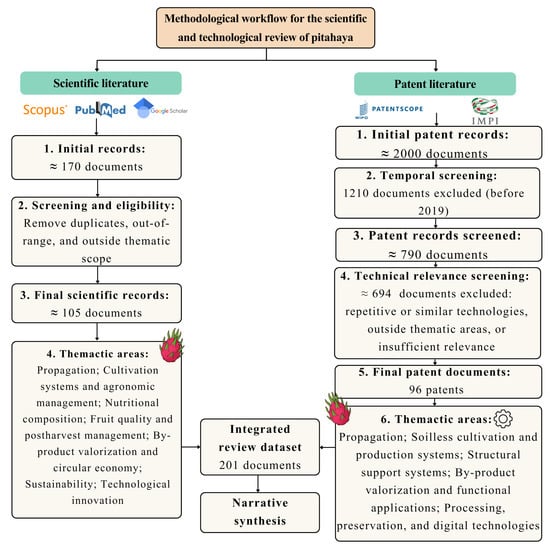
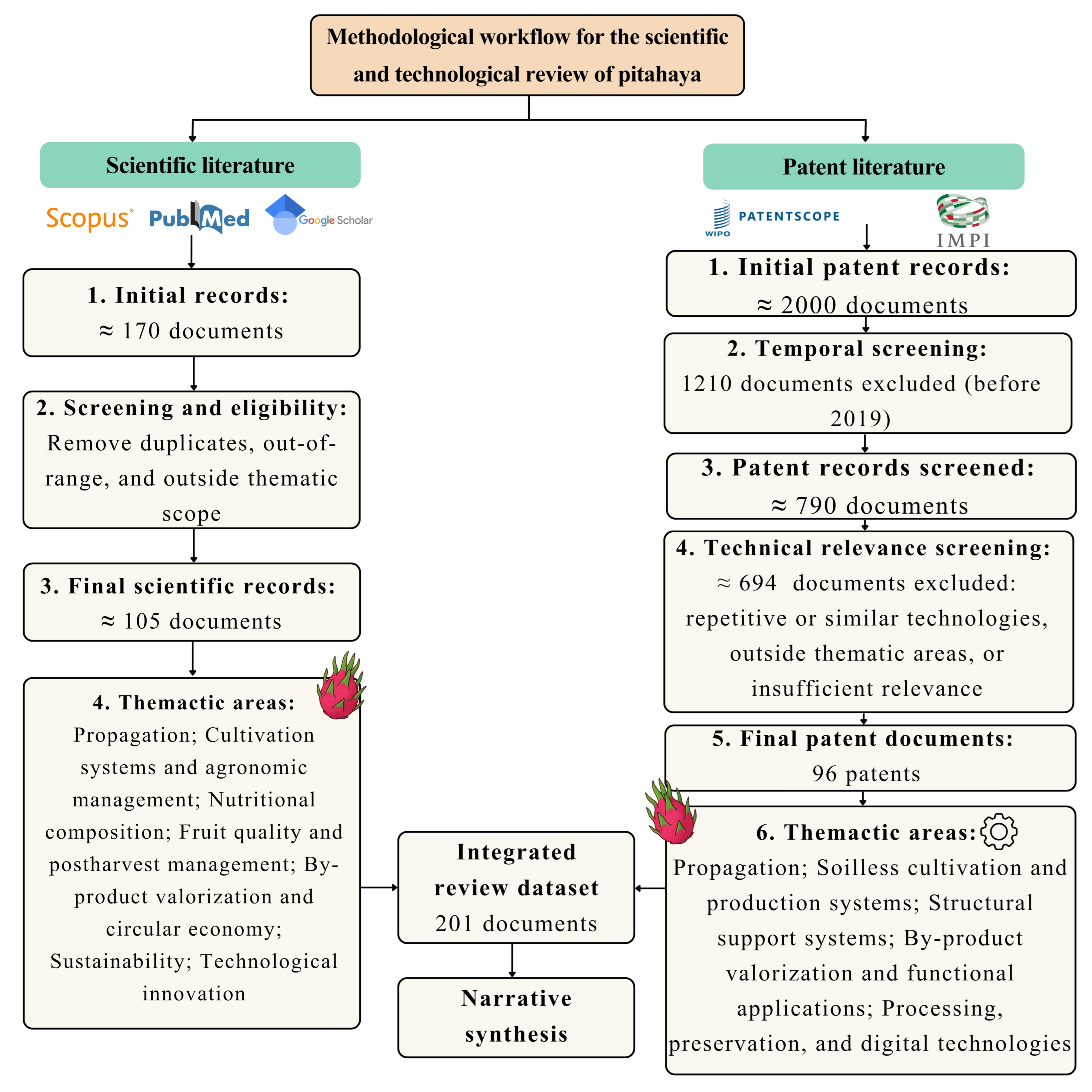
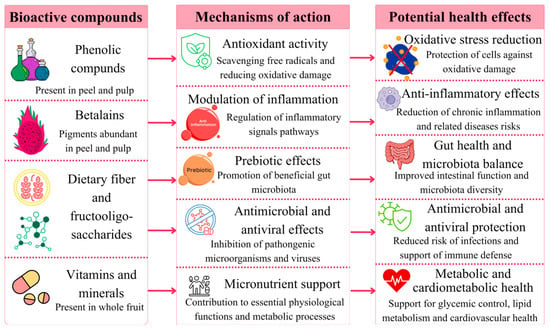
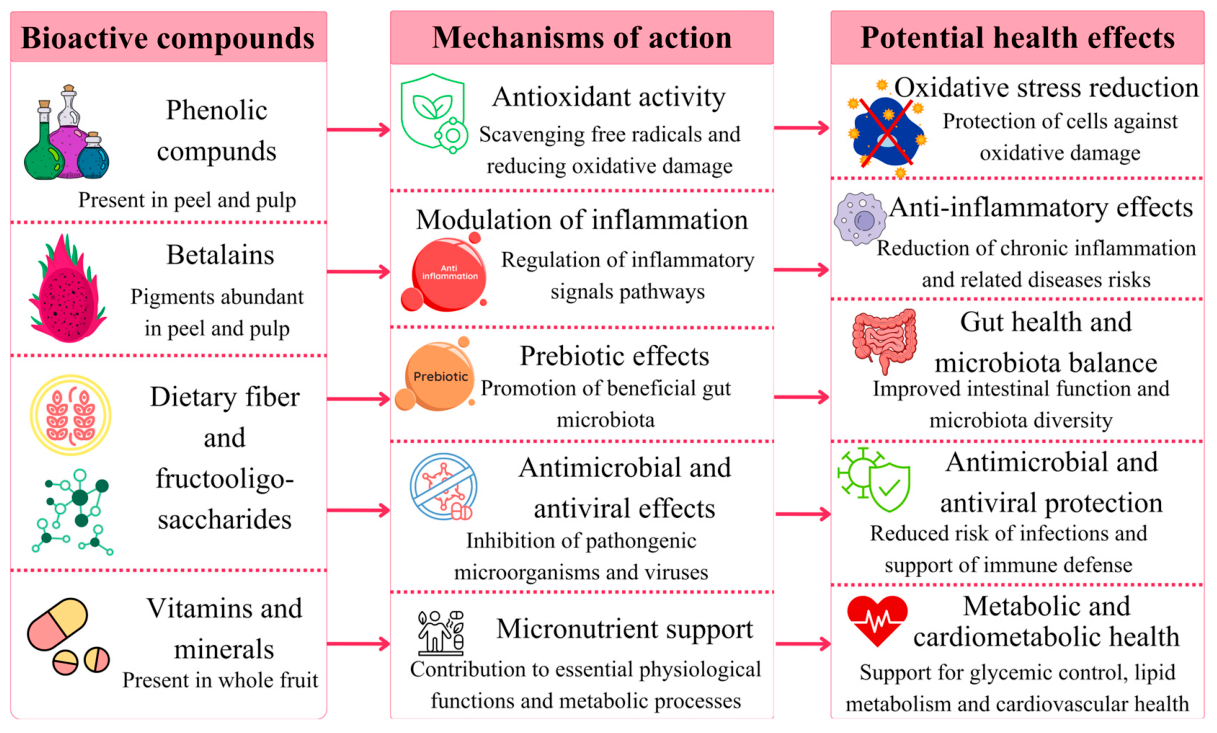
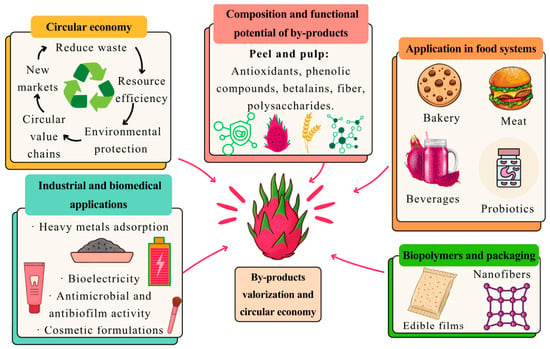
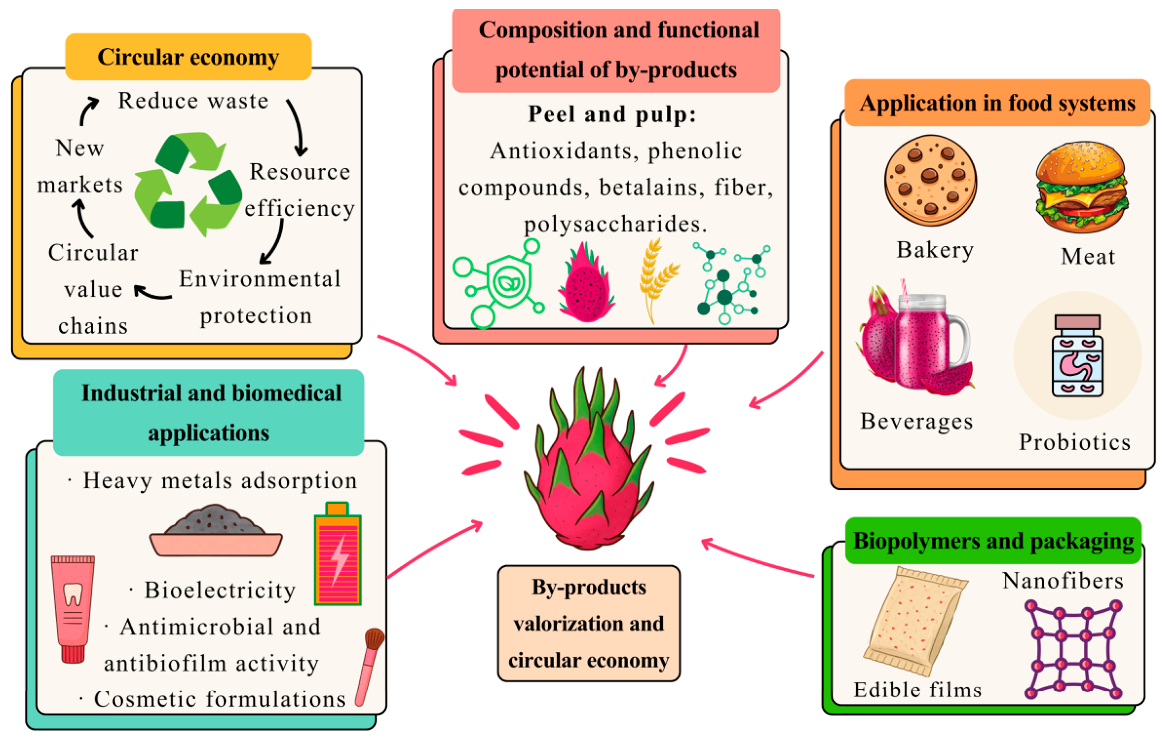
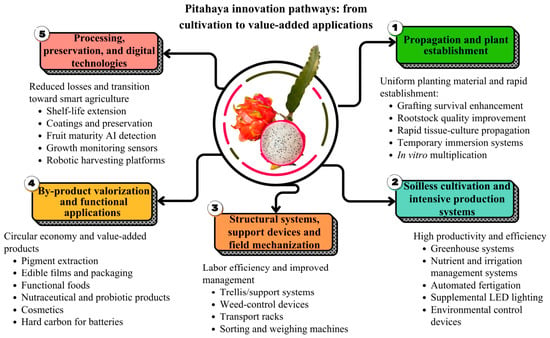
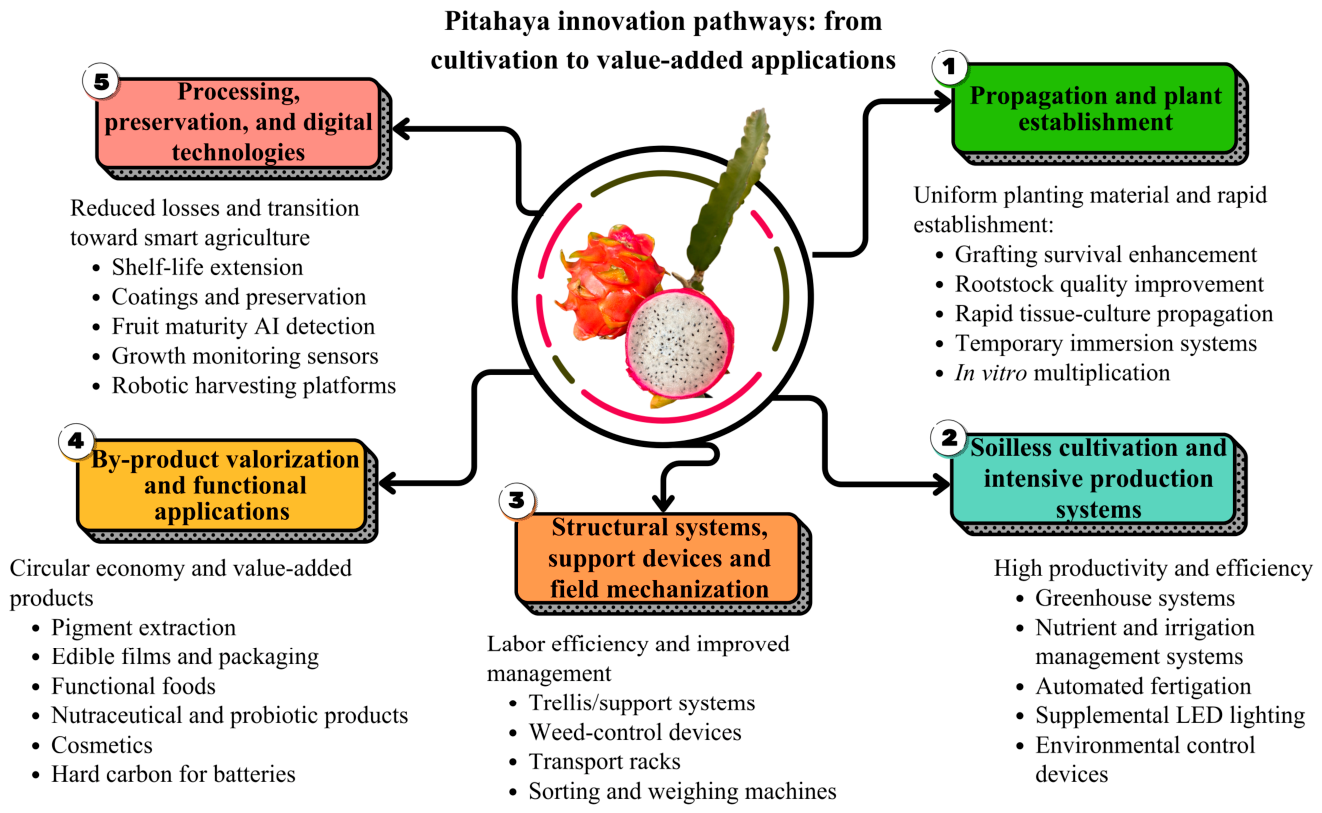
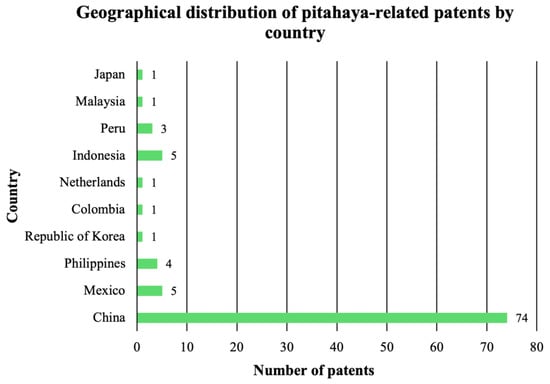
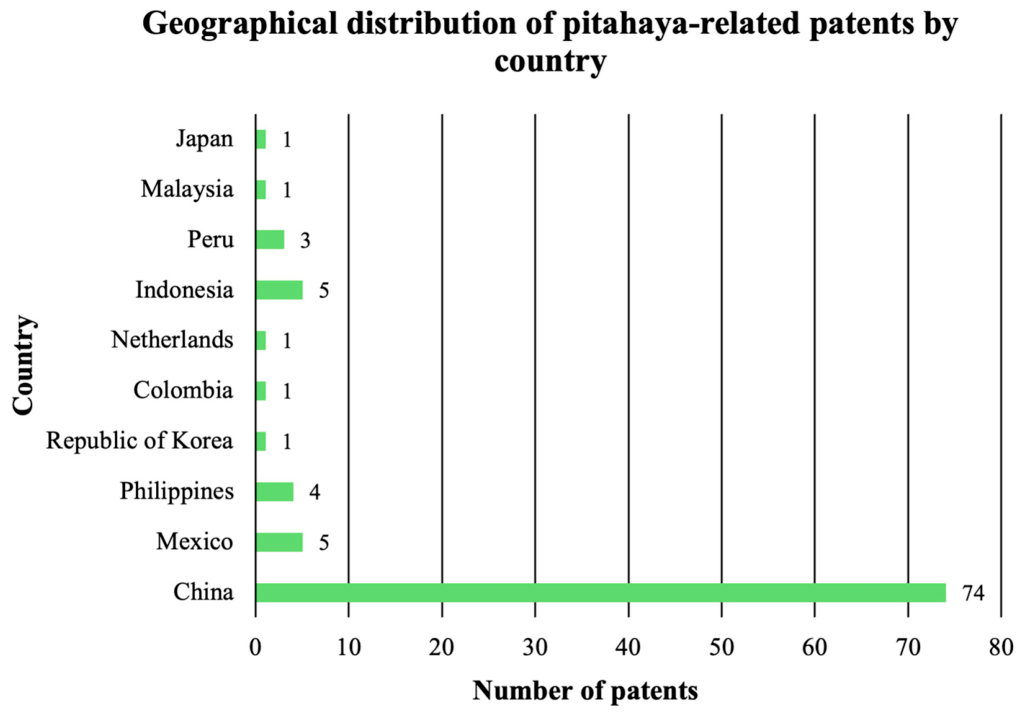

Disclaimer/Publisher’s Note: The statements, opinions and data contained in all publications are solely those of the individual author(s) and contributor(s) and not of MDPI and/or the editor(s). MDPI and/or the editor(s) disclaim responsibility for any injury to people or property resulting from any ideas, methods, instructions or products referred to in the content. |
© 2026 by the authors. Licensee MDPI, Basel, Switzerland. This article is an open access article distributed under the terms and conditions of the Creative Commons Attribution (CC BY) license.