


Abstract
Business models are increasingly recognized as key architectures that may help coordinate technological, organizational, social, and territorial innovations in sustainable agriculture. This study conducts a comprehensive bibliometric analysis of 325 publications indexed in the Web of Science Core Collection (2002–2026) to map the epistemic, conceptual, and intellectual structure of research on business models for building sustainable agriculture. Using Price’s, Lotka’s, Bradford’s, and Zipf’s laws, along with co-citation analysis, the study examines temporal growth, author productivity, journal concentration, thematic clusters, and foundational literature. Results suggest exponential growth in scientific production, strong alignment with SDGs related to food security, circular economy, climate action, and biodiversity, and a highly concentrated intellectual core centered on business model design, sustainability transitions, and digital transformation. Four thematic clusters emerge: innovation and agricultural systems; management, governance, and business models; sustainability and climate-energy dynamics; and challenges, assessment, and ecosystem services. Co-citation analysis reveals three major axes shaping the field: strategic business model design, circular and sustainable value creation, and digital and territorial transformation of agri-food systems. Overall, the findings suggest that sustainable agriculture may benefit from hybrid business models integrating technological innovation, circularity, governance, and multi-actor collaboration.
1. Introduction
Agribusiness has progressively evolved from a sector defined by the interaction between agriculture and industry into a broad economic, technological, social, and territorial ecosystem. This ecosystem integrates global value chains, digital innovations, market dynamics, public policies, and circular economy processes [1,2,3,4,5], linking production systems with financial markets, regulatory frameworks, and sustainability agendas. As a result, agribusiness increasingly reshapes how organizations configure resources, activities, relationships, and mechanisms for value creation and capture.
From an economic perspective, agribusiness operates in environments characterized by volatility, exposure to climate and market risks, and growing pressure for efficiency and profitability. These conditions are associated with the adoption of financial instruments such as climate derivatives and intensified processes of financialization [6,7]. At the same time, the sector contributes substantially to employment, income generation, and food security, while activities such as poultry farming and peri-urban production illustrate the diversity of organizational and territorial configurations through which agribusiness supports local and global food systems [8,9,10]. These dynamics suggest that economic performance is intertwined with social and territorial dimensions.
Technological transformation is described in the literature as another major driver of change. Sensors, artificial intelligence, data platforms, autonomous machinery, and near-infrared (NIR) spectroscopy increasingly integrate agricultural and technological knowledge, improving measurement, certification, logistics, and decision-making in digitalized agri-food systems [2,11,12]. Agri-Food-Tech models combine digital platforms and smart logistics to coordinate actors and flows, while digital technologies support circular economy strategies and energy efficiency [2,4,5]. However, adoption remains uneven, particularly among small-scale producers facing cost constraints, infrastructure gaps, and limited digital capabilities [13]. Consequently, digitalization not only introduces new tools but also reconfigures the business models through which value is created, delivered, and captured.
The social dimension of agribusiness is closely linked to employment, training, youth participation, and talent attraction. Studies show that students and graduates perceive the sector as attractive, although with gender-based differences in motivations and expectations [14,15]. Youth engagement in African agricultural value chains is also crucial for productive transformation and local income generation [16]. Territorial and ecological dimensions are equally central: agribusiness connects rural areas with global markets and influences territorial sustainability, yet extractive expansion and capital concentration can generate socio-environmental conflicts and exclusion of small-scale producers [1,17,18]. In response, service-oriented business models have emerged as alternatives for integrating economic, social, and environmental dimensions [19]. These findings suggest that agricultural business models operate within complex social, territorial, and institutional contexts rather than as isolated firm-centered structures.
Institutional frameworks are reported to influence agribusiness trajectories. Digitalization requires adequate infrastructure and data governance [13], while certain sustainability standards may unintentionally hinder the participation of small producers [20]. International trade rules also influence competitiveness and market access [3]. Taken together, these economic, technological, social, territorial, and institutional dimensions show that agribusiness functions as a multidimensional system in which inclusivity, competitiveness, and sustainability depend on how business models are designed and implemented.
Within this broader context, business models are understood as architectures that describe how an organization creates, delivers, and captures value within a socio-economic system, coordinating flows of resources, activities, relationships, and value-capture mechanisms [21]. The literature emphasizes that business models are dynamic rather than static structures, evolving in response to technological, regulatory, environmental, and social changes and often associated with the need for continuous innovation to maintain competitiveness [22,23]. Transformations such as digitalization, Industry 4.0, and the circular economy are reshaping business models by enabling new forms of production, distribution, and interaction with users [24,25,26,27,28,29]. Moreover, business models increasingly organize relationships among multiple actors—such as energy communities, digital platforms, and care cooperatives—where participation, trust, and shared governance become central components of value [30,31,32].
In agriculture, business models are diverse and highly dependent on local context, integrating technologies, actors, and value flows in dynamic environments. The literature identifies models based on inclusive agricultural services [33], robotization and automation in intensive agriculture [34], urban agriculture and short supply chains [35], anaerobic digestion and bioenergy [36], and multi-stakeholder architectures for climate services and smart agriculture [37]. These configurations demonstrate how contemporary agri-food models combine technology, governance, social inclusion, and sustainability to transform production and territorial systems.
Sustainable business models in agriculture integrate production practices, emerging technologies, ethical governance, and territorial relationships to generate economic, social, and environmental value simultaneously. They may adopt diverse forms, including digital technologies, hybrid organizational arrangements, circular resource strategies, and territorial or multifunctional approaches [34,35,37,38,39,40,41,42,43,44,45]. These elements represent alternative pathways for incorporating sustainability into business model design. Digitalization—including mobile technologies, the Internet of Things, blockchain, and robotics—enhances traceability, efficiency, and transparency [38,39,40,41]. Hybrid approaches combine social and environmental considerations with economic viability [42,43]. Circular business models organize value creation around reducing resource consumption and promoting reuse, recovery, regeneration, or valorization of resources and residual flows [35,43,44,45,46], providing specific pathways toward sustainability while depending on broader economic, social, and institutional conditions [46,47,48,49]. Territorial and multifunctional models strengthen local ties and diversify income [35,50]. Their sustainability depends on ethical frameworks, transparent governance, comprehensive indicators, and innovation processes that bring together stakeholders, incentives, and capabilities [51,52,53]. In this manuscript, these configurations are explicitly distinguished to clarify conceptual boundaries among general business models, sustainable business models, circular business models, platform business models, and agri-food business models.
Platform business models represent a distinct configuration in which value creation and exchange are organized through the coordination of interactions among multiple groups of actors. In agricultural and agri-food contexts, platforms connect producers with consumers, service providers, markets, or other stakeholders, while digital technologies facilitate information exchange, coordination, transactions, and scalability [2,29,30,31,54,55]. However, platform models should not be equated with digitalization itself: digital technologies may enable platform operations, but the defining characteristic is the organization and coordination of interactions among participating actors. Likewise, the use of a digital platform does not inherently imply sustainability or circularity, as these characteristics depend on the objectives, governance arrangements, and outcomes associated with the model.
Agri-food business models refer to the application of business model configurations within agricultural and food systems, where value creation, delivery, and capture are shaped by production conditions, supply chains, markets, institutional arrangements, territorial contexts, and relationships among multiple actors. Their defining characteristic is therefore their sectoral and systemic context rather than a specific sustainability or technological mechanism. Within this domain, business models may incorporate digital technologies, circular resource strategies, platform-based interactions, or collaborative arrangements, but these characteristics are not inherent to agri-food business models [2,32,33,34,35,36,54].
Foundational contributions by Bocken et al. [47] and Boons and Lüdeke-Freund [48] link business model design with sustainability-oriented value creation and sustainable innovation, providing conceptual grounding for these developments.
Despite the growing body of research, the intellectual structure of agricultural business models remains insufficiently characterized. Existing studies have examined specific dimensions—such as digital agriculture, artificial intelligence, blockchain, regional food value chains, and vertical farming [38,55,56,57]—but lack an integrated assessment of the foundational knowledge shaping these approaches, the connections among their main thematic streams, and their evolution toward sustainability-oriented business models. This gap may limit understanding of how business model design, sustainability, circularity, and digital transformation have converged within agricultural research and underscores the need for a comprehensive bibliometric analysis.
In this context, the present article conducts a bibliometric investigation of business models for building sustainable agriculture, broadening the methodological lens to map epistemic and conceptual configurations, as well as emerging topics in international literature. This approach may support a deeper understanding of how the field is being constructed, which theoretical frameworks predominate, what organizational innovations are emerging, and how economic, technological, social, and territorial dimensions are articulated in the transition toward sustainable agriculture.
To guide the analysis, the study addresses the following research questions:
RQ1. How has research on business models for sustainable agriculture evolved in terms of scientific production, sources, countries, authors, and research impact?
RQ2. What are the main intellectual foundations underlying research on business models for sustainable agriculture?
RQ3. What thematic and conceptual clusters characterize the field, and how have these themes evolved over time?
RQ4. How are business model design, sustainability, circularity, digitalization, governance, and multi-actor collaboration articulated within the emerging research landscape?
2. Materials and Methods
Bibliometric analysis follows an epistemic approach distinct from conventional review methods, as it prioritizes exhaustive retrieval and quantitative analysis of the complete corpus rather than subjective screening and synthesis of selected studies [53]. Through mathematical and bibliometric laws, it identifies structural patterns in scientific production, authorship, and conceptual development, allowing the intellectual, social, and historical organization of a research field to be mapped [58].
Accordingly, the dataset was retrieved from the Web of Science Core Collection (WoSCC) on 13 August 2026, using the thematic query TS = (Agriculture AND Sustainab* AND (Business NEAR/0 Model)), which simultaneously searches titles, abstracts, author keywords, and Keywords Plus© [59]. The exclusive use of WoS is justified by structural differences with Scopus that hinder the comparability of normalized impact indicators. Soós et al. [60] found divergent normalized impact scores in 70% of overlapping publications, mainly due to differences in thematic categorization and citation windows, affecting the consistency and reproducibility of bibliometric measures.
To enhance reproducibility, the revised manuscript now specifies that the search included the Arts & Humanities Citation Index (A&HCI), Emerging Sources Citation Index (ESCI), Science Citation Index Expanded (SCI-EXPANDED) and Social Science Citation Index (SSCI) of WoSCC, and considered Review, Article, and including Article—Early Access.
For the VOSviewer (version 1.6.21, released on 12 June 2026, Centre for Science and Technology Studies, Leiden University, Leiden, The Netherlands) analyses, full counting and association-strength normalization were applied, with a clustering resolution of 1.00 and a minimum cluster size of 1 (default) [61]. A supplementary table listing nodes, frequencies (occurrences), and centrality measures (degree and total link strength) has been added to improve readability of network graphs.
The structural stability and robustness of the conceptual domain were evaluated using dynamic network degradation simulations implemented in NetworkX [62] (Python—version 3.14.4, released on 4 April 2026, Python Software Foundation, Beaverton, OR, USA—scripts available in Supplementary Materials), following well-established approaches in the literature on graph resilience and percolation [63,64]. In the first phase, the complete keyword co-occurrence graph was subjected to both random stochastic removal and targeted attacks against its global hubs, in order to estimate the resilience of the largest connected component (LCC), following the logic of fault tolerance and attack vulnerability models in complex networks [65,66]. In the second phase, the conceptual domain was segmented into independent subgraphs defined according to the modular clusters generated by VOSviewer, whose structure is based on the VOS mapping technique and association strength normalization [61]. Each subnetwork was subjected to an iterative collapse algorithm, eliminating critical nodes ordered by their internal degree centrality, and the three keywords with the highest internal connectivity were used to characterize the conceptual core of each cluster. Systemic resilience was quantified using the Area Under the Curve (AUC), calculated using the trapezoidal rule on the LCC’s conceptual consistency loss curve, which made it possible to compare the relative robustness of the subfields and distinguish those that are highly consolidated and redundant from those dependent on monopolizing concepts and, therefore, more vulnerable to theoretical fragmentation [66].
Following the recommendations proposed by Mukherjee et al. [67], the analysis combined science mapping and performance analysis. Science mapping examined co-authorship networks and conceptual structures through keyword co-occurrence using VOSviewer 1.6.21 [61], while performance analysis applied bibliometric laws and indicators to characterize the development, impact, and intellectual structure of the field [58,68]:
- Price’s Law was applied to examine the temporal growth of scientific production and assess whether publications followed an exponential pattern. Dividing the extracted corpus according to the median publication year also enabled the analysis of literature obsolescence, distinguishing recent and classical contributions and assessing the field’s maturity and renewal. Additionally, Price’s square-root law has traditionally been used as a heuristic to estimate concentration within a population of authors: the square root (SQRT) of the total number of contributors (√authors) provides an operational approximation of the size of the most prolific subset of authors, offering a rapid indicator of productivity concentration [69,70,71]. Although subsequent analyses—such as those presented by Nicholls [71]—show that the square-root rule is not empirically exact, it remains a useful practical measure for estimating the relative size of the core group of highly productive authors in large bibliometric datasets.
- Web of Science Sustainable Development Goal (SDG) classification was used to assess the contribution of the research to the Sustainable Development Goals and its broader social, environmental, and policy relevance, based on the automated classifications included in WoS metadata [59,72].
- Hirsch index (h-index) [73]: Beyond these specific applications, the h-index is widely recognized as a robust and operational indicator for evaluating scientific influence across journals, authors, and thematic domains. It correlates strongly with other impact measures and can be computed from multiple data sources [74]. Its integration into topic-level impact metrics demonstrates its usefulness for assessing influence within specific thematic areas rather than only at the global disciplinary level [75]. Methodologically, the h-index is considered a standard component of bibliometric analysis, complementing productivity counts, citation distributions, and co-citation structures in comprehensive evaluations of scientific output [68]. Its widespread diffusion is reported to have influenced public and institutional perceptions of scientific performance, becoming a visible metric in media discussions, research evaluation systems, and academic governance debates [76]. Was used in two complementary ways within the analysis. First, it served to assess scientific impact, identifying the most influential publications in the corpus by jointly considering productivity and citation influence. And second, the h-index was applied to the full set of cited references to identify the core intellectual nucleus of the field, following the principle that the most frequently co-cited works represent foundational theoretical pillars.
- Lotka’s Law was applied to characterize author productivity and the concentration of scientific contributions, confirming the typical inverse-power distribution in which a small core of highly productive researchers coexists with a much larger population of occasional contributors [71,77,78]. Contemporary analyses show that Lotkaian patterns often require generalized power-law formulations to adequately fit empirical data, as deviations frequently appear in real-world datasets, particularly in the upper tail of highly productive authors [79]. To address these limitations, we incorporate continuous concentration theory and Lorenz-curve–based measures, which demonstrate that inequality in scientific productivity increases monotonically with the Lotka exponent [80]. This enriched framework allows a more precise identification of the field’s prolific core, the degree of productivity concentration, and the structural asymmetries that shape knowledge production. Thus, additionally, the square-root law of the total number of authors was initially used to estimate the productive core and subsequently adjusted according to the discrete nature of the publication thresholds [71]. For this, we used a curvilinear estimation method in SPSS version 23 software (IBM, New York, NY, USA) with an inverse-power fit.
- Zipf’s Law was applied to Keywords Plus® and Author keywords to examine the concentration and distribution of scientific terminology within the corpus. Following the classical formulation—where the frequency of a term decreases as an inverse power of its rank [81]—the analysis enabled the identification of dominant conceptual markers, delineation of the thematic core, and assessment of the field’s lexical cohesion. Consistent with bibliometric research foundations [68], the distribution of Keywords Plus® and Authors keywords exhibited the typical inverse power pattern described in informetrics, in which a small subset of highly frequent terms concentrates a substantial portion of the conceptual signal. Building on Egghe’s continuous concentration theory, which demonstrates that Zipfian distributions are mathematically equivalent to Lotkaian power laws and directly linked to Price’s law of concentration [80], the square-root heuristic was initially used to estimate the size of the conceptual core and subsequently refined based on discrete term-frequency thresholds, mirroring the procedure applied to author productivity in Lotka’s Law [77]. For this, we used a curvilinear estimation method in SPSS version 23 software (IBM, New York, NY, USA) with an inverse-power fit. Furthermore, empirical deviations from ideal Zipfian behavior—well documented in bibliometric literature [79]—were addressed by adjusting the rank-frequency curve to account for curvature in the tail, ensuring that both established and emerging research areas were accurately represented. This approach aligns with recent bibliometric applications where Zipfian term distributions are used to map conceptual structures and detect thematic evolution in scientific domains [82].
- Bradford’s Law was applied to analyze the scatter of publications across journals and to identify the Bradford nucleus, defined as the relatively small set of journals that concentrate approximately one third of the total output, followed by progressively larger zones of decreasing productivity. This approach enables the detection of the principal publication outlets and the specialized actors shaping the field’s intellectual structure [83,84,85]. Consistent with bibliometric theory, the delineation of Bradford zones assumes equal article counts across zones; however, as noted by Haddow [68], the discrete nature of journal productivity constrains the formation of exact thirds, requiring that journals with identical output remain within the same zone. Furthermore, empirical research has shown that Bradford distributions often deviate from the idealized geometric progression originally proposed, with curved nuclei, logarithmic-linear zones, and occasional “droop” effects in the tail [79]. These deviations do not invalidate the method but highlight its empirical flexibility and the need for careful interpretation when identifying core journals and assessing the structural concentration of scientific communication within a field.
- Co-citation analysis: A relational bibliometric technique that identifies pairs of documents that are jointly cited in the reference lists of subsequent publications, thereby revealing intellectual connections among studies addressing related topics. By examining the frequency with which two documents are cited together, this method captures patterns of intellectual association and allows the identification of influential works, theoretical foundations, and knowledge clusters within a research field. Consequently, co-citation analysis provides an empirical basis for characterizing the intellectual structure and foundational pillars of a scientific domain [86].
Table 1 summarizes the bibliographic corpus analyzed, although not initially restricted by time, covers the period of 2002 to 2026 and, depending on the different units of analysis, includes 1406 authors from 99 countries or territories and 176 scientific journals. It also includes 782 Keywords Plus© and a total of 22,467 cited references, which support the application of Price’s, Lotka’s, Bradford’s, and Zipf’s laws, along with co-citation analysis, enabling the characterization of the field’s growth, productivity, concentration of sources, and conceptual and intellectual structure.
Table 1.
Description of the analyzed bibliographic corpus.
This mapping provides structural insights relevant to research the business models for building sustainable agriculture.
3. Results
3.1. Scientific Production on Models for Building Sustainable Agriculture
The scientific production on Models for Building Sustainable Agriculture begins in 2002 and extends through 2026, with a total of 325 publications included in the analysis. The earliest record corresponds to the article Renewable energy markets in developing countries, published in Annual Review of Energy and the Environment [87], which examines how renewable energy is becoming mainstream, driven by expanding markets and the need for stronger technology transfer, financing, regulation, and rural entrepreneurship. From this initial milestone, continuous scientific output is observed between 2012 and 2025 (the year 2026, although showing 33 documents, is excluded because it is not yet complete). The exponential regression analysis suggests a positive and statistically significant relationship between publication year (Publication_Year) and the number of publications (Publications). The model explained 84.2% of the variance in publication output (R2 = 0.842), with a statistically significant overall fit, F(1,12) = 63.836, p < 0.001. The estimated exponential function, with a constant of 5.362 × 10−285 and a coefficient of b1 = 0.325, indicates that scientific production increased exponentially over the period analyzed. This accelerated growth is consistent with Price’s first law and indicates the development of a substantial research base, supporting the relevance of a comprehensive bibliometric analysis of the field (see Figure 1).
Figure 1.
Temporal growth of scientific production. Green dashed line is exponential fit, and red dashed line is cutting line from 2023.
Regarding Price’s second law, the analysis shows that since 2023, a total of 180 publications were produced, representing approximately half of the entire scientific output identified. This interval can be interpreted as the phase of contemporary publications, marked by a notable acceleration in knowledge generation and by the consolidation of sustainable agriculture business models as an active and expanding research domain.
3.2. Contribution to Sustainable Development Goals
The Web of Science (WoS) classification of 325 publications across the 17 Sustainable Development Goals (SDGs), including cases in which a single document is assigned to multiple goals, shows a clear concentration of research efforts in five SDGs. The strongest alignment appears with SDG 2 (Zero Hunger), which accounts for 167 records, reflecting the centrality of food security and agricultural productivity in the literature. This is followed by SDG 11 (Sustainable Cities and Communities) with 103 records, highlighting the relevance of territorial sustainability, urban–rural linkages, and peri-urban food systems. SDG 12 (Responsible Consumption and Production) contributes 95 records, evidencing the importance of circularity, resource efficiency, and sustainable value chains. SDG 13 (Climate Action) appears with 85 records, underscoring the role of agriculture in climate mitigation and adaptation. Finally, SDG 15 (Life on Land) includes 78 records, pointing to the significance of biodiversity, land stewardship, and ecosystem services within sustainable agriculture research.
As illustrated in Figure 2, this distribution reveals that scientific production on Models for Building Sustainable Agriculture is strongly oriented toward core sustainability priorities, particularly those related to food systems, territorial development, circular economy, climate resilience, and biodiversity conservation. The concentration across these five SDGs reflects the multidimensional nature of sustainable agriculture and the central role that business models play in addressing interconnected ecological, social, and economic challenges.
Figure 2.
Contribution to SDGs by WoS metadata.
3.3. Scientific Impact Based on Hirsch Index
The Hirsch index (h-index) analysis identified 50 publications with 50 or more citations, with citation counts ranging from 52 to 281 (see Figure 3). The most highly cited works reveal a clear evolution in the intellectual structure of the field. Early influential studies focused on the expansion of renewable energy technologies and their contribution to rural development [87]. Over time, attention shifted toward circular business models grounded in collaborative ecosystems and stakeholder participation [88]. More recent influential contributions highlight the incorporation of digital technologies, data governance, and transdisciplinary approaches in agriculture [89]. Additionally, contemporary paradigms emphasize reducing pesticide use through systemic innovation, biodiversity enhancement, biological control, and public policy interventions [90].
Figure 3.
Determining Scientific Impact Based on the h-index. The green line represents the citations for the articles, sorted in descending order, and the green area represents the cumulative count of articles.
Taken together, these highly cited documents illustrate a progressive convergence between technological innovation, environmental sustainability, organizational transformation, and governance. They underscore the growing need for integrated and interdisciplinary approaches to address the contemporary challenges facing agro-production systems.
3.4. Actors and Scientific Production Spaces on Models for Building Sustainable Agriculture
Out of a total of 1406 authors, 1334 have contributed to only one publication on this topic. According to Lotka’s Law, the power regression analysis revealed an inverse and statistically significant relationship between the number of documents and the number of authors. The model exhibited a very high degree of fit (R2 = 0.980), explaining approximately 98.0% of the observed variability in Authors, and was statistically significant (F(1,3) = 146.430, p = 0.001). The estimated equation was Authors = 1338.280 × Documents−4.808, where the negative exponent indicates that the number of authors decreases nonlinearly as the number of documents increases. However, since the model was estimated using a very small number of observations, these results should be interpreted with caution and considered primarily as descriptive evidence of the relationship observed in the sample (see Figure 4).
Figure 4.
Adjustment of authorial productivity in accordance with Lotka’s Law. Green dashed line is power fit, and red dashed lines are cutting lines with 2 and 3 documents.
Additionally, the estimated number of prolific authors—calculated as the square root of the total number of contributors—is 37 (SQRT(1406)). For practical purposes, however, the analysis considers 72 prolific authors (65 + 5 + 1 + 1 = 72), defined as those with two or more publications (setting a cutoff point of 3 or more articles would mean recognizing only 7 prolific authors), divided into 16 color-coded clusters and 6 authors who, at this stage of production, are regarded as lonely authors. Figure 5a presents the corresponding co-authorship network map, while Figure 5b complements this information by displaying the average publication year for each prolific author.
Figure 5.
Co-authorship graph. (a) Graph of clustering by co-authorship; (b) Graph of clustering by co-authorship with average time production.
Within this group, only seven authors have contributed to more than two publications: Gianluca Brunori (5 publications), Marcello De Rosa (4), Henrik Barth (3), Wojciech Sroka (3), Edward Byers (3), Giacomo Falchetta (3), and Marta Tuninetti (3). The last three authors collaborate closely, forming a distinct co-authorship cluster (red cluster in Figure 5a). The temporal dimension of their contributions is illustrated through average publication years, where yellow-to-red tones correspond to the contemporary production period, while dark blue-to-green tones indicate the obsolescence period (except for highly cited publications, which remain influential despite their age).
3.5. National Production and Collaboration Networks
The 325 publications identified in this study are affiliated with 99 countries worldwide (see Figure 6a). Within this total, 26 countries contribute to only one publication, and 21 countries contribute to two publications. Thus, 52 out of 99 countries participate with more than two publications, indicating a moderately diversified global research landscape.
Figure 6.
National co-authorship graph. (a) Graph of clustering by national co-authorship; (b) Graph of clustering by national co-authorship with average time production; (c) Graph of clustering by national co-authorship for top ten countries.
Regarding the average temporal distribution of scientific production, Figure 6b shows that Nepal, Mexico, and Fiji (represented in blue tones) correspond to the countries with the oldest average publication years, while several countries depicted in red tones, such as Argentina, Namibia, and Russia, exhibit more recent average production periods. This temporal gradient reflects the varying degrees of engagement and consolidation across national research systems.
Finally, the top ten countries or territories contributing most to global scientific output on this topic are led by Italy (53 publications), followed by the USA (36), the Netherlands (29), Spain (26), Germany (23), India (22), England (territory) (21), the People’s Republic of China (20), France (19), and Australia (16). These ten countries show notable patterns of co-authorship, with England standing out as the most central node in the network, having collaborated with all nine of the other leading contributors (see Figure 6c). This highlights England’s role as a key connector in the global research structure surrounding sustainable agriculture business models.
3.6. Journal Concentration and Bradford Zones
According to Bradford’s Law, the 325 publications analyzed are distributed across 176 journals, revealing a highly dispersed scientific landscape. The journal with the highest concentration has 47 articles (Sustainability), while at the other extreme, 140 journals have published only one article on the topic under study (See Figure 7a). The core zone—the smallest set of journals that collectively accounts for one-third of all publications—contains only seven journals, which together accumulate 108 publications. The subsequent Bradford zones, comprising 29 journals in Zone 1 (totaling only 77 documents, or 24%), and 140 journals in Zone 2 (all with only one published document), are also depicted in Figure 7b, while the detailed list of journals is presented in Table 2.
Figure 7.
Bradford zones. (a) Articles’ concentration in journals (color bars by zones); (b) Journals’ concentration in zones.
Table 2.
Journals in Nucleus of Bradford.
These core journals not only concentrate the highest volume of scientific output on the topic but also function as the primary intellectual spaces where the most specialized authors, editors, and reviewers converge. As such, they represent the central venues shaping scholarly dialogue and advancing research on models for building sustainable agriculture, explaining how Bradford zones relate to specialization and dispersion in the field.
The distribution in Table 2 shows a high initial concentration of publications in Sustainability, which contains 47 articles (14% of the 325-article corpus), followed by Frontiers in Sustainable Food Systems with 17 (5%) and Journal of Cleaner Production with 13 (4%). Together, these three journals account for 24% of the output, while the top seven journals account for 33%. The publications are distributed primarily across the categories of environmental sustainability, agricultural sciences, food, business, and management, with publication dates ranging from 2015 to 2026.
3.7. Emerging and Affinity of Research Thematic Areas on Models for Building Sustainable Agriculture
Zipf’s Law enables the identification of thematic areas based on the frequency and co-occurrence of Keywords Plus© (KWP) assigned by Web of Science. Using VOSviewer (version 1.6.21, released on 12 June 2026, Centre for Science and Technology Studies, Leiden University, Leiden, The Netherlands), a total of 782 KWP were counted; of these, 524 KWP occurred only once. The power regression analysis showed an inverse and statistically significant relationship between Occur_1 and KWP. The model exhibited a high degree of fit (R2 = 0.841), indicating that 84.1% of the variability in KWP is explained by Occur_1. Furthermore, the model was statistically significant, F(1,21) = 110.835, p < 0.001. The estimated equation was KWP = 184.932 × Occur_1−1.566. The negative exponent (b1 = −1.566) indicates that the number of KWP decreases as the frequency of occurrence increases, following a nonlinear power relationship (See Figure 8).
Figure 8.
Adjustment of KWP occurrence according to Zipf’s Law. Green dashed line is power fit, and red dashed line is cutting line with 9 documents.
In addition, there are an estimated 27 outstanding keywords (SQRT(782)) (See Table 3), matching the discrete level with 9 or more occurrences (See Figure 8).
Table 3.
Occurrence of KWP by cluster.
These terms are organized into four thematic clusters (Figure 9a), each representing a distinct conceptual domain within the field:
- Cluster 1: Innovation and Agricultural Systems (Blue). This cluster encompasses agriculture (55 occurrences), innovation (34), systems (32), framework (16), adoption (13), and networks (10). It represents the structural and technological foundations of sustainable agriculture, emphasizing systems thinking, innovation processes, technology adoption, and the development of frameworks and networks that support agricultural transformation.
- Cluster 2: Management, Governance, and Business Models (Yellow). This cluster is characterized by management (50 occurrences), business models (33), food (20), policy (13), governance (10), and sustainable development (10). It captures the organizational and institutional dimensions of sustainability, highlighting the role of business models, governance mechanisms, and public policies in shaping decision-making, coordination, and value creation across food systems.
- Cluster 3: Sustainability, Performance, and Climate–Energy Dynamics (Red). This cluster comprises sustainability (32 occurrences), impact (21), farmers (19), performance (15), system (13), climate change (12), energy (12), and technologies (11). It reflects the environmental and performance-oriented core of the field, focusing on climate change, energy transitions, technological impacts, and the role of farmers in achieving measurable sustainability outcomes.
- Cluster 4: Challenges, Assessment, and Ecosystem Services (Green). This cluster includes challenges (20 occurrences), life-cycle assessment (12), design (11), future (11), impacts (11), ecosystem services (10), and opportunities (9). It represents the evaluative and forward-looking dimension of the literature, emphasizing environmental assessment, ecosystem services, sustainable design, emerging challenges, and opportunities for strengthening the long-term sustainability of agricultural systems.
Figure 9.
Thematic co-occurrence graph by keyword plus. (a) Graph of clustering by co-occurrence; (b) Graph of clustering by co-occurrence with average time production.
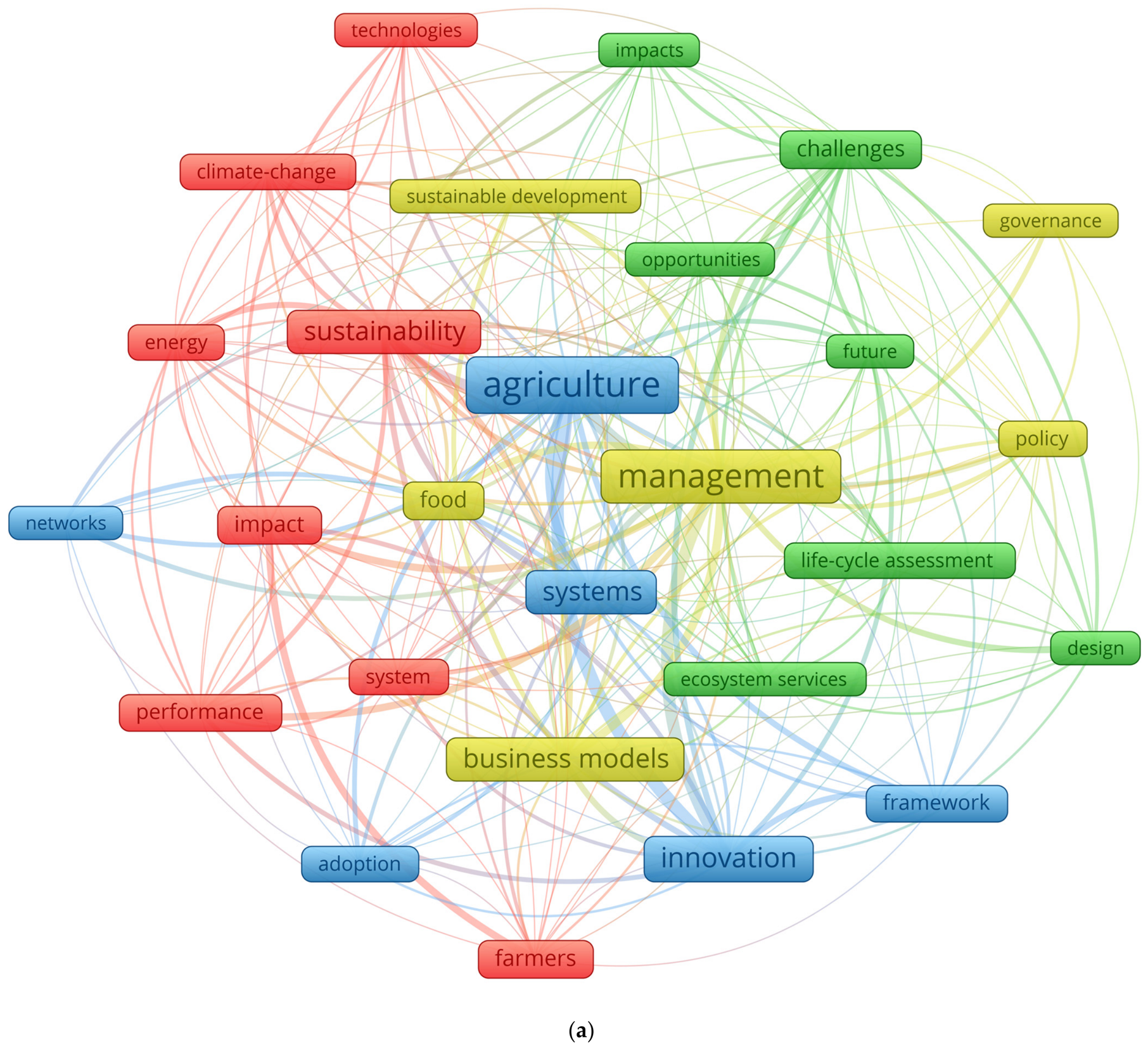
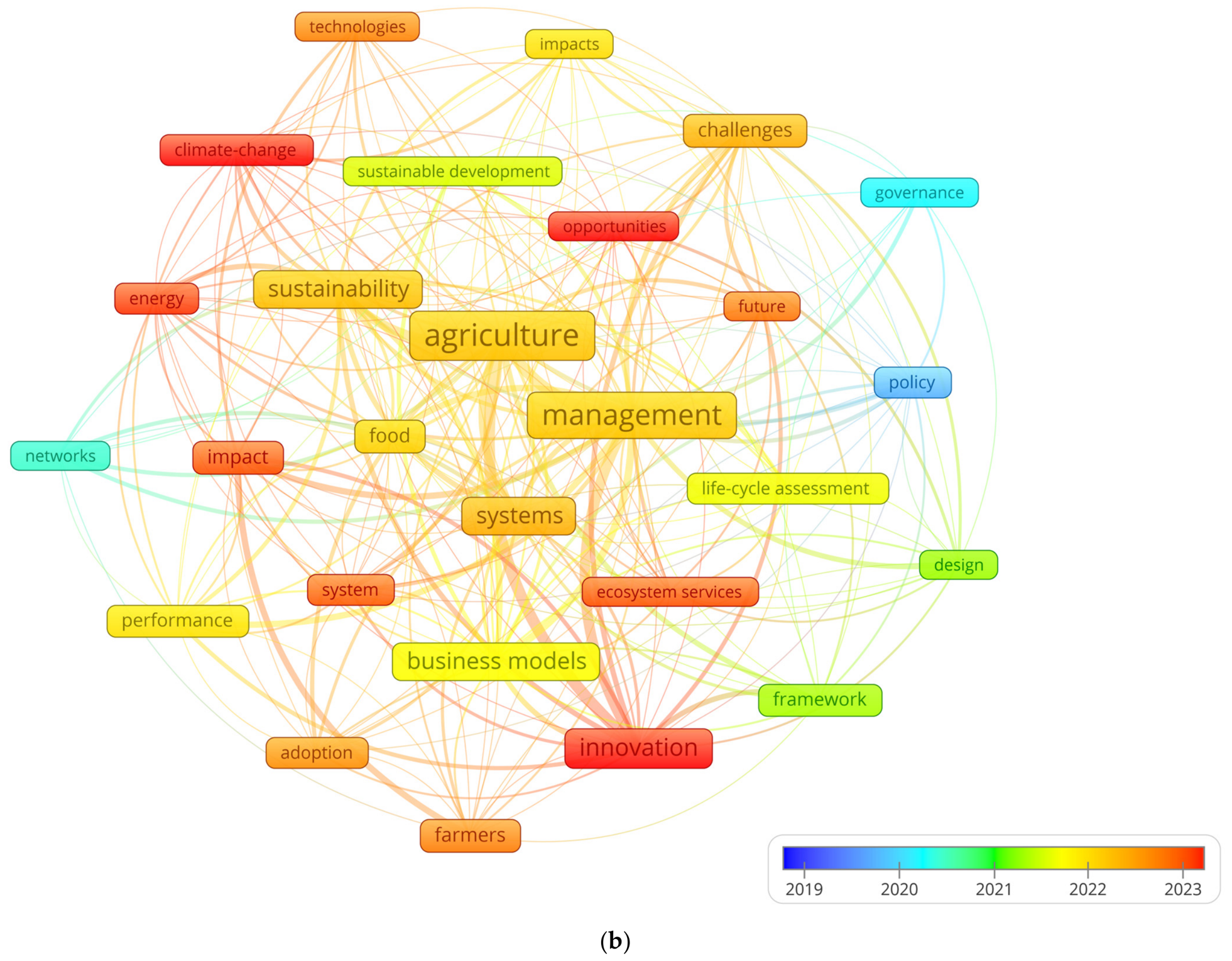
The temporal overlay in Figure 9b reveals several emerging thematic areas, including energy (2022 average publication year), ecosystem services (2022), climate-change (2023), and innovation (2023). These terms represent the most recent conceptual developments in the field, indicating a growing emphasis on climate resilience, environmental services, and technological transformation within sustainable agriculture business models.
Zipf’s Law enables the identification of thematic areas based on the frequency and co-occurrence of Authors Keywords (AKW) assigned by Web of Science. Using VOSviewer, a total of 1280 AKW were counted; of these, 1093 AKW occurred only once. The power regression analysis showed an inverse and statistically significant relationship between Occur_2 and AKW. The model had an R2 of 0.710, indicating that approximately 71.0% of the variability in AKW is explained by Occur_2. The overall test of the model was statistically significant, F(1,16) = 39.267, p < 0.001. The estimated equation was AKW = 144.206 × Occur_2−1.651. The negative exponent (b1 = −1.651) indicates that the number of author keywords decreases as the frequency of occurrence increases, following a nonlinear relationship described by a power function (See Figure 10).
Figure 10.
Adjustment of AKW occurrence according to Zipf’s Law. Green dashed line is power fit, and red dashed line is cutting line with 5 documents.
In addition, there are an estimated 34 outstanding keywords (≈SQRT(1280)) (See Table 4), matching the discrete level with 5 or more occurrences (See Figure 10).
Table 4.
Occurrence of AKW by cluster.
These terms are organized into five thematic clusters (Figure 11a), with manual curation (excluding: “0”, “literature review”, and “systematic literature review”), each representing a distinct conceptual domain within the field:
- Cluster 1: Technological and Organizational Innovation in Agri-Food Systems (Red). This cluster encompasses Sustainability (53), Agriculture (35), Business model (23), Digital agriculture (8), Business model innovation (7), Digitalization (6), Agroecology (5), Blockchain (5), Organic farming (5), Resilience (5), and value chain (5). Its focus is on the organizational and technological transformation of agricultural systems through digital tools, agroecological practices, and new value architectures.
- Cluster 2: Sustainable and Regenerative Business Models for Rural Transformation (Green). This cluster is characterized by Business models (21), Sustainable agriculture (21), Sustainable business models (12), Rural development (10), Food security (9), Renewable energy (9), and Regenerative agriculture (5). It represents the link between sustainable business models, rural transitions, and regenerative strategies aimed at food security and territorial sustainability.
- Cluster 3: Urban Food Systems, Innovation, and Climate Resilience (Blue). This cluster comprises Urban agriculture (14), Innovation (11), Climate change (9), food system (5), food systems (5), and sustainable development goals (5). This cluster reflects the intersection of urban agriculture, systemic innovation, climate resilience, and the transformation of food systems within the framework of the Sustainable Development Goals.
- Cluster 4: Sustainable Development, Environmental Performance, and Digital Transformation (Yellow). This cluster includes Sustainable development (26), Digital transformation (6), Environmental sustainability (6), and Soil health (5). Its focus is on the intersection of sustainable development, soil health, environmental sustainability, and digital transformation processes that improve ecological performance.
- Cluster 5: Circular Economy, Supply Chains, and Waste Valorization (Purple). This cluster includes Circular economy (26), Supply chain (6), and Waste management (5). It represents the conceptual core of the circular economy as applied to supply chains, with an emphasis on waste management, resource recovery, and value-added models within agri-food systems.
Figure 11.
Thematic co-occurrence graph by author keywords. (a) Graph of clustering by co-occurrence; (b) Graph of clustering by co-occurrence with average time production.
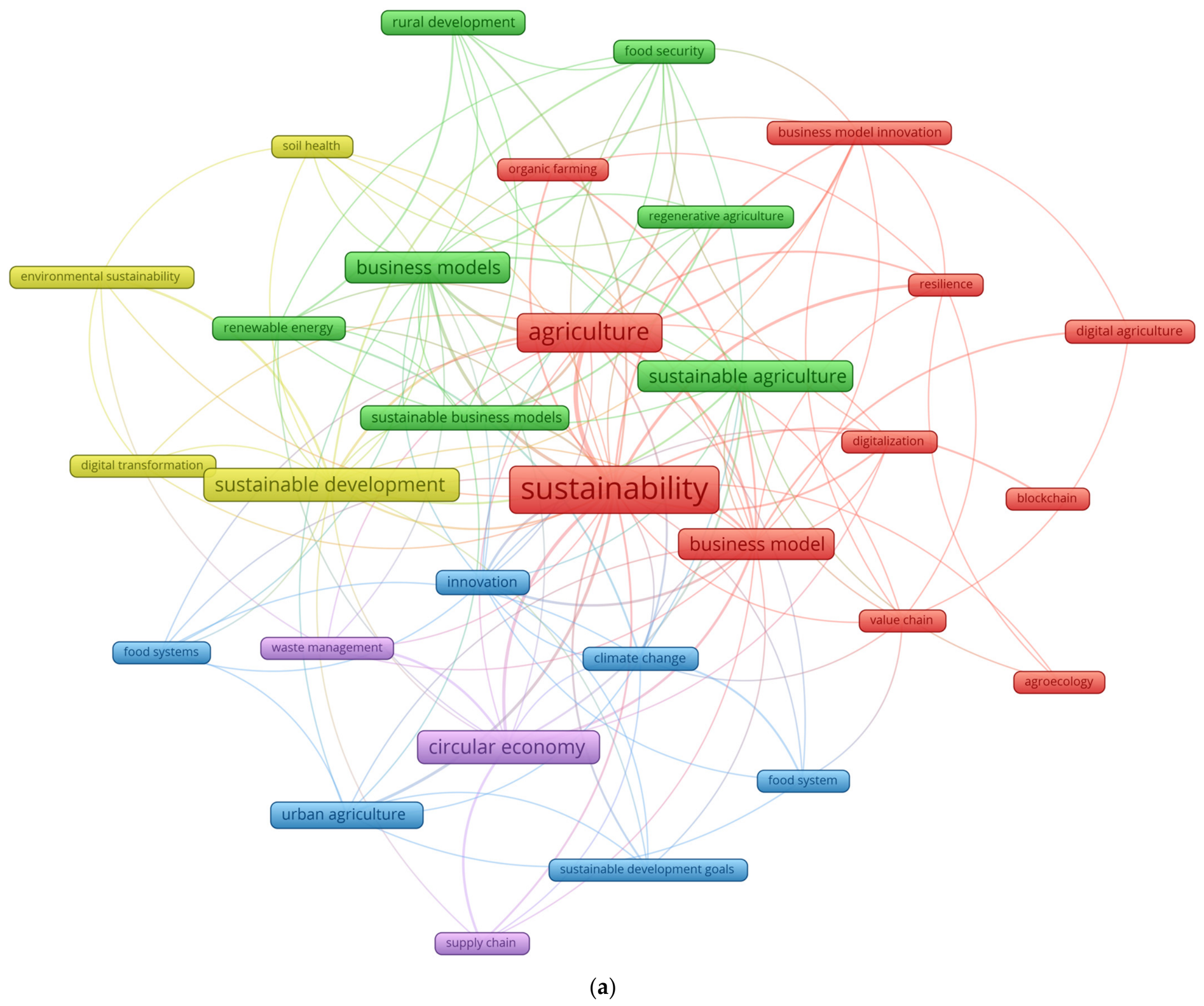
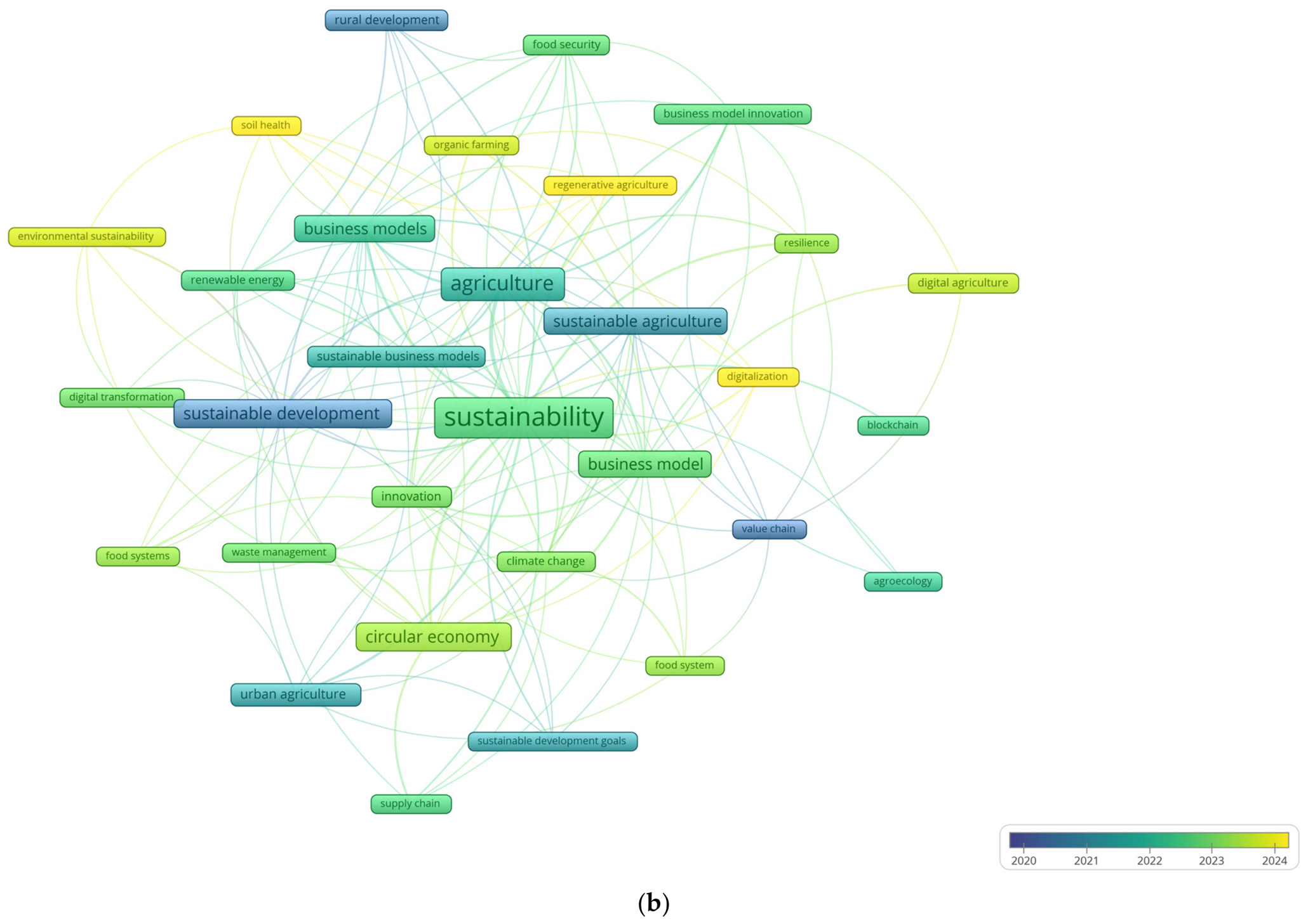
This analysis suggests that digitalization, regenerative agriculture, and soil health are the three emerging thematic pillars gaining prominence in 2024 literature. These areas appear to reflect a convergence between digital transformation, ecological restoration, and agricultural resilience metrics. In this sense, the evidence indicates that these themes are increasingly associated with discussions on the near-term evolution of business models for sustainable agriculture (see Figure 11b).
Taken together, the clusters based on Keywords Plus represent the established conceptual framework of the field, while the clusters based on Authors’ Keywords capture recent developments and emerging lines of research. This complementarity allows us to simultaneously understand the intellectual foundations and contemporary transformations of business models for sustainable agriculture.
The results, presented in Figure 12a,b, reveal a marked topological difference between the two terminology repertoires. In the case of Keywords Plus© (KWP, Figure 12a), the percolation curve exhibits behavior consistent with a relatively redundant and homogeneous structure, in which targeted attacks do not substantially accelerate fragmentation compared to random removal until approximately 67% of the graph has been degraded. In contrast, the network based on Author Keywords (AKW, Figure 12b) exhibits greater sensitivity to the removal of its structural nodes, with a collapse of the largest connected component (LCC) when approximately 30% of the concepts with the highest internal centrality are removed [63,64]. This difference suggests that AKWs organize the scientific domain around a more specialized and structurally dependent conceptual core, whereas KWP networks exhibit a more redundant organization that mitigates the effect of losing individual nodes [66].
Figure 12.
Robustness of thematic co-occurrence graph. (a) Total robustness of graph by Keywords Plus© (The line for Cluster 1 coincides exactly with the line for Cluster 2, and the yellow line has been superimposed on the blue line); (b) Total robustness of graph by Author Keywords; (c) Robustness of clustering in graph by Keywords Plus©; (d) Robustness of clustering in graph by Author Keywords.
In a second phase, dynamic inverse percolation analysis made it possible to examine the robustness of the subfields identified from both terminology repertoires (Figure 12c,d). At the cluster level, the four KWP-based communities exhibited relatively similar degradation trajectories, with losses exceeding 85% of conceptual consistency following the removal of approximately 10% to 13% of their core terms. Their low robustness indices (AUC = 0.164–0.208) indicate high sensitivity to the targeted removal of central concepts. In contrast, the five clusters constructed by AKW exhibited more heterogeneous trajectories and, in general, greater structural robustness, with AUC values ranging from 0.184 to 0.333. Cluster 5, associated with waste management, supply chain, and circular economy, exhibited the highest robustness (AUC = 0.333), while Cluster 4, centered on sustainable development, soil health, and environmental sustainability, achieved an AUC of 0.281. Cluster 1, characterized by value chain, sustainability, and resilience, showed intermediate robustness (AUC = 0.240), while Clusters 2 and 3 recorded lower values (AUC = 0.184 and 0.208, respectively).
Taken together, these results indicate that the conceptual structures derived from AKWs exhibit a more differentiated and heterogeneous internal organization across subfields, whereas KWPs show more uniform patterns of degradation and less robustness at the cluster level. A comparison of the two structures therefore suggests that the keywords provided by the authors capture conceptual communities with varying degrees of cohesion and resilience, whereas KWP offers a more homogeneous representation of the thematic domain.
Finally, systemic resilience was quantified using the area under the curve (AUC), calculated using the trapezoidal rule over the conceptual consistency loss curves. This indicator allowed for a comparison of the relative robustness of the different subfields (Table 5). Among the KWP communities, Clusters 1 and 2 exhibited the greatest robustness (AUC = 0.208), followed by Cluster 4 (AUC = 0.184) and Cluster 3 (AUC = 0.164). Among the AKW communities, Cluster 5 showed the greatest robustness (AUC = 0.333), followed by Cluster 4 (AUC = 0.281), Cluster 1 (AUC = 0.240), Cluster 3 (AUC = 0.208), and Cluster 2 (AUC = 0.184). These values highlight differences in the subfields’ ability to maintain their conceptual consistency in the face of the targeted removal of their central terms.
Table 5.
Robustness of thematic clusters based on keyword type and conceptual core.
Thus, when evaluating the stability of the conceptual structures identified using VOSviewer, we examined whether the modular configuration, the identity of the central nodes, and the substantive interpretation of each cluster remained consistent in the dynamic degradation simulations. Because VOSviewer’s clustering algorithm operates on the largest connected component (LCC)—27 Keywords Plus© terms out of 782 and 31 Author Keywords out of 1280—modifying the minimum occurrence threshold would simply produce different subnetworks rather than provide a meaningful test of robustness. For this reason, sensitivity was assessed directly on the LCC and its modular subgraphs. In all perturbation scenarios—random elimination and targeted attacks—the number of clusters remained unchanged (four for Keywords Plus© and five for Author Keywords), and each cluster consistently retained its three highest-ranking keywords, which function as its conceptual core. These stable sets of “central keywords” (e.g., systems, networks, innovation for KWP-1; waste management, supply chain, circular economy for AKW-5) continued to support the thematic labels assigned based on the VOSviewer extraction. Similarly, although robustness values (AUC) vary across clusters, the overall conceptual interpretation of each thematic community remains substantially stable, with no changes in dominant meanings or internal coherence. This confirms that the modular structure, central nodes, and thematic identity of each cluster are robust to both stochastic degradation and selective removal.
3.8. Intellectual Structure Through Co-Citation Analysis
Finally, co-citation analysis was applied to uncover the intellectual connections, influential works, theoretical foundations, and thematic clusters that shape the field’s knowledge base. A total of 22,467 cited references were processed and using the h-index [68,69,70,71] of the reference set, 11 core references with 11 or more co-citations were identified as the most influential. These 11 highly co-cited works, which represent the foundational intellectual nucleus of the field, are presented in Figure 13.
Figure 13.
Co-citation graph.
The co-citation network reveals a strongly consolidated intellectual core centered on business models, sustainability, and the transformation of agri-food systems. The most frequently cited reference is Osterwalder [91], with 21 citations in the corpus, corresponding to the Business Model Canvas, followed by Teece [92] with 20, which provides a strategic perspective on value creation and capture. Foundational works in business model theory such as Zott & Amit [93] and Joyce & Paquin [94] also appear prominently, reinforcing the centrality of business model design and multi-layered value architectures.
The image-based co-citation map further highlights a dense cluster of agricultural and territorial transformation studies. Key contributions include Pölling [95,96] on urban agriculture and land-use policy, Wolfert et al. [97] on digitalization and smart farming, Klerkx et al. [98,99] on innovation systems and digital platforms, and Zasada et al. [100] on peri-urban agriculture and territorial dynamics. These works collectively link business model innovation with agricultural modernization, digital transformation, and spatial organization.
Parallel to this, the network shows a stream of literature on sustainable and circular business models, represented by Bocken et al. [47], Boons & Lüdeke-Freund [48], and Geissdoerfer et al. [23,46]. These contributions shift the analytical focus from purely economic value generation toward models that integrate environmental and social dimensions, emphasizing circularity, regenerative practices, and systemic sustainability.
The co-citation graph also includes influential works on digital transformation and agri-food systems, such as Lezoche et al. [54], which addresses Industry 4.0 and digital supply chains, and Long et al. [101], which examines innovation and sustainability in food and agribusiness management. Their presence reinforces the interdisciplinary nature of the field, bridging business model theory with digital agriculture, sustainability transitions, and systemic innovation.
Taken together, the references suggest that the intellectual structure of the field appears to be organized around three major axes:
- Business model design and strategic value creation, grounded in foundational works such as Osterwalder [91], Teece [92], Zott & Amit [93], and Joyce & Paquin [93].
- Sustainability and circular economy, shaped by Bocken et al. [47], Boons & Lüdeke-Freund [48], and Geissdoerfer et al. [23,46].
- Innovation, digitalization, and the transformation of agricultural and food systems, represented by Pölling [95,96], Wolfert et al. [97], Klerkx et al. [98,99], Zasada et al. [100], Lezoche et al. [54], and Long et al. [101].
The repeated presence of authors and works across these axes indicates a clear convergence between business model scholarship and contemporary challenges of sustainability, digital transformation, and agribusiness restructuring.
4. Discussion
The results of this study, including the systemic and modular robustness analyses, suggest that scientific production on models for building sustainable agriculture has evolved toward a multidimensional and increasingly interdisciplinary field, where business model innovation, sustainability transitions, and digital transformation converge. This trend is strongly aligned with recent literature, which similarly emphasizes the need to integrate technological, organizational, environmental, and social dimensions to address contemporary challenges in agri-food systems.
Previous reviews have examined some of these configurations from specific thematic or sectoral perspectives, offering partial insights into the diversity of business model approaches in agriculture. Research has explored inclusive and adaptive business models for climate-smart agriculture, business model innovation in food supply chains, and value creation in agricultural systems [102,103,104]. Other studies have analyzed technological and organizational transformations such as digital agriculture, artificial intelligence, blockchain, and Agri-Food-Tech business models [2,38,55,105]. Likewise, systematic and bibliometric studies have examined applications of circular economy principles, regional food hubs, sustainable fertilizers, biogas and biomethane, and circular water management [49,56,106,107]. These contributions have expanded understanding of how specific technologies, resources, value chains, and stakeholder arrangements can support agricultural sustainability.
However, none of these strands have been integrated into a unified analysis capable of characterizing the epistemic, conceptual, and thematic structure of the field, which underscores the relevance of the present bibliometric investigation.
4.1. Convergence Between Business Models and Sustainability
The results suggest that business models constitute the most well-established knowledge base in the field [91,92,93], and this centrality is confirmed in the recent literature. For example, Rodríguez-Orozco et al. [8] demonstrate that agribusiness has shifted from economic approaches toward models that incorporate environmental and social impacts, which aligns with the shift observed in the articles cited as a reference toward circular and sustainable models [23,46,47,48].
Likewise, Kodama et al. [49] show that environmental sustainability dominates the analysis of fertilizers under circular economy principles, reinforcing the importance of integrating regenerative and optimization practices into agricultural business models. This emphasis aligns with the strong presence of SDGs 2, 12, 13, and 15 in our results, where sustainable production, circularity, and climate action are predominant themes.
Together, these findings point to a conceptual convergence in which sustainability is no longer an external constraint but a core design principle of contemporary agricultural business models.
Furthermore, the structural analysis shows that ontologies derived from Keywords Plus© exhibit a more redundant and homogeneous organization, whereas those constructed from Author Keywords articulate more specialized conceptual nuclei that are sensitive to perturbations, reinforcing the epistemological centrality of the sustainable models defined by the authors themselves.
4.2. Digitization, Platforms, and Technological Transformation
The second knowledge area identified in the results—innovation, digitalization, and the transformation of agri-food systems—is widely supported by recent literature. Cavazza et al. [55] highlight that artificial intelligence is generating new business models and opportunities for farmers and entrepreneurs, although barriers to adoption persist. Similarly, Dal Mas et al. [38] show that blockchain accelerates the digital transformation of agri-food supply chains and is key to sustainable business models based on traceability and transparency.
These findings are consistent with the prominent presence of terms such as “innovation,” “technologies,” “energy,” “ecosystem services,” and “climate change” in the identified thematic clusters (Zipf), as well as with the prominence of authors such as Wolfert et al. [97]. and Klerkx et al. [98,99], who link digitalization, platforms, and agricultural innovation systems.
In addition, Kaur [108] provides empirical evidence on the financial performance of digital business models in agri-tech, showing that digital platforms generate a higher ROI and accelerate scalability. This result complements the findings on contemporary growth in production (2023–2026) and the consolidation of digital models as part of the core body of knowledge on the topic.
These results are consistent with the idea that digital transformation can support innovation in business models in the agricultural sector, contributing to new forms of coordination, transparency, and scalability. This heterogeneity is also reflected in modular robustness: clusters associated with digitization and supply chains exhibit greater structural cohesion, suggesting that digital transformation not only redefines business models but also the conceptual architecture of the field.
4.3. Collaborative Networks, Governance, and Territorial Models
The third knowledge area, agricultural and territorial transformation, is also supported by recent literature. Hermiatin et al. [56] show that food value chains and regional food hubs strengthen local sustainability through collaborative networks and social entrepreneurship, which aligns with the presence of authors such as Pölling [95,96] and Zasada et al. [100] in the co-citation analysis, who examine urban and peri-urban agriculture and territorial governance.
Similarly, Kansiime et al. [109] emphasize that business models for youth employment in Africa rely on mechanisms such as collective action, certification, digital platforms, and formal and informal networks, underscoring the importance of governance and coordination among stakeholders, elements that also emerge in the identified thematic clusters (management, governance, networks).
Furthermore, Hansson et al. [107] show that the adoption of water-related landscape features (WLFs) is limited by the lack of mechanisms for capturing value, which is consistent with findings regarding the need for business models capable of internalizing environmental and territorial benefits. Their call to monetize resilience and develop differentiated models complements the trend toward circular and systemic models identified in the analysis.
Overall, these findings suggest that territorial governance, collaborative networks, and multi-actor coordination are essential components of emerging business models for sustainable agriculture. The modular robustness results confirm this trend: clusters related to territorial governance and the circular economy exhibit greater stability in the face of targeted disturbances, demonstrating that territorial and collaborative approaches generate more resilient conceptual communities.
4.4. Systemic Innovation, Living Labs, and Persistent Gaps
Finally, Yousefi et al. [110]. show that Agricultural Living Labs are making progress in innovation and co-creation but lack explicit frameworks for economic sustainability and business models. This gap aligns with findings regarding the need for integrated approaches that bring together technological innovation, governance, and sustainability, and reinforces the importance of the three identified pillars of knowledge.
Recent literature also consistently highlights gaps in technology adoption, socio-behavioral barriers, a lack of digital infrastructure, and the absence of value-capture mechanisms, all dimensions that the results highlight as contemporary challenges in scientific production.
These gaps suggest that, while innovation is accelerating, the institutional, economic, and infrastructural conditions required to support sustainable business models remain uneven across regions and production systems. The fragility observed in the clusters derived from Keywords Plus© reinforces these gaps, indicating that automated taxonomies still do not adequately capture the systemic complexity or the interdependencies necessary to support sustainable business models.
4.5. Theoretical Implications
The results of this study, together with recent literature, are compatible with a theoretical framework in which sustainable, digital, and territorially integrated business models appear to function as central components of agri-food transformation. The convergence of technological innovation (AI, blockchain, digital platforms), the circular economy, and territorial governance is interpreted in the literature as suggesting that business model theory may be evolving toward multilayered approaches capable of simultaneously capturing economic, social, and environmental values. These findings, including the differentiated robustness of author-defined conceptual communities, complement and extend the classic frameworks of the Business Model Canvas and the Triple-Layered Business Model Canvas, integrating dimensions of ecological resilience, multi-stakeholder co-creation, and territorial value capture, as suggested by recent studies on vertical farming [57], circular fertilizers [49], and agricultural Living Labs [110].
4.6. Practical Implications
From an applied perspective, the results indicate that the adoption of innovations in agriculture is associated with collaborative networks, effective governance, and clear value-capture mechanisms, especially in contexts where environmental benefits occur off-farm [107]. Digitalization is increasingly associated with new business models, enabling scalability through platforms, blockchain traceability, and AI-based decision-making systems [38,55]. For farmers, entrepreneurs, and policymakers, this suggests that sustainability is not solely achieved through technology but rather appears to depend on organizational frameworks that integrate contracts, certifications, marketplaces, collective action, and inclusive financing, as demonstrated by youth employment models in Africa [109]. Taken together, the evidence indicates that the transition to sustainable agriculture is influenced by digital infrastructure, territorial governance frameworks, and policies that incentivize circular and collaborative models. The greater resilience of clusters associated with the circular economy and supply chains suggests that these areas have more mature conceptual foundations, which makes it easier to translate them into applicable and scalable business models.
4.7. Limitations
Despite the detailed analysis conducted, certain limitations must be considered. First, recent scientific literature shows an overrepresentation of the environmental dimension, while the economic and social dimensions remain under-explored, as noted by Kodama et al. [49] and Yousefi et al. [110]. Second, although digitalization appears to be a dominant trend, the literature highlights gaps in technology adoption, socio-behavioral barriers, and a lack of digital infrastructure in emerging regions [55,111]. Finally, territorial and circular business models still lack standardized mechanisms for capturing value, which limits their practical implementation and hinders the assessment of long-term impact, especially in initiatives such as WLFs and Living Labs.
Additional methodological limitations include reliance on WoSCC, sensitivity to search-string configuration, incomplete coverage of 2026 publications, citation lag, database bias, and dependence on Keywords Plus and Authors Keywords for thematic identification. Finally, although the robustness analysis provides relevant structural evidence, its interpretation depends on the quality of the networks constructed and the inherent bias in the terminology repertoires used (KWP vs. AKW), which should be considered in future applications.
4.8. Future Research Directions
Based on these gaps, we can identify future research directions:
- First, the literature increasingly emphasizes the relevance of hybrid business models that may integrate economic and social sustainability, complementing the environmental foundation already observed.
- Second, recent studies suggest that further work may explore value-capture frameworks for regenerative and territorial practices, including the monetization of resilience, payments for ecosystem services, and multiscale governance models.
- Third, digitalization trends indicate that additional research may examine financial impacts, barriers to adoption, and scalability, particularly in agri-tech and digital platform contexts [108].
- Fourth, the literature points to the need for more robust methodological approaches to assess impact, economic sustainability, and business model design in Agricultural Living Labs, as suggested by Yousefi et al. [110].
- Fifth, emerging evidence suggests that analyzing the epistemological resilience of subfields through percolation techniques and network analysis may help identify critical conceptual core and potential pathways for re-stabilization in agricultural business models.
- Finally, several contributions indicate that future research may benefit from systemic approaches linking technological innovation, territorial governance, and multi-stakeholder co-creation, in alignment with the three knowledge pillars identified in this study.
5. Conclusions
This bibliometric investigation suggests that research on business models for building sustainable agriculture has evolved into a multidimensional and increasingly integrated field. The results indicate a convergence between technological innovation, circular economy strategies, territorial governance, and collaborative value-creation mechanisms. The intellectual structure of the field appears to be organized around three major axes: business model design and strategic value creation; sustainability and circular economy; innovation, digitalization, and the transformation of agricultural and food systems.
Recent literature is consistent with these patterns, highlighting the growing relevance of digital platforms, AI, blockchain, and systemic approaches such as Living Labs, while also identifying persistent gaps in economic and social sustainability, value-capture mechanisms, and long-term impact assessment. Thus, this research offers an overview of the conceptual trends emerging from the bibliometric evidence, without implying causal or prescriptive relationships.
Overall, the findings indicate that advancing sustainable agriculture may benefit from hybrid business models capable of integrating environmental resilience, technological capabilities, territorial relationships, and multi-actor collaboration.
Additionally, the robustness analysis reveals that conceptual structures derived from Author Keywords exhibit greater epistemic cohesion and differentiated subfield organization than those generated through Keywords Plus©, suggesting that future research should prioritize author-provided terminology when mapping emerging scientific domains.
These insights provide a conceptual foundation for future research and practical efforts aimed at strengthening the resilience, competitiveness, and sustainability of agri-food systems, while acknowledging that further empirical work is needed to validate these emerging patterns.
Supplementary Materials
The following supporting information can be downloaded at: https://www.mdpi.com/article/10.3390/agriculture16202212/s1. The Supplementary Material file contains 2 compressed files. A file for lecture in VOSviewer: BM4BSA_data.txt, and another spreadsheet file: BM4BSA_data.csv. (both in a ZIP file: BM4BSA_data.zip). In addition, we have included the ZIP file ‘RobustGraph’, containing the four Python scripts that evaluate the structural stability and robustness of the conceptual domain using dynamic network degradation simulations implemented in NetworkX.
Author Contributions
Conceptualization, C.B.-B., A.V.-M. and J.M.-L.; methodology, A.V.-M., G.S.-S. and M.M.; software, A.V.-M.; validation, J.M.-L. and G.S.-S.; formal analysis, M.M. and J.M.; resources, A.V.-M.; data curation, C.B.-B. and A.V.-M.; writing—original draft preparation, C.B.-B., A.V.-M., M.M., J.M., J.M.-L. and G.S.-S.; writing—review and editing, C.B.-B., A.V.-M., M.M., J.M., J.M.-L. and G.S.-S.; visualization, C.B.-B. and A.V.-M.; supervision, A.V.-M.; project administration, C.B.-B.; funding acquisition, J.M. All authors have read and agreed to the published version of the manuscript.
Funding
This research received no external funding.
Institutional Review Board Statement
Not applicable.
Data Availability Statement
The original contributions presented in this study are included in the article/Supplementary Materials. Further inquiries can be directed to the corresponding authors.
Acknowledgments
During the preparation of this manuscript, the authors used Microsoft Copilot, version 2026.08, for the purpose of improving writing and proofreading. The authors have reviewed and edited the output and take full responsibility for the content of this publication.
Conflicts of Interest
The authors declare no conflicts of interest.
References
- German, L.A.; Bonanno, A.M.; Foster, L.C.; Cotula, L. “Inclusive business” in agriculture: Evidence from the evolution of agricultural value chains. World Dev. 2020, 134, 105018. [Google Scholar] [CrossRef] [Scilit]
- Vlachopoulou, M.; Ziakis, C.; Vergidis, K.; Madas, M. Analyzing AgriFood-Tech e-Business Models. Sustainability 2021, 13, 5516. [Google Scholar] [CrossRef] [Scilit]
- Grytz, V.K.; Guero, I.R. The Use of International Trade Mechanisms by the Brazilian Agribusiness. Glob. Trade Cust. J. 2023, 18, 21–30. [Google Scholar] [CrossRef] [Scilit]
- Bentivoglio, D.; Chiaraluce, G.; Finco, A. Economic assessment for vegetable waste valorization through the biogas-biomethane chain in Italy with a circular economy approach. Front. Sustain. Food Syst. 2022, 6, 1035357. [Google Scholar] [CrossRef] [Scilit]
- Khan, M.A.; Mahajan, R. Exploring factors influencing circular economy adoption and firm-level practices in the agribusiness sector: An exploratory study of Indian firms. Environ. Dev. Sustain. 2025, 27, 9039–9069. [Google Scholar] [CrossRef] [Scilit]
- Martin, S.W.; Barnett, B.J.; Coble, K.H. Developing and pricing precipitation insurance. J. Agric. Resour. Econ. 2001, 26, 261–274. [Google Scholar] [CrossRef]
- Rocha, E.G.; De Moura, P.K.G.; Costa, A.B. Brazilian Agrarian and Development Laws: The Legal Framework of Brazilian Agribusiness and Its Financialization. Rev. Direito GV 2025, 21, e2511. [Google Scholar] [CrossRef] [Scilit]
- Rodríguez-Orozco, N.; Linares-Gabriel, A.; Hernández-Chontal, M.A. Qualitative and quantitative analysis of scientific contributions in agribusiness. Sci. Agropecu. 2021, 12, 435–444. [Google Scholar] [CrossRef] [Scilit]
- Kleyn, F.J.; Ciacciariello, M. Future demands of the poultry industry: Will we meet our commitments sustainably in developed and developing economies? Worlds Poult. Sci. J. 2021, 77, 267–278. [Google Scholar] [CrossRef] [Scilit]
- Priyanto, D.; Tan, S.S.; Diana, E.; Tarigan, H.; Bakrie, B.; Rohaeni, E.S.; Wahyuwardani, S.; Ariningsih, E.; Apriliyadi, E.K.; Agustine, R.; et al. Developing a sustainable duck farming business model in peri-urban areas of Jakarta, Indonesia. Cogent Food Agric. 2025, 11, 2566898. [Google Scholar] [CrossRef] [Scilit]
- Relf-Eckstein, J.E.; Ballantyne, A.T.; Phillips, P.W.B. Farming Reimagined: A case study of autonomous farm equipment and creating an innovation opportunity space for broadacre smart farming. NJAS-Wagening. J. Life Sci. 2019, 90–91, 100307. [Google Scholar] [CrossRef] [Scilit]
- Magwaza, L.S.; Opara, U.L.; Nieuwoudt, H.; Cronje, P.J.R.; Saeys, W.; Nicolaï, B. NIR Spectroscopy Applications for Internal and External Quality Analysis of Citrus Fruit-A Review. Food Bioprocess Technol. 2012, 5, 425–444. [Google Scholar] [CrossRef] [Scilit]
- Iliopoulos, C.; Theodorakopoulou, I.; Giotis, T.; Brunori, G. Perceptions of costs and benefits of farm digitalization in Europe. Int. Food Agribus. Manag. Rev. 2025, 28, 54–62. [Google Scholar] [CrossRef] [Scilit]
- Kozera-Kowalska, M.; Uglis, J. Agribusiness as an Attractive Place to Work-A Gender Perspective. Agriculture 2021, 11, 202. [Google Scholar] [CrossRef] [Scilit]
- Marcuta, L.; Pacurar, I.; Popescu, A.; Marcuta, A. Study on the perception of graduates regarding the attractiveness of jobs in agribusiness. Sci. Pap.-Ser. Manag. Econ. Eng. Agric. Rural Dev. 2023, 23, 387–394. [Google Scholar]
- Ngozi, S.; Feleke, S. Enhancing youth’s retention in potato farming enterprise through consortium agribusiness models in Tanzania. Crop Sci. 2024, 64, 1421–1431. [Google Scholar] [CrossRef] [Scilit]
- Swaffield, S.R.; Corry, R.C.; Opdam, P.; McWilliam, W.; Primdahl, J. Connecting business with the agricultural landscape: Business strategies for sustainable rural development. Bus. Strategy Environ. 2019, 28, 1357–1369. [Google Scholar] [CrossRef] [Scilit]
- Cáceres, D.M. Accumulation by Dispossession and Socio-Environmental Conflicts Caused by the Expansion of Agribusiness in Argentina. J. Agrar. Change 2015, 15, 116–147. [Google Scholar] [CrossRef] [Scilit]
- Vidickiene, D.; Lankauskiene, R. Sustainability through the prism of innovative service-oriented business model in farming. Discov. Sustain. 2025, 6, 286. [Google Scholar] [CrossRef] [Scilit]
- Schelle, C.; Pokorny, B. How Inclusive Is Inclusive? A Critical Analysis of an Agribusiness Initiative in Kenya. Sustainability 2021, 13, 10937. [Google Scholar] [CrossRef] [Scilit]
- Freudenreich, B.; Luedeke-Freund, F.; Schaltegger, S. A Stakeholder Theory Perspective on Business Models: Value Creation for Sustainability. J. Bus. Ethics 2020, 166, 3–18. [Google Scholar] [CrossRef] [Scilit]
- Evans, S.; Vladimirova, D.; Holgado, M.; Van Fossen, K.; Yang, M.Y.; Silva, E.A.; Barlow, C.Y. Business Model Innovation for Sustainability: Towards a Unified Perspective for Creation of Sustainable Business Models. Bus. Strategy Environ. 2017, 26, 597–608. [Google Scholar] [CrossRef] [Scilit]
- Geissdoerfer, M.; Vladimirova, D.; Evans, S. Sustainable business model innovation: A review. J. Clean. Prod. 2018, 198, 401–416. [Google Scholar] [CrossRef] [Scilit]
- Lewandowski, M. Designing the Business Models for Circular Economy-Towards the Conceptual Framework. Sustainability 2016, 8, 43. [Google Scholar] [CrossRef] [Scilit]
- Geissdoerfer, M.; Pieroni, M.P.P.; Pigosso, D.C.A.; Soufani, K. Circular business models: A review. J. Clean. Prod. 2020, 277, 123741. [Google Scholar] [CrossRef] [Scilit]
- Li, F. The digital transformation of business models in the creative industries: A holistic framework and emerging trends. Technovation 2020, 92–93, 102012. [Google Scholar] [CrossRef] [Scilit]
- Müller, J.M.; Buliga, O.; Voigt, K.I. The role of absorptive capacity and innovation strategy in the design of industry 4.0 business Models-A comparison between SMEs and large enterprises. Eur. Manag. J. 2021, 39, 333–343. [Google Scholar] [CrossRef] [Scilit]
- Salvador, R.; Barros, M.V.; Donner, M.; Brito, P.; Halog, A.; Francisco, A.C.D. How to advance regional circular bioeconomy systems? Identifying barriers, challenges, drivers, and opportunities. Sustain. Prod. Consum. 2022, 32, 248–269. [Google Scholar] [CrossRef] [Scilit]
- Koirala, B.P.; Araghi, Y.; Kroesen, M.; Ghorbani, A.; Hakvoort, R.A.; Herder, P.M. Trust, awareness, and independence: Insights from a socio-psychological factor analysis of citizen knowledge and participation in community energy systems. Energy Res. Soc. Sci. 2018, 38, 33–40. [Google Scholar] [CrossRef] [Scilit]
- Reis, I.F.G.; Gonçalves, I.; Lopes, M.A.R.; Antunes, C.H. Business models for energy communities: A review of key issues and trends. Renew. Sustain. Energy Rev. 2021, 144, 111013. [Google Scholar] [CrossRef] [Scilit]
- Martínez-Buján, R.; Eijo, A. Home care provision in dispute: Digital platforms and worker cooperatives in Spain. Econ. Soc. 2026, 55, 232–253. [Google Scholar] [CrossRef] [Scilit]
- Kadzamira, M.; Chege, F.; Suntharalingam, C.; Bundi, M.; Likoko, L.; Magero, D.; Romney, D.; Kansiime, M.; Mulema, J. African women and young people as agriculture service providers-business models, benefits, gaps and opportunities. CABI Agric. Biosci. 2024, 5, 24. [Google Scholar] [CrossRef] [Scilit]
- Moreno, J.C.; Rodríguez, F.; Sánchez-Hermosilla, J.; Giménez, A.; Sánchez-Molina, J.A. Feasibility analysis of robots in greenhouses. A case study in European Mediterranean countries. Smart Agric. Technol. 2024, 9, 100638. [Google Scholar] [CrossRef] [Scilit]
- Acevedo-Urquiaga, A.J.; Quintero, O.L.; Tamayo, P.A.; Revuelta-Licea, E.; Urquijo-Rodríguez, A.F.; Sablon-Cossío, N.; Acevedo-Suárez, J.A. Neural network prediction of small business competitiveness under a sustainable short supply chain business model for rooftop agriculture in a Bogota neighborhood. Results Eng. 2025, 28, 107938. [Google Scholar] [CrossRef] [Scilit]
- Hamman, P.; Dziebowski, A. Building an Agricultural Biogas Supply Chain in Europe: Organizational Models and Social Challenges. Sustainability 2025, 17, 5806. [Google Scholar] [CrossRef] [Scilit]
- Kagabo, D.M.; Byandaga, L.; Gatsinzi, P.; Mvuyibwami, P.; Munyangeri, Y.U.; Ntwari, N.; Ouedraogo, M. Scaling climate information services and climate smart agriculture through bundled business models. Clim. Serv. 2025, 37, 100526. [Google Scholar] [CrossRef] [Scilit]
- Duncombe, R. Mobile Phones for Agricultural and Rural Development: A Literature Review and Suggestions for Future Research. Eur. J. Dev. Res. 2016, 28, 213–235. [Google Scholar] [CrossRef] [Scilit]
- Dal Mas, F.; Massaro, M.; Ndou, V.; Raguseo, E. Blockchain technologies for sustainability in the agrifood sector: A literature review of academic research and business perspectives. Technol. Forecast. Soc. Change 2023, 187, 122155. [Google Scholar] [CrossRef] [Scilit]
- Kuo, C.M.; Wang, C.H.; Tseng, C.Y.; Lo, Y.C. Exploring Sustainable Leisure Farm with Intelligent of Things (IoT) Technology Solution for Aging. Sustainability 2024, 16, 6311. [Google Scholar] [CrossRef] [Scilit]
- Lakatos, E.S.; Rhazzali, A.L.; Pernice, U.; Panait, O.B.; Arion, F.H.; Cioca, L.I. Integrating Emerging Digital Technologies into Circular Economy Practices. Processes 2026, 14, 556. [Google Scholar] [CrossRef] [Scilit]
- Díaz-Correa, J.E.; López-Navarro, M.A. Managing Sustainable Hybrid Organisations: A Case Study in the Agricultural Sector. Sustainability 2018, 10, 3010. [Google Scholar] [CrossRef] [Scilit]
- Teixeira, R.R.O.; Arcuri, S.; Cavicchi, A.; Galli, F.; Brunori, G.; Vergamini, D. Can alternative wine networks foster sustainable business model innovation and value creation? The case of organic and biodynamic wine in Tuscany. Front. Sustain. Food Syst. 2023, 7, 1241062. [Google Scholar] [CrossRef] [Scilit]
- Lin, C.Y.; Tseng, Y.T.; Wei, N.C.; Hsu, H.C.; Huang, W.T. Discussion of the economic benefits of biogas slurry irrigation by analytic hierarchy process (AHP). J. Inf. Optim. Sci. 2023, 44, 1429–1441. [Google Scholar] [CrossRef] [Scilit]
- Zilia, F.; Orsi, L.; Costantini, M.; Tedesco, D.E.A.; Sugni, M. Case study of Life Cycle Assessment and sustainable business model for sea urchin waste. Clean. Environ. Syst. 2023, 8, 100108. [Google Scholar] [CrossRef] [Scilit]
- Cardillo, C.; Cimino, O.; De Rosa, M.; Francescone, M. The Evolution of Multifunctional Agriculture in Italy. Sustainability 2023, 15, 11403. [Google Scholar] [CrossRef] [Scilit]
- Geissdoerfer, M.; Savaget, P.; Bocken, N.M.P.; Hultink, E.J. The Circular Economy—A new sustainability paradigm? J. Clean. Prod. 2017, 143, 757–768. [Google Scholar] [CrossRef] [Scilit]
- Bocken, N.M.P.; Short, S.W.; Rana, P.; Evans, S. A literature and practice review to develop sustainable business model archetypes. J. Clean. Prod. 2014, 65, 42–56. [Google Scholar] [CrossRef] [Scilit]
- Boons, F.; Lüdeke-Freund, F. Business models for sustainable innovation: State-of-the-art and steps towards a research agenda. J. Clean. Prod. 2013, 45, 9–19. [Google Scholar] [CrossRef] [Scilit]
- Kodama, T.K.; Nagano, M.S.; Miyata, H.H.; Ometto, A.R.; Beal, C. A comprehensive analysis of sustainable fertilizer-related publications within the context of circular economy: Insights from the field of business management. Clean. Prod. Lett. 2024, 7, 100077. [Google Scholar] [CrossRef] [Scilit]
- Barth, H.; Ulvenblad, P.; Ulvenblad, P.O.; Hoveskog, M. Unpacking sustainable business models in the Swedish agricultural sectore the challenges of technological, social and organisational innovation. J. Clean. Prod. 2021, 304, 127004. [Google Scholar] [CrossRef] [Scilit]
- Alonso-Martínez, D.; Jiménez-Parra, B.; Cabeza-García, L. Theoretical framework to foster and assess sustainable agriculture practices: Drivers and key performance indicators. Environ. Sustain. Indic. 2024, 23, 100434. [Google Scholar] [CrossRef] [Scilit]
- Popescu, D.M.; Duica, M.C.; Duta, N.M.; Duica, A.; Voinea, C.M.; Stanescu, G. Transforming Agriculture for a Sustainable Future: Economic, Ethical, and Environmental Perspectives. Sustainability 2025, 17, 5518. [Google Scholar] [CrossRef] [Scilit]
- Grant, M.J.; Booth, A. A typology of reviews: An analysis of 14 review types and associated methodologies. Health Inf. Libr. J. 2009, 26, 91–108. [Google Scholar] [CrossRef] [Scilit] [PubMed]
- Lezoche, M.; Hernandez, J.E.; Alemany-Díaz, M.d.M.; Panetto, H.; Kacprzyk, J. Agri-food 4.0: A survey of the supply chains and technologies for the future agriculture. Comput. Ind. 2020, 117, 103187. [Google Scholar] [CrossRef] [Scilit]
- Cavazza, A.; Dal Mas, F.; Paoloni, P.; Manzo, M. Artificial intelligence and new business models in agriculture: A structured literature review and future research agenda. Br. Food J. 2023, 125, 436–461. [Google Scholar] [CrossRef] [Scilit]
- Hermiatin, F.R.; Handayati, Y.; Perdana, T.; Wardhana, D. Creating Food Value Chain Transformations through Regional Food Hubs: A Review Article. Sustainability 2022, 14, 8196. [Google Scholar] [CrossRef] [Scilit]
- Biancone, P.P.; Brescia, V.; Lanzalonga, F.; Alam, G.M. Using bibliometric analysis to map innovative business models for vertical farm entrepreneurs. Br. Food J. 2022, 124, 2239–2261. [Google Scholar] [CrossRef] [Scilit]
- Valderrama-Zurian, J.C.; Melero-Fuentes, D.; Aleixandre-Benavent, R. Origin, characteristics, predominance and conceptual networks of eponyms in the bibliometric literature. J. Informetr. 2019, 13, 434–448. [Google Scholar] [CrossRef] [Scilit]
- Clarivate. Web of Science. 2026. Available online: https://www.webofknowledge.com (accessed on 13 August 2026).
- Soós, S.; Kiss, A.; Vida, Z.V. Measuring the effect of structural differences between Web of Science and Scopus on research impact assessment. J. Informetr. 2026, 20, 101810. [Google Scholar] [CrossRef] [Scilit]
- Van Eck, N.J.; Waltman, L. Software survey: VOSviewer, a computer program for bibliometric mapping. Scientometrics 2010, 84, 523–538. [Google Scholar] [CrossRef] [Scilit] [PubMed]
- Hagberg, A.A.; Schult, D.A.; Swart, P.J. Exploring network structure, dynamics, and function using NetworkX. In Proceedings of the 7th Python in Science Conference (SciPy 2008); Varoquaux, G., Vaught, T., Millman, J., Eds.; SciPy: Pasadena, CA, USA, 2008; pp. 11–15. [Google Scholar]
- Albert, R.; Jeong, H.; Barabási, A.L. Error and attack tolerance of complex networks. Nature 2000, 406, 378–382, Correction in Nature 2001, 409, 542. https://doi.org/10.1038/35054111. [Google Scholar] [CrossRef] [Scilit] [PubMed]
- Callaway, D.S.; Newman, M.E.; Strogatz, S.H.; Watts, D.J. Network robustness and fragility: Percolation on random graphs. Phys. Rev. Lett. 2000, 85, 5468–5471. [Google Scholar] [CrossRef] [Scilit] [PubMed]
- Iyer, S.; Killingback, T.; Sundaram, B.; Wang, Z. Attack Robustness and Centrality of Complex Networks. PLoS ONE 2013, 8, e59613. [Google Scholar] [CrossRef] [Scilit] [PubMed]
- Schneider, C.M.; Moreira, A.A.; Andrade, J.S., Jr.; Havlin, S.; Herrmann, H.J. Mitigation of malicious attacks on networks. Proc. Natl. Acad. Sci. USA 2011, 108, 3838–3841. [Google Scholar] [CrossRef] [Scilit] [PubMed]
- Mukherjee, D.; Lim, W.M.; Kumar, S.; Donthu, N. Guidelines for advancing theory and practice through bibliometric research. J. Bus. Res. 2022, 148, 101–115. [Google Scholar] [CrossRef] [Scilit]
- Haddow, G. Bibliometric research. In Research Methods, 2nd ed.; Williamson, K., Johanson, G., Eds.; Chandos Publishing: Waltham, MA, USA, 2018; Chapter 10; pp. 241–266. [Google Scholar] [CrossRef] [Scilit]
- Price, D. A general theory of bibliometric and other cumulative advantage processes. J. Assoc. Inf. Sci. 1976, 27, 292–306. [Google Scholar] [CrossRef] [Scilit]
- Dobrov, G.; Randolph, R.; Rauch, W. New options for team research via international computer networks. Scientometrics 1979, 1, 387–404. [Google Scholar] [CrossRef] [Scilit]
- Nicholls, P. Price’s square root law: Empirical validity and relation to Lotka’s law. Inf. Process. Manag. 1988, 24, 469–477. [Google Scholar] [CrossRef] [Scilit]
- Sianes, A.; Vega-Muñoz, A.; Tirado-Valencia, P.; Ariza-Montes, A. Impact of the Sustainable Development Goals on the academic research agenda. A scientometric analysis. PLoS ONE 2022, 17, e0265409. [Google Scholar] [CrossRef] [Scilit] [PubMed]
- Hirsch, J.E. An index to quantify an individual’s scientific research output. Proc. Natl. Acad. Sci. USA 2005, 102, 16569–16572. [Google Scholar] [CrossRef] [Scilit] [PubMed]
- Vanclay, J.K. Ranking forestry journals using the h-index. J. Informetr. 2008, 2, 326–334. [Google Scholar] [CrossRef] [Scilit][Green Version]
- Wu, H.; He, J.; Pei, Y. Scientific Impact at the Topic Level: A Case Study in Computational Linguistics. J. Am. Soc. Inf. Sci. Technol. 2010, 61, 2274–2287. [Google Scholar] [CrossRef] [Scilit]
- Petrovich, E. Bibliometrics in Press. Representations and uses of bibliometric indicators in the Italian daily newspapers. Scientometrics 2022, 127, 2195–2233. [Google Scholar] [CrossRef] [Scilit]
- Lotka, A. The frequency distribution of scientific productivity. J. Wash. Acad. Sci. 1926, 16, 317–323. [Google Scholar]
- Tsai, H. Knowledge management vs. data mining: Research trend, forecast and citation approach. Expert Syst. Appl. 2013, 40, 3160–3173. [Google Scholar] [CrossRef] [Scilit]
- Bailón-Moreno, R.; Jurado-Alameda, E.; Ruiz-Baños, R.; Courtial, J.P. Bibliometric laws: Empirical flaws of fit. Scientometrics 2005, 63, 209–229. [Google Scholar] [CrossRef] [Scilit]
- Egghe, L. Zipfian and Lotkaian Continuous Concentration Theory. J. Am. Soc. Inf. Sci. Technol. 2005, 56, 935–945. [Google Scholar] [CrossRef] [Scilit]
- Zipf, G.K. Selected Studies of the Principle of Relative Frequency in Language; Harvard University Press: Cambridge, MA, USA, 1932. [Google Scholar]
- Merediz-Solà, I.; Bariviera, A.F. A bibliometric analysis of bitcoin scientific production. Res. Int. Bus. Financ. 2019, 50, 294–305. [Google Scholar] [CrossRef] [Scilit]
- Bradford, S.C. Sources of information on specific subjects. Eng. Illus. Wkly. J. 1934, 137, 85–86. [Google Scholar]
- Bulick, S. Book use as a Bradford-Zipf phenomenon. Coll. Res. Libr. 1978, 39, 215–219. [Google Scholar] [CrossRef] [Scilit]
- Desai, N.; Veras, L.; Gosain, A. Using Bradford’s law of scattering to identify the core journals of pediatric surgery. J. Surg. Res. 2018, 229, 90–95. [Google Scholar] [CrossRef] [Scilit] [PubMed]
- Sainaghi, R.; Phillips, P.; Baggio, R.; Mauri, A. Cross-citation and authorship analysis of hotel performance studies. Int. J. Hosp. Manag. 2018, 73, 75–84. [Google Scholar] [CrossRef] [Scilit]
- Martinot, E.; Chaurey, A.; Lew, D.; Moreira, J.R.; Wamukonya, N. Renewable energy markets in developing countries. Annu. Rev. Energy Environ. 2002, 27, 309–348. [Google Scholar] [CrossRef] [Scilit]
- Zucchella, A.; Previtali, P. Circular business models for sustainable development: A waste is food restorative ecosystem. Bus. Strategy Environ. 2019, 28, 274–285. [Google Scholar] [CrossRef] [Scilit]
- Shepherd, M.; Turner, J.A.; Small, B.; Wheeler, D. Priorities for science to overcome hurdles thwarting the full promise of the ‘digital agriculture’ revolution. J. Sci. Food Agric. 2020, 14, 5083–5092. [Google Scholar] [CrossRef] [Scilit] [PubMed]
- Jacquet, F.; Jeuffroy, M.H.; Jouan, J.; Le Cadre, E.; Litrico, I.; Malausa, T.; Reboud, X.; Huyghe, C. Pesticide-free agriculture as a new paradigm for research. Agron. Sustain. Dev. 2022, 42, 8. [Google Scholar] [CrossRef] [Scilit]
- Osterwalder, A.; Pigneur, Y. Business Model Generation: A Handbook for Visionaries, Game Changers, and Challengers; John Wiley & Sons: Hoboken, NJ, USA, 2013. [Google Scholar]
- Teece, D.J. Business Models, Business Strategy and Innovation. Long Range Plan. 2010, 43, 172–194. [Google Scholar] [CrossRef] [Scilit]
- Zott, C.; Amit, R. Business Model Design: An Activity System Perspective. Long Range Plan. 2010, 43, 216–226. [Google Scholar] [CrossRef] [Scilit]
- Joyce, A.; Paquin, R.L. The triple layered business model canvas: A tool to design more sustainable business models. J. Clean. Prod. 2016, 135, 1474–1486. [Google Scholar] [CrossRef] [Scilit]
- Pölling, B.; Mergenthaler, M.; Lorleberg, W. Professional urban agriculture and its characteristic business models in Metropolis Ruhr, Germany. Land Use Policy 2016, 58, 366–379. [Google Scholar] [CrossRef] [Scilit]
- Pölling, B.; Prados, M.J.; Torquati, B.M.; Giacchè, G.; Recasens, X.; Paffarini, C.; Alfranca, O.; Lorleberg, W. Business models in urban farming: A comparative analysis of case studies from Spain, Italy and Germany. Morav. Geogr. Rep. 2017, 25, 166–180. [Google Scholar] [CrossRef] [Scilit]
- Wolfert, S.; Ge, L.; Verdouw, C.; Bogaardt, M.-J. Big Data in Smart Farming—A review. Agric. Syst. 2017, 153, 69–80. [Google Scholar] [CrossRef] [Scilit]
- Klerkx, L.; Jakku, E.; Labarthe, P. A review of social science on digital agriculture, smart farming and agriculture 4.0: New contributions and a future research agenda. NJAS—Wagening. J. Life Sci. 2019, 90–91, 100315. [Google Scholar] [CrossRef] [Scilit]
- Klerkx, L.; Rose, D. Dealing with the game-changing technologies of Agriculture 4.0: How do we manage diversity and responsibility in food system transition pathways? Glob. Food Secur. 2020, 24, 100347. [Google Scholar] [CrossRef] [Scilit]
- Zasada, I. Multifunctional peri-urban agriculture—A review of societal demands and the provision of goods and services by farming. Land Use Policy 2011, 28, 639–648. [Google Scholar] [CrossRef] [Scilit]
- Long, T.B.; Blok, V.; Poldner, K. Business models for maximising the diffusion of technological innovations for climate-smart agriculture. Int. Food Agribus. Manag. Rev. 2017, 20, 5–23. [Google Scholar] [CrossRef] [Scilit]
- Rosenstock, T.S.; Lubberink, R.; Gondwe, S.; Manyise, T.; Dentoni, D. Inclusive and adaptive business models for climate-smart value creation. Curr. Opin. Environ. Sustain. 2020, 42, 76–81. [Google Scholar] [CrossRef] [Scilit]
- Nosratabadi, S.; Mosavi, A.; Lakner, Z. Food Supply Chain and Business Model Innovation. Foods 2020, 9, 132. [Google Scholar] [CrossRef] [Scilit] [PubMed]
- Sadovska, V.; Ekelund Axelson, L.; Mark-Herbert, C. Reviewing Value Creation in Agriculture—A Conceptual Analysis and a New Framework. Sustainability 2020, 12, 5021. [Google Scholar] [CrossRef] [Scilit]
- Gumbi, N.; Gumbi, L.; Twinomurinzi, H. Towards Sustainable Digital Agriculture for Smallholder Farmers: A Systematic Literature Review. Sustainability 2023, 15, 12530. [Google Scholar] [CrossRef] [Scilit]
- Cantele, S.; Vernizzi, S.; Truong, L.A.; Riso, V. From Waste to Value: A Bibliometric-Systematic Review of Biogas and Biomethane Business Literature. Corp. Soc. Responsib. Environ. Manag. 2026, early access. [Google Scholar] [CrossRef] [Scilit]
- Hansson, A.M.; Osmanovic, S.; Ulvenblad, P. Bridging the current value gap: Business model perspectives on circular water management in agriculture. Curr. Opin. Environ. Sustain. 2026, 82, 101658. [Google Scholar] [CrossRef] [Scilit]
- Analyzing business model innovation and market entry strategies for agri-based enterprises: A financial perspective. Front. Sustain. Food Syst. 2026, 9, 1719231. [CrossRef] [Scilit]
- Kansiime, M.K.; Aliamo, C.; Alokit, C.; Rware, H.; Murungi, D.; Kamulegeya, P.; Ssenyonga, A.; Sseryazi, A.; Mayambala, G.; Kiarie, L.W.; et al. Pathways and business models for sustainable youth employment in agriculture: A review of research and practice in Africa. CABI Agric. Biosci. 2025, 6, 45. [Google Scholar] [CrossRef] [Scilit]
- Yousefi, M.; Matzdorf, B.; Ewert, F. Research frameworks in agricultural living labs: A systematic review and comparative analysis. Agric. Syst. 2026, 233, 104629. [Google Scholar] [CrossRef] [Scilit]
- Barroso-Barroso, C.; Vega-Muñoz, A.; Maradiaga-López, J.; Salazar-Sepúlveda, G.; Carabantes-Silva, R. Smart Farming and the SDGs: Emerging Research Patterns and Sustainability Implications. Agriculture 2026, 16, 81. [Google Scholar] [CrossRef] [Scilit]
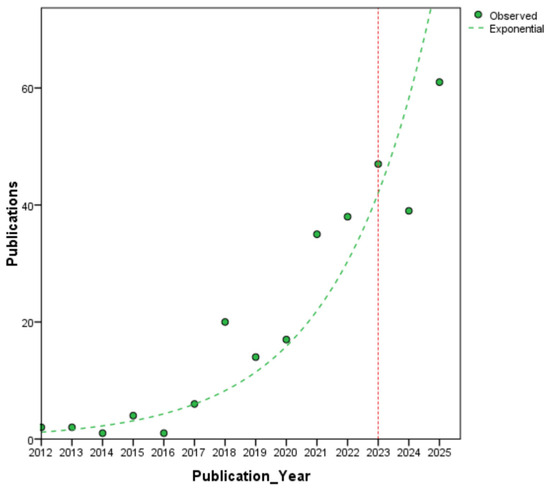
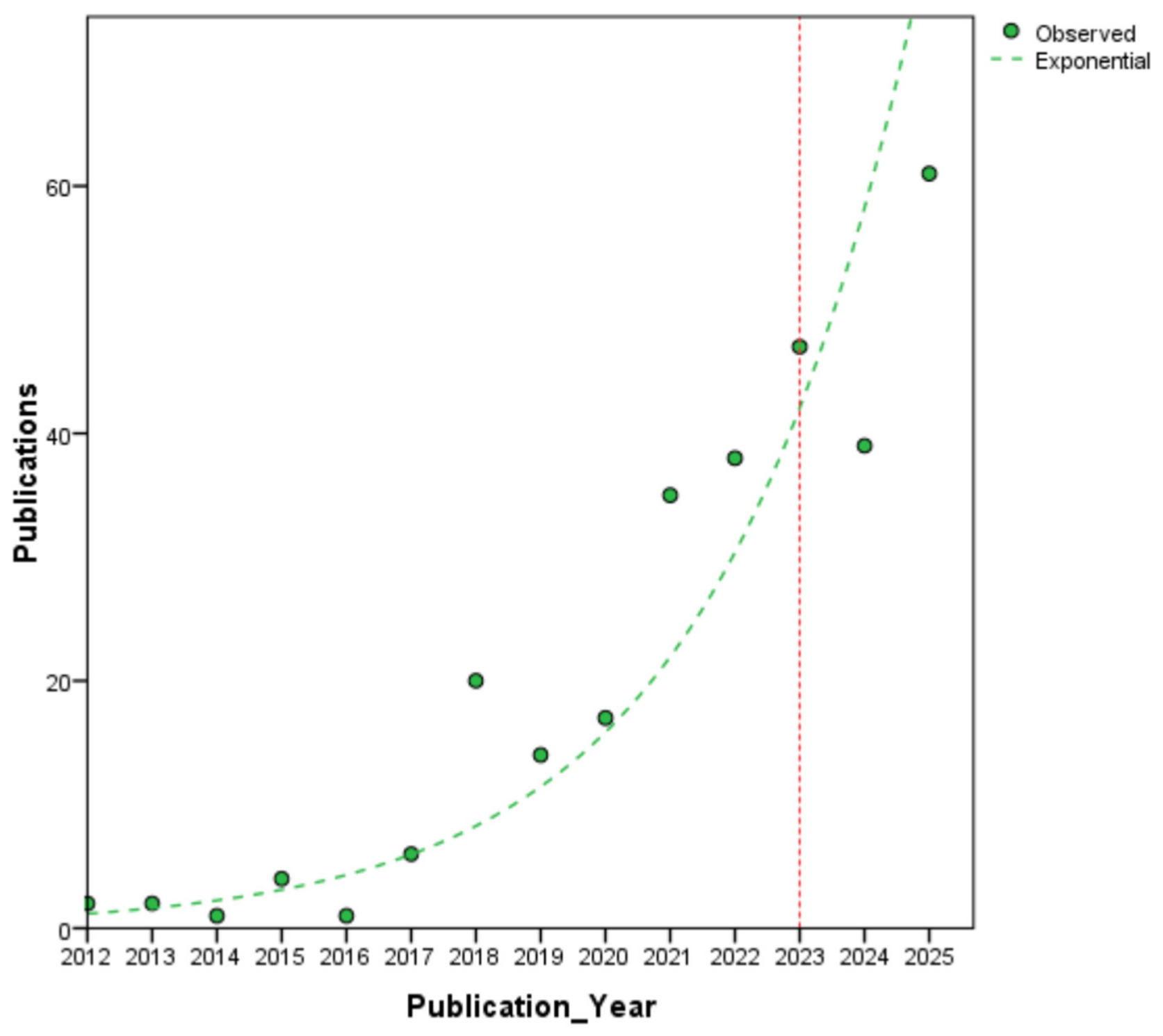
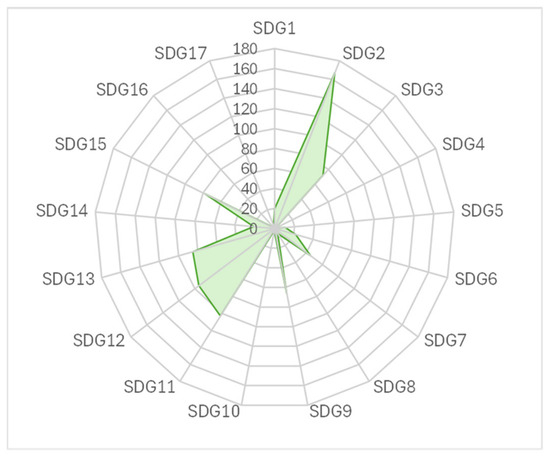
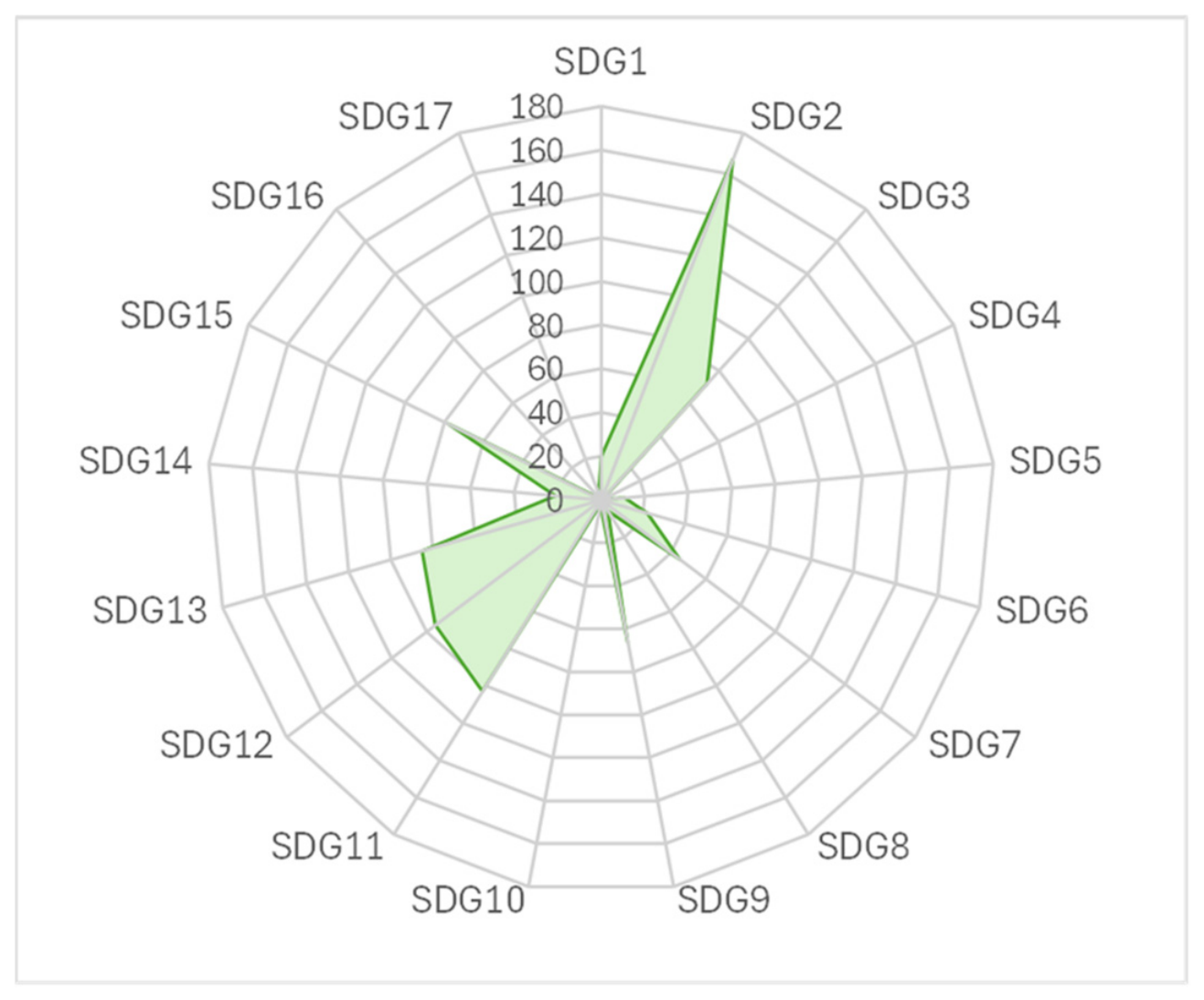
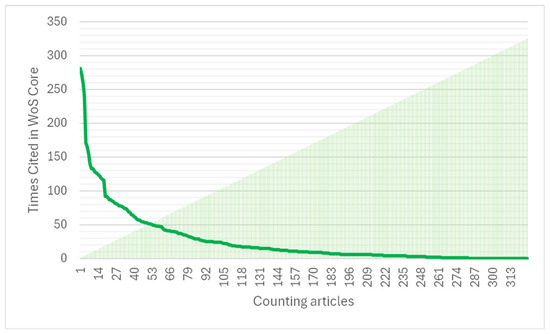
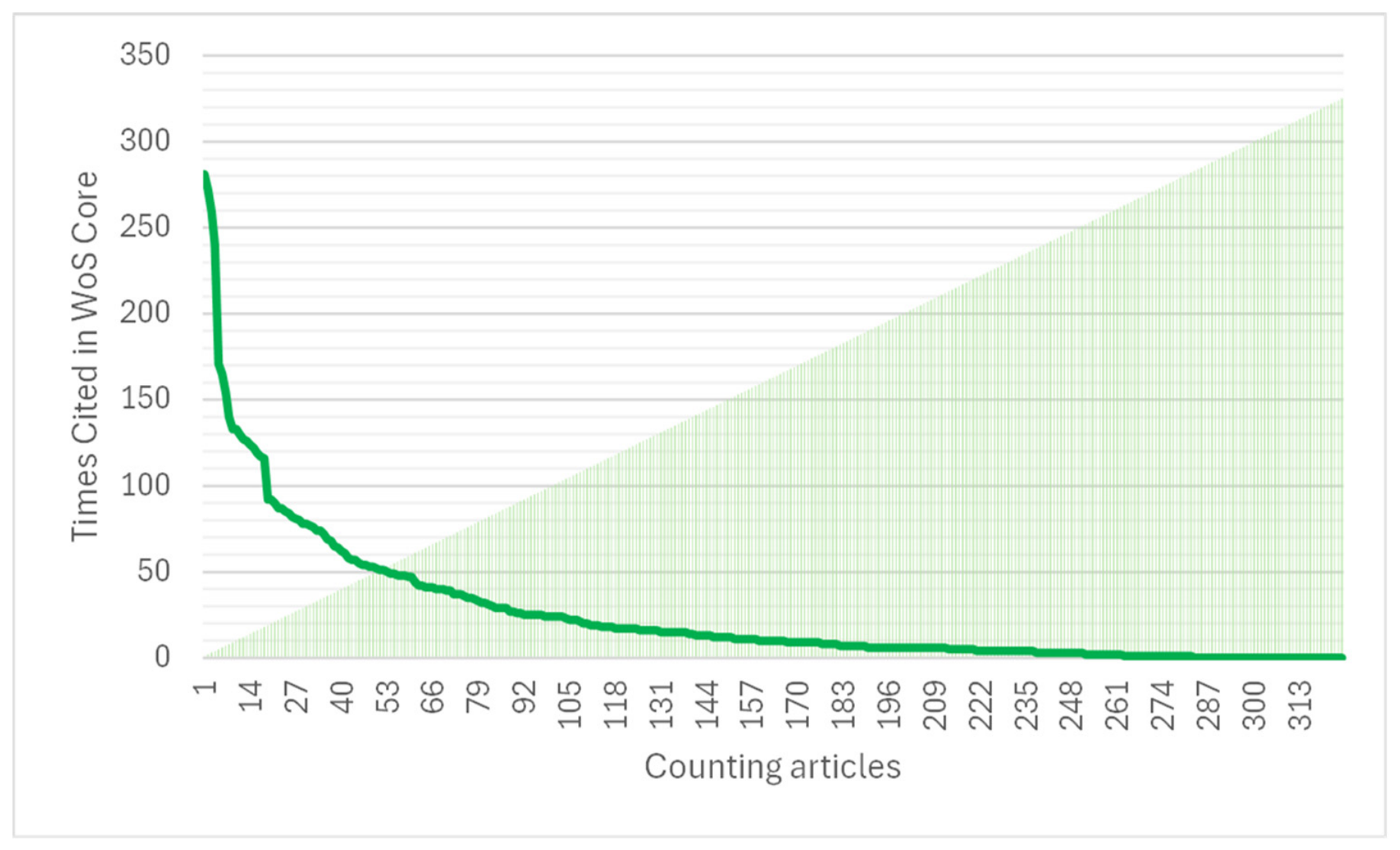
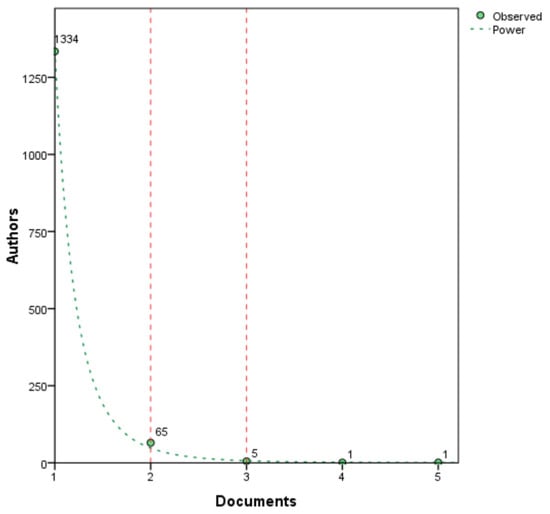
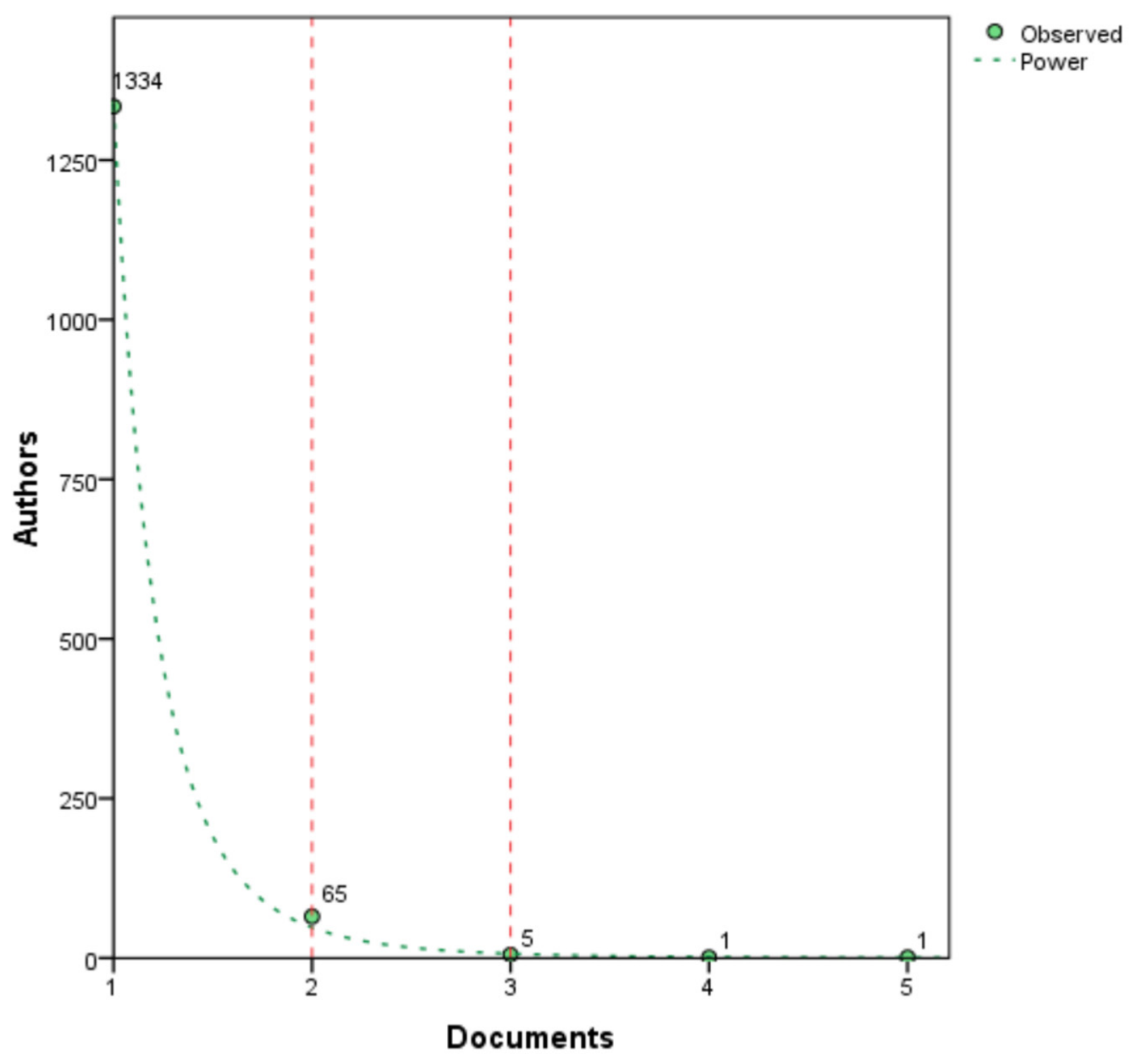
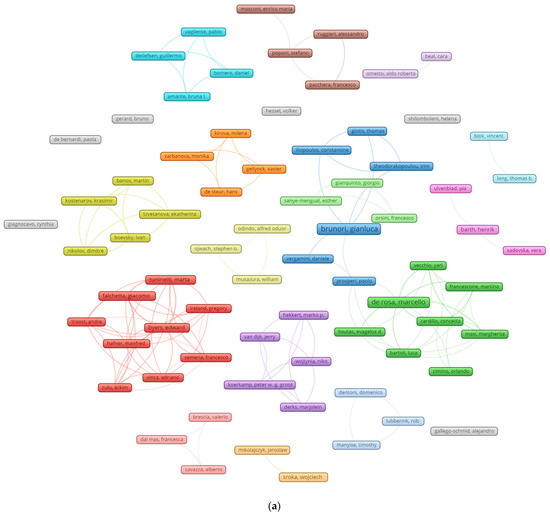
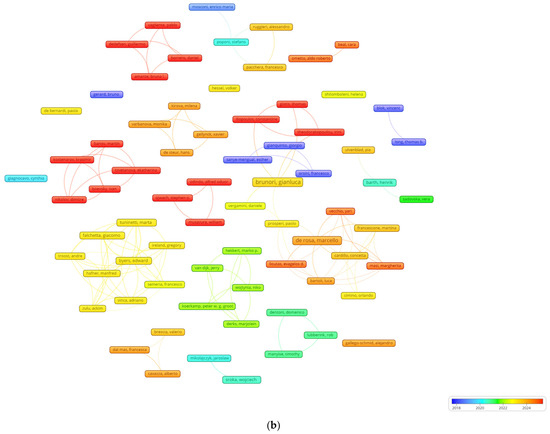
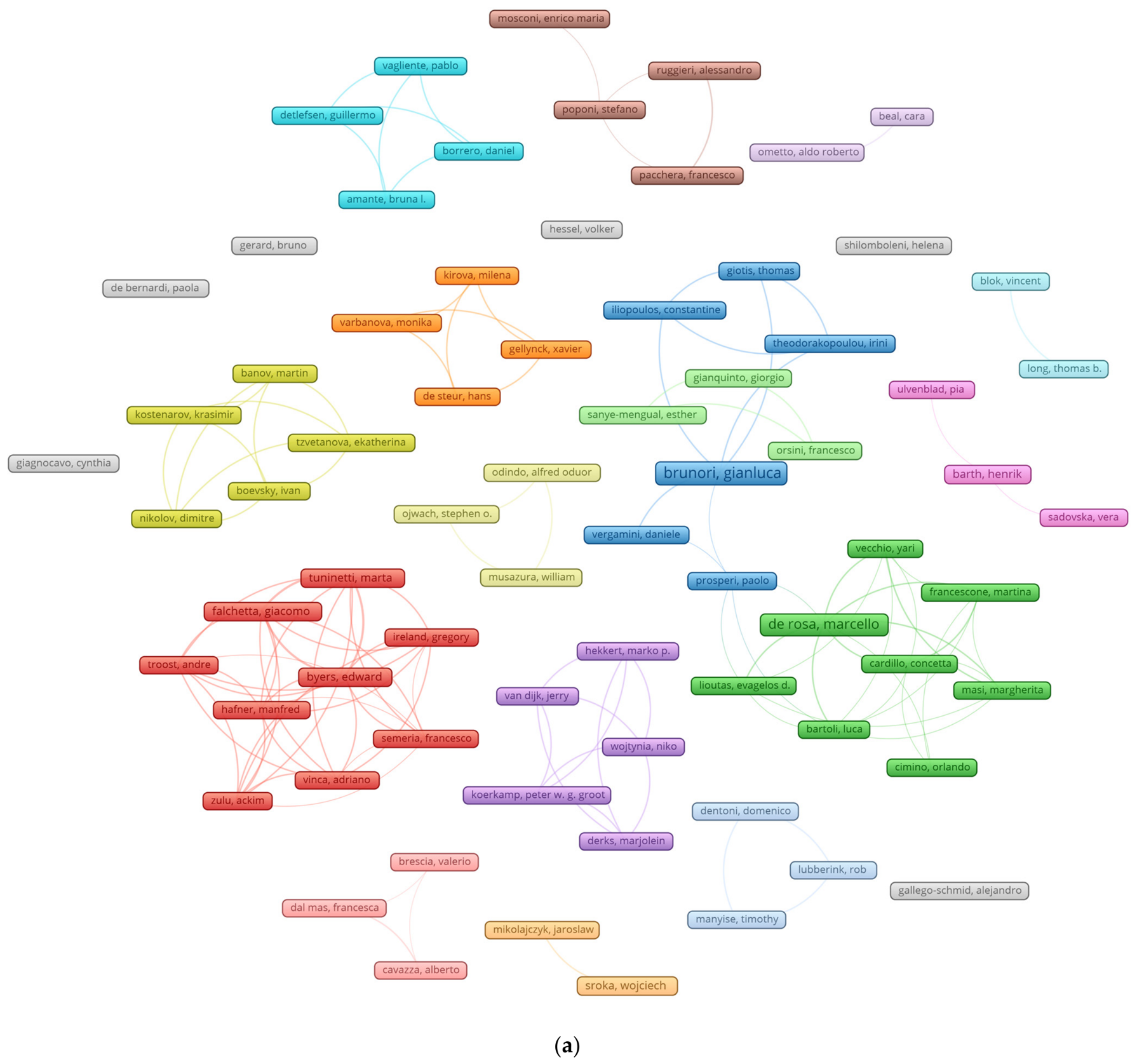
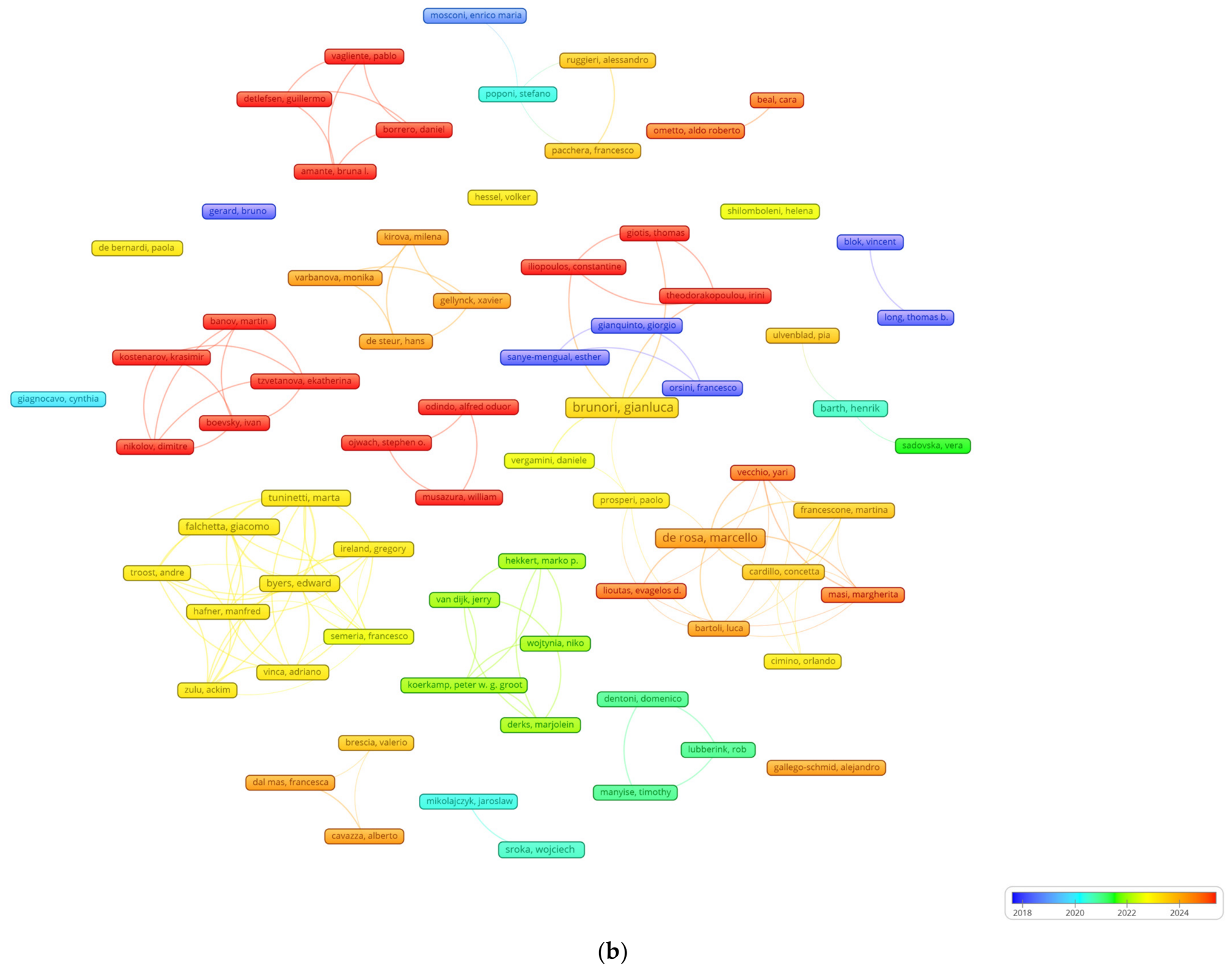
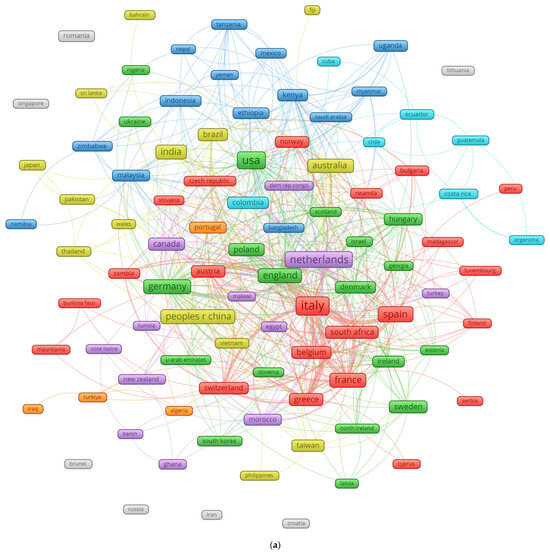
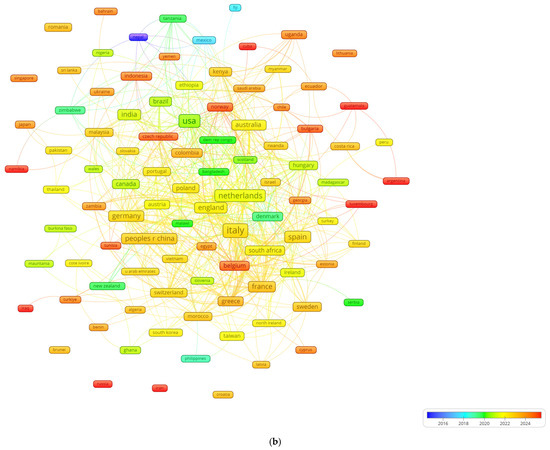
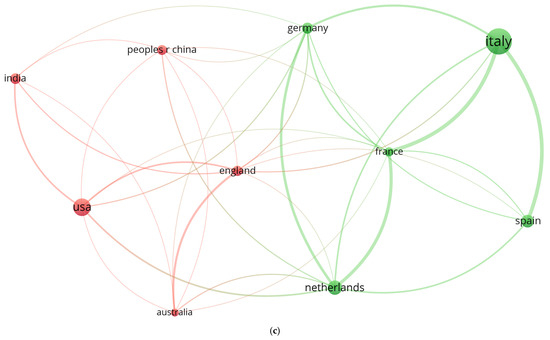
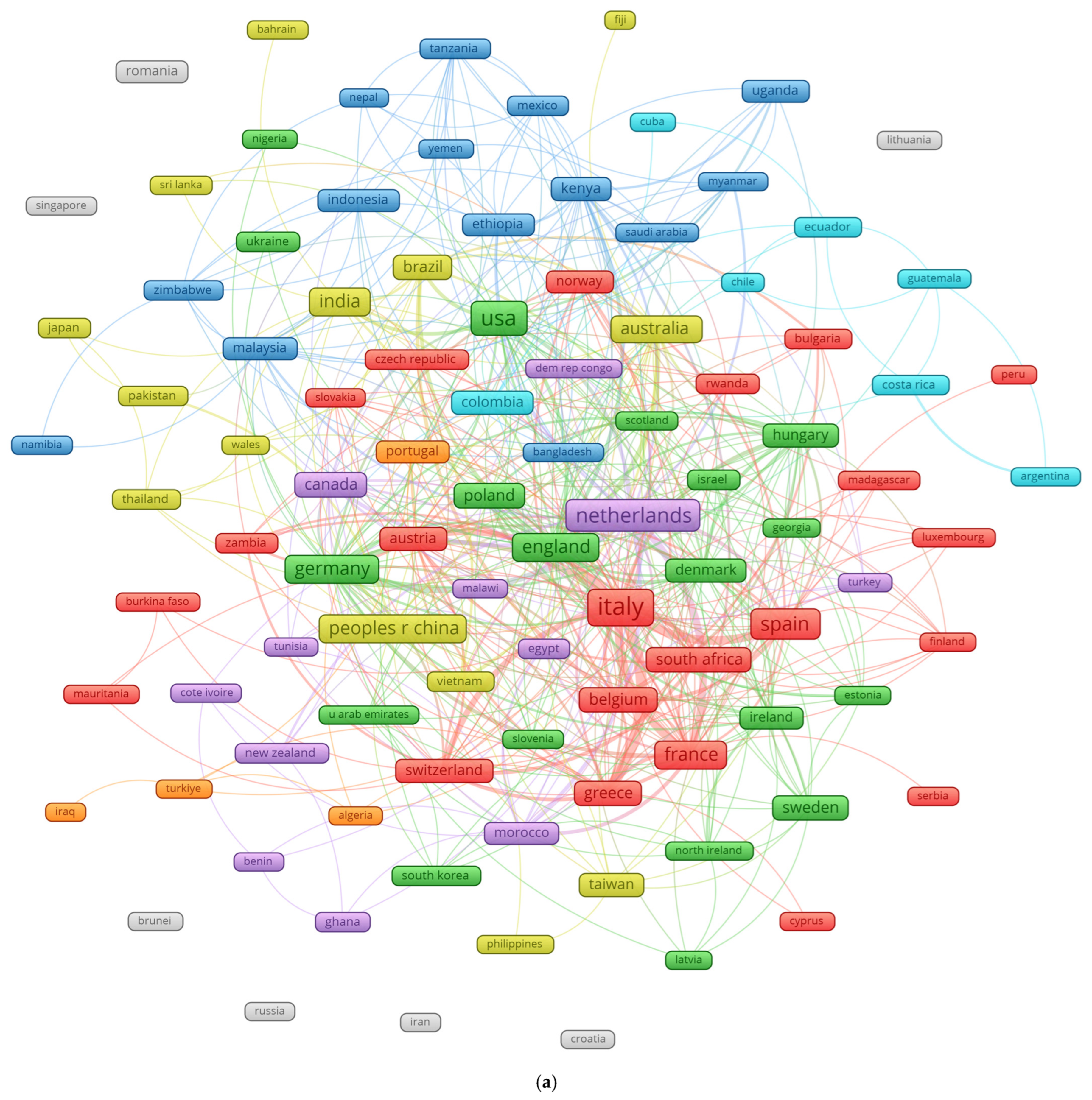
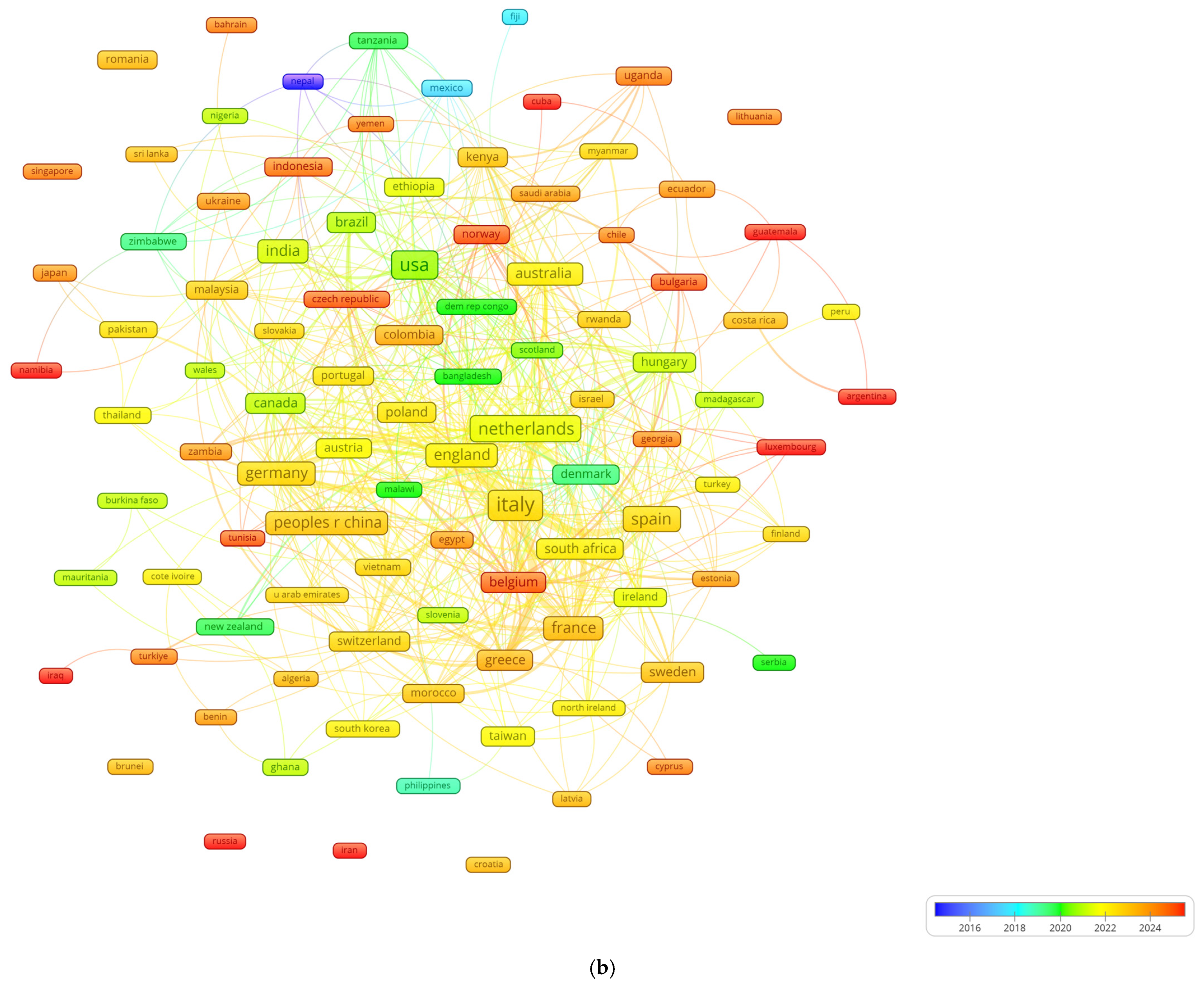
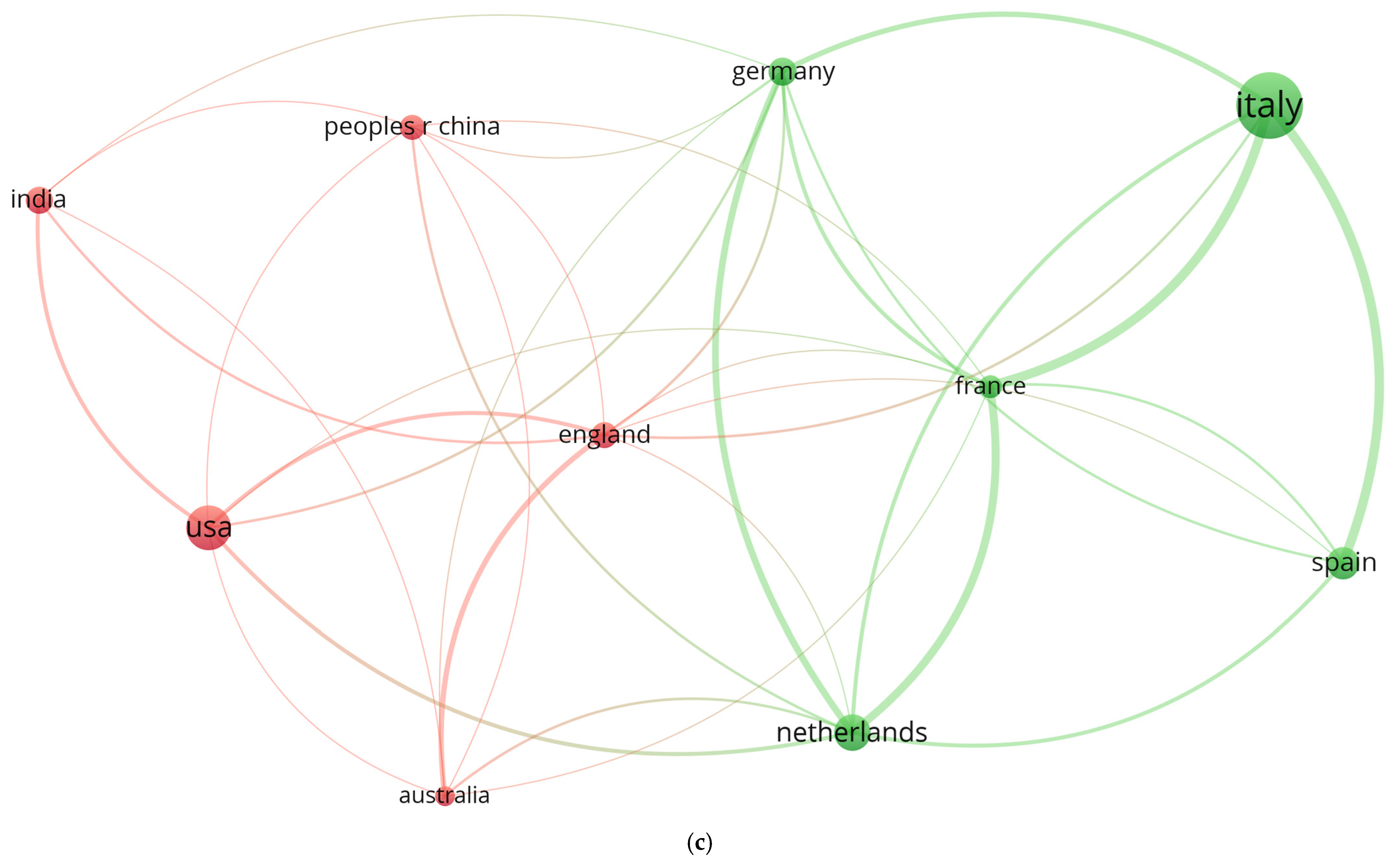
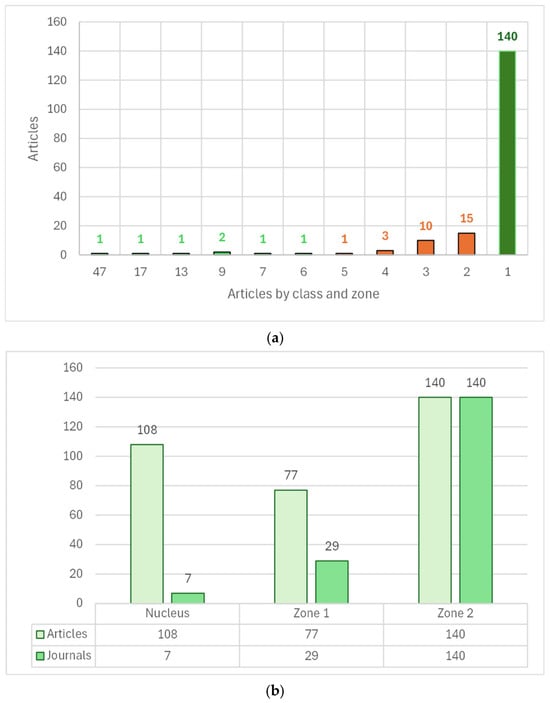
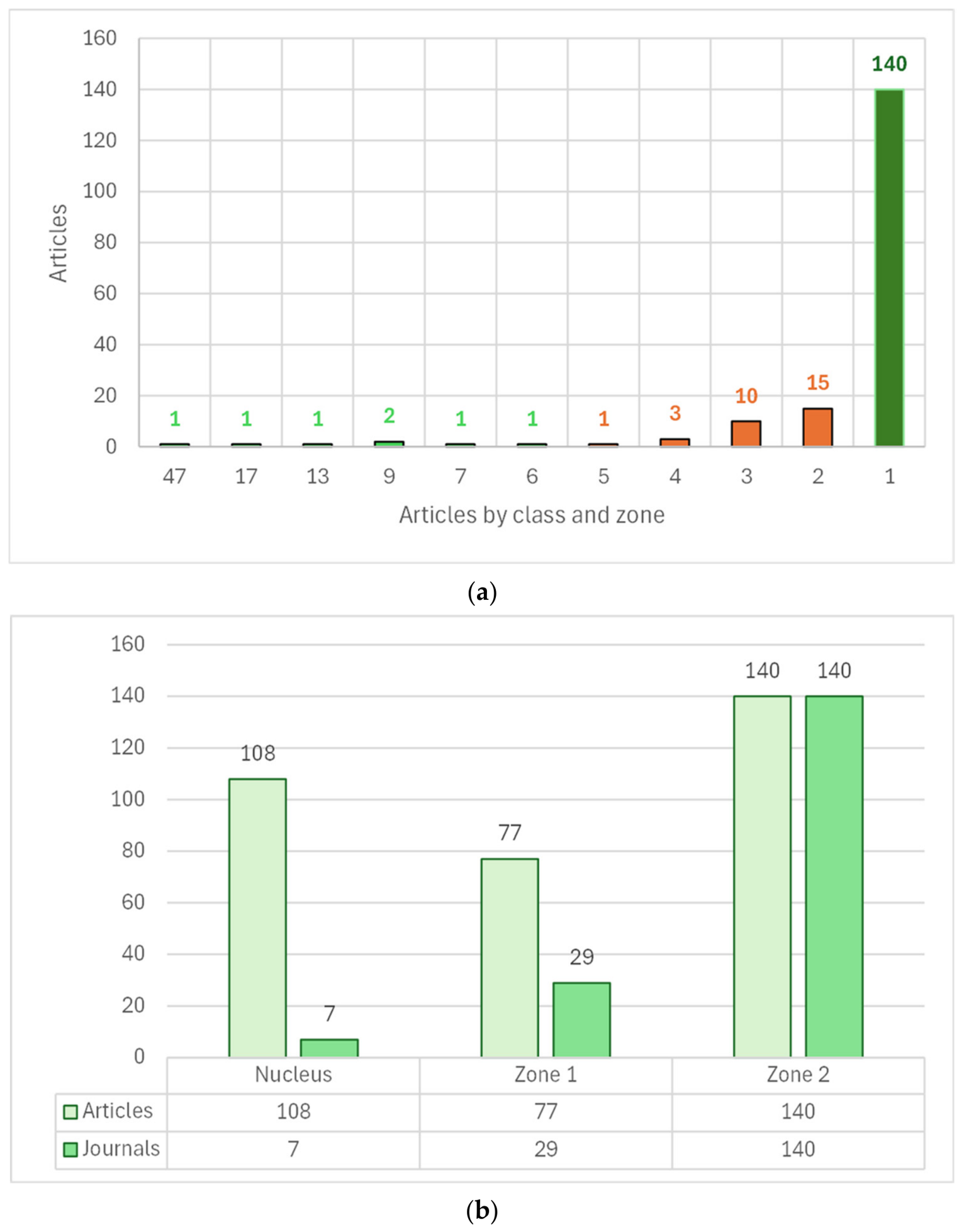
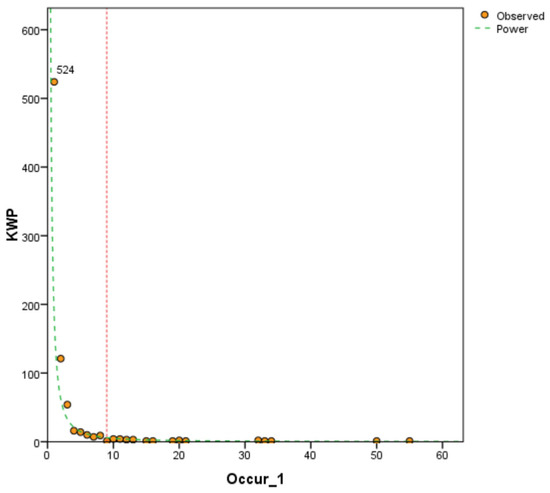
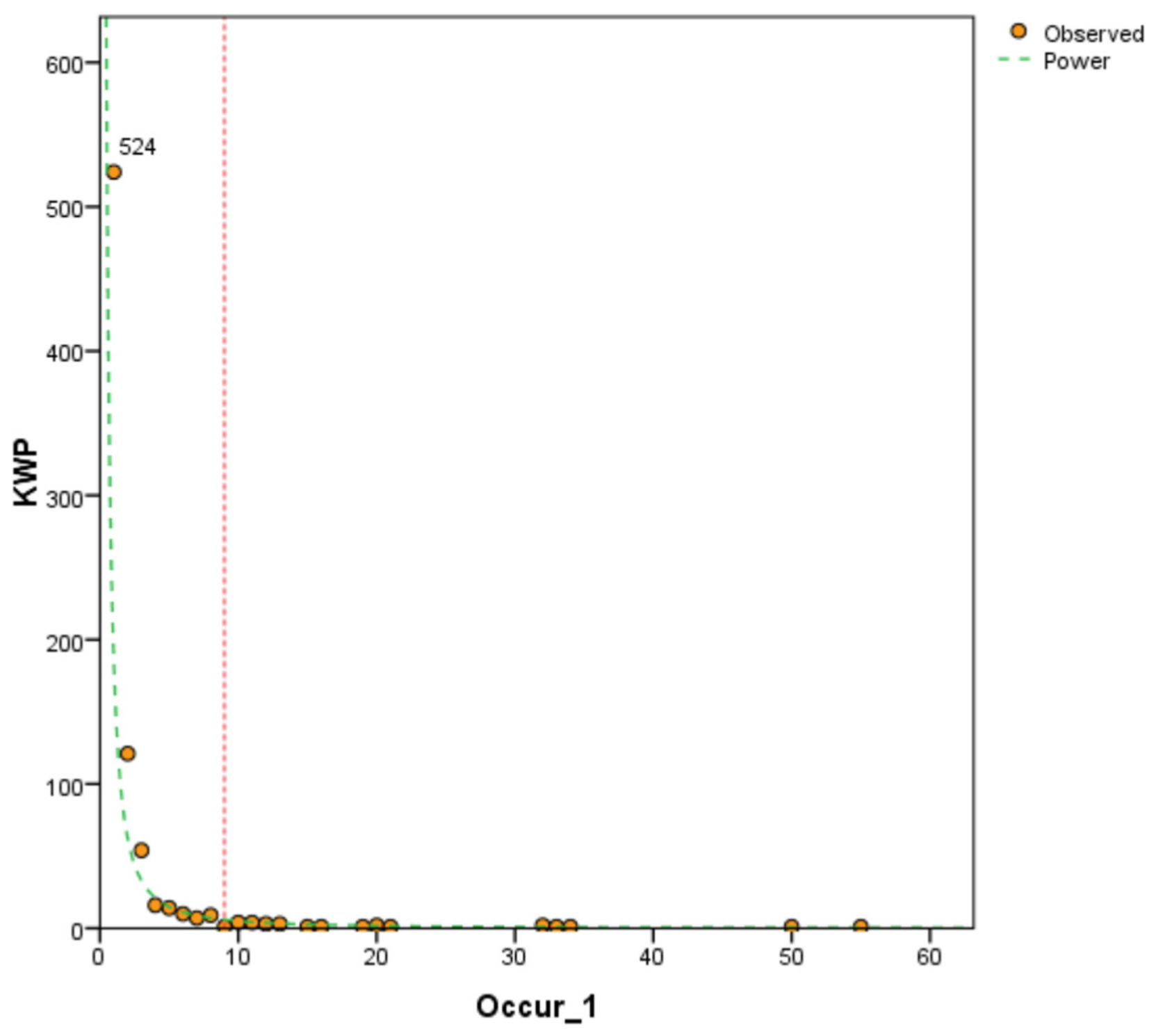
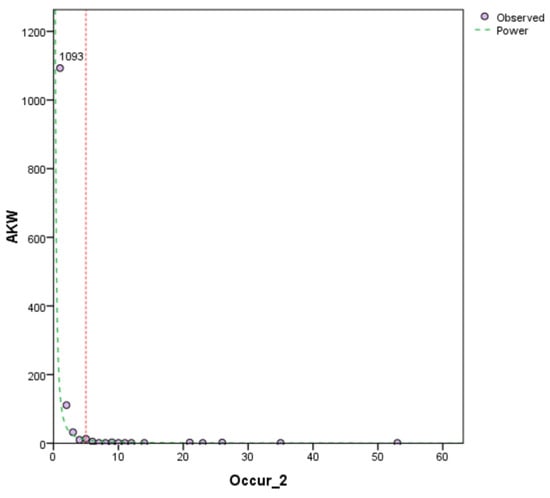
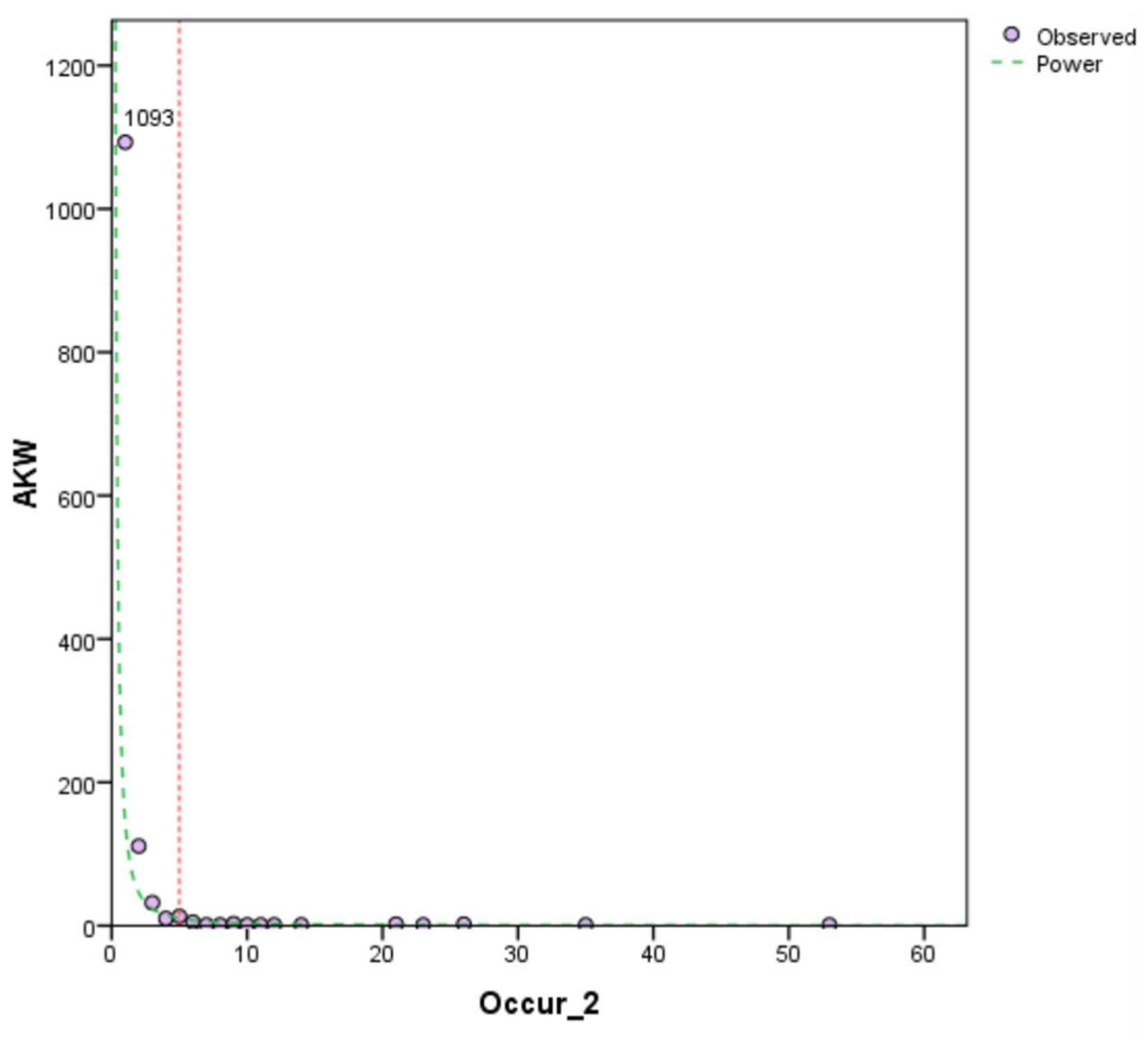
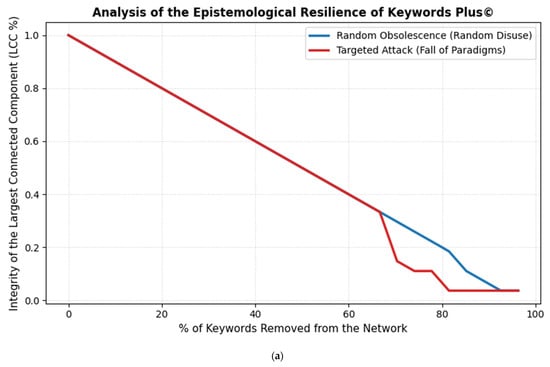
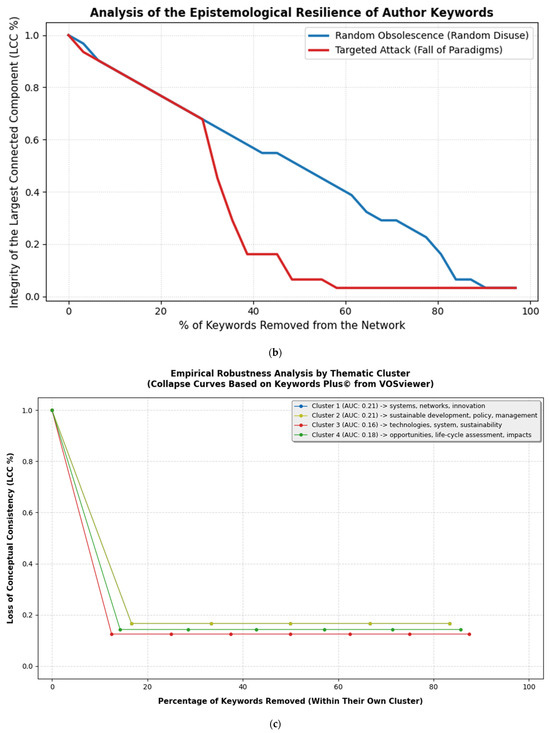
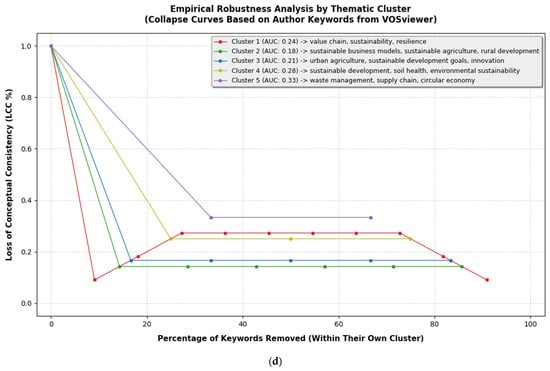
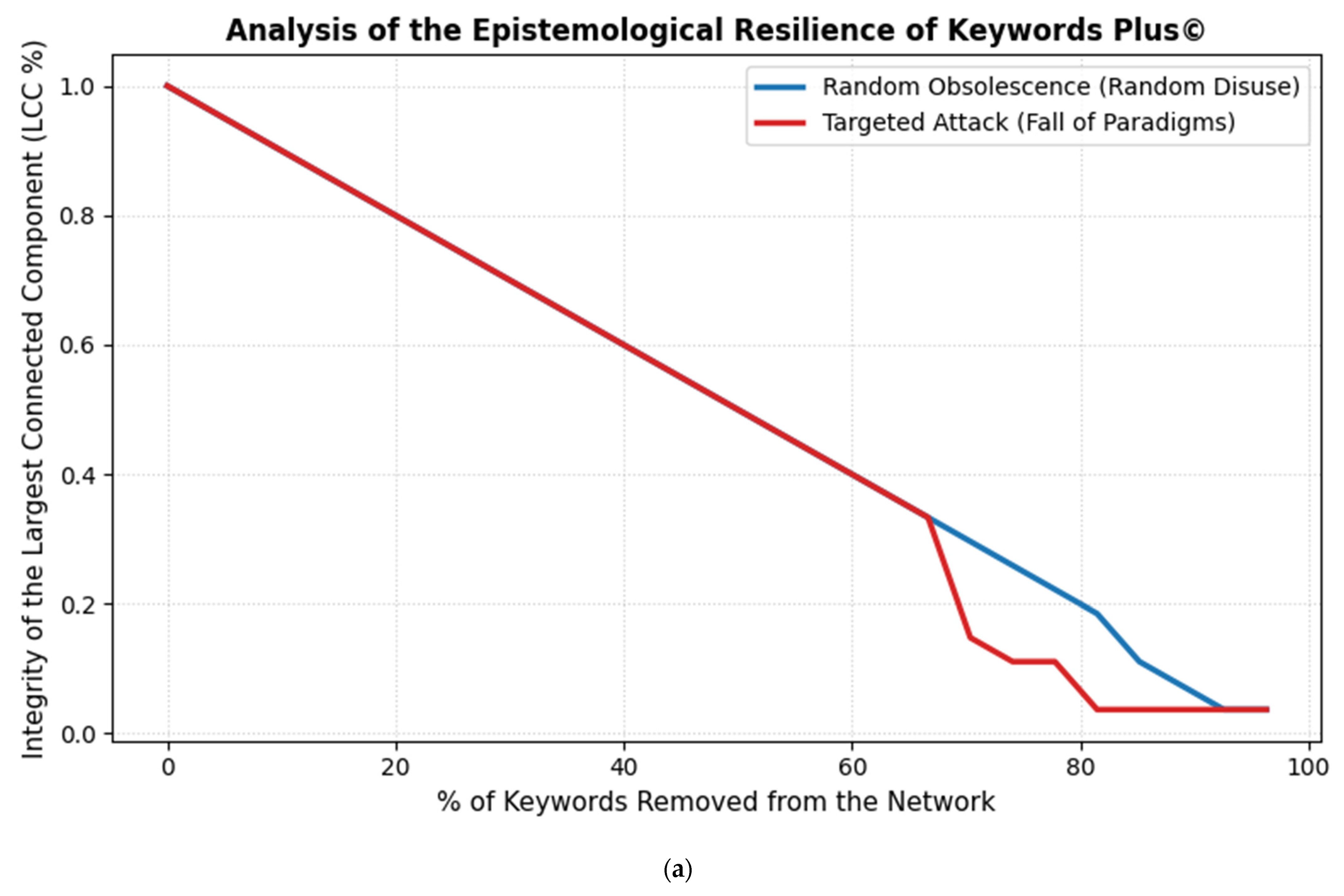
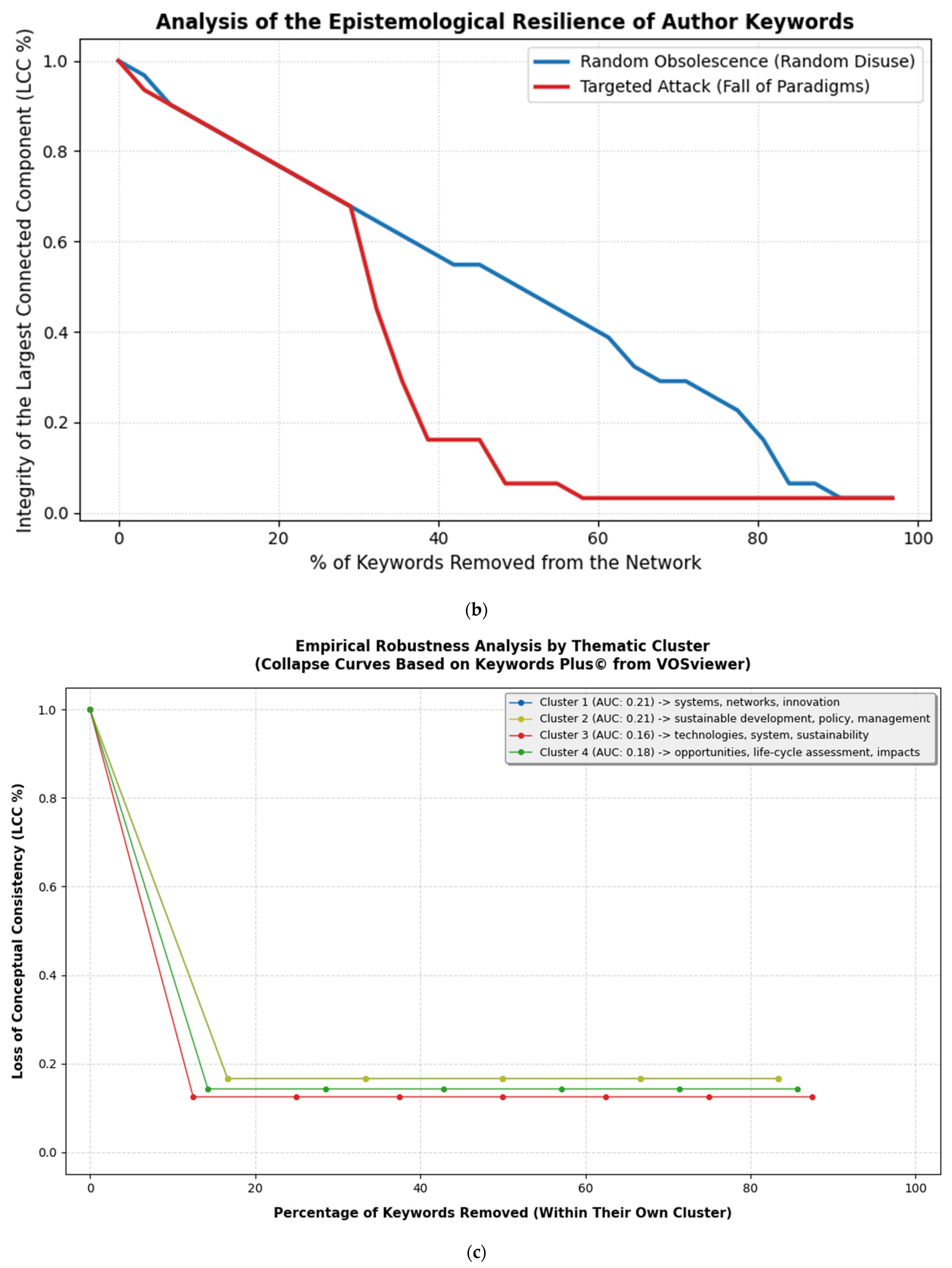
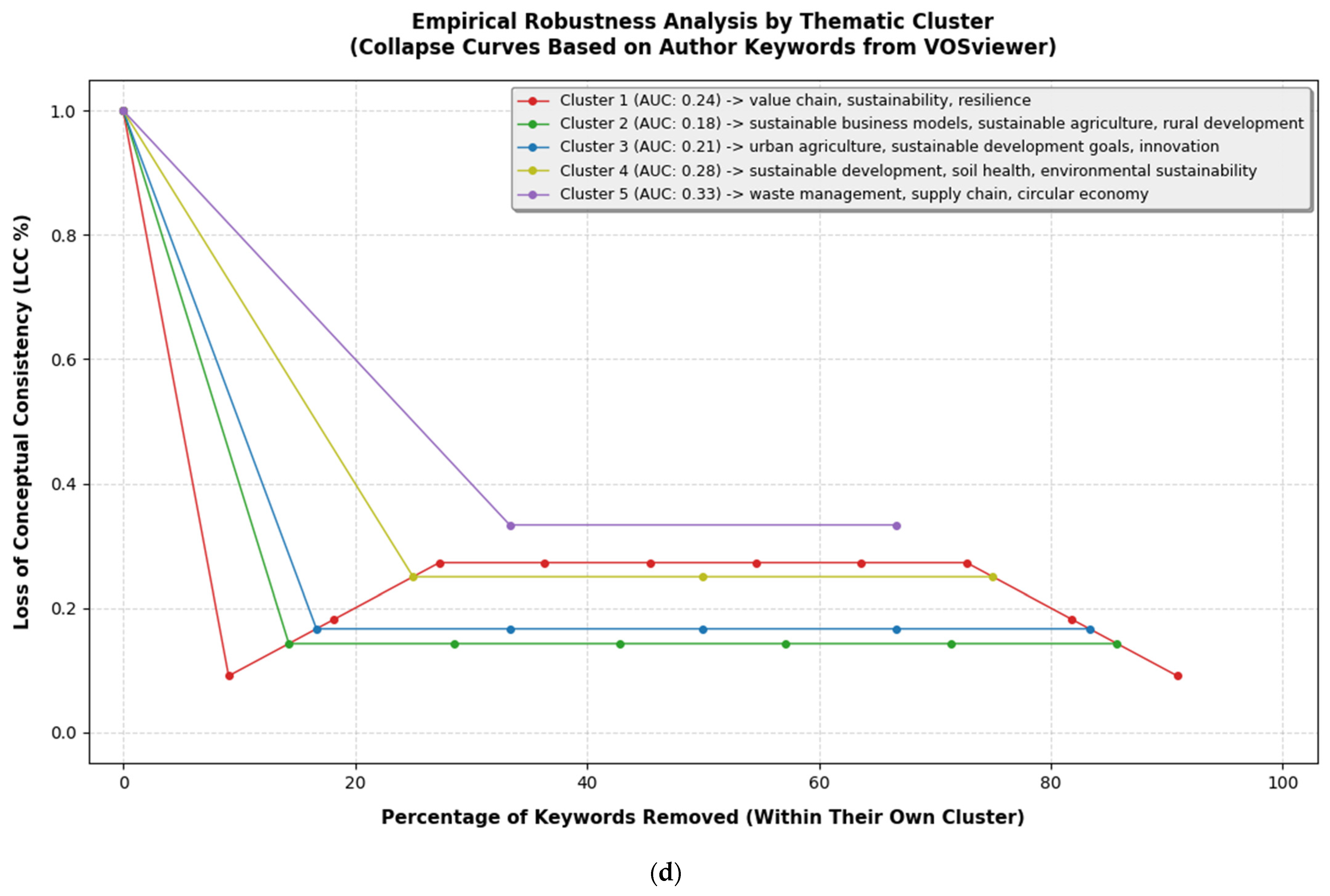
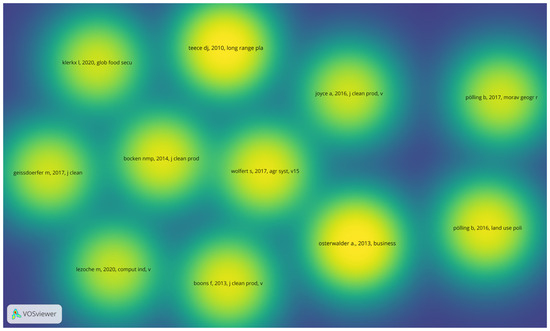
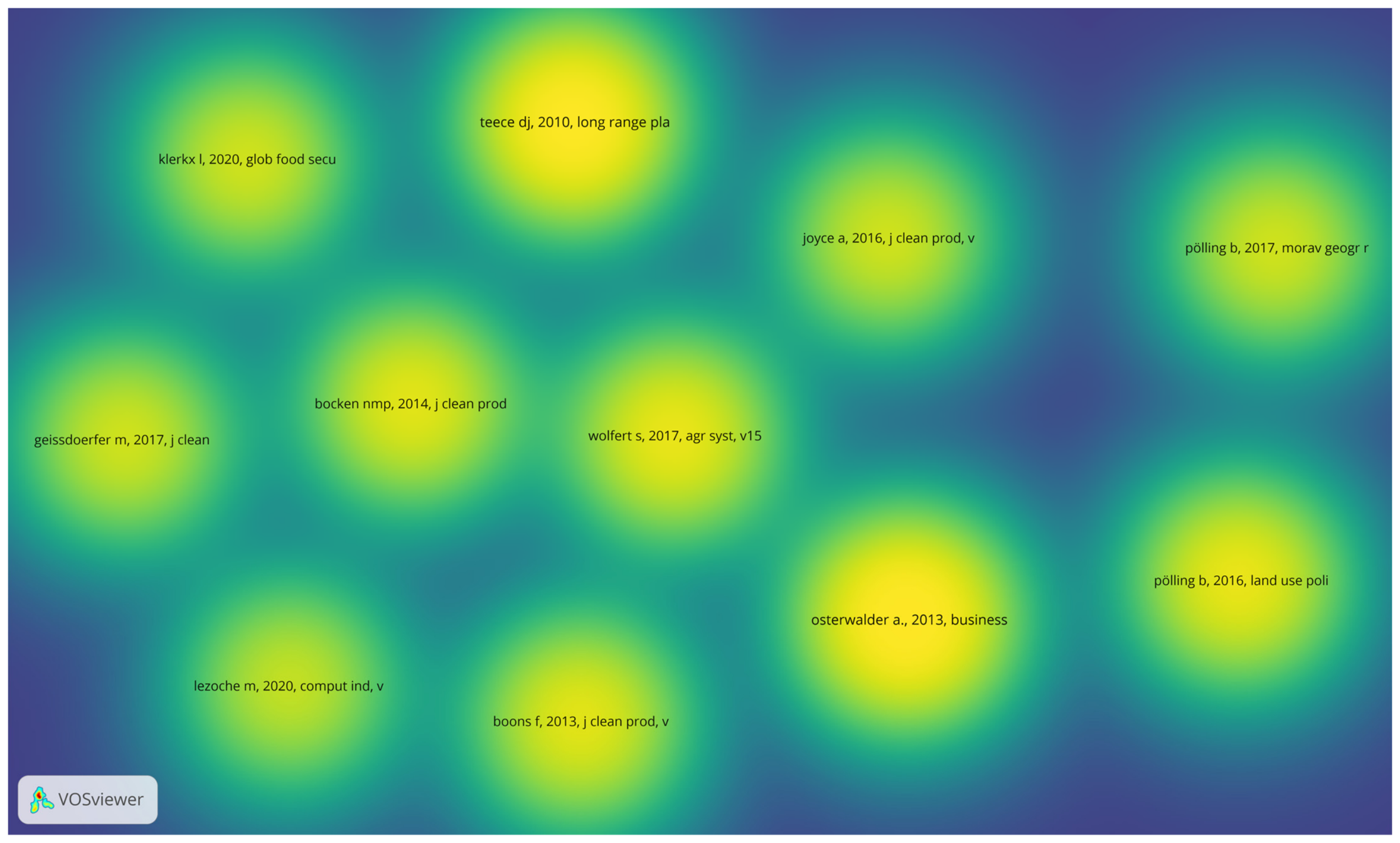

Disclaimer/Publisher’s Note: The statements, opinions and data contained in all publications are solely those of the individual author(s) and contributor(s) and not of MDPI and/or the editor(s). MDPI and/or the editor(s) disclaim responsibility for any injury to people or property resulting from any ideas, methods, instructions or products referred to in the content. |
© 2026 by the authors. Licensee MDPI, Basel, Switzerland. This article is an open access article distributed under the terms and conditions of the Creative Commons Attribution (CC BY) license.