


Abstract
Global food security faces severe pressures from population growth, climate change and resource shortages. Traditional agricultural monitoring relies on manual sampling and offline laboratory testing, which involve considerable time delays and cannot realize continuous, in situ dynamic tracking of crop physiological status, field environment and agricultural product quality. Among the various sensing platforms for agriculture, flexible wearable sensors represent an important branch, featuring light weight, conformability, low power consumption and real-time response. It should be noted that rigid-substrate and silicon-based sensors remain indispensable in many agricultural applications, and this review focuses specifically on flexible wearable sensors while acknowledging the broader landscape of agricultural sensing technologies. Through conformal contact with plant surfaces or wearable integration, they can convert physical, chemical and biological signals of agroecosystems into readable electrical/optical signals via specific sensing transduction mechanisms. This review systematically categorizes wearable sensors for smart agriculture into two main types, optical and electrical, and elaborates their intrinsic sensing principles, summarizes typical application scenarios covering crop growth monitoring, post-harvest harvesting and agricultural product safety detection, and introduces the full-flow signal preprocessing, feature extraction and intelligent analysis technologies matched with wearable sensing data. Finally, the bottlenecks restricting large-scale field deployment of current wearable sensors are summarized, and the development directions of multi-modal integrated wearable sensing, biomimetic nanosensors inspired by natural plant sensing systems, and artificial intelligence (AI)-assisted agricultural monitoring platforms are prospected, aiming to provide a theoretical reference for the design optimization and popularization of agricultural wearable sensing equipment.
1. Introduction
Global agricultural systems face unprecedented challenges driven by climate variability [1], arable land degradation [2], freshwater scarcity [3], and an exponentially growing world population [4,5,6,7]. Ensuring global food security while minimizing ecological footprints demands an urgent paradigm shift from traditional empirical farming to precision and smart agriculture [8,9,10,11]. A cornerstone of this technological transformation is the continuous acquisition of physiological and biochemical datasets from both crop-soil microenvironments and post-harvest produce, with the required spatial and temporal resolution depending on the specific agricultural application [12,13,14,15]. Historically, agricultural sensing and phenotyping have progressed through four representative technological phases (Figure 1): (i) manual sampling coupled with destructive, offline laboratory assays (e.g., high-performance liquid chromatography and mass spectrometry); (ii) discrete in-field testing with handheld electroanalytical or optical meters; (iii) stationary, rigid agro-meteorological monitoring nodes and remote sensing platforms (e.g., UAV-based multispectral imaging) [16,17,18]; and (iv) conformal, bio-integrated wearable sensors enabling non-invasive, continuous, and in situ dynamic profiling [19,20]. These phases should not be regarded as a strict hierarchy of technological superiority, but rather as successive and partially overlapping stages in research, development, and application. Each approach addresses different agricultural monitoring needs and has its own suitable application scenarios. For example, remote sensing is advantageous for large-scale canopy monitoring, benchtop analytical methods remain indispensable for high-accuracy laboratory quantification, and non-wearable or plant-integrated sensors are often more suitable for specific environmental or soil measurements. Wearable sensors are therefore not a universal solution, but a complementary tool for applications that require direct, continuous, and in situ monitoring of plant physiological and biochemical signals. While remote sensing offers macro-scale canopy coverage, it inherently lacks single-organ spatial resolution and early molecular-level sensitivity [21]. Among remote sensing platforms, drones (unmanned aerial vehicles, UAVs) have become an important tool for crop detection because they can provide flexible, low-cost, and high-throughput monitoring at field scale. Equipped with multispectral, hyperspectral, RGB, thermal, or LiDAR sensors, drones can rapidly map crop growth status, canopy structure, chlorophyll content, water stress, and disease incidence over large areas, and they are particularly useful for precision irrigation, variable fertilization, and early stress screening. However, drone-based crop detection still operates mainly at the canopy or plot level, and its spatial resolution is generally insufficient for single-organ or single-plant physiological profiling. Moreover, drone remote sensing is susceptible to weather conditions, illumination variation, and cloud cover, and it cannot directly measure internal biochemical signals such as phytohormones, ROS, or sap ion concentrations. Therefore, drones and plant-wearable sensors are complementary rather than substitutive: drones provide macro-scale, high-throughput canopy information, while wearable sensors provide micro-scale, continuous, and in situ physiological and biochemical data. Integrating drone remote sensing with ground-based wearable sensing is expected to enable multi-scale crop monitoring from canopy to organ level. Conversely, traditional benchtop analytical methods suffer from substantial time latency, high operational costs, and the inability to capture transient chemical signaling pathways under dynamic field stresses. These limitations create a clear niche for conformal wearable sensors that can provide direct, continuous, and in situ monitoring at the plant-organ level. Given the diversity of sensing mechanisms and application targets, a basic overview is helpful before the detailed discussion. Accordingly, the main categories, sensing principles, and typical agricultural applications of wearable sensors are summarized in Table 1.
Figure 1.
Evolution roadmap of agricultural sensing monitoring technology. Source: Authors’ own illustration.
Table 1.
Basic classification and sensing principles of wearable sensors for smart agriculture.
Plant wearable sensors [22], emerging at the intersection of flexible electronics, advanced nanomaterials chemistry, and plant biology, have unlocked transformative pathways to circumvent these classical bottlenecks [23,24,25]. Theoretically, their sensing performance is governed by interfacial charge transfer, energy transfer, and mechanical strain transduction at the sensor plant interface. In terms of device implementation, these devices typically employ functional nanocomposites (e.g., transition metal dichalcogenides [26,27], MXenes [28], conducting polymers [29], and quantum dots [30,31]) integrated with biocompatible flexible substrates [32] (such as PDMS, cellulose, and natural hydrogels [33]) [34,35,36,37]. In practical production, wearable devices can achieve non-destructive long-term adhesion on crop tissues without damaging plant growth, and complete in situ trace detection of stress biomarkers and pesticide residues, as well as ripeness assessment of fruits, effectively reducing the loss caused by crop diseases and improper harvesting [38,39,40]. From a practical perspective, flexible wearables enable non-destructive, long-term adhesion to micro-curved and delicate plant surfaces [41] (e.g., abaxial leaf stomata, expanding stems, and ripening fruit pericarps) [42]. This conformal bio-integration facilitates in situ trace quantification of stress phytohormones (abscisic acid, jasmonic acid, and salicylic acid), reactive oxygen species (ROS) [43,44,45], secondary metabolites, pesticide residues, and biomechanical strain with picomolar-to-micromolar sensitivity, providing an actionable diagnostic window prior to the onset of macroscopic phenotypic symptoms.
Recent pioneering efforts have accelerated the design of diverse plant-wearable modalities [46,47,48]. For instance, plasmonic surface-enhanced Raman scattering (SERS) tapes and aptamer-functionalized fluorescent patches have been engineered to achieve label-free chemical fingerprinting of pesticide sprays and real-time ROS tracking under acute drought and thermal shock [46,49,50]. Concurrently, microfabricated electrochemical microneedles and laser-induced graphene transducers have demonstrated stable potentiometric/amperometric monitoring of sap nutrients, ionic homeostasis (K+/Na+/NO3−), and stomatal conductance dynamics [51,52,53,54]. Furthermore, piezoresistive and capacitive flexible strain sensors have been widely deployed on fruit stalks and robotic end-effectors to decipher diurnal micro-variations in stem expansion and prevent mechanical damage during automated harvesting [55,56,57].
Despite these significant strides, the widespread agricultural translation of wearable sensors remains severely constrained by several fundamental challenges [58,59,60]: (1) Modality limitation: Most existing sensors operate on single-parameter transduction, lacking multi-modal capability to synchronously decouple coupled environmental and physiological inputs (e.g., co-monitoring foliar transpiration, local microclimate, and systemic hormone fluxes) [61]. (2) Severe environmental degradation: In harsh open-field conditions, sensor performance rapidly deteriorates due to baseline drift and biofouling induced by cyclic ultraviolet radiation, agrochemical spray erosion, ambient humidity fluctuations, and airborne particulate accumulation. (3) Complex bio-matrix interferences: Plant cuticular waxes, background autofluorescence, endogenous redox-active metabolites, and non-target co-existing ions frequently compromise the selectivity, signal-to-noise ratio, and operational lifespan of sensitive layers [62]. (4) Data processing bottlenecks: Continuous in situ data acquisition generates voluminous time-series streams plagued by environmental noise and motion artifacts; however, dedicated agronomic chemometric pipelines and lightweight edge-computing algorithms for real-time drift calibration and stress-event classification remain underdeveloped [63]. (5) Scalability and cost-efficiency: High-performance nanofabrication routes frequently depend on high-vacuum or cleanroom lithography processes, which are economically incompatible with large-scale, distributed deployment in practical farming systems [64].
To bridge these knowledge and technological gaps, this review provides a comprehensive and critical overview of agricultural wearable sensors, linking molecular-level transduction chemistry to smart farming practices and post-harvest safety assurance. We first categorize the fundamental mechanisms of optical (fluorescence, FRET, and SERS) and electrical (electrochemical, piezoresistive, and capacitive) wearable sensors, formulating quantitative mathematical models that govern their interfacial response behavior. We then delve into dual application chains: (i) whole-lifecycle crop growth and stress biomarker phenotyping (ROS, phytohormones, water deficit, and phytopathogens), and (ii) intelligent harvesting, grasping control, and rapid agro-product quality/safety screening (pesticide residues, fungal mycotoxins, and ripeness indicators). Subsequently, the end-to-end signal processing framework, encompassing noise filtering, matrix calibration, multivariate chemometrics, and machine-learning-assisted edge/cloud diagnostics, is systematically evaluated. Finally, we discuss key prospective directions, highlighting multimodal integrated micro-systems, self-powered bio-triboelectric/piezoelectric energy harvesters, anti-fouling interfacial coatings, and roll-to-roll scalable manufacturing, thereby providing a multidisciplinary roadmap for next-generation agricultural monitoring technologies.
2. Classification and Sensing Principles of Wearable Sensors
Flexible wearable sensors represent a paradigm-shifting diagnostic modality in precision agriculture, capitalizing on low mechanical modulus, conformal interfacial adherence, and biocompatible functionalization to seamlessly interface with soft, curvilinear, and dynamic plant tissues (e.g., stomata-bearing abaxial foliar surfaces, elongating stems, expanding xylem/phloem vessels, and ripening pericarps) [65,66]. Based on their intrinsic signal transduction mechanisms and physicochemical interfacial behaviors, agricultural wearable sensors are primarily categorized into optical transducers and electrical transducers. Optical modalities transduce molecular recognition events and microenvironmental perturbations into modulations of radiative photonic states, absorption cross-sections, or inelastic Raman scattering [67,68,69]. In contrast, electrical modalities convert interfacial biochemical redox reactions, potential gradients, mobile ion fluxes, or mechanical strains into readable amperometric, potentiometric, resistive, or capacitive signals. This section systematically dissects the theoretical foundations, interfacial mechanics, mathematical formulations, and operational physics underpinning both categories of plant-wearable sensors [70,71,72].
2.1. Fundamental Principles of Optical Wearable Sensors
Optical plant wearables are typically constructed on elastic polymeric substrates (e.g., polydimethylsiloxane [PDMS], nanofibrillated cellulose, transparent polyimide, silk fibroin) functionalized with photonic nanomaterials, including colloidal quantum dots (QDs) [73,74,75], carbon dots (CDs) [76], lanthanide-doped upconversion nanoparticles (UCNPs) [77,78], metal–organic frameworks (MOFs) [79,80], and plasmonic nanoarrays [81,82,83,84]. By probing photonic state transitions, optical sensors enable non-invasive, remote, and electromagnetic-interference-free dynamic tracking without demanding hardwired electrical interconnects across fragile vegetative organs [85,86] (Figure 2).
Figure 2.
Schematic illustration of typical optical sensing nanoplatforms for plant-related detection. (A) Electromagnetic enhancement mechanism of plasmonic metal nanoparticles for SERS sensing [87]; (B) charge transfer chemical-enhancement principle of metal semiconductor substrates and structure of fiber-based SERS device [88]; (C) synthetic route of carbon dot lanthanide luminescent probes and Au-nanoparticle-based fluorescent sensing strategy for plant tissue imaging [89].
2.1.1. Fluorescence and FRET Wearable Sensing Principle
Fluorescent wearable patches are commonly functionalized with recognition ligands (e.g., DNA aptamers, antibody fragments, molecularly imprinted polymers [MIPs] [90]) anchored to fluorophores [91,92,93,94]. The fluorescence process generally involves three sequential steps: (i) light absorption (excitation), in which fluorophores absorb incident photons at wavelength λex and undergo electronic transitions from the ground state to higher-energy excited states; (ii) energy loss, in which the excited fluorophores relax to the lowest vibrational level of the first excited singlet state through non-radiative processes such as internal conversion and vibrational relaxation; and (iii) light emission, in which the fluorophores return to the ground state by emitting radiative photons at wavelength λem. Radiative and non-radiative transitions compete with each other, and their relative rates determine the fluorescence quantum yield and excited-state lifetime. In receptor-target binding events (e.g., capturing trace stress phytohormones, reactive oxygen species [ROS], or pesticide molecules), the spatial conformation or distance between a donor fluorophore and a proximate acceptor/quencher [95] (e.g., graphene oxide, transition metal dichalcogenides, gold nanoparticles) is modulated, triggering Förster Resonance Energy Transfer (FRET) or Photoinduced Electron Transfer (PET) [96,97,98].
FRET is a non-radiative energy transfer process that occurs between a donor fluorophore and a proximate acceptor/quencher through dipole–dipole coupling, without the emission of a photon. The non-radiative dipole–dipole energy transfer efficiency (EFRET) is governed by the spatial donor-acceptor separation (R):
where R0 is the Förster radius, typically in the range of 2–8 nm, defined as the donor-acceptor distance at which the energy transfer efficiency equals 50%. Because EFRET decays steeply with increasing R, small changes in donor-acceptor distance caused by target binding can produce large changes in fluorescence readout, which is the basis for FRET-based sensing.
In addition to FRET, fluorescence quenching can also occur through collision or static complexation pathways, which are commonly described by the Stern-Volmer formalism:
where I0 and I are the steady-state fluorescence emission intensities in the absence and presence of the target analyte, respectively; [C] is the analyte concentration; KSV is the Stern-Volmer quenching constant; kq is the bimolecular quenching rate coefficient; and τ0 is the unquenched excited-state lifetime of the fluorophore [99]. A key advantage of FRET and quenching-based sensing for wearable applications is that the recognition event is translated into a change in fluorescence intensity or lifetime, which can be measured with miniaturized optical components. For wearable ratiometric fluorophores, dual-emission channels (λ1, λ2) calibrate for excitation power fluctuations, ambient illumination drift, and bio-matrix autofluorescence [100,101]. The above FRET sensing principle is shown in Figure 3.
Figure 3.
(A) Schematic illustration of the luminescence resonance energy transfer (RET) principle [102]; (B) fabrication process of AMOFs and CNPs, and the smartphone-based fluorescence sensing platform for the detection of CA125/HE4 biomarkers via the FRET “on-off” strategy [103].
2.1.2. SERS Sensing Principle
Surface-enhanced Raman scattering (SERS) is a plasmonic sensing technique that amplifies the Raman scattering signals of molecules adsorbed on or near noble-metal nanostructured surfaces, enabling label-free and fingerprint-like molecular detection with ultrahigh sensitivity. SERS is reviewed here because it provides a powerful optical modality for plant wearable sensors, allowing non-destructive, in situ detection of trace chemical analytes such as pesticide residues, mycotoxins, and pathogen secretions on crop surfaces, which are difficult to measure by conventional electrical sensors. Wearable SERS substrates integrate periodic or quasi-random noble-metal plasmonic nanostructures (e.g., Au/Ag nano-islands, sea-urchin Au@Ag core–shell nanoparticles, 2D MXene/plasmonic superlattices [104]) into breathable, peelable adhesive patches or flexible elastomers [105,106,107]. When excited by monochromatic laser irradiation with incident electric field Einc, collective oscillations of conduction-band electrons generate Localized Surface Plasmon Resonance (LSPR) [108,109,110,111], inducing extreme spatial confinement of the electromagnetic field within sub-10-nanometer interparticle junctions (“hot spots”) [86,112] (Figure 4).
The total SERS enhancement factor (GSERS) is governed by the synergistic coupling of the dominant electromagnetic enhancement (GEM) and the interfacial charge-transfer chemical enhancement (GCM):
where Eloc(ωexc) and Eloc(ωRaman) denote the locally amplified electric field amplitudes at the excitation and Raman-scattered frequencies, respectively.
Because the Raman scattering cross-section (σRaman) is magnified by factors of 106 to 1014, the collected SERS intensity (ISERS) for a specific vibrational mode at characteristic Raman shift ∆ṽ (cm−1) is expressed as:
where Nsurf is the number of target analyte molecules adsorbed within the electromagnetic hot spots, σads is the modified Raman cross-section upon surface coordination, and Ilaser is the incident excitation intensity. Wearable SERS flexible strips enable non-destructive “swab-and-sense” or in situ foliar adhesion, resolving multi-component surface contaminants [113] (e.g., organophosphorus/carbamate pesticides, fungal mycotoxins, and pathogen elicitors) without tedious chromatographic extraction [114,115,116,117].
ISERS(∆ṽ) = Nsurf∙σads∙Ilaser∙GSERS
Figure 4.
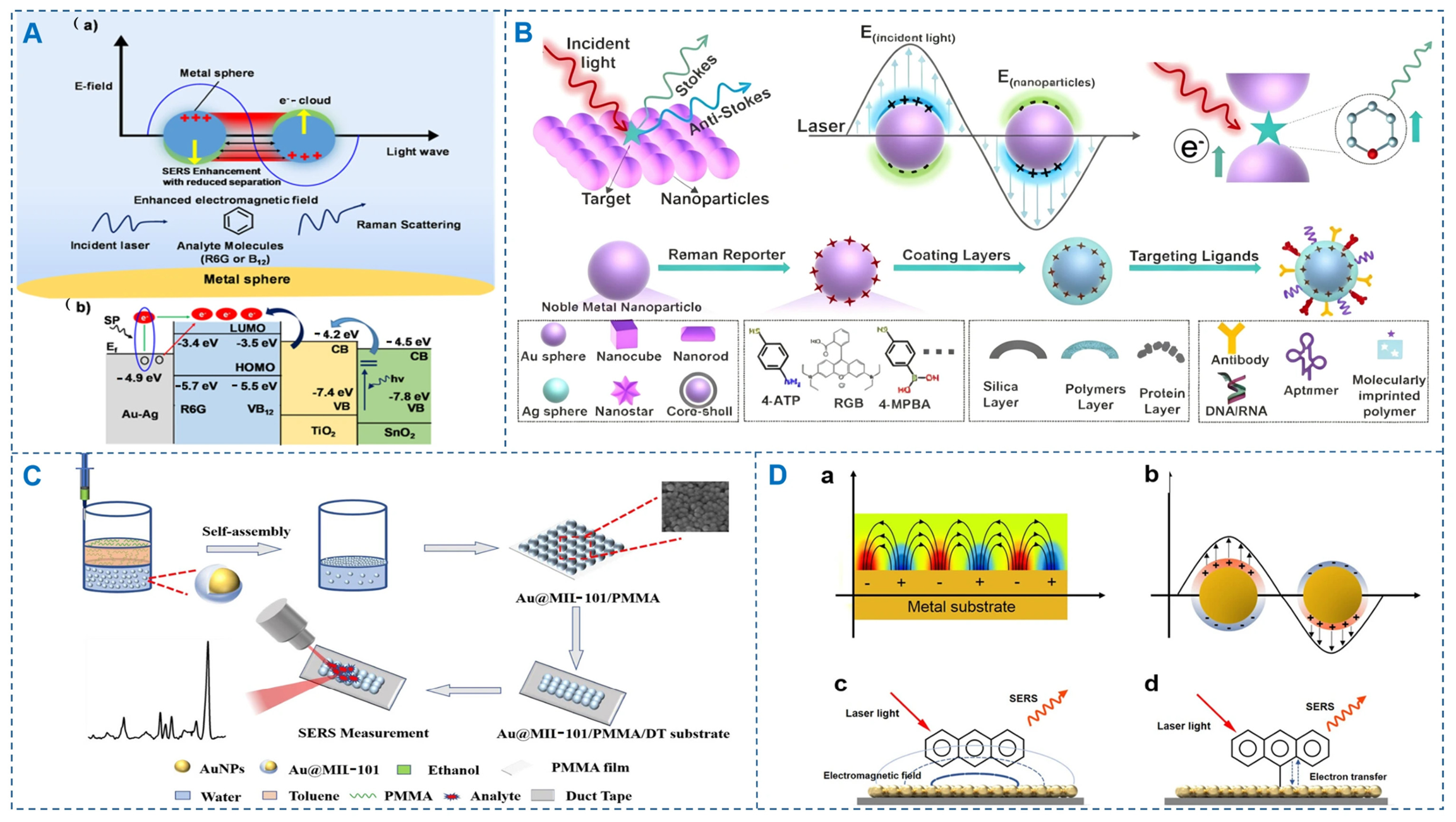
Fundamental mechanisms and fabrication of plasmonic SERS substrates. (A) Electromagnetic and chemical enhancement mechanisms of SERS: (a) LSPR-induced electromagnetic field enhancement; (b) Energy level diagram of the charge-transfer mechanism. [118]; (B) SERS principle and functional modification of noble-metal nanoprobes [119]; (C) fabrication of Au@MIL-101/PMMA SERS-active substrate [120]; (D)Schematic illustration of enhancement mechanisms: (a) Hot-spot distribution on a metal substrate; (b) Plasmonic coupling between nanoparticles; (c) Electromagnetic enhancement at nanostructure gaps; (d) Charge-transfer enhancement induced by laser excitation [121].
2.2. Fundamental Principles of Electrical Wearable Sensors
Electrical wearable sensors convert biochemical redox events, ion activities, and mechanical strain into quantifiable electrical metrics (current, potential, resistance, capacitance) using conductive nanomaterial networks (e.g., laser-induced graphene [LIG] [122], carbon nanotubes [CNTs], MXenes, conductive polymers like PEDOT:PSS, and liquid metals) [123,124,125]. Their intrinsic solid-state operation allows seamless integration with miniaturized signal conditioning chips, Bluetooth/NFC/LoRa wireless telemetry, and energy harvesting components [126] (Figure 5).
Figure 5.
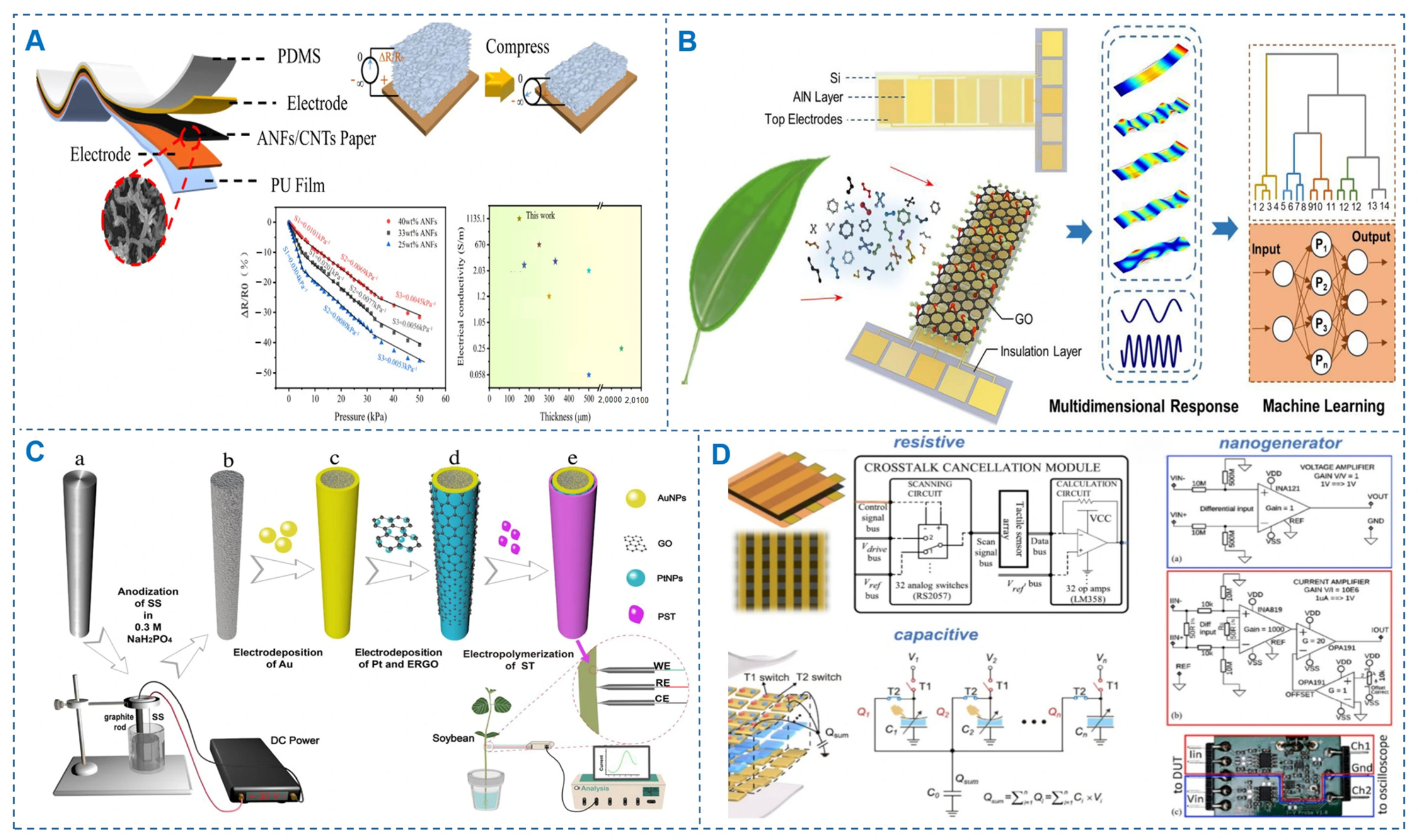
Schematic overview of electrical wearable sensors. (A) Structure and piezoresistive sensing performance of ANFs/CNTs composite wearable sensor [127]; (B) GO-based sensing workflow combined with machine learning analysis for plant signal recognition [128]; (C) fabrication of modified microelectrodes for in situ plant detection [129]; (D) hardware circuits for resistive, capacitive and nanogenerator sensors [130].
2.2.1. Electrochemical Wearable Sensing Principle
Wearable electrochemical platforms typically implement a planar or microneedle-based three-electrode architecture [131,132,133]: a functionalized Working Electrode (WE), a Counter Electrode (CE), and a Reference Electrode (RE, such as Ag/AgCl pseudo-reference) [134,,135]. Depending on the transduction mode, these are classified into amperometric/voltammetric, potentiometric, and impedimetric sensors:
Amperometric Sensing: Target analytes (e.g., electroactive phytohormones like salicylic acid, ascorbic acid, or enzymatic hydrogen peroxide byproduct from glucose/oxidase cascades) undergo diffusion-controlled Faradaic redox reactions at the WE under an applied overpotential η [136,137,138]. For an ideal planar electrode with infinite size, where diffusion is strictly one-dimensional, the time-dependent Faradaic current transient I(t) is governed by the classical Cottrell equation:
Under convective microfluidic or steady-state radial mass transport conditions (e.g., microelectrode/microneedle arrays), the steady-state Faradaic current (ISS) correlates linearly with the bulk analyte concentration:
where n is the number of transferred electrons per molecule, F is the Faraday constant (96,485 C/mol), A is the electrochemically active surface area (cm2), D is the molecular diffusion coefficient (cm2·s−1), km is the mass-transport transfer coefficient (cm·s−1), and δN is the Nernst diffusion layer thickness (cm). It should be noted that Equations (5) and (6) are strictly valid for one-dimensional diffusion at planar electrodes with infinite size. In practical wearable electrochemical sensors, electrode geometries such as microelectrodes, microneedle arrays, interdigitated array (IDA) electrodes, and circular electrodes are frequently used, where the diffusion field becomes non-planar and may approach hemispherical or cylindrical symmetry. Under such conditions, the amperometric response deviates from the Cottrell behavior and can reach a true steady state dominated by radial diffusion, with the steady-state current given by:
for a microdisk electrode of radius rd, or by geometry-dependent expressions for IDA and circular electrodes. In these cases, the current is no longer proportional to t(−1/2) and is less sensitive to convection, which is advantageous for continuous in situ monitoring on plant surfaces. Therefore, the electrode geometry and diffusion regime should be carefully considered when applying Equations (5) and (6) to practical wearable electrochemical sensors.
Iss,radial = 4nFDCbulkrd
Potentiometric Ion-Selective Sensing: Solid-contact ion-selective electrodes (SC-ISEs) quantify specific ionic activities (e.g., K+, Na+, NO3−, Ca2+, H+ for pH) in apoplastic fluids or xylem sap under zero net Faradaic current (I = 0) [139,140,141]. The electromotive force (Ecell) obeys the extended Nicolsky-Eisenman equation:
where E0 is the standard cell potential, Rg is the universal gas constant (8.314 J·mol−1K−1), T is absolute temperature (K), Zi and Zj are charges of the primary ion i and interfering ion j, ai and aj are their respective chemical activities, and is the potentiometric selectivity coefficient.
Impedimetric Sensing and Electrochemical Impedance Spectroscopy (EIS): Wearable impedimetric sensors interrogate interfacial bio-recognition dynamics, ion permeability [142,143,144], and vegetal tissue status by applying a small-amplitude sinusoidal perturbation potential E(t) = E0sin(ωt) (typically 5~10 mV) across a broad angular frequency spectrum ω = 2πf, recording the resulting phase-shifted sinusoidal current I(t) = I0sin(ωt + θ) [145,146]. The complex impedance Z(ω) is expressed in Cartesian and polar forms as:
where Z′ is the real (resistive/in-phase) component, Z″ is the imaginary (reactive/out-of-phase) component, is the imaginary unit, is the impedance magnitude, and θ = arcttan(Z″/Z′) is the phase angle.
At the bio-electrode interface, interfacial charge transfer kinetics are quantitatively modeled using the classic Randles equivalent electrical circuit, which incorporates the uncompensated electrolyte/solution resistance (Rs), the interfacial double-layer capacitance (Cdl), or constant phase element (CPE), the charge-transfer resistance (Rct), and the Warburg diffusion impedance (ZW):
where the semi-infinite linear diffusion Warburg impedance is governed by:
where σW is the Warburg coefficient related to ionic diffusion coefficients. It should be noted that Equations (10) and (11) are strictly valid for an ideal one-dimensional semi-infinite diffusion geometry in an infinitely long electrochemical cell. In practical plant-wearable sensors, this idealized model is often insufficient. First, the electrode-tissue interface is finite in size, and diffusion may become non-planar (e.g., radial or hemispherical) when microelectrodes, microneedle arrays, or interdigitated electrodes are used. Second, the plant tissue itself contributes additional impedance components, including cell membrane capacitance, intracellular and extracellular fluid resistance, and apoplastic/cytoplasmic ion transport pathways, which are commonly described by tissue-level Cole–Cole or distributed-element models rather than a simple Warburg element. Third, the presence of cuticular wax, biofouling layers, and non-uniform contact between the sensor and the plant surface introduces additional interfacial impedance and heterogeneity. Therefore, in practical plant-wearable impedance sensing, the Randles circuit and the Warburg expression should be regarded as simplified limiting cases, and the equivalent circuit should be extended with geometry-dependent diffusion elements, tissue-level impedance components, and interfacial heterogeneity terms to better describe the actual sensor–plant interface.
In label-free affinity biosensing (e.g., detecting phytopathogen spores, specific viral proteins, or pesticide binding), the formation of target-probe immunocomplexes or aptamer-target folding at the WE interface introduces steric hindrance and electrostatic repulsion against redox probes (e.g., [Fe(CN)6]3−/4−), resulting in a quantifiable increase in Rct (manifested as an expanding semicircle diameter in the high-frequency region of the Nyquist plot) [147].
Concurrently, in in vivo physiological monitoring, wearable microneedles or surface-grafted multielectrodes employ non-Faradaic EIS (utilizing tissue-level Cole-Cole models) to map intracellular fluid resistance (Ri), extracellular fluid resistance (Re), and cell membrane capacitance (Cm) [148,149]. This enables continuous tracking of plant tissue water status, drought-induced cellular plasmolysis, and early membrane permeability damage induced by cold, salinity, or fungal invasion.
Microneedle-integrated electrochemical arrays minimally penetrate the hydrophobic cuticular wax barrier without eliciting systemic wound defense cascades, achieving real-time, multiplexed biofluid profiling in vivo [150] (Figure 6).
Figure 6.
Representative electrochemical sensing platforms. (A) Electrochemical recognition and potentiometric ratiometric signal strategies [151]; (B) catalytically modified electrode for voltammetric detection [152]; (C) microneedle-based three-electrode sensor for in situ plant real-time monitoring [153]; (D) Electrochemical characterization and sensing performance: (a,b) CV curves at different DA concentrations using traditional (a) and integrated (b) electrode systems; (c) Calibration curves showing the linear relationship between current change and DA concentration; (d) Selectivity evaluation of the sensor against various interfering substances. [154].
2.2.2. Piezoresistive Wearable Sensing Principle
Piezoresistive sensors monitor mechanical strains induced by stem expansion/shrinkage, foliar turgor oscillation, and robotic grasping forces [155,156,157]. The sensitive layer comprises conductive nanofillers (e.g., graphene, CNTs, MXene nanosheets [158], metal nanowires) dispersed within or coated onto flexible elastomeric matrices (e.g., PDMS, Ecoflex, TPU, natural rubber) [159,160,161].
The primary figure of merit is the Gauge Factor (GF), defined as the normalized relative resistance change per unit mechanical strain (ε):
where R0 and R represent the electrical resistances in the relaxed and strained states, and L0 and ΔL denote the initial length and elongation of the sensor, respectively.
Mechanistically, the total electrical conductivity (σcond) near the percolation threshold (ϕc) is described by classical percolation theory and Simmons’ quantum tunneling model:
where ϕ is the conductive filler volume fraction, t is the universal transport exponent, d is the interparticle tunneling distance, Ac is the effective contact area, h is Planck’s constant, e is the elementary electron charge, me is the effective electron mass, and is the mean potential barrier height between adjacent conductive islands.
Under applied mechanical stress σstress within the linear elastic regime (governed by Young’s modulus EY, such that ε = σstress/EY), the resistance modulation is formulated as:
Wearable piezoresistive bands attached to crop stalks yield micro-displacement resolution (<1 μm), directly mapping diurnal stem hydration dynamics and drought stress cycles [162,163,,164].
2.2.3. Capacitive Wearable Sensing Principle
Capacitive wearable sensors monitor variations in dielectric permittivity, electrode spacing, or interfacial double-layer capacitance under physiological swelling, foliar transpiration, or physical contact [165,166,167]. A parallel-plate capacitive architecture exhibits a baseline capacitance (C0):
where ε0 is the vacuum permittivity (8.854 × 10⁻¹² F·m−1), εr is the relative dielectric constant of the dielectric interlayer, Aeff is the effective overlapping plate area, and d is the dielectric separation thickness.
Under foliar transpiration or humidity fluctuations, water vapor molecule adsorption/desorption dynamically modulates the effective relative dielectric permittivity, governed by the Maxwell–Garnett effective medium approximation:
where εwater ≈ 80, εpoly ≈ 2~4 represents the dry polymer substrate permittivity, and θw is the adsorbed volumetric water fraction.
When configured with ionic conductors (e.g., ionic hydrogels, ionogels), an Electrical Double Layer (EDL) forms at the electrode-electrolyte interface with an ultra-high specific capacitance (), where λD is the sub-nanometer Debye screening length). Under normal compressive stress, the dynamic increase in microscopic contact area induces substantial capacitance changes (ΔC/C0) [168,169,170], providing ultra-high sensitivity and minimal hysteresis for soft robotic fruit picking and leaf turgor tracking (Figure 7).
Figure 7.
Flexible capacitive wearable sensor platforms. (A) Chemical components, nanofiber morphology and pressure-responsive EDL capacitance mechanism of ion-gel-based sensor [171]; (B) assembly process, mechanical simulation, performance characterization and micro-structure of fabric-sponge capacitive sensor [172].
2.3. Comprehensive Comparison and Strategic Modality Selection
The selection of optical versus electrical wearable sensing modalities involves balancing analytical sensitivity, selectivity, physical footprint, power budget, and field deployment logistics. Moreover, Table 2 further distinguishes the suitable field-application scenarios and practical advantages of optical and electrical wearable sensors to guide modality selection for specific agricultural tasks.
Table 2.
Comprehensive comparison of wearable optical and electrical sensing modalities in precision agriculture.
Beyond the comparison summarized in Table 1, substrate adaptability is another critical but often overlooked factor determining the practical deployment of plant wearable sensors across diverse crop species. Grain crops (e.g., rice, wheat, maize) generally possess narrow, slender, and highly curved leaves with dense epicuticular wax crystals, weak mechanical support, and rapid leaf elongation and senescence, requiring ultra-thin, low-modulus, and highly conformal substrates that can adhere stably without restricting leaf movement or photosynthesis [173]. In contrast, fruit-vegetable plants (e.g., tomato, cucumber, strawberry, peach) exhibit broader leaves, thicker stems, expanding fruits, and pubescent or waxy organ surfaces, where sensor substrates must simultaneously accommodate large curvature changes, surface growth-induced strain, and fruit expansion without delamination or signal drift. Moreover, the mechanical mismatch between rigid conductive nanomaterials and soft plant tissues differs markedly among species: stem-based piezoresistive bands require high stretchability and fatigue resistance for woody or succulent stems, whereas leaf-attached fluorescent or SERS patches demand optical transparency, breathability, and minimal mass loading to avoid altering leaf microclimate and transpiration. Therefore, a single universal flexible substrate is unlikely to satisfy all crop types. Future substrate design should shift toward species-adaptable strategies, including tunable modulus and thickness, bio-inspired adhesive microstructures, degradable or breathable matrices, and crop-specific conformal layouts, so that wearable sensors can achieve stable long-term adhesion and reliable signal transduction across both grain crops and fruit-vegetable plants [174].
3. Applications for Crop Growth Monitoring
Conformal plant wearable sensors enable continuous, non-invasive, and in situ tracking of vital physiological indicators, systemic signaling dynamics, and external environmental stresses throughout the crop lifecycle [175,176]. By translating invisible cellular and biomechanical responses into quantifiable optical and electrical outputs, wearable sensors eliminate the latency and destructive sampling inherent to conventional offline assays (Figure 8).
Figure 8.
Practical applications of plant wearable sensors for crop physiological monitoring. (A) The overall workflow of on-plant wearable sensing, real-time data acquisition and intelligent classification analysis [177]; (B) time-dependent resistance response signals after stem and leaf cutting damage [177]; (C) performance comparison between a wearable PlantRing sensor and a gravimetric system for drought stress monitoring [178]; (D) sensing mechanism for rapid detection of organophosphorus pesticide residues [179].
3.1. Detection of Crop Biochemical and Physiological Biomarkers
Reactive oxygen species (ROS) and endogenous phytohormones serve as primary biochemical sentinels that orchestrate plant systemic defense signaling long before macroscopic phenotypic symptoms emerge [180,181,182]. Under acute abiotic stresses such as drought shock, thermal extremes, and heavy metal exposure, or during early phytopathogenic invasion [183,184,185], plants undergo rapid oxidative bursts characterized by trace accumulation of hydrogen peroxide (H2O2) and superoxide anions (·O2−) [186,187]. Conformal fluorescent wearable patches functionalized with target-specific DNA aptamers or catalytic nanozymes adhere directly to the foliar epidermis [99,188,189,190]. The selective binding of ROS dynamically changes the donor-to-acceptor spatial distance, thereby triggering FRET, yielding instantaneous emission quenching or spectral shifts proportional to picomolar analyte concentrations [191,192].
In parallel, dynamic phytohormone fluxes regulate essential developmental and defense pathways, where abscisic acid (ABA) governs stomatal aperture and foliar transpiration under water deficit [153,193], while salicylic acid (SA) and jasmonic acid (JA) coordinate systemic acquired resistance against biotrophic and necrotrophic pathogens. To track these internal signaling molecules without inducing defensive wounding cascades [194,195], flexible polymeric microneedles minimally penetrate the hydrophobic cuticular wax layer to interface directly with apoplastic sap. Working electrodes modified with electrocatalytic nanocomposites [196,197], such as MXenes, carbon nanotubes, and metallic nanoparticles, perform Faradaic amperometric and differential pulse voltammetric measurements, resolving sub-micromolar fluctuations of ABA and SA in real time to provide an actionable diagnostic window for timely agronomic interventions [198,199,200].
3.2. Dynamic Monitoring of Abiotic and Biotic Stresses
Wearable sensors realize synchronous monitoring of two major crop stress types. Capacitive leaf sensors reflect crop transpiration and water shortage via real-time humidity data [201,202,203]. The working mechanism is based on parallel-plate capacitor theory: leaf surface water vapor changes the relative dielectric constant of the intermediate dielectric layer of the capacitor, and capacitance variation output corresponds to leaf water content, realizing continuous humidity response [204]. Piezoresistive stem bands record daily stem shrinkage and expansion rhythms to evaluate long-term drought stress [205,,206,207]. The core sensing principle is the piezoresistive effect: tiny volume deformation of stems changes the contact area of internal conductive fillers in composite sensitive materials, leading to regular resistance change, and deformation degree can be calculated by the material gauge factor. SERS optical wearable sensors identify trace pathogen secretions on leaf surfaces to achieve early diagnosis of fungal and bacterial blight [208,209]. The detection mechanism originates from local surface plasmon resonance (LSPR): laser excitation generates strong electromagnetic hot spots on noble metal nanostructures, which amplifies molecular Raman scattering signals of secretions, and unique Raman shift peaks correspond to different pathogenic metabolites [210,211,212]. For crop phenotyping, long-term attached strain sensors record stem thickening and fruit expansion rates, matching field meteorological data to establish dynamic crop growth curves, supporting precise variable fertilization and irrigation decision-making [50,213,214,215,216].
3.3. High-Throughput Phenotyping and Precision Agronomic Feedback
Real-time physiological monitoring by wearable sensors effectively reduces global crop yield losses caused by various stresses [217,218]. All the above wearable sensing systems rely on stable optical or electrical signal transduction mechanisms to convert invisible plant physiological and morphological changes into readable quantitative signals, eliminating the lag and destructive defects of traditional offline detection methods. Precise water and fertilizer supply guided by in situ physiological signals avoids blind excessive input, saving water resources and alleviating chemical fertilizer non-point source pollution [219,220,221]. In addition, wearable sensors realize high-throughput continuous phenotyping of single plants, precisely distinguishing stress resistance differences in different germplasm resources and shortening the screening cycle of stress-resistant crop varieties. The unified signal conversion principle enables long-term, continuous, single-plant parallel monitoring, which cannot be realized by discrete laboratory detection means, laying a technical foundation for large-scale crop germplasm screening and field stress dynamic tracking [222,223,224]. It should be noted that the wearable sensing applications reviewed here are not intended to be universally standardized across all agricultural regions. Instead, they should be adapted to local crop species, climatic conditions, soil types, farming practices, and socioeconomic contexts. For example, the same optical or electrical sensing platform may need different calibration models, adhesion strategies, and data interpretation pipelines when deployed on rice paddies in humid subtropical regions versus wheat fields in semi-arid temperate regions. Local wisdom, such as traditional knowledge of crop phenology, irrigation timing, and pest outbreak patterns, can provide valuable priors for sensor deployment, signal interpretation, and decision-making, and should be integrated with standardized sensor hardware and algorithms to improve practical applicability. Beyond regional adaptation, the economic value of wearable sensor deployment is also a key consideration for practical adoption. From an economic perspective, the adoption of wearable sensors can generate measurable benefits through higher and more stable yields as well as reduced input and postharvest losses. By enabling early stress detection and precise irrigation and fertilization, wearable sensors can help maintain crop yield under adverse conditions and reduce input costs associated with excessive water, fertilizer, and pesticide application. For example, in-field physiological monitoring can support variable-rate irrigation and site-specific fertilization, which have been reported to improve water use efficiency and nutrient use efficiency while maintaining or increasing yields. In addition, early warning of disease and abiotic stress allows timely and targeted intervention, reducing yield losses and postharvest waste. These economic gains are particularly important for smallholder farms, where even modest improvements in yield stability and input efficiency can translate into significant income increases. However, the economic value of wearable sensors also depends on device cost, calibration and maintenance requirements, and the availability of data interpretation services, which should be considered in future cost–benefit analyses.
4. Applications in Harvesting and Agricultural Product Quality Safety
Benefiting from the development of wearable nanosensing technology, compact and highly sensitive sensors satisfy the on-site real-time monitoring demands during crop harvesting and subsequent quality safety management [225,226]. Pressure sensing components equipped on robotic picking manipulators supply dynamic gripping force feedback, which effectively prevents mechanical damage to delicate fruits in automated harvesting [227,228,229]. Moreover, these flexible sensing tools enable non-destructive identification of multiple quality traits including ripeness, firmness and freshness indicators without sample destruction [230]. They are also capable of rapidly sensing and analyzing common safety risks such as pesticide residues, microbial contamination and toxic pollutants [231,232,233]. This section accordingly reviews three primary application directions, covering pressure perception for intelligent fruit-picking machinery, non-destructive agro-product quality inspection and on-site sensing-based agricultural product safety analysis. Similarly, in harvesting and postharvest quality/safety monitoring, sensor deployment should be adapted to local agricultural practices and market requirements. For instance, pesticide residue screening thresholds, ripeness criteria, and storage conditions may vary among regions and crop varieties. Therefore, standardized sensing principles and device architecture should be combined with region-specific calibration, threshold setting, and decision rules, rather than being applied uniformly across all agricultural systems. In harvesting and postharvest operations, wearable sensors can also deliver direct economic benefits by reducing mechanical damage during picking, improving sorting and grading accuracy, and enabling early detection of quality deterioration. These improvements can increase the proportion of marketable produce, extend storage life, and reduce postharvest losses, thereby raising the overall economic return for growers and supply-chain stakeholders.
4.1. Tactile Pressure Sensing for Lossless Robotic Harvesting
Piezoresistive flexible sensing films are integrated on clamping terminals of automatic picking robots and flexible picking gloves [234,235,236,237]. During picking operations, the sensor transmits real-time extrusion pressure data to the control terminal [238,239,240]. When the pressure exceeds the peel damage threshold, the manipulator automatically reduces clamping force to realize lossless picking of fragile fruits such as strawberries and peaches [241,242,,243]. For manual picking scenarios, wearable pressure gloves remind farmers of excessive holding force through vibration feedback, lowering the mechanical damage rate and postharvest rot loss of fruits [244,245,246,247]. The structure, working mechanism, performance characterization and practical application demonstrations of the MXene/leather piezoresistive pressure sensor are displayed in Figure 9.
Figure 9.
MXene/leather flexible piezoresistive pressure sensor. (A) Device structure, pressure-responsive working mechanism, gradient-pressure dynamic response, optical photographs, sensitivity calibration, step-response, cyclic stability and pressure loading setup tests of the sensor [248]; (B) electrical output signals obtained from air pressure detection tests [249]; (C) practical application test for soft robotic grasping [250].
4.2. Non-Destructive Quality Phenotyping and Ripeness Assessment
Optical wearable sensing stickers attached to fresh fruits and vegetables complete full-process non-destructive quality detection after harvest. Fluorescence sensors identify fruit ripeness grades according to chlorophyll and sugar fluorescence signal changes, supporting classified picking and storage [251]. Flexible SERS patches rapidly detect soluble solids and titratable acids on fruit surfaces without peeling to evaluate flavor quality [252,253,254]. For grain storage, portable wearable sensors monitor real-time grain moisture content and give early warning of mildew risks, fully compatible with high-throughput assembly line screening without destroying agricultural products [255,256,257]. Typical wearable sensing devices for agricultural product quality inspection and plant physiological monitoring are shown in Figure 10.
Figure 10.
Schematic diagram of various wearable sensing systems for agricultural applications. (A) Preparation process of SWNT/PVA fiber humidity sensor [258]; (B) microneedle sensor for in situ plant leaf pH real-time monitoring [259]; (C) general framework of three classic electrochemical sensing detection modes [260]; (D) fabrication and working principle of triboelectric sensor for fruit freshness evaluation [261].
4.3. On-Site Trace Detection of Agrochemical Residues and Contaminants
The core detection targets of agricultural product safety include pesticide residues, heavy metal pollution and toxic mycotoxins [262,263,264]. Flexible SERS sensing stickers attached to the fruit epidermis capture trace organophosphorus and carbamate pesticide residues, completing qualitative and quantitative analysis via characteristic Raman peaks [265]. Aptamer-modified fluorescence wearable sensors detect aflatoxin and ochratoxin in grain extracts with picomolar detection limits, meeting strict food safety standards [266,267,268,269]. Different from large laboratory chromatographic instruments, portable wearable devices support on-site rapid screening in orchards, farmers’ markets and processing plants, blocking unqualified agricultural products at the source [270,271,272]. A series of optical and electrochemical sensing platforms for agricultural safety detection are displayed in Figure 11.
Figure 11.
Various sensing platforms for agricultural product safety detection. (A) Fluorescent sensing film for pesticide residue visual monitoring [273]; (B) preparation and DPV response of two MXene-based electrochemical pesticide sensors [260]; (C) working flowchart of fiber optic probes for pathogenic bacteria identification in agro-products [274]; (D) N-CQDs fluorescent system for carbamate pesticide quantitative detection [275].
5. Signal Processing Technologies for Sensing Data
Raw data acquired by wearable nanosensors frequently suffers from ambient noise, baseline drift and miscellaneous interference under complicated field test environments, so the primitive electrical responses are incapable of supporting agricultural evaluation directly. Effective signal processing acts as an essential intermediate procedure to translate sensor outputs into actionable agricultural information. The initial signal preprocessing removes unwanted interference and improves the quality of unprocessed sensing data. Subsequent feature extraction selects valuable information, while data calibration compensates for sensor deviation triggered by temperature, humidity and complex agricultural sample matrices. After that, machine learning-based intelligent analysis achieves qualitative recognition and quantitative estimation for crop growth status, fruit quality and food safety risks [276,277,278]. This section illustrates three sequential processing phases, which cover the pretreatment of original sensing signals, feature extraction and data calibration, as well as intelligent interpretation for multi-source agricultural sensing signals.
5.1. Preprocessing of Raw Sensing Signals
Original signals collected by optical and electrical wearable sensors contain multiple forms of interference noise originating from complex farm environments, including slow temperature drift, dielectric disturbance from rainwater and high-frequency mechanical clutter from field machinery operation, and signal preprocessing serves as an essential preliminary analytical step covering denoising, drift correction and outlier elimination [279,280,281]. Denoising relies on moving average filtering and wavelet threshold filtering to erase random high-frequency noise, with the time-series moving average formula defined as:
where 2N + 1 stands for an adjustable filter window length tuned according to signal sampling frequency, and drift correction builds temperature compensation models using real-time field temperature readings to counteract slow signal decay from long-term sensitive layer aging, while the three-sigma rule removes anomalous signal points caused by temporary poor contact between sensor and crop surface to avoid distortion of subsequent quantitative analysis outcomes. Multi-step preprocessing retains stable baselines and complete effective characteristic response signals to establish clean, reliable datasets for follow-up feature extraction and calibration modeling [282].
5.2. Feature Extraction and Matrix Calibration
Feature extraction extracts effective characteristic parameters closely related to detection targets from denoised continuous signals. For electrical sensing data, steady-state current, resistance variation amplitude and capacitance change rate are extracted as core features. For optical signals, fluorescence peak intensity and Raman shift values are selected. Time-domain features such as signal response duration are extracted from long-term crop monitoring data to reflect dynamic physiological variation processes. Matrix matching calibration and standard addition methods are applied to eliminate interference from plant pigments and fruit organic acids, establishing linear fitting curves between signal features and standard analyte concentrations to improve quantitative detection accuracy in complex samples [283,284,285].
5.3. Intelligent Analysis and Edge-Cloud Symbiosis
After feature extraction and calibration, machine learning and deep learning algorithms are introduced for intelligent identification and prediction [286,287,288]. Support vector machine and random forest models classify crop disease types and fruit ripeness grades based on multi-dimensional sensing features. Lightweight CNN and LSTM networks are deployed on wearable edge chips to realize local real-time analysis of time-series signals [289], automatically identifying drought stress and grain mildew risks without full raw data uploading to reduce transmission delay and power consumption [290,291,292]. Cloud big data platforms fuse multi-point wearable data, soil and meteorological information to construct crop growth prediction models and output optimized irrigation and pesticide application schemes for precision agriculture management [286,293,294,295]. The mainstream intelligent signal analysis algorithms and corresponding test results are shown in Figure 12.
Figure 12.
Schematic of intelligent signal analysis algorithms for agricultural sensing data. (A) Time series prediction frameworks based on HMM and LSTM: (a) HMM state transition diagram; (b) Typical current signal time series; (c) LSTM-based neural network architecture; (d) Comparison of raw, ground truth, and deep-channel output signals. [296]; (B) Random forest modeling workflow [297]; (C) Chemometric analysis including PCA dimensionality reduction, clustering and discriminant classification: (a–c) PCA score plots with different numbers of principal components (n_components = 1, 2, 3); (d) Schematic of clustering process; (e) Illustration of maximum interval and optimal hyperplane; (f) Schematic of distance metrics (components = 2); (g) Multi-dimensional SERS data acquisition and chemometric analysis (PCA, LDA) for tea recognition; (h) Confusion matrix showing classification sensitivity and specificity; (i–j) Schematic of colorimetric sensor array and its corresponding PCA score plot; (k) Decision tree classification model workflow [298].
6. Conclusions and Outlook
6.1. Conclusions
This review systematically sorts out two mainstream categories of agricultural wearable sensors: optical and electrical, and elaborates their respective optical and electrical signal transduction mechanisms. Optical wearable sensors rely on fluorescence and SERS effects to achieve ultra-sensitive trace detection of biological metabolites and pollutants. Electrical wearable sensors feature simple structures and low costs, suitable for long-term continuous monitoring of crop growth and environmental indices, with distinct applicable field scenarios for both types.
Wearable sensing technology covers the whole agricultural industrial chain. During crop growth periods, it realizes early stress warning and high-throughput phenotyping by detecting physiological markers. In post-harvest picking and processing links, lossless intelligent clamping control and rapid quality and safety screening of agricultural products can be completed. A complete signal processing system including noise reduction, feature extraction and edge intelligent analysis effectively suppresses complex farmland environmental interference and improves the practicability of field deployment. At present, the popularization of agricultural wearable sensors is still restricted by single sensing mode, poor long-term environmental stability and high preparation cost of nanomodified sensitive materials.
6.2. Outlook
Future research should prioritize multimodal integrated wearable devices that combine optical fluorescence/SERS and electrochemical/piezoresistive sensitive layers on a single flexible substrate to achieve synchronous multi-parameter testing of crop physiology, growth strain and field environmental conditions and break the single-signal limitation of current single-function hardware, alongside bionic self-powered wearable sensors integrated with piezoelectric and triboelectric nanogenerator energy harvesting units that capture wind vibration and stem expansion mechanical energy to power sensing modules and eliminate dependence on disposable lithium batteries for over 30 days of unattended field monitoring. Biomimetic nanosensors refer to sensing devices that mimic biological sensory mechanisms (e.g., plant olfactory or tactile systems) by integrating bio-recognition elements (such as odorant-binding proteins, aptamers, or molecularly imprinted polymers) with nanomaterial transducers, enabling highly selective and sensitive detection of trace analytes [299,300]. AI-coupled agricultural monitoring refers to the integration of artificial intelligence algorithms (e.g., machine learning, deep learning, edge computing) with wearable sensor data streams to enable real-time signal processing, pattern recognition, and predictive decision-making for crop management [301,302]. Researchers should also pay special attention to the anti-biofouling bottleneck of plant-attached sensors under harsh farm conditions. Current surface modification strategies still face notable limitations: most superhydrophobic or anti-fouling coatings suffer from insufficient long-term stability under cyclic UV radiation, rain washing, agrochemical erosion, and mechanical deformation, which can degrade low-surface-energy layers or destroy micro/nanostructures; moreover, farmland biofouling is highly complex, involving dust, wax, pollen, microorganisms, and pesticide residues, and a single wettability-based strategy can hardly resist all these foulants simultaneously. In addition, thick or non-breathable coatings may compromise biocompatibility, conformal attachment, and signal transduction, while strong anti-fouling properties often trade off against sensing sensitivity and response time. Therefore, future anti-biofouling designs should focus on multifunctional, mechanically robust, and biocompatible interfaces that maintain stable sensing performance under harsh field conditions [303]. Meanwhile, lightweight agriculture-focused AI edge algorithms can simplify CNN and LSTM network architectures for embedding into low-power terminal chips to realize on-site real-time stress early warning without cloud transmission and reduce terminal power load and server data pressure. Finally, roll-to-roll scalable printing manufacturing should replace expensive vacuum deposition processes to cut production costs and enable dense low-cost layout on scattered smallholder farms and large intensive planting bases to accelerate the industrial popularization of agricultural wearable sensing equipment. Nevertheless, a notable gap remains between laboratory performance and large-scale agricultural deployment. Most reported wearable sensors are still validated under controlled laboratory conditions or small-scale field trials, where temperature, humidity, illumination, and mechanical disturbance can be carefully regulated. In real farm environments, however, analytical performance often degrades owing to environmental fluctuations, long-term biofouling, mechanical fatigue, and batch-to-batch variation in nanomaterial synthesis and device fabrication. More importantly, future translation should not simply pursue ultra-high sensitivity, but should achieve a rational cost-performance balance among detection sensitivity, device lifetime, manufacturing cost, calibration frequency, and maintenance requirements. For practical adoption by farmers and agricultural enterprises, wearable sensors must be affordable, durable, easy to operate, and compatible with existing agricultural management systems. Therefore, future research should strengthen standardized performance evaluation under real field conditions, develop low-cost and reproducible fabrication routes, and establish clear cost-performance benchmarks to accelerate the translation of wearable sensing technologies from laboratory prototypes to large-scale agricultural applications.
Author Contributions
L.Q., as the leading author, handled writing—original draft preparation and completed the review. X.W. (Xindong Wang) reviewed literature citations; X.W. (Xinxin Wu) evaluated argument logic; J.Y. checked terminology clarity. H.L. did data interpretation. X.Z. did writing—review and editing, revised key sections, and took charge of supervision. All authors have read and agreed to the published version of the manuscript.
Funding
This research received no external funding.
Institutional Review Board Statement
Not applicable.
Informed Consent Statement
Not applicable.
Data Availability Statement
No new data were created or analyzed in this study. Data sharing is not applicable to this article.
Acknowledgments
During the preparation of this manuscript, the authors used ChatGPT5.3 for the purpose of improving the readability of some sections. The authors have reviewed and edited the output and take full responsibility for the content of this publication.
Conflicts of Interest
The authors declare no conflicts of interest.
References
- Farooq, M.S.; Uzair, M.; Raza, A.; Habib, M.; Xu, Y.L.; Yousuf, M.; Yang, S.H.; Khan, M.R. Uncovering the Research Gaps to Alleviate the Negative Impacts of Climate Change on Food Security: A Review. Front. Plant Sci. 2022, 13, 927535. [Google Scholar] [CrossRef] [Scilit]
- Nazir, M.J.; Li, G.; Nazir, M.M.; Zulfiqar, F.; Siddique, K.H.M.; Iqbal, B.; Du, D. Harnessing soil carbon sequestration to address climate change challenges in agriculture. Soil Tillage Res. 2024, 237, 105959. [Google Scholar] [CrossRef] [Scilit]
- Meza, I.; Siebert, S.; Döll, P.; Kusche, J.; Herbert, C.; Rezaei, E.E.; Nouri, H.; Gerdener, H.; Popat, E.; Frischen, J.; et al. Global-scale drought risk assessment for agricultural systems. Nat. Hazards Earth Syst. Sci. 2020, 20, 695–712. [Google Scholar] [CrossRef] [Scilit]
- El-Ramady, H.; Abdalla, N.; Sári, D.; Ferroudj, A.; Muthu, A.; Prokisch, J.; Fawzy, Z.F.; Brevik, E.C.; Solberg, S.Ø. Nanofarming: Promising Solutions for the Future of the Global Agricultural Industry. Agronomy 2023, 13, 1600. [Google Scholar] [CrossRef] [Scilit]
- Dlamini, L.; Crespo, O.; van Dam, J.; Kooistra, L. A Global Systematic Review of Improving Crop Model Estimations by Assimilating Remote Sensing Data: Implications for Small-Scale Agricultural Systems. Remote Sens. 2023, 15, 4066. [Google Scholar] [CrossRef] [Scilit]
- Urruty, N.; Tailliez-Lefebvre, D.; Huyghe, C. Stability, robustness, vulnerability and resilience of agricultural systems. A review. Agron. Sustain. Dev. 2016, 36, 15. [Google Scholar] [CrossRef] [Scilit]
- Iqbal, B.; Alabbosh, K.F.; Jalal, A.; Suboktagin, S.; Elboughdiri, N. Sustainable food systems transformation in the face of climate change: Strategies, challenges, and policy implications. Food Sci. Biotechnol. 2025, 34, 871–883. [Google Scholar] [CrossRef] [Scilit]
- Brooks, S.; Loevinsohn, M. Shaping agricultural innovation systems responsive to food insecurity and climate change. Nat. Resour. Forum 2011, 35, 185–200. [Google Scholar] [CrossRef] [Scilit]
- Kabato, W.; Getnet, G.T.; Sinore, T.; Nemeth, A.; Molnár, Z. Towards Climate-Smart Agriculture: Strategies for Sustainable Agricultural Production, Food Security, and Greenhouse Gas Reduction. Agronomy 2025, 15, 565. [Google Scholar] [CrossRef] [Scilit]
- Abbey, A.N.A.; Frimpong, K.A.; Odoi-Yorke, F.; Ampofo, E.A.; Darko, R.O. A review of biochar’s sustainability in climate-smart agriculture: Recent advances, emerging trends, and future directions. Eur. J. Agron. 2025, 169, 127690. [Google Scholar] [CrossRef] [Scilit]
- Jiang, L.; Xu, B.Y.; Husnain, N.; Wang, Q. Overview of Agricultural Machinery Automation Technology for Sustainable Agriculture. Agronomy 2025, 15, 1471. [Google Scholar] [CrossRef] [Scilit]
- Xie, J.; Xu, W.; Xiong, R.; Huang, C.; Zhu, M. Sensing for early-stage plant disease: From pathogenesis to sensor design. Biotechnol. Adv. 2026, 87, 108798. [Google Scholar] [CrossRef] [Scilit]
- Ge, C.; Zhang, G.; Wang, Y.; Shao, D.; Song, X.; Wang, Z. Research Status and Development Trends of Artificial Intelligence in Smart Agriculture. Agriculture 2025, 15, 2247. [Google Scholar] [CrossRef] [Scilit]
- Haq, S.I.U.; Wang, G.; Khan, S.N.; Song, C.; Ma, C.; Zhang, X.; Lan, Y. Multi-dimensional optical remote sensing in agriculture: Spectral, angular, and spatial scaling for crop stress monitoring. Smart Agric. Technol. 2025, 12, 101583. [Google Scholar] [CrossRef] [Scilit]
- Hu, K.; Cai, Y.; Zhang, K.; Yang, J.; Liu, Y.; Wang, Y.; Zhang, B.; Zhang, Y.; Zhang, C.; Chen, F. A 3D origami-structured wearable sensor for in-situ monitoring of endogenous ethylene emission from living plants. Sens. Actuators B Chem. 2026, 451, 139329. [Google Scholar] [CrossRef] [Scilit]
- Ballesteros, R.; Ortega, J.F.; Hernandez, D.; del Campo, A.; Moreno, M.A. Combined use of agro-climatic and very high-resolution remote sensing information for crop monitoring. Int. J. Appl. Earth Obs. Geoinf. 2018, 72, 66–75. [Google Scholar] [CrossRef] [Scilit]
- Yang, Z.W.; Wu, W.B.; Di, L.P.; Üstündag, B. Remote sensing for agricultural applications. J. Integr. Agric. 2017, 16, 239–241. [Google Scholar] [CrossRef] [Scilit]
- Triantafyllou, A.; Sarigiannidis, P.; Bibi, S. Precision Agriculture: A Remote Sensing Monitoring System Architecture. Information 2019, 10, 348. [Google Scholar] [CrossRef] [Scilit]
- Ray, T.R.; Choi, J.; Bandodkar, A.J.; Krishnan, S.; Gutruf, P.; Tian, L.M.; Ghaffari, R.; Rogers, J.A. Bio-Integrated Wearable Systems: A Comprehensive Review. Chem. Rev. 2019, 119, 5461–5533. [Google Scholar] [CrossRef] [Scilit]
- Wu, Y.L.; He, Z.Y.; Wang, S.R. Polymer-Based Flexible Electronics: From Fundamental Mechanisms to Wearable and Bio-Integrated Applications. Appl. Mater. Today 2026, 50, 103271. [Google Scholar] [CrossRef] [Scilit]
- Victor, N.; Maddikunta, P.K.R.; Mary, D.R.K.; Murugan, R.; Chengoden, R.; Gadekallu, T.R.; Rakesh, N.; Zhu, Y.D.; Paek, J. Remote Sensing for Agriculture in the Era of Industry 5.0-A Survey. IEEE J. Sel. Top. Appl. Earth Obs. Remote Sens. 2024, 17, 5920–5945. [Google Scholar] [CrossRef] [Scilit]
- Muthumalai, K.; Gokila, N.; Haldorai, Y.; Rajendra Kumar, R.T. Advanced Wearable Sensing Technologies for Sustainable Precision Agriculture—A Review on Chemical Sensors. Adv. Sens. Res. 2024, 3, 2300107. [Google Scholar] [CrossRef] [Scilit]
- Allará, C.; Ciccone, G.; Ciocca, M.; Vasquez, S.; Ibba, P.; Maver, M.; Mimmo, T.; Lugli, P.; Petti, L. Electronic Nanomaterials for Plants: A Review on Current Advances and Future Prospects. Adv. Electron. Mater. 2025, 11, 2500080. [Google Scholar] [CrossRef] [Scilit]
- Subramanian, V.; Lee, T. Nanotechnology-based flexible electronics. Nanotechnology 2012, 23, 340201. [Google Scholar] [CrossRef] [Scilit]
- Zhang, C.; Kong, J.; Wu, D.; Guan, Z.; Ding, B.; Chen, F. Wearable Sensor: An Emerging Data Collection Tool for Plant Phenotyping. Plant Phenomics 2023, 5, 0051. [Google Scholar] [CrossRef] [Scilit]
- Sen, A.; Shim, J.; Spinazze, M.R.; Liu, Z.; Jin, Y.; Jeon, M.; Yoon, Y.; Jiang, L.; Kim, S. 1D and 2D nanostructures of transition metal dichalcogenides: Toward functional devices and sustainable technologies. Mater. Sci. Eng. R Rep. 2025, 166, 101083. [Google Scholar] [CrossRef] [Scilit]
- Samadi, M.; Sarikhani, N.; Zirak, M.; Zhang, H.; Zhang, H.-L.; Moshfegh, A.Z. Group 6 transition metal dichalcogenide nanomaterials: Synthesis, applications and future perspectives. Nanoscale Horiz. 2018, 3, 90–204. [Google Scholar] [CrossRef] [Scilit]
- Daoud, E.; Saleh, T.M.; Roopashree, R.; Ray, S.; Yaseen, B.M.; Kavitha, V.; Sharma, R.; Sinha, A.; Mohebi, A. Engineering photoluminescence in MXene quantum dots: Interplay of surface states, quantum confinement, and defect chemistry for optoelectronic applications. Chem. Pap. 2026, 80, 5829–5847. [Google Scholar] [CrossRef] [Scilit]
- Wu, J.Z.; Gong, M.G. Nanohybrid Photodetectors. Adv. Photonics Res. 2021, 2, 2100015. [Google Scholar] [CrossRef] [Scilit]
- Chiu, C.H.; Chen, Y.T.; Shen, J.L. Quantum dots derived from two-dimensional transition metal dichalcogenides: Synthesis, optical properties and optoelectronic applications. Nanotechnology 2023, 34, 482001. [Google Scholar] [CrossRef] [Scilit]
- Zhang, J.; Zhang, X.; Bi, S. Two-Dimensional Quantum Dot-Based Electrochemical Biosensors. Biosensors 2022, 12, 254. [Google Scholar] [CrossRef] [Scilit]
- Zhang, M.; Xu, T.; Liu, K.; Zhu, L.; Miao, C.; Chen, T.; Gao, M.; Wang, J.; Si, C. Modulation and Mechanisms of Cellulose-Based Hydrogels for Flexible Sensors. SusMat 2025, 5, e255. [Google Scholar] [CrossRef] [Scilit]
- Zeng, C.J.; Ke, A.; Zhang, X.Y. Highly conductive, super-stretchable cellulose hydrogels with self-adhesive properties for flexible sensors. Int. J. Biol. Macromol. 2025, 319, 145533. [Google Scholar] [CrossRef] [Scilit]
- Zhu, H.; Dai, M.; Wang, R.; Tao, J.; Wang, H.; Chen, Z.; Zhong, Q.; Meng, F.; Zhao, Y. Research progress of wearable flexible gas sensors: From gas-sensitive materials, sensing mechanisms to current research status and applications. Coord. Chem. Rev. 2026, 566, 218175. [Google Scholar] [CrossRef] [Scilit]
- Giraldo, J.P.; Wu, H.H.; Newkirk, G.M.; Kruss, S. Nanobiotechnology approaches for engineering smart plant sensors. Nat. Nanotechnol. 2019, 14, 541–553. [Google Scholar] [CrossRef] [Scilit]
- Hassan, M.; Abbas, G.; Li, N.; Afzal, A.; Haider, Z.; Ahmed, S.; Xu, X.; Pan, C.; Peng, Z. Significance of Flexible Substrates for Wearable and Implantable Devices: Recent Advances and Perspectives. Adv. Mater. Technol. 2022, 7, 2100773. [Google Scholar] [CrossRef] [Scilit]
- Liu, X.H.; Miao, J.L.; Fan, Q.; Zhang, W.X.; Zuo, X.W.; Tian, M.W.; Zhu, S.F.; Zhang, X.J.; Qu, L.J. Recent Progress on Smart Fiber and Textile Based Wearable Strain Sensors: Materials, Fabrications and Applications. Adv. Fiber Mater. 2022, 4, 361–389. [Google Scholar] [CrossRef] [Scilit]
- Hong, H.; Dai, L.; Zheng, X. Advances in Wearable Sensors for Learning Analytics: Trends, Challenges, and Prospects. Sensors 2025, 25, 2714. [Google Scholar] [CrossRef] [Scilit]
- Yan, X.; Pang, Y.; Niu, K.; Hu, B.; Zhu, Z.; Tan, Z.; Lei, H. Wearable Sensors for Plants: Status and Prospects. Biosensors 2025, 15, 53. [Google Scholar] [CrossRef] [Scilit]
- Li, X.H.; Li, M.Z.; Li, J.Y.; Gao, Y.Y.; Liu, C.R.; Hao, G.F. Wearable sensor supports in-situ and continuous monitoring of plant health in precision agriculture era. Plant Biotechnol. J. 2024, 22, 1516–1535. [Google Scholar] [CrossRef] [Scilit]
- Luo, Y.F.; Abidian, M.R.; Ahn, J.H.; Akinwande, D.; Andrews, A.M.; Antonietti, M.; Bao, Z.N.; Berggren, M.; Berkey, C.A.; Bettinger, C.J.; et al. Technology Roadmap for Flexible Sensors. ACS Nano 2023, 17, 5211–5295. [Google Scholar] [CrossRef] [Scilit]
- Qu, C.C.; Sun, W.X.; Hu, D.W.; Yang, C.; Zhao, T.K.; Wang, X.Q.; He, Z.Z. Semi-embedded flexible multifunctional sensor for on-site continuous monitoring of plant microclimate. Comput. Electron. Agric. 2024, 216, 108521. [Google Scholar] [CrossRef] [Scilit]
- Singh, A.; Dubey, R.; Swain, R.P.; Patel, G.K.; Singh, S.K.; Chandra, P. From lab to leaf: Advances in nano-biosensors for real-time plant health monitoring. Plant Nano Biol. 2026, 15, 100248. [Google Scholar] [CrossRef] [Scilit]
- Wu, X.; Yuan, Z.; Gao, S.; Zhang, X.; El-Mesery, H.S.; Lu, W.; Dai, X.; Xu, R. Nanostructure-Engineered Optical and Electrochemical Biosensing Toward Food Safety Assurance. Foods 2025, 14, 3021. [Google Scholar] [CrossRef] [Scilit]
- Wu, X.; Yuan, Z.; Gao, S.; Zhang, X.; El-Mesery, H.S.; Lu, W.; Dai, X.; Xu, R. Electrochemical Biosensors Driving Model Transformation for Food Testing. Foods 2025, 14, 2669. [Google Scholar] [CrossRef] [Scilit]
- Wu, N.; Xu, J.; Ren, L.; Song, W. Application and perspectives of plant flexible sensors in precision agriculture: Material, fabrication and functional analysis. Comput. Electron. Agric. 2025, 239, 110991. [Google Scholar] [CrossRef] [Scilit]
- Soussi, A.; Zero, E.; Sacile, R.; Trinchero, D.; Fossa, M. Smart Sensors and Smart Data for Precision Agriculture: A Review. Sensors 2024, 24, 2647. [Google Scholar] [CrossRef] [Scilit]
- Manono, B.O.; Mwami, B.; Mutavi, S.; Nzilu, F. Precision Farming with Smart Sensors: Current State, Challenges and Future Outlook. Sensors 2026, 26, 882. [Google Scholar] [CrossRef] [Scilit]
- Hu, X.; Wang, Z.; Chen, S.; Zhou, H.; Zhu, M.; Xiong, R.; Huang, C. Advances in flexible wearable sensors for real-time plant health monitoring: Emerging technologies and prospects. Biosens. Bioelectron. 2026, 303, 118581. [Google Scholar] [CrossRef] [Scilit]
- Xu, S.; Huang, X.; Liang, X.; Lu, H. Application of wearable sensors in crop phenotyping and microenvironment monitoring. Chem. Eng. J. 2025, 505, 159059. [Google Scholar] [CrossRef] [Scilit]
- Cha, S.; Choi, M.Y.; Kim, M.J.; Sim, S.B.; Haizan, I.; Choi, J.-H. Electrochemical Microneedles for Real-Time Monitoring in Interstitial Fluid: Emerging Technologies and Future Directions. Biosensors 2025, 15, 380. [Google Scholar] [CrossRef] [Scilit]
- Qu, Y.Y.; Chen, R.; Chen, J.; Li, Q.; Abukhadra, M.R.; Elsherbeeny, A.M.; Jin, L.L.; Jiang, Q.W.; Feng, S.L.; Bian, S.T. Hydrogel-based electrochemical microneedles biosensor for sensitive monitoring of lactic acid in interstitial fluid. Anal. Chim. Acta 2026, 1384, 344965. [Google Scholar] [CrossRef] [Scilit]
- Saifullah, K.M.; Azarikhah, P.; Rad, Z.F. Synthesis-free swellable hydrogel microneedles for rapid interstitial fluid extraction and on-site glucose detection via an electrochemical biosensor system. Mater. Today Chem. 2025, 45, 102661. [Google Scholar] [CrossRef] [Scilit]
- Dardano, P.; Rea, I.; De Stefano, L. Microneedles-based electrochemical sensors: New tools for advanced biosensing. Curr. Opin. Electrochem. 2019, 17, 121–127. [Google Scholar] [CrossRef] [Scilit]
- Raman, S.; Sankar, A.R. Intrinsically conducting polymers in flexible and stretchable resistive strain sensors: A review. J. Mater. Sci. 2022, 57, 13152–13178. [Google Scholar] [CrossRef] [Scilit]
- Kim, K.; Song, G.; Park, C.; Yun, K.-S. Multifunctional Woven Structure Operating as Triboelectric Energy Harvester, Capacitive Tactile Sensor Array, and Piezoresistive Strain Sensor Array. Sensors 2017, 17, 2582. [Google Scholar] [CrossRef] [Scilit]
- Gu, J.; Kwon, D.; Ahn, J.; Park, I. Wearable Strain Sensors Using Light Transmittance Change of Carbon Nanotube-Embedded Elastomers with Microcracks. ACS Appl. Mater. Interfaces 2019, 12, 10908–10917. [Google Scholar] [CrossRef] [Scilit]
- Wang, X.-H.; Wen, Y.-H.; Li, P.-Y.; Li, Y.-X.; Qin, H.-Y.; Zhao, J.-X.; Zhai, X.-J.; Yang, W.-C.; Wu, L.-D. Flexible sensors for precision agriculture: A mini review. TrAC Trends Anal. Chem. 2024, 180, 117946. [Google Scholar] [CrossRef] [Scilit]
- Li, Z.K.; Mao, H.P.; Li, L.Z.; Wei, Y.Z.; Yu, Y.S.; Zhao, M.X.; Liu, Z. A Flexible Wearable Sensor for In Situ Non-Destructive Detection of Plant Leaf Transpiration Information. Agriculture 2024, 14, 2174. [Google Scholar] [CrossRef] [Scilit]
- Wang, F.; Zhu, Y.; Qian, L.; Yin, Y.H.; Yuan, Z.Y.; Dai, Y.T.; Zhang, T.; Yang, D.Y.; Qiu, F.X. Lamellar Ti 3 C 2 MXene composite decorated with platinum-doped MoS 2 nanosheets as electrochemical sensing functional platform for highly sensitive analysis of organophosphorus pesticides. Food Chem. 2024, 459, 140379. [Google Scholar] [CrossRef] [Scilit]
- Rizzo, K.T.; Lei, T.; Buckley, T.N.; Bailey, B.N. Leaf gas exchange measurement for steady-state stomatal conductance model calibration. New Phytol. 2026, 250, 672–690. [Google Scholar] [CrossRef] [Scilit]
- Fang, B.; Guo, P.; Yang, M.; Ma, Y.; Yan, X.; Jia, Z.; Gao, W.; Ahmad, S.; Xu, C.; Liu, C.; et al. A novel fluorescent enhancing platform based on DNA-scaffolded silver nanoclusters for potential inflammatory bowel disease-associated microRNA detection. Talanta 2020, 218, 121122. [Google Scholar] [CrossRef] [Scilit]
- Feng, Z.Q.; George, S.; Harkes, J.; Klatzky, R.L.; Satyanarayanan, M.; Pillai, P. Eureka: Edge-Based Discovery of Training Data for Machine Learning. IEEE Internet Comput. 2019, 23, 35–42. [Google Scholar] [CrossRef] [Scilit]
- Heikenfeld, J.; Jajack, A.; Rogers, J.; Gutruf, P.; Tian, L.; Pan, T.; Li, R.; Khine, M.; Kim, J.; Wang, J.; et al. Wearable sensors: Modalities, challenges, and prospects. Lab Chip 2018, 18, 217–248. [Google Scholar] [CrossRef] [Scilit]
- Li, Y.; Xiao, Z.; Yan, Z.; Altaf, A.R.; Song, Q.; Yao, D.; Sohail, A.; Wang, Y.; Ma, W.; Li, S.; et al. Polymer Substrates for Flexible Sensors: Advances and Contributions to Smart Agriculture. Adv. Funct. Mater. 2026, 36, e77444. [Google Scholar] [CrossRef] [Scilit]
- Kim, D.; Zarei, M.; Lee, S.; Lee, H.; Lee, G.; Lee, S.G. Wearable Standalone Sensing Systems for Smart Agriculture. Adv. Sci. 2025, 12, 2414748. [Google Scholar] [CrossRef] [Scilit]
- Xu, Y.; Bian, J.; Zhang, W.H. Principles and Processes of Nanometric Localized-Surface-Plasmonic Optical Sensors. LASER Optoelectron. Prog. 2019, 56, 202407. [Google Scholar] [CrossRef] [Scilit]
- Kneipp, J.; Wittig, B.; Bohr, H.; Kneipp, K. Surface-enhanced Raman scattering: A new optical probe in molecular biophysics and biomedicine. Theor. Chem. Acc. 2010, 125, 319–327. [Google Scholar] [CrossRef] [Scilit]
- Kneipp, J. Interrogating Cells, Tissues, and Live Animals with New Generations of Surface-Enhanced Raman Scattering Probes and Labels. ACS Nano 2017, 11, 1136–1141. [Google Scholar] [CrossRef] [Scilit]
- Selva Sharma, A.; Marimuthu, M.; Varghese, A.W.; Wu, J.; Xu, J.; Xiaofeng, L.; Devaraj, S.; Lan, Y.; Li, H.; Chen, Q. A review of biomolecules conjugated lanthanide up-conversion nanoparticles-based fluorescence probes in food safety and quality monitoring applications. Crit. Rev. Food Sci. Nutr. 2024, 64, 6129–6159. [Google Scholar] [CrossRef] [Scilit]
- Qin, C.; Guo, W.; Liu, Y.; Liu, Z.; Qiu, J.; Peng, J. A Novel Electrochemical Sensor Based on Graphene Oxide Decorated with Silver Nanoparticles–Molecular Imprinted Polymers for Determination of Sunset Yellow in Soft Drinks. Food Anal. Methods 2017, 10, 2293–2301. [Google Scholar] [CrossRef] [Scilit]
- Okeke, E.S.; Ezeorba, T.P.C.; Okoye, C.O.; Chen, Y.; Mao, G.H.; Feng, W.W.; Wu, X.Y. Analytical detection methods for azo dyes: A focus on comparative limitations and prospects of bio-sensing and electrochemical nano-detection. J. Food Compos. Anal. 2022, 114, 104778. [Google Scholar] [CrossRef] [Scilit]
- Dong, Y.; Zhao, H.; Wang, S.; Cheng, Q.; Liu, S.; Li, Y. Multimode Anticounterfeiting Labels Based on a Flexible and Water-Resistant NaGdF4Yb3+,Er3+@Carbon Dots Chiral Fluorescent Cellulose Film. ACS Appl. Mater. Interfaces 2022, 14, 40313–40321. [Google Scholar] [CrossRef] [Scilit]
- Luo, L.; Liu, X.; Ma, S.; Li, L.; You, T. Quantification of zearalenone in mildewing cereal crops using an innovative photoelectrochemical aptamer sensing strategy based on ZnO-NGQDs composites. Food Chem. 2020, 322, 126778. [Google Scholar] [CrossRef] [Scilit]
- Yu, X.; Liu, Q. A comprehensive review of quantum dot nanotechnology for eco-intelligent sensing in sustainable agriculture and food safety. J. Food Meas. Charact. 2026, 20, 7079–7099. [Google Scholar] [CrossRef] [Scilit]
- Hu, X.T.; Shi, J.Y.; Shi, Y.Q.; Zou, X.B.; Arslan, M.; Zhang, W.; Huang, X.W.; Li, Z.H.; Xu, Y.W. Use of a smartphone for visual detection of melamine in milk based on Au@Carbon quantum dots nanocomposites. Food Chem. 2019, 272, 58–65. [Google Scholar] [CrossRef] [Scilit]
- Chang, H.; Yao, S.; Kang, X.; Zhang, X.; Ma, N.; Zhang, M.; Li, X.; Zhang, Z. Flexible, Transparent, and Hazy Cellulose Nanopaper with Efficient Near-Infrared Luminescence Fabricated by 2D Lanthanide (Ln = Nd, Yb, or Er) Metal–Organic-Framework-Grafted Oxidized Cellulose Nanofibrils. Inorg. Chem. 2020, 59, 16611–16621. [Google Scholar] [CrossRef] [Scilit]
- Bouhadi, M.; Javed, Q.; Jakubus, M.; Elkouali, M.H.; Fougrach, H.; Ansar, A.; Ban, S.G.; Ban, D.; Heath, D.; Černe, M. Nanoparticles for Sustainable Agriculture: Assessment of Benefits and Risks. Agronomy 2025, 15, 1131. [Google Scholar] [CrossRef] [Scilit]
- Chen, X.; Xu, J.; Li, Y.; Zhang, L.; Bi, N.; Gou, J.; Zhu, T.; Jia, L. A novel intelligently integrated MOF-based ratio fluorescence sensor for ultra-sensitive monitoring of TC in water and food samples. Food Chem. 2023, 405, 134899. [Google Scholar] [CrossRef] [Scilit]
- Li, H.H.; Murugesan, A.; Shoaib, M.; Sheng, W.; Chen, Q.S. Functionalized metal-organic frameworks with biomolecules for sensing and detection applications of food contaminants. Crit. Rev. Food Sci. Nutr. 2025, 65, 5218–5250. [Google Scholar] [CrossRef] [Scilit]
- Wu, Y.; Liu, X.; Ren, L.; Sun, Y.; Sun, Y.; Zhang, Y.-N. Advances in optical fiber SERS sensor for biochemical sensing applications. Coord. Chem. Rev. 2026, 552, 217516. [Google Scholar] [CrossRef] [Scilit]
- Sharma, A.S.; Ali, S.; Sabarinathan, D.; Murugavelu, M.; Li, H.; Chen, Q. Recent progress on graphene quantum dots-based fluorescence sensors for food safety and quality assessment applications. Compr. Rev. Food Sci. Food Saf. 2021, 20, 5765–5801. [Google Scholar] [CrossRef] [Scilit]
- Zhang, Z.; Zhang, Y.; Jayan, H.; Gao, S.; Zhou, R.; Yosri, N.; Zou, X.; Guo, Z. Recent and emerging trends of metal-organic frameworks (MOFs)-based sensors for detecting food contaminants: A critical and comprehensive review. Food Chem. 2024, 448, 139051. [Google Scholar] [CrossRef] [Scilit]
- Marimuthu, M.; Xu, K.; Song, W.; Chen, Q.; Wen, H. Safeguarding food safety: Nanomaterials-based fluorescent sensors for pesticide tracing. Food Chem. 2025, 463, 141288. [Google Scholar] [CrossRef] [Scilit]
- Stich, M.I.J.; Fischer, L.H.; Wolfbeis, O.S. Multiple fluorescent chemical sensing and imaging. Chem. Soc. Rev. 2010, 39, 3102–3114. [Google Scholar] [CrossRef] [Scilit]
- Ashiagbor, K.; Jayan, H.; Yosri, N.; Amaglo, N.K.; Zou, X.; Guo, Z. Advancements in SERS based systematic evolution of ligands by exponential enrichment for detection of pesticide residues in fruits and vegetables. Food Chem. 2025, 463, 141394. [Google Scholar] [CrossRef] [Scilit]
- Nguyen, H.A.; Nga, D.T.N.; Cuong, T.D.; Quan Doan, M.; Le, A.-T. Advances in surface-enhanced Raman scattering applications for precision agriculture: Monitoring plant health and crop quality. RSC Adv. 2025, 15, 49320–49352. [Google Scholar] [CrossRef] [Scilit]
- Wei, J.; Liu, Y.; Niu, M.; Lin, W.; Xue, C.; Hu, J.; Lv, J.; Hu, J.; Shao, L.; Wang, G.; et al. Advances in Fiber Optic Surface-Enhanced Raman Spectroscopy Sensors. ACS Photonics 2025, 12, 5312–5344. [Google Scholar] [CrossRef]
- Chaudhary, M.; Singh, P.; Singh, G.P.; Rathi, B. Structural Features of Carbon Dots and Their Agricultural Potential. ACS Omega 2024, 9, 4166–4185. [Google Scholar] [CrossRef] [Scilit]
- Cai, Y.; Cao, L.; Cai, H.; Yang, W.; Lu, H.; Adila, A.; Zhang, B.; Cao, Y.; Huang, W.; Xu, W.; et al. A rapid microfluidic paper-based chip sensor using ratiometric fluorescence and molecularly imprinted polymers for visual detection of sulfadiazine in actual samples. J. Food Compos. Anal. 2025, 139, 107108. [Google Scholar] [CrossRef] [Scilit]
- Erdem, A.; Senturk, H.; Karakus, M. Molecularly imprinted polymer-based sensors: Design and advances in the analysis of DNA and protein. Talanta Open 2025, 12, 100507. [Google Scholar] [CrossRef] [Scilit]
- Zhou, Q.; Xu, Z.; Liu, Z. Molecularly Imprinting–Aptamer Techniques and Their Applications in Molecular Recognition. Biosensors 2022, 12, 576. [Google Scholar] [CrossRef] [Scilit]
- Liu, Y.; Dykstra, G. Recent progress on electrochemical (bio)sensors based on aptamer-molecularly imprinted polymer dual recognition. Sens. Actuators Rep. 2022, 4, 100112. [Google Scholar] [CrossRef] [Scilit]
- Gao, S.; Yang, W.; Zheng, X.; Wang, T.; Zhang, D.; Zou, X. Advances of nanobody-based immunosensors for detecting food contaminants. Trends Food Sci. Technol. 2025, 156, 104871. [Google Scholar] [CrossRef] [Scilit]
- Wu, H.; Xie, R.; Hao, Y.; Pang, J.; Gao, H.; Qu, F.; Tian, M.; Guo, C.; Mao, B.; Chai, F. Portable smartphone-integrated AuAg nanoclusters electrospun membranes for multivariate fluorescent sensing of Hg2+, Cu2+ and l-histidine in water and food samples. Food Chem. 2023, 418, 135961. [Google Scholar] [CrossRef] [Scilit]
- Algar, W.R.; Krause, K.D. Developing FRET Networks for Sensing. Annu. Rev. Anal. Chem. 2022, 15, 17–36. [Google Scholar] [CrossRef] [Scilit]
- Rohit, B.; Amandeep, S.; Raj Kumar, N. Fluorescence Resonance Energy Transfer (FRET) based Sensors: An Advanced Multifactorial Approach in Modern Analysis. Curr. Pharm. Des. 2023, 29, 2361–2365. [Google Scholar] [CrossRef] [Scilit]
- Corbella Bagot, C.; Rappeport, E.; Das, A.; Ba Tis, T.; Park, W. True FRET-Based Sensing of pH via Separation of FRET and Photon Reabsorption. Adv. Opt. Mater. 2022, 10, 2200242. [Google Scholar] [CrossRef] [Scilit]
- Marimuthu, M.; Arumugam, S.S.; Sabarinathan, D.; Li, H.H.; Chen, Q.S. Metal organic framework based fluorescence sensor for detection of antibiotics. Trends Food Sci. Technol. 2021, 116, 1002–1028. [Google Scholar] [CrossRef] [Scilit]
- Wang, W.; Yin, L.; Jayan, H.; Sun, C.; Peng, C.; Zou, X.; Guo, Z. Multiplexed optical sensors driven by nanomaterials for food and agriculture safety detection: From sensing strategies to practical challenges. TrAC Trends Anal. Chem. 2025, 193, 118428. [Google Scholar] [CrossRef] [Scilit]
- Bi, X.; Li, L.; Luo, L.; Liu, X.; Li, J.; You, T. A ratiometric fluorescence aptasensor based on photoinduced electron transfer from CdTe QDs to WS2 NTs for the sensitive detection of zearalenone in cereal crops. Food Chem. 2022, 385, 132657. [Google Scholar] [CrossRef] [Scilit]
- Li, S.; He, J.; Xu, Q.-H. Aggregation of Metal-Nanoparticle-Induced Fluorescence Enhancement and Its Application in Sensing. ACS Omega 2019, 5, 41–48. [Google Scholar] [CrossRef] [Scilit]
- Zhang, E.; Lu, J.; Zhang, X.; Wu, J.; Lai, G.; Jiang, Z.; Han, L.; Wang, C.; Li, J.; Wang, W.; et al. Smartphone-Operated FRET Platform with Aggregation-Induced Emission MOFs and Spiky Carbon Nanospheres for Rapid Quantification of CA125 and HE4. ACS Sens. 2026, 11, 4902–4913. [Google Scholar] [CrossRef] [Scilit]
- Oh, J.-Y.; Hwang, C.-S.; Joo, C.W.; Oh, H.; Ah, C.S.; Choi, K.; Koo, J.B.; Park, C.W.; Kim, K.H. Transparent plant-wearable sensors with tunable mechanical and sensing properties fabricated via facile transfer printing. Appl. Surf. Sci. Adv. 2025, 30, 100905. [Google Scholar] [CrossRef] [Scilit]
- Khonina, S.N.; Kazanskiy, N.L. Trends and Advances in Wearable Plasmonic Sensors Utilizing Surface-Enhanced Raman Spectroscopy (SERS): A Comprehensive Review. Sensors 2025, 25, 1367. [Google Scholar] [CrossRef] [Scilit]
- Chen, J.; Zheng, J.; Gao, Q.; Zhang, J.; Zhang, J.; Omisore, O.M.; Wang, L.; Li, H. Polydimethylsiloxane (PDMS)-Based Flexible Resistive Strain Sensors for Wearable Applications. Appl. Sci. 2018, 8, 345. [Google Scholar] [CrossRef] [Scilit]
- Zheng, K.Y.; Shang, X.W.; Qin, Z.; Zhang, Y.; Shi, J.Y.; Zou, X.B.; Zhang, M. Recent Advances in SERS-Based Detection of Organophosphorus Pesticides in Food: A Critical and Comprehensive Review. Foods 2025, 14, 3683. [Google Scholar] [CrossRef] [Scilit]
- Sun, H.; Xiong, S.; Shi, B.; Zhou, Y.; Bi, C.; Li, J.; Li, L.; Liu, B.; Dai, C.; Wang, Y.; et al. Flexible Surface-Enhanced Raman Scattering (SERS) sensor for residue-free pesticide detection based on agriculture 4.0 concepts. Colloids Surf. A Physicochem. Eng. Asp. 2024, 700, 134647. [Google Scholar] [CrossRef] [Scilit]
- Liu, C.; Xu, D.; Dong, X.; Huang, Q. A review: Research progress of SERS-based sensors for agricultural applications. Trends Food Sci. Technol. 2022, 128, 90–101. [Google Scholar] [CrossRef] [Scilit]
- Hassan, M.M.; Li, H.; Ahmad, W.; Zareef, M.; Wang, J.; Xie, S.; Wang, P.; Ouyang, Q.; Wang, S.; Chen, Q. Au@Ag nanostructure based SERS substrate for simultaneous determination of pesticides residue in tea via solid phase extraction coupled multivariate calibration. LWT 2019, 105, 290–297. [Google Scholar] [CrossRef] [Scilit]
- Xie, L.; Zeng, H.; Zhu, J.; Zhang, Z.; Sun, H.-B.; Xia, W.; Du, Y. State of the art in flexible SERS sensors toward label-free and onsite detection: From design to applications. Nano Res. 2022, 15, 4374–4394. [Google Scholar] [CrossRef] [Scilit]
- Joshi, G.K.; White, S.L.; Johnson, M.A.; Sardar, R.; Jain, P.K. Ultrashort, Angstrom-Scale Decay of Surface-Enhanced Raman Scattering at Hot Spots. J. Phys. Chem. C 2016, 120, 24973–24981. [Google Scholar] [CrossRef] [Scilit]
- Hassan, M.M.; Xu, Y.; Sayada, J.; Zareef, M.; Jiao, T.H.; Chen, M.; Chen, X.M.; Li, H.H.; Chen, Q.S. Trends in smart surface-enhanced Raman scattering sensors for food hazards. Trends Food Sci. Technol. 2025, 163, 105199. [Google Scholar] [CrossRef] [Scilit]
- Kanike, C.; Lu, Q.; Wu, H.; Unsworth, L.D.; Atta, A.; Zhang, X. Plasmonic Nanostructures Grown from Reacting Droplet-In-Microwell Array on Flexible Films for Quantitative Surface-Enhanced Raman Spectroscopy in Plant Wearable In Situ Detection. Adv. Mater. 2024, 36, 2405576. [Google Scholar] [CrossRef] [Scilit]
- Li, X.J.; Li, H.F.; Zhao, K.; Wang, H.J.; Zhang, Z.Y.; Huang, L.L.; Niu, H.J.; Yang, Z.S.; Wang, C.Z. Biomimetic flexible SERS substrates replicated from cicada wings for portable in situ detection. Opt. Mater. 2024, 149, 114801. [Google Scholar] [CrossRef] [Scilit]
- Huang, W.-C.; Cheng, K.-F.; Shyu, J.-Y. Flexible SERS substrate of silver nanoparticles on cotton swabs for rapid in situ detection of melamine. Nanoscale Adv. 2022, 4, 1164–1172. [Google Scholar] [CrossRef] [Scilit]
- Ma, X.Y.; Xie, J.; Wang, Z.P.; Zhang, Y. Transparent and flexible AuNSs/PDMS-based SERS substrates for in-situ detection of pesticide residues. Spectrochim. Acta Part A Mol. Biomol. Spectrosc. 2022, 267, 120542. [Google Scholar] [CrossRef] [Scilit]
- Hazra, S.; Jangra, P.; Dahiya, S.; Mishra, A.K.; Pal, B.N. Flexible and Transparent SERS Substrate Using Au–Ag Bimetallic Conducting Thin Films for Detection of Molecular Level R6G Dye and Vitamin B12. ACS Appl. Nano Mater. 2026, 9, 15960–15972. [Google Scholar] [CrossRef] [Scilit]
- Hu, C.; Guan, M.; Mi, F.; Zhang, S.; Geng, P. Multimodal SERS Biosensing Platforms: Emerging Opportunities for Ultrasensitive Biomarker Detection and Intelligent Diagnostics. ACS Sens. 2026, 11, 1794–1830. [Google Scholar] [CrossRef] [Scilit]
- Chen, Y.; Zhu, L.; Yang, Y.; Wu, D.; Zhang, Y.; Cheng, W.; Tang, X. Fabrication of a metal organic framework (MOF)-modified Au nanoparticle array for sensitive and stable SERS sensing of paraquat in cereals. J. Food Sci. 2023, 88, 1769–1780. [Google Scholar] [CrossRef] [Scilit]
- Wu, Z.; Sha, M.; Ji, D.; Zhao, H.; Li, L.; Lei, Y. Ordered Anodic Aluminum Oxide-Based Nanostructures for Surface-Enhanced Raman Scattering: A Review. ACS Appl. Nano Mater. 2024, 7, 11–31. [Google Scholar] [CrossRef] [Scilit]
- Tetik, H.; Markgraf, E.; Kato, K.; Chan, V.N.; Malakooti, M.H. Highly conductive laser-induced graphene through the deposition of liquid metal particles for flexible electronics. Flex. Print. Electron. 2023, 8, 035001. [Google Scholar] [CrossRef] [Scilit]
- Singh, R.; Gupta, R.; Bansal, D.; Bhateria, R.; Sharma, M. A Review on Recent Trends and Future Developments in Electrochemical Sensing. ACS Omega 2024, 9, 7336–7356. [Google Scholar] [CrossRef] [Scilit]
- Barhoum, A.; Hamimed, S.; Slimi, H.; Othmani, A.; Abdel-Haleem, F.M.; Bechelany, M. Modern designs of electrochemical sensor platforms for environmental analyses: Principles, nanofabrication opportunities, and challenges. Trends Environ. Anal. Chem. 2023, 38, e00199. [Google Scholar] [CrossRef] [Scilit]
- Wang, W.; He, Y.; He, S.; Deng, L.; Wang, H.; Cao, Z.; Feng, Z.; Xiong, B.; Yin, Y. A Brief Review of Aptamer-Based Biosensors in Recent Years. Biosensors 2025, 15, 120. [Google Scholar] [CrossRef] [Scilit]
- Park, Y.-G.; Lee, S.; Park, J.-U. Recent Progress in Wireless Sensors for Wearable Electronics. Sensors 2019, 19, 4353. [Google Scholar] [CrossRef] [Scilit]
- Ma, Y.; Zou, A.; Wang, G.; Wang, M.; Liu, W.; Guo, J.; Lv, W. Flexible Paper-Based Piezoresistive Sensors Based on Aramid Nanofibers and Carbon Nanotubes. ACS Appl. Mater. Interfaces 2026, 18, 7557–7567. [Google Scholar] [CrossRef] [Scilit]
- Li, D.; Zhu, B.; Pang, K.; Zhang, Q.; Qu, M.; Liu, W.; Fu, Y.; Xie, J. Virtual Sensor Array Based on Piezoelectric Cantilever Resonator for Identification of Volatile Organic Compounds. ACS Sens. 2022, 7, 1555–1563. [Google Scholar] [CrossRef] [Scilit]
- Li, H.Y.; Wang, C.; Wang, X.D.; Hou, P.C.; Luo, B.; Song, P.; Pan, D.Y.; Li, A.X.; Chen, L.P. Disposable stainless steel-based electrochemical microsensor for in vivo determination of indole-3-acetic acid in soybean seedlings. Biosens. Bioelectron. 2019, 126, 193–199. [Google Scholar] [CrossRef] [Scilit]
- Hu, Q.; Lin, H.; Hu, C.; Lin, W.; Li, M.; Zhang, M.; Tao, W. A Review of Flexible Mechanics Mapping: The Sensing, Transmission, Computation, and Integration Paradigm. ACS Appl. Mater. Interfaces 2026, 18, 7755–7788. [Google Scholar] [CrossRef] [Scilit]
- Wang, L.; Zhou, Z.; Niu, J.; Peng, J.; Wang, T.; Hou, X. Emerging innovations in portable chemical sensing devices: Advancements from microneedles to hydrogel, microfluidic, and paper-based platforms. Talanta 2024, 278, 126412. [Google Scholar] [CrossRef] [Scilit]
- Nurrahman, A.M.; Jiwanti, P.K.; Tomisaki, M.; Amalina, I.; Anjani, Q.K.; Kondo, T.; Hartati, Y.W.; Putri, Y.M.T.A.; Gunlazuardi, J.; Donnelly, R.F. Microneedle-Integrated Screen-Printed Electrode Modified with Gold Nanoparticle-Boron-Doped Diamond Nanoparticle Nanocomposites for Electrochemical Theophylline Detection. ACS Omega 2025, 10, 51738–51747. [Google Scholar] [CrossRef] [Scilit]
- Huang, D.; Li, J.S.; Li, T.Y.; Wang, Z.Y.; Wang, Q.N.; Li, Z.H. Recent advances on fabrication of microneedles on the flexible substrate. J. Micromechanics Microengineering 2021, 31, 073001. [Google Scholar] [CrossRef] [Scilit]
- Kim, J.; Kumar, R.; Bandodkar, A.J.; Wang, J. Advanced Materials for Printed Wearable Electrochemical Devices: A Review. Adv. Electron. Mater. 2017, 3, 1600260. [Google Scholar] [CrossRef] [Scilit]
- Chaudhary, Y.; Sankaran, K.J. Nanostructured Laser-Induced Porous Graphene Electrochemical Sensor for the Detection of Heavy Metals and Paraquat. ACS Appl. Nano Mater. 2026, 9, 15365–15379. [Google Scholar] [CrossRef] [Scilit]
- Ghoreishizadeh, S.S.; Taurino, I.; De Micheli, G.; Carrara, S.; Georgiou, P. A Differential Electrochemical Readout ASIC With Heterogeneous Integration of Bio-Nano Sensors for Amperometric Sensing. IEEE Trans. Biomed. Circuits Syst. 2017, 11, 1148–1159. [Google Scholar] [CrossRef] [Scilit]
- Yin, H.Y.; Ashoori, E.; Mu, X.Y.; Mason, A.J. A Compact Low-Power Current-to-Digital Readout Circuit for Amperometric Electrochemical Sensors. IEEE Trans. Instrum. Meas. 2020, 69, 1972–1980. [Google Scholar] [CrossRef] [Scilit]
- Wang, S.Y.; Yin, H.Y.; Qu, K.G.; Wang, L.; Gong, J.Y.; Zhao, S.M.; Wu, S.J. Electrochemical sensors based on platinum-coated MOF-derived nickel-/N-doped carbon nanotubes (Pt/Ni/NCNTs) for sensitive nitrite detection. Anal. Sci. 2023, 39, 1297–1306. [Google Scholar] [CrossRef] [Scilit]
- Hjort, R.G.; Soares, R.R.A.; Li, J.Z.; Jing, D.P.; Hartfiel, L.; Chen, B.L.; Van Belle, B.; Soupir, M.; Smith, E.; McLamore, E.; et al. Hydrophobic laser-induced graphene potentiometric ion-selective electrodes for nitrate sensing. Microchim. Acta 2022, 189, 122. [Google Scholar] [CrossRef] [Scilit]
- Liu, S.W.; Yin, T.J.; Li, Z.P.; Wang, J.Q. Potentiometric/time resolved chronopotentiometric sensing for an all-solid-state ion-selective electrode based on MXene/MWCNTs as solid contact. Sens. Actuators B Chem. 2024, 405, 135269. [Google Scholar] [CrossRef] [Scilit]
- Teekayupak, K.; Lomae, A.; Agir, I.; Chuaypen, N.; Dissayabutra, T.; Henry, C.S.; Chailapakul, O.; Ozer, T.; Ruecha, N. Large-scale fabrication of ion-selective electrodes for simultaneous detection of Na+, K+, and Ca2+ in biofluids using a smartphone-based potentiometric sensing platform. Microchim. Acta 2023, 190, 237. [Google Scholar] [CrossRef] [Scilit]
- Korek, E.-M.; Teotia, R.; Herbig, D.; Brederlow, R. Electrochemical Impedance Spectroscopy for Ion Sensors with Interdigitated Electrodes: Capacitance Calculations, Equivalent Circuit Models and Design Optimizations. Biosensors 2024, 14, 241. [Google Scholar] [CrossRef] [Scilit]
- Muñoz, J.; Montes, R.; Baeza, M. Trends in electrochemical impedance spectroscopy involving nanocomposite transducers: Characterization, architecture surface and bio-sensing. TrAC-Trends Anal. Chem. 2017, 97, 201–215. [Google Scholar] [CrossRef] [Scilit]
- Sun, J.; Liu, Y.; Wu, G.; Zhang, Y.; Zhang, R.; Li, X.J. A Fusion Parameter Method for Classifying Freshness of Fish Based on Electrochemical Impedance Spectroscopy. J. Food Qual. 2021, 2021, 6664291. [Google Scholar] [CrossRef] [Scilit]
- Magar, H.S.; Hassan, R.Y.A.; Mulchandani, A. Electrochemical Impedance Spectroscopy (EIS): Principles, Construction, and Biosensing Applications. Sensors 2021, 21, 6578. [Google Scholar] [CrossRef] [Scilit]
- Zhu, C.; Wang, Y.; Tan, H.; Yang, Y.; Wang, X.; Liu, X. Ratiometric electrochemical and impedimetric dual-mode aptasensor based on thionine-functionalized Ti3C2Tx MXene/Pt and Au nanoparticle composites for reliable detection of aflatoxin B1. Sens. Actuators B Chem. 2025, 423, 136758. [Google Scholar] [CrossRef] [Scilit]
- Yi, J.; Dong, J.; Zheng, Y.; Liu, L.; Zhu, J.; Tang, H. A label-free and immobilization-free approach for constructing photoelectrochemical nucleic acid sensors utilizing DNA–silver nanoparticle affinity interactions. Analyst 2024, 149, 2272–2280. [Google Scholar] [CrossRef] [Scilit]
- Asl, G.B.; Arvand, M.; Habibi, M.F. High affinity aptamers for ultra-sensitive detection of aflatoxin B1 in milk and groundnut samples with label-free photo-electrochemical aptasensor. Food Chem. 2022, 397, 133829. [Google Scholar] [CrossRef] [Scilit]
- Mansor, M.A.; Ahmad, M.R.; Petru, M.; Koloor, S.S.R. An impedance flow cytometry with integrated dual microneedle for electrical properties characterization of single cell. Artif. Cells Nanomed. Biotechnol. 2023, 51, 371–383. [Google Scholar] [CrossRef] [Scilit]
- Lai, J.; Ding, L.; Liu, Y.; Fan, C.; You, F.; Wei, J.; Qian, J.; Wang, K. A miniaturized organic photoelectrochemical transistor aptasensor based on nanorod arrays toward high-sensitive T-2 toxin detection in milk samples. Food Chem. 2023, 423, 136285. [Google Scholar] [CrossRef] [Scilit]
- Liu, Y.; Liu, Z.; Zhou, Y.; Tian, Y. Implantable Electrochemical Sensors for Brain Research. JACS Au 2023, 3, 1572–1582. [Google Scholar] [CrossRef] [Scilit]
- Huyen, N.N.; Tung, L.M.; Nguyen, T.A.; Huong Phung, T.L.; Thang, P.D.; Vinh, N.T.; Van Nguyen, Q.; Oanh Vu, T.K.; Lam, V.D.; Le, V.K.; et al. Insights into the Effect of Cation Distribution at Tetrahedral Sites in ZnCo2O4 Spinel Nanostructures on the Charge Transfer Ability and Electrocatalytic Activity toward Ultrasensitive Detection of Carbaryl Pesticide in Fruit and Vegetable Samples. J. Phys. Chem. C 2023, 127, 12262–12275. [Google Scholar] [CrossRef] [Scilit]
- Erukainure, F.E.; Johnson, B.N.; Langston, D.B.; Chandel, A.K. Additively Manufactured in planta Integrated Microneedle–Microfluidic Sensing: Nondestructive Electrochemical Tracking of Glucose and Water Stress in Agricultural Crop Plants. ACS Sens. 2026, 11, 6128–6145. [Google Scholar] [CrossRef] [Scilit]
- Li, S.-Y.; Kuo, Y.-T.; Lin, S.-H.; Kan, S.-A.; Chen, B.-W.; Li, S.-J.; Chang, C.-W.; Wang, H.-L.; Lo, Y.-C.; Chen, Y.-Y. Flexible Multimodal Neural Probe with Integrated Three-Electrode Aptameric Sensing for In Vivo Monitoring of Dopamine Dynamics and Neural Activity. ACS Chem. Neurosci. 2026, 17, 3122–3149. [Google Scholar] [CrossRef] [Scilit]
- Brett, C.M.A. Electrochemical Impedance Spectroscopy in the Characterisation and Application of Modified Electrodes for Electrochemical Sensors and Biosensors. Molecules 2022, 27, 1497. [Google Scholar] [CrossRef] [Scilit]
- Moreirinha, C.; Wittendorp, P.; Dahl-Hansen, R.; Jain, S.; Mielnik, M.M.; Gomes, M.; Rudnitskaya, A.; Skottvoll, F.S. Inkjet-Printed Planar Silver/Silver Chloride Pseudo Reference Electrode for Microfluidic Potentiometric Sensor Applications. IEEE Sens. J. 2024, 24, 40351–40357. [Google Scholar] [CrossRef] [Scilit]
- Baranwal, J.; Barse, B.; Gatto, G.; Broncova, G.; Kumar, A. Electrochemical Sensors and Their Applications: A Review. Chemosensors 2022, 10, 363. [Google Scholar] [CrossRef] [Scilit]
- Zhu, W.B.; Mo, X.J.; Wang, Z.; Liu, H.Q.; Chen, J.; Wang, L.; Shou, D.H. Machine learning-enhanced low-hysteresis conductive auxetic strain sensors with curved re-entrant honeycomb structures based on MXene/graphene for human rehabilitation training. Chem. Eng. J. 2025, 505, 159539. [Google Scholar] [CrossRef] [Scilit]
- Zhao, S.; Liu, D.; Yan, F. Wearable Resistive-Type Stretchable Strain Sensors: Materials and Applications. Adv. Mater. 2025, 37, 2413929. [Google Scholar] [CrossRef] [Scilit]
- Shu, Q.; Pang, Y.; Li, Q.; Gu, Y.; Liu, Z.; Liu, B.; Li, J.; Li, Y. Flexible resistive tactile pressure sensors. J. Mater. Chem. A 2024, 12, 9296–9321. [Google Scholar] [CrossRef] [Scilit]
- Putri, O.D.; Petchsuk, A.; Hsu, S.H.; Opaprakasit, M.; Sreearunothai, P.; Kaewsaneha, C.; Matsumura, K.; Opaprakasit, P. Emulsion-engineered polylactide-based polyurethane/MXene films for high-performance flexible and biointegrated wearable sensors. iScience 2026, 29, 114652. [Google Scholar] [CrossRef] [Scilit]
- Chen, K.Y.; Xu, Y.T.; Zhao, Y.; Li, J.K.; Wang, X.P.; Qu, L.T. Recent progress in graphene-based wearable piezoresistive sensors: From 1D to 3D device geometries. Nano Mater. Sci. 2023, 5, 247–264. [Google Scholar] [CrossRef] [Scilit]
- Singh, H.; Garg, D.; Bar-On, L.; Avni, A.; Shacham-Diamand, Y. Machine learning-based analysis of electrical impedance spectroscopy for predicting plant gravimetric dynamics. Comput. Electron. Agric. 2026, 246, 111620. [Google Scholar] [CrossRef] [Scilit]
- Murugesan, A.; Li, H.H.; Shoaib, M. Recent Advances in Functionalized Carbon Quantum Dots Integrated with Metal-Organic Frameworks: Emerging Platforms for Sensing and Food Safety Applications. Foods 2025, 14, 2060. [Google Scholar] [CrossRef] [Scilit]
- Xue, Q.; Sun, J.F.; Huang, Y.; Zhu, M.S.; Pei, Z.X.; Li, H.F.; Wang, Y.K.; Li, N.; Zhang, H.Y.; Zhi, C.Y. Recent Progress on Flexible and Wearable Supercapacitors. Small 2017, 13, 1701827. [Google Scholar] [CrossRef] [Scilit]
- Gong, X.; Fang, B.; Li, Y.; Wang, H.; Lu, C.; Yu, B.; Qian, L.; Zhao, Z.-J. A Highly Sensitive and Wide-Range Capacitive Flexible Pressure Sensor Based on a Micropyramid Array and Electrostatically Spun Nanofiber Composite Structure. ACS Appl. Mater. Interfaces 2026, 18, 43277–43289. [Google Scholar] [CrossRef] [Scilit]
- Yuan, H.; Zhang, Q.R.; Zhou, T.; Wu, W.B.; Li, H.R.; Yin, Z.P.; Ma, J.M.; Jiao, T.F. Progress and challenges in flexible capacitive pressure sensors: Microstructure designs and applications. Chem. Eng. J. 2024, 485, 149926. [Google Scholar] [CrossRef] [Scilit]
- Zaccarin, A.-M.; Peddada, N.; Machold, M.; Turner, K.T.; Olsson, R.H. Inductively coupled capacitive soil moisture sensors printed on a biodegradable substrate: Characterization and long-term testing. Smart Agric. Technol. 2025, 11, 101052. [Google Scholar] [CrossRef] [Scilit]
- Li, J.Y.; Li, M.Q.; Mao, H.P.; Zhu, W.J. Diagnosis of potassium nutrition level in Solanum lycopersicum based on electrical impedance. Biosyst. Eng. 2016, 147, 130–138. [Google Scholar] [CrossRef] [Scilit]
- Li, M.Q.; Li, J.Y.; Mao, H.P.; Wu, Y.Y. Diagnosis and detection of phosphorus nutrition level for Solanum lycopersicum based on electrical impedance spectroscopy. Biosyst. Eng. 2016, 143, 108–118. [Google Scholar] [CrossRef] [Scilit]
- Chen, Q.; Yang, J.; Chen, B.; Feng, J.; Xiao, S.; Yue, Q.; Zhang, X.; Wang, T. Wearable Pressure Sensors with Capacitive Response over a Wide Dynamic Range. ACS Appl. Mater. Interfaces 2022, 14, 44642–44651. [Google Scholar] [CrossRef] [Scilit]
- Wang, H.; Song, Y.; Wang, F.; Wu, L.; Liu, T.; Hu, R. A Centipede-Inspired Flexible Capacitive Sensor Integrated with Deep Learning for Real-Time Gesture Translation via Bimodal Time-Series Imaging. ACS Appl. Electron. Mater. 2025, 7, 7651–7667. [Google Scholar] [CrossRef] [Scilit]
- Strand, E.J.; Gopalakrishnan, A.; Crichton, C.A.; Palizzi, M.J.; Lee, O.; Borsa, T.; Bihar, E.; Goodrich, P.; Arias, A.C.; Shaheen, S.E.; et al. Ultrathin Screen-Printed Plant Wearable Capacitive Sensors for Environmental Monitoring. Adv. Sens. Res. 2025, 4, 2400177. [Google Scholar] [CrossRef] [Scilit]
- Zhang, M.; Si, Y.; Fu, Y.; An, J.; Zhang, Q.; Zhang, Y.; Zhang, H.; Yu, Y.; Zhang, D.; Fang, Y. Exploration of the Plant World: Application and Innovation of Plant-Wearable Sensors for Real-Time Detection. Crit. Rev. Anal. Chem. 2026, 56, 1660–1676. [Google Scholar] [CrossRef] [Scilit]
- Teixeira, S.C.C.; Gomes, N.O.; de Oliveira, T.L.V.; Soares, N.F.F.; Raymundo-Pereira, P.A. Sustainable Wearable Sensors for Plant Monitoring and Precision Agriculture. Anal. Chem. 2025, 97, 14875–14884. [Google Scholar] [CrossRef] [Scilit]
- Mansoor, S.; Iqbal, S.; Abbas, Z.; Kang, H.M.; Akram, W.; Chung, Y.S. Ultrasensitive Biopolymer−MOF Composite-Based Pressure Sensor for Data-Driven Precision Agriculture. ACS Mater. Lett. 2026, 8, 1847–1854. [Google Scholar] [CrossRef] [Scilit]
- Li, Z.; Liu, Y.; Hossain, O.; Paul, R.; Yao, S.; Wu, S.; Ristaino, J.B.; Zhu, Y.; Wei, Q. Real-time monitoring of plant stresses via chemiresistive profiling of leaf volatiles by a wearable sensor. Matter 2021, 4, 2553–2570. [Google Scholar] [CrossRef] [Scilit]
- Sun, T.; Lu, C.; Shi, Z.; Zou, M.; Bi, P.; Xu, X.; Xie, Q.; Jiang, R.; Liu, Y.; Cheng, R.; et al. PlantRing: A high-throughput wearable sensor system for decoding plant growth, water relations, and innovating irrigation. Plant Commun. 2025, 6, 101322. [Google Scholar] [CrossRef] [Scilit]
- Chang, J.; Yu, L.; Hou, T.; Hu, R.; Li, F. Direct and Specific Detection of Glyphosate Using a Phosphatase-like Nanozyme-Mediated Chemiluminescence Strategy. Anal. Chem. 2023, 95, 4479–4485. [Google Scholar] [CrossRef] [Scilit]
- Banerji, S.; Hõrak, H.; Torop, J.; Huynh, T.-P. Unravelling the Secrets of Plants: Emerging Wearable Sensors for Plants Signals and Physiology. Adv. Sens. Res. 2024, 3, 2300023. [Google Scholar] [CrossRef] [Scilit]
- Lee, G.; Hossain, O.; Jamalzadegan, S.; Liu, Y.; Wang, H.; Saville, A.C.; Shymanovich, T.; Paul, R.; Rotenberg, D.; Whitfield, A.E.; et al. Abaxial leaf surface-mounted multimodal wearable sensor for continuous plant physiology monitoring. Sci. Adv. 2023, 9, eade2232. [Google Scholar] [CrossRef] [Scilit]
- Jamalzadegan, S.; Xu, J.; Shen, Y.; Mativenga, B.; Li, M.; Zare, M.; Penumudy, A.; Hetzler, Z.; Zhu, Y.; Wei, Q. Advancing Wearable VOC Sensors: A Roadmap for Sustainable Agriculture and Real-Time Plant Health Monitoring. Chem. Bio Eng. 2025, 2, 460–474. [Google Scholar] [CrossRef] [Scilit]
- Zhang, Y.; Xu, J.; Li, R.; Ge, Y.; Li, Y.; Li, R. Plants’ Response to Abiotic Stress: Mechanisms and Strategies. Int. J. Mol. Sci. 2023, 24, 10915. [Google Scholar] [CrossRef] [Scilit]
- Zhu, J.-K. Abiotic Stress Signaling and Responses in Plants. Cell 2016, 167, 313–324. [Google Scholar] [CrossRef] [Scilit]
- Johansson, A.; Sarrette, B.; Boscari, A.; Prudent, M.; Gruber, V.; Brouquisse, R.; Jacquet, C.; Gough, C.; Pauly, N. The role of reactive oxygen, nitrogen, and sulfur species in the integration of (a)biotic stress signals in legumes. J. Exp. Bot. 2025, 76, 3774–3792. [Google Scholar] [CrossRef] [Scilit]
- Yu, J.; Liu, J.; Sun, C.; Wang, J.; Ci, J.; Jin, J.; Ren, N.; Zheng, W.; Wei, X. Sensing technology for greenhouse tomato production: A systematic review. Smart Agric. Technol. 2025, 11, 101020. [Google Scholar] [CrossRef] [Scilit]
- Zhou, S.; Zhou, J.; Pan, Y.; Wu, Q.; Ping, J. Wearable electrochemical sensors for plant small-molecule detection. Trends Plant Sci. 2024, 29, 219–231. [Google Scholar] [CrossRef] [Scilit]
- Neema, P.M.; Tomy, A.M.; Cyriac, J. Chemical sensor platforms based on fluorescence resonance energy transfer (FRET) and 2D materials. TrAC Trends Anal. Chem. 2020, 124, 115797. [Google Scholar] [CrossRef] [Scilit]
- Yosri, N.; Gao, S.P.; Zhou, R.Y.; Wang, C.; Zou, X.B.; El-Seedi, H.R.; Guo, Z.M. Innovative quantum dots-based SERS for ultrasensitive reporting of contaminants in food: Fundamental concepts and practical implementations. Food Chem. 2025, 467, 142395. [Google Scholar] [CrossRef] [Scilit]
- Khatib, M.; Haick, H. Sensors for Volatile Organic Compounds. ACS Nano 2022, 16, 7080–7115. [Google Scholar] [CrossRef] [Scilit]
- Zhang, Y.; Xia, S.; Wan, S.; Steenwinkel, T.E.; Vohs, T.; Luck, R.L.; Werner, T.; Liu, H. Ratiometric Detection of Glutathione Based on Disulfide Linkage Rupture between a FRET Coumarin Donor and a Rhodamine Acceptor. ChemBioChem 2021, 22, 2282–2291. [Google Scholar] [CrossRef] [Scilit]
- Chen, H.; Puhl, H.L.; Koushik, S.V.; Vogel, S.S.; Ikeda, S.R. Measurement of FRET efficiency and ratio of donor to acceptor concentration in living cells. Biophys. J. 2006, 91, L39–L41. [Google Scholar] [CrossRef] [Scilit]
- Li, X.; Wang, Y.; Li, H.; Ling, G.; Zhang, P. Microneedle-Integrated Wearable Sensors: From Material Designs and Sensing Mechanisms to Diverse Biomarker Monitoring. Anal. Chem. 2026, 98, 4458–4474. [Google Scholar] [CrossRef] [Scilit]
- Huang, Y.; Huang, Y.; Gao, M.; Tian, S.; Xie, S. Wearable Plant Sensors Based on Nanometer-Thick Ag Films on Polyethylene Glycol Terephthalate Substrates for Real-Time Monitoring of Plant Growth. ACS Appl. Nano Mater. 2023, 6, 19010–19017. [Google Scholar] [CrossRef] [Scilit]
- Wei, Q.; Molinero-Fernández, Á.; Rojas, D.; Wang, Q.; Crespo, G.A.; Cuartero, M. 3D-Printed Hollow Microneedle Potentiometric Sensors: A Modular Approach. ACS Sens. 2026, 11, 6191–6202. [Google Scholar] [CrossRef] [Scilit]
- Bonyani, M.; Mirzaei, A.; Leonardi, S.G.; Neri, G. Silver nanoparticles/polymethacrylic acid (AgNPs/PMA) hybrid nanocomposites-modified electrodes for the electrochemical detection of nitrate ions. Measurement 2016, 84, 83–90. [Google Scholar] [CrossRef] [Scilit]
- Pak, J.S.; Jang, P.H.; Pak, K.M.; Yang, W.C. Electrochemical Detection of Nitrite on PANI-TiO2/Pt Nanocomposite-Modified Carbon Paste Electrodes Using TOPSIS and Taguchi Methods. ACS Omega 2024, 9, 30583–30593. [Google Scholar] [CrossRef] [Scilit]
- Wu, S.; Li, Y.; Wang, Q.; Cai, Y.; Teng, P.; Li, W.; Zhang, F.; Xu, L.-P.; Wang, S. Wearable plant sensing devices for health monitoring. Wearable Electron. 2025, 2, 100–115. [Google Scholar] [CrossRef] [Scilit]
- Yang, Y.; Guo, C.; Xu, M.; Hu, F. Plant wearable sensors enable closed-loop intelligent agriculture: Real-Time monitoring to precision management. TrAC Trends Anal. Chem. 2026, 198, 118761. [Google Scholar] [CrossRef] [Scilit]
- Du, X.J.; Du, W.H.; Sun, J.; Jiang, D. Self-powered photoelectrochemical sensor for chlorpyrifos detection in fruit and vegetables based on metal-ligand charge transfer effect by Ti3C2 based Schottky junction. Food Chem. 2022, 385, 132731. [Google Scholar] [CrossRef] [Scilit]
- Lan, L.; Le, X.; Dong, H.; Xie, J.; Ying, Y.; Ping, J. One-step and large-scale fabrication of flexible and wearable humidity sensor based on laser-induced graphene for real-time tracking of plant transpiration at bio-interface. Biosens. Bioelectron. 2020, 165, 112360. [Google Scholar] [CrossRef] [Scilit]
- Wei, J.; Wang, M.; Zhang, H.; Ding, J.; Long, L.; Qian, J.; Wang, K. An In Situ Gelled PCA-Na/Gelatin Hydrogel Plant Wearable Sensor Patch Based on Synergistic Enhancement Strategy for Atrazine Detection. Anal. Chem. 2026, 98, 20136–20144. [Google Scholar] [CrossRef] [Scilit]
- Klueppel, J.; Baghbani, S.; Rupitsch, S.J.; Comella, L.M. Design of a Chlorophyll Fluorescence Sensor Head for Continuous On-Leaf Measurements. ACS Omega 2026, 11, 39114–39123. [Google Scholar] [CrossRef] [Scilit]
- Makni, N.; Collu, R.; Barbaro, M. Development of Optical and Electrical Sensors for Non-Invasive Monitoring of Plant Water Status. J. Sens. Actuator Netw. 2025, 14, 103. [Google Scholar] [CrossRef] [Scilit]
- Xu, W.; Chen, L.; Hu, X.; Zhang, L.; Huang, D.; Li, J.; Xiong, R.; Huang, C.; Zhu, M. Botanic Signal Monitor: Advanced Wearable Sensor for Plant Health Analysis. Adv. Funct. Mater. 2024, 34, 2410544. [Google Scholar] [CrossRef] [Scilit]
- Ke, X.; Jiang, Z.; Qiao, A.; Yao, J.; Gu, X.; Ying, Z.; Zheng, Y.; Xu, K.; Zhou, Y.; Lu, C.; et al. A Shift From Environment- to Plant-Based Irrigation: Wearable Sensors Enabling Next-Generation Feedback Control. Food Energy Secur. 2026, 15, e70240. [Google Scholar] [CrossRef] [Scilit]
- Chen, H.; Gu, C.; Liu, W.; Zhao, J.; Wang, B.; Zhang, H.; Liu, X.; Li, F.; Gai, P. Wearable Plant Electronics Enables Early Detection of Salt Stress by Tracking K+/Na+ Homeostasis and Salicylic Acid Accumulation. Anal. Chem. 2026, 98, 15094–15103. [Google Scholar] [CrossRef] [Scilit]
- Zhang, C.; Kong, J.; Wang, Z.; Tu, C.; Li, Y.; Wu, D.; Song, H.; Zhao, W.; Feng, S.; Guan, Z.; et al. Origami-inspired highly stretchable and breathable 3D wearable sensors for in-situ and online monitoring of plant growth and microclimate. Biosens. Bioelectron. 2024, 259, 116379. [Google Scholar] [CrossRef] [Scilit]
- Lee, G.; Wei, Q.; Zhu, Y. Emerging Wearable Sensors for Plant Health Monitoring. Adv. Funct. Mater. 2021, 31, 2106475. [Google Scholar] [CrossRef] [Scilit]
- La Ngoc Tran, N.; Thao Anh, D.; Tran, N.Q.; Tho, L.H.; Kieu Thi Ta, H.; Tran, N.H.T. MOF-Integrated Plasmonic Nanostructures for Ultrasensitive SERS and Fiber-Optic LSPR Sensing: A ZIF-8@Ag Hybrid Platform for Trace-Level Detection. ACS Appl. Nano Mater. 2025, 8, 13047–13059. [Google Scholar] [CrossRef] [Scilit]
- Sarkar, D.; Alexander, R.; Bahadur, J. Nanostructured Silver Microparticles from Microdroplet Reduction and Evaporative Assembly for Plasmon-Driven Photocatalysis and SERS. J. Phys. Chem. C 2026, 130, 11667–11676. [Google Scholar] [CrossRef] [Scilit]
- Fan, Z.; Li, X.; Huang, H.; Shu, Y. Synergy of Resonance Attenuation and Thermal Quenching to Enhance Temperature Sensitivity of Fluorescent Probes for Investigating Cellular Glucose Metabolism-Induced Thermogenesis. Anal. Chem. 2026, 98, 21683–21696. [Google Scholar] [CrossRef] [Scilit]
- Seddaoui, N.; Arduini, F. Recent advances in wearable and implantable electrochemical (bio)sensors for plant health monitoring. TrAC Trends Anal. Chem. 2025, 191, 118336. [Google Scholar] [CrossRef] [Scilit]
- Zhang, W.; Awais, M.; Naqvi, S.M.Z.A.; Xiong, Y.; Li, L.; Zang, Y.; Ahmed, S.; Wu, J.; Zhang, H.; Abdulraheem, M.I.; et al. Real-time remote corn growth monitoring system using plant wearable fiber Bragg grating sensor. Comput. Electron. Agric. 2024, 227, 109538. [Google Scholar] [CrossRef] [Scilit]
- Mamun, M.A.A.; Yuce, M.R. Recent Progress in Nanomaterial Enabled Chemical Sensors for Wearable Environmental Monitoring Applications. Adv. Funct. Mater. 2020, 30, 2005703. [Google Scholar] [CrossRef] [Scilit]
- Haofang, Y.; Chuan, Z.; Oue, H.; Guangjie, P.; Darko, R.O. Determination of crop and soil evaporation coefficients for estimating evapotranspiration in a paddy field. Int. J. Agric. Biol. Eng. 2017, 10, 130–139. [Google Scholar] [CrossRef] [Scilit]
- Huang, L.; He, X.; Hu, J.; Qin, C.; Huang, C.; Tang, Y.; Zhong, F.; Kong, X.; Wei, X. Wearable Sensor Based on Covalent Organic Framework Humidity Films for Long-Term Monitoring of Tomato Physiology Under Abiotic Stress. ACS Nano 2024, 18, 33105–33118. [Google Scholar] [CrossRef] [Scilit]
- Salam, A.; Khan, S.M.; Afridi, M.S.; Khan, A.R.; Zeeshan, M.; Rehman, M.; Wu, H.; Iqbal, A.; Zhang, Z.X.; Zhao, C. Recent Advances in Nanomaterial-Based Approaches for Plant Disease Management and Early Detection. J. Agric. Food Chem. 2026, 74, 7322–7349. [Google Scholar] [CrossRef] [Scilit]
- Song, W.; Li, X.; Zhang, J.; Huang, J.; Wang, J.; Feng, W.; Guo, Y.; Ren, L. Soil Sensors in Smart Agriculture: Multi-Type Monitoring Technologies and Ecological Development Pathways. Agriculture 2026, 16, 359. [Google Scholar] [CrossRef] [Scilit]
- Zhu, X.; Chikangaise, P.; Shi, W.; Chen, W.-H.; Yuan, S. Review of intelligent sprinkler irrigation technologies for remote autonomous system. Int. J. Agric. Biol. Eng. 2018, 11, 23–30. [Google Scholar] [CrossRef] [Scilit]
- Yin, H.; Cao, Y.; Marelli, B.; Zeng, X.; Mason, A.J.; Cao, C. Smart Agriculture Systems: Soil Sensors and Plant Wearables for Smart and Precision Agriculture. Adv. Mater. 2021, 33, 2170156. [Google Scholar] [CrossRef] [Scilit]
- Yang, X.; Wang, H.; Hu, J.; Zhang, S.; Sun, K.; Wei, Y.; Shen, H.; Ye, Y.; Ji, X. Aggregation-induced emission toward plants: Plant-derived luminogens and synergistic materials for sustainable agriculture. Coord. Chem. Rev. 2026, 560, 217855. [Google Scholar] [CrossRef] [Scilit]
- Du, X.; Huang, J.S.; Shi, Q.; Li, T.; Wang, Y.; Liu, H.; Zhang, Z.; Yu, N.; Yang, N. A Remote Strawberry Health Monitoring System Performed with Multiple Sensors Approach. Agriculture 2025, 15, 1690. [Google Scholar] [CrossRef] [Scilit]
- Mansoor, S.; Iqbal, S.; Popescu, S.M.; Kim, S.L.; Chung, Y.S.; Baek, J.H. Integration of smart sensors and IOT in precision agriculture: Trends, challenges and future prospectives. Front. Plant Sci. 2025, 16, 1587869. [Google Scholar] [CrossRef] [Scilit]
- Aarif K. O., M.; Alam, A.; Hotak, Y. Smart Sensor Technologies Shaping the Future of Precision Agriculture: Recent Advances and Future Outlooks. J. Sens. 2025, 2025, 2460098. [Google Scholar] [CrossRef] [Scilit]
- Yan, B.P.; Zhang, F.; Wang, M.Y.; Zhang, Y.K.; Fu, S.L. Flexible wearable sensors for crop monitoring: A review. Front. Plant Sci. 2024, 15, 1406074. [Google Scholar] [CrossRef] [Scilit]
- Sun, J.W.; Sun, L.L.; Zhao, G.Z.; Liu, J.S.; Chen, Z.X.; Jing, L.L.; Cao, X.P.; Zhang, H.J.; Tang, W.; Wang, J.X. Triboelectric force feedback-based fully actuated adaptive apple-picking gripper for optimized stability and non-destructive harvesting. Comput. Electron. Agric. 2025, 237, 110725. [Google Scholar] [CrossRef] [Scilit]
- Zhang, J.C.; Zhai, R.R.; Shi, Y.C.; Li, N.; Wang, Q.; Lv, H.T. Force Sensing and Force Control of Flexible Gripper with Integrated Flexible Strain and Tactile Sensors for Strawberry Non-Destructive Gripping and Freshness Grading. Food Bioprocess Technol. 2025, 18, 5700–5721. [Google Scholar] [CrossRef] [Scilit]
- Gao, W.; Liu, J.; Deng, J.; Jiang, Y.; Jin, Y. Research Status and Trends in Universal Robotic Picking End-Effectors for Various Fruits. Agronomy 2025, 15, 2283. [Google Scholar] [CrossRef] [Scilit]
- Yang, X.; Chen, J.; Jia, L.; Yu, W.; Wang, D.; Wei, W.; Li, S.; Tian, S.; Wu, D. Rapid and Non-Destructive Detection of Compression Damage of Yellow Peach Using an Electronic Nose and Chemometrics. Sensors 2020, 20, 1866. [Google Scholar] [CrossRef] [Scilit]
- Xu, K.; Zhou, R.; Takei, K.; Hong, M. Toward Flexible Surface-Enhanced Raman Scattering (SERS) Sensors for Point-of-Care Diagnostics. Adv. Sci. 2019, 6, 1900925. [Google Scholar] [CrossRef] [Scilit]
- Guerrini, L.; Leyton, P.; Campos-Vallette, M.; Domingo, C.; Garcia-Ramos, J.V.; Sanchez-Cortes, S. Detection of Persistent Organic Pollutants by Using SERS Sensors Based on Organically Functionalized Ag Nanoparticles. In Surface Enhanced Raman Spectroscopy; Wiley-VCH: Weinheim, Germany, 2010; pp. 103–128. [Google Scholar]
- Luo, K.; Chen, A.; Liu, Y.T.; Yang, J.; Cai, N.; Li, J.M. Constructing a highly sensitive SERS sensor based on necklace-like CNC/ZIF-8/Ag to detect and photo-degrade diquat in green tea leaves. Ind. Crops Prod. 2025, 225, 120453. [Google Scholar] [CrossRef] [Scilit]
- Yadav, A.; Yadav, N.; Wu, Y.; RamaKrishna, S.; Hongyu, Z. Wearable strain sensors: State-of-the-art and future applications. Mater. Adv. 2023, 4, 1444–1459. [Google Scholar] [CrossRef] [Scilit]
- Wang, Q.Y.; Tu, Y.Y.; Xu, W.D.; Zhang, J.W.; Knoll, A.; Zhou, M.C.; Ying, Y.B. Towards Damage-Less Robotic Fragile Fruit Grasping: A Systematic Review on System Design, End Effector, and Visual and Tactile Feedback. J. Field Robot. 2025, 42, 4521–4543. [Google Scholar] [CrossRef] [Scilit]
- Gao, J.; Zhang, F.; Zhang, J.; Guo, H.; Gao, J. Picking patterns evaluation for cherry tomato robotic harvesting end-effector design. Biosyst. Eng. 2024, 239, 1–12. [Google Scholar] [CrossRef] [Scilit]
- Xu, Y.; Lv, M.; Xu, Q.; Xu, R. Design and Analysis of a Robotic Gripper Mechanism for Fruit Picking. Actuators 2024, 13, 338. [Google Scholar] [CrossRef] [Scilit]
- Seesaard, T.; Wongchoosuk, C. Flexible and Stretchable Pressure Sensors: From Basic Principles to State-of-the-Art Applications. Micromachines 2023, 14, 1638. [Google Scholar] [CrossRef] [Scilit]
- Guo, M.; Xia, Y.; Liu, J.; Zhang, Y.; Li, M.; Wang, X. Wearable Pressure Sensor Based on Triboelectric Nanogenerator for Information Encoding, Gesture Recognition, and Wireless Real-Time Robot Control. Adv. Funct. Mater. 2025, 35, 2419209. [Google Scholar] [CrossRef] [Scilit]
- Zhang, H.; Ji, W.; Xu, B.; Yu, X. Optimizing Contact Force on an Apple Picking Robot End-Effector. Agriculture 2024, 14, 996. [Google Scholar] [CrossRef] [Scilit]
- Xu, F.; Li, X.; Shi, Y.; Li, L.; Wang, W.; He, L.; Liu, R. Recent Developments for Flexible Pressure Sensors: A Review. Micromachines 2018, 9, 580. [Google Scholar] [CrossRef] [Scilit]
- Mu, M.; Chen, G.M.; Yu, W.J.; Liu, J.M.; Wang, Y.J.; Zhao, W.W.; Liu, X.Q. In Situ Growth of Laser-Induced Graphene on Flexible Substrates for Wearable Sensors. ACS Appl. Nano Mater. 2024, 7, 3279–3288. [Google Scholar] [CrossRef] [Scilit]
- Chen, K.; Li, T.; Yan, T.; Xie, F.; Feng, Q.; Zhu, Q.; Zhao, C. A Soft Gripper Design for Apple Harvesting with Force Feedback and Fruit Slip Detection. Agriculture 2022, 12, 1802. [Google Scholar] [CrossRef] [Scilit]
- Wang, Z.; Jia, C.; He, W.; Zhang, X.; Feng, H. Integrated multi-modal flexible sensors and AI-driven fusion modeling for internal and external quality detection of agricultural products. Trends Food Sci. Technol. 2025, 166, 105401. [Google Scholar] [CrossRef] [Scilit]
- Zhou, K.H.; Xia, L.R.; Liu, J.; Qian, M.Y.; Pi, J. Design of a flexible end-effector based on characteristics of tomatoes. Int. J. Agric. Biol. Eng. 2022, 15, 13–24. [Google Scholar] [CrossRef] [Scilit]
- Jung, Y.; Gu, J.; Yeo, J.; Lee, W.; Han, H.; Choi, J.; Ha, J.-H.; Ahn, J.; Cho, H.; Ryu, S.; et al. Highly Sensitive Soft Pressure Sensors for Wearable Applications Based on Composite Films with Curved 3D Carbon Nanotube Structures. Small 2024, 20, 2303981. [Google Scholar] [CrossRef] [Scilit]
- Ji, W.; He, G.; Xu, B.; Zhang, H.; Yu, X. A New Picking Pattern of a Flexible Three-Fingered End-Effector for Apple Harvesting Robot. Agriculture 2024, 14, 102. [Google Scholar] [CrossRef] [Scilit]
- Zhou, J.; Chen, H.; Zhou, P.; Peng, Q.; Guo, Q.; Wang, J.; Xu, Y.; You, M.; Weng, M. Ti3C2Tx MXene Nanosheet-Functionalized Leathers for Versatile Wearable Electronics. ACS Appl. Nano Mater. 2023, 6, 18150–18164. [Google Scholar] [CrossRef] [Scilit]
- Yi, L.; Wang, D.; Zhao, Y.; Li, Y.; Lin, K.; Wang, L.; Liu, F. A Multielectrode Layout for High Reliability of Flexible Piezoresistive Sensor: One Stimulus Signal to Three Sensing Signals. ACS Sens. 2024, 9, 3671–3679. [Google Scholar] [CrossRef] [Scilit]
- Wu, Y.; Lei, R.; Cao, J.; Chen, S.; Zhong, Y.; Song, J.; Jin, Z.; Cheng, G.; Ding, J. High-Sensitivity Flexible Self-Powered Pressure Sensor Based on Solid–Liquid Triboelectrification. ACS Sens. 2025, 10, 2347–2357. [Google Scholar] [CrossRef] [Scilit]
- Zhou, R.Y.; Ye, W.Z.; Ma, L.X.; Qiu, G.J.; Zhang, Y.; Gao, S.P.; Wang, Y.S.; Guo, Z.M.; Zou, X.B. Advances in flexible surface-enhanced Raman scattering sensors for foodborne pathogen detection. Food Qual. Saf. 2025, 9, fyaf047. [Google Scholar] [CrossRef] [Scilit]
- Kutsanedzie, F.Y.H.; Agyekum, A.A.; Annavaram, V.; Chen, Q.S. Signal-enhanced SERS-sensors of CAR-PLS and GA-PLS coupled AgNPs for ochratoxin A and aflatoxin B1 detection. Food Chem. 2020, 315, 126231. [Google Scholar] [CrossRef] [Scilit]
- Guo, Z.M.; Chen, P.; Yosri, N.; Chen, Q.S.; Elseedi, H.R.; Zou, X.B.; Yang, H.S. Detection of Heavy Metals in Food and Agricultural Products by Surface-enhanced Raman Spectroscopy. Food Rev. Int. 2023, 39, 1440–1461. [Google Scholar] [CrossRef] [Scilit]
- Yu, C.; Liu, X.; Wang, W.; Zhang, J.; Zeng, L.; Wang, J. Implantable Hydrogel Electrochemical Sensor for Early Warning and Fingerprinting of Environmental Pollutant Stresses in Plants. Anal. Chem. 2026, 98, 22258–22269. [Google Scholar] [CrossRef] [Scilit]
- Gbiliy, A.; Senosy, I.; Saadan, M.A.A.; Di, X.; Sayed, M.; Gao, Y.-Y.; Liao, P.; Kandegama, W.M.W.W.; Wang, M.-Q.; Hao, G.-F. Nanoarchitectures-powered volatile organic compound sensors enable real-time monitoring and early warning in sustainable agriculture. Coord. Chem. Rev. 2026, 548, 217169. [Google Scholar] [CrossRef] [Scilit]
- Zhang, X.D.; Leng, Z.H.; Wang, X.C.; Tian, S.J.; Zhang, Y.X.; Han, X.Y.; Li, Z.W. Analysis of the Current Situation and Trends of Optical Sensing Technology Application for Facility Vegetable Life Information Detection. Agronomy 2025, 15, 2229. [Google Scholar] [CrossRef] [Scilit]
- Paschoalin, R.T.; Gomes, N.O.; Almeida, G.F.; Bilatto, S.; Farinas, C.S.; Machado, S.A.S.; Mattoso, L.H.C.; Oliveira, O.N.; Raymundo-Pereira, P.A. Wearable sensors made with solution-blow spinning poly(lactic acid) for non-enzymatic pesticide detection in agriculture and food safety. Biosens. Bioelectron. 2022, 199, 113875. [Google Scholar] [CrossRef] [Scilit]
- Liu, Y.; Liu, S.; Cui, D.; Li, H. Progress and Strategies of Wearable Sensors in Human Health Monitoring Based on Physiological, Biochemical, and Environmental Signals. ACS Omega 2025, 10, 49378–49401. [Google Scholar] [CrossRef] [Scilit]
- Parrilla, M.; Steijlen, A.; Kerremans, R.; Jacobs, J.; den Haan, L.; De Vreese, J.; Van Noten Géron, Y.; Clerx, P.; Watts, R.; De Wael, K. Wearable platform based on 3D-printed solid microneedle potentiometric pH sensor for plant monitoring. Chem. Eng. J. 2024, 500, 157254. [Google Scholar] [CrossRef] [Scilit]
- Jayaraman, J.; Thanikachalam, V.; Ramaiyan, S.; Raj Kumar, M.; Davidrichetson, A. Recent Progress in Nanomaterial-Enabled Electrochemical Biosensors: A Comprehensive Review up to 2025. ACS Appl. Bio Mater. 2026, 9, 4977–5017. [Google Scholar] [CrossRef] [Scilit]
- Dabi, V.; Banerjee, A.; Baro, B.; Boruah, R.; Bayan, S. A Noninvasive Triboelectric Fruit Freshness Sensor with ZnO and PVA Layers. ACS Appl. Electron. Mater. 2025, 7, 4572–4581. [Google Scholar] [CrossRef] [Scilit]
- Umapathi, R.; Park, B.; Sonwal, S.; Rani, G.M.; Cho, Y.; Huh, Y.S. Advances in optical-sensing strategies for the on-site detection of pesticides in agricultural foods. Trends Food Sci. Technol. 2022, 119, 69–89. [Google Scholar] [CrossRef] [Scilit]
- Zhou, J.W.; Zou, X.M.; Song, S.H.; Chen, G.H. Quantum Dots Applied to Methodology on Detection of Pesticide and Veterinary Drug Residues. J. Agric. Food Chem. 2018, 66, 1307–1319. [Google Scholar] [CrossRef] [Scilit]
- Zhu, L.; Sun, R.; Gao, F.; Chen, G.; Liu, S.; Ouyang, Q. Cloud-integrated microfluidic fluorescence sensing platform using UCNP/Fe3O4@Cu nanoprobes for simultaneous and on-site multi-pesticide residue detection with smartphone assistance. Food Chem. 2025, 492, 145636. [Google Scholar] [CrossRef] [Scilit]
- Dong, X.X.; Huang, A.; He, L.L.; Cai, C.Y.; You, T.Y. Recent advances in foodborne pathogen detection using photoelectrochemical biosensors: From photoactive material to sensing strategy. Front. Sustain. Food Syst. 2024, 8, 1432555. [Google Scholar] [CrossRef] [Scilit]
- Bereda, G. Emerging technologies and strategies for food contaminant detection and control: A global narrative review. J. Food Compos. Anal. 2025, 148, 108303. [Google Scholar] [CrossRef] [Scilit]
- Karimi-Maleh, H.; Darabi, R.; Baghayeri, M.; Karimi, F.; Fu, L.; Rouhi, J.; Niculina, D.E.; Gündüz, E.S.; Dragoi, E.N. Recent developments in carbon nanomaterials-based electrochemical sensors for methyl parathion detection. J. Food Meas. Charact. 2023, 17, 5371–5389. [Google Scholar] [CrossRef] [Scilit]
- Xu, X.-Y.; Yan, B.; Lian, X. Wearable glove sensor for non-invasive organophosphorus pesticide detection based on a double-signal fluorescence strategy. Nanoscale 2018, 10, 13722–13729. [Google Scholar] [CrossRef] [Scilit]
- Tang, C.; He, Y.; Yuan, B.; Li, L.; Luo, L.; You, T. Simultaneous detection of multiple mycotoxins in agricultural products: Recent advances in optical and electrochemical sensing methods. Compr. Rev. Food Sci. Food Saf. 2024, 23, e70062. [Google Scholar] [CrossRef] [Scilit]
- Chattopadhyay, S.; Dey, S.; Singh, H.; Kumar, S. One-pot aptananosensor using SERS nanotags for dual-pathogen capture, separation, and detection in food samples. Food Control 2026, 184, 111984. [Google Scholar] [CrossRef] [Scilit]
- Hassan, M.M.; Zareef, M.; Jiao, T.H.; Liu, S.S.; Xu, Y.; Viswadevarayalu, A.; Li, H.H.; Chen, Q.S. Signal optimized rough silver nanoparticle for rapid SERS sensing of pesticide residues in tea. Food Chem. 2021, 338, 127796. [Google Scholar] [CrossRef] [Scilit]
- Jiang, L.; Hassan, M.M.; Ali, S.; Li, H.H.; Sheng, R.; Chen, Q.S. Evolving trends in SERS-based techniques for food quality and safety: A review. Trends Food Sci. Technol. 2021, 112, 225–240. [Google Scholar] [CrossRef] [Scilit]
- Li, L.; Fu, R.; Li, W.; Lu, Z.; Li, J.; Wang, Z.; Min, Z.; Duan, L.-Y.; Lu, L.; Qu, F. AI-Integrated Conformal Cellulose Nanofiber-Reinforced Hydrogel Patch for Dual-Ratiometric Fluorescence Monitoring of Pyrimethanil Residues. Anal. Chem. 2026, 98, 8562–8572. [Google Scholar] [CrossRef] [Scilit]
- Gu, R.; Duan, Y.; Li, Y.; Luo, Z. Fiber-Optic-Based Biosensor as an Innovative Technology for Point-of-Care Testing Detection of Foodborne Pathogenic Bacteria To Defend Food and Agricultural Product Safety. J. Agric. Food Chem. 2023, 71, 10982–10988. [Google Scholar] [CrossRef] [Scilit]
- Patel, S.; Shrivas, K.; Sinha, D.; Karbhal, I.; Patle, T.K.; Monisha, T. A portable smartphone-assisted digital image fluorimetry for analysis of methiocarb pesticide in vegetables: Nitrogen-doped carbon quantum dots as a sensing probe. Spectrochim. Acta Part A Mol. Biomol. Spectrosc. 2023, 299, 122824. [Google Scholar] [CrossRef] [Scilit]
- Gu, Y.; Huang, B.; Zhu, H. Smart Gas Sensors Toward Signal and Data Processing: A Review. IEEE Sens. J. 2025, 25, 2125–2140. [Google Scholar] [CrossRef] [Scilit]
- Hassani, S.; Mustapha, S.; Li, J.C.; Mousavi, M.; Dackermann, U. Next-generation coupled structure-human sensing technology: Enhanced pedestrian-bridge interaction analysis using data fusion and machine learning. Inf. Fusion 2025, 118, 102983. [Google Scholar] [CrossRef] [Scilit]
- Clerckx, B.; Huang, K.B.; Varshney, L.R.; Ulukus, S.; Alouini, M. Wireless Power Transfer for Future Networks: Signal Processing, Machine Learning, Computing, and Sensing. IEEE J. Sel. Top. Signal Process. 2021, 15, 1060–1094. [Google Scholar] [CrossRef] [Scilit]
- Sun, Y.; Li, S.; Sun, W.; Jin, T.; Guo, M.; Fu, M.; Liu, D.; Huang, X. A lightweight uncertainty modeling approach for wearable sensor signals based on sample overlap estimation. Measurement 2026, 262, 120051. [Google Scholar] [CrossRef] [Scilit]
- Alagarsamy, S.; Ramachandran, B.; Liao, Y.-C. Next-generation electrochemical-optical sensors: Advanced and innovative strategies for pesticide detection. Chem. Eng. J. 2025, 520, 166021. [Google Scholar] [CrossRef] [Scilit]
- Hussain, S.B.; Stinziano, J.; Pierre, M.O.; Vincent, C. Accurate photosynthetic parameter estimation at low stomatal conductance: Effects of cuticular conductance and instrumental noise. Photosynth. Res. 2024, 160, 111–124. [Google Scholar] [CrossRef] [Scilit]
- Nashruddin, S.N.A.B.M.; Salleh, F.H.M.; Yunus, R.M.; Zaman, H.B. Artificial intelligence−powered electrochemical sensor: Recent advances, challenges, and prospects. Heliyon 2024, 10, e37964. [Google Scholar] [CrossRef] [Scilit]
- Cao, M.S.; Wang, X.X.; Zhang, M.; Cao, W.Q.; Fang, X.Y.; Yuan, J. Variable-Temperature Electron Transport and Dipole Polarization Turning Flexible Multifunctional Microsensor beyond Electrical and Optical Energy. Adv. Mater. 2020, 32, e1907156. [Google Scholar] [CrossRef] [Scilit]
- Matthews, J.; Kim, J.; Yeo, W.-H. Advances in Biosignal Sensing and Signal Processing Methods with Wearable Devices. Anal. Sens. 2023, 3, e202200062. [Google Scholar] [CrossRef] [Scilit]
- Zhang, Y.; Zhang, B.; Shen, C.; Liu, H.; Huang, J.; Tian, K.; Tang, Z. Review of the field environmental sensing methods based on multi-sensor information fusion technology. Int. J. Agric. Biol. Eng. 2024, 17, 1–13. [Google Scholar] [CrossRef] [Scilit]
- Mu, G.; Zhang, Y.; Yan, Z.; Yu, Q.; Wang, Q. Recent advancements in wearable sensors: Integration with machine learning for human–machine interaction. RSC Adv. 2025, 15, 7844–7854. [Google Scholar] [CrossRef] [Scilit]
- Nong, H.C.; Jin, M.Z.; Pan, C.C.; Zhou, H.Y.; Zhang, C.; Pan, X.M.; Chen, Y.R.; Wei, X.N.; Lu, Y.P.; Zhao, K.X.; et al. Intelligent Sensing Technologies Based on Flexible Wearable Sensors: A Review. IEEE Sens. J. 2024, 24, 22197–22217. [Google Scholar] [CrossRef] [Scilit]
- Yin, R.; Wang, D.; Zhao, S.; Lou, Z.; Shen, G. Wearable Sensors-Enabled Human–Machine Interaction Systems: From Design to Application. Adv. Funct. Mater. 2021, 31, 2008936. [Google Scholar] [CrossRef] [Scilit]
- Gao, X.X.; Gao, J.M.; Qureshi, W.A. Applications, Trends, and Challenges of Precision Weed Control Technologies Based on Deep Learning and Machine Vision. Agronomy 2025, 15, 1954. [Google Scholar] [CrossRef] [Scilit]
- Bhaiyya, M.; Panigrahi, D.; Rewatkar, P.; Haick, H. Role of Machine Learning Assisted Biosensors in Point-of-Care-Testing For Clinical Decisions. ACS Sens. 2024, 9, 4495–4519. [Google Scholar] [CrossRef] [Scilit]
- Cui, F.Y.; Yue, Y.; Zhang, Y.; Zhang, Z.M.; Zhou, H.S. Advancing Biosensors with Machine Learning. ACS Sens. 2020, 5, 3346–3364. [Google Scholar] [CrossRef] [Scilit]
- Liu, B.; Guo, Q.; Li, S.C.; Liu, B.C.; Ren, Y.X.; Pang, Y.H.; Guo, X.; Liu, L.B.; Jiang, P. Deep Learning Inversion of Electrical Resistivity Data. IEEE Trans. Geosci. Remote Sens. 2020, 58, 5715–5728. [Google Scholar] [CrossRef] [Scilit]
- Li, L.Q.; Xie, S.M.; Zhu, F.Y.; Ning, J.M.; Chen, Q.S.; Zhang, Z.Z. Colorimetric sensor array-based artificial olfactory system for sensing Chinese green tea’s quality: A method of fabrication. Int. J. Food Prop. 2017, 20, 1762–1773. [Google Scholar] [CrossRef] [Scilit]
- Xiao, X.; Yin, J.Y.; Xu, J.; Tat, T.; Chen, J. Advances in Machine Learning for Wearable Sensors. ACS Nano 2024, 18, 22734–22751. [Google Scholar] [CrossRef] [Scilit]
- Taha, M.F.; Mao, H.P.; Zhang, Z.; Elmasry, G.; Awad, M.A.; Abdalla, A.; Mousa, S.; Elwakeel, A.E.; Elsherbiny, O. Emerging Technologies for Precision Crop Management Towards Agriculture 5.0: A Comprehensive Overview. Agriculture 2025, 15, 582. [Google Scholar] [CrossRef] [Scilit]
- Yang, Y.; Li, Y.; Tang, L.; Li, J. Single-Molecule Bioelectronic Sensors with AI-Aided Data Analysis: Convergence and Challenges. Precis. Chem. 2024, 2, 518–538. [Google Scholar] [CrossRef] [Scilit]
- Xing, J.; Luo, K.; Wang, H.; Jin, T.; Fan, J. Novel Sensitivity Study for Biomass Directional Devolatilization by Random Forest Models. Energy Fuels 2020, 34, 8414–8423. [Google Scholar] [CrossRef] [Scilit]
- Yin, P.; Wu, X.; Xiao, Y.; Feng, C.; Wang, X.; Klyuyev, D.; Wu, Z.; Zhao, Y.; Hu, B. SERS-Based E-Tongue Data Analysis Methods: From Spectrum Preparation to Qualitative and Quantitative Modeling. ACS Sens. 2026, 11, 1831–1859. [Google Scholar] [CrossRef] [Scilit]
- Wu, W.-T.; Chen, X.; Jiao, Y.-T.; Fan, W.-T.; Liu, Y.-L.; Huang, W.-H. Versatile Construction of Biomimetic Nanosensors for Electrochemical Monitoring of Intracellular Glutathione. Angew. Chem. Int. Ed. 2022, 61, e202115820. [Google Scholar] [CrossRef] [Scilit]
- Lakavath, K.; Kafley, C.; Sajeevan, A.; Jana, S.; Marty, J.L.; Kotagiri, Y.G. Progress on Electrochemical Biomimetic Nanosensors for the Detection and Monitoring of Mycotoxins and Pesticides. Toxins 2024, 16, 244. [Google Scholar] [CrossRef] [Scilit]
- Khan, S.; AlSuwaidan, L. Agricultural monitoring system in video surveillance object detection using feature extraction and classification by deep learning techniques. Comput. Electr. Eng. 2022, 102, 108201. [Google Scholar] [CrossRef] [Scilit]
- Miller, T.; Mikiciuk, G.; Durlik, I.; Mikiciuk, M.; Lobodzinska, A.; Snieg, M. The IoT and AI in Agriculture: The Time Is Now-A Systematic Review of Smart Sensing Technologies. Sensors 2025, 25, 3583. [Google Scholar] [CrossRef] [Scilit]
- Salazar, P.; Martín, M.; O’Neill, R.D.; Roche, R.; González-Mora, J.L. Biosensors Based On Prussian Blue Modified Carbon Fibers Electrodes for Monitoring Lactate in The Extracellular Space of Brain Tissue. Int. J. Electrochem. Sci. 2012, 7, 5910–5926. [Google Scholar] [CrossRef] [Scilit]
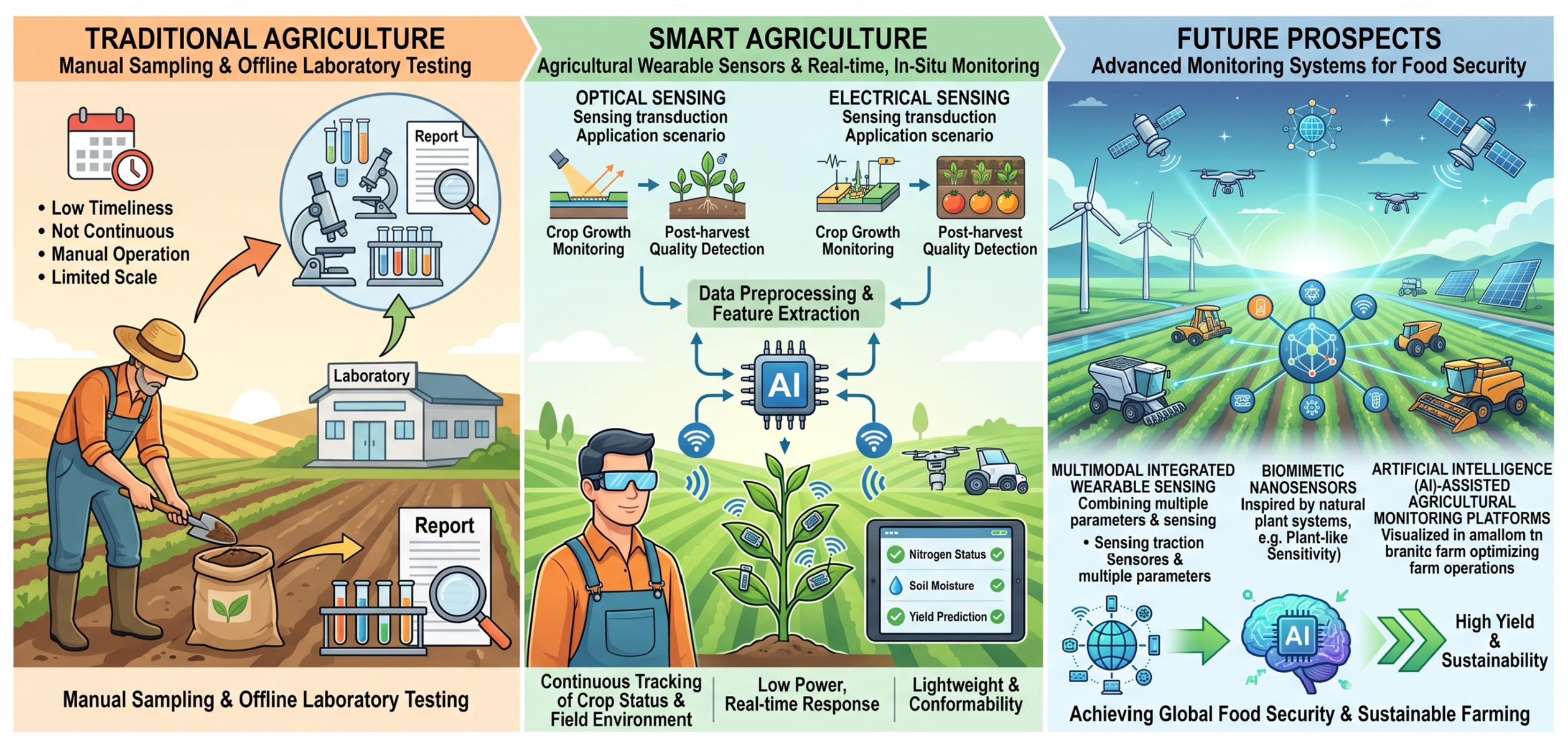
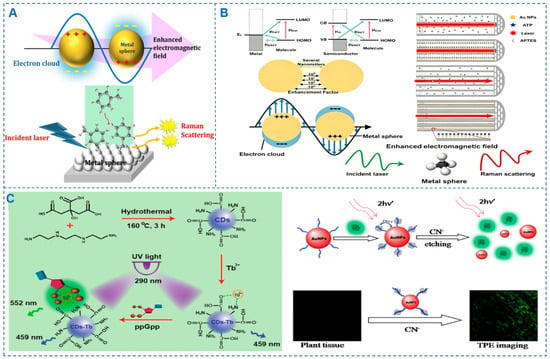
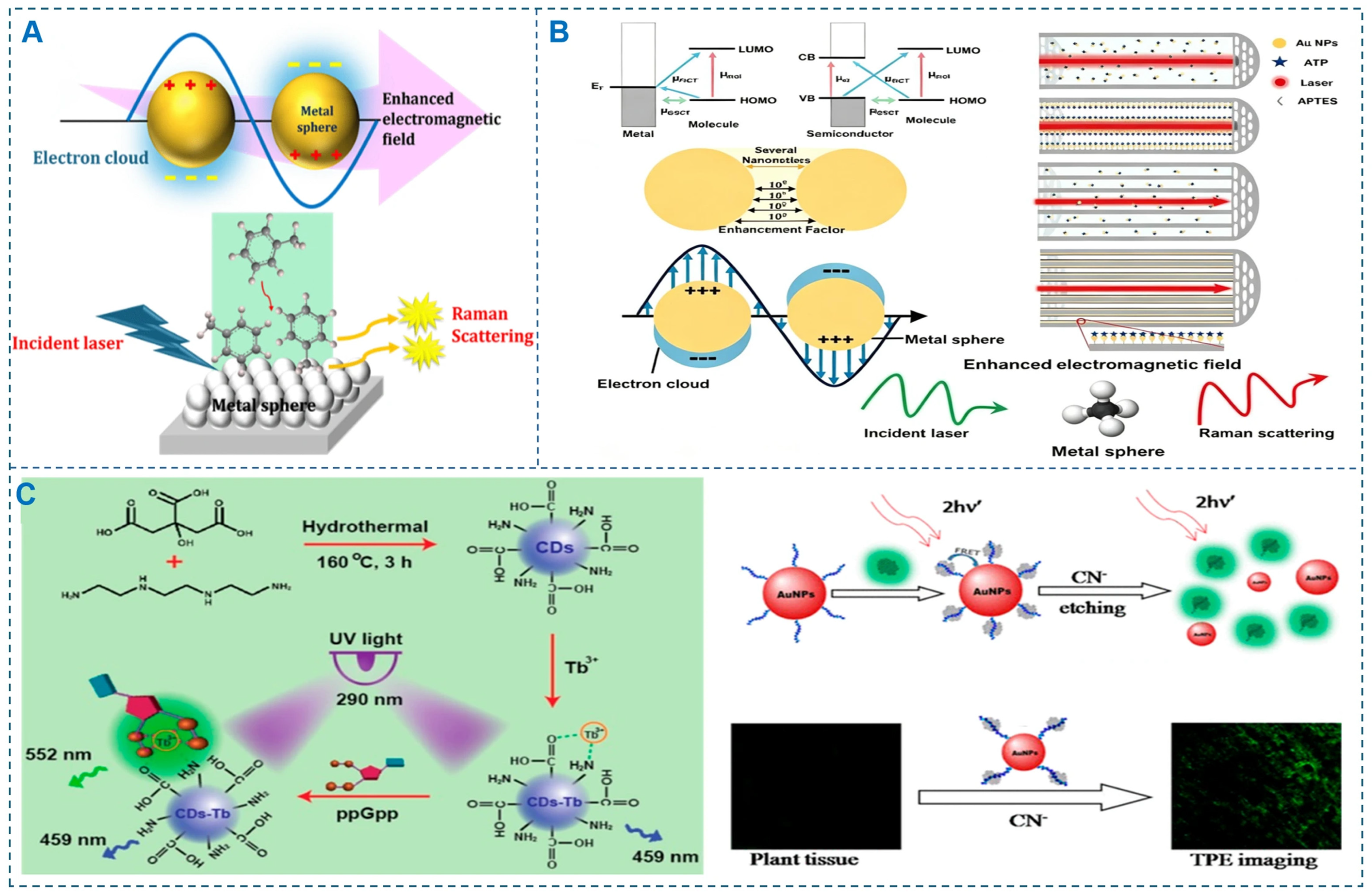
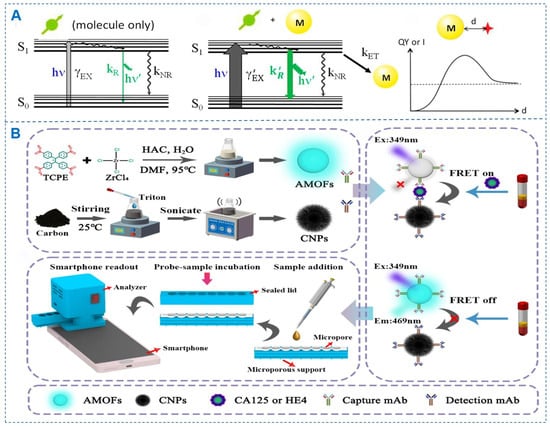
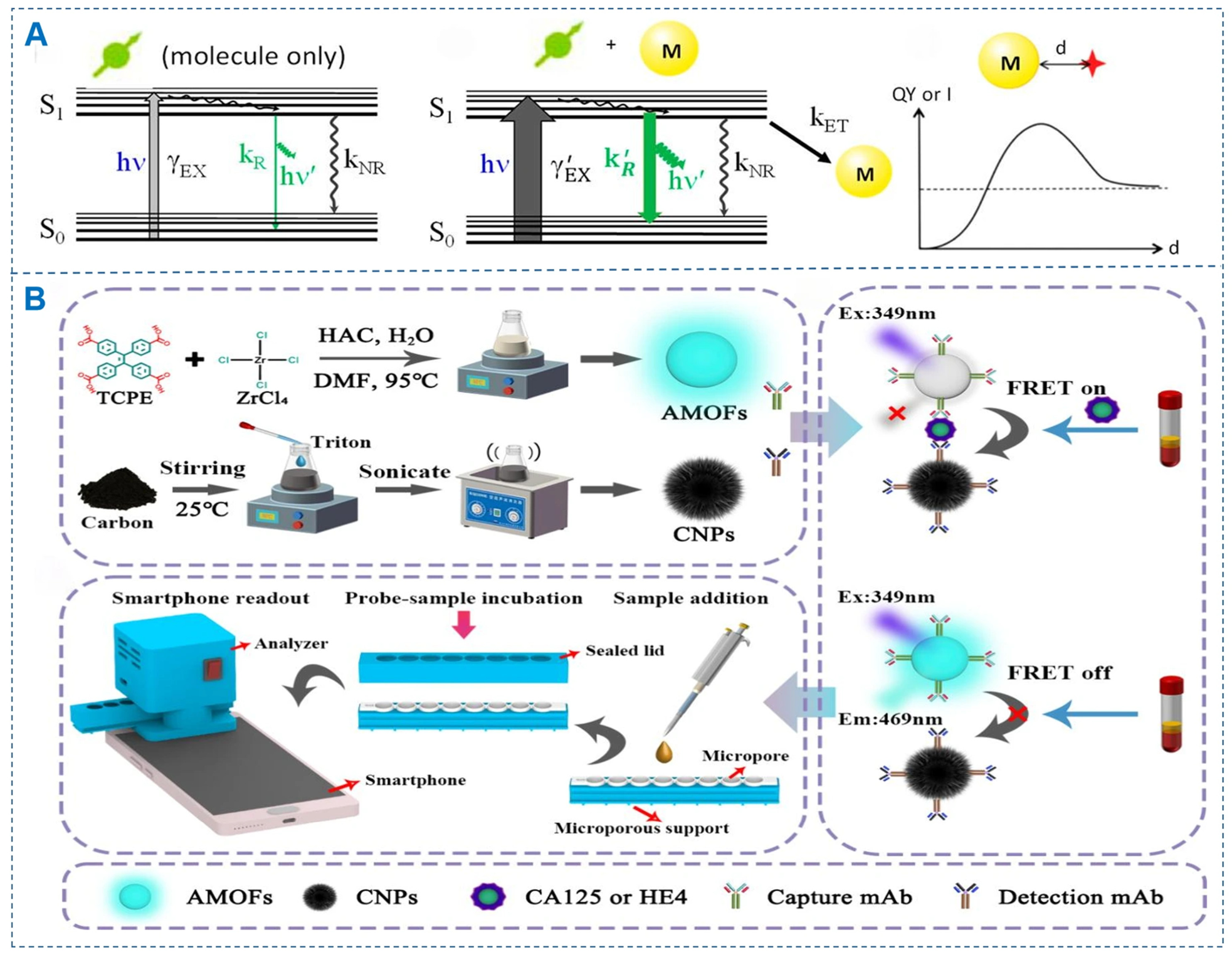
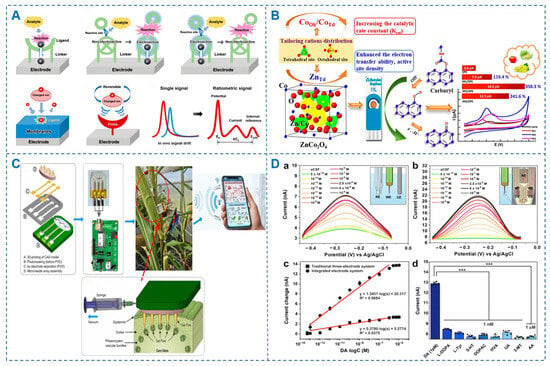
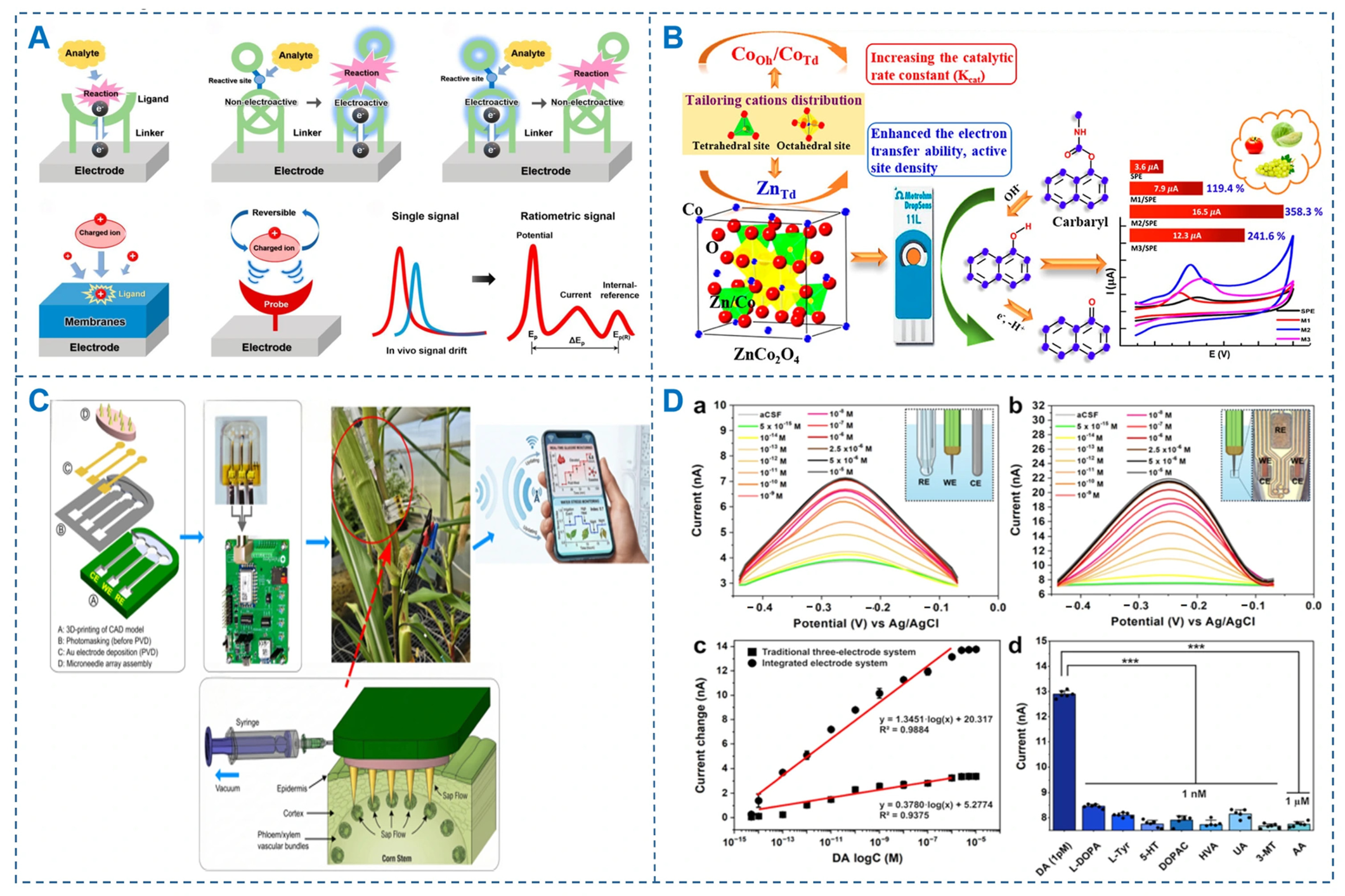
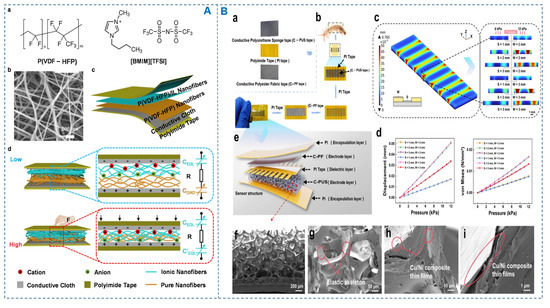
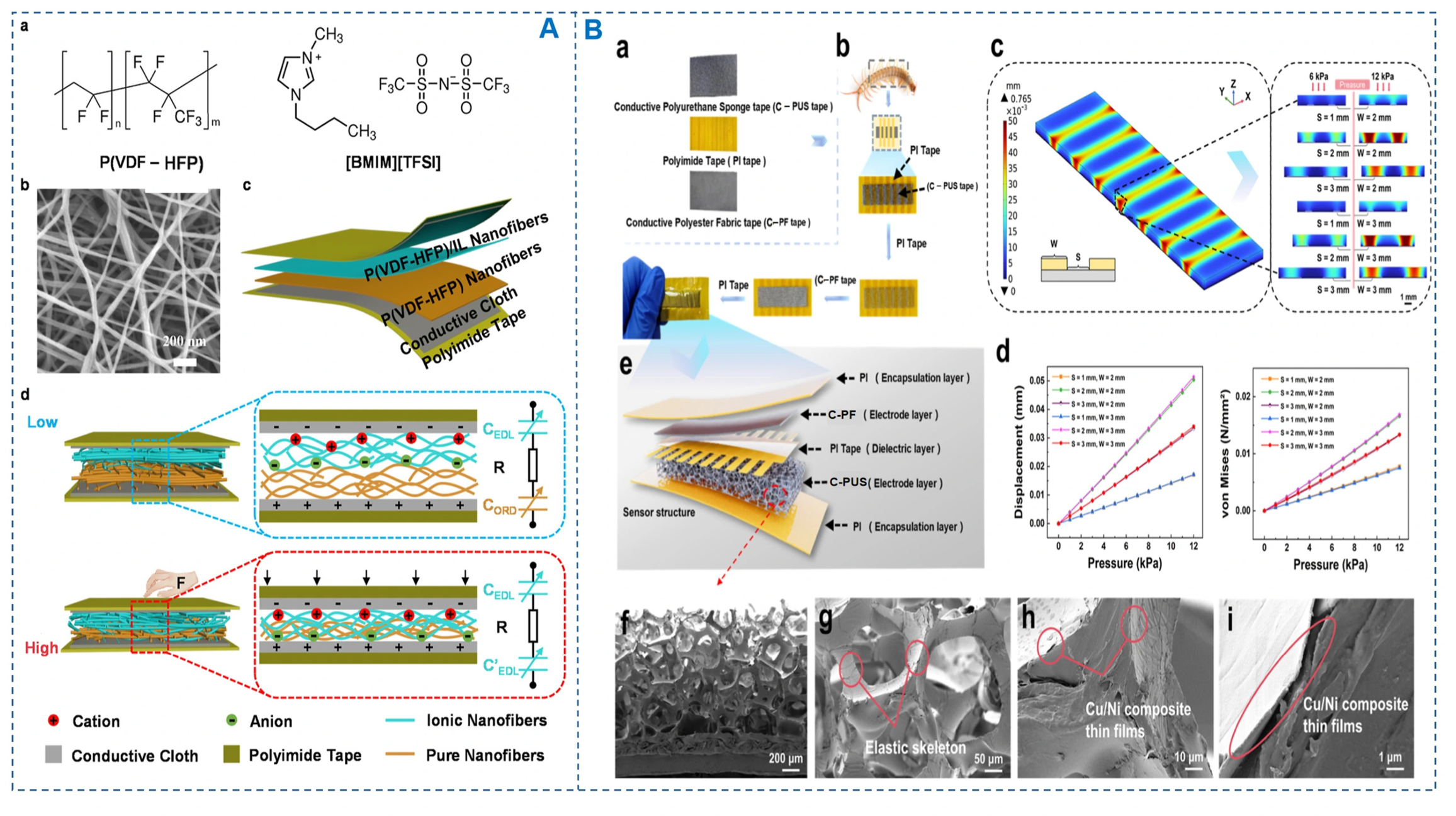
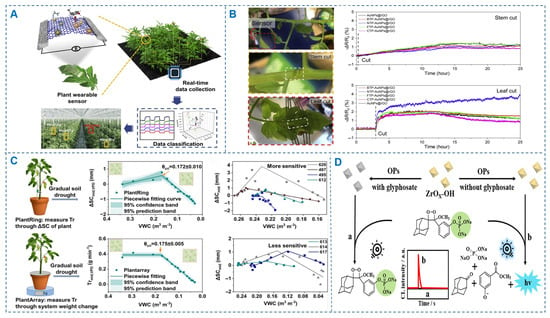
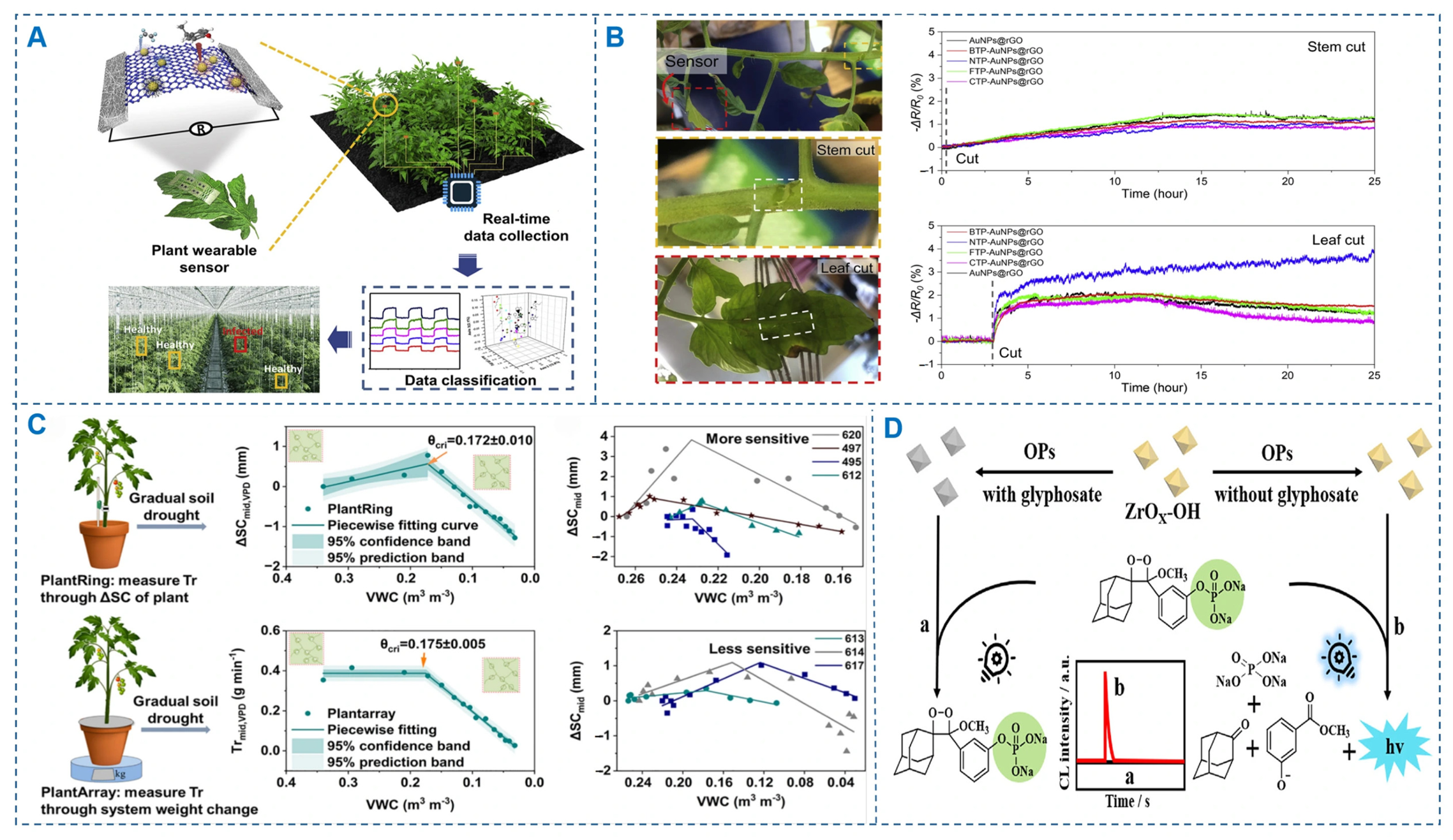
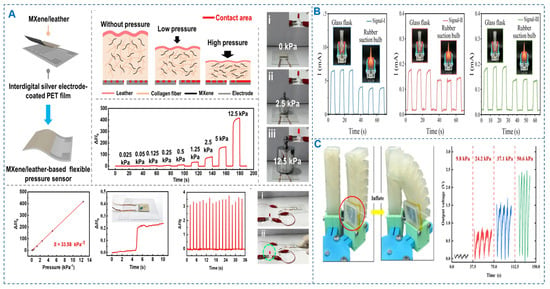
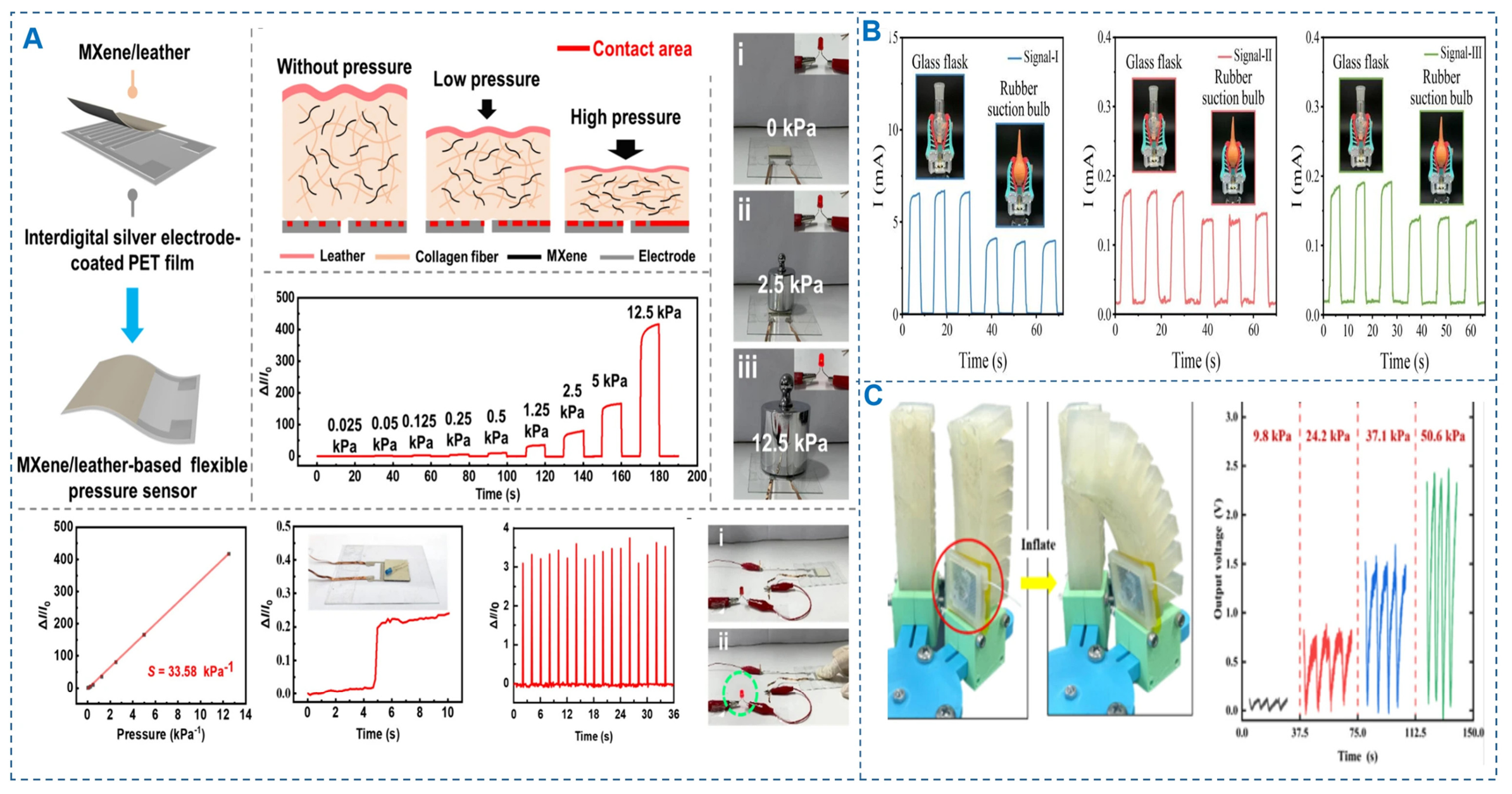
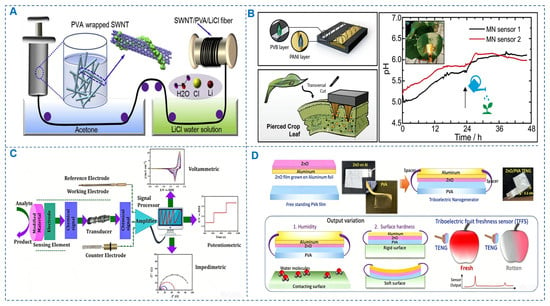
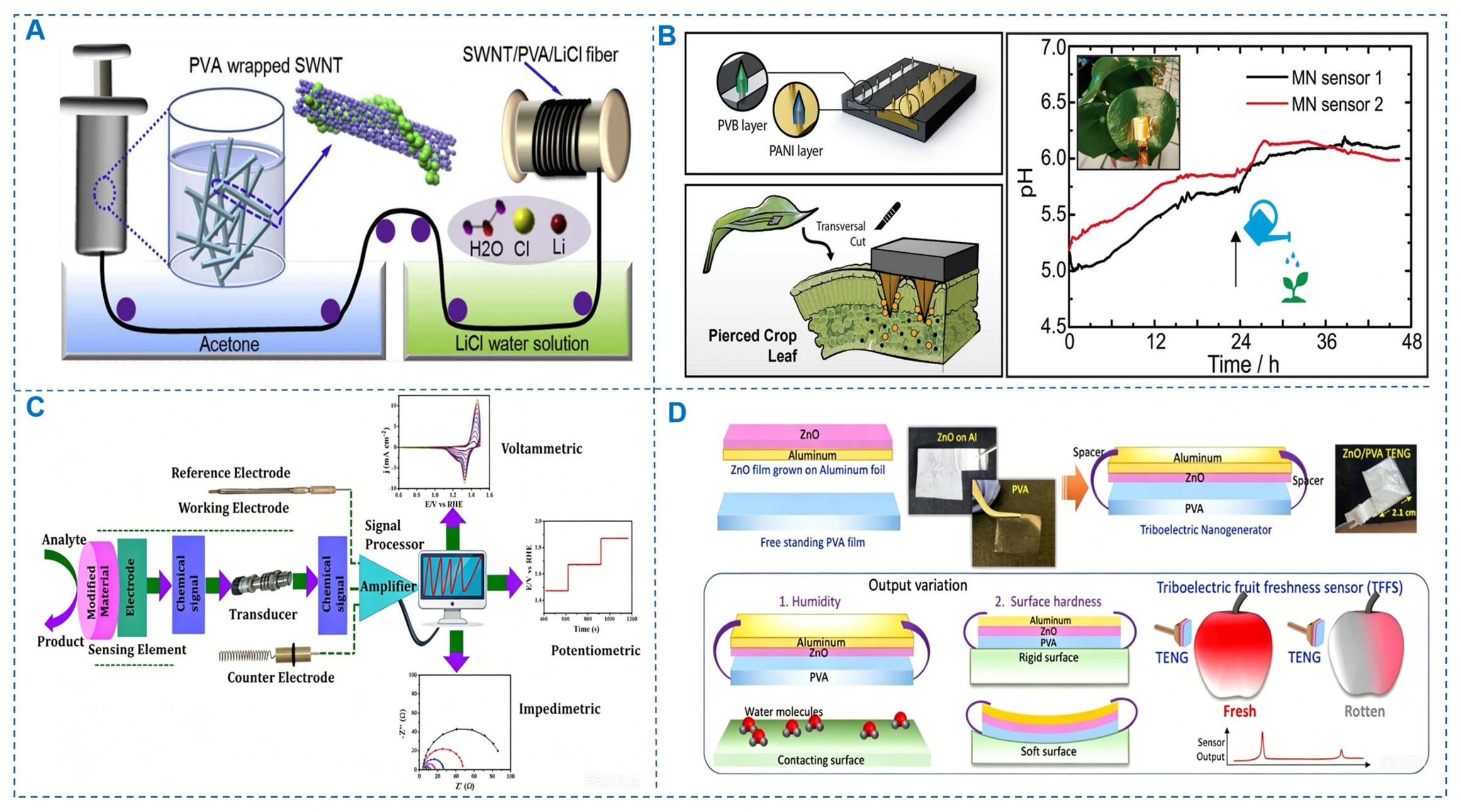
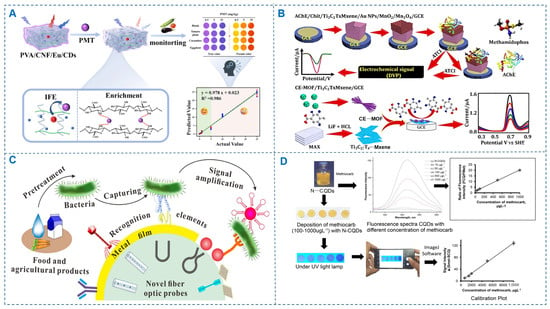
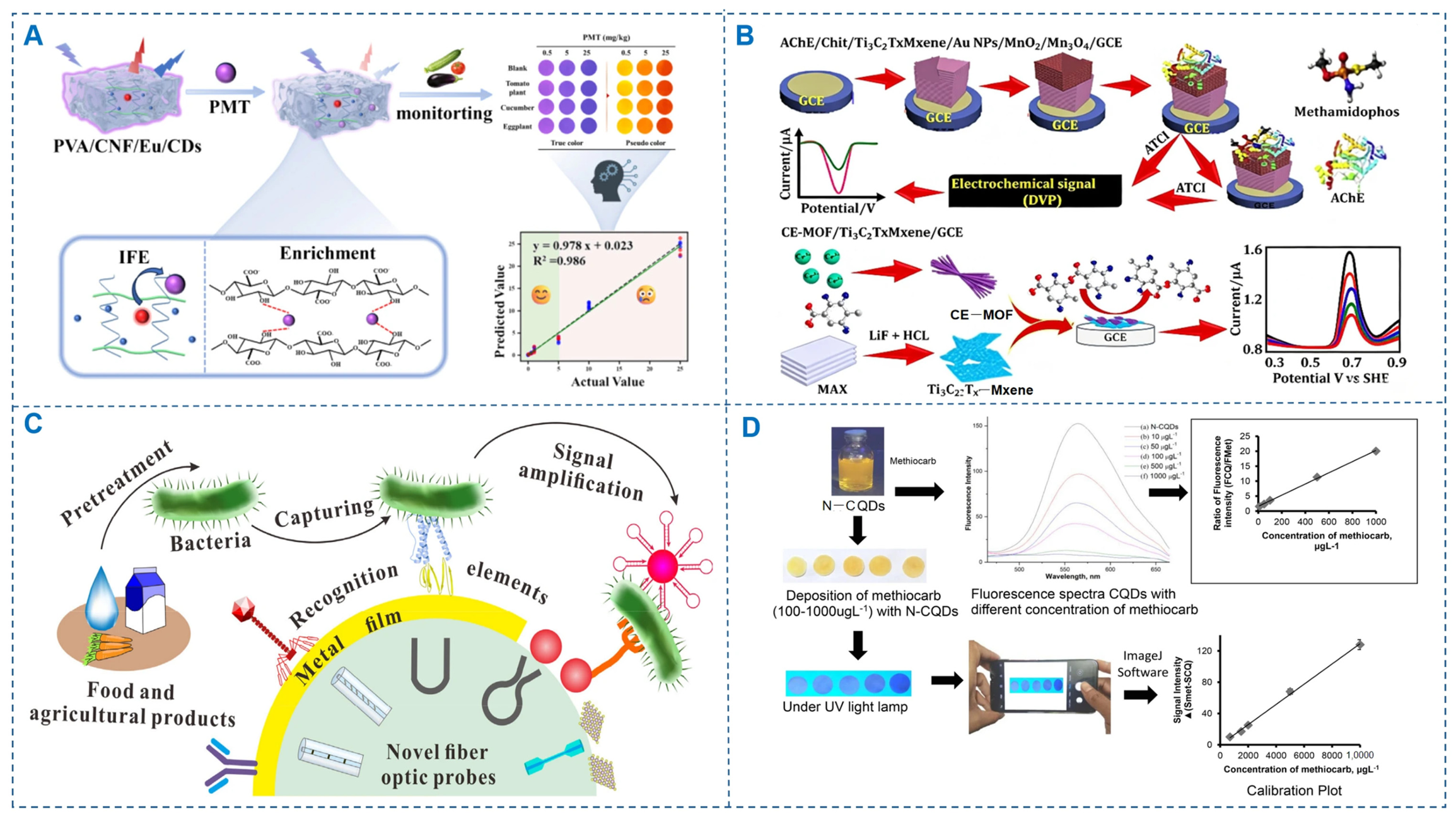
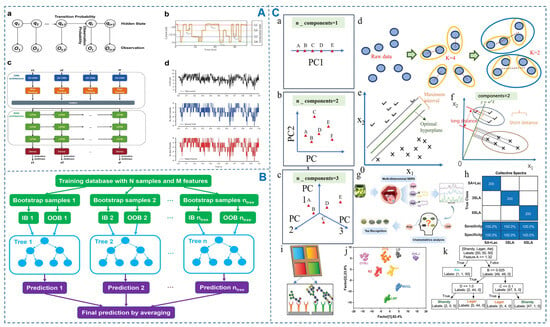
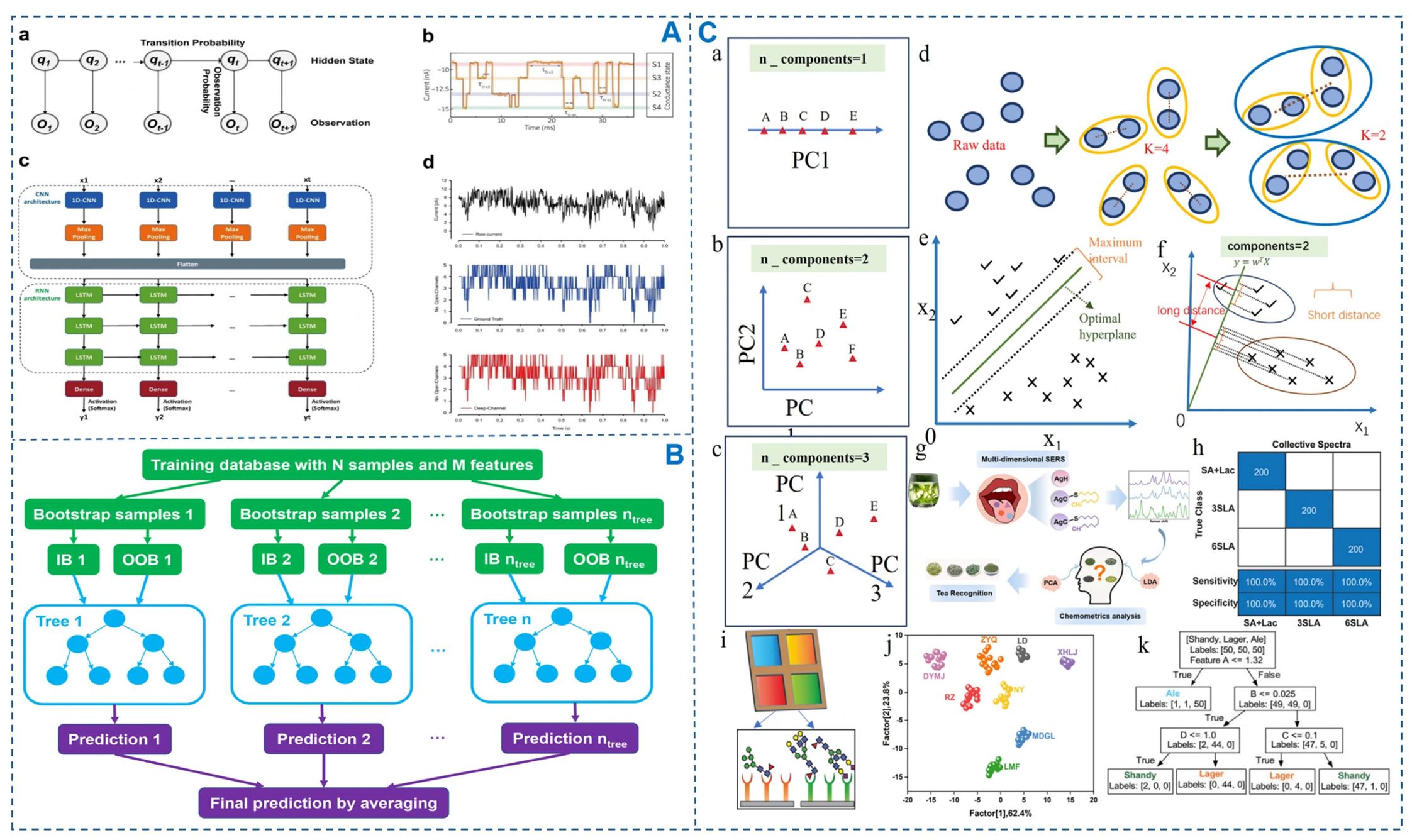

Disclaimer/Publisher’s Note: The statements, opinions and data contained in all publications are solely those of the individual author(s) and contributor(s) and not of MDPI and/or the editor(s). MDPI and/or the editor(s) disclaim responsibility for any injury to people or property resulting from any ideas, methods, instructions or products referred to in the content. |
© 2026 by the authors. Licensee MDPI, Basel, Switzerland. This article is an open access article distributed under the terms and conditions of the Creative Commons Attribution (CC BY) license.