


Abstract
Digital Agricultural Technology (DAT) adoption remains poorly understood in climate-vulnerable tropical islands. To address this gap, this study examines how demand, supply, and environmental dimensions interact to shape farmers’ adoption decisions, applying the extended Theory of Planned Behavior. The data were collected from 400 farmers selected randomly in the Anuradhapura District, Sri Lanka, using a structured questionnaire. The analyses were conducted a Partial Least Squares Structural Equation Model. Four behavioral segments were identified: confident adopters (29.5%), utility-driven emerging adopters (42%), uncertain users (20.5%), and skeptical users (8%). Climate change awareness (β = 0.712), attitude (β = 0.297), social norms (β = 0.197), perceived behavioral control (β = 0.130), perceived usefulness (β = 0.162), access to infrastructure (β = 0.098), and risk aversion (β = 0.142) positively influenced farmers’ intention toward DAT. Climate change awareness strongly influenced attitudes, highlighting the central role of environmental dimensions. Institutional support had no significant effect. Behavioral intention and actual adoption (β = 0.575) influenced the willingness to continue DAT. Policymakers should move from ‘one-size-fits-all’ digital extensions to segment-specific interventions: peer-led networks for confident adopters, subsidies for utility-driven farmers, social learning for uncertain users, and in-person training for skeptical users. The study provides context-specific evidence that demonstrates how behavior shapes farmers’ adoption pathways under climate change, addressing SDGs 1, 2, 9, 12, 13, and 15.
1. Introduction
The era of digital agriculture 4.0 is an emerging paradigm that includes sensors and robotics, the Internet of Things (IoT), data analytics, cloud computing, and decision support systems [1]. In 2019, the World Bank reported that the adoption of Digital Agricultural Technology (DAT) enhances productivity and effectiveness and combats climate change [2,3]. In Sri Lanka, an agrarian country with 15.3% of the land dedicated to paddy cultivation [4], currently available DATs include mobile and web-based agricultural extension services, weather forecasting applications, SMS-based agricultural alerts, GPS-based services, as well as soil health monitoring tools. More advanced technologies, such as drones, are used by relatively few farmers, while technologies such as IoT-based systems, sensors, and robotics remain largely at the pilot or early implementation stage and are not yet widely accessible to farmers [5]. Therefore, in this study, DATs refer to digital tools, applications, and technology-enabled services used specifically to support agricultural production, farm management, information access, decision-making, or agricultural transactions. A smartphone is considered an enabling device when it is used to access agriculture-related digital applications or services.
DAT has the potential to manage and optimize agricultural production using data-driven technologies and boost productivity through a more precise and resource-efficient approach [1,6,7,8]. Oli et al. [9] have suggested that technological innovation is a potential solution to challenges related to paddy farmers. However, DAT adoption is a complex process in agricultural societies [10], especially in developing countries, where acceptance is challenged by its multidimensional nature [11]. Recently, there has been a significant shift from traditional agriculture to a system-wide approach, which mainly integrates behavioral changes [12] across the country’s human and environmental systems. Rogers’ seminal diffusion of innovation framework [13] has highlighted how innovation expands in a social system through awareness, trial, perception, and adoption [14]. Recent studies have applied these insights to various agricultural contexts, such as Ghana [15], South Africa [16], Germany [17], and China [10], highlighting that adoption is not only influenced by individuals’ attitudes but also shaped by social norms, institutional support, and access to resources [14,18]. However, in the literature, there is a significant gap in studies on DAT in paddy-dominant developing countries, especially in tropical regions.
Although DAT has significant potential, its acceptance and adoption remain uneven, caused by both demand- and supply-side barriers in paddy agricultural systems, especially in developing countries such as Sri Lanka. According to Caffaro et al. [7], this can be attributed to various factors, including a deficiency of digital literacy and technical skills [19], farm characteristics [20], farmers’ willingness to adopt them [10], the time required for economic benefits to become apparent, perceived high investments and poor outcomes [7,21], and a lack of awareness [10,22] and agricultural insurance facilities [23]. In the context of Sri Lanka, there are no published studies that have systematically examined these barriers, leaving a critical gap in understanding the factors shaping DAT adoption in the paddy farming sector.
Previous studies have focused on demand-side adoption factors such as perceptions, attitudes, and behavioral intentions, which implicitly places the weight of non-adoption on farmers themselves [14]. Other studies presented supply-side constraints such as limited access to infrastructure and resources [24], institutional barriers [15,20], and weak business models [14,25]. Even though these studies identified DAT adoption factors from the demand and supply sides, few studies examined the environmental side [12] and remained limited in addressing climate change awareness and risk aversion. The need for viable solutions to this significant gap, particularly for climate-vulnerable countries, is crucial to enhance DAT in agrarian societies. Furthermore, these existing studies tend to examine demand, supply, and environmental dimensions separately rather than integrating them into a comprehensive framework. This gap also highlights the need to examine all three dimensions together to identify factors influencing farmers’ intention to adopt DAT.
Additionally, in contrast to the discussion of digitalization diffusion and the digital divide at the social level, empirical evidence at the basic paddy-farmer level on DAT adoption remains limited in the literature. However, most studies have adopted a technical approach to the socio-economic aspects of information [26], but they did not consider climate change effects. In the context of digitalization as a novel strategy for the agricultural sector in Sri Lanka, it is a timely case for analyzing how farmers intend to adopt DAT under a changing climate. It helps to identify the behavioral drivers and barriers, as well as intention gaps, and addresses those issues efficiently.
The existing studies related to Sri Lanka mainly underscore environmental and socio-economic sustainability, and emerging technological infrastructures in the agricultural system [27]. In addition, different studies also addressed the sustainable agriculture potential in rice farmers [28], and the development of an agricultural framework [29]. However, limited empirical attention has been given to the behavioral decision-making factors that shape the adoption of DAT among paddy farmers under climate change. This has underscored the urgent need for such research when integrating DAT into an agrarian society.
Previous literature has examined agricultural technology adoption, focusing on farmers’ perceptions, attitudes, and behavioral intentions through behavioral frameworks such as the Theory of Planned Behavior (TPB) [30], the Technology Acceptance Model (TAM) [31], and the Unified Theory of Acceptance and Use of Technology (UTAUT) [32]. These models have been widely applied to explain environmental, technological, and climate adaptation behavior across various fields. However, most studies have analyzed these assumptions separately, which is inadequate for assessing determinants of behavioral decision-making in climate-vulnerable developing regions, where supply- and capacity-related constraints may limit paddy farmers’ ability to act on their intentions.
To address these contextual limitations, the literature and behavioral intention models require more nuanced approaches. The TPB balances only internal beliefs [33] and external factors [34]. De Lauwere et al. [35] and Erekalo et al. [31] stated that TPB can be extended by incorporating diverse settings. In line with this, this study enhances the explanatory power of the TPB by moving beyond the intention-centric model, allowing different extensions [14,36] such as perceived usefulness (PU), from TAM [31,37] and Facilitation Conditions (FC) from UTAUT, because the TPB does not capture how people perceive the usefulness of technology [7], and perceptions or beliefs about the supply side such as organizations and resources. Moreover, this study incorporated climate change awareness (CCA) as an external construct to capture how climate change influences farmers’ attitudes toward DAT adoption.
Risk aversion (RA) is a dispositional tendency to avoid risk, especially in the context of climate change. This study examines its effects on farmers’ intentions toward DAT. Beyond initial adoption, engagement in DAT is critical for realizing long-term productivity and resilience benefits. Therefore, this study incorporates the willingness to continue (WC) to capture farmers’ intentions to continue using DAT [31,38].
Accordingly, this study aimed to identify the factors influencing farmers’ intention to adopt DAT under climate change in the major paddy-growing arid area of Anuradhapura, Sri Lanka, using the extended TPB framework. In this context, the study aims to: (1) identify key behavioral determinants that influence paddy farmers’ intention to adopt and actual adoption of DAT in the Anuradhapura District, Sri Lanka, (2) calculate the intention index to identify segments and their gaps, and (3) formulate policy-oriented recommendations for enhancing the effective implementation of DAT strategies under climate change.
The novelty of this study is summarized as follows: first, this study theoretically integrates the TPB, TAM, and UTAUT with CCA and the post-adoption willingness to continue, proposing an extended TPB framework not previously used in the literature. Second, it identifies significant predictors and distinguishes between the behavioral constraints and intention gaps on the demand, supply, and environmental sides within a paddy agricultural society, which have often been studied separately in previous studies.
Third, it introduces a behavioral segmentation approach that classifies farmers into four groups based on their DAT adoption in Sri Lanka. This study contributes to the technology adoption literature by providing systematic empirical evidence from Sri Lanka’s paddy sector, which has received limited attention.
Practically, despite the existence of national policies in Sri Lanka, policy interventions remain largely at the macro level and insufficiently differentiated across farmer segments [29]. At the policy and institutional level, Sri Lanka has introduced several initiatives to promote agricultural modernization and digital transformation. The National Agriculture Policy (2020) provides the broader policy framework for technological advancement, agricultural information and advisory services, climate-resilient agriculture, and institutional development [39]. More specifically, the Sri Lanka E-Agriculture Strategy provides a strategic framework for integrating information and communication technologies into the agricultural sector [40]. Building on these policy directions, the Inclusive Digital Agriculture Transformation (IDAT) Program (2023–2026) supports the digital transformation of Sri Lanka’s agricultural sector, with the aim of improving productivity, resilience, and evidence-based decision-making [41]. In addition, the Department of Agriculture provides ICT-based services, including the 1920 Agriculture Advisory Service, Krushi SMS and agrometeorological information services, the Krushi Advisor mobile application, and the SL Paddy Fertilizer application [42]. While these measures provide an important institutional foundation for DAT adoption, limited attention has been given to differentiating interventions according to farmers’ behavioral readiness and adoption characteristics. Therefore, this study addresses this issue by identifying farmer segments for targeted and context-sensitive agricultural policy design in Sri Lanka.
This study contributes to the development of technology adoption not only for the paddy farming society but also for other agricultural sectors by integrating supply, demand, and environmental factors to explain the behavioral intention to adopt DAT in a climate-vulnerable agricultural context in the tropical region. Finally, it provides a foundation for achieving the Sustainable Development Goals (SDGs), including SDG 1, 2, 9, 12, 13, and 15 in the agricultural sector.
2. Literature Review and Hypothesis Development
2.1. Theoretical Framework
2.1.1. Theory of Planned Behavior (TPB)
In this study, the TPB model developed by Ajzen [30] was primarily used, as it is a widely used fundamental model for understanding anthropological behavior and predicting their behavioral choices [43,44] in recent years. It balances internal beliefs such as attitudes (AT), perceived behavioral control (PBC), and external factors such as social norms (SN) [31,34], influencing an individual’s intention to perform a particular behavior. Attitude reflects an individual’s evaluation of interest or non-interest in a behavior, considering their beliefs about outcomes and the extent to which they value those outcomes [30]. SN explains individuals’ insights into social pressure and expectations about behaviors [30]. PBC includes individuals’ beliefs about their capability to perform the behavior and overcome barriers and challenges [30], and it encompasses self-efficacy, opportunities, and resources available to them to enact the behavior [44].
Although the TPB primarily consists of three core factors, extending it to incorporate additional internal and external factors can enhance its ability to describe adoption decisions [35]. The previous literature has modified the original TPB framework according to their objectives, such as factors influencing farmers’ participation in the carbon market [45], factors influencing the use of agrivoltaics [17], factors for participating in carbon sequestration programs [43], perceptions and factors affecting the adoption of smart agriculture [46], understanding factors influencing farmers’s crop choice [47], and insurance acceptance in rice farmers [23] to identify and predict farmers’ behavior and influencing factors in the agriculture sector. This study extended the TPB to enhance its explanatory power for identifying influencing factors in DAT under climate change, and this is a novelty for the literature on the topic.
2.1.2. The Technology Acceptance Model (TAM)
The TAM is considered to predict technology acceptance based on perceived usefulness (PU), intended use of technology (ITU), and perceived ease of use (PEU) [31]. However, critics have found fault with the TAM for oversimplifying the technology acceptance process, as acceptance decisions often involve factors beyond the technology itself [48]. Bontsa et al. [18] presented the perception of digital technologies, hypothesizing various socio-economic and institutional factors using the TAM and the Attention, Interest, Desire, and Action (AIDA) framework. Erekalo et al. [31] examined the factors shaping farmers’ future climate-smart agriculture adoption goals within non-adaptors and adaptors by extending the TAM framework. As noted by Pierpaoli et al. [49], there remains inadequate empirical research using the TAM to identify farmers’ intention to adopt technological innovations in both developed and developing countries [17]. In the Sri Lankan context, the use of this framework within this domain is very limited. Not only that, but the AT and PBC in the TPB model do not capture how people perceive the usefulness of technology in enhancing their performance, productivity, or effectiveness. To address that, this study captures farmers’ perceptions of how DAT is beneficial or valuable to their farming practices, using PU. This approach was employed by considering their statements and aligning with the study’s objectives.
2.1.3. Unified Theory of Acceptance and Use of Technology (UTAUT)
The UTAUT model was developed by Venkatesh et al. [50] and is a well-established model for the acceptance and use of technology. It identifies four key constructs, including Performance Expectancy (PE), Facilitation Conditions (FC), Social Influence (SI), and Effort Expectancy (EE), which significantly influence users’ attitudes and intentions towards technology. Cimino et al. [32] modified the UTAUT model by developing a theoretical framework to evaluate the impact of SI, PE, Environmental Uncertainty, EE, and Network Prominence (NP) on the intention to use digital platforms among small farmers. In addition, the TPB model does not capture farmers’ perceptions or beliefs regarding the organizations and resources that exist to support technology use. To address this, this study used facilitating constructs from the UTAUT model.
Climate change affects the mechanisms that facilitate the implementation of new technologies [47]. The TPB appears to be more effective in predicting self-interest-oriented behaviors, such as those related to climate change [51]. Therefore, this study considered climate change awareness (CCA) in the DAT model by examining how climate change affects farmers’ attitudes toward DAT. Risk aversion (RA) is the dispositional behavior when making decisions, especially due to climate change. Therefore, this study incorporates RA into the DAT model by examining its effects on farmers’ intentions toward DAT. Additionally, the willingness to continue (WC) captures farmers’ intentions to continue using DAT, which may influence future behavior and decision-making [38]. This aligns with post-adoption behavior theory, which examines how individuals continue, expand, or discontinue their use of an innovation after initial adoption. It goes beyond acceptance, as explained by models such as the TAM and TPB, and examines what drives long-term use, satisfaction, and loyalty toward the technology or practice.
2.2. Hypotheses Development
This study proposes the following hypotheses to examine the behavioral determinants influencing paddy farmers’ intention to adopt DAT. In the TBP theory, AT refers to an individual’s positive or negative sense of their behavior [30]. Additionally, AT can refer to individuals’ general evaluations of engaging in behavior, whether they recognize it as beneficial or detrimental, based on predictable results [52]. In the agriculture sector, farmers’ AT increases their intention to adopt DAT practices such as risk reduction [53], protection agriculture [54], smart agriculture [20], benefit and cost [55], and climate change. Similarly, in the present context, a favorable AT among youth toward DAT leads to a higher intention than among the older generation. As this study area is at a nascent stage of digitalizing agriculture, it is essential to evaluate farmers’ attitudes toward DAT, which influence the intention to adopt [31,43,56]. In this study, AT was operationalized using contextually adapted items reflecting farmers’ cognitive and evaluative orientation toward DAT, including their familiarity with DAT and their evaluations of its potential benefits for climate adaptation, farming decision-making, and investment [45]. Following this rationale, the hypothesis is as follows: H1: Farmers’ AT is positively associated with their intention to adopt DAT under climate change.
The SN reflects societal pressure on individuals’ intentions to perform or not perform behaviors [30,45]. This reflects the opinions of their family members, friends, and relatives regarding concerns about behavior [44], and it affects the maintenance of social standards and avoidance of dissatisfaction. It can encourage farmers to adopt digital agriculture when it is perceived as the norm or socially acceptable within their community [57]. Previous literature has shown that the perception of the social community is important in determining agricultural staying behavior [44,58], migration behavior [44] and adoption behavior [59]. In this context, the study’s hypothesis is as follows: H2: SN is positively associated with farmers’ intention to adopt DAT under climate change.
PBC refers to the individual farmer’s belief about their own confidence and capability to carry out their behavior and overcome challenges [44], and their belief regarding their resources, knowledge, and skills to adopt and perform agricultural practices [60]. In prior literature, Tama et al. [54] reported that farmers are more likely to adopt new technologies when they have confidence in their ability to use them and a clear understanding of the outcomes [44]. According to that, this study’s hypothesis is as follows: H3: PBC is positively associated with the farmers’ intention to use DAT.
At present, climate change is an important factor influencing farmers’ intention to adopt digital agriculture [12]. While numerous studies have examined climate change in the agricultural sector, limited attention has been given to its role in farmers’ intention to adopt DAT. Mao et al. [12] highlighted that climate-related digital technologies can encourage farmers to adopt digital technologies. In this study, the main model was therefore extended by incorporating climate change awareness (CCA) as an external construct. CCA was contextualized to capture farmers’ awareness and understanding of climate change and climatic variability, together with their perceived knowledge and ability to respond to climate-related impacts. This broader operationalization was informed by previous research examining farmers’ climate change perceptions, awareness, and adaptation behavior [61]. Accordingly, CCA in this study encompasses both climate change awareness and adaptation-related knowledge rather than awareness alone. Based on this rationale, the following hypothesis was developed: H4: CCA is positively associated with farmers’ attitudes toward DAT adoption.
PU is a psychological construct that captures a person’s belief that using a particular technology will boost job performance [7] and has direct impacts on the intention to adopt DAT. It has a stronger effect than other constructs, which are ITU and PUE [7]. Previous studies have shown that PU has a significant effect on determining farmers’ intention [7,45]. In accordance with this, perceptions of the perceived usefulness of digital agriculture significantly impact farmers’ intention to adopt. On that basis, this study used PU to reflect farmers’ intention regarding DAT, and the hypothesis is as follows: H5: PU is expected to have a positive association with farmers’ intention to adopt DAT.
Facilitating conditions are one of the primary constructs in the UTAUT model and are used to identify individuals’ beliefs that an organization and its infrastructure exist to support the use of technology [50]. According to the literature, facilitating conditions have a direct positive effect on the intention to use technology [62]. As Sri Lanka is at a transformative stage of digitalizing agriculture, facilitating conditions will play a primary role in identifying farmers’ intentions regarding institutional support and access to infrastructure, thereby supporting the adoption of DAT under climate change. Therefore, both factors should be modeled to identify the real enabling conditions faced by farmers. On this basis, in this study, facilitating conditions were separated into two constructs, which are access to infrastructure (IA) and institutional support (IS). Their conceptualization reflects the multidimensional nature of supply features that support DAT adoption, and it provides a more comprehensive understanding of how both infrastructure and institutional support influence farmers’ behavioral intentions. According to that, the following hypotheses were proposed regarding facilitating conditions: H6: AI is expected to have a positive association with farmers’ intention to adopt DAT. H7: IS is expected to be positively associated with farmers’ intention to adopt DAT.
RA is a dispositional behavioral factor influencing farmers’ adoption decisions [31], particularly under conditions of uncertainty associated with climate change. Erekalo et al. [31], drawing on Ghali et al. [63], described farmers’ general risk aversion as including a preference for certainty over uncertainty, financial risk-taking, and avoidance of investment risk. Risk aversion has generally been expected to negatively influence farmers’ future adoption decisions because risk-averse farmers may be reluctant to invest in technologies with uncertain outcomes [31]. However, agricultural risk-related decisions may also involve strategies for managing and reducing uncertainty. In the present study, RA was therefore contextually operationalized using financial risk orientation together with risk-management responses, including agricultural insurance [64] and the use of DAT to reduce investment-related risks. Accordingly, the operationalized RA construct reflects a broader risk-related orientation under agricultural and climate uncertainty rather than risk avoidance alone. Based on the theoretical expectation of general risk aversion, the following hypothesis was proposed: H8: RA negatively affects farmers’ intention to adopt DAT.
Behavioral intentions (BI) can be used to identify factors that help to outline actual behavior, reflecting the level of effort and factors people are willing to put into enhancing the behavior [30,44]. Previous studies have presented that positive intention affected adoption for climate change mitigation [51], the adoption of technological innovation [7], the voluntary carbon market [45], IoT sensors [65], and smart agriculture [31]. Aligning with this context, this study’s hypothesis is as follows: H9: BI is positively associated with the actual adoption (AA) of DAT.
This study captures post-adoption behavior and extends the TBP framework by using the willingness to continue (WC) as an outcome construct of actual behavior. Bhattacherjee [66] and Kim and Malhotra [67] stated that additions align with extensions of the TPB and the expectation-confirmation framework, which emphasizes continuous behavior. In addition, previous studies extended willingness to continue by extending the UTAUT framework for banking users [68], continuance usage in government data technology [69], digital health systems [70], and e-learning adoption [71], and they emphasized the importance of continuance intention to explain sustained use. However, DAT adoption studies in the agriculture sector have limited their use of WC. But as a post-behavioral construct, it reflects farmers’ sustained intention to use digital technology in their practices following initial adoption. In this context, the actual adoption of digital technology and its benefits are expected to enhance their willingness to continue using it. According to this, the study’s hypothesis is as follows: H10: AA positively influences the WC of DAT. Table 1 shows a summary of the hypotheses developed in this study.
Table 1.
Summary of hypotheses.
The conceptual design of the proposed framework and hypotheses identifying the influencing factors on farmers’ intention to adopt DAT is shown in Figure 1.
Figure 1.
The analytical framework of the behavioral intention-basedltechnogy framework. Note: Integrated analytical framework combines TPB, TAM, and UTAUT with environmental and post-adoption extensions.
3. Materials and Methods
3.1. Study Area
This study was conducted in the Anuradhapura District, given its high exposure to climate variability [72] and its critical role in Sri Lanka’s arid zone paddy agricultural system. The study area, situated in the North Central Province, is the largest district (total area 7179 km2) among the 25 districts, and is located between latitudes 7°45′ and 8°45′ N and longitudes 79°45′ and 81°00′ E (Figure 2). Anuradhapura has a tropical climate, with an annual rainfall of 1600 mm and an annual average temperature of 30 °C. The total population of this study area was 950,059 in 2023 [73].
Figure 2.
Study area map of Anuradhapura District Sri Lanka.
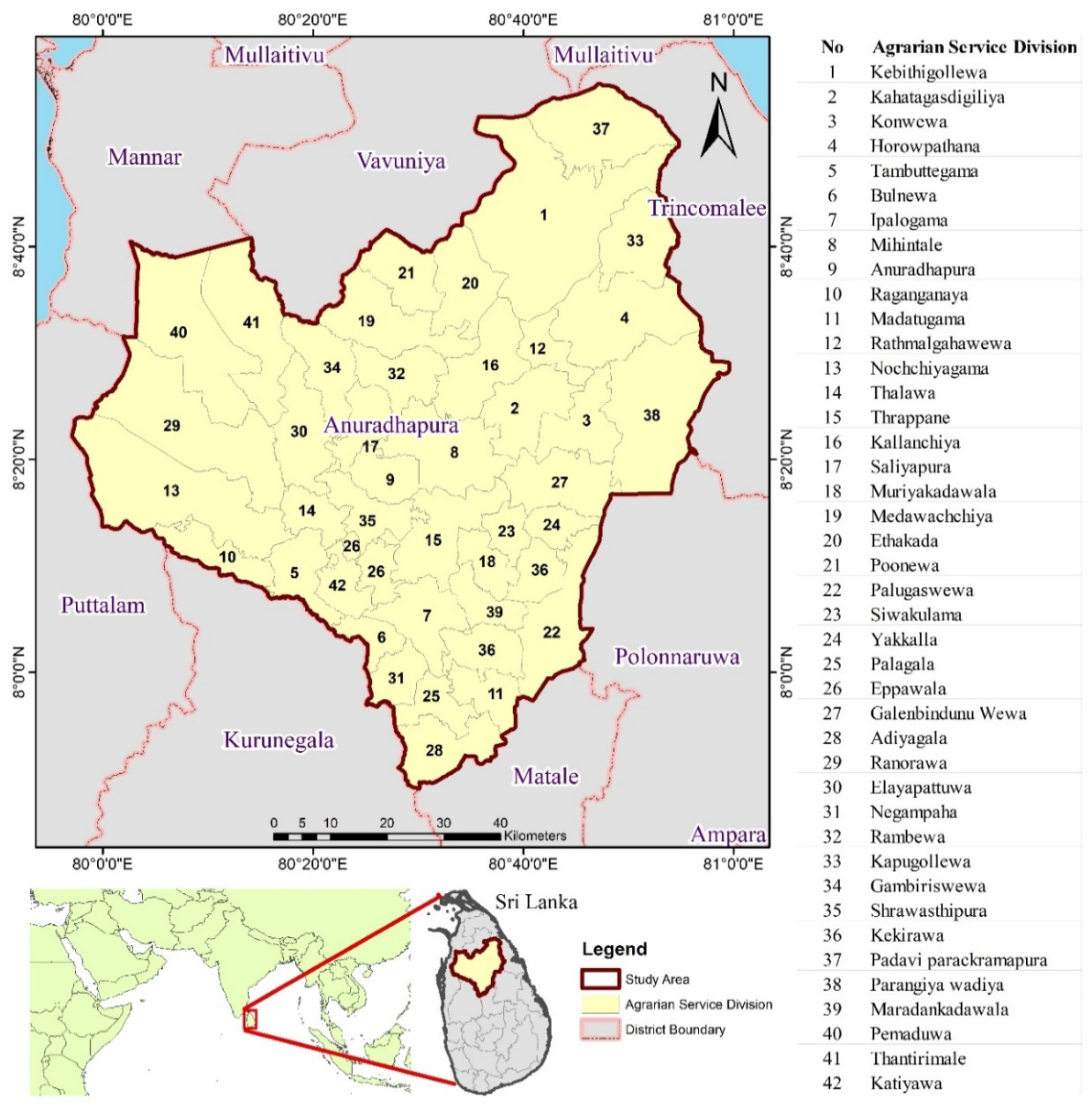
Geographically, Anuradhapura is a climate-vulnerable district, with droughts, flash floods [72], changes in monsoons, rising temperatures, and irregular rainfall patterns, all of which strongly affect paddy productivity and the country’s food security. These characteristics provide a relevant empirical context for examining factors influencing farmers’ intentions to adopt DAT under climate stress, aligning with the study objectives. By sector, in 2023, the largest number of employees (169,890) was in agriculture, followed by industry (54,255) and services (124,638) [73]. Accordingly, the study area is largely dependent on agriculture, particularly paddy cultivation, and of the total population, 60,335 farmers are engaged in paddy cultivation [74]. Anuradhapura is part of Sri Lanka’s ancient cascade system, where management efficiency, water availability, and institutional coordination are mostly central to the sustainability of the paddy agriculture system. These settings are suitable for investigating the determinants of decision-making for the adoption of DAT under climate stress.
3.2. Data Sources and Data Collection
3.2.1. Primary Data Collection
Primary data were collected through a structured questionnaire survey conducted among rice farmers in Anuradhapura District, Sri Lanka. The survey was designed to identify the socio-economic, behavioral, institutional, and psychological factors influencing farmers’ decisions regarding digital agricultural technology adoption. The questionnaire was developed based on established behavioral theories, including the TPB [30], TAM [75], and UTAUT [50].
Sample Size
In this study, a modified version of Cochran’s (1963) formula was used to determine the sample size [76], which includes a finite population correction. This formula is widely used for large, finite populations and provides a more accurate and efficient estimate of the required sample size. The modified Cochran’s equation [77] is shown in Equation (1).
n = total sample size
N = total population
Z = z-value (1.96 for a 95% confidence level)
P = estimated proportion of the population
e = margin of error (0.02) [77].
Following this calculation, a total sample size of 400 rice farmers was determined for the questionnaire survey. This study used multistage random sampling with equal probability without replacement to select the areas [48]. In the first stage, 25 out of 42 Agrarian Services Centers (ASCs) were randomly selected as primary sampling units. In the second stage, 16 farmers were selected from each ASC division as secondary sampling units using simple random sampling techniques. This method is acceptable for a diverse representation of paddy farmers within each ASC and will improve the generalizability of the final results [44].
3.2.2. Questionnaire Design
Using theoretical literature, the survey questionnaire was designed to test hypotheses about factors influencing paddy farmers’ intention to adopt DAT under climate change in Sri Lanka. The constructs were measured in the questionnaire using a five-point Likert scale (from 1 = Strongly disagree to 5 = Strongly agree) [65]. The complete questionnaire is provided in the Supplementary Materials S1. The constructs were refined by adapting items from established theoretical frameworks, previous empirical studies, and validated scales [44,78,79,80] contextualized to DAT adoption among paddy farmers in Sri Lanka to ensure their suitability for the present study. The corresponding source(s) for each construct and its measurement items are provided in Table 1.
For the purpose of the questionnaire, DAT adoption was operationalized as the use of digital technologies, applications, or technology-enabled services specifically for agricultural activities. Respondents were therefore required to consider the use of such technologies in relation to their farming activities rather than general personal use of digital devices. Smartphones were treated as enabling devices for accessing agriculture-related digital applications, information, or services and were not considered evidence of DAT adoption solely on the basis of ownership or general use. In this study, respondents considered farmer-accessible DATs, including mobile applications, SMS advisory services, weather information, and digital decision-support tools for farm management and climate-related decisions.
Moreover, the questionnaire was assessed by an expert panel comprising an agricultural scientist and academic researchers. Additionally, a pilot survey was conducted in Adiyagala, Anuradhapura from 13 January 2025 to 17 January 2025, involving 20 paddy farmers. Based on the experts’ and participants’ feedback, revisions and modifications were made to ensure the present study’s validity, relevance, and accuracy.
3.2.3. Questionnaire Data Collection
To overcome the knowledge and literacy gap regarding DAT, this study selected farmers aged 18 to 70. The agricultural officers in the study area recommended that people under 18 are typically school students, and that farmers aged 70 or older have significantly limited literacy in digitalization, which would bias responses to DAT. Therefore, to identify and propose policy recommendations for the future, it is most appropriate to collect data from this age group of farmers, given their current knowledge and engagement with DAT. Peng et al. [81] noted that farmers’ educational levels also affected how they interpreted the information. To overcome this limitation and improve the questionnaire’s validity, the survey was conducted as a “one-on-one” interview, as suggested by Peng et al. [81], and the investigator filled out the form “on the spot” based on the farmer’s responses. The survey was conducted from 24 January 2025 to 24 February 2025.
3.3. Data Analysis
Due to the complex structure of the proposed model, this study employed Partial Least Squares Structural Equation Modeling (PLS-SEM) to examine the relationships between the proposed constructs and DAT adoption intentions. Hair et al. [82] stated that PLS-SEM is preferred over covariance-based SEM because of the structural model’s complexity, which includes multiple constructs [31]. Furthermore, Ringle et al. [83] highlighted that PLS-SEM is suitable when the study aims to forecast and recognize the main targets of constructs [31]. Moreover, PLS-SEM is suitable for small sample sizes and offers significant flexibility because it does not impose restrictive assumptions about the distribution of the data [84], which is applicable to this study. In the previous literature, the PLS-SEM model has been used to examine farmers’ adoption behaviors in the agriculture sector. It was used in climate change mitigation and adaptation [51], mixed cropping techniques [85], agriculture sustainability [86], green technology [52], smart-farming technologies [87], biofertilizers [88], climate-smart agriculture [31], and agroforestry [89]. However, these studies had limitations on the comprehensive use of PLS-SEM to assess the determinants of paddy farmers’ intention to adopt DAT, focusing on supply, demand, and environmental issues. To address this limitation, this study used a PLS-SEM model to assess the behavioral determinants of decision-making that influence paddy farmers’ intention to adopt DAT under climate change.
The PLS-SEM model mainly includes two parts: the measurement model (MM) and the structural models (SM) [31]. The study’s proposed constructs are unobservable (latent) and require indirect measurement using a set of observable indicators (items) that serve as proxies for the fundamental constructs [31,82].
3.3.1. Measurement Model
The MM examines the reliability and validity of its indicators (items) [31,82,89]. Reliability captures the internal consistency of an indicator in a latent construct, ensuring that items measure the construct consistently across observations. In this process, reliability is calculated using factor loadings, Cronbach’s alpha (α), and Composite Reliability (CR) with rho_and rho_c [52]. When measuring latent constructs, the relationship between the constructs and their observable indicators is important [90] to ensure accurate representation. To that end, this study examined validity in two ways: convergent and discriminant. Convergent validity was measured using Average Variance Extracted (AVE), and discriminant validity was assessed using the Heterotrait–Monotrait Ratio (HTMT), the Fornell–Lacker criterion, and cross loadings [82]. This reliability and validity assessment confirms that the MM meets its standards within the PLS-SEM framework.
3.3.2. Structural Model
The SM evaluates the relationship between independent latent constructs and draws inferences on the hypothesized relationships [31,82,89]. To evaluate the hypotheses, path coefficients () and p-values are calculated using a 5000-sample bootstrap process to assess model acceptance [45,91]. Moreover, to examine the explanatory power of the proposed model, the coefficient of determination, denoted by R2, was used. To examine the model fit, the standardized root mean square residual (SRMR) and normed fit index (NFI) were evaluated [20,92]. These provide insights into the consistency between the observed data and model-implied estimations [92]. This study used SmartPLS 4 [93] for all statistical analyses.
3.3.3. Behavioral Intention Index (BII)
The Behavioral Intention Index (BII) was constructed according to the factor score method, using latent variable scores from the PLS-SEM analysis. This approach is consistent with PLS SEM applications [84], where latent variable scores are estimated from the measurement model to represent the relative position of each observation on a construct [84], and it has been widely used in agricultural technology adoption research [94]. The BI construct included three measurement indicators (BI1–BI3), after validating the measurement and structural models, latent variable scores were extracted, and they represent each farmer’s relative position on behavioral intentions. The scores were generated through the PLS algorithm based on the estimated measurement model; therefore, no additional subjective weights were assigned by the authors. To enhance interpretability and facilitate practical implications, the latent scores were rescaled to a 0–100 range using the min-max normalization method (Equation (2)) [95].
where BIIᵢ is the normalized Behavioral Intention Index for farmer i, BIᵢ is the corresponding PLS-SEM latent variable score for the BI construct, and BImin and BImax represent the minimum and maximum BI latent variable scores observed in the sample, respectively. Afterward, farmers were classified into adoption-intention segments based on the BII using a post-estimation segmentation procedure. The classification thresholds were adopted from previous literature [13,14]. Accordingly, based on the BII score, the behavioral segmentation of farmers was categorized into four segments: (1)skeptical users (0–<25), reflecting low intention and low likelihood of adoption, (2) uncertain users (25–<50) representing moderate awareness of DAT or perception of usefulness, but low readiness due to week IS, AI or other controls, (3) utility-driven emerging adopters’(50–<75) indicating positive intention and initial adoption behavior, (4) confident adopters (75–100) exhibiting strong behavioral intention and likelihood of continued adoption. These segments allow the identification of intention gaps and highlight differences between determinants, and this approach is used to provide suitable policy recommendations to enhance the practical adoption of DAT.
4. Results
4.1. Socio-Economic Characteristics of Farmers in the Study Area
The socio-economic characteristics of the study participants are shown in Table 2. According to the gender distribution, 73% of respondents were male, and 27% were female. The age distribution shows that the sample was relatively balanced across two age categories: 40–49 and 50–59, with a slight difference toward the less than 30 and 60–70-year categories. Regarding education level, the majority of respondents hold an O/L (54%), and 35% hold an A/L. About 5% of respondents have a below-grade-8 education, 4% have a degree, and 3% have a diploma. Additionally, most respondents reported being married (81%). The majority of respondents have between 0.40 and 1.21 ha of paddy fields (48%), followed by 1% with less than 0.40 ha, and 2% with more than 4.05 ha. Regarding farming experience, 28% of respondents have 5–10 years of farming experience, and their experience is relatively balanced across three categories with more than 20% (which were 5–10 years, 10–15 years, and more than 15 years of experience), and 2 to 5 years and less than 2 years were reported at 20% and 1% respectively.
Table 2.
Respondents’ socio-economic conditions (n = 400).
Other descriptive statistics, such as the mean and standard deviation, used to examine the factors influencing the intention to adopt DAT, are presented in Supplementary Table S1.
4.2. Proposed Behavioral Intention-Based Technology Model Performance and Hypothesis Results
This section presents the findings from the measurement and structural models of the behavioral intention-based technology model and the hypothesis testing of this study.
4.2.1. Measurement Model Performance of the Factors Influencing the Adoption of DAT
This study assesses the reliability and validity of the measurement model in the PLS-SEM, following Hair et al. [82]. To determine reliability, the study examined factor loadings (for indicator reliability), Cronbach’s alpha (a) [97], and Composite Reliability (CR) with rho_a and rho_c (for internal consistency reliability). To assess validity, the Heterotrait–Monotrait Ratio (HTMT), the Fornell–Lacker criterion [98], and cross-loadings (for discriminant validity) and Average Variance Extracted (AVE) (for convergent validity) were examined.
The factor loading values of all items were greater than 0.7, and they explained the indicators’ variance of the constructs [99] (Table 3). Additionally, the internal consistency reliability of constructs was assessed using the CR (rho_and rho_c), and the results ranged from 0.7 to 0.9 (Table 3), indicating good construct reliability [82]. Moreover, Cronbach’s alpha (a) showed a lowest value of 0.796, exceeding the threshold of 0.7 for all constructs, indicating high consistency for the constructs measured in the model [31,99]. According to the convergent validity assessment, all AVE values exceeded 0.5, confirming the robustness of the constructs in the measurement model [45]. Under convergent validity, the highest HTMT value was 0.812 for the PU, and the study found that all HTMT values were significantly below the threshold of 0.85 for discriminant validity [31,83] (Supplementary Table S2).
Furthermore, the Fornell–Lacker criterion (Supplementary Table S3) reported that the square roots of the AVE in the diagonal values in the results are higher than the off-diagonal values. According to that, constructs are truly distinct from one another by ensuring that each latent construct is unique and does not measure or overlap with the same thing as other constructs. Finally, cross-loading results showed that each indicator loads higher on its intended construct than on any other construct (Supplementary Table S4), verifying the discriminant validity of the model.
According to that, the study concluded that PLS-SEM MM achieves all requirements, such as indicator reliability, internal consistency reliability, and both convergent and discriminant validity. The MM and its results are shown in Supplementary Figure S1.
Table 3.
Construct and items with Source(s), factor loading, reliability, and validity of this study.
4.2.2. Structural Model Performance of the Factors Influencing the Adoption of DAT
The structural model was evaluated for collinearity among predictive variables, predictive power, and model fit. First, collinearity among the predictor variables was examined using the Variance Inflation Factor (VIF). This study indicated that the maximum value was 3.024 (Table 4), confirming that there was no major collinearity among the predictive variables. VIF values of all constructs were below the threshold value of 5 [82].
Table 4.
Multi-collinearity values of the structural model.
Second, the predictive power of the SM was examined using the determination coefficient (R2), and the endogenous variables’ R2 ranged from 0.201 to 0.646 (Table 5), confirming a moderate to high predictive capacity of the structural model for identifying factors influencing farmers’ intention to adopt DAT. Finally, the model fit was evaluated using the Standardized Root Mean Square Residual (SRMR), Normed Fit Index (NFI), and Q2. The SRMR was 0.043, which indicated a good fit for the proposed model [20]. The value of NFI was 0.873 (Supplementary Table S5), indicating an acceptable model fit [20]. Moreover, the Q2 predictive values (Table 5) confirm that the endogenous constructs have moderate-to-strong predictive relevance for identifying farmers’ intention regarding DAT under climate change.
Table 5.
R2 and Q2 values of exogenous variables.
In this context, this paper interprets the results of the proposed hypotheses within the structural model, presenting the relationships and effect sizes among influencing factors and DAT intentions. Table 6 provides an overview of the hypothesis testing results and includes the model constructs and arrows indicating the associations between their linked constructs.
Table 6.
Path coefficient and hypothesis results.
The results show that AT has a strong positive relationship with farmers’ BI to adopt DAT (β = 0.297, p < 0.000), with a small effect size (f2 = 0.138) supporting H1. SN has a significant effect on farmers’ intention regarding DAT, which leads to accepting H2 (β = 0.197, p < 0.000, f2 = 0.071). Moreover, PBC (β = 0.130, p < 0.006, f2 = 0.023) significantly influenced farmers’ BI to adopt DAT, with a small effect size, confirming H2 and H3 respectively.
Moreover, climate change awareness (CCA) is used as an extended construct of the TPB model and has a strong positive, significant effect on AT (β = 0.712, p < 0.000) with a large effect size (f2 = 1.029), conforming H4. Additionally, PU (β = 0.162, p < 0.007, f2 = 0.025) and AI (β = 0.098, p < 0.022, f2 = 0.015) had a statistically significant positive influence on farmers’ intention to adopt DAT, supporting H5 and H6. However, their effect sizes were small or negligible, indicating comparatively limited practical contributions to explaining BI despite statistical significance. Furthermore, IS showed a non-significant impact on farmers’ intention to adopt DAT with a low effect size (β = 0.043, p < 0.171, f2 = 0.005), leading to the rejection of H7. The RA construct had a statistically significant positive effect on farmers’ intention to adopt DAT, with a small effect size (β = 0.142, p = 0.001, f2 = 0.034). However, H8 hypothesized a negative relationship between RA and behavioral intention; because the observed positive coefficient was opposite to the hypothesized direction, H8 was not supported. BI exhibits strong positive effects on AA (β = 0.575, p < 0.000) demonstrating a large effect size (f2 = 0.495) and supporting H9. Finally, AA has a significant positive effect on WC (β = 0.449, p < 0.000), with a medium effect size (f2 = 0.252), supporting H10.
4.3. DAT Adoption Profiles of Farmers in the Paddy Farming System
To identify the behavioral profiles of paddy farmers, the BII was used in a post-estimation segmentation procedure to classify them into adoption-intention segments. The results of the segments present the four groups as summarized in Figure 3.
Figure 3.
DAT adoption profiles of farmers in the study area.
Confident adopters reported a high level (75–100) of BII, and 118 farmers were included. They reported the highest latent scores for AI (1.564), PBC (1.729), PU (1.473), CCA (1.473), AA (1.282), RA (1.643), SN (1.646) and IS (1.868). Utility-driven emerging adopters reported a BII of 50–75, and this segment had the highest number of farmers (168); they also had high values of latent scores, similar to confident adopters. There were 82 unceratin users, and they reported the highest number of AA (1.282), CCA (1.473), IS (1.868), RA (1.643) and WC (1.312). The skeptical users were 32 highly traditional farmers who did not use smart technologies, as they relied on their own decisions in their farming. The framework results show high IS (1.868) CCA (1.473), and AI (1.564) for skeptical users.
DAT Intention Gaps Under the Socio-Economic Profiles of Farmers’ Segments
This study was conducted to identify gaps in farmers’ intention to adopt DAT across the four segments. It helps to identify suitable policies to enhance the adoption rate of DAT among paddy farmers. Figure 4 shows socio-economic status by segment. According to Figure 4a, a confident adopter has a higher educational background (62.71%), while 78.12% of skeptical users have O/L educational level (i.e., secondary education). Overall, the four segments show that most farmers have an O/L qualifications, and the highest number of A/L-qualified farmers is reported in the utility-driven emerging adopter segment (36.31%).
Figure 4.
DAT adoption segment profiles with socio-economic status of farmers in the study area. Note: Income values are reported in Sri Lankan Rupees (LKR). For international reference, the approximate exchange rate during the data collection period (January 2025) was USD 1 = LKR 296 [96].
Figure 4b shows the age distribution within segments, and it is clearly shown that the confident adapter segment represented young farmers (<30, 17.80% and 30–39, 45.76%) more than other segments’ adapters.
In the utility-driven segment, the 40–49 age group reported the highest number of farmers (42.26%). The 50–59 age group showed the highest number of farmers within the uncertain user segment (48.78%), as did the 50–59 age group in the skeptical user segment (43.75%). The highest number of confident adopters (50.44%), utility-driven adopters (53.12%), and uncertain users (45.68%) are farming on 0.40–1.21 ha of land, and the highest number of skeptical users (46.88%) are farming on 1.21–2.02 ha lands. By farming year, the highest number of confident adopters have 2–5 years of experience, but uncertain users and skeptical users (63.01% and 40.62%, respectively) have 10–15 years of experience. Moreover, the highest number of confident adopters (54.70%), utility-driven emerging adopters (52.47%), and uncertain users (55.70%) reported an annual farm income of LKR. 100,000–300,000. About 45.16% of skeptical users reported an income of LKR. 100,000 to 500,000.
Figure 5 shows the clear positive association between behavioral intention, actual adoption, and the willingness to continue with DAT. It is clearly shown that confident adopters are positioned at a high level with strong AA and WC, indicating high DAT adoption. Utility-driven emerging adopters are placed at a moderate level of BI and moderate to high AA and WC, being more dispersed compared to confident adopters. This shows transitional adoption behavior, recognizing benefits but not fully committed. Uncertain users were in the mid to lower BI range, but some individuals showed moderate AA and WC.
Figure 5.
Distribution of farmers BI, AA, and WC among the identified segments.
It shows reasoning uncertainty and an incomplete transaction. Skeptical users are at a low level of BI, with low AA and WC, indicating weak adoption intention and strong resistance to DAT. The spatial separation confirms the behavioral heterogeneity across the segments.
5. Discussion
This study examines the factors influencing paddy farmers’ intention to adopt DAT using the extended TPB model. This section explains the mechanisms by which behavioral factors influence farmers’ adoption of DAT, behavioral segmentation and farmers’ intention heterogeneity, the agreement or disagreement of key findings with previous studies, and the significance of variables. It also discusses the theoretical implications of the extended TPB and policies proposed to enhance farmers’ adoption of DAT, which are elaborated in the implications section. Moreover, this section discusses the limitations and future directions of paddy farmers’ intention to adopt DAT under climate change.
5.1. Behavioral Mechanism of DAT Adoption in the Paddy Farming Community: A TPB Perspective
According to the proposed framework, the AT construct is the most influential demand determinant of BI, implying that farmers’ positive beliefs, feelings, and behaviors are beneficial to their intention to adopt DAT. To support this, many previous studies have shown that AT is positively associated with behavioral intention [45,105] and has significant effects on it [45,106]. SN as a determinant factor addresses social learning and support from family, peers, neighbors, and community members [31] in the intention to adopt DAT. This study found significant positive effects of SN on farmers’ intention to adopt DAT, suggesting that farmers’ peers experience in this region and social pressure affect their intention to adopt DAT. Previous study by Bai and Liu [107] and Zhu et al. [108] found similar results, showing that families, other farmers, communities, and neighbors have been activated to increase farmers’ intentions. This social pressure indicates the importance of the awareness and popularity [43,45] of DAT. However, a study on Iranian farmers’ intention to adopt digital agriculture found that SN were non-significant in influencing adoption intention [109]. PBC enhances farmers’ self-confidence in their skills and resources to adopt DAT [110], and this study shows that PBC positively affects farmers’ intention to adopt DAT under climate change. It indicates that farmers who have considerable access to DAT operations, satisfactory skills, time, opportunities, or resource availability are more likely to adopt and continue using DAT. These findings are consistent with previous studies done by Cammarata et al. [45] and Erekalo et al. [31], who reported that PBC has positive effects on adopting climate-smart agriculture and the voluntary carbon market. In contrast, a study on tea farmers’ adoption of pro-green control technology in China found that there was no significant relationship between AT and PBC and BI [111].
5.2. Behavioral Mechanism of DAT Adoption in the Paddy Farming Community: Extended TPB Constructs Perspective
In this study, CCA was used as an extended construct to support the understanding of farmers’ attitudes toward the intention to adopt DAT under climate change. Chandio et al. [112] stated that climate change is an impact factor on technological innovation and digitalization in food production. Similar to that, this study found and confirms that environmental cognition is a fundamental driver of a positive impact on DAT. These results imply that farmers’ awareness of climate change impacts enhances the adoption of technological solutions, reinforcing the integration of environmental variables into technology-adaptation frameworks. The findings of this study lack sufficient evidence from previous literature, but Zhang et al. [51] examined climate change mitigation and adaptation behavior in agricultural production using the TPB, and their findings showed that attitudes positively affect farmers’ intentions to mitigate the negative effects of climate change. Liu et al. [113] and Zhang et al. [51] mentioned that climate change awareness and perceived risk will lead to farmers’ adoption of new technologies. In this context, the positive effects of CCA underscore the importance of addressing climate change through DAT.
PU showed a positive impact on farmers’ intention to adopt DAT. It reflects people’s belief that using DAT will improve their farming performance, including increased crop yields, reduced time and labor costs, improved climate change monitoring, and enhanced knowledge. Similar items were used by Caffaro et al. [7] and Langer, Schulze, and Kühl [65], who reported results similar to this study. Notably, the influence of PU in this study indicates that it is a key behavioral driver of DAT under climate change.
The supply-side structural constructs, such as AI, reflect farmers’ beliefs about access to infrastructure that supports their intention to adopt DAT [62]. Dwivedi and Sherly [114] showed that irrigation systems already indicate digital readiness, but they did not consider other facilities. This study showed the supply side’s availability of water, markets, transportation systems, irrigation conditions, weather forecasting services, communication signals, and electricity, which directly influence their farming practices and supply facilities to adopt DAT, highlighting the importance of infrastructure facilities for effective adoption.
The other supply-side constructs, IS, addresses government policies, DAT collaboration between government and cooperative institutions, training, and government support for information gathering that affect farmers’ intention to adopt DAT. This study found a negative, non-significant effect, indicating that it is primarily driven rather than institutionally enforced, reflecting a practical, experience-based decision-making process among farmers. Caffaro et al. [7] noted that users always consider and compare the advantages of the new DAT with other alternatives. Therefore, communication with government and non-government entities, and their support, are essential for that.
RA reflects farmers’ broader risk-related orientation in managing agricultural uncertainty under climate change. Although classical risk aversion generally refers to a preference for certainty and avoidance of uncertain financial and investment outcomes [63], agricultural risk-related decisions may also involve risk-management strategies to reduce uncertainty. In this study, RA was operationalized by considering both risk concerns and risk-management responses, including agricultural insurance and the use of DAT to reduce investment-related risks [31]. Erekalo et al. [31] found that risk aversion negatively influenced CSA adoption intentions among technology adopters and the pooled sample, reflecting the influence of classical risk avoidance on technology adoption decisions. In contrast, this study found a positive relationship between RA and BI (β = 0.142, p = 0.001), and therefore H8 was not supported. This difference may be attributed to the broader contextualization of RA in this study, where farmers’ risk concerns may also represent their willingness to adopt mechanisms that reduce climate-related uncertainty. Thus, farmers who are more concerned about agricultural risks may perceive DAT as a risk-mitigation tool that supports decision-making under climate uncertainty rather than as an additional source of uncertainty.
5.3. Behavioral Segmentation and Farmers’ Intention Heterogeneity
The segmentation based on the BII reflects substantial heterogeneity in farmers’ DAT readiness. This study identified four segments: confident adopters, utility-driven emerging adopters, uncertain users, and skeptical users. It demonstrates that intention is not uniformly distributed but instead shaped by varying supply, demand, and environmental determinants.
Confident adopters showed a high level of intention, mainly driven by strong PBC, AT, PU, and AI, and CCA. It suggests that internal capability and technological confidence are critical determinants of this group’s adoption readiness. Utility-driven emerging adopters, the largest segment, reported high RA, PU, AT, and SN, WC, showing a moderate intention level. This indicated that the economic benefits and Social Influence alone do not ensure strong intention without sufficient confidence or enabling conditions. Uncertain users show high SN and CCA but weak intentions, suggesting that external pressure and environmental concern are insufficient without personal conviction and supply constructs. The skeptical users reported high information seeking IS and CCA while maintaining low intention; they have a traditional orientation or perceived incompatibility or risk concerns about DAT.
In summary, the findings of this study provide a deeper understanding of the behavioral determinants of decision-making that affect farmers’ intention to adopt DAT under climate change, with an understanding of specific segments across the study area. It provides a more context-sensitive and policy-relevant understanding of DAT, helping to bridge a significant gap in the current literature and in developing countries agricultural systems. The insights gained offer a valuable basis for the implications and policy recommendations presented in the following sections.
5.4. Implications and Recommendations for DAT Adoption
The findings of this study suggest theoretical, practical, and policy recommendations to promote DAT adoption and strengthen climate-resilient agricultural systems.
From a theoretical perspective, this study contributes to the digital agriculture adoption literature by extending intention-based behavioral frameworks through an integrated TPB–TAM–UTAUT perspective within a climate-vulnerable smallholder farming context. While previous studies have commonly examined individual determinants of technology adoption, this study demonstrates the value of integrating technological perceptions, behavioral control, institutional conditions, infrastructure accessibility, climate awareness, and risk-related orientations to explain farmers’ DAT adoption decisions. Furthermore, by linking behavioral intention with actual adoption and willingness to continue use, this study extends conventional adoption models beyond initial intention formation toward a post-adoption behavioral pathway [115]. The identification of heterogeneous adoption-intention segments further contributes theoretically by showing that farmers’ adoption processes cannot be fully explained through average behavioral relationships alone [116], highlighting the importance of considering differences in farmers’ capacities, constraints, and contextual conditions.
This study extended intention-centric behavioral frameworks, such as TPB, TAM, and UTAUT, by integrating their constructs into one framework in an agricultural setting, and it can provide greater explanatory power when extended to post-adoption behavior. The behavioral segments represented in this study provide critical insights that move beyond aggregate-level analysis of determinants. Segmentation findings resonate with broader literature. Van Loon et al. [117] highlighted the effectiveness of behavioral segmentation in agricultural strategies and Coggins et al. [118] represented how smallholders’ perspectives shape digital agriculture extension in Asia and Africa, and Aung et al. [14] showed that the need for segmenting for digital adoption among smallholders in Thailand paralleling the cluster heterogeneity found in this study.
Moreover, the findings of this study emphasize that digital adoption behavior cannot be inferred from behavioral intention score alone; it must be contextualized by demand-side and environmental-side constraints, AI, IS, RA, and CCA. These results will be part of a growing body of literature indicating that innovation requires segmentation-based planning, adaptive extension models, and behavioral nudges that align with farmers’ constraints [14]. This provides the conceptual foundation for the policy recommendation outline in the following section.
The behavioral segments reveal heterogeneity in BII among farmers. It has informative implications for designing more effective DAT strategies. It will align with the needs, preferences, and constraints of each group rather than applying general approaches [117]. Accordingly, Table 7 links the segment-specific empirical findings with the identified barriers and interpretations, recommended interventions, and responsible actors for promoting DAT adoption.
Table 7.
Segment-specific empirical findings, identified barriers, recommended interventions, and responsible actors for DAT adoption.
5.5. Limitations and Future Directions of DAT Adoption
Although this study offers valuable insights into the determinants of farmers’ intention to adopt DAT, there are some limitations to be considered. First, the survey sample covered only one district in Sri Lanka: Anuradhapura. Therefore, future research should consider more than one district. This will provide more comparable data and insights regarding farmers across the country.
Second, although multistage stratified random sampling was used to improve representativeness among farmers in the study area, obtaining a fully representative sample of the entire farming population was not possible; thus, the sample may not capture the entire population. Moreover, the sample is skewed toward the middle-aged, which may affect the generalizability of the findings. Thus, age-based strata are needed in future studies.
Third, future studies can use this behavioral intention-based technology model, or modify it by adding variables, to conduct longitudinal assessments [20] that clarify and track factors affecting farmers’ adoption behavior over time, such as social media, policy environments, and disasters.
6. Conclusions
This study aimed to identify the factors influencing farmers’ intention to adopt DAT under climate change in the Anuradhapura District, Sri Lanka, using the extended TPB framework.
First, regarding the determinants of DAT adoption, findings revealed that AT, PU, AI, PBC, SN, and RA positively influence farmers’ behavioral intentions. CCA strongly influenced attitudes toward DAT (0.712), highlighting the role of environmental dimensions. Integrating TAM and UTAUT constructs provided complementary explanations beyond the core TPB factors. From TAM, PU significantly influenced behavioral intention, showing that farmers’ perceptions of DAT’s practical utility and benefits shape their adoption decisions. From UTAUT, AI, representing the facilitating condition perspective, significantly influenced behavioral intention, highlighting the importance of enabling resources for DAT adoption. However, IS did not show a significant direct effect, suggesting that institutional support did not directly explain behavioral intention, while individual, social, technological, and enabling factors played significant roles. Thus, TAM contributed a technology-value perspective, while UTAUT contributed an enabling-condition perspective, complementing the behavioral mechanisms captured by TPB.
Second, this study identified four farmer segment profiles: confident adopters, utility-driven emerging adopters, uncertain users, and skeptical users. Findings underscore that farmers’ behavioral intentions vary across these segments by age, education, farm income, farm size, and farming experience. Each segment reflects a distinct behavioral-intention profile; confident adopters emerge as early young users, and utility-driven emerging adopters require the confidence, facilities, and support to enhance adoption and continue DAT. Uncertain users may benefit from social learning and practical experience, and skeptical users require high-touch, in-person support. These findings demonstrate heterogeneity in behavioral intention and associated farmer characteristics, indicating that farmers at different intention levels may face different constraints and support needs.
Third, regarding policy interventions, the following points were proposed to enhance DAT in the country: (1) segment-specific strategies are recommended over ‘one-size-fits-all’ approaches. Skeptical users require an in-person support system, hands-on demonstrations, and trust-building through responsive extension services. Uncertain users need collaboration, practical workshops, and a social-learning model that leverages family and peer influence. Utility-driven emerging adopters require subsidies, low-interest loans, and affordable digital solutions. Confident adopters can serve as peer-led trainers; they need to consider the identified segments and promote training and education camps to address the knowledge gap on DAT and climate change mitigation using DAT.
In this case, policies can consider farm size and accessibility, as farms of a certain size often have inadequate financial, technical, and human resources and, as a result, may not have access to adequate information. This will result in an inability to participate in DAT and uncertainty regarding the return on their investment [45]. Therefore, there is a need to prioritize providing the same facilities to all farmers to enhance DAT in Sri Lanka.
This study makes several contributions. First, theoretically, the advances include extending the intention-centric TPB model by integrating supply (infrastructure, institutional support), environmental (climate change awareness), and post-adoption willingness to continue, thereby providing a broader explanation of DAT adoption behavior under climate change.
Second, methodologically, the behavioral segmentation approach provides a novel tool for identifying heterogeneous adoption pathways in the context of Sri Lanka. Third, it provides policy contributions, including actionable insights for practitioners, researchers, and policymakers in Sri Lanka and other climate-vulnerable paddy-dominant countries in the tropical region.
Finally, this study provides a foundation for achieving Sustainable Development Goals 1, 2, 9, 12, 13, and 15 by promoting climate-resilient, data-driven, and sustainable agricultural practices in vulnerable paddy farming systems.
Supplementary Materials
The following supporting information can be downloaded at https://www.mdpi.com/article/10.3390/agriculture16192143/s1. Supplementary Materials File S1: Survey Questionnaire, Table S1: Mean and standard deviation of the items of each construct, Table S2: HTMT results of the measurement model, Table S3: Fornell –Lacker Criterion, Table S4: Cross Loadings, Table S5: Model fit, and Figure S1: Measurement model results of the study.
Author Contributions
Conceptualization, H.B.T.P.J. and S.Z.; methodology, H.B.T.P.J., and S.Z.; software, H.B.T.P.J., B.T.G., Y.F. and C.D.; validation, S.Z. and V.P.I.S.W.; formal analysis, H.B.T.P.J.; investigation, H.B.T.P.J., Y.F., C.D., and B.T.G.; resources, S.Z.; data curation, H.B.T.P.J., B.T.G.; writing—original draft preparation, H.B.T.P.J.; writing—review and editing, H.B.T.P.J., S.Z., B.T.G., Y.F., C.D., and V.P.I.S.W.; visualization, H.B.T.P.J., B.T.G., V.P.I.S.W., Y.F. and C.D.; supervision, S.Z.; project administration, S.Z.; funding acquisition, S.Z. All authors have read and agreed to the published version of the manuscript.
Funding
This work was supported by the Natural Science Foundation of Henan Province, the Outstanding Youth Science Foundation (232300421100), the National Natural Science Foundation project (42171294), the International (regional) cooperation and exchange programs NSFC-PSF (42211540716), and the Henan Province colleges and universities young leading teacher training program (2023GGJS019).
Institutional Review Board Statement
This study was conducted in accordance with ethical principles. Prior to data collection, the study protocol and survey methodology were reviewed at Henan University, and institutional authorization to conduct the field survey was obtained. The study was designed as a non-interventional study that did not involve medical or clinical procedures, experimental interventions, biological samples, or sensitive questions, with voluntary participation and procedures to protect participants’ privacy and confidentiality.
Informed Consent Statement
Informed consent for participation was obtained from all subjects involved in the study.
Data Availability Statement
The data presented in this study are available on request from the corresponding author. The data are not publicly available due to privacy and ethical restrictions, as they contain individual-level survey responses from farmers, and public disclosure could potentially compromise the confidentiality and anonymity of the participants.
Acknowledgments
We thank the data collectors for participating in data collection in the Anuradhapura District. We highly appreciate the contributions of Agrarian Service Centers’ officers in the Anuradhapura district and Grama Niladhari officers for providing the necessary information, guidance, and support. Finally, we are grateful to the farmers who agreed to do the survey and for their support during the field research.
Conflicts of Interest
The authors declare no conflicts of interest.
Abbreviations
The following abbreviations are used in this manuscript:
| AA | Actual Adoption |
| AT | Attitudes |
| ASC | Agrarian Services Center |
| AVE | Average Variance Extracted |
| BI | Behavioral Intentions |
| BII | Behavioral Intention Index |
| CCA | Climate change awareness |
| CR | Composite Reliability |
| CSA | Climate-Smart Agriculture |
| DAT | Digital Agricultural Technology |
| EE | Effort Expectancy |
| FC | Facilitation Conditions |
| HTMT | Heterotrait–Monotrait Ratio |
| IA | Infrastructure access |
| IoT | Internet of Things |
| IS | Institutional support |
| IUT | Intended Use of Technology |
| MM | Measurement Model |
| NFI | Normed Fit Index |
| PBC | Perceived Behavioral Control |
| PE | Performance Expectancy |
| PEU | Perceived Ease of Use |
| PLS-SEM | Partial Least Squares Structural Equation Modeling |
| PU | Perceived Usefulness |
| RA | Risk Aversion |
| SDGs | Sustainable Development Goals |
| SI | Social Influence |
| SN | Social Norms |
| SM | Structural Model |
| SRMR | Standardized Root Mean square Residual |
| TAM | Technology Acceptance Model |
| TPB | Theory of Planned Behavior |
| UTAUT | Unified Theory of Acceptance and Use of Technology |
| WC | Willingness to continue |
| O/L | Ordinary Level |
| A/L | Advanced Level |
References
- MacPherson, J.; Rosman, A.; Helming, K.; Burkhard, B. A Participatory Impact Assessment of Digital Agriculture: A Bayesian Network-Based Case Study in Germany. Agric. Syst. 2024, 224, 104222. [Google Scholar] [CrossRef] [Scilit]
- Trendov, N.M.; Varas, S.; Zeng, M. Digital Technologies in Agriculture and Rural Areas, 1st ed.; FAO: Rome, Italy, 2019; pp. 1–26. Available online: https://openknowledge.fao.org/handle/20.500.14283/ca4887en (accessed on 10 July 2026).
- Dayıoğlu, M.A.; Turker, U. Digital Transformation for Sustainable Future—Agriculture 4.0: A Review. Tarım Bilim. Derg. 2021, 27, 373–399. [Google Scholar] [CrossRef] [Scilit]
- Jayasiri, M.; Dayawansa, N.D.K.; Ingold, K.; Yadav, S. Are Rice Systems Sustainable in Sri Lanka?—A Case of Deduru Oya Reservoir Irrigation Scheme. Environ. Impact Assess. Rev. 2024, 106, 107503. [Google Scholar] [CrossRef] [Scilit]
- Kumarasinghe, N. Agriculture in the Era of Artificial Intelligence and Automation: A Path Forward for Sri Lanka. Sri Lankan J. Agric. Ecosyst. 2024, 6, 1–3. [Google Scholar] [CrossRef] [Scilit]
- Klerkx, L.; Jakku, E.; Labarthe, P. A Review of Social Science on Digital Agriculture, Smart Farming and Agriculture 4.0: New Contributions and a Future Research Agenda. NJAS—Wagening. J. Life Sci. 2019, 90–91, 100315. [Google Scholar] [CrossRef] [Scilit]
- Caffaro, F.; Cremasco, M.M.; Roccato, M.; Cavallo, E. Drivers of Farmers’ Intention to Adopt Technological Innovations in Italy: The Role of Information Sources, Perceived Usefulness, and Perceived Ease of Use. J. Rural Stud. 2020, 76, 264–271. [Google Scholar] [CrossRef] [Scilit]
- Balkrishna, A.; Pathak, R.; Kumar, S.; Arya, V.; Singh, S.K. A Comprehensive Analysis of the Advances in Indian Digital Agricultural Architecture. Smart Agric. Technol. 2023, 5, 100318. [Google Scholar] [CrossRef] [Scilit]
- Oli, D.; Gyawali, B.; Acharya, S.; Oshikoya, S. Factors Influencing Learning Attitude of Farmers Regarding Adoption of Farming Technologies in Farms of Kentucky, USA. Smart Agric. Technol. 2025, 10, 100801. [Google Scholar] [CrossRef] [Scilit]
- Zhao, L.; Chen, H.; Wen, C.; Yu, J. Digital Transformation of the Agricultural Industry: Behavioral Decision-Making, Influencing Factors, and Simulation Practices in the Yunnan Highlands. J. Environ. Manag. 2024, 358, 120881. [Google Scholar] [CrossRef] [Scilit] [PubMed]
- Thornton, P.; Aggarwal, P.; Parsons, D. Editorial: Prioritising Climate-Smart Agricultural Interventions at Different Scales. Agric. Syst. 2017, 151, 149–152. [Google Scholar] [CrossRef] [Scilit]
- Mao, H.; Chai, Y.; Shao, X.; Chang, X. Digital Extension and Farmers’ Adoption of Climate Adaptation Technology: An Empirical Analysis of China. Land Use Policy 2024, 143, 107220. [Google Scholar] [CrossRef] [Scilit]
- Rogers, E.M. Diffusion of Innovations, 5th ed.; Simon and Schuster: New York, NY, USA, 2003. [Google Scholar]
- Aung, E.D.; Sasaki, N.; Tsusaka, T.W. Segmenting PGS Smallholders for Assessing the Digital Adoption: Scaling Climate-Smart Agricultural Waste Management in Eastern Thailand. Agric. Syst. 2026, 233, 104594. [Google Scholar] [CrossRef] [Scilit]
- Zakaria, A.; Alhassan, S.I.; Kuwornu, J.K.M.; Azumah, S.B.; Derkyi, M.A.A. Factors Influencing the Adoption of Climate-Smart Agricultural Technologies among Rice Farmers in Northern Ghana. Earth Syst. Environ. 2020, 4, 257–271. [Google Scholar] [CrossRef] [Scilit]
- Senyolo, M.P.; Long, T.B.; Omta, O. Enhancing the Adoption of Climate-Smart Technologies Using Public-Private Partnerships: Lessons from the WEMA Case in South Africa. Int. Food Agribus. Manag. Rev. 2021, 24, 755–776. [Google Scholar] [CrossRef] [Scilit]
- Wagner, J.; Bühner, C.; Gölz, S.; Trommsdorff, M.; Jürkenbeck, K. Factors Influencing the Willingness to Use Agrivoltaics: A Quantitative Study among German Farmers. Appl. Energy 2024, 361, 122934. [Google Scholar] [CrossRef] [Scilit]
- Bontsa, N.V.; Mushunje, A.; Ngarava, S. Factors Influencing the Perceptions of Smallholder Farmers towards Adoption of Digital Technologies in Eastern Cape Province, South Africa. Agriculture 2023, 13, 1471. [Google Scholar] [CrossRef] [Scilit]
- Njuguna, E.; Daum, T.; Birner, R.; Mburu, J. Silicon Savannah and Smallholder Farming: How Can Digitalization Contribute to Sustainable Agricultural Transformation in Africa? Agric. Syst. 2025, 222, 104180. [Google Scholar] [CrossRef] [Scilit]
- Wang, Y.-J.; Wang, N.; Huang, G.Q. Driving Mechanism for Farmers’ Acceptance of Climate-Smart Agriculture. J. Clean. Prod. 2025, 501, 145299. [Google Scholar] [CrossRef] [Scilit]
- Kernecker, M.; Knierim, A.; Wurbs, A.; Kraus, T.; Borges, F. Experience versus Expectation: Farmers’ Perceptions of Smart Farming Technologies for Cropping Systems across Europe. Precis. Agric. 2019, 21, 34–50. [Google Scholar] [CrossRef] [Scilit]
- Sridhar, A.; Balakrishnan, A.; Jacob, M.M.; Sillanpää, M.; Dayanandan, N. Global Impact of COVID-19 on Agriculture: Role of Sustainable Agriculture and Digital Farming. Environ. Sci. Pollut. Res. 2022, 30, 42509–42525. [Google Scholar] [CrossRef] [Scilit] [PubMed]
- Huang, Z.; Su, K.; Wang, S. The Role of Agricultural Insurance in Promoting Farmers’ Green Production Behavior: The Moderating Effect of Legal Trust. Finance Res. Lett. 2025, 80, 107269. [Google Scholar] [CrossRef] [Scilit]
- Odini, S. Access to and use of agricultural information by small scale women farmers in support of efforts to attain food security in Vihiga County, Kenya. J. Emerg. Trends Econ. Manag. Sci. 2014, 5, 80–86. Available online: https://jetems.scholarlinkresearch.org (accessed on 5 July 2026).
- Porciello, J.; Coggins, S.; Mabaya, E.; Otunba-Payne, G. Digital Agriculture Services in Low- and Middle-Income Countries: A Systematic Scoping Review. Glob. Food Secur. 2022, 34, 100640. [Google Scholar] [CrossRef] [Scilit]
- Ndege, N.; Marshall, F.; Byrne, R. Exploring Inclusive Innovation: A Case Study in Operationalizing Inclusivity in Digital Agricultural Innovations in Kenya. Agric. Syst. 2024, 219, 104033. [Google Scholar] [CrossRef] [Scilit]
- Gamage, A.; Gangahagedara, R.; Subasinghe, S.; Gamage, J.; Guruge, C.; Senaratne, S.; Randika, T.; Rathnayake, C.; Hameed, Z.; Madhujith, T.; et al. Advancing Sustainability: The Impact of Emerging Technologies in Agriculture. Curr. Plant Biol. 2024, 40, 100420. [Google Scholar] [CrossRef] [Scilit]
- Ariyarathna, S.K.; Nanayakkara, K.; Thushara, S.C. The Nexus of Farmers’ Sustainable Agriculture Potential and Readiness for More Organic Use in Rice Farming: Insights from Resilience Theory. Sustain. Environ. 2023, 9, 2273619. [Google Scholar] [CrossRef] [Scilit]
- Gunasiri, S.; Gajanayake, P.; Kolambage, S.H.; Jayasanka, D.J.; Dissanayake, R. Development of a Framework for Evaluating Farm Sustainability in Sri Lanka. Adv. Technol. 2025, 5, 11–26. [Google Scholar] [CrossRef] [Scilit]
- Ajzen, I. The Theory of Planned Behavior. Organ. Behav. Hum. Decis. Processes 1991, 50, 179–211. [Google Scholar] [CrossRef] [Scilit]
- Erekalo, K.T.; Gemtou, M.; Kornelis, M.; Pedersen, S.M.; Christensen, T.; Denver, S. Understanding the Behavioral Factors Influencing Farmers’ Future Adoption of Climate-Smart Agriculture: A Multi-Group Analysis. J. Clean. Prod. 2025, 510, 145632. [Google Scholar] [CrossRef] [Scilit]
- Cimino, A.; Coniglio, I.M.; Corvello, V.; Longo, F.; Sagawa, J.K.; Solina, V. Exploring Small Farmers Behavioral Intention to Adopt Digital Platforms for Sustainable and Successful Agricultural Ecosystems. Technol. Forecast. Soc. Change 2024, 204, 123436. [Google Scholar] [CrossRef] [Scilit]
- de Groot, J.; Steg, L. General Beliefs and the Theory of Planned Behavior: The Role of Environmental Concerns in the TPB. J. Appl. Soc. Psychol. 2007, 37, 1817–1836. [Google Scholar] [CrossRef] [Scilit]
- Syed, S.; Acquaye, A.; Khalfan, M.M.; Obuobisa-Darko, T.; Yamoah, F.A. Decoding Sustainable Consumption Behavior: A Systematic Review of Theories and Models and Provision of a Guidance Framework. Resour. Conserv. Recycl. Adv. 2024, 23, 200232. [Google Scholar] [CrossRef] [Scilit]
- de Lauwere, C.; Slegers, M.; Meeusen, M. The Influence of Behavioural Factors and External Conditions on Dutch Farmers’ Decision Making in the Transition towards Circular Agriculture. Land Use Policy 2022, 120, 106253. [Google Scholar] [CrossRef] [Scilit]
- Osakwe, J.; Mutelo, S.; Obijiofor, N. Integrating Customer Relationship Management and Business Intelligence to Enhance Customer Satisfaction and Organisational Performance. A Literature Review. SSRN 2023. [Google Scholar] [CrossRef] [Scilit]
- Turner, M.; Kitchenham, B.; Brereton, P.; Charters, S.; Budgen, D. Does the Technology Acceptance Model Predict Actual Use? A Systematic Literature Review. Inf. Softw. Technol. 2010, 52, 463–479. [Google Scholar] [CrossRef] [Scilit]
- Nainggolan, D.; Moeis, F.R.; Termansen, M. Does Risk Preference Influence Farm Level Adaptation Strategies?—Survey Evidence from Denmark. Mitig. Adapt. Strateg. Glob. Change 2023, 28, 40. [Google Scholar] [CrossRef] [Scilit]
- Ministry of Agriculture, Livestock, Land and Irrigation. National Agriculture Policy; Ministry of Agriculture: Colombo, Sri Lanka, 2020. Available online: https://faolex.fao.org/docs/pdf/SRL226805.pdf (accessed on 12 September 2026).
- Department of Agriculture. Sri Lanka E-Agriculture Strategy: Excellence in Adopting E-Solutions to Transform Agriculture for National Prosperity; Ministry of Agriculture: Colombo, Sri Lanka, 2016. Available online: https://www.fao.org/faolex/results/details/es/c/LEX-FAOC169703/ (accessed on 12 September 2026).
- Ministry of Agriculture, Livestock, Land and Irrigation. Government of Sri Lanka’s Strategy for Inclusive Digital Agriculture Transformation (IDAT) in Sri Lanka; Policy & Circulars; Ministry of Agriculture: Colombo, Sri Lanka, 2023. Available online: https://agrimin.gov.lk/wp-content/uploads/2025/01/Annexure-V-Final_IDAT-Strategy_Abridged-version-English.pdf (accessed on 12 September 2026).
- Department of Agriculture, Sri Lanka. 1920 Agriculture Advisory Service; National Agriculture Information and Communication Centre (NAICC): Peradeniya, Sri Lanka, 2026. Available online: https://doa.gov.lk/naicc-services-1920-call-center/ (accessed on 15 September 2026).
- Block, J.B.; Michels, M.; Mußhoff, O.; Hermann, D. How to Reduce the Carbon Footprint of the Agricultural Sector? Factors Influencing Farmers’ Decision to Participate in Carbon Sequestration Programs. J. Environ. Manag. 2024, 359, 121019. [Google Scholar] [CrossRef] [Scilit] [PubMed]
- Saini, S.; Burman, R.R.; Padaria, R.N.; Mahra, G.S.; Bishnoi, S.; Padhan, S.R.; Mallick, S.; Mukherjee, S. Agriculture Driven Rural-to-Urban Migration Trends among Farmers Impacting Urban Policy Development in Northern India. Cities 2025, 162, 105960. [Google Scholar] [CrossRef] [Scilit]
- Cammarata, M.; Scuderi, A.; Timpanaro, G.; Cascone, G. Factors Influencing Farmers’ Intention to Participate in the Voluntary Carbon Market: An Extended Theory of Planned Behavior. J. Environ. Manag. 2024, 369, 122367. [Google Scholar] [CrossRef] [Scilit] [PubMed]
- Tran, D.T.; Duong, M.T.D.; Hoang, H.G. Perception and Factors Affecting Farmers’ Adoption of Smart Agriculture in Vietnam: Implications for Extension Strategies. World Dev. Perspect. 2025, 38, 100691. [Google Scholar] [CrossRef] [Scilit]
- Le, T.H.L.; Kristiansen, P.; Vo, B.; Moss, J.; Welch, M. Understanding factors influencing farmers’ crop choice and agricultural transformation in the Upper Vietnamese Mekong Delta. Agric. Syst. 2024, 216, 103899. [Google Scholar] [CrossRef] [Scilit]
- Thomas, R.J.; O’Hare, G.; Coyle, D. Understanding Technology Acceptance in Smart Agriculture: A Systematic Review of Empirical Research in Crop Production. Technol. Forecast. Soc. Change 2023, 189, 122374. [Google Scholar] [CrossRef] [Scilit]
- Pierpaoli, E.; Carli, G.; Pignatti, E.; Canavari, M. Drivers of Precision Agriculture Technologies Adoption: A Literature Review. Procedia Technol. 2013, 8, 61–69. [Google Scholar] [CrossRef] [Scilit]
- Venkatesh, V.; Morris, M.G.; Davis, G.B.; Davis, F.D. User Acceptance of Information Technology: Toward a Unified View. MIS Q. 2003, 27, 425–478. [Google Scholar] [CrossRef] [Scilit]
- Zhang, L.; Ruiz-Menjivar, J.; Luo, B.; Liang, Z.; Swisher, M.E. Predicting Climate Change Mitigation and Adaptation Behaviors in Agricultural Production: A Comparison of the Theory of Planned Behavior and the Value-Belief-Norm Theory. J. Environ. Psychol. 2020, 68, 101408. [Google Scholar] [CrossRef] [Scilit]
- Valizadeh, N.; Jalilian, S.; Hallaj, Z.; Esfandyari Bayat, S.; Hayati, D.; Bazrafkan, K.; Kianmehr, N.; Akbari, M. Encouraging Adoption of Green Manure Technology to Produce Clean Rice Product. Sci. Rep. 2023, 13, 8690. [Google Scholar] [CrossRef] [Scilit] [PubMed]
- Sarma, P.K. Farmer Behavior towards Pesticide Use for Reduction Production Risk: A Theory of Planned Behavior. Clean. Circ. Bioeconomy 2022, 1, 100002. [Google Scholar] [CrossRef] [Scilit]
- Tama, R.A.Z.; Ying, L.; Yu, M.; Hoque, M.M.; Adnan, K.M.; Sarker, S.A. Assessing Farmers’ Intention towards Conservation Agriculture by Using the Extended Theory of Planned Behavior. J. Environ. Manag. 2021, 280, 111654. [Google Scholar] [CrossRef] [Scilit] [PubMed]
- Willekens, F. The Decision to Emigrate: A Simulation Model Based on the Theory of Planned Behaviour. In Agent-Based Modelling in Population Studies; The Springer Series on Demographic Methods and Population Analysis; Springer: Berlin/Heidelberg, Germany, 2016; pp. 257–299. [Google Scholar] [CrossRef] [Scilit]
- Li, J.; Liu, G.; Chen, Y.; Li, R. Study on the Influence Mechanism of Adoption of Smart Agriculture Technology Behavior. Sci. Rep. 2023, 13, 8554. [Google Scholar] [CrossRef] [Scilit] [PubMed]
- Le Coent, P.; Préget, R.; Thoyer, S. Farmers Follow the Herd: A Theoretical Model on Social Norms and Payments for Environmental Services. Environ. Resour. Econ. 2021, 78, 287–306. [Google Scholar] [CrossRef] [Scilit]
- Dufhues, T.; Möllers, J.; Traikova, D.; Buchenrieder, G.; Runschke, D. Why Villagers Stay Put—A Structural Equation Model on Staying Intentions. J. Rural Stud. 2021, 81, 345–357. [Google Scholar] [CrossRef] [Scilit]
- Daxini, A.; Ryan, M.; O’Donoghue, C.; Barnes, A.P. Understanding Farmers’ Intentions to Follow a Nutrient Management Plan Using the Theory of Planned Behaviour. Land Use Policy 2019, 85, 428–437. [Google Scholar] [CrossRef] [Scilit]
- Rezaei, R.; Safa, L.; Ganjkhanloo, M.M. Understanding Farmers’ Ecological Conservation Behavior Regarding the Use of Integrated Pest Management- an Application of the Technology Acceptance Model. Glob. Ecol. Conserv. 2020, 22, e00941. [Google Scholar] [CrossRef] [Scilit]
- Akhtar, R.; Afroz, R.; Masud, M.M.; Rahman, M.; Khalid, H.; Duasa, J.B. Farmers’ perceptions, awareness, attitudes and adaption behaviour towards climate change. J. Asia Pac. Econ. 2018, 23, 246–262. [Google Scholar] [CrossRef] [Scilit]
- Marikyan, D.; Papagiannidis, S.; Alamanos, E. Cognitive Dissonance in Technology Adoption: A Study of Smart Home Users. Inf. Syst. Front. 2020, 25, 1101–1123. [Google Scholar] [CrossRef] [PubMed]
- Ghali, M.; Jaballah, M.B.; Arfa, N.B.; Sigwalt, A. Analysis of Factors That Influence Adoption of Agroecological Practices in Viticulture. Rev. Agric. Food Environ. Stud. 2022, 103, 179–209. [Google Scholar] [CrossRef] [Scilit]
- Hannus, V.; Sauer, J. Understanding Farmers’ Intention to Use a Sustainability Standard: The Role of Economic Rewards, Knowledge, and Ease of Use. Sustainability 2021, 13, 10788. [Google Scholar] [CrossRef] [Scilit]
- Langer, G.; Schulze, H.; Kühl, S. From Intentions to Adoption: Investigating the Attitudinal and Emotional Factors That Drive IoT Sensor Use among Dairy Farmers. Smart Agric. Technol. 2024, 7, 100404. [Google Scholar] [CrossRef] [Scilit]
- Bhattacherjee, A. Understanding Information Systems Continuance: An Expectation-Confirmation Model. MIS Q. 2001, 25, 351–370. [Google Scholar] [CrossRef] [Scilit]
- Kim, S.S.; Malhotra, N.K. A Longitudinal Model of Continued IS Use: An Integrative View of Four Mechanisms Underlying Postadoption Phenomena. Manag. Sci. 2005, 51, 741–755. [Google Scholar] [CrossRef] [Scilit]
- Rahi, S.; Khan, M.M.; Alghizzawi, M. Extension of Technology Continuance Theory (TCT) with Task Technology Fit (TTF) in the Context of Internet Banking User Continuance Intention. Int. J. Qual. Reliab. Manag. 2020, 38, 986–1004. [Google Scholar] [CrossRef] [Scilit]
- Islam, M.T.; Talukder, S.; Khayer, A.; Najmul Islam, A.K.M. Exploring Continuance Usage Intention toward Open Government Data Technologies: An Integrated Approach. VINE J. Inf. Knowl. Manag. Syst. 2023, 53, 785–807. [Google Scholar] [CrossRef] [Scilit]
- Bai, B.; Guo, Z. Understanding Users’ Continuance Usage Behavior towards Digital Health Information System Driven by the Digital Revolution under COVID-19 Context: An Extended UTAUT Model. Psychol. Res. Behav. Manag. 2022, 15, 2831–2842. [Google Scholar] [CrossRef] [Scilit] [PubMed]
- Patil, H.; Undale, S. Willingness of University Students to Continue Using E-Learning Platforms after Compelled Adoption of Technology: Test of an Extended UTAUT Model. Educ. Inf. Technol. 2023, 28, 14943–14965. [Google Scholar] [CrossRef] [Scilit] [PubMed]
- Ampitiyawatta, A.; Nilmalgoda, H.; Wimalasiri, E.M.; Kumara, A. Changes of Temperature and Precipitation Extremes in Anuradhapura District, Sri Lanka during 1981–2019. In Proceedings of the 10th Annual Research Session Sabaragamuwa University Of Sri Lanka; Sabaragamuwa University of Sri Lanka: Balangoda, Sri Lanka, 2020; p. 49. [Google Scholar]
- DCS. Labour Force Survey—Annual Report; Department of Census and Statistics: Battaramulla, Sri Lanka, 2024. Available online: https://www.statistics.gov.lk/LabourForce/StaticalInformation/AnnualReports/2024 (accessed on 5 June 2026).
- DCS. Household Survey on Agriculture; Department of Census and Statistics: Battaramulla, Sri Lanka, 2017. Available online: https://www.statistics.gov.lk/Resource/en/Agriculture/Publications/AHS2016-17Report.pdf (accessed on 15 June 2026).
- Davis, F.D. Perceived Usefulness, Perceived Ease of Use, and User Acceptance of Information Technology. MIS Q. 1989, 13, 319–340. [Google Scholar] [CrossRef] [Scilit] [PubMed]
- Taherdoost, H. Sampling Methods in Research Methodology; How to Choose a Sampling Technique for Research. SSRN Electron. J. 2016, 5, 18–27. [Google Scholar] [CrossRef] [Scilit]
- Cochran, W.G. Sampling Techniques, 3rd ed.; John Wiley & Sons: New York, NY, USA, 1977. [Google Scholar]
- Ajzen, I. Constructing a Theory of Planned Behavior Questionnaire; University of Massachusetts Amherst: Amherst, MA, USA, 2006; pp. 1–7. Available online: https://people.umass.edu/aizen/tpb.measurement.pdf (accessed on 10 July 2026).
- Leder, S. Beyond the ‘Feminization of Agriculture’: Rural Out-Migration, Shifting Gender Relations and Emerging Spaces in Natural Resource Management. J. Rural Stud. 2022, 91, 157–169. [Google Scholar] [CrossRef] [Scilit]
- Ingram, J.; Maye, D.; Bailye, C.; Barnes, A.; Bear, C.; Bell, M.; Cutress, D.; Davies, L.; de Boon, A.; Dinnie, L.; et al. What Are the Priority Research Questions for Digital Agriculture? Land Use Policy 2022, 114, 105962. [Google Scholar] [CrossRef] [Scilit]
- Peng, L.; Zhou, X.; Tan, W.; Liu, J.; Wang, Y. Analysis of Dispersed Farmers’ Willingness to Grow Grain and Main Influential Factors Based on the Structural Equation Model. J. Rural Stud. 2022, 93, 375–385. [Google Scholar] [CrossRef] [Scilit]
- Hair, J.F.; Hult, G.T.M.; Ringle, C.M.; Sarstedt, M.; Danks, N.P.; Ray, S. Partial Least Squares Structural Equation Modeling (PLS-SEM) Using R; Springer International Publishing: Cham, Switzerland, 2021; ISBN 9783030805180. [Google Scholar] [CrossRef] [Scilit]
- Ringle, C.M.; Sarstedt, M.; Sinkovics, N.; Sinkovics, R.R. A Perspective on Using Partial Least Squares Structural Equation Modelling in Data Articles. Data Brief 2023, 48, 109074. [Google Scholar] [CrossRef] [Scilit] [PubMed]
- Hair, J.F.; Risher, J.J.; Sarstedt, M.; Ringle, C.M. When to Use and How to Report the Results of PLS-SEM. Eur. Bus. Rev. 2019, 31, 2–24. [Google Scholar] [CrossRef] [Scilit]
- Bonke, V.; Musshoff, O. Understanding German Farmer’s Intention to Adopt Mixed Cropping Using the Theory of Planned Behavior. Agron. Sustain. Dev. 2020, 40, 48. [Google Scholar] [CrossRef] [Scilit]
- Bhujel, R.R.; Joshi, H.G. Understanding Farmers’ Intention to Adopt Sustainable Agriculture in Sikkim: The Role of Environmental Consciousness and Attitude. Cogent Food Agric. 2023, 9, 2261212. [Google Scholar] [CrossRef] [Scilit]
- Feisthauer, P.; Hartmann, M.; Börner, J. Behavioral Factors Driving Farmers’ Intentions to Adopt Spot Spraying for Sustainable Weed Control. J. Environ. Manag. 2024, 353, 120218. [Google Scholar] [CrossRef] [Scilit] [PubMed]
- Garmendia-Lemus, S.; Moshkin, E.; Hung, Y.; Tack, J.; Buysse, J. European Farmers’ Perceptions and Intentions to Use Bio-Based Fertilisers: Insights from the Theory of Planned Behaviour and Perceived Utility. J. Clean. Prod. 2024, 434, 139755. [Google Scholar] [CrossRef] [Scilit]
- Etongo, D.; Labrosse, J.-C.; Serret, L.; Sinon, S. Using the Theory of Planned Behavior to Assess Seychellois Farmers’ Intentions to Adopt Agroforestry. Land Use Policy 2026, 164, 107943. [Google Scholar] [CrossRef] [Scilit]
- Rossiter, J.R. The C-OAR-SE Procedure for Scale Development in Marketing. Int. J. Res. Mark. 2002, 19, 305–335. [Google Scholar] [CrossRef] [Scilit]
- Venturini, S.; Mehmetoglu, M. Plssem: A Stata Package for Structural Equation Modeling with Partial Least Squares. J. Stat. Softw. 2019, 88, 1–35. [Google Scholar] [CrossRef] [Scilit]
- Henseler, J.; Hubona, G.; Ray, P.A. Using PLS Path Modeling in New Technology Research: Updated Guidelines. Ind. Manag. Data Syst. 2016, 116, 2–20. [Google Scholar] [CrossRef] [Scilit]
- Ringle, C.M.; Wende, S.; Becker, J.M. SmartPLS 4. 2024. Available online: https://www.smartpls.com (accessed on 20 July 2026).
- Michels, M.; Fecke, W.; Feil, J.H.; Musshoff, O.; Lülfs-Baden, F.; Krone, S. “Anytime, Anyplace, Anywhere” a Sample Selection Model of Mobile Internet Adoption in German Agriculture. Agribusiness 2020, 36, 192–207. [Google Scholar] [CrossRef] [Scilit]
- Jain, A.; Nandakumar, K.; Ross, A. Score normalization in multimodal biometric systems. Pattern Recognit. 2005, 38, 2270–2285. [Google Scholar] [CrossRef] [Scilit]
- Central Bank of Sri Lanka. Indicative US Dollar SPOT Exchange Rate (LKR Per 1 USD). n.d. 2025. Available online: https://www.cbsl.gov.lk/en/rates-and-indicators/exchange-rates/daily-indicative-usd-spot-exchange-rates (accessed on 18 September 2026).
- Cronbach, L.J. Coefficient Alpha and the Internal Structure of Tests. Psychometrika 1951, 16, 297–334. [Google Scholar] [CrossRef] [Scilit]
- Fornell, C.; Larcker, D.F. Evaluating Structural Equation Models with Unobservable Variables and Measurement Error. J. Mark. Res. 1981, 18, 39–50. [Google Scholar] [CrossRef] [Scilit]
- Sarstedt, M.; Ringle, C.M.; Hair, J.F. Partial Least Squares Structural Equation Modeling. In Handbook of Market Research; Springer: Berlin/Heidelberg, Germany, 2021; pp. 587–632. [Google Scholar] [CrossRef] [Scilit]
- Wang, B.; Dong, H. Research on the farmers’ agricultural digital service use behavior under the rural revitalization strategy—Based on the extended technology acceptance model. Front. Environ. Sci. 2023, 11, 1180072. [Google Scholar] [CrossRef] [Scilit]
- Li, W.; Clark, B.; Taylor, J.A.; Kendall, H.; Jones, G.; Li, Z.; Jin, S.; Zhao, C.; Yang, G.; Shuai, C.; et al. A hybrid modelling approach to understanding adoption of precision agriculture technologies in Chinese cropping systems. Comput. Electron. Agric. 2020, 172, 105305. [Google Scholar] [CrossRef] [Scilit]
- Sun, S.; Wen, X.; Jie, S.; Gao, Q.; Zhu, Y.; Wen, S. Drivers of Farmers’ Intention to Use the Digital Agricultural Management System: Integrating Theory of Planned Behavior and Behavioral Economics. Front. Psychol. 2022, 13, 901169. [Google Scholar] [CrossRef] [Scilit] [PubMed]
- Fox, G.; Mooney, J.; Rosati, P.; Paulsson, V.; Lynn, T. Towards an Understanding of Farmers’ Mobile Technology Adoption: A Comparison of Adoption and Continuance Intentions. In AMCIS 2018 Proceedings; Association for Information Systems (AIS): Atlanta, GA, USA, 2018; Available online: https://aisel.aisnet.org/amcis2018/AdoptionDiff/Presentations/17 (accessed on 10 July 2026).
- Gai, H.; Yan, T.; Zhang, A.; Batchelor, W.D.; Tian, Y. Exploring Factors Influencing Farmers’ Continuance Intention to Crop Residue Retention: Evidence from Rural China. Int. J. Environ. Res. Public Health 2021, 18, 7412. [Google Scholar] [CrossRef] [Scilit] [PubMed]
- Bagheri, A.; Bondori, A.; Allahyari, M.S.; Damalas, C.A. Modeling Farmers’ Intention to Use Pesticides: An Expanded Version of the Theory of Planned Behavior. J. Environ. Manag. 2019, 248, 109291. [Google Scholar] [CrossRef] [Scilit] [PubMed]
- Lalani, B.; Dorward, P.; Holloway, G.; Wauters, E. Smallholder Farmers’ Motivations for Using Conservation Agriculture and the Roles of Yield, Labour and Soil Fertility in Decision Making. Agric. Syst. 2016, 146, 80–90. [Google Scholar] [CrossRef] [Scilit]
- Bai, X.; Liu, Z. Endogenous Drivers and External Contexts in Farmers’ Adoption of Digital Agricultural Technologies in Agricultural Heritage Sites. Sustainability 2026, 18, 7285. [Google Scholar] [CrossRef] [Scilit]
- Zhu, L.; Wang, Y.; Liu, Y.; Tan, Z.; Ke, S.; Hu, N.; Qu, S.; Han, G. Chinese Farmers’ Low-Carbon Agricultural Technology Adoption Behavior and Its Influencing Factors. Agriculture 2025, 15, 1055. [Google Scholar] [CrossRef] [Scilit]
- Alibaygi, A.; Taghibaygi, M. Factors affecting Iranian farmers’ intention to adopt digital agriculture: An integrated TPB-TAM approach. Sci. Rep. 2026, 16, 22454. [Google Scholar] [CrossRef] [Scilit] [PubMed]
- Xie, H.; Huang, Y. Influencing Factors of Farmers’ Adoption of Pro-Environmental Agricultural Technologies in China: Meta-Analysis. Land Use Policy 2021, 109, 105622. [Google Scholar] [CrossRef] [Scilit]
- Lou, S.; Zhang, B.; Zhang, D. Foresight from the Hometown of Green Tea in China: Tea Farmers’ Adoption of Pro-Green Control Technology for Tea Plant Pests. J. Clean. Prod. 2021, 320, 128817. [Google Scholar] [CrossRef] [Scilit]
- Chandio, A.A.; Akram, W.; Du, A.M.; Ahmad, F.; Tang, X. Agricultural Transformation: Exploring the Impact of Digitalization, Technological Innovation and Climate Change on Food Production. Res. Int. Bus. Finance 2025, 75, 102755. [Google Scholar] [CrossRef] [Scilit]
- Liu, Y.; Ruiz-Menjivar, J.; Zhang, L.; Zhang, J.; Swisher, M.E. Technical Training and Rice Farmers’ Adoption of Low-Carbon Management Practices: The Case of Soil Testing and Formulated Fertilization Technologies in Hubei, China. J. Clean. Prod. 2019, 226, 454–462. [Google Scholar] [CrossRef] [Scilit]
- Dwivedi, S.; Sherly, M.A. Multivariate Assessment of Digital Agriculture and Irrigation Potential: Application to India. Agric. Syst. 2025, 227, 104328. [Google Scholar] [CrossRef] [Scilit]
- Afful-Dadzie, E.; Lartey, S.O.; Clottey, D.N.K. Agricultural Information Systems Acceptance and Continuance in Rural Communities: A Consumption Values Perspective. Technol. Soc. 2022, 68, 101934. [Google Scholar] [CrossRef] [Scilit]
- Hammond, J.; van Wijk, M.T.; Smajgl, A.; Ward, J.; Pagella, T.; Xu, J.; Su, Y.; Yi, Z.; Harrison, R.D. Farm Types and Farmer Motivations to Adapt: Implications for Design of Sustainable Agricultural Interventions in the Rubber Plantations of South West China. Agric. Syst. 2017, 154, 1–12. [Google Scholar] [CrossRef] [Scilit]
- Van Loon, J.; Woltering, L.; Krupnik, T.J.; Baudron, F.; Boa, M.; Govaerts, B. Scaling Agricultural Mechanization Services in Smallholder Farming Systems: Case Studies from Sub-Saharan Africa, South Asia, and Latin America. Agric. Syst. 2020, 180, 102792. [Google Scholar] [CrossRef] [Scilit] [PubMed]
- Coggins, S.; McCampbell, M.; Sharma, A.; Sharma, R.; Haefele, S.M.; Karki, E.; Hetherington, J.; Smith, J.; Brown, B. How Have Smallholder Farmers Used Digital Extension Tools? Developer and User Voices from Sub-Saharan Africa, South Asia and Southeast Asia. Glob. Food Secur. 2022, 32, 100577. [Google Scholar] [CrossRef] [Scilit] [PubMed]
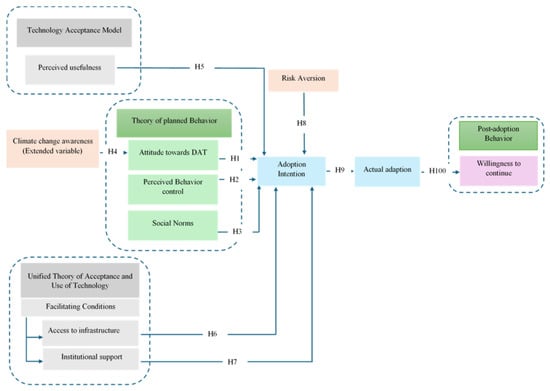
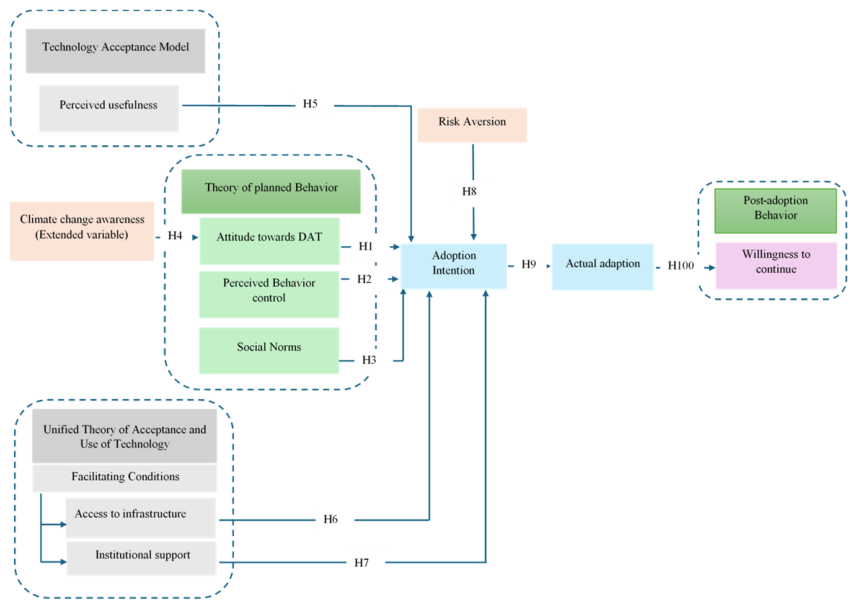
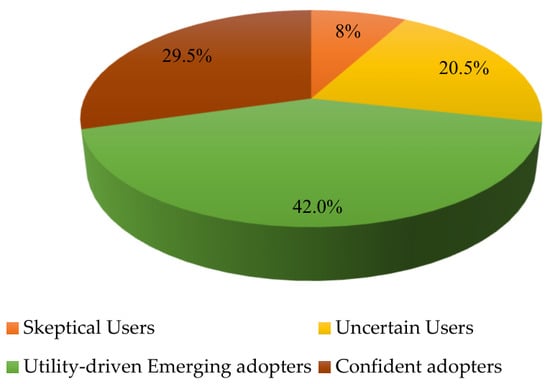
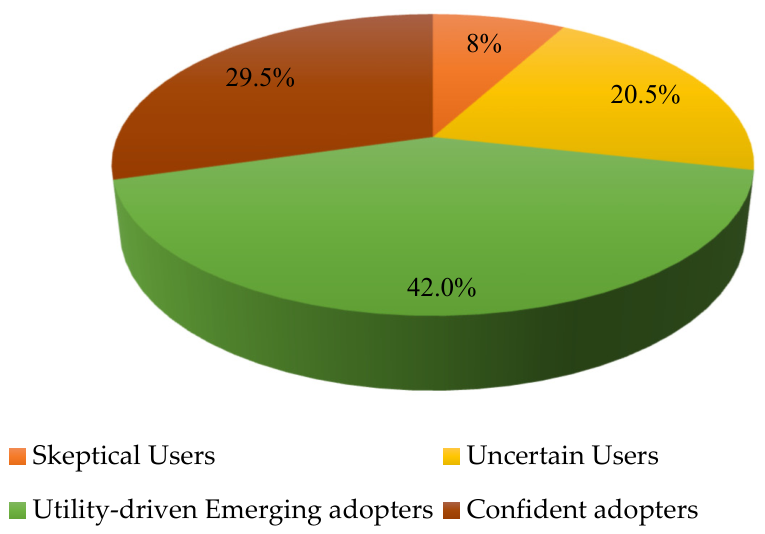
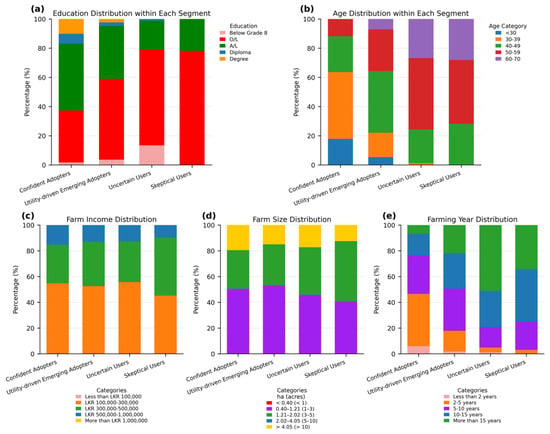
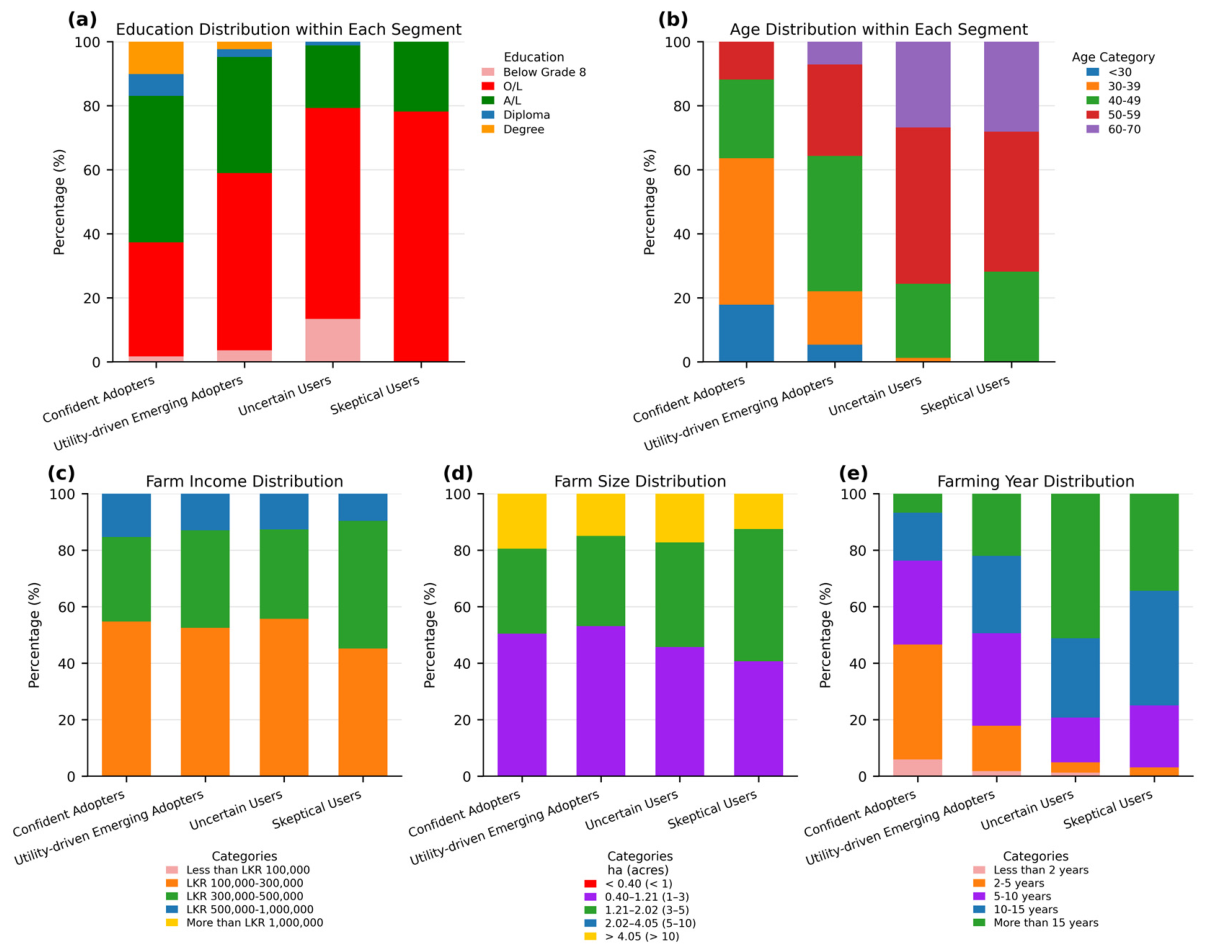
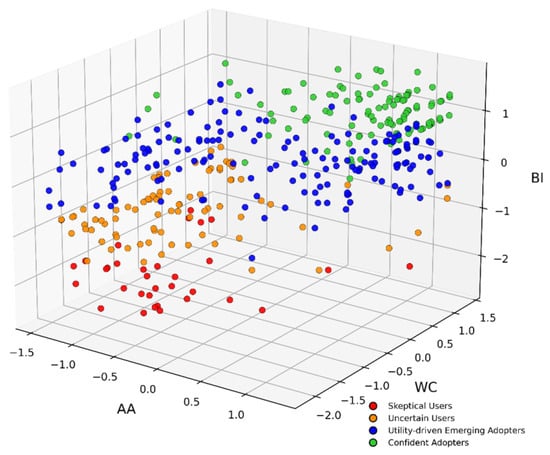
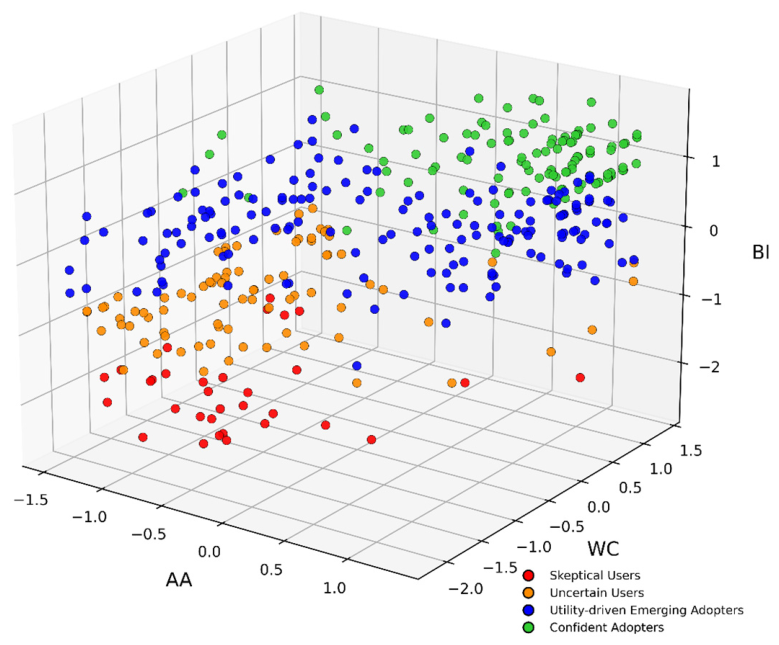

Disclaimer/Publisher’s Note: The statements, opinions and data contained in all publications are solely those of the individual author(s) and contributor(s) and not of MDPI and/or the editor(s). MDPI and/or the editor(s) disclaim responsibility for any injury to people or property resulting from any ideas, methods, instructions or products referred to in the content. |
© 2026 by the authors. Licensee MDPI, Basel, Switzerland. This article is an open access article distributed under the terms and conditions of the Creative Commons Attribution (CC BY) license.