


Abstract
Organic vegetable consumption is associated with a range of behavioural, attitudinal, and economic factors. This study examines organic vegetable consumption among consumers in Olt County, Romania, with particular emphasis on consumer orientation, price perception, willingness to pay, and awareness of European Union initiatives. A quantitative survey was conducted among 340 respondents, and an Organic Vegetable Consumer Orientation Index (OVCI) was developed by integrating behavioural and attitudinal indicators. Descriptive statistics, Cronbach’s alpha, chi-square tests, and one-way ANOVA with post hoc comparisons were applied. The OVCI had an overall mean score of 0.610, with attitudinal dimensions scoring higher than behavioural dimensions. Gender and age were significantly associated with OVCI scores, whereas education, household income, household size, and residence were not. Price was frequently perceived as a barrier, although price perception was not significantly associated with OVCI. Willingness to pay a higher price premium and awareness of EU initiatives were significantly associated with higher OVCI scores. The findings reinforce the multidimensional nature of organic vegetable consumption and demonstrate the potential of the OVCI as an exploratory measure of consumer orientation. Further research should validate the index using larger, probability-based, and comparative samples and incorporate observed purchasing behaviour.
1. Introduction
Organic agriculture has become an important component of the transition towards more sustainable agri-food systems, driven by increasing concerns regarding the environmental impacts of agricultural production, food safety, population health, and the responsible use of natural resources. In 2024, global retail sales of organic food and beverages reached EUR 145.0 billion, while the organically managed agricultural area remained at approximately 98.9 million ha [1]. In the European Union, the organic agricultural area reached 18.1 million ha, accounting for approximately 11.1% of the utilised agricultural area, while the retail market for organic products increased to EUR 49.5 billion [2]. These developments are supported by the objective of the Farm to Fork Strategy to increase the share of agricultural land under organic farming to at least 25% by 2030 [3]. However, the expansion of organic production and supply does not necessarily guarantee a proportional increase in consumer demand. Organic products are generally marketed at higher prices than their conventional counterparts, with this difference commonly referred to in the economic literature as a price premium. Such premiums may be associated with higher production, certification, and distribution costs [4,5,6]. From the consumer perspective, the economic dimension of organic consumption needs to be considered through several distinct concepts, including actual price, perceived price, price sensitivity, and willingness to pay, which should not be treated as interchangeable. A consumer may perceive organic products as substantially more expensive while still accepting a moderate price premium if the benefits attributed to the product justify the additional cost [7,8]. Price may therefore operate not only as an economic sacrifice but also as a signal of quality, authenticity, or production standards. Nevertheless, higher price levels tend to reduce the likelihood of repeated purchases, while a favourable evaluation of an organic product does not necessarily translate into actual purchasing when price or product availability constrains consumer choice [9,10,11,12].
In Romania, the organic food market is still characterized by relatively modest domestic demand and sensitivity to both the economic and physical accessibility of organic products. National studies have repeatedly identified price as a barrier to organic consumption, although the findings are not fully consistent across studies. Some research indicates that high prices and limited availability discourage purchasing [13,14,15,16,17], whereas other studies suggest that information, personal motivations, and social influences may play a stronger role in shaping consumer attitudes and purchase intentions than aggregated purchasing barriers [18]. Recent research further confirms the heterogeneity of Romanian consumers and the importance of distinguishing between declared intentions, willingness to pay, and self-reported consumption behaviour [19,20,21,22].
2. Theoretical Background and Literature Review
2.1. Price Premium and Economic Accessibility of Organic Products
In economic terms, a price premium represents the percentage difference between the price of an organic product and that of a comparable conventional product. In the theory of demand, price represents one of the central variables influencing consumer choice because it determines the quantity that can be purchased under a given budget constraint. For organic food, however, the relationship between price and consumer choice is more complex because the product incorporates attributes that cannot always be fully verified before or after consumption, such as compliance with production standards, restrictions on synthetic inputs, and certification requirements. Consumers therefore pay not only for the physical product but also for a set of characteristics associated with its production process.
From the supply perspective, organic prices are influenced by differences in yields, labour intensity, transition costs, certification and segregation requirements, as well as the size and structure of the market [4,5]. From the demand perspective, consumers’ acceptance of a price premium reflects the value they attach to attributes such as health, safety, taste, environmental protection, animal welfare, origin, and trust. Consequently, the same price difference may be acceptable to a consumer who is strongly oriented towards organic products but prohibitive to a consumer with lower disposable income or limited confidence in organic certification.
Observed market data confirm substantial variation in price premiums across product categories. USDA estimates for ten fruit and vegetable categories indicate that percentage price differences are not uniform and that products with larger price differences tend to have lower organic market shares, although this relationship is not identical across all products [6]. Research based on actual purchasing behaviour has likewise shown that higher prices are associated with lower repeat purchasing of organic products, whereas consumers with a strong organic orientation may display greater consistency across product categories [9]. These findings indicate that price should not be interpreted as an isolated product attribute but rather in relation to the product category, consumer segment, and purchasing frequency.
In emerging or less developed markets, price premiums may impose stronger restrictions on demand. The share of food expenditure in household budgets, income distribution, product availability, and competition between certified products and locally produced products perceived as natural can all influence price acceptability. Evidence from Poland indicates that actual price premiums may substantially exceed consumers’ declared willingness to pay [7]. This divergence is important because a market may display favourable attitudes and interest in organic products while actual demand remains limited when available prices exceed the thresholds accepted by most consumers.
Economic accessibility is not determined solely by the nominal price of a product. Promotions, discount formats, package size, frequency of special offers, proximity to the point of sale, and the possibility of comparing organic products with conventional alternatives can all influence consumers’ economic evaluation. Research conducted in a discount context indicates that reducing the price barrier may support purchase intention, although the effect depends on consumer attitudes and perceived value [10]. Consequently, the analysis of organic vegetable consumption should consider both how consumers perceive the price of organic products relative to conventional alternatives and the additional percentage they declare that they are willing to pay.
2.2. Perceived Price, Price Sensitivity, and Willingness to Pay
Perceived price refers to the consumer’s subjective evaluation of the cost of a product relative to a reference point. In the case of organic vegetables, the reference point is generally the price of comparable conventional vegetables. This evaluation may depend on consumers’ knowledge of prices, previous purchasing experience, purchase frequency, disposable income, distribution channel, and the importance attributed to organic attributes. Therefore, two consumers exposed to the same market price may evaluate the product differently in terms of whether the price is considered high or acceptable.
Price sensitivity describes the extent to which price affects consumer choice, postponement, substitution, or abandonment of a purchase. It is not equivalent to perceiving a product as expensive. A consumer may recognise a substantial price difference but exhibit relatively low price sensitivity if sufficient financial resources are available and the perceived benefits of organic products are highly valued. Conversely, a consumer may evaluate an organic product positively and trust its certification but still refrain from purchasing because of budgetary constraints. A systematic review by Katt and Meixner shows that willingness to pay is influenced simultaneously by individual characteristics, product attributes, and purchasing-channel conditions [8].
Willingness to pay reflects the monetary value that consumers declare they attribute to the organic characteristics of a product. In questionnaire-based studies, it is commonly operationalised as the additional percentage that respondents are willing to pay for an organic product compared with a comparable conventional product. This measure is useful for ordering respondents and comparing consumer segments, but it should be interpreted cautiously because hypothetical responses may exceed the amounts consumers would actually pay. The difference between stated willingness to pay and observed purchasing behaviour may be influenced by social desirability, the absence of an actual budget constraint at the time of answering, and the difficulty of anticipating a concrete purchasing decision [7,8].
The Theory of Planned Behavior explains behavioural intention through attitudes, subjective norms, and perceived behavioural control [23]. A meta-analysis of organic food consumption confirms the role of attitudes and the relationship between intention and behaviour, while also showing that this relationship is not perfect [24]. Other reviews indicate that health and environmental motivations, trust, knowledge, and product characteristics interact with economic and availability barriers [25,26,27]. In the present study, the Theory of Planned Behavior provides a broader explanatory framework but is not tested as a complete theoretical model, since the analysis focuses specifically on self-reported consumption behaviour and selected socio-demographic and economic factors.
Empirical studies illustrate substantial heterogeneity in willingness to pay. In Beijing, food safety, production processes, and cultivation conditions contributed to purchase intention and acceptance of a premium for safe or organic vegetables, while price remained a barrier for some consumers [28]. In Brazil, most respondents accepted moderate premiums, while income and the presence of an organic label were significant predictors of willingness to pay [29]. Among young consumers, attitudes, intentions, and psychological benefits associated with organic consumption influenced willingness to pay more [30]. Other evidence suggests that perceived price value may directly influence willingness to pay, while scepticism regarding labelling may weaken the translation of willingness to pay into actual choice [31].
The literature therefore supports an analytical distinction between two questions: how consumers evaluate the price difference and what additional premium they declare that they are willing to pay. The first variable captures the perceived positioning of organic products relative to the conventional alternative, whereas the second reflects declared economic acceptance. These variables are conceptually related but should not automatically be combined into a single attitudinal measure. In the present study, they are therefore analysed separately from the OVCI [32]. Including price-related variables directly in the consumption index and subsequently relating those same variables to the index would introduce conceptual overlap and weaken the interpretation of the resulting relationships.
2.3. Measuring Organic Vegetable Consumption and the Organic Vegetable Consumer Orientation Index
Organic food consumption is frequently measured using a single indicator, such as consumer status, purchase frequency, or purchase intention. Each of these indicators captures only one dimension of behaviour. The distinction between consumers and non-consumers, for example, does not differentiate occasional from regular consumers, while purchase or consumption frequency does not necessarily indicate the extent to which organic products are integrated into total category consumption. In the case of vegetables, one respondent may consume organic vegetables relatively frequently but represent them only a small proportion of total vegetable consumption, whereas another may consume vegetables less frequently but choose organic alternatives for a larger share of their purchases.
For this reason, a composite measure can provide a more comprehensive representation of consumers’ orientation towards organic vegetable consumption. Combining behavioural frequency with other relevant behavioural and attitudinal dimensions allows consumers to be positioned along a continuum rather than reduced to a binary consumer/non-consumer classification. Such an approach can also facilitate comparisons between consumer groups and the examination of relationships with socio-demographic and economic factors. Integrated approaches to organic consumption have similarly employed ratios or shares of organic purchases to overcome the limitations of intention-based measures [11]. Recent research on purchasing behaviour also emphasises the value of indicators reflecting actual or self-reported practices rather than relying exclusively on general attitudes [33].
The construction of a composite index requires a clear conceptual definition, appropriate selection of indicators, consistent coding and direction of the components, a common measurement scale, a transparent aggregation procedure, and an assessment of robustness. The OECD–EC/JRC Handbook on Composite Indicators recommends that the selection of components and weighting procedures be theoretically justified and that the effects of methodological choices be assessed through sensitivity analysis [32].
2.4. Price and Organic Food Consumer Behaviour in Romania
Research conducted in Romania indicates a heterogeneous organic food market in which interest in organic products coexists with distrust, confusion between the concepts of “organic”, “natural”, and “traditional”, uneven availability, and price constraints. Bogza highlighted Romanian consumers’ sensitivity to price differences and the role of high costs in limiting purchases [13]. Vietoris et al. reported that health represented a major motivation, direct purchasing from producers was a preferred channel, and the price premium accepted by many respondents was between 5% and 10% [14]. These findings suggest a positive evaluation of organic products combined with moderate economic tolerance.
Research comparing certified and non-certified organic products showed that favourable consumer attitudes in Romania were supported primarily by health and taste considerations, while price and availability limited the transition towards certified purchasing [15]. Another study emphasised the importance of consumer perceptions and attitudes for market development and the need to align domestic demand with a credible and accessible supply [16]. These findings are particularly relevant in a context where direct relationships with producers may partially substitute for institutional certification in consumers’ perceptions of product credibility.
A study conducted in the North-West region of Romania differentiated consumers from non-consumers and found a higher proportion of low-income respondents among non-consumers, confirming the relevance of economic accessibility [17]. At the same time, research on organic fruits and vegetables showed that information, motivations, and external influences contributed positively to attitudes and intentions, while purchasing barriers, when analysed in aggregate, did not exert a sufficiently strong effect across the entire sample [18]. This difference does not invalidate the relevance of price but indicates that its importance depends on the consumer segment, dependent variable, and operationalisation of the concept.
More recent analyses have identified distinct consumer profiles and opportunities for market development in the context of the European Green Deal [19]. Research conducted in Bihor County before and after the COVID-19 pandemic confirmed changes in consumer perceptions and the persistence of barriers related to price, access, and information [20]. An exploratory study published in 2025 highlighted the combined role of perceptions, knowledge, trust, and motivations in organic product purchasing [21]. Analyses of the Romanian organic agri-food market also indicate relatively low domestic demand and the need to strengthen processing, distribution, and communication of product value [22].
The previous socio-demographic study based on the full sample of 533 respondents [34] demonstrated that price evaluation, consumption frequency, and other behavioural dimensions may vary across consumer groups, although the observed relationships do not always follow simple theoretical expectations. The present study narrows the analysis to respondents from Olt County, originally recruited using convenience and snowball sampling. Consequently, the findings describe the structure of relationships within the analysed subsample and cannot be statistically generalised to the population of Olt County. Nevertheless, the simultaneous availability of information on organic vegetable consumption, price perception, willingness to pay, and consumer orientation provides an opportunity to examine the relationship between economic evaluation and organic vegetable consumption behaviour in a more integrated manner.
Evidence from Poland shows that perceiving organic products as expensive is widespread and that actual premiums may substantially exceed consumers’ accepted thresholds [7]. Studies from other European contexts similarly confirm that health and quality motivations do not eliminate constraints related to affordability and availability, and that purchasing frequency may differ according to income, familiarity, distribution channel, and the value attributed to certification [8,9,33]. In Romania, therefore, the relevant question is not only whether consumers hold favourable attitudes towards organic products, but also whether and to what extent organic vegetables are integrated into their consumption behaviour when consumers perceive a price difference relative to conventional alternatives.
3. Materials and Methods
3.1. Previous Research and Study Area
A previous study [34] used the full sample of 533 respondents obtained through the same survey to investigate socio-demographic differences in individual dimensions of organic vegetable consumption, including consumption frequency, motivations, purchasing channels, trust, and price perceptions. The present study constitutes a distinct secondary analysis restricted to the 340 respondents residing in Olt County, representing approximately 64% of the original sample. While some questionnaire variables necessarily overlap between the two analyses, the research purpose and analytical framework of the present study are different. Specifically, the current research develops and applies the Organic Vegetable Consumer Orientation Index (OVCI), an integrated measure combining selected behavioural and attitudinal dimensions, and examines its associations with socio-demographic characteristics, price perception, willingness to pay, and awareness of EU initiatives promoting organic products. The construction and application of the OVCI and these specific relationships were not analysed in the previous publication. The relevance of Olt County as the regional case study is further supported by the importance of vegetable production in the county; according to the 2024 edition of the Statistical Yearbook of Olt County, 6570 ha were cultivated with vegetables [35].
Olt County was selected as the study area because of its important agricultural profile and significant role in vegetable production in southern Romania. The county includes both urban and rural communities, providing a relevant regional context for examining consumer behaviour towards organic vegetables. Given the limited county-level empirical evidence on organic food consumption in Romania, the Olt County subsample offers an exploratory perspective on purchasing behaviour, trust in organic products, and factors associated with organic vegetable consumption. Table 1 summarizes the main differences between the previous study [34] and the present study.
Table 1.
Comparison of the Previous Study [34] and the Present Study.
3.2. Research Purpose, Objectives and Hypotheses
The present study aims to identify the main factors associated with organic vegetable consumption among consumers in Olt County, Romania. Specifically, the research examines the relationships between socio-demographic characteristics, purchasing behaviour, consumer trust, purchasing criteria, willingness to pay, and perceptions of organic certification. By focusing on a regional case study, the research provides empirical evidence that contributes to a better understanding of consumer behaviour towards organic vegetables and supports the development of targeted strategies for promoting sustainable food consumption. To achieve the research aim, a series of specific objectives (O) were established:
- O1. To identify the socio-demographic and economic profile of organic vegetable consumers (gender, age, education and income level, household size).
- O2. To develop an Organic Vegetable Consumer Orientation Index (OVCI) integrating key behavioural and attitudinal dimensions related to organic vegetable consumption and to analyse its relationship with selected socio-demographic characteristics.
- O3. To assess the importance of price in consumers’ decisions to purchase or refrain from purchasing organic vegetables.
- O4. To examine differences in organic vegetable purchasing behaviour according to consumers’ price perception and willingness to pay more compared with conventional vegetables.
- O5. To examine associations between price-related factors and awareness of EU initiatives promoting organic products, and the Organic Vegetable Consumer Orientation Index (OVCI).
Based on the research objectives and on the synthesis of the relevant theoretical and empirical literature presented above, the following research hypotheses were formulated. The hypotheses reflect the main relationships identified in the literature concerning socio-demographic characteristics, price perceptions, willingness to pay, consumer behaviour, and consumer orientation towards organic vegetables.
H1.
Organic Vegetable Consumer Orientation Index (OVCI) scores differ significantly across socio-demographic groups, including gender, age, education level, income level, household size, and place of residence. H1 directly addresses O2, which aims to analyse the relationship between OVCI and selected socio-demographic characteristics. Previous research indicates that organic consumption patterns may vary according to consumers’ socio-demographic and economic characteristics [13,14,15,16,17,18,19,20,21,22,23].
H2.
Organic vegetable purchasing behaviour differs significantly according to consumers’ perceived price of organic vegetables. H2 directly addresses Objective O4, which examines differences in organic vegetable purchasing behaviour according to consumers’ price perception and willingness to pay more compared with conventional vegetables. This hypothesis is supported by the literature identifying price as an important barrier to organic food consumption [4,5,6,7,8,9,10,11,12,13,14,15,16,17,18].
H3.
Organic vegetable purchasing behaviour differs significantly according to consumers’ willingness to pay a price premium compared with conventional vegetables. H3 directly addresses Objective O4, which examines differences in organic vegetable purchasing behaviour according to consumers’ willingness to pay more than for conventional vegetables. Previous studies show that willingness to pay represents an important economic dimension of organic food choice and that consumers differ substantially in the price premiums they are prepared to accept [7,8,30,31,33,34].
H4.
OVCI scores differ significantly according to consumers’ perceived price of organic vegetables, willingness to pay a price premium compared with conventional vegetables, and awareness of European Union initiatives promoting organic products. H4 directly addresses Objective O5, which examines the relationship between price-related factors, awareness of EU initiatives promoting organic products, and OVCI. This hypothesis builds on the literature indicating that consumers’ economic evaluation, willingness to pay, and awareness-related factors may be associated with their orientation towards organic consumption [2,3,8,9,10,11,12,26,27,28,29,30,31,33,34].
Given the cross-sectional, non-probability, and self-reported nature of the data, the hypotheses are formulated in terms of statistically significant differences and associations rather than causal effects. Their empirical testing is intended to identify patterns within the analysed sample and to provide contextual evidence regarding the socio-demographic and economic dimensions of organic vegetable consumption in Olt County, Romania.
3.3. Research Design
To investigate factors associated with organic vegetable consumption among consumers in Olt County, Romania, a quantitative research approach was employed using a structured online questionnaire developed through the Google Forms platform. The questionnaire consisted of 23 questions designed in accordance with the research aim and specific objectives.
The survey was organised into four sections according to the type of information collected. The first section comprised seven questions addressing respondents’ socio-demographic and economic characteristics: gender (Q1), age (Q2), education level (Q3), monthly net household income (Q4), household size (Q5), residential environment (Q6), and county of residence (Q7). In the present study, Q7 was used to identify the Olt County subsample from the original survey dataset; consequently, county of residence was not included as an analytical variable because all 340 respondents included in the present analysis resided in Olt County. The second section focused on consumers’ purchasing and consumption behaviour regarding organic vegetables, including consumption and purchasing frequency, the share of organic vegetables in total vegetable consumption, reasons for non-consumption, purchasing channels, and types of organic vegetables purchased (Q8–Q13). The third section explored respondents’ attitudes, perceptions, and preferences regarding trust in organic products, purchasing criteria, consumption motivations, willingness to pay, household consumption, the importance of organic certification, price perception, and willingness to recommend organic vegetables (Q14–Q21). The fourth section addressed desired improvements to the current organic vegetable market offer (Q22) and awareness of European Union initiatives promoting the consumption of organic products (Q23). A complete description of the questionnaire items and their response categories is provided in Appendix A. The questionnaire comprised single-choice, multiple-choice, matrix, and closed-ended questions. Several items were measured using a five-point Likert scale to assess respondents’ perceptions, attitudes, and preferences.
The survey was conducted between February and May 2025 among consumers from several regions of Romania using a non-probability sampling approach combining convenience and snowball sampling. For the purposes of the present study, respondents residing in Olt County were identified based on Q7, resulting in an analytical subsample of 340 respondents. Respondents under 18 years of age were excluded from the analysis in accordance with the study eligibility criteria.
3.4. OVCI Construction and Statistical Analysis
The Organic Vegetable Consumer Orientation Index (OVCI) was developed by combining five indicators representing distinct but complementary behavioural and attitudinal dimensions of consumer orientation towards organic vegetables. Rather than being treated as interchangeable manifestations of a single latent construct, the selected indicators were considered components that jointly form consumer orientation. The five components included organic vegetable purchasing frequency (Q9), the share of organic vegetables in total vegetable consumption (Q10), trust in organic products purchased directly from producers (Q14a), trust in certified organic products (Q14b), and the perceived importance of organic certification (Q19). As the five indicators were measured using different response scales, their values were normalized to a common 0–1 scale prior to aggregation. For each indicator, normalization was performed using the following min–max transformation:
where X represents the original coded response, while Xmin and Xmax represent the minimum and maximum possible values of the respective response scale. All indicators were coded in the same direction, such that higher normalized values represented a stronger orientation towards organic vegetables.
Xnorm = (X − Xmin)/(Xmax − Xmin)
The OVCI was subsequently calculated as the arithmetic mean of the five normalized indicators, with equal weighting assigned to each component:
where OVCIi represents the Organic Vegetable Consumer Orientation Index for respondent i. The resulting index ranges from 0 to 1, with higher values indicating a stronger overall consumer orientation towards organic vegetables.
OVCIi = (Q9norm,i + Q10norm,i + Q14anorm,i + Q14bnorm,i + Q19norm,i)/5
Given the formative specification of the OVCI, internal consistency was not considered a criterion for establishing construct validity, as the five components represent distinct but complementary aspects of consumer orientation rather than interchangeable manifestations of a single underlying construct. Nevertheless, Cronbach’s alpha was calculated as a supplementary measure to describe the degree of interrelatedness among the included components [36,37], rather than as evidence of the validity of the formative composite. Equal weighting was applied to all components to avoid assigning differential importance to individual indicators in the absence of a priori theoretical or empirical justification for alternative weights.
To account for occasional missing responses, the OVCI was calculated when at least four of the five components were available. For respondents with one missing component, the index was calculated as the arithmetic mean of the available normalized components; missing responses were not assigned a value of zero. More generally, the respondent-specific OVCI can be expressed as:
where Zij represents the normalized value of component j available for respondent i, and ni represents the number of valid OVCI components. The index was calculated when at least four of the five components were available (ni ≥ 4). Missing responses were not assigned a value of zero.
To address the research objectives (O2, O4, O5), the analysis was further extended to assess differences in Organic Vegetable Consumer Orientation Index (OVCI) scores across relevant groups. One-way analysis of variance (ANOVA) [38,39] was employed to compare mean OVCI scores across categories of the grouping variables. The homogeneity of variance assumption was assessed using Levene’s test, and group-level descriptive statistics, including sample size, mean, and standard deviation, were examined alongside the ANOVA results. When the omnibus ANOVA indicated statistically significant differences between variables with more than two categories, post hoc comparisons were conducted using Tukey’s B procedure [39]. The analysis was applied to assess differences in OVCI scores according to socio-demographic characteristics (O2) and price- and awareness-related factors, including price perception, willingness to pay, and awareness of EU initiatives (O4 and O5). Given the exploratory nature of the study, the reported bivariate analyses were considered exploratory, and p-values were not adjusted for multiple comparisons. Accordingly, the findings were interpreted by considering the magnitude of the observed effect sizes alongside the p-values, with particular caution applied to results close to the conventional p < 0.05 threshold.
3.5. Target Population and Sampling
The target population of the study consisted of adult consumers aged 18–64 years residing in Olt County, Romania. According to the latest data provided by the National Institute of Statistics [40], the resident population aged 18–64 years in Olt County comprised 230,545 persons. The original survey employed a non-probability sampling approach combining convenience and snowball sampling, and the present analysis includes 340 respondents from Olt County.
4. Results
4.1. Sample Characteristics
The socio-demographic profile of the respondents included in the study is presented in Table 2. Women accounted for the majority of the sample (58.8%), while men represented 41.2%. Regarding age, the largest group of respondents was between 35 and 44 years old (33.2%), followed by those aged 25–34 years (27.6%) and 18–24 years (21.2%). Respondents aged 45–54 years represented 16.5% of the sample, whereas individuals aged 55–64 years accounted for only 1.5%. Regarding the monthly household income, the highest proportion of respondents reported incomes between 4000 and 6000 RON (27.1%), closely followed by those earning between 2000 and 4000 RON (26.5%). Respondents with monthly household incomes above 8000 RON represented 20.9% of the sample, while 19.7% reported incomes between 6000 and 8000 RON. Only 5.9% of respondents declared a monthly household income below 2000 RON. The educational profile of the respondents indicates a relatively high level of education, with 44.1% holding a university degree and 6.2% having completed postgraduate studies. Secondary education was reported by 35.0% of respondents, while 14.7% had completed post-secondary education. Regarding place of residence, 58.2% of respondents lived in urban areas and 41.8% in rural areas, indicating that both residential environments were represented in the sample. Household size varied across the sample, with the largest proportion of respondents belonging to households of three members (35.0%), followed by four-member households (27.9%) and two-member households (20.9%). Households with more than four members represented 12.4% of the sample, whereas single-person households accounted for only 3.8%. These descriptive results address O1 by characterizing the socio-demographic profile of the analysed sample.
Table 2.
Socio-demographic characteristics of the respondents (N = 340).
4.2. Results Related to the Specific Research Objectives (O2–O5)
To address the second research objective (O2), the Organic Vegetable Consumer Orientation Index (OVCI) was developed by integrating key behavioural and attitudinal dimensions related to organic vegetable consumption. The index was constructed using indicators reflecting organic vegetable purchasing frequency (Q9), the share of organic vegetables in total vegetable consumption (Q10), consumers’ trust in organic products purchased directly from producers (Q14a) and in certified organic products (Q14b) and the importance attached to organic certification (Q19). These indicators represent distinct but complementary components that jointly form consumer orientation towards organic vegetables. The developed index was used to assess consumers’ overall orientation towards organic vegetable consumption and to analyse its relationship with selected socio-demographic and economic characteristics (Table 3).
Table 3.
Components and Coding of the Organic Vegetable Consumer Orientation Index (OVCI).
Willingness to recommend organic vegetables (Q21) was not included in the composite index because it represents a behavioural intention rather than one of the components used to construct the OVCI. Similarly, price-related variables were excluded from the index and retained for subsequent analyses of their associations with consumers’ organic vegetable orientation.
For Q9, Q10, Q14a, and Q14b, which were measured on a 1–4 scale, min–max normalization transformed the original scores to a common 0–1 scale. For Q19, measured on a 0–4 scale, the same min–max normalization procedure was applied using its respective minimum and maximum possible values. In all cases, higher normalized values indicate a stronger orientation towards organic vegetables.
As a supplementary diagnostic, Cronbach’s alpha was calculated to describe the degree of interrelatedness among the five OVCI components. Based on complete cases (N = 269), the analysis yielded a Cronbach’s alpha coefficient of 0.628. Corrected item–total correlations ranged from 0.212 (Q19) to 0.458 (Q10), while Cronbach’s alpha if an item was deleted ranged from 0.534 to 0.642. Given the formative specification of the OVCI, these statistics were reported as supplementary diagnostics and were not interpreted as evidence of construct validity.
According to the predefined missing-data rule, the OVCI was calculated when at least four of the five normalized components were available. For respondents with one missing component, the index was calculated as the arithmetic mean of the available normalized components; missing responses were not assigned a value of zero. Consequently, OVCI scores were obtained for 339 of the 340 respondents, with one respondent excluded due to insufficient valid responses. The resulting index ranged from 0 to 1 (Table 4), with a mean score of 0.610 (SD = 0.179).
Table 4.
Descriptive statistics of the OVCI and its component indicators.
The lower number of valid responses for Q14b (N = 280) resulted from the fact that the question was not configured as a mandatory item in the online questionnaire. Consequently, 60 respondents left this item unanswered. Because the survey was anonymous, no additional information is available to determine the individual reasons for non-response. These missing responses were treated as missing values and were neither recoded nor imputed.
As a sensitivity check, the OVCI was also recalculated using only complete cases with valid responses for all five components (N = 269). The complete-case analysis yielded a mean OVCI of 0.605 (SD = 0.180), which was very similar to the mean obtained using the predefined missing-data rule (Mean = 0.610; SD = 0.179; N = 339). This similarity indicates that the descriptive OVCI results were not materially affected by the inclusion of respondents with one missing component.
The distribution of the OVCI was assessed using skewness and kurtosis coefficients. Values close to zero were considered indicative of an approximately symmetric distribution, with the interpretation based on established guidelines for assessing departures from normality [41,42]. Figure 1 illustrates the distribution of the OVCI, which was relatively symmetric around the mean value (Mean = 0.610; SD = 0.179), consistent with the observed skewness (−0.259) and kurtosis (−0.163) values.
Figure 1.
Histogram and normal curve of the Organic Vegetable Consumer Orientation Index (OVCI).
While the normalized scores for purchasing frequency (Mean = 0.441) and the share of organic vegetables consumed (Mean = 0.435) indicated moderate behavioural orientation, trust in products purchased directly from producers (Mean = 0.723), trust in certified organic products (Mean = 0.637), and particularly the importance attributed to organic certification (Mean = 0.817) recorded substantially higher values.
To address O2, the Organic Vegetable Consumer Orientation Index (OVCI) was developed by integrating key behavioural and attitudinal dimensions related to organic vegetable consumption. Table 5 presents the results of the one-way ANOVA examining differences in OVCI scores across socio-demographic groups. Gender and age were the only socio-demographic variables for which the omnibus ANOVA reached the conventional statistical significance threshold. Group-level descriptive statistics for these two variables are presented in Table 6.
Table 5.
One-way ANOVA results for differences in OVCI scores across socio-demographic groups.
Table 6.
Descriptive statistics of OVCI scores by gender and age group.
Regarding gender, female respondents (N = 200) recorded a higher mean OVCI score (M = 0.627, SD = 0.182) than male respondents (N = 139; M = 0.585, SD = 0.171). The homogeneity of variance assumption was satisfied (Levene’s test, p = 0.771). The omnibus ANOVA indicated a statistically significant difference between the two groups, F(1, 337) = 4.530, p = 0.034, although the effect size was small (η2 = 0.013). Given the small effect size, the proximity of the p-value to the 0.05 threshold, and the number of separate bivariate comparisons conducted, this result should be interpreted with caution. For age, the omnibus ANOVA also reached the conventional statistical significance threshold, F(4, 334) = 2.663, p = 0.033, η2 = 0.031, with the homogeneity of variance assumption supported by Levene’s test (p = 0.113). Mean OVCI scores ranged from 0.584 (SD = 0.196; N = 113) among respondents aged 35–44 years to 0.674 (SD = 0.148; N = 56) among those aged 45–54 years. However, the Tukey B post hoc procedure did not identify statistically significant pairwise differences between age groups, with all groups included in the same homogeneous subset. Moreover, the 55–64-year group comprised only five respondents (1.5% of the sample), resulting in a highly unbalanced group distribution. Accordingly, the significant omnibus age result should be regarded as exploratory and interpreted with particular caution rather than as evidence of a robust age-related difference.
For the remaining socio-demographic characteristics (education level, household income, household size, and place of residence), the omnibus ANOVA tests did not indicate statistically significant differences in OVCI scores (p > 0.05), and the corresponding effect sizes were small. Based on these findings, O2 can be considered achieved, as the differences in OVCI scores across the selected socio-demographic characteristics were assessed and statistically evaluated.
To address O3, the analysis focused on the role of price in consumers’ decisions to purchase or refrain from purchasing organic vegetables. The respondents’ assessments of price importance were first examined using descriptive statistics, followed by an analysis of price-related barriers to organic vegetable consumption.
Thus, the frequency distributions of responses to Q11, Q20, and Q22_3 were analysed to assess the role of price as a potential barrier to organic vegetable consumption, consumers’ perceptions of organic vegetable prices, and the importance attributed to price-related improvements in the current market offer.
Regarding the main reasons for not consuming organic vegetables, lack of trust in organic certification was the most frequently reported barrier (26.5%), followed closely by the perception that organic vegetables are too expensive (25.9%). Lack of availability in the respondents’ area was reported by 20.0% of respondents, while 17.9% indicated that they consume organic vegetables and therefore did not identify a barrier. Other reasons, including the lack of perceived differences compared with conventional vegetables (7.4%), lack of knowledge regarding the benefits of organic vegetables (1.2%), and other reasons (1.2%), were reported less frequently (Figure 2).
Figure 2.
Price-related and other barriers to organic vegetable consumption. Note: Values represent percentages of the total sample (N = 340).
The perception of organic vegetable prices was predominantly associated with higher prices compared with conventional products. Among the valid responses, 57.3% of respondents perceived organic vegetables as slightly more expensive, while 33.5% considered them much more expensive. Only 8.6% perceived the prices as approximately the same, and 0.6% considered organic vegetables less expensive than conventional ones. Overall, 90.8% of valid respondents perceived organic vegetables as more expensive than conventional vegetables (Figure 3a).
Figure 3.
Consumer perceptions of organic vegetable prices: (a) perceived price of organic vegetables and (b) the importance of improving the price of organic vegetables.
Consistent with these results, respondents’ answers to Q22 show that the importance attributed to price improvement further supports the relevance of price in consumers’ perceptions of the organic vegetable market. Among the valid responses, 23.82% of respondents considered price improvement very important, while 22.94% considered it important. A further 25.59% assigned moderate importance to this aspect. Only 18.53% of respondents considered price improvement of little or very little importance (Figure 3b).
These descriptive findings indicate that price represents a relevant consideration in respondents’ perceptions and purchasing decisions concerning organic vegetables. Thus, O3 was achieved by examining the role of price from complementary behavioural and perceptual perspectives.
To address research objective O4, respondents’ price perception (Q20) and willingness to pay (Q17) were examined in relation to organic vegetable purchasing behaviour. Purchasing frequency (Q9) and the share of organic vegetables in total vegetable consumption (Q10) were used as direct behavioural indicators for testing H2 and H3, while purchasing channels (Q12) and types of organic vegetables purchased (Q13) were retained as complementary descriptive indicators of purchasing patterns. Regarding willingness to pay, most respondents (42.6%) indicated that they would be willing to pay 6–15% more for organic vegetables compared with conventional products. A further 27.6% were willing to pay 16–30% more, while 20.6% would accept a price premium of up to 5%. Only 9.1% of respondents indicated a willingness to pay more than 30% above the price of conventional vegetables (Figure 4a). The majority of respondents perceived organic vegetables as more expensive than conventional vegetables. Specifically, 57.3% of respondents considered their price to be slightly higher, while 33.5% perceived it as much higher. Only 8.6% considered the prices of organic and conventional vegetables to be approximately the same, whereas a very small proportion of respondents (0.6%) perceived organic vegetables as less expensive (Figure 4b).
Figure 4.
Descriptive results concerning (a) willingness to pay, (b) price perception, (c) purchasing channels for organic vegetables, and (d) types of organic vegetables purchased. Note: Percentages are based on valid responses for each item. For panel (c), multiple responses were allowed; therefore, percentages do not sum to 100%.
Regarding purchasing channels, supermarkets were reported by 50.6% of respondents, local markets by 48.2%, and direct purchases from producers by 29.4%. Specialised organic stores were reported by 5.3%, while online purchasing was reported by 0.9% of respondents (Figure 4c). As multiple responses were allowed, the percentages do not sum to 100%. The majority of respondents (74.4%) reported purchasing several types of vegetables, including tomatoes, cucumbers, carrots, zucchini, and green beans, depending on the products available and current offers. Tomatoes were selected as the preferred type by 10.3% of respondents, while 10.0% reported a preference for leafy vegetables such as lettuce and spinach. Carrots (2.1%), peppers (1.2%), and cucumbers (0.9%) were selected less frequently as individual preferences (Figure 4d).
To address O4 and test H2 and H3, Pearson’s chi-square tests were used to examine the associations between price perception (Q20) and willingness to pay (Q17), on the one hand, and two direct behavioural indicators, organic vegetable purchasing frequency (Q9) and the share of organic vegetables in total vegetable consumption (Q10), on the other hand. The results are presented in Table 7.
Table 7.
Chi-square test results for the association between willingness to pay, price perception, and organic vegetable purchasing behaviour.
Expected cell counts were examined for all chi-square analyses. For the associations involving price perception (Q20), 31.2% of cells had expected counts below 5. Therefore, Monte Carlo significance estimates based on 10,000 sampled tables were used to assess the robustness of the results. The Monte Carlo results confirmed the conclusions of the Pearson chi-square tests (Q20 × Q9: p = 0.032; Q20 × Q10: p = 0.129). For the analyses involving willingness to pay (Q17), 6.2% of cells had expected counts below 5. Consequently, the Pearson chi-square results were retained and interpreted.
The results provide partial support for H2. Price perception was significantly associated with purchasing frequency (Q9), whereas no statistically significant association was observed with the share of organic vegetables in total vegetable consumption (Q10). Descriptively, respondents perceiving organic vegetables as much more expensive tended to report less frequent purchasing. The corresponding effect sizes were small (Cramér’s V = 0.135 and 0.116, respectively). H3 was supported, as willingness to pay was significantly associated with both purchasing frequency (Q9) and the share of organic vegetables in total vegetable consumption (Q10). Higher willingness to pay was generally associated with more frequent purchasing and a higher share of organic vegetables in total vegetable consumption. The association was small for purchasing frequency (Cramér’s V = 0.131) and somewhat stronger for the share of organic vegetables in total vegetable consumption (Cramér’s V = 0.205). These findings indicate that O4 was achieved, as the associations between respondents’ price perception and willingness to pay and the two direct behavioural indicators of organic vegetable purchasing behaviour were statistically evaluated. To address O5, the analysis focused on examining whether price-related factors and awareness of EU initiatives promoting organic products are associated with differences in the Organic Vegetable Consumer Orientation Index (OVCI). The results are presented in Table 8.
Table 8.
One-way ANOVA results for differences in OVCI scores according to price-related factors (Q17 and Q20) and awareness of EU initiatives (Q23).
As shown in Table 8, the omnibus ANOVA indicated statistically significant differences in OVCI scores across willingness-to-pay categories, F(3, 335) = 9.519, p < 0.001, η2 = 0.079, and across EU-initiative awareness categories, F(2, 334) = 6.573, p = 0.002, η2 = 0.038. In contrast, differences in OVCI scores across price-perception categories did not reach the conventional statistical significance threshold, F(3, 332) = 2.608, p = 0.052, η2 = 0.023. Group-level descriptive statistics and Tukey B post hoc results, where applicable, are presented in Table 9.
Table 9.
Descriptive statistics and Tukey B post hoc results for OVCI scores according to price- and awareness-related factors.
As shown in Table 9, respondents willing to pay 0–5% more for organic vegetables recorded the lowest mean OVCI score (M = 0.521, SD = 0.193). The Tukey B procedure placed this group in a separate homogeneous subset from respondents willing to pay 6–15% (M = 0.612, SD = 0.162), 16–30% (M = 0.648, SD = 0.173), or more than 30% (M = 0.681, SD = 0.171), which were grouped within the same homogeneous subset. This pattern indicates an association between willingness-to-pay category and OVCI, with the statistically identified group difference concentrated between the lowest willingness-to-pay category and the remaining categories.
For price perception, mean OVCI scores ranged from 0.567 (SD = 0.024) among respondents perceiving organic vegetables as lower priced to 0.633 (SD = 0.164) among those perceiving them as slightly higher priced. However, the omnibus ANOVA did not reach the conventional statistical significance threshold (p = 0.052), and no post hoc differences were interpreted. Moreover, the lower-price category included only two valid cases; therefore, these descriptive differences should be interpreted with caution.
Regarding awareness of EU initiatives promoting organic products, respondents reporting no awareness recorded the lowest mean OVCI score (M = 0.561, SD = 0.173). The Tukey B procedure placed this group in a separate homogeneous subset from respondents who were unsure about their awareness (M = 0.615, SD = 0.181) and those reporting awareness (M = 0.646, SD = 0.175), which were included in the same homogeneous subset. These results indicate group differences in OVCI according to awareness status. Thus, O5 can be considered achieved, as bivariate differences in OVCI scores across willingness-to-pay, price-perception, and EU-initiative-awareness categories were assessed. The findings are interpreted as associations and group differences rather than as evidence of independent or causal effects.
5. Discussion
The quantitative analysis provides evidence that organic vegetable consumer orientation reflects a combination of behavioural and attitudinal dimensions. The OVCI mean score was 0.610, while the higher scores for trust and the importance attributed to certification, compared with purchasing frequency and the share of organic vegetables in total vegetable consumption, suggest that favourable attitudes do not necessarily translate into equally strong consumption behaviour. This finding is consistent with previous research highlighting the gap between attitudes and actual organic food purchasing [24,25,26,27] and supports the use of the OVCI as a composite measure of consumer orientation.
Regarding H1, the results provide only partial support for the hypothesis that OVCI scores differ across socio-demographic groups. Significant differences were identified for gender and age, whereas education, household income, household size, and residence were not significantly associated with OVCI. Female respondents recorded a higher mean OVCI than male respondents, although the small effect size indicates that the observed difference was limited in magnitude. This result is broadly compatible with previous research suggesting that socio-demographic characteristics may be associated with differences in organic food consumption, but that these associations are often weaker than those observed for attitudinal, motivational, and psychographic factors [13,14,15,16,17,18,19,20,21,22,23].
Although economic resources are expected to be associated with consumers’ ability to purchase products carrying a price premium, previous reviews have shown that income alone is not consistently associated with organic food consumption, with psychographic and product-related factors often showing stronger associations [4,8]. Thus, the present findings reinforce the view that socio-demographic characteristics alone show limited associations with organic consumer orientation.
Concerning H2, the results provide partial support for the hypothesis. Price perception was significantly associated with organic vegetable purchasing frequency, whereas no statistically significant association was observed with the share of organic vegetables in total vegetable consumption. Respondents who perceived organic vegetables as much more expensive tended to report less frequent purchasing, suggesting that perceived price differences may be more closely related to purchasing frequency than to the overall proportion of organic vegetables consumed. However, the small effect sizes indicate that the observed associations between price perception and organic vegetable purchasing behaviour were limited in magnitude. This finding is consistent with previous national [13,14,15,16,17,18] and international studies [4,8] identifying price as an important consideration in organic food consumption. Moreover, in the present study, price was the second most frequently reported barrier to organic vegetable consumption, following lack of trust in organic certification. Regarding H3, the results support the hypothesis, as willingness to pay was significantly associated with both organic vegetable purchasing frequency and the share of organic vegetables in total vegetable consumption. Respondents with a higher willingness to pay generally reported more frequent purchasing and a higher share of organic vegetables in their total vegetable consumption. The association was stronger for the share of organic vegetables consumed than for purchasing frequency, although the corresponding effect sizes remained relatively small. These findings suggest that willingness to accept a price premium is associated with more pronounced organic vegetable purchasing behaviour. This result is consistent with previous research showing that willingness to pay represents an important economic dimension of organic food choice, although the premiums consumers are prepared to accept may vary according to product category, consumer segment, and purchasing context [7,8].
Willingness to pay was significantly associated with OVCI scores, providing relevant evidence for testing H4. Respondents with a low willingness to pay recorded significantly lower OVCI scores than those willing to accept higher price premiums, while no significant differences were observed among the groups with moderate or high willingness to pay. The main distinction was therefore observed between respondents with low willingness to pay and those with moderate to high willingness to pay. This pattern indicates that willingness to accept at least a moderate price premium was associated with higher OVCI scores, although increasing the acceptable premium beyond this level did not correspond to statistically significant differences in consumer orientation. This result is consistent with previous research showing considerable heterogeneity in consumers’ willingness to pay and emphasising the importance of consumer segments and product categories in relation to the accepted premium [8].
The present findings support the interpretation of willingness to pay as a more informative economic indicator of organic consumer orientation than the simple perception that organic products are expensive.
The significant association between respondents’ awareness of EU initiatives and OVCI provides an additional dimension to the interpretation of H4. Respondents who reported awareness of EU initiatives had higher mean OVCI scores than those who reported no awareness, while respondents who were uncertain also recorded higher scores than those reporting no awareness. Although the effect size was small, the results indicate a statistically significant association between awareness of EU initiatives and consumer orientation towards organic vegetables. Given the cross-sectional design of the study, the direction of this relationship cannot be established, as consumers who are already more strongly oriented towards organic products may also be more likely to seek information about organic farming and EU initiatives. This finding is consistent with broader evidence reporting associations between knowledge, awareness, attitudes, perceptions, and willingness to consume organic food [24,25,26,27]. More highly oriented consumers may also be more likely to seek information about organic farming and European initiatives.
Regarding H4, the results provide partial support for the hypothesis. Willingness to pay and awareness of EU initiatives were significantly associated with OVCI scores, whereas perceived price was not significantly associated with OVCI. These findings indicate that economic and awareness-related factors may be associated with consumer orientation towards organic vegetables, although the observed effect sizes were small. Given the bivariate and cross-sectional nature of the analysis, these relationships should be interpreted as associations rather than as evidence of independent or causal effects. Although the present study is geographically limited to Olt County, its findings may have relevance beyond the Romanian context. Agriculture remains an important component of regional economic activity in several predominantly rural areas of Central, Eastern and Southern Europe. According to Eurostat’s recent 2025 publication, agriculture, forestry and fishing accounted for at least 10% of gross value added in nine EU regions in 2022, including Dél-Dunántúl in Hungary (10.0%), Panonska Hrvatska in Croatia (11.6%), Thessalia in Greece (11.7%), Mazowiecki regionalny in Poland (10.4%), and Alentejo in Portugal (10.3%) [44]. These regions share important structural characteristics related to the economic significance of agriculture and predominantly rural landscapes, although their socio-economic and institutional contexts differ. Such territories may therefore provide relevant settings for future comparative research examining whether the relationships identified in Olt County between perceived price, willingness to pay, and organic vegetable consumer orientation are also observed in other agriculturally oriented European regions.
6. Conclusions
This study provides evidence that organic vegetable consumer orientation involves both behavioural and attitudinal dimensions and is also associated with economic factors. The developed Organic Vegetable Consumer Orientation Index (OVCI) provides an exploratory formative composite that integrates behavioural indicators with trust and the importance attributed to certification, while keeping price-related variables separate. Respondents had a mean OVCI score of 0.610, with attitudinal components scoring higher than behavioural ones, suggesting a gap between favourable perceptions and actual consumption practices. The results indicate that gender and age were associated with differences in OVCI scores, although corresponding effect sizes were small and these findings should be interpreted cautiously given the exploratory nature of the analyses, while education, income, household size, and residence were not significantly associated with consumer orientation. Price was frequently identified as a barrier, but perceived price did not significantly differentiate OVCI scores. In contrast, willingness to pay a price premium was significantly associated with OVCI, with respondents accepting higher premiums generally recording higher OVCI scores. OVCI scores also differed significantly across EU-initiative awareness categories, although the corresponding effect size was small. These findings indicate that willingness to accept a price premium and awareness of EU initiatives were associated with organic consumer orientation, whereas perceived price alone was not significantly associated with OVCI. From a practical perspective, the findings highlight the relevance of consumer trust, certification, traceability, production practices, and perceived product value for communication strategies concerning organic vegetables. The existence of consumers willing to accept moderate price premiums also points to the relevance of clearly communicating the attributes underlying price differences and ensuring product availability through commonly used purchasing channels, including supermarkets and local markets. Furthermore, the observed association between EU-initiative awareness and OVCI highlights the relevance of making information on EU organic-farming initiatives accessible and visible to consumers as part of broader consumer-information and market-development strategies. The main outcomes of this research can be further valorised through the validation and application of the OVCI in comparative studies across Romanian regions, the identification of consumer segments based on organic orientation and willingness to pay, and the integration of the findings into digital decision-support tools for producers, retailers, and policymakers.
Several limitations should be considered when interpreting the findings. The cross-sectional design and non-probability sampling limit causal inference and the statistical generalisation of the results to the entire population of Olt County. The relatively low numerical representation of some socio-demographic groups, particularly the 55–64 age group, may have affected the stability of comparisons across respondent categories. The study relies on self-reported consumption behaviour and stated willingness to pay, which may differ from actual purchasing behaviour. In addition, the OVCI was developed as a formative composite for the purposes of this exploratory regional study and requires further validation across larger and more diverse samples and alternative research settings. Although the overall OVCI showed similar descriptive results under the predefined missing-data rule and the complete-case approach, the principal associations involving the OVCI were not re-estimated using complete cases only; therefore, the potential influence of missing responses, particularly for respondents’ trust in certified organic products (Q14b), on these associations cannot be entirely excluded. Finally, awareness of EU initiatives was based on self-reported responses and may not fully reflect objective knowledge. Future research should validate the OVCI across different Romanian regions and use longitudinal, probability-based, or observed-purchasing data to further assess the associations identified in the present study.
Author Contributions
Conceptualization, R.-E.P. and S.R.; methodology, R.-E.P. and D.M.I.; software, R.-E.P.; validation, R.L.B. and V.D.; formal analysis, R.L.B. and S.R.; investigation, D.M.I. and R.-E.P.; writing—original draft preparation, R.-E.P. and D.M.I.; writing—review and editing, R.-E.P., V.D. and D.M.I.; visualization, R.-E.P. and D.M.I.; supervision, S.R., V.D. and R.L.B.; project administration, R.L.B. All authors have read and agreed to the published version of the manuscript.
Funding
This research was funded by the Ministry of Agriculture and Rural Development (Romania), under contract ADER 22.1.3/21.07.2023.
Institutional Review Board Statement
The research followed a clear privacy policy, ensuring that data were collected, stored, and used exclusively for academic purposes, in line with the rights of participants and with the principles of the EU General Data Protection Regulation (GDPR). Respondents were informed about the confidential nature of the study, their rights, and the exclusive research purpose of their contributions. All activities related to the development and implementation of the survey respected the highest ethical standards, including respect for participants’ privacy, avoidance of any misuse of data, and ensuring that responses remained strictly anonymous. According to national regulations, such anonymous surveys are exempt from Ethics Committee approval. We therefore confirm that no approval code is applicable in this case.
Informed Consent Statement
Informed consent was obtained from all subjects involved in the study, in accordance with the Regulation (EU) 2016/679 of the European Parliament and of the Council of 27 April 2016 on the protection of natural persons with regard to the processing of personal data and on the free movement of such data, and repealing Directive 95/46/EC (General Data Protection Regulation) as well as with the provisions of Directive 2002/58/EC on the processing of personal data.
Data Availability Statement
The data presented in this study are available on request from the corresponding author. The data are not publicly available due to privacy.
Conflicts of Interest
The authors declare no conflicts of interest.
Abbreviations
The following abbreviations are used in this manuscript:
| ANOVA | Analysis of Variance |
| EU | European Union |
| OVCI | Organic Vegetable Consumer Orientation Index |
| SPSS | Statistical Package for the Social Sciences |
Appendix A
Table A1.
Questionnaire structure and response categories.
References
- The World of Organic Agriculture: Statistics and Emerging Trends 2026; Willer, H., Schlatter, B., Trávníček, J., Eds.; Research Institute of Organic Agriculture FiBL: Frick, Switzerland; IFOAM—Organics International: Bonn, Germany, 2026; Available online: https://www.fibl.org/en/shop-en/1861-organic-world-2026 (accessed on 10 August 2026).
- IFOAM Organics Europe. Organic in Europe—Browse Latest Production and Market Data. Available online: https://www.organicseurope.bio/about-us/organic-in-europe/ (accessed on 10 August 2026).
- European Commission. A Farm to Fork Strategy for a Fair, Healthy and Environmentally-Friendly Food System; COM(2020) 381 Final; European Commission: Brussels, Belgium, 2020. [Google Scholar]
- Crowder, D.W.; Reganold, J.P. Financial Competitiveness of Organic Agriculture on a Global Scale. Proc. Natl. Acad. Sci. USA 2015, 112, 7611–7616. [Google Scholar] [CrossRef] [Scilit]
- Ponisio, L.C.; M’Gonigle, L.K.; Mace, K.C.; Palomino, J.; de Valpine, P.; Kremen, C. Diversification Practices Reduce Organic to Conventional Yield Gap. Proc. R. Soc. B 2015, 282, 20141396. [Google Scholar] [CrossRef] [Scilit]
- Smith, T.A.; Lin, B.-H. Consumers Willing to Pay a Premium for Organic Produce. Amber Waves 2009. U.S. Department of Agriculture, Economic Research Service. Available online: https://www.ers.usda.gov/amber-waves/2009/march/consumers-willing-to-pay-a-premium-for-organic-produce (accessed on 10 August 2026).
- Smoluk-Sikorska, J.; Śmiglak-Krajewska, M.; Rojík, S.; Fulnečková, P.R. Prices of Organic Food—The Gap between Willingness to Pay and Price Premiums in the Organic Food Market in Poland. Agriculture 2024, 14, 17. [Google Scholar] [CrossRef] [Scilit]
- Katt, F.; Meixner, O. A Systematic Review of Drivers Influencing Consumer Willingness to Pay for Organic Food. Trends Food Sci. Technol. 2020, 100, 374–388. [Google Scholar] [CrossRef] [Scilit]
- Marian, L.; Chrysochou, P.; Krystallis, A.; Thøgersen, J. The Role of Price as a Product Attribute in the Organic Food Context: An Exploration Based on Actual Purchase Data. Food Qual. Prefer. 2014, 37, 52–60. [Google Scholar] [CrossRef] [Scilit]
- Katt, F.; Meixner, O. Is It All about the Price? An Analysis of the Purchase Intention for Organic Food in a Discount Setting by Means of Structural Equation Modeling. Foods 2020, 9, 458. [Google Scholar] [CrossRef] [Scilit]
- Hansmann, R.; Baur, I.; Binder, C.R. Increasing Organic Food Consumption: An Integrating Model of Drivers and Barriers. J. Clean. Prod. 2020, 275, 123058. [Google Scholar] [CrossRef] [Scilit]
- Sultan, P.; Tarafder, T.; Pearson, D.; Henryks, J. Intention–Behaviour Gap and Perceived Behavioural Control–Behaviour Gap in Theory of Planned Behaviour: Moderating Roles of Communication, Satisfaction and Trust in Organic Food Consumption. Food Qual. Prefer. 2020, 81, 103838. [Google Scholar] [CrossRef] [Scilit]
- Bozga, N.-A. The Perception of Romanian Consumer upon Organic Products’ Prices. Procedia Econ. Financ. 2015, 27, 323–333. [Google Scholar] [CrossRef] [Scilit]
- Vietoris, V.; Kozelová, D.; Mellen, M.; Chreneková, M.; Potclan, J.E.; Fikselová, M.; Kopkáš, P.; Horská, E. Analysis of Consumer Preferences at Organic Food Purchase in Romania. Pol. J. Food Nutr. Sci. 2016, 66, 139–146. [Google Scholar] [CrossRef] [Scilit]
- Petrescu, D.C.; Petrescu-Mag, R.M.; Burny, P.; Azadi, H. A New Wave in Romania: Organic Food. Consumers’ Motivations, Perceptions, and Habits. Agroecol. Sustain. Food Syst. 2017, 41, 46–75. [Google Scholar] [CrossRef] [Scilit]
- Petrescu, A.G.; Oncioiu, I.; Petrescu, M. Perception of Organic Food Consumption in Romania. Foods 2017, 6, 42. [Google Scholar] [CrossRef] [Scilit]
- Chiciudean, G.O.; Harun, R.; Ilea, M.; Chiciudean, D.I.; Arion, F.H.; Ilies, G.; Muresan, I.C. Organic Food Consumers and Purchase Intention: A Case Study in Romania. Agronomy 2019, 9, 145. [Google Scholar] [CrossRef] [Scilit]
- Radulescu, V.; Cetina, I.; Cruceru, A.F.; Goldbach, D. Consumers’ Attitude and Intention towards Organic Fruits and Vegetables: Empirical Study on Romanian Consumers. Sustainability 2021, 13, 9440. [Google Scholar] [CrossRef] [Scilit]
- Dan, I.S.; Jitea, I.M. Understanding the Perceptions of Organic Products in Romania: Challenges and Opportunities for Market Growth in the Context of the European Green Deal. Agriculture 2024, 14, 2292. [Google Scholar] [CrossRef] [Scilit]
- Brata, A.M.; Chereji, A.I.; Brata, V.D.; Morna, A.A.; Tirpe, O.P.; Popa, A.; Arion, F.H.; Banszki, L.I.; Chereji, I.; Popa, D. Consumers’ Perception towards Organic Products before and after the COVID-19 Pandemic: A Case Study in Bihor County, Romania. Int. J. Environ. Res. Public Health 2022, 19, 12712. [Google Scholar] [CrossRef] [Scilit]
- Moroșan, E.; Popovici, V.; Popescu, I.A.; Daraban, A.; Karampelas, O.; Matac, L.M.; Licu, M.; Rusu, A.; Chirigiu, L.-M.-E.; Oprițescu, S.; et al. Perception, Trust, and Motivation in Consumer Behavior for Organic Food Acquisition: An Exploratory Study. Foods 2025, 14, 293. [Google Scholar] [CrossRef] [Scilit]
- Giucă, A.D.; Gaidargi Chelaru, M.; Kuzman, B. The Market of Organic Agri-Food Products in Romania. In Geopolitical Perspectives and Technological Challenges for Sustainable Growth in the 21st Century; Dima, A.M., Vargas, V.M., Eds.; Sciendo: Warsaw, Poland, 2023; pp. 174–187. [Google Scholar] [CrossRef] [Scilit]
- Ajzen, I. The Theory of Planned Behavior. Organ. Behav. Hum. Decis. Process. 1991, 50, 179–211. [Google Scholar] [CrossRef] [Scilit]
- Scalco, A.; Noventa, S.; Sartori, R.; Ceschi, A. Predicting Organic Food Consumption: A Meta-Analytic Structural Equation Model Based on the Theory of Planned Behavior. Appetite 2017, 112, 235–248. [Google Scholar] [CrossRef] [Scilit]
- Massey, M.; O’Cass, A.; Otahal, P. A Meta-Analytic Study of the Factors Driving the Purchase of Organic Food. Appetite 2018, 125, 418–427. [Google Scholar] [CrossRef] [Scilit]
- Kushwah, S.; Dhir, A.; Sagar, M.; Gupta, B. Determinants of Organic Food Consumption. A Systematic Literature Review on Motives and Barriers. Appetite 2019, 143, 104402. [Google Scholar] [CrossRef] [Scilit]
- Eyinade, G.A.; Mushunje, A.; Yusuf, S.F.G. The Willingness to Consume Organic Food: A Review. Food Agric. Immunol. 2021, 32, 78–104. [Google Scholar] [CrossRef] [Scilit]
- Zhang, B.; Fu, Z.; Huang, J.; Wang, J.; Xu, S.; Zhang, L. Consumers’ Perceptions, Purchase Intention, and Willingness to Pay a Premium Price for Safe Vegetables: A Case Study of Beijing, China. J. Clean. Prod. 2018, 197, 1498–1507. [Google Scholar] [CrossRef] [Scilit]
- Watanabe, E.A.; Alfinito, S.; Branco, T.V.C.; Raposo, C.F.; Barros, M. The Consumption of Fresh Organic Food: Premium Pricing and the Predictors of Willingness to Pay. J. Food Prod. Mark. 2023, 29, 41–55. [Google Scholar] [CrossRef] [Scilit]
- Hu, T.; Al Mamun, A.; Reza, M.N.H.; Wu, M.; Yang, Q. Examining Consumers’ Willingness to Pay Premium Price for Organic Food. Humanit. Soc. Sci. Commun. 2024, 11, 1249. [Google Scholar] [CrossRef] [Scilit]
- Shamsi, M.S.; Abad, A. Understanding Consumers’ Willingness to Pay More and Choice Behavior for Organic Food Products Considering the Influence of Skepticism. Sustainability 2024, 16, 6053. [Google Scholar] [CrossRef] [Scilit]
- OECD; European Union; European Commission; Joint Research Centre. Handbook on Constructing Composite Indicators: Methodology and User Guide; OECD Publishing: Paris, France, 2008. [Google Scholar] [CrossRef] [Scilit]
- Madureira, T.; Nunes, F.; Veiga, J.; Mata, F.; Alexandraki, M.; Dimitriou, L.; Meleti, E.; Manouras, A.; Malissiova, E. Trends in Organic Food Choices and Consumption: Assessing the Purchasing Behaviour of Consumers in Greece. Foods 2025, 14, 362. [Google Scholar] [CrossRef] [Scilit]
- Ilie, D.M.; Tudor, V.C.; Berevoianu, R.L.; Micu, M.M.; Dragomir, V.; Rodino, S. The Influence of Socio-Demographic Factors on the Sustainable Consumption of Organic Vegetables in Romania. Sustainability 2025, 17, 9874. [Google Scholar] [CrossRef] [Scilit]
- Olt Regional Directorate of Statistics. Statistical Yearbook of Olt County, 2024 Edition; National Institute of Statistics: Slatina, Romania, 2025; Available online: https://olt.insse.ro/wp-content/uploads/2025/05/ANUARUL-JUDETULUI-OLT-EDITIA-2024.pdf (accessed on 10 August 2026).
- Tavakol, M.; Dennick, R. Making Sense of Cronbach’s Alpha. Int. J. Med. Educ. 2011, 2, 53–55. [Google Scholar] [CrossRef] [Scilit]
- Cronbach, L.J. Coefficient Alpha and the Internal Structure of Tests. Psychometrika 1951, 16, 297–334. [Google Scholar] [CrossRef] [Scilit]
- Maxwell, S.E.; Delaney, H.D. Designing Experiments and Analyzing Data: A Model. Comparison Perspective, 2nd ed.; Psychology Press: New York, NY, USA, 2004. [Google Scholar]
- George, D.; Mallery, P. IBM SPSS Statistics 29 Step by Step; Routledge: London, UK, 2024; p. 440. [Google Scholar] [CrossRef] [Scilit]
- National Institute of Statistics (INSSE). TEMPO Online Database. Time Series Resident Population on 1 January by Age Group, Gender and Area of Residence. Available online: http://statistici.insse.ro:8077/tempo-online/#/pages/tables/insse-table (accessed on 7 August 2025).
- Field, A.P. Discovering Statistics Using IBM SPSS Statistics; SAGE Publications: New York, NY, USA, 2024. [Google Scholar]
- Aldrich, J.O. Using IBM® SPSS® Statistics: An Interactive Hands-On Approach, 3rd ed.; SAGE Publications: New York, NY, USA, 2018; Available online: https://methods.sagepub.com/dict/mono/embed/using-ibm-spss-statistics-3e/toc (accessed on 20 August 2026).
- Lakens, D. Calculating and reporting effect sizes to facilitate cumulative science: A practical primer for t-tests and ANOVAs. Front. Psychol. 2013, 4, 00863. [Google Scholar] [CrossRef] [Scilit]
- Eurostat. Regions in Europe: 2025 Edition; Publications Office of the European Union: Luxembourg, 2025; Available online: https://ec.europa.eu/eurostat/web/interactive-publications/regions-2025#Gross (accessed on 20 August 2026).
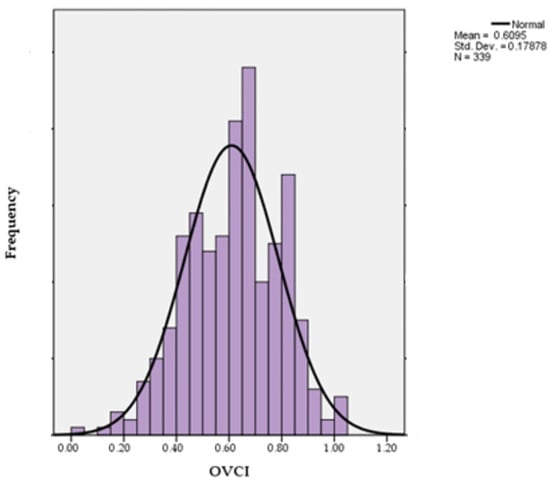
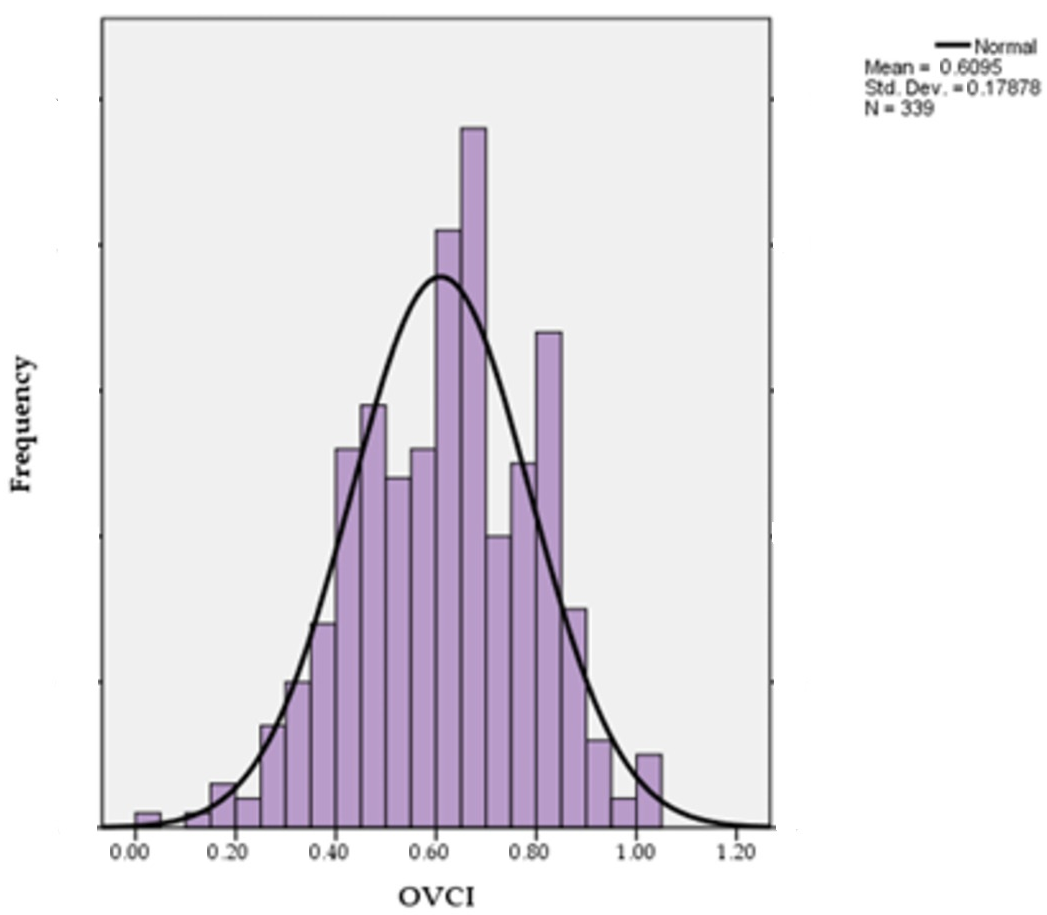
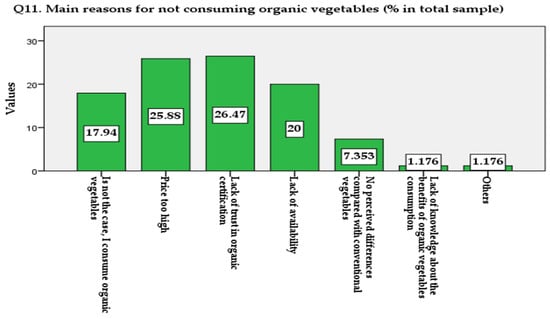
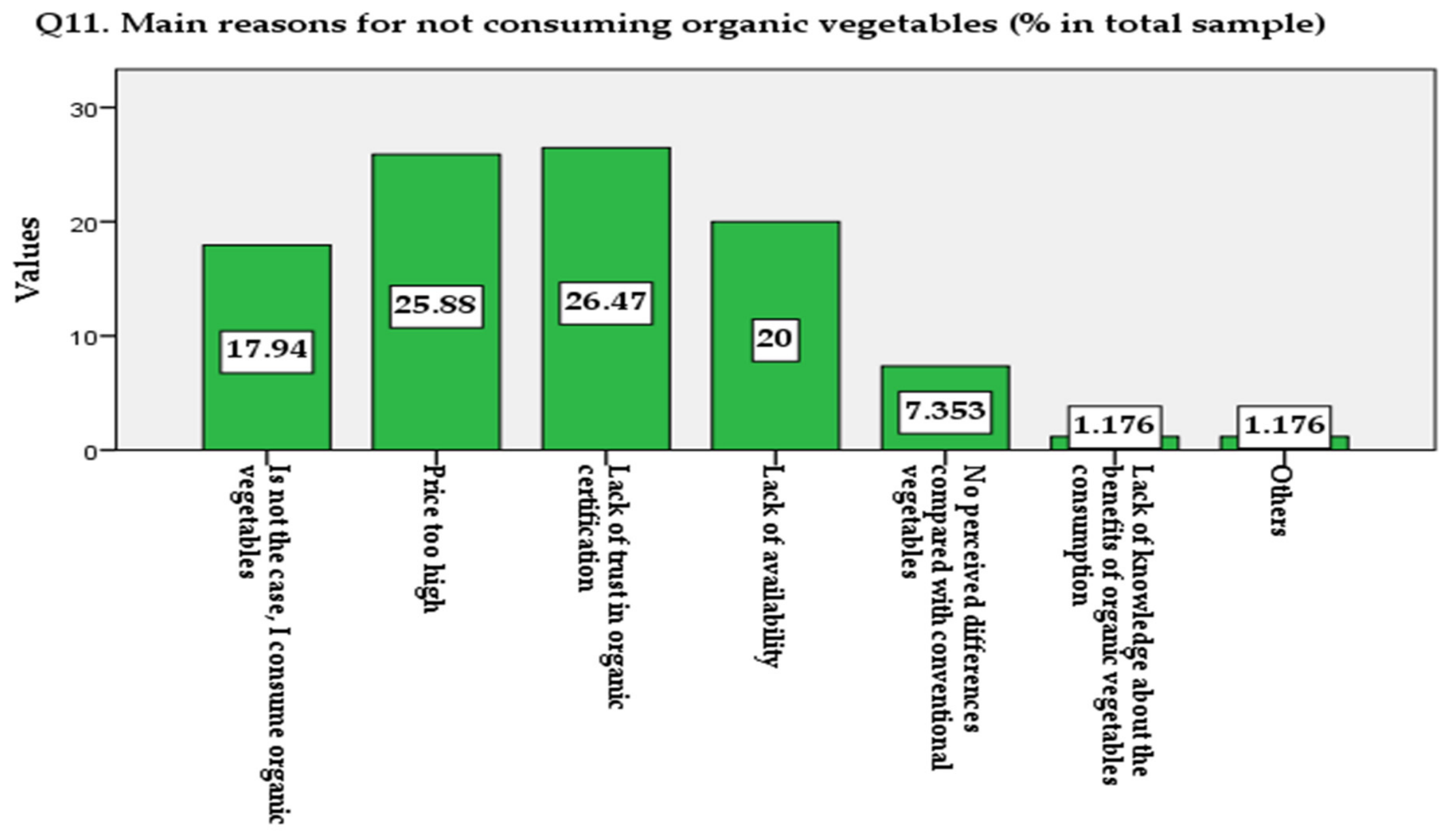
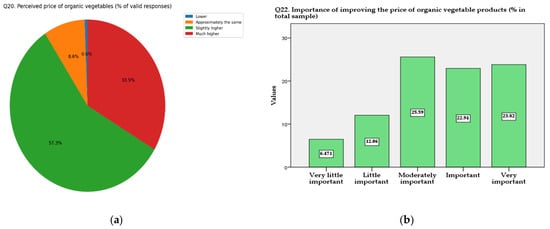
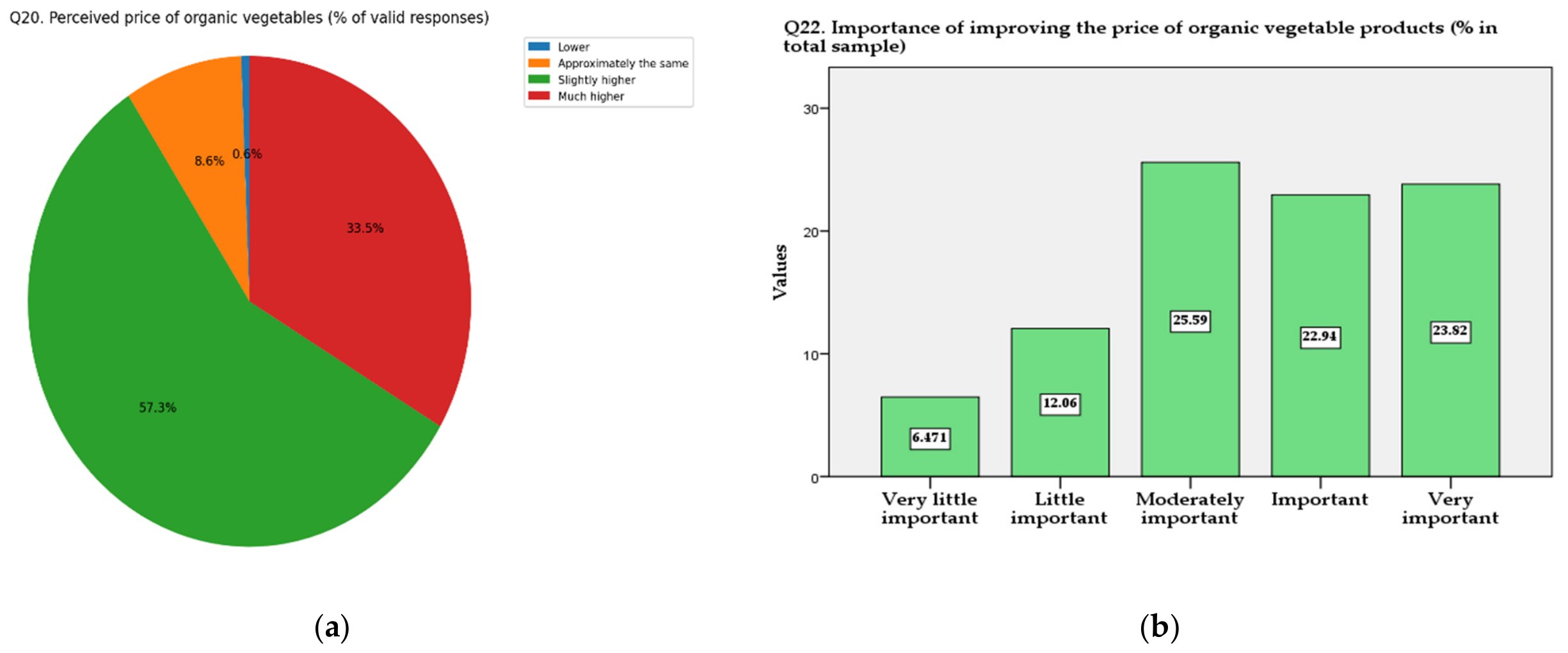
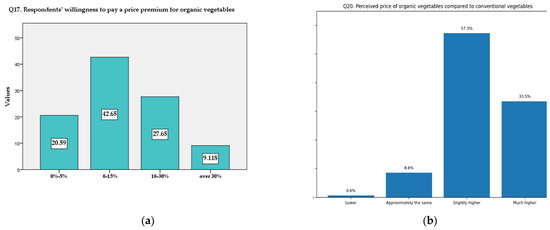
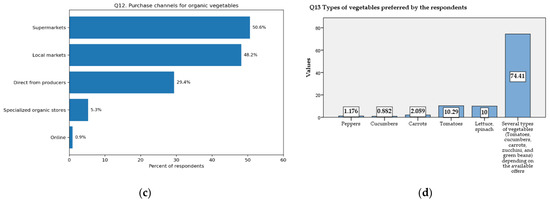
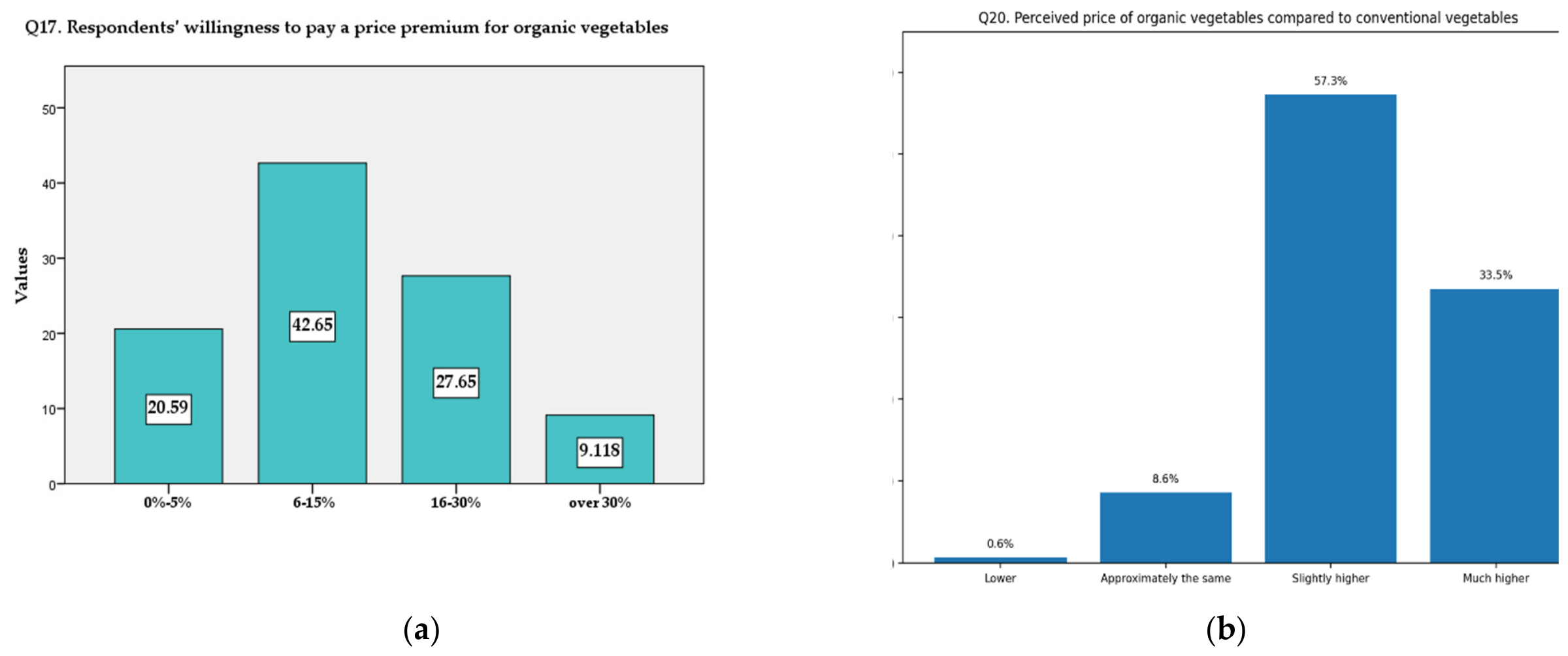
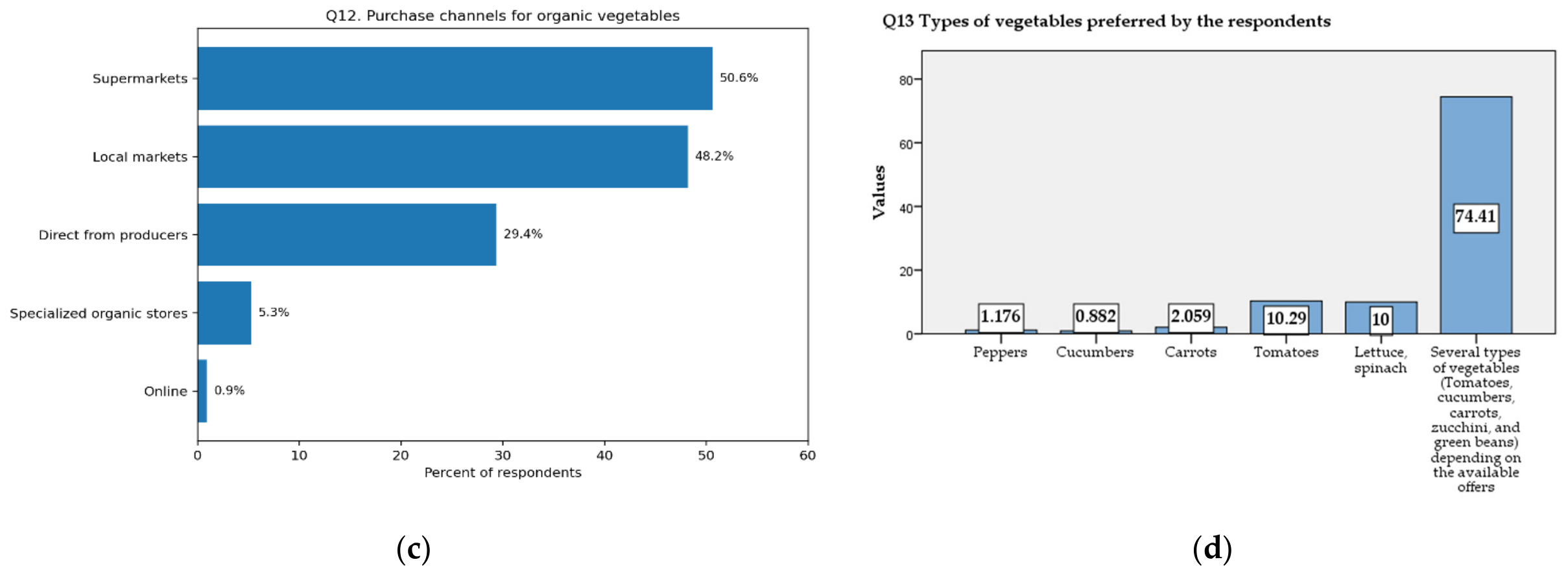

Disclaimer/Publisher’s Note: The statements, opinions and data contained in all publications are solely those of the individual author(s) and contributor(s) and not of MDPI and/or the editor(s). MDPI and/or the editor(s) disclaim responsibility for any injury to people or property resulting from any ideas, methods, instructions or products referred to in the content. |
© 2026 by the authors. Licensee MDPI, Basel, Switzerland. This article is an open access article distributed under the terms and conditions of the Creative Commons Attribution (CC BY) license.