


Abstract
Wheat is one of the world’s most important cereal crops, and its technological quality is essential for the production of flour, dough and bakery products. Fusarium infection and the associated accumulation of mycotoxins may adversely affect grain composition, processing performance and food safety. This review summarizes current knowledge on the influence of Fusarium infection and associated mycotoxin contamination on the chemical composition and technological quality of wheat. A literature search was conducted in the Web of Science Core Collection, and eligible studies were included in the qualitative synthesis. The reviewed studies demonstrate that Fusarium infection generally reduces grain quality, gluten functionality, dough rheological properties and baking performance, although the magnitude and direction of changes depend on the Fusarium species, wheat cultivar, infection model and mycotoxin concentration. Considerable heterogeneity among experimental designs limits direct comparison of individual studies. By integrating evidence across grain, flour, dough and bread quality parameters, this review provides a comprehensive and comparative synthesis of the effects of different Fusarium species and associated mycotoxins on wheat technological quality and identifies major areas requiring further investigation.
1. Introduction
1.1. Wheat Production and Utilization
Wheat holds a crucial place in agriculture and is the most extensively cultivated cereal grain worldwide. In terms of global production volume, common wheat (Triticum aestivum L.) ranks second after maize. According to the FAOSTAT Crops and Livestock Products Database, global wheat production reached approximately 798.5 million tons in 2024. Data reported by the United States Department of Agriculture (USDA) in the World Agricultural Supply and Demand Estimates (WASDEs), which are presented according to marketing years rather than calendar years, indicate global wheat production of approximately 799.7 million tons in the 2024/25 marketing year. According to USDA WASDEs, total wheat utilization includes several components, including human food consumption, feed use, seed requirements, industrial applications, and other uses. For the 2024/25 marketing year, total global wheat utilization was estimated at approximately 810.8 million tons, including approximately 680 million tons allocated for human food consumption and approximately 122 million tons used for animal feed. The distinction between total utilization and food consumption is important because wheat demand is influenced not only by direct human consumption but also by livestock production, bio-based industrial applications, and other non-food uses [1,2].
Based on these data, it can be concluded that wheat and wheat-based products constitute a staple component of human nutrition in many places around the world. In developing countries in particular, wheat serves as a major source of protein intake [3,4]. The data show that more than 50% of global wheat production is used for food processing, including the production of flour, bread, breakfast cereals, pasta, and other food products. Wheat products are based on refined white flour and whole-grain flour; however, the majority are based on white flour, in which the bran and germ are removed from the endosperm during milling, rather than whole-grain flour, in which all grain components are retained. The consumption of whole-grain products is associated with higher contents of dietary fiber, phenolic compounds, and antioxidants compared with products made from refined flour. Therefore, whole-grain products are recommended due to their nutritional value and health-promoting properties. Numerous studies have demonstrated associations between whole-grain consumption and a reduced risk of chronic diseases, including type 2 diabetes, certain cancers, and cardiovascular diseases [5,6,7]. Wheat is also widely used in animal nutrition as a component of feed for many livestock species.
Common wheat (Triticum aestivum L.) is the main cereal crop for most of the world’s population. Globally, wheat provides approximately 55% of carbohydrate intake and 21% of food calories consumed worldwide [8]. Wheat is a rich source of proteins, minerals (Cu, Mg, Zn, P and Fe), vitamins (B-group and E), riboflavin, niacin, thiamine, dietary fiber, and phytochemicals. Wheat storage proteins provide an important source of food and energy and play a major role in determining the bread-making quality [4]. The baking value of wheat is determined by the quantitative and qualitative composition of proteins and starch, as well as by their relative proportions.
1.2. Wheat Proteins and Starch: Characterization and Their Role in Baking Quality
The protein fraction of wheat consists mainly of albumins, globulins, gliadins, and glutenins according to the Osborne classification system. Gliadins are monomeric storage proteins composed of single polypeptide chains and are classified into four groups based on electrophoretic mobility: α-, β-, γ-, and ω-gliadins. Among these fractions, α-gliadins exhibit the highest electrophoretic mobility, whereas ω-gliadins show the lowest mobility [9,10]. In contrast, glutenins are polymeric storage proteins composed of multiple polypeptide chains interconnected by disulfide bonds [11]. They may reach molecular weights of several million Daltons and are primarily responsible for gluten strength and dough elasticity. Based on molecular size, glutenin subunits are divided into high-molecular-weight glutenin subunits (HMW-GSs) and low-molecular-weight glutenin subunits (LMW-GSs). During dough development, gliadins and glutenins interact in the presence of water to form gluten, a viscoelastic protein network responsible for gas retention and dough structure formation. The rheological properties of gluten determine the technological performance of wheat flour during processing. Desirable gluten characteristics include appropriate elasticity, extensibility, cohesiveness, and water absorption capacity, which contribute to high loaf volume and uniform crumb structure. Therefore, wet gluten content, together with protein content, test weight, sedimentation index, and alveograph parameters, is commonly used as an indicator of wheat quality in grain trading and the baking industry [12,13].
Starch is the major storage carbohydrate in wheat and represents approximately 70–75% of the dry weight of wheat grain and flour. It plays a crucial role in determining flour functionality and final product quality through its structural properties, physicochemical characteristics, and interactions with gluten proteins [14]. Important functional properties of wheat starch include water absorption, gelatinization behavior, swelling capacity, and pasting characteristics, which influence dough processing and bread quality. During grain development, starch accumulates as granules with different sizes and morphologies. Based on granule diameter, wheat starch is commonly classified into A-type granules (23–28 µm), B-type granules (9–11 µm), and C-type granules (2–3 µm), with B- and C-type granules generally considered small granules [15,16]. The particle size distribution of starch granules affects dough rheology, with smaller granules often associated with improved dough elasticity and altered water-binding properties [16]. Key starch-related quality parameters include amylose content, water solubility, swelling power, gelatinization properties, dough development time, and dough stability. Dough development time and stability are important indicators of dough strength and are closely related to gluten functionality, whereas starch characteristics influence hydration behavior and processing properties. Swelling power is mainly determined by the balance between amylose and amylopectin. Amylopectin promotes granule swelling during heating, while amylose restricts excessive swelling and contributes to structural stability of gelatinized starch [17,18]. Differences in water solubility among starch fractions are associated with variations in granule size and surface properties, with smaller granules generally exhibiting higher water-binding capacity than larger granules [19].
The physicochemical and technological properties of wheat proteins and starch are strongly influenced by environmental and agronomic factors. The most important determinants include temperature and precipitation during plant development, genotype, nitrogen fertilization, crop rotation, disease pressure, and other cultivation practices [13,20,21,22,23]. These factors affect protein accumulation, starch biosynthesis, grain composition, and ultimately the milling and baking quality of wheat.
1.3. Food Safety Issues Related to Mycotoxin Contamination
Food safety remains one of the major challenges in the agri-food sector, particularly with respect to contamination occurring throughout the food production chain, from farm to fork. Grain may become contaminated by physical, chemical or biological agents during cultivation, harvest, storage, and processing. Chemical contaminants include pesticide residues, heavy metals, nitrates, and mycotoxins whereas biological contamination is mainly associated with fungal infection of grain. Mycotoxins are toxic secondary metabolites produced by fungi that commonly contaminate food and feed materials worldwide. These low-molecular-weight compounds occur naturally in cereals and other agricultural commodities and are synthesized primarily by fungal mycelia without playing a direct role in fungal growth or development [6,24]. More than 400 compounds have been classified as mycotoxins; however, approximately 30 are considered particularly important because of their toxic effects on human and animal health [25].
The main mycotoxin-producing fungal genera include Aspergillus, Penicillium, Fusarium, Alternaria and Claviceps. Species belonging to the genera Fusarium, Alternaria and Cladosporium commonly infect cereals in the field during plant growth, whereas Aspergillus and Penicillium species are more frequently associated with grain storage and processed cereal products [26]. Consequently, toxins produced by Fusarium and Claviceps are primarily regarded as field contaminants, while toxins synthesized by Aspergillus, Penicillium, and Alternaria species are mainly associated with storage conditions.
Among cereal crops, wheat is particularly susceptible to diseases caused by Fusarium species, especially Fusarium Head Blight (FHB) and Fusarium foot and root rot (FRR). The FHB is considered one of the most devastating fungal diseases affecting wheat and other small-grain cereals and has caused severe epidemics in many cereal-growing regions worldwide [27,28]. The disease is most commonly caused by Fusarium graminearum, although Fusarium culmorum and Fusarium avenaceum are also important causal agents [29,30]. Fusarium infection usually occurs during the flowering stage of wheat under warm and humid environmental conditions favorable for fungal development. Initial symptoms appear in the central part of the spike and gradually spread throughout the entire ear. Infected spikelets often develop a characteristic salmon-pink discoloration, followed by bleaching of the whole spike and the formation of lightweight, shriveled kernels. The occurrence of FHB is associated with a serious problem, such as substantial economic losses due to reduction in grain yield and deterioration of grain quality [31,32]. In heavily infected crops, yield losses may reach 30% [33,34]. An additional concern is the contamination of infected grain with mycotoxins harmful for both humans and livestock.
The occurrence and severity of fungal diseases in cereals are strongly influenced by climatic and environmental conditions that are often difficult to control. Temperature, relative humidity, and rainfall patterns are among the most important factors affecting fungal growth and mycotoxin production [35,36,37,38]. F. graminearum is generally more prevalent in warm and humid regions such as North America, Eastern Europe, Australia, and southern China, whereas F. culmorum is commonly associated with cooler regions, including Western Europe [39]. Nevertheless, the distribution of Fusarium species may vary depending on local environmental conditions. In Poland, for example, F. culmorum, F. avenaceum and F. poae have frequently been identified as important causal agents of FHB [40]. The most important mycotoxins produced by Fusarium species include type A trichothecenes (T-2 and HT-2 toxins), type B trichothecenes such as deoxynivalenol (DON), and nivalenol (NIV), fumonisins, and zearalenone (ZEN). In recent years, increasing attention has also been paid to Fusarium mycotoxins such as enniatins and beauvericin [35,39,41].
Mycotoxins pose a serious threat to human and animal health because of their toxic, immunosuppressive, mutagenic, endocrine-disrupting, and carcinogenic effects. Chronic dietary exposure to mycotoxins may contribute to gastrointestinal disorders, hormonal imbalance, impaired immune function, and increased cancer risk [37]. Exposure may occur directly through the consumption of contaminated plant-derived foods or indirectly through products of animal origin, such as meat, milk, and eggs, obtained from livestock fed with mycotoxin-contaminated feed. An additional challenge is the relatively high chemical and thermal stability of many mycotoxins, which allows them to persist during food processing and technological treatment [41].
Cultivar susceptibility, crop rotation, tillage systems, fertilization, harvest timing, and post-harvest storage practices significantly affect mycotoxin contamination levels [42,43]. Changes in agricultural practices, including reduced tillage systems and the increasing cultivation area of maize, have contributed to a higher incidence of FHB in many cereal-producing regions. The economic consequences of mycotoxin contamination are substantial. According to estimates, approximately 25% of global cereal production may be contaminated with mycotoxins to varying degrees, resulting in major economic losses and serious food safety concerns. Reports of the Food and Agriculture Organization (FAO) indicate that mycotoxin contamination generates agricultural and industrial losses amounting to billions of dollars annually [44].
Within the European Union, maximum permissible levels have been established for major mycotoxins occurring in cereals and cereal-derived products, including DON, ZEN, and T-2/HT-2 toxins [45,46,47]. According to the current European Commission regulations, the maximum level of DON in unprocessed cereal grains, including common wheat, intended for first-stage processing is 1000 µg/kg, whereas higher limits apply only to specific commodities such as durum wheat and maize (1500 µg/kg) and oats (1750 µg/kg) [46]. The maximum permissible level for ZEN in unprocessed cereal grains is 100 µg/kg, while the indicative level for the sum of T-2 and HT-2 toxins in unprocessed cereal grains is 100 µg/kg. In addition, strict limits have been established for aflatoxins (4 µg/kg for total aflatoxins and 2 µg/kg for aflatoxin B1) and ochratoxin A (5 µg/kg in unprocessed cereals) [46]. These maximum levels are established as food safety measures to limit consumer exposure to mycotoxins through contaminated cereals and cereal-based products. In comparison, mycotoxin regulations in ASEAN countries remain less harmonized, reflecting differences in national food safety policies and agricultural conditions. For example, maximum limits for total aflatoxins in several ASEAN countries are commonly set at 10–15 µg/kg, which exceeds the EU limit of 4 µg/kg. Similarly, some countries apply higher DON limits, reaching 2000 µg/kg for cereals and cereal-based products. Consequently, wheat lots acceptable on less restrictive markets may not comply with EU requirements, creating additional challenges for exporters. These differences in regulatory thresholds have direct implications for international wheat trade and processing industries. Exporters supplying multiple markets frequently need to meet the most stringent standards to avoid rejection of consignments, which increases costs associated with analytical testing, certification, traceability, and grain segregation. Wheat batches exceeding EU limits but meeting the requirements of other markets may require additional post-harvest processing, including cleaning, sorting, and removal of contaminated fractions. Although these operations can reduce mycotoxin concentrations, they may decrease processing yield and increase production costs. Therefore, differences in mycotoxin regulations act not only as food safety measures but also as potential non-tariff barriers influencing global wheat trade, market competitiveness, and the economic efficiency of cereal-processing industries.
From a technological perspective, an important issue is whether Fusarium infection and the associated mycotoxin contamination of wheat grain are related to changes in its chemical composition and processing suitability, particularly baking quality. Such a relationship may be expected because Fusarium infection can alter grain tissues and metabolic processes, including protein and carbohydrate composition, enzymatic activity, and the integrity of storage components, while mycotoxin contamination may occur as a consequence of these infection-related processes. These changes may, in turn, influence the physicochemical properties of flour and its technological performance during dough development and baking. However, the extent to which observed changes in grain and flour quality are attributable specifically to mycotoxins, rather than to fungal infection itself or associated physiological and biochemical changes, remain unclear and may depend on the Fusarium species, infection severity, and experimental conditions.
Although numerous studies have investigated mycotoxin occurrence, environmental determinants, and toxicological aspects, the available evidence regarding the effects of Fusarium infection and associated mycotoxin contamination on the physicochemical properties and technological performance of wheat remains fragmented and has not been comprehensively synthesized. Previous reviews, including that of Alconada et al. [48] have primarily focused on the biology and epidemiology of Fusarium Head Blight, pathogen aggressiveness, grain yield losses, or general changes in grain quality, whereas a comprehensive synthesis of the effects of different Fusarium species and associated mycotoxins on wheat technological quality throughout the processing chain is still lacking. Therefore, the aim of the present review is to synthesize and evaluate the available evidence on the relationships between Fusarium infection, associated mycotoxin contamination, and changes in the chemical composition of wheat grain and the physicochemical and technological properties of wheat flour.
2. Review Methodology
2.1. Mapping of the Geographical Distribution of Mycotoxin Contamination
The maps were prepared using QGIS (version 3.44.11 LTR, QGIS Development Team) based on a global administrative boundary dataset. They represent a conceptual synthesis of published literature and international reports describing the geographical occurrence of major cereal mycotoxins and the climatic conditions favoring their production. The risk zones were manually delineated to illustrate general spatial patterns reported in the literature and should not be interpreted as quantitative estimates or maps derived from empirical monitoring data.
2.2. Literature Search, Study Selection and Keyword Co-Occurrence Analysis
A literature search was performed in the Web of Science Core Collection on January 2026 using the following search string: TS = (mycotoxin AND wheat AND “grain quality”). Only articles published in English between 2005 and 2026 were considered. Initially, 503 results from the Web of Science Core Collection were retrieved, of which 441 were articles, 56 were review articles, 20 were proceeding papers, 4 were book chapters and 1 was an early access paper. Duplicate records (2) were removed before screening. Although this frame was adopted for bibliometric mapping, several seminal studies published before 2005 were also included in the qualitative review when they provided essential background information of fundamental knowledge relevant to the effects of Fusarium infection and mycotoxins on wheat grain composition and technological quality. Titles and abstracts were independently screened by two authors according to predefined eligibility criteria. During the screening and study selection process, the following terms were used to identify potentially relevant studies: Fusarium, Fusarium Head Blight, wheat, quality, technological quality, flour, dough, bread, rheology, mycotoxin, deoxynivalenol (DON), and zearalenone. These terms were used as screening criteria and were not additional terms in the initial Web of Science search. After screening the 101 articles were included full texts of potentially relevant studies were subsequently assessed. All 101 publications were screened according to predefined eligibility criteria, including (i) studies investigating infection by different Fusarium species, (ii) studies evaluating the effects of Fusarium infection on the technological quality of cereal grain, with particular emphasis on wheat, and (iii) studies reporting the effects of Fusarium infection on grain, flour, dough rheological properties and bread analysis; (iv) studies focused primarily on immunology, microbiology or other topic unrelated to cereal technological quality (i.e., plant pathology, molecular biology or immunology) were excluded. Data extracted from each study included the wheat cultivar, infection model, Fusarium species, mycotoxin content, and technological quality parameters evaluated.
To provide an overview of the thematic structure of the available literature and to identify the main research directions concerning the effects of Fusarium infection and mycotoxins on cereal quality, a keyword co-occurrence analysis was performed using VOSviewer (version 1.6.21). The bibliometric dataset consisted of 101 publications identified as potentially relevant through the screening processThe same set of publications was subsequently used for the qualitative synthesis presented in the following sections, including full-text assessment. Terms extracted from publication titles and abstracts were standardized using a thesaurus file prior to network construction. In the generated network, node size represents the frequency of term occurrence, line thickness reflects the strength of co-occurrence between terms, and colors indicate thematic clusters identified by the VOSviewer clustering algorithm.
3. Effects of Fusarium Infection on Grain Composition and Quality
3.1. Changes in the Geographical Distribution of Mycotoxin Contamination in Cereals
The occurrence and geographical distribution of Fusarium mycotoxin contamination in wheat are expected to change in response to ongoing climate warming, although these changes are not uniform across Europe (Figure 1). The figure represents the authors’ conceptual synthesis of the potential geographical distribution of climatic suitability for the occurrence of major Fusarium species and the associated risk of Fusarium mycotoxin contamination in wheat.
Figure 1.
Conceptual assessment of the potential geographical distribution of Fusarium mycotoxin contamination risk in wheat based on EEA climate assessments and published evidence on climatic suitability and mycotoxin production. The assessment considers DON, ZEN, T-2 and HT-2 toxins and does not represent measured contamination levels.
Over recent decades, several studies have documented a northward expansion of toxigenic fungal species, resulting in an increased risk of mycotoxin occurrence in areas that were previously considered less vulnerable. In addition, year-to-year variability has increased due to the growing frequency of extreme weather events, including droughts, heat waves, and intense precipitation episodes. Particularly notable are fungi belonging to the genus Fusarium, which produce several economically important mycotoxins, including DON and ZEN [49,50,51,52]. According to the European Environment Agency, the species composition of Fusarium populations has been changing across Europe, with F. graminearum becoming increasingly prevalent in Central and Northern Europe [53]. This shift has important implications for cereal production, as F. graminearum is one of the primary causal agents of FHB and a major producer of DON and ZEN. Aflatoxins have traditionally been associated with hot and humid climatic conditions and were historically confined mainly to tropical and subtropical regions [54,55]. However, the European Food Safety Authority has reported the emergence of aflatoxin contamination in Southern Europe since the early 2000s, together with a gradual northward expansion that is likely linked to climate change [56]. Predictive models further suggest that increasing temperatures may substantially elevate the risk of aflatoxin contamination in maize across larger areas of Europe. Importantly, an increase in the occurrence of toxigenic fungi does not necessarily imply a proportional increase in the number of samples exceeding regulatory safety limits. A distinction must therefore be made between the frequency of fungal occurrence and mycotoxin detection on the one hand, and the incidence of contamination levels exceeding legal thresholds on the other [57]. Based on the conceptual synthesis presented in Figure 1, a potential shift in the geographical distribution of climatic suitability for Fusarium species associated with wheat can be observed, indicating that some regions of Europe may become more favorable for the occurrence of Fusarium infections and the production of Fusarium mycotoxins under changing climatic conditions. In particular, a marked increase in aflatoxin occurrence in maize has been reported during recent years. Furthermore, within the latitudinal zone between approximately 55° and 65° N, encompassing parts of Northern and Central Europe, the prevalence of Fusarium metabolites, including DON, ZEN, and T-2/HT-2 toxins, has increased noticeably. These compounds are also being detected more frequently in northern regions, including Scandinavia and parts of northern Russia, where their occurrence was previously considered relatively limited. Overall, the available evidence suggests a progressive shift in mycotoxin risk patterns across Europe and other temperate regions, reflecting the influence of climate-driven changes in fungal ecology, crop-pathogen interactions, and environmental conditions favorable for mycotoxin production.
3.2. Visualization of Thematic Relationships Between Fusarium Infection, Mycotoxins and Technological Quality Parameters
To facilitate the interpretation of the extensive literature included reviewed in this manuscript, a keyword co-occurrence network was generated using VOSviewer (version 1.6.21). The visualization was not intended to provide an independent bibliometric analysis but rather as a graphical tool supporting the qualitative synthesis by illustrating thematic relationships between Fusarium infection, mycotoxins contamination and the technological quality parameters discussed throughout the review. Consequently, the interpretation presented below focuses on the dominant research themes identified in the literature rather than on quantitative bibliometric indicators.
The keyword co-occurrence analysis revealed four major thematic clusters representing the principal research areas related to the effects of Fusarium infection and mycotoxins contamination on cereal quality (Figure 2). The network is centered on grain quality and protein-related characteristics represents the dominant research focus. The first cluster (red color) indicates that grain quality parameters constitute the principal research area linking Fusarium infection with technological performance. The strong association of terms such as grain yield, thousand kernel weight (TKW), test weight, wet gluten, and gluten index suggests that deterioration of grain quality remains the primary focus of published experimental studies.
Figure 2.
A keyword co-occurrence network illustrating the thematic relationships between Fusarium infection, mycotoxins, and technological quality parameters. The network was generated using VOSviewer (version 1.6.21) based on title and abstract terms from the reviewed publications. Node size indicates term frequency, line thickness indicates co-occurrence strength, and colors represent thematic clusters.
The second cluster (blue color) demonstrates that alterations in wheat protein composition are closely associated with rheological performance, indicating that protein quality rather than total protein content has become a major research topic in studies investigating the technological consequences of Fusarium infection.
The third cluster (dark green color) illustrates that relatively fewer studies have extended the evaluation beyond grain characteristics to flour processing and bread-making performance, indicating that downstream technological quality remains less extensively investigated than grain composition itself.
The fourth cluster (light green color) is associated with major mycotoxin groups, represented primarily by trichothecenes, zearalenone, and ochratoxin. The separation of the mycotoxin-related cluster indicates that contamination is frequently investigated together with technological quality but still represents a partially independent research direction, suggesting opportunities for more integrated studies combining toxicological and technological assessments.
The keyword co-occurrence network also highlights several research gaps. Most published studies have focused on F. graminearum and F. culmorum, whereas considerably less information is available for other economically important Fusarium species. Moreover, substantial heterogeneity in wheat cultivars, infection models, environmental conditions and quality assessment methods limits direct comparison among studies. Future research should therefore prioritize standardized experimental protocols and integrated evaluation of grain, flour, dough and bread quality together with mycotoxin accumulation to improve the comparability and practical applicability of published results.
The thematic relationships identified by the bibliometric analysis provide a general overview of the current research landscape and indicate that technological quality, protein composition, dough rheology, and baking performance are closely linked with Fusarium infection and mycotoxin contamination. These relationships are discussed in detail in the following sections, which summarize the reported effects of individual Fusarium species infection and mycotoxins contamination on grain composition, technological quality parameters, flour functionality, dough rheology, and bread quality.
3.3. Influence of Fusarium Infection on Wheat Quality Characteristics
Although many studies report the effects of Fusarium infection collectively, accumulating evidence demonstrates that individual Fusarium species differ considerably in their impact on wheat technological quality. These differences are attributed to species-specific pathogenicity, mycotoxin profiles, enzymatic activities, and infection strategies, which influence the extent of protein degradation, starch modification, and deterioration of dough and baking properties. Consequently, technological changes should be interpreted in relation to the infecting Fusarium species rather than generalized across the genus. However, some published studies do not identify the infecting species and report results only for Fusarium spp. Table 1 summarizes the available evidence and compares the overall trends reported for the principal technological quality parameters affected by the most frequently studied Fusarium species. Studies in which the infecting species was not specified by the authors are listed separately as Fusarium spp.
Table 1.
Summary of published studies reporting increases (↑), decreases (↓), or no changes (=) in grain, flour, dough rheological, and bread quality traits associated with individual Fusarium species.
Fusarium infection can alter wheat grain composition through fungal growth, enzymatic activity, competition for nutrients, and activation of plant defense responses, affecting carbohydrates, proteins, structural polysaccharides, and other grain constituents. Mycotoxins, including DON and other Fusarium-derived secondary metabolites, are therefore part of a broader infection-associated response, while changes in grain composition may also result from fungal biomass, tissue degradation, and host defense mechanisms. Consequently, the relationship between mycotoxin concentration and technological quality should be interpreted with caution, as higher toxin levels do not necessarily indicate that mycotoxins alone are responsible for the observed deterioration in grain or flour properties.
3.3.1. Protein-Related Quality Characteristics
The properties of the protein complex and starch largely determine the baking quality of wheat and the rheological properties of flour. Consequently, alterations in these components directly affect flour functionality and the quality and final products. Previous studies investigating the effects of Fusarium infection and associated mycotoxins on the protein and starch composition have produced inconsistent results, and the underlying mechanisms remain insufficiently understood. Fungal infection induces substantial changes in wheat grain storage compounds, thereby affecting flour composition and appearance [35]. Several studies have reported an increased in protein starch, and non-starch lipid content in wheat infected with Fusarium spp. [54,58,59,60]. Alisaac et al. [61] and Siuda et al. [62] attributed these increases to infection-related alterations in grain chemical composition. In contrast, other authors, including Dexter et al. [63], Prange et al. [31], Gärtner et al. [64], Papoušková et al. [65], and Ortega et al. [66], observed slight reductions in wheat protein content following Fusarium spp. contamination (Table 2).
Table 2.
A summary of published studies investigating the effects of individual Fusarium species on protein characteristics, including inoculation method, experimental factors, mycotoxin levels, principal conclusions, and reported changes (↑ increase; = no change).
The response of wheat protein content to fungal infection appears to be strongly cultivar-dependent. El Chami et al. [42] demonstrated that Fusarium infection significantly reduced protein content in the cultivar Alföld, with a significant negative correlation (r = −0.682), whereas no significant effect was observed in the cultivar Mv Karéj. Similar genotype-dependent responses have been reported by other authors, emphasizing the importance of genotype-environment interactions in determining the impact of Fusarium infection on grain composition. Peršić et al. [75] observed that, among cultivars, wheat samples grown at one location showed increased protein and gluten concentrations after FHB infection, while samples from another location exhibited no significant changes in protein content or wet gluten content. Kochiieru et al. [67] reported lower protein content in spring wheat grains heavily contaminated with mycotoxins such as ZEN, DON, and T-2 toxin. Similarly, Boyacioglu and Hettiarachchy [60] demonstrated that the effect of infection on protein content depended on intensity of Fusarium infection. Moderately infected wheat showed a slight increase in protein content (by 6%), whereas lightly infected wheat samples exhibited a reduction. The apparent increase in protein content in infected samples may result from fungal utilization of carbohydrate during respiration, leading to a relative increase in protein proportion. Additionally, part of this increase may be attributed to fungal biomass, as Fusarium hyphae grown in liquid culture contain approximately 42% of crude protein. The response of wheat protein content to Fusarium infection appears to be strongly cultivar-dependent. Reported increases in protein content are often attributed to a concentration effect resulting from the preferential degradation of starch during fungal colonization, while the contribution of fungal biomass and plant defense-related proteins may also influence the measured protein fraction. Conversely, decreases in protein content may occur when fungal proteolytic activity and the utilization of nitrogen-containing compounds exceed the concentration effect. Therefore, changes in total protein content should be interpreted together with alterations in protein composition and functionality, particularly those affecting gluten proteins. The deterioration of wheat protein functionality is closely associated with the increased proteolytic activity observed in heavily infected grains, which modifies the composition of individual protein fractions and may negatively affect dough rheology and baking quality [76]. Fusarium spp. produce a broad spectrum of extracellular proteolytic enzymes, including trypsin-like, serine-, subtilisin-like, aminopeptidase, and alkaline proteases, as well as protein phosphatases, which constitute an important component of the fungal exoproteome. These enzymes are capable of hydrolyzing storage proteins in cereal grains, including wheat and barley proteins [77]. Among them, trypsin-like serine proteases represent one of the major groups and preferentially cleave peptide bonds adjacent to lysine and arginine residues [78,79]. The activity of Fusarium-derived proteases results in selective degradation of gluten proteins. Eggert et al. [68] demonstrated that proteases secreted by F. graminearum preferentially degrade glutenins, particularly high-molecular-weight glutenin subunits (HMW-GSs), whereas gliadins are affected to a lesser extent. Wieser et al. [80] demonstrated that inoculation with a mixture of F. culmorum and F. graminearum increased the gliadin-to-glutenin ratio from 2.0 to 4.3, indicating weakened gluten properties. Similarly, Ortega et al. [66] reported a progressive reduction in glutenin fractions, especially HMW-GS, with increasing F. culmorum infection. The extent of gluten modification appears to be cultivar-dependent and may be associated with differences in glutenin subunit composition and susceptibility to fungal proteolysis (Table 3). This selective degradation reflects differences in substrate accessibility and enzyme specificity. At the same time, the formation of smaller and more soluble protein fragments may lead to their misclassification as gliadins during analytical determination, potentially explaining the apparent increase in gliadin proportion frequently reported in Fusarium-infected grain. Importantly, fungal proteases produced during infection may remain largely inactive in mature harvested grain but can become activated during dough preparation, particularly during mixing and kneading. Their activity may substantially modify dough rheological properties and contribute to deterioration of processing quality [79,81]. Microscopic observations further confirmed that F. graminearum degrades storage proteins and disrupts the protein matrix surrounding aleurone cells, with proteolytic damage extending into the starchy endosperm [42]. Zhang et al. [82] investigated the molecular mechanism underlying the interaction between deoxynivalenol (DON) and wheat proteins, with particular emphasis on gluten protein fractions. DON exhibited the highest affinity for gliadin, forming a stable 1:1 complex through a spontaneous binding process driven primarily by hydrogen bonding and hydrophobic interactions. Molecular docking analysis identified glutamine residues, together with several other amino acids within the binding sites, as key contributors to DON–gliadin complex formation. The binding of DON induced conformational changes in the secondary structure of gliadin, including a reduction in α-helix and β-sheet content and an increase in β-turns and random coil structures. These structural modifications were accompanied by decreased surface hydrophobicity, which may compromise gluten functionality and, consequently, the technological properties of wheat flour.
Table 3.
A summary of published studies investigating the effects of individual Fusarium species on gluten proteins, including inoculation method, experimental factors, mycotoxin levels, principal conclusions, and reported changes (↑ increase, ↓ decrease, = no change).
The effects of Fusarium infection and mycotoxin contamination on gluten content remain inconclusive and appear to depend strongly on wheat genotype, infection severity, and experimental conditions (Table 4). Studies based on artificial inoculation have reported either no significant changes in gluten content [42,45] or increased gluten levels in infected kernels [60,75]. In contrast, investigations under natural infection conditions showed no significant effects on protein, gluten, or starch content, although reductions in grain yield and test weight were observed [74]. Conversely, reductions in gluten content following Fusarium infection have also been reported, highlighting the importance of cultivar-specific responses [42,64]. For example, El Chami et al. [42] observed a decline in gluten content with increasing infection severity in the cultivar Alföld, whereas no significant changes were detected in Mv Karéj. However, changes in gluten quantity do not necessarily reflect alterations in technological quality, as Fusarium infection can substantially modify gluten protein composition and functionality. Bellesi et al. [83] suggested that variation among cultivars results from differences in glutenin structure and the degree of degradation caused by Fusarium species. Koga et al. [81] identified serine-type proteases produced by Fusarium spp. as important enzymes involved in gluten degradation. Moreover, Eggert et al. [84] demonstrated that infections caused by F. culmorum and F. graminearum altered gliadin and glutenin composition in both emmer wheat (Triticum dicoccum) and common wheat (Triticum aestivum), with more pronounced effects on glutenin fractions in common wheat despite lower infection severity.
Table 4.
A summary of published studies investigating the effects of individual Fusarium species on gluten protein characteristics, including inoculation method, experimental factors, mycotoxin levels, principal conclusions, and reported changes (↑ increase, ↓ decrease, = no change).
Gluten quality is commonly evaluated using the Zeleny sedimentation index, which reflects gluten strength and the functionality of gluten proteins. Several studies have demonstrated that Fusarium infection can reduce Zeleny sedimentation values, indicating deterioration of gluten quality despite relatively stable total protein content [42,64,65]. This decline has been attributed mainly to fungal-induced degradation and modification of gluten proteins, particularly glutenins, which are essential for dough-forming properties [60]. However, the relationship between mycotoxin contamination and gluten functionality is not always consistent. Kochiieru et al. [67], Kreuzberger et al. [86], Siuda et al. [62], and Gärtner et al. [64] reported no significant association between high mycotoxin levels and Zeleny sedimentation values, suggesting that mycotoxin accumulation alone may not directly determine changes in gluten quality.
3.3.2. Starch Properties
Starch, the major component of the wheat kernel, is also highly susceptible to degradation caused by Fusarium infection. Boyacioglu and Hettiararchy [60] demonstrated that the extent of alterations in carbohydrate composition depended strongly on the severity of infection. Slight infection caused no significant changes, whereas moderate infection resulted in increased concentrations of total sugars (26%) and reducing sugars (14%), accompanied by reductions in apparent and total amylose (11–20%), cellulose (43%) and hemicellulose (33%). In contrast, the contents of non-reducing sugar and lignin remained largely unaffected. The authors suggested that the most evident structural changes induced by F. graminearum involved degradation of starchy endosperm cell walls and partial destruction of the endosperm itself. The observed decrease in amylose content indicated progressive starch hydrolysis, while the presence of glycogen-rich fungal hyphae in shriveled kernels suggested that part of the starch reserve was converted into fungal glycogen. Additionally, degradation of cellulose components by F. graminearum infection likely contributed to the increase in sugars. Therefore, the increased contents of total and reducing sugars in moderately infected wheat are most likely associated with the release of sugars resulting from the degradation of cell walls in the outer layers of the kernels, as well as from starch breakdown. These observations are consistent with the findings of Dexter et al. [63], who also reported disruption of starchy endosperm structures and physical damage to starch granules in Fusarium-infected wheat kernels. Such structural modifications may adversely affect starch functionality and, consequently, flour quality.
Enhanced starch degradation in infected kernels has been linked to increased enzymatic activity. According to Hareland [87] and Wang et al. [79], Fusarium species secrete hydrolytic enzymes, including α-amylase, which accelerate starch degradation in wheat kernels, reduce flour quality, and lower falling number (FN) values. Comparable observations were reported by Papouskova et al. [65], who found markedly reduced FN values in artificial inoculated wheat, particularly when inoculation was performed at the onset and end of flowering. In contrast, Magallanes López et al. [88] concluded that differences in FN between contaminated and uncontaminated by DON samples were strongly associated with cultivar and environmental conditions than with Fusarium infection itself. These findings are consistent with the observations of El Chami et al. [42], who demonstrated cultivar-specific responses: FN remained stable in the cultivar Alfold whereas significant reductions were observed in the cultivar Mv Karéj.
3.3.3. Influence of Fusarium Infection on Selected Chemical Constituents of Grain and Wheat Quality Characteristics
The main visible symptoms of wheat infection caused by Fusarium spp. include salmon-pink discoloration of spikelets and kernels, kernel shriveling, and a reduction in TKW [75,82,89]. However, Fusarium infection also includes chemical and structural changes in cereal kernels. In addition to changes in protein and starch discussed in the previous sections, Fusarium infection also affects several other chemical constituents of grain, including mineral content (ash), lipids, fatty acid profile and free amino acids. Consequently, these alterations may affect kernel chemical composition and enzymatic activity, ultimately influencing the technological quality of the raw material. Previous studies [54,80,83] demonstrated that Fusarium, particularly during the early stages of ear and kernel development, acts aggressively by degrading cell walls, storage proteins, and starch granules in the wheat endosperm.
The literature emphasizes that the extent of changes depends on several factors, including the severity of kernel infection, the duration of fungal colonization, and the level of mycotoxin production. Weather conditions during the growing season and the genetic background of individual cultivars also play important roles. Enzymatic and chemical processes occurring in infected kernels, which are largely genetically determined, are considered key factors influencing these changes [62,72,74,80,83]. Fusarium infection may block vascular bundles through mycelial growth or disrupt the synthesis of kernel constituents due to the presence of mycotoxins. As a result, incomplete accumulation of storage compounds in the kernels may occur [62]. Since the effect of Fusarium infection on the wheat kernel composition is influenced by numerous interacting factors, the available literature does not provide a fully consistent interpretation of these relationships.
Based on the analyzed publications [42,58,63,64,66,67,70,71,72,73,74,90], it can be concluded that a reduction in thousand kernel weight (TKW) (Table 5) and test weight (TW) (Table 6) is a consistent consequence of Fusarium infection, regardless of whether the pathogen occurs naturally or is introduced through artificial inoculation. All of the reviewed studies reported deterioration of these parameters, although the magnitude of the reduction varied depending on several factors, including the Fusarium species, disease severity, timing of infection, genotype susceptibility, environmental conditions, and the level of mycotoxin accumulation. The greatest reductions in TKW and TW were observed under high disease pressure, particularly in the presence of the highly aggressive species F. graminearum and F. culmorum and in experiments involving artificial inoculation, which ensured a more uniform and intensive infection. Since TKW and TW are key indicators of the physical quality and milling value of wheat grain, reductions in these parameters reflect a deterioration in its technological suitability for the milling industry. Therefore, regardless of whether Fusarium infection occurs under natural field conditions or is experimentally induced, the presence of the pathogen may reduce the milling value of wheat grain. However, the extent of this deterioration depends on disease severity as well as on the interactions among the pathogen, the wheat genotype, and the environment.
Table 5.
A summary of published studies investigating the effects of individual Fusarium species on thousand kernel weight, including inoculation method, experimental factors, mycotoxin levels, principal conclusions, and reported changes (↓ decrease).
Table 6.
A summary of published studies investigating the effects of individual Fusarium species on test weight, including inoculation method, experimental factors, mycotoxin levels, principal conclusions, and reported changes (↓ decrease).
According to the analyzed studies and the current European Union regulations establishing maximum permitted DON levels in cereal grains, it should be emphasized that compliance with food safety requirements does not necessarily guarantee the preservation of high technological grain quality. The reviewed studies demonstrate that reductions in TKW may occur even at DON concentrations below the current EU maximum limit established for wheat intended for human consumption. Consequently, purchasing a wheat lot with a low DON concentration does not necessarily ensure high TKW, as previous Fusarium infection may already have impaired grain filling, reduced starch accumulation, and caused degradation of grain tissues before DON reached concentrations exceeding the regulatory threshold (Table 5).
The analyzed studies [42,62,67,71,73,74,90] indicate that test weight (TW) consistently decreased in all experiments, regardless of whether Fusarium infection occurred naturally or was induced by artificial inoculation. However, the magnitude of this reduction depended on the Fusarium species, cultivar susceptibility, environmental conditions, and the level of mycotoxin accumulation. As TW is one of the primary indicators of the milling value of wheat grain, its reduction reflects a deterioration in the technological suitability of the raw material. The greatest impact on TW was observed for F. graminearum and F. culmorum. Kochiieru et al. [67] demonstrated that delayed harvest promoted the development of both species, increased the accumulation of DON, ZEA, and T-2 toxin, and consequently reduced TW. Similarly, Spanić et al. [73] reported that artificial inoculation with a mixture of F. graminearum and F. culmorum significantly reduced TW, although the extent of the reduction depended on the genotype × environment interaction. Polišenská et al. [71] further showed that cultivars with higher resistance to F. culmorum maintained higher TW, whereas susceptible cultivars exhibited greater reductions in this parameter together with higher DON accumulation.
Studies evaluating natural infections caused by Fusarium spp. also consistently reported reductions in TW. El Chami et al. [42] demonstrated that increasing Fusarium Head Blight severity was associated with a progressive decline in TW, while Wang et al. [79] found a negative relationship between DON concentration and TW. Likewise, Iwaniuk et al. [74] confirmed significant cultivar-dependent differences in the response to natural Fusarium infection. In contrast, fungicide protection mitigated the reduction in TW, whereas the absence of fungicide application resulted in greater losses [90] (Table 6).
Ash content, which reflects the mineral composition of grain, may also be altered by Fusarium infection. However, the reported effects remain inconclusive. Magallanes López et al. [88] did not observe significant changes in ash content, whereas Gärtner et al. [64] reported a positive correlation between the degree of F. culmorum infection and grain ash content, particularly with respect to potassium and calcium levels. Papoušková et al. [65], Jones and Mirocha [91], and Aleksandrowicz et al. [58] observed increased ash content in flour obtained from wheat inoculated with Fusarium species. According to these authors, this phenomenon may result from a high proportion of shriveled and deformed kernels caused by pathogen infection, which consequently reduces flour extraction yield. Similarly, Matthäus et al. [72] suggested that the increase in ash content in flour obtained from infected kernels may be associated with a substantial decrease in TKW (by approximately 36%), thereby affecting the milling process. However, Zhang et al. [92] observed a decrease in ash content.
Fusarium infection also influences the content of the non-starch lipid fraction in kernels. Boyacioglu and Hettiarachchy [60] demonstrated an increase in the concentration of this lipid fraction in infected kernels, suggesting that lipids are not the primary energy source utilized by the pathogen. The authors further proposed that F. graminearum utilizes other kernel constituents during fungal development, which may indirectly contribute to the relative increase in lipid content. This increase may also reflect the contribution of fungal biomass, which contains structural and storage lipids, including phospholipids, triacylglycerols, and sterols such as ergosterol [93]. Concomitantly, fungal infection affects not only the quantity of non-starch lipids but also their composition. Highly infected wheat kernels exhibited increased levels of palmitic acid (C16:0) and linolenic acid (C18:3) by 9% and 25%, respectively, whereas the content of oleic acid (C18:1) decreased by approximately 9% compared with kernels showing a low level of infection [60].
3.3.4. Role of Fungal Enzymes in the Deterioration of Technological Quality
Increased activity of amylase, protease, and enzymes responsible for the degradation of non-starch polysaccharides in infected grain was also reported by Matthäus et al. [72]. These biochemical changes are likely associated with the capacity of the fungus to penetrate cell walls and alter grain metabolism. Because bread-making quality of wheat flour depends primarily on gluten proteins, as emphasized by Wieser [89], fungal proteolytic activity may substantially impair technological performance.
Fusarium spp. infection promotes the production of fungal proteases that degrade gluten proteins, thereby modifying dough consistency and reducing resistance to extension. Consequently, dough functionality and bread volume may deteriorate. The degradation pattern appears to depend on the Fusarium species involved. Martinez et al. [69] observed preferential degradation of glutenins by F. graminearum, whereas gliadins were more strongly affected by F. poae; simultaneous infection by both species resulted in degradation of both protein fractions.
Further evidence was provided by the in vitro study of Kreuzberger et al. [86], which demonstrated pronounced effects of F. graminearum proteases on both glutenin and gliadin fractions, with a stronger affinity towards glutenins, especially the HMW-GS fraction (high-molecular-weight glutenin subunit). The authors also observed the formation of a protein fraction with increased solubility in gliadin extraction media following protease incubation. This phenomenon may lead to misclassification of degraded glutenin fragments as gliadins, potentially resulting in an apparent increase in gliadin content during incubation with F. graminearum proteases. Nevertheless, the relationship between Fusarium contamination and technological quality remains inconsistent across studies. Prange et al. [31] reported that even high concentrations of DON did not significantly impair baking performance. In their study, glutenin subunits and gliadins were not measurably degraded by DON, and bread-making quality remained largely unaffected despite substantial DON concentration.
3.3.5. Rheological Properties of Flour and Bread-Making Quality
The global demand for wheat continues to increase due to its unique technological properties and widespread use in the production of bread, pasta, and other baked products. The distinctive viscoelastic properties of gluten proteins are primarily responsible for the suitability of wheat for bread-making and related food applications [94]. The viscoelastic behavior of wheat dough is mainly characterized by its ability to resist deformation while maintaining extensibility, which is determined by parameters such as dough development time, stability, resistance to extension, extensibility, dough energy and gas retention capacity. Although microbial contamination is mainly localized on the grain surface, the milling process may redistribute fungal contaminants throughout the flour, thereby reducing its technological quality [95]. Infection by fungi belonging to the Fusarium spp. adversely affects the technological and rheological properties of wheat flour. Reductions in sedimentation and gluten indices negatively influence the rheological properties of dough such as stability, extensibility, resistance to deformation, and overall dough energy [96]. Elevated protease activity has been reported in wheat and barley grains infected with Fusarium fungi [79]. Increased protease levels in flour modify the gluten network, impairing gas retention and consequently affecting dough consistency and bread quality [97]. Importantly, Fusarium proteolytic enzymes may remain inactive in harvested grain but become activated during dough mixing and processing, thereby influencing dough rheology and baking performance [79,81].
Protein content in wheat grain, depending on genotype and environmental conditions, ranges from 10 to 18% of grain dry matter [98]. Wheat proteins are essential for dough formation, carbon dioxide retention, and bread-making quality because of their quantitative and qualitative characteristics.
The extent of these rheological changes depends on the severity of infection, fungal species, cultivar susceptibility and the level of mycotoxin contamination. Experimental studies have demonstrated that even when total protein content remains unchanged, Fusarium infection may substantially impair gluten functionality and dough viscoelastic properties. Horvat et al. [70] compared flour obtained from different wheat cultivars naturally and artificially infected with Fusarium fungi, using naturally infected grain as the control. Artificial infection resulted in substantial deterioration of dough rheological properties, indicating that fungal contamination affected not only the quantity of grain components but also their functional properties. The observed changes were associated with disruption of glutenin protein functionality, as reflected by the 20.9% increase in the gliadin-to-glutenin ratio and an increased level of DON in artificially infected samples. The deterioration of gluten functionality was accompanied by marked changes in dough viscoelastic parameters. Dough energy, maximum resistance to extension, and the resistance/extensibility ratio decreased by approximately 57.7%, indicating reduced dough strength and impaired ability to retain gas during fermentation. In addition, infected samples showed a 17% reduction in dough development time and a 19.9% decrease in farinograph quality number, together with a 1.6% decrease in water absorption. These rheological changes were also accompanied by a 7.3% reduction in TKW, reflecting the overall negative impact of infection on grain quality. The functional deterioration of the dough was ultimately reflected in baking performance, with bread produced from infected flour showing a 6.6% decrease in specific loaf volume. These findings indicate that Fusarium infection can negatively affect bread-making quality primarily through modification of gluten protein balance and weakening of dough viscoelastic properties rather than through changes in total protein concentration [89].
Other studies reported a slight increase in water absorption in infected samples, likely resulting from Fusarium-induced starch damage within the kernel. Wang et al. [79] demonstrated that proteases produced by F. culmorum remain active across a broad temperature range (10–100 °C) and pH range (4.5–8.5), potentially impairing dough functionality throughout the entire bread-making process. In the study by Horvat et al. [70], flour samples containing 3.98 mg·kg−1 DON showed an almost twenty-fold increase in the gliadin to glutenin ratio, which likely contributed to the reduction in bread volume.
Numerous studies have shown that bread obtained from mycotoxin-contaminated flour exhibits reduced loaf volume [99,100]. However, some authors reported either no effect or even slight increase in bread loaf volume [31,79]. These discrepancies may result from differences in bread-making technology, fermentation conditions, wheat cultivar, and the severity of Fusarium infection [64].
In addition to these findings, several authors have reported detrimental effects of Fusarium infection on wheat bread-making quality, including reductions in loaf volume and deterioration of dough handling properties [64]. In contrast, Prange et al. [31] observed that severe Fusarium contamination did not significantly impair baking performance, indicating that the response may depend on cultivar, processing conditions, and contamination level. Early investigations evaluated the effects of DON and five other trichothecenes contamination on bread and noodle production in China and Japan. The authors demonstrated that soaking naturally contaminated flour in water reduced DON and NIV concentrations by approximately 30%. However, DON remained distributed throughout milling fractions and final products and was not completely eliminated during bread-making. The highest DON concentrations were detected in dockage (16.7 µg/g), whereas substantially lower levels were found in cleaned wheat contained (4.6 µg/g), flour (4.1 µg/g) and bread (4.2 µg/g). These findings indicate that conventional milling and baking processes reduce, but do not fully remove, DON contamination from wheat products.
Flour produced from contaminated wheat exhibited poorer color quality than expected based on ash content. Although farinograph development time was shortened and the mixing tolerance index increased, dough properties remained acceptable for bread-making. Moreover, loaf volume per unit protein was comparable to that of high-quality hard red spring wheat flour. The authors also confirmed that wheat cleaning only slightly reduced DON concentrations and that the toxin was not destroyed during bread production from naturally contaminated flour [101].
Some studies demonstrated significant deterioration in wheat and flour quality as the proportion of Fusarium-damage kernels increased. When the percentage of Fusarium-infected grains exceeded 10%, negative effects were observed for TKW, TW, and ash content, whereas amylase activity remained relatively stable. Flour yield decreased, flour color shifted from yellowish to gray, and increases in ash content, flour acidity, characteristic off-odors were detected. Furthermore, water absorption, dough consistency, dough stability, alveograph W values, and bread volume decreased markedly when infected grain exceeded 15%. Sticky dough properties were also frequently observed [86].
Dexter et al. [63] investigated wheat samples with varying levels of Fusarium damage and reported that DON concentrations increased proportionally with kernel damage severity. Although straight-grade flour yield was not substantially affected, flour refinement parameters, including ash content and color, deteriorated. Gluten isolated from hand-picked damaged kernels contained a lower proportion of glutenins compared with sound kernels, while no clear qualitative or quantitative differences in gliadins were observed. Despite relatively normal farinograph and mixograph characteristics, dough prepared from infected flour became sticky and difficult to process during baking. The impact on loaf volume was strongly cultivar-dependent, ranging from moderate reductions to severe losses in baking performance.
Papouskova et al. [65] also highlighted the high sensitivity of the Mixolab system for monitoring rheological changes in wheat flour dough affected by varying levels of Fusarium. Both protein- and starch-related parameters measured by Mixolab deteriorated progressively with increasing fungal infection intensity.
Similar observations were reported by Aleksandrowicz et al. [58], who demonstrated that F. culmorum inoculation increased protein and ash contents, flour water absorption, and negatively affected starch characteristics and dough rheological properties. The authors also observed a reduction in the sedimentation index, although the magnitude of these changes depended strongly on the wheat cultivar, suggesting genotype-dependent tolerance to Fusarium infection.
4. Mechanisms of Fusarium-Induced Changes and Mitigation Strategies
4.1. Metabolic Pathways and Resistance Mechanisms
According to the available literature, the biosynthesis of mycotoxins in cereal grains is not always necessarily correlated with fungal growth or colonization pattern but may also be influenced by plant metabolites. Bakan et al. [102] demonstrated the inhibitory properties of phenolic compounds on the biosynthesis of B-type trichothecenes in corn germs. Studies conducted by other authors have also indicated that wheat bran tissues may contain polyphenols that influence the biosynthesis of mycotoxins belonging to the trichothecene group [103].
The content of mycotoxins in wheat grain also depends on the resistance of a given cultivar to infection by Fusarium fungi. Depending on the level of resistance, mycotoxins may not be produced in the grain at all or may accumulate only in specific parts of the kernel. Two types of wheat resistance to FHB were first described 60 years ago: type I (resistance to initial infection), and type II (resistance to fungal spread within host tissue). To date, approximately 500 quantitative trait loci (QTLs) have been mapped in wheat, most of which are associated with type I and II resistance, both playing important roles in limiting FHB development. Three additional resistance types also affect the nutritional safety of humans and animals: type III (resistance to grain infection), type IV (resistance to infection and accumulation of DON and other secondary metabolites) and type V (resistance to mycotoxins accumulation in the grain through detoxification mechanisms or limitation of toxic metabolite formation) [104,105,106].
4.2. Strategies for Reducing and Mitigating Mycotoxin Contamination in Flour and Wheat-Based Products
Strategies for reducing the risks associated with Fusarium-derived mycotoxins can be broadly divided into pre-harvest prevention, post-harvest reduction or removal, and detoxification. Pre-harvest approaches include the use of FHB-resistant cultivars, appropriate agronomic practices, and biological control aimed at limiting Fusarium infection and mycotoxin formation. Post-harvest processing, including cleaning, pearling, and milling, can reduce mycotoxin concentrations in selected fractions by removing or separating contaminated tissues, although these processes do not destroy the toxins and may result in their redistribution among processing fractions. Detoxification refers to strategies that reduce the toxicity of mycotoxins by transforming them into less toxic or non-toxic compounds. Such transformation may occur through biological, enzymatic, chemical, or physical mechanisms. Biological and enzymatic approaches are of particular interest because selected microorganisms or enzymes can modify or degrade mycotoxins, potentially reducing their toxicological activity. However, the effectiveness and applicability of these approaches depend on the mycotoxin, treatment conditions, and extent of toxin transformation, and their effects on nutritional and technological properties of wheat products should also be considered.
The selection of genotypes resistant to FHB represents one of the key strategies in wheat cultivation aimed at reducing mycotoxin contamination in grain. Resistance to FHB is governed by both major and minor genes distributed across nearly all wheat chromosomes, with the exception of chromosome 7D [107]. The previous reports indicated significant variation in Fusarium mycotoxin accumulation among wheat cultivars grown under similar environmental conditions [108,109,110]. These differences may be attributed to distinct resistance mechanisms operating in wheat [85,106,111]. Additionally, grain structure and composition are likely important factors influencing the extent of mycotoxin accumulation. Walter et al. [112] demonstrated that structural components such as cell walls and the aleurone layer act as effective physical barriers limiting fungal penetration. Furthermore, other morphological traits, including grain color, the presence of hulls, wax layer characteristics, and ferulic acid content, have also been reported to influence mycotoxin levels in wheat grain [109]. The wheat-associated microbiome constitutes a critical component in mitigating infections caused by Fusarium spp., the etiological agents of diseases such as FHB and FRR. The plant microbiota modulates host health through multiple, often interconnected mechanisms, including competitive exclusion of pathogens, induction of systemic resistance, and biosynthesis of antimicrobial metabolites. Members of the wheat microbiome, particularly bacterial and fungal taxa, are capable of producing diverse bioactive compounds that inhibit pathogen colonization and proliferation. Notably, certain Bacillus spp. synthesize cyclic lipopeptides with potent antifungal activity, effectively suppressing Fusarium growth [113]. In addition, microbial production of hydrolytic enzymes, such as chitinases and glucanases, contributes to the degradation of fungal cell walls, thereby limiting pathogen establishment and facilitating shifts in microbial community structure. Increasing evidence indicates that the diversity and functional complexity of the wheat microbiome are key determinants of plant resistance to Fusarium infections. Highly diverse microbial consortia are associated with enhanced ecosystem stability, improved plant performance, and increased resilience against pathogen invasion [114,115]. Furthermore, synergistic interactions among microbial populations within the rhizosphere may enhance the suppression of pathogenic fungi through cooperative metabolic activity and niche occupation. Such interactions contribute to the formation of a biologically active barrier that restricts pathogen ingress and supports host defense mechanisms.
Milling is a key processing step yielding flour and bran as the main by-product. The distribution of mycotoxins among milling fractions is largely determined by their localization within the wheat kernel. Since these compounds are generally concentrated in the outer grain layers (bran and germ), their reduction during milling, including DON removal, depends on the efficiency of separating contaminated tissues from the endosperm, resulting in lower mycotoxin levels in refined flour [19,116]. The literature indicates that mycotoxins produced by Fusarium species are predominantly concentrated in the outer grain layers. Consequently, flours with higher ash content, containing a greater proportion of aleurone and subaleurone tissues, generally exhibit higher DON levels compared with low-ash flours. This highlights the importance of milling strategies that optimize the separation of contaminated outer fractions while maintaining flour quality. Rios et al. [117] demonstrated that pearling of durum wheat significantly reduced DON levels, with the removal of 10% of the outer tissues resulting in a 45% decrease in this toxin concentration. This process was more effective in reducing mycotoxin levels than milling alone. Young et al. [118] reported differences in DON and NIV concentrations among milling fractions, with variations ranging from 15% to 41% for DON and from 20% to 69% for NIV. Lešnik et al. [119] demonstrated that the distribution of DON among milling fractions was strongly dependent on milling technology: industrial roller milling promoted greater separation of DON from refined flour compared with hammer milling and stone milling. Similar differences were observed for NIV, indicating that milling conditions strongly influence the partitioning of Fusarium-derived mycotoxins between bran-rich fractions and refined flour. Overall, the mycotoxin content of cereal products depends on both the initial level of Fusarium contamination and the efficiency of fraction separation during milling.
5. Conclusions
This review demonstrated the substantial impact of Fusarium infection on the chemical composition and technological quality of wheat grain. Fungal colonization significantly affected major grain constituents, including proteins, carbohydrates, and structural polysaccharides. The contents of sugars, apparent and total amylose, cellulose and hemicellulose decreased progressively with increasing severity of infection, indicating intensive metabolic disruption and degradation of storage and structural compounds by fungal activity. At the same time, changes in starch–protein balance suggested that carbohydrate utilization by the pathogen may indirectly contribute to relative increases in protein concentration in infected grain.
Fusarium infection also markedly altered the composition and functionality of wheat protein fractions. Particularly pronounced degradation was observed in the acetic acid-extractable glutenin fraction and albumins, reflecting the activity of fungal proteolytic enzymes. The preferential hydrolysis of glutenins, especially high-molecular-weight glutenin subunits, may substantially impair dough rheology and bread-making performance.
The findings additionally confirm that the extent of changes in wheat grain chemical composition depends not only on infection severity but also on host resistance mechanisms, environmental conditions, grain morphology, and milling technology. Resistance-related processes, including the accumulation of defense proteins and detoxification mechanisms, may partially limit fungal development and mycotoxin accumulation.
Furthermore, milling and grain pearling can substantially reduce, but not eliminate, mycotoxin contamination in flour. During processing, mycotoxins are not destroyed; rather, they are redistributed among the milling fractions. Because Fusarium infection is predominantly localized in the outer layers of the wheat kernel, including the bran, aleurone layer, and germ, a considerable proportion of mycotoxins are transferred to bran fractions. However, mycotoxins are heterogeneously distributed within the grain, and water-soluble compounds such as DON may penetrate into the endosperm. Consequently, a substantial proportion of mycotoxins remains in refined flour, although generally at lower concentrations than in bran or whole grain. This is particularly important in the case of wholemeal flour, where all kernel fractions are retained, resulting in higher mycotoxin concentrations than in refined flour.
Overall, the available evidence indicates that the effects of Fusarium infection on wheat technological quality result from a complex interplay between fungal metabolism, host defense responses, environmental conditions, and post-harvest processing. The magnitude of quality deterioration cannot be explained solely by mycotoxin concentration, as it is also strongly influenced by fungal enzymatic activity, cultivar-specific resistance mechanisms, infection severity, and the redistribution of fungal metabolites during grain processing. These interacting factors explain much of the variability reported among published studies and highlight the need for integrated approaches when assessing the technological consequences of Fusarium infection.
Despite the broad scope of the present review, several limitations should be acknowledged. The available literature is highly heterogeneous with respect to Fusarium species, infection models, cultivar susceptibility, environmental conditions, disease severity, mycotoxin concentrations, and analytical and technological methods. In addition, many studies assess Fusarium infection and mycotoxin accumulation simultaneously, making it difficult to distinguish the effects of fungal infection, fungal metabolites, and host defense responses. Direct comparisons between studies are therefore limited, and the available evidence does not allow a uniform quantitative relationship to be established between mycotoxin concentration and technological quality. The present review is intended to provide a comprehensive qualitative synthesis of these relationships and to identify major patterns and knowledge gaps rather than to establish causal or quantitative effect relationships.
Future research should focus on harmonizing experimental protocols to improve comparability among studies, particularly with respect to infection models, disease severity assessment, and reporting of mycotoxin concentrations. Greater attention should also be given to comparative studies involving different Fusarium species under standardized conditions and to elucidating the relationships between mycotoxin accumulation, fungal enzymatic activity, and changes in flour functionality, dough rheology, and bread quality. Such studies would facilitate the development of more accurate predictive models and support breeding programs aimed at improving both resistance to Fusarium infection and the technological quality of wheat.
Author Contributions
Conceptualization, G.P.; resources, G.P., E.A. and A.S.; writing—original draft preparation, G.P. and E.A.; writing—review and editing, G.P., A.S. and K.D.; supervision, G.P. and A.S.; project administration, G.P. and A.S.; funding acquisition, G.P. and A.S. All authors have read and agreed to the published version of the manuscript.
Funding
This research received no external funding.
Data Availability Statement
The original contributions presented in this study are included in the article. The bibliometric data used for the VOSviewer analysis were obtained from the Web of Science Core Collection using the search strategy described in the Review Methodology section. Additional information related to the literature screening and data extraction can be directed to the corresponding authors.
Conflicts of Interest
The authors declare no conflicts of interest.
References
- FAOSTAT. Crops and Livestock Products Database. Food and Agriculture Organization of the United Nations (FAO). Wheat Production Statistics. 2026. Available online: https://www.ccacoalition.org/resources/faostat-crops-and-livestock-products (accessed on 12 April 2026).
- USDA. World Agricultural Supply and Demand Estimates (WASDE), July 2026; United States Department of Agriculture: Washington, DC, USA, 2026.
- Kumar, S.; Kumari, P.; Kumar, U.; Grover, M.; Singh, A.K.; Singh, R.; Sengar, R.S. Molecular Approaches for Designing Heat Tolerant Wheat. J. Plant Biochem. Biotechnol. 2013, 22, 359–371. [Google Scholar] [CrossRef] [Scilit]
- Khalid, A.; Hameed, A.; Tahir, M.F. Wheat Quality: A Review on Chemical Composition, Nutritional Attributes, Grain Anatomy, Types, Classification, and Function of Seed Storage Proteins in Bread Making Quality. Front. Nutr. 2023, 10, 1053196. [Google Scholar] [CrossRef] [Scilit] [PubMed]
- Jones, J.M.; Engleson, J. Whole Grains: Benefits and Challenges. Annu. Rev. Food Sci. Technol. 2010, 1, 19–40. [Google Scholar] [CrossRef] [Scilit] [PubMed]
- Della Pepa, G.; Vetrani, C.; Vitale, M.; Riccardi, G. Wholegrain Intake and Risk of Type 2 Diabetes: Evidence from Epidemiological and Intervention Studies. Nutrients 2018, 10, 1288. [Google Scholar] [CrossRef] [Scilit] [PubMed]
- Borneo, R.; León, A.E. Whole Grain Cereals: Functional Components and Health Benefits. Food Funct. 2012, 3, 110–119. [Google Scholar] [CrossRef] [Scilit] [PubMed]
- Riaz, M.W.; Yang, L.; Yousaf, M.I.; Sami, A.; Mei, X.D.; Shah, L.; Rehman, S.; Xue, L.; Si, H.; Ma, C. Effects of Heat Stress on Growth, Physiology of Plants, Yield and Grain Quality of Different Spring Wheat (Triticum aestivum L.) Genotypes. Sustainability 2021, 13, 2972. [Google Scholar] [CrossRef] [Scilit]
- DuPont, F.M.; Vensel, W.H.; Chan, R.; Kasarda, D.D. Characterization of the 1B-Type ω-Gliadins from Triticum aestivum Cultivar Butte. Cereal Chem. 2000, 77, 607–614. [Google Scholar] [CrossRef] [Scilit]
- Muller, S.; Wieser, H. The Location of Disulphide Bonds in Monomeric Y-Type Gliadins. J. Cereal Sci. 1997, 26, 169–176. [Google Scholar] [CrossRef] [Scilit]
- Wrigley, C.W. Giant Proteins with Flour Power. Nature 1996, 381, 738–739. [Google Scholar] [CrossRef] [Scilit] [PubMed]
- Jeantet, R.; Croguennec, T.; Schuck, P.; Brulé, G. (Eds.) Handbook of Food Science and Technology 3: Food Biochemistry and Technology, 1st ed.; Wiley: Hoboken, NJ, USA, 2016; ISBN 978-1-84821-934-2. [Google Scholar]
- Szafrańska, A.; Podolska, G.; Aleksandrowicz, E.; Sułek, A. Implementation of the Nitrates Directive and Its Influence on the Baking Value of Winter Wheat. Int. Agrophys. 2023, 37, 79–87. [Google Scholar] [CrossRef] [Scilit]
- Zhao, Y.; Karrar, E.; Peterson, J.; Islam, S. Contribution of Protein, Starch, and Fiber Composition to the Prediction of Dough Rheology and Baking Quality in U.S. Hard Red Spring Wheat. Foods 2026, 15, 650. [Google Scholar] [CrossRef] [Scilit] [PubMed]
- Bancel, E.; Rogniaux, H.; Debiton, C.; Chambon, C.; Branlard, G. Extraction and Proteome Analysis of Starch Granule-Associated Proteins in Mature Wheat Kernel (Triticum aestivum L.). J. Proteome Res. 2010, 9, 3299–3310. [Google Scholar] [CrossRef] [Scilit] [PubMed]
- Cao, H.; Yan, X.; Chen, G.; Zhou, J.; Li, X.; Ma, W.; Yan, Y. Comparative Proteome Analysis of A- and B-Type Starch Granule-Associated Proteins in Bread Wheat (Triticum aestivum L.) and Aegilops Crassa. J. Proteom. 2015, 112, 95–112. [Google Scholar] [CrossRef] [Scilit] [PubMed]
- Yegin, S.; Altinel, B.; Tuluk, K. A Novel Extremophilic Xylanase Produced on Wheat Bran from Aureobasidium Pullulans NRRL Y-2311-1: Effects on Dough Rheology and Bread Quality. Food Hydrocoll. 2018, 81, 389–397. [Google Scholar] [CrossRef] [Scilit]
- Cao, X.; Tong, J.; Ding, M.; Wang, K.; Wang, L.; Cheng, D.; Li, H.; Liu, A.; Liu, J.; Zhao, Z.; et al. Physicochemical Properties of Starch in Relation to Rheological Properties of Wheat Dough (Triticum aestivum L.). Food Chem. 2019, 297, 125000. [Google Scholar] [CrossRef] [Scilit] [PubMed]
- Chiotelli, E.; Le Meste, M. Effect of Small and Large Wheat Starch Granules on Thermomechanical Behavior of Starch. Cereal Chem. 2002, 79, 286–293. [Google Scholar] [CrossRef] [Scilit]
- Kharbikar, L.L.; Dickin, E.T.; Edwards, S.G. Impact of Post-Anthesis Rainfall, Fungicide and Harvesting Time on the Concentration of Deoxynivalenol and Zearalenone in Wheat. Food Addit. Contam. Part A 2015, 32, 2075–2085. [Google Scholar] [CrossRef] [Scilit] [PubMed]
- Rozbicki, J.; Ceglińska, A.; Gozdowski, D.; Jakubczak, M.; Cacak-Pietrzak, G.; Mądry, W.; Golba, J.; Piechociński, M.; Sobczyński, G.; Studnicki, M.; et al. Influence of the Cultivar, Environment and Management on the Grain Yield and Bread-Making Quality in Winter Wheat. J. Cereal Sci. 2015, 61, 126–132. [Google Scholar] [CrossRef] [Scilit]
- Valdés Valdés, C.; Estrada-Campuzano, G.; Martinez Rueda, C.G.; Domínguez López, A.; Solis-Moya, E.; Villanueva Carvajal, A. Grain and Flour Wheat Quality Modified by Genotype, Availability of Nitrogen, and Growing Season. Int. J. Agron. 2020, 1974083. [Google Scholar] [CrossRef] [Scilit]
- Saint Pierre, C.; Peterson, C.J.; Ross, A.S.; Ohm, J.B.; Verhoeven, M.C.; Larson, M.; Hoefer, B. Winter Wheat Genotypes under Different Levels of Nitrogen and Water Stress: Changes in Grain Protein Composition. J. Cereal Sci. 2008, 47, 407–416. [Google Scholar] [CrossRef] [Scilit]
- Venkatesh, N.; Keller, N.P. Mycotoxins in Conversation with Bacteria and Fungi. Front. Microbiol. 2019, 10, 403. [Google Scholar] [CrossRef] [Scilit] [PubMed]
- Agriopoulou, S.; Stamatelopoulou, E.; Varzakas, T. Advances in Occurrence, Importance, and Mycotoxin Control Strategies: Prevention and Detoxification in Foods. Foods 2020, 9, 137. [Google Scholar] [CrossRef] [Scilit] [PubMed]
- Deligeorgakis, C.; Magro, C.; Skendi, A.; Gebrehiwot, H.H.; Valdramidis, V.; Papageorgiou, M. Fungal and Toxin Contaminants in Cereal Grains and Flours: Systematic Review and Meta-Analysis. Foods 2023, 12, 4328. [Google Scholar] [CrossRef] [Scilit] [PubMed]
- Bai, G.; Guo, P.; Kolb, F.L. Genetic Relationships among Head Blight Resistant Cultivars of Wheat Assessed on the Basis of Molecular Markers. Crop Sci. 2003, 43, 498–507. [Google Scholar] [CrossRef] [Scilit]
- Goswami, R.S.; Kistler, H.C. Heading for Disaster: Fusarium Graminearum on Cereal Crops. Mol. Plant Pathol. 2004, 5, 515–525. [Google Scholar] [CrossRef] [Scilit] [PubMed]
- Wegulo, S.N.; Baenziger, P.S.; Hernandez Nopsa, J.; Bockus, W.W.; Hallen-Adams, H. Management of Fusarium Head Blight of Wheat and Barley. Crop Prot. 2015, 73, 100–107. [Google Scholar] [CrossRef] [Scilit]
- Kikot, G.E.; Moschini, R.; Consolo, V.F.; Rojo, R.; Salerno, G.; Hours, R.A.; Gasoni, L.; Arambarri, A.M.; Alconada, T.M. Occurrence of Different Species of Fusarium from Wheat in Relation to Disease Levels Predicted by a Weather-Based Model in Argentina Pampas Region. Mycopathologia 2011, 171, 139–149. [Google Scholar] [CrossRef] [Scilit] [PubMed]
- Prange, A.; Birzele, B.; Krämer, J.; Meier, A.; Modrow, H.; Köhler, P. Fusarium-Inoculated Wheat: Deoxynivalenol Contents and Baking Quality in Relation to Infection Time. Food Control 2005, 16, 739–745. [Google Scholar] [CrossRef] [Scilit]
- Bottalico, A.; Perrone, G. Toxigenic Fusarium Species and Mycotoxins Associated with Head Blight in Small-Grain Cereals in Europe. In Mycotoxins in Plant Disease; Logrieco, A., Bailey, J.A., Corazza, L., Cooke, B.M., Eds.; Springer Netherlands: Dordrecht, 2002; pp. 611–624. ISBN 978-94-010-3939-0. [Google Scholar]
- Kelly, A.C.; Clear, R.M.; O’Donnell, K.; McCormick, S.; Turkington, T.K.; Tekauz, A.; Gilbert, J.; Kistler, H.C.; Busman, M.; Ward, T.J. Diversity of Fusarium Head Blight Populations and Trichothecene Toxin Types Reveals Regional Differences in Pathogen Composition and Temporal Dynamics. Fungal Genet. Biol. 2015, 82, 22–31. [Google Scholar] [CrossRef] [Scilit] [PubMed]
- Haidukowski, M.; Pascale, M.; Perrone, G.; Pancaldi, D.; Campagna, C.; Visconti, A. Effect of Fungicides on the Development of Fusarium Head Blight, Yield and Deoxynivalenol Accumulation in Wheat Inoculated under Field Conditions with Fusarium Graminearum and Fusarium Culmorum. J. Sci. Food Agric. 2005, 85, 191–198. [Google Scholar] [CrossRef] [Scilit]
- Ji, X.; Jin, C.; Xiao, Y.; Deng, M.; Wang, W.; Lyu, W.; Chen, J.; Li, R.; Li, Y.; Yang, H. Natural Occurrence of Regulated and Emerging Mycotoxins in Wheat Grains and Assessment of the Risks from Dietary Mycotoxins Exposure in China. Toxins 2023, 15, 389. [Google Scholar] [CrossRef] [Scilit] [PubMed]
- Wanyera, R.; Owuoche, J. (Eds.) Wheat Improvement, Management and Utilization; IntechOpen: London, UK, 2017; ISBN 978-953-51-3151-9. [Google Scholar]
- Gruber-Dorninger, C.; Jenkins, T.; Schatzmayr, G. Global Mycotoxin Occurrence in Feed: A Ten-Year Survey. Toxins 2019, 11, 375. [Google Scholar] [CrossRef] [Scilit] [PubMed]
- Paterson, R.R.M.; Lima, N. How Will Climate Change Affect Mycotoxins in Food? Food Res. Int. 2010, 43, 1902–1914. [Google Scholar] [CrossRef] [Scilit]
- Bryła, M.; Waśkiewicz, A.; Ksieniewicz-Woźniak, E.; Szymczyk, K.; Jędrzejczak, R. Modified Fusarium Mycotoxins in Cereals and Their Products—Metabolism, Occurrence, and Toxicity: An Updated Review. Molecules 2018, 23, 963. [Google Scholar] [CrossRef] [Scilit] [PubMed]
- Lenc, L.; Czecholiński, G.; Wyczling, D.; Turów, T.; Kaźmierczak, A. Fusarium Head Blight (FHB) and Fusarium Spp. on Grain of Spring Wheat Cultivars Grown in Poland. J. Plant Prot. Res. 2015, 55, 266–277. [Google Scholar] [CrossRef] [Scilit]
- Cheli, F.; Pinotti, L.; Novacco, M.; Ottoboni, M.; Tretola, M.; Dell’Orto, V. Mycotoxins in Wheat and Mitigation Measures. In Wheat Improvement, Management and Utilization; Wanyera, R., Owuoche, J., Eds.; IntechOpen: London, UK, 2017; ISBN 978-953-51-3151-9. [Google Scholar]
- El Chami, J.; El Chami, E.; Tarnawa, Á.; Kassai, K.M.; Kende, Z.; Jolánkai, M. Influence of Fusarium Head Blight on Technological Quality of Wheat. Acta Phytopathol. Entomol. Hung. 2023, 58, 188–205. [Google Scholar] [CrossRef] [Scilit]
- Jouany, J.P. Methods for Preventing, Decontaminating and Minimizing the Toxicity of Mycotoxins in Feeds. Anim. Feed Sci. Technol. 2007, 137, 342–362. [Google Scholar] [CrossRef] [Scilit]
- Alshannaq, A.; Yu, J.-H. Occurrence, Toxicity, and Analysis of Major Mycotoxins in Food. Int. J. Environ. Res. Public Health 2017, 14, 632. [Google Scholar] [CrossRef] [Scilit] [PubMed]
- Commission Regulation (EU) 2024/1022 of 8 April 2024 Amending Regulation (EU) 2023/915 as Regards Maximum Levels of Deoxynivalenol in Food. Off. J. Eur. Union 2024, 1022, 1–4.
- Commission Regulation (EU) 2023/915 of 25 April 2023 on Maximum Levels for Certain Contaminants in Food and Repealing Regulation (EC) No 1881/2006 (Text with EEA Relevance). Off. J. Eur. Union 2023, L 119, 103–157.
- Commission Regulation (EU) 2024/1038 of 9 April 2024 Amending Regulation (EU) 2023/915 as Regards Maximum Levels of T-2 and HT-2 Toxins in Food. Off. J. Eur. Union 2024, 94, 1–5.
- Alconada, T.M.; Moure, M.C.; Ortega, L.M. Fusarium Infection in Wheat, Aggressiveness and Changes in Grain Quality: A Review. Vegetos 2019, 32, 441–449. [Google Scholar] [CrossRef] [Scilit]
- Rathore, R.; Kumar, A.; Chauhan, U.; Prakash, P.Y.; Sen, M.; Maurya, I.K. Mycotoxin Exposure: Risks to Human Health and Detection Approaches. Appl. Food Res. 2026, 6, 102251. [Google Scholar] [CrossRef] [Scilit]
- Rennhofer, P.; Sulyok, M.; Nadeak, D.L.; Buerstmayr, H.; Krska, R.; Freitag, S. Mycotoxin Field Trial Uncovers First Aflatoxin B1 Occurrence in Maize in Lower Austria. Food Control 2026, 188, 112258. [Google Scholar] [CrossRef] [Scilit]
- Boscarol, G.; Petrussa, E.; Trotta, G.; Scarpin, D.; Braidot, E.; Boscutti, F.; Volpe, V.; Barbieri, S.; Caron, V.; Manzoni, L.; et al. Environmental Stress, Plant Traits, and Their Phenological Legacies Determine Mycotoxin Content in Maize. Agric. Ecosyst. Environ. 2026, 402, 110329. [Google Scholar] [CrossRef] [Scilit]
- Adam, S.Y.; Nahied, E.; Sayed, H.; Husien, H.M.; Abdalrahem Essa, M.O.; Saleh, A.A.; Liu, H.-Y.; Ahmed, A.A.; Cai, D. Advancing One Health: Innovations and Future Directions in Mycotoxin Detection, Management, and Prevention-Narrative Review. J. Nutr. 2026, 156, 101606. [Google Scholar] [CrossRef] [Scilit] [PubMed]
- Stathas, L.; Stefanou, C.-R.; Kamarinou, C.; Tassou, C.C.; Koutsoumanis, K.; Doulgeraki, A.I. Risk Ranking of Emerging Hazards in Fresh Produce and Cereal Grains under Climate Change Using Multi-Criteria Decision Analysis (MCDA). J. Food Prot. 2026, 89, 100849. [Google Scholar] [CrossRef] [Scilit] [PubMed]
- Adelusi, O.A.; Okechukwu, V.O.; Targuma, S.; Fagbohun, T.R.; Maphaisa, T.C.; Okunola, F.; Akanni, G.; Awafong, P.M.; Okonkwo, O.J.; El-Mesery, H.S.; et al. Emerging Mycotoxins in the Food Chain: Occurrence, Biosynthesis, Toxicity, Detection, and Innovative Control Measures. J. Food Compos. Anal. 2026, 153, 109077. [Google Scholar] [CrossRef] [Scilit]
- Cervini, C.; Naz, N.; Verheecke-Vaessen, C.; Medina, A. Impact of Predicted Climate Change Environmental Conditions on the Growth of Fusarium Asiaticum Strains and Mycotoxins Production on a Wheat-Based Matrix. Int. J. Food Microbiol. 2024, 416, 110658. [Google Scholar] [CrossRef] [Scilit] [PubMed]
- European Food Safety Authority. Available online: https://www.efsa.europa.eu/en/search?s=mycotoxins (accessed on 12 April 2026).
- Thierry, E.A.A.; Ossamulu, I.F.; Habib, M.; Eustace, D.; Muhammad, H.L.; Essia Ngang, J.J.; Makun, H.A. Co-Occurrence of Mycotoxins Contamination and Risk Assessment of Dietary Intake in Maize (Zea Mays L) from Nigeria. Food Control 2026, 188, 112201. [Google Scholar] [CrossRef] [Scilit]
- Aleksandrowicz, E.; Dziedzic, K.; Szafrańska, A.; Podolska, G. The Influence of Fusarium Culmorum on the Technological Value of Winter Wheat Cultivars. Agriculture 2025, 15, 666. [Google Scholar] [CrossRef] [Scilit]
- Španić, V.; Sarić, B.; Šunić Budimir, K.; Duvnjak, J.; Žilić, S. Sugar and Free Amino Acid Contents in Winter Wheat Flour Under Fusarium Head Blight Treatment and Natural Infection. Plants 2025, 14, 1504. [Google Scholar] [CrossRef] [Scilit] [PubMed]
- Boyacioǧlu, D.; Hettiarachchy, N.S. Changes in Some Biochemical Components of Wheat Grain That Was Infected with Fusarium Graminearum. J. Cereal Sci. 1995, 21, 57–62. [Google Scholar] [CrossRef] [Scilit]
- Alisaac, E.; Behmann, J.; Rathgeb, A.; Karlovsky, P.; Dehne, H.-W.; Mahlein, A.-K. Assessment of Fusarium Infection and Mycotoxin Contamination of Wheat Kernels and Flour Using Hyperspectral Imaging. Toxins 2019, 11, 556. [Google Scholar] [CrossRef] [Scilit] [PubMed]
- Siuda, R.; Grabowski, A.; Lenc, L.; Ralcewicz, M.; Spychaj-Fabisiak, E. Influence of the Degree of Fusariosis on Technological Traits of Wheat Grain. Int. J. Food Sci. Tech. 2010, 45, 2596–2604. [Google Scholar] [CrossRef] [Scilit]
- Dexter, J.E.; Marchylo, B.A.; Clear, R.M.; Clarke, J.M. Effect of Fusarium Head Blight on Semolina Milling and Pasta-Making Quality of Durum Wheat. Cereal Chem. 1997, 74, 519–525. [Google Scholar] [CrossRef] [Scilit]
- Gärtner, B.H.; Munich, M.; Kleijer, G.; Mascher, F. Characterisation of Kernel Resistance against Fusarium Infection in Spring Wheat by Baking Quality and Mycotoxin Assessments. Eur. J. Plant Pathol. 2007, 120, 61–68. [Google Scholar] [CrossRef] [Scilit]
- Papoušková, L.; Capouchová, I.; Kostelanská, M.; Škeříková, A.; Prokinová, E.; Hajšlová, J.; Salava, J.; Faměra, O. Changes in Baking Quality of Winter Wheat with Different Intensity of Fusarium Spp. Contamination Detected by Means of New Rheological System. Czech J. Food Sci. 2011, 29, 420–429. [Google Scholar] [CrossRef] [Scilit]
- Ortega, L.M.; Moure, M.C.; González, E.M.; Alconada, T.M. Wheat Storage Proteins: Changes on the Glutenins after Wheat Infection with Different Isolates of Fusarium Graminearum. Int. Microbiol. 2019, 22, 289–296. [Google Scholar] [CrossRef] [Scilit] [PubMed]
- Kochiieru, Y.; Mankevičienė, A.; Cesevičienė, J.; Semaškienė, R.; Ramanauskienė, J.; Gorash, A.; Janavičienė, S.; Venslovas, E. The Impact of Harvesting Time on Fusarium Mycotoxins in Spring Wheat Grain and Their Interaction with Grain Quality. Agronomy 2021, 11, 642. [Google Scholar] [CrossRef] [Scilit]
- Eggert, K.; Zörb, C.; Mühling, K.H.; Pawelzik, E. Proteome Analysis of Fusarium Infection in Emmer Grains (Triticum dicoccum). Plant Pathol. 2011, 60, 918–928. [Google Scholar] [CrossRef] [Scilit]
- Martínez, M.; Ramírez Albuquerque, L.; Arata, A.F.; Biganzoli, F.; Fernández Pinto, V.; Stenglein, S.A. Effects of Fusarium Graminearum and Fusarium Poae on Disease Parameters, Grain Quality and Mycotoxins Contamination in Bread Wheat (Part I). J. Sci. Food Agric. 2020, 100, 863–873. [Google Scholar] [CrossRef] [Scilit] [PubMed]
- Horvat, D.; Spanic, V.; Dvojkovic, K.; Simic, G.; Magdic, D.; Nevistic, A. The Influence of Fusarium Infection on Wheat (Triticum aestivum L.) Proteins Distribution and Baking Quality. Cereal Res. Commun. 2015, 43, 61–71. [Google Scholar] [CrossRef] [Scilit]
- Polišenská, I.; Vaculová, K.; Jirsa, O.; Sedláčková, I.; Frydrych, J. The Effect of Fusarium Culmorum on Yield and Grain Characteristics of Winter Wheat Cultivars. Zemdirbyste-Agriculture 2020, 107, 113–122. [Google Scholar] [CrossRef] [Scilit]
- Matthäus, K.; Dänicke, S.; Vahjen, W.; Simon, O.; Wang, J.; Valenta, H.; Meyer, K.; Strumpf, A.; Ziesenib, H.; Flachowsky, G. Progression of Mycotoxin and Nutrient Concentrations in Wheat after Inoculation with Fusarium Culmorum. Arch. Anim. Nutr. 2004, 58, 19–35. [Google Scholar] [CrossRef] [Scilit] [PubMed]
- Spanic, V.; Cosic, J.; Zdunic, Z.; Drezner, G. Characterization of Agronomical and Quality Traits of Winter Wheat (Triticum aestivum L.) for Fusarium Head Blight Pressure in Different Environments. Agronomy 2021, 11, 213. [Google Scholar] [CrossRef] [Scilit]
- Iwaniuk, P.; Konecki, R.; Snarska, K.; Łozowicka, B. Quantitative evaluation of Fusarium species and crop quality traits in wheat varieties of northeastern Poland. J. Plant Prot. Res. 2023, 58, 413–419. [Google Scholar] [CrossRef] [Scilit]
- Peršić, V.; Božinović, I.; Varnica, I.; Babić, J.; Španić, V. Impact of Fusarium Head Blight on Wheat Flour Quality: Examination of Protease Activity, Technological Quality and Rheological Properties. Agronomy 2023, 13, 662. [Google Scholar] [CrossRef] [Scilit]
- Juodeikiene, G.; Basinskiene, L.; Vidmantiene, D.; Bartkiene, E.; Bakutis, B.; Baliukoniene, V. Acoustic Sensing of Deoxynivalenol in Co-Occurrence with Zearalenone and T-2/HT-2 Toxin in Winter Wheat Cultivar Sirvinta from Lithuania. World Mycotoxin J. 2011, 4, 395–404. [Google Scholar] [CrossRef] [Scilit]
- Phalip, V.; Delalande, F.; Carapito, C.; Goubet, F.; Hatsch, D.; Leize-Wagner, E.; Dupree, P.; Dorsselaer, A.V.; Jeltsch, J.-M. Diversity of the Exoproteome of Fusarium Graminearum Grown on Plant Cell Wall. Curr. Genet. 2005, 48, 366–379. [Google Scholar] [CrossRef] [Scilit] [PubMed]
- Eggert, K.; Rawel, H.M.; Pawelzik, E. In Vitro Degradation of Wheat Gluten Fractions by Fusarium Graminearum Proteases. Eur. Food Res. Technol. 2011, 233, 697–705. [Google Scholar] [CrossRef] [Scilit]
- Wang, J.; Wieser, H.; Pawelzik, E.; Weinert, J.; Keutgen, A.J.; Wolf, G.A. Impact of the Fungal Protease Produced by Fusarium Culmorum on the Protein Quality and Breadmaking Properties of Winter Wheat. Eur. Food Res. Technol. 2005, 220, 552–559. [Google Scholar] [CrossRef] [Scilit]
- Wieser, H.; Koehler, P.; Scherf, K.A. Chemistry of Wheat Gluten Proteins: Quantitative Composition. Cereal Chem. 2023, 100, 36–55. [Google Scholar] [CrossRef] [Scilit]
- Koga, S.; Rieder, A.; Ballance, S.; Uhlen, A.K.; Veiseth-Kent, E. Gluten-Degrading Proteases in Wheat Infected by Fusarium Graminearum —Protease Identification and Effects on Gluten and Dough Properties. J. Agric. Food Chem. 2019, 67, 11025–11034. [Google Scholar] [CrossRef] [Scilit] [PubMed]
- Zhang, S.; Li, M.; Wang, R.; He, X.; Song, Y.; He, W.; Guan, E.; Bian, K. Molecular Mechanism of Hidden Matrix-Bound Deoxynivalenol Binding to Proteins in Wheat. Food Chem. 2026, 521, 149939. [Google Scholar] [CrossRef] [Scilit] [PubMed]
- Bellesi, F.J.; Arata, A.F.; Martínez, M.; Arrigoni, A.C.; Stenglein, S.A.; Dinolfo, M.I. Degradation of Gluten Proteins by Fusarium Species and Their Impact on the Grain Quality of Bread Wheat. J. Stored Prod. Res. 2019, 83, 1–8. [Google Scholar] [CrossRef] [Scilit]
- Eggert, K.; Wieser, H.; Pawelzik, E. The Influence of Fusarium Infection and Growing Location on the Quantitative Protein Composition of (Part I) Emmer (Triticum dicoccum). Eur. Food Res. Technol. 2010, 230, 837–847. [Google Scholar] [CrossRef] [Scilit]
- Mesterházy, Á. Role of Deoxynivalenol in Aggressiveness of Fusarium graminearum and F. culmorum and in Resistance to Fusarium Head Blight. Eur. J. Plant Pathol. 2002, 108, 675–684. [Google Scholar] [CrossRef] [Scilit]
- Kreuzberger, M.; Limsuwan, S.; Eggert, K.; Karlovsky, P.; Pawelzik, E. Impact of Fusarium spp. Infection of Bread Wheat (Triticum aestivum L.) on Composition and Quality of Flour in Association with EU Maximum Level for Deoxynivalenol. J. Appl. Bot. Food Qual. 2015, 88, 177185. [Google Scholar] [CrossRef] [Scilit]
- Hareland, G.A. Effects of Pearling on Falling Number and α-Amylase Activity of Preharvest Sprouted Spring Wheat. Cereal Chem. 2003, 80, 232–237. [Google Scholar] [CrossRef] [Scilit]
- Magallanes López, A.M.; Ohm, J.-B.; Manthey, F.A.; Rao, J.; Simsek, S. Gluten Extraction from Deoxynivalenol Contaminated Wheat by Wet Milling. Food Control 2021, 120, 107513. [Google Scholar] [CrossRef] [Scilit]
- Wieser, H. Simple Determination of Gluten Protein Types in Wheat Flour by Turbidimetry. Cereal Chem. 2000, 77, 48–52. [Google Scholar] [CrossRef] [Scilit]
- Vučajnk, F.; Spanic, V.; Trdan, S.; Košir, I.J.; Ocvirk, M.; Vidrih, M. Performance of Symmetric Double Flat Fan Nozzles against Fusarium Head Blight in Durum Wheat. Agriculture 2024, 14, 343. [Google Scholar] [CrossRef] [Scilit]
- Jones, R.K.; Mirocha, C.J. Quality Parameters in Small Grains from Minnesota Affected by Fusarium Head Blight. Plant Dis. 1999, 83, 506–511. [Google Scholar] [CrossRef] [Scilit] [PubMed]
- Zhang, H.; Zhang, B.; He, H.; Zhang, L.; Hu, X.; Wu, C. Evaluation of Wheat Grain and Processing Quality Under Fusarium Head Blight Control Using Strong Oxidizing Radicals. Foods 2025, 14, 1236. [Google Scholar] [CrossRef] [Scilit] [PubMed]
- Brodhun, F.; Feussner, I. Oxylipins in Fungi. FEBS J. 2011, 278, 1047–1063. [Google Scholar] [CrossRef] [Scilit] [PubMed]
- Shewry, P.R.; Hey, S.J. The Contribution of Wheat to Human Diet and Health. Food Energy Secur. 2015, 4, 178–202. [Google Scholar] [CrossRef] [Scilit] [PubMed]
- Berghofer, L.K.; Hocking, A.D.; Miskelly, D.; Jansson, E. Microbiology of Wheat and Flour Milling in Australia. Int. J. Food Microbiol. 2003, 85, 137–149. [Google Scholar] [CrossRef] [Scilit] [PubMed]
- Spanic, V.; Dvojkovic, K.; Babic, J.; Drezner, G.; Zdunic, Z. Fusarium Head Blight Infestation in Relation to Winter Wheat End-Use Quality—A Three-Year Study. Agronomy 2021, 11, 1648. [Google Scholar] [CrossRef] [Scilit]
- Van Oort, M. Enzymes in Bread Making. In Enzymes in Food Technology; Whitehurst, R.J., Van Oort, M., Eds.; Wiley: Hoboken, NJ, USA, 2009; pp. 103–143. ISBN 978-1-4051-8366-6. [Google Scholar]
- Javid Iqbal, M.; Shams, N.; Fatima, K. Nutritional Quality of Wheat. In Wheat; Ansari, M.-R., Ed.; IntechOpen: London, UK, 2022; ISBN 978-1-80355-522-5. [Google Scholar]
- McMullen, M.; Jones, R.; Gallenberg, D. Scab of Wheat and Barley: A Re-Emerging Disease of Devastating Impact. Plant Dis. 1997, 81, 1340–1348. [Google Scholar] [CrossRef] [Scilit] [PubMed]
- Nightingale, M.J.; Marchylo, B.A.; Clear, R.M.; Dexter, J.E.; Preston, K.R. Fusarium Head Blight: Effect of Fungal Proteases on Wheat Storage Proteins. Cereal Chem. 1999, 76, 150–158. [Google Scholar] [CrossRef] [Scilit]
- Bacala, R.; Fu, B.X.; Cordova, K.; Hatcher, D.W. Wheat Fusarium Protease Specificity and Effect on Dough Properties. Foods 2021, 10, 1585. [Google Scholar] [CrossRef] [Scilit] [PubMed]
- Bakan, B.; Bily, A.C.; Melcion, D.; Cahagnier, B.; Regnault-Roger, C.; Philogène, B.J.R.; Richard-Molard, D. Possible Role of Plant Phenolics in the Production of Trichothecenes by Fusarium Graminearum Strains on Different Fractions of Maize Kernels. J. Agric. Food Chem. 2003, 51, 2826–2831. [Google Scholar] [CrossRef] [Scilit] [PubMed]
- Pinson-Gadais, L.; Barreau, C.; Chaurand, M.; Gregoire, S.; Monmarson, M.; Richard-Forget, F. Distribution of Toxigenic Fusarium spp. and Mycotoxin Production in Milling Fractions of Durum Wheat. Food Addit. Contam. 2007, 24, 53–62. [Google Scholar] [CrossRef] [Scilit] [PubMed][Green Version]
- Ding, Y.; Gardiner, D.M.; Powell, J.J.; Colgrave, M.L.; Park, R.F.; Kazan, K. Adaptive Defence and Sensing Responses of Host Plant Roots to Fungal Pathogen Attack Revealed by Transcriptome and Metabolome Analyses. Plant Cell Environ. 2021, 44, 3756–3774. [Google Scholar] [CrossRef] [Scilit] [PubMed]
- Mielniczuk, E.; Skwaryło-Bednarz, B. Fusarium Head Blight, Mycotoxins and Strategies for Their Reduction. Agronomy 2020, 10, 509. [Google Scholar] [CrossRef] [Scilit]
- Boutigny, A.-L.; Richard-Forget, F.; Barreau, C. Natural Mechanisms for Cereal Resistance to the Accumulation of Fusarium Trichothecenes. Eur. J. Plant Pathol. 2008, 121, 411–423. [Google Scholar] [CrossRef] [Scilit]
- Buerstmayr, H.; Ban, T.; Anderson, J.A. QTL Mapping and Marker-Assisted Selection for Fusarium Head Blight Resistance in Wheat: A Review. Plant Breed. 2009, 128, 1–26. [Google Scholar] [CrossRef] [Scilit]
- Bryła, M.; Waśkiewicz, A.; Podolska, G.; Szymczyk, K.; Jędrzejczak, R.; Damaziak, K.; Sułek, A. Occurrence of 26 Mycotoxins in the Grain of Cereals Cultivated in Poland. Toxins 2016, 8, 160. [Google Scholar] [CrossRef] [Scilit] [PubMed]
- Czaban, J.; Wróblewska, B.; Sułek, A.; Mikos, M.; Boguszewska, E.; Podolska, G.; Nieróbca, A. Colonisation of Winter Wheat Grain by Fusarium spp. and Mycotoxin Content as Dependent on a Wheat Variety, Crop Rotation, a Crop Management System and Weather Conditions. Food Addit. Contam. Part A 2015, 32, 874–910. [Google Scholar] [CrossRef] [Scilit] [PubMed]
- Góral, T.; Wiśniewska, H.; Ochodzki, P.; Walentyn-Góral, D. Higher Fusarium Toxin Accumulation in Grain of Winter Triticale Lines Inoculated with Fusarium Culmorum as Compared with Wheat. Toxins 2016, 8, 301. [Google Scholar] [CrossRef] [Scilit] [PubMed]
- Foroud, N.A.; Eudes, F. Trichothecenes in Cereal Grains. Int. J. Mol. Sci. 2009, 10, 147–173. [Google Scholar] [CrossRef] [Scilit] [PubMed]
- Walter, S.; Nicholson, P.; Doohan, F.M. Action and Reaction of Host and Pathogen during Fusarium Head Blight Disease. New Phytol. 2010, 185, 54–66. [Google Scholar] [CrossRef] [Scilit] [PubMed]
- Bulgarelli, D.; Schlaeppi, K.; Spaepen, S.; van Themaat, E.V.L.; Schulze-Lefert, P. Structure and Functions of the Bacterial Microbiota of Plants. Annu. Rev. Plant Biol. 2013, 64, 807–838. [Google Scholar] [CrossRef] [Scilit] [PubMed]
- Baard, V.; Bakare, O.O.; Daniel, A.I.; Nkomo, M.; Gokul, A.; Keyster, M.; Klein, A. Biocontrol Potential of Bacillus Subtilis and Bacillus Tequilensis against Four Fusarium Species. Pathogens 2023, 12, 254. [Google Scholar] [CrossRef] [Scilit] [PubMed]
- Trivedi, P.; Leach, J.E.; Tringe, S.G.; Sa, T.; Singh, B.K. Plant–Microbiome Interactions: From Community Assembly to Plant Health. Nat. Rev. Microbiol. 2020, 18, 607–621. [Google Scholar] [CrossRef] [Scilit] [PubMed]
- Giménez, I.; Herrera, M.; Escobar, J.; Ferruz, E.; Lorán, S.; Herrera, A.; Ariño, A. Distribution of Deoxynivalenol and Zearalenone in Milled Germ during Wheat Milling and Analysis of Toxin Levels in Wheat Germ and Wheat Germ Oil. Food Control 2013, 34, 268–273. [Google Scholar] [CrossRef] [Scilit]
- Ríos, G.; Pinson-Gadais, L.; Abecassis, J.; Zakhia-Rozis, N.; Lullien-Pellerin, V. Assessment of Dehulling Efficiency to Reduce Deoxynivalenol and Fusarium Level in Durum Wheat Grains. J. Cereal Sci. 2009, 49, 387–392. [Google Scholar] [CrossRef] [Scilit]
- Young, J.C.; Fulcher, R.G.; Hayhoe, J.H.; Scott, P.M.; Dexter, J.E. Effect of Milling and Baking on Deoxynivalenol (Vomitoxin) Content of Eastern Canadian Wheats. J. Agric. Food Chem. 1984, 32, 659–664. [Google Scholar] [CrossRef] [Scilit]
- Lešnik, M.; Cencič, A.; Vajs, S.; Simončič, A. Milling and Bread Baking Techniques Significantly Affect the Mycotoxin (Deoxynivalenol and Nivalenol) Level in Bread. Acta Aliment. 2008, 37, 471–483. [Google Scholar] [CrossRef] [Scilit]
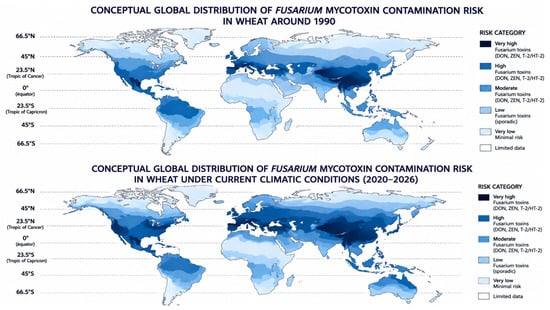
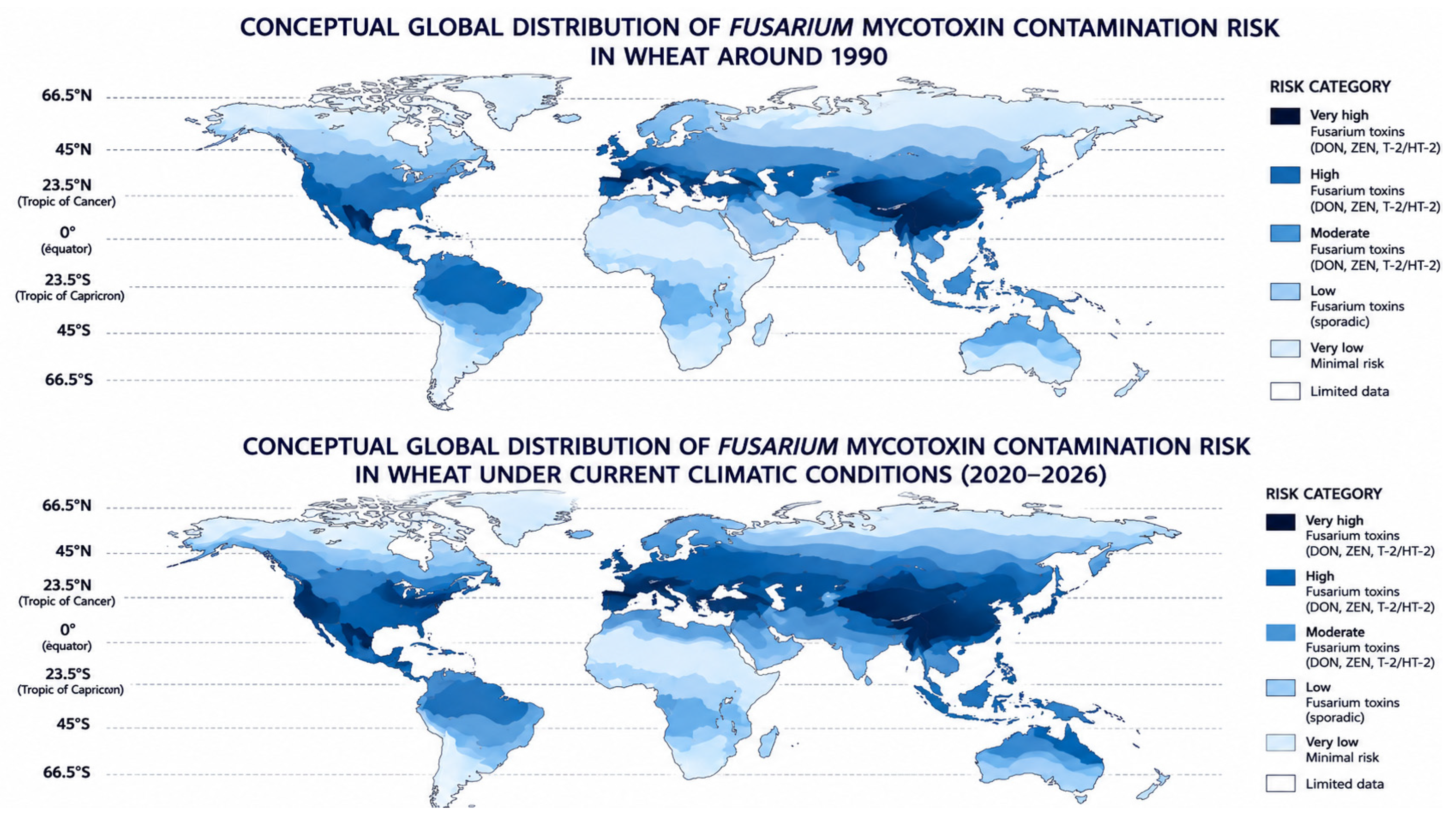
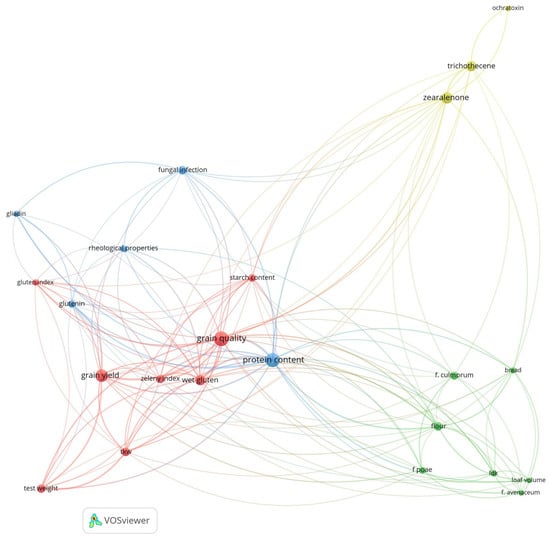
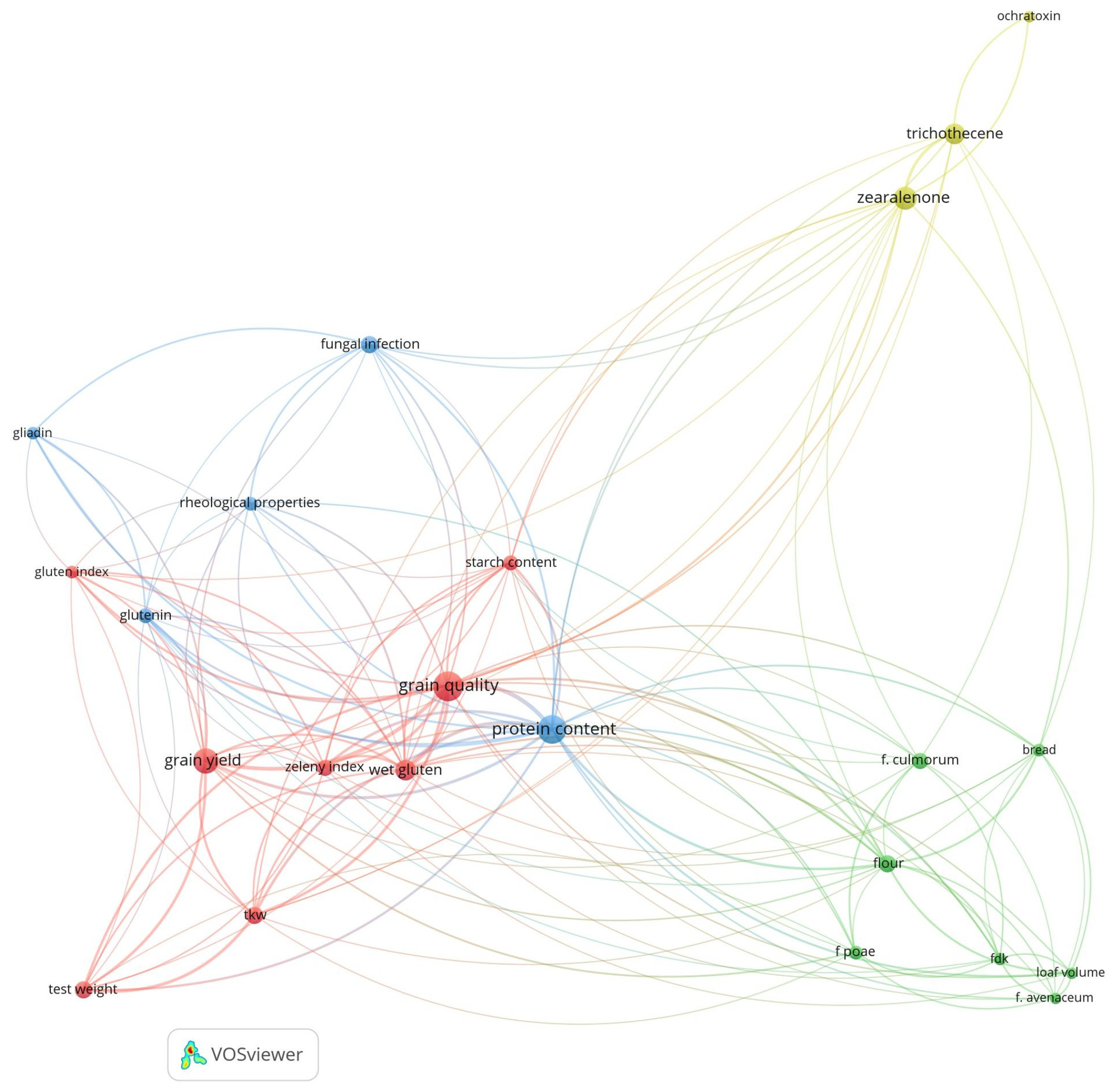

Disclaimer/Publisher’s Note: The statements, opinions and data contained in all publications are solely those of the individual author(s) and contributor(s) and not of MDPI and/or the editor(s). MDPI and/or the editor(s) disclaim responsibility for any injury to people or property resulting from any ideas, methods, instructions or products referred to in the content. |
© 2026 by the authors. Licensee MDPI, Basel, Switzerland. This article is an open access article distributed under the terms and conditions of the Creative Commons Attribution (CC BY) license.