


Abstract
Eggs are a widely consumed and nutritionally valuable food, increasingly recognized for their potential to deliver not only essential nutrients but also health-promoting phytochemicals such as carotenoids and polyphenols. However, the presence and variability of these compounds in eggs remains poorly understood, particularly in pasture-raised systems where hens have access to fresh forage. This review explores the current state of knowledge regarding the transfer of phytochemicals from forage to eggs, highlighting the factors that influence their deposition and the implications for egg nutrient quality, hen health, and consumer health. Forage composition, which varies by plant species, season, and management practices, plays an important role in determining phytochemical intake of the hen, and consequently the egg content. While evidence suggests pasture access enhances yolk carotenoid levels and may contribute to polyphenol deposition, little is known about farm-to-farm variation and the degree of nutrient transfer. As pasture-based egg systems continue to gain popularity, understanding and optimizing phytochemical transfer from diet to egg could improve the consistency and nutritional value of eggs while supporting sustainable food production goals.
1. Introduction
Eggs are among the most widely consumed animal-source foods globally, valued for their dense and highly bioavailable nutritional profile [1,2]. Their nutritional value, however, is not fixed; yolk composition can shift meaningfully depending on what the hen eats, particularly with respect to phytochemicals, the plant-derived compounds with antioxidant and anti-inflammatory properties that hens transfer from diet to egg. This diet-dependent variability has made production system a growing focus of interest. Pasture-raised hens, with access to fresh forage, are hypothesized to produce eggs with distinct phytochemical profiles compared to conventionally raised eggs.
Consumer interest in pasture-raised eggs continues to increase, driven by concerns about animal welfare, environmental sustainability, and nutritional quality; trends are reflected in the doubling of U.S. backyard flock-keeping households between 2018 and 2024 [3,4]. Pasture-raised eggs already carry a significant retail price premium, yet the scientific evidence needed to back up nutritional claims remains thin. Research on grass-fed beef has shown that fresh forage intake can alter the nutritional profile in ways that matter to consumers, but the egg literature has not kept pace with that kind of systematic investigation [5,6]. While studies of eggs have reported seasonal and geographic variation in yolk fatty acid composition, suggesting that environmental and dietary factors can influence egg nutrient profiles, the phytochemical composition of pasture-raised eggs remains comparatively understudied [7,8].
Common pasture species including alfalfa (Medicago sativa L.), red clover (Trifolium pratense L.), chicory (Cichorium intybus L.), and ryegrass (Lolium perenne L.) contain appreciable concentrations of polyphenols and carotenoids that can transfer from feed into the egg yolk [9,10]. Controlled dietary supplementation trials have established this transfer across multiple compound classes, including red clover isoflavones, rosemary-derived carnosic acid, and carotenoid-rich dietary additives that enrich yolk pigmentation while reducing lipid peroxidation [11,12,13,14]. Understanding the transfer of phytochemicals from forage to egg yolk is important because these compounds may provide nutritional benefits to consumers. Egg yolk carotenoids, particularly lutein and zeaxanthin, are more bioavailable than plant-source equivalents, and clinical trials confirm that consuming carotenoid-enriched eggs improves macular pigment optical density and plasma lutein levels [15].
Supplementation studies establish that phytochemicals can move from diet to egg, but they do not capture the complexity of pasture-based production, where hens graze a diverse, seasonally changing mix of plants rather than a controlled dose of a single compound. The handful of studies that have examined pasture-raised eggs directly suggest that forage access can substantially elevate yolk carotenoid concentrations compared to confinement systems, with some evidence of seasonal variation [9,10]. However, these studies are few, methodologically inconsistent, and almost entirely focused on carotenoids. Polyphenol transfer from grazed forage into eggs has limited systematic attention, and there are few studies that have profiled both carotenoid and polyphenol content across a full grazing season under well-characterized pasture conditions. As a result, the extent to which pasture management, and its seasonal variation, shapes the full phytochemical profile of eggs remains poorly described.
This review synthesizes the available evidence on phytochemical enrichment of eggs, drawing on controlled supplementation studies to establish the biological basis for diet-to-egg transfer and on the limited pasture literature to identify what is known about how forage diversity and seasonal variation may influence phytochemical levels. In doing so, it maps the current knowledge and makes the case for systematic, season-long profiling of pasture-raised eggs as a necessary next step for translating biological potential into evidence-based guidance for producers, consumers, and policymakers.
2. Methodology
This scoping review was conducted in accordance with the PRISMA Extension for Scoping Reviews (PRISMA-ScR) checklist and explanation and Chapter 11 of the Joanna Briggs Institute Reviewers’ Manual [16,17].
3. Dietary Phytochemicals
Defining and classifying dietary phytochemicals provides necessary context for understanding their potential presence in pasture-raised eggs. The term ‘phytochemicals,’ as used in this review, refers to plant-derived secondary metabolites: non-nutritive compounds not required for fundamental plant life processes, but which play roles in plant defense, signaling, and adaptation, and which may confer biological activity relevant to animal and human health [18]. Phytochemicals are often produced to adapt and defend in response to stressors including drought, extreme heat, plant pathogens, and grazing [19]. Phytochemicals are grouped into four major groups: terpenes, phenolics, alkaloids, and sulfur-containing compounds, as shown in Figure 1 [20].
Figure 1.
Classification of secondary plant metabolites. Metabolites are grouped into four major classifications: terpenes, phenolics, alkaloids, and sulfur-containing compounds.
Terpenes include volatile aroma compounds and non-volatile lipophilic pigments such as carotenoids, valued for their antioxidant properties and role in pigmentation; in eggs, carotenoids are tetraterpenoids (C40) responsible for yolk coloration and are classified into xanthophylls and carotenes, whose lipophilic nature enables efficient deposition into the yolk via the hen’s diet [21,22]. Terpenes are unsaturated 5-carbon cyclic or acyclic compounds that are made of isoprene monomeric units and can be classified by their number of isoprene units [23].
Polyphenols are the most structurally diverse and abundant class, acting as reducing agents that protect against oxidative stress, with absorption and activity shaped by chemical structure; they include flavonoids, stilbenes, lignans, and phenolic acids, and long-term human consumption is linked to reduced risk of cardiovascular disease, diabetes, and certain cancers, while in poultry they have been shown to improve hen health and productivity [24,25,26,27,28]. Polyphenols comprise a hydroxyl group (-OH) bound to an aromatic hydrocarbon group. The majority of naturally occurring phenols occur as glycosides, or sugar residues, bound to an aglycone [24].
Alkaloids primarily defend plants against herbivores; their effects in poultry are less studied than those of carotenoids and polyphenols, though evidence suggests they may influence immunity, gut health, and microbiota, while toxic pyrrolizidine alkaloids have been linked to liver injury in broilers [29,30,31,32,33,34]. Alkaloids are a class of nitrogen-containing compounds; their name comes from the word alkaline and they are typically organic bases derived from amino acids [29].
Sulfur-containing phytochemicals, abundant in cruciferous vegetables, contribute to plant defense and antioxidant activity by releasing metabolites such as hydrogen sulfide; in poultry, sulfur supplementation can acidify hen feces and limit microbial ammonia production, helping prevent growth inhibition and footpad lesions caused by excess ammonia in litter [35,36,37,38,39,40]. The structure of sulfur-containing compounds is based on how sulfur atoms bind to carbon atoms within a chain or cyclic structure [30].
4. Phytochemicals in Layer Hen Diets: Supplementation and Forage-Derived Sources
Phytochemicals are gaining interest for their wide range of uses in the layer hen industry. Phytochemicals are being explored as potential alternatives to antibiotics. Antibiotics are used in the layer hen industry to reduce inflammation, prevent disease and serve as growth promoters; however, overuse can lead to antibiotic resistance, thereby reducing effectiveness in disease prevention and infection treatment [41]. Highly resistant bacteria isolates of penicillin, sulfisoxazole, streptomycin, tetracycline and quinolones have been isolated from poultry samples; these resistant bacteria can be transferred through the food chain and into the environment, posing a public health risk of antibiotic resistance [42]. Emerging evidence indicates that phytochemicals can serve as antibiotic alternatives by enhancing immune function, improving gut health, and reducing disease pressure in layer hens.
A wide range of plant products and byproducts have been studied as potential alternatives to antibiotics and growth promotors [43]. Certain phytochemicals have demonstrated antioxidant effects by scavenging free radicals which reduces oxidative stress [44]. Some phytochemicals exhibit antimicrobial activity by increasing the permeability of bacterial cell membranes, causing degradation and cell death [45,46]. Furthermore, polyphenols influence immune function by promoting immune cell proliferation, upregulating cytokine expression, and increasing antibody titers [47,48,49]. Phytochemicals can enhance beneficial gut microflora by supporting favorable microbes, allowing them to outcompete pathogens. Lastly, phytochemicals exhibit anti-inflammatory properties by improving intestinal epithelial integrity through tight junction protein enhancement which lowers the risk of leaky gut and systemic infections. Phytochemicals may support intestinal integrity by maintaining the mucosal barrier and enhancing nutrient absorption through increased villus height [50]. It is also important to consider that phytochemicals do not act in isolation; synergistic or antagonistic interactions among co-occurring compounds may influence their absorption, metabolism, and overall biological effect, though this remains an understudied area in layer hen nutrition [51]. For example, carvacrol and thymol, two monoterpenes in oregano, have synergistic effects in reducing antibiotic resistance for poultry-borne pathogens [52]. Phytochemicals can enter the hen diet through forage, feed, and supplementation. The following subsections examine the documented effects of phytochemicals on the health of hens and their delivery into the hen diet through forage and supplementation.
4.1. Essential Oils, Herbs and Spices
Controlled supplementation studies provide the strongest mechanistic evidence for phytochemical efficacy in layer hens, as they allow dose standardization and isolation of specific bioactive compounds. Cinnamon (Cinnamomum verum J.S. Presl) has been extensively studied as a potential antibiotic alternative for its beneficial impacts on nutrient digestibility, blood biochemical profile, immunomodulation, hypocholesterolemia properties, and gene expression. Further, cinnamon in the hen diet can help reduce heat stress by maintaining proper electrolytic balance [53]. Cinnamon consists of many bioactive compounds that may be responsible for these properties: cinnamaldehyde, cinnamate, and cinnamic acid [53]. Thyme (Thymus vulgaris L.) supplementation can enhance layer hen productivity and egg quality. Thyme, when administered over an eight-week period, significantly enhanced egg weight, egg mass, yolk color and shell thickness (p < 0.05) [54]. Black cumin (Nigella sativa L.) in the hen diet has demonstrated similar beneficial impact on egg quality, improving both egg quality and egg production over an extended period [55]. Adding oregano oil (Origanum vulgare L.) to the hen diet significantly increases the villus height and villus height/depth ratio in the small intestine; a larger surface area promotes the absorption of nutrients. The most prominent phytochemicals in oregano are thymol and carvacrol [56]. The bioactive compounds in rosemary (Rosmarinus officinalis L.), an herb widely used as a natural antioxidant food additive, are primarily phenolics, including carnosic acid and carnosol, key contributors to its antioxidative activity. Carnosic acid is the predominant compound and exhibits particularly strong antioxidant activity. Rosemary supplementation also demonstrated a deposition of these beneficial bioactive compounds into the hen yolk, particularly carnosic acid, which was detected at concentrations of approximately 20 ng/g of egg yolk, highlighting its bioavailability in hen diets [11].
4.2. Polyphenol Supplementation in Layer Hens
Grape pomace (Vitis vinifera L.), a polyphenol-rich byproduct of winemaking, has been studied for its role in improving yolk lipid profile and oxidative stability [57]. Garlic (Allium sativum L.), another commonly used phytochemically rich food product, contains various polyphenolic compounds including gallic acid, rutin, and protocatechuic acid. These compounds give garlic its antibacterial and antiparasitic activities [58]. Dietary peppermint (Mentha × piperita L.) extracts effectively increased serum IgG in hens, an immunoglobulin that regulates the immune system, indicating its enhancement in immunity. Peppermint also improves fatty acid profile, antioxidant status, microbial richness, and egg quality parameters [59]. Yucca (Yucca schidigera Roezl ex Ortgies) and Quillaja (Quillaja saponaria Molina) supplementation improve eggshell and cuticle quality [60]. Higher cuticle quality prevents entry of pathogenic bacteria including Salmonella and Escherichia coli. Yucca also reduces nitrogen extraction, a factor that contributes to ammonia formation, thus improving litter quality and hen welfare [60]. Green tea (Camellia sinensis (L.) Kuntze) polyphenol epigallocatechin-3-gallate (EGCG), an abundant catechin in green tea, has demonstrated antioxidant effects in layer hens by activating the mitogen-activated protein kinase and nuclear factor erythroid 2-related 2 signaling pathways in the liver, upregulating antioxidant enzymes and reducing plasma malondialdehyde [61]. EGCG supplementation at 165 mg kg−1 over eight weeks increased total antioxidant capacity, reducing power, and oxygen radical capacity in both egg white and yolk, while also increasing yolk carotenoid content and egg white tryptophan [61].
Polyphenols can reduce heat stress in hens; hot periods can slow hen growth, impair immune function and cause intestinal dysfunction. Wormwood (Artemisia annua L.), olive (Olea europaea L.), milk thistle (Silybum marianum L. Gaertn), fennel (Foeniculum vulgare Mill.), rosemary (Rosmarinus officinalis L.) and thyme (Thymus vulgaris L.) are medicinal plants rich in polyphenols that can reduce the effects of heat stress in layer hens [62]. Phenolic compounds disrupt microbial cell membranes and can slow the growth of spoilage-causing microbes including Salmonella. The antioxidant abilities of phytochemicals may also chelate iron ions, starving bacteria of iron and inhibiting proliferation. Polyphenols from grape and apple waste slow lipid oxidation and prolong freshness [63]. Commonly supplemented plant products and their effects in layer hens are shown in Table 1.
4.3. Carotenoid Supplementation and Yolk Enrichment
Carotenoids are of particular interest in the layer hen industry; their lipophilic properties allow them to be efficiently deposited in egg yolks. Dietary additives high in carotenoids can also enhance yolk color. Turmeric powder (Curcuma longa L.), tomato (Solanum lycopersicum L.), carrots (Daucus carota L.), red pepper (Capsicum annuum L.), paprika (Capsicum L.) and marigold (Tagetes erecta L.) extract not only improve the yolk color by enhancing dark yellow and red hues, but improve egg quality and yolk cholesterol levels as well [55,64,65,66]. β-Carotene may be the carotenoid responsible for driving these changes [13,67]. Lycopene, a carotenoid typically supplemented from tomato byproducts, effectively lowers egg cholesterol and lipid peroxidation while darkening egg yolks [14,68,69]. Currently, the European Union, Canada and the United States regulate the addition of synthetic xanthophylls in the hen diet for the purpose of darkening yolks [22]. However, instead of using synthetic xanthophylls, producers may implement naturally occurring xanthophylls like those in red pepper, marigold, tomatoes and other carotenoid-rich food products to darken egg yolks.
4.4. Forage-Derived Phytochemicals
While supplementation in the hen’s diet establishes phytochemical efficacy in hens, fresh forage can serve as a complex, seasonally variable mixture available through natural foraging behavior rather than as isolated or standardized preparations. Fresh forage is a source of diverse phytochemicals, including polyphenols and carotenoids, providing a range of benefits to the hen and enhancing yolk nutrient composition. A study evaluating the influence of husbandry systems on the nutrient composition of eggs in Ancona hens demonstrated the transfer of pasture-derived phytochemicals to hen eggs [70]. Three groups of hens were compared: a control group (caged), an ecological group with standard pasture access (4 m2 per hen), and an ecological-plus group with expanded pasture access (10 m2 per hen). Across the grazing season, hens with larger pasture access (ecological-plus) showed higher forage intake and significantly greater deposition of carotenoids and polyphenols into the yolk compared with the control and standard ecological hens. Total carotenoid concentration more than doubled in the ecological-plus system (1597.8 µg/100 g yolk) compared to both the control (721.5 µg/100 g) and standard ecological hens (758.5 µg/100 g). This increase was largely driven by lutein, which reached 1386 µg/100 g in ecological-plus eggs compared to 568.5 and 552.8 µg/100 g in control and ecological systems, respectively. Zeaxanthin concentrations were also elevated in ecological-plus hens (136.5 µg/100 g) relative to control (94.3 µg/100 g) and ecological hens (91.3 µg/100 g). Flavonoid concentrations also showed dramatic differences, increasing from 14,000 µg/100 g in both the control and ecological systems to 44,500 µg/100 g in the ecological-plus system. The effect was most pronounced in spring, coinciding with peak forage availability and diversity [70]. Similarly, in another study, hens with access to permanent grassland produced eggs with significantly higher concentrations of lutein (+260 μg), zeaxanthin (+174 μg), and α-tocopherol (+270 μg) compared to a control group with access to rangeland without grass, alongside improved yolk color [71].
The influence of husbandry systems on yolk xanthophyll profiles has been further characterized across commercial production systems. A study analyzing xanthophyll concentrations in commercial egg yolks grouped samples into four husbandry classes: ecological (class 0), free-range (class 1), barn (class 2), and caged (class 3). Lutein and zeaxanthin, the two xanthophylls most directly reflective of forage intake, were highest in ecological eggs, with mean lutein concentrations of 1764.1 ± 430.0 µg/100 g and zeaxanthin concentrations of 1021.4 ± 199.5 µg/100 g, compared to markedly lower levels across the free-range, barn, and caged classes. Notably, canthaxanthin and β-apo-8′-carotenoic acid ethyl ester were absent from ecological yolks but present across the other three classes, reflecting their use as synthetic feed additives in conventional systems. β-cryptoxanthin was detected only in ecological and caged eggs, suggesting it may derive from both natural forage and certain conventional feed ingredients. These xanthophyll profiles collectively reinforce the conclusion that outdoor access and forage availability meaningfully shape the carotenoid composition of egg yolks, with ecological husbandry producing the most distinct and elevated xanthophyll concentrations [72].
Previous research demonstrating that nutrient levels vary with season, geography, and production system suggests that phytochemical content may follow a similar pattern [7,8]. The few studies examining phytochemical deposition in eggs from hens with pasture access, including the studies referenced above, suggest that transfer is biologically meaningful, but the evidence base remains too limited to draw conclusions about dose, bioavailability, or the relative contribution of specific forage species. Expanding research in this area is necessary to fully characterize the nutritional value of pasture access and to inform evidence-based pasture management recommendations.
Many pasture-raised hens are also supplemented with grain-based feed, and these conventional feed ingredients are not devoid of phytochemicals themselves. Corn, wheat, and soybean meal each contribute their own compounds, generally at lower concentrations than pasture forage. Corn has the highest phenolic content among commonly consumed grains, with carotenoid concentrations reaching up to approximately 30 mg/kg dry weight, primarily as lutein and zeaxanthin [73,74,75]. Wheat also contains phytochemicals, including phenolic acids, flavonoids, and carotenoids, generally at lower concentrations than corn [76]. Soybean, commonly used as a protein source in poultry feed, contains phenolic compounds and flavonoids, with total phenolic content ranging from 1.15 to 1.77 mg gallic acid equivalents/g and flavonoid content ranging from 0.68 to 2.13 mg quercetin equivalents/g across different genotypes [77,78].
4.5. Challenges to Phytochemical Implementation in Layer Hens
Although phytochemicals can improve hen health, egg quality and nutrient composition of eggs, it is important to acknowledge barriers to implementation on a large scale in the layer hen industry [58,63,71,72,79]. The bioavailability of phytochemicals must be understood; interventions may have low absorption due to low solubility or inappropriate molecular size. Factors including extraction methods, form of product (powder, extract, oil), dosage variations, and low purity may influence effectiveness. Adulterations, low stability during storage and transportation, high volatility of bioactive compounds, and cost of production are all barriers to application in the industry [80].
Regarding phytochemicals present in forage, the concentration in forage may not be high enough to be an effective dose. There may also be potential synergisms between phytochemicals in forage that influence their overall efficacy. Further, breed of hen may influence efficiency of phytochemical deposition in eggs. For example, when ISA Brown and Hy-Line White hens were fed identical diets supplemented with carotenoids from marigold extract, ISA Brown hens demonstrated a notably greater ability to absorb and deposit dietary carotenoids into egg yolks compared to Hy-Line White hens [81]. Another study found carotenoid concentrations vary widely across nine different hen breeds, with lutein ranging from approximately 10 to 67 μg/g and zeaxanthin from 5 to 29 μg/g, highlighting the influence of genetic factors alongside diet on yolk composition [82]. Similar findings have been reported in organic production systems, where both hen genotype and forage source influenced yolk carotenoid composition. In a comparison of Lohmann Silver and New Hampshire hens fed diets supplemented with either maize silage and carrots or alfalfa silage, genotype significantly influenced yolk carotenoid concentrations. Moreover, hens receiving alfalfa silage produced eggs with darker yolks and higher concentrations of pigmenting carotenoids, demonstrating that both genetic background and forage composition contribute to variation in phytochemical deposition in eggs [83].
Consumer flavor preferences are another important consideration to adding phytochemicals into layer hen diets. When adding garlic to hen diets, there was a strong flavor transferred to the eggs that was not well accepted by consumers [84]. Further research is needed to determine consumer flavor preferences for eggs produced from various production types, including how fresh forage alters the overall sensory qualities of eggs. Overall, while phytochemicals offer promising avenues for optimizing layer hen production, there are some notable challenges to overcome. To address these challenges, further research is needed to apply interventions to layer hens.
Table 1.
Commonly supplemented plant products and their effects in layer hens.
5. Phytochemicals Present in Forage and Grass
Hens raised on pasture exhibit variation in nutrient composition both seasonally and across geographic regions, likely influenced by the forage species available [7,8]. Access to fresh forage provides hens with health-promoting phytochemicals, which can impact hen health and be deposited into egg yolks, enhancing their nutrient profile. The species composition of pasture is a key determinant of phytochemical diversity and concentration. Diverse, multi-species pastures enhance the nutritional and phytochemical profile of foraging systems compared to monocultures [86]. Additionally, forage management practices such as rotational grazing, mowing height, and regrowth intervals can influence plant maturity and secondary metabolite content [87,88]. For example, rotational grazing can ensure hens access more tender, phytochemically rich plant tissues by preventing overgrazing and promoting regrowth.
While forage serves as a source of phytochemicals for pasture-raised hens, quantitative data on actual intake remain limited. Available evidence suggests considerable individual variation in grazing behavior, with grass consumption ranging from 13 to 130 g fresh weight per hen per day, equating to an average dry matter intake of approximately 14 g, representing around 7% of the daily energy requirement for a hen in full production [89]. More narrow estimates have also been reported, estimating an average of 10–30 g DM(dry matter) per day [90]. A separate analysis across multiple forage types found forage typically comprised less than 50% of total feed intake, and that intake exceeding approximately 50 g/hen/day was necessary to produce measurable effects on egg quality, including increased carotenoid content and darker yolk color [9]. The wide variation in forage consumed suggests that foraging has a meaningful but highly variable impact on hen diet.
5.1. Phytochemicals in Pasture Species
Pasture composition varies by region and landscape, but typical pastures contain a mix of legumes, grasses, and forbs, each contributing differently to phytochemical availability. Common legume species include alfalfa (Medicago sativa), clover (Trifolium spp.), trefoil (Lotus corniculatus L.), and vetches (Vicia spp.), while common grasses and forbs include ryegrass (Lolium perenne L.), Johnson grass (Sorghum halepense L. Pers.), chicory (Cichorium intybus L.), plantain (Plantago major L.), brassica (Brassica oleracea L.), and meadow grass (Poa annua L.) [91]. Polyphenols are abundant in many forage species, particularly perennial rye grass, chicory, plantain, brassica, red clover and alfalfa which contain high levels of flavonoids and phenolic acids [92,93]. Alfalfa, the most cultivated of the at least 83 Medicago species, contains approximately 1041 mg/kg DM total carotenoids and 18.6 g/kg DM total phenols, with lutein as its dominant carotenoid alongside neoxanthin and violaxanthin [94,95].
Clover, including white and red clover, is a particularly rich source of isoflavones [95,96,97]. Isoflavones can act as phytoestrogens, having mild estrogenic activity. Clover contains approximately 1044 mg/kg DM total carotenoids and 33,700 mg/kg DM total phenols, with characteristic compounds including antheraxanthin, lutein, neoxanthin, violaxanthin, flavonols, cinnamic acid derivatives, and flavanols [95]. Red clover contains high concentrations of the equol precursors formononetin and daidzein. Hens with access to fresh red clover pasture produced eggs containing biologically relevant levels of equol, approximately 11 µg per egg, which is comparable to levels achieved through isoflavone supplementation [12]. Isoflavones more broadly, including biochanin A, formononetin, genistein, and daidzein, are associated with improvements in age-related changes in reproductive capacity in some studies [97]. In aging hens, isoflavone supplementation improved the rate of egg laying and ovarian function [98].
In various trefoil species, flavonoids and saponins are highly abundant. Trefoil is also notably a source of condensed tannins, also known as proanthocyanidins [99]. Vetches are a potent source of flavones, coumarin, and triterpenoids, and contain approximately 1171 mg/kg DM total carotenoids and 22.9 g/kg DM total phenols [95,100].
Several additional forage and herb species, while less commonly studied in laying hens specifically, contribute to the broader phytochemical landscape of pasture systems. Stinging nettle (Urtica dioica L.), a common temperate-climate plant, contains substantial carotenoid concentrations: lutein at 366–525 mg/kg, β-carotene at 100–111 mg/kg, and zeaxanthin at 23–60 mg/kg of fresh plant material, with a total carotenoid content of approximately 50–75 mg/kg DM dominated by lutein, followed by violaxanthin, neoxanthin, and β-carotene [101,102]. These concentrations are broadly comparable to those found in grass and alfalfa [9]. Birdsfoot trefoil (Lotus corniculatus), a legume historically used in cattle feeding systems, contains high concentrations of β-carotene [103]. Marigold species (Calendula officinalis L. and Tagetes erecta L.) represent another carotenoid source, with flower petals containing lutein, lutein esters, zeaxanthin, lycopene, and β-carotene [104]. Kale (Brassica oleracea var. sabellica L.) represents another pasture species containing high total carotenoid (13.3 mg/100 g fresh weight) and polyphenol (27 mg/100 g fresh weight) concentrations [105]. Meadow grass and red clover are also particularly rich in carotenoids [106]. In a study examining nutrient availability in hen husbandry systems, grass and legume pastures, comprising ryegrass, trefoil, Johnson grass, and red clover, had high levels of violaxanthin, beta-carotene, and lutein [107]. Fresh forage contains relatively high carotenoid concentrations in many species, though levels vary considerably by plant type and maturity. The most common carotenoids in forage are beta-carotene and xanthophylls [108,109].
5.2. Seasonal Shifts in Forage Phytochemicals
The concentration of phytochemicals in forage is primarily dependent on many factors including season, climate, and plant characteristics. Carotenoid content is influenced by plant maturity, leaf to stem ratio, temperature and humidity [110]. Carotenoid content tends to be highest in humid climates and in less mature plants. Carotene, a type of carotenoid, is affected by species, light, nitrogen fertilization, and the interaction between light and nitrogen fertilization [111]. The bioavailability of carotene in forage was higher, on average, in warmer months. Bioavailability varies with factors including month, form of carotenoid, forage species and dry matter content; similar patterns may be observed in layer hens [112]. Furthermore, the highest amounts of phytochemicals were present in forage during spring months, when availability and diversity are at their peak [107]. Others have reported similar trends, observing polyphenol content in forage was at its highest in spring months [93,113]. These findings highlight the seasonal shifts and plant characteristics that may influence phytochemicals present in forage.
5.3. Soil Parameters Influence Forage Phytochemicals
While forage characteristics and composition determine the concentration of phytochemicals available to hens, the soil is an underlying component that further shapes phytochemical content. Nutrient availability and organic matter content present have the potential to influence the phytochemical profile of plants. Nutrient-rich soils may support phytochemical production by supplying necessary precursors, and some evidence associates higher soil nutrient availability with elevated phytochemical concentrations in plants [114]. Soils rich in organic matter typically have better soil structure and moisture retention, creating a more favorable environment for plant growth, leading to higher levels of phytochemicals. Soils lacking essential elements can detrimentally influence phytochemical content in forage; during periods of stress, resources are redirected away from secondary metabolite production towards primary metabolites. Conversely, plant stress, including lack of nutrient availability, heat stress, drought, and grazing can also stimulate the production of phytochemicals as an adaptive defense mechanism [115]. Both resource abundance and environmental stress can influence phytochemical content in forage.
5.4. Farm-to-Farm Variation in Phytochemical Availability
Concentrations of phenolics and carotenoids vary depending on the species available, leading to farm-to-farm variation in phytochemical content. While pasture management and composition influence the phytochemicals available, linking these factors to actual hen intake remains a challenge [6]. Factors such as selective foraging behavior, variability in pasture quality, and daily intake fluctuations contribute to inconsistency in quantification. Further, grazing animals exhibit a phenomenon referred to as ‘nutritional wisdom’; the concept that animals can selectively forage and self-medicate based on post-ingestive feedback and physiological need [116]. Hens may preferentially select certain plant species containing specific phytochemicals in response to internal cues, further adding to the complexity of quantifying phytochemicals in the hen diet. Controlled feeding trials with known quantities of dried or encapsulated plant material are often used to establish baselines, but these do not fully demonstrate the complexity of hen foraging [117].
6. Deposition of Phytochemicals in Eggs
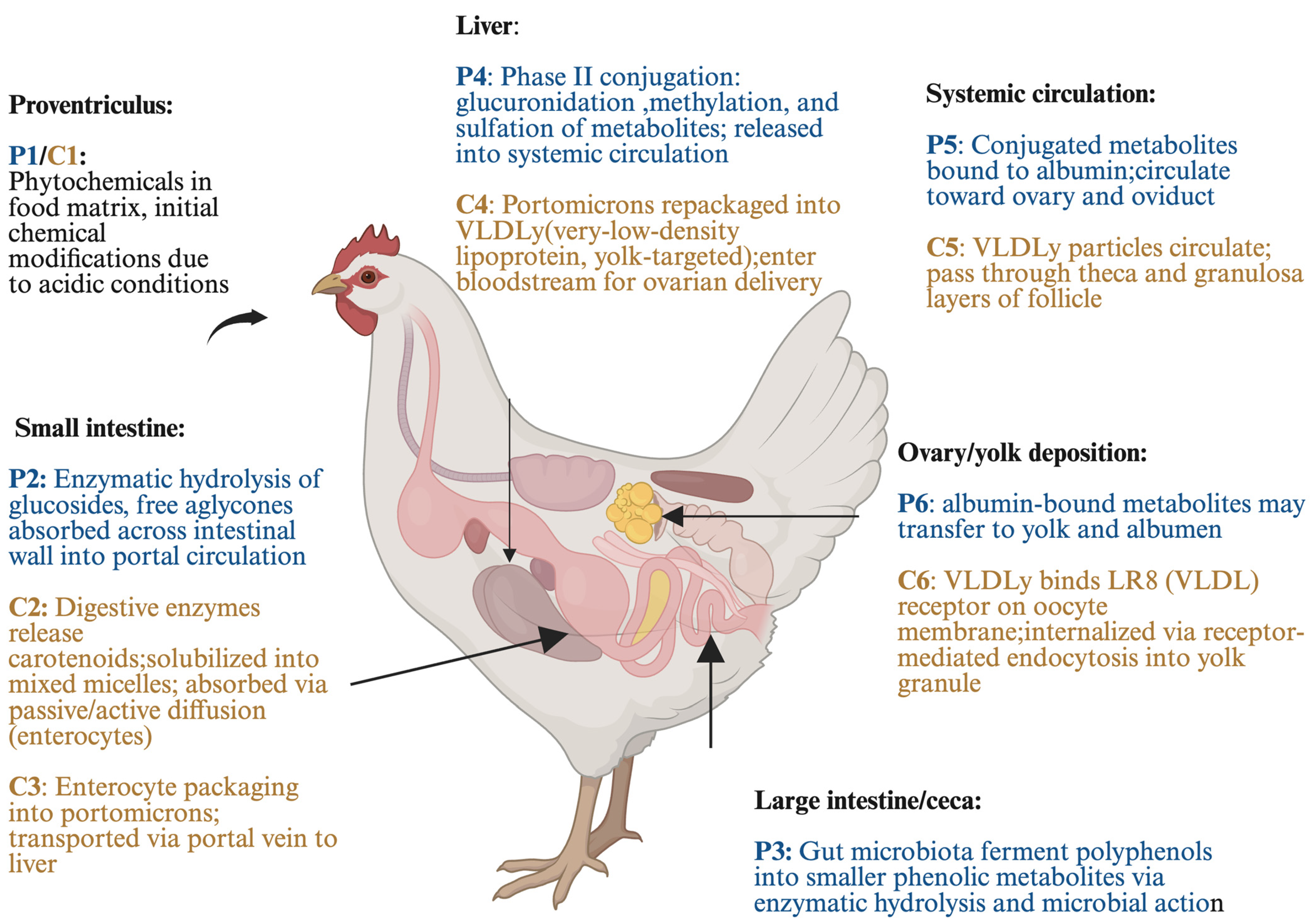
In pasture-based systems, hens may consume diverse plant materials rich in phytochemicals with the potential to influence egg antioxidant capacity and yolk pigmentation and exhibit human health benefits. However, for these compounds to be effectively deposited into the egg, they must first undergo digestion, be absorbed through the intestinal tract, and then be incorporated into the yolk. The efficiency of these processes depends on both the chemical characteristics of the compounds and the physiology of the layer hen’s digestive and metabolic systems. The digestion, absorption, metabolism, and deposition of phenols and carotenoids are shown in Figure 2.
6.1. Polyphenol Deposition Pathway
(Figure 2, P1) In the proventriculus, polyphenols in the food matrix may undergo initial chemical modification in acidic conditions. (Figure 2, P2) In the small intestine enzymatic hydrolysis converts glucosides into free aglycones, which may be absorbed across the intestinal wall into portal circulation [28]. (Figure 2, P3) However, approximately 90% of ingested polyphenols bypass small intestinal absorption and proceed to the large intestine where gut microbiota ferments them into smaller, more bioavailable phenolic metabolites via enzymatic hydrolysis and microbial action [118,119]. (Figure 2, P4) These metabolites are then transported to the liver, where they undergo phase II conjugation: glucuronidation, methylation, and sulfation, before entering systemic circulation [120]. (Figure 2, P5) Conjugated metabolites travel bound to albumin, lipoproteins (LDL and HDL), and red blood cells, with no free polyphenols present in circulation [121]. The predominant carrier varies by polyphenol class; phenolic acids associate primarily with albumin and HDL, anthocyanins preferentially bind to LDL, and catechins associate more readily with red blood cells [121]. Bound phenolics travel toward the ovary and oviduct (Figure 2, P6). In the ovary, albumin-bound metabolites may transfer to the egg yolk, though deposition occurs at relatively low levels [28,122]. Polyphenol bioavailability is further modulated by chemical structure, gut microbiota composition, intestinal transit time, and dietary fat content [119]. Polyphenol absorption and digestion in layer hens are complex processes dictated by compound properties and hen physiology. While the transfer of polyphenols into eggs is less documented than carotenoids, emerging analytical methods such as liquid chromatography–mass spectrometry (LC–MS) are beginning to detect and quantify polyphenolic metabolites in egg yolks from pasture-raised systems [123].
6.2. Carotenoid Deposition Pathway
Carotenoids are lipophilic, fat-soluble molecules that follow lipid transport pathways. Unlike polyphenols, which are hydrophilic and subject to extensive metabolic degradation, carotenoids are incorporated into lipid transport pathways during intestinal absorption, facilitating their high accumulation in the lipid-rich egg yolk. (Figure 2, C1) In the proventriculus, carotenoids enter the digestive tract bound within the food matrix. (Figure 2, C2) In the small intestine, digestive enzymes release carotenoids from the matrix, which are solubilized into mixed micelles and absorbed across the brush border via passive or active diffusion [22,124]. (Figure 2, C3) In the enterocytes, absorbed carotenoids are packaged into portomicrons and transported via the portal vein to (Figure 2, C4) the liver, where portomicrons are repackaged into very-low-density lipoproteins targeted to the yolk (VLDLy) [22]. (Figure 2, C5) Systemic circulation occurs when VLDLy particles pass through the theca and granulosa layers of the developing follicle; VLDLy particles in laying hens are approximately 30 nm in diameter and resistant to lipoprotein lipase hydrolysis, enabling them to pass through the granulosa basal lamina [125]. (Figure 2, C6) Once in the ovary, the VLDLy binds the LR8 (VLDL) receptor on the oocyte membrane and is internalized via receptor-mediated endocytosis, forming yolk granules [22]. Carotenoid deposition efficiency is strongly influenced by dietary fat levels, carotenoid type, and the SLAMENGHI factors: species, linkage, amount consumed, food matrix, effects of absorption, nutrient status, genetic factors, host-related factors, and interactions among these variables [126]. Xanthophylls such as lutein and zeaxanthin are generally deposited more efficiently in the yolk than β-carotene [127].
Figure 2.
The figure demonstrates polyphenol (blue text) and carotenoid (yellow text) digestion, absorption, metabolism, and deposition in the laying hen. Polyphenols are partially absorbed in the small intestine, extensively metabolized by gut microbiota in the large intestine/ceca, and transported to the liver for conjugation (glucuronidation, methylation, sulfation) before circulation. Carotenoids are released from the food matrix, incorporated into micelles, absorbed by enterocytes, transported to the liver, packaged into VLDLy particles, and delivered to developing ovarian follicles for deposition into the egg yolk [22,120,122,124,128]. Created in BioRender (v2026). Adams, J. (2026) https://BioRender.com/h9g2ryg (accessed on 20 July 2026).
7. Significance of Phytochemicals in Eggs for Human Health
The healthfulness of eggs has historically been debated due to their cholesterol content, though more recent evidence indicates that dietary cholesterol from eggs has a limited effect on blood cholesterol levels in most individuals, and this perception is increasingly being reconsidered [129]. There is increasing evidence that eggs can be a source of bioactive compounds beneficial to human health, including polyphenols and carotenoids [130]. Dietary phytochemical intake has been associated with health-promoting effects and reduced oxidative stress in human studies [130]. Eggs are a potential source of both lutein and zeaxanthin; these xanthophylls are efficiently absorbed in humans from eggs [15]. Although one whole egg contains about 250 µg of lutein and zeaxanthin, less than other sources like raw spinach which contains 3659 µg per cup, the carotenoids in eggs are more bioavailable [131]. Lutein bioavailability from eggs is higher than other lutein-rich foods, likely due to components in egg yolk, like the fat emulsifier lecithin which enhances micelle formation and intestinal uptake [132]. Low lutein is a risk factor for age-related macular degeneration, the leading cause of vision loss in older populations, and consumption of lutein-enriched egg yolks was associated with improvements in visual acuity, macular pigment optical density, and plasma lutein concentration in elderly patients [133]. The level of antioxidant activity in the egg is influenced by cooking methods, storage, and gastrointestinal digestion. Carotenoids previously reported in eggs, including lutein, zeaxanthin, cryptoxanthin, and β-carotene, are summarized in Table 2. The values presented in Table 2 were sourced from food composition databases and represent baseline estimates of carotenoid and isoflavone concentrations reported in eggs. These data are included to demonstrate the potential presence of phytochemicals in eggs rather than to reflect production system-specific concentrations. It is important to note that phytochemical content in eggs is likely to be influenced by factors such as production system, diet composition, and access to pasture or forage, as the dietary intake of laying hens is a primary determinant of yolk carotenoid and isoflavone deposition. However, comparative data across production systems (e.g., free-range, organic, conventional) remain scarce in the current literature, representing a notable gap in research.
Designer eggs are considered a category of functional food; that is, foods designed and enriched to provide health-promoting nutrients at levels exceeding those found in conventional counterparts. Consistent with concepts proposed by EFSA, FAO, and the FUFOSE initiative, these products represent an approach to designing foods for improved nutritional quality and potential health benefits. The high deposition of fat-soluble vitamins and beneficial fatty acids in the egg yolk from the hen diet makes eggs an effective vehicle for delivering these nutrients to humans [134,135,136]. The concept of designer eggs first started out of Alberta, Canada, where eggs were enriched with omega-3 fatty acids and antioxidants [134]. The ease with which egg nutrient composition can be altered makes them useful for providing essential nutrients to the population.
More recently, studies have emerged investigating eggs as a functional food vehicle for not only vitamins and fatty acids, but certain plant bioactive compounds. A study out of India coined the term ‘Herbal Enriched Designer Eggs’ (HEDE) in which eggs were enriched with plant compounds like allicin, betaine, eugenol, lumiflavin, lutein, sulforaphane and other bioactive phytochemicals [137]. This study was carried out by investigating seven hen diets: (1) a control diet with regular layer hen feed, (2) the standard ‘designer egg’ enriched diet, (3) a diet with garlic pearls, (4) fenugreek seeds, (5) bay/curry leaves, (6) basil leaves or (7) spirulina. This study found designer feeds improved hens’ immunity and overall health. Eggs from the interventions had higher antioxidant properties, immunoglobulins, carotenoids, vitamin E, selenium, and omega-3 polyunsaturated fatty acids. Lastly, consumption of these ‘Herbal Enriched Designer Eggs’ produced beneficial changes in lipid profiles in human participants [84]. Although current evidence is insufficient to establish specific daily or weekly egg intake recommendations for achieving the health benefits associated with phytochemical-enriched eggs, future studies incorporating dose–response designs are needed to determine optimal consumption levels.
Table 2.
Carotenoid and isoflavones previously reported in whole eggs and egg yolks, in raw and cooked eggs. Carotenoids include lutein, zeaxanthin, cryptoxanthin, and β-carotene. Isoflavones include daidzein and genistein. Data compiled from [138,139,140,141,142,143]. Data originally reported as per egg were converted to μg/100 g to provide consistency. Data was converted assuming an average egg weight of 50 g. Empty cells indicate no data reported [138,139,140,141,142,143].
8. Conclusions
Eggs are an established vehicle for dietary phytochemicals, with yolk composition directly reflecting the hen’s diet. Pasture species commonly grazed by laying hens, including alfalfa, red clover, chicory, and ryegrass, provide distinct phytochemical classes including polyphenols and carotenoids, though concentrations vary substantially with season, plant maturity, and species composition. The evidence reviewed here supports the biological plausibility of phytochemical transfer from forage to egg: the lipophilic nature of carotenoids facilitates their efficient incorporation into the yolk via lipid transport pathways, and controlled supplementation trials have confirmed that specific compounds, including carotenoids, isoflavones, and phenolic acids such as carnosic acid, can be detected in egg yolk following dietary exposure. Pasture-specific studies, though limited in number, suggest that expanded forage access may substantially elevate yolk carotenoid concentrations, with effects most pronounced during spring when forage diversity and phytochemical content are at their peak.
Several critical knowledge gaps limit the translation of these findings into evidence-based recommendations. First, the evidence for polyphenol deposition from pasture forage specifically remains sparse. While supplementation studies demonstrate that certain polyphenols can be detected in egg yolk, the extent to which naturally consumed forage polyphenols, present at variable concentrations, are transferred to the egg under real production conditions is poorly understood. Second, the high degree of variability inherent to pasture systems, driven by forage species composition, season, geographic region, soil quality, management practices, insects, and hen breed, has not been systematically quantified, making it difficult to generalize findings across farms or production contexts. Third, the relative contributions of specific forage species to egg phytochemical profiles remain unknown, limiting the ability to design pasture composition or management strategies that reliably optimize egg quality.
For the human consumer, egg yolk carotenoids, particularly lutein and zeaxanthin, are more bioavailable than from plant sources, and clinical studies confirm that enriched eggs improve macular pigment optical density and plasma lutein. Systematic, standardized profiling of phytochemical concentrations across well-characterized pasture systems, seasons, and breeds remains the primary research need for translating this biological potential into evidence-based recommendations.
Author Contributions
Conceptualization, J.K.A. and J.I.F.; methodology, J.K.A.; validation, J.K.A., S.J.H.-F., F.G. and J.I.F.; investigation, J.K.A.; resources, J.I.F.; writing—original draft preparation, J.K.A.; writing—review and editing, S.J.H.-F., F.G. and J.I.F.; visualization, F.G.; supervision, J.I.F.; project administration, J.I.F.; funding acquisition, J.I.F. All authors have read and agreed to the published version of the manuscript.
Funding
This research received no external funding.
Data Availability Statement
No new data were created or analyzed in this study. Data sharing is not applicable to this article.
Acknowledgments
During the preparation of this study, the authors used ChatGPT-5.5 for assistance with manuscript structure, proofreading, and organization. The authors reviewed and edited all generated output and take full responsibility for the content of this publication.
Conflicts of Interest
The authors declare no conflicts of interest.
References
- Réhault-Godbert, S.; Guyot, N.; Nys, Y. The Golden Egg: Nutritional Value, Bioactivities, and Emerging Benefits for Human Health. Nutrients 2019, 11, 684. [Google Scholar] [CrossRef] [Scilit] [PubMed]
- Kuang, H.; Yang, F.; Zhang, Y.; Wang, T.; Chen, G. The Impact of Egg Nutrient Composition and Its Consumption on Cholesterol Homeostasis. Cholesterol 2018, 2018, 6303810. [Google Scholar] [CrossRef] [Scilit] [PubMed]
- APPA Releases Comprehensive 2025 Report on Bird, Small Animal & Horse Ownership. Available online: https://americanpetproducts.org/news/appa-releases-comprehensive-2025-report-on-bird-small-animal-horse-ownership (accessed on 9 June 2026).
- Spain, C.V.; Freund, D.; Mohan-Gibbons, H.; Meadow, R.G.; Beacham, L. Are They Buying It? United States Consumers’ Changing Attitudes toward More Humanely Raised Meat, Eggs, and Dairy. Animals 2018, 8, 128. [Google Scholar] [CrossRef] [Scilit] [PubMed]
- Krusinski, L.; Maciel, I.C.F.; van Vliet, S.; Ahsin, M.; Lu, G.; Rowntree, J.E.; Fenton, J.I. Measuring the Phytochemical Richness of Meat: Effects of Grass/Grain Finishing Systems and Grapeseed Extract Supplementation on the Fatty Acid and Phytochemical Content of Beef. Foods 2023, 12, 3547. [Google Scholar] [CrossRef] [Scilit] [PubMed]
- Krusinski, L.; Maciel, I.C.F.; van Vliet, S.; Ahsin, M.; Adams, J.; Lu, G.; Bitler, C.A.; Rowntree, J.E.; Fenton, J.I. Fatty acids and secondary metabolites can predict grass-finished beef and supplemental cattle feeds. npj Sci. Food 2024, 8, 73. [Google Scholar] [CrossRef] [Scilit] [PubMed]
- Duinen, R.V.; Sergin, S.; Chavva, S.; Adams, J.K.; Bitler, C.A.; Fenton, J.I. Seasonal variation in egg nutrient composition under a pasture-based layer hen system: Implications for sustainable agriculture. PLoS ONE 2025, 20, e0332411. [Google Scholar] [CrossRef] [Scilit] [PubMed]
- Adams, J.; Van Duinen, R.; Sergin, S.; Bitler, C.A.; Fenton, J.I. Geographical Variations in Egg Nutrient Density: A Comparative Study of Sustainable Layer Hen Systems in Ohio and Indiana in Late Fall and Early Winter Months. Sustainability 2025, 17, 3208. [Google Scholar] [CrossRef] [Scilit]
- Hammershøj, M.; Johansen, N.F. Review: The effect of grass and herbs in organic egg production on egg fatty acid composition, egg yolk colour and sensory properties. Livest. Sci. 2016, 194, 37–43. [Google Scholar] [CrossRef] [Scilit]
- Sergin, S.; Jambunathan, V.; Garg, E.; Rowntree, J.E.; Fenton, J.I. Fatty Acid and Antioxidant Profile of Eggs from Pasture-Raised Hens Fed a Corn- and Soy-Free Diet and Supplemented with Grass-Fed Beef Suet and Liver. Foods 2022, 11, 3404. [Google Scholar] [CrossRef] [Scilit] [PubMed]
- Krause, E.L.; Ternes, W. Bioavailability of the antioxidative Rosmarinus officinalis compound carnosic acid in eggs. Eur. Food Res. Technol. 2000, 210, 161–164. [Google Scholar] [CrossRef] [Scilit]
- Tosar, V.; Rousseau, G.; Decruyenaere, V.; Beckers, Y.; Larondelle, Y.; Froidmont, E. Red clover-rich grassland increases equol concentration in eggs from free-range laying hens. Br. Poult. Sci. 2021, 62, 840–845. [Google Scholar] [CrossRef] [Scilit] [PubMed]
- Hammershøj, M.; Kidmose, U.; Steenfeldt, S. Deposition of carotenoids in egg yolk by short-term supplement of coloured carrot (Daucus carota) varieties as forage material for egg-laying hens. J. Sci. Food Agric. 2010, 90, 1163–1171. [Google Scholar] [CrossRef] [Scilit] [PubMed]
- Akdemir, F.; Orhan, C.; Sahin, N.; Sahin, K.; Hayirli, A. Tomato powder in laying hen diets: Effects on concentrations of yolk carotenoids and lipid peroxidation. Br. Poult. Sci. 2012, 53, 675–680. [Google Scholar] [CrossRef] [Scilit] [PubMed]
- Kelly, D.; Nolan, J.M.; Howard, A.N.; Stack, J.; Akuffo, K.O.; Moran, R.; Thurnham, D.I.; Dennison, J.; Meagher, K.A.; Beatty, S. Serum and macular response to carotenoid-enriched egg supplementation in human subjects: The Egg Xanthophyll Intervention clinical Trial (EXIT). Br. J. Nutr. 2017, 117, 108–123. [Google Scholar] [CrossRef] [Scilit] [PubMed]
- Peters, M.; Godfrey, C.; Khalil, H.; Mcinerney, P.; Soares, C.; Parker, D. 2017 Guidance for the Conduct of JBI Scoping Reviews. In Joanna Briggs Institute Reviewer’s Manual; Joanna Briggs Institute: Adelaide, Australia, 2017. [Google Scholar]
- Tricco, A.C.; Lillie, E.; Zarin, W.; O’Brien, K.K.; Colquhoun, H.; Levac, D.; Moher, D.; Peters, M.D.J.; Horsley, T.; Weeks, L.; et al. PRISMA Extension for Scoping Reviews (PRISMA-ScR): Checklist and Explanation. Ann. Intern. Med. 2018, 169, 467–473. [Google Scholar] [CrossRef] [Scilit] [PubMed]
- Rabizadeh, F.; Mirian, M.S.; Doosti, R.; Kiani-Anbouhi, R.; Eftekhari, E. Phytochemical Classification of Medicinal Plants Used in the Treatment of Kidney Disease Based on Traditional Persian Medicine. Evid. Based Complement. Altern. Med. 2022, 2022, 8022599. [Google Scholar] [CrossRef] [Scilit] [PubMed]
- Al-Khayri, J.M.; Rashmi, R.; Toppo, V.; Chole, P.B.; Banadka, A.; Sudheer, W.N.; Nagella, P.; Shehata, W.F.; Al-Mssallem, M.Q.; Alessa, F.M.; et al. Plant Secondary Metabolites: The Weapons for Biotic Stress Management. Metabolites 2023, 13, 716. [Google Scholar] [CrossRef] [Scilit] [PubMed]
- Guerriero, G.; Berni, R.; Muñoz-Sanchez, J.A.; Apone, F.; Abdel-Salam, E.M.; Qahtan, A.A.; Alatar, A.A.; Cantini, C.; Cai, G.; Hausman, J.-F.; et al. Production of Plant Secondary Metabolites: Examples, Tips and Suggestions for Biotechnologists. Genes 2018, 9, 309. [Google Scholar] [CrossRef] [Scilit] [PubMed]
- Desmarchelier, C.; Borel, P. Overview of carotenoid bioavailability determinants: From dietary factors to host genetic variations. Trends Food Sci. Technol. 2017, 69, 270–280. [Google Scholar] [CrossRef] [Scilit]
- Carotenoid Enrichment in Eggs: From Biochemistry Perspective—PMC. Available online: https://pmc.ncbi.nlm.nih.gov/articles/PMC10448277/ (accessed on 15 June 2026).
- Soltani, J. Secondary Metabolite Diversity of the Genus Aspergillus: Recent Advances. In New and Future Developments in Microbial Biotechnology and Bioengineering; Gupta, V.K., Ed.; Elsevier: Amsterdam, The Netherlands, 2016; pp. 275–292. Available online: https://www.sciencedirect.com/science/article/pii/B978044463505100035X (accessed on 13 August 2025).
- Tapiero, H.; Tew, K.D.; Ba, G.N.; Mathé, G. Polyphenols: Do they play a role in the prevention of human pathologies? Biomed. Pharmacother. 2002, 56, 200–207. [Google Scholar] [CrossRef] [Scilit] [PubMed]
- Ciupei, D.; Colişar, A.; Leopold, L.; Stănilă, A.; Diaconeasa, Z.M. Polyphenols: From Classification to Therapeutic Potential and Bioavailability. Foods 2024, 13, 4131. [Google Scholar] [CrossRef] [Scilit] [PubMed]
- Moazzen, A.; Öztinen, N.; Ak-Sakalli, E.; Koşar, M. Structure-antiradical activity relationships of 25 natural antioxidant phenolic compounds from different classes. Heliyon 2022, 8, e10467. [Google Scholar] [CrossRef] [Scilit] [PubMed]
- Pandey, K.B.; Rizvi, S.I. Plant polyphenols as dietary antioxidants in human health and disease. Oxid. Med. Cell. Longev. 2009, 2, 270–278. [Google Scholar] [CrossRef] [Scilit] [PubMed]
- Abdel-Moneim, A.-M.E.; Shehata, A.M.; Alzahrani, S.O.; Shafi, M.E.; Mesalam, N.M.; Taha, A.E.; Swelum, A.A.; Arif, M.; Fayyaz, M.; Abd El-Hack, M.E. The role of polyphenols in poultry nutrition. J. Anim. Physiol. Anim. Nutr. 2020, 104, 1851–1866. [Google Scholar] [CrossRef] [Scilit] [PubMed]
- Roy, A. A Review on the Alkaloids an Important Therapeutic Compound from Plants. Int. J. Plant Biotechnol. 2017, 3, 1–9. [Google Scholar] [CrossRef] [Scilit]
- Rampogu, S.; Balasubramaniyam, T.; Lee, J.-H. Phytotherapeutic applications of alkaloids in treating breast cancer. Biomed. Pharmacother. 2022, 155, 113760. [Google Scholar] [CrossRef] [Scilit] [PubMed]
- Kato, L.S.; Lelis, C.A.; da Silva, B.D.; Galvan, D.; Conte-Junior, C.A. Chapter Three—Micro- and nanoencapsulation of natural phytochemicals: Challenges and recent perspectives for the food and nutraceuticals industry applications. In Advances in Food and Nutrition Research; Toldrá, F., Ed.; Academic Press: Cambridge, MA, USA, 2023; Volume 104, pp. 77–137. Available online: https://www.sciencedirect.com/science/article/pii/S1043452622000845 (accessed on 14 August 2025).
- Heinrich, M.; Mah, J.; Amirkia, V. Alkaloids Used as Medicines: Structural Phytochemistry Meets Biodiversity—An Update and Forward Look. Molecules 2021, 26, 1836. [Google Scholar] [CrossRef] [Scilit] [PubMed]
- Insawake, K.; Songserm, T.; Songserm, O.; Plaiboon, A.; Homwong, N.; Adeyemi, K.D.; Rassmidatta, K.; Ruangpanit, Y. Effects of isoquinoline alkaloids as an alternative to antibiotic on oxidative stress, inflammatory status, and cecal microbiome of broilers under high stocking density. Poult. Sci. 2025, 104, 104671. [Google Scholar] [CrossRef] [Scilit] [PubMed]
- Savaris, T.; Biffi, C.P.; Ogliari, D.; Wicpolt, N.; Molossi, F.A.; Melchioretto, E.; Gardner, D.; Gava, A. Experimental poisoning by Crotalaria lanceolata and Crotalaria pallida seeds in broilers. Pesqui. Vet. Bras. 2019, 39, 863–869. [Google Scholar] [CrossRef] [Scilit]
- Mukwevho, E.; Ferreira, Z.; Ayeleso, A. Potential Role of Sulfur-Containing Antioxidant Systems in Highly Oxidative Environments. Molecules 2014, 19, 19376–19389. [Google Scholar] [CrossRef] [Scilit] [PubMed]
- Marcinkowska, M.A.; Jeleń, H.H. Role of Sulfur Compounds in Vegetable and Mushroom Aroma. Molecules 2022, 27, 6116. [Google Scholar] [CrossRef] [Scilit] [PubMed]
- Yang, Y.; Ling, W. Health Benefits and Future Research of Phytochemicals: A Literature Review. J. Nutr. 2025, 155, 87–101. [Google Scholar] [CrossRef] [Scilit] [PubMed]
- Miękus, N.; Marszałek, K.; Podlacha, M.; Iqbal, A.; Puchalski, C.; Świergiel, A.H. Health Benefits of Plant-Derived Sulfur Compounds, Glucosinolates, and Organosulfur Compounds. Molecules 2020, 25, 3804. [Google Scholar] [CrossRef] [Scilit] [PubMed]
- Bailey, M.A.; Hess, J.B.; Krehling, J.T.; Macklin, K.S. Effects of Feed-Through Sulfur on Growth Performance, Atmospheric Ammonia Levels, and Footpad Lesions in Broilers Raised Beginning with Built-Up Litter. Animals 2022, 12, 2206. [Google Scholar] [CrossRef] [Scilit] [PubMed]
- Swelum, A.A.; El-Saadony, M.T.; Abd El-Hack, M.E.; Abo Ghanima, M.M.; Shukry, M.; Alhotan, R.A.; Hussein, E.O.S.; Suliman, G.M.; Ba-Awadh, H.; Ammari, A.A.; et al. Ammonia emissions in poultry houses and microbial nitrification as a promising reduction strategy. Sci. Total Environ. 2021, 781, 146978. [Google Scholar] [CrossRef] [Scilit]
- Izah, S.C.; Nurmahanova, A.; Ogwu, M.C.; Toktarbay, Z.; Umirbayeva, Z.; Ussen, K.; Koibasova, L.; Nazarbekova, S.; Tynybekov, B.; Guo, Z. Public health risks associated with antibiotic residues in poultry food products. J. Agric. Food Res. 2025, 21, 101815. [Google Scholar] [CrossRef] [Scilit]
- Hur, J.; Kim, J.H.; Park, J.H.; Lee, Y.-J.; Lee, J.H. Molecular and virulence characteristics of multi-drug resistant Salmonella Enteritidis strains isolated from poultry. Vet. J. 2011, 189, 306–311. [Google Scholar] [CrossRef] [Scilit] [PubMed]
- Gadde, U.; Kim, W.H.; Oh, S.T.; Lillehoj, H.S. Alternatives to antibiotics for maximizing growth performance and feed efficiency in poultry: A review. Anim. Health Res. Rev. 2017, 18, 26–45. [Google Scholar] [CrossRef] [Scilit] [PubMed]
- Myhrstad, M.C.W.; Wolk, A. Antioxidants and phytochemicals—A scoping review for Nordic Nutrition Recommendations 2023. Food Nutr. Res. 2023, 67, 10–29219. [Google Scholar] [CrossRef] [Scilit] [PubMed]
- Yang, C.; Chowdhury, M.A.K.; Huo, Y.; Gong, J. Phytogenic Compounds as Alternatives to In-Feed Antibiotics: Potentials and Challenges in Application. Pathogens 2015, 4, 137–156. [Google Scholar] [CrossRef] [Scilit] [PubMed]
- Wang, J.; Deng, L.; Chen, M.; Che, Y.; Li, L.; Zhu, L.; Chen, G.; Feng, T. Phytogenic feed additives as natural antibiotic alternatives in animal health and production: A review of the literature of the last decade. Anim. Nutr. 2024, 17, 244–264. [Google Scholar] [CrossRef] [Scilit] [PubMed]
- Tiihonen, K.; Kettunen, H.; Bento, M.H.L.; Saarinen, M.; Lahtinen, S.; Ouwehand, A.C.; Schulze, H.; Rautonen, N. The effect of feeding essential oils on broiler performance and gut microbiota. Br. Poult. Sci. 2010, 51, 381–392. [Google Scholar] [CrossRef] [Scilit] [PubMed]
- Park, I.; Nam, H.; Ravichandran, S.; Wall, E.H.; Lillehoj, H.S. Phytochemicals act holistically to enhance host defenses during poultry coccidiosis. Poult. Sci. 2025, 104, 105042. [Google Scholar] [CrossRef] [Scilit] [PubMed]
- Obianwuna, U.E.; Chang, X.; Oleforuh-Okoleh, V.U.; Onu, P.N.; Zhang, H.; Qiu, K.; Wu, S. Phytobiotics in poultry: Revolutionizing broiler chicken nutrition with plant-derived gut health enhancers. J. Anim. Sci. Biotechnol. 2024, 15, 169. [Google Scholar] [CrossRef] [Scilit] [PubMed]
- Oni, A.I.; Oke, O.E. Gut health modulation through phytogenics in poultry: Mechanisms, benefits, and applications. Front. Vet. Sci. 2025, 12, 1616734. [Google Scholar] [CrossRef] [Scilit] [PubMed]
- Chen, X.; Li, H.; Zhang, B.; Deng, Z. The synergistic and antagonistic antioxidant interactions of dietary phytochemical combinations. Crit. Rev. Food Sci. Nutr. 2022, 62, 5658–5677. [Google Scholar] [CrossRef] [Scilit] [PubMed]
- Liu, X.; Liu, R.; Zhao, R.; Wang, J.; Cheng, Y.; Liu, Q.; Wang, Y.; Yang, S. Synergistic Interaction Between Paired Combinations of Natural Antimicrobials Against Poultry-Borne Pathogens. Front. Microbiol. 2022, 13, 811784. [Google Scholar] [CrossRef] [Scilit] [PubMed]
- Ali, A.; Ponnampalam, E.N.; Pushpakumara, G.; Cottrell, J.J.; Suleria, H.A.R.; Dunshea, F.R. Cinnamon: A Natural Feed Additive for Poultry Health and Production—A Review. Animals 2021, 11, 2026. [Google Scholar] [CrossRef] [Scilit] [PubMed]
- Hassanpour, H.; Nasiri, L.; Fallah, A.A.; Karimi-Shayan, T. Effects of Dietary Thymus vulgaris on Laying Hens: A Systematic Review and Meta-Analysis of Productive Performance and Egg Quality. Vet. Med. Sci. 2025, 11, e70614. [Google Scholar] [CrossRef] [Scilit] [PubMed]
- Sunny, S.A.; Hossain, M.M.; Akter, M.; Hossain, M.I.; Ratan, M. Individual and Combined Effects of Black Cumin Seeds and Turmeric Powder on Performance and Egg Quality Traits in Laying Hens. Vet. Med. Sci. 2025, 11, e70639. [Google Scholar] [CrossRef] [Scilit] [PubMed]
- Xian, L.; Wang, Y.; Peng, D.; Zang, L.; Xu, Y.; Wu, Y.; Li, J.; Feng, J. Dietary Oregano Oil Supplementation Improved Egg Quality by Altering Cecal Microbiota Function in Laying Hens. Animals 2024, 14, 3235. [Google Scholar] [CrossRef] [Scilit] [PubMed]
- Selim, S.; Abdel-Megeid, N.S.; Alhotan, R.A.; Ebrahim, A.; Hussein, E. Grape Pomace: Agrifood By-Product with Potential to Enhance Performance, Yolk Quality, Antioxidant Capacity, and Eggshell Ultrastructure in Laying Hens. Vet. Sci. 2023, 10, 461. [Google Scholar] [CrossRef] [Scilit] [PubMed]
- Abd El-Ghany, W.A. Potential Effects of Garlic (Allium sativum L.) on the Performance, Immunity, Gut Health, Anti-Oxidant Status, Blood Parameters, and Intestinal Microbiota of Poultry: An Updated Comprehensive Review. Animals 2024, 14, 498. [Google Scholar] [CrossRef] [Scilit] [PubMed]
- Bai, M.; Liu, H.; Zhang, Y.; Wang, S.; Shao, Y.; Xiong, X.; Hu, X.; Yu, R.; Lan, W.; Cui, Y.; et al. Peppermint extract improves egg production and quality, increases antioxidant capacity, and alters cecal microbiota in late-phase laying hens. Front. Microbiol. 2023, 14, 1252785. [Google Scholar] [CrossRef] [Scilit] [PubMed]
- Ayoub, M.M.; Ahmed, H.A.; Sadek, K.M.; Alagawany, M.; Abd El-Hack, M.E.; Othman, S.I.; Allam, A.A.; Abdel-Latif, M.A. Effects of Liquid Yucca Supplementation on Nitrogen Excretion, Intestinal Bacteria, Biochemical and Performance Parameters in Broilers. Animals 2019, 9, 1097. [Google Scholar] [CrossRef] [Scilit] [PubMed]
- Wang, J.; Jia, R.; Celi, P.; Ding, X.; Bai, S.; Zeng, Q.; Mao, X.; Xu, S.; Zhang, K. Green tea polyphenol epigallocatechin-3-gallate improves the antioxidant capacity of eggs. Food Funct. 2020, 11, 534–543. [Google Scholar] [CrossRef] [Scilit] [PubMed]
- Mahasneh, Z.M.H.; Abuajamieh, M.; Abedal-Majed, M.A.; Al-Qaisi, M.; Abdelqader, A.; Al-Fataftah, A.-R.A. Effects of medical plants on alleviating the effects of heat stress on chickens. Poult. Sci. 2024, 103, 103391. [Google Scholar] [CrossRef] [Scilit] [PubMed]
- Vlaicu, P.A.; Untea, A.E. Application of Natural Antioxidants from Fruits Waste for Improving Egg Quality Characteristics. Appl. Sci. 2024, 14, 10437. [Google Scholar] [CrossRef] [Scilit]
- Li, H.; Jin, L.; Wu, F.; Thacker, P.; Li, X.; You, J.; Wang, X.; Liu, S.; Li, S.; Xu, Y. Effect of Red Pepper (Capsicum frutescens) Powder or Red Pepper Pigment on the Performance and Egg Yolk Color of Laying Hens. Asian Australas. J. Anim. Sci. 2012, 25, 1605–1610. [Google Scholar] [CrossRef] [Scilit] [PubMed]
- Yang, Q.; Zhang, K.; Wang, J.; Bai, S.; Zeng, Q.; Peng, H.; Mu, Y.; Xuan, Y.; Li, S.; Ding, X. The Addition of Marigold Extract to the Diet Improved the Performance of Laying Hens in the Late Laying Period by Increasing Their Antioxidant Capacity, Lipid Metabolism, and Microbial Composition. Antioxidants 2025, 14, 1126. [Google Scholar] [CrossRef] [Scilit] [PubMed]
- Kojima, S. Impact of High-Dose Supplemental Paprika Extract Feeding on Egg Storage and Biochemical Parameters in Laying Hens. Animals 2024, 14, 2856. [Google Scholar] [CrossRef] [Scilit] [PubMed]
- Moreno, J.A.; Díaz-Gómez, J.; Fuentes-Font, L.; Angulo, E.; Gosálvez, L.F.; Sandmann, G.; Portero-Otin, M.; Capell, T.; Zhu, C.; Christou, P.; et al. Poultry diets containing (keto)carotenoid-enriched maize improve egg yolk color and maintain quality. Anim. Feed Sci. Technol. 2020, 260, 114334. [Google Scholar] [CrossRef] [Scilit]
- An, B.-K.; Choo, W.-D.; Kang, C.-W.; Lee, J.; Lee, K.-W. Effects of Dietary Lycopene or Tomato Paste on Laying Performance and Serum Lipids in Laying Hens and on Malondialdehyde Content in Egg Yolk upon Storage. J. Poult. Sci. 2019, 56, 52–57. [Google Scholar] [CrossRef] [Scilit] [PubMed]
- Orhan, C.; Kucuk, O.; Sahin, N.; Tuzcu, M.; Sahin, K. Lycopene supplementation does not change productive performance but lowers egg yolk cholesterol and gene expression of some cholesterol-related proteins in laying hens. Br. Poult. Sci. 2021, 62, 227–234. [Google Scholar] [CrossRef] [Scilit] [PubMed]
- Mugnai, C.; Dal Bosco, A.; Castellini, C. Effect of rearing system and season on the performance and egg characteristics of Ancona laying hens. Ital. J. Anim. Sci. 2009, 8, 175–188. [Google Scholar] [CrossRef] [Scilit]
- Skřivan, M.; Englmaierová, M. The deposition of carotenoids and α-tocopherol in hen eggs produced under a combination of sequential feeding and grazing. Anim. Feed Sci. Technol. 2014, 190, 79–86. [Google Scholar] [CrossRef] [Scilit]
- Schlatterer, J.; Breithaupt, D.E. Xanthophylls in Commercial Egg Yolks: Quantification and Identification by HPLC and LC-(APCI)MS Using a C30 Phase. J. Agric. Food Chem. 2006, 54, 2267–2273. [Google Scholar] [CrossRef] [Scilit] [PubMed]
- Siyuan, S.; Tong, L.; Liu, R. Corn phytochemicals and their health benefits. Food Sci. Hum. Wellness 2018, 7, 185–195. [Google Scholar] [CrossRef] [Scilit]
- Prasanthi, P.S.; Naveena, N.; Vishnuvardhana Rao, M.; Bhaskarachary, K. Compositional variability of nutrients and phytochemicals in corn after processing. J. Food Sci. Technol. 2017, 54, 1080–1090. [Google Scholar] [CrossRef] [Scilit] [PubMed]
- Kean, E.G.; Hamaker, B.R.; Ferruzzi, M.G. Carotenoid Bioaccessibility from Whole Grain and Degermed Maize Meal Products. J. Agric. Food Chem. 2008, 56, 9918–9926. [Google Scholar] [CrossRef] [Scilit] [PubMed]
- Tian, W.; Zheng, Y.; Wang, W.; Wang, D.; Tilley, M.; Zhang, G.; He, Z.; Li, Y. A comprehensive review of wheat phytochemicals: From farm to fork and beyond. Compr. Rev. Food Sci. Food Saf. 2022, 21, 2274–2308. [Google Scholar] [CrossRef] [Scilit] [PubMed]
- Alghamdi, S.S.; Khan, M.A.; El-Harty, E.H.; Ammar, M.H.; Farooq, M.; Migdadi, H.M. Comparative phytochemical profiling of different soybean (Glycine max (L.) Merr) genotypes using GC–MS. Saudi J. Biol. Sci. 2018, 25, 15–21. [Google Scholar] [CrossRef] [Scilit] [PubMed]
- Barnes, S.; Kirk, M.; Coward, L. Isoflavones and their conjugates in soy foods: Extraction conditions and analysis by HPLC-mass spectrometry. J. Agric. Food Chem. 1994, 42, 2466–2474. [Google Scholar] [CrossRef] [Scilit]
- Kothari, D.; Oh, J.-S.; Kim, J.-H.; Lee, W.-D.; Kim, S.-K. Effect of Dietary Supplementation of Fermented Pine Needle Extract on Productive Performance, Egg Quality, and Serum Lipid Parameters in Laying Hens. Animals 2021, 11, 1475. [Google Scholar] [CrossRef] [Scilit] [PubMed]
- Shehata, A.A.; Attia, Y.; Khafaga, A.F.; Farooq, M.Z.; El-Seedi, H.R.; Eisenreich, W.; Tellez-Isaias, G. Restoring healthy gut microbiome in poultry using alternative feed additives with particular attention to phytogenic substances: Challenges and prospects. Ger. J. Vet. Res. 2022, 2, 32–42. [Google Scholar] [CrossRef] [Scilit]
- Sirri, F.; Iaffaldano, N.; Minelli, G.; Meluzzi, A.; Rosato, M.P.; Franchini, A. Comparative Pigmentation Efficiency of High Dietary Levels of Apo-Ester and Marigold Extract on Quality Traits of Whole Liquid Egg of Two Strains of Laying Hens. J. Appl. Poult. Res. 2007, 16, 429–437. [Google Scholar] [CrossRef] [Scilit]
- Bunea, A.; Copaciu, F.M.; Paşcalău, S.; Dulf, F.; Rugină, D.; Chira, R.; Pintea, A. Chromatographic analysis of lypophilic compounds in eggs from organically fed hens. J. Appl. Poult. Res. 2017, 26, 498–508. [Google Scholar] [CrossRef] [Scilit]
- Hammershøj, M.; Steenfeldt, S. Organic egg production. II: The quality of organic eggs is influenced by hen genotype, diet and forage material analyzed by physical parameters, functional properties and sensory evaluation. Anim. Feed Sci. Technol. 2015, 208, 182–197. [Google Scholar] [CrossRef] [Scilit]
- Narahari, D.; Michealraj, P.; Kirubakaran, A.; Sujatha, T. Antioxidant, cholesterol reducing, immunomodulating and other health promoting properties of herbal enriched designer eggs. In Proceedings of the XIth European Symposium on the Quality of Eggs and Egg Products, Doorwerth, The Netherlands, 23–26 May 2005; pp. 194–201. [Google Scholar]
- Zhang, L.; Ge, J.; Gao, F.; Yang, M.; Li, H.; Xia, F.; Bai, H.; Piao, X.; Sun, Z.; Shi, L. Rosemary extract improves egg quality by altering gut barrier function, intestinal microbiota and oviductal gene expressions in late-phase laying hens. J. Anim. Sci. Biotechnol. 2023, 14, 121. [Google Scholar] [CrossRef] [Scilit] [PubMed]
- Arenas-Salazar, A.P.; Schoor, M.; Parra-Pacheco, B.; García-Trejo, J.F.; Torres-Pacheco, I.; Feregrino-Pérez, A.A. Intercropping Systems to Modify Bioactive Compounds and Nutrient Profiles in Plants: Do We Have Enough Information to Take This as a Strategy to Improve Food Quality? A Review. Plants 2024, 13, 194. [Google Scholar] [CrossRef] [Scilit] [PubMed]
- Oates, L.G.; Undersander, D.J.; Gratton, C.; Bell, M.M.; Jackson, R.D. Management-Intensive Rotational Grazing Enhances Forage Production and Quality of Subhumid Cool-Season Pastures. Crop Sci. 2011, 51, 892–901. [Google Scholar] [CrossRef] [Scilit]
- Erdenetsogt, P.; Munkhbat, N.; Narmandakh, E.; Idree, T.; Yeh, C.-M.; Tsednee, M. Effect of long-term grazing on the contents of phenolic compounds in Carex and Aster plants in Mongolia. Mong. J. Chem. 2024, 25, 43–50. [Google Scholar] [CrossRef] [Scilit]
- Antell, S.; Ciszuk, P. Forage consumption of laying hens—The crop content as an indicator of feed intake and AME content of ingested forage. Eur. Poult. Sci. 2006, 70, 154–160. [Google Scholar] [CrossRef] [Scilit]
- Danielsson, J. Ekologisk Äggproduktion i Traktorflyttad Voljär på Vall: Inledande Observationer 1993–1994; Rapport/Sveriges lantbruksuniversitet, institutionen för husdjurens utfodring och vård, 227; Swedish University of Agricultural Sciences: Uppsala, Sweden, 1994. [Google Scholar]
- Capstaff, N.M.; Miller, A.J. Improving the Yield and Nutritional Quality of Forage Crops. Front. Plant Sci. 2018, 9, 535. [Google Scholar] [CrossRef] [Scilit] [PubMed]
- Verhulst, E.P.; Brunton, N.P.; Rai, D.K. Polyphenols in Agricultural Grassland Crops and Their Health-Promoting Activities—A Review. Foods 2023, 12, 4122. [Google Scholar] [CrossRef] [Scilit] [PubMed]
- Amrit, B.; Ponnampalam, E.N.; Macwan, S.; Wu, H.; Aziz, A.; Muir, S.; Dunshea, F.R.; Suleria, H.A.R. Comprehensive screening and characterization of polyphenol compounds from pasture grasses used for livestock production under temperate region. Anim. Feed Sci. Technol. 2023, 300, 115657. [Google Scholar] [CrossRef] [Scilit]
- Bora, K.S.; Sharma, A. Phytochemical and pharmacological potential of Medicago sativa: A review. Pharm. Biol. 2011, 49, 211–220. [Google Scholar] [CrossRef] [Scilit] [PubMed]
- Maxin, G.; Cornu, A.; Andueza, D.; Laverroux, S.; Graulet, B. Carotenoid, Tocopherol, and Phenolic Compound Content and Composition in Cover Crops Used as Forage. J. Agric. Food Chem. 2020, 68, 6286–6296. [Google Scholar] [CrossRef] [Scilit] [PubMed]
- Kagan, I.A.; Goff, B.M.; Flythe, M.D. Soluble Phenolic Compounds in Different Cultivars of Red Clover and Alfalfa, and their Implication for Protection against Proteolysis and Ammonia Production in Ruminants. Nat. Prod. Commun. 2015, 10, 1934578X1501000732. [Google Scholar] [CrossRef] [Scilit]
- Mikulić, M.; Atanacković Krstonošić, M.; Kladar, N.; Vasiljević, S.; Katanski, S.; Mamlić, Z.; Rakić, D.; Cvejić, J. Phytochemical Composition of Different Red Clover Genotypes Based on Plant Part and Genetic Traits. Foods 2023, 13, 103. [Google Scholar] [CrossRef] [Scilit] [PubMed]
- Qiang, T.; Wang, J.; Ding, X.; Zeng, Q.; Bai, S.; Lv, L.; Xuan, Y.; Peng, H.; Zhang, K. The improving effect of soybean isoflavones on ovarian function in older laying hens. Poult. Sci. 2023, 102, 102944. [Google Scholar] [CrossRef] [Scilit] [PubMed]
- Sakariyahu, S.K.; McDowell, T.; Renaud, J.B.; Papadopoulos, Y.; Glover, K.; Brown, R.N.; Peel, M.D.; Riday, H.; Kohalmi, S.E.; Hannoufa, A. Profiling Environmental Variations in Condensed Tannins and Other Metabolites of Birdsfoot Trefoil (Lotus corniculatus L.) Genotypes. Plants 2025, 14, 2766. [Google Scholar] [CrossRef] [Scilit] [PubMed]
- Liu, L.-F.; Li, W.-H.; Li, M.-Y.; Wu, X.-Z.; Yang, F.; Xu, J.-N.; Yuan, C.-S. Chemical constituents from common vetch (Vicia sativa L.) and their antioxidant and cytotoxic activities. Nat. Prod. Res. 2020, 34, 3205–3211. [Google Scholar] [CrossRef] [Scilit] [PubMed]
- Guil-Guerrero, J.L.; Rebolloso-Fuentes, M.M.; Isasa, M.E.T. Fatty acids and carotenoids from Stinging Nettle (Urtica dioica L.). J. Food Compos. Anal. 2003, 16, 111–119. [Google Scholar] [CrossRef] [Scilit]
- Loetscher, Y.; Kreuzer, M.; Messikommer, R.E. Utility of nettle (Urtica dioica) in layer diets as a natural yellow colorant for egg yolk. Anim. Feed Sci. Technol. 2013, 186, 158–168. [Google Scholar] [CrossRef] [Scilit]
- MacAdam, J.W.; Villalba, J.J. Beneficial Effects of Temperate Forage Legumes that Contain Condensed Tannins. Agriculture 2015, 5, 475–491. [Google Scholar] [CrossRef] [Scilit]
- Hadden, W.L.; Watkins, R.H.; Levy, L.W.; Regalado, E.; Rivadeneira, D.M.; van Breemen, R.B.; Schwartz, S.J. Carotenoid Composition of Marigold (Tagetes erecta) Flower Extract Used as Nutritional Supplement. J. Agric. Food Chem. 1999, 47, 4189–4194. [Google Scholar] [CrossRef] [Scilit] [PubMed]
- Kaulmann, A.; Jonville, M.-C.; Schneider, Y.-J.; Hoffmann, L.; Bohn, T. Carotenoids, polyphenols and micronutrient profiles of Brassica oleraceae and plum varieties and their contribution to measures of total antioxidant capacity. Food Chem. 2014, 155, 240–250. [Google Scholar] [CrossRef] [Scilit] [PubMed]
- Iwańska, S.; Pysera, B.; Strusińska, D. Carotenoids content of green forages and preserved feeds. Acta Acad. Agric. AC Tech. Olst. Zootech. 1999, 47, 117–128. [Google Scholar]
- Mugnai, C.; Sossidou, E.N.; Dal Bosco, A.; Ruggeri, S.; Mattioli, S.; Castellini, C. The effects of husbandry system on the grass intake and egg nutritive characteristics of laying hens. J. Sci. Food Agric. 2014, 94, 459–467. [Google Scholar] [CrossRef] [Scilit] [PubMed]
- Reynoso, C.R.; Mora, O.; Nieves, V.; Shimada, A.; González de Mejía, E. β-Carotene and lutein in forage and bovine adipose tissue in two tropical regions of Mexico. Anim. Feed Sci. Technol. 2004, 113, 183–190. [Google Scholar] [CrossRef] [Scilit]
- Conboy Stephenson, R.; Ross, R.P.; Stanton, C. Carotenoids in Milk and the Potential for Dairy Based Functional Foods. Foods 2021, 10, 1263. [Google Scholar] [CrossRef] [Scilit] [PubMed]
- Nozière, P.; Graulet, B.; Lucas, A.; Martin, B.; Grolier, P.; Doreau, M. Carotenoids for ruminants: From forages to dairy products. Anim. Feed Sci. Technol. 2006, 131, 418–450. [Google Scholar] [CrossRef] [Scilit]
- Park, Y.W.; Anderson, M.J.; Walters, J.L.; Mahoney, A.W. Effects of Processing Methods and Agronomic Variables on Carotene Contents in Forages and Predicting Carotene in Alfalfa Hay with Near-Infrared-Reflectance Spectroscopy. J. Dairy Sci. 1983, 66, 235–245. [Google Scholar] [CrossRef] [Scilit]
- Wing, J.M. Effect of Source and Season on Apparent Digestibility of Carotene in Forage by Cattle. J. Dairy Sci. 1969, 52, 479–483. [Google Scholar] [CrossRef] [Scilit] [PubMed]
- Krusinski, L.; Maciel, I.C.d.F.; Sergin, S.; Goeden, T.; Ali, H.; Kesamneni, S.; Jambunathan, V.; Cassida, K.A.; Singh, S.; Medina-Meza, I.G.; et al. Evaluation of fatty acid and antioxidant variation in a complex pasture system as compared to standard cattle feed in the Great Lakes region. Front. Sustain. Food Syst. 2022, 6, 945080. [Google Scholar] [CrossRef] [Scilit]
- Ogwu, M.C.; Izah, S.C.; Joshua, M.T. Ecological and environmental determinants of phytochemical variability in forest trees. Phytochem. Rev. 2025, 24, 5109–5137. [Google Scholar] [CrossRef] [Scilit]
- Roguz, M. The Role of Phytochemicals in Plant Defense Mechanisms. J. Plant Physiol. Pathol. 2023, 11. [Google Scholar]
- Provenza, F.D.; Villalba, J.J.; Dziba, L.E.; Atwood, S.B.; Banner, R.E. Linking herbivore experience, varied diets, and plant biochemical diversity. Small Rumin. Res. 2003, 49, 257–274. [Google Scholar] [CrossRef] [Scilit]
- Smith, W.B.; Galyean, M.L.; Kallenbach, R.L.; Greenwood, P.L.; Scholljegerdes, E.J. Understanding intake on pastures: How, why, and a way forward. J. Anim. Sci. 2021, 99, skab062. [Google Scholar] [CrossRef] [Scilit] [PubMed]
- Pineda-Quiroga, C.; Borda-Molina, D.; Chaves-Moreno, D.; Ruiz, R.; Atxaerandio, R.; Camarinha-Silva, A.; García-Rodríguez, A. Microbial and Functional Profile of the Ceca from Laying Hens Affected by Feeding Prebiotics, Probiotics, and Synbiotics. Microorganisms 2019, 7, 123. [Google Scholar] [CrossRef] [Scilit] [PubMed]
- Iqbal, Y.; Cottrell, J.J.; Suleria, H.A.R.; Dunshea, F.R. Gut Microbiota-Polyphenol Interactions in Chicken: A Review. Animals 2020, 10, 1391. [Google Scholar] [CrossRef] [Scilit] [PubMed]
- D’Archivio, M.; Filesi, C.; Varì, R.; Scazzocchio, B.; Masella, R. Bioavailability of the Polyphenols: Status and Controversies. Int. J. Mol. Sci. 2010, 11, 1321–1342. [Google Scholar] [CrossRef] [Scilit] [PubMed]
- Harbi, S.M.; Hussien, R.A.; Hawasawi, I.; Alshdoukhi, I.; Chopra, V.; Alanazi, A.N.; Butler, W.; Koroma, R.; Peters, C.; Garver, D.D.; et al. Red Blood Cells and Lipoproteins: Important Reservoirs and Transporters of Polyphenols and Their Metabolites. J. Agric. Food Chem. 2020, 68, 7005–7013. [Google Scholar] [CrossRef] [Scilit] [PubMed]
- Abd El-Hack, M.E.; Salem, H.M.; Khafaga, A.F.; Soliman, S.M.; El-Saadony, M.T. Impacts of polyphenols on laying hens’ productivity and egg quality: A review. J. Anim. Physiol. Anim. Nutr. 2023, 107, 928–947. [Google Scholar] [CrossRef] [Scilit] [PubMed]
- Zhang, B.; Song, X.; Li, K.; Zhang, K.; Zhao, R.; Yang, C.; Du, L. Comparison of the Metabolic and Flavor Characteristics of the Egg Yolks of BIAN Chicken and Hy-Line Brown Chicken Using LC-MS and GC × GC-TOF MS Techniques. Metabolites 2025, 15, 609. [Google Scholar] [CrossRef] [Scilit] [PubMed]
- Zaheer, K. Hen egg carotenoids (lutein and zeaxanthin) and nutritional impacts on human health: A review. CyTA—J. Food 2017, 15, 474–487. [Google Scholar] [CrossRef] [Scilit]
- Cisneros, F. Flock Health Influences Carotenoid Deposition in the Yolk. Animal Nutrition & Health. Available online: https://www.dsm-firmenich.com/anh/news/feed-talks/articles/flock-health-influences-carotenoid-yolk.html (accessed on 12 December 2025).
- West, C.E.; Castenmiller, J.J. Quantification of the “SLAMENGHI” factors for carotenoid bioavailability and bioconversion. Int. J. Vitam. Nutr. Res. 1998, 68, 371–377. [Google Scholar] [PubMed]
- Miao, Q.; Si, X.; Zhao, Q.; Zhang, H.; Qin, Y.; Tang, C.; Zhang, J. Deposition and enrichment of carotenoids in livestock products: An overview. Food Chem. X 2024, 21, 101245. [Google Scholar] [CrossRef] [Scilit] [PubMed]
- Scott, M.B.; Styring, A.K.; McCullagh, J.S.O. Polyphenols: Bioavailability, Microbiome Interactions and Cellular Effects on Health in Humans and Animals. Pathogens 2022, 11, 770. [Google Scholar] [CrossRef] [Scilit] [PubMed]
- Kishimoto, Y.; Sugihara, N. Egg Consumption and Human Health: A Comprehensive Review of the Effects on Serum Lipids, Antioxidant Status, and Cardiovascular Outcomes. J. Poult. Sci. 2026, 63, 2026001. [Google Scholar] [CrossRef] [Scilit] [PubMed]
- Nimalaratne, C.; Wu, J. Hen Egg as an Antioxidant Food Commodity: A Review. Nutrients 2015, 7, 8274–8293. [Google Scholar] [CrossRef] [Scilit] [PubMed]
- Food Search|USDA FoodData Central. Available online: https://fdc.nal.usda.gov/food-search?component=1100 (accessed on 22 July 2025).
- Chung, H.-Y.; Rasmussen, H.M.; Johnson, E.J. Lutein bioavailability is higher from lutein-enriched eggs than from supplements and spinach in men. J. Nutr. 2004, 134, 1887–1893. [Google Scholar] [CrossRef] [Scilit] [PubMed]
- van der Made, S.M.; Kelly, E.R.; Kijlstra, A.; Plat, J.; Berendschot, T.T.J.M. Increased Macular Pigment Optical Density and Visual Acuity following Consumption of a Buttermilk Drink Containing Lutein-Enriched Egg Yolks: A Randomized, Double-Blind, Placebo-Controlled Trial. J. Ophthalmol. 2016, 2016, 9035745. [Google Scholar] [CrossRef] [Scilit] [PubMed]
- Sim, J.S. Designer eggs and their nutritional and functional significance. World Rev. Nutr. Diet. 1998, 83, 89–101. [Google Scholar] [CrossRef] [Scilit] [PubMed]
- Temple, N.J. A rational definition for functional foods: A perspective. Front. Nutr. 2022, 9, 957516. [Google Scholar] [CrossRef] [Scilit] [PubMed]
- Fekete, M.; Lehoczki, A.; Kryczyk-Poprawa, A.; Zábó, V.; Varga, J.T.; Bálint, M.; Fazekas-Pongor, V.; Csípő, T.; Rząsa-Duran, E.; Varga, P. Functional Foods in Modern Nutrition Science: Mechanisms, Evidence, and Public Health Implications. Nutrients 2025, 17, 2153. [Google Scholar] [CrossRef] [Scilit] [PubMed]
- Radhika, P. Herbal enriched eggs. Indian Farmer 2023, 10, 383–384. Available online: https://www.indianfarmer.net/uploads/IndFarmVol10Issue08_04.pdf (accessed on 3 February 2026).
- Perry, A.; Rasmussen, H.; Johnson, E.J. Xanthophyll (lutein, zeaxanthin) content in fruits, vegetables and corn and egg products. J. Food Compos. Anal. 2009, 22, 9–15. [Google Scholar] [CrossRef] [Scilit]
- Nutrients: Cryptoxanthin, Beta(µg). USDA National Nutrient Database for Standard Reference Legacy. 2018. Available online: https://www.nal.usda.gov/sites/default/files/page-files/Cryptoxanthin.pdf (accessed on 3 February 2026).
- Nutrients: Carotene, Beta (μg). USDA National Nutrient Database for Standard Reference Release 28; 201 AD. Available online: https://ods.od.nih.gov/pubs/usdandb/VitA-betaCarotene-Content.pdf (accessed on 3 February 2026).
- Nutrients: Lutein + zeaxanthin(µg). USDA National Nutrient Database for Standard Reference Legacy. Available online: https://www.nal.usda.gov/sites/default/files/page-files/Lutein_zeaxanthin.pdf (accessed on 3 February 2026).
- Murphy, P.A.; Song, T.; Buseman, G.; Barua, K. Isoflavones in Soy-Based Infant Formulas. J. Agric. Food Chem. 1997, 45, 4635–4638. [Google Scholar] [CrossRef] [Scilit]
- USDA Database for the Isoflavone Content of Selected Foods. Nutrient Data Laboratory U.S. Department of Agriculture. 2015. Available online: https://www.ars.usda.gov/ARSUserFiles/80400525/Data/isoflav/Isoflav_R2-1.pdf (accessed on 3 February 2026).
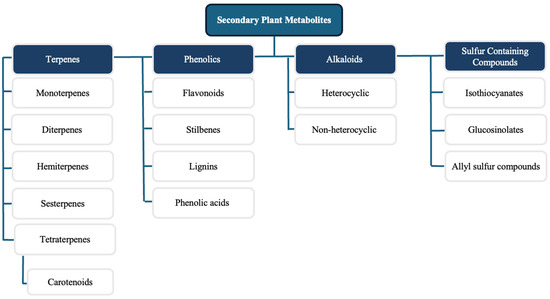
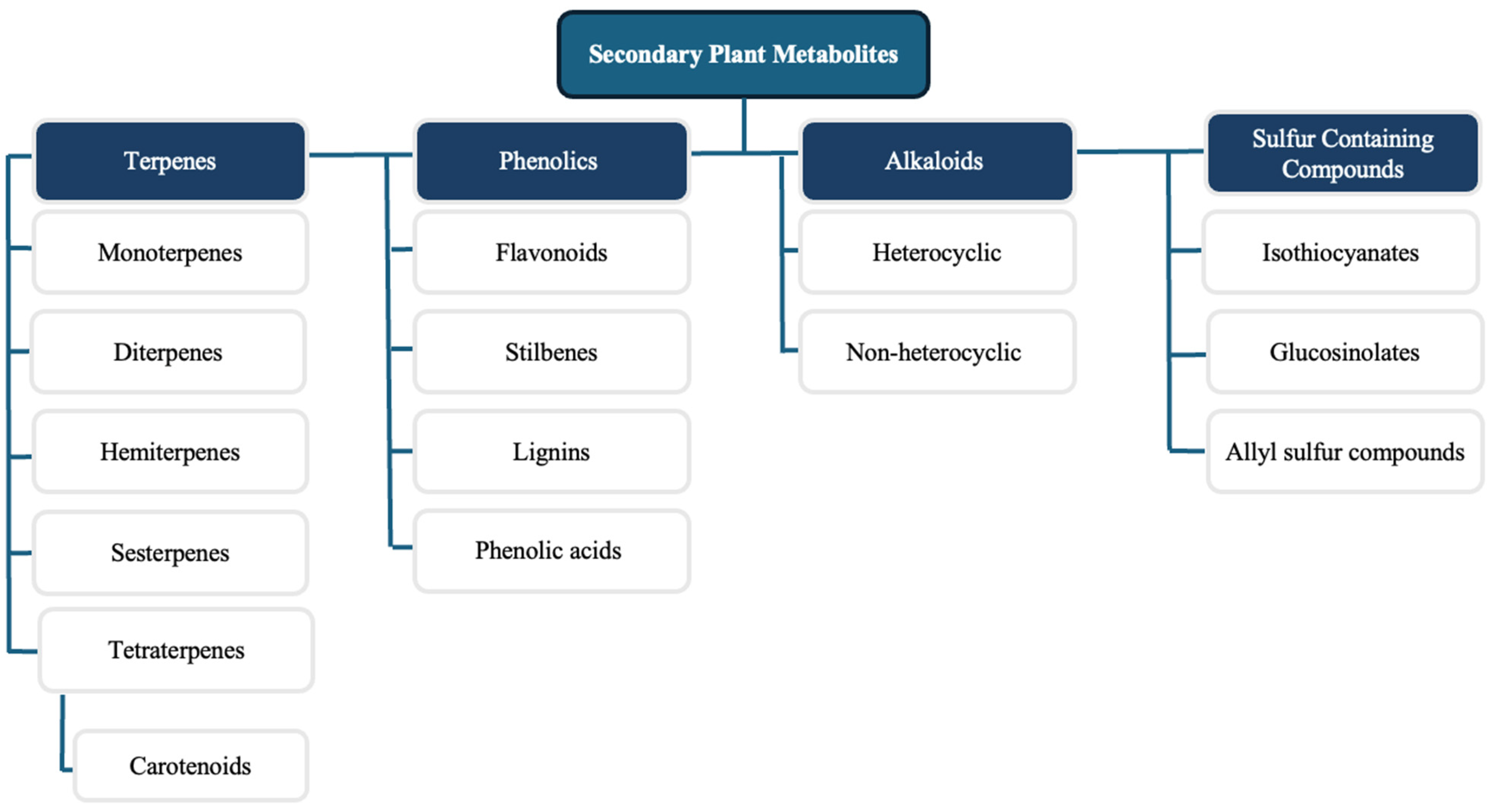
Disclaimer/Publisher’s Note: The statements, opinions and data contained in all publications are solely those of the individual author(s) and contributor(s) and not of MDPI and/or the editor(s). MDPI and/or the editor(s) disclaim responsibility for any injury to people or property resulting from any ideas, methods, instructions or products referred to in the content. |
© 2026 by the authors. Licensee MDPI, Basel, Switzerland. This article is an open access article distributed under the terms and conditions of the Creative Commons Attribution (CC BY) license.