


Abstract
American bollworm Helicoverpa armigera (Hubner) is a notorious pest of different agronomical and horticultural crops. Different synthetic insecticides are recommended to control H. armigera but widespread and repeated use has led to pesticide resistance in this pest. It is, therefore, necessary to develop a novel strategy to manage the population of H. armigera. Nanotechnology is the most effective and eco-friendly approach to mitigate this problem. In the present study, the bioefficacy of green synthesized nanoparticles and two different silver and zinc oxide nanoparticles with different concentrations, viz. 100, 125, 150, 175 and 200 ppm were used against the larvae. UV-vis spectrophotometer, SEM and EDX were used for nanoparticle characterization. Data were recorded daily. The result showed that in silver nanoparticles maximum larval mortality was 97%, while in zinc oxide nanoparticles, 82% was recorded against the 3rd, 4th and 5th instar of H. armigera. The effect of nanoparticles on demographic parameters was also evaluated, which increases the net reproductive rates, mean generation time and intrinsic rate in the control group compared to the treated population. After bioassay, larval and pupal duration was prolonged in the treated population compared to the control. The longevity of males, females and fecundity was also reduced. This technique will be a valuable tool in integrated pest management regimens.
1. Introduction
Helicoverpa armigera is an important pest of main crops in many parts of the world as Asia, Europe, Oceania, Africa and recently in most countries of the Americas, including Brazil [1]. This pest is polyphagous and causes damage to many crops [2]. It attacks more than 200 plant species, including cotton [3,4], chickpea [5], tomato [6], maize [7] and cabbage [8], which are severely damaged by this pest. Some important species of the genus Helicoverpa viz. Helicoverpa armigera (Hubner), H. assulta (Guenee) and H. peltigera (Denis) also have great economic importance [9].
Due to its high fecundity, polyphagous nature and quick adaptation to synthetic insecticides, controlling this pest is difficult [10]. Different insecticides such as organophosphates, synthetic pyrethroids and biorational compounds have been used to control H. armigera [11]. However, due to the injudicious and frequent use of synthetic insecticides, the development of resistance against these pesticides has resulted [12,13]. In Pakistan, H. armigera has also attained resistance against cypermethrin and monocrotophos, as well as moderate resistance to endosulfan [13]. The second strategy, Bt crops, was also introduced to control this pest [14], but this pest has also gained resistance against Bt crops [15,16]. Implementation of more eco-friendly methods of control, including the use of nanotechnology, is urgently needed for this lepidopteran pest, which is economical and safer for the environment [17]. Nanoparticles (NPs) are specific in their mode of action and have a broad-spectrum activity [18].
Consequently, there is a rising need to develop ecologically acceptable nanoparticle production that does not rely on harmful ingredients. Several techniques have been used for the preparation of nanoparticles which include chemical, physical and biological methods. Among these methods, microorganisms, enzymes, and plant or plant extracts have been suggested as alternatives to chemicals [19]. Nanoparticles exhibit entirely new properties based on characteristics such as size, distribution and morphology compared to bulk material particles, and exhibit size up to 100 nm [20]. Nanoparticles such as silver, zinc oxide and gold and aqueous neem extract are more important and effective. The neem leaves have significant phytochemicals such as flavanones and terpenoids which help in stabilizing the nanoparticle and also act as a reducing and capping agent [21].
In addition, these nanoparticles have also been evaluated against insect control and its biological parameters such as survival rate, fertility and adult longevity [22,23]. The life table study involves the summering birth (age or stage-specific), reproductive and death rate data. This approach is better for predicting pest management programs [24,25,26]. Biological parameters mostly focused on the female population but without male inclusion may fail to examine the effects of control during the evaluation of demographic parameters such as average generation time, total reproductive rate and intrinsic rate of increase [26]. In population dynamics, both females and males are too important [26,27,28,29,30]. The objective of our study was to assess, for the first time, alterations in demographic parameters of progeny derived from H. armigera larvae treated with different concentrations of silver and zinc oxide accompanied by neem leaf nanoparticles.
2. Materials and Methods
2.1. Experimental Conditions and Insect Rearing
Larvae of H. armigera were collected from the cotton fields of Central Cotton Research Institute Multan and shifted to the rearing laboratory, Department of Entomology, Bahauddin Zakariya University Multan, Punjab, Pakistan. To avoid cannibalism, these larvae were reared separately on an artificial diet in Petri dishes at 25 ± 2 °C, 75 ± 5% relative humidity (RH) and 10:14 h light: dark photoperiod [31]. The artificial diet was prepared with different ingredients such as chickpea flour (300 g), yeast (30 g), formaldehyde 10% (7.15 mL), choline chloride 20% (15 mL), vitamin mixture (5 g), agar (23 g) and distilled water (500 mL) [32]. After the emergence, adults were provided with 10% honey solution on a cotton swab. Three to four pieces of thin napkins were hung inside the cage as an oviposition substrate. The F1 generation was separated to obtain a uniform population.
2.2. Plant Sources and Preparation of Leaf Extract
Neem leaves were collected from the forest area of Bahauddin Zakariya University Multan. After collection, leaves were completely washed with distilled water to remove contaminations from the leaves. After washing, leaves were sundried for 3–4 h. Twenty grams of these dried leaves were taken and cut into small pieces by scissors. These small, chopped leaves were put in a 100 mL beaker and 100 mL distilled water was added to the beaker. The beaker was covered with aluminum foil paper and then put into the water bath for boiling. The temperature of the water bath was set at 70 °C for 30 min. The beaker was removed from the water bath after 30 min and the extract was cooled at room temperature then filtered with the use of Whatman filter paper [33]. This extract was stored at 4 °C temperature—this solution was used as a reducing agent or green synthesis Ag and ZnO NPs.
2.3. Synthesis of Silver and Zinc Oxide Nanoparticles
Neem extract was used for the synthesis of silver nitrate nanoparticles. To prepare a 1 mM solution, 169 mg silver nitrate and 100 mL distilled water were added to a 500 mL beaker. After stirring, 10 mL of the neem extract were added dropwise to the 90 mL of 1 mM AgNO3 solution in the Erlenmeyer flask and heated for 30 min. The solution was changed to dark brown after 30 min, which confirms the reduction of Ag ions and indicates the formation of Ag NPs (silver nanoparticles); then, stirring was stopped and the solution was stored for further use [34]. This solution was added to the falcon tube, then these tubes were set in a centrifuge machine and the machine was run at 6000 rpm for 15 min. The solution was washed up to 5 times until dark brown pellets were obtained. These pellets were put into a Petri dish and dried at 70 °C for 24 h in the oven. Pellets were collected with the help of a spatula, crushed with mortar and pestle and stored in a small Eppendorf tube for further use. For the synthesis of ZnO NPs the same procedure was followed as silver NPs. In the case of zinc oxide, the prepared NPs were white in color instead of dark. Prepared NPs were preserved in air-tight vials for further use [35].
2.4. Characterization of Silver and Zinc Nanoparticles
2.4.1. Ultraviolet Spectroscopy
The ultraviolet-vis spectroscopy analysis confirmed Ag NPs and ZnO NPs synthesis based on their optical properties. Ultraviolet [36], visible spectroscopic analysis was done with the help of a spectrometer (Shimadzu 1800 Japan, Kyoto, Japan). The UV-visible spectrophotometer occurred ranging between 200 and 800 nm wavelengths. Spectra were obtained at 412 nm and 296 nm for AgNO3 NPs and ZnO NPs, respectively.
2.4.2. SEM and EDX Analysis
SEM images were obtained by forming a smear of the aqueous solution of Ag NPs and ZnO NPs on aluminum foil paper. These smears were observed in non-contact mode using Nano-R2™ (Pacific Nanotechnology, Inc., Santa Clara, CA, USA) at a 0.5 Hz scanning rate and a voltage of 20 kV. The image indicated that nanoparticles were well distributed with the lowest agglomeration of nanoparticles. In EDX analysis the spectrum indicated the formation of Ag and ZnO NPs, respectively.
2.4.3. Larvicidal Activity
The larvicidal effect of biologically Ag and ZnO NPs was studied against all instars of H. armigera using the immersion method. Different concentrations of each tested nanoparticle were incorporated into the larval diet. Almost 2 g diet was used for all instars. Five concentrations of 100 ppm, 125 ppm, 150 ppm, 175 ppm and 200 ppm of each NPs with four replications, including control of each treatment, were used in the bioassay. Ten larvae were exposed separately in each Petri dish of each replication and control. Control had simple diet or without any addition. Mortality data were recorded after 24 h of exposure to NPs. Larvae that showed no movement were considered as dead.
2.4.4. Life Table Parameters
To construct the life table of H. armigera, 80 newly (≤24 h) laid eggs were randomly collected from non-treated (control) and treated populations (100, 125, 150 and 175 ppm) and individually placed in Petri dishes supplied with an artificial larval diet at 25 ± 2 °C, 75 ± 5% relative humidity (RH) and 10:14 h light:dark photoperiod. The single egg was considered as replication in each treatment. Each population was reared separately and development periods were noted until adult formation. After adult emergence, insects were sexed (within 24 h) and one male and one female were placed into 20 × 25 cm per plastic jar. Eggs were counted daily till the death of females. Adult longevity, oviposition period and duration of eggs hatching were also recorded [37].
For each strain, the life table parameters were determined [38,39]. Briefly, the net reproductive rate (R0), which means each female gives an average number of eggs in their whole life span, is calculated as the following equation [40]:
The following procedure estimated the survival rate (lx):
Age-specific fecundity mx, determined as the following equation:
Intrinsic rate of increase (r), which was calculated by using iterative bisection methods and determined via the Euler–Lotka formula with zero-age indexing [41].
The finite rate of increase (λ) was determined as follows:
Mean generation time (T) was estimated by the following method:
The life expectancy exj of age stage was estimated by the following procedure [38].
The reproductive value Vxj of age-stage was calculated by the following method [39].
2.5. Data Analysis
The toxicological effect of different concentrations of synthesized NPs was determined by SPSS software [42]. The mortality was calculated using the formula
Developmental effects caused by tested NPs were analyzed through ANOVA and means were compared using Least Significant Difference at p = 0.05. All the statistical analyses were performed using SPSS Software. Age-stage, two-sex life table software analyzed adult longevity and fecundity [24]. The paired bootstrap procedure [43] (n = 100,000) was used to estimate the standard error and mean of life table principle at p ≤ 0.05. TWO-SEX MS Chart program was used for the analysis of the age stage, a two-sex life table [29]. The life table parameters Vx, Vxj, sxj mx, sxj, lx, mx and ex were graphed with GraphPad Prism, version 8.
3. Results
3.1. Effect of Ag NPs and Zinc Oxide NPs on Mortality of H. armigera
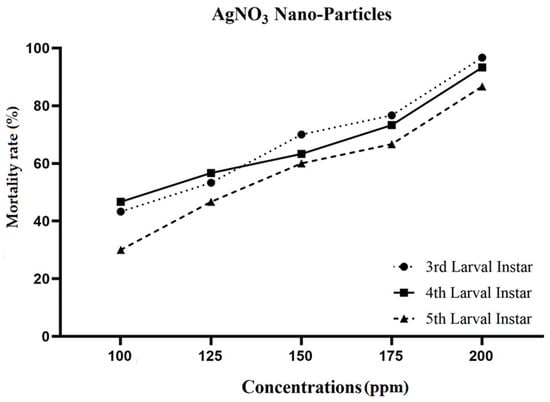
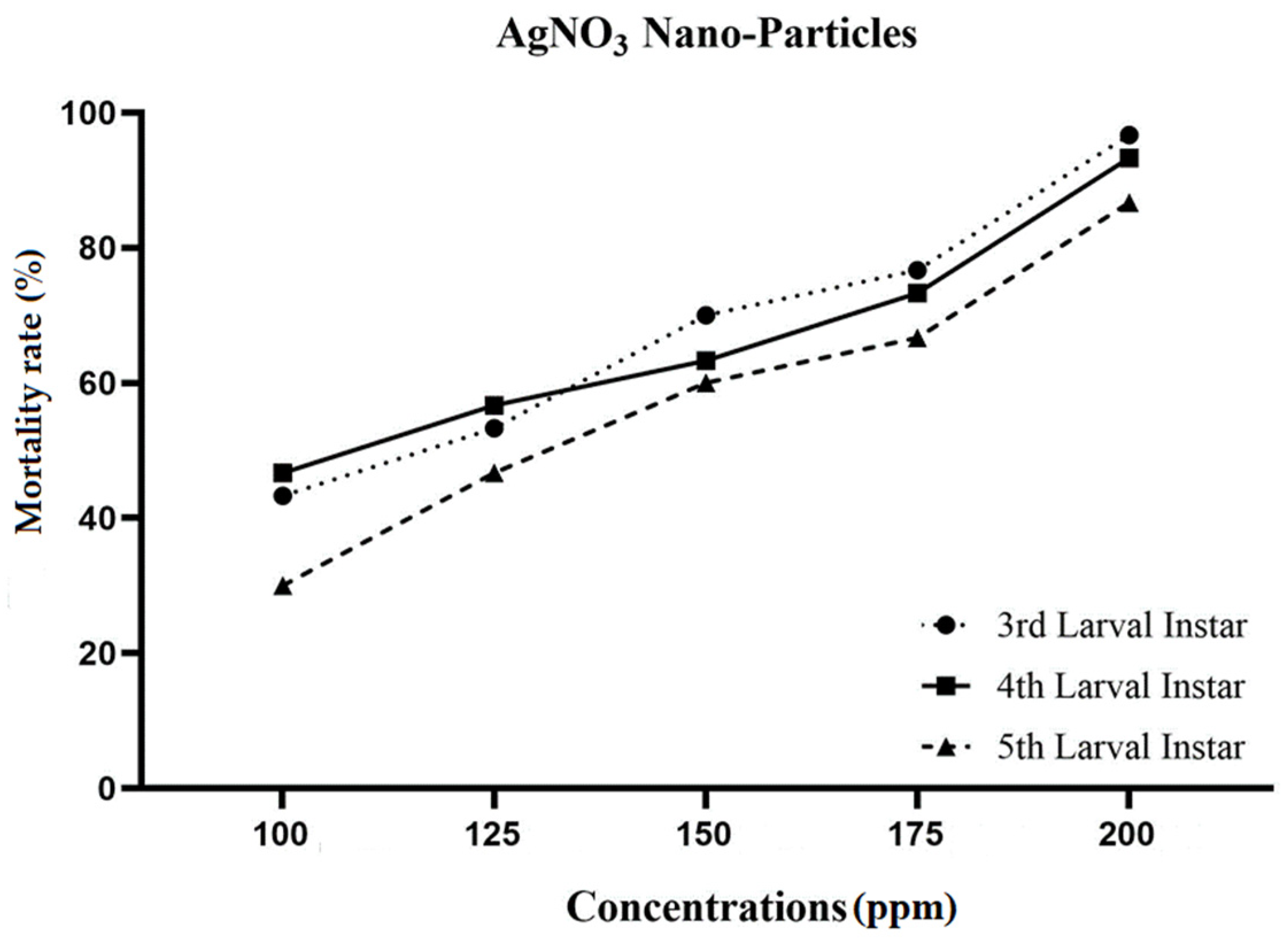
In all treatments of Ag NPs for third instar larvae, mortality percentages were varied: 43%, 53%, 70%, 77% and 97% mortality were observed at 100, 125, 150, 175 and 200 ppm, respectively. Mortality for the fourth larval instar on various concentrations of silver NPs was recorded as 47%, 57%, 63%, 73%, and 93% at 100, 125, 150, 175 and 200 ppm, respectively. Mortality percentage varied within the treatment for the fourth larval instar. Similarly, in the fifth larval instar, 30%, 47%, 60%, 67% and 87% mortality was recorded at 100, 125, 150, 175 and 200 ppm, respectively. Mortality percentage varied within the treatment for the fifth larval instar. Results showed that with the increase in NPs concentrations mortality percentage was also increased in all tested instar larvae of H. armigera (Figure 1).
Figure 1.
Effect of Ag NPs on the mortality percentage of H. armigera.
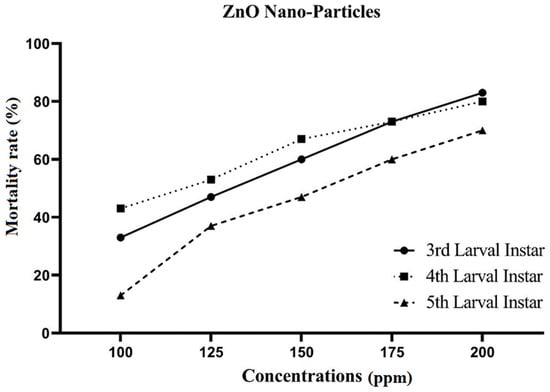
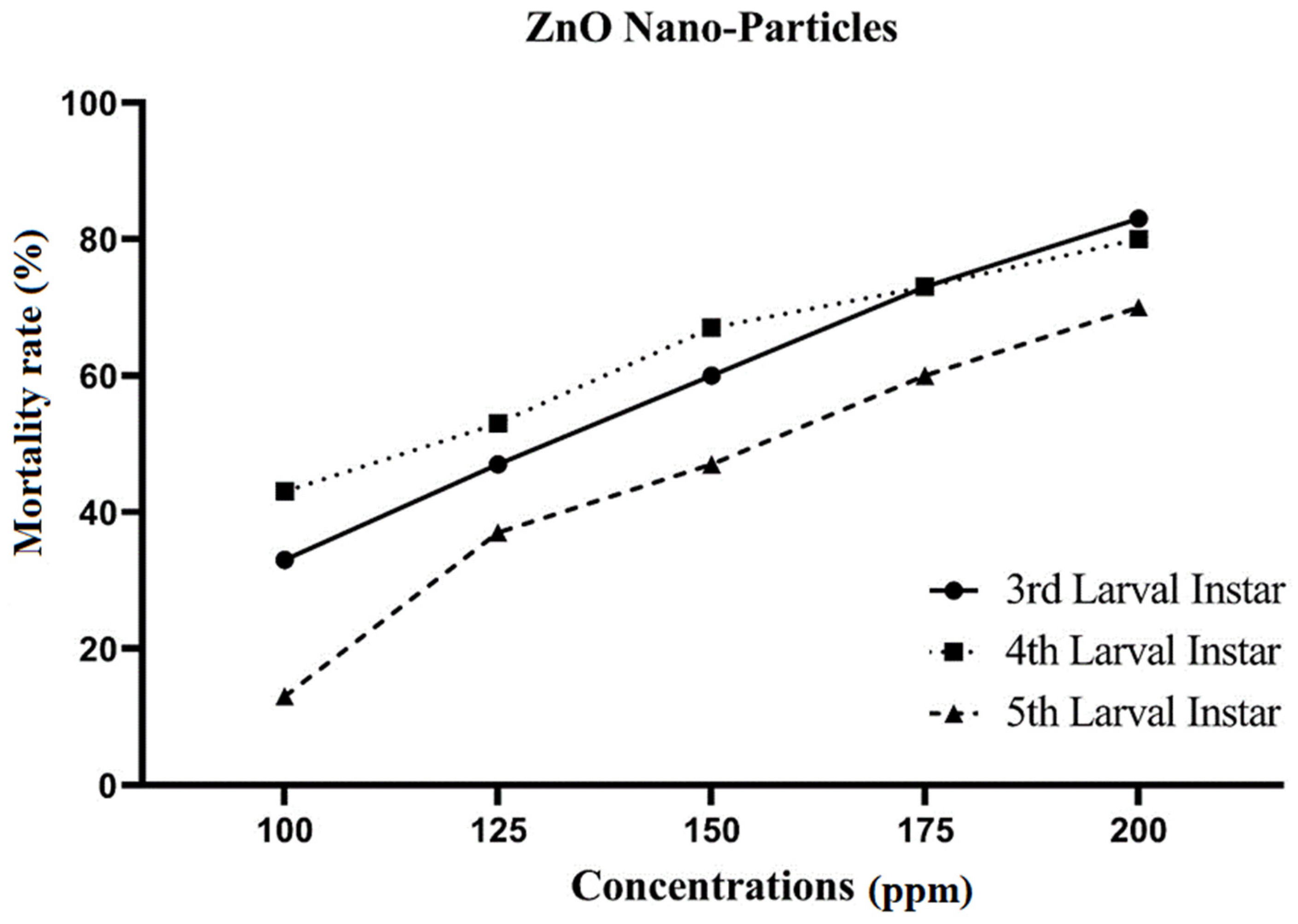
In the case of zinc oxide NPs, maximum mortality was observed in third instar larvae at 200 ppm. Zinc oxide NPs caused different percent mortalities at different concentrations in third instar larvae, e.g., 33%, 47%, 60%, 73% and 83% mortality at 100, 125, 150, 175 and 200 ppm, respectively. Similarly, on the fourth larval instar 43%, 53%, 67%, 72% and 80% mortality was recorded at 100, 125, 150, 175 and 200 ppm, respectively. Likewise, in the fifth larval instar, 13%, 37%, 47%, 60% and 70% mortality was recorded at 100, 125, 150, 175 and 200 ppm, respectively. Maximum mortality was observed at the highest concentration of 200 ppm in the third and fifth instar larvae. Ag NPs were more toxic for H. armigera as compared to zinc oxide nanoparticles (Figure 2).
Figure 2.
Effect of zinc oxide NPs on the mortality of H. armigera.
3.2. Toxicological Evaluation of Tested NPs on Larvae of H. armigera
The lower LC50 value showed the high toxicity of a tested compound. LC50 values of third, fourth, and fifth instar larvae against silver NPs were observed, i.e., 114.67, 112.07 and 130.89 ppm, respectively, while LC90 values of 202.71, 228.08 and 240.90 ppm were observed, respectively. In the same way, LC50 values of third, fourth and fifth instar larvae against zinc oxide NPs were observed at 127.79, 114.069 and 155.38 ppm, respectively, while LC90 values were observed at 242.97, 271.48 and 276.87 ppm, respectively (Table 1).
Table 1.
Effect of various concentrations of synthesized silver and zinc oxide NPs coated with neem extract on the mortality of different larval instars of H. armigera.
3.3. Life Table of H. armigera against Tested NPs
The egg duration of the control population was significantly longer than 100, 125, 150 and 175 ppm (p < 0.05). The larval duration of the control population was significantly shorter than that of the 100, 125, 150 and 175 ppm (p < 0.05). The pupal duration of all the tested populations was prolonged compared to the control (p < 0.05). The total egg to adult duration for male and female moths from the control population was significantly longer than for moths from all other treatments (p < 0.05). The male and female total longevity in 100, 125, 150 and 175 ppm was significantly shorter than those of the control populations. The fecundity per female was significantly lower in the 100, 125, 150 and 175 ppm populations (p < 0.05) but higher in control populations in the case of both tested nanoparticles (Table 2 and Table 3).
Table 2.
Effects of Ag NPs on biology of H. armigera.
Table 3.
Effects of ZnO NPs on biology of H. armigera.
3.4. Effects of Ag and ZnO NPs on the Biological Parameter of Helicoverpa armigera
The intrinsic rate of increase (r) was inversely related to concentration, which varied from 0.21 to 0.17, 0.18, 0.14 and 6.60 in control, 100 ppm, 125 ppm, 150 ppm and 175 ppm, respectively. The mean finite rate of increase (λ) had a significant difference (per day) between control 1.23 and all treated concentrations of 100 ppm (1.18), 125 ppm (1.19), 150 ppm (1.15) and 175 ppm (1.06). The net reproduction rate (R0) (offspring/individual) was high in control (392.6) and gradually decreased significantly at 100 ppm (87.46), 125 ppm (89.66), 150 ppm (39.76) and 175 ppm (5.36). Significant differences were also observed between mean generation times (T), 27.94 days for control and 25.94, 25.60, 25.28 and 25.43 days in 100 ppm, 125 ppm, 150 ppm and 175 ppm, respectively (p < 0.05). In the case of ZnONPs, the intrinsic rate of increase (r) was inversely related to concentration, which varied from 0.21, 0.18, 0.18, 0.15 and 0.10 in control, 100 ppm, 125 ppm, 150 ppm and 175 ppm, respectively. Mean finite rate of increase (λ) has a significant difference (per day) between control 1.24 and all treated concentrations of 100 ppm (1.20), 125 ppm (1.19), 150 ppm (1.17) and 175 ppm (1.10). The net reproduction rate (R0) (offspring/individual) was high in control (434.86) and gradually decreased significantly at 100 ppm (166), 125 ppm (121.13), 150 ppm (62.7) and 175 ppm (12.6). Significant differences were also observed between mean generation times (T) of (27.87) days for control and (27.00), (26.40), (25.88) and (25.24) days in 100 ppm, 125 ppm, 150 ppm and 175 ppm, respectively (p < 0.05) (Table 4).
Table 4.
Effects of Ag and ZnO NPs on demographic parameters of H. armigera.
3.5. Age-Specific Survival Rate (sxj), Life Expectancy (exj) and Age Stage Reproductive Value (Vxj) after Applying Tested NPs
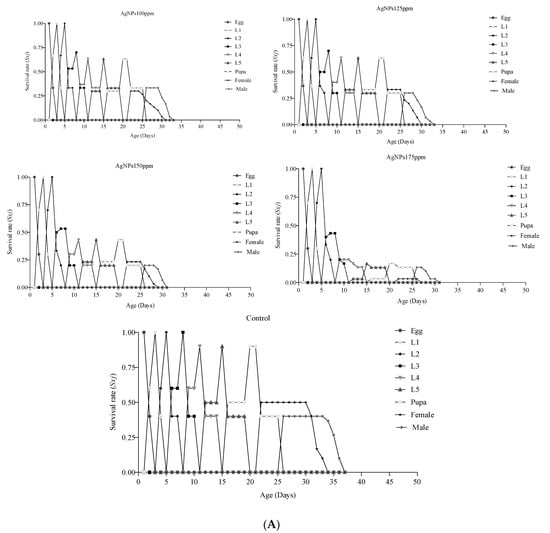
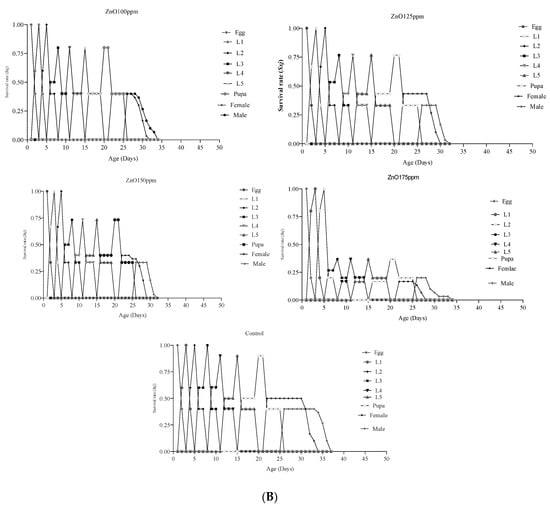
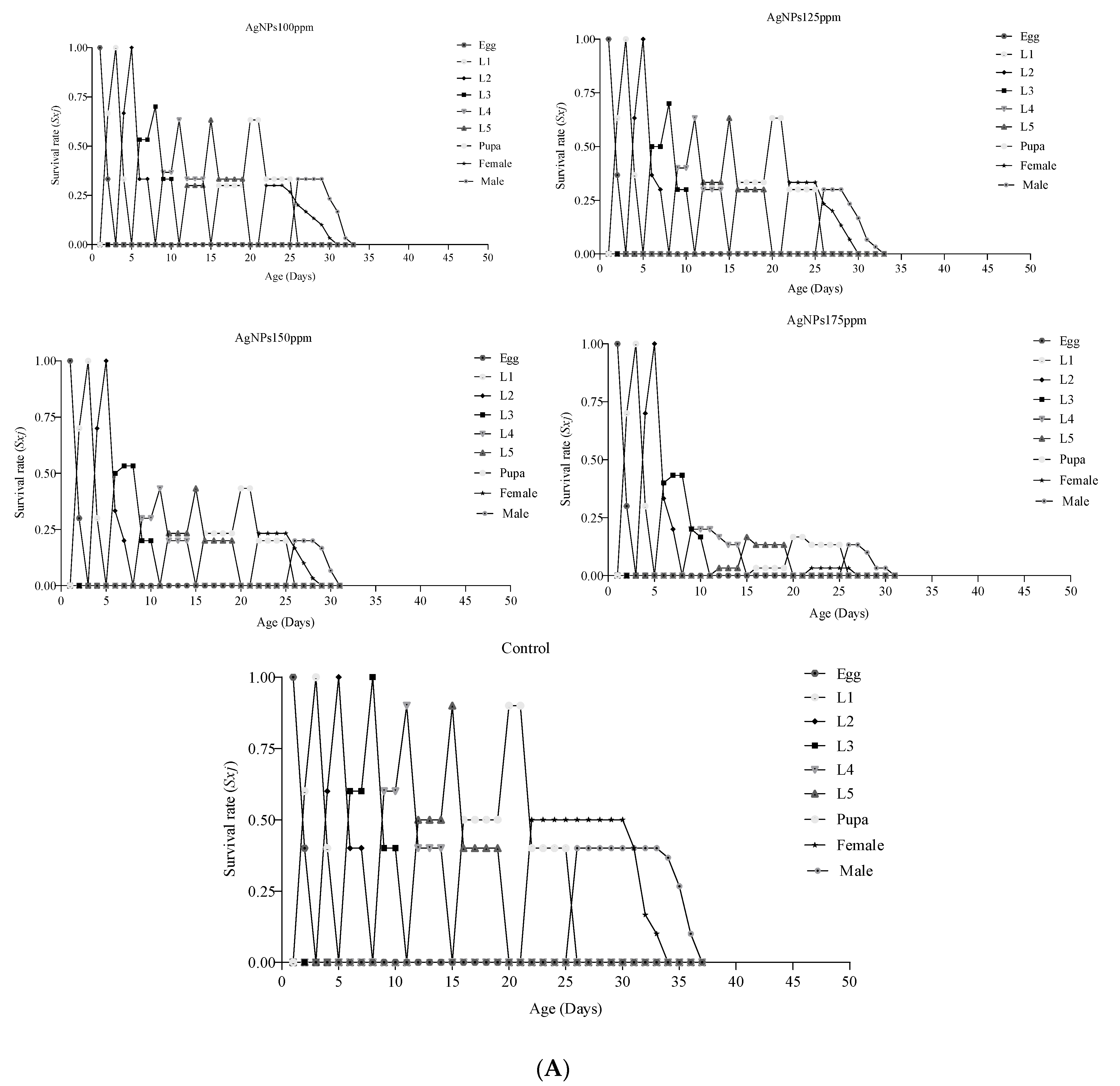
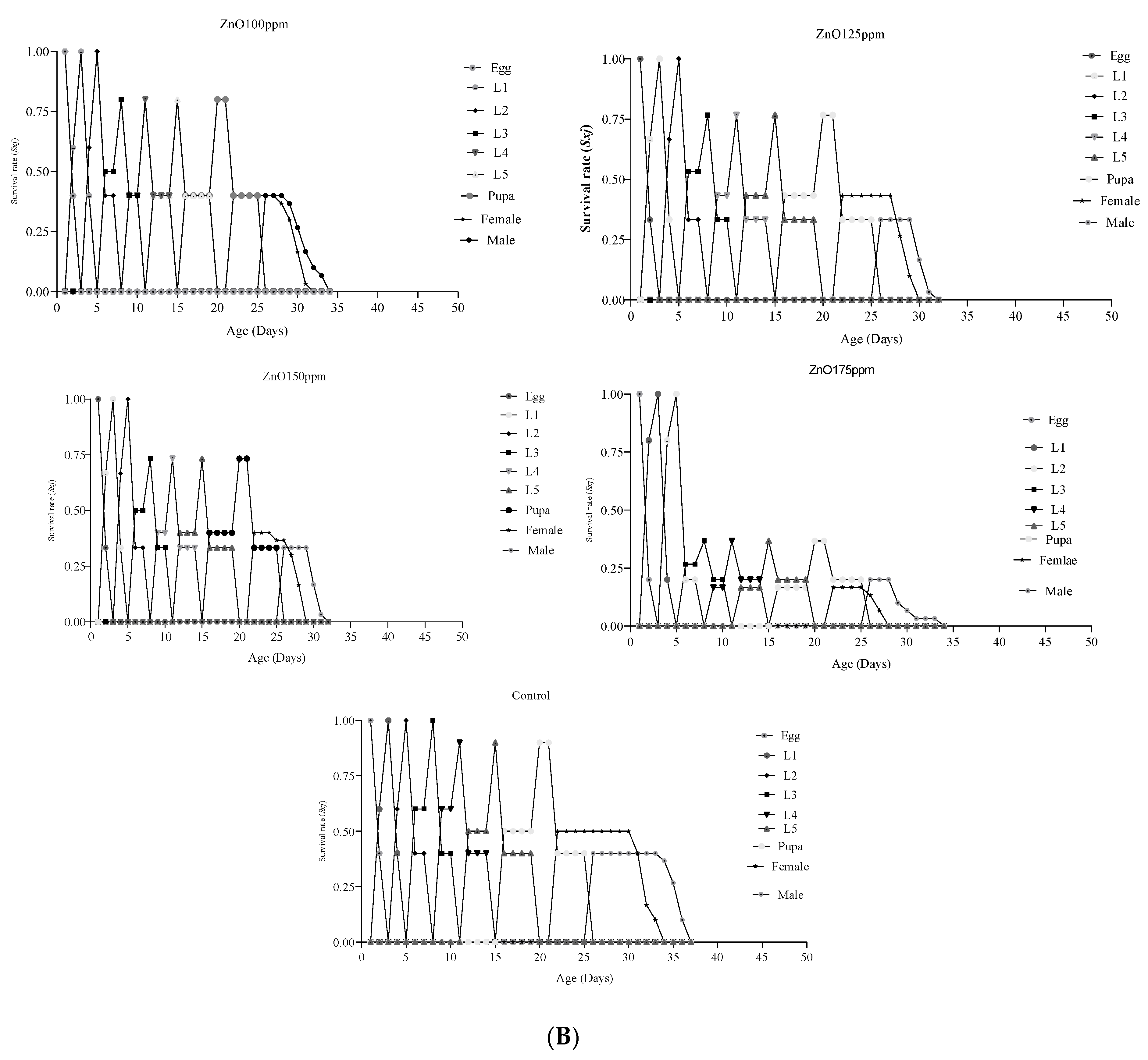
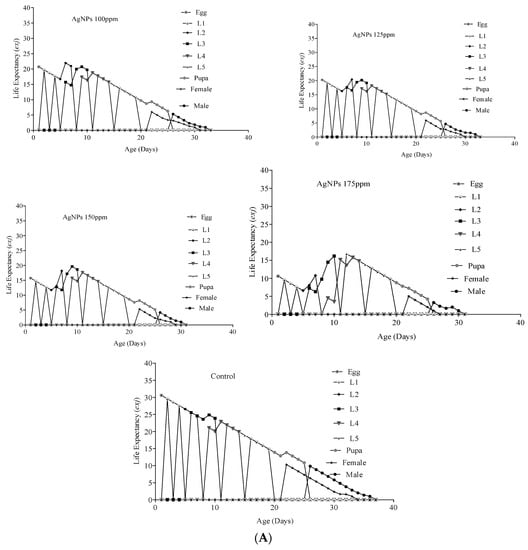
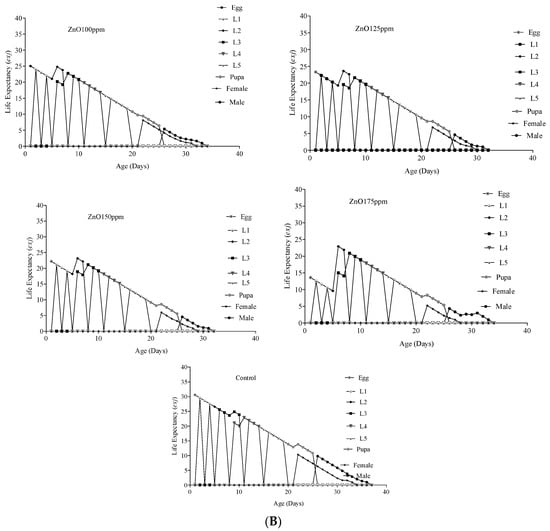
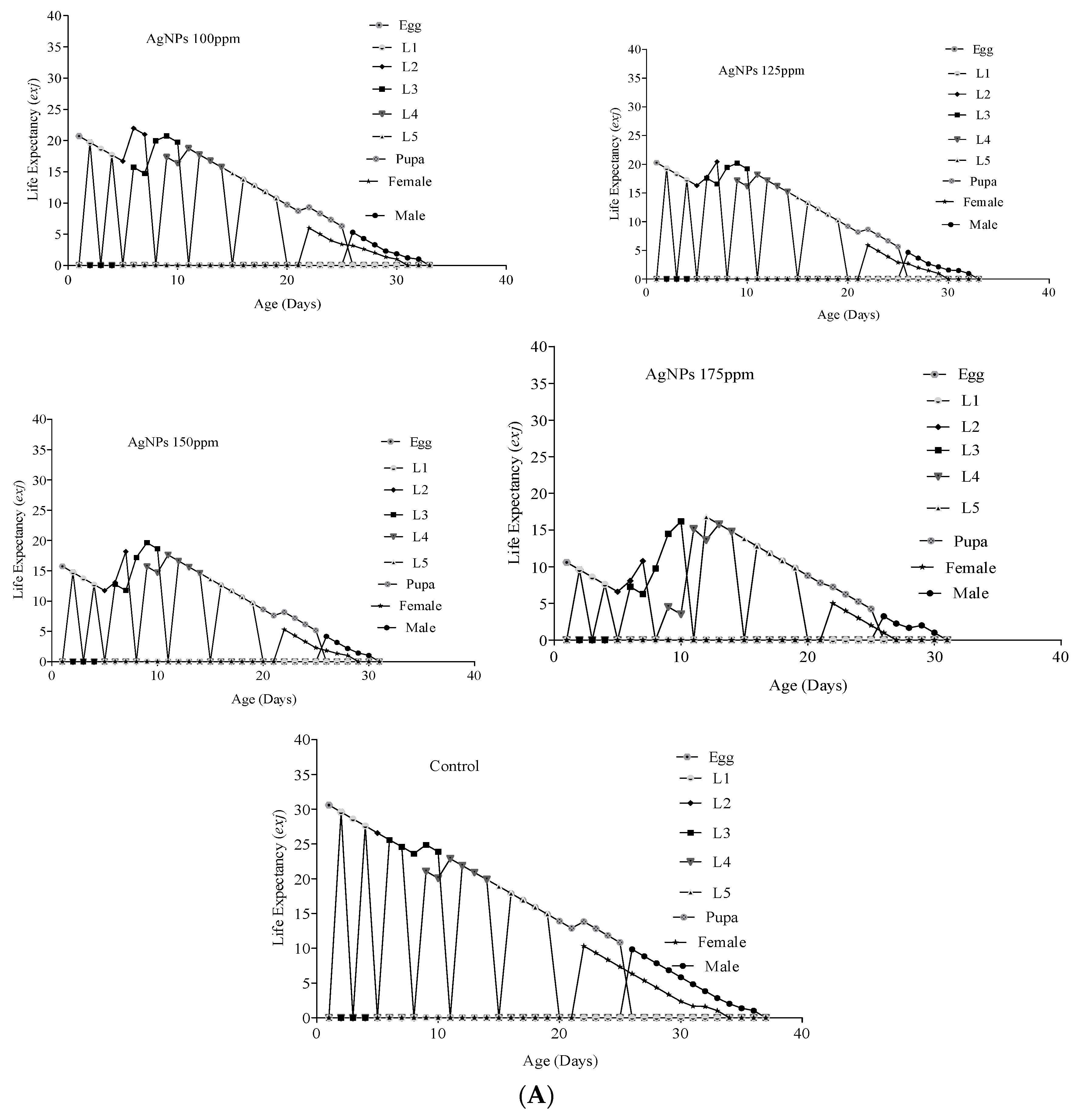
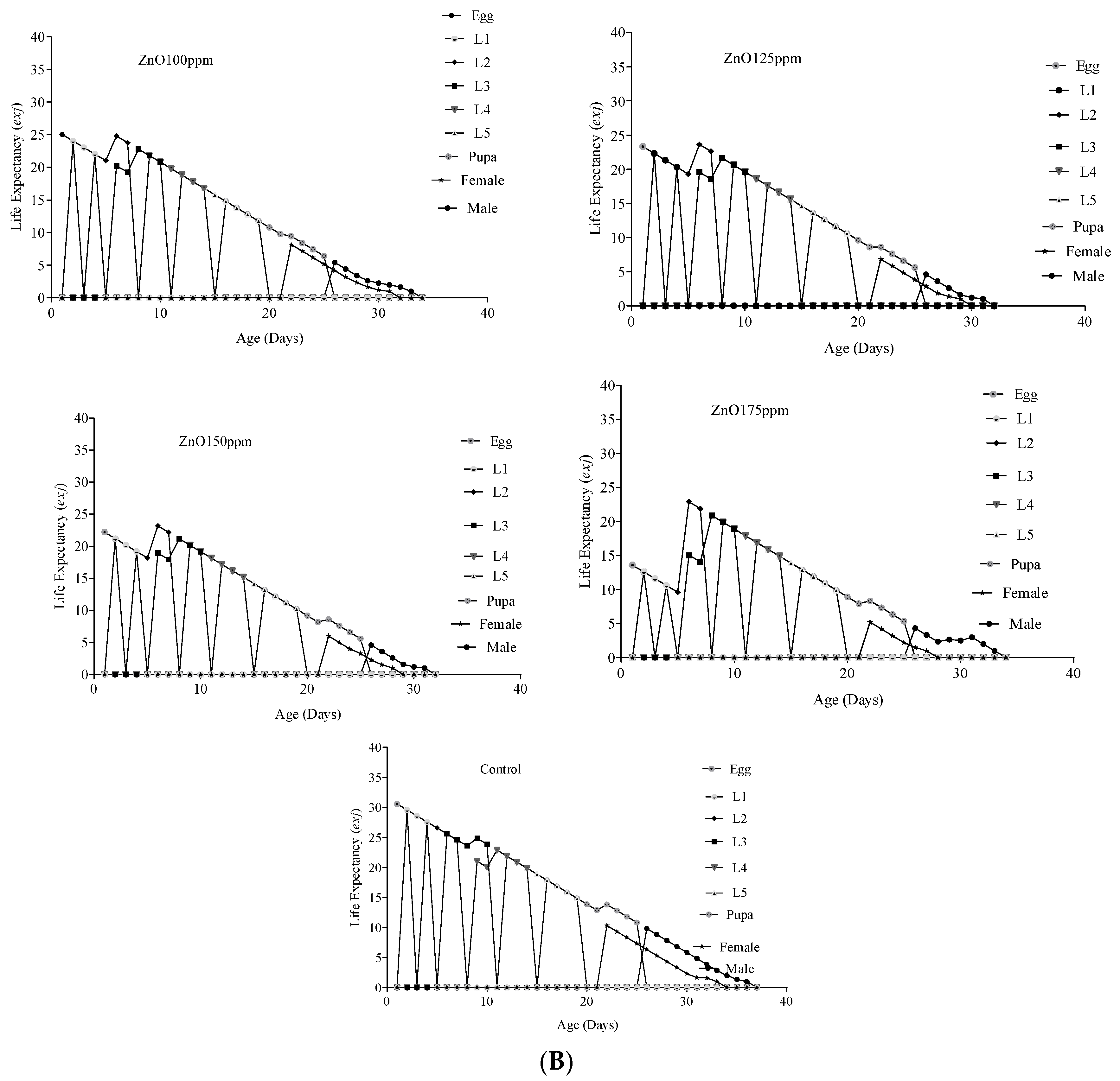
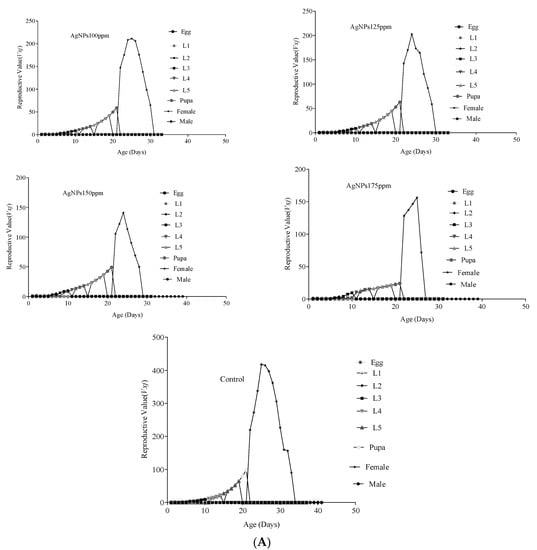
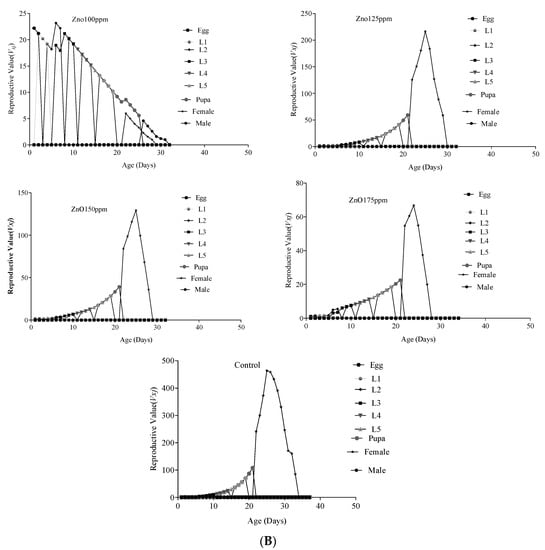
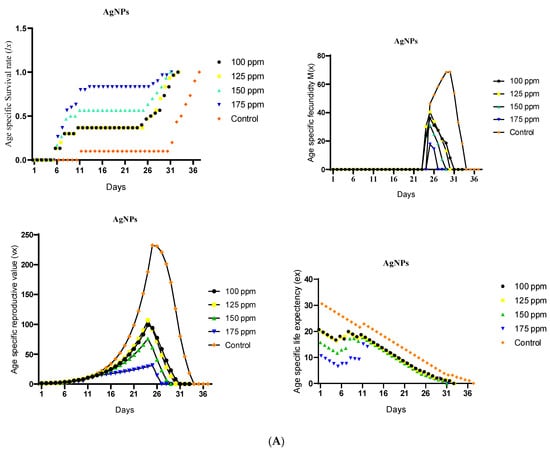
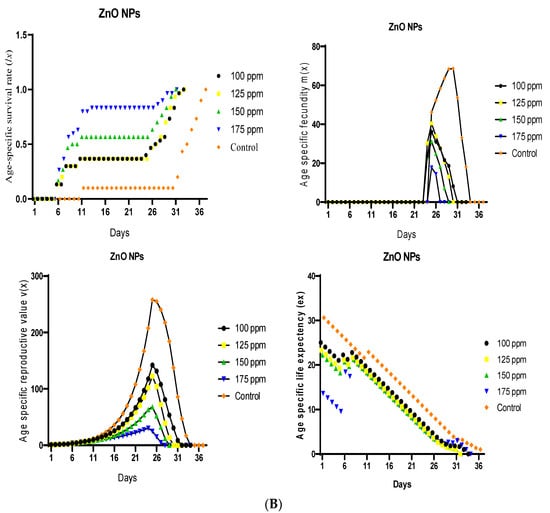
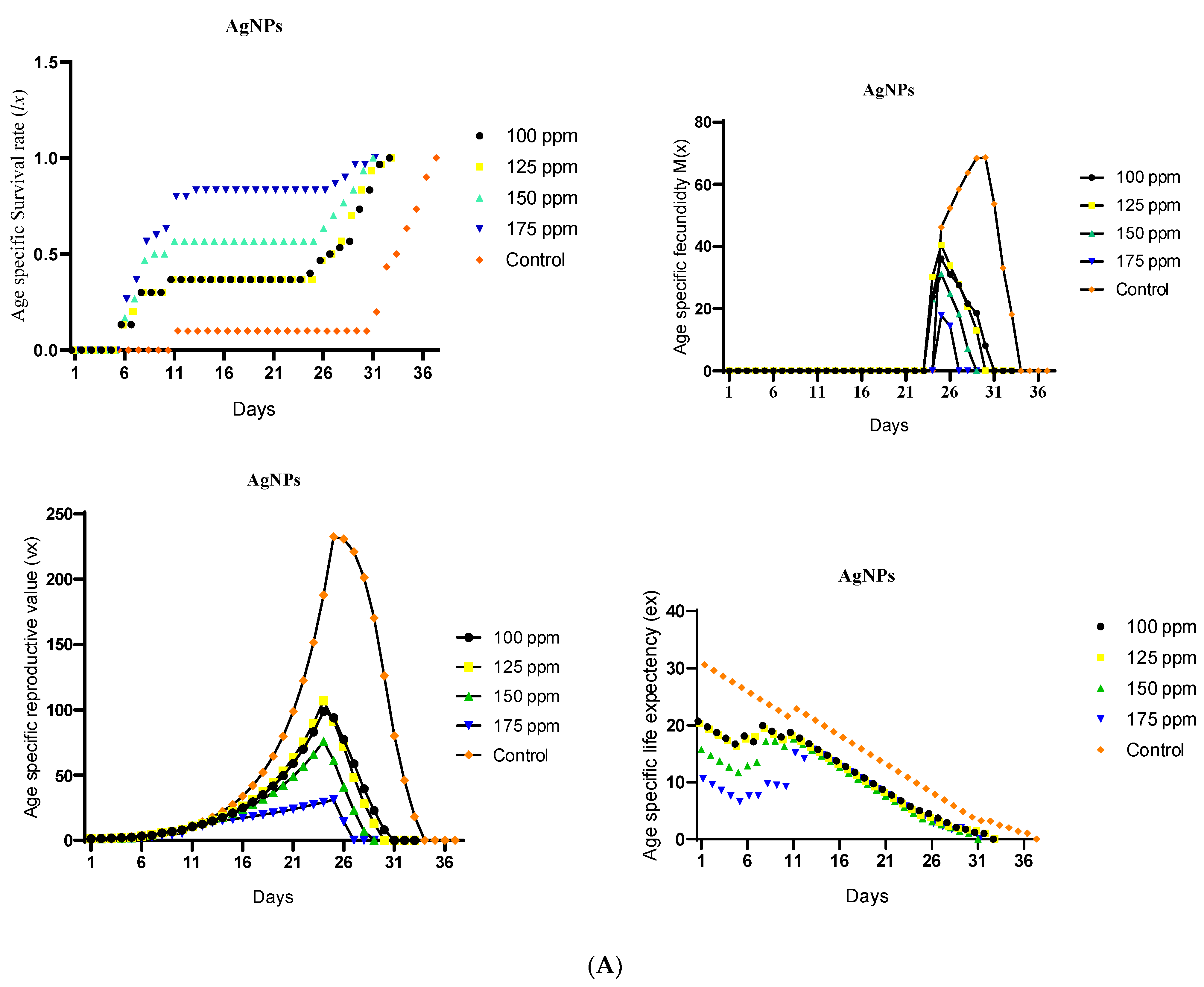
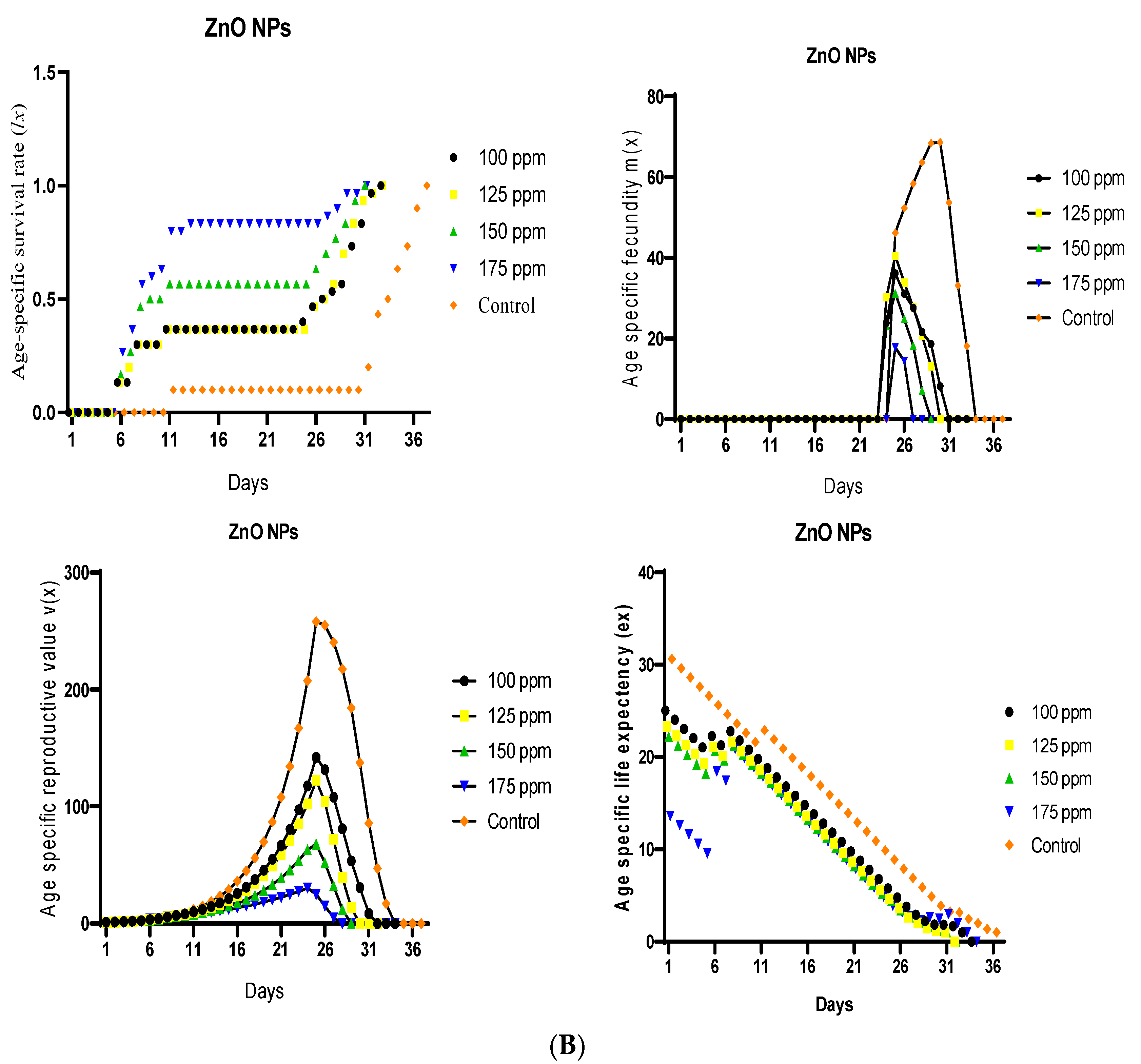
The age stage survival rate (sxj) indicates that in the first filial generation inclusive life span of H. armigera in the control group was longer but reduced after treatment of different concentrations (100, 125, 150, 175) ppm of nanoparticles (Figure 3A,B, respectively). A similar trend was also observed in age-stage life expectancy (exj), where treated group individuals had a lower life expectancy and overall life span (Figure 4A,B). Age stage reproductive rate (Vxj) showed the maximum reproductive value of a stage in life span; adult females from the control group showed the highest peak of reproductive value as compared to treated concentrations of nanoparticles (Figure 5A,B) in case of applying Ag NPs and ZnO NPs. Age stage survival rate (lx), fecundity (mx), life expectancy (ex) and reproductive value (Vx) maximum in control as compared to the treated population is shown in Figure 6A,B.
Figure 3.
(A) Age-stage survival rate (sxj) of 100, 125, 150, 175 ppm and control of NPs treated H. armigera. (B) Age-stage survival rate (sxj) of 100, 125, 150, 175 ppm and control of NPs treated H. armigera.
Figure 4.
(A) Age-stage life expectancy (exj) of 100, 125, 150,175 ppm and control of NPs treated H. armigera. (B) Age-stage life expectancy (exj) of 100, 125, 150,175 ppm and control of NPs treated H. armigera.
Figure 5.
(A) Age-stage reproductive rate (Vxj) of 100, 125, 150, 175 ppm and control of NPs treated H. armigera. (B) Age-stage reproductive rate (Vxj) of 100, 125, 150, 175 ppm and control of NPs treated H. armigera.
Figure 6.
(A) Age-specific survival rate (lx), age-specific fecundity (mx), age-specific reproductive value (Vx) and age-specific life expectancy (ex). (B) Age-specific survival rate (lx), age-specific fecundity (mx), age-specific reproductive value (Vx) and age-specific life expectancy (ex).
3.6. Analysis of Ag NPs
3.6.1. Visual and Ultraviolet Spectroscopy Observation
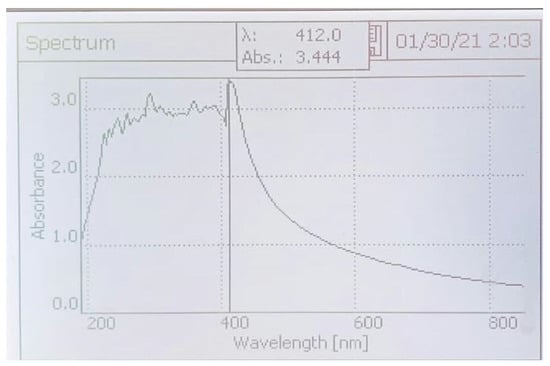
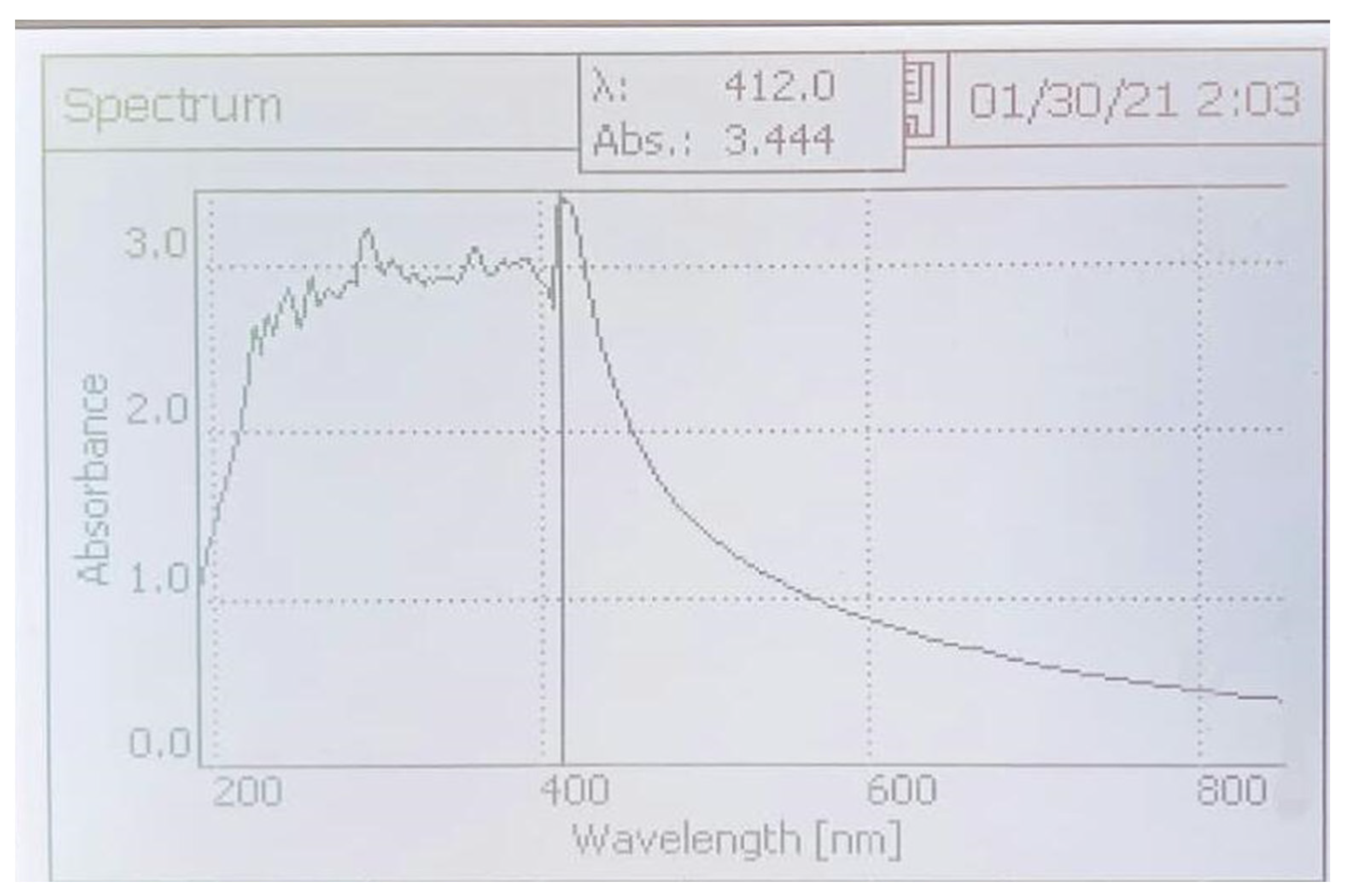
The synthesized Ag NPs were analyzed by using UV-vis spectroscopy. The color deviates to dark brown, signposting Ag-nanoparticles’ formation when a 1 M solution of AgNO3 and aqueous leave extract of A. indica was mixed with continuous stirring. The plasma resonance of Ag NPs showed a peak of 3.44 at 412.0 nm during UV–vis spectroscopy. This value indicated the absorption spectrum of Ag NPs (Figure 7).
Figure 7.
Ultraviolet–visible spectral analysis of synthesized silver-nanoparticles (Ag NPs) using A. indica leaf extract.
3.6.2. Scanning Electron Microscopy (SEM) and Energy-Dispersive X-ray (EDX) Analysis
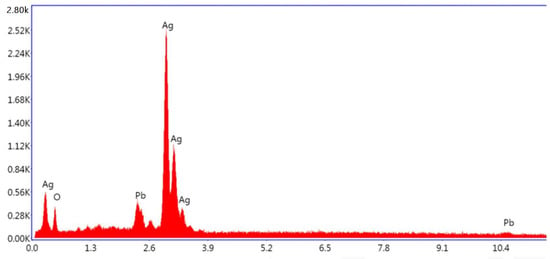
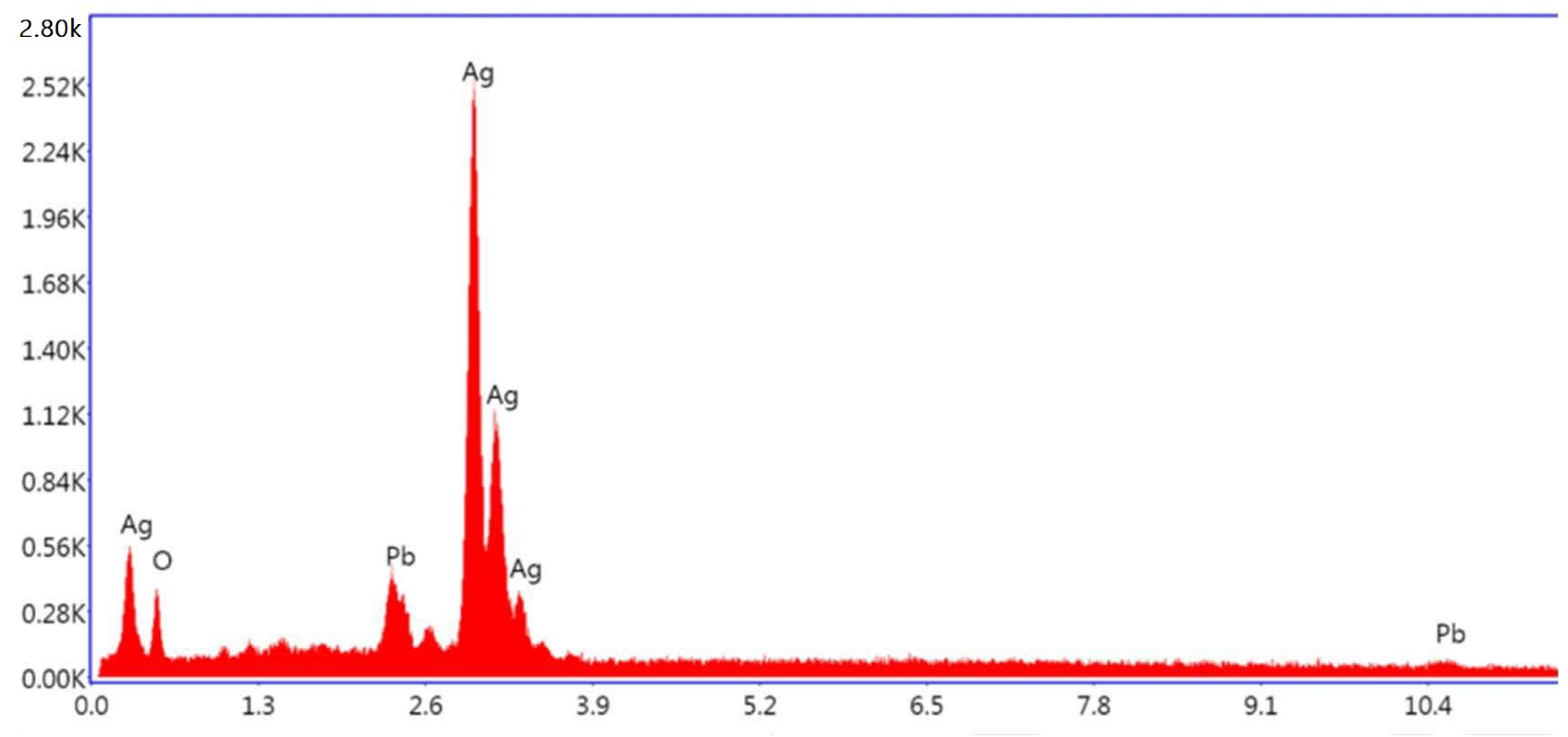
Phase-contrast microscopy displayed the shape of Ag NPs. For further confirmation, SEM was utilized to measure the size of nanoparticles. Most Ag NPs’ sizes range between 10 nm and 70 nm and form a mass aggregate of 100 nm (Figure 8).
Figure 8.
Energy-dispersive X-ray (EDX) spectrum of green-synthesized silver nanoparticles using the leaf extract of A. indica.
3.7. Analysis of ZnO NPs
3.7.1. Visual and Ultraviolet Spectroscopy Observation
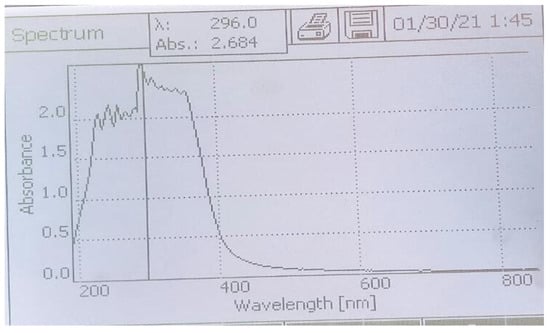
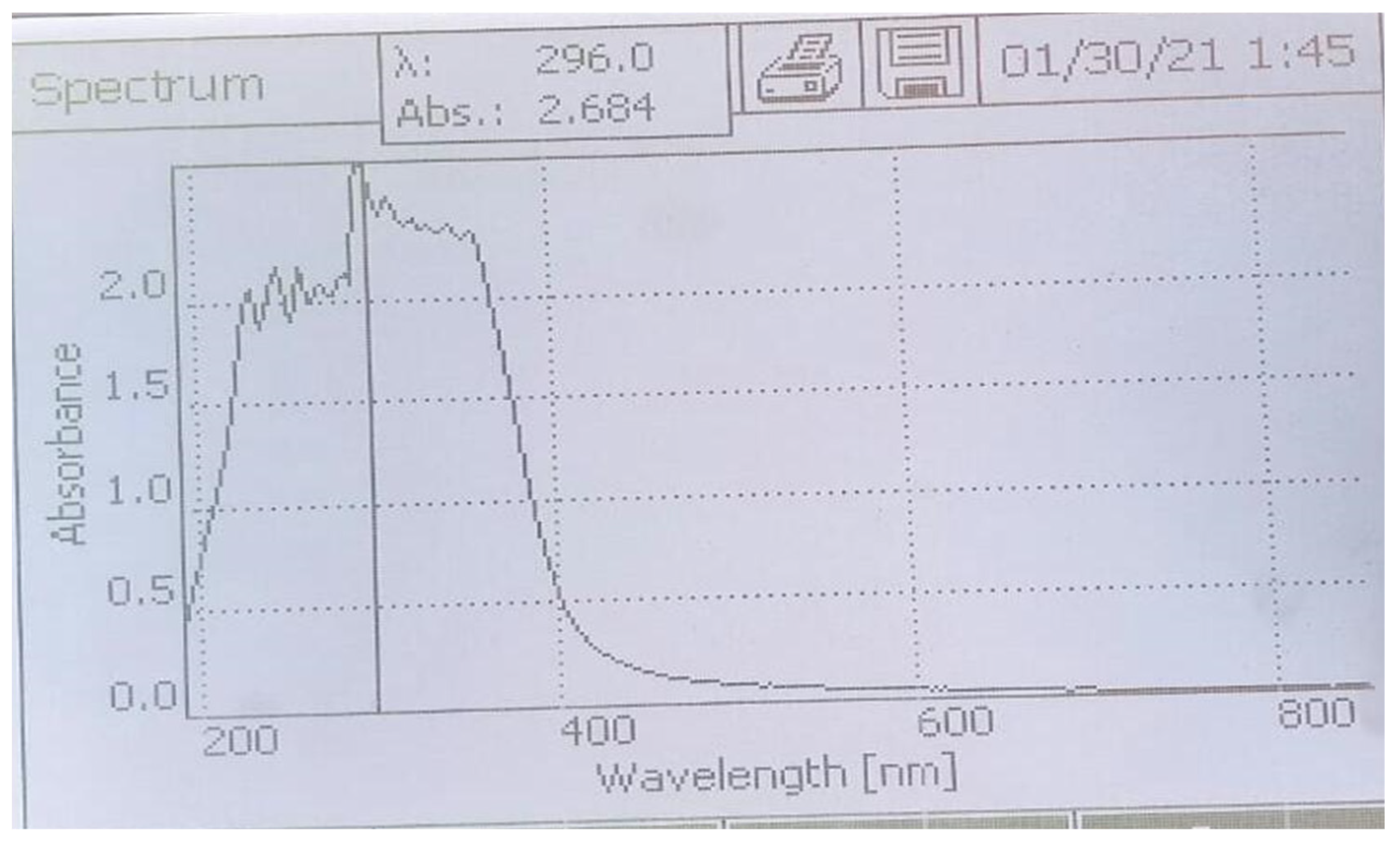
The synthesized ZnO NPs were analyzed by using UV-vis spectroscopy. The color deviated from the lighting brown sign of the formation of ZnO NPs when a 1 M solution of zinc nitrate and aqueous leaf extract of A. indica was mixed with continuous stirring. The plasma resonance of ZnO NPs showed a peak of 2.68 at 296.0 nm during UV–vis spectroscopy. This value indicated the absorption spectrum of ZnO NPs (Figure 9).
Figure 9.
Ultraviolet-visible spectral analysis of synthesized ZnO NPs using A. indica leaf extract.
3.7.2. Scanning Electron Microscopy (SEM) and Energy-Dispersive X-ray (EDX) Analysis
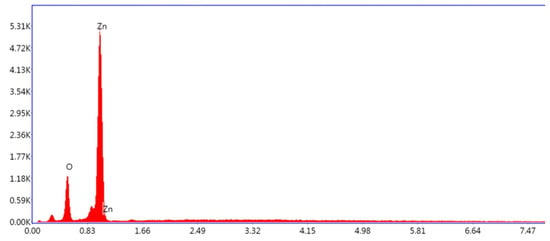
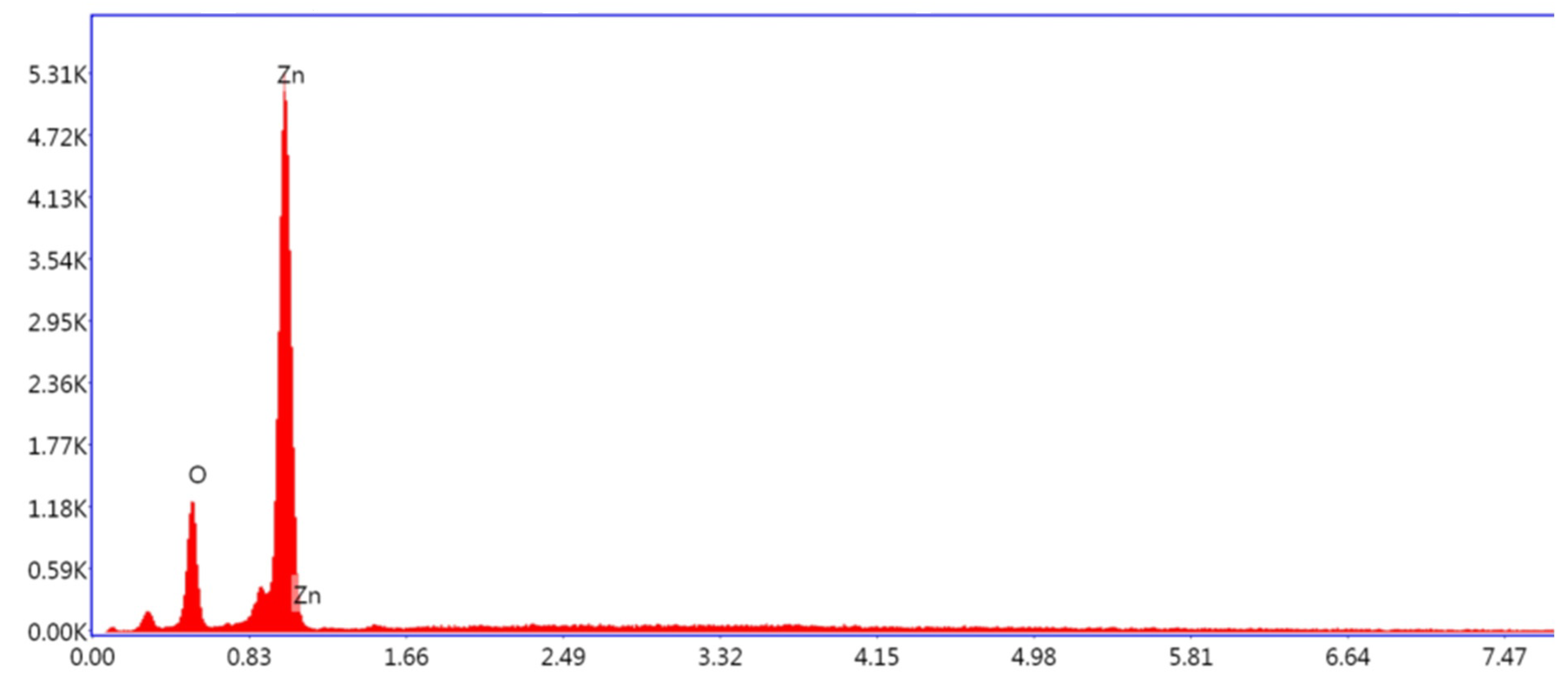
The surface morphology of synthesized ZnO NPs was explored by using SEM. Typical SEM micrographs display many agglomerated particles with irregular spherical morphology with an average size of 80–100 nm (Figure 10).
Figure 10.
Energy-dispersive X-ray (EDX) spectrum of green-synthesized ZnO NPs using the leaf extract of A. indica.
4. Discussion
This study evaluated the insecticidal effect of ZnO and AgNO3 on the development of American bollworms from larvae to adults. Many synthetic pesticides and a few biopesticides have been used to manage the H. armigera for a long time, as it has been destroying crops. However, the use of these artificial chemicals is a threat to the environment and humanity and the development of resistance to insecticides [44,45]. Managing this pest poses an important challenge, and therefore it is necessary to devise a more delicate but effective means of controlling H. armigera which will be safer for the environment and at the same time does not develop resistance to the American bollworm [46]. The current study is designed to appraise the most appropriate alternatives that can efficiently control this pest and are also ecofriendly. ZnO and Ag NPs have been ascertained to be a promising cradle of nontoxic pesticides that are effective in controlling H. armigera. Additionally, it has been shown that they can manage many other insect pests without poisoning the environment and low doses of about 200 ppm have the maximum insect mortality effect [44].
The process of extraction and use of nanoparticles (NPs) synthesized from plants are auspicious fields of research and pest management. Plant extracts are used efficiently as an important biological precursor for the biosynthesis of nanoparticles such as silver, zinc, gold, and iron [47]. These synthesized NPs are easy to apply to plants due to their size and shape [48]. Synthesized NPs have been applied in different aspects such as pest control due to being safer in use for humans and the environment. In recent research, the formation of zinc and silver NPs using neem extract was characterized by different techniques. These NPs of zinc and silver were applied to H. armigera to evaluate the effects of NPs on the growth and development of experimental species.
Synthesized NPs help to reduce adverse effects of insecticides on the environment and the formation of ecologically safer formulations for insect pest control. In the present study, pest mortality was increased with the increase in NPs concentrations. Similar findings were proposed by Devi et al. [3], who observed a direct relation of concentration of NPs with mortality of H. armigera. The LC50 values for silver and zinc oxide NPs were 114.6, 112.73, 130.869 ppm, and 108.7, 77.81 and 140.875 ppm, respectively, for third, fourth and fifth instar larvae and LC90 values of silver and zinc oxide NPs were 202.72, 228.08 and 240.90 ppm, and 379.73, 690.48, 435.93, respectively, for third, fourth, and fifth instar larvae. Similar to our findings, Priyadarshini et al. [49] observed LC50 values of 169.11 and 197.40 ppm and LC90 values of 331.42 and 371.34, respectively, against Anopheles stephensi Liston after applying different concentrations of NPs.
In the current study, silver and zinc oxide NPs prolonged the larval and pupal duration. Our results of larval and pupal duration were similar to the findings of Manimegalai et al. [50], which showed the pupal duration of Spodoptera litura (Fabricius) and H. armigera was prolonged after applying NPs. Male and female longevity was shorter than control after applying these NPs. Similarly, Ammar and Abd-ElAzeem [51] showed reduced longevity for males and females of Earias insulana (Frauenfeld) after applying gelatin copper bio NPs. Morphological and genetic characteristics of H. armigera were similar to the species studied by Queiroz-Santos et al. [52].
The current results showed the variations in the life table parameters (R0, λ, T and r) among the H. armigera populations. The R0, λ, T and r of the control populations were higher than other tested populations. The parameters R0, r and λ indicated the growth potential for estimating pest population—a wider understanding than that provided by individual life history parameters [53], because the life table parameters such as λ and r depend upon the growth and fecundity of the individuals. Hence, the significant differences in such parameters affect the growth rates of the populations [54]. The lower increase rates of populations in this work could be attributable to decreased fecundity of females. In present outcomes, the highly significant variations in demographic parameters of many insect pests have previously been described in M. femurrubrum [54], P. crisonalis [55] and P. xylostella [56]. The life table parameters such as Vxj, sxj, exj, ex, mx, lx and Vx are important indicators for calculating the biological fitness of the insect pest populations.
The aqueous solution of AgNO3 turned into yellowish-brown color after 1 h of A. indica leaf extract addition. In ultraviolet spectral analysis, synthesis of silver nanoparticles was monitored. UV-vis spectrophotometer showed the silver NPs’ color excitation and characteristic surface plasmon resonance band along with a wavelength of 412 nm. This is similar to the finding of Jafir et al. [57], who observed the silver NP’s wavelength ranging from 200 to 700 nm. The morphological analysis, such as the size and shape of Ag NPs, was analyzed using phase contrast microscopy and SEM. Images of synthesized Ag NPs showed uniformity in size and shape. The nanoparticles were found to be aggregated as a round mass of 100 nm. Moreover, when magnification was increased in SEM, small-sized nanoparticles ranging from 10 nm to 70 nm were observed clearly. A similar shape was observed in Ag NPs synthesized from the leaf extract of Phyllanthus niruri [58]. Energy-dispersive X-ray spectroscopy provides information on the composition of Ag NPs. Our result is similar to the findings of Fayaz et al. [59], who observed a peak in silver NPs synthesized from the fungus Trichoderma viridae. The plasma resonance of ZnO NPs showed a peak of 2.68 at 296.0 nm during UV–vis spectroscopy. Likewise, the study of Shukla et al. [60] observed peaks ranging between 240 and 380 nm of synthesized ZnO NPs. In our current study the size and shape of the ZnO NPs were explored by using SEM and EDX analysis ranging between 80 and 100 nm. This is similar to the findings of Umar et al. [61], who also explored the size ranging between 80 and 112 nm and the shape of ZnO NPs.
5. Conclusions
These research findings highlighted the control tactics and provided basic yet important time-specific and age-specific information to understand better H. armigera population dynamics under the influence of NPs. In the current research, the findings can be drawn that NPs have long-lasting effects on the biology of H. armigera and promise an ecologically safe control technique. For the most part, adult longevity and female fecundity was significantly affected after using NPs. Because of the influence of NPs on demographic parameters, they can be integrated with effective pest control strategies. After using Ag NPs and ZnO NPs, 96% and 82% mortality were recorded, respectively. It can also be concluded that the resources obtained from plants can be efficiently used to produce Ag NPs and ZnO NPs and could be utilized in various fields such as biomedical and nanotechnology.
Author Contributions
M.S.A.; Data curation, Investigation, Methodology, Z.M.S.; Conceptualization, Data curation, Formal Analysis, Supervision, A.A.A.; Software, Validation, A.S.; Validation, Visualization, Funding acquisition, Writing—review and editing, R.A.E.H.M.; Visualization, Funding acquisition, Writing—review and editing, N.A.; Software, Writing—original draft preparation, Writing—review and editing, M.S.W.; Resources, Validation, Writing—review and editing, P.A.; Software, Writing—original draft preparation, F.M.A.A.G.; Visualization, Funding acquisition, Writing—review and editing. Funding acquisition. All authors have read and agreed to the published version of the manuscript.
Funding
This work was supported by Princess Nourah bint Abdulrahman University Researchers Supporting Project No. (PNURSP2022R31), Princess Nourah bint Abdulrahman University, Riyadh, Saudi Arabia.
Institutional Review Board Statement
Not applicable.
Informed Consent Statement
Not applicable.
Data Availability Statement
The datasets used and analyzed during the current study are available from the corresponding author upon reasonable request.
Conflicts of Interest
The authors declare no conflict of interest for the article.
References
- Riaz, S.; Johnson, J.B.; Ahmad, M.; Fitt, G.P.; Naiker, M. A review on biological interactions and management of the cotton bollworm, Helicoverpa armigera (Lepidoptera: Noctuidae). J. Appl. Entomol. 2021, 145, 467–498. [Google Scholar] [CrossRef] [Scilit]
- Subramanian, S.; Mohankumar, S. Genetic variability of the bollworm, Helicoverpa armigera, occurring on different host plants. J. Insect Sci. 2006, 6, 26. [Google Scholar] [CrossRef] [Scilit]
- Devi, G.D.; Murugan, K.; Selvam, C.P. Green synthesis of silver nanoparticles using Euphorbia hirta (Euphorbiaceae) leaf extract against crop pest of cotton bollworm, Helicoverpa armigera (Lepidoptera: Noctuidae). J. Biopestic. 2014, 7, 54. [Google Scholar]
- Kumar, R.; Kranthi, S.; Rao, G.P.; Desai, H.; Bheemanna, H.; Dharajothi, B.; Choudhary, A.; Kranthi, K. Assessment of bollworm damage and yield loss in seed blends of Bollgard-II with corresponding Non-Bt hybrid as ‘built in refuge’ in cotton. Phytoparasitica 2021, 49, 253–263. [Google Scholar] [CrossRef] [Scilit]
- Barmukh, R.; Roorkiwal, M.; Jaba, J.; Chitikineni, A.; Mishra, S.P.; Sagurthi, S.R.; Munghate, R.; Sharma, H.; Varshney, R.K. Development of a dense genetic map and QTL analysis for pod borer Helicoverpa armigera (Hübner) resistance component traits in chickpea (Cicer arietinum L.). Plant Genome 2021, 14, e20071. [Google Scholar] [CrossRef] [Scilit] [PubMed]
- Yogindran, S.; Rajam, M.V. Host-derived artificial miRNA-mediated silencing of ecdysone receptor gene provides enhanced resistance to Helicoverpa armigera in tomato. Genomics 2021, 113, 736–747. [Google Scholar] [CrossRef] [Scilit]
- Sári-Barnácz, F.; Szalai, M.; Kun, M.; Iványi, D.; Chaddadi, M.; Barnácz, F.; Kiss, J. Satellite-Based Spectral Indices for Monitoring Helicoverpa Armigera Damage in Maize, Precision Agriculture’ 21; Wageningen Academic Publishers: Wageningen, The Netherlands, 2021; pp. 1139–1147. [Google Scholar] [CrossRef] [Scilit]
- Sekine, T.; Kanao, K.; Inawashiro, S.; Hori, M. Insect pest management by intercropping with leafy daikon (Raphanus sativus) in cabbage fields. Arthropod-Plant Interact. 2021, 15, 669–681. [Google Scholar] [CrossRef] [Scilit]
- Chakravarty, S.; Padwal, K.; Srivastava, C. Molecular characterization of intraspecific variations in Helicoverpa armigera (Hübner) populations across India. J. Environ. Biol. 2021, 42, 1320–1329. [Google Scholar] [CrossRef] [Scilit]
- Das, S.K. Scope and relevance of using pesticide mixtures in crop protection: A critical review. Int. J. Environ. Sci. Technol. 2014, 2, 119–123. [Google Scholar]
- Casida, J.E. Pest toxicology: The primary mechanisms of pesticide action. Chem. Res. Toxicol. 2009, 22, 609–619. [Google Scholar] [CrossRef] [Scilit] [PubMed]
- Saddiq, B.; Shad, S.A.; Khan, H.A.A.; Aslam, M.; Ejaz, M.; Afzal, M.B.S. Resistance in the mealybug Phenacoccus solenopsis Tinsley (Homoptera: Pseudococcidae) in Pakistan to selected organophosphate and pyrethroid insecticides. Crop Prot. 2014, 66, 29–33. [Google Scholar] [CrossRef] [Scilit]
- Qayyum, M.A.; Wakil, W.; Arif, M.J.; Sahi, S.T.; Saeed, N.A.; Russell, D.A. Multiple resistances against formulated organophosphates, pyrethroids, and newer-chemistry insecticides in populations of Helicoverpa armigera (Lepidoptera: Noctuidae) from Pakistan. J. Econ. Entomol. 2015, 108, 286–293. [Google Scholar] [CrossRef] [Scilit] [PubMed]
- Head, G.P.; Greenplate, J. The design and implementation of insect resistance management programs for Bt crops. GM Crops Food 2012, 3, 144–153. [Google Scholar] [CrossRef] [Scilit] [PubMed]
- Alvi, A.H.; Sayyed, A.H.; Naeem, M.; Ali, M. Field evolved resistance in Helicoverpa armigera (Lepidoptera: Noctuidae) to Bacillus thuringiensis toxin Cry1Ac in Pakistan. PLoS ONE 2012, 7, e47309. [Google Scholar] [CrossRef] [Scilit] [PubMed]
- Jin, L.; Zhang, H.; Lu, Y.; Yang, Y.; Wu, K.; Tabashnik, B.E.; Wu, Y. Large-scale test of the natural refuge strategy for delaying insect resistance to transgenic Bt crops. Nat. Biotechnol. 2015, 33, 169–174. [Google Scholar] [CrossRef] [Scilit] [PubMed]
- Singh, R.P.; Handa, R.; Manchanda, G. Nanoparticles in sustainable agriculture: An emerging opportunity. J. Control. Release 2021, 329, 1234–1248. [Google Scholar] [CrossRef] [Scilit] [PubMed]
- Yah, C.S.; Simate, G.S. Nanoparticles as potential new generation broad spectrum antimicrobial agents. DARU J. Pharm. Sci. 2015, 23, 43. [Google Scholar] [CrossRef] [Scilit]
- Mohanpuria, P.; Rana, N.K.; Yadav, S.K. Biosynthesis of nanoparticles: Technological concepts and future applications. J. Nanopart. Res. 2008, 10, 507–517. [Google Scholar] [CrossRef] [Scilit]
- Willems, V.D.W. Roadmap Report on Nanoparticles; W&W Espana sl: Barcelona, Spain, 2005; p. 157. [Google Scholar]
- Verma, A.; Mehata, M.S. Controllable synthesis of silver nanoparticles using Neem leaves and their antimicrobial activity. J. Radiat. Res. Appl. 2016, 9, 109–115. [Google Scholar] [CrossRef] [Scilit]
- Ahmad, S.; Ansari, M.S. Acute toxicity and sub-lethal effects of a pyrethroid (cypermethrin) on survival, development and fitness of Helicoverpa armigera. Arch. Phytopathol. Plant Prot. 2013, 46, 1726–1739. [Google Scholar] [CrossRef] [Scilit]
- Jarrahi, A.; Safavi, S.A. Fitness costs to Helicoverpa armigera after exposure to sub-lethal concentrations of Metarhizium anisopliae sensu lato: Study on F1 generation. J. Invertebr. Pathol. 2016, 138, 50–56. [Google Scholar] [CrossRef] [Scilit]
- Chi, H. Life table analysis incorporating both sexes and variable development rates among individuals. Environ. Entomol. 1988, 17, 26–34. [Google Scholar] [CrossRef] [Scilit]
- Chi, H.; You, M.; Atlihan, R.; Smith, C.L.; Kavousi, A.; Özgökçe, M.S.; Güncan, A.; Tuan, S.J.; Fu, J.W.; Xu, Y.Y. Age-stage, two-sex life table: An introduction to theory, data analysis, and application. Entomol. Gen. 2020, 40, 102–123. [Google Scholar] [CrossRef] [Scilit]
- Shoukat, R.F.; Zafar, J.; Shakeel, M.; Zhang, Y.; Freed, S.; Xu, X.; Jin, F. Assessment of lethal, sublethal, and transgenerational effects of Beauveria bassiana on the demography of Aedes albopictus (Culicidae: Diptera). Insects 2020, 11, 178. [Google Scholar] [CrossRef] [Scilit]
- Rueda, L.; Patel, K.; Axtell, R.; Stinner, R. Temperature-dependent development and survival rates of Culex quinquefasciatus and Aedes aegypti (Diptera: Culicidae). J. Med. Entomol. 1990, 27, 892–898. [Google Scholar] [CrossRef] [Scilit]
- Sowilem, M.M.; Kamal, H.A.; Khater, E.I. Life table characteristics of Aedes aegypti (Diptera: Culicidae) from Saudi Arabia. Trop Biomed. 2013, 30, 301–314. [Google Scholar]
- Chi, H. Timing of control based on the stage structure of pest populations: A simulation approach. J. Econ. Entomol. 1990, 83, 1143–1150. [Google Scholar] [CrossRef] [Scilit]
- Yu, J.Z.; Chi, H.; Chen, B.H. Life table and predation of Lemnia biplagiata (Coleoptera: Coccinellidae) fed on Aphis gossypii (Homoptera: Aphididae) with a proof on relationship among gross reproduction rate, net reproduction rate, and preadult survivorship. Ann. Entomol. Soc. Am. 2005, 98, 475–482. [Google Scholar] [CrossRef] [Scilit]
- Krishnareddy, B.; Hanur, V.S. Enhanced synthetic diet for rearing H. armigera under laboratory conditions. J. Entomol. Zool. Stud. 2015, 3, 165–167. [Google Scholar]
- Ahmed, K.; Khalique, F.; Malik, B.A. Modified artificial diet for mass rearing of Chickpea Pod borer, Helicoverpa armigera (H.). Pak. J. Biol. Sci. 1998, 1, 183–187. [Google Scholar] [CrossRef] [Scilit]
- Sekhar, E.C.; Rao, K.; Rao, K.M.S.; Alisha, S.B. A simple biosynthesis of silver nanoparticles from Syzygium cumini stem bark aqueous extract and their spectrochemical and antimicrobial studies. J. Appl. Pharm. Sci. 2018, 8, 73–79. [Google Scholar]
- Roy, P.; Das, B.; Mohanty, A.; Mohapatra, S. Green synthesis of silver nanoparticles using Azadirachta indica leaf extract and its antimicrobial study. Appl. Nanosci. 2017, 7, 843–850. [Google Scholar] [CrossRef] [Scilit]
- Senthilkumar, S.; Sivakumar, T. Green tea (Camellia sinensis) mediated synthesis of zinc oxide (ZnO) nanoparticles and studies on their antimicrobial activities. Int. J. Pharm. Pharm. Sci. 2014, 6, 461–465. [Google Scholar]
- Manimegalai, T.; Raguvaran, K.; Kalpana, M.; Maheswaran, R. Green synthesis of silver nanoparticle using Leonotis nepetifolia and their toxicity against vector mosquitoes of Aedes aegypti and Culex quinquefasciatus and agricultural pests of Spodoptera litura and Helicoverpa armigera. Environ. Sci. Pollut. Res. 2020, 27, 43103–43116. [Google Scholar] [CrossRef] [Scilit] [PubMed]
- Abbas, N.; Hafez, A.M. Resistance to insect growth regulators and age-stage, two-sex life table in Musca domestica from different dairy facilities. PLoS ONE 2021, 16, e0248693. [Google Scholar] [CrossRef] [Scilit] [PubMed]
- Chi, H.; Su, H.Y. Age-stage, two-sex life tables of Aphidius gifuensis (Ashmead) (Hymenoptera: Braconidae) and its host Myzus persicae (Sulzer) (Homoptera: Aphididae) with mathematical proof of the relationship between female fecundity and the net reproductive rate. Environ. Entomol. 2006, 35, 10–21. [Google Scholar] [CrossRef] [Scilit]
- Tuan, S.J.; Lee, C.C.; Chi, H. Population and damage projection of Spodoptera litura (F.) on peanuts (Arachis hypogaea L.) under different conditions using the age-stage, two-sex life table. Pest. Manag. Sci. 2014, 70, 805–813. [Google Scholar] [CrossRef] [Scilit]
- Farrokhi, M.; Gharekhani, G.; Iranipour, S.; Hassanpour, M. Host plant–herbivore–predator interactions in Chrysoperla carnea (Neuroptera: Chrysopidae) and Myzus persicae (Homoptera: Aphididae) on four plant species under laboratory conditions. J. Econ. Entomol. 2017, 110, 2342–2350. [Google Scholar] [CrossRef] [Scilit]
- Goodman, D. Optimal life histories, optimal notation, and the value of reproductive value. Am. Nat. 1982, 119, 803–823. [Google Scholar] [CrossRef] [Scilit]
- Finney, D. Probit Analysis; Cambridge University Press: Cambridge, UK, 1971. [Google Scholar]
- Meyer, J.S.; Ingersoll, C.G.; McDonald, L.L.; Boyce, M.S. Estimating uncertainty in population growth rates: Jackknife vs. bootstrap techniques. Ecology 1986, 67, 1156–1166. [Google Scholar] [CrossRef] [Scilit]
- Rouhani, M.; Samih, M.A.; Kalantari, S. Insecticied effect of silver and zinc nanoparticles against Aphis nerii Boyer of fonscolombe (Hemiptera: Aphididae). Chil. J. Agric. Res. 2012, 72, 590–594. [Google Scholar] [CrossRef] [Scilit]
- Rajula, J.; Rahman, A.; Krutmuang, P. Entomopathogenic fungi in Southeast Asia and Africa and their possible adoption in biological control. Biol. Control 2020, 151, 104399. [Google Scholar] [CrossRef] [Scilit]
- Guan, H.; Chi, D.; Yu, J.; Li, X. A novel photodegradable insecticide: Preparation, characterization and properties evaluation of nano-Imidacloprid. Pestic. Biochem. Physiol. 2008, 92, 83–91. [Google Scholar] [CrossRef] [Scilit]
- Rasheed, T.; Bilal, M.; Iqbal, H.M.; Li, C. Green biosynthesis of silver nanoparticles using leaves extract of Artemisia vulgaris and their potential biomedical applications. Colloids Surf. B Biointerfaces 2017, 158, 408–415. [Google Scholar] [CrossRef] [Scilit] [PubMed]
- Kumar, V.; Yadav, S.K. Plant mediated synthesis of silver and gold nanoparticles and their applications. J. Chem. Technol. Biotechnol. Int. Res. Process Environ. Clean Technol. 2009, 84, 151–157. [Google Scholar] [CrossRef] [Scilit]
- Priyadarshini, K.A.; Murugan, K.; Panneerselvam, C.; Ponarulselvam, S.; Hwang, J.S.; Nicoletti, M. Biolarvicidal and pupicidal potential of silver nanoparticles synthesized using Euphorbia hirta against Anopheles stephensi Liston (Diptera: Culicidae). Parasitol. Res. 2012, 111, 997–1006. [Google Scholar] [CrossRef] [Scilit] [PubMed]
- Manimegalai, T.; Raguvaran, K.; Kalpana, M.; Maheswaran, R. Facile Synthesis of Silver Nanoparticles Using Vernonia anthelmintica (L.) Willd. and Their Toxicity against Spodoptera litura (Fab.), Helicoverpa armigera (Hüb.), Aedes aegypti Linn. and Culex quinquefasciatus Say. J. Clust. Sci. 2021, 33, 2287–2303. [Google Scholar] [CrossRef] [Scilit]
- Ammar, H.A.; Abd-ElAzeem, E.M. Novel treatment of gelatin-copper bio-nanoparticles as a management method against the spiny bollworm, Earias insulana, (Boisd.) (Lepidoptera: Noctuidae) in comparison studies with the uncoated nanoparticles. Inorg. Nano-Met. Chem. 2021, 51, 309–321. [Google Scholar] [CrossRef] [Scilit]
- Queiroz-Santos, L.; Casagrande, M.; Specht, A. Morphological characterization of Helicoverpa armigera (Hübner) (Lepidoptera: Noctuidae: Heliothinae). Neotrop. Entomol. 2018, 47, 517–542. [Google Scholar] [CrossRef] [Scilit] [PubMed]
- Shah, R.M.; Shad, S.A.; Abbas, N. Methoxyfenozide resistance of the housefly, Musca domestica L.(Diptera: Muscidae): Cross resistance patterns, stability and associated fitness costs. Pest. Manag. Sci. 2017, 73, 254–261. [Google Scholar] [CrossRef] [Scilit] [PubMed]
- Abbas, N.; Khan, H.; Shad, S.A. Cross-resistance, stability, and fitness cost of resistance to imidacloprid in Musca domestica L., (Diptera: Muscidae). Parasitol. Res. 2015, 114, 247–255. [Google Scholar] [CrossRef] [Scilit] [PubMed]
- Chen, Q.; Li, N.; Wang, X.; Ma, L.; Huang, J.B.; Huang, G.H. Age-stage, two-sex life table of Parapoynx crisonalis (Lepidoptera: Pyralidae) at different temperatures. PLoS ONE 2017, 12, e0173380. [Google Scholar] [CrossRef] [Scilit] [PubMed]
- Pan, Q.J.; Chen, L.; Lin, X.L.; Ridsdill-Smith, T.J.; Liu, T.X. Geographical variations in life histories of Plutella xylostella in China. J. Pestic. Sci. 2014, 87, 659–670. [Google Scholar] [CrossRef] [Scilit]
- Jafir, M.; Ahmad, J.N.; Arif, M.J.; Ali, S.; Ahmad, S.J.N. Characterization of Ocimum basilicum synthesized silver nanoparticles and its relative toxicity to some insecticides against tobacco cutworm, Spodoptera litura Feb. (Lepidoptera; Noctuidae). Ecotox. Environ. Saf. 2021, 218, 112278. [Google Scholar] [CrossRef] [Scilit]
- Suresh, U.; Murugan, K.; Benelli, G.; Nicoletti, M.; Barnard, D.R.; Panneerselvam, C.; Kumar, P.M.; Subramaniam, J.; Dinesh, D.; Chandramohan, B. Tackling the growing threat of dengue: Phyllanthus niruri-mediated synthesis of silver nanoparticles and their mosquitocidal properties against the dengue vector Aedes aegypti (Diptera: Culicidae). Parasitol. Res. 2015, 114, 1551–1562. [Google Scholar] [CrossRef] [Scilit]
- Fayaz, A.M.; Balaji, K.; Girilal, M.; Yadav, R.; Kalaichelvan, P.T.; Venketesan, R. Biogenic synthesis of silver nanoparticles and their synergistic effect with antibiotics: A study against gram-positive and gram-negative bacteria. Nanomed. Nanotechnol. Biol. Med. 2010, 6, 103–109. [Google Scholar] [CrossRef] [Scilit] [PubMed]
- Shukla, G.; Gaurav, S.S.; Singh, A. Synthesis of mycogenic zinc oxide nanoparticles and preliminary determination of its efficacy as a larvicide against white grubs (Holotrichia sp.). Int. Nano. Lett. 2020, 10, 131–139. [Google Scholar] [CrossRef] [Scilit]
- Umar, H.; Kavaz, D.; Rizaner, N. Biosynthesis of zinc oxide nanoparticles using Albizia lebbeck stem bark, and evaluation of its antimicrobial, antioxidant, and cytotoxic activities on human breast cancer cell lines. Int. J. Nanomed. 2019, 14, 87–100. [Google Scholar] [CrossRef] [Scilit]

Publisher’s Note: MDPI stays neutral with regard to jurisdictional claims in published maps and institutional affiliations. |
© 2022 by the authors. Licensee MDPI, Basel, Switzerland. This article is an open access article distributed under the terms and conditions of the Creative Commons Attribution (CC BY) license (https://creativecommons.org/licenses/by/4.0/).