


Abstract
Background: The global aging population faces an increasing prevalence of type 2 diabetes mellitus (T2DM), often complicated by frailty, cognitive decline, and impaired manual dexterity. These factors make glucose self-monitoring particularly challenging. Minimally invasive glucose monitoring methods, particularly continuous glucose monitoring (CGM) as well as emerging non-invasive glucose monitoring technologies offer potential solutions, but remain insufficiently evaluated in older adults. Objective: To systematically review and synthesize available evidence on the advantages of continuous glucose monitoring (CGM) and non-invasive glucose monitoring methods in older adults aged ≥65 years, focusing on clinical efficacy, usability, adherence, and existing knowledge gaps. Methods: A systematic literature search was conducted across PubMed, Scopus, and Web of Science, including studies from 2020 to 2025. Eligible studies included participants aged ≥65 years and evaluated the clinical performance of CGM or other minimally invasive or non-invasive glucose monitoring technologies. The PRISMA framework guided screening and selection. Risk of bias was assessed using RoB 2 and ROBINS-I tools. Due to substantial heterogeneity among study designs and reported outcomes, a narrative synthesis approach was adopted. Results: A total of 426 records were identified, of which 13 met the predefined eligibility criteria after full-text screening. After risk of bias assessment, one study was excluded, resulting in 12 studies included in the final synthesis. No eligible studies evaluating completely non-invasive glucose monitoring technologies were identified, highlighting a significant research gap in this area specifically for older adults. CGM was associated with improved glycemic control, reduced hypoglycemia, and increased time in range among older adults. Usability was generally high, particularly with newer, user-friendly devices. Conclusions: CGM is associated with improved glycemic outcomes and favorable usability in adults aged ≥65 years. However, a significant gap exists in research on non-invasive glucose monitoring technologies in this population. Future studies should address the accuracy, feasibility, and usability of non-invasive glucose monitoring devices, while accounting for the physiological and behavioral complexities associated with aging.
1. Introduction
As the global population ages, the prevalence of type 2 diabetes mellitus (T2DM) among older adults continues to rise, estimated at 23.7% [1], posing significant challenges to health systems and individual well-being. Frailty is a significant concern among older adults aged ≥65 years, particularly in individuals with diabetes, with reported prevalence rates ranging from 53.8% to 61.8% across different populations [2,3]. Frailty is associated with a worse prognosis, including increased mortality, hospitalization, and risk of hypoglycemia [4].
At the same time, cognitive impairment among older adults aged ≥65 years is a significant public health concern, characterized by a decline in mental abilities such as memory and attention. In China, the prevalence of cognitive impairment among older adults was 44.04%, with higher rates in females and those with lower education levels [5]. In a hospital-based study, 41.2% of adults aged ≥65 years were found to have cognitive impairment [6].
Cognitive decline in older adults is associated with impaired hand dexterity and reduced bimanual coordination, which may compromise their ability to perform routine functional tasks. Tasks involving executive functions and attention are particularly affected, indicating a strong link between cognitive function and manual dexterity [7]. Older adults show a decline in force release performance during precision grip tasks, which may be due to sensory deficits and changes in central nervous system circuits [8]. Age-related decreases in motor and sensory nerve conduction velocities have been observed, with reduced motor nerve conduction velocity being directly associated with decreased fingertip dexterity [9].
As individuals age, physiological changes such as declining renal function increase susceptibility to both hyperglycemia and hypoglycemia, particularly during surgical procedures or periods of stress [10]. Hypoglycemic episodes may also exacerbate previously mild physical and cognitive impairments [11]. These factors necessitate careful monitoring and individualized glycemic control strategies to prevent complications and improve quality of life.
Given the importance of simplifying diabetes management to reduce treatment burden and enhance adherence among older adults, particular attention should be paid to how glycemia is measured and monitored in this population [12]. Non-invasive and minimally invasive methods address these challenges by providing safe, pain-free, user-friendly, and continuous monitoring solutions. Non-invasive methods eliminate the discomfort associated with finger pricking, thereby improving patient adherence and self-management. In parallel, minimally invasive CGM devices have been shown to reduce glycemic variability and hypoglycemia in older adults, contributing to improved overall glycemic control [13].
The objective of this systematic review is to synthesize the available evidence regarding the advantages of CGM and non-invasive glucose monitoring methods specifically in older adults aged ≥65 years. This review evaluates the impact and potential benefits of these technologies on clinical outcomes, patient adherence, quality of life, and the use of healthcare services compared with traditional methods of glycemic monitoring. By highlighting current findings and identifying knowledge gaps, this review aims to inform clinical decision-making, support the integration of advanced glucose monitoring technologies in older populations, and underscore the importance of addressing reimbursement policies that may affect access.
2. Materials and Methods
We conducted a systematic literature search to identify relevant studies for inclusion in this review. The review was conducted and reported in accordance with the Preferred Reporting Items for Systematic Reviews and Meta-Analyses (PRISMA) 2020 guidelines. The completed PRISMA 2020 checklist is provided as Supplementary Material (Table S1). The protocol was registered in the PROSPERO database (CRD420251081838). Searches were performed in PubMed/MEDLINE, Scopus, and Web of Science. The initial search was conducted on 15 May 2025 and updated on 20 January 2026. The final search date was therefore 20 January 2026. The search covered studies published between 1 January 2020 and 31 December 2025.
We used a combination of Medical Subject Headings (MeSH) and free-text terms relevant to the research topic. The full search strategy for each database is provided in Appendix A.
The total number of records identified prior to deduplication was as follows: PubMed (n = 6724), Scopus (n = 10741), and Web of Science (n = 443).
The search strategy was intentionally designed to capture both continuous glucose monitoring (CGM) and fully non-invasive glucose monitoring technologies. Specific terms related to non-invasive monitoring approaches (e.g., spectroscopy-based methods, transdermal sensing, and alternative biological fluids) were included to ensure comprehensive coverage. The absence of eligible studies on non-invasive glucose monitoring in older adults was therefore identified as a result of the completed systematic search process rather than a limitation of the search strategy.
We screened all retrieved articles in two stages: first by title and abstract, followed by full-text review. Studies were eligible for inclusion if they met all of the following predefined criteria: (1) evaluated continuous glucose monitoring (CGM) or non-invasive glucose monitoring (NIGM) methods; (2) included participants aged ≥65 years, populations in which at least 50% of participants were aged ≥65 years, or reported subgroup analyses specifically for individuals aged ≥65 years; and (3) were primary research studies (including randomized controlled trials, observational studies, cohort studies, validation, feasibility, pilot, or usability studies) published in English between 2020 and 2025.
We considered studies evaluating both minimally invasive and non-invasive glucose monitoring technologies, including optical methods (e.g., Raman or near-infrared spectroscopy), reverse iontophoresis, electromagnetic sensing, transdermal sensors, and devices using alternative biological fluids such as sweat, saliva, or interstitial fluid. Comparator methods could include traditional invasive glucose monitoring; however, studies without comparators, such as single-arm feasibility or performance studies, were also considered eligible.
These eligibility criteria were defined a priori and applied consistently during the screening process. Studies that did not clearly meet the age-related inclusion criteria were excluded to minimize selection bias and ensure methodological rigor.
Studies were excluded if they focused exclusively on populations under 65 years without age-stratified data or involved animal or in vitro experiments. We also excluded studies evaluating only invasive glucose monitoring devices unless used as comparators, studies lacking outcomes related to usability, accuracy, adherence, or clinical impact, as well as technical validation studies without human subjects. Additionally, case reports or case series with fewer than five patients, non-English publications, and studies without accessible full text were excluded.
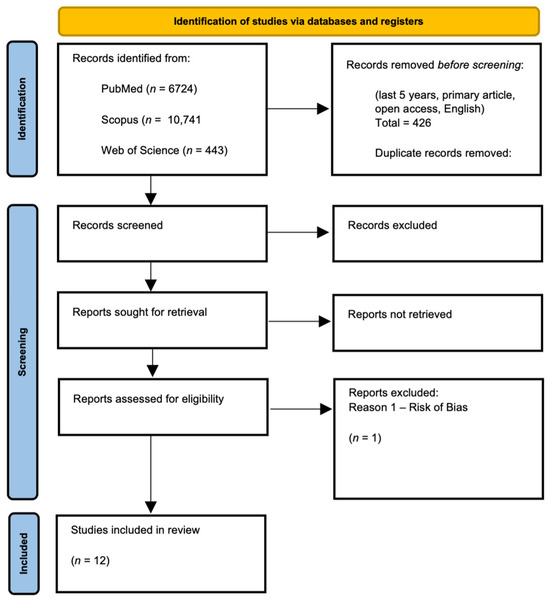
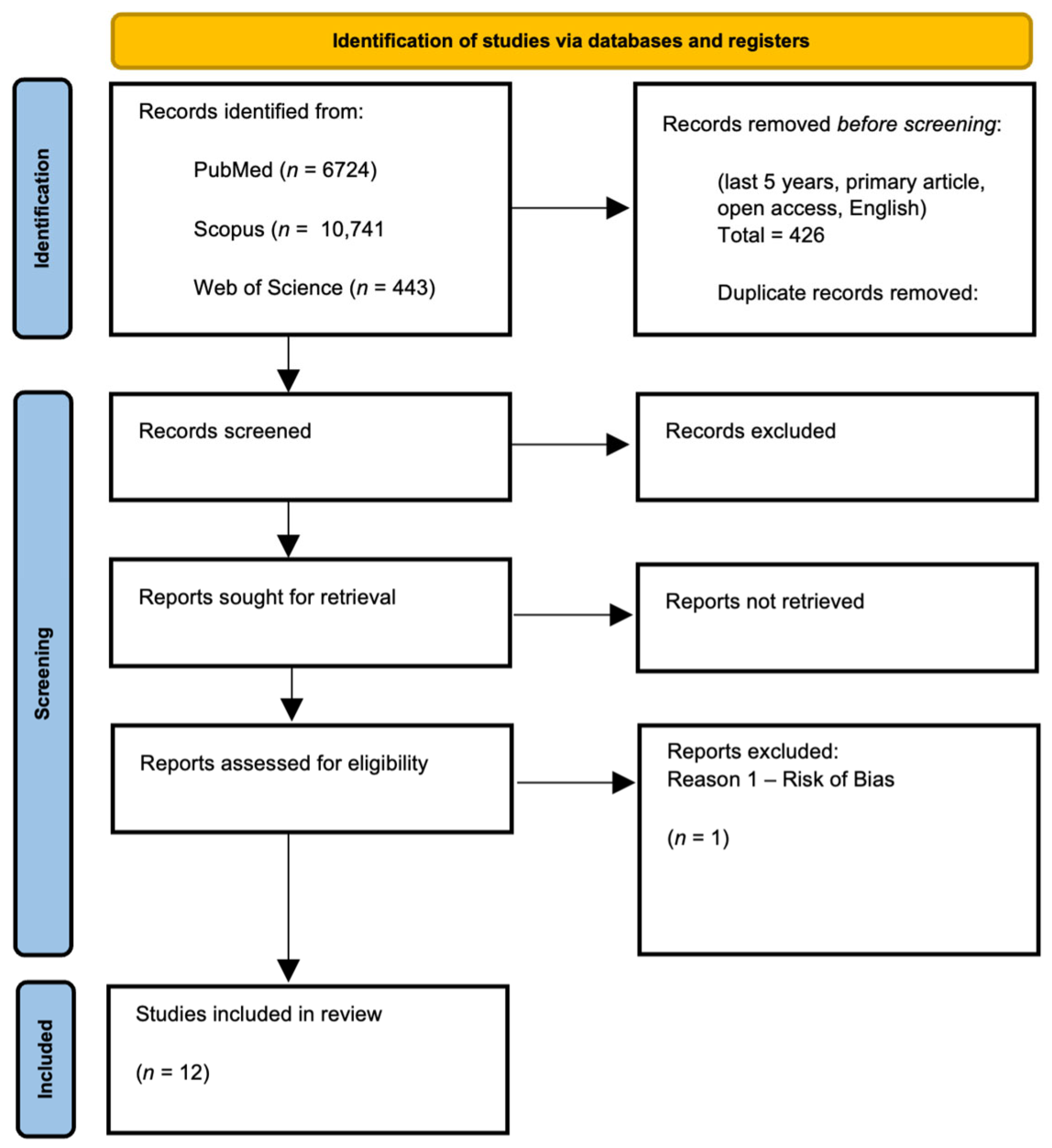
After removing duplicates, 422 unique records were screened by title and abstract. Following this initial screening stage, 29 articles were identified as potentially relevant and were retained for full-text review. After full-text assessment, 13 studies met the predefined eligibility criteria and underwent methodological assessment.
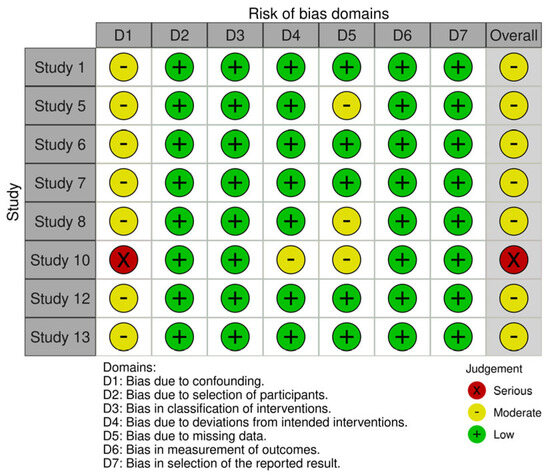
Subsequently, we conducted a risk of bias assessment using the Cochrane Risk of Bias 2 (RoB 2) tool for randomized controlled trials and the Risk Of Bias In Non-randomized Studies of Interventions (ROBINS-I) tool for observational studies. Based on this assessment, one study was excluded due to critical risk of bias, resulting in a final sample of 12 studies included in the final synthesis. Detailed justifications for this exclusion, along with individual risk of bias assessments, are provided in Appendix B.
The search strategy was designed to include both continuous glucose monitoring (CGM) and non-invasive glucose monitoring methods in the geriatric population. Despite a comprehensive search across PubMed, Scopus, and Web of Science, many studies meeting the inclusion criteria focused on CGM. This reflects a current gap in published research on non-invasive glucose monitoring techniques in older adults.
Data extraction was conducted independently by two reviewers using a pre-piloted standardized form. Extracted data included study design, population characteristics, type of monitoring technology used, primary outcomes and key findings. Discrepancies were resolved through discussion or consultation with a third reviewer.
To assess the risk of bias in the included studies, we used the Cochrane Risk of Bias 2 (RoB 2) tool for randomized controlled trials and the Risk Of Bias In Non-randomized Studies of Interventions (ROBINS-I) tool for observational and non-randomized studies. These assessments were conducted independently by two reviewers, and studies were categorized as having low, moderate, or high risk of bias based on the criteria specific to each tool.
The certainty of evidence for the main outcomes was assessed qualitatively across outcome domains, taking into account study design, risk of bias, consistency of findings, directness, and precision. Outcomes supported by randomized controlled trials with generally consistent findings were considered to provide higher certainty than those informed mainly by observational, feasibility, or pilot studies. The certainty of evidence was summarized as moderate, low, or not assessable, as appropriate for each outcome domain.
Given the substantial heterogeneity across study populations, diabetes types, monitoring technologies, comparators, settings, and reported outcome metrics, a meta-analysis was not considered appropriate. Therefore, findings were synthesized narratively and grouped by monitoring modality and outcome domain, including glycemic control, hypoglycemia, usability/adherence, and other clinically relevant outcomes.
3. Results
3.1. Study Selection
A total of 426 records were identified through database searches in PubMed, Scopus, and Web of Science. After removing duplicates, 422 unique records were screened by title and abstract, leaving 29 articles for full-text review. Following full-text assessment and risk of bias evaluation (with details in Appendix B), 13 studies met all inclusion criteria. One study [14] was subsequently excluded due to critical risk of bias, leaving 12 studies for the final synthesis [Appendix B]. The PRISMA flow diagram is presented in Figure 1.
Figure 1.
PRISMA Flow Diagram.
3.2. Characteristics of Included Studies
Table 1 summarizes the characteristics of the 12 included studies, which were published between 2020–2025 across diverse settings (e.g., USA, China, Europe). Designs included 5 randomized controlled trials, 4 observational studies, and 3 feasibility or pilot studies. Sample sizes ranged from 35 to 280 participants. Studies included populations with mean or median ages >65 years, populations in which at least 50% of participants were aged ≥65 years, or studies reporting subgroup analyses specifically for individuals aged ≥65 years. All included studies met the predefined age-related eligibility criteria. All included studies focused primarily on CGM methods. No eligible studies on non-invasive glucose monitoring devices specifically targeting older adults were identified (see Table 1).
Table 1.
Characteristics of Included Studies.
3.3. Risk of Bias Assessment
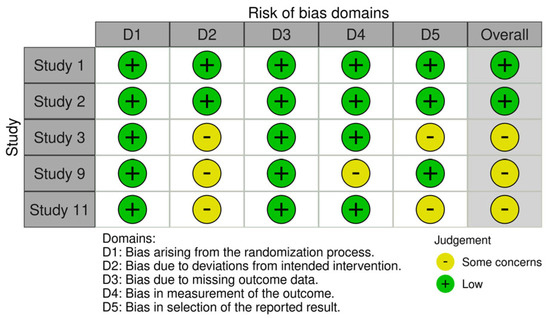
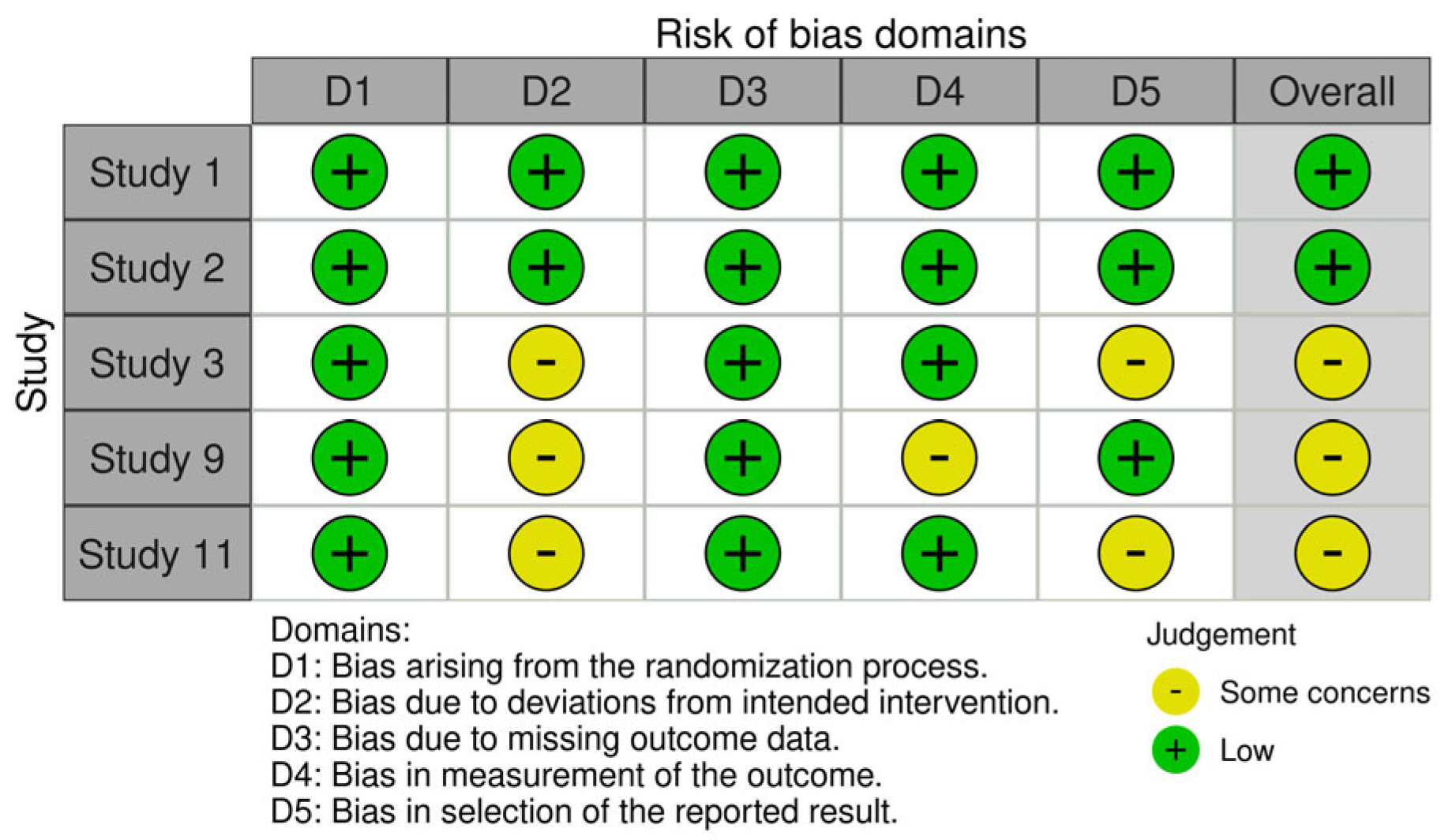
Risk of bias assessments for the included studies are detailed in Appendix B. Among the studies undergoing methodological assessment, two were judged to have low risk of bias, ten had moderate risk of bias, and one study [14] was excluded due to critical risk of bias, leaving 12 studies in the final synthesis, as shown in Figure 2 and Figure 3. Common concerns included small sample sizes, lack of consistent blinding, and incomplete outcome data.
Figure 2.
ROB II analysis.
Figure 3.
ROBINS I analysis.
3.4. Main Findings
Pratley et al. [15] conducted a randomized clinical trial involving 203 older adults (aged ≥60 years) with type 1 diabetes evaluating the effectiveness of continuous glucose monitoring (CGM) versus traditional blood glucose monitoring (BGM) in reducing hypoglycemia. The primary outcome was the percentage of time participants spent with glucose levels below 70 mg/dL. Over a six-month period, CGM users experienced a small but statistically significant reduction in hypoglycemia compared to those using BGM. While the findings support CGM’s potential benefit in this age group, the study also emphasized the need for further investigation into its long-term effects.
In a follow-up to a 26-week randomized clinical trial, Miller et al. [16] assessed glycemic outcomes over 52 weeks in older adults with type 1 diabetes using continuous glucose monitoring (CGM). Participants who continued CGM use (CGM-CGM cohort) maintained significant improvements in hypoglycemia reduction and time in range (TIR), while those who switched from blood glucose monitoring to CGM (BGM-CGM cohort) also demonstrated notable glycemic benefits. These results suggest a potential benefit of sustained CGM use in older adults at risk of hypoglycemia, though the observational nature of the extension phase limits causal inference.
Chu et al. [17] explored the effectiveness of continuous glucose monitoring systems (CGMS) in managing glycemic control among critically ill ICU patients. While CGMS use was associated with an increased Time in Range (TIR), indicating improved glycemic control, it did not significantly affect overall clinical outcomes. Interestingly, the control group spent less time in hypoglycemia, and insulin dosage requirements were similar across both groups. These findings suggest a limited and context-dependent role for CGMS in ICU settings; well-powered prospective trials are needed before it can be considered a viable alternative to point-of-care monitoring (POCM).
Chao et al. [18] examined the role of continuous glucose monitoring (CGM) in optimizing treatment for individuals with insulin-treated type 1 and type 2 diabetes. The study emphasized the benefits of the ‘Urgent Low Soon’ alert feature integrated into the updated G6 algorithm, which led to a notable reduction in severe hypoglycemic episodes and overall improvement in glycemic control compared to traditional self-monitoring of blood glucose. These findings suggest that CGM may support diabetes management and improve patient safety.
Munshi et al. [19] investigated the impact of diabetes-related technologies on glycemic outcomes in older adults (≥65 years) with type 1 diabetes. The study found that users of continuous glucose monitoring (CGM) and insulin pumps achieved better glycemic control, demonstrated by lower A1c levels and reduced risk of hypoglycemia. However, these individuals also reported greater impairment in hypoglycemia awareness and increased diabetes-related distress. The findings underscore the importance of individualized technology selection and the need for larger studies to guide optimal use in this population.
Zelnick et al. [20] assessed the reliability of glycemic biomarkers, HbA1c, glycated albumin, and fructosamine, compared to continuous glucose monitoring (CGM) in patients with type 2 diabetes across different levels of kidney function (eGFR). The study highlighted that HbA1c may be an unreliable indicator of glycemic control in individuals with chronic kidney disease due to variability and potential bias. CGM was identified as a valuable tool for capturing short-term glucose fluctuations and hypoglycemic events.
Toschi et al. [21] examined how continuous glucose monitoring (CGM)-derived metrics relate to HbA1c and hypoglycemia risk in older adults with type 1 diabetes. The study found that participants with a high coefficient of variation (CV) spent significantly more time in hypoglycemia than those with low CV, despite having similar A1c levels. These results highlight the limitations of HbA1c alone and support the use of CGM metrics such as CV and glucose management indicator (GMI) as complementary tools for better identifying hypoglycemia risk. These findings suggest that CGM-derived metrics may complement HbA1c for hypoglycemia risk stratification in older adults. However, prospective validation of these metrics as clinical decision-support tools remains warranted.
Bosi et al. [22] conducted a prospective observational cohort study to evaluate the effectiveness of flash glucose monitoring versus self-monitoring of blood glucose (SMBG) in individuals with type 2 diabetes on basal-bolus insulin therapy. Over a three to six-month period, the flash monitoring group experienced significantly greater reductions in HbA1c compared to the SMBG group. These results highlight the utility of continuous glucose monitoring, especially in patients with obesity, as a means of improving glycemic control in type 2 diabetes management.
Shang et al. [23] conducted a randomized controlled trial to assess the impact of continuous glucose monitoring (CGM) on 28-day in-ICU mortality among 124 frail, critically ill COVID-19 patients. The study demonstrated a significant reduction in mortality (hazard ratio: 0.18) and a decrease in hypoglycemia events in the CGM group compared to those managed with point-of-care glucose testing. These results highlight the potential clinical benefits of CGM in improving outcomes for critically ill patients in ICU settings.
Kahkoska et al. [24], building on findings from the WISDM study, confirmed that continuous glucose monitoring (CGM) was associated with reduced hypoglycemia in older adults with type 1 diabetes compared to traditional blood glucose monitoring (BGM). Using machine learning methods, the study developed a data-driven decision rule to identify individuals who would benefit most from CGM, thereby optimizing time spent in hypoglycemia. These findings emphasize the potential of CGM for personalized treatment strategies, and future research is encouraged to evaluate its utility in optimizing broader glycemic outcomes beyond hypoglycemia.
Krajnc et al. [25] assessed the glycemic control and hypoglycemia risk in type 2 diabetes patients undergoing low-premixed insulin therapy, using real-world data from 35 individuals monitored with the Dexcom G6 system. The study reported an average time in range (TIR) of 62.1% and a low incidence of severe hypoglycemia (time below range, TBR, at 0.8%). While participants met targets for TIR and time above range (TAR), they did not achieve the recommended TBR target for older or high-risk populations. These results support the utility of continuous glucose monitoring (CGM) as a valuable tool for improving glycemic management in this group.
Barua et al. [26] examined the accuracy of continuous glucose monitoring (CGM) versus traditional fingerstick methods in measuring postprandial plasma glucose in nondiabetic older adults. Involving 10 participants over 9 meals, glucose was tracked for 8 h post-consumption. The study found fingerstick measurements to be more accurate, with a mean absolute relative difference (MARD) of 8.0%, compared to 13.7% for CGM. CGM tended to underestimate glucose excursions and time in range, suggesting that caution is warranted when applying CGM for precision nutrition or diabetes risk prediction in non-diabetic older adults, particularly given the very small sample size (n = 10).
3.5. Synthesis of Findings
To avoid overgeneralization, findings were synthesized by outcome domain rather than as a single global estimate of effect. The main outcome domains were hypoglycemia, glycemic outcomes, including time in range (TIR) and HbA1c, diagnostic accuracy, usability/adherence, and economic implications. Claims for each domain were restricted to studies that directly measured the respective outcome, and numerical effect estimates were reported where available.
3.6. Certainty of Evidence
The certainty of evidence for the main patient-important outcomes was assessed using the GRADE approach. Overall, the certainty of evidence was moderate for hypoglycemia, time in range (TIR)/glycemic profile, HbA1c, and usability/adherence, as presented in Table 2. Across these outcomes, the main reason for downgrading was indirectness, reflecting differences in diabetes type, care setting, and outcome definitions among the included studies. Risk of bias was not considered serious for the main outcomes because the randomized evidence was generally judged to be at low risk or to raise only some concerns. The non-randomized studies were mostly at moderate or low risk, and the study with unacceptable risk of bias was excluded from the final synthesis.
Table 2.
GRADE Evidence Profile for the Main Outcomes.
Across studies, the most consistent pattern was observed in the reduction of hypoglycemia and improvement in time in range (TIR), particularly in outpatient older adults with insulin-treated diabetes. By contrast, evidence for HbA1c was more variable, and findings from inpatient or ICU-based studies were less directly comparable because of differences in clinical severity, monitoring protocols, and outcome definitions. Usability findings were generally favorable, particularly for newer-generation systems, but were reported heterogeneously and often descriptively. Overall, heterogeneity across diabetes type, care setting, device generation, and reported endpoints limited direct cross-study comparability and supported the decision to use a narrative rather than a quantitative synthesis.
3.7. Hypoglycemia and Time in Range Assessment
Hypoglycemia outcomes were analyzed separately from broader glycemic endpoints. Direct evidence was provided by Pratley et al. [15], Miller et al. [16], Chao et al. [18], Munshi et al. [19], Shang et al. [23], Kahkoska et al. [24], and Krajnc et al. [25]. Pratley et al. [15] reported an approximately 27 min/day reduction in hypoglycemia exposure with CGM in older adults with type 1 diabetes, and Miller et al. [16] showed that this benefit was sustained over 12 months. Chao et al. [18] reported fewer severe hypoglycemic episodes, while Shang et al. [23] observed fewer hypoglycemic events in frail, critically ill patients monitored with CGM. Krajnc et al. [25] reported a time below range (TBR) of 0.8% in a real-world cohort of older adults with type 2 diabetes. According to GRADE, the certainty of evidence for hypoglycemia was moderate, indicating that CGM probably reduces hypoglycemia exposure in older adults.
3.8. Glycemic Outcomes
Glycemic outcomes were analyzed separately from hypoglycemia and included both time in range (TIR)/glycemic profile and HbA1c. Direct evidence for TIR and related CGM-derived glycemic metrics was provided by Miller et al. [16], Chu et al. [17], Chao et al. [18], Toschi et al. [21], Shang et al. [23], Kahkoska et al. [24], and Krajnc et al. [25]. Chao et al. [18] reported a 13% increase in TIR among participants aged ≥65, whereas Krajnc et al. [25] reported a mean TIR of 62.1% in a real-world older adult cohort. Additional studies reported improvements in glycemic profile metrics such as coefficient of variation and glucose management indicator, although exact estimates were not consistently reported across all studies. According to GRADE, the certainty of evidence for TIR/glycemic profile was moderate, indicating that CGM probably improves glycemic profiling in older adults.
Direct evidence for HbA1c was provided by Pratley et al. [15], Chao et al. [18], Munshi et al. [19], and Bosi et al. [22]. Chao et al. [18] reported a 1.0% reduction in HbA1c, while Bosi et al. [22] found greater improvements in HbA1c with flash glucose monitoring compared with SMBG. Munshi et al. [19] also reported lower HbA1c among older adults using diabetes technology. Although the magnitude of benefit varied across studies, the overall direction of effect favored CGM-based monitoring approaches. According to GRADE, the certainty of evidence for HbA1c was moderate.
3.9. Diagnostic Accuracy
Diagnostic accuracy was analyzed separately from clinical effectiveness. Direct evidence was provided by Zelnick et al. [20], Chu et al. [17], Krajnc et al. [25], and Barua et al. [26]. Barua et al. [26] reported that CGM was less accurate than fingerstick measurements for postprandial plasma glucose in non-diabetic older adults, with a mean absolute relative difference (MARD) of 13.7% for CGM compared with 8.0% for fingerstick testing. In contrast, Krajnc et al. [25] reported a MARD of 9.0% for Dexcom G6 in a real-world older adult cohort. Zelnick et al. [20] showed that CGM may better reflect short-term glycemic variability than HbA1c in patients with chronic kidney disease, whereas Chu et al. [17] suggested that CGM may offer practical advantages over intermittent point-of-care monitoring in ICU settings. Taken together, these studies indicate that findings on diagnostic performance are mixed and should be interpreted separately from claims regarding hypoglycemia reduction or glycemic improvement.
3.10. The Accuracy of Continuous Glucose Monitoring (CGM)
The accuracy of continuous glucose monitoring (CGM) devices is an important factor in optimizing diabetes care, particularly in older or high-risk populations. Several studies suggest that CGM may offer advantages over traditional methods such as blood glucose monitoring (BGM) and point-of-care monitoring (POCM), although findings are not entirely consistent.
Pratley et al. [15] reported a reduction in hypoglycemia time with CGM, while Miller et al. [16] noted that earlier-generation systems (G5) required calibration, highlighting the improved performance of newer-generation sensors such as the G6. Chu et al. [17] observed that real-time CGM measurements were more reliable than POCM in ICU settings. Chao et al. [18] reported that sensor placement may influence measurement accuracy, and Munshi et al. [19] found improved glycemic control and reduced excursions among CGM users.
Zelnick et al. [20] suggested that CGM may better capture short-term glycemic variability than HbA1c, particularly in patients with chronic kidney disease. Similarly, Toschi et al. [21] emphasized that CGM-derived metrics, such as coefficient of variation and glucose management indicator, may provide additional value beyond HbA1c alone for assessing hypoglycemia risk. Bosi et al. [22] reported that CGM detected a greater proportion of glycemic excursions compared with SMBG, including events that might otherwise be missed.
In critically ill populations, Shang et al. [23] highlighted potential advantages of CGM over SMBG in ICU care, although limitations remain in intermittently scanned systems. Kahkoska et al. [24] further supported the role of CGM in improving hypoglycemia detection. Krajnc et al. [25] reported a mean absolute relative difference (MARD) of 9.0% for the Dexcom G6, indicating acceptable accuracy in a real-world older adult cohort. Conversely, Barua et al. [26] found that fingerstick measurements were slightly more accurate than CGM for postprandial glucose assessment in non-diabetic older adults.
Overall, these findings suggest that while CGM provides clinically useful and often acceptable accuracy, its performance may vary depending on the population, clinical setting, and device generation.
3.11. Usability and Adherence to Continuous Glucose Monitoring (CGM)
The usability of continuous glucose monitoring (CGM) systems and adherence to these systems are important determinants of their effectiveness, particularly among older adults and medically complex populations. Pratley et al. [15] reported high adherence among older adults, with 83% using CGM for at least six days per week, supporting the feasibility of CGM in this population. Miller et al. [16] reported even higher adherence (median >90%) with the Dexcom G6 system, which the authors attributed to its calibration-free design and automated insertion, although smartphone compatibility issues occasionally limited app use. In contrast, Chu et al. [17] highlighted practical challenges associated with CGM systems requiring frequent calibrations in critically ill patients. Chao et al. [18] suggested that structured CGM implementation through phased protocols may support adherence. Munshi et al. [19] acknowledged the presence of cognitive and physical barriers in older adults, although participants using CGM or insulin pumps showed more favorable glycemic outcomes. Bosi et al. [22] emphasized the potential contribution of policy and structural support to sustained device use. Krajnc et al. [25] supported the real-world feasibility of CGM in older adults, particularly in higher-risk settings, while Kahkoska et al. [24] noted that adherence may also be influenced by age-related differences in technological comfort and treatment preferences. Overall, the available evidence suggests that CGM is generally feasible and acceptable in older adults, particularly with newer-generation systems, although usability outcomes were reported heterogeneously across studies.
3.12. Clinical Effectiveness of CGM
The clinical efficacy of continuous glucose monitoring (CGM) is supported across various populations and care settings, with evidence suggesting improvements in glycemic control and reductions in hypoglycemia. Pratley et al. [15] and Miller et al. [16] reported significant reductions in hypoglycemia and HbA1c levels among older adults using CGM, suggesting meaningful clinical benefits. Similarly, Chao et al. [18] found a 1.0% HbA1c reduction and a 13% increase in time in range (TIR) in participants aged ≥65. Chu et al. [17] observed enhanced glycemic control and TIR in ICU patients using CGM, while Shang et al. [23] reported lower ICU mortality and hypoglycemia rates in CGM users. Participants using diabetes-related technologies in Munshi et al. [19] experienced better glycemic profiles and lower hypoglycemia risk. Bosi et al. [22] similarly reported improvements in HbA1c with flash glucose monitoring. Studies by Toschi et al. [21] and Kahkoska et al. [24] emphasized CGM-derived metrics such as coefficient of variation (CV) and glucose management indicator (GMI) as valuable for guiding clinical management. Zelnick et al. [20] highlighted limitations of HbA1c and the complementary role of CGM in patients with chronic kidney disease. Krajnc et al. [25] noted underachievement in time below range (TBR) targets, despite adequate TIR.
3.13. Economic Considerations
While direct cost-effectiveness analyses are largely absent across the included studies, several studies suggest potential health economic benefits associated with continuous glucose monitoring (CGM) use. Pratley et al. [15] noted that reductions in hypoglycemic events may lead to fewer emergency interventions and hospitalizations, suggesting long-term cost savings despite the upfront costs of CGM devices. Miller et al. [16] and Chu et al. [17] echoed this perspective, with improved clinical outcomes suggesting downstream economic advantages through reduced complications. Finally, Bosi et al. [22] mentioned reimbursement of flash glucose monitoring systems (FGMS) by national health authorities, suggesting potential policy-level cost-effectiveness. Therefore, economic implications should be interpreted as suggestive rather than conclusive.
3.14. Challenges in Geriatric Population
Age-related physiological changes, comorbidities, and disease-specific factors present substantial challenges to effective diabetes management, particularly in older adults and critically ill patients. Pratley et al. [15] emphasized that baseline hypoglycemia and increased glycemic variability in older adults necessitate more precise monitoring strategies, such as CGM. Miller et al. [16] noted the risk of hypoglycemia and impaired awareness in older adults with type 1 diabetes (T1D), reinforcing the need for CGM in this context. Similarly, Munshi et al. [19] highlighted that aging-related cognitive decline and comorbidities require cautious implementation of technology-based solutions.
3.15. Physical and Cognitive Barriers in Geriatric Population
In older adults, impaired hand dexterity and reduced bimanual coordination present significant barriers to effective diabetes self-management, particularly when using glucose monitoring technologies. Although not directly assessed, Pratley et al. [15] acknowledged these challenges as important considerations for CGM implementation in older adult populations. Devices that minimize manual manipulation, such as those with automated insertion, may offer enhanced usability. Supporting this, Miller et al. [16] highlighted the Dexcom G6 sensor’s automatic insertion feature, which could alleviate challenges associated with manual dexterity. Barua et al. [26] did not assess dexterity directly but implied that CGM systems requiring less manual dexterity than fingerstick meters may be preferable for users with physical limitations.
Cognitive decline and frailty are prevalent challenges in older adults that significantly affect the management of type 1 diabetes. Pratley et al. [15] found that CGM use provided consistent glycemic benefits across varying levels of cognitive function, suggesting potential applicability across a range of cognitive stress. However, the ability to interpret glucose trends and make real-time adjustments may be compromised in cognitively impaired individuals, underscoring the importance of targeted education and supportive care. Shang et al. [23] implied that CGM might help reduce the burden of frequent manual glucose checks in frail or cognitively impaired patients, thereby potentially enhancing feasibility and adherence in this vulnerable group.
4. Discussion
This systematic review suggests that CGM may offer benefits for older adults, particularly by reducing hypoglycemia exposure and improving glycemic profiling. However, the evidence base is heterogeneous with respect to diabetes type, care setting, study design, device generation, comparators, and outcome definitions, and the certainty of evidence for the main outcomes was moderate rather than high. Additionally, several included studies were subject to moderate risk of bias, which should be considered when interpreting the overall strength of the evidence. The most consistent benefits were observed in outpatient older adults with insulin-treated diabetes, whereas findings from inpatient and ICU settings were less directly comparable.
The performance of newer CGM systems, including Dexcom G6 and flash monitoring platforms, supports their increasing adoption in clinical practice. Although occasional underestimation of glucose values has been reported [26], CGM often provides more clinically informative glycemic data than traditional self-monitoring of blood glucose (SMBG), especially in detecting glycemic variability and hypoglycemia [21].
Importantly, although this review was designed to evaluate both continuous and non-invasive glucose monitoring technologies, no eligible studies investigating fully non-invasive approaches in older adults were identified. This finding reflects a genuine gap in the current literature rather than a limitation of the search methodology, as the search strategy explicitly included a broad range of non-invasive technologies and related terminology. The absence of such studies suggests that non-invasive glucose monitoring remains insufficiently validated in older adults, highlighting an important direction for future research.
Device usability remains a critical factor, especially in older adults with cognitive impairment, frailty, or reduced manual dexterity. Features such as automated sensor insertion and factory calibration appear to improve feasibility and support adherence in these populations [15,16].
Beyond clinical performance metrics, patient experience and acceptability are also important when evaluating CGM, particularly in complex clinical settings. Qualitative research may provide insights that quantitative studies do not fully capture, including perceived usability, motivational factors, and barriers to sustained adherence. For example, Cuevas-Budhart et al. explored the experiences of patients with type 2 diabetes using CGM during dialysis sessions and highlighted patient-reported perspectives on device usability, perceived benefits, and adherence in a medically complex population [27]. Although such evidence remains limited and was not a major focus of the geriatric literature identified in this review, it underscores the value of incorporating patient-centered and qualitative approaches in future studies of CGM use in older adults.
Despite these encouraging findings, several limitations should be acknowledged. Many studies did not include formal cost-effectiveness analyses, limiting conclusions regarding the economic impact of CGM adoption. Furthermore, the applicability of findings from some trials is limited by small sample sizes, short follow-up durations, and the exclusion of individuals with severe cognitive or physical disabilities. In acute care settings, variability in device performance and calibration protocols may also affect outcome reliability. Additionally, heterogeneity in study design, population characteristics, and outcome reporting limits direct comparability across studies and should be considered when interpreting these findings, as these factors reduce the certainty and generalizability of the conclusions.
Overall, the most consistent pattern favored CGM in reducing hypoglycemia and improving glycemic profiling, particularly in outpatient older adults with insulin-treated diabetes. Evidence regarding HbA1c, diagnostic accuracy, and economic implications was more variable, and findings from inpatient or ICU settings were less directly comparable. Future research should focus on long-term outcomes, personalized strategies for individuals with cognitive or physical impairments, and comprehensive economic evaluations to inform clinical guidelines and health policy.
Notably, this review also revealed a lack of primary research on non-invasive glucose monitoring in older adults. Although the initial objective included comparison with non-invasive approaches, only studies evaluating CGM met the inclusion criteria. This highlights a substantial gap in the literature and underscores the need for targeted investigations into the feasibility, accuracy, and usability of non-invasive glucose monitoring technologies in older adults. The interpretation of current findings should therefore remain cautious until higher-quality evidence becomes available. Particular attention should be given to age-related skin, behavioral, and metabolic changes that may influence device performance and the sustained use of these technologies.
5. Conclusions
This systematic review suggests that continuous glucose monitoring (CGM) may improve glycemic control and reduce hypoglycemia in older adults across a range of clinical settings. Advances in device design may also support adherence in individuals with cognitive impairment, frailty, or reduced manual dexterity. Nevertheless, the successful integration of CGM into geriatric diabetes care requires education tailored to the needs of older adults, along with ongoing support to address usability challenges and optimize clinical benefit.
A major limitation of this review is the absence of eligible primary studies on fully non-invasive glucose monitoring technologies in older adults, precluding any conclusions regarding these approaches in this population. More broadly, the available evidence for CGM remains heterogeneous and includes studies with variable design, setting, and methodological quality. Further well-designed studies with longer follow-up, clearer reporting of patient-centered outcomes, and better representation of older adults with cognitive or physical impairments are needed to strengthen the evidence base.
Supplementary Materials
The following supporting information can be downloaded at: https://www.mdpi.com/article/10.3390/jcm15093194/s1, Table S1: PRISMA 2020 Checklist.
Author Contributions
Conceptualization, E.O.C. and O.R.P.; methodology, E.O.C. and A.S. (Andrei Szilagyi); software, E.O.C. and A.S. (Andrei Szilagyi); writing—original draft preparation, E.O.C., A.S. (Andrei Szilagyi) and A.S. (Alexandra Szilagyi); writing—review and editing, E.T.C., L.E.C., M.S.S., B.I.T. and L.H.; supervision, O.R.P. All authors have read and agreed to the published version of the manuscript.
Funding
This research received no external funding.
Data Availability Statement
The data supporting the findings of this study are derived from publicly available sources. Extracted data are available from the corresponding author upon reasonable request.
Acknowledgments
The authors used AI assistance for English language refinement (QuillBot) during manuscript preparation. All content, analyses, and interpretations were conceived, conducted, and critically reviewed by the authors.
Conflicts of Interest
The authors declare no conflicts of interest.
Abbreviations
The following abbreviations are used in this manuscript:
| CGM | Continuous Glucose Monitoring |
| FGMS | Flash Glucose Monitoring Systems |
| HbA1c | Glycated Hemoglobin |
| BGM | Blood Glucose Monitoring |
| SBGM | Self Blood Glucose Monitoring |
| SMBG | Self Monitoring of Blood Glucose |
| NIGM | Non-Invasive Glucose Monitoring |
| T2DM | Type 2 Diabetes Mellitus |
| DM | Diabetes Mellitus |
| TIR | Time in Range |
| TAR | Time Above Range |
| MARD | Mean Absolute Relative Difference |
| CV | Coefficient of Variation |
| DMSM | Diabetes Self-Management |
| GMI | Glucose Management Indicator |
| ICU | Intensive Care Unit |
| POCM | Point of Care Monitoring |
Appendix A
The comprehensive literature search was conducted in PubMed, Scopus, and Web of Science. The initial search was performed on 15 May 2025 and updated on 20 January 2026. The final search date was therefore 20 January 2026. The search was designed to identify primary studies published between January 2020 and December 2025 that investigated non-invasive and continuous glucose monitoring methods in geriatric populations. Each search combined controlled vocabulary terms (e.g., MeSH) and free-text keywords relating to population, intervention, and outcomes of interest. No filters were applied other than publication date and English language. The detailed search strategies used for each database are listed below.
The PubMed search strategy was as follows: (“age” OR “aged” OR “geriatric*” OR “geriatr*” OR “older adult*” OR “elder*” OR “old” OR “aging” OR “older” OR “old adult*” OR “high age” OR “advanced age” OR “gerontol*” OR “GeriatricAssessment/classification”[Mesh] OR “Aged”[Mesh] OR “Geriatrics/standards”[Mesh] OR “Geriatrics/classification”[Mesh] OR “Geriatrics/methods”[Mesh] OR “Geriatrics/statistics and numerical data”[Mesh]) AND (“blood glucose self monitor*” OR “noninvasive glucose monitor*” OR “non invasive glucose monitor*” OR “non-invasive glucose monitor*” OR “non-invasive blood glucose” OR “noninvasive blood glucose” OR “non invasive blood glucose” OR “wearable glucose monitor*” OR “continuous glucose monitor*” OR “CGM” OR “sensor based glucose monitor*” OR “GlucoWatch” OR “Abbott Freestyle Libre” OR “Dexcom” OR “Continuous Glucose Monitoring Device” OR “CGM device*” OR “Implantable Glucose Monitoring Devices” OR “spectroscopy” OR “polarimetry” OR “ultrasound” OR “glycemia” OR “Continuous Glucose Monitoring/adverse effects”[Mesh] OR “Continuous Glucose Monitoring/classification”[Mesh] OR “Continuous Glucose Monitoring/economics”[Mesh] OR “Continuous Glucose Monitoring/ethics”[Mesh] OR “Continuous Glucose Monitoring/history”[Mesh] OR “Continuous Glucose Monitoring/instrumentation”[Mesh] OR “Continuous Glucose Monitoring/methods”[Mesh] OR “Continuous Glucose Monitoring/mortality”[Mesh] OR “Continuous Glucose Monitoring/nursing”[Mesh] OR “Continuous Glucose Monitoring/psychology”[Mesh] OR “Continuous Glucose Monitoring/standards”[Mesh] OR “Spectrum Analysis, Raman/history”[Mesh] OR “Spectrum Analysis, Raman/instrumentation”[Mesh] OR “Spectrum Analysis, Raman/methods”[Mesh] OR “Spectrum Analysis, Raman/standards”[Mesh]) AND (“capillary blood glucose” OR “fingerstick” OR “invasive glucose monitor*” OR “glucose test*” OR “invasive glucose test*” OR “SBGM” OR “self blood glucose monitoring” OR “finger prick” OR “self-monitoring of blood glucose” OR “SMBG” OR “SMBG” OR “Blood Sugar Self-Monitoring” OR “Blood Sugar Self Monitoring” OR “self-monitoring” OR “ Self monitoring” OR “Home Blood Glucose Monitoring” OR “Blood Glucose Self-Monitoring/adverse effects”[Mesh] OR “Blood Glucose Self-Monitoring/classification”[Mesh] OR “Blood Glucose Self-Monitoring/economics”[Mesh] OR “Blood Glucose Self-Monitoring/history”[Mesh] OR “Blood Glucose Self-Monitoring/instrumentation”[Mesh] OR “Blood Glucose Self-Monitoring/methods”[Mesh] OR “Blood Glucose Self-Monitoring/mortality”[Mesh] OR “Blood Glucose Self-Monitoring/nursing”[Mesh] OR “Blood Glucose Self-Monitoring/psychology”[Mesh] OR “Blood Glucose Self-Monitoring/standards”[Mesh] OR “Blood Glucose Self-Monitoring/statistics and numerical data”[Mesh] OR “Glycemic Control/economics”[Mesh] OR “Glycemic Control/ethics”[Mesh] OR “Glycemic Control/history”[Mesh] OR “Glycemic Control/instrumentation”[Mesh] OR “Glycemic Control/methods”[Mesh] OR “Glycemic Control/mortality”[Mesh] OR “Glycemic Control/nursing”[Mesh] OR “Glycemic Control/psychology”[Mesh] OR “Glycemic Control/standards”[Mesh] OR “Glycemic Control/statistics and numerical data”[Mesh] OR “Glycemic Control/trends”[Mesh] OR “Blood Glucose/analysis”[Mesh] OR “Blood Glucose/chemistry”[Mesh] OR “Blood Glucose/physiology”[Mesh]) AND (“treatment adherence and compliance” OR “patient satisfaction” OR “quality of life” OR “patient comfort” OR “glycemic control” OR “glycemia control” OR “HbA1c” OR “glycated hemoglobin” OR “hypoglycemia” OR “hyperglycemia” OR “life style*” OR “Glycated Hemoglobin/administration and dosage”[Mesh] OR “Glycated Hemoglobin/adverse effects”[Mesh] OR “Glycated Hemoglobin/analysis”[Mesh] OR “Glycated Hemoglobin/chemistry”[Mesh] OR “Glycated Hemoglobin/classification”[Mesh] OR “Glycated Hemoglobin/drug effects”[Mesh] OR “Glycated Hemoglobin/genetics”[Mesh] OR “Glycated Hemoglobin/history”[Mesh] OR “Glycated Hemoglobin/immunology”[Mesh] OR “Glycated Hemoglobin/physiology”[Mesh] OR “Glycated Hemoglobin/standards”[Mesh] OR “Glycated Hemoglobin/supply and distribution”[Mesh] OR “Glycated Hemoglobin/therapeutic use”[Mesh] OR “Glycated Hemoglobin/toxicity”[Mesh] OR “Patient Satisfaction/economics”[Mesh] OR “Patient Satisfaction/ethnology”[Mesh] OR “Patient Satisfaction/legislation and jurisprudence”[Mesh] OR “Patient Satisfaction/statistics and numerical data”[Mesh] OR “Quality of Life/legislation and jurisprudence”[Mesh] OR “Quality of Life/psychology”[Mesh] OR “Life Style/ethnology”[Mesh] OR “Life Style/history”[Mesh] OR “Healthy Lifestyle/classification”[Mesh] OR “Healthy Lifestyle/drug effects”[Mesh] OR “Healthy Lifestyle/ethics”[Mesh] OR “Healthy Lifestyle/physiology”[Mesh]).
The search we performed on Scopus was the next one: (“age” OR “aged” OR “geriatric*” OR “geriatr*” OR “older adult*” OR “elder*” OR “old” OR “aging” OR “older” OR “old adult*” OR “high age” OR “advanced age” OR “gerontol*”) AND (“blood glucose self monitor*” OR “noninvasive glucose monitor*” OR “non invasive glucose monitor*” OR “non-invasive glucose monitor*” OR “non-invasive blood glucose” OR “noninvasive blood glucose” OR “non invasive blood glucose” OR “wearable glucose monitor*” OR “continuous glucose monitor*” OR “CGM” OR “sensor based glucose monitor*” OR “GlucoWatch” OR “Abbott Freestyle Libre” OR “Dexcom” OR “Continuous Glucose Monitoring Device” OR “CGM device*” OR “Implantable Glucose Monitoring Devices” OR “spectroscopy” OR “polarimetry” OR “ultrasound” OR “glycemia”) AND (“capillary blood glucose” OR “fingerstick” OR “invasive glucose monitor*” OR “glucose test*” OR “invasive glucose test*” OR “SBGM” OR “self blood glucose monitoring” OR “finger prick” OR “self-monitoring of blood glucose” OR “SMBG” OR “SMBG” OR “Blood Sugar Self-Monitoring” OR “Blood Sugar Self Monitoring” OR “self-monitoring” OR “ Self monitoring” OR “Home Blood Glucose Monitoring”) AND (“treatment adherence and compliance” OR “patient satisfaction” OR “quality of life” OR “patient comfort” OR “glycemic control” OR “glycemia control” OR “HbA1c” OR “glycated hemoglobin” OR “hypoglycemia” OR “hyperglycemia” OR “life style*”).
The search we performed on Web of Science was the next one: (“age” OR “aged” OR “geriatric*” OR “geriatr*” OR “older adult*” OR “elder*” OR “old” OR “aging” OR “older” OR “old adult*” OR “high age” OR “advanced age” OR “gerontol*”) AND (“blood glucose self monitor*” OR “noninvasive glucose monitor*” OR “non invasive glucose monitor*” OR “non-invasive glucose monitor*” OR “non-invasive blood glucose” OR “noninvasive blood glucose” OR “non invasive blood glucose” OR “wearable glucose monitor*” OR “continuous glucose monitor*” OR “CGM” OR “sensor based glucose monitor*” OR “GlucoWatch” OR “Abbott Freestyle Libre” OR “Dexcom” OR “Continuous Glucose Monitoring Device” OR “CGM device*” OR “Implantable Glucose Monitoring Devices” OR “spectroscopy” OR “polarimetry” OR “ultrasound” OR “glycemia”) AND (“capillary blood glucose” OR “fingerstick” OR “invasive glucose monitor*” OR “glucose test*” OR “invasive glucose test*” OR “SBGM” OR “self blood glucose monitoring” OR “finger prick” OR “self-monitoring of blood glucose” OR “SMBG” OR “SMBG” OR “Blood Sugar Self-Monitoring” OR “Blood Sugar Self Monitoring” OR “self-monitoring” OR “ Self monitoring” OR “Home Blood Glucose Monitoring”) AND (“treatment adherence and compliance” OR “patient satisfaction” OR “quality of life” OR “patient comfort” OR “glycemic control” OR “glycemia control” OR “HbA1c” OR “glycated hemoglobin” OR “hypoglycemia” OR “hyperglycemia” OR “life style*”).
The search covered studies published between January 2020 and December 2025. We used a combination of Medical Subject Headings (MeSH) and free-text terms relevant to the research topic.
The primary search without applying any criteria on PubMed generated 6724 results. After applying the filter regarding the publication date of all the articles, PubMed generated 2704 results. Furthermore, we applied the filter regarding the inclusion of primary studies (Clinical Study, Clinical Trial, Randomized Controlled Trial, Observational Study, Comparative Study, Evaluation Study, Multicenter Study, Validation Study), generating 1095 results. Afterwards, we applied the English language filter, generating 1091 results. After applying the “humans” and age (“>65”) filters, we restricted the search to 441 results. The final filter we applied is the open access source, which generated 282 results.
Secondly, the primary search, by keywords, as described, without applying any criteria on Scopus generated 10,741 results. Filtering by publication date, Scopus generated 4899 results. Applying the filter regarding the area of interest, Medicine, 4170 documents were found. Checking English as language, our search was limited to 3997 results. By applying the open access filter, our search was limited to 2614 results. As a document type, we checked Article type, so we obtained 2124 results. As a publication stage, by choosing “Final”, the search was restricted to 2107 results. As a source type, we checked Journal type, by obtaining 2106 results. Finally, in the Keyword column offered by Scopus, we limited the search to Aged, Blood Glucose Monitoring, Blood Glucose Self-Monitoring, Clinical Trial, Cohort Analysis, Comparative Study, Cross-Sectional Study, Cross-Sectional Studies, Randomized Controlled Trial, Observational Study, Aged, 80 And Over, Continuous Glucose Monitoring, Dexcom G6, Dexcom, Devices, Flash Glucose Monitoring, Freestyle Libre, Glycated Hemoglobin A, HbA1c, Hemoglobin A1c, Glycosylated Hemoglobin, Quality of Life, Self Monitoring, Self Care, Wearable Electronic Devices, excluding Antidiabetic Agent, Middle Aged, Body Mass, Child, Metabolism, Young Adult, Disease Duration, Complication, Adult, Adolescent, Biomarkers, C Peptide, COVID-19, Carbohydrate Intake, Child, Preschool, Drug Effect, Drug Efficacy, Drug Safety, Drug Therapy, Epidemiology, Estimated Glomerular Filtration Rate, Glucagon Like Peptide 1 Receptor Agonist, Pregnancy, Pregnancy Outcome, Pregnant Woman, Preschool Child, School Child, Sulfonylurea, Systolic Blood Pressure, obtaining 110 documents. One article has been shown as retracted, remaining with 109 articles.
Furthermore, doing the same primary search on Web of Science, by keywords, we obtained 443 documents. By restricting to open access publications only, applying the filter regarding the publication date, by limiting the search to English language, by excluding Pediatrics and Veterinary from the fields of interest, focusing on General Medicine, Endocrines and Gerontology, by excluding all the review type articles, we concluded with a total of 35 documents.
The initial search across PubMed, Scopus, and Web of Science yielded a total of 426 records. After removing duplicates, 422 unique articles remained. These were screened by title and abstract, leading to the exclusion of 393 records. The main reasons for exclusion at this stage included studies focusing on unrelated topics, non-primary research articles (e.g., reviews, editorials), populations outside the geriatric age range, irrelevant interventions, or outcomes not aligned with the objectives of this review. As a result, 29 articles were retained for full-text evaluation.
The remaining 29 articles underwent full-text assessment. After applying the same eligibility criteria at this stage, population characteristics, intervention type, and relevance of outcomes, 16 studies were excluded. Thus, 13 articles were left for risk of bias assessment and potential inclusion in the synthesis.
After full-text screening and risk of bias assessment, 12 studies were included in the final synthesis. Of the 13 articles that initially met all inclusion criteria, one was excluded due to a serious risk of bias identified using the ROBINS-I tool, as explained in Appendix B. The search strategy was designed to capture studies on both continuous glucose monitoring (CGM) and non-invasive glucose monitoring methods in the geriatric population. Despite a comprehensive search across PubMed, Scopus, and Web of Science, the majority of included studies focused on CGM. This highlights a current gap in the published literature regarding non-invasive glucose monitoring techniques in older adults.
Appendix B
All studies that met the inclusion criteria were subjected to a structured risk of bias assessment to evaluate the internal validity of the evidence. For randomized controlled trials (RCTs), we applied the Cochrane Risk of Bias 2 (RoB 2) tool (Figure 2 in the main text). For observational and non-randomized intervention studies, we used the Risk Of Bias In Non-randomized Studies of Interventions (ROBINS-I) tool (Figure 3 in the main text)). Each study was independently assessed by two reviewers across key domains relevant to its design. Disagreements were resolved through discussion or, when necessary, consultation with a third reviewer.
The overall risk of bias for each study was classified as low, moderate, serious, or critical based on tool-specific criteria. One study was excluded from the final synthesis due to being judged at critical risk of bias. The table below (Table A1) summarizes the risk of bias ratings and the justifications for each judgment, as shown in Figure 2 and Figure 3 in the main text.
One study was excluded following ROBINS-I assessment due to critical risk of bias. Although the study design and execution were methodologically sound for a pilot trial, the small sample size, significant dropout imbalance between groups, and logistical challenges affecting intervention adherence elevated the overall risk of bias to a critical level. While the findings offer useful insights for future research design, they were deemed insufficiently robust to inform clinical conclusions within this review.
Table A1.
Summary of Studies Included in the Review.
References
- Jiang, S.; Yu, T.; Di, D.; Wang, Y.; Li, W. Worldwide burden and trends of diabetes among people aged 70 years and older, 1990–2019: A systematic analysis for the Global Burden of Disease Study 2019. Diabetes Metab. Res. Rev. 2024, 40, e3745. [Google Scholar] [CrossRef] [Scilit]
- Golchha, S.; Sondhi, S.; Gupta, S.; Goel, A. Frailty in diabetic population: A study from Northern India. Cureus 2024, 16, e68494. [Google Scholar] [CrossRef] [Scilit]
- Kulkarni, P.; Babu, P.K.; Vanmathi, A.; Ashwini, A.; Murthy, M.R.N. Relationship between frailty, glycemic control, and nutritional status among the elderly with diabetes mellitus residing in an urban community of Mysuru. J. Life Health 2022, 13, 294–299. [Google Scholar] [CrossRef] [Scilit]
- Charbit, J.; De Saint-Germain, É.D.R.; Boland, B.; Faraji, O.Y.; Hanon, O. Évaluation gériatrique chez les patients diabétiques âgés. Méd. Mal. Métab. 2023, 17, 8S12–8S17. [Google Scholar] [CrossRef] [Scilit]
- Wu, X.; Tang, Y.; He, Y.; Wang, Q.; Wang, Y.; Qin, X. Prevalence of cognitive impairment and its related factors among Chinese older adults: An analysis based on the 2018 CHARLS data. Front. Public Health 2024, 12, 1500172. [Google Scholar] [CrossRef] [Scilit] [PubMed]
- Shukla, A.; Shukla, A.; Misra, P. Prevalence and determinants of cognitive impairment in an elderly population: A hospital-based study. Ann. Geriatr. Educ. Med. Sci. 2023, 10, 16–20. [Google Scholar] [CrossRef] [Scilit]
- Rattanawan, P. Correlations between hand dexterity and bimanual coordination on the activities of daily living in older adults with mild cognitive impairment. Dement. Geriatr. Cogn. Disord. Extra 2022, 12, 24–32. [Google Scholar] [CrossRef] [Scilit]
- Davidson, S.; Learman, K.; Zimmerman, E.; Rosenfeldt, A.B.; Koop, M.; Alberts, J.L. Older adults are impaired in the release of grip force during a force tracking task. Exp. Brain Res. 2024, 242, 665–674. [Google Scholar] [CrossRef] [Scilit] [PubMed]
- Fukumoto, Y.; Wakisaka, T.; Misawa, K.; Hibi, M.; Suzuki, T. Decreased nerve conduction velocity may be a predictor of fingertip dexterity and subjective complaints. Exp. Brain Res. 2023, 241, 661–675. [Google Scholar] [CrossRef] [Scilit]
- Grazziano, E.D.S. Glycemic control of elderly patients with diabetes mellitus undergoing surgery: A mini review. Nurs. Care Open Access J. 2018, 5, 00113. [Google Scholar] [CrossRef] [Scilit]
- Untari, E.K.; Yuswar, M.A. Hypoglycemia in geriatric patients with diabetes: A review. Pharm. J. Indones. 2024, 9, 87–92. [Google Scholar] [CrossRef] [Scilit]
- Umegaki, H. Management of older adults with diabetes mellitus: Perspective from geriatric medicine. J. Diabetes Investig. 2024, 15, 1347–1354. [Google Scholar] [CrossRef] [Scilit] [PubMed]
- Leite, S.A.O.; Silva, M.P.; Lavalle, A.C.R.; Bertogy, M.C.V.; Bastos, M.; Kuklik, S.C.V.; Umpierrez, G. Use of continuous glucose monitoring in insulin-treated older adults with type 2 diabetes. Diabetol. Metab. Syndr. 2023, 15, 240. [Google Scholar] [CrossRef] [Scilit]
- Singh, L.G.; Levitt, D.L.; Satyarengga, M.; Pinault, L.; Zhan, M.; Sorkin, J.D. Continuous glucose monitoring in general wards for prevention of hypoglycemia: Results from the glucose telemetry system pilot study. J. Diabetes Sci. Technol. 2020, 14, 783–790. [Google Scholar] [CrossRef] [Scilit] [PubMed]
- Pratley, R.E.; Kanapka, L.G.; Rickels, M.R.; Ahmann, A.; Aleppo, G.; Beck, R.W. Effect of continuous glucose monitoring on hypoglycemia in older adults with type 1 diabetes: A randomized clinical trial. JAMA 2020, 323, 2397–2406. [Google Scholar] [CrossRef] [Scilit] [PubMed]
- Miller, K.M.; Kanapka, L.G.; Rickels, M.R.; Ahmann, A.J.; Aleppo, G.; Ang, L. Benefit of continuous glucose monitoring in reducing hypoglycemia is sustained through 12 months of use among older adults with type 1 diabetes. Diabetes Technol. Ther. 2022, 24, 424–434. [Google Scholar] [CrossRef] [Scilit]
- Chu, C.; Li, J.; Yang, X.; Zhao, H.; Wu, Z.; Xu, R. Continuous glucose monitoring versus conventional glucose monitoring in the ICU: A randomized controlled trial. J. Crit. Care 2024, 84, 154894. [Google Scholar] [CrossRef] [Scilit]
- Chao, C.; Andrade, S.B.; Bergford, S.; Calhoun, P.; Welsh, J.B.; Walker, T.C. Assessing non-adjunctive CGM safety at home and in new markets (ANSHIN). Endocrinol. Diabetes Metab. 2023, 6, e414. [Google Scholar] [CrossRef] [Scilit]
- Munshi, M.; Slyne, C.; Davis, D.; Michals, A.; Sifre, K.; Dewar, R. Use of technology in older adults with type 1 diabetes: Clinical characteristics and glycemic metrics. Diabetes Technol. Ther. 2022, 24, 1–9. [Google Scholar] [CrossRef] [Scilit]
- Zelnick, L.R.; Batacchi, Z.O.; Ahmad, I.; Dighe, A.; Little, R.R.; Trence, D.L. Continuous glucose monitoring and use of alternative markers to assess glycemia in chronic kidney disease. Diabetes Care 2020, 43, 2379–2387. [Google Scholar] [CrossRef] [Scilit]
- Toschi, E.; Slyne, C.; Sifre, K.; O’Donnell, R.; Greenberg, J.; Atakov-Castillo, A. The relationship between CGM-derived metrics, A1c, and risk of hypoglycemia in older adults with type 1 diabetes. Diabetes Care 2020, 43, 2349–2354. [Google Scholar] [CrossRef] [Scilit] [PubMed]
- Bosi, E.; Gregori, G.; Cruciani, C.; Irace, C.; Pozzilli, P.; Buzzetti, R. The use of flash glucose monitoring significantly improves glycemic control in type 2 diabetes managed with basal bolus insulin therapy compared to self-monitoring of blood glucose: A prospective observational cohort study. Diabetes Res. Clin. Pract. 2022, 183, 109172. [Google Scholar] [CrossRef] [Scilit]
- Shang, J.; Yuan, Z.; Zhang, Z.; Zhou, Q.; Zou, Y.; Wang, W. Effectiveness of continuous glucose monitoring on short-term, in-hospital mortality among frail and critically ill patients with COVID-19: Randomized controlled trial. J. Med. Internet Res. 2025, 27, e67012. [Google Scholar] [CrossRef] [Scilit]
- Kahkoska, A.R.; Shah, K.S.; Kosorok, M.R.; Miller, K.M.; Rickels, M.; Weinstock, R.S. Estimation of a machine learning-based decision rule to reduce hypoglycemia among older adults with type 1 diabetes: A post hoc analysis of continuous glucose monitoring in the WISDM study. J. Diabetes Sci. Technol. 2024, 18, 1079–1086. [Google Scholar] [CrossRef] [Scilit]
- Krajnc, M.; Kravos Tramšek, N.A. Glycaemia in low-premixed insulin analogue type 2 diabetes patients in a real-world setting: Are the CGM targets met? Eur. J. Med. Res. 2023, 28, 111. [Google Scholar] [CrossRef] [Scilit] [PubMed]
- Barua, S.; Wierzchowska-Mcnew, R.A.; Deutz, N.E.P.; Sabharwal, A. Discordance between postprandial plasma glucose measurement and continuous glucose monitoring. Am. J. Clin. Nutr. 2022, 116, 1059–1069. [Google Scholar] [CrossRef] [Scilit] [PubMed]
- Cuevas-Budhart, M.A.; Juncos Ríos, D.A.; Ponce Villavicencio, M.; Ávila Diaz, M.; Ilabaca Avendaño, M.B.; Rocha-Carrillo, M.B.; Paniagua, R. Patient Experience with Continuous Glucose Monitoring During Dialysis in Type 2 Diabetes: A Qualitative Study. J. Clin. Med. 2025, 14, 6943. [Google Scholar] [CrossRef] [Scilit]

Disclaimer/Publisher’s Note: The statements, opinions and data contained in all publications are solely those of the individual author(s) and contributor(s) and not of MDPI and/or the editor(s). MDPI and/or the editor(s) disclaim responsibility for any injury to people or property resulting from any ideas, methods, instructions or products referred to in the content. |
© 2026 by the authors. Licensee MDPI, Basel, Switzerland. This article is an open access article distributed under the terms and conditions of the Creative Commons Attribution (CC BY) license.