
Article

Formation of Nanochannels Using Polypropylene and Acetylcellulose for Stable Separators
1
Department of Chemistry, Sangmyung University, Seoul 03016, Korea
2
Department of Energy Systems Engineering, Soonchunhyang University, Asan 31538, Korea
3
Department of Chemistry and Energy Engineering, Sangmyung University, Seoul 03016, Korea
*
Authors to whom correspondence should be addressed.
Membranes 2022, 12(8), 764; https://doi.org/10.3390/membranes12080764

Submission received: 8 June 2022 / Revised: 26 July 2022 / Accepted: 3 August 2022 / Published: 4 August 2022
(This article belongs to the Special Issue Novel Membrane Materials and Membrane Processes)

Abstract

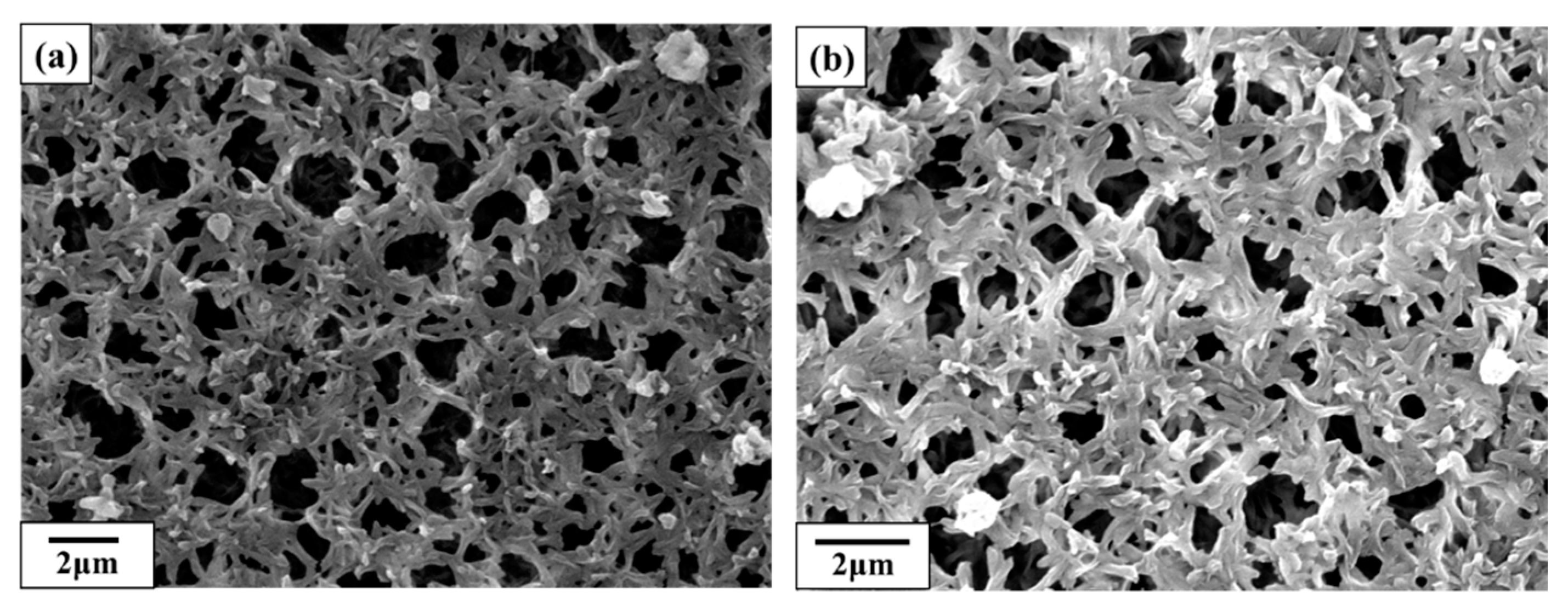
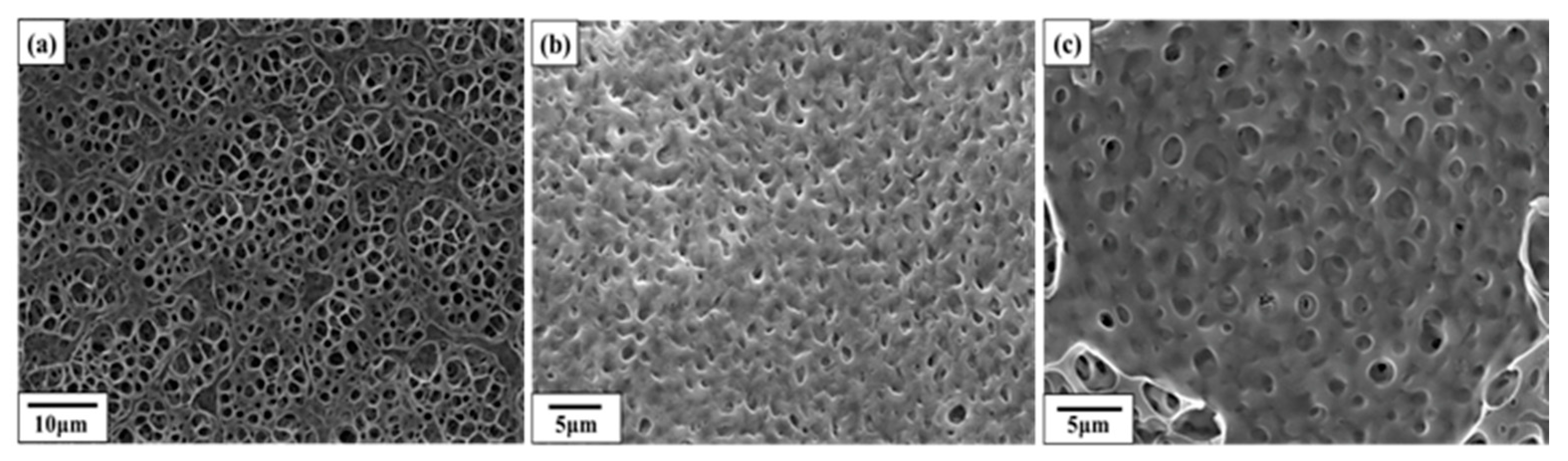
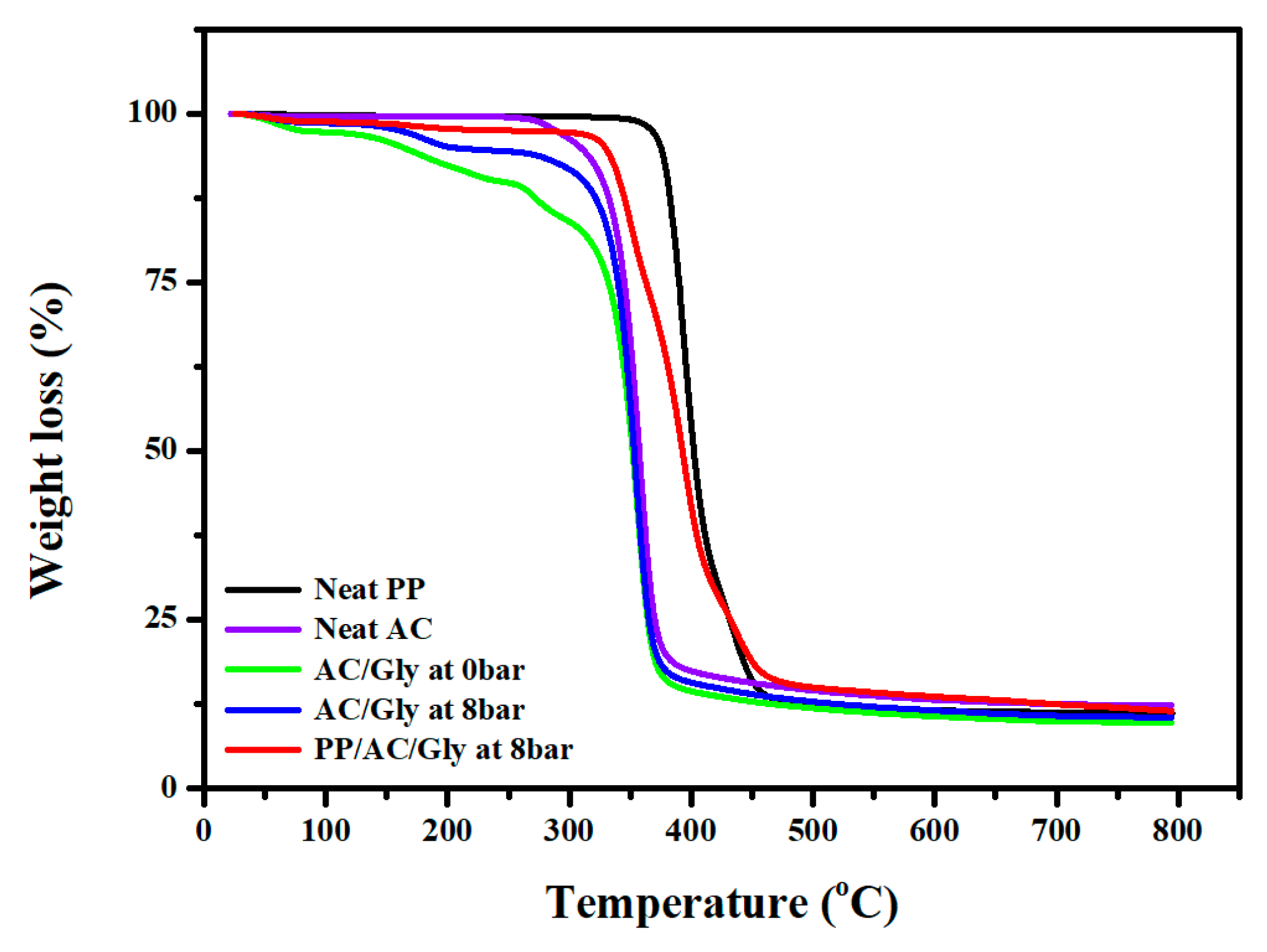
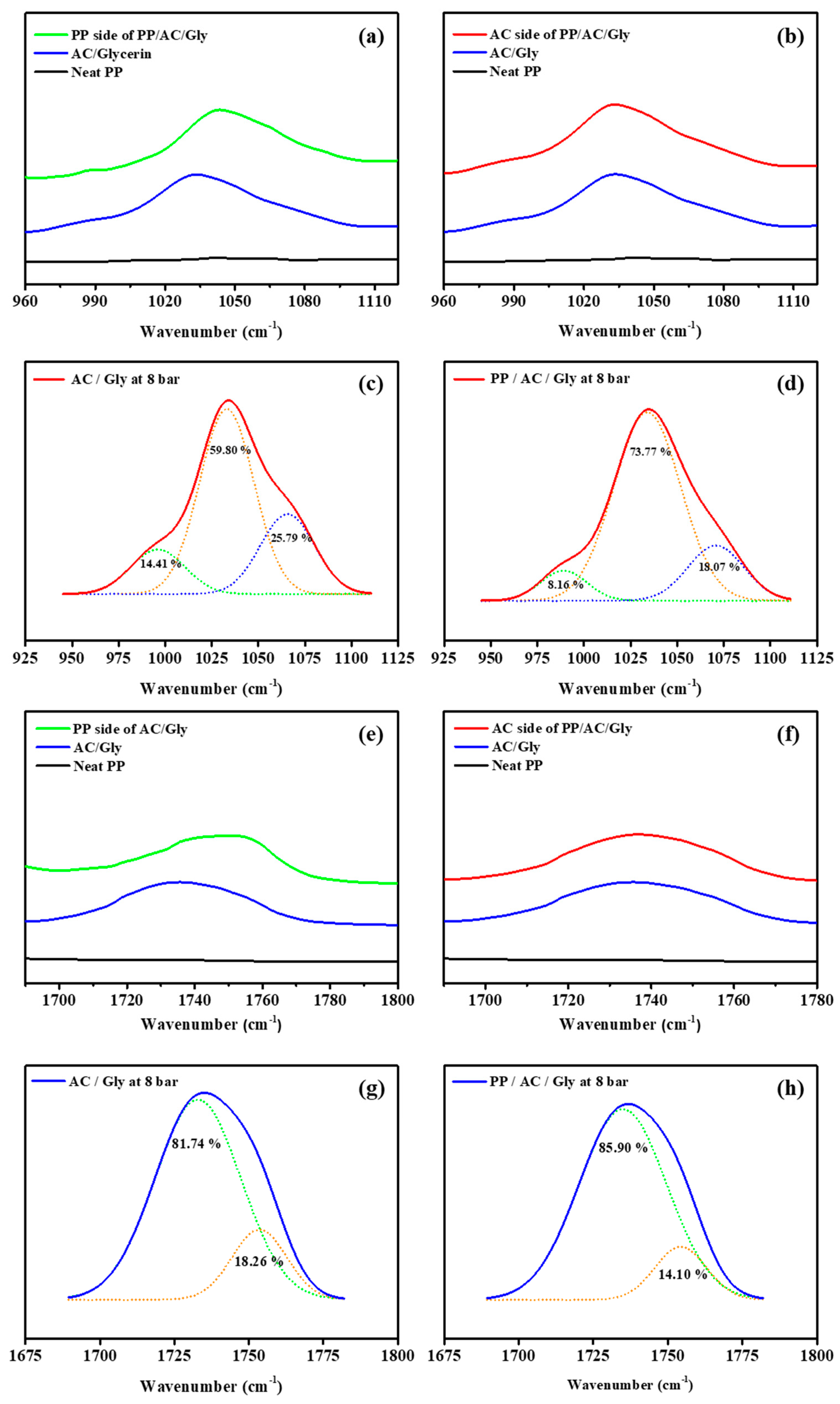
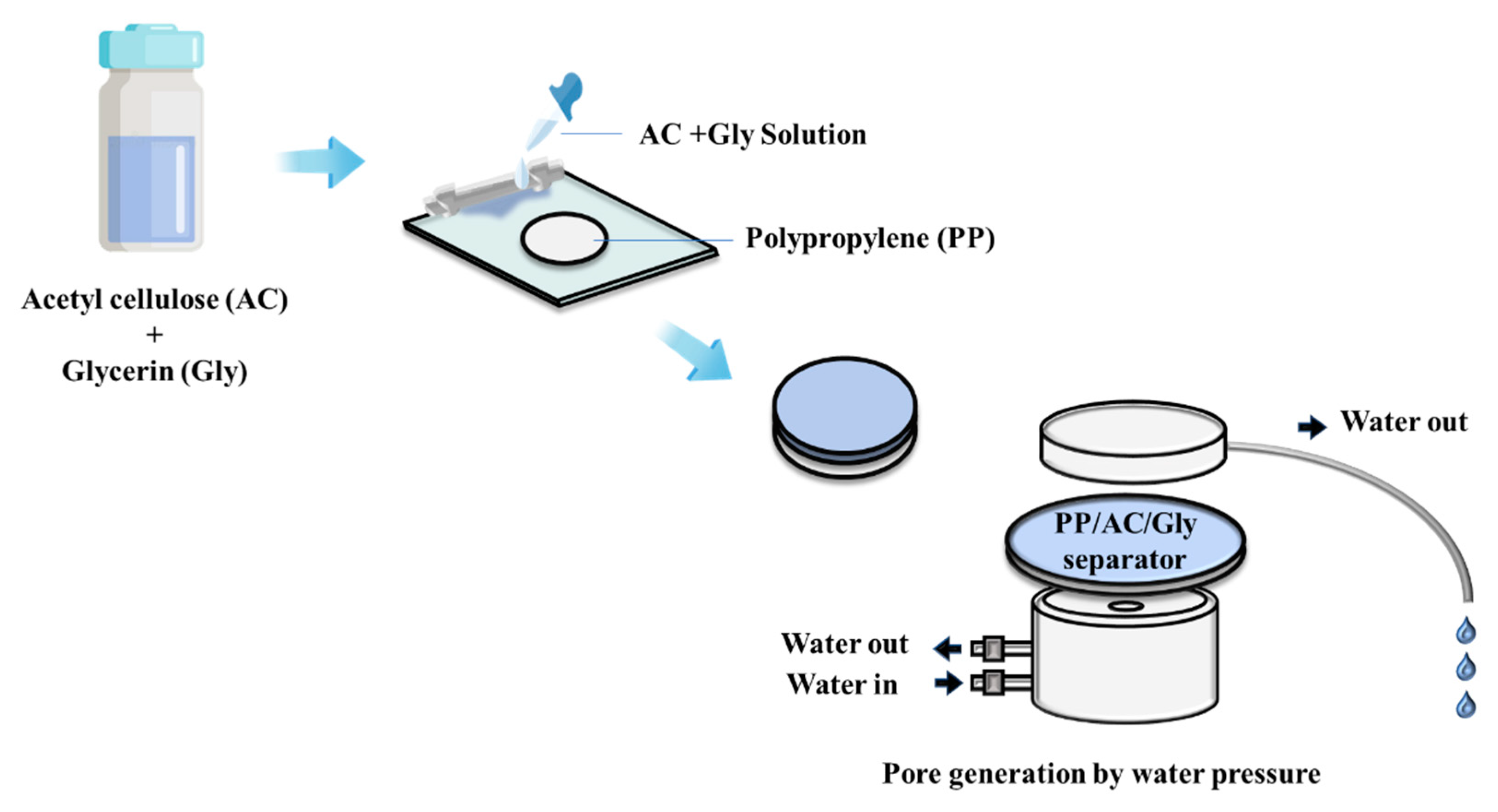
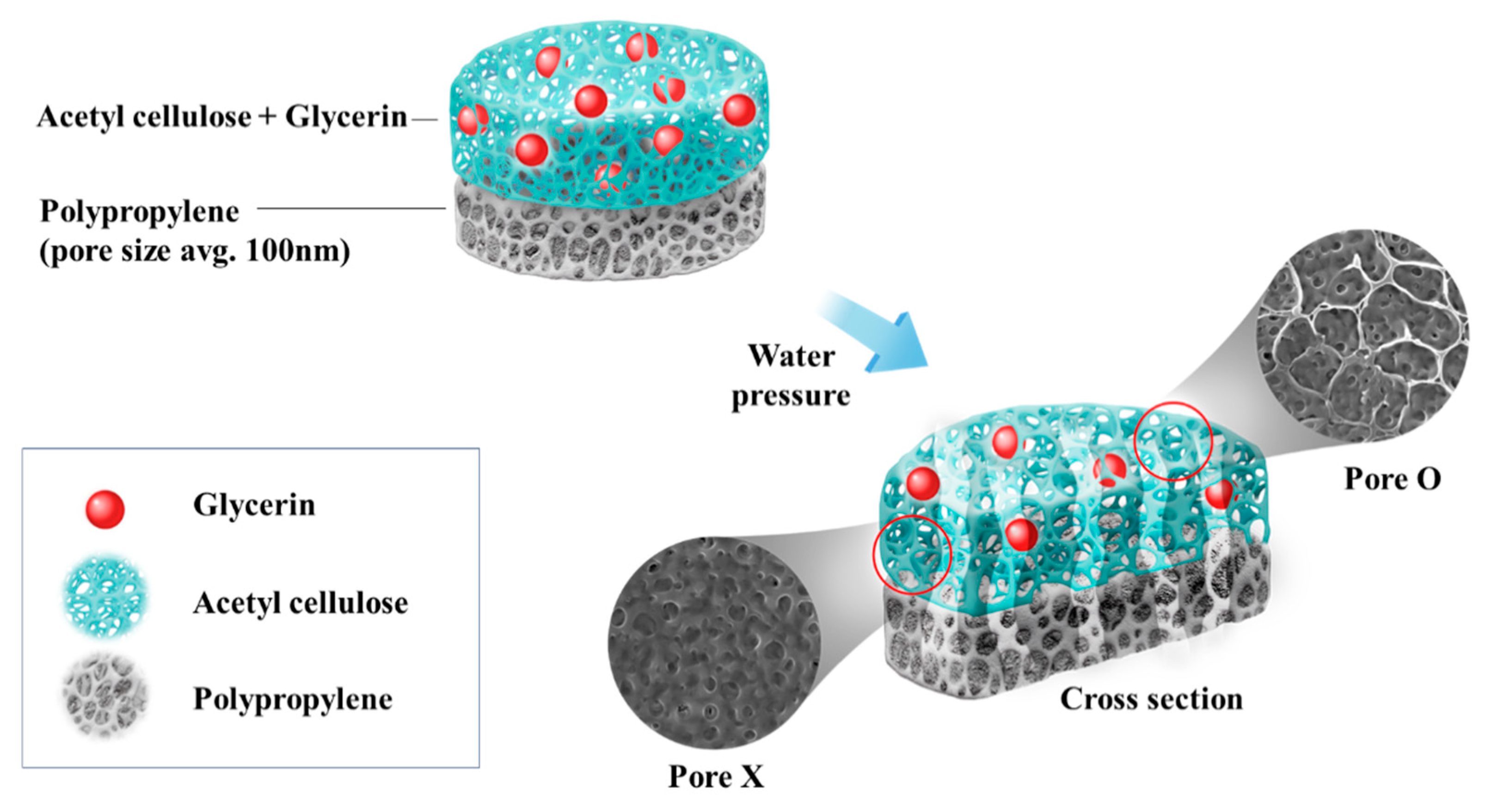
In this study, a polymer separator with enhanced thermal stability is prepared to solve the problem of thermal durability of lithium-ion battery separators. This separator is manufactured by coating a solution of acetyl cellulose and glycerin on polypropylene. The added glycerin reacts with the acetyl cellulose chains, helping the chains become flexible, and promotes the formation of many pores in the acetyl cellulose. To improve the thermal stability of the separator, a mixed solution of acetyl cellulose and glycerin was coated twice on the PP membrane film. Water pressure is applied using a water treatment equipment to partially connect the pores of a small size in each layer and for the interaction between the PP and acetyl cellulose. SEM is used to observe the shape, size, and quantity of pores. TGA and FT-IR are used to observe the interactions. Average water flux data of the separators is 1.42 LMH and the decomposition temperature increases by about 60 °C compared to the neat acetyl cellulose. It is confirmed that there is an interaction with PP between the functional groups of acetyl cellulose.
Keywords: separator; battery; thermal stability; cellulose; channel separator; battery; thermal stability; cellulose; channel