


Abstract
As SARS-CoV-2 continues to evolve with increased transmissibility and immune evasion, the need for vaccines that provide broader and more durable protection has become increasingly urgent. The extensive research spurred by the pandemic has accelerated the development of diverse vaccine platforms, including mRNA, DNA, virus-like particles (VLPs), recombinant proteins, and mosaic mono- and polyvalent vaccines. While several of these platforms have reached regulatory approval and widespread clinical employment, others remain under evaluation or in various stages of clinical development. These vaccines have significantly reduced infection rates, severe disease, and hospitalizations, particularly among high-risk group. Nevertheless, the ongoing emergence of novel variants and subvariants has challenged the efficacy of both existing and newly developed vaccines. This evolving landscape underscores the urgent need for a universal SARS-CoV-2 vaccine platform capable of providing comprehensive and long-lasting immunity. In this review, we evaluate current and emerging strategies for SARS-CoV-2 universal vaccine development, with a focus on antigen design, breadth of immune protection, and clinical feasibility. Attention is given to various universal vaccine platforms such as the mosaic polyvalent spike construct, multi-epitope vaccines targeting the receptor-binding domain (RBD), and approaches centered on the conserved S2 subunit of the spike protein. We also discuss strategies leveraging additional conserved viral proteins and T helper (Th) and cytotoxic T lymphocyte (CTL) epitopes from across coronaviruses. By highlighting the advances in these areas, this review provides a framework to guide the rational design of next-generation universal vaccines capable of delivering broad and durable protection against SARS-CoV-2 variants.
1. Introduction
Since its emergence in December 2019, SARS-CoV-2 has continued to pose a major global public health threat. As of 25 June 2025, COVID-19 has caused over 675.5 million reported cases and more than seven million deaths worldwide [1]. Although widespread vaccine deployment substantially reduced morbidity and mortality, the virus has continued to spread, resulting in approximately 704 million reported infections to date [1]. In addition, the emergence of new SARS-CoV-2 variants and subvariants, such as subvariants LF.7.2.1, NP.1, and LP.8.1, has posed additional challenges. Furthermore, mutations in the receptor-binding domain (RBD) and N-terminal domain (NTD) have enhanced viral adaptability and transmissibility while increasing resistance to neutralizing antibodies elicited by existing vaccines [2]. Beyond rapid viral spread, COVID-19 inflicted profound economic damage worldwide [3]. The FDA fully approved the first COVID-19 vaccine on 23 August 2021, following EMA authorization, enabling global emergency deployment to curb transmission [4,5]. Since then, substantial progress has been made in developing a wide range of SARS-CoV-2 vaccines, which are currently in use or still in the pipeline. The huge advances in sequencing technologies and immuno-informatics tools have been utilized ideally in predicting and designing the epitopes of SARS-CoV-2, leading to the development of these numerous vaccines. According to the World Health Organization’s COVID-19 Vaccine Tracker (last updated 2 December 2022), 821 vaccine trials were underway across 80 countries. Of these, 242 vaccine candidates were in various stages of development: 66 in phases 1, 72 in phase 2, and 92 in phase 3. Despite this extensive global pipeline, only 50 vaccines had received regulatory approval [6]. This remarkably large number of vaccine trials reflects the substantial worldwide effort invested in controlling the pandemic; yet, despite these efforts, viral transmission has continued. Collectively, this unprecedented pandemic underscores the urgent need for next-generation vaccines capable of providing broad and durable protection against both current and emerging SARS-CoV-2 variants. One promising strategy toward achieving this goal is the development of a universal SARS-CoV-2 vaccine, a concept whose feasibility and scientific foundations will be discussed in this review.
2. SARS-CoV-2 Evolution and Immune Escape Mechanisms
The rapid evolutionary rate of SARS-CoV-2 has been driven by the accumulation of numerous mutations in the spike protein and other structural proteins, including the nucleocapsid [7,8]. Mutations in the SARS-CoV-2 spike protein are responsible for two key changes: stronger binding to the ACE2 receptor and impaired antibody cross-neutralization efficacy [9]. The substitutions within the Omicron variants account for nearly 9% of the total number of spike protein residues of the ancestral Wuhan strain [10]. Furthermore, both pre-Omicron and post-Omicron variants possess distinct structural features that have optimized viral fitness and shaped the evolutionary trajectories of subsequent emerging subvariants [11]. SARS-CoV-2 evolves rapidly due to high mutation rates, especially in the spike protein’s receptor-binding and N-terminal domains, as well as structural (e.g., nucleocapsid) and nonstructural genes. This is driven by selective pressure from population immunity via infection and vaccination [12], prolonged infection and superiority of the endogenous IgM immune response in an immunocompromised patient [13], and transmission bottlenecks favoring enhanced ACE2 binding (e.g., Omicron BA.1 S477N/Q493R/Q498R) [14,15]. The last evolution of SARS-CoV-2, marked by the transition from XBB to the BA.2.86/JN.1 lineage combined with waning of antibody response against XBB to JN.1, underscores the necessity of JN.1-based vaccine boosters, particularly those targeting the emerging KP.2 and KP.3 sub-lineages [16,17]. Phylogenetic analyses reveal consistent evolutionary rates and seasonal variant emergence [18], necessitating careful vaccine antigen selection and updated boosters. Antigenic cartography reveals that although Omicron BA.1 and BA.2 form clusters distinct from pre-Omicron variants, later lineages such as BA.4/5, BQ, XBB, and JN.1 show even greater antigenic divergence, further widening their topographical distance from ancestral strains [19,20]. Moreover, a significant portion of the recurrence and enhanced fitness of later Omicron lineages can be attributed to five key substitutions (R346, K444, L452, N460, and F486) [21], which collectively underscore their evolutionary role in facilitating immune escape. The analysis of the B-cell receptor (BCR) repertoire during the XBB-to-JN.1 transition reveals potent activation of memory B cells producing cross-reactive neutralizing antibodies (NAbs). However, KP.2 and KP.3 variants escape neutralization even from JN.1-induced NAbs [16], while recent strains (LF.7.9, XEC.25.1, XFH, XFG) show strong escape via A475V/N487D shifts; AB.3.2 resists antibodies but lacks ACE2 affinity/infectivity for dominance [22]. Convergent RBD mutations, partly driven by immune imprinting, drive much of the observed immune escape while preserving ACE2 affinity and viral fitness [17,23]. Spike RBD substitutions enhance antibody evasion but may reduce ACE2 binding and infectivity, necessitating careful vaccine antigen updates to balance escape and fitness. Consequently, updating vaccine antigens demands careful evaluation to balance immune escape with the preservation of viral fitness. Taken together, these findings illustrate a dynamic and relentless evolutionary arms race between SARS-CoV-2 and the human immune system. The data clearly shows that immune pressure from both infection and vaccination acts as the primary catalyst for the emergence of variants with enhanced fitness and immune-evasive properties. The consistent pattern of antigenic divergence from pre-Omicron strains to the highly distinct XBB and JN.1 lineages, and now to KP.2/KP.3, demonstrates that the virus is not evolving randomly but through convergent evolution on key spike protein residues that balance immune escape with preserved ACE2 binding affinity. This cycle underscores a fundamental challenge: our current vaccine strategies remain reactive, constantly chasing the latest antigenic shift rather than preempting it, highlighting the urgent need for next-generation approaches that can induce broader and more durable immunity.
3. Current Strategies for SARS-CoV-2 Vaccine Platforms
In response to the SARS-CoV-2 pandemic, scientists rapidly developed a diverse array of vaccine platforms under emergency use authorizations (EUAs) to combat the virus. These platforms can be broadly categorized into two main groups: whole virus vaccines and component viral vaccines. By December 2022, approximately 50 COVID-19 vaccine candidates had received regulatory approval, encompassing a wide range of platforms: non-replicating viral vector vaccines, 11 inactivated vaccines, 19 protein subunit vaccines, several virus-like particle (VLP) vaccines, nine RNA vaccines, and one DNA vaccine [6]. Although inactivated COVID-19 vaccines played a crucial role in China’s initial vaccination campaign, they face notable challenges in development, manufacturing, safety, and efficacy across certain populations [24]. Conversely, component viral vaccines utilize specific viral elements, including protein subunits, nucleic acid-based approaches (such as DNA and RNA), and virus-like particles (VLPs), and have demonstrated remarkable success in terms of safety, scalability, and adaptability [25,26]. Advances in mRNA technology and immuno-informatics significantly accelerated the use of mRNA as both a therapeutic agent and vaccine platform [27], offering rapid design, scalable production, and easy administration [28], making them highly promising candidates for a wide range of pathogens. There are two main types of mRNA vaccines: self-amplifying and non-replicating (modified and unmodified) [29,30,31]. Both can induce robust neutralizing antibody responses, a critical component of protective immunity [27,31]. Self-amplifying RNA (saRNA) vaccines encode both target antigens and viral enzymes that play a key role in viral replication, including the SARS-CoV-2 spike protein and a viral replicase, respectively. This ability to induce immune responses against more than one target simultaneously has enabled the use of lower doses, thereby increasing vaccine efficiency and reducing production costs, making them a promising platform for large-scale deployment. Non-replicating mRNA vaccines, whether modified for stability or unmodified, have simpler designs and proven efficacy in approved COVID-19 vaccines. Ongoing research focuses on balancing complexity, scalability, and immune potency to optimize both platforms for broader use, including emerging infections and cancer immunotherapy. Non-replicating mRNA vaccines, such as Pfizer-BioNTech and Moderna, demonstrated ~93–94% efficacy against symptomatic COVID-19 and showed the highest total efficacy and effectiveness compared to other available vaccines [32]. Despite their high efficacy, they require booster doses to maintain adequate immunity, particularly against newly emerging variants [33]. A third type of RNA vaccines, circular RNA (circRNA), has also emerged as a promising platform [34]. CircRNA vaccines have greater stability and thus demonstrate prolonged half-lives compared to conventional linear mRNA vaccines [35,36]. Circular RNA vaccines, with their prolonged stability and sustained antigen expression, can elicit durable, high-quality immune responses and may overcome key limitations of current mRNA vaccines, enabling broader protection against diverse SARS-CoV-2 variants. While most SARS-CoV-2 vaccine candidates focus on the spike protein because of its strong immunogenicity, circRNA platforms could also facilitate targeting additional conserved viral antigens to enhance breadth of protection [37]. Recent advances in genome-modified live-attenuated vaccines (LAVs) have demonstrated durable protection against both wild-type and Omicron variants, with no detectable transmission [38]. Virus-like particle (VLP) vaccines also represent a promising strategy, as they closely mimic native viral structure and can elicit potent, long-lasting immune responses, offering clear advantages for next-generation and potential universal vaccine designs. In addition, a mosaic homotypic nanoparticle vaccine incorporating eight receptor-binding domains (RBDs) of SARS-CoV-2 and animal beta coronaviruses elicited protective immune responses against zoonotic coronaviruses [25,39]. Collectively, a wide range of vaccine strategies have been developed, each with distinct advantages and disadvantages in combating COVID-19. Careful selection, adoption and effective implementation of those strategies is critical for driving the development of next-generation COVID-19 vaccine platforms. Indeed, the rapid development of these diverse vaccine platforms reveals a critical discussion about the trade-offs between speed, efficacy, durability, and breadth. The initial pandemic response prioritized speed and immediate efficacy, which was controlled by non-replicating mRNA vaccines. However, their reliance on frequent, variant-specific boosters has exposed the limitations of a purely reactive strategy. The subsequent innovations outlined here can be understood as a strategic branching point. On one branch, platforms like saRNA and circRNA represent an optimization of the current mRNA model, seeking to improve its cost, stability, and the longevity of the immune response. On a more ambitious branch, strategies employing VLPs, genome-modified LAVs, and particularly mosaic nanoparticles signal a fundamental shift in ambition: moving away from chasing individual variants and toward inducing broad, cross-reactive immunity against entire sub-genera of coronaviruses.
Figure 1 illustrates the current vaccine platforms employed during and after the pandemic. These approaches will support the rapid development of novel vaccines that can counter emerging variants and reduce future zoonotic spillover, while prioritizing platforms with the greatest potential for universal vaccine protection.
Figure 1.
Comparative overview of major vaccine platforms, highlighting their advantages, disadvantages, and potential for universal vaccine development. Platforms include live attenuated, inactivated, protein subunit, virus-like particles, and DNA-based vaccines. Universal vaccine potential is indicated by star ratings.
4. Effectiveness of Current SARS-CoV-2 Vaccines and Variant Evasion
On 6 April 2024, the World Health Organization (WHO) reported significant genetic and antigenic evolution of the SARS-CoV-2 spike protein, reinforcing the necessity for ongoing genomic surveillance and dynamism of vaccine strategies to address emerging variants [40]. A substantial portion of the global population has been vaccinated with approved SARS-CoV-2 vaccines, which primarily target the receptor-binding domain (RBD) of the spike protein. However, numerous mutations have been identified in RBD variants of interest (VOCs) [41]. Early COVID-19 vaccines demonstrated strong efficacy against initial variants; for example, AstraZeneca showed 70% effectiveness against symptomatic Alpha infections, while Pfizer achieved ~90% efficacy [42]. Omicron’s emergence markedly reduced vaccine effectiveness, with studies reporting declines to around 50% [43,44]. Despite maintaining strong protection against severe disease and mortality, these vaccines provided limited defense against mild infection [44]. In Qatar, the BNT162b2 vaccine demonstrated 95.9% effectiveness (95% CI: 94.0–97.1) against severe and critical cases following the primary series of vaccination [45]. However, protection waned rapidly six months after the second dose [46]. In Belgium, primary vaccination transmission efficacy was 96% (Alpha), 87% (Delta), and 31% (Omicron), declining further to 71% (Delta) and 55% (Omicron), with similar trends in Qatar [47]. An evaluation of England’s three main COVID-19 vaccines Oxford/AstraZeneca (AZD1222), Pfizer-BioNTech (BNT162b2), and Moderna (mRNA-1273) showed sustained protection against hospitalization and death for ~3 months, followed by gradual decline to moderate levels after one year [48]. Furthermore, primary vaccine series offered limited efficacy against Omicron and subvariants due to substantial immune escape from both vaccine- and infection-induced immunity [47,49], including evasion of humoral and cell-mediated neutralization [50,51]. Notably, Omicron subvariants such as XBB.1.5, CH.1.1, and CA.3.1 demonstrated complete resistance to y antibodies induced by Wuhan-based antigens, even after a third dose and bivalent booster [52,53]. This immune escape, driven by spike protein mutation that enhances fusogenicity [53], significantly undermined primary vaccine series, dropping efficacy against infection from >80% (early strains) to <40% due to mutations disrupting key epitopes in both humoral (antibody) and cell-mediated (T-cell) arms. While hybrid immunity from prior infection offered partial restoration, widespread immune evasion, prolonged transmission and frequent breakthrough infections underscored the need for boosters, variant-adapted antigens, or conserved-target platforms to regain comprehensive protection [54]. Emerging variants and subvariants have further reduced neutralizing antibody responses.
Altogether, this evidence redefines our understanding of vaccine “effectiveness” in the context of a rapidly evolving respiratory virus. The data clearly shows a strategic shift in the role of first-generation vaccines: from preventing infection and transmission against early variants to primarily mitigating severe disease and death against Omicron and its sub-lineages. This is not a story of vaccine failure, but rather a compelling, real-world demonstration of antigenic drift, where mutations in key RBD epitopes systematically eroded the neutralizing capacity of both humoral and cellular immunity induced by the ancestral spike protein. The significant contrast in efficacy figures before and after Omicron’s emergence serves as a crucial lesson, illustrating the inherent limitations of a static vaccine design against a highly plastic pathogen and creating an undeniable mandate for the development of variant-adapted boosters and next-generation, broader-spectrum vaccine platforms.
Table 1 summarizes current data on neutralization reduction and underlying mechanisms for available vaccines.
Table 1.
Neutralization reduction of available COVID-19 vaccines by variants and subvariants.
5. Current COVID-19 Vaccine Challenges
Despite the success of approved vaccines in reducing SARS-CoV-2 transmission and mitigating the COVID-19 pandemic, significant challenges persist. mRNA vaccines proved highly effective and enabled rapid development, yet their stability continues to pose challenges for widespread distribution and accessibility. Additionally, the ongoing emergence and re-emergence of COVID-19 variants continue to threaten global health, placing considerable strain on healthcare systems and economies [59]. The short duration of the vaccine effectiveness, adverse effects, and challenges in achieving herd immunity have reduced overall coverage and efficacy [60,61,62]. Recent reports from 4 November 2024 indicate a resurgence of COVID-19 transmission across multiple countries, with confirmed cases exceeding 19,000 in the last month [63]. The continued emergence of new variants despite existing vaccines poses a major challenge to pandemic control and vaccination efforts [64]. The rapid evolution of SARS-CoV-2 from the prototype to Beta, Gamma, Delta, and Omicron variants has compromised vaccines’ effectiveness and led to breakthrough infections [65,66], highlighting the urgent need for booster doses that elicit cross-protective T-cells immunity [67]. Consequently, the durability of protection offered by current mRNA vaccines remains limited [68]. Together, these challenges highlight the need for a universal vaccine offering broad protection against evolving SARS-CoV-2 variants.
6. Optimizing an Antigen Selection for Universal SARS-CoV-2 Vaccine
The high mutation rates of SARS-CoV-2 underscore the urgent need to design effective universal vaccines capable of addressing current variants of concern and future emerging strains. Identifying and engineering potent immunogenic targets through innovative approaches is critical for developing universal COVID-19 vaccine platforms that provide broad protection against both existing and evolving viral variants. These approaches should focus on developing vaccines that provide broad protection against emerging variants and cross-protection against zoonotic coronaviruses [69]. Most of the current vaccines predominantly target the spike protein as the principal protective antigen, due to its critical role in viral entry [70,71]. An ideal approach to developing universal SARS-CoV-2 vaccine is to enhance protection and efficacy offered by already existing mRNA-based vaccines. A promising strategy through which this can be achieved is codon de-optimization, a technique previously applied to several viruses [72,73], resulting in viral attenuation, enhanced immunogenicity, and protection against challenge with parental strains. By optimizing mRNA sequence to increase stability, it can further improve vaccine efficacy and durability, while potentially boosting immunogenicity and broad reactivity, ultimately leading to robust neutralizing antibody responses against variants of concern [74,75]. Divergent mutations in the RBD and NTD domains of the spike protein, which are key targets for neutralizing antibodies, have driven the emergence of new variants [76]. Decoding these mutations offers a promising strategy for stabilizing vaccine antigens and enhancing their protective efficacy, potentially serving as a pivotal approach toward developing a universal vaccine. Moreover, extending stabilization to include the spike S2 subunits from SARS-CoV-2 as well as sarbecovirus such as SARS-CoV-1 (clade 1a) and PRD-0038 (clade 3) has conferred protection in mice against XBB.1.5 challenge [77]. Advanced computational tools are accelerating universal vaccine development. Machine learning (ML) and artificial intelligence (AI) will play a central role in this effort. AI pipelines are crucial for identifying conserved proteins and immunogenic T-cell epitopes across coronaviruses to enable cross-reactive immunity. Predictive models like EVE-Vax anticipate viral mutations, facilitating the design of vaccine antigens that strengthen defenses against emerging variants; integration of viral genomic structure with epidemiological data helps in forecasting high-risk mutations before they become widespread [78,79], which shifts our interaction with the virus pandemic from reactive responses to proactive pandemic prevention. In 2020, the Vaxign ML platform identified six proteins including the spike (S) protein and five non-structural proteins as highly protective antigens [80]; this strategy underscores the potential integration of this technology for leveraging antigens with broad antigenicity to develop universal vaccines while providing wide-spectrum protection against sarbecoviruses in general. Collectively, integrating optimized antigen design, conserved-target strategies, and AI-driven predictive tools offers a promising pathway toward universal SARS-CoV-2 vaccines capable of providing broad, durable protection against current and future coronavirus threats.
7. The Potential of Universal SARS-CoV-2 Vaccine
Developing a universal SARS-CoV-2 vaccine is vital for long-term disease control, offering broad protection against current and future variants while reducing the need for frequent boosters. The persistent evolution of SARS-CoV-2 and related coronaviruses constitutes a critical barrier to universal vaccine development. However, multi-subunit vaccines incorporating conserved spike RBD epitopes have demonstrated the capacity to elicit broadly neutralizing antibodies against multiple SARS-CoV-2 strains, including ancestral variants [81]. Furthermore, nanoparticle-based polyvalent protein cocktails exhibit potential for cross-protection against SARS-CoV-2-like viruses’ clade 1 sarbecoviruses [82] Nanoparticles displaying a mosaic of SARS-CoV-2 and animal betacoronavirus RBDs elicited antibodies with enhanced cross-reactivity against diverse RBDs, effectively neutralizing heterologous pseudotyped coronaviruses [39,83]. Additionally, Helicobacter pylori-assembled conserved epitopes from prior SARS-CoV-2 variants elicited durable and robust humoral and cellular immune responses [84]. As a result, leveraging multi-subunit vaccines targeting conserved RBDs and mosaic nanoparticle formulation represents a promising approach to broad-spectrum immunity and universal SARS-CoV-2 vaccine development, with potential cover emerging and re-emerging SARS-CoV-2 variants and related coronavirus.
Furthermore, the discovery of broadly cross-reactive monoclonal antibodies against animal sarbecoviruses, SARS-CoV-1, and SARS-CoV-2 in plasma of COVID-19 convalescents and vaccine recipients underscores a strong foundation for universal vaccine development [85]. Combining ancestral SARS-CoV-2 antigens with broadly neutralizing anti-sarbecovirus antibodies offers a promising strategy for universal vaccine design to prevent future SARS-CoV-2 and related sarbecovirus outbreaks.
This exploration of universal vaccine candidates moves the anticipation from chasing variants to a proactive strategy of anticipating viral evolution. On one hand, strategies like multi-subunit and mosaic-nanoparticle vaccines are essentially “teaching” the immune system to recognize the common architectural features shared by different coronaviruses. On the other, the identification of broadly neutralizing antibodies in convalescent individuals acts as a vital proof-of-concept, demonstrating that a universal response is not merely a theoretical construct but a tangible biological outcome that can be elicited and engineered. Therefore, we can predict a paradigm shift in vaccinology, where the strategic goal is no longer just to end the current pandemic but to establish a foundational, cross-protective immunity against an entire class of viral threats.
8. The Prosperity of SARS-CoV-2 S2 Subunits as a Universal Vaccine
The S2 subunit is highly conserved across SARS-CoV-2 variants and subvariants, as well as other betacoronaviruses, making it a promising universal vaccine antigen for broad protection against emerging variants. Broadly neutralizing antibodies (bnAbs) targeting the S2 subunit, isolated from vaccinated donors, confer protection against the three major betacoronaviruses SARS-CoV-1, SARS-CoV-2, and MERS-CoV that have emerged over the past two decades [86]. Notably, one bnAb epitope was highly conserved across most variants and retained conformational stability in both the pre- and post-fusion states of the spike protein [87]. These findings highlight the S2 subunit as a key target for universal coronavirus vaccine development. Immunization of two mouse models with a prefusion-stabilized SARS-CoV-2 S2 subunit, achieved via interprotomer disulfide bonds, elicited broadly neutralizing responses against multiple sarbecoviruses and protected against lethal challenge [88]. Moreover, combining two conserved sarbecovirus proteins, the S2 subunit and the nucleocapsid (N) protein successfully elicited broad systemic neutralizing antibody responses and robust Th1 immunity, as evidenced by IFN-γ secretion [89]. This synergy reveals the potential of the S2 subunit as a central component of universal coronavirus vaccine strategy and development. Owing to its high sequence conservation, structural stability across pre- and post-fusion states, and ability to induce broadly neutralizing and cellular immune responses, the S2 subunit represents a promising antigen for achieving durable, cross-protective immunity against current and emerging coronaviruses. Therefore, the focus on the S2 subunit represents a strategic move in SARS-CoV-2 vaccine design, deliberately moving away from the hyper-variable S1/RBD region that drives immune escape.
9. Identification of Non-Spike Protein Antigens as Universal SARS-CoV-2 Vaccine Candidates
Another promising approach is targeting conserved non-spike antigens, as studies have suggested these highly conserved SARS-CoV-2 proteins can confer robust, broad cross-protective immunity against multiple variants of concern (VOCs) [90,91,92,93]. Ten conserved antigens have been identified, seven of which are preferentially recognized by both CD4+ and CD8+ T cells in unimmunized patients [90]. Furthermore, the combining of highly conserved antigens that target both B-cell and T-cell epitopes alongside with the Spike protein elicited cross-protective immunity, accelerated viral clearance, and mitigated lung pathology from highly pathogenic variants [90,91]. Moreover, a multi-epitope vaccine incorporating S1-RBD-sFc and conserved Th and CTL peptides from Sarbecovirus N, M, and S2 proteins induced a durable Th1-biased response characterized by IFN-γ production and robust cytotoxic CD8+ T-cell activity [92]. Conserved antigens from other proteins, such as the SARS-CoV-2 nucleocapsid (N) protein, a key factor in viral replication and pathogenesis [94], may serve as an optimal target for this approach, offering broader functionality [95]. Inclusion of the nucleocapsid (N) protein in vaccine design broadens the immune response by eliciting both humoral and cellular immunity, potentially providing longer-lasting protection against SARS-CoV-2 variants in hamsters [96,97]. Moreover, antibodies against nucleocapsid proteins have been detected in both unvaccinated and vaccinated individuals [98,99]. Additionally, the use of a highly conserved SARS-CoV-2 ORF3a ectodomain can elicit robust systemic anti-ORF3a antibody response and induced T-cell immune response in the lung [100]. Figure 2 illustrate the anticipated current and future directions of SARS-CoV-2 universal vaccine platforms. Although early studies suggested conserved proteins have low immunogenicity, the nucleocapsid (N), ORF3a ectodomain protein, and conserved domains within the spike protein remain strong candidates for next-generation universal COVID-19 vaccines, with the potential to induce both cellular and humoral immune responses.
Figure 2.
A chronological diagram of SARS-CoV-2 vaccine challenges. The timeline highlights key milestones in the design, approval, and evolution of vaccine platforms against SARS-CoV-2 variants. It shows both early approved vaccines and more recent candidates currently in development.
10. Identifying Novel Spike Protein Antigens for Universal SARS-CoV-2 Vaccine Development
Although current vaccines have been highly effective in mitigating severe SARS-CoV-2 infections and mortality, the emergence of variants of concern (VOCs) and variants of interest (VOIs), coupled with their immune escape capabilities, underscores the need for ongoing development of enhanced vaccine strategies. One of these strategies involves identifying novel antigenic epitopes that can confer a strong and broad immune response. Utilizing a multivalent approach that incorporates multiple antigenic epitopes has shown promise in discovering new targets. For example, in BALB/c mice, a multivalent mRNA vaccine elicits broad neutralizing antibody responses against SARS-CoV-2 VOCs [101]. The high degree of conservation and structural stability positions of the S2 subunit marks a strategic starting point for identifying novel spike antigenic epitopes. S2-specific monoclonal antibodies from recovered human individuals bind conserved epitopes across multiple S2 regions and broadly neutralize SARS-CoV-2 variants, SARS-CoV-1 and related zoonotic sarbecoviruses [102], as well as other clade 1 sarbecoviruses [103].
In a recent study, Wang et al. engineered RBD sequences with six mutations and integrated eight RBDs from zoonotic sarbecoviruses into a single vaccine design, successfully induced cross-reactive immune responses in a murine model [81]. A trivalent RBD scaffold protein has demonstrated durable protection and cross-neutralization against JN.1 and XBB lineage [104,105]. Consequently, the conserved S2 subunit and mosaic RBD platforms represent potential antigenic targets for a next-generation universal vaccine, offering broad protection against diverse sarbecoviruses and emerging SARS-CoV-2 variants.
This body of research outlines a sophisticated, dual-pronged strategy for universal vaccine development, moving beyond the limitations of single-antigen platforms. The first approach involves targeting the highly conserved S2 subunit, essentially attacking the virus’s stable architectural core to elicit a deep and durable immune response. The second, complementary approach uses multivalent or mosaic-RBD platforms, which aims to achieve breadth by preemptively exposing the immune system to a diverse array of potential future mutational pathways. Together, these convergent strategies demonstrate that the path forward lies not in finding a single perfect epitope, but in intelligently combining conserved and variable antigens to generate a robust immune response towards the virus.
11. Current Universal SARS-CoV-2 Vaccine Strategies
Following the initial rollout of mRNA-based SARS-CoV-2 vaccines, research shifted toward broadly protective platforms for universal vaccine development, driven by the emergence of variants of concern (VOCs). In August 2022, the first universal SARS-CoV-2 DNA vaccine combined polyvalent RBD with the membrane and nucleoproteins, inducing cross-reactive antibodies (Wuhan-1), Beta, Delta, and Omicron variants and priming nucleoprotein-specific T cells [106]. Another multi-subunit universal vaccine provided protection against ancestral SARS-CoV-2 and Omicron subvariants (BA.1, BA.2, BA.2.75, BA.4.6, BA.5), inhibiting Omicron replication, and fully protecting mice from lethal SARS-CoV-2 Delta and SARS-CoV challenges [81]. Both vaccines show promise as universal COVID-19 and pan-sarbecovirus candidates, capable of preventing current and future SARS-CoV-2 variant and SARS-related outbreaks. An immunoinformatic-designed-epitope vaccine combining SARS-CoV-2 nucleocapsid with M2e and HA2 influenza proteins shows potential as a universal candidate [107]. Furthermore, more recently the U.S. department of Health and Human Services (HHS) announced a next-generation universal SARS-CoV-2 vaccine using a beta-propiolactone-inactivated whole-virus approach [108]. Table 2: Summary of ongoing and recent trials investigating universal vaccine platforms. Current universal vaccine efforts focus on multi-epitope designs, conserved antigens, and inclusion of antigens from other coronaviruses and sarbecoviruses to achieve broad protection against emerging variants and coronaviruses. However, this goal remains unmet to date. Indeed, the current landscape of universal vaccine development marks a clear transformation from the initial, singular focus on the spike protein. This new phase is characterized by a multi-pronged approach, experimenting with diverse platforms—from DNA to inactivated whole-virus—and combining various antigens, including conserved non-spike proteins and epitopes from multiple variants. While a definitive solution remains elusive, this collective effort underscores a consensus that achieving broad, durable protection requires abandoning simple, single-antigen designs in favor of these more complex, multi-faceted strategies.
Table 2.
The current universal vaccine platforms.
12. Future Directions for SARS-CoV-2 Universal Vaccine Platforms
Despite the rapid deployment of COVID-19 vaccines, the ongoing viral evolution and emergence of VOCs highlight the urgent need for universal vaccine strategies capable of providing broad and durable protection. Approaches targeting conserved viral epitopes that elicit robust cell-mediated immunity and induce broadly neutralizing antibodies are essential for developing universal vaccines that offer durable protection against SARS-CoV-2 variants as well as a broad range of sarbecoviruses [85,111] and potential future zoonotic threats. The emergence of novel variants increases the need for pan-coronavirus protection, durable immune responses, and optimized antigen delivery platforms, all of which remain major challenges in next-generation COVID-19 vaccine development [112]. Such challenges necessitate utilizing new tools, including artificial intelligence (AI) and machine learning (ML) for antigen selection and vaccine design in order to facilitate the development of universal SARS-CoV-2 vaccines. These technologies can streamline antigen selection and immunogen design by predicting antigenic epitopes, assessing immunogenicity, and designing simulation models to enhance immunogen stability and coverage [113]. A notable example is Dense Convolutional Network (DenseNet), a platform developed by Chinese researchers to predict protein–ligand interactions [114], which is critical for designing a universal vaccine by assessing receptor-binding capability. Figure 3 illustrates an overview of current SARS-CoV-2 vaccine platforms and their future potential for the development of universal vaccines. Integrating one or more of these approaches will be instrumental in leveraging advanced technologies to develop novel universal SARS-CoV-2 vaccines capable of combating this highly disruptive pathogen.
Figure 3.
Current and Prospective Universal SARS-CoV-2 Vaccine Platforms. This schematic overview illustrates six key strategies for developing a universal coronavirus vaccine, including multivalent spike protein, mosaic RBD, multi-S1 mRNA with nanoparticles, and approaches targeting conserved S2, B-cell, and T-cell epitopes from various sarbecoviruses.
13. Challenges in Developing and Clinically Evaluating a Universal SARS-CoV-2 Vaccine
Universal vaccines have long been envisioned as a solution to rapidly evolving viral pathogens including influenza and human immunodeficiency virus (HIV) [115]. Yet, their successful development remains constrained by multiple scientific, technological, and translational challenges. In the context of SARS-CoV-2, these challenges arise from the interplay between viral evolution, vaccine design limitations, and practical considerations related to safety, manufacturing, and implementation [116,117]. A primary scientific obstacle in universal vaccine development is the selection of an optimal vaccine target. Viral regions that remain conserved across variants serve as ideal vaccine targets because they are less likely to mutate and are therefore more likely to confer broad protection against both circulating and future variants [115,118]. However, these conserved regions are often inadequately immunogenic and rarely induce strong neutralizing antibody responses [115]. Conversely, highly immunogenic viral epitopes include those located within the spike protein receptor-binding domain (RBD) and N-terminal domain (NTD) [23]. Unfortunately, these are subject to intense immune selection pressure and consequently accumulate mutations rapidly [23,116]. Vaccines targeting these regions can provide strong protection initially but become vulnerable to immune escape as variants emerge. This trade-off between conservation and immunogenicity complicates the design of vaccines capable of inducing both potent and durable cross-variant immunity.
Ongoing viral evolution further complicates universal vaccine development. SARS-CoV-2 continues to diversify globally, generating variants with enhanced transmissibility or immune escape properties [119,120]. While advances in artificial intelligence and computational modeling allow prediction of potential mutation patterns, incorporating all predicted antigenic changes into a single vaccine is not feasible [121]. Excessively multivalent vaccine formulations would increase manufacturing complexity and regulatory challenges while also risking increased reactogenicity [122]. Highly complex antigen compositions may provoke stronger inflammatory responses or adverse reactions, potentially undermining vaccine safety and acceptance. Thus, even when future variants can be anticipated, practical immunological and safety limits restrict how much antigenic diversity can realistically be incorporated into a universal vaccine platform.
Beyond biological challenges, translational and economic considerations play a major role. Universal vaccines would require extensive preclinical studies and large-scale clinical trials to demonstrate protection across variants and populations, increasing both development time and cost [123]. Manufacturing processes must also remain adaptable to future viral evolution while maintaining scalability and affordability, particularly for global vaccination campaigns. Regulatory pathways for vaccines designed to anticipate future variants are still evolving, further complicating deployment timelines.
Collectively, these scientific and practical challenges explain the lack of a universal SARS-CoV-2 vaccine even after years of extensive funding and research. This remains true not only for SARS-CoV-2 but also for other viruses including influenza, which emerged long before and thus has certainly had significantly more funding and research. In order to pave the way for a universal vaccine, advances in antigen design and predictive modeling are crucial. Equally important are improved understanding of immune responses, scalable manufacturing strategies, and regulatory frameworks capable of supporting the development and deployment of universally protective vaccine platforms against current and future coronavirus variants.
14. Conclusions
Ongoing SARS-CoV-2 evolution has revealed the inherent limitations of spike-focused, variant-matched vaccines, which struggle to maintain durable and cross-variant protection. While current vaccines continue to reduce infection rates and mitigate severity of disease, a key factor driving the urgency for a universal vaccine is the significant genetic and antigenic evolution of the SARS-CoV-2 spike protein, as well as diminished protection provided by spike-based vaccines.
Universal SARS-CoV-2 vaccines offer a promising strategy to curb the emergence and re-emergence of variants by targeting conserved regions of the spike protein alone or combined with other stable elements such as S2 and leveraging multivalent platforms incorporating epitopes from related coronaviruses. These approaches aim to induce broad neutralizing antibodies and, critically, robust and durable T-cell responses. Since T-cell immunity is less affected by antigenic variation, enhancing cross-reactive cellular immunity may provide more resilient and long-lasting protection.
In summary, a universal SARS-CoV-2 vaccine platform that integrates multivalent and conserved targets with strong t-cell immunogenicity is vital for the feasibility of a universal SARS-CoV-2 vaccine for long-term preparedness against future coronavirus threats.
Author Contributions
M.A. and M.O.M. contributed to the conception and design of the work and M.A. drafting the contents, analysis of data and designing of figures; R.s.E., Y.A.-H., L.S. and Y.M. helped in drafting the work, interpretation and analysis of data; A.M.A. and H.M.Y. contributed in conceptualization, design, reviewing the content of the work and approving the final version to be published. M.M.E. contributed to the conception, design of the work, and review, and approved the final draft to be published. All authors agreed and were accountable for all aspects of the work in ensuring accuracy and integrity of all sections of the manuscript. All authors have read and agreed to the published version of the manuscript.
Funding
This work was supported by the Qatar Research, Development and Innovation Council, Academic Research Grant No. ARG01-0521-230249.
Data Availability Statement
No new data were created or analyzed in this study. Data sharing is not applicable to this article.
Acknowledgments
We thank the Qatar Research, Development and Innovation Council for funding this project and the College of Medicine, Health Cluster, Qatar University for valuable discussions and suggestions.
Conflicts of Interest
All authors declare that the research was conducted in the absence of any commercial or financial relationships that could be construed as a potential conflict of interest.
References
- Worldometers. Worldometers.Info/Coronavirus. Available online: https://www.worldometers.info/coronavirus/ (accessed on 25 June 2025).
- Liu, J.; Yu, Y.; Yang, S.; Jian, F.; Song, W.; Yu, L.; Shao, F.; Cao, Y. Virological and antigenic characteristics of SARS-CoV-2 variants LF.7.2.1, NP.1, and LP.8.1. Lancet Infect. Dis. 2025, 25, e128–e130. [Google Scholar] [CrossRef] [Scilit] [PubMed]
- Warwick, M.; Roshen, F. The global economic impacts of the COVID-19 pandemic. Econ. Model. 2023, 129, 106551. [Google Scholar] [CrossRef] [Scilit]
- Chaudhary, J.K.; Yadav, R.; Chaudhary, P.K.; Maurya, A.; Kant, N.; Rugaie, O.A.; Haokip, H.R.; Yadav, D.; Roshan, R.; Prasad, R.; et al. Insights into COVID-19 Vaccine Development Based on Immunogenic Structural Proteins of SARS-CoV-2, Host Immune Responses, and Herd Immunity. Cells 2021, 10, 2949. [Google Scholar] [CrossRef] [Scilit]
- Fortner, A.; Schumacher, D. First COVID-19 Vaccines Receiving the US FDA and EMA Emergency Use Authorization. Discoveries 2021, 9, e122. [Google Scholar] [CrossRef] [Scilit]
- WHO. COVID-19 Vaccine Tracker Organization. Available online: https://covid19.trackvaccines.org/ (accessed on 25 June 2025).
- Markov, P.V.; Ghafari, M.; Beer, M.; Lythgoe, K.; Simmonds, P.; Stilianakis, N.I.; Katzourakis, A. The evolution of SARS-CoV-2. Nat. Rev. Microbiol. 2023, 21, 361–379. [Google Scholar] [CrossRef] [Scilit]
- Chen, Y.; Zhao, X.; Zhou, H.; Zhu, H.; Jiang, S.; Wang, P. Broadly neutralizing antibodies to SARS-CoV-2 and other human coronaviruses. Nat. Rev. Immunol. 2023, 23, 189–199. [Google Scholar] [CrossRef] [Scilit] [PubMed]
- Masaud, S.; Bilal, A.; Sangdun, C.; Hyun Goo, W. Mutations in the SARS-CoV-2 spike RBD are responsible for stronger ACE2 binding and poor anti-SARS-CoV mAbs cross-neutralization. Comput. Struct. Biotechnol. J. 2020, 18, 3402–3414. [Google Scholar]
- Jimenez Ruiz, J.A.; Lopez Ramirez, C.; Lopez-Campos, J.L. Spike protein of SARS-CoV-2 Omicron variant: An in-silico study evaluating spike interactions and immune evasion. Front. Public Health 2022, 10, 1052241. [Google Scholar] [CrossRef] [Scilit]
- Furnon, W.; Cowton, V.M.; De Lorenzo, G.; Orton, R.; Herder, V.; Cantoni, D.; Ilia, G.; Mendonca, D.C.; Kerr, K.; Allan, J.; et al. Phenotypic evolution of SARS-CoV-2 spike during the COVID-19 pandemic. Nat. Microbiol. 2025, 10, 77–93. [Google Scholar] [CrossRef] [Scilit]
- Jian, F.; Cao, Y. Deciphering SARS-CoV-2 evolution under antibody immune pressure. Trends Immunol. 2025, 46, 263–265. [Google Scholar] [CrossRef] [Scilit] [PubMed]
- Schoefbaenker, M.; Günther, T.; Lorentzen, E.U.; Romberg, M.L.; Hennies, M.T.; Neddermeyer, R.; Müller, M.M.; Mellmann, A.; Bojarzyn, C.R.; Lenz, G.; et al. Characterisation of the antibody-mediated selective pressure driving intra-host evolution of SARS-CoV-2 in prolonged infection. PLoS Pathog. 2024, 20, e1012624. [Google Scholar] [CrossRef] [Scilit]
- Duerr, R.; Dimartino, D.; Marier, C.; Zappile, P.; Wang, G.; François, F.; Ortigoza, M.B.; Iturrate, E.; Samanovic, M.I.; Mulligan, M.J.; et al. Selective adaptation of SARS-CoV-2 Omicron under booster vaccine pressure: A multicentre observational study. eBioMedicine 2023, 97, 104843. [Google Scholar] [CrossRef] [Scilit] [PubMed]
- Aljohani, M.S.; Bhatta, P.; Hu, X. Molecular Determinants for the Binding of the Highly Infectious SARS-CoV-2 Omicron (BA.1) Variant to the Human ACE2 Receptor. Physchem 2025, 5, 8. [Google Scholar] [CrossRef] [Scilit]
- Jian, F.; Wang, J.; Yisimayi, A.; Song, W.; Xu, Y.; Chen, X.; Niu, X.; Yang, S.; Yu, Y.; Wang, P.; et al. Evolving antibody response to SARS-CoV-2 antigenic shift from XBB to JN.1. Nature 2025, 637, 921–929. [Google Scholar] [CrossRef] [Scilit]
- van der Straten, K.; Guerra, D.; van Gils, M.J.; Bontjer, I.; Caniels, T.G.; van Willigen, H.D.G.; Wynberg, E.; Poniman, M.; Burger, J.A.; Bouhuijs, J.H.; et al. Antigenic cartography using sera from sequence-confirmed SARS-CoV-2 variants of concern infections reveals antigenic divergence of Omicron. Immunity 2022, 55, 1725–1731.e4. [Google Scholar] [CrossRef] [Scilit]
- Puenpa, J.; Vichaiwattana, P.; Aeemjinda, R.; Wongsrisang, L.; Korkong, S.; Wang, J.-R.; Wanlapakorn, N.; Poovorawan, Y. Seasonal trends and molecular evolution of SARS-CoV-2 in acute respiratory illness patients during the fifth year of COVID-19, Thailand. Sci. Rep. 2025, 15, 35703. [Google Scholar] [CrossRef] [Scilit] [PubMed]
- Mykytyn, A.Z.; Fouchier, R.A.; Haagmans, B.L. Antigenic evolution of SARS coronavirus 2. Curr. Opin. Virol. 2023, 62, 101349. [Google Scholar] [CrossRef] [Scilit] [PubMed]
- Rössler, A.; Netzl, A.; Knabl, L.; Bante, D.; Wilks, S.H.; Borena, W.; von Laer, D.; Smith, D.J.; Kimpel, J. Characterizing SARS-CoV-2 neutralization profiles after bivalent boosting using antigenic cartography. Nat. Commun. 2023, 14, 5224. [Google Scholar] [CrossRef] [Scilit]
- Ito, J.; Suzuki, R.; Uriu, K.; Itakura, Y.; Zahradnik, J.; Kimura, K.T.; Deguchi, S.; Wang, L.; Lytras, S.; Tamura, T.; et al. Convergent evolution of SARS-CoV-2 Omicron subvariants leading to the emergence of BQ.1.1 variant. Nat. Commun. 2023, 14, 2671. [Google Scholar] [CrossRef] [Scilit]
- Guo, C.; Yu, Y.; Liu, J.; Jian, F.; Yang, S.; Song, W.; Yu, L.; Shao, F.; Cao, Y. Antigenic and virological characteristics of SARS-CoV-2 variants BA.3.2, XFG, and NB.1.8.1. Lancet Infect. Dis. 2025, 25, e374–e377. [Google Scholar] [CrossRef] [Scilit] [PubMed]
- Xue, S.; Han, Y.; Wu, F.; Wang, Q. Mutations in the SARS-CoV-2 spike receptor binding domain and their delicate balance between ACE2 affinity and antibody evasion. Protein Cell 2024, 15, 403–418. [Google Scholar] [CrossRef] [Scilit] [PubMed]
- Hu, L.; Sun, J.; Wang, Y.; Tan, D.; Cao, Z.; Gao, L.; Guan, Y.; Jia, X.; Mao, J. A Review of Inactivated COVID-19 Vaccine Development in China: Focusing on Safety and Efficacy in Special Populations. Vaccines 2023, 11, 1045. [Google Scholar] [CrossRef] [Scilit]
- Manish, D.; AbdulRahman, A.S.; Manish, S. Virus-like particles (VLPs)-based vaccines against COVID-19: Where do we stand amid the ongoing evolution of SARS-CoV-2? Health Sci. Rev. 2023, 9, 100127. [Google Scholar]
- Bayani, F.; Hashkavaei, N.S.; Arjmand, S.; Rezaei, S.; Uskoković, V.; Alijanianzadeh, M.; Uversky, V.N.; Ranaei Siadat, S.O.; Mozaffari-Jovin, S.; Sefidbakht, Y. An overview of the vaccine platforms to combat COVID-19 with a focus on the subunit vaccines. Prog. Biophys. Mol. Biol. 2023, 178, 32–49. [Google Scholar] [CrossRef] [Scilit]
- Alberer, M.; Gnad-Vogt, U.; Hong, H.S.; Mehr, K.T.; Backert, L.; Finak, G.; Gottardo, R.; Bica, M.A.; Garofano, A.; Koch, S.D.; et al. Safety and immunogenicity of a mRNA rabies vaccine in healthy adults: An open-label, non-randomised, prospective, first-in-human phase 1 clinical trial. Lancet 2017, 390, 1511–1520. [Google Scholar] [CrossRef] [Scilit] [PubMed]
- Nitika; Wei, J.; Hui, A.M. The Development of mRNA Vaccines for Infectious Diseases: Recent Updates. Infect. Drug Resist. 2021, 14, 5271–5285. [Google Scholar] [CrossRef] [Scilit] [PubMed]
- Magini, D.; Giovani, C.; Mangiavacchi, S.; Maccari, S.; Cecchi, R.; Ulmer, J.B.; De Gregorio, E.; Geall, A.J.; Brazzoli, M.; Bertholet, S. Self-Amplifying mRNA Vaccines Expressing Multiple Conserved Influenza Antigens Confer Protection against Homologous and Heterosubtypic Viral Challenge. PLoS ONE 2016, 11, e0161193. [Google Scholar] [CrossRef] [Scilit]
- Brazzoli, M.; Magini, D.; Bonci, A.; Buccato, S.; Giovani, C.; Kratzer, R.; Zurli, V.; Mangiavacchi, S.; Casini, D.; Brito, L.M.; et al. Induction of Broad-Based Immunity and Protective Efficacy by Self-amplifying mRNA Vaccines Encoding Influenza Virus Hemagglutinin. J. Virol. 2016, 90, 332–344. [Google Scholar] [CrossRef] [Scilit]
- Schnee, M.; Vogel, A.B.; Voss, D.; Petsch, B.; Baumhof, P.; Kramps, T.; Stitz, L. An mRNA Vaccine Encoding Rabies Virus Glycoprotein Induces Protection against Lethal Infection in Mice and Correlates of Protection in Adult and Newborn Pigs. PLoS Negl. Trop. Dis. 2016, 10, e0004746. [Google Scholar] [CrossRef] [Scilit]
- Soheili, M.; Khateri, S.; Moradpour, F.; Mohammadzedeh, P.; Zareie, M.; Mortazavi, S.M.M.; Manifar, S.; Kohan, H.G.; Moradi, Y. The efficacy and effectiveness of COVID-19 vaccines around the world: A mini-review and meta-analysis. Ann. Clin. Microbiol. Antimicrob. 2023, 22, 42. [Google Scholar] [CrossRef] [Scilit]
- Muhammad, A.; Patrizia, C.; Farwa, M.; Sefora, M.; Emanuela, P.; Giulia; Viviana. Efficacy and limitations of SARS-CoV-2 vaccines—A systematic review. Life Sci. 2025, 371, 123610. [Google Scholar]
- Perenkov, A.D.; Sergeeva, A.D.; Vedunova, M.V.; Krysko, D.V. In Vitro Transcribed RNA-Based Platform Vaccines: Past, Present, and Future. Vaccines 2023, 11, 1600. [Google Scholar] [CrossRef] [Scilit]
- Memczak, S.; Jens, M.; Elefsinioti, A.; Torti, F.; Krueger, J.; Rybak, A.; Maier, L.; Mackowiak, S.D.; Gregersen, L.H.; Munschauer, M.; et al. Circular RNAs are a large class of animal RNAs with regulatory potency. Nature 2013, 495, 333–338. [Google Scholar] [CrossRef] [Scilit]
- Bai, Y.; Liu, D.; He, Q.; Liu, J.; Mao, Q.; Liang, Z. Research progress on circular RNA vaccines. Front. Immunol. 2022, 13, 1091797. [Google Scholar] [CrossRef] [Scilit]
- Kyriakidis, N.C.; López-Cortés, A.; González, E.V.; Grimaldos, A.B.; Prado, E.O. SARS-CoV-2 vaccines strategies: A comprehensive review of phase 3 candidates. NPJ Vaccines 2021, 6, 28. [Google Scholar] [CrossRef] [Scilit]
- Schön, J.; Barut, G.T.; Trüeb, B.S.; Halwe, N.J.; Berenguer Veiga, I.; Kratzel, A.; Ulrich, L.; Kelly, J.N.; Brügger, M.; Wylezich, C.; et al. A safe, effective and adaptable live-attenuated SARS-CoV-2 vaccine to reduce disease and transmission using one-to-stop genome modifications. Nat. Microbiol. 2024, 9, 2099–2112. [Google Scholar] [CrossRef] [Scilit]
- Cohen, A.A.; Gnanapragasam, P.N.P.; Lee, Y.E.; Hoffman, P.R.; Ou, S.; Kakutani, L.M.; Keeffe, J.R.; Wu, H.J.; Howarth, M.; West, A.P.; et al. Mosaic nanoparticles elicit cross-reactive immune responses to zoonotic coronaviruses in mice. Science 2021, 371, 735–741. [Google Scholar] [CrossRef] [Scilit] [PubMed]
- WHO. Statement on the Antigen Composition of COVID-19 Vaccines; WHO: Geneva, Switzerland, 2024. [Google Scholar]
- Harvey, W.T.; Carabelli, A.M.; Jackson, B.; Gupta, R.K.; Thomson, E.C.; Harrison, E.M.; Ludden, C.; Reeve, R.; Rambaut, A.; Peacock, S.J.; et al. SARS-CoV-2 variants, spike mutations and immune escape. Nat. Rev. Microbiol. 2021, 19, 409–424. [Google Scholar] [CrossRef] [Scilit]
- Duong, D. Alpha, Beta, Delta, Gamma: What’s important to know about SARS-CoV-2 variants of concern? Can. Med. Assoc. J. 2021, 193, E1059–E1060. [Google Scholar] [CrossRef] [Scilit] [PubMed]
- Lau, J.J.; Cheng, S.M.S.; Leung, K.; Lee, C.K.; Hachim, A.; Tsang, L.C.H.; Yam, K.W.H.; Chaothai, S.; Kwan, K.K.H.; Chai, Z.Y.H.; et al. Real-world COVID-19 vaccine effectiveness against the Omicron BA.2 variant in a SARS-CoV-2 infection-naive population. Nat. Med. 2023, 29, 348–357. [Google Scholar] [CrossRef] [Scilit]
- Yang, Z.-R.; Jiang, Y.-W.; Li, F.-X.; Liu, D.; Lin, T.-F.; Zhao, Z.-Y.; Wei, C.; Jin, Q.-Y.; Li, X.-M.; Jia, Y.-X.; et al. Efficacy of SARS-CoV-2 vaccines and the dose–response relationship with three major antibodies: A systematic review and meta-analysis of randomised controlled trials. Lancet Microbe 2023, 4, e236–e246. [Google Scholar] [CrossRef] [Scilit] [PubMed]
- Chemaitelly, H.; Ayoub, H.H.; Coyle, P.; Tang, P.; Hasan, M.R.; Yassine, H.M.; Al Thani, A.A.; Al-Kanaani, Z.; Al-Kuwari, E.; Jeremijenko, A.; et al. Assessing healthy vaccinee effect in COVID-19 vaccine effectiveness studies: A national cohort study in Qatar. eLife 2025, 14, e103690. [Google Scholar] [CrossRef] [Scilit]
- Chemaitelly, H.; Tang, P.; Hasan, M.R.; AlMukdad, S.; Yassine, H.M.; Benslimane, F.M.; Al Khatib, H.A.; Coyle, P.; Ayoub, H.H.; Al Kanaani, Z.; et al. Waning of BNT162b2 Vaccine Protection against SARS-CoV-2 Infection in Qatar. N. Engl. J. Med. 2021, 385, e83. [Google Scholar] [CrossRef] [Scilit]
- Toon, B.; Lucy, C.; Ruben, B.; Joris, A.F.; Kristiaan, P.; Laura, C.; Van Oyen, H.; Veerle, S.; Pierre, H.; Matthieu, B.; et al. Vaccine effectiveness against transmission of alpha, delta and omicron SARS-COV-2-infection, Belgian contact tracing, 2021–2022. Vaccine 2023, 41, 3292–3300. [Google Scholar]
- Hogan, A.B.; Doohan, P.; Wu, S.L.; Mesa, D.O.; Toor, J.; Watson, O.J.; Winskill, P.; Charles, G.; Barnsley, G.; Riley, E.M.; et al. Estimating long-term vaccine effectiveness against SARS-CoV-2 variants: A model-based approach. Nat. Commun. 2023, 14, 4325. [Google Scholar] [CrossRef] [Scilit] [PubMed]
- Lin, D.Y.; Xu, Y.; Gu, Y.; Zeng, D.; Sunny, S.K.; Moore, Z. Durability of Bivalent Boosters against Omicron Subvariants. N. Engl. J. Med. 2023, 388, 1818–1820. [Google Scholar] [CrossRef] [Scilit]
- Jeworowski, L.M.; Mühlemann, B.; Walper, F.; Schmidt, M.L.; Jansen, J.; Krumbholz, A.; Simon-Lorière, E.; Jones, T.C.; Corman, V.M.; Drosten, C. Humoral immune escape by current SARS-CoV-2 variants BA.2.86 and JN.1, December 2023. Euro Surveill 2024, 29, 2300740. [Google Scholar] [CrossRef] [Scilit]
- Willett, B.J.; Grove, J.; MacLean, O.A.; Wilkie, C.; De Lorenzo, G.; Furnon, W.; Cantoni, D.; Scott, S.; Logan, N.; Ashraf, S.; et al. SARS-CoV-2 Omicron is an immune escape variant with an altered cell entry pathway. Nat. Microbiol. 2022, 7, 1161–1179. [Google Scholar] [CrossRef] [Scilit]
- Machado, R.R.G.; Candido, É.D.; Aguiar, A.S.; Chalup, V.N.; Sanches, P.R.; Dorlass, E.G.; Amgarten, D.E.; Pinho, J.R.R.; Durigon, E.L.; Oliveira, D.B.L. Immune Evasion of SARS-CoV-2 Omicron Subvariants XBB.1.5, XBB.1.16 and EG.5.1 in a Cohort of Older Adults after ChAdOx1-S Vaccination and BA.4/5 Bivalent Booster. Vaccines 2024, 12, 144. [Google Scholar] [CrossRef] [Scilit] [PubMed]
- Qu, P.; Faraone, J.N.; Evans, J.P.; Zheng, Y.M.; Carlin, C.; Anghelina, M.; Stevens, P.; Fernandez, S.; Jones, D.; Panchal, A.R.; et al. Enhanced evasion of neutralizing antibody response by Omicron XBB.1.5, CH.1.1, and CA.3.1 variants. Cell Rep. 2023, 42, 112443. [Google Scholar] [CrossRef] [Scilit]
- Hiam, C.; Houssein, H.A.; Peter, C.; Patrick, T.; Mohammad, R.H.; Hadi, M.Y.; Asmaa, A.; Zaina, A.-K.; Einas, A.-K.; Andrew, J.; et al. Comparative effectiveness of one versus two doses of COVID-19 vaccines in Qatar: Evidence of converging protection over time. Vaccine 2025, 62, 127556. [Google Scholar] [CrossRef] [Scilit] [PubMed]
- Wang, Y.; Zhang, X.; Ma, Y.; Wang, Y.; Zhan, W.; Zheng, Q.; Zhang, M.; Ji, P.; Liu, M.; Liu, Q.; et al. Combating the SARS-CoV-2 Omicron (BA.1) and BA.2 with potent bispecific antibodies engineered from non-Omicron neutralizing antibodies. Cell Discov. 2022, 8, 104. [Google Scholar] [CrossRef] [Scilit] [PubMed]
- Kurhade, C.; Zou, J.; Xia, H.; Liu, M.; Chang, H.C.; Ren, P.; Xie, X.; Shi, P.Y. Low neutralization of SARS-CoV-2 Omicron BA.2.75.2, BQ.1.1 and XBB.1 by parental mRNA vaccine or a BA.5 bivalent booster. Nat. Med. 2023, 29, 344–347. [Google Scholar] [CrossRef] [Scilit]
- Cao, Y.; Jian, F.; Wang, J.; Yu, Y.; Song, W.; Yisimayi, A.; Wang, J.; An, R.; Chen, X.; Zhang, N.; et al. Imprinted SARS-CoV-2 humoral immunity induces convergent Omicron RBD evolution. Nature 2023, 614, 521–529. [Google Scholar] [CrossRef] [Scilit]
- Kabita, A.; Subhash, C.V. Neutralizing antibody responses to SARS-CoV-2 variants after COVID-19 vaccination and boosters. Vaccine X 2025, 24, 100664. [Google Scholar]
- Filip, R.; Gheorghita Puscaselu, R.; Anchidin-Norocel, L.; Dimian, M.; Savage, W.K. Global Challenges to Public Health Care Systems during the COVID-19 Pandemic: A Review of Pandemic Measures and Problems. J. Pers. Med. 2022, 12, 1295. [Google Scholar] [CrossRef] [Scilit]
- Mohamed, K.; Rzymski, P.; Islam, M.S.; Makuku, R.; Mushtaq, A.; Khan, A.; Ivanovska, M.; Makka, S.A.; Hashem, F.; Marquez, L.; et al. COVID-19 vaccinations: The unknowns, challenges, and hopes. J. Med. Virol. 2022, 94, 1336–1349. [Google Scholar] [CrossRef] [Scilit]
- Mohammad, A.I.A.-H.; Mai, A.A.; Ma’mon, M.H.; Walhan, A.; Suhana, A.; Manali, H.M.-Z.; Engku Nur Syafirah, E.A.R.; Chan, Y.Y.; Iskandar, Z.A.; Vuk, U.; et al. Understanding the challenges to COVID-19 vaccines and treatment options, herd immunity and probability of reinfection. J. Taibah Univ. Med. Sci. 2023, 18, 600–638. [Google Scholar]
- Attwell, K.; Roberts, L.; Blyth, C.C. Comorbidities and confusion: Addressing COVID-19 vaccine access and information challenges. Commun. Dis. Intell. 2024, 48. [Google Scholar] [CrossRef] [Scilit] [PubMed]
- Kavanagh, K. COVID-19 is spreading again—How serious is it and what are the symptoms? Nature 2025, 647, 299. [Google Scholar] [CrossRef] [Scilit]
- Han, X.; Xu, P.; Ye, Q. Analysis of COVID-19 vaccines: Types, thoughts, and application. J. Clin. Lab. Anal. 2021, 35, e23937. [Google Scholar] [CrossRef] [Scilit]
- Shuang, D.; Liu, Y.; Xingguang, C.; Yonghao, C.; Liang, W.; Hui, H.; Silin, P. Engineering mRNA vaccine with broad-spectrum protection against SARS-cov-2 variants. Biochem. Biophys. Res. Commun. 2025, 746, 151224. [Google Scholar]
- Wang, S.-C.; Rai, C.-I.; Chen, Y.-C. Challenges and Recent Advancements in COVID-19 Vaccines. Microorganisms 2023, 11, 787. [Google Scholar] [CrossRef] [Scilit]
- Hacisuleyman, E.; Hale, C.; Saito, Y.; Blachere, N.E.; Bergh, M.; Conlon, E.G.; Schaefer-Babajew, D.J.; DaSilva, J.; Muecksch, F.; Gaebler, C.; et al. Vaccine Breakthrough Infections with SARS-CoV-2 Variants. N. Engl. J. Med. 2021, 385, e7. [Google Scholar] [CrossRef] [Scilit]
- Hajnik, R.L.; Plante, J.A.; Reddy Bonam, S.; Rafael, G.H.; Liang, Y.; Hazell, N.C.; Walker, J.; Reyna, R.A.; Walker, D.H.; Alameh, M.-G.; et al. Broad protection and respiratory immunity of dual mRNA vaccination against SARS-CoV-2 variants. npj Vaccines 2024, 9, 160. [Google Scholar] [CrossRef] [Scilit]
- Renner, T.M.; Stuible, M.; Cass, B.; Perret, S.; Guimond, J.; Lord-Dufour, S.; McCluskie, M.J.; Durocher, Y.; Akache, B. Reduced cross-protective potential of Omicron compared to ancestral SARS-CoV-2 spike vaccines against potentially zoonotic coronaviruses. npj Viruses 2024, 2, 58. [Google Scholar] [CrossRef] [Scilit]
- Martínez-Flores, D.; Zepeda-Cervantes, J.; Cruz-Reséndiz, A.; Aguirre-Sampieri, S.; Sampieri, A.; Vaca, L. SARS-CoV-2 Vaccines Based on the Spike Glycoprotein and Implications of New Viral Variants. Front. Immunol. 2021, 12, 701501. [Google Scholar] [CrossRef] [Scilit] [PubMed]
- Koenig, P.-A.; Schmidt, F.I. Spike D614G—A candidate vaccine antigen against Covid-19. N. Engl. J. Med. 2021, 384, 2349–2351. [Google Scholar] [CrossRef] [Scilit] [PubMed]
- Lorenzo, M.M.; Nogales, A.; Chiem, K.; Blasco, R.; Martínez-Sobrido, L. Vaccinia Virus Attenuation by Codon Deoptimization of the A24R Gene for Vaccine Development. Microbiol. Spectr. 2022, 10, e0027222. [Google Scholar] [CrossRef] [Scilit]
- Nogales, A.; Baker, S.F.; Ortiz-Riaño, E.; Dewhurst, S.; Topham, D.J.; Martínez-Sobrido, L. Influenza A virus attenuation by codon deoptimization of the NS gene for vaccine development. J. Virol. 2014, 88, 10525–10540. [Google Scholar] [CrossRef] [Scilit]
- Wu, X.; Shan, K.-J.; Zan, F.; Tang, X.; Qian, Z.; Lu, J. Optimization and Deoptimization of Codons in SARS-CoV-2 and Related Implications for Vaccine Development. Adv. Sci. 2023, 10, 2205445. [Google Scholar] [CrossRef] [Scilit]
- Liu, X.; Ng, W.H.; Zusinaite, E.; Freitas, J.; Taylor, A.; Yerragunta, V.; Aavula, S.M.; Gorriparthi, S.; Ponsekaran, S.; Bonda, R.L.; et al. A single-dose intranasal live-attenuated codon deoptimized vaccine provides broad protection against SARS-CoV-2 and its variants. Nat. Commun. 2024, 15, 7225. [Google Scholar] [CrossRef] [Scilit] [PubMed]
- Pochtovyi, A.A.; Kustova, D.D.; Siniavin, A.E.; Dolzhikova, I.V.; Shidlovskaya, E.V.; Shpakova, O.G.; Vasilchenko, L.A.; Glavatskaya, A.A.; Kuznetsova, N.A.; Iliukhina, A.A.; et al. In Vitro Efficacy of Antivirals and Monoclonal Antibodies against SARS-CoV-2 Omicron Lineages XBB.1.9.1, XBB.1.9.3, XBB.1.5, XBB.1.16, XBB.2.4, BQ.1.1.45, CH.1.1, and CL.1. Vaccines 2023, 11, 1533. [Google Scholar] [CrossRef] [Scilit] [PubMed]
- Lee, J.; Stewart, C.; Schäfer, A.; Leaf, E.M.; Park, Y.J.; Asarnow, D.; Powers, J.M.; Treichel, C.; Sprouse, K.R.; Corti, D.; et al. A broadly generalizable stabilization strategy for sarbecovirus fusion machinery vaccines. Nat. Commun. 2024, 15, 5496. [Google Scholar] [CrossRef] [Scilit]
- Noor, Y.; Sarah, G.; Fadi, G.; Kelly, P.B.; Javier, A.J.; Nicole, N.T.; Ann, D.; Amy, C.S.; Leonid, Y.; Daria, S.; et al. Computationally designed proteins mimic antibody immune evasion in viral evolution. Immunity 2025, 58, 1411–1421.e6. [Google Scholar] [CrossRef] [Scilit]
- Carp, T.-N. AI-Driven Prediction of Viral Mutations, Immune Evasion and Comparative Pandemic Risk Ranking to Guide Therapeutic and Vaccine Development. 2025. Available online: https://www.researchgate.net/profile/Theodor-Nicolae-Carp/publication/395524468_AI-Driven_Prediction_of_Viral_Mutations_Immune_Evasion_and_Comparative_Pandemic_Risk_Ranking_to_Guide_Therapeutic_and_Vaccine_Development/links/6914c8aab8ea705bab99e49d/AI-Driven-Prediction-of-Viral-Mutations-Immune-Evasion-and-Comparative-Pandemic-Risk-Ranking-to-Guide-Therapeutic-and-Vaccine-Development.pdf (accessed on 12 November 2025). [CrossRef]
- Ong, E.; Wong, M.U.; Huffman, A.; He, Y. COVID-19 coronavirus vaccine design using reverse vaccinology and machine learning. Front. Immunol. 2020, 11, 1581. [Google Scholar] [CrossRef] [Scilit] [PubMed]
- Wang, G.; Verma, A.K.; Shi, J.; Guan, X.; Meyerholz, D.K.; Bu, F.; Wen, W.; Liu, B.; Li, F.; Perlman, S.; et al. Universal subunit vaccine protects against multiple SARS-CoV-2 variants and SARS-CoV. npj Vaccines 2024, 9, 133. [Google Scholar] [CrossRef] [Scilit]
- Halfmann, P.J.; Loeffler, K.; Duffy, A.; Kuroda, M.; Yang, J.E.; Wright, E.R.; Kawaoka, Y.; Kane, R.S. Broad protection against clade 1 sarbecoviruses after a single immunization with cocktail spike-protein-nanoparticle vaccine. Nat. Commun. 2024, 15, 1284. [Google Scholar] [CrossRef] [Scilit]
- Cohen, A.A.; van Doremalen, N.; Greaney, A.J.; Andersen, H.; Sharma, A.; Starr, T.N.; Keeffe, J.R.; Fan, C.; Schulz, J.E.; Gnanapragasam, P.N.P.; et al. Mosaic RBD nanoparticles protect against challenge by diverse sarbecoviruses in animal models. Science 2022, 377, eabq0839. [Google Scholar] [CrossRef] [Scilit] [PubMed]
- Wu, X.; Li, W.; Rong, H.; Pan, J.; Zhang, X.; Hu, Q.; Shi, Z.L.; Zhang, X.E.; Cui, Z. A Nanoparticle Vaccine Displaying Conserved Epitopes of the Preexisting Neutralizing Antibody Confers Broad Protection against SARS-CoV-2 Variants. ACS Nano 2024, 18, 17749–17763. [Google Scholar] [CrossRef] [Scilit]
- Zhao, X.; Qiu, T.; Huang, X.; Mao, Q.; Wang, Y.; Qiao, R.; Li, J.; Mao, T.; Wang, Y.; Cun, Y.; et al. Potent and broadly neutralizing antibodies against sarbecoviruses induced by sequential COVID-19 vaccination. Cell Discov. 2024, 10, 14. [Google Scholar] [CrossRef] [Scilit]
- Zhou, P.; Song, G.; Liu, H.; Yuan, M.; He, W.T.; Beutler, N.; Zhu, X.; Tse, L.V.; Martinez, D.R.; Schäfer, A.; et al. Broadly neutralizing anti-S2 antibodies protect against all three human betacoronaviruses that cause deadly disease. Immunity 2023, 56, 669–686.e7. [Google Scholar] [CrossRef] [Scilit] [PubMed]
- Heo, C.K.; Lim, W.H.; Yang, J.; Son, S.; Kim, S.J.; Kim, D.J.; Poo, H.; Cho, E.W. Novel S2 subunit-specific antibody with broad neutralizing activity against SARS-CoV-2 variants of concern. Front. Immunol. 2023, 14, 1307693. [Google Scholar] [CrossRef] [Scilit]
- Hsieh, C.-L.; Leist, S.R.; Miller, E.H.; Zhou, L.; Powers, J.M.; Tse, A.L.; Wang, A.; West, A.; Zweigart, M.R.; Schisler, J.C.; et al. Prefusion-stabilized SARS-CoV-2 S2-only antigen provides protection against SARS-CoV-2 challenge. Nat. Commun. 2024, 15, 1553. [Google Scholar] [CrossRef] [Scilit]
- Lobaina, Y.; Chen, R.; Vazquez-Blomquist, D.; Suzarte, E.; Zhang, M.; Zhou, Z.; Lan, Y.; Guillen, G.; Li, W.; Perera, Y.; et al. A nasal vaccine candidate based on S2 and N proteins from SARS-CoV-2 generates a broad antibody response systemically and in the lower respiratory tract. Immunol. Res. 2025, 73, 125. [Google Scholar] [CrossRef] [Scilit]
- Prakash, S.; Dhanushkodi, N.R.; Singer, M.; Quadiri, A.; Zayou, L.; Vahed, H.; Coulon, P.G.; Ibraim, I.C.; Tafoya, C.; Hitchcock, L.; et al. A Broad-Spectrum Multi-Antigen mRNA/LNP-Based Pan-Coronavirus Vaccine Induced Potent Cross-Protective Immunity Against Infection and Disease Caused by Highly Pathogenic and Heavily Spike-Mutated SARS-CoV-2 Variants of Concern in the Syrian Hamster Model. bioRxiv [Preprint] 2024, 2024.02.14.580225. [Google Scholar] [CrossRef] [Scilit] [PubMed] [PubMed Central]
- Prakash, S.; Dhanushkodi, N.R.; Zayou, L.; Ibraim, I.C.; Quadiri, A.; Coulon, P.G.; Tifrea, D.F.; Suzer, B.; Shaik, A.M.; Chilukuri, A.; et al. Cross-protection induced by highly conserved human B, CD4(+), and CD8(+) T-cell epitopes-based vaccine against severe infection, disease, and death caused by multiple SARS-CoV-2 variants of concern. Front. Immunol. 2024, 15, 1328905. [Google Scholar] [CrossRef] [Scilit]
- Wang, C.Y.; Peng, W.J.; Kuo, B.S.; Ho, Y.H.; Wang, M.S.; Yang, Y.T.; Chang, P.Y.; Shen, Y.H.; Hwang, K.P. Toward a pan-SARS-CoV-2 vaccine targeting conserved epitopes on spike and non-spike proteins for potent, broad and durable immune responses. PLoS Pathog. 2023, 19, e1010870. [Google Scholar] [CrossRef] [Scilit]
- Chang, T.Y.; Li, C.J.; Chao, T.L.; Chang, S.Y.; Chang, S.C. Design of the conserved epitope peptide of SARS-CoV-2 spike protein as the broad-spectrum COVID-19 vaccine. Appl. Microbiol. Biotechnol. 2024, 108, 486. [Google Scholar] [CrossRef] [Scilit] [PubMed]
- Yu, H.; Guan, F.; Miller, H.; Lei, J.; Liu, C. The role of SARS-CoV-2 nucleocapsid protein in antiviral immunity and vaccine development. Emerg. Microbes Infect. 2023, 12, e2164219. [Google Scholar] [CrossRef] [Scilit] [PubMed]
- Lobaina, Y.; Chen, R.; Suzarte, E.; Ai, P.; Huerta, V.; Musacchio, A.; Silva, R.; Tan, C.; Martín, A.; Lazo, L.; et al. The Nucleocapsid Protein of SARS-CoV-2, Combined with ODN-39M, Is a Potential Component for an Intranasal Bivalent Vaccine with Broader Functionality. Viruses 2024, 16, 418. [Google Scholar] [CrossRef] [Scilit] [PubMed]
- Mendoza-Ramírez, N.J.; García-Cordero, J.; Shrivastava, G.; Cedillo-Barrón, L. The Key to Increase Immunogenicity of Next-Generation COVID-19 Vaccines Lies in the Inclusion of the SARS-CoV-2 Nucleocapsid Protein. J. Immunol. Res. 2024, 2024, 9313267. [Google Scholar] [CrossRef] [Scilit]
- Primard, C.; Monchâtre-Leroy, E.; Del Campo, J.; Valsesia, S.; Nikly, E.; Chevandier, M.; Boué, F.; Servat, A.; Wasniewski, M.; Picard-Meyer, E.; et al. OVX033, a nucleocapsid-based vaccine candidate, provides broad-spectrum protection against SARS-CoV-2 variants in a hamster challenge model. Front. Immunol. 2023, 14, 1188605. [Google Scholar] [CrossRef] [Scilit]
- Grebe, E.; Stone, M.; Spencer, B.R.; Akinseye, A.; Wright, D.; Di Germanio, C.; Bruhn, R.; Zurita, K.G.; Contestable, P.; Green, V.; et al. Detection of Nucleocapsid Antibodies Associated with Primary SARS-CoV-2 Infection in Unvaccinated and Vaccinated Blood Donors. Emerg. Infect. Dis. 2024, 30, 1621–1630. [Google Scholar] [CrossRef] [Scilit]
- Jarlhelt, I.; Pérez-Alós, L.; Bayarri-Olmos, R.; Hansen Cecilie, B.; Petersen Maria, S.; Weihe, P.; Armenteros Jose Juan, A.; Madsen Johannes, R.; Nielsen Jacob Pohl, S.; Hilsted Linda, M.; et al. Distinguishing SARS-CoV-2 infection and vaccine responses up to 18 months post-infection using nucleocapsid protein and receptor-binding domain antibodies. Microbiol. Spectr. 2023, 11, e01796-23. [Google Scholar] [CrossRef] [Scilit]
- Meza, J.; Glass, E.; Sandhu, A.K.; Li, Y.; Karanika, S.; Fessler, K.; Hui, Y.; Schill, C.; Wang, T.; Zhang, J.; et al. Novel Vaccines Targeting the Highly Conserved SARS-CoV-2 ORF3a Ectodomain Elicit Immunogenicity in Mouse Models. Vaccines 2025, 13, 220. [Google Scholar] [CrossRef] [Scilit]
- Kumari, M.; Liang, K.-H.; Su, S.-C.; Lin, H.-T.; Lu, Y.-F.; Wu, M.-J.; Chen, W.-Y.; Wu, H.-C. Multivalent mRNA Vaccine Elicits Broad Protection against SARS-CoV-2 Variants of Concern. Vaccines 2024, 12, 714. [Google Scholar] [CrossRef] [Scilit]
- Guenthoer, J.; Garrett, M.E.; Lilly, M.; Depierreux, D.M.; Ruiz, F.; Chi, M.; Stoddard, C.I.; Chohan, V.; Yaffe, Z.A.; Sung, K.; et al. The S2 subunit of spike encodes diverse targets for functional antibody responses to SARS-CoV-2. PLoS Pathog. 2024, 20, e1012383. [Google Scholar] [CrossRef] [Scilit]
- Halfmann, P.J.; Patel, R.S.; Loeffler, K.; Yasuhara, A.; Van De Velde, L.-A.; Yang, J.E.; Chervin, J.; Troxell, C.; Huang, M.; Zheng, N.; et al. Multivalent S2 subunit vaccines provide broad protection against Clade 1 sarbecoviruses in female mice. Nat. Commun. 2025, 16, 462. [Google Scholar] [CrossRef] [Scilit]
- Li, X.; Xu, M.; Yang, J.; Zhou, L.; Liu, L.; Li, M.; Wang, S.; Liu, M.Q.; Huang, Z.; Zhang, Z.; et al. Nasal vaccination of triple-RBD scaffold protein with flagellin elicits long-term protection against SARS-CoV-2 variants including JN.1. Signal Transduct. Target. Ther. 2024, 9, 114. [Google Scholar] [CrossRef] [Scilit] [PubMed]
- Yang, J.; Hong, W.; Shi, H.; He, C.; Lei, H.; Zhou, Y.; Yang, H.; Alu, A.; Chen, Z.; Yang, Y.; et al. Trivalent recombinant protein vaccine induces cross-neutralization against XBB lineage and JN.1 subvariants: Preclinical and phase 1 clinical trials. Nat. Commun. 2024, 15, 10778. [Google Scholar] [CrossRef] [Scilit]
- Appelberg, S.; Ahlén, G.; Yan, J.; Nikouyan, N.; Weber, S.; Larsson, O.; Höglund, U.; Aleman, S.; Weber, F.; Perlhamre, E.; et al. A universal SARS-CoV DNA vaccine inducing highly cross-reactive neutralizing antibodies and T cells. EMBO Mol. Med. 2022, 14, e15821. [Google Scholar] [CrossRef] [Scilit]
- Mohammadipour, S.; Tavakkoli, H.; Fatemi, S.N.; Sharifi, A.; Mahmoudi, P. Designing a multi-epitope universal vaccine for concurrent infections of SARS-CoV-2 and influenza viruses using an immunoinformatics approach. BMC Infect. Dis. 2025, 25, 688. [Google Scholar] [CrossRef] [Scilit]
- US Department of Health HaN. HHS, NIH Launch Next-Generation Universal Vaccine Platform for Pandemic-Prone Viruses. Available online: https://www.nih.gov/news-events/news-releases/hhs-nih-launch-next-generation-universal-vaccine-platform-pandemic-prone-viruses (accessed on 1 May 2025).
- Cheng, C.-W.; Wu, C.-Y.; Wang, S.-W.; Chen, J.-Y.; Kung, C.-C.; Liao, K.-S.; Wong, C.-H. Low-sugar universal mRNA vaccine against coronavirus variants with deletion of glycosites in the S2 or stem of SARS-CoV-2 spike messenger RNA (mRNA). Proc. Natl. Acad. Sci. USA 2023, 120, e2314392120. [Google Scholar] [CrossRef] [Scilit]
- Oğuzoğlu, T.Ç.; Hanifehnezhad, A.; Khabbazi, S.D.; Karayel-Hacıoğlu, İ.; Kaynarcalıdan, O.; Fırat, Z.; Filazi, N.; Erdem-Şahinkesen, E.; Gül, B.; Karabulut, M.C.; et al. Immunogenicity and Protective Efficacy of Baculovirus-Expressed SARS-CoV-2 Envelope Protein in Mice as a Universal Vaccine Candidate. Vaccines 2024, 12, 977. [Google Scholar] [CrossRef] [Scilit]
- Hu, Y.; Wu, Q.; Chang, F.; Yang, J.; Zhang, X.; Wang, Q.; Chen, J.; Teng, S.; Liu, Y.; Zheng, X.; et al. Broad cross neutralizing antibodies against sarbecoviruses generated by SARS-CoV-2 infection and vaccination in humans. npj Vaccines 2024, 9, 195. [Google Scholar] [CrossRef] [Scilit] [PubMed]
- Mambelli, F.; de Araujo, A.C.V.S.C.; Farias, J.P.; de Andrade, K.Q.; Ferreira, L.C.S.; Minoprio, P.; Leite, L.C.C.; Oliveira, S.C. An Update on Anti-COVID-19 Vaccines and the Challenges to Protect Against New SARS-CoV-2 Variants. Pathogens 2025, 14, 23. [Google Scholar] [CrossRef] [Scilit] [PubMed]
- David, B.O.; Jennifer, T.; Oluwaseun, F.; Kusal, W.; Sunday, O.U.; Abimbola, O.I.; Aanuoluwapo. Leveraging artificial intelligence in vaccine development: A narrative review. J. Microbiol. Methods 2024, 224, 106998. [Google Scholar] [CrossRef] [Scilit]
- Huang, G.; Liu, Z.; Van Der Maaten, L.; Weinberger, K.Q. Densely connected convolutional networks. In IEEE Conference on Computer Vision and Pattern Recognition; IEEE: New York, NY, USA, 2017. [Google Scholar]
- Rappuoli, R. The challenge of developing universal vaccines. F1000 Med. Rep. 2011, 3, 16. [Google Scholar] [CrossRef] [Scilit] [PubMed]
- Zhao, F.; Zai, X.; Zhang, Z.; Xu, J.; Chen, W. Challenges and developments in universal vaccine design against SARS-CoV-2 variants. NPJ Vaccines 2022, 7, 167. [Google Scholar] [CrossRef] [Scilit] [PubMed]
- Madsen, A.; Cox, R.J. Prospects and Challenges in the Development of Universal Influenza Vaccines. Vaccines 2020, 8, 361. [Google Scholar] [CrossRef] [Scilit]
- Estrada, L.D.; Schultz-Cherry, S. Development of a Universal Influenza Vaccine. J. Immunol. 2019, 202, 392–398. [Google Scholar] [CrossRef] [Scilit]
- Faraji, N.; Zeinali, T.; Joukar, F.; Aleali, M.S.; Eslami, N.; Shenagari, M.; Mansour-Ghanaei, F. Mutational dynamics of SARS-CoV-2: Impact on future COVID-19 vaccine strategies. Heliyon 2024, 10, e30208. [Google Scholar] [CrossRef] [Scilit]
- Ma, W.; Zhang, K.; Cao, Y.; Li, M. SARS-CoV-2 keeps evolving, so must our research efforts. Natl. Sci. Rev. 2025, 12, nwaf138. [Google Scholar] [CrossRef] [Scilit] [PubMed]
- Oyediran, K.O.; Bassey, P.O.; Ogundemuren, D.A.; Abdulraheem, A.; Azubuike, C.P.; Amenaghawon, A.N.; Ilomunaya, M.O. Artificial intelligence in human immunodeficiency virus mutation prediction and drug design: Advancing personalized treatment and prevention. Pharm. Sci. Adv. 2025, 3, 100080. [Google Scholar] [CrossRef] [Scilit] [PubMed]
- Jan, S.; Fratzke, A.P.; Felgner, J.; Hernandez-Davies, J.E.; Liang, L.; Nakajima, R.; Jasinskas, A.; Supnet, M.; Jain, A.; Felgner, P.L.; et al. Multivalent vaccines demonstrate immunogenicity and protect against Coxiella burnetii aerosol challenge. Front. Immunol. 2023, 14, 1192821. [Google Scholar] [CrossRef] [Scilit]
- Subbarao, K.; Matsuoka, Y. The prospects and challenges of universal vaccines for influenza. Trends Microbiol. 2013, 21, 350–358. [Google Scholar] [CrossRef] [Scilit]
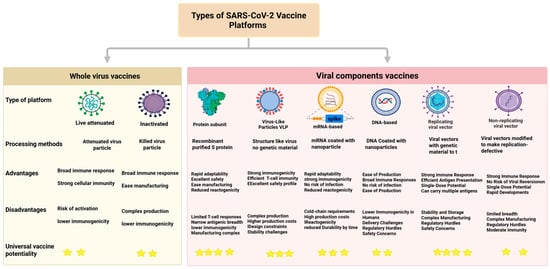
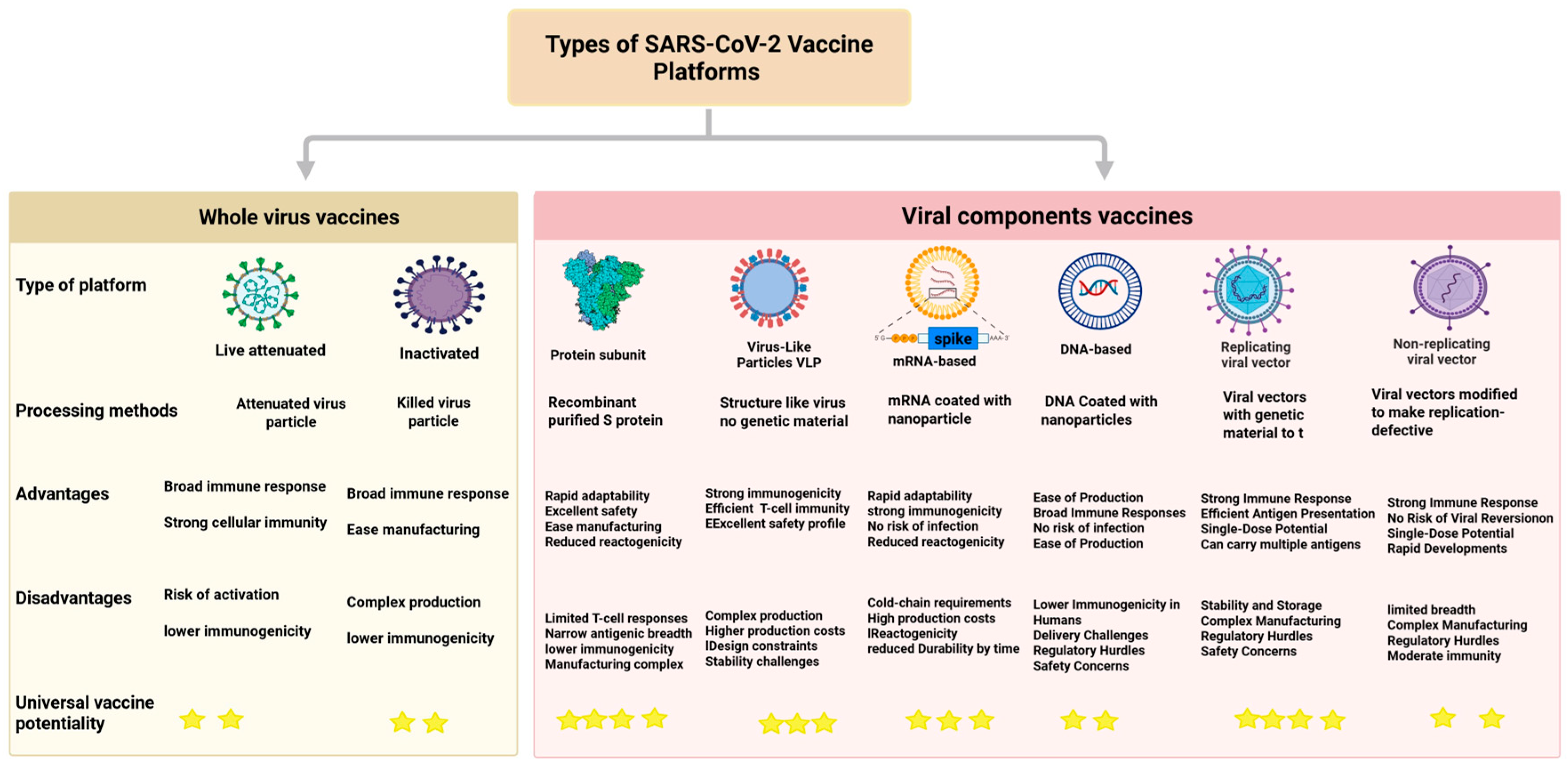
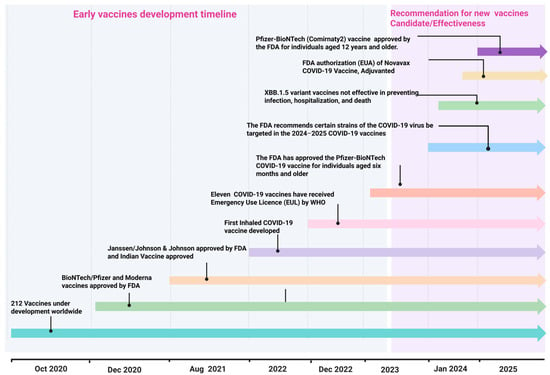
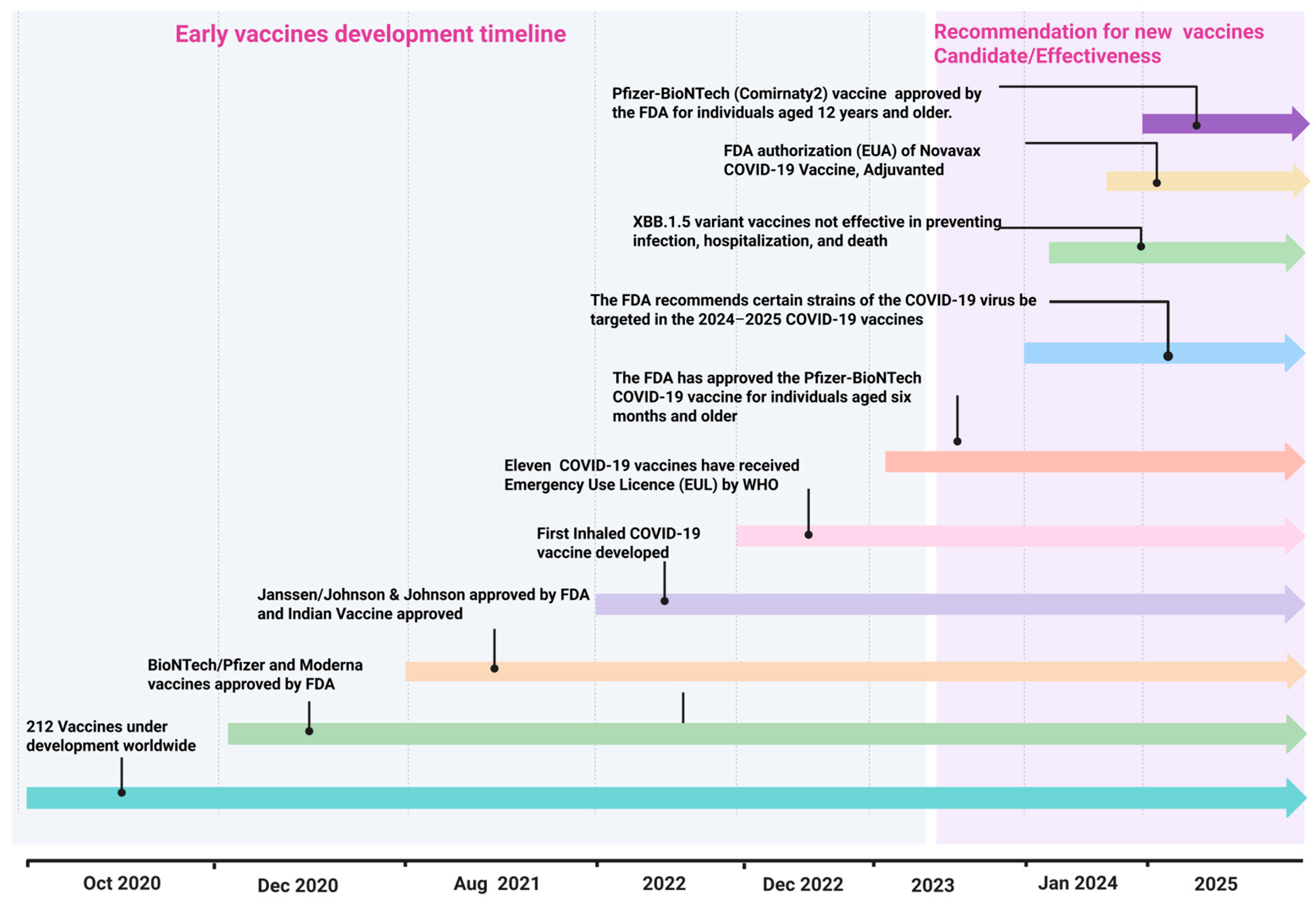
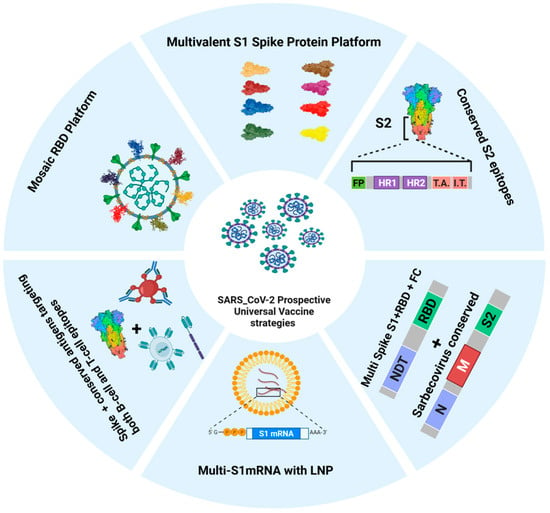
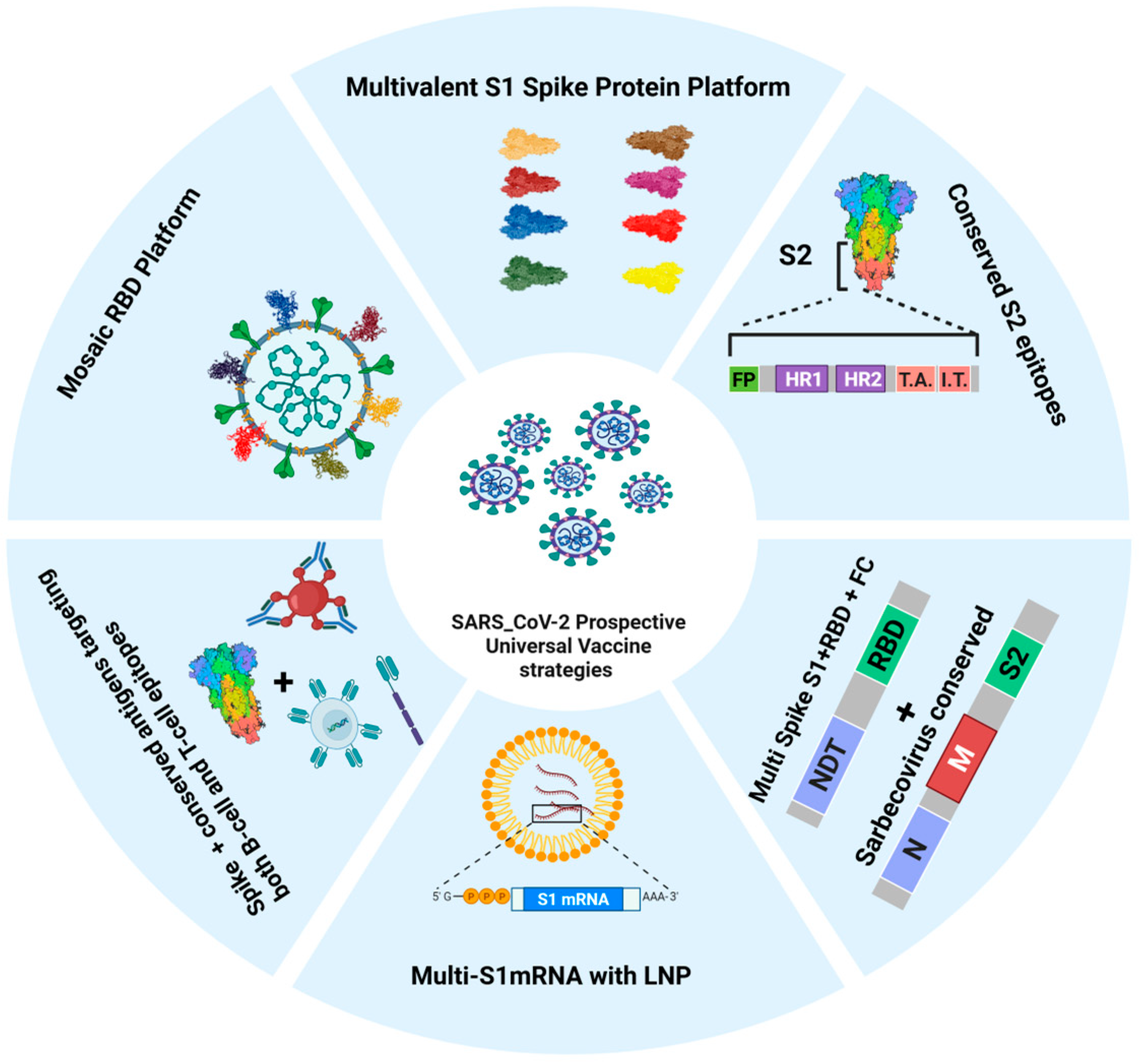

Disclaimer/Publisher’s Note: The statements, opinions and data contained in all publications are solely those of the individual author(s) and contributor(s) and not of MDPI and/or the editor(s). MDPI and/or the editor(s) disclaim responsibility for any injury to people or property resulting from any ideas, methods, instructions or products referred to in the content. |
© 2026 by the authors. Licensee MDPI, Basel, Switzerland. This article is an open access article distributed under the terms and conditions of the Creative Commons Attribution (CC BY) license.