


Abstract
Obesity and type 2 diabetes mellitus (T2DM) represent intertwined global epidemics driven by gut dysbiosis, chronic inflammation, and impaired SCFA production, identifying the microbiome as a therapeutic target. This review synthesizes mechanistic insights and clinical evidence on the role of probiotics as microbiome modulators in the management of metabolic disease. A comprehensive literature search across PubMed, Scopus, Web of Science, and Google Scholar up to May 2026 identified ~230 records using keywords such as probiotics, SCFAs, obesity, and T2DM; a narrative synthesis integrated preclinical, RCT, and meta-analytic data without formal pooling due to heterogeneity. Probiotics restore eubiosis via strain-specific mechanisms, Lacticaseibacillus rhamnosus GG enhances tight junctions (ZO-1), Bifidobacterium breve BBr60 boosts butyrate cross-feeding, and pasteurized Akkermansia muciniphila remodels bile acids (FXR/FGF19), activating G-Protein Coupled Receptor 41 (GPR41)/43-GLP-1 signaling, Treg expansion, and NF-κB suppression. Beyond immunometabolic effects, probiotics mitigate obesity- and T2DM-related oxidative stress by upregulating endogenous antioxidant enzymes (e.g., SOD, catalase, GPx), modulating Nrf2/Keap1 signaling, and reducing lipid peroxidation and other oxidative stress markers in experimental and clinical settings. Meta-analyses of RCTs reveal modest benefits: BMI reductions (~0.3 kg m−2), waist circumference (WC) reductions (1–2 cm), HbA1c reductions (0.3–0.4%), and improvements in homeostatic model assessment of insulin resistance (HOMA-IR), especially with multi-strain (>109 CFU day−1, ≥12 weeks) synbiotics. Innovative strategies—synbiotics, postbiotics, AI-tailored consortia, and fermented dairy—address engraftment and response variability. Current guidelines recommend 109–1011 CFU day−1 using multi-strain formulations for 12–24 weeks alongside lifestyle measures, with regimen selection tailored to the dysbiosis phenotype (e.g., NAFLD). Future longitudinal RCTs integrating multi-omics endpoints with AI-driven strain selection should refine—and ultimately individualize—precision probiotic strategies for metabolic therapy.
1. Introduction
Obesity and T2DM are interrelated global epidemics caused by accelerated urbanization, dietary changes, sedentary lifestyles, and major disruptions to host metabolism [1]. Beyond these classical risk factors, gut microbiota dysbiosis is an established contributor to the pathogenesis of both disorders [2]. In particular, reduced microbial diversity and loss of beneficial taxa are associated with impaired intestinal barrier function, metabolic endotoxemia, chronic low-grade inflammation, and disrupted energy homeostasis, all of which favor insulin resistance and adiposity [3,4].
In this respect, the gut microbiota actively regulates metabolic health rather than merely marking disease [5]. Dysbiosis affects microbial fermentation, bile acid metabolism, gut hormone signaling, and inflammatory tone, thereby linking intestinal ecology to host glucose and lipid metabolism [6]. Microbial imbalance has been consistently associated with reductions in SCFA-producing bacteria in studies of obesity and T2DM. SCFAs themselves support epithelial integrity, improve insulin sensitivity, and modulate appetite- and glucose-regulating pathways [7]. This mechanistic link positions the microbiome as a promising target for preventive and therapeutic interventions [4,8]. Recent studies on Tongyan Ning further support the microbiota-inflammation-barrier axis, showing that the formula alleviated colitis in mice by reshaping gut microbiota, suppressing inflammatory signaling, and restoring intestinal barrier integrity, while in vitro fermentation studies also demonstrated beneficial changes in fecal microbiota and metabolites [9,10]. Beyond local effects on barrier integrity and inflammation, the gut microbiota also influences extra-intestinal organs through the microbiota–gut–brain axis, a complex bidirectional communication network linking intestinal microbial activity with central neural circuits and metabolic regulation [11]. Recent work in Molecular Neurobiology has further highlighted the microbiota–gut–brain axis as a key interface through which intestinal dysbiosis, immune activation, and microbial metabolites can influence neuroinflammation, synaptic plasticity, and brain function [12].
Therefore, probiotics have attracted attention as microbiome-modulating agents that restore eubiosis and counteract metabolic dysfunction [13]. Probiotics can stimulate SCFA production (especially acetate, propionate, and butyrate) by promoting the growth or metabolic activity of beneficial organisms that exert anti-inflammatory and metabolic benefits in the gut and peripheral tissues [14]. At the same time, probiotics modulate the immune system by improving tight junctions, minimizing intestinal permeability, reducing endotoxin translocation, and altering the immune response to a more regulated, less proinflammatory state [15]. These effects are particularly relevant in obesity and T2DM, where the chronic activation of innate and adaptive inflammatory pathways further exacerbates metabolic impairment [16,17,18].
Clinical evidence supports the potential use of probiotics in the management of metabolic disease [19,20,21]. Meta-analyses and RCTs have reported modest improvements in glycemic control, insulin resistance, inflammatory markers, lipid profiles, and some anthropometric outcomes. However, effect sizes are strain-, dose-, duration-, and host-dependent [20]. Such heterogeneity underscores the need for a more mechanistic and innovation-oriented view of probiotic intervention, encompassing strain selection, delivery technologies, synbiotic and postbiotic formulations, and precision approaches tailored to microbiome profiles and disease stage [22]. These advances suggest that probiotics might be more effective when interventions are tailored to specific microbial and metabolic signatures, rather than using a one-size-fits-all approach [18,23,24].
The present structured literature review, therefore, aims to summarize current knowledge of the mechanisms underlying the link between gut microbiota and obesity/T2DM, assess the clinical impact of probiotic supplementation in these disorders, and discuss emerging strategies to optimize probiotic-based therapies. Finally, the review proposes a translational framework for integrating microbiome-modulating probiotics into broader therapeutic practice, aiming to advance them from adjunctive supplements to evidence-based tools in metabolic disease management. Oxidative stress represents a critical pathophysiological bridge between chronic low-grade inflammation and metabolic dysfunction in obesity and T2DM, contributing to β-cell failure, insulin resistance, and vascular complications. Emerging data indicate that probiotic interventions can modulate redox homeostasis by attenuating ROS production and enhancing endogenous antioxidant defenses, thereby providing a rationale for exploring their antioxidant mechanisms as a therapeutic avenue in these disorders.
2. Search Strategy and Methodology
A comprehensive literature search was performed in PubMed, Scopus, Web of Science, and Google Scholar from 2005 to May 2026. Searches combined MeSH and free-text keywords including probiotics, gut microbiota, microbiome, SCFAs, obesity, type 2 diabetes, T2DM, insulin resistance, dysbiosis, eubiosis, immune modulation, and synbiotics, using Boolean operators (AND, OR, NOT) and filters for English-language publications, human studies, and reviews/meta-analyses. We also found other records by searching for reference lists and forward citations.
Eligibility was assessed in two stages: title/abstract screening and full-text review. Inclusion criteria were: (i) original preclinical or clinical studies evaluating probiotics (alone or in synbiotics/postbiotics) in the context of obesity, overweight, metabolic syndrome, insulin resistance, or T2DM; (ii) mechanistic studies describing effects on gut microbiota, metabolic pathways, inflammatory or oxidative stress markers; and (iii) systematic reviews and meta-analyses with a primary focus on probiotic interventions. Exclusion criteria were: (i) studies not involving probiotic or postbiotic interventions (e.g., prebiotics alone, fecal microbiota transplantation without defined probiotic strains); (ii) non-human-only studies without clear translational relevance to obesity or T2DM; (iii) case reports, editorials, letters, conference abstracts without full data; (iv) narrative reviews without original data; and (v) publications lacking metabolic or oxidative stress outcomes of interest or not available in English. Two reviewers independently screened records and resolved disagreements by consensus, yielding approximately >220 primary records after excluding non-relevant designs, non-probiotic interventions, and studies without metabolic or oxidative stress endpoints. Data were extracted on study design, probiotic strains, and dosage, participant characteristics, outcomes, and mechanisms. Narrative synthesis was used to integrate findings across mechanisms, clinical impacts, and innovations. Quantitative data from meta-analyses were summarized qualitatively because of heterogeneity in strains and endpoints.
3. Mechanisms of Action
Probiotics—live microorganisms that confer health benefits when administered in adequate amounts—have emerged as adjunctive strategies for managing obesity and T2DM by modulating the gut microbiome, host metabolism, and immune response at multiple levels [25,26]. Experimental and clinical data indicate that probiotic intervention can reshape dysbiotic communities, correct an elevated Firmicutes/Bacteroidetes ratio, enhance SCFA production, and improve gut barrier and inflammatory status, ultimately translating into better glycemic control and reduced adiposity [23,27]. However, these effects are strain-specific and context-dependent, and a mechanistic understanding is needed with a focus on colonization dynamics, SCFA-G protein-coupled receptor (GPR) signaling, bile acid remodeling, immune modulation (especially regulatory T cells, Tregs), and the activities of next-generation strains such as A. muciniphila [28,29].
3.1. Probiotic Modulation of Oxidative Stress and Antioxidant Defenses
Probiotic strains modulate oxidative stress in obesity and T2DM through several complementary mechanisms at the gut and tissue levels. Experimental models show that Lactobacillus and Bifidobacterium spp. can reduce systemic and tissue-specific ROS accumulation by enhancing endogenous antioxidant defenses, including increased activities or expression of superoxide dismutase (SOD), catalase (CAT), and glutathione peroxidase (GPx) in the liver, adipose tissue, and pancreas [30,31,32]. These effects are frequently linked to activation of the Nrf2/Keap1 pathway and improved glutathione redox balance, together with reduced lipid peroxidation markers such as malondialdehyde (MDA). In parallel, probiotic-induced reductions in endotoxemia and NF-κB-driven inflammation decrease reactive species generation by immune cells, thereby indirectly attenuating oxidative damage in metabolic tissues [33,34,35]. Clinical studies in obese and T2DM populations have reported that probiotic or synbiotic supplementation can increase total antioxidant capacity, upregulate antioxidant enzyme activities, and reduce circulating markers of oxidative stress (e.g., MDA, oxidized LDL), with these changes often accompanying modest improvements in glycemic control and inflammatory markers [36]. Collectively, these findings support the concept that probiotics exert antioxidant effects both directly, via redox-sensitive signaling and antioxidant enzyme induction, and indirectly, via modulation of inflammation, gut barrier integrity, and SCFA-mediated signaling [37].
3.2. Probiotic Colonization and Competitive Exclusion
3.2.1. Establishment and Ecological Integration
Probiotics need to survive gastric acidity and bile after oral intake, adhere to mucus and epithelial surfaces, and successfully compete for nutrients and ecological niches to sustain their effects [38]. Although many conventional probiotics do not permanently engraft, repeated administration can induce lasting shifts in the resident microbial community by altering metabolite profiles and cross-feeding networks [38,39]. Colonization success depends on the baseline microbiota composition, diet (especially fermentable fibers), and host factors such as immune tone and mucus layer integrity, all of which together determine whether exogenous strains are integrated or pass through temporarily [40,41].
3.2.2. Competitive Exclusion of Pathogens
Competitive exclusion, a fundamental ecological process, is how probiotics prevent pathogen colonization by competing for adhesion sites on epithelial cells and mucus, depleting limiting nutrients, and altering local pH and redox conditions [42]. In obesity- and diabetes-associated dysbiosis, this mechanism is particularly relevant for limiting the overgrowth of Gram-negative pathobionts, such as Enterobacteriaceae (Escherichia coli, Enterobacter spp.), and opportunistic species, such as Clostridioides difficile and Bilophila wadsworthia, which promote endotoxemia and metabolic inflammation by increasing LPS and other pro-inflammatory metabolites. By promoting beneficial taxa and reducing pathobionts, probiotic supplementation contributes to colonization resistance and attenuates the inflammatory milieu associated with obesity and T2D. A recent meta-analysis of human in vivo trials demonstrated that probiotic supplementation significantly reduced intestinal pathogen colonization (pooled odds ratio ≈ 1.68), consistent with enhanced colonization resistance and improvements in microbial diversity [43]. This colonization resistance is particularly relevant in obesity and diabetes, where dysbiosis often features reduced beneficial taxa and overgrowth of pathobionts that promote endotoxemia and metabolic inflammation [44].
3.2.3. Bacteriocin Production and Reshaping of Firmicutes/Bacteroidetes
Many lactic acid bacteria produce bacteriocins, ribosomally synthesized antimicrobial peptides, that selectively inhibit competing Gram-positive organisms while sparing commensal or beneficial taxa [45]. Bacteriocin-producing probiotic strains can suppress obesogenic Firmicutes and opportunistic pathogens, facilitating the expansion of Bacteroidetes and SCFA-producing commensals, thereby contributing to a normalization of the Firmicutes/Bacteroidetes ratio associated with leanness [46]. Experimental and observational data consistently show that obesity is associated with decreased Bacteroidetes and increased Firmicutes. At the same time, interventions that restore this balance through probiotics, prebiotics, or dietary changes are associated with improvements in adiposity and insulin sensitivity [47].
3.3. SCFAs, GPR41/43, and Bile Acids
3.3.1. SCFA Production and Receptor Activation
SCFAs, primarily acetate, propionate, and butyrate, are end products of bacterial fermentation of dietary fibers, and their levels and profiles are strongly influenced by probiotic-induced shifts in microbiota composition [48]. SCFAs signal through two main G protein-coupled receptors on intestinal L cells, adipocytes, and immune cells—GPR41/FFAR3, activated equivalently by propionate and butyrate, and GPR43/FFAR2, more responsive to acetate and propionate [49,50]. GPR43 activation on enteroendocrine L cells stimulates GLP-1 secretion, while GPR41 signaling triggers PYY release, collectively modulating appetite, intestinal transit, and energy homeostasis [51]. Figure 1 shows how probiotic-derived SCFAs, including acetate, propionate, and butyrate, may regulate metabolism by activating GPR41 and GPR43 on colonic L-cells, thereby stimulating GLP-1 and PYY secretion, improving insulin secretion, increasing insulin sensitivity, and reducing appetite in obesity and type 2 diabetes.
Figure 1.
Probiotic-derived SCFAs activate GPR41 and GPR43 on colonic L-cells, triggering GLP-1 and PYY release that promote insulin secretion, improve insulin sensitivity, and suppress appetite in obesity and type 2 diabetes. Figure was created using the FigureLabs AI platform (https://www.figurelabs.ai/).
3.3.2. GLP-1 Secretion and Glucose Metabolism
Preclinical studies using multistrain formulations such as VSL#3 demonstrate that probiotic-induced increases in butyrate and other SCFAs drive GLP-1 secretion, resulting in improved glucose tolerance, enhanced insulin secretion, and reduced body weight gain in high-fat diet (HFD) and genetic models of obesity and diabetes [52]. Mechanistically, the SCFA-GPR41/43-GLP-1 axis promotes pancreatic β-cell function, improves insulin sensitivity, and reduces hepatic insulin resistance, as shown by genetic models of GPR41/43 deficiency and GLP-1 receptor perturbation [49,53]. In addition, human and animal data suggest that SCFAs stimulate GLP-1 and PYY response, which impact central appetite regulatory circuits and adipocyte biology, providing a mechanistic rationale for probiotic-mediated benefits in weight and glycemic control [54].
3.3.3. Probiotic Modulation of Bile Acid Metabolism
Besides SCFAs, probiotics also influence lipid metabolism by deconjugating and transforming bile acids [55]. Many Lactobacillus and Bifidobacterium strains express bile salt hydrolases that deconjugate primary bile acids, altering their reabsorption and detergent capacity, and reducing micellar solubilization and intestinal absorption of dietary fat [56]. Probiotics indirectly modulate the gut community and the bile acid pool, affecting the farnesoid X receptor (FXR) and Takeda G-Protein Receptor 5 (TGR5) signaling in the intestine and liver, pathways central to glucose and lipid metabolism [57]. A. muciniphila, in particular, has been shown to reprogram bile acid profiles and activate the intestinal FXR–FGF15 axis, reducing hepatic bile acid synthesis, improving glucose tolerance, and limiting hepatic steatosis in HFD-induced metabolic disease models [58].
3.4. Immune Modulation, Tregs, and NF-κB
3.4.1. Treg Induction and Anti-Inflammatory Cytokines
Across probiotic studies, a consistent mechanistic theme is enhanced generation of regulatory immune phenotypes, notably CD4+CD25+FOXP3+ Tregs, regulatory B cells, and follicular regulatory T cells [55]. SCFAs derived from probiotic-modulated microbiota directly induce Treg differentiation via FFAR2 (GPR43) signaling and epigenetic effects (histone deacetylase inhibition), whereas microbial polysaccharides and metabolites condition dendritic cells toward a tolerogenic phenotype that further favors Treg generation [59,60]. In models of gestational diabetes and metabolic inflammation, oral probiotic administration increased the frequencies of Treg and Tfr cells. It elevated Interleukin-10 (IL-10) and Transforming Growth Factor Beta (TGF-β), while reducing TNF-α and Interleukin-6 (IL-6), thereby dampening systemic inflammation and improving metabolic parameters [52].
3.4.2. NF-κB Suppression and Metabolic Outcomes
NF-κB is a central transcription factor linking metabolic stress, hyperglycemia, and inflammation; its activation upregulates pro-inflammatory cytokines, chemokines, and adhesion molecules that promote insulin resistance and β-cell dysfunction [55]. Multiple probiotic strains modulate NF-κB signaling at the epithelial and systemic levels, reducing nuclear translocation of p65 and downstream inflammatory gene expression in response to cytokines or endotoxin [61]. By enhancing Treg-mediated suppression and attenuating NF-κB-driven inflammation, probiotics improve insulin sensitivity, adipose tissue inflammation, and overall glucose homeostasis in obesity and type 2 diabetes models [62].
3.5. Barrier Integrity and Specific Strains
3.5.1. L. rhamnosus GG and Tight Junction Upregulation
L. rhamnosus GG (LGG) is one of the most extensively characterized probiotic strains and exerts potent barrier-protective effects [63]. In human enteroid and colonoid models, interferon-γ and TNF-α markedly downregulate tight junction proteins ZO-1 and occludin, increasing paracellular permeability. In contrast, pretreatment with LGG or its conditioned medium normalizes their expression and restores transepithelial electrical resistance [63]. Similar findings in epithelial monolayers show that LGG maintains ZO-1 distribution and TER during cytokine challenge, associated with reduced nuclear translocation of NF-κB p65 and lower CXCL8 expression [56]. In vivo, L. rhamnosus strains increase ZO-1 expression and ameliorate barrier dysfunction, thereby reducing endotoxin translocation and metabolic inflammation implicated in obesity-related insulin resistance [64].
Postbiotic components of LGG also contribute to barrier reinforcement. The LGG-derived protein HM0539 enhances mucin production and preserves ZO-1 localization under LPS or TNF-α challenge, with functional improvements in Transepithelial Electrical Resistance (TEER), highlighting that secreted molecules can recapitulate key probiotic effects on the epithelial barrier [65]. Collectively, these data support a model in which LGG upregulates tight junction proteins (including ZO-1) and mucin, stabilizes the mucus-epithelial interface, and attenuates inflammatory signaling, all of which are critical for controlling metabolic endotoxemia in obesity and diabetes [52].
3.5.2. B. breve and Butyrate-Linked Effects
B. breve is a key member of the infant and adult microbiota and has been increasingly studied for metabolic benefits mediated through SCFA modulation [66]. Clinical data from individuals with obesity indicate that B. breve BBr60 supplementation significantly elevates fecal butyrate levels, with parallel improvements in body weight, body fat percentage, and HOMA-IR, and reductions in pro-inflammatory IL-1β alongside increased IL-27 and GLP-1 [66]. Correlation analyses from this trial show that butyrate concentrations positively correlate with GLP-1 and IL-27 and negatively with IL-1β, supporting a mechanistic axis whereby B. breve reshapes the microbiota–SCFA–inflammation/hormone network to ameliorate obesity-related metabolic disturbances [55,66].
Although Bifidobacterium species are not classical butyrate producers, they engage in cross-feeding interactions by fermenting oligosaccharides to acetate and lactate, which are then converted to butyrate by other commensals (e.g., Faecalibacterium prausnitzii), effectively increasing colonic butyrate in a community context [67]. Additional trials in prediabetic and diabetic populations report that B. breve-based interventions increase butyrate-producing bacteria and are associated with reductions in HbA1c and fasting plasma glucose, further linking B. breve to butyrate-dependent, modest improvements in glycemic control [68,69]. Taken together, these findings are preliminary, and clinical recommendations based on B. breve BBr60 remain premature; additional, larger, and independent randomized trials are required before firm conclusions can be drawn about its therapeutic role in obesity or type 2 diabetes.
3.5.3. A. muciniphila and Mucin Repair
A. muciniphila, a mucin-degrading Verrucomicrobia, is regarded as a next-generation probiotic because its abundance is inversely associated with obesity, insulin resistance, and metabolic syndrome [70,71,72]. By residing in the mucus layer and utilizing mucin as its primary carbon and nitrogen source, A. muciniphila stimulates mucin turnover and compensatory synthesis by goblet cells, thereby thickening the mucus barrier, enhancing tight-junction expression, and lowering gut permeability and lipopolysaccharide (LPS) translocation, which collectively reduces systemic endotoxemia, adipose tissue inflammation, and insulin resistance [73,74]. Preclinical studies demonstrate that supplementation with live or pasteurized A. muciniphila attenuates body-weight gain, improves glucose tolerance, and alleviates high-fat diet (HFD)-induced fatty liver disease, in part through modulation of bile acid metabolism, short-chain fatty acid (SCFA) production (especially propionate and butyrate), and activation of the intestinal FXR–FGF15/19 axis [74,75].
Consistent with these preclinical data, clinical studies in overweight or obese adults with insulin resistance report improved insulin sensitivity and more favorable lipid profiles following administration of pasteurized A. muciniphila, underscoring the translational relevance of its barrier- and bile acid-mediated actions in obesity and type 2 diabetes [74,76]. Recent bibliometric and mechanistic reviews further emphasize the pleiotropic actions of A. muciniphila on glucose, lipid, and bile acid metabolism, including promotion of GLP-1 production, reduction in inflammatory mediators, and modulation of the gut–brain axis via neurotransmitter (e.g., Gamma-Aminobutyric Acid (GABA)) production, collectively contributing to improved insulin sensitivity and body-weight regulation [67,74,76,77]. These attributes position A. muciniphila as a promising candidate for targeted microbiome-based therapies in obesity and type 2 diabetes [70,74]. Accordingly, A. muciniphila should at present be regarded as an investigational next-generation candidate rather than a conventional probiotic. However, the strain-specific mechanistic signatures of key probiotic and next-generation strains have been illustrated in Table 1.
Table 1.
Strain-specific mechanistic signatures of key probiotic and next-generation strains.
3.6. Global Microbiome Modulation and Metabolic Pathways
3.6.1. Community-Level Shifts and Metabolic Signatures
Probiotic interventions affect not only the introduced strains but the broader microbial ecosystem, altering diversity, functional gene content, and metabolite profiles relevant to energy and glucose metabolism [80]. Probiotic supplementation may increase diversity and support the recovery of SCFA-producing taxa and other beneficial functional groups. In contrast, changes in phylum-level proportions, including the Firmicutes/Bacteroidetes ratio, appear more variable across studies [87]. Current microbiome research increasingly emphasizes taxonomic and functional resolution at the genus/strain level and the integration of metagenomic and metabolomic readouts, such as SCFA profiles, bile acid signatures, and LPS-related pathways, as more informative indicators of metabolic risk and probiotic response than phylum-level ratios. These community changes alter the production of SCFAs, bile acids, indoles, and branched-chain amino acids, which regulate host pathways that control insulin sensitivity, adipogenesis, and hepatic lipid accumulation [88]. Interestingly, diabetic patients with hepatocellular carcinoma after hepatitis C virus eradication exhibit a persistent gut microbiome signature characterized by proinflammatory and carcinogenic features. These findings highlight potential targets for microbiome-based risk stratification and therapeutic interventions in this high-risk population [89].
3.6.2. Immune Response and Systemic Inflammation
Probiotics indirectly restore the balance of mucosal and systemic immune response by modulating the microbiome [15]. Increased SCFAs and health-promoting taxa (e.g., Bifidobacterium, Akkermansia) lead to Treg expansion and the production of anti-inflammatory cytokines, while decreasing Th1/Th17 response and pro-inflammatory mediators such as TNF-α, IL-6, and IL-1β [88,90]. This immune reprogramming reduces low-grade metabolic inflammation, the key driver linking obesity and insulin resistance to downstream complications such as type 2 diabetes and cardiovascular disease [91]. Data from clinical and pre-clinical studies suggest that normalization of systemic inflammatory markers induced by probiotics is associated with modest improvements in insulin sensitivity, β-cell function, and glycemic control, supporting the concept of an immunometabolic axis as a key target of probiotic therapy [62].
3.6.3. Strain-Specific Effects and Health Outcomes
Strain specificity is a recurring theme in probiotic research. These barrier-protective and NF-κB-modulating functions of LGG are prominent in enteroid models and are not mimicked by closely related lactobacilli such as L. crispatus [63]. B. breve strains vary in their ability to elevate butyrate, modulate inflammatory cytokines, and improve clinical end points in obesity and prediabetes, emphasizing the importance of accurate strain characterization [92,93]. A. muciniphila is unique as a next-generation mucus-adapted probiotic with strong effects on mucin repair, bile acid metabolism, and systemic metabolic parameters in several models of obesity, fatty liver disease, and type 2 diabetes [74,94].
Probiotics collectively affect obesity and diabetes through colonization and a competitive-exclusion network, SCFA-induced GPR41/43 activation and GLP-1 release, bile acid deconjugation and FXR/TGR5 signaling, immune modulation by Treg cells and NF-κB suppression, and barrier enhancement via upregulation of tight junctions and mucins [92]. Strain-specific effects of L. rhamnosus GG, B. breve, and A. muciniphila exemplify the potential of targeted microbiome interventions to reshape barrier function, SCFAs, bile acid profiles, and immunometabolic pathways, thereby improving weight and glycemic outcomes in experimental and early human studies [56,92].
Probiotics have various functions in obesity and type 2 diabetes. Figure 2 shows the effects of probiotics on the colonization of the gut, the production of SCFAs, the metabolism of bile acids, the integrity of the barrier, and the regulation of the immune system. These actions are mediated through GPR41/43, GLP-1 and PYY, FXR/TGR5/FGF15, tight junction proteins, and Treg/NF-κB signaling pathways, leading to reduced inflammation, improved insulin sensitivity, reduced visceral adiposity, and improved glycemic control. The figure suggests that probiotics may promote metabolic health through multiple complementary mechanisms rather than through a single pathway. Future work should focus on controlled, strain-resolved clinical trials combining metagenomics, metabolomics, and immunophenotyping to refine probiotic strategies for obesity and type 2 diabetes.
Figure 2.
Integrated mechanism map of probiotics in obesity and type 2 diabetes. Probiotic inputs, including L. rhamnosus GG, B. breve, A. muciniphila, and multistrain/synbiotic formulations, act at the gut level through colonization and competitive exclusion, enhanced SCFA production, bile acid remodeling, barrier reinforcement, and immune modulation. These actions converge on molecular mediators such as G protein-coupled receptors GPR41/43, glucagon-like peptide-1 (GLP-1) and peptide YY (PYY), farnesoid X receptor (FXR), Takeda G protein-coupled receptor 5 (TGR5), fibroblast growth factor 15/19 (FGF15/19), tight junction and mucus components (zonula occludens-1, ZO-1; occludin; mucin), and regulatory immune pathways (regulatory T cells, Tregs; nuclear factor kappa-B, NF-κB). Collectively, these pathways reduce endotoxemia [lipopolysaccharide (LPS)] and inflammation [C-reactive protein (CRP), cytokines], improve insulin sensitivity, decrease visceral adiposity, lower fasting glucose and glycated hemoglobin (HbA1c), and ultimately lower cardiometabolic risk, thereby mitigating obesity and type 2 diabetes. Solid arrows denote activation pathways, while dashed arrows indicate inhibitory effects; colors group pathways according to predominant mechanism: blue, SCFA signaling; green, bile acid signaling; orange, barrier function; purple, immune modulation. Figure was created using the FigureLabs AI platform (https://www.figurelabs.ai/).
4. Impact on Obesity
4.1. Evidence from Meta-Analyses on Anthropometric Outcomes
Across RCTs in overweight and obese adults, multiple meta-analyses converge on a modest but statistically significant anti-obesity effect of probiotic and synbiotic supplementation, particularly when multistrain formulations are administered at daily doses above 109 CFU for at least 8–12 weeks. Pooled analyses generally show mean BMI reductions of approximately 0.2–0.3 kg/m2, with some subgroup analyses in higher-dose or adolescent populations approaching or exceeding 0.5–1.0 kg/m2, alongside small but consistent decreases in body weight, fat percentage, and WC versus placebo [95]. A meta-analysis of 15 RCTs (n = 957 adults with overweight or obesity) reported reductions in body weight (~0.6 kg), BMI (~0.27 kg/m2), and body fat percentage (~0.6%); between-study heterogeneity was substantial, and effect sizes were small at the population level [96].
When probiotics and synbiotics are combined, more recent quantitative syntheses confirm reductions in body weight (≈0.9 kg), BMI (≈0.28 kg/m2), and WC (≈1.1 cm), indicating that microbiome-directed “biotics” exert clinically relevant, though modest, improvements in anthropometric indices. One meta-analysis focused on overweight and obese adults found weighted mean differences of roughly −0.55 to −0.60 kg for body weight, −0.29 to −0.30 kg m2 for BMI, and nearly −1.0 cm for WC, with subgroup analyses suggesting stronger effects at higher doses and longer intervention durations [95]. In pediatric populations, a Bayesian network meta-analysis in children and adolescents with overweight or obesity showed that multistrain probiotic supplementation significantly reduced BMI (≈−2.1 kg/m2) and WC (≈−1.3 cm), further supporting the superior efficacy of multistrain preparations compared with single-strain products in modulating obesity-related traits [97].
Multistrain formulations administered for at least 12 weeks have been reported in several systematic reviews to be more effective in reducing BMI by 0.5–1.0 kg/m2 and achieving measurable loss of fat mass, particularly in subjects with marked adiposity or coexisting cardiometabolic risk factors [78,96]. Meta-analyses that specifically examine probiotic and synbiotic interventions in overweight or obese cohorts show improvements in total body fat mass and fat percentage that mirror changes in BMI, suggesting that these interventions alter body composition rather than simply affecting fluid balance [95,96]. Nevertheless, the magnitude of effect remains modest and is highly dependent on strain composition, background diet, initial microbiome configuration, and co-interventions such as caloric restriction or structured physical activity [78,95].
4.2. Mechanistic Insights: SCFAs, Histone Deacetylase (HDAC) Inhibition, Fasting-Induced Adipocyte Factor (FIAF), and Energy Harvest
The anti-obesity effects of probiotics are closely related to their ability to reshape the gut microbial ecosystem toward SCFA-generating taxa (e.g., Bifidobacterium, Lactobacillus spp., and A. muciniphila), thereby modulating the production of microbial metabolites that regulate adipose tissue biology and systemic energy homeostasis [80]. SCFAs, primarily acetate, propionate, and butyrate, serve as signaling molecules via free fatty acid receptors FFAR2/3 and as epigenetic modulators by inhibiting HDACs in adipocytes and other metabolic tissues [98]. In vitro and in vivo studies show that butyrate and propionate inhibit HDAC activity in adipose tissue, increasing histone acetylation at promoters of genes involved in lipid oxidation and mitochondrial function, activating pathways such as MKK3/p38/PRAK, and dampening pro-adipogenic signaling, collectively favoring enhanced lipolysis and reduced adiposity [81].
Animal models of diet-induced obesity demonstrate that butyrate administration reduces body weight gain and adiposity while improving glucose homeostasis, in part by hyperacetylating histone H3 and selectively suppressing HDAC activity, independent of FFAR2/3 signaling [81]. These epigenetic effects are complemented by SCFA-mediated upregulation of uncoupling proteins and adiponectin receptor genes in adipose tissue, promoting energy expenditure and more efficient lipid handling [81]. Probiotic-induced enhancement of SCFA production, therefore, constitutes an epigenetic axis through which the microbiota can program adipocyte lipolysis, adipokine secretion, and thermogenic gene expression, providing a mechanistic basis for the modest but consistent reductions in fat mass observed in human trials [80].
FIAF (angiopoietin-like protein 4) represents another key node linking gut microbiota to lipid storage [99]. FIAF inhibits LPL, restraining triglyceride uptake into adipocytes; when dysbiotic microbiota suppress intestinal FIAF, LPL activity increases, triglyceride storage is enhanced, and energy harvest from dietary substrates is augmented [99]. Microbial communities associated with obesity often exhibit reduced FIAF expression and an increased capacity to extract energy from polysaccharides, promoting positive energy balance and adipocyte hypertrophy [98]. In contrast, probiotic interventions that shift the microbiota toward beneficial taxa have been associated in experimental models with normalization of FIAF signaling, partial restoration of SCFA profiles, and attenuation of the high-energy-harvest phenotype, thereby limiting further weight gain and adipose expansion [100].
Beyond FIAF, probiotics reshape energy harvest by altering microbial gene repertoires encoding carbohydrate-active enzymes, bile salt hydrolases, and nutrient transporters, thereby influencing the efficiency of carbohydrate and lipid digestion and absorption [80]. Human-origin probiotic consortia have been shown to increase fecal SCFA output and shift the Firmicutes/Bacteroidetes ratio, both of which correlate with reduced visceral adipose tissue and improved metabolic indices [80]. In addition, changes in branched-chain and aromatic amino acid metabolism are increasingly recognized as contributors to insulin resistance and type 2 diabetes because elevated circulating amino acid signatures track with impaired metabolic control and altered gut microbial function [101]. Probiotic or diet-based interventions may help attenuate these diabetogenic signatures by shifting the gut ecosystem toward fiber-fermenting taxa that support short-chain fatty acid production and broader metabolic homeostasis [102]. Collectively, these mechanistic data support a model in which probiotic-induced remodeling of the microbiome metabolome—including SCFAs, bile acids, and indoles—attenuates the high-energy-harvest, pro-adipogenic milieu of obesity and instead promotes a phenotype characterized by enhanced lipolysis, reduced lipogenesis, and improved insulin sensitivity [88,103]. Figure 3 illustrates dysbiosis versus probiotic-modulated states.
Figure 3.
Dysbiosis is shown in red, whereas probiotic-modulated conditions are shown in green/blue. Circles or squares represent enzymes, and gene regulation is indicated by arrows only. SCFAs, FIAF (ANGPTL4), LPL, histone acetylation, lipid oxidation, thermogenesis, and energy harvest are shown as labeled pathway components. Figure was created using the FigureLabs AI platform (https://www.figurelabs.ai/).
4.3. RCTs: WC and Visceral Fat
In addition to effects on global indices such as weight and BMI, several RCTs have evaluated the impact of probiotic and synbiotic supplementation on central adiposity, particularly WC and visceral adipose tissue [95]. Systematic reviews of biotic interventions in overweight and obese subjects report that multiple trials document significant reductions in WC, typically about 1–2 cm, accompanied by decreases in visceral fat area or sagittal abdominal diameter when multistrain products are administered for 8–12 weeks [95]. Kadooka et al. [104], for example, showed that consumption of milk fermented with L. gasseri SBT2055 (106–107 CFU g−1) for 12 weeks significantly reduced visceral fat area, BMI, and waist and hip circumferences relative to control fermented milk, with changes evident by week 8 and maintained through week 12.
A double-blind RCT using a multistrain probiotic blend in adults with features of metabolic syndrome demonstrated significant reductions in body fat mass, body weight, BMI, WC, waist-to-height ratio, visceral adipose tissue, and liver steatosis grade compared with placebo, indicating preferential effects on central adiposity and ectopic fat depots [105]. Another study combining B. breve and L. plantarum in obese adults reported significant decreases in WC and the visceral-to-subcutaneous fat area ratio after 12 weeks, suggesting a beneficial redistribution of fat away from metabolically deleterious visceral stores [106]. Pediatric interventions with multistrain probiotics in obese children and adolescents likewise demonstrate improvements in BMI and WC [107]. However, some of the observed BMI change is attributable to linear growth rather than pure fat mass loss [108].
Synbiotic formulations (probiotic plus prebiotic) frequently yield at least comparable, and in certain trials superior, effects on WC and visceral adiposity relative to probiotics alone [109]. A multispecies synbiotic given for 12 weeks to overweight and obese adults produced a significant 2.57% reduction in WC and decreased body fat percentage, together with improvements in Firmicutes abundance and the Firmicutes/Bacteroidetes ratio [110]. However, not all anthropometric differences versus placebo were statistically significant at the study endpoint [110]. Other synbiotic RCTs in obese women and children confirm significant reductions in BMI z-score, WC, and body fat percentage, with improvements in central adiposity often confined to the synbiotic arm, implying that prebiotic substrates potentiate the ability of probiotic strains to impact visceral fat depots [111].
Emerging RCTs of novel synbiotic products specifically targeting visceral adiposity further support these observations [112]. A recent 12-week double-blind, placebo-controlled trial showed that a synbiotic formulation significantly reduced visceral fat area, as quantified by Dual-Energy X-ray Absorptiometry (DXA), and modulated adipose distribution, with the strongest effects in men and in individuals with BMI in the overweight to class I obesity range [112]. Taken together, these trials suggest that although absolute weight loss attributable to probiotics and synbiotics is modest, central adiposity and visceral fat appear to be preferentially targeted, which is particularly relevant given their strong association with cardiometabolic risk [113]. Table 2 compares RCTs of probiotics and synbiotics for central adiposity and visceral fat, with differences in populations, formulations, duration, and outcomes.
Table 2.
RCTs of probiotics and synbiotics targeting central adiposity and visceral fat.
4.4. Probiotics in Weight and Fat Metabolism Management
Clinical and experimental evidence indicates that probiotics primarily function as adjuncts in weight management rather than as standalone anti-obesity drugs, with the most robust benefits achieved by fine-tuning body composition and metabolic risk markers [114]. A recent review of probiotic use in excess weight concluded that in approximately two-thirds of RCTs, probiotic supplementation without formal diet therapy resulted in significant reductions in body weight and BMI, while about 80% of studies reported decreases in WC, and a subset showed improvements in total body fat mass [115]. These patterns are consistent with broader meta-analytic data demonstrating modest but consistent declines in weight, BMI, fat percentage, and WC with probiotic or synbiotic supplementation, particularly when multistrain preparations are used, and interventions extend beyond 8–12 weeks [96,116]. Recent glycemic benefits likely reflect combined effects on SCFA–GPR41/43 signaling, bile acid–FXR/TGR5 pathways, and barrier reinforcement that reduces LPS-driven inflammation. These overlapping mechanisms may explain why multistrain probiotics often improve HbA1c and HOMA-IR more than single strains.
Mechanistically, probiotics affect weight and fat metabolism via several interrelated pathways [114]. First, probiotics can indirectly support weight loss and weight maintenance by modulating gut-derived appetite hormones, such as peptide YY (PYY) and GLP-1, which reduce food intake, increase satiety, and modestly improve glycemic control by promoting SCFA production and FFAR2/3 signaling [117]. Second, probiotics modulate bile acid metabolism through bile salt hydrolase activity and changes in bile acid deconjugation, thereby affecting FXR and TGR5 signaling pathways that govern energy expenditure, hepatic gluconeogenesis, and lipid metabolism; this mechanism is consistent with observed improvements in hepatic steatosis and circulating lipid profiles across multiple trials [106]. Third, probiotics have barrier-protective and anti-inflammatory effects that reduce metabolic endotoxemia, including translocation of lipopolysaccharide (LPS) and other microbial components into the circulation, a key driver of adipose tissue inflammation and insulin resistance in obesity [118]. Probiotics reduce chronic low-grade inflammation and normalize adipokine secretion and insulin sensitivity by reinforcing tight junctions, increasing mucin secretion, and shifting microbial communities away from LPS-rich pathobionts, thus creating a metabolic milieu less favorable to fat accumulation and weight gain [118]. In patients with obesity and prediabetes or metabolic syndrome, changes in inflammatory markers and glycemic parameters frequently reflect the modest changes in body weight and fat distribution, emphasizing the role of immunometabolic modulation in probiotic-mediated benefits [114].
Recently published studies have strengthened the clinical relevance of probiotics in metabolic disease. A network meta-analysis of RCTs in adults with T2DM showed that multistrain probiotic combinations, particularly formulations containing Lactobacillus, Bifidobacterium, Propionibacterium, and Streptococcus, were among the most effective options for reducing fasting plasma glucose and HOMA-IR. At the same time, Bifidobacterium-based interventions ranked highest for HbA1c reduction. In obesity, newer dose–response and strain-specific studies suggest that L. plantarum and L. fermentum may exert benefits that depend on dose and duration, highlighting the importance of strain selection and intervention design. In NAFLD, recent randomized data on Huosheng Formula and related interventions further support the relevance of microbiota-targeted strategies for improving oxidative stress and hepatic lipid metabolism [119,120,121].
4.5. Mechanisms Influencing Body Weight and Fat Distribution
Reductions in WC, body fat, and insulin resistance likely reflect probiotic effects on satiety, inflammation, bile acid signaling, and barrier integrity. These outcomes appear to be downstream of the microbiota-related pathways discussed above. Beyond SCFA-driven HDAC inhibition and FIAF regulation, additional mechanisms have been implicated in probiotic effects on body weight and fat distribution [122]. Probiotic-induced shifts in gut microbial composition can alter the abundance of genes encoding carbohydrate-active enzymes and nutrient transporters, thereby changing the efficiency with which complex carbohydrates and lipids are digested and absorbed and modulating the net caloric extraction from the diet [123]. Interventions using human-origin probiotic cocktails report increased SCFA production and favorable shifts in the Firmicutes/Bacteroidetes ratio, which correlate with reductions in visceral adiposity and improvements in lipid and glucose metabolism, highlighting a connection between community-level functional reprogramming and regional fat distribution [106].
Probiotics also influence host endocrine and neuroendocrine response by altering SCFAs, bile acids, and aromatic microbial metabolites [122]. SCFAs and secondary bile acids signal enteroendocrine cells to regulate the release of GLP-1, PYY, and gastric inhibitory polypeptide, thereby affecting appetite, gastric emptying, and insulin secretion [122]. At the same time, indole derivatives and other tryptophan metabolites influence the circuits of the gut–brain axis involved in energy intake and expenditure [124]. These endocrine pathways help explain why probiotic interventions often blunt weight gain or stabilize body weight rather than causing large absolute losses, yet still confer clinically relevant benefits on central adiposity and cardiometabolic risk markers [114].
At the adipose-tissue level, probiotic-induced SCFAs and downstream signaling can promote browning of white adipose tissue, upregulate thermogenic genes, and increase mitochondrial biogenesis, thereby enhancing energy expenditure and shifting away from visceral fat accumulation [122]. Experimental models show that butyrate and propionate upregulate uncoupling proteins and adiponectin receptor expression in adipose tissue, changes associated with improved insulin sensitivity and reduced hepatic steatosis in HFD-fed rodents [122,125]. In parallel, microbiome-driven reductions in systemic inflammation, via lower LPS exposure and expansion of regulatory immune subsets such as Tregs and regulatory B cells, normalize adipose tissue immune tone, limiting pro-inflammatory macrophage infiltration and cytokine production that drive adipocyte hypertrophy and ectopic fat deposition [122].
Accumulating evidence also links probiotic supplementation with increases in taxa inversely associated with obesity and metabolic syndrome—notably A. muciniphila and selected Bifidobacterium and Lactobacillus species [125]. These microbes contribute to enhanced mucus layer integrity, beneficial bile acid profiles, and SCFA production, collectively influencing regional fat storage and systemic metabolic risk [125]. Clinical RCTs employing multistrain formulations containing Bifidobacterium and Lactobacillus species frequently report preferential reductions in visceral adipose tissue and liver fat content relative to subcutaneous adiposity, suggesting that microbiome modulation can selectively deplete metabolically harmful fat compartments even when total weight loss remains modest [114].
Taken together, current evidence indicates that probiotics and synbiotics exert a multifaceted influence on obesity, acting through SCFA-mediated epigenetic modulation of adipose tissue, regulation of FIAF and energy harvest, modulation of endocrine and bile acid signaling, reinforcement of barrier integrity, and recalibration of immunometabolic pathways [122]. While average reductions in BMI and body weight are modest, generally in the range of 0.5–1.0 kg m−2 and approximately 1 kg, respectively, sustained improvements in central adiposity, visceral fat burden, glycemic control, and inflammatory status position probiotics as promising adjunctive agents within comprehensive obesity-management strategies that integrate dietary modification, physical activity, and pharmacologic therapies [122]. On the other hand, earlier meta-analyses, particularly those pooling small, short-duration RCTs, have reported non-significant or clinically trivial changes in body weight and BMI, with substantial between-study heterogeneity and notable risks of selective reporting and attrition bias, limiting the certainty of any conclusions about probiotic-induced weight loss [96,126,127].
5. Impact on Diabetes
5.1. Clinical Trials and Glycemic Outcomes
RCTs and meta-analyses in adults with T2DM consistently show modest improvements in glycemic control with probiotic supplementation, especially with multistrain, high-dose formulations administered for 8–12 weeks. Meta-analyses of 15 RCTs (n ≈ 900) indicated significant reductions in HbA1c, fasting blood glucose (FBG), and HOMA-IR versus baseline in T2DM patients treated with probiotic preparations. Still, effect sizes were small and heterogeneous [128]. A more recent network-style synthesis and dose–response analysis also found that probiotics reduced HbA1c by about 0.3–0.4 percentage points and improved HOMA-IR, with longer intervention duration (≥12 weeks) and higher daily doses associated with greater benefit [129]. These benefits likely reflect strain-dependent differences in SCFA signaling, bile acid remodeling, and barrier reinforcement rather than a uniform probiotic effect. The clinical effects of probiotics are strain-specific rather than interchangeable. Multistrain formulations may provide broader benefits than single strains because they combine complementary mechanisms, including SCFA generation, bile acid remodeling, epithelial barrier reinforcement, and immunometabolic modulation. Accordingly, the observed reductions in HbA1c and HOMA-IR should be interpreted as the downstream result of these strain-dependent biological actions rather than as a class effect of all probiotics [130,131].
Several RCTs in T2DM have tested probiotic yogurts or fermented milks containing Lactobacillus and Bifidobacterium species, demonstrating reductions in FBG, postprandial glucose, and fasting insulin, and improved antioxidant status [30]. For example, probiotic yogurt containing L. acidophilus La5 and B. animalis subsp. lactis Bb12 (300 g/day for 6 weeks) decreased FBG and increased total antioxidant capacity in T2DM subjects compared to conventional yogurt [30]. Other studies with multistrain probiotic capsules (e.g., L. acidophilus, L. casei, L. lactis, B. bifidum, B. longum, and B. infantis in combination) have shown improvements in HbA1c and fasting insulin without any change in body weight, suggesting direct glycemic effects not entirely mediated by weight loss [132].
However, not all syntheses are equally positive: a meta-analysis in 2022 found that while probiotics did not lead to clinically significant HbA1c reductions, they did result in modest but statistically significant reductions in FBG and fasting insulin, especially with multistrain, high-dose regimens and in patients with higher baseline BMI [128]. More recent analyses of probiotic combinations have confirmed significant reductions in HOMA-IR and fasting glucose but have also highlighted the heterogeneity of strains, doses, and background therapies, warning that effect sizes are often smaller than those seen with first-line pharmacotherapy and that probiotics should be considered as adjuncts, not standalone treatments [133]. Figure 4, as detailed in the mechanisms section, many of these modest but consistent improvements in HbA1c, fasting glucose, fasting insulin, and HOMA-IR are downstream of restored intestinal barrier integrity and reduced metabolic endotoxemia: probiotic-induced upregulation of tight junctions and mucus, together with reductions in LPS-driven NF-κB activation, attenuate systemic inflammation, thereby improving insulin sensitivity and β-cell function in obesity and T2DM.
Figure 4.
Core glycemic outcomes after probiotic and synbiotic interventions. Blue bars represent pooled estimates from all probiotic interventions across meta-analyses, and green bars represent multistrain and/or higher-dose subgroup estimates. Negative values indicate reductions relative to the control, and whiskers show 95% confidence intervals. Typical effect sizes are shown for HbA1c, fasting glucose, fasting insulin, and HOMA-IR. These glycemic improvements are consistent with the barrier-reinforcing and anti-inflammatory actions of probiotics described in earlier sections, in which reduced intestinal permeability and LPS translocation contribute to lower systemic inflammation and improved insulin sensitivity. Figure was created using the FigureLabs AI platform (https://www.figurelabs.ai/).
5.2. Mechanistic Basis of Probiotic Effects on Diabetes
Probiotic action in diabetes is mechanistically multifactorial: it encompasses modulation of microbial ecology, reinforcement of intestinal barrier integrity, attenuation of metabolic inflammation, and remodeling of SCFAs, bile acid, and indole signaling pathways that converge on insulin sensitivity and β-cell function [98]. Dysbiosis in T2DM is characterized by reduced diversity, depletion of SCFA-producing taxa (e.g., Faecalibacterium, Roseburia, Akkermansia), and enrichment of pathobionts that increase luminal lipopolysaccharide (LPS) and branched-chain amino acids, thereby promoting metabolic endotoxemia and insulin resistance via toll-like receptor (TLR)–NF-κB signaling [134]. Probiotic and synbiotic interventions partially restore the abundance of beneficial commensals, increase SCFA production, and reduce LPS translocation, collectively diminishing systemic low-grade inflammation [13,14].
SCFAs, such as acetate, propionate, and butyrate, act on G-protein-coupled receptors (GPR41), G-Protein Coupled Receptor 43 (GPR43), and G-Protein Coupled Receptor 109A (GPR109A) on enteroendocrine, immune, and adipose cells to enhance GLP-1 secretion, improve insulin signaling, and promote regulatory immune phenotypes [125]. Experimental SCFA “biotherapy” in humans and humanized mice indicates that increasing colonic SCFA remodels the mucosal proteome and metabolome, enriches anti-inflammatory pathways, and delays diabetes progression, with fecal transplantation from SCFA-responders transferring protection to gnotobiotic mice [135]. Similarly, SCFA cocktails in HFD-induced diabetic mice improve insulin signaling, upregulate GLUT4 and PPARα, modulate hepatic lipogenesis (SREBP1c and LXR), and increase expression of SCFA receptors, while restoring butyrate-producing taxa such as Roseburia and Lachnospiraceae [14].
Bile acid signaling constitutes another mechanistic node: microbial deconjugation and transformation influence the activation of the FXR and Takeda G-protein receptor 5 (TGR5), thereby modulating GLP-1 secretion, hepatic gluconeogenesis, and energy expenditure [136]. Probiotics and next-generation strains, such as A. muciniphila, alter primary/secondary bile acid ratios and promote FXR–FGF19 signaling, thereby improving insulin sensitivity and hepatic lipid handling [72]. In parallel, probiotics dampen NF-κB-driven inflammatory cascades in intestinal and adipose tissues, reduce circulating TNF-α and IL-6, increase IL-10 and TGF-β, and enhance regulatory T-cell (Treg) function, collectively ameliorating insulin resistance and β-cell stress [137].
5.3. L. casei Plus Inulin
Synbiotic combinations of L. casei with inulin have been explored as a strategy to combine direct probiotic effects with fermentation of a selective prebiotic substrate, thereby increasing SCFA production and supporting engraftment [14,138]. In a randomized trial in T2DM patients, L. casei supplementation (108 CFU/day for 8 weeks) improved glycemic response and modulated serum sirtuin-1 (SIRT1) and fetuin-A levels; SIRT1 upregulation and fetuin-A reduction were proposed as mechanistic links between probiotic use and improved insulin sensitivity [139]. Preclinical work in HFD/streptozotocin models indicates that co-administration of Lactobacillus strains with inulin alleviates cardiac oxidative stress, reduces caspase activation, and improves insulin and fasting glucose levels by modulating leptin receptor expression and antioxidant enzyme activity [140,141].
Synbiotic supplementation significantly improved insulin metabolism markers (reduced insulin, HOMA-IR, HOMA-β; increased QUICKI) and lipid profiles (lowered TAG and VLDL-cholesterol) in women with gestational diabetes after 6 weeks, compared to placebo [142]. In pregnant women with gestational diabetes, a synbiotic containing L. sporogenes plus inulin improved HOMA-IR and fasting insulin, although effects on FBG were limited [142]. Another trial using a synbiotic capsule comprising L. acidophilus, L. casei, B. bifidum, and inulin in gestational diabetes demonstrated reductions in insulin and HOMA-IR over 6–8 weeks, supporting the use of L. casei-based synbiotics in hyperglycemic states [142].
Although most synbiotic data are from non-diabetic or mixed populations, mechanistic coherence across models suggests that L. casei–inulin combinations reduce oxidative stress, modulate adipokines (fetuin-A, leptin), and improve insulin signaling, with potential translatability to T2DM and prediabetes [14]. Future work should prioritize well-powered RCTs in T2DM with metagenomic and metabolomic endpoints to define responders and optimize dose and matrix [72]. Interestingly, Figure 5 shows how L. casei–inulin synbiotics may improve metabolic and cardiovascular health by reshaping the gut microbiota, increasing SCFAs, and modulating SIRT1, fetuin-A, oxidative stress, caspase activation, and leptin receptor expression. These changes are associated with improved glycemic control and reduced cardiac markers in T2DM and gestational diabetes.
Figure 5.
L. casei–inulin synbiotics improve microbiota, SCFA production, and SIRT1 signaling while reducing fetuin-A, oxidative stress, and caspase activation, leading to better metabolic and cardiovascular outcomes. Orange icons denote preclinical evidence, green icons denote clinical evidence, blue boxes mark metabolic endpoints, and red boxes mark cardiovascular endpoints. Figure was created using the FigureLabs AI platform (https://www.figurelabs.ai/).
5.4. Glycemic Control and Insulin Sensitivity
Beyond single trials, pooled analyses show that probiotics modestly improve insulin sensitivity, as reflected in HOMA-IR, fasting insulin, and postprandial glucose excursions [133]. In meta-analyses of RCTs in T2DM, probiotic supplementation reduced HOMA-IR by approximately 1 unit and lowered fasting insulin versus controls, with multistrain formulations achieving greater effects than single strains [133]. A 2024 meta-analysis focusing on probiotic combinations reported significant reductions in HOMA-IR (MD ≈ −1.05) and fasting insulin (≈−3–4 µIU mL−1), along with small decreases in fasting glucose [143]. Network meta-analysis ranking interventions suggests that multistrain, high-dose probiotics and synbiotics occupy the upper tiers for improving HbA1c and insulin resistance, although heterogeneity and risk of bias limit firm comparative conclusions [144].
Clinical studies using probiotic yogurts and fermented milks demonstrate improvements in FBG and HbA1c without changes in BMI, indicating that microbiome-mediated mechanisms can operate independently of weight loss [30,145,146]. For example, probiotic fermented milk containing L. acidophilus and B. lactis reduced FBG and HbA1c over 8 weeks in T2DM patients compared with conventional fermented milk, accompanied by modest improvements in lipid profile and antioxidant status [147,148]. Similarly, a five-strain probiotic formulation (WBF-011) enhanced postprandial glucose control (reduced glucose Area Under the Curve (AUC)) in adults with T2DM on metformin without significant changes in fasting glucose or weight, suggesting specific effects on postprandial insulin sensitivity and incretin response [132]. Collectively, these findings indicate that probiotics can achieve clinically modest improvements in glycemic indices and insulin sensitivity, particularly when multistrain, high-dose formulations are used for at least 12 weeks and administered alongside standard lifestyle and pharmacologic therapy [129,149]. Importantly, effects are heterogeneous and appear to be larger in those with higher baseline dysglycaemia and BMI, highlighting the importance of a stratified, precision-oriented approach in future trials [149].
On the other side, meta-analyses in adults with type 2 diabetes and related dysglycemia indicate that probiotic or synbiotic supplementation produces modest reductions in fasting glucose and HOMA-IR, with small decreases in fasting insulin and HbA1c. Effect sizes are heterogeneous and often hover near the lower bound of clinical relevance. Some pooled estimates for fasting glucose or HbA1c are not significant, so probiotics are best regarded as adjuncts that may offer modest benefits in selected populations rather than stand-alone glycemic therapies [150,151,152].
5.5. Additional Mechanisms and Metabolic Pathways
In addition to SCFA and bile acid signaling, probiotics influence multiple metabolic pathways relevant to diabetes, including tryptophan–indole pathways, branched-chain amino acid (BCAA) metabolism, and redox balance [125]. Indole derivatives produced by commensal bacteria modulate aryl hydrocarbon receptor (AhR) signaling to reinforce barrier integrity and modulate mucosal immunity; SCFA-enriched microbiota after biotherapy increased AhR ligands and IgA production, which were associated with delayed diabetes progression in NOD mice colonized with responder microbiota [153]. Probiotics can also reduce circulating BCAAs and aromatic amino acids, which have been linked to insulin resistance, by shifting microbiome composition toward taxa that preferentially ferment fibers into SCFAs rather than proteolytic metabolites [154].
Emerging evidence implicates direct modulation of enteroendocrine and β-cell function by next-generation probiotics and their postbiotic fractions [72]. In vitro work shows that A. muciniphila extracts stimulate GLP-1 secretion in human L-cells and increase glucose-stimulated insulin secretion in β-cell lines [72]. These effects may translate into modest improvements in glycemic control in vivo [72]. A first-in-human RCT of pasteurized A. muciniphila in overweight/obese adults with insulin resistance demonstrated improved insulin sensitivity (+28%), reduced fasting insulin (−34%), and decreased total cholesterol compared with placebo, supporting a role for this species as a metabolic modulator [72]. Engineered probiotics have also been developed to release GLP-1–modulating peptides in the intestine, normalizing barrier integrity and improving metabolism in fiber-deprived mice, illustrating the potential of synthetic biology to harness probiotic–endocrine crosstalk for diabetes therapy [30]. Oxidative stress and metaflammation represent additional targets: probiotic and synbiotic interventions have been shown to upregulate antioxidant enzymes (SOD, CAT, GPx), reduce lipid peroxidation, and decrease systemic inflammatory markers in diabetic models and patients [30]. These redox and inflammatory effects likely intersect with insulin signaling and β-cell preservation, providing a broader mechanistic context for the operation of SCFAs, bile acids, and indole pathways [98].
Notably, in several trials, improvements in BMI, WC, and glycemic indices were accompanied by reductions in circulating MDA and oxidized LDL, and by increases in total antioxidant capacity and in SOD and GPx activities, supporting a mechanistic link between probiotic supplementation, redox balance, and metabolic outcomes.
6. Innovative Strategies in Management
6.1. Synbiotics, Engraftment Support, and Postbiotics
Synbiotics, combinations of probiotics with complementary prebiotics, are increasingly used to enhance engraftment, metabolic activity, and persistence of administered strains in the hostile gastrointestinal environment [125]. Systematic reviews in NAFLD show that synbiotics can improve liver enzymes, steatosis scores, and some metabolic parameters, although effects on glycaemia and insulin resistance are inconsistent across small heterogeneous RCTs [86,155]. Individual trials indicate that synbiotic capsules containing Lactobacillus/Bifidobacterium strains plus inulin or fructooligosaccharides improve HOMA-IR, inflammatory markers, and lipid profiles in gestational diabetes and metabolic syndrome, suggesting that prebiotic co-administration strengthens probiotic functional impact in metabolic disease [142].
Postbiotics, non-viable microbes or their components/metabolites, represent a clinically attractive alternative for metabolic indications in which safety, stability, and regulatory simplicity are priorities [156]. SCFA-yielding biotherapies and defined SCFA mixtures have been administered orally to adults with type 1 diabetes and to HFD-induced diabetic mice, increasing fecal and plasma SCFA levels, reshaping the gut microbiota, improving liver metabolism, and delaying diabetes progression, without the survival challenges of live probiotics [157]. Pasteurized A. muciniphila, which is non-replicating but retains an intact outer membrane, improved insulin sensitivity and cardiometabolic parameters in overweight/obese adults, demonstrating that heat-killed or pasteurized preparations can function as next-generation postbiotics with enhanced stability and safety [72].
6.2. Microbiome-Engineered Consortia and AI-Enabled Personalization
Microbiome-engineered consortia, defined communities of strains with complementary metabolic capabilities, represent a next step beyond single-strain or empirical multistrain formulations [158,159]. Proof-of-concept work adapting Faecalibacterium prausnitzii to tolerate oxygen exposure has enabled the development of a symbiotic product compatible with manufacturing and human consumption, with early clinical testing demonstrating colonization in a subset of participants and laying foundations for oxygen-tolerant next-generation probiotics targeting inflammatory and metabolic disorders [160,161]. Similar approaches can assemble consortia that jointly produce SCFAs, secondary bile acids, and indoles, or that occupy metabolic niches depleted in T2DM and NAFLD [162].
Artificial intelligence (AI) and machine learning now integrate multi-omic microbiome, dietary, and clinical data to predict glycemic response and identify probiotic candidates and microbial signatures associated with prediabetes and obesity [163]. AI-empowered microbiome research has begun to generate personalized nutrition algorithms and strain-selection pipelines that outperform traditional methods in predicting postprandial glycemic response and in screening large probiotic libraries for desirable metabolite profiles [163]. These tools are expected to underpin precision probiotic prescriptions, matching specific consortia or NGPs to individual dysbiosis and metabolomic signatures in T2DM and obesity [162].
6.3. Fermented Foods, Fecal Microbiota Transplantation (FMT), and Adjunctive Modalities
Fermented dairy products, particularly yogurts containing live cultures, occupy a pragmatic interface between traditional foods and probiotic interventions [164,165]. Large prospective cohorts and meta-analyses indicate that higher intake of fermented dairy products is associated with a lower risk of incident T2DM, with yogurt consumption ≥ 2 servings per week linked to roughly 40–60% lower risk than minimal intake [166]. Mechanistically, fermented dairy provides probiotics, prebiotic substrates, and bioactive peptides and vitamins (e.g., vitamin K2) that collectively modulate microbiota composition, inflammation, and insulin sensitivity, and these foods are foundational components of Mediterranean-style patterns associated with reduced cardiometabolic risk [163].
FMT offers a more radical approach to modulating the microbiome in diabetes [167,168]. Experimental work in db/db mice shows that FMT from healthy donors improves FBG, insulin sensitivity, intestinal barrier function, and inflammatory profiles, accompanied by concomitant shifts in the microbiota and serum metabolites [162]. Prior human pilot studies also suggest that FMT from lean donors can transiently improve insulin sensitivity in individuals with metabolic syndrome. However, durability and safety remain concerns, and FMT is currently reserved for refractory Clostridioides difficile infection rather than metabolic disease [169]. Conceptually, insights from FMT studies are informing the design of rational consortia and the selection of responder-like donor microbiomes as templates for engineered probiotics [162].
6.4. GLP-1 Agonist Combinations and Endocrine Targeting
The widespread use of GLP-1 receptor agonists and dual/triple incretin mimetics in obesity and T2DM raises the question of how to integrate microbiome-targeted interventions [170,171]. Engineered probiotics that locally elevate GLP-1 in the intestine have been shown to restore barrier integrity and improve metabolic parameters in fiber-deprived mice, offering an endogenous means of incretin modulation that may complement pharmacologic GLP-1 receptor agonists [172]. Preclinical work suggests that such engineered strains could reduce required drug doses, mitigate gastrointestinal side effects, or maintain GLP-1 signaling during treatment breaks, though human data are still lacking [172].
In parallel, Akkermansia-based preparations and SCFA biotherapies increase GLP-1 secretion and downstream insulinotropic effects, suggesting multimodal strategies in which GLP-1 receptor agonists, NGPs, and SCFA/postbiotic formulations act in concert on the enteroendocrine-insulin axis [72,82]. Future clinical trials will need to investigate pharmacokinetic and pharmacodynamic interactions, potential effects on appetite and weight loss trajectories, and the impact of GLP-1-induced changes in gastric emptying on probiotic engraftment [162].
6.5. Novel Intervention Approaches and Future Directions
Current research trends are to incorporate probiotics into dietary patterns and prebiotic matrices rather than deliver isolated strains, in line with ecological principles of microbiome resilience [163]. Mediterranean-style diets rich in whole grains, legumes, fruits, vegetables, nuts, olive oil, and fermented dairy products contain fermentable fibers and polyphenols that favor SCFA-producing taxa and can synergize with probiotic supplementation to ameliorate insulin sensitivity and reduce the risk of T2DM [163]. The combination of multistrain probiotics with tailored fibers (inulin, resistant starch, arabinoxylans) and polyphenol-rich foods (berries, pomegranate, tea) is being investigated to potentiate SCFA production, bile acid remodeling, and antioxidant effects in metabolic disease [163].
Emerging avenues include time-restricted or circadian-aligned probiotic dosing to align with host metabolic rhythms [173,174]. These microbiome-responsive delivery systems release probiotics or postbiotics in response to pH or metabolite cues, and adjunctive use of exercise and sleep interventions known to reshape the microbiome in ways favorable for insulin sensitivity [174]. Ultimately, precision strategies will likely employ baseline metagenomic, metabolomic, and clinical data to stratify individuals into responder subtypes and allocate specific consortia, postbiotics, or diet–probiotic packages beyond one-size-fits-all supplementation [175,176].
7. Clinical Applications and Recommendations
7.1. Dosing, Formulations, and Treatment Duration
Effective doses of probiotics in RCTs for T2DM and metabolic syndrome are generally 109–1011 CFU/day and are usually administered as capsules or fermented dairy products [149]. Higher doses and multistrain formulations (≥2–3 strains) seem to offer more robust glycemic benefits than single-strain, low-dose preparations, although an exact dose–response curve remains elusive [20,119]. A pragmatic starting recommendation from a clinical standpoint is 109–1010 CFU/day of a multistrain preparation containing Lactobacillus and Bifidobacterium species with documented survival and metabolic activity in the human gut [119,177].
The majority of improvements in glycaemia and insulin sensitivity seem to occur after 8–12 weeks, and some meta-analyses have suggested that interventions lasting 12–24 weeks produce larger reductions in HbA1c and HOMA-IR [119,129]. Thus, an initial treatment duration of 12–24 weeks appears reasonable to assess response, followed by maintenance dosing, which may be continuous or intermittent based on patient preference, adherence, and stability of metabolic control [129]. Fermented dairy vehicles (e.g., yogurt, kefir) offer a patient-friendly delivery mode that also contributes nutrients and bioactive peptides, and have supportive epidemiologic evidence for lowering T2DM risk when consumed regularly [178,179].
7.2. Tailoring to Dysbiosis Profiles and NAFLD/T2D Phenotypes
Given substantial inter-individual variability in microbiome composition and probiotic response, tailoring interventions to dysbiosis profiles is an emerging priority [84,180]. NAFLD and T2DM are typically associated with reduced abundance of SCFA-producing taxa (Faecalibacterium, Roseburia, Akkermansia) and enrichment of LPS-producing Gram-negative bacteria; FMT and SCFA-biotherapy studies confirm that restoring SCFA production and barrier integrity can improve insulin sensitivity and hepatic steatosis [86,181,182]. Synbiotic RCTs in NAFLD show improvements in liver enzymes and indices of steatosis [183]. However, glycemic effects are variable, suggesting that targeting hepatic and intestinal inflammation may be particularly relevant in NAFLD-predominant phenotypes [86].
In practice, clinical integration may proceed by using stool-based microbiome profiling or simpler proxies (e.g., high triglycerides, elevated liver enzymes, central adiposity, and low fiber intake) to infer likely deficits in SCFA-producing bacteria and guide the selection of probiotic–prebiotic combinations that emphasize SCFA-generating strains and substrates [83]. For example, in patients with NAFLD/T2D and evidence of barrier dysfunction, combinations including Lactobacillus, Bifidobacterium, and Akkermansia (or Akkermansia-derived postbiotics) alongside inulin and resistant starch may be prioritized to enhance barrier integrity, reduce endotoxemia, and improve hepatic insulin sensitivity [85,184].
7.3. Lifestyle Integration and Synergy with Mediterranean Patterns
Probiotics should be embedded within broader lifestyle interventions rather than used in isolation [185,186]. Mediterranean-style dietary patterns, which include abundant plant fibers, polyphenols, and fermented dairy products, are consistently associated with lower incidence of T2DM and improved cardiovascular outcomes, with mechanistic links to increased microbial diversity, higher SCFA levels, and reduced inflammatory tone [186,187,188]. Consumption of fermented dairy within a Mediterranean pattern appears to partially mediate the benefit, with yogurt intake specifically associated with lower T2DM risk in cohort studies [186]. Non-nutritive sweeteners may help lower energy intake and postprandial glycemia. Still, emerging evidence suggests that some products can deplete beneficial taxa, promote pro-inflammatory species, and disrupt SCFA-linked metabolic pathways, warranting cautious use and careful evaluation of their long-term effects on the microbiome-mediated metabolism [189].
Clinically, integrating probiotic-rich foods (yogurt, kefir, traditional fermented vegetables) and/or supplements into Mediterranean-aligned diets, combined with structured physical activity and sleep hygiene, may maximize microbiome-mediated benefits for glycemic control and cardiometabolic risk reduction [186,190]. Patient education should emphasize that probiotics are adjunctive tools that work best when layered onto dietary, exercise, and pharmacologic strategies, and that consistency over months is essential to maintain microbiome shifts and metabolic gains [185,191].
Notably, Table 3 condenses practical probiotic and synbiotic recommendations for obesity, T2DM, and NAFLD/T2DM, linking formulation, dose, duration, and co-interventions to the relevant clinical phenotype. It also bridges the mechanistic and trial evidence to a more usable clinical framework.
Table 3.
Pragmatic probiotic and synbiotic recommendations for obesity, T2DM, and NAFLD/T2DM.
8. Challenges and Future Perspectives
8.1. Strain Specificity, Response Variability, and Safety
A central challenge in translating probiotic science to clinical diabetes care is pronounced strain specificity: benefits observed with a given strain or formulation cannot be extrapolated to other products, even within the same species [131,192]. Meta-analyses reveal high heterogeneity across trials, reflecting differences in strains, doses, matrices, baseline microbiota, background medications, and adherence, with some large syntheses concluding that while average effects on fasting glucose and insulin are modestly beneficial, HbA1c reductions may not reach conventional thresholds of clinical significance in unselected T2DM populations [150,193]. Interindividual variability is also driven by baseline dysbiosis patterns and host genetics, highlighting the need for responder-focused designs and stratified analyses [194,195,196].
Efficacy is also limited by the need to survive gastric acid and bile, as well as by engraftment and persistence, especially for oxygen-sensitive next-generation strains such as F. prausnitzii and A. muciniphila. Technologies for encapsulation, oxygen adaptation, and synbiotic co-delivery are beginning to address these challenges but add complexity to manufacturing and regulation [38,197,198,199,200]. In addition, numerous microbiome changes observed after supplementation are transient, disappearing after stopping the probiotic, implying that lasting benefits may require continuous intake and favorable dietary patterns [201,202].
Safety is generally favorable in immunocompetent adults, with large reviews and clinical experience indicating low rates of serious adverse events [201,202]. However, rare cases of bacteremia and fungemia due to probiotic organisms (Lactobacillus, Bacillus clausii, Saccharomyces boulardii) have been documented, predominantly in critically ill, immunocompromised, or catheterized patients, and matched case–control data indicate markedly increased odds of probiotic exposure among patients with invasive infections by typical probiotic species [201,203,204]. Consequently, guidelines advise caution or avoidance of live probiotics in severely immunocompromised individuals, those with central venous catheters, or those with uncontrolled critical illness, while engineered, safer strains and postbiotics are under development for these populations [205,206,207].
8.2. Methodological Gaps and Trial Design Needs
Most probiotic RCTs in T2DM and metabolic syndrome are small, short, and underpowered for hard endpoints, often lacking detailed microbiome, metabolome, or immune phenotyping, which limits mechanistic interpretation and identification of responders [33,150,208]. Heterogeneity in strain identity, dose, matrix, and outcome measures hampers meta-analytic synthesis and the ability to generate strain- or product-specific clinical recommendations [26,193,208]. Longitudinal, multi-center RCTs with 6–24-month follow-up, standardized metabolic endpoints, and harmonized microbiome and metabolomic protocols are needed to clarify the durability of effects, impact on complications, and interactions with pharmacotherapies such as metformin, SGLT2 inhibitors, and GLP-1 receptor agonists [33,209].
Future trials should incorporate baseline and on-treatment metagenomic sequencing, targeted and untargeted metabolomics (SCFAs, bile acids, indoles, BCAAs), and immune profiling to derive mechanistically anchored responder signatures and to test whether specific microbiome changes mediate clinical benefits [210,211]. Adaptive designs and N-of-1 trials may be useful in tailoring interventions to individual microbiome configurations, particularly when testing microbiome-engineered consortia and NGPs [212,213].
8.3. Next-Generation Probiotics, Biomarkers, and Regulation of Postbiotics
Next-generation probiotics such as A. muciniphila and F. prausnitzii, along with SCFA-yielding biotherapies, are advancing through early-phase clinical development, with initial data supporting safety and metabolic benefits but with many questions remaining regarding optimal dosing, long-term safety, and efficacy across diverse patient populations [79,94,214,215]. Biomarkers such as fecal SCFA levels, bile acid profiles, and specific microbial taxa or gene signatures are being investigated to identify responders and monitor biological activity, with SCFA elevations and the restoration of butyrate producers emerging as promising indicators of therapeutic engagement [35,215,216,217]. Worth noting, A. muciniphila emerges as a promising next-generation candidate whose clinical translation requires further confirmation in well-designed, long-term trials.
Regulatory frameworks have yet to fully keep pace with postbiotics and NGPs, which are classified as dietary supplements, novel foods, and drugs in different jurisdictions [218,219,220]. Authorities will need to define standards for characterization, manufacturing, and clinical evidence, including requirements for strain-level identification, genomic stability, absence of mobile antibiotic resistance genes, and demonstration of safety in vulnerable groups [219,221,222]. For postbiotics, clear guidance on compositional consistency and mechanism-of-action claims will be essential to prevent over-marketing of poorly characterized preparations [223,224]. Table 4 summarizes the key barriers to translating probiotic science into metabolic care and the practical approaches that may overcome them. It also bridges the evidence on emerging probiotic strategies with the broader translational challenges that still need to be addressed.
Table 4.
Key challenges and proposed solutions in translating probiotic science to metabolic disease care.
From a translational standpoint, the development of next-generation probiotics and postbiotics faces substantial regulatory and industrial hurdles. In Europe, strains such as pasteurized A. muciniphila are evaluated under the Novel Food framework, which requires comprehensive safety dossiers, specification of intended use and target populations (often limited to adults with overweight or obesity), and strict control of manufacturing processes [225]. In the United States, live or inactivated strains and purified postbiotic components may require GRAS notification or other regulatory pathways, depending on whether they are marketed as foods, dietary supplements, or drugs [226,227]. In addition, many candidate strains are obligate anaerobes with limited intrinsic stability, making large-scale production, formulation, and cold-chain distribution challenging. Strategies such as pasteurization, encapsulation, lyophilization, and incorporation into robust food matrices seek to balance strain viability or activity with shelf-life and safety. Still, they must be validated for each strain and formulation [228,229]. Finally, custom-made bacterial mixtures and precision consortia raise additional complexity in terms of quality control, strain identification, batch consistency, and regulatory classification, which currently limit their widespread use beyond clinical trials.
9. Conclusions and Remarks
Accumulating evidence from clinical trials and mechanistic studies supports a role for probiotics and related microbiome-targeted strategies as adjunctive tools in the management of obesity and diabetes [33,94]. In T2DM, multistrain probiotic and synbiotic interventions at doses of 109–1010 CFU/day over 12–24 weeks modestly improve HbA1c, fasting glucose, and insulin resistance, particularly in individuals with pronounced dysglycaemia and higher BMI, while fermented dairy consumption is consistently associated with a lower incidence of T2DM in observational cohorts [33,129,230]. These clinical effects are underpinned by convergent mechanistic pathways, including restoration of SCFA production, remodeling of bile acid and indole signaling, reinforcement of barrier integrity, and dampening of NF-κB-driven metaflammation, which together enhance insulin sensitivity and support β-cell function [33,34,35].
Innovation is rapidly extending beyond conventional probiotics to synbiotics optimized for engraftment, postbiotic preparations such as pasteurized A. muciniphila and SCFA-biotherapies, engineered consortia enriched in NGPs, and AI-guided personalization frameworks that match specific microbial interventions to individual dysbiosis and metabolic signatures [214]. These developments are part of the broader evolution toward precision, multimodal treatment of metabolic disease, combining microbiome-targeted therapies with GLP-1 receptor agonists, lifestyle modification, and cardiometabolic pharmacotherapy for sustained risk reduction [192,195].
At the same time, there are major challenges in strain specificity, significant inter-individual variability, a limited number of long-term RCTs with mechanistic endpoints, and safety in immunocompromised populations [192,230]. Future research should prioritize large, longitudinal, metagenomics-enabled RCTs of both conventional and next-generation probiotics; rigorous evaluation of biomarkers, such as fecal SCFA and bile acid signatures, for identifying responders; and the development of coherent regulatory frameworks for postbiotics and NGPs [195,216]. Within such a framework, personalized, microbiome-informed probiotic strategies have the potential to complement and extend pharmacological approaches, helping to re-establish eubiosis and to address the immunometabolic roots of obesity and diabetes beyond what glucose-lowering drugs alone can achieve [33,35].
In conclusion, this review demonstrates that probiotics, through mechanisms such as SCFA production, bile acid remodeling, barrier reinforcement, and immune modulation, offer modest yet consistent benefits in managing obesity and T2DM, including reductions in BMI (0.3 kg m−2), WC (1–2 cm), HbA1c (0.3–0.4%), and HOMA-IR. These findings underscore the microbiome’s pivotal role in immunometabolic health, positioning strain-specific probiotics such as L. rhamnosus GG, B. breve, and A. muciniphila as valuable adjuncts to lifestyle and pharmacotherapy, particularly in dysbiosis-driven conditions such as NAFLD. Future longitudinal RCTs with metagenomic and metabolomic endpoints, alongside innovations in synbiotics, postbiotics, and AI-tailored consortia, will refine precision strategies to achieve durable cardiometabolic improvements.
Author Contributions
Conceptualization, H.B.; methodology, H.B. and H.A.A.; software, H.B. and H.A.A.; validation, H.B. and H.A.A.; investigation, H.B. and H.A.A.; data curation, H.B. and H.A.A.; visualization, H.B. and H.A.A.; writing—original draft preparation, H.B. and H.A.A.; writing—review and editing, H.B. All authors have read and agreed to the published version of the manuscript.
Funding
The Researchers would like to thank the Deanship of Graduate Studies and Scientific Research at Qassim University for financial support (QU-APC-2026).
Institutional Review Board Statement
Not applicable.
Data Availability Statement
The original contributions presented in this study are included in the article. Further inquiries can be directed to the corresponding author.
Acknowledgments
The Researchers would like to thank the Deanship of Graduate Studies and Scientific Research at Qassim University for financial support (QU-APC-2026).
Conflicts of Interest
The authors declare no conflicts of interest.
Abbreviations
The following abbreviations are used in this manuscript:
| AhR | Aryl Hydrocarbon Receptor |
| AUC | Area Under the Curve |
| BCAAs | Branched-Chain Amino Acids |
| CFU | Colony-Forming Unit |
| DXA | Dual-Energy X-ray Absorptiometry |
| FGF15 | Fibroblast Growth Factor 15 |
| FGF19 | Fibroblast Growth Factor 19 |
| FIAF | Fasting-Induced Adipocyte Factor |
| FMT | Fecal Microbiota Transplantation |
| FXR | Farnesoid X Receptor |
| GABA | Gamma-Aminobutyric Acid |
| GLP-1 | Glucagon-Like Peptide-1 |
| GPR41 | G-Protein Coupled Receptor 41 |
| GPR43 | G-Protein Coupled Receptor 43 |
| GPR109A | G-Protein Coupled Receptor 109A |
| HDAC | Histone Deacetylase |
| HFD | High-Fat Diet |
| HOMA-IR | Homeostatic Model Assessment of Insulin Resistance |
| IL-10 | Interleukin-10 |
| IL-6 | Interleukin-6 |
| LPS | Lipopolysaccharide |
| LPL | Lipoprotein Lipase |
| NAFLD | Non-Alcoholic Fatty Liver Disease |
| NF-κB | Nuclear Factor Kappa B |
| NGP | Next-Generation Probiotics |
| NOD | Non-Obese Diabetic |
| PYY | Peptide YY |
| RCT | Randomized Controlled Trial |
| SCFAs | Short-Chain Fatty Acids |
| SIRT1 | Sirtuin-1 |
| SOD | Superoxide Dismutase |
| SREBP1c | Sterol Regulatory Element-Binding Protein 1c |
| T2DM | Type 2 Diabetes Mellitus |
| TEER | Transepithelial Electrical Resistance |
| TGF-β | Transforming Growth Factor Beta |
| TGR5 | Takeda G-Protein Receptor 5 |
| TLR | Toll-Like Receptor |
| TNF-α | Tumor Necrosis Factor Alpha |
| Treg | Regulatory T Cell |
| ZO-1 | Zonula Occludens-1 |
References
- Ruze, R.; Liu, T.; Zou, X.; Song, J.; Chen, Y.; Xu, R.; Yin, X.; Xu, Q. Obesity and Type 2 Diabetes Mellitus: Connections in Epidemiology, Pathogenesis, and Treatments. Front. Endocrinol. 2023, 14, 1161521. [Google Scholar] [CrossRef] [Scilit]
- Patra, D.; Banerjee, D.; Ramprasad, P.; Roy, S.; Pal, D.; Dasgupta, S. Recent Insights of Obesity-Induced Gut and Adipose Tissue Dysbiosis in Type 2 Diabetes. Front. Mol. Biosci. 2023, 10, 1224982. [Google Scholar] [CrossRef] [Scilit]
- Wang, P.-X.; Deng, X.-R.; Zhang, C.-H.; Yuan, H.-J. Gut Microbiota and Metabolic Syndrome. Chin. Med. J. 2020, 133, 808–816. [Google Scholar] [CrossRef] [Scilit]
- Chong, S.; Lin, M.; Chong, D.; Jensen, S.; Lau, N.S. A Systematic Review on Gut Microbiota in Type 2 Diabetes Mellitus. Front. Endocrinol. 2025, 15, 1486793. [Google Scholar] [CrossRef] [Scilit]
- Yang, J.-Y.; Kweon, M.-N. The Gut Microbiota: A Key Regulator of Metabolic Diseases. BMB Rep. 2016, 49, 536. [Google Scholar] [CrossRef] [Scilit] [PubMed]
- Fujisaka, S.; Watanabe, Y.; Tobe, K. The Gut Microbiome: A Core Regulator of Metabolism. J. Endocrinol. 2023, 256, e220111. [Google Scholar] [CrossRef] [Scilit]
- Pham, N.H.; Joglekar, M.V.; Wong, W.K.; Nassif, N.T.; Simpson, A.M.; Hardikar, A.A. Short-Chain Fatty Acids and Insulin Sensitivity: A Systematic Review and Meta-Analysis. Nutr. Rev. 2024, 82, 193–209. [Google Scholar] [CrossRef] [Scilit] [PubMed]
- Wu, J.; Yang, K.; Fan, H.; Wei, M.; Xiong, Q. Targeting the Gut Microbiota and Its Metabolites for Type 2 Diabetes Mellitus. Front. Endocrinol. 2023, 14, 1114424. [Google Scholar] [CrossRef] [Scilit]
- Ye, J.; Jiang, Y.; Yang, K.; Hu, J.; Lu, J.; Tian, B. Changyanning Ameliorates Dextran Sodium Sulfate-Induced Colitis by Modulating Gut Microbiota Inflammation and Intestinal Barrier in Mice. Mol. Nutr. Food Res. 2026, 70, e70461. [Google Scholar] [CrossRef] [Scilit] [PubMed]
- Huang, P.; Hu, J.; Yang, K.; Tian, B. Digestion Characteristics of Changyanning Formula and Its Regulatory Effect on Fecal Microbiota and Metabolites During in Vitro Fermentation. Fitoterapia 2025, 187, 106949. [Google Scholar] [CrossRef] [Scilit]
- Ramadan, Y.N.; Alqifari, S.F.; Alshehri, K.; Alhowiti, A.; Mirghani, H.; Alrasheed, T.; Aljohani, F.; Alghamdi, A.; Hetta, H.F. Microbiome Gut-Brain-Axis: Impact on Brain Development and Mental Health. Mol. Neurobiol. 2025, 62, 10813–10833. [Google Scholar] [CrossRef] [Scilit] [PubMed]
- Hetta, H.F.; Alanazi, F.E.; Alqifari, S.F.; Ali, M.A.S.; Albalwi, M.A.; Albalawi, A.A.; Ramadan, Y.N. The Gut–Brain Axis in Autism: Inflammatory Mechanisms, Molecular Insights, and Emerging Microbiome-Based therapies. Mol. Neurobiol. 2025, 63, 211. [Google Scholar] [CrossRef] [Scilit] [PubMed]
- Zheng, Y.; Zhang, Z.; Tang, P.; Wu, Y.; Zhang, A.; Li, D.; Wang, C.-Z.; Wan, J.-Y.; Yao, H.; Yuan, C.-S. Probiotics Fortify Intestinal Barrier Function: A Systematic Review and Meta-Analysis of Randomized Trials. Front. Immunol. 2023, 14, 1143548. [Google Scholar] [CrossRef] [Scilit] [PubMed]
- Markowiak-Kopeć, P.; Śliżewska, K. The Effect of Probiotics on the Production of Short-Chain Fatty Acids by Human Intestinal Microbiome. Nutrients 2020, 12, 1107. [Google Scholar] [CrossRef] [Scilit]
- Mazziotta, C.; Tognon, M.; Martini, F.; Torreggiani, E.; Rotondo, J.C. Probiotics Mechanism of Action on Immune Cells and Beneficial Effects on Human Health. Cells 2023, 12, 184. [Google Scholar] [CrossRef] [Scilit]
- Sasidharan Pillai, S.; Gagnon, C.A.; Foster, C.; Ashraf, A.P. Exploring the Gut Microbiota: Key Insights into Its Role in Obesity, Metabolic Syndrome, and Type 2 Diabetes. J. Clin. Endocrinol. Metab. 2024, 109, 2709–2719. [Google Scholar] [CrossRef] [Scilit]
- Anachad, O.; Taouil, A.; Taha, W.; Bennis, F.; Chegdani, F. The Implication of Short-Chain Fatty Acids in Obesity and Diabetes. Microbiol. Insights 2023, 16, 11786361231162720. [Google Scholar] [CrossRef] [Scilit]
- Li, H.-Y.; Zhou, D.-D.; Gan, R.-Y.; Huang, S.-Y.; Zhao, C.-N.; Shang, A.; Xu, X.-Y.; Li, H.-B. Effects and Mechanisms of Probiotics, Prebiotics, Synbiotics, and Postbiotics on Metabolic Diseases Targeting Gut Microbiota: A Narrative Review. Nutrients 2021, 13, 3211. [Google Scholar] [CrossRef] [Scilit]
- Wastyk, H.C.; Perelman, D.; Topf, M.; Fragiadakis, G.K.; Robinson, J.L.; Sonnenburg, J.L.; Gardner, C.D.; Sonnenburg, E.D. Randomized Controlled Trial Demonstrates Response to a Probiotic Intervention for Metabolic Syndrome That May Correspond to Diet. Gut Microbes 2023, 15, 2178794. [Google Scholar] [CrossRef] [Scilit]
- Hejazi, N.; Ghalandari, H.; Rahmanian, R.; Haghpanah, F.; Makhtoomi, M.; Asadi, A.; Askarpour, M. Effects of Probiotics Supplementation on Glycemic Profile in Adults with Type 2 Diabetes Mellitus: A Grade-Assessed Systematic Review and Dose–Response Meta-Analysis of Randomized Controlled Trials. Clin. Nutr. 2024, 64, 133–143. [Google Scholar] [CrossRef] [Scilit]
- Koutnikova, H.; Genser, B.; Monteiro-Sepulveda, M.; Faurie, J.-M.; Rizkalla, S.; Schrezenmeir, J.; Clément, K. Impact of Bacterial Probiotics on Obesity, Diabetes and Non-Alcoholic Fatty Liver Disease Related Variables: A Systematic Review and Meta-Analysis of Randomised Controlled Trials. BMJ Open 2019, 9, e017995. [Google Scholar] [CrossRef] [Scilit]
- Jiang, Y.; Jiang, S.; Wang, Z.; Zhu, P.; Zhang, J.; Teng, F.; Huang, S. Precise Probiotic Therapy: Advances, Bottlenecks, and the Road to Microbiome-Informed Nutrition. Gut Microbes 2026, 18, 2623359. [Google Scholar] [CrossRef] [Scilit]
- Cao, N.; Zhao, F.; Kwok, L.-Y.; Wang, H.; Sun, Z. Impact of Probiotics on Weight Loss, Glucose and Lipid Metabolism in Overweight or Obese Women: A Meta-Analysis of Randomized Controlled Trials. Curr. Res. Food Sci. 2024, 9, 100810. [Google Scholar] [CrossRef] [Scilit] [PubMed]
- Singh, J.; Kumar, P.; Singh, J.; Dhanda, S. Impact of Probiotics in Alleviating Type 2 Diabetes Risk in Clinical Trials: A Meta-Analysis Study. Hum. Gene 2023, 35, 201149. [Google Scholar] [CrossRef] [Scilit]
- Zikou, E.; Dovrolis, N.; Dimosthenopoulos, C.; Gazouli, M.; Makrilakis, K. The Effect of Probiotic Supplements on Metabolic Parameters of People with Type 2 Diabetes in Greece—A Randomized, Double-Blind, Placebo-Controlled Study. Nutrients 2023, 15, 4663. [Google Scholar] [CrossRef] [Scilit]
- Kocsis, T.; Molnár, B.; Németh, D.; Hegyi, P.; Szakács, Z.; Bálint, A.; Garami, A.; Soós, A.; Márta, K.; Solymar, M. Probiotics Have Beneficial Metabolic Effects in Patients with Type 2 Diabetes Mellitus: A Meta-Analysis of Randomized Clinical Trials. Sci. Rep. 2020, 10, 11787. [Google Scholar] [CrossRef] [Scilit]
- Salamone, D.; Rivellese, A.A.; Vetrani, C. The Relationship between Gut Microbiota, Short-Chain Fatty Acids and Type 2 Diabetes Mellitus: The Possible Role of Dietary Fibre. Acta Diabetol. 2021, 58, 1131–1138. [Google Scholar] [CrossRef] [Scilit] [PubMed]
- Niu, H.; Zhou, M.; Zogona, D.; Xing, Z.; Wu, T.; Chen, R.; Cui, D.; Liang, F.; Xu, X. Akkermansia muciniphila: A Potential Candidate for Ameliorating Metabolic Diseases. Front. Immunol. 2024, 15, 1370658. [Google Scholar] [CrossRef] [Scilit] [PubMed]
- Guimarães, V.H.D.; Marinho, B.M.; Motta-Santos, D.; Mendes, G.d.R.L.; Santos, S.H.S. Nutritional Implications in the Mechanistic Link between the Intestinal Microbiome, Renin-Angiotensin System, and the Development of Obesity and Metabolic Syndrome. J. Nutr. Biochem. 2023, 113, 109252. [Google Scholar] [CrossRef] [Scilit]
- Ejtahed, H.S.; Mohtadi-Nia, J.; Homayouni-Rad, A.; Niafar, M.; Asghari-Jafarabadi, M.; Mofid, V. Probiotic Yogurt Improves Antioxidant Status in Type 2 Diabetic Patients. Nutrition 2012, 28, 539–543. [Google Scholar] [CrossRef] [Scilit]
- Viana, M.D.M.; Santos, S.S.; Cruz, A.B.O.; de Jesus, M.V.A.C.; Lauria, P.S.S.; Lins, M.P.; Villarreal, C.F. Probiotics as Antioxidant Strategy for Managing Diabetes Mellitus and Its Complications. Antioxidants 2025, 14, 767. [Google Scholar] [CrossRef] [Scilit] [PubMed]
- Barakat, H.; Sakr, S.S.; Alfheeaid, H.A.; Alsaleem, K.A.; Alhomaid, R.M.; El-Messery, T.M.; Ebeid, T.A.; Abdul-Hafeez, E.Y. Oxidative Stress–Gut Microbiome Crosstalk: Intestinal Redox Imbalance and Probiotics Therapeutic Potential. Antioxidants 2026, 15, 533. [Google Scholar] [CrossRef] [Scilit]
- Shalbaf, N.; Sadeghi, S.; Homaee, S.; Saberian, F. Probiotics, Prebiotics, Synbiotics, and Fmt for Glycemic Control: A Systematic Review of Clinical Efficacy and Mechanistic Readouts in Type 2 Diabetes and Related Dysglycemia. Metabol. Open 2025, 28, 100419. [Google Scholar] [CrossRef] [Scilit]
- Liu, W.; Li, Z.; Ze, X.; Deng, C.; Xu, S.; Ye, F. Multispecies Probiotics Complex Improves Bile Acids and Gut Microbiota Metabolism Status in an in Vitro Fermentation Model. Front. Microbiol. 2024, 15, 1314528. [Google Scholar] [CrossRef] [Scilit]
- Visekruna, A.; Luu, M. The Role of Short-Chain Fatty Acids and Bile Acids in Intestinal and Liver Function, Inflammation, and Carcinogenesis. Front. Cell Dev. Biol. 2021, 9, 7032183. [Google Scholar] [CrossRef] [Scilit]
- Sharma, P.; Bhardwaj, P.; Singh, R. Administration of Lactobacillus casei and Bifidobacterium bifidum Ameliorated Hyperglycemia, Dyslipidemia, and Oxidative Stress in Diabetic Rats. Int. J. Prev. Med. 2016, 7, 102. [Google Scholar] [CrossRef] [Scilit]
- Caliman-Sturdza, O.A.; Vaz, J.A.; Lupaescu, A.V.; Lobiuc, A.; Bran, C.; Gheorghita, R.E. Antioxidant and Anti-Inflammatory Activities of Probiotic Strains. Int. J. Mol. Sci. 2026, 27, 1079. [Google Scholar] [CrossRef] [Scilit]
- Han, S.; Lu, Y.; Xie, J.; Fei, Y.; Zheng, G.; Wang, Z.; Liu, J.; Lv, L.; Ling, Z.; Berglund, B. Probiotic Gastrointestinal Transit and Colonization after Oral Administration: A Long Journey. Front. Cell. Infect. Microbiol. 2021, 11, 609722. [Google Scholar] [CrossRef] [Scilit] [PubMed]
- Ceylani, T.; Kabayer, S.; Yıldırım, V.; Esmertaş, E.; Teker, H.T. Modulation of Scfa-Producing Bacteria by the Combination of Intermittent Fasting and Probiotics in the Aging Gut Microbiota. Hendese Tek. Bil. Müh. Derg. 2025, 2, 78–83. [Google Scholar]
- Chen, Z.; Xiao, C.; Zhang, J.; Jian, S.; Li, P.; Lin, J.; He, C.; Chen, Z.; Qi, Y.; Shi, J. The Impact of Diet on the Colonization of Beneficial Microbes from an Ecological Perspective. J. Agric. Food Chem. 2025, 73, 10069–10092. [Google Scholar] [CrossRef] [Scilit]
- Fernández-Tomé, S.; Ortega Moreno, L.; Chaparro, M.; Gisbert, J.P. Gut Microbiota and Dietary Factors as Modulators of the Mucus Layer in Inflammatory Bowel Disease. Int. J. Mol. Sci. 2021, 22, 10224. [Google Scholar] [CrossRef] [Scilit] [PubMed]
- Plaza-Diaz, J.; Ruiz-Ojeda, F.J.; Gil-Campos, M.; Gil, A. Mechanisms of Action of Probiotics. Adv. Nutr. 2019, 10, S49–S66. [Google Scholar]
- Alshatari, S.S.; Ziarno, M. Probiotic-Driven Competitive Exclusion in the Human Gut: A Meta-Analysis of Microbial Diversity and Pathogen Suppression. Nutrients 2026, 18, 796. [Google Scholar]
- Rosendo-Silva, D.; Viana, S.; Carvalho, E.; Reis, F.; Matafome, P. Are Gut Dysbiosis, Barrier Disruption, and Endotoxemia Related to Adipose Tissue Dysfunction in Metabolic Disorders? Overview of the Mechanisms Involved. Intern. Emerg. Med. 2023, 18, 1287–1302. [Google Scholar] [CrossRef] [Scilit]
- Hernández-González, J.C.; Martínez-Tapia, A.; Lazcano-Hernández, G.; García-Pérez, B.E.; Castrejón-Jiménez, N.S. Bacteriocins from Lactic Acid Bacteria. A Powerful Alternative as Antimicrobials, Probiotics, and Immunomodulators in Veterinary Medicine. Animals 2021, 11, 979. [Google Scholar] [CrossRef] [Scilit]
- Stojanov, S.; Berlec, A.; Štrukelj, B. The Influence of Probiotics on the Firmicutes/Bacteroidetes Ratio in the Treatment of Obesity and Inflammatory Bowel Disease. Microorganisms 2020, 8, 1715. [Google Scholar] [CrossRef] [Scilit]
- Karačić, A.; Renko, I.; Krznarić, Ž.; Klobučar, S.; Liberati Pršo, A.-M. The Association between the Firmicutes/Bacteroidetes Ratio and Body Mass among European Population with the Highest Proportion of Adults with Obesity: An Observational Follow-up Study from Croatia. Biomedicines 2024, 12, 2263. [Google Scholar]
- Morrison, D.J.; Preston, T. Formation of Short Chain Fatty Acids by the Gut Microbiota and Their Impact on Human Metabolism. Gut Microbes 2016, 7, 189–200. [Google Scholar] [CrossRef] [Scilit] [PubMed]
- Nøhr, M.K.; Pedersen, M.H.; Gille, A.; Egerod, K.L.; Engelstoft, M.S.; Husted, A.S.; Sichlau, R.M.; Grunddal, K.V.; Seier Poulsen, S.; Han, S. Gpr41/Ffar3 and Gpr43/Ffar2 as Cosensors for Short-Chain Fatty Acids in Enteroendocrine Cells Vs Ffar3 in Enteric Neurons and Ffar2 in Enteric Leukocytes. Endocrinology 2013, 154, 3552–3564. [Google Scholar]
- Kim, M.H.; Kang, S.G.; Park, J.H.; Yanagisawa, M.; Kim, C.H. Short-Chain Fatty Acids Activate Gpr41 and Gpr43 on Intestinal Epithelial Cells to Promote Inflammatory Responses in Mice. Gastroenterology 2013, 145, 396–406. e310. [Google Scholar] [CrossRef] [Scilit]
- Psichas, A.; Sleeth, M.; Murphy, K.; Brooks, L.; Bewick, G.; Hanyaloglu, A.; Ghatei, M.; Bloom, S.; Frost, G. The Short Chain Fatty Acid Propionate Stimulates Glp-1 and Pyy Secretion Via Free Fatty Acid Receptor 2 in Rodents. Int. J. Obes. 2015, 39, 424–429. [Google Scholar] [CrossRef] [Scilit]
- Yadav, H.; Lee, J.-H.; Lloyd, J.; Walter, P.; Rane, S.G. Beneficial Metabolic Effects of a Probiotic Via Butyrate-Induced Glp-1 Hormone Secretion. J. Biol. Chem. 2013, 288, 25088–25097. [Google Scholar] [CrossRef] [Scilit] [PubMed]
- McNelis, J.C.; Lee, Y.S.; Mayoral, R.; van der Kant, R.; Johnson, A.M.; Wollam, J.; Olefsky, J.M. Gpr43 Potentiates Β-Cell Function in Obesity. Diabetes 2015, 64, 3203–3217. [Google Scholar] [CrossRef] [Scilit] [PubMed]
- Chambers, E.S.; Viardot, A.; Psichas, A.; Morrison, D.J.; Murphy, K.G.; Zac-Varghese, S.E.; MacDougall, K.; Preston, T.; Tedford, C.; Finlayson, G.S. Effects of Targeted Delivery of Propionate to the Human Colon on Appetite Regulation, Body Weight Maintenance and Adiposity in Overweight Adults. Gut 2015, 64, 1744–1754. [Google Scholar]
- Ma, F.; Li, H.; Huang, C.; Shuai, C.; An, C.; Zhang, W. Abdominal Massage Decreases Food Intake and Body Weight in High-Fat Diet-Induced Obese Rats through Upregulating Gpr41/Gpr43-Pyy/Glp-1 Axis. Diabetes Metab. Syndr. Obes. 2025, 18, 1673–1682. [Google Scholar] [CrossRef] [Scilit]
- Wang, Y.; Dilidaxi, D.; Wu, Y.; Sailike, J.; Sun, X.; Nabi, X.-h. Composite Probiotics Alleviate Type 2 Diabetes by Regulating Intestinal Microbiota and Inducing Glp-1 Secretion in Db/Db Mice. Biomed. Pharmacother. 2020, 125, 109914. [Google Scholar] [CrossRef] [Scilit]
- Zhang, Z.; Liang, X.; Tong, L.; Lv, Y.; Lu, H.; Zhao, M.; Gong, P.; Liu, T.; Yi, H.; Zhang, L.W. The Metabolite Β-Hydroxybutyrate of Lactobacillus plantarum Yzx21 Improves Type 2 Diabetes by Promoting Intestinal Secretion of Glp-1. Preprint 2021. [Google Scholar] [CrossRef] [Scilit]
- Wu, W.; Kaicen, W.; Bian, X.; Yang, L.; Ding, S.; Li, Y.; Li, S.; Zhuge, A.; Li, L. Akkermansia muciniphila Alleviates High-Fat-Diet-Related Metabolic-Associated Fatty Liver Disease by Modulating Gut Microbiota and Bile Acids. Microb. Biotechnol. 2023, 16, 1924–1939. [Google Scholar] [CrossRef] [Scilit] [PubMed]
- Pang, A.; Pu, S.; Pan, Y.; Huang, N.; Li, D. Short-Chain Fatty Acids from Gut Microbiota Restore Th17/Treg Balance in Rheumatoid Arthritis: Mechanisms and Therapeutic Potential. J. Transl. Autoimmun. 2025, 11, 100316. [Google Scholar] [CrossRef] [Scilit]
- Pan, P.; Oshima, K.; Huang, Y.W.; Agle, K.A.; Drobyski, W.R.; Chen, X.; Zhang, J.; Yearsley, M.M.; Yu, J.; Wang, L.S. L Oss of Ffar 2 Promotes Colon Cancer by Epigenetic Dysregulation of Inflammation Suppressors. Int. J. Cancer 2018, 143, 886–896. [Google Scholar] [CrossRef] [Scilit]
- Bhardwaj, R.; Singh, B.P.; Sandhu, N.; Singh, N.; Kaur, R.; Rokana, N.; Singh, K.S.; Chaudhary, V.; Panwar, H. Probiotic Mediated Nf-Κb Regulation for Prospective Management of Type 2 Diabetes. Mol. Biol. Rep. 2020, 47, 2301–2313. [Google Scholar] [CrossRef] [Scilit]
- Liang, W.; Feng, Y.; Yang, D.; Qin, J.; Zhi, X.; Wu, W.; Jie, Q. Oral Probiotics Increased the Proportion of Treg, Tfr, and Breg Cells to Inhibit the Inflammatory Response and Impede Gestational Diabetes Mellitus. Mol. Med. 2023, 29, 122. [Google Scholar] [CrossRef] [Scilit]
- Han, X.; Lee, A.; Huang, S.; Gao, J.; Spence, J.R.; Owyang, C. Lactobacillus rhamnosus Gg Prevents Epithelial Barrier Dysfunction Induced by Interferon-Gamma and Fecal Supernatants from Irritable Bowel Syndrome Patients in Human Intestinal Enteroids and Colonoids. Gut Microbes 2019, 10, 59–76. [Google Scholar] [CrossRef] [Scilit]
- Wang, S.-P.; Ba, L.; Lv, X.-R.; Qi, Y.-X.; Wang, X.; Zhang, J.; Xu, X. Protective Effects of Lactobacillus rhamnosus Gg Supernatant on Metabolic Associated Fatty Liver Disease through Intestinal Barrier Restoration and Regulation of the Regenerating Gene 3y. Front. Microbiol. 2025, 16, 1580171. [Google Scholar] [CrossRef] [Scilit]
- Gao, J.; Li, Y.; Wan, Y.; Hu, T.; Liu, L.; Yang, S.; Gong, Z.; Zeng, Q.; Wei, Y.; Yang, W.; et al. A Novel Postbiotic from Lactobacillus rhamnosus Gg with a Beneficial Effect on Intestinal Barrier Function. Front. Microbiol. 2019, 10, 477. [Google Scholar] [CrossRef] [Scilit] [PubMed]
- Gao, D.; Dong, Y.; Jia, Z.; Bian, C.; Zhu, J.; Wu, Y.; Fang, S.; Gu, S. Bifidobacterium Breve BBr60 Improves Obesity Via the Gut Microbiota-Short-Chain Fatty Acid-IL-27/GLP-1 Axis: Evidence from a Randomized, Double-Blind, Placebo-Controlled Trial. Probiotics Antimicrob. Proteins 2025, 1–12. [Google Scholar] [CrossRef] [Scilit] [PubMed]
- Bai, Z.; Wu, Y.; Gao, D.; Dong, Y.; Pan, Y.; Gu, S. Gut Microbiome and Metabolome Alterations in Overweight or Obese Adult Population after Weight-Loss Bifidobacterium breve Bbr60 Intervention: A Randomized Controlled Trial. Int. J. Mol. Sci. 2024, 25, 10871. [Google Scholar] [CrossRef] [Scilit]
- Beteri, B.; Barone, M.; Turroni, S.; Brigidi, P.; Tzortzis, G.; Vulevic, J.; Sekulic, K.; Motei, D.-E.; Costabile, A. Impact of Combined Prebiotic Galacto-Oligosaccharides and Bifidobacterium breve-Derived Postbiotic on Gut Microbiota and Hba1c in Prediabetic Adults: A Double-Blind, Randomized, Placebo-Controlled Study. Nutrients 2024, 16, 2205. [Google Scholar]
- Chaiyasut, C.; Sivamaruthi, B.S.; Lailerd, N.; Sirilun, S.; Thangaleela, S.; Khongtan, S.; Bharathi, M.; Kesika, P.; Saelee, M.; Choeisoongnern, T. Influence of Bifidobacterium breve on the Glycaemic Control, Lipid Profile and Microbiome of Type 2 Diabetic Subjects: A Preliminary Randomized Clinical Trial. Pharmaceuticals 2023, 16, 695. [Google Scholar] [CrossRef] [Scilit]
- Chiantera, V.; Laganà, A.S.; Basciani, S.; Nordio, M.; Bizzarri, M. A Critical Perspective on the Supplementation of Akkermansia muciniphila: Benefits and Harms. Life 2023, 13, 1247. [Google Scholar] [CrossRef] [Scilit]
- Sanjiwani, M.I.D.; Aryadi, I.P.H.; Semadi, I.M.S. Review of Literature on Akkermansia muciniphila and Its Possible Role in the Etiopathogenesis and Therapy of Type 2 Diabetes Mellitus. J. ASEAN Fed. Endocr. Soc. 2022, 37, 69. [Google Scholar] [CrossRef] [Scilit] [PubMed]
- Depommier, C.; Everard, A.; Druart, C.; Plovier, H.; Van Hul, M.; Vieira-Silva, S.; Falony, G.; Raes, J.; Maiter, D.; Delzenne, N.M. Supplementation with Akkermansia muciniphila in Overweight and Obese Human Volunteers: A Proof-of-Concept Exploratory Study. Nat. Med. 2019, 25, 1096–1103. [Google Scholar] [CrossRef] [Scilit] [PubMed]
- Mo, C.; Lou, X.; Xue, J.; Shi, Z.; Zhao, Y.; Wang, F.; Chen, G. The Influence of Akkermansia muciniphila on Intestinal Barrier Function. Gut Pathog. 2024, 16, 41. [Google Scholar] [CrossRef] [Scilit] [PubMed]
- Shaheen, N.; Khursheed, W.; Gurung, B.; Wang, S. Akkermansia muciniphila: A Key Player in Gut Microbiota-Based Disease Modulation. Microbiol. Res. 2025, 301, 128317. [Google Scholar] [CrossRef] [Scilit]
- Yang, L.; Huang, Y.; Chen, M.; Ma, X.; Yu, X.; Ren, D.; Leng, Y. Pasteurized Akkermansia muciniphila Akk Probio Attenuates Obesity through Gut Microbiota-Scfa-Glp-1 Axis and Potential Involvement of Ampk/Ppar-A Pathway. Probiotics Antimicrob. Proteins 2025, 18, 4812–4829. [Google Scholar]
- Aja, E.; Zeng, A.; Gray, W.; Connelley, K.; Chaganti, A.; Jacobs, J.P. Health Effects and Therapeutic Potential of the Gut Microbe Akkermansia muciniphila. Nutrients 2025, 17, 562. [Google Scholar] [CrossRef] [Scilit]
- Barakat, H.; Aljutaily, T. Role of Γ-Aminobutyric Acid (Gaba) as an Inhibitory Neurotransmitter in Diabetes Management: Mechanisms and Therapeutic Implications. Biomolecules 2025, 15, 399. [Google Scholar] [CrossRef] [Scilit] [PubMed]
- Rasaei, N.; Heidari, M.; Esmaeili, F.; Khosravi, S.; Baeeri, M.; Tabatabaei-Malazy, O.; Emamgholipour, S. The Effects of Prebiotic, Probiotic or Synbiotic Supplementation on Overweight/Obesity Indicators: An Umbrella Review of the Trials’ Meta-Analyses. Front. Endocrinol. 2024, 15, 1277921. [Google Scholar] [CrossRef] [Scilit] [PubMed]
- Fusco, W.; Lorenzo, M.B.; Cintoni, M.; Porcari, S.; Rinninella, E.; Kaitsas, F.; Lener, E.; Mele, M.C.; Gasbarrini, A.; Collado, M.C.; et al. Short-Chain Fatty-Acid-Producing Bacteria: Key Components of the Human Gut Microbiota. Nutrients 2023, 15, 2211. [Google Scholar] [CrossRef] [Scilit]
- Nagpal, R.; Wang, S.; Ahmadi, S.; Hayes, J.; Gagliano, J.; Subashchandrabose, S.; Kitzman, D.W.; Becton, T.; Read, R.; Yadav, H. Human-Origin Probiotic Cocktail Increases Short-Chain Fatty Acid Production Via Modulation of Mice and Human Gut Microbiome. Sci. Rep. 2018, 8, 12649. [Google Scholar] [CrossRef] [Scilit] [PubMed]
- Hong, J.; Jia, Y.; Pan, S.; Jia, L.; Li, H.; Han, Z.; Cai, D.; Zhao, R. Butyrate Alleviates High Fat Diet-Induced Obesity through Activation of Adiponectin-Mediated Pathway and Stimulation of Mitochondrial Function in the Skeletal Muscle of Mice. Oncotarget 2016, 7, 56071. [Google Scholar] [CrossRef] [Scilit]
- Abot, A.; Brochot, A.; Pomié, N.; Astre, G.; Druart, C.; de Vos, W.M.; Knauf, C.; Cani, P.D. Pasteurized Akkermansia muciniphila Improves Glucose Metabolism Is Linked with Increased Hypothalamic Nitric Oxide Release. Heliyon 2023, 9, e18196. [Google Scholar] [CrossRef] [Scilit] [PubMed]
- Kurhaluk, N.; Mazur, Z.; Kołodziejska, R.; Tkaczenko, H. Gut Microbiota, Diet and Lipid Metabolism in Adolescents with Nafld and Their Role in Preventive Strategies. Int. J. Mol. Sci. 2026, 27, 3511. [Google Scholar] [CrossRef] [Scilit] [PubMed]
- Sharma, S.; Tiwari, N.; Tanwar, S.S. The Current Findings on the Gut-Liver Axis and the Molecular Basis of Nafld/Nash Associated with Gut Microbiome Dysbiosis. Naunyn-Schmiedeberg’s Arch. Pharmacol. 2025, 398, 11541–11579. [Google Scholar] [CrossRef] [Scilit] [PubMed]
- Nian, F.; Wu, L.; Xia, Q.; Tian, P.; Ding, C.; Lu, X. Akkermansia muciniphila and Bifidobacterium bifidum Prevent Nafld by Regulating Fxr Expression and Gut Microbiota. J. Clin. Transl. Hepatol. 2023, 11, 763. [Google Scholar] [CrossRef] [Scilit]
- Cai, J.; Dong, J.; Chen, D.; Ye, H. The Effect of Synbiotics in Patients with Nafld: A Systematic Review and Meta-Analysis. Ther. Adv. Gastroenterol. 2023, 16, 17562848231174299. [Google Scholar] [CrossRef] [Scilit]
- León Aguilera, X.E.; Manzano, A.; Pirela, D.; Bermúdez, V. Probiotics and Gut Microbiota in Obesity: Myths and Realities of a New Health Revolution. J. Pers. Med. 2022, 12, 1282. [Google Scholar] [CrossRef] [Scilit]
- Masse, K.E.; Lu, V.B. Short-Chain Fatty Acids, Secondary Bile Acids and Indoles: Gut Microbial Metabolites with Effects on Enteroendocrine Cell Function and Their Potential as Therapies for Metabolic Disease. Front. Endocrinol. 2023, 14, 1169624. [Google Scholar] [CrossRef] [Scilit] [PubMed]
- Ramadan, M.; Amin, I.A.; Ali, M.E.; Abdelbary, E.R.; Hetta, H.F.; Alatawy, R.; Alanazi, F.E.; Alattar, A.; Alshaman, R.; Alatawi, Y.; et al. The Gut Microbiome in Diabetic Patients with Hepatocellular Carcinoma: Distinct Bacterial Compositional Shifts after Hepatitis C Virus Eradication. Front. Microbiol. 2026, 16, 1693345. [Google Scholar] [CrossRef] [Scilit]
- Akhtar, M.; Chen, Y.; Ma, Z.; Zhang, X.; Shi, D.; Khan, J.A.; Liu, H. Gut Microbiota-Derived Short Chain Fatty Acids Are Potential Mediators in Gut Inflammation. Anim. Nutr. 2022, 8, 350–360. [Google Scholar] [CrossRef] [Scilit]
- Ağagündüz, D.; Çelik, E.; Cemali, Ö.; Yesildemir, O.; Demirci, K.Ş.; Akkus, G.; Esatbeyoglu, T.; Ozogul, F. Mechanism of Actions of Probiotics on Type 2 Diabetes: Development and Complications. Biomed. Pharmacother. 2025, 191, 118421. [Google Scholar] [CrossRef] [Scilit] [PubMed]
- Oudat, Q.; Okour, A. The Role of Probiotics in Modulating Gut Microbiota and Metabolic Health for Weight Management: A Mini Review. Acta Microbiol. Hell. 2025, 70, 5. [Google Scholar] [CrossRef] [Scilit]
- Abenavoli, L.; Scarpellini, E.; Colica, C.; Boccuto, L.; Salehi, B.; Sharifi-Rad, J.; Aiello, V.; Romano, B.; De Lorenzo, A.; Izzo, A.A. Gut Microbiota and Obesity: A Role for Probiotics. Nutrients 2019, 11, 2690. [Google Scholar] [CrossRef] [Scilit]
- Zhang, Y.; Liu, R.; Chen, Y.; Cao, Z.; Liu, C.; Bao, R.; Wang, Y.; Huang, S.; Pan, S.; Qin, L.; et al. Akkermansia muciniphila Supplementation in Patients with Overweight/Obese Type 2 Diabetes: Efficacy Depends on Its Baseline Levels in the Gut. Cell Metab. 2025, 37, 592–605.e596. [Google Scholar] [CrossRef] [Scilit] [PubMed]
- Saadati, S.; Naseri, K.; Asbaghi, O.; Yousefi, M.; Golalipour, E.; de Courten, B. Beneficial Effects of the Probiotics and Synbiotics Supplementation on Anthropometric Indices and Body Composition in Adults: A Systematic Review and Meta-Analysis. Obes. Rev. 2024, 25, e13667. [Google Scholar] [PubMed]
- Borgeraas, H.; Johnson, L.; Skattebu, J.; Hertel, J.; Hjelmesaeth, J. Effects of Probiotics on Body Weight, Body Mass Index, Fat Mass and Fat Percentage in Subjects with Overweight or Obesity: A Systematic Review and Meta-Analysis of Randomized Controlled Trials. Obes. Rev. 2018, 19, 219–232. [Google Scholar] [PubMed]
- Zhang, L.; Wang, F.; Wang, R.; Sun, B.; Liu, P.J. Effects of Probiotics, Prebiotics, and Synbiotics on Cardiometabolic Risk Factors in Children and Adolescents with Overweight or Obesity: A Systematic Review and Bayesian Network Meta-Analysis. Crit. Rev. Food Sci. Nutr. 2025, 65, 5287–5301. [Google Scholar] [PubMed]
- Canfora, E.E.; Meex, R.C.; Venema, K.; Blaak, E.E. Gut Microbial Metabolites in Obesity, Nafld and T2dm. Nat. Rev. Endocrinol. 2019, 15, 261–273. [Google Scholar] [CrossRef] [Scilit] [PubMed]
- Zandbergen, F.; Van Dijk, S.; Müller, M.; Kersten, S. Fasting-Induced Adipose Factor/Angiopoietin–Like Protein 4: A Potential Target for Dyslipidemia? Future Lipidol. 2006, 1, 227–236. [Google Scholar] [CrossRef] [Scilit]
- Iqbal, M.; Yu, Q.; Tang, J.; Xiang, J. Unraveling the Gut Microbiota’s Role in Obesity: Key Metabolites, Microbial Species, and Therapeutic Insights. J. Bacteriol. 2025, 207, e00479-24. [Google Scholar] [CrossRef] [Scilit] [PubMed]
- Newgard, C.B.; An, J.; Bain, J.R.; Muehlbauer, M.J.; Stevens, R.D.; Lien, L.F.; Haqq, A.M.; Shah, S.H.; Arlotto, M.; Slentz, C.A. A Branched-Chain Amino Acid-Related Metabolic Signature That Differentiates Obese and Lean Humans and Contributes to Insulin Resistance. Cell Metab. 2009, 9, 311–326. [Google Scholar]
- Mei, J.; Yang, F.-y.; Gong, Q. Branched-Chain Amino Acids and Insulin Resistance in Type 2 Diabetes: From Metabolic Dysregulation to Therapeutic Targets. Front. Endocrinol. 2026, 16, 1643231. [Google Scholar] [CrossRef] [Scilit] [PubMed]
- Jyoti; Dey, P. Mechanisms and Implications of the Gut Microbial Modulation of Intestinal Metabolic Processes. npj Metab. Health Dis. 2025, 3, 24. [Google Scholar] [PubMed]
- Kadooka, Y.; Sato, M.; Imaizumi, K.; Ogawa, A.; Ikuyama, K.; Akai, Y.; Okano, M.; Kagoshima, M.; Tsuchida, T. Regulation of Abdominal Adiposity by Probiotics (Lactobacillus gasseri Sbt2055) in Adults with Obese Tendencies in a Randomized Controlled Trial. Eur. J. Clin. Nutr. 2010, 64, 636–643. [Google Scholar] [CrossRef] [Scilit]
- Laue, C.; Papazova, E.; Pannenbeckers, A.; Schrezenmeir, J. Effect of a Probiotic and a Synbiotic on Body Fat Mass, Body Weight and Traits of Metabolic Syndrome in Individuals with Abdominal Overweight: A Human, Double-Blind, Randomised, Controlled Clinical Study. Nutrients 2023, 15, 3039. [Google Scholar] [CrossRef] [Scilit] [PubMed]
- Song, E.-J.; Han, K.; Lim, T.-J.; Lim, S.; Chung, M.-J.; Nam, M.H.; Kim, H.; Nam, Y.-D. Effect of Probiotics on Obesity-Related Markers Per Enterotype: A Double-Blind, Placebo-Controlled, Randomized Clinical Trial. EPMA J. 2020, 11, 31–51. [Google Scholar] [PubMed]
- Muthukrishnan, P.D.; Murugesan, R.K.; Panchatcharam, L.; Mohanakrishnan, A.; Manivannan, D.; Preethi, D.P. Effect of Probiotic Supplementation on Bmi Z-Score in Obese Children Aged 6–12 Years: A Double-Blind Randomized Controlled Trial. TPM—Test. Psychom. Methodol. Appl. Psychol. 2025, 32, 1695–1700. [Google Scholar]
- Putri, R.R.; Danielsson, P.; Marcus, C.; Hagman, E. Height and Growth Velocity in Children and Adolescents Undergoing Obesity Treatment: A Prospective Cohort Study. J. Clin. Endocrinol. Metab. 2024, 109, e314–e320. [Google Scholar]
- Álvarez-Arraño, V.; Martín-Peláez, S. Effects of Probiotics and Synbiotics on Weight Loss in Subjects with Overweight or Obesity: A Systematic Review. Nutrients 2021, 13, 3627. [Google Scholar] [CrossRef] [Scilit] [PubMed]
- Oraphruek, P.; Chusak, C.; Ngamukote, S.; Sawaswong, V.; Chanchaem, P.; Payungporn, S.; Suantawee, T.; Adisakwattana, S. Effect of a Multispecies Synbiotic Supplementation on Body Composition, Antioxidant Status, and Gut Microbiomes in Overweight and Obese Subjects: A Randomized, Double-Blind, Placebo-Controlled Study. Nutrients 2023, 15, 1863. [Google Scholar] [CrossRef] [Scilit]
- Safavi, M.; Farajian, S.; Kelishadi, R.; Mirlohi, M.; Hashemipour, M. The Effects of Synbiotic Supplementation on Some Cardio-Metabolic Risk Factors in Overweight and Obese Children: A Randomized Triple-Masked Controlled Trial. Int. J. Food Sci. Nutr. 2013, 64, 687–693. [Google Scholar] [CrossRef] [Scilit] [PubMed]
- Li, N.; Zhu, Z.; Wu, S.; Gong, D.; Day, R.; Vijayakumar, V.; Yu, X.; Chen, Q.; Feng, Y.; Wang, Q. Effects of a Novel Synbiotic Intervention on Abdominal Visceral Fat Reductions and Gut Microbiota in Overweight and Obese Adults: A Randomized, Double-Blind, Placebo-Controlled Trial. Clin. Nutr. 2025, 57, 106560. [Google Scholar] [CrossRef] [Scilit]
- Porchia, L.M.; Vazquez-Marroquin, G.; Ochoa-Précoma, R.; Pérez-Fuentes, R.; Gonzalez-Mejia, M.E. Probiotics’ Effect on Visceral and Subcutaneous Adipose Tissue: A Systematic Review of Randomized Controlled Trials. Eur. J. Clin. Nutr. 2022, 76, 1646–1656. [Google Scholar] [CrossRef] [Scilit]
- Athapaththu, H.A.D.; Dey, G. Anti-Obesity Effects of Probiotics Beyond Bmi: A Critical Review of Human Clinical Trials. Lett. Appl. Microbiol. 2026, 79, ovag041. [Google Scholar] [CrossRef] [Scilit]
- Torres, B.; Sánchez, M.C.; Virto, L.; Llama-Palacios, A.; Ciudad, M.J.; Collado, L. Use of Probiotics in Preventing and Treating Excess Weight and Obesity. A Systematic Review. Obes. Sci. Pract. 2024, 10, e759. [Google Scholar] [CrossRef] [Scilit] [PubMed]
- Wang, S.; Wu, W.; Chen, Z.; Xu, C.; Zhang, K.; Xu, X. The Effect of Probiotics on Weight Management in Patients with Severe Obesity Undergoing Metabolic and Bariatric Surgery: A Systematic Review and Meta-Analysis. Ann. Med. 2025, 57, 2551284. [Google Scholar] [CrossRef] [Scilit] [PubMed]
- He, M.; Shi, B. Gut Microbiota as a Potential Target of Metabolic Syndrome: The Role of Probiotics and Prebiotics. Cell Biosci. 2017, 7, 54. [Google Scholar] [CrossRef] [Scilit] [PubMed]
- Salles, B.I.M.; Cioffi, D.; Ferreira, S.R.G. Probiotics Supplementation and Insulin Resistance: A Systematic Review. Diabetol. Metab. Syndr. 2020, 12, 98. [Google Scholar] [CrossRef] [Scilit]
- Ma, D.; Zhao, P.; Gao, J.; Suo, H.; Guo, X.; Han, M.; Zan, X.; Chen, C.; Lyu, X.; Wang, H.; et al. Probiotic Supplementation Contributes to Glycemic Control in Adults with Type 2 Diabetes: A Systematic Review and Network Meta-Analysis. Nutr. Res. 2025, 136, 133–152. [Google Scholar] [CrossRef] [Scilit] [PubMed]
- Li, C.-P.; Chen, C.-C.; Hsiao, Y.; Kao, C.-H.; Chen, C.-C.; Yang, H.-J.; Tsai, R.-Y. The Role of Lactobacillus plantarum in Reducing Obesity and Inflammation: A Meta-Analysis. Int. J. Mol. Sci. 2024, 25, 7608. [Google Scholar] [CrossRef] [Scilit]
- Niu, M.-Y.; Dong, G.-T.; Li, Y.; Luo, Q.; Cao, L.; Wang, X.-M.; Wang, Q.-W.; Wang, Y.-T.; Zhang, Z.; Zhong, X.-W. Fanlian Huazhuo Formula Alleviates High-Fat Diet-Induced Non-Alcoholic Fatty Liver Disease by Modulating Autophagy and Lipid Synthesis Signaling Pathway. World J. Gastroenterol. 2024, 30, 3584. [Google Scholar] [CrossRef] [Scilit]
- Kim, Y.-R.; Choi, T.-R.; Jo, S.-H.; Song, W.-S.; Kim, T.; Kim, M.-G.; Baek, J.-H.; Kwon, S.-Y.; Choi, B.-G.; Seo, S.W. Deciphering the Anti-Obesity Mechanisms of Pharmabiotic Probiotics through Advanced Multiomics Analysis. IScience 2025, 28, 111890. [Google Scholar]
- Kobyliak, N.; Virchenko, O.; Falalyeyeva, T. Pathophysiological Role of Host Microbiota in the Development of Obesity. Nutr. J. 2015, 15, 43. [Google Scholar] [CrossRef] [Scilit]
- Sittipo, P.; Shim, J.-W.; Lee, Y.K. Microbial Metabolites Determine Host Health and the Status of Some Diseases. Int. J. Mol. Sci. 2019, 20, 5296. [Google Scholar] [CrossRef] [Scilit] [PubMed]
- Krautkramer, K.A.; Fan, J.; Bäckhed, F. Gut Microbial Metabolites as Multi-Kingdom Intermediates. Nat. Rev. Microbiol. 2021, 19, 77–94. [Google Scholar] [CrossRef] [Scilit]
- Park, S.; Bae, J.-H. Probiotics for Weight Loss: A Systematic Review and Meta-Analysis. Nut. Res. 2015, 35, 566–575. [Google Scholar] [CrossRef] [Scilit] [PubMed]
- Dror, T.; Dickstein, Y.; Dubourg, G.; Paul, M. Microbiota Manipulation for Weight Change. Microb. Pathog. 2017, 106, 146–161. [Google Scholar] [CrossRef] [Scilit]
- Ayesha, I.E.; Monson, N.R.; Klair, N.; Patel, U.; Saxena, A.; Patel, D.; Venugopal, S.; Ayesha, I.E. Probiotics and Their Role in the Management of Type 2 Diabetes Mellitus (Short-Term Versus Long-Term Effect): A Systematic Review and Meta-Analysis. Cureus 2023, 15, e46741. [Google Scholar] [CrossRef] [Scilit] [PubMed]
- Wang, X.; Chen, L.; Zhang, C.; Shi, Q.; Zhu, L.; Zhao, S.; Luo, Z.; Long, Y. Effect of Probiotics at Different Intervention Time on Glycemic Control in Patients with Type 2 Diabetes Mellitus: A Systematic Review and Meta-Analysis. Front. Endocrinol. 2024, 15, 1392306. [Google Scholar] [CrossRef] [Scilit]
- Jankiewicz, M.; Łukasik, J.; Kotowska, M.; Kołodziej, M.; Szajewska, H. Strain-Specificity of Probiotics in Pediatrics: A Rapid Review of the Clinical Evidence. J. Pediatr. Gastroenterol. Nutr. 2023, 76, 227–231. [Google Scholar] [CrossRef] [Scilit]
- McFarland, L.V.; Evans, C.T.; Goldstein, E.J. Strain-Specificity and Disease-Specificity of Probiotic Efficacy: A Systematic Review and Meta-Analysis. Front. Med. 2018, 5, 124. [Google Scholar] [CrossRef] [Scilit] [PubMed]
- Perraudeau, F.; McMurdie, P.; Bullard, J.; Cheng, A.; Cutcliffe, C.; Deo, A.; Eid, J.; Gines, J.; Iyer, M.; Justice, N. Improvements to Postprandial Glucose Control in Subjects with Type 2 Diabetes: A Multicenter, Double Blind, Randomized Placebo-Controlled Trial of a Novel Probiotic Formulation. BMJ Open Diabetes Res. Care. 2020, 8, e001319. [Google Scholar] [CrossRef] [Scilit] [PubMed]
- Dubey, V.P.; Kansagra, J.J.; Sureja, V.P.; Kheni, D.B. Efficacy of a Probiotic Combination on Glycemic Index and Insulin Resistance in Adults: A Systematic Review and Meta-Analysis. J. Diet. Suppl. 2025, 22, 641–663. [Google Scholar] [CrossRef] [Scilit] [PubMed]
- Szewczyk, K.; Janasik, L.; Kociucka, P.; Modelska, J.; Sadowski, K.; Jeleń, A.; Podolska, A.; Siwicka, K.; Paluchowicz, K. Gut Microbiota in Type 2 Diabetes Mellitus: Mechanistic Pathways, Microbiota-Targeted Strategies, and Clinical Implications-a Narrative Review. J. Educ. Health Sport. 2026, 89, 70297. [Google Scholar] [CrossRef] [Scilit]
- Bäckhed, F. Host Responses to the Human Microbiome. Nutr. Rev. 2012, 70, S14–S17. [Google Scholar] [CrossRef] [Scilit]
- Gao, R.; Meng, X.; Xue, Y.; Mao, M.; Liu, Y.; Tian, X.; Sui, B.; Li, X.; Zhang, P. Bile Acids-Gut Microbiota Crosstalk Contributes to the Improvement of Type 2 Diabetes Mellitus. Front. Pharmacol. 2022, 13, 1027212. [Google Scholar] [CrossRef] [Scilit]
- Al Qassab, M.; Chaarani, N.; Hamou, A.; Harb, R.; Jradi, A.; Zeineddine, M.; Ghadieh, H.E.; Abi Khattar, Z.; Azar, S.; Kanaan, A. The Gut Microbiota–Insulin Resistance Axis: Mechanisms, Clinical Implications, and Therapeutic Potential. FASEB BioAdv. 2026, 8, e70080. [Google Scholar] [CrossRef] [Scilit]
- Li, E.; Wang, J.; Guo, B.; Zhang, W. Effects of Short-Chain Fatty Acid-Producing Probiotic Metabolites on Symptom Relief and Intestinal Barrier Function in Patients with Irritable Bowel Syndrome: A Double-Blind, Randomized Controlled Trial. Front. Cell. Infect. Microbiol. 2025, 15, 1616066. [Google Scholar] [CrossRef] [Scilit]
- Khalili, L.; Alipour, B.; Jafar-Abadi, M.A.; Faraji, I.; Hassanalilou, T.; Abbasi, M.M.; Vaghef-Mehrabany, E.; Sani, M.A. The Effects of Lactobacillus casei on Glycemic Response, Serum Sirtuin1 and Fetuin-a Levels in Patients with Type 2 Diabetes Mellitus: A Randomized Controlled Trial. Iran. Biomed. J. 2019, 23, 68. [Google Scholar] [CrossRef] [Scilit]
- Zeng, Z.; Yuan, Q.; Yu, R.; Zhang, J.; Ma, H.; Chen, S. Ameliorative Effects of Probiotic Lactobacillus paracasei Nl41 on Insulin Sensitivity, Oxidative Stress, and Beta-Cell Function in a Type 2 Diabetes Mellitus Rat Model. Mol. Nutr. Food Res. 2019, 63, 1900457. [Google Scholar] [CrossRef] [Scilit]
- Song, H.; Xue, H.; Zhang, Z.; Wang, J.; Li, A.; Zhang, J.; Luo, P.; Zhan, M.; Zhou, X.; Chen, L. Amelioration of Type 2 Diabetes Using Four Strains of Lactobacillus Probiotics: Effects on Gut Microbiota Reconstitution-Mediated Regulation of Glucose Homeostasis, Inflammation, and Oxidative Stress in Mice. J. Agric. Food Chem. 2023, 71, 20801–20814. [Google Scholar] [CrossRef] [Scilit]
- Ahmadi, S.; Jamilian, M.; Tajabadi-Ebrahimi, M.; Jafari, P.; Asemi, Z. The Effects of Synbiotic Supplementation on Markers of Insulin Metabolism and Lipid Profiles in Gestational Diabetes: A Randomised, Double-Blind, Placebo-Controlled Trial. Br. J. Nutr. 2016, 116, 1394–1401. [Google Scholar]
- Zhang, M.; Yang, F.; Feng, Q.; Ou, Y.; Zhang, J.; Wan, H.; Cao, H.; Ning, P. Comparison of the Efficacy of Fish Oil and Probiotic Supplementation on Glucose and Lipid Metabolism in Patients with Type 2 Diabetes: A Systematic Review and Network Meta-Analysis. Diabetol. Metab. Syndr. 2024, 16, 25. [Google Scholar] [CrossRef] [Scilit]
- Jayedi, A.; Aletaha, A.; Zeraattalab-Motlagh, S.; Shahinfar, H.; Mohammadpour, S.; Mirrafiei, A.; Jibril, A.T.; Soltani, A.; Shab-Bidar, S. Comparative Efficacy and Safety of Probiotics, Prebiotics, and Synbiotics for Type 2 Diabetes Management: A Systematic Review and Network Meta-Analysis. Diabetes Metab. Syndr. Clin. Res. Rev. 2024, 18, 102923. [Google Scholar] [CrossRef] [Scilit]
- Mirjalili, M.; Sharif, A.S.; Sangouni, A.A.; Emtiazi, H.; Mozaffari-Khosravi, H. Effect of Probiotic Yogurt Consumption on Glycemic Control and Lipid Profile in Patients with Type 2 Diabetes Mellitus: A Randomized Controlled Trial. Clin. Nutr. 2023, 54, 144–149. [Google Scholar] [CrossRef] [Scilit] [PubMed]
- Ghafouri, A.; Zarrati, M.; Shidfar, F.; Heydari, I.; Shokouhi Shoormasti, R.; Eslami, O. Effect of Synbiotic Bread Containing Lactic Acid on Glycemic Indicators, Biomarkers of Antioxidant Status and Inflammation in Patients with Type 2 Diabetes: A Randomized Controlled Trial. Diabetol. Metab. Syndr. 2019, 11, 103. [Google Scholar] [CrossRef] [Scilit] [PubMed]
- Ismail, A.; Darwish, O.; Tayel, D.; Elneily, D.; Elshaarawy, G. Impact of Probiotic Intake on the Glycemic Control, Lipid Profile and Inflammatory Markers among Patients with Type 2 Diabetes Mellitus. Clin. Diabetol. 2021, 10, 468–475. [Google Scholar] [CrossRef] [Scilit]
- Rezaei, M.; Sanagoo, A.; Jouybari, L.; Behnampoo, N.; Kavosi, A. The Effect of Probiotic Yogurt on Blood Glucose and Cardiovascular Biomarkers in Patients with Type Ii Diabetes: A Randomized Controlled Trial. Evid. Based Care 2017, 6, 26–35. [Google Scholar]
- Li, G.; Feng, H.; Mao, X.-L.; Deng, Y.-J.; Wang, X.-B.; Zhang, Q.; Guo, Y.; Xiao, S.-M. The Effects of Probiotics Supplementation on Glycaemic Control among Adults with Type 2 Diabetes Mellitus: A Systematic Review and Meta-Analysis of Randomised Clinical Trials. J. Transl. Med. 2023, 21, 442. [Google Scholar] [CrossRef] [Scilit]
- Zhang, C.; Wang, C.; Li, S.; Yu, L.; Tian, F.; Zhao, J.; Zhang, H.; Chen, W.; Zhai, Q. Meta-Analysis of Randomized Controlled Trials of the Effects of Probiotics on Type 2 Diabetes in Adults. Clin. Nutr. 2022, 41, 365–373. [Google Scholar] [CrossRef] [Scilit]
- Rittiphairoj, T.; Pongpirul, K.; Janchot, K.; Mueller, N.T.; Li, T. Probiotics Contribute to Glycemic Control in Patients with Type 2 Diabetes Mellitus: A Systematic Review and Meta-Analysis. Adv. Nutr. 2021, 12, 722–734. [Google Scholar] [CrossRef] [Scilit]
- Yao, K.; Zeng, L.; He, Q.; Wang, W.; Lei, J.; Zou, X. Effect of Probiotics on Glucose and Lipid Metabolism in Type 2 Diabetes Mellitus: A Meta-Analysis of 12 Randomized Controlled Trials. Med. Sci. Monit. 2017, 23, 3044. [Google Scholar] [CrossRef] [Scilit] [PubMed]
- Lamas, B.; Hernandez-Galan, L.; Galipeau, H.J.; Constante, M.; Clarizio, A.; Jury, J.; Breyner, N.M.; Caminero, A.; Rueda, G.; Hayes, C.L. Aryl Hydrocarbon Receptor Ligand Production by the Gut Microbiota Is Decreased in Celiac Disease Leading to Intestinal Inflammation. Sci. Transl. Med. 2020, 12, eaba0624. [Google Scholar] [CrossRef] [Scilit]
- Lynch, C.J.; Adams, S.H. Branched-Chain Amino Acids in Metabolic Signalling and Insulin Resistance. Nat. Rev. Endocrinol. 2014, 10, 723–736. [Google Scholar] [CrossRef] [Scilit]
- Sharpton, S.R.; Maraj, B.; Harding-Theobald, E.; Vittinghoff, E.; Terrault, N.A. Gut Microbiome–Targeted Therapies in Nonalcoholic Fatty Liver Disease: A Systematic Review, Meta-Analysis, and Meta-Regression. Am. J. Clin. Nutr. 2019, 110, 139–149. [Google Scholar]
- Woźniak, A.; Dorotkiewicz-Jach, A.; Brzychczy-Włoch, M. Understanding Probiotics, Prebiotics, Synbiotics, and Postbiotics: A Comprehensive Review of the Newest Definitions, Selected Strains and Products. Postępy Mikrobiol. 2025, 64, 160–181. [Google Scholar] [CrossRef] [Scilit]
- Zheng, L.; Jiang, R.; Fang, J.; Tan, Y.; Wang, Y.; Li, L.; Liu, M. Short-Chain Fatty Acids and Type 2 Diabetes: A Bibliometric Analysis of Knowledge Structure, Research Hotspots, and Future Directions. Front. Microbiol. 2025, 16, 1697421. [Google Scholar] [CrossRef] [Scilit]
- Mkilima, T. Engineering Artificial Microbial Consortia for Personalized Gut Microbiome Modulation and Disease Treatment. Ann. N. Y. Acad. Sci. 2025, 1548, 29–55. [Google Scholar] [CrossRef] [Scilit]
- Alenazy, E.B.A.; Alanazi, M.S.M.; Hamdi, M.H.; Alomi, A.M.; Masmali, A.Y.; Alzahrani, A.S.A.; Alomai, A.M.A.; Alqarn, A.M.M.; Alotaibi, K.M.E.; Alotaibi, A.M.E. Engineered Probiotics Via Synthetic Biology for the Treatment of Metabolic Diseases. J. Angiother. 2022, 6, 1–8. [Google Scholar] [CrossRef] [Scilit]
- Zhang, J.; Huang, Y.-J.; Yoon, J.Y.; Kemmitt, J.; Wright, C.; Schneider, K.; Sphabmixay, P.; Hernandez-Gordillo, V.; Holcomb, S.J.; Bhushan, B. Primary Human Colonic Mucosal Barrier Crosstalk with Super Oxygen-Sensitive Faecalibacterium prausnitzii in Continuous Culture. Med 2021, 2, 74–98.e79. [Google Scholar] [CrossRef] [Scilit] [PubMed]
- Qiu, B.; Jing, H.; Han, S.; Zhang, S.; Ba, F.; Xu, L.; Xie, S.; Gao, W.; Huang, Y.; Xiao, H. Enhanced Gut Microbiota Delivery of a Model Probiotic (Faecalibacterium prausnitzii): Layer-by-Layer Encapsulation Using Riboflavin-Conjugated Sodium Alginate and Glycol Chitosan. Food Hydrocoll. 2024, 154, 110055. [Google Scholar] [CrossRef] [Scilit]
- Li, Z.; Samui, S.; Liu, J.a.; Yang, Y.; Liu, X.; Chen, Q.; Li, J.; Gopinath, D.; Luo, P.; Shan, D. Gut Microbiome and Metabolic Health: Mechanisms and Precision Interventions. Gut Microbes 2026, 18, 2644677. [Google Scholar] [CrossRef] [Scilit]
- Plaza-Diaz, J.; Herrera-Quintana, L.; Olivares-Arancibia, J.; Vázquez-Lorente, H. Personalized Nutrition through the Gut Microbiome in Metabolic Syndrome and Related Comorbidities. Nutrients 2026, 18, 290. [Google Scholar] [CrossRef] [Scilit]
- Fernandez, M.A.; Marette, A. Novel Perspectives on Fermented Milks and Cardiometabolic Health with a Focus on Type 2 Diabetes. Nutr. Rev. 2018, 76, 16–28. [Google Scholar] [CrossRef] [Scilit]
- Shaddick, G. Global, Regional, and National Comparative Risk Assessment of 84 Behavioural, Environmental and Occupational, and Metabolic Risks or Clusters of Risks for 195 Countries and Territories, 1990–2017: A Systematic Analysis for the Global Burden of Disease Study 2017. Lancet 2018, 392, 1923–1994. [Google Scholar] [CrossRef] [Scilit] [PubMed]
- Aune, D.; Norat, T.; Romundstad, P.; Vatten, L.J. Dairy Products and the Risk of Type 2 Diabetes: A Systematic Review and Dose-Response Meta-Analysis of Cohort Studies. Am. J. Clin. Nutr. 2013, 98, 1066–1083. [Google Scholar] [CrossRef] [Scilit]
- Zhang, P.-p.; Li, L.-l.; Han, X.; Li, Q.-w.; Zhang, X.-h.; Liu, J.J.; Wang, Y. Fecal Microbiota Transplantation Improves Metabolism and Gut Microbiome Composition in Db/Db Mice. Acta Pharmacol. Sin. 2020, 41, 678–685. [Google Scholar] [CrossRef] [Scilit] [PubMed]
- Chen, L.; Guo, L.; Feng, S.; Wang, C.; Cui, Z.; Wang, S.; Lu, Q.; Chang, H.; Hang, B.; Snijders, A.M. Fecal Microbiota Transplantation Ameliorates Type 2 Diabetes Via Metabolic Remodeling of the Gut Microbiota in Db/Db Mice. BMJ Open Diabetes Res. Care. 2023, 11, e003282. [Google Scholar] [CrossRef] [Scilit]
- Borody, T.J.; Khoruts, A. Fecal Microbiota Transplantation and Emerging Applications. Nat. Rev. Gastroenterol. Hepatol. 2012, 9, 88–96. [Google Scholar] [CrossRef] [Scilit]
- Meier, J.J.; Nauck, M.A. Glucagon-Like Peptide 1 (Glp-1) in Biology and Pathology. Diabetes Metab. Res. Rev. 2005, 21, 91–117. [Google Scholar] [CrossRef] [Scilit] [PubMed]
- Challa, T.D.; Beaton, N.; Arnold, M.; Rudofsky, G.; Langhans, W.; Wolfrum, C. Regulation of Adipocyte Formation by Glp-1/Glp-1r Signaling. J. Biol. Chem. 2012, 287, 6421–6430. [Google Scholar] [CrossRef] [Scilit]
- Brockmann, L.; Ronda, C.; Schwanz, L.T.; Qu, Y.; Shneider, D.W.; Mavros, C.F.; Ivanov, I.I.; Bhagat, G.; Wang, H.H. Engineered Probiotic Restores Glp-1 Signaling to Ameliorate Fiber-Deficiency Exacerbated Colitis. Sci. Adv. 2025, 11, eadx6869. [Google Scholar] [CrossRef] [Scilit]
- Zhai, T.; Zou, X.; Zhang, Z.; Wang, Y.; Shi, L.; Ren, W.; Huang, J. Circadian Rhythms of Gut Microbiota and Plaque Vulnerability: Mechanisms and Chrono-Microbiota Modulation Interventions. Gut Microbes 2025, 17, 2532703. [Google Scholar] [CrossRef] [Scilit]
- Renukadevi, J.; Ranjani, M.; Sneha, P.; Hussain, J.S.; Shakthi, H. Gut-Targeted Nutraceutical Delivery: Engineering Microbiome-Responsive Nutraceutical Interfaces. Food Bioeng. 2025, 4, 248–261. [Google Scholar] [CrossRef] [Scilit]
- Barrera-Suarez, M.A.; Zhao, C.Y.; Karnatovskaia, L.V.; Sung, J. Precision Nutrition through Diet-Gut Microbiome Interactions: Emerging Insights Driven by Artificial Intelligence, Microbiome Health Metrics, and Mechanistic Modeling. Gut Microbes Rep. 2026, 3, 2650247. [Google Scholar] [CrossRef] [Scilit]
- Bianchetti, G.; De Maio, F.; Abeltino, A.; Serantoni, C.; Riente, A.; Santarelli, G.; Sanguinetti, M.; Delogu, G.; Martinoli, R.; Barbaresi, S. Unraveling the Gut Microbiome–Diet Connection: Exploring the Impact of Digital Precision and Personalized Nutrition on Microbiota Composition and Host Physiology. Nutrients 2023, 15, 3931. [Google Scholar] [CrossRef] [Scilit]
- Tiderencel, K.A.; Hutcheon, D.A.; Ziegler, J. Probiotics for the Treatment of Type 2 Diabetes: A Review of Randomized Controlled Trials. Diabetes Metab. Res. Rev. 2020, 36, e3213. [Google Scholar] [CrossRef] [Scilit] [PubMed]
- Companys, J.; Pla-Pagà, L.; Calderón-Pérez, L.; Llauradó, E.; Solà, R.; Pedret, A.; Valls, R.M. Fermented Dairy Products, Probiotic Supplementation, and Cardiometabolic Diseases: A Systematic Review and Meta-Analysis. Adv. Nutr. 2020, 11, 834–863. [Google Scholar] [CrossRef] [Scilit]
- Gao, D.; Ning, N.; Wang, C.; Wang, Y.; Li, Q.; Meng, Z.; Liu, Y.; Li, Q. Dairy Products Consumption and Risk of Type 2 Diabetes: Systematic Review and Dose-Response Meta-Analysis. PLoS ONE 2013, 8, e73965. [Google Scholar] [CrossRef] [Scilit] [PubMed]
- Metwaly, A.; Reitmeier, S.; Haller, D. Microbiome Risk Profiles as Biomarkers for Inflammatory and Metabolic Disorders. Nat. Rev. Gastroenterol. Hepatol. 2022, 19, 383–397. [Google Scholar] [CrossRef] [Scilit]
- Fang, J.; Yu, C.-H.; Li, X.-J.; Yao, J.-M.; Fang, Z.-Y.; Yoon, S.-H.; Yu, W.-Y. Gut Dysbiosis in Nonalcoholic Fatty Liver Disease: Pathogenesis, Diagnosis, and Therapeutic Implications. Front. Cell. Infect. Microbiol. 2022, 12, 997018. [Google Scholar] [CrossRef] [Scilit]
- Qin, X.; Chen, M.; He, B.; Chen, Y.; Zheng, Y. Role of Short-Chain Fatty Acids in Non-Alcoholic Fatty Liver Disease and Potential Therapeutic Targets. Front. Microbiol. 2025, 16, 1539972. [Google Scholar] [CrossRef] [Scilit] [PubMed]
- Pan, Y.; Yang, Y.; Wu, J.; Zhou, H.; Yang, C. Efficacy of Probiotics, Prebiotics, and Synbiotics on Liver Enzymes, Lipid Profiles, and Inflammation in Patients with Non-Alcoholic Fatty Liver Disease: A Systematic Review and Meta-Analysis of Randomized Controlled Trials. BMC Gastroenterol. 2024, 24, 283. [Google Scholar] [CrossRef] [Scilit]
- Iatcu, O.C.; Hamamah, S.; Covasa, M. Harnessing Prebiotics to Improve Type 2 Diabetes Outcomes. Nutrients 2024, 16, 3447. [Google Scholar] [CrossRef] [Scilit]
- Nikolaidis, C.G.; Gyriki, D.; Stavropoulou, E.; Karlafti, E.; Didangelos, T.; Tsigalou, C.; Thanopoulou, A. Modulating the Gut Microbiome in Type 2 Diabetes: Nutritional and Therapeutic Strategies. Nutrients 2026, 18, 89. [Google Scholar]
- Florêncio, G.P.; Xavier, A.R.; Natal, A.C.d.C.; Sadoyama, L.P.; Pena, G.d.G.; Menezes, R.d.P.; Sadoyama Leal, G.; Patrizzi, L.J.; Röder, D.V.D.d.B. Synergistic Effects of Probiotics and Lifestyle Interventions on Intestinal Microbiota Composition and Clinical Outcomes in Obese Adults. Metabolites 2025, 15, 70. [Google Scholar]
- De Filippis, F.; Pellegrini, N.; Vannini, L.; Jeffery, I.B.; La Storia, A.; Laghi, L.; Serrazanetti, D.I.; Di Cagno, R.; Ferrocino, I.; Lazzi, C.; et al. High-Level Adherence to a Mediterranean Diet Beneficially Impacts the Gut Microbiota and Associated Metabolome. Gut 2016, 65, 1812. [Google Scholar] [CrossRef] [Scilit]
- Perrone, P.; D’Angelo, S. Gut Microbiota Modulation through Mediterranean Diet Foods: Implications for Human Health. Nutrients 2025, 17, 948. [Google Scholar] [CrossRef] [Scilit] [PubMed]
- Hetta, H.F.; Sirag, N.; Elfadil, H.; Salama, A.; Aljadrawi, S.F.; Alfaifi, A.J.; Alwabisi, A.N.; AbuAlhasan, B.M.; Alanazi, L.S.; Aljohani, Y.A.; et al. Artificial Sweeteners: A Double-Edged Sword for Gut Microbiome. Diseases 2025, 13, 115. [Google Scholar] [CrossRef] [Scilit]
- Wang, X.; Wen, J.; Pang, L.; Li, P.; Geng, X.; Zou, L.; Yang, Z.; Li, X.; Lu, H. 1893-Lb: Effects of High Fibers and Probiotics Supplements Diet and Lifestyle Intervention in Type 2 Diabetes or Prediabetes—A Randomized, Double-Blind, Placebo-Controlled Pilot Trial. Diabetes 2024, 73, 1893-LB. [Google Scholar]
- Nejad, L.; Al-Naimi, S.; Rajic, A.; Ibrahim, F. Probiotics as an Additional Therapeutic Approach in the Management of Type 2 Diabetes Mellitus: A Systematic Review and Meta-Analysis. Proc. Nutr. Soc. 2022, 81, E13. [Google Scholar] [CrossRef] [Scilit]
- Bubnov, R.V.; Babenko, L.P.; Lazarenko, L.M.; Mokrozub, V.V.; Spivak, M.Y. Specific Properties of Probiotic Strains: Relevance and Benefits for the Host. EPMA J. 2018, 9, 205–223. [Google Scholar] [CrossRef] [Scilit] [PubMed]
- Ruan, Y.; Sun, J.; He, J.; Chen, F.; Chen, R.; Chen, H. Effect of Probiotics on Glycemic Control: A Systematic Review and Meta-Analysis of Randomized, Controlled Trials. PLoS ONE 2015, 10, e0132121. [Google Scholar] [CrossRef] [Scilit] [PubMed]
- Hughes, R.L.; Kable, M.E.; Marco, M.; Keim, N.L. The Role of the Gut Microbiome in Predicting Response to Diet and the Development of Precision Nutrition Models. Part Ii: Results. Adv. Nutr. 2019, 10, 979–998. [Google Scholar] [CrossRef] [Scilit]
- Biesiekierski, J.R.; Jalanka, J.; Staudacher, H.M. Can Gut Microbiota Composition Predict Response to Dietary Treatments? Nutrients 2019, 11, 1134. [Google Scholar] [CrossRef] [Scilit]
- Huda, M.N.; Salvador, A.C.; Barrington, W.T.; Gacasan, C.A.; D’Souza, E.M.; Deus Ramirez, L.; Threadgill, D.W.; Bennett, B.J. Gut Microbiota and Host Genetics Modulate the Effect of Diverse Diet Patterns on Metabolic Health. Front. Nutr. 2022, 9, 896348. [Google Scholar] [CrossRef] [Scilit]
- Khan, M.T.; van Dijl, J.M.; Harmsen, H.J. Antioxidants Keep the Potentially Probiotic but Highly Oxygen-Sensitive Human Gut Bacterium Faecalibacterium prausnitzii Alive at Ambient Air. PLoS ONE 2014, 9, e96097. [Google Scholar] [CrossRef] [Scilit]
- Chen, Y.; Meenu, M.; Baojun, X. A Narrative Review on Microencapsulation of Obligate Anaerobe Probiotics Bifidobacterium, Akkermansia muciniphila, and Faecalibacterium prausnitzii. Food Res. Int. 2022, 38, 373–402. [Google Scholar] [CrossRef] [Scilit]
- Zmora, N.; Zilberman-Schapira, G.; Suez, J.; Mor, U.; Dori-Bachash, M.; Bashiardes, S.; Kotler, E.; Zur, M.; Regev-Lehavi, D.; Brik, R.B.-Z. Personalized Gut Mucosal Colonization Resistance to Empiric Probiotics Is Associated with Unique Host and Microbiome Features. Cell 2018, 174, 1388–1405.e1321. [Google Scholar] [CrossRef] [Scilit]
- Suez, J.; Zmora, N.; Zilberman-Schapira, G.; Mor, U.; Dori-Bachash, M.; Bashiardes, S.; Zur, M.; Regev-Lehavi, D.; Brik, R.B.-Z.; Federici, S. Post-Antibiotic Gut Mucosal Microbiome Reconstitution Is Impaired by Probiotics and Improved by Autologous Fmt. Cell 2018, 174, 1406–1423.e1416. [Google Scholar] [CrossRef] [Scilit]
- Doron, S.; Snydman, D.R. Risk and Safety of Probiotics. Clin. Infect. Dis. 2015, 60, S129–S134. [Google Scholar] [CrossRef] [Scilit]
- Didari, T.; Solki, S.; Mozaffari, S.; Nikfar, S.; Abdollahi, M. A Systematic Review of the Safety of Probiotics. Expert Opin. Drug Saf. 2014, 13, 227–239. [Google Scholar] [CrossRef] [Scilit]
- Venugopalan, V.; Shriner, K.A.; Wong-Beringer, A. Regulatory Oversight and Safety of Probiotic Use. Emerg. Infect. Dis. 2010, 16, 1661. [Google Scholar] [CrossRef] [Scilit] [PubMed]
- Pandey, K.; Gosai, H.; Patel, R.B. An Updated Review on Advantages, Disadvantages and Uncertainties Associated with Probiotics. J. Dairy Res. 2025, 92, 329–344. [Google Scholar] [CrossRef] [Scilit] [PubMed]
- Yazdankhah, S.; Midtvedt, T.; Narvhus, J.; Berstad, A.; Lassen, J.; Halvorsen, R. The Use of Probiotics for Critically Ill Patients in Hospitals. Microb. Ecol. Health Dis. 2009, 21, 114–121. [Google Scholar] [CrossRef] [Scilit]
- Kumar, M.; Yadav, A.K.; Verma, V.; Singh, B.; Mal, G.; Nagpal, R.; Hemalatha, R. Bioengineered Probiotics as a New Hope for Health and Diseases: An Overview of Potential and Prospects. Future Microbiol. 2016, 11, 585–600. [Google Scholar] [CrossRef] [Scilit]
- Calvanese, C.M.; Villani, F.; Ercolini, D.; De Filippis, F. Postbiotics Versus Probiotics: Possible New Allies for Human Health. Food Res. Int. 2025, 217, 116869. [Google Scholar] [CrossRef] [Scilit]
- Chen, T.; Wang, J.; Liu, Z.; Gao, F. Effect of Supplementation with Probiotics or Synbiotics on Cardiovascular Risk Factors in Patients with Metabolic Syndrome: A Systematic Review and Meta-Analysis of Randomized Clinical Trials. Front. Endocrinol. 2023, 14, 1282699. [Google Scholar] [CrossRef] [Scilit]
- Cano, R.J.; García Menéndez, G. Why Clinical Trials of Microbiome-Targeted Interventions Often Fail to Support Health Claims: A Commentary on Probiotics and Translational Design. Microorganisms 2026, 14, 470. [Google Scholar] [CrossRef] [Scilit] [PubMed]
- Lee, J.W.J.; Plichta, D.; Hogstrom, L.; Borren, N.Z.; Lau, H.; Gregory, S.M.; Tan, W.; Khalili, H.; Clish, C.; Vlamakis, H.; et al. Multi-Omics Reveal Microbial Determinants Impacting Responses to Biologic Therapies in Inflammatory Bowel Disease. Cell Host Microbe 2021, 29, 1294–1304. [Google Scholar] [CrossRef] [Scilit] [PubMed]
- Kwoji, I.D.; Aiyegoro, O.A.; Okpeku, M.; Adeleke, M.A. ‘Multi-Omics’ Data Integration: Applications in Probiotics Studies. npj Food Sci. 2023, 7, 25. [Google Scholar] [CrossRef] [Scilit]
- Ben-Eltriki, M.; Rafiq, A.; Paul, A.; Prabhu, D.; Afolabi, M.O.S.; Baslhaw, R.; Neilson, C.J.; Driedger, M.; Mahmud, S.M.; Lacaze-Masmonteil, T.; et al. Adaptive Designs in Clinical Trials: A Systematic Review-Part I. BMC Med. Res. Methodol. 2024, 24, 229. [Google Scholar] [CrossRef] [Scilit]
- Zheng, J.-S.; Ordovás, J.M. Precision Nutrition for Gut Microbiome and Diabetes Research: Application of Nutritional N-of-1 Clinical Trials. J. Diabetes. 2021, 13, 1059–1061. [Google Scholar] [CrossRef] [Scilit]
- Khan, M.T.; Dwibedi, C.; Sundh, D.; Pradhan, M.; Kraft, J.D.; Caesar, R.; Tremaroli, V.; Lorentzon, M.; Bäckhed, F. Synergy and Oxygen Adaptation for Development of Next-Generation Probiotics. Nature 2023, 620, 381–385. [Google Scholar] [CrossRef] [Scilit]
- McMurdie, P.J.; Stoeva, M.K.; Justice, N.; Nemchek, M.; Sieber, C.M.K.; Tyagi, S.; Gines, J.; Skennerton, C.T.; Souza, M.; Kolterman, O.; et al. Increased Circulating Butyrate and Ursodeoxycholate During Probiotic Intervention in Humans with Type 2 Diabetes. BMC Microbiol. 2022, 22, 19. [Google Scholar] [CrossRef] [Scilit]
- Meade, S.; Liu Chen Kiow, J.; Massaro, C.; Kaur, G.; Squirell, E.; Bressler, B.; Lunken, G. Gut Microbiome-Associated Predictors as Biomarkers of Response to Advanced Therapies in Inflammatory Bowel Disease: A Systematic Review. Gut Microbes 2023, 15, 2287073. [Google Scholar] [CrossRef] [Scilit]
- Shin, A.S.; Xing, Y.; Waseem, M.R.; Siwiec, R.; James-Stevenson, T.; Rogers, N.; Bohm, M.; Wo, J.; Lockett, C.; Gupta, A.; et al. Microbiota and Short Chain Fatty Acid Relationships Underlie Clinical Heterogeneity and Identify Key Microbial Targets in Irritable Bowel Syndrome (Ibs). Sci. Rep. 2025, 15, 35375. [Google Scholar] [CrossRef] [Scilit]
- Spacova, I.; Binda, S.; ter Haar, J.A.; Henoud, S.; Legrain-Raspaud, S.; Dekker, J.; Espadaler-Mazo, J.; Langella, P.; Martín, R.; Pane, M.; et al. Comparing Technology and Regulatory Landscape of Probiotics as Food, Dietary Supplements and Live Biotherapeutics. Front. Microbiol. 2023, 14, 1272754. [Google Scholar] [CrossRef] [Scilit]
- Pan, S.; Hsu, J.C.; Hung, K.T.; Ho, C.J. Regulatory Framework and Challenges for Live Biotherapeutic Products in Taiwan. J. Food Drug Anal. 2025, 33, 97–105. [Google Scholar] [CrossRef] [Scilit]
- Guglielmetti, S.; Boyte, M.-E.; Smith, C.L.; Ouwehand, A.C.; Paraskevakos, G.; Younes, J.A. Commercial and Regulatory Frameworks for Postbiotics: An Industry-Oriented Scientific Perspective for Non-Viable Microbial Ingredients Conferring Beneficial Physiological Effects. Trends Food Sci. Technol. 2025, 163, 105130. [Google Scholar] [CrossRef] [Scilit]
- Group, M.T.I.; Barberio, D. Navigating Regulatory and Analytical Challenges in Live Biotherapeutic Product Development and Manufacturing. Front. Microbiomes 2024, 3, 1441290. [Google Scholar] [CrossRef] [Scilit]
- Bai, Z.; Zhang, N.; Jin, Y.; Chen, L.; Mao, Y.; Sun, L.; Fang, F.; Liu, Y.; Han, M.; Li, G. Comprehensive Analysis of 84 Faecalibacterium prausnitzii Strains Uncovers Their Genetic Diversity, Functional Characteristics, and Potential Risks. Front. Cell. Infect. Microbiol. 2023, 12, 919701. [Google Scholar] [CrossRef] [Scilit]
- Vinderola, G.; Sanders, M.E.; Cunningham, M.; Hill, C. Frequently Asked Questions About the Isapp Postbiotic Definition. Front. Microbiol. 2024, 14, 1324565. [Google Scholar] [CrossRef] [Scilit]
- Vinderola, G.; Druart, C.; Gosálbez, L.; Salminen, S.; Vinot, N.; Lebeer, S. Postbiotics in the Medical Field under the Perspective of the Isapp Definition: Scientific, Regulatory, and Marketing Considerations. Front. Pharmacol. 2023, 14, 1239745. [Google Scholar] [CrossRef] [Scilit]
- EFSA Panel on Nutrition, N.F.; Allergens, F.; Turck, D.; Bohn, T.; Castenmiller, J.; De Henauw, S.; Hirsch-Ernst, K.I.; Maciuk, A.; Mangelsdorf, I.; McArdle, H.J.; et al. Safety of Pasteurized Akkermansia muciniphila as a Novel Food Pursuant to Regulation (Eu) 2015/2283. EFSA J. 2021, 19, e06780. [Google Scholar]
- Cohen, M.H. Complementary and Integrative Medical Therapies, the Fda, and the Nih: Definitions and Regulation. Dermatol. Ther. 2003, 16, 77–84. [Google Scholar] [CrossRef] [Scilit]
- Roe, A.L.; Boyte, M.-E.; Elkins, C.A.; Goldman, V.S.; Heimbach, J.; Madden, E.; Oketch-Rabah, H.; Sanders, M.E.; Sirois, J.; Smith, A. Considerations for Determining Safety of Probiotics: A Usp Perspective. Regul. Toxicol. Pharmacol. 2022, 136, 105266. [Google Scholar] [CrossRef] [Scilit]
- Jin, Z.; Wang, Y. Recent Progress in Probiotic Encapsulation: Techniques, Characterization and Food Industry Prospects. Foods 2026, 15, 431. [Google Scholar] [CrossRef] [Scilit]
- Yang, S.; Wei, S.; Wu, Y.; Fang, Y.; Deng, Z.; Xu, J.; Zhang, H. Encapsulation Techniques, Action Mechanisms, and Evaluation Models of Probiotics: Recent Advances and Future Prospects. Food Front. 2024, 5, 1212–1239. [Google Scholar] [CrossRef] [Scilit]
- Madempudi, R.S.; Ahire, J.J.; Neelamraju, J.; Tripathi, A.; Nanal, S. Efficacy of Ub0316, a Multi-Strain Probiotic Formulation in Patients with Type 2 Diabetes Mellitus: A Double Blind, Randomized, Placebo Controlled Study. PLoS ONE 2019, 14, e0225168. [Google Scholar] [CrossRef] [Scilit]
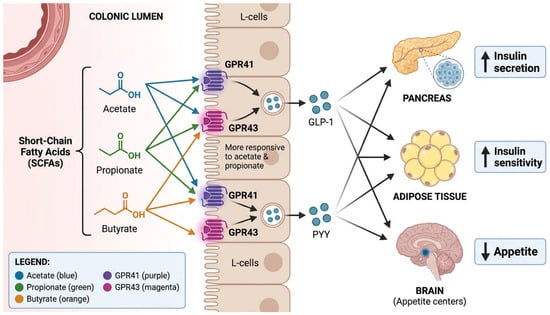
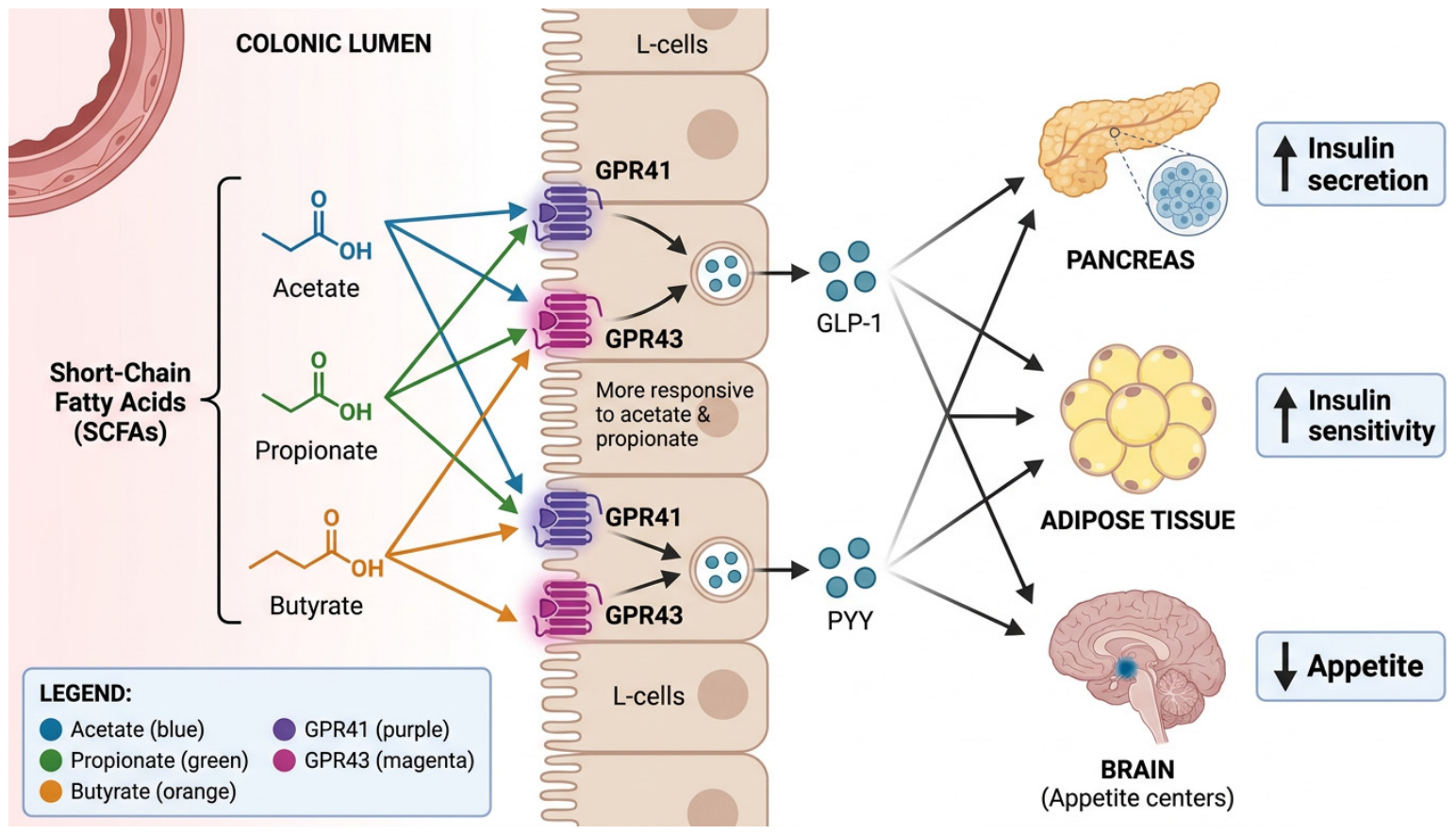
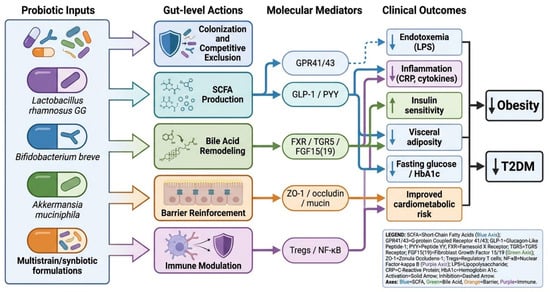
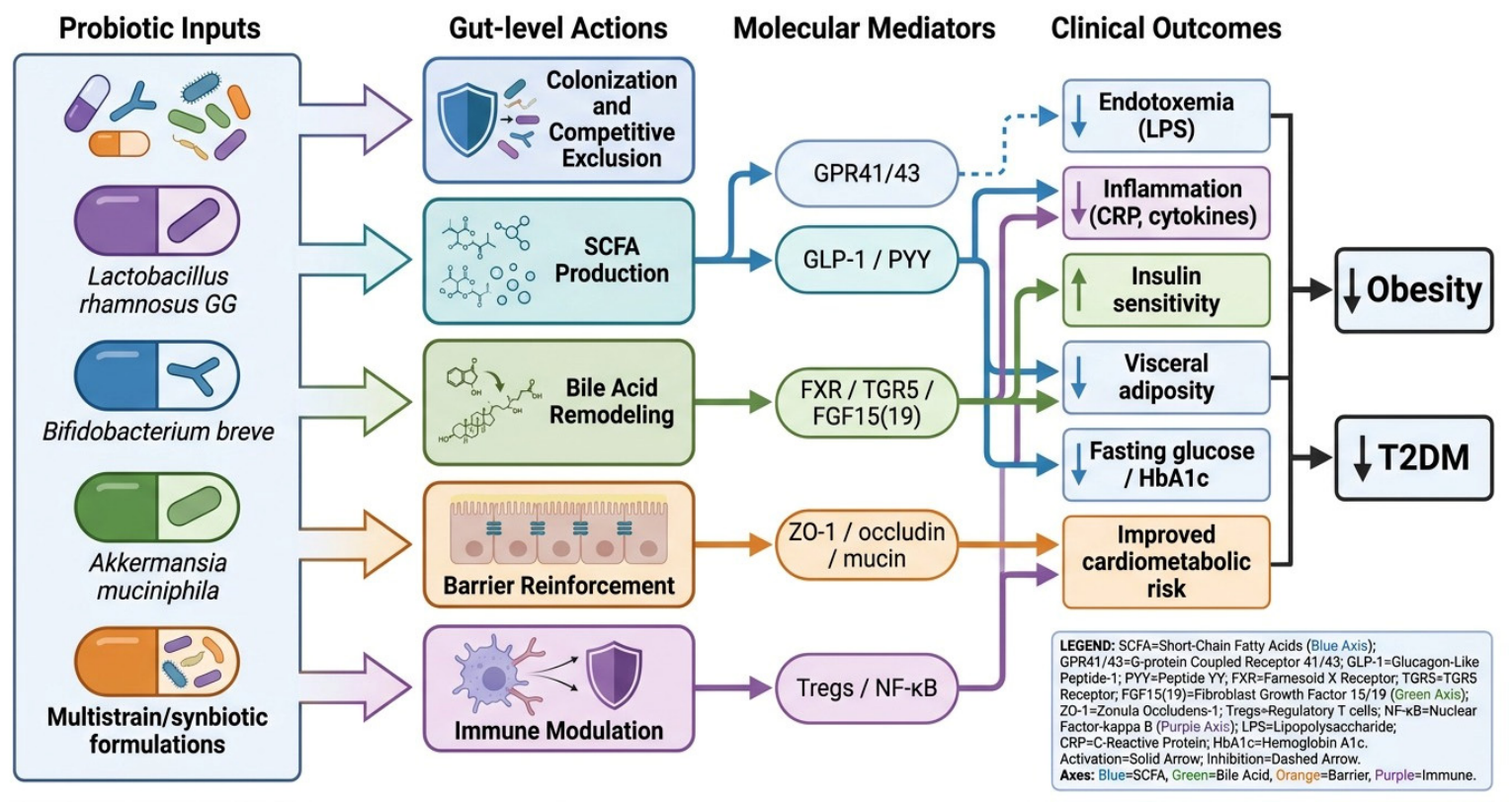
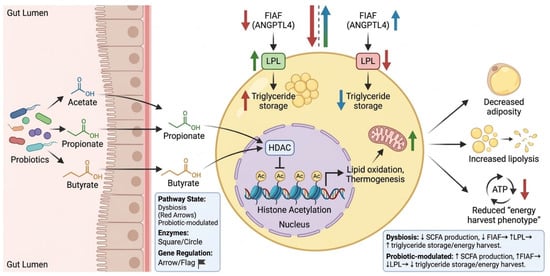
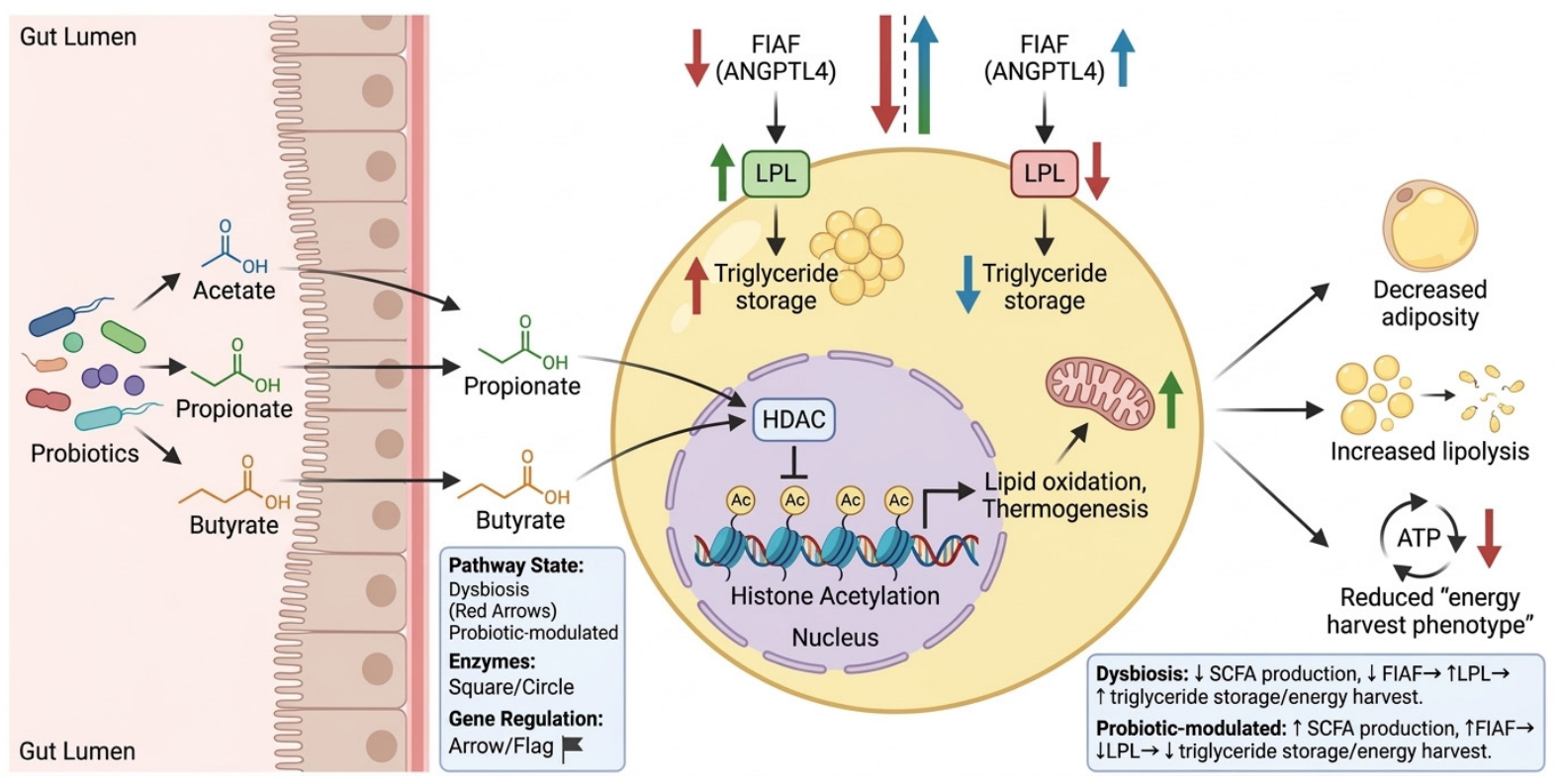
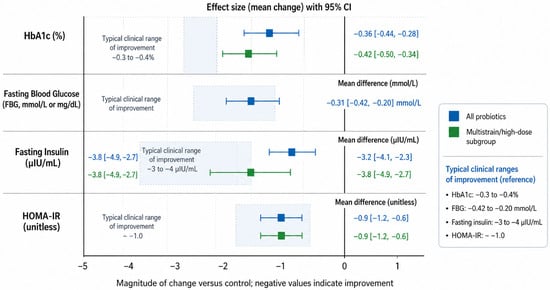
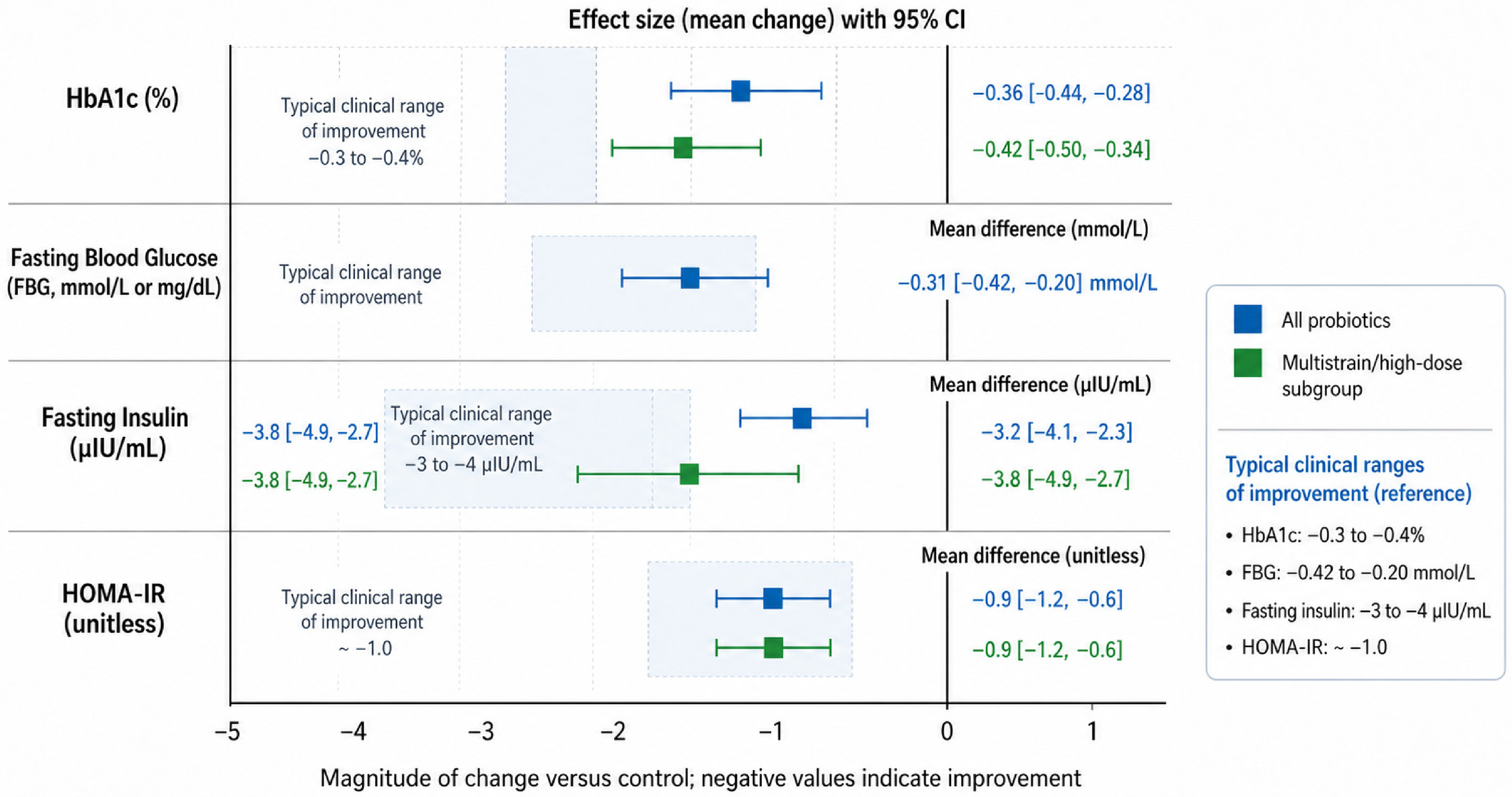
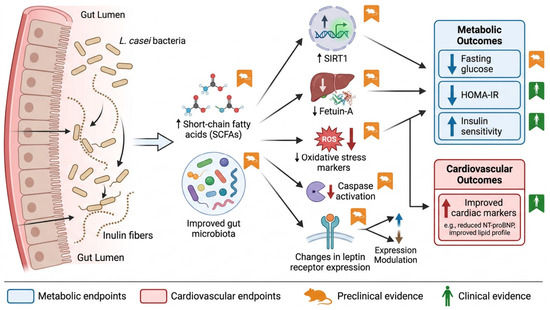
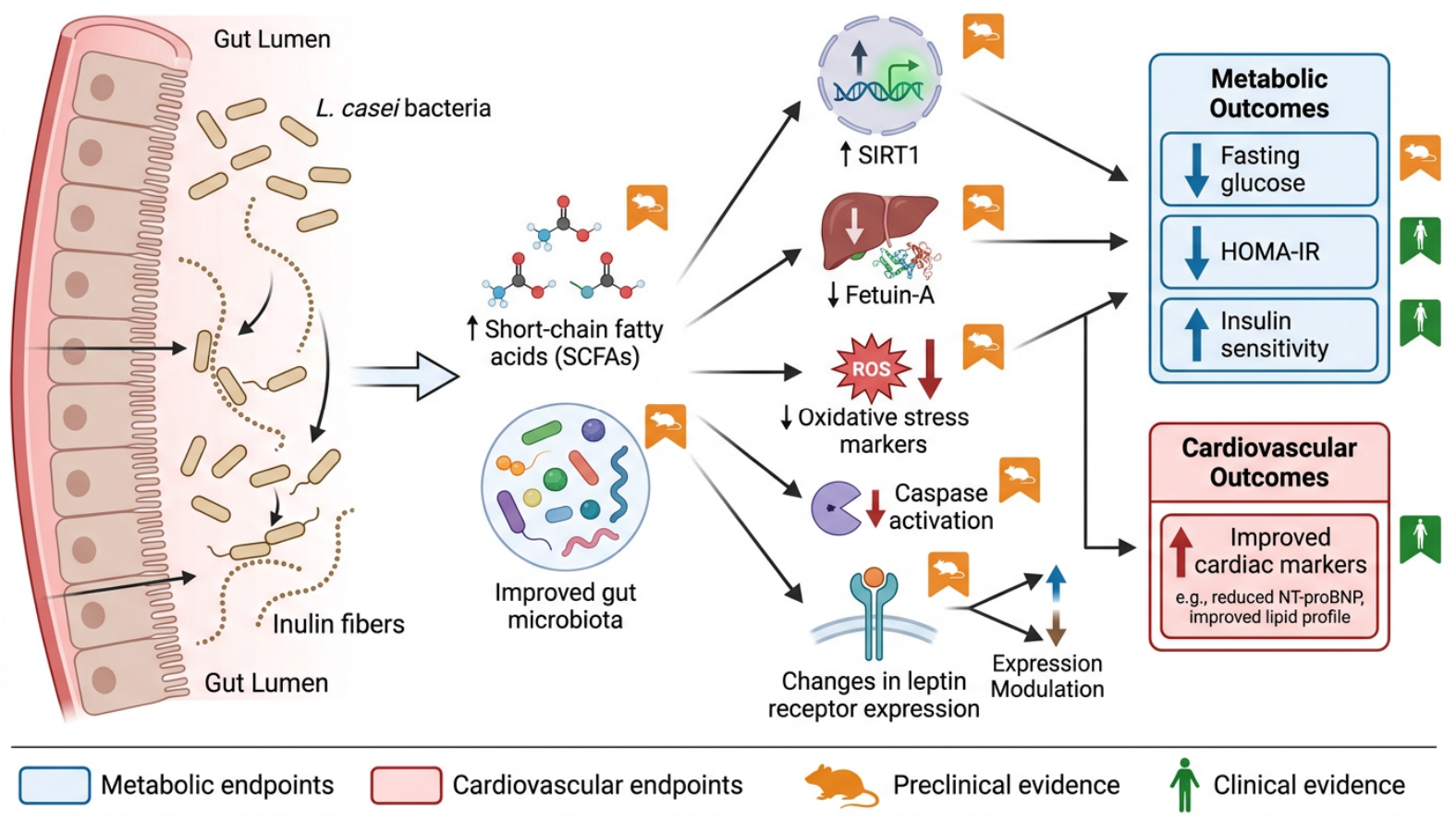

Disclaimer/Publisher’s Note: The statements, opinions and data contained in all publications are solely those of the individual author(s) and contributor(s) and not of MDPI and/or the editor(s). MDPI and/or the editor(s) disclaim responsibility for any injury to people or property resulting from any ideas, methods, instructions or products referred to in the content. |
© 2026 by the authors. Licensee MDPI, Basel, Switzerland. This article is an open access article distributed under the terms and conditions of the Creative Commons Attribution (CC BY) license.