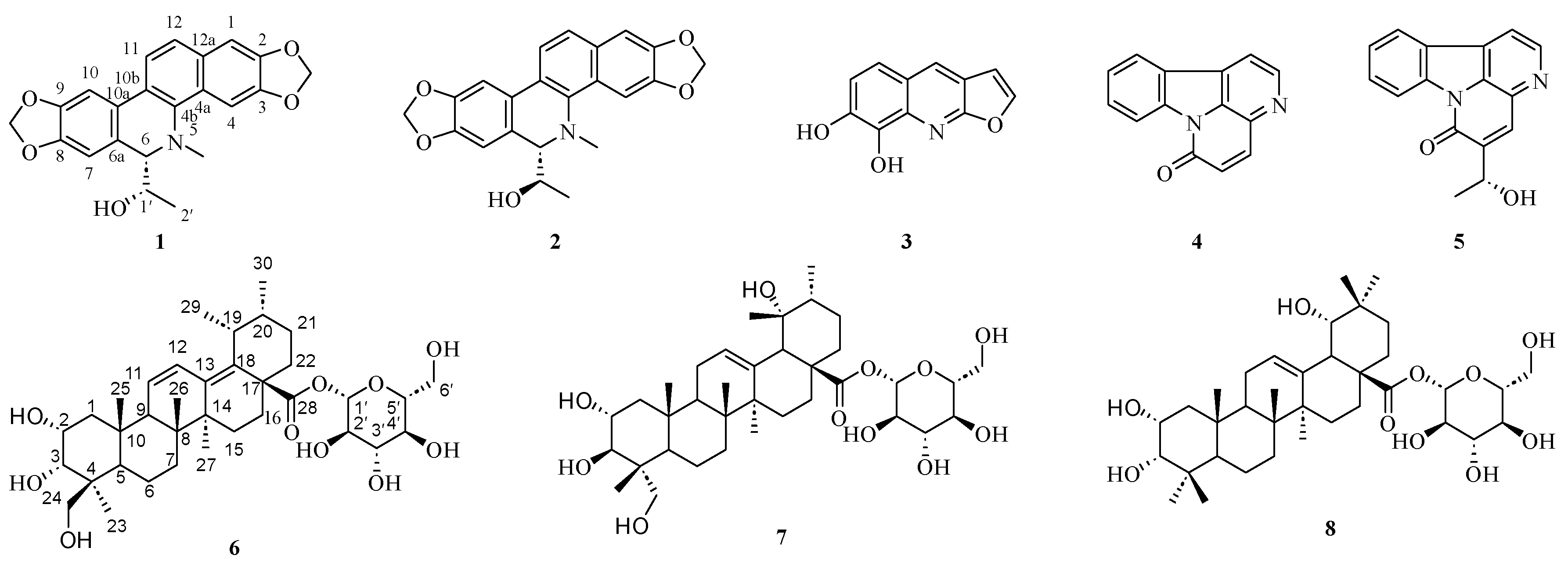
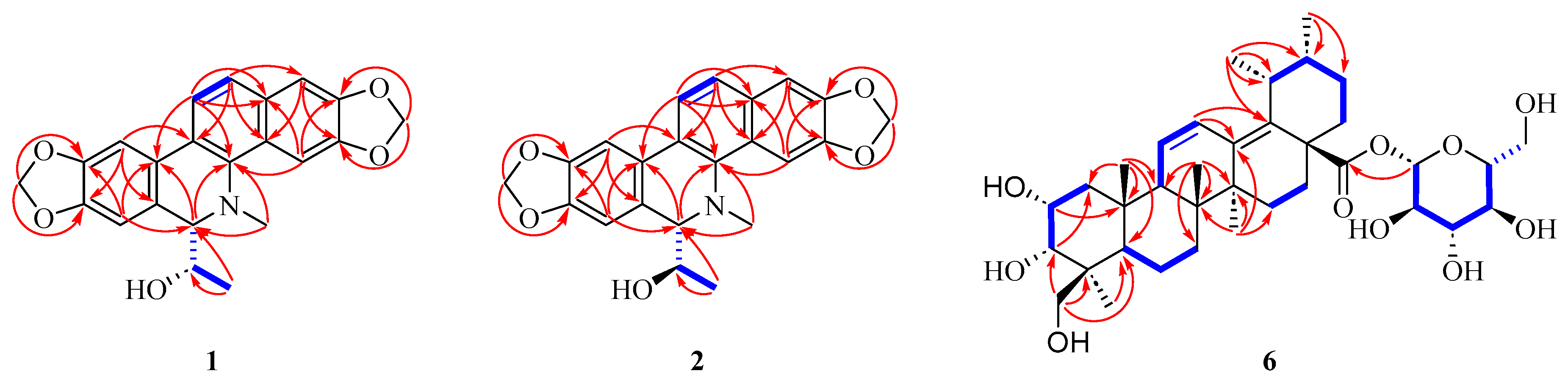
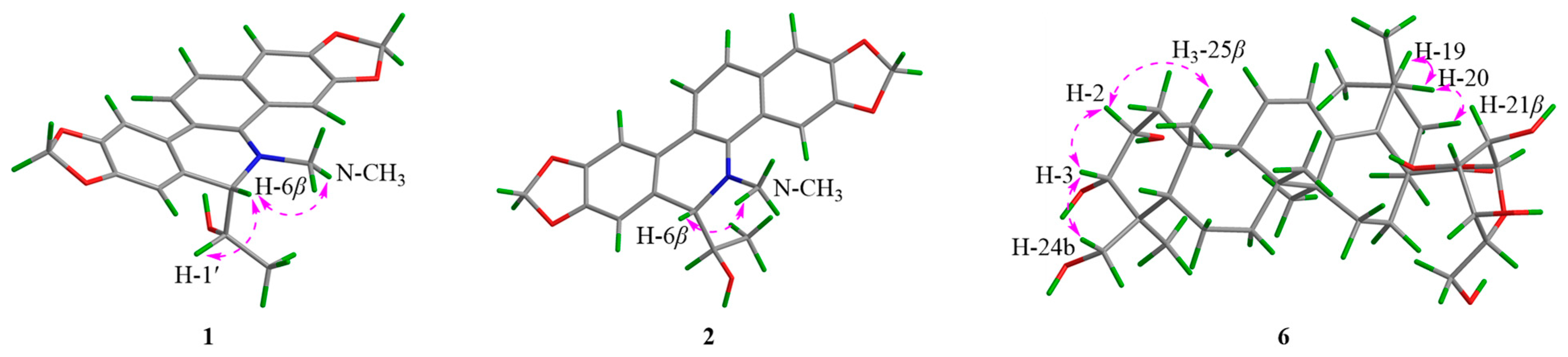
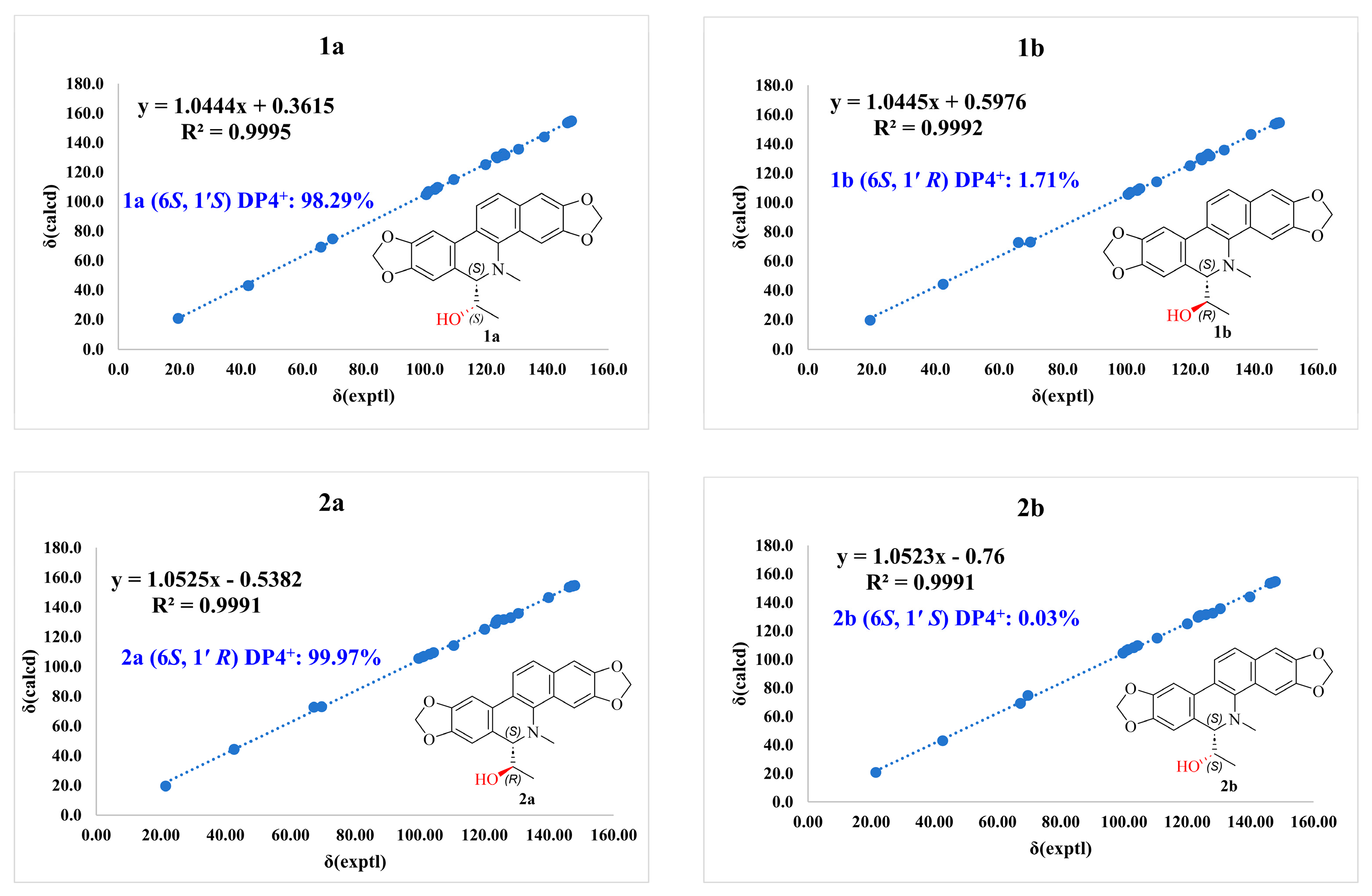
Two New Alkaloids and a Triterpenoid Glycoside from Rosa roxburghii with Antioxidant and Enzyme Inhibitory Activities

 , ,
, , Abstract
Share and Cite
Zhou, L.; Zhang, Y.-J.; Dai, W.-X.; Chen, F.-J.; Pan, X.; Wang, Y.; Yang, L.-S.; Li, Q.-J.; Yang, X.-S. Two New Alkaloids and a Triterpenoid Glycoside from Rosa roxburghii with Antioxidant and Enzyme Inhibitory Activities. Antioxidants 2026, 15, 680. https://doi.org/10.3390/antiox15060680
Zhou L, Zhang Y-J, Dai W-X, Chen F-J, Pan X, Wang Y, Yang L-S, Li Q-J, Yang X-S. Two New Alkaloids and a Triterpenoid Glycoside from Rosa roxburghii with Antioxidant and Enzyme Inhibitory Activities. Antioxidants. 2026; 15(6):680. https://doi.org/10.3390/antiox15060680
Chicago/Turabian StyleZhou, Lang, Yin-Ju Zhang, Wen-Xia Dai, Fa-Ju Chen, Xiong Pan, Yu Wang, Li-Shou Yang, Qi-Ji Li, and Xiao-Sheng Yang. 2026. "Two New Alkaloids and a Triterpenoid Glycoside from Rosa roxburghii with Antioxidant and Enzyme Inhibitory Activities" Antioxidants 15, no. 6: 680. https://doi.org/10.3390/antiox15060680
APA StyleZhou, L., Zhang, Y.-J., Dai, W.-X., Chen, F.-J., Pan, X., Wang, Y., Yang, L.-S., Li, Q.-J., & Yang, X.-S. (2026). Two New Alkaloids and a Triterpenoid Glycoside from Rosa roxburghii with Antioxidant and Enzyme Inhibitory Activities. Antioxidants, 15(6), 680. https://doi.org/10.3390/antiox15060680