


Abstract
Background/Objectives: This systematic review summarizes the evidence regarding potential mechanisms underlying the relationship between spiritual practices and cognitive health in adults. The review was performed based on the Preferred Reporting Items for Systematic Reviews and Meta-Analyses (PRISMA) checklist. Methods: An extensive search of six electronic databases (i.e., PubMed, PsycINFO, Embase, Sociological Abstracts, ATLA, CINAHL) was conducted using keywords related to spiritual practices, religious activities, and cognitive health from 1 January 2000 to December 2025. The quality of the included studies was assessed using the Mixed Methods Appraisal tool aligned with the study design. Results: A total of 34 studies were selected for final inclusion in this review, and a narrative synthesis is provided. The studies were conducted throughout the world, with most studies conducted in North America and Asia. Short- and medium-term effects of spiritual practices on cognitive health were identified across heterogeneous practices ranging from meditation, tai chi and yoga to general spiritual and religious activities. Across the strongest evidence, 73% of the randomized control trials examined reported better cognitive health among the more spiritually active; neurobiological factors of decreased inflammation and improved immune response helped to explain these effects. A total of 5 studies examined mediators, while 29 studies contained only secondary outcomes for determining potential mechanisms. Informed by findings across psychosocial, behavioral, and neurobiological pathways, a conceptual model was created and needs testing. Conclusions: Possible mechanisms for spiritual effects on cognition may be through mental health and neurobiological factors, although more rigorous and long-term studies are needed.
1. Introduction
Recognized as a public health priority, Alzheimer’s disease and related dementia (AD/ADRD) is one of the costliest chronic health conditions in the world, posing immense economic and social challenges to the healthcare system [1]. It is estimated that more than 55 million individuals are living with AD/ADRD globally, costing an estimated 1.3 trillion US dollars [2]. In addition, people are living longer worldwide, projecting vastly greater costs in the future [3]. With increasing age, an individual’s risk of developing AD/ADRD increases, such that 13.1% of those aged 75 to 84 years and 33.3% of those aged 85 years and older have AD/ADRD [4,5]. With populations growing older and healthcare systems struggling to support those with dementia, identifying resilience factors in cognitive aging is essential to decrease a potentially catastrophic burden on society in the future.
As the aging population continues to increase, so does its diversity. In the U.S., approximately 45% of those 65 years and older in 2060 will be part of a minority (non-White) ethno-racial group [6]. Due to persistent social and health inequalities, Black and Hispanic populations have the highest prevalence of AD/ADRD [6,7,8]. It is projected that the prevalence of AD/ADRD in Black and Hispanic populations in the US will more than quadruple, increasing from 1,003,000 in 2014 to 4,276,000 people with AD/ADRD in 2050 [7]. Furthermore, research has shown that Black and Hispanic populations experience worse cognitive functioning in later life, a significant predictor of AD/ADRD, indicating racial/ethnic cognitive disparities [9,10,11].
Without a cure for the disease, much focus is on interventions to modify risk factors for AD/ADRD. These risk factors include less education, hypertension, obesity, smoking, physical inactivity, diabetes, hearing loss, depression, social isolation, excessive alcohol consumption, traumatic brain injury, air pollution, social isolation, vision loss, and high LDL cholesterol [12]. Since many studies report the importance of social connectedness in cognitive health, one psychosocial factor appears to influence several risk factors, creating a possible target for intervention—spirituality.
Spirituality includes culture-specific beliefs and practices (may include religious involvement for some) within the context of trusted social communities, which is especially true for coping with stress among historically underrepresented populations experiencing inequalities [13]. Spirituality appears to contribute to better cognitive function in many studies [14,15,16,17,18,19,20,21,22,23,24,25,26,27,28], resilience [29,30,31], and better brain health [23,32,33]. In support of these findings, individuals who engage in more socially active lifestyles exhibit better cognitive function [34,35]. Spiritual practices may serve as a lifestyle resource in this regard, contributing to cognitive reserve [36,37,38,39] by providing a cognitively stimulating activity, increasing sensory stimulation, reducing stress, and acting through other psychological pathways, resulting in more efficient brain network utilization [40,41,42]. More broadly, spiritual practices may include any activities or practices that provide meaning, reflection, and personal connection with something beyond the physical realm. This understanding is based on a definition coined by experts in religion, spirituality, and health research and clinical practice at a consensus conference intended to define spirituality in research [43]. As a low-cost, easily accessible resource supporting cognitive health, culturally sensitive spiritual practices have the potential to optimize cognitive aging and reduce racial/ethnic cognitive disparities.
Despite increasing studies reporting the cognitive health benefits of spiritual practices [21,22,26,44], the underlying mechanisms responsible for these positive effects have not been thoroughly explored [45,46]. In addition, many studies have limited design rigor, with many reporting correlational findings as opposed to causal. Identifying the underlying mechanisms of influence may facilitate the development and delivery of successful interventions that are culturally congruent and reduce disparities. The goals of this article are to: (1) conduct a systematic review of studies on spiritual practices examining the impact on cognitive health outcomes with potential mechanisms, and (2) develop a conceptual model for explaining the influence of spiritual practices on cognitive health outcomes in adults. We start out with a preliminary conceptual model based on the current state of knowledge in cognitive health, with an explanation of three potential broad categories of mechanisms (psychosocial, behavioral, and neurobiological) [47], summarized in Figure 1. Afterwards, we conduct a systematic literature review followed by the presentation of a developed model informed by the review’s results. By summarizing these studies, we examine the extent to which there is an understanding of the pathways and identify where the field needs to go in the future.
Figure 1.
A conceptual model for the influence of spiritual practices on cognitive health outcomes in adults across three pathways: psychosocial hypothesis, behavioral hypothesis, and neurobiological hypothesis.
1.1. Conceptual Model Components
Several possible mechanisms may help to explain how spiritual practices influence cognitive health. First, we review background knowledge on published research focused on spiritual practices and general health. These include reductions in stress, anxiety, and depression; increased social connectedness; stimulation of positive emotions; improved healthy behaviors; increased sleep; reduced inflammation; and increased immunity (see Figure 1). Many of these underlying pathways are interconnected. Below, we discuss the relevant literature to create a clearer picture of the mechanisms illustrated in this conceptual model.
1.1.1. Psychosocial Mechanisms
The first mechanisms relevant to the link between AD/ADRD and spiritual practices are psychosocial mechanisms, which constitute measures of psychological factors, social factors, or both. While there are many psychosocial measures to consider, these three stand out based on published studies: (1) social connectedness, (2) positive emotions, and (3) perceived stress, anxiety, and/or depression.
These three pathways, while not exhaustive, offer a preliminary framework for understanding the most important impact of psychosocial mechanisms. For example, a key aspect of social connectedness is that it captures the interplay between the individual and the community. This is particularly important since group participation and time spent with others are an integral aspect of spiritual practices and are a protective factor against AD/ADRD. First, positive emotions in the context of spiritual practices may serve as a protective factor against AD/ADRD. Second, anxiety and depression are considered risk factors for decline in cognitive health, whereas spiritual practices often protect against such outcomes. We discuss the literature surrounding these psychosocial effects below.
- A.
- Social Connectedness
Individuals’ reports of social support are often associated with activities, beliefs, and community participation. Spirituality is partly defined by connectedness—this can include self, others, nature, or the sacred. Spiritual practices can increase one’s social connectedness. A systematic review of the literature [48] reported significant positive associations between spiritual practices and social support in 82% of 61 studies, and no significant inverse relationships were found. For older adults, the most common form of social support reported was from religious organizations. As individuals age, their social network grows smaller [49]. Since more studies are showing that loneliness and social isolation contribute to poor cognitive health outcomes, maintaining social connectedness is essential for older adults [42,50,51,52,53]. Spiritual practices contribute to an individual’s spiritual well-being, which in turn is associated with social support and connectedness [54]. Spiritual practices are also related to social capital, which is an indicator of community health and support [48].
Social support may consist of emotional support or involve the sharing of practical resources (instrumental support). Studies among African American participants found that spiritual and religious social support was associated with fewer depressive symptoms [55] and less psychological distress [13]. Social support has also been found to be a mediating factor between prayer/meditation and life satisfaction [56]. Spiritual practices are associated with greater social support and more extensive social networks, and by reducing loneliness and social isolation, they may contribute to better cognitive health [57].
- B.
- Positive Psychological Emotions
Positive emotions are associated with better cognitive functioning and reduced risk of AD/ADRD. For example, meaning and purpose in life (MPIL) is associated with slower rates of cognitive decline and decreased risk of mild cognitive impairment (MCI) and AD/ADRD [58,59], thereby protecting against changes in brain function [60]. Individuals with greater MPIL may engage in healthier lifestyles that support cognitive function [61]. Since biomarkers such as systemic inflammation and cellular stress response are associated with cognitive health [62,63,64], and MPIL is associated with lower interleukin-6 (IL-6) plasma levels [65], lower hemoglobin A1c (HbA1c) levels [66], and lower cortisol levels [67], it stands to reason that MPIL would be associated with better cognitive functioning and slower cognitive decline.
Optimism is also associated with a decreased risk of cognitive impairment in older adults [68]. The degree to which a person experiences pleasant moods, such as joy or enthusiasm, is termed positive affect, which is also associated with better memory [69,70] and greater global cognitive function [71]. Positive affect increases the likelihood of adaptive and healthy behaviors, attitudes [72], and social relationships [73]. Optimism may also affect cognitive health by increasing motivation to work through challenging situations. In an 8-year longitudinal study, higher self and spouse optimism was associated with better cognitive functioning [74]. Thus, there is ample evidence that positive attitudes and emotions may enhance cognitive health [58].
- C.
- Perceived Stress, Anxiety, and/or Depression
In contrast, greater levels of perceived stress, anxiety, and depression are linked to poorer cognitive health and may help alleviate mental health problems like these. For example, participants in a longitudinal study who reported spirituality as highly important at baseline were 76% less likely to experience a major depressive episode during follow-up [75]. Furthermore, spiritual well-being is associated with fewer symptoms of depression and anxiety [23,76]. Likewise, higher levels of spirituality (prayer, religious coping, religious attendance) among community-dwelling African American adults in the U.S. were associated with better cardiovascular health [77], which is often connected with cognitive functioning. How much strain a person perceives when demands exceed their capacity to adapt [78] appears to be related to cognitive health as well. Investigators [79] have reported that perceived stress was associated with lower cognitive scores and a faster rate of cognitive decline over time. Perceived stress influences inflammatory and hormonal markers of brain aging, which is thought to be the mechanism by which it contributes to cognitive decline [80].
1.1.2. Behavioral Mechanisms
The second mechanism relevant to the link between AD/ADRD and spiritual practices is behavioral. This involves how an individual’s actions through their spiritual practices may affect their cognitive health. Behavioral mechanisms may be categorized into (1) healthy behaviors and (2) sleep. Healthy behavior is a rather all-encompassing term, although the term is primarily limited to drug/alcohol/cigarette use, exercise, and diet. For the current systematic review, the studies reviewed are not equally distributed among these three aspects of healthy behavior. Furthermore, some studies, such as yoga and tai chi, require movement of the body, yet researchers have not attempted to separate yoga into a spiritual practice or an exercise. Rather, it has been defined as simply an exposure.
Much of the literature has suggested that sleep influences the risk for AD/ADRD. Specific beliefs about God, such as those involving divine control or spiritual practices, have been associated with both the quantity and quality of sleep and, consequently, may act as a protective factor for AD/ADRD through this pathway. We discuss more on the literature surrounding these behavioral factors below.
- A.
- Healthy Behaviors
Spiritual practices positively impact health behaviors such as diet, exercise, cigarette smoking, excessive alcohol consumption, and illicit drug use [23,81]. Individuals who engage in spiritual and religious activities report lower alcohol use [82], less smoking, and fewer risky social behaviors [48]. Individuals with spiritual beliefs report higher fruit and vegetable consumption and lower alcohol consumption compared to others [83]. Those scoring higher on spiritual measures are more likely to emphasize respect for the body and less likely to engage in risky behaviors. In a Danish study [84], individuals using prayer and meditation had healthier dietary patterns and were less overweight. In addition, those who attended religious services more frequently (i.e., attending church, mosque) also had healthier dietary practices and were less likely to be smokers. These findings are supported by additional studies of individuals participating in spiritual or religious activities who report healthier lifestyles [23,85,86,87]. More regular engagement in spiritual and religious practices may provide a supportive community, decrease stress, and lead to less risky health behaviors. This could be due to embedded values and norms in specific spiritual and religious traditions that promote healthier lifestyles [84].
In a study among predominantly Hispanic adults, individuals who reported being spiritual and religious had lower substance use (i.e., alcohol and tobacco) than those who indicated they were neither spiritual nor religious [88]. Other studies have reported that young people who have an active spiritual life, as reflected by involvement in a faith community and prayer, are less likely to use drugs and alcohol [89,90,91,92]. In addition, a two-year study [93] reported that young people who never attended religious services, compared to those who attended once a week, were twice as likely to use alcohol and tobacco and four times as likely to use illicit drugs. As excessive alcohol consumption and smoking are behaviors that increase an individual’s risk for AD/ADRD, these are important considerations [12]. Spiritual practices may enhance self-esteem, moral values, and coping skills and thus reduce the need to turn to substances (i.e., tobacco, alcohol, recreational drugs) in the face of stress [23,94].
- B.
- Sleep
Sleep is essential for learning, memory, and cognitive processing. Poor sleep may contribute to worse cognitive functioning, increasing one’s risk of developing dementia [95]. Spirituality may improve sleep among adults by promoting relaxation, well-being, and a sense of purpose and meaning while decreasing psychological distress and physical stress. Adults who attended religious services more than once per week were more likely to report better sleep quality than those who never attended religious services or attended less than once per month [96]. Frequency of prayer was also associated with better overall sleep quality.
In comparison, religious doubts or struggles have been associated with poorer sleep quality and use of sleep medications [97]. Mindfulness meditation interventions have also been shown to improve sleep quality [98]. As stressful life events are associated with worse sleep quality, spiritual and religious beliefs have been shown to buffer the negative effects of life trauma on sleep [99]. The framing of situations using spiritual and religious cognitions, such as secure attachment to God and assurance of salvation, may diminish the effect of stressful life events on sleep quality [97]. These spiritual and religious beliefs about health and well-being may shape one’s interpretation of stressors, thereby reducing distress that keeps people awake [100]. Certain events may be viewed as less threatening based on beliefs about self and reality [101]. Another recent study [102] found that belief in divine control (belief in God’s authority in the universe) and religious service attendance were associated with better sleep quality. Further, Castro and colleagues [103] report that spiritual well-being was associated with better sleep quality among adult patients with chronic disease. These findings indicate that spirituality and religion contribute to better sleep quality by supporting greater spiritual well-being and promoting meaning and life purpose through situation framing.
1.1.3. Neurobiological Mechanisms
The third category of mechanisms considered in this review is neurobiological mechanisms. These are brain and biological processes that involve measures of biochemicals. Specifically, we examine (1) stress, (2) neurological aspects, and (3) inflammation and immunity.
Situations that increase stress may be related to external events such as discrimination of marginalized populations or stress from internal issues such as the diagnosis of a serious illness [104]. In both cases, spirituality may be a key protective factor in reducing stress. Studies that have examined the neurological components of spirituality have found that spiritual interventions such as going on a spiritual retreat or engaging in prayer have been positively associated with increased brain stimulation and formation of white matter [see below]. Lastly, spirituality can be an effective way to decrease inflammation through specific immune pathways like pro-inflammatory markers and cytokines [see below].
- A.
- Stress
Individuals may turn to spirituality when facing stressful situations, such as discrimination, serious illness, or death [105]. For instance, marginalized populations such as non-Hispanic Black and Hispanic/Latinx populations with MCI and dementia report higher importance of spirituality and frequency of private prayer than White/Caucasian populations do [16,18].
Spirituality may provide psychological resources to assist in coping and adaptation to stressful situations. Some spiritual traditions emphasize forgiveness, compassion, and humility; these practices may help negate the influence of stress on health outcomes, as spiritual practices are an effective mechanism for coping. Indeed, individuals engaging in spiritual practices report less stress [23,106], and spiritual practices may improve coping by impacting the stress appraisal process [107]. For example, in a functional magnetic resonance imaging (fMRI) study, spiritual practices attenuated neural responses to stress reactions, supporting emotion regulation during stress exposure [108]. Mindfulness stress reduction practices have also been associated with less depression and greater spiritual well-being in participants with dementia [109].
- B.
- Neurobiology (brain function, white matter, etc.)
Whether due to aging, trauma, depression, or other life-course events, spirituality can impact both the formation of the physical brain and affect other cognitive functions. For example, spirituality is also known to protect brain function in terms of overall brain functional connectivity [110], thickness of brain cortices [33], and amount of white matter [111].
The protective effects of spirituality on brain neurobiology have important health implications for the general public. A 2022 systematic review [112] examined the neuroscience of spirituality, finding that neurological effects were particularly important in protecting against depression, alcohol/substance use, and mental health. Researchers found that spiritual and religious practices were protective against familial risk for depression by affecting the thickness of cerebral cortices, preventing the thinning of cortices, increasing white matter, and expanding pial surfaces. Another study [113] found that the self-reported importance of spirituality and religion was associated with decreased default mode network (DMN) connectivity in the left parietal lobe, which may help to explain protective effects from depression through attention, emotion regulation, and difficulty concentrating. For substance use, one study [114] mentioned in the review found that prayer may reduce cravings for alcohol by increasing the neural processes related to attention and control.
- C.
- Inflammation and Immunity
Since emotion regulation is associated with inflammation [115], individuals who engage in spiritual practices may have lower inflammation due to effects on the regulation of emotions in stress response [108]. Spiritual practices may influence cognitive health by downregulating central inflammatory pathways and improving immune regulation, in which psychological stress plays a role [116,117,118,119]. A systematic review of randomized controlled trials reported that mindfulness meditation was associated with changes in immune system processes involved in biological aging, inflammation, and immunity [120]. Findings from this review suggested mindfulness meditation may enhance a person’s immune defenses to protect against viral and bacterial infection and age-related disease (i.e., cardiovascular disease, frailty, etc.). Another recent study reported that mindfulness training reduced systemic markers of inflammation measured by C-reactive protein (CRP) in midlife-to-older adults at particular risk for systemic inflammation [121].
In another review, Falkenberg et al. [122] found that mind–body practices such as yoga may downregulate pro-inflammatory markers such as Interleukin (IL) 1beta, IL-6, and TNF-alpha. Estevao [123] found that yoga had a beneficial effect on circulating cortisol, inflammatory markers (CRP), and cytokines (IL-1beta, IL-6, TNF-alpha, interferon-gamma (INF-γ), suggesting that mind–body practices may help to manage stress and reduce depression through regulation of vascular and immune functions. In addition, a high frequency of prayer in advanced cancer patients was associated with decreased inflammation measured by white blood cells and CRP, which in turn was associated with improved survival [124]. Finally, a higher frequency of religious service attendance in older adults was associated with fewer impairments in activities of daily living and instrumental activities of daily living, mobility limitations, and lower levels of inflammation (IL-6) and coagulation parameters (soluble vascular cell adhesion molecule, D-dimer) [125].
1.1.4. Summary of Conceptual Model
Several studies have reported a positive association between spiritual practices and cognitive health [14,19,20,21,22,23,24,25,26,27,28]. As discussed above, the possible mechanisms underlying these associations may be categorized into three domains: psychosocial, behavioral, and neurobiological. These factors are summarized in the conceptual model (Figure 1). To our knowledge, the present article is the first systematic review of the mechanisms responsible for the influence of spiritual practices on cognitive health.
Objective: To present a conceptual model identifying possible mechanisms to explain the influence of spiritual practices on cognitive health and to conduct a systematic review of the evidence to inform this model.
2. Materials and Methods
We used the Preferred Reporting Items for Systematic Reviews and Meta-analysis (PRISMA) checklist as a guide to conduct and report the findings of this review (See Supplemental Table S1). This review was not previously registered in PROSPERO (York, UK).
2.1. Search Strategy
Six electronic databases (PubMed, PsycINFO, Embase, Sociological Abstracts, ATLA, CINAHL) were searched from 1 January 2000 to December 2023 using combinations of official vocabulary and keywords representing common terminology of spirituality, religion, and cognition; Table 1 shows the PubMed search strategy employed. To capture therapies that are spiritually or religiously based, we searched PubMed using MeSH terms and keywords focusing on those concepts. For example, “Spiritual Therapies” [MeSH] “explodes” to collect several other MeSH terms that are more specific; one of them is “Meditation” [MeSH]. After all terms for each concept were searched and combined, the addition of the truncated keyword terms “spirit *” or religio * was added to ensure that this focus of the research would be included; for example, this would exclude articles on meditation that did not focus on spirit * or religio *. We used the PubMed search as the model for searching the additional 5 databases (see Supplementary Table S2). Strategies were adapted as needed. This followed other published literature review strategies that are also focused on spirituality and cognitive health [17,126]. To minimize the inclusion of the narrower interpretation of spirituality more common in older publications and to align with other published literature reviews on spiritual practices [17,127], the initial year chosen for the search was 2000. The search included a review of reference lists of recent publications on spiritual practices and cognitive health outcomes. The authors conducted an additional review (June 2025), repeating the steps above, and searched and reviewed more recent articles published from January 2024 to December 2025, which provided an additional n = 566 articles.
Table 1.
PubMed Search Terms and Strategy.
2.2. Data Extraction
Two of three authors (KCB, HO, ACOB) independently reviewed full-text articles using Covidence software (Melbourne, AUS) for the literature review and extracted key information into a Microsoft Excel file for organization. Authors met frequently to discuss extracted data, organization, and completion; the author (KCB) reviewed all articles and table extractions, confirming the data. To guide the collection of study characteristics, the following study data were extracted from each article: first author, publication year, study design, study location, sample size, demographic characteristics, spiritual practice or intervention type, cognitive function or domain measurement, mediators and secondary outcomes and measures, and main findings. Any discrepancies among decisions were resolved through discussion by the third author, not involved in the original review (KCB, HO, or ACOB).
2.3. Eligibility Criteria
- Original research published in English focused on spiritual practices and cognitive health, with potential mechanisms examined.
- Type of participants. Participants were adults aged 18 and older at baseline. Studies targeting populations with psychiatric disorders (i.e., schizophrenia) were not included.
- Exposure. Types of studies: Any community, hospital, hospice, palliative care, assisted living, or long-term care-based spiritual practice or spiritual intervention was included.
- Outcome. Studies were included if they reported statistical analyses of cognitive function or a cognitive domain.
- Mediators. Studies were included if they reported statistical analyses of potential psychosocial, behavioral, and neurobiological mechanisms as mediators or secondary outcomes.
- Study designs. Study designs included cross-sectional, longitudinal studies, such as observational, experimental, or quasi-experimental studies of at least one week in duration. Case studies, abstracts only, dissertations, theses, qualitative studies, and gray literature were excluded.
2.4. Methodological Assessment
The Mixed Methods Appraisal Tool (MMAT) [128] was used to assess study quality and potential bias. Matching study design to the quality appraisal MMAT, three authors (KCB, HO, ACOB) independently evaluated the methodological quality and risk of bias for included studies. A percentage was given for each study based on the quality appraisal tool, representing the study’s fulfillment of the quality criteria (5 items), representing various sources of rigor and potential bias in scientific research (see Table 2). These studies were then categorized as high (≥80%), medium (60–80%), or low (≤40%) quality, based on the percentage of items addressed. Studies were not excluded based on quality.
Table 2.
Qualitative Study Ratings (n = 34).
3. Results
3.1. Study Selection
In this systematic review, 2958 studies were obtained using database searches (see Figure 2). A total of 440 duplicates were removed. After a comprehensive review of titles and abstracts, 1935 studies were removed due to non-alignment with the review purpose, and 552 studies were removed due to no mediator or secondary outcome, wrong outcome, intervention, study design, publication type, patient population, independent variable, or no full text available. An additional three studies were identified in the reference lists for inclusion, making the total number of included studies equal to 34.
Figure 2.
The PRISMA Figure of searched articles with excluded and included studies.
3.2. Study Characteristics
These 34 studies were conducted around the world, with the majority in North America [15,16,18,129,130,131,132,133,134,135,136,137,138,139,140,141,142] and across Asia [143,144,145,146,147,148,149,150,151,152,153]. In addition, three studies were conducted in Europe [154,155,156], two studies in South America [157,158], and one study in Australia [159].
In total, 20 studies used a randomized controlled trial (RCT) design [130,132,133,134,135,137,138,140,142,144,145,146,147,148,149,150,152,154,156,159]. A total of eight studies were observational. Five were cross-sectional [15,16,18,143,158] and two were longitudinal [131,155]. Only one was a descriptive intervention study [141], and the remaining six studies used a quasi-experimental design [129,136,139,151,153,157].
Only five studies examined mediating factors across various statistical approaches [131,133,137,144,158], with the remaining studies examining secondary outcomes [15,16,18,129,130,132,134,135,136,138,139,140,141,142,143,145,146,147,148,149,150,151,152,153,154,155,156,157,159]. Studies were organized according to spiritual practice category and study design to synthesize findings.
3.2.1. Meditation Studies
Of the included studies focused on meditation activities (n = 13) (see Table 3), five studies used a quasi-experimental design [129,136,139,151,157], one was a descriptive intervention study [141], six were randomized control trials [134,135,137,138,147,159], and one was a longitudinal observational study [131].
Table 3.
Included meditation studies (n = 13).
Ten out of the thirteen studies reported improved cognition among participants who engaged in meditative practices compared to control groups: positive cognitive skills and DNA methylation [129,131]; improved episodic memory but not executive function [141]; improved ability to shift attention, attention selection, concentration, and accuracy [151]; improved IQ and memory [139]; improved verbal fluency and logical memory test [159]; improved perceived cognitive impairment and perceived cognitive abilities [134]; greater gains in cognitive function among meditation group [135]; improved cognition and executive function [136]; improved memory and improved memory quotient [147].
Sex differences in cognitive performance were noted in one study [138], with women outperforming men on memory, cognitive, and speed processing tasks. In addition, they found significant differences in cognitive performance between meditation and control groups but observed no significant difference between the two meditation groups (8-week vs. 12-week programs). Notably, two studies [137,157] found that meditation did not enhance cognitive function. Lenze et al. (2022) [137] reported no significant improvements in episodic memory or executive function following mindfulness training, exercise, or a combination of both. Additionally, no improvement was observed in executive function or social cognition performance in either the control or meditation groups.
Two studies that examined potential mechanisms by which meditation may impact cognition [131,137] did not find significance. Bhattacharyya et al. (2023) [131] examined self-esteem, while Lenze (2022) [137] examined multiple factors: aerobic fitness, insulin insensitivity and resistance, body fat and fat-free masses, physical performance, plasma cortisol levels, physical activity, sleep, and mindfulness state.
Among reported secondary outcomes, participants in the meditation group showed alterations in gene regulation through DNA methylation [129], a reduction in psychological stress response [134,136,141,147,151], reductions in cortisol levels [147], enhanced quality of life [134,159], improved mood [134], increased mindfulness [136], increased cerebral blood flow [139], improvement in telomerase activity [81], and lower CRP levels compared to control groups [159]. Additionally, they experienced reduced anxiety and depression levels [157], increased spiritual well-being, and better mental health (i.e., fewer depressive symptoms and better mental health [135,138]) relative to controls.
3.2.2. Yoga Studies
Of the included studies focused on yoga activities (n = 8) (see Table 4), all eight studies were randomized controlled trials. Three of eight studies specified yoga generally [130,142,154], but the other five studies specified the specific type of yoga, such as Hatha yoga [140], Yogic relaxation [149], Kundalini [132,133], and Sahaj yoga [150]. Studies using control groups were also diverse, with three studies having a control group with no yoga (normal daily routines) [130,149,154], two studies using memory enhancement training [132,133], one study with anti-depressant medication [150], and one study with healthy participants [142]. At 12 weeks and 24 weeks, both Kundalini yoga and memory enhancement training groups showed significant memory improvement; however, only Kundalini yoga showed significant improvement in executive functioning. Only the Kundalini yoga group showed significant improvement in depressive symptoms and resilience at week 12, and one study with a walking class [140].
Table 4.
Included Yoga studies (n = 8).
Five of the eight studies reported that those in the yoga groups improved some aspect of cognitive health compared to the control, including letter cancelation [150], visual–spatial skills [142], improved overall cognitive scores analyses [130,133], and improvements in memory [132]. The three other studies reported that there was no statistical difference between groups [140,149,154].
For secondary outcomes, three studies showed that those in the treatment group of yoga showed reductions in depressive and/or perceived stress symptoms [132,142,150]. The Grzenda et al. study [133] was particularly unique. Researchers found that those who participated in yoga were able to uniquely change certain pathways that such as interferon gamma and other psycho-neuro-immune pathways that are associated with aging. Furthermore, aging markers increased over time in the control group but not in the yoga treatment group.
3.2.3. Tai Chi Studies
Out of the 34 included studies, 7 studies examined tai chi (see Table 5). Of these seven tai chi studies, one study [158] was observational and cross-sectional, and six studies [144,145,146,148,152,156] were randomized controlled trials. Six out of the seven tai chi studies reported better cognitive health in the tai chi groups included improved cognitive function [144,145,146,148] attention/processing speed/executive function [144,148,152], executive control [144], delayed recall [143], memory [144,152], visuospatial processing and accuracy in response inhibition [156], reduced time to complete cognitive testing [145], and lower risk of developing dementia [146]. One study [158], which was a case–control design, found no significant differences in cognition in the tai chi group compared to the control group [158].
Table 5.
Included Tai Chi studies (n = 7).
As for potential mechanisms, one study [158] reported specific brain region activation/responses, investigating neural correlates of cognitive processes during tai chi, and found that the tai chi participants had less brain activation in regions related to working-memory-, visual-, and language-related regions compared to the water aerobics group, possibly reflecting greater brain efficiency to perform these cognitive tasks—however, this study did not see significant differences in cognition between the tai chi and water aerobics groups. The other studies identified secondary outcomes. Two studies [152,156] examined neuropeptides, reporting that the tai chi groups had increased synaptic plasticity in the brain. One study [156] reported improved reaction time in mental shifting in the tai chi group. One study [158] found the tai chi group had lower anxiety, and two studies [146,156] reported lower depression scores. One study [148] found that the tai chi group had better sleep. One study [156] reported decreased perceived stress. Chen et al. [144] found improved fasting glucose levels, glycation end-products, and their receptors. In addition, four studies found greater functional health [145,156] and functional balance [146,148].
3.2.4. General Religious and Spiritual Activities
Out of the 34 included studies, 6 examined various general religious and spiritual activities (i.e., private prayers and fasting, religious service attendance, religiosity, spirituality, music intervention) (see Table 6). Most of these studies were observational (n = 5/6). Four were cross-sectional [15,16,143] and one was longitudinal [155]. One study [153] was quasi-experimental.
Table 6.
Included general religious and spiritual activity studies (n = 6).
All six studies [15,16,18,143,153,155] reported better cognitive function in participants with higher religious and spiritual activities. Secondary outcomes of these studies include improved quality of life, lower depression, and higher functional health [143]. Coin et al. [155] reported significant functional decline in both the high and low religiosity groups, but the high-religiosity group had less functional decline compared to the low-religiosity group. Other studies found fewer behavioral symptoms [15,16,18], and two studies [16,18] found fewer sleep disturbances, but mixed results were shown in a third study [15] with fewer sleep disturbances at one time point but higher sleep disturbances at the second time point. No differences in depressive symptoms were reported in the Tai et al. [153] study. No mediating factors were examined.
3.3. Summary Comparison of Mechanistic Pathways
The following Table 7 visually summarizes the narrative descriptions above across mechanistic pathways and cognitive outcomes in an organized table (see Table 6).
Table 7.
Summary comparison of spiritual practices, mechanism pathway, & cognitive outcomes.
3.4. Heterogeneity of Spiritual Practices
Importantly, there was moderate to significant heterogeneity within some of the spiritual practices. Within general religious and spiritual interventions, participation varied from attending religious services to praying to listening to music. While mediation was more consistent, some studies utilized meditative relaxation techniques compared to a Tibetan sound meditation. We found that studies examining Tai Chi did not differ significantly in their conception of the spiritual practice.
For yoga, there was considerable heterogeneity. In the eight yoga studies, two studies utilized Kundalini yoga [132,133], which involved chanting, repetitive finger movements, and visualizations. In contrast, this other yoga study [137] primarily focused on specific yoga poses, such as cat-cow pose or cobra pose. However, another study combined both the pose and other more spiritually focused activities, including Himalayan kriya breathing exercises [151]. It is possible, especially in the studies that utilized yoga for its physical poses rather than its more spiritual origins, that individuals who participate in these interventions do not necessarily perceive the yoga to be spiritual but rather as a form of exercise.
3.5. Duration of Studies
Study duration generally followed study designs, with cross-sectional studies having the shortest duration [15,16,18,143,158], and the longest were longitudinal studies that extended to two waves of data [131,155]. Besides the two exploratory quasi-experimental or RCT studies that had follow-up within a single day [147,157], most of the studies (many of which were RCTs) had short follow-ups from 4 to 10 weeks [27,129,130,134,135,138,139,149,150,151,154,156,159]. Other studies had longer follow-ups from 4 to 6 months [104,132,133,137,141,142,144,148,152,153], and three studies were one year or longer (12–18 months) [136,145,146].
3.6. Study Population Variability
Although beyond the scope of this review, there are several notable variations in the populations studied across and within the various spiritual practices. First and foremost, across all studies, the most dominant study population was older adults, most obviously because cognitive health increases alongside biological age. From this population, some older adults were already diagnosed with dementia or mild cognitive impairment.
However, the meditation interventions were the most diverse in the study population, ranging from cancer patients to college students to family dementia caregivers. Given that nearly all the meditation interventions were positively associated with maintaining or increasing cognitive health, we argue that the heterogeneity of study populations for meditation interventions is a strength, not a limitation. Furthermore, it may also reveal the utility and widespread acceptance of meditation as a spiritual practice across society.
3.7. Quality Ratings
The overall ratings for each study are in Table 2. Studies were evaluated based on the study design provided by the MMAT, a critical appraisal tool that includes quality and bias evaluation across studies with multiple designs. Evaluating study quality according to design using this tool allows consideration of differing components and helps account for heterogeneity. Most studies were rated as high quality (27/34), while 5/34 were rated as medium quality, and 2/24 were rated as lower quality.
3.8. Summary of Potential Mechanisms & Created Conceptual Model
The strongest evidence is from the intervention studies. Approximately 16 out of the 22 RCT studies (73%) reported improved cognitive health across meditation (n = 5/6) [134,135,138,147,159], yoga (n = 5/8) [130,132,133,142,150], and tai chi studies (n = 6/6) [144,145,146,148,152,156]; no RCTs were conducted for the general religious and spiritual studies. Identified mediators included reduced inflammation and improved immune response in the neurobiological domain. Secondary outcomes included reduced depressive symptoms, perceived stress, stress, systemic inflammation, psychological distress, improved mood, QOL, sleep, self-esteem, functional health and balance, glycation, synaptic plasticity, telomerase activity, and reaction time in mental shifting.
Potential mechanisms from the included studies have been summarized (see Table 8) and formed into a conceptual model (see Figure 3). In this model, we list the various potential mechanisms as mediating factors examined in the studies and secondary outcomes that need further testing as potential mediators of the relationship between spiritual practices and cognitive health. For the five studies that examined mediating factors, only one found significant variables that fall under the neurobiological domain. An RCT examining Kundalini yoga reported reduced inflammatory markers and improved immune response [133]. The other three studies [131,137,144] reported no significant changes in the psychosocial, behavioral, and neurobiological mediating factors they examined. Additionally, one case–control study did not find significant differences in cognition between the two groups (e.g., tai chi vs. water aerobics) [158], though they reported greater brain efficiency in the tai chi group as a potential mechanism for future consideration.
Table 8.
Potential mechanisms to inform the conceptual model.
Figure 3.
A developed conceptual model of the underlying mechanisms between spiritual practices and cognitive health. The association between spiritual practices and cognitive health via neurobiological pathways shows a solid arrow, while potential psychosocial, behavioral, and additional neurobiological mechanisms show a dotted arrow.
The remaining studies reported secondary outcomes that could serve as potential mediators and need additional testing. These were categorized into the three domains of psychosocial, behavioral, and neurobiological. Under the psychosocial domain, eight studies found decreased or improved depression/mental health symptoms [132,138,142,143,146,150,156,157]; three studies found decreased anxiety or worry severity [136,157,158]; three studies found improved quality of life [134,143,159]; one study found increased mindfulness [136]; and four studies reported decreased perceived/subjective stress in participants engaging in spiritual practices [132,141,142,156].
Under the behavioral domain, five studies found better functional health/activities of daily living [143,145,146,148,156]; four studies found better sleep [16,18,134,148]; and four studies found fewer neuropsychiatric and behavioral symptoms or better mood [15,16,18,134].
In addition to the neurobiological domain components mentioned above as mediators, secondary outcomes under this domain include gene regulation expression [129], decreased stress [134,147,151], improved fasting glucose levels and glycation end-products [144], telomerase activity [135], and lower inflammatory marker levels [159]. Two studies reported increased synaptic plasticity [152,156], while one study reported improved mental shifting reaction time [156] and one study reported increased cerebral blood flow [139].
4. Discussion
Findings from this systematic literature review, which examined the impact of broad spiritual practices on cognitive function, contribute to our understanding of how spiritual practices may affect cognitive health. Our findings support neurobiological factors as mediating factors with the strongest evidence from an RCT. Factors for consideration that need future testing as mediators, highlighted here, were identified through causation and association studies, which we differentiate below. These additional secondary outcomes are across psychosocial, behavioral, and neurobiological domains. We break down the findings into these three domains for further discussion below. (Please see Supplementary Table S3 for breakdown by spiritual practice).
4.1. Psychosocial Mechanisms
Across all included studies, secondary outcomes in the psychosocial domain reported from RCTs centered around mental health focused on reduced depression, mood, perceived stress, and improved quality of life and mindfulness. Three of these factors are known to be associated with cognitive health. Depression is related to cognitive health as studies report that greater depressive symptoms are associated with greater memory change over time, suggesting psychological mood and memory performance are interrelated [160]. Depressive symptoms appear to be an early sign or risk factor of dementia [161,162]. Research suggests that greater perceived stress is associated with a decline in global cognition, memory, and visuospatial ability among older adults without dementia [80]. Perceived stress was the most reported psychosocial secondary outcome in our review. Further, Zhu et al. [163] suggest that perceived stress influences cognitive function through personality traits of neuroticism and conscientiousness. The second factor of mindfulness, known as focusing on the present moment and acknowledging/accepting one’s feelings and thoughts, appears to support cognitive health through fostering awareness of automatic actions, improving cognitive capacity through working memory, as well as cognitive flexibility [164]. Spiritual practices may decrease perceived stress and prompt mindfulness, which in turn improves cognitive health.
In the other included non-RCT studies (i.e., observational, quasi-experimental), additional secondary outcomes in the psychosocial domain included anxiety, worry, and neuropsychiatric symptoms. More research is needed to examine these in more rigorous study designs. Neuropsychiatric symptoms which include anxiety, depression, as well as psychotic symptoms (e.g., delusions, hallucinations, agitation) and behavioral symptoms (e.g., disinhibition, aberrant motor behavior), are related to greater decline in global cognitive function in older adults with normal cognition or MCI [165] and specific cognitive domains such as memory XX, language, attention, and executive function [166] among patients with cognitive impairment. Identifying interventions that decrease neuropsychiatric or behavioral symptoms in older adults with MCI and AD/ADRD could decrease healthcare costs, as these symptoms often prompt earlier institutionalization, as they are difficult for caregivers to manage and increase caregiver burden [167].
4.2. Behavioral Mechanisms
Reported secondary outcomes from included RCTs under the behavioral domain include functional health and sleep. Sleep was the most reported secondary outcome for behavioral mechanisms in our included studies. We know that sleep appears to be associated with cognitive health. One study found that sleep quality was negatively associated with cognition and associated with a 5-year cognitive decline in U.S. adults [168]. Functional capacity, allowing aging individuals to maintain their activities of daily living and independence, is related to cognitive function [169]. Functional health appears to mediate the effects of age on global cognition and executive function in older adults [170]. Spiritual practices may support cognitive health by promoting functional health and sleep.
Additional secondary outcomes identified from non-RCT studies focused on associations with ADLs, which are used to assess a person’s daily functioning. These include daily functional tasks that an individual performs, such as dressing, bathing, toileting, etc. This builds on and mirrors findings above of functional health and balance reported in RCTs. Preserving functional task ability is incredibly important for older adults as it directly impacts their independence and autonomy, quality of life, and overall well-being.
4.3. Neurobiological Mechanisms
Mediating factors identified under the neurobiological domain included reduced inflammatory markers and improved immune response. Our findings suggest that spiritual practice that includes chanting, singing, breathing exercises, and repetitive poses, as seen in Kundalini yoga, may activate the parasympathetic nervous system, prompting reduced cortisol levels, promoting a state of relaxation, thus reducing stress and its inflammatory effects while supporting the function of the nervous system. This aligns with published research [116] reporting that religious and spiritual beliefs and values were associated with lower systemic inflammation (measured with CRP) over time in middle-aged and older adults using nationally representative population data. Elevated levels of inflammatory markers (e.g., CRP, interleukin-6 (IL-6), tumor necrosis factors) are related to cognitive decline and increased risk of AD/ADRD [171], found both in the peripheral blood and cerebral spinal fluid (CSF). A literature review and report found that chronic low-grade inflammation may impair cognitive performance, and peripheral inflammation induces neuroinflammation by disrupting the blood–brain barrier [172]. Immune response to infection with subsequent elevated inflammatory markers is also implicated in the amyloid β accumulation, a key pathological AD/ADRD factor [173]. Proper functioning of the body’s immune system supports the nervous system; thus, a disruption in the immune system may lead to impairment in cognitive function and neurogenesis [174]. Inflammation can disrupt the protective blood–brain barrier, imbalances in brain and immune system communication, and chronic inflammation contributing to neurodegeneration and loss of brain cells can lead to cognitive decline [175].
Further, recent literature reviews [176,177] report that mindfulness-based practices modulate the default mode network (DMN), which is implicated in mind wandering, attention, and emotional regulation. This reduced DMN activity may act as a mechanistic pathway influencing anxiety, depression, and cognitive decline; these neurocognitive shifts may reflect enhanced attentional control and cognitive flexibility, which are highly relevant to cognitive aging. More studies are needed to examine this potential mechanism for supporting better cognitive health in spiritual practice studies.
Secondary outcomes identified from non-RCT studies included improved fasting glucose levels and glycation end-products, telomerase activity, reduced stress, reduced inflammatory markers, increased synaptic plasticity, and improved reaction time in mental shifting; most reported were stress, inflammation, and synaptic plasticity. Diabetes is a risk factor for cognitive impairment, with research suggesting elevated levels of glycation end-products may link this association [178]. Thus, reducing these glycation end-products could support better cognitive function. Telomerase, an enzyme that is essential for extending and maintaining telomeres (the ends of chromosomes), is an important function in supporting telomere health, helping ameliorate the impact of toxic proteins (i.e., amyloid β) in neurogenerative diseases such as AD/ADRD [179]. Thus, practices that support telomerase activity in protecting telomeres may support better cognitive function and protect against AD/ADRD. Stress is a known risk factor for cognitive decline; thus, identifying practices to manage stress may reduce cognitive decline and support cognitive health [180]. Synaptic plasticity represents the brain’s ability to modify the strength of connections between neurons, a crucial process for maintaining brain health and function, supporting memory and learning [181]. Inducing and maximizing plasticity through spiritual practices can support better cognitive health. Through neurobiological pathways, spiritual practices may influence cognitive function through reduced inflammation, stress, regulating glucose and glycation end-product activity, while promoting more efficient brain function and synaptic health, and telomerase activity, supporting brain function and health.
Secondary outcomes that need additional testing were identified from included studies examining associations, including age-related gene-regulation expression and increased cerebral blood flow. DNA methylation is an epigenetic mechanism that plays a pivotal role in the pathogenesis of age-related neurodegeneration, such as AD/ADRD [182]; it regulates gene expression and influences neuronal development, synaptic plasticity, and the formation of memories, influencing brain and cognitive function [182,183]. Altering DNA methylation patterns may be a reversible mechanism influencing neurodegeneration, thus making it a modifiable way to support cognitive health and brain function. Cerebral blood flow is an essential element of cardiovascular health; it appears that reductions in cerebral blood flow are linked to cognitive decline [184] and may serve as a targetable mechanism to support better cognitive health.
4.3.1. Additional Considerations
While most studies in this review conclude with positive outcomes, we note that one large-scale JAMA study found that among 585 older adults aged 65–84, the mindfulness intervention resulted in null findings [137]. These results highlight the heterogeneity across studies and suggest that benefits may vary by population, setting, or implementation. Recognition of this heterogeneity perhaps emphasizes the need for a more cautious interpretation and further investigation into the effectiveness of these spiritual practices.
4.3.2. Implications
Several directions are possible regarding the more practical implications of this review. In terms of clinical practice, administering spiritual practices as a complementary or substitutional intervention could promote greater health among those who are experiencing or at risk for cognitive impairment. Adding spiritual activities to a structured lifestyle intervention, such as the POINTER study, could optimize cognitive health outcomes [185]. From a population perspective, public health departments can view the implementation of these spiritual practices as a preventative measure and as another strategic, supplemental intervention. These spiritual practices may be especially promising among sub-populations that may be wary of medication and/or other secular interventions. It is also essential to integrate the teaching of spiritual practice importance, particularly in fields of social science and ethics; training students and professionals to reflect on their own biases and cultivate an open-minded attitude toward spiritual practices may foster more inclusive cultural supports for aging adults [186]. As a culturally adaptable and low-cost intervention, both clinicians, public health officials, and instructors should seek to potentially implement these spiritual practices.
4.3.3. Future Research
Findings from this review reveal the weakness of evidence on the causal mechanisms for underlying mechanisms. Future research is needed using longitudinal designs with repeated measures and explicit statistical mediation. The proposed model also needs to be tested. Included studies examined short- and medium-term effects of spiritual practices, but no studies examined long-term impacts of these practices. Determining if the long-term effects of spiritual practices could support dementia prevention or AD/ADRD modification is warranted. Additional studies examining over extended periods will provide a greater understanding of these mechanisms and spiritual practice effects. Future studies are also needed that explore spiritual practices across similar populations, as our included study populations varied across young and older adults, individuals with cancer, and older adults with mild cognitive impairment and mild dementia. Determining which spiritual practice may benefit which populations and if mechanisms differ across populations would provide a more targeted and personalized approach to supporting cognitive health.
We have presented our current findings, which appear to be mostly positive influence; however, emerging research also suggests that religion can act to exacerbate health outcomes. Therefore, future research should examine potentially negative aspects of religion as well [187].
4.3.4. Strongest Evidence
The strongest evidence (RCTs) identified for potential mediators includes reduced systemic inflammatory markers and immune response through Kundalini yoga [133]. Secondary outcomes with the strongest (RCTs) evidence include perceived stress, depression, mental health, telomerase activity, sleep, mood, functional health, glucose, glycation end-products, and synaptic plasticity. It is important to note that intervention studies to establish causation in spiritual practices are extremely challenging and, in some cases, unethical. For example, extreme forms of spiritual practices such as uninterrupted prayer or deification, which require years of dedicated practice and are deeply ingrained in one’s lifestyle, may be challenging to examine. Scientists could create interventions around adults’ meaningful activities to support their continued involvement in practices that support cognitive health. This could look like a transportation intervention for older adults with cognitive impairment who may not be able to drive to their religious or spiritual service of choice. Many of these factors limit the possibilities for spiritual practice intervention studies, with meditation, mindfulness, tai chi, and yoga being more suitable for RCTs.
4.3.5. Strengths and Limitations
The present review examined mediators that might help to explain the relationship between spiritual practices and cognitive health. Additional studies are needed to rigorously examine mediators identified in our review. We included cross-sectional studies that only reported secondary outcomes, with some studies using small sample sizes. Due to the vast heterogeneity of included study interventions and populations, the authors used a narrative approach to discuss findings that provide a base of general understanding of the current science regarding the underlying mechanisms of spiritual practice on cognitive health. This review serves as a starting point for future study of mechanisms across the different types of spiritual practices and may then provide meta-analysis opportunities for scientists to examine. Additional limitations include potential cultural or linguistic biases, including the exclusion of non-English studies, as included studies vary across continents and cultures. The meaning of spirituality may differ across cultures and populations, whereas some do not see yoga as a spiritual activity but more as an exercise.
These findings together offer a conceptual model to use as a framework for additional testing and in future studies to further examine mechanisms across the three domains described here. This work helps to fill the gap in the literature regarding how spiritual practices influence not only cognitive health, but mental and physical health more generally, thereby helping to inform the development of future interventions incorporating spiritual practices to improve cognitive health in later life.
5. Conclusions
Overall, in addition to affecting the main outcome of cognitive function, spiritual practices appear to also positively influence perceived stress, depressive symptoms, sleep quality, inflammatory markers, physiological markers of stress, and synaptic plasticity. The current evidence suggests that neurobiological factors account for the pathway between spiritual practice and cognitive health. Future research is needed using longitudinal designs with repeated measures and explicit statistical mediation. In addition, studies are needed that examine homogeneous interventions and populations to inform a greater understanding in this space. The proposed conceptual model also needs testing. Included studies examined short- and medium-term effects of spiritual practices, but no studies examined long-term impacts of these practices. We need to determine the long-term effects of spiritual practices and whether they could support AD/ADRD prevention and modification. Future investigations in these areas will further our understanding of how spiritual practices impact cognitive health. Identifying lifestyle factors such as spiritual practices that impact mediators known to increase AD/ADRD risk and adversely affect cognitive health will lead to interventions to optimize cognitive functioning with aging.
Supplementary Materials
The following supporting information can be downloaded at: https://www.mdpi.com/article/10.3390/brainsci15121296/s1, Table S1: PRISMA completed; Table S2: Database Search; Table S3: Across Practice.
Author Contributions
Conceptualization: K.C.B.; methodology: K.C.B. and S.M.; investigation: K.C.B., H.O. and A.C.O.B.; writing—original draft preparation: K.C.B., S.M., H.O. and A.C.O.B.; writing—review and editing: K.C.B., H.O., A.C.O.B., S.A., C.N., R.J.T.J. and H.G.K.; visualization: K.C.B.; supervision: H.G.K. All authors have read and agreed to the published version of the manuscript.
Funding
This review was supported by a National Research Service Award Postdoctoral Research Fellowship [KCB] from the National Institutes of Health, National Institute of Nursing Research (T32NR009356).
Institutional Review Board Statement
Not applicable for literature review studies not involving humans or animals.
Conflicts of Interest
The authors declare no conflicts of interest. The funders had no role in the design of the study; in the collection, summary, or interpretation of data; in the writing of the manuscript; or in the decision to publish the results.
Abbreviations
The following abbreviations are used in this manuscript:
| AD | Alzheimer’s disease |
| ADRD | Alzheimer’s disease and related dementias |
| CRP | C-reactive protein |
| CSF | Cerebral spinal fluid |
| DMN | Default mode network |
| fMRI | Functional magnetic resonance imaging |
| HbA1c | Hemoglobin A1c |
| IL-6 | Interleukin-6 |
| MCI | Mild cognitive impairment |
| MMAT | Mixed Methods Appraisal Tool |
| MPIL | Meaning and purpose in life |
| QOL | Quality of life |
| RCT | Randomized control trial |
References
- World Health Organization. A Public Health Priority. 2012. Available online: https://extranet.who.int/agefriendlyworld/wp-content/uploads/2014/06/WHO-Dementia-English.pdf (accessed on 12 August 2025).
- World Health Organization. Dementia. 2023. Available online: https://www.who.int/news-room/fact-sheets/detail/dementia (accessed on 23 October 2024).
- World Health Organization. Facts and Figures. 2024. Available online: https://www.who.int/news-room/fact-sheets/detail/ageing-and-health (accessed on 9 January 2025).
- Alzheimer’s Association. 2016 Alzheimer’s disease facts and figures. Alzheimer’s Dement. 2016, 12, 459–509. [Google Scholar]
- Alzheimer’s Association. 2023 Alzheimer’s disease facts and figures. Alzheimer’s Dement. 2023, 19, 1598–1695. [Google Scholar] [CrossRef] [Scilit] [PubMed]
- Gillis, C.; Montenigro, P.; Nejati, M.; Maserejian, N. Estimating prevalence of early Alzheimer’s disease in the United States, accounting for racial and ethnic diversity. Alzheimer’s Dement. 2023, 19, 1841–1848. [Google Scholar]
- Matthews, K.A.; Xu, W.; Gaglioti, A.H.; Holt, J.B.; Croft, J.B.; Mack, D.; McGuire, L.C. Racial and ethnic estimates of Alzheimer’s disease and related dementias in the United States (2015–2060) in adults aged ≥65 years. Alzheimer’s Dement. 2019, 15, 17–24. [Google Scholar]
- Rajan, K.B.; Weuve, J.; Barnes, L.L.; McAninch, E.A.; Wilson, R.S.; Evans, D.A. Population estimate of people with clinical Alzheimer’s disease and mild cognitive impairment in the United States (2020–2060). Alzheimer’s Dement. 2021, 17, 1966–1975. [Google Scholar]
- Babulal, G.M.; Quiroz, Y.T.; Albensi, B.C.; Arenaza-Urquijo, E.; Astell, A.J.; Babiloni, C.; Bahar-Fuchs, A.; Bell, J.; Bowman, G.L.; Brickman, A.M.; et al. Perspectives on ethnic and racial disparities in Alzheimer’s disease and related dementias: Update and areas of immediate need. Alzheimer’s Dement. 2019, 15, 292–312. [Google Scholar]
- Barnes, L.L.; Bennett, D.A. Alzheimer’s disease in African Americans: Risk factors and challenges for the future. Health Aff. Proj. Hope. 2014, 33, 580–586. [Google Scholar]
- Diaz-Venegas, C.; Downer, B.; Langa, K.M.; Wong, R. Cognitive Functioning of U.S. Adults by Race and Hispanic Origin. In Contextualizing Health and Aging in the Americas; Vega, W., Angel, J.L., Robledo, L., Miguel, F., Markides, K., Eds.; Springer International Publishing: Cham, Switzerland, 2018; pp. 85–107. Available online: https://link.springer.com/chapter/10.1007/978-3-030-00584-9_5 (accessed on 12 August 2025).
- Livingston, G.; Huntley, J.; Liu, K.Y.; Costafreda, S.G.; Selbæk, G.; Alladi, S.; Ames, D.; Banerjee, S.; Burns, A.; Brayne, C.; et al. Dementia prevention, intervention, and care: 2024 report of the Lancet standing Commission. Lancet 2024, 404, 572–628. [Google Scholar] [CrossRef] [Scilit]
- Chatters, L.; Nguyen, A.; Taylor, R.J. Religion and spirituality among older African Americans, Asians, and Hispanics. In Handbook of Minority Aging; Whitfield, K., Baker, T., Abdou, C., Angel, J.L., Chadiha, L., Gerst-Emerson, K., Eds.; Springer Publishing Company: New York, NY, USA, 2015; pp. 47–64. [Google Scholar]
- Agli, O.; Bailly, N.; Ferrand, C. Spirituality and religion in older adults with dementia: A systematic review. Int. Psychogeriatr. 2015, 27, 715–725. [Google Scholar]
- Britt, K.C.; Richards, K.C.; Hamilton, J.; Radhakrishnan, K. Symptoms of dementia progression in cognitive impairment: The role of religious and spiritual activity. J. Spiritual. Ment. Health. 2025, 27, 309–328. [Google Scholar]
- Britt, K.C.; Richards, K.C.; Acton, G.; Hamilton, J.; Radhakrishnan, K. Association of Religious Service Attendance and Neuropsychiatric Symptoms, Cognitive Function, and Sleep Disturbances in All-Cause Dementia. Int. J. Environ. Res. Public Health 2023, 20, 4300. [Google Scholar] [CrossRef] [Scilit] [PubMed]
- Britt, K.C.; Kwak, J.; Acton, G.; Richards, K.C.; Hamilton, J.; Radhakrishnan, K. Measures of religion and spirituality in dementia: An integrative review. Alzheimer’s Dement. Transl. Res. Clin. Interv. 2022, 8, e12352. [Google Scholar] [CrossRef] [Scilit] [PubMed]
- Britt, K.C.; Richards, K.C.; Acton, G.; Hamilton, J.; Radhakrishnan, K. Older Adults with Dementia: Association of Prayer with Neuropsychiatric Symptoms, Cognitive Function, and Sleep Disturbances. Religions 2022, 13, 973. [Google Scholar] [CrossRef] [Scilit]
- Henderson, A.K.; Walsemann, K.M.; Ailshire, J.A. Religious Involvement and Cognitive Functioning at the Intersection of Race–Ethnicity and Gender Among Midlife and Older Adults. J. Gerontol. Ser. B 2021, 77, 237. [Google Scholar] [CrossRef] [Scilit]
- Hill, T.D. Religious Involvement and Healthy Cognitive Aging: Patterns, Explanations, and Future Directions. J. Gerontol. Ser. A 2008, 63, 478–479. [Google Scholar] [CrossRef] [Scilit]
- Hill, T.D.; Burdette, A.M.; Angel, J.L.; Angel, R.J. Religious attendance and cognitive functioning among older Mexican Americans. J. Gerontol. Ser. B 2006, 61, P3–P9. [Google Scholar] [CrossRef] [Scilit]
- Hosseini, S.; Chaurasia, A.; Oremus, M. The Effect of Religion and Spirituality on Cognitive Function: A Systematic Review. Gerontologist 2019, 59, e76–e85. [Google Scholar] [CrossRef] [Scilit]
- Koenig, H.G.; VanderWeele, T.; Peteet, J.R. Handbook of Religion and Health, 3rd ed.; Oxford University Press: Oxford, NY, USA, 2023; p. 1112. [Google Scholar]
- Kraal, A.Z.; Sharifian, N.; Zaheed, A.B.; Sol, K.; Zahodne, L.B. Dimensions of Religious Involvement Represent Positive Pathways in Cognitive Aging. Res. Aging 2019, 41, 868–890. [Google Scholar] [CrossRef] [Scilit]
- Nelson, I.S.; Kezios, K.; Elbejjani, M.; Lu, P.; Yaffe, K.; Zeki Al Hazzouri, A. Associations of Religious Service Attendance With Cognitive Function in Midlife: Findings From The CARDIA Study. J. Gerontol. Ser. B 2023, 78, 684–694. [Google Scholar] [CrossRef] [Scilit] [PubMed]
- Sauerteig-Rolston, M.R.; Barnes, L.L.; Thomas, P.A.; Angel, J.L.; Ferraro, K.F. Religious Involvement and Cognitive Function Among White, Black, and Hispanic Older Adults. Res. Aging 2025, 47, 116–127. [Google Scholar] [CrossRef] [Scilit]
- Upenieks, L.; Zhu, X. Life Course Religious Attendance and Cognitive Health at Midlife: Exploring Gendered Contingencies. Res. Aging 2024, 46, 95–112. [Google Scholar] [CrossRef] [Scilit]
- Vitorino, L.M.; Granero Lucchetti, A.L.; Lucchetti, G. The role of spirituality and religiosity on the cognitive decline of community-dwelling older adults: A 4-year longitudinal study. Aging Ment. Health 2023, 27, 1526–1533. [Google Scholar] [PubMed]
- Roberto, A.; Sellon, A.; Cherry, S.T.; Hunter-Jones, J.; Winslow, H. Impact of spirituality on resilience and coping during the COVID-19 crisis: A mixed-method approach investigating the impact on women. Health Care Women Int. 2020, 41, 1313–1334. [Google Scholar] [CrossRef] [Scilit]
- Schwalm, F.D.; Zandavalli, R.B.; de Castro Filho, E.D.; Lucchetti, G. Is there a relationship between spirituality/religiosity and resilience? A systematic review and meta-analysis of observational studies. J. Health Psychol. 2022, 27, 1218–1232. [Google Scholar] [CrossRef] [Scilit]
- Shelton, C.D.; Hein, S.; Phipps, K.A. Resilience and spirituality: A mixed methods exploration of executive stress. Int. J. Organ. Anal. 2019, 28, 399–416. [Google Scholar] [CrossRef] [Scilit]
- Luders, E.; Clark, K.; Narr, K.L.; Toga, A.W. Enhanced brain connectivity in long-term meditation practitioners. NeuroImage 2011, 57, 1308–1316. [Google Scholar] [CrossRef] [Scilit]
- Miller, L.; Bansal, R.; Wickramaratne, P.; Hao, X.; Tenke, C.E.; Weissman, M.M.; Peterson, B.S. Neuroanatomical correlates of religiosity and spirituality: A study in adults at high and low familial risk for depression. JAMA Psychiatry 2014, 71, 128–135. [Google Scholar] [CrossRef] [Scilit] [PubMed]
- Scarmeas, N.; Levy, G.; Tang, M.X.; Manly, J.; Stern, Y. Influence of leisure activity on the incidence of Alzheimer’s disease. Neurology 2001, 57, 2236–2242. [Google Scholar] [CrossRef] [Scilit]
- Wang, H.X.; Karp, A.; Winblad, B.; Fratiglioni, L. Late-life engagement in social and leisure activities is associated with a decreased risk of dementia: A longitudinal study from the Kungsholmen project. Am. J. Epidemiol. 2002, 155, 1081–1087. [Google Scholar] [CrossRef] [Scilit]
- Livingston, G.; Huntley, J.; Sommerlad, A.; Ames, D.; Ballard, C.; Banerjee, S.; Brayne, C.; Burns, A.; Cohen-Mansfield, J.; Cooper, C.; et al. Dementia prevention, intervention, and care: 2020 report of the Lancet Commission. Lancet 2020, 396, 413–446. [Google Scholar] [CrossRef] [Scilit] [PubMed]
- Stern, Y. Cognitive reserve. Neuropsychologia 2009, 47, 2015–2028. [Google Scholar] [CrossRef] [Scilit]
- Stern, Y.; Gurland, B.; Tatemichi, T.K.; Tang, M.X.; Wilder, D.; Mayeux, R. Influence of education and occupation on the incidence of Alzheimer’s disease. JAMA 1994, 271, 1004–1010. [Google Scholar]
- Stern, Y.; Alexander, G.E.; Prohovnik, I.; Stricks, L.; Link, B.; Lennon, M.C.; Mayeux, R. Relationship between lifetime occupation and parietal flow: Implications for a reserve against Alzheimer’s disease pathology. Neurology 1995, 45, 55–60. [Google Scholar] [PubMed]
- Gauthier, S.; Albert, M.; Fox, N.; Goedert, M.; Kivipelto, M.; Mestre-Ferrandiz, J.; Middleton, L.T. Why has therapy development for dementia failed in the last two decades? Alzheimer’s Dement. 2016, 12, 60–64. [Google Scholar]
- GBD 2016 Dementia Collaborators. Global, regional, and national burden of Alzheimer’s disease and other dementias, 1990–2016: A systematic analysis for the Global Burden of Disease Study 2016. Lancet Neurol. 2019, 18, 88–106. [Google Scholar]
- Harrington, K.D.; Vasan, S.; Kang, J.E.; Sliwinski, M.J.; Lim, M.H. Loneliness and Cognitive Function in Older Adults Without Dementia: A Systematic Review and Meta-Analysis. J. Alzheimer’s Dis. 2023, 91, 1243–1259. [Google Scholar]
- Puchalski, C.M.; Vitillo, R.; Hull, S.K.; Reller, N. Improving the spiritual dimension of whole person care: Reaching national and international consensus. J. Palliat. Med. 2014, 17, 642–656. [Google Scholar] [CrossRef] [Scilit]
- Aloustani, S.; Hajibeglo, A.; Yazarlo, M.; Gharrehtapeh, S.R. The Effect of Religion Therapy on the Elderly Cognitive Status. J. Relig. Health 2021, 60, 2066–2076. [Google Scholar]
- Farhang, M.; Miranda-Castillo, C.; Rubio, M.; Furtado, G. Impact of mind-body interventions in older adults with mild cognitive impairment: A systematic review. Int. Psychogeriatr. 2019, 31, 643–666. [Google Scholar]
- Mirabito, G.; Verhaeghen, P. The Effects of Mindfulness Interventions on Older Adults’ Cognition: A Meta-Analysis. J. Gerontol. Ser. B 2023, 78, 394–408. [Google Scholar]
- Lubans, D.; Richards, J.; Hillman, C.; Faulkner, G.; Beauchamp, M.; Nilsson, M.; Kelly, P.; Smith, J.; Raine, L.; Biddle, S. Physical Activity for Cognitive and Mental Health in Youth: A Systematic Review of Mechanisms. Pediatrics 2016, 138, e20161642. [Google Scholar] [CrossRef] [Scilit]
- Koenig, H.G.; King, D.; Carson, V.B. Handbook of Religion and Health; Oxford University Press: New York, NY, USA, 2012; p. 1186. [Google Scholar]
- Wrzus, C.; Hänel, M.; Wagner, J.; Neyer, F.J. Social network changes and life events across the life span: A meta-analysis. Psychol. Bull. 2013, 139, 53–80. [Google Scholar] [PubMed]
- Boss, L.; Kang, D.H.; Branson, S. Loneliness and cognitive function in the older adult: A systematic review. Int. Psychogeriatr. 2015, 27, 541–553. [Google Scholar] [PubMed]
- Cardona, M.; Andrés, P. Are social isolation and loneliness associated with cognitive decline in ageing? Front. Aging Neurosci. 2023, 15, 1075563. [Google Scholar] [CrossRef] [Scilit]
- Lara, E.; Caballero, F.F.; Rico-Uribe, L.A.; Olaya, B.; Haro, J.M.; Ayuso-Mateos, J.L.; Miret, M. Are loneliness and social isolation associated with cognitive decline? Int. J. Geriatr. Psychiatry 2019, 34, 1613–1622. [Google Scholar] [CrossRef] [Scilit] [PubMed]
- Salinas, J.; Beiser, A.S.; Samra, J.K.; O’Donnell, A.; DeCarli, C.S.; Gonzales, M.M.; Aparicio, H.J.; Seshadri, S. Association of Loneliness With 10-Year Dementia Risk and Early Markers of Vulnerability for Neurocognitive Decline. Neurology 2022, 98, e1337-48. [Google Scholar] [CrossRef] [Scilit] [PubMed]
- Ciria-Suarez, L.; Calderon, C.; Fernández Montes, A.; Antoñanzas, M.; Hernández, R.; Rogado, J.; Pacheo-Barcia, V.; Ansensio-Martinez, E.; Palacin-Lois, M.; Jimenez-Fonseca, P. Optimism and social support as contributing factors to spirituality in Cancer patients. Support. Care Cancer 2021, 29, 3367–3373. [Google Scholar]
- Holt, C.L.; Roth, D.L.; Huang, J.; Clark, E.M. Role of religious social support in longitudinal relationships between religiosity and health-related outcomes in African Americans. J. Behav. Med. 2018, 41, 62–73. [Google Scholar]
- Salsman, J.M.; Brown, T.L.; Brechting, E.H.; Carlson, C.R. The link between religion and spirituality and psychological adjustment: The mediating role of optimism and social support. Pers. Soc. Psychol. Bull. 2005, 31, 522–535. [Google Scholar] [CrossRef] [Scilit]
- Khalsa, D.S.; Newberg, A.B. Spiritual Fitness: A New Dimension in Alzheimer’s Disease Prevention. J. Alzheimer’s Dis. 2021, 80, 505–519. [Google Scholar]
- Bell, G.; Singham, T.; Saunders, R.; John, A.; Stott, J. Positive psychological constructs and association with reduced risk of mild cognitive impairment and dementia in older adults: A systematic review and meta-analysis. Ageing Res. Rev. 2022, 77, 101594. [Google Scholar] [CrossRef] [Scilit]
- Boyle, P.A.; Buchman, A.S.; Barnes, L.L.; Bennett, D.A. Effect of a purpose in life on risk of incident Alzheimer disease and mild cognitive impairment in community-dwelling older persons. Arch. Gen. Psychiatry 2010, 67, 304–310. [Google Scholar] [CrossRef] [Scilit]
- Abellaneda-Pérez, K.; Cattaneo, G.; Cabello-Toscano, M.; Solana-Sánchez, J.; Mulet-Pons, L.; Vaqué-Alcázar, L.; Perellon-Alfonso, R.; Sole-Padulles, C.; Bargallo, N.; Tormos, J.M.; et al. Purpose in life promotes resilience to age-related brain burden in middle-aged adults. Alzheimer’s Res. Ther. 2023, 15, 49. [Google Scholar]
- Kim, E.S.; Strecher, V.J.; Ryff, C.D. Purpose in life and use of preventive health care services. Proc. Natl. Acad. Sci. USA 2014, 111, 16331–16336. [Google Scholar] [PubMed]
- Darweesh, S.K.L.; Wolters, F.J.; Postuma, R.B.; Stricker, B.H.; Hofman, A.; Koudstaal, P.J.; Ikram, M.K.; Ikram, M.A. Association Between Poor Cognitive Functioning and Risk of Incident Parkinsonism: The Rotterdam Study. JAMA Neurol. 2017, 74, 1431–1438. [Google Scholar] [PubMed]
- Echouffo-Tcheugui, J.B.; Conner, S.C.; Himali, J.J.; Maillard, P.; DeCarli, C.S.; Beiser, A.S.; Vasan, R.S.; Seshadri, S. Circulating cortisol and cognitive and structural brain measures: The Framingham Heart Study. Neurology 2018, 91, e1961-70. [Google Scholar] [PubMed]
- Yaffe, K.; Lindquist, K.; Penninx, B.W.; Simonsick, E.M.; Pahor, M.; Kritchevsky, S.; Launer, L.; Kuller, L.; Rubin, S.; Harris, T. Inflammatory markers and cognition in well-functioning African-American and white elders. Neurology 2003, 61, 76–80. [Google Scholar] [CrossRef] [Scilit]
- Friedman, E.M.; Hayney, M.; Love, G.D.; Singer, B.H.; Ryff, C.D. Plasma interleukin-6 and soluble IL-6 receptors are associated with psychological well-being in aging women. Health Psychol. 2007, 26, 305–313. [Google Scholar]
- Hafez, D.; Heisler, M.; Choi, H.; Ankuda, C.K.; Winkelman, T.; Kullgren, J.T. Association Between Purpose in Life and Glucose Control Among Older Adults. Ann. Behav. Med. 2018, 52, 309–318. [Google Scholar] [CrossRef] [Scilit]
- Lindfors, P.; Lundberg, U. Is low cortisol release an indicator of positive health? Stress Health 2002, 18, 153–160. [Google Scholar] [CrossRef] [Scilit]
- Gawronski, K.A.B.; Kim, E.S.; Langa, K.M.; Kubzansky, L.D. Dispositional Optimism and Incidence of Cognitive Impairment in Older Adults. Psychosom. Med. 2016, 78, 819–828. [Google Scholar] [CrossRef] [Scilit]
- Castro-Schilo, L.; Fredrickson, B.L.; Mungas, D. Association of positive affect with cognitive health and decline for elder Mexican Americans. J. Happiness Stud. 2019, 20, 2385–2400. [Google Scholar] [CrossRef] [Scilit] [PubMed]
- Hittner, E.F.; Stephens, J.E.; Turiano, N.A.; Gerstorf, D.; Lachman, M.E.; Haase, C.M. Positive Affect Is Associated With Less Memory Decline: Evidence From a 9-Year Longitudinal Study. Psychol. Sci. 2020, 31, 1386–1395. [Google Scholar] [CrossRef] [Scilit]
- Halter, C.M.; Moll, A.C.; Kero, K.; Hanna, S.; DiCerbo, L.M.; Woodard, J.L.; Giordami, B.; Daugherty, A.M.; Kavcic, V. Positive Affect and Cognitive Functioning in Older African American Adults. Alzheimer’s Dement. 2022, 18 (Suppl. S8), e069077. [Google Scholar] [CrossRef] [Scilit]
- Sin, N.L.; Moskowitz, J.T.; Whooley, M.A. Positive Affect and Health Behaviors Across 5 Years in Patients With Coronary Heart Disease: The Heart and Soul Study. Psychosom. Med. 2015, 77, 1058–1066. [Google Scholar] [CrossRef] [Scilit]
- Lyubomirsky, S.; King, L.; Diener, E. The benefits of frequent positive affect: Does happiness lead to success? Psychol. Bull. 2005, 131, 803–855. [Google Scholar] [CrossRef] [Scilit] [PubMed]
- Oh, J.; Chopik, W.J.; Kim, E.S. The Association between Actor/Partner Optimism and Cognitive Functioning among Older Couples. J. Pers. 2020, 88, 822–832. [Google Scholar] [CrossRef] [Scilit] [PubMed]
- Miller, L.; Wickramaratne, P.; Gameroff, M.J.; Sage, M.; Tenke, C.E.; Weissman, M.M. Religiosity and Major Depression in Adults at High Risk: A Ten-Year Prospective Study. Am. J. Psychiatry 2012, 169, 89–94. [Google Scholar] [CrossRef] [Scilit]
- Chaar, E.A.; Hallit, S.; Hajj, A.; Aaraj, R.; Kattan, J.; Jabbour, H.; Khabbaz, L.R. Evaluating the impact of spirituality on the quality of life, anxiety, and depression among patients with cancer: An observational transversal study. Support. Care Cancer 2018, 26, 2581–2590. [Google Scholar] [CrossRef] [Scilit]
- Brewer, L.C.; Bowie, J.; Slusser, J.P.; Scott, C.G.; Cooper, L.A.; Hayes, S.N.; Patten, C.A.; Sims, M. Religiosity/Spirituality and Cardiovascular Health: The American Heart Association Life’s Simple 7 in African Americans of the Jackson Heart Study. J. Am. Heart Assoc. 2022, 11, e024974. [Google Scholar] [CrossRef] [Scilit]
- Lazarus, R.S. Psychological stress and coping in adaptation and illness. Int. J. Psychiatry Med. 1974, 5, 321–333. [Google Scholar] [CrossRef] [Scilit]
- Aggarwal, N.T.; Wilson, R.S.; Beck, T.L.; Rajan, K.B.; Mendes de Leon, C.F.; Evans, D.A.; Everson-Rose, S.A. Perceived stress and change in cognitive function among adults 65 years and older. Psychosom. Med. 2014, 76, 80–85. [Google Scholar] [CrossRef] [Scilit] [PubMed]
- Turner, A.D.; James, B.D.; Capuano, A.W.; Aggarwal, N.T.; Barnes, L.L. Perceived Stress and Cognitive Decline in Different Cognitive Domains in a Cohort of Older African Americans. Am. J. Geriatr. Psychiatry 2017, 25, 25–34. [Google Scholar] [CrossRef] [Scilit] [PubMed]
- Lavretsky, H. Spirituality and Aging. Aging Health 2010, 6, 749–769. [Google Scholar] [CrossRef] [Scilit]
- Knight, J.R.; Sherritt, L.; Harris, S.K.; Holder, D.W.; Kulig, J.; Shrier, L.A.; Gabrielli, J.; Chang, G. Alcohol use and religiousness/spirituality among adolescents. South Med. J. 2007, 100, 349–355. [Google Scholar] [CrossRef] [Scilit]
- Debnam, K.; Holt, C.L.; Clark, E.M.; Roth, D.L.; Foushee, H.R.; Crowther, M.; Fouad, M.; Southward, P.L. Spiritual Health Locus of Control and Health Behaviors in African Americans. Am. J. Health Behav. 2012, 36, 360–372. [Google Scholar] [CrossRef] [Scilit]
- Svensson, N.H.; Hvidt, N.C.; Nissen, S.P.; Storsveen, M.M.; Hvidt, E.A.; Søndergaard, J.; Thilsing, T. Religiosity and Health-Related Risk Behaviours in a Secular Culture-Is there a Correlation? J. Relig. Health. 2020, 59, 2381–2396. [Google Scholar] [CrossRef] [Scilit]
- Brown, Q.L.; Linton, S.L.; Harrell, P.T.; Mancha, B.E.; Alexandre, P.K.; Chen, K.F.; Eaton, W.W. The Influence of Religious Attendance on Smoking. Subst. Use Misuse 2014, 49, 1392–1399. [Google Scholar] [CrossRef] [Scilit]
- Kim, K.H.; Cheon Sobal, J. Religion, social support, fat intake and physical activity. Public Health Nutr. 2004, 7, 773–781. [Google Scholar] [CrossRef] [Scilit]
- Kobayashi, D.; Shimbo, T.; Takahashi, O.; Davis, R.B.; Wee, C.C. The relationship between religiosity and cardiovascular risk factors in Japan: A large-scale cohort study. J. Am. Soc. Hypertens. 2015, 9, 553–562. [Google Scholar] [CrossRef] [Scilit] [PubMed]
- Hodge, D.; Andereck, K.; Montoya, H. The protective influence of spiritual—Religious lifestyle profiles on tobacco use, alcohol use, and gambling. Soc. Work Res. 2007, 31, 211–219. [Google Scholar]
- Johnson, B.R.; Lee, M.T.; Pagano, M.E.; Post, S.G. Positive Criminology and Rethinking the Response to Adolescent Addiction: Evidence on the Role of Social Support, Religiosity, and Service to Others. Int. J. Criminol. Sociol. 2016, 5, 172–181. [Google Scholar] [CrossRef] [Scilit]
- Lee, M.T.; Veta, P.S.; Johnson, B.R.; Pagano, M.E. Daily Spiritual Experiences and Adolescent Treatment Response. Alcohol. Treat. Q. 2014, 32, 271–298. [Google Scholar] [CrossRef] [Scilit] [PubMed]
- Lee, M.T.; Pagano, M.E.; Johnson, B.R.; Post, S.G.; Leibowitz, G.S.; Dudash, M. From defiance to reliance: Spiritual virtue as a pathway towards desistence, humility, and recovery among juvenile offenders. Spiritual. Clin. Pract. 2017, 4, 161–175. [Google Scholar] [CrossRef] [Scilit]
- Post, S.G.; Pagano, M.E.; Lee, M.T.; Johnson, B.R. Humility and 12-Step Recovery: A Prolegomenon for the Empirical Investigation of a Cardinal Virtue in Alcoholics Anonymous. Alcohol. Treat. Q. 2016, 34, 262–273. [Google Scholar] [CrossRef] [Scilit] [PubMed]
- National Center on Addiction and Substance Abuse (CASA). So Help Me God: Substance Abuse, Religion and Spirituality; A CASA White Paper; National Center on Addiction and Substance Abuse at Columbia University: New York, NY, USA, 2001. Available online: https://www.ojp.gov/ncjrs/virtual-library/abstracts/so-help-me-god-substance-abuse-religion-and-spirituality (accessed on 9 January 2025).
- Hodge, D.R.; Cardenas, P.; Montoya, H. Substance use: Spirituality and religious participation as protective factors among rural youths. Soc. Work. Res. 2001, 25, 153–161. [Google Scholar] [CrossRef] [Scilit]
- Sabia, S.; Fayosse, A.; Dumurgier, J.; van Hees, V.T.; Paquet, C.; Sommerlad, A.; Kivimaki, M.; Dugravot, A.; Singh-Manoux, A. Association of sleep duration in middle and old age with incidence of dementia. Nat. Commun. 2021, 12, 2289. [Google Scholar] [CrossRef] [Scilit]
- Hill, T.D.; Burdette, A.M.; Ellison, C.G.; Musick, M.A. Religious attendance and the health behaviors of Texas adults. Prev. Med. Int. J. Devoted Pract. Theory 2006, 42, 309–312. [Google Scholar] [CrossRef] [Scilit]
- Ellison, C.G.; Bradshaw, M.; Storch, J.; Marcum, J.P.; Hill, T.D. Religious Doubts and Sleep Quality: Findings from a Nationwide Study of Presbyterians. Rev. Relig. Res. 2011, 53, 119–136. [Google Scholar] [CrossRef] [Scilit]
- Rusch, H.L.; Rosario, M.; Levison, L.M.; Olivera, A.; Livingston, W.S.; Wu, T.; Gill, J.M. The effect of mindfulness meditation on sleep quality: A systematic review and meta-analysis of randomized controlled trials. Ann. N. Y. Acad. Sci. 2019, 1445, 5–16. [Google Scholar]
- White, J.; Xu, X.; Ellison, C.G.; DeAngelis, R.T.; Sunil, T. Religion, Combat Casualty Exposure, and Sleep Disturbance in the US Military. J. Relig. Health 2018, 57, 2362–2377. [Google Scholar] [CrossRef] [Scilit]
- Park, C.L. Religious Cognitions and Well-Being: A Meaning Perspective. In The Happy Mind: Cognitive Contributions to Well-Being; Springer International Publishing: Cham, Switzerland, 2017; pp. 443–458. [Google Scholar] [CrossRef] [Scilit]
- DeAngelis, R.T.; Ellison, C.G. Kept in His Care: The Role of Perceived Divine Control in Positive Reappraisal Coping. Religions 2017, 8, 133. [Google Scholar] [CrossRef] [Scilit]
- Upenieks, L.; Ford-Robertson, J.D.; Hill, T. Rest for your souls? religion, meaning, and purpose in life, and sleep quality in the United States. J. Sci. Study Relig. 2022, 61, 619–641. [Google Scholar] [CrossRef] [Scilit]
- Castro, L.; Peteet, J.; Balboni, T.; Koenig, H.; Cintra, F. 725 Serious Illness, Sleep Quality, and Spirituality: An exploratory study in a multicultural inpatient setting. Sleep 2021, 44 (Suppl. S2), A282–A283. [Google Scholar] [CrossRef] [Scilit]
- Oken, B.S.; Chamine, I.; Wakeland, W. A Systems Approach to Stress, Stressors and Resilience in Humans. Behav. Brain Res. 2015, 282, 144–154. [Google Scholar] [CrossRef] [Scilit] [PubMed]
- Balboni, T.A.; VanderWeele, T.J.; Doan-Soares, S.D.; Long, K.N.G.; Ferrell, B.R.; Fitchett, G.; Koenig, H.G.; Bain, P.A.; Puchalski, C.; Steinhauser, K.E.; et al. Spirituality in Serious Illness and Health. JAMA 2022, 328, 184–197. [Google Scholar] [CrossRef] [Scilit]
- Weinberg, M. Differences in the association of spirituality, forgiveness, PTSD and stress among social workers and social work students treating trauma survivors. Soc. Work Health Care 2020, 59, 430–444. [Google Scholar] [CrossRef] [Scilit]
- Algahtani, F.D.; Alsaif, B.; Ahmed, A.A.; Almishaal, A.A.; Obeidat, S.T.; Mohamed, R.F.; Kamel, R.M.; Gul, I.; Hassan, S.uN. Using Spiritual Connections to Cope With Stress and Anxiety During the COVID-19 Pandemic. Front. Psychol. 2022, 13, 915290. [Google Scholar] [CrossRef] [Scilit]
- McClintock, C.H.; Worhunsky, P.D.; Balodis, I.M.; Sinha, R.; Miller, L.; Potenza, M.N. How Spirituality May Mitigate Against Stress and Related Mental Disorders: A Review and Preliminary Neurobiological Evidence. Curr. Behav. Neurosci. Rep. 2019, 6, 253–262. [Google Scholar] [CrossRef] [Scilit]
- Giulietti, M.V.; Spatuzzi, R.; Fabbietti, P.; Vespa, A. Effects of Mindfulness-Based Interventions (MBIs) in Patients with Early-Stage Alzheimer’s Disease: A Pilot Study. Brain Sci. 2023, 13, 484. [Google Scholar] [CrossRef] [Scilit]
- Wintering, N.A.; Yaden, D.B.; Conklin, C.; Alizadeh, M.; Mohamed, F.B.; Zhong, L.; Bowens, B.; Monti, D.A.; Newberg, A.B. Effect of a One-Week Spiritual Retreat on Brain Functional Connectivity: A Preliminary Study. Religions 2021, 12, 23. [Google Scholar] [CrossRef] [Scilit]
- Fujino, M.; Watanabe, K.; Yamakawa, Y. The Personal Trait of Spiritual Growth Is Correlated With the White Matter Integrity of the Brain. Front. Hum. Neurosci. 2022, 16, 890160. [Google Scholar] [CrossRef] [Scilit] [PubMed]
- Rosmarin, D.H.; Kaufman, C.C.; Ford, S.F.; Keshava, P.; Drury, M.; Minns, S.; Marmarosh, C.; Chowdhury, A.; Sacchet, M.D. The neuroscience of spirituality, religion, and mental health: A systematic review and synthesis. J. Psychiatr. Res. 2022, 156, 100–113. [Google Scholar] [CrossRef] [Scilit]
- Svob, C.; Wang, Z.; Weissman, M.M.; Wickramaratne, P.; Posner, J. Religious and spiritual importance moderate relation between default mode network connectivity and familial risk for depression. Neurosci. Lett. 2016, 634, 94–97. [Google Scholar] [CrossRef] [Scilit]
- Galanter, M.; Josipovic, Z.; Dermatis, H.; Weber, J.; Millard, M.A. An initial fMRI study on neural correlates of prayer in members of Alcoholics Anonymous. Am. J. Drug. Alcohol. Abuse. 2017, 43, 44–54. [Google Scholar] [CrossRef] [Scilit]
- Moriarity, D.P.; Grehl, M.M.; Walsh, R.F.L.; Roos, L.G.; Slavich, G.M.; Alloy, L.B. A systematic review of associations between emotion regulation characteristics and inflammation. Neurosci. Biobehav. Rev. 2023, 150, 105162. [Google Scholar] [CrossRef] [Scilit]
- Britt, K.C.; Boateng, A.C.O.; Sebu, J.; Oh, H.; Lekwauwa, R.; Massimo, L.; Doolittle, B. The association between religious beliefs and values with inflammation among Middle-age and older adults. Aging Ment. Health 2024, 28, 1343–1350. [Google Scholar] [CrossRef] [Scilit]
- Buric, I.; Farias, M.; Jong, J.; Mee, C.; Brazil, I.A. What Is the Molecular Signature of Mind-Body Interventions? A Systematic Review of Gene Expression Changes Induced by Meditation and Related Practices. Front. Immunol. 2017, 8, 670. [Google Scholar] [CrossRef] [Scilit] [PubMed]
- Creswell, J.D.; Taren, A.A.; Lindsay, E.K.; Greco, C.M.; Gianaros, P.J.; Fairgrieve, A.; Marsland, A.L.; Brown, K.W.; Way, B.M.; Rosen, R.K. Alterations in Resting-State Functional Connectivity Link Mindfulness Meditation With Reduced Interleukin-6: A Randomized Controlled Trial. Biol. Psychiatry 2016, 80, 53–61. [Google Scholar] [CrossRef] [Scilit] [PubMed]
- Pascoe, M.C.; Thompson, D.R.; Jenkins, Z.M.; Ski, C.F. Mindfulness mediates the physiological markers of stress: Systematic review and meta-analysis. J. Psychiatr. Res. 2017, 95, 156–178. [Google Scholar] [CrossRef] [Scilit]
- Black, D.S.; Slavich, G.M. Mindfulness meditation and the immune system: A systematic review of randomized controlled trials. Ann. N. Y. Acad. Sci. 2016, 1373, 13–24. [Google Scholar] [PubMed]
- Villalba, D.K.; Lindsay, E.K.; Marsland, A.L.; Greco, C.M.; Young, S.; Brown, K.W.; Smyth, J.m.; Walsh, C.P.; Gray, K.; Chin, B.; et al. Mindfulness training and systemic low-grade inflammation in stressed community adults: Evidence from two randomized controlled trials. PLoS ONE 2019, 14, e0219120. [Google Scholar]
- Falkenberg, R.I.; Eising, C.; Peters, M.L. Yoga and immune system functioning: A systematic review of randomized controlled trials. J. Behav. Med. 2018, 41, 467–482. [Google Scholar] [CrossRef] [Scilit]
- Estevao, C. The role of yoga in inflammatory markers. Brain Behav. Immun. Health 2022, 20, 100421. [Google Scholar] [CrossRef] [Scilit]
- Paiva, C.E.; Paiva, B.S.R.; Yennurajalingam, S.; Hui, D. The impact of religiosity and individual prayer activities on advanced cancer patients’ health: Is there any difference in function of whether or not receiving palliative anti-neoplastic therapy? J. Relig. Health 2014, 53, 1717–1727. [Google Scholar] [CrossRef] [Scilit]
- Hybels, C.F.; George, L.K.; Blazer, D.G.; Pieper, C.F.; Cohen, H.J.; Koenig, H.G. Inflammation and Coagulation as Mediators in the Relationships between Religious Attendance and Functional Limitations in Older Adults PMC. J. Aging Health 2014, 26, 679–697. [Google Scholar]
- Britt, K.C.; Boateng, A.C.O.; Zhao, H.; Ezeokonkwo, F.C.; Federwitz, C.; Epps, F. Spiritual Needs of Older Adults Living with Dementia: An Integrative Review. Healthcare 2023, 11, 1319. [Google Scholar] [CrossRef] [Scilit]
- Steinhauser, K.E.; Fitchett, G.; Handzo, G.F.; Johnson, K.S.; Koenig, H.G.; Pargament, K.I.; Puchalski, C.M.; Sinclair, S.; Taylor, E.J.; Balboni, T.A. State of the Science of Spirituality and Palliative Care Research Part I: Definitions, Measurement, and Outcomes. J. Pain Symptom. Manag. 2017, 54, 428–440. [Google Scholar] [CrossRef] [Scilit]
- Hong, Q.N.; Pluye, P.; Fàbregues, S.; Bartlett, G.; Boardman, F.; Cargo, M.; Dagenais, P.; Gagnon, M.-P.; Griffiths, F.; Nicolau, B. Mixed Methods Appraisal Tool (MMAT) Version 2018 User Guide; Canadian Intellectual Property Office: Gatineau, QC, Canada, 2018. Available online: https://www.nccmt.ca/knowledge-repositories/search/232 (accessed on 9 January 2025).
- Abomoelak, B.; Prather, R.; Pragya, S.U.; Pragya, S.C.; Mehta, N.D.; Uddin, P.; Veeramachaneni, P.; Mehta, N.; Young, A.; Kappor, S.; et al. Cognitive Skills and DNA Methylation Are Correlating in Healthy and Novice College Students Practicing Preksha Dhyāna Meditation. Brain Sci. 2023, 13, 1214. [Google Scholar] [CrossRef] [Scilit] [PubMed]
- Quigley, A.; Brouillette, M.-J.; Gahagan, J.; O’Brien, K.K.; MacKay-Lyons, M. Feasibility and Impact of a Yoga Intervention on Cognition, Physical Function, Physical Activity, and Affective Outcomes among People Living with HIV: A Randomized Controlled Pilot Trial 2020. J. Int. Assoc. Provid. AIDS Care 2020, 19, 2325958220935698. [Google Scholar] [CrossRef] [Scilit]
- Bhattacharyya, K.K.; Gupta, D.D.; Schwartz, S.; Molinari, V.; Fauth, E.B. Protective roles of meditation practice and self-esteem on cognitive functions over time: Findings from the Midlife in the United States study. Psychogeriatrics 2024, 24, 94–107. [Google Scholar] [CrossRef] [Scilit]
- Eyre, H.A.; Siddarth, P.; Acevedo, B.; Van Dyk, K.; Paholpak, P.; Ercoli, L.; Cyr, N.S.; Yang, H.; Khalsa, D.S.; Lavretsky, H. A randomized controlled trial of Kundalini yoga in mild cognitive impairment. Int. Psychogeriatr. 2017, 29, 557–567. [Google Scholar] [CrossRef] [Scilit]
- Grzenda, A.; Siddarth, P.; Milillo, M.M.; Aguilar-Faustino, Y.; Khalsa, D.S.; Lavretsky, H. Cognitive and immunological effects of yoga compared to memory training in older women at risk for alzheimer’s disease. Transl. Psychiatry 2024, 14, 96. [Google Scholar] [CrossRef] [Scilit]
- Innes, K.E.; Selfe, T.K.; Brundage, K.; Montgomery, C.; Wen, S.; Kandati, S.; Bowles, H.; Khalsa, D.S.; Huysmans, Z. Effects of Meditation and Music-Listening on Blood Biomarkers of Cellular Aging and Alzheimer’s Disease in Adults with Subjective Cognitive Decline: An Exploratory Randomized Clinical Trial. J. Alzheimer’s Dis. 2018, 66, 947–970. [Google Scholar] [CrossRef] [Scilit]
- Lavretsky, H.; Epel, E.S.; Siddarth, P.; Nazarian, N.; Cyr, N.S.; Khalsa, D.S.; Lin, J.; Blackburn, E.; Epel, E.S.; Irwin, M.R. A pilot study of yogic meditation for family dementia caregivers with depressive symptoms: Effects on mental health, cognition, and telomerase activity. Int. J. Geriatr. Psychiatry 2013, 28, 57–65. [Google Scholar] [CrossRef] [Scilit]
- Lenze, E.J.; Hickman, S.; Hershey, T.; Wendleton, L.; Ly, K.; Dixon, D.; Dore, P.; Wetherell, J.L. Mindfulness-based stress reduction for older adults with worry symptoms and co-occurring cognitive dysfunction. Int. J. Geriatr. Psychiatry 2014, 29, 991–1000. [Google Scholar] [CrossRef] [Scilit] [PubMed]
- Lenze, E.J.; Voegtle, M.; Miller, J.P.; Ances, B.M.; Balota, D.A.; Barch, D.; Depp, C.A.; Diniz, B.S.; Eyler, L.T.; Foster, E.R.; et al. Effects of Mindfulness Training and Exercise on Cognitive Function in Older Adults: A Randomized Clinical Trial. JAMA 2022, 328, 2218–2229. [Google Scholar] [CrossRef] [Scilit] [PubMed]
- Milbury, K.; Chaoul, A.; Biegler, K.; Wangyal, T.; Spelman, A.; Meyers, C.A.; Arun, B.; Palmer, J.L.; Taylor, J.; Cohen, L. Tibetan sound meditation for cognitive dysfunction: Results of a randomized controlled pilot trial. Psychooncology 2013, 22, 2354–2363. [Google Scholar] [CrossRef] [Scilit] [PubMed]
- Newberg, A.B.; Wintering, N.; Khalsa, D.S.; Roggenkamp, H.; Waldman, M.R. Meditation effects on cognitive function and cerebral blood flow in subjects with memory loss: A preliminary study. J. Alzheimer’s Dis. 2010, 20, 517–526. [Google Scholar] [CrossRef] [Scilit]
- Oken, B.S.; Zajdel, D.; Kishiyama, S.; Flegal, K.; Dehen, C.; Haas, M.; Kraemer, D.F.; Lawrence, J.; Leyva, J. Randomized, controlled, six-month trial of yoga in healthy seniors: Effects on cognition and quality of life. Altern Ther. Health Med. 2006, 12, 40–47. [Google Scholar]
- Spadaro, K.C.; Hunker, D.F. Exploring The effects Of An online asynchronous mindfulness meditation intervention with nursing students On Stress, mood, And Cognition: A descriptive study. Nurse Educ. Today 2016, 39, 163–169. [Google Scholar] [CrossRef] [Scilit]
- Tremont, G.; Davis, J.; Ott, B.R.; Uebelacker, L.; Kenney, L.; Gillette, T.; Britton, K.; Sanborn, V. Feasibility of a Yoga Intervention for Individuals with Mild Cognitive Impairment: A Randomized Controlled Trial. J. Integr. Complement Med. 2022, 28, 250–260. [Google Scholar] [CrossRef] [Scilit]
- Amir, S.N.; Juliana, N.; Azmani, S.; Abu, I.F.; Talib, A.H.Q.A.; Abdullah, F.; Salehuddin, I.Z.; Teng, N.I.M.F.; Amin, N.A.; Azmi, N.A.S.M.; et al. Impact of Religious Activities on Quality of Life and Cognitive Function Among Elderly. J. Relig. Health 2022, 61, 1564–1584. [Google Scholar] [CrossRef] [Scilit]
- Chen, Y.; Qin, J.; Tao, L.; Liu, Z.; Huang, J.; Liu, W.; Xu, Y.; Tang, Q.; Liu, Y.; Chen, Z.; et al. Effects of Tai Chi Chuan on Cognitive Function in Adults 60 Years or Older With Type 2 Diabetes and Mild Cognitive Impairment in China: A Randomized Clinical Trial. JAMA Netw. Open 2023, 6, e237004. [Google Scholar] [CrossRef] [Scilit]
- Hwang, H.F.; Chen, C.Y.; Wei, L.; Chen, S.J.; Yu, W.Y.; Lin, M.R. Effects of Computerized Cognitive Training and Tai Chi on Cognitive Performance in Older Adults With Traumatic Brain Injury. J. Head Trauma Rehabil. 2020, 35, 187. [Google Scholar] [CrossRef] [Scilit] [PubMed]
- Lam, L.C.W.; Chau, R.C.M.; Wong, B.M.L.; Fung, A.W.T.; Tam, C.W.C.; Leung, G.T.Y.; Kwok, T.C.Y.; Leung, T.Y.S.; Ng, S.P.; Chan, W.M. A 1-Year Randomized Controlled Trial Comparing Mind Body Exercise (Tai Chi) With Stretching and Toning Exercise on Cognitive Function in Older Chinese Adults at Risk of Cognitive Decline. J. Am. Med. Dir. Assoc. 2012, 13, e15–e568. [Google Scholar] [CrossRef] [Scilit]
- Mohan, A.; Sharma, R.; Bijlani, R.L. Effect of meditation on stress-induced changes in cognitive functions. J. Altern Complement Med. 2011, 17, 207–212. [Google Scholar] [CrossRef] [Scilit] [PubMed]
- Nguyen, M.H.; Kruse, A. A randomized controlled trial of Tai chi for balance, sleep quality and cognitive performance in elderly Vietnamese. Clin. Interv. Aging 2012, 7, 185–190. [Google Scholar] [CrossRef] [Scilit]
- Rao, M.; Metri, K.G.; Raghuram, N.; Hongasandra, N.R. Effects of Mind Sound Resonance Technique (Yogic Relaxation) on Psychological States, Sleep Quality, and Cognitive Functions in Female Teachers: A Randomized, Controlled Trial. Adv. Mind Body Med. 2017, 31, 4–9. [Google Scholar] [PubMed]
- Sharma, V.K.; Das, S.; Mondal, S.; Goswami, U.; Gandhi, A. Effect of Sahaj Yoga on neuro-cognitive functions in patients suffering from major depression. Indian J. Physiol. Pharmacol. 2006, 50, 375–383. [Google Scholar]
- Singh, Y.; Sharma, R.; Talwar, A. Immediate and long-term effects of meditation on acute stress reactivity, cognitive functions, and intelligence. Altern Ther. Health Med. 2012, 18, 46–53. [Google Scholar]
- Sungkarat, S.; Boripuntakul, S.; Kumfu, S.; Lord, S.R.; Chattipakorn, N. Tai Chi Improves Cognition and Plasma BDNF in Older Adults With Mild Cognitive Impairment: A Randomized Controlled Trial. Neurorehabil. Neural Repair. 2018, 32, 142–149. [Google Scholar] [CrossRef] [Scilit]
- Tai, S.Y.; Wang, L.C.; Yang, Y.H. Effect of music intervention on the cognitive and depression status of senior apartment residents in Taiwan. Neuropsychiatr. Dis. Treat. 2015, 11, 1449–1454. [Google Scholar]
- Čekanauskaitė, A.; Skurvydas, A.; Žlibinaitė, L.; Mickevičienė, D.; Kilikevičienė, S.; Solianik, R. A 10-week yoga practice has no effect on cognition, but improves balance and motor learning by attenuating brain-derived neurotrophic factor levels in older adults. Exp. Gerontol. 2020, 138, 110998. [Google Scholar] [CrossRef] [Scilit]
- Coin, A.; Perissinotto, E.; Najjar, M.; Girardi, A.; Inelmen, E.M.; Enzi, G.; Manzato, E.; Sergi, G. Does religiosity protect against cognitive and behavioral decline in Alzheimer’s dementia? Curr. Alzheimer. Res. 2010, 7, 445–452. [Google Scholar] [CrossRef] [Scilit]
- Solianik, R.; Mickevičienė, D.; Žlibinaitė, L.; Čekanauskaitė, A. Tai chi improves psychoemotional state, cognition, and motor learning in older adults during the COVID-19 pandemic. Exp. Gerontol. 2021, 150, 111363. [Google Scholar] [CrossRef] [Scilit]
- Melloni, M.; Sedeño, L.; Couto, B.; Reynoso, M.; Gelormini, C.; Favaloro, R.; Canales-Johnson, A.; Sigman, M.; Manes, F.; Ibanez, A. Preliminary evidence about the effects of meditation on interoceptive sensitivity and social cognition. Behav. Brain Funct. 2013, 9, 47. [Google Scholar] [CrossRef] [Scilit]
- Port, A.P.; Santaella, D.F.; Lacerda, S.S.; Speciali, D.S.; Balardin, J.B.; Lopes, P.B.; Afonso, R.F.; Radvany, J.; Amaro, E., Jr.; Kozasa, E.H. Cognition and brain function in elderly Tai Chi practitioners: A case-control study. Explore 2018, 14, 352–356. [Google Scholar] [CrossRef] [Scilit] [PubMed]
- Oh, B.; Butow, P.N.; Mullan, B.A.; Clarke, S.J.; Beale, P.J.; Pavlakis, N.; Lee, M.S.; Rosenthal, D.S.; Larkey, L.; Vardy, J. Effect of medical Qigong on cognitive function, quality of life, and a biomarker of inflammation in cancer patients: A randomized controlled trial. Supportive Care in Cancer 2012, 20, 1235–1242. [Google Scholar] [CrossRef] [Scilit] [PubMed]
- Yin, J.; John, A.; Cadar, D. Bidirectional Associations of Depressive Symptoms and Cognitive Function Over Time. JAMA Netw. Open 2024, 7, e2416305. [Google Scholar] [CrossRef] [Scilit] [PubMed]
- Lu, W.; Pai, M.; Scholes, S.; Xue, B. Do depressive symptoms link chronic diseases to cognition among older adults? Evidence from the Health and Retirement Study in the United States. J. Affect Disord. 2021, 294, 357–365. [Google Scholar] [CrossRef] [Scilit]
- Rubin, R. Exploring the Relationship Between Depression and Dementia. JAMA 2018, 320, 961–962. [Google Scholar] [CrossRef] [Scilit]
- Zhu, X.; Yan, W.; Lin, X.; Que, J.; Huang, Y.; Zheng, H.; Liu, L.; Deng, J.; Lu, L.; Chang, S. The effect of perceived stress on cognition is mediated by personality and the underlying neural mechanism. Transl. Psychiatry 2022, 12, 199. [Google Scholar] [CrossRef] [Scilit]
- Charness, G.; Le Bihan, Y.; Villeval, M.C. Mindfulness training, cognitive performance and stress reduction. J. Econ. Behav. Organ. 2024, 217, 207–226. [Google Scholar] [CrossRef] [Scilit]
- Krell-Roesch, J.; Syrjanen, J.A.; Machulda, M.M.; Christianson, T.J.; Kremers, W.K.; Mielke, M.M.; Knopman, D.; Petersen, R.C.; Vassilaki, M.; Geda, Y.E. Neuropsychiatric symptoms and the outcome of cognitive trajectories in older adults free of dementia: The Mayo Clinic Study of Aging. Int. J. Geriatr. Psychiatry 2021, 36, 1362–1369. [Google Scholar] [CrossRef] [Scilit]
- Lü, W.; Duan, J.; Zhang, W.; Yang, W.; Yu, W. Relationship between neuropsychiatric symptoms and cognitive functions in patients with cognitive impairment. Psychogeriatrics 2021, 21, 773–782. [Google Scholar] [CrossRef] [Scilit] [PubMed]
- Scarmeas, N.; Brandt, J.; Albert, M.; Hadjigeorgiou, G.; Papadimitriou, A.; Dubois, B.; Sarazin, M.; Devanand, D.; Honig, L.; Marder, K.; et al. Delusions and Hallucinations Are Associated With Worse Outcome in Alzheimer Disease. Arch. Neurol. 2005, 62, 1601–1608. [Google Scholar] [CrossRef] [Scilit] [PubMed]
- McSorley, V.E.; Bin, Y.S.; Lauderdale, D.S. Associations of Sleep Characteristics With Cognitive Function and Decline Among Older Adults. Am. J. Epidemiol. 2019, 188, 1066–1075. [Google Scholar] [CrossRef] [Scilit]
- Tyndall, A.V.; Clark, C.M.; Anderson, T.J.; Hogan, D.B.; Hill, M.D.; Longman, R.S.; Poulin, M.J. Protective Effects of Exercise on Cognition and Brain Health in Older Adults. Exerc. Sport Sci. Rev. 2018, 46, 215. [Google Scholar] [CrossRef] [Scilit]
- Stavrinou, P.S.; Aphamis, G.; Pantzaris, M.; Sakkas, G.K.; Giannaki, C.D. Exploring the Associations between Functional Capacity, Cognitive Function and Well-Being in Older Adults. Life 2022, 12, 1042. [Google Scholar] [CrossRef] [Scilit] [PubMed]
- Shen, X.N.; Niu, L.D.; Wang, Y.J.; Cao, X.P.; Liu, Q.; Tan, L.; Zhang, C.; Yu, J.-T. Inflammatory markers in Alzheimer’s disease and mild cognitive impairment: A meta-analysis and systematic review of 170 studies. J. Neurol. Neurosurg. Psychiatry 2019, 90, 590–598. [Google Scholar] [CrossRef] [Scilit]
- Mekhora, C.; Lamport, D.J.; Spencer, J.P.E. An overview of the relationship between inflammation and cognitive function in humans, molecular pathways and the impact of nutraceuticals. Neurochem. Int. 2024, 181, 105900. [Google Scholar] [CrossRef] [Scilit]
- Fakhoury, M. Role of Immunity and Inflammation in the Pathophysiology of Neurodegenerative Diseases. Neurodegener. Dis. 2015, 15, 63–69. [Google Scholar] [CrossRef] [Scilit]
- Marin, I.; Kipnis, J. Learning and memory … and the immune system. Learn Mem. 2013, 20, 601–606. [Google Scholar] [PubMed]
- VanItallie, T.B. Alzheimer’s disease: Innate immunity gone awry? Metabolism 2017, 69S, S41–S49. [Google Scholar] [CrossRef] [Scilit] [PubMed]
- Celen, Z.; Merglen, A.; Saccaro, L.F.; Piguet, C. Dispositional mindfulness and neural activity in youth: A systematic review. Mindfulness 2024, 15, 741–752. [Google Scholar] [CrossRef] [Scilit]
- Jande, J.; Treves, I.N.; Ely, S.L.; Gowatch, L.C.; Carpenter, C.; Shampine, M.; Webb, C.A.; Sacchet, M.D.; Gabrielli, J.D.E.; Marusak, H.A. Mindful young brains and minds: A systematic review of the neural correlates of mindfulness-based interventions in youth. Brain Imaging Behav. 2025, 19, 609–625. [Google Scholar] [CrossRef] [Scilit]
- Yaffe, K.; Lindquist, K.; Schwartz, A.V.; Vitartas, C.; Vittinghoff, E.; Satterfield, S.; Simonsick, E.M.; Launer, L.; Rosano, C.; Cauley, J.A.; et al. Advanced glycation end product level, diabetes, and accelerated cognitive aging. Neurology 2011, 77, 1351–1356. [Google Scholar] [CrossRef] [Scilit]
- Saretzki, G.; Wan, T. Telomerase in Brain: The New Kid on the Block and Its Role in Neurodegenerative Diseases. Biomedicines 2021, 9, 490. [Google Scholar] [CrossRef] [Scilit]
- Harvard Health. Protect Your Brain from Stress. 2018. Available online: https://www.health.harvard.edu/mind-and-mood/protect-your-brain-from-stress (accessed on 21 March 2025).
- Appelbaum, L.G.; Shenasa, M.A.; Stolz, L.; Daskalakis, Z. Synaptic plasticity and mental health: Methods, challenges and opportunities. Neuropsychopharmacology 2023, 48, 113–120. [Google Scholar] [CrossRef] [Scilit]
- Xu, X. DNA methylation and cognitive aging. Oncotarget 2015, 6, 13922–13932. [Google Scholar] [CrossRef] [Scilit]
- Moore, L.D.; Le, T.; Fan, G. DNA Methylation and Its Basic Function. Neuropsychopharmacology 2013, 38, 23–38. [Google Scholar] [CrossRef] [Scilit]
- Weijs, R.W.J.; Shkredova, D.A.; Brekelmans, A.C.M.; Thijssen, D.H.J.; Claassen, J.A.H.R. Longitudinal changes in cerebral blood flow and their relation with cognitive decline in patients with dementia: Current knowledge and future directions. Alzheimer’s Dement. 2023, 19, 532–548. [Google Scholar] [CrossRef] [Scilit] [PubMed]
- Baker, L.D.; Espeland, M.A.; Whitmer, R.A.; Snyder, H.M.; Leng, X.; Lovato, L.; Papp, K.V.; Yu, M.; Kivipelto, M.; Alexander, A.S.; et al. Structured vs. Self-Guided Multidomain Lifestyle Interventions for Global Cognitive Function: The US POINTER Randomized Clinical Trial. JAMA 2025, 334, 681. [Google Scholar] [CrossRef] [Scilit] [PubMed]
- Fabio, R.A.; Suriano, R. Thinking with humility: Investigating the role of intellectual humility in critical reasoning performance. Personal. Individ. Differ. 2025, 244, 113251. [Google Scholar] [CrossRef] [Scilit]
- Park, C.L.; Holt, C.L.; Le, D.; Christie, J.; Williams, B.R. Positive and Negative Religious Coping Styles as Prospective Predictors of Well-Being in African Americans. Psychol. Relig. Spiritual. 2018, 10, 318–326. [Google Scholar] [CrossRef] [Scilit]
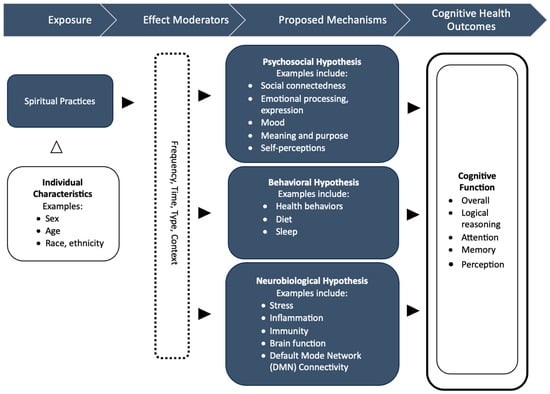
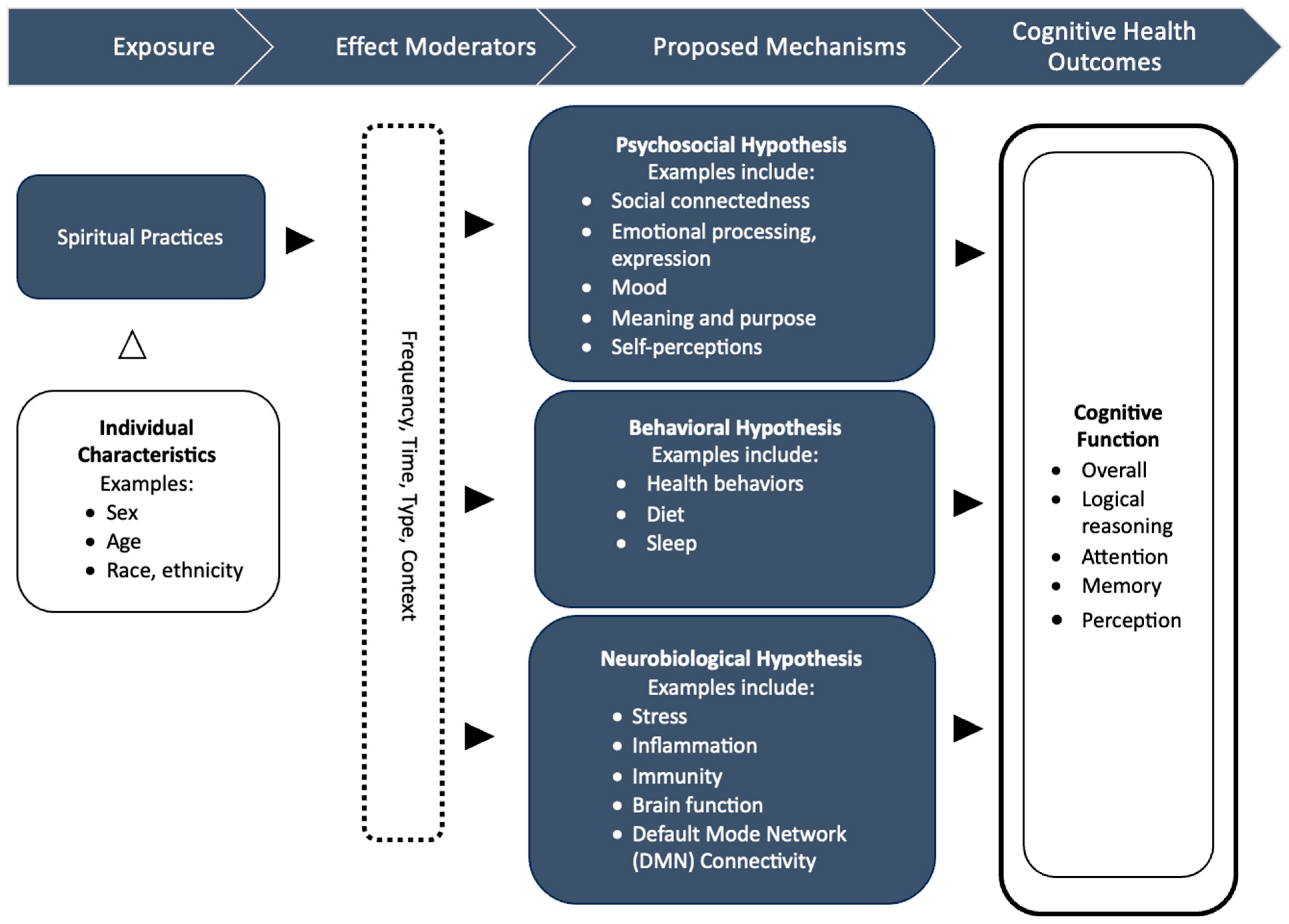
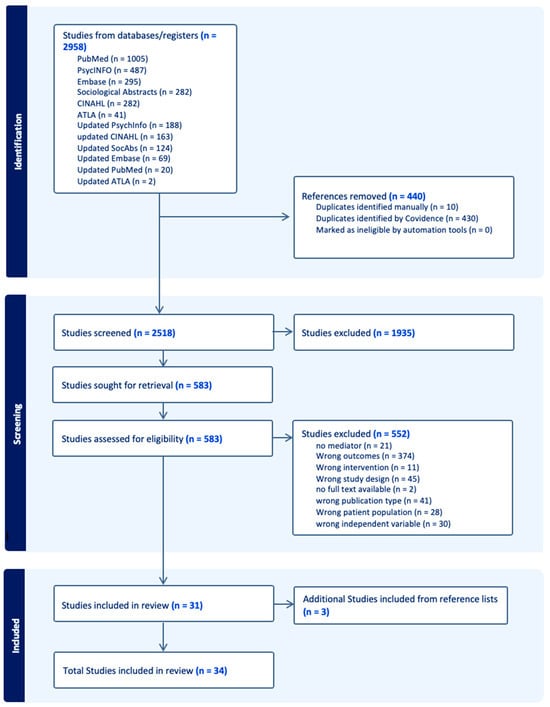
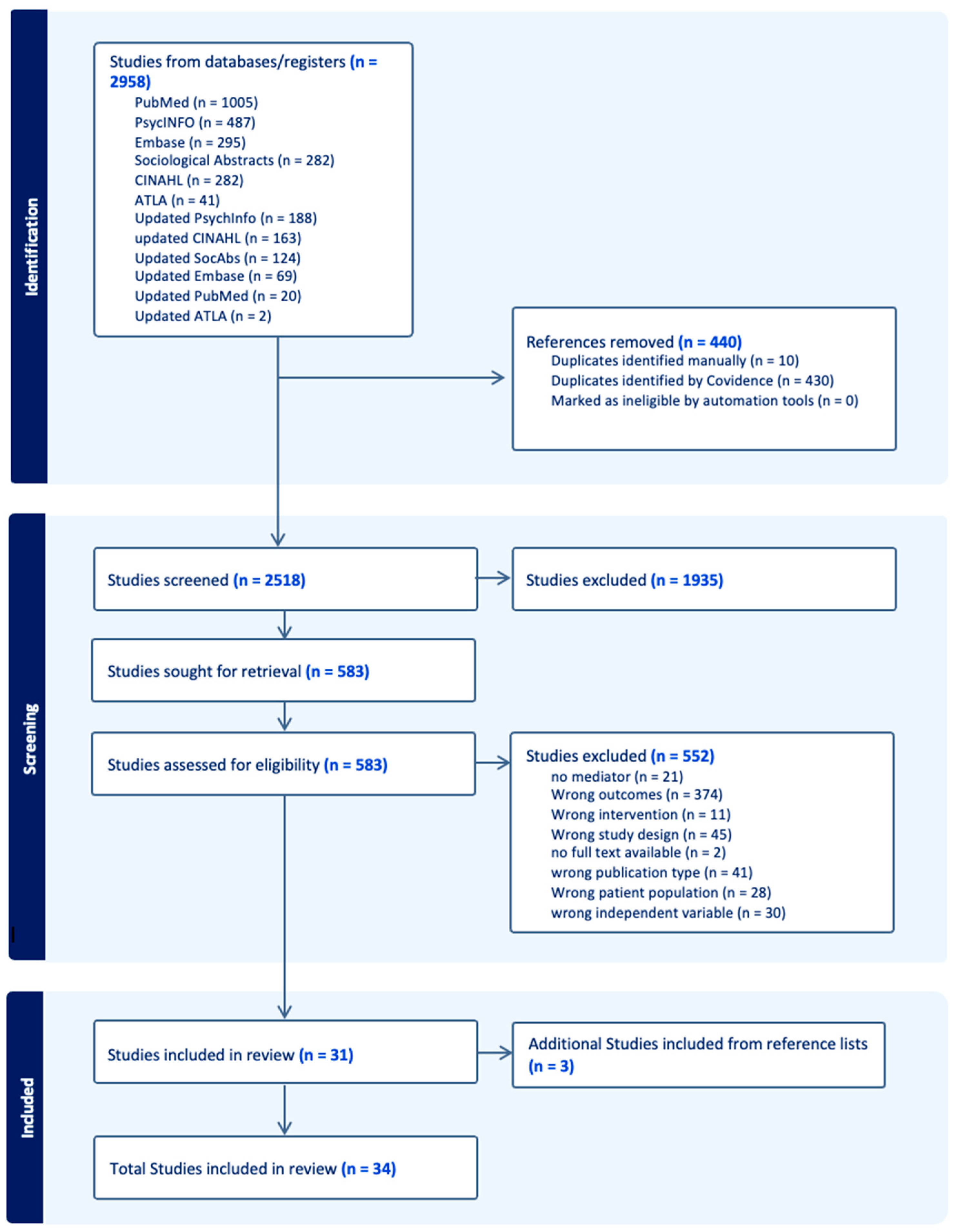
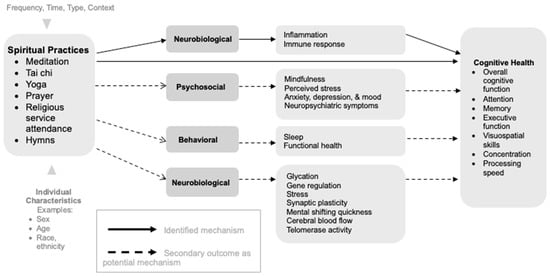
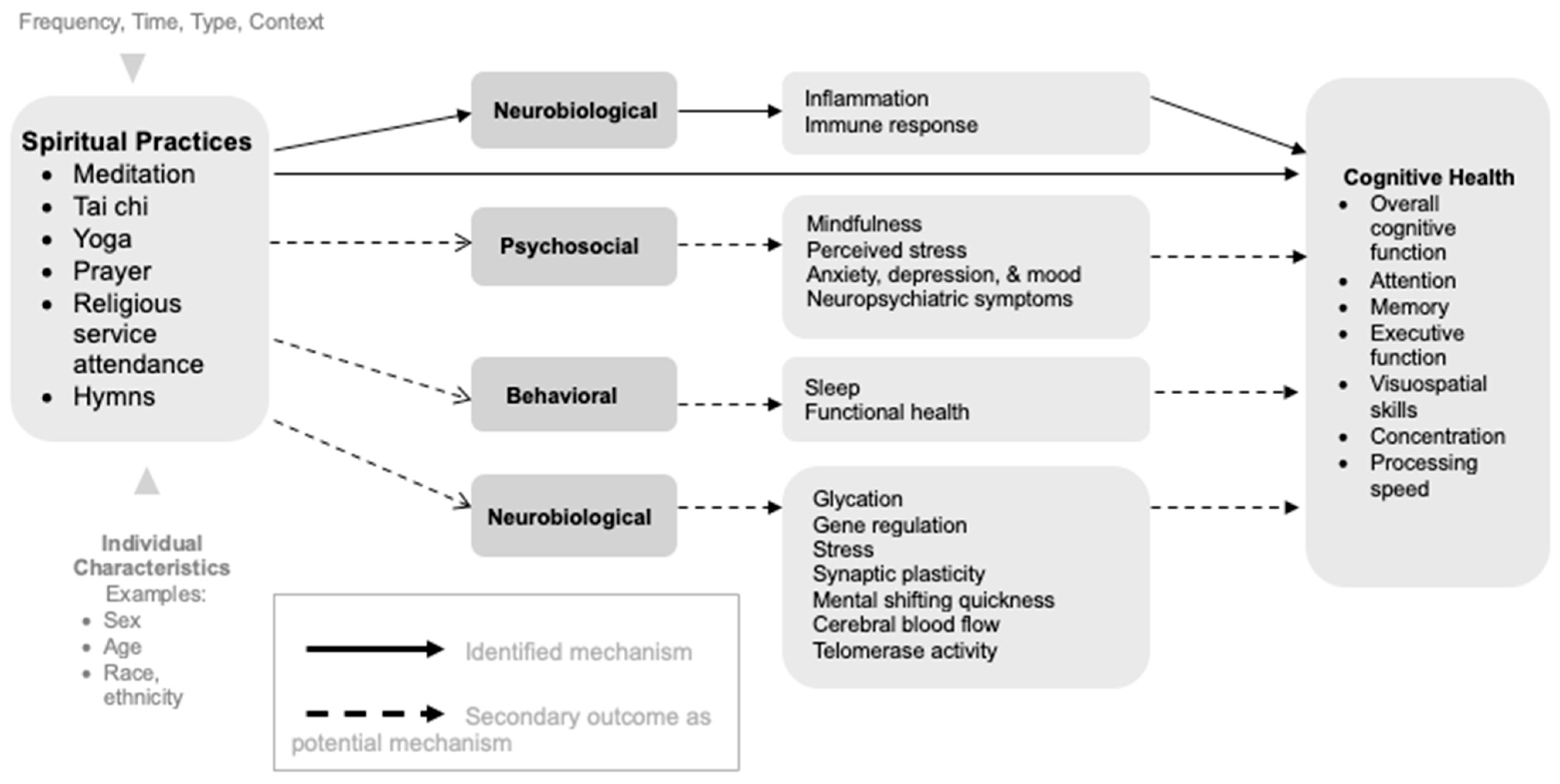

Disclaimer/Publisher’s Note: The statements, opinions and data contained in all publications are solely those of the individual author(s) and contributor(s) and not of MDPI and/or the editor(s). MDPI and/or the editor(s) disclaim responsibility for any injury to people or property resulting from any ideas, methods, instructions or products referred to in the content. |
© 2025 by the authors. Licensee MDPI, Basel, Switzerland. This article is an open access article distributed under the terms and conditions of the Creative Commons Attribution (CC BY) license (https://creativecommons.org/licenses/by/4.0/).