Article

Electrically Small Water-Based Hemispherical Dielectric Resonator Antenna


by
Rasmus E. Jacobsen
1,*,
Andrei V. Lavrinenko
1 and
Samel Arslanagić
2
1
Department of Photonics Engineering, Technical University of Denmark, 2800 Kgs. Lyngby, Denmark
2
Department of Electrical Engineering, Technical University of Denmark, 2800 Kgs. Lyngby, Denmark
*
Author to whom correspondence should be addressed.
Appl. Sci. 2019, 9(22), 4848; https://doi.org/10.3390/app9224848
Submission received: 10 October 2019 / Revised: 31 October 2019 / Accepted: 5 November 2019 / Published: 13 November 2019
(This article belongs to the Section Applied Physics General)

Abstract

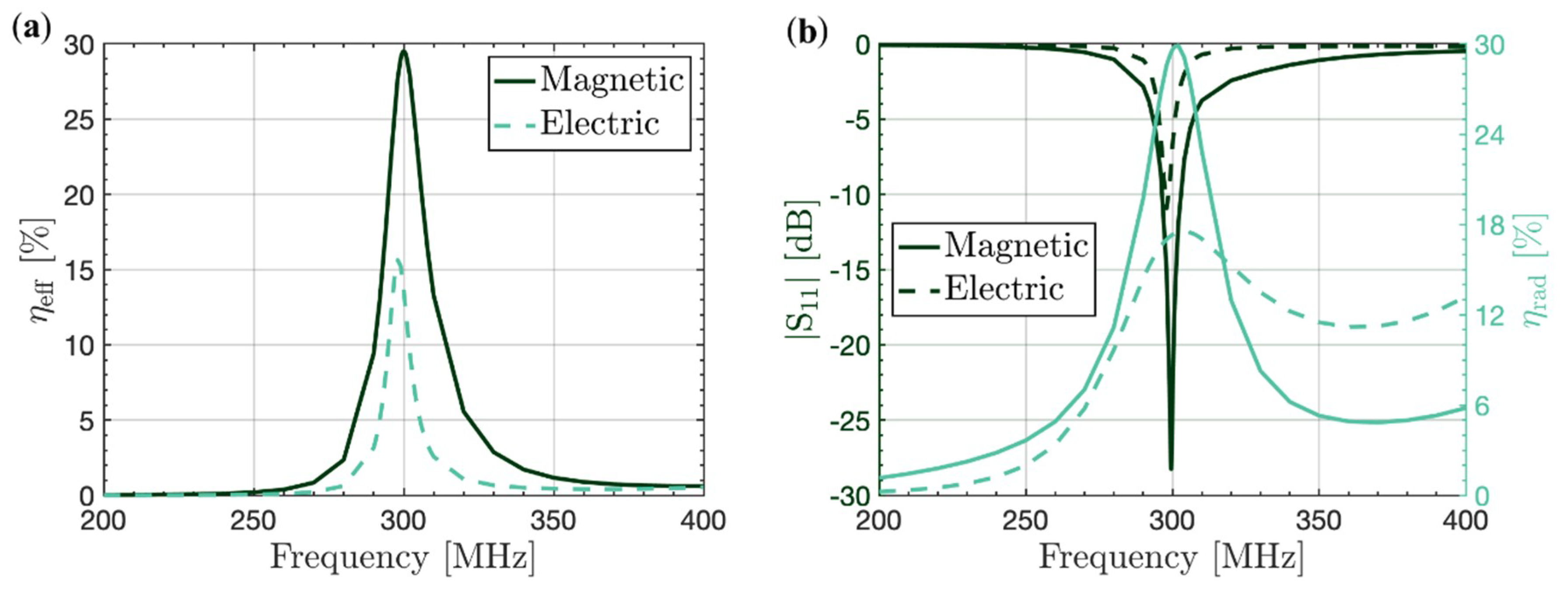
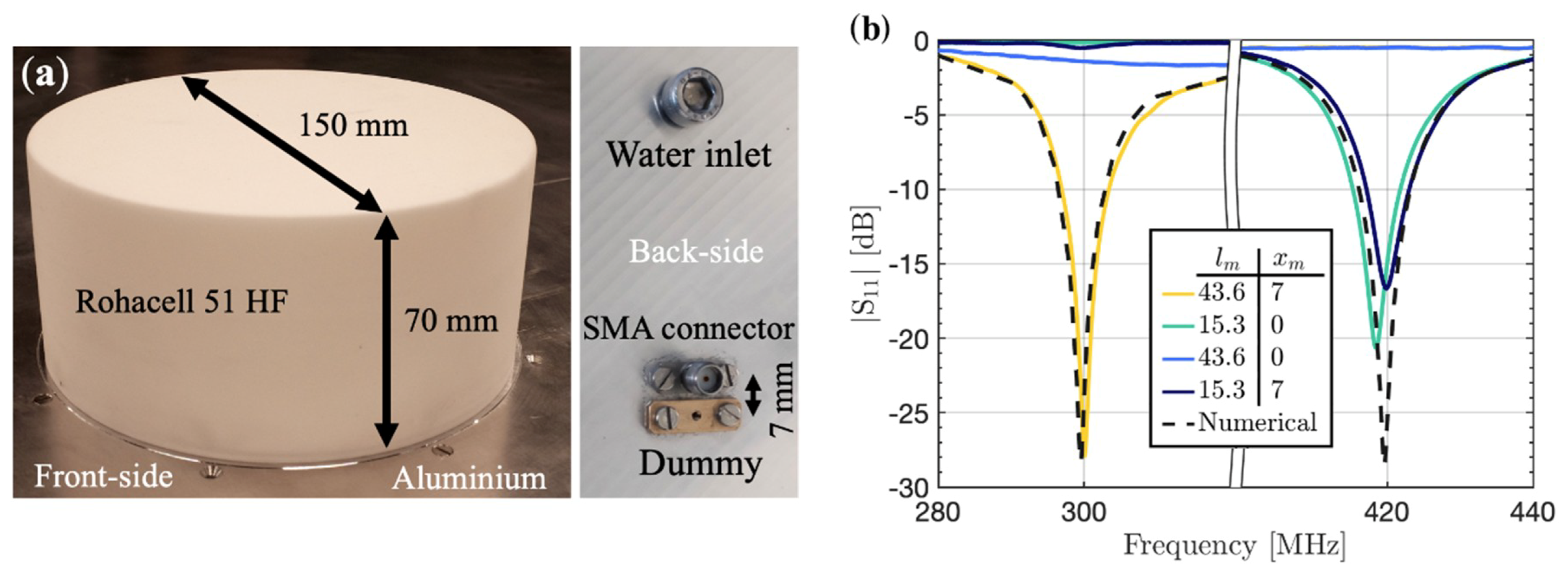
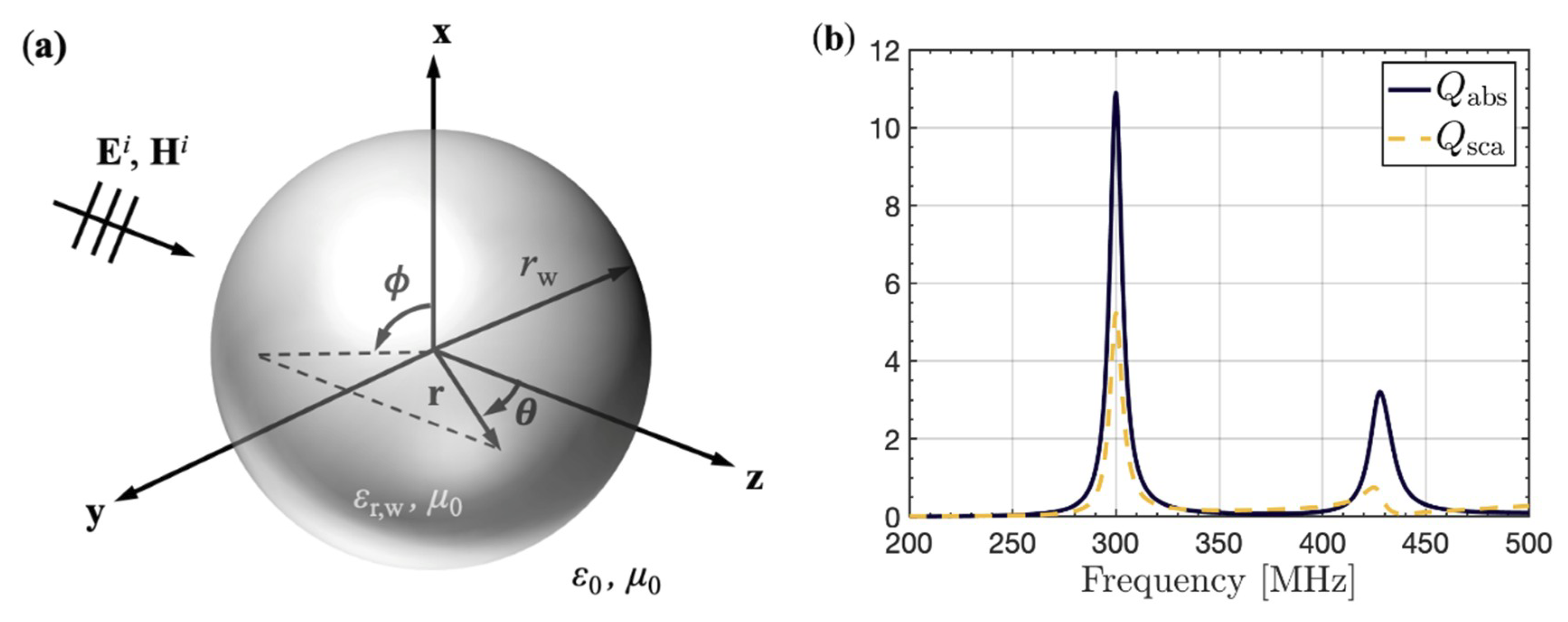
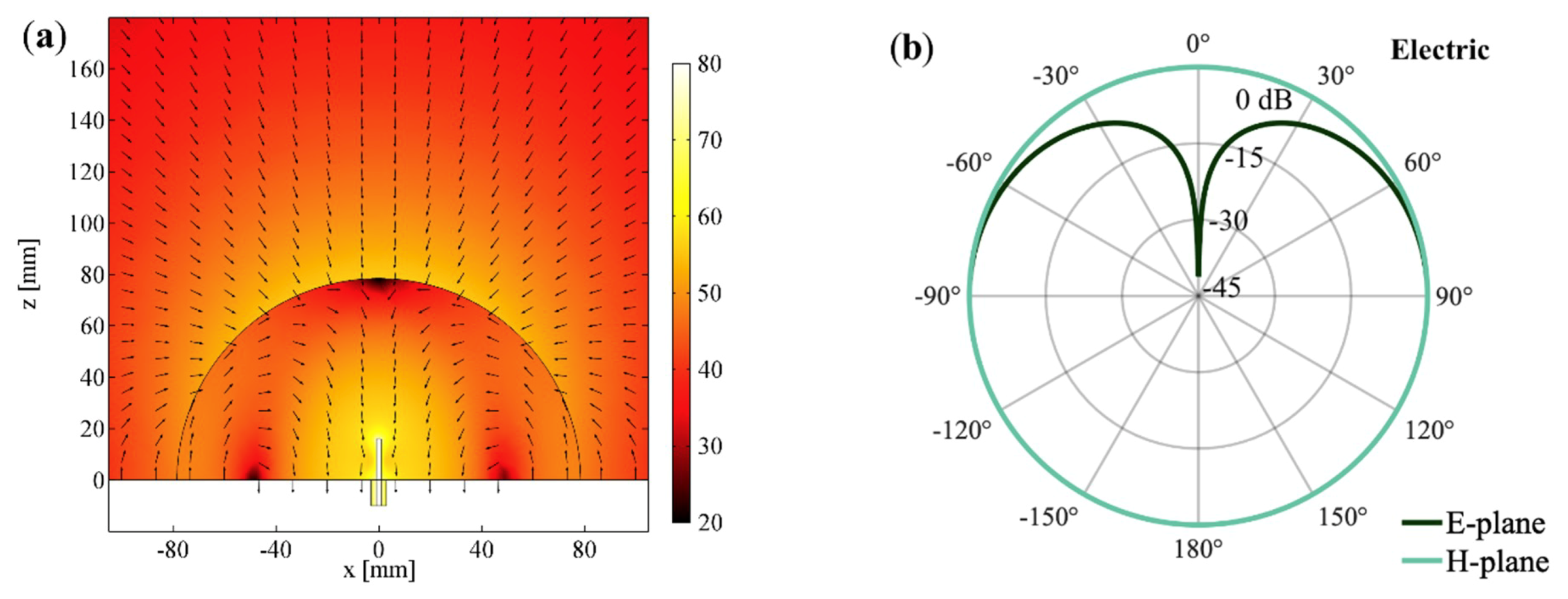
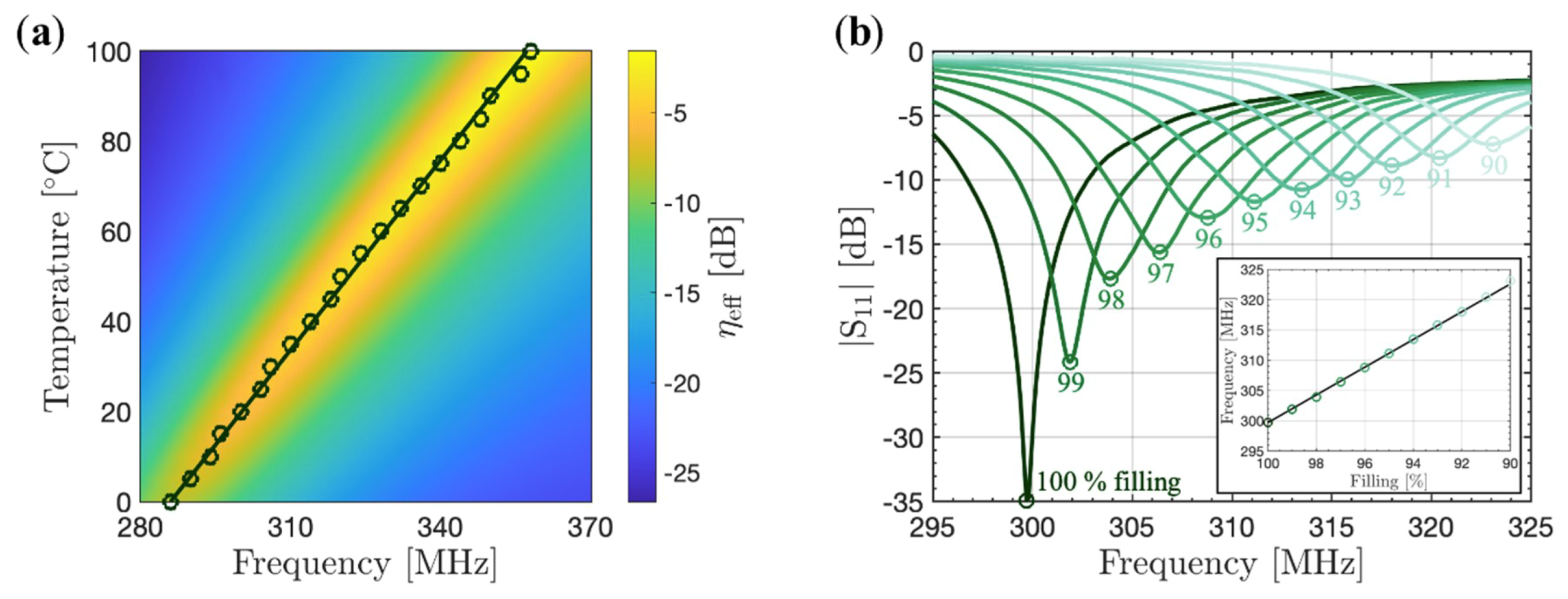
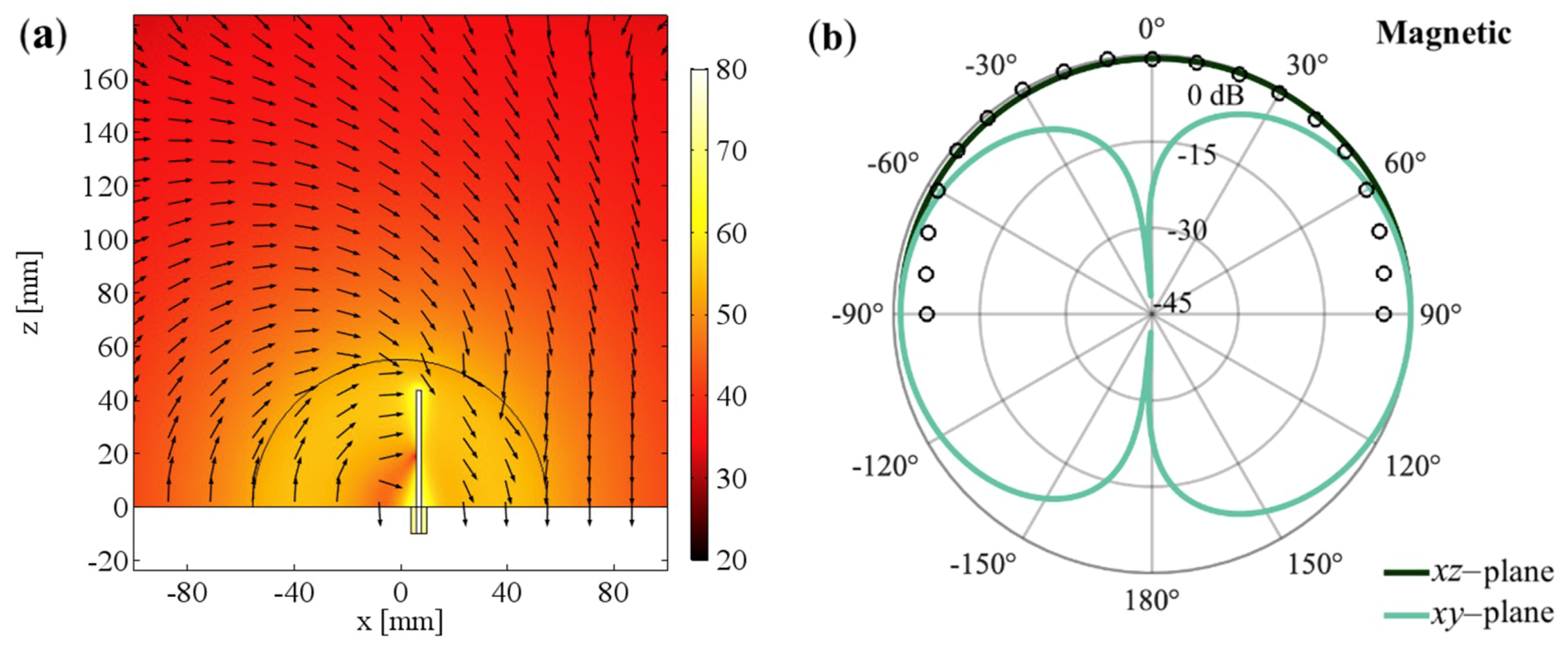
Recently, water has been proposed as an interesting candidate for use in applications such as tunable microwave metamaterials and dielectric resonator antennas due to its high and temperature-dependent permittivity. In the present work, we considered an electrically small water-based dielectric resonator antenna made of a short monopole encapsulated by a hemispherical water cavity. The fundamental dipole resonances supported by the water cavity were used to match the short monopole to its feed line as well as the surrounding free space. Specifically, a magnetic (electric) dipole resonance was exploited for antenna designs with a total efficiency of 29.5% (15.6%) and a reflection coefficient of −24.1 dB (−10.9 dB) at 300 MHz. The dipole resonances were effectively excited with different monopole lengths and positions as well as different cavity sizes or different frequencies in the same cavity. The overall size of the optimum design was 18 times smaller than the free-space wavelength, representing the smallest water-based antenna to date. A prototype antenna was characterized, with an excellent agreement achieved between the numerical and experimental results. The proposed water-based antennas may serve as cheap and easy-to-fabricate tunable alternatives for use in very high frequency (VHF) and the low end of ultrahigh frequency (UHF) bands for a great variety of applications.
Keywords: dielectric resonator antenna; electrically small antenna; Mie resonances; tunable antennas; water-based dielectric resonator antenna; electrically small antenna; Mie resonances; tunable antennas; water-based