


Featured Application
The integration of rapid point-of-care pharmacogenomic genotyping platforms with embedded clinical decision support algorithms offers a transformative application in acute and emergency psychiatric care. In settings such as psychiatric emergency departments or inpatient units, where patients with severe major depressive disorder or treatment-resistant presentations require immediate antidepressant initiation or adjustment, a compact point-of-care (POC) device capable of delivering CYP2C19 and CYP2D6 genotype results within 60 min could enable genotype-guided prescribing during the same clinical encounter. This would reduce reliance on trial-and-error escalation, minimize exposure to subtherapeutic or toxic doses, and accelerate time to effective therapy. When combined with automated guideline-based recommendations displayed directly on the device or seamlessly transmitted to the electronic health record, such a system exemplifies the special issue’s vision of engineering-bioscience convergence for rapid, bedside clinical solutions in precision psychiatry.
Abstract
Major depressive disorder (MDD) affects over 330 million people globally, yet up to 30% of patients fail initial pharmacotherapy due to genetic variability in drug metabolism. This narrative review synthesizes evidence on pharmacogenomic (PGx) guided approaches for MDD, emphasizing their integration with POC diagnostics and engineering solutions. Approximately 40–50% of patients carry actionable variants in CYP2C19 or CYP2D6, which govern the metabolism of selective serotonin reuptake inhibitors. Landmark trials (GUIDED, PRIME Care, GAPP-MDD) and meta-analyses demonstrate that PGx-informed prescribing modestly but significantly improves remission and response rates, particularly in treatment-resistant depression. Established guidelines from CPIC and the Dutch Pharmacogenetics Working Group provide actionable recommendations for CYP2D6 and CYP2C19 phenotypes. Emerging POC platforms, including Genomadix Cube and Genedrive, now deliver CYP2C19 results within one hour, supporting rapid clinical decisions. However, psychiatric-specific implementation data remain limited compared to cardiology; current POC devices lack multi-gene capabilities, and most studies underrepresent diverse populations. Persistent barriers include variable reimbursement, limited clinician education, and fragmented electronic health record integration. Future directions include pre-emptive genotyping, expanded multi-gene panels, and embedded clinical decision support. With continued engineering innovation and rigorous validation, PGx-guided care holds promise for reducing the trial-and-error burden and advancing precision psychiatry.
1. Introduction
Major depressive disorder represents a profound global health challenge, affecting approximately 332 million individuals worldwide according to the Global Burden of Disease Study 2023 and contributing substantially to the burden of disability-adjusted life years (DALYs) [1]. Between 2013 and 2023, there were sharp increases in healthy years lost due to diabetes and anxiety and depressive disorders [1,2,3]. Characterized by persistent sadness, loss of interest, and impaired daily functioning, MDD often resists conventional treatments, with up to 30% of patients exhibiting inadequate response to initial pharmacotherapy [4]. This therapeutic resistance not only prolongs suffering but also escalates healthcare costs, estimated at over $326 billion annually in the United States alone as of 2018, with projections indicating further increases [5]. The heterogeneity of MDD, encompassing diverse symptom profiles, comorbidities, and etiological factors, underscores the limitations of the current one-size-fits-all approach to antidepressant prescribing, which relies heavily on trial-and-error adjustments as recognized in major clinical practice guidelines (e.g., APA, CANMAT, NICE) [6,7,8,9].
Central to this variability are genetic influences on drug metabolism and response, mediated primarily through PGx which examines how genetic variants, particularly in cytochrome P450 (CYP) enzymes such as CYP2D6 and CYP2C19, affect pharmacokinetics and pharmacodynamics of antidepressants. For instance, poor metabolizers of CYP2C19 may experience elevated serum levels of selective serotonin reuptake inhibitors (SSRIs) like escitalopram, increasing the risk of adverse effects, while ultra-rapid metabolizers might require higher doses for efficacy. Key terms in this domain include single-nucleotide polymorphisms (SNPs), which are common genetic variations; haplotype structures, such as star (*) alleles that define metabolizer phenotypes; and combinatorial PGx testing, which integrates multiple gene–drug interactions to generate actionable reports [10,11,12,13,14,15,16,17,18].
The significance of PGx-guided treatment lies in its potential to enhance precision medicine in psychiatry, reducing the time to remission and minimizing side effects. While the clinical evidence continues to evolve, several meta-analyses suggest that PGx-informed prescribing may improve remission rates, with some reporting odds ratios as high as 1.7 to 1.8 compared to treatment as usual (TAU) [15,16]. This benefit appears most pronounced in patients with a history of treatment resistance. However, the clinical impact observed varies across trials, likely reflecting differences in study design and patient demographics. These clinical trends align with broader advancements in biosciences, where genetic biomarkers are increasingly integrated with engineering solutions to enable rapid POC diagnostics [19,20,21,22].
This literature review aims to synthesize the current evidence on pharmacogenomic (PGx)-guided treatment approaches for major depressive disorder (MDD), with particular emphasis on their diagnostic utility, therapeutic efficacy, and integration with point-of-care (POC) technologies. Specifically, it addresses three main aims: (1) to evaluate the role of PGx testing in predicting antidepressant response and adverse effects; (2) to assess the clinical utility and real-world implementation of PGx-guided prescribing; and (3) to examine how engineering innovations in rapid POC genotyping platforms can facilitate genotype-informed decision-making at the bedside. By critically appraising clinical trials, practice guidelines, and emerging technologies, the review evaluates the extent to which genetic-guided interventions, enhanced by POC engineering, can optimize antidepressant outcomes while overcoming key implementation barriers. It highlights the promise of PGx while identifying persistent evidence gaps, thereby supporting the development of interdisciplinary solutions that bridge biosciences and clinical practice.
2. Materials and Methods
This work is a narrative literature review that synthesizes current evidence on PGx testing in MDD, with an emphasis on clinical implementation and POC technologies. It was not conducted as a formal systematic review and does not follow a predefined protocol for systematic evidence synthesis. However, selected elements of the PRISMA 2020 framework were adopted solely to enhance transparency in the reporting of the literature search and study selection process [23]. These elements were used for reporting clarity and should not be interpreted as indicating a fully systematic review methodology.
A comprehensive search was conducted from January 2000 to February 2026 across PubMed/MEDLINE, Scopus, Web of Science, PsycINFO, Embase, and the Cochrane Library to identify peer-reviewed articles on PGx testing for MDD, with particular emphasis on integration with POC diagnostics and engineering solutions.
Databases searched included PubMed/MEDLINE, Scopus, Web of Science, PsycINFO, Embase, and the Cochrane Library, selected for their coverage of biomedical, pharmacological, and engineering literature. Search terms combined controlled vocabulary (e.g., “Depressive Disorder, Major”, “Pharmacogenomic Testing”, “Cytochrome P-450 CYP2D6”, “Point-of-Care Systems”) with free-text keywords and synonyms (e.g., “genetic-guided therapy”, “antidepressant response”, “CYP2C19 polymorphism”, “biosensors”, “microfluidics”, “precision psychiatry”). Boolean operators were used to refine queries, for example: (“major depressive disorder” OR “MDD”) AND (“pharmacogenomics” OR “pharmacogenetics” OR “genetic testing”) AND (“treatment outcome” OR “remission” OR “response”) AND (“point-of-care” OR “POC diagnostics” OR “engineering”). The search prioritized studies published in English.
Inclusion criteria were peer-reviewed articles evaluating pharmacogenomic testing in patients with major depressive disorder, with outcomes related to diagnostic utility, therapeutic efficacy, clinical decision support, point-of-care technologies, or implementation. Exclusion criteria included animal studies, case reports, conference abstracts, non-English articles, and studies focused solely on non-MDD psychiatric conditions.
After removal of duplicates, the titles and abstracts of all records were independently screened by two reviewers. Approximately 867 records were screened by title and abstract; 329 articles were assessed for eligibility; and 87 studies (including clinical trials, meta-analyses, guidelines, and technology reviews with full-text availability) were included in the final synthesis as presented in the Figure 1. No restrictions were placed on study design in order to capture the full breadth of available evidence. The search was last updated in February 2026.
Figure 1.
Search and study selection process.
3. From Biology to Bedside: The Role of Pharmacogenomics in Depression Care
3.1. Genetic-Guided Diagnosis of Treatment-Resistant and Differential Response Profiles in Major Depressive Disorder
Current commercial and research panels primarily target pharmacokinetic genes encoding cytochrome P450 enzymes, CYP2D6, CYP2C19, CYP2C9, and CYP3A4, which govern the metabolism of most selective serotonin reuptake inhibitors (SSRIs) and tricyclic antidepressants (TCAs). CYP2C9 and CYP3A4 play more limited roles in antidepressant metabolism and are not the focus of major CPIC or DPWG guidelines for antidepressant dosing [24,25]. To a lesser extent, panels include pharmacodynamic candidates such as SLC6A4 (serotonin transporter), HTR2A (serotonin receptor), ABCB1 (P-glycoprotein), FKBP5 (glucocorticoid receptor co-chaperone), and COMT (catechol-O-methyltransferase), which may influence treatment response through neurobiological pathways [26,27,28,29,30,31,32]. Combinatorial PGx algorithms integrate multiple variants into composite risk scores that classify patients into metabolizer phenotypes, poor, intermediate, normal, rapid, or ultrarapid, and generate actionable recommendations such as dose adjustments or drug avoidance.
The clinical relevance of this approach is underscored by prevalence data. Observational studies have established that approximately 40–50% of patients with MDD carry at least one actionable PGx variant affecting first-line antidepressants. The most prevalent high-impact variants include CYP2D6 poor metabolizer (PM) status, affecting 5–10% of Caucasian populations, and CYP2C19 PM (*2/*2) or rapid/ultrarapid metabolizer (*17/*17) status, which together affect 25–35% of patients across ancestries [27,28,29,30,31]. These CYP2D6 and CYP2C19 variants are associated with 1.5- to 4-fold increased odds of non-response or intolerable side effects when standard, unadjusted dosing is applied to SSRIs or TCAs, providing a compelling mechanistic explanation for why some patients fail first-line treatment trials [15,33,34,35,36,37].
This genetic architecture positions PGx testing as a diagnostic tool for differential response profiling, the ability to distinguish, a priori, which patients are likely to require dose modification or alternative agents. In the context of treatment-resistant depression (TRD), where patients have already experienced one or more failed trials, unrecognized pharmacokinetic variations may have contributed to subtherapeutic drug exposure or adverse effects that mimicked non-response. By identifying such genetic contributors, PGx can refine subsequent treatment selection and inform augmentation strategies with agents less susceptible to the patient’s variant profile.
However, it is important to recognize that PGx represents only one dimension of treatment outcome prediction. Depression is a heterogeneous condition influenced by psychosocial, neurobiological, and epigenetic factors that extend beyond the variants captured on current commercial panels. The diagnostic value of PGx lies not in deterministic prediction but in risk stratification, reducing avoidable pharmacological failures while acknowledging that genotype-informed prescribing must be integrated with clinical judgment and patient preference.
3.2. Translating the Genotype into a Prescription: Clinical Decision Support
A pharmacogenomic test result, in isolation, holds limited clinical value. A report indicating CYP2C191/*17* or CYP2D64/*4* provides molecular information, but it does not directly instruct a clinician which dose to prescribe or which drug to avoid. The translation of genotype into a safe and effective prescription requires Clinical Decision Support (CDS), the systematic application of evidence-based prescribing guidelines to individual genetic profiles. This translational step is critical for realizing the promise of personalized antidepressant therapy.
3.2.1. Evidence-Based Prescribing Guidelines
The foundation of PGx-guided prescribing rests on two internationally recognized resources: the Clinical Pharmacogenetics Implementation Consortium (CPIC) and the Dutch Pharmacogenetics Working Group (DPWG). Both organizations publish peer-reviewed, regularly updated guidelines that synthesize pharmacogenomic evidence into actionable clinical recommendations [24,25,38].
For antidepressant prescribing, the most mature guidelines address CYP2D6 and CYP2C19, which metabolize the majority of SSRIs and TCAs. Table 1 summarizes key actionable recommendations:
Table 1.
Selected CPIC and DPWG Guideline Recommendations for Antidepressant Prescribing Based on CYP2C19 and CYP2D6 Phenotype.
These recommendations operate on consistent logic as detailed in the CPIC and DPWG guidelines [24,25]:
- Poor metabolizers face elevated drug concentrations and increased toxicity risk, warranting dose reduction or avoidance.
- Ultrarapid metabolizers risk subtherapeutic concentrations at standard doses, often necessitating alternative agents.
- Intermediate metabolizers may require standard initiation with vigilant monitoring.
- Normal metabolizers are expected to achieve therapeutic concentrations with standard dosing.
For tricyclic antidepressants, the implications are particularly consequential. CYP2D6 poor metabolizers receiving standard doses of nortriptyline or amitriptyline can experience severe toxicity, including cardiotoxicity and central nervous system depression, due to 4–8-fold-higher plasma concentrations compared to normal metabolizers [38,39]. The updated DPWG guideline (2026) provides specific dose reductions: for CYP2D6 poor metabolizers, reductions to 40% of the normal dose for doxepin and nortriptyline, 50% for clomipramine, and 60% for amitriptyline are recommended [40].
3.2.2. From Guidelines to the Bedside: The Role of Digital CDS Tools
While guidelines provide the evidence base, their real-time application at the point of care presents practical challenges. Clinicians cannot be expected to memorize phenotype-specific dosing tables for dozens of drug–gene pairs. This gap is addressed by digital Clinical Decision Support Systems (CDSS), software platforms integrated with electronic health records (EHRs) that automatically flag drug–gene interactions and present guideline-aligned recommendations at the moment of prescribing [41,42].
Modern CDSS platforms for PGx typically offer several functions:
- Phenotype translation: Converting raw genotype data (*1/*17) into clinically interpretable phenotypes (CYP2C19 rapid metabolizer)
- Drug–gene interaction alerts: Flagging active prescriptions or new orders that pose risks based on the patient’s genotype
- Recommendation presentation: Displaying guideline-endorsed alternatives or dose adjustments directly within the prescribing workflow
- Documentation and rationale: Providing links to evidence sources and explanations for recommendations
Health systems implementing pre-emptive PGx programs have demonstrated the value of integrated CDS. Atrium Health successfully integrated PGx results for 2342 patients, with 32% of genotyped patients triggering alerts for medications beyond the original testing indication, often for clinicians unaware of the patient’s genetic data [42]. Similarly, UCSF Health developed a customized PGx program covering 56 medications and 15 genes, implementing 233 pharmacogenomic. A customized CDS framework (ApeX, UCSF Health’s instance of the Epic electronic health record system, Epic Systems Corporation, Verona, WI, USA) was seamlessly integrated into the electronic prescribing workflow to deliver real-time, actionable genotype-guided recommendation within their EHR to guide clinicians at the point of care [41]. YouScript PGx platform (YouScript Inc., Seattle, WA, USA) and custom Epic-based CDS modules implemented at Atrium Health and UCSF Health. In addition, the Clinical Pharmacogenetics Implementation Consortium (CPIC) provides standardized CDS implementation resources for antidepressant prescribing, including example pre- and post-test alerts, EHR workflow diagrams, and point-of-care recommendation language specifically designed for CYP2D6- and CYP2C19-guided dosing of SSRIs and other serotonin reuptake inhibitors [24,38].
3.2.3. Challenges in Guideline Implementation
Despite the availability of robust guidelines and digital tools, several barriers impede widespread adoption of PGx-guided prescribing in psychiatry [43,44,45].
First, guideline awareness and literacy among clinicians remain limited. Surveys of psychiatrists and primary care providers indicate that only 20–30% report confidence in interpreting pharmacogenomic results and applying them to prescribing decision, while up to 58% explicitly state they lack confidence [46]. This knowledge gap creates reliance on commercial laboratory reports, which may present recommendations that vary in their fidelity to evidence-based guidelines. A recent analysis of clinician experiences at Stanford found that commercial PGx panels often fail to consistently include all key actionable genes recommended by CPIC or DPWG, eroding provider trust [32,43].
Second, guideline consistency across sources is imperfect. While CPIC and DPWG generally align, discrepancies exist in specific recommendations, for example, differing thresholds for defining actionable phenotypes or varying recommendations for certain drug–gene pairs. Clinicians encountering conflicting guidance from different sources may experience uncertainty or defer PGx-guided decisions altogether [44].
Third, guideline maintenance is resource-intensive. As new evidence emerges and allele nomenclature evolves, guidelines require regular updates. Health systems implementing PGx programs must establish mechanisms to ensure that CDS tools reflect current recommendations, which may change as new studies refine phenotype-effect associations [45].
Fourth, current guidelines focus primarily on pharmacokinetic genes with the strongest and most consistent evidence for dose adjustments (CYP2D6 and CYP2C19). Drug transporter proteins, including efflux transporters such as P-glycoprotein (P-gp, encoded by ABCB1) and breast cancer resistance protein (BCRP, encoded by ABCG2), play important roles in regulating antidepressant penetration across the blood–brain barrier and thus influence central drug availability. Uptake transporters from the solute carrier (SLC) superfamily also contribute to bioavailability and distribution. However, associations between variants in these transporter genes and clinical outcomes (response or remission) have been inconsistent across studies, with recent meta-analyses showing only modest or non-significant effects for most ABCB1 SNPs [39,47,48]. Consequently, major guidelines (CPIC and DPWG) do not yet provide actionable dosing recommendations for transporter variants. Similarly, pharmacodynamic variants such as SLC6A4, HTR2A, and FKBP5 lack sufficient validation for routine clinical use [24,40]. A comprehensive systematic review of antidepressant pharmacogenetic studies identified significant heterogeneity in outcome definitions and low rates of replicability for pharmacodynamic associations, highlighting the need for further research before guideline development [48].
3.2.4. The Future of CDS in Pharmacogenomics
Emerging trends in CDS aim to address these limitations. Dynamic, guideline-updatable platforms that automatically refresh recommendation sets as guidelines change are under development, reducing the burden on local informatics teams [45]. Patient-facing CDS tools are also gaining attention, empowering individuals to access their pharmacogenomic data and share it across providers, which may be particularly valuable in psychiatric care where patients often see multiple prescribers over time [43].
Most significantly, the integration of CDS directly into POC diagnostic platforms represents a paradigm shift. Devices such as the Genomadix Cube and Genedrive systems generate genotype results within hours, but they currently output raw allele calls rather than integrated prescribing recommendations. Future iterations could embed guideline algorithms, presenting clinicians with immediate, actionable guidance at the bedside, effectively closing the loop from sample collection to informed prescription in a single clinical encounter [49]. This convergence of rapid genotyping and embedded CDS holds particular promise for acute psychiatric settings, where time-sensitive decisions currently proceed without genetic guidance.
3.3. Diagnostic Platforms (POC Technologies)
POC genotyping platforms have been engineered to reduce pharmacogenomic testing turnaround times from days (typical of centralized laboratories) to under two hours, thereby supporting rapid, bedside treatment decisions in time-sensitive clinical scenarios. These systems typically employ microfluidic cartridges with integrated DNA extraction, real-time polymerase chain reaction (PCR) amplification, and fluorescence-based detection, aligning with this Special Issue’s focus on engineering-bioscience integration for rapid clinical solutions. While most current POC devices target CYP2C19 variants (*2, *3, *17) due to their direct relevance to selective serotonin reuptake inhibitor (SSRI) metabolism per CPIC guidelines, comprehensive multi-gene panels (including CYP2D6) remain predominantly laboratory-based because of greater allelic complexity [49]. The Point-of-Care and Rapid Near-Patient Pharmacogenomic Platforms are presented in Table 2.
Table 2.
Point-of-Care and Rapid Near-Patient Pharmacogenomic Platforms.
The Genomadix Cube CYP2C19 System (formerly marketed as Spartan RX) is one of the most extensively evaluated platforms. It is a compact, cartridge-based real-time PCR instrument that processes buccal swabs to detect key CYP2C19 alleles in approximately 60 min. Clinical validation studies have demonstrated a 99.1% accurate genotype call rate, with near-100% sensitivity and specificity for the tested variants. Originally developed and FDA 510(k)-cleared for cardiology applications (e.g., guiding antiplatelet therapy), its target genes are directly actionable for antidepressants such as citalopram, escitalopram, and sertraline [50].
Additional platforms include the Genedrive CYP2C19 ID Kit, a portable PCR-based system delivering results from buccal swabs in a similar timeframe with reported 100% sensitivity and specificity across a broader set of alleles (*2, *3, *4, *8, *35) [51]. The GMEX system has also demonstrated equivalent high accuracy in trials such as CHANCE-2 [52]. These devices leverage miniaturized thermal cycling and optical detection to enable operation outside traditional laboratories, including potential use in psychiatric clinics or emergency settings. Emerging platforms are beginning to address the need for broader gene coverage, with some moving beyond single-gene tests to offer more comprehensive pharmacogenomic panels in a POC-compatible.
Despite the technical maturity of POC platforms, psychiatric-specific implementation data lag significantly behind the robust evidence base in cardiology. Pilot initiatives in primary care and community pharmacy settings have demonstrated good feasibility, high provider acceptance, and successful workflow integration. However, applications in acute MDD or emergency psychiatric care remain supported by only limited, largely observational evidence, with a notable absence of large-scale randomized controlled trials.
Existing studies carry methodological limitations, including small sample sizes, potential selection bias, and a predominant focus on feasibility metrics rather than definitive clinical outcomes such as time to remission, reduction in adverse events, or cost-effectiveness. Broader implementation faces multi-level barriers. These include the substantial capital investment required for instrumentation and per-test consumables, the need for specialized operator training or regulatory certification, and persistent reimbursement uncertainties. Crucially, the field requires stronger outcome data demonstrating that rapid genotyping meaningfully improves care in psychiatric populations to justify widespread adoption.
Looking ahead, the convergence of decreasing technology costs, expanding multiplex capabilities (e.g., inclusion of CYP2D6 and other relevant genes), and integration with electronic health records and clinical decision support systems positions POC pharmacogenomics for broader psychiatric application. As these platforms evolve from single-gene to comprehensive panel-based testing, their potential to transform acute psychiatric care by enabling genotype-guided prescribing at the first point of contact becomes increasingly tangible.
3.4. Clinical Utility and Implementation in Psychiatry
While the previous sections established the biological rationale, clinical guidelines, and technological platforms for pharmacogenomic testing, the translation of these tools into routine psychiatric practice ultimately depends on demonstrable clinical utility, evidence that PGx-guided prescribing meaningfully improves patient outcomes in real-world settings. This section critically evaluates the evidence base from randomized controlled trials (RCTs), meta-analyses, and emerging real-world implementation studies, concluding with an assessment of persistent barriers to widespread adoption.
3.4.1. Landmark Randomized Controlled Trials
Two large-scale RCTs provide the foundational evidence for PGx-guided antidepressant prescribing in MDD.
The Genomics Used to Improve DEpression Decisions (GUIDED) trial randomized 1167 patients with MDD and at least one prior treatment failure to either PGx-guided care (using a combinatorial pharmacogenomic test) or treatment as usual (TAU). At 8 weeks, patients in the PGx-guided arm demonstrated modest but statistically significant improvements in remission (15.3% vs. 10.1%, p = 0.007) and response rates (26.0% vs. 19.9%, p = 0.013) compared to treatment as usual (TAU). The benefit was most pronounced among patients whose baseline medications were incongruent with their genetic profile, suggesting that PGx testing is particularly valuable when it identifies and corrects existing suboptimal prescribing [54,55,56].
The Canadian GAPP-MDD trial (Genomics-Assisted Pharmacotherapy for Depression) provides additional evidence for combinatorial pharmacogenomic testing in a healthcare system distinct from the United States. This 52-week, multicenter, participant- and rater-blinded randomized controlled trial evaluated a combinatorial pharmacogenomic test versus treatment as usual in patients with depression. While the study was ultimately underpowered to detect statistically significant differences in the primary outcome (symptom improvement at week 8), numerical improvements favored the guided-care arm across all measures: greater symptom improvement (27.6% vs. 22.7%), higher response rates (30.3% vs. 22.7%), and superior remission rates (15.7% vs. 8.3%). Importantly, when assessed in parallel with the larger GUIDED trial, the relative improvements in response and remission were consistent between studies (33.0% and 89.0% in GAPP-MDD compared to 31.0% and 51.0% in GUIDED, respectively). These findings suggest that combinatorial pharmacogenomic testing can be an effective tool to guide depression treatment across different healthcare contexts, including the Canadian setting [35].
The PRIME Care (Precision Medicine in Mental Healthcare) trial, conducted across 22 Veterans Affairs medical centers, remains the largest PGx RCT in psychiatry, enrolling 1944 veterans with MDD [57]. The trial met both prespecified primary outcomes: patients in the PGx-guided arm were significantly less likely to receive an antidepressant with a moderate or severe drug–gene interaction (25.7% vs. 59.3% in TAU, p < 0.001) and demonstrated a 28% higher likelihood of achieving remission across the 24-week study period (OR 1.28, p = 0.02) [26,57].
A prespecified post hoc analysis of PRIME Care published in 2025 provided critical new insights into the temporal dynamics of PGx benefit. Using Cox proportional hazards models, the analysis demonstrated that PGx-guided treatment led to significantly faster initial remission (HR 1.27, 95% CI 1.05–1.53, p = 0.015) and response (HR 1.21, 95% CI 1.05–1.40, p = 0.010) compared to TAU. Crucially, Schoenfeld residuals tests showed no evidence that this benefit diminished over the 24-week follow-up period, indicating that the advantage conferred by PGx testing is not only clinically meaningful but also sustained [58]. These findings address earlier concerns about the persistence of PGx effects and reinforce the value of preemptive genotyping in accelerating recovery.
3.4.2. Meta-Analyses and Evidence Synthesis
The accumulating RCT evidence has been systematically evaluated in multiple meta-analyses, which consistently support the clinical utility of PGx-guided prescribing.
A comprehensive 2025 meta-analysis of 13 RCTs (including GUIDED, PRIME Care, and earlier trials) found that PGx-guided treatment significantly improved response rates at 8 weeks (RR 1.23, 95% CI 1.05–1.43) and 12 weeks (RR 1.29, 95% CI 1.17–1.43) [58]. Remission rates were significantly improved at 8 weeks (RR 1.37, 95% CI 1.19–1.57), with effect sizes comparable to those reported in earlier meta-analyses [22,26,33].
A separate meta-analysis focused specifically on the GeneSight combinatorial pharmacogenomic test, aggregating data from six prospective controlled studies totaling 3532 adults with MDD and at least one prior treatment failure. Patients in the PGx-guided arm were 41% more likely to achieve remission and 30% more likely to achieve response compared to TAU; however, effect sizes across studies remain modest and should be interpreted in the context of study heterogeneity and potential biases [36].
Subgroup analyses have identified populations that may derive enhanced benefit from PGx-guided care. A 2025 meta-analysis stratified by ethnicity suggested potentially larger treatment effects in Asian populations compared to non-Asian populations, though this finding requires validation due to smaller sample sizes in the Asian subgroup [59]. Patients with difficult-to-treat MDD, defined as those with prior treatment failures, consistently demonstrate significant improvements in both response and remission with PGx-guided treatment, supporting the clinical rationale for targeting this population [55,59].
Notably, cumulative meta-analyses examining the relationship between panel size and clinical outcomes suggest that expanding panels beyond approximately 8–12 genes may offer limited incremental clinical benefit [59]. This finding has important implications for cost-effectiveness and test selection, favoring targeted panels focused on well-validated pharmacokinetic genes (CYP2D6, CYP2C19, CYP2C9, CYP3A4) over broader, more expensive arrays.
3.4.3. Real-World Evidence and Implementation Studies
While RCTs establish efficacy under controlled conditions, real-world implementation studies reveal the practical opportunities and challenges of integrating PGx into routine clinical care.
A large real-world characterization study analyzing 3383 individuals who received psychiatric PGx testing between 2013 and 2023 found that 94.5% carried at least one clinically actionable PGx variant. Drug–gene interactions were identified for current psychiatric medications in 19.3% of adults and 15.0% of youth, with an additional 11.8% of adults having non-psychiatric drug–gene interactions that could inform broader prescribing decisions [60]. These findings underscore the potential for PGx testing to optimize not only antidepressant selection but also concurrent medication management.
However, the same study identified critical implementation barriers. PGx results were frequently returned as unstructured PDFs requiring manual curation before integration with clinical data, limiting accessibility and reusability within electronic health records (EHRs). Indicators of disparities in test ordering related to gender and race suggested systemic inequities and variability in provider adoption practices. These findings align with broader implementation science literature identifying fragmented EHR integration, inconsistent provider adoption, and lack of standardized reporting as key obstacles to realizing PGx benefits at scale [38,43].
A 2024 prospective study in patients with recurrent depressive disorder (n = 76) found that PGx-guided therapy (via a 24-gene panel) yielded significantly greater long-term reductions in depressive and anxious symptoms compared to conventional treatment, despite higher baseline severity in the guided group [61]
Smith et al. [62] demonstrated the broad actionability of PGx testing in non-psychiatric settings, reporting that 88–99% of perioperative and ambulatory patients carried at least one actionable variant, with 28–46% taking medications with established gene–drug recommendations. To translate such findings into practice, Kabbani and colleagues [63] proposed a practical stepwise framework for hospital implementation. Their guide prioritizes high-evidence drug–gene pairs based on CPIC, FDA, and EMA guidance, addresses choices between reactive versus preemptive testing, and stresses the need for multidisciplinary stakeholder engagement and EHR-integrated clinical decision support. Together, these works provide both empirical support and an operational roadmap for embedding PGx into routine care.
Pilot implementation studies in primary care and community pharmacy settings have demonstrated good feasibility and high provider acceptance when PGx testing is integrated with clinical decision support and embedded into existing workflows [29,30]. However, applications in acute psychiatric settings, such as emergency departments or inpatient psychiatric units, remain limited, with a notable absence of large-scale implementation trials [49]. This represents a critical evidence gap, as these settings serve patients with severe, time-sensitive presentations who might benefit most from rapid genotyping.
3.4.4. Economic and Health System Considerations
The economic case for PGx-guided antidepressant prescribing has strengthened with accumulating clinical evidence. Several cost-effectiveness analyses have demonstrated that PGx testing is likely to be cost-effective from both healthcare system and societal perspectives, particularly when targeted to patients with prior treatment failures [64,65]. Savings accrue through reduced hospitalization, fewer outpatient visits, and lower medication wastage associated with failed treatment trials.
However, reimbursement remains inconsistent. While some private payers and public health systems (including the U.S. Department of Veterans Affairs and certain European national health services) have adopted PGx testing, coverage policies vary widely [44,66,67]. The recent meta-analysis consolidating evidence from multiple trials is expected to support payer submissions and expand coverage, particularly for patients with documented treatment resistance [36].
3.4.5. Persistent Limitations and Evidence Gaps
Despite the progress summarized above, important limitations warrant acknowledgment. First, most RCTs have focused on short-term outcomes (8–24 weeks), with limited data on long-term remission, functional recovery, or prevention of relapse. Second, pharmacodynamic variants (e.g., SLC6A4, HTR2A, FKBP5) remain inadequately validated for clinical use, and current guidelines do not support their routine application [24,60]. Third, ethnic diversity in clinical trials has been limited, constraining generalizability to non-European populations [57,60,68]. Fourth, rare variants and structural variants are not captured by most commercial panels, potentially misclassifying a small proportion of patients [24].
Importantly, authoritative bodies have expressed caution regarding broad implementation. A 2024 American Psychiatric Association review concluded that the current evidence does not support the routine use of commercially available combinatorial PGx tools for antidepressant selection in major depressive disorder, citing persistent methodological limitations and modest effect sizes in many trials [19,69]. This perspective underscores the need for continued high-quality, fully blinded studies before widespread adoption can be recommended.
Finally, the clinical utility of POC genotyping in psychiatry specifically, as distinct from the laboratory-based testing evaluated in GUIDED and PRIME Care, remains unproven. While platforms such as Genomadix Cube and Genedrive offer rapid turnaround, no large-scale trials have yet demonstrated that the hour-timescale advantage translates to improved outcomes in acute psychiatric care [49,50]. This represents a critical frontier for future research.
3.5. Adjuvant Therapies
Although pharmacogenomic testing aims to optimize initial and sequential antidepressant selection, many patients still do not achieve remission and require adjuvant strategies. For patients with TRD, defined as inadequate response to two or more antidepressant trials, adjuvant (augmentation) strategies represent a common next step following unsuccessful monotherapy [70]. While pharmacogenomic testing aims to optimize initial and sequential antidepressant selection, adjuvant therapies provide additional options for patients who do not achieve remission even with genetically guided prescribing. This section briefly reviews evidence for pharmacological and psychological augmentation, highlighting where PGx may eventually inform these approaches.
3.5.1. Pharmacological Augmentation
A systematic review and meta-analysis of 28 trials (n = 5461) examined pharmacological augmentation in TRD, reporting large pre-post effect sizes (ES 1.19, 95% CI 1.08–1.30) that surpassed placebo controls. Among specific agents, N-methyl-d-aspartate (NMDA) receptor modulators (ketamine/esketamine) yielded the highest effect sizes (ES 1.48), followed by the atypical antipsychotic aripiprazole (ES 1.33) and lithium (ES 1.00) [70].
Esketamine received FDA approval in 2019 as an adjunctive TRD treatment based on demonstrated short-term efficacy [71,72]. A comprehensive systematic review and meta-analysis by Rodolico and colleagues synthesized evidence from multiple randomized controlled trials and confirmed that both ketamine and esketamine produce rapid and significant antidepressant effects in unipolar and bipolar depression, with response rates favoring active treatment. However, the review also highlighted concerns regarding the durability of benefit and the risk of adverse events, including dissociation and blood pressure elevations, consistent with findings from a subsequent 2025 individual patient data meta-analysis (n = 1505) by Naudet et al. that described the clinical benefit as statistically significant yet smaller than suggested by pivotal trials, with a less favorable benefit-risk profile due to sedation and dissociation [73,74]. This divergence in evidence, between regulatory success and post hoc scrutiny, underscores the urgent need for biomarkers to identify the specific patient subgroups most likely to derive robust benefit without significant toxicity.
Critically, most pharmacological augmentation studies have not incorporated PGx guidance, despite strong biological plausibility. For instance, genetic variants in GRIN2B may influence the efficacy of NMDA modulators, while the International Consortium on Lithium Genetics (ConLi + Gen) has linked the CACNA1C locus and polygenic risk scores for schizophrenia to lithium responsiveness. Prospective studies validating these pharmacodynamic markers are currently absent but are essential to transforming augmentation strategies from trial-and-error to genetically informed precision medicine [75]. This represents an important research gap, as TRD patients, who have already failed at least one medication trial, may have unrecognized genetic factors contributing to prior non-response.
3.5.2. Psychological Augmentation
Psychotherapy as an adjunct to pharmacotherapy has also been evaluated in TRD. A meta-analysis of 21 trials found a moderate effect for add-on psychotherapy (Hedges’ g = 0.42, 95% CI 0.29–0.54), with stronger effects in higher baseline severity and group formats [76]. A focused meta-analysis on cognitive behavioral therapy (CBT) augmentation (6 RCTs, n = 847) confirmed reductions in depressive symptoms, higher response/remission rates, and sustained benefits up to 12 months compared to pharmacotherapy alone [77].
Emerging research in “therapygenomics”, the study of genetic predictors of psychological treatment outcome, suggests that genetic variation may influence response to psychotherapy in major depressive disorder [78,79]. Early candidate-gene studies, particularly of the serotonin-transporter polymorphism (5-HTTLPR), yielded inconsistent results, and a 2021 meta-analysis concluded that 5-HTTLPR does not moderate CBT outcome in anxiety disorders [80]. The largest and most methodologically robust study to date (n = 894) found that a higher polygenic risk score for autism spectrum disorder (ASD) was significantly associated with poorer response to CBT, whereas genetic risk for depression itself showed no association with treatment outcomes [79]. Large-scale genome-wide association meta-analyses (total n = 2724 across anxiety and depressive samples) have failed to identify any common variants reaching genome-wide significance, and polygenic-score analyses in large internet-delivered CBT cohorts (n = 2668) show only modest predictive utility, mainly from educational-attainment scores rather than psychiatric-trait scores [81,82].
Beyond CBT, Mindfulness-Based Cognitive Therapy (MBCT) has emerged as a promising adjunctive intervention for treatment-resistant depression. While originally developed to prevent relapse in recurrent depression, a 2024 systematic review protocol aims to evaluate MBCT specifically in TRD populations, with planned meta-analyses examining its effectiveness compared to standard care or other active treatments [83]. Recent large-scale evidence has bolstered this transition; a 2025 clinical trial published in The Lancet Psychiatry demonstrated that MBCT significantly improved depression symptoms compared to continued treatment-as-usual (TAU), providing a clinically effective and cost-saving pathway for those who failed to benefit from high-intensity psychological therapies [84].
Furthermore, a 2025 individual patient data meta-analysis investigating the safety of psychological interventions in TRD reported that MBCT, along with Cognitive Behavioral Analysis System of Psychotherapy (CBASP), shows favorable safety profiles with minimal risk of negative effects, though efficacy estimates remain heterogeneous across studies [85]. Preliminary evidence suggests that MBCT’s mechanism, fostering non-judgmental awareness and reducing rumination, may be particularly beneficial for patients who have not responded adequately to antidepressant therapy, as it targets the cognitive “stuckness” characteristic of difficult-to-treat courses [86]. These findings highlight the need for further research to identify which TRD patients are most likely to benefit from mindfulness-based approaches, potentially integrating these insights with genomic markers of neuroplasticity.
3.5.3. Clinical Takeaway
For patients who do not achieve remission with PGx-optimized antidepressant therapy, both pharmacological and psychological augmentation offer evidence-based options. Choice among modalities should be guided by patient preference, comorbidity, adverse effect profiles, and availability. Future research should prioritize integrating PGx testing into augmentation trials to determine whether genetic information can refine patient selection and improve outcomes for this difficult-to-treat population.
3.6. Future Directions: Towards Multi-Gene Panels and Preventative Genomics
The evidence reviewed herein supports the clinical utility of PGx testing in major depressive disorder, particularly for guiding antidepressant selection based on CYP2C19 and CYP2D6 variants [32,57,60]. Nevertheless, existing applications represent an early stage in the evolution of precision psychiatry. Several interrelated developments are likely to define the trajectory of PGx in depression management over the coming decade.
First, the field is progressively shifting from single-gene or limited panels to more comprehensive multi-gene assays. While many current point-of-care platforms remain focused on CYP2C19, newer systems such as the Nala PGx Core qPCR Kit incorporate CYP2D6, CYP2C19, CYP2C9, and SLCO1B1, thereby encompassing a broader spectrum of clinically actionable variants [53]. Cumulative evidence from meta-analyses indicates that extending panels beyond approximately 8–12 well-characterized genes may yield diminishing incremental benefit, underscoring the need to prioritize guideline-endorsed targets rather than pursuing exhaustive but insufficiently validated arrays [59,69]. The incorporation of pharmacodynamic variants (e.g., SLC6A4, HTR2A, FKBP5) continues to require robust validation before routine clinical implementation [48].
Second, there is increasing momentum toward a paradigm shift from reactive testing, typically initiated following treatment non-response or adverse events, to pre-emptive genotyping performed once and integrated into lifelong prescribing decisions. Large-scale implementation programs, including Vanderbilt’s PREDICT initiative and similar efforts at Atrium Health, have demonstrated the feasibility of embedding pre-emptive PGx results within electronic health records (EHRs) and coupling them with automated clinical decision support. Real-world observations indicate that a substantial proportion of genotyped individuals subsequently encounter medications affected by their PGx profile beyond the initial indication, illustrating the longitudinal value of a single test [41,87].
Third, the integration of rapid point-of-care genotyping with embedded clinical decision support holds considerable promise, particularly in acute psychiatric contexts. Existing POC platforms generate genotype results within approximately one hour; however, current outputs typically consist of raw allele calls that necessitate subsequent manual interpretation [49,50]. Future iterations incorporating guideline-based algorithms directly within the device could deliver immediately actionable recommendations at the point of care, thereby enabling genotype-informed prescribing within a single clinical encounter. This capability would be especially advantageous in emergency psychiatry and inpatient settings, where rapid therapeutic decisions are often required in the absence of genetic information.
Finally, the realization of these advancements will depend on addressing persistent implementation barriers. The majority of existing PGx studies exhibit a bias toward participants of European ancestry, constraining generalizability across diverse ancestral populations [39,57,68].
Reimbursement models must evolve to support pre-emptive testing and POC implementation, and integration with electronic health records must become seamless rather than reliant on manual curation of PDF reports [43,44]. As these elements converge, expanded yet targeted multi-gene panels, pre-emptive testing strategies, digital decision support, and engineered POC innovations, the vision of genotype-guided prescribing at the first point of contact becomes increasingly tangible, promising to move psychiatry closer to truly personalized care.
4. Limitations (of the Review and Technology)
As a narrative literature review, this manuscript has several methodological limitations. It was not conducted according to a pre-registered systematic review protocol, and no formal risk-of-bias or study-quality assessment tools were applied to the included articles. Although a comprehensive search was performed across the major databases, the possibility of selection bias and publication bias cannot be excluded. The review was restricted to English-language publications, which may have omitted relevant international evidence. Finally, because of substantial heterogeneity in study designs, pharmacogenomic panels, and outcome measures, no quantitative meta-analysis was performed.
The evidence synthesized in this review is also subject to important limitations within the broader field of pharmacogenomics in psychiatry. Landmark randomized controlled trials, including PRIME Care and GUIDED, have reported statistically significant advantages associated with pharmacogenomic-guided prescribing; however, the observed effect sizes are generally modest, and follow-up periods have typically been limited to 8–24 weeks. Consequently, data on sustained remission rates, long-term symptom control, and relapse prevention remain insufficient.
The literature predominantly addresses pharmacokinetic variants in CYP2C19 and CYP2D6, for which guideline recommendations are relatively well established. In contrast, pharmacodynamic variants such as SLC6A4, HTR2A, and FKBP5 have received considerably less validation, and current evidence does not yet support their routine incorporation into clinical decision-making.
Furthermore, the majority of studies have enrolled participants of predominantly European ancestry. This ancestry bias restricts the generalizability of findings to individuals from other ancestral backgrounds, where allele frequencies and their functional consequences may differ substantially
From a technological perspective, most point-of-care genotyping platforms currently available for clinical use are restricted to single-gene targets, primarily CYP2C19. Comprehensive multi-gene panels, which are increasingly advocated in guidelines, are not yet feasible with these rapid systems. Moreover, direct evidence of the utility of point-of-care testing in psychiatric contexts, distinct from its more established application in cardiology, remains limited. No large-scale randomized trials have yet demonstrated that accelerated genotyping meaningfully improves clinical outcomes in acute psychiatric care or inpatient settings.
Implementation challenges persist as well. Reimbursement policies for pharmacogenomic testing vary widely and frequently do not cover pre-emptive or point-of-care approaches. Clinician familiarity with pharmacogenomic principles and interpretation remains uneven, while integration with electronic health records often depends on manual processing of report files rather than automated, real-time data exchange. These barriers continue to impede broader adoption in routine psychiatric practice.
5. Conclusions
Pharmacogenomic-guided therapy, grounded in well-validated variants of CYP2D6 and CYP2C19 variants and endorsed by established guidelines from the CPIC and the DPWG, offers a promising strategy for alleviating the trial-and-error process that characterizes antidepressant treatment in major depressive disorder. Large-scale randomized trials and meta-analyses demonstrate modest yet clinically meaningful improvements in remission and response rates, with the greatest benefits observed in patients who have experienced prior treatment failures.
Point-of-care genotyping platforms now enable actionable genetic results within a single clinical encounter, when integrated with clinical decision support tools and electronic health records.
Despite limitations in ethnic diversity, modest effect sizes and implementation barriers, as these elements converge, pharmacogenomics bolstered by engineering innovations in point-of-care diagnostics holds the capacity to bring psychiatry closer to the principles of precision medicine, ultimately diminishing the burden of treatment-resistant depression for millions of individuals worldwide.
Author Contributions
Conceptualization, N.C.V., F.V.-M. and G.N.P.; methodology, A.C.M. and F.B.; software, C.A.P., A.C.M. and F.B.; investigation, N.C.V., C.A.P. and T.B.; data curation, A.C.M., F.B. and T.B.; writing—original draft preparation, N.C.V. and C.A.P.; writing—review and editing, F.V.-M. and G.N.P.; visualization, T.B. and G.N.P.; supervision, G.N.P.; project administration, F.V.-M.; All authors have read and agreed to the published version of the manuscript.
Funding
This research received no external funding.
Institutional Review Board Statement
Not applicable.
Informed Consent Statement
Not applicable.
Data Availability Statement
No new data were created or analyzed in this study. Data sharing is not applicable to this article.
Acknowledgments
During manuscript preparation, generative AI (Grok v4.1, xAI, Palo Alto (CA) USA, 2025, www.grok.com, accessed on 28 February 2026) for rephrasing of some of the initial draft paragraphs; all outputs were independently verified, edited, and synthesized by the authors, who bear full responsibility for the content’s accuracy and integrity in accordance with MDPI’s (Multidisciplinary Digital Publishing Institute) ethical guidelines on AI use [88]. Zotero (v7.0.8; Digital Scholarship, Vienna (VA) USA, 2025, www.zotero.org, accessed on 28 February 2026) was used for references management.
Conflicts of Interest
The authors declare no conflicts of interest.
Abbreviations
The following abbreviations are used in this manuscript:
| ABCB1 | P-glycoprotein (efflux transporter gene) |
| ADRs | Adverse drug reactions |
| ASD | Autism spectrum disorder |
| AUC | Area under the curve (ref. pharmacokinetic measure) |
| CBASP | Cognitive Behavioral Analysis System of Psychotherapy |
| CBT | Cognitive behavioral therapy |
| CDS | Clinical Decision Support |
| CDSS | Clinical Decision Support Systems |
| CE-IVD | European Conformity In Vitro Diagnostic |
| CHANCE-2 | trial name; no explicit expansion given |
| CI | Confidence interval |
| COMT | Catechol-O-methyltransferase |
| CPIC | Clinical Pharmacogenetics Implementation Consortium |
| CYP2D6, CYP2C19 | Pharmacogenes of P450, involved in drug metabolization |
| DALYs | Disability-adjusted life years |
| DPWG | Dutch Pharmacogenetics Working Group |
| EHR(s) | Electronic health record(s) |
| EMA | European Medicines Agency |
| ES | Effect size |
| FDA | U.S. Food and Drug Administration |
| FKBP5 | Glucocorticoid receptor co-chaperone (gene) |
| GAPP-MDD | Genomics-Assisted Pharmacotherapy for Depression (trial) |
| GRIN2B | NMDA receptor subunit gene |
| GUIDED | Genomics Used to Improve DEpression Decisions (trial) |
| HR | Hazard ratio |
| HTR2A | Serotonin-2A receptor (gene) |
| MADRS | Montgomery–Åsberg Depression Rating Scale |
| MBCT | Mindfulness-Based Cognitive Therapy |
| MDD | Major depressive disorder |
| MDPI | Multidisciplinary Digital Publishing Institute |
| NMDA | N-methyl-D-aspartate |
| OR | Odds ratio |
| PCR | Polymerase chain reaction |
| PGx | Pharmacogenomics/Pharmacogenetics |
| PM | Poor metabolizer |
| POC | Point-of-care |
| PREDICT | Vanderbilt pre-emptive PGx program name |
| PRISMA | Preferred Reporting Items for Systematic Reviews and Meta-Analyses |
| qPCR | Quantitative polymerase chain reaction |
| RCT(s) | Randomized controlled trial(s) |
| RR | Relative risk/Risk ratio |
| SLC6A4 | Serotonin transporter (gene) |
| SLCO1B1 | Solute carrier organic anion transporter family member 1B1 (gene) |
| SNP(s) | Single-nucleotide polymorphism(s) |
| SSRI(s) | Selective serotonin reuptake inhibitor(s) |
| TAU | Treatment as usual |
| TCA(s) | Tricyclic antidepressant(s) |
| TLA | Three-letter acronym |
| TRD | Treatment-resistant depression |
| U.S. | United States |
References
- Institute for Health Metrics and Evaluation (IHME). Global Burden of Disease 2023: Findings from the GBD 2023 Study; Institute for Health Metrics and Evaluation (IHME): Seattle, WA, USA, 2025. [Google Scholar]
- Woody, C.A.; Ferrari, A.J.; Siskind, D.J.; Whiteford, H.A.; Harris, M.G. A Systematic Review and Meta-Regression of the Prevalence and Incidence of Perinatal Depression. J. Affect. Disord. 2017, 219, 86–92. [Google Scholar] [CrossRef] [Scilit]
- Evans-Lacko, S.; Aguilar-Gaxiola, S.; Al-Hamzawi, A.; Alonso, J.; Benjet, C.; Bruffaerts, R.; Chiu, W.T.; Florescu, S.; de Girolamo, G.; Gureje, O.; et al. Socio-Economic Variations in the Mental Health Treatment Gap for People with Anxiety, Mood, and Substance Use Disorders: Results from the WHO World Mental Health (WMH) Surveys. Psychol. Med. 2018, 48, 1560–1571. [Google Scholar] [CrossRef] [Scilit]
- Rush, A.J.; Trivedi, M.H.; Wisniewski, S.R.; Nierenberg, A.A.; Stewart, J.W.; Warden, D.; Niederehe, G.; Thase, M.E.; Lavori, P.W.; Lebowitz, B.D.; et al. Acute and Longer-Term Outcomes in Depressed Outpatients Requiring One or Several Treatment Steps: A STAR*D Report. Am. J. Psychiatry 2006, 163, 1905–1917. [Google Scholar] [CrossRef] [PubMed]
- Greenberg, P.E.; Fournier, A.-A.; Sisitsky, T.; Simes, M.; Berman, R.; Koenigsberg, S.H.; Kessler, R.C. The Economic Burden of Adults with Major Depressive Disorder in the United States (2010 and 2018). Pharmacoeconomics 2021, 39, 653–665. [Google Scholar] [CrossRef] [Scilit] [PubMed]
- Depressive Disorder (Depression). Available online: https://www.who.int/news-room/fact-sheets/detail/depression (accessed on 5 December 2025).
- Depression in Adults: Treatment and Management; National Institute for Health and Care Excellence: Guidelines; National Institute for Health and Care Excellence (NICE): London, UK, 2022; ISBN 978-1-4731-4622-8.
- Lam, R.W.; Kennedy, S.H.; Adams, C.; Bahji, A.; Beaulieu, S.; Bhat, V.; Blier, P.; Blumberger, D.M.; Brietzke, E.; Chakrabarty, T.; et al. Canadian Network for Mood and Anxiety Treatments (CANMAT) 2023 Update on Clinical Guidelines for Management of Major Depressive Disorder in Adults: Réseau Canadien Pour Les Traitements de l’humeur et de l’anxiété (CANMAT) 2023: Mise à Jour Des Lignes Directrices Cliniques Pour La Prise En Charge Du Trouble Dépressif Majeur Chez Les Adultes. Can. J. Psychiatry 2024, 69, 641–687. [Google Scholar] [CrossRef] [Scilit] [PubMed]
- Gelenberg, A.J.; Freeman, M.P.; Markowitz, J.C.; Rosenbaum, J.F.; Thase, M.E.; Trivedi, M.H.; Rhoads, R.S.V.; Reus, V.I.; DePaulo, J.R.; Fawcett, J.A.; et al. PRACTICE GUIDELINE FOR THE Treatment of Patients with Major Depressive Disorder; American Psychiatric Association: Washington, DC, USA, 2010. [Google Scholar]
- Crews, K.R.; Hicks, J.K.; Pui, C.-H.; Relling, M.V.; Evans, W.E. Pharmacogenomics and Individualized Medicine: Translating Science into Practice. Clin. Pharmacol. Ther. 2012, 92, 467–475. [Google Scholar] [CrossRef] [Scilit]
- Orrico, K.B. Basic Concepts in Genetics and Pharmacogenomics for Pharmacists. Drug Target Insights 2019, 13, 1177392819886875. [Google Scholar] [CrossRef] [Scilit]
- Shields, M.R. Pharmacogenomics in Pharmacy Practice. Master’s Thesis, University of Alberta, Edmonton, AB, Canada, 2022. [Google Scholar] [CrossRef]
- Cacabelos, R.; Naidoo, V.; Corzo, L.; Cacabelos, N.; Carril, J.C. Genophenotypic Factors and Pharmacogenomics in Adverse Drug Reactions. Int. J. Mol. Sci. 2021, 22, 13302. [Google Scholar] [CrossRef] [Scilit]
- Kariis, H.M.; Särg, D.; Krebs, K.; Jõeloo, M.; Kõiv, K.; Sirts, K.; The Estonian Biobank Research Team; Health Informatics Research Team; Alver, M.; Lehto, K.; et al. Genetic Influences on Antidepressant Side Effects: A CYP2C19 Gene Variation and Polygenic Risk Study in the Estonian Biobank. Eur. J. Hum. Genet. 2025, 33, 1376–1385. [Google Scholar] [CrossRef] [Scilit]
- Jukić, M.M.; Haslemo, T.; Molden, E.; Ingelman-Sundberg, M. Impact of CYP2C19 Genotype on Escitalopram Exposure and Therapeutic Failure: A Retrospective Study Based on 2087 Patients. Am. J. Psychiatry 2018, 175, 463–470. [Google Scholar] [CrossRef] [Scilit]
- Wu, J.; Yu, J.; Qu, K.; Yin, J.; Zhu, C.; Liu, X. Serotonin Syndrome Caused by a CYP2C19-Mediated Interaction between Low-Dose Escitalopram and Clopidogrel: A Case Report. Front. Psychiatry 2023, 14, 1257984. [Google Scholar] [CrossRef] [Scilit]
- Roden, D.M.; Wilke, R.A.; Kroemer, H.K.; Stein, C.M. Pharmacogenomics: The Genetics of Variable Drug Responses. Circulation 2011, 123, 1661–1670. [Google Scholar] [CrossRef] [Scilit] [PubMed]
- Austin-Zimmerman, I.; Wronska, M.; Wang, B.; Irizar, H.; Thygesen, J.H.; Bhat, A.; Denaxas, S.; Fatemifar, G.; Finan, C.; Harju-Seppänen, J.; et al. The Influence of CYP2D6 and CYP2C19 Genetic Variation on Diabetes Mellitus Risk in People Taking Antidepressants and Antipsychotics. Genes 2021, 12, 1758. [Google Scholar] [CrossRef] [Scilit] [PubMed]
- Baum, M.L.; Widge, A.S.; Carpenter, L.L.; McDonald, W.M.; Cohen, B.M.; Nemeroff, C.B. On behalf of the American Psychiatric Association (APA) Workgroup on Biomarkers and Novel Treatments. Pharmacogenomic Clinical Support Tools for the Treatment of Depression. Am. J. Psychiatry 2024, 181, 591–607. [Google Scholar] [CrossRef] [Scilit] [PubMed]
- Dhieb, D.; Bastaki, K. Pharmaco-Multiomics: A New Frontier in Precision Psychiatry. Int. J. Mol. Sci. 2025, 26, 1082. [Google Scholar] [CrossRef] [Scilit]
- Cheng, Y.; Liu, H.; Yuan, R.; Yuan, K.; Yu, S. Effectiveness of Pharmacogenomics on the Response and Remission of Treatment-Resistant Depression: A Meta-Analysis of Randomised Controlled Trials. Gen. Psychiatry 2023, 36, e101050. [Google Scholar] [CrossRef] [Scilit]
- Bunka, M.; Wong, G.; Kim, D.; Edwards, L.; Austin, J.; Doyle-Waters, M.M.; Gaedigk, A.; Bryan, S. Evaluating Treatment Outcomes in Pharmacogenomic-Guided Care for Major Depression: A Rapid Review and Meta-Analysis. Psychiatry Res. 2023, 321, 115102. [Google Scholar] [CrossRef] [Scilit]
- Page, M.J.; McKenzie, J.E.; Bossuyt, P.M.; Boutron, I.; Hoffmann, T.C.; Mulrow, C.D.; Shamseer, L.; Tetzlaff, J.M.; Akl, E.A.; Brennan, S.E.; et al. The PRISMA 2020 Statement: An Updated Guideline for Reporting Systematic Reviews. BMJ 2021, 372, n71. [Google Scholar] [CrossRef] [Scilit]
- Bousman, C.A.; Stevenson, J.M.; Ramsey, L.B.; Sangkuhl, K.; Hicks, J.K.; Strawn, J.R.; Singh, A.B.; Ruaño, G.; Mueller, D.J.; Tsermpini, E.E.; et al. Clinical Pharmacogenetics Implementation Consortium (CPIC) Guideline for CYP2D6, CYP2C19, CYP2B6, SLC6A4, and HTR2A Genotypes and Serotonin Reuptake Inhibitor Antidepressants. Clin. Pharmacol. Ther. 2023, 114, 51–68. [Google Scholar] [CrossRef] [Scilit]
- Beunk, L.; Nijenhuis, M.; Soree, B.; de Boer-Veger, N.J.; Buunk, A.-M.; Guchelaar, H.-J.; Houwink, E.J.F.; Risselada, A.; Rongen, G.A.P.J.M.; van Schaik, R.H.N.; et al. Dutch Pharmacogenetics Working Group (DPWG) Guideline for the Gene-Drug Interaction between CYP2D6, CYP2C19 and Non-SSRI/Non-TCA Antidepressants. Eur. J. Hum. Genet. EJHG 2024, 32, 1371–1377. [Google Scholar] [CrossRef] [Scilit]
- Brown, L.C.; Stanton, J.D.; Bharthi, K.; Maruf, A.A.; Müller, D.J.; Bousman, C.A. Pharmacogenomic Testing and Depressive Symptom Remission: A Systematic Review and Meta-Analysis of Prospective, Controlled Clinical Trials. Clin. Pharmacol. Ther. 2022, 112, 1303–1317. [Google Scholar] [CrossRef] [Scilit] [PubMed]
- Maruf, A.A.; Bousman, C.A. Approaches and Hurdles of Implementing Pharmacogenetic Testing in the Psychiatric Clinic. Psychiatry Clin. Neurosci. Rep. 2022, 1, e26. [Google Scholar] [CrossRef] [Scilit]
- Khorassani, F.; Jermain, M.; Cadiz, C. Pharmacogenomic Testing to Guide Treatment of Major Depressive Disorder: A Systematic Review. Curr. Treat. Options Psychiatry 2024, 11, 123–140. [Google Scholar] [CrossRef] [Scilit]
- Coumau, A.; Coumau, C.; Csajka, C. Implementing Pharmacogenetic Testing in Community Pharmacy Practice: A Scoping Review. Front. Pharmacol. 2025, 16, 1659875. [Google Scholar] [CrossRef] [Scilit] [PubMed]
- Walker, T.; Dodson, C.; Bousman, C.A. The Use of Pharmacogenomics in Mental Health. Nurs. Clin. 2025, 60, 293–304. [Google Scholar] [CrossRef] [Scilit]
- Bousman, C.A.; Maruf, A.A.; Marques, D.F.; Brown, L.C.; Müller, D.J. The Emergence, Implementation, and Future Growth of Pharmacogenomics in Psychiatry: A Narrative Review. Psychol. Med. 2023, 53, 7983–7993. [Google Scholar] [CrossRef] [Scilit]
- Forbes, M.; Hopwood, M.; Bousman, C.A. CYP2D6 and CYP2C19 Variant Coverage of Commercial Antidepressant Pharmacogenomic Testing Panels Available in Victoria, Australia. Genes 2023, 14, 1945. [Google Scholar] [CrossRef] [Scilit]
- Arnone, D.; Omar, O.; Arora, T.; Östlundh, L.; Ramaraj, R.; Javaid, S.; Govender, R.D.; Ali, B.R.; Patrinos, G.P.; Young, A.H.; et al. Effectiveness of Pharmacogenomic Tests Including CYP2D6 and CYP2C19 Genomic Variants for Guiding the Treatment of Depressive Disorders: Systematic Review and Meta-Analysis of Randomised Controlled Trials. Neurosci. Biobehav. Rev. 2023, 144, 104965. [Google Scholar] [CrossRef] [Scilit]
- Jürgens, G.; Andersen, S.E.; Rasmussen, H.B.; Werge, T.; Jensen, H.D.; Kaas-Hansen, B.S.; Nordentoft, M. Effect of Routine Cytochrome P450 2D6 and 2C19 Genotyping on Antipsychotic Drug Persistence in Patients with Schizophrenia: A Randomized Clinical Trial. JAMA Netw. Open 2020, 3, e2027909. [Google Scholar] [CrossRef] [Scilit]
- Tiwari, A.K.; Zai, C.C.; Altar, C.A.; Tanner, J.-A.; Davies, P.E.; Traxler, P.; Li, J.; Cogan, E.S.; Kucera, M.T.; Gugila, A.; et al. Clinical Utility of Combinatorial Pharmacogenomic Testing in Depression: A Canadian Patient- and Rater-Blinded, Randomized, Controlled Trial. Transl. Psychiatry 2022, 12, 101. [Google Scholar] [CrossRef] [Scilit]
- Albers, R.E.; Dyer, M.P.; Kucera, M.; Hain, D.; Gutin, A.; Del Tredici, A.L.; Earls, R.H.; Parikh, S.V.; Johnson, H.L.; Law, R.; et al. Meta-Analysis of Response and Remission Outcomes with a Weighted Multigene Pharmacogenomic Test for Adults with Depression. J. Clin. Psychopharmacol. 2025, 45, 570–579. [Google Scholar] [CrossRef] [Scilit] [PubMed]
- Roll, S.C.; Hahn, M. Rates of Divergent Pharmacogenes in a Psychiatric Cohort of Inpatients with Depression—Arguments for Preemptive Testing. J. Xenobiotics 2022, 12, 317–328. [Google Scholar] [CrossRef] [Scilit]
- Hicks, J.K.; Sangkuhl, K.; Swen, J.J.; Ellingrod, V.L.; Müller, D.J.; Shimoda, K.; Bishop, J.R.; Kharasch, E.D.; Skaar, T.C.; Gaedigk, A.; et al. Clinical Pharmacogenetics Implementation Consortium Guideline (CPIC®) for CYP2D6 and CYP2C19 Genotypes and Dosing of Tricyclic Antidepressants: 2016 Update. Clin. Pharmacol. Ther. 2017, 102, 37–44. [Google Scholar] [CrossRef] [Scilit] [PubMed]
- Fornaguera, A.; Miarons, M. Pharmacogenetic Implications for Antidepressant Therapy in Major Depression: A Systematic Review Covering 2019–2024. J. Clin. Med. 2025, 14, 5102. [Google Scholar] [CrossRef] [Scilit] [PubMed]
- Kleine Schaars, K.; Nijenhuis, M.; Soree, B.; de Boer-Veger, N.J.; Buunk, A.-M.; Guchelaar, H.-J.; Houwink, E.J.F.; Risselada, A.; Rongen, G.A.P.J.M.; van Schaik, R.H.N.; et al. Dutch Pharmacogenetics Working Group (DPWG) Guideline for the Gene-Drug Interaction between CYP2D6 and CYP2C19 and Tricyclic Antidepressants. Eur. J. Hum. Genet. EJHG 2026, 34, 379–386. [Google Scholar] [CrossRef] [Scilit]
- Tamraz, B.; Shin, J.; Khanna, R.; Van Ziffle, J.; Knowles, S.; Stregowski, S.; Wan, E.; Kamath, R.; Collins, C.; Phunsur, C.; et al. Clinical Implementation of Preemptive Pharmacogenomics Testing for Personalized Medicine at an Academic Medical Center. J. Am. Med. Inform. Assoc. JAMIA 2025, 32, 566–571. [Google Scholar] [CrossRef] [Scilit]
- Morris, S.A.; Nguyen, D.G.; Morris, V.; Mroz, K.; Kwange, S.O.; Patel, J.N. Integrating Pharmacogenomic Results in the Electronic Health Record to Facilitate Precision Medicine at a Large Multisite Health System. JACCP J. Am. Coll. Clin. Pharm. 2024, 7, 845–857. [Google Scholar] [CrossRef] [Scilit]
- Thottunkal, S.; Spahn, C.; Wang, B.; Rohatgi, N.; Hong, J.; Khandelwal, A.; Palaniappan, L. Clinician Experiences at the Frontier of Pharmacogenomics and Future Directions. J. Pers. Med. 2025, 15, 294. [Google Scholar] [CrossRef] [Scilit]
- Smith, D.M.; Douglas, M.P.; Aquilante, C.L.; Deverka, P.A.; Devine, B.; Dunnenberger, H.M.; Empey, P.E.; Hertz, D.L.; Monte, A.A.; Moyer, A.M.; et al. Progress in Pharmacogenomics Implementation in the United States: Barrier Erosion and Remaining Challenges. Clin. Pharmacol. Ther. 2025, 118, 778–789. [Google Scholar] [CrossRef] [Scilit]
- Rogers, S.; Silva, P.J.; Ramos, K. Bridging the Gap: Advancing Pharmacogenetic Testing Through Comprehensive Implementation and Evaluation Strategies. Ther. Drug Monit. 2025, 47, 185–188. [Google Scholar] [CrossRef] [Scilit]
- Panconesi, D.; Murtough, S.; Cotic, M.; Khani, N.S.; Varney, L.; Richards-Brown, M.; Abidoph, R.; Mills, D.; Richards-Belle, A.; Molai, J.; et al. Pharmacogenomics to Optimise Psychotropic Prescribing: A Survey of Mental Health Professionals’ Perceptions, Knowledge, and Educational Needs. Pharmacogenomics J. 2026, 26, 2. [Google Scholar] [CrossRef] [Scilit] [PubMed]
- Magarbeh, L.; Hassel, C.; Choi, M.; Islam, F.; Marshe, V.S.; Zai, C.C.; Zuberi, R.; Gammal, R.S.; Men, X.; Scherf-Clavel, M.; et al. ABCB1 Gene Variants and Antidepressant Treatment Outcomes: A Systematic Review and Meta-Analysis Including Results from the CAN-BIND-1 Study. Clin. Pharmacol. Ther. 2023, 114, 88–117. [Google Scholar] [CrossRef] [Scilit] [PubMed]
- Grant, C.W.; Delaney, K.; Jackson, L.E.; Bobo, J.; Hassett, L.C.; Wang, L.; Weinshilboum, R.M.; Croarkin, P.E.; Gentry, M.T.; Moyer, A.M.; et al. Comprehensive Characterization of Antidepressant Pharmacogenetics: A Systematic Review of Studies in Major Depressive Disorder. Clin. Transl. Sci. 2025, 18, e70255. [Google Scholar] [CrossRef] [Scilit] [PubMed]
- Tomlinson, E.; Cooper, C.; Jones, H.E.; Manzano, C.L.; Palmer, R.; Carroll, J.; Sadek, A.; Welton, N.J.; Leeflang, M.; Whiting, P. Accuracy and Technical Characteristics of CYP2C19 Point of Care Tests: A Systematic Review. Pharmacogenomics 2024, 25, 407–423. [Google Scholar] [CrossRef] [Scilit]
- Shea, L.A. CYP2C19 Point-of-Care Testing: Where Are We Now and Where Should We Go? Pharmacogenomics J. 2025, 25, 16. [Google Scholar] [CrossRef] [Scilit]
- Burke, K.A.; O’Sullivan, J.; Godfrey, N.; Sharma, V.; Hilton, S.; Wright, S.J.; Greaves, N.S.; Newman, W.G.; McDermott, J.H. Development and Validation of a Rapid Point-of-Care CYP2C19 Genotyping Platform. J. Mol. Diagn. 2025, 27, 209–215. [Google Scholar] [CrossRef] [Scilit]
- Meng, X.; Wang, A.; Zhang, G.; Niu, S.; Li, W.; Han, S.; Fang, F.; Zhao, X.; Dong, K.; Jin, Z.; et al. Analytical Validation of GMEX Rapid Point-of-Care CYP2C19 Genotyping System for the CHANCE-2 Trial. Stroke Vasc. Neurol. 2021, 6, 274–279. [Google Scholar] [CrossRef] [Scilit]
- Kothary, A.S.; Mahendra, C.; Tan, M.; Min Tan, E.J.; Hong Yi, J.P.; Gabriella; Hui Jocelyn, T.X.; Haruman, J.S.; Tan, Z.; Lee, C.K.; et al. Validation of a Multi-Gene qPCR-Based Pharmacogenomics Panel Across Major Ethnic Groups in Singapore and Indonesia. Pharmacogenomics 2021, 22, 1041–1056. [Google Scholar] [CrossRef] [Scilit]
- Thase, M.E.; Parikh, S.V.; Rothschild, A.J.; Dunlop, B.W.; DeBattista, C.; Conway, C.R.; Forester, B.P.; Mondimore, F.M.; Shelton, R.C.; Macaluso, M.; et al. Impact of Pharmacogenomics on Clinical Outcomes for Patients Taking Medications with Gene-Drug Interactions in a Randomized Controlled Trial. J. Clin. Psychiatry 2019, 80, 19m12910. [Google Scholar] [CrossRef] [Scilit]
- Greden, J.F.; Parikh, S.V.; Rothschild, A.J.; Thase, M.E.; Dunlop, B.W.; DeBattista, C.; Conway, C.R.; Forester, B.P.; Mondimore, F.M.; Shelton, R.C.; et al. Impact of Pharmacogenomics on Clinical Outcomes in Major Depressive Disorder in the GUIDED Trial: A Large, Patient- and Rater-Blinded, Randomized, Controlled Study. J. Psychiatr. Res. 2019, 111, 59–67. [Google Scholar] [CrossRef] [Scilit]
- Rothschild, A.J.; Parikh, S.V.; Hain, D.; Law, R.; Thase, M.E.; Dunlop, B.W.; DeBattista, C.; Conway, C.R.; Forester, B.P.; Shelton, R.C.; et al. Clinical Validation of Combinatorial Pharmacogenomic Testing and Single-Gene Guidelines in Predicting Psychotropic Medication Blood Levels and Clinical Outcomes in Patients with Depression. Psychiatry Res. 2021, 296, 113649. [Google Scholar] [CrossRef] [Scilit] [PubMed]
- Oslin, D.W.; Lynch, K.G.; Shih, M.-C.; Ingram, E.P.; Wray, L.O.; Chapman, S.R.; Kranzler, H.R.; Gelernter, J.; Pyne, J.M.; Stone, A.; et al. Effect of Pharmacogenomic Testing for Drug-Gene Interactions on Medication Selection and Remission of Symptoms in Major Depressive Disorder: The PRIME Care Randomized Clinical Trial. JAMA 2022, 328, 151–161. [Google Scholar] [CrossRef] [Scilit] [PubMed]
- Hain, D.; Del Tredici, A.L.; Griggs, R.B.; Law, R.; Mabey, B.; Johnson, H.L.; Johansen Taber, K.; Lynch, K.G.; Gutin, A.; Oslin, D.W. Persistent Benefit of Pharmacogenomic Testing on Initial Remission and Response Rates in Patients with Major Depressive Disorder. Front. Pharmacol. 2025, 16, 1658616. [Google Scholar] [CrossRef] [Scilit] [PubMed]
- Zhang, Y.; Gao, Y.; Zou, Y.; Ye, Y.; Jiang, F.; Wang, Z.; Qiu, J.; Zou, Z. Comparative Effectiveness of Pharmacogenomic-Guided versus Unguided Antidepressant Treatment in Major Depressive Disorder: New Insights from Subgroup and Cumulative Meta-Analyses. BMJ Ment. Health 2025, 28, e301726. [Google Scholar] [CrossRef] [Scilit]
- Zhang, L.; Tholkes, A.J.; Jones, K.C.; Yang, L.J.; Sieger, G.K.; Cullen, K.R.; Gunlicks-Stoessel, M.L.; Mroz, P.; Farley, J.F.; Johnson, S.G.; et al. Real-World Characterization of Psychiatric Pharmacogenomic Test Ordering and Clinical Relevance in Adults and Children. Clin. Transl. Sci. 2025, 18, e70297. [Google Scholar] [CrossRef] [Scilit]
- Platona, R.I.; Voiță-Mekeres, F.; Tudoran, C.; Tudoran, M.; Enătescu, V.R. The Contribution of Genetic Testing in Optimizing Therapy for Patients with Recurrent Depressive Disorder. Clin. Pract. 2024, 14, 703–717. [Google Scholar] [CrossRef] [Scilit]
- Smith, D.M.; Peshkin, B.N.; Springfield, T.B.; Brown, R.P.; Hwang, E.; Kmiecik, S.; Shapiro, R.; Eldadah, Z.; Lundergan, C.; McAlduff, J.; et al. Pharmacogenetics in Practice: Estimating the Clinical Actionability of Pharmacogenetic Testing in Perioperative and Ambulatory Settings. Clin. Transl. Sci. 2020, 13, 618–627. [Google Scholar] [CrossRef] [Scilit]
- Kabbani, D.; Akika, R.; Wahid, A.; Daly, A.K.; Cascorbi, I.; Zgheib, N.K. Pharmacogenomics in Practice: A Review and Implementation Guide. Front. Pharmacol. 2023, 14, 1189976. [Google Scholar] [CrossRef] [Scilit]
- Ghanbarian, S.; Wong, G.W.K.; Bunka, M.; Edwards, L.; Cressman, S.; Conte, T.; Price, M.; Schuetz, C.; Riches, L.; Landry, G.; et al. Cost-Effectiveness of Pharmacogenomic-Guided Treatment for Major Depression. CMAJ Can. Med. Assoc. J. J. Assoc. Medicale Can. 2023, 195, E1499–E1508. [Google Scholar] [CrossRef] [Scilit]
- Groessl, E.J.; Tally, S.R.; Hillery, N.; Maciel, A.; Garces, J.A. Cost-Effectiveness of a Pharmacogenetic Test to Guide Treatment for Major Depressive Disorder. J. Manag. Care Spec. Pharm. 2018, 24, 726–734. [Google Scholar] [CrossRef] [Scilit]
- Patel, J.N.; Chaihorsky, L.; Dong, O.M.; Lu, C.Y.; Moretz, C.; Reese, E.; Teeple, W.; Brown, B.; Rogers, S. Medical Policy Determinations for Pharmacogenetic Tests Among US Health Plans|AJMC. Available online: https://www.ajmc.com/view/medical-policy-determinations-for-pharmacogenetic-tests-among-us-health-plans (accessed on 13 February 2026).
- Stevenson, J.M.; Smith, D.M.; Tuteja, S.; Patel, J.N. Navigating Pharmacogenomic Testing in Practice: Who to Test and When to Test. Clin. Pharmacol. Ther. 2025, 118, 561–566. [Google Scholar] [CrossRef] [Scilit]
- Bertollo, A.G.; Mocelin, R.; Ignácio, Z.M. Pharmacogenetics and the Response to Antidepressants in Major Depressive Disorder. Pharmaceuticals 2025, 18, 1360. [Google Scholar] [CrossRef] [Scilit] [PubMed]
- Tesfamicael, K.G.; Zhao, L.; Fernández-Rodríguez, R.; Adelson, D.L.; Musker, M.; Polasek, T.M.; Lewis, M.D. Efficacy and Safety of Pharmacogenomic-Guided Antidepressant Prescribing in Patients with Depression: An Umbrella Review and Updated Meta-Analysis. Front. Psychiatry 2024, 15, 1276410. [Google Scholar] [CrossRef] [Scilit] [PubMed]
- Strawbridge, R.; Carter, B.; Marwood, L.; Bandelow, B.; Tsapekos, D.; Nikolova, V.L.; Taylor, R.; Mantingh, T.; de Angel, V.; Patrick, F.; et al. Augmentation Therapies for Treatment-Resistant Depression: Systematic Review and Meta-Analysis. Br. J. Psychiatry 2019, 214, 42–51. [Google Scholar] [CrossRef] [Scilit] [PubMed]
- Daly, E.J.; Trivedi, M.H.; Janik, A.; Li, H.; Zhang, Y.; Li, X.; Lane, R.; Lim, P.; Duca, A.R.; Hough, D.; et al. Efficacy of Esketamine Nasal Spray Plus Oral Antidepressant Treatment for Relapse Prevention in Patients with Treatment-Resistant Depression: A Randomized Clinical Trial. JAMA Psychiatry 2019, 76, 893–903. [Google Scholar] [CrossRef] [Scilit]
- Popova, V.; Daly, E.J.; Trivedi, M.; Cooper, K.; Lane, R.; Lim, P.; Mazzucco, C.; Hough, D.; Thase, M.E.; Shelton, R.C.; et al. Efficacy and Safety of Flexibly Dosed Esketamine Nasal Spray Combined with a Newly Initiated Oral Antidepressant in Treatment-Resistant Depression: A Randomized Double-Blind Active-Controlled Study. Am. J. Psychiatry 2019, 176, 428–438. [Google Scholar] [CrossRef] [Scilit]
- Naudet, F.; Pellen, C.; Fodor, L.A.; Gastaldon, C.; Barbui, C.; Turner, E.H.; Le Pabic, E.; Cristea, I.A. Efficacy and Safety of Esketamine for “Treatment Resistant Depression”: Registered Report for a Systematic Review with an Individual Patient Data Meta-Analysis of Randomized, Double-Blind, Placebo-Controlled Trials. BMC Med. 2025, 23, 677. [Google Scholar] [CrossRef] [Scilit]
- Rodolico, A.; Cutrufelli, P.; Di Francesco, A.; Aguglia, A.; Catania, G.; Concerto, C.; Cuomo, A.; Fagiolini, A.; Lanza, G.; Mineo, L.; et al. Efficacy and Safety of Ketamine and Esketamine for Unipolar and Bipolar Depression: An Overview of Systematic Reviews with Meta-Analysis. Front. Psychiatry 2024, 15, 1325399. [Google Scholar] [CrossRef] [Scilit]
- International Consortium on Lithium Genetics (ConLi+Gen); Amare, A.T.; Schubert, K.O.; Hou, L.; Clark, S.R.; Papiol, S.; Heilbronner, U.; Degenhardt, F.; Tekola-Ayele, F.; Hsu, Y.-H.; et al. Association of Polygenic Score for Schizophrenia and HLA Antigen and Inflammation Genes with Response to Lithium in Bipolar Affective Disorder: A Genome-Wide Association Study. JAMA Psychiatry 2018, 75, 65–74. [Google Scholar] [CrossRef] [Scilit]
- van Bronswijk, S.; Moopen, N.; Beijers, L.; Ruhe, H.G.; Peeters, F. Effectiveness of Psychotherapy for Treatment-Resistant Depression: A Meta-Analysis and Meta-Regression. Psychol. Med. 2019, 49, 366–379. [Google Scholar] [CrossRef] [Scilit]
- Li, J.-M.; Zhang, Y.; Su, W.-J.; Liu, L.-L.; Gong, H.; Peng, W.; Jiang, C.-L. Cognitive Behavioral Therapy for Treatment-Resistant Depression: A Systematic Review and Meta-Analysis. Psychiatry Res. 2018, 268, 243–250. [Google Scholar] [CrossRef] [Scilit]
- Lester, K.J.; Eley, T.C. Therapygenetics: Using Genetic Markers to Predict Response to Psychological Treatment for Mood and Anxiety Disorders. Biol. Mood Anxiety Disord. 2013, 3, 4. [Google Scholar] [CrossRef] [Scilit]
- Andersson, E.; Crowley, J.J.; Lindefors, N.; Ljótsson, B.; Hedman-Lagerlöf, E.; Boberg, J.; El Alaoui, S.; Karlsson, R.; Lu, Y.; Mattheisen, M.; et al. Genetics of Response to Cognitive Behavior Therapy in Adults with Major Depression: A Preliminary Report. Mol. Psychiatry 2019, 24, 484–490. [Google Scholar] [CrossRef] [Scilit] [PubMed]
- Schiele, M.A.; Reif, A.; Lin, J.; Alpers, G.W.; Andersson, E.; Andersson, G.; Arolt, V.; Bergström, J.; Carlbring, P.; Eley, T.C.; et al. Therapygenetic Effects of 5-HTTLPR on Cognitive-Behavioral Therapy in Anxiety Disorders: A Meta-Analysis. Eur. Neuropsychopharmacol. J. Eur. Coll. Neuropsychopharmacol. 2021, 44, 105–120. [Google Scholar] [CrossRef] [Scilit] [PubMed]
- Rayner, C.; Coleman, J.R.I.; Purves, K.L.; Hodsoll, J.; Goldsmith, K.; Alpers, G.W.; Andersson, E.; Arolt, V.; Boberg, J.; Bögels, S.; et al. A Genome-Wide Association Meta-Analysis of Prognostic Outcomes Following Cognitive Behavioural Therapy in Individuals with Anxiety and Depressive Disorders. Transl. Psychiatry 2019, 9, 150. [Google Scholar] [CrossRef] [Scilit] [PubMed]
- Bäckman, J.; Wallert, J.; Halvorsen, M.; Crowley, J.J.; Mataix-Cols, D.; Rück, C. Polygenic Scores and Symptom Severity Change after Internet-Delivered Cognitive Behaviour Therapy for Depression and Anxiety. Discov. Ment. Health 2025, 5, 82. [Google Scholar] [CrossRef] [Scilit]
- Rodrigues, M.F.; Junkes, L.; Appolinario, J.; Nardi, A.E. Mindfulness-Based Cognitive Therapy for Treatment-Resistant Depression: A Protocol for Systematic Review and Meta-Analysis. PLoS ONE 2024, 19, e0306227. [Google Scholar] [CrossRef] [Scilit]
- Barnhofer, T.; Dunn, B.D.; Strauss, C.; Ruths, F.A.; Barrett, B.; Ryan, M.; Ladwa, A.; Stafford, F.; Fichera, R.; Baber, H.; et al. Mindfulness-Based Cognitive Therapy versus Treatment as Usual after Non-Remission with NHS Talking Therapies High-Intensity Psychological Therapy for Depression: A UK-Based Clinical Effectiveness and Cost-Effectiveness Randomised, Controlled, Superiority Trial. Lancet Psychiatry 2025, 12, 433–446. [Google Scholar] [CrossRef] [Scilit]
- Michalak, J.; Niemi, M.; Velana, M.; Barnhofer, T.; Harrer, M. An Individual Patient Data (IPD) Meta-Analysis on Negative Effects of Mindfulness-Based Cognitive Therapy (MBCT) and Cognitive Behavior Analysis of Psychotherapy (CBASP) for Patients with Difficult-to-Treat Depression (DTD). medRxiv 2025. [Google Scholar] [CrossRef] [Scilit]
- Gkintoni, E.; Vassilopoulos, S.P.; Nikolaou, G. Mindfulness-Based Cognitive Therapy in Clinical Practice: A Systematic Review of Neurocognitive Outcomes and Applications for Mental Health and Well-Being. J. Clin. Med. 2025, 14, 1703. [Google Scholar] [CrossRef] [Scilit]
- Hidar, C.E.; Crews, K.R.; Hoffman, J.M.; Relling, M.V.; Caudle, K.E. Advancing Pharmacogenomics from Single-Gene to Preemptive Testing. Annu. Rev. Genomics Hum. Genet. 2022, 23, 449–473. [Google Scholar] [CrossRef] [Scilit]
- MDPI’s Updated Guidelines on Artificial Intelligence and Authorship. Available online: https://www.mdpi.com/about/announcements/5687 (accessed on 5 December 2025).
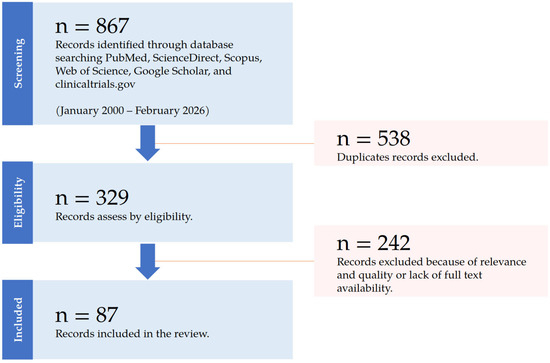
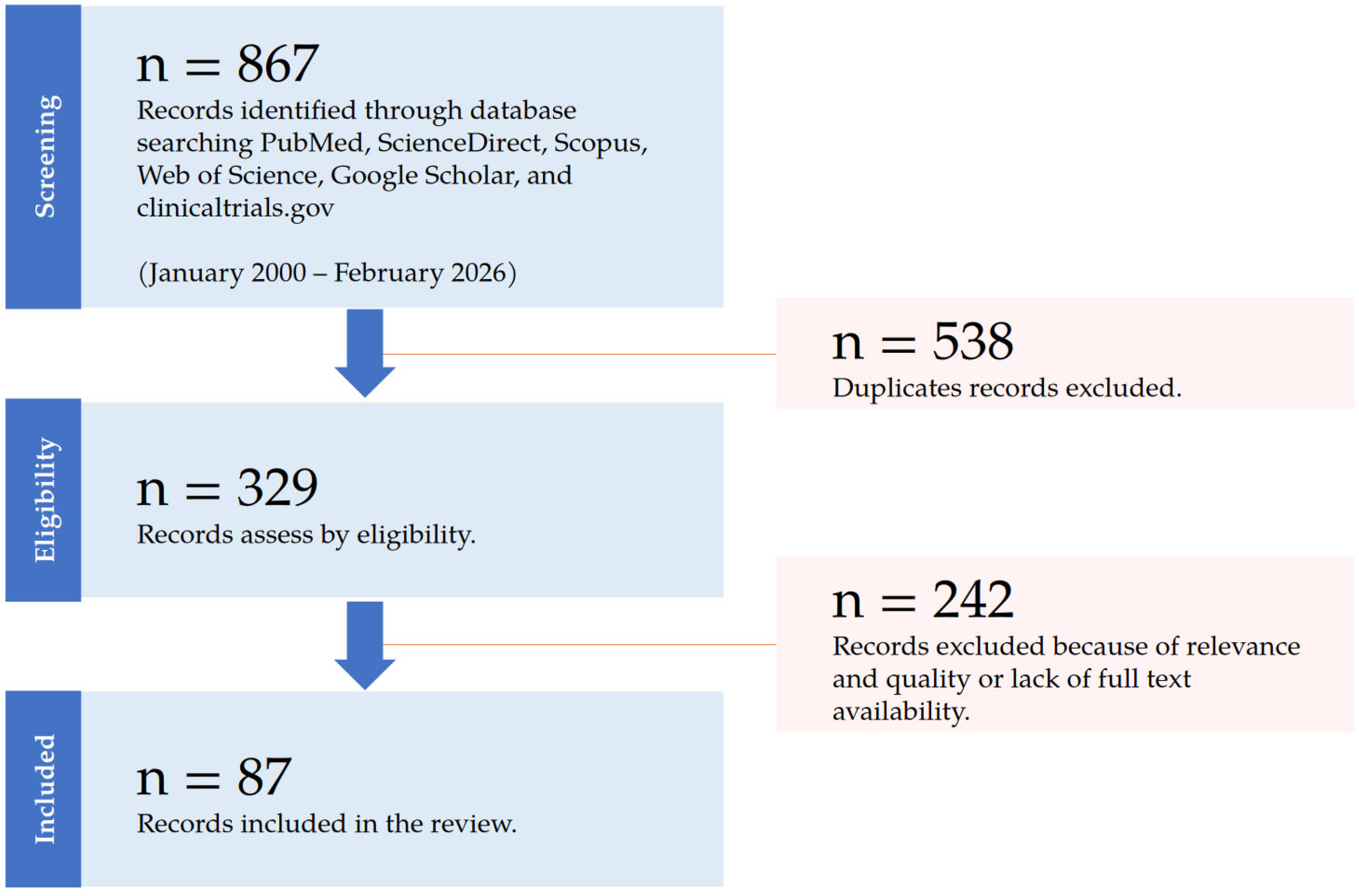

Disclaimer/Publisher’s Note: The statements, opinions and data contained in all publications are solely those of the individual author(s) and contributor(s) and not of MDPI and/or the editor(s). MDPI and/or the editor(s) disclaim responsibility for any injury to people or property resulting from any ideas, methods, instructions or products referred to in the content. |
© 2026 by the authors. Licensee MDPI, Basel, Switzerland. This article is an open access article distributed under the terms and conditions of the Creative Commons Attribution (CC BY) license.