


Abstract
Sri Lanka provides a home for a significant number of fruit species, and yet most of them are underutilised due to a lack of awareness regarding their therapeutic potential. Different plant parts from these fruits have been used for centuries to cure various diseases in traditional medicine, as fodder and to overcome hunger. Despite having remarkable health benefits and being resistant to extreme environmental conditions, these fruits are still confined to home gardens and forests, while some commercially cultivated major fruits remain dominant in the market. Hence, gathering information on the nutritional and health benefits of these fruit species will enhance people’s awareness, ensure food security through value-added food product development, facilitate livelihoods for rural farmers and also establish long-term sustainability. The main objective of this review is to highlight the phytochemical potential of some underutilised fruit varieties in Sri Lanka while exploring their health-promoting aspects, including antioxidant, anti-cancer, anti-diabetic, cardioprotective, anti-inflammatory and cytoprotective properties. Many research studies have been conducted on commonly available major fruits. However, there is a notable gap in research that explores pharmacological aspects of these fruits. Further research is warranted in developing methods for sustainable harvesting and postharvest practices for underutilised fruits from Sri Lanka. Characterisation of health benefits associated with underutilised fruits will help to develop awareness about their potential and possibly foster commercial interest. Developing nutraceuticals or functional foods from these fruits will help us to focus on enhancing their sustainable production.
1. Introduction
Sri Lanka, a tropical island located in the Indian Ocean, is considered as a biodiversity hotspot. It is a habitat for more than 230 fruit species belonging to 57 plant families. Most of these are underutilised due to a lack of scientific data on their nutritional aspects and therapeutic potential, as well as poor awareness among people [1]. Sri Lankan food supply primarily relies on rice and a few dominant cultivars of pulses, vegetables and fruits, which could negatively impact long-term sustainability due to poor dietary habits with less diversity, health threats, climate change impacts and socioeconomic problems [2]. Due to higher consumer demand, major fruits, including papaya (Carica papaya L.), mango (Mangifera indica L.), pineapple (Ananas comosus (L.) Merr.) and guava (Psidium guajava L.), are widely cultivated, while minor fruits are only grown in home gardens and naturally thrive in forests and unnoticed areas. In Sri Lanka, more than 60 varieties of underutilised fruit crops have been identified; they are considered high-value crops that are not commonly cultivated by farmers or that are infrequently found in the market [3].
These underutilised fruits have comparatively higher amounts of antioxidants, essential micronutrients and minerals, which means that they can be successfully promoted as sustainable alternatives to the common fruits [2,4]. Consuming adequate amounts of fresh fruits and vegetables will reduce the probability of developing cancers, diabetes, obesity, heart diseases and gastrointestinal diseases, as they are rich in phytochemicals, which decrease oxidative stress and inflammation in the body [5]. The health benefits of some of the important phytochemicals found in fruits are listed in Table 1.
Table 1.
Health benefits of some of the important phytochemicals found in underutilised Sri Lankan fruits.
These fruits have been used for centuries as food, fibre sources, fodder and traditional medicine. Despite having higher amounts of nutrients and potential medicinal values, these fruits are not commercially cultivated in Sri Lanka. It is comparatively difficult to find these fruits in the fresh food markets mainly due to urbanisation, reduction in forest cover or natural habitats and popularisation of commonly consumed fruits [5]. Further, these plants are resistant to climate change impact and can be cultivated under low input requirements. As a lower-middle-income country, a majority of the Sri Lankan population does not obtain adequate nutrients, such as protein, fibre, vitamins and phytochemicals, due to poor dietary behaviours [1].
Approximately 71% of annual deaths in Sri Lanka are caused by non-communicable diseases, including cardiovascular diseases, type 2 diabetes and cancers, which should be addressed as a nation [39]. In addition to that, micronutrient deficiency can be recognised as a major public health issue worldwide impacting more than 2 billion individuals [40]. Antioxidants play major roles as inhibitors of oxidative processes occurring within the human body and provide protection against free-radical damage and various chronic diseases such as cardiovascular diseases, cancers, diabetes, neurodegenerative diseases, obesity and inflammatory bowel disease [41]. Several epidemiological studies revealed that the consumption of fruits rich in phytochemicals, including carotenoids and dietary phenolics, provide protection against the development of these diseases, potentially through their antioxidant and anti-inflammatory properties [41]. The purpose of this review is to address the therapeutic potential of several underutilised fruits found in Sri Lanka to promote high-quality, low-cost substitutes for acquiring nutritional requirements and value-added product development.
2. Underutilised Fruits from Sri Lanka
2.1. Ceylon Bignay or Heen Ambilla (Antidesma alexiteria L.)
Antidesma alexiteria L. belongs to the Phyllanthaceae family, which was formerly categorised under the Euphorbiaceae family. It is native to Southern India and Sri Lanka [42]. The berry-type fruit of Antidesma alexiteria L. (Figure 1) is unexploited fruit which has considerable antioxidant capacity along with phenolic and ascorbic acid contents [1]. Total phenolic content (TPC), total flavonoid content (TFC) and total antioxidant capacity (TAC) were recorded as 353.77 mg gallic acid equivalent (GAE)/100 g fresh weight (FW), 207.36 mg rutin equivalent (RE)/100 g FW and 877.50 mg Trolox equivalent (TE)/100 g FW, respectively [1]. TFC content of Ceylon bignay fruit is comparatively higher than the red flesh (46.29 mg RE/100 g FW) and the white flesh (26.71 mg RE/100 g of FW) dragon fruit species cultivated in Sri Lanka [43]. In addition to that, TAC of Ceylon bignay fruit is higher than the TAC of banana pulp from 14 banana cultivars available in Sri Lanka, which vary from 5.23 mg TE/100 g FW (Suwandel variety) to 94.66 mg TE/100 g FW (Puwalu variety) [1].
Figure 1.
Underutilised fruits from Sri Lanka. (Left to right)—Ceylon bignay (Antidesma alexiteria L.), wild guava (Psidium guineense Sw.), Indian gooseberry (Phyllanthus emblica L.), soursop (Annons muricata L.).
2.2. Wild Guava or Embul Pera (Psidium guineense Sw.)
Psidium guineense Sw. is a native plant grown in tropical and subtropical regions, classified under the Myrtaceae family. Several guava varieties, including commonly consumed, wild and newly introduced cultivars, can be found in Sri Lanka. Among them, the wild variety, Psidium guineense Sw. (Figure 1), is underutilised and it is a rich source of bioactive compounds [44]. TPC, TFC and DPPH (2,2-diphenyl-1-picrylhydrazyl) scavenging activity (IC50) of wild guava were recorded as 227.8 mg GAE/100 g FW, 14.0 mg quercetin equivalent (QE)/100 g FW and 10.4 mg/mL, respectively [4]. Further, in a study conducted to determine antioxidant properties, proximate and phytochemical compositions of seven guava varieties revealed that the highest radical scavenging activity and phenolic and tannin contents were found in the common guava (Psidium guajava L.) variety, while the second highest amounts were recorded in the Psidium guineense Sw. variety compared to five other commercially available guava varieties in Sri Lanka [45].
2.3. Behet Nelli or Amla or Indian Gooseberry (Phyllanthus emblica L.)
Phyllanthus emblica L. is a member of the Enphorbiaceae family. All the parts of this plant, including fruits (Figure 1), seeds, flowers, leaves and bark, are used in traditional medicine due to their wide range of health-promoting attributes. Amla fruits have significant health benefits, including antioxidant, anti-diabetic, anti-inflammatory, anti-microbial, anti-tumour, cardioprotective, hepatoprotective and the ability to lower blood cholesterol [46]. These fruits contain several phenolic compounds, phytosterols, organic acids, amino acids, vitamins and alkaloids [46]. Moreover, Phyllanthus emblica L. fruits contain phenolics such as gallic acid, ellagic acid, chlorogenic acid, chebulic acid, cinnamic acid and flavonoids (such as quercetin, kaempferol and rutin) [47]. The presence of mallotusinin, isomallotusinin, isostrictinin, mallonin, phyllembilin, cinnamic acid and chebulagic acid indicates strong antioxidant properties of these fruits [48]. Vitamin C content of Phyllanthus emblica L. is superior to lemons, oranges and tangerines [49].
Vitamin C content, TPC and TFC of amla fruits (extract without seeds) were recorded as 136.8 mg ascorbic acid equivalents (AAE)/100 g, 915.7 mg GAE/100 g and 873.2 mg CE/100 g fruit weight, respectively [50]. Methanolic extract of these fruits showed substantial antioxidant activity of 39.73 ± 2.12 μg/mL IC50 and 39.14 ± 2.31 μg/mL IC50 for scavenging DPPH radical and nitrogen dioxide, respectively [46]. According to a study conducted to determine the anti-diabetic potential of ethanolic extract of these fruits, the blood glucose concentrations of diabetic rats were effectively reduced to 166 mg/dL by using 80 mg/kg of Phyllanthus emblica L. compared to untreated diabetic rats (blood glucose concentrations—380 mg/dL) [46].
2.4. Soursop or Katu Anoda or Graviola (Annons muricata L.)
Annons muricata L. belongs to the Annonaceae family. All the plant parts, including stem, bark, roots, flowers, seeds, fruits and leaves, are widely used in traditional medicine to treat various diseases [51]. Value-added food products such as candies, beverages, ice creams and syrups can be prepared using soursop fruits. Soursop fruits (Figure 1) have significant antioxidant, anti-cancer, anti-malarial, anti-convulsant, pain-relieving, anti-hepatotoxic, anti-diabetic and immune boosting potential [51]. Further, annonaceous acetogenins have been identified as the major class of bioactive compounds present in the Annonaceae family. Over 100 annonaceous acetogenins were isolated using methanolic, ethanolic and other organic extracts of fruit pulp, peel, seeds and other parts of the soursop plant [52]. In addition, Annons muricata L. fruits are considered rich sources of flavonoids, alkaloids, sterols, vitamin C, vitamin B1, vitamin B2 and minerals such as potassium, sodium, calcium, copper, iron and magnesium [53].
Furthermore, more than 212 bioactive compounds, including acetogenins (annonacins), were identified in soursop extracts and these have substantial inhibitory activities on various cancer cell lines, including breast, prostate, colorectal, lung, renal, leukaemia, pancreatic, ovarian, cervical, skin, oral and hepatic cancers [54]. Subsequently, soursop fruits may have capacity to kill cancer cells more effectively than chemotherapy treatments [3].
2.5. Java Plum or Ma Dan (Syzygium cumini (L.) Skeels)
Syzygium cumini (L.) Skeels from the Myrtaceae family can be considered as an important medicinal plant naturally grown in Sri Lanka. These fruits have significant therapeutic potential, including anti-cancer, anti-diabetic and radioprotective properties due to the presence of anthocyanins, isoquercetin, myricetin and kaempferol. The ripe berries can be used to develop healthy beverages, jams, jellies and wine [55]. Java plum fruit had 944.84 mg GAE/100 g FW of TPC, which was higher than the TPC of strawberry (368 mg GAE/100 g FW) and blackberry (660 mg GAE/100 g FW) [1,56]; Java plum fruit also had 1305.97 mg RE/100 g FW of TFC and 2050.08 mg TE/100 g FW of TAC.
2.6. Katu Koan or Ceylon Oak (Schleichera oleosa (Lour.) Oken)
Schleichera oleosa (Lour.) Oken is a plant grown in the South Asian region, belonging to the Sapindaceae family [57]. Fruits of this plant have remarkable health benefits, including anti-carcinogenic, antibiotic and anti-inflammatory properties due to the presence of several bioactive compounds such as phenolics, tannins, triterpenoids and hydroxyl sterols [58]. When considering the TPC, TFC and radical scavenging activity (DPPH—IC50) of the extracts of Ceylon oak fruits, 213.7 mg GAE/100 g FW, 21.1 mg QE/100 g FW and 30.3 mg/mL were recovered during a constituent analysis [4]. Additionally, total carotenoid content was estimated as 11.90–343.57 mg/g extract as β-carotene equivalents and the amounts of ascorbic acid and β-carotene were notably higher in juice extracts compared to peel and seed extracts [59].
2.7. Indian Rhododendron or Maha Bovitiya (Melastoma malabathricum L.)
Melastoma malabathricum L. is a member of the Melastomataceae family commonly found in Sri Lanka. These unexploited fruits contain significantly higher TPC (1613.3 mg GAE/100 g FW) and TFC (228.0 mg QE/100 g FW) compared to commercially available fruits, including papaya, mango and white-flesh guava [4]. Overall, these fruits have higher antioxidant activity as quercetin can be identified as an important flavonoid providing protection against free radicals generated within the body. The ethanolic extract of these fruits contains 67.78 µg/g quercetin and 43.52 µg/g kaempferol [60]. Other than that, anthocyanins, including cyanidin-3-glucoside and cyanidin-3,5-diglucoside, were identified in the water extract of Melastoma malabathricum L. fruits [61].
2.8. Rath Goraka or Red Goraka or Brindle Berry (Garcinia quaesita Pierre)
Garcinia quaestia Pierre is a tropical tree belonging to the Clusiaceae family, which is recognised as a native plant found in Sri Lanka [62]. The fruit rind is commonly used in Sri Lankan cuisine as a condiment and it has remarkable health benefits, including anti-hyperglycaemic and cancer-preventive abilities due to the presence of various phytochemicals such as phenolics, coumarins, anthraquinones, sterols, saponins and xanthoproteins. TPC and TFC of the fruit extracts were quantified as 3053.25 μg GAE/g and 443.19 μg catechin equivalent (CE)/g, respectively [63]. Garcinol extracted from the fruit of Garcinia quaesita Pierre revealed outstanding anti-hyperglycaemic activity in streptozotocin-induced diabetic rats, suggesting its potential in the treatment of type 2 diabetes [64].
2.9. Bilimbi (Averrhoa bilimbi L.)
Averrhoa bilimbi L. is a tropical plant belonging to the Oxalidaceae family. Due to the sour and acidic nature of bilimbi fruits (Figure 2), they are used to prepare vinegar, pickles, wines and various dishes. Ripe fruits can be used to develop jams and jellies. Ripe fruits have higher levels of vitamin C than the half-ripened fruits, ranging from 20.82 to 60.95 mg AAE/100 g [65]. In addition, these fruits are rich in calcium, phosphorus, iron and potassium with low amounts of lipids [66]. When considering the nutritional aspects of bilimbi fruits, 100 g of edible portion contains 0.01 mg, 15.6 mg, 0.036 mg, 0.302 mg and 0.302 mg of vitamin B1 (thiamine), ascorbic acid, vitamin A, riboflavin and niacin, respectively [67]. These fruits have notable health benefits, including, anti-diabetic, anti-bacterial and anti-inflammatory effects due to antioxidants, saponins, tannins and flavonoids present in the fruit extracts [67].
Figure 2.
Underutilised fruits from Sri Lanka. (Left to right)—bilimbi (Averrhoa bilimbi L.), Governor’s plum (Flacourtia indica (Burm.f.) Merr.), Bullock’s heart (Annona reticulata L.), custard apple (Annona squamosa L.).
2.10. Governor’s Plum or Ugurassa (Flacourtia indica (Burm.f.) Merr.)
Flacourtia indica (Burm.f.) Merr. is another underutilised plant growing in Sri Lanka, which belongs to the Flacourtiaceae family. The fruits of Flacourtia indica (Burm.f.) Merr. (Figure 2) contain significant amounts of phenolic antioxidants, including chlorogenic acids, flavonoids, anthocyanins, benzoyl glucosides and hydroxybenzyl alcohol glycosides; these are also considered as sources of proteins, lipids, vitamins, minerals, carbohydrates, terpenoids, saponins, alkaloids and anthraquinones [68]. Fruit pulp contained 334 µg GAE/g and 41 µg CE/g of TPC and TFC, respectively [69]. Further, antioxidants present in the extract of these fruits can inhibit the heart damage in rats caused by doxorubicin [70]. Fruit extract of Flacourtia indica (Burm.f.) Merr. has potential to develop anti-hyperglycaemic interventions due to higher contents of phytochemicals such as phenolics, glycosides, terpenoids and alkaloids, which act as α-amylase inhibitors [71]. When compared to aqueous extract, the ethanolic extract of F. indica fruit has higher capability to impede the activity of α-glucosidase and α-amylase enzymes, which can be successfully used to treat type 2 diabetes [71].
2.11. Bullock’s Heart (Annona reticulata L.)
Annona reticulata L. is a member of the Annonaceae family, with low sugar (0.058 mg/g total sugar) and high antioxidant contents in fruits, with significant health benefits, including cancer inhibition, obesity reduction, cardiovascular disease prevention, and diabetes improvement [72]. In addition, these fruits (Figure 2) contain 0.186 mg/g of phenolics and 15 mg/100 mg of total ascorbic acid with higher content of dietary fibre [73]. Fresh fruit contains 199.1 mg GAE/100 g and 66.5 mg CE/100 g of TPC and TFC, respectively [50].
2.12. Sugar Apple or Custard Apple or Cherimoya (Annona squamosa L.)
Annona squamosa L. belongs to the Annonaceae family (Figure 2) with noteworthy amounts of iron, calcium, thiamine, riboflavin, niacin, magnesium, dietary fibre, and amino acids, including L-lysine and L-proline, which induce the production of collagen in the human body [74]. Methanolic extract of custard apple had 206 µg α-tocopherol/g TAC, 56 µg of ascorbic acid/g reducing power, 78.68% of superoxide radical scavenging activity and 85.25% of hydroxyl radical scavenging activity [75]. The flavanol content in custard apples (129 mg/100 g dry weight) is higher than common fruits such as avocado, pomegranate, strawberries, banana and grapes [76]. In diabetic rabbits, 5 g/kg body weight of fruit extract showed significant reduction in glycosuria, proteinuria and glycated haemoglobin [77]. Furthermore, the total cholesterol in normal and diabetic animals was decreased by 45% and 32.4%, respectively, with improved high-density lipoprotein cholesterol reflecting beneficial effects on cardiovascular health and anti-diabetic potential of custard apple [77].
2.13. Rose Apple (Syzygium jambos (L.) Alston)
Syzygium jambos (L.) Alston is a tropical plant belonging to the Myrtaceae family. These fruits contain considerable amounts of phenolics, alkaloids, tannins and saponins. Based on scientific studies, TPC and TFC of fruit extracts were recorded as 127.61 mg of GAE/100 g and 8.64 mg of QE/100 g, whereas the seeds showed 217.34 mg of GAE/100 g and 15.97 mg of QE/100 g, respectively. Thirteen in vitro studies including DPPH, ABTS radical scavenging activity, site-specific and non-site-specific hydroxyl radical scavenging activity, and superoxide radical scavenging provided evidence to conclude that these fruits have significant amounts of antioxidant activities which can protect against free radicals and the diseases caused by oxidative stress within the human body [78].
2.14. Pomelo (Citrus maxima (Burm.) Merr.)
Citrus maxima (Burm.) Merr. is a tropical plant belonging to the Rutaceae family with substantial content of phenolic acids, flavonoids, alkaloids and saponins. Vitamin C contents of juice and the peel of pomelo fruit were reported as 26.36 mg/100 g and 19.34 mg/100 g, respectively. Phenolics and antioxidants present in these fruits (Figure 3) are crucial for improving cardiovascular health while lowering blood cholesterol [79]. Phenolic content of 492.92 µg GAE/mg and 222.36 µg QE/mg of TFC were reported in freshly acquired pomelo peel samples [80]. The juice samples obtained from red-flesh pomelo variety had higher levels of DPPH radical scavenging ability, reducing power, lycopene, β-carotene and soluble protein content, along with higher suppression rate of leukaemia cells [81].
Figure 3.
Underutilised fruits from Sri Lanka. (Left to right)—pomelo (Citrus maxima (Burm.) Merr.), Ceylon olive (Elaeocarpus serratus L.), June plum (Spondias dulcis Forst. f.), canistel (Pouteria campechiana (Kunth) Baehni), bael (Aegle marmelos (L.) Corrêa).
2.15. Ceylon Olive (Elaeocarpus serratus L.)
Elaeocarpus serratus L. is a member of the Elaeocarpaceae family, which is indigenous to Sri Lanka and also grown in tropical countries [82]. Ceylon olive fruits (Figure 3) are rich sources of phytochemicals, including tannins, flavonoids, carotenoids and vitamin C, in addition to β-amirin, kaempferol and quercetin, which have significant antioxidant potential [83]. Based on research conducted to investigate the phytochemical content of the fruit at different maturity stages, total phenolics amount varied from 6.1 mg/g to 4.28 mg/g fresh weight of fruits, while considerable quantities of β-carotene, ascorbic acid and tocopherol were reported in mature fruits as 324 µg/g, 300 µg/g and 450 µg/g fruit extract, respectively [82]. Due to the high demand in the beverage industry, a ready-to-serve beverage was developed in Sri Lanka using ripe Ceylon olive fruits, which showed 12.8 mg GAE/100 mL of total phenolic content in fruit juice [84].
2.16. June Plum or Ambarella (Spondias dulcis Forst. f.)
Spondias dulcis Forst. f. is a member of the Anacardiaceae family, which is widely grown in Sri Lanka. Both mature green and ripe fruits (Figure 3) are used to produce beverages, pickles and jams, while also being consumed raw [85]. The fruit extract of June plum showed antioxidant capacity and thrombolytic potential. Ascorbic acid content of fruits vary between 21.31 and 23.79 mg/100 g in three maturity stages (unripe, semi-ripe and fully ripe), along with higher total phenolic content (81.25 mg GAE/100 g) in unripe fruits compared to ripe fruits [85]. Vitamins A and C are the most abundant vitamins in June plum fruit pulp [86].
June plum peel extract contained 463.68 mg GAE/g of phenolics (ethyl acetate extract) and 1133.7 mg QE/g flavonoids (hexane extract) [87]. Moreover, 93.4% DPPH radical scavenging activity was recorded using dichloromethane extract of the peel [87]. Overall, peel of Spondias dulcis Forst. f. has higher antioxidant capacity than the fruit, which has a greater potential to minimise the diseases caused due to oxidative stress [87].
2.17. Canistel or Lavulu (Pouteria campechiana (Kunth) Baehni)
Pouteria campechiana (Kunth) Baehni is a tropical fruit tree belonging to the Sapotaceae family. Despite the higher potential to make numerous value-added products, including jams, flour, ice creams and shakes, canistel fruit (Figure 3) is underutilised in Sri Lanka [88]. Canistel fruit can be considered as a super fruit due to its content of carbohydrates, vitamin B group, vitamin A, vitamin C, magnesium, calcium, iron and phytochemicals, including carotenoids, tannins, alkaloids and phenolics [89]. The fruit pulp extracts showed substantially higher vitamin C and vitamin A contents of 187 mg/100 g and 51.15 mg/100 g, respectively, which may contribute to anti-ageing properties [88]. Fruit extract of Pouteria campechiana (Kunth) Baehni was highly effective in reducing acetaminophen-induced hepatotoxicity in rats due to the presence of phenolic compounds [90].
2.18. Bael (Aegle marmelos (L.) Corrêa)
Aegle marmelos (L.) Corrêa belongs to the Rutaceae family, which can be identified as a widely distributed medicinal plant in Sri Lanka. Despite its nutritional content, bael fruit (Figure 3) is underutilised and neglected among people. Bael fruits are highly nutritious due to the presence of major nutrients (carbohydrates, protein, vitamins A, B1, B2, B3, and C, and dietary fibre), amino acids (threonine, valine, methionine, isoleucine, leucine and lysine) and minerals (phosphorus, calcium, magnesium, zinc, copper, chromium and iron) [91]. Fruit extracts of bael possess numerous health benefits, including antioxidant, hepatoprotective, anti-tumour, anti-diabetic, gastroprotective and cardioprotective capacities due to the presence of phytochemicals including alkaloids, tannins, coumarins, carotenoids, tocopherols and phenolics [91].
The carbohydrate content of bael fruit pulp was reported as 34.35%, making it an excellent energy source [92]. Furthermore, the starch content of bael pulp was recorded as 3.6 g/100 g. It contains higher amounts of dietary fibre, including 12.0 g/100 g of neutral detergent fibre, 12.0 g/100 g of acid detergent fibre, 2.0 g/100 g of cellulose, 8.0 g/100 g of lignin and 8.8 g/100 g of pectin. Zinc, chromium and iron contents were identified as 3.0 mg/100 g, 16.6 mg/100 g and 8.0 mg/100 g, respectively [93].
Energy from bael fruit (368 kJ/100 g) is considerably higher than mango (151 kJ/100 g), guava (247 kJ/100 g) and apple (268 kJ/100 g) [91,94]. TPC, TFC, total carotenoid and ascorbic acid contents were reported as 87.34 mg GAE/g DW, 15.20 mg CE/g DW, 32.98 µg/g DW and 26.17 mg/100 g DW, respectively [95]. Pulp extracts of this aromatic fruit contained 28 volatile compounds, including higher concentration of monoterpenes and sesquiterpenes, which have great potential for pharmaceutical product development [95]. Bael fruit (500 mg/kg of body weight) improved lipid profile, blood glucose, insulin, malondialdehyde, glutathione and superoxide dismutase activity in alloxan-induced diabetes rats compared to the control group [96].
2.19. Rambai (Baccaurea motleyana Müll.Arg.)
Baccaurea motleyana Müll.Arg. is a tropical plant belonging to the Phyllanthaceae family (Figure 4) which has attracted less attention in Sri Lanka. Ripe fruits can be consumed as fresh or can be value-added by processing into juice, jam, organic vinegar and wine. Rambai fruits are rich in vitamins, fibre, minerals and phytochemicals, including phenolics, carotenoids and terpenes [97]. Edible portion of rambai fruits contains 0.4 g of protein, 5 mg of calcium, 13 mg of phosphorus and 111 mg of potassium per 100 g [98]. The TPC content was identified as 1160 mg GAE/100 g of fruit pulp [98]. In addition to that, TPC of unripe, mature and ripe rambai fruits were recorded as 97.23 mg GAE/100 g, 63.90 mg GAE/100 g and 79.57 mg GAE/100 g, respectively [99]. Hexane and dichloromethane extracts of the fruit and peel showed IC50 varied between 43.6 μg/mL and 82.4 μg/mL on human colon cancer cell lines (HT-29) [97].
Figure 4.
Underutilised fruits from Sri Lanka. (Left to right) rambai (Baccaurea motleyana Müll.Arg.), karonda (Carissa carandas L.), nam nam (Cynometra cauliflora L.), sapodilla (Manilkara zapota (L.) P.Royen), star gooseberry (Phyllanthus acidus (L.) Skeels).
An in vivo experiment conducted in mice with three different doses of rambai seed extracts (200 mg/kg, 400 mg/kg and 600 mg/kg of body weight) showed notable hypoglycaemic, anti-diarrhoeal and anti-depressant effects. Significant reduction of blood glucose was observed with 600 mg/kg of crude methanolic seed extract. Moreover, 200 mg/kg seed extract showed ~56% reduction in diarrhoea in castor-oil-induced mice, whereas 200 mg/kg and 400 mg/kg seed extract showed prolonged sleeping time in diazepam-treated mice, which reflects the anti-depressant properties of crude seed extracts of these fruits [100].
2.20. Jamson or Karonda (Carissa carandas L.)
Carissa carandas L. is a fruit rich in natural pigments, belonging to the Apocynaceae family and widely distributed across Sri Lanka (Figure 4). It is a popular medicinal plant used in Ayurvedic medicine and identified as a rich source of antioxidants and can be used to make pickles, syrups and jams. Jamson fruit extract showed significantly higher free radical scavenging activity due to the presence of phenolic compounds such as flavonoids [101]. Total anthocyanin content of these fruits was recorded as 108.6 mg/kg and seven minor anthocyanins, including cyanidin 3-galactoside, delphinidin 3-galactoside, delphinidin 3-glucoside, delphinidin 3-rutinoside, 5-carboxypyranopelargonidin 3-β-glucopyranoside and peonidin 3-arabinoside, were identified using high-resolution mass spectrometry technique [102]. Due to the presence of anthocyanins in fruit extracts, these can be effectively used as a bio-colourant in nutraceuticals [102]. Additionally, TPC and TFC of methanol extract were reported as 15.8 mg GAE/g extract and 2.92 mg RE/g extract, respectively [103].
2.21. Nam Nam (Cynometra cauliflora L.)
Cynometra cauliflora L. is a member of the Fabaceae family, which may provide health benefits. Both edible and non-edible parts of nam nam tree have potential health benefits, whereas the sweet and acidic fruits (Figure 4) can be consumed in fresh form or converted into pickles and salads [104]. Essential oils present in the leaves, shoots and fruits of Cynometra cauliflora L. have been assessed and 26, 17 and 50 compounds were recognised, respectively. Oxygenated sesquiterpenes were identified as the major compounds present in the oil fraction of fruit extracts. The antioxidant capacity of these essential oils was reported as 461.88 µg/mL (IC50) [104].
Previous studies have demonstrated that the extracts of nam nam fruit can be effectively used to decrease inflammation within the human body and to provide anti-bacterial, anti-viral, and wound healing properties and ability to protect cells from intracellular toxins and to treat leukaemia [105]. Moreover, in traditional Malay folk medicine, these fruits have been used to control blood glucose as they contain terpenoids [105]. Another study reported that the application of Cynometra cauliflora L. extract in combination with vitexin reduced fatty liver disease and adipose tissue mass in rats [106].
2.22. Sapodilla (Manilkara zapota (L.) P.Royen)
Manilkara zapota (L.) P.Royen from the Sapotaceae family produces nutritious fruit (Figure 4) containing many phytochemicals. Sapodilla fruit contains proteins and minerals (potassium, calcium and iron) with several bioactive compounds being accumulated in both flesh and peel of the fruit, including phenolics, flavanols, anthocyanins, ellagitannins, hydroxycinnamic acids, kaempferol and carotenoids [107]. Both edible and non-edible parts of this plant have pharmacological potential (anti-tumour, anti-inflammatory, hepatoprotective and pain-relieving properties) due to the presence of numerous bioactive compounds [107,108]. TAC, TPC and total carotenoid content of sapodilla fruit were determined as 404.75 μg TE/100 g, 28.5 mg GAE/100 g and 1127.9 μg β-carotene/100 g, respectively [108]. The highest free radical scavenging ability (88.42% inhibition at 1 mg/mL, IC50 0.34 mg/mL) was recorded in 70% ethanolic extract of sapodilla fruit peel [109]. Moreover, this peel extract showed higher in vitro α-glucosidase enzyme inhibition activity, which may reflect the potential to impact carbohydrate digestion [109].
2.23. Rata Nelli or Star Gooseberry (Phyllanthus acidus (L.) Skeels)
Phyllanthus acidus (L.) Skeels is a member of the Euphorbiaceae family and these fruits (Figure 4) can be consumed in fresh form or as pickles. Every part of this plant, including leaves and bark, have medicinal properties and, among them, fruits are believed to have astringent, laxative, cytotoxic, anti-bacterial and ulcer-healing properties [110]. The ascorbic acid content, TPC and TFC of fruit extract were reported as 36.7 mg of ascorbic acid/100 g fruit extract, 116.98 mg of GAE/g and 168.24 mg of QE/g of dried extract. Further, these fruits contain various major minerals such as calcium, magnesium, phosphorus and potassium and trace minerals, including iron, zinc, manganese and copper [111].
Fruit extracts can be effective in treating rheumatism, bronchitis, asthma, respiratory disorders and are believed to possess anti-Alzheimer’s properties due to the presence of higher quantities of phenolics such as flavonoids. As a rich source of antioxidants, fruit extracts have the ability to inhibit the activity of acetylcholinesterase and butyrylcholinesterase enzymes, which can be exploited as treatment options for neurodegenerative disorders including Alzheimer’s disease [112].
2.24. Attikka or Cluster Fig Tree (Ficus racemose L.)
Sri Lankan Ficus racemose L. belongs to the Moraceae family and produces fruits (Figure 5) which have significant anti-diabetic, hepatoprotective, anti-ulcer, anti-bacterial and antioxidant capacity. These fruits have significant therapeutic value; however, these are underutilised fruits due to lack of availability throughout the year [113]. Ethanolic extract of fig fruits reduced blood glucose concentrations by 41% and 50% and total cholesterol by 16% and 17% (LDL cholesterol decreased by 28% and 29%; HDL cholesterol elevated by 41% and 67%) at doses of 100 and 200 mg/kg body weight of diabetic rats, respectively, which demonstrated the prospective ability to treat diabetes [114]. Furthermore, the methanolic extract of powdered fruits has the ability to decrease blood glucose concentrations in both ordinary and alloxan-induced diabetic rabbits [115,116].
Figure 5.
Underutilised fruits from Sri Lanka. (Left to right) attikka (Ficus racemose L.), velvet apple (Diospyros blancoi A.DC.), star fruit (Averrhoa carambola L.).
The extracts of fruits, leaves and bark are rich in bioactive compounds, including flavones, triterpenoids, phenols such as catechol and unsaturated steroids. Attikka fruits have a considerable amount of carotene (200 µg/100 FW) and ascorbic acid (5.3 mg/100 g FW) [117]. In addition to that, 103 mg/100 g FW of phosphorus and 250 mg/100 g FW of iron were recorded in these fruit extracts, which can be considered as a potential alternative for alleviating anaemia [117].
Another experiment conducted to evaluate the total antioxidant activity of these fruits using three techniques revealed that the antioxidant potential of ripe fruits is higher than the unripe fruits. The ferric reducing antioxidant power (FRAP) assay values ranged between 3780 µmol FE/100 g in ripe fruits and 970 µmol FE/100 g of unripe fruit weight, while the ABTS (2,2′-azino-bis(3-ethylbenzothiazoline-6-sulfonic acid)) radical cation-based assay also indicated higher antioxidant capacity in ripe fruits (230 mg GAE/g) than unripe fruits (76.08 mg GAE/g). These findings concluded that the consumption of attikka fruits has the ability to provide defence mechanism against free radicals generated within the human body [116].
2.25. Velvet Apple (Diospyros blancoi A.DC.)
Diospyros blancoi A.DC., grown in home gardens of wet and intermediate zones of Sri Lanka, belongs to the Ebenaceae family (Figure 5). The fruits, bark and leaves are used in traditional ayurvedic medicine to treat diseases such as diarrhoea, cough, fever and dysentery [118]. The ripe fruits can be consumed in fresh form or used to make salads and stew. There is limited literature on the phytochemical composition of velvet apple. TPC, total monomeric anthocyanin content and vitamin C content of Diospyros blancoi A.DC. fruits were reported as 84.42 mg GAE/100 g FW, 13.14 mg cyanidin 3-glucoside equivalent/100 g FW and 39.15 mg of ascorbic acid/100 g FW, respectively [118]. Studies have revealed that the rich aromatic profile of velvet apples (including both fruit and peel) includes 39 volatile compounds, which are mostly dominated by esters and α-farnesene, and also rich in flavonoids, triterpenes, dimeric naphthoquinones (e.g., diospyrin), malic acid, vitamins and essential fatty acids [119]. Additionally, these fruits can be considered as a promising source of potassium, dietary fibre, iron and manganese [120].
2.26. Star Fruit or Kamaranga (Averrhoa carambola L.)
Averrhoa carambola L. is a member of the Oxalidaceae family. The fresh fruits (Figure 5) are rich sources of antioxidants and many nutrients. Star fruit contains (per 100 g) 9.38 g carbohydrates, 0.9 g dietary fibre, 0.8 g fat, 6 mg calcium, 1.65 mg iron, 21 mg phosphorus and 2.35 mg potassium along with 0.038 mg of thiamine, 0.03 mg of riboflavin, 0.38 mg of niacin, 3 mg of tryptophan, 2 mg of methionine and 26 mg of lysine [121,122]. Averrhoa carambola L. fruits possess numerous benefits, including anti-diabetic, anti-obesity, cardioprotective, anti-cancer, anti-inflammatory, hepatoprotective, immune boosting and neuroprotective properties [121]. However, some research findings have demonstrated that the consumption of star fruits on empty stomach or when suffering from chronic kidney disease, gastrointestinal disorders and dehydration can lead to toxicities due to the elevated concentrations of oxalate in fruits [123].
The presence of a considerable amount of insoluble fibre in these fruits has the ability to inhibit the activity of α-amylase and slow down glucose release from starch and consequently improve glucose homeostasis [124]. The presence of flavonoids, pro-anthocyanidins, vitamin C, β-carotene, saponins, alkaloids, tannins and gallic acid contribute to the antioxidant activity of star fruits. Feeding micronised star fruit fibre concentrate to C57BL/6 mice reduced the serum concentrations of triglyceridesand total cholesterol and liver lipid content [125]. Star fruit extracts significantly reduced tumourdeveloping incidence rates in chemically induced hepatocellular carcinoma in Swiss albino mice than the control group demonstrating anti-tumour properties [126].
2.27. Sour Orange (Citrus × aurantium L.)
Citrus × aurantium L. is identified as a member of the Rutaceae family which was developed using hybridisation of Citrus reticulata Blanco and Citrus maxima (Burm.) Merr. Sour oranges (Figure 6) have strong antioxidant, anti-allergic, anti-microbial, anti-diabetic and anti-cancer properties [127]. Eight flavonoids, including isonaringin, naringin, hesperidin, neohesperidin, naringenin, hesperitin, nobiletin and tangeritin, were detected in fruit extract using HPLC coupled with electrospray mass spectrometer [128]. The polysaccharides extracted from sour oranges exhibited cytotoxic properties on human breast and lung cancer cells with potential immune enhancement activity [129].
Figure 6.
Underutilised fruits from Sri Lanka. (Left to right) sour orange (Citrus × aurantium L.), mangrove apple (Sonneratia caseolaris (L.) Engl.), kohukirilla (Microcos paniculata L.).
In addition, sour orange extract used in dietary supplements has the ability to reduce weight and enhance sport performance [129]. Furthermore, Citrus × aurantium L. is used as a food preservative, in aromatherapy, as a pesticide, in cosmetic industry and in the paper industry [130]. Additionally, peels of sour orange, waste generated during processing, contain notable amounts of phytochemicals [127]. Chloroform, acetone and aqueous extracts of peels have shown anti-hyperglycaemic potential to manage postprandial hyperglycaemia due to the presence of naringenin and gallic acid, which inhibit activities of α-glucosidase and α-amylase enzymes [127].
Despite having beneficial properties, sour oranges and derived products have been related to certain side effects [130]. For instance, sour orange contains synephrine and octopamine, which may result in hypertension, stroke and even death. Also, decoctions of sour orange can increase cyclosporine in blood, which will lead to toxicity [131].
2.28. Mangrove Apple or Crabapple or Kirala (Sonneratia caseolaris (L.) Engl.)
Sonneratia caseolaris (L.) Engl. belongs to the Sonneratiaceae family, grown as mangrove forests located in tropical and subtropical coastal areas, which provide crucial benefits for the ecosystem through biofiltration. Mangrove apples (Figure 6) can be identified as rich sources of phytochemicals, including anthocyanins, vitamins, phenolics and tannins [132]. Processed products such as beverages, herbal teas and dodol are prepared using these fruits [133]. Methanolic extract of fruit showed 82.3 mg QE/g extract and 41.0 mg GAE/g extract of TFC and TPC, respectively. Twenty chemical compounds, including fatty alcohols, phenols, lipids, derivatives of terpenes and carboxylic acids, were detected in the methanolic extract of mangrove apples using GC-MS. A total of 50 mg/mL of that extract had indicated potent anti-bacterial activity on bacteria such as Escherichia coli, Staphylococcus aureus and Bacillus subtilis [134]. A study conducted using the methanolic extract of mangrove apple effectively decreased blood glucose concentrations in Swiss Albino mice [133]. Mangrove fruit juice reduced body weight of mice, along with showing strong antioxidant capacity [132].
2.29. Kohukirilla (Microcos paniculata L.)
Microcos paniculata L. is a member of the Tiliaceae family (Figure 6) and it is used to prepare traditional herbal teas and medicines. TPC and TFC of Microcos paniculata L. fruits were reported as 937.5 mg GAE/100 g FW and 36.9 mg QE/100 g FW, respectively [4]. TPC of these fruits is higher than the TPC of three commonly consumed fruits in Sri Lanka; Carica papaya L. (57.4 mg GAE/100 g FW), Mangifera indica L. (103.8 mg GAE/100 g FW) and white flesh Pisidium guajava L. (180.6 mg GAE/100 g FW). Furthermore, FRAP of methanolic extract of Microcos paniculata L. fruits was reported as 16.28 µmol/g FW [135]. The fruits, leaves, roots and bark extracts of this plant have anti-microbial, insecticidal, analgesic, and anti-pyretic properties and also have the ability to provide protection against liver and cardiovascular diseases [136]. The methanolic extract of Microcos paniculata L. fruits decreased liver lipid peroxidation to normal levels in a rat model of CCl4-induced hepatotoxicity [137].
2.30. Palu (Manilkara hexandra (Roxb.) Dubard)
Manilkara hexandra (Roxb.) Dubard is a member of the Sapotaceae family, which produces edible fruit with phenolic compounds. The phenolic and flavonoid contents of methanolic extract of these fruits were reported as 811.3 mg GAE/100 g FW and 485.56 mg RE/100 g FW, respectively [138]. Another study showed that the methanolic extract of palu fruits has the ability to control type 2 diabetes in alloxan-induced diabetic rats [139].
When considering the nutritional composition of ripe fruits, the amount of energy, phosphorus, calcium, iron, manganese and copper present in 100 g fruit weight were reported as 361.41 kJ, 0.67 g, 0.82 g, 0.028 g, 0.34 g and 3.6 g, respectively [140]. Apart from that, gallic acid, myricetin, taxifolin and quercetin were identified in fruit extracts, which outlines the significance for utilising these fruits as potential sources of nutraceuticals [141].
3. Challenges, Opportunities and Future Perspectives
As described in the above section, underutilised fruits from Sri Lanka showed chemical composition that make them suitable candidates for intervention against many chronic diseases. With the increasing prevalence of non-communicable diseases throughout the world, such as obesity, diabetes and cardiovascular diseases, these underutilised fruits may provide suitable alternatives for controlling metabolic complications. Although there are research gaps in their known potential health benefits, their composition makes them the suitable candidates for further studies especially for human intervention trials.
The significance of neglected fruit commodities has decreased over the years due to poor shelf-life, inadequate scientific evidence on their health benefits and nutritional contents, lack of consumer awareness and being susceptible to genetic erosion due to modernised agricultural systems [3]. These species of underutilised fruits have been identified by the local people as potential sources of food, medicinal, health, cosmetic and economical values. Nevertheless, most of these wild-grown fruits have limited supply and are concentrated within household consumption. Farmers in rural areas, like Uva and Eastern provinces in Sri Lanka, sell their commercial cultivation (with substantial amount of underutilised crops) in seasonal road-side stalls, village fairs and village collection centres [142]. These nutrient-dense fruit are successfully adapted to a wide range of climatic conditions as they are resilient within low input farming systems. Therefore, making awareness among people would create an added advantage, facilitate income generation through market availability and value-added product development, and stabilise food security, which has been unstable after the COVID-19 pandemic.
Major value-added products, such as jams, jellies, wines, candies, pickles and sauces, can be developed using these underutilised fruits. Depending on the available resources, Sri Lanka has huge potential to introduce these products into the international market [2]. The seasonality of these fruits, labour requirements for harvest and obtaining smaller edible portions increase the cost of production and high local price. However, many products exported to the UK, Canada, USA, UAE and Australia were profitable as the demand for such fruits is growing rapidly [3]. Further, it is crucial to identify and establish proper extraction techniques for phytochemicals present in these underutilised fruits to facilitate pharmaceutical or nutraceutical product development. There is a necessity of conducting research and development activities on the functional foods to address treatment strategies for most of the diet-related metabolic diseases.
Once established as nutraceutical sources or functional foods, a sustainable supply of these fruits will become a challenge. The current limited supply impacts their commercial viability. Thus, once some of these fruits have been clinically tested for their health benefits, an increasing demand will need to be met with increased production of these fruits. Once established, sustainable production of these fruits would support growers and nutraceutical or functional foods industries. Although there are challenges associated with clinical studies of functional foods [143], suitable planning, execution and dissemination of the data will help in improving the awareness of the health benefits of underutilised fruits.
4. Conclusions
Underutilised fruits grown in Sri Lanka can be considered as crucial, nutrient-dense food sources for people who are suffering from nutritional challenges and can be used for treating numerous metabolic diseases. These underutilised fruits have been identified as promising sources of various phytochemicals such as flavonoids, tannins, alkaloids, acetogenins, saponins, anthocyanins, vitamins and minerals. Limited in vitro and in vivo studies have revealed their beneficial effects as anti-tumour, cytotoxic, cardioprotective, hepatoprotective, anti-diabetic and cholesterol-reducing agents. Some of these underutilised fruits require greater attention as the therapeutic aspects have not yet been studied properly leading to the lack of important information regarding their health benefits. Further research is needed to explore the extraction and isolation of nutraceuticals and development of functional products that can help against metabolic disorders. Moreover, disseminating the knowledge from the clinical studies will help increase their consumption among communities while ensuring their nutritional needs and food security. Sustainable production of these fruits will help empower the livelihood of growers that are currently unable to support the limited production.
Author Contributions
Conceptualisation, S.K.P.; investigation, H.G.S.G.V.R.D.; writing—original draft preparation, H.G.S.G.V.R.D.; writing—review and editing, S.K.P.; supervision, S.K.P. All authors have read and agreed to the published version of the manuscript.
Funding
This research received no external funding.
Institutional Review Board Statement
Not applicable.
Informed Consent Statement
Not applicable.
Data Availability Statement
Not applicable.
Acknowledgments
Authors would like to express appreciation to Lakmini Gunasekara and Resli Chanuka Madurasinghe from Sri Lanka for providing original images of fruits.
Conflicts of Interest
The authors declare no conflicts of interest.
References
- Nethmini, W.D.D.; Wijesekara, S.; Abeysinghe, D.C. Phytochemicals, functional and physiochemical properties of selected unexploited fruits in Sri Lanka. Proc. Int. Conf. Agric. Food Sec. Saf. 2023, 1, 37–46. [Google Scholar] [CrossRef] [Scilit]
- Nakandalage, N.; Anuruddi, H.I.G.K. Underutilized crops as a resource to combat the food, nutrient, and economic security in Sri Lanka. J. Dry Zone Agric. 2023, 9, 81–106. [Google Scholar] [CrossRef] [Scilit]
- Dahanayake, N. Some neglected and underutilized fruit-crops in Sri Lanka. Int. J. Sci. Res. Publ. 2015, 5, 1–7. [Google Scholar]
- Abeysuriya, H.I.; Bulugahapitiya, V.P.; Jayatissa, L.P. Comparative account of vitamin C contents, antioxidant properties and iron contents of minor fruits in Sri Lanka. Plant Sci. Today 2021, 8, 795–803. [Google Scholar] [CrossRef] [Scilit]
- Perera, S.; Silva, A.B.G.; Amarathunga, Y.; De Silva, S.; Jayatissa, R.; Gamage, A.; Merah, O.; Madhujith, T. Nutritional composition and antioxidant activity of selected underutilized fruits grown in Sri Lanka. Agronomy 2022, 12, 1073. [Google Scholar] [CrossRef] [Scilit]
- Jaswir, I.; Noviendri, D.; Hasrini, R.F.; Octavianti, F. Carotenoids: Sources, medicinal properties and their application in food and nutraceutical industry. J. Med. Plants Res. 2011, 5, 7119–7131. [Google Scholar] [CrossRef] [Scilit]
- Gebregziabher, B.S.; Gebremeskel, H.; Debesa, B.; Ayalneh, D.; Mitiku, T.; Wendwessen, T.; Habtemariam, E.; Nur, S.; Getachew, T. Carotenoids: Dietary sources, health functions, biofortification, marketing trend and affecting factors—A review. J. Agric. Food Res. 2023, 14, 100834. [Google Scholar] [CrossRef] [Scilit]
- Martins, I.R.; Bezerra, F.W.F.; de Melo e Silva, J.; de Oliveira, J.A.R.; da Silva Martins, L.H. Therapeutic effects of carotenoids: Trends and advances. In Carotenoids: Trends and Advances; Campos Chisté, R., Helena de Aguiar Andrade, E., Santana de Oliveira, M., Eds.; Springer Nature: Cham, Switzerland, 2024; pp. 245–258. [Google Scholar] [CrossRef] [Scilit]
- Crupi, P.; Faienza, M.F.; Naeem, M.Y.; Corbo, F.; Clodoveo, M.L.; Muraglia, M. Overview of the potential beneficial effects of carotenoids on consumer health and well-being. Antioxidants 2023, 12, 1069. [Google Scholar] [CrossRef] [Scilit] [PubMed]
- Miras-Moreno, B.; Sabater-Jara, A.B.; Pedreño, M.A.; Almagro, L. Bioactivity of phytosterols and their production in plant in vitro cultures. J. Agric. Food Chem. 2016, 64, 7049–7058. [Google Scholar] [CrossRef] [Scilit]
- Zhang, R.; Han, Y.; McClements, D.J.; Xu, D.; Chen, S. Production, characterization, delivery, and cholesterol-lowering mechanism of phytosterols: A review. J. Agric. Food Chem. 2022, 70, 2483–2494. [Google Scholar] [CrossRef] [Scilit]
- Perez-Vizcaino, F.; Fraga, C.G. Research trends in flavonoids and health. Arch. Biochem. Biophys. 2018, 646, 107–112. [Google Scholar] [CrossRef] [Scilit]
- Ullah, A.; Munir, S.; Badshah, S.L.; Khan, N.; Ghani, L.; Poulson, B.G.; Emwas, A.H.; Jaremko, M. Important flavonoids and their role as a therapeutic agent. Molecules 2020, 25, 5243. [Google Scholar] [CrossRef] [Scilit] [PubMed]
- Zheng, X.; Zhang, X.; Zeng, F. Biological functions and health benefits of flavonoids in fruits and vegetables: A contemporary review. Foods 2025, 14, 155. [Google Scholar] [CrossRef] [Scilit] [PubMed]
- Kumar, A.; P, N.; Kumar, M.; Jose, A.; Tomer, V.; Oz, E.; Proestos, C.; Zeng, M.; Elobeid, T.; K, S.; et al. Major phytochemicals: Recent advances in health benefits and extraction method. Molecules 2023, 28, 887. [Google Scholar] [CrossRef] [Scilit]
- Cox-Georgian, D.; Ramadoss, N.; Dona, C.; Basu, C. Therapeutic and medicinal uses of terpenes. In Medicinal Plants: From Farm to Pharmacy; Joshee, N., Dhekney, S.A., Parajuli, P., Eds.; Springer International Publishing: Cham, Switzerland, 2019; pp. 333–359. [Google Scholar] [CrossRef] [Scilit]
- Marrelli, M.; Conforti, F.; Araniti, F.; Statti, G.A. Effects of saponins on lipid metabolism: A review of potential health benefits in the treatment of obesity. Molecules 2016, 21, 1404. [Google Scholar] [CrossRef] [Scilit]
- Kareem, O.; Ali, T.; Dar, L.A.; Mir, S.A.; Rashid, R.; Nazli, N.; Gulzar, T.; Bader, G.N. Positive health benefits of saponins from edible legumes: Phytochemistry and pharmacology. In Edible Plants in Health and Diseases: Volume II: Phytochemical and Pharmacological Properties; Masoodi, M.H., Rehman, M.U., Eds.; Springer: Singapore, 2022; pp. 279–298. [Google Scholar] [CrossRef] [Scilit]
- Hadidi, M.; Liñán-Atero, R.; Tarahi, M.; Christodoulou, M.C.; Aghababaei, F. The potential health benefits of gallic acid: Therapeutic and food applications. Antioxidants 2024, 13, 1001. [Google Scholar] [CrossRef] [Scilit] [PubMed]
- Alberts, A.; Moldoveanu, E.T.; Niculescu, A.G.; Grumezescu, A.M. Vitamin C: A comprehensive review of its role in health, disease prevention, and therapeutic potential. Molecules 2025, 30, 748. [Google Scholar] [CrossRef] [Scilit]
- Usta, C.; Ozdemir, S.; Schiariti, M.; Puddu, P.E. The pharmacological use of ellagic acid-rich pomegranate fruit. Int. J. Food Sci. Nutr. 2013, 64, 907–913. [Google Scholar] [CrossRef] [Scilit]
- Harper, P. A review of the dietary intake, bioavailability and health benefits of ellagic acid (EA) with a primary focus on its anti-cancer properties. Cureus 2023, 15, e43156. [Google Scholar] [CrossRef] [Scilit]
- Jacobo-Herrera, N.; Pérez-Plasencia, C.; Castro-Torres, V.A.; Martínez-Vázquez, M.; González-Esquinca, A.R.; Zentella-Dehesa, A. Selective acetogenins and their potential as anticancer agents. Front. Pharmacol. 2019, 10, 783. [Google Scholar] [CrossRef] [Scilit]
- das Chagas Lima, N.N.; Faustino, D.C.; Allahdadi, K.J.; de Aragão Franca, L.S.; Pinto, L.C. Acetogenins from Annonaceae plants: Potent antitumor and neurotoxic compounds. PharmaNutrition 2022, 20, 100295. [Google Scholar] [CrossRef] [Scilit]
- Hassan, M.; Abdel Moneim, S.; Mahmoud, E.A.-M.; Mohamed, D.A. Antioxidant, anti-cancer and anti-arthritic activities of acetogenin-rich extract of avocado pulp. Egypt. J. Chem. 2022, 65, 539–550. [Google Scholar] [CrossRef] [Scilit]
- Hossain, M.T.; Noor, F.; Asadujjaman, M.; Matin, M.A.; Tabassum, F.; Ar Rashid, M.H. A review study on the pharmacological effects and mechanism of action of tannins. Eur. J. Pharm. Med. Res. 2021, 8, 5–10. [Google Scholar]
- Cosme, F.; Aires, A.; Pinto, T.; Oliveira, I.; Vilela, A.; Gonçalves, B. A comprehensive review of bioactive tannins in foods and beverages: Functional properties, health benefits, and sensory qualities. Molecules 2025, 30, 800. [Google Scholar] [CrossRef] [Scilit] [PubMed]
- Sharma, K.; Kumar, V.; Kaur, J.; Tanwar, B.; Goyal, A.; Sharma, R.; Gat, Y.; Kumar, A. Health effects, sources, utilization and safety of tannins: A critical review. Toxin Rev. 2021, 40, 432–444. [Google Scholar] [CrossRef] [Scilit]
- Venugopala, K.N.; Rashmi, V.; Odhav, B. Review on natural coumarin lead compounds for their pharmacological activity. BioMed Res. Int. 2013, 2013, 963248. [Google Scholar] [CrossRef] [Scilit] [PubMed]
- Saadati, F.; Modarresi Chahardehi, A.; Jamshidi, N.; Jamshidi, N.; Ghasemi, D. Coumarin: A natural solution for alleviating inflammatory disorders. Curr. Res. Pharmacol. Drug Discov. 2024, 7, 100202. [Google Scholar] [CrossRef] [Scilit]
- Flores-Morales, V.; Villasana-Ruíz, A.P.; Garza-Veloz, I.; González-Delgado, S.; Martinez-Fierro, M.L. Therapeutic effects of coumarins with different substitution patterns. Molecules 2023, 28, 2413. [Google Scholar] [CrossRef] [Scilit] [PubMed]
- Shahbaz, M.; Perween, A.; Momal, U.; Imran, M.; Ul Hassan, M.H.; Naeem, H.; Mujtaba, A.; Hussain, M.; Alsagaby, S.A.; Al Abdulmonem, W.; et al. Recent perspectives on anticancer potential of coumarin against different human malignancies: An updated review. Food Sci. Nutr. 2025, 13, e4696. [Google Scholar] [CrossRef] [Scilit]
- Anywar, G.; Muhumuza, E. Bioactivity and toxicity of coumarins from African medicinal plants. Front. Pharmacol. 2024, 14, 1231006. [Google Scholar] [CrossRef] [Scilit]
- Zhao, L.; Zheng, L. A review on bioactive anthraquinone and derivatives as the regulators for ROS. Molecules 2023, 28, 8139. [Google Scholar] [CrossRef] [Scilit]
- Wang, D.; Wang, X.-H.; Yu, X.; Cao, F.; Cai, X.; Chen, P.; Li, M.; Feng, Y.; Li, H.; Wang, X. Pharmacokinetics of anthraquinones from medicinal plants. Front. Pharmacol. 2021, 12, 638993. [Google Scholar] [CrossRef] [Scilit]
- Saadat, N.; Gupta, S.V. Potential role of garcinol as an anticancer agent. J. Oncol. 2012, 2012, 647206. [Google Scholar] [CrossRef] [Scilit]
- Behera, A.K.; Swamy, M.M.; Natesh, N.; Kundu, T.K. Garcinol and its role in chronic diseases. In Anti-Inflammatory Nutraceuticals and Chronic Diseases; Gupta, S.C., Prasad, S., Aggarwal, B.B., Eds.; Springer International Publishing: Cham, Switzerland, 2016; pp. 435–452. [Google Scholar] [CrossRef] [Scilit]
- Deb, S.; Phukan, B.C.; Mazumder, M.K.; Dutta, A.; Paul, R.; Bhattacharya, P.; Sandhir, R.; Borah, A. Garcinol, a multifaceted sword for the treatment of Parkinson’s disease. Neurochem. Int. 2019, 128, 50–57. [Google Scholar] [CrossRef] [Scilit]
- Ediriweera, D.S.; Karunapema, P.; Pathmeswaran, A.; Arnold, M. Increase in premature mortality due to non-communicable diseases in Sri Lanka during the first decade of the twenty-first century. BMC Public Health 2018, 18, 584. [Google Scholar] [CrossRef] [Scilit] [PubMed]
- Peduruhewa, P.S.; Jayathunge, K.G.L.R.; Liyanage, R. Potential of underutilized wild edible plants as the food for the future—A review. J. Food Secur. 2021, 9, 136–147. [Google Scholar] [CrossRef] [Scilit]
- Zhang, Y.-J.; Gan, R.-Y.; Li, S.; Zhou, Y.; Li, A.-N.; Xu, D.-P.; Li, H.-B. Antioxidant phytochemicals for the prevention and treatment of chronic diseases. Molecules 2015, 20, 21138–21156. [Google Scholar] [CrossRef] [Scilit] [PubMed]
- George, N.G.; Suja, S.R.; Meera, T.S.; BijuKumar, B.S.; Kumar, R.P. Preliminary phytochemical screening and Invitro antioxidant activities of “Antidesma alexitera L.” leaf extract. Int. J. Adv. Res. Ideas Innov. Technol. 2021, 7, 1009–1017. [Google Scholar]
- Senadheera, S.P.N.M.K.; Abeysinghe, D.C. Bioactive compounds and total antioxidant capacity of different tissues of two pitaya (dragon fruit) species grown in Sri Lanka. J. Food Agric. 2015, 8, 33–40. [Google Scholar] [CrossRef] [Scilit]
- Shanthirasekaram, K.; Vajira, P.B.; Manawadu, H.; Gangabadage, C.S. Phytochemicals and antioxidant properties of the leaves of wild guava varieties grown in Sri Lanka. J. Sci. 2021, 12, 33–46. [Google Scholar] [CrossRef] [Scilit]
- Kokilananthan, S.; Bulugahapitiya, V.P.; Gangabadagea, C.S.; Manawadua, H. Comparative account on antioxidant properties, proximate and phytochemical compositions of seven guava varieties grown in Sri Lanka. J. Agric. Value Addit. 2020, 3, 1–16. [Google Scholar]
- Prananda, A.T.; Dalimunthe, A.; Harahap, U.; Simanjuntak, Y.; Peronika, E.; Karosekali, N.E.; Hasibuan, P.A.Z.; Syahputra, R.A.; Situmorang, P.C.; Nurkolis, F. Phyllanthus emblica: A comprehensive review of its phytochemical composition and pharmacological properties. Front. Pharmacol. 2023, 14, 1288618. [Google Scholar] [CrossRef] [Scilit]
- Jagdale, Y.D.; Mahale, S.V.; Zohra, B.; Nayik, G.A.; Dar, A.H.; Khan, K.A.; Abdi, G.; Karabagias, I.K. Nutritional profile and potential health benefits of super foods: A review. Sustainability 2021, 13, 9240. [Google Scholar] [CrossRef] [Scilit]
- Ahmad, B.; Hafeez, N.; Rauf, A.; Bashir, S.; Linfang, H.; Rehman, M.U.; Mubarak, M.S.; Uddin, M.S.; Bawazeer, S.; Shariati, M.A.; et al. Phyllanthus emblica: A comprehensive review of its therapeutic benefits. S. Afr. J. Bot. 2021, 138, 278–310. [Google Scholar] [CrossRef] [Scilit]
- Bajgai, T.R.; Hashinaga, F.; Isobe, S.; Vijaya Raghavan, G.S.; Ngadi, M.O. Application of high electric field (HEF) on the shelf-life extension of emblic fruit (Phyllanthus emblica L.). J. Food Eng. 2006, 74, 308–313. [Google Scholar] [CrossRef] [Scilit]
- Silva, K.D.R.R.; Sirasa, M.S.F. Antioxidant properties of selected fruit cultivars grown in Sri Lanka. Food Chem. 2018, 238, 203–208. [Google Scholar] [CrossRef] [Scilit]
- Ariyasoma, U.M.U.R.; Wathugala, D.L. Nutritional and therapeutic attributes of neglected and underutilized fruit crops in Sri Lanka and their potential applications in value addition. Int. J. Minor Fruits Med. Arom. Plants 2023, 9, 42–51. [Google Scholar] [CrossRef] [Scilit]
- Ragasa, C.Y.; Soriano, G.; Torres, O.B.; Don, M.-J.; Shen, C.-C. Acetogenins from Annona muricata. Pharmacog. J. 2012, 4, 32–37. [Google Scholar] [CrossRef] [Scilit]
- Errayes, A.O.; Abdussalam-Mohammed, W.; Darwish, M.O. Review of phytochemical and medical applications of Annona muricata fruits. J. Chem. Rev. 2020, 2, 70–79. [Google Scholar] [CrossRef] [Scilit]
- Rady, I.; Bloch, M.B.; Chamcheu, R.N.; Banang Mbeumi, S.; Anwar, M.R.; Mohamed, H.; Babatunde, A.S.; Kuiate, J.-R.; Noubissi, F.K.; El Sayed, K.A.; et al. Anticancer properties of graviola (Annona muricata): A comprehensive mechanistic review. Oxidative Med. Cell. Longev. 2018, 2018, 1826170. [Google Scholar] [CrossRef] [Scilit]
- Swami, S.B.; Thakor, N.S.J.; Patil, M.M.; Haldankar, P.M. Jamun (Syzygium cumini (L.)): A review of its food and medicinal uses. Food Nutr. Sci. 2012, 3, 1100–1117. [Google Scholar] [CrossRef]
- Wu, X.; Beecher, G.R.; Holden, J.M.; Haytowitz, D.B.; Gebhardt, S.E.; Prior, R.L. Lipophilic and hydrophilic antioxidant capacities of common foods in the United States. J. Agric. Food Chem. 2004, 52, 4026–4037. [Google Scholar] [CrossRef] [Scilit]
- Goswami, S.; Singh, R.P. Ayurvedic, phytochemical and pharmacological review of Schleichera oleosa (Lour.) Oken: A traditional plant with enormous biological activity. World J. Pharm. Res. 2017, 6, 295–309. [Google Scholar] [CrossRef] [Scilit]
- Pandey, V.N.; Tewari, N.; Pandey, V.S.; Vartika; Shukla, A.; Pal, M.; Dhawal, A.; Sharma, R.; Upadhyaya, P.; Srivastava, A.K.; et al. Chapter 13. Ethnobotany, phytochemistry and pharmacological activities of Schleichera oleosa (Lour.) Oken. In Ethnomedicinal Plants: Revival of Traditional Knowledge; Pareek, A., Dhankhar, R.K.S., Sharma, C., Singh, P., Sharma, N., Eds.; Agrobios Research: Jodhpur, India, 2021; Volume 1. [Google Scholar]
- Khamphukdee, C.; Chulikhit, Y.; Monthakantirat, O.; Maneenet, J.; Boonyarat, C.; Daodee, S. Phytochemical constituents and antioxidative activity of Schleichera oleosa fruit. Trop. J. Nat. Prod. Res. 2021, 5, 1445–1449. [Google Scholar] [CrossRef] [Scilit]
- Isnaini, I.; Yasmina, A.; Nur’amin, H.W. Antioxidant and cytotoxicity activities of karamunting (Melastoma malabathricum L.) fruit ethanolic extract and quercetin. Asian Pac. J. Cancer Prev. 2019, 20, 639–643. [Google Scholar] [CrossRef] [Scilit]
- Joffry, S.M.; Yob, N.J.; Rofiee, M.S.; Affandi, M.M.R.M.M.; Suhaili, Z.; Othman, F.; Akim, A.M.; Desa, M.M.; Zakaria, Z.A. Melastoma malabathricum (L.) Smith ethnomedicinal uses, chemical constituents, and pharmacological properties: A review. Evid.-Based Complement. Altern. Med. 2012, 2012, 258434. [Google Scholar] [CrossRef] [Scilit]
- Hansagee, M.W.S.; Gunaratna, M.J. Investigation of in vitro antioxidant and alpha-amylase inhibitory activities of Garcinia quaesita Pierre fruit seed. In Proceedings of International Conference on Applied and Pure Sciences; University of Kelaniya: Kelaniya, Sri Lanka; p. BO-61.
- Ekanayaka, K.S.J.; Gunaratna, M.J.; Nusfa, M.L.F. Evaluation of phytochemical composition and novel bioactivities from fresh fruit of Garcinia quaesita Pierre. Med. Plants 2024, 16, 66–73. [Google Scholar] [CrossRef] [Scilit]
- Liyanagamage, D.S.N.K.; Jayasinghe, S.; Attanayake, A.P.; Karunaratne, V.; Wijesundara, D.S.A. Antihyperglycemic activity of fruit extracts of Sri Lankan endemic species Garcinia quaesita Pierre “Rathgoraka” and its isolated compound, garcinol. Ceylon J. Sci. 2020, 49, 303–309. [Google Scholar] [CrossRef] [Scilit]
- Galvão De Lima, V.L.A.; de Almeida Melo, E.; Santos Lima, L.D. Physicochemical characteristics of bilimbi (Averrhoa bilimbi L.). Rev. Bras. Frutic. 2001, 23, 421–423. [Google Scholar] [CrossRef] [Scilit]
- Bhaskar, B.; Shantaram, M. Morphological and biochemical characteristics of Averrhoa fruits. Int. J. Pharm. Chem. Biol. Sci. 2013, 3, 924–928. [Google Scholar]
- Kumar, K.A.; Gousia, S.K.; Anupama, M.; Latha, J.N.L. A review on phytochemical constituents and biological assays of Averrhoa bilimbi. Int. J. Pharm. Pharm. Sci. Res. 2013, 3, 136–139. [Google Scholar]
- Alakolanga, A.G.A.W.; Siriwardane, A.M.D.A.; Kumar, N.S.; Jayasinghe, L.; Jaiswal, R.; Kuhnert, N. LC-MSn identification and characterization of the phenolic compounds from the fruits of Flacourtia indica (Burm. F.) Merr. and Flacourtia inermis Roxb. Food Res. Int. 2014, 62, 388–396. [Google Scholar] [CrossRef] [Scilit]
- Ndhlala, A.R.; Kasiyamhuru, A.; Mupure, C.; Chitindingu, K.; Benhura, M.A.; Muchuweti, M. Phenolic composition of Flacourtia indica, Opuntia megacantha and Sclerocarya birrea. Food Chem. 2007, 103, 82–87. [Google Scholar] [CrossRef] [Scilit]
- Palani, S.; Jayakumar, M.; Karthi, S.; Raja, S. Protective effects of Flacourtia indica on doxorubicin-induced cardiotoxicity in rats. Toxicol. Environ. Chem. 2012, 94, 1014–1025. [Google Scholar] [CrossRef] [Scilit]
- Makuttan, S.; Fernandes, J.; Ambily, P.G. Anti-diabetic potential of fruit extracts of Flacourtia indica (Burm. F.) Merr—An in-vitro study. Indian J. Nat. Prod. Radiance 2022, 13, 491–496. [Google Scholar] [CrossRef] [Scilit]
- David, C.T.; Sherrie, J.D.; Jeyalyn, D.S.; Prasad, S.M. Biochemical analysis on selected fruits of Annona species. Acta Hortic. 2019, 1241, 633–638. [Google Scholar] [CrossRef] [Scilit]
- Chithra, K.N.; Shaji, C.; Thomas, B. Evaluation of major phytochemical constituents of two edible fruit yielding species of Annonaceae: Annona muricata L. and Annona reticulata L. J. Med. Plants Stud. 2016, 4, 198–202. [Google Scholar]
- Singh, Y.; Bhatnagar, P.; Thakur, N. A review on insight of immense nutraceutical and medicinal potential of custard apple (Annona squamosa Linn.). Int. J. Chem. Stud. 2019, 7, 1237–1245. [Google Scholar]
- Nandhakumar, E.; Indumathi, P. In vitro antioxidant activities of methanol and aqueous extract of Annona squamosa (L.) fruit pulp. J. Acupunct. Meridian Stud. 2013, 6, 142–148. [Google Scholar] [CrossRef] [Scilit] [PubMed]
- García-Alonso, M.; de Pascual-Teresa, S.; Santos-Buelga, C.; Rivas-Gonzalo, J.C. Evaluation of the antioxidant properties of fruits. Food Chem. 2004, 84, 13–18. [Google Scholar] [CrossRef] [Scilit]
- Gupta, R.K.; Kesari, A.N.; Watal, G.; Murthy, P.S.; Chandra, R.; Tandon, V. Nutritional and hypoglycemic effect of fruit pulp of Annona squamosa in normal healthy and alloxan-induced diabetic rabbits. Ann. Nutr. Metab. 2005, 49, 407–413. [Google Scholar] [CrossRef] [Scilit]
- Dutta, S.; Halder, S.; Khaled, K.L. Phytochemical investigation and in vitro antioxidant activity of Syzygium jambos fruit and its seed. Asian J. Pharm. Clin. Res. 2023, 16, 35–40. [Google Scholar] [CrossRef] [Scilit]
- Ani, P.N.; Abel, H.C. Nutrient, phytochemical, and antinutrient composition of Citrus maxima fruit juice and peel extract. Food Sci. Nutr. 2018, 6, 653–658. [Google Scholar] [CrossRef] [Scilit]
- Monteiro, F.; Shetty, S.S.; Ranjitha, K.; Shetty, V.V.; Shetty, D.P.; Patil, P. Phytochemical profiling, total flavonoid, total phenolic content and in-vitro antioxidant evaluation of Citrus maxima extract. Biomedicine 2022, 42, 912–919. [Google Scholar] [CrossRef] [Scilit]
- Wang, F.; Lin, J.; Xu, L.; Peng, Q.; Huang, H.; Tong, L.; Lu, Q.; Wang, C.; Yang, L. On higher nutritional and medical properties of a carotenoid-rich mutant pomelo (Citrus maxima (L.) Osbeck). Ind. Crops Prod. 2019, 127, 142–147. [Google Scholar] [CrossRef] [Scilit]
- Archana, C.S.; Krishnan, R.; Murugan, K.; Mohan, T.C.K. Changes in the nutraceutical potential of Ceylon olive (Elaeocarpus serratus L.) at different stages of fruit maturation. J. Phytol. Res. 2010, 23, 29–34. [Google Scholar]
- Maheshwari, P.; Faseela, V.A.; Shanmugasundaram, P. Traditional uses, phytochemical and pharmacological activity of Elaeocarpus serratus: A global perspective. J. Pharm. Negat. Results 2022, 13, 1837–1840. [Google Scholar] [CrossRef]
- Sarananda, K.H.; Thillakawardane, T.U.; Alexander, B. Production of health-friendly, ready-to-serve fruit drinks from under-utilized local fruits from Sri Lanka. Sri Lanka J. Food Agric. 2017, 3, 37–48. [Google Scholar] [CrossRef] [Scilit]
- Jayarathna, P.L.I.; Jayawardena, J.A.E.C.; Vanniarachchy, M.P.G. Identification of physical, chemical properties and flavor profile of Spondias dulcis in three maturity stages. Int. Res. J. Adv. Eng. Sci. 2020, 5, 208–211. [Google Scholar] [CrossRef]
- Koubala, B.B.; Kansci, G.; Ralet, M.-C. Ambarella—Spondias cytherea. In Exotic Fruits; Rodrigues, S., de Oliveira Silva, E., de Brito, E.S., Eds.; Academic Press: Cambridge, MA, USA, 2018; pp. 15–22. [Google Scholar] [CrossRef] [Scilit]
- Ratnayake, K.R.M.S.H.; Deraniyagala, S.A.; Udukala, D. Antioxidant activity, total phenolic and total flavonoid contents of the peel and seed of Spondias dulcis (Amberalla) fruit. Pharm. J. Sri Lanka 2018, 8, 20–27. [Google Scholar] [CrossRef] [Scilit]
- Nur, M.A.; Khan, M.; Biswas, S.; Hossain, K.M.D.; Amin, M.Z. Nutritional and biological analysis of the peel and pulp of Pouteria campechiana fruit cultivated in Bangladesh. J. Agric. Food Res. 2022, 8, 100296. [Google Scholar] [CrossRef] [Scilit]
- Pai, A.; Shenoy, C. Physicochemical, phytochemical, and GC–MS analysis of leaf and fruit of Pouteria campechiana (Kunth) Baehni. J. Appl. Biol. Biotechnol. 2020, 8, 90–97. [Google Scholar] [CrossRef] [Scilit]
- Aseervatham, G.S.B.; Sivasudha, T.; Sasikumar, J.M.; Christabel, P.H.; Jeyadevi, R.; Ananth, D.A. Antioxidant and hepatoprotective potential of Pouteria campechiana on acetaminophen-induced hepatic toxicity in rats. J. Physiol. Biochem. 2014, 70, 1–14. [Google Scholar] [CrossRef] [Scilit]
- Sharma, N.; Radha; Kumar, M.; Zhang, B.; Kumari, N.; Singh, D.; Chandran, D.; Sarkar, T.; Dhumal, S.; Sheri, V.; et al. Aegle marmelos (L.) Correa: An underutilized fruit with high nutraceutical values: A review. Int. J. Mol. Sci. 2022, 23, 10889. [Google Scholar] [CrossRef] [Scilit] [PubMed]
- Lakht, E.Z.; Ullah, A.; Dar, N.G.; Saleem, N.; Soomro, U.A.; Afzal, W.; Naqvi, B.; Jamil, K. Nutritional exploration of leaves, seed and fruit of bael (Aegle marmelos L.) grown in Karachi region. Pak. J. Biochem. Mol. Biol. 2015, 48, 61–65. [Google Scholar]
- Singh, U.; Kochhar, A.; Boora, R. Proximate composition, available carbohydrates, dietary fibre and anti-nutritional factors in bael (Aegle maemelos L.) leaf, pulp and seed powder. Int. J. Sci. Res. Public 2012, 2, 345–348. [Google Scholar]
- Baliga, M.S.; Bhat, H.P.; Joseph, N.; Fazal, F. Phytochemistry and medicinal uses of the bael fruit (Aegle marmelos Correa): A concise review. Food Res. Int. 2011, 44, 1768–1775. [Google Scholar] [CrossRef] [Scilit]
- Charoensiddhi, S.; Anprung, P. Bioactive compounds and volatile compounds of Thai bael fruit (Aegle marmelos (L.) Correa) as a valuable source for functional food ingredients. Int. Food Res. J. 2008, 15, 287–295. [Google Scholar]
- Abdallah, I.Z.A.; Salem, I.S.; Abd El-Salam, N.A.S. Evaluation of antidiabetic and antioxidant activity of Aegle marmelos L. Correa fruit extract in diabetic rats. Egypt. J. Hosp. Med. 2017, 67, 731–741. [Google Scholar] [CrossRef] [Scilit]
- Debnath, P.; Ahmad, S.K.; Mahedi, R.A.; Ganguly, A.; Sarker, K.K. Bioactive compounds and functional properties of Rambai (Baccaurea motleyana Müll. Arg.) fruit: A comprehensive review. Food Sci. Nutr. 2022, 10, 218–226. [Google Scholar] [CrossRef] [Scilit] [PubMed]
- Ghosh, S.; Das, R.; Sinha, S.K.; Sarkar, S.; Ali, M.H.J.; Mandal, A.; Bhai, S. Exploring the botanical, nutritional, and pharmacological potential of Baccaurea motleyana (rambai). Int. J. Pharmacog. 2024, 11, 354–362. [Google Scholar] [CrossRef] [Scilit]
- Nurmayani, S.; Widodo, W.D.; Matra, D.D. Characterization of rambai (Baccaurea motleyana) genes putatively involved in sugar metabolism. IOP Conf. Ser. Earth Environ. Sci. 2021, 694, 012067. [Google Scholar] [CrossRef] [Scilit]
- Shompa, S.A.; Hasnat, H.; Riti, S.J.; Islam, M.M.; Nur, F.; Alam, S.; Shao, C.; Wang, S.; Geng, P.; Mamun, A.A. Phyto-pharmacological evaluation and characterization of the methanolic extract of the Baccaurea motleyana Müll. Arg. seed: Promising insights into its therapeutic uses. Front. Pharmacol. 2024, 15, 1359815. [Google Scholar] [CrossRef] [Scilit]
- Arif, M.; Kamal, M.; Jawaid, T.; Khalid, M.; Saini, K.S.; Kumar, A.; Ahmad, M. Carissa carandas Linn. (Karonda): An exotic minor plant fruit with immense value in nutraceutical and pharmaceutical industries. Asian J. Biomed. Pharm. Sci. 2016, 6, 14–19. [Google Scholar]
- Sarkar, R.; Kundu, A.; Banerjee, K.; Saha, S. Anthocyanin composition and potential bioactivity of karonda (Carissa carandas L.) fruit: An Indian source of biocolorant. LWT 2018, 93, 673–678. [Google Scholar] [CrossRef] [Scilit]
- Itankar, P.R.; Lokhande, S.J.; Verma, P.R.; Arora, S.K.; Sahu, R.A.; Patil, A.T. Antidiabetic potential of unripe Carissa carandas Linn. fruit extract. J. Ethnopharmacol. 2011, 135, 430–433. [Google Scholar] [CrossRef] [Scilit]
- Samling, B.A.; Assim, Z.; Tong, W.-Y.; Leong, C.-R.; Ab Rashid, S.; Kamal, N.N.S.N.M.; Muhamad, M.; Tan, W.N. Cynometra cauliflora L.: An indigenous tropical fruit tree in Malaysia bearing essential oils and their biological activities. Arab. J. Chem. 2021, 14, 103302. [Google Scholar] [CrossRef] [Scilit]
- Santiparadon, M.; Payanglee, K.; Somsap, O.-A.; Pengmusaw, H.; Seumae, K.; Pintarasri, S. The effect of Cynometra cauliflora Linn. fruit extract-induced congenital anomalies on chick embryos. Trends Sci. 2024, 21, 7454. [Google Scholar] [CrossRef] [Scilit]
- Seyedan, A.; Mohamed, Z.; Alshagga, M.A.; Koosha, S.; Alshawsh, M.A. Cynometra cauliflora Linn. attenuates metabolic abnormalities in high-fat diet-induced obese mice. J. Ethnopharmacol. 2019, 236, 173–182. [Google Scholar] [CrossRef] [Scilit] [PubMed]
- Karle, P.P.; Dhawale, S.C. Manilkara zapota (L.) Royen fruit peel: A phytochemical and pharmacological review. Sys. Rev. Pharm. 2019, 10, 11–14. [Google Scholar] [CrossRef] [Scilit]
- Bangar, S.P.; Sharma, N.; Kaur, H.; Kaur, M.; Sandhu, K.S.; Maqsood, S.; Ozogul, F. A review of sapodilla (Manilkara zapota) in human nutrition, health, and industrial applications. Trends Food Sci. Technol. 2022, 127, 319–334. [Google Scholar] [CrossRef] [Scilit]
- Karle, P.P.; Dhawale, S.C.; Navghare, V.V.; Shivpuje, S.S. Optimization of extraction conditions and evaluation of Manilkara zapota (L.) P. Royen fruit peel extract for in vitro α-glucosidase enzyme inhibition and free radical scavenging potential. Future J. Pharm. Sci. 2021, 7, 151. [Google Scholar] [CrossRef] [Scilit]
- Andrianto, D.; Widianti, W.; Bintang, M. Antioxidant and cytotoxic activity of Phyllanthus acidus fruit extracts. IOP Conf. Ser. Earth Environ. Sci. 2017, 58, 012022. [Google Scholar] [CrossRef] [Scilit]
- Tan, S.-P.; Tan, E.N.-Y.; Lim, Q.-Y.; Nafiah, M.A. Phyllanthus acidus (L.) Skeels: A review of its traditional uses, phytochemistry, and pharmacological properties. J. Ethnopharmacol. 2020, 253, 112610. [Google Scholar] [CrossRef] [Scilit]
- Moniruzzaman, M.; Asaduzzaman, M.; Hossain, M.S.; Sarker, J.; Rahman, S.M.A.; Rashid, M.; Rahman, M.M. In vitro antioxidant and cholinesterase inhibitory activities of methanolic fruit extract of Phyllanthus acidus. BMC Complement. Altern. Med. 2015, 15, 403. [Google Scholar] [CrossRef] [Scilit] [PubMed]
- Chaware, G.K.; Kumar, V.; Kumar, S.; Kumar, P. Bioactive compounds, pharmacological activity and food application of Ficus racemosa: A critical review. Int. J. Fruit Sci. 2020, 20, S969–S986. [Google Scholar] [CrossRef] [Scilit]
- Hasan, N.; Shirin, F.; Khan, M.A.J.; Mamun, M.A.; Belal, M.H.; Hasan, M.M.; Islam, A.; Tasnin, N.; Karim, M.R.U.; Asaduzzaman, M.; et al. Hypoglycemic, hypolipidemic and antibacterial activity of Ficus racemosa fruit extract. Br. J. Pharm. Res. 2017, 16, 1–9. [Google Scholar] [CrossRef] [Scilit]
- Deep, P.; Singh, A.K.; Ansari, M.T.; Raghav, P. Pharmacological potentials of Ficus racemosa—A review. Int. J. Pharm. Sci. Rev. Res. 2013, 22, 29–34. [Google Scholar]
- Begum, S.; Bukya, A. Nutritional, antioxidant and phytochemical profiling of unripe and ripe Ficus racemosa Linn. fruits (Cluster Figs). Int. J. All Res. Educ. Sci. Method 2024, 12, 659. [Google Scholar]
- Bhogaonkar, P.Y.; Chavhan, V.N.; Kanerkar, U.R. Nutritional potential of Ficus racemosa L. Fruits. Biosci. Discov. 2014, 5, 150–153. [Google Scholar]
- Mallawaarachchi, M.A.L.N.; Madhujith, W.M.T.; Pushpakumara, D.K.N.G. Antioxidant potential of selected underutilized fruit crop species grown in Sri Lanka. Trop. Agric. Res. 2019, 30, 1–12. [Google Scholar] [CrossRef] [Scilit]
- Nahar, L.; Ahmed, M.N.; Alfi Afroze, C.; Sangthong, S.; Guo, M.; Sarker, S.D. Phytometabolites, pharmacological effects, ethnomedicinal properties, and bioeconomic potential of velvet apple (Diospyros discolor Willd.): A review. Chem. Biodivers. 2025, 22, e202402168. [Google Scholar] [CrossRef] [Scilit]
- Than, O. Morphological characters, elemental analysis and nutritional values of Diospyros discolor Willd. (fruit). J. Myanmar Acad. Arts Sci. 2021, 29, 123–130. [Google Scholar]
- Luan, F.; Peng, L.; Lei, Z.; Jia, X.; Zou, J.; Yang, Y.; He, X.; Zeng, N. Traditional uses, phytochemical constituents and pharmacological properties of Averrhoa carambola L.: A review. Front. Pharmacol. 2021, 12, 699899. [Google Scholar] [CrossRef] [Scilit]
- Dasgupta, P.; Chakraborty, P.; Bala, N.N. Averrhoa carambola: An updated review. Int. J. Pharma Res. Rev. 2013, 2, 54–63. [Google Scholar]
- Lakmal, K.; Yasawardene, P.; Jayarajah, U.; Seneviratne, S.L. Nutritional and medicinal properties of Star fruit (Averrhoa carambola): A review. Food Sci. Nutr. 2021, 9, 1810–1823. [Google Scholar] [CrossRef] [Scilit] [PubMed]
- Chau, C.-F.; Chen, C.-H.; Lee, M.-H. Characterization and physicochemical properties of some potential fibres derived from Averrhoa carambola. Food/Nahrung 2004, 48, 43–46. [Google Scholar] [CrossRef] [Scilit] [PubMed]
- Herman-Lara, E.; Elvira-Torales, L.I.; Rodriguez-Miranda, J.; Torruco-Uco, J.G.; Carmona-García, R.; Mendoza-García, P.G.; García, H.S.; Soto-Rodríguez, I.; Sánchez-Valdivieso, E.; Martínez-Sánchez, C.E. Impact of micronized starfruit (Averrhoa carambola L.) fiber concentrate on lipid metabolism in mice. Int. J. Food Sci. Nutr. 2014, 65, 862–867. [Google Scholar] [CrossRef] [Scilit] [PubMed]
- Singh, R.; Sharma, J.; Goyal, P.K. Prophylactic role of Averrhoa carambola (star fruit) extract against chemically induced hepatocellular carcinoma in Swiss albino mice. Adv. Pharmacol. Pharm. Sci. 2014, 2014, 158936. [Google Scholar] [CrossRef] [Scilit]
- Benayad, O.; Bouhrim, M.; Tiji, S.; Kharchoufa, L.; Addi, M.; Drouet, S.; Hano, C.; Lorenzo, J.M.; Bendaha, H.; Bnouham, M.; et al. Phytochemical profile, α-glucosidase, and α-amylase inhibition potential and toxicity evaluation of extracts from Citrus aurantium (L) peel, a valuable by-product from Northeastern Morocco. Biomolecules 2021, 11, 1555. [Google Scholar] [CrossRef] [Scilit]
- He, X.-G.; Lian, L.-Z.; Lin, L.-Z.; Bernart, M.W. High-performance liquid chromatography–electrospray mass spectrometry in phytochemical analysis of sour orange (Citrus aurantium L.). J. Chromatogr. A 1997, 791, 127–134. [Google Scholar] [CrossRef] [Scilit]
- Suntar, I.; Khan, H.; Patel, S.; Celano, R.; Rastrelli, L. An overview on Citrus aurantium L.: Its functions as food ingredient and therapeutic agent. Oxidative Med. Cell. Longev. 2018, 2018, 7864269. [Google Scholar] [CrossRef] [Scilit]
- Ogunro, O.B.; Richard, G.; Izah, S.C.; Ovuru, K.F.; Babatunde, O.T.; Das, M. Citrus aurantium: Phytochemistry, therapeutic potential, safety considerations, and research needs. In Herbal Medicine Phytochemistry: Applications and Trends; Izah, S.C., Ogwu, M.C., Akram, M., Eds.; Springer: Cham, Switzerland, 2024; pp. 1–40. [Google Scholar] [CrossRef] [Scilit]
- Suryawanshi, J.A.S. An overview of Citrus aurantium used in treatment of various diseases. Afr. J. Plant Sci. 2011, 5, 390–395. [Google Scholar]
- Van Thuoc, D.; Mai, N.T.N.; Thi Viet Ha, L.; Hung, L.D.; Tra, D.H.; Hung, N.K.; Hung, N.P. Evaluation of antibacterial, antioxidant and antiobese activities of the fruit juice of crabapple mangrove Sonneratia caseolaris (Linn.). Int. J. Agric. Sci. Nat. Resour. 2018, 5, 25–29. [Google Scholar]
- Audah, K.A.; Anisa, A.S. The potential of Sonneratia caseolaris mangrove plant as functional food and medicine. J. Funct. Food Nutraceut. 2024, 6, 45–58. [Google Scholar] [CrossRef] [Scilit]
- Tran, T.K.; Ha, P.T.T.; Henry, R.J.; Nguyen, D.N.T.; Tuyen, P.T.; Liem, N.T. Polyphenol contents, gas chromatography-mass spectrometry (GC–MS) and antibacterial activity of methanol extract and fractions of Sonneratia caseolaris fruits from Ben Tre Province in Vietnam. J. Microbiol. Biotechnol. 2023, 34, 94–102. [Google Scholar] [CrossRef] [Scilit]
- Somasiri, I.V.; Herath, H.; Ratnayake, S.; Senanayake, P. Phytochemicals, proximate composition, and antioxidant properties of selected underutilized fruits in Sri Lanka. Int. J. Second. Metab. 2025, 12, 710–724. [Google Scholar] [CrossRef] [Scilit]
- Jiang, Y.-Q.; Liu, E.-H. Microcos paniculata: A review on its botany, traditional uses, phytochemistry and pharmacology. Chin. J. Nat. Med. 2019, 17, 561–574. [Google Scholar] [CrossRef] [Scilit]
- Aziz, M.A.; Akter, M.I.; Rana, M.S. Analysis of lipid peroxidation and hepatoprotective activity of the methanolic extract of Microcos paniculata fruits on carbon tetrachloride mediated hepatotoxicity in rats. Pharmacol. Online 2018, 2, 49–63. [Google Scholar]
- Parikh, B.; Patel, V.H. Quantification of phenolic compounds and antioxidant capacity of an underutilized Indian fruit: Rayan [Manilkara hexandra (Roxb.) Dubard]. Food Sci. Hum. Wellness 2017, 6, 10–19. [Google Scholar] [CrossRef] [Scilit]
- Nimbekar, T.P.; Katolkar, P.P.; Patil, A.T. Effects of Manilkara hexandra on blood glucose levels of normal and alloxan induced diabetic rats. Res. J. Pharm. Technol. 2012, 5, 367–368. [Google Scholar]
- Panaskar, P.; Patil, M.; Patil, K.; Ghadage, S.; Jadhav, V. Nutritional and in vitro antioxidant properties of Manilkara hexandra roxb. fruit. YMER 2023, 22, 101–112. [Google Scholar] [CrossRef]
- Baky, M.H.; Kamal, A.M.; Haggag, E.G.; Elgindi, M.R. Flavonoids from Manilkara hexandra and antimicrobial and antioxidant activities. Biochem. Syst. Ecol. 2022, 100, 104375. [Google Scholar] [CrossRef] [Scilit]
- Bandula, A.; Jayaweera, C.; De Silva, A.; Oreiley, P.; Karunarathne, A.; Malkanthi, S.H.P. Role of underutilized crop value chains in rural food and income security in Sri Lanka. Procedia Food Sci. 2016, 6, 267–270. [Google Scholar] [CrossRef] [Scilit]
- Brown, L.; Caligiuri, S.P.B.; Brown, D.; Pierce, G.N. Clinical trials using functional foods provide unique challenges. J. Funct. Foods 2018, 45, 233–238. [Google Scholar] [CrossRef] [Scilit]
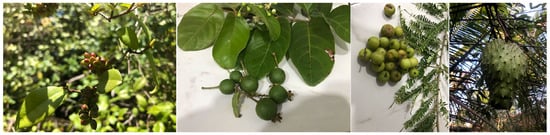
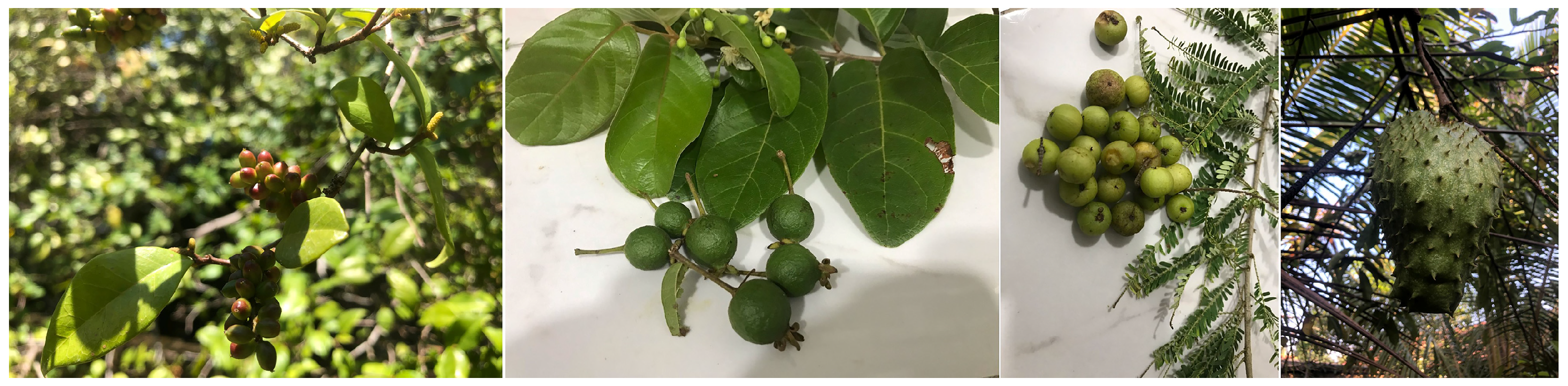
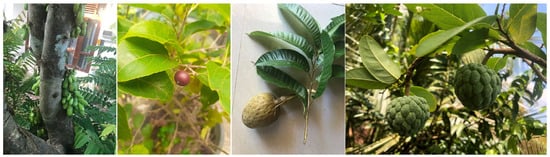
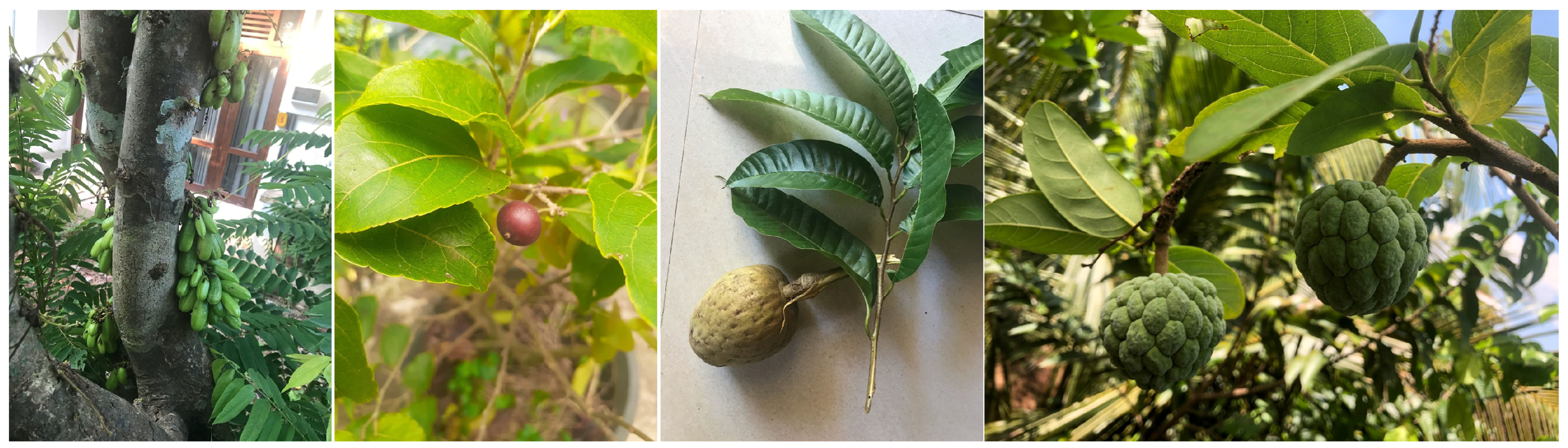
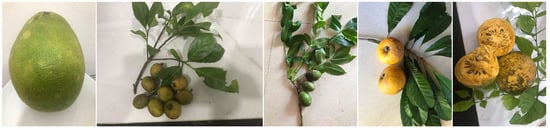
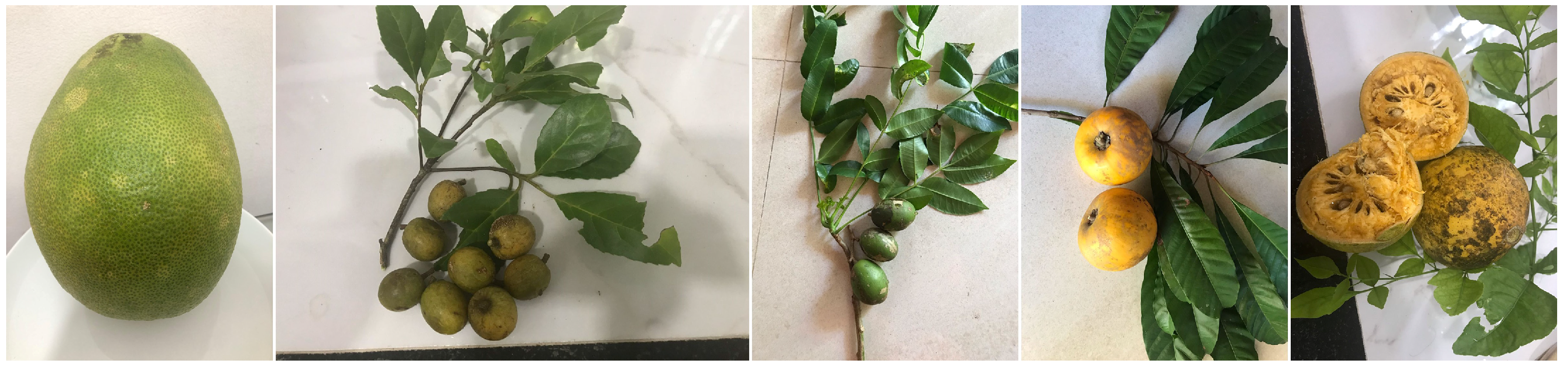
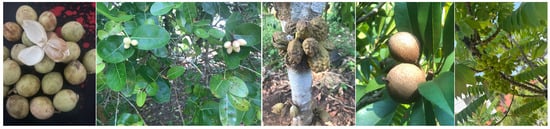
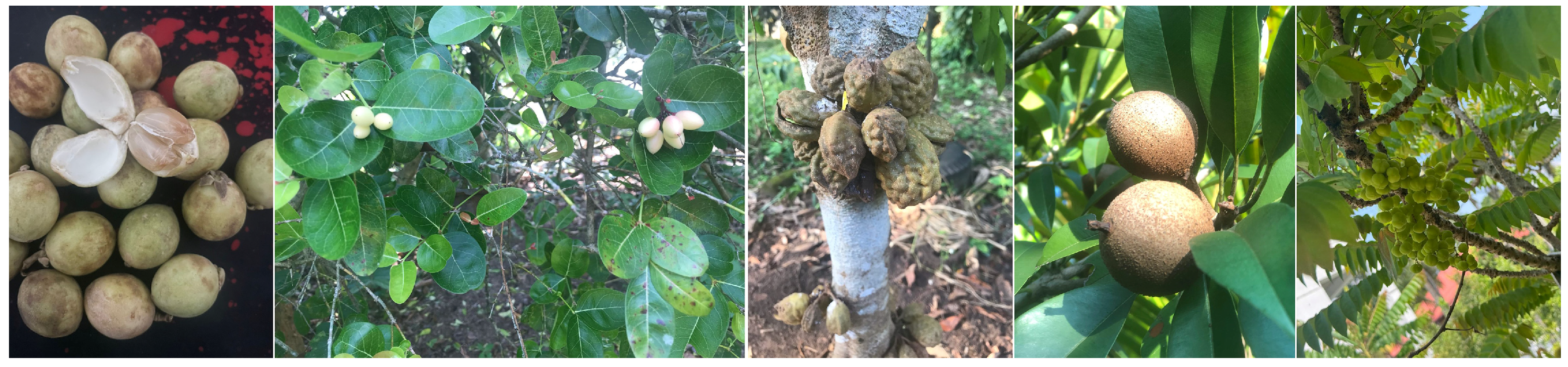
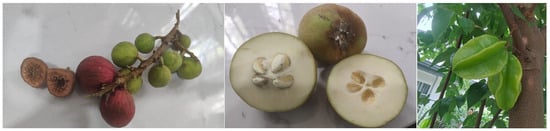
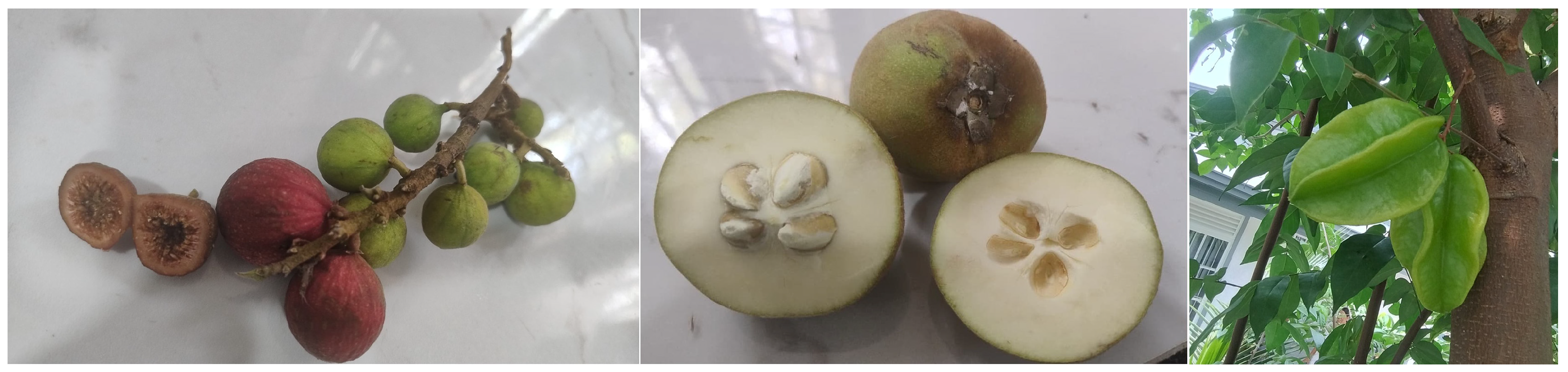
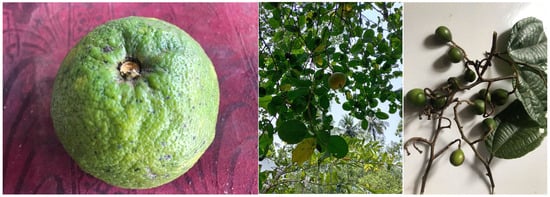
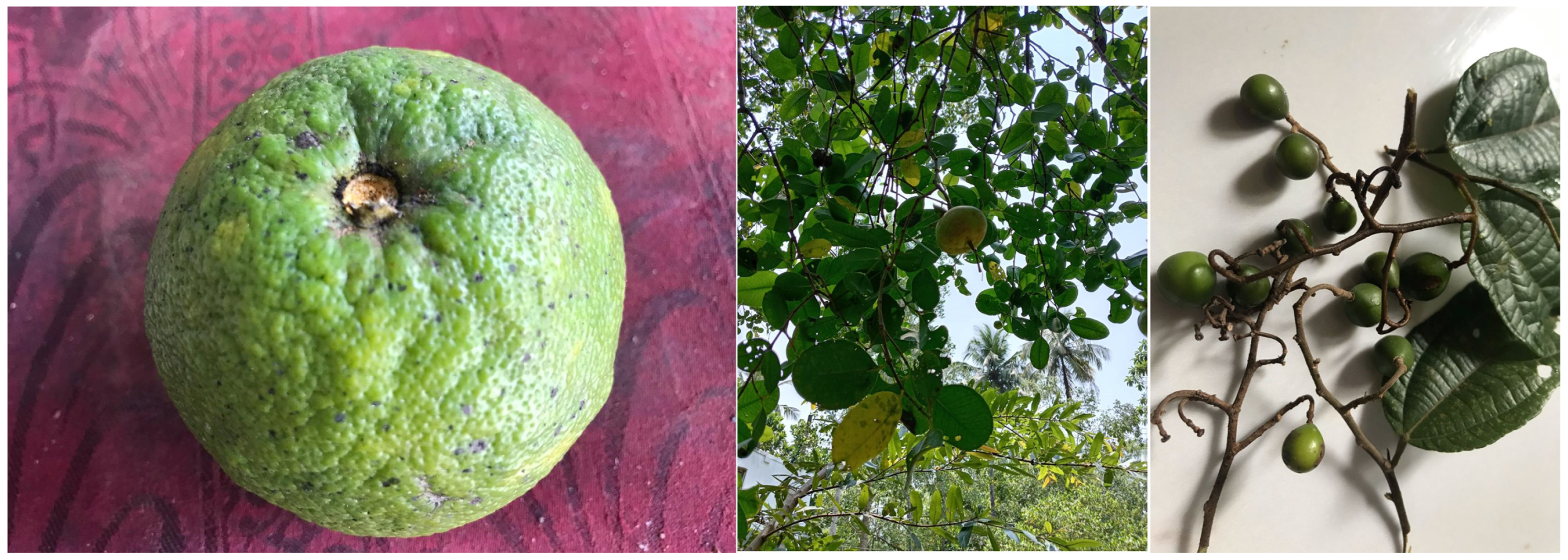

Disclaimer/Publisher’s Note: The statements, opinions and data contained in all publications are solely those of the individual author(s) and contributor(s) and not of MDPI and/or the editor(s). MDPI and/or the editor(s) disclaim responsibility for any injury to people or property resulting from any ideas, methods, instructions or products referred to in the content. |
© 2026 by the authors. Licensee MDPI, Basel, Switzerland. This article is an open access article distributed under the terms and conditions of the Creative Commons Attribution (CC BY) license.