


Abstract
Open-pit mining increasingly substitutes truck-based haulage with continuous systems—such as mobile bridges and relocatable conveyors—to mitigate operational costs and environmental impacts. This PRISMA 2020-compliant systematic review (2010–2025) maps transferable evidence in structural analysis, optimization, and maintenance for truss-type mobile assets. Following a systematic search in Scopus and Web of Science, 94 studies were selected via MMAT quality appraisal and analyzed through cluster-based synthesis. Results reveal sustained publication growth since 2018, with a corpus dominated by finite element (FE) research on steel bridges and capacity assessment, supplemented by emerging areas in AI-driven structural health monitoring (SHM). Given the scarcity of mining-specific literature, bridge engineering serves as a structural proxy for mobile applications. Critical research gaps include full-scale operational validation, soil–structure interaction, and design–maintenance co-optimization. The study concludes with an evidence-anchored agenda toward validated, predictive, and sustainable monitoring frameworks, positioning digital-twin integration as a promising future horizon rather than a current industry-wide convergence.
1. Introduction
Open-pit mining, a cornerstone of the global resource economy, faces the persistent logistical imperative of mobilizing vast volumes of ore and waste rock efficiently, safely, and sustainably. Traditional haulage methods, dominated by ultra-class haul trucks, offer operational flexibility but impose substantial economic and environmental burdens associated with intensive fossil fuel consumption, greenhouse gas (GHG) emissions, and heightened occupational risk exposure [1,2]. In response to these constraints, the industry has undergone a progressive paradigm shift toward continuous material handling systems, notably mobile mining bridges and portable/relocatable (grasshopper) conveyors [3,4].
A mobile conveyor bridge, typically configured as a slender lattice-truss structure, serves as a dynamic linkage between excavation machinery (e.g., bucket-wheel excavators) and bench conveyor lines. This architecture facilitates an expanded operational reach while minimizing the requirement for costly and time-intensive relocations of primary conveying infrastructure. Concurrently, grasshopper conveyor systems comprise modular trains of self-supporting belts that can be coupled and rapidly reconfigured to accommodate the evolving morphology of the open pit [5,6]. The synergy between these systems not only streamlines material flow but also promises significant reductions in carbon footprints and life-cycle costs relative to conventional truck-based fleets [7,8].
From a structural engineering perspective, these systems operate under extreme conditions. Mobile bridges, idealized as slender truss girders, are subjected to complex, stochastic combinations of static loads (dead weight and conveyed material) and dynamic actions (vibration, wind, and seismic effects), often supported by foundations interacting with soils of variable stiffness. Consequently, their behavioral characterization necessitates advanced finite element method (FEM) modeling capable of capturing non-linear phenomena such as lateral–torsional buckling, vortex-induced vibrations, and soil–structure interaction (SSI) [9,10]. Furthermore, the long-term structural integrity of these assets relies on maintenance strategies that are evolving from reactive and preventive protocols toward predictive and prescriptive paradigms, increasingly enabled by structural health monitoring (SHM) and artificial intelligence (AI) [11,12].
Structural optimization has emerged as an interdisciplinary research frontier, seeking to minimize structural mass and life-cycle costs without compromising safety, serviceability, or robustness. In truss-type systems and related composite structures, topology, shape, and sizing optimization has demonstrated the capacity to generate materially efficient configurations while enhancing redundancy and dynamic performance under rigorous load combinations [13,14]. To achieve these sustainable designs, researchers have successfully deployed discrete and hybrid swarm-based algorithms to minimize embodied energy and optimize the life-cycle of composite structural elements [15,16,17,18]. Furthermore, multi-objective evolutionary techniques—such as custom non-dominated sorting algorithms (e.g., NSGA-II and NSGA-III) integrated with specialized repair operators—have proven highly effective in balancing sustainability, robustness, and cost metrics across modular infrastructure frameworks [19,20,21,22]. More recently, machine learning (ML) and neural-network-based surrogates, increasingly applied across the construction domain [23], have accelerated these workflows. Specifically, deep learning models have been successfully deployed to approximate high-fidelity finite element (FE) responses for life cycle optimization [23,24] with a significant reduction in computational overhead, thereby enabling scalable parametric studies, uncertainty quantification (UQ), and near-real-time decision support [25,26].
1.1. Operational Definition of “Digital Twin” and Related Concepts
To circumvent conceptual ambiguity, this study adopts an operational definition of a digital twin (DT) as a cyber–physical implementation wherein a digital representation of a physical asset is continuously synchronized via operational data streams and explicitly utilized for state estimation, prognosis, and decision support. In practical terms, a DT necessitates the following foundational elements: (i) a physical asset and its corresponding digital surrogate (physics-based, data-driven, or hybrid); (ii) a data pipeline enabling the recurrent ingestion of monitored signals; (iii) a formal data-assimilation mechanism (e.g., Bayesian updating, parameter estimation, or filtering); and (iv) a service layer generating actionable insights (e.g., remaining useful life, reliability indicators, or maintenance prescriptions). We distinguish DTs from (a) model updating, which calibrates parameters to measurements but may lack continuous synchronization or an operational decision layer, and (b) SHM-integrated FEM (SHM-assisted numerical models), which couple monitoring and simulation for diagnostic purposes yet may lack closed-loop decision support. Consistent with this framework, Section 4.3 and Section 4.4 employ the term “digital twin” only when these operational criteria are met; otherwise, contributions are characterized as DT-enabling workflows or SHM-assisted numerical models.
Despite significant advancements within these individual domains, knowledge remains fragmented across a heterogeneous body of scientific literature. Critical research gaps persist at their intersections, particularly regarding design–maintenance co-optimization, full-scale validation under harsh operational conditions, the rigorous treatment of soil–structure interaction, and evidence-based quantification of environmental and economic benefits through Life-Cycle Assessment (LCA) and Costing (LCC). This fragmentation impedes technology transfer, limits the comparability of inter-study results, and slows the consolidation of best practices for mine-deployable continuous transport assets.
Within this context, a Systematic Literature Review (SLR) is essential for synthesizing the extant evidence. Adhering to the PRISMA 2020 protocol, this study maps peer-reviewed research (2010–2025) concerning the structural analysis, optimization, monitoring, and maintenance of truss-type systems transferable to mobile mining bridges and grasshopper conveyors. It is explicitly acknowledged that the screened corpus is predominantly derived from structurally congruent steel truss bridge research. The following research questions (RQs) guide this inquiry:
- RQ1
- What are the predominant trends and the temporal evolution of research concerning the design, analysis, optimization, and maintenance of mobile mining transportation systems?
- RQ2
- Which methodologies predominate in the structural analysis and optimization of these systems, and what are their primary empirical findings?
- RQ3
- Which monitoring and maintenance management strategies have been most extensively investigated, and what is their current technological readiness level (TRL)?
- RQ4
- What are the critical knowledge gaps and future research opportunities required to catalyze the development of next-generation mining transportation systems?
1.2. Scope Alignment and Structural-Proxy Rationale
Bibliometric and keyword analyses indicate that the retrieved literature is heavily weighted toward steel truss bridge studies and FEM-based structural assessment, whereas mining-specific, system-level evidence remains comparatively scarce. Accordingly, this SLR adopts a structural-proxy rationale: truss-bridge studies are treated as transferable evidence because they provide validated failure mechanisms, modeling protocols, monitoring architectures, and optimization frameworks applicable to slender, lattice-truss mobile assets operating under demanding environmental and operational loads. To maintain academic rigor and mitigate over-generalization, we explicitly distinguish (i) conclusions supported by direct mining-context studies from (ii) insights derived from proxy transfer. The primary contribution is framed in terms of demonstrated structural–methodological maturity in truss systems, alongside an evidence-derived identification of gaps concerning integrated mine-wide conveying operations, deployment constraints, and full-scale validation in mining environments.
By addressing these questions, this SLR provides researchers, engineers, and stakeholders with a consolidated, high-level reference that summarizes the state of the art and elucidates pathways for future innovation in this critical field for twenty-first-century mining.
2. Materials and Methods
This section delineates the methodological architecture employed to execute the systematic literature review (SLR). It explicates the review protocol and registration status, information sources, search strategy, eligibility criteria, study selection and data extraction procedures, quality appraisal, risk-of-bias assessment, and the analytical framework used to synthesize the evidence.
2.1. Protocol and Registration
This systematic review adheres to the PRISMA 2020 (Preferred Reporting Items for Systematic Reviews and Meta-Analyses) reporting guidelines to ensure transparency, comprehensiveness, and reproducibility of the investigative process [3]. While the protocol was not prospectively registered in a public database, we explicitly document below the final procedural determinations and post-retrieval refinements to support auditability.
Protocol Deviations and Transparency
Although the review protocol was not prospectively registered, we provide a formal transparency statement to clarify procedural adherence. Crucially, no modifications were made to the search strings, databases, or temporal longitudinal window after the initial retrieval. The search was executed using the predefined four thematic axes across Scopus and Web of Science (2010–2025) as originally conceptualized.
Following retrieval, only procedural refinements were introduced to operationalize eligibility and reporting in a reproducible manner, without altering the thematic scope: (i) eligibility was defined through a thematic-priority approach (alignment with the four axes), combined with peer-review status and Scopus/WoS indexation; (ii) conference proceedings were excluded by default, with an a priori exception restricted to full-length, peer-reviewed proceedings papers indexed in Scopus/WoS in cases where no journal-extended version existed (see Section 2.3); and (iii) methodological appraisal (MMAT and a ROBINS-inspired domain-based risk-of-bias check) was applied consistently to all included studies for stratified interpretation, rather than as a categorical exclusion threshold. All refinements were applied uniformly across the full set of screened records and are reflected consistently in the PRISMA flow narrative, inclusion/exclusion criteria, and quality reporting.
2.2. Search Strategy
A multi-pronged search strategy was implemented to identify relevant studies published between 1 January 2010 and 31 December 2025. Searches were conducted in July 2025 across two primary bibliographic databases: Scopus and Web of Science (Core Collection). No linguistic restrictions were applied during the initial retrieval phase; however, the final synthesis focused on English-language literature due to its predominance in the global engineering discourse.
The search strings were engineered to encompass four core thematic axes (A–D) using a combination of Boolean operators (AND, OR), wildcards (*), and, where supported, proximity operators. Searches were applied to the Title, Abstract, and Keywords fields (TITLE-ABS-KEY). Table 1 summarizes the specific search queries implemented.
Table 1.
Search strings utilized in Web of Science and Scopus (2010–2025).
Supplementary Retrieval via Backward Citation Tracking
To ensure comprehensive coverage and enhance the traceability of methodological lineages, backward citation tracking (reference list screening) was performed during the full-text assessment phase to identify seminal methodological contributions cited by the post-2010 corpus. Candidate records retrieved via this route were screened using the same thematic-priority eligibility logic (alignment with the four axes, peer-review status, and Scopus/WoS indexation) and were appraised under the identical MMAT/ROBINS-inspired framework to mitigate selection bias.
Under these protocols, no additional pre-2010 studies were retained via backward citation tracking (); consequently, the final corpus and all PRISMA metrics reported herein reflect database-driven retrieval exclusively (700 identified records) and remain strictly consistent with the 2010–2025 review scope.
2.3. Inclusion and Exclusion Criteria
Eligibility criteria were defined a priori to govern the study selection process. Two independent reviewers applied these criteria during title/abstract screening and full-text assessment.
Inclusion criteria. (i) The study addresses at least one of the four predefined thematic axes (mobile mining bridges/relocatable conveyors; structural optimization; maintenance management; SHM/digitalization in continuous mining transport); (ii) the study is peer-reviewed and provides sufficient technical granularity for engineering appraisal (methodology, assumptions, and data/model specifications); (iii) the record is indexed in Scopus and/or Web of Science (Core Collection) within engineering-related categories (mining, civil/structural, industrial, materials); (iv) eligible document types include full-length journal articles (original research or review) and, where applicable, full-length peer-reviewed conference papers indexed in Scopus/WoS.
Exclusion criteria. (i) Out of scope (lack of substantive engineering or technical contribution); (ii) non-peer-reviewed or non-indexed records (e.g., editorials, patents, preprints, technical notes lacking peer review); (iii) abstract-only contributions, short papers, posters, or proceedings lacking full-length peer-reviewed manuscripts; (iv) inaccessible full text.
Note on journal quartiles. Journal quartile rankings (SJR/JCR) were recorded as descriptive variables to characterize the corpus and facilitate stratified interpretation; however, they did not serve as categorical exclusion thresholds. Methodological robustness was safeguarded through the MMAT/ROBINS-inspired appraisal detailed in Section 2.5.
Note on conference proceedings. To maintain protocol coherence and reproducibility, conference proceedings were excluded by default. An a priori exception was granted exclusively for full-length, peer-reviewed proceedings papers indexed in Scopus and/or Web of Science in instances where no journal-extended version was available and where the technical/methodological detail was commensurate with journal standards (e.g., explicit model specification, validation metrics, and replicable inputs). Abstract-only records, short papers, posters, and non-peer-reviewed conference items were systematically excluded. Under this criterion, proceedings papers were retained and subsequently appraised and synthesized using the same MMAT/ROBINS-inspired framework as the journal articles.
2.4. Study Selection and Data Extraction
The selection process was conducted in multiple discrete stages. Initially, results from both databases were consolidated, and duplicates were removed using DOI matching and fuzzy title comparison. Subsequently, two reviewers independently screened the titles and abstracts of the remaining records, excluding those failing to meet the inclusion criteria. Finally, the same two reviewers assessed the full texts of potentially eligible articles to reach a definitive inclusion decision. Any discrepancies at any stage were resolved through deliberation and consensus [27,28,29].
For each included study, the following parameters were extracted into a standardized repository: DOI, year, journal, quartile, thematic axis, study type (empirical, numerical, AI/optimization), structural variables, conveyor parameters, maintenance approach, performance metrics, key findings, and reported limitations.
The study selection process, encompassing identification, screening, and eligibility assessment, is detailed in two complementary PRISMA 2020 flow diagrams. Figure 1 provides a high-level schematic representation of the selection pipeline to offer a quick overview of the consistent counts (700/150/550/200/106/94), while Figure 2 illustrates the detailed PRISMA 2020 flow diagram, rigorously capturing specific exclusion rationales and supplementary methodological lineages.
Figure 1.
PRISMA 2020 flow diagram of the study selection process (schematic). Database-driven retrieval: 700 records identified, 150 duplicates removed, 550 screened, 200 assessed at full-text level, 106 excluded, and 94 retained for synthesis.
Figure 2.
PRISMA 2020 flow diagram illustrating the systematic study selection process, including identification, screening, and final inclusion of the 94 analyzed studies [30]. In this detailed diagram, blue text denotes the supplementary retrieval process through retrospective citation tracking, while red text highlights specific counts related to this tracking () and strictly emphasizes the primary database retrieval count (700 records).
2.5. Methodological Quality and Bias Assessment
The methodological rigor of each included study was appraised using the Mixed Methods Appraisal Tool (MMAT), version 2018. This instrument is optimized for the evaluation of qualitative, quantitative, and mixed-methods research. Two reviewers applied the tool independently, and inter-rater reliability was quantified using Cohen’s Kappa statistic. Inter-rater agreement was numerically quantified as Cohen’s for the MMAT screening (computed across the full set of included studies). Studies were categorized as high quality (satisfying 4–5 MMAT criteria) or moderate quality (satisfying 2–3 criteria). Additionally, risk of bias was evaluated using a protocol inspired by the ROBINS-I tool (accessed on 10 February 2025, https://www.riskofbias.info) (Risk Of Bias In Non-randomised Studies—of Interventions), encompassing selection, measurement, reporting, and attrition biases. The operational definitions, scoring rules, and the full domain-based appraisal procedure are detailed in Appendix A.
2.6. Results Synthesis
Data synthesis followed a mixed-methods approach. A quantitative bibliometric analysis was conducted to examine the distribution of publications by year, journal, country, and thematic axis, and to visualize co-citation networks and keyword co-occurrence networks. Python (v3.10) libraries (Matplotlib v3.7, Seaborn v0.12, Pandas v2.0) were used for this purpose [27,29].
A qualitative narrative synthesis of findings from the included studies was also conducted. Studies were grouped into thematic clusters according to their primary focus, enabling a structured discussion of advances, methodologies, and outcomes in each area. Finally, a gap analysis was performed to identify underexplored topics and to propose a future research agenda.
In addition to the narrative synthesis, we conducted a cross-cluster quantitative synthesis by cross-tabulating thematic cluster membership against the extracted study-type labels (empirical, numerical, AI/optimization) and an explicit mining-context tag. This quantitative layer is used to support comparative statements across clusters.
Differentiation of Evidence Sources
To address the methodological transfer from general structural engineering to mining applications, the qualitative synthesis explicitly differentiates between two evidence categories requested by the review scope:
- (a)
- Direct mining-context studies: Investigations explicitly targeting mobile mining bridges, relocatable conveyors, spreaders, or stackers in open-pit environments.
- (b)
- Methodological analogues: Studies on steel truss bridges (railway, highway, or pedestrian) used as structural proxies due to their mechanical similarity (slender lattice girders, variable support conditions, fatigue-prone welded details), offering transferable insights for analysis and monitoring.
In the following sections, findings are attributed to their source context to clearly distinguish proven mining applications from potential technology transfers.
3. Results
This section elucidates the salient findings derived from the systematic literature review. It commences by delineating the PRISMA-based study selection trajectory, followed by a comprehensive report on the descriptive and bibliometric characteristics of the final corpus. Subsequently, a qualitative thematic synthesis organized into four distinct clusters is presented, concluding with a rigorous appraisal of methodological quality and risk-of-bias profiles.
3.1. PRISMA Study Selection Flow
The identification, screening, and selection sequence is summarized in the PRISMA 2020 flow diagrams (Figure 1 and Figure 2). The integrated search across Scopus and Web of Science initially yielded a baseline of 700 records. Following the removal of 150 duplicates via DOI matching and fuzzy title comparison, 550 unique records were subjected to title and abstract screening. At this juncture, 350 records were excluded. Specifically, title/abstract-level exclusions were implemented when records were found to be thematically out of scope, failed to align with the predefined thematic axes, corresponded to ineligible document types (e.g., non-peer-reviewed items, abstract-only proceedings, editorials, or technical notes), or lacked sufficient methodological and technical depth to warrant a full-text appraisal. Conference records that were abstract-only, abbreviated, or lacked a rigorous peer-review process were systematically excluded; only full-length, peer-reviewed, and indexed proceedings were eligible under the a priori protocol defined in Section 2.3.
The remaining 200 articles underwent a comprehensive full-text eligibility assessment. Of these, 106 were excluded due to a lack of substantive technical contributions, incomplete data presentation, or critical methodological systemic deficiencies. Ultimately, 94 studies were selected for inclusion in the qualitative and quantitative synthesis (Figure 1), constituting the foundational corpus analyzed in the subsequent sections.
Figure 2 illustrates the outcome of the PRISMA-based filtration process, resulting in a final corpus of 94 studies, representing 13.4% of the 700 records initially retrieved. Duplicate removal accounted for 21.4% () of the initial yield, while the most significant attrition occurred during title/abstract screening (350 exclusions, representing 63.6% of unique records) and during the full-text eligibility assessment (106 exclusions, 53.0% of the 200 assessed full texts). These exclusions were primarily driven by thematic misalignment with the four query axes, document type non-compliance, and insufficient technical rigor. Collectively, the final selection represents a deliberately conservative evidence base that prioritizes methodological robustness for the subsequent bibliometric and thematic synthesis.
3.2. Bibliometric and Descriptive Analysis
3.2.1. Temporal Evolution of Scientific Output
The annual distribution of the included publications throughout the 2010–2025 review window (Figure 3) reveals a sustained and accelerating research trajectory, with a discernible inflection point after 2018 and a relative peak between 2022 and 2024. This trend is consistent with the rapid digitalization of large-scale mining infrastructure and the widespread adoption of advanced numerical modeling, scalable sensing architectures, and data-driven frameworks for the monitoring and decision support of truss-type structures.
Figure 3.
Chronological distribution of retained studies (2010–2025). A limited number of pre-2010 seminal works, identified via backward citation tracking (refer to Section 2.2), are included for completeness. X-axis: calendar year (yr). Y-axis: number of retained studies (count, n).
3.2.2. Primary Publication Venues
The 94 selected articles are dispersed across a heterogeneous array of journals encompassing structural health monitoring, structural engineering, reliability, and mining application domains. Figure 4 illustrates the twelve most prevalent publication venues. Structural Health Monitoring represents the most frequent source, followed by Engineering Structures, Journal of Bridge Engineering, and Structural Control and Health Monitoring. This distribution reflects the mechanically oriented and truss-bridge-dominated composition of the research corpus.
Figure 4.
Top 12 journals by publication frequency within the final selection. Y-axis: number of retained studies (count, n).
Within the 94 retained studies, the majority () correspond to peer-reviewed journal articles. This corpus is complemented by a subset of conference proceedings () and other peer-reviewed indexed sources (), all of which strictly met the a priori inclusion criteria (Section 2.3). The integrated synthesis of both subsets is justified by the stringent a priori screening protocol (Section 2.3); the retained proceedings were restricted exclusively to full-length, peer-reviewed, and indexed contributions exhibiting methodological depth commensurate with journal standards.
3.2.3. Keyword Topology and Term Analysis
To enhance the scientific rigor and reproducibility of the keyword-based classification, a systematic normalization and ontological mapping pipeline was implemented. First, author-supplied keywords were consolidated with terms extracted from titles and abstracts. Terms were harmonized through lemmatization and acronym expansion (e.g., FEM/FEA to Finite Element Analysis, SHM to Structural Health Monitoring). Second, a domain-specific thesaurus was utilized to aggregate synonyms and excise generic, non-informative descriptors. Finally, a keyword co-occurrence network was constructed, and terms were classified into coherent scientific cohorts using community detection algorithms, providing an auditable foundation for the thematic synthesis presented in Section 2.6.
The analysis of author-supplied keywords and the term cloud (Figure 5a,b) underscores the centrality of concepts such as truss, finite element method, structural analysis, steel bridge, and damage detection. These findings confirm that steel truss bridge research, underpinned by advanced numerical simulations and structural health monitoring, constitutes the thematic nucleus of the corpus. The prevalence of terms related to fatigue, seismic response, composite bridges, and reliability further indicates a cross-cutting concern for in-service performance and long-term structural integrity.
Figure 5.
Linguistic and keyword analysis of the SLR corpus. (a) Frequency of the most prevalent author keywords. X-axis: keywords. Y-axis: occurrence count (n). (b) Word cloud derived from titles and abstracts (size denotes term frequency).
3.3. Qualitative Synthesis and Cluster-Based Thematic Analysis
The thematic analysis of the 94 studies facilitated their categorization into four primary clusters (Figure 6 and Table 2), structuring the state of the art around: (1) structural health monitoring and damage detection; (2) structural design and optimization; (3) numerical and finite element modeling; and (4) structural behavior, capacity, and assessment. A detailed narrative synthesis follows, integrating the individual contributions through explicit cross-references.
Figure 6.
Thematic cluster distribution. Y-axis: number of retained studies (count, n).
Table 2.
Cross-cluster summary (). Cluster dimensions correspond to Figure 6.
3.3.1. Cluster 1: Structural Health Monitoring and Damage Detection (18 Articles)
The first cluster comprises 18 studies focusing on structural health monitoring (SHM) and damage detection in steel truss structures, encompassing laboratory-scale experiments and full-scale assets. A foundational subset develops modal identification strategies and global assessment protocols for long-span bridges [4,12,13]. In these works, the integration of dynamic characterization, controlled testing, and high-fidelity numerical models facilitates the correlation of frequency shifts and mode-shape variations with localized damage initiation or global stiffness degradation.
Advanced instrumentation is a hallmark of this cluster. Several studies examine the deployment of long-gauge fiber-optic sensors and hybrid sensing configurations to develop diagnostic methodologies based on distributed measurements [7,11,14]. These approaches are augmented by evaluations of structural vulnerability and safety margins under localized damage scenarios, where the interaction between individual member defects and overall system capacity is scrutinized through iterative simulation [10,31,32].
Regarding sensing networks, notable contributions include real-time monitoring via Michelson-type sensors, wireless strain-gauge arrays, and permanent surveillance platforms for riveted structures, marking a shift from episodic inspection toward continuous SHM [26,33,34]. Building upon these data streams, damage detection algorithms are developed using neural networks, modal energy indicators, and strain-based feature extraction [25,35,36]. Furthermore, several studies investigate the influence of environmental variables—specifically temperature and wind—on the response of truss systems, introducing thermal deformation models and forecasting frameworks coupled with evolutionary algorithms [37,38,39].
3.3.2. Cluster 2: Advanced Design and Optimization of Structural Details (10 Articles)
The second cluster encompasses 10 articles that converge on the advanced analysis and optimization of critical structural components, with a focus on ultimate capacity and seismic performance. One research line addresses refined non-linear connection design using gusset and splice plates, proposing practice-oriented methodologies calibrated against numerical models [40] and realistic failure criteria for strengthening and rehabilitation [41,42,43]. In parallel, historical analyses of truss connections examine the evolution of pinned and riveted joints and their implications for contemporary redundancy assessment [44,45,46].
Another group focuses on the rapid yet rigorous assessment of gusset plates, proposing simplified yielding and rupture checks supported by FEM and scaled testing [47,48]. These methods facilitate the identification of critical configurations in existing assets and the optimization of bolt layouts to mitigate progressive collapse without necessitating prohibitive computational costs [30]. Additionally, several studies evaluate the seismic response of truss bridges equipped with buckling-restrained dampers, reporting significant reductions in displacement demands and improved damage indices under severe seismic loading [46,49].
3.3.3. Cluster 3: Finite Element and Numerical Modeling (26 Articles)
The third cluster, containing 26 studies, constitutes the methodological nucleus of FEM and numerical analysis within the corpus. Multiple works develop sophisticated non-linear models to evaluate behavior under seismic actions, heavy-haul railway loading, and strengthening configurations, integrating displacement-based formulations to assess structural ductility [4,41,50]. These models are applied to both active and historical bridges, often supported by experimental material characterization.
The integration of numerical assessment with reliability estimation [40,51] is evident in studies combining advanced FEM, load testing, and probabilistic analysis to quantify safety margins [52,53,54]. Concurrently, non-linear buckling analyses and models capturing the interaction between in-plane and out-of-plane bending are proposed [5,8,55].
A substantial portion of this cluster investigates fatigue and degradation under cyclic loading. Fatigue-based reliability models are developed to elucidate collapse mechanisms and estimate remaining useful life (RUL) in welded and crack-prone joints [56,57,58]. Other studies examine fatigue in steel–concrete composite decks and full-scale T-joint components, integrating field measurements with high-resolution simulations [59,60,61]. These methodologies provide a systemic framework for decision-making regarding operational limitations and strengthening requirements [62,63,64,65,66,67,68,69].
3.3.4. Cluster 4: Structural Assessment, Behavior, and Capacity (40 Articles)
The fourth and largest cluster (40 articles) is oriented toward structural behavior assessment, load-carrying capacity, and the exploration of innovative typologies and materials. Several contributions utilize case studies to illustrate the transition from linear-elastic analysis to large-displacement and plasticity-based approaches [1,70,71]. In parallel, the performance of steel–concrete composite configurations, including concrete-filled tubular trusses, is analyzed with specific focus on connection interaction and global ductility [72,73,74].
A significant subgroup investigates advanced materials, such as fiber-reinforced polymer (FRP) profiles and hybrid FRP–aluminum systems, evaluating stress distribution and fatigue performance under cyclic loading [2,9,75]. These are complemented by studies on the static response of GFRP–metal hybrid structures and the robustness of double-truss configurations [43,76,77].
Structural robustness and rehabilitation strategies also feature prominently. Studies present member-replacement methodologies, non-linear 3D models of strengthened modular structures, and higher-order stiffness formulations for planar trusses [64,78,79]. Advanced analysis under extreme events—such as blast-damage simulations and high-speed railway loading—further underscores the role of local details in long-term safety [66,80,81,82,83].
Finally, recent works on the flexural behavior of RCFST composite bridges and multiscale modeling for continuous truss systems illustrate the convergence of novel structural typologies and high-resolution numerical frameworks [6,84,85,86,87,88].
3.4. Quality Assessment and Risk of Bias
The methodological appraisal via the MMAT tool categorized 62% of the studies as high quality (satisfying 4–5 criteria) and 38% as moderate quality (satisfying 2–3 criteria) (see Appendix A for the explicit criteria and inter-rater agreement metrics). Figure 7 summarizes the quality and risk-of-bias results. While most studies align with their stated objectives, systemic deficiencies were identified in sample-size justification, numerical model calibration protocols, and the control of confounding variables in empirical research. The qualitative bias assessment suggests a moderate prevalence of selection and reporting bias, particularly in case studies where positive outcomes are overrepresented.
Figure 7.
Risk-of-bias assessment and methodological heterogeneity. Funnel-plot and heterogeneity panels serve as qualitative diagnostics; “effect size” represents a unitless, standardized proxy derived from quantitative metrics (see Section 3.4).
The observed bias profile is theme-dependent: case-study-intensive contributions are more susceptible to selective reporting, whereas numerical studies frequently under-report validation and uncertainty quantification (UQ). Funnel-plot skewness is interpreted as a qualitative signal of potential publication bias; consequently, conclusions drawn from “successful demonstrations” are formulated cautiously, conditioned on the methodological heterogeneity of the corpus.
Heterogeneity Diagnostics and Effect-Size Proxy
Because this SLR does not execute a pooled meta-analysis, heterogeneity indicators and funnel-plot visualizations are utilized as qualitative diagnostics. In this context, “effect size” denotes a standardized proxy indicator (unitless) derived from comparable performance metrics (e.g., normalized prediction error or improvement indicators). Accordingly, funnel-plot asymmetry is treated as an indicator of potential selective reporting rather than a definitive meta-analytic estimate.
4. Discussion
This systematic literature review delineates a dynamic and rapidly expanding research landscape relevant to the analysis, monitoring, and optimization of truss-type systems transferable to mobile mining transportation assets and their constitutive architectures. The findings elucidate a clear evolutionary trajectory: transitioning from a body of work characterized by classical structural analysis and isolated case studies in steel bridge engineering [11,12,52] toward the progressive synthesis of digital technologies, including advanced sensing, artificial intelligence (AI), and high-resolution finite element-based numerical modeling [14,32,66]. This section interprets the primary findings in the context of the established research questions, underscoring their implications for the design, operation, and maintenance of continuous mining transport assets, while distinguishing direct mining-context evidence from transferable structural methodologies.
4.1. Trends and Evolution of the Field (RQ1)
The chronological trends within the analyzed publications (Figure 3) corroborate the escalating strategic significance of continuous transportation systems and their supporting structures in modern engineering. Early contributions focused on structural identification and reliability assessment of large-scale bridges [11,13,52] indicate that the conceptual foundations of monitoring and advanced analysis were established by the late twentieth century, albeit with a predominantly exploratory scope. Conversely, recent research into non-linear numerical assessment, structural redundancy, and the reinforcement of complex truss systems [4,66,67] reflects a substantially heightened level of methodological sophistication, aligning with increasingly rigorous industrial imperatives.
The inflection point observed circa 2018 coincides with the global consolidation of Industry 4.0 and the digital transformation of the natural resources sector. This shift is manifest in the marked proliferation of studies integrating instrumentation, numerical modeling, and large-scale data analytics [2,5,8]. The distribution across publication venues (Figure 4) and keyword topologies (Figure 5a,b) portrays a landscape where steel truss bridge analysis remains the dominant study archetype, frequently concentrated in structural engineering and failure analysis journals [10,32,89]. While this focus is consistent with the criticality of such architectures, it also highlights a relative scarcity of system-level research regarding the integration of grasshopper conveyors and mobile mining bridges within holistic, mine-wide conveying networks.
Crucially, the retained corpus is structurally dominated by bridge-type truss case studies and methodological developments (e.g., advanced FEM, SHM, redundancy, and reliability), whereas explicitly reported open-pit deployments of mobile mining bridges or grasshopper/relocatable conveyor trains represent a limited subset. To address this disparity, this discussion distinguishes between conclusions supported by direct mining-context evidence and those derived from methodological transfer from bridge engineering. Consequently, statements regarding mining operations are formulated with appropriate academic caution, emphasizing that targeted, full-scale validation under rigorous operational conditions is a fundamental prerequisite for successful technology transfer.
The thematic bibliometrics further indicate that while monitoring, numerical analysis, and structural capacity assessment constitute the bulk of the scientific effort, maintenance management and optimization are emerging as rapidly growing domains [6,90,91]. This asymmetry suggests a field that has prioritized mechanistic understanding over holistic life-cycle integration, thereby creating fertile ground for interdisciplinary research linking design, operation, and sustainability.
4.2. Predominance of Structural Analysis and Optimization (RQ2)
Clusters 3 (Finite Element Analysis) and 4 (Structural Behavior and Capacity Assessment), comprising 78 of the 94 studies, demonstrate that the fundamental understanding of structural mechanics remains the central concern of the research community. The Finite Element Method (FEM) has crystallized as the predominant analytical cornerstone, utilized for diverse applications ranging from the verification of historical riveted structures under contemporary railway demands [4,50,53] to sophisticated non-linear analyses of buckling, progressive collapse, and redundancy in modern truss systems [8,63,66].
Numerous studies illustrate how FEM has become the nucleus of advanced assessment frameworks that integrate experimental characterization, model calibration, and probabilistic analysis. Notable examples include investigations into fatigue-induced failure and root-cause analyses of structural collapses [56,58,89], studies on cumulative degradation in welded and perforated details [59,65,92], and redundancy assessments following the failure of primary structural members [64,67]. In these contexts, FEM not only replicates observed behaviors with high fidelity but also facilitates the exploration of extreme loading scenarios and reinforcement configurations that are experimentally prohibitive.
Cluster 2, focusing on the design and optimization of structural details, possesses significant strategic importance despite its smaller sample size. Research into gusset plates, splice plates, and historical connections [41,42,44] demonstrates that the refined modeling of local details governs global capacity and robustness against brittle failure modes. Concurrently, the integration of buckling-restrained dampers in truss structures under seismic loads highlights the potential of passive control solutions to mitigate structural demand and extend asset service life [46,48,49].
Regarding optimization, the shift from sizing and shape optimization toward topology-driven schemes and AI-assisted design is evident [6,39,90]. These contributions report substantial reductions in structural mass and improvements in efficiency, which have direct implications for fabrication, logistics, and installation costs, as well as the energy requirements for mobilizing massive continuous transportation assets.
4.3. The Emergence of Predictive Maintenance and Digital Twins (RQ3)
In alignment with the operational framework introduced in Section 1, the term “digital twin” is reserved exclusively for closed-loop, continuously synchronized cyber–physical implementations. Otherwise, the reviewed contributions are characterized as DT-enabling workflows, such as SHM-assisted FEM, model updating, and predictive analytics.
Cluster 1, centered on Structural Health Monitoring (SHM) and damage detection, represents the vanguard of asset management for these systems. Most contributions leverage vibration-based methodologies, utilizing shifts in modal properties as global damage indicators [3,10,93]. Experimental and field data from truss bridges confirm the feasibility of correlating localized damage—such as cross-sectional loss in diagonal members—with measurable variations in frequency, damping, and dynamic coupling [25,31,32].
Instrumentation has evolved from conventional accelerometer and strain-gauge configurations toward hybrid solutions integrating long-gauge fiber-optic sensors, wireless sensing arrays, and distributed acquisition networks [7,26,34]. These advancements facilitate a transition from episodic inspection to continuous monitoring schemes capable of capturing the influence of environmental variables, such as temperature and wind, on structural response [11,37,38]. Accounting for these stochastic factors is essential to minimize false-positive alarms and improve the fidelity of long-term degradation models.
Concurrently, the application of AI and Machine Learning (ML) to automate damage detection is burgeoning. Neural networks have been deployed to identify damage patterns from complex datasets [14,35,36], while genetic algorithms facilitate the inversion of strain fields to estimate effective stiffness [36,39]. When coupled with calibrated FEM models (Cluster 3), these approaches constitute architectures that approximate the digital twin paradigm: virtual surrogates updated in near real time to simulate future states and plausible failure scenarios [2,5,66].
To maintain technological rigor, it must be emphasized that the corpus primarily showcases enabling architectures rather than widespread operational digital-twin deployments. Consequently, the current evidence supports a distinct research trajectory toward digital twins, while comprehensive, mine-scale, closed-loop implementations for mobile mining bridges and relocatable conveyor trains remain scarce in the peer-reviewed literature and necessitate further field validation.
Despite these advances, most studies remain in the prototype or laboratory phase. The full deployment of digital twins in operational mining environments requires overcoming significant hurdles related to sensor robustness in extreme conditions, the management of massive data volumes, and integration with legacy maintenance systems [4,11,94]. Systematic validation under authentic operating conditions is therefore identified as a critical gap and a high-impact opportunity for applied research.
4.4. Implications, Limitations, and Future Directions
The findings of this SLR yield significant implications for both industry and academia. For industrial stakeholders, the results justify sustained investment in monitoring technologies and data analytics to facilitate the transition from reactive to predictive—and ultimately prescriptive—maintenance. The synergy of continuous SHM, advanced FEM, and AI-driven diagnostics offers a pathway to increase asset availability and mitigate the risk of catastrophic failure [11,67,73]. Furthermore, advancements in composite materials and hybrid typologies suggest untapped potential for improving strength-to-weight ratios and structural durability [9,75,77].
For the academic community, this review identifies high-impact research niches at the intersection of structural engineering, data science, and sustainability. These include the co-optimization of design and maintenance, where structural sizing is integrated with inspection and intervention strategies [79,90,95], and the development of frameworks to quantify the environmental benefits of continuous transport through Life Cycle Assessment (LCA).
The composition of the analyzed corpus—comprising 74 full-length peer-reviewed journal articles and 12 conference proceedings—has direct implications for the maturity and generalizability of the evidence base. Foundational methodologies, including finite element analysis, fatigue assessment, and structural health monitoring, are heavily anchored by the journal-level studies (representing nearly 80% of the retained corpus). This concentration establishes a highly robust and mature mechanical baseline. However, to maintain rigorous academic boundaries, it must be explicitly acknowledged that this baseline is derived predominantly from general steel truss bridge engineering. Consequently, the application of these structural principles to mobile mining bridges should be framed as a methodological transfer and a structural extrapolation, rather than direct operational validation in mining environments. Similarly, while literature addressing emerging technological convergence—such as AI-driven predictive maintenance and enabling architectures for digital twins—is robustly represented within the peer-reviewed journal subset, these advancements primarily constitute prototype-level studies or bridge-specific applications. Therefore, the integration of advanced digital frameworks remains in an active, exploratory phase for continuous open-pit transport, requiring extensive direct mining-context validation before transitioning into mature industrial practices.
Several limitations of this review warrant acknowledgement. The exclusion of most conference proceedings and grey literature may have omitted certain industrial innovations. Additionally, the MMAT-based quality appraisal involves an inherent degree of subjectivity, and evidence of publication bias suggests that reported outcomes may be more optimistic than operational realities [11,57,96]. Future reviews should incorporate technical databases, industrial reports, and quantitative meta-analyses of structural reliability indicators.
Furthermore, peer-reviewed evidence regarding system-level operations of mobile mining bridges in open-pit environments remains comparatively limited. This constraint restricts the strength of mining-specific generalizations that are not triangulated with field data. We therefore position bridge-engineering research as a transferable methodological analog and identify the consolidation of mining-specific case studies as a priority for future engineering practice.
In summary, this discussion portrays a vibrant research field with increasing relevance for the digital transformation of mining infrastructure. The convergence of physical and digital domains, epitomized by the digital twin concept, represents a central horizon for research in SHM, structural analysis, and optimization [2,5,66]. Realizing this vision in mobile mining bridges and related continuous transport assets necessitates further progress in full-scale validation and the systematic incorporation of sustainability criteria.
5. Gap Analysis and Research Agenda
A systematic literature review serves not only to map the established state-of-the-art but also, pivotally, to illuminate the prevailing research desiderata. Identifying these knowledge gaps is a primary contribution of an SLR, as it facilitates the strategic alignment of future investigative efforts toward areas of maximum industrial impact and theoretical necessity. This section synthesizes the identified gaps and proposes a structured research agenda (RQ4), underpinned by the urgency–impact matrix and the thematic coverage indices illustrated in Figure 8.
Figure 8.
Research gap analysis, thematic coverage mapping, and prioritization of future investigative frontiers.
5.1. Key Research Gaps Identified
The corpus analysis, supported by the diagnostic visualizations in Figure 8, highlights several critical gaps that persist across the four thematic clusters.
Methodological framework for the evidence-derived gap agenda and prioritization. To organize this agenda in a transparent and systematic way, we operationalized each research gap through a coding matrix applied to the final set of primary studies. For each gap theme, a thematic coverage indicator was calculated based on the frequency of studies mapped to that domain (reported in Figure 8), serving as a proxy for the current level of scientific coverage. The urgency–impact matrix presented in Figure 8 was developed using ordinal 1–5 scales for Urgency (reflecting time-criticality and operational risk under mining conditions) and Impact (reflecting the expected contribution to safety, availability, cost-efficiency, and sustainability). The scores were assigned independently by two reviewers and subsequently reconciled by consensus. This matrix is intended strictly as a qualitative heuristic device; therefore, its scores should be understood as an expression of structured expert judgment rather than as a quantitative or statistically derived measure of gap importance.
- Limited full-scale validation under authentic operational conditions. A significant preponderance of the literature relies on numerical simulations or reduced-scale laboratory experimentation. While notable exceptions exist—such as continuous monitoring campaigns on long-span bridges integrating stochastic environmental stressors with reliability models [7,11,97] and rigorous structural evaluations of historical railway infrastructure [4,50]—these remain the exception. The validation of models and algorithms on full-scale structures subjected to transient traffic loads, environmental actions, and the rigorous conditions of mining operations remains scarce, maintaining a discernible bifurcation between theoretical frameworks and asset-management practice.
- Methodological silos between structural design and maintenance management. Structural optimization and the refined design of structural details (Cluster 2) have largely evolved in isolation from the reliability-based maintenance frameworks and failure models utilized in industrial practice [6,41,90]. Although certain studies integrate redundancy assessment and damage-scenario analysis to inform design decisions [52,63,67], explicit formulations of design–maintenance co-optimization remain elusive. There is a clear need for models where topology, sizing, and connection details are optimized concurrently with inspection intervals, intervention strategies, and total life-cycle costs.
- Nascent stage of Life Cycle Assessment (LCA) and sustainability integration. The shift toward advanced composite and hybrid structures—including GFRP trusses and RCFST systems—is primarily driven by the need to optimize strength-to-weight ratios and durability [9,73,77]. However, most studies remain focused on mechanical performance metrics (e.g., stiffness, fatigue resistance) and seldom extend their scope to a comprehensive LCA. There is a critical lack of research comparing the decarbonization pathways and resource-recovery potential of continuous transport systems against traditional truck-based alternatives. Sustainability, while a stated strategic driver, remains insufficiently quantified.
- Insufficient integration of soil–structure–machine interaction (SSMI). Conventional structural models frequently adopt idealized boundary conditions (fixed or pinned supports), thereby oversimplifying the complex interaction with the soil and mobile subsystems (track, running gear, and mobile foundations). While recent advancements have characterized track geometry and torsional responses in long-span bridges [5,61,88], and addressed stochastic seismic responses under parameter uncertainty [98], a systematic body of multiphysics models coupling the structure, soil, and mobile equipment is still lacking. Such integration is essential for the high-fidelity prediction of dynamic responses and the operational stability of mobile mining transport assets.
- Scarcity of longitudinal diachronic studies on degradation and fatigue. The majority of damage detection and fatigue assessment research is cross-sectional, evaluating structural health at discrete time intervals through controlled testing [59,65,89]. Although some works estimate fatigue life from in-service strain data [69,92,96], multi-year longitudinal monitoring programs documenting crack propagation, corrosion kinetics, and the cumulative impact of structural interventions are remarkably scarce. This data vacuum impedes the calibration of robust Remaining Useful Life (RUL) models and long-term performance forecasting.
5.2. Future Research Agenda
Building upon the identified gaps, the following research agenda is proposed and prioritized according to its urgency–impact profile (Figure 8). Four temporal horizons are delineated: immediate, short-term, medium-term, and long-term. Table 3 summarizes seminal studies that provide the conceptual or methodological foundations required to catalyze these research lines.
Table 3.
Seminal articles providing the methodological foundations for the proposed research agenda.
5.2.1. Immediate Horizon (0–1 Year)
Actions within this horizon focus on high-leverage, low-cost activities designed to structure the field for both academia and industry:
- Standardized monitoring and reporting protocols. Leveraging the experience gained from large-scale SHM systems in truss bridges [7,11,34], it is imperative to establish minimum protocols for instrumentation, sampling rates, and data filtering specific to mobile mining bridges. Standardization will enhance inter-study comparability and facilitate the development of shared industrial datasets.
- Establishment of open-access reference cases for validation. Well-documented structural assessment cases that combine material characterization, load testing, and calibrated FEM models [4,50,66] should be curated as open benchmarks. These reference cases will allow for the systematic comparison of modeling strategies and serve as a baseline for future mining-equipment applications.
5.2.2. Short-Term Horizon (1–2 Years)
Short-term priorities center on consolidating the technological pillars of intelligent mining transport:
- Development of hybrid digital twins. High-fidelity FEM models must be coupled with AI-based surrogate models to create digital twins that are computationally efficient for real-time operation. Stochastic identification and refined numerical formulations [2,5,66] provide the mechanical core onto which AI diagnostic layers can be integrated.
- High-resolution field instrumentation.Advanced sensing technologies—including fiber optics and computer vision—should be deployed on operational conveyor segments to generate high-quality longitudinal datasets [4,7,11]. These data are critical for validating digital twins and training machine-learning models for RUL forecasting.
- Formalization of design–maintenance co-optimization frameworks. Building on integrated design and redundancy methodologies [63,67,90], the co-optimization problem should be mathematically formulated to integrate structural variables with Reliability, Availability, Maintainability, and Safety (RAMS) parameters.
5.2.3. Medium-Term Horizon (3–5 Years)
This horizon aims to institutionalize predictive modeling and sustainability metrics:
- Data-informed fatigue propagation frameworks. Utilizing long-term SHM datasets and evidence on critical structural details [59,65,96], RUL prediction models should be calibrated to explicitly account for crack kinetics, load variability, and the mitigating effects of structural strengthening.
- Holistic and comparative LCA studies. Advances in composite typologies and section optimization [9,73,77] must serve as the basis for rigorous LCA studies comparing electric/hybrid continuous transport against diesel-based truck fleets, considering GHG emissions, land disturbance, and water intensity.
- Advanced Multiphysics SSMI modeling.Building on models of track–structure interaction and torsional response [5,61,88], advanced multiphysics models should be developed to couple structural dynamics with non-linear soil behavior using FEM–DEM co-simulation or viscoelastic foundation models.
5.2.4. Long-Term Horizon (>5 Years)
Long-term research aims for a paradigm shift toward circularity and evidence-based codification:
- Design for the Circular Economy. Research into novel composite and modular systems [75,85,99] should evolve toward design concepts that facilitate the disassembly, reuse, and recycling of structural components, internalizing material recovery value within the initial design objective function.
- Evidence-based standardization and codes. The accumulated experience in reliability evaluation [11,52,62] and digital twin deployment must be translated into formal design guidance and monitoring protocols. In the long term, this should culminate in technical standards that explicitly incorporate field-data integration and risk-informed decision-making for mobile mining infrastructure.
5.3. Key Articles Enabling the Proposed Agenda
Table 3 summarizes representative studies that provide the methodological or conceptual foundations for each temporal horizon. These works represent the necessary stepping stones toward an integrated framework linking structural analysis, monitoring, maintenance, and sustainability.
Addressing this research agenda will not only expand the boundaries of scientific knowledge but also provide the mining industry with the diagnostic and prognostic tools required to engineer the next generation of smarter, more resilient, and more sustainable mobile transport systems.
6. Limitations
This review is subject to several limitations that warrant consideration when interpreting the synthesized findings. First, the search space was circumscribed to English-language articles indexed within the Web of Science (Core Collection) and Scopus databases. Consequently, relevant contributions published in other languages may have been precluded, as well as significant research disseminated through non-indexed venues or grey literature (e.g., technical reports, doctoral theses, and institutional white papers), which frequently contain early-stage innovations within specialized industrial contexts.
Second, while journal quartile rankings (SJR/JCR) were recorded as descriptive variables rather than utilized as categorical exclusion thresholds in the revised protocol, the prerequisite for peer-reviewed indexation (Scopus/WoS) explains the observed concentration of literature in structural engineering journals. This distribution reflects the current publication landscape, where rigorous structural analyses of heavy mining infrastructure are predominantly published in bridge- and mechanics-oriented venues (serving as structural proxies). Conversely, system-specific mining applications are frequently disseminated through non-indexed industry proceedings or technical reports, thus falling outside the formal scope of this systematic review. Furthermore, temporal fluctuations in quartile classifications imply that journal categorizations may shift during the study period, potentially influencing stratified interpretations.
Third, although methodological quality was appraised using the Mixed Methods Appraisal Tool (MMAT, 2018 version) by two independent reviewers, the evaluation process inherently entails a degree of subjective interpretation. Decisions regarding the operationalization of specific criteria and the resolution of inter-rater discrepancies may have influenced the final quality categorizations. Moreover, the risk-of-bias assessment (ROBINS-inspired) was implemented as a domain-based qualitative appraisal rather than a quantitative meta-analytic effect-size synthesis, which constrains the numerical characterization of heterogeneity across the corpus.
Finally, the bibliometric analysis was contingent upon the availability of metadata, which in some instances was incomplete, thereby limiting a more profound exploration of co-authorship networks and international collaboration architectures. Specifically, co-citation mapping and formal scientific community analyses were not executed, which could have provided a more granular perspective on emerging sub-domains and academic lineages. These limitations suggest that the identified gaps and results should be interpreted as a robust, yet non-exhaustive, synthesis of the state-of-the-art, and that future reviews could expand the source coverage to incorporate grey literature and more advanced bibliometric techniques to augment these findings.
7. Conclusions
This Systematic Literature Review synthesized and evaluated 94 peer-reviewed studies published between 2010 and 2025. While the review is motivated by the engineering requirements of mobile mining bridges and relocatable (grasshopper) conveyors, the retained peer-reviewed evidence is dominated by structurally congruent steel truss bridge research. Consequently, our contributions are positioned as (a) an analytical synthesis of transferable truss-structure methodologies and (b) an evidence-derived identification of mining-specific, system-level research gaps requiring targeted investigation. Adhering to the PRISMA 2020 protocol, the review integrates bibliometric metrics with cluster-based thematic synthesis to address the established research questions and delineate the current evidence base and its constraints. Beyond corroborating recognized methodological trends—such as the ubiquity of Finite Element Method (FEM) applications—the salient contribution of this SLR resides in the provision of an integrated, holistic evidence map that bridges (i) structural design and assessment methodologies, (ii) SHM-enabled monitoring and data-driven diagnostics, and (iii) maintenance-management decision frameworks within a single analytical continuum. This cross-domain synthesis facilitates a comparative understanding of how modeling, monitoring, and maintenance co-evolve, and it supports an evidence-based gap agenda that prioritizes system-level validation, design–maintenance co-optimization, and sustainability-informed (LCA/LCC) decision-making for truss-type assets in mobile mining transport.
In response to RQ1, a sustained proliferation in scientific output was confirmed, particularly following the 2018 inflection point. This trend reflects the accelerating convergence of structural engineering with data science and artificial intelligence for prognostic monitoring and decision support. However, the majority of publications remain focused on steel truss bridges and FEM-based structural assessment, with a nascent but expanding subset addressing the optimization and maintenance-oriented topics transferable to mobile mining infrastructure.
Regarding RQ2, FEM/FEA emerges as the predominant analytical cornerstone within the corpus, particularly for the static and dynamic characterization of truss-type structures. Nevertheless, these models are increasingly augmented by uncertainty-aware workflows, surrogate modeling, and multi-objective optimization frameworks, depending on the specific research objective and data availability.
With respect to RQ3, the evidence indicates a paradigmatic transition from reactive and preventive maintenance toward predictive strategies underpinned by Structural Health Monitoring (SHM). Vibration-based monitoring, advanced sensing architectures, and data-driven diagnostics are central to this shift, with artificial intelligence increasingly utilized to interpret sensor streams and support condition forecasting. However, most contributions remain localized at the prototype or component level (e.g., model updating or localized analytics), with a paucity of studies reporting operational digital twins in open-pit continuous transport assets. Consequently, we characterize digital-twin integration as an emerging horizon supported by enabling methodologies, rather than a currently established, field-wide industrial convergence in mining deployments.
Finally, in response to RQ4, this review identifies critical evidence-derived gaps that define a targeted research agenda. Priority requirements include: (i) the full-scale validation of numerical models and monitoring pipelines under rigorous operational conditions; (ii) a more sophisticated representation of boundary conditions and soil–structure interaction; (iii) the implementation of rigorous uncertainty quantification (UQ) and transparent validation reporting; (iv) integrated frameworks that co-optimize structural design and maintenance strategies; and (v) the systematic incorporation of sustainability metrics through life-cycle approaches. Addressing these deficiencies is imperative to bridge the gap between simulation-driven insights and deployable, mine-wide conveying solutions.
In summary, research on truss-type structures relevant to mobile mining transportation is transitioning from predominantly mechanistic analyses toward cyber–physical monitoring and decision-making frameworks. The immediate opportunity lies in the consolidation of transferable structural methodologies into validated, mine-relevant implementations supported by authentic field datasets and system-level evaluations. By clarifying the corpus composition and explicitly distinguishing direct mining-context evidence from structural-proxy transfer, this SLR provides a robust reference and an evidence-anchored roadmap for the development of safer, more efficient, and more sustainable continuous transport systems in open-pit mining.
Author Contributions
Conceptualization, L.R., D.M.-M. and J.G.; methodology, L.R., D.M.-M. and J.G.; software, L.R., D.M.-M. and J.G.; validation, L.R., D.M.-M. and J.G.; formal analysis, L.R., D.M.-M. and J.G.; investigation, L.R., D.M.-M. and J.G.; resources, L.R., D.M.-M. and J.G.; data curation, L.R., D.M.-M. and J.G.; writing—original draft preparation, L.R., D.M.-M. and J.G.; writing—review and editing, L.R., D.M.-M. and J.G.; visualization, L.R., D.M.-M. and J.G.; supervision, L.R., D.M.-M. and J.G.; project administration, L.R., D.M.-M. and J.G. All authors have read and agreed to the published version of the manuscript.
Funding
This work was funded by the Pontificia Universidad Católica de Valparaíso (PUCV) through the VINCI-DI Initiative (Project Nos. 039.706/2025, 039.775/2025 and 039.772/2025).
Institutional Review Board Statement
Not applicable.
Informed Consent Statement
Not applicable.
Data Availability Statement
Not applicable.
Acknowledgments
This work was supported by the Pontificia Universidad Católica de Valparaíso (PUCV) through the VINCI-DI Initiative (Project Nos. 039.706/2025 and 039.772/2025). Additional support was provided by the Doctorate in Smart Industry program and the School of Construction Engineering and Transportation at the Pontificia Universidad Católica de Valparaíso, Chile.
Conflicts of Interest
The authors declare no conflicts of interest. The funders had no role in the design of the study; in the collection, analyses, or interpretation of data; in the writing of the manuscript; or in the decision to publish the results.
Abbreviations
The following abbreviations are used in this manuscript:
| AI | Artificial Intelligence |
| ANN | Artificial Neural Network |
| AHP | Analytic Hierarchy Process |
| CBM | Condition-Based Maintenance |
| CNN | Convolutional Neural Network |
| DT | Digital Twin |
| FEM | Finite Element Method |
| FEA | Finite Element Analysis |
| FRF | Frequency Response Function |
| GA | Genetic Algorithm |
| GBDT | Gradient-Boosted Decision Trees |
| GHG | Greenhouse Gas |
| GNN | Graph Neural Network |
| IoT | Internet of Things |
| JCR | Journal Citation Reports |
| LCA | Life Cycle Assessment |
| LCC | Life Cycle Cost |
| LSTM | Long Short-Term Memory |
| MAE | Mean Absolute Error |
| ML | Machine Learning |
| MMAT | Mixed Methods Appraisal Tool |
| MSE | Mean Squared Error |
| NDT | Non-Destructive Testing |
| PDE | Partial Differential Equation |
| PRISMA | Preferred Reporting Items for Systematic Reviews and Meta-Analyses |
| QoI | Quantity of Interest |
| RAM | Reliability, Availability and Maintainability |
| RCM | Reliability Centered Maintenance |
| RMSE | Root Mean Squared Error |
| ROBINS | Risk Of Bias In Non-randomized Studies (inspired domains) |
| RQ | Research Question |
| RUL | Remaining Useful Life |
| SHM | Structural Health Monitoring |
| SSI | Soil–Structure Interaction |
| SJR | SCImago Journal Rank |
| SVM | Support Vector Machine |
| UQ | Uncertainty Quantification |
| XGBoost | Extreme Gradient Boosting |
Appendix A. Quality and Risk-of-Bias Scoring
This appendix provides the operational definitions and decision rules used to appraise (i) methodological quality and (ii) risk of bias at the individual-study level for the 94-study corpus. Because the corpus includes heterogeneous engineering research archetypes (field monitoring, laboratory testing, numerical/FEM modeling, and AI/optimization studies), we followed the MMAT (2018) logic of design-appropriate appraisal while pre-specifying a harmonized set of five binary criteria applicable across archetypes. In parallel, we implemented a ROBINS-inspired, domain-based risk-of-bias assessment tailored to non-randomized and model-driven engineering evidence, coded as Low/Moderate/High per domain.
Appendix A.1. Study Archetype Taxonomy Used for Appraisal
Each included study was first classified into one dominant archetype to ensure that appraisal criteria were interpreted consistently: (i) Field/operational monitoring (e.g., SHM deployments, in-service measurements), (ii) Laboratory/experimental testing (component or scaled testing), (iii) Numerical/FEM modeling (linear/nonlinear, static/dynamic, buckling/fatigue), (iv) AI/optimization and surrogate modeling (data-driven damage detection, optimization, hybrid pipelines), and (v) Review/methodological syntheses (included only when meeting the journal and scope criteria). When a study combined multiple archetypes, we classified it according to the highest-evidence component (field > lab > numerical > purely computational), and documented the secondary component in the Notes column.
Appendix A.2. MMAT-Based Quality Criteria and Scoring Rule
Following MMAT principles, quality was assessed via five criteria (Q1–Q5), each coded as Yes (=1), No (=0), or Cannot tell (=0). We report the MMAT score as the number of criteria met (0–5) to enable transparent sensitivity checks at the corpus level. To minimize subjectivity, the decision rules below were applied consistently across archetypes:
- Q1
- Clear objective and design appropriateness: The research question/objective is explicit and the selected design/modeling strategy is appropriate for it (e.g., correct boundary conditions and constitutive assumptions for the claimed phenomenon).
- Q2
- Adequate specification of inputs and sampling/case selection: Data sources (sensors, specimens, geometries, materials) or modeled cases are sufficiently described to allow replication; inclusion/exclusion of cases is justified (e.g., test matrix rationale or model calibration dataset).
- Q3
- Validity of measurements or model verification/validation: Measurement procedures and uncertainty are reported (field/lab), or model verification/validation is demonstrated (numerical/AI) via benchmarks, convergence checks, comparison to experiments/field data, or credible error metrics.
- Q4
- Appropriateness of analysis and robustness: Analytical/numerical/ML methods are technically sound, with evidence of robustness (e.g., sensitivity analysis, uncertainty quantification, ablation/validation splits, avoidance of data leakage).
- Q5
- Coherence between results and conclusions: Conclusions are directly supported by reported results, limitations are acknowledged, and claims do not exceed the evidence scope (especially regarding technology readiness and transferability to mining systems).
Quality tiering. Studies meeting 4–5 criteria were classified as High quality; 2–3 as Moderate; and 0–1 as Low. The tiering was used only for descriptive synthesis.
Appendix A.3. ROBINS-Inspired Risk-of-Bias Domains and Overall Judgement
A domain-based risk-of-bias appraisal was conducted to capture systematic threats that could bias conclusions even when methods are technically sophisticated. Domains were coded as Low/Moderate/High with the following operational meanings:
- D1 (Selection bias): risk arising from non-representative case selection (single successful case studies, cherry-picked scenarios, or non-disclosed screening).
- D2 (Measurement/model-input bias): risk due to sensor placement/calibration issues, unreported preprocessing, or poorly justified model inputs/assumptions (e.g., idealized supports without justification where SSI is relevant).
- D3 (Confounding/model-form uncertainty): risk that key covariates or mechanisms are omitted (temperature/wind effects in SHM, soil–structure interaction, contact nonlinearity), or that model-form uncertainty is not examined.
- D4 (Missing data/incomplete reporting): risk due to incomplete datasets, unavailable raw data/parameters, or insufficient reporting that prevents replication and independent appraisal.
- D5 (Selective reporting/publication bias): risk that only positive outcomes are reported, failure cases are omitted, or performance metrics are selectively presented.
Overall risk-of-bias rule. The overall judgement follows a conservative “worst-domain” rule: High if any domain is High; Moderate if at least one domain is Moderate and none is High; Low only if all domains are Low. When information was insufficient, we coded the domain as Moderate (rather than Low) to avoid optimistic bias.
Appendix A.4. Inter-Rater Procedure and Agreement (Cohen’s κ)
Two reviewers independently applied the above criteria to all included studies. Discrepancies were resolved through discussion and consensus, with arbitration by a third check when needed. Inter-rater agreement was quantified using Cohen’s (quadratic-weighted for the ordinal Low/Moderate/High domains), computed before consensus. The resulting agreement was for the risk-of-bias domains and for the MMAT Q1–Q5 binary criteria.
Appendix A.5. How Quality Appraisal Informed Synthesis and Conclusions
To integrate appraisal into interpretation, we used the assessment results in three ways: (i) Evidence anchoring: cluster-level claims were preferentially grounded in High-quality/Low-bias studies when available; (ii) Sensitivity reading: when gaps (e.g., digital twin maturity, SSI, LCA integration) were primarily supported by Moderate/High-bias evidence, we explicitly framed them as inferred and highlighted the need for validation; and (iii) Publication-bias awareness: the funnel-plot asymmetry (Figure 7) was interpreted as a qualitative signal of selective reporting, reinforcing conservative wording in Section 4.3 and Section 4.4.
References
- Alisibramulisi, A.; Md Zain, M.R.; Suliman, N.H.; Oh, C.L.; Mohd Nasir, S.R. Finite Element Analysis (FEA) Project in Structural Engineering Subject. In Proceedings of the 2019 IEEE 11th International Conference on Engineering Education (ICEED); IEEE: Piscataway, NJ, USA, 2019; pp. 159–163. [Google Scholar] [CrossRef] [Scilit]
- Tashiro, D.; Nishikawa, T.; Nakamura, S.; Shimizu, M. Finite element modeling and verification of a retrofitted member of a long-span truss bridge by employing stochastic system identification. In Proceedings of the IABSE Symposium Nantes 2018: Tomorrow’s Megastructures; International Association for Bridge and Structural Engineering (IABSE): Zurich, Switzerland, 2018; No. 112; pp. S6-55–S6-62. [Google Scholar] [CrossRef] [Scilit]
- Vaňová, P.; Sun, Z.; Odinson, O.E.; Jiang, Z. Dynamic response analysis of a model truss bridge considering damage scenarios. Eng. Fail. Anal. 2023, 151, 107389. [Google Scholar] [CrossRef] [Scilit]
- Ambroziak, A.; Malinowski, M. Case Study of Old Steel Riveted Railway Truss Bridge: From Material Characterization to Structural Analysis. Balt. J. Road Bridge Eng. 2023, 18, 188–216. [Google Scholar] [CrossRef] [Scilit]
- Fu, G.; Khademi, F.; Zoruba, S. In- and Out-of-Plane Bending in Steel Through-Truss Bridges. Pract. Period. Struct. Des. Constr. 2022, 27, 05022002. [Google Scholar] [CrossRef] [Scilit]
- Seyed Ardakani, S.M. Incorporating an entrepreneurial mindset competition into a structural analysis course. In Proceedings of the ASEE Annual Conference and Exposition, Conference Proceedings, Virtual Online, 22–26 June 2020. [Google Scholar] [CrossRef] [Scilit]
- Wan, C.; Hong, W.; Wu, Z.S.; Sato, T. Testing and monitoring for a large scale truss bridge using long-gauge fiber optic sensors. Key Eng. Mater. 2013, 569–570, 223–229. [Google Scholar] [CrossRef] [Scilit]
- Betts, D.; Ferguson, A.; Armiño, J.P.; Crocker, W. A Case Study on the Structural Assessment of an Existing Through Arch Truss Bridge. In Proceedings of the IABSE Symposium, Manchester 2024: Construction’s Role for a World in Emergency; IABSE Symposium Report; International Association for Bridge and Structural Engineering (IABSE): Zurich, Switzerland, 2024; pp. 493–499. [Google Scholar] [CrossRef] [Scilit]
- Bačinskas, D.; Rimkus, A.; Rumšys, D.; Meškėnas, A.; Bielinis, S.; Sokolov, A.; Merkevičius, T. Structural Analysis of GFRP Truss Bridge Model. Procedia Eng. 2017, 172, 68–74. [Google Scholar] [CrossRef] [Scilit]
- Yamaguchi, H.; Matsumoto, Y.; Yoshioka, T. Effects of local structural damage in a steel truss bridge on internal dynamic coupling and modal damping. Smart Struct. Syst. 2015, 15, 523–541. [Google Scholar] [CrossRef] [Scilit]
- Catbas, F.N.; Susoy, M.; Frangopol, D.M. Structural health monitoring and reliability estimation: Long span truss bridge application with environmental monitoring data. Eng. Struct. 2008, 30, 2347–2359. [Google Scholar] [CrossRef] [Scilit]
- Shama, A.A.; Mander, J.B.; Chen, S.S.; Aref, A.J. Ambient vibration and seismic evaluation of a cantilever truss bridge. Eng. Struct. 2001, 23, 1281–1292. [Google Scholar] [CrossRef] [Scilit]
- Aktan, A.E.; Grimmelsman, K.A.; Barrish, R.A.; Catbas, F.N.; Tsikos, C.J. Structural identification of a long-span truss bridge. Transp. Res. Rec. 2000, 1, 210–218. [Google Scholar] [CrossRef] [Scilit]
- Wu, C.; Weisbrich, S.; Burger, M.; Neitzel, F. A four-point bending test apparatus for measurement- and model-based structural analysis. Mater. Today Proc. 2019, 32, 156–161. [Google Scholar] [CrossRef] [Scilit]
- Yavan, F.; Maalek, R.; Toğan, V. Structural Optimization of Trusses in Building Information Modeling (BIM) Projects Using Visual Programming, Evolutionary Algorithms, and Life Cycle Assessment (LCA) Tools. Buildings 2024, 14, 1532. [Google Scholar] [CrossRef] [Scilit]
- Martínez-Muñoz, D.; García, J.; Martí, J.V.; Yepes, V. Hybrid swarm intelligence optimization methods for low-embodied energy steel-concrete composite bridges. Mathematics 2022, 11, 140. [Google Scholar] [CrossRef] [Scilit]
- Martínez-Muñoz, D.; García, J.; Martí, J.V.; Yepes, V. Optimal design of steel–concrete composite bridge based on a transfer function discrete swarm intelligence algorithm. Struct. Multidiscip. Optim. 2022, 65, 312. [Google Scholar] [CrossRef] [Scilit]
- Martínez-Muñoz, D.; García, J.; Martí, J.V.; Yepes, V. Discrete swarm intelligence optimization algorithms applied to steel–concrete composite bridges. Eng. Struct. 2022, 266, 114607. [Google Scholar] [CrossRef] [Scilit]
- Deb, K.; Pratap, A.; Agarwal, S.; Meyarivan, T. A fast and elitist multiobjective genetic algorithm: NSGA-II. IEEE Trans. Evol. Comput. 2002, 6, 182–197. [Google Scholar] [CrossRef] [Scilit]
- Verma, S.; Pant, M.; Snasel, V. A Comprehensive Review on NSGA-II for Multi-Objective Combinatorial Optimization Problems. IEEE Access 2021, 9, 57757–57791. [Google Scholar] [CrossRef] [Scilit]
- Ruiz-Vélez, A.; García, J.; Alcalá, J.; Yepes, V. Enhancing robustness in precast modular frame optimization: Integrating NSGA-II, NSGA-III, and RVEA for sustainable infrastructure. Mathematics 2024, 12, 1478. [Google Scholar] [CrossRef] [Scilit]
- Ruiz-Vélez, A.; García, J.; Alcalá, J.; Yepes, V. Sustainable road infrastructure Decision-Making: Custom NSGA-II with repair operators for Multi-Objective optimization. Mathematics 2024, 12, 730. [Google Scholar] [CrossRef] [Scilit]
- Martínez-Muñoz, D.; García, J.; Martí, J.V.; Yepes, V. Deep learning classifier for life cycle optimization of steel–concrete composite bridges. Structures 2023, 57, 105347. [Google Scholar] [CrossRef] [Scilit]
- Nourian, N.; El-Badry, M.; Jamshidi, M. Design Optimization of Truss Structures Using a Graph Neural Network-Based Surrogate Model. Algorithms 2023, 16, 380. [Google Scholar] [CrossRef] [Scilit]
- Venglar, M.; Beutelhauser, D.; Jendželovský, N.; Sýkora, M. Modal Analysis of a Steel Truss Bridge Under Varying Environmental Conditions. In Experimental Vibration Analysis for Civil Engineering Structures; Lecture Notes in Civil Engineering (LNCE); Springer: Cham, Switzerland, 2023; Volume 433, pp. 53–60. [Google Scholar] [CrossRef] [Scilit]
- Kwon, I.; Choi, D.H.; Choi, M.; Moon, H. Real-time health monitoring of a scaled-down steel truss bridge by passive-quadrature 3 × 3 fiber optic Michelson sensors. Proc. SPIE-Int. Soc. Opt. Eng. 1998, 3325, 253–261. [Google Scholar] [CrossRef] [Scilit]
- Garcia, J.; Villavicencio, G.; Altimiras, F.; Crawford, B.; Soto, R.; Minatogawa, V.; Franco, M.; Martínez-Muñoz, D.; Yepes, V. Machine learning techniques applied to construction: A hybrid bibliometric analysis of advances and future directions. Autom. Constr. 2022, 142, 104532. [Google Scholar] [CrossRef] [Scilit]
- García, J.; Leiva-Araos, A.; Diaz-Saavedra, E.; Moraga, P.; Pinto, H.; Yepes, V. Relevance of machine learning techniques in water infrastructure integrity and quality: A review powered by natural language processing. Appl. Sci. 2023, 13, 12497. [Google Scholar] [CrossRef] [Scilit]
- Sánchez-Garrido, A.J.; Navarro, I.J.; García, J.; Yepes, V. A systematic literature review on modern methods of construction in building: An integrated approach using machine learning. J. Build. Eng. 2023, 73, 106725. [Google Scholar] [CrossRef] [Scilit]
- Rojas, L.; Hernandez, B.; Garcia, J. A Systematic Review of Intelligent Agents, Language Models, and Recurrent Neural Networks in Industrial Maintenance: Driving Value Creation for the Mining Sector. Int. J. Intell. Syst. 2025, 2025, 9953223. [Google Scholar] [CrossRef] [Scilit]
- Yu, G.; Sun, Z.; Sun, L. Application of vulnerability analysis in structural capacity assessment and enhancement. J. Harbin Inst. Technol. (New Ser.) 2011, 18, 131–138. [Google Scholar] [CrossRef]
- Brunell, G.; Kim, Y.J. Effect of local damage on the behavior of a laboratory-scale steel truss bridge. Eng. Struct. 2013, 48, 281–291. [Google Scholar] [CrossRef] [Scilit]
- Huang, W.; Lai, Z.; Chen, B.; Yao, P. Experimental behavior and analysis of prestressed concrete-filled steel tube (CFT) truss girders. Eng. Struct. 2017, 152, 607–618. [Google Scholar] [CrossRef] [Scilit]
- Chompooming, K.; Prasarnklieo, W.; Sirimontri, S.; Sirisak, S. Structural Health Monitoring System of a Riveted Steel Truss Bridge. In Structural Health Monitoring 2003: From Diagnostics & Prognostics to Structural Health Management; Chang, F.-K., Ed.; DEStech Publications: Lancaster, PA, USA, 2003; pp. 147–154. [Google Scholar]
- Choi, M.; Kwon, I. Damage detection system of a real steel truss bridge by neural networks. Proc. SPIE-Int. Soc. Opt. Eng. 2000, 3988, 295–306. [Google Scholar] [CrossRef] [Scilit]
- Moradipour, P.; Chan, T.H.T.; Gallage, C.P.K. An improved modal strain energy method for structural damage detection, 2D simulation. Struct. Eng. Mech. 2015, 54, 105–119. [Google Scholar] [CrossRef] [Scilit]
- Zhang, W.; Zhang, Z.; Wang, Z.; Chen, B. Temperature analysis and prediction for road-rail steel truss cable-stayed bridges based on the structural health monitoring. Eng. Struct. 2024, 315, 118476. [Google Scholar] [CrossRef] [Scilit]
- Zhu, Q.X.; Wang, H.; Mao, J.X.; Wan, H.P.; Zheng, W.Z.; Zhang, Y.M. Investigation of temperature effects on steel-truss bridge based on long-term monitoring data: Case study. J. Bridge Eng. 2020, 25, 05020007. [Google Scholar] [CrossRef] [Scilit]
- Wang, F.L.; Chan, T.H.T.; Thambiratnam, D.P.; Tan, A.C.C. Damage diagnosis for complex steel truss bridges using multi-layer genetic algorithm. J. Civ. Struct. Health Monit. 2013, 3, 117–127. [Google Scholar] [CrossRef] [Scilit]
- Rojas, L.; Peña, A.; Garcia, J. Complex Dynamics and Intelligent Control: Advances, Challenges, and Applications in Mining and Industrial Processes. Mathematics 2025, 13, 961. [Google Scholar] [CrossRef] [Scilit]
- Nettis, A.; Iacovazzo, P.; Raffaele, D.; Uva, G.; Adam, J.M. Displacement-based seismic performance assessment of multi-span steel truss bridges. Eng. Struct. 2022, 254, 113832. [Google Scholar] [CrossRef] [Scilit]
- Crosti, C.; Duthinh, D. Instability of steel gusset plates in compression. Struct. Infrastruct. Eng. 2014, 10, 1038–1048. [Google Scholar] [CrossRef] [Scilit]
- Zhang, D.; Yuan, J.; Zhao, Q.; Li, F.; Gao, Y.; Zhu, R.; Zhao, Z. Static performance of a new GFRP–metal string truss bridge subjected to unsymmetrical loads. Steel Compos. Struct. 2020, 35, 641–657. [Google Scholar]
- Gasparini, D.A.; Simmons, D. American truss bridge connections in the 19th century. I: 1829–1850. J. Perform. Constr. Facil. 1997, 11, 119–129. [Google Scholar] [CrossRef] [Scilit]
- Yamaguchi, E.; Enkhbold, N.; Sosorburam, P. Seismic design of steel truss bridge with buckling restrained dampers. In Risk-Based Strategies for Bridge Maintenance; CRC Press: Boca Raton, FL, USA, 2023; pp. 69–76. [Google Scholar] [CrossRef] [Scilit]
- Yamaguchi, E.; Enkhbold, N.; Sosorburam, P. Steel Truss Bridge with Buckling Restrained Dampers Under Seismic Loading. In Proceedings of the 14th International Conference on Sustainable Built Environment; Lecture Notes in Civil Engineering (LNCE); Springer: Singapore, 2024; Volume 517, pp. 569–579. [Google Scholar] [CrossRef] [Scilit]
- Berman, J.W.; Wang, B.; Olson, A.W.; Roeder, C.W.; Lehman, D.E. Simple check for yielding in truss bridge gusset plate connections. In Proceedings of the Structures Congress 2011, Las Vegas, NV, USA, 14–16 April 2011; pp. 1027–1035. [Google Scholar] [CrossRef] [Scilit]
- Sosorburam, P.; Yamaguchi, E. Seismic retrofit of steel truss bridge using buckling restrained damper. Appl. Sci. 2019, 9, 2791. [Google Scholar] [CrossRef] [Scilit]
- Wen, Q.; Yue, Z.; Liu, Z. Nonlinear stability of the upper chords in half-through truss bridges. Steel Compos. Struct. 2020, 36, 307–319. [Google Scholar] [CrossRef]
- Ambroziak, A.; Malinowski, M. Technical Assessment of 120-Year-Old Railway Riveted Truss Bridge. Balt. J. Road Bridge Eng. 2025, 20, 70–93. [Google Scholar] [CrossRef] [Scilit]
- Garcia, J.; Rios-Colque, L.; Peña, A.; Rojas, L. Condition Monitoring and Predictive Maintenance in Industrial Equipment: An NLP-Assisted Review of Signal Processing, Hybrid Models, and Implementation Challenges. Appl. Sci. 2025, 15, 5465. [Google Scholar] [CrossRef] [Scilit]
- Aktan, A.E.; Farhey, D.N. Condition and Reliability Assessment of Constructed Facilities; ACI Special Publication; American Concrete Institute: Farmington Hills, MI, USA, 1996; SP-162; pp. 73–92. [Google Scholar] [CrossRef] [Scilit]
- Moen, C.D.; Shapiro, E.E.; Hart, J. Structural analysis and load test of a nineteenth-century iron bowstring arch-truss bridge. J. Bridge Eng. 2013, 18, 261–271. [Google Scholar] [CrossRef] [Scilit]
- Betts, D.; Armiño, J.P.; Ferguson, A.; Crocker, W. A Case Study on the Analysis and Rehabilitation of an Existing Through Arch Truss Bridge. In Proceedings of the IABSE Symposium, Istanbul 2023: Long Span Bridges; International Association for Bridge and Structural Engineering (IABSE): Zurich, Switzerland, 2023; pp. 744–751. [Google Scholar] [CrossRef] [Scilit]
- Ramos, F.S.; Bittencourt, T.N.; da Conceição Neto, A.P.; Colombo, A.B.; Carvalho, H.; Hune, R.P. Numerical Modeling of a Tensioned Diagonals Replacement at a Historic Puddled Iron Bridge. J. Perform. Constr. Facil. 2021, 35, 04021045. [Google Scholar] [CrossRef] [Scilit]
- Cho, H.; Lim, J.; Choi, H. Reliability-based fatigue failure analysis for causes assessment of a collapsed steel truss bridge. Eng. Fail. Anal. 2001, 8, 311–324. [Google Scholar] [CrossRef] [Scilit]
- Nagatani, H.; Akashi, N.; Matsuda, T.; Yasuda, M.; Ishii, H.; Miyamori, M.; Obata, Y.; Hirayama, H.; Okui, Y. Structural redundancy analysis for steel truss bridges in Japan. J. Soc. Civ. Eng. Div. A 2008, 65, 410–425. [Google Scholar] [CrossRef] [Scilit]
- Kasano, H.; Yoda, T. Collapse mechanism of I-35W bridge in Minneapolis and evaluatiion of gusset plate adequacy. Doboku Gakkai Ronbunshuu A 2010, 66, 312–323. [Google Scholar] [CrossRef] [Scilit]
- Chen, H.; Zhan, X.; Zhu, X.; Zhang, W. Fatigue evaluation of steel-concrete composite deck in steel truss bridge—A case study. Front. Struct. Civ. Eng. 2022, 16, 1336–1350. [Google Scholar] [CrossRef] [Scilit]
- Rodrigues, J. Dynamic Performance of a Steel Truss Bridge Under Railway Traffic. Proceedings 2002, 14–20. Available online: https://api.semanticscholar.org/CorpusID:113753204 (accessed on 11 March 2026).
- Xu, J.; Wang, B.; Wang, L.; Wang, P. Evaluation of track geometry on a long span steel trussed cable-stayed bridge. Appl. Mech. Mater. 2014, 501–504, 1403–1407. [Google Scholar] [CrossRef] [Scilit]
- Unsworth, J.F. Theory and Design of Railway Truss Bridges; CRC Press: Boca Raton, FL, USA, 2025; pp. 1–620. [Google Scholar] [CrossRef] [Scilit]
- Barth, K.E.; Michaelson, G.K.; Gonano, D. Assessment of redundancy protocols for short-span steel truss bridges. Bridge Struct. 2014, 10, 105–114. [Google Scholar] [CrossRef] [Scilit]
- Saito, M.; Ikeda, M. Evaluation of safety margin on steel through-truss bridges in after-fracture state. Q. Rep. RTRI 2017, 58, 210–216. [Google Scholar] [CrossRef] [Scilit]
- Cai, S.; Chen, W.; Mehdi Kashani, M.M.; Vardanega, P.J.; Taylor, C.A. Fatigue life assessment of large scale T-jointed steel truss bridge components. J. Constr. Steel Res. 2017, 133, 499–509. [Google Scholar] [CrossRef] [Scilit]
- Liu, R.; Yang, Y.; Zhou, X. Experimental study on fatigue performance of composite beam with steel-plate-concrete composite decks. Constr. Build. Mater. 2018, 188, 833–849. [Google Scholar] [CrossRef] [Scilit]
- López, S.; Barros, B.; Buitrago, M.; Morales-Nápoles, O.; Adam, J.M.; Riveiro, B. Reliability-based structural assessment of steel truss bridges subjected to failure scenarios. Eng. Struct. 2025, 341, 120850. [Google Scholar] [CrossRef] [Scilit]
- Williams, W.F. Structural analyses, design, and testing of retrofit bridge rail: Historic 794-ft Roy B. Inks steel truss bridge in Llano, Texas. Transp. Res. Rec. 2010, 2172, 47–55. [Google Scholar] [CrossRef] [Scilit]
- Zhou, Y.; Guzda, M. Fatigue investigation and retrofit of double-deck cantilevered truss I-95 Girard Point Bridge. In Sustainable Bridge Structures: Proceedings of the 8th New York City Bridge Conference, New York City, NY, USA, 24–25 August 2015; CRC Press: Boca Raton, FL, USA, 2015; Volume 12, p. 235. [Google Scholar]
- Rong, A. Structural analysis of an ‘ancient arch bridge’ using modern technology. In Proceedings of the Structures 2004: Building on the Past, Securing the Future, Nashville, TN, USA, 22–26 May 2004; pp. 303–310. [Google Scholar] [CrossRef] [Scilit]
- Cheng, B.; Qian, Q.; Zhao, J. Static calculation and optimization analysis of steel truss bridge structures containing members with section-shrunk ends. Zhongguo Tiedao Kexue 2011, 32, 19–25. [Google Scholar]
- Liu, B.; Liu, Y.j.; Zhou, X.h.; Li, Z.; Wang, K.n. Design of mid-span fabricated RCFST composite truss bridge. J. Traffic Transp. Eng. 2017, 17, 20–31. [Google Scholar]
- Pu, B.; Zhou, X.; Liu, Y.; Liu, B.; Jiang, L. Mechanical behavior of concrete-filled rectangular steel tubular composite truss bridge in the negative moment region. J. Traffic Transp. Eng. (Engl. Ed.) 2021, 8, 795–814. [Google Scholar] [CrossRef] [Scilit]
- Xue, D.; Liu, Y.; Huang, S.; Ma, B. Mechanical behavior study on headed studs for composite truss joint. Adv. Mater. Res. 2011, 255–260, 379–382. [Google Scholar] [CrossRef] [Scilit]
- Zhang, D.; Zhao, Q.; Huang, Y.; Li, F.; Chen, H.; Miao, D. Flexural properties of a lightweight hybrid FRP-aluminum modular space truss bridge system. Compos. Struct. 2014, 108, 600–615. [Google Scholar] [CrossRef] [Scilit]
- Brando, F.; Testa, R.; Bontempi, F. Multilevel structural analysis for robustness assessment of a steel truss bridge. In Bridge Maintenance, Safety, Management and Life-Cycle Optimization: Proceedings of the Fifth International IABMAS Conference, Philadelphia, PA, USA, 11–15 July 2010; CRC Press: Boca Raton, FL, USA, 2010; p. 420. [Google Scholar]
- Yin, G.; Ding, F.; Wang, H.; Bai, Y.; Liu, X. Connection performance in steel-concrete composite truss bridge structures. J. Bridge Eng. 2017, 22, 04016126. [Google Scholar] [CrossRef] [Scilit]
- Embaby, M.; El Naggar, H.M. Structural behaviour and failure modes of reinforced modular double truss bridge from full scale tests and 3D nonlinear numerical models. Eng. Struct. 2025, 329, 119867. [Google Scholar] [CrossRef] [Scilit]
- Torkamani, M.A.M.; Shieh, J.H. Higher-order stiffness matrices in nonlinear finite element analysis of plane truss structures. Eng. Struct. 2011, 33, 3516–3526. [Google Scholar] [CrossRef] [Scilit]
- Deng, R.B.; Jin, X.L. Numerical simulation of bridge damage under blast loads. WSEAS Trans. Comput. 2009, 9, 1564–1574. [Google Scholar]
- Mehta, S. Stress spikes in pin and hanger system of truss bridge. J. Bridge Eng. 2001, 6, 103–105. [Google Scholar] [CrossRef] [Scilit]
- Kang, S.M.; Peng, H.K.; Chua, H.Y. Design of a special bridge for Taiwan high speed rail project lot C296. IABSE Rep. 2003, 87, 120. [Google Scholar]
- Chen, W.L.; Liu, Z.B.; Liu, S.; Liu, Y.J.; Cui, G.Y.; Wang, K.; Ma, W.J.; Jiang, L. Full-scale model static tests of integral joint on the Shiziyang Bridge. Transp. Eng. J. (Engl. Preview) 2025, 25, 65–81. [Google Scholar] [CrossRef]
- Xie, X.; Huang, Y.; Qin, X. A New Composite Truss Bridge and a Study on Its Dynamic Characteristics with FE and Experimental Methods. KSCE J. Civ. Eng. 2021, 25, 931–947. [Google Scholar] [CrossRef] [Scilit]
- Ma, Y.; Yang, Z.; Liu, Y.; Liu, J.; Zhao, W.; Qiu, R.; Chen, X.; Qiao, Y.; Deng, Y. Flexural behavior of rectangular concrete filled steel tubular (RCFST) composite truss bridge. Structures 2025, 72, 108260. [Google Scholar] [CrossRef] [Scilit]
- Gholap, Y.B.; Jatale, A.; Attarde, R.; Kokane, M.; Powar, S.B. Structural and Vibration Analysis of Lattice-Type Truss Bridge. In Recent Advances in Mechanical Engineering; Lecture Notes in Mechanical Engineering; Springer: Singapore, 2024; pp. 205–220. [Google Scholar] [CrossRef] [Scilit]
- Chen, Z.; Cao, H.; Zhu, H.; Hu, J.; Li, S. A simplified structural mechanics model for cable-truss footbridges and its implications for preliminary design. Eng. Struct. 2014, 68, 121–133. [Google Scholar] [CrossRef] [Scilit]
- Yue, Z.; Wen, Q.; Ding, Y. Research on Torsional Characteristic and Stiffness Reinforcement of Main Girder of Half-Through Truss Bridge. Sustainability 2022, 14, 6628. [Google Scholar] [CrossRef] [Scilit]
- Lee, S.B. Fatigue failure of welded vertical members of a steel truss bridge. Eng. Fail. Anal. 1996, 3, 103–108. [Google Scholar] [CrossRef] [Scilit]
- Pandia Raj, R.; Kalyanaraman, V. Integrated system for steel truss bridge. In Proceedings of the Structures Congress 2006: Structural Engineering and Public Safety, St. Louis, MO, USA, 18–21 May 2006; ASCE: Reston, VA, USA, 2006; pp. 1–10. [Google Scholar] [CrossRef] [Scilit]
- Seguchi, Y. A Knowledge-Based Assistant for Preliminary Design of Framework Structure. Trans. Jpn. Soc. Mech. Eng. A 1989, 55, 2533. [Google Scholar] [CrossRef] [Scilit]
- Pu, Q.; Yang, S.; Shi, Z.; Hong, Y.; Zhou, Y. Fatigue performance of an innovative steel–concrete joint in long-span railway hybrid box girder cable-stayed bridges. J. Bridge Eng. 2021, 26, 04020129. [Google Scholar] [CrossRef] [Scilit]
- Patil, V.; Ahiwale, D.D. Damage detection of warren truss bridge using frequency change correlation. Mater. Today Proc. 2022, 56, 18–28. [Google Scholar] [CrossRef] [Scilit]
- Liu, H.; Li, M.; Dai, Y.; Ou, M. Key Construction Technologies for Steel Truss Bridges in High Water Level and High Flow Velocity Conditions: A Case Study for Shoupanyan Bridge. In Proceedings of Conference on Sustainable Traffic and Transportation Engineering in 2023; Lecture Notes in Civil Engineering (LNCE); Springer: Singapore, 2024; Volume 603, pp. 336–345. [Google Scholar] [CrossRef] [Scilit]
- Liu, Y.; Xiong, Z.; Luo, Y.; Cheng, G.; Liu, G.; Yang, J. Double-composite rectangular truss bridge and its joint analysis. J. Traffic Transp. Eng. (Engl. Ed.) 2015, 2, 249–257. [Google Scholar] [CrossRef] [Scilit]
- Pinkaew, T.; Senjuntichai, T. Fatigue damage evaluation of railway truss bridges from field strain measurement. Adv. Struct. Eng. 2009, 12, 53–69. [Google Scholar] [CrossRef] [Scilit]
- DelGrego, M.R.; Culmo, M.P.; DeWolf, J.T. Performance evaluation through field testing of century-old railroad truss bridge. J. Bridge Eng. 2008, 13, 132–138. [Google Scholar] [CrossRef] [Scilit]
- Gao, W. Random seismic response analysis of truss structures with uncertain parameters. Eng. Struct. 2007, 29, 1487–1498. [Google Scholar] [CrossRef] [Scilit]
- Tiwari, P.; Jain, K. Feasibility and effectiveness of replacing bow truss bridge members with concrete-filled sections. Proc. Inst. Civ. Eng. Bridge Eng. 2025, 178, 488–504. [Google Scholar] [CrossRef] [Scilit]
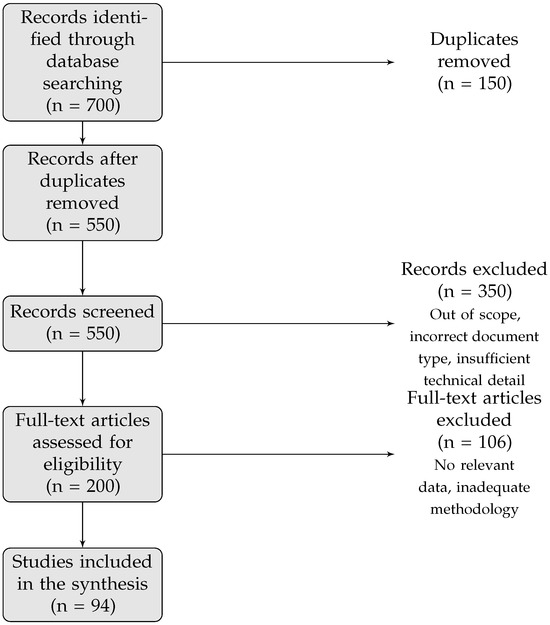
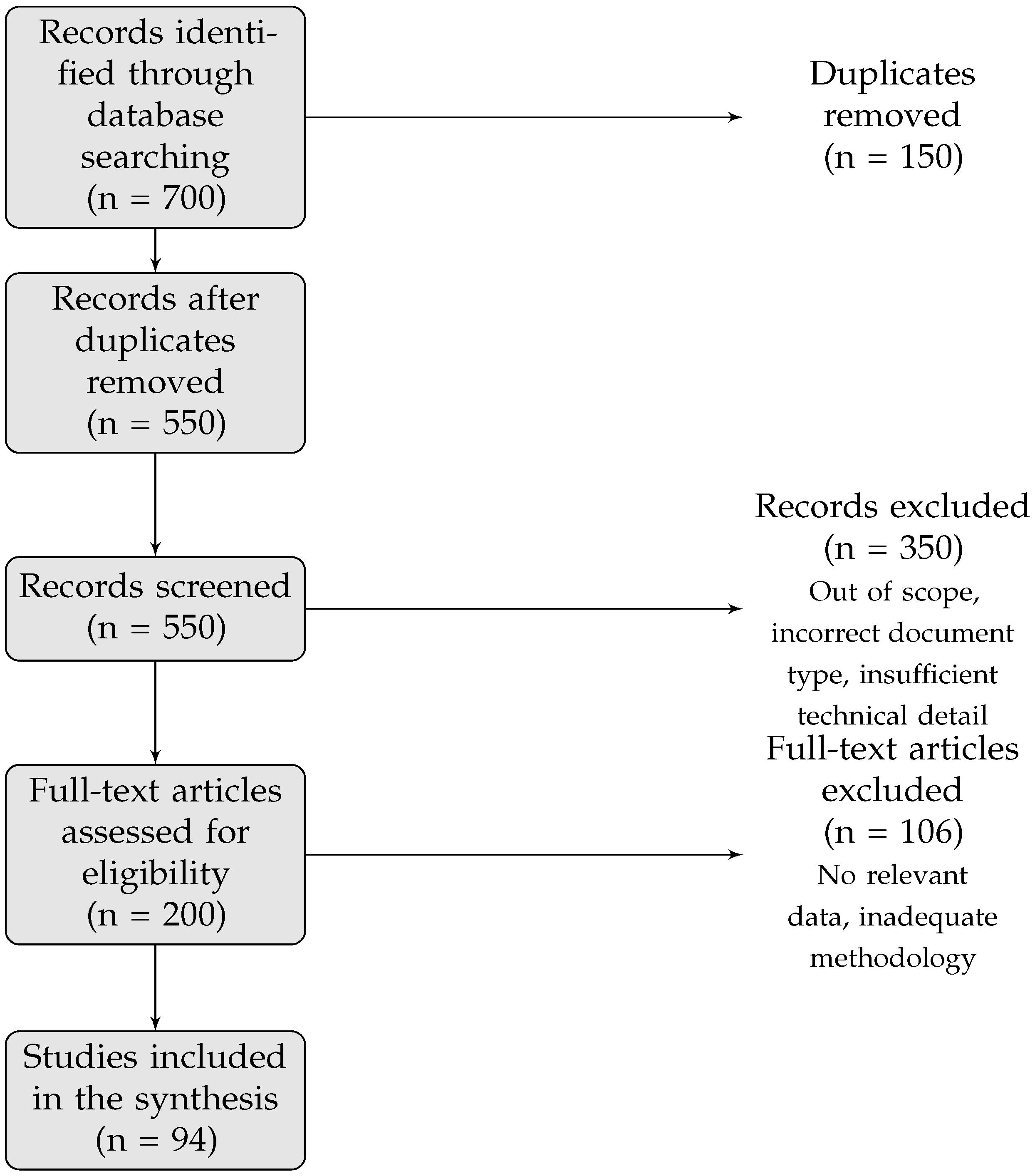
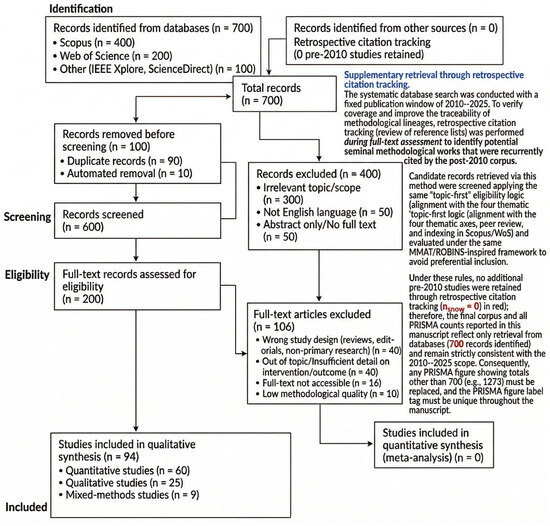
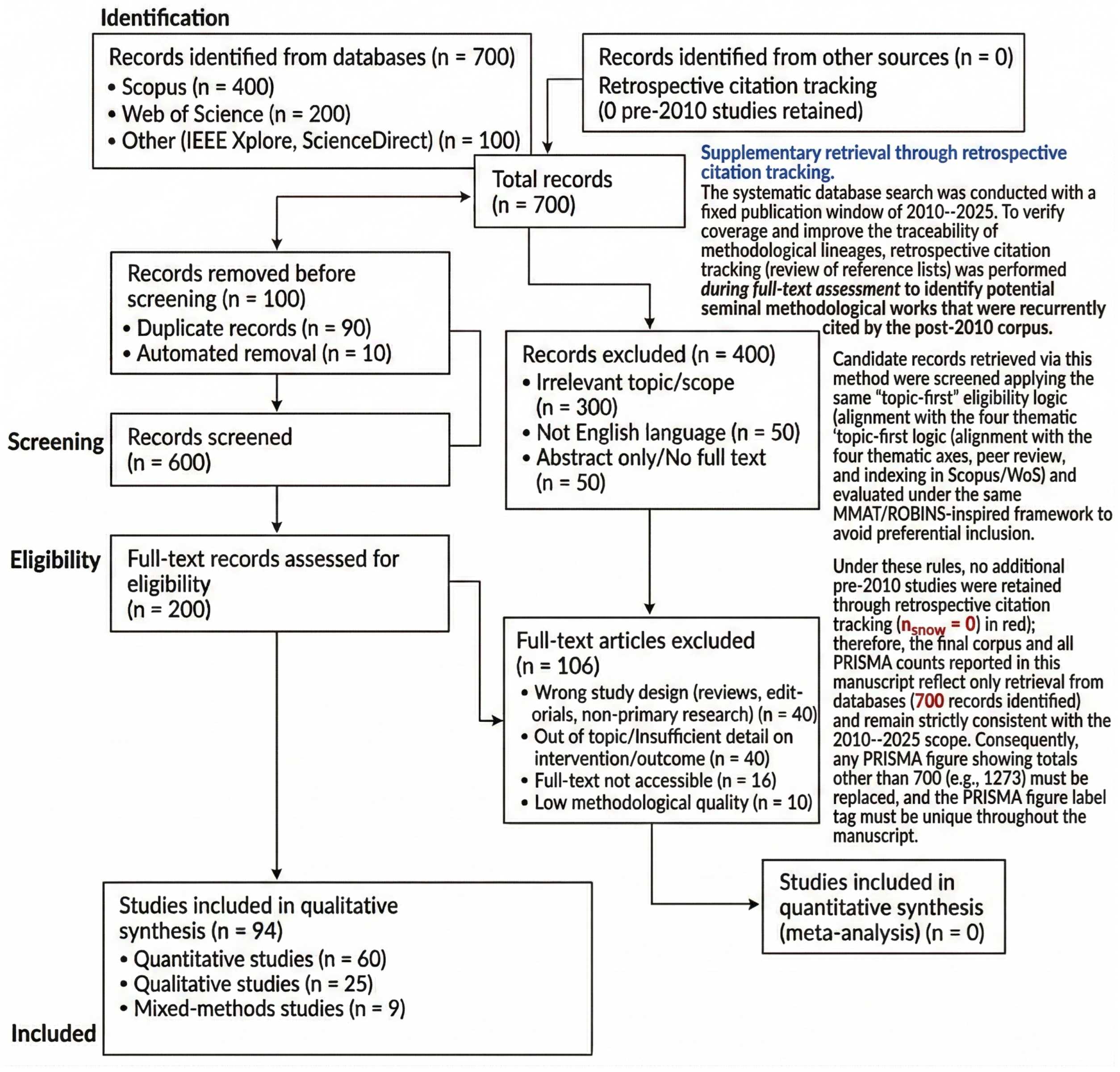
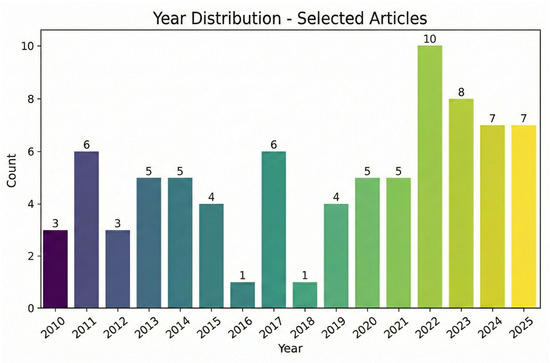
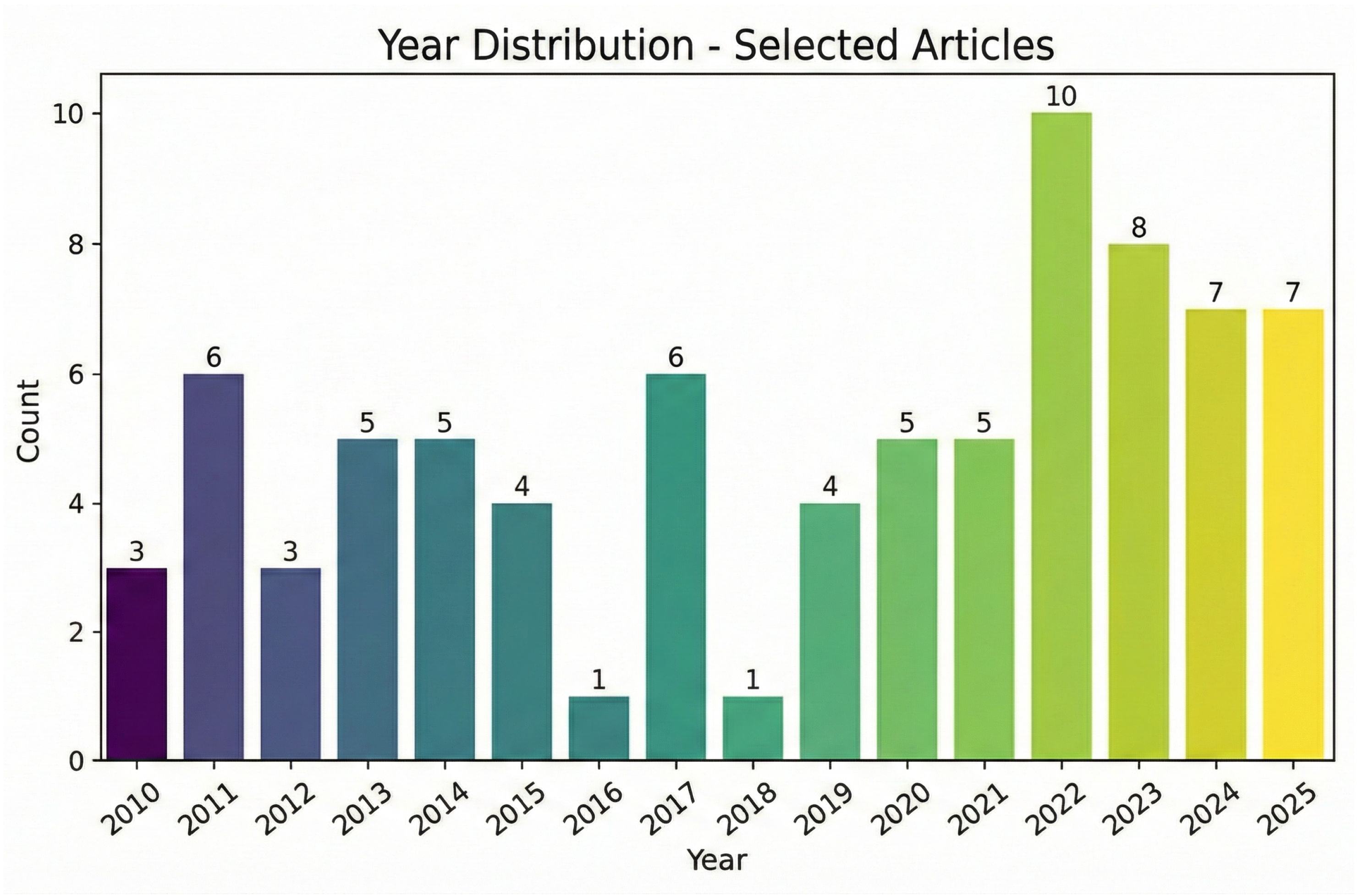
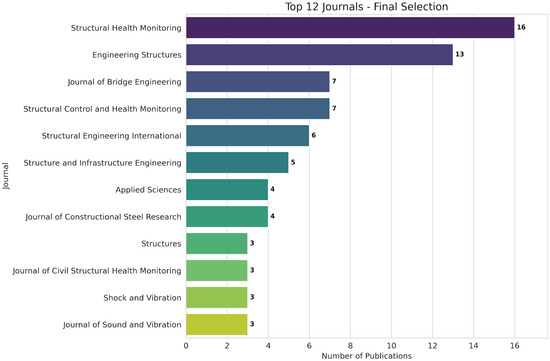
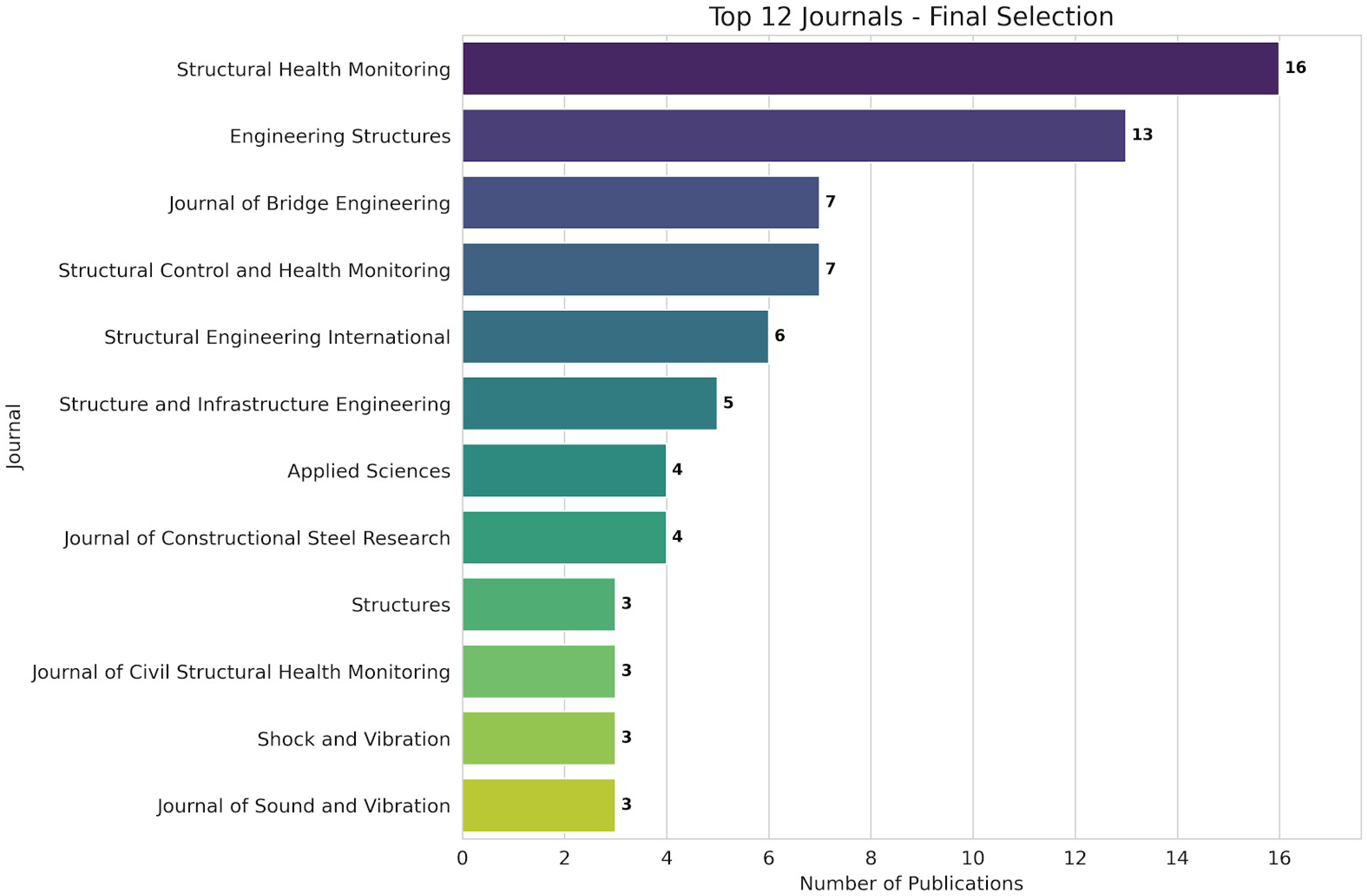
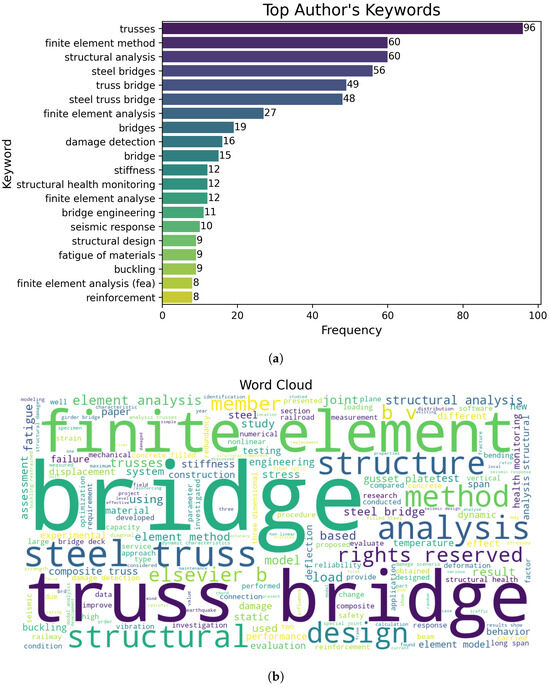
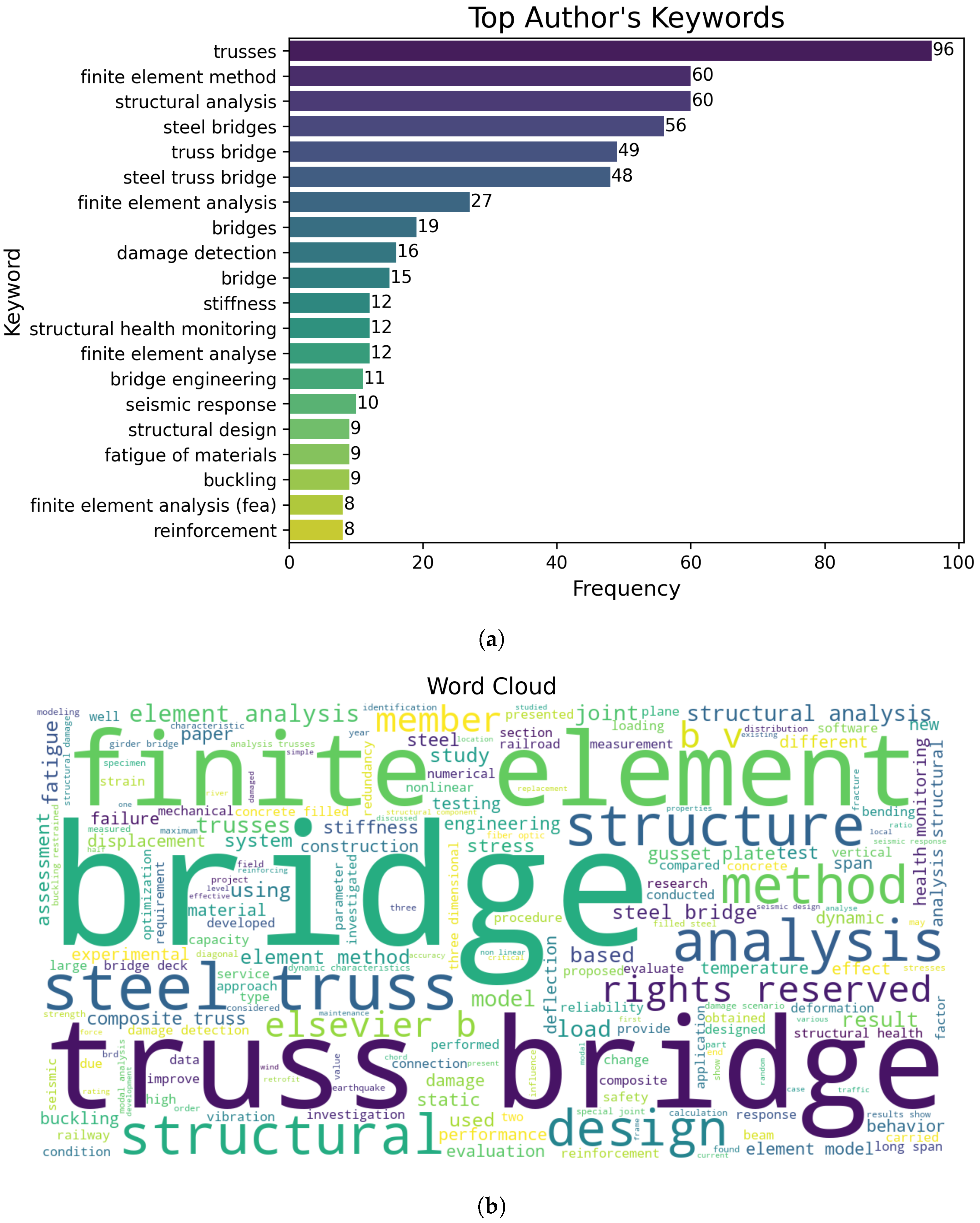
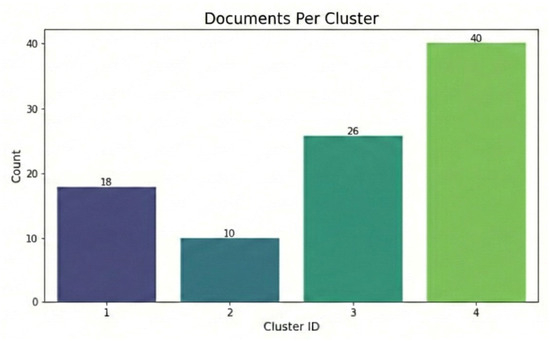
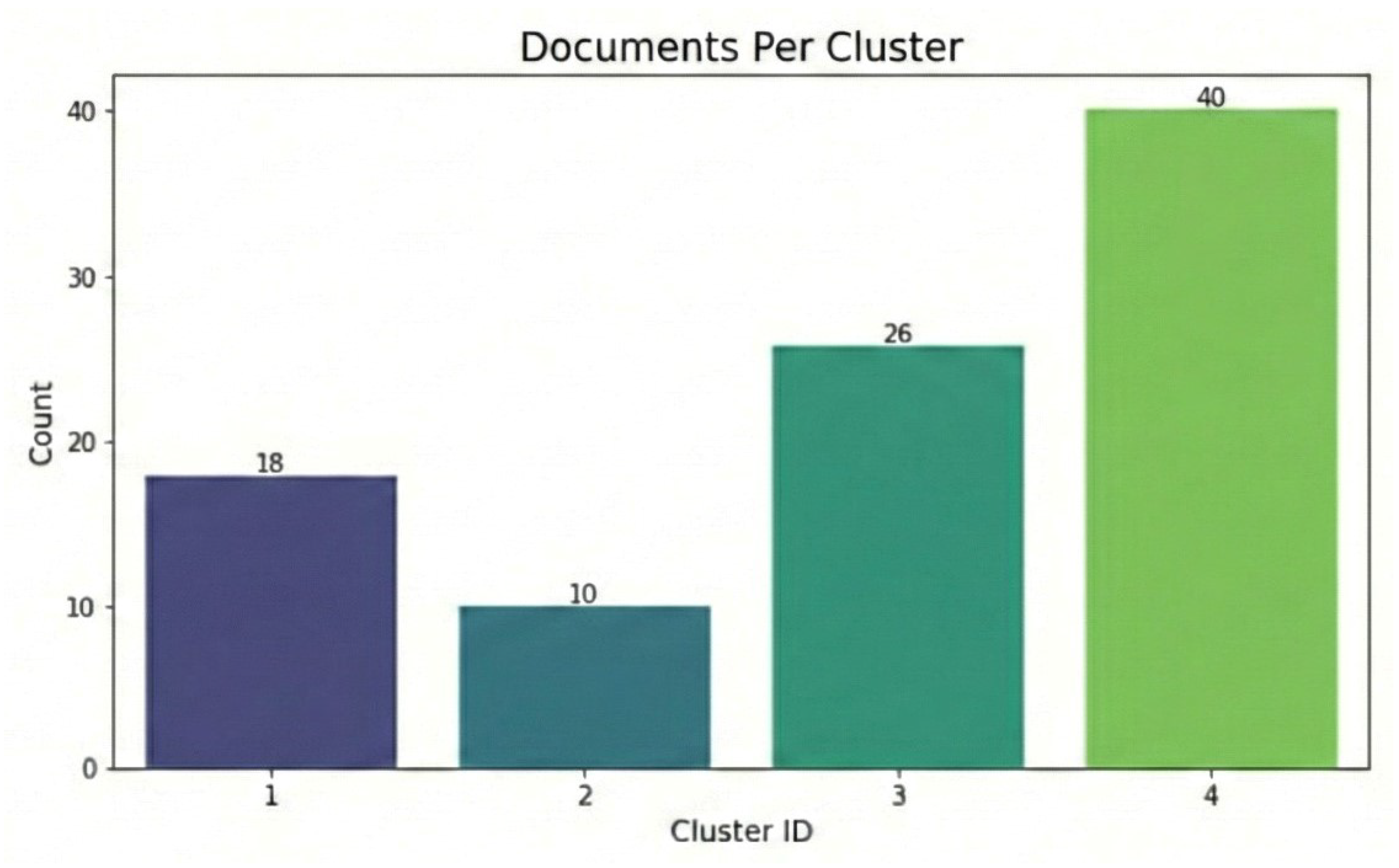
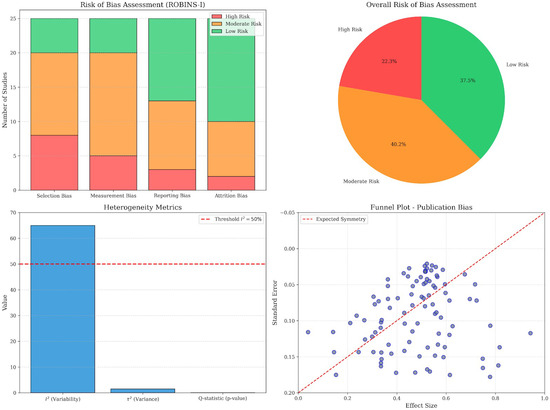
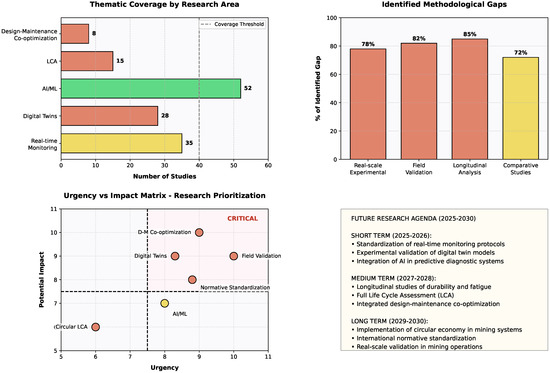

Disclaimer/Publisher’s Note: The statements, opinions and data contained in all publications are solely those of the individual author(s) and contributor(s) and not of MDPI and/or the editor(s). MDPI and/or the editor(s) disclaim responsibility for any injury to people or property resulting from any ideas, methods, instructions or products referred to in the content. |
© 2026 by the authors. Licensee MDPI, Basel, Switzerland. This article is an open access article distributed under the terms and conditions of the Creative Commons Attribution (CC BY) license.