


Featured Application
The results of the study can be applied to smaller dairy processors or on-farm organic milk processing into fermented products, particularly yoghurts. This approach allows for diversification beyond cheese production, while preserving high nutritional and bioactive stability, along with acceptable sensory quality during refrigerated storage. These findings support small-scale organic dairy producers in developing value-added dairy products with proven bioactive stability and extended shelf-life, enhancing their economic viability as a result. Emphasizing the health benefits of organic yoghurts could also become a key element in marketing strategies, responding to growing consumer demand for natural, minimally processed products.
Abstract
The aim of the research was to assess changes in the bioactive status of organic yoghurts produced in the spring/summer season from Simmental cows’ bulk milk during 28-day refrigerated storage, including whey proteins, lipophilic vitamins, and free fatty acids, and to interpret these changes not only in terms of compositional stability but also regarding their nutritional significance, as evaluated using the IYQ (Index of Yoghurt Quality) for vitamins. Raw milk was found to be a significantly richer source of biologically active compounds compared with milk subjected to heat treatment. During the 28-day refrigerated storage of the yoghurts, unfavourable alterations were observed in the levels of selected bioactive components belonging to both the protein and lipid fractions. A reduction in the concentration of the analyzed proteins and vitamins was observed, ranging from 2% for vitamin D3 to 38% for lactoferrin, while the content of free fatty acids increased, from 8% for monounsaturated free fatty acids (MUFFAs) to 39% for short-chain free fatty acids (SCFFAs). The most pronounced changes were observed in lactoferrin content (p ≤ 0.01), whereas vitamin D3 exhibited the highest stability throughout the storage period. The stability of vitamin D3 was further confirmed using the Index of Yoghurt Quality (IYQ). Despite the significant changes observed in the bioactive profile, the yoghurts retained high sensory quality throughout the entire storage period. This indicates that alterations in bioactive status did not compromise the sensory quality of the product, even after 28 days of storage (i.e., at the end of the shelf life). The obtained results indicate the feasibility of developing organic milk processing directly at the farm level while preserving the nutritional value of the products. The possibility of processing organic milk not only into cheese but also into fermented dairy beverages, particularly yoghurts, is of key importance for farmers aiming to diversify production, increase added value, and improve the economic sustainability of small-scale organic farms.
Keywords:
organic milk; yoghurt; whey proteins; vitamins; free fatty acids; index of yoghurt quality 1. Introduction
1.1. Organic Yoghurt Production and Market
Interest in organic dairy products has increased over the past decade, with yoghurt and cheese among the most frequently chosen items by European consumers. The steady expansion of the organic food sector, together with rising demand for dairy products, has created favourable conditions for both industrial-scale processors and small on-farm dairy producers. Nevertheless, organic yoghurts represent a relatively small segment of the overall dairy market [1,2,3].
In 2024, the value of the organic yoghurt market in Europe was estimated at approximately USD 2.86 billion, accounting for approximately 35% of the global organic yoghurt market. Estimates indicate that the European yoghurt market value will increase to USD 6.50 billion by 2033, and global to USD 58.5 billion by 2035. The development of this sector is strongly supported by the availability of organic raw milk. In 2022, organic milk production in the European Union exceeded 5.9 million tonnes [4,5,6]. However, substantial differences in the structural development of the organic dairy sector have been observed across European countries, with Italy reporting over 1100 certified organic dairy producers, the United Kingdom and France more than 300, and the Czech Republic over 100, whereas Poland demonstrated a comparatively limited and less dispersed sector [4,7]. According to the data from the Main Inspectorate of Agricultural and Food Quality Inspection in Poland [8,9], the estimated production value of organic cow’s milk in Poland in 2024 was approximately 33 million litres; organic sheep’s milk approximately 55 thousand litres; and organic goat’s milk approximately 540 thousand litres; representing 0.22% of national total milk production (conventional and organic). Only 5% of organic processing plants (22 plants out of 460 organic dairy farms) were involved in milk processing and cheese production in Poland, and they used milk acquired from cows, goats and sheep. The share of entities involved in milk processing and cheese production in total organic processing in Poland was 2.7% in 2024. Therefore, it is crucial to investigate the possibility of processing organic milk to produce not only cheeses but also fermented beverages, primarily yoghurt.
Assessing market development is complicated by the limited availability of detailed statistical data. Most datasets aggregate figures for organic and conventional dairy products, without distinguishing organic yoghurt from other categories. Moreover, the decentralized and small-scale nature of organic yoghurt processing contributes to data fragmentation, making it difficult to precisely estimate production volumes at national, including Polish, or European levels. Despite these limitations, available indicators consistently point to a gradual increase in consumer demand for organic dairy products [1,2,3,10].
1.2. Regulatory Frameworks in Organic Production
Organic dairy foods are produced from raw materials obtained on certified farms operating under strict regulatory frameworks [11]. These systems restrict the use of synthetic additives, growth promoters, hormones, genetically modified organisms, and non-authorized substances during both primary production and processing. During the vegetation period, cows must be provided with access to outdoor areas that allow for natural grazing. At least 60% of the dry matter of the daily ration should consist of roughage, fresh forage, dried forage, or silage. For cows intended for milk production, a reduction in this proportion to a minimum of 50% of dry matter is permitted for a maximum period of three months during early lactation. Organic processing is based on the “clean label” concept. Milk processing methods used for yoghurt production must ensure the preservation of the natural quality of raw material. The use of food additives is strictly limited and may only be employed in accordance with Commission Implementing Regulation (EU) 2021/1165 of 15 July 2021 [12]. Additives must not mislead consumers or compensate for the inferior quality of the raw material. In organic natural yoghurt, the use of additives is restricted exclusively to starter cultures. In flavoured organic yoghurts, certain additives, such as pectin used as a gelling agent, are permitted. The use of synthetic colourants or synthetic and nature-identical flavourings is strictly prohibited. In both farm-scale and industrial production, the incorporation of fruit preparations is preferred over the addition of flavouring agents to preserve the natural character of the product. As a result, organic products align with current consumer expectations for minimally processed, health-oriented foods. Although higher production costs remain a challenge, the perceived production transparency, nutritional value and health benefits of organic dairy products continue to support their progressive market development [13,14,15,16].
1.3. Health-Promoting Properties of Organic Yoghurts
Yoghurts from organic production are nutrient-dense foods that offer a range of health benefits due to their rich content of bioactive compounds, i.e., whey proteins, essential minerals, fatty acids, and vitamins. β-lactoglobulin is the major whey protein, functioning as a carrier for vitamins and fatty acids, and exhibits both antioxidant and antimicrobial properties. α-lactalbumin facilitates calcium absorption. Immunoglobulins, lysozyme, and lactoferrin play a crucial role in modulating immune responses, demonstrating antibacterial and antiviral activities [14,17,18,19,20]. Vitamin A contributes to the maintenance of vision, epithelial tissue integrity, and immune function. Cholecalciferol (vitamin D3) is crucial for calcium and phosphorus homeostasis, supporting bone mineralization and skeletal health, whereas vitamin E acts as a potent antioxidant, protecting cellular membranes from oxidative damage and contributing to overall immune protection. Regular consumption of yoghurts promotes intestinal health by supplying live lactic acid bacteria, which can enhance the intestinal microbiota, improve digestion and support immune function. Additionally, habitual yoghurt consumption has been associated with reduced risk of metabolic disorders, improved lipid profiles and better regulation of blood glucose levels. Fermentation-derived peptides and phenolic compounds further contribute to antioxidant, anti-inflammatory, and cardiometabolic health-promoting effects [20,21,22].
“Eco yoghurts” evaluated by Paszczyk and Czarnowska-Kujawska [23] had the lowest omega − 6/omega − 3 ratio, suggesting a greater health-promoting fatty acid profile than conventional yoghurts. In other studies [22], a comparison of the nutritional value of organic milk obtained from Jersey cows and yoghurts produced from it indicates that fermentation led to a slight increase in the proportion of saturated fatty acids—SFA (+4.6%), accompanied by a reduction in unsaturated fatty acids—UFA (−10%), and polyunsaturated fatty acids—PUFA (−14.6%), as well as a 43% increase in the n − 6/n − 3 ratio. Compared with organic milk, organic yoghurt was characterized by minor alterations in the amino acid profile. Notably, the content of phenolic compounds in yoghurt was approximately threefold higher than in milk, indicating that fermentation markedly enhances the antioxidant potential and may increase the bioactive properties of the final product. This effect is directly attributable to the quality of the raw material and the production technology employed. According to Manuelian et al. [24], organic and conventional milk from Holstein-Friesian cows did not differ significantly in total fat, lactose, vitamin E, or amino acid content, likely due to similar management conditions, breed, and the generally high production intensity in both systems. However, organic milk tended to have higher levels of PUFA (p = 0.071), including omega-3 (p = 0.086), and higher cis-fatty acids (p < 0.001). Attention to fatty acids was also drawn by Ormston et al. [25], and Paszczyk and Czarnowska-Kujawska [23]. Ormston et al. [25] demonstrated that organic milk exhibits a more favourable fatty acid profile compared to conventional milk, with higher concentrations of SFA, PUFA, and nutritionally relevant compounds such as alpha-linolenic acid, rumenic acid, and eicosapentaenoic acid, whereas conventional milk contained higher levels of monounsaturated fatty acids (MUFA). In turn, Barłowska et al. [26], compared milk obtained from Simmental cows raised on organic farms, as well as Simmental and Holstein-Friesian cows fed in a TMR (Total Mixed Ration) system, in terms of its technological suitability for processing. Milk derived from organic farms during the summer season was characterized by the elevated levels of total protein, β-lactoglobulin, α-lactalbumin, lactoferrin, and lysozyme. In addition, it exhibited a more favourable fatty acid composition, reflected by a reduced proportion of SFA and an increased share of UFA, particularly MUFA and PUFA. These compositional differences reflect not only the cows’ diet but also variations in feeding efficiency, with organic farms demonstrating improved conversion of conserved forages and concentrates into milk, fat, and protein due to lower concentrate input.
1.4. Yoghurt Storage
According to the definition given by the FAO/WHO, yoghurt is milk that has been fermented and coagulated using Lactobacillus delbrueckii subsp. bulgaricus and Streptococcus salivarius subsp. thermophilus bacteria [27]. Lactic acid fermentation is one of the oldest and most widespread methods for preserving milk, and thus fits very well into the idea of organic food production. However, fermented beverages, including yoghurts, are considered to be perishable; therefore, at all stages of production and distribution, the refrigerated chain is required. At the moment of consumption, products cannot endanger the health of the consumer, and should be characterized by desired quality characteristics [16,28]. In this aspect, an important guideline for the consumer is the use-by date, indicating the shelf-life of a product stored in ideal conditions. This period largely depends on the quality of raw material, the technological processes used, and conditions of production, storage, transport and home storage of the final product [29,30,31,32,33]. The shelf-life of yoghurt is usually 28 days, and is determined by the manufacturer on the basis of microbiological results obtained from shelf-life testing. If the manufacturer has an aseptic production line and an aseptic packaging system, the shelf life can be as long as 48 days. In the study by Jańczuk et al. [34], it was shown that the content of lactoferrin in natural yoghurt fortified with this protein gradually decreased during 28 days of storage at 4–6 °C, reaching a reduction of approximately 14% compared to the initial value. In yoghurt fortified with 1–3% CLA, the total CLA content and its main isomers (cis-9, trans-11 and trans-10, cis-12) significantly increased during 14 days of refrigerated storage, which was attributed to the activity of lactic acid starter cultures [35]. Furthermore, the addition of probiotics can significantly improve the biological activity of yoghurt, including antioxidant (DPPH free radical scavenging rate and ferric reducing antioxidant power activity) and ACE inhibitory activities [36]. In the literature, different studies on the quality of fermented milk during storage can be found. However, published studies mainly provide information on microbiological and basic chemical properties of raw material and products.
The aim of the research was, therefore, to assess changes in the bioactive status of organic yoghurts produced from Simmental cows’ milk during 28-day refrigerated storage, including whey proteins, lipophilic vitamins, and free fatty acids, and to interpret these changes not only in terms of compositional stability but also regarding their nutritional significance, as evaluated using the IYQ (Index of Yoghurt Quality) for vitamins.
In the context of the growing demand for organic products and their health benefits, the results of this study could be crucial for the food industry. Assessing the stability of bioactive components during storage is important for smaller dairy processors and farms, which can benefit from the increasing interest in healthy organic products to expand production. Highlighting the health benefits of organic yoghurts could become a key element in marketing strategies in response to consumers’ demand for natural, minimally processed products.
2. Materials and Methods
2.1. Research Material
Milk for yoghurt production was obtained from three certified organic farms located in the neighbourhood in the mountainous regions of Southern Poland. The farms were selected based on their certified organic status (with a certificate confirming the use of organic production methods) and location, with the aim of minimizing variability related to environmental and management conditions. Environmental factors in the location of the farms are characterized by a temperate continental climate. The temperature range varies significantly between seasons, with winters typically experiencing sub-zero temperatures, often ranging from −5 °C to −10 °C, and summers reaching around 25 °C to 30 °C. The region also experiences moderate humidity levels, with average relative humidity around 75–80%, with higher levels during the winter months due to snowfalls. Seasonal patterns include warm, humid summers with occasional thunderstorms, mild springs, and cooler, wet autumns that transition into cold winters [37]. These climate conditions influence the availability of forage, animal comfort, and the management of livestock throughout the year; therefore, farms in close proximity, implementing the same practices, were chosen for the study. In all chosen farms, Simmental cows were maintained in a tie-stall housing system with straw bedding. During the spring/summer grazing season (May–July), cows were provided with ad libitum access to pasture, with a daily intake of 2–3 kg of hay. Additionally, they received a daily supplement of 1–2 kg of organic grain meal. During the autumn-winter season, animals were fed approximately 20 kg of grass silage, 3 kg of hay, and 1 kg of organic grain meal daily. During the spring/summer grazing season, cows were kept indoors only for milking. Bulk milk samples were collected six times (twice per month) from each farm, yielding a total of 18 samples. Milk was transported under refrigeration and immediately used for chemical analyses and yoghurt production.
2.2. Milk Analysis
Each bulk milk sample was analyzed for the following parameters: active acidity (pH); potential acidity (°SH); fat; protein, including casein, lactose, and dry matter contents (Bentley DairySpec FT, Bentley Instruments, Chaska, MN, USA); somatic cell count—SCC (Somacount 150, Bentley Instruments, Chaska, MN, USA); whey proteins, including α-lactalbumin (α-LA), β-lactoglobulin (β-LG), bovine serum albumin (BSA), lactoferrin, and lysozyme (using the liquid chromatograph ProStar 210 model and UV-Vis ProStar 325 detector, with the Star 6.2 Chromatography Workstation, Varian, Palo Alto, CA, USA) [38]; fat-soluble vitamins, i.e., A, D3, and E, as well as β-carotene (analytical method—as previous) [38]; and total bacterial count—TBC (BactoScan FC, FOSS, Hilleroed, Denmark).
Fatty acid methyl esters (FAME) were prepared in order to determine the amount of free fatty acids in milk. 2% (v/v) sulfuric acid in methanol was used as a derivatization reagent. A gas chromatograph (Shimadzu GC2010, Kyoto, Japan) interfaced with a quadrupole mass spectrometer (Shimadzu QP2010Plus, Kyoto, Japan) and autosampler (Shimadzu AOC-20i, Kyoto, Japan) was used. Chromatographic separation was performed on a FactorFour Type VF-5MS capillary column (CP8944, length—30 m, internal diameter—0.25 mm, film thickness—0.25 µm), Varian (Palo Alto, CA, USA). A dispenser heated to a temperature of 250 °C worked in the sample division mode (Split mode—1:20). The mass spectrometer was operated in the SCAN mode (40–550 m/z), with the ion source heated to 250 °C. The flow of carrier gas (helium) was constant during the analysis (1 mL/min). The volume of the dispensed sample was 0.001 mL. Mass spectra of all the analyzed compounds were compared to reference mass spectra (NIST 5.0), which allowed us to determine a similar coefficient of spectra. Qualitative analysis was performed on the basis of obtained retention times and mass spectra recorded for standards of analyzed compounds. Quantitative analysis of FAME was performed by external standard method, using 1-bromotetradecane as an internal standard.
Analogous tests were carried out on heat-treated bulk milk from the farms (details on heat treatment are provided below in the Section 2.3).
2.3. Yoghurt Production
Yoghurts were produced by the water bath (thermostatic) method. Raw milk was heat-treated at 85 °C for 30 min, cooled to 40 °C, and inoculated with 0.15 g/L of the thermophilic yoghurt starter culture FD-DVS YC-380 Yo-Flex (Chr. Hansen, Hørsholm, Denmark), containing Streptococcus salivarius subsp. thermophilus and Lactobacillus delbrueckii ssp. bulgaricus [39]. Milk was incubated until it reached pH = 4.6, after which the yoghurts were cooled to 20 °C to discontinue the fermentation. Such conditions ensure effective inactivation of endogenous enzymes and microflora. This is particularly important to ensure the health safety of the product intended for consumption. Three yoghurt replicates were produced per bulk milk sample, creating a total of 54 products, which were stored at 4–6 °C for approximately 14 h prior to analysis, as shown in Figure 1.
Figure 1.
Technological flowchart illustrating the yoghurt production process.
2.4. Yoghurt Analysis
Yoghurt analyses included the determination of potential acidity (°SH) expressed as the content of lactic acid, and protein, fat and dry matter contents, all measured in triplicate [39,40]. Whey proteins, vitamins, and free fatty acids were assessed as described for milk samples [38,39].
A sensory evaluation was performed by a five-person panel consisting of adults of varying ages (25–45 years) and professional backgrounds, all with experience in the sensory evaluation of fermented dairy products. All panellists received detailed instructions and participated in a short training session to refresh their understanding of the sensory attributes (colour, consistency, flavour, and aroma) and the five-point scoring system, ensuring consistency and reproducibility of the assessments. Each sample was served in equal portions (approximately 100 g) in identical, neutral containers labelled with codes, after being tempered at room temperature for 1 h prior to assessment. The evaluation was conducted under controlled lighting and temperature conditions. The procedure included a visual assessment of the product surface, evaluation of resistance during spooning, and assessment of texture in the oral cavity. Panellists rinsed their mouths with water between samples to minimize carry-over effects. A five-point scale was used to rate colour, consistency, flavour, and aroma, where 1 indicated unacceptable quality and 5 denoted very good quality [41].
Yoghurts were monitored at weekly intervals for 28 days, with a new container opened at each stage, and stored under refrigerated conditions (4–6 °C). The 28-day storage period was selected to reflect the typical refrigerated shelf-life of yoghurt, especially in small-scale and on-farm processing. Most relevant quality changes in yoghurt occur within the first 2–4 weeks of storage.
2.5. Calculation of the Index of Yoghurt Quality
Based on the daily requirement for a given ingredient (vitamin) for women and men aged from 14 to 70 [42], and the caloric content of the product and the vitamin concentration in the product, the Index of Yoghurt Quality (IYQ) based on the Index of Food Quality (IFQ) [43] for each vitamin was calculated, using the following formula:
IYQ—Index of Yoghurt Quality,
Nfood—Nutrient in a food,
Cfood—Number of calories in a food,
NRDA—Recommended dietary allowances for nutrient,
CRDA—Recommended dietary allowances for energy,
RDA—Recommended Daily Allowances.
2.6. Statistical Analysis
Statistical analysis of the results was performed using StatSoft Inc. Statistica ver. 13.3 (Dell, Round Rock, TX, USA) by one-way analysis of variance (ANOVA). To establish relationships between selected experimental variables, the Pearson’s correlation coefficients (r) were calculated. Significance of differences was determined at a level of p (alpha) = 0.05. The results are presented as mean ± standard deviation (SD).
3. Results
3.1. Raw and Heat-Treated Milk
3.1.1. Acidity
The study included analyses of raw milk obtained in the spring/summer period from organic farms, which was then heat-treated. The results before and after heat treatment did not differ statistically (Table 1). The acidity of the milk, expressed as active acidity (pH value) and potential acidity (titrimetric, in °SH), was found to meet the Polish standard requirements PN-A-86003/A1:1998 [44] for drinking milk, according to which the active acidity (pH) of heat-treated milk should be 6.6–6.8 and titrimetric acidity 6.0–7.2 °SH.
Table 1.
Results of physicochemical analysis of raw and heat-treated bulk milk obtained from certified organic farms in the spring/summer season used in the production of natural yoghurts (mean ± SD).
3.1.2. Biologically Active Nutrients
Evaluation of the nutritional value of the heat-treated bulk milk showed that it contained 12.80% dry matter, including 3.46% crude protein, 3.70% fat and 4.74% lactose (Table 1). The percentage of whey proteins was 0.54%, which accounted for 15.6% of the total protein. This was reflected in the content of individual biologically active nutrients in the protein fraction (Table 2). The heat-treated milk used for yoghurt production contained 0.74 g/L of β-lactoglobulin, 0.88 g/L α-lactalbumin, 0.41 g/L BSA, 32.97 mg/L lactoferrin, and 4.45 µg/L lysozyme. It should be noted, however, that comparison of the results for the raw milk before and after heat treatment showed that the untreated milk was a much more valuable source of these proteins. The raw milk contained 0.85% of whey proteins, including 3.65 g/L β-lactoglobulin (nearly five times more), 1.28 g/L α-lactalbumin (nearly 40% more), 0.43 g/L BSA (comparable), 137.14 mg/L lactoferrin (four times more) and 12.40 µg/L lysozyme (nearly three times more).
Table 2.
Content of bioactive components in the raw and heat-treated bulk milk obtained from certified organic farms in the spring/summer season used in the production of natural yoghurts (mean ± SD).
The quality assessment of raw and heat-treated milk also included analysis of the content of selected biologically active nutrients present in the lipid fraction, i.e., vitamins (Table 2), and free fatty acids (FFAs) (see Table 3). The raw milk contained on average 10% more β-carotene and vitamin D3, 15% more vitamin E and 30% more vitamin A in comparison with heat-treated milk used for yoghurt production (Table 2). All FFAs in the raw milk constituted 0.276 g/100 g fat, and significantly increased in the heat-treated milk to 0.394 g/100 g fat. Long-chain free fatty acids (C15–C24)—LCFFAs were the most dominant.
Table 3.
Content of free fatty acids in the raw and heat-treated bulk milk obtained from certified organic farms in the spring/summer season used in the production of natural yoghurts (mean ± SD) (g/100 g fat).
3.2. Yoghurts
3.2.1. Acidity
During the study, the percentage of lactic acid in the yoghurts increased, reaching a level of 1.476% on the final (28th) day. The pH value decreased during cold storage of the products, falling from 4.58 on day 0 to 4.25 on day 28—see Figure 2, indicating ongoing acidification throughout storage.
Figure 2.
Changes in pH value in the analyzed yoghurts during 28 days of storage in refrigeration conditions.
3.2.2. Biologically Active Nutrients
The status of bioactive compounds contained in the natural yoghurts produced from the heat-treated milk was determined over 28 days of storage in refrigerated conditions. The results are presented in Table 4 and Table 5. The storage time was found to significantly (p ≤ 0.05 and p ≤ 0.01) affect the content of all whey proteins (Table 4). The freshly produced yoghurts (day 0 of storage) contained 0.92 g/L of β-lactoglobulin, 0.84 g/L α-lactalbumin, 0.40 g/L BSA, 32.24 mg/L lactoferrin and 4.37 µg/L lysozyme. After 7 days of storage only slight changes in their content were noted (comparable to day 0). The 14-day and 28-day storage periods led to more pronounced changes in protein status. The yoghurts analyzed on the final storage day (day 28) were a poorer source of all whey proteins tested, as they contained 25% less α-lactalbumin, 26% less lysozyme, 30% less β-lactoglobulin and BSA and as much as 38% less lactoferrin.
Table 4.
Status of bioactive whey proteins in natural organic yoghurts during 28 days of refrigerated storage (mean ± SD).
Table 5.
Status of lipophilic vitamins in natural organic yoghurts during 28 days of refrigerated storage (mean ± SD).
In the present study, as the storage time increased the percentages of lipophilic vitamins in the yoghurt also decreased (Table 5). The fresh yoghurts (day 0) contained on average 0.267 mg/L of β-carotene, 0.453 mg/L vitamin A, 0.748 µg/L vitamin D3 and 1.849 mg/L vitamin E. During 28-day storage the greatest changes were in the content of β-carotene, by 0.054 mg/L (p ≤ 0.05), and vitamin A, by 0.077 mg/L (p ≤ 0.05), which were 20% and 17% less, respectively. In the case of vitamin E, the losses were 7%, i.e., 1.719 mg/L (p ≤ 0.05) on day 28. The most stable vitamin was D3. During storage its level remained similar, with content of 0.730 µg/L noted on day 28. It is worth noting that only in the case of the level of vitamin D3 were no statistically significant differences noted during storage of the yoghurt.
Considering both the whey protein content and vitamin levels, it is necessary to link the specific protein content in our yoghurts with the stability of vitamin D3. The calculated correlation coefficients obtained in our own studies suggest positive interactions between these variables, i.e., very strong for β-lactoglobulin and vitamin D3 (r = 0.837, p ≤ 0.05), and moderate for α-lactalbumin and vitamin D3 (r = 0.553, p ≤ 0.05).
The changes in content of FFAs in yoghurts are shown in Table 6. Long-chain free fatty acids (C15–C24) were the most dominant, similarly as in the case of milk, and palmitic (C16:0) and oleic (C18:1n9c) acids in particular. From a quantitative point of view, these two acids were found to be the major FFAs in all yoghurt samples. The levels of all groups of FFAs were affected by the storage period and increased at the end of storage. The total amount of short-chain free fatty acids (SCFFA) was higher by 39% on day 28. The changes were statistically (p ≤ 0.05) significant in the case of SCFFAs, long-chain free fatty acids (LCFFA), polyunsaturated free fatty acids (PUFFA) and all FFAs.
Table 6.
Status of free fatty acids in natural organic yoghurts during 28 days of refrigerated storage (g/100 g fat) (mean ± SD).
3.2.3. Organoleptic Characteristics
During 28-day storage in the refrigerated conditions of the yoghurts no statistically significant changes were noted in their sensory quality, i.e., colour, consistency, flavour, aroma and general acceptance. The mean results of the assessment of these characteristics are presented in Figure 3. These characteristics were rated on average 10% lower on the last day of storage (28) as compared to the first day.
Figure 3.
Changes in organoleptic quality (colour, consistency, flavour, aroma and general acceptance) of the analyzed yoghurts during 28 days of storage in refrigeration conditions.
3.3. Index of Yoghurt Quality
Figure 4 presents the Index of Yoghurt Quality (IYQ) values at 0, 7, 14, 21 and 28 days of storage. IYQ, calculated for vitamins A, D3, and E based on the modified Index of Food Quality, showed that vitamin D3 is a nutritionally valuable component of yoghurt, with an IYQ of 4.99 on day 0. Although the percentage losses of vitamins A and E during storage were moderate (17% and 7%, respectively), their IYQ values remained below “1” throughout the storage period, indicating that yoghurt was not a significant dietary source of these vitamins even before storage. In contrast, vitamin D3 exhibited minimal degradation (2%), and its IYQ remained well above “1” during the entire storage period, confirming that yoghurt maintained its nutritional relevance as a source of this vitamin despite storage-related changes. The IYQ for all three vitamins was highest on day 0 and decreased progressively over the 28 days of storage. The changes expressed as percentages indicate a rapid decline in the nutritional value (IYQ) of yoghurt for vitamin A, whereas the decrease was slowest for vitamin D3.
Figure 4.
Index of Yoghurt Quality (IYQ) reflecting vitamin content changes in yoghurts over 28 days of refrigerated storage.
4. Discussion
4.1. Acidity and Biologically Active Nutrients in Raw and Heat-Treated Milk
4.1.1. Acidity
In general, the main aims of heat treatment are to reduce the microbial population, to inactivate enzymes and to minimize chemical reactions and physical changes. The heat treatment process is thus essential before beginning production of dairy products, including yoghurt, not only on an industrial scale, but also on farms. This helps to ensure the health safety of produced food. Trajkovska et al. [32] reported that over-acidification or post-production acidification refers to the decrease in pH value occurring after fermentation and during refrigerated storage of yoghurts. It results from the continued metabolic activity of yoghurt cultures, leading to ongoing lactic acid production through lactose fermentation, and β-galactosidase-mediated lactose fermentation at low temperatures.
In the present study, yoghurts were prepared using a thermophilic yoghurt starter culture, containing S. salivarius subsp. thermophilus and L. delbrueckii subsp. bulgaricus. These strains act synergistically. S. thermophilus initiates rapid lactose fermentation, producing lactic acid and supporting early acidification, while L. bulgaricus contributes to the characteristic final acidity and texture of the yoghurt. In industrial yoghurt production, such starter combinations are widely used due to their predictable fermentation performance and consistent impact on pH value and titratable acidity. In probiotic or functional yoghurts, additional strains such as L. acidophilus, Bifidobacterium spp., or L. casei are often incorporated to enhance microbial stability, support digestive health, and maintain moderate acidification during storage [45]. This comparison supports the satisfactory fermentation performance of the starter strains used.
According to the Codex Alimentarius [29], the titratable acidity as well as microbiological and chemical criteria should be used to detect unacceptable conditions in milk and fermented dairy products. Titrimetric acidity expresses the degree of milk buffering and indicates any changes taking place in the concentration of acidic compounds in the milk, even if the pH remains unchanged [46].
4.1.2. Biologically Active Nutrients
According to Lorenzen et al. [46], the milk production process can vary depending on the initial concentration of whey proteins in the raw milk, particularly β-lactoglobulin. Mayer et al. [47] suggest that β-lactoglobulin should account for at least 10% of the total milk protein in the case of pasteurization (HTST). Comparative studies of raw and heat-treated milk have shown no significant changes in the total protein content; however, heat treatment alters the proportions of individual proteins due to denaturation and protein–protein interactions [46]. As a result, pasteurized milk has been recognized as a valuable source of bioactive whey proteins. However, increasing the heat load leads to progressive structural changes in these proteins. Vasbinder et al. [48] and Wang et al. [49] observed a significant reduction in the concentration of native whey proteins with increasing temperature, with almost complete denaturation occurring during UHT processing (>120 °C). This extensive denaturation promotes aggregation phenomena, including interactions between denatured β-lactoglobulin, bovine serum albumin (BSA), and κ-casein, as well as adsorption onto fat globule membranes [48]. Spectroscopic and electrophoretic analyses of Wang et al. [49] further confirm that pasteurization induces only minor alterations in the secondary structure of whey proteins, whereas ultra-pasteurization significantly reduces α-helix content and increases random coil structures, indicating a transition from ordered to disordered conformations. These conformational changes are accompanied by modifications in tertiary structure, as evidenced by fluorescence red shifts observed after ultra-high-temperature treatment, reflecting increased polarity of the protein microenvironment and irreversible unfolding. Differential scanning calorimetry (DSC) analyses have shown higher denaturation peak temperatures in UHT-treated whey proteins compared to pasteurized samples, suggesting enhanced thermal stability of protein aggregates formed during ultra-pasteurization [49]. Such aggregates are considered heat-stable but biologically less native due to irreversible denaturation. High-temperature treatment adversely affects ligand-binding properties of β-lactoglobulin, including its ability to bind vitamin D3, retinol, or fatty acids (e.g., palmitic acid), which is lost at temperatures above 70–80 °C. In contrast, α-lactalbumin exhibits high renaturation potential, with reversible even in 90% denaturation observed even after heating up to 110 °C [50]. Lactoferrin demonstrates notable thermostability under acidic conditions, retaining resistance to denaturation at 90–100 °C for 5–10 min and during UHT treatment at low pH [51], while partial inactivation occurs only after prolonged (i.e., over 30 min) heating above 85 °C [52]. Lysozyme activity is relatively heat-resistant. Pasteurization of cow’s, buffalo’s, and camel’s milk at 65–75 °C does not significantly reduce its activity, but higher temperatures (>85 °C) can cause partial inactivation [53,54]. Notably, although lysozyme loses enzymatic activity upon denaturation, it retains its antibacterial properties due to bioactive peptide sequences released during hydrolysis [54]. In general, the content of non-denatured whey proteins serves as a valuable chemical indicator of the thermal load applied during milk processing. The heat sensitivity of whey proteins follows this order: α-lactalbumin < β-lactoglobulin < bovine serum albumin < immunoglobulins [55]. While thermal processing modifies the structure and native content of whey proteins, these proteins remain in milk, often forming complexes with other components, thus preserving part of their biological value. This is particularly important for consumers, as whey proteins are well-known for their health-promoting properties, including antibacterial, antiviral, and anticancer effects [17,18,19].
Vitamins such as A, D3 and E, and β-carotene, however, are more resistant than whey proteins to the high temperatures applied during heat treatment. Their concentrations generally remain unchanged or are only slightly reduced, typically by no more than 10–20% [56]. However, available data in this area are limited. Recent studies [57] indicate that vitamin D3 exhibits particularly high thermal stability when encapsulated in nanoemulsion systems, maintaining high encapsulation efficiency and retention even after thermal processing. Moreover, interactions between vitamin D3 and whey proteins may enhance the thermal stability of the protein matrix [58]. Vitamin A and β-carotene have been shown to moderately inhibit the formation of heat-induced nonenzymatic post-translational modifications in whey proteins, suggesting their relative stability under thermal conditions. In addition, β-carotene encapsulated in emulsion systems demonstrates good heat resistance and high retention rates during processing [59]. Vitamin E (α-tocopherol) has also been reported to improve the thermal stability of whey protein isolates, although excessive concentrations may exert a pro-degradative effect [60].
The lipid fraction of milk also contains a small proportion of fatty acids not esterified in triglycerides, referred to as free fatty acids (FFAs). FFAs are primarily distributed within the milk fat phase and, to a lesser extent, in the aqueous phase, with typical concentrations ranging from 0.5 to 1.2 mmol/100 g of milk fat [61]. The free fatty acid content in dairy products is strongly influenced by the initial quality and composition of raw milk, particularly microbial contamination by lipolytic and psychrotrophic bacteria, as well as factors such as cow diet and health, or processing conditions. Heat treatment, including pasteurization and UHT processing, generally reduces lipolysis by inactivating lipoprotein lipase, although its effects on FFA levels vary and may also involve oxidative changes and fatty acid isomerization [62,63,64,65]. The findings of the present study are consistent with reports by other authors [46,62], who likewise demonstrated that heat treatment affects the composition of the milk lipid fraction.
4.2. Yoghurts
4.2.1. Acidity
The acidity of the experimental yoghurts remained within the normal range, with titrimetric acidity (expressed as lactic acid content) generally increasing during storage. Comparable findings were reported by Kudełka [66], who observed a steady increase in lactic acid content over a 21-day storage period under refrigerated conditions. On the final day of storage, the lactic acid content ranged from 0.659% to 0.680% for yoghurts produced from cow’s milk pasteurized at 90 °C for 10 min, and from 0.693% to 0.720% for the variant pasteurized at 95 °C for 5 min. Similarly, Ramchandran and Shah [67] recorded an increase in titratable acidity in low-fat yoghurts stored at 4 °C for 28 days. On the final day of storage, they noted a pH value of 4.53 and a lactic acid concentration of 1.23 mg/100 g, compared to a pH of 4.49 and 0.86 mg/100 g of lactic acid on day 1. These findings are consistent with the research of Trajkovska et al. [32], who showed that the pH of yoghurt gradually decreased during storage at various temperatures (5 °C, 10 °C, and 25 °C), indicating an increase in acidity over time. Titratable acidity increased with storage time, with higher values observed at higher temperatures, suggesting more intensive lactic acid production under warmer conditions. As such, the growing importance of temperature control during the distribution of dairy products, particularly through e-commerce, has been emphasized by Wasserlauf-Pepper et al. [31], highlighting the need to monitor and regulate the cold chain.
The changes in acidity are directly related to the type of strain used. In cow’s milk yoghurt, S. thermophilus initially causes a rapid decrease in pH during the first 4 h of fermentation, with pH values dropping from 6.6 to around 5.4. As fermentation continues, L. bulgaricus takes over, producing more lactic acid, which further lowers the pH to approximately 4.4 by the end of an 8 h fermentation period. This pH reduction continues during storage, with a slight decrease observed over 21 days, reaching a final pH of around 4.2 [30]. Ge at al. [68] showed that the monoculture of L. bulgaricus led to the most rapid acidification, with pH values dropping to 4.30 at the end of fermentation and 4.15 after 21 days of storage, while the monoculture of S. thermophilus reached pH values of 4.56 and 4.22, respectively. In contrast, the co-culture of L. bulgaricus and S. thermophilus resulted in more gradual acidification, with final pH values of 4.45 after fermentation and 4.30 after storage, demonstrating a more balanced and stable acidification process. Shori et al. [69] observed the lowest pH values, ranging from 4.5 to 4.2, in L. rhamnosus, with significant differences (p < 0.05) compared to L. casei, L plantarum, and control (S. thermophilus and L. delbrueckii subsp. lactis) yoghurts. These values gradually decreased over 21 days of refrigerated storage at 4 °C. No significant differences (p < 0.05) were observed between L. casei, L plantarum and the control yoghurt. This indicates that the pH of these samples remained more stable throughout storage.
Overall, the increase in titratable acidity during storage is a critical factor in determining yoghurt shelf life and quality. This ongoing fermentation process, influenced by factors such as initial milk pH, microbial activity, storage temperature, and additives, plays a significant role in shaping the product’s final characteristics [32,66,67,68,69].
4.2.2. Biologically Active Nutrients
Whey Proteins
The content of whey proteins in fresh yoghurts is closely related to their content in the processing milk and production method, while the changes during storage depend on the time and conditions of storage. In a study by Ruprichová et al. [70], conducted on commercial yoghurts, β-lactoglobulin was found to be the most thermally unstable protein. This instability is primarily attributed to the processing temperature and the fermentation conditions. During fermentation, lactose is converted to lactic acid, which denatures milk proteins, giving yoghurt its characteristic texture and sensory properties. A study by Bonczar et al. [71] on thermophilic yoghurt cultures, such as YC-180, which contains S. thermophilus and L. bulgaricus (similar to the cultures used in our own research), revealed that these cultures produced the highest levels of β-casein and α-lactalbumin, and the lowest levels of serum albumin. This suggests that the high-molecular-weight proteins, including lactoferrin and serum albumin, undergo more extensive hydrolysis during 14-day storage of the yoghurt. Several studies [72,73,74] indicate that different starter cultures can have varying effects on the protein composition of yoghurt. For instance, L. bulgaricus and S. thermophilus are capable of hydrolysing both caseins and whey proteins [73,74]. Caseins are more easily hydrolysed in the presence of certain starter culture bacteria than whey proteins [72]. Proteolytic activity of Lactobacillus strains also differs among individual whey proteins, as α-lactalbumin is more readily hydrolysed than β-lactoglobulin.
However, beyond the susceptibility of whey proteins to hydrolysis, the individual compounds also play important functions in yoghurt structure and properties. β-lactoglobulin contributes to emulsion stabilization in milk, thereby enhancing the overall structural stability of yoghurt [75]. In addition, the application of α-lactalbumin in the form of α-lactalbumin hydrolysate-calcium complexes has been reported by Zhao et al. [76] to modulate fermentation kinetics and improve storage stability by supporting the growth of S. thermophilus, limiting post-acidification, maintaining viscosity, and reducing whey separation. Furthermore, antimicrobial proteins such as lactoferrin and lysozyme may be used to control undesirable microbial growth, contributing to an extended shelf-life of yoghurt without affecting sensory properties [77].
Generally, the concentration and stability of α-lactalbumin, β-lactoglobulin, lactoferrin, and lysozyme in yoghurt are influenced by various factors including thermal treatments and storage conditions. These proteins play significant roles in maintaining the quality and extending the shelf-life of yoghurt through their functional properties and interactions.
Vitamins
Vitamins are an important group of organic substances with high biological effectiveness and are essential to the proper growth and function of the body. Unfortunately, the human body is unable to produce them independently or produces them in negligible quantities, so they must be regularly supplied with food or in the form of supplements. The influence of various factors on vitamin content in yoghurts is a relatively rarely addressed topic in scientific literature. Herrero-Barbudo et al. [78] observed that whole-fat (3.1% fat) yoghurt contained higher levels of fat-soluble vitamins, including retinol, β-carotene, and α-tocopherol, compared to low-fat varieties. However, Fox et al. [56] reported that whole plain milk yoghurt (3% fat; unflavoured) contains approximately 28 μg of retinol, 21 μg of carotene, 0.04 μg of vitamin D3, and 0.05 μg of vitamin E per 100 g. Papastoyiannidis et al. [79] investigated the stability of selected B-vitamins during the production and storage of fermented milks made from cow’s milk, both non-fortified and fortified with selected B-group vitamins such as thiamine, riboflavin, pyridoxine, pyridoxal, pyridoxamine, and folic acid. They found that although certain vitamins decreased during milk heat treatment and fermentation, the concentrations of all vitamins remained stable during 16 days of storage at 4 °C. Moreover, both the species and strain composition of the starter cultures significantly influenced vitamin retention during fermentation and refrigerated storage. According to Tamine and Robinson [80] and Fox et al. [56], dissolved oxygen can significantly reduce the content of vitamins C, B6, B12, as well as folic acid and lipophilic vitamins during the production process and storage. Unfortunately, the available literature provides limited information on changes in the status of lipophilic vitamins during refrigerated storage of yoghurts. Jafari et al. [81] described the stability of vitamin D3 in fortified yoghurt and yoghurt drink (Doogh). The vitamin D3 content was not affected by the applied heat treatment, including pasteurization as well as subsequent processing steps such as homogenization and fermentation. Both water- and oil-dispersible forms of vitamin remained stable throughout the 21-day shelf-life of yoghurt samples stored in opaque containers, as no statistically significant differences were observed. Although studies specifically addressing vitamin content in yoghurt are limited, investigations on other dairy products, such as powdered milk, indicate that vitamin A (present mainly as retinol and carotenoids) and E may undergo significant degradation under certain storage conditions. Powdered milk stored at room temperature under light exposure exhibited the greatest losses of fat-soluble vitamins, i.e., the concentration of vitamin A decreased by approximately 91% relative to the initial level after one year, while vitamin E (expressed as α-tocopherol) by approximately 95% [82]. Despite its contribution to human dietary requirements, yoghurt in its traditional recipe is a poor source of fat-soluble vitamins. Vitamin E, when incorporated into yoghurt through fortification, remains stable during refrigerated storage at 4 °C for up to 28 days, despite the thermal processing steps involved in manufacture. Furthermore, fortified yoghurt samples exhibit significantly (p < 0.05) higher in vitro antioxidant activity compared with non-fortified controls, indicating that the added vitamin E retains its functional and bioactive properties throughout storage [83].
Refrigerated storage at 4 °C generally supports the stability of vitamin D3 and E in fortified yoghurts for up to 28 days, whereas vitamin A and carotenoids may undergo gradual degradation over time. Nevertheless, further yoghurt-focused studies are required to comprehensively verify these changes.
Interactions Between Whey Proteins and Vitamin D3
The relationship between the specific protein content in the analyzed yoghurts and the stability of vitamin D3 should be examined within the framework of binding interactions, stability mechanisms, and bioavailability. Forrest et al. [84] reported that vitamin D3 interacts with milk proteins, including β-lactoglobulin A (a major whey protein) and β-casein. These interactions are modulated by environmental factors such as pH and ionic strength, which may influence the stability and bioavailability of vitamin D3 in dairy matrices. Therefore, the presence of whey proteins may contribute to the stabilization of vitamin D3 in milk and yoghurt, potentially enhancing its nutritional value.
Additionally, whey proteins have been employed to enhance the effectiveness of vitamin D3 fortification in dairy products, owing to their ability to increase circulating levels of 25-hydroxyvitamin D, the primary circulating form of vitamin D3. This suggests that the incorporation of whey proteins in vitamin D3-fortified dairy products may help optimize vitamin D3 status in the body. Furthermore, L-cysteine has been shown to increase circulating hydrogen sulphide, nitrite, and 25-hydroxyvitamin D levels in Zucker diabetic fatty rats, and in vitro studies indicate that hydrogen sulphide and nitrite can upregulate the expression of vitamin D hydroxylase genes in monocytes [85].
The interactions between milk proteins and micronutrients, including vitamin D3, can be influenced by processing methods such as heat treatment or high-pressure processing, which may alter protein structures and their interactions with vitamins. This underscores the importance of processing techniques in preserving the nutritional quality of fortified dairy products [86].
Free Fatty Acids
Determination of FFAs in dairy products is primarily applied as an indicator of milk quality [63]. Milk with elevated FFA levels develops a rancid flavour due to the liberation of SCFFAs, especially butyric acid, and generally becomes unacceptable. FFAs in yoghurts are influenced not only by the milk quality but also by the fermentation conditions as well as storage time and temperature. Storage of dairy products can contribute to the release of FFAs from triglycerides as a result of milk fat lipolysis, which may be induced by endogenous milk enzymes, including thermoresistant lipases, or by the metabolic activity of lactic acid bacteria [87,88]. The observed increase in short-chain free fatty acids (SCFFAs) may be attributed to the ability of yoghurt cultures to selectively hydrolyse C4–C8 fatty acids from triglycerides. These compounds are esterificated in triglycerides mainly at sn-3 position, which is easily hydrolysed by lipases of bacteria. However, bacterial lipases possess weak specificity to the linkage in sn-2 position in triglycerides, where more than 50% of C10–C14 acids are esterificated [88,89]. Our results are consistent with those reported by Yadav et al. [90], who observed a significant (p < 0.05) increase in total FFAs throughout both fermentation and 10 days of cold storage in probiotic dahi. They also obtained notable rises in specific components such as butyric and linoleic acids, indicating enhanced lipolytic activity associated with probiotic cultures—L. acidophilus and L. casei. In yoghurt containing Acinetobacter genomospecies 10, short-chain free fatty acids (SCFFAs) increased from 25.3 mg/kg to 34.4 mg/kg over 14 days of refrigerated storage; medium-chain free fatty acids (MCFFAs) from 20.4 mg/kg to 25.7 mg/kg; and long-chain free fatty acids (LCFFAs) exhibited the largest increase, i.e., from 240.2 mg/kg to 322.8 mg/kg [91]. It is worth noting that saturated volatile free fatty acids were the focus of Beshkova et al. [92], who found that the mixed cultures (S. thermophilus and L. bulgaricus) formed volatile compounds more actively than the pure cultures. In a study by Güler and Gürsoy-Balcı [89], significant differences were observed in volatile free fatty acids (C2–C10) between goat’s and ewe’s milk yoghurts. The total level of SCFFAs (C4–C8) was the highest in ewe’s yoghurts. Analysis of changes during 21 days of storage indicated that SCFFAs reached a maximum level at the end of storage period, whereas LCFFAs (C16–C18:1) decreased over the same period. As Reguła [88] reported, fermented beverages stored for 14 days exhibited lower levels of most FFAs compared to samples analyzed after one day of storage. The intensity and direction of these changes in FFA content were dependent on the type of starter culture used.
Although in the sensory evaluation, the yoghurts received an overall acceptance (>4.3 points/5), it should be noted that higher levels of SCFFAs may increase the risk of rancid taste, especially with prolonged storage. According to the literature [63], SCFFA levels above a certain threshold can become sensory detectable, leading to an unpleasant taste (e.g., sour-rancid), which negatively affects the product quality. While in the case of the yoghurts analyzed in this study, the SCFFA levels increased by 39% by the end of the 28-day storage period, they did not reach a level that would be considered sensory unacceptable. However, further studies may help determine the exact threshold above which the presence of SCFFAs starts to have a negative impact on consumer acceptance.
As indicated by the above studies, the profile of free fatty acids in yoghurt undergoes significant changes during storage, reflecting ongoing lipolytic activity. These changes are strongly influenced by both the storage duration and the microbial composition of the product. Probiotic yoghurts typically contain higher levels of unsaturated FFAs compared to conventional ones, which may have important implications for their nutritional value, sensory properties (particularly flavour development), and overall quality.
4.2.3. Organoleptic Characteristics
Sensory characteristics are very important in the consumers’ evaluation of a product. Some people are unwilling to give up certain sensory characteristics even if the product is less healthy. The factors that play the most important role in determining the market behaviour of consumers, including in the case of yoghurt, include freshness, flavour and aroma. These characteristics directly depend on the acidity, including the contents of lactic acid, FFAs and volatile compounds [93,94,95]. Higher content of lactic acid increased the acidity of the yoghurt and thus its flavour, making it sourer. In our research, the decrease in acidity was not very high in the initial day and during storage, therefore, the general acceptance of yoghurts was satisfactory (above 4.3 points/5 max points). The levels of FFAs were significantly elevated; however, not to such an extent that it would affect a strong rancid flavour. Coggins et al. [96] indicated that storage duration (0–56 days) significantly (p < 0.01) affected both appearance (e.g., colour description, brightness) and textural attributes (e.g., firmness, viscosity) with intensity increasing over time, whereas temperature and time-temperature interactions had no significant effect on the sensory profile of conventional milk yoghurt.
4.2.4. Index of Yoghurt Quality
Each person has their own individual needs regarding nutrients. Therefore, it is crucial to deliver products with low energy density and high nutritional density. Any number of nutrients can be included in the profile of a food, provided there is adequate information on human requirements and on the nutrient composition of the food. The Index of Yoghurt Quality (IYQ), based on the modified Index of Food Quality (IFQ), is such a quality-distinguishing feature. An index of “1” or higher for a particular nutrient indicates that the food is a good choice to cover the Recommended Daily Allowances (RDA). Moreover, this factor changes at different rates for various nutrients. Milk is a good source of protein (IFQ = 1.8) and calcium (IFQ = 4.1) [43]. In general, it is difficult to discuss the results for the Index of Yoghurt Quality (also referred to in this approach as the Index of Food Quality) for vitamins, as there is no data available in the literature on IYQ for vitamins in yoghurts. The use of IYQ enables differentiation between technological degradation and nutritional relevance. Importantly, this index can also be applied to other components, provided that recommendations exist for them. On this basis, the health-promoting properties of products (nutrient density) can be quantified and could potentially be used on packaging in the future as additional product information for consumers.
5. Conclusions
Processing of milk directly by dairy farmers is a natural development of milk production. In a country like Poland, this form of income is still limited. This study highlights the potential for the development of organic milk processing in on-farm facilities, emphasizing the importance of assessing both product quality and safety. During the 28-day refrigerated storage period, significant alterations were observed in the bioactive components of yoghurt, including both protein and lipid fractions, with decreases in whey proteins (β-lactoglobulin, α-lactalbumin, BSA, lactoferrin and lysozyme) and lipophilic vitamins (A, E and β-carotene), while the content of free fatty acids increased. The most pronounced reduction occurred in lactoferrin, whereas the content of vitamin D3 remained largely stable, as further confirmed by the Index of Yoghurt Quality (IYQ). Despite these biochemical changes, the sensory attributes of yoghurts remained stable throughout the storage period. This indicates that alterations in bioactive status did not compromise the high sensory quality of the product even after 28 days of storage (the end of their shelf life). Therefore, the study indicates the importance of monitoring the dynamics in the status of bioactive compounds in dairy products, particularly in light of growing consumer interest in functional and organic food. Further research is warranted to provide detailed insights into the characteristics of the bioactive status of yoghurts during storage, especially with regard to free fatty acids, as well as in relation to other factors.
Author Contributions
Conceptualization, A.B.; data curation, A.B., J.K., T.C. and M.Z.-C.; formal analysis, A.B., T.C. and M.Z.-C.; investigation, A.B., J.K., T.C. and T.S.; methodology, A.B., J.K. and T.C.; project administration, A.B.; resources, A.B., J.K., T.C., M.Z.-C. and T.S.; visualization, A.B. and T.C.; writing—original draft preparation, A.B., J.K., T.C. and M.Z.-C.; writing—review and editing, A.B., J.K., T.C. and T.S.; funding acquisition, A.B. and J.K. All authors have read and agreed to the published version of the manuscript.
Funding
This research was funded by the Ministry of Science and Higher Education as part of the “Regional Initiative of Excellence” programme for 2019–2023, project number 029/RID/2018/19.
Data Availability Statement
The data presented in this study are available on request from the corresponding authors.
Conflicts of Interest
The authors declare no conflicts of interest.
References
- Zuba-Ciszewska, M.; Kowalska, A.; Brodziak, A.; Manning, L. Organic Milk Production Sector in Poland: Driving the Potential to Meet Future Market, Societal and Environmental Challenges. Sustainability 2023, 15, 9903. [Google Scholar] [CrossRef] [Scilit]
- Grzywińska-Rąpca, M.; Grzybowska-Brzezińska, M.; Jakubowska, D.; Banach, J.K. The Perception of Organic Food Characteristics and the Demographic and Social Profile of Consumers: A Study of the Polish Market. Foods 2025, 14, 308. [Google Scholar] [CrossRef] [Scilit] [PubMed]
- Dangi, N.; Gupta, S.; Narula, S. Consumer buying behaviour and purchase intention of organic food: A conceptual framework. Manag. Environ. Qual. 2020, 31, 1515–1530. [Google Scholar] [CrossRef] [Scilit]
- Organic Sector Worldwide. 2024. Available online: https://www.agencebio.org/wp-content/uploads/2024/07/Organic-Worldwide-2024.pdf (accessed on 2 February 2026).
- Organic-Yogurt-Market. 2026. Available online: https://www.globalgrowthinsights.com/market-reports/organic-yogurt-market-104034 (accessed on 2 February 2026).
- Organic Market Yogurt Overview. 2026. Available online: https://www.industryresearch.biz/market-reports/organic-yogurt-market-109765 (accessed on 2 February 2026).
- Willer, H.; Trávníček, J.; Schlatter, B. (Eds.) The World of Organic Agriculture. Statistics and Emerging Trends 2025; Research Institute of Organic Agriculture FiBL: Frick, Switzerland; IFOAM—Organics International: Bonn, Germany, 2025; Available online: http://www.organic-world.net/yearbook/yearbook-2025.html (accessed on 2 February 2026).
- IJHARS—Main Inspectorate of Agricultural and Food Quality Inspection, TRACES. Certificate for an Ecological Entity. 2025. (In Polish) Available online: https://food.ec.europa.eu/horizontal-topics/traces_en#traces-at-a-glance (accessed on 16 December 2025).
- IJHARS—Main Inspectorate of Agricultural and Food Quality Inspection, Report on the State of Organic Farming in Poland in the Years 2023–2024; Warsaw. 2025; (In Polish). Available online: https://www.gov.pl/web/ijhars/raport-o-stanie-rolnictwa-ekologicznego-w-polsce (accessed on 16 December 2025).
- Dudziak, A.; Kocira, A. Preference-Based Determinants of Consumer Choice on the Polish Organic Food Market. Int. J. Environ. Res. Public Health 2022, 19, 10895. [Google Scholar] [CrossRef] [Scilit] [PubMed]
- Regulation (EU) 2018/848 of the European Parliament and of the Council of 30 May 2018 on Organic Production and Labelling of Organic Products and Repealing Council Regulation (EC) No 834/2007, OJ L 150, 14.6.2018. Available online: https://eur-lex.europa.eu/eli/reg/2018/848/oj?eliuri=eli%3Areg%3A2018%3A848%3Aoj&locale=en (accessed on 2 February 2026).
- Commission Implementing Regulation (EU) 2021/1165 of 15 July 2021 Authorising Certain Products and Substances for Use in Organic Production and Establishing Their Lists, OJ L 253, 16.7.2021. Available online: https://eur-lex.europa.eu/legal-content/EN/ALL/?uri=CELEX%3A32021R1165 (accessed on 2 February 2026).
- Linehan, K.; Patangia, D.V.; Ross, R.P.; Stanton, C. Production, Composition and Nutritional Properties of Organic Milk: A Critical Review. Foods 2024, 13, 550. [Google Scholar] [CrossRef] [Scilit]
- Brodziak, A.; Wajs, J.; Zuba-Ciszewska, M.; Król, J.; Stobiecka, M.; Jańczuk, A. Organic versus Conventional Raw Cow Milk as Material for Processing. Animals 2021, 11, 2760. [Google Scholar] [CrossRef] [Scilit]
- Priyashantha, H. World dairy system sustainability: A milk quality perspective. Front. Sustain. Resour. Manag. 2025, 4, 1572962. [Google Scholar] [CrossRef] [Scilit]
- Sokra, I.; Lika, R.; Socheata, C.; Somaly, S.; Meta, H. Potential Microbial Strains for Organic Fermented Foods: Safety, Functionality, and Product Quality. J. Agric. Technol. 2026, 2, 265–276. [Google Scholar] [CrossRef]
- Stobiecka, M.; Król, J.; Brodziak, A. Antioxidant Activity of Milk and Dairy Products. Animals 2022, 12, 245. [Google Scholar] [CrossRef] [Scilit]
- Chrzanowska, J.; Dąbrowska, A.; Szołtysik, M. Whey proteins—As nutraceuticals of health benefits. J. Biomed. Res. Ther. 2022, 1, 33–52. [Google Scholar]
- Jańczuk, A.; Brodziak, A.; Czernecki, T.; Król, J. Lactoferrin—The Health-Promoting Properties and Contemporary Application with Genetic Aspects. Foods 2023, 12, 70. [Google Scholar] [CrossRef] [Scilit] [PubMed]
- Czarniecka-Skubina, E.; Pielak, M.; Neffe-Skocińska, K.; Kajak-Siemaszko, K.; Karp-Paździerska, S.; Głuchowski, A.; Moczkowska-Wyrwisz, M.; Rosiak, E.; Rutkowska, J.; Antoniewska-Krzeska, A.; et al. Whey—A Valuable Technological Resource for the Production of New Functional Products with Added Health-Promoting Properties. Foods 2025, 14, 4258. [Google Scholar] [CrossRef] [Scilit] [PubMed]
- Abdul Hakim, B.N.; Xuan, N.J.; Oslan, S.N.H. A Comprehensive Review of Bioactive Compounds from Lactic Acid Bacteria: Potential Functions as Functional Food in Dietetics and the Food Industry. Foods 2023, 12, 2850. [Google Scholar] [CrossRef] [Scilit] [PubMed]
- Kawęcka, A.; Pasternak, M. Nutritional and health-promoting quality of organic milk of Saanen goats and Jersey cows and yoghurt produced from it. NFS J. 2026, 42, 100263. [Google Scholar] [CrossRef] [Scilit]
- Paszczyk, B.; Czarnowska-Kujawska, M. Fatty Acid Profile, Conjugated Linoleic Acid Content, and Lipid Quality Indices in Selected Yogurts Available on the Polish Market. Animals 2022, 12, 96. [Google Scholar] [CrossRef] [Scilit] [PubMed]
- Manuelian, C.L.; Vigolo, V.; Burbi, S.; Righi, F.; Simoni, M.; De Marchi, M. Detailed comparison between organic and conventional milk from Holstein-Friesian dairy herds in Italy. J. Dairy Sci. 2022, 105, 5561–5572. [Google Scholar] [CrossRef] [Scilit]
- Ormston, S.; Qin, N.; Faludi, G.; Pitt, J.; Gordon, A.W.; Theodoridou, K.; Yan, T.; Huws, S.A.; Stergiadis, S. Implications of Organic Dairy Management on Herd Performance and Milk Fatty Acid Profiles and Interactions with Season. Foods 2023, 12, 1589. [Google Scholar] [CrossRef] [Scilit]
- Barłowska, J.; Wójcik-Saganek, A.; Litwińczuk, Z.; Brodziak, A.; Teter, A.; Kędzierska-Matysek, M. Nutritional value and technological parameters of milk from organic and conventional farms in Poland. Ann. Anim. Sci. 2024, 24, 949–964. [Google Scholar] [CrossRef] [Scilit]
- FAO/WHO Codex Alimentarius: Milk and Milk Products. Codex Standard for Fermented Milk, 2011; pp. 6–16. Available online: http://www.fao.org/3/i2085e/i2085e00.pdf (accessed on 14 November 2025).
- Walstra, P.; Wouters, J.T.M.; Geurts, T.J. Dairy Science and Technology, 2nd ed.; CRC Press Taylor, Francis Group: Boca Raton, FL, USA, 2006. [Google Scholar]
- Codex Alimentarius International Food Standards, Code of Hygienic Practice for Milk and Milk Products, No. CAC/RCP 57-2004, Modified in 2009. 2009. Available online: http://www.fao.org/fao-who-codexalimentarius/sh-proxy/en/?lnk=1&url=https%253A%252F%252Fworkspace.fao.org%252Fsites%252Fcodex%252FStandards%252FCXC%2B57-2004%252FCXC_057e.pdf (accessed on 14 March 2025).
- Anwar, A.; Faiz, M.A.; Badar, I.H.; Jaspal, M.H.; Hou, J. Influence of Fermentation Time and Storage Conditions on the Physicochemical Properties of Different Yogurt Varieties Using Starter Cultures and Probiotic Lactobacillus rhamnosus GG. Processes 2025, 13, 759. [Google Scholar] [CrossRef] [Scilit]
- Wasserlauf-Pepper, Z.D.; Su, J.; Trmcic, A.; Martin, N. Variability of temperature exposure of dairy products during refrigerated e-commerce distribution and its impact on dairy quality. J. Dairy Sci. 2025, 108, 12046–12058. [Google Scholar] [CrossRef] [Scilit]
- Trajkovska, B.; Trajkoska, L.; Nakov, G.; Zlatev, Z. Impact of storage temperature on the shelf life and sensory quality of set yogurt with bioprotective culture. Sci. Stud. Res. Chem. 2025, 26, 177–188. [Google Scholar] [CrossRef] [Scilit]
- Sikombe, T.W.; Moonga, H.B.; Linnemann, A.R.; Smid, E.J.; Schoustra, S.E. The effect of storage temperature on the physicochemical characteristics, volatile compounds and microbial community of a traditionally fermented dairy product. LWT—Food Sci. Technol. 2025, 227, 118035. [Google Scholar] [CrossRef] [Scilit]
- Jańczuk, A.; Brodziak, A.; Król, J.; Czernecki, T. Properties of Yoghurt Fortified in Lactoferrin with Effect of Storage Time. Animals 2023, 13, 1610. [Google Scholar] [CrossRef] [Scilit] [PubMed]
- Naeem, A.; Hu, P.; Yang, M.; Zhang, J.; Liu, Y.; Zhu, W.; Zheng, Q. Natural Products as Anticancer Agents: Current Status and Future Perspectives. Molecules 2022, 27, 8367. [Google Scholar] [CrossRef] [Scilit] [PubMed]
- Yang, Y.; Shi, X.; Zhang, J.; Xiao, H.; Li, C. Molecular mechanisms underlying the beneficial effects of fermented yoghurt prepared by nano-exopolysaccharide-producing Lactiplantibacillus plantarum LCC-605 based on untargeted metabolomic analysis. Food Chem. 2025, 465, 142068. [Google Scholar] [CrossRef] [Scilit] [PubMed]
- IMGW–PIB. 2026. Available online: https://klimat.imgw.pl/ (accessed on 2 February 2026).
- Brodziak, A.; Król, J.; Litwińczuk, Z.; Barłowska, J. Differences in bioactive protein and vitamin status of milk from certified organic and conventional farms. Int. J. Dairy Technol. 2018, 71, 321–332. [Google Scholar] [CrossRef] [Scilit]
- Brodziak, A.; Król, J.; Litwińczuk, Z.; Florek, M. Bioactive compound levels and sensory quality of partially skimmed organic yoghurts: Effects of the milk treatment, production season and starter culture. Int. J. Dairy Technol. 2021, 74, 139–147. [Google Scholar] [CrossRef] [Scilit]
- PN-EN ISO 8968–1:2014; Milk and Milk Products—Determination of Nitrogen Content—Part 1: Kjeldahl Principle and Crude Protein Calculation. The Polish Committee for Standardization (PKN): Warsaw, Poland. Available online: https://sklep.pkn.pl (accessed on 16 March 2025).
- Baryłko-Pikielna, N.; Matuszewska, I. Sensory food testing. In Basics. Methods. Usage, 2nd ed.; PTTŻ Scientific Publisher: Krakov, Poland, 2014; pp. 267–275. [Google Scholar]
- DRI—Dietary Reference Intakes. 2020. Available online: https://ods.od.nih.gov/HealthInformation/Dietary_Reference_Intakes.aspx (accessed on 10 October 2025).
- Sorenson, A.W.; Hansen, R.G. Index of food quality. J. Nutr. Educ. 1975, 7, 53–57. [Google Scholar] [CrossRef] [Scilit]
- PN-A-86003/A1:1998; Milk and Dairy Products—Drinking Milk. The Polish Committee for Standardization (PKN): Warsaw, Poland. Available online: https://sklep.pkn.pl (accessed on 14 March 2025).
- Ayivi, R.D.; Ibrahim, S.A. Lactic Acid Bacteria: An Essential Probiotic and Starter Culture for the Production of Yoghurt. Int. J. Food Sci. Technol. 2022, 57, 7008–7025. [Google Scholar] [CrossRef] [Scilit]
- Lorenzen, P.C.; Clawin-Rädecker, I.; Einhoff, K.; Hammer, P.; Hartmann, R.; Hoffmann, W.; Martin, D.; Molkentin, J.; Walte, H.G.; Devrese, A. A survey of the quality of extended shelf life (ESL) milk in relation to HTST and UHT milk. Int. J. Dairy Technol. 2011, 64, 166–178. [Google Scholar] [CrossRef] [Scilit]
- Mayer, H.; Raba, B.; Meier, J.; Schmid, A. Extended shelf life (ESL) milk—Milk with excessive heat load? Eur. Dairy Mag. 2009, 21, 18–22. [Google Scholar]
- Vasbinder, A.J.; Alting, A.C.; de Kruif, K.G. Quantification of heat-induced casein-whey protein interactions in milk and its relation to gelation kinetics. Colloids Surf. B 2003, 31, 115–123. [Google Scholar] [CrossRef] [Scilit]
- Wang, X.; Zhang, A.; Wang, Y.; Cui, Q.; Zhou, G.; Wang, L. Effect of pasteurization and ultra-pasteurization on structure and thermal stability of fresh milk whey protein. Trans. CSAE 2019, 35, 307–313. [Google Scholar] [CrossRef]
- Chatterton, D.E.W.; Smithers, G.; Roupas, P.; Brodkorb, A. Bioactivity of α-lactoglobulin and β-lactalbumin—Technological implications for processing. Int. Dairy J. 2006, 16, 1229–1240. [Google Scholar] [CrossRef] [Scilit]
- Artym, J. The role of lactoferrin in the iron metabolism. Part I. Effect of lactoferrin on intake, transport and iron storage. Postepy Hig. Med. Dosw. 2008, 62, 599–611. [Google Scholar]
- Claeys, W.L.; Verraes, C.; Cardoen, S.; De Block, J.; Huyghebaert, A.; Raes, K.; Dewettinck, K.; Herman, L. Consumption of raw or heated milk from different species: An evaluation of the nutritional and potential health benefits. Food Control 2014, 42, 188–201. [Google Scholar] [CrossRef] [Scilit]
- Moatsou, G. Indigenous enzymatic activities in ovine and caprine milks. Int. J. Dairy Technol. 2010, 63, 16–31. [Google Scholar] [CrossRef] [Scilit]
- Korhonen, H.; Pihlanto-Leppälä, A.; Rantamäki, P.; Tupasela, T. Impact of processing on bioactive proteins and peptides. Trends Food Sci. Technol. 1998, 9, 307–319. [Google Scholar] [CrossRef] [Scilit]
- Sakkas, L.; Moutafi, A.; Moschopoulou, E.; Moatsou, G. Assessment of heat treatment of various types of milk. Food Chem. 2014, 159, 293–301. [Google Scholar] [CrossRef] [Scilit]
- Fox, P.F.; Uniacke-Lowe, T.; McSweeney, P.L.H.; O’Mahony, J.A. Vitamins in milk and dairy products. In Dairy Chemistry and Biochemistry; Springer International Publishing: Cham, Switzerland, 2015; pp. 271–297. Available online: https://link.springer.com/chapter/10.1007/978-3-319-14892-2_6 (accessed on 16 December 2025).
- Joshi, S.; Sahu, J.K.; Prakash, S.; Naik, S.N. Modulating the 3D Printability of Vitamin D3 Nanoemulsion-Based Dairy Gels: Influence of Emulsifier on Gel Structure, Printing Behaviour and Vitamin D3 Retention. J. Food Eng. 2024, 373, 112032. [Google Scholar] [CrossRef] [Scilit]
- Shiranee, V.A.; Shareghi, B.; Farhadian, S.; Gholizadeh, M.; Assaran-Darban, R.; Evini, M. Unveiling the Thermodynamic Interaction Profiles of Whey Protein and Vitamin D3: Findings from Multi-Spectroscopic Measurements and Computational Algorithms. Int. Dairy J. 2025, 170, 106378. [Google Scholar] [CrossRef] [Scilit]
- Schichtl, T.M.; Biwo, V.; Dittrich, D.; Belli, C.; Pischetsrieder, M. Inhibition and Promotion of Heat-Induced Protein Modifications in Whey by Vitamins: Quantitative Profiling of 14 Modifications at 29 β-Lactoglobulin Binding Sites. J. Agric. Food Chem. 2025, 73, 32209–32220. [Google Scholar] [CrossRef] [Scilit] [PubMed]
- Vieira, P.J.; Gravito, D.L.; Raju, S.P.; Fernandez, P.S.; Cosate de Andrade, M.F. Influence of Vitamin E and Polyethylene Glycol on Thermoplastic Whey Protein Isolate: A Design of Experiments Study. J. Polym. Environ. 2025, 33, 4472–4484. [Google Scholar] [CrossRef] [Scilit]
- Hanuš, O.; Vegricht, J.; Frelich, J.; Macek, A.; Bjelka, M.; Louda, F.; Janů, L. Analysis of raw cow milk quality according to free fatty acid contents in the Czech Republic. Czech. J. Anim. Sci. 2008, 53, 17–30. [Google Scholar] [CrossRef] [Scilit]
- Pereda, J.; Ferragut, V.; Quevedo, J.M.; Guamis, B.; Trujillo, A.J. Effects of ultra-high-pressure homogenization treatment on the lipolysis and lipid oxidation of milk during refrigerated storage. J. Agric. Food Chem. 2008, 56, 7125–7130. [Google Scholar] [CrossRef] [Scilit]
- Mannion, D.T.; Furey, A.; Kilcawley, K. Free fatty acids quantification in dairy products. Int. J. Dairy Technol. 2016, 69, 1–12. [Google Scholar] [CrossRef] [Scilit]
- Dias, F.F.G.; Augusto-Obara, T.R.; Hennebelle, M.; Chantieng, S.; Ozturk, G.; Taha, A.Y.; Vieira, T.M.F.S.; de Moura, J.M.L.N. Effects of Industrial Heat Treatments on Bovine Milk Oxylipins and Conventional Markers of Lipid Oxidation. Prostaglandins Leukot. Essent. Fat. Acids 2020, 152, 102040. [Google Scholar] [CrossRef] [Scilit]
- Hickey, D.K.; Kilcawley, K.N.; Beresford, T.P.; Wilkinson, M.G. Lipolysis in Cheddar Cheese Made from Raw, Thermized, and Pasteurized Milks. J. Dairy Sci. 2007, 90, 47–56. [Google Scholar] [CrossRef] [Scilit]
- Kudełka, W. The Possibility of Modelling the Quality of Fermented Milk Beverages During Storage; Economics University in Cracow Publishing: Cracow, Poland, 2008. (In Polish) [Google Scholar]
- Ramchandran, L.; Shah, N.P. Characterization of functional, biochemical and textural properties of symbiotic low-fat yoghurts during refrigerates storage. LWT—Food Sci. Technol. 2010, 43, 819–827. [Google Scholar] [CrossRef] [Scilit]
- Ge, Y.; Yu, X.; Zhao, X.; Liu, C.; Li, T.; Mu, S.; Zhang, L.; Chen, Z.; Zhang, Z.; Song, Z.; et al. Fermentation Characteristics and Postacidification of Yogurt by Streptococcus thermophilus CICC 6038 and Lactobacillus delbrueckii ssp. bulgaricus CICC 6047 at Optimal Inoculum Ratio. J. Dairy Sci. 2024, 107, 123–140. [Google Scholar] [CrossRef] [Scilit]
- Shori, A.B.; Albalawi, A.; Al Zahrani, A.J.; Al-Sulbi, O.S.; Baba, A.S. Microbial Analysis, Antioxidant Activity, and Sensory Properties of Yoghurt with Different Starter Cultures During Storage. Int. Dairy J. 2022, 126, 105267. [Google Scholar] [CrossRef] [Scilit]
- Ruprichová, L.; Králová, M.; Borkovcová, I.; Vorlová, L.; Bedáňová, I. Determination of whey proteins in different types of milk. Acta Vet. Brno 2014, 83, 67–72. [Google Scholar] [CrossRef] [Scilit]
- Bonczar, G.; Walczycka, M.; Duda, I. The changes of proteins fractions shares in milk and fermented milk drinks. Acta Sci. Pol. Technol. Aliment. 2016, 15, 379–389. [Google Scholar] [CrossRef] [Scilit] [PubMed]
- Tzvetkova, I.; Dalgalarrondo, M.; Danova, S.; Iliev, I.; Ivanova, I.; Chobert, J.M.; Haertlé, T. Hydrolysis of major dairy proteins by lactic acid bacteria from Bulgarian yogurts. J. Food Biochem. 2007, 31, 680–702. [Google Scholar] [CrossRef] [Scilit]
- Liu, E.; Zheng, H.; Hao, P.; Konna, T.; Yu, Y.; Kume, H.; Oda, M.; Ji, Z. A model of proteolysis and amino acid biosynthesis for Lactobacillus delbrueckii ssp. Bulgaricus in whey. Curr. Microbiol. 2012, 65, 742–751. [Google Scholar] [CrossRef] [Scilit]
- Pescuma, M.; Hebert, E.M.; Bru, E.; Font de Valdez, G.; Mozzi, F. Diversity in growth and protein degradation by dairy relevant lactic acid bacteria species in reconstituted whey. J. Dairy Res. 2012, 79, 201–208. [Google Scholar] [CrossRef] [Scilit]
- Acero-Lopez, A.; Schell, P.; Corredig, M.; Alexander, M. Characterization of lactoferrin oil-in-water emulsions and their stability in recombined milk. J. Dairy Res. 2010, 77, 445–451. [Google Scholar] [CrossRef] [Scilit]
- Zhao, L.L.; Wang, X.L.; Liu, Z.P.; Sun, W.H.; Dai, Z.Y.; Ren, F.Z.; Mao, X.Y. Effect of α-lactalbumin hydrolysate-calcium complexes on the fermentation process and storage properties of yogurt. LWT—Food Sci. Technol. 2018, 88, 35–42. [Google Scholar] [CrossRef] [Scilit]
- Akal, H.C.; Ozturkoglu-Budak, S.; Bereli, N.; Cimen, D.; Akgonullu, S. Effect of donkey milk lactoferrin and lysozyme on yoghurt properties. Mljekarstvo 2022, 72, 77–87. [Google Scholar] [CrossRef] [Scilit]
- Herrero-Barbudo, M.C.; Granado-Lorencio, F.; Blanco-Navarro, I.; Olmedilla-Alonso, B. Retinol, α- and γ-tocopherol and carotenoids in natural and vitamin A- and E-fortified dairy products commercialized in Spain. Int. Dairy J. 2005, 15, 521–526. [Google Scholar] [CrossRef] [Scilit]
- Papastoyiannidis, G.; Polychroniadou, A.; Michaelidou, A.M.; Alichanidis, E. Fermented milks fortified with B-group vitamins: Vitamin stability and effect on resulting products. Food Sci. Technol. Int. 2006, 12, 521–529. [Google Scholar] [CrossRef] [Scilit]
- Tamine, A.Y.; Robinson, R.K. Biochemistry of fermentation. In Yoghurt Science and Technology, 2nd ed.; Tamine, A.Y., Robinson, R.K., Eds.; Woodhead Publishing: Cambridge, UK, 1999; pp. 90–103. [Google Scholar]
- Jafari, T.; Askari, G.; Mirlohi, M.; Javanmard, S.H.; Faghihimani, E.; Fallah, A.A. Stability of vitamin D3 in fortified yoghurt and yoghurt drink (Doogh). Adv. Biomed. Res. 2016, 5, 52. [Google Scholar] [CrossRef] [Scilit] [PubMed]
- Michlová, T.; Dragounová, H.; Hejtmánková, A. Stability of vitamin A and E in powdered cow’s milk in relation to different storage methods. Agron. Res. 2015, 13, 1002–1009. [Google Scholar]
- Raikos, V.; Pirie, L.P.; Gürel, S.; Hayes, H.E. Encapsulation of Vitamin E in Yogurt-Based Beverage Emulsions: Influence of Bulk Pasteurization and Chilled Storage on Physicochemical Stability and Starter Culture Viability. Molecules 2021, 26, 1504. [Google Scholar] [CrossRef] [Scilit] [PubMed]
- Forrest, S.A.; Yada, R.Y.; Rousseau, D.; Jain, S.K.; Margret, J.J.; Parsanathan, R.; Velusamy, T. Interactions of Vitamin D3 with Bovine β-Lactoglobulin A and β-Casein. J. Agric. Food Chem. 2005, 53, 8003–8009. [Google Scholar] [CrossRef] [Scilit]
- Jain, S.K.; Margret, J.J.; Parsanathan, R.; Velusamy, T. Efficacy of l-cysteine in increasing circulatory hydrogen sulfide, nitrite, and 25-hydroxyvitamin D levels in Zucker diabetic fatty rats and in vitro treatment of hydrogen sulfide and nitrite in upregulating vitamin D hydroxylase genes in monocytes. J. Dairy Sci. 2024, 107, 10221–10230. [Google Scholar] [CrossRef] [Scilit]
- Considine, T.; Flanagan, J.; Loveday, S.M.; Ellis, A. Interaction Between Milk Proteins and Micronutrients. In Milk Proteins: From Expression to Food, 1st ed.; Boland, M., Singh, H., Eds.; Academic Press: London, UK, 2019. [Google Scholar]
- Sumarmono, J.; Sulistyowati, M. Fatty acids profiles of fresh milk, yoghurt and concentrated yoghurt from peranakan etawah goat milk. Procedia Food Sci. 2015, 3, 216–222. [Google Scholar] [CrossRef] [Scilit]
- Reguła, A. Free fatty acid profiles of fermented beverages made from ewe’s milk. Lait 2007, 87, 71–77. [Google Scholar] [CrossRef] [Scilit]
- Güler, Z.; Gürsoy-Balcı, A.C. Evaluation of volatile compounds and free fatty acids in set types yoghurts made of ewes’, goats’ milk and their mixture using two different commercial starter cultures during refrigerated storage. Food Chem. 2011, 127, 1065–1071. [Google Scholar] [CrossRef] [Scilit]
- Yadav, H.; Jain, S.; Sinha, R.P. Production of free fatty acids and conjugated linoleic acid in probiotic dahi containing Lactobacillus acidophilus and Lactobacillus casei during fermentation and storage. Int. Dairy J. 2007, 17, 1006–1010. [Google Scholar] [CrossRef] [Scilit]
- Gu, Y.; Li, X.; Chen, H.; Guan, K.; Qi, X.; Yang, L.; Ma, Y. Evaluation of FAAs and FFAs in yogurts fermented with different starter cultures during storage. J. Food Compos. Anal. 2021, 96, 103666. [Google Scholar] [CrossRef] [Scilit]
- Beshkova, D.; Simova, E.; Frengova, G.; Simov, Z. Production of flavour compounds by yoghurt starter cultures. J. Ind. Microbiol. Biot. 1998, 20, 180–186. [Google Scholar] [CrossRef] [Scilit]
- Chen, C.; Zhao, S.; Hao, G.; Yu, H.; Tian, H.; Zhao, G. Role of lactic acid bacteria on the yogurt flavour: A review. Int. J. Food Prop. 2017, 20, S316–S330. [Google Scholar] [CrossRef] [Scilit]
- Cheng, H. Volatile flavor compounds in yogurt: A review. Crit. Rev. Food Sci. Nutr. 2010, 50, 938–950. [Google Scholar] [CrossRef] [Scilit]
- Krastanov, A.; Yeboah, P.J.; Wijemanna, N.D.; Eddin, A.S.; Ayivi, R.D.; Ibrahim, S.A. Volatile Aromatic Flavor Compounds in Yogurt: A Review. In Current Issues and Advances in the Dairy Industry; IntechOpen: London, UK, 2023. [Google Scholar] [CrossRef] [Scilit]
- Coggins, P.C.; Rowe, D.E.; Wilson, J.C.; Kumari, S. Storage and temperature effects on appearance and textural characteristics of conventional milk yogurt. J. Sens. Stud. 2010, 25, 549–576. [Google Scholar] [CrossRef] [Scilit]
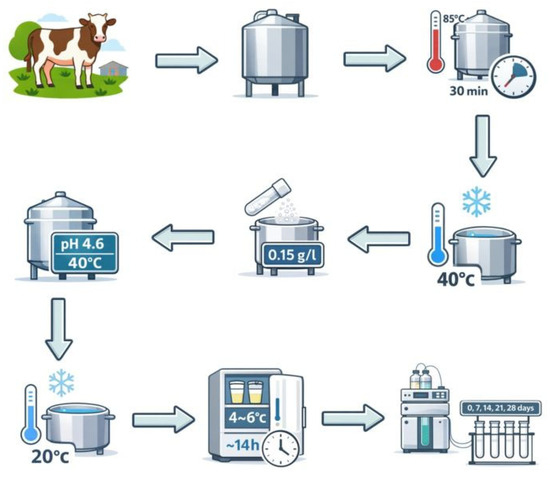
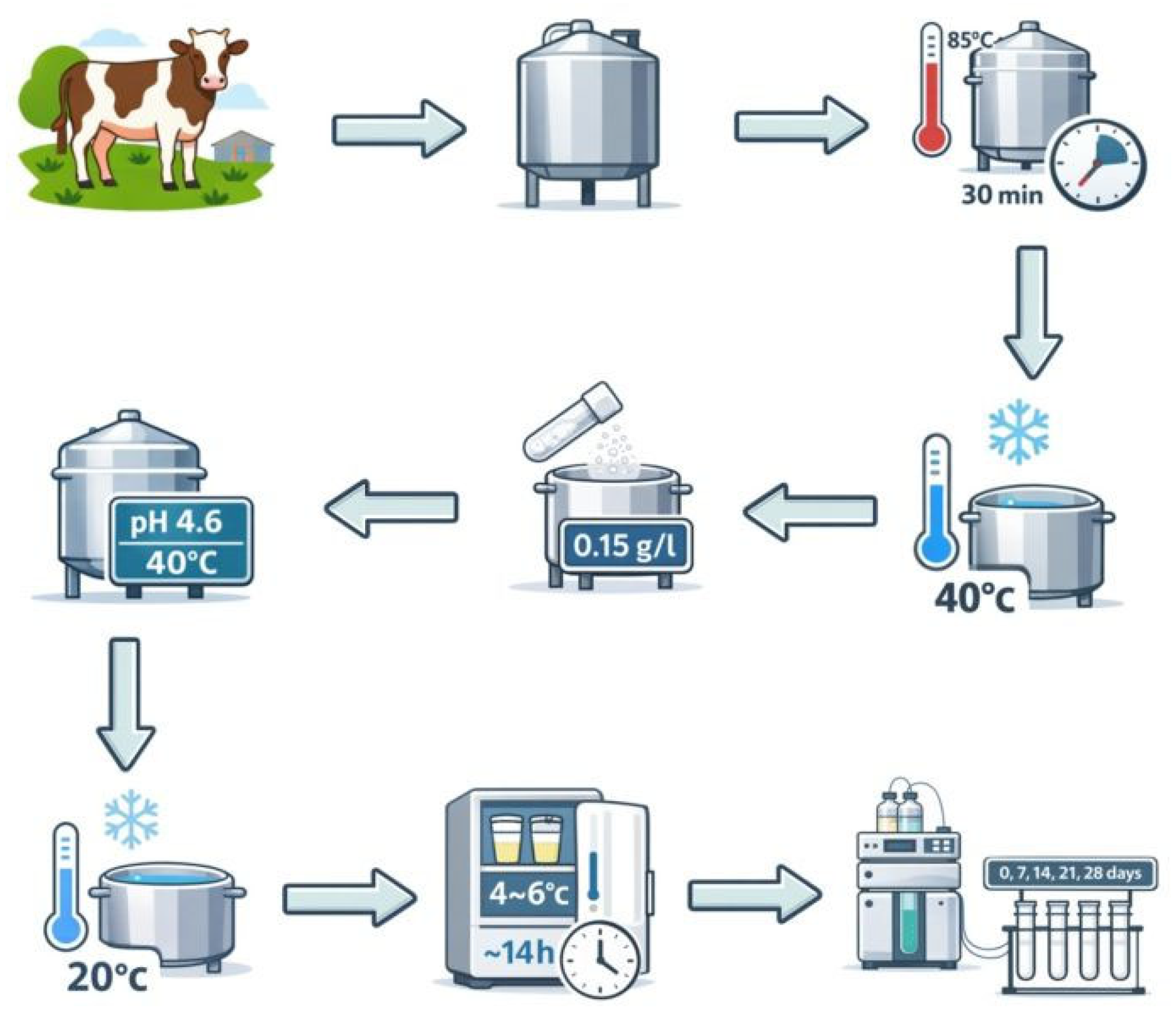
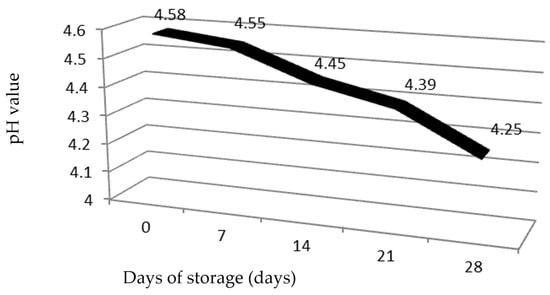
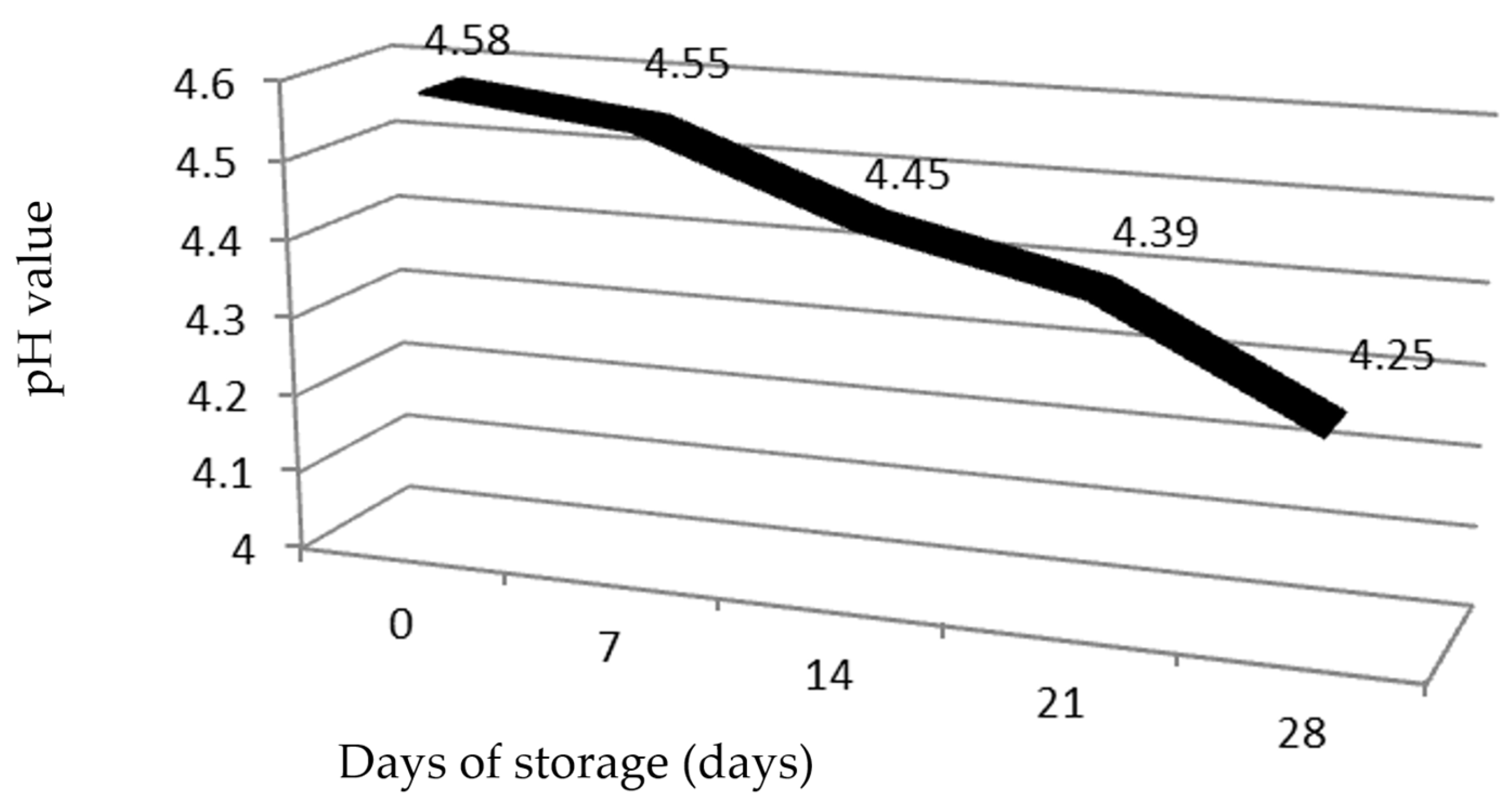
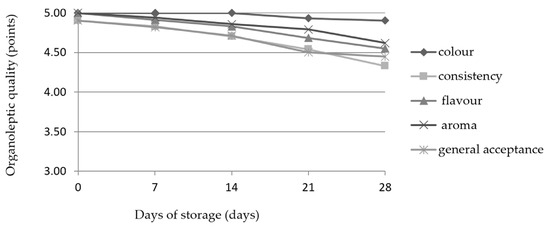
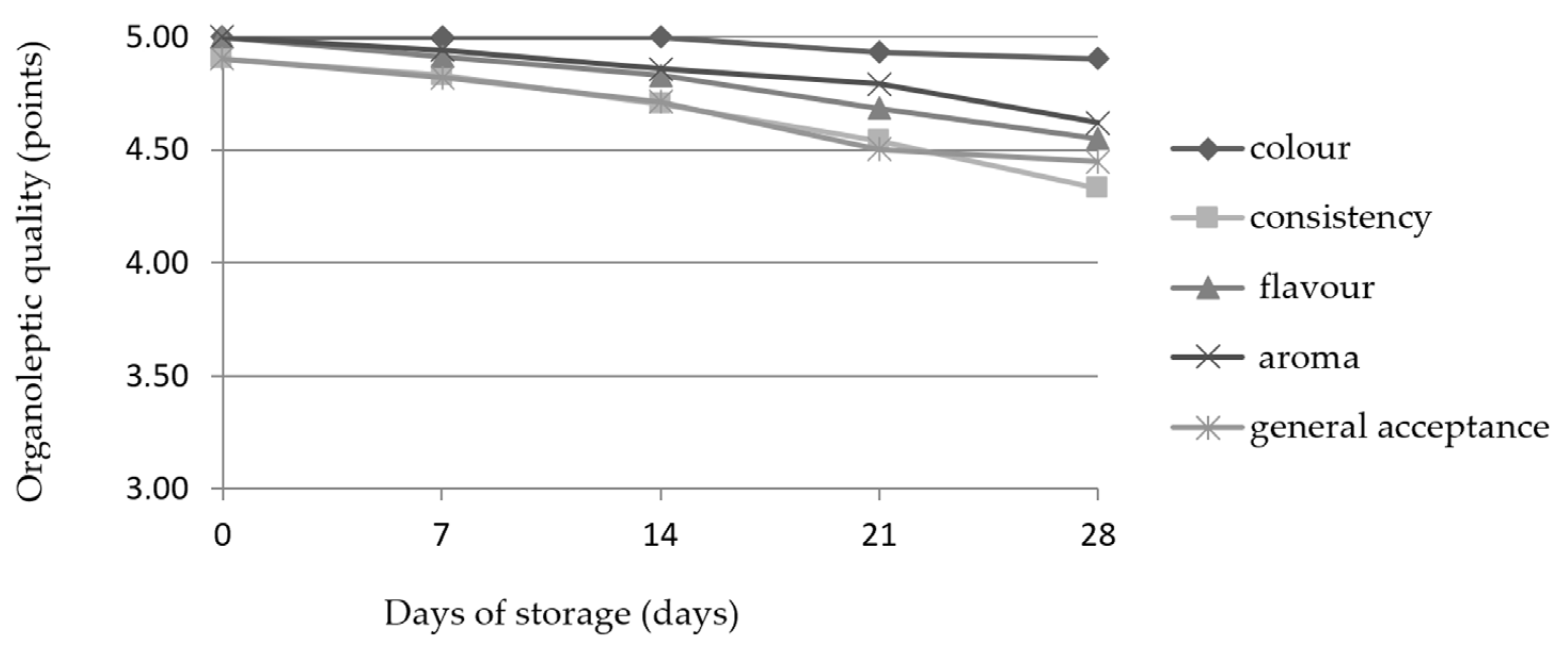
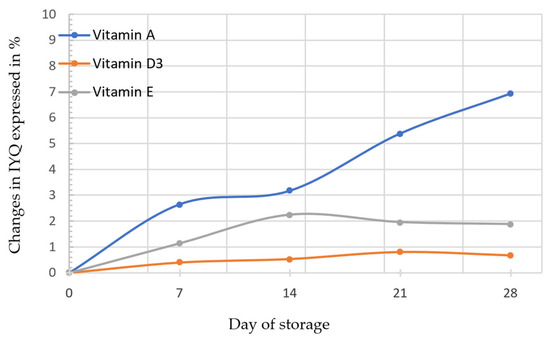
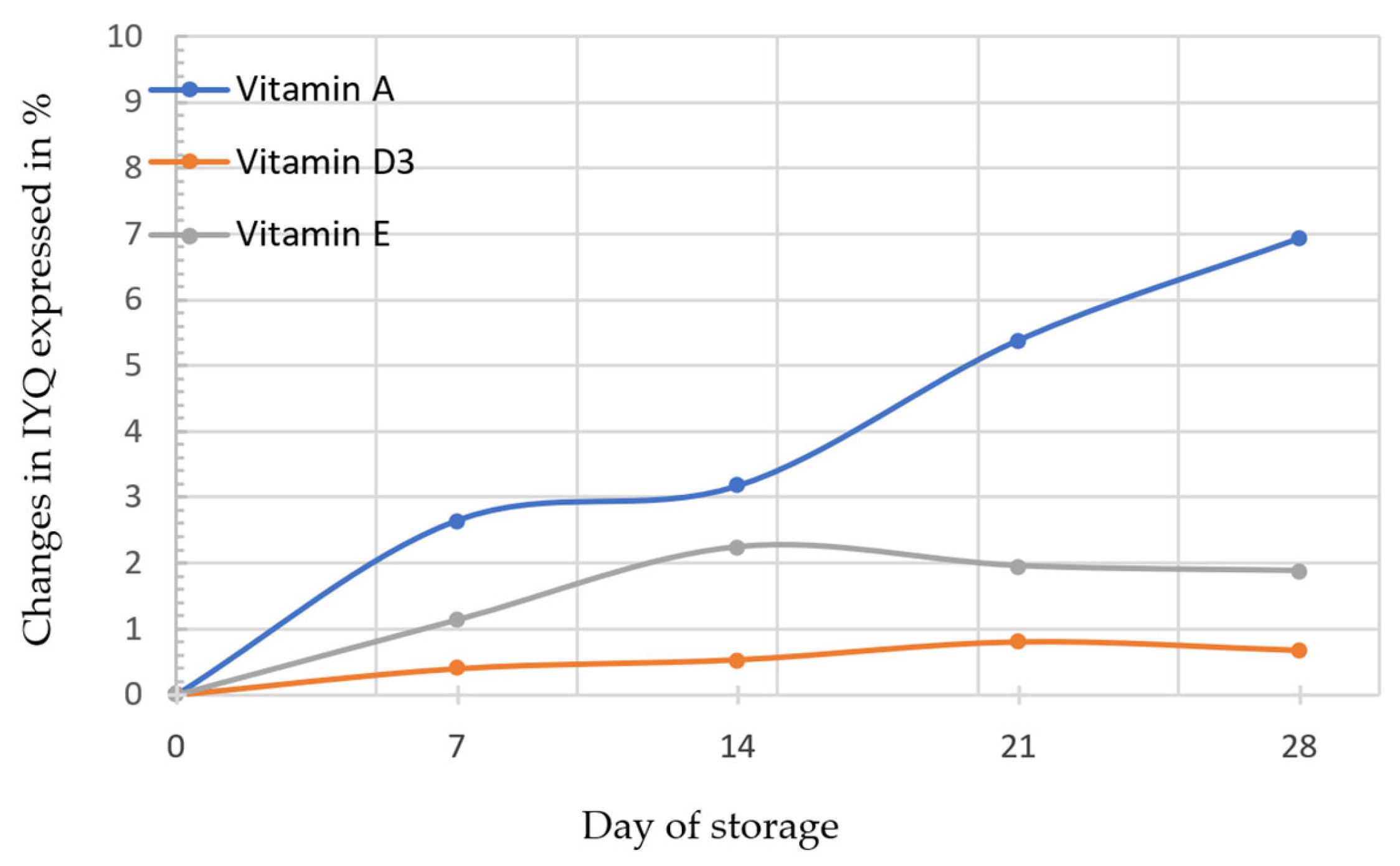

Disclaimer/Publisher’s Note: The statements, opinions and data contained in all publications are solely those of the individual author(s) and contributor(s) and not of MDPI and/or the editor(s). MDPI and/or the editor(s) disclaim responsibility for any injury to people or property resulting from any ideas, methods, instructions or products referred to in the content. |
© 2026 by the authors. Licensee MDPI, Basel, Switzerland. This article is an open access article distributed under the terms and conditions of the Creative Commons Attribution (CC BY) license.