


Abstract
This study evaluated whether commonly used household cleaning agents affect the surface microhardness of acrylic and copolyester materials used in pediatric removable appliances and sought to identify safe options for daily home cleaning. Standardized acrylic and copolyester specimens were exposed to a short-term, clinically relevant brushing regimen using tap water (control), children’s toothpaste, liquid soap, antibacterial liquid soap, 20% saline solution, or 20% sodium bicarbonate (“carbonated”) solution. Surface microhardness was assessed with Vickers testing, and surface features were examined by light microscopy. In the acrylic group, antibacterial liquid soap and the carbonated solution were associated with reduced microhardness (Spearman ρ = −0.622 and −0.532, respectively; both p < 0.001) and more pronounced surface alterations. In the copolyester group, antibacterial liquid soap showed a significant inverse association with microhardness in regression analysis (p = 0.032), while the other agents showed no statistically significant relationships (p > 0.05). Clinically, antibacterial liquid soap should be avoided for routine cleaning of both acrylic and copolyester appliances, and sodium bicarbonate–based carbonated solutions may be detrimental to acrylic. Children’s toothpaste and ordinary liquid soap appear to be practical, safer alternatives for daily use.
1. Introduction
Poor oral hygiene and plaque accumulation may contribute to periodontal problems, particularly in individuals wearing removable appliances. When these appliances are not cleaned effectively, bacterial biofilm can accumulate and create additional retention sites for microorganisms. Biofilms are complex microbial communities that may develop on many oral surfaces, including removable appliances [1,2]. They have been reported on appliance components, tooth surfaces, orthodontic wires, bands, elastics, acrylic baseplates, and fixed orthodontic devices. Surface micro-scratches may further increase plaque retention and facilitate biofilm development, thereby increasing susceptibility to oral disease [1]. Microorganisms tend to adhere more readily to removable appliance components, especially acrylic surfaces. The porosity of acrylic is considered one of the main factors promoting biofilm adhesion, providing a favorable environment for bacterial retention. Mature biofilms may contain multiple bacterial species, including highly cariogenic microorganisms such as Streptococcus mutans [3,4]. In addition to bacteria, fungi can also strongly adhere to acrylic due to its microporous structure. Increased surface roughness has been associated with enhanced Candida albicans adhesion on acrylic materials [5,6,7,8].
Copolyester materials are widely used in orthodontics [9] and are included in several treatment systems such as Essix retainers [10], Computer-Aided Design/Manufacturing (CAD/CAM) applications [11], Invisalign [12], Clear Aligner systems [13], and ECligner [14]. When copolyesters were first introduced, one of the reported advantages was improved oral hygiene [15]. Abbate et al. evaluated the periodontal status of 50 adolescent patients and found that copolyester appliances were associated with reduced plaque accumulation and lower levels of inflammation [14].
Although many studies have assessed cleaning agents for removable appliances, relatively few have focused specifically on pediatric appliances, which may differ in terms of material composition and durability. Since children are more likely to use safe and easily accessible household products rather than chemical-based commercial cleaners, the present study aimed to evaluate the effects of commonly available cleaning agents on the surface microhardness of acrylic and copolyester materials and to determine the most suitable cleaning approach for home use. Considering the increasing use of copolyester in pediatric orthodontics, understanding the influence of cleaning agents on this material is clinically important. Therefore, this study aimed to investigate the impact of different cleaning agents on the surface microhardness of acrylic and copolyester removable appliances and to identify the most appropriate cleaning agent(s) for pediatric use.
2. Materials and Methods
2.1. Sample Preparation
Ninety-six standard specimens were prepared from Thermoplastic Elastomer (TPE), (CA® Pro, Scheu Dental GmbH, Iserlohn, Germany) and self-cured acrylic (polymethyl methacrylate powder and methyl methacrylate monomer liquid), (0–80, Imicryl, Konya, Türkiye) materials used in removable retainers and functional appliances in pedodontics/orthodontics. Acrylic specimens were prepared according to the manufacturer’s instructions. Square samples were prepared in a plastic mould. They were carefully removed from the moulds and polished. The acrylic specimens were stored at room temperature (23 ± 1 °C). Copolyester plaques were cut into squares. The dimensions of the prepared samples were 5 × 5 × 0.75 mm. Eight samples were prepared for each group.
2.2. Study Design
Tap water was used as the control group and 20% saline solution, 20% carbonated water (freshly prepared using Sodium bicarbonate (NaHCO3) and distilled water, pH = 10.2–10.5), liquid soap, antibacterial liquid soap and children’s toothpaste were used for comparison (Table 1).
Table 1.
Materials used in the study and their contents.
Each group of specimens were rinsed and cleaned under tap water before being brushed. The brushing was carried out by the same clinician without applying extra pressure (about 2 Newton) using an electrical toothbrush with soft-bristles (Oral-B Complete Battery-Powered Electric Toothbrush, Full Head, for adults and children 3+) twice daily for a period of two minutes for seven days. After brushing, they were rinsed and cleaned again under tap water.
Control groups: Copolyester and acrylic samples were brushed using tap water twice a day for 2 min for 7 days.
Groups 1 a–b: Brushing was performed twice a day for 2 min for 7 days using children’s toothpaste.
Groups 2 a–b: Brushing was performed twice daily for 2 min for 7 days with ordinary liquid soap.
Groups 3 a–b: Brushing was performed twice a day for 2 min for 7 days with antibacterial liquid soap.
Groups 4 a–b: Brushing twice daily for 2 min for 7 days with 20% carbonated water.
Groups 5 a–b: 20% saline solution was prepared and brushed twice daily for 2 min for 7 days.
8 samples × 6 groups × 2 materials = 96 (Ninety-six standard specimens)
2.3. Microhardness Test
Surface microhardness was measured using a Vickers hardness tester (VHN) (Metkon Doruline-LV, Bursa, Türkiye). A 50 g load was applied for 10 s using a pyramidal diamond indenter, for the Vickers microhardness test. Ten randomly selected points on each sample were measured. The VHN value was calculated for each indentation using the following equation:
VHN = (1.8544 × P)/d2
The VHN value was calculated using the average of ten Vickers hardness measurements taken for each specimen. In this equation, “VHN” represents Vickers hardness, expressed in kilograms per square millimeter (kg/mm2). “P” stands for the indenter load, also in kilograms. “d” denotes the diagonal length of the indentation, in millimeters.
2.4. Optical Microscopy Evaluation
A total of ninety-six standard acrylic and copolyester specimens were examined under an optical microscope (Nikon ECLIPSE LVISION, Foxboro, MA, USA) at 10 µm scale to evaluate surface morphology changes following cleaning procedures.
2.5. Statistical Analysis
A post hoc power analysis was performed using G*Power 3.1 (Heinrich-Heine University Düsseldorf, Germany). A one-way fixed-effects ANOVA model was selected, consistent with the study design involving six cleaning-agent groups for each material. For acrylic specimens (n = 48; eight samples per group; α = 0.05), the observed means and standard deviations yielded a medium effect size (Cohen’s f = 0.33). The achieved statistical power was calculated as 0.86. For copolyester specimens, lower within-group variance resulted in an achieved power exceeding 0.90. These findings indicate that the sample size was adequate to detect meaningful differences in surface microhardness across groups.
Descriptive statistics were presented with mean, standard deviation and average. The distribution of the data was confirmed by the Shapiro–Wilk, Kolmogorov–Smirnov normality test. Nonparametric Spearman Correlation analysis was used to analyze the measurements according to groups, and Linear Regression to analyze the relationship between microhardness and cleaning agents. All analyses were performed in a 95% confidence interval and p < 0.05 was determined as the significant difference threshold. Analyses were performed using the SPSS 25.0 software package.
3. Results
The mean microhardness values of acrylic and copolyester groups for each cleaning agent are presented in Table 2.
Table 2.
Microhardness mean values (VM) of acrylic and copolyester groups for each cleaning agent.
Since the Kolmogorov–Smirnov test indicated that microhardness values were not normally distributed, non-parametric tests were applied.
3.1. Acrylic Group
Spearman correlation analysis revealed:
- Antibacterial liquid soap: significant negative correlation with microhardness (Rho = −0.622, p < 0.001)
- 20% carbonated water: significant negative correlation (Rho = −0.532, p < 0.001)
- Salt water: correlation coefficient Rho = 0.477 with significant p-value (p = 0.002), though the magnitude of the correlation was weak.
- Although some group means (e.g., antibacterial soap: 15.155 vs. control: 14.783) were numerically higher, the negative correlation reflects the overall statistical trend across specimens, not raw mean differences.
3.2. Copolyester Group
Spearman correlations were not statistically significant for any agent (all p > 0.05).
However, linear regression analysis demonstrated a significant association for antibacterial liquid soap (p = 0.032), indicating an inverse effect on microhardness values. All other cleaning agents showed no statistically significant relationships (p > 0.05) (Table 3).
Table 3.
Spearman’s Correlation Test Results.
3.3. Microscope Images
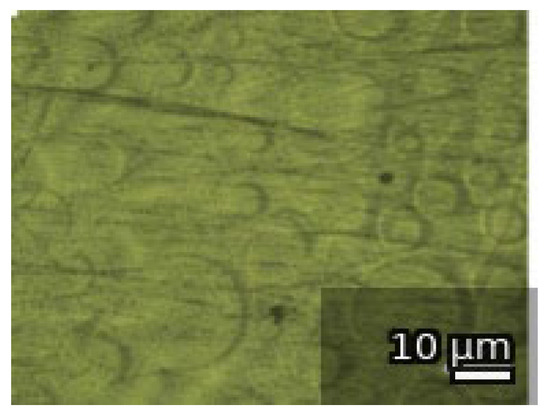
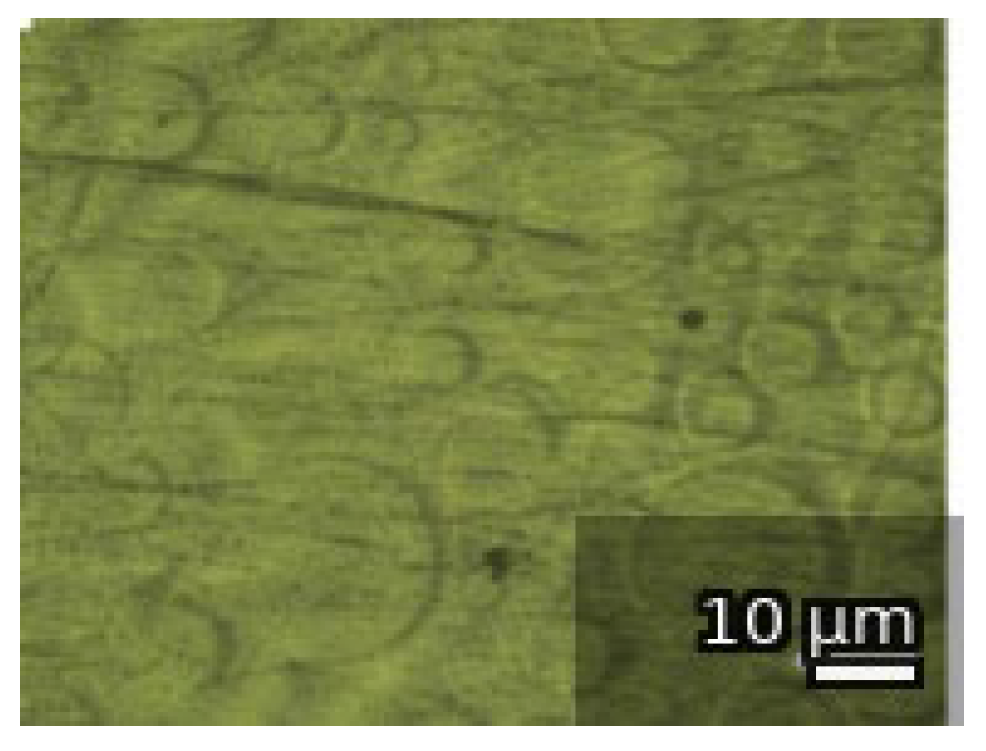
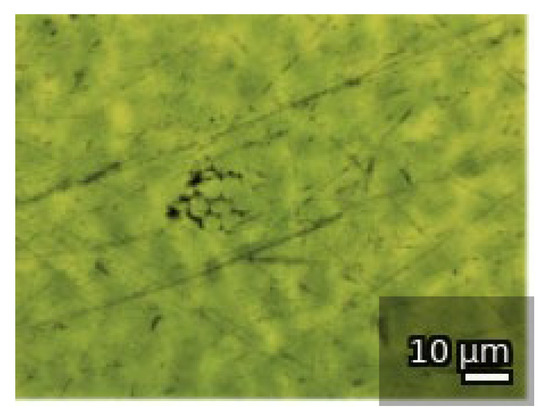
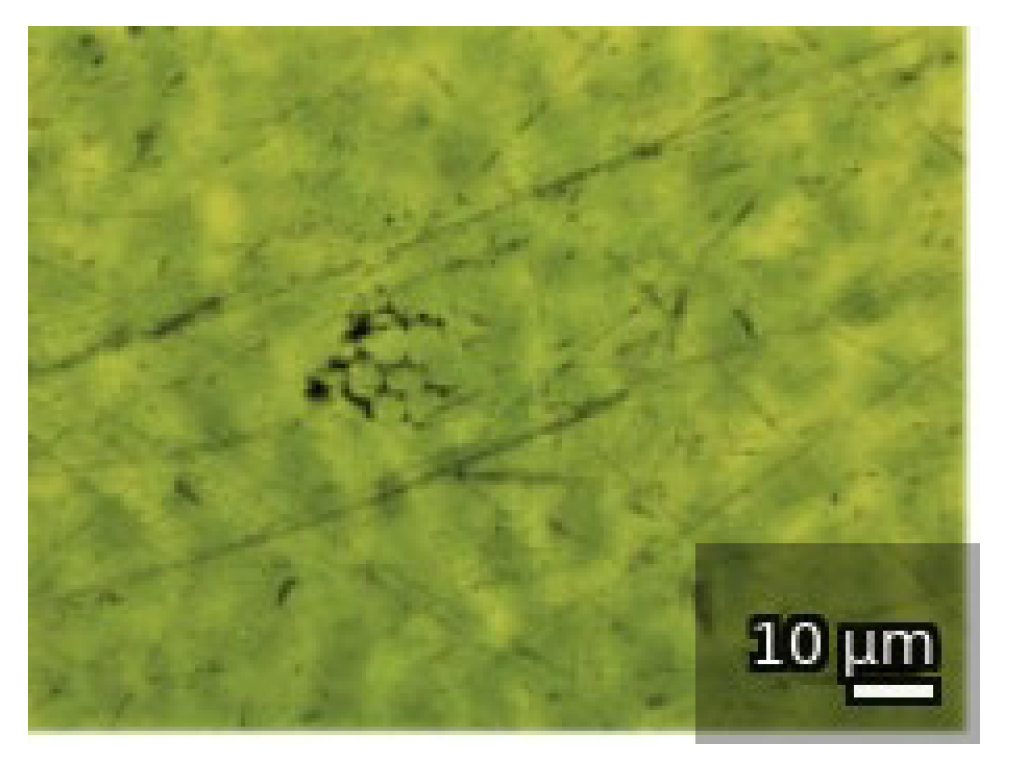
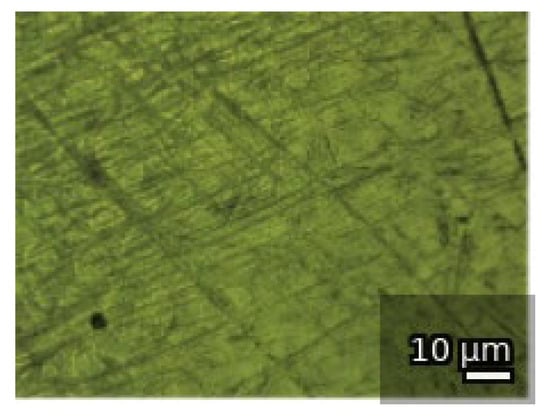
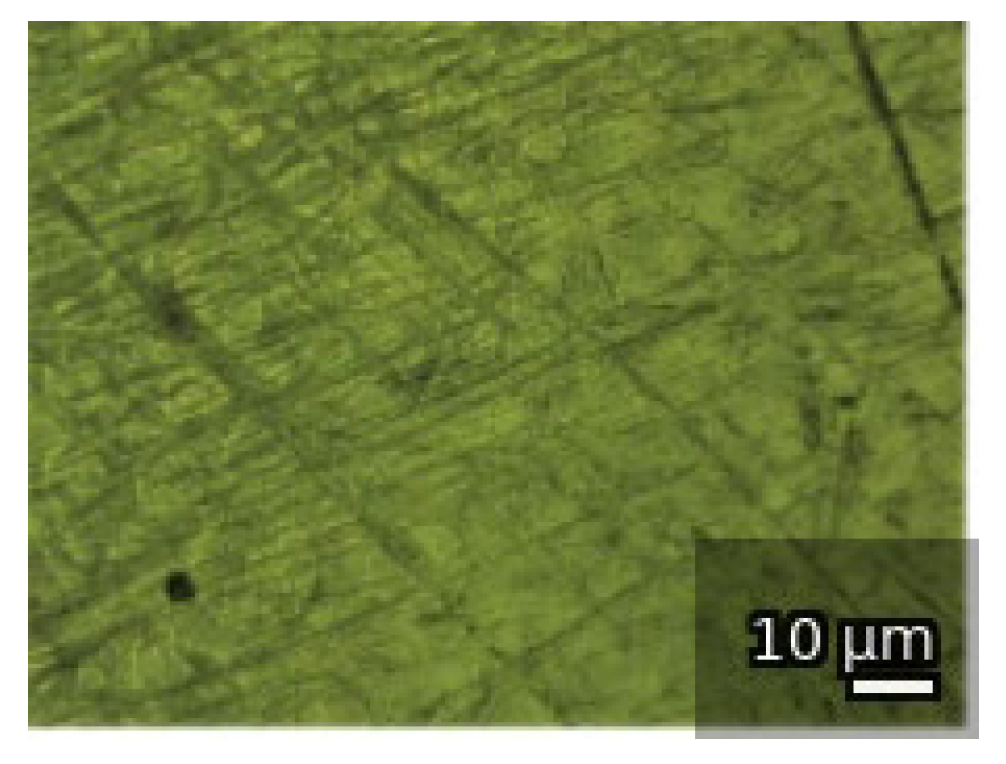
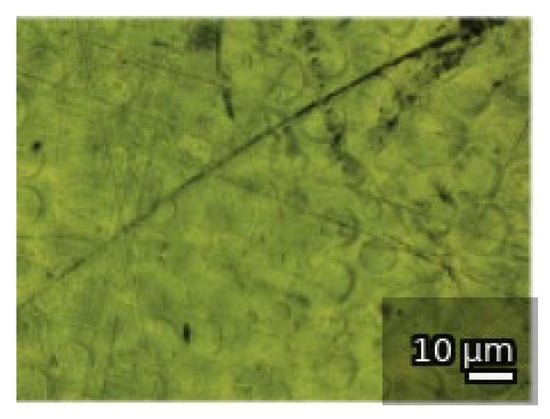
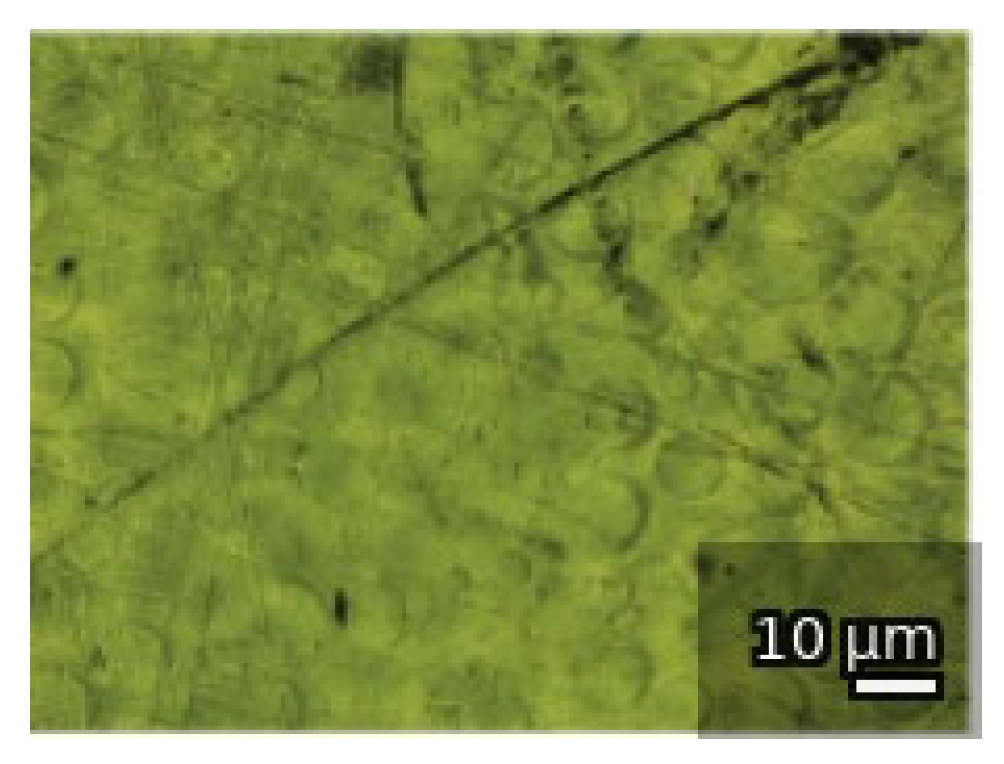
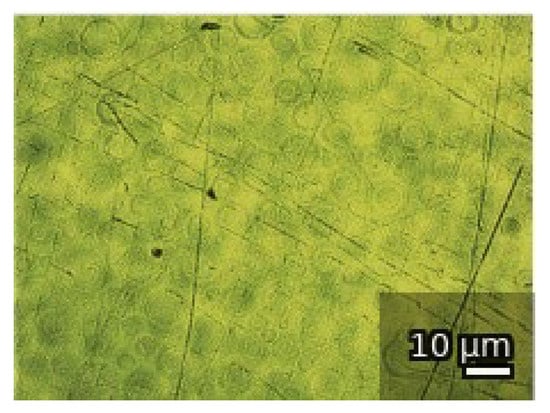
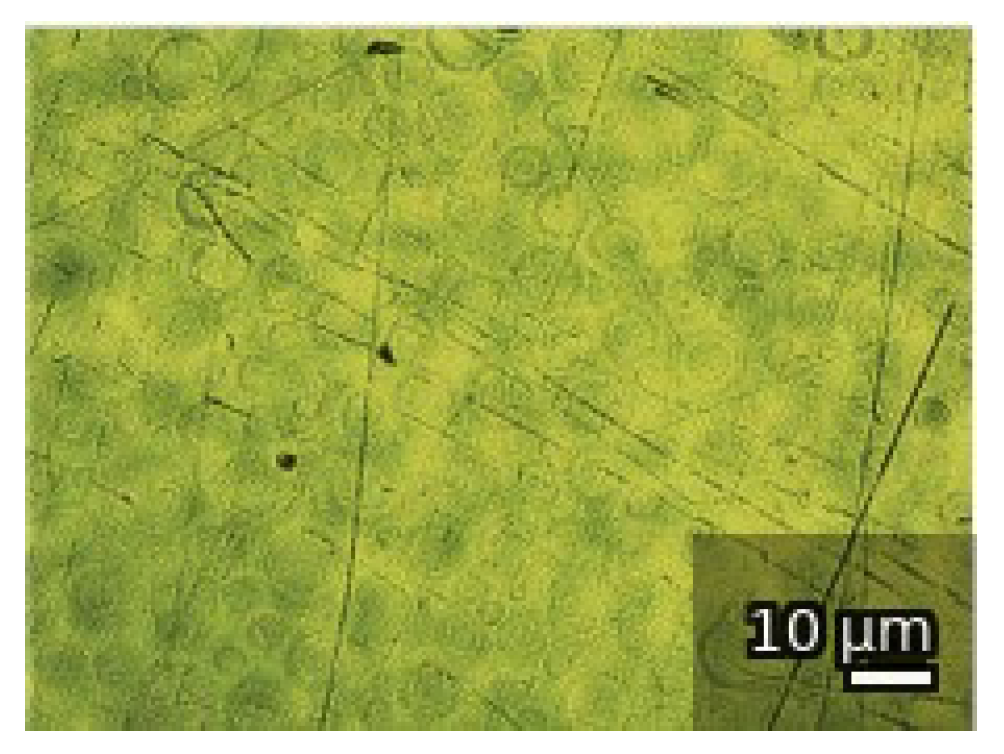
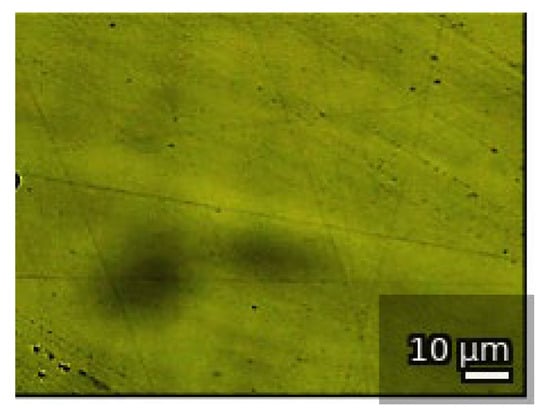
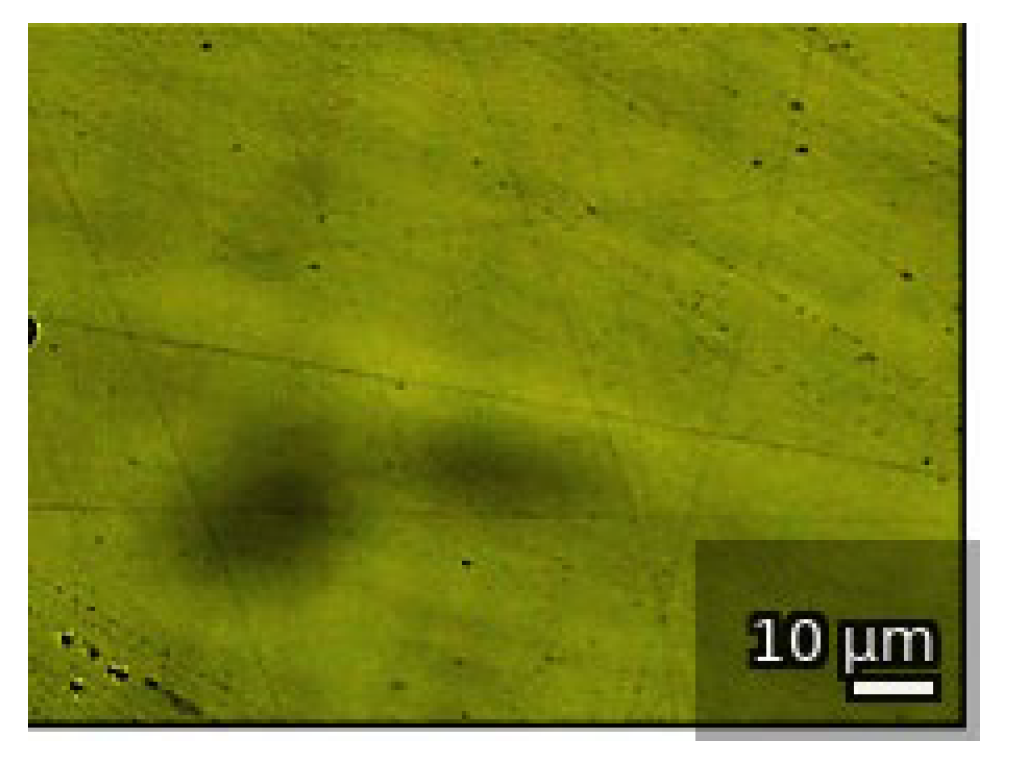
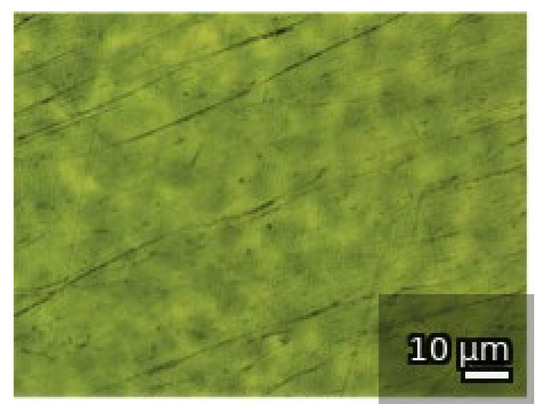
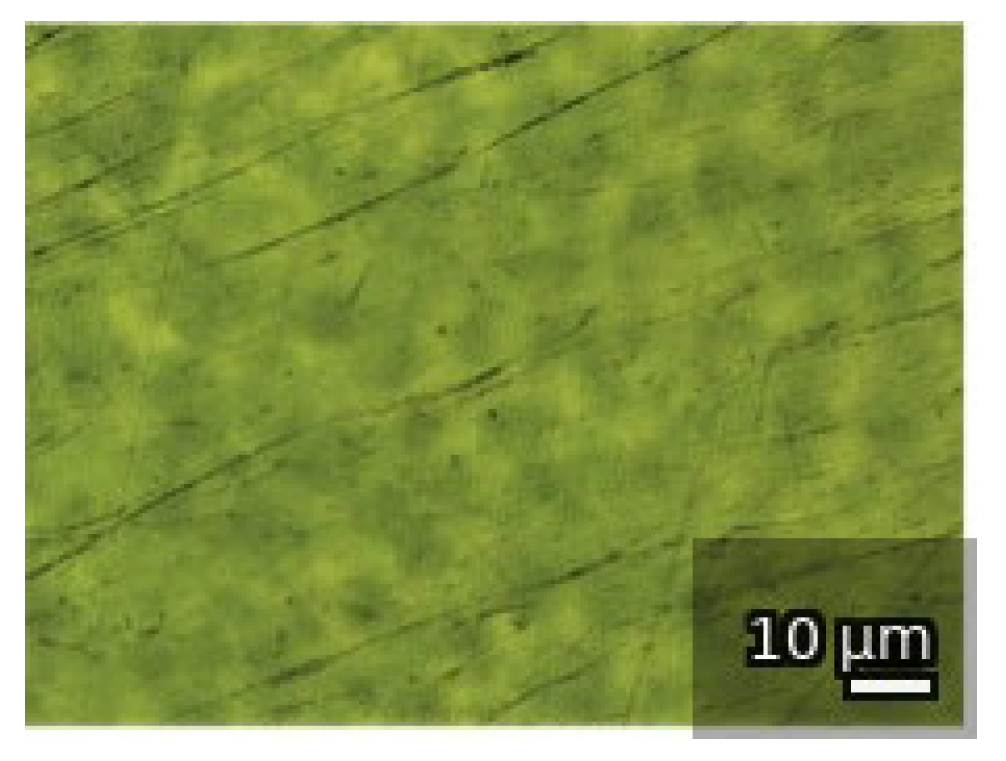
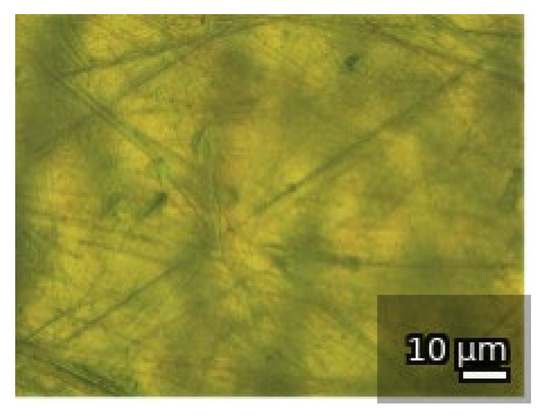
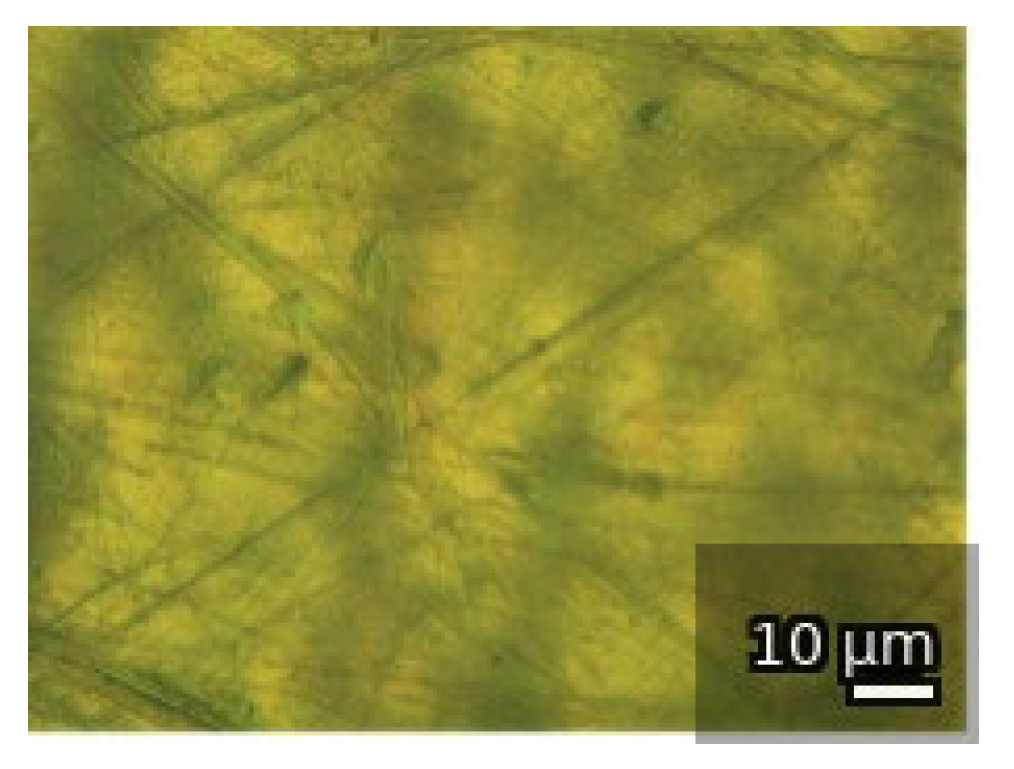
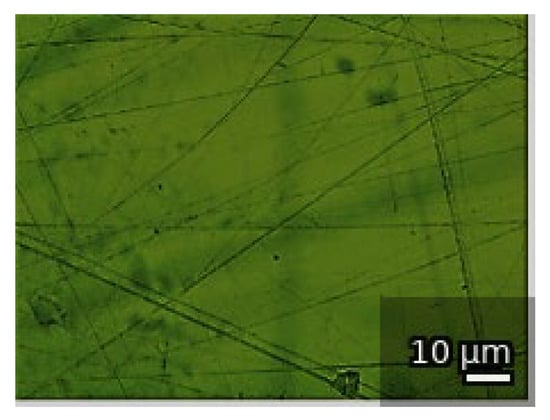
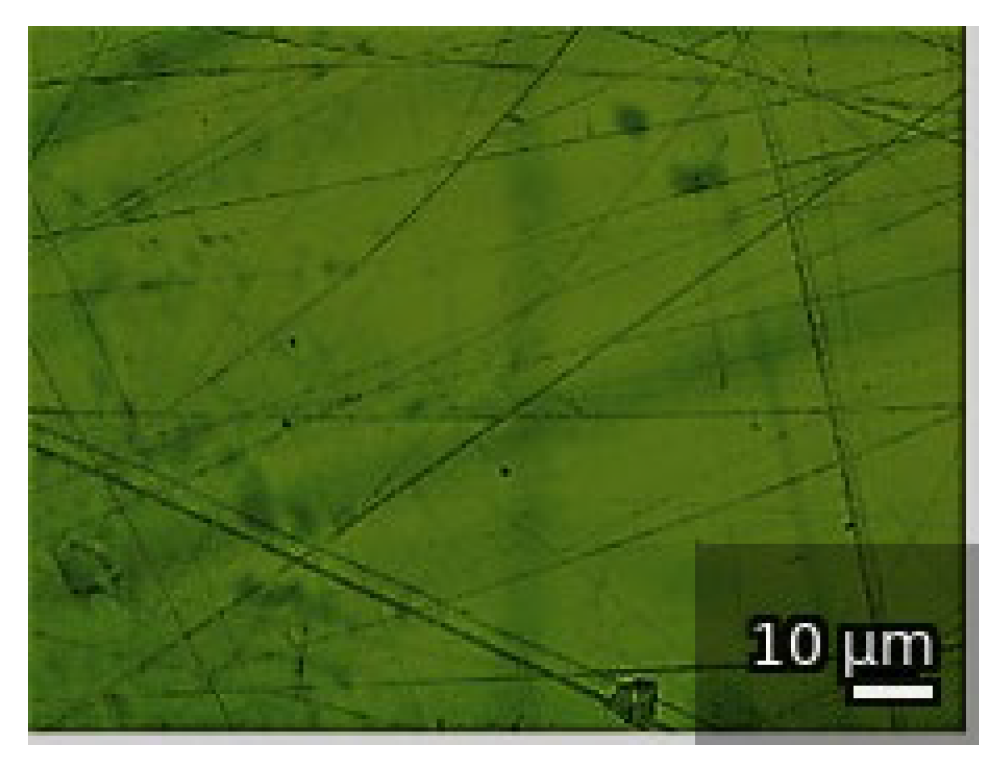
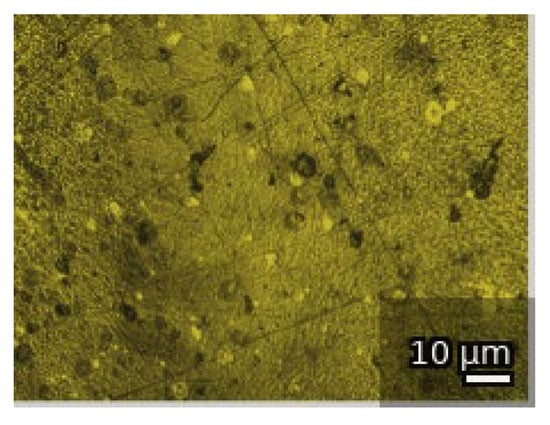
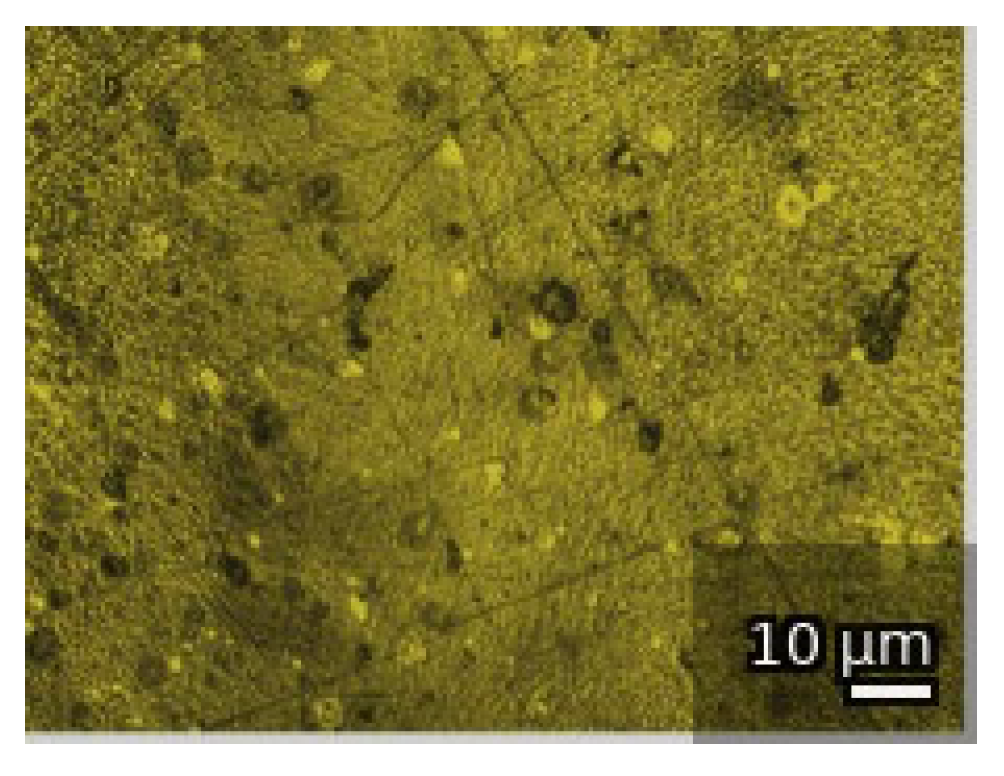
The grains in the control group samples were oval and round in the microscopic images of the acrylic material. They were homogeneously distributed. Their sizes were different. The grains in the samples of the carbonated water group were dispersed in the microscopic images of the acrylic material. The clarity of the boundaries was reduced. The grains appeared more homogeneous on the surface. 20% carbonated water adversely affected surface integrity of acrylic appliances. Antibacterial liquid soap showed similar effects on the surface of acrylic materials. Carbonated water was the agent that caused the most surface damage. It was observed to cause scratches on the surfaces and to form different phases of different colors, dark green and black. Compared to the control group brushed with tap water, the least abrasion and the most homogenous layer was observed on the surfaces of the samples brushed with toothpaste and normal liquid soap Figure 1, Figure 2, Figure 3, Figure 4, Figure 5 and Figure 6.
Figure 1.
Acrylic group, cleaning agents: CONTROL.
Figure 2.
Acrylic group, cleaning agents: SALT WATER.
Figure 3.
Acrylic group, cleaning agents: CARBONATED WATER.
Figure 4.
Acrylic group, cleaning agents: LIQUID SOAP.
Figure 5.
Acrylic group, cleaning agents: ANTIBACTERIAL SOAP.
Figure 6.
Acrylic group, cleaning agents: TOOTHPASTE.
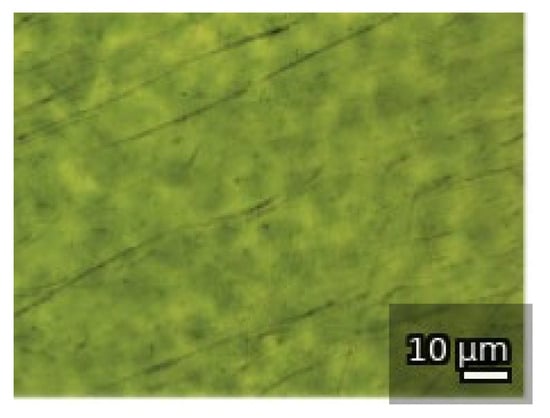
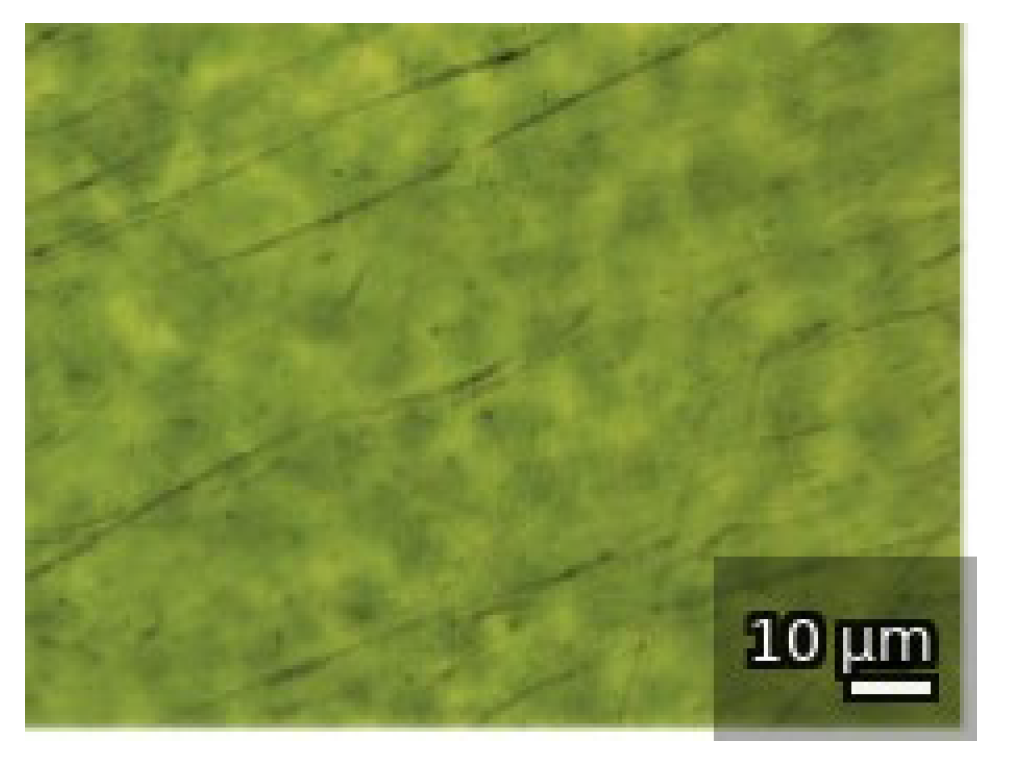
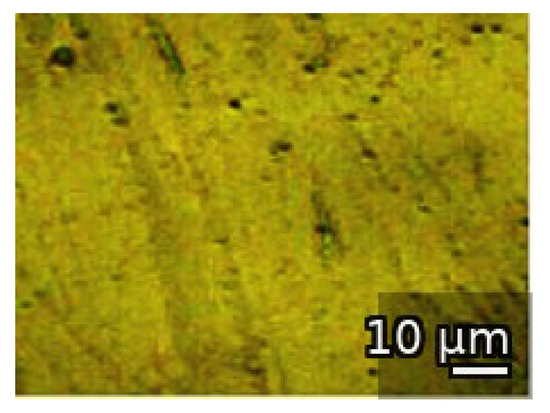
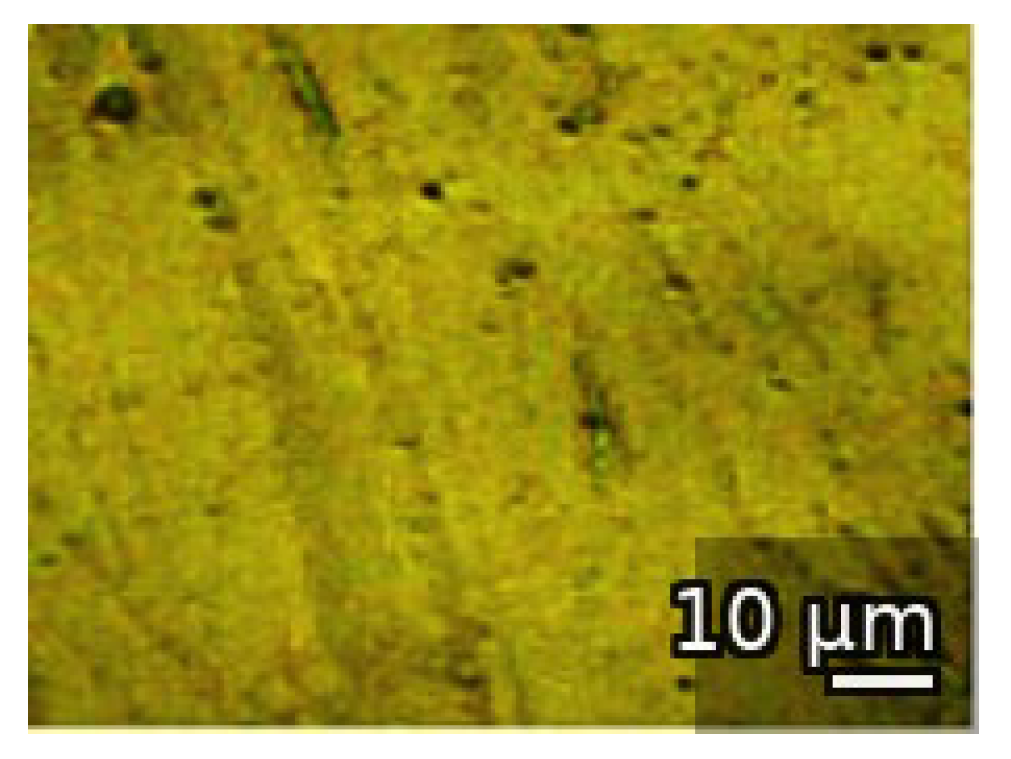
Microscopic images of the acrylic samples were evaluated in detail; however, in the copolyester group, sufficient interpretation could not be made due to the surface transparency and light reflection characteristics of the material. The copolyester specimens displayed minimal surface changes; their microscope images are nevertheless shown in Figure 7, Figure 8, Figure 9, Figure 10, Figure 11 and Figure 12.
Figure 7.
Copolyester group, cleaning agents: CONTROL.
Figure 8.
Copolyester group, cleaning agents: SALT WATER.
Figure 9.
Copolyester group, cleaning agents: CARBONATED WATER.
Figure 10.
Copolyester group, cleaning agents: LIQUID SOAP.
Figure 11.
Copolyester group, cleaning agents: ANTIBACTERIAL SOAP.
Figure 12.
Copolyester group, cleaning agents: TOOTHPASTE.
4. Discussion
Optimal hygiene of removable appliances is a cornerstone of preventive care in pediatric dentistry, as inadequate cleaning may promote biofilm accumulation and increase the risk of gingival inflammation, enamel demineralization, and secondary caries. Because these appliances are frequently worn for prolonged periods and are routinely exposed to mechanical and chemical stressors, daily cleaning strategies must be both microbiologically effective and material safe. Accordingly, the present study investigated commonly accessible household cleaning agents and their influence on the surface microhardness of two clinically relevant materials—acrylic and copolyester—used in pediatric removable appliances.
The microhardness findings suggest that cleaning protocols can affect polymer surface integrity in a material-dependent manner. In the acrylic group, antibacterial liquid soap and carbonated water (NaHCO3 solution) exhibited unfavorable associations with microhardness, whereas children’s toothpaste and ordinary liquid soap demonstrated minimal adverse impact under the current experimental conditions. In contrast, copolyester specimens exhibited no statistically significant correlations for most cleaning agents; however, regression analysis indicated that antibacterial liquid soap was associated with a measurable reduction in microhardness. Collectively, these observations highlight that cleaning agents frequently perceived as “safe” for daily hygiene may still exert subtle but clinically relevant changes in surface mechanical properties, particularly when used repeatedly.
Evidence from the literature reinforces the notion that copolyester materials may respond differently to chemical exposure when compared to conventional acrylic. Iliadi et al. advised caution when using alkaline peroxide-containing cleansers on copolyester materials [16], and additional reports have suggested that alcohol-based solutions and hydrogen peroxide are not ideal options for cleaning copolyester appliances [17]. Since many commercial cleaning formulations may be overly aggressive or impractical for routine pediatric use, the present study focused on simple home-based cleaning agents that caregivers commonly employ. It is essential to acknowledge that pediatric removable appliances differ fundamentally from conventional adult dentures in terms of clinical function, wear patterns, and mechanical demands. Children’s appliances are typically worn continuously except during meals [18], exposing them to repeated brushing cycles and frequent environmental fluctuations. Moreover, pediatric acrylic appliances may exhibit greater porosity and residual monomer content depending on the fabrication technique, potentially increasing susceptibility to water sorption, plasticization, and microstructural weakening [19]. These material characteristics may not only facilitate microbial retention but also amplify the impact of chemical agents on surface properties [19].
Current clinical guidance supports mechanical cleaning as a primary approach. The American Dental Association has indicated that removable devices can be cleaned using toothpaste, liquid soap, and a soft-bristled brush [20]. However, the selection of a cleaning product is critical, because abrasive components commonly found in standard toothpastes—such as silica—may increase surface wear and create micro-retentive areas that promote biofilm adhesion [19,21]. In the present study, the absence of overt surface damage with children’s toothpaste may be attributed to its lower abrasive profile, which likely reduces the risk of surface scratching while maintaining cleaning potential. This finding is clinically relevant for pediatric settings where safe and gentle products are preferred.
Brushing was incorporated as a standardized and clinically realistic cleaning procedure, as mechanical disruption of biofilm remains one of the most effective strategies for appliance maintenance [22,23]. Previous surveys indicate that brushing with water is among the most frequently used cleaning methods for acrylic appliances [24], and many orthodontists recommend toothbrush-based mechanical cleaning as the optimal approach for removable orthodontic appliance care [25]. Nevertheless, material-specific concerns persist. Mechanical cleaning of copolyester, particularly in combination with toothpaste, has been associated with increased surface roughness and changes in surface properties over time [26]. Conversely, a systematic review has suggested that conventional toothpaste may have minimal influence on copolyester surface morphology [27]. Our results align partially with these observations, as copolyester appeared relatively resistant to the tested cleaning agents, although antibacterial liquid soap emerged as a potential risk factor.
Soap-based agents are widely used in daily oral hygiene due to ease of access and perceived safety. Liquid soap has been recommended as a practical cleaning option for acrylic materials, particularly after meals, and some studies have reported fewer adverse effects compared with alcohol-based solutions, denture tablets, or certain toothpaste formulations [19]. Moreno et al. found that disinfectant soaps may reduce microhardness of acrylic resins [28]. Similarly, the present study demonstrated that antibacterial liquid soap may negatively influence surface microhardness in both acrylic and copolyester groups, whereas ordinary liquid soap did not produce comparable adverse effects. This difference may be explained by formulation-related properties, including surfactant strength and alkaline components, which may facilitate polymer softening through increased water sorption, surface plasticization, or hydrolytic degradation of polymer chains.
Regarding saline solution, existing evidence remains limited; nevertheless, previous studies suggest that salt solutions do not compromise acrylic integrity [19,21]. Our results are consistent with these findings, as 20% saline solution did not produce significant microhardness deterioration in either acrylic or copolyester groups. In contrast, sodium bicarbonate has been described as potentially abrasive and therefore unsuitable for acrylic cleaning [21]. In agreement with this recommendation, carbonated water (NaHCO3 solution) was associated with surface changes and reduced microhardness in acrylic specimens in our study, indicating that its routine use may carry a risk of surface compromise.
From a clinical perspective, cleaning strategies should ideally maximize hygiene while minimizing cumulative material degradation. Charavet et al. emphasized that the most effective disinfection approach would integrate multiple methods, yet practical constraints often require simplified protocols; therefore, a combined mechanical and chemical strategy may represent the most feasible option [29]. Based on the present findings, routine daily cleaning of pediatric removable appliances may be best supported by milder household agents such as children’s toothpaste and ordinary liquid soap, while antibacterial liquid soaps and sodium bicarbonate-based solutions should be used cautiously due to their potential adverse effects on surface microhardness, particularly for acrylic materials.
Repeated exposure to cleaning agents may alter polymer microhardness through water sorption–induced plasticization, which can weaken surface resistance, particularly in acrylic materials with higher porosity and residual monomer content [30,31,32]. In addition, detergent- or alkaline-based formulations may contribute to plasticizer leaching, hydrolysis, and even polymer chain scission, potentially resulting in progressive surface softening and mechanical degradation over time [33,34,35].
Study Limitations
Several limitations should be considered when interpreting the present results. First, the outcomes were restricted to surface microhardness and qualitative light microscopy, and the observation period was limited to seven days; thus, the findings may not fully capture cumulative long-term changes that occur during prolonged clinical use. In addition, although the sample size was statistically adequate for detecting differences in microhardness, larger cohorts would improve external validity and enable subgroup analyses.
The microscopic evaluation of copolyester was also constrained by the optical transparency and light-reflective nature of the material, which limited detailed interpretation under conventional light microscopy. Future studies should incorporate surface morphology analyses (SEM/AFM) and longer-term aging protocols, as these represent critical next steps for obtaining precise, quantitative characterization of polymer surface degradation. Furthermore, microhardness constitutes only one dimension of material performance and should be supported by multi-method investigations including surface roughness measurements, color stability assessments, and quantitative topographic analyses to provide a more comprehensive understanding of cleaning agent–material interactions under clinically relevant conditions.
5. Conclusions
Within the limitations of this in vitro study, commonly used household cleaning agents demonstrated material-dependent effects on surface microhardness. Antibacterial liquid soap exhibited an unfavorable influence and therefore may not be appropriate for routine daily cleaning of either acrylic or copolyester pediatric removable appliances. Carbonated water (NaHCO3 solution) also adversely affected acrylic microhardness and surface integrity, suggesting that bicarbonate-based cleaning strategies may be contraindicated for acrylic appliance maintenance. In contrast, children’s toothpaste and ordinary liquid soap produced minimal adverse effects and appear to represent safer, practical alternatives for daily home-based cleaning of pediatric removable appliances. These findings provide clinically applicable preliminary guidance for caregivers and clinicians, while highlighting the need for long-term, multi-method surface evaluations to further define optimal cleaning protocols for copolyester-based appliances.
Author Contributions
Conceptualization, B.K. and I.U.; methodology, B.K.; validation, F.E. and G.D.; formal analysis, G.D.; investigation, F.S.; resources, B.K.; data curation, B.K. and F.S.; writing—original draft preparation, B.K., F.S. and I.U.; writing—review and editing, F.E., I.U. and G.D.; visualization, F.S.; supervision, G.D., F.E. and I.U.; project administration, F.E., B.K. and I.U. All authors have read and agreed to the published version of the manuscript.
Funding
This research received no external funding.
Institutional Review Board Statement
Not applicable.
Data Availability Statement
The original contributions presented in this study are included in the article. Further inquiries can be directed to the corresponding author.
Conflicts of Interest
The authors declare that they have no conflicts of interest. We affirm that we have no financial affiliations or involvements (e.g., employment, direct payments, stock ownership, retainers, consultancies, patent-licensing arrangements, or honoraria) with any commercial entity that has a direct financial interest in the subject matter or materials discussed in this manuscript. We confirm that we adhered to all ethical standards in the conduct and reporting of this research. Any other potential conflicts of interest have been fully disclosed. The authors received no financial support from any organization for the submitted work. No funders had any role in the study design; in the collection, analysis, or interpretation of data; in the writing of the manuscript; or in the decision to publish the results.
Abbreviations
The following abbreviations are used in this manuscript:
| CAD/CAM | Computer-Aided Design/Manufacturing |
| TPE | Thermoplastic Elastomer |
| NaHCO3 | Sodium bicarbonate |
| VHN | Vickers hardness tester |
| SEM | Scanning electron microscope |
| AFM | Atomic force microscopy |
References
- Teughels, W.; Van Assche, N.; Sliepen, I.; Quirynen, M. Effect of material characteristics and/or surface topography on biofilm development. Clin. Oral Implant. Res. 2006, 17, 68–81. [Google Scholar] [CrossRef] [Scilit] [PubMed]
- Subramani, K.; Jung, R.E.; Molenberg, A.; Hammerle, C.H.F. Biofilm on dental implants: A review of the literature. Int. J. Oral Maxillofac. Implant. 2009, 24, 616–626. [Google Scholar] [CrossRef]
- Lessa, F.C.R.; Enoki, C.; Ito, I.Y.; Faria, G.; Matsumoto, M.A.N.; Nelson-Filho, P. Evaluation of bacterial contamination and disinfection of acrylic baseplates of removable orthodontic appliances. Am. J. Orthod. Dentofac. Orthop. 2007, 131, 705.e11–705.e17. [Google Scholar] [CrossRef] [Scilit] [PubMed]
- Deng, D.M.; Ten Cate, J.M. Demineralization of dentin by Streptococcus mutans biofilms grown in the constant depth film fermentor. Caries Res. 2004, 38, 54–61. [Google Scholar] [CrossRef] [Scilit]
- Busscher, H.J.; Rinastiti, M.; Siswomihardjo, W.; van der Mei, H. Biofilm formation on dental restorative and implant materials. J. Dent. Res. 2010, 89, 657–665. [Google Scholar] [CrossRef] [Scilit]
- Radford, D.R.; Challacombe, S.J.; Walter, J.D. Denture plaque and adherence of Candida albicans to denture-base materials in vivo and in vitro. Crit. Rev. Oral Biol. Med. 1999, 10, 99–116. [Google Scholar] [CrossRef] [Scilit]
- Chandra, J.; Patel, J.D.; Li, J.; Zhou, G.; Mukherjee, P.K.; McCormick, T.S.; Anderson, J.M.; Ghannoum, M.A. Modification of surface properties of biomaterials influences the ability of Candida albicans to form biofilms. Appl. Environ. Microbiol. 2005, 71, 8795–8801. [Google Scholar] [CrossRef] [Scilit]
- Tari, B.F.; Nalbant, D.; Dogruman Al, F.; Kustimur, S. Surface roughness and adherence of Candida albicans on soft lining materials as influenced by accelerated aging. J. Contemp. Dent. Pract. 2007, 8, 18–25. [Google Scholar] [CrossRef] [Scilit]
- Cassetta, M.; Altieri, F.; Barbato, E. The combined use of corticotomy and clear aligners: A case report. Angle Orthod. 2016, 86, 862–870. [Google Scholar] [CrossRef] [Scilit]
- Berhan, T.; Bezabih, M.; Mulatie, M.; Teshome, A. Comparing the effectiveness, acceptability and oral hygiene status between vacuum formed retainer and Begg’s retainer: A pilot study. BMC Oral Health 2023, 23, 180. [Google Scholar] [CrossRef] [Scilit]
- Gu, J.; Tang, J.S.; Skulski, B.; Fields, H.W., Jr.; Beck, F.M.; Firestone, A.R.; Kim, D.-G.; Deguchi, T. Evaluation of Invisalign treatment effectiveness and efficiency compared with conventional fixed appliances using the Peer Assessment Rating index. Am. J. Orthod. Dentofac. Orthop. 2017, 151, 259–266. [Google Scholar] [CrossRef] [Scilit] [PubMed]
- Boyd, R. John Valentine Mershon Lecture. In Proceedings of the Annual Meeting of the American Association of Orthodontists, San Diego, CA, USA, 20–26 February 1999. [Google Scholar]
- Kim, T.W. Clear aligner appliances: Fabrication and clinical application. Turk. J. Orthod. 2009, 22, 256–266. [Google Scholar] [CrossRef] [Scilit]
- Joffe, L. Invisalign: Early experiences. J. Orthod. 2003, 30, 348–352. [Google Scholar] [CrossRef] [Scilit] [PubMed]
- Abbate, G.M.; Caria, M.P.; Montanari, P.; Mannu, C.; Orrù, G.; Caprioglio, A.; Levrini, L. Parodontale Gesundheit von Teenagern mit herausnehmbaren Alignern und festsitzenden kieferorthopädischen Apparaturen. J. Orofac. Orthop. 2015, 76, 240–250. [Google Scholar] [CrossRef] [Scilit]
- Iliadi, A.; Enzler, V.; Polychronis, G.; Peltomaki, T.; Zinelis, S.; Eliades, T. Effect of cleansers on the composition and mechanical properties of orthodontic aligners in vitro. Prog. Orthod. 2022, 23, 54. [Google Scholar] [CrossRef] [Scilit]
- Wible, E.E.; Agarwal, M.; Altun, S.; Ramir, T.; Viana, G.; Evans, C.; Lukic, H.; Megremis, S.; Atsawasuwan, P. Long-term effects of different cleaning methods on copolyester retainer properties. Angle Orthod. 2019, 89, 221–227. [Google Scholar] [CrossRef] [Scilit]
- Bhagat, P.; Patel, N.; Patel, N. Effects of denture cleansers on denture material properties—An observational Case–Control Study. J. Oral Res. 2020, 9, 72–80. [Google Scholar] [CrossRef] [Scilit]
- Kiesow, A.; Sarembe, S.; Pizzey, R.L.; Axe, A.S.; Bradshaw, D.J. Material compatibility and antimicrobial activity of consumer products commonly used to clean dentures. J. Prosthet. Dent. 2016, 115, 189–198. [Google Scholar] [CrossRef] [Scilit]
- American Dental Association. Dentures. Available online: https://www.ada.org/resources/ada-library/oral-health-topics/dentures (accessed on 12 April 2023).
- Zilinskas, J.; Junevicius, J.; Cesaitis, K.; Junevičiūtė, G. The effect of cleaning substances on the surface of denture base material. Med. Sci. Monit. 2013, 19, 1142–1147. [Google Scholar] [CrossRef] [Scilit]
- Kumar, B.; Sandhu, P.K.; Kumar, A.N.; Patil, C.P. A comparative study for plaque removing efficacy between commonly used denture cleansers in India. J. Indian Prosthodont. Soc. 2017, 17, 295–300. [Google Scholar] [CrossRef] [Scilit]
- Charavet, C.; Graveline, L.; Gourdain, Z.; Lupi, L. What are the cleaning and disinfection methods for acrylic orthodontic removable appliance? A systematic review. Children 2021, 8, 967. [Google Scholar] [CrossRef] [Scilit] [PubMed]
- Milward, P.; Katechia, D.; Morgan, M.Z. Knowledge of removable partial denture wearers on denture hygiene. Br. Dent. J. 2013, 215, E20. [Google Scholar] [CrossRef] [Scilit] [PubMed]
- Tsolakis, A.; Kakali, L.; Prevezanos, P.; Bitsanis, I.; Polyzois, G. Use of different cleaning methods for removable orthodontic appliances: A questionnaire study. Oral Health Prev. Dent. 2019, 17, 299–302. [Google Scholar] [CrossRef] [Scilit] [PubMed]
- Šimunović, L.; Pečanić, P.; Marić, A.J.; Haramina, T.; Rakić, I.Š.; Meštrović, S. Impact of various cleaning protocols on the physical and aesthetic properties of 3D-printed orthodontic aligners. Sci. Rep. 2025, 15, 19022. [Google Scholar] [CrossRef] [Scilit] [PubMed] [PubMed Central]
- Kılıç, B.; Canpolat, Ş.; Öztürk, M. Comparative evaluation of the effect of different cleaning agents on colour and surface roughness of Invisalign clear aligners: A cross-over randomized controlled trial. BMC Oral Health 2025, 25, 1745. [Google Scholar] [CrossRef] [Scilit] [PubMed] [PubMed Central]
- Moreno, A.; Goiato, M.C.; Santos, D.M.; Haddad, M.F.; Pesqueira, A.A.; Bannwart, L.C. Effect of different disinfectants on the microhardness and roughness of acrylic resins for ocular prosthesis. Gerodontology 2013, 30, 32–39. [Google Scholar] [CrossRef] [Scilit]
- Charavet, C.; Gourdain, Z.; Graveline, L.; Lupi, L. Cleaning and Disinfection Protocols for Clear Orthodontic Aligners: A Systematic Review. Healthcare 2022, 10, 340. [Google Scholar] [CrossRef] [Scilit] [PubMed] [PubMed Central]
- Clarke-Farr, P.; Barnard, R.; Latief, A. Factors Affecting Sorption and Solubility of Denture Base Acrylic Materials: A Review. Ann. Dent. Univ. Malaya 2022, 29, 1–8. [Google Scholar] [CrossRef] [Scilit]
- Abdelraouf, R.M.; Bayoumi, R.E.; Hamdy, T.M. Influence of Incorporating 5% Weight Titanium Oxide Nanoparticles on Flexural Strength, Micro-Hardness, Surface Roughness, and Water Sorption of Dental Self-Cured Acrylic Resin. Polymers 2022, 14, 3767. [Google Scholar] [CrossRef] [Scilit]
- Pfeiffer, P.; Rosenbauer, E.U. Residual Methyl Methacrylate Monomer, Water Sorption, and Water Solubility of Denture Base Materials. J. Prosthet. Dent. 2004, 92, 72–78. [Google Scholar] [CrossRef] [Scilit]
- Kawahara, T.; Nomura, Y.; Tanaka, N.; Teshima, W.; Okazaki, M.; Shintani, H. Leachability of Plasticizer and Residual Monomer from Commercial Temporary Restorative Resins. J. Dent. 2004, 32, 277–283. [Google Scholar] [CrossRef] [Scilit]
- Vuong, N.T.; Hiep, N.A. The Alkaline Hydrolysis Degradation of a Water-Borne Styrene Acrylic Coating. Vietnam J. Chem. 2016, 54, 249–255. [Google Scholar] [CrossRef]
- Arai, Y.; Noto, Y.; Goto, Y.; Takahashi, S.; Yamamoto, M.; Nishiyama, T.; Kono, A.; Ishijima, T.; Ishikawa, K.; Hori, M.; et al. Study of the Decomposition Mechanism of PMMA-Type Polymers by Hydrogen Radicals. Thin Solid Films 2015, 575, 12–16. [Google Scholar] [CrossRef] [Scilit]

Disclaimer/Publisher’s Note: The statements, opinions and data contained in all publications are solely those of the individual author(s) and contributor(s) and not of MDPI and/or the editor(s). MDPI and/or the editor(s) disclaim responsibility for any injury to people or property resulting from any ideas, methods, instructions or products referred to in the content. |
© 2026 by the authors. Licensee MDPI, Basel, Switzerland. This article is an open access article distributed under the terms and conditions of the Creative Commons Attribution (CC BY) license.