


Abstract
Yunnan Jiama (paper horse prints), a representative form of intangible cultural heritage in southwest China, is characterized by subtle inter-class differences, complex woodblock textures, and heterogeneous preservation conditions, which collectively pose significant challenges for digital preservation and automatic image classification. To address these challenges and improve the computational analysis of Jiama images, this study proposes an enhanced object detection framework based on YOLOv8 integrated with a Global Attention Mechanism (GAM), referred to as YOLOv8-GAM. In the proposed framework, the GAM module is embedded into the high-level semantic feature extraction and multi-scale feature fusion stages of YOLOv8, thereby strengthening global channel–spatial interactions and improving the representation of discriminative cultural visual features. In addition, image augmentation strategies, including brightness adjustment, salt-and-pepper noise, and Gaussian noise, are employed to simulate real-world image acquisition and degradation conditions, which enhances the robustness of the model. Experiments conducted on a manually annotated Yunnan Jiama image dataset demonstrate that the proposed model achieves a mean average precision (mAP) of 96.5% at an IoU threshold of 0.5 and 82.13% under the mAP@0.5:0.95 metric, with an F1-score of 94.0%, outperforming the baseline YOLOv8 model. These results indicate that incorporating global attention mechanisms into object detection networks can effectively enhance fine-grained classification performance for traditional folk print images, thereby providing a practical and scalable technical solution for the digital preservation and computational analysis of intangible cultural heritage.
1. Introduction
Yunnan Jiama (also referred to as paper horse) is a form of folk woodblock-printed imagery widely circulated in Southwest China, primarily used in ritual practices such as religious worship, blessing ceremonies, and disaster appeasement, with burning being its predominant mode of use [1]. Jiama encompasses a wide range of categories, each corresponding to specific ritual contexts and ceremonial functions. As an important visual medium within folk practices, Jiama images embody local belief systems, religious concepts, and vernacular aesthetic traditions, occupying a distinctive position within the broader framework of traditional Chinese woodblock prints [2]. From the perspectives of the history of technology and art history, Jiama is closely associated with the development of Chinese woodblock printing techniques, and its visual forms and production methods can be traced back to the continuation and evolution of religious imagery and folk print traditions since the Tang (618–907 CE) and Song (960–1279 CE) dynasties [3,4]. However, unlike New Year prints or literati woodblock prints that benefit from relatively stable preservation conditions, Jiama is characterized by its ritual consumption and disposability. As a result, surviving physical specimens are extremely limited, placing Jiama at greater risk and posing significant challenges for its contemporary preservation, scholarly research, and systematic documentation.
At the academic level, Jiama and related forms of traditional woodblock prints have long been studied primarily from the perspectives of art history, folklore, and religious studies. Existing research has mainly focused on image themes, symbolic meanings, and their functional roles within specific socio-cultural contexts [5]. With the emergence of the concept of intangible cultural heritage (ICH) protection, research perspectives have gradually expanded toward digital preservation and visual documentation. Previous studies have pointed out that digital acquisition, storage, and visualization technologies provide an essential foundation for the systematic preservation of intangible cultural heritage. However, in practice, most existing efforts remain largely confined to two-dimensional scanning and image archiving, with limited attention paid to the in-depth analysis of internal image structures and underlying visual patterns [6].
Against this background, some scholars have begun to introduce image processing and computer vision techniques to conduct more fine-grained digital analyses of traditional woodblock prints. For example, spectral imaging-based quantitative color analysis has been employed to reveal the color structure characteristics of New Year prints [7], while image decomposition methods combining edge detection and clustering algorithms have been applied to color layer reconstruction and line-art extraction in woodblock New Year prints [8,9]. These studies provide important methodological foundations for the digital analysis of traditional print images. However, the research objects of existing studies are largely limited to New Year prints that are relatively well preserved and exhibit stable image structures. In contrast, Jiama images—characterized by significant variations in preservation conditions, complex carved textures, and blurred inter-class boundaries—have received considerably less attention, and systematic computational analyses of such images remain insufficient.
In recent years, advances in deep learning have provided new technical pathways for the automatic recognition and analysis of complex images. Among these approaches, the YOLO (You Only Look Once) series of models, as representative single-stage object detection frameworks, have achieved a favorable balance between detection accuracy and computational efficiency, and have been widely applied in fields such as industrial inspection, medical imaging, remote sensing analysis, and behavior recognition [10]. As an important version of this series, YOLOv8 introduces an anchor-free detection paradigm, a decoupled detection head, and a task-aligned sample assignment strategy, demonstrating notable advantages in terms of structural simplicity and generalization capability. Consequently, YOLOv8 has become one of the mainstream models in contemporary object detection research. A growing body of studies has shown that task-specific enhancements or structural optimizations of YOLOv8 can effectively improve detection performance in scenarios involving small targets, complex backgrounds, and multi-scale features [11,12,13].
Meanwhile, attention mechanisms have gradually become an important means of enhancing the feature modeling capability of YOLOv8. Existing studies have shown that incorporating a Global Attention Mechanism (GAM) into the YOLOv8 framework can effectively strengthen the model’s focus on discriminative channels and spatial regions, thereby suppressing background noise interference and improving fine-grained feature recognition performance [14,15]. In complex application scenarios such as steel surface defect inspection, nighttime object detection, and small unmanned aerial vehicle detection, YOLOv8–GAM models have consistently demonstrated superior detection accuracy and robustness compared with the original YOLOv8 architecture [16,17]. In addition, recent studies have begun to apply attention-enhanced object detection models to cultural heritage image analysis and architectural component recognition, further validating the applicability and potential of deep learning methods in scenarios characterized by complex cultural semantics [18].
In recent years, extensive research in the field of cultural heritage image analysis and digital preservation has increasingly focused on structured image processing and computational analysis methods. In particular, within deep learning-based image classification and retrieval, several studies have investigated the integration of attention mechanisms into deep models to enhance recognition performance. For example, in architectural heritage image recognition tasks involving overseas Chinese hometowns in China, the combination of deep convolutional neural networks and attention mechanisms has been adopted to improve feature extraction and retrieval accuracy, demonstrating the effectiveness of attention mechanisms in cultural heritage visual analysis [19]. Similarly, studies on traditional pattern image recognition, such as Guangdong embroidery, have shown that YOLO-based frameworks augmented with attention mechanisms can achieve high-precision object detection and fine-grained classification in complex background conditions, providing empirical support for the automated recognition of traditional imagery [20]. Beyond visual recognition, the digitalization of cultural heritage also encompasses the organization, accessibility, and dissemination of cultural information. For instance, the AL-MUSACTRA platform, proposed by Guerrero-Contreras et al., enhances inclusive access to cultural heritage through digital technologies, offering practical examples of structuring cultural resources and supporting assistive access within digital platforms [21]. Likewise, the LECTPAT multimodal online dictionary, introduced by Balderas-Díaz et al., integrates definitions, graphic symbols, and multimedia content into a unified digital cultural resource, thereby improving the educational value and public accessibility of cultural heritage information [22]. Although these platforms do not directly employ object detection or deep visual recognition models, they illustrate how cultural heritage resources can be systematically organized and accessed within operational digital environments. This perspective provides important contextual support for positioning automated image recognition techniques as enabling components within broader digital preservation and cultural heritage management workflows.
A synthesis of existing studies indicates that, although YOLOv8 and its attention-enhanced variants have achieved substantial progress across various application domains, systematic research on the automatic recognition and classification of folk woodblock print images—represented by Yunnan Jiama—remains notably limited. At the visual level, Jiama images are characterized by subtle inter-class differences, highly similar overall compositions, dense line engravings, and varying degrees of printing completeness. These characteristics impose higher demands on a model’s global feature modeling capability and its ability to capture cross-dimensional interactions. Moreover, current studies on traditional cultural images continue to be dominated by qualitative interpretation, with a lack of computationally driven visual structure modeling approaches. Even when digital technologies are introduced, research efforts have largely focused on image preservation and visual presentation, rather than on enabling large-scale automatic analysis and systematic classification of cultural image datasets.
Within a broader international context, digital technologies have increasingly been recognized as critical tools for advancing the preservation and study of traditional crafts. In the Convention for the Safeguarding of the Intangible Cultural Heritage adopted by UNESCO in 2003, traditional craftsmanship is explicitly identified as one of the five major domains of intangible cultural heritage, emphasizing that safeguarding efforts should prioritize the continuity of artisans’ skills, knowledge systems, and cultural contexts, rather than focusing solely on the preservation of physical artifacts [23]. UNESCO further advocates community-led digital documentation approaches and promotes the systematic organization and dissemination of living traditions through audiovisual media and emerging digital platforms. Against this backdrop, introducing automatic recognition and classification methods supported by computer vision and deep learning for Yunnan Jiama—an intangible cultural heritage form characterized by complex image structures, limited surviving physical specimens, and highly concentrated cultural semantics—is not only of immediate practical significance, but also provides a new technical pathway and practical possibility for advancing intangible cultural heritage image research from “digital archiving” toward “intelligent understanding.”
Based on the above research trajectory, three major unresolved issues can be identified in current studies that warrant further investigation.
First, digital research on traditional folk woodblock prints remains methodologically characterized by a strong descriptive orientation and weak structural modeling capacity. Although existing studies have expanded from basic image acquisition and visual presentation to color analysis and image decomposition, most approaches still focus on local features or single visual dimensions. There is a notable lack of holistic structural modeling and automated classification frameworks capable of handling large-scale image datasets, which limits the systematic exploration of intrinsic patterns in composition, symbolic combinations, and category differentiation within folk print imagery.
Second, the applicability and stability of deep learning-based object detection models in traditional cultural image scenarios have not yet been sufficiently validated. Current studies based on YOLOv8 primarily concentrate on industrial inspection, remote sensing imagery, or highly regularized target scenes, where model design and evaluation rely heavily on clear object boundaries and pronounced inter-class differences. In contrast, folk woodblock print images represented by Yunnan Jiama exhibit subtle inter-class visual distinctions, highly similar compositional layouts, and substantial variability in printing quality. The generalization ability and robustness of existing models in such complex cultural image contexts therefore remain underexplored.
Third, the introduction of attention mechanisms has largely been performance-driven, without forming a task-oriented application paradigm explicitly aligned with the semantic characteristics of cultural imagery. While the effectiveness of global attention mechanisms in improving detection accuracy and noise resistance has been widely demonstrated, most studies approach attention integration from an engineering optimization perspective, with limited analysis of how such mechanisms interact with the semantic structure of specific image objects. For Jiama images—where religious symbols, symbolic components, and visual conventions play a central role—how attention mechanisms can be leveraged to selectively emphasize key cultural visual information and how this emphasis influences classification outcomes remain open questions requiring further investigation.
Fourth, the specific material characteristics and usage contexts of Yunnan Jiama images introduce unique challenges that further necessitate dedicated methodological investigation. Jiama prints are traditionally produced and used in ritual and folk practices, where they are often pasted, burned, or exposed to harsh environmental conditions. Consequently, many surviving Jiama images suffer from severe degradation, partial damage, or incomplete visual content. Moreover, different Jiama categories frequently share highly similar global compositions, with category discrimination relying primarily on fine-grained local visual cues, such as deity attributes, ritual implements, or riding animals. These characteristics significantly limit the effectiveness of conventional manual archiving and generic image classification approaches. Therefore, there is a clear need for automated and robust visual recognition frameworks specifically tailored to Jiama imagery, in order to support large-scale organization, indexing, and digital preservation of such fragile cultural artifacts. From this perspective, object detection models should be regarded as enabling components within broader digital heritage workflows, facilitating efficient image categorization at the data acquisition stage rather than replacing expert-driven cultural interpretation.
This study focuses on Yunnan Jiama images and aims to achieve the automatic recognition and classification of this type of traditional folk print using advanced deep learning methods. Given the subtle differences between Jiama image categories, their complex textures, and variations in print quality, this paper proposes a deep learning model based on YOLOv8 and the Global Attention Mechanism (GAM)—YOLOv8-GAM. This model enhances the ability to model complex visual features by incorporating the GAM module while maintaining the efficient feature extraction framework of YOLOv8. Through the automatic classification and recognition of Yunnan Jiama images, this study provides a new technological approach for the digital preservation and intelligent analysis of intangible cultural heritage, especially considering that the usage scenarios of Yunnan Jiama often lead to image degradation or incompleteness. The research demonstrates that Jiama recognition and classification can be achieved even when only the main image is preserved. Experimental results show that YOLOv8-GAM performs with high precision and stability in Jiama image classification tasks, particularly exhibiting strong robustness in complex backgrounds, noise interference, and fine-grained category differentiation scenarios. This study not only advances the digital preservation of Jiama art but also provides theoretical and methodological support for the intelligent recognition and inheritance of traditional cultural images, offering significant academic and practical value.
2. Materials and Methods
2.1. Dataset Construction and Preprocessing
2.1.1. Image Acquisition and Category Definition
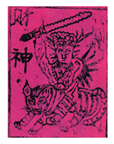
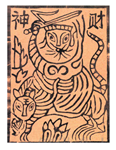
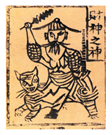
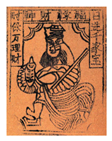
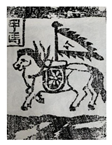
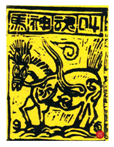
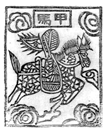
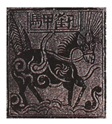
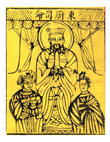
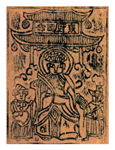
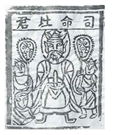
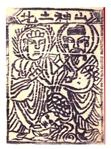
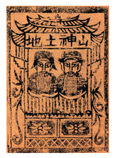
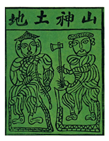
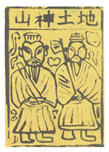
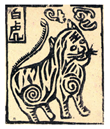
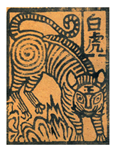
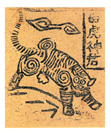
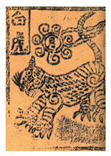
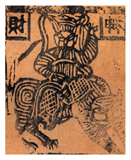
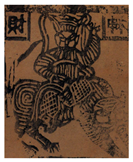
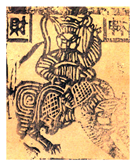
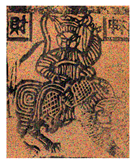
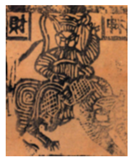
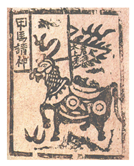
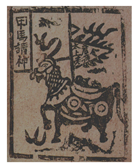
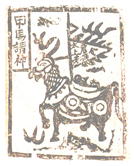
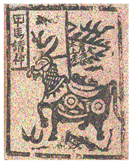
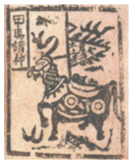
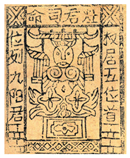
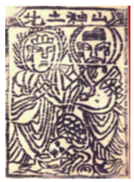
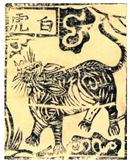
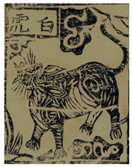
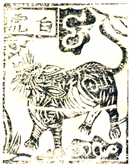
Due to the lack of publicly available benchmark datasets for Yunnan Jiama image analysis, this study constructs a dedicated dataset specifically designed for Jiama image recognition and classification tasks. The original dataset consists of 221 images, corresponding to 221 individual physical Jiama print artifacts preserved in archival and museum collections, which are categorized into five representative classes based on their thematic content and folkloric functions: God of Wealth, Spirit Horse, The Kitchen God, Mountain and Land Gods, and The White Tiger, as summarized in Table 1. It should be noted that Yunnan Jiama encompasses a wide range of thematic subjects in folk practice. The five categories selected in this study do not exhaust all existing Jiama themes; rather, they were chosen because these types are the most commonly used, relatively well-preserved, and most abundantly represented in existing collections, thereby providing a sufficient number of samples to support reliable model training and evaluation. The image data were primarily collected from authoritative atlases and academic publications related to Yunnan Jiama, including Integration of Chinese Woodblock New Year Prints—Yunnan Jiamajuan Volume [24] and Yun Nan Paper Horse-The Chinese Folk Art Pithy Volumes [25]. The collection of these Jiama images originated from fieldwork and archival efforts conducted in Yunnan Province during the 1950s and 1960s. These sources provide images with high representativeness in terms of subject matter, stylistic features, and printing conditions, thereby offering a comprehensive reflection of the visual characteristics and inter-class variations of Yunnan Jiama imagery.
Table 1.
Classification of Yunnan Jiama Images.
2.1.2. Image Preprocessing and Data Augmentation Strategies
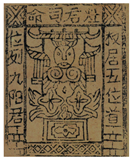
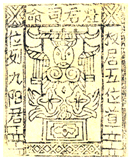
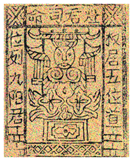
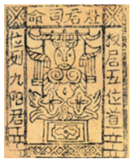
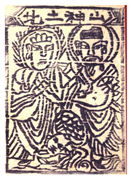
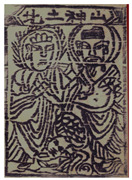
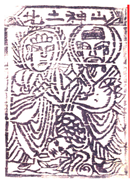
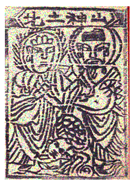
Due to objective constraints such as the limited number of preserved Jiama artifacts and the inconsistency of image acquisition conditions, the original dataset is insufficient in both scale and diversity to fully meet the training requirements of deep learning models. To enhance the generalization ability and robustness of the proposed model, multiple image augmentation strategies were applied to the original dataset to expand the training samples. The dataset split was performed prior to data augmentation at the level of the 221 original Jiama images. All augmented samples derived from the same original image were strictly confined to a single subset to prevent potential data leakage across training, validation, and testing sets. The final dataset consists of a comprehensive collection of 1055 Jiama images. It is systematically divided into three subsets: the training set (70%, 739 images), the testing set (20%, 211 images), and the validation set (10%, 105 images). This structured approach ensures a balanced distribution of data during the model’s training, validation, and testing phases, with independent file paths for each subset, which helps achieve effective learning and performance evaluation. The specific enhancement effects are presented in Table 2.
Table 2.
Data augmentation methods.
The purpose of data augmentation is not merely to increase the number of samples, but to simulate the visual disturbances that Jiama images may encounter during real-world acquisition, preservation, and digitization processes. In this way, the model can learn more robust and stable discriminative features during training. These augmentation methods were specifically selected because they reflect the most common forms of degradation observed in historical Jiama prints, including uneven illumination caused by aging paper and scanning conditions, impulsive noise resulting from printing defects or paper damage, and mild blurring or texture degradation introduced during digitization. Compared with generic geometric transformations, these perturbations are more consistent with the actual visual characteristics of Jiama images and therefore better support the model’s robustness in real application scenarios. The specific augmentation methods are described as follows.
- Image Darkening.
Image darkening simulates low-light or underexposed conditions by reducing the overall brightness of an image. This operation is implemented by linearly scaling or shifting pixel intensity values, resulting in a global decrease in image luminance [26]. In practical scenarios, some Jiama images exhibit insufficient brightness or low contrast due to variations in shooting conditions, paper aging, or differences in scanning devices. Introducing image darkening as a data augmentation strategy helps improve the model’s ability to recognize structural features of Jiama images under low-light conditions. The formulation is given as follows:
where denotes the pixel values of the input image, and represents the pixel values after the darkening operation. The parameter is the brightness scaling factor; when < 1, it linearly compresses the overall image intensity, thereby reducing the global brightness. The term is the brightness offset, which shifts pixel values uniformly and is typically set to a non-positive value to further enhance the darkening effect. In this study, to effectively simulate low-light conditions while preserving the structural integrity of the images, is set to 0.6 and to 0, resulting in a uniform reduction in the brightness of Yunnan Jiama images. This augmentation strategy improves the robustness of the model in capturing line engravings and local structural details under low-illumination conditions.
- 2.
- Image Brightening.
Image brightening simulates overexposure or high-illumination acquisition conditions by increasing the overall pixel intensity. This enhancement emphasizes bright regions while potentially suppressing certain fine texture details. In the digital acquisition of Jiama images, factors such as paper reflectance or improper scanner parameter settings may result in excessively bright images. To account for such conditions, image brightening is applied, as formulated below:
Here, denotes the pixel values of the input original image, and represents the pixel values after the brightening operation. The parameter is the brightness scaling factor; when > 1, it linearly amplifies the overall image brightness, thereby enhancing high-intensity regions. The parameter is a brightness offset term that shifts pixel values globally and is typically set to a non-negative value to further increase brightness. In this study, to simulate high-illumination conditions caused by excessive lighting or paper reflectance during the scanning or photographing of Jiama images—while preserving the integrity of structural information— is set to 1.5 and to 0. The inclusion of this enhancement strategy effectively improves the model’s adaptability and recognition stability for Jiama image patterns and engraved line features under high-brightness conditions.
- 3.
- Salt-and-Pepper Noise.
Salt-and-pepper noise is a typical form of impulse noise, commonly used to simulate random pixel anomalies introduced during image acquisition or transmission processes [27]. In Jiama images, factors such as paper damage, uneven printing, and scanning errors often result in discrete noise points in local regions. By incorporating salt-and-pepper noise as a data augmentation strategy, the model can improve its tolerance to locally corrupted pixels and reduce the negative impact of noise on classification performance. The noise model is expressed as follows:
Specifically, denotes the grayscale value of the original image at pixel location , while represents the pixel value after the introduction of salt-and-pepper noise. Here, ∈ [1, N] and ∈ [1, M], where N × M indicates the spatial resolution of the image. denotes the maximum pixel value corresponding to salt noise (typically white pixels), and denotes the minimum pixel value corresponding to pepper noise (typically black pixels). The parameters and represent the occurrence probabilities of salt noise and pepper noise, respectively. In this study, = 0.05 and = 0.05 were adopted, meaning that approximately 5% of the pixels were randomly replaced by white noise points, and another 5% were replaced by black noise points. By introducing salt-and-pepper noise augmentation, local abnormal pixels caused by paper damage, uneven printing, or scanning errors in Jiama images can be effectively simulated, thereby enhancing the model’s robustness and fault tolerance against noise interference.
- 4.
- Gaussian Noise.
Gaussian noise is introduced to simulate continuous grayscale perturbations caused by sensor noise or scanning errors. This type of noise affects texture clarity and edge information across the entire image. Considering that Jiama images are characterized by dense line engravings and complex decorative patterns, the incorporation of Gaussian noise augmentation helps the model maintain stable recognition performance under conditions of texture degradation or mild blurring. The formulation is given as follows:
where denotes the Gaussian noise probability density at pixel location , represents the center of the Gaussian distribution, and is the standard deviation, which controls the noise intensity and the degree to which grayscale fluctuations affect the image. A larger results in a more dispersed noise distribution and causes more pronounced disturbances to image textures and edge information. In this study, the standard deviation of the Gaussian noise (or Gaussian blur) is set to = 1.5 to simulate mild blurring and texture degradation that may occur during the scanning, storage, or digitization of Jiama images. The introduction of Gaussian noise augmentation enhances the stability of feature extraction and the overall robustness of the model under conditions where fine engraved line structures are disturbed.
2.2. Key Technologies and Model Construction
2.2.1. Applicability of YOLOv8 to Jiama Image Analysis
YOLOv8 is a high-performance single-stage object detection model proposed in recent years, achieving a favorable balance between detection speed and accuracy. It has been widely validated in complex visual tasks such as bridge crack detection, industrial defect inspection, and biological behavior analysis [28,29,30]. Its efficient automatic feature learning capability and multi-scale information fusion mechanism make it a feasible baseline model for cultural heritage image analysis, including the automated recognition and classification of Jiama images.
Given the characteristics of Yunnan Jiama images—namely dense line work, complex compositions, and subtle inter-class differences—YOLOv8 is capable of automatically learning discriminative visual features from large-scale image data without the need for handcrafted feature design, thereby providing a computational foundation for the intelligent recognition and classification of Jiama image themes. However, existing studies have also pointed out that in scenarios with complex textures and significant noise interference, YOLOv8 may exhibit insufficient focus on key discriminative features. This limitation, to some extent, constrains its upper performance bound in Jiama image recognition tasks.
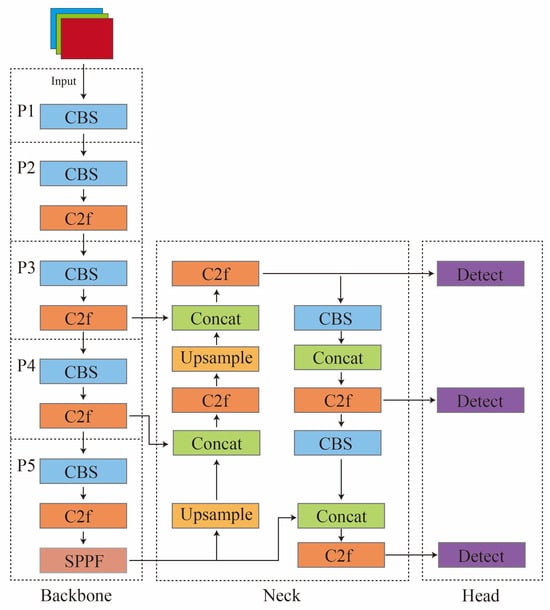
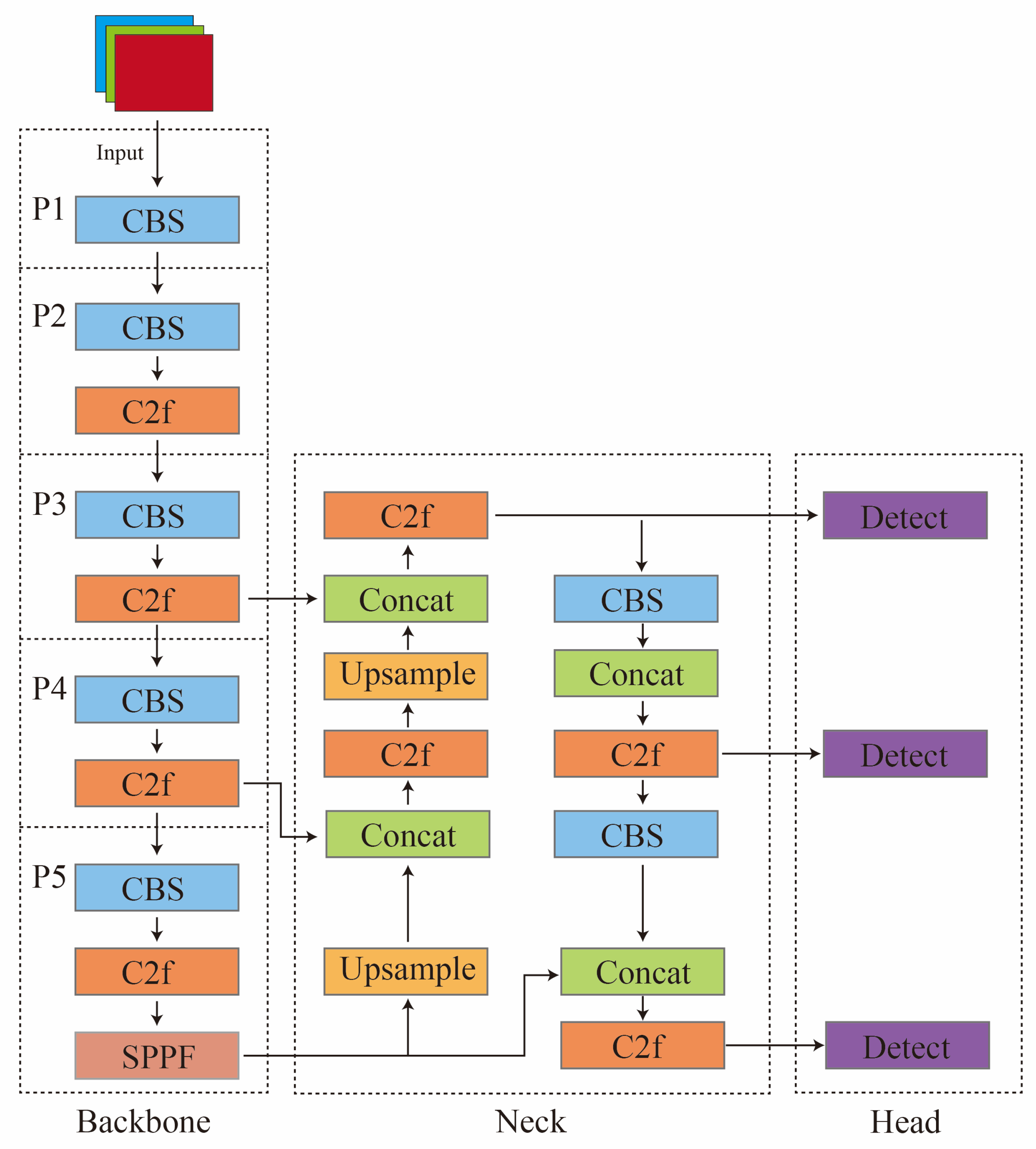
From an architectural perspective, as illustrated in Figure 1, YOLOv8 mainly consists of three components: a backbone network, a neck network, and a detection head. The backbone network is built upon CBS (Conv–BatchNorm–SiLU) and C2f modules, enabling the progressive extraction of low-level texture features and high-level semantic information through multi-layer convolutions and cross-layer feature connections. The C2f module enhances feature flow while maintaining a lightweight network design, which helps alleviate the gradient vanishing problem in deep networks. In addition, the SPPF (Spatial Pyramid Pooling Fast) module introduced at the bottom of the network further expands the receptive field and improves the model’s capability to perceive multi-scale targets.
Figure 1.
YOLOv8 network architecture model. Adapted from Xiong et al. [31].
The neck network adopts a feature pyramid fusion structure, in which feature maps from different scales are effectively integrated through upsampling and feature concatenation operations. This design enhances the model’s ability to represent small targets and fine-grained details, which is particularly important for Jiama images, where category discrimination often relies on localized symbolic elements such as headdresses, ritual implements, and mounts.
In the detection head, YOLOv8 employs a decoupled head architecture that separates the classification task from the localization regression task, effectively reducing feature conflicts during multi-task learning. Meanwhile, the model shifts from the traditional anchor-based detection scheme to an anchor-free paradigm, and introduces a task-aligned assigner for positive and negative sample matching. Combined with the Distribution Focal Loss function, this design significantly improves bounding box regression accuracy and training stability.
Although YOLOv8 demonstrates clear advantages in detection speed and overall performance, existing studies have indicated that its attention to key discriminative features may still be insufficient when dealing with images characterized by complex textures, subtle inter-class differences, and significant noise interference. In Yunnan Jiama images, pervasive woodcut textures, printing defects, and stylistic variations can easily lead to false detections or missed detections during theme recognition. To address these challenges, this study incorporates a Global Attention Mechanism (GAM) into the YOLOv8 framework to enhance the model’s ability to focus on salient spatial regions and channel-wise features, thereby improving the accuracy of Jiama image classification and recognition.
2.2.2. Global Attention Mechanism (GAM)
To enhance the model’s capability to represent key visual information, this study integrates a Global Attention Mechanism (GAM) into the YOLOv8 network. Within a sequential modeling framework that combines channel attention and spatial attention, GAM exploits cross-dimensional interactions to preserve global information in the original feature representations as much as possible, thereby reducing information loss and improving feature discriminability [32].
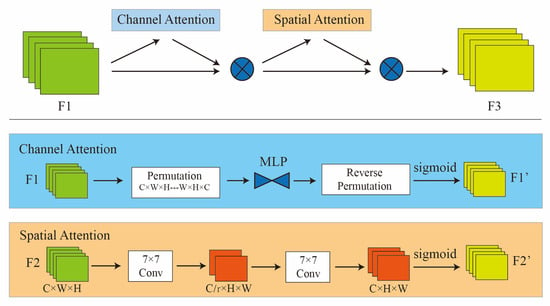
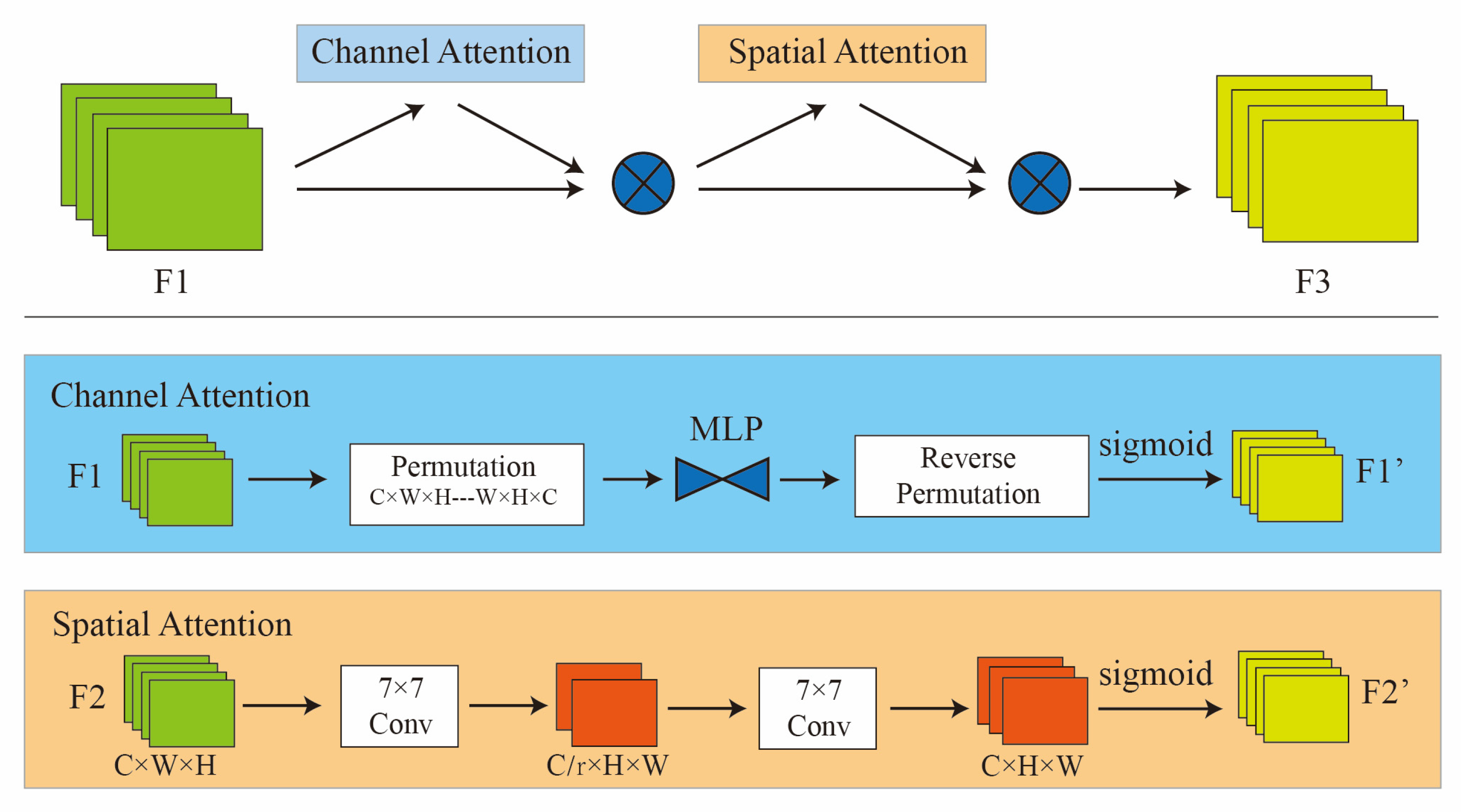
Compared with conventional attention mechanisms such as SE-Net and CBAM, GAM is able to explicitly model the coupling relationship between the channel and spatial dimensions, exhibiting stronger robustness in complex backgrounds and fine-grained recognition tasks [33,34,35]. As illustrated in Figure 2, its workflow consists of two stages—a channel attention submodule and a spatial attention submodule—through which key features are globally enhanced via progressive reweighting.
Figure 2.
Working architecture diagram of the Global Attention Mechanism (GAM), including the channel attention and spatial attention sub-modules. Adapted from Chen et al. [33].
As shown in Figure 2, GAM is composed of a channel attention submodule followed by a spatial attention submodule. Let the input feature map be denoted as . In the channel attention submodule, the feature map is first subjected to a three-dimensional permutation, rearranging it from C × H × W to H × W × C, so as to explicitly preserve both spatial and channel information, where C denotes the number of channels, H the height, and W the width of the feature map. Subsequently, the permuted features are modeled using a two-layer multilayer perceptron (MLP): the first layer reduces the channel dimension from C to C/r, and the second layer restores it to the original channel dimension. After passing through a Sigmoid activation function, channel attention weights Mc are obtained and multiplied element-wise with the original features to produce the channel-enhanced feature representation:
In the spatial attention submodule, the intermediate feature is fed into a spatial modeling structure composed of two 7 × 7 convolutional layers. The use of large convolution kernels enlarges the receptive field, thereby facilitating the integration of global spatial information. The same reduction ratio as that used in the channel attention submodule is adopted, and the spatial attention weights are generated through a Sigmoid activation function. Finally, the spatially enhanced feature representation is obtained as follows:
Here, denotes the final output feature of the GAM module. In this study, GAM is integrated into the YOLOv8 network primarily in response to the complex visual characteristics of Yunnan Jiama images. On the one hand, different Jiama categories exhibit highly similar overall compositions, and their discrimination often relies on localized symbols and fine-grained structural details. On the other hand, woodcut textures, printing defects, and background noise tend to interfere with the model’s learning of key discriminative features. By incorporating GAM, the model is able to simultaneously attend to “which channels are more important” and “which spatial regions are more critical” during feature extraction, thereby strengthening the joint modeling of global structural patterns and fine-grained differences in Jiama images. This mechanism effectively enhances the feature representation capability of YOLOv8 in complex cultural image scenarios [36], providing essential support for achieving high-accuracy Jiama image classification and recognition in subsequent stages.
2.2.3. Overall Architecture and Embedding Strategy of the YOLOv8-GAM Network
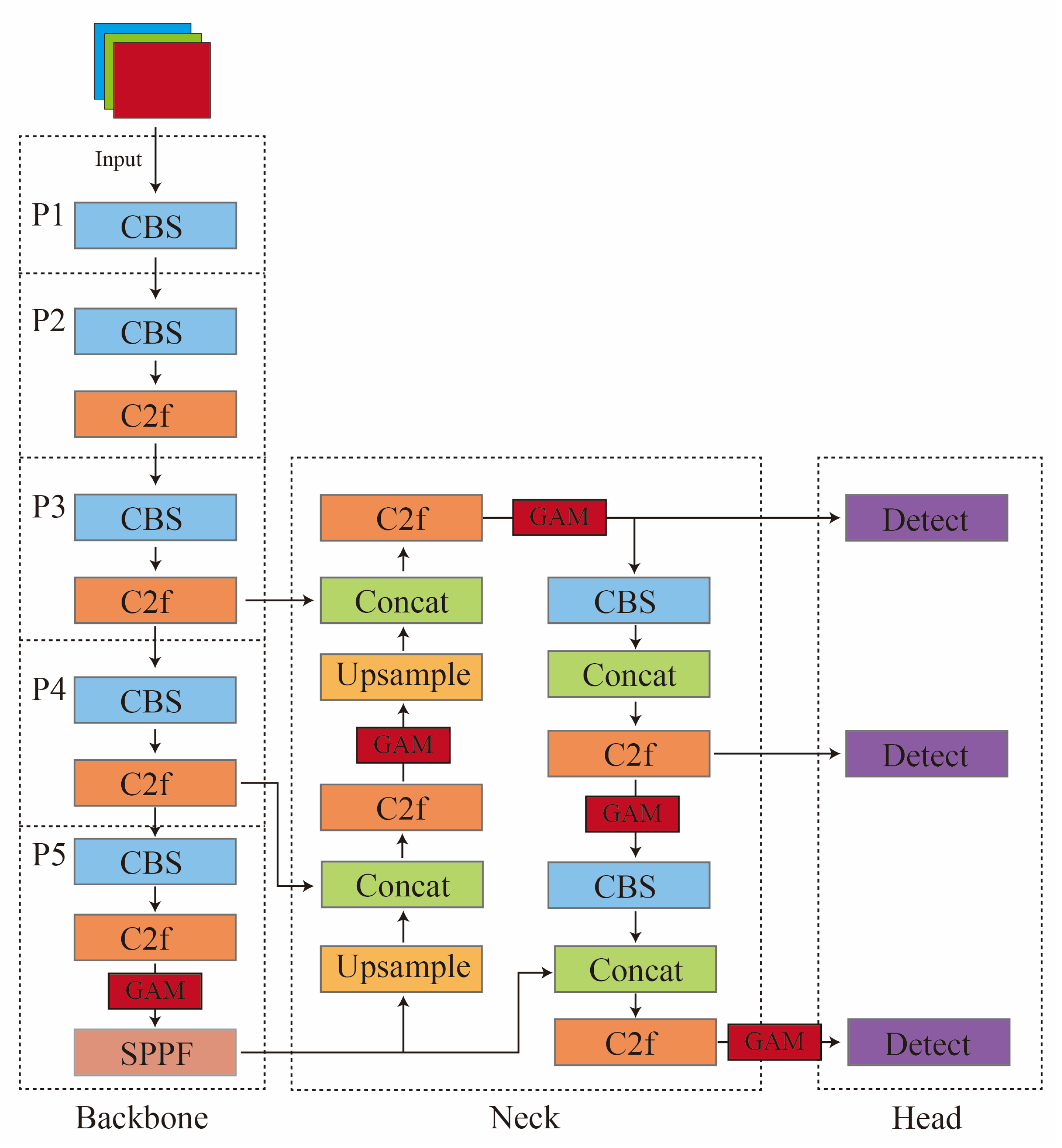
In complex visual tasks, embedding GAM into YOLOv8 has been demonstrated to be an effective technical strategy [31,37]. While preserving the original feature propagation paths of YOLOv8, this study constructs a YOLOv8-GAM network by inserting GAM modules at key feature nodes. As illustrated in Figure 3, the proposed model adopts a “stage-wise and multi-position” attention embedding strategy, introducing GAM at the high-level outputs of the Backbone and along the multi-scale feature fusion paths of the Neck. Through this design, feature maps are globally reweighted and restructured, enabling enhanced representation of discriminative information.
Figure 3.
YOLOv8-GAM network architecture model. Adapted from Wang et al. [37].
This design fully accounts for the visual characteristics of Jiama images, which are marked by high similarity in overall composition but pronounced differences in local symbolic details. On the one hand, embedding GAM at the high-level semantic feature stage strengthens channel features that are highly correlated with Jiama themes. On the other hand, introducing GAM during the multi-scale feature fusion process helps suppress semantic redundancy and preserves the consistency of discriminative features across scale transformations. Through this strategy, YOLOv8-GAM significantly enhances detection and classification performance on complex cultural images while maintaining computational efficiency.
Specifically, GAM is primarily applied to high-level semantic feature maps that have been processed by the C2f and SPPF modules, as well as to key feature nodes prior to upsampling and concatenation. At this stage, the feature maps have already undergone abstraction from low-level textures to high-level semantics, encompassing both global compositional information and the core symbolic features required for distinguishing Jiama categories. This provides a strong semantic foundation for global attention modeling.
By introducing GAM at the output of the Backbone, a global semantic filtering of features is performed before they enter the multi-scale fusion stage. The channel attention submodule enhances semantic channels that are highly relevant to Jiama themes through cross-dimensional interactions, while suppressing redundant features introduced by dense woodcut line textures, uneven printing, or paper aging. Meanwhile, the spatial attention submodule guides the model, at a global scale, to focus on key regions with strong cultural semantic significance—such as the principal deity figures, core symbolic layouts, and important decorative elements—thereby preventing excessive attention from being dispersed over background textures or noise regions.
During the multi-scale feature fusion process in the Neck network, although feature concatenation (Concat) and upsampling (Upsample) operations effectively integrate information from different scales, they may also introduce semantic redundancy, causing discriminative features to be weakened during fusion. To address this issue, YOLOv8-GAM reintroduces the GAM module at selected fusion paths to dynamically reweight features before and after fusion, ensuring that channels and spatial regions with strong discriminative significance are preserved and reinforced throughout multi-scale propagation. This “stage-wise, multi-position” attention embedding strategy enhances the consistency and discriminability of multi-scale features without disrupting the original feature pyramid structure.
Overall, YOLOv8-GAM does not simply adjust feature responses through local reweighting; instead, it leverages the global interaction mechanism of GAM to holistically model and reconstruct feature maps across both channel and spatial dimensions. The GAM-enhanced features enable the subsequent detection head to more effectively distinguish Jiama images that exhibit similar visual structures but belong to different semantic categories. Moreover, the GAM module adopts a lightweight design, with relatively controllable parameter overhead and computational complexity, allowing for a significant improvement in detection and classification performance on complex cultural images while maintaining efficient inference speed.
2.3. Experimental Environment and Training Parameter Settings
The experiments in this study were implemented based on the YOLOv8 framework provided by Ultralytics (Frederick, MD, USA). The experimental environment was configured with Python 3.8, PyTorch 1.10, and CUDA 11.0, and all training and testing procedures were conducted on an NVIDIA RTX 4060 Ti GPU (12 GB VRAM).
The model was trained for 200 epochs, with a batch size of 8. All input images were resized to a unified resolution of 640 × 640 pixels, which ensures training stability while maintaining a reasonable balance between computational efficiency and detection performance.
2.4. Model Evaluation Metrics
The model performance was evaluated using commonly adopted metrics in the field of object detection, including Precision, Recall, Average Precision (AP), F1-score, and mean Average Precision (mAP). When the Intersection over Union (IoU) between a predicted bounding box and the corresponding ground-truth box exceeds a predefined threshold, the prediction is regarded as a true positive (TP); otherwise, it is counted as a false positive (FP) or a false negative (FN), respectively. The corresponding metrics are calculated as follows:
Precision (P) represents the proportion of correctly predicted targets among all predicted targets. The calculation of Precision is given as follows:
Here, (True Positive) denotes the number of samples that are correctly predicted by the model as the target class, i.e., samples for which both the prediction and the ground truth are positive. (False Positive) denotes the number of samples that are incorrectly predicted as the target class, i.e., samples for which the prediction is positive but the ground truth is negative. Precision reflects the reliability of the model’s predictions: a higher Precision value indicates fewer false detections and more accurate prediction results in the detection and classification process.
Recall (R) represents the proportion of actual target instances that are correctly identified by the model. The calculation formula for Recall is as follows:
Here, (True Positive) denotes the number of samples that are correctly predicted by the model as belonging to the target class, while (False Negative) represents the number of samples that are incorrectly predicted as non-targets, i.e., instances that are truly positive but missed by the model. Recall reflects the model’s ability to cover actual targets; a higher Recall value indicates fewer missed detections, which is particularly important in object detection tasks.
Average Precision (AP) is used to comprehensively evaluate the detection performance of a model across different recall levels and is defined as the area under the Precision–Recall (PR) curve. AP effectively captures the trade-off between precision and recall under varying confidence thresholds and is therefore a key metric for assessing the overall performance of object detection models. A higher AP value indicates that the model can maintain high prediction accuracy while achieving strong recall. The -score provides a balanced evaluation of precision and recall by computing their harmonic mean, and its calculation is given as follows:
where denotes Precision and denotes Recall. The -score balances precision and recall, achieving a high value only when both metrics are simultaneously high. Therefore, this indicator effectively avoids evaluation bias caused by relying on a single metric and is widely used to provide a comprehensive assessment of the overall performance of classification and object detection models.
Mean Average Precision (mAP) is used to evaluate the overall performance of a model in multi-class object detection tasks. It is defined as the arithmetic mean of the Average Precision (AP) values across all target categories.
Specifically, denotes the Average Precision of the i-th category, computed as the area under its Precision–Recall (PR) curve. The mAP is calculated as follows:
where denotes the total number of target categories.
In this study, mAP@0.5 refers to the mean average precision computed at an Intersection over Union (IoU) threshold of 0.5, while mAP@0.5:0.95 represents the average mAP over multiple IoU thresholds ranging from 0.5 to 0.95 with a step size of 0.05, following the standard COCO evaluation protocol.
3. Results
Performance of the YOLOv8-GAM Model
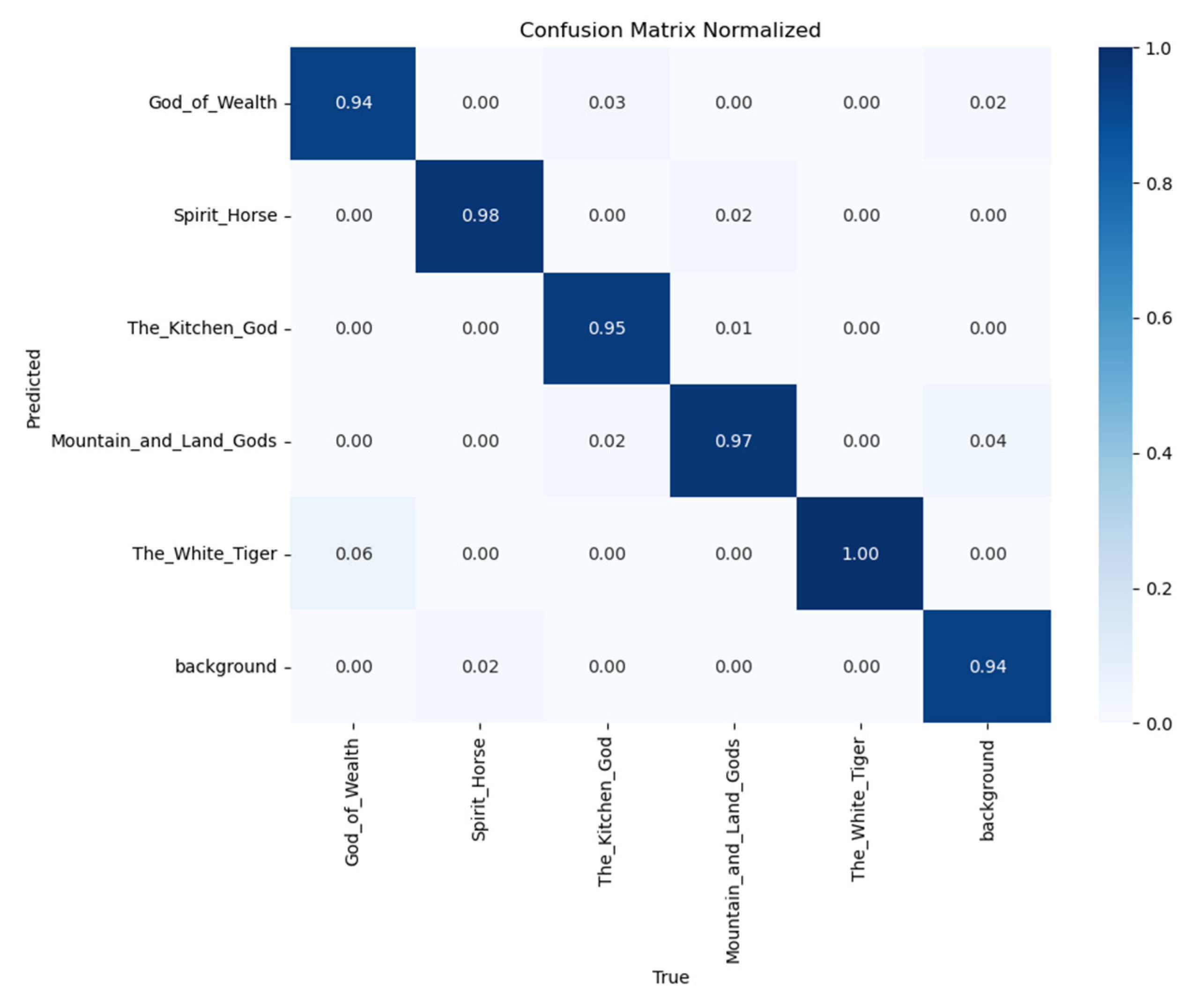
Figure 4 presents the normalized confusion matrix of the YOLOv8-GAM model on the Yunnan Jiama dataset. In this study, the confusion matrix and PR curves were computed on the validation set. As shown, the model achieves high classification accuracy across all major categories. Among them, the The_White_Tiger category exhibits the most stable recognition performance, with almost no misclassification observed. The recognition accuracies for Spirit_Horse and Mountain_and_Land_Gods also remain at high levels (98% and 97%, respectively), indicating that the model can effectively distinguish Jiama categories with highly similar compositions but subtle symbolic differences. By comparison, The_Kitchen_God and God_of_Wealth show a limited degree of inter-class confusion in some samples; however, their overall classification accuracies remain relatively high (95% and 94%, respectively), and this does not significantly affect the overall model performance. In addition, the confusion matrix reveals that background regions are occasionally misclassified as Mountain_and_Land_Gods, which may be attributed to the high visual similarity between the complex decorative patterns of this category and background textures.
Figure 4.
Normalized Confusion Matrix of the Yunnan Jiama Dataset.
Overall, the YOLOv8-GAM model demonstrates strong discriminative capability and robust overall stability in the multi-class recognition of Yunnan Jiama images, confirming its effectiveness for classifying complex traditional folk woodblock print imagery.
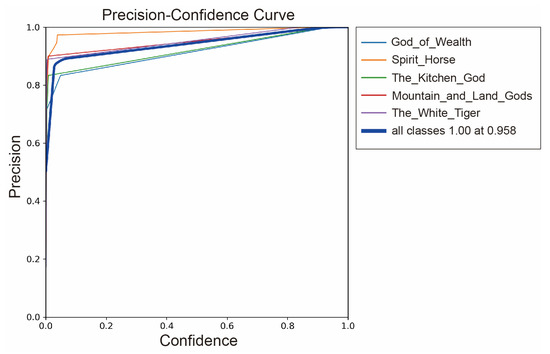
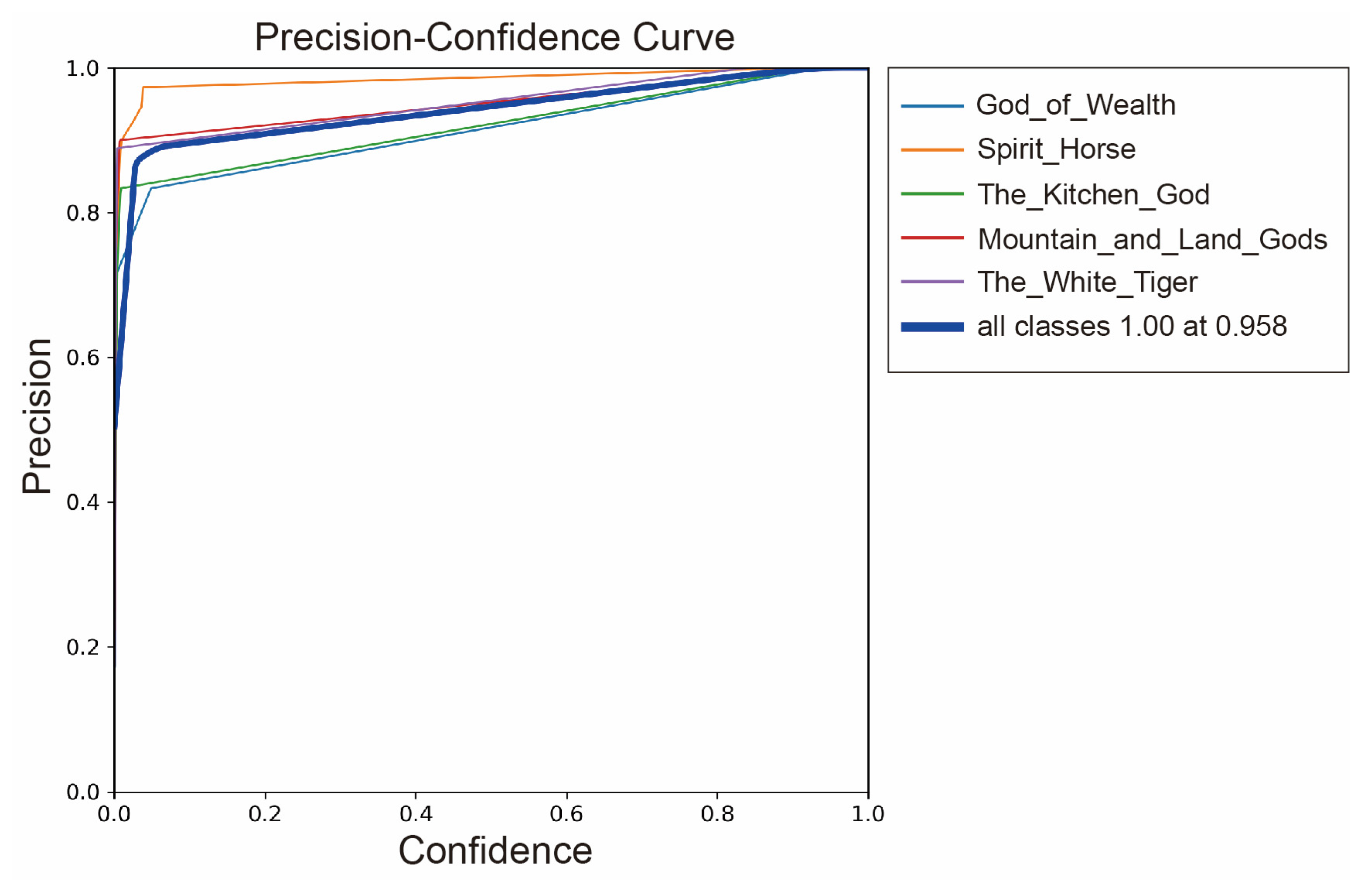
Figure 5 illustrates the Precision–Confidence curves of the YOLOv8-GAM model across different categories. As shown in the figure, with the increase of the confidence threshold, the precision curves of all categories rise rapidly and gradually converge, indicating that the model can achieve high prediction accuracy even at relatively low confidence levels. When the confidence threshold approaches 1, the overall precision remains stable above 0.95, reaching a maximum of approximately 0.958, which demonstrates the strong reliability of the model under high-confidence prediction conditions. The differences among the curves of different categories are relatively small, suggesting consistent predictive performance across various Yunnan Jiama categories and reflecting the model’s robustness and generalization capability. Overall, these results confirm the effectiveness of the YOLOv8-GAM model in delivering high-confidence predictions and accurate fine-grained classification of Jiama images.
Figure 5.
Precision–Confidence Curve.
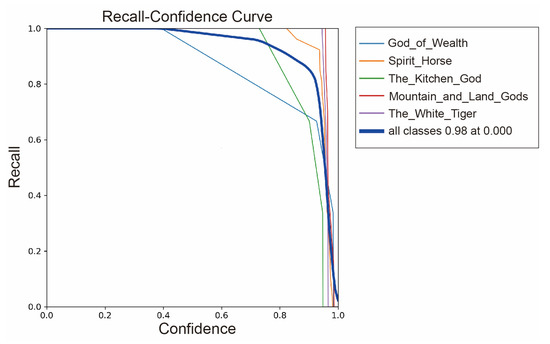
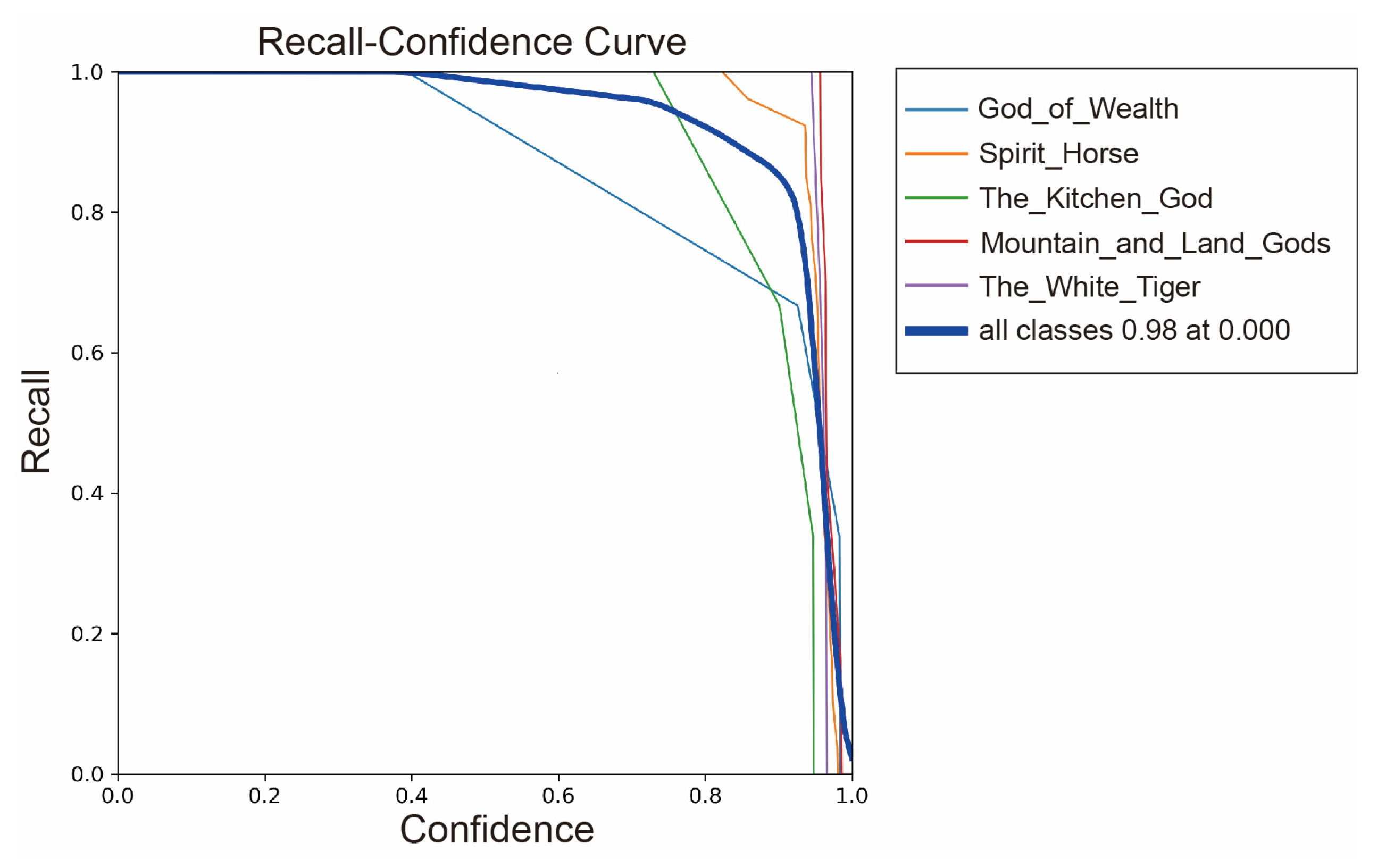
Figure 6 illustrates the Recall–Confidence curves of the YOLOv8-GAM model across different Jiama categories. It can be observed that within the lower confidence threshold range, the recall values for all categories remain at a high level, indicating that the model is able to effectively detect the majority of Jiama image instances in the dataset. When the confidence threshold approaches zero, the overall recall rate reaches an optimal level of approximately 0.98, demonstrating the model’s comprehensive target coverage capability. As the confidence threshold gradually increases, the recall values exhibit a reasonable downward trend, reflecting the model’s filtering mechanism under stricter confidence constraints. Overall, these results indicate that the YOLOv8-GAM model maintains strong detection performance across varying confidence thresholds, providing reliable support for the stable recognition of Yunnan Jiama images.
Figure 6.
Recall–Confidence Curve.
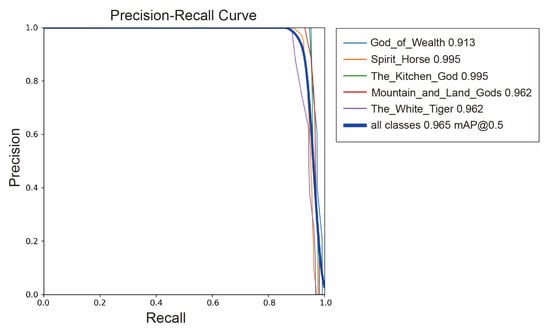
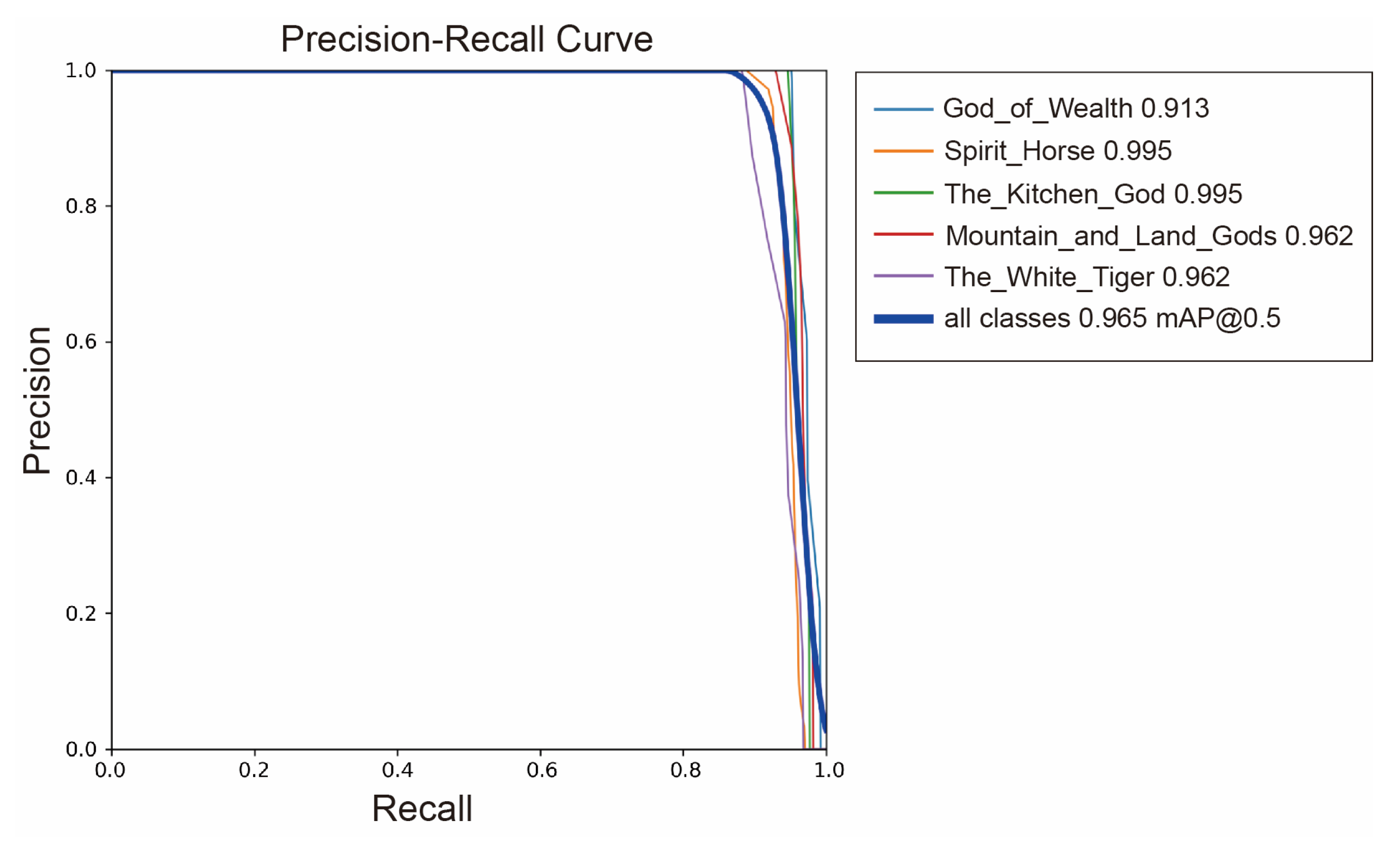
Figure 7 presents the Precision–Recall (PR) curves of the YOLOv8-GAM model for each category as well as for all categories combined. The PR curves illustrate the variation of precision across different recall levels, thereby reflecting the trade-off between classification accuracy and detection completeness. Among the individual categories, Spirit_Horse and Mountain_and_Land_Gods achieve particularly high precision values of 0.995, indicating a very low false detection rate for these Jiama types. In contrast, God_of_Wealth exhibits a relatively lower precision of 0.913, suggesting that this category remains more challenging to distinguish due to similarities in visual features. When the Intersection over Union (IoU) threshold is set to 0.5, the mean Average Precision (mAP) across all categories reaches 0.965. This result demonstrates that the YOLOv8-GAM model possesses strong overall detection performance and robust category discrimination capability in the Yunnan Jiama image recognition task.
Figure 7.
Precision–Recall (PR) curves.
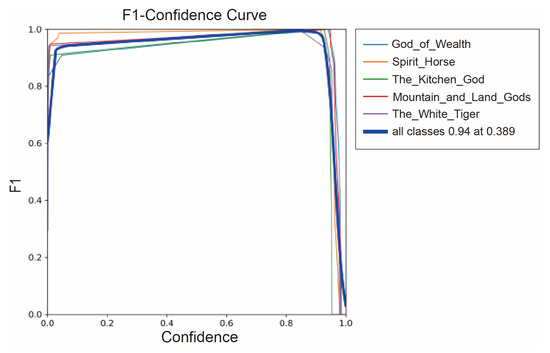
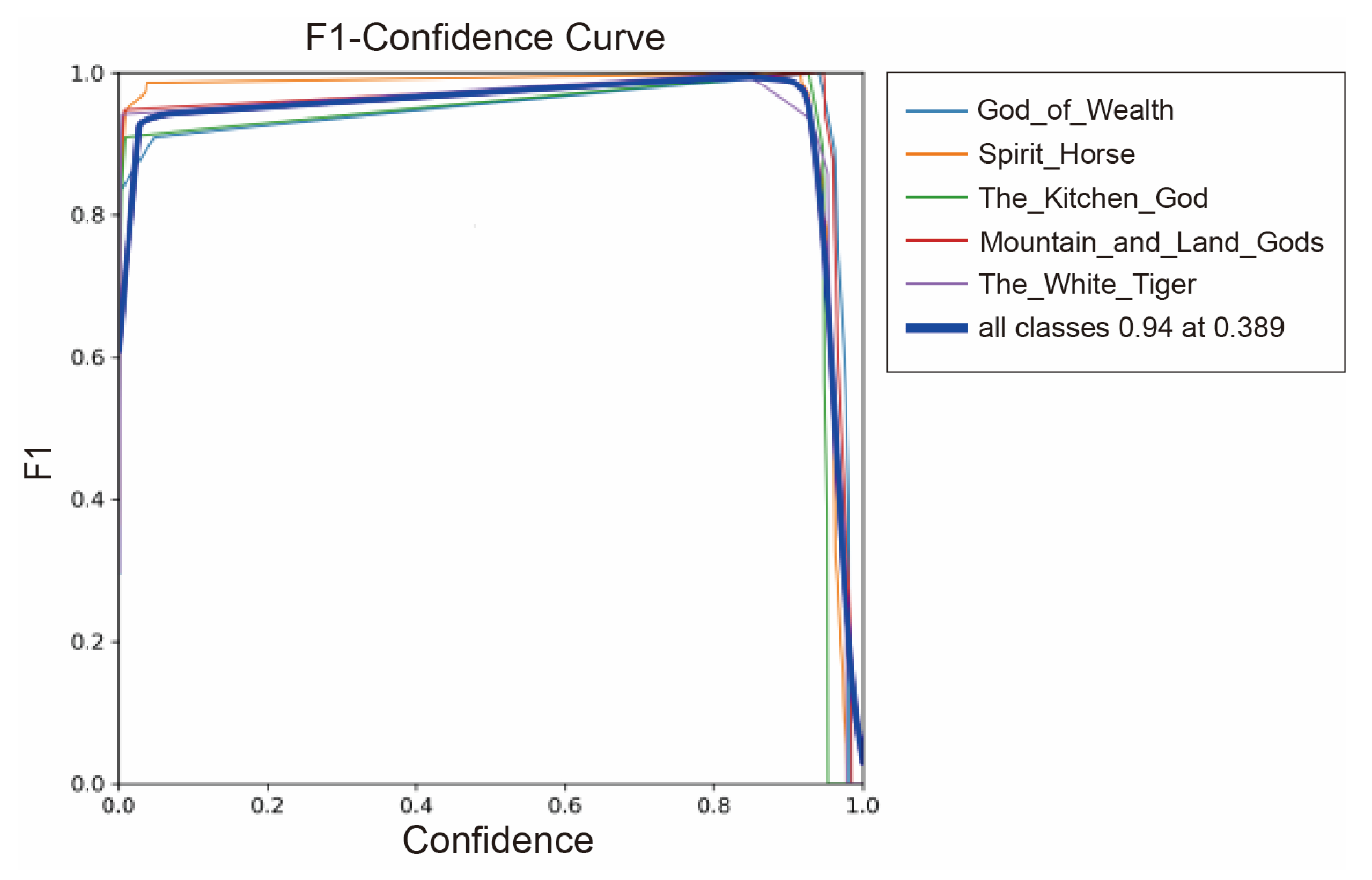
As shown in Figure 8, the F1–confidence curves indicate that all five categories achieve relatively high F1 scores, demonstrating well-balanced overall performance. The model maintains F1 values close to the peak across a wide range of confidence thresholds, reaching a notable F1 score of 0.94 at a confidence level of 0.389. This result highlights the effective balance between precision and recall achieved by the model, which is crucial for reliable and stable classification of Yunnan Jiama categories.
Figure 8.
F1–Confidence Curve.
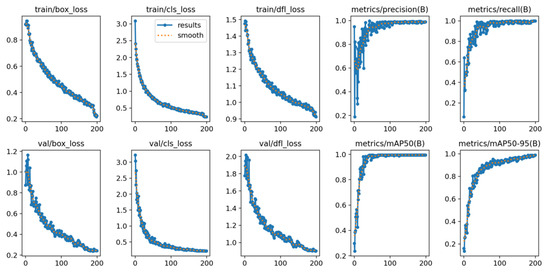
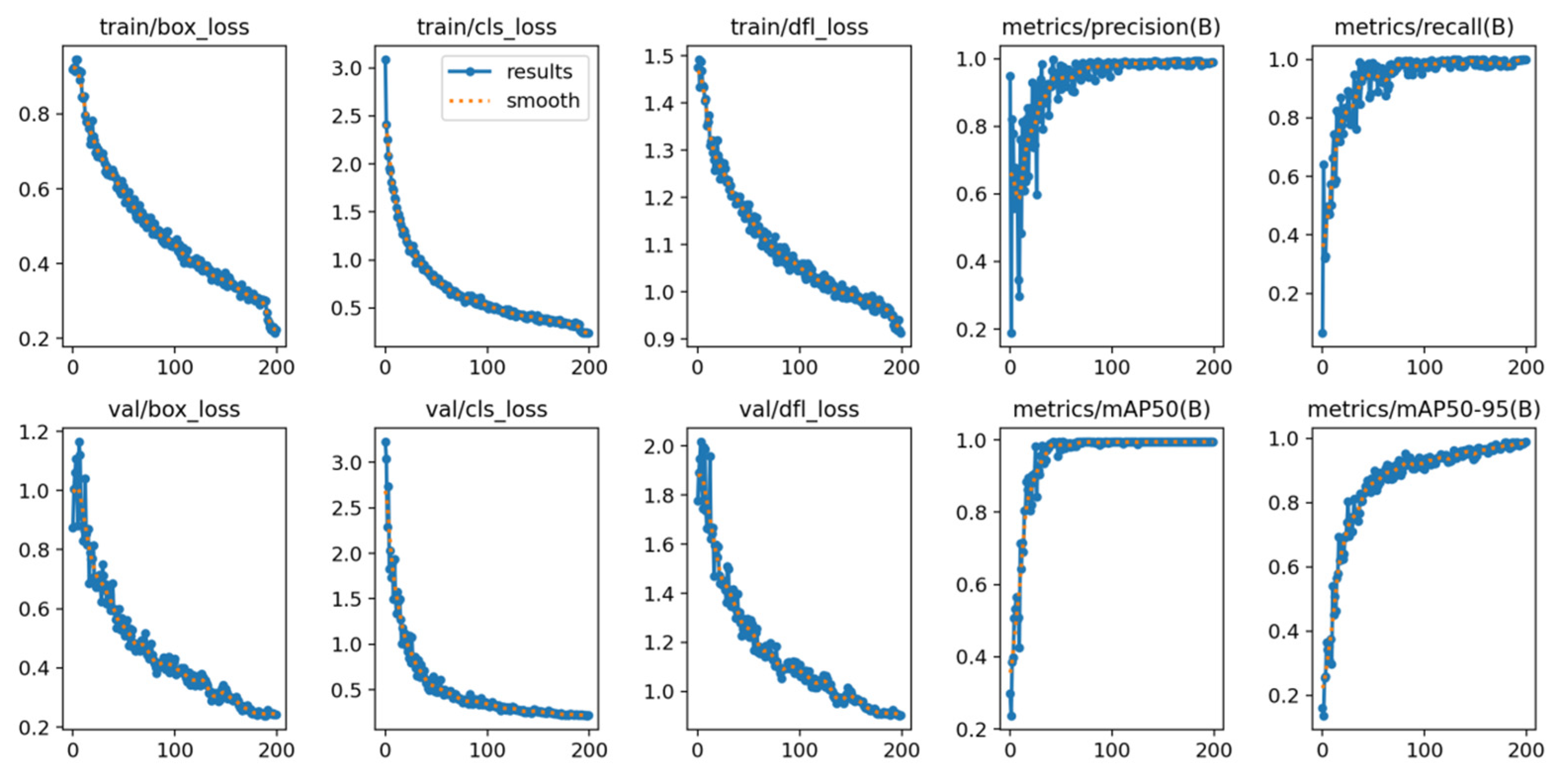
The loss curves shown in Figure 9 indicate that the three main components of the training loss—bounding box loss (box loss), classification loss (cls loss), and distribution focal loss (dfl loss)—exhibit a rapid decrease during the initial training epochs, followed by a gradual convergence. The smooth downward trends of all loss components demonstrate stable optimization behavior and effective learning of both localization and classification features. In particular, the convergence of the dfl loss suggests improved bounding box regression quality under the anchor-free detection paradigm adopted by YOLOv8. The corresponding validation loss curves follow similar patterns to those observed during training, indicating good generalization performance on unseen data. No significant increase in validation loss is observed in the later epochs, suggesting that overfitting is effectively mitigated during training.
Figure 9.
Performance Metrics of the YOLOv8-GAM Model.
The performance metrics show that both precision and recall on the validation set exhibit an initial rapid increase and then stabilize at a high level. This indicates that the model is capable of correctly identifying and classifying target objects with high precision, covering most of the relevant instances in the dataset. The mAP50 and mAP50-95 (B) values—mean average precision (mAP50) at an intersection over union (IoU) threshold of 0.50, and the average value of mAP across IoU thresholds from 0.50 to 0.95 (mAP50-95)—both perform excellently, with mAP50 stabilizing near 1. These metrics indicate that the model demonstrates high accuracy in target detection within the specified IoU thresholds, while mAP50-95 reflects the model’s robustness under stricter matching criteria.
Overall, the model demonstrates strong convergence characteristics and high performance on both seen (training) and unseen (validation) data. Its high precision, along with recall and mean average precision (mAP) scores across a range of Intersection over Union (IoU) thresholds, highlights the model’s reliability and accuracy in object detection tasks.
To verify the effectiveness of the proposed improvement strategy, four experimental groups were designed based on ablation study principles to systematically evaluate the performance of different models on the Jiama image classification task. All experimental settings, including the training environment and model hyperparameters, were kept identical to ensure a fair comparison. The experimental results are summarized in Table 3, showing that the improved models achieved varying degrees of performance gains in detection accuracy.
Table 3.
Test Results of Different Models.
In terms of inference efficiency, the YOLOv8-GAM model exhibited a moderate reduction in detection speed compared with the baseline model. However, its inference speed of 107 frames per second remains sufficient for practical Jiama image classification and recognition applications.
The ablation study evaluated four models: YOLOv5, YOLOv8, YOLOv8-Neck-GAM (with the Global Attention Mechanism inserted only in the Neck), and YOLOv8-GAM. The introduction of YOLOv8-Neck-GAM as an intermediate variant enables a clearer analysis of the independent contribution of the Global Attention Mechanism during multi-scale feature fusion. Compared with the original YOLOv8, YOLOv8-Neck-GAM achieved consistent improvements in the F1 score (from 91.62% to 91.87%) and mAP@50 (from 93.28% to 94.05%), indicating that introducing GAM only at the Neck stage can effectively enhance feature fusion quality and detection performance. Furthermore, when GAM was jointly applied to both high-level semantic feature outputs and multi-scale feature fusion paths, the YOLOv8-GAM model achieved further performance improvements. It attained the best overall results, with an F1 score of 94.0% and mAP values of 96.50% (mAP@50) and 82.13% (mAP@50–95). These results demonstrate that the collaborative application of GAM across different network stages plays a critical role in enhancing fine-grained feature modeling and object detection accuracy, thereby further validating the effectiveness of the proposed approach.
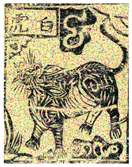
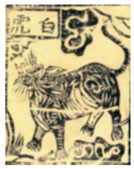
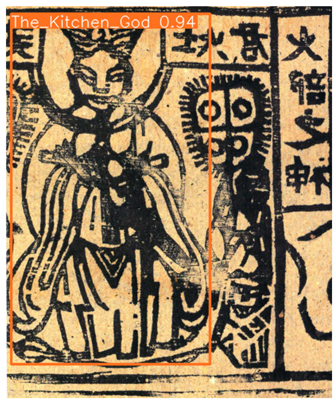
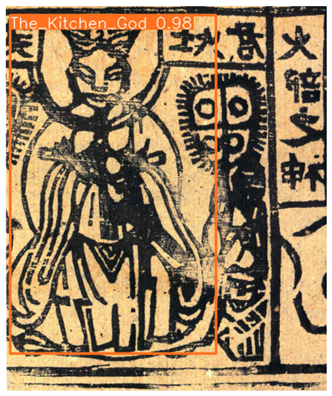
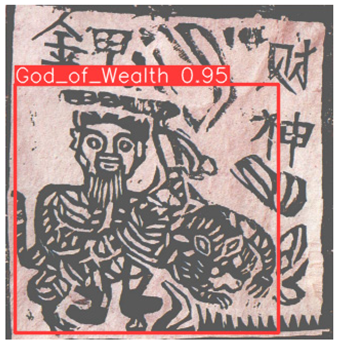
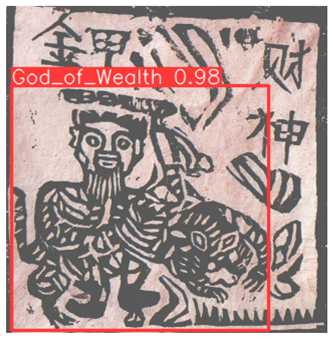
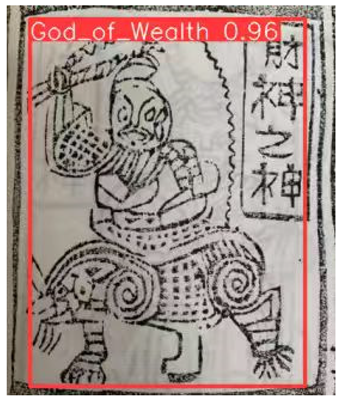
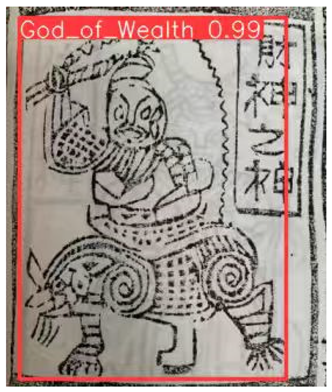
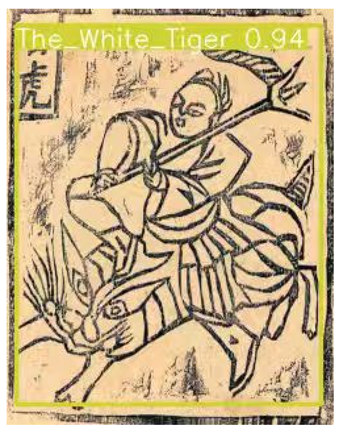
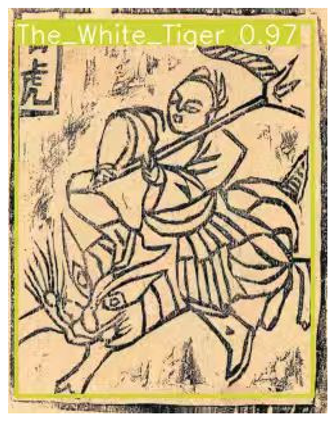
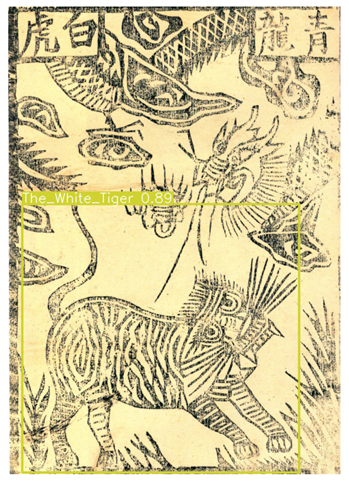
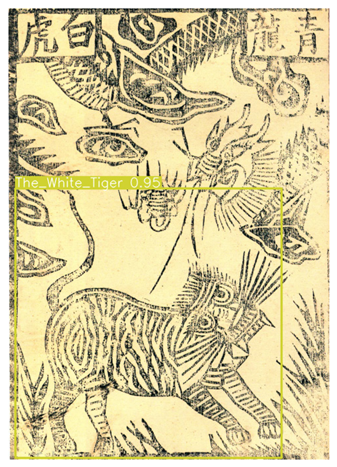
In the visual comparison phase, YOLOv8 and YOLOv8-GAM were tested, and different models showed varying performance in the classification of Yunnan Jiama. The Jiama images were annotated using the LabelImg tool. The corresponding results are shown in Table 4.
Table 4.
Performance Differences Between YOLOv8 and YOLOv8-GAM.
4. Discussion
4.1. Analysis of Performance Improvement Mechanism of YOLOv8-GAM Model
The experimental results demonstrate that, after incorporating the Global Attention Mechanism (GAM), the YOLOv8-GAM model achieves superior performance compared with the original YOLOv8 and other baseline models in Yunnan Jiama image recognition and classification tasks. Specifically, at an Intersection over Union (IoU) threshold of 0.5, the YOLOv8-GAM model attains a mean average precision (mAP@0.5) of 0.965 on the validation set, representing a clear improvement over the original YOLOv8 (0.933). Moreover, the mAP@0.5:0.95 remains at a relatively high level (0.821) under multiple threshold conditions, indicating that the proposed model maintains stable detection performance under stricter localization requirements. The confusion matrix and Precision–Recall (PR) curves further show that classification accuracy exceeds 94% for most categories, reflecting enhanced overall prediction stability. Importantly, this performance gain should be interpreted primarily from a feature modeling perspective, rather than as an indication of semantic or cognitive understanding. The improvement is not simply attributable to an increase in model parameters, but mainly results from the introduction of GAM, which enables attention-guided feature reweighting across channel and spatial dimensions, thereby strengthening discriminative visual patterns while suppressing redundant or noisy responses.
Compared with feature extraction approaches that rely solely on local convolution operations, GAM introduces global interactions across both channel and spatial dimensions, allowing the feature maps to be adaptively reweighted before multi-scale feature fusion. This process enhances the representation of visually discriminative regions, while reducing the influence of dense woodcut textures, printing defects, and background noise that are common in Jiama images. As a result, the model’s ability to distinguish visually similar categories is improved under complex cultural image conditions.
Yunnan Jiama images are characterized by high compositional similarity, with inter-class distinctions often depending on fine-grained visual cues such as symbolic elements, figure postures, and decorative details. By integrating GAM at the high-level feature stage, YOLOv8-GAM encourages the network to allocate greater attention to task-relevant regions and channels during feature fusion and propagation, which helps mitigate the challenges caused by subtle visual differences between categories. This attention-based feature enhancement provides a plausible, feature-level explanation for the observed performance improvements in fine-grained classification tasks, without implying higher-level semantic understanding.
4.2. The Role of Multi-Scale Feature Modeling and Attention Mechanism in Complex Cultural Images
Jiama images generally feature dense line engravings, complex textures, and significant background interference. In such visual scenarios, traditional object detection models tend to introduce semantic redundancy during the multi-scale feature fusion process, which weakens key discriminative features during feature concatenation and upsampling. YOLOv8-GAM addresses this issue by incorporating a global attention mechanism into the multi-scale fusion path, effectively mitigating this problem. This mechanism enhances the model’s ability to preserve important features while reducing the impact of redundant information, improving the overall performance in complex cultural image detection.
Experimental results show that after incorporating GAM, the model’s detection stability for targets of different scales has significantly improved, particularly in samples with low image clarity or incomplete prints, where false negatives and false positives have notably decreased. This indicates that the global attention mechanism not only enhanced the model’s focus on prominent target regions but also maintained semantic consistency during multi-scale feature propagation, allowing the detection head to receive more stable and discriminative feature inputs during both the classification and localization stages.
From a methodological perspective, this result indicates that combining multi-scale feature modeling with a global attention mechanism constitutes an effective technical strategy for traditional cultural images, where discrimination relies primarily on visual patterns and structural details rather than high-level semantic interpretation.
4.3. The Impact of Data Augmentation Strategies on the Model’s Generalization Ability
In this study, by introducing data augmentation strategies such as brightness variation, salt-and-pepper noise, and Gaussian noise, we effectively simulated various complex interference conditions that may occur during the actual collection, scanning, and preservation of Yunnan Jiama images. The experimental results show that the augmented YOLOv8-GAM model maintains high detection performance under different lighting conditions and noise interference, demonstrating its strong generalization ability.
This result indicates that for common issues in intangible cultural heritage images, such as paper aging, scanning errors, and uneven printing, a well-designed data augmentation strategy can not only alleviate the problem of limited sample size but also significantly enhance the model’s adaptability in real-world application scenarios. This provides practical guidance for future large-scale cultural heritage image digitization and data-driven visual analysis, particularly in scenarios involving complex backgrounds and image quality variations. Existing studies have suggested that by enhancing the feature extraction capability of deep learning models and combining data augmentation strategies, the precision and robustness of object detection can be significantly improved in complex backgrounds and variable environments [38].
4.4. Limitations of the Model and Areas for Improvement
Although the YOLOv8-GAM model has achieved significant improvements in overall performance, there are still some limitations. First, due to the limited number of Jiama image categories and the uneven distribution of samples, the model’s recognition performance for rare categories still has room for improvement. Enhancing the model’s ability to recognize long-tail categories under limited sample conditions is a key area for future research. For example, using images from different periods and in varying preservation conditions to enhance the model’s robustness could potentially improve its generalization ability. Related studies have suggested that a multi-graph learning framework can effectively integrate multiple graph data to optimize the model’s performance on rare categories [39,40].
Secondly, although GAM adopts a lightweight design, the embedding at multiple locations still increases the model’s parameter count and inference time, which may pose certain limitations in applications where real-time performance is required. Moreover, this study mainly focuses on recognizing and classifying Jiama images based on visual features, without incorporating the underlying religious semantics, historical context, and textual information into a unified modeling framework. For intangible cultural heritage images with profound cultural connotations, a single visual modality is still insufficient to comprehensively express their semantic layers.
4.5. Implications for the Digitalization of Intangible Cultural Heritage Research
From a broader perspective, this study validates the feasibility of applying attention-enhanced object detection models to the research of intangible cultural heritage images. YOLOv8-GAM not only enables the automatic recognition and classification of Yunnan Jiama images but also provides a new technological approach for the computationally assisted structured analysis of visual elements in traditional folk prints.
This research suggests that the application of deep learning methods in the field of intangible cultural heritage images should not be limited to “digital archiving.” Instead, such methods can further support tasks such as image structure analysis and category organization, thereby facilitating more systematic and scalable visual analysis workflows. This shift may help move related research from qualitative analysis based mainly on human expertise towards data-driven visual analysis paradigms, while still requiring domain knowledge for cultural interpretation and semantic understanding.
5. Conclusions
This paper takes Yunnan Jiama, a traditional folk woodblock print image with distinct regional characteristics and cultural connotations, as the research subject. It systematically explores the application path of deep learning methods in the digital preservation and computational analysis of intangible cultural heritage images. In response to the subtle visual differences between Jiama image categories, complex texture structures, and significant variations in printing integrity, this paper proposes a YOLOv8-GAM model that integrates the Global Attention Mechanism (GAM), achieving automatic recognition and classification of Yunnan Jiama images.
In terms of methodology, this paper integrates the GAM module into the key nodes of the high-level semantic feature output and multi-scale feature fusion path, while maintaining the original feature extraction and multi-scale fusion framework of YOLOv8. By enhancing the global interaction capability between the channel and spatial dimensions, the model’s focus on key discriminative features is improved. Experimental results show that, compared to the original YOLOv8 and other comparative models, YOLOv8-GAM demonstrates significant improvements in detection accuracy and overall stability. The mAP@50 increases from 93.28% for YOLOv8 to 96.50% for YOLOv8-GAM, with especially stronger robustness in complex background, noise interference, and fine-grained category distinction scenarios.
At the data level, this study constructs a digital image dataset of Yunnan Jiama and effectively simulates various complex scenarios that may occur during the acquisition and preservation of Jiama images through image enhancement strategies such as brightness variation and noise perturbation. Experimental results validate the positive role of reasonable data augmentation methods in improving the model’s generalization ability and adaptability in real-world applications, providing practical references for the construction and utilization of future intangible cultural heritage image datasets.
From an application perspective, this study not only provides a feasible technical solution for the systematic organization and intelligent classification of Yunnan Jiama images, but also validates the applicability of attention-enhanced object detection models in traditional folk print image analysis. It offers a new technical pathway for advancing intangible cultural heritage image research from “digital archiving” toward more structured and data-driven visual analysis, rather than direct semantic or cultural interpretation.
Although this study has achieved certain results, there is still room for further improvement. Future research could focus on expanding the Yunnan Jiama image dataset from multiple regions and exploring more efficient attention embedding strategies. In addition, the synthesis of Yunnan Jiama folk images using generative models (e.g., GAN-based or diffusion-based methods) represents a promising research direction. Such synthetic data could help alleviate data scarcity, enrich category diversity, and further expand the available image database, thereby supporting more robust training and evaluation of recognition models. Additionally, introducing multimodal learning methods that integrate image visual features with text annotations, religious semantics, and historical literature information for joint modeling may help support richer semantic analysis, while still requiring expert-driven cultural interpretation. Moreover, embedding the relevant models into platforms for the digital management and display of intangible cultural heritage is also a promising direction for future application exploration.
Overall, this study is the first to systematically apply the YOLOv8 model integrated with the Global Attention Mechanism (GAM) to the automatic recognition and classification of Yunnan Jiama images. While ensuring efficient detection, it significantly enhances the model’s ability to capture fine-grained features of complex folk prints. This provides a valuable methodological framework for the computational analysis and digital preservation of intangible cultural heritage images, especially for woodblock prints.
Author Contributions
Conceptualization, N.J. and F.J.; methodology, N.J.; software, N.J.; validation, N.J., F.J. and Q.W.; formal analysis, N.J. and F.J.; investigation, N.J. and Q.W.; resources, Q.W.; data curation, N.J.; writing—original draft preparation, N.J.; writing—review and editing, N.J., F.J. and Q.W.; visualization, N.J.; supervision, Q.W. All authors have read and agreed to the published version of the manuscript.
Funding
This research received no external funding.
Institutional Review Board Statement
Not applicable.
Informed Consent Statement
Not applicable.
Data Availability Statement
The dataset related to this study is available at: https://aistudio.baidu.com/dataset/detail/364722/file (accessed on 25 January 2026).
Conflicts of Interest
The authors declare no conflicts of interest.
References
- He, Y.J. A Study on the Evil-Averting Culture in Yunnan Jiama from the Perspective of Interpreting Rites through Witchcraft. Relig. Stud. 2025, 4, 137–145. [Google Scholar]
- Li, J. Yunnan Jiama art. Art Mag. 2019, 9, 134–135. [Google Scholar] [CrossRef]
- Balamber, B. The Journey of Paper and Printing in the Far East: A Historical Perspective on China’s Printing Legacy. Anadolu Univ. Sanat Tasar. Derg.-Anadolu Univ. J. Art Des. 2025, 15, 801–822. [Google Scholar] [CrossRef] [Scilit]
- Roberts, C. Drawn by War: The Peter Townsend Collection of Modern Chinese Woodblock Prints in the National Gallery of Australia. Aust. N. Z. J. Art 2024, 24, 254–272. [Google Scholar] [CrossRef] [Scilit]
- Kim, J. Korean Single-Sheet Buddhist Woodblock Illustrated Prints Produced for Protection and Worship. Religions 2020, 11, 647. [Google Scholar] [CrossRef] [Scilit]
- Liu, C.Y. AI Image Generation Technology and the Inheritance and Innovation of Intangible Cultural Heritage. Cult. Ind. 2024, 13, 100–102. [Google Scholar]
- Zhang, F.Z. Quantitative analysis of color characteristics for Yangjiabu New Year woodblock paintings based on color science and spectral imaging. Color Res. Appl. 2023, 48, 801–813. [Google Scholar] [CrossRef] [Scilit]
- Dai, Y.L.; Ju, F.; Wen, Y.H. Research on Digital Restoration and Innovative Utilization of Taohuawu Woodblock New Year Prints Based on Edge Detection and Color Clustering. Appl. Sci. 2025, 15, 9081. [Google Scholar] [CrossRef] [Scilit]
- Wan, L.; Liu, Y.; Dai, H.P.; Feng, W.; Zhang, J.W. Woodblock image decomposition of Chinese new year paintings. Multimed. Tools Appl. 2019, 78, 7621–7641. [Google Scholar] [CrossRef] [Scilit]
- Sapkota, R.; Flores-Calero, M.; Qureshi, R.; Badgujar, C.; Nepal, U.; Poulose, A.; Zeno, P.; Vaddevolu, U.B.P.; Khan, S.; Shoman, M.; et al. YOLO advances to its genesis: A decadal and comprehensive review of the You Only Look Once (YOLO) series. Artif. Intell. Rev. 2025, 58, 274. [Google Scholar] [CrossRef] [Scilit]
- Ma, N.; Su, Y.X.; Yang, L.X.; Li, Z.T.; Yan, H.W. Wheat Seed Detection and Counting Method Based on Improved YOLOv8 Model. Sensors 2024, 24, 1654. [Google Scholar] [CrossRef] [Scilit]
- Chen, H.W.; Zhou, G.H.; Jiang, H.X. Student Behavior Detection in the Classroom Based on Improved YOLOv8. Sensors 2023, 23, 8385. [Google Scholar] [CrossRef] [Scilit]
- Liu, J.; Liu, X.; Chen, H.X.; Luo, S.J. MDD-YOLOv8: A Multi-Scale Object Detection Model Based on YOLOv8 for Synthetic Aperture Radar Images. Appl. Sci. 2025, 15, 2239. [Google Scholar] [CrossRef] [Scilit]
- Xu, H.W.; Xiao, X.Y.; Zhao, Z.W.; Wang, Z.L. YOLOv8n-GAM: An improved surface defect detection network for hot-rolled strip steel. Eng. Res. Express 2024, 6, 025557. [Google Scholar] [CrossRef] [Scilit]
- Zhu, G.L.; Qi, H.G.; Lv, K. DGYOLOv8: An Enhanced Model for Steel Surface Defect Detection Based on YOLOv8. Mathematics 2025, 13, 831. [Google Scholar] [CrossRef] [Scilit]
- Wang, T.Y.; Ren, S.Y.; Zhang, H.Y. Nighttime wildlife object detection based on YOLOv8-night. Electron. Lett. 2024, 60, e13305. [Google Scholar] [CrossRef] [Scilit]
- Zhai, X.X.; Huang, Z.H.; Li, T.; Liu, H.Z.; Wang, S.Y. YOLO-Drone: An Optimized YOLOv8 Network for Tiny UAV Object Detection. Electronics 2023, 12, 3664. [Google Scholar] [CrossRef] [Scilit]
- Gao, C.; Zhao, G.; Gao, S.; Du, S.; Kim, E.; Shen, T. Advancing architectural heritage: Precision decoding of East Asian timber structures from Tang dynasty to traditional Japan. Herit. Sci. 2024, 12, 219. [Google Scholar] [CrossRef] [Scilit]
- Gao, L.; Wu, Y.; Yang, T.; Zhang, X.; Zeng, Z.; Chan, C.K.D.; Chen, W. Research on image classification and retrieval using deep learning with attention mechanism on diaspora Chinese architectural heritage in Jiangmen, China. Buildings 2023, 13, 275. [Google Scholar] [CrossRef] [Scilit]
- Zhou, S.B.; Wang, H.R. Overview of the International Symposium on Cultural Diversity and Digital Humanities. Digit. Humanit. Res. 2025, 5, 118–128. [Google Scholar]
- Guerrero-Contreras, G.; Balderas-Díaz, S.; Toribio-Camuñas, S.; Rodríguez-Almendros, M.L.; Hurtado-Torres, M.V. AL-MUSACTRA: A Unified Digital Platform for Inclusive Access to the Cultural Heritage of Andalusia. In Proceedings of the 2024 International Symposium on Computers in Education (SIIE), A Coruña, Spain, 19–21 June 2024; pp. 1–6. [Google Scholar]
- Balderas-Díaz, S.; Guerrero-Contreras, G.; Ramírez-Vela, M.; Toribio-Camuñas, S.; Gay, N.C.; Reguera, A.M. Inclusive Education and Cultural Heritage Access: The LECTPAT Platform Multimodal Online Dictionary. In Proceedings of the 2024 International Symposium on Computers in Education (SIIE), A Coruña, Spain, 19–21 June 2024; pp. 1–6. [Google Scholar]
- Unesco. Available online: https://www.unesco.org/en (accessed on 10 November 2025).
- Feng, J.C. Integration of Chinese Woodblock New Year Prints—Yunnan Jiamajuan Volume; Zhonghua Book Company: Beijing, China, 2007. [Google Scholar]
- Gao, J.L. Yun Nan Paper Horse—The Chinese Folk Art Pithy Volumes; Heilongjiang Art Publishing House: Harbin, China, 1999. [Google Scholar]
- Hao, S.; Han, X.; Guo, Y.; Wang, M. Decoupled low-light image enhancement. ACM Trans. Multimed. Comput. Commun. Appl. TOMM 2022, 18, 1–19. [Google Scholar] [CrossRef] [Scilit]
- Djurović, I. BM3D filter in salt-and-pepper noise removal. EURASIP J. Image Video Process. 2016, 2016, 13. [Google Scholar] [CrossRef] [Scilit]
- Xia, H.B.; Li, Q.; Qin, X.; Zhuang, W.B.; Ming, H.T.; Yang, X.Y.; Liu, Y.W. Bridge crack detection algorithm designed based on YOLOv8. Appl. Soft Comput. 2025, 171, 112831. [Google Scholar] [CrossRef] [Scilit]
- Yao, Y.E.; Cao, Y.Q.; Yan, K.T. SAF-YOLOv8: Improved YOLOv8 Algorithm for Defect Detection on Metal Surface. Laser Optoelectron. Prog. 2025, 62, 2015006. [Google Scholar] [CrossRef] [Scilit]
- Wang, Z.; Lei, L.F.; Shi, P.B. Smoking behavior detection algorithm based on YOLOv8-MNC. Front. Comput. Neurosci. 2023, 17, 1243779. [Google Scholar] [CrossRef] [Scilit]
- Xiong, C.Q.; Zayed, T.; Abdelkader, E.M. A novel YOLOv8-GAM-Wise-IoU model for automated detection of bridge surface cracks. Constr. Build. Mater. 2024, 414, 135025. [Google Scholar] [CrossRef] [Scilit]
- Liu, Y.; Shao, Z.; Hoffmann, N. Global attention mechanism: Retain information to enhance channel-spatial interactions. arXiv 2021, arXiv:2112.05561. [Google Scholar] [CrossRef] [Scilit]
- Chen, D.D.; Ju, R.S.; Tu, C.Y.; Long, G.W.; Liu, X.Y.; Liu, J.Y. GDB-YOLOv5s: Improved YOLO-based model for ship detection in SAR images. IET Image Process. 2024, 18, 2869–2883. [Google Scholar] [CrossRef] [Scilit]
- Ni, Z.Y.; Wang, J.C. A Global Attention Mechanism-Based EfficientNet Model for Road Pavement-Type Identification. Int. J. Comput. Intell. Syst. 2025, 18, 97. [Google Scholar] [CrossRef] [Scilit]
- Woo, S.; Park, J.; Lee, J.-Y.; Kweon, I.S. Cbam: Convolutional block attention module. In Proceedings of the European Conference on Computer Vision (ECCV); ECCV: Munich, Germany, 2018; pp. 3–19. [Google Scholar]
- Qu, Z.G.; Dong, Z.N.; Guo, Y.X.; Ren, H.; Fu, H.Y. Multi-Target Detection Algorithm for Fusion Images Based on an Attention Mechanism. Appl. Sci. 2025, 15, 7044. [Google Scholar] [CrossRef] [Scilit]
- Wang, Y.C.; Yi, C.C.; Huang, T.; Liu, J. Research on Intelligent Recognition for Plant Pests and Diseases Based on Improved YOLOv8 Model. Appl. Sci. 2024, 14, 5353. [Google Scholar] [CrossRef] [Scilit]
- Roy, A.M.; Bhaduri, J.; Kumar, T.; Raj, K. WilDect-YOLO: An efficient and robust computer vision-based accurate object localization model for automated endangered wildlife detection. Ecol. Inform. 2023, 75, 101919. [Google Scholar] [CrossRef] [Scilit]
- Jiang, B.; Chen, S.; Wang, B.; Luo, B. MGLNN: Semi-supervised learning via multiple graph cooperative learning neural networks. Neural Netw. 2022, 153, 204–214. [Google Scholar] [CrossRef] [Scilit]
- Du, Y.; Pei, B.; Zhao, X.; Ji, J. Deep scaled dot-product attention based domain adaptation model for biomedical question answering. Methods 2020, 173, 69–74. [Google Scholar] [CrossRef] [Scilit]




Disclaimer/Publisher’s Note: The statements, opinions and data contained in all publications are solely those of the individual author(s) and contributor(s) and not of MDPI and/or the editor(s). MDPI and/or the editor(s) disclaim responsibility for any injury to people or property resulting from any ideas, methods, instructions or products referred to in the content. |
© 2026 by the authors. Licensee MDPI, Basel, Switzerland. This article is an open access article distributed under the terms and conditions of the Creative Commons Attribution (CC BY) license.