


Abstract
The reliability and durability of prestressed concrete railway sleepers are essential for maintaining railway track safety, structural performance, and long-term serviceability. Their performance depends on concrete properties, manufacturing quality, environmental exposure, and the technology used to transfer prestressing forces. This review critically examines the influence of prestressing tendon anchorage systems on the structural reliability and durability of monoblock prestressed concrete railway sleepers, with particular emphasis on mechanical end anchorage and bond-based prestress transfer. The study adopts a focused narrative review approach, integrating previously published probabilistic reliability analyses, experimental investigations, and observations of sleeper degradation mechanisms. The reviewed reliability models indicate higher reliability indices for sleepers with mechanical end anchorage (β = 5.30) than for those relying on bond-based prestress transfer (β = 3.55), corresponding to calculated failure probabilities of 5.8 × 10⁻⁸ and approximately 2.0 × 10⁻⁴, respectively. Experimental investigations further demonstrate the importance of anchorage technology for ultimate load-bearing capacity and post-cracking behaviour, with reported differences in ultimate resistance of approximately 36% between the investigated Type A and Type C sleepers and approximately 23% between Type A and Type B sleepers. Following two million fatigue loading cycles, mechanically anchored sleepers maintained higher ultimate load-bearing capacity than the investigated bond-based solution. The review also highlights the importance of concrete durability, protection of prestressing reinforcement against corrosion, and manufacturing quality. Overall, the findings indicate that properly designed mechanical end-anchorage systems can provide significant structural advantages, while long-term sleeper reliability requires a comprehensive assessment of mechanical performance and environmental degradation.
1. Introduction
Railway sleepers are a key load-bearing elements of the track, responsible for transferring loads from the rails to the ballast, maintaining proper alignment, and ensuring the required track gauge; their durability directly determines the service life of the entire track infrastructure. Currently, the majority of railway sleepers are manufactured from prestressed concrete. Prestressed concrete sleepers are mass products, with approximately 2–3 million units only manufactured annually in Poland. The use of high-quality materials, proven design solutions, and advanced manufacturing technologies guarantees products with the best performance characteristics. This not only ensures the safety of train operations but also minimizes the infrastructure’s impact on the environment. The level of quality has a significant impact on the costs associated with track maintenance, repairs, and modernization; therefore, it is crucial to manufacture sleepers in a way that ensures their long-term and reliable operation. In an era of increasing demands regarding train speeds and traffic volume, maintaining the high durability of these components is essential for the efficient operation of the rail network and for reducing infrastructure operating costs. Technical requirements often specify a service life of over 40 years. This durability is achieved through the careful selection of materials, rigorous quality control, and the use of optimal anchoring technologies for prestressing steel. Numerous studies and analyses have confirmed in practice that neglecting any of these factors leads to premature damage and a significant reduction in the service life of the sleepers [1,2,3,4,5,6,7]. In Poland, the first experimental production of prestressed concrete sleepers took place as early as 1952. Over time, as concrete technology and prestressed concrete manufacturing techniques have evolved, numerous changes have been made to the design of track sleepers. These changes were necessary to meet the growing demands of modern rail transport and to ensure maximum durability of the track bed. However, operational problems with precast prestressed sleepers that have arisen in Europe in recent years have consistently resulted in high repair costs and restrictions on rail traffic. Optimization of the sleeper production process remains a matter of particular importance [1]. Failure mechanisms and fatigue behaviour. Lima and Carneiro [2] presented a comprehensive classification of sleeper deterioration mechanisms, distinguishing between intrinsic factors related to materials and manufacturing processes and extrinsic factors associated with operational loading and environmental exposure. Their findings demonstrate that sleeper deterioration results from the interaction of several mechanisms, although the relative influence of prestressing anchorage technologies was not quantified. Fatigue behaviour was investigated in [3] through experimental testing, finite element modelling, S–N curves, and Miner’s cumulative damage rule. The numerical model was validated against 30 full-scale sleeper tests, highlighting the importance of loading characteristics and support conditions. Li et al. [4] extended fatigue life assessment by considering time-dependent surface abrasion, demonstrating that progressive geometric deterioration may influence the remaining service life. Further investigations by Li, You, and Kaewunruen [5] indicated that cracking resistance could decrease to approximately 61% of its initial value after 40 years of service. The same authors [6] developed a nonlinear finite element model incorporating time-dependent prestress losses and crack propagation, validated against full-scale tests performed in accordance with EN 13230 [8,9]. Although these studies provide valuable methods for predicting structural deterioration, they do not directly establish the influence of different prestressing anchorage systems on long-term reliability. Environmental degradation and concrete durability. The interaction between cyclic loading, cracking, and water penetration was investigated in [10]. The authors identified abrasion associated with repeated water movement through cracks as an important deterioration mechanism, while other processes, including cavitation and leaching, were considered less significant. Dudek and Stryszewska [11] investigated an autonomous self-healing system based on polyurethane agents released through embedded tubes. Their experimental results demonstrated the potential to seal cracks and reduce the penetration of aggressive environmental agents. However, the long-term effectiveness of such solutions under actual railway operating conditions remains to be established. These studies highlight the importance of concrete durability and protection of prestressing reinforcement, particularly when evaluating the long-term consequences of cracking. Alternative materials and structural performance. Naik et al. [12] compared two prestressed concrete sleeper designs under static, impact, and fatigue loading. Their numerical investigations demonstrated approximately 40% greater impact energy absorption for the Chinese Type III sleeper, whereas the Indian PCS sleeper exhibited superior fatigue performance. These findings indicate that improved resistance to individual impact events does not necessarily correspond to enhanced fatigue durability. Oinam et al. [13] investigated sleepers manufactured using high-strength cementless concrete based on CaO-activated ground granulated blast-furnace slag. The experimental programme demonstrated satisfactory structural performance after two million fatigue loading cycles, together with resistance to freeze–thaw cycles, chloride penetration, and carbonation. A broader review of innovative sleeper materials was presented by Yaghmour and Andrawes [14], covering FRP, SMA, UHPC, rubber-modified concrete, and recycled materials. The reviewed investigations reported improvements in selected mechanical properties, including increased flexural resistance, reduced prestress losses, and enhanced damping capacity. However, differences in material composition, reinforcement configuration, and testing procedures limit direct comparisons. Moreover, the lack of long-term field observations and standardized assessment methods remains an important limitation. Track interaction and acceptance criteria. Shiri and Esmaeili [8] investigated the combined effects of longitudinal sleeper cracking and ballast contamination using experimental modal analysis and finite element modelling. Their results demonstrated that the simultaneous occurrence of structural damage and ballast deterioration could reduce natural frequencies by up to 46% for rigid-body modes, 27% for the first bending mode, and 19% for higher bending modes. These findings emphasize that sleeper reliability cannot be evaluated independently of the supporting track structure. The relationship between design assumptions, experimental testing, and acceptance criteria was investigated in [9]. Particular attention was given to the coefficient kt, which accounts for time-dependent effects relevant to the assessment of prestressed concrete sleepers. The results demonstrated the influence of concrete age on conformity assessment, indicating that acceptance criteria should be interpreted with consideration of the relevant material and structural conditions. Nevertheless, neither study provides a direct comparison of mechanical end anchorage and bond-based prestress transfer. Research gap and relevance to the present review. The reviewed literature demonstrates that sleeper reliability depends on the combined influence of fatigue loading, concrete deterioration, prestress losses, support conditions, reinforcement configuration, and manufacturing technology. Although considerable progress has been achieved in modelling individual degradation mechanisms [10,11,12,13,14], evaluating environmental durability [15,16], developing alternative materials [17,18,19], and assessing track interaction and acceptance criteria [20,21], the relationship between prestressing anchorage technology and structural reliability remains insufficiently investigated. In particular, the effects of mechanical end anchorage and bond-based prestress transfer are difficult to isolate because the investigated sleeper designs may also differ in tendon number, diameter, and manufacturing process. Consequently, an integrated critical assessment of previously published probabilistic reliability analyses and experimental results is required to identify the potential advantages, limitations, and practical implications of the different anchorage systems. These limitations indicate the need for an integrated assessment of anchorage technology, fatigue resistance, concrete durability, and structural reliability. Recent developments in data-driven fault diagnosis and remaining useful life prediction provide additional perspectives on reliability assessment [15]. Furthermore, investigations into internal moisture evolution and humidity-dependent shrinkage of advanced cementitious materials highlight the importance of moisture-related processes for long-term concrete durability [16]. Although these studies do not directly address prestressed concrete railway sleepers, they identify complementary research directions relevant to structural condition assessment and durability. The reviewed studies demonstrate that the long-term performance of prestressed concrete railway sleepers is governed by the interaction of several degradation mechanisms rather than by a single material or structural parameter. Fatigue loading, progressive prestress losses, environmental deterioration, cracking, and changes in support conditions may simultaneously influence sleeper behaviour. Although individual studies have provided valuable insights into these processes, their findings also indicate that improvements in material properties or initial load-bearing capacity do not necessarily translate directly into increased long-term reliability. In particular, the effectiveness of the prestressing system and the mechanism of force transfer between the reinforcement and concrete remain important aspects of structural performance. Consequently, the assessment of sleeper reliability should consider not only the resistance of the constituent materials to degradation but also the ability of the prestressing system to maintain structural integrity and load-bearing capacity under repeated loading and progressive damage. Although numerous studies have investigated the durability, fatigue behaviour, degradation mechanisms, and material properties of prestressed concrete railway sleepers, comparatively less attention has been devoted to the influence of prestressing tendon anchorage technology on their structural reliability. Existing reviews have primarily focused on the identification of damage mechanisms, the assessment of fatigue life, and the development of innovative materials intended to improve sleeper performance. However, the relationship between prestressing force transfer mechanisms, anchorage systems, and structural reliability requires a more integrated assessment. The main objective of this review is to critically examine the influence of prestressing tendon anchorage technology on the reliability and durability of monoblock prestressed concrete railway sleepers, with particular emphasis on the comparison between mechanical end anchorage and bond-based prestressing systems. The scientific contribution of this paper lies in the integrated assessment of previously published reliability models, statistical analyses, experimental investigations, and operational observations. Particular attention is given to the influence of anchorage technology on prestress transfer, cracking behaviour, ultimate load-bearing capacity, fatigue performance, and failure mechanisms. By combining these complementary sources of evidence, the review identifies the potential structural advantages of mechanical end anchorage, while also considering the limitations of existing studies and the influence of other design and manufacturing parameters. This approach provides a basis for evaluating the role of anchorage technology in improving the structural reliability and long-term performance of prestressed concrete railway sleepers. The added value of this review lies not in the development of a new reliability model but in the combined interpretation of probabilistic reliability analyses, experimental observations of structural behaviour, and durability-related degradation mechanisms. This synthesis highlights that the assessment of prestressing anchorage technology should not be based solely on initial cracking resistance or calculated reliability indices. It should also consider post-cracking load-bearing capacity, fatigue performance, the protection of prestressing reinforcement against environmental exposure, and the influence of reinforcement configuration. From an engineering perspective, the findings support a comprehensive evaluation of sleeper performance, while indicating that the benefits attributed to mechanical end anchorage should be verified through comparative testing of structurally equivalent sleeper configurations. To achieve the main objective, the review addresses four specific tasks: (1) to identify the principal degradation mechanisms affecting the reliability and durability of prestressed concrete railway sleepers; (2) to examine the influence of prestressing tendon anchorage technology on force transfer, cracking behaviour, and structural performance; (3) to compare the findings of previously published probabilistic reliability analyses and experimental investigations concerning mechanical end anchorage and bond-based prestressing systems; and (4) to identify the limitations of the available research and the key factors that should be considered when assessing the long-term reliability of railway sleepers. The present review adopts a focused narrative approach, drawing on previously published experimental investigations, reliability analyses, and studies concerning the durability and degradation mechanisms of prestressed concrete railway sleepers. The literature is examined with particular emphasis on the influence of prestressing tendon anchorage technology on structural performance. The findings are critically compared to identify the potential advantages and limitations of mechanical end anchorage relative to bond-based prestressing systems. In the assessment of prestressed concrete railway sleepers, reliability, durability, and service life represent closely related but distinct concepts. Reliability refers to the probability that a sleeper will fulfil specified structural and operational requirements under defined loading and environmental conditions. It can be expressed quantitatively through reliability indices and associated probabilities of limit-state exceedance. Durability describes the ability of a sleeper to resist mechanical, chemical, and environmental degradation while maintaining its required performance. Service life refers to the period during which the sleeper continues to satisfy the applicable structural and operational requirements. In this review, reliability is discussed on the basis of previously published probabilistic analyses, whereas durability and service life are evaluated through reported experimental results, degradation mechanisms, and long-term performance observations. No independent reliability calculations or service-life predictions are performed in the present study.
2. Operational Conditions and Load Characteristics
Railway sleepers are subjected to continuous, multidirectional loads—such as vertical loads from the weight of vehicles, variable static and dynamic longitudinal and transversal forces resulting from rolling stock movement, and also forces caused by track and wheel irregularities. Dynamic forces have a particularly negative impact on the structural strength of the sleeper, causing material fatigue. It should be noted that dynamic forces can be significantly greater than usual in the event of deformation of the railway track and rolling stock wheels [17]. Figure 1 shows the distribution of forces on a railway track.
Figure 1.
Distribution of loads acting on a railway track: (a) vertical load; (b) transverse horizontal load; (c) overturning moment; (d) longitudinal load [18].
Dynamic loads are subject to significant fluctuations over time, generating fatigue loads that substantially reduce the service life of concrete [22]. In particular, local stresses, uneven force distribution, and vibrations lead to the formation of cracks and microcracks, as well as a reduction in the bond strength between tendons and concrete. These phenomena can result in sleeper damage. Therefore, it is essential to use reliable prestressing steel anchoring technology for sleepers, which are naturally exposed to such conditions [3,19]. During the service life of prestressed concrete sleepers in a track, there is a risk of two damage mechanisms occurring: physical and chemical degradation processes. The main physical mechanisms include delamination of the steel from the concrete, as well as the development of microcracks due to material fatigue, degradation of the concrete surface, and structural damage associated with cyclic freezing and thawing. Prolonged exposure to varying forces also causes progressive deformation and loss of dimensional stability in the sleeper [20]. Durability is also affected by chemical processes, including corrosion of the reinforcement caused by chlorides, sulphates, or other aggressive environmental factors. Carbonation of concrete reduces its alkalinity, which promotes steel corrosion. Alkali–silica reactions cause swelling and damage to the concrete structure. Particularly dangerous is the chemical reaction leading to delayed ettringite formation, which causes cracks and weakens the structural elements [21]. A railway sleeper seems to be a simple product. However, it is not. A prestressed concrete sleeper should be manufactured robustly enough to withstand harsh operating conditions. Despite general technological advances, many railway networks still experience premature deterioration in their sleepers [23]. There are cases where sleepers ranging in age from 2 to 20 years have become prematurely unserviceable. A lifespan of 20 years is too short compared to the expected 40 years. Figure 2 shows older sleepers as well as brand-new ones that are unfit for use.
Figure 2.
Damaged prestressed concrete sleepers: (a) a two-year-old sleeper damaged by delayed ettringite formation (DEF); (b) an old sleeper damaged by excessive surface drying during hardening [24].
3. Production Technologies of Prestressed Concrete Sleepers
The production of prestressed concrete sleepers is a multi-stage process that requires precise coordination of activities and quality control at every stage [25]. The key elements of the process are:
- •
- Preparation and quality control of raw materials (cement, aggregates, admixtures, steel);
- •
- Fabrication of reinforcement bundles;
- •
- Cleaning of moulds;
- •
- Tendon tensioning;
- •
- Concreting and compaction of the concrete mix;
- •
- Concrete curing;
- •
- Force realization–force transmission to sleepers;
- •
- Demoulding of the sleepers.
Many plants use production lines based on rigid moulds (carousel method) or continuous systems (long-line method). In the case of the long-line method, sleepers are manufactured using direct bonds—the tendons (profiled, indented or strands) are bonded directly with concrete (Figure 3a). In the carousel system (four-cell moulds), sleepers can be produced either with direct bonding (Figure 3b) or end anchoring (Figure 3c). In each case, attention must be paid to dimensional accuracy, the uniformity of the concrete mix design (CMD), control of geometry and mechanical parameters. Figure 4, on the other hand, shows a quality assurance diagram for railway sleepers.
Figure 3.
Prestressed concrete sleeper designs: (a) direct bond, long line, (b) direct bond, carousel, (c) end anchoring, carousel.
Figure 4.
Quality assurance diagram for the production of prestressed concrete sleepers.
Clearly, the quality of railway sleepers is determined by two factors—quality of concrete and quality of reinforcement. Figure 4 depicts a quality structure of prestressed concrete sleepers. Here every detail is important—including but not limited to the curing time, the method of anchoring, and the reinforcement steel used. In Figure 5, technologies used for production are shown.
Figure 5.
Technologies for the production of prestressed concrete sleepers.
To effectively assess the impact of the technology on the reliability and durability of railway sleepers, it is necessary to understand the differences between various production technologies. It is essential to draw conclusions from many years of experience in the global railway industry, with particular attention to problems encountered during operation. It is worthwhile to investigate the mechanisms of railway sleeper failures and to conduct theoretical reliability analyses of the structures. Finally, laboratory tests can be conducted to compare the structural integrity and workmanship of railway sleepers manufactured using specific technologies. An analysis of damage to prestressed concrete railway sleepers was reported in [26], based on investigations conducted at the Technical University of Munich. The reported data concern sleepers manufactured using different prestressing and production technologies. As shown in Figure 6, 1% of the recorded damage cases were associated with sleepers manufactured using mechanical end anchorage and delayed demoulding, 70% with sleepers relying on bond-based prestress transfer and delayed demoulding, and 29% with sleepers incorporating end anchorage and immediate demoulding. It should be emphasized that these percentages represent the distribution of reported damage cases among the investigated production technologies, rather than the failure rates of the respective sleeper populations. The total number of investigated sleepers and the population sizes corresponding to each production technology are not specified in the data reproduced here. Consequently, these percentages cannot be used to establish directly comparable probabilities of failure or to quantify the relative reliability of the different manufacturing technologies. Nevertheless, the reported distribution provides relevant operational context and highlights the importance of considering prestressing and production technologies when investigating sleeper deterioration [26].
Figure 6.
Distribution of reported sleeper-damage cases among different prestressing and manufacturing technologies, based on [26]. Percentages refer to the recorded damage cases and do not represent technology-specific failure rates.
4. Reliability Models
The purpose of this analysis is to develop a reliability model that will enable comparison and assessment of various design variants of prestressed concrete sleepers [27]. In practice, most building structures consist of elements that are interconnected and interdependent. Damage to one of these elements may or may not lead to the failure of the entire structure. This means that the reliability of a single component is not always a good indicator of the reliability of the entire system. In the case of railway systems, this aspect takes on particular significance due to the requirements for safety and operational continuity of the infrastructure. The design of such systems must account for potential failures of individual components so that their failure does not compromise the safety of the entire system. In other words, the design should be resilient to the failure of individual sleepers, while ensuring the stability and safety of the track and the entire railway system. This approach requires the use of system reliability analysis methods that enable the assessment of the impact of individual components on the functioning of the system as a whole [28]. The following analyses take into account extreme cases of structural components. Figure 7a shows a model of a perfectly brittle component, while Figure 7b shows a model of a perfectly ductile component.
Figure 7.
Models of materials: (a) perfectly brittle, (b) perfectly ductile [27].
From simple reliability models of components, various models of entire systems can be constructed, such as series (Figure 8a), parallel (Figure 8b), and mixed (Figure 8c) models. In a series model, the probability of failure of the entire system is equal to the probability of failure of the single weakest component. In a parallel model, the probability of failure of the entire system is equal to the sum of the probabilities of failure of the individual components. In a mixed model, however, the probability of failure of the entire system is a combination of the probabilities of failure in the series and parallel models.
Figure 8.
Standard system models: (a) parallel, (b) series, (c) hybrid [27]. Ri—reliability of the i-th component (probability of correct operation).
To theoretically compare two anchoring systems—mechanical and adhesive—reliability analyses were conducted at Auburn University (USA). The objective was to develop appropriate reliability models and, after conducting reliability analyses based on these models, to draw conclusions. The two anchoring systems most commonly encountered in practice were analyzed: Type I with end anchor plates (Figure 3c) and Type II without plates (Figure 3b). To this end, reliability models of the reinforcement and anchoring systems were prepared for both types of subgrades under analysis [27]. Reliability models were developed to identify the risks that lead to the selection of a specific reinforcement design for prestressed concrete sleepers. It should be emphasized that the series and parallel system representations discussed in this section are simplified probabilistic models adopted from the previously published reliability analyses [29,30]. In particular, the representation of prestressing tendons as parallel components is intended to describe their contributions to the prestressing system within the adopted reliability framework. It should not be interpreted as a detailed mechanical model of force redistribution between individual tendons or as evidence that tendon failures occur independently. In an actual prestressed concrete sleeper, the interaction between tendons and concrete depends on the prestress transfer mechanism, bond conditions, reinforcement arrangement, and cracking behaviour. Consequently, the adopted system configuration should be regarded as a modelling assumption whose applicability is limited by the mechanical idealizations of the original analysis. A more detailed assessment of load sharing and progressive failure would require an explicitly coupled mechanical model, accounting for the interaction between concrete and prestressing reinforcement. The differences in the number and diameter of prestressing tendons between Type I and Type II sleepers are directly related to the manufacturing technology and the method of introducing the prestressing force. In Type I sleepers, mechanical end anchorage allows the prestressing force to be applied through an anchorage plate. In contrast, the manufacturing process of Type II sleepers requires each prestressing tendon to be tensioned individually through its threaded end. This technological constraint is associated with a reduction in the number of tendons and an increase in their diameter. Consequently, the reinforcement arrangement and anchorage technology should not be regarded as entirely independent design parameters, since both result from the adopted manufacturing process. The differences in the calculated reliability indices therefore reflect the combined influence of these technological and structural characteristics. Nevertheless, the available results do not allow the individual contribution of anchorage technology to be quantitatively separated from that of tendon number and diameter.
5. Calculation of the Reliability Indices
As part of the system reliability analysis, the limit state associated with the occurrence of cracks in concrete was considered. The analysis was performed for a cross-section in the under-rail zone. For this purpose, a limit-state function was defined in accordance with (1) and (2), which describes the strength limit conditions of the structural member, taking into account the influence of variations in material properties and loads. This approach allows for an assessment of the probability of failing to meet the load-bearing capacity criterion due to concrete cracking and for determining the safety level of the cross-section under investigation.
The loading conditions of railway sleepers are also influenced by the dynamic interaction between railway vehicles and the track structure. The resulting load effects depend on the coupled response of the vehicle, rails, fastening systems, and supporting track components. The authors of [31] demonstrated, using an advanced three-dimensional train–slab track interaction model, that structural flexibility and coupling between different vibration directions can significantly influence the predicted dynamic response of the track. Although their investigation concerns slab track rather than individual prestressed concrete sleepers, it highlights the importance of accurately representing dynamic load effects in structural assessments. In the context of sleeper reliability, such effects may influence the load component of the limit-state function and, consequently, the calculated reliability index. The reliability analysis reviewed in the present study does not explicitly incorporate a coupled vehicle–track dynamic model, which should be considered a limitation when interpreting its results under actual operating conditions.
where:
g = R − Q
g = R − Σ (αi × Ti) + MLL
- R—tensile strength of the concrete;
- Q—total effect of the prestressing force and applied live load;
- i—number of prestressing tendons;
- αi—contribution of the ith prestressing force to the tensile stresses at the bottom of the cross-section under the rail;
- Ti—prestressing force of the ith tendon;
- MLL—total live load tensile stresses (caused by train) at the bottom of the cross-section under the rail [32].
Equation (2) has been adopted from the previously published reliability analysis [32], including the original notation and sign convention. The physical interpretation of the limit-state function is based on the opposing effects of prestressing and external loading. Prestressing introduces compressive stresses that counteract tensile stresses induced by train loading, thereby increasing the resistance of the sleeper cross-section to cracking. The signs of the individual terms in Equation (2) should therefore be interpreted in accordance with the definitions and stress convention adopted in the original study [32]. The present review reproduces this formulation for the purpose of discussing the published reliability analysis and does not independently derive or verify the underlying probabilistic model. The statistical parameters include the mean value, standard deviation and coefficient of variation. In addition, the relationship between the variables is determined by the coefficient of correlation. Table 1 shows the statistical parameters used in the calculations. In the analysis, the dimensions of the cross-section, modulus of elasticity and track parameters were treated as deterministic values [32].
Table 1.
Statistical parameters [32].
In the reliability analysis of a railway sleeper, a Type I model (Figure 9) was adopted, in which the prestressing forces generated by tendons are treated as a parallel system. The tensile strength of the concrete is considered a component connected in series with the prestressing effect and the total stresses induced by the dynamic load from passing rolling stock. This approach allows for a comprehensive assessment of the influence of the prestressing structure and train loading on the bearing capacity of the sleeper, enabling a more accurate analysis of the probability of structural failure.
Figure 9.
A reliability model for a Type I sleeper in the rail seat, where: fPSi—stress in concrete at the bottom of the rail-seat cross-section due to prestressing force in the i-th tendon; fLL—stress in concrete at the bottom of the rail-seat cross-section due to live load from the train; R—tensile strength of concrete [32].
Figure 10 shows a reliability model for Type II. Figure 11 and Figure 12, respectively, show the calculation diagrams for the reliability systems in the sub-rail zones for Type I and Type II. For Type I, the sleeper was prestressed with 8 bars of diameter Ø = 7 mm, while for Type II, it was prestressed with 4 bars of diameter Ø = 9.5 mm.
Figure 10.
Reliability model for Type II sleeper under rail seat [32].
Figure 11.
A schematic diagram of a Type I prestressed concrete sleeper in a rail seat [32].
Figure 12.
A schematic diagram of a Type II prestressed concrete sleeper in a rail seat [32].
The analysis assumes that there is no correlation between the values of the dynamic load caused by passing rolling stock and the compressive forces generated in the structural elements. This means that the variability of the load and that of the compressive forces are treated as independent random phenomena. This simplification facilitates modelling and reliability analysis, while reflecting practical operating conditions in which the effects of these two factors are separate and unrelated. In correlation matrix analyses, the symbol ρPS represents the correlation coefficient between the compressive forces occurring in the tendons. To assess the impact of this correlation on reliability metrics, a series of system analyses were conducted for various values of ρPS. Calculations were performed for six correlation levels: 0, 0.2, 0.4, 0.6, 0.8, and 1. This approach allows for a detailed assessment of the impact of the interrelationships between the prestressing strands on the safety and durability of the system under study. The correlation matrices for Type I and Type II are shown in Figure 13 and Figure 14 [32].
Figure 13.
Correlation matrix for Type I [32].
Figure 14.
Correlation matrix for Type II [32].
The assumption of a uniform pairwise correlation between prestressing tendons, adopted in the reliability analysis presented in [32], can be considered a reasonable simplification for tendons operating under comparable mechanical and manufacturing conditions. Within each investigated sleeper configuration, the prestressing tendons have the same nominal prestressing force, reinforcement characteristics, and anchorage technology. Moreover, they are subjected to similar manufacturing procedures and interact with the same concrete element. These common conditions may contribute to similar statistical characteristics of the prestressing forces and provide a physical rationale for adopting a uniform correlation coefficient in a simplified probabilistic model. Nevertheless, identical nominal properties do not necessarily imply identical statistical correlations between all tendon pairs. Differences in tendon positions, local bond conditions, and prestress transfer mechanisms may result in nonuniform correlations. Therefore, the adopted correlation structure should be regarded as a modelling assumption rather than an experimentally verified representation of the actual dependence between individual tendons.
The formula for reliability index is as
where:
- R—the mean value of the resistance (tensile strength of the concrete);
- Q—the mean value of the total load effect (prestressing forces and live load from the train);
- σR—the standard deviation of the resistance;
- σQ—the standard deviation of the total load effect.
It should be emphasized that the reliability index presented in Equation (3) is a simplified expression based on the mean values and standard deviations of resistance and load effects. When correlations exist between individual prestressing tendons, their influence must be considered in determining the variance of the combined prestressing effect. In general, the variance of a sum of correlated random variables includes covariance terms, which may affect the resulting reliability index. The reliability analysis reviewed in this section was originally presented in [32], where the influence of correlations between prestressing tendons was investigated for correlation coefficients ranging from 0 to 1. The corresponding results are presented in Figure 15. Therefore, Equation (3) should be interpreted as a simplified representation of the reliability index rather than a complete description of the probabilistic model used in the referenced investigation. No independent reliability calculations were performed in the present review. For statistically independent resistance and load effects, Equation (3) represents the ratio of the mean safety margin to its standard deviation. When both resistance and load effects follow normal distributions, this expression can be directly related to the probability of limit-state exceedance through the standard normal cumulative distribution function. For non-normal variables, additional information on their probability distributions is required to determine the failure probability accurately. The reliability indices presented in Figure 15 were reproduced from the original study [32], and no independent verification or recalculation was performed in the present review. Consequently, the reproducibility of the reported numerical results depends on the complete probabilistic assumptions and calculation procedures adopted in the referenced investigation. The results of the calculations are presented in Figure 15.
Figure 15.
Reliability indices for different values of correlation between prestressing strands—for Type I and Type II sleepers [32].
The statistical input parameters presented in Table 1, including the mean values, standard deviations, and coefficients of variation of the relevant variables, were adopted from the previously published reliability analysis [32]. The present review does not independently establish or validate these statistical parameters. An important aspect of the referenced analysis is the influence of statistical dependence between prestressing tendons. As illustrated in Figure 15, increasing the correlation coefficient from 0 to 1 results in a reduction in the reliability index from 5.41 to 5.22 for Type I sleepers and from 3.56 to 3.54 for Type II sleepers. These results demonstrate that the influence of tendon correlation differs between the investigated structural configurations. However, the analysis also assumes statistical independence between the dynamic loading effects and the prestressing forces. The influence of relaxing this assumption, as well as the sensitivity of the calculated failure probabilities to other possible correlations between the input variables, cannot be determined from the results presented in this review. Consequently, the reported reliability indices and associated failure probabilities should be interpreted within the assumptions of the original probabilistic model rather than as universally applicable characteristics of the investigated sleeper technologies. The reliability analyses yielded the corresponding reliability coefficients. Figure 15 shows the differences in the values of these coefficients for a Type I sleeper (with mechanical prestressing—end plates) and a Type II sleeper (with anchoring via steel-to-concrete adhesion—without end plates). The difference in the correlation coefficients between the prestressing tendons for Type I and Type II sleepers is significant, favouring the Type I sleeper, i.e., the one with an end-anchoring system. The probability of failure for a value of β = 5.3 is 5.8 × 10⁻⁸, and for a value of β = 3.55, it is 0.2 × 10⁻³; this means it is four orders of magnitude greater than in the case of a Type I sleeper (with end anchoring).
6. Analysis of Anchoring Systems
Reference [33] investigates the influence of the prestressing tendon anchorage system on the behaviour of the rail-seat zone in prestressed concrete sleepers. This zone is particularly important from the perspective of reliability, as it is located directly under the area where loads from the rail, fastening system and rolling stock are transferred to the sleeper. Therefore, it is exposed to repeated dynamic loads, local stress concentrations, crack development and fatigue degradation. For this reason, cracking resistance, ultimate load-bearing capacity and failure mode of the rail-seat zone are important indicators of the structural safety of the sleeper. The authors point out that different prestressing technologies are used in European countries. One of the most important differences concerns the method of anchoring the prestressing tendons. In some solutions, the prestressing force is transferred mainly through the bond between steel and concrete, whereas in others, additional mechanical anchorage elements, such as steel end-anchoring plates, are used. From the reliability point of view, end anchorage is important because it may reduce the transmission length of the prestressing force and limit the negative effects of the Hoyer effect. In the case of anchorage based only on the bond, local stress concentrations may occur in the end zones of the element, increasing the risk of cracking. The use of anchor plates allows the prestressing force to be transferred more directly to the concrete, which may improve the stability of sleeper behaviour, especially in areas located close to the sleeper ends. The experimental programme included 24 prestressed concrete sleepers made in two geometries: PS-83 and PS-94. Three main prestressing systems were analyzed. Type A (Figure 16a) consisted of sleepers prestressed with eight 7 mm diameter plain wires, end-anchored by means of steel plates and BBRV-type button heads. Type B (Figure 16b) referred to PS-83 sleepers prestressed with four 10.5 mm diameter indented rebars, additionally equipped with round steel anchor plates. Type C (Figure 16c) included PS-94 sleepers prestressed with four 9.5 mm diameter indented rebars, without additional mechanical anchorage. In this case, the prestressing force was transferred only through the bond between the rebars and the concrete. In all tested sleepers, the total initial prestressing force was maintained at 360 kN. Furthermore, the A-83 and B-83 sleepers had identical geometry, as did the A-94 and C-94 sleepers. This experimental arrangement provided a consistent basis for comparing the structural performance of different prestressing and anchorage systems, eliminating the influence of geometric differences within each group. Figure 17 presents the rail-seat cross-sections of the analyzed sleepers.
Figure 16.
A view of prestressing wires. Rail-seat cross-sections of tested sleepers: (a) Type A, (b) Type B, (c) Type C [33].
Figure 17.
Rail-seat cross-sections of the tested prestressed concrete railway sleepers: (a) Type A-94; (b) Type B-94; (c) Type A-83; (d) Type C-83 [33].
The comparative research on monoblock prestressed concrete sleepers was primarily conducted at the Research Laboratory for Building Materials and Structures at the Cracow University of Technology. All tests were done according to European norms EN 13230 [29,34]. This laboratory is accredited by the Polish Centre for Accreditation (PCA), accreditation No. AB 1251. A total of 24 sleepers were examined, representing two geometric variants: the PS-94 (Figure 17a,b) and the PS-83 (Figure 17c,d). The sleepers were manufactured using rigid four-cell formwork, which was sufficiently massive and stiff to withstand the prestressing forces exerted by four prestressing elements. The study included four types of sleepers, differentiated by geometry and prestressing system, as illustrated schematically in Figure 17:
- •
- Type A-83: PS-83 sleepers prestressed with eight plain wires, each 7 mm in diameter, anchored using a special end-anchoring plate.
- •
- Type A-94: PS-94 sleepers prestressed with eight plain wires, each 7 mm in diameter, anchored using a special end-anchoring plate.
- •
- Type B-83: PS-83 sleepers prestressed using four 10.5 mm diameter indented rebars, complemented by an additional round steel plate.
- •
- Type C-94: PS-94 sleepers prestressed with four 9.5 mm diameter indented rebars.
The test programme included static, dynamic and fatigue tests carried out in accordance with PN-EN 13230-2 [29]. In the static tests, the force corresponding to the first crack, the force corresponding to a crack width of 0.05 mm and the ultimate failure force were determined. In the dynamic tests, the elements were subjected to cyclic loading in sequences of 5000 cycles with gradually increasing amplitude. The fatigue tests included 2,000,000 load cycles in the range from 50 to 176 kN, after which the sleepers were loaded up to failure. Such a test programme made it possible to assess both the immediate load-bearing capacity and the behaviour of the elements under conditions similar to those of long-term track operation. The test results showed that the anchorage system of the prestressing tendons had the greatest influence on the ultimate load-bearing capacity and the failure mechanism of the sleeper. In terms of crack initiation, the differences between the individual sleeper types were not significant. The authors indicated that the force causing the first crack may be influenced more by the geometry of the cross-section than by the type of prestressing system itself. Similarly, the increase in load required to develop a crack width of 0.05 mm was comparable for different sleeper types. This means that, in the initial stage of structural behaviour, the anchorage system did not clearly determine the cracking resistance of the sleeper. Much more significant differences were observed in the ultimate load-bearing capacity. The highest capacity was achieved by type A sleepers, i.e., elements with plain wires mechanically anchored using steel plates. In the case of A-94 sleepers, failure was not achieved in the static tests within the capacity of the testing machine, whose maximum load was 600 kN. By comparison, C-94 sleepers, without mechanical anchorage, reached failure loads of approximately 475–515 kN. The difference in load-bearing capacity between Types A and C was about 36%, which is important from the point of view of reliability-based design. Type B sleepers achieved intermediate values, but their capacity was approximately 23% lower than that of Type A sleepers. This was caused by damage to the threaded connection between the rebar and the anchor plate, which indicates a local failure of the anchorage detail itself. The observed failure mechanisms were also important. C-94 sleepers, in which no additional mechanical (end) anchorage was used, failed due to sudden rupture of the prestressing rebars. In one of the fatigue tests, rupture of the rebars even led to the separation of the end fragment of the sleeper. In contrast, A-94 sleepers maintained their load-bearing capacity up to the maximum capacity of the test rig, despite very large crack openings exceeding 30 mm. The experimental programme included two groups of sleepers with identical geometry within each group: A-83 and B-83 sleepers, corresponding to the PS-83 design, and A-94 and C-94 sleepers, corresponding to the PS-94 design. This arrangement allowed the structural performance of different prestressing systems to be compared without the influence of geometric differences within each group. Furthermore, the total initial prestressing force was maintained at 360 kN for all investigated specimens. The experimental results indicate that the investigated sleepers incorporating mechanical end anchorage exhibited greater ultimate load-bearing capacity and maintained structural integrity at advanced stages of cracking. Particularly relevant is the comparison between A-94 and C-94 sleepers, which have identical geometry but differ in their prestressing reinforcement and anchorage systems. The experimental results demonstrate the importance of the prestressing tendon anchorage system for the ultimate load-bearing capacity and post-cracking behaviour of railway sleepers. In particular, mechanical end anchorage enables effective force transfer even after significant cracking of the concrete, contributing to higher ultimate resistance and improved structural integrity. Nevertheless, the observed differences in failure mechanisms and the ability of mechanically anchored tendons to maintain force transfer after significant cracking provide strong evidence of the advantages of the investigated mechanical end-anchorage solutions. The fatigue tests showed that long-term cyclic loading reduced the load-bearing capacity of the rail-seat zone only to a small extent, and this reduction was comparable for the different sleeper types. At the same time, the failure loads obtained after fatigue loading again confirmed the advantage of Type A solutions. Sleepers with full mechanical anchorage reached failure loads of approximately 647–665 kN after the fatigue test, whereas Type C sleepers reached approximately 478–488 kN. This indicates that the anchorage system affects not only the immediate load-bearing capacity but also the safety reserve after long-term cyclic loading [33]. Fatigue testing involving two million loading cycles, conducted in accordance with PN-EN 13230-2 [29], provides an important basis for evaluating the resistance of railway sleepers to repeated loading and comparing the performance of different prestressing systems. The results demonstrate that the mechanically anchored sleepers maintained higher ultimate load-bearing capacity after cyclic loading. However, the long-term performance of railway sleepers also depends on concrete durability, environmental exposure, corrosion resistance of prestressing steel, and the actual loading conditions during service. Therefore, fatigue resistance and material durability should be considered complementary aspects of sleeper reliability throughout its service life. In Figure 18, the failure of sleeper C–94 in the fatigue test is shown.
Figure 18.
Failure of sleeper no. C-94/1 in fatigue test [33].
A comparative assessment of the reviewed reliability analyses and experimental investigations indicates that prestressing tendon anchorage technology may significantly influence the structural performance of monoblock prestressed concrete railway sleepers. The probabilistic analyses discussed in Section 4 and Section 5 indicate higher reliability indices for the investigated sleeper configuration incorporating mechanical end anchorage than for the configuration relying on bond-based prestress transfer. This tendency is consistent with the experimental findings presented in Section 6, where mechanically anchored sleepers exhibited higher ultimate load-bearing capacities and maintained considerable resistance after fatigue loading. However, the available evidence also reveals important differences between the mechanisms governing crack initiation and ultimate structural failure. The experimental results indicate that the type of anchorage does not necessarily have a dominant influence on the load corresponding to the first crack, whereas more pronounced differences are observed at higher load levels and during the final stages of structural failure. This distinction suggests that the principal advantage of mechanical end anchorage may be associated with the maintenance of force transfer and structural integrity after cracking rather than with a substantial improvement in the initial cracking resistance. The interpretation of these findings requires consideration of the differences between the investigated sleeper designs. The compared configurations vary not only in anchorage technology but also in reinforcement arrangement, tendon diameter, and, in some cases, cross-sectional geometry. Consequently, the reported differences in reliability indices and ultimate load-bearing capacities cannot be attributed exclusively to the anchorage system. Furthermore, the long-term reliability of prestressed concrete railway sleepers is strongly dependent on concrete durability, which is influenced by material composition, manufacturing quality, curing conditions, and resistance to environmental degradation. In particular, freeze–thaw cycles, delayed ettringite formation, carbonation, and other deterioration mechanisms may progressively reduce concrete integrity and compromise the performance of the prestressing system. Therefore, the potential advantages of mechanical end anchorage should be considered in conjunction with the durability of concrete, as both factors contribute to the long-term structural performance of railway sleepers. Nevertheless, the combined evidence from the reviewed probabilistic models and experimental investigations supports the conclusion that properly designed mechanical end anchorage can provide a greater reserve of structural resistance in the investigated sleeper configurations. This advantage is particularly relevant when considering the behaviour of prestressed concrete sleepers after cracking and under high-loading conditions. Further comparative studies involving geometrically identical sleepers, equivalent reinforcement arrangements, and long-term operational monitoring would be valuable for isolating the influence of anchorage technology and confirming its contribution to service-life reliability. The present study addresses the identified research gaps by integrating findings from previously published experimental investigations, probabilistic reliability analyses, and studies concerning the degradation mechanisms of prestressed concrete railway sleepers. Unlike studies focusing primarily on individual aspects of sleeper performance, such as fatigue resistance, prestress losses, or concrete deterioration, the present work examines the relationship between prestressing tendon anchorage technology, structural reliability, and material durability. Particular attention is given to the comparison between mechanical end anchorage and bond-based prestress transfer. The reviewed experimental and probabilistic results indicate that mechanical end anchorage can provide significant advantages in terms of ultimate load-bearing capacity, post-cracking behaviour, and structural integrity. These advantages are particularly evident at advanced stages of loading and damage, whereas the influence of anchorage technology on initial cracking resistance appears to be less pronounced. An additional contribution of the present work is the inclusion of previously unpublished experimental investigations conducted at the Cracow University of Technology concerning water penetration in prestressed concrete elements [30]. These investigations provide experimental evidence relevant to the durability of prestressing reinforcement and the potential migration of moisture and corrosive agents through concrete and along prestressing steel. The results complement the reviewed literature by highlighting the importance of concrete permeability, manufacturing quality, and protection of prestressing reinforcement against environmental degradation. Consequently, the assessment of sleeper reliability should not be limited to mechanical resistance and fatigue performance but should also consider the durability of the materials and the effectiveness of measures intended to prevent corrosion of prestressing steel. Nevertheless, several limitations of the present study should be acknowledged. The comparative assessment of anchorage technologies and structural reliability is based primarily on previously published investigations, while the original experimental contribution concerns water penetration and durability-related phenomena. The compared sleeper configurations differ not only in anchorage technology but also in prestressing reinforcement arrangements and tendon characteristics, even when their geometry and initial prestressing force are identical. Therefore, the observed differences in ultimate load-bearing capacity and reliability indices cannot be attributed exclusively to the anchorage system. Furthermore, the probabilistic results depend on the assumptions and statistical parameters adopted in the original reliability models. The experimental investigations concerning water penetration provide valuable information about selected durability mechanisms but do not establish the complete long-term behaviour of sleepers under combined mechanical and environmental loading. No independent probabilistic reliability calculations or direct service-life predictions are performed in the present study. Future research should focus on controlled experimental comparisons of prestressed concrete railway sleepers with identical geometry and equivalent prestressing reinforcement but different anchorage systems. Such investigations would allow the influence of mechanical end anchorage to be distinguished more clearly from other design parameters. Further studies should also address the combined effects of repeated loading, prestress losses, concrete cracking, moisture penetration, and corrosion of prestressing reinforcement. Particular attention should be given to the relationship between anchorage technology and the progression of environmental degradation, including the ability of different prestressing systems to maintain force transfer and structural integrity after cracking. Long-term field monitoring, supported by probabilistic models incorporating time-dependent material deterioration and correlations between relevant variables, would provide a more comprehensive basis for evaluating sleeper reliability throughout its intended service life.
7. Capillary Water Migration in Sleepers Produced Using Long Line Technology
The study presented in [35] aimed to evaluate the effectiveness of mortar filling in the canals surrounding prestressing wire bundles, which is intended to limit water ingress and thus provide active protection of prestressing steel against corrosive agents. The study focused on identifying how many canals allowed water passage due to incomplete mortar filling. Such conditions could enable the ingress of water, oxygen, and other corrosive agents into within the prestressing wire bundle directly bonded to concrete. Water migration along prestressing reinforcement should be considered in relation to the reinforcement configuration. In the case of multi-wire prestressing strands, incomplete filling of the spaces between individual wires may create continuous longitudinal channels facilitating water penetration. This mechanism is specific to multi-wire reinforcement and does not occur within individual smooth or indented prestressing bars, which do not contain internal inter-wire spaces. A separate potential mechanism involves deterioration of the interface between prestressing steel and the surrounding concrete, which may create preferential moisture migration paths along the reinforcement surface. Unlike internal channels in multi-wire strands, this mechanism may affect both strands and individual prestressing bars. Therefore, the results concerning water penetration through prestressing wire bundles should not be directly generalized to sleepers reinforced with individual smooth or indented bars. The selection of reinforcement configurations should consider these differences together with prestress transfer, bond performance, and long-term durability. An additional goal was to determine whether initially permeable wire bundles could become sealed over time by corrosion products, potentially restricting further water and oxygen ingress to the wires, thereby slowing or halting corrosion inside the bundle.
The tests were conducted in three stages:
- •
- Permeability of wire bundles without external pressure: Water was placed in a sealed frame on the upper surface of a vertically positioned beam specimen. Permeability was assessed by detecting moisture and corrosion product detection on the opposite lower surface.
- •
- Permeability under water pressure: Specimens with exposed wires were subjected to water pressures of 1, 3, and 7 bar for one hour each, immediately after surface preparation and after approximately 5 and 13 months of exposure to varying humidity conditions. During the exposure period, section surfaces were cyclically wetted to facilitate corrosion product formation.
- •
- Penetration of corrosion products into concrete: Specimens were cyclically exposed to air and water or air and a 3% NaCl solution, alternating weekly. After 3 and 12 months, the depth of corrosion products’ penetration into the concrete and their presence in gaps between wires were assessed.
After 13 months, no water or corrosion products were observed on the lower surface in the no-pressure test, indicating impermeability under these conditions. Under pressure testing, corrosion products fully covered wire sections after about 13 months. No water penetration was observed at 1 and 3 bar, with minor leakage detected in one bundle at 7 bar. The penetration depth of corrosion products was less than 1 mm, even under aggressive exposure conditions. In the study [30], penetration depth tests were carried out in accordance with the guidelines of standard [36] on concrete beam specimens measuring 10 × 10 × 20 cm, reinforced with prestressing wire bundles made of three wires, each 3 mm in diameter. The research focused on measuring water absorption in the concrete both parallel and perpendicular to the orientation of the wire bundles to evaluate the influence on water permeability. Initially, the specimens were dried before being subjected to water pressure of 0.5 MPa applied parallel to the wire bundles for 72 h, followed by an increased pressure of 1.0 MPa for another 72 h. A separate series of specimens were tested under 0.5 MPa water pressure applied perpendicular to the wire direction for 72 h. Figure 19 shows the test setup with the specimens installed for testing.
Figure 19.
Series of specimens installed in the waterproofing testing device [30].
During the experiments, water leakage through the entire thickness of the specimens was observed. Once leakage occurred, the test was immediately stopped. After each pressure cycle, the specimens were split along the direction of water flow to determine the penetration depth and to identify the water path. In every case where water pressure acted parallel to the wire bundles, through-flow was observed. Moisture was present on the surface exposed to water pressure; however, no signs of moisture were observed around the wire bundles on the fracture surfaces. The presence of water on the opposite surface of the specimen indicates that water migrated along the wire bundles, travelling through internal voids that were not completely filled with cement grout (see Figure 20).
Figure 20.
Series of concrete specimens after water penetration under pressure testing [30].
8. Train Accident Between Garmisch-Partenkirchen and Farchant Station
A relevant case demonstrating the importance of reliability assessment and diagnostics of prestressed concrete sleepers is the derailment of passenger train RB-D 59458, which occurred on 3 June 2022 at approximately 12:16 between Garmisch-Partenkirchen and Farchant stations in Germany, at kilometre 97.676 of railway line 5504. The train was travelling at a speed close to the local permissible limit of approximately 100 km/h through a horizontal curve with a radius of 407 m. As a result of the derailment, five people were killed, 16 were seriously injured, and 62 sustained minor injuries. The estimated damage to rolling stock and infrastructure amounted to approximately EUR 4.75 million, and the affected line section remained closed for several months. According to the interim report issued by the German Federal Bureau for Railway Accident Investigation, BEU, one of the causal factors identified in the investigation was the condition of the prestressed concrete sleepers of type B70 installed in the curved track section. Due to the track geometry, including the utilization of the permissible cant deficiency, high lateral forces acted on the track. The loads generated by the passing train could no longer be adequately resisted by the pre-damaged prestressed concrete sleepers. This led to structural failure in the rail-seat area, displacement of the sleeper support zone towards the outside of the curve, and an impermissible widening of the track gauge (Figure 21). As a consequence, the wheelsets lost proper guidance, ultimately resulting in the derailment of the entire train. As part of the diagnostic investigation, five B70 prestressed concrete sleepers were selected, photographically documented, sampled, and subjected to microscopic and chemical analyses. The results showed that the most severe damage occurred in the sleepers located in the area where the track had shifted towards the outside of the curve. The identified deterioration was attributed to the combined development of an alkali–silica reaction (ASR, referred to in German as AKR) and delayed ettringite formation (DEF, referred to in German as SEB). The degradation process had developed over a long period of time and, under operational mechanical loading, eventually led to structural failure of the sleepers.
Figure 21.
Failure in sleepers at km 97,676 [37].
An important conclusion of the report concerns the limited effectiveness of standard visual inspection for this type of damage. The internal deterioration of the examined sleepers was significantly more severe than could be observed externally. In addition, some cracking occurred in areas covered by ballast, rails and fastening components, making it difficult or impossible to detect during routine track patrols. This case therefore demonstrates that the reliability assessment of prestressed concrete sleepers cannot rely solely on visual inspection, particularly when degradation mechanisms develop within the concrete structure. Recent developments in automated railway infrastructure inspection demonstrate the potential of data-driven methods for identifying defects in track components. For example, Tang et al. [38] proposed the LoFT-CLIP framework, which uses large vision–language models and few-shot learning to detect anomalies in railway fastening systems. Such approaches may improve the efficiency of identifying visible defects and support condition-based maintenance strategies. However, it is important to distinguish the detection of external anomalies in fastening components from the assessment of internal deterioration mechanisms in prestressed concrete sleepers. In particular, internal cracking, prestressing steel corrosion, and deterioration of the bond between reinforcement and concrete cannot be reliably assessed using conventional surface images alone. Therefore, image-based inspection should be regarded as a complementary tool rather than a replacement for appropriate structural assessment and non-destructive testing methods. The BEU report also highlighted the need to improve quality assurance and traceability systems for prestressed concrete sleepers. The investigated sleepers were manufactured in 2006, before the tightening of requirements related to the assessment of the ASR potential of sleeper concrete, which was introduced with Annex G to DB Standard DBS 918,143 in 2018. The safety recommendations included the development of a technical method for comprehensive assessment of the condition of installed prestressed concrete sleepers from all manufacturers, as well as the establishment of central traceability of sleepers installed in the railway network. The Garmisch-Partenkirchen derailment is therefore an important practical example showing that the reliability of prestressed concrete sleepers depends not only on their initial load-bearing capacity and manufacturing conformity but also on their long-term material durability, the detectability of internal degradation, and effective management of information concerning production history and the location of installed infrastructure components [37]. In Figure 22, the aftermath of the train accident in Ga-Pa is shown.
Figure 22.
Train accident in Ga–Pa [39].
9. Discussion
The reviewed studies indicate that prestressing tendon anchorage technology is an important factor influencing the structural reliability and durability of monoblock prestressed concrete railway sleepers. The previously published probabilistic analyses in [27] and [32] demonstrated higher reliability indices for the investigated sleepers with mechanical end anchorage than for those relying on bond-based prestress transfer. These findings are supported by experimental investigations showing differences in ultimate load-bearing capacity and post-cracking behaviour between the analyzed sleeper configurations. An important advantage of mechanical end anchorage is the direct transfer of prestressing forces through anchorage plates, which may contribute to maintaining structural integrity after concrete cracking. In contrast, bond-based prestressing systems depend on the interaction between the reinforcement and surrounding concrete. Consequently, deterioration of bond conditions may influence prestress transfer and structural performance. However, the effectiveness of either system depends on appropriate design, material properties, manufacturing quality, and operating conditions. Several limitations must be considered when interpreting the available results. First, the investigated sleeper configurations differ not only in anchorage technology but also in the number and diameter of prestressing tendons. These differences are associated with the manufacturing processes and may independently affect structural behaviour. Therefore, the reported differences in reliability indices and ultimate load-bearing capacity cannot be attributed exclusively to the anchorage method. Second, the reviewed probabilistic models are based on simplified assumptions concerning the statistical characteristics of material properties, prestressing forces, and external loads. In particular, assumptions regarding correlations between prestressing tendons and the independence of loading and prestressing effects may influence the calculated reliability indices. The reported failure probabilities should therefore be interpreted within the assumptions of the original analyses rather than as universal characteristics of the investigated technologies. Third, laboratory investigations provide valuable information on cracking resistance, ultimate load-bearing capacity, and fatigue performance under controlled conditions. Nevertheless, these results do not fully reproduce the combined effects of long-term environmental exposure, variable support conditions, dynamic loading, and progressive material deterioration occurring during railway operation. The principal contribution of the present review is the integrated interpretation of previously published reliability analyses, experimental investigations, and durability-related degradation mechanisms. Unlike studies focusing on individual deterioration processes, the present review considers the relationship between prestressing anchorage technology, structural behaviour, and long-term reliability. However, no independent probabilistic calculations, additional structural tests, or service-life predictions were performed. Consequently, the conclusions are limited to the available published evidence. Future research should focus on comparative experimental investigations involving sleepers with equivalent geometry, concrete properties, prestressing levels, and reinforcement configurations, differing primarily in anchorage technology. Particular attention should be given to long-term fatigue behaviour, prestress losses, crack development, and environmental degradation. Such investigations would enable a more reliable assessment of the individual contribution of anchorage technology to sleeper durability and structural reliability.
10. Conclusions
Based on the critical review of previously published reliability analyses, experimental investigations, and durability studies, the following conclusions can be drawn:
- Degradation mechanisms. The reliability and durability of prestressed concrete railway sleepers depend on the combined influence of fatigue loading, concrete deterioration, prestress losses, environmental exposure, and manufacturing quality. Anchorage technology is an important factor, but its influence must be considered together with these degradation mechanisms.
- Influence of anchorage technology. Mechanical end anchorage provides an effective mechanism for transferring prestressing forces and maintaining structural integrity after concrete cracking. In the reviewed experimental investigations, mechanically anchored sleepers exhibited approximately 36% higher ultimate load-bearing capacity than Type C sleepers and approximately 23% higher capacity than Type B sleepers, based on the reported comparisons with Type A configurations.
- Structural reliability and fatigue performance. The previously published probabilistic analyses indicated higher reliability indices for mechanically anchored sleepers (β = 5.30) than for bond-based prestressing systems (β = 3.55), corresponding to calculated failure probabilities of 5.8 × 10⁻⁸ and approximately 2.0 × 10⁻⁴, respectively. Following two million fatigue loading cycles, Type A sleepers maintained higher ultimate resistance (647–665 kN) than Type C sleepers (478–488 kN). These findings apply to the investigated configurations and the assumptions of the original studies.
- Limitations and future research. The observed differences cannot be attributed exclusively to anchorage technology because the investigated sleeper configurations also differ in reinforcement arrangement and manufacturing processes. Further comparative investigations involving structurally equivalent sleepers are required to isolate the influence of anchorage technology and assess long-term reliability under actual operating conditions.
Author Contributions
Conceptualization, Ł.C.; methodology, Ł.C. and T.T.; validation, P.S., T.T.; formal analysis, Ł.C. and T.T.; data curation, Ł.C., P.S. and T.T.; writing—original draft preparation, Ł.C.; writing—review and editing, P.S. and T.T.; visualization, Ł.C. and T.T. All authors have read and agreed to the published version of the manuscript.
Funding
This research received no external funding.
Institutional Review Board Statement
Not applicable.
Informed Consent Statement
Not applicable.
Data Availability Statement
The data presented in this study are available within the article. Further inquiries can be directed to the corresponding author.
Conflicts of Interest
Author Przemysław Stanisławski was employed by the company Track Tec S.A. The remaining authors declare that the research was conducted in the absence of any commercial or financial relationships that could be construed as a potential conflict of interest.
References
- Kisilowski, J.; Kurdowski, W. Solidnność elementem bezpieczeństwa systemu. Rynek Kolej. 2014, 5, 1–8. [Google Scholar]
- Lima, E.H.D.S.; Carneiro, A.M.P. A review of failures of railway monoblock prestressed concrete sleepers. Eng. Fail. Anal. 2022, 137, 106389. [Google Scholar] [CrossRef] [Scilit]
- Li, D.; Kaewunruen, S.; You, R.; Liu, P. Fatigue life modelling of railway prestressed concrete sleepers. Structures 2022, 41, 643–656. [Google Scholar] [CrossRef] [Scilit]
- Li, D.; Kaewunruen, S.; You, R. Remaining Fatigue Life Predictions of Railway Prestressed Concrete Sleepers Considering Time-Dependent Surface Abrasion. Sustainability 2022, 14, 11237. [Google Scholar] [CrossRef] [Scilit]
- Li, D.; You, R.; Kaewunruen, S. Crack Propagation Assessment of Time-Dependent Concrete Degradation of Prestressed Concrete Sleepers. Sustainability 2022, 14, 3217. [Google Scholar] [CrossRef] [Scilit]
- Li, D.; You, R.; Kaewunruen, S. Mechanisms and Evolution of Cracks in Prestressed Concrete Sleepers Exposed to Time-Dependent Actions. Appl. Sci. 2022, 12, 5511. [Google Scholar] [CrossRef] [Scilit]
- Czyczuła, W.; Derkowski, W.; Chudyba, Ł. Analiza podstawowych czynników wpływających na trwałość podkładów kolejowych. Rynek Kolej. 2015, 114–119. [Google Scholar]
- Shiri, B.; Esmaeili, M. Damage detection of longitudinal cracked concrete sleeper rested on sand-fouled ballast in desert areas: A roadmap for ballast and sleeper maintenance. Struct. Health Monit. 2026. [Google Scholar] [CrossRef] [Scilit]
- Chudyba, Ł.; Derkowski, W.; Lisowicz, T.; Ślaga, Ł.; Piech, P. From Design to Acceptance: A Full-Scale Analysis of Prestressed Concrete Railway Sleepers According to EN 13230. Materials 2026, 19, 1753. [Google Scholar] [CrossRef] [Scilit] [PubMed]
- Bastos, J.C.; Dersch, M.S.; Edwards, J.R. Degradation Mechanisms of Concrete Due to Water Flow in Cracks of Prestressed Railroad Sleepers under Cyclic Loading. J. Mater. Civ. Eng. 2022, 34, 04022025. [Google Scholar] [CrossRef] [Scilit]
- Dudek, M.; Stryszewska, T. Self-Healing of Cracks in Cementitious Materials as a Method of Improving the Durability of Pre-Stressed Concrete Railway Sleepers. Materials 2024, 17, 760. [Google Scholar] [CrossRef] [Scilit] [PubMed]
- Naik, B.V.; Goudar, S.K.; Raza, A.; Gowda, S.B. Impact and fatigue performance analysis of prestressed concrete railway sleepers using finite element modelling. Prog. Eng. Sci. 2026, 3, 100234. [Google Scholar] [CrossRef] [Scilit]
- Yanchen, O.; Younghoon, B.; Yi, N.H.; Lee, C.; Pyo, S. Innovative cementless high-strength concrete railway sleeper: Design and structural performance. Eng. Struct. 2025, 343, 121066. [Google Scholar] [CrossRef] [Scilit]
- Yaghmour, E.; Andrawes, B. Concrete sleepers in modern railways: A review of innovative material technologies. Eng. Fail. Anal. 2026, 184, 110305. [Google Scholar] [CrossRef] [Scilit]
- Guo, Z.; Yang, B.; Xie, J.; Wang, T.; Yang, J.; Niu, B. A multi-task integrated question-answering framework for highly generalizable fault and RUL assessments based on LLMs with a post-training and fine-tuning strategy. Reliab. Eng. Syst. Saf. 2026, 278, 113402. [Google Scholar] [CrossRef] [Scilit]
- Liu, Z.; Dong, T.; Lv, Y.; Qi, X.; Shui, Z. Internal moisture evolution and humidity-dependent shrinkage behavior of metakaolin-modified ultra-high-performance concrete. Constr. Build. Mater. 2026, 541, 147873. [Google Scholar] [CrossRef] [Scilit]
- Taherinezhad, J.; Sofi, M.; Mendis, P.; Ngo, T. Strain Rates in Prestressed Concrete Sleepers and Effects on Cracking. Electron. J. Struct. Eng. 2017, 65–75. [Google Scholar] [CrossRef] [Scilit]
- Konstatinous, T. The Railway Trackand Its Long-Term Behaviour; Springer: Berlin/Heidelberg, Germany, 2013. [Google Scholar]
- Parvez, A.; Foster, S.J. Fatigue of steel-fibre-reinforced concrete prestressed railway sleepers. Eng. Struct. 2017, 141, 241–250. [Google Scholar] [CrossRef] [Scilit]
- Riding, K.; Albahttiti, M.; Ghadban, A.; Stuart, C. Freeze-Thaw Performance Testing of Whole Concrete Railroad Ties; U.S. Department of Transportation: Washington, DC, USA, 2013.
- Kurdowski, W. Korozja betonu wywyołana opóźnionym powstaniem ettringitu. In Proceedings of the XXV Konferencja Naukowo–Techniczna–Awarie Budowlane 2011, Międzyzdroje, Poland, 24–27 May 2011. [Google Scholar]
- You, R.; Li, D.; Ngamkhanong, C.; Janeliukstis, R.; Kaewunruen, S. Fatigue Life Assessment Method for Prestressed Concrete Sleepers. In Front. Built Environ. 2017, 3, 68. [Google Scholar] [CrossRef] [Scilit]
- Pawluk, J.; Cholewa, A.; Kurdowski, W.; Derkowski, W. Some Problems with Prestressed Concrete Sleepers Durability SI.13. Int. J. Res. Eng. Technol. 2014, 3, 153–157. [Google Scholar] [CrossRef] [Scilit]
- Richtline, B. Telekommunikationstechnik. Oberbau inspizieren. In Beurteiling Von Fehleren an Spannbetonschwellen; Deutsche Bahn: Berlin, Germany, 2015. [Google Scholar]
- Cieszyński, K. Technologiczne zapewnienie jakości w produkcji podkładów strunobetonowych. Infrastrukt. Transp. 2010, 44–45. [Google Scholar]
- Haban, F. Theoretische Und Experimentelle Untersuchungen an Spannbetonschwellen; Technische Universitat: Munich, Germany, 2016. [Google Scholar]
- Andrzej, K.R.C.; Nowak, S. Reliability of Structures; CRC Press: Boca Raton, FL, USA, 2012. [Google Scholar]
- Endrenyiego, J. The Present Status of Maintenance Strategies and the Impact of Maintenance on Reliability. IEEE Power Eng. Rev. 2021, 21, 68. [Google Scholar]
- EN 13230-2:2016-06; Railway Applications—Track—Concrete Sleepers and Bearers—Part 2: Prestressed Monoblock Sleepers. CEN: Brussels, Belgium, 2016.
- Tracz, T.; Ślwiński, J.; Adamczyk, M. Ocena Intensywności Wnikania Wody W Rejonie Splotów Stali Sprężającej W Porównaniu Do Intensywności Charakteryzujacej Beton Niezawierający Zbrojenia; Politechnika Krakowska: Kraków, Poland, 2018. [Google Scholar]
- Jun, L.; Zhu, S.; Zhai, W. An advanced train-slab track spatially coupled dynamics model: Theoretical methodologies and numerical applications. J. Sound Vib. 2021, 501, 116059. [Google Scholar] [CrossRef] [Scilit]
- Kolodziejczyk, M.K.; Barnes, R.W.; Nowak, A.S. Reliability Analysis of PS-94 Railway Ties; Department of Civil Engineering Auburn University: Auburn, AL, USA, 2017. [Google Scholar]
- Derkowski, W.; Słyś, B.; Szmit, M. Effect of strands anchoraqge system in railway sleepers on behaviour of its rail seat zone. Archit. Civ. Eng. Environ. 2015, 1, 61–67. [Google Scholar]
- EN 13230-1:2016-06; Railway Applications—Track—Concrete Sleepers and Bearers—Part 1: General Requirements. CEN: Brussels, Belgium, 2016.
- Freytag, W. Bericht Uber Versuche Zum Korrosionsverhalten Von Siebendrahigen Litzenspannstahlen; Fraunhofer IRB: Frankfurt am Main, Germany, 1989. [Google Scholar]
- PN-EN 12390-8:2019-08; Badania Betonu—Część 8: Głębokość Penetracji Wody Pod Ciśnieniem. PKN: Warszawa, Poland, 2019.
- Bundesstelle für Eisenbahnunfalluntersuchung. Gefährliches Ereignis im Eisenbahnbetrieb, Wersja 2.0; Zwischenbericht; Bundestelle fur Eisenbahnunfalluntersuchung: Bonn, Germany, 2024. [Google Scholar]
- Tang, B.; Yang, Z.; Yao, D.; Yang, B.; Chen, L.; Bi, R.; Zhao, Y.; Xie, J.; Guo, Z. LoFT-CLIP: Few-shot anomaly detection for railway fasteners based on large vision-language models. Pattern Recognit. 2026, 180, 14099. [Google Scholar] [CrossRef] [Scilit]
- 24 lata po Katastrofie pod Eschede Wykoleił się Pociąg Regionalny w Pobliżu Garmisch-Partenkirchen. Available online: https://kurier-kolejowy.pl/aktualnosci/40262/24-lata-po-katastrofie-pod-eschede-wykoleil-sie-pociag-regionalny-w-poblizu-garmisch-partenkirchen.html (accessed on 28 July 2026).
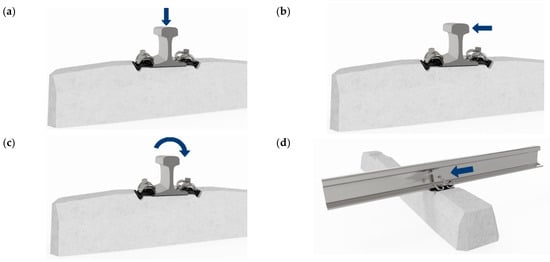
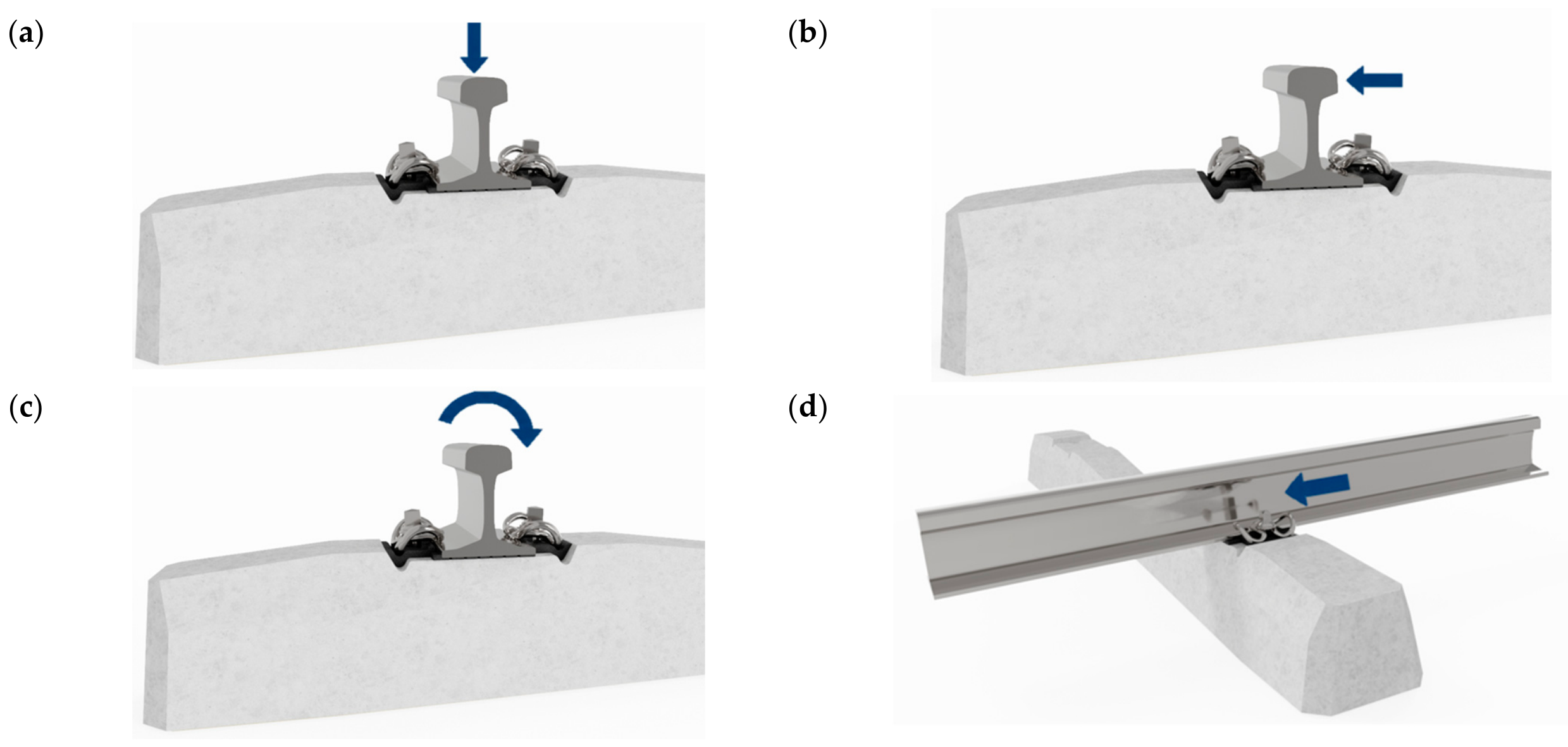
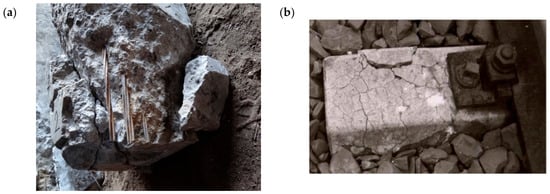
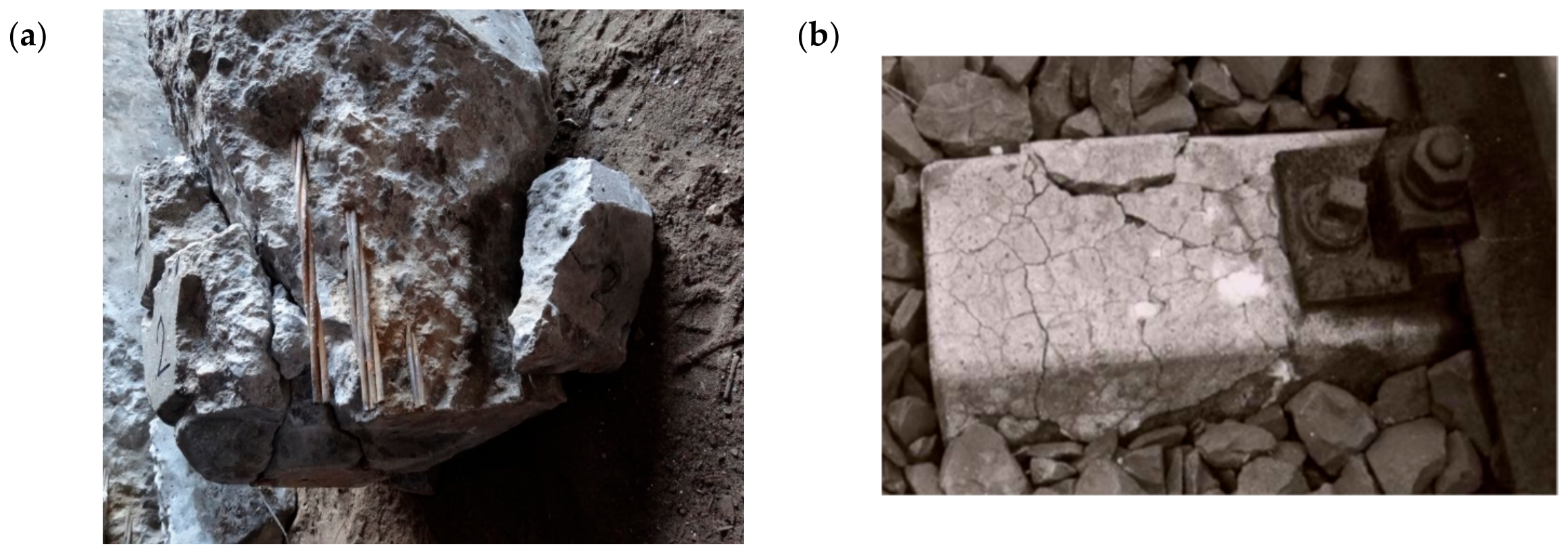
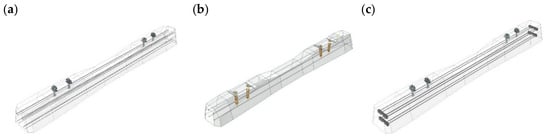
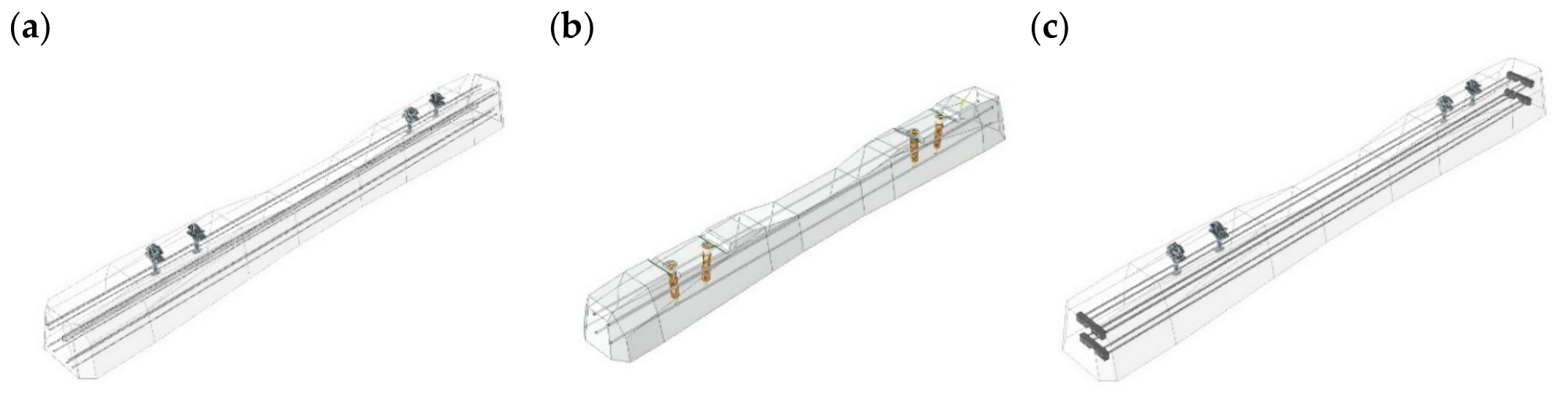
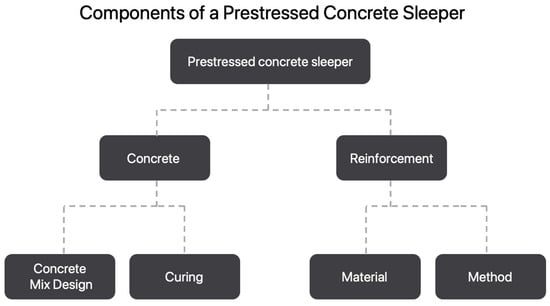
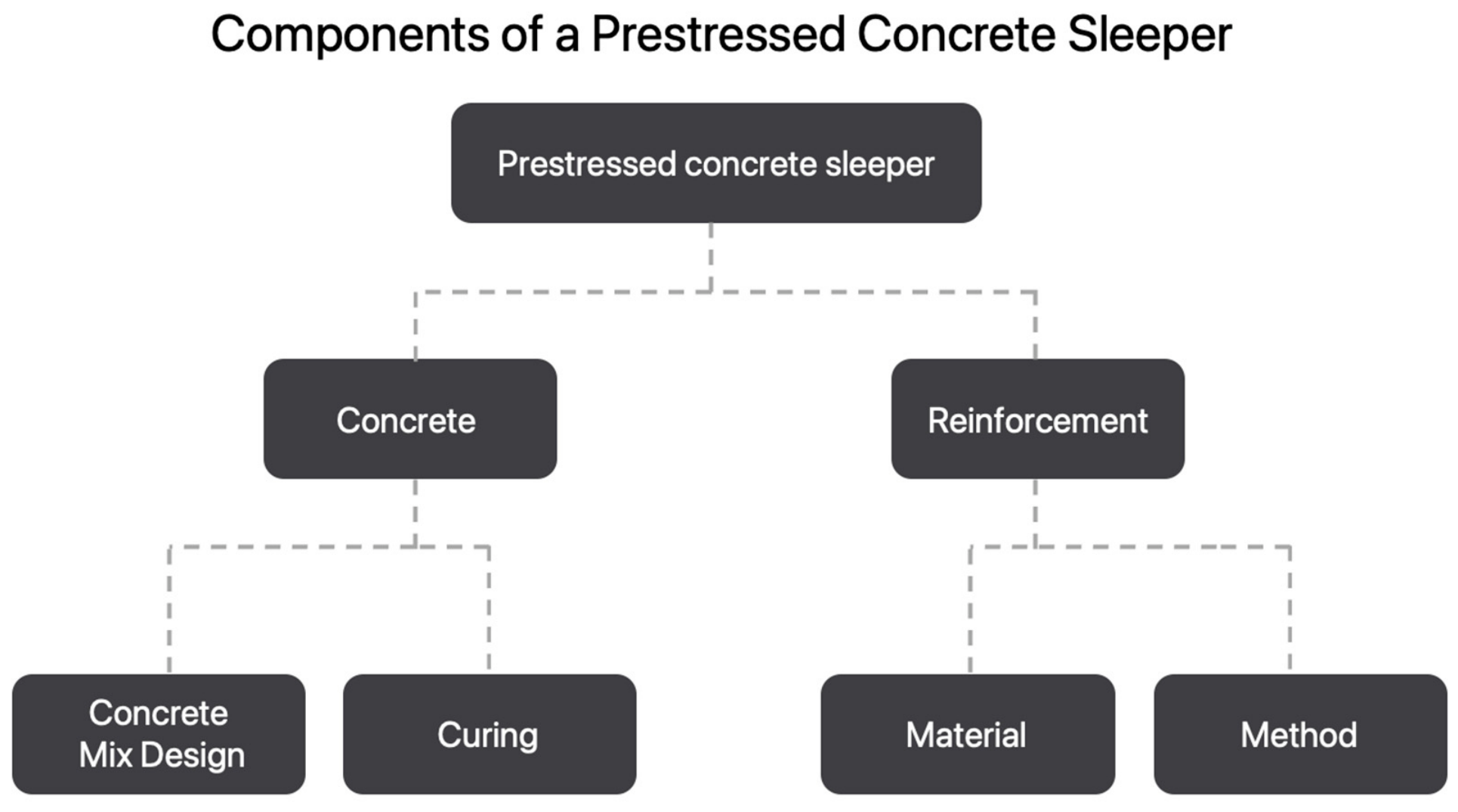
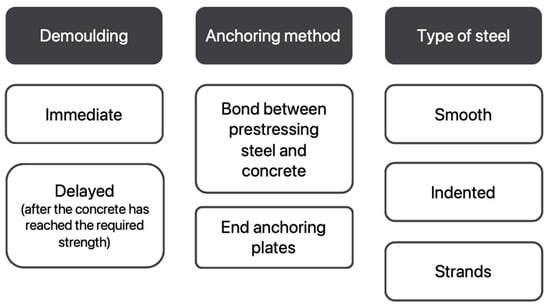
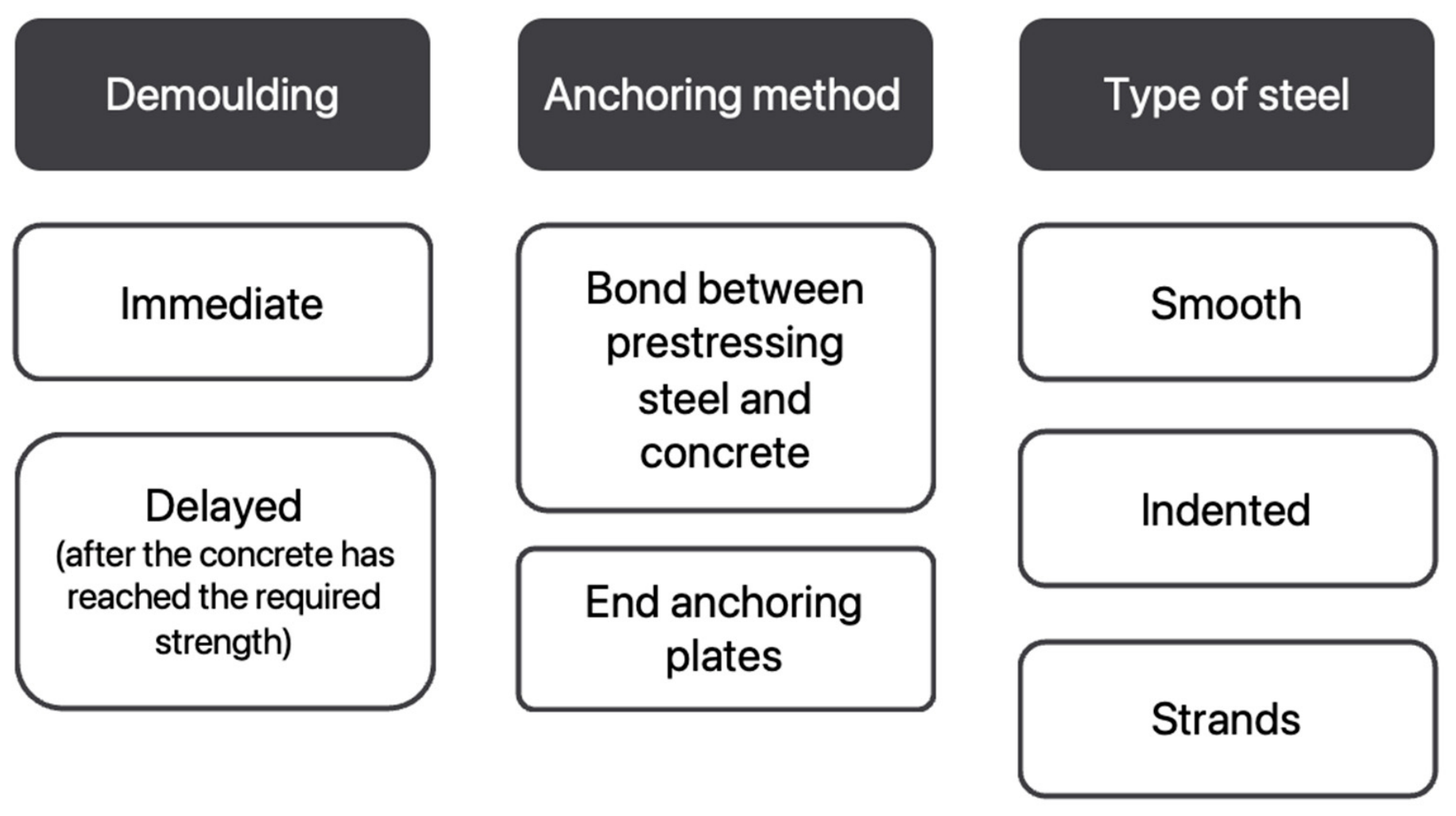
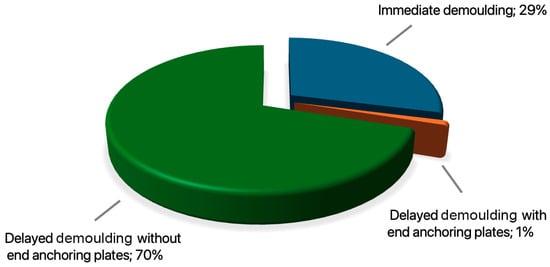
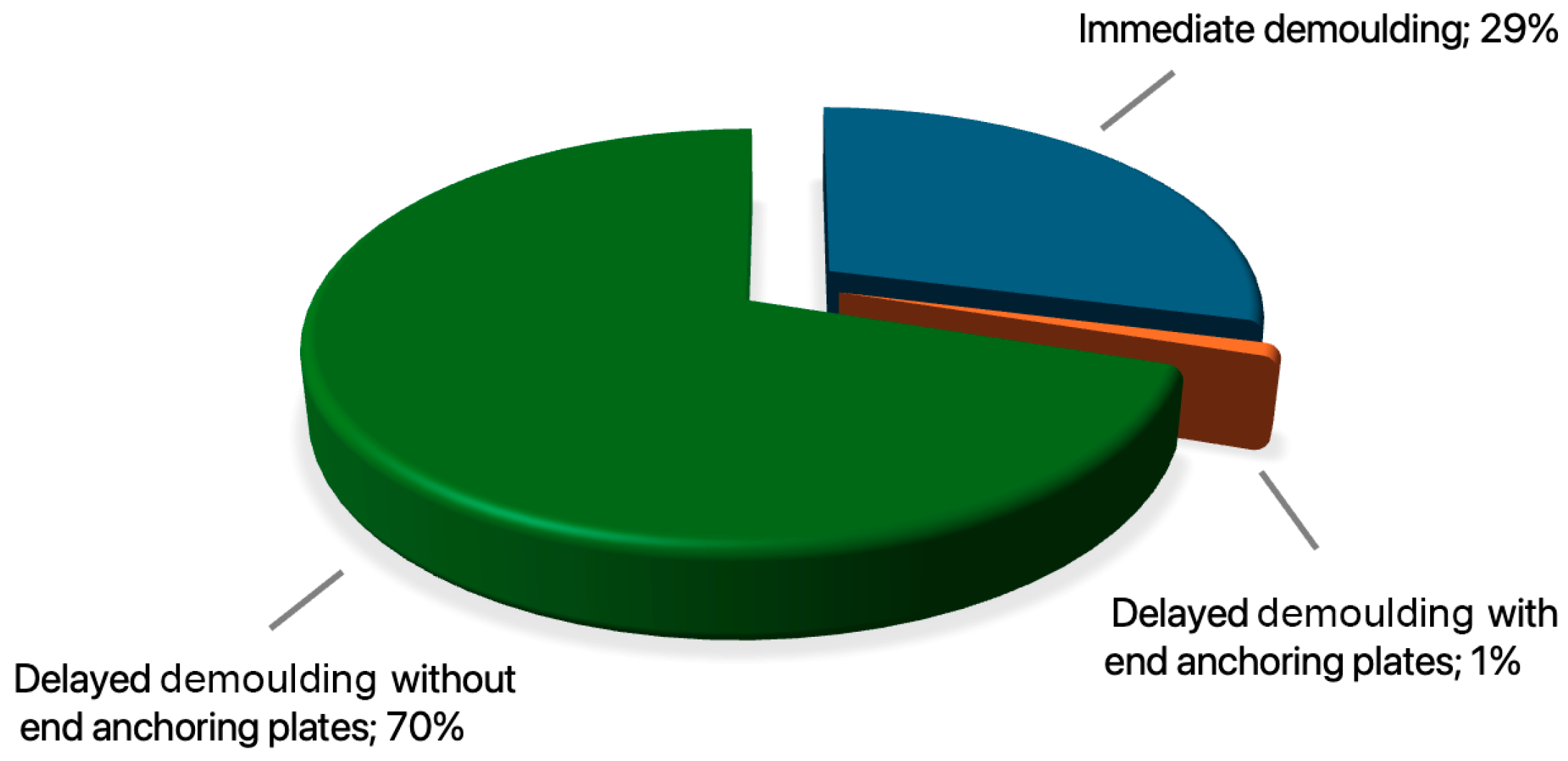
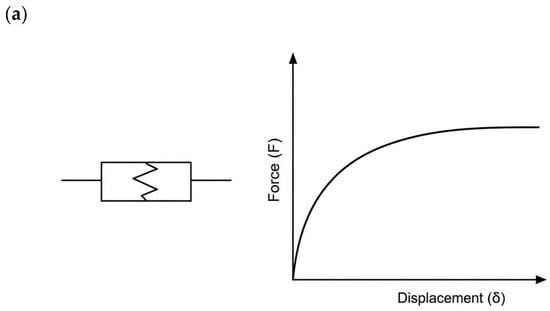
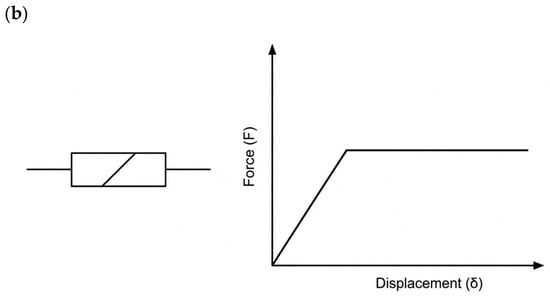
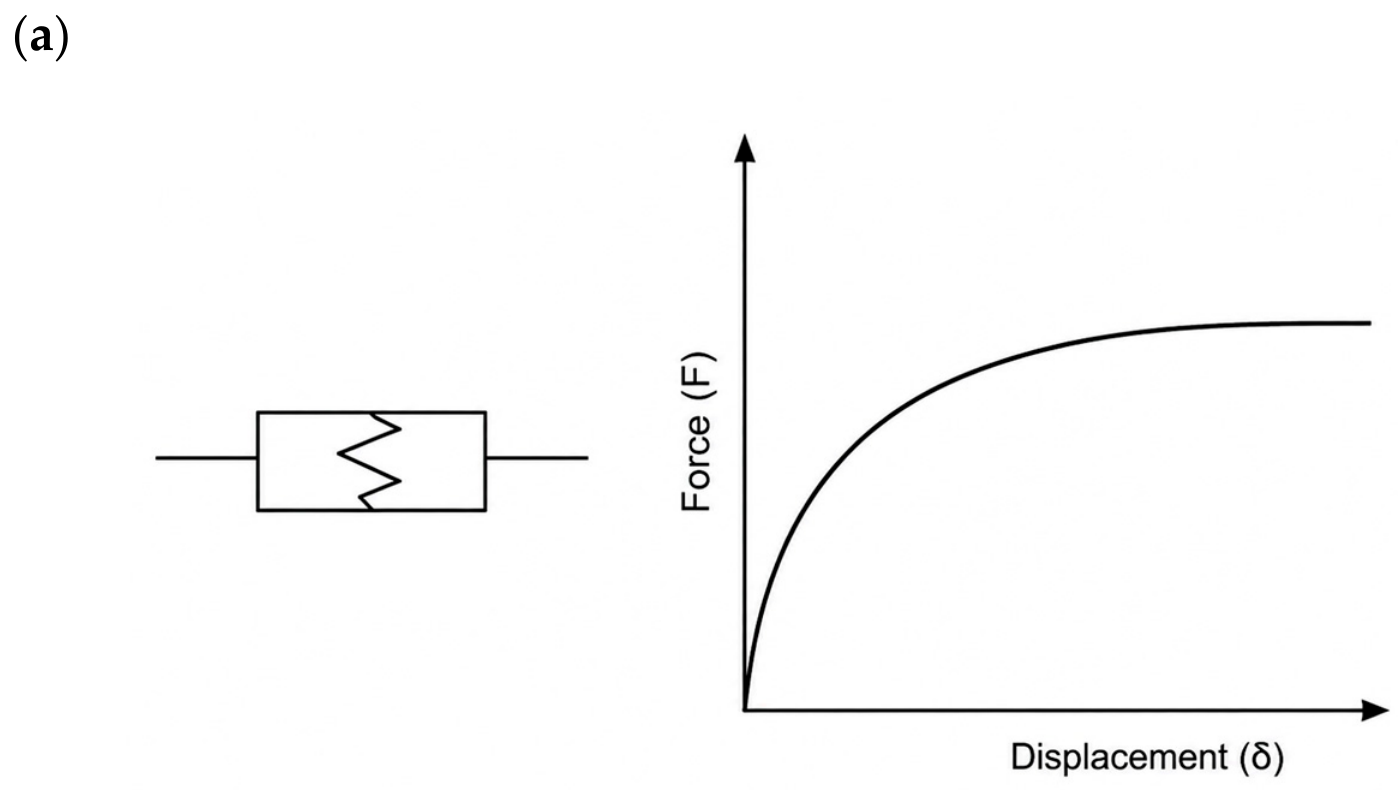
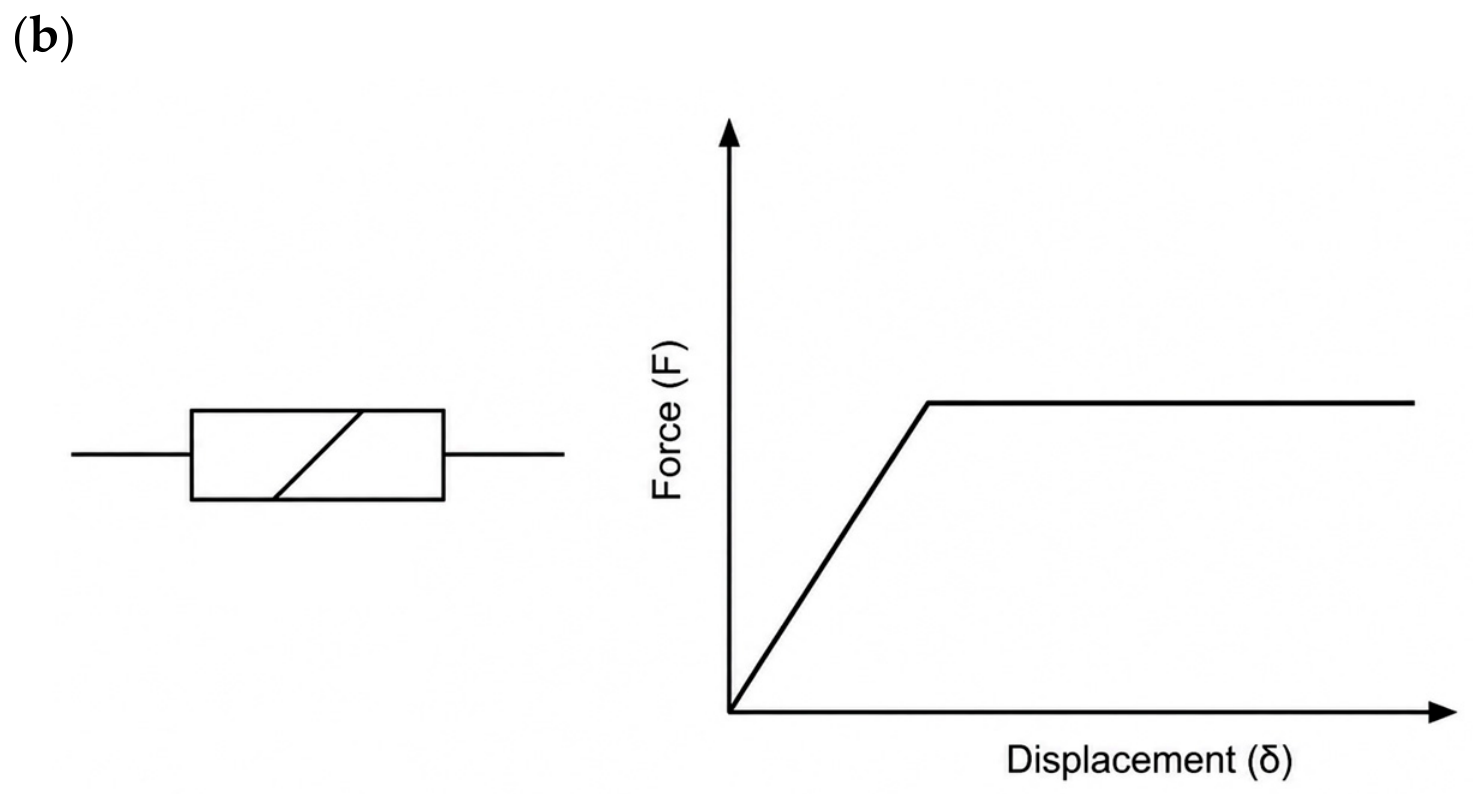
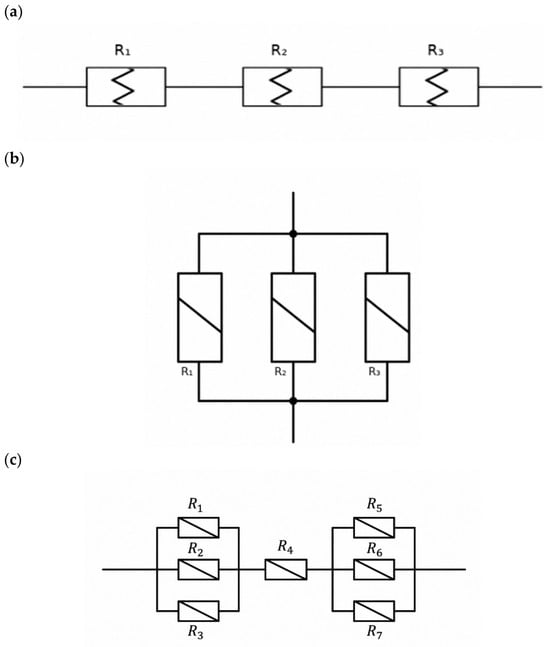
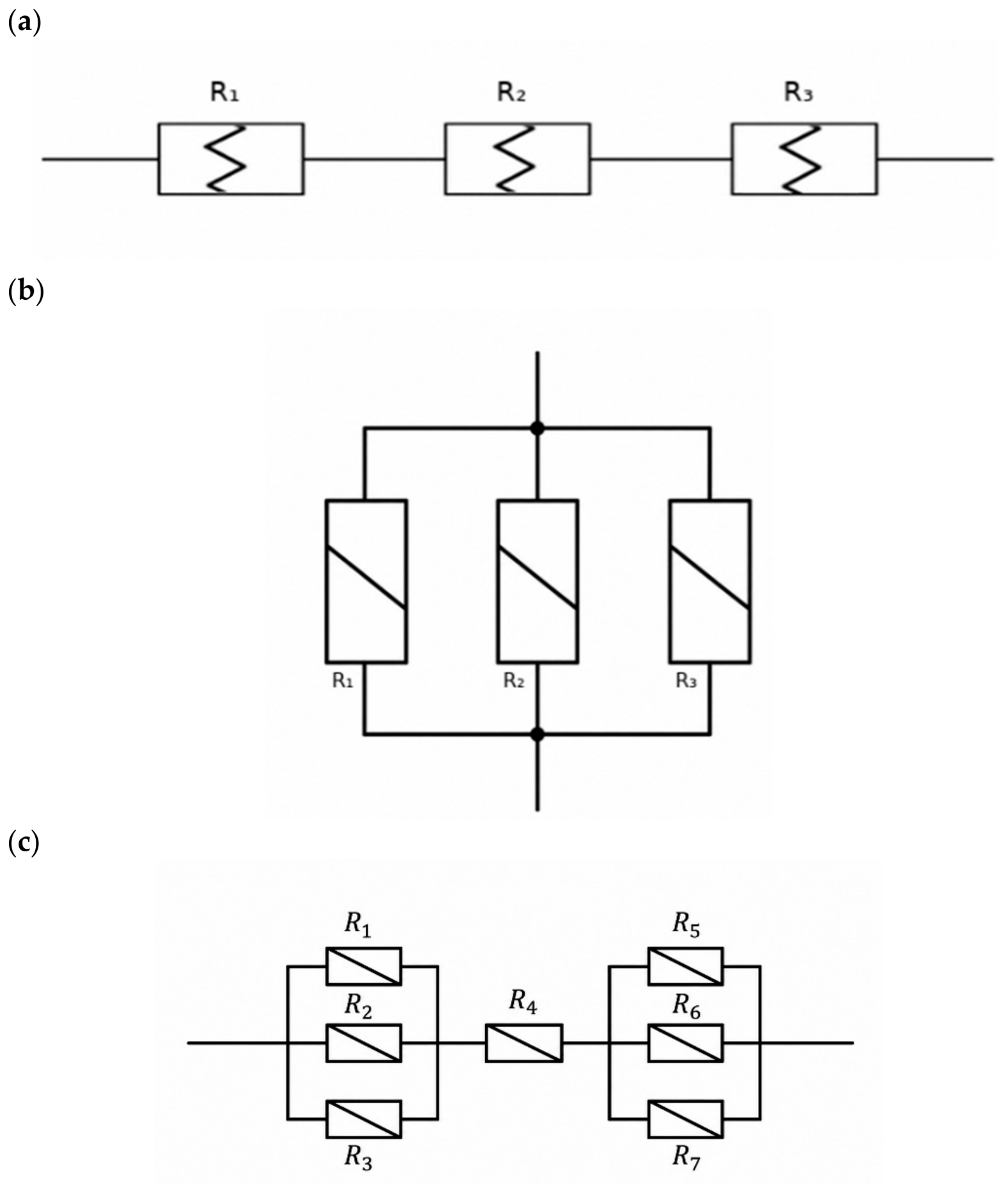
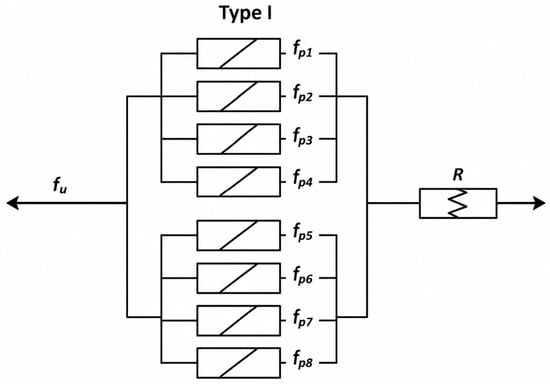
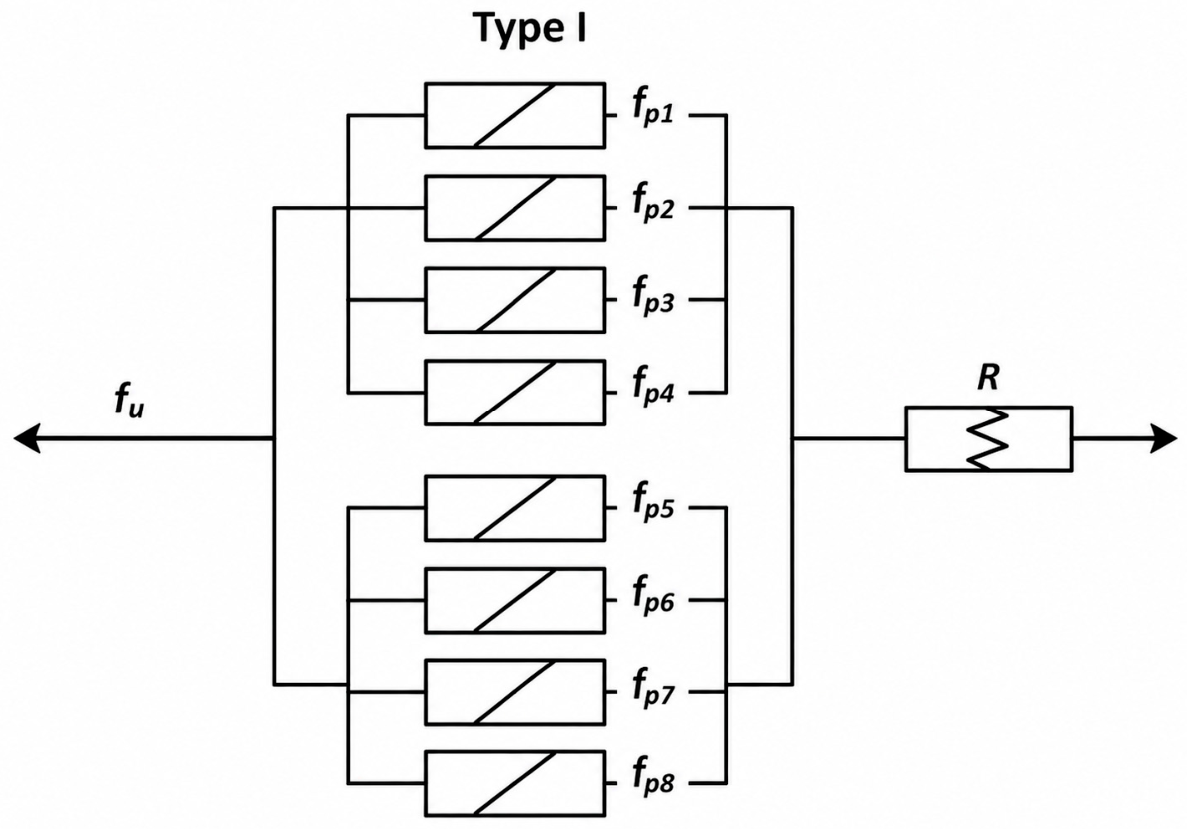
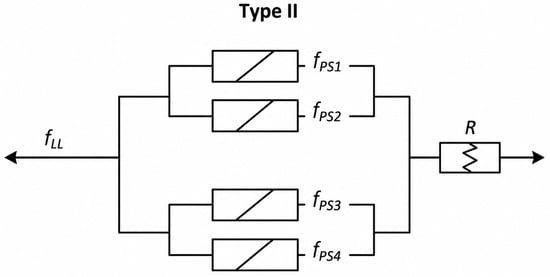
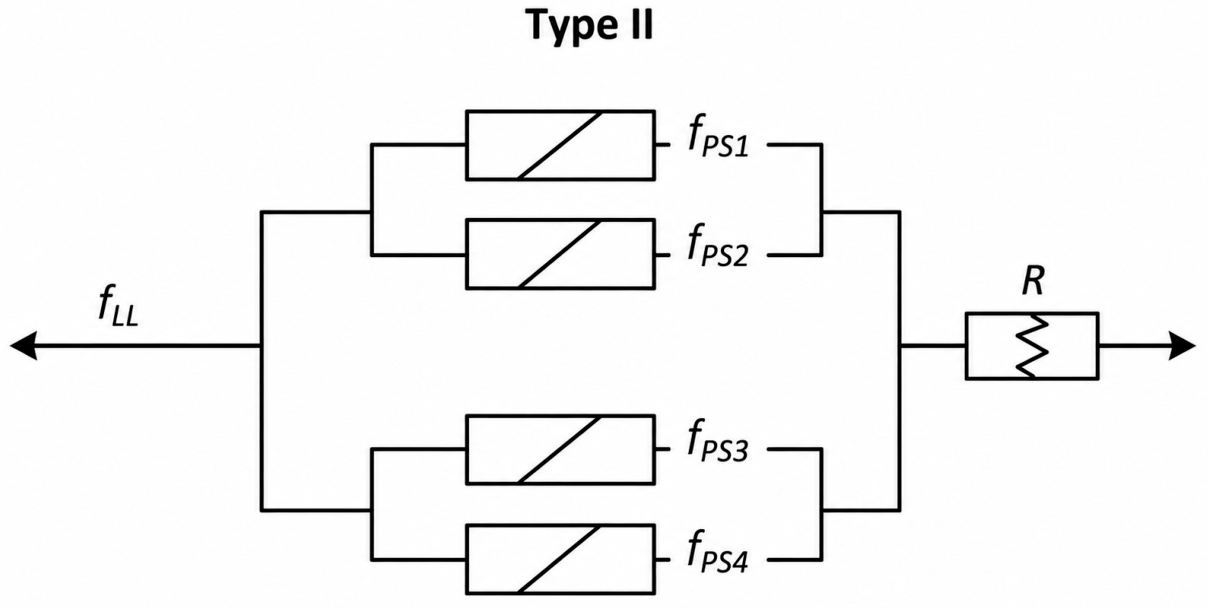
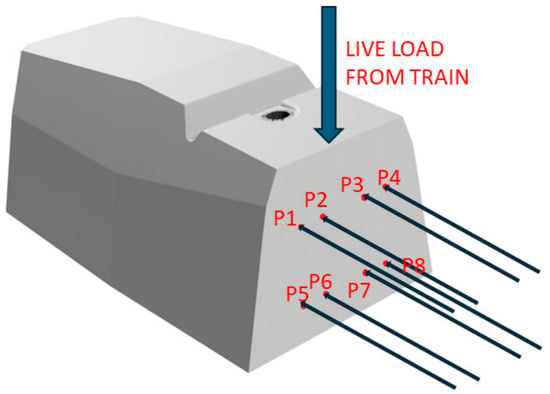
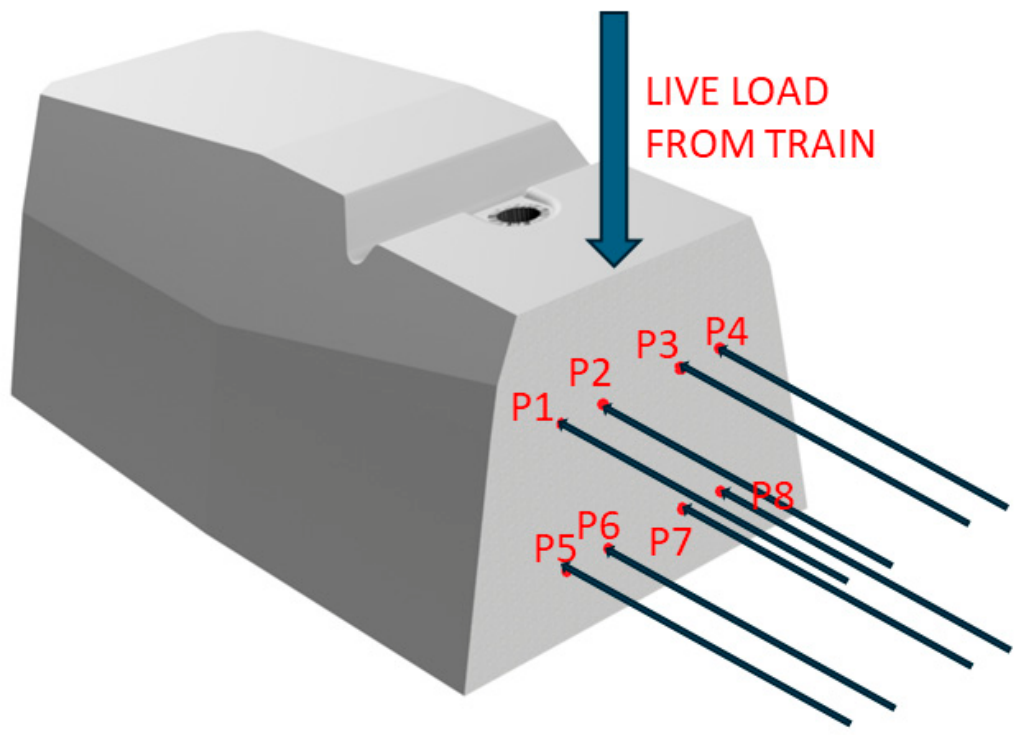
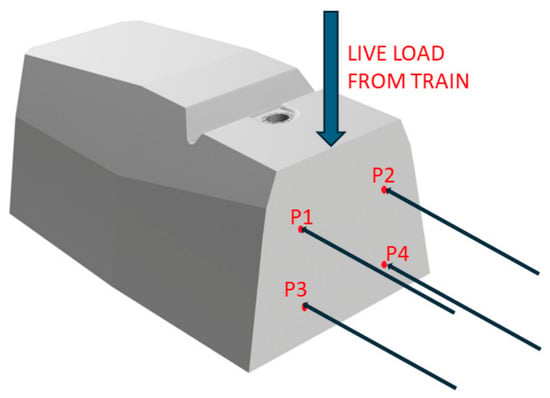
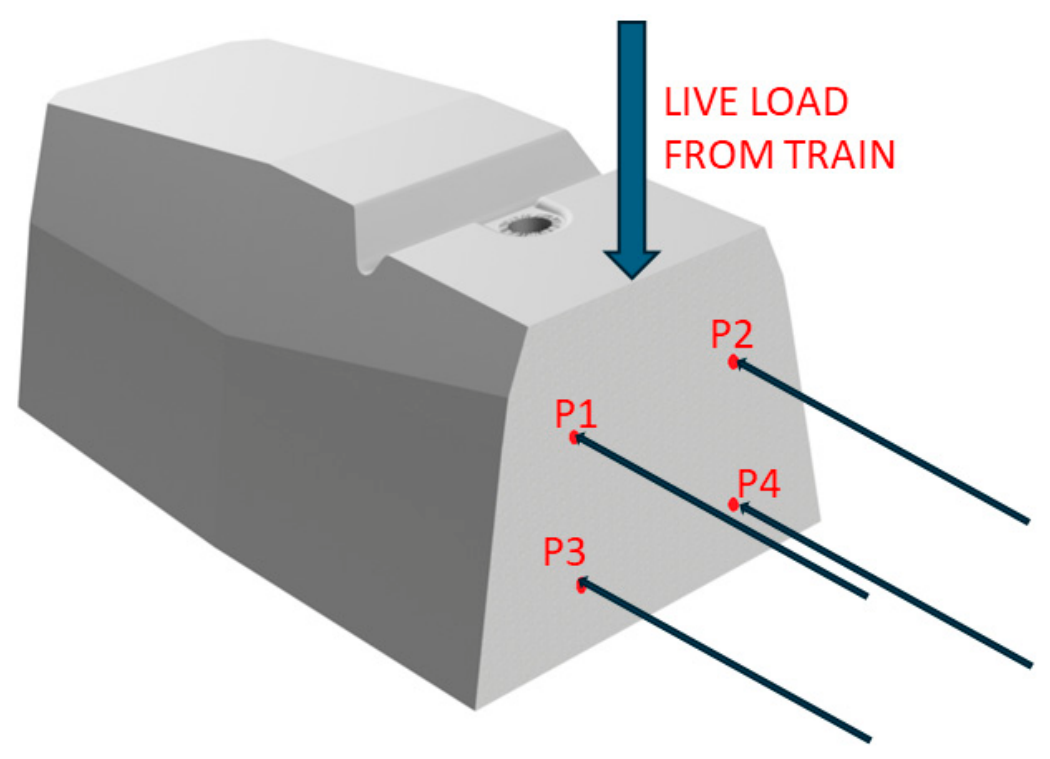
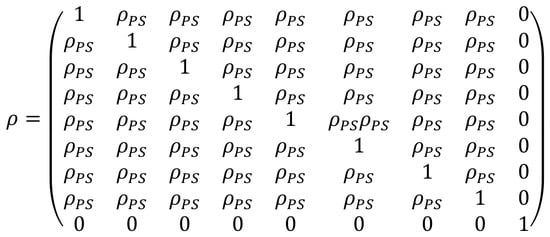
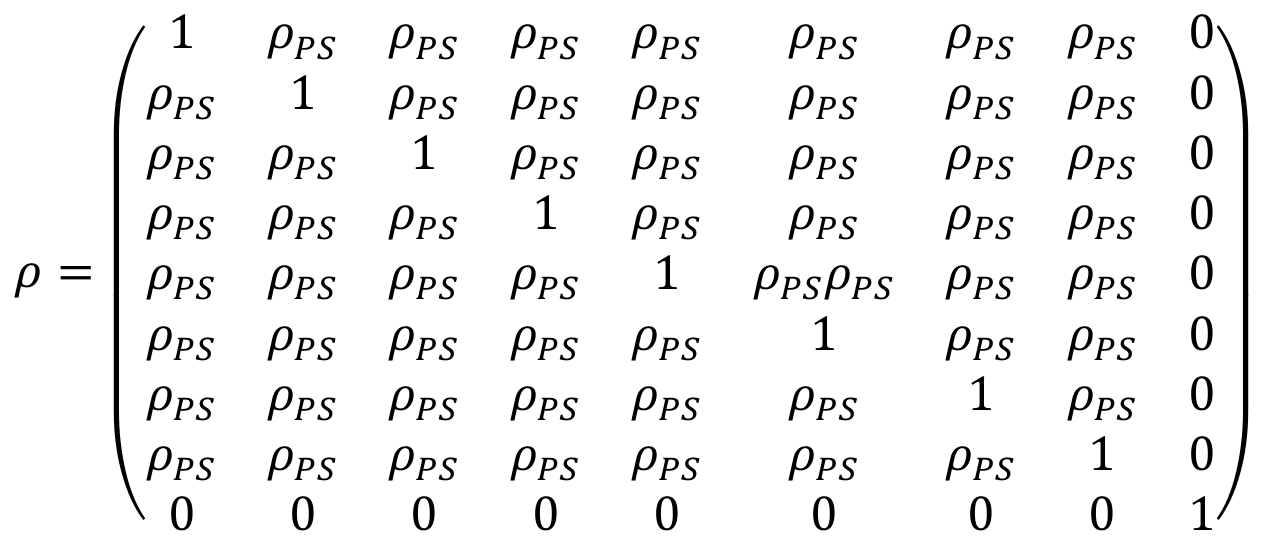
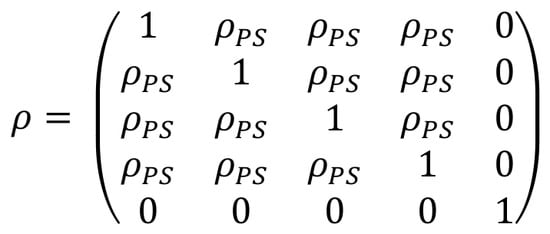
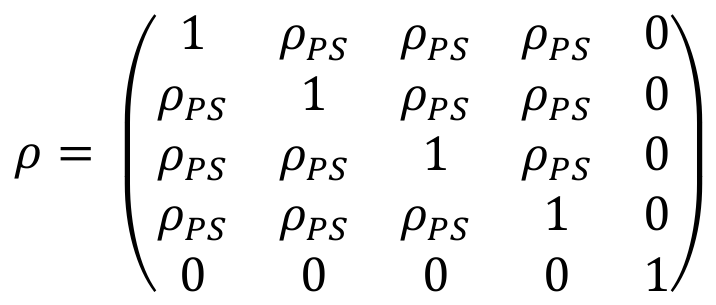
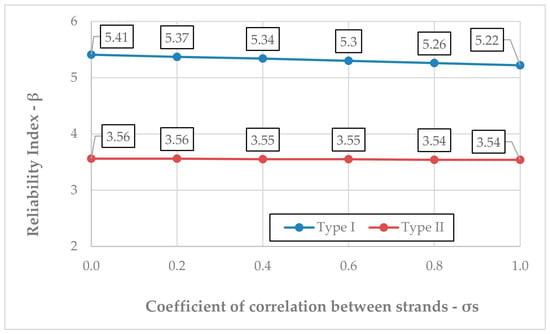
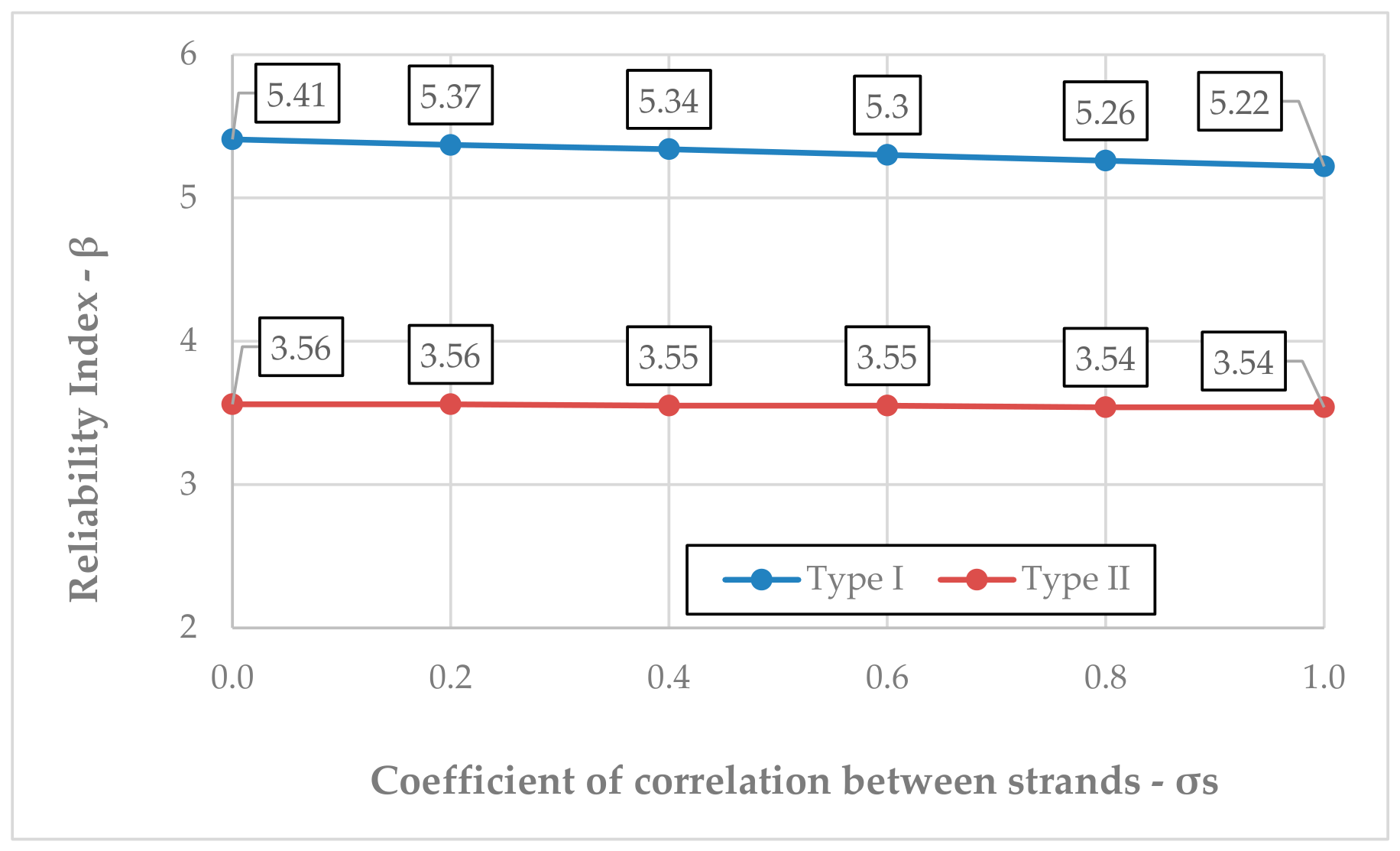
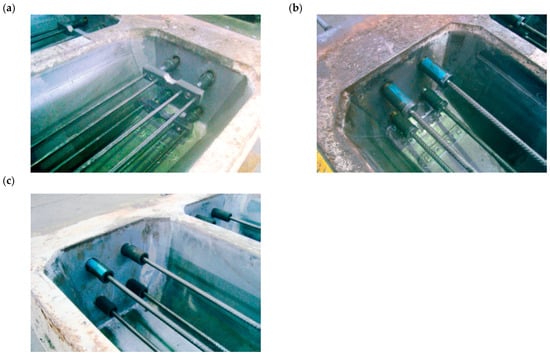
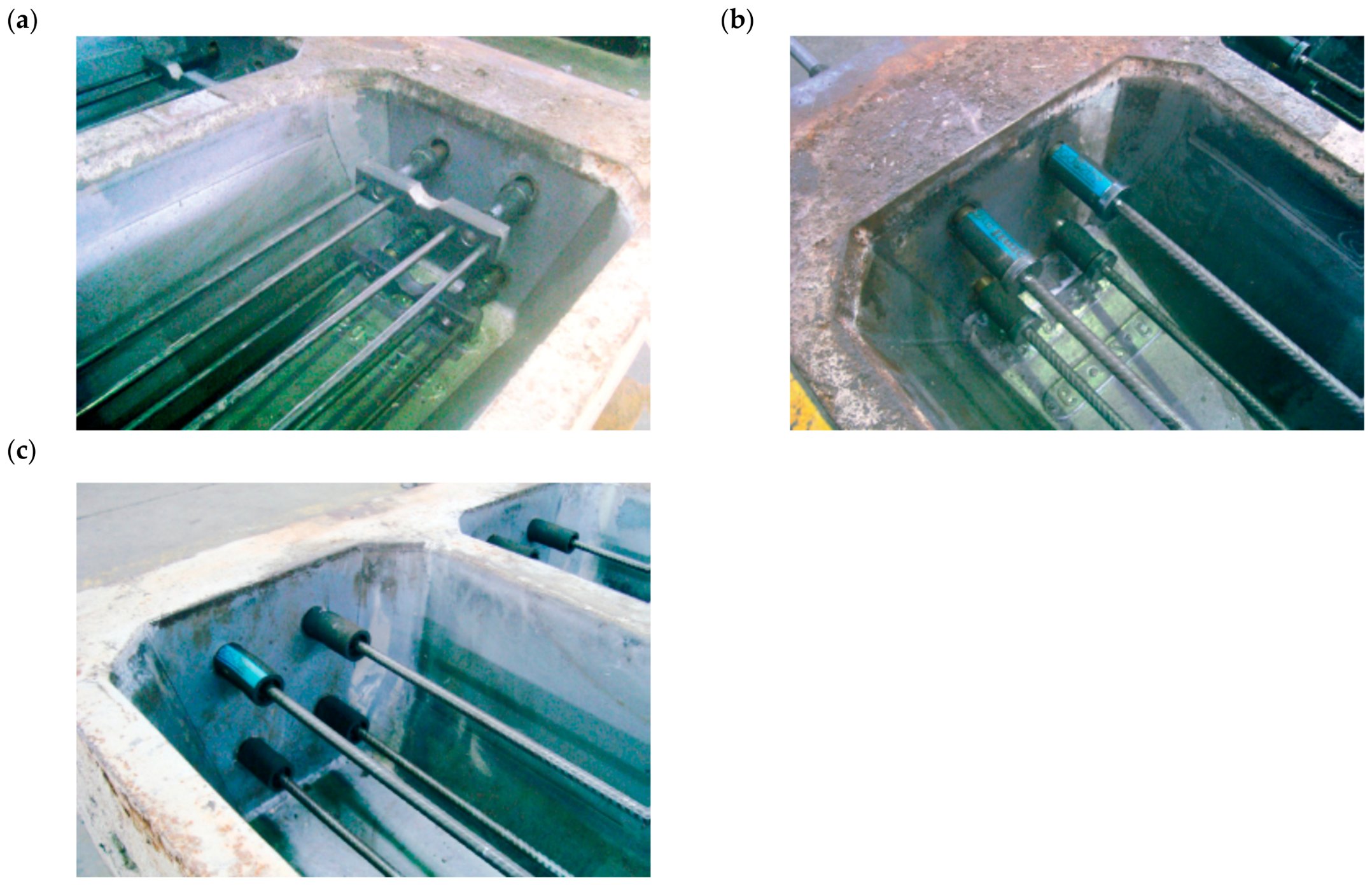
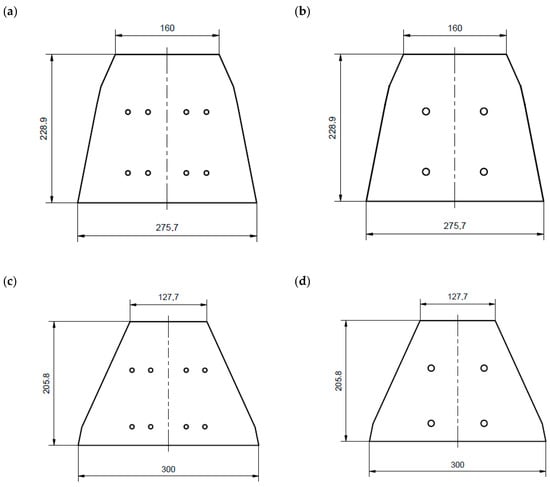
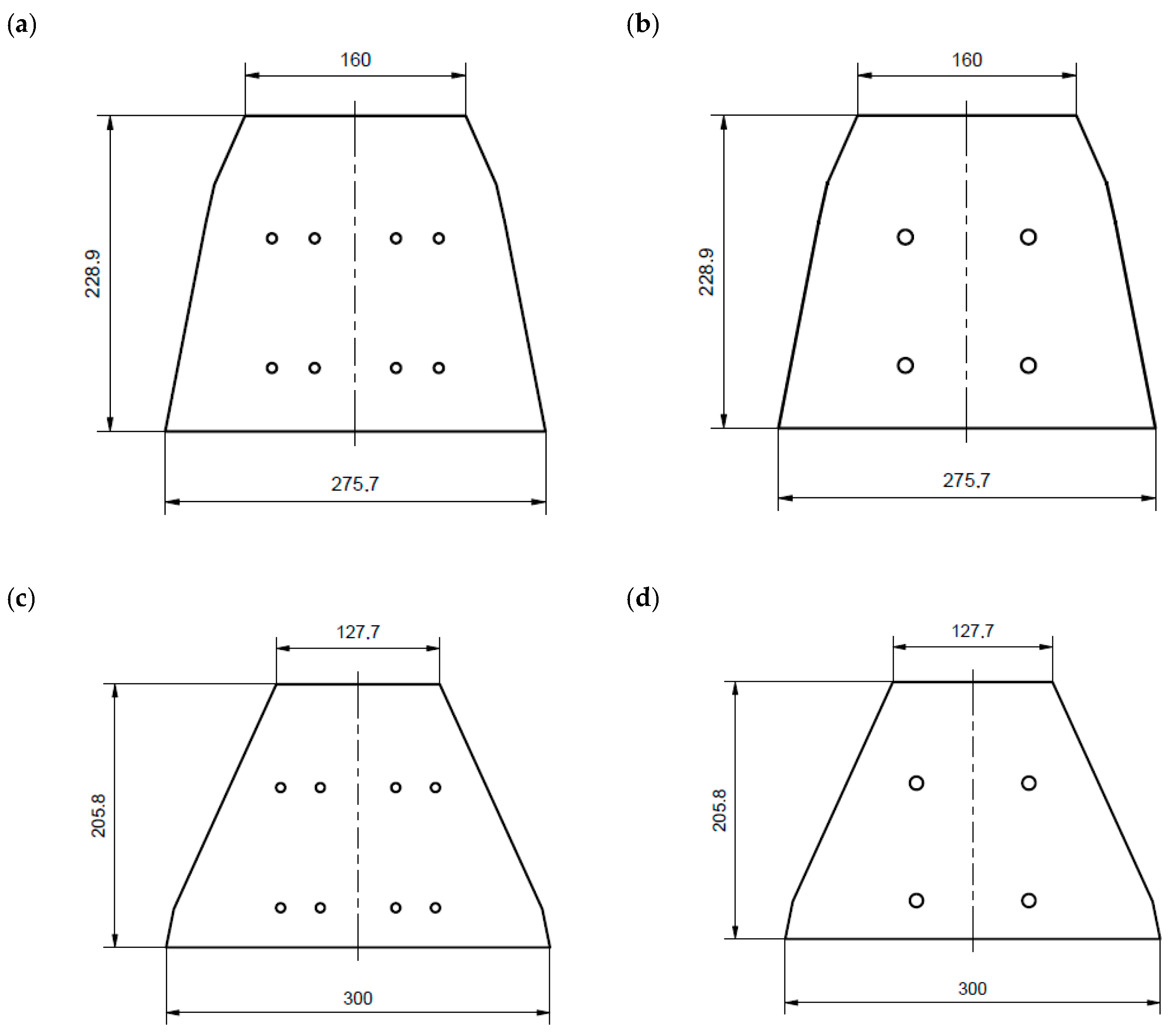
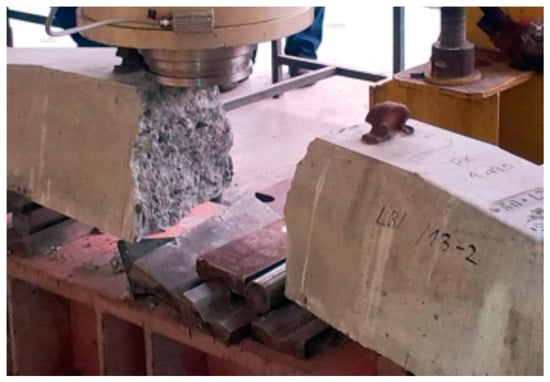
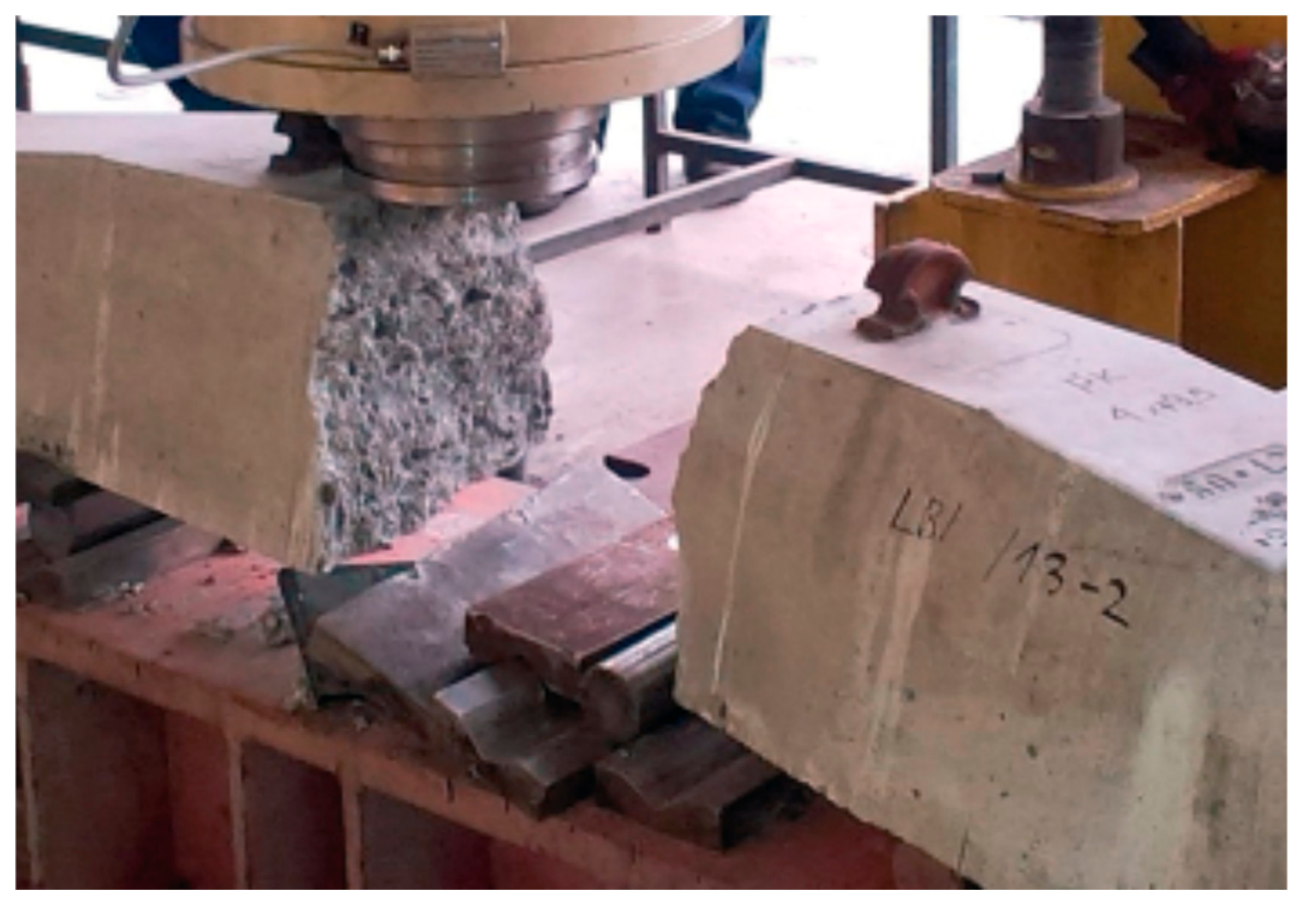
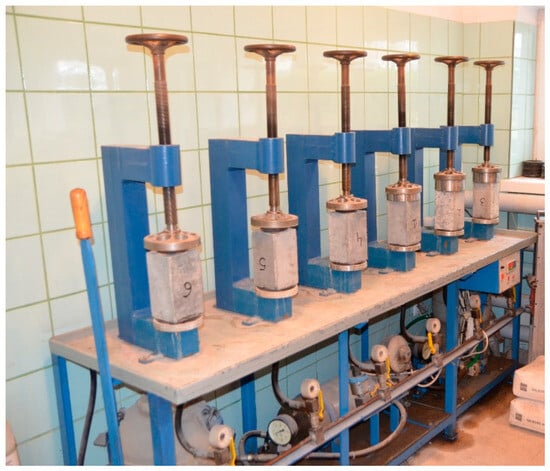
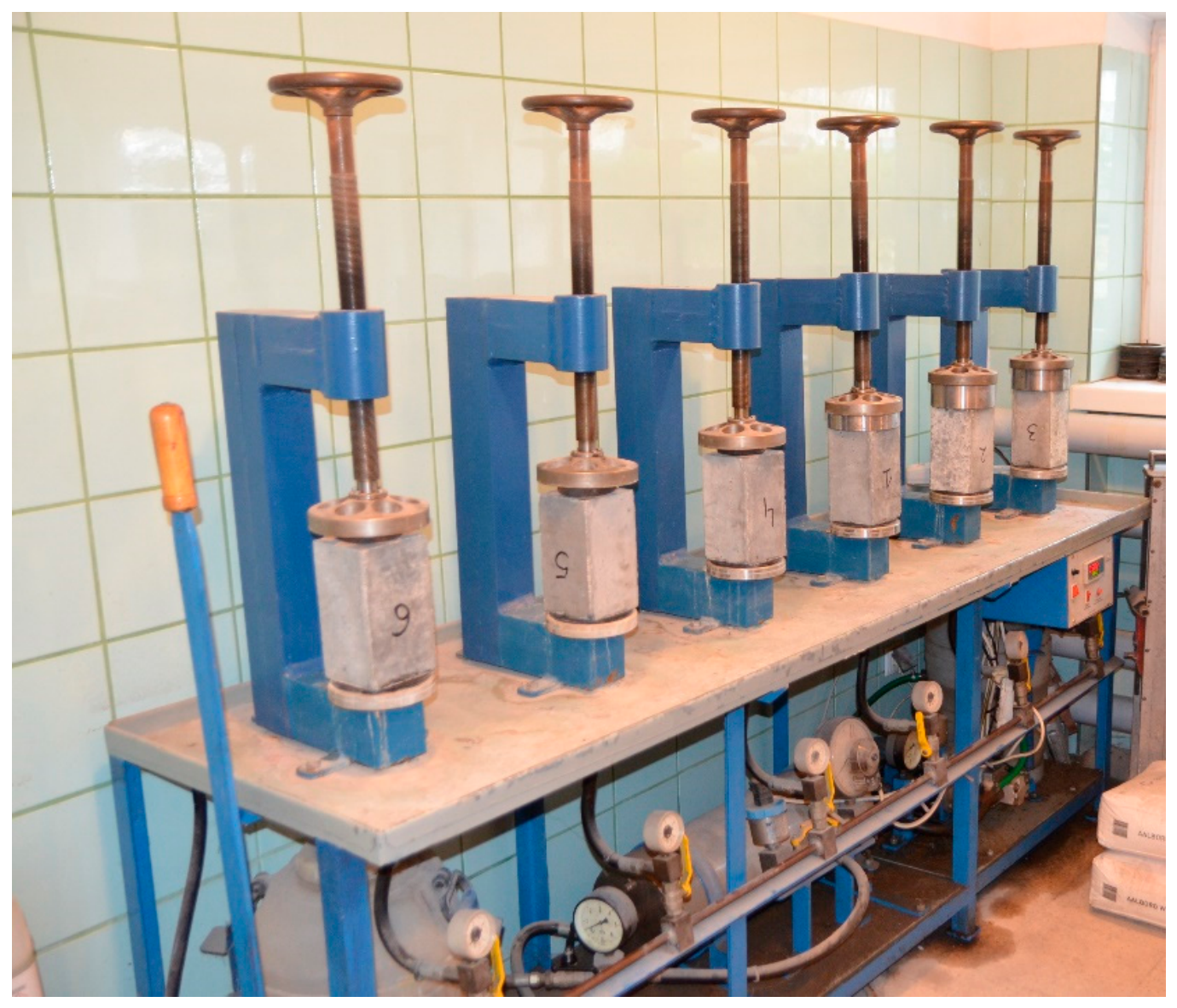
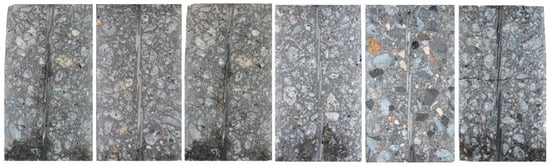
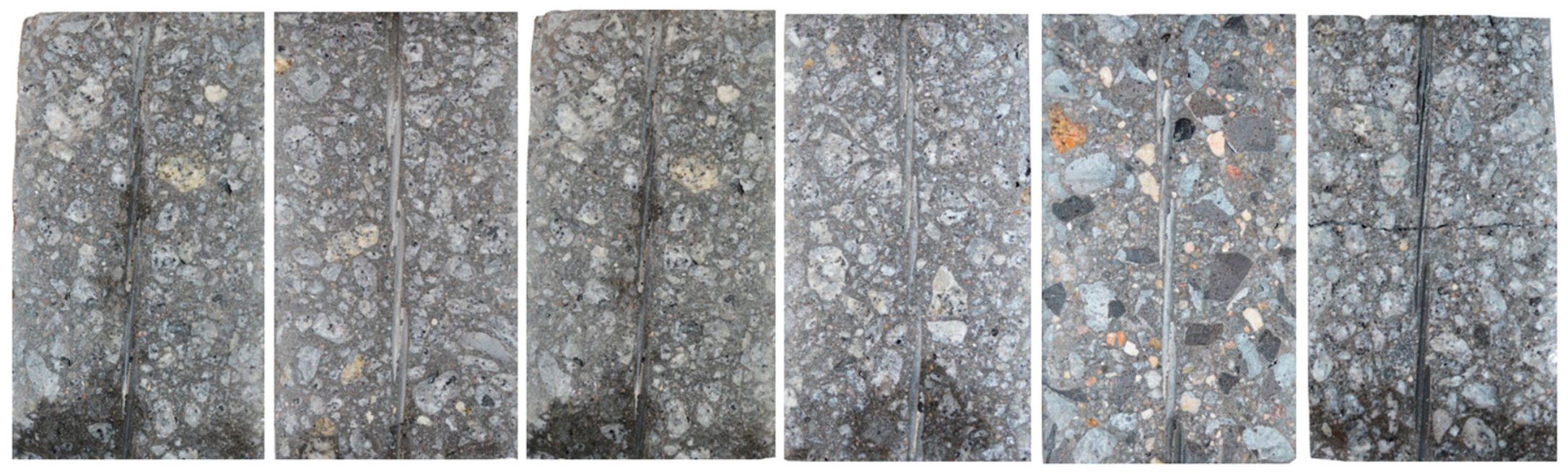
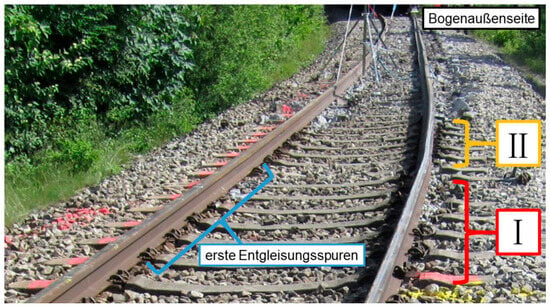
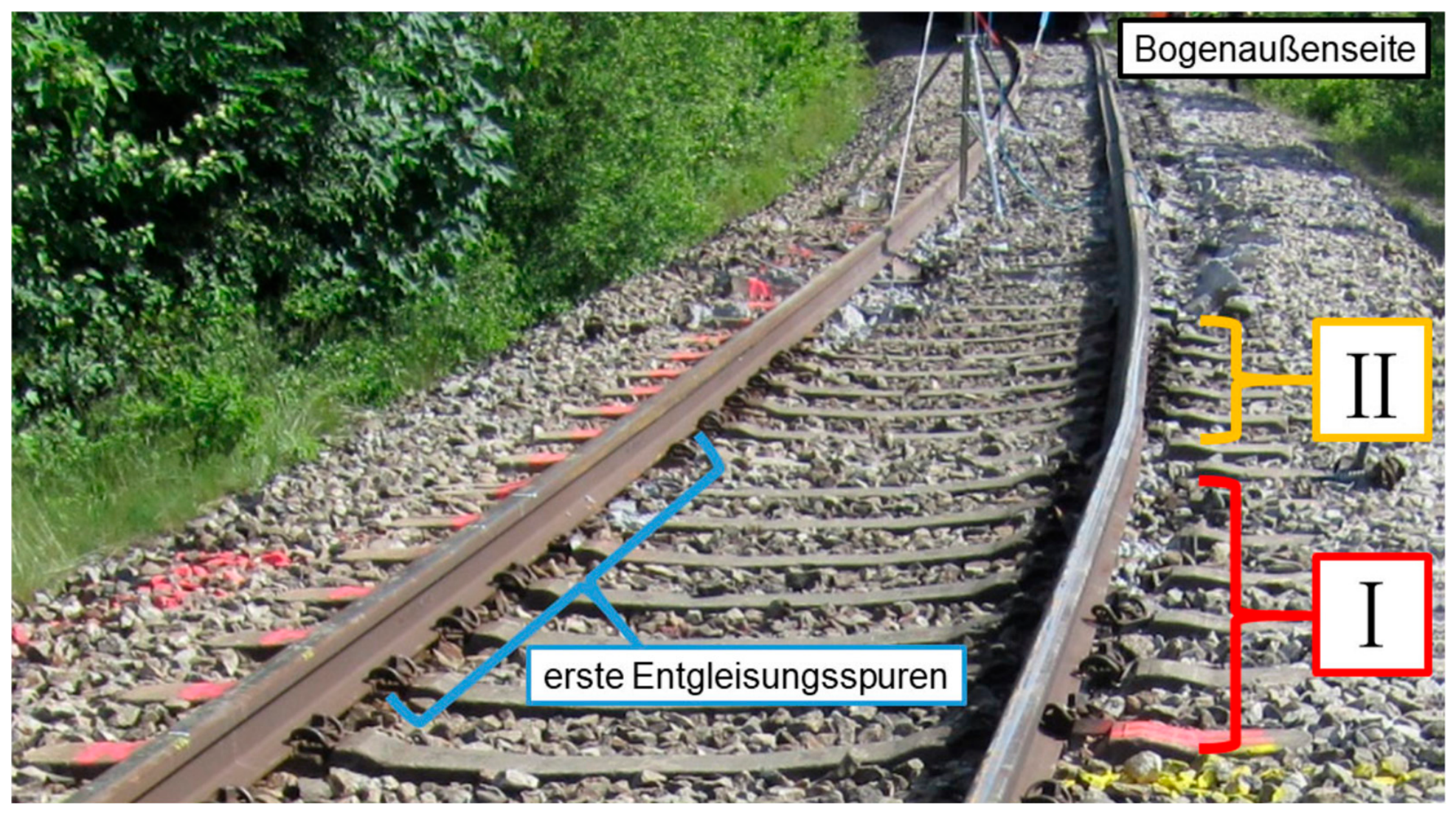
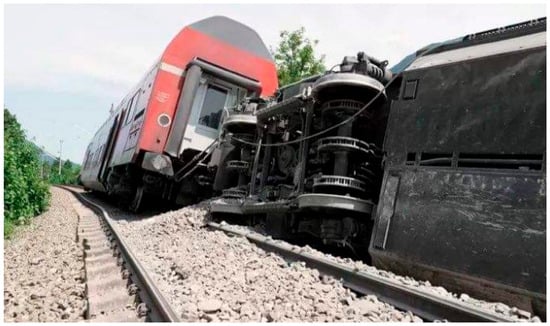
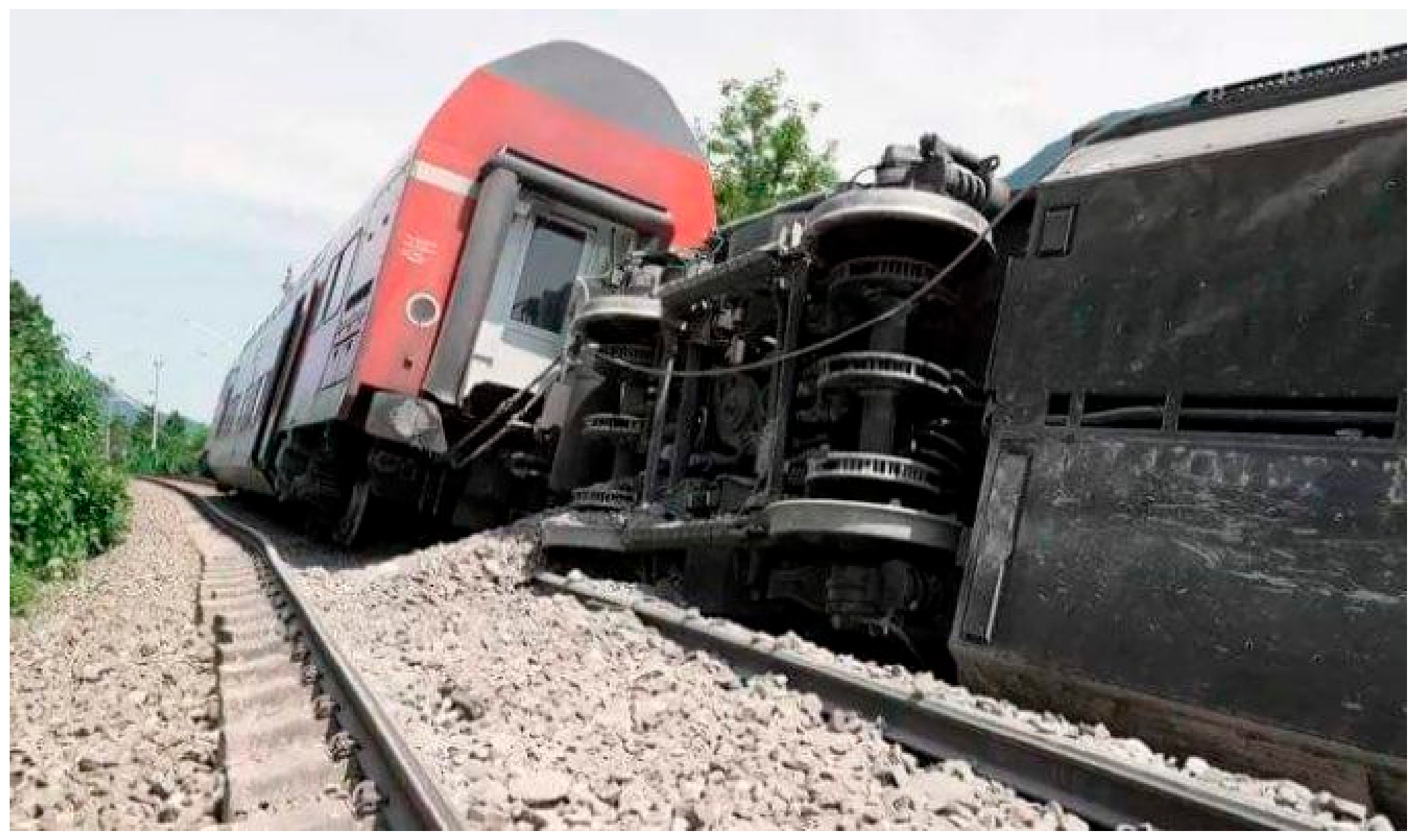

Disclaimer/Publisher’s Note: The statements, opinions and data contained in all publications are solely those of the individual author(s) and contributor(s) and not of MDPI and/or the editor(s). MDPI and/or the editor(s) disclaim responsibility for any injury to people or property resulting from any ideas, methods, instructions or products referred to in the content. |
© 2026 by the authors. Licensee MDPI, Basel, Switzerland. This article is an open access article distributed under the terms and conditions of the Creative Commons Attribution (CC BY) license.