


Abstract
Social annotation is increasingly used to support interaction and cognitive engagement in online learning. However, the growing volume of learner-generated annotations creates classification challenges when labeled data are limited. To address this issue, this study presents SAxGenEval, a two-phase framework for generating and evaluating synthetic social annotations. In Phase I, GPT-3.5-Turbo-0125 was integrated with a genetic algorithm using 40 manually labeled training annotations and 40 validation annotations for candidate evaluation. After 15 generations and deduplication, 1431 unique synthetic annotations were obtained. In Phase II, synthetic annotations were evaluated in terms of semantic similarity, lexical and semantic diversity, and task-specific utility. Task-specific utility was assessed using six classification models under three training conditions involving real annotations alone, GA-based augmentation, and random-selection augmentation. Models were evaluated using ten random seeds on an independent test set of 400 manually labeled real annotations. Task-specific utility varied across models and annotation types. The GA-based condition achieved higher mean accuracy than the random-selection condition in four of the six models, but this advantage was not consistent across models. Neither semantic similarity nor lexical and semantic diversity was consistently aligned with task-specific utility. These findings support the multidimensional evaluation of synthetic annotations and provide exploratory evidence for the potential value of SAxGenEval in data-constrained educational settings.
1. Introduction
The COVID-19 pandemic accelerated the digital transformation of higher education, driving the rapid expansion of online and blended learning and the widespread adoption of technology-enhanced tools to enrich learner interaction and instructional delivery [1,2]. In particular, video-based online education has gained increasing prominence as a means of supporting online self-directed learning in this hybrid approach [2]. Technologies such as bullet comment systems and social annotation platforms have been adopted to support learner interaction with digital content [3,4,5,6]. Social annotation refers to a collaborative learning practice in which learners create, share, and interact with annotations linked to specific digital learning materials. Social annotation platforms provide the technological environment for this practice by enabling learners to annotate content, view others’ annotations, and engage in discussion. Through these activities, social annotation can support social and cognitive engagement in digital learning environments [7,8,9,10].
Unlike traditional MOOC discussion forums, where user contributions are typically grouped into pre-defined threads, video-based social annotations are often temporally anchored, embedded directly within the instructional content. While this temporal alignment enhances contextual relevance, it also introduces unique and new challenges for learning. As the volume of annotations increases, it becomes progressively more difficult to navigate and identify the most salient contributions, thereby complicating the creation of a coherent and engaging learning experience. In such interactive online environments, large volumes of learner-generated annotations can increase the effort required to navigate annotation streams and identify relevant or insightful contributions [7,11,12]. Additionally, due to the diverse interests and engagement levels of students, annotations are frequently unevenly distributed across video timelines. This dynamic nature limits the effectiveness of conventional instructional design approaches, which rely on static forum structures and rigid categorization schemas, rendering them ill-suited for socially annotated interactive learning contexts.
Social annotation platforms provide features such as tagging to help users organize and identify relevant annotations [10]. However, such features may impose additional cognitive demands and are not consistently used by learners [10,13]. Automated text classification offers a complementary approach for identifying different types of learner contributions, including topic-related posts, learner questions, confusion, and contributions requiring timely instructional attention [14,15,16,17]. These studies demonstrate the potential of automated classification to help identify relevant contributions within large volumes of learner-generated text. However, many existing classification approaches depend on substantial amounts of manually labeled data. This dependence presents a particular challenge in new or data-constrained educational settings, where large volumes of learner-generated text may be available but labeled training examples remain scarce.
Synthetic data generation offers one possible means of augmenting labeled training data when manually labeled examples are limited [18]. However, synthetic data research in learning analytics has focused predominantly on tabular educational data [19,20]. Research on synthetic educational text remains comparatively limited. Existing applications include the use of synthetic text to address specific augmentation needs, such as class imbalance in MOOC text classification [14]. Moreover, relatively little attention has been given to evaluating synthetic educational text across multiple dimensions, including its utility as labeled training data for downstream classification.
To address these gaps, this study presents SAxGenEval, a two-phase framework for generating and evaluating synthetic social annotations under limited labeled-data conditions. Whereas previous classification studies have primarily developed models using manually labeled datasets, the present study focuses on augmenting labeled training data from a small real seed dataset and evaluating the resulting synthetic annotations across multiple dimensions. In the first phase, GPT-3.5-Turbo-0125 is integrated with a genetic algorithm to generate synthetic annotations from a small class-balanced seed dataset. In the second phase, the synthetic annotations are evaluated in terms of semantic similarity, lexical and semantic diversity, and task-specific utility. Within the examined online course, models trained on the combined real and synthetic dataset showed higher overall classification performance than those trained on the real seed dataset alone, although the differences varied across models and annotation categories. The findings provide preliminary evidence that synthetic annotation quality is multidimensional and that SAxGenEval may support annotation classification under limited labeled-data conditions.
2. Literature Review
2.1. Social Annotation in Online Learning
Social annotation refers to a collaborative learning practice in which learners create and share annotations linked to digital learning materials [7,21]. In this study, social annotation systems and platforms refer to the digital environments that support this practice, while social annotation tools refer to the applications or functions that enable learners to underline, highlight, and annotate texts, images, webpages, videos, and other digital materials. Social annotations are the learner-generated contributions produced through this practice. In the present study, they specifically comprise textual comments linked to instructional videos. By enabling learners to engage with shared content, social annotation can support discussion, shared meaning making, and cognitive engagement in online learning [7,10]. These collaborative processes can also support inquiry and higher order thinking [21,22].
Despite these educational affordances, large-scale social annotation environments present two distinct but related challenges. First, a high volume of annotations can make it difficult for instructors and learners to identify contributions that warrant attention. This burden is amplified because social annotations are closely tied to specific learning materials [23,24] and must be interpreted in relation to the surrounding course content [25]. Cui and Wang reported that approximately 200 students generated about 2000 annotations per week, creating substantial workload for instructors who sought to identify and respond to students’ questions and concerns [26]. Large annotation streams can also make it difficult for learners to locate relevant or insightful contributions [11]. Second, annotations can vary considerably in their pedagogical value. Some discourse remains at the level of simple knowledge sharing [27], while other contributions summarize or reproduce existing content with little elaboration [26]. Together, these findings highlight the dual challenges of managing large volumes of annotations and accounting for variation in their pedagogical value.
Previous studies have addressed these challenges through both pedagogical and technological approaches. Role-based scaffolds have been used to structure participation and promote more substantive interaction and knowledge construction [27]. Social annotation platforms also provide features such as tagging to help users organize and identify relevant annotations [10,21]. However, such features may impose additional cognitive demands and are not consistently used by learners [13]. Other studies have examined social annotations across cognitive, affective, and social dimensions to better characterize their pedagogical value [22]. Such analyses can further support the interpretation of learner contributions within their learning context [25]. Yet these approaches primarily support the organization and interpretation of existing annotations. Automated classification offers a complementary approach for identifying relevant contributions at scale, but its application raises a further challenge concerning the availability of labeled training data.
2.2. Text Classification Used for Categorizing Online Interaction
Large online discussions can make it difficult for instructors and learners to identify contributions that warrant attention. Automated text classification has therefore been applied to categorize learner posts for different instructional purposes [28]. Existing studies have examined topical relevance, learner questions, confusion, and urgency. These studies demonstrate the potential of automated classification across a range of educational interaction scenarios. The following review examines these approaches with particular attention to the labeled data required for model development.
Among text classification studies, researchers adopted a wide range of categories reflecting diverse learning scenarios and contexts. Several studies have investigated the classification of forum posts based on topical relevance. For example, Yang et al. manually annotated 4108 MOOC forum comments as either topic-related or unrelated, achieving 76% accuracy using a decision tree classifier [29]. Similarly, Machado et al. labeled nearly 1000 posts from graduate course forums and compared various machine learning models such as SVM and MLP, with the best-performing model reaching an accuracy of 84% [30]. These studies show that automated methods can identify topic-related contributions, but their training datasets required substantial manual labeling. This dependence on human-coded data may limit the application of similar methods in courses where labeled examples are not yet available.
Beyond topic classification, another line of research has focused on identifying whether forum posts contain questions. Xu and Lynch, for instance, manually labeled over 7000 MOOC comments, categorizing them as content, technical, or logistical questions [31]. Deep learning models such as CNNs and LSTMs were then applied, achieving classification accuracies ranging from 0.58 to 0.75 for distinguishing questions from non-questions, and up to 0.90 when further classifying the type of question. While these results highlighted the potential of deep learning approaches, they also reveal considerable variability in performance across question types, raising concerns about the generalizability and robustness of such models in diverse instructional contexts.
Other researchers have explored the emotional or cognitive state of learners, particularly confusion. Yang et al. annotated posts with varying levels of confusion, with logistic regression achieving up to 80.3% accuracy [17]. Meanwhile, Ntourmas et al. extended the classification scope to include content relevance, logistics, and social interaction, showing that cross-course transferability remains modest (accuracy dropping to around 0.62), pointing to limitations in model generalizability across contexts [16]. A growing body of work has also prioritized the classification of urgency, as timely instructor responses can significantly impact learner outcomes. Agrawal et al. developed classifiers for urgency and other affective states [32], while Almatrafi et al. used the same dataset to classify urgency on a 7-point scale, with AdaBoost yielding a Kappa of 0.64 [15]. More recently, Sultani and Daneshpour proposed a deep learning model (CNN+Bi-GRU) that simultaneously predicted urgency and question presence, achieving weighted F1 scores above 88%, indicating the potential of multi-output models for educational data [14].
Taken together, previous studies demonstrate the potential of automated text classification to identify different types of learner contributions. However, many of these approaches rely on substantial amounts of manually labeled data, requiring considerable annotation effort. This dependence is particularly challenging in new or data constrained educational settings, where large volumes of learner generated text may be available but labeled training examples remain scarce. Approaches that can augment labeled training data from limited manual annotation may therefore provide a useful complement to existing classification methods.
2.3. Synthetic Text Generation in Learning Analytics
Recent literature has begun to acknowledge the importance of developing more adaptive and scalable approaches to text classification in online learning environments. In particular, there is growing interest in strategies that reduce dependence on extensive manual labeling and enhance model applicability across diverse instructional settings. One emerging direction involves the generation of synthetic or augmented training data to address data scarcity, improve model robustness, and support real-time implementation. Synthetic data generation (SDG) refers to using machine learning algorithms to capture the patterns and features present in real datasets and then synthesize new data [33]. When real data is difficult to obtain, incomplete, or access is restricted, synthetic data can serve as a substitute [34]. As a result, SDG has emerged as an essential tool in data science and artificial intelligence, offering a flexible and ethical alternative for data-driven research.
In the field of learning analytics, synthetic data generation (SDG) has only recently been adopted to tackle longstanding challenges, including expanding datasets to mitigate data insufficiency, enhancing data privacy to support data sharing, and improving the accuracy and efficiency of data classification. For example, Liu et al. proposed a comprehensive evaluation method for synthetic tabular data [19], which includes three dimensions of synthetic data quality: similarity, utility, and privacy. By validating this method on datasets from three different scenarios, the researchers demonstrated that synthetic data can effectively protect student privacy while maintaining predictive performance comparable to that of real data. Building on this work, Liu et al. extended the discussion by introducing the concept of private synthetic data, which combines synthetic data generation with differential privacy mechanisms to mitigate privacy risks such as linkage attacks in educational datasets [35]. Similarly, Bautista and Inventado generated sequential student academic performance datasets that retained key data characteristics without compromising sensitive information [36], thereby enabling responsible educational data mining. Gursoy et al. also evaluated privacy-preserving techniques using both real and synthetic educational datasets, including student profiles and course information, highlighting the importance of protecting identifiable information throughout data sharing and analytics processes [37]. To promote data shareability in learning analytics, Dorodchi et al. showed that synthetic student records could mirror the statistical distribution of key features (e.g., age, GPA) and support classification tasks without significant loss in model performance [38]. Flanagan et al. further confirmed that prediction models trained on synthetic behavior data achieved comparable accuracy to those trained on real data, reinforcing the value of synthetic data in privacy-aware learning analytics [20]. Likewise, Zhan et al. evaluated synthetic datasets containing demographic and participation data across different generation techniques and found that certain methods produced synthetic data with utility metrics closely aligned with real-world data [39].
Researchers have increasingly recognized the importance of using synthetic data to augment textual datasets, particularly in addressing class imbalance or limited data availability. For instance, Sultani and Daneshpour used a BERT-based data generation technique to address class imbalance in MOOC text classification, improving model performance [14]. Jiménez Toledo proposed a discovery model using machine learning and text mining to analyze texts where university professors use analogies to help students understand programming concepts [40]. To enhance the model’s generalization performance, synthetic data were used to balance class distributions. Kim and Chun proposed a data generator to address data scarcity and evaluated the effectiveness of the automatic solving model developed with synthetic data on real mathematical problems [41].
To date, existing research on synthetic data generation (SDG) in learning analytics has predominantly focused on the generation and evaluation of tabular data, with particular emphasis on privacy preservation. In contrast, research on generating labeled educational text data is still in its early stages, typically confined to resolving class imbalance issues. There remains a significant gap in research focused on the large-scale generation of labeled, high-quality educational text datasets, as well as a lack of systematic and comprehensive frameworks for evaluating such synthetic data.
2.4. Evaluation Metrics for Synthetic Text
Evaluating the quality and utility of synthetic text presents a complex and multifaceted challenge. Researchers have proposed a wide range of automated evaluation metrics, each designed to address specific task requirements, linguistic characteristics, and application scenarios [42]. This growing body of work has laid the foundation for evaluating generated text along several key dimensions: semantic similarity, diversity, task utility, and privacy preservation, each capturing a distinct but interrelated aspect of output quality.
Similarity-based metrics such as BLEU [43], ROUGE [44], and METEOR [45] have been widely used in the early evaluation of text generation systems. These rule-based metrics assess the degree of n-gram overlap between generated and reference texts, and have been applied across various tasks. However, such metrics often fail to capture deeper semantic equivalence. More recently, embedding-based metrics such as BERTScore [46], BLEURT [47], and BARTScore [48] have been proposed to address this limitation. These methods compute similarity in contextual embedding space and have shown stronger correlations with human judgments across a range of text generation tasks.
Diversity metrics assess how varied the generated text is and are essential for preventing meaningless repetition in synthetic outputs. Similar to similarity metrics, diversity is typically evaluated from two perspectives: n-gram-based and embedding-based approaches. Lexical diversity focuses on surface-level variation. Metrics such as Distinct-n [49] and Self-BLEU [50] quantify the uniqueness of n-grams across generated samples, with higher Distinct-n and lower Self-BLEU indicating greater diversity. Semantic diversity, on the other hand, captures variation in meaning beyond surface form. It is commonly measured using embedding-based pairwise cosine distances [51], which evaluate how semantically distinct the generated texts are in the representation space.
Task-specific utility, also referred to as extrinsic evaluation, assesses how effectively generated text supports specific downstream applications. Sai et al. emphasize that evaluating text generation systems often involves measuring task fulfillment [42], where outputs are judged based on how effectively they achieve the desired communicative goal in tasks such as summarization, question answering, and data-to-text generation. In classification-based applications, commonly used evaluation metrics include accuracy, recall, precision, and F1-score [52].
In parallel, recent studies have investigated privacy-oriented evaluation metrics, such as exposure risk and membership inference scores, to assess whether synthetic data may inadvertently reveal sensitive information from the original dataset [53]. Additionally, content security has emerged as a critical dimension in the evaluation of text generation outputs [54].
3. Materials and Methods
3.1. Real Dataset Preparation
This study was conducted in the context of a university-wide general education course, Modern Educational Technology, offered at a Chinese university during the autumn 2023 semester. A total of 1519 first-year undergraduate students were enrolled in the course, which was supported by 21 instructors and 25 teaching assistants. To support online learning and collect interaction data, the course incorporated a self-developed social annotation platform, SAxLearning, as shown in Figure 1. In this study, social annotations refer to learner generated comments posted through SAxLearning and temporally linked to specific points in instructional videos. Each annotation constitutes the basic textual unit for sampling, manual labeling, synthetic generation, and classification. SAxLearning also enables learners to view, tag, and respond to annotations posted by others.
Figure 1.
Screenshot of the SAxLearning course platform.
Prior to data collection, students were informed about the purpose of the study and the use of their learning data for research purposes. Informed consent was obtained from 1371 students, and only data from consenting participants were included in the analysis. Between 8 September and 26 November 2023, a total of 1317 students posted nearly 43,215 social annotations during the course. Among these, 6111 annotations (14.1%) were tagged by students. Furthermore, 918 annotations were labeled with the tags Confused or Frustrated. However, many social annotations expressing learning difficulties and the need for further discussion were not tagged, significantly increasing the time required for instructor–student interactions. On average, each instructor must review about 2000 social annotations to identify those warranting a response. Given that processing one social annotation takes about one minute, it would take instructors approximately 33 h to decide which social annotation to reply to. This 33-h workload equates to four full workdays, assuming an 8-h workday, without accounting for any other responsibilities. As a result, the interaction between instructors and students was relatively low, with approximately 560 replies from instructors. Similarly, student-to-student interaction was also limited, with only around 1400 replies. This scenario highlights the potential value of text classification approaches for helping instructors and students identify social annotations that warrant attention and for supporting more timely instructor–student and student–student interactions.
This study draws on existing research that has classified online learner posts into categories such as content relevance [29,30,55], expressions of confusion [17,31,56], and opinions [32]. While these categories have been widely applied in the context of discussion forums, they do not fully capture the nature of learner interactions in video-based social annotation environments. In the case course examined here, students often posted annotations while watching instructional videos. Many of these annotations involved summarizing or copying content from the video without further elaboration [26], suggesting a strategy for recording key information rather than engaging in discussion. Other annotations reflected students’ personal views or questions about the material. In some cases, the content appeared to be submitted primarily to meet participation requirements [24,27], with minimal connection to the instructional content. Thus, this study uses four categories to classify learner annotations: Question, Opinion, Summary, and Credit-seeking. These categories are designed to capture both the cognitive and motivational aspects of learner engagement in video-based learning environments, offering a more nuanced understanding of how students interact with instructional content in real time.
Question annotations involve students asking course-related questions. Opinion annotations feature students’ personal views on educational technology theories and practices. Summary annotations summarize the course content without expressing the students’ own opinions. Credit-seeking annotations are often superficial or off-topic, requiring little cognitive effort and submitted primarily to fulfill course requirements. Notably, Question and Opinion annotations are also associated with higher levels of urgency, as they often require instructional feedback or signal active cognitive engagement. This aligns with prior research highlighting the instructional value and urgency of such contributions [15,32]. Examples of each annotation type are presented in Table 1.
Table 1.
Samples of real social annotations.
A small number of annotations were randomly sampled and manually labeled until a balanced and representative dataset was constructed, consisting of 20 annotations per category (Opinion, Question, Summary, and Credit-seeking). This dataset was then divided into two subsets, a training set and a validation set, each containing 10 annotations per category. Using this 40-sample training set, the study employed the Synthetic Text Generation Model (described in the next section) to generate a large-scale synthetic dataset for text classification. To validate the performance of the generation model, an additional 400 real social annotations (100 per category) were manually labeled and subsequently used to evaluate the utility of the synthetic annotations in classification tasks (as described in the Section 3.3).
SAxGenEval comprises two phases. Phase I generates and selects synthetic social annotations using a small manually labeled seed dataset, while Phase II evaluates the synthetic annotations in terms of semantic similarity, lexical and semantic diversity, and task-specific utility. The overall framework is illustrated in Figure 2.
Figure 2.
Overview of the SAxGenEval framework.
3.2. Synthetic Text Generation Model (Phase I of Saxgeneval)
As the first phase of the SAxGenEval framework, synthetic annotation generation leverages GPT-3.5-Turbo-0125 to produce diverse and reliable labeled data from limited manual input. The performance of the generation pipeline is highly sensitive to the quality of contextual input. Therefore, selecting effective input examples is crucial. To enhance both the diversity and overall quality of the synthetic annotations, this study adopts the generative framework proposed by Balkus and Yan [57], which integrates a genetic algorithm with GPT-3. Considering both model performance and cost efficiency, GPT-3.5-Turbo-0125 was employed in this study.
This genetic algorithm is an optimization technique inspired by biological evolution and genetic mechanisms, designed to search for global optimal solutions [58]. In the process of searching for optimal solutions, genetic algorithms are inspired by phenomena from natural selection and heredity, such as survival of the fittest, crossover, and gene mutation. For instance, selection techniques help choose high-fitness candidates to pass their genes to the next generation. Crossover operators exchange portions of genes between two candidates, creating two new candidates. Mutation operators replace certain genes in a candidate with alternative alleles from the gene pool, generating new candidates and preventing premature convergence during the optimization process.
Key concepts in genetic algorithms include population, candidate, and alleles. In this study, an allele refers to an annotation with a label. Each candidate comprises 12 alleles, and each population consists of 32 candidates. The process of combining the genetic algorithm with GPT-3.5-Turbo-0125 for data generation is illustrated in Figure 3. First, a population is initialized using the training set, consisting of 32 candidates, each containing 12 labeled social annotations (alleles). Then, the next generation of the population is generated through the following steps:
Figure 3.
Flowchart of Synthetic Data Generation.
1. Candidates Evaluation. The fitness of each candidate is assessed by using its 12 labeled social annotations as few-shot examples in the prompt for GPT-3.5-Turbo-0125, and measuring the resulting classification accuracy on the validation set. Candidates that yield higher classification accuracy are considered higher-fitness candidates.
2. Selection. The tournament method is used to select the best candidates. The 32 candidates in a population are randomly divided into 8 groups of four, and the best candidate from each group is selected, resulting in 8 high-quality candidates for the next generation.
3. Data Generation via LLM. For each of the 8 new candidates, one of the four annotation categories is randomly selected. Three annotations from the selected category are randomly sampled from the current active example pool and used as few-shot demonstrations to prompt GPT-3.5-Turbo-0125 to generate one new annotation from the same category. The active example pool initially consists only of the real training annotations. In subsequent generations, it is rebuilt using the real training annotations together with synthetic annotations from the candidates selected through tournament selection in the preceding generation. This procedure is repeated until each candidate contains 12 annotations.
4. Crossover. The 8 high-quality candidates from step 2 and the 8 newly generated candidates from step 3 are paired and undergo crossover, exchanging some alleles to produce 16 new candidates. Combined with the 16 candidates retained from Steps 2 and 3, this results in a total of 32 candidates, forming a new population.
5. Mutation. A mutation operator is used to randomly replace one or more alleles in some candidates within the population to promote genetic diversity.
Steps 1 to 5 are repeated until 15 new populations are generated.
In implementing the aforementioned process, the parameters of the generation model are detailed in Table 2. The temperature parameter controls the randomness of the GPT-3.5 model’s output, with a range between 0 and 2. A higher value increases randomness, while a lower value results in more deterministic outputs. This study experimented with the values 0.6, 0.8, 1, and 1.2 to generate a small amount of data and tested the accuracy of these data on the validation set. Ultimately, the temperature setting for GPT-3.5-Turbo-0125 used in data generation was set to 0.8, balancing diversity and quality in the generated comment texts. Researchers used OpenAI’s tiktoken toolkit, version 0.8.0, to calculate the number of tokens in each annotation and examine the distribution of token counts. The results show that 98.5% of the comment texts have token counts under 260. Therefore, the max_tokens parameter for GPT-3.5-Turbo-0125 was set to 260. To ensure stability and consistency in the classification results on the validation set, the temperature for GPT-3.5-Turbo-0125 used in the evaluation of candidates was set to 0.
Table 2.
Parameters for Synthetic Data Generation Model.
To facilitate reproducibility, the complete system and user prompts used for synthetic annotation generation and candidate fitness evaluation are provided in Supplementary Table S1. All prompts were written in Chinese because the original social annotations were in Chinese.
3.3. Synthetic Text Evaluation Framework (Phase II of Saxgeneval)
The quality dimensions prioritized in text generation vary considerably across tasks. For instance, summarization, data-to-text, and question generation each emphasize different evaluation criteria, reflecting the diverse communicative goals and output characteristics of these tasks [42,50]. To evaluate the quality of synthetic educational text generated for training classification models, this study examines three dimensions, semantic similarity, lexical and semantic diversity, and task-specific utility. Together, these dimensions assess similarity to real annotations, variation within the generated data, and utility for downstream classification. Privacy is also an important consideration in synthetic educational data. However, it is not empirically evaluated in the present study and is therefore treated as a conceptual extension rather than as an empirically validated dimension of the framework.
To evaluate semantic similarity, this study compares synthetic and real social annotations across categories at both the token and sentence levels. At the token level, BERTScore, a metric that leverages contextualized embeddings from pretrained Transformer models, is employed to measure the semantic similarity between generated and reference (real) sentences. Unlike traditional n-gram-based metrics (e.g., BLEU), BERTScore captures sentence meaning by aligning each token with its most semantically similar counterpart in the other sentence. Sentences are encoded using a contextual embedding model (e.g., bert-base-chinese), where each token representation captures information from the entire sentence context. Recall is calculated by matching each reference token to its most similar token in the candidate, while precision is computed in the reverse direction. The final F1 score integrates both measures to provide a single, balanced estimate. This study focuses exclusively on the F1 score, as it offers a more comprehensive reflection of semantic similarity by equally accounting for both precision and recall. Compared to n-gram-based metrics, BERTScore more effectively captures semantic similarity and exhibits stronger alignment with human judgments across a range of text generation tasks. At the sentence level, semantic similarity is assessed using embedding-based sentence representations. Specifically, OpenAI’s text-embedding-3-small model is employed to generate vector representations for each social annotation. For each annotation type, pairwise cosine similarities are computed between sentence embeddings of real and synthetic data. The mean of these pairwise similarity scores is then calculated to represent the final semantic similarity for the category.
Lexical and semantic diversity are evaluated to assess the variation within each category of synthetic text. For lexical diversity, two metrics are employed: Self-BLEU and the Zipf Coefficient [59]. Self-BLEU measures how closely each sentence in a generated collection resembles the others. Treating each sentence as a hypothesis and the remaining sentences as references, BLEU scores are computed and averaged to obtain the Self-BLEU score. A higher Self-BLEU score indicates lower lexical diversity and suggests more severe mode collapse in the text generation model. According to Zipf’s law, a word’s frequency is inversely proportional to its rank in the frequency distribution. In natural human language, Zipf coefficients typically fall between 0.9 and 1.0. A value significantly greater than 1 implies dominance of high-frequency words and high redundancy, while a value much less than 1 indicates a flat distribution, indicating excessively random or unnatural word usage. For semantic diversity, the study employs the same sentence embedding model, text-embedding-3-small model, to measure the semantic similarity between sentences within each category of synthetic text. Greater dissimilarity among sentence embeddings reflects higher semantic diversity.
To assess the practical utility of synthetic data, this study investigates whether models trained with synthetic annotations can generalize to real-world annotation classification. Three training conditions are compared. The first uses only the 40 real training annotations. In the second, the active example pool is updated at each generation and consists of the 40 real training annotations together with synthetic annotations selected from the preceding generation through the GA-based procedure. The third follows the same procedure, except that the same number of synthetic annotations are randomly selected from the preceding generation. Six classification models were trained and evaluated. Two of these were deep learning models: BERT-base-Chinese and TAL-EduBERT (an open-source Chinese pre-trained language model tailored for online education). The remaining four models were traditional machine learning models: Decision Tree (DT), Logistic Regression (LR), Naive Bayes (NB), and Support Vector Machine (SVM). For the two pretrained language models, text was tokenized using the tokenizer associated with each pretrained model, with padding and truncation applied before model training. For the traditional machine learning models, Chinese text was segmented and converted into TF-IDF representations before classification. Hyperparameter optimization was conducted on the validation set using random seed 44, and the selected configuration for each model was fixed for all subsequent runs. Each model was then independently trained and evaluated using ten random seeds from 42 to 51 to account for variability arising from stochastic training. Performance was assessed using accuracy, precision, recall, F1 score, and per-class F1 scores, with the mean across the ten runs reported for each metric. Complete preprocessing procedures, tokenization settings, final classifier hyperparameters, training settings, and model selection criteria are provided in Supplementary Table S2. By comparing the performance of models trained with and without synthetic data across these metrics, this study examines whether the inclusion of synthetic annotations improves classification outcomes. The analysis provides preliminary empirical support for the feasibility and utility of synthetic text in facilitating scalable, reproducible, and privacy-conscious learning analytics research.
Privacy is not empirically evaluated in the present study and is therefore treated as a conceptual extension of SAxGenEval rather than as an empirically validated dimension. Future studies involving sensitive learner data should assess privacy risks such as membership inference and re-identification [53]. Such assessment is necessary before privacy preservation can be claimed.
4. Results
4.1. Generation of Synthetic Annotations
As the first phase of the SAxGenEval framework, synthetic annotation generation was conducted for 15 generations using the genetic algorithm described in Section 3.2. Each population consisted of 32 candidates, with each candidate comprising 12 alleles, namely 12 labeled social annotations. After 15 generations and deduplication, the resulting synthetic dataset contained 1431 unique annotations. The distribution of annotation categories in the final synthetic dataset is presented in Table 3. These results indicate a relatively balanced distribution across the four annotation categories. Representative examples of the synthetic annotations are presented in Table 4.
Table 3.
Types and Proportions of Synthetic Annotations.
Table 4.
Samples of Synthetic Social Annotations.
4.2. Semantic Similarity Evaluation
The empirical evaluation results are organized around three dimensions, semantic similarity, lexical and semantic diversity, and task-specific utility. To evaluate semantic similarity between synthetic and real annotations, this study employed BERTScore and sentence embedding similarity (SES) at both the token and sentence levels. BERTScore measures semantic alignment by comparing contextualized token embeddings, while sentence embedding similarity measures cosine similarity between sentence-level representations. As shown in Table 5, Credit-seeking annotations achieved the lowest BERTScore-F1 and sentence embedding similarity, indicating the weakest semantic alignment between synthetic and real texts in this category. In contrast, Summary annotations obtained the highest scores on both metrics. However, the differences among Summary, Question, and Opinion annotations were relatively small.
Table 5.
Evaluation of Semantic Similarity and Lexical/Semantic Diversity.
This pattern may be explained by the distinctive content characteristics of Credit-seeking annotations in the real dataset. These annotations are typically brief, context-independent utterances, such as vague praise, short affirmations, or isolated expressions (e.g., “Very informative”, “Modern educational technology”, “6”) that lack explicit reference to the learning materials. Moreover, these annotations often exhibit limited thematic coherence and are generally unrelated to the instructional content. Unlike other annotation types, which tend to engage directly with course materials, Credit-seeking annotations exhibit high topical variability and low contextual relevance. This thematic inconsistency presents a significant challenge for synthetic data generation, often resulting in outputs that fail to align with any clear topic or educational context. For instance, the synthetic dataset includes statements like “I had a bowl of noodles today”, “The weather is great”, and “This post is boring”. Some synthetic Credit-seeking examples were clearly off-topic. However, whether such annotations adequately represent the intended Credit-seeking category cannot be established from the automated metrics used in this study.
In contrast, the other three categories tend to contain more substantive, context-rich comments that engage directly with course materials, such as videos and readings. Consequently, their synthetic counterparts exhibit stronger semantic similarity to real annotations.
4.3. Lexical and Semantic Diversity
To evaluate the internal variation within each category of synthetic annotations, this study assesses both lexical and semantic diversity using Self-BLEU3, the Zipf Coefficient, and Sentence Embedding Similarity (SES). As shown in Table 5, Credit-seeking annotations demonstrate the highest lexical diversity among all categories, with the lowest Self-BLEU3 score (0.667) and a Zipf Coefficient (1.220), which appears to be closest to natural language norms. In contrast, Question annotations show the lowest lexical diversity, reflected in the highest Self-BLEU3 (0.779) and Zipf Coefficient (1.551), indicating pronounced lexical repetition.
Trigram frequency analysis reinforces these findings, revealing heavy reliance on templated expressions in synthetic Question annotations. Commonly occurring trigrams include “educational technology course” (appearing 234 times), “study educational technology” (224 times), and “I’d like to ask” (77 times). These reflect formulaic structures that typically begin with “In the educational technology course, I felt confused about…” and end with “I hope to receive your thoughts and suggestions”. Opinion and Summary annotations also exhibit high Self-BLEU3 scores (0.758 and 0.776, respectively), indicating similarly constrained lexical diversity. In Opinion annotations, repeated expressions include “educational technology course (198 times)”, evaluative phrases such as “I believe that (84 times)”, and affective language like “developed a strong interest (66 times)”. Summary annotations frequently rely on explanatory structures such as “students’ learning (180 times)” and “provide students with (124) times”, commonly used to summarize educational impacts.
Although the specific content of each annotation differs, these categories display surface-level uniformity through highly repetitive opening and closing templates. Such formulaic expression leads to substantial trigram overlap and limits overall lexical variation in the synthetic output.
To complement lexical analysis, semantic diversity is evaluated using sentence embedding similarity (SES), calculated as the average pairwise cosine similarity among sentence embeddings within each synthetic annotation type. A higher SES value indicates lower semantic diversity, as annotations express more similar meanings. Consistent with the lexical results, Credit-seeking annotations exhibit the greatest semantic diversity, with the lowest SES (0.364). Conversely, Question annotations exhibit the highest SES value (0.648), indicating lower semantic diversity and greater similarity in their underlying meanings across instances. Opinion and Summary annotations lie between these extremes, with SES scores of 0.610 and 0.630, respectively.
4.4. Utility Evaluation of Synthetic Text in Classification
To evaluate the task-specific utility of synthetic data, this study compared the classification performance of six models under three training conditions. The Real condition used only the 40 real annotations. In the R+S-GA condition, the active example pool was updated at each generation and consisted of the 40 real training annotations together with synthetic annotations selected from the preceding generation through the GA-based procedure. In the R+S-Random condition, the active example pool was updated in the same manner, but the same number of synthetic annotations as in the R+S-GA condition were randomly selected from the preceding generation rather than selected through the genetic algorithm. Under all three conditions, the models were evaluated on the same independent held-out test set of 400 manually labeled real social annotations. Classification performance was assessed using accuracy, precision, recall, F1 score, and class-specific F1 scores. Accuracy was additionally reported as the mean and standard deviation across repeated runs, together with the corresponding 95% confidence interval.
As shown in Table 6, the effects of synthetic data augmentation on classification performance varied across models. For BERT-base-Chinese, both R+S-GA and R+S-Random achieved higher mean accuracy than the Real condition. R+S-GA achieved the highest mean accuracy of 0.831, followed by R+S-Random at 0.824 and Real at 0.764. For TAL-EduBERT, R+S-GA also achieved the highest mean accuracy at 0.718, compared with 0.689 for Real and 0.684 for R+S-Random. However, the results differed across the traditional machine learning models. For Decision Tree and SVM, the Real condition achieved the highest mean accuracy, while R+S-GA achieved higher mean accuracy than R+S-Random. In contrast, for Logistic Regression and Naive Bayes, R+S-Random achieved the highest mean accuracy, whereas R+S-GA did not improve mean accuracy relative to the Real condition.
Table 6.
Classification performance under three training conditions across ten random seeds.
At the annotation category level, the effects of synthetic data augmentation also varied across models. Compared with the Real condition, R+S-GA achieved higher F1 scores for Opinion annotations across all six models. For Question annotations, R+S-GA achieved higher F1 scores for BERT-base-Chinese, TAL-EduBERT, Logistic Regression, and Naive Bayes, but lower scores for Decision Tree and SVM. For Summary annotations, R+S-GA achieved higher F1 scores in three models and lower scores in the other three. For Credit-seeking annotations, R+S-GA achieved lower F1 scores than the Real condition in five of the six models, with Naive Bayes as the only exception.
A direct comparison between R+S-GA and R+S-Random further showed that the effect of GA-based selection varied across models and annotation types. R+S-GA achieved higher mean accuracy than R+S-Random for BERT-base-Chinese, TAL-EduBERT, Decision Tree, and SVM, whereas R+S-Random achieved higher mean accuracy for Logistic Regression and Naive Bayes. At the annotation category level, the most consistent pattern was observed for Question annotations, for which R+S-GA achieved higher F1 scores in five of the six models. For Opinion and Credit-seeking annotations, R+S-GA achieved higher F1 scores in four of the six models. For Summary annotations, R+S-GA achieved higher F1 scores in only two models.
To further examine category level classification performance, Figure 4 presents the normalized confusion matrices for BERT-base-Chinese under the three training conditions, averaged across repeated runs. The largest differences in the proportions of correctly classified annotations were observed for Question and Opinion annotations. For Question annotations, the proportion correctly classified increased from 63.3% under the Real condition to 86.8% under R+S-GA and 81.4% under R+S-Random. Correspondingly, the proportion of Question annotations misclassified as Opinion decreased from 32.1% to 9.1% and 13.1%, respectively. For Opinion annotations, the proportion correctly classified increased from 67.1% under the Real condition to 70.6% under R+S-GA and 75.7% under R+S-Random. In comparison, the classification patterns for Summary and Credit-seeking annotations showed relatively small differences across the three conditions. These results provide further evidence that the effects of synthetic data augmentation varied across annotation types, particularly for Question and Opinion annotations.
Figure 4.
Confusion matrix of the classification results using BERT-base-Chinese.
Overall, the utility of synthetic annotations varied across classification models and annotation types. R+S-GA achieved the highest mean accuracy for both BERT-base-Chinese and TAL-EduBERT and higher mean accuracy than R+S-Random in four of the six models. The confusion matrix analysis for BERT-base-Chinese further showed that both synthetic data conditions reduced the confusion between Question and Opinion annotations. However, neither synthetic data augmentation nor GA-based selection consistently improved classification performance across all models and annotation types. These results suggest that the utility of synthetic annotations and the effect of GA-based selection vary with the classification model and annotation type.
5. Discussion
This study explored the generation and evaluation of synthetic social annotations under limited labeled-data conditions. Within the examined online course, the utility of synthetic annotations varied across classification models and annotation types. R+S-GA achieved the highest mean accuracy for both BERT-base-Chinese and TAL-EduBERT and higher mean accuracy than R+S-Random in four of the six models. However, neither synthetic data augmentation nor GA-based selection consistently improved classification performance across all models and annotation types. Category-level comparisons further showed that semantic similarity and lexical and semantic diversity were not consistently aligned with task-specific utility. Together, these findings highlight the importance of evaluating synthetic annotations across multiple dimensions and suggest that their task-specific utility should be evaluated across different classification models and annotation types.
Previous work by Liu et al. [19] evaluated synthetic educational tabular data in terms of similarity, utility, and privacy. Building on this multidimensional perspective, the present study extends the evaluation to synthetic educational text by examining semantic similarity, lexical and semantic diversity, and task-specific utility, while treating privacy as a conceptual extension rather than an empirically evaluated dimension. The inclusion of lexical and semantic diversity reflects an important characteristic of synthetic text generation, where quality and diversity may involve a trade-off [50]. For educational text, diversity provides additional information about whether generated annotations exhibit sufficient variation rather than repeatedly reproducing a narrow range of linguistic patterns.
The different patterns observed between the pretrained language models and traditional machine learning models may partly reflect differences in text representation. BERT-base-Chinese and TAL-EduBERT use pretrained contextual representations that can capture semantic information beyond exact lexical overlap [60], which may allow them to benefit from synthetic annotations that convey similar semantic information using different wording. In contrast, the traditional machine learning models in this study relied on TF-IDF features, which rely primarily on lexical information [61]. Differences in lexical expression between synthetic and real annotations may therefore limit the utility of synthetic annotations for models that rely more strongly on lexical features. This interpretation is consistent with the higher mean accuracy observed under R+S-GA for both pretrained language models. However, this explanation remains tentative because the present study did not directly examine how differences in text representation affected classification performance.
The comparison between R+S-GA and R+S-Random provides further insight into the contribution of GA-based selection. R+S-GA achieved higher mean accuracy for four of the six models, including both pretrained language models, whereas R+S-Random achieved higher mean accuracy for Logistic Regression and Naive Bayes. At the annotation category level, R+S-GA also achieved higher F1 scores for Question annotations in five of the six models. Taken together, these results suggest that GA-based selection provided additional utility for some classification models and annotation types, but did not show a consistent advantage over random selection.
The category-level results further showed that neither semantic similarity nor lexical and semantic diversity was consistently aligned with task-specific utility. Summary annotations showed the highest semantic similarity, yet R+S-GA achieved higher Summary F1 scores than the Real condition in only three of the six models, whereas Opinion annotations showed lower similarity but higher F1 scores across all six models. Similarly, Credit-seeking annotations showed the highest diversity, yet R+S-GA achieved lower Credit-seeking F1 scores than the Real condition in five of the six models, whereas Question annotations showed the lowest diversity but higher F1 scores in four models. These findings are consistent with those of Zhan et al. [39], who reported that similarity between real and synthetic data does not necessarily correspond to greater utility in downstream tasks. Taken together, these contrasting patterns suggest that similarity and diversity alone are insufficient to indicate task-specific utility, further supporting the multidimensional evaluation of synthetic data quality.
For BERT-base-Chinese, the confusion matrix analysis further showed that Question annotations were frequently misclassified as Opinion under the Real condition, whereas this error was reduced under both synthetic data conditions. Correct classification of Question annotations was highest under R+S-GA, while correct classification of Opinion annotations was highest under R+S-Random. These patterns suggest that synthetic annotations may have helped reduce confusion between Question and Opinion annotations, while the relative advantage of GA-based selection varied between the two annotation types.
The variation in task-specific utility across annotation types also has implications for synthetic annotation generation. These results suggest that generation design should not focus on similarity and diversity alone. Label information and instructional context may also provide useful constraints for synthetic annotation generation. Label-conditioned approaches provide one way to incorporate label information directly into text generation [62]. Contextual grounding may also be important because social annotations are closely tied to specific learning materials and surrounding course content [23,24,25]. RAG provides a mechanism for incorporating external knowledge into LLM generation [63] and has also been increasingly examined in educational applications [64]. Within SAxGenEval, such approaches could complement GA-based selection by introducing label and contextual information before synthetic candidates are evaluated and selected.
6. Limitations and Future Research
Several considerations define the scope of the present findings. First, the real training and validation sets each contained 40 annotations, with 10 annotations from each category. The study did not examine whether the observed generation and classification patterns would remain stable across different training and validation set sizes or compositions. A related concern is that the same validation set was repeatedly used to evaluate candidate fitness across generations and was also used to select the generation temperature. Repeated use of this limited validation set may have introduced optimization bias by favoring candidate selection and generation settings that performed well on these specific annotations rather than on the broader distribution of real social annotations. Although task-specific utility was evaluated on an independent held-out test set of 400 real annotations, this design does not eliminate potential optimization bias during synthetic annotation generation. Future research should examine larger training and validation sets and repeated sampling across multiple data splits to assess the stability of the generation procedure.
Second, the empirical evaluation was conducted within one Chinese university course using one annotation scheme and one LLM-based generation configuration. The findings should therefore be interpreted primarily within comparable data-constrained social annotation settings. Further studies could examine SAxGenEval across additional courses, educational domains, languages, annotation schemes, and different LLMs for synthetic annotation generation to determine whether the observed patterns remain stable in other contexts.
Third, although classification models were evaluated using ten random seeds and mean accuracy was reported with standard deviations and 95% confidence intervals, no inferential statistical tests were conducted to compare the three training conditions. The observed differences among Real, R+S-GA, and R+S-Random should therefore be interpreted descriptively rather than as evidence of statistically significant differences. Future studies could incorporate appropriate statistical tests to further assess differences among the training conditions.
Fourth, the present study did not include an independent human evaluation of whether synthetic annotations satisfied the intended definitions of Question, Opinion, Summary, and Credit-seeking annotations. The synthetic labels were assigned during generation and were not independently verified for label fidelity. Future evaluation should incorporate human judgments of annotation type and contextual appropriateness alongside automated measures.
Finally, privacy was not empirically evaluated in the present study. Future studies involving sensitive learner data should assess privacy risks, such as membership inference and re-identification, before drawing conclusions about privacy preservation [53].
7. Conclusions
This study presented SAxGenEval as a two-phase framework for generating and evaluating synthetic social annotations under limited labeled-data conditions. The framework evaluates synthetic annotations across semantic similarity, lexical and semantic diversity, and task-specific utility. Within the examined online course, the task-specific utility of synthetic annotations varied across classification models and annotation types. R+S-GA achieved higher mean accuracy than R+S-Random for four of the six models, although this advantage was not consistent across models. Category-level comparisons further showed that neither semantic similarity nor lexical and semantic diversity was consistently aligned with task-specific utility. These findings suggest that similarity and diversity alone are insufficient to indicate task-specific utility, supporting the multidimensional evaluation of synthetic annotations.
Overall, the study provides exploratory evidence for the potential value of SAxGenEval in a data-constrained educational setting. From an application perspective, SAxGenEval may support the development of annotation classifiers when manually labeled data are limited. If integrated into social annotation platforms, such classifiers could help organize and prioritize large annotation streams, enabling learners and instructors to identify questions and other contributions that warrant attention more efficiently. By reducing the need to navigate and manually organize large annotation streams, such classification support may reduce the cognitive load associated with locating relevant contributions and support more timely and focused peer and instructor interactions. These potential effects on learners and instructional interaction were not directly evaluated in the present study.
Supplementary Materials
The following supporting information can be downloaded at https://www.mdpi.com/article/10.3390/app162311723/s1, Table S1. Exact Prompts Used for Synthetic Annotation Generation and Candidate Fitness Evaluation; Table S2. Preprocessing, Tokenization, Training Settings, and Final Hyperparameters for the Six Classification Models.
Author Contributions
Conceptualization, Y.Y. and J.Z.; methodology, Y.Y. and J.Z.; validation, Y.Y. and J.Z.; formal analysis, Y.Y.; investigation, Y.Y.; data curation, Y.Y.; writing, original draft preparation, Y.Y.; writing, review and editing, Y.Y. and J.Z.; visualization, Y.Y.; supervision, J.Z.; project administration, Y.Y.; funding acquisition, J.Z. All authors have read and agreed to the published version of the manuscript.
Funding
This study was supported by the Beijing Municipal Educational Research Project, “Research on Multi-Agent Based Early Warning and Precision Intervention for Academic Procrastination” (Grant CAGA25051).
Institutional Review Board Statement
The study was conducted in accordance with the Declaration of Helsinki and approved by the Research Ethics Committee of the Faculty of Education, Beijing Normal University, protocol code BNU202309100029, on [10 September 2023].
Informed Consent Statement
Informed consent was obtained from all participants whose data were included in the study.
Data Availability Statement
The data presented in this study are available from the corresponding authors upon reasonable request.
Conflicts of Interest
The authors declare no conflicts of interest.
References
- Shea, P.; Richardson, J.; Swan, K. Building Bridges to Advance the Community of Inquiry Framework for Online Learning. Educ. Psychol. 2022, 57, 148–161. [Google Scholar] [CrossRef] [Scilit]
- Al Mamun, A.; Hossain, A.; Salehin, S.; Khan, S.H.; Hasan, M. Engineering Students? Readiness for Online Learning Amidst the COVID-19 Pandemic: Scale Validation and Lessons Learned from a Developing Country. Educ. Technol. Soc. 2022, 25, 30–45. [Google Scholar]
- Jung, Y.; Wise, A.F. How Students Engage with Learning Analytics: Access, Action-Taking, and Learning Routines with Message-Based Information to Support Collaborative Annotation. Comput. Educ. 2025, 232, 105280. [Google Scholar] [CrossRef] [Scilit]
- Larison, S.; Richards, J.; Sherin, M.G. Tools for Supporting Teacher Noticing about Classroom Video in Online Professional Development. J. Math. Teach. Educ. 2024, 27, 139–161. [Google Scholar] [CrossRef] [Scilit]
- Sun, Y.; Gao, F. Comparing the Use of a Social Annotation Tool and a Threaded Discussion Forum to Support Online Discussions. Internet High. Educ. 2017, 32, 72–79. [Google Scholar] [CrossRef] [Scilit]
- Xiang, M.; Zhang, J.; Li, Y. Examining the Dynamics of Knowledge Convergence in Online Learning Context: A Network Perspective. Comput. Educ. 2025, 227, 105222. [Google Scholar] [CrossRef] [Scilit]
- Sun, C.; Hwang, G.-J.; Yin, Z.; Wang, Z.; Wang, Z. Trends and Issues of Social Annotation in Education: A Systematic Review from 2000 to 2020. J. Comput. Assist. Learn. 2023, 39, 329–350. [Google Scholar] [CrossRef] [Scilit]
- Lin, L.; Li, S.; Huang, X.; Chen, F. Longitudinal Changes of Student Engagement in Social Annotation. Distance Educ. 2024, 45, 103–121. [Google Scholar] [CrossRef] [Scilit]
- Chen, F.; Li, S.; Lin, L.; Huang, X. Identifying Temporal Changes in Student Engagement in Social Annotation during Online Collaborative Reading. Educ. Inf. Technol. 2024, 29, 16101–16124. [Google Scholar] [CrossRef] [Scilit]
- Chan, J.W.W.; Pow, J.W.C. The Role of Social Annotation in Facilitating Collaborative Inquiry-Based Learning. Comput. Educ. 2020, 147, 103787. [Google Scholar] [CrossRef] [Scilit]
- Li, S.C.; Lai, T.K.H. Unfolding Knowledge Co-Construction Processes through Social Annotation and Online Collaborative Writing with Text Mining Techniques. Australas. J. Educ. Technol. 2022, 38, 148–163. [Google Scholar] [CrossRef] [Scilit]
- Gao, F. A Case Study of Using a Social Annotation Tool to Support Collaboratively Learning. Internet High. Educ. 2013, 17, 76–83. [Google Scholar] [CrossRef] [Scilit]
- Su, A.Y.S.; Yang, S.J.H. Improving Annotation Categorization Performance through Integrated Social Annotation Computation. Expert Syst. Appl. 2010, 37, 8736–8744. [Google Scholar] [CrossRef] [Scilit]
- Sultani, M.; Daneshpour, N. Extracting Urgent Questions from MOOC Discussions: A BERT-Based Multi-Output Classification Approach. Arab. J. Sci. Eng. 2024, 50, 1169–1190. [Google Scholar] [CrossRef] [Scilit]
- Almatrafi, O.; Johri, A.; Rangwala, H. Needle in a Haystack: Identifying Learner Posts That Require Urgent Response in MOOC Discussion Forums. Comput. Educ. 2018, 118, 1–9. [Google Scholar] [CrossRef] [Scilit]
- Ntourmas, A.; Daskalaki, S.; Dimitriadis, Y.; Avouris, N. Classifying MOOC Forum Posts Using Corpora Semantic Similarities: A Study on Transferability across Different Courses. Neural Comput. Appl. 2023, 35, 161–175. [Google Scholar] [CrossRef] [Scilit]
- Yang, D.; Wen, M.; Howley, I.; Kraut, R.; Rose, C. Exploring the Effect of Confusion in Discussion Forums of Massive Open Online Courses. In Proceedings of the Second (2015) ACM Conference on Learning @ Scale; Association for Computing Machinery: New York, NY, USA, 2015; pp. 121–130. [Google Scholar]
- Emam, K.E.; Mosquera, L.; Hoptroff, R. Practical Synthetic Data Generation: Balancing Privacy and the Broad Availability of Data; O’Reilly Media, Inc.: Santa Rosa, CA, USA, 2020. [Google Scholar]
- Liu, Q.; Khalil, M.; Jovanovic, J.; Shakya, R. Scaling While Privacy Preserving: A Comprehensive Synthetic Tabular Data Generation and Evaluation in Learning Analytics. In Proceedings of the 14th Learning Analytics and Knowledge Conference; Association for Computing Machinery: New York, NY, USA, 2024; pp. 620–631. [Google Scholar]
- Flanagan, B.; Majumdar, R.; Ogata, H. Fine Grain Synthetic Educational Data: Challenges and Limitations of Collaborative Learning Analytics. IEEE Access 2022, 10, 26230–26241. [Google Scholar] [CrossRef] [Scilit]
- Zhu, X.; Chen, B.; Avadhanam, R.; Shui, H.; Zhang, R. Reading and Connecting: Using Social Annotation in Online Classes. Inf. Learn. Sci. 2020, 121, 261–271. [Google Scholar] [CrossRef] [Scilit]
- Li, S.; Huang, X.; Lin, L.; Chen, F. Exploring Influential Factors in Peer Upvoting within Social Annotation. Br. J. Educ. Technol. 2024, 55, 2212–2225. [Google Scholar] [CrossRef] [Scilit]
- Xu, W.; Dai, W. “You Are Good Annotators”: Investigating How Social Reading Based on Social Annotations and Role Assignment Strategies Facilitate Learners’ Social Interaction and Knowledge Construction. Educ. Inf. Technol. 2024, 30, 10311–10341. [Google Scholar] [CrossRef] [Scilit]
- Chen, B.; Chen, Z. Why Do Students Reply? Uncovering the Socio-Semantic Entanglement in Web Annotation Activities. Educ. Inf. Technol. 2024, 29, 9747–9771. [Google Scholar] [CrossRef] [Scilit]
- Hou, C.; Zhu, G.; Zheng, J.; Zhang, L.; Huang, X.; Zhong, T.; Li, S.; Du, H.; Ker, C.L. Prompt-Based and Fine-Tuned GPT Models for Context-Dependent and -Independent Deductive Coding in Social Annotation. In Proceedings of the 14th Learning Analytics and Knowledge Conference; Association for Computing Machinery: New York, NY, USA, 2024; pp. 518–528. [Google Scholar]
- Cui, T.; Wang, J. Empowering Active Learning: A Social Annotation Tool for Improving Student Engagement. Br. J. Educ. Technol. 2023, 55, bjet.13403. [Google Scholar] [CrossRef] [Scilit]
- Zhu, X.; Shui, H.; Chen, B. Beyond Reading Together: Facilitating Knowledge Construction through Participation Roles and Social Annotation in College Classrooms. Internet High. Educ. 2023, 59, 100919. [Google Scholar] [CrossRef] [Scilit]
- El-Rashidy, M.A.; Farouk, A.; El-Fishawy, N.A.; Aslan, H.K.; Khodeir, N.A. New Weighted BERT Features and Multi-CNN Models to Enhance the Performance of MOOC Posts Classification. Neural Comput. Appl. 2023, 35, 18019–18033. [Google Scholar] [CrossRef] [Scilit]
- Yang, B.; Tang, H.; Hao, L.; Rose, J.R. Untangling Chaos in Discussion Forums: A Temporal Analysis of Topic-Relevant Forum Posts in MOOCs. Comput. Educ. 2022, 178, 104402. [Google Scholar] [CrossRef] [Scilit]
- Machado, C.J.R.; Maciel, A.M.A.; Rodrigues, R.L.; Menezes, R. An Approach for Thematic Relevance Analysis Applied to Textual Contributions in Discussion Forums. Int. J. Distance Educ. Technol. 2019, 17, 37–51. [Google Scholar] [CrossRef] [Scilit]
- Xu, Y.; Lynch, C.F. What Do You Want? Applying Deep Learning Models to Detect Question Topics in MOOC Forum Posts? In Proceedings of the Wood-stock’18: ACM Symposium on Neural Gaze Detection, Woodstock, NY, USA, 3–5 June 2018; pp. 1–6. [Google Scholar]
- Agrawal, A.; Venkatraman, J.; Leonard, S.; Paepcke, A. YouEDU: Addressing Confusion in MOOC Discussion Forums by Recommending Instructional Video Clips; International Educational Data Mining Society: Worcester, MA, USA, 2015. [Google Scholar]
- Rajotte, J.-F.; Bergen, R.; Buckeridge, D.L.; El Emam, K.; Ng, R.; Strome, E. Synthetic Data as an Enabler for Machine Learning Applications in Medicine. iScience 2022, 25, 105331. [Google Scholar] [CrossRef] [Scilit]
- Mannino, M.; Abouzied, A. Is This Real? Generating Synthetic Data That Looks Real. In Proceedings of the 32nd Annual ACM Symposium on User Interface Software and Technology; Association for Computing Machinery: New York, NY, USA, 2019; pp. 549–561. [Google Scholar]
- Liu, Q.; Shakya, R.; Jovanovic, J.; Khalil, M.; de la Hoz-Ruiz, J. Ensuring Privacy through Synthetic Data Generation in Education. Br. J. Educ. Technol. 2025, 56, 1053–1073. [Google Scholar] [CrossRef] [Scilit]
- Bautista, P.; Inventado, P.S. Protecting Student Privacy with Synthetic Data from Generative Adversarial Networks. In Proceedings of the Artificial Intelligence in Education: 22nd International Conference, AIED 2021, Utrecht, The Netherlands, 14–18 June 2021; Proceedings, Part II; Springer-Verlag: Berlin/Heidelberg, Germany, 2021; pp. 66–70. [Google Scholar]
- Gursoy, M.E.; Inan, A.; Nergiz, M.E.; Saygin, Y. Privacy-Preserving Learning Analytics: Challenges and Techniques. IEEE Trans. Learn. Technol. 2017, 10, 68–81. [Google Scholar] [CrossRef] [Scilit]
- Dorodchi, M.; Al-Hossami, E.; Benedict, A.; Demeter, E. Using Synthetic Data Generators to Promote Open Science in Higher Education Learning Analytics. In Proceedings of the 2019 IEEE International Conference on Big Data (Big Data), Los Angeles, CA, USA, 9–12 December 2019; pp. 4672–4675. [Google Scholar]
- Zhan, C.; Deho, O.B.; Zhang, X.; Joksimovic, S.; de Laat, M. Synthetic Data Generator for Student Data Serving Learning Analytics: A Comparative Study. Learn. Lett. 2023, 1, 5. [Google Scholar] [CrossRef] [Scilit]
- Jiménez Toledo, J.A.; Collazos, C.A.; Ortega, M. Discovery Model Based on Analogies for Teaching Computer Programming. Mathematics 2021, 9, 1354. [Google Scholar] [CrossRef] [Scilit]
- Kim, K.; Chun, C. Synthetic Data Generator for Solving Korean Arithmetic Word Problem. Mathematics 2022, 10, 3525. [Google Scholar] [CrossRef] [Scilit]
- Sai, A.B.; Mohankumar, A.K.; Khapra, M.M. A Survey of Evaluation Metrics Used for NLG Systems. ACM Comput. Surv. 2022, 55, 1–39. [Google Scholar] [CrossRef] [Scilit]
- Papineni, K.; Roukos, S.; Ward, T.; Zhu, W.-J. BLEU: A Method for Automatic Evaluation of Machine Translation. In Proceedings of the 40th Annual Meeting on Association for Computational Linguistics—ACL ’02; Association for Computational Linguistics: Philadelphia, PA, USA, 2001; p. 311. [Google Scholar]
- Lin, C.-Y. ROUGE: A Package for Automatic Evaluation of Summaries. In Proceedings of the Text Summarization Branches Out; Association for Computational Linguistics: Barcelona, Spain, 2004; pp. 74–81. [Google Scholar]
- Banerjee, S.; Lavie, A. METEOR: An Automatic Metric for MT Evaluation with Improved Correlation with Human Judgments. In Proceedings of the ACL Workshop on Intrinsic and Extrinsic Evaluation Measures for Machine Translation and/or Summarization; Goldstein, J., Lavie, A., Lin, C.-Y., Voss, C., Eds.; Association for Computational Linguistics: Ann Arbor, MI, USA, 2005; pp. 65–72. [Google Scholar]
- Zhang, T.; Kishore, V.; Wu, F.; Weinberger, K.Q.; Artzi, Y. BERTScore: Evaluating Text Generation with BERT 2020; OpenReview: Newton Highlands, MA, USA, 2020. [Google Scholar]
- Sellam, T.; Das, D.; Parikh, A.P. BLEURT: Learning Robust Metrics for Text Generation 2020; Association for Computational Linguistics: Philadelphia, PA, USA, 2020. [Google Scholar]
- Yuan, W.; Neubig, G.; Liu, P. BARTScore: Evaluating Generated Text as Text Generation. In Proceedings of the Advances in Neural Information Processing Systems; Curran Associates, Inc.: Red Hook, NY, USA, 2021; Volume 34, pp. 27263–27277. [Google Scholar]
- Li, J.; Galley, M.; Brockett, C.; Gao, J.; Dolan, B. A Diversity-Promoting Objective Function for Neural Conversation Models 2016; Association for Computational Linguistics: Philadelphia, PA, USA, 2016. [Google Scholar]
- Zhu, Y.; Lu, S.; Zheng, L.; Guo, J.; Zhang, W.; Wang, J.; Yu, Y. Texygen: A Benchmarking Platform for Text Generation Models 2018; Association for Computing Machinery: New York, NY, USA, 2018. [Google Scholar]
- Tevet, G.; Berant, J. Evaluating the Evaluation of Diversity in Natural Language Generation 2021; Association for Computational Linguistics: Philadelphia, PA, USA, 2021. [Google Scholar]
- Sokolova, M.; Lapalme, G. A Systematic Analysis of Performance Measures for Classification Tasks. Inf. Process. Manag. 2009, 45, 427–437. [Google Scholar] [CrossRef] [Scilit]
- Sasada, T.; Kawai, M.; Taenaka, Y.; Fall, D.; Kadobayashi, Y. Differentially-Private Text Generation via Text Preprocessing to Reduce Utility Loss. In Proceedings of the 2021 International Conference on Artificial Intelligence in Information and Communication (ICAIIC), Jeju Island, Republic of Korea, 13–16 April 2021; pp. 042–047. [Google Scholar]
- Sun, Y.; Zhao, J. Enhancing Text Quality Evaluation with Integrating Content Security Attributes. Expert Syst. Appl. 2025, 277, 127234. [Google Scholar] [CrossRef] [Scilit]
- Wise, A.F.; Cui, Y.; Jin, W.; Vytasek, J. Mining for Gold: Identifying Content-Related MOOC Discussion Threads across Domains through Linguistic Modeling. Internet High. Educ. 2017, 32, 11–28. [Google Scholar] [CrossRef] [Scilit]
- Onan, A.; Toçoğlu, M.A. Weighted Word Embeddings and Clustering-Based Identification of Question Topics in MOOC Discussion Forum Posts. Comput. Appl. Eng. Educ. 2021, 29, 675–689. [Google Scholar] [CrossRef] [Scilit]
- Balkus, S.V.; Yan, D. Improving Short Text Classification with Augmented Data Using GPT-3. Nat. Lang. Eng. 2023, 30, 943–972. [Google Scholar] [CrossRef] [Scilit]
- Katoch, S.; Chauhan, S.S.; Kumar, V. A Review on Genetic Algorithm: Past, Present, and Future. Multimed. Tools Appl. 2021, 80, 8091–8126. [Google Scholar] [CrossRef] [Scilit]
- Piantadosi, S.T. Zipf’s Word Frequency Law in Natural Language: A Critical Review and Future Directions. Psychon. Bull. Rev. 2014, 21, 1112–1130. [Google Scholar] [CrossRef] [Scilit]
- Devlin, J.; Chang, M.-W.; Lee, K.; Toutanova, K. BERT: Pre-Training of Deep Bidirectional Transformers for Language Understanding. In Proceedings of the 2019 Conference of the North American Chapter of the Association for Computational Linguistics: Human Language Technologies, Volume 1 (Long and Short Papers); Burstein, J., Doran, C., Solorio, T., Eds.; Association for Computational Linguistics: Minneapolis, MN, USA, 2019; pp. 4171–4186. [Google Scholar]
- Salton, G.; Buckley, C. Term-Weighting Approaches in Automatic Text Retrieval. Inf. Process. Manag. 1988, 24, 513–523. [Google Scholar] [CrossRef] [Scilit]
- Wu, X.; Lv, S.; Zang, L.; Han, J.; Hu, S. Conditional BERT Contextual Augmentation. In Proceedings of the Computational Science—ICCS 2019; Rodrigues, J.M.F., Cardoso, P.J.S., Monteiro, J., Lam, R., Krzhizhanovskaya, V.V., Lees, M.H., Dongarra, J.J., Sloot, P.M.A., Eds.; Springer International Publishing: Cham, Switzerland, 2019; pp. 84–95. [Google Scholar]
- Lewis, P.; Perez, E.; Piktus, A.; Petroni, F.; Karpukhin, V.; Goyal, N.; Küttler, H.; Lewis, M.; Yih, W.; Rocktäschel, T.; et al. Retrieval-Augmented Generation for Knowledge-Intensive NLP Tasks. In Proceedings of the Advances in Neural Information Processing Systems; Curran Associates, Inc.: Red Hook, NY, USA, 2020; Volume 33, pp. 9459–9474. [Google Scholar]
- Li, Z.; Wang, Z.; Wang, W.; Hung, K.; Xie, H.; Wang, F.L. Retrieval-Augmented Generation for Educational Application: A Systematic Survey. Comput. Educ. Artif. Intell. 2025, 8, 100417. [Google Scholar] [CrossRef] [Scilit]
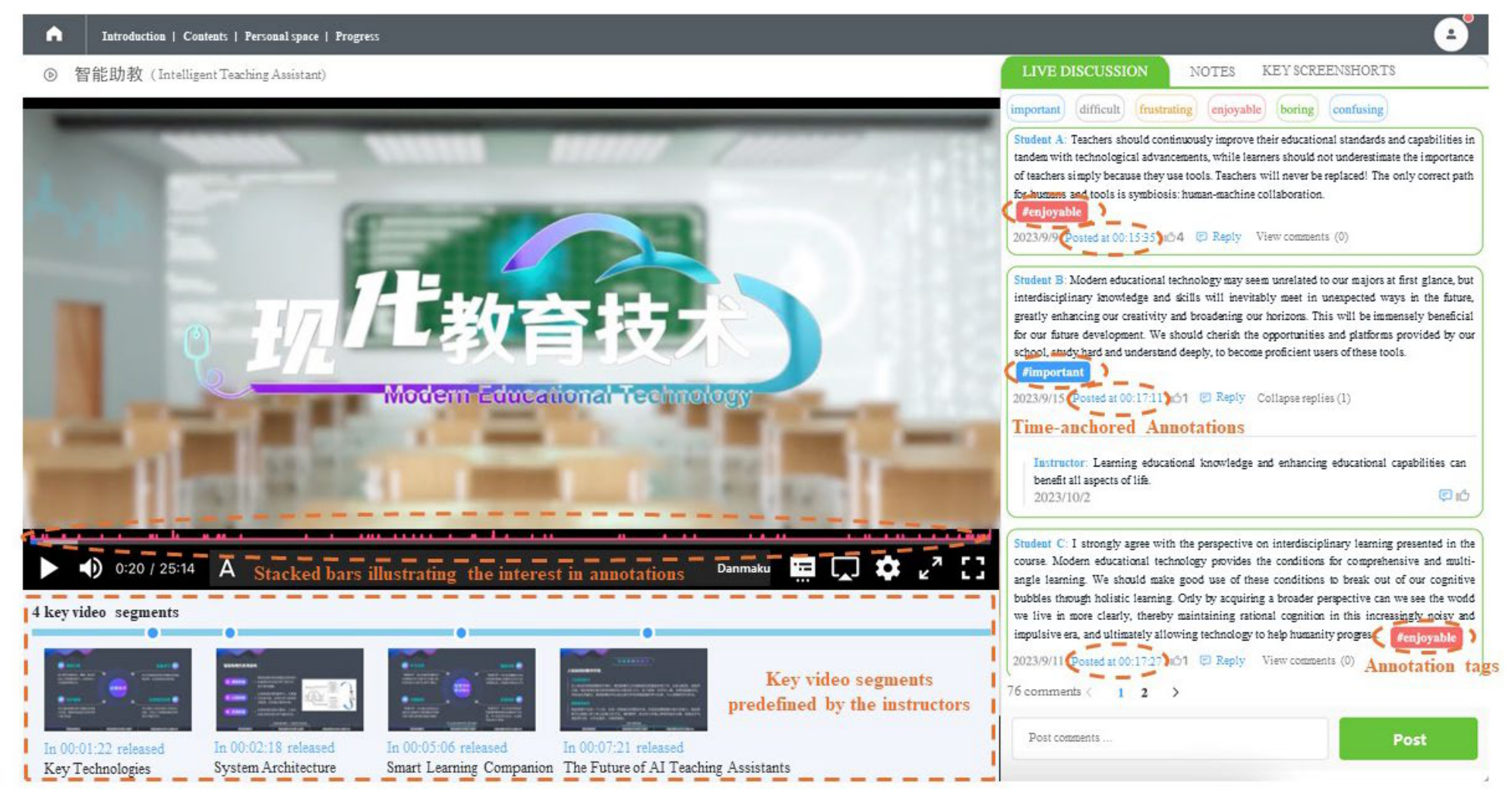
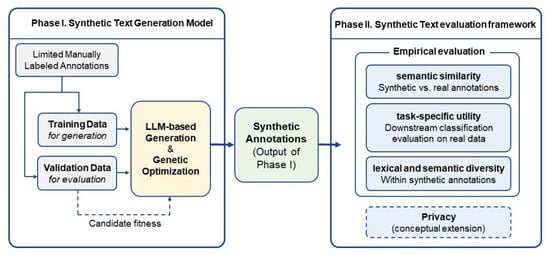
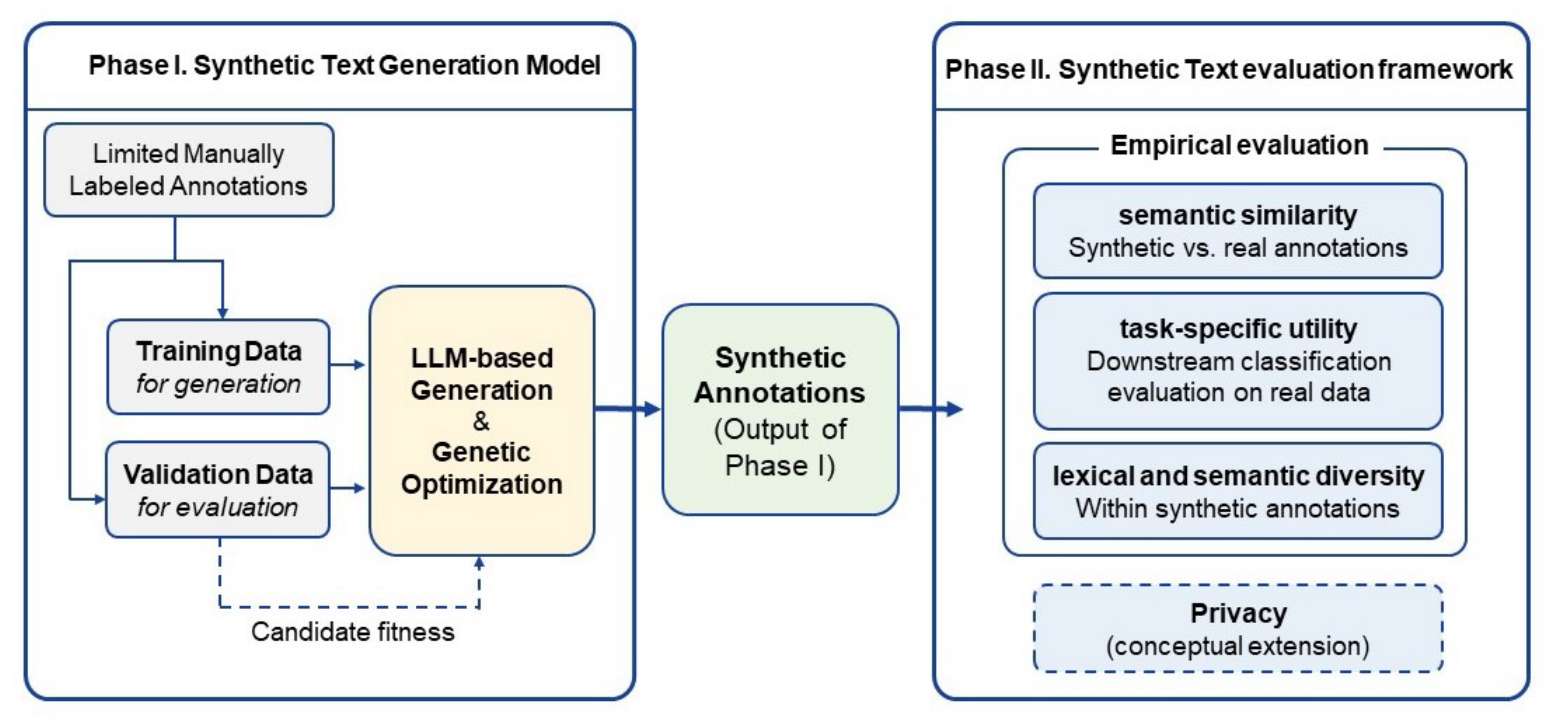
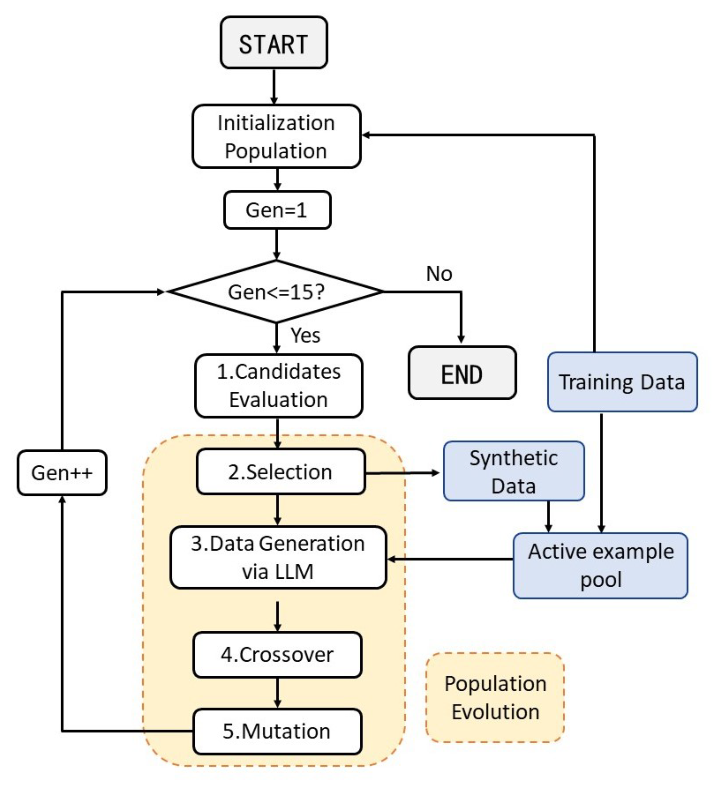
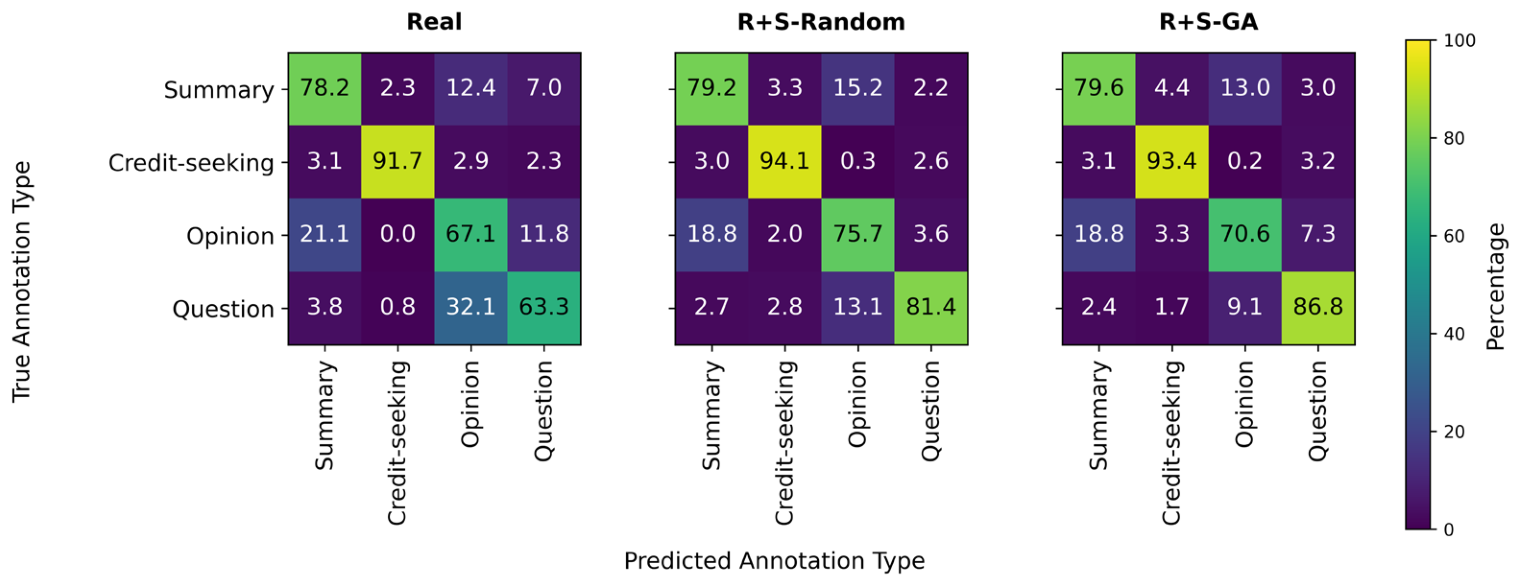

Disclaimer/Publisher’s Note: The statements, opinions and data contained in all publications are solely those of the individual author(s) and contributor(s) and not of MDPI and/or the editor(s). MDPI and/or the editor(s) disclaim responsibility for any injury to people or property resulting from any ideas, methods, instructions or products referred to in the content. |
© 2026 by the authors. Licensee MDPI, Basel, Switzerland. This article is an open access article distributed under the terms and conditions of the Creative Commons Attribution (CC BY) license.