


Abstract
Nuclear energy can support the transition from coal toward a low-carbon energy system; however, the evaluation and siting of nuclear facilities involve conflicting economic, technical, environmental, and social criteria. This systematic review, conducted according to PRISMA guidelines, examines the application of multi-criteria decision analysis (MCDA) to nuclear facilities, based on 79 Scopus-indexed articles (2013–2026) and 3 gray literature reports. The main methods identified were AHP, TOPSIS, VIKOR, and PROMETHEE, along with their fuzzy and hybrid variants. The reviewed literature shows the following. Among the 13 nuclear power plant siting studies identified, fuzzy variants of MCDA methods, mainly Fuzzy AHP and Fuzzy TOPSIS, were the most frequently applied (10 studies), while geographic information systems (GISs) were used in 4 studies. In addition, life cycle assessment (LCA) confirms the low greenhouse gas footprint of nuclear energy relative to fossil fuels. Furthermore, economic interest is shifting toward small modular reactors (SMRs) at existing lignite facilities. The review also identifies research gaps: criteria weights are treated as static over time, public acceptance is rarely incorporated as a quantitative siting criterion, SMR costs rely on projections rather than empirical data, and integrated frameworks combining technical, economic, environmental, and social dimensions are lacking.
1. Introduction
Multi-criteria decision analysis (MCDA), or multi-criteria decision-making (MCDM), constitutes a set of methodological tools that allows for the proper evaluation of alternative solutions based on multiple and often conflicting criteria [1]. Complex energy issues, such as the selection of electricity generation technologies, have led to a rapid increase in the use of these methods [2]. Multi-criteria analysis in the field of nuclear energy is used for comparing alternative technologies and for selecting the installation site of power generation plants [3]. At the same time, it is also applied for feasibility assessment [4], the sustainability assessment of energy systems [5,6], as well as for the prioritization of decisions in the nuclear fuel cycle [7]. In recent years, researchers’ interest in these methods appears to be increasing at an exponential rate, as demonstrated by the international literature, particularly after 2020 [8]. This phenomenon is linked to the need to evaluate alternative low-carbon technologies within the context of the energy transition [9]. Furthermore, the ever-increasing complexity of energy systems, which now combine renewable energy sources with nuclear energy, renders the use of these tools an absolute and pressing necessity for proper decision-making [10]. The main multi-criteria analysis methods will be analyzed below. Figure 1 shows the rapid increase in the scientific community’s interest in multi-criteria analysis methods after 2020.
Figure 1.
Documents included in this review by year of publication (n = 82, including 3 gray literature reports; 2026: partial year).
Multi-criteria decision analysis is part of the field of operations research, which deals with the formulation, development, and improvement of mathematical and computational tools aimed at supporting the subjective assessment of performance in problems with multiple, usually conflicting criteria [11]. In the late 1970s, Keeney and Raiffa [1] were the first to formulate the basic principles of “decision-making with multiple objectives.” From this theoretical foundation, two groups of multi-criteria analysis methods emerged. On the one hand, compensatory methods, such as AHP (analytic hierarchy process) [1,12] and TOPSIS (technique for order of preference by similarity) [1,12], emerged, which synthesize the criteria into a single scoring index. On the other hand, outranking methods, such as ELECTRE (elimination and choice expressing reality) [13] and PROMETHEE (preference ranking organization method for enrichment of evaluations) [4,5], were created, which are based on pairwise comparisons of alternative solutions, but without full compensation between them [1,13]. In compensatory methods, a poor performance of an alternative on one criterion can be offset by a good performance on another; for example, a site with high costs may still score well owing to low seismicity. In contrast, in outranking methods, alternatives are compared pairwise on each criterion separately, and one alternative “outranks” another when it performs at least as well on most criteria without being significantly worse on any; in this way, compensation between criteria is limited [1,13]. By introducing these principles, they established the theoretical framework upon which modern multi-criteria analysis methods were subsequently developed. In past years, a multitude of multi-criteria methods of analysis were developed, which are shown in Table 1 [11]. More specifically, Table 1 presents historical information on the main multi-criteria analysis methods.
Table 1.
Basic methods of multi-criteria analysis.
Multi-criteria decision analysis methods have found wide application in recent years across various fields. Some fields of application are shown below:
- Positioning of energy facilities.
- Selection of energy production technology.
- Operations research.
- Environment, energy, and sustainability.
- Supply chain management.
- Material selection for construction.
- Quality management.
- Project management.
- Production management.
- Safety and risk management.
- Tourism management.
- Knowledge management.
Multi-criteria analysis methods are designed to help select among alternative solutions or rank them, using a set of criteria that are each assigned a weight reflecting their relative importance. The process includes the following (see Figure 2):
Figure 2.
Main stages of the multi-criteria decision analysis process. Source: authors’ elaboration based on [14].
- Defining the problem. That is, what decision needs to be made (e.g., selection of a reactor installation site, reactor type, etc.).
- Determining the alternatives. In other words, what are the candidate solutions to be evaluated.
- Selecting the evaluation criteria. The characteristics on the basis of which the alternatives will be judged.
- Assigning weights to the criteria.
- Applying the multi-criteria analysis algorithm [4].
It is worth mentioning that criteria can be qualitative, such as risk perception or social acceptance, or they can be quantitative, for instance, greenhouse gas emissions or the economic cost of constructing a nuclear reactor [14]. A critical stage is the proper weighting of the criteria, since inconsistent use of them, or using them incorrectly, can result in erroneous and misleading results [2]. More specifically, the aforementioned weighting of the criteria can be carried out either through objective methods derived from the data, or through methods based on expert judgment, or through a combination of both approaches. In the international literature, dozens of multi-criteria analysis methods have been studied, the most prominent being AHP, TOPSIS, VIKOR, and PROMETHEE. These methods differ in their typical fields of application and general principles [1]. Section 3 provides a general overview of these methods, which differ in their underlying mathematical logic. Only the AHP method is presented in more detail, including its mathematical formulation [1]. Several studies in the international literature suggest the use of COPRAS and ELECTRE as alternative multi-criteria analysis methods for energy planning problems [15]. However, the choice of the most suitable method depends on the degree of uncertainty characterizing the specific problem under study, as well as on data availability [16]. It should be noted that in recent years, multi-criteria analysis methods have increasingly been used in combination with life cycle analysis, in order to incorporate environmental criteria [17]. Finally, the literature indicates that the systematic documentation of criteria weights, through questionnaires or structured interviews with experts, is considered a necessary stage for ensuring the scientific validity of the analysis [18]. Table 2 reveals applications of the multi-criteria methods.
Table 2.
Frequency of occurrence and fields of application of the main multi-criteria analysis methods in the articles of the literature review.
Existing reviews examine the individual dimensions of the problem separately: MCDA methods in general or in energy systems [1,2,13,30], nuclear power plant siting [3], environmental impacts through LCA [31,32], or public acceptance of nuclear energy [33]. In contrast, the present literature review simultaneously examines four interrelated dimensions of nuclear facility evaluation, namely, MCDA methods, economic factors, environmental impacts, and public acceptance. The contribution of the present work is particularly significant, as it:
- quantitatively maps the methods applied in siting studies;
- systematically identifies the research gaps in each dimension;
- proposes a staged decision framework in which nuclear safety criteria act as an exclusion filter prior to the evaluation of technical, economic, environmental, and social criteria.
2. Methods
In this study, a systematic literature review of scientific articles was carried out using the Scopus database and following the Preferred Reporting Items for Systematic Reviews and Meta-Analyses (PRISMA) guidelines [31,33,34,35] (Figure 3). The PRISMA methodology is a literature review methodology used in this study to retrieve the data required for the analysis, due to its ability to gather information on a specific thematic field with high accuracy and efficiency [31,33,34,35]. A thorough search was carried out using the search string TITLE-ABS-KEY ((“nuclear power” OR “nuclear energy” OR “nuclear power plant” OR “small modular reactor”) AND (“multi-criteria decision” OR “MCDM” OR “environmental impact” OR “economic cost” OR “public acceptance” OR “site selection” OR “techno-economic” OR “socioeconomic”)) in the Elsevier Scopus database. The final search was conducted in June 2026, prior to the submission of the manuscript. In the present study, specific exclusion criteria were applied regarding document type, as well as chronological publication criteria and language-based exclusion criteria. More specifically, during the initial search, a total of 4909 documents were identified. For document type, the inclusion criteria “Article” and “Review” were applied. Therefore, the number of documents was reduced to 3327 (1582 documents removed). In addition, a chronological restriction was applied so that only articles published between 2013 and 2026 (a partial year at the time of the search) would be studied. As a result, 1618 articles were retrieved (1709 documents removed). The year 2013 was selected as the starting point in order for the literature review to focus on the international literature published after the Fukushima Daiichi accident (2011), taking into account the time required for studies incorporating the lessons learned from the accident to be conducted and published. The accident triggered an international reassessment of nuclear safety and siting requirements, as well as of the economic and environmental impacts of nuclear power plants. The historical development and fundamental principles of MCDA methods, which date back to earlier decades, are presented in Section 1 (Table 1) and Section 3. In addition, Scopus was selected as it is one of the largest databases of peer-reviewed scientific journals in the fields of engineering and energy. Finally, a filter was added so that only articles written in English would appear. With this restriction, the number of articles was reduced to 1516 (102 documents removed). The full search string, including the applied filters, was as follows: TITLE-ABS-KEY ((“nuclear power” OR “nuclear energy” OR “nuclear power plant” OR “small modular reactor”) AND (“multi-criteria decision” OR “MCDM” OR “environmental impact” OR “economic cost” OR “public acceptance” OR “site selection” OR “techno-economic” OR “socioeconomic”)) AND PUBYEAR > 2012 AND PUBYEAR < 2027 AND (LIMIT-TO (DOCTYPE, “ar”) OR LIMIT-TO (DOCTYPE, “re”)) AND (LIMIT-TO (LANGUAGE, “English”)). The TITLE-ABS-KEY field is specific to Scopus and searches for the terms in the title, abstract, and keywords of each publication. As the search was conducted exclusively in Scopus, no adaptation of the search string to other databases was required.
Figure 3.
PRISMA 2020 flow diagram of the study selection process (Scopus search, June 2026; n = number of records).
In total, 3393 records were removed before screening. The remaining scientific articles were subjected to a screening based on their scope through a review of titles and abstracts. More specifically, the titles of the articles initially determined whether the articles would be excluded or not. Articles that, in the authors’ judgment, had no relevance to the subject of the present study were excluded. Once article titles relevant to the study’s subject were identified, the next stage of the process was carried out, which consisted of examining the abstract. In total, 1400 documents were excluded at the title and abstract screening stage as not relevant to the subject of the study, leaving 116 articles for full-text assessment. Subsequently, 37 of them were excluded for the following reasons: (i) nuclear energy was addressed only as secondary topic, for example, in studies focusing mainly on one of many alternatives, (ii) no MCDA, economic, environmental (LCA), or social analysis relevant to the siting or evaluation of nuclear technologies was included, for example, in studies with purely technical analysis on reactor or fuel operation, and (iii) the description of the methodology or data was insufficient to allow the results to be interpreted. As a result, the number of articles was reduced to 79, which were used in the present study. The search and the screening of titles, abstracts, and full texts were performed by the first author (G.B.) according to predefined criteria:
- the study addresses nuclear power plants, small modular reactors, or nuclear facilities;
- it evaluates or applies an MCDA method, or provides economic, environmental (LCA), or social data relevant to siting and technology evaluation;
- it is a peer-reviewed article or literature review.
The screening results, i.e., the selected articles and the reasons for exclusion, were verified by the two co-authors (A.V. and J.G.F.), and any disagreements were resolved through discussion until consensus was reached. Given the methodological heterogeneity of the included studies, no formal quality assessment tool was applied. Quality was ensured in two ways: first, only peer-reviewed publications were included and, second, only studies that clearly described their criteria, methods, and data sources were retained. In addition, three techno-economic gray literature reports were included as a supplementary source: two by the International Energy Agency (IEA) [36,37] and one by the non-profit organization EPG&CATF [38]. In accordance with the PRISMA 2020 guidelines, these reports were identified separately from the database search and did not undergo the Scopus screening process (Figure 3, right-hand column). They were selected because they (i) were published by an international organization or a recognized research body, (ii) provided techno-economic data on nuclear power plants or SMRs not available in the scientific articles, and (iii) were published between 2013 and 2026. Their quality was ensured by including only reports with (iv) a documented methodology and clearly reported data sources. In total, 82 documents (79 scientific articles and 3 gray literature reports) were used in this study.
Table 3 presents the number of articles examined in the current work, classified by thematic category.
Table 3.
Distribution of literature review articles by thematic category.
3. Analysis of Multi-Criteria Methods
This section briefly presents the operating principles of the main MCDA methods identified in the review. Their advantages and limitations are summarized in Section 4.5.
3.1. AHP Method
The multi-criteria method AHP (analytic hierarchy process) is an important method that is widely used in multi-criteria analysis. It compares pairs of criteria and alternatives and is based on the hierarchical structuring of the problem. It is worth noting that from the comparisons carried out by the method, the relative weight of each criterion is calculated, and subsequently the available alternative solutions are evaluated based on these weights [11,12,13]. This particular method is widely used in selecting the most suitable site for the installation of nuclear power plants [12]. Often, the AHP method is frequently combined with other multi-criteria analysis methods, such as the TOPSIS method. The number of judgments required for a full pairwise comparison is given by Equation (1):
where n is the number of criteria.
Now, let us define a comparison matrix A of order n × n, see Equation (2):
where αij is the score obtained from the comparison. The diagonal elements of the matrix are equal to 1. At the same time, all elements of the matrix are positive and reciprocal. That is, αij = 1/αij for αij, and αij = αik/αjk:
Ultimately, the extraction of scores is carried out through the Saaty scale, using a numerical value from 1 to 9.
Table 4 presents Saaty’s fundamental scale of pairwise comparisons used in the AHP method, indicating the intensity of importance assigned to each judgment, along with its corresponding definition and meaning.
Table 4.
Saaty’s scale.
3.2. TOPSIS Method
The TOPSIS multi-criteria method is based on ranking alternative solutions according to their distance from a negative ideal solution and from a positive ideal solution. The core operating principle of the method is that the best alternative solution must simultaneously have the greatest Euclidean distance from the negative ideal solution (the worst values per criterion) and, at the same time, the smallest Euclidean distance from the positive ideal solution (the best values per criterion). After the weighting and normalization of the decision matrix have been carried out, a relative closeness index is calculated, which is used as the basis for ranking. The TOPSIS method is often combined with other methods, such as AHP, which we analyzed above. Almonte and Promentilla (2024) [19] used the AHP and TOPSIS methods to evaluate nuclear energy against other low-carbon technologies [15].
3.3. Fuzzy TOPSIS (Choquet Integral Variant) Method
The modified version of the method is known as Fuzzy TOPSIS, which constitutes an extension of the classical TOPSIS method. The aim of the improved method is to better manage the uncertainty that characterizes experts’ judgments. Instead of specific numerical values, fuzzy sets are used to evaluate the criteria, a fact that allows for a more realistic representation of uncertain or subjective estimates. At the same time, this particular method incorporates the generalized Choquet integral, which, unlike the classical TOPSIS method, can take into account possible interdependencies among the criteria [25].
3.4. VIKOR Method
The multi-criteria VIKOR method focuses on finding a compromise solution among conflicting criteria, attempting to maintain a balance between them [4,13]. This method calculates three indices for each alternative. These indices are as follows: the average distance (S), the maximum distance (R), and an index Q, which combines the first two through a strategy coefficient (V). According to Gupta et al. (2023) [29], due to this operating logic, the VIKOR method is suitable for problems in which there is no feasible solution that equally satisfies all criteria [29]. In other words, the method is suitable for problems in which there is no alternative solution that equally and simultaneously satisfies all the criteria. In such cases, the method seeks a compromise solution that approximates the ideal solution as closely as possible. More specifically, in their study, Salabun et al. (2020) [4] carried out a simulation in which they applied the TOPSIS, VIKOR, COPRAS, and PROMETHEE II methods to the exact same decision datasets, while at the same time varying the criteria weighting and normalization method. By measuring the similarity of the resulting rankings using the Spearman and WS coefficients, they found that there was no consistent agreement among the methods. Comparative studies have shown that the TOPSIS and VIKOR methods can produce different rankings for the same problem because they are based on different optimization logic. This fact makes sensitivity analysis necessary before the final decision [4].
3.5. The PROMETHEE Family of Methods
PROMETHEE methods work by comparing alternatives two at a time using preference functions defined separately for each criterion. Each function translates the performance gap between two alternatives into a preference score ranging from 0 to 1, where 1 signals a clear preference for one option and 0 signals none [4]. These per-criterion scores are then weighted and combined into an overall preference index, from which positive and negative outranking flows are derived to produce the final ranking.
3.6. Fuzzy and Hybrid Multi-Criteria Methods
Traditional multi-criteria methods assume that expert judgments can be expressed clearly and translated into exact numerical values. In real-world decisions about evaluating and siting nuclear plants, however, criteria are often subjective, linguistically vague (think “moderate risk” versus “high risk”), and inherently uncertain—making precise quantification genuinely difficult [20,26,39]. Fuzzy variants of the classical methods were developed specifically to address this: rather than forcing a single numerical value, they allow value ranges or fuzzy sets to be used instead, producing a more realistic picture of uncertainty [26,29,34]. One notable example is a study that applied Fuzzy AHP together with Fuzzy TOPSIS to locate a suitable nuclear power plant site in Turkey, based on a mix of technical and environmental criteria. In this particular study, the Fuzzy AHP method was applied to determine the relative weights of the evaluation criteria, while the Fuzzy TOPSIS method was subsequently applied for the final ranking of the candidate regions. The use of fuzzy methods allowed for a more realistic representation of the uncertainty that characterizes experts’ subjective judgments, particularly for criteria that cannot easily be quantified, such as social acceptance. The results of this study identified the region with the most favorable combination of economic, technical, and environmental characteristics as the most suitable for the installation of the nuclear power plant [21]. In siting studies, geographic information systems (GISs) and MCDA play complementary roles: the GIS stores and processes each criterion as a spatial layer (e.g., seismicity, population density, and distance to water bodies), while MCDA provides the criteria weights. The procedure typically involves (i) exclusion of unsuitable areas based on safety criteria, (ii) standardization of the layers to a common scale, often using fuzzy membership functions, (iii) derivation of the weights, e.g., through AHP, and (iv) weighted overlay of the layers, producing a suitability map. The resulting candidate sites can then be ranked using MCDA methods such as PROMETHEE [5,12,40,41] (see Table 5).
Table 5.
Frequency of occurrence and fields of application of the multi-criteria analysis methods that have been used in the field of nuclear energy, according to the present study.
4. Results
This section presents the results of the systematic literature review. The main multi-criteria analysis methods that have been applied to nuclear energy are recorded, along with their operating principles, their fields of application, as well as the advantages and disadvantages of each method.
4.1. Scientific Gaps Identified in the Literature Through the Current Review of Multi-Criteria Methods
4.1.1. Literature Gap 1
The systematic study of the 82 scientific articles revealed the so-called “static nature” of the multi-criteria models applied to nuclear energy. A characteristic example is the study by Abudeif et al. [12], who applied the AHP method within a GIS environment, using the Expert Choice software and 22 factors, which were divided into 3 groups of criteria (Health and Safety, Society and Environment, and Engineering and Economy), to select the most suitable nuclear power plant site in Egypt. In other words, multi-criteria models treat the selection of an appropriate energy technology or site as a decision made at a single point in time, with fixed weights and criteria derived from the subjective judgments of expert specialists at the time of the study [1,4]. It was found that no study proposed a mechanism for the systematic re-evaluation of criteria weights over time, given that factors such as construction economic cost [44] and social acceptance [33] change dramatically following significant events, such as a change in natural gas prices, a nuclear accident, or even a war. These observations become particularly pronounced and interesting in the case of SMRs [40,45].
4.1.2. Literature Gap 2
Furthermore, a complete absence of comparative evaluation was identified between technical studies based on multi-criteria methods that focus on environmental, economic, and geological criteria [12,45,46] and social acceptance studies, which are usually conducted as independent sociological studies using their own analytical tools, such as network modeling [46]. In most multi-criteria models, social acceptance is most often introduced as a numerical, static criterion, without capturing its dynamic interaction with the other criteria. For example, does the selection of a specific site for the installation of a nuclear power plant affect the social acceptance of that area?
4.1.3. Literature Gap 3
In addition, the systematic review of the scientific literature reveals a significant scientific gap concerning the siting of nuclear power plants. Several scientific articles and studies use only a single multi-criteria analysis method [12,25,40,46] without comparative evaluation against other methods. Furthermore, it was found that criteria weights are often based on a limited number of experts, as characteristically noted by Abdullah (2024) in their study [22].
4.1.4. Literature Gap 4
Another problem identified, which requires particular attention and clarification, is the fact that, in the application of multi-criteria analysis methods, disagreement often arises in the final rankings produced when different methods are applied to the same dataset. Until 2020, there was no established tool, method, or criterion that would determine in advance which method is the most suitable for a specific problem [4].
Table 6 summarizes the literature gaps identified in relation to multi-criteria analysis methods applied to nuclear energy. Taken together, the systematic review shows, first, that the models applied are static with fixed criteria and weights that are not re-evaluated over time (Gap 1); second, that social acceptance is treated as fixed numerical criterion rather than as a factor interacting dynamically with the technical criteria (Gap 2); third, that most studies use a single technique without sensitivity analysis, objective weighting of criteria, or comparative application (Gap 3). Finally, to the best of our knowledge, no tool has been proposed that automatically recommends the most suitable method for a given problem (Gap 4).
Table 6.
Literature gaps identified regarding multi-criteria analysis methods.
4.2. Economic Factors Influencing the Development of a Nuclear Project
The study of SMRs is an absolute necessity, as argued by Jang and Woo (2026) [56]. The study of modern nuclear energy technologies is of critical importance within the context of emissions reduction and the reliability of energy systems. Jang & Woo (2026) [56], using multi-criteria analysis, highlight the benefits of nuclear energy in terms of system reliability and safety. In this context, SMRs are attracting significant research interest, as their distinctive design and particular technical characteristics have the potential to offer a different approach to the development of nuclear power [56]. Consequently, the economic evaluation of SMRs constitutes one of the most critical criterions in the decision-making process aimed at their development. This is because construction cost, cost of capital, and economic viability determine the choice of the appropriate technology over other energy sources. SMRs, unlike large traditional nuclear reactors, are designed to reduce the initial investment cost through standardized, modular, and factory-based construction. From the review of the literature, it is found that, although the overnight capital cost (OCC) per unit of installed power for SMRs is most often higher per kW compared to large nuclear reactors, the shorter construction time, the smaller absolute capital requirement, and the ability to gradually scale up power significantly reduce investors’ cost of capital and financial risk [8,57]. On the other hand, Larissa Breuning and her colleagues [47] examined the uncertainty in estimating the production cost of future nuclear technologies and found that the costs of the first nuclear plants are higher than the construction costs of subsequent units, due to supply chain optimization and learning through experience. It is worth noting that this uncertainty, together with the absence of regulatory licensing frameworks in many countries, is considered one of the main economic risks for investment in SMRs [58]. More specifically, in Europe the barriers to the development of SMRs are as follows:
- The ability to standardize design across multiple sites.
- Financing risk.
- Absence of legislative/regulatory licensing frameworks.
Analyses of construction timelines and cost risk for both SMRs and large reactors have shown that time and cost overruns constitute the most significant cause of economic failure in nuclear plant construction, regardless of scale. For this reason, the modular construction of small nuclear reactors aims to reduce this risk by increasing the predictability of the project completion timeline and by reducing on-site construction work [44]. On the other hand, recent studies, such as that of Almonte et al. (2024) [19] using AHP-TOPSIS multi-criteria analysis, emphasize the importance of utilizing existing nuclear power plants. The results of the study showed that the restoration of an existing nuclear power plant (the Bataan Nuclear Power Plant in the Philippines) constitutes a particularly competitive option compared to other low-carbon technologies. The conversion of lignite-fired facilities into nuclear power plants can help reduce the need for new investments [9], as well as offer potential economic benefits. Furthermore, according to Abdullah et al. (2024) and Altindag (2026) [22,59], the selection of a site for a nuclear power plant is not related only to technical and economic issues, but is also directly linked to the social and economic impacts of the installation on the given area and the local community. Abdullah et al. (2024) [22] highlight the multi-parametric nature of the nuclear power plant siting process (population density, seismology, water resources, geology, etc.). Also, Altindag (2026) [59] conclude that the construction of a nuclear power plant can increase employment and wages during the construction phase, as the siting of a nuclear reactor is directly related to employment and the local income of citizens in the respective host area. For this reason, the most appropriate site selection often constitutes an additional siting criterion [22]. A characteristic example is Poland, where the role of nuclear energy is a factor in economic development and energy security [49]. On the other hand, the International Energy Agency (IEA) emphasizes that nuclear energy is a major factor for the safe energy transition of every country [37]. Nuclear energy and SMRs will play a significant role in the energy transition of every country, with the aim of achieving net-zero greenhouse gas emissions by 2050 [16,60,61]. An important component is the cost of nuclear fuel and fuel cycle management for an SMR. Scientists tend to favor fuel reuse (plutonium/uranium) over the continuous supply of new fuel [6,50]. Waste management also adds meaningfully to the cost side of SMR economics and needs to be factored into any serious financial planning [51]. Recently, researchers worldwide have shown growing interest in hybrid plants that pair nuclear power with other energy sources, solar being a common example [12,52,62]. There is also a notable link emerging between data centers and SMRs: as electricity demand from data centers grows exponentially, it opens new opportunities for nuclear power to step in, which in turn helps cut greenhouse gas emissions [56]. Interestingly, the literature review found similar dynamics playing out in renewable sources too—wind, solar, and geothermal alike [63]. Government-backed financing schemes aimed at private developers are also increasingly common for SMR projects, and these can substantially shift the economics of building such plants [8,23,41,47]. It is important to stress that comparing the cost of SMRs against other low-carbon energy technologies (solar, wind, geothermal, and so on) cannot rely on the LCOE index alone. Equally relevant is the broader system value these technologies bring, particularly their contribution to grid stability and to ensuring adequate power supply. In conclusion, one could say that the economic viability of SMRs is a complex problem that depends on many factors, which are as follows:
- Capital cost.
- Financing cost.
- Legislation.
- Standardization capability in production.
- Utilization of existing infrastructure.
- Financing tools.
- Waste management.
It is worth noting that, even though nuclear still carries greater cost uncertainty than renewables do, the potential for costs to fall as learning accumulates from repeated installation and construction makes it an increasingly attractive option for shaping energy policy [27,53]. Figure 4 depicts the construction cost of various energy generation technologies for the years 2020, 2030, and 2050.
Figure 4.
Construction cost of electricity generation technologies in Europe in 2020, 2030, and 2050 (USD/kW). Data adapted from [36].
Overall, the review studies indicate that the economic viability of SMRs depends on a combination of capital and financing costs, regulatory conditions, standardization of production, and waste management, while the expected cost reductions from learning effects remain uncertain (Figure 4). However, this body of evidence rests largely on estimates rather than on data from completed projects. Table 7, therefore, summarizes the literature gaps identified in relation to the economic factor that affect the development of nuclear power plants. In particular, to the best of our knowledge, there is no verified construction cost for SMRs, as most studies rely on manufacturers’ estimates rather than on empirical data.
Table 7.
Literature gaps identified regarding the economic factors of siting a nuclear reactor.
4.3. Environmental Assessment of Nuclear Reactors Using Life Cycle Assessment
The environmental assessment of nuclear plants, and particularly of SMRs, is based on the LCA methodology, as it is established in international literature. This method allows for the systematic and detailed quantification of the environmental impacts caused by electricity generation technology. It quantifies the full range of environmental impacts, spanning every stage from raw material extraction through construction and installation, operation, decommissioning, and waste management. This method is considered the cutting edge in the study of nuclear energy technologies, as it allows for their comparative evaluation against other energy production technologies, such as renewable sources [9,42]. More specifically, the various life cycle analysis models, when applied to nuclear energy technologies, allow scientists to directly evaluate alternative nuclear reactor design scenarios (e.g., SMRs) by linking environmental indicators (greenhouse gas emissions per unit of energy produced) with technical parameters (construction materials, enrichment level, fuel type, etc.) [3]. A review of the international literature makes one thing clear: when measured across its full life cycle, nuclear power’s greenhouse gas footprint is markedly lower than that of fossil-fuel-based electricity generation technologies [7,8]. Figure 5 shows the average specific CO2 emissions of electricity production in selected European countries in 2023.
Figure 5.
Average specific CO2 emissions of electricity production in selected European countries in 2023 (gCO2eq/kWh) [67].
Nowadays, the scientific community is focusing on the principle of circular economy within nuclear power plants. Life cycle assessment is used by researchers to quantify the environmental benefits arising from the recycling of decommissioning materials from a nuclear plant, the reuse of materials, as well as the optimization of the use and management of spent fuel, resulting in reduced consumption of initial primary resources and lower overall environmental impacts. According to Pucciarelli, M. et al. (2024) [68], life cycle assessment can be used beyond the analysis of environmental impacts. It can also be used to analyze indicators affecting human health from a nuclear reactor, thus offering a holistic picture of the environmental footprint [22,69]. According to Peng et al. (2020) [27], Muellner et al. (2021) [54], and Mikhaylov et al. (2020) [70], the phenomenon of climate change is creating an absolute and pressing need to utilize and make use of nuclear energy technologies to keep the rise in global temperature in check. Life cycle assessment thus feeds its results into the broader framework of multi-criteria analysis, enabling environmental criteria to be weighed against social and economic factors when choosing both a technology and a site for installation—which makes life cycle assessment a valuable tool in the decision-making process behind building and siting new nuclear power plants [52]. Thus, life cycle assessment incorporates its results within the framework of multi-criteria analysis, which allows for the comparison of environmental criteria against social and economic factors when selecting both a technology and an installation site, thereby making life cycle assessment a valuable tool in the decision-making process for the installation and construction of new nuclear power plants [52]. The overall study and review of the literature highlights the issue that nuclear energy exhibits a particularly low greenhouse gas emissions footprint at the full life cycle level (extraction, use, and waste management) compared to renewable energy sources. Furthermore, questions arise regarding the environmental impacts caused by the management of nuclear waste, water consumption, and land use. Taking everything into account, one might argue that refining life cycle assessment tools through models tailored to SMRs could, over the long term, improve both the comparability and the accuracy of environmental evaluations. The figure below depicts the life cycle CO2 emissions per electricity generation technology.
The reviewed literature suggests that nuclear energy has a low life cycle greenhouse gas footprint compared with other electricity generation technologies (Figure 6). However, this advantage does not eliminate the environmental concerns associated with nuclear waste management, water consumption, and land use. In addition, existing life cycle assessment tools are rarely adapted to SMRs, which limit the comparability and accuracy the literature gaps identified regarding the relationship between nuclear energy and the environment, as summarized in Table 8.
Figure 6.
Life cycle CO2 emissions by electricity generation technology (gCO2eq/kWh). Data adapted from [31].
Table 8.
Literature gaps identified regarding the relationship between nuclear energy and the environment.
4.4. Public Acceptance of Nuclear Energy
For the development of new nuclear facilities, including SMRs, public acceptance constitutes a decisive factor, because the reaction of local communities or of broader public opinion can accelerate, overturn, or delay the implementation of such a project. In contrast to other evaluation criteria, such as environmental impacts or construction cost, public acceptance has a strongly subjective and multifactorial character, because it is shaped by perceptions concerning risk, trust in institutions, and the cultural criteria of each society. A systematic review of the literature on public acceptance and nuclear energy reveals that public acceptance is not a static quantity but changes significantly over time. These changes in the views of local communities are due to many factors, such as nuclear accidents or energy crises, the risks posed by nuclear technologies, political developments, and also the way scientists communicate the benefits and drawbacks of these technologies to the public [3]. On the other hand, public acceptance is closely related to issues of local economic development. The creation and installation of new nuclear power plants directly affects the local market, as it creates new jobs [22]. A study by Ali Utku Akar et al. (2023) highlights the fact that public acceptance is heavily influenced by safety as a site selection criterion for the installation of a new nuclear reactor [23]. Rida SN. Mahmudah et al. (2024) [24] and Stylianos A. Papazis (2024) [9], in separate studies, emphasize that simply providing the public with technical information is not enough to build trust in nuclear energy technologies. Two-way communication between the public and expert scientists is required, with the public being given the ability to voice concerns and issues that are then seriously taken into account in the siting of a new nuclear reactor [9,24]. On the other hand, the systematic literature review revealed significant cultural and geographical variations in public acceptance across Asian countries (Indonesia and China), Middle Eastern countries (Saudi Arabia), and European countries (Poland and Germany) [8,19,24,47,72]. In other words, there is no single model for predicting public acceptance. Every context in which nuclear facilities, including SMRs, are implemented requires a dedicated study of institutional, social, and historical factors before the final site selection is made. Finally, within the framework of multi-criteria analysis methodologies, which are widely used [3,24] for siting new nuclear facilities, incorporating public acceptance as a quantitative criterion is a particularly difficult task, since it is a quantity that lacks an objective and direct unit of measurement [60], in contrast to greenhouse gas emissions [32] or construction economic cost [44]. For this reason, public acceptance is usually approached through composite indices that combine data and results from surveys/questionnaires [73,74], the history of reactions to similar projects in the area, urban density, etc. [14].
The table below (Table 9) summarizes the literature gaps that emerged from the study of international literature and concerns how social acceptance affects the course of installation of a nuclear reactor.
Table 9.
Literature gaps identified regarding how public acceptance affects the development of a nuclear project.
4.5. Advantages and Limitations of Multi-Criteria Analysis Methods
Multi-criteria analysis methods are widely used to support decision-making in problems that involve multiple, often conflicting, criteria. Established approaches, such as AHP, TOPSIS, and PROMETHEE I, along with their fuzzy extensions, are widely used. However, despite their popularity, they present certain limitations, including subjective criteria weights, sensitivity to extreme values, and high computational complexity. Accordingly, their main advantages and disadvantages, as reported in the literature, are summarized in Table 10.
Table 10.
Advantages and disadvantages of the multi-criteria analysis methods that have been used in the field of nuclear energy, according to the present study.
5. Discussion
Following a systematic study and comparison of the articles, interesting conclusions emerged regarding how multi-criteria analysis methods are applied both in the evaluation and in the siting of nuclear energy systems. Table 11 consolidates the main research gaps identified in Section 4 across all four dimensions, together with their practical implications for nuclear facility siting.
Table 11.
Summary of the main research gaps and their practical implications.
In the literature, fuzzy methods, such as Fuzzy AHP and Fuzzy TOPSIS, are the most frequently applied in nuclear power plant siting (10 of the 13 studies) [5,22,23,24,25,26,27,39,40], while GISs are used in four studies [5,12,40,41]. Moreover, the combination of fuzzy methods with GISs is found in only two studies [5,40].
Furthermore, comparing these particular studies reveals significant inconsistency in criteria selection. For example, studies conducted in Turkey and Egypt place emphasis on seismic and geological criteria [12,21,39]. Corresponding studies carried out in Indonesia and Vietnam give greater weight to infrastructure and demographic data [20,24,26]. These differences can be explained by three specific factors. First, geological conditions: Turkey lies in a highly seismic region, and seismic and geological hazards, therefore, dominate the criteria of the Turkish studies [21,39]. Similarly, the study concerning Egypt places particular emphasis on health and safety criteria [12]. In contrast, the studies concerning Indonesia compare candidate regions in Kalimantan [22,24], an island generally regarded as having lower seismic hazard than other parts of the country; as a result, the criteria that differentiate between sites are mainly related to infrastructure and population. Second, national energy policies: in countries with dispersed or rapidly growing electricity demand, such as Indonesia and Vietnam, proximity to the grid, demand centers, and infrastructure is a decisive factor [20,26]. Third, national risk frameworks: criteria weights are derived from national expert panels and reflect how each country perceives risk, which also constitutes a differentiating factor [20,22]. Consequently, criteria weights are context specific, and the results obtained in one country cannot be directly adopted by another. Thus, one can draw the conclusion that existing multi-criteria analysis frameworks are, in many cases, used at a local level, without the possibility of generalization or comparison with other countries.
At the same time, quite a few studies focus solely on comparisons between multi-criteria methods [1,2,4], as opposed to those that apply multi-criteria methods in real-world practice [3,22,46]. The former tends to emphasize various theoretical limitations (the sensitivity of results to the choice of criteria weights, or the lack of sensitivity analysis), while the latter often omit or overlook validity checks, focusing more on the practical application of the methods. One could reasonably claim that this gap between theory and practical application is a matter of particular concern, because when multi-criteria methods are applied to especially high-risk decisions—such as siting nuclear facilities—the absence of systematic analysis, meaning the dynamic robustness of results against various changes, can raise serious doubts about the reliability of the final outcomes. It should, therefore, be emphasized that the siting of nuclear facilities is a high-stakes decision, and MCDA results serve only as a decision-support tool rather than as the sole basis for decision-making. The final decision rests with the competent authorities, following the regulatory safety assessment.
On the other hand, the comparison of life cycle assessment (LCA) studies revealed that, despite methodological differences, the findings converge in terms of order of magnitude: the life cycle greenhouse gas emissions of nuclear energy fall within the same range as those of wind and hydroelectric power and are substantially lower than those of fossil fuels [17,32,71,77]. However, the studies adopt different approaches: some rely on parametric LCA models [17], while others are based on meta-analyses of data drawn from multiple, heterogeneous sources [32]. They also differ with respect to system boundaries, uranium enrichment method, ore grade, the electricity mix used in the fuel cycle, and assumptions regarding plant lifetime and load factor. For this reason, absolute emission values are not directly comparable across studies, and the conclusion of the present literature review concerns the relative ranking of technologies rather than specific numerical values. While greenhouse gas emissions have been extensively studied, non-climatic environmental impacts have received considerably less attention and should be explicitly considered in siting decisions. First, spent fuel and high-level waste require long-term isolation, and their management depends on the choice of fuel cycle (open or closed) and on the availability of interim and final storage facilities [6,78,79]. In an MCDA framework, waste management is, therefore, relevant both as a technology criterion and as a siting criterion, as it affects transport, storage requirements, and public acceptance. In addition, nuclear power plants require large amounts of cooling water, so the availability of water resources is a key siting criterion [22,45], particularly under long-term climatic variations [45]. Furthermore, in addition to the area of the plant itself, the exclusion zones around the facility must be considered; in siting studies, compatibility with existing land uses and protected areas is usually treated as a GIS-based exclusion criterion [12,40]. Unlike greenhouse gas emissions, these impacts are rarely quantified with a common metric in the reviewed studies, which hinders their consistent integration into MCDA models.
At the same time, there is considerable disagreement between scientists who support SMRs and those who support large reactors [51,64,66,80]. This disagreement centers mainly on whether the losses due to limited economies of scale can be offset by mass production and design standardization. Steigerwald et al. (2023) [66], through a cost model and Monte Carlo simulation, conclude that no SMR design is economically competitive. In contrast, Wieser et al. (2025) [64] argue that evaluation at the level of a multi-unit program reveals significant cost benefits. This disagreement does not stem from conflicting data, but mainly from different underlying assumptions: economies of scale of large reactors versus the standardized production of SMRs [66,80], different assumptions on learning effects from the first to subsequent units [66], different construction and financing scenarios [44,66,80], and the possible reuse of coal-fired (including lignite) power plant sites with existing infrastructure [64,75]. Since only a few SMRs are currently in operation worldwide, these estimates rely on projections and models rather than empirical data [66]. Therefore, conclusions on SMR competitiveness depend on the assumptions of each study, and in MCDA applications SMR cost should be treated as a highly uncertain criterion, through sensitivity or scenario analysis.
The scientific articles that focus on SMRs highlight the benefits of utilizing already existing coal plants and of straightforward, rapid production, thereby cutting down both the cost and the time needed for their construction [64,75]. In contrast, older studies focusing on large reactors emphasize the benefits of economies of scale [44]. From this comparison, one can easily observe that a transitional phase is emerging in the nuclear energy sector, in which economic viability appears to be shifting toward smaller and more flexible solutions—a trend that has not yet been fully incorporated into existing frameworks for evaluating and siting nuclear technologies [31,40,45]. The absence of a scoring framework for converting coal-fired power plant sites into nuclear facilities [44] has direct practical implications for policymaking. First, decision-makers cannot systematically compare coal sites with each other or with greenfield sites, so that site choices risk being made on an ad hoc basis. Second, the benefits of existing infrastructure, such as grid connection, cooling systems, available land, and skilled workforce, are not assessed using clear criteria, and their actual value is, therefore, not adequately reflected in financing and support schemes [64,75]. Third, the socioeconomic benefits for regions phasing out coal, such as the retention of jobs, are not systematically considered [59]. An integrated framework is, therefore, needed, in which safety criteria first act as an exclusion filter, followed by the assessment of technical feasibility, infrastructure, economic benefits, environmental impacts, regulatory requirements, and public acceptance. Such a framework would be particularly useful for countries with lignite regions in transition, such as Greece.
At the level of public acceptance, the systematic literature review and comparison of studies from different countries (Germany, Poland, China, and Saudi Arabia) revealed that, despite the various cultural differences existing among the populations of these countries, common factors—such as local benefits, trust in institutions, and perceptions of safety—directly influence the acceptance of nuclear facilities [55,73,74,76].
Nevertheless, few studies incorporate their findings as quantitative criteria into a multi-criteria decision analysis model for siting a nuclear power plant [14,81], even though public opposition may well be the actual reason behind the cancellation or delay of such projects. Thus, one can easily raise the following question: is it actually feasible to have a single multi-criteria decision analysis model that simultaneously incorporates environmental, technical, economic, and social criteria without, of course, losing reliability and validity? The international literature reveals that the complexity of such an integrated model increases exponentially as additional evaluation criteria are added. One possible solution, as a first step, could be the adoption of staged multi-criteria decision analysis frameworks, in which technical criteria and safety-related criteria would function as exclusion filters. Then, in a second stage, environmental, economic, and social criteria could be considered in order to alternative solutions in their final order. In this way, multi-criteria analysis methods could be applied in practice, since making the right decisions for the proper siting of a nuclear reactor is a highly multifactorial issue.
6. Conclusions, Limitations, and Future Research Directions
6.1. State of Existing Applications
This systematic review examined 79 scientific articles and 3 gray literature reports on the application of MCDA to nuclear energy systems. The main methods identified were AHP, TOPSIS, VIKOR, and PROMETHEE, along with their fuzzy and hybrid variants. First, among the 13 siting studies examined, fuzzy variants of the methods were the most frequently applied (10 studies) [5,20,21,22,24,25,26,27,39,40], while GISs were used for spatial analysis in only 4 studies [5,12,40,41]. Given the limited number of studies, these findings should be interpreted as indicative trends rather than general conclusions. Moreover, the large number of method combinations makes comparison between studies and regions difficult [1,2,4].
6.2. Key Findings
From an economic perspective, interest is shifting from large reactors toward SMRs, particularly at existing coal-fired power plant sites [51,64,65,66,80]. However, SMR costs rely mainly on vendor projections, and conclusions on their competitiveness depend on assumptions regarding scale, learning effects, and construction scenarios [66,80].
From an environmental perspective, despite differences in methodology and system boundaries among LCA studies, the data converge in showing that the life cycle greenhouse gas emissions of nuclear energy [5,32,71,77] fall within the same range as those of wind and hydroelectric power. At this point, it should be emphasized that they are substantially lower than those of fossil fuels [31,82]. Non-climatic impacts, such as radioactive waste, water use, and land use, have received less attention [6,78,79].
From a social perspective, public acceptance is consistently influenced by economic benefits, trust in institutions, and perceptions of safety [10,14,37,73,76], but it is rarely incorporated as a quantitative siting criterion.
6.3. Research Gaps and Limitations
The main research gaps (Table 11) are the following: criteria weights are static and not re-evaluated over time, public acceptance is treated as a static criterion, most studies apply a single method without sensitivity analysis, integrated models combining technical, economic, environmental, and social dimensions are lacking, and no scoring framework exists for the conversion of coal-fired power plant sites.
It should also be emphasized that MCDA results are decision-support tools and cannot substitute for the regulatory safety assessment. Nuclear safety is the overriding constraint: safety criteria should first act as an exclusion filter, and MCDA should then be applied to analyze the trade-offs among the remaining criteria for the sites that pass this stage.
In addition, the present literature review is also subject to limitations. The search was conducted in one database (Scopus) and was restricted to English-language articles published between 2013 and 2026. Furthermore, the initial screening of the articles was performed by a single reviewer and verified by two co-authors; therefore, a degree of subjectivity in study selection cannot be excluded.
6.4. Future Research Directions
At the international level, future research should prioritize (i) dynamic MCDA frameworks in which criteria weights are re-evaluated over time or under scenarios (e.g., changes in natural gas prices or CO2 taxes), (ii) the integration of SMR-specific LCA data into MCDA, (iii) dynamic indicators of public acceptance, (iv) cross-validation across multiple methods combined with sensitivity analysis, and (v) other SMR applications, such as hydrogen production and desalination [16,43].
As a regional illustrative example, the review identified no study combining technical, environmental, economic, and social acceptance criteria in a single model applied to Greece. Future work by the authors will develop such a model for site selection within the Greek territory, combining AHP, TOPSIS, and VIKOR. AHP is used to derive the criteria weights and to check the consistency of expert judgments, while TOPSIS and VIKOR are used to rank the candidate sites using different logic (distance from the ideal solution and compromise solution, respectively), allowing cross-validation of the results [4,24,29]. PROMETHEE and ELECTRE were not preferred, as they require additional subjective parameters, such as preference functions and thresholds [4,24,29]. If the rankings differ, Spearman’s rank correlation coefficient [4], sensitivity analysis, and rank aggregation will be applied, while safety criteria will act as exclusion criteria and the results will serve as decision support.
Author Contributions
Conceptualization, G.B. and A.V.; methodology, G.B. and A.V.; software, G.B.; validation, G.B. and A.V.; formal analysis, G.B.; investigation, G.B.; resources, G.B.; data curation, G.B.; writing—original draft preparation, G.B.; writing—review and editing, A.V. and J.G.F.; visualization, G.B. and A.V.; supervision, A.V.; project administration, A.V.; funding acquisition, A.V. All authors have read and agreed to the published version of the manuscript.
Funding
The research is conducted in the operating framework of the University of Thessaly Innovation, Technology Transfer Unit and Entrepreneurship Center “One Planet Thessaly,” under the “University of Thessaly Grants for Scientific Publication Support” action, and it is funded by the Special Account of Research Grants of the University of Thessaly. Project code: 8800.07.02, Programme Title: Support Measure for Assistant Professors to Award Scholarships to Doctoral Candidates at the School of Technology, Academic Coordinator: Assist. Prof. Dr. Agapi Vasileiadou.
Data Availability Statement
The data presented in this study are available on request from the corresponding author..
Conflicts of Interest
The authors declare no conflicts of interest.
Abbreviations
The following abbreviations are used in this manuscript:
| AHP | Analytic Hierarchy Process |
| ANP | Analytic Network Process |
| CATF | Clean Air Task Force |
| COPRAS | Complex Proportional Assessment |
| DEMATEL | Decision-Making Trial and Evaluation Laboratory |
| EPG | Energy Policy Group |
| GIS | Geographic Information System |
| IEA | International Atomic Energy |
| LCA | Life Cycle Assessment |
| LCOE | Levelized Cost of Electricity |
| MCDA | Multi-Criteria Decision Analysis |
| MCDM | Multi-Criteria Decision-Making |
| PRISMA | Preferred Reporting Items for Systematic Reviews and Meta-Analyses |
| PROMETHEE I | Preference Ranking Organization Method for Enrichment of Evaluations I |
| PROMETHEE II | Preference Ranking Organization Method for Enrichment of Evaluations II |
| SAW | Simple Additive Weighting |
| SMR | Small Modular Reactor |
| TOPSIS | Technique for Order of Preference by Similarity |
| VIKOR | Multi-Criteria Optimization and Compromise Solution |
References
- Chaube, S.; Pant, S.; Kumar, A.; Uniyal, S.; Singh, M.K.; Kotecha, K.; Kumar, A. An Overview of Multi-Criteria Decision Analysis and the Applications of AHP and TOPSIS Methods. Int. J. Math. Eng. Manag. Sci. 2024, 9, 581–615. [Google Scholar] [CrossRef] [Scilit]
- Cinelli, M.; Burgherr, P.; Kadziński, M.; Słowiński, R. Proper and Improper Uses of MCDA Methods in Energy Systems Analysis. Decis. Support Syst. 2022, 163, 113848. [Google Scholar] [CrossRef] [Scilit]
- Susiati, H.; Noeraida, N.; Widiawaty, M.A.; Pane, J.S.; Dede, M.; Handono, K.; Sunardi, S. Trends and Insights in Nuclear Power Plant Siting: A Multi-Criteria Decision-Making Approach. Discov. Appl. Sci. 2025, 7, 395. [Google Scholar] [CrossRef] [Scilit]
- Sałabun, W.; Wątróbski, J.; Shekhovtsov, A. Are MCDA Methods Benchmarkable? A Comparative Study of TOPSIS, VIKOR, COPRAS, and PROMETHEE II Methods. Symmetry 2020, 12, 1549. [Google Scholar] [CrossRef] [Scilit]
- Wu, Y.; Liu, F.; Huang, Y.; Xu, C.; Zhang, B.; Ke, Y.; Jia, W. A Two-stage Decision Framework for Inland Nuclear Power Plant Site Selection Based on GIS and Type-2 Fuzzy PROMETHEE II: Case Study in China. Energy Sci. Eng. 2020, 8, 1941–1961. [Google Scholar] [CrossRef] [Scilit]
- Dixon, B.; Hoffman, E.; Feng, B.; Davidson, E.; Hays, R.; Worrall, A.; Hansen, J.; Fei, T.; Hiruta, H.; Peterson-Droogh, J.; et al. Reassessing Methods to Close the Nuclear Fuel Cycle. Ann. Nucl. Energy 2020, 147, 107652. [Google Scholar] [CrossRef] [Scilit]
- Molla, S.; Farrok, O.; Alam, M.J. Electrical Energy and the Environment: Prospects and Upcoming Challenges of the World’s Top Leading Countries. Renew. Sustain. Energy Rev. 2024, 191, 114177. [Google Scholar] [CrossRef] [Scilit]
- Islam, M.A.; Ali, M.M.N.; Ismoilov, M.; Benitez, I.B.; Nurmatovich, H.A.; Jamshid, P.; Elavarasan, R.M.; Flah, A. Evaluating Nuclear Power Feasibility under Competing Energy Technologies: A Multi-Criteria Decision Analysis Framework. Results Eng. 2026, 31, 111203. [Google Scholar] [CrossRef] [Scilit]
- Papazis, S.A. Economic Optimization of a Hybrid Power Plant with Nuclear, Solar, and Thermal Energy Conversion to Electricity. JNE 2024, 6, 2. [Google Scholar] [CrossRef] [Scilit]
- Göke, L.; Wimmers, A.; Von Hirschhausen, C. Flexible Nuclear Power and Fluctuating Renewables?—An Analysis for Decarbonized Multi-Vector Energy Systems. Energy Strategy Rev. 2025, 60, 101782. [Google Scholar] [CrossRef] [Scilit]
- Mardani, A.; Jusoh, A.; Md Nor, K.; Khalifah, Z.; Zakwan, N.; Valipour, A. Multiple Criteria Decision-Making Techniques and Their Applications—A Review of the Literature from 2000 to 2014. Econ. Res.-Ekon. Istraž. 2015, 28, 516–571. [Google Scholar] [CrossRef] [Scilit]
- Abudeif, A.M.; Abdel Moneim, A.A.; Farrag, A.F. Multicriteria Decision Analysis Based on Analytic Hierarchy Process in GIS Environment for Siting Nuclear Power Plant in Egypt. Ann. Nucl. Energy 2015, 75, 682–692. [Google Scholar] [CrossRef] [Scilit]
- Avramova, T.; Peneva, T.; Ivanov, A. Overview of Existing Multi-Criteria Decision-Making (MCDM) Methods Used in Industrial Environments. Technologies 2025, 13, 444. [Google Scholar] [CrossRef] [Scilit]
- Nguyen, V.P.; Yim, M.-S. Examination of Different Socioeconomic Factors That Contribute to the Public Acceptance of Nuclear Energy. Nucl. Eng. Technol. 2018, 50, 767–772. [Google Scholar] [CrossRef] [Scilit]
- Leng, Y.-J.; Zhang, H. Comprehensive Evaluation of Renewable Energy Development Level Based on Game Theory and TOPSIS. Comput. Ind. Eng. 2023, 175, 108873. [Google Scholar] [CrossRef] [Scilit]
- Zaharieva, N.; Groudev, P.; Chaushevski, A.; Popov, N.; Kichev, E. Comparative Evaluation of Different Options for Energy System Development in Small Countries. IOP Conf. Ser. Earth Environ. Sci. 2023, 1128, 012021. [Google Scholar] [CrossRef] [Scilit]
- Gibon, T.; Hahn Menacho, Á. Parametric Life Cycle Assessment of Nuclear Power for Simplified Models. Environ. Sci. Technol. 2023, 57, 14194–14205. [Google Scholar] [CrossRef] [Scilit] [PubMed]
- Dash, S.; Chakravarty, S.; Giri, N.C.; Ghugar, U.; Fotis, G. Performance Assessment of Different Sustainable Energy Systems Using Multiple-Criteria Decision-Making Model and Self-Organizing Maps. Technologies 2024, 12, 42. [Google Scholar] [CrossRef] [Scilit]
- Almonte Gio Jerson, C.; Promentilla Michael Angelo, B. Evaluation of Nuclear Power and Other Low-Carbon Energy System Alternatives in the Philippines by AHP-TOPSIS. Chem. Eng. Trans. 2024, 113, 433–438. [Google Scholar] [CrossRef]
- Abdullah, A.G.; Shafii, M.A.; Pramuditya, S.; Setiadipura, T.; Anzhar, K. Multi-Criteria Decision Making for Nuclear Power Plant Selection Using Fuzzy AHP: Evidence from Indonesia. Energy AI 2023, 14, 100263. [Google Scholar] [CrossRef] [Scilit]
- Erdoğan, M.; Kaya, İ. A Combined Fuzzy Approach to Determine the Best Region for a Nuclear Power Plant in Turkey. Appl. Soft Comput. 2016, 39, 84–93. [Google Scholar] [CrossRef] [Scilit]
- Abdullah, A.G. Prioritizing Safety Aspects: Advanced Multi-Criteria Decision-Making for Nuclear Power Plant Site Selection in Indonesia. J. Sustain. Dev. Energy Water Environ. Syst. 2024, 12, 1120525. [Google Scholar] [CrossRef] [Scilit]
- Akar, A.U.; Uyan, M.; Yalpir, S. Spatial Evaluation of the Nuclear Power Plant Installation Based on Energy Demand for Sustainable Energy Policy. Environ. Dev. Sustain. 2023, 26, 8607–8642. [Google Scholar] [CrossRef] [Scilit]
- Mahmudah, R.S.; Putri, D.I.; Abdullah, A.G.; Shafii, M.A.; Hakim, D.L.; Setiadipura, T. Developing a Multi-Criteria Decision-Making Model for Nuclear Power Plant Location Selection Using Fuzzy Analytic Hierarchy Process and Fuzzy VIKOR Methods Focused on Socio-Economic Factors. Clean. Eng. Technol. 2024, 19, 100737. [Google Scholar] [CrossRef] [Scilit]
- Kurt, Ü. The Fuzzy TOPSIS and Generalized Choquet Fuzzy Integral Algorithm for Nuclear Power Plant Site Selection—A Case Study from Turkey. J. Nucl. Sci. Technol. 2014, 51, 1241–1255. [Google Scholar] [CrossRef] [Scilit]
- Wang, C.-N.; Su, C.-C.; Nguyen, V.T. Nuclear Power Plant Location Selection in Vietnam under Fuzzy Environment Conditions. Symmetry 2018, 10, 548. [Google Scholar] [CrossRef] [Scilit]
- Peng, H.; Wang, X.; Wang, T.; Liu, Y.; Wang, J. A Multi-Criteria Decision Support Framework for Inland Nuclear Power Plant Site Selection under Z-Information: A Case Study in Hunan Province of China. Mathematics 2020, 8, 252. [Google Scholar] [CrossRef] [Scilit]
- Gouraizim, M.; Makan, A.; El Ouarghi, H. A CAR-PROMETHEE-Based Multi-Criteria Decision-Making Framework for Sustainability Assessment of Renewable Energy Technologies in Morocco. Oper. Manag. Res. 2023, 16, 1343–1358. [Google Scholar] [CrossRef] [Scilit]
- Gupta, P.; Mehlawat, M.K.; Ahemad, F. Selection of Renewable Energy Sources: A Novel VIKOR Approach in an Intuitionistic Fuzzy Linguistic Environment. Environ. Dev. Sustain. 2023, 25, 3429–3467. [Google Scholar] [CrossRef] [Scilit]
- Kuznetsov, V.; Fesenko, G.; Schwenk-Ferrero, A.; Andrianov, A.; Kuptsov, I. Innovative Nuclear Energy Systems: State-of-the Art Survey on Evaluation and Aggregation Judgment Measures Applied to Performance Comparison. Energies 2015, 8, 3679–3719. [Google Scholar] [CrossRef] [Scilit]
- Marchi, B.; Bertagna, E.; Zavanella, L.E. Life Cycle Assessment of Power Plants: A Systematic Review of Environmental Impacts Across Electricity Generation Technologies. Sustainability 2026, 18, 1994. [Google Scholar] [CrossRef] [Scilit]
- Le Boulch, D.; Buronfosse, M.; Le Guern, Y.; Duvernois, P.-A.; Payen, N. Meta-Analysis of the Greenhouse Gases Emissions of Nuclear Electricity Generation: Learnings for Process-Based LCA. Int. J. Life Cycle Assess. 2024, 29, 857–872. [Google Scholar] [CrossRef] [Scilit]
- Agyekum, E.B.; Tarawneh, B.; Rashid, F.L.; Kumar, P.; Odoi-Yorke, F.; Togun, H.; Mbasso, W.F.; Velkin, V.I. A Systematic Review of Nuclear Energy and Public Acceptance—A Detailed Analysis of Evolution, Emerging Trends, and Future Research Potentials. Energy Explor. Exploit. 2025, 43, 2276–2302. [Google Scholar] [CrossRef] [Scilit]
- Drosińska-Komor, M.; Głuch, J.; Blaut, J.; Szewieczek, A.; Breńkacz, Ł. The Role of Nuclear Energy in the Economic Transformation of Developing Countries: A Systematic Review of Evidence from Poland. Sustainability 2026, 18, 2604. [Google Scholar] [CrossRef] [Scilit]
- Takal, S.U.; Tahiru, A.-W.; Owusu-Sekyere, E. A Systematic Review of Renewable Energy Deployment in Africa Focusing on Trends Opportunities and Challenges. Discov. Environ. 2026, 4, 199. [Google Scholar] [CrossRef] [Scilit]
- International Energy Agency. Net Zero by 2050: A Roadmap for the Global Energy Sector; OECD: Paris, France, 2021. [Google Scholar]
- International Energy Agency. Nuclear Power and Secure Energy Transitions: From Today’s Challenges to Tomorrow’s Clean Energy Systems; OECD: Paris, France, 2022. [Google Scholar]
- Constantin, M.; Arsani, A.; Covatariu, A.; Leipner, C.; Murray, J.-M.; Botrel, M. Small Modular Reactors: A Technical and Economic Assessment—General Considerations and the Case of Romania; Research Report; Energy Policy Group (EPG) and Clean Air Task Force (CATF): Bucharest, Romania, 2023; Available online: https://www.catf.us/resource/small-modular-reactors-technical-economic-assessment/ (accessed on 15 November 2026).
- Erol, İ.; Sencer, S.; Özmen, A.; Searcy, C. Fuzzy MCDM Framework for Locating a Nuclear Power Plant in Turkey. Energy Policy 2014, 67, 186–197. [Google Scholar] [CrossRef] [Scilit]
- Almalki, R.; Piwowar, J.; Siemer, J. Geographical Considerations in Site Selection for Small Modular Reactors in Saskatchewan. Geosciences 2019, 9, 402. [Google Scholar] [CrossRef] [Scilit]
- Abdullah, A.G.; Nugraha, R.; Shafii, M.A.; Mahmudah, R.S.N.; Hakim, D.L.; Nandi, N.; Setiadipura, T. Hybrid Approaches in Decision-Making in GIS Environment for Nuclear Power Plant Site Selection: Evidence From Indonesia. Int. J. Energy Res. 2026, 2026, 5524118. [Google Scholar] [CrossRef] [Scilit]
- Le-Boulch, D.; Morisset, V.; Jobard, Z.; Burguburu, A.; Czyrnek-Delêtre, M.M. Life Cycle Assessment of Nuclear Power in France: EDF Case Study. EPJ Nucl. Sci. Technol. 2024, 10, 8. [Google Scholar] [CrossRef] [Scilit] [PubMed]
- Rivero-Iglesias, J.M.; Puente, J.; Fernandez, I.; León, O. A Novel Combined Hybrid Group Multi-Criteria Decision-Making Model for the Selection of Power Generation Technologies. Systems 2025, 13, 742. [Google Scholar] [CrossRef] [Scilit]
- Robb Stewart, W.; Shirvan, K. Construction Schedule and Cost Risk for Large and Small Light Water Reactors. Nucl. Eng. Des. 2023, 407, 112305. [Google Scholar] [CrossRef] [Scilit]
- Zhang, X.; Huang, G.; Zhou, X.; Liu, L.; Fan, Y. A Multicriteria Small Modular Reactor Site Selection Model under Long-Term Variations of Climatic Conditions -- A Case Study for the Province of Saskatchewan, Canada. J. Clean. Prod. 2021, 290, 125651. [Google Scholar] [CrossRef] [Scilit]
- Gumussoy, A.D.; Onen, V.; Yalpir, S. Combined Use of BWM-TOPSIS Methods in the Selection of Thermal Power Plant Installation Site in the Karapinar/Turkiye Region, at Risk of Sinkhole Formation. Environ. Monit. Assess. 2024, 196, 83. [Google Scholar] [CrossRef] [Scilit] [PubMed]
- Breuning, L.; Oviedo Pascottini, M.; Herrmann, A.; Bordry, F.; Hamacher, T. Multi-Criteria Integrated Assessment Framework and GIS Applied to Fusion Power Plant Site Selection Considering Infrastructure-Related Data at a European Scale. Energy Strategy Rev. 2026, 65, 102241. [Google Scholar] [CrossRef] [Scilit]
- Rahoma, I.; Obeidat, F. Future Energy Mix Mapping for Jordan Using Multi Criteria Decision Analysis. In Proceedings of the 2021 12th International Renewable Engineering Conference (IREC); IEEE: Amman, Jordan, 2021; pp. 1–5. [Google Scholar]
- Haase, M.; Wulf, C.; Baumann, M.; Ersoy, H.; Koj, J.C.; Harzendorf, F.; Mesa Estrada, L.S. Multi-Criteria Decision Analysis for Prospective Sustainability Assessment of Alternative Technologies and Fuels for Individual Motorized Transport. Clean Technol. Environ. Policy 2022, 24, 3171–3197. [Google Scholar] [CrossRef] [Scilit]
- Taylor, R.; Bodel, W.; Butler, G. A Review of Environmental and Economic Implications of Closing the Nuclear Fuel Cycle—Part Two: Economic Impacts. Energies 2022, 15, 2472. [Google Scholar] [CrossRef] [Scilit]
- Van Hee, N.; Peremans, H.; Nimmegeers, P. Economic Potential and Barriers of Small Modular Reactors in Europe. Renew. Sustain. Energy Rev. 2024, 203, 114743. [Google Scholar] [CrossRef] [Scilit]
- Qi, H.-B.; Niu, F.-L.; Zhao, Y.-G.; Yu, Y.; Wang, S.-F. Feasibility of Underground NPP and Its MCDA-Based Optimization. Nucl. Sci. Tech. 2016, 27, 89. [Google Scholar] [CrossRef] [Scilit]
- Wang, L.; Gao, R.-X.; Nam, H.O.; Jang, H.; Ko, W.I.; Zhang, C.-D.; Ye, G.-A.; Jing, W.-H. Sustainability-Oriented Prioritization of Nuclear Fuel Cycle Transitions in China: A Holistic MCDM Framework under Uncertainties. Nucl. Sci. Tech. 2024, 35, 158. [Google Scholar] [CrossRef] [Scilit]
- Muellner, N.; Arnold, N.; Gufler, K.; Kromp, W.; Renneberg, W.; Liebert, W. Nuclear Energy—The Solution to Climate Change? Energy Policy 2021, 155, 112363. [Google Scholar] [CrossRef] [Scilit]
- Smolinski, P.R.; Januszewicz, J.; Pawlowska, B.; Winiarski, J. Nuclear Energy Acceptance in Poland: From Societal Attitudes to Effective Policy Strategies—Network Modeling Approach. PLoS ONE 2024, 19, e0305115. [Google Scholar] [CrossRef] [Scilit] [PubMed]
- Jang, K.B.; Woo, T.H. A System Dynamics (SD) Analysis of Small Modular Reactors (SMRs) for Data Center Power Demand Management and Climate Mitigation. Discov. Sustain. 2026, 7, 712. [Google Scholar] [CrossRef] [Scilit]
- May, L.; Werz, M. A State-of-the-Art Review on Nuclear Reactor Concepts and Associated Advanced Manufacturing Techniques. Energies 2025, 18, 4359. [Google Scholar] [CrossRef] [Scilit]
- Kroeger, T.; Erbaugh, J.T.; Luo, Z.; Brumberg, H.; Eichhorst, W.; Hegwood, M.; LoPresti, A.; Shyamsundar, P.; Ellis, P.W.; Oakes, L.E.; et al. Global Literature Review and Survey of Implementation Constraints on Natural Climate Solutions. Nat. Commun. 2026, 17, 4580. [Google Scholar] [CrossRef] [Scilit] [PubMed]
- Altindag, D.T.; Taha, R.E.C.; Jones, J.U.; Seals, R.A. Local Labor Market Effects of Nuclear Power Plants. J. Policy Anal. Manag. 2026, 45, e70029. [Google Scholar] [CrossRef] [Scilit]
- Lau, H.C.; Tsai, S.C. Global Decarbonization: Current Status and What It Will Take to Achieve Net Zero by 2050. Energies 2023, 16, 7800. [Google Scholar] [CrossRef] [Scilit]
- Sobczyk, E.J.; Sobczyk, W.; Olkuski, T.; Ciepiela, M. Assessing the Pace of Decarbonization in EU Countries Using Multi-Criteria Decision Analysis. Energies 2026, 19, 243. [Google Scholar] [CrossRef] [Scilit]
- Arvanitidis, A.I.; Agarwal, V.; Alamaniotis, M. Nuclear-Driven Integrated Energy Systems: A State-of-the-Art Review. Energies 2023, 16, 4293. [Google Scholar] [CrossRef] [Scilit]
- Rawat, K.; Kudapa, V.K.; Mondal, S. Analysis of Renewable Energy Integration in the Hydrocarbon Industry. Interactions 2026, 247, 62. [Google Scholar] [CrossRef] [Scilit]
- Wieser, E.; Clarno, K.; Haas, D.; Webber, M.E. The Economics of Small Modular Reactors at Coal Sites: A Program-Level Analysis within the State of Texas. Energy Policy 2025, 202, 114572. [Google Scholar] [CrossRef] [Scilit]
- Khaleel, M.; Yusupov, Z.; Rekik, S.; Kılıç, H.; Nassar, Y.F.; El-Khozondar, H.J.; Ahmed, A.A. Harnessing Nuclear Power for Sustainable Electricity Generation and Achieving Zero Emissions. Energy Explor. Exploit. 2025, 43, 1126–1148. [Google Scholar] [CrossRef] [Scilit]
- Steigerwald, B.; Weibezahn, J.; Slowik, M.; Von Hirschhausen, C. Uncertainties in Estimating Production Costs of Future Nuclear Technologies: A Model-Based Analysis of Small Modular Reactors. Energy 2023, 281, 128204. [Google Scholar] [CrossRef] [Scilit]
- Sokka, L.; Kirppu, H.; Leppänen, J. Evaluation of Life Cycle CO2 Emissions for the LDR-50 Nuclear District Heating Reactor. Energies 2024, 17, 3250. [Google Scholar] [CrossRef] [Scilit]
- Pucciarelli, M.; Palethorpe, S.J.; Spencer, J.; Banford, A.; Lettieri, P.; Paulillo, A. Using Life Cycle Assessment to Quantify the Environmental Benefits of Circular Economy Strategies in the Nuclear Industry. Prog. Nucl. Energy 2024, 168, 105026. [Google Scholar] [CrossRef] [Scilit]
- Aisyah, N.; Khotimah, K.; Madyaningarum, N.; Wahyono, Y.; Hakim, S.U.E.; Sasongko, N.A.; Nasruddin, N. Environmental and Human Health Impact Evaluation of Nuclear Power Plant by Using Life Cycle Assessment (LCA) in Indonesia. Energy Sources Part A Recovery Util. Environ. Eff. 2025, 47, 11326–11350. [Google Scholar] [CrossRef] [Scilit]
- Mikhaylov, A.; Moiseev, N.; Aleshin, K.; Burkhardt, T. Global Climate Change and Greenhouse Effect. JESI 2020, 7, 2897–2913. [Google Scholar] [CrossRef] [Scilit] [PubMed]
- Pomponi, F.; Hart, J. The Greenhouse Gas Emissions of Nuclear Energy—Life Cycle Assessment of a European Pressurised Reactor. Appl. Energy 2021, 290, 116743. [Google Scholar] [CrossRef] [Scilit]
- Egres, D.; Sarlós, G. Nuclear Perceptions from Radioactive Blue to Sustainable Green: The EU Taxonomy as Reflection of a Divided Public. J. Public Aff. 2024, 24, e2901. [Google Scholar] [CrossRef] [Scilit]
- Yang, J.; Wang, J.; Zhang, X.; Shen, C.; Shao, Z. How Social Impressions Affect Public Acceptance of Nuclear Energy: A Case Study in China. Sustainability 2022, 14, 11190. [Google Scholar] [CrossRef] [Scilit]
- Alzahrani, F.; Tawfik, R.; Alnaim, L.A.; Elzaki, R.M. Public Acceptance and Willingness to Pay for Nuclear Energy in Saudi Arabia. Sustainability 2025, 17, 7917. [Google Scholar] [CrossRef] [Scilit]
- Haneklaus, N.; Qvist, S.; Gładysz, P.; Bartela, Ł. Why Coal-Fired Power Plants Should Get Nuclear-Ready. Energy 2023, 280, 128169. [Google Scholar] [CrossRef] [Scilit]
- Bohdanowicz, Z.; Łopaciuk-Gonczaryk, B.; Gajda, P.; Rajewski, A. Support for Nuclear Power and Proenvironmental Attitudes: The Cases of Germany and Poland. Energy Policy 2023, 177, 113578. [Google Scholar] [CrossRef] [Scilit]
- Ng, J.H.C.; Vyawahare, P.; Benavides, P.T.; Gan, Y.; Sun, P.; Boardman, R.; Marcinkoski, J.; Elgowainy, A. Life-cycle Greenhouse Gas Emissions Associated with Nuclear Power Generation in the United States. J. Ind. Ecol. 2025, 29, 719–732. [Google Scholar] [CrossRef] [Scilit]
- Schwenk-Ferrero, A.; Andrianov, A. Comparison and Screening of Nuclear Fuel Cycle Options in View of Sustainable Performance and Waste Management. Sustainability 2017, 9, 1623. [Google Scholar] [CrossRef] [Scilit]
- Al-Othmany, D.S.; Hussain, A.; Banoqitah, E. High-Level Radioactive Waste Storage Feasibility for the Kingdom of Saudi Arabia. Arab. J. Sci. Eng. 2015, 40, 195–203. [Google Scholar] [CrossRef] [Scilit]
- Asuega, A.; Limb, B.J.; Quinn, J.C. Techno-Economic Analysis of Advanced Small Modular Nuclear Reactors. Appl. Energy 2023, 334, 120669. [Google Scholar] [CrossRef] [Scilit]
- Bauer, T.K.; Braun, S.T.; Kvasnicka, M. Nuclear Power Plant Closures and Local Housing Values: Evidence from Fukushima and the German Housing Market. J. Urban. Econ. 2017, 99, 94–106. [Google Scholar] [CrossRef] [Scilit]
- Guidi, G.; Violante, A.C.; De Iuliis, S. Environmental Impact of Electricity Generation Technologies: A Comparison between Conventional, Nuclear, and Renewable Technologies. Energies 2023, 16, 7847. [Google Scholar] [CrossRef] [Scilit]
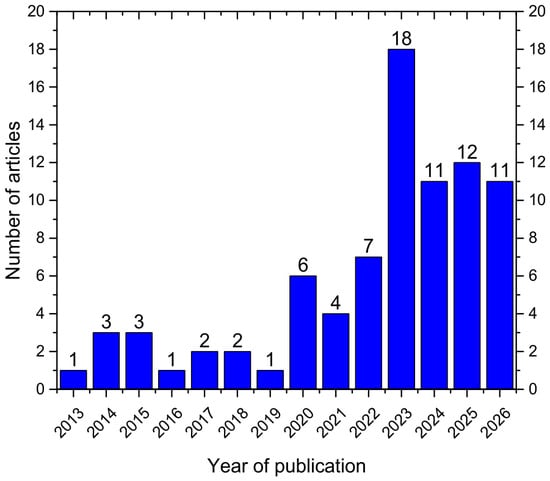
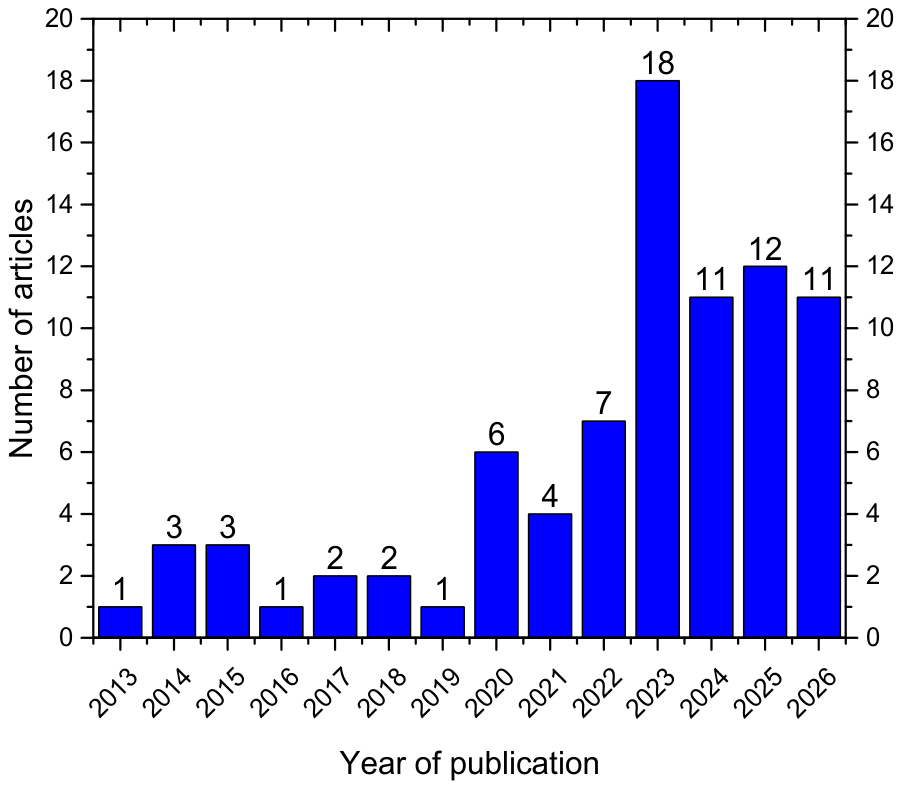
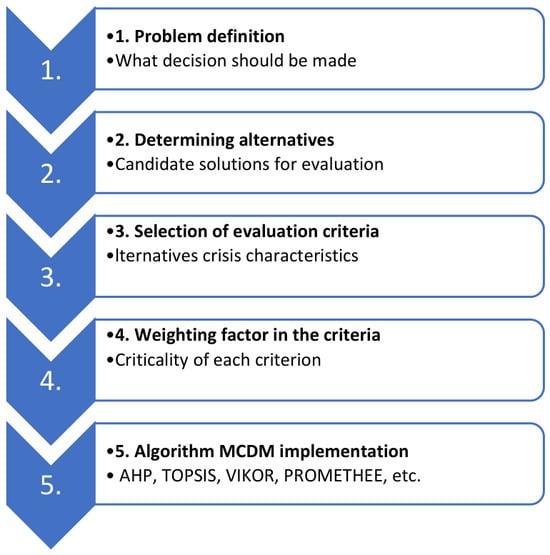
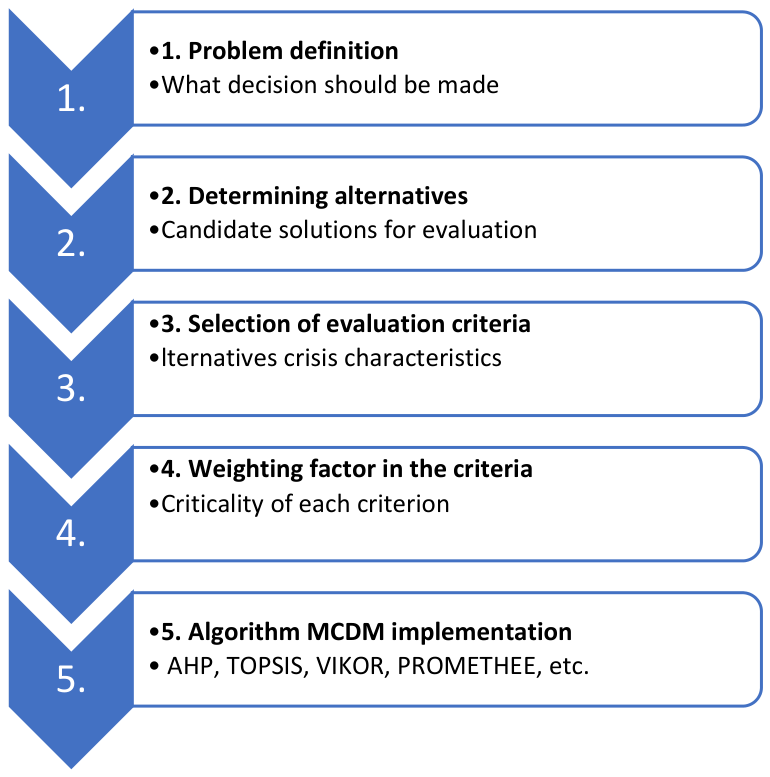
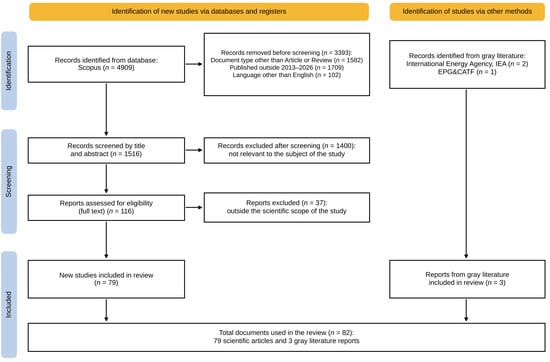
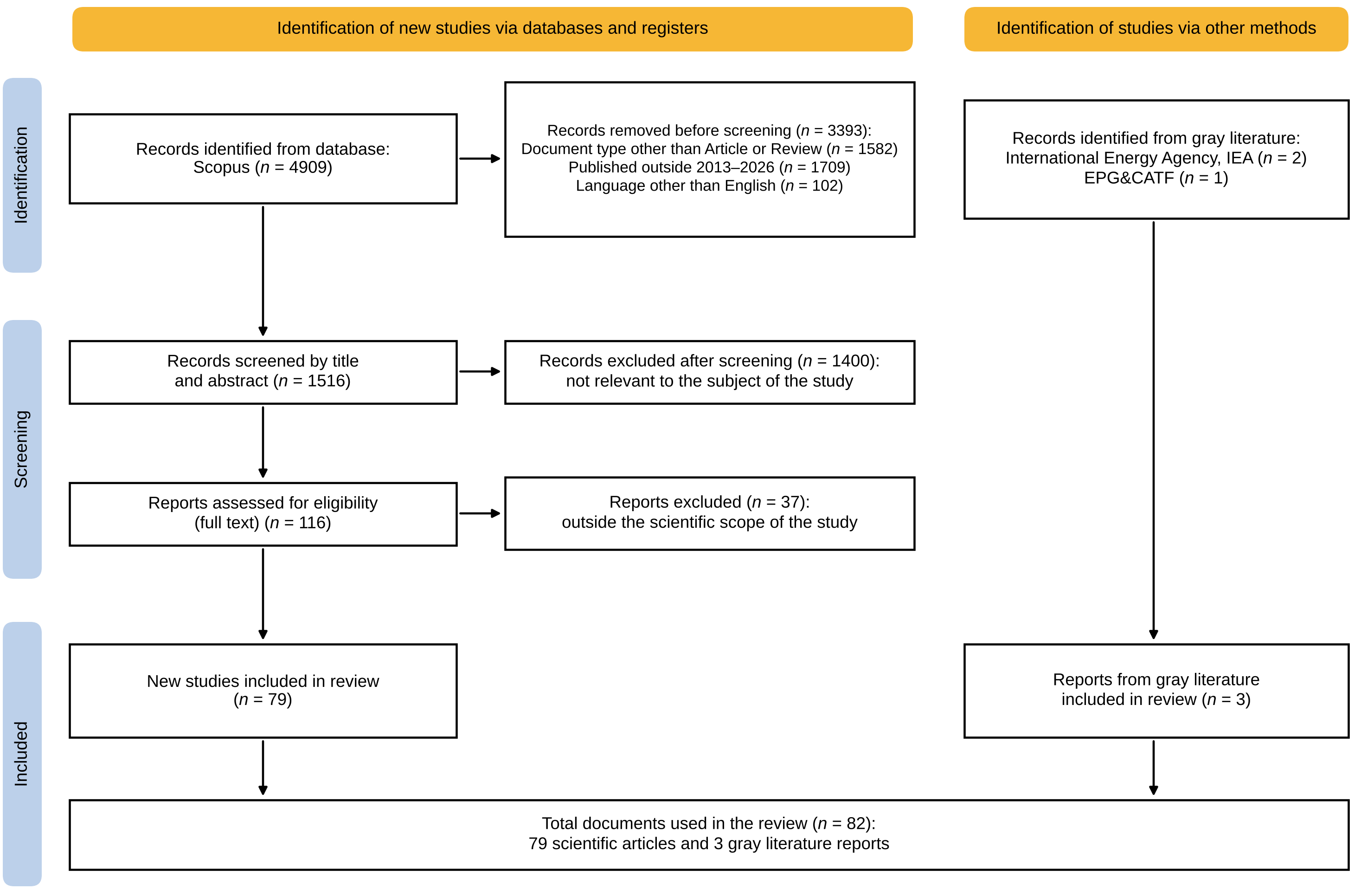
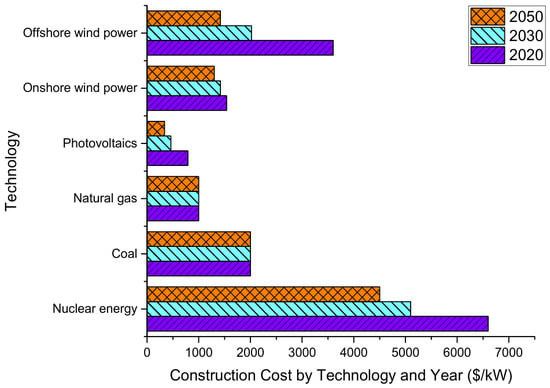
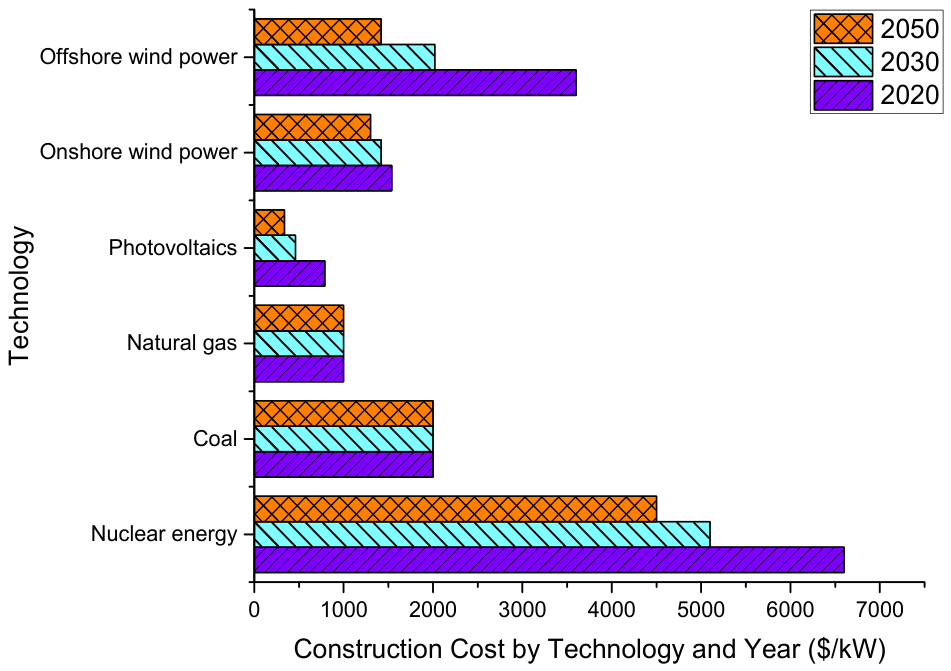
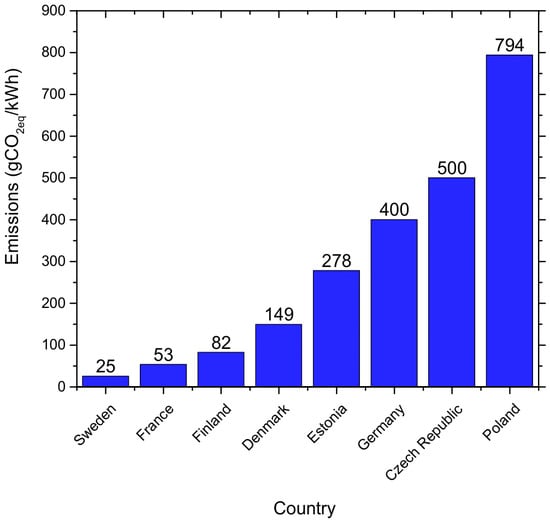
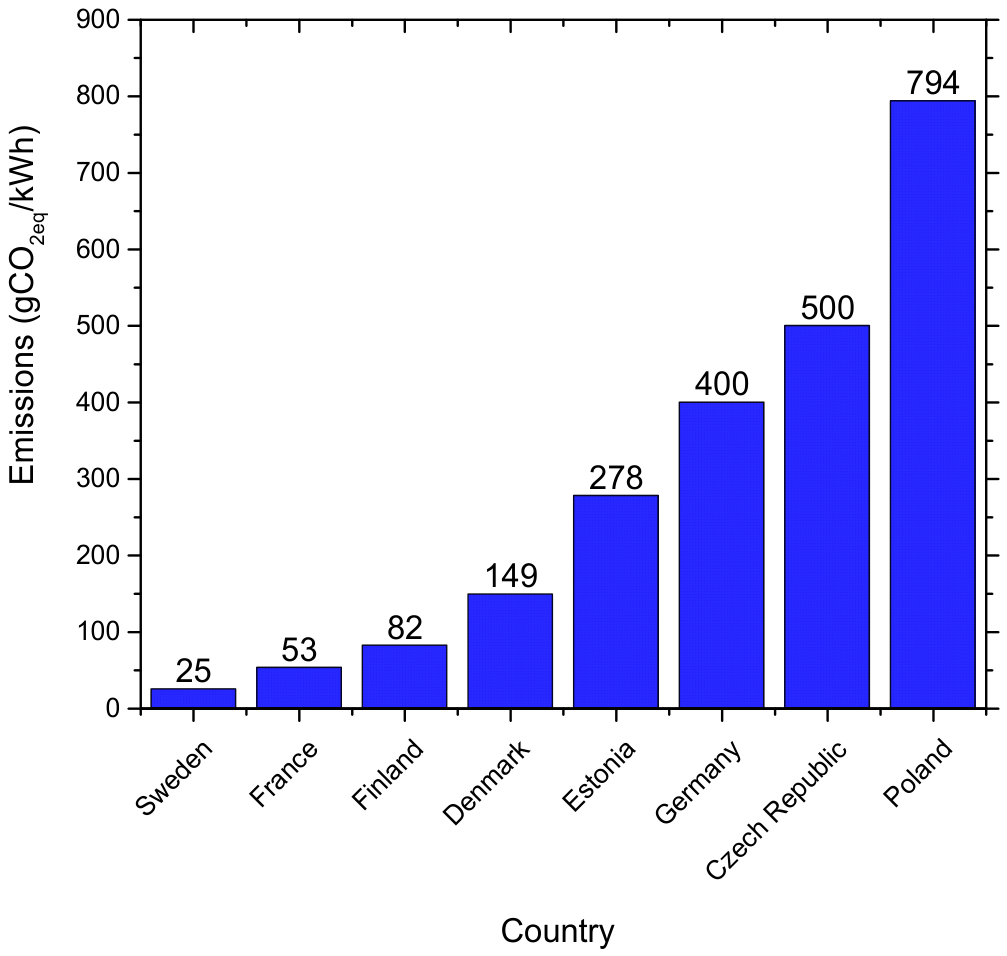
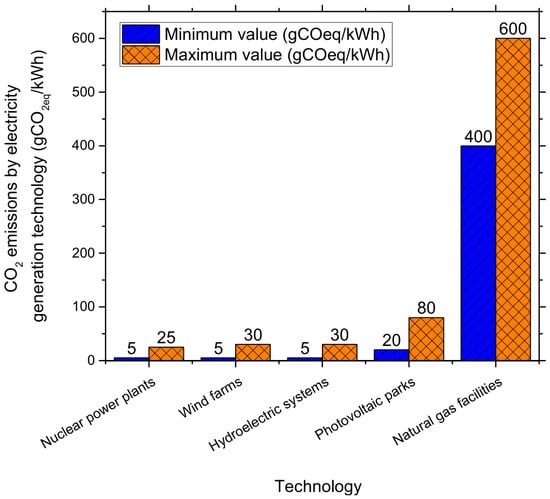
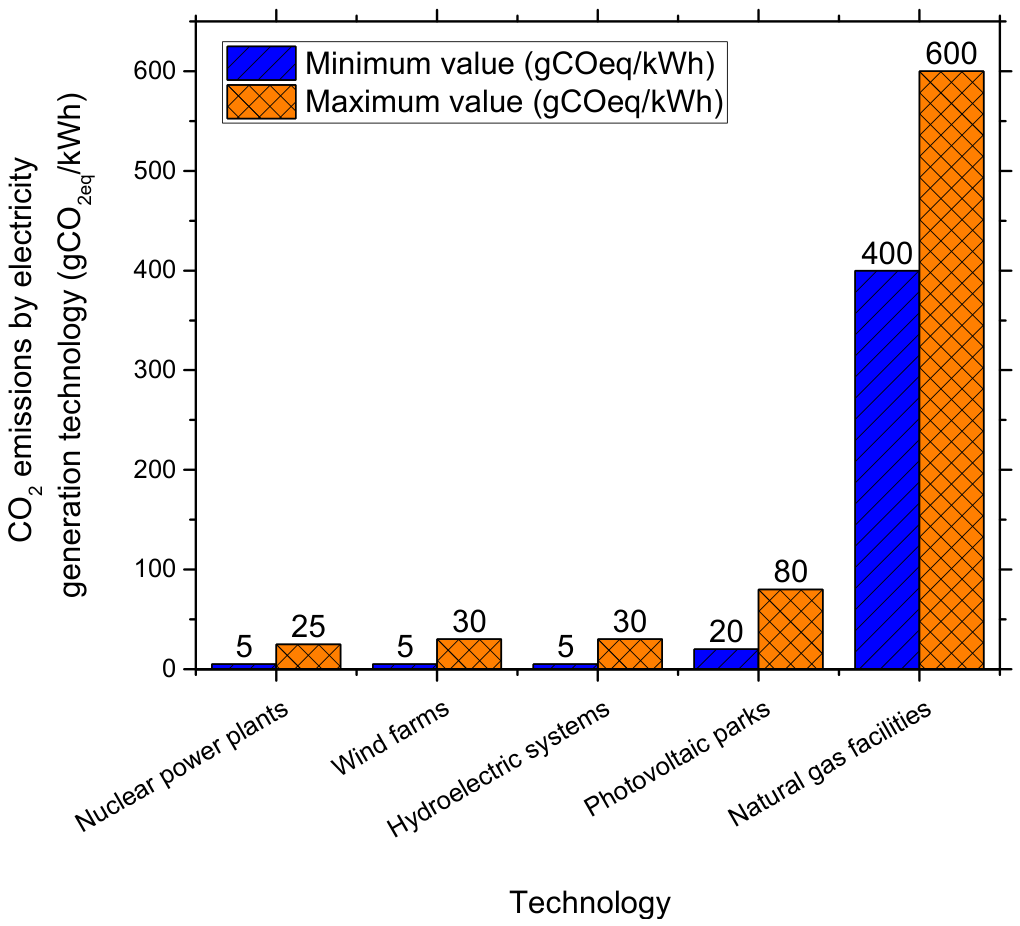

Disclaimer/Publisher’s Note: The statements, opinions and data contained in all publications are solely those of the individual author(s) and contributor(s) and not of MDPI and/or the editor(s). MDPI and/or the editor(s) disclaim responsibility for any injury to people or property resulting from any ideas, methods, instructions or products referred to in the content. |
© 2026 by the authors. Licensee MDPI, Basel, Switzerland. This article is an open access article distributed under the terms and conditions of the Creative Commons Attribution (CC BY) license.