


Abstract
Medical equipment classification is a fundamental step in hospital technology management, directly influencing acquisition planning, maintenance strategies, resource allocation, and infrastructure management. Traditional classification methods are often based on rigid thresholds or isolated criteria, which may not adequately represent the uncertainty and multidimensional nature of medical devices. This study proposes a fuzzy logic-based decision support model for medical equipment classification, integrating six criteria: dimensions, mobility, complexity, installation and maintenance requirements, infrastructure needs, and equipment cost. A Mamdani fuzzy inference system was developed in MATLAB R2025b to classify medical devices into three categories: Small, Medium, and Large. The model includes a graphical user interface that enables user input, automatic classification, and visualization of fuzzy membership functions and defuzzification results. The proposed approach provides a normalized output ranging from 0 to 1, allowing transparent interpretation of both classification results and associated membership values. The model contributes to more flexible and interpretable decision-making in hospital engineering and medical equipment management by incorporating uncertainty into the classification process.
1. Introduction
Healthcare organizations manage highly heterogeneous portfolios of medical equipment, encompassing technologies that differ substantially in clinical function, technological complexity, physical dimensions, maintenance requirements, infrastructure dependencies, and acquisition costs. The increasing sophistication of medical technologies, combined with financial constraints and growing demands for healthcare quality and safety, has reinforced the importance of effective Healthcare Technology Management (HTM). This multidisciplinary field encompasses the planning, acquisition, installation, operation, maintenance, replacement, and disposal of medical equipment throughout its lifecycle [1,2].
Within this context, medical equipment classification constitutes an important organizational process that can support inventory management, maintenance planning, resource allocation, infrastructure assessment, and investment decisions. However, the diversity of medical technologies makes classification challenging, particularly when equipment characteristics cannot be adequately represented by a single parameter. Devices with similar acquisition costs may differ considerably in technological complexity, installation requirements, and maintenance needs, while physically compact equipment may require sophisticated technical support. Consequently, classification approaches based exclusively on predefined thresholds or individual characteristics may provide an incomplete representation of equipment-related management requirements [3,4].
Multi-Criteria Decision-Making (MCDM) methodologies have been increasingly employed in healthcare technology management to support equipment assessment, maintenance prioritization, procurement, and replacement planning [3,5,6,7]. Although these approaches provide structured mechanisms for evaluating multiple criteria, their suitability depends on how uncertainty, qualitative assessments, and interactions among equipment characteristics are represented. In hospital engineering, several relevant variables are commonly described through linguistic assessments, such as low mobility, moderate technological complexity, or high maintenance requirements. These characteristics motivate the investigation of decision-support methodologies capable of incorporating gradual transitions between classification categories.
Fuzzy logic provides a mathematical framework for representing imprecise concepts through membership functions and linguistic inference rules. Unlike conventional binary classification, fuzzy sets allow an element to exhibit partial membership in different linguistic categories, making them suitable for modelling gradual transitions and expert-defined assessments [5,8,9]. In medical equipment management, fuzzy methodologies have been investigated for applications such as maintenance prioritization, risk assessment, technology evaluation, and replacement decisions. Their application to the specific problem of classifying medical equipment according to combined physical, technological, operational, infrastructural, and economic characteristics warrants further investigation.
The present study proposes a fuzzy logic-based decision-support framework for classifying medical equipment into three categories: Small, Medium, and Large. The model integrates six criteria: physical dimensions, mobility, technological complexity, installation and maintenance requirements, infrastructure requirements, and acquisition cost. A Mamdani fuzzy inference system was implemented in MATLAB using linguistic variables, triangular membership functions, and a rule-based inference structure. A graphical user interface (GUI) was also developed to facilitate data entry, visualization of the membership functions, and interpretation of the classification output.
The principal contribution of this research is the development of an interpretable, multidimensional classification framework that combines heterogeneous equipment characteristics within a single fuzzy inference system. Rather than replacing clinical engineering expertise or established regulatory classifications, the proposed model is intended to provide complementary decision support for the organizational categorization of medical equipment. Its operation is illustrated through three representative equipment scenarios: an infusion pump, an intensive care ventilator, and a magnetic resonance imaging (MRI) scanner. These examples demonstrate the implementation and interpretation of the proposed classification procedure; empirical validation using extensive hospital equipment datasets remains necessary to establish its generalizability and practical performance.
The remainder of this paper is organized as follows. Section 2 reviews relevant literature on medical equipment classification and fuzzy decision-support methodologies. Section 3 describes the proposed methodological framework, including the selection of classification criteria, fuzzy inference structure, and MATLAB implementation. Subsequent sections present the illustrative classification results, discuss the implications and limitations of the approach, and summarize the principal conclusions and directions for future research.
2. Literature Review
2.1. Healthcare Technology Management
Healthcare Technology Management (HTM) encompasses the systematic planning, acquisition, installation, operation, maintenance, evaluation, and replacement of medical technologies throughout their lifecycle. The increasing technological sophistication of healthcare environments, combined with financial constraints and patient safety requirements, has reinforced the need for integrated equipment management strategies. Consequently, HTM extends beyond corrective and preventive maintenance to include technology assessment, resource allocation, risk management, and long-term asset planning [1,2,4].
Medical equipment classification constitutes an important component of HTM, providing structured information for equipment inventories, maintenance planning, resource allocation, and operational decision-making. Nevertheless, classification approaches differ substantially according to their intended objectives. Regulatory classification systems primarily address the intended purpose and associated risks of medical devices, whereas functional classifications organize technologies according to their clinical applications. Maintenance-oriented approaches, in contrast, focus on characteristics such as equipment criticality, failure consequences, and maintenance requirements [1,3].
Taghipour et al. [3] investigated the prioritization of medical equipment for maintenance decisions, demonstrating the relevance of structured criteria when allocating maintenance resources. Similarly, Saleh et al. [10] examined risk management for medical laboratory equipment, emphasizing the importance of systematic risk assessment. Although these approaches contribute to healthcare technology management, their primary objectives differ from the operational categorization of equipment according to physical, technological, infrastructural, and economic characteristics.
Digital transformation has introduced additional opportunities for improving medical equipment management through interconnected information systems, data integration, and advanced analytical methodologies. Aceto et al. [11] discussed the contribution of Internet of Things technologies, big data, and cloud computing to Healthcare 4.0, while Tortorella et al. [12] investigated digital transformation in healthcare services. These developments reinforce the importance of structured and consistent information about technological assets, although they do not independently establish a methodology for multidimensional equipment classification.
The distinction between classification objectives becomes particularly relevant when medical equipment is organized into Small, Medium, and Large categories. Physical dimensions alone may not adequately describe the management requirements of a device. Compact equipment can exhibit substantial technological complexity, whereas physically larger devices may differ considerably in mobility, maintenance demands, infrastructure requirements, and acquisition costs. Accordingly, a classification intended to support operational equipment management should explicitly define the dimensions represented by its categories rather than relying exclusively on physical size or acquisition value.
2.2. Decision-Support Approaches for Medical Equipment Management
The management of heterogeneous medical equipment portfolios frequently involves decisions based on multiple technical, operational, economic, and clinical criteria. Decision-support methodologies provide structured procedures for evaluating these characteristics and improving the consistency of managerial assessments [13,14].
Conventional approaches include threshold-based classification, numerical scoring, and rule-based evaluation. These methods are relatively straightforward to implement and interpret when the relevant criteria are measurable and the decision boundaries are clearly established. However, their suitability may be reduced when equipment characteristics overlap or when assessments depend on qualitative judgements.
Multi-Criteria Decision-Making (MCDM) methodologies provide a more comprehensive framework for evaluating alternatives according to several criteria. The Analytic Hierarchy Process (AHP), developed by Saaty [6], enables decision-makers to derive priorities through pairwise comparisons. Ishizaka and Labib [7] reviewed the methodological development of AHP, including its principal applications and limitations. Although AHP offers a systematic procedure for structuring decisions, the resulting priorities depend on the quality and consistency of the judgements supplied by decision-makers.
Fuzzy extensions of multicriteria methodologies have also been investigated to accommodate imprecise evaluations. Kahraman et al. [5] reviewed fuzzy multicriteria decision-making approaches, demonstrating the diversity of methods available for incorporating uncertainty into decision processes. More recently, Ommane et al. [15] combined fuzzy AHP and TOPSIS for healthcare supply chain capacity planning during disasters. This application illustrates the potential of hybrid fuzzy methodologies in healthcare management, although its decision objective differs from medical equipment classification.
Risk-based methodologies constitute another relevant category. Failure Mode and Effects Analysis (FMEA) provides a structured mechanism for examining potential failure modes and their consequences, supporting preventive action and maintenance prioritization. Nevertheless, risk prioritization and operational equipment classification represent different analytical objectives.
Of particular relevance, Tawfik et al. [16] proposed a fuzzy logic model for medical equipment risk classification. This study demonstrates that fuzzy methodologies have previously been investigated for classifying medical equipment according to risk-related considerations. Therefore, the contribution of the present research should not be interpreted as the introduction of fuzzy logic into medical equipment classification for the first time. Instead, it addresses a different classification objective by integrating physical dimensions, mobility, technological complexity, installation and maintenance requirements, infrastructure requirements, and acquisition cost.
Grassi et al. [17] compared linear and fuzzy logic approaches for assessing electromedical device obsolescence, providing another example of fuzzy methodologies applied to medical technology management. Although obsolescence assessment differs from operational equipment categorization, this study is relevant because it examines the use of fuzzy logic for evaluating equipment-related characteristics that may not be adequately represented through conventional linear approaches.
Collectively, these studies indicate that decision-support methodologies must be evaluated according to their specific purposes. A model developed for maintenance prioritization, risk classification, procurement, or obsolescence assessment cannot automatically be assumed to provide an appropriate operational classification of medical equipment. This distinction motivates the investigation of an interpretable framework capable of combining heterogeneous equipment characteristics within a unified classification procedure.
2.3. Fuzzy Logic and Advanced Fuzzy Decision-Making Approaches
Fuzzy set theory was introduced by Zadeh [8] as a mathematical framework for representing concepts with gradual boundaries. Unlike classical set theory, in which membership is binary, fuzzy sets allow elements to exhibit membership degrees between zero and one. This characteristic makes fuzzy logic suitable for representing linguistic concepts such as Low, Medium, and High, particularly when the boundaries between evaluation categories are not precisely defined [8,9].
In fuzzy inference systems, input variables are represented through membership functions, combined using linguistic inference rules, and transformed into an output through an inference and defuzzification procedure. The Mamdani inference approach is particularly relevant to knowledge-based decision-support systems because it enables the relationships between input conditions and output categories to be expressed through interpretable IF–THEN rules.
The selection of membership functions and inference mechanisms is an important methodological decision. Triangular membership functions offer a relatively simple parameterization and facilitate the interpretation of linguistic categories. However, their selection does not automatically establish superior performance compared with trapezoidal, Gaussian, or other membership function families. Such comparisons require specific sensitivity or robustness analyses.
Within healthcare, fuzzy methodologies have been investigated for several decision-support applications. Srivastava et al. [18] reviewed developments in fuzzy logic for diagnostic decision support, while Hernández-Julio et al. [19] presented a framework for developing data-driven Mamdani-type fuzzy clinical decision-support systems. Although the latter study concerns clinical decision-making rather than equipment classification, it provides a relevant methodological example of Mamdani inference within healthcare applications.
Fuzzy comprehensive evaluation has also been investigated in other management domains. Bai et al. [20] developed a fuzzy comprehensive evaluation model for sustainability risk assessment in public–private partnership projects. Their research illustrates the application of fuzzy methodologies to multidimensional risk assessment, although its findings cannot be directly generalized to hospital equipment classification.
Beyond conventional fuzzy set theory, several extensions have been developed to represent additional dimensions of uncertainty. Atanassov and Gargov [21] introduced interval-valued intuitionistic fuzzy sets, allowing membership and non-membership assessments to be represented through intervals. This approach offers a mathematical representation for situations in which precise degrees of membership and non-membership cannot be established.
Pythagorean fuzzy sets provide another extension for modelling uncertain assessments. Yager [22] investigated Pythagorean membership grades in multicriteria decision-making, developing a mathematical representation that provides additional flexibility in the relationship between membership and non-membership degrees. These formulations are relevant to decision problems involving uncertain or potentially conflicting assessments.
Further research has explored the relationships between evaluation criteria and advanced fuzzy decision-making procedures. Atanassov et al. [23] investigated multicriteria decision-making using intercriteria analysis within a generalized net framework. Kirişci and Simsek [24] proposed a decision-making method involving Pythagorean fuzzy soft sets, illustrating its application to infectious diseases. Although these approaches address different decision problems, they demonstrate the methodological diversity available for representing uncertainty in multicriteria environments.
The selection of an appropriate fuzzy methodology depends on the structure of the available information and the intended decision objective. Intuitionistic and Pythagorean fuzzy approaches provide additional mechanisms for representing uncertainty, particularly through explicit membership and non-membership information. However, they require an assessment structure that differs from a conventional Mamdani inference system based on linguistic input categories and IF–THEN rules.
In the present study, a Mamdani fuzzy inference system was selected because the classification procedure relies on six defined equipment characteristics and an interpretable rule base. The model does not independently collect non-membership degrees or interval-valued expert assessments. Accordingly, conventional Mamdani inference provides a direct correspondence between the available input information, linguistic classification rules, and the intended output categories.
This methodological choice does not imply that Mamdani inference is inherently superior to intuitionistic or Pythagorean fuzzy approaches. Rather, it reflects the objectives and information requirements of the proposed model. Comparative implementation of alternative fuzzy representations remains a relevant opportunity for future research.
2.4. Critical Synthesis and Research Gap
The reviewed literature demonstrates the diversity of methodologies employed in healthcare technology management and decision support. Medical equipment management strategies address the coordination of technological assets throughout their lifecycle [1,2], while maintenance prioritization and risk assessment methodologies focus on specific dimensions of equipment performance and safety [3,10].
Multicriteria approaches, including AHP and fuzzy MCDM, provide structured mechanisms for evaluating multiple characteristics [5,6,7]. Furthermore, fuzzy methodologies have been investigated for medical equipment risk classification [16], electromedical device obsolescence assessment [9], and clinical decision-support applications [17]. These contributions demonstrate the relevance of fuzzy reasoning to healthcare-related problems, but they also reveal important differences between the objectives of existing models.
In particular, the classification of equipment according to maintenance priority, risk, or obsolescence does not necessarily establish an operational categorization based on physical dimensions, mobility, technological complexity, installation and maintenance requirements, infrastructure dependencies, and acquisition cost. These characteristics represent distinct but potentially complementary dimensions of hospital technology management.
The research problem addressed in this study is therefore the development of a multidimensional decision-support framework that integrates these six characteristics to support the classification of medical equipment into Small, Medium, and Large operational categories.
The proposed framework employs a Mamdani fuzzy inference system implemented in MATLAB, combining normalized input variables, linguistic membership functions, and an explicit rule base. Its principal contribution is the formalization of an interpretable classification procedure that can accommodate gradual transitions between categories while integrating quantitative and qualitative equipment characteristics.
Unlike methodologies primarily designed for maintenance prioritization or risk classification, the proposed model is intended to support operational equipment categorization.
The framework is illustrated using three representative medical equipment scenarios. These examples demonstrate the operation and interpretation of the proposed classification procedure but do not establish its generalizability, predictive accuracy, or superiority over alternative approaches. Further evaluation using representative hospital equipment datasets, expert assessments, sensitivity analysis, and comparative methodologies is required.
Thus, the present study contributes an initial, interpretable framework for multidimensional medical equipment classification while identifying the additional validation necessary before its broader application in hospital technology management.
3. Methodology
3.1. Research Design
This study adopted a quantitative, model-development approach to design and implement a fuzzy decision-support framework for the operational classification of medical equipment. The framework was developed to integrate heterogeneous equipment characteristics into three model-defined categories: Small, Medium, and Large. Its objective is to provide an interpretable classification procedure rather than to replace established regulatory or clinical classifications.
The methodological process comprised six stages. First, a literature review was conducted to examine healthcare technology management, medical equipment classification, multicriteria decision-making, and fuzzy inference methodologies. This stage informed the identification of the research problem and the selection of relevant classification dimensions.
Second, six input criteria were defined: physical dimensions, mobility, technological complexity, installation and maintenance requirements, infrastructure requirements, and acquisition cost. Where necessary, individual equipment attributes were combined into composite indicators to represent each criterion.
Third, a Mamdani-type Fuzzy Inference System (FIS) was designed using linguistic variables, membership functions, and IF–THEN rules. This approach was selected to represent gradual transitions between classification categories while maintaining an interpretable inference structure [8,9,19].
Fourth, the proposed model was implemented in MATLAB using the Fuzzy Logic Toolbox. A graphical user interface was developed to facilitate the introduction of equipment characteristics and the visualization of classification results.
Fifth, the implemented framework was demonstrated through three illustrative medical equipment scenarios: an infusion pump, an intensive care ventilator, and a magnetic resonance imaging scanner. These scenarios were selected to illustrate the model’s operation across different equipment profiles.
Finally, the model outputs were examined to assess their interpretation and consistency with the intended classification categories. This demonstration represents an initial evaluation of the implemented framework and should not be considered a comprehensive empirical validation. Further testing using representative hospital equipment datasets, expert assessments, and sensitivity analyses is required to establish its robustness and generalizability.
Figure 1 summarizes the overall methodological workflow adopted in this research, illustrating the sequential development of the proposed decision-support framework from literature review to model implementation and validation.
Figure 1.
Overall workflow.
3.2. Criteria Definition
The selection of classification criteria is a fundamental stage in developing a decision-support framework for medical equipment management. Medical technologies exhibit substantial heterogeneity in their physical characteristics, operational requirements, technological sophistication, infrastructure dependencies, and economic value. Consequently, an operational classification model should consider multiple complementary dimensions rather than relying exclusively on equipment size or acquisition cost.
Based on the literature review and the intended scope of the proposed framework, six criteria were selected: physical dimensions, mobility, technological complexity, installation and maintenance requirements, acquisition cost, and infrastructure requirements. The selection sought to balance the representation of relevant equipment characteristics with model interpretability and computational feasibility.
Physical dimensions represent equipment weight and size. These characteristics influence transportation, storage, spatial allocation, and installation planning. Their inclusion enables the model to distinguish equipment with different physical requirements, although dimensions alone do not determine the final classification.
Mobility describes whether equipment can be relocated or is intended for fixed installation. Mobility influences operational flexibility, equipment allocation, and maintenance logistics. It is considered independently from physical dimensions because equipment with similar sizes may present different mobility characteristics.
Technological complexity represents the sophistication of equipment from engineering and operational perspectives. It incorporates technological level, integrated subsystems, calibration requirements, software integration, and the number of monitored or controlled parameters. This criterion accounts for characteristics that cannot be adequately represented through equipment dimensions or acquisition cost alone.
Installation and maintenance requirements describe the operational effort associated with equipment deployment and maintenance. This dimension incorporates installation complexity, dependence on medical gases, installation time, maintenance complexity, and maintenance frequency. It therefore represents both initial implementation requirements and subsequent maintenance demands.
Acquisition cost reflects the financial value associated with obtaining medical equipment. Although acquisition cost is relevant to technology planning and investment decisions, it does not independently determine equipment complexity or operational requirements. It is therefore integrated with the remaining criteria rather than used as an isolated classification threshold.
Infrastructure requirements represent the conditions necessary for equipment installation and operation, including specialized electrical supply, medical gas infrastructure, physical space, and radiation protection. This criterion captures dependencies that may influence installation feasibility and resource allocation.
The six criteria were incorporated into a Mamdani fuzzy inference system to support classification into Small, Medium, and Large operational categories. Their combined evaluation allows equipment characteristics to contribute to classification through predefined linguistic rules, rather than through independent deterministic thresholds.
3.3. Development of the Fuzzy Inference System
The proposed decision-support framework was developed using a Mamdani-type Fuzzy Inference System (FIS), implemented in MATLAB. The architecture integrates six input variables and one output variable, enabling the operational classification of medical equipment into Small, Medium, and Large categories.
The Mamdani approach was selected because it enables the representation of relationships between equipment characteristics through interpretable linguistic IF–THEN rules. Its application is consistent with the principles of fuzzy set theory introduced by Zadeh [5] and with the use of Mamdani-type inference in healthcare decision-support applications [24].
The inference process comprises four main stages: fuzzification, rule evaluation, aggregation, and defuzzification.
During fuzzification, the numerical values associated with the six input criteria are converted into degrees of membership in predefined linguistic sets. Each input is represented using Low, Medium, and High terms, allowing intermediate values to belong partially to more than one linguistic category.
During rule evaluation, the system evaluates the predefined IF–THEN rules. Each rule combines the six input variables using the AND operator and associates the resulting antecedent conditions with one of the three equipment categories. The implemented rule base contains 17 rules, all assigned a weight of 1.
During aggregation, the contributions of the activated rules are combined to construct the fuzzy output. This stage enables different input combinations to contribute to the final classification according to their respective activation degrees.
Finally, defuzzification converts the aggregated fuzzy output into a numerical result. The centroid method was selected to obtain a representative output value from the aggregated membership function. This numerical output is subsequently interpreted according to the output categories defined in the model.
The framework was implemented through an MATLAB graphical user interface, allowing equipment characteristics to be entered and the resulting classification to be visualized. The architecture provides an interpretable computational procedure, although its classification performance requires further evaluation using representative equipment datasets.
3.4. Membership Function Design
3.4.1. Construction of Composite Input Variables
The proposed fuzzy inference system integrates six classification dimensions. To represent characteristics that cannot be adequately described by a single measurement, composite indicators were defined for technological complexity, installation and maintenance requirements, and infrastructure requirements.
Technological complexity was represented through five subcriteria: technological level, number of integrated subsystems, calibration requirements, software integration, and number of monitored or controlled parameters. These indicators describe the technological sophistication of medical equipment, considering both its engineering characteristics and operational functionality.
Installation and maintenance requirements were represented through five subcriteria: installation complexity, dependence on medical gases during installation, installation time, maintenance complexity, and maintenance frequency. Their integration enables the model to consider the operational effort associated with equipment installation and maintenance activities.
Infrastructure requirements were represented through four subcriteria: specialized electrical supply, medical gas infrastructure, physical space requirements, and radiation protection requirements. These characteristics describe the infrastructure conditions necessary for equipment installation and operation within healthcare facilities.
The individual subcriteria were combined using the arithmetic mean, assigning equal importance to the components of each composite dimension. This procedure was adopted to obtain representative indicators while avoiding additional weighting parameters that could increase model complexity.
The use of composite indicators reduces the number of variables directly introduced into the fuzzy inference system while preserving information about the technical and operational characteristics of medical equipment. Nevertheless, equal weighting represents a methodological assumption that may require further evaluation.
Physical dimensions, mobility, and acquisition cost were maintained as separate classification dimensions. Their values were processed and normalized, where necessary, before being introduced into the fuzzy inference system.
3.4.2. Input Membership Functions
The six input variables were represented within a normalized interval ranging from 0 to 1. Each variable was associated with three linguistic terms: Low, Medium, and High.
Triangular membership functions were selected to represent the gradual transitions between linguistic categories. This configuration enables equipment characteristics to exhibit partial membership in more than one category, avoiding the rigid boundaries associated with conventional classification methods.
The selection of triangular membership functions was motivated by their mathematical simplicity, straightforward implementation, and interpretability. These characteristics are particularly relevant for a decision-support framework intended to provide transparent classification results to clinical engineers and healthcare technology managers.
The membership functions were defined consistently across the six input dimensions, allowing heterogeneous equipment characteristics to be evaluated through a common linguistic structure.
Although alternative membership function families, including trapezoidal and Gaussian functions, may provide different representations of uncertainty, triangular functions were adopted as an initial modelling choice. Their comparative performance remains an opportunity for further investigation.
Figure 2 illustrates the membership functions for the input variable.
Figure 2.
Input membership function—complexity and functionality.
3.4.3. Output Membership Functions
The output variable represents the operational classification of medical equipment into three linguistic categories: Small, Medium, and Large.
These categories were defined through membership functions that represent the classification structure adopted in the proposed framework. The output membership functions allow the inference system to combine the contributions of activated rules and represent transitions between equipment categories.
Following fuzzy inference, the aggregated output is converted into a numerical result using the centroid defuzzification method. This method was selected because it considers the overall distribution of the aggregated membership function and produces a representative numerical value.
The resulting classification reflects the combined influence of the six input dimensions and the relationships established in the fuzzy rule base.
The output variable, representing the equipment category in Figure 3.
Figure 3.
Output membership function.
3.5. Rule Base Construction
The fuzzy rule base constitutes a fundamental component of the proposed decision-support framework, establishing the relationships between medical equipment characteristics and the corresponding classification categories. While membership functions represent the degree to which individual characteristics belong to predefined linguistic sets, the rule base determines how these characteristics interact to produce the final classification.
The proposed model incorporates six input variables: physical dimensions, mobility, technological complexity, installation and maintenance requirements, acquisition cost, and infrastructure requirements. Each variable is represented by three linguistic terms: Low, Medium, and High. These linguistic representations enable the construction of interpretable IF–THEN rules that combine technical, operational, infrastructural, and economic characteristics.
A total of 17 fuzzy rules were implemented in MATLAB, comprising five rules associated with the Small category, five rules associated with the Medium category, and seven rules associated with the Large category. The rules were established to represent selected equipment profiles with different combinations of input characteristics, avoiding the computational complexity associated with an exhaustive rule base.
The inference structure follows the Mamdani approach, using the AND operator to combine the antecedent conditions of each rule. All rules were assigned an equal weight of 1, ensuring that the inference process does not introduce additional preferences between individual rules.
The rules associated with the Small category predominantly describe equipment presenting reduced physical dimensions, low acquisition costs, and limited installation and infrastructure requirements. The Medium category incorporates intermediate combinations of equipment characteristics, including variations in technological complexity, mobility, and operational requirements. The Large category generally represents equipment presenting higher levels of technological complexity, installation requirements, acquisition costs, or infrastructure dependency.
Importantly, the classification is not determined by a single criterion. Instead, the rule base considers the simultaneous interaction of the six input variables. Consequently, equipment with similar acquisition costs or physical dimensions may activate different classification rules depending on their remaining characteristics.
The complete rule base is presented in Table 1, where the linguistic terms Low, Medium, and High correspond to the numerical identifiers 1, 2, and 3 used in the MATLAB implementation.
Table 1.
Complete set of expert-defined fuzzy rules implemented.
The complete rule (Table 1) set ensures coverage of multiple combinations of input conditions, allowing robust classification under uncertainty.
The use of a compact rule base was intended to maintain model interpretability and facilitate its implementation within healthcare technology management environments. However, because the rules represent selected combinations rather than all possible linguistic configurations, some input profiles may not activate any rule.
This limitation highlights the importance of evaluating rule coverage and classification consistency across a wider range of medical equipment characteristics. Future developments may therefore include systematic rule-base refinement, sensitivity analysis, and comparison with expert classifications obtained from representative hospital equipment datasets.
Overall, the proposed rule base provides a structured and transparent mechanism for integrating heterogeneous equipment characteristics into a multidimensional classification framework, supporting the interpretation of medical equipment profiles through fuzzy reasoning.
3.6. MATLAB Implementation and Graphical Interface
The proposed fuzzy decision-support framework was implemented in MATLAB using the Fuzzy Logic Toolbox, providing a computational environment for the development, execution, and visualization of the medical equipment classification model. The implementation integrates the six classification criteria, the corresponding membership functions, and the 17 fuzzy inference rules into a single computational structure.
A Graphical User Interface (GUI) was developed to facilitate interaction with the model and enable the introduction of medical equipment characteristics without requiring users to directly manipulate the fuzzy inference system. The interface was organized into six sequential stages corresponding to physical dimensions, mobility, technological complexity, installation and maintenance requirements, infrastructure requirements, and acquisition cost.
The first stage allows users to introduce equipment weight and size, providing the physical characteristics required for the dimensional assessment. The second stage identifies equipment mobility, distinguishing between mobile and fixed equipment. The third stage evaluates technological complexity through five complementary indicators, including technological level, number of subsystems, calibration requirements, software integration, and monitored or controlled parameters.
The fourth stage addresses installation and maintenance requirements, incorporating installation complexity, medical gas requirements, installation time, maintenance complexity, and maintenance frequency. The fifth stage evaluates infrastructure requirements, including specialized electrical supply, medical gases, physical space, and radiation protection. Finally, the sixth stage introduces the equipment acquisition cost.
Following data entry, the computational model processes the individual characteristics and calculates the corresponding input indicators. Where applicable, composite variables are obtained by combining their respective subcriteria, and the resulting values are normalized to ensure compatibility with the fuzzy inference system.
The processed inputs are subsequently introduced into the Mamdani inference system, where the predefined membership functions determine the corresponding linguistic membership degrees. The inference engine evaluates the activated IF–THEN rules using the minimum operator for the conjunction of antecedent conditions and the maximum operator for aggregating rule outputs. The resulting fuzzy output is then converted into a numerical value using the centroid defuzzification method.
The graphical interface presents the final equipment classification as Small, Medium, or Large, together with the numerical result generated by the inference system. In addition, the implementation enables the visualization of the membership functions and the corresponding classification outcome, facilitating the interpretation of the relationship between the equipment characteristics and the resulting category.
The graphical representation provides a visual indication of the defuzzified result in relation to the output membership functions, allowing users to examine the position of the classification result within the defined output structure. The interface also presents the processed input values and their corresponding linguistic descriptions, supporting the interpretation of the information introduced into the model.
Furthermore, MATLAB’s graphical analysis capabilities allow the examination of fuzzy inference behaviour through rule visualization and surface representations. These tools provide additional insight into the relationships between selected input variables and the resulting classification, supporting the identification of transitions between categories and potential inconsistencies in the inference structure.
The integration of the computational model with a graphical interface was intended to improve accessibility and facilitate its potential application in healthcare technology management. By combining structured data entry, automatic fuzzy inference, and graphical representation of results, the developed implementation provides an interpretable environment for exploring medical equipment classification.
Nevertheless, the graphical interface constitutes an implementation of the proposed methodology rather than evidence of its clinical or organizational effectiveness. Further evaluation involving representative hospital equipment datasets and assessments by clinical engineering professionals is necessary to determine its practical reliability and applicability in different healthcare environments.
4. Results and Discussion
4.1. Model Outputs and Classification Behaviour
The proposed fuzzy decision-support framework was examined through illustrative medical equipment scenarios representing different technological and operational characteristics. The MATLAB implementation enabled the processing of the six classification criteria through the Mamdani inference system, generating numerical outputs associated with the three predefined equipment categories: Small, Medium, and Large.
The analysis focused on the behaviour of the classification model when integrating physical dimensions, mobility, technological complexity, installation and maintenance requirements, acquisition cost, and infrastructure requirements. Rather than evaluating each criterion independently, the inference system combines their linguistic representations through the 17 predefined fuzzy rules, allowing the resulting classification to reflect the interaction between different equipment characteristics.
The classification structure establishes distinct relationships between the input variables and the corresponding output categories. Equipment presenting low values across the six criteria is associated with the Small category, whereas equipment presenting high values across all dimensions is associated with the Large category. Intermediate combinations are represented through rules associated with the Medium category, although the resulting classification also depends on the specific combinations of activated rules and their membership degrees.
An important characteristic of the proposed model is that acquisition cost and physical dimensions do not independently determine the final equipment category. For example, equipment presenting relatively limited physical dimensions may still be associated with a higher classification when technological complexity, installation requirements, or infrastructure dependencies are more demanding. Conversely, equipment with moderate characteristics across several dimensions may be associated with an intermediate classification. These relationships illustrate the multidimensional reasoning incorporated into the fuzzy rule base.
The use of triangular membership functions enables gradual transitions between the linguistic terms Low, Medium, and High. Consequently, intermediate input values may activate more than one linguistic set and contribute to different inference rules. The aggregated fuzzy output is subsequently processed through centroid defuzzification, generating a numerical result that can be interpreted in relation to the predefined classification categories.
The MATLAB implementation also provides graphical representations of the classification process. The input values and their linguistic descriptions allow users to examine the characteristics introduced into the model, while the output membership functions provide a visual representation of the resulting classification. The defuzzified value is displayed in relation to the output categories, facilitating interpretation of its position within the classification structure.
The graphical analysis of the fuzzy inference system further enables the examination of relationships between selected input variables and the classification output. These representations are useful for identifying how variations in equipment characteristics may influence the resulting classification and for examining potential transitions between categories.
The illustrative scenarios considered in this study include an infusion pump, an intensive care ventilator, and a magnetic resonance imaging scanner. These examples represent different equipment profiles and provide a basis for examining the operation of the developed framework. Their detailed characteristics and corresponding classification results are presented in the case study section.
Nevertheless, the interpretation of the model outputs must consider the scope of the implemented rule base. Although the 17 rules represent selected combinations of equipment characteristics, they do not exhaustively cover every possible linguistic configuration. Consequently, the behaviour of the model may vary across regions of the input space, particularly when equipment characteristics do not sufficiently activate any predefined rule.
Overall, the results illustrate the computational implementation of a multidimensional fuzzy classification approach and its potential to represent medical equipment characteristics through an interpretable decision-support structure. However, the illustrative scenarios do not establish the predictive accuracy, generalizability, or superiority of the proposed framework over existing classification methodologies. These aspects require further investigation using representative hospital datasets, systematic sensitivity analyses, and comparisons with expert assessments.
4.2. Fuzzy Output Interpretation
The interpretation of fuzzy outputs constitutes an essential component of the proposed decision-support framework, as it establishes the relationship between the numerical results generated by the inference system and the corresponding medical equipment classification categories. Unlike conventional classification approaches based on fixed thresholds, fuzzy inference enables the representation of gradual transitions between linguistic categories, accommodating the uncertainty associated with heterogeneous medical equipment characteristics.
The proposed model integrates six technical, operational, infrastructural, and economic dimensions through a Mamdani-type inference system. Each input variable is represented by three linguistic terms—Low, Medium, and High—allowing equipment characteristics to exhibit different degrees of membership in overlapping fuzzy sets. The combined activation of the predefined inference rules produces an aggregated fuzzy output associated with the Small, Medium, and Large classification categories.
The interpretation of the resulting output depends on the interaction between the activated rules and the corresponding membership functions. Equipment presenting characteristics associated with more than one linguistic category may contribute to different classification outcomes. Consequently, the model is capable of representing intermediate equipment profiles without requiring every characteristic to belong exclusively to a single predefined category.
The centroid defuzzification method converts the aggregated fuzzy output into a representative numerical value. This procedure considers the overall distribution of the activated output membership functions, providing a single result that can be interpreted according to the classification structure established in the model. The resulting numerical value therefore represents the combined contribution of the activated inference rules rather than the isolated influence of any individual criterion.
An important aspect of fuzzy output interpretation concerns the distinction between the numerical result and the final linguistic classification. Although the defuzzification process generates a single numerical value, the underlying fuzzy representation may involve contributions from more than one output category. Accordingly, the final classification should be interpreted in conjunction with the corresponding membership functions and the characteristics introduced into the model.
From a healthcare technology management perspective, this distinction is particularly relevant because medical equipment frequently presents characteristics that cannot be adequately described through rigid categorical boundaries. Devices with comparable acquisition costs may differ substantially in technological complexity, maintenance requirements, or infrastructure dependency. Similarly, equipment with similar physical dimensions may present different operational requirements, influencing the classification generated by the inference system.
The proposed approach therefore provides an interpretable representation of equipment characteristics by considering their combined influence within the predefined fuzzy rule base. This enables the classification process to reflect the multidimensional nature of medical technologies while preserving the transparency of the underlying decision rules.
Nevertheless, the interpretation of fuzzy outputs must consider the assumptions incorporated into the model, particularly the definition of membership functions, the selection of inference rules, and the procedure used to associate numerical results with linguistic categories. These elements directly influence the resulting classification and may require adjustment when the framework is applied to different healthcare environments or equipment portfolios.
Furthermore, the presence of overlapping membership functions does not, by itself, guarantee that every possible equipment profile will produce a valid classification. The coverage of the implemented rule base remains an important consideration, particularly for input combinations that do not sufficiently activate the predefined rules.
Overall, fuzzy output interpretation provides a structured means of examining the relationship between heterogeneous equipment characteristics and their resulting operational classification. By combining linguistic reasoning with numerical output representation, the proposed framework offers a transparent basis for exploring medical equipment classification decisions, while recognizing the need for further empirical validation before routine application in hospital technology management.
4.3. Sensitivity Analysis
A sensitivity analysis was conducted to investigate the influence of membership function parameter variations on the behaviour and stability of the proposed fuzzy decision-support framework. This evaluation aimed to determine whether controlled modifications to the parameters defining the fuzzy sets would produce substantial changes in the defuzzified output or alter the resulting medical equipment classification. Particular attention was given to the stability of classification decisions near the boundaries separating the Small, Medium, and Large categories.
The analysis was performed using the Mamdani fuzzy inference system implemented in MATLAB, maintaining the original configuration of six input variables, 17 inference rules, triangular membership functions, and centroid defuzzification. A reference scenario was established using the normalized input vector [0.125, 1.0, 0.5, 0.5, 0.1, 0.5], representing physical dimensions, mobility, technological complexity, installation and maintenance requirements, acquisition cost, and infrastructure requirements, respectively. The input values and inference rules were maintained constant throughout the experiment to isolate the influence of membership function parameter variations.
The sensitivity experiment consisted of simultaneously modifying the peak parameters of the Medium triangular membership functions associated with the six input variables. Perturbations of −15%, −10%, −5%, +5%, +10%, and +15% were applied relative to the original peak value of 0.5, while the Low and High membership functions and the output membership functions remained unchanged. The original configuration, corresponding to a 0% perturbation, was included as the baseline for comparison. This procedure enabled the assessment of the model’s response to controlled variations in the definition of intermediate linguistic categories without modifying the underlying inference rules.
The results obtained from the sensitivity analysis are presented in Table 2.
Table 2.
Sensitivity analysis of simultaneous Medium function perturbations.
The results presented in Table 2 demonstrate a gradual and monotonic variation in the defuzzified output as the peak parameters of the Medium membership functions are modified. Across the investigated perturbation range, the numerical output decreased from 0.3438 to 0.3151, corresponding to an absolute difference of approximately 0.0287 on the normalized output scale. The baseline configuration produced an output of 0.3283, placing the reference scenario close to the predefined classification threshold of 0.33 between the Small and Medium categories.
Although the numerical response varied smoothly, changes in the final classification were observed. Negative perturbations of 5%, 10%, and 15% resulted in a transition from Small to Medium, whereas the baseline configuration and positive perturbations maintained the Small classification. These findings indicate that relatively small modifications to membership function parameters can influence categorical decisions when the defuzzified output is located near a classification boundary.
From a healthcare technology management perspective, this behaviour highlights the importance of membership function calibration and careful interpretation of borderline classifications. While the fuzzy inference system provides a continuous numerical representation of equipment characteristics, the subsequent assignment to discrete categories introduces sensitivity near predefined thresholds. Consequently, numerical outputs should be considered alongside the corresponding linguistic classifications when interpreting the results.
Nevertheless, the present analysis was limited to a single reference scenario and simultaneous perturbations of the peak parameters of the Medium input membership functions. Independent parameter variations, alternative membership function configurations, and additional equipment profiles were not evaluated. Therefore, these results provide an initial assessment of local parameter sensitivity rather than comprehensive evidence of model robustness.
Overall, the sensitivity analysis contributes to understanding the response of the proposed framework to controlled parameter variations and identifies classification boundaries as areas requiring particular attention. Further investigations involving representative equipment profiles, systematic parameter calibration, and broader sensitivity testing are necessary to assess the consistency and reliability of the model across different operating conditions.
4.4. Discussion of Results
The results obtained from the MATLAB implementation provide an initial demonstration of the applicability of fuzzy logic to the multidimensional classification of medical equipment. By integrating six complementary criteria within a Mamdani fuzzy inference system, the proposed framework establishes a structured approach for representing technical, operational, infrastructural, and economic characteristics in a common classification process.
One of the main contributions of the proposed methodology is its ability to incorporate multiple equipment characteristics into a single decision-support structure. Conventional classification approaches frequently rely on predefined thresholds or individual characteristics, particularly acquisition cost, physical dimensions, or technological complexity. Although these approaches may simplify equipment categorization, they do not necessarily account for the interactions between the different requirements associated with medical technologies.
The proposed fuzzy framework addresses this limitation at a conceptual level by considering the combined influence of the six classification criteria. This multidimensional perspective is particularly relevant in healthcare environments, where equipment with similar acquisition costs may present substantially different installation, maintenance, or infrastructure requirements. Consequently, the classification of medical equipment should not be interpreted exclusively as a function of its economic value or physical characteristics.
Another relevant aspect concerns the representation of uncertainty through linguistic variables and overlapping membership functions. Medical equipment characteristics do not always correspond to clearly defined categorical boundaries, particularly when evaluating technological complexity, operational requirements, or infrastructure dependency. The use of fuzzy sets enables intermediate characteristics to be represented through partial membership, providing a more flexible modelling structure than exclusively binary or threshold-based approaches.
The adoption of a Mamdani inference system also contributes to the interpretability of the proposed framework. The relationships between equipment characteristics and classification categories are explicitly represented through linguistic IF–THEN rules, allowing the reasoning structure underlying the classification process to be examined. This transparency is particularly important in healthcare technology management, where engineering decisions frequently require justification and communication among professionals with different technical and managerial responsibilities.
The implementation of 17 fuzzy rules provides an initial representation of selected equipment profiles associated with the Small, Medium, and Large categories. However, the relatively limited number of rules also introduces methodological constraints. Since the rule base does not exhaustively represent every possible combination of linguistic input values, its coverage must be considered when interpreting classification outcomes. Equipment presenting characteristics outside the combinations adequately represented by the rules may produce incomplete or undefined inference results.
The selection of triangular membership functions and centroid defuzzification further influences the behaviour of the proposed model. Triangular functions provide a straightforward representation of linguistic categories, while centroid defuzzification generates a numerical output based on the aggregated contributions of the activated rules. Nevertheless, the suitability of these modelling choices has not yet been established through systematic comparisons with alternative membership functions or defuzzification techniques.
The sensitivity analysis presented in Section 4.3 provides additional insight into the influence of membership function parameters on the classification process. The results demonstrated a gradual variation in the defuzzified output under controlled perturbations of the Medium membership functions. However, changes in the final classification were observed when the numerical output approached the predefined boundary between the Small and Medium categories. This finding indicates that numerical continuity does not necessarily ensure categorical stability, particularly for equipment profiles located near classification thresholds.
These observations reinforce the importance of carefully defining membership function parameters and interpreting classification outcomes in relation to their corresponding numerical values. Although the fuzzy inference system accommodates gradual transitions between linguistic categories, the assignment of a discrete classification introduces sensitivity near predefined decision boundaries. The sensitivity analysis therefore provides an initial indication of the model’s response to parameter variations while highlighting the need for further calibration and evaluation across different equipment profiles.
From a practical perspective, the proposed classification framework may contribute to the organization and management of hospital technological assets. A structured classification process can provide complementary information for equipment inventory management, acquisition planning, maintenance organization, and infrastructure assessment. By considering several characteristics simultaneously, the framework offers a potential basis for distinguishing equipment profiles that may require different management approaches.
However, the classification categories should not be interpreted as direct indicators of equipment criticality, maintenance priority, clinical risk, or replacement urgency. These management decisions involve additional variables that are not explicitly incorporated into the present model, including clinical consequences of failure, equipment utilization, maintenance history, regulatory requirements, and patient safety considerations. The proposed classification should therefore be regarded as a complementary decision-support instrument rather than a substitute for established healthcare technology management procedures.
The illustrative equipment scenarios provide an initial basis for examining the computational operation and interpretability of the framework. Nevertheless, they do not constitute comprehensive empirical validation. In particular, the current evaluation does not establish classification accuracy against an independently defined reference standard or demonstrate consistent performance across a representative hospital equipment portfolio.
Further investigation is required to assess the robustness of the proposed model beyond the preliminary parameter sensitivity analysis. Future evaluations should include systematic assessment of rule coverage, independent perturbations of membership function parameters, sensitivity to input variations, and comparisons between model-generated classifications and assessments performed by clinical engineering professionals. Such evaluations would support the refinement of membership functions and inference rules, potentially improving the consistency and applicability of the classification framework.
Overall, the proposed approach contributes to the development of interpretable decision-support methodologies for medical equipment classification by integrating heterogeneous characteristics within a fuzzy inference structure. Its principal contribution lies in the formulation and computational implementation of a multidimensional classification framework, complemented by an initial assessment of membership function parameter sensitivity. Nevertheless, its practical effectiveness, robustness across heterogeneous equipment profiles, and generalisability remain subjects for subsequent empirical investigation.
4.5. Practical Implications
The proposed fuzzy decision-support framework presents potential practical implications for Healthcare Technology Management by introducing a structured approach to medical equipment classification. The integration of technical, operational, infrastructural, and economic characteristics provides a multidimensional perspective that may support clinical engineers, biomedical engineers, and hospital administrators in the organization and management of medical technology assets.
One of the principal applications of the proposed framework concerns medical equipment acquisition planning. Healthcare institutions frequently evaluate technologies with substantially different characteristics regarding acquisition cost, technological complexity, installation requirements, and infrastructure dependency. By incorporating these dimensions into a common classification structure, the proposed model may provide complementary information during the preliminary assessment of equipment acquisition requirements. This approach can support a more comprehensive understanding of the resources associated with different technological assets.
Another relevant application concerns maintenance planning and organization. Medical equipment presents heterogeneous maintenance requirements depending on its technological characteristics, operational complexity, and infrastructure dependencies. The proposed classification may assist hospital engineering departments in organizing equipment portfolios according to these characteristics, facilitating the identification of groups requiring different technical resources or maintenance arrangements. Nevertheless, maintenance prioritization must also consider equipment criticality, clinical risk, failure history, and regulatory requirements, which are not directly represented in the present classification model.
Infrastructure planning represents an additional area in which the proposed methodology may provide useful information. Certain medical technologies require specialized electrical installations, medical gas systems, dedicated physical spaces, or radiation protection measures. By explicitly incorporating infrastructure requirements into the classification process, the framework may support preliminary assessments of equipment installation conditions and contribute to the identification of potential infrastructure constraints during technology acquisition and deployment.
The proposed framework may also contribute to medical equipment inventory management by providing a consistent classification structure across heterogeneous technological assets. Hospital equipment inventories frequently include devices with substantially different physical, functional, and operational characteristics. A multidimensional classification approach may facilitate portfolio organization and provide additional information for equipment identification, reporting, and asset management activities.
From a lifecycle management perspective, the proposed methodology may support the initial characterization of medical equipment throughout its operational life. Equipment classification can provide contextual information relevant to subsequent activities, including maintenance organization, infrastructure assessment, technological upgrading, and replacement planning. However, the model does not directly estimate lifecycle costs, remaining useful life, environmental impacts, or replacement urgency. Its contribution to these activities should therefore be understood as complementary to more comprehensive lifecycle assessment and asset management methodologies.
An additional practical consideration concerns the interpretability of the developed system. The MATLAB graphical interface enables users to introduce equipment characteristics and examine the resulting classification without directly interacting with the underlying fuzzy inference rules. The representation of input values, linguistic categories, and classification outputs may facilitate communication between engineering professionals and hospital decision-makers, particularly when discussing equipment characteristics that cannot be adequately represented through a single quantitative criterion.
The use of explicit linguistic rules also provides a basis for reviewing and adapting the classification framework to different organizational requirements. Healthcare institutions may present different equipment portfolios, infrastructure conditions, and technological management practices. Accordingly, the membership functions and rule base could be refined to reflect specific operational contexts, provided that such adjustments are supported by appropriate technical assessment and subsequent evaluation.
Despite these potential applications, the proposed framework should not be considered a replacement for established medical equipment management procedures, regulatory classifications, or clinical risk assessment methodologies. Its intended role is to provide supplementary information that may assist professionals in interpreting heterogeneous equipment characteristics within a structured decision-support environment.
Furthermore, the practical implications discussed in this section remain prospective. The present study demonstrates the computational implementation of the proposed framework through illustrative equipment scenarios but does not establish measurable improvements in hospital operational performance, maintenance efficiency, acquisition decisions, or resource allocation. Such benefits would require further evaluation through real-world implementation and comparison with existing management practices.
Overall, the proposed fuzzy classification framework offers a potential contribution to Healthcare Technology Management by supporting a more structured and interpretable representation of medical equipment characteristics. Its integration into hospital asset management processes may facilitate equipment portfolio organization and preliminary technology assessment, while future empirical studies will be necessary to determine its operational effectiveness and practical value.
4.6. Limitations
Despite the potential contributions of the proposed fuzzy decision-support framework, several methodological and practical limitations must be acknowledged. These limitations concern the definition of the classification criteria, the construction of the fuzzy inference system, the representativeness of the evaluation scenarios, and the applicability of the model within healthcare technology management environments.
One of the principal limitations is associated with the selection and representation of the classification criteria. Although the six dimensions incorporated into the model encompass relevant technical, operational, infrastructural, and economic characteristics, they do not represent every factor influencing medical equipment management. Additional variables, including clinical criticality, equipment utilization, reliability, maintenance history, regulatory requirements, and patient safety considerations, may be relevant to specific management decisions. Consequently, the proposed framework should be interpreted as an operational classification model rather than a comprehensive assessment of medical equipment performance or clinical risk.
A second limitation concerns the construction of the composite input variables. Technological complexity, installation and maintenance requirements, and infrastructure requirements were represented through the aggregation of several subcriteria using equal weighting. Although this procedure simplifies the computational structure and facilitates interpretation, it assumes that the individual subcriteria contribute equally to their respective dimensions. This assumption may not adequately represent the relative importance of specific characteristics across different medical equipment categories.
The definition of membership functions constitutes another methodological limitation. Triangular membership functions were selected because of their simplicity, interpretability, and straightforward implementation in MATLAB. However, the parameters defining the linguistic categories were established within the proposed modelling framework and have not been systematically calibrated using a representative hospital equipment dataset. Although the preliminary sensitivity analysis presented in Section 4.3 examined the influence of controlled perturbations in the Medium membership functions, it was restricted to a single reference scenario and simultaneous parameter variations. Consequently, the findings do not establish the robustness of the membership function configuration across different equipment profiles. Furthermore, no comprehensive comparison was conducted with alternative membership function families, such as trapezoidal or Gaussian functions.
The construction of the fuzzy rule base also introduces limitations regarding classification coverage. The implemented Mamdani inference system incorporates 17 linguistic IF–THEN rules representing selected combinations of the six input variables. Although this compact structure facilitates interpretation and computational implementation, it does not exhaustively cover all possible linguistic configurations. Consequently, certain equipment profiles may not activate any inference rule sufficiently to produce a valid classification. A systematic assessment of rule coverage is therefore necessary before extending the model to a broader range of medical technologies.
An additional limitation concerns the adoption of the centroid defuzzification method. Although this approach provides a representative numerical result based on the aggregated fuzzy output, the resulting classification may be influenced by the shape and distribution of the output membership functions. The present study does not establish whether alternative defuzzification methods would produce more consistent classifications across different equipment profiles.
The evaluation strategy represents another important limitation. The model was examined through illustrative medical equipment scenarios selected to represent different technological and operational characteristics. While these examples provide an initial demonstration of the computational implementation, they do not constitute comprehensive empirical validation. In particular, the study does not include a representative dataset collected from hospital equipment inventories or an independent reference classification established through a structured expert assessment.
Furthermore, the absence of systematic comparative evaluation limits, the conclusions can be drawn regarding the performance of the proposed methodology. Although the preliminary sensitivity analysis quantified the response of the defuzzified output to selected membership function parameter variations, classification accuracy, overall robustness, sensitivity across a broader range of input configurations, and agreement with expert judgements have not yet been systematically established. Accordingly, the present results help to propose a new approach that ought to be evaluated carefully, like the conventional classification approaches or alternative multi-criteria decision-support methodologies.
The generalisability of the framework must also be considered. Healthcare institutions differ in technological resources, infrastructure conditions, equipment portfolios, maintenance practices, and organizational requirements. Therefore, the classification structure developed in this study may require further adaptation and evaluation before being applied across different hospitals or healthcare systems.
Finally, although the MATLAB graphical interface facilitates interaction with the proposed model, its usability and operational effectiveness have not been formally assessed with clinical engineers, biomedical engineers, or hospital administrators. Future evaluations should therefore consider not only the computational performance of the inference system but also the accessibility, interpretability, and practical usefulness of the interface for its intended users.
These limitations identify several opportunities for further research, including the refinement of classification criteria, systematic calibration of membership functions, expansion and verification of the fuzzy rule base, and more comprehensive sensitivity and robustness analyses involving different equipment profiles and independent parameter variations. Validation using representative medical equipment datasets, comparisons with expert classifications, and evaluation against alternative decision-support approaches would also contribute to establishing the reliability and practical relevance of the proposed framework.
Overall, the present study should be regarded as an initial methodological and computational contribution to fuzzy-based medical equipment classification, complemented by a preliminary quantitative assessment of membership function parameter sensitivity. Further empirical investigation is required to determine the robustness, generalisability, and operational effectiveness of the framework before its adoption as a routine decision-support instrument in healthcare technology management.
5. Case Study
To illustrate the application of the proposed fuzzy decision-support framework, three representative medical equipment scenarios were considered: an infusion pump, an Intensive Care Unit (ICU) ventilator, and a Magnetic Resonance Imaging (MRI) scanner. These devices were selected to represent distinct technological, operational, infrastructural, and economic characteristics, providing an initial basis for examining the behaviour of the classification model.
The case studies were implemented using the MATLAB graphical user interface developed for the proposed framework. For each equipment scenario, the relevant characteristics were introduced according to the six classification dimensions: physical dimensions, mobility, technological complexity, installation and maintenance requirements, infrastructure requirements, and acquisition cost.
The objective of these simulations was to illustrate the computational operation of the fuzzy inference system and examine the relationship between equipment characteristics and the resulting classification. The scenarios should therefore be interpreted as illustrative applications rather than comprehensive empirical validation of the proposed methodology.
The first case study considers an infusion pump, a medical device commonly used for the controlled administration of fluids and medication in healthcare environments.
The equipment was characterized by a weight of 1.5 kg, a physical dimension of 25 cm, and an acquisition cost of €2000. Regarding mobility, the device was considered mobile, reflecting its ability to be transported and used in different clinical environments.
Technological complexity was represented by relatively simple technological characteristics, a limited number of integrated subsystems, minimal calibration requirements, basic software functionality, and the monitoring or control of a single parameter.
Installation and maintenance requirements were considered limited, as the equipment does not require complex installation procedures or connections to medical gas systems. Installation time was characterized as short, while maintenance requirements were represented by one scheduled intervention per year.
Infrastructure requirements were also considered relatively low, with no specialized electrical supply, medical gas infrastructure, or radiation shielding requirements. The device occupies limited physical space and does not require substantial modifications to existing hospital facilities.
These characteristics provide an illustrative profile of equipment with limited physical dimensions, relatively low acquisition cost, and modest installation and infrastructure requirements.
The corresponding MATLAB simulation is presented in Figure 4, illustrating the classification output generated for the selected equipment characteristics.
Figure 4.
Infusion pump.
The second case study considers an intensive care unit ventilator, a medical device used to provide mechanical respiratory support to patients requiring assisted ventilation.
The equipment was characterized by a weight of 25 kg, a physical dimension of 155 cm, and an acquisition cost of €20,000. The ventilator was considered mobile, allowing its positioning and relocation within clinical environments.
Compared with the infusion pump, the ventilator presents more demanding technological characteristics. The technological complexity indicators included a higher level of technological sophistication, integration of multiple subsystems, more extensive calibration requirements, complex software functionality, and the monitoring or control of several physiological and operational parameters.
Installation and maintenance requirements were also more demanding. The equipment was considered to require installation by qualified technical personnel, connection to medical gas systems, and several hours of installation. Maintenance requirements were represented by two scheduled interventions per year.
Regarding infrastructure, the ventilator was considered to require medical gas connections and sufficient physical space for safe clinical operation. However, the scenario did not include specialized electrical supply or radiation shielding requirements.
The combination of these characteristics provides an illustrative equipment profile with intermediate acquisition cost, substantial technological complexity, and specific operational and infrastructure requirements.
The corresponding MATLAB simulation is presented in Figure 5, allowing the resulting classification to be examined in relation to the selected input characteristics.
Figure 5.
ICU ventilator.
The third case study considers a magnetic resonance imaging scanner, a technologically sophisticated medical imaging system used to obtain detailed anatomical and functional information through magnetic fields and radiofrequency signals.
The equipment was characterized by a weight of 3000 kg, a physical dimension of 250 cm, and an acquisition cost of €3,000,000. Unlike the previous devices, the MRI scanner was considered fixed equipment, requiring installation within a dedicated clinical environment.
Technological complexity was represented by a high level of technological sophistication, integration of multiple subsystems, extensive calibration requirements, complex software functionality, and the acquisition and processing of multiple imaging parameters.
Installation and maintenance requirements were considered substantial. The installation process may involve specialized technical personnel, infrastructure adaptation, and construction work, with installation activities extending over several days. Maintenance requirements were also considered significant due to the complexity of the equipment and its associated technical systems.
Infrastructure requirements were represented by the need for specialized electrical supply, dedicated physical space, and appropriate environmental and technical conditions. The scenario also considered medical gas-related infrastructure requirements and shielding associated with the operation of the MRI system. In this context, shielding refers primarily to radiofrequency protection and magnetic field management rather than protection against ionizing radiation.
These characteristics provide an illustrative profile of equipment with high acquisition cost, considerable technological complexity, demanding installation requirements, and substantial infrastructure dependencies.
The corresponding MATLAB simulation is presented in Figure 6, illustrating the classification output associated with this equipment profile.
Figure 6.
MRI Scanner.
The three case studies represent distinct medical equipment profiles, enabling a comparative examination of the characteristics introduced into the proposed fuzzy classification framework.
The infusion pump represents a relatively compact and mobile device with limited installation and infrastructure requirements. The ICU ventilator presents greater technological complexity and additional operational dependencies, particularly regarding calibration, medical gases, and maintenance. The MRI scanner represents a fixed, high-cost medical technology associated with substantial installation and infrastructure requirements.
These differences illustrate the relevance of considering multiple classification dimensions rather than relying exclusively on acquisition cost or physical dimensions. Although the three devices differ considerably in their economic characteristics, their operational and infrastructural requirements also contribute to the multidimensional profiles evaluated by the fuzzy inference system.
The MATLAB simulations provide a basis for examining how the predefined membership functions and inference rules process these characteristics and generate the corresponding classification outputs.
However, the interpretation of the three scenarios must consider the structure and coverage of the implemented fuzzy rule base. The illustrative cases demonstrate the intended application of the framework but do not establish its classification accuracy or generalisability across broader medical equipment populations.
Overall, the case studies illustrate the application of the proposed methodology to medical devices with heterogeneous characteristics, providing a foundation for further assessment of the model’s interpretability, classification consistency, and potential applicability within Healthcare Technology Management.
6. Discussion
The development and implementation of the proposed fuzzy decision-support framework provide an initial contribution to the classification of medical equipment within Healthcare Technology Management. By integrating six technical, operational, infrastructural, and economic dimensions into a Mamdani fuzzy inference system, the proposed methodology establishes a structured approach for evaluating heterogeneous medical equipment characteristics. The results demonstrate the feasibility of implementing a multidimensional classification structure based on linguistic reasoning, while also identifying methodological considerations that require further investigation.
The three illustrative case studies, comprising an infusion pump, an intensive care unit ventilator, and a magnetic resonance imaging scanner, demonstrate the application of the framework to medical technologies with substantially different characteristics. These devices differ in physical dimensions, mobility, technological complexity, installation and maintenance requirements, infrastructure dependencies, and acquisition costs. Their selection therefore provides a basis for examining the applicability of the proposed classification structure to distinct equipment profiles.
The comparison between the three scenarios highlights the importance of considering multiple characteristics when evaluating medical equipment. The infusion pump represents a relatively compact and mobile technology with limited installation requirements, whereas the ICU ventilator introduces additional technological and operational complexity. The MRI scanner presents considerably greater infrastructure dependencies, installation requirements, and acquisition costs. These differences illustrate the heterogeneous nature of hospital equipment portfolios and the limitations of classification approaches based exclusively on individual characteristics.
One of the principal contributions of the proposed methodology is the integration of these heterogeneous characteristics within a common decision-support framework. Rather than establishing equipment categories solely according to acquisition cost or physical dimensions, the fuzzy inference system considers the combined influence of six classification criteria. This approach provides a multidimensional representation of equipment characteristics and enables technical, operational, infrastructural, and economic requirements to be considered within the same inference process.
The adoption of fuzzy logic is particularly relevant because several equipment characteristics cannot be adequately represented through rigid categorical boundaries. Technological complexity, installation requirements, and infrastructure dependency may vary gradually between devices, making exclusively deterministic classification approaches potentially restrictive. The use of linguistic variables and overlapping membership functions enables intermediate characteristics to be represented through partial membership, thereby accommodating gradual transitions between linguistic categories.
Furthermore, the Mamdani inference structure provides an interpretable mechanism for combining the selected classification criteria. The 17 predefined IF–THEN rules explicitly establish relationships between equipment characteristics and the Small, Medium, and Large categories. This structure allows the reasoning underlying the model to be examined and provides a basis for future refinement according to the requirements of clinical engineering professionals.
The MATLAB implementation contributes to the practical accessibility of the proposed framework by integrating data entry, fuzzy inference, and graphical output representation within a single interface. The visualization of input characteristics and classification results may facilitate the interpretation of the model by healthcare technology management professionals, particularly when examining equipment with heterogeneous technical and operational requirements.
The sensitivity analysis presented in Section 4.3 provides additional insight into the influence of membership function parameters on the behaviour of the classification model. Controlled simultaneous perturbations of the Medium input membership functions resulted in gradual variations in the defuzzified output, indicating a continuous numerical response within the investigated parameter range. However, changes in the final equipment classification were observed when the output approached the predefined boundary between the Small and Medium categories. These findings demonstrate that relatively small variations in membership function parameters may influence categorical decisions for equipment profiles located near classification thresholds.
This behaviour highlights an important distinction between the numerical response of the fuzzy inference system and the stability of the final categorical classification. Although overlapping membership functions allow gradual transitions within the inference process, the subsequent assignment of discrete categories introduces sensitivity near predefined decision boundaries. From a practical perspective, these results reinforce the importance of careful parameter calibration and suggest that borderline classifications should be interpreted alongside their corresponding defuzzified values. The sensitivity analysis therefore provides an initial quantitative characterization of parameter-dependent behaviour rather than evidence of overall model robustness.
From a scientific perspective, the proposed framework contributes to the application of fuzzy decision-support methodologies to the operational classification of medical equipment. While previous research has explored fuzzy logic in maintenance prioritization, technological assessment, equipment risk evaluation, and other healthcare management activities, the present study focuses on the classification stage as a distinct decision-support problem. This positioning extends the potential application of fuzzy reasoning to the preliminary characterization and organization of medical equipment portfolios, without treating the resulting categories as direct indicators of clinical risk, maintenance priority, or replacement urgency.
Nevertheless, the findings must be interpreted within the methodological scope of the study. The three illustrative scenarios provide an initial demonstration of the model’s computational application but do not establish classification accuracy, robustness, or agreement with independent expert assessments. Similarly, although the preliminary sensitivity analysis quantifies the response to selected membership function parameter variations, it is restricted to a single reference scenario and simultaneous perturbations of the Medium membership functions. Consequently, the results cannot establish classification stability across the full input space or demonstrate robustness for heterogeneous medical equipment profiles.
Future research should therefore prioritize the evaluation of the proposed framework using representative hospital equipment datasets and reference classifications established through structured assessments by clinical engineering professionals. Such investigations would enable systematic examination of agreement between model-generated classifications and expert judgements, while also identifying input combinations requiring additional inference rules. A more comprehensive assessment of rule coverage would be particularly relevant to ensuring that different equipment profiles produce valid and interpretable outputs.
Further methodological developments should include systematic calibration of membership function parameters, independent sensitivity testing of individual input variables, and evaluation of additional equipment profiles representing the three classification categories. Comparative analyses involving alternative membership function families, defuzzification methods, and inference configurations could also help determine the influence of modelling choices on classification outcomes. In addition, the introduction of differentiated weights for composite subcriteria may improve the representation of equipment characteristics when supported by empirical evidence or structured expert assessment.
Overall, the proposed methodology establishes a foundation for exploring multidimensional medical equipment classification through fuzzy reasoning. Its principal contribution lies in the development of an interpretable computational framework that integrates heterogeneous equipment characteristics into a common classification structure, complemented by a preliminary quantitative assessment of membership function parameter sensitivity. Although further empirical validation, systematic rule coverage assessment, and comprehensive robustness evaluation remain necessary, the framework provides a basis for subsequent research into the application of fuzzy decision-support systems within Healthcare Technology Management.
7. Conclusions
This study presented the development and implementation of a fuzzy decision-support framework for medical equipment classification within Healthcare Technology Management. The proposed methodology integrates six complementary dimensions—physical dimensions, mobility, technological complexity, installation and maintenance requirements, infrastructure requirements, and acquisition cost—into a Mamdani fuzzy inference system designed to support the multidimensional assessment of medical technologies.
The principal contribution of this research lies in the development of an interpretable classification framework that combines heterogeneous technical, operational, infrastructural, and economic characteristics within a unified decision-support structure. Rather than relying exclusively on individual parameters or predefined classification criteria, the proposed methodology incorporates linguistic variables and fuzzy inference rules to represent gradual transitions between equipment characteristics and operational categories.
The computational model was implemented in MATLAB using triangular membership functions, a rule base comprising 17 IF–THEN rules, and centroid defuzzification. The resulting framework classifies medical equipment into three operational categories: Small, Medium, and Large. A graphical user interface was also developed to facilitate the introduction of equipment characteristics, execution of the inference process, and visualization of classification results.
The application of the framework was illustrated through three medical equipment scenarios: an infusion pump, an intensive care unit ventilator, and a magnetic resonance imaging scanner. These examples represent distinct technological and operational profiles, providing an initial demonstration of the model’s application to equipment with different physical characteristics, acquisition costs, technological complexity, and infrastructure requirements.
A preliminary sensitivity analysis was conducted to investigate the influence of membership function parameter variations on the classification process. The results demonstrated a gradual variation in the defuzzified output under controlled perturbations of the Medium input membership functions. However, changes in the final classification were observed near the predefined boundary between the Small and Medium categories, indicating that relatively small parameter variations may influence categorical decisions for borderline equipment profiles. These findings highlight the importance of membership function calibration and careful interpretation of classification outputs, although the analysis does not establish the overall robustness of the proposed framework.
From a Healthcare Technology Management perspective, the proposed framework offers a potential basis for supporting equipment portfolio organization, preliminary technology assessment, acquisition planning, and infrastructure management. Its multidimensional structure may also provide complementary information for subsequent lifecycle management activities. Nevertheless, the model does not directly assess equipment criticality, clinical risk, maintenance priority, or replacement urgency and should therefore be considered a supplementary decision-support instrument.
Despite these contributions, the present study remains an initial methodological and computational investigation. The illustrative scenarios do not constitute comprehensive empirical validation, and the classification performance of the framework has not been systematically assessed against independent expert judgements or representative hospital equipment datasets. Furthermore, the limited coverage of the 17-rule inference structure, the assumptions underlying the membership functions, and the sensitivity of borderline classifications require further investigation.
Future research should prioritize the expansion and systematic evaluation of the fuzzy rule base, calibration of membership function parameters, and more comprehensive sensitivity and robustness analyses involving different equipment profiles and independent parameter variations. Particular attention should be given to validation using real hospital equipment inventories and comparisons with classifications established by clinical engineering professionals. Further developments may also investigate alternative membership function families, defuzzification methods, and the integration of additional criteria, including equipment utilization, reliability, cybersecurity, and environmental sustainability.
Overall, this research establishes a methodological foundation for the application of fuzzy logic to medical equipment classification. By integrating multiple equipment characteristics into an interpretable computational framework and providing an initial quantitative assessment of membership function parameter sensitivity, the proposed approach contributes to the development of decision-support methodologies for Healthcare Technology Management. Although further empirical validation remains necessary, the framework provides a basis for future research aimed at improving the consistency, transparency, and applicability of medical equipment classification practices.
Author Contributions
Conceptualization, I.S.; methodology, I.S.; software, I.S.; validation, J.T.F., H.R. and A.M.; formal analysis, I.S.; investigation, I.S.; resources, I.S.; data curation, I.S.; writing—original draft preparation, I.S.; writing—review and editing, I.S., J.T.F., H.R. and A.M.; visualization, I.S.; supervision, J.T.F. and H.R.; project administration, I.S. All authors have read and agreed to the published version of the manuscript.
Funding
This research received no external funding.
Institutional Review Board Statement
Not applicable.
Informed Consent Statement
Not applicable.
Data Availability Statement
The data supporting the findings of this study are contained within the article. The MATLAB code developed for the implementation of the proposed fuzzy classification model is provided to support the reproducibility of the proposed approach. The analysis was based on representative medical equipment cases derived from the scientific literature. No original patient data or personally identifiable information were collected or used in this study.
Conflicts of Interest
The authors declare no conflict of interest.
References
- World Health Organization. Medical Equipment Maintenance Programme Overview; WHO Press: Geneva, Switzerland, 2011. [Google Scholar]
- Wang, B.; Furst, E.; Cohen, T.; Keil, O.R.; Ridgway, M.; Stiefel, R. Medical Equipment Management Strategies. Biomed. Instrum. Technol. 2006, 40, 233–237. [Google Scholar] [CrossRef] [Scilit] [PubMed]
- Taghipour, S.; Banjevic, D.; Jardine, A.K.S. Prioritization of medical equipment for maintenance decisions. J. Oper. Res. Soc. 2011, 62, 1666–1687. [Google Scholar] [CrossRef] [Scilit]
- Miniati, R.; Dori, F.; Fregonara Medici, M. Health technology management. In Biomedical Engineering; IntechOpen: London, UK, 2009. [Google Scholar]
- Kahraman, C.; Onar, S.C.; Oztaysi, B. Fuzzy Multicriteria Decision-Making: A Literature Review. Int. J. Comput. Intell. Syst. 2015, 8, 637. [Google Scholar] [CrossRef] [Scilit]
- Saaty, T.L. Decision making with the analytic hierarchy process. Int. J. Serv. Sci. 2008, 1, 83. [Google Scholar] [CrossRef] [Scilit]
- Ishizaka, A.; Labib, A. Review of the main developments in the analytic hierarchy process. Expert Syst. Appl. 2011, 38, 14336–14345. [Google Scholar] [CrossRef] [Scilit]
- Zadeh, L. Fuzzy sets. Inf. Control 1965, 8, 338–353. [Google Scholar] [CrossRef] [Scilit]
- Zimmermann, H. Fuzzy Set Theory—And Its Applications; Springer Science and Business Media: Dordrecht, The Netherlands, 2001. [Google Scholar] [CrossRef] [Scilit]
- Saleh, N.; Gamal, O.; Eldosoky, M.A.A.; Shaaban, A.R. An integrative approach to medical laboratory equipment risk management. Sci. Rep. 2024, 14, 4045. [Google Scholar] [CrossRef] [Scilit] [PubMed]
- Aceto, G.; Persico, V.; Pescapé, A. Industry 4.0 and Health: Internet of things, big data, and cloud computing for healthcare 4.0. J. Ind. Inf. Integr. 2020, 18, 100129. [Google Scholar] [CrossRef] [Scilit]
- Tortorella, G.L.; Fogliatto, F.S.; Mendoza, D.T.; Pepper, M.; Capurro, D. Digital transformation of health services: A value stream-oriented approach. Int. J. Prod. Res. 2022, 61, 1814–1828. [Google Scholar] [CrossRef] [Scilit]
- Sharda, R.; Delen, D.; Turban, E. Business Intelligence, Analytics, Data Science, and AI, Global Edition; Pearson: London, UK, 2024. [Google Scholar]
- Power, D.J. Decision Support Systems: Concepts and resources for managers. Stud. Inform. Control 2002, 11, 349–350. Available online: https://scholarworks.uni.edu/facbook/67 (accessed on 9 July 2026).
- Ommane, Y.; Lachgar, M.; Hanine, M.; Laanaoui, M.D.; Kaouri, S. Optimizing healthcare supply chain capacity planning during disasters using fuzzy AHP and TOPSIS methods. Sci. Rep. 2025, 15, 35335. [Google Scholar] [CrossRef] [Scilit] [PubMed]
- Tawfik, B.; Ouda, B.K.; Samad, Y.M.A.E. A fuzzy logic model for medical equipment risk classification. J. Clin. Eng. 2013, 38, 185–190. [Google Scholar] [CrossRef] [Scilit]
- Grassi, A.A.; Falco, S.; Oddera, L.; Urbina, E.N.B.; Giacomini, M. Assessing Electromedical Device Obsolescence: A comparison between linear and fuzzy logic approaches. Stud. Health Technol. Inform. 2025, 332, 252–256. [Google Scholar] [CrossRef] [Scilit] [PubMed]
- Srivastava, A.; Bhanot, D.; Jasim, L.H.; Varshney, N.; Patil, V. Advancements in fuzzy logic applications for diagnostic decision support systems in healthcare. Fuzzy Inf. Eng. 2025, 17, 284–297. [Google Scholar] [CrossRef] [Scilit]
- Hernández-Julio, Y.F.; Prieto-Guevara, M.J.; Nieto-Bernal, W.; Meriño-Fuentes, I.; Guerrero-Avendaño, A. Framework for the Development of Data-Driven Mamdani-Type Fuzzy Clinical Decision Support Systems. Diagnostics 2019, 9, 52. [Google Scholar] [CrossRef] [Scilit] [PubMed]
- Bai, L.; Li, Y.; Du, Q.; Xu, Y. A fuzzy Comprehensive evaluation model for sustainability Risk evaluation of PPP projects. Sustainability 2017, 9, 1890. [Google Scholar] [CrossRef] [Scilit]
- Atanassov, K.; Gargov, G. Interval valued intuitionistic fuzzy sets. Fuzzy Sets Syst. 1989, 31, 343–349. [Google Scholar] [CrossRef] [Scilit]
- Yager, R.R. Pythagorean membership grades in multicriteria decision making. IEEE Trans. Fuzzy Syst. 2013, 22, 958–965. [Google Scholar] [CrossRef] [Scilit]
- Atanassov, K.; Sotirova, E.; Andonov, V. Generalized Net Model of Multicriteria Decision Making Procedure Using Intercriteria Analysis. In Advances in Fuzzy Logic and Technology 2017. EUSFLAT IWIFSGN 2017 2017. Advances in Intelligent Systems and Computing; Kacprzyk, J., Szmidt, E., Zadrożny, S., Atanassov, K., Krawczak, M., Eds.; Springer: Cham, Switzerland, 2017; Volume 641. [Google Scholar]
- Kirişci, M.; Simsek, N. Decision making method related to Pythagorean Fuzzy Soft Sets with infectious diseases application. J. King Saud Univ.-Comput. Inf. Sci. 2022, 34, 5968–5978. [Google Scholar] [CrossRef] [Scilit]
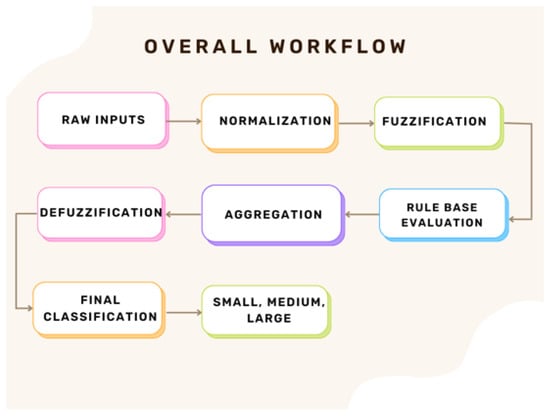
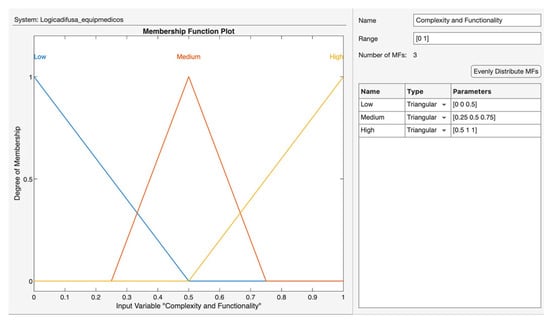
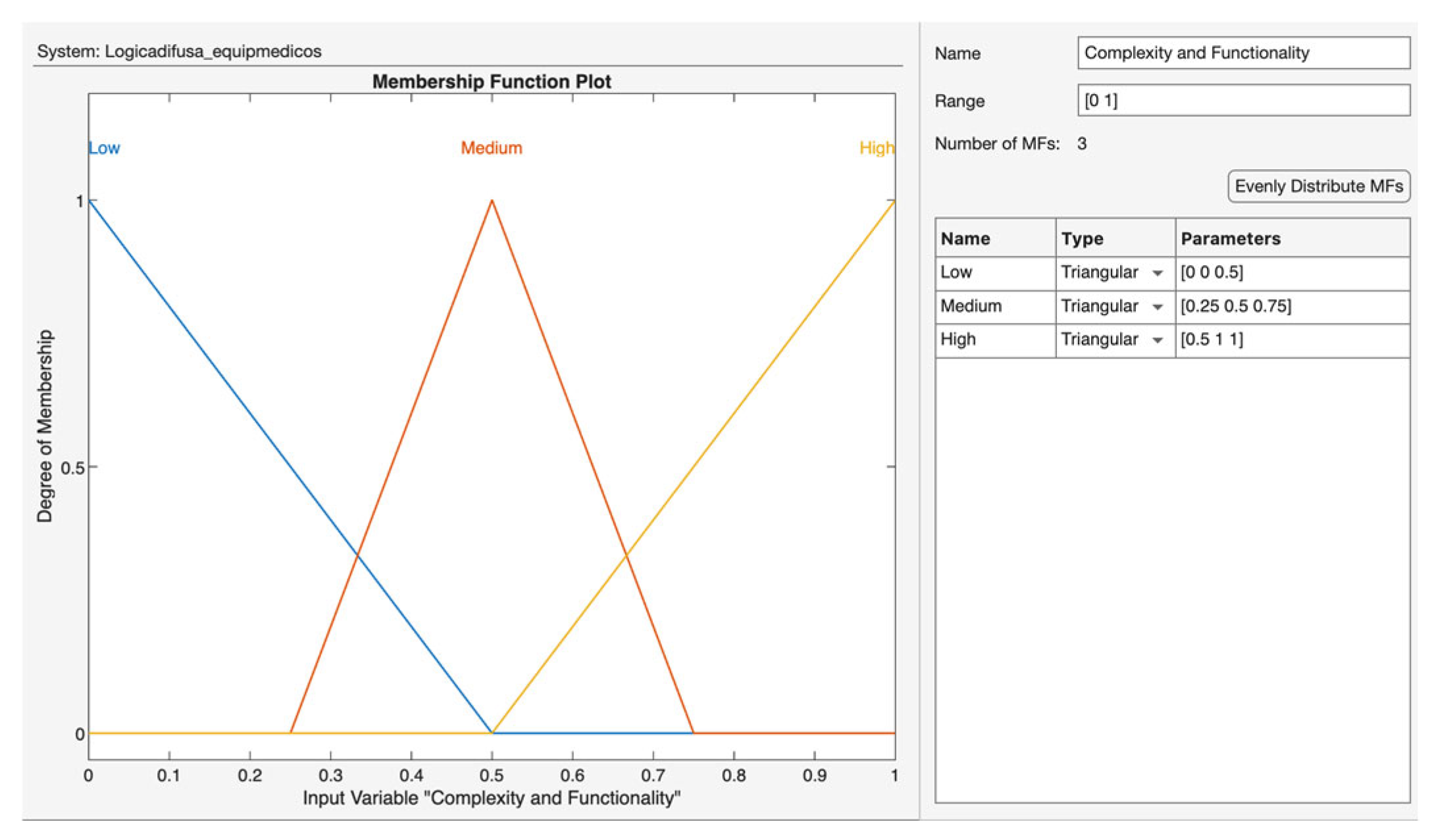
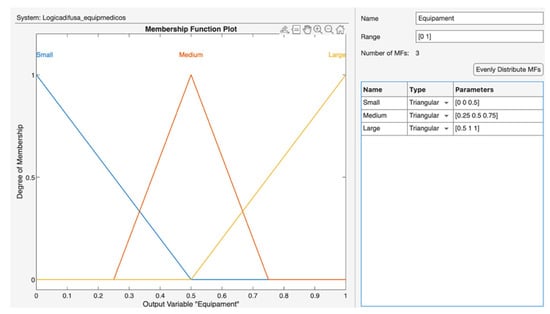
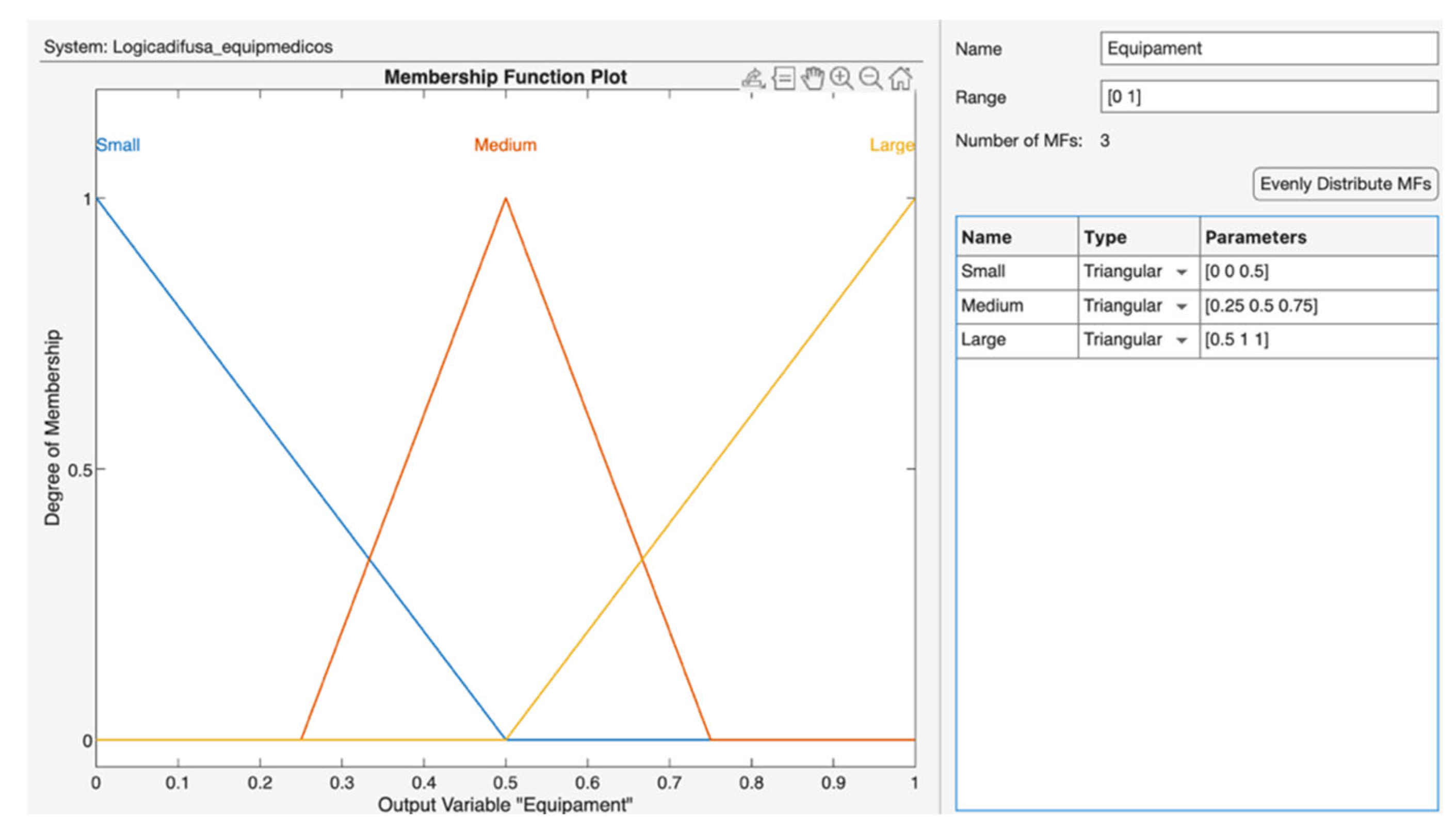
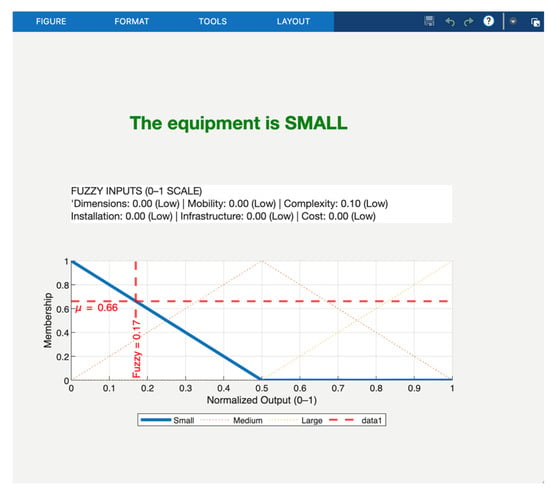
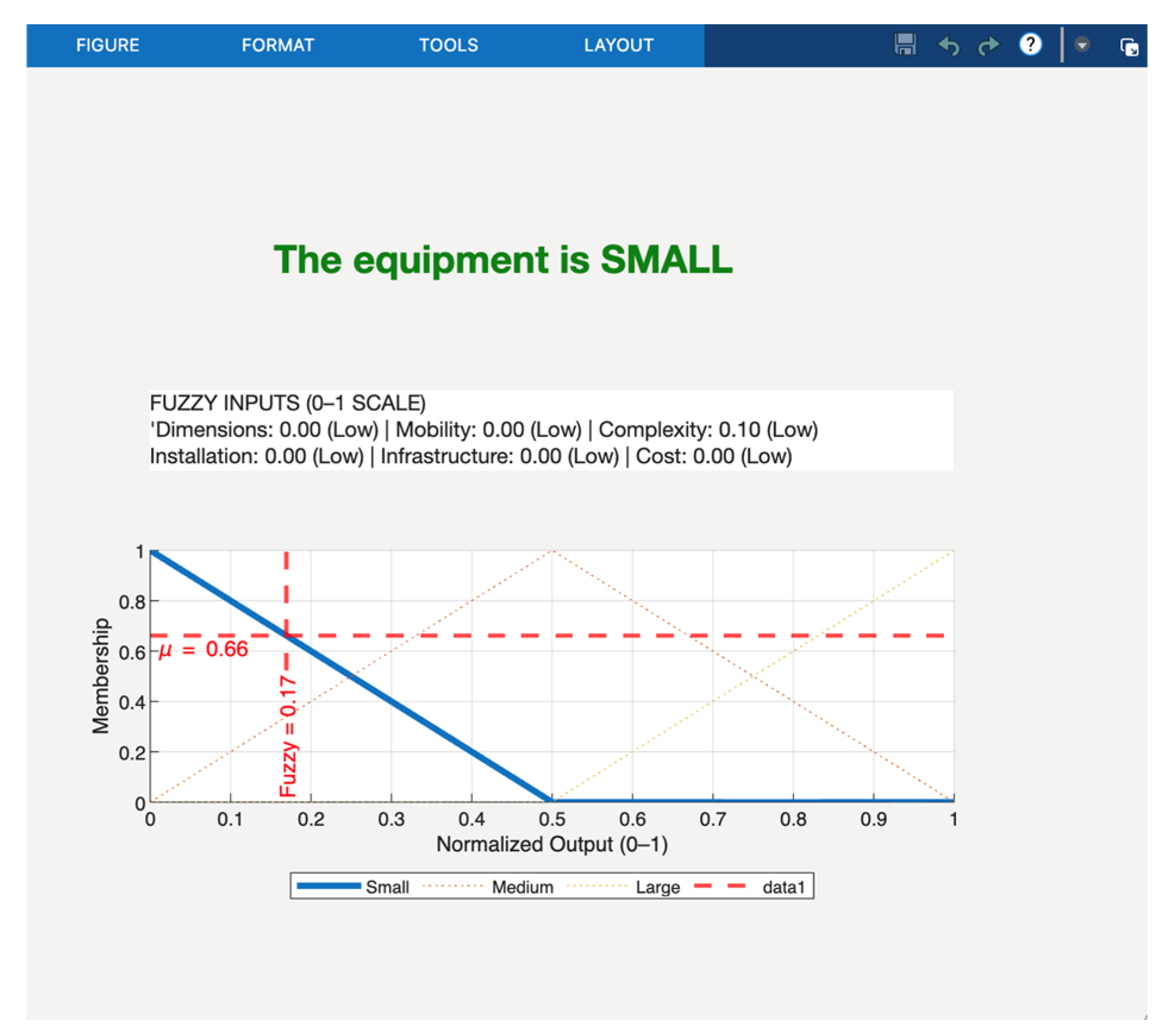
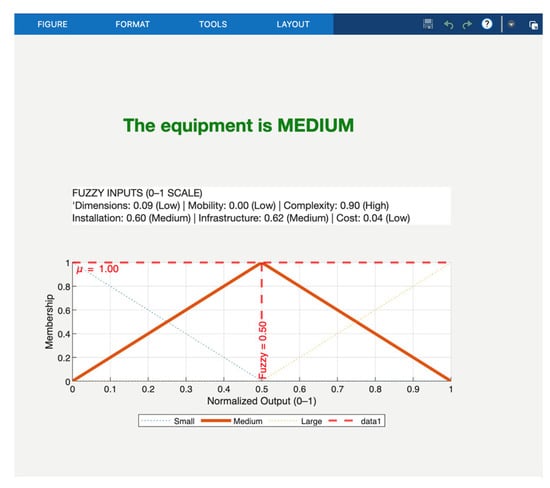
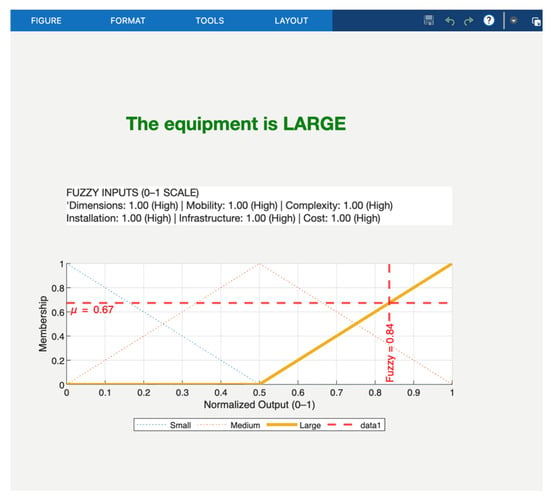

Disclaimer/Publisher’s Note: The statements, opinions and data contained in all publications are solely those of the individual author(s) and contributor(s) and not of MDPI and/or the editor(s). MDPI and/or the editor(s) disclaim responsibility for any injury to people or property resulting from any ideas, methods, instructions or products referred to in the content. |
© 2026 by the authors. Licensee MDPI, Basel, Switzerland. This article is an open access article distributed under the terms and conditions of the Creative Commons Attribution (CC BY) license.