


Abstract
This study finalizes a series of research previously conducted by the authors that aimed to apply polymer floating carriers for municipal wastewater treatment. A two-step technological scheme was applied, with a trickling filter reactor in the first step and an activated sludge reactor in the second step. Three types of floating carriers were applied in the activated sludge reactor. The study took three stages to pursue the goal of organic pollutant and nitrogen removal. During the first stage, only one of the three floating carriers demonstrated results that can be considered positive. Throughout the second and third stages, the technological parameters (modified treatment sequence and extended hydraulic retention time) were gradually altered to meet current regulatory requirements applied to discharged wastewater. The following pollutant values in the effluent were obtained after the third stage: BOD5 (2.3 mg/L), NH4 (0.4 mg/L), NO2 (0.1 mg/L), and NO3 (19 mg/L), with the filling ratio of the round-shaped polymer floating carrier being 20%.
1. Introduction
Biochemical treatment of municipal wastewater plays an important role in reducing the impact of discharged wastewater on water bodies. In cases where regulations are getting stricter, specific limitations (pollutant values, costs, available area, etc.) may be imposed during the design stage and especially during the launch of the wastewater treatment plant and its service [1,2]. This concerns both new construction and, what is more important for municipal systems, modernization of existing plants and the requirement for sustainable solutions through the entire life cycle [3,4].
The majority of wastewater treatment plants (WWTPs) that deal with domestic or municipal wastewater include various forms of activated sludge reactors (ASRs) in their treatment schemes [5]. Wastewater is supplied to ASRs, where it is mixed with activated sludge–special colonies of microorganisms, which perform biochemical transformation of wastewater components under various oxygen conditions [6]. They could be aerobic, anoxic, or anaerobic. The type of oxygen conditions or their combination is defined by the applied technology. Typically, each ASR includes an aerobic zone, while the implementation of anoxic and anaerobic zones serves to raise the efficiency of the system with more complex elimination of pollutants [7,8]. Aeration systems in ASRs provide oxygen for oxidation reactions and maintain activated sludge in a suspended state, preventing its deposition [9]. In anoxic and anaerobic zones, special mixers are used to keep the sludge suspended [8,10].
The advantages and drawbacks of known systems are quite well investigated and based on long experience of their service [11]. Mostly, ASRs provide intensive biochemical reactions that result in the decomposition of pollutants such as biochemical oxygen demand (BOD) or nitrogen compounds. However, the operation of an ASR has certain features, such as high energy costs spent on aeration and sensitivity of the process to peak pollutant loads or toxic compounds that may appear in wastewater [12]. Several zones based on dissolved oxygen concentration (DO) make the entire process more efficient but, at the same time, more complicated to operate [4,7,13].
Trickling filters (TF, sometimes also called biofilters) present a different type of reactor for biochemical decomposition of pollutants. The microflora in TF is attached to the loaded carriers through which the flow of wastewater penetrates [14]. Trickling filters have different types of hydrodynamics and kinetics in the treatment process. First, microorganisms have to be evenly distributed on the surface of the loaded carriers [15]. After the operation starts, they also penetrate through the carriers, get attached to them and oxidize pollutants with oxygen from the outer air. As a result, TF demonstrates better energy efficiency than ASR because its air supply does not require a special aeration system, only filter ventilation [16]. In cases of proper operation, TF may show relatively high efficiency in organic pollutant removal (BOD) and can perform nitrification—oxidation of ammonium to nitrates. However, TF mostly cannot show comparable efficiency to ASR, especially when denitrification is required [17,18].
To overcome existing drawbacks, ASR and TF can be united within a multi-step treatment process, contributing to treatment efficiency rise and overall cost reduction [19,20]. The application of ASR in the first stage of treatment, with additional treatment at TF, may be very efficient in the removal of organic pollutants and ammonium. If TF is set on the first stage, it provides preliminary oxidation of organics, while ASR ensures nitrification and denitrification if an anoxic zone is implemented [21,22,23].
Combining ASR and TF may bring several benefits: Since TF performs partial treatment, less volume of ASR (and less capital expenditures, correspondingly) may be required. Operating expenditures can also be reduced due to lower air supply in ASR. Finally, splitting the biochemical process can raise the entire system stability to peak loads [24]. Furthermore, additional flexibility of the treatment may be achieved if the microflora in ASR are not only suspended but also attached to fixed or floating carriers (MBBR—Moving Bed Biofilm Reactor or IFAS—Integrated Fixed Film Activated Sludge) [25,26,27]. Advantages of both technologies may be urgent in case of a WWTP upgrade when its area extension is not available or limited.
Floating carriers (FCs) for MBBR or IFAS are typically made of polymers (polyethylene, polypropylene, etc.), ensuring the following advantages critical for wastewater treatment:
- •
- The physical stability to degradation in aggressive media (low need for FC replacement);
- •
- A density of 900–950 kg/m3 (less than the density of water) prevents FC elements from drowning even when biofilm is attached;
- •
- The specific surface area of 200–600 m2/m3 provides a high concentration of biomass within a limited volume.
The various shapes of FC elements ensure better hydrodynamics and mixing inside ASR. Besides the material type, another key parameter of such systems is the filling ratio (FR) or the relation of the volume occupied by FCs to the entire volume of ASR. Previous research revealed that the FR value may differ from 20 to 70% and mostly determines the hydrodynamic performance of the system, mass transfer efficiency, clogging resistance, and overall efficiency [28,29,30,31].
The accumulation of biomass on the FC surface establishes a multi-layer cake with aerobic microorganisms mostly located in the outer layer and anaerobic microorganisms located in the inner layer (because of low oxygen conditions). Such stratification stimulates conditions for simultaneous nitrification and denitrification within a single biofilm. In other words, the availability of different types of biomass may exclude division of ASR into several technological zones (aerobic plus anoxic or anaerobic) and simplify the operation of the reactor [32,33,34,35,36].
Several studies revealed that the combined application of TFs with IFAS or MBBR may be considered when an overall efficiency rise in WWTP is required. As previously highlighted, the addition of activated sludge solutions to trickling filters may be urgent in case of their upgrade. In the study by Li et al., the operation of the TFF + IFAS system demonstrated stability to shock loads in addition to improved treatment efficiency [37]. Implementation of the complex treatment scheme of MBBR + TF1 + TF2 resulted in a 50% efficiency increase for nitrogen removal with reduced waste activated sludge flow due to attached biomass [38].
Current research is based on the results of research conducted by the authors in 2020 and 2022 [39,40]. Table 1 shows the results of research [40], demonstrating the required efficiency of BOD and ammonium removal as well as the level of nitrates after treatment.
Table 1.
Comparison of previously obtained results and the required values.
However, the efficiency of nitrite elimination was not enough to meet any of the requirements for wastewater discharge (see Table 1). Insufficient removal of nitrites also indicates incomplete nitrification, as the conversion of ammonium into nitrites and nitrates was not fully accomplished. Therefore, the aim of this study is to address the remaining gap in the treatment efficiency and to contribute to the existing experience of the implementation of combined technological sequences that may include both trickling filters and activated sludge reactors.
2. Materials and Methods
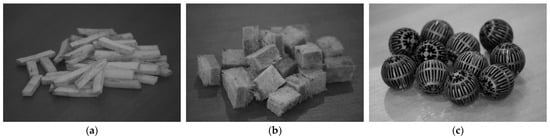
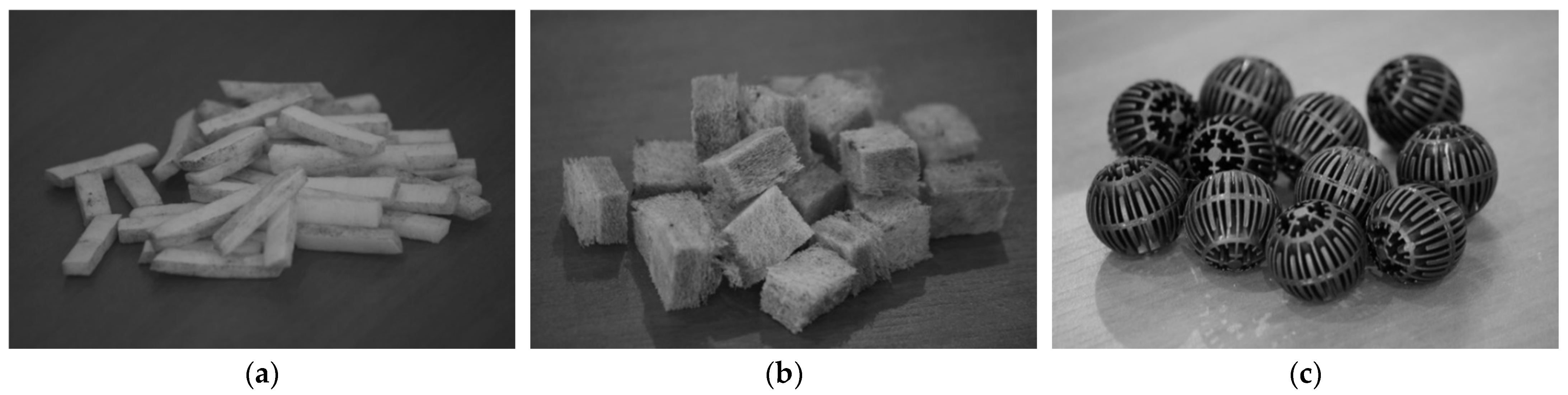
Since the study targeted the improvement of previously obtained results, some of the initial conditions remained constant. Thus, the applied FCs demonstrated an overall high level of efficiency in removing the majority of pollutants, and it was decided to leave them unchanged (Figure 1).
Figure 1.
Floating carriers used in the research: (a) Polystyrene (PS); (b) Polyvom (PV); (c) Bioballs (BBs).
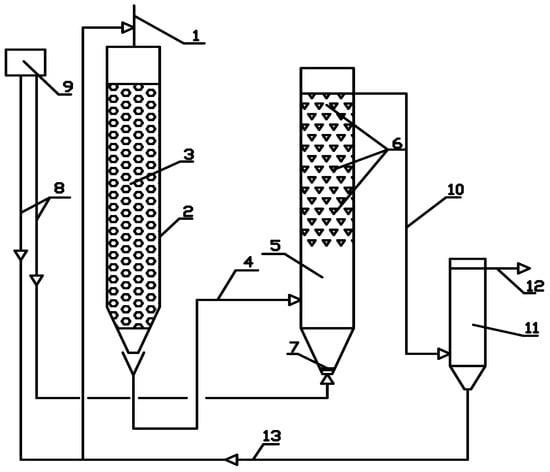
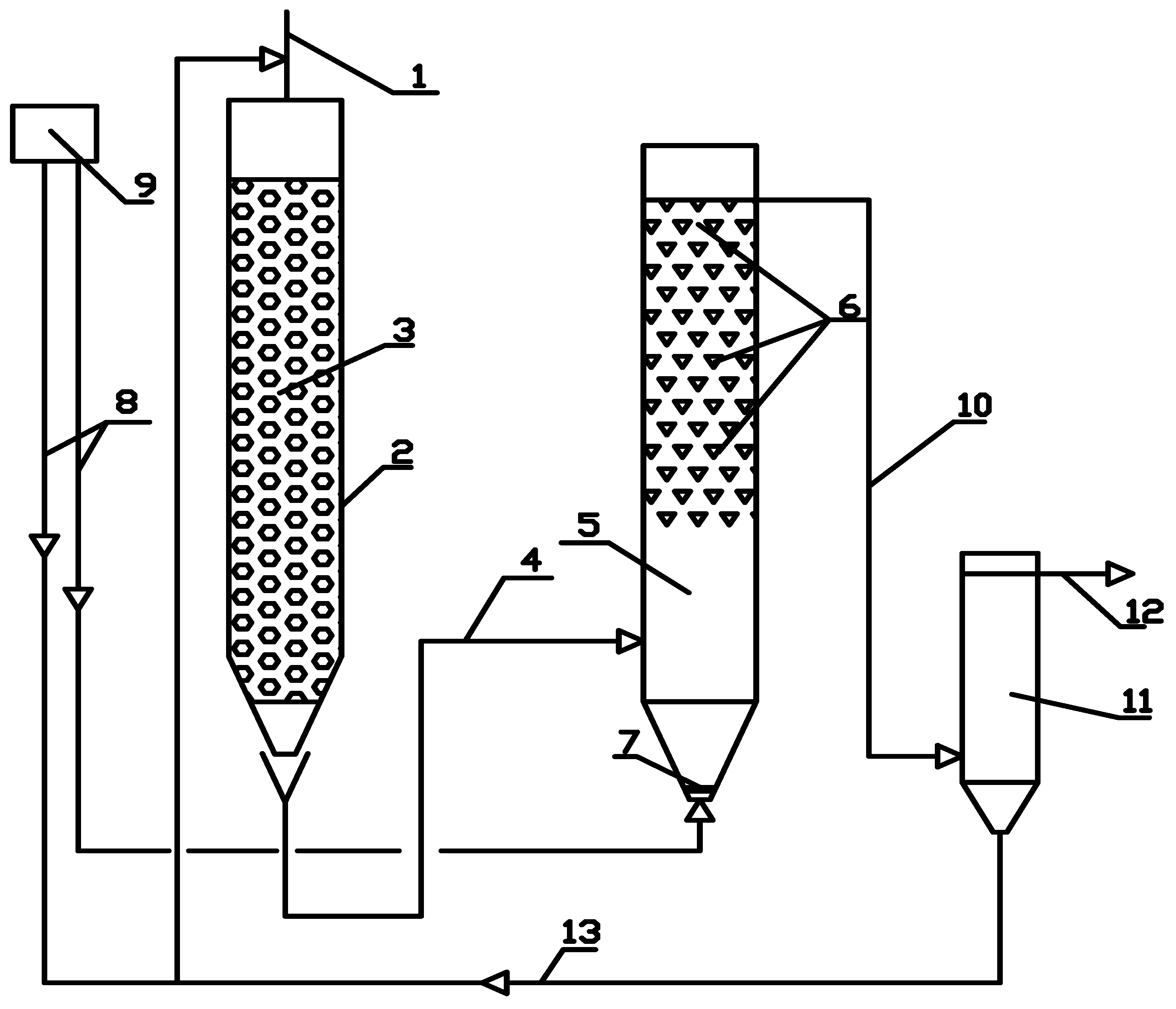
The main alteration throughout this study was the treatment sequence. Previously, the ASR with inserted floating carriers acted as a first stage, and a trickling filter reactor (TFR) was the second. The idea was that the TFR’s main role was to eliminate excess pollution after the main phase in ASR. Currently, the scheme was rearranged so that treatment started in the TFR and was finalized in ASR (Figure 2).
Figure 2.
Scheme of the lab-scale model: 1—wastewater influent; 2—TFR; 3—biomass carrier in TFR; 4—effluent from TFR to ASR; 5—ASR; 6—floating carrier; 7—aeration diffuser; 8—air supply; 9—compressor; 10—discharge of treated wastewater for clarification; 11—secondary clarifier (SC); 12—effluent; 13—recirculated activated sludge (RAS).
After biochemical decomposition of pollutants, the wastewater was discharged into a secondary clarifier to separate treated water and activated sludge. After settling, the sludge was returned (RAS) to the TFR.
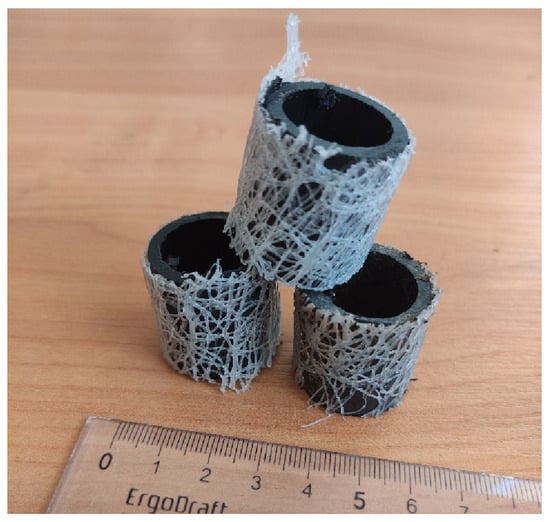
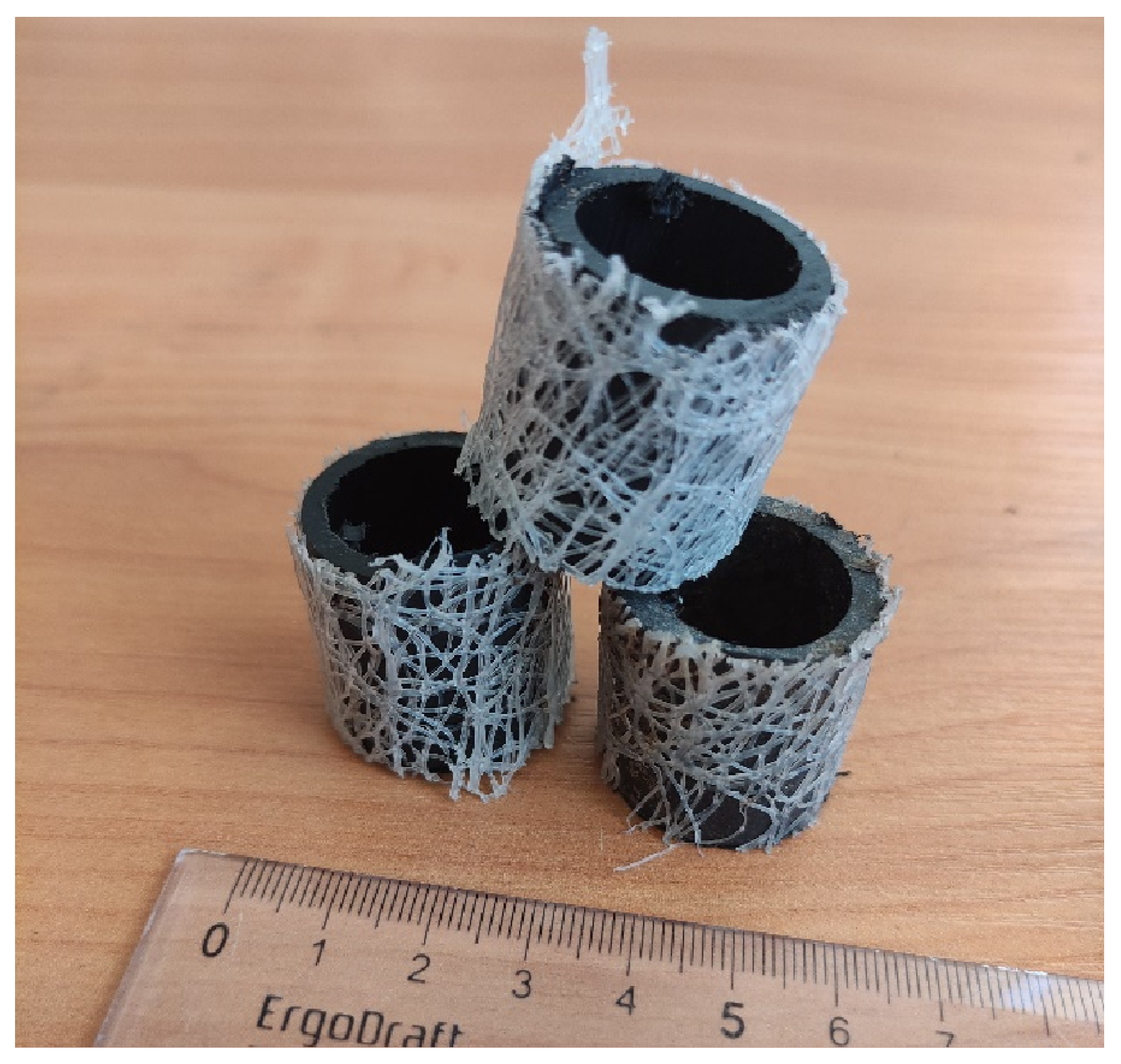
Both reactors were made from transparent Plexiglas vertical columns of 1.0 m in height and 0.1 m in diameter (the volume was 8 L, respectively). The height of the biomass carrier (Figure 3) loaded in TFR was 0.9 m. The type of the carrier in TFR remained unchanged in comparison with previous research (Figure 3).
Figure 3.
TFR biomass carrier.
The research bench was supplied with the synthetic wastewater based on the enzymatic peptone with the addition of sodium chloride, potassium nitrate, and soda ash in a ratio of 100/62.5/1.1/14.7 g per 100 L of water. The applied relations were experimentally obtained to correspond to the values of pollutants that are typical for the Russian Federation.
To accelerate biomass colonization at the start of the research, the biofilm and activated sludge taken from the real WWTP were preliminarily added to TFR and ASR, respectively.
During the research, continuous sampling was conducted to estimate the efficiency of treatment for the following parameters: BOD, total suspended solids (TSS), ammonium, nitrites, nitrates, and DO. There were also periodic estimations of pH values carried out.
BOD was measured using WTW OxiTop IS 12 (Xylem Analytics, San Diego, CA, USA); the samples were stored in a WTW TS 608/2-i thermostat (Xylem Analytics, San Diego, CA, USA). NH4, NO2, and NO3 were determined using the Hach Lange DR6000 instrument (Hach, Loveland, CO, USA). The DO was measured by the WTW Oxi 3205 2BA101 (Xylem Analytics, San Diego, CA, USA). pH values were measured by the HANNA Edge instrument with a pH sensor (Hanna Instruments, Woonsocket, RI, USA).
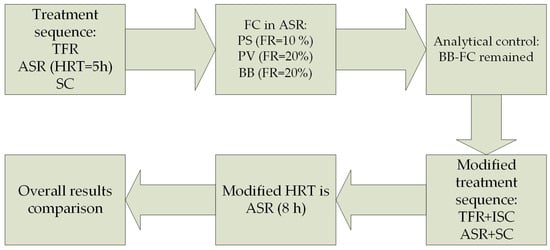
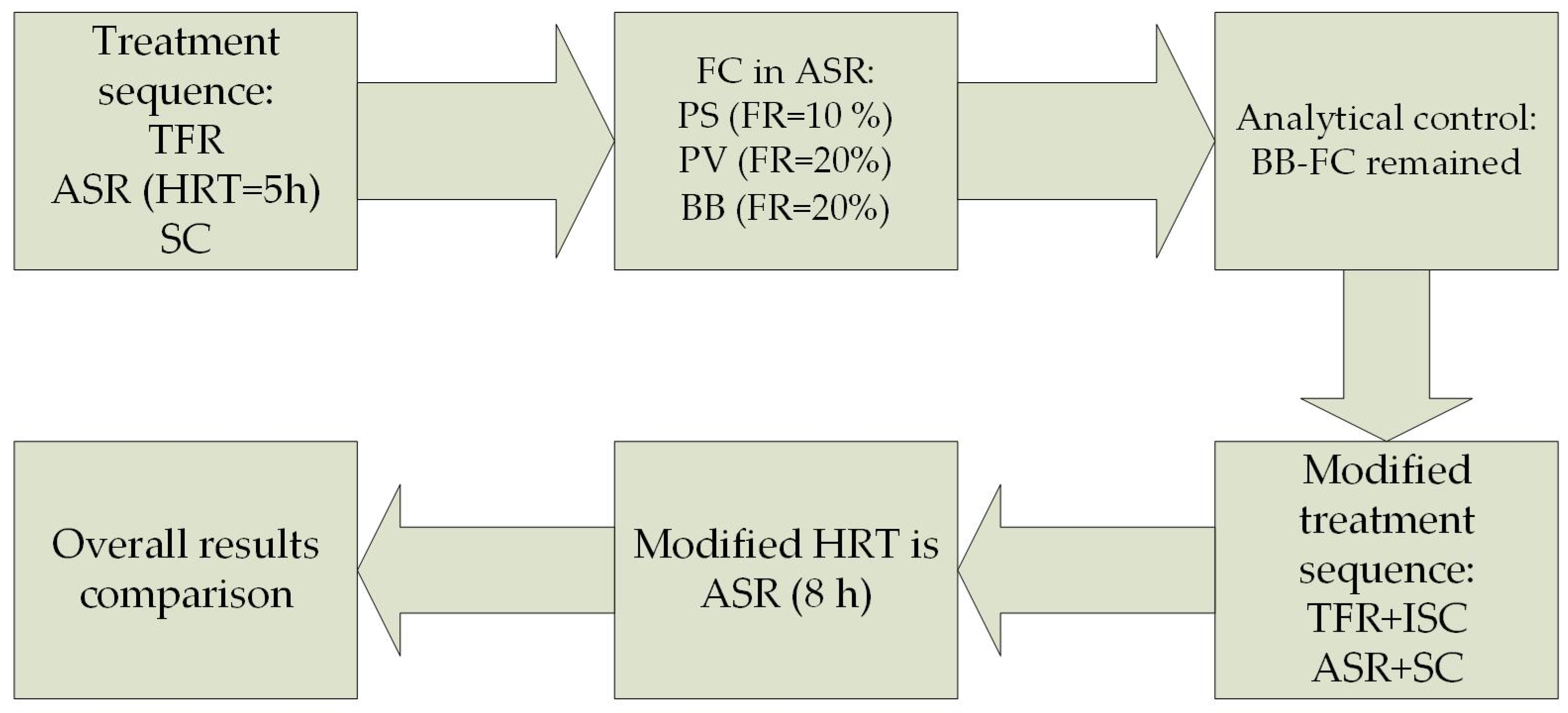
As far as the existing experience demonstrated that the demanded efficiency of treatment might take several iterations within the research, the scheme of the research was not preliminarily defined. After the research was completed, its sequence became as shown in Figure 4.
Figure 4.
Research sequence.
3. Results and Discussion
3.1. Stage 1 of the Research
Within stage 1, three parallel benches with three different floating carriers installed in each ASR were launched to provide similar conditions for the experiment. Despite the fact that one of the FCs previously demonstrated better performance [40], the efficiency relation may differ after the treatment sequence has been altered. The flowrates were 40 L/d for influent and 10 L/d for RAS, respectively. This gave an HRT of 5 h in ASR and 2.5 h in SC, respectively. Each on the bench was equipped with its own feeding tank. Within this stage, the DO value was held at the level of 6 mg/L.
The filling ratios were taken according to previous research data [39]:
- •
- PS—10% (bench #1).
- •
- PV—20% (bench #2).
- •
- BB—20% (bench #3).
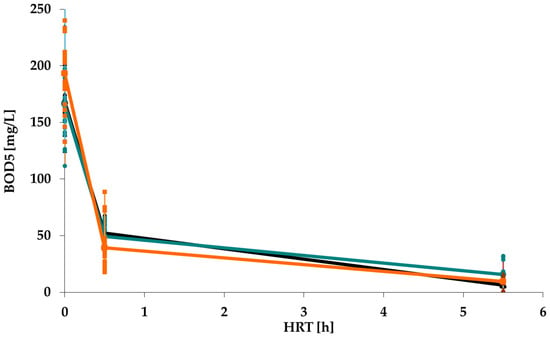
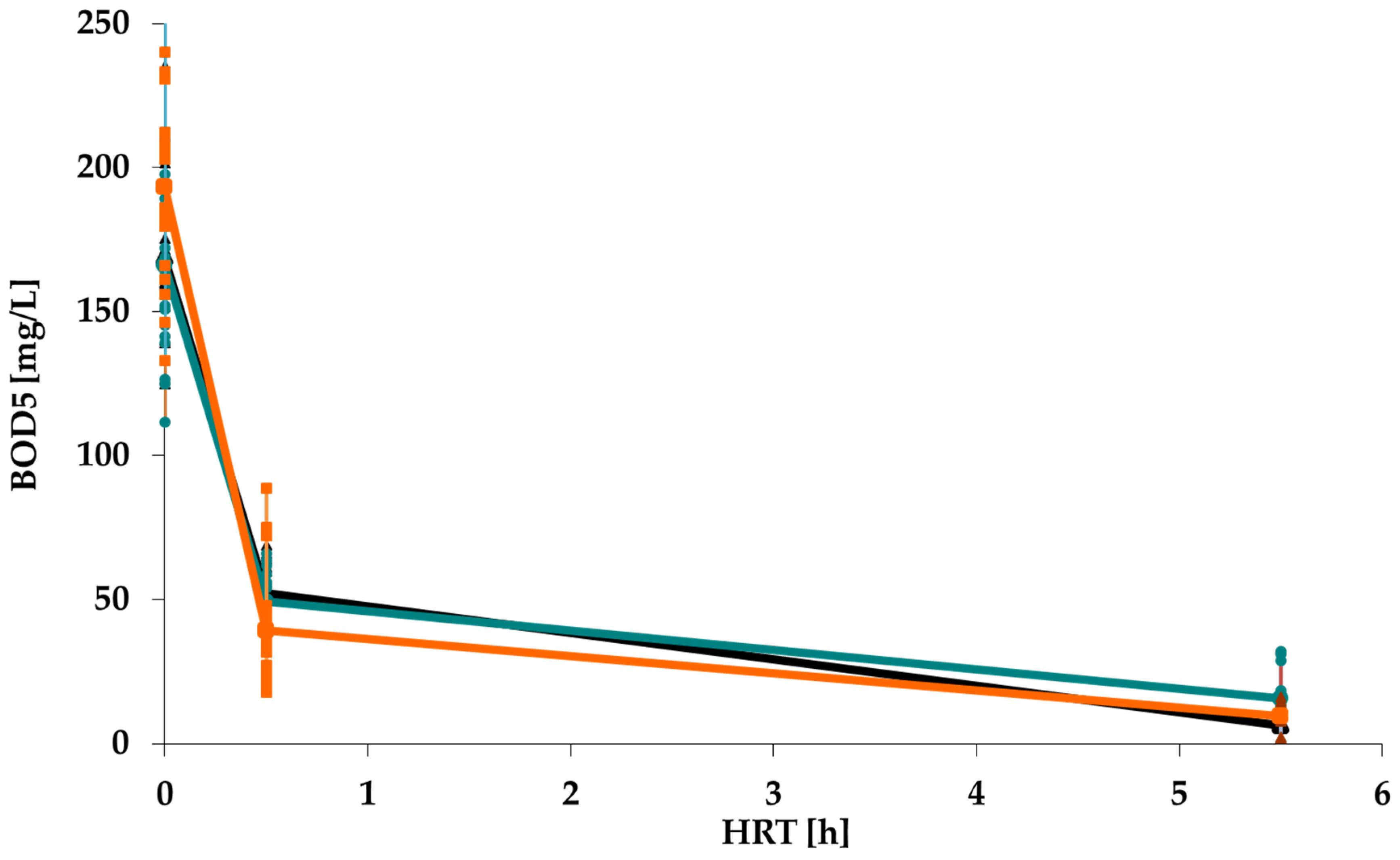
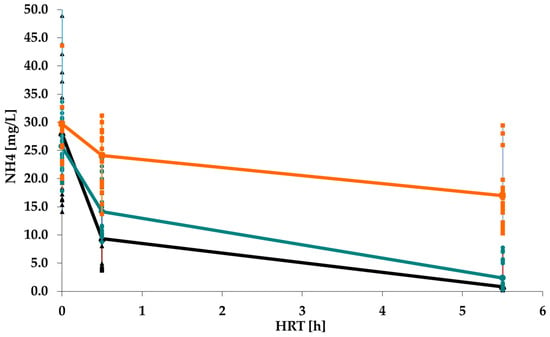
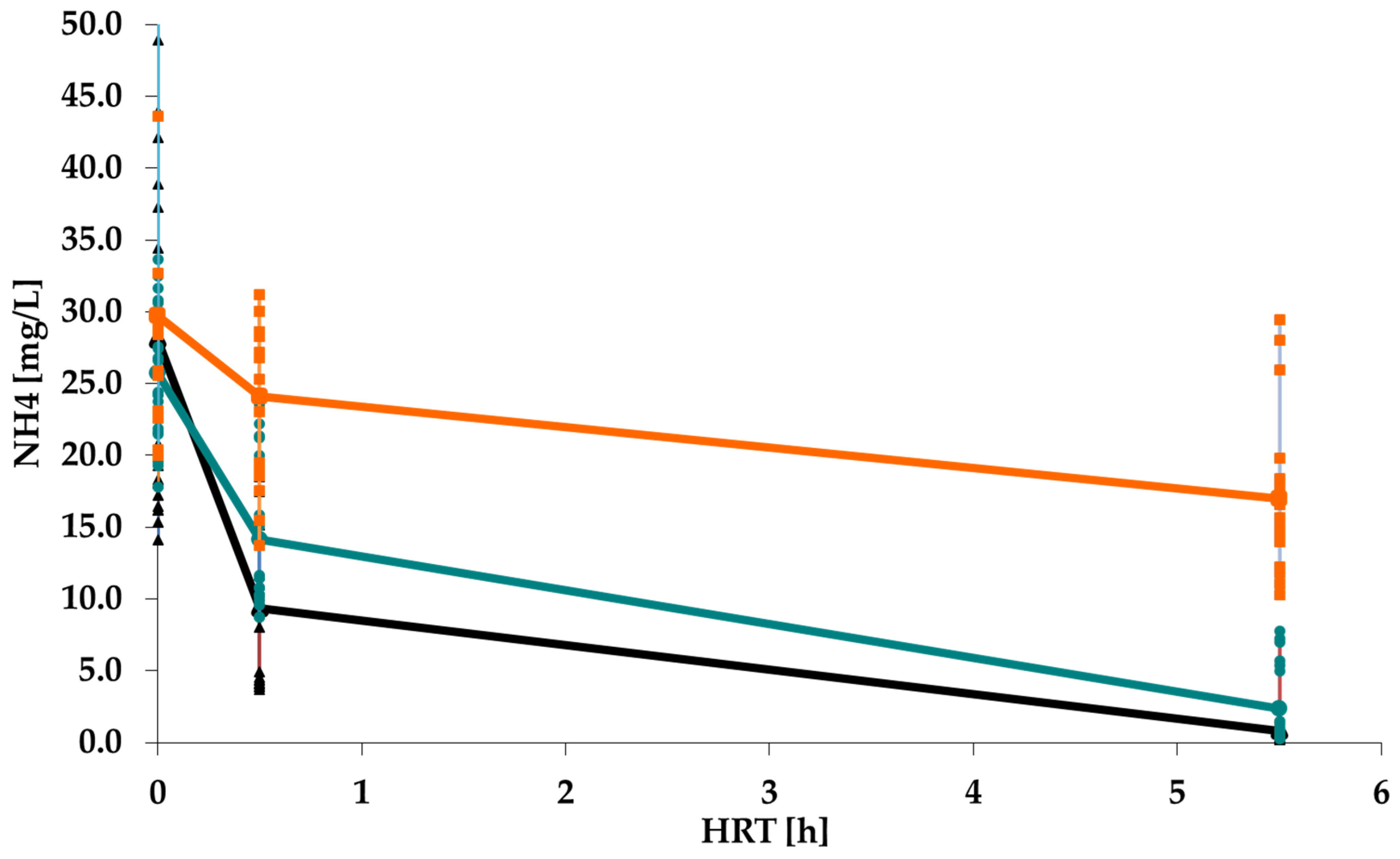
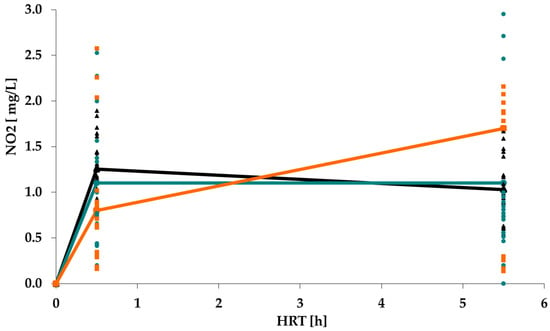
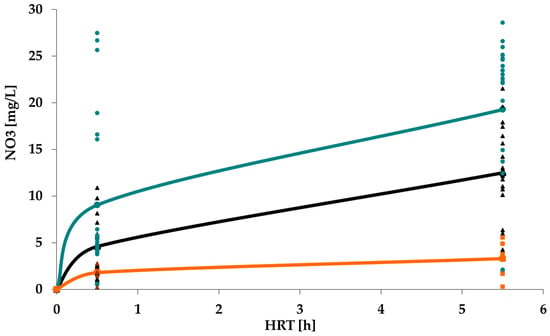
Figure 5 and Figure 6 reveal the intensity and BOD and ammonia removal within stage 1; Figure 7 and Figure 8 show nitrite and nitrate values.
Figure 5.
BOD removal intensity for benches with corresponding floating carriers: BB (black); PS (green); PV (orange).
Figure 6.
NH4 removal intensity for benches with corresponding floating carriers: BB (black); PS (green); PV (orange).
Figure 7.
NO2 concentration change for benches with corresponding floating carriers: BB (black); PS (green); PV (orange).
Figure 8.
NO3 concentration change for benches with corresponding floating carriers: BB (black); PS (green); PV (orange).
The research at this stage took three months, excluding two weeks of the launch period. Figure 5 shows that the BOD5 removal was comparable in the three benches, with a bit better efficiency on bench #3, where the BB-FC was inserted into the ASR.
Bench #3 also showed the best of the three efficiencies in ammonium removal (97%, Table 2). It is worth noting that the ammonium removal effect in benches #1 and #3 was comparable, at 97% and 91%, respectively, while bench #2 showed an efficiency only at the level of 43%. Presumably, it occurred because of the clogging of the PV floating carrier, which led to delayed nitrification or even ammonification. As a result, nitrogen conversion for the ASR with this type of FC was incomplete, which was also proven by the dynamics of nitrites and nitrates.
Table 2.
Mean operation values for lab benches.
Overall, bench #3 (with the BB floating carrier) demonstrated better efficiency of BOD and ammonium removal among the three under operation at 96.3% and 97%, respectively. Bench #1 (ASR with PS floating carrier) showed efficiencies for these components at the level of 91%, and bench #2 demonstrated efficiencies of 95% and 43%, respectively. The latter fact was unexpected, since previously the lab bench with this type of floating carrier showed better performance, among others [40]. Sporadic measurements showed that pH values were in the range between 7.0 and 8.0, providing the demanded conditions for nitrification and denitrification. This also demonstrated that the accepted wastewater composition provides typical conditions for the medium and has no negative effect on the treatment process.
In terms of absolute values of BOD, ammonium, and nitrates, only bench #3 complied with the current regulation for discharge to the Category B water bodies (see Table 1); stricter requirements were not met. The concentration of nitrites was still far from regulation values, witnessing incomplete nitrogen transformation. The spread of obtained values in discharge revealed some kind of instability of treatment processes for all benches. Thus, it can be preliminarily concluded that the change in the reactor sequence did not lead to a significant improvement in the treatment quality. Since further efficiency improvement was required and only bench #3 showed results that correspond (partially) to regulation, it was decided to continue research only with bench #3 (TFR + ASR with BB floating carrier).
3.2. Stage 2 of the Research
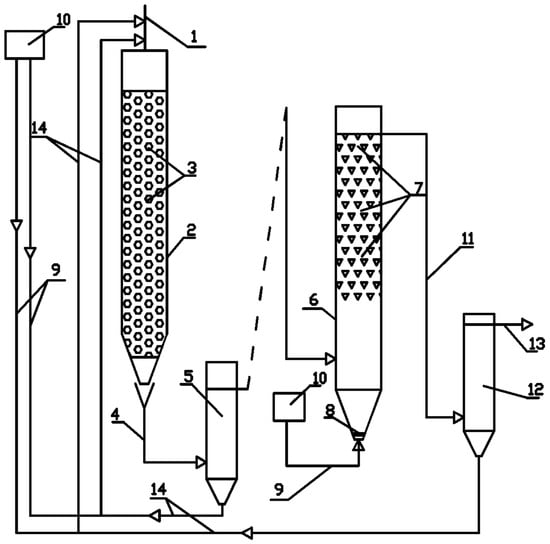
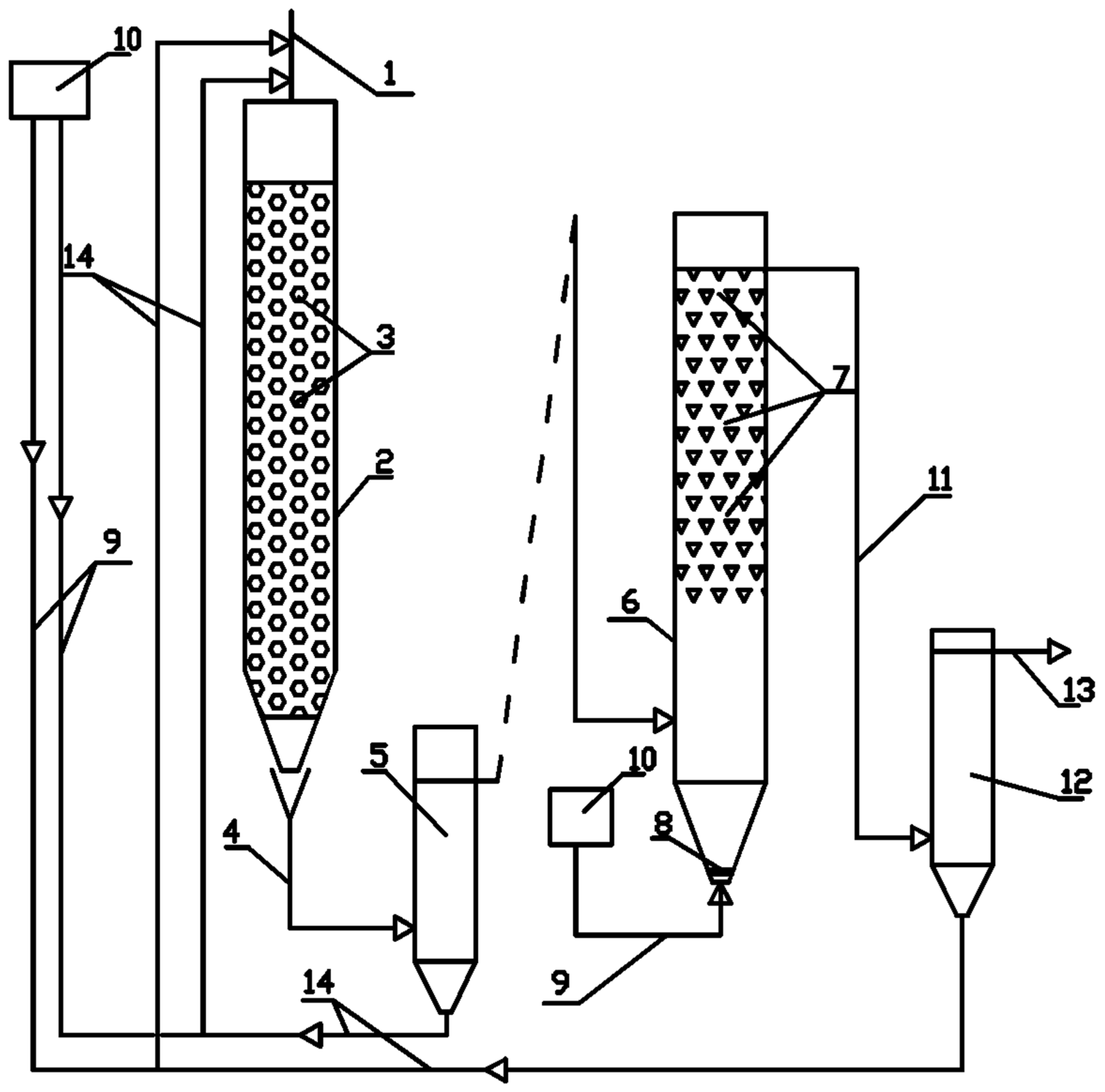
Within a previous stage, it was noted that an inlet of a large amount of obsolete biofilm from TFR to ASR can negatively affect the operation of ASR and, in particular, may provoke secondary contamination. Therefore, in order to stabilize the bench operation, it was decided to divide the secondary sedimentation process into two stages. After the TFR, an intermediate clarifier (IC) was installed, whose main task was the partial retention of biofilm discharging from the TFR. In addition to limiting the biofilm discharge, this measure contributes to maintaining a low mixed liquor suspended solids value (MLSS) in the ASR. The HRT in the ASR remained at 5 h. Within this stage, the DO value was held at the level of 6 mg/L. The adjusted treatment sequence scheme is shown in Figure 9.
Figure 9.
Scheme of the modified lab-scale model: 1—wastewater influent; 2—TFR; 3—biomass carrier in TFR; 4—effluent from TFR; 5—intermediate clarifier (IC); 6—ASR; 7—floating carrier; 8—aeration diffuser; 9—air supply; 10—compressor; 11—discharge of treated wastewater for clarification; 12—SC; 13—effluent; 14—RAS.
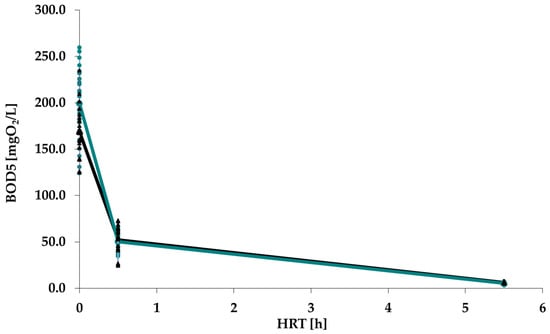
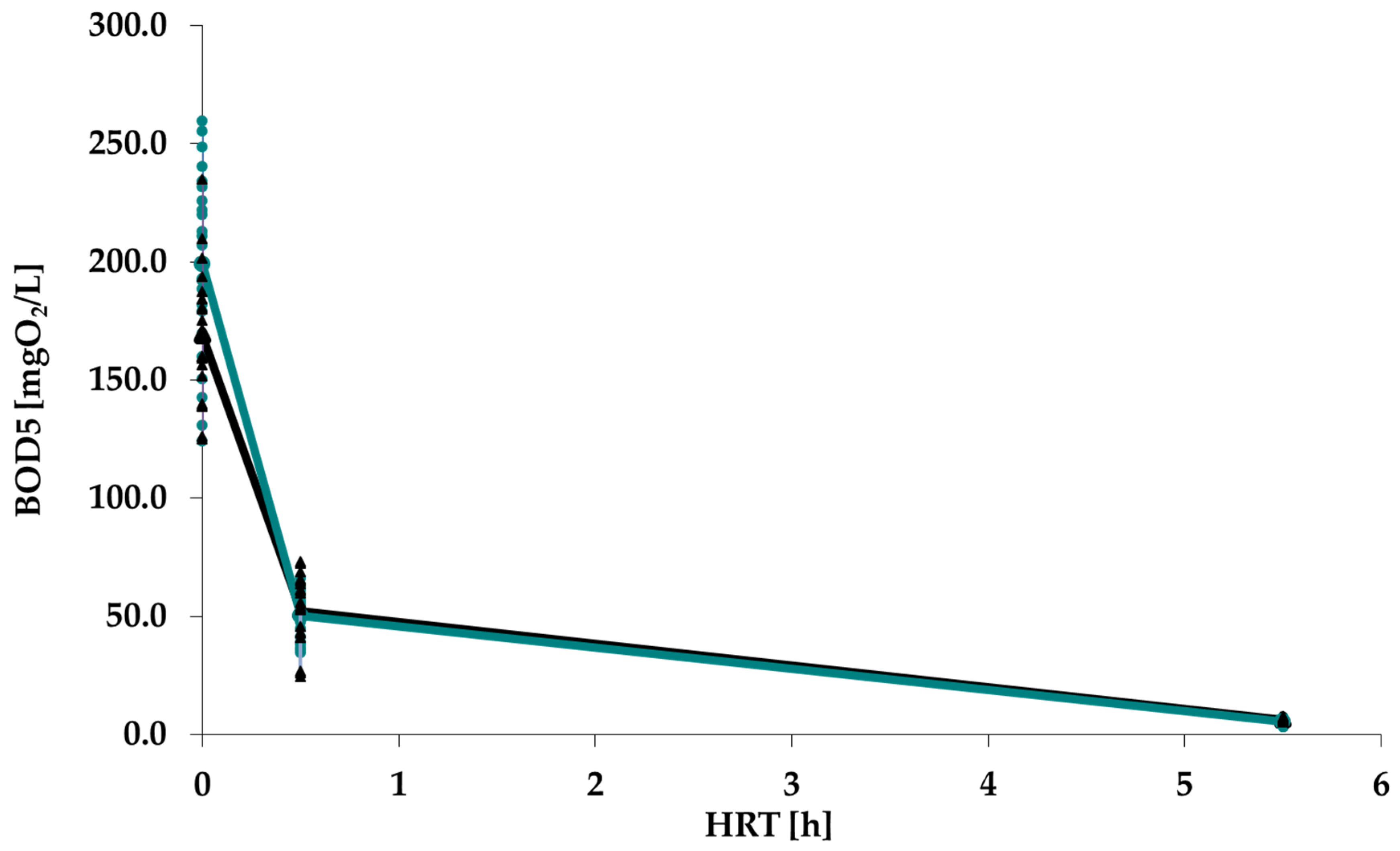
Since only one bench (bench #3 with the BB floating carrier) revealed results that partially meet current regulation, the research within stage 2 was continued, with one bench remaining. The removal efficiencies of BOD and NH4 at stages 1 and 2 are shown in Figure 10 and Figure 11; nitrite and nitrate dynamics (also for two stages) are shown in Figure 12 and Figure 13.
Figure 10.
BOD5 removal intensity: stage 1 (black); stage 2 (green).
Figure 11.
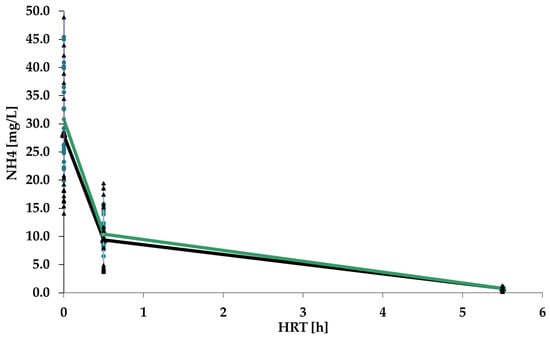
NH4 removal intensity: stage 1 (black); stage 2 (green).
Figure 12.
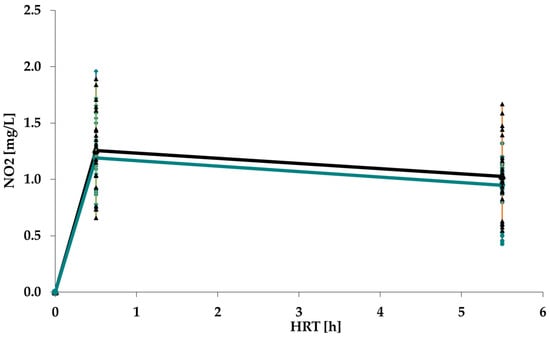
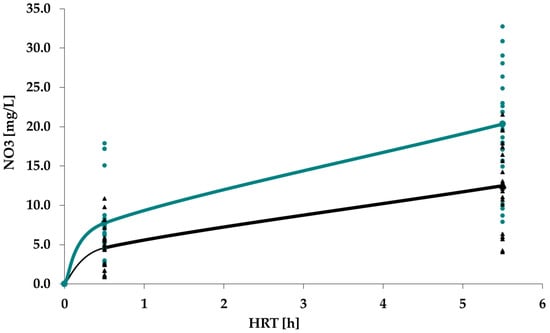
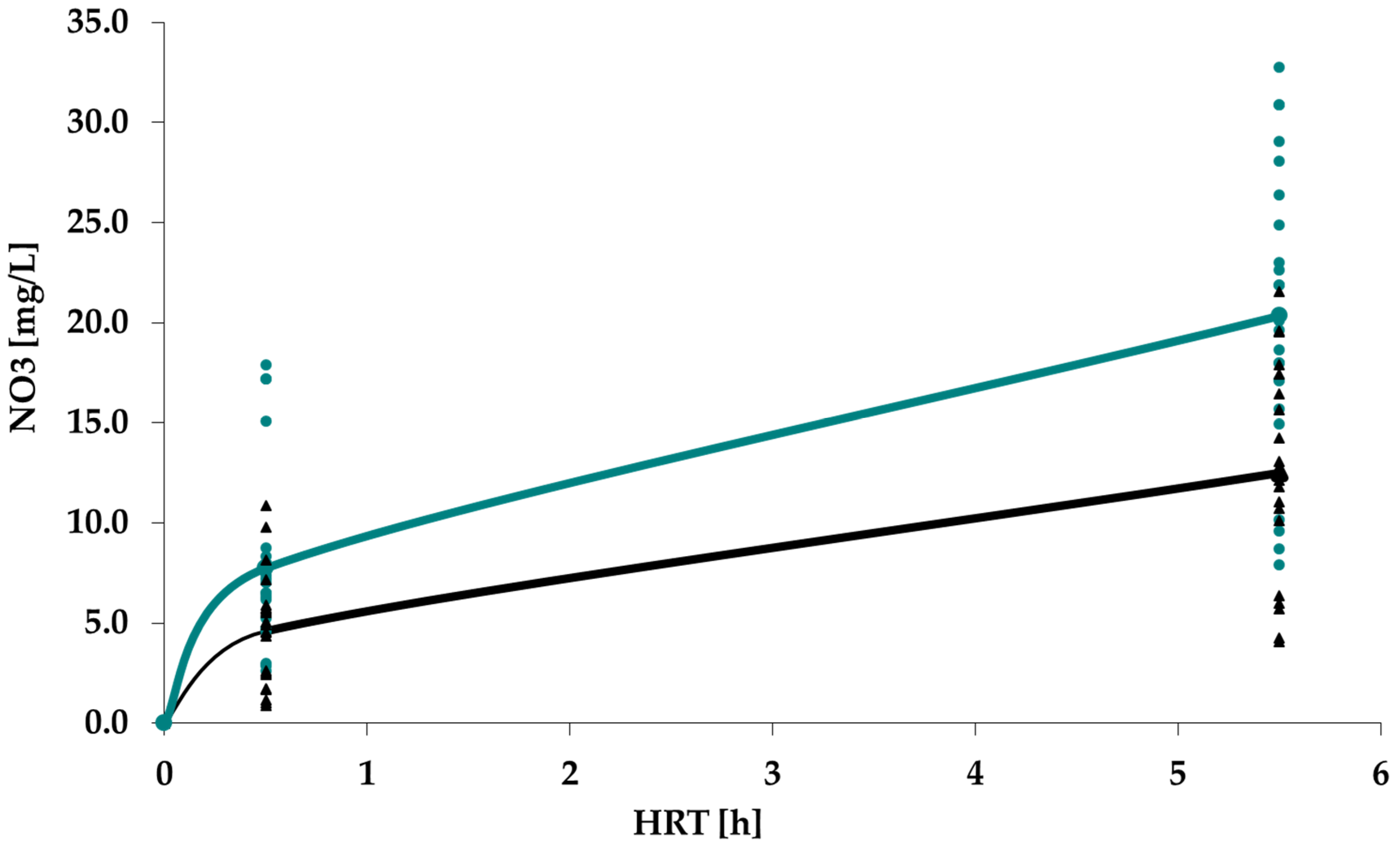
Comparison of NO2 dynamics within stages: stage 1 (black); stage 2 (green).
Figure 13.
Comparison of NO3 dynamics within stages: stage 1 (black); stage 2 (green).
Table 3 shows that the mean value of BOD concentration increased to 200 mgO2/L (+18% compared to stage 1), and the mean influent concentration of NH4 pollutants grew by 9% (up to 30.8 mg/L). Despite the increased pollutant concentration in the influent, the efficiency of BOD and ammonia removal showed no decrease. It was assumed that the introduction of the intermediate clarifier contributed to the stability of pollutant removal. The values in the discharge flow were practically similar to stage 1 and corresponded to Cat. B requirements (table) for BOD (5.7 vs. 8.0 mgO2/L), ammonium (0.8 vs. 1.3 mg/L), and nitrates (20.3 vs. 40.0 mg/L). Stricter requirements were still not reached. It is worth noting that even despite a relatively high DO value, pollutant oxidation was not sufficient. The mean value of nitrite concentration also remained similar, significantly exceeding any of the required values (1.0 mg/L vs. 0.08 or 0.4 mg/L); the nitrogen transition is still incomplete, presumably because longer HRT is required. The positive circumstance was that the treatment process showed stability at a low value of MLSS. Periodic control of pH demonstrated stability of values in the range of 7.0 to 8.0.
Table 3.
Comparison of treatment process at stages 1 and 2 of the research.
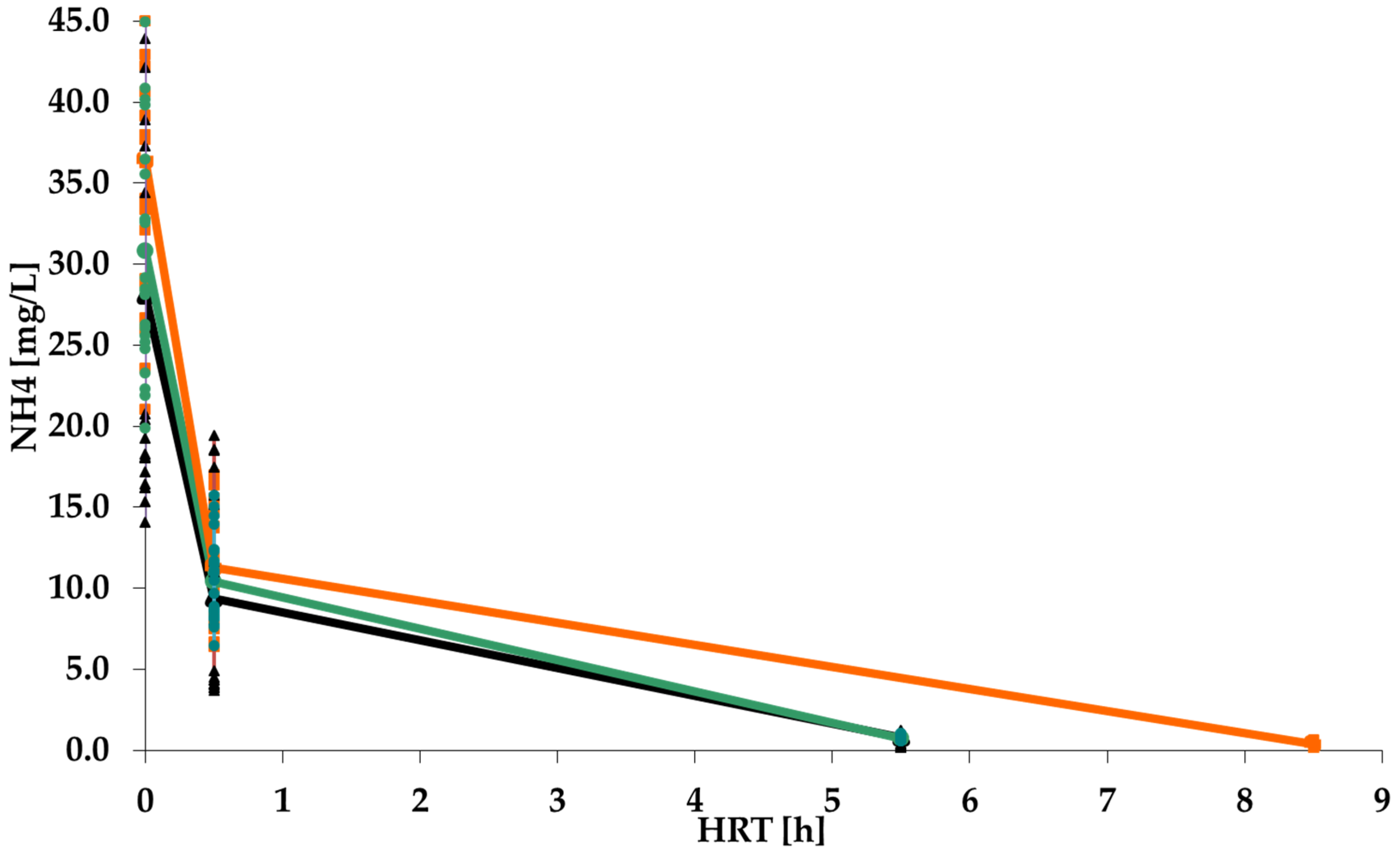
Despite the initial goal, two stages of the study indicated no major progress on nitrite elimination (Figure 12). If combined with a level of ammonia removal (lower than expected; Figure 11) and values of nitrates in the effluent (Figure 13), the overall result of the research may be considered moderate.
3.3. Stage 3 of the Research
After obtaining the results of the first two stages of the study, it was assumed that an HRT of 5 h does not allow performing a full cycle of nitrification and denitrification.
Within stage 3, the bench was technologically adjusted. The hydraulic retention time in the activated sludge reactor was extended to 8 h. Return flow from the secondary clarifier dropped to a 100% ratio. Alteration of these two values was assumed to have a positive impact on both nitrification (by prolonged transition of ammonia into nitrites and nitrates) and denitrification (by limiting the amount of chemically bound oxygen that is contained in a return flow and might decelerate denitrification).
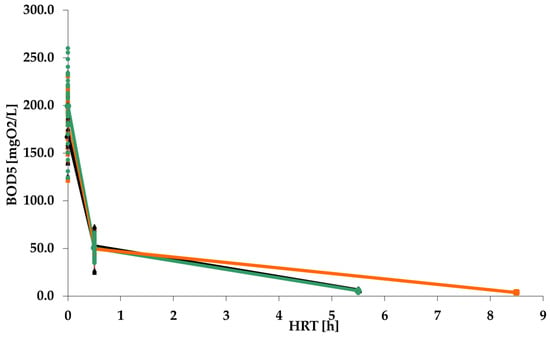
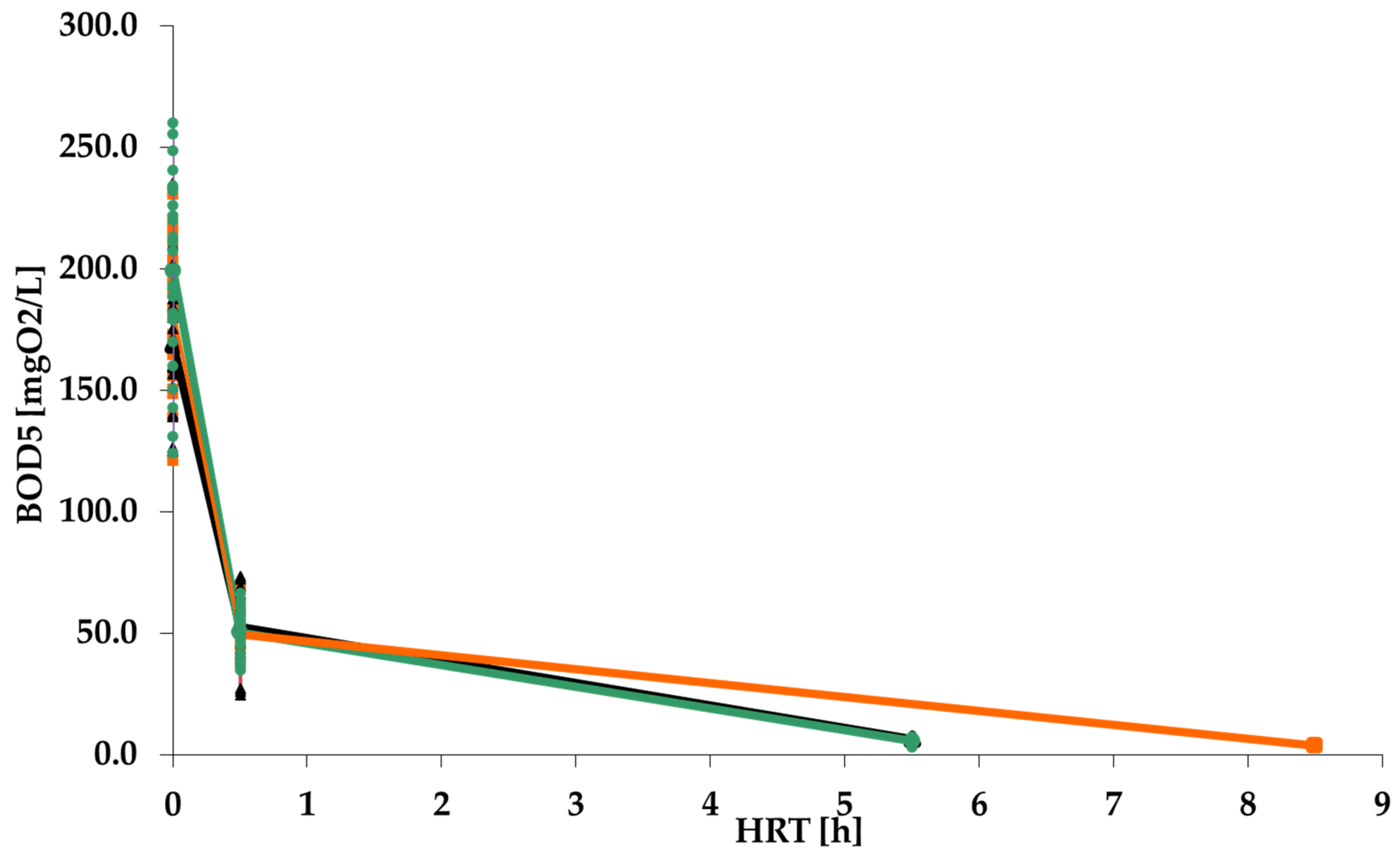
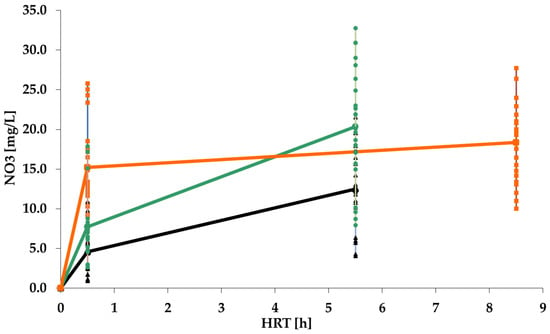
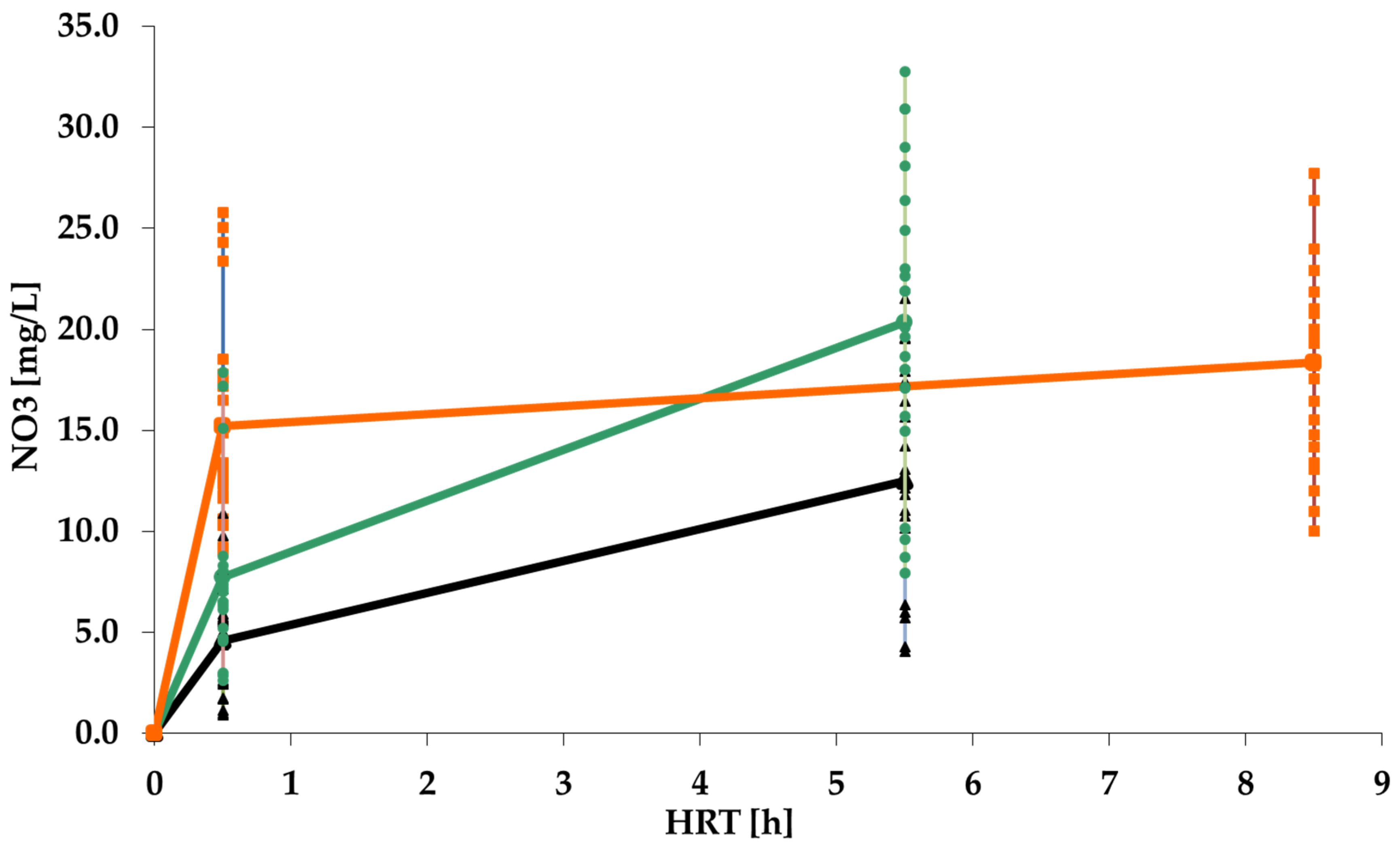
Figure 14 and Figure 15 compare the removal efficiencies of BOD and NH4 at stages 1, 2, and 3, respectively. Nitrite and nitrate dynamics (also for three stages) are shown in Figure 16 and Figure 17.
Figure 14.
BOD5 removal dynamics: stage 1 (black); stage 2 (green); stage 3 (orange).
Figure 15.
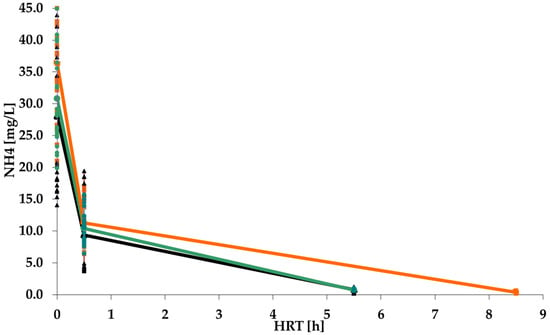
NH4 removal dynamics: stage 1 (black); stage 2 (green); stage 3 (orange).
Figure 16.
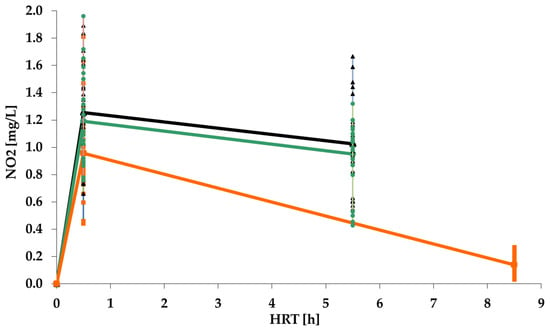
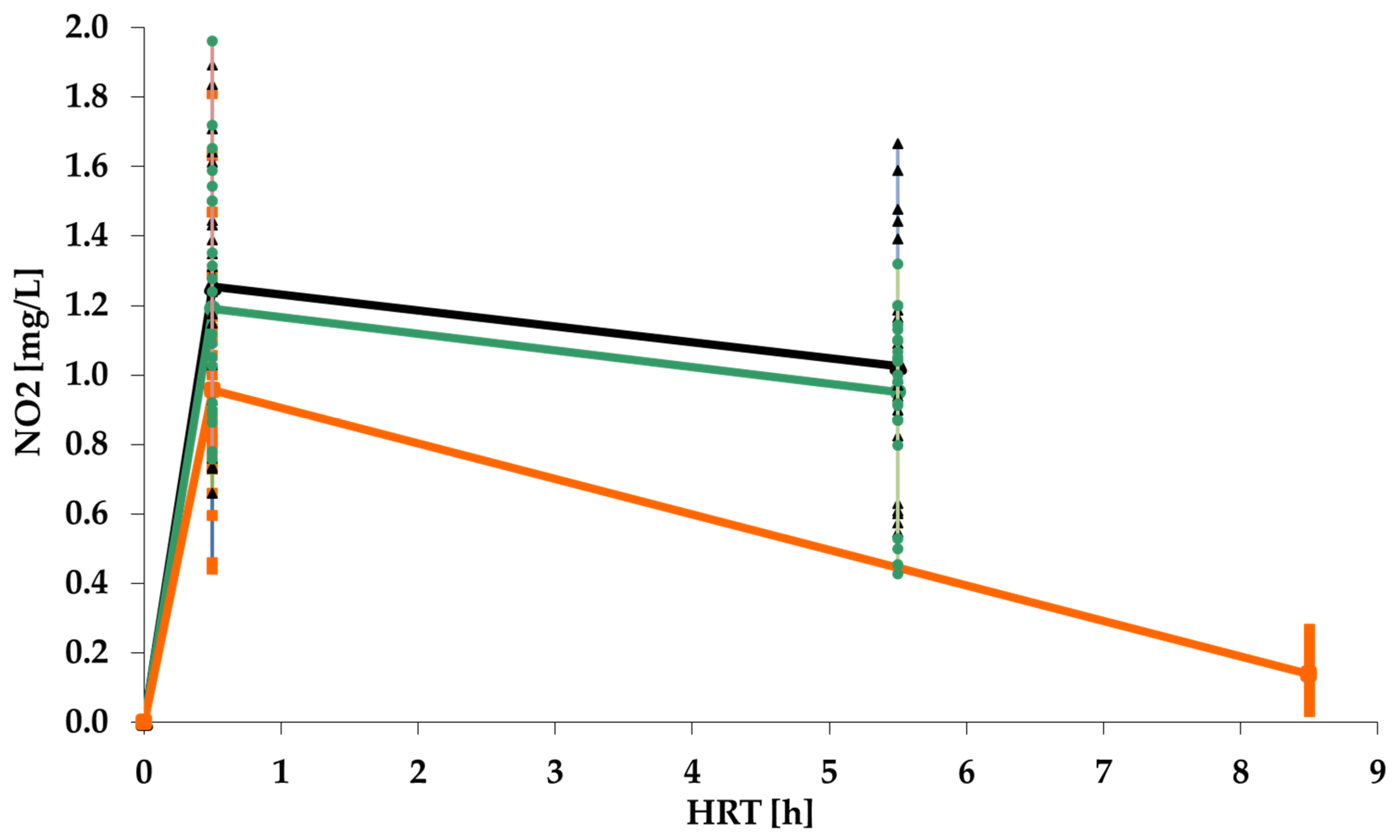
Comparison of NO2 dynamics within stages: stage 1 (black); stage 2 (green); stage 3 (orange).
Figure 17.
Comparison of NO3 dynamics within stages: stage 1 (black); stage 2 (green); stage 3 (orange).
After stages 1 and 2, the removal of BOD and ammonium had high efficiency, but that was not enough to meet the strictest requirements for discharging wastewater (see Table 1). The results of stage 3 demonstrated that this was mainly due to an insufficient HRT of 5 h. Extending the HRT to 8 h resulted in improved decomposition of these pollutants so that the required values were achieved (2.3 mg/L and 0.4 mg/L, respectively).
Complete nitrification and denitrification at the previous stages were not achieved, as the nitrite value was far from the requirements. And as stage 3 revealed, insufficient retention time was the factor limiting the efficiency of treatment. After stage 3, the mean nitrite value in the discharge dropped from 1.0 mg/L (stages 1 and 2) to 0.1 mg/L.
The obtained values meet the requirements for discharge in water bodies of categories A and B (0.1 mg/L vs. 0.4 mg/L) and almost meet the strictest requirement for discharging wastewater into fishery water bodies (0.1 mg/L vs. 0.08 mg/L). Slightly higher values may be explained by the quite short period of the experiment, and a longer period of treatment will result in stable performance for this parameter. Nitrate values remained under requirements. Control of pH revealed no significant changes in comparison to values that were previously obtained.
The overall results of the experiment are shown in Table 4. It demonstrates that the system was operated under pollutant conditions similar to the real influent values typical for the Russian Federation. An HRT of 5 h may demonstrate the required efficiency of treatment for 1 of 4 investigated parameters and partially required efficiency for 2 of 4 parameters. An extended retention time of 8 h almost eliminated the observed gaps. The inverse scheme to [40] maintained stability in the system and provided enhanced biochemical transformation of nitrogen.
Table 4.
Comparison of treatment processes in stages 1, 2, and 3 of the research.
Overall, it is worth noting that the results were obtained with a relatively low filling ratio compared to some of the previous research [43,44,45]. In some cases, a filling ratio up to 50% is required, but these values may be influenced by the inlet concentrations of pollutants in wastewater [46]. The entire experiment was carried out under low values of biomass concentration in the ASR, which also means lower costs for the entire system operation.
4. Conclusions
- The current research built on previous research by the authors in order to meet the required values of pollutants in the discharged wastewater. A modified technological sequence was applied with a trickling filter in the first step and an activated sludge reactor in the second step.
- When comparing three types of floating carriers, the BB type showed 96% removal efficiency of BOD and ammonium compared to 91% efficiency for PS and 95% and 43% efficiency for PV, respectively. Since only in the case of BB were the requirements partially achieved, further improvement of treatment was made with only one floating carrier.
- Slight enhancement of the treatment sequence by the introduction of an intermediate clarifier after a TF play almost has no role in efficiency improvement as far as treatment duration is concerned. ASR was not enough for complete elimination of organic pollutants and ammonium. However, the introduction of intermediate sedimentation between biological reactors contributed to the stability of the treatment and may play a positive role in cases of shock loads.
- The extended HRT to 8 h helped to achieve an initial goal of the study, showing 98% and 99% efficiency for BOD and ammonium removal with 2.3 mg/L and 0.4 mg/L values in discharged wastewater, respectively. And what is more important, the required values for nitrites (0.1 g/L) and nitrates (18.4 mg/L) were also achieved, revealing complete nitrogen transformation.
- The obtained results were still demonstrated under conditions of low biomass concentration in the activated sludge reactor. Moreover, the simultaneous nitrification and denitrification may be justified, since the ASR was operated under aerobic conditions (without addition of anoxic and/or anaerobic zones).
- The research had a focus on the removal of BOD and nitrogen in various forms, and only a few pieces of attention were paid to phosphorus removal, since its biochemical decomposition may be limited. Thus, research on parameter adjustment to perform dephosphotation combined with BOD and nitrogen removal may be of certain interest for future studies. Due to the known limitations of biological phosphorus removal, there is an obvious rationale to investigate the combination of biological and chemical methods to achieve required values set by the regulation documents. Simultaneous removal of organic pollutants and nutrients (both nitrogen and phosphorus) will provide a solid basis for sustainable wastewater treatment, contributing to 10 of the 17 Sustainable Development Goals (SDGs).
Author Contributions
Conceptualization: N.M.; methodology: N.M.; software A.A.; validation: E.S. and I.G.; formal analysis: N.M., I.G. and E.S.; investigation N.M., I.G. and E.S.; resources N.M.; data curation N.M.; writing—original draft preparation I.G., E.S. and A.A.; writing—review and editing N.M.; visualization, I.G. and A.A.; supervision: N.M.; project administration: N.M.; funding acquisition: N.M. All authors have read and agreed to the published version of the manuscript.
Funding
The research was funded by the National Research Moscow State University of Civil Engineering (grant for fundamental scientific research, project no. 07-482/130).
Institutional Review Board Statement
Not applicable.
Informed Consent Statement
Not applicable.
Data Availability Statement
Data is contained within the article.
Conflicts of Interest
The authors declare no conflicts of interest.
References
- Liu, H.; Ren, T.; Jing, T.; Shi, L.; Zhou, S.; Zhao, P.; Chen, Y.; Ma, J. Relationship between dissolved organic matter transformation and microbial community dynamics in a full-scale wastewater treatment plant treating municipal and industrial wastewater. Biochem. Eng. J. 2026, 236, 110348. [Google Scholar] [CrossRef] [Scilit]
- Pimentel, J.; Orosz, A.; Castellar-Freile, A.; Yenkie, K.M.; Cabezas, H.; Friedler, F. Framework for retrofitting municipal wastewater treatment plants for enhanced resilience under failures and inflow variability. Digit. Chem. Eng. 2026, 21, 100342. [Google Scholar] [CrossRef] [Scilit]
- Michelon, W.; Fornari Bocchese, D.C.; Viancelli, A. Assessing technical and economic efficiency in municipal wastewater treatment plants. J. Environ. Eng. Sci. 2026. [Google Scholar] [CrossRef] [Scilit]
- Hu, Y.; Wei, R.; Yu, K.; Liu, Z.; Zhou, Q.; Zhang, H.; Zhang, M.; Wang, C.; Zhang, L.; Xue, B.; et al. Evaluating the environmental benefits and resource loads of municipal wastewater treatment plants in China. Environ. Impact Assess. Rev. 2026, 119, 108334. [Google Scholar] [CrossRef] [Scilit]
- Shi, Y.; Wen, Z.; Cheng, H.; Ye, M.; Liu, J. Achieving partial nitritation in high-rate activated sludge reactor with ultra-short sludge retention time for municipal wastewater treatment. Biores. Technol. 2026, 458, 135084. [Google Scholar] [CrossRef] [Scilit] [PubMed]
- Wu, S.; Li, X.; Zheng, X.; Zhuang, P.; Zhang, C.; Ru, Q.; Liu, T.; Zhang, K.; Zhao, X.; Wang, G.; et al. Effect on the characteristics of biofilm and activated sludge of different COD/TN in H-MABR reactor. J. Environ. Chem. Eng. 2025, 13, 117690. [Google Scholar] [CrossRef] [Scilit]
- Fowzi, M.; Hosseinzadeh, A.; Andaluri, G.; Emenike, C.; Ebrahimpour, K. Tackling microplastics and their ecological risks in industrial wastewater: Evaluation of the removal efficiency of continuous-flow activated sludge and sequencing batch reactors. J. Water Proc. Eng. 2026, 83, 109499. [Google Scholar] [CrossRef] [Scilit]
- Gogina, E.S.; Spasibo, E. Efficient Technologies of Small Wastewater Treatment Plants. BIO Web Conf. 2024, 107, 03001. [Google Scholar] [CrossRef] [Scilit]
- Wang, J.; Chu, L. Biological nitrate removal from water and wastewater by solid-phase denitrification process. Biotechnol. Adv. 2016, 34, 1103–1112. [Google Scholar] [CrossRef] [Scilit] [PubMed]
- Heme, M. Capabilities of Biological Nitrogen Removal Processes from Wastewater. Water Sci. Technol. 1991, 23, 669–679. [Google Scholar] [CrossRef] [Scilit]
- Daverey, A.; Pandey, D.; Verma, P.; Verma, S.; Shah, V.; Dutta, K.; Arunachalam, K. Recent advances in energy efficient biological treatment of municipal wastewater. Bioresour. Technol. Rep. 2019, 7, 100252. [Google Scholar] [CrossRef] [Scilit]
- Agarev, A.M.; Kevbrina, M.V.; Gavrilov, D.V.; Belov, N.A.; Zharkov, A.V. Process solutions to increase the efficiency of wastewater treatment with a low concentration of organic matter. Water Suppl. Sanit. Tech. 2023, 7, 12–22. [Google Scholar] [CrossRef] [Scilit]
- Meng, X.; Huang, Z.; Ge, G. Upgrade and reconstruction of biological processes in municipal wastewater treatment plants. Desalin. Water Treat. 2024, 317, 100299. [Google Scholar] [CrossRef] [Scilit]
- Gogina, E.S.; Yantsen, O.V.; Ruzhitskaya, O.A. Research of hydrodynamics of biofilter with surface feed. Appl. Mech. Mater. 2014, 580–583, 2354–2357. [Google Scholar] [CrossRef] [Scilit]
- Gogina, E.S.; Yantsen, O.V. Research of biofilter feed properties. Int. J. Appl. Eng. Res. 2015, 10, 44070–44074. [Google Scholar]
- Kanwar, R.M.A.; Khan, Z.M.; Farid, H.U. Fate of biofilm activity in cascade aerating trickling filter for wastewater treatment: Comparison of two types of indigenous support media. Biochem. Eng. J. 2023, 194, 108875. [Google Scholar] [CrossRef] [Scilit]
- Arthur, P.M.A.; Konaté, Y.; Sawadogo, B.; Sagoe, G.; Dwumfour-Asare, B.; Ahmed, I.; Williams, M.N.V. Performance evaluation of a full-scale upflow anaerobic sludge blanket reactor coupled with trickling filters for municipal wastewater treatment in a developing country. Heliyon 2022, 8, e10129. [Google Scholar] [CrossRef] [Scilit] [PubMed]
- Kim, B.; Gautier, M.; Prost-Boucle, S.; Molle, P.; Michel, P.; Gourdon, R. Performance evaluation of partially saturated vertical-flow constructed wetland with trickling filter and chemical precipitation for domestic and winery wastewaters treatment. Ecol. Eng. 2014, 71, 41–47. [Google Scholar] [CrossRef] [Scilit]
- Lin, C.-W.; Lin, W.-H.; Chang, S.-H.; Liu, S.-H. Continuous power production and styrene abatement through the addition of silicone oil in a trickling filter-based bioelectrochemical system with an activated sludge tank. J. Environ. Chem. Eng. 2023, 11, 111142. [Google Scholar] [CrossRef] [Scilit]
- Park, J.B.K.; Tanner, C.C.; Craggs, R.J. Assessment of sludge characteristics from a Biological Trickling Filter (BTF) system. J. Wat Proc. Eng. 2018, 22, 172–179. [Google Scholar] [CrossRef] [Scilit]
- Simsek, H.; Kasi, M.; Ohm, J.-B.; Blonigen, M.; Khan, E. Bioavailable and biodegradable dissolved organic nitrogen in activated sludge and trickling filter wastewater treatment plants. Water Res. 2013, 47, 3201–3210. [Google Scholar] [CrossRef] [Scilit] [PubMed]
- Ameen, A.; Zheng, Y.; Wang, Q.; Li, Y.; Saleem, S.U.; Saleem, M.A.; Niaz, W.; Anjum, H.A.; Li, F. Sustainable hybrid constructed wetland-biological trickling filter system for simultaneous removal of antibiotics and heavy metals: Performance, mechanisms, and microbial insights. J. Water Proc. Eng. 2025, 79, 108979. [Google Scholar] [CrossRef] [Scilit]
- Maciejewski, K.; Gautier, M.; Kim, B.; Michel, P.; Molle, P.; Gourdon, R. Performance of carbon and nitrogen removal in a system combining an aerobic trickling filter followed by two stages of vertical flow treatment wetland. Ecol. Eng. 2024, 209, 107409. [Google Scholar] [CrossRef] [Scilit]
- Zhang, S.S.; Zhu, C.; Xia, S.; Li, M. Impact of different running conditions on performance of biofilters treating secondary effluent during start-up. Bioresour. Technol. 2019, 281, 168–178. [Google Scholar] [CrossRef] [Scilit] [PubMed]
- Tiwari, H.; Pophali, G.R. Comparative adequacy assessment of improved and conventional moving bed biofilm reactors (MBBRs) for treatment of domestic wastewater. Proc. Saf. Environ. Prot. 2026, 216, 109311. [Google Scholar] [CrossRef] [Scilit]
- Hatib, B.A.; Bayrakdar, A.; Attar, A.; Sahinkaya, E. Performance of two-step moving bed biofilm reactor (MBBR) process for the treatment of P-nitrophenol. J. Environ. Manag. 2026, 415, 130693. [Google Scholar] [CrossRef] [Scilit] [PubMed]
- Moura-Junior, J.C.; Brito, P.C.; Ribeiro, R.P.; Kligerman, D.C.; Oliveira, J.L.M. Nitrogen removal and nitrous oxide emission from moving bed biofilm reactor (MBBR) under different loads and airflow. J. Environ. Chem. Eng. 2024, 12, 112574. [Google Scholar] [CrossRef] [Scilit]
- Themeli, E.; Koumaki, E.; Kaperonis, P.; Michalaki, S.; Mamais, D.; Noutsopoulos, C.; Malamis, S. Development of an integrated fixed-film activated sludge (IFAS) reactor treating landfill leachate for the biological nitrogen removal through nitritation-denitritation. J. Environ. Manag. 2024, 365, 121709. [Google Scholar] [CrossRef] [Scilit] [PubMed]
- Di Trapani, D.; Bosco Mofatto, P.M.; Cosenza, A.; Mannina, G. Attached and suspended biomass kinetics in an IFAS-MBR system operated under intermittent aeration: Long-term monitoring under SRT variation. J. Environ. Manag. 2024, 370, 122718. [Google Scholar] [CrossRef] [Scilit] [PubMed]
- Kulakov, A.; Makisha, N. Removal of nitrogen and phosphorous from domestic wastewater. MATEC Web Conf. 2017, 112, 10019. [Google Scholar] [CrossRef] [Scilit]
- Zinatizadeh, L.A.A.; Ghaytooli, E. Simultaneous nitrogen and carbon removal from wastewater at different operating conditions in a moving bed biofilm reactor (MBBR): Process modeling and optimization. J. Taiwan Inst. Chem. Eng. 2015, 53, 98–111. [Google Scholar] [CrossRef] [Scilit]
- Yu, L.; Wang, Y.; Tian, X.; Fan, Y.; Liu, Y.; Yang, J.; Li, L. Biomass types of nitrate-reducing denitrifiers to differentiate the hybrid community allocation of partial denitrification (PD) and anammox: IFAS vs MBBR. Chem. Eng. J. 2023, 461, 141890. [Google Scholar] [CrossRef] [Scilit]
- Karpinska, A.M.; Bridgeman, J. CFD-aided modelling of activated sludge systems—A critical review. Water Res. 2016, 88, 861–879. [Google Scholar] [CrossRef] [Scilit] [PubMed]
- Liu, T.; He, X.; Jia, G.; Xu, J.; Quan, X.; You, S. Simultaneous nitrification and denitrification process using novel sur-face-modified suspended carriers for the treatment of real domestic wastewater. Chemosphere 2020, 247, 125831. [Google Scholar] [CrossRef] [Scilit] [PubMed]
- Chang, M.; Wang, Y.; Pan, Y.; Zhang, K.; Lyu, L.; Wang, M.; Zhu, T. Nitrogen removal from wastewater via simultaneous nitrification and denitrification using a biological folded non-aerated filter. Bioresour. Technol. 2019, 289, 121696. [Google Scholar] [CrossRef] [Scilit] [PubMed]
- Gulshin, I. The settling behaviour of an activated sludge with simultaneous nitrification and dentrification. MATEC Web Conf. 2017, 106, 07002. [Google Scholar] [CrossRef] [Scilit]
- Li, H.; Zhu, J.; Flamming, J.J.; O’Connell, J.; Shrader, M. Practical experience with full-scale structured sheet media (SSM) integrated fixed-film activated sludge (IFAS) systems for nitrification. Water Sci. Technol. 2015, 71, 545–552. [Google Scholar] [CrossRef] [Scilit] [PubMed]
- Kopec, L.; Drewnowski, J.; Kopec, A. The application of moving bed biofilm reactor to denitrification process after trickling filters. Water Sci. Technol. 2016, 74, 2909–2916. [Google Scholar] [CrossRef] [Scilit] [PubMed]
- Makisha, N. Application of Biofilm Carrier in Aerobic Reactors as a Method to Improve Quality of Wastewater Treatment. Hydrology 2021, 8, 77. [Google Scholar] [CrossRef] [Scilit]
- Makisha, N. Advanced Research on Polymer Floating Carrier Application in Activated Sludge Reactors. Polymers 2022, 14, 2604. [Google Scholar] [CrossRef] [Scilit] [PubMed]
- Order of the Federal Agency on Fishery of Russian Federation No. 296 Dated May 26, 2025 “On Approval of Water Quality Standards for Water Bodies of Fisheries Importance, Including Standards for Maximum Permissible Concentrations of Pollutants in the Waters of Water Bodies of Fisheries Importance”. Available online: https://docs.cntd.ru/document/1312976080 (accessed on 25 August 2026).
- Decree of the Government of the Russian Federation No. 1430 Dated September 15, 2020 “On Approval of Technological Indicators of the Best Available Technologies in the Field of Wastewater Treatment Using Centralized Wastewater Disposal Systems of Settlements or Urban Districts”. Available online: https://docs.cntd.ru/document/565798086 (accessed on 25 August 2026).
- Kumar, K.; Sharma, R.; Goyal, S.K. Performance of different biocarriers in MBBR and SBBR systems for wastewater treatment: A review. Water Sci. Eng. 2026, 19, 97–109. [Google Scholar] [CrossRef] [Scilit]
- Ashkanani, A.; Almomani, F.; Khraisheh, M.; Bhosale, R.; Tawalbeh, M.; AlJaml, K. Bio-carrier and operating temperature effect on ammonia removal from secondary wastewater effluents using moving bed biofilm reactor (MBBR). Sci. Total Environ. 2019, 693, 133425. [Google Scholar] [CrossRef] [Scilit] [PubMed]
- Zhou, X.; Liu, H.; Fan, X.; Wang, X.; Bi, X.; Cheng, L.; Huang, S.; Zhao, F.; Yang, T. Comparative Analysis of Bacterial Information of Biofilms and Activated Sludge in Full-Scale MBBR-IFAS Systems. Microorganisms 2024, 12, 1121. [Google Scholar] [CrossRef] [Scilit] [PubMed]
- Xu, B.; Wang, H.; Zhang, H.; Pu, M.; Zhao, M.; Tadayukic, F.; Zheng, X. Optimization of MBBR performance for rural domestic wastewater: Effects of carrier type, operating conditions, and zooplankton regulation. Proc. Saf. Environ. Prot. 2025, 202, 107847. [Google Scholar] [CrossRef] [Scilit]

Disclaimer/Publisher’s Note: The statements, opinions and data contained in all publications are solely those of the individual author(s) and contributor(s) and not of MDPI and/or the editor(s). MDPI and/or the editor(s) disclaim responsibility for any injury to people or property resulting from any ideas, methods, instructions or products referred to in the content. |
© 2026 by the authors. Licensee MDPI, Basel, Switzerland. This article is an open access article distributed under the terms and conditions of the Creative Commons Attribution (CC BY) license.