


Abstract
The development of efficient and recoverable catalysts is essential for advancing carbon dioxide utilization technologies and improving the sustainability of catalytic processes. Magnetic iron oxide-based composites supported on carbon materials are particularly promising due to the combination of catalytic activity, structural stability, and the possibility of magnetic separation from the reaction medium. The aim of this study was to produce potassium-modified magnetic iron oxide composite catalysts based on Fe3O4 and CoFe2O4 on carbon supports and to study the influence of synthesis conditions and composition on their phase composition and structural characteristics. Based on a comparative analysis of the obtained data, the catalyst composition was optimized and a preliminary assessment of their application in CO2 hydrogenation was conducted. Potassium-modified magnetic iron-containing composites supported on carbon nanotubes (CNTs) and coconut shell activated carbon (AC) were synthesized via coprecipitation and vortex electromagnetic field (VEF) synthesis followed by thermal treatment and evaluated as promising materials for CO2 utilization processes. The influence of synthesis parameters, including pH, Fe2+/Fe3+ molar ratio, coprecipitation temperature, and calcination temperature, on the structural, phase, and magnetic properties of the catalysts was studied. Structural analysis confirmed the formation of Fe3O4 and CoFe2O4 spinel phases. The optimal calcination temperature of 673 K ensured the formation of a well-crystallized Fe3O4 phase with sufficiently high saturation magnetization, whereas a further increase in temperature resulted in partial oxidation of Fe3O4 with the formation of Fe2O3. Optimal synthesis conditions were determined ensuring uniform deposition of Fe3O4 nanoparticles measuring 10–100 nm on carbon supports. It was found that CoFe2O4-based composites possess high coercivity but are characterized by lower catalytic activity in the CO2 hydrogenation reaction: the maximum CO2 conversion for CoFe2O4–K/CNTs was 59% at 600 °C, which is lower than that of the studied iron oxide composites. Synthesis using VEH (vortex electromagnetic homogenizer) improved particle dispersion and catalytic performance, increasing apparent CO2 conversion from 51% to 54% at 450 °C. Methane formation was more pronounced at intermediate temperatures, whereas at temperatures above 500 °C the product distribution shifted toward CO, indicating the increasing contribution of the reverse water–gas shift (RWGS) reaction. It was shown that optimization of the synthesis parameters made it possible to obtain magnetic composites with controlled structural-phase and magnetic properties, and the combination of high dispersion, structural stability and magnetic activity makes the synthesized composites promising catalysts for carbon dioxide hydrogenation processes.
1. Introduction
The increasing amount of CO2 emissions into the Earth’s atmosphere, one of the greenhouse gases whose presence in the atmosphere leads to serious climate problems, is one of the pressing problems of our time [1,2,3,4,5]. Today, carbon dioxide is a rather expensive type of waste for countries where taxes and penalties are imposed for existing carbon dioxide-containing gas emissions [6,7,8,9]. In fact, carbon dioxide can serve as an inexpensive, safe, and sustainable carbon feedstock for the creation of vital organic molecules. Using CO2 as a reactant in chemical synthesis can positively impact Earth’s geoclimatic systems [10,11,12]. Obviously, the issue of searching for highly efficient selective catalytic systems for the catalytic processing of carbon dioxide is becoming even more relevant and topical from year to year [13,14,15,16,17,18,19,20,21,22,23]. The target products of CO2 transformation can be a huge variety of valuable chemical products, including lower olefins, methanol, dimethyl ether, etc. Moreover, the development of technologies and methods for the catalytic conversion of CO2 into different chemical compounds of various applications is also very valuable in terms of the possibility of using unconventional sources of hydrocarbons with a high CO2 content, for example, biogas, offshore gas, or natural gas containing high percentages of CO2. A strategy for integrating CO2 into chemical processes is heterogeneous catalytic hydrogenation [24,25,26,27,28,29,30,31]. Certainly, considering the present global geopolitical, economic, and environmental conditions, scientific research aimed at discovering and developing new eco-friendly processes and synthesizing more efficient catalysts for the catalytic conversion of CO2 is both relevant and practically significant for the advancement of industry in Kazakhstan.
Magnetic nanocomposite catalysts derived from iron oxides (Fe3O4, γ-Fe2O3) combined with carbon-based matrices constitute a highly effective material class for the chemical industry, including CO2 transformation, as well as for methane and methanol production [32,33,34,35,36,37,38,39,40,41,42,43,44,45,46,47,48,49,50]. Incorporation of support materials and additives enables fine-tuning of catalytic performance, enhancing activity, selectivity, and durability. Cobalt ferrite nanoparticles (CoFe2O4), which can serve as an alternative magnetic spinel phase, are of interest to researchers due to their unique properties: moderate saturation magnetization; high coercive force values; significant magnetocrystalline anisotropy; and excellent structural stability under aggressive chemical experimental conditions [32,51,52,53,54,55,56,57,58,59,60,61,62]. The addition of cobalt to iron can change the catalyst activity, and the combination of Fe-Co on various supports, including oxides or carbon-containing CNTs, can alter the selectivity of the CO2 conversion process, for example, by increasing the yield of olefins and/or alkanes. Comparison of Fe3O4 and CoFe2O4-containing composites allows us to evaluate the influence of the nature of the magnetic phase on the structural, magnetic, and catalytic properties of the materials.
To enhance the catalytic properties of iron-containing catalysts, small amounts of other metals, primarily Group I alkali metals, are often added. These increase CO2 conversion, reduce methane formation, and improve olefin selectivity. This affects the electronic and structural characteristics of the catalyst surface, which in turn alters its activity and selectivity. Potassium provides additional electron density to the active catalyst sites, which act as a donor for the π-bonds in CO and CO2, facilitating the adsorption and dissociation of the molecules. Also, promoting the catalyst with potassium enhances adsorption and reduces hydrogen (H2) adsorption, which can facilitate the formation of carbides (weak Fe-H bonds and strong Fe-C bonds).
The ratio of metals and the structure of the carrier make it possible to change the direction of the reaction and regulate the selectivity of the synthesis of certain products. Key benefits include manipulation via external magnetic fields, easy recovery from reaction mixtures, and enhanced reactivity stemming from complex metal–oxide–carbon architectures. The important factors determining the properties of a composite are: synthesis method, deposition conditions, temperature regime, component ratio, and structural organization. Therefore, an important step is to optimize these parameters in order to obtain stable nanohybrid magnetically active materials with specified characteristics. The magnetic component allows responsive control under magnetic influence, while the carbon framework ensures uniform nanoparticle distribution and structural integrity during operation. A promising approach is the use of a vortex electromagnetic field (VEF), which can intensify the mixing of the reaction system and promote a more uniform formation and distribution of the magnetic phase in the carbon matrix [63,64,65,66,67,68,69,70,71,72,73,74,75,76,77].
Despite the extensive research dedicated to the catalytic conversion of CO2 and the development of Fe- and Co-based catalysts, the influence of magnetic phase formation conditions, the nature of the carbon support, and alkali promotion on the relationship between structural characteristics and catalytic behavior remains insufficiently systematized. In particular, for magnetic composites based on Fe3O4 and CoFe2O4, it is crucial to determine how synthesis and subsequent thermal treatment conditions affect phase composition, crystallite size, and structure, and how these changes impact the materials’ ability to facilitate CO2 conversion in the presence of H2.
The use of VEF in the preparation of magnetic catalytic materials is of additional interest. Although electromagnetic treatment has the potential to influence the formation and distribution of the magnetic phase, a systematic comparison of Fe3O4- and CoFe2O4-containing materials on carbon supports—accounting for K-promotion and thermal treatment conditions—requires further study. Therefore, a comprehensive study in which the structural and phase characteristics of catalysts are examined in conjunction with their catalytic behavior—rather than independently of one another—is of interest.
The aim of this study was to establish the relationship between synthesis conditions, composition, and the structural-phase characteristics of magnetic composite catalysts based on Fe3O4 and CoFe2O4—supported on carbon carriers and modified with potassium—and to evaluate the influence of these factors on their catalytic behavior in the CO2 hydrogenation reaction. To achieve this goal, a comparative study was conducted on catalysts prepared under various synthesis and heat-treatment conditions; this was followed by an assessment of the impact of composition and structural characteristics on catalytic performance and the selection of the most promising composition for further investigation in the CO2 hydrogenation reaction.
2. Materials and Methods
2.1. Synthesis of Catalysts
There are many methods for the synthesis of magnetic nanoparticles, but one of the most accessible and simple is the method of chemical co-precipitation of iron salts [14,30,35,36]. In this work, the co-precipitation method was used. The initial nanocrystalline magnetite was obtained as a result of the reaction of co-precipitation of divalent and trivalent iron in an alkaline medium by the following reaction:
Fe2+ + 2Fe3+ + 8OH− = Fe3O4 + 4H2O
Iron-based magnetic composites were obtained using activated carbon and were synthesized using various methods: by applying activated carbon to the surface of pre-synthesized iron oxide nanoparticles, by synthesizing magnetite nanoparticles in an activated carbon matrix, and using VEF, in which nanoparticles were formed inside an activated carbon environment.
(1) To obtain a nanocomposite, a suspension of activated carbon was added to the pre-synthesized magnetite nanoparticles. The reaction mixture was stirred at 600 rpm at 25 °C for 1 h until the nanocomposite was formed.
(2) To obtain a nanohybrid composite, an aqueous solution of iron (III) nitrate and iron (II) nitrate in a 2:1 ratio in 100 mL of distilled water was added to a pre-prepared suspension of activated carbon, and the mixture was placed in a VEH (vortex electromagnetic homogenizer). The mixture was stirred for 3–5 min, then 50 mL of a 25% NH4OH solution was added.
The magnetic fraction in each experiment was separated using a Nd magnet, washed with bidistilled water, then with alcohol, and dried at 90–100 °C. The catalyst was calcined for 4 h at a temperature of 400 °C.
In this work, according to the technical characteristics of the installation used, the magnetic field was 0.05–0.1 Tl, and the frequency of electromagnetic action was 10–20 kHz. The treatment duration was 5–10 min, and the temperature of the reaction medium was maintained below 40 °C.
Thus, the magnetic composites were obtained by chemical deposition in a VEF and modified with potassium.
Potassium was introduced into the catalysts using two methods:
(1) Co-impregnation with a solution of metal salts;
(2) Two-stage impregnation with an intermediate step of calcination at 400 °C in air for 4 h or drying at 100 °C for 24 h.
After impregnation, all samples were calcined at 400 °C for 4 h.
According to the first method, a suspension of coconut activated carbon (AC) was added to pre-synthesized magnetite nanoparticles. The mixture was stirred at 600 rpm and 25 °C for 1 h. After homogenization, the resulting composite was separated with a Nd magnet, washed with bi-distilled water and ethanol, dried at 90–100 °C, and then calcined at 400 °C for 4 h. According to the second method, a nanohybrid composite was synthesized in situ. A solution of Fe3+ and Fe2+ nitrates (in a ratio of 1:2) in 100 mL of distilled water was added to the activated carbon suspension. The mixture was placed in a VEH and stirred for 3–5 min. Then, 50 mL of a 25% NH4OH solution was added to precipitate magnetite. The magnetic fraction was separated with a magnet, washed with water and alcohol, dried at 90–100 °C, and calcined for 4 h at 400 °C.
For more detailed information about the reagents used for the synthesis of composites, as well as the methods for synthesizing composites, including CoFe2O4-based composites, please also refer to our previous articles [39,51,59].
Figure 1 shows the scheme for obtaining magnetoactive Fe3O4–K catalysts applied to a carbon support.
Figure 1.
Schematic illustration of the synthesis procedure for carbon-supported magnetically active Fe3O4–K catalysts.
2.2. Determination of the Characteristics of Catalysts
The physicochemical and functional attributes of magnetic composites, such as their catalytic performance, stability, and magnetic response, are governed by their structural and phase traits. A thorough structural evaluation enables the identification of phase makeup, crystallinity levels, particle dimensions, and the spatial arrangement of active species on carbon support surfaces [20,30,35,41,42,43,46,55,63].
The structural characteristics of the synthesized nanocomposites were investigated by X-ray diffraction (XRD) using a Rigaku MiniFlex 600 diffractometer (Rigaku Corp., Akishima, Tokyo, Japan). Co Kα radiation (λ = 1.789 Å), operated at 40 kV and 15 mA. The XRD patterns were recorded over a 2θ range of 3–100°, with a step size of 0.01° and a scanning speed of 2°/min. Phase identification was performed using the PDF-2 (2024) database. The average crystallite size was estimated from the broadening of the XRD peaks using the Debye–Scherrer equation.
The IR spectra of the magnetic composites were recorded on a Vertex 70 v IR Fourier spectrometer (Bruker Optik GmbH (Ettlingen, Germany) with a resolution of 4 cm−1, with a computer system for recording and processing spectra in the wavelength range 4000–500 cm−1 using a PIKE MIRacle ATR single-time disturbed internal total reflection (LRT) prefix with a germanium crystal. The results were processed using the software OPUS 7.2.139.1294.
To evaluate the thermal behavior and mass loss of the samples, thermogravimetric analysis (TGA/DTG/DTA) was performed using a NETZSCH STA 449 F3 instrument (NETZSCH-Gerätebau GmbH (Selb, Germany)) in an oxidative O2/N2 atmosphere over the temperature range of 28–900 °C at a heating rate of 20 K/min. The gas flow rates were 50 mL/min for O2 and 50 mL/min for N2, with an additional N2 protective gas flow of 20 mL/min.
Differential thermogravimetry (DTG) was performed for all samples based on the dependence of the mass loss result on time. The results of the DTG made it possible to analyze the presence/absence of certain groups at the synthesis stages.
Raman spectroscopy measurements were performed on a Solver Spectrum Raman spectrometer (NT-MDT Spectrum Instruments, Zelenograd, Moscow, Russia) using a solid-state laser with a wavelength of 473 nm, focused on the sample with a 100× objective. Laser power was reduced to 0.3 mW to prevent photodegradation of the sample. The signal accumulation time at each point was 100 s.
Scanning Electron Microscopy (SEM) of the samples was performed using a Quanta 3D 200i microscope (Thermo Fisher Scientific/FEI Company, Eindhoven, The Netherlands) under the following imaging parameters: acceleration voltage: 15–30 keV; working distance: 8.1 to 13.1 mm. All measurements were performed in high vacuum mode (approximately 6 × 10⁻³ Pa). Magnification ranged from ×30,000 to ×100,000.
The magnetic properties of the synthesized samples were investigated using a Vibrating Sample Magnetometer (VSM) that utilizes a GMW Model 3474 (San Carlos, CA, USA) at room temperature. Magnetic hysteresis loops were recorded in an applied magnetic field ranging from −2 to +2 T, and the saturation magnetization (Ms) values were determined from the obtained magnetization curves.
2.3. Study of the Catalytic Activity of Synthesized Composites
The catalytic properties of the synthesized composites were determined in the reaction of CO2 hydrogenation on a model gas mixture (H2:CO2 = 3:1) in the temperature range of 300–600 °C, at atmospheric pressure, after preliminary reduction in the samples in a stream of H2 (40 mL/min) at 400 °C for 4 h. Carbon dioxide hydrogenation was performed in a laboratory flow-through setup comprising a fixed-bed quartz reactor, a gas supply and precise flow control system, and a gas chromatograph for analyzing the reaction product composition (Figure 2). A catalyst sample weighing approximately 1.0 g is loaded into the reactor.
Figure 2.
Laboratory flow setup for conducting an experiment on carbon dioxide hydrogenation.
Figure 2 shows a schematic diagram of a laboratory flow-through setup for CO2 hydrogenation. Gases (H2, CO2, and Ar) are supplied from cylinders through mass flow controllers (MFCs), which ensure precise control of the composition and velocity of the gas mixture. The flow is then directed to an evaporator, where liquid components are added and evaporated as needed.
The formed reaction mixture enters a quartz reactor with a fixed catalyst bed, where the CO2 hydrogenation processes occur. The reactor outlet stream is cooled in a water-cooled condenser, ensuring the condensation of water and other possible liquid products.
The resulting condensate is separated in a condensate trap. The gas phase after the condenser is directed through a switching valve along a heated line either for analysis in a gas chromatograph or at the outlet of the setup. Maintaining the line temperature prevents condensation of components and ensures the accuracy of analytical measurements.
Figure 3 shows a diagram of the catalyst loading system for a fixed-bed reactor. The reactor is loaded layer by layer using quartz filler and fiberglass plugs to stabilize the layers and uniformly distribute the gas flow. The catalyst bed is located in the central portion of the reactor, bounded at the top and bottom by fiberglass plugs. Layers of quartz filler are placed on either side of the catalyst bed to preheat the reaction mixture, equalize the temperature profile, and prevent catalyst particle carryover.
Figure 3.
The catalyst loading system in a reactor with a fixed bed (cross-sectional view).
The gas hourly space velocity (GHSV) was calculated as the ratio of the total inlet gas flow rate to the catalyst bed volume. For a reactor with an internal diameter of approximately 0.9 cm and a catalyst bed height of 3.2–3.5 cm, the catalyst bed volume was approximately 2.0–2.2 cm3. Thus, a total gas flow rate of approximately 50 mL/min corresponded to a GHSV of approximately 1350–1470 h−1 (approximately 1400 h−1).
The reaction products were analyzed on-line using a Chromos-1000 gas chromatograph equipped with thermal conductivity detectors for determining H2, as well as a flame ionization detector for detecting CO2, CO, and hydrocarbons. The residual condensate of the process products was analyzed by gas chromatography with mass spectrometric detection (7890A/5975C). The following conditions were observed for the analysis: sample inlet temperature was 250 °C, sample preparation was solid-phase microextraction (SPME), without flow division. Separation was performed on a DB-17ms chromatographic capillary column, Agilent Technologies, Folsom, CA, USA, (30 m long, 0.25 mm internal diameter, 0.25 μm film thickness) with a constant carrier gas (helium) flow rate of 1 mL/min. The chromatography temperature was programmed from 40 °C (hold for 1 min) with a heating rate of 7 °C/min to 250 °C. Analysis time was 30–31 min. Detection was performed in SCAN mode with m/z 34–750.
Agilent MSD ChemStation software (version 1701EA, Agilent Technologies, Folsom, CA, USA) was used to control the gas chromatography system, record, and process the obtained results and data. Data processing included recording retention times and peak areas, and processing spectra obtained using a mass spectrometric detector. Data from the Wiley 11th edition and NIST 2002 libraries (with a total of over 550,000 spectra) were used to evaluate and interpret the obtained mass spectra.
At each reaction temperature, the system was allowed to reach steady-state conditions before chromatographic analysis, and the catalytic performance values reported in this study correspond to the stabilized product composition.
The apparent CO2 conversion and CO selectivity were calculated from the concentrations of the main carbon-containing components in the outlet gas determined by gas chromatography according to the following equations:
Here, CCO2, CCO, and CCH4 represent the concentrations of CO2, CO, and CH4, respectively, in the outlet gas. The apparent CO2 conversion represents the fraction of converted carbon estimated from the main quantified carbon-containing gaseous components and should not be interpreted as the true CO2 conversion determined from a complete inlet–outlet molar balance. Similarly, the reported CO selectivity refers to the distribution of CO and CH4 among the main quantified gaseous carbon-containing products. Minor C2+ hydrocarbons were not included in these calculations because their quantitative determination was not sufficiently reproducible under all reaction conditions. Condensed carbon-containing products and carbonaceous deposits were not systematically quantified and therefore could not be included in a complete carbon balance.
3. Results
3.1. Synthesis of Catalysts and Determination of Their Physicochemical Characteristics
Figure 4 shows photographs of samples: pure magnetite, activated carbon brand BAU, magnetic composite.
Figure 4.
Photos of the resulting samples: pure magnetite (a), BAU (b), and magnetic composite (c).
X-ray diffraction analysis confirmed the formation of the magnetite Fe3O4 spinel phase in the synthesized nanocomposites. Detailed phase identification and indexing of the diffraction reflections are discussed below.
Infrared spectra of the initial activated carbon preparation showed the presence of various oxygen-containing groups in its composition (Figure 5a). In the IR spectra of magnetite nanoparticles synthesized in an activated carbon matrix, bands corresponding to vibrations of carboxylate ions appear at 1500 cm−1. We hypothesize that interaction with iron ions is reflected in the absorption bands of carbonyl groups: aliphatic (1134–1193 cm−1) and aromatic (1347 cm−1), present in phenolic and quinoid compounds in activated carbons. In the range of 900–600 cm−1, absorption bands characteristic of magnetite typically appear, corresponding to deformation vibrations of Fe–O–H bonds and stretching vibrations of the Fe–O bond.
Figure 5.
Infrared spectra of magnetic composites: (a) original BAU; (b) precipitated magnetite in a BAU matrix; (c) sample after magnetite + BAU precipitation.
According to the results of the study, the absorption bands of the valence vibrations of the carbonyl group C=O at the level of 1738 cm–1, as well as the valence vibrations of the hydroxyl group OH in the range of 3400–3500 cm–1, characteristic of carboxyl groups, are revealed. Valence vibrations of C-O phenolic and carboxyl groups are recorded in the range 1222–1258 cm–1, while bands in the range 1081–1052 cm–1 correspond to fluctuations in the C–O bond of alcohol groups. Bands appear in the IR spectra of magnetite nanoparticles synthesized in an activated carbon matrix at 1500 cm−1, corresponding to fluctuations in carboxylate ions. We assume that the interaction with iron ions is reflected in the absorption bands of carbonyl groups: aliphatic (1134–1193 cm–1) and aromatic (1347 cm–1) present in phenolic and quinoid compounds in activated carbons. Absorption bands characteristic of magnetite usually appear in the 900–600 cm–1 range, corresponding to deformation vibrations of Fe–O–H bonds and valence vibrations of Fe–O bonds. In the IR spectra of synthesized magnetite nanoparticles. In the IR spectra of magnetic composites, by applying activated carbon to the surface of pre–synthesized iron oxide nanoparticles, an increase in the absorption band areas was detected in the region of 1421 cm−1, characteristic of CH-stretching fluctuations in methyl and methylene groups of aliphatic hydrocarbons, and in the region of 1051 cm−1, characteristic of C–O bond fluctuations. In both cases, there are significant differences in the IR spectra in the 800–600 cm−1 region, which characterizes substituted benzene rings.
Table 1 presents the structural properties of the obtained magnetic composites, either with VEF or without it.
Table 1.
Synthesis conditions and structural properties of the obtained magnetic composites.
The effect of calcination temperature on the formation of the phase composition of magnetic composites synthesized on various carbon supports—carbon nanotubes (CNTs) and coconut activated carbon—was studied.
It was found that changing the heat treatment temperature alters the degree of crystallinity, particle distribution over the support surface, and the formation of various types of oxide phases. At low calcination temperatures, hydroxide and amorphous forms of metals, which have limited stability and low catalytic activity, predominate. Increasing the temperature, however, promotes the transition of these compounds to more stable crystalline phases, such as Fe3O4 or mixed phases such as Fe3O4, γ-Fe2O3, iron carbides, and CoFe2O4. These phases exhibit pronounced magnetic properties and the ability to activate CO2 molecules, creating favorable conditions for improved hydrogenation.
For CNT-based catalyst samples, calcination results in a uniform distribution of nanoparticles on the support surface, whereas for coconut-based activated carbon samples, partial particle aggregation is observed at elevated temperatures. The most suitable calcination temperature is in the range of 400–500 °C, which enables the formation of finely dispersed oxide phases while maintaining a high specific surface area of the carbon support. The optimal calcination temperature regime provides a balance between high particle dispersion and the formation of active sites necessary for the catalytic process (Table 2).
Table 2.
Effect of calcination temperature on the formation of the phase composition of Fe3O4–K/CNT obtained in the vortex mode (VEF).
As the calcination temperature of Fe3O4–K/CNT (VEF) increased from 573 to 773 K, the particle size increased from 9 to 10 nm to 35–40 nm, which can be attributed to thermally induced particle growth and agglomeration. The saturation magnetization (Ms) increased from 40 to 45 emu/g at 573 K to 55–60 emu/g at 673 K and reached 65–70 emu/g at 773 K, which can be associated with improved crystallinity and an increase in particle size. However, despite the higher Ms value at 773 K, partial oxidation of Fe3O4 with the formation of Fe2O3 was observed. Therefore, 673 K was considered the optimal calcination temperature, providing the formation of pure, well-crystallized Fe3O4 with favorable magnetic properties.
The influence of the potassium promoter on the structural and phase properties of catalysts synthesized under optimized coprecipitation conditions (pH 9.5–10, Fe2+/Fe3+ = 1:2, temperature 70–80 °C, and calcination at 400–500 °C) was investigated. The incorporation of potassium at concentrations of 0.6–4.2 wt.% did not significantly alter the main phase composition of the catalysts. However, X-ray diffraction (XRD) analysis revealed slight changes in the positions and intensities of the Fe3O4 diffraction peaks, which may indicate changes in the structural characteristics of the magnetic phase.
No distinct potassium-containing crystalline phase was detected by XRD, suggesting that the potassium-containing species may be highly dispersed or preferentially located on the catalyst surface. Fourier-transform infrared (FTIR) spectroscopy revealed changes in the intensities of bands associated with surface hydroxyl groups and oxygen-containing functional groups following potassium incorporation. These modifications may contribute to more favorable surface conditions for CO2 adsorption and subsequent catalytic reactions. Thus, the promotional effect of potassium on catalytic performance may be associated with changes in the surface properties of Fe3O4.
Table 3 shows the optimal process parameters for synthesizing magnetic composites.
Table 3.
Optimization of process parameters for magnetic composites.
XRD analysis results show that the resulting catalysts contain predominantly crystalline phases of magnetite (Fe3O4) and cobalt ferrite (CoFe2O4) (Figure 6 and Figure 7). Samples calcined at temperatures of 400–500 °C exhibit distinct diffraction peaks corresponding to spinel lattice structures.
Figure 6.
X-ray diffractometry of catalyst samples: Fe3O4–K/CNT (a), Fe3O4–K/AC (b).
Figure 7.
XRD spectra: (a) CoFe2O4–K/AC; (b) CoFe2O4–K/CNT.
The X-ray diffraction (XRD) pattern of Fe3O4–K/CNT (Figure 6a) shows a characteristic set of peaks corresponding to the cubic spinel structure of Fe3O4. Taking into account the Co Kα radiation (λ = 1.789 Å) used in the present study, the main diffraction peaks observed at 2θ ≈ 35.2°, 41.54°, 50.65°, 63.18°, 67.6°, and 74.5° can be assigned to the (220), (311), (400), (422), (511), and (440) crystallographic planes of Fe3O4, respectively. These peaks are consistent with the reference diffraction data for magnetite (PDF card No. 19-0629). The broad diffuse scattering observed in the lower-angle region is associated with the carbon nanotube support and its partially disordered carbon structure. The relatively broad Fe3O4 peaks are consistent with the nanodispersed character of the iron oxide phase supported on CNTs. No distinct reflections attributable to a separate crystalline potassium-containing phase were observed, suggesting that the potassium-containing component is highly dispersed and/or predominantly located at the surface.
The XRD patterns of the magnetic composites synthesized under VEF conditions show differences in the intensity and broadening of the Fe3O4 peaks compared with the samples prepared without VEF. These changes indicate that the application of VEF during synthesis affects the structural characteristics and dispersion of the iron oxide phase. Together with the observed differences in magnetic and catalytic properties, these results suggest that VEF influences the formation and distribution of the Fe3O4 phase within the carbon-supported composites.
The diffraction pattern of the Fe3O4–K/AC sample (Figure 6b) exhibits a broad background associated with the carbon support together with a number of relatively narrow peaks originating from crystalline components of the composite. In the low-angle region, a broad diffuse feature is observed, which can be attributed to the poorly ordered carbon structure of the activated carbon support. The characteristic peaks assigned to the Fe3O4 spinel phase are observed at 2θ ≈ 41.6°, 63.6°, and 73.9°, corresponding to the (311), (422), and (440) planes, respectively, when Co Kα radiation (λ = 1.789 Å) is used. Several additional peaks are also present in the diffraction pattern, including the intense peak at 2θ = 38.66°. These peaks cannot be unambiguously assigned to the Fe3O4 spinel structure and may originate from additional crystalline components of the composite. However, their assignment to specific potassium-containing or iron-containing secondary phases cannot be made unambiguously based on the available XRD data.
Table 4 shows the peak values and the average crystallite size of Fe3O4–K/CNT(VEF).
Table 4.
Peak values and average crystallite size of Fe3O4–K/CNT (VEF) calculated using the Debye-Scherrer formula.
Figure 7 shows the XRD spectra of CoFe2O4–K/AC (a) and CoFe2O4–K/CNT (b). The position and intensity of these peaks indicate the formation of substitutional solid solutions of the (Fe, Co)3O4 type, indicating partial mutual substitution of iron and cobalt cations in the crystal lattice. XRD analysis of the CoFe2O4–K/CNT catalyst revealed that the sample is a complex multiphase system including an amorphous carbon support (cocoa activated carbon, AC), CoFe2O4/CoFe3O4 oxide spinel, and partially reduced Co0/Fe0 metallic phases. A broad amorphous carbon peak is observed in the 10–30° region, while narrow intense peaks above 30° correspond to crystalline Co–Fe spinel and metallic nanophases. Weak peaks of potassium-containing compounds in the 26–32° region indicate the presence of the K promoter in the form of low-crystalline phases. Good agreement between the measured and calculated diffraction patterns confirms the correctness of the phase identification. The crystallite size of the active phases is estimated to be between 40 and 60 nm. The XRD spectrum of CoFe2O4–K/CNTs in the 10–30° range shows broad amorphous scattering, characteristic of carbon materials.
The main diffraction maxima are attributed to the spinel phase CoFe2O4/CoFe3O4 (peaks (220), (311), (400), (511), (440)). In addition, narrow peaks characteristic of the metallic phases Fe0/Co0 are present, indicating partial reduction in the Co–Fe–O system.
Potassium-containing components appear as weak peaks of low intensity. Narrow peaks reflect a good level of crystallinity and the nanoscale size of the active phases (approximately 20–50 nm). Thus, these results indicate the coexistence of well-crystallized active Co-Fe phases and a disordered carbon support, which is consistent with the catalytic compositions designed to provide high activity and easy magnetic reduction; in both samples, the spinel Co–Fe-O phase is present (reflexes (220), (311), (400), (511), (440)); an amorphous carbon background (2θ ≈ 10–30°). Activated carbon (AC) gives a more pronounced carbon background and a more noticeable manifestation of reduced metals; this is possible due to differences in interaction with the support and/or heat treatment conditions. The XRD results demonstrate a clear distinction between the phases and confirm their presence and crystalline organization in the sample.
The EDS spectrum of the Fe3O4–K/AC composite (Figure 8) confirms the presence of Fe, O, and C, consistent with the Fe3O4 phase supported on the activated carbon matrix. The presence of carbon is also consistent with the FTIR results and confirms the incorporation of the carbon support into the composite material. A distinct K signal was not resolved in the presented EDS spectrum, which may be related to its relatively low content in the composite.
Figure 8.
Energy-dispersive X-ray spectroscopy (EDS) spectrum of the Fe3O4–K/AC composite.
The presented SEM images (Figure 9) show the morphology of Fe3O4–K/CNT and Fe3O4–K/AC nanocomposites prepared without a magnetic field and in the VEF mode.
Figure 9.
SEM images of Fe3O4–K/CNT (a,b) and Fe3O4–K/AC (c,d) samples: (a,c) synthesized without a magnetic field; (b,d) synthesized in the vortex mode (VEF).
The image of the Fe3O4–K/CNT sample prepared in the absence of a magnetic field shows an agglomerated structure of iron oxide (Fe3O4) particles distributed over the surface of carbon nanotubes, as well as a noticeably heterogeneous distribution and significant adhesion of nanoparticles. The surface of the composite looks dense and granular, which may be due to the limited dispersion of Fe3O4 and the weak interaction between nanoparticles and CNTs. The Fe3O4–K/CNT sample obtained in the vortex electromagnetic mode (b) demonstrates a uniform distribution of smaller Fe3O4 particles over the surface of carbon nanotubes. The particle size is approximately 17–23 nm, and a mesh structure of intertwined nanotubes is visible, on which small particles of Fe3O4 are evenly fixed. The vortex mode promotes improved dispersion of Fe3O4 in the CNT volume and prevents agglomeration of nanoparticles due to the action of magnetic and hydrodynamic forces.
The SEM image (Figure 9c,d) of the Fe3O4–K/AC sample (Fe3O4 based on coconut shell, a carbon support), synthesized without the effect of a magnetic field and in the vortex mode, shows that, without the effect of a magnetic field, the particles are characterized by a broad size distribution and the formation of large agglomerates. Individual Fe3O4 nanoparticles have an irregular shape, which is typical for precipitation processes occurring without magnetic orientation. The surface of the carbon support is covered with a dense layer of Fe3O4 nanoparticles; in some places, clusters and compacts of particles are observed, indicating uneven dispersion. The sample obtained in the vortex electromagnetic mode (Figure 9d) has a finely dispersed structure. Thus, applying a magnetic field during synthesis facilitates the controlled deposition of Fe3O4 nanoparticles and prevents their agglomeration by aligning magnetic dipoles. This results in a highly dispersed structure with improved contact between the Fe3O4 particles and the carbon support. This morphology provides an increased active surface area, improved electrical conductivity, and enhanced magnetic responsiveness of the material.
Thus, structural and phase analysis revealed that the resulting magnetic catalysts are composites with a spinel structure, including Fe3O4 and CoFe2O4 phases. Optimal synthesis conditions enable the formation of homogeneous, finely dispersed particles uniformly distributed over the surface of the carbon supports (CNTs and coconut activated carbon).
Figure 10 shows the results of SEM analysis of a CoFe2O4–K/CNT sample obtained without a magnetic field (a) and in the VEH mode (b). It is evident that in the sample obtained in the absence of a magnetic field, large loose aggregates of 10–20 μm in size are formed, containing irregularly shaped particles prone to agglomeration. When the sample was prepared in the VEH mode, well-dispersed CoFe2O4 nanoparticles of 15–25 nm in size were formed, uniformly distributed over the CNT surface, and these particles were predominantly spherical.
Figure 10.
SEM images of a CoFe2O4–K/CNT sample obtained without a magnetic field (a) and in the vortex mode (VEF) (b).
Figure 11 shows the normalized Raman spectra of CoFe2O4–K/AC and CoFe2O4–K/CNT. All spectra exhibit characteristic bands that correspond to vibrations of the carbon matrix and oxide phases of transition metals; however, their intensity and shape vary significantly, and these differences depend on the composition and modification conditions. The Raman spectrum of the CoFe2O4–K/CNT sample (red line) shows several characteristic bands in the 200–700 cm−1 range. The observed peaks at ~224, 290, 405, 498, and 605 cm−1 correspond to vibrations of the metal–oxygen bond typical of the spinel structure of cobalt ferrite (CoFe2O4).
Figure 11.
Raman spectra of CoFe2O4–K/AC (a) and CoFe2O4–K/CNT (b).
The absence of a distinct band at approximately 670 cm−1 indicates that magnetite (Fe3O4) is not the predominant phase. The addition of potassium likely contributed to the partial reduction and increased dispersion of Co–Fe oxide particles on the surface of carbon nanotubes. In addition, the presence of the D (~1360 cm−1) and G (~1605 cm−1) bands confirms the preservation of the graphite-like structure of the carbon support. Thus, the Raman spectroscopy data confirm the successful formation of the cobalt ferrite (CoFe2O4) phase on the surface of carbon nanotubes with the preservation of their structure. The Raman spectrum of the CoFe2O4–K/AC composite shows characteristic carbon bands D (~1350 cm−1) and G (~1580 cm−1). The intense D-band reflects an increase in the concentration of structural defects (sp3 sites, oxygen-containing functional groups, and irregularities in the graphite lattice) after the deposition of CoFe2O4–K particles. The presence of the G-band confirms the preservation of the sp2-graphite-like structure of the carbon support.
The I_D/I_G ratio, increased compared to the original carbon, indicates an increase in surface defects, which is a consequence of modification and heat treatment. A weak 2D band (~2700 cm−1) reflects the multilayered graphitized nature of the carbon structures.
The lower gray spectrum reflects the original carbon material, which is characterized by weaker D- and G-bands and a high proportion of background signals, indicating lower orderliness. After modification (red spectrum), an increase in intensity in the region of carbon modes is observed, confirming the interaction of metal particles with the carbon surface and an increase in structural heterogeneity. The catalysts exhibit pronounced magnetic properties, which make it possible to effectively separate them from the reaction medium and reuse them. Thus, the combination of high structural stability, dispersion, and magnetic activity makes the obtained composites promising materials for catalytic hydrogenation processes involving CO2.
A study of the magnetic properties of the catalysts revealed that all the obtained samples exhibited a pronounced ferromagnetic or superparamagnetic nature, depending on their particle composition and size. The presence of ferrite phases (Fe3O4, CoFe2O4) provides significant saturation magnetization values, facilitating magnetic separation of the catalyst from the reaction medium. Carbon nanotube-based composites exhibited higher magnetization than activated carbon-based samples, owing to better distribution of the metal particles and their reduced tendency to aggregate.
Magnetic characteristics of the synthesized magnetic composites were measured, the results of which are presented in Table 5 and Figure 12 and Figure 13.
Table 5.
Magnetic characteristics of synthesized composites calcined at 673 K.
Figure 12.
Magnetization curves of synthesized composite samples: 1—Fe3O4–K/AC (VEF); 2—Fe3O4–K/AC; 3—Fe3O4; 4—Fe3O4–K/CNT; 5—Fe3O4–K/CNT (VEF).
Figure 13.
Magnetization curves of composites: (a) CoFe2O4–K/CNT; (b) CoFe2O4–K/CNTs (VEF).
The introduction of potassium also affects the magnetic properties. Magnetometric studies showed that the promoted samples retain their ferromagnetic character and high saturation magnetization, enabling their effective magnetic separation. A slight increase in coercivity is observed, which may be due to changes in the distribution of cations in the spinel lattice and increased magnetic interactions between the particles. Potassium acts as an electronic and structural promoter, facilitating the stabilization of active phases, increasing surface basicity, and improving the interaction of CO2 with active sites. Optimal potassium content ensures the preservation of magnetic properties while simultaneously increasing catalytic activity and selectivity. The obtained results confirm the potential of potassium-promoted magnetic catalysts for carbon dioxide hydrogenation processes.
The magnetic hysteresis loops for the Fe3O4–K/CNT and Fe3O4–K/AC samples have a typical shape characteristic of soft ferromagnetic materials (Figure 12). Both composites exhibit a pronounced ferromagnetic dependence with an insignificant coercivity, indicating the finely dispersed structure of Fe3O4. The Fe3O4–K/CNT sample is characterized by a higher saturation magnetization (Ms), which may be due to better dispersion of magnetic nanoparticles on the CNT surface and less aggregation. The Fe3O4/AC composite exhibits a lower Ms but a slightly higher coercivity, likely due to the non-uniform distribution of particles and their partial agglomeration. Thus, it was established that the type of carbon support has a noticeable effect on the magnetic properties of the composites. The use of CNTs contributes to the formation of a more uniform magnetic structure and an increase in saturation magnetization.
According to the magnetic characterization data summarized in Table 5, the saturation magnetization (Ms) values for CoFe2O4–K/CNT and CoFe2O4–K/CNT (VEF) were 38.5 and 49.2 emu/g, respectively. The magnetization curves shown in Figure 13 demonstrate the same trend, namely an increase in magnetization for the sample synthesized under VEF conditions.
A decrease in the magnetic characteristics of the nanocomposites is due to the presence of a non-magnetic carrier on the surface of magnetite particles, which hinders the interaction of magnetic domains. Despite this, all synthesized samples exhibit soft magnetic behavior, which allows them to be effectively separated from aqueous solutions using an external magnet. It is noted that the highest coercive force is observed for single-domain particles. Under the influence of an external magnetic field, such nanoparticles quickly reach the saturation state of magnetization in weak and medium fields. This is explained by the fact that the total magnetic moment of the nanocomposite can significantly exceed the magnetic moments of individual atoms.
Furthermore, magnetic properties were found to be closely correlated with phase composition: increasing the proportion of cobalt-containing spinels increases the coercivity (for CoFe2O4–K/CNT-199.8 Oe) and thermal stability of the catalyst. This property makes such composites promising not only for CO2 hydrogenation reactions but also for catalytic processes carried out under cyclic heating and cooling conditions. Thus, it was established that the type of carbon support has a significant impact on the magnetic properties of the composites. The use of CNTs promotes the formation of a more uniform magnetic structure and increases saturation magnetization.
3.2. Study of the Hydrogenation of Carbon Dioxide on Synthesized Catalysts
3.2.1. Investigation of the Activity of Catalysts in the Reaction of Carbon Dioxide Hydrogenation
During the investigation of the effect of reaction temperature in the range of 250–600 °C, relatively low apparent CO2 conversion was observed at 250–300 °C, with CO being one of the main carbon-containing products. With increasing temperature, the catalytic activity increased significantly, and the product distribution changed depending on the reaction conditions and catalyst composition. In the intermediate temperature range of approximately 400–500 °C, methane formation became more pronounced. The highest methane concentration, reaching approximately 20% in the product mixture, was observed at 450 °C at a total gas flow rate of approximately 50 mL/min and an H2/CO2 molar ratio of 3:1. Minor amounts of C2+ hydrocarbons were also detected in some experiments; however, their formation was not sufficiently reproducible to establish a reliable quantitative temperature dependence. Therefore, these products were not used to identify a predominant Fischer–Tropsch reaction pathway. At higher reaction temperatures, methane formation decreased, whereas CO formation became increasingly predominant, indicating an increasing contribution of the reverse water–gas shift (RWGS) reaction.
Figure 14.
Chromatogram of reaction products.
Table 6.
Chromatographic analysis of the composition of residual condensate obtained during CO2 hydrogenation.
The percentages presented in Table 6 characterize the relative composition of the analyzed residual condensate and do not represent product selectivity with respect to converted CO2. Since the total amount of condensate was not quantified, these data were not included in the carbon balance calculations. Therefore, the chromatographic results provide qualitative information on the presence of oxygen-containing compounds in the condensed reaction products.
The catalyst test results show that both apparent CO2 conversion and CO selectivity are strongly influenced by the catalyst composition and reaction temperature (Figure 15). In general, an increase in apparent CO2 conversion is observed with increasing reaction temperature, although the magnitude and temperature dependence of the conversion vary depending on the catalyst composition and preparation method. This behavior can be associated with an increase in the rate of surface reactions and more effective activation of CO2 molecules on the catalyst active sites at elevated temperatures. The Fe3O4–K/CNT catalyst prepared without VEF demonstrates a gradual increase in apparent CO2 conversion (app. CO2 conversion from 21 to 67% over the investigated temperature range. The introduction of VEF into the catalyst preparation procedure results in improved catalytic performance, particularly in the intermediate temperature range. For the Fe3O4–K/CNT (VEF) catalyst, the apparent CO2 conversion reached approximately 54.5% at 450 °C and increased to 72.2 ± 6.9% at 500 °C, with a corresponding CO selectivity of 69.9 ± 4.6%. At 600 °C, the apparent CO2 conversion decreased to 62.7 ± 5.2%, whereas CO selectivity increased to 91.2 ± 5.3%. These values are expressed as mean ± standard deviation based on two independent catalytic runs (n = 2) performed using fresh catalyst portions from the same synthesis batch. The results indicate a temperature-dependent change in the distribution of the main gaseous carbon-containing products, with CO formation becoming increasingly predominant at elevated temperatures. The observed catalytic behavior may be associated with changes in the availability and structural state of active sites. Error bars represent the standard deviation of two independent catalytic runs (n = 2) for Fe3O4–K/CNT VEF.
Figure 15.
Results of catalyst tests in the CO2 hydrogenation reaction: (a) app. CO2 conversion; (b) process selectivity for CO.
The CoFe2O4–K/CNT catalyst also exhibits a steady increase in apparent CO2 conversion with increasing temperature, reaching a maximum value of 59% at 600 °C, which is lower than that observed for the Fe3O4-based catalysts. This difference may be related to the different nature and availability of the active sites in the CoFe2O4 spinel structure under the studied reaction conditions. CO selectivity increased with increasing reaction temperature for all investigated catalysts, indicating an increasing contribution of the RWGS reaction. For the Fe3O4–K/CNT catalyst prepared without VEF, the CO selectivity ranged from 4 to 78% over the investigated temperature range, whereas for Fe3O4–K/CNT (VEF), it varied from 12 to 94%. At intermediate temperatures, noticeable CH4 formation was observed along with CO. With a further increase in temperature, the contribution of methane formation decreased, while CO selectivity increased, reaching a maximum value of approximately 94% for Fe3O4–K/CNT (VEF). This change in product distribution indicates an increasing contribution of the reverse water–gas shift (RWGS) reaction at elevated temperatures. The CoFe2O4–K/CNT catalyst showed relatively higher CO selectivity (39–51%) at lower temperatures than the Fe3O4-based catalysts, indicating differences in the temperature dependence of product distribution between the Fe- and Co-containing spinel systems. The effect of gas hourly space velocity (GHSV) on the catalytic performance of Fe–K/CNT (VEF) was investigated in the range of 200–1400 h−1. The catalytic performance depended on GHSV, reflecting changes in the contact time between the reaction mixture and the catalyst. Under the conditions used for the temperature-dependent catalytic experiments, a total gas flow rate of approximately 50 mL min−1 corresponded to a GHSV of approximately 1400 h−1. Mixtures of isomeric aliphatic C4–C8 alcohols (3–9%) were detected in the residual condensate of the reaction products (Table 6).
The concentrations of C4–C8 alcohols presented in Table 6 were determined using calibration curves. The reported percentages characterize the composition of the analyzed residual condensate and should not be interpreted as product selectivity relative to converted CO2. Since the total amount of condensate collected during each catalytic experiment was not quantified, the contribution of these oxygen-containing compounds to the overall carbon balance could not be reliably determined.
Thus, the Fe3O4–K/CNT catalysts demonstrate temperature-dependent catalytic behavior in CO2 hydrogenation. Methane formation becomes more pronounced in the intermediate temperature range of approximately 400–500 °C, whereas at higher temperatures (500–600 °C), CO becomes the predominant carbon-containing product among those quantitatively determined in the gas phase. The increase in CO selectivity at elevated temperatures suggests a greater relative contribution of the reverse water–gas shift (RWGS) reaction. Although minor amounts of C2+ hydrocarbons were detected in some experiments, their formation was not sufficiently reproducible to establish a reliable quantitative product distribution or to confirm the predominance of Fischer–Tropsch-type reactions. The observed catalytic behavior may be associated with the influence of the CNT support on the dispersion and accessibility of iron-containing active sites [78,79,80,81,82,83]. Therefore, the discussion of catalytic selectivity is primarily based on the quantitatively determined CO and CH4 concentrations in the reactor outlet gas, while the contribution of minor C2+ products is considered qualitatively due to insufficient reproducibility of their quantitative determination.
3.2.2. Analysis of Synthesized Catalysts Before and After the Reaction Using Thermogravimetric Analysis
To assess the mass loss of the samples during synthesis, as well as to analyze the composites before and after the reaction, thermogravimetric analysis was carried out. The DTG results made it possible to analyze the presence/absence of certain groups at the synthesis stages.
Figure 16 shows the TGA curves for Fe3O4–K/AC nanocomposites before and after the reaction. The TGA curve of Fe3O4–K/AC before the reaction shows that when the sample was heated from room temperature to 150 °C, a mass loss of 2.70% was observed, which is explained by the evaporation of absorbed water molecules. The high residual content (~82%) indicates that the material was initially predominantly inorganic (Fe-oxides + K-salts) on a carbon support: there is a lot of iron/oxides in the structure. The main decline of ~14.61% when heated to ~300–600 °C corresponds to combustion/decomposition: weakly bound organic residues (intermediate synthesis products, precursor residues). Desorption of functional groups of coconut carbon is likely; partial reduction/desorption of carbonate/hydroxide species occurs when heated. TG analysis of Fe3O4–K/AC before the reaction shows that the sample is relatively stable when heated in O2 + N2, its mass gradually decreases, the total loss is 18.10%, and the residual mass at 899.4 °C is 81.90%. The main weight loss of the sample −14.61% is mainly due to the burning out of the carbon part of the carrier and the removal of surface groups. In the TG curve of Fe3O4–K/AC, after the CO2 hydrogenation experiment, an initial mass gain of +12.73% is observed, which indicates the oxidation of reduced iron-containing phases. This gain is too large for a simple transition from Fe3O4 to Fe2O3, so after the reaction, more reduced phases are likely present: Fe0, FeO, FexC, or oxygen-deficient Fe phases. Subsequently, a sharp mass loss of −43.19% occurs, associated with the burnout of the carbon component, including the support, possible coke, carbides, and/or carbonate compounds. This indicates a profound change in the state of the catalyst during the reaction: the reduction in the Fe phase and the accumulation of carbonaceous or carbonate deposits.
Figure 16.
TGA curves of the Fe3O4–K/AC composite before (1) and after (2) reaction.
Thus, in the initial state, the catalyst is mainly Fe3O4 (oxide phase) on a carbon matrix with a small amount of labile organic matter/moisture. In the TGA curve of Fe3O4–K/AC after the CO2 hydrogenation experiment, an increase in mass is observed, followed by a decrease in the mass of the catalyst. Rapid oxidation of surface metal particles (Fe), previously partially reduced to Fe0 or carbides, and oxygen absorption cause the mass to increase slightly.
During CO2 hydrogenation, the Fe-containing phase may undergo partial reduction, resulting in the formation of more reduced iron species, while the formation of iron carbides (FexC) under the reaction conditions cannot be excluded. During the subsequent TGA measurement in an oxidative atmosphere, these reduced Fe-containing species are progressively oxidized, which can account for the initial increase in sample mass. The maximum mass observed at approximately 800–900 °C is consistent with the oxidation of the reduced Fe-containing species to their more oxidized forms. Following the mass increase, a pronounced decrease in mass of approximately 43% is observed. This decrease indicates the oxidation of a substantial carbon-containing fraction in the spent catalyst. However, this mass loss cannot be attributed exclusively to coke formed during CO2 hydrogenation because activated carbon (AC) is used as the catalyst support and is itself oxidized under the oxidative TGA conditions. Therefore, the observed mass loss likely reflects the combined oxidation of the carbon support and additional carbonaceous species that may have accumulated during the CO2 + H2 reaction. The TGA data alone do not allow the contribution of reaction-derived coke to be quantitatively distinguished from that of the AC support. The residual mass of approximately 69% at 900 °C indicates that a substantial fraction of the catalyst remains as thermally stable inorganic material, mainly associated with the Fe-containing and potassium-containing phases. Thus, the post-reaction TGA provides evidence for changes in the oxidation state of the Fe-containing phase and the presence of an additional carbon-containing fraction after CO2 hydrogenation.
The TGA graph (Figure 17) compares the thermogravimetric curves of the CoFe2O4–K/CNT catalyst before and after the reaction. It can be seen that the CoFe2O4–K/CNT catalyst exhibits significant mass loss upon heating to 899.5 °C before the reaction. Before the reaction, the initial loss in the low-temperature region is −9.25%. This indicates that the initial sample before the reaction contains more components that are removed at low temperatures. These may include moisture, weakly bound CO2, residual hydroxyl groups, and traces of precursors. The residual mass of the initial sample is 44.64%, corresponding to a total loss of 55.36%. The main contribution to this loss is likely due to the carbon portion of the CNTs and surface groups.
Figure 17.
TGA of CoFe2O4–K/CNT composite before (1) and after (2) reaction.
After the reaction, the sample exhibits different behavior. Its residual mass is 50.99%, and the total loss is 49.01%. A mass gain of +3.85% appears on the green curve, indicating the presence of reduced Co–Fe phases formed during the reaction. Upon subsequent heating, these phases oxidize and bind oxygen. After this, the main mass loss occurs—47.39%—due to the burnout of the carbon portion of the CNT support and, likely, reaction carbon deposits. Thus, after the reaction, the CoFe2O4–K/CNT catalyst contains partially reduced metallic/low-oxidized Co–Fe phases and a significant carbon component. However, the degree of reduction here is moderate, as the mass gain is only 3.85%. The amount of coke from this TG curve can only be estimated qualitatively, since the coke contribution is offset by the burnout of the CNT support itself.
So, careful selection and optimization of synthesis conditions and the introduction of a potassium promoter make it possible to synthesize magnetic catalysts with controlled structural, phase, and magnetic characteristics. The combination of high dispersion, stability of active phases, and the promoting effect of potassium makes the resulting materials promising for the catalytic hydrogenation of carbon dioxide.
Thus, the scientific novelty of this work lies in a systematic comparative study of magnetic composite catalysts based on Fe3O4 and CoFe2O4—supported on carbon materials and modified with potassium—that examines how synthesis and heat treatment conditions influence their phase composition and structural characteristics. Particular attention is paid to the use of a vortex electromagnetic field (VEF) during the formation of the catalytic materials and to establishing the relationship between the resulting structural features and catalytic behavior in the CO2 hydrogenation reaction. This approach enables a comparison of the effects of the magnetic phase nature, composite composition, and formation conditions within a unified series of materials.
4. Conclusions
As a result of the study, magnetic catalysts were synthesized based on iron–cobalt composites with potassium additives deposited on carbon materials of various natures—carbon nanotubes (CNTs) and coconut activated carbon (AC). Optimization of the composite preparation conditions allowed us to determine the patterns of formation of the phase composition, morphology, and magnetic characteristics of the resulting materials. It was established that the pH of the medium is a key factor determining the dispersion and stability of the resulting particles. The most stable colloidal systems and uniform distributions of Fe3O4 nanoparticles are formed at a pH of 9.5–10 and a Fe2+/Fe3+ molar ratio of 1:2. A comparative study of the cobalt-containing composite showed that CoFe2O4–K/CNTs is characterized by a high coercivity (199.8 Oe), while the use of the vortex electromagnetic field (VEF) synthesis mode increases the saturation magnetization from 38.5 to 49.2 emu/g. Catalytic tests showed that the catalysts were active in apparent CO2 conversion, primarily due to the reverse water–gas shift reaction, with the CO content in the product gas reaching 55–68% at 600 °C, an H2/CO2 ratio of 3:1, and a gas space velocity of 1400 h−1 in the presence of the Fe3O4–K/CNT catalyst. Temperature significantly influenced product distribution: methanation was more favorable at intermediate temperatures, while RWGS dominated at temperatures above 500 °C, accompanied by increased CO selectivity. The addition of potassium was found to enhance catalytic activity, which may be due to increased surface basicity and changes in the electronic properties of the active sites. The combination of magnetic iron-containing phases, carbon supports, potassium addition, and VEF-assisted synthesis represents a promising approach to the development of magnetically recoverable catalysts for CO2 hydrogenation. The results demonstrate the potential of modifying iron–cobalt/carbon composites to develop efficient and magnetically recoverable catalysts for carbon dioxide utilization.
Author Contributions
Conceptualization, B.T.D., T.V.S. and L.R.S.; methodology, B.T.D. and T.V.S.; software, L.R.S. and T.S.A.; validation, B.T.D., L.R.S.; T.S.A., S.S. and K.E.; formal analysis, B.T.D., L.R.S. A.T.K. and S.S.; investigation, B.T.D., A.T.K. and U.N.D.; resources, T.V.S. and B.T.D.; data curation, T.V.S., B.T.D. and L.R.S.; writing—original draft preparation, B.T.D., L.R.S. and A.T.K.; writing—review and editing, B.T.D., L.R.S., A.T.K. and S.S.; visualization, T.V.S., U.N.D. and K.E.; supervision, T.V.S., L.R.S. and B.T.D.; project administration, T.V.S. and B.T.D.; funding acquisition, T.V.S. and B.T.D. All authors have read and agreed to the published version of the manuscript.
Funding
This research has been funded by the Ministry of Science and Higher Education of the Republic of Kazakhstan, Grant No. BR24992935.
Data Availability Statement
The data presented in this study are available in the article.
Conflicts of Interest
The authors declare no conflicts of interest.
Abbreviations
The following abbreviations are used in this manuscript:
| AC | Coconut-Shell Activated Carbon |
| CNTs | Carbon Nanotubes |
| EDS | Energy-Dispersive X-Ray Spectroscopy |
| FRM | Final Reaction Mixture |
| GC | Gas Chromatograph |
| GHSV | Gas Hourly Space Velocity |
| IRM | Initial Reaction Mixture |
| IR | Infrared Spectra |
| MFC | Mass Flow Controller |
| Ms | Saturation Magnetization of the Magnetic Field |
| RWGS | Reverse Water Gas Shift |
| SEM | Scanning Electron Microscopy |
| VEF | Vortex Electromagnetic Field |
| VEH | Vortex Electromagnetic Homogenizer |
| VSM | Vibrating Sample Magnetometry |
References
- Feely, R.A.; Sabine, C.L.; Lee, K.; Berelson, W.; Kleypas, J.; Fabry, V.J.; Millero, F.J. Impact of Anthropogenic CO2 on the CaCO3 System in the Oceans. Science 2004, 305, 362–366. [Google Scholar] [CrossRef] [Scilit] [PubMed]
- Golubev, D.; Krupskaya, L.; Zvereva, V.; Filatova, M. Assessment of technogenic system impact on the environment and technospheric safety for mineral development in Amurskaya oblast. Adv. Mater. Res. 2014, 1051, 557–561. [Google Scholar] [CrossRef] [Scilit]
- Hansen, J.; Johnson, D.; Lacis, A.; Lebedeff, S.; Lee, P.; Rind, D.; Russell, G. Climate impact of increasing atmospheric carbon dioxide. Science 1981, 213, 957–966. [Google Scholar] [CrossRef] [Scilit] [PubMed]
- Hawkin, J.L.; Allwood, J.M. Aggregating demand for three fundamental resources to avoid burden-shifting in climate policy. Environ. Sci. Technol. 2026, 60, 9958–9972. [Google Scholar] [CrossRef] [Scilit] [PubMed]
- Kyrgyzbay, K.; Kakimzhanov, Y.; Sagin, J. Climate data verification for assessing climate change in Almaty region of the Republic of Kazakhstan. Clim. Serv. 2023, 32, 100423. [Google Scholar] [CrossRef] [Scilit]
- Lacis, A.A.; Schmidt, G.A.; Rind, D.; Ruedy, R.A. Atmospheric CO2: Principal control knob governing Earth’s temperature. Science 2010, 330, 356–359. [Google Scholar] [CrossRef] [Scilit] [PubMed]
- Nathanael, A.J.; Kannaiyan, K.; Kunhiraman, A.K.; Ramakrishna, S.; Kumaravel, V. Global opportunities and challenges on net-zero CO2 emissions towards a sustainable future. React. Chem. Eng. 2021, 6, 2226–2247. [Google Scholar] [CrossRef] [Scilit]
- Saleh, T.A. Nanomaterials and hybrid nanocomposites for CO2 capture and utilization: Environmental and energy sustainability. RSC Adv. 2022, 12, 23869–23888. [Google Scholar] [CrossRef] [Scilit] [PubMed]
- Wei, J.; Ge, Q.; Yao, R.; Wen, Z.; Fang, C.; Guo, L.; Xu, H.; Sun, J. Directly converting CO2 into a gasoline fuel. Nat. Commun. 2017, 8, 15174. [Google Scholar] [CrossRef] [Scilit] [PubMed]
- Lashof, D.A.; Ahuja, D.R. Relative contributions of greenhouse gas emissions to global warming. Nature 1990, 344, 529–531. [Google Scholar] [CrossRef] [Scilit]
- Sassykova, L.R. Technogenic Emissions into the Atmosphere: Impact on the Environment and Neutralization by Catalytic Methods: Monograph; Qazaq University: Almaty, Kazakhstan, 2018; pp. 40–51+107–110+136+167–175. [Google Scholar]
- Takahashi, T.; Sutherland, S.C.; Sweeney, C.; Sweeney, C.; Poisson, A.; Metzl, N.; Tilbrook, B.; Bates, N.; Wanninkhof, R.; Feely, R.A.; et al. Global sea–air CO2 flux based on climatological surface ocean pCO2, and seasonal biological and temperature effects. Deep-Sea Res. II Top. Stud. Oceanogr. 2002, 49, 1601–1622. [Google Scholar] [CrossRef] [Scilit]
- Dement’ev, K.I.; Dementeva, O.S.; Ivantsov, M.I.; Kulikova, M.V.; Magomedova, M.V.; Maximov, A.L.; Lyadov, A.S.; Starozhitskaya, A.V.; Chudakova, M.V. Promising Approaches to Carbon Dioxide Processing Using Heterogeneous Catalysts (A Review). Pet. Chem. 2022, 62, 445–474. [Google Scholar] [CrossRef] [Scilit]
- Casciaro, L.; Casole, R.; Ingrosso, R.; Rizzo, S.C.; Giotta, L.; Ficarella, A.; Papadia, P.; Dell’Agli, G.; Spiridigliozzi, L.; Bocchetta, P. Development and Research of Different Perovskitic Electrocatalysts Synthesized via Co-Precipitation. Appl. Sci. 2026, 16, 7781. [Google Scholar] [CrossRef] [Scilit]
- Grim, R.G.; Badgett, A.; Braunecker, W.A.; Guarnieri, M.T.; Habas, S.E.; Hahn, C.; Neyerlin, K.; Prajapati, A.; Ruddy, D.A.; Walker, R.Z. The chemistry of CO2 conversion: A review. Chem. Rev. 2026, 126, 5028–5082. [Google Scholar] [CrossRef] [Scilit] [PubMed]
- Guo, L.; Cui, Y.; Zhang, P.; Peng, X.; Yoneyama, Y.; Yang, G.; Tsubaki, N. Enhanced Liquid Fuel Production from CO2 Hydrogenation:Catalytic Performance of Bimetallic Catalysts over a Two-Stage Reactor System. ChemistrySelect 2018, 3, 13705–13711. [Google Scholar] [CrossRef] [Scilit]
- Jarvis, S.M.; Samsatli, S. Technologies and infrastructures underpinning future CO2 value chains: A comprehensive review and comparative analysis. Renew. Sustain. Energy Rev. 2018, 85, 46–68. [Google Scholar] [CrossRef] [Scilit]
- Peters, M.; Köhler, B.; Kuckshinrichs, W.; Leitner, W.; Markewitz, P.; Müller, T.E. Chemical technologies for exploiting and recycling carbon dioxide into the value chain. ChemSusChem 2011, 4, 1216–1240. [Google Scholar] [CrossRef] [Scilit] [PubMed]
- Maldonado-Camargo, L.; Unni, M.; Rinaldi, C. Magnetic Characterization of Iron Oxide Nanoparticles for Biomedical Applications. Methods Mol. Biol. 2017, 1570, 47–71. [Google Scholar] [CrossRef] [Scilit] [PubMed]
- Tang, S.C.N.; Lo, I.M.C. Magnetic nanoparticles: Essential factors for sustainable environmental applications. Water Res. 2013, 47, 2613–2632. [Google Scholar] [CrossRef] [Scilit] [PubMed]
- Alhajaj, A.; Mac Dowell, N.; Shah, N. Multiscale design and analysis of CO2 capture, transport and storage networks. Energy Procedia 2013, 37, 2552–2561. [Google Scholar] [CrossRef] [Scilit]
- Määttä, S.; de Gooyert, V. CCUS readiness: Implications of interrelated technology, policy, and societal learning. Int. J. Greenh. Gas Control 2026, 155, 104726. [Google Scholar] [CrossRef] [Scilit]
- Figueroa, J.D.; Fout, T.; Plasynski, S.; McIlvried, H.; Srivastava, R.D. Advances in CO2 capture technology—The US Department of Energy’s Carbon Sequestration Program. Int. J. Greenh. Gas Control 2008, 2, 9–20. [Google Scholar] [CrossRef] [Scilit]
- Ferri, D.; Bürgi, T.; Baiker, A. Probing boundary sites on a Pt/Al2O3 model catalyst by CO2 hydrogenation and in situ ATR-IR spectroscopy of catalytic solid–liquid interfaces. Phys. Chem. Chem. Phys. 2002, 4, 2667–2672. [Google Scholar] [CrossRef] [Scilit]
- Krausser, L.; Yang, Q.; Kondratenko, E.V. CO2 hydrogenation to hydrocarbons over Fe-based catalysts: Status and recent developments. ChemCatChem 2024, 16, e202301716. [Google Scholar] [CrossRef] [Scilit]
- Li, W.; Wang, H.; Jiang, X.; Zhu, J.; Liu, Z.; Guo, X.; Song, C.A. A short review of recent advances in CO2 hydrogenation to hydrocarbons over heterogeneous catalysts. RSC Adv. 2018, 8, 7651–7669. [Google Scholar] [CrossRef] [Scilit] [PubMed]
- Satthawong, R.; Koizumi, N.; Song, C.; Prasassarakich, P. Bimetallic Fe–Co Catalysts for CO2 Hydrogenation to Higher Hydrocarbons. J. CO2 Util. 2013, 3–4, 102–106. [Google Scholar] [CrossRef] [Scilit]
- Ye, R.-P.; Ding, J.; Gong, W.; Argyle, M.D.; Zhong, Q.; Wang, Y.; Russell, C.K.; Xu, Z.; Russell, A.G.; Li, Q.; et al. CO2 hydrogenation to high-value products via heterogeneous catalysis. Nat. Commun. 2019, 10, 5698. [Google Scholar] [CrossRef] [Scilit] [PubMed]
- Satthawong, R.; Koizumi, N.; Song, C.; Prasassarakich, P. Light olefin synthesis from CO2 hydrogenation over K-promoted Fe–Co bimetallic catalysts. Catal. Today 2015, 251, 34–40. [Google Scholar] [CrossRef] [Scilit]
- Gosteva, A.N.; Kulikova, M.V.; Ivantsov, M.I.; Grabchak, A.A.; Semushina, Y.P.; Lapuk, S.E.; Gerasimov, A.V.; Tsvetov, N.S. CO2 Hydrogenation over Fe-Co Bimetallic Catalyst Derived from the Thermolysis of [Co(NH3)6][Fe(CN)6]. Catalysts 2023, 13, 1475. [Google Scholar] [CrossRef] [Scilit]
- Bliznetsov, I.V.; Ivantsov, M.I.; Kulikova, M.V. Hydrogenation of Carbon Dioxide over Composite Catalysts Based on Fe, Co, and Polyvinyl Alcohol. Pet. Chem. 2026, 66, 261–269. [Google Scholar] [CrossRef] [Scilit]
- Sashko, N.; Vaitulevich, E.; Yurmazova, T. Synthesis and Properties of Iron-Based Magnetic Nanoparticles. Key Eng. Mater. 2016, 712, 282–287. [Google Scholar] [CrossRef] [Scilit]
- Akbari, A.; Arsalani, N.; Eftekhari-Sis, B.; Amini, M.; Gohari, G.; Jabbari, E. Cube-octameric silsesquioxane (POSS)-capped magnetic iron oxide nanoparticles for the efficient removal of methylene blue. Front. Chem. Sci. Eng. 2019, 13, 563–573. [Google Scholar] [CrossRef] [Scilit]
- Rossi, L.M.; Costa, N.J.S.; Silva, F.P.; Wojcieszak, R. Magnetic nanomaterials in catalysis: Advanced catalysts for magnetic separation and beyond. Green Chem. 2014, 16, 2906–2933. [Google Scholar] [CrossRef] [Scilit]
- Sassykova, L.R.; Dossumova, B.T.; Ilmuratova, M.S.; Shakiyeva, T.V.; Baizhomartov, B.B.; Sassykova, A.R.; Zhaxibayeva, Z.M.; Abildin, T.S. Development of nanostructured catalysts for catalytic oxidative water purification from organic impurities, including phenolic compounds. Chim. Techno Acta. 2022, 10, 202310309. [Google Scholar] [CrossRef] [Scilit]
- Shakiyeva, T.V.; Sassykova, L.R.; Dossumova, B.T.; Ilmuratova, M.S.; Dzhatkambayeva, U.N.; Sendilvelan, S. Synthesis and properties of magnetic composite Fe3O4 stabilized by polymers for catalytic oxidation of aromatic hydrocarbons. Rasayan J. Chem. 2024, 17, 1746–1753. [Google Scholar] [CrossRef] [Scilit]
- Siddiqi, K.S.; Rahman, A.; Husen, A. Biogenic Fabrication of Iron/Iron Oxide Nanoparticles and Their Application. Nanoscale Res. Lett. 2016, 11, 498–510. [Google Scholar] [CrossRef] [Scilit] [PubMed]
- Pileni, M.P. Magnetic fluids: Fabrication, magnetic properties, and organization of nanocrystals. Adv. Funct. Mater. 2001, 11, 323–336. [Google Scholar] [CrossRef] [Scilit]
- Dossumova, B.T.; Shakiyeva, T.V.; Muktaly, D.; Sassykova, L.R.; Baizhomartov, B.B.; Subramanian, S. Synthesis, Characterization of Magnetic Composites and Testing of Their Activity in Liquid-phase Oxidation of Phenol with Oxygen. ChemEngineering 2022, 6, 68. [Google Scholar] [CrossRef] [Scilit]
- Alibeigi, S.; Vaezi, M.R. Phase Transformation of Iron Oxide Nanoparticles by Varying the Molar Ratio of Fe2+:Fe3+. Chem. Eng. Technol. 2008, 31, 1591–1596. [Google Scholar] [CrossRef] [Scilit]
- Zhao, L.; Chano, T.; Morikawa, S.; Saito, Y.; Shiino, A.; Shimizu, S.; Maeda, T.; Irie, T.; Aonuma, S.; Okabe, H.; et al. Hyperbranched Polyglycerol-Grafted Superparamagnetic Iron Oxide Nanoparticles: Synthesis, Characterization, Functionalization, Size Separation, Magnetic Properties, and Biological Applications. Adv. Funct. Mater. 2012, 22, 5107–5117. [Google Scholar] [CrossRef] [Scilit]
- Pileni, M.P. The Role of soft colloidal templates in controlling the size and shape of inorganic nanocrystals. Nat. Mater. 2003, 2, 145–150. [Google Scholar] [CrossRef] [Scilit] [PubMed]
- Baiseitov, D.A.; Tulepov, M.I.; Tursynbek, S.; Sassykova, L.R.; Nazhipkyzy, M.; Gabdrashova, S.E.; Kazakov, Y.V.; Pustovalov, I.O.; Abdrakova, F.Y.; Mansurov, Z.A.; et al. Processing of the bottomhole zones of oil wells with use of the carbon nanomaterials. Rasayan J. Chem. 2017, 10, 344–348. [Google Scholar] [CrossRef] [Scilit]
- Baig, R.B.N.; Varma, R.S. Magnetically retrievable catalysts for organic synthesis. Chem. Commun. 2013, 49, 752–770. [Google Scholar] [CrossRef] [Scilit] [PubMed]
- Din, M.I.; Raza, M.; Hussain, Z.; Mehmood, H.A. Fabrication of magnetite nanoparticles (Fe3O4-NPs) for catalytic pyrolysis of nutshells biomass. J. Soft Mater. 2019, 17, 24–31. [Google Scholar] [CrossRef] [Scilit]
- Karadag, A.; Kaygisiz, E.; Nikitin, T.; Ongen, S.; Ogruc Ildiz, G.; Aysal, N.; Yilmaz, A.; Fausto, R. Micro-Raman Spectroscopy and X-ray Diffraction Analyses of the Core and Shell Compartments of an Iron-Rich Fulgurite. Molecules 2022, 27, 3053. [Google Scholar] [CrossRef] [Scilit] [PubMed]
- Vollath, D.; Szabo, D.V.; Taylor, R.D.; Willis, J.O. Synthesis and magnetic properties of nanostructured maghemite. J. Mat. Res. 1997, 12, 2175–2182. [Google Scholar] [CrossRef] [Scilit]
- Palanisamy, S.; Wang, Y.M. Superparamagnetic iron oxide nanoparticulate system: Synthesis, targeting, drug delivery and therapy in cancer. Dalton Trans. 2019, 26, 9490–9515. [Google Scholar] [CrossRef] [Scilit] [PubMed]
- Zhu, N.; Ji, H.; Yu, P.; Niu, J.; Farooq, M.U.; Akram, M.W.; Udego, I.O.; Li, H.; Niu, X. Surface Modification of Magnetic Iron Oxide Nanoparticles. Nanomaterials 2018, 8, 810. [Google Scholar] [CrossRef] [Scilit] [PubMed]
- Woo, K.; Hong, J.; Choi, S.; Lee, H.W.; Ahn, J.P.; Kim, C.S.; Lee, S.W. Easy synthesis and magnetic properties of iron oxide nanoparticles. Chem. Mater. 2004, 16, 2814–2818. [Google Scholar] [CrossRef] [Scilit]
- Dossumova, B.T.; Sassykova, L.R.; Shakiyeva, T.V.; Ilmuratova, M.S.; Sassykova, A.R.; Batyrbayeva, A.A.; Zhaxibayeva, Z.M.; Dzhatkambayeva, U.N.; Baizhomartov, B.B. Catalysts Based on Nanoscale Iron and Cobalt Immobilized on Polymers for Catalytic Oxidation of Aromatic Hydrocarbons: Synthesis, Physico-Chemical Studies, and Tests of Catalytic Activity. Processes 2024, 12, 29. [Google Scholar] [CrossRef] [Scilit]
- Fantauzzi, M.; Secci, F.; Sanna Angotzi, M.; Passiu, C.; Cannas, C.; Rossi, A. Nanostructured Spinel Cobalt Ferrites: Fe and Co Chemical State, Cation Distribution and Size Effects by X-ray Photoelectron Spectroscopy. RSC Adv. 2019, 9, 19171–19179. [Google Scholar] [CrossRef] [Scilit] [PubMed]
- Oberteuffer, J. Magnetic separation: A review of principles, devices, and applications. IEEE Trans. Magn. 1974, 10, 223–238. [Google Scholar] [CrossRef] [Scilit]
- Polshettiwar, V.; Luque, R.; Fihri, A.; Zhu, H.; Bouhrara, M.; Basset, J.M. Magnetically Recoverable Nanocatalysts. Chem. Rev. 2011, 111, 3036–3075. [Google Scholar] [CrossRef] [Scilit] [PubMed]
- de Queiroz, D.F.; de Camargo, E.R.; Martines, M.A.U. Synthesis and characterization of magnetic nanoparticles of cobalt ferrite coated with silica. Biointerface Res. Appl. Chem. 2020, 10, 4908–4913. [Google Scholar] [CrossRef] [Scilit]
- Sassykova, L.R.; Shakiyeva, T.V.; Dossumova, B.T.; Ilmuratova, M.S.; Muktaly, D.; Zhaxibayeva, Z.M.; Sassykova, A.R.; Baizhomartov, B. Catalysts, magnetic composites for removal of phenol-containing compounds from wastewater. Rasayan J. Chem. 2023, 16, 1605–1612. [Google Scholar] [CrossRef] [Scilit]
- Baldi, G.; Bonacchi, D.; Innocenti, C.; Lorenzi, G.; Sangregorio, C. Cobalt ferrite nanoparticles: The control of the particle size and surface state and their effects on magnetic properties. J. Magn. Magn. Mater. 2007, 311, 10–16. [Google Scholar] [CrossRef] [Scilit]
- Iqbal, Y.; Shah, W.H.; Khan, M.Y.; Ahmed, P.; Qureshi, M.T.; Khaled, A.M.; Salem, M.S. Optimizing the magnetic field strength and concentration of silica coated cobalt ferrite nanoparticles for magnetic hyperthermia. Inorg. Chem. Commun. 2024, 167, 112796. [Google Scholar] [CrossRef] [Scilit]
- Shakiyeva, T.V.; Dossumova, B.T.; Sassykova, L.R.; Ilmuratova, M.S.; Dzhatkambayeva, U.N.; Abildin, T.S. Study of the Oxidation of Phenol in the Presence of a Magnetic Composite Catalyst CoFe2O4/ Polyvinylpyrrolidone. Appl. Sci. 2024, 14, 8907. [Google Scholar] [CrossRef] [Scilit]
- Firouzeh, N.; Paseban, A.; Ghorbanian, M.; Asadzadeh, S.N.; Amani, A. Recyclable Nano-Magnetic CoFe2O4: A Photo-Fenton Catalyst for Efficient Degradation of Reactive Blue 19. BioNanoScience 2024, 14, 4481–4492. [Google Scholar] [CrossRef] [Scilit]
- Tong, J.; Cai, X.; Wang, H.; Xia, C. Efficient magnetic CoFe2O4 nanocrystal catalyst for aerobic oxidation of cyclohexane prepared by sol–gel auto-combustion method: Effects of catalyst preparation parameters. J. Sol-Gel Sci. Technol. 2013, 66, 452–459. [Google Scholar] [CrossRef] [Scilit]
- Khan, A.U.; Ullah, S.; Yuan, Q.; Ali, S.; Ahmad, A.; Khan, Z.U.H.; Rahman, A.U. In situ fabrication of Au–CoFe2O4: An efficient catalyst for soot oxidation. Appl. Nanosci. 2020, 10, 3901–3910. [Google Scholar] [CrossRef] [Scilit]
- Atiq, S.; Majeed, M.; Ahmad, A.; Abbas, S.K.; Saleem, M.; Riaz, S.; Naseem, S. Synthesis and investigation of structural, morphological, magnetic, dielectric and impedance spectroscopic characteristics of Ni-Zn ferrite nanoparticles. Ceram. Int. 2017, 43, 2486–2494. [Google Scholar] [CrossRef] [Scilit]
- Cuesta, A.; Dhamelincourt, P.; Laureyns, J.; Martinez-Alonso, A.; Tascón, J.M. D Comparative performance of X-ray diffraction and Raman microprobe techniques for the study of carbon materials. J. Mater. Chem. 1998, 8, 2875–2879. [Google Scholar] [CrossRef] [Scilit]
- Tashmukhambetova, Z.K.; Zhakirova, N.K.; Sassykova, L.R.; Kadirbekov, K.A.; Aubakirov, Y.A.; Zhumakanova, A.S.; Nalibayeva, A.M. Synthesis and Study of Catalysts of Cracking on the Basis of Heteropolyacids. Orient J. Chem. 2017, 33, 2803. [Google Scholar] [CrossRef] [Scilit]
- Pilot, R.; Signorini, R.; Durante, C.; Orian, L.; Bhamidipati, M.; Fabris, L. A Review on Surface-Enhanced Raman Scattering. Biosensors 2019, 9, 57. [Google Scholar] [CrossRef] [Scilit] [PubMed]
- Chen, J.P.; Sorensen, C.M.; Klabunde, K.J.; Hadjipanayis, G.C. Magnetic Properties of nanophase cobalt particles synthesized in inversed micelles. J. Appl. Phys. 1994, 76, 6316–6318. [Google Scholar] [CrossRef] [Scilit]
- Yao, X.; Wei, Z.; Mei, J.; Guo, X.; Tian, X. The reverse water gas shift reaction (RWGS) mechanism study on the γ-MoC (100) surface. RSC Adv. 2025, 15, 460–466. [Google Scholar] [CrossRef] [Scilit] [PubMed]
- Chen, J.; Su, S.; Wang, C.; Li, Q.; Wang, H.; Xu, W.; Li, X.; Jia, H. Understanding CO2 Reduction via Reverse Water-Gas Shift Triggered by Electromagnetic Induction at Moderate Condition. Chem. Eng. J. 2023, 476, 146712. [Google Scholar] [CrossRef] [Scilit]
- Puntes, V.F.; Kristhnan, K.M.; Alivisatos, A.P. Colloidal nanocrystal shape and size control: The case of cobalt. Science 2001, 291, 2115–2118. [Google Scholar] [CrossRef] [Scilit]
- Khabibullin, V.R.; Stepanov, G.V. Effect of a Low-Frequency Magnetic Field on the Release of Heat by Magnetic Nanoparticles of Different Shapes. Russ. J. Phys. Chem. 2020, 94, 439–444. [Google Scholar] [CrossRef] [Scilit]
- Lu, A.H.; Salabas, E.; Schüth, F. Magnetic Nanoparticles: Synthesis, Protection, Functionalization, and Application. Angew. Chem.-Int. Ed. 2007, 46, 1222–1244. [Google Scholar] [CrossRef] [Scilit] [PubMed]
- Frey, N.A.; Peng, S.; Cheng, K.; Sun, S. Magnetic nanoparticles: Synthesis, functionalization, and applications in bioimaging and magnetic energy storage. Chem. Soc. Rev. 2009, 38, 2532–2542. [Google Scholar] [CrossRef] [Scilit] [PubMed]
- Chotchaipitakkul, R.; Munpollasri, S.; Donphai, W.; Limphirat, W.; Poo-Arporn, Y.; Nijpanich, S.; Jantaratana, P.; Witoon, T.; Kongkachuichay, P.; Chareonpanich, M. Promotional Effect of External Magnetic Field in FexOy/ZSM-5 for Selective CO2 Hydrogenation to C2–C4 and Aromatic Hydrocarbons. Appl. Catal. A Gen. 2025, 690, 120036. [Google Scholar]
- Munpollasri, S.; Poo-arporn, Y.; Donphai, W.; Sirijaraensre, J.; Sangthong, W.; Kiatphuengporn, S.; Jantaratana, P.; Witoon, T.; Chareonpanich, M. How Magnetic Field Affects Catalytic CO2 Hydrogenation over Fe–Cu/MCM-41: In Situ Active Metal Phase—Reactivity Observation during Activation and Reaction. Chem. Eng. J. 2022, 441, 135952. [Google Scholar] [CrossRef] [Scilit]
- Guillon, O.; Elsässer, C.; Gutfleisch, O.; Janek, J.; Korte-Kerzel, S.; Raabe, D.; Volkert, C.A. Manipulation of Matter by Electric and Magnetic Fields: Toward Novel Synthesis and Processing Routes of Inorganic Materials. Mater. Today 2018, 21, 527–536. [Google Scholar] [CrossRef] [Scilit]
- Zhao, Z.; Chai, Y.; Zheng, S.; Wang, L.; Xiao, Y. Electromagnetic Field Assisted Metallic Materials Processing: A Review. Steel Res. Int. 2017, 88, 1600273. [Google Scholar] [CrossRef] [Scilit]
- Chen, W.; Fan, Z.; Pan, X.; Bao, X. Effect of confinement in carbon nanotubes on the activity of Fischer−Tropsch iron catalyst. J. Am. Chem. Soc. 2008, 130, 9414–9419. [Google Scholar] [CrossRef] [Scilit] [PubMed]
- Abbaslou, R.M.M.; Tavassoli, A.; Soltan, J.; Dalai, A.K. Iron catalysts supported on carbon nanotubes for Fischer–Tropsch synthesis: Effect of catalytic site position. Appl. Catal. A Gen. 2009, 367, 47–52. [Google Scholar] [CrossRef] [Scilit]
- Li, Z.; Liu, R.; Xu, Y.; Ma, X. Enhanced Fischer–Tropsch synthesis performance of iron-based catalysts supported on nitric acid treated N-doped CNTs. Appl. Surf. Sci. 2015, 347, 643–650. [Google Scholar] [CrossRef] [Scilit]
- Mazzucco, S.; Wang, Y.; Tanase, M.; Picher, M.; Li, K.; Wu, Z.; Irle, S.; Sharma, R. Direct evidence of active and inactive phases of Fe catalyst nanoparticles for carbon nanotube formation. J. Catal. 2014, 319, 54–60. [Google Scholar] [CrossRef] [Scilit]
- Shakiyeva, T.V.; Dossumova, B.T.; Konysbayev, A.T.; Sassykova, L.R.; Dzhatkambaeva, U.N.; Alimzhanova, M.B. Iron-Based Catalysts for Direct CO2 Hydrogenation to Hydrocarbons: A Systematic Review and Descriptive Quantitative Synthesis of Conversion, Selectivity and Stability (2017–2026). Catalysts 2026, 16, 923. [Google Scholar] [CrossRef] [Scilit]
- Motaev, K.; Molokeev, M.; Sultanov, B.; Kharitontsev, V.; Matigorov, A.; Palianov, M.; Azarapin, N.; Elyshev, A. Application of Machine Learning to Fischer–Tropsch Synthesis for Cobalt Catalysts. Ind. Eng. Chem. Res. 2023, 62, 20658–20666. [Google Scholar] [CrossRef] [Scilit]
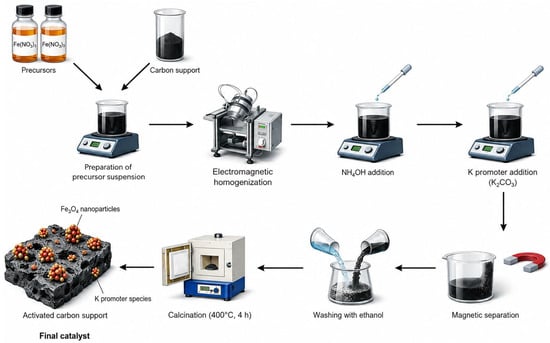
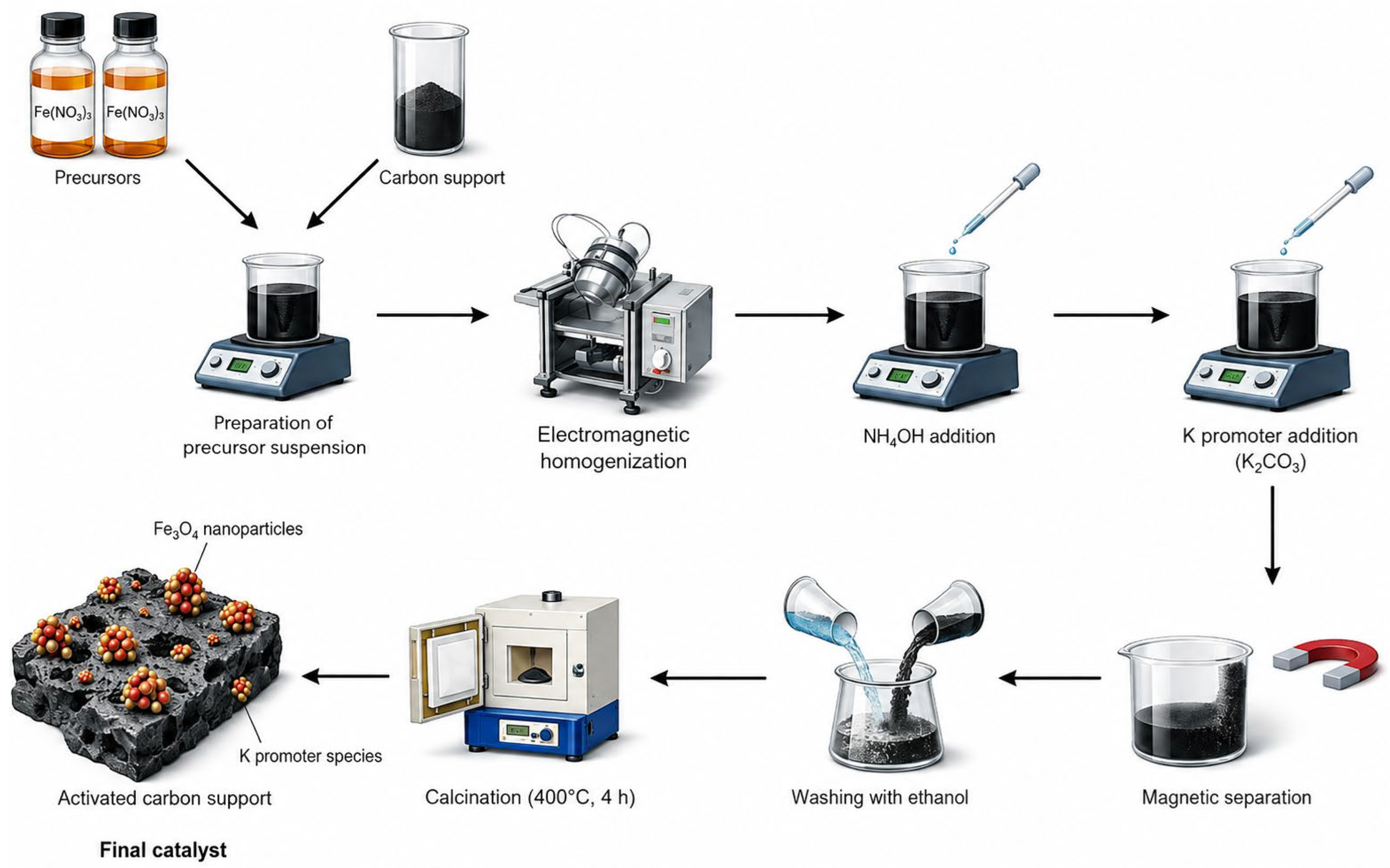
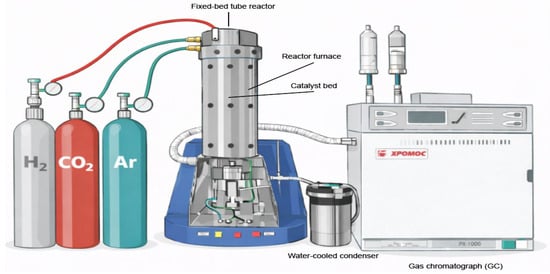
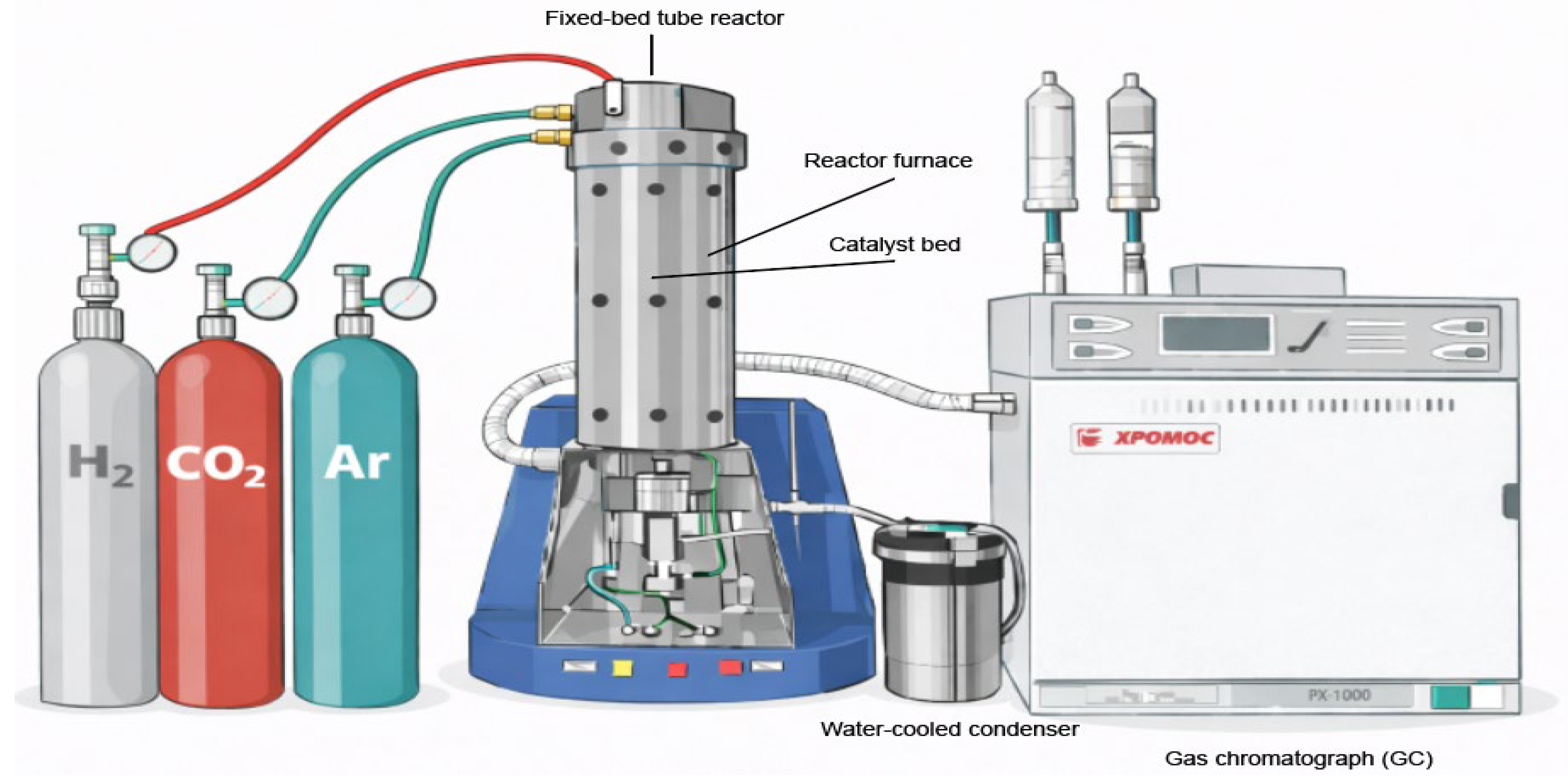
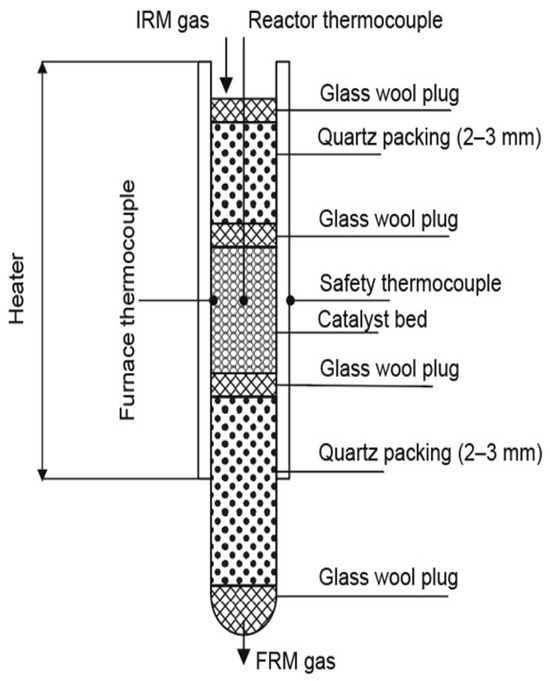
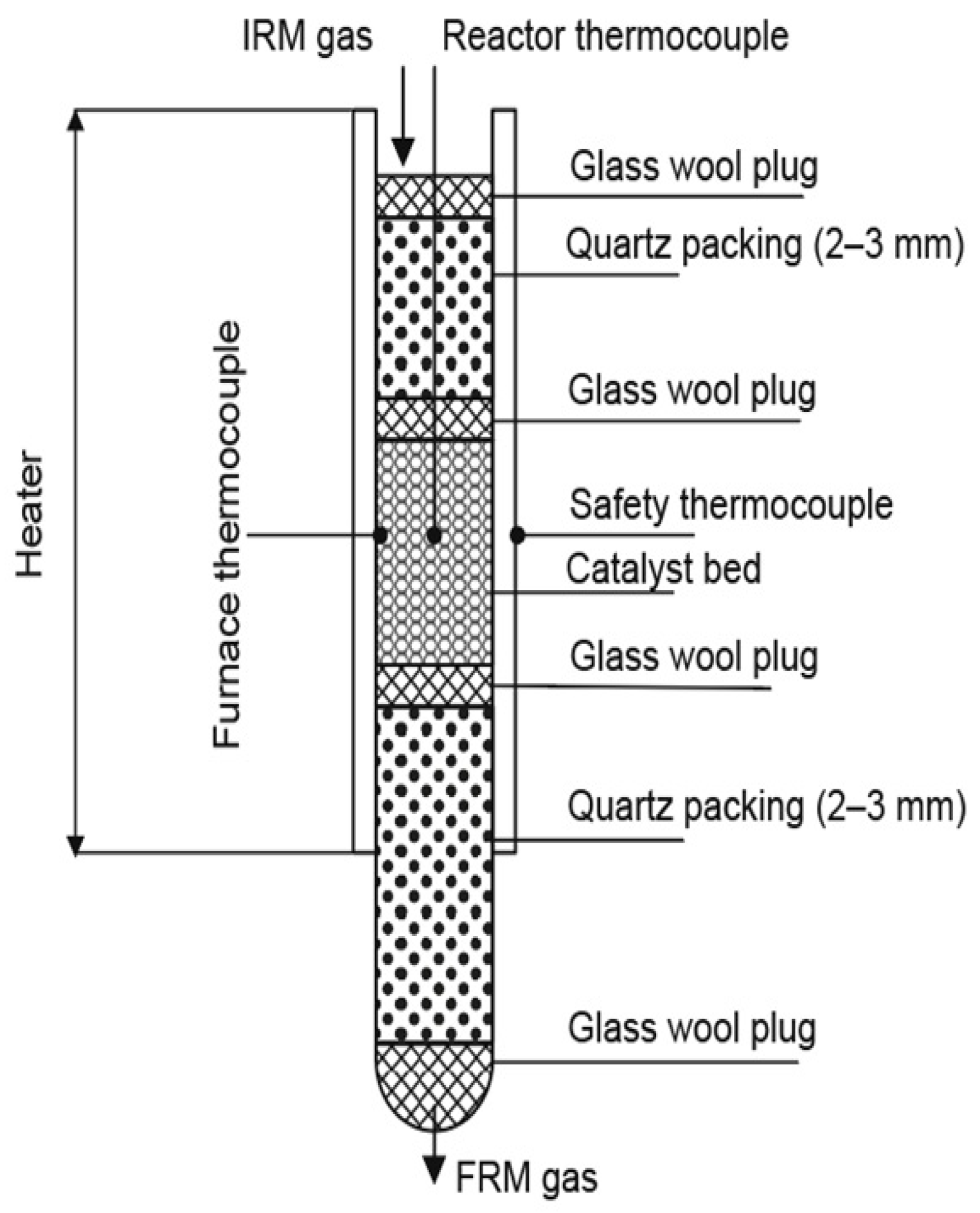
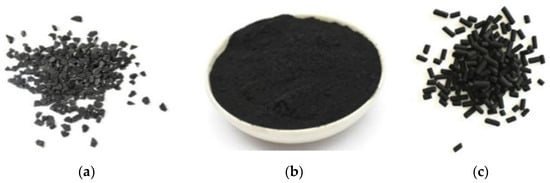
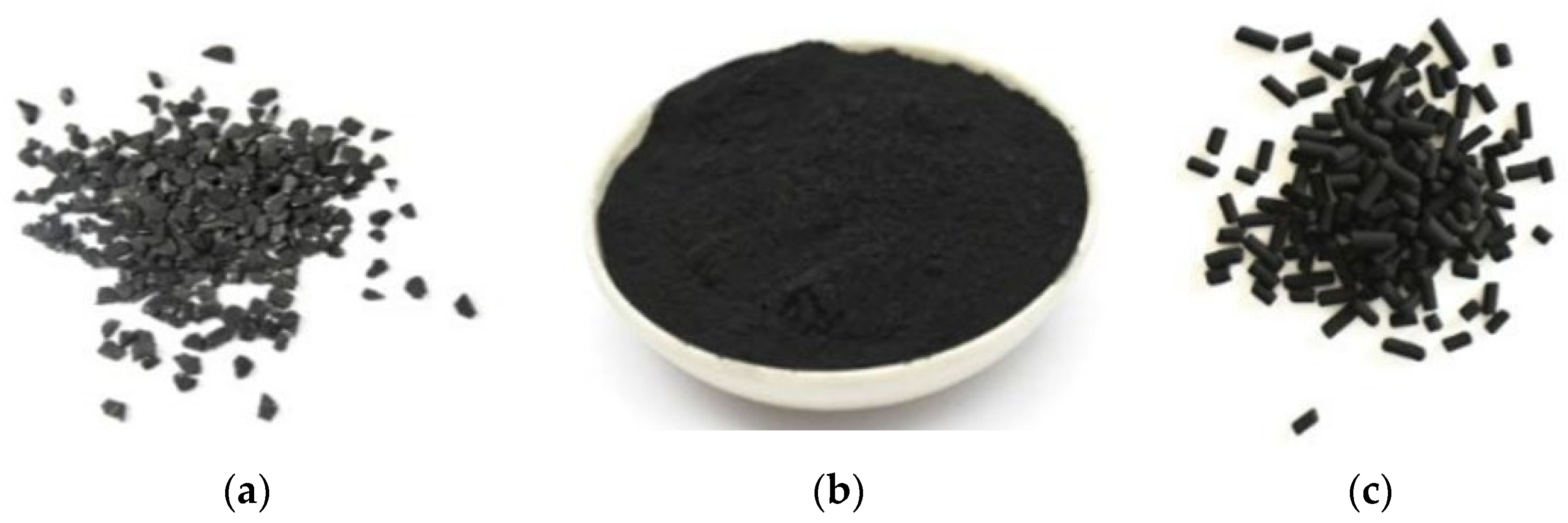
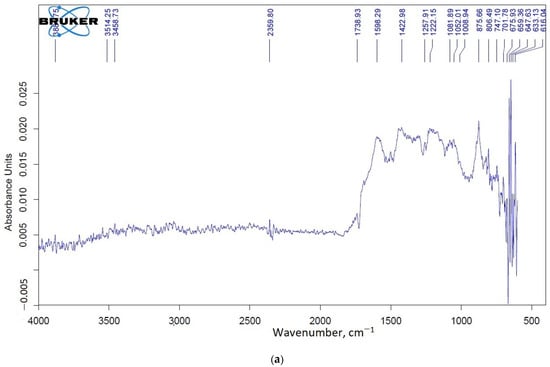
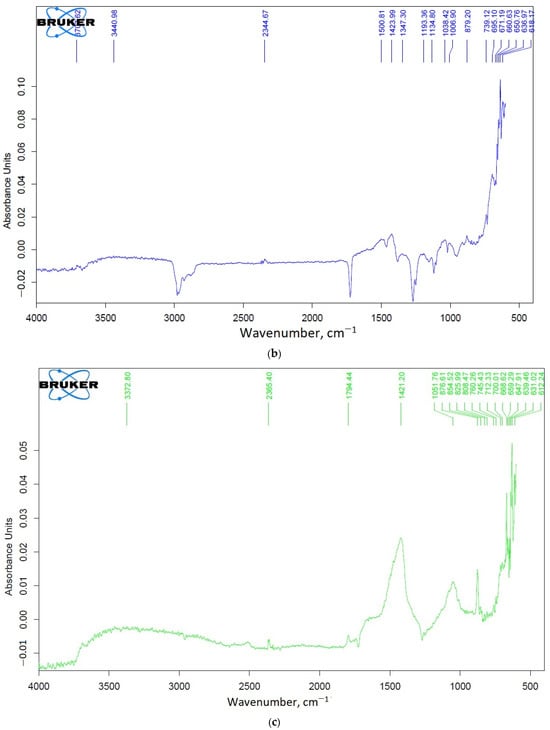
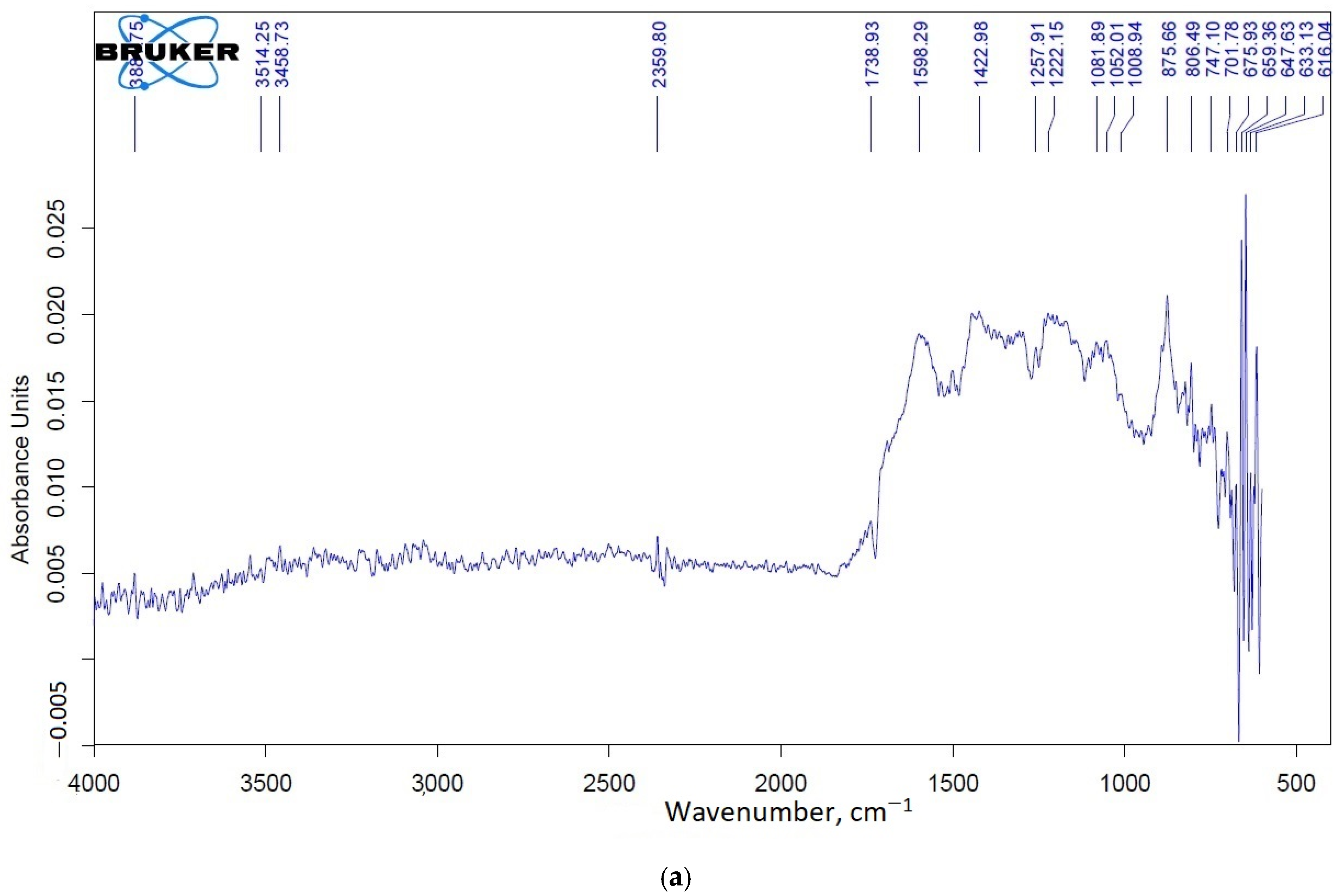
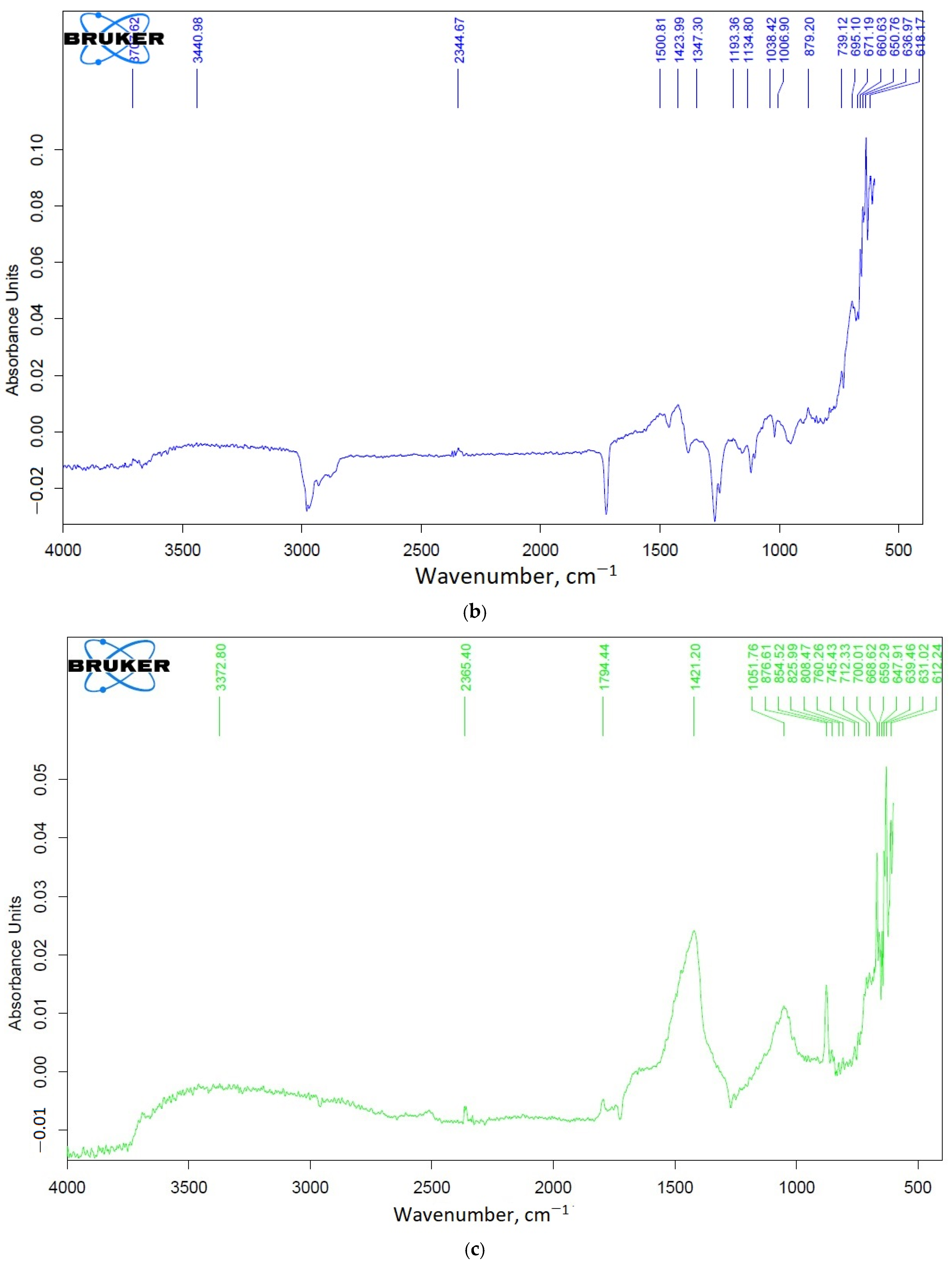
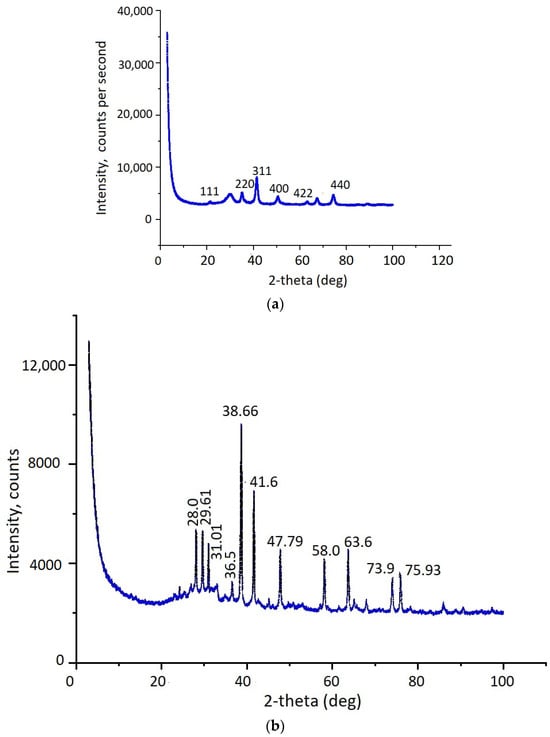
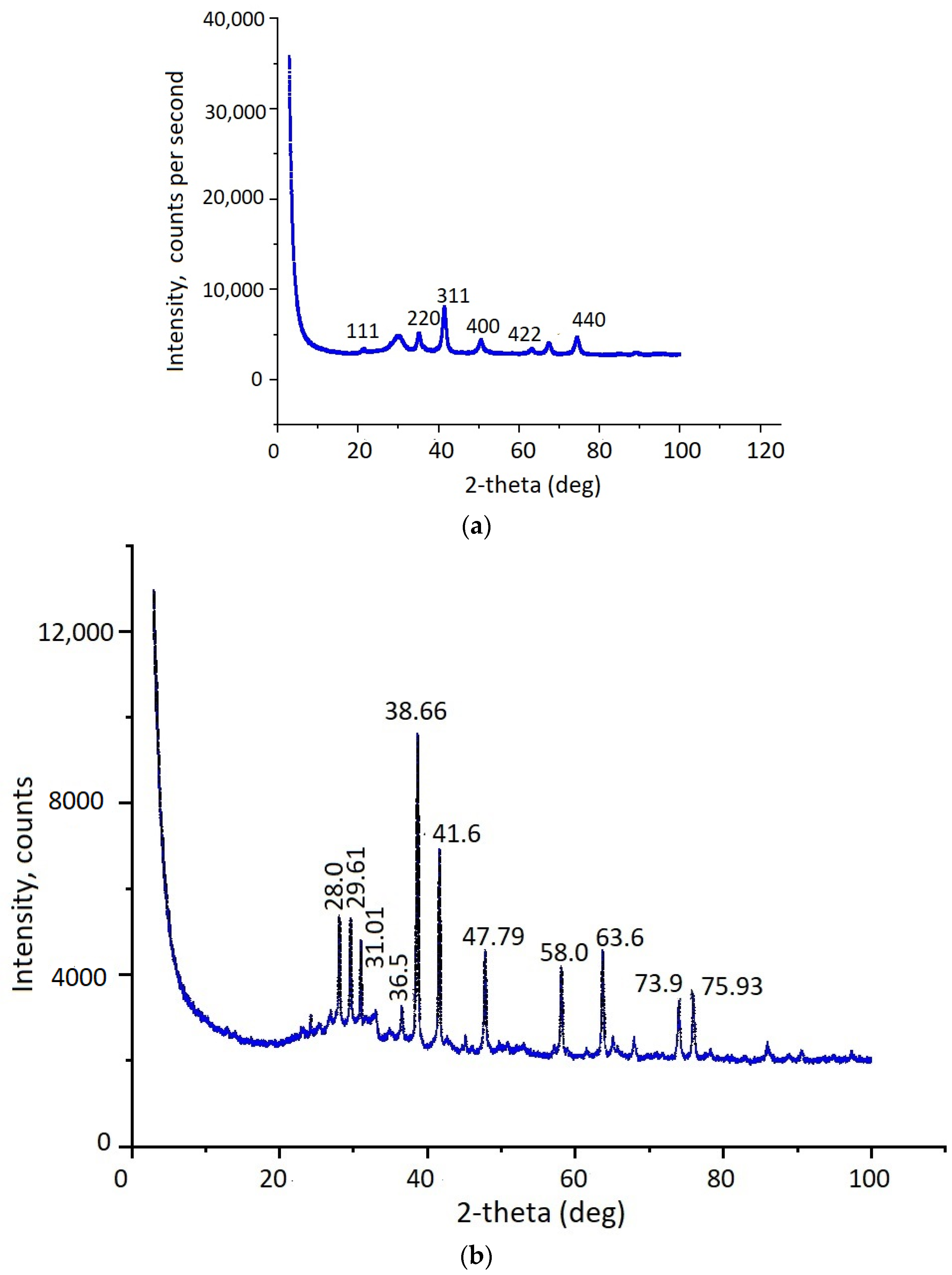
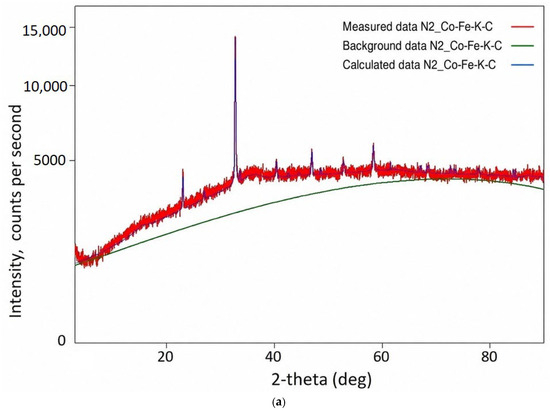
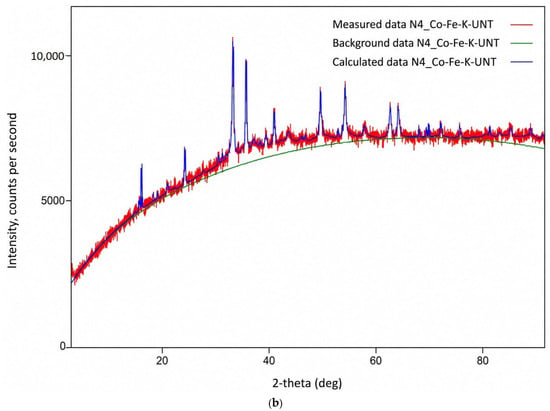
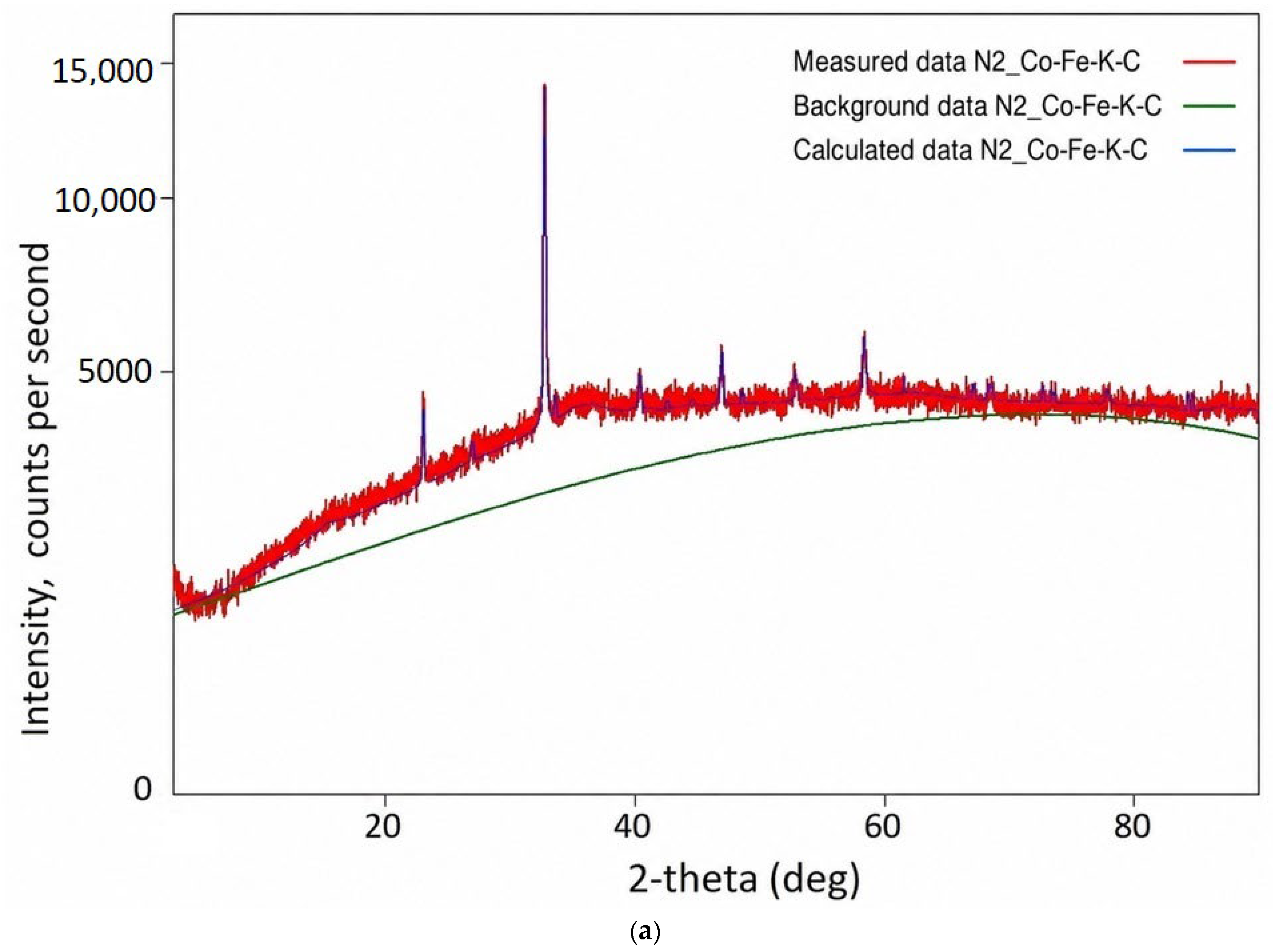
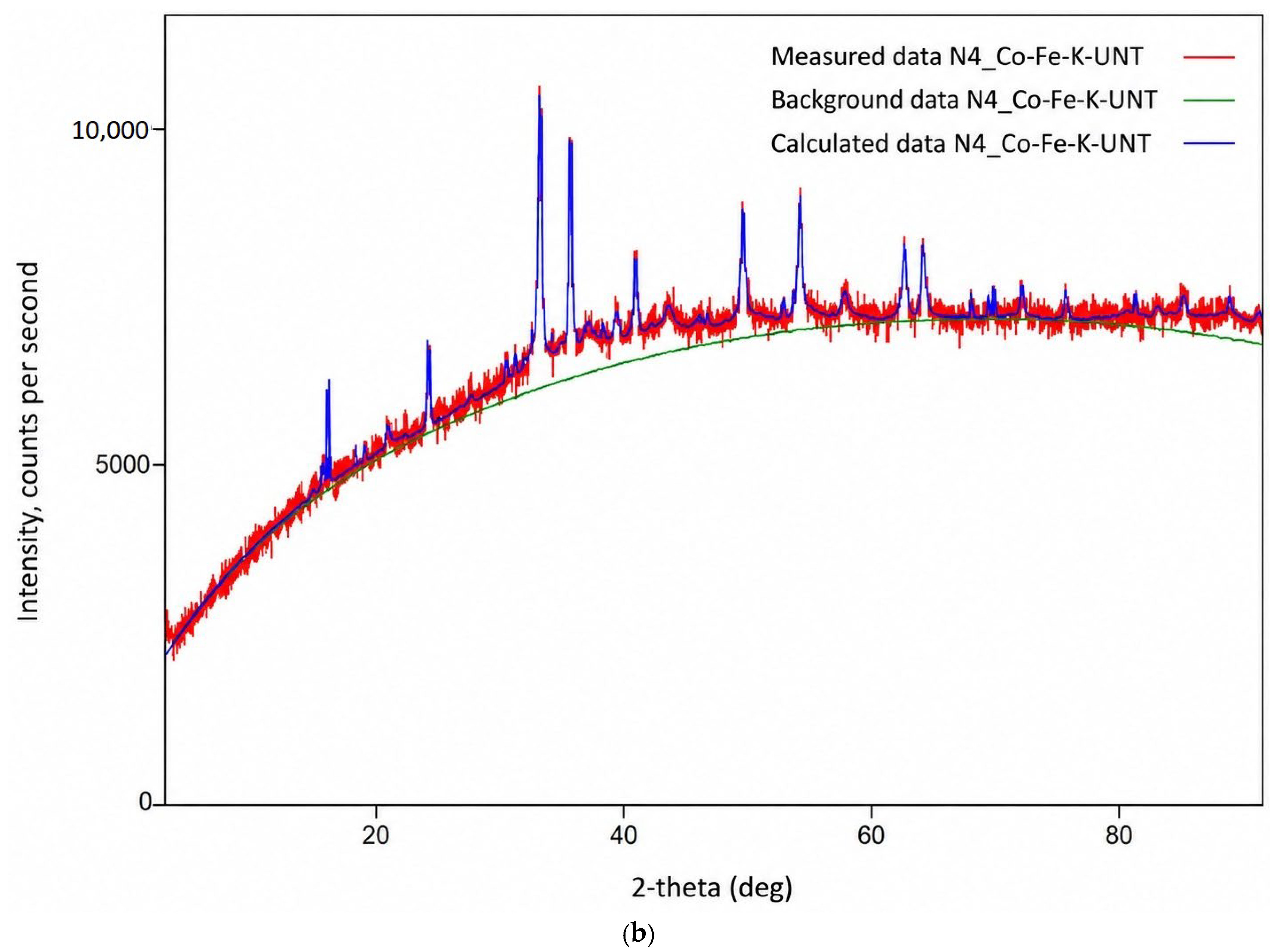
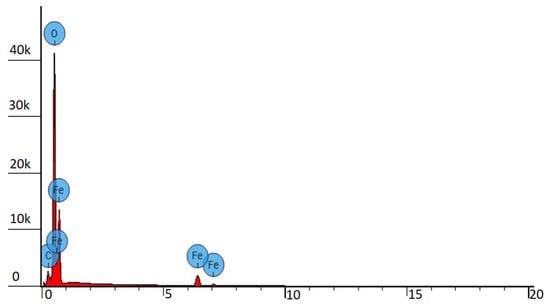
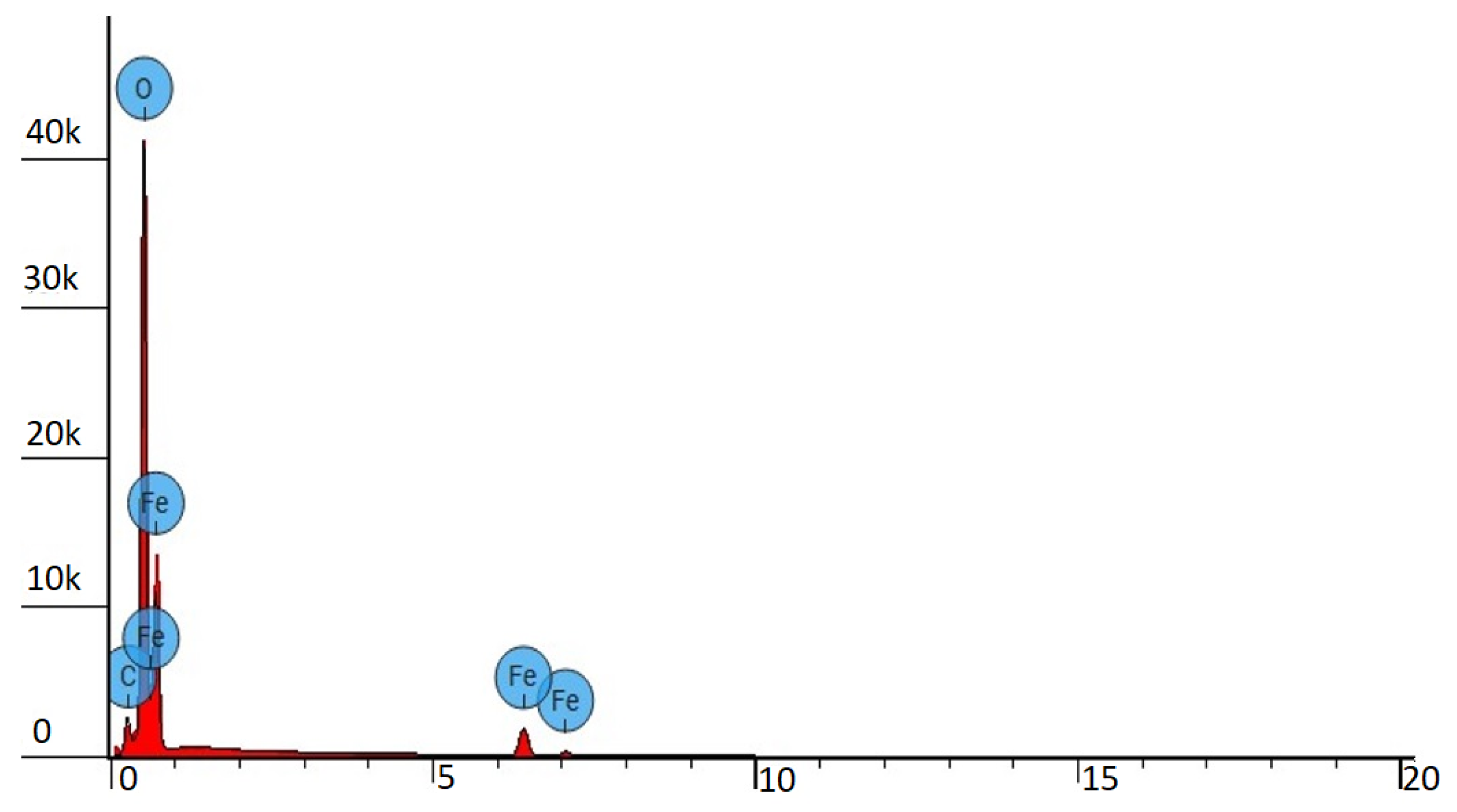
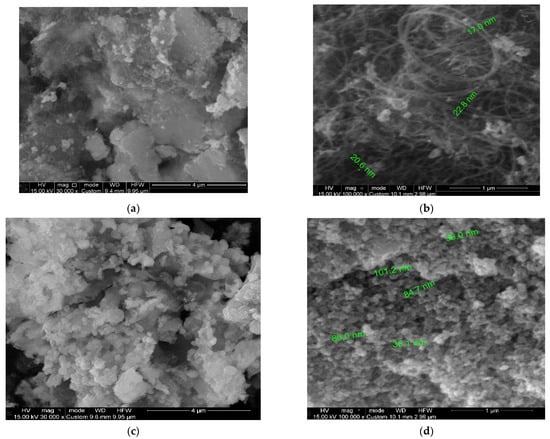
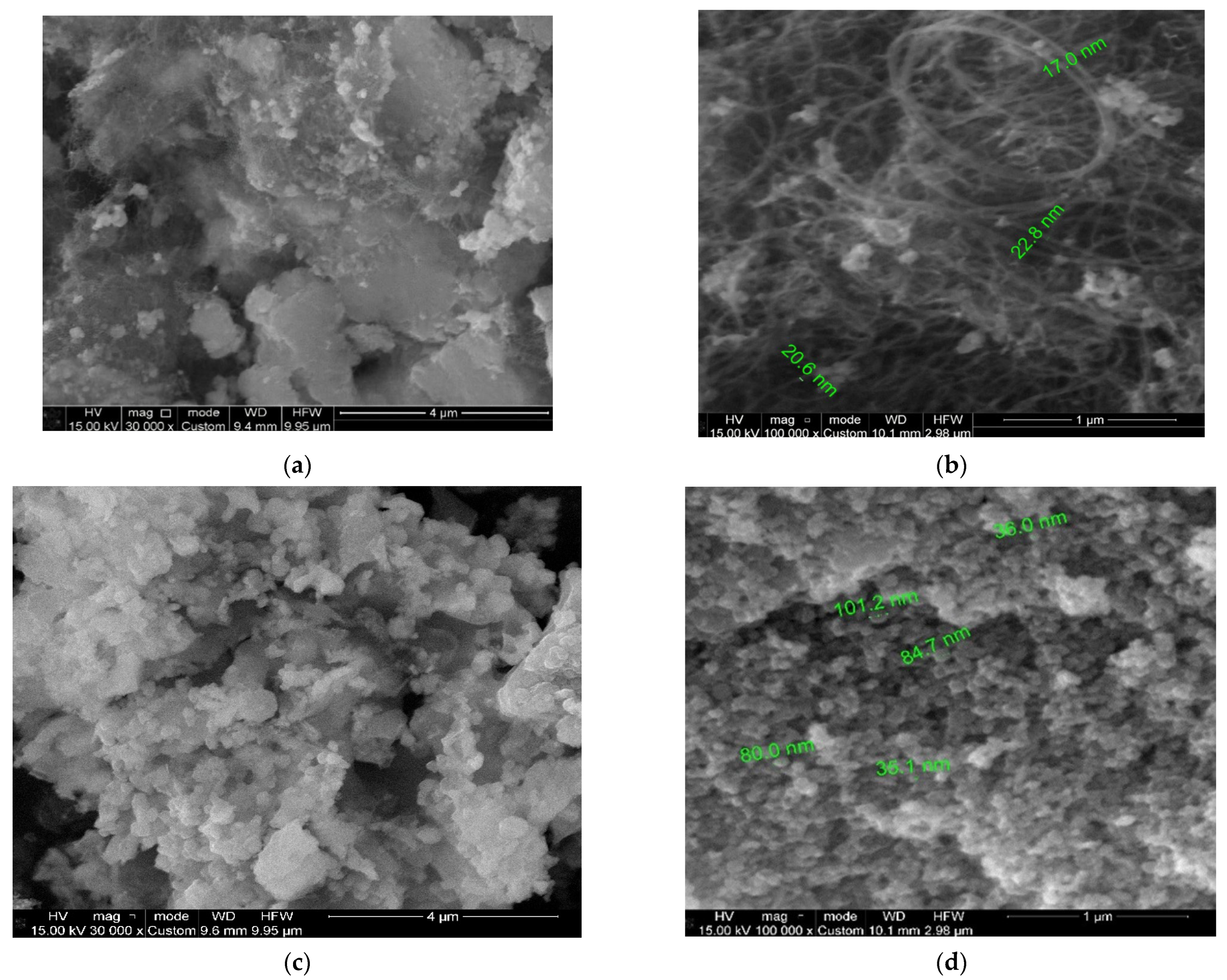
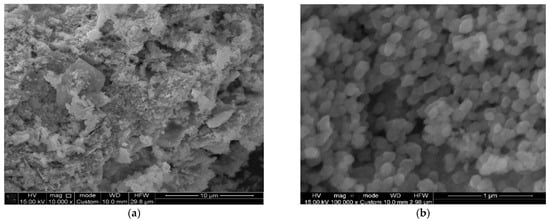
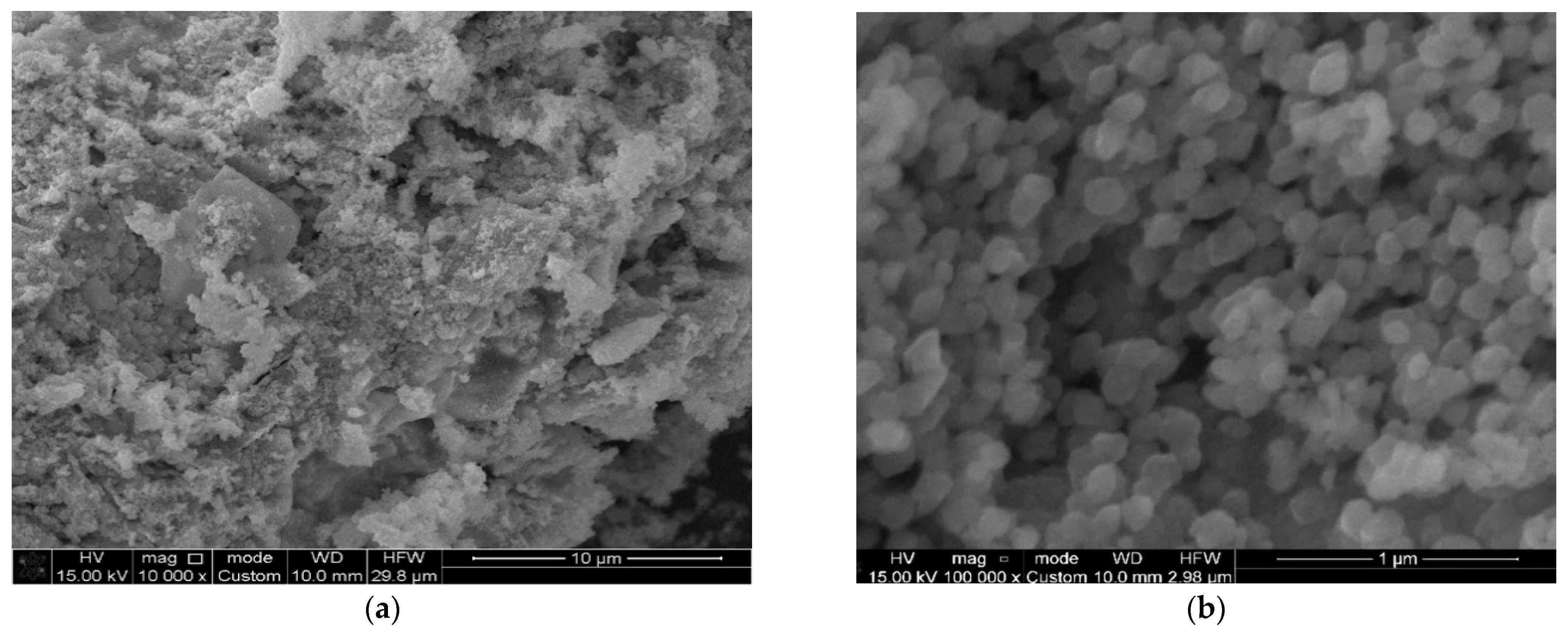
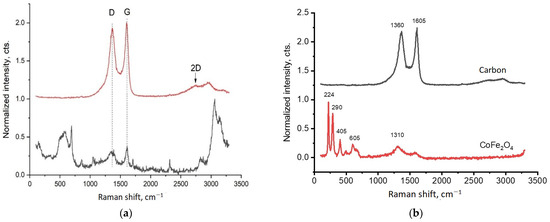
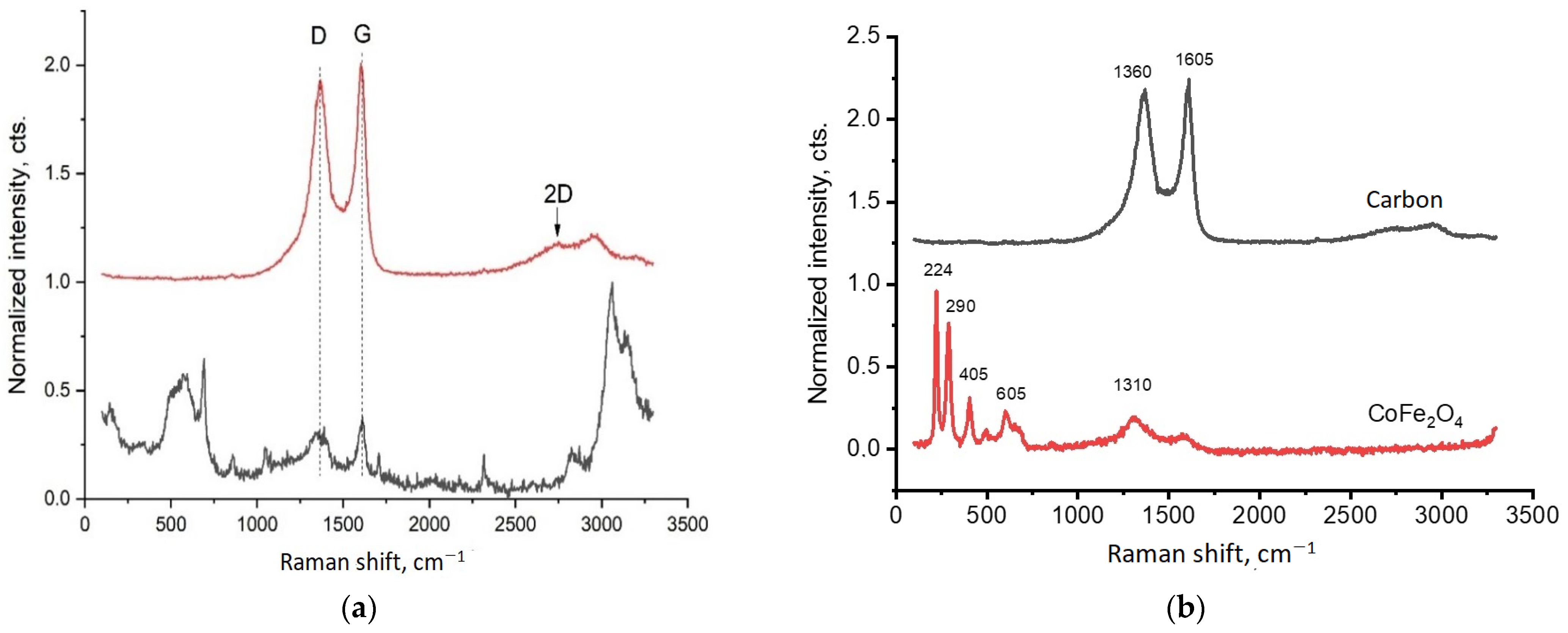
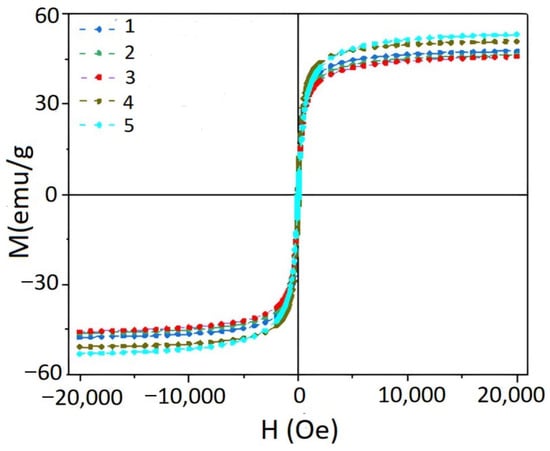
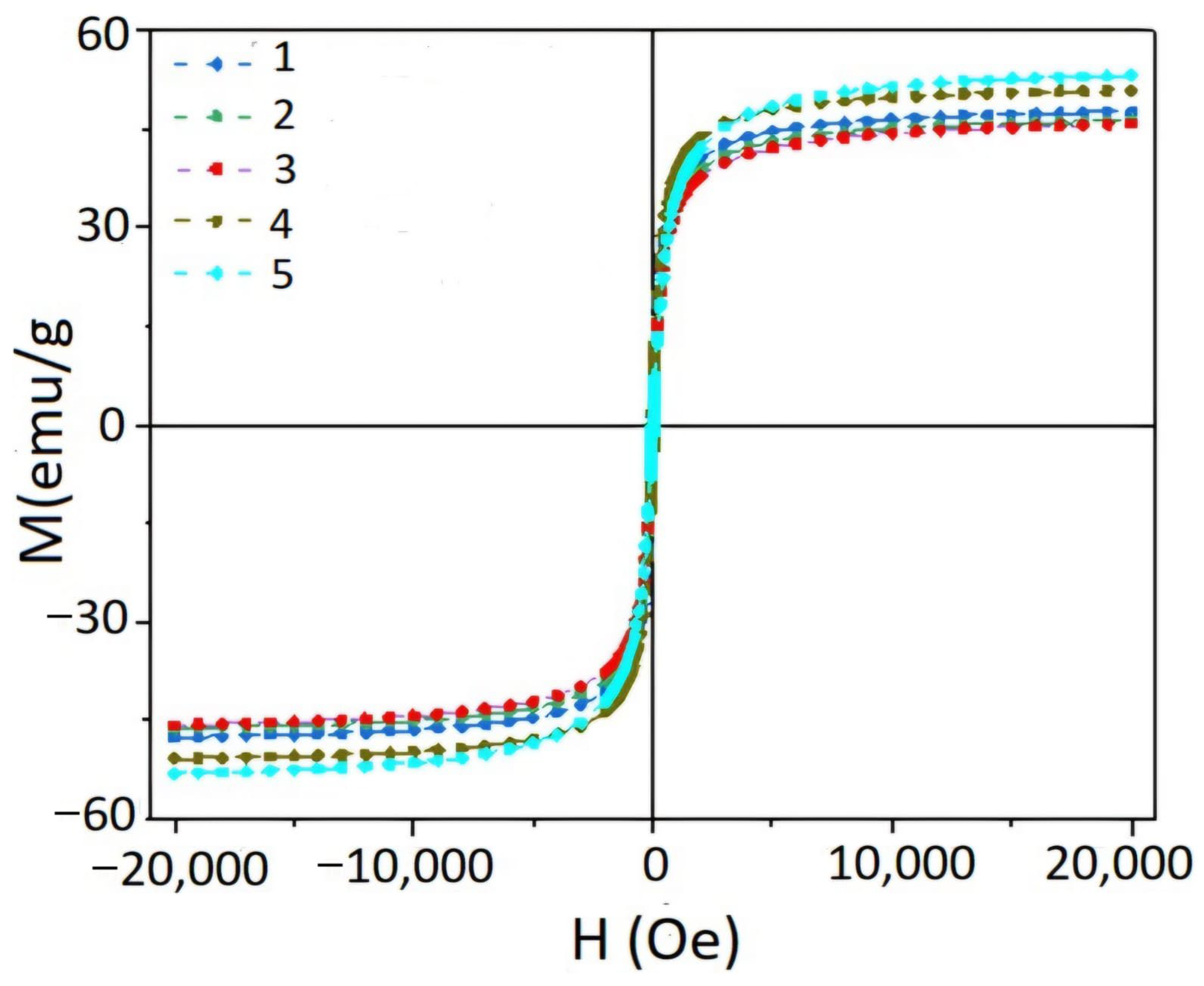
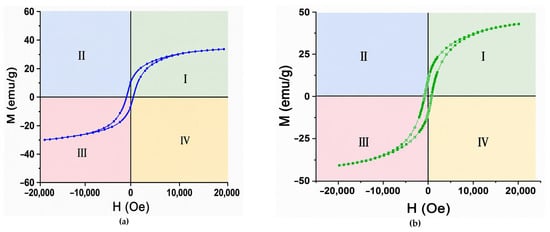
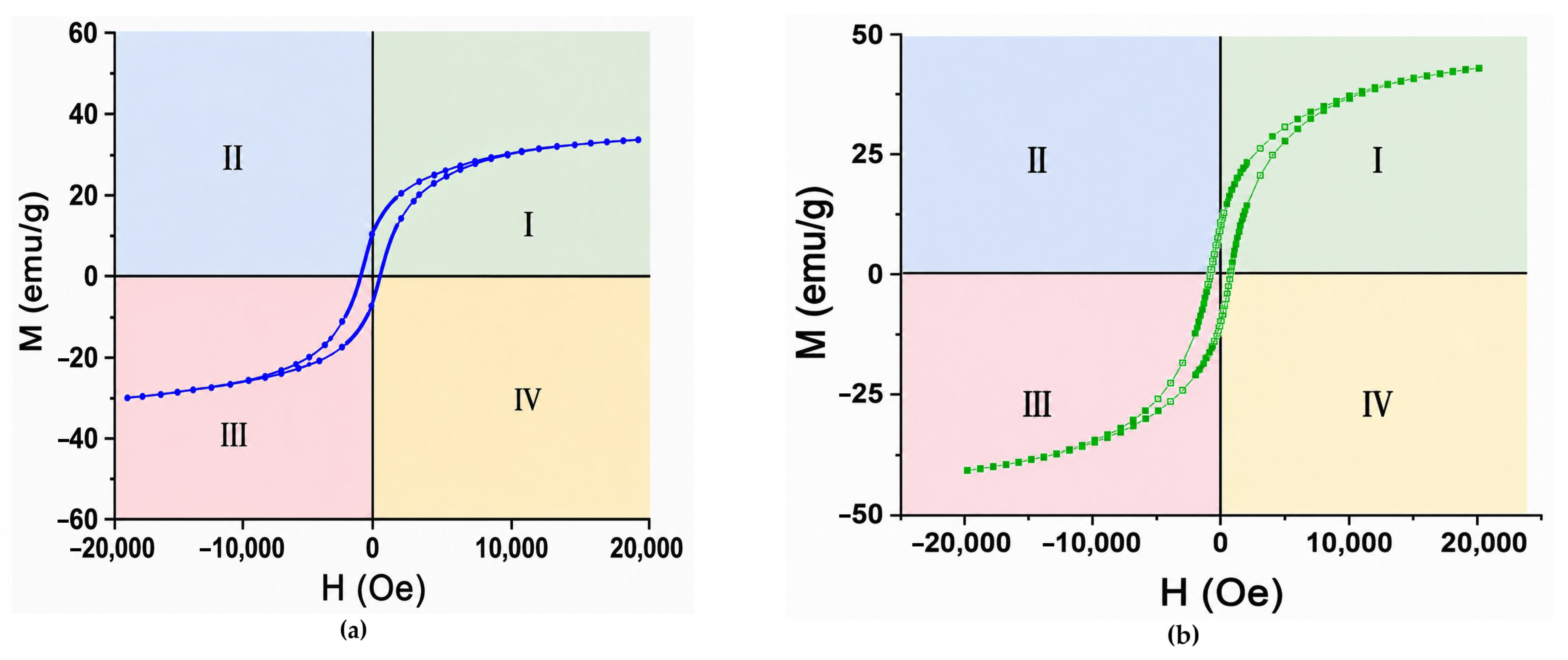
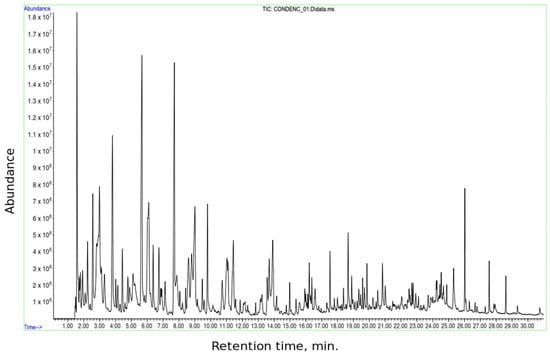
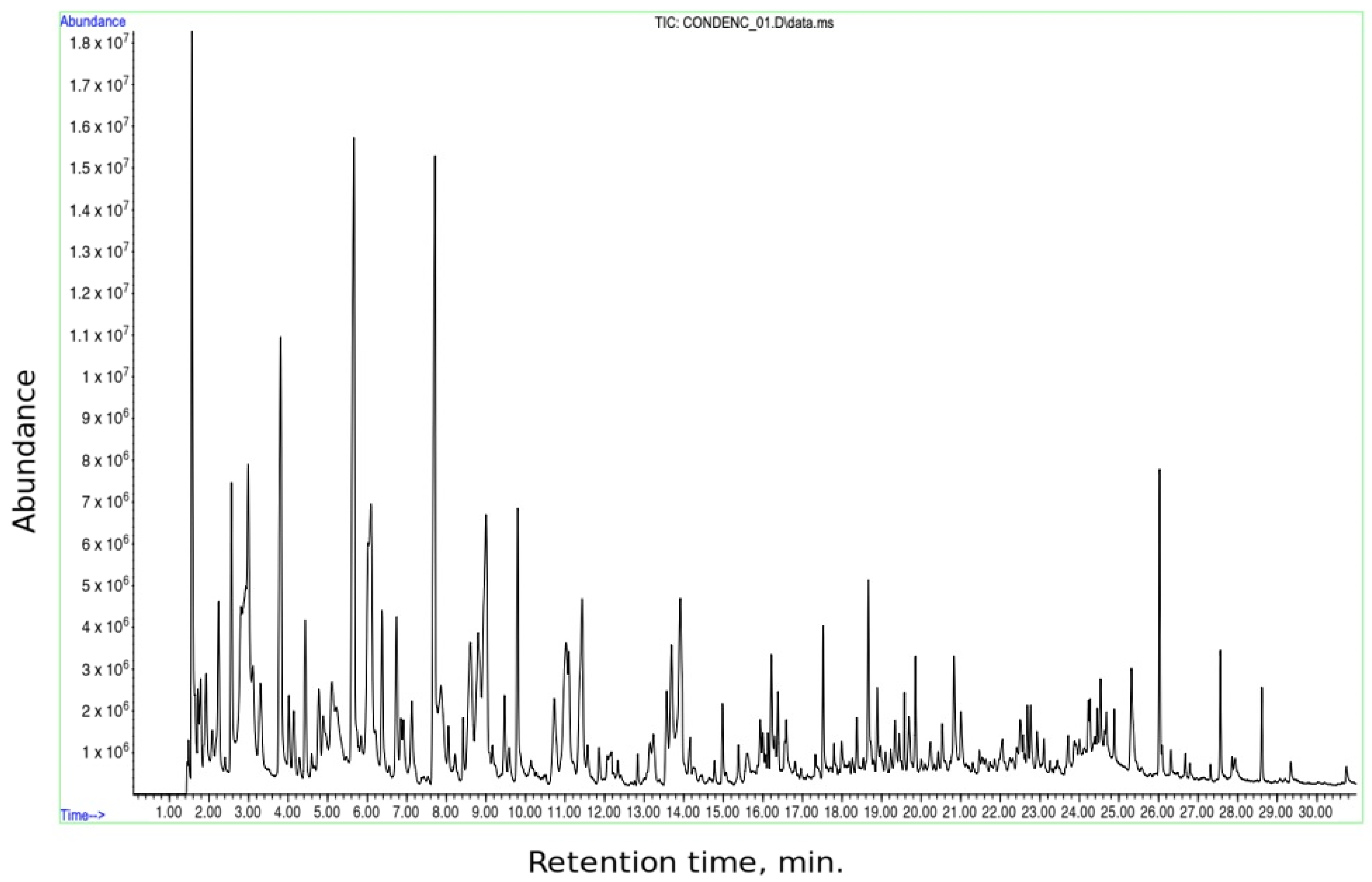
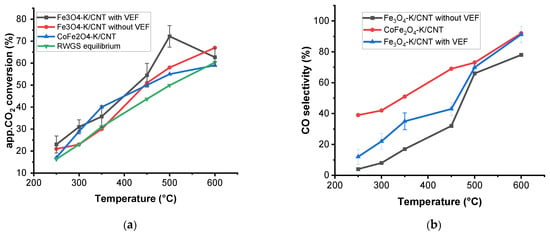
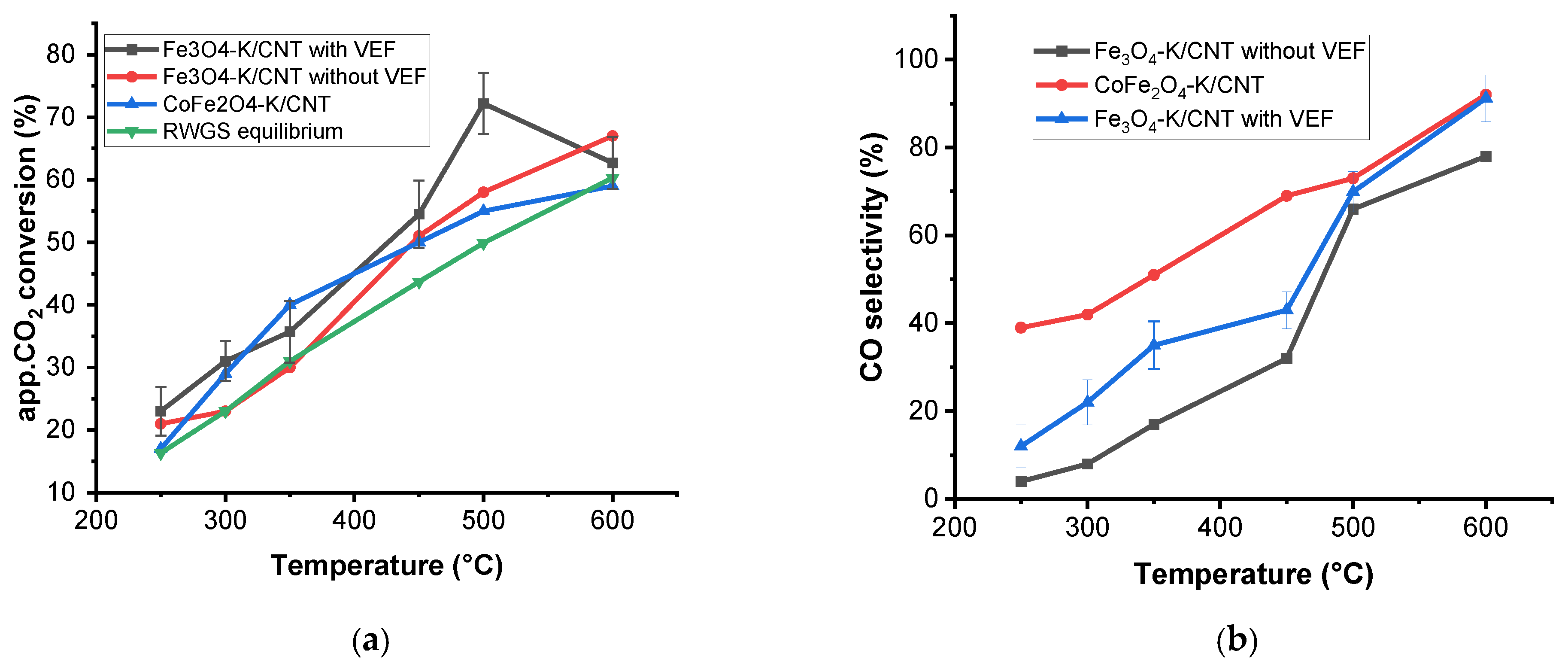
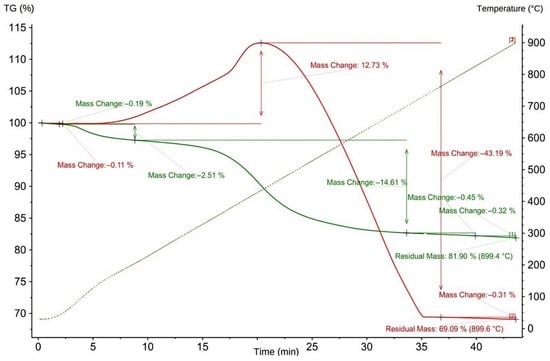
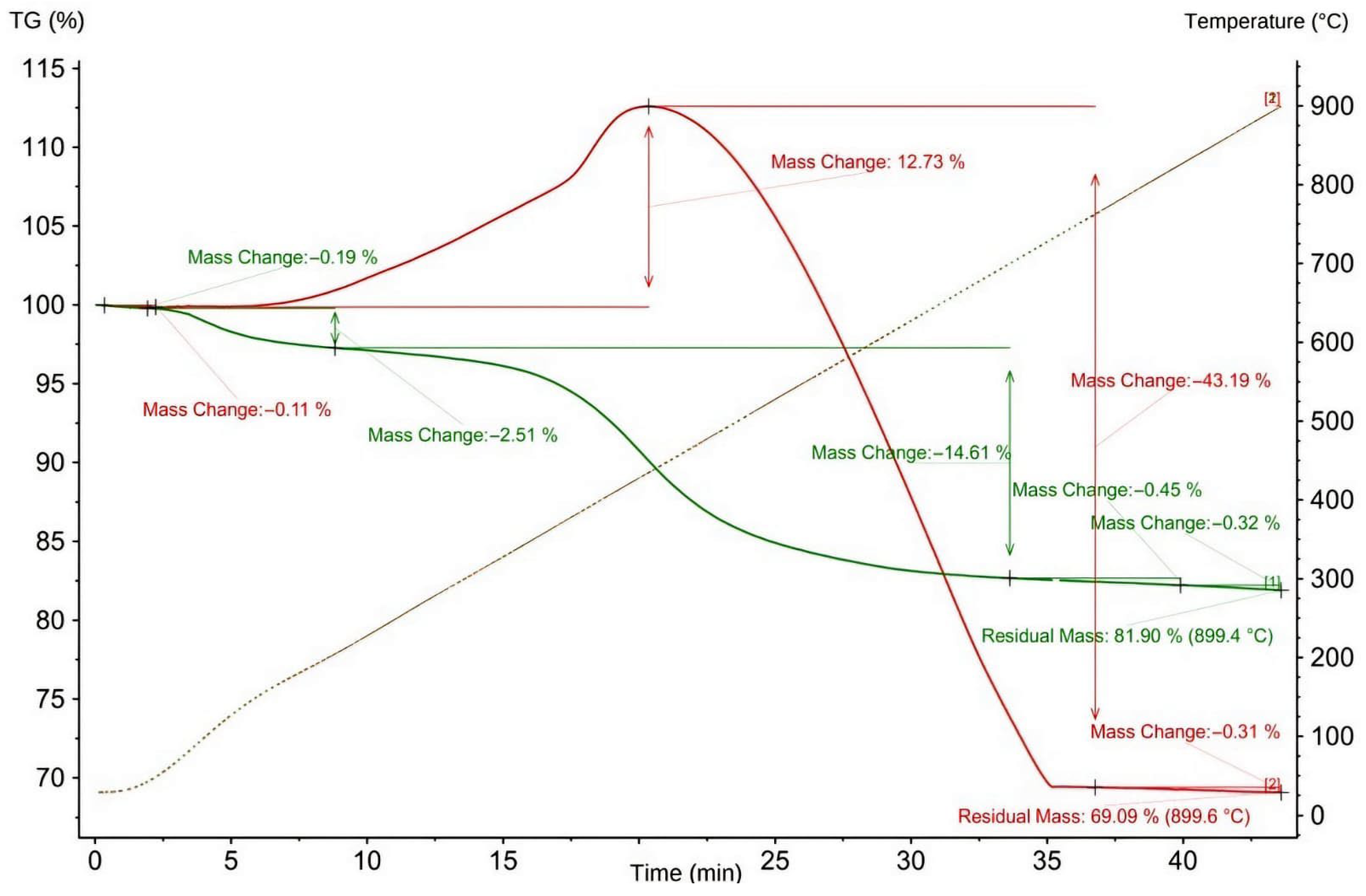
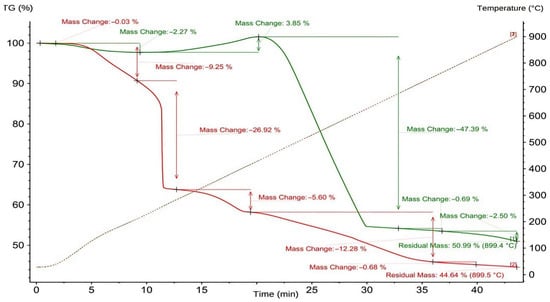
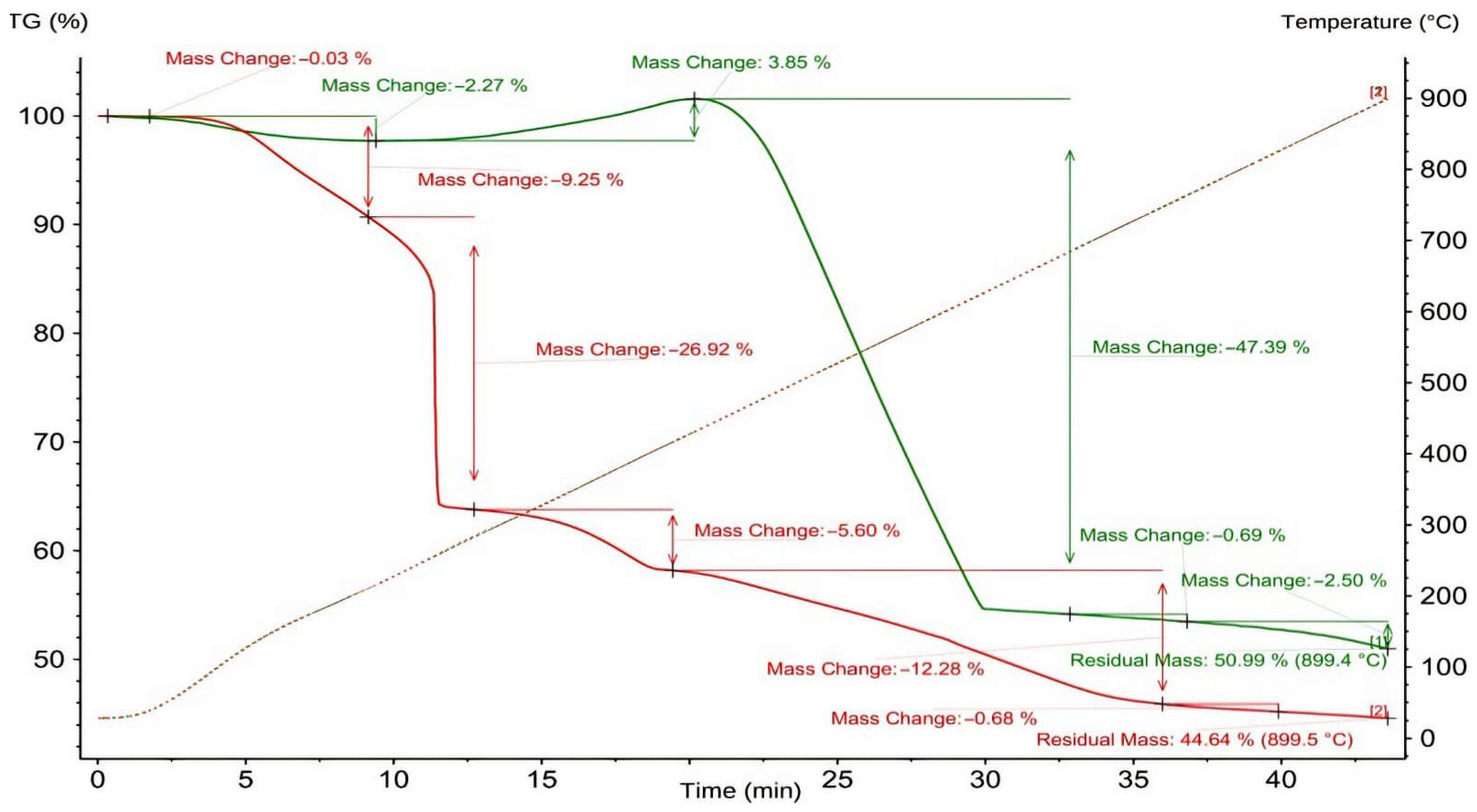

Disclaimer/Publisher’s Note: The statements, opinions and data contained in all publications are solely those of the individual author(s) and contributor(s) and not of MDPI and/or the editor(s). MDPI and/or the editor(s) disclaim responsibility for any injury to people or property resulting from any ideas, methods, instructions or products referred to in the content. |
© 2026 by the authors. Licensee MDPI, Basel, Switzerland. This article is an open access article distributed under the terms and conditions of the Creative Commons Attribution (CC BY) license.