


Abstract
Growing demand for sustainable plant-based foods has increased interest in marine macroalgae as food raw materials. However, the complex structure of macroalgal biomass and limited nutrient accessibility restrict its direct use, creating a need for processing strategies that improve its nutritional, technological, and sensory properties. This review critically evaluates microbial fermentation as an approach to macroalgal processing, integrating biomass characteristics, pretreatment, starter-culture selection, fermentation conditions, and biotransformation mechanisms. Evidence indicates that fermentation can improve nutrient bioaccessibility, promote the formation or release of bioactive compounds, contribute to product preservation, and reduce characteristic marine flavors and odors, supporting the potential use of fermented macroalgae in beverages, dairy alternatives, and sauces. However, evidence for these effects is not uniform, and some reported probiotic, antioxidant, and health-related benefits remain insufficiently established. Industrial implementation is limited by safety concerns related to potentially toxic elements and high iodine concentrations, particularly in brown algae, as well as challenges involving starter-strain selection, process standardization, scale-up, regulatory requirements, and product quality. Future research should prioritize the optimization of strain–substrate combinations, standardized fermentation protocols, safety assessment, process control, scale-up strategies, and experimental validation of functional effects. This review provides a framework for linking macroalgal substrate characteristics, microbial selection, and processing conditions with potential applications in plant-based foods.
1. Introduction
Meeting future global food demand remains an important challenge, highlighting the need to improve agricultural productivity through strategies such as optimizing plant architecture to increase crop yields [1]. At the same time, consumer interest in plant-based foods continues to grow. Alternative food ingredients with high nutritional and functional value are also attracting attention [2]. Many plant-based foods rely on conventional crops such as soy, peas, and wheat, whose cultivation and processing are associated with environmental and resource-related challenges [3,4,5]. Their cultivation requires arable land and, depending on the crop and production system, substantial amounts of water, contributing to their environmental footprint [6].
Marine macroalgae represent a potential alternative to conventional terrestrial crops. Under suitable cultivation conditions, macroalgae can achieve high biomass productivity without requiring arable land [7]. They contain a diverse range of nutrients and bioactive compounds, including proteins, polysaccharides, polyunsaturated fatty acids (PUFAs), polyphenols, and pigments. These characteristics have increased interest in macroalgae as potential ingredients for more sustainable food systems [8,9,10,11,12].
However, the incorporation of macroalgae into food products presents several challenges. One major limitation is the polysaccharide-rich cell wall structure, which may restrict the release of proteins and bioactive compounds during digestion. In addition, the characteristic sensory profile of macroalgae may limit consumer acceptance of foods containing macroalgal ingredients [13,14].
Recent studies have investigated fermentation as a processing strategy for macroalgal biomass. Through microbial metabolism and enzymatic activity, fermentation can modify the macroalgal matrix, potentially increasing nutrient bioaccessibility and altering the digestibility of selected components. Depending on the microorganism, substrate, and processing conditions, fermentation may improve functional properties, modify the characteristic marine aroma and flavor of macroalgae, and contribute to product preservation. Changes in antioxidant activity and other biological properties have also been reported, although the available evidence is largely based on in vitro assays and laboratory-scale studies and varies among macroalgal species and fermentation conditions [8,15].
Previous reviews have addressed complementary aspects of algal fermentation. Sarıtaş et al. [8] primarily focused on the nutritional, functional, and health-related properties of fermented macro- and microalgae, whereas Nhapulo et al. [13] emphasized advances in pretreatment and fermentation technologies, research trends, and unresolved issues such as heavy-metal reduction. Monteiro et al. [16] examined seaweeds mainly as fermentation substrates, with particular attention to marine polysaccharides, their microbial degradation, prebiotic potential, and relevance to the circular bioeconomy. In contrast, the present review provides an integrated, decision-oriented perspective linking macroalgal biomass characteristics and pretreatment strategies with microorganism and starter-culture selection, fermentation conditions, mechanisms of biotransformation, and the resulting nutritional, technological, and sensory properties. This framework further connects strain–substrate–process relationships with specific plant-based food applications while critically considering the strength of the available evidence and the main safety, regulatory, standardization, and scale-up constraints affecting industrial implementation.
Accordingly, this review aims to critically evaluate how microbial fermentation can be tailored to macroalgal biomass and translated into plant-based food applications. Particular attention is given to the relationships between processing conditions, microbial selection, biotransformation, and the resulting functional properties, together with the safety, regulatory, standardization, and scale-up challenges that may determine broader industrial use.
2. Materials and Methods
This narrative review aimed to critically synthesize available evidence on macroalgal fermentation, with particular emphasis on food microbiology, biotechnology, and applications in plant-based foods. The literature search was conducted in August 2026. The search covered articles published from 2017 onwards and was conducted using Scopus, Web of Science, PubMed, and ScienceDirect. Earlier publications were also considered when they provided essential background information or when more recent studies on a specific topic were unavailable. The search strategy combined the terms “macroalgae” and “seaweed” with terms related to fermentation, microorganisms, processing, nutritional and functional properties, sensory characteristics, and food applications. The search terms included “microbial fermentation”, “lactic acid bacteria”, “yeast”, “fungi”, “pretreatment”, “bioavailability”, “digestibility”, “functional properties”, “sensory properties”, “consumer acceptance”, “food application”, and “plant-based foods”. An example of a search string was (“macroalgae” OR “seaweed”) AND (“fermentation” OR “lactic acid bacteria”) AND (“food” OR “nutritional properties”). The search terms were applied to titles, abstracts, and keywords, using search strings adapted to the requirements of each database.
Publications were considered eligible if they investigated marine macroalgae in relation to microbial fermentation, fermentation-related processing, or food applications of fermented macroalgal biomass, and were published in English. Studies addressing non-food applications were also considered when they provided relevant mechanistic or technological insights into macroalgal processing. For instance, bioethanol production studies were retained only when they provided relevant information on macroalgal pretreatment or biomass processing. Such studies were used as technological background rather than as direct evidence of food-related outcomes. Non-English publications and studies unrelated to macroalgal fermentation, relevant biomass processing, or food applications were excluded.
To improve transparency in evidence interpretation, the available evidence was classified according to its relevance to macroalgal fermentation. Findings from experimental studies involving marine macroalgae were treated as direct evidence only for the processes and outcomes specifically investigated. General information derived from reviews or broader literature was used only to provide contextual background. Where direct evidence for marine macroalgae was limited, selected findings from microalgal or non-algal systems were included as explicitly identified extrapolations and were not interpreted as direct evidence for macroalgal fermentation.
The analysis focused on the application of fermentation in macroalgal biomass processing, with particular attention to microbial strains, pretreatment approaches, fermentation strategies, changes in biomass composition and functionality, and the potential use of fermented macroalgae in plant-based foods. The available evidence was critically evaluated and compared, with particular consideration given to differences among macroalgal species, microbial strains, pretreatment methods, and fermentation conditions.
During the preparation of this review manuscript, the first author used generative artificial intelligence tools to support language editing, manuscript organization, and literature review activities. OpenAI’s ChatGPT (GPT-5.5 Thinking) was used to paraphrase selected passages, improve language consistency and readability, and assist in organizing the manuscript structure. Google NotebookLM was used to assist in extracting and organizing key information from scientific publications. The extracted information was checked against the original publications, and all AI-assisted outputs were reviewed and edited by the first author. These tools did not replace the authors’ scientific interpretation, critical evaluation of the literature, or development of the conceptual scheme and conclusions. All authors critically reviewed and verified the scientific content and take full responsibility for its accuracy and integrity.
3. Nutritional and Technological Potential of Macroalgae
The nutritional value and favorable technological properties of macroalgal biomass make it a promising ingredient for the development of sustainable plant-based foods. This potential is associated with its content of proteins, polysaccharides, PUFAs, polyphenols, vitamins, and pigments.
3.1. Proteins
Marine macroalgal proteins are attracting increasing interest because of their nutritional and functional properties and potential applications in functional foods. Their content varies considerably among major macroalgal groups, ranging from approximately 3–15% of dry weight (dw) in brown algae and 9–26% dw in green algae to 27–47% dw in red algae [17]. Red algae of the genus Porphyra are particularly high in protein, with protein content reaching up to 47% dw [18]. The protein content of some macroalgae is comparable to that reported for selected legumes, such as soybeans, broad beans, and peas, suggesting their potential as dietary protein sources [19]. This potential may be particularly relevant to consumers following vegetarian or vegan diets.
Macroalgae can provide a broad range of amino acids, including glycine, alanine, arginine, proline, glutamic acid, and aspartic acid. In some macroalgal species, essential amino acids (EAAs) may account for almost half of the total amino acid content, and the overall amino acid profile has been reported to be broadly comparable to that of egg protein [20,21,22]. Therefore, the amino acid profile of macroalgae is important from both nutritional and functional perspectives, particularly when assessing dietary protein quality and EAA content [23].
Beyond amino acid composition, the nutritional value of proteins also depends on their digestibility. In macroalgae, protein digestibility is influenced by several factors, including macronutrient composition, the presence of antinutritional compounds, the activity and specificity of digestive enzymes, and dietary fiber content [24]. Compared with many animal proteins, macroalgal proteins may exhibit lower digestibility, which has been attributed, at least in part, to their high dietary fiber content. Dietary fiber may limit the access of digestive enzymes to protein substrates, thereby reducing their hydrolysis [25,26]. Consequently, microbial processing, particularly fermentation, is being investigated as a strategy to promote proteolysis, disrupt structural barriers, and potentially improve the bioaccessibility of nutrients and bioactive compounds in macroalgal biomass.
3.2. Polysaccharides
Macroalgal polysaccharides have been investigated for various biological activities, although these effects depend on their structure and the methods used to assess them [27]. In these organisms, carbohydrates primarily serve as structural components of cell walls and as storage compounds that provide energy for metabolic processes [8]. In addition, macroalgal polysaccharides are among the bioactive constituents of interest for potential applications in functional foods and nutraceuticals [28]. Polysaccharide content in green, red, and brown algae ranges from 4% to 76% dw [18].
Polysaccharide composition varies among macroalgal groups. Ulvan is a characteristic cell-wall polysaccharide of green macroalgae belonging to the genus Ulva. In food applications, ulvan is particularly relevant because of its hydrogel-forming properties and potential functionality as a food ingredient. However, the polysaccharide-rich cell-wall matrix may limit microbial access to available nutrients, making the selection of suitable microorganisms or pretreatment methods important in some cases [29,30].
Red macroalgae (Rhodophyta) contain characteristic polysaccharides such as agar, carrageenan, and porphyran, depending on the species. Agar has gelling, thickening, and stabilizing properties and is widely used in food products, with approximately 80% of global production directed to the food industry. Carrageenan is a family of linear, water-soluble sulfated polysaccharides composed primarily of alternating D-galactose and 3,6-anhydrogalactose units, with structural characteristics varying among carrageenan types [31,32,33]. Gel-forming carrageenans can form three-dimensional networks depending on their structure and the presence of specific cations, particularly potassium (K+) and calcium (Ca2+). These properties contribute to its wide range of applications in the food industry and biomedicine. The three main types of carrageenan are κ-carrageenan (kappa), ι-carrageenan (iota), and λ-carrageenan (lambda), which differ in their degree of sulfation, molecular structure, and functional properties. κ-Carrageenan forms relatively firm gels, ι-carrageenan forms softer and more elastic gels, whereas λ-carrageenan primarily functions as a thickener [31,32,33].
Brown macroalgae (Phaeophyceae) contain characteristic polysaccharides such as alginate, fucoidan, and laminarin. Alginate, a linear polysaccharide composed primarily of β-D-mannuronic acid and α-L-guluronic acid residues, is characterized by its ability to form stable gels in the presence of calcium ions [29,34,35]. Fucoidan is a sulfated polysaccharide rich in fucose that has been investigated for various biological activities and potential applications in functional foods, dietary supplements, and cosmetics [36]. Laminarin serves as a storage polysaccharide in brown algae and has also been reported to exhibit antioxidant activity [37].
3.3. Fats and Fatty Acids
Despite their relatively low total fat content, usually ranging from 1% to 5% dw, macroalgae contain bioactive fatty acids that have been investigated for their potential health effects [38,39]. Macroalgae contain PUFAs, including omega-3 and omega-6 fatty acids. Compared with terrestrial plants, some macroalgae contain appreciable amounts of long-chain PUFAs, including eicosapentaenoic acid (EPA) and, in selected species, docosahexaenoic acid (DHA), which play important roles in human physiology [40]. The lipid composition of macroalgae varies considerably and depends on several factors, including taxonomic affiliation, geographic location, environmental conditions, and harvest season [40,41].
Different macroalgal groups have distinct fatty acid profiles. Brown algae contain α-linolenic acid (ALA), an omega-3 fatty acid, and may have higher sterol concentrations than some green and red algae [40].
Red and green algae may also contain relatively high proportions of long-chain fatty acids, particularly EPA and arachidonic acid (AA). In some red algal species, such as Gracilaria gracilis, arachidonic acid can account for almost half of the total fatty acid content, while palmitic acid may also be present in substantial amounts [9]. Green algae, including Caulerpa racemosa, contain phytosterols such as β-sitosterol, whose measured content has been reported to increase after fermentation under specific processing conditions [42]. These lipid components may contribute to the nutritional and functional value of macroalgae. EPA and DHA play important roles in cardiovascular and neurological physiology, while phytosterols, tocopherols, and fucoxanthin have been investigated for their potential lipid-modulating and antioxidant activities [8,9,40,42].
Despite their nutritional potential, the bioaccessibility of macroalgal lipids and fatty acids may be limited by their location within cellular structures and the surrounding cell-wall matrix. In edible macroalgae, lipids are present primarily as membrane-associated phospholipids and glycolipids. The resistance of certain cell-wall polysaccharides to human digestive enzymes may further restrict lipid release during digestion [27,43]. Fermentation has therefore been investigated as a means of modifying the lipid and fatty acid composition of macroalgal biomass [14]. Some fermentative microorganisms produce lipases and esterases that can hydrolyze lipid substrates, although the contribution of these enzymes to lipid bioaccessibility in fermented macroalgae remains insufficiently established.
3.4. Mineral Compounds
Macroalgal biomass contains a wide range of mineral elements, including sodium, potassium, magnesium, calcium, phosphorus, iron, zinc, copper, cobalt, molybdenum, strontium, and iodine. The content of these elements in macroalgae can exceed that of some terrestrial plants, although substantial variation occurs among species [18,41].
Green algae, including Ulva lactuca, can contain relatively high levels of magnesium, calcium, iron, and trace elements such as copper, cobalt, and molybdenum. These mineral components may contribute to the nutritional value of green macroalgae [18,41,44,45].
Brown algae generally have the highest iodine concentrations among macroalgal groups and also contain magnesium, calcium, phosphorus, and strontium. Because of their high iodine content, brown algae can contribute substantially to dietary iodine intake and, when consumed in appropriate amounts, provide iodine needed for thyroid hormone synthesis. However, iodine intake from brown algae should be carefully considered, as excessive consumption may pose a health risk [44,46,47].
Red algae, particularly species of Porphyra, contain relatively high levels of sodium and potassium, as well as magnesium, iron, and zinc. Despite their high sodium content, some red algae exhibit a relatively low sodium/potassium ratio (0.62–0.65), although the clinical significance of this ratio for hypertension risk remains uncertain. Furthermore, the magnesium content of red algae is comparable to that found in nuts and oilseeds [18].
Despite the relatively high mineral content of some macroalgae, the bioaccessibility of these elements may be limited by interactions with cell-wall polysaccharides, which can hinder their release during digestion. Fermentation may affect mineral bioaccessibility by altering the cell-wall matrix, although its influence on mineral-related safety depends on the elements involved and the processing conditions [14,44]. Additionally, processing that includes aqueous leaching and fermentation may contribute to reducing iodine and sodium levels, which is particularly relevant for iodine-rich brown algae and sodium-rich marine biomass. This effect may be associated with aqueous leaching during pretreatment and changes in the chemical environment during fermentation, which can affect the solubility and distribution of mineral components between the algal biomass and the surrounding liquid phase [9]. The extent of mineral reduction depends on the processing step, with soaking, rehydration, blanching, and boiling generally promoting greater leaching than washing or steaming. In S. latissima, thermal pretreatment followed by fermentation reduced sodium levels, while iodine concentrations showed a further decrease during fermentation, although this reduction was not statistically significant.
In the cited studies, iodine and sodium were mainly measured in the separated solid biomass. Therefore, decreases in this fraction alone do not demonstrate reduced dietary exposure when the liquid phase is retained in the final product [48,49,50]. The effects of fermentation on mineral composition should therefore be considered in relation to both nutritional value and food safety [51].
3.5. Pigments
Macroalgae contain natural pigments involved in photosynthesis and protection against oxidative stress, some of which have also been investigated for their biological activities. Chlorophyll a and β-carotene are present in all major groups of macroalgae, whereas the qualitative and quantitative composition of other pigments varies among taxonomic groups [40].
Green algae primarily contain chlorophylls a and b, which are responsible for their intense green color, as well as lutein and other xanthophylls with antioxidant properties [52]. Brown algae contain chlorophylls, β-carotene, and fucoxanthin. Fucoxanthin is a xanthophyll responsible for part of the characteristic greenish-brown coloration of brown algae and has been investigated for its antioxidant and anti-inflammatory activities [53]. Red algae contain chlorophylls and characteristic phycobiliproteins, among which phycoerythrin contributes to the red-to-purple coloration of the thallus [40,54]. Phycobiliproteins have shown antioxidant activity in experimental studies and may contribute to the functional properties of products enriched with red macroalgae [9,55]. They have also been reported to inhibit mast cell degranulation, suggesting their potential for further investigation in inflammation-related applications [52,56].
Macroalgal pigments, particularly carotenoids and phycobiliproteins, have been investigated for their antioxidant properties, including their ability to neutralize reactive oxygen species in experimental systems [24,54,55,57,58].
Because of their coloring properties and potential functional value, macroalgal pigments are being explored as colorants and ingredients in food products, including beverages, dairy products, and confectionery [40,59].
3.6. Limitations of Using Macroalgae in the Food Industry
Despite their nutritional and functional potential, the use of macroalgae in food products raises safety concerns related to the accumulation of potentially toxic elements and excessive iodine concentrations. The ability of macroalgae to accumulate substances from the surrounding environment contributes to their mineral composition but may also lead to elevated contaminant levels [60,61,62].
3.6.1. Heavy Metals
Among the potentially toxic elements, inorganic arsenic and cadmium are of particular concern, while lead and mercury are also relevant contaminants [62,63]. The concentrations of these elements vary considerably with macroalgal species, local environmental conditions, and harvesting location.
Brown algae can accumulate arsenic, with total arsenic concentrations ranging from approximately 0.8 to 250 mg/kg dw [62,64]. Sargassum fusiforme (hijiki) is of particular concern because inorganic arsenic may account for more than 50% of its total arsenic content, with reported concentrations ranging from 41.6 to 117 mg/kg dw [63]. By comparison, Saccharina japonica (kombu) has been reported to contain an average inorganic arsenic concentration of approximately 2.8 mg/kg. Because inorganic arsenic is carcinogenic and has been associated with immunotoxicity, cardiovascular disease, and hematological disorders, elevated levels of inorganic arsenic represent an important limitation to the use of some macroalgal species [62].
Cadmium is another important contaminant because of its long biological half-life and its tendency to accumulate in the body, particularly in the kidneys [62]. According to the EFSA report, the mean cadmium concentration was 1.5 mg/kg (n = 413) in algae-based preparations and 1.1 mg/kg (n = 202) in seaweed [65]. Cadmium concentrations varied considerably among taxonomic groups of macroalgae. According to EFSA data, the highest mean levels of this metal were reported in red algae of the genus Porphyra (approximately 2.7 mg/kg dw), while relatively high concentrations were also observed in the brown macroalga Undaria pinnatifida (approximately 1.95 mg/kg dw). The lowest mean cadmium concentration was recorded in green algae. Long-term cadmium exposure may lead to renal damage [62].
Lead and mercury are generally reported at lower concentrations than arsenic and cadmium, although elevated levels may occur in macroalgae harvested from contaminated areas. The reported mean lead concentration is approximately 0.7 mg/kg dw, although values of 12–40 mg/kg dw have been observed in contaminated environments [62]. Lead exposure poses a serious risk to human health, particularly among vulnerable groups such as infants, children aged 1–7 years, and pregnant women, because of its adverse effects on nervous system development [66].
Bhaskaran et al. [67] reported mercury concentrations of 0.02–0.06 mg/kg dw in the macroalgae investigated. Although total mercury concentrations in macroalgae are often relatively low, methylmercury is of particular toxicological concern because of its neurotoxicity and ability to cross the blood–brain barrier [64].
3.6.2. Iodine
In addition to heavy metals, excessive iodine content is an important food safety concern associated with macroalgae. Although iodine is essential for thyroid hormone synthesis, many edible macroalgae, particularly brown algae of the order Laminariales, contain amounts that can substantially exceed dietary requirements.
Species of the genus Saccharina can contain more than 10,000 mg I/kg dw, while reported mean concentrations are approximately 3529 mg/kg dw for kombu, 526.6 mg/kg dw for hijiki, and 100 mg/kg dw for nori [62]. Considering an adequate iodine intake (AI) of 150 µg/day and tolerable upper intake levels (ULs) of 600 µg/day in Europe and 1100 µg/day for adults in the United States, consuming as little as 0.5 g of dried kombu may exceed the European UL [62,63].
Excessive iodine intake can contribute to both hyperthyroidism and hypothyroidism through disturbances in thyroid autoregulation and has also been associated with thyroiditis and goiter, particularly in susceptible individuals [68,69].
4. Fermentation of Macroalgal Biomass
Due to the characteristic structure and composition of macroalgal cell walls, efficient fermentation may require appropriate pretreatment and careful selection of microorganisms. Depending on the intended product, macroalgal fermentation may involve biomass preparation, pretreatment, fermentation, and selected downstream processing steps [70]. A schematic overview of the main stages in the processing of macroalgal biomass is shown in Scheme 1.
Scheme 1.
Main processing routes for fermented macroalgal products. Prepared by the authors based on [13,16,17,44].
4.1. Pretreatment and Biomass Stabilization
Pretreatment and stabilization can be important in preparing macroalgal biomass for fermentation. Freshly harvested biomass has a high moisture content and requires appropriate preservation strategies to limit microbiological and biochemical deterioration during storage [71]. Depending on the method used, pretreatment and stabilization can help limit quality deterioration, extend storage life, or improve substrate availability for subsequent fermentation.
Chopping or grinding is a simple method of reducing biomass particle size before fermentation. Particle-size reduction increases the surface area available to enzymes and microorganisms and may disrupt cell walls, facilitating the release of intracellular components [70,72]. Greater exposure of structural polysaccharides, such as cellulose and alginate, may facilitate subsequent enzymatic hydrolysis and the release of sugars or other compounds that can be utilized by suitable microorganisms. This treatment may also improve product texture by reducing graininess and increase protein accessibility for subsequent proteolysis [70,73]. Depending on the processing technology, biomass size reduction can also be performed under wet conditions, producing a homogeneous suspension that facilitates subsequent processing [9].
When storage before fermentation is required, biomass can be stabilized by reducing its moisture content. One of the simplest preservation methods is solar drying, which is inexpensive but requires suitable weather conditions and a large surface area. However, solar drying can cause the loss of natural pigmentation [13,74]. Convective drying at moderate temperatures (40–50 °C) is another option and may help limit the degradation of heat-sensitive compounds, including certain vitamins and phenolic compounds [13]. Freeze-drying can also be used to stabilize macroalgal biomass and fermented products, often with relatively good retention of heat-sensitive compounds [14]. However, this method is associated with high energy consumption and processing costs, and some volatile compounds may be lost during the process [14]. The drying method can also affect microbial access to the substrate and subsequent fermentation efficiency by modifying biomass structure. Thermal drying may cause cell-wall shrinkage and hardening, potentially hindering rehydration, whereas freeze-drying can produce a more porous structure that facilitates subsequent water uptake and enzymatic processing [75].
Another commonly used method of preserving fresh biomass is freezing at temperatures ranging from −18 °C to −80 °C [9,13]. Ice crystals formed during freezing can partially disrupt cellular structures, potentially facilitating the release of intracellular compounds such as mannitol [13]. Structural changes caused by freezing may facilitate subsequent hydrolysis, while reductions in the activity of some indigenous microorganisms could affect competition with the introduced starter culture [76]. Freezing may also help retain heat-sensitive pigments and vitamins during biomass storage [13].
Thermal processing, including blanching, pasteurization, or autoclaving, can also be used to reduce the indigenous microbiota present on the surface of macroalgae. These treatments can reduce competition from indigenous microorganisms and support better microbiological control during fermentation [9]. Common thermal treatments include boiling in potable water at 100 °C and autoclaving at 121 °C [9,77]. Additionally, thermal treatment can increase the accessibility of some polysaccharides through partial solubilization and loosening of the algal matrix, while also causing protein denaturation [9,74]. These changes may enhance fermentation efficiency by improving substrate availability [78]. However, excessive heating may reduce product quality through the degradation of heat-sensitive compounds or the leaching of water-soluble components, including certain polyphenols, organic acids, and mineral elements. Therefore, thermal processing conditions should be carefully adapted to the intended application of the biomass [13].
The selection of appropriate pretreatment and stabilization methods depends on the macroalgal species and the intended application. Depending on the process requirements, several techniques may be combined to preserve biomass quality and improve substrate availability for fermentation.
4.2. Enzyme-Assisted Pretreatment
Enzymatic hydrolysis is an important approach for pretreating macroalgal biomass before fermentation. When the process is specifically aimed at releasing fermentable sugars from polysaccharides, it is referred to as enzymatic saccharification. Hydrolytic enzymes break down cell-wall polysaccharides into smaller molecules, including oligosaccharides and monosaccharides, potentially increasing substrate availability for subsequent fermentation [13]. Enzymatic hydrolysis can also facilitate the release of intracellular and matrix-associated compounds. Hydrolysis may also reduce substrate viscosity, improving mass transfer during subsequent fermentation [79,80].
Depending on the intended application, enzymatic treatment may improve fermentation performance and increase the production of metabolites such as lactic acid [14]. Moreover, enzymatic hydrolysis has been applied as a pretreatment step in the production of fermented macroalgal beverages exhibiting antioxidant activity [81].
The choice of enzymes depends on the chemical composition of the biomass being processed. Depending on the target compounds, cellulases, β-glucosidases, glucoamylases, or proteases may be selected. However, the specific cell-wall structures of different macroalgal groups may require the use of specialized enzymes [13]. In the enzymatic processing of brown macroalgae, alginate lyases and laminarin-degrading enzymes can be particularly useful [13,44]. Agarases and carrageenases may be used to hydrolyze specific polysaccharides in red macroalgae [70], whereas cellulases and ulvan lyases may be suitable for selected green macroalgae [14]. Macroalgae can be challenging substrates for enzymatic processing because they contain diverse structural polysaccharides, such as alginate, agar, carrageenan, and ulvan. Combining enzymatic hydrolysis with physical methods, such as grinding, or mild chemical pretreatment may improve cell-wall disruption and polysaccharide accessibility [6,13,82]. Therefore, the effectiveness of enzymatic hydrolysis depends not only on enzyme selection but also on appropriate biomass preparation before treatment.
A study by Pizarro-Oteíza et al. [44] investigated the effects of enzymatic saccharification on the fermentation of Lessonia spicata biomass intended for beverage production.
Fermentation of cellulase-pretreated L. spicata biomass resulted in Lactobacillus spp. counts of approximately 109 CFU/mL, compared with approximately 107 CFU/mL without enzymatic pretreatment [44]. However, further studies are needed to confirm the nutritional and functional benefits of the resulting fermented beverages.
4.3. Fermentation Strategies
The choice of fermentation strategy is important for the efficient processing of macroalgal biomass because it influences substrate utilization, process performance, and the characteristics of the final product [16,83]. Depending on the fermentation strategy, a single strain or a coculture may be used, with simultaneous or sequential inoculation applied in coculture systems. Fermentation processes can be characterized by several complementary aspects, including the physical conditions of cultivation (solid-state or submerged fermentation), the composition of the microbial culture (monoculture or coculture), and the timing of inoculation (simultaneous or sequential). These aspects represent independent process parameters that may be integrated into different fermentation strategies. The cultivation system, microbial composition, and inoculation approach can therefore be combined to meet specific process requirements [9,84,85,86].
4.3.1. Solid-State
Solid-state fermentation (SsF) involves microbial growth on moist solid substrates with little or no free-flowing water. Filamentous fungi are among the microorganisms commonly used in this process. The substrate acts as both a nutrient source and a physical carrier, while the spaces between the particles allow for oxygen access [9,84]. The main advantages of SsF include potentially lower costs and energy requirements, limited wastewater production, and the ability to use inexpensive raw materials. SsF can yield concentrated products and provide suitable growth conditions for many filamentous fungi [84].
However, limitations include difficulties in controlling temperature, pH, and moisture in a heterogeneous substrate, limited availability of large-scale bioreactors, and challenges associated with product recovery from the solid phase. In macroalgal processing, SsF has been investigated for the production of hydrolytic enzymes [13,84], which may subsequently facilitate protein hydrolysis and the release of nutrients from the biomass [9,14]. For example, Pyropia yezoensis has been used to produce koji with Aspergillus oryzae, yielding a product with high enzymatic activity [87]. Moreover, fermentation of Kappaphycus spp. with the same fungus has been reported to increase the content of phenolic compounds, amino acids, and aromatic compounds [88].
4.3.2. Submerged
Submerged fermentation (SmF) is carried out in a liquid medium in which nutrients are dissolved or suspended [9]. SmF is widely used at the industrial scale because it allows precise monitoring and control of pH, temperature, dissolved oxygen, and nutrient supply.
The liquid phase generally provides relatively homogeneous conditions, facilitating process monitoring, scale-up, and downstream processing. SmF is particularly suitable for bacteria, including lactic acid bacteria (LAB), which generally require high water activity for growth [9,84]. Depending on the process design, SmF may require substantial amounts of water and energy and generate wastewater. In the case of macroalgae, an additional problem is the high viscosity of suspensions rich in polysaccharides such as alginates, which can hinder mixing and mass transfer [74,84]. Beyond food applications, SmF has been used to convert macroalgal hydrolysates into products such as bioethanol and butanol [16,72,74]. It is also used in the production of fermented food products [13,14,16]. Rianingsih and Sumardianto [89] used SmF to ferment a Sargassum spp. extract with LAB and reported increased antioxidant activity in the resulting beverages. Moreover, fermentation of Ulva spp. with Paradendryphiella salina has been reported to produce fungal biomass with a distinct amino acid profile [90].
4.3.3. Sequential Fermentation
Sequential fermentation involves two or more fermentation stages carried out in a defined order, potentially using different microorganisms or process conditions. One multistage approach combines SsF for enzyme production with subsequent hydrolysis and SmF of the resulting hydrolysate. This strategy enables enzyme production directly from inexpensive substrates, potentially reducing the need to purchase commercial enzymes, and allows different substrate fractions to be utilized in successive stages [41,74]. Limitations include the complexity of optimization, the risk of contamination during material transfer between stages, and limited availability of integrated bioreactor systems [77,84].
4.3.4. Monoculture
Monoculture fermentation involves the use of a single microbial strain. Its main advantages include relatively high reproducibility, easier control of growth kinetics, and the ability to obtain a product with consistent properties. Monocultures of yeasts, such as Saccharomyces cerevisiae, and lactic acid bacteria have been investigated in macroalgal fermentation [13]. However, a single strain may not efficiently utilize the diverse carbohydrates present in macroalgae, and catabolite repression can further limit substrate utilization [70].
4.3.5. Coculture
Coculture involves the use of two or more microbial strains and may help overcome some limitations of monoculture fermentation. Different strains can complement one another metabolically, utilize complex substrates more efficiently, and modify the fermentation environment in ways that support the growth or activity of other microorganisms [74,91]. Symbiotic cultures of bacteria and yeast (SCOBY) have been investigated in macroalgal fermentation for their ability to produce organic acids and alter the vitamin profile of fermented products [13]. However, coculture fermentation is associated with greater challenges in process control, including the risk of one strain becoming dominant and the need to establish conditions compatible with the pH, temperature, and oxygen requirements of all microorganisms involved [14,92].
4.4. Types of Fermentation Used in Macroalgal Processing
Table 1 summarizes the main fermentation modes used in macroalgal processing, including the microorganisms involved, advantages, limitations, process-control requirements, and potential food applications. The categories presented in Table 1 reflect practical fermentation modes and dominant microbial systems and should not be interpreted as directly equivalent or mutually exclusive classification levels. The temperature and pH values listed in Table 1 are examples of the conditions described in selected studies, not recommended operating ranges. Table 2 presents selected studies on macroalgal fermentation, including process conditions and reported outcomes.
Table 1.
Characteristics of the main fermentation modes used in macroalgal processing for food applications.
Table 2.
Selected studies on macroalgal fermentation: process conditions and reported outcomes.
4.5. Downstream Processing
Downstream processing (DSP) involves a series of operations for the recovery, isolation, purification, and stabilization of products obtained from macroalgal fermentation. These operations help achieve the quality and purity required for the intended application. The selection of DSP methods depends primarily on the characteristics and intended use of the target product. Extracellular compounds require different recovery methods from those used for intracellular products [102].
When a clarified fermentation broth is required, biomass can be separated from the liquid phase by centrifugation or filtration [102,103]. For the recovery of intracellular products, cell disruption using mechanical, physical, or enzymatic methods may be required to release components such as lipids and proteins, which can then be purified if necessary [102].
Product stabilization is another important DSP operation, helping to maintain quality during storage and transport. Freeze-drying is commonly used for heat-sensitive products because it can help preserve proteins and antioxidant compounds. However, freeze-drying may cause the loss of volatile compounds, such as ethanol, limiting its suitability when their retention is important [14]. Freeze-drying can nevertheless be useful for fermented food ingredients when the preservation of heat-sensitive metabolites and microbial viability is important. Conventional thermal drying is a less expensive alternative, although it can lead to the degradation of heat-labile compounds such as vitamins and polyphenols [13].
DSP can account for a substantial share of the total processing costs and energy demand [16,74]. For fermented macroalgae intended as food ingredients, DSP optimization should focus on efficient separation where required, food-grade processing, preservation of microbial viability when relevant, retention of bioactive compounds, effective stabilization, and cost reduction.
5. Mechanisms Underlying Changes in Functional Properties
Macroalgal fermentation involves a series of interrelated biochemical transformations that can modify and, in some cases, improve the functional properties of the resulting products. These changes result primarily from microbial enzymatic activity and metabolism, which can alter biomass composition, increase nutrient accessibility, and promote the formation or release of bioactive compounds [13,16,83]. The nature and extent of these transformations depend on the fermentation strategy, the microbial strains involved, and the properties of the raw material. Table 3 summarizes the main mechanisms associated with changes in the functional properties of macroalgae during fermentation, together with the reported biological and technological effects.
Table 3.
Mechanisms underlying functional changes in fermented macroalgae.
During macroalgal fermentation, several interconnected structural and biochemical mechanisms contribute to changes in biomass composition and functionality. Pretreatment and microbial enzymes can disrupt the complex cell-wall matrix, potentially reducing the insoluble indigestible fraction (IIF) and facilitating the release of proteins, lipids, and mineral components [9,14,18,27]. Structural and storage polysaccharides can also undergo depolymerization through the cleavage of glycosidic bonds, releasing oligosaccharides and monosaccharides [16,70]. Fermentation can also promote proteolysis through the activity of microbial proteases and peptidases, leading to the formation of peptides and free amino acids that may contribute to the sensory and functional properties of fermented products [9,14,82]. Enzymatic degradation of the cell-wall matrix can also release bound phenolic compounds, while microbial enzymes such as tannases may transform complex polyphenols into more readily extractable forms, potentially increasing the measured total phenolic content and antioxidant activity [42,44].
6. Selection of Microorganisms for Macroalgal Fermentation
Microbial strains play an important role in transforming raw macroalgal biomass into products with modified nutritional, functional, and sensory properties. Through their metabolic and enzymatic activities, microorganisms modify the chemical composition of macroalgae and influence both the fermentation process and the properties of the final product [13,76,93]. Different microbial groups perform distinct functions, making strain selection an important aspect of fermentation process design.
Microorganisms used in macroalgal fermentation include LAB [76], yeasts [97], filamentous fungi (molds) [13], species of the genus Bacillus, coagulase-negative staphylococci [93], and SCOBY-type symbiotic cultures composed primarily of bacteria and yeasts [76]. Individual microorganisms differ in their metabolic and enzymatic properties, which determine their roles in the fermentation process. LAB contribute to biomass acidification and microbiological stability and may, depending on the strain and substrate, enhance nutrient accessibility and modify the content or availability of bioactive compounds [13,16,83]. Yeasts can contribute to product aroma by producing volatile compounds and may influence nutritional properties through the synthesis or modification of selected vitamins and amino acids [14,44]. Filamentous fungi can produce enzymes such as glycosidases, proteases, and phosphatases, which may contribute to the degradation of macroalgal biomass and the development of fermented algal sauces [13,35]. Bacillus spp. and coagulase-negative staphylococci can contribute to protein hydrolysis and the formation of free amino acids and peptides, some of which may exhibit bioactive properties [14,94]. SCOBY cultures may promote the release or transformation of compounds associated with antioxidant and other biological activities [42].
The selection of microorganisms for macroalgal fermentation involves several criteria, including the chemical composition of the raw material and the desired properties of the final product. A primary consideration is the safety of microorganisms intended for food use. In the United States, microbial safety may be considered within the Generally Recognized as Safe (GRAS) framework, while the European Union applies the Qualified Presumption of Safety (QPS) approach to eligible microorganisms. Strain-specific safety requirements must also be considered. Studies on macroalgal fermentation have used several microorganisms, including Lacticaseibacillus casei ATCC 393, Lacticaseibacillus rhamnosus ATCC 7469, Levilactobacillus brevis DSM 20054, Lactiplantibacillus plantarum ATCC 8014, and Saccharomyces cerevisiae SafAle US-05. These species are also covered by the QPS approach, although applicable strain-specific safety qualifications must still be considered. However, the inclusion of a species on the QPS list does not automatically establish GRAS status for individual strains or their intended food applications. In contrast, Terribacillus halophilus is not included in the current QPS list, while unidentified Candida isolates cannot be assessed under the QPS framework without species-level identification. Further safety assessment would therefore be necessary before considering their use in food applications [14,94]. Salinity tolerance may also be important because marine macroalgal biomass can contain substantial amounts of salt. Halophilic or halotolerant strains may be particularly useful for saline macroalgal substrates. Some LAB strains can tolerate moderate salt concentrations, making them suitable for certain fermentation processes [13,16].
Another criterion is the strain’s enzymatic profile. Depending on the composition of the substrate and the fermentation objective, microorganisms with an appropriate enzymatic profile may be selected to promote the degradation or modification of cell-wall polysaccharides. Relevant enzymes may include alginate lyases, agarases, carrageenases, cellulases, and xylanases [44]. However, the ability to directly degrade intact macroalgal polysaccharides should be distinguished from the capacity to ferment sugars released during prior pretreatment. For example, Pizarro-Oteíza et al. [44] investigated the fermentation of Lessonia spicata using a mixed microbial starter culture following enzymatic saccharification. Cellulase pretreatment released approximately 2.45 g/100 g of reducing sugars, while subsequent fermentation resulted in Lactobacillus spp. counts of approximately 109 CFU/mL, compared with 107 CFU/mL without enzymatic pretreatment. However, direct polysaccharide-degrading activity was not demonstrated for the individual starter strains. In contrast, Stévant et al. [51] investigated the fermentation of Saccharina latissima without prior enzymatic saccharification, using either native kelp microbiota or a commercial Lactiplantibacillus plantarum starter (PAL LACTIC LP 2233 VEG RM D10). The native microbiota utilized mannitol and produced lactic acid, reducing the pH below 4.3 within 48 h at 21 °C, whereas the commercial starter reached a comparable pH after five days. However, these findings do not establish direct degradation of structural polysaccharides such as alginate. Therefore, successful fermentation of macroalgal biomass should not be interpreted as evidence of direct polymer-degrading activity without substrate-specific enzymatic or degradation assays.
High protease and peptidase activity may also be desirable, as it can promote protein hydrolysis and the formation of peptides and free amino acids that may contribute to umami taste [13]. When selecting strains, their ability to utilize the carbohydrates available in the substrate should also be considered. Tolerance to relevant process conditions, including low pH and the intended fermentation temperature, is another important criterion [51]. Other relevant characteristics include probiotic potential, the ability to reduce undesirable odors, and the production of organic acids that may contribute to product stability [13,105]. Table 4 summarizes the reported effects of selected microorganisms on the functional properties of macroalgal biomass, while Scheme 2 presents a conceptual framework for selecting microorganisms for macroalgal fermentation.
Table 4.
Effects of selected microorganisms and fermentation approaches on the functional properties of macroalgal biomass.
Scheme 2.
Conceptual framework for selecting microorganisms for macroalgal fermentation. Developed by the authors based on [13,14,16,76,77,82,90].
7. Applications of Fermented Macroalgae in Plant-Based Foods
Fermented macroalgal biomass is increasingly being explored as an ingredient in plant-based food products. Fermentation can modify the technological, sensory, and nutritional properties of macroalgal biomass by affecting nutrient accessibility, digestibility, texture, and the intensity of characteristic marine aromas [8]. Depending on the type of product, different fermentation strategies can be used, including lactic acid fermentation, fungal fermentation, and processes involving mixed or symbiotic cultures [15,76]. These properties support the potential use of fermented macroalgal biomass in beverages, plant-based dairy alternatives, meat substitutes, and sauces [59,81,110]. Given the limited literature on fermented macroalgal ingredients, studies on non-fermented macroalgal ingredients were also considered to provide complementary technological evidence.
7.1. Plant-Based Beverages, Dairy Alternatives, and Algae-Enriched Dairy Products
The production of plant-based beverages and dairy alternatives containing fermented macroalgae often involves lactic acid fermentation, sometimes preceded by enzymatic hydrolysis. Enzymatic pretreatment using cellulases or alginate lyases can promote the breakdown of cell-wall polysaccharides into smaller carbohydrates, including oligosaccharides and monosaccharides. Depending on its composition, the resulting hydrolysate can provide fermentable sugars for LAB species such as Lactiplantibacillus plantarum, Lacticaseibacillus casei, and Lacticaseibacillus rhamnosus [44,81]. Fermentation can lower pH, improve microbiological stability, and modify nutrient accessibility and digestibility [44,76]. Depending on the macroalgal species, naturally occurring hydrocolloids such as agar and carrageenan, together with exopolysaccharides produced by LAB, may increase viscosity and contribute to a creamier texture. Microbial metabolism may reduce characteristic marine odors and contribute to more acceptable aroma profiles [81,93].
Plant-based beverages can be produced by fermentation with LAB or SCOBY cultures, as in kombucha-type products [8,42]. In selected studies, macroalgal biomass was used at relatively low concentrations, often a few percent, while fermentation conditions varied with the starter culture and product type, with reported temperatures around 30–32 °C and durations ranging from approximately two days to several weeks [42,81]. Some studies included unfermented or non-enzymatically treated controls, whereas others used only the pre-fermentation state as a reference. Sensory evaluation was performed in selected studies, while storage stability was assessed less frequently [40,42,44,81]. Macroalgae can also influence the flavor, texture, and color of the final beverage [48,81,93].
Similar fermentation approaches have been explored in the production of dairy-based yogurt formulations enriched with algae, providing technological insights potentially relevant to the development of plant-based yogurt alternatives [59]. Studies on algae-enriched yogurt products have mainly examined the addition of macroalgal biomass, extracts, or isolated polysaccharides before or after fermentation. These findings provide relevant information on the technological properties of macroalgal ingredients but do not necessarily reflect the effects of using pre-fermented macroalgal biomass. Sensory evaluations in selected formulations suggest that moderate supplementation levels may be better accepted than higher concentrations, which can negatively affect taste, color, and texture. Refrigerated storage studies are used to monitor changes in acidity, microbial viability, texture, and oxidative stability [30,59,111,112]. Some macroalgal polysaccharides, including ulvan from Ulva lactuca, have been investigated for their prebiotic potential and may support the growth or survival of selected beneficial microorganisms. These polysaccharides may also act as natural thickeners and stabilizers, increasing product viscosity and firmness while reducing syneresis [30,111]. Macroalgal supplementation may increase the content of selected nutrients, including protein, calcium, potassium, and magnesium, as well as antioxidant capacity [112]. In a study by Shalaby and Amin [30], supplementation of dairy-based yogurt with 1–2% (w/v) ulvan extracted from Ulva lactuca resulted in higher sensory scores than supplementation at 4% (w/v). Sensory evaluation was performed by eight panelists using a 100-point scoring system, with yogurt without ulvan serving as the control. The products were also evaluated during refrigerated storage (9 days, 7 ± 1 °C). These results suggest that increasing the ulvan concentration to 4% may negatively affect the sensory properties of this yogurt formulation. However, these findings are specific to the investigated dairy-based formulation and should not be generalized to plant-based yogurt alternatives.
Macroalgal ingredients have also been explored in cheese enriched with algae, including processed and cream cheese-style products [8]. Semi-solid fermentation of macroalgal biomass using LAB and coagulase-negative staphylococci, including Staphylococcus xylosus, has also been investigated [9]. Fermentation can promote proteolysis and the release of free amino acids that may contribute to umami taste. Microbial activity can also contribute to the formation of characteristic aroma compounds, while acidification may improve microbiological stability [93,94].
Depending on the macroalgal species, product formulation, and fermentation conditions, algae-enriched beverages and dairy products may exhibit changes in nutrient accessibility, vitamin content, antioxidant capacity, and polysaccharide composition.
7.2. Meat Substitutes
Fermented macroalgal biomass may be a useful ingredient in the development of plant-based meat substitutes, as fermentation can modify its nutritional, textural, and sensory properties [13]. Current evidence primarily concerns fermented biomass and mycoprotein rather than fully developed meat analog products. One approach involves the production of mycoprotein by fermenting Ulva biomass with the marine fungus Paradendryphiella salina. The resulting biomass was reported to have an amino acid profile comparable to that of selected commercial mycoprotein-based products [90].
Species of the genus Bacillus, including Bacillus subtilis, Bacillus polyfermenticus, and Bacillus amyloliquefaciens, may also be useful because their proteolytic activity can promote the breakdown of macroalgal proteins into peptides and free amino acids. These changes may influence the flavor and other sensory characteristics of fermented biomass, which could be relevant to meat analog formulations. Monascus purpureus can also produce pigments that may be useful for developing plant-based products with meat-like coloration [93,107]. However, the study by Suraiya et al. [107] primarily evaluated the biochemical and biofunctional properties of Monascus-fermented macroalgal extracts. Although an in vitro cytotoxicity assay using Caco-2 cells showed no significant cytotoxic effects, undesirable metabolites, including citrinin, were not directly quantified. Therefore, strain- and product-specific safety assessments are needed before these fermented products can be considered suitable for food applications. Fermentation can affect protein digestibility and accessibility, which may be limited by the complex cell-wall matrix of raw macroalgal biomass. In Ulva rigida, protein hydrolysis after in vitro simulated gastrointestinal digestion increased from 7.4% in raw biomass to 78.7% in the processed four-LAB fermentation broth and 86.3% in the processed LAB–yeast fermentation broth. However, these differences cannot be attributed to fermentation alone, as the bioreactor experiments involved biomass pretreated with 3% H2SO4, glucose supplementation, and the presence of microbial biomass in the fermentation broth. The available data do not allow the individual contribution of these factors to the observed increase to be quantified [14]. Indirect evidence suggests that lactic acid fermentation, particularly when combined with endopeptidase treatment, may modify peptide profiles and enhance in vitro antioxidant and antimicrobial activities, as reported for Arthrospira platensis [75]. Overall, the available evidence suggests that fermented macroalgal biomass and mycoprotein could be used as ingredients in plant-based meat substitutes, although studies on their incorporation into finished products remain limited.
7.3. Sauces
Fermented macroalgal biomass has also been investigated for sauce production, including the valorization of processing by-products such as Porphyra yezoensis residues from snack production and Laminaria japonica material rejected during processing [82]. Sauce production may involve fermentation with LAB, including Lacticaseibacillus casei, Limosilactobacillus fermentum, and Streptococcus thermophilus [110]. Spontaneous fermentation involving the endogenous and surface-associated microbiota of macroalgae has also been investigated, with Halanaerobium identified among the bacterial genera present [82]. During fermentation, enzymatic reactions can promote the hydrolysis of polysaccharides and proteins, releasing sugars, peptides, and free amino acids, some of which may contribute to umami taste and other flavor characteristics. Fermentation may also reduce the characteristic marine aroma of macroalgae. Depending on the raw material and fermentation process, macroalgal sauces may exhibit increased antioxidant capacity and changes in the composition of free amino acids and other nutrients [8,13].
8. Challenges and Prospects for Development
Despite growing research interest in macroalgal fermentation and its application to plant-based food production, several challenges remain before this technology can be implemented on an industrial scale. These limitations concern raw material characteristics as well as technological, microbiological, and regulatory issues. At the same time, advances in food biotechnology and the growing demand for sustainable nutrient sources support continued interest in fermented macroalgae as ingredients for plant-based foods.
One of the main challenges is the considerable variation in the chemical composition of macroalgal biomass. The concentrations of proteins, carbohydrates, and other nutrients depend on the macroalgal species, harvest season, and environmental conditions. This variability complicates the development of reproducible fermentation processes and may contribute to differences between production batches. In addition, the complex structure of macroalgal polysaccharides may limit their utilization by commonly used fermentation microorganisms [76]. Another limitation is the high water content of fresh biomass, which makes it susceptible to rapid deterioration and requires prompt processing or stabilization [13,51].
The development of macroalgal fermentation technology is also hindered by the lack of standardized process conditions and reporting practices. Many studies do not report key process parameters, such as pH changes, inoculum size, fermentation time, and temperature, limiting the comparability of results and their application to larger-scale processes [13]. To improve reproducibility and comparability, a minimum reporting dataset should include biomass concentration and its expression (including the wet- or dry-weight basis), pretreatment conditions, nutrient supplementation, starter culture composition and inoculum size, initial and final pH, fermentation temperature and duration, the control or reference treatment, and the evaluated end product. Missing parameters should be explicitly identified as not reported rather than inferred.
The safety of raw macroalgae and their fermented products is another major concern. Macroalgae can accumulate potentially toxic elements, including cadmium, mercury, and arsenic, as well as excessive amounts of iodine, requiring appropriate raw material quality control [13,97]. Ensuring microbiological and chemical safety remains an important consideration in the development of macroalgal fermentation processes.
Another challenge is selecting appropriate microbial strains. Efficient fermentation of macroalgal biomass may require microorganisms capable of degrading or utilizing macroalgal carbohydrates, particularly when no prior enzymatic pretreatment is applied [16]. Depending on biomass composition and pretreatment, the selected microorganisms may also need to tolerate elevated salinity and grow in the presence of indigenous surface-associated microbiota.
Microbiological risks associated with macroalgal fermentation include those arising from indigenous surface-associated microbiota, which may compete with introduced starter cultures and, if not adequately controlled, contribute to spoilage, off-flavors, or the formation of undesirable metabolites. Potential microbiological hazards include pathogenic or spoilage-associated microorganisms belonging to the genera Bacillus, Vibrio, and Aeromonas, as well as Listeria monocytogenes, pathogenic Escherichia coli, Salmonella spp., and Staphylococcus aureus [51]. Spore-forming Bacillus species may pose particular challenges because their spores are resistant to adverse environmental conditions [14]. Another relevant safety concern is the formation of biogenic amines, including histamine, tyramine, cadaverine, and putrescine. Their formation may be limited by selecting starter strains with low or absent amino acid decarboxylase activity and by controlling fermentation time and temperature [93]. Given the limited regulatory guidance specific to fermented macroalgal foods, microbiological validation, including challenge testing where appropriate, along with monitoring of microbiological quality and product pH, is important for assessing the safety and stability of the final product [9,51].
Scaling up processes developed under laboratory conditions remains a major challenge. Mixing and aeration conditions differ substantially between laboratory and large-scale bioreactors, making it difficult to maintain uniform fermentation conditions [93,96]. High viscosity and non-Newtonian behavior in some macroalgal fermentation broths can further complicate mixing, heat transfer, nutrient distribution, and oxygen transfer in industrial bioreactors. Biomass pretreatment, including grinding, sonication, or enzymatic hydrolysis, can further increase process costs. Larger reactors may require longer mixing times and can develop oxygen gradients, while intensive aeration may promote foaming and complicate process control. Industrial production also requires sufficient quantities of physiologically active inocula. Multistage inoculum preparation may increase contamination risk and make it difficult to maintain stable microbial proportions in mixed cultures [15,98]. Ensuring the safety of macroalgal products requires consideration of the natural microbiota, which may affect fermentation performance and microbiological safety [51], as well as the potential for heavy metal accumulation, as demonstrated for Ulva lactuca exposed to contaminated water [113].
Year-round production may therefore require biomass preservation by drying or freezing, although these methods can increase energy demand and lead to dry-matter and nutrient losses [40,44,51].
Achieving consistent sensory properties is also challenging, particularly when reducing the characteristic marine aroma of macroalgae [9,93]. Regulatory requirements also represent a significant barrier to commercialization. In the European Union, macroalgal species or products without a documented history of significant consumption as food before 15 May 1997 may fall within the scope of the Novel Food Regulation and require authorization before being placed on the market. Current regulations may also provide limited guidance regarding the specific characteristics of fermented macroalgal products [9,41,114].
The regulatory assessment of fermented macroalgal products should consider both the safety of the starter culture and the legal status of the raw material. Microorganisms with an established safety profile for food use, including selected LAB and Saccharomyces cerevisiae strains, may be suitable starter cultures [14]. The evaluation of fermented macroalgal foods should therefore consider not only the regulatory status of the raw material and starter culture but also process-related changes in composition, microbiological stability, and the safety of the final product [13,51].
Research Gaps and Future Directions
Despite these limitations, fermented macroalgae continue to attract research and technological interest. Interest in functional foods and alternative protein sources with potential sustainability benefits is driving research into fermentation as a means of modifying and potentially improving the nutritional and technological properties of macroalgal biomass [8]. Fermented macroalgae may be used as ingredients in beverages, plant-based dairy alternatives, meat substitutes, and sauces, potentially contributing compounds associated with umami taste [41,59,112].
Macroalgal fermentation also aligns with the principles of sustainable food production and the Blue Economy. Macroalgal cultivation generally does not require arable land or freshwater irrigation and may contribute to more sustainable food production systems. However, its overall environmental impact depends on the cultivation, harvesting, processing, and supply-chain conditions [14,16,70].
Future validation should be tailored to the intended food application. For fermented beverages, priorities include sensory acceptance, oligosaccharide activity, bioaccessibility, bioavailability, and gut microbiota effects [44,81]. For yogurt- and cheese-type matrices, research should focus on formulation optimization, sensory and textural properties, storage stability, and probiotic viability [59,111,112], whereas macroalgae-derived mycoprotein requires further toxicological, nutritional, sensory, and functional characterization before potential use in meat substitutes [90]. For fermented sauces, further studies should characterize halotolerant microorganisms, enzymes, oligosaccharides, and oligopeptides [82], while laboratory-scale processes require further optimization, validation, and scale-up [9].
Across all food applications, further development should also address common safety and regulatory challenges, particularly the control of potentially toxic elements and iodine concentrations, as well as the establishment of standardized testing methods and quality criteria. Clearer regulatory guidance addressing the specific characteristics of fermented macroalgal products would further facilitate their development and commercialization.
9. Conclusions
Current evidence indicates that microbial fermentation can improve selected nutritional, functional, technological, and sensory properties of macroalgal biomass. Depending on the macroalgal species, pretreatment, fermentation strategy, and microbial strain, the process may increase nutrient bioaccessibility and digestibility, release or transform bioactive compounds, improve microbiological stability, and reduce characteristic marine flavor and odor. The present review highlights the importance of considering substrate characteristics, pretreatment strategies, and microbial requirements together when selecting fermentation approaches for specific technological objectives.
These findings support the potential use of fermented macroalgae as ingredients in plant-based beverages, dairy alternatives, meat analogs, and sauces. However, the available evidence remains heterogeneous, with considerable differences in the strength of support for individual effects. In particular, antioxidant, probiotic-related, and other health-associated benefits require further validation using standardized methods and food-relevant models. Results from in vitro assays should not be directly interpreted as evidence of health effects in humans.
The broader application of fermented macroalgae is also constrained by raw material variability, food safety concerns, limited process standardization, challenges in selecting suitable microbial strains, and difficulties associated with scale-up. Potential exposure to toxic elements and excessive amounts of iodine remains an important safety concern, and fermentation should not be assumed to consistently reduce these hazards without process-specific evidence.
Future research should therefore prioritize standardized fermentation protocols, strain–substrate matching, improved control of food safety hazards, sensory optimization, microbiological validation, and systematic assessment of process performance during scale-up. Consistent reporting of fermentation parameters and the use of comparable analytical methods will also be necessary to enable comparisons between studies and support the development of reproducible food-processing technologies.
Addressing these gaps will be essential to determine whether fermented macroalgae can be developed into safe, consistent, and commercially viable plant-based food products.
Author Contributions
Conceptualization, A.K. and M.G.; writing—original draft preparation, A.K. and M.G.; writing—review and editing, investigation, A.K.; data curation, A.K.; visualization, A.K.; project administration, M.G.; supervision, M.G. All authors have read and agreed to the published version of the manuscript.
Funding
This research received no external funding.
Data Availability Statement
No new data were created or analyzed in this study. Data sharing is not applicable to this article.
Acknowledgments
The authors acknowledge the use of ChatGPT (GPT-5.5 Thinking, OpenAI, San Francisco, CA, USA) and Google NotebookLM (Google LLC, Mountain View, CA, USA) as supporting tools during manuscript preparation. Their use was limited to the activities described in the Section 2.
Conflicts of Interest
The authors declare no conflicts of interest.
References
- Van Esse, G.W. The Quest for Optimal Plant Architecture. Science 2022, 376, 133–134. [Google Scholar] [CrossRef] [Scilit] [PubMed]
- Lopes, D.; Melo, T.; Rey, F.; Meneses, J.; Monteiro, L.; Helguero, L.A.; Abreu, M.H.; Lillebø, A.I.; Calado, R.; Domingues, M.R. Valuing Bioactive Lipids from Green, Red and Brown Macroalgae from Aquaculture, to Foster Functionality and Biotechnological Applications. Molecules 2020, 25, 3883. [Google Scholar] [CrossRef] [Scilit] [PubMed]
- Duan, Z.; Fang, C.; Liu, S.; Nian, H.; Zhou, G.; Tian, Z. Soybean. Curr. Biol. 2026, 36, R370–R374. [Google Scholar] [CrossRef] [Scilit] [PubMed]
- Voučko, B.; Bartkiene, E.; Rakszegi, M.; Rocha, J.M.F. Editorial: Wheat: From Nutrition to Cultivation and Technology. Front. Nutr. 2025, 12, 1563397. [Google Scholar] [CrossRef] [Scilit] [PubMed]
- Erbersdobler, H.F.; Barth, C.A.; Jahreis, G. Legumes in Human Nutrition: Nutrient Content and Protein Quality of Pulses. Ernahr. Umsch. 2017, 64, 134–139. [Google Scholar] [CrossRef] [Scilit]
- Greetham, D.; Adams, J.M.; Du, C. The Utilization of Seawater for the Hydrolysis of Macroalgae and Subsequent Bioethanol Fermentation. Sci. Rep. 2020, 10, 9728. [Google Scholar] [CrossRef] [Scilit] [PubMed]
- Diaz, C.J.; Douglas, K.J.; Kang, K.; Kolarik, A.L.; Malinovski, R.; Torres-Tiji, Y.; Molino, J.V.; Badary, A.; Mayfield, S.P. Developing Algae as a Sustainable Food Source. Front. Nutr. 2023, 9, 1029841. [Google Scholar] [CrossRef] [Scilit] [PubMed]
- Sarıtaş, S.; Duman, H.; Karav, S. Nutritional and Functional Aspects of Fermented Algae. Int. J. Food Sci. Technol. 2024, 59, 5270–5284. [Google Scholar] [CrossRef] [Scilit]
- Maiorano, G.; Ramires, F.A.; Durante, M.; Palamà, I.E.; Blando, F.; De Rinaldis, G.; Perbellini, E.; Patruno, V.; Gadaleta Caldarola, C.; Vitucci, S.; et al. The Controlled Semi-Solid Fermentation of Seaweeds as a Strategy for Their Stabilization and New Food Applications. Foods 2022, 11, 2811. [Google Scholar] [CrossRef] [Scilit] [PubMed]
- Matin, M.; Koszarska, M.; Atanasov, A.G.; Król-Szmajda, K.; Jóźwik, A.; Stelmasiak, A.; Hejna, M. Bioactive Potential of Algae and Algae-Derived Compounds: Focus on Anti-Inflammatory, Antimicrobial, and Antioxidant Effects. Molecules 2024, 29, 4695. [Google Scholar] [CrossRef] [Scilit] [PubMed]
- Martínez–Hernández, G.B.; Castillejo, N.; Carrión–Monteagudo, M.d.M.; Artés, F.; Artés-Hernández, F. Nutritional and Bioactive Compounds of Commercialized Algae Powders Used as Food Supplements. Food Sci. Technol. Int. 2018, 24, 172–182. [Google Scholar] [CrossRef] [Scilit] [PubMed]
- Monroy-García, I.N.; Torres-Romero, S.; Castro-Ochoa, L.D.; Mendoza-Acosta, A.; Viveros-Valdez, E.; Ayala-Zavala, F. Bioactive Compounds from Marine Macroalgae: A Natural Defense Against Oxidative Stress-Related Diseases. Stresses 2025, 5, 22. [Google Scholar] [CrossRef] [Scilit]
- Nhapulo, G.F.; Prista, C.; Nunes, M.C.; Sousa, I. Seaweed Fermentation: Advances in Biomass Processing and Bioactive Potential. Phycology 2026, 6, 63. [Google Scholar] [CrossRef] [Scilit]
- Brandão, M.; Marques, D.J.; Sousa, S.; Mateus, M.; Pinheiro, H.M.; da Fonseca, M.M.R.; Pires, C.; Nunes, M.L.; Marques, A.; Cesário, M.T. Lactic Acid Bacteria and Yeast Fermentation to Improve the Nutritional Value of Ulva Rigida. Mar. Drugs 2025, 23, 106. [Google Scholar] [CrossRef] [Scilit] [PubMed]
- Lin, H.T.V.; Huang, M.Y.; Kao, T.Y.; Lu, W.J.; Lin, H.J.; Pan, C.L. Production of Lactic Acid from Seaweed Hydrolysates via Lactic Acid Bacteria Fermentation. Fermentation 2020, 6, 37. [Google Scholar] [CrossRef] [Scilit]
- Monteiro, P.; Lomartire, S.; Cotas, J.; Pacheco, D.; Marques, J.C.; Pereira, L.; Gonçalves, A.M.M. Seaweeds as a Fermentation Substrate: A Challenge for the Food Processing Industry. Processes 2021, 9, 1953. [Google Scholar] [CrossRef] [Scilit]
- Gordalina, M.; Pinheiro, H.M.; Mateus, M.; da Fonseca, M.M.R.; Cesário, M.T. Macroalgae as Protein Sources—A Review on Protein Bioactivity, Extraction, Purification and Characterization. Appl. Sci. 2021, 11, 7969. [Google Scholar] [CrossRef] [Scilit]
- Katra, A.; Grembecka, M. Bioactive Compounds from Porphyra Umbilicalis: Implications for Human Nutrition. Appl. Sci. 2025, 15, 11144. [Google Scholar] [CrossRef] [Scilit]
- Klupšaitė, D.; Juodeikienė, G. Legume: Composition, Protein Extraction and Functional Properties. A Review. Chem. Technol. 2015, 66, 5–12. [Google Scholar] [CrossRef] [Scilit]
- Černá, M. Seaweed Proteins and Amino Acids as Nutraceuticals. Adv. Food Nutr. Res. 2011, 64, 297–312. [Google Scholar] [CrossRef] [Scilit] [PubMed]
- Kumar, V.; Kaladharan, P. Amino Acids in the Seaweeds as an Alternate Source of Protein for Animal Feed. J. Mar. Biol. Ass. India 2007, 49, 35–40. [Google Scholar]
- Healy, L.E.; Zhu, X.; Pojic, M.; Poojary, M.M.; Curtin, J.; Tiwari, U.; Sullivan, C.; Tiwari, B.K. Impact of Dry, Particle-Size Fractionation on Protein and Amino Acid Content of Three Seaweed Species. Int. J. Food Prop. 2022, 25, 2073–2088. [Google Scholar] [CrossRef] [Scilit]
- Cherry, P.; O’Hara, C.; Magee, P.J.; McSorley, E.M.; Allsopp, P.J. Risks and Benefits of Consuming Edible Seaweeds. Nutr. Rev. 2019, 77, 307–329. [Google Scholar] [CrossRef] [Scilit] [PubMed]
- Venkatraman, K.L.; Mehta, A. Health Benefits and Pharmacological Effects of Porphyra Species. Plant Foods Hum. Nutr. 2019, 74, 10–17. [Google Scholar] [CrossRef] [Scilit] [PubMed]
- Islam, M.T. Determination of Nutritional Composition of Potential Red Seaweed (Porphyra Umbilicalis). Master’s Thesis, Chattogram Veterinary and Animal Sciences University, Chattogram, Bangladesh, July 2023. [Google Scholar]
- Kazir, M.; Abuhassira, Y.; Robin, A.; Nahor, O.; Luo, J.; Israel, A.; Golberg, A.; Livney, Y.D. Extraction of Proteins from Two Marine Macroalgae, Ulva Sp. and Gracilaria Sp., for Food Application, and Evaluating Digestibility, Amino Acid Composition and Antioxidant Properties of the Protein Concentrates. Food Hydrocoll. 2019, 87, 194–203. [Google Scholar] [CrossRef] [Scilit]
- Demarco, M.; Oliveira de Moraes, J.; Matos, Â.P.; Derner, R.B.; de Farias Neves, F.; Tribuzi, G. Digestibility, Bioaccessibility and Bioactivity of Compounds from Algae. Trends Food Sci. Technol. 2022, 121, 114–128. [Google Scholar] [CrossRef] [Scilit]
- Suresh Kumar, K.; Kumari, S.; Singh, K.; Kushwaha, P. Influence of Seasonal Variation on Chemical Composition and Nutritional Profiles of Macro- and Microalgae. In Recent Advances in Micro- and Macroalgal Processing: Food and Health Perspectives; Rajauria, G., Yuan, Y.V., Eds.; John Wiley & Sons: Hoboken, NJ, USA, 2021; pp. 14–71. [Google Scholar] [CrossRef] [Scilit]
- Negreanu-Pirjol, B.-S.; Negreanu-Pirjol, T.; Popoviciu, D.R.; Anton, R.; Prelipcean, A. Marine Bioactive Compounds Derived from Macroalgae as New Potential Players in Drug Delivery Systems: A Review. Pharmaceutics 2022, 14, 1781. [Google Scholar] [CrossRef] [Scilit] [PubMed]
- Shalaby, M.S.; Amin, H.H. Potential Using of Ulvan Polysaccharide from Ulva Lactuca as a Prebiotic in Synbiotic Yogurt Production. J. Probiotics Health 2019, 7, 208. [Google Scholar] [CrossRef] [Scilit]
- Mendes, M.; Cotas, J.; Pacheco, D.; Ihle, K.; Hillinger, A.; Cascais, M.; Marques, J.C.; Pereira, L.; Gonçalves, A.M.M. Red Seaweed (Rhodophyta) Phycocolloids: A Road from the Species to the Industry Application. Mar. Drugs 2024, 22, 432. [Google Scholar] [CrossRef] [Scilit] [PubMed]
- Wahlström, N.; Harrysson, H.; Undeland, I.; Edlund, U. A Strategy for the Sequential Recovery of Biomacromolecules from Red Macroalgae Porphyra Umbilicalis Kützing. Ind. Eng. Chem. Res. 2018, 57, 42–53. [Google Scholar] [CrossRef] [Scilit]
- Arman, M.; Qader, S.A.U. Structural Analysis of Kappa-Carrageenan Isolated from Hypnea Musciformis (Red Algae) and Evaluation as an Elicitor of Plant Defense Mechanism. Carbohydr. Polym. 2012, 88, 1264–1271. [Google Scholar] [CrossRef] [Scilit]
- Tagliapietra, B.L.; Clerici, M.T.P.S. Brown Algae and Their Multiple Applications as Functional Ingredient in Food Production. Food Res. Int. 2023, 167, 112655. [Google Scholar] [CrossRef] [Scilit] [PubMed]
- Ścieszka, S.; Klewicka, E. Algae in Food: A General Review. Crit. Rev. Food Sci. Nutr. 2019, 59, 3538–3547. [Google Scholar] [CrossRef] [Scilit] [PubMed]
- Anisha, G.S.; Padmakumari, S.; Patel, A.K.; Pandey, A.; Singhania, R.R. Fucoidan from Marine Macroalgae: Biological Actions and Applications in Regenerative Medicine, Drug Delivery Systems and Food Industry. Bioengineering 2022, 9, 472. [Google Scholar] [CrossRef] [Scilit] [PubMed]
- Abdala Díaz, R.T.; Casas Arrojo, V.; Arrojo Agudo, M.A.; Cárdenas, C.; Dobretsov, S.; Figueroa, F.L. Immunomodulatory and Antioxidant Activities of Sulfated Polysaccharides from Laminaria Ochroleuca, Porphyra Umbilicalis, and Gelidium Corneum. Mar. Biotechnol. 2019, 21, 577–587. [Google Scholar] [CrossRef] [Scilit] [PubMed]
- Cofrades, S.; López-Lopez, I.; Bravo, L.; Ruiz-Capillas, C.; Bastida, S.; Larrea, M.T.; Jiménez-Colmenero, F. Nutritional and Antioxidant Properties of Different Brown and Red Spanish Edible Seaweeds. Food Sci. Technol. Int. 2010, 16, 361–370. [Google Scholar] [CrossRef] [Scilit] [PubMed]
- Yanshin, N.; Kushnareva, A.; Lemesheva, V.; Birkemeyer, C.; Tarakhovskaya, E. Chemical Composition and Potential Practical Application of 15 Red Algal Species from the White Sea Coast (The Arctic Ocean). Molecules 2021, 26, 2489. [Google Scholar] [CrossRef] [Scilit] [PubMed]
- Widyaswari, S.G.; Metusalach; Kasmiati; Amir, N. A Review: Bioactive Compounds of Macroalgae and Their Application as Functional Beverages. IOP Conf. Ser. Earth Environ. Sci. 2021, 679, 012002. [Google Scholar] [CrossRef] [Scilit]
- Figueroa, V.; Farfán, M.; Aguilera, J.M. Seaweeds as Novel Foods and Source of Culinary Flavors. Food Rev. Int. 2023, 39, 1–26. [Google Scholar] [CrossRef] [Scilit]
- Kumalawati, D.A.; Dewi, R.S.; Fitriani, N.R.; Muchtar, S.Z.; Leonardo, J.; Astuti Taslim, N.; Romano, R.; Santini, A.; Nurkolis, F. Sea Grape (Caulerpa Racemosa) Kombucha: A Comprehensive Study of Metagenomic and Metabolomic Profiling, Its Molecular Mechanism of Action as an Antioxidative Agent, and the Impact of Fermentation Time. Beverages 2025, 11, 134. [Google Scholar] [CrossRef] [Scilit]
- Bernaerts, T.M.M.; Verstreken, H.; Dejonghe, C.; Gheysen, L.; Foubert, I.; Grauwet, T.; Van Loey, A.M. Cell Disruption of Nannochloropsis Sp. Improves in Vitro Bioaccessibility of Carotenoids and ω3-LC-PUFA. J. Funct. Foods 2020, 65, 103770. [Google Scholar] [CrossRef] [Scilit]
- Pizarro-Oteíza, S.; Cea, R.; Aranda, M.; López, J.; Valencia, P.; Macaya, E.C.; Salazar, F.; Cavieres, O.; Zavala, A.; Aubourg, S.P.; et al. Valorization of Brown Seaweed (Lessonia Spicata): Cellulosic Saccharification for the Development of a Functional Fermented Beverage. Foods 2026, 15, 5. [Google Scholar] [CrossRef] [Scilit] [PubMed]
- Premarathna, A.D.; Tuvikene, R.; Fernando, P.H.P.; Adhikari, R.; Perera, M.C.N.; Ranahewa, T.H.; Howlader, M.M.; Wangchuk, P.; Jayasooriya, A.P.; Rajapakse, R.P.V.J. Comparative Analysis of Proximate Compositions, Mineral and Functional Chemical Groups of 15 Different Seaweed Species. Sci. Rep. 2022, 12, 19610. [Google Scholar] [CrossRef] [Scilit] [PubMed]
- Stévant, P.; Marfaing, H.; Duinker, A.; Fleurence, J.; Rustad, T.; Sandbakken, I.; Chapman, A. Biomass Soaking Treatments to Reduce Potentially Undesirable Compounds in the Edible Seaweeds Sugar Kelp (Saccharina Latissima) and Winged Kelp (Alaria Esculenta) and Health Risk Estimation for Human Consumption. J. Appl. Phycol. 2018, 30, 2047–2060. [Google Scholar] [CrossRef] [Scilit]
- Garcia-Vaquero, M.; Rajauria, G.; Miranda, M.; Sweeney, T.; Lopez-Alonso, M.; O’Doherty, J. Seasonal Variation of the Proximate Composition, Mineral Content, Fatty Acid Profiles and Other Phytochemical Constituents of Selected Brown Macroalgae. Mar. Drugs 2021, 19, 204. [Google Scholar] [CrossRef] [Scilit] [PubMed]
- Bruhn, A.; Brynning, G.; Johansen, A.; Lindegaard, M.S.; Sveigaard, H.H.; Aarup, B.; Fonager, L.; Andersen, L.L.; Rasmussen, M.B.; Larsen, M.M.; et al. Fermentation of Sugar Kelp (Saccharina Latissima)—Effects on Sensory Properties, and Content of Minerals and Metals. J. Appl. Phycol. 2019, 31, 3175–3187. [Google Scholar] [CrossRef] [Scilit]
- Krook, J.L.; Duinker, A.; Emblem, W.; Ingri, L.; Birkeland, M.; Skeie, S. Approaches for Reducing the Iodine Content of the Brown Seaweed Saccharina Latissima—Effects on Sensory Properties. J. Appl. Phycol. 2024, 36, 783–796. [Google Scholar] [CrossRef] [Scilit]
- Blikra, M.J.; Henjum, S.; Aakre, I. Iodine from Brown Algae in Human Nutrition, with an Emphasis on Bioaccessibility, Bioavailability, Chemistry, and Effects of Processing: A Systematic Review. Compr. Rev. Food Sci. Food Saf. 2022, 21, 1517–1536. [Google Scholar] [CrossRef] [Scilit] [PubMed]
- Stévant, P.; Zioga, E.; Steenholdt Sørensen, J.; Heiner Bang-Berthelsen, C.; Dahl, T.H.; Barnung, T.; Kleppe, M.; Løvdal, T. Fermentation of Sugar Kelp (Saccharina Latissima): Exploring the Potential of the Kelp’s Native Microbiota as Starter Culture and the Microbiological Food Safety of Fermented Products. Front. Food Sci. Technol. 2025, 4, 1490547. [Google Scholar] [CrossRef] [Scilit]
- Bedoux, G.; Hardouin, K.; Burlot, A.S.; Bourgougnon, N. Bioactive Components from Seaweeds: Cosmetic Applications and Future Development. Adv. Bot. Res. 2014, 71, 345–378. [Google Scholar] [CrossRef] [Scilit]
- Afonso, N.C.; Catarino, M.D.; Silva, A.M.S.; Cardoso, S.M. Brown Macroalgae as Valuable Food Ingredients. Antioxidants 2019, 8, 365. [Google Scholar] [CrossRef] [Scilit] [PubMed]
- Jabłońska-Trypuć, A. Algae as Crop Plants Being a Source of Bioactive Ingredients of Pharmaceutical and Dietary Importance. Agronomy 2024, 14, 895. [Google Scholar] [CrossRef] [Scilit]
- Pires, C.; Sapatinha, M.; Mendes, R.; Bandarra, N.M.; Gonçalves, A. Dehydration, Rehydration and Thermal Treatment: Effect on Bioactive Compounds of Red Seaweeds Porphyra Umbilicalis and Porphyra Linearis. Mar. Drugs 2024, 22, 166. [Google Scholar] [CrossRef] [Scilit] [PubMed]
- Sakai, S.; Komura, Y.; Nishimura, Y.; Sugawara, T.; Hirata, T. Inhibition of Mast Cell Degranulation by Phycoerythrin and Its Pigment Moiety Phycoerythrobilin, Prepared from Porphyra Yezoensis. Food Sci. Technol. Res. 2011, 17, 171–177. [Google Scholar] [CrossRef] [Scilit]
- Catarino, M.D.; Silva-Reis, R.; Chouh, A.; Silva, S.; Braga, S.S.; Silva, A.M.S.; Cardoso, S.M. Applications of Antioxidant Secondary Metabolites of Sargassum Spp. Mar. Drugs 2023, 21, 172. [Google Scholar] [CrossRef] [Scilit] [PubMed]
- Matos, J.; Cardoso, C.; Serralheiro, M.L.; Bandarra, N.M.; Afonso, C. Seaweed Bioactives Potential as Nutraceuticals and Functional Ingredients: A Review. J. Food Compos. Anal. 2024, 133, 106453. [Google Scholar] [CrossRef] [Scilit]
- Kovaleski, G.; Ventura, S.P.M. Benefits, Challenges and Future of Incorporation of Algae into Dairy Products Such as Cheese and Yogurt. J. Food Compos. Anal. 2025, 147, 108045. [Google Scholar] [CrossRef] [Scilit]
- Besada, V.; Andrade, J.M.; Schultze, F.; González, J.J. Heavy Metals in Edible Seaweeds Commercialised for Human Consumption. J. Mar. Syst. 2009, 75, 305–313. [Google Scholar] [CrossRef] [Scilit]
- Pawlak, R. Seaweed and Seaweed-Based Products As Plant-Based Sources of Dietary Iodine. Nutr. Today 2024, 59, 319–323. [Google Scholar] [CrossRef] [Scilit]
- Guo, Y.; Lundebye, A.K.; Li, N.; Ergon, Å.; Pang, S.; Jiang, Y.; Zhu, W.; Zhao, Y.; Li, X.; Yao, L.; et al. Comparative Assessment of Food Safety Regulations and Standards for Arsenic, Cadmium, Lead, Mercury and Iodine in Macroalgae Used as Food and Feed in China and Europe. Trends Food Sci. Technol. 2023, 141, 104204. [Google Scholar] [CrossRef] [Scilit]
- Banach, J.L.; Hoek-van den Hil, E.F.; van der Fels-Klerx, H.J. Food Safety Hazards in the European Seaweed Chain. Compr. Rev. Food Sci. Food Saf. 2020, 19, 332–364. [Google Scholar] [CrossRef] [Scilit] [PubMed]
- Huang, L.; Lee, J.Y.; Park, Y.K.; Lee, J. Heavy Metals in Seaweed: Implications for Health Benefits, Risks, and Safety Regulations. J. Agric. Food Res. 2025, 21, 101830. [Google Scholar] [CrossRef] [Scilit]
- European Food Safety Authority (EFSA). Cadmium Dietary Exposure in the European Population. EFSA J. 2012, 10, 2551. [Google Scholar] [CrossRef] [Scilit]
- Hwang, Y.H.; Hsiao, C.K.; Lin, P.W. Globally Temporal Transitions of Blood Lead Levels of Preschool Children across Countries of Different Categories of Human Development Index. Sci. Total Environ. 2019, 659, 1395–1402. [Google Scholar] [CrossRef] [Scilit] [PubMed]
- Bhaskaran, J.; Kolandhasamy, P.; Partheeban, E.C.; Arumugam, A.; Godebo, T.R.; Rajendran, R. Potential Health Hazards and Bioaccumulation of Heavy Metals in Marine Macroalgae Collected from Palk Bay and Gulf of Mannar, Southeastern India. Environ. Monit. Assess. 2026, 198, 545. [Google Scholar] [CrossRef] [Scilit] [PubMed]
- Katagiri, R.; Yuan, X.; Kobayashi, S.; Sasaki, S. Effect of Excess Iodine Intake on Thyroid Diseases in Different Populations: A Systematic Review and Meta-Analyses Including Observational Studies. PLoS ONE 2017, 12, e0173722. [Google Scholar] [CrossRef] [Scilit] [PubMed]
- Müssig, K. Iodine-Induced Toxic Effects Due to Seaweed Consumption. In Comprehensive Handbook of Iodine: Nutritional, Biochemical, Pathological and Therapeutic Aspects; Preedy, V.R., Burrow, G.N., Watson, R.R., Eds.; Academic Press: San Diego, CA, USA, 2009; pp. 897–908. [Google Scholar] [CrossRef] [Scilit]
- Yun, E.J.; Kim, H.T.; Cho, K.M.; Yu, S.; Kim, S.; Choi, I.G.; Kim, K.H. Pretreatment and Saccharification of Red Macroalgae to Produce Fermentable Sugars. Bioresour. Technol. 2016, 199, 311–318. [Google Scholar] [CrossRef] [Scilit] [PubMed]
- Gallagher, J.A.; Turner, L.B.; Adams, J.M.M.; Dyer, P.W.; Theodorou, M.K. Dewatering Treatments to Increase Dry Matter Content of the Brown Seaweed, Kelp (Laminaria digitata ((Hudson) J.V. Lamouroux)). Bioresour. Technol. 2017, 224, 662–669. [Google Scholar] [CrossRef] [Scilit] [PubMed]
- Pham, T.N.; Nam, W.J.; Jeon, Y.J.; Yoon, H.H. Volatile Fatty Acids Production from Marine Macroalgae by Anaerobic Fermentation. Bioresour. Technol. 2012, 124, 500–503. [Google Scholar] [CrossRef] [Scilit] [PubMed]
- Rodrigues, M.A.; Da Silva Bon, E.P. Evaluation of Chlorella (Chlorophyta) as Source of Fermentable Sugars via Cell Wall Enzymatic Hydrolysis. Enzym. Res. 2011, 2011, 405603. [Google Scholar] [CrossRef] [Scilit] [PubMed]
- Osman, M.E.H.; Abo-Shady, A.M.; Elshobary, M.E.; Abd El-Ghafar, M.O.; Hanelt, D.; Abomohra, A. Exploring the Prospects of Fermenting/Co-Fermenting Marine Biomass for Enhanced Bioethanol Production. Fermentation 2023, 9, 934. [Google Scholar] [CrossRef] [Scilit]
- Verni, M.; Dingeo, C.; Rizzello, C.G.; Pontonio, E. Lactic Acid Bacteria Fermentation and Endopeptidase Treatment Improve the Functional and Nutritional Features of Arthrospira Platensis. Front. Microbiol. 2021, 12, 744437. [Google Scholar] [CrossRef] [Scilit] [PubMed]
- Healy, L.E.; Zhu, X.; Kakagianni, M.; Poojary, M.M.; Sullivan, C.; Tiwari, U.; Curtin, J.; Sun, D.W.; Tiwari, B.K. Fermentation of Brown Seaweeds Alaria Esculenta and Saccharina Latissima for New Product Development Using Lactiplantbacillus Plantarum, Saccharomyces Cerevisiae and Kombucha SCOBY. Algal Res. 2023, 76, 103322. [Google Scholar] [CrossRef] [Scilit]
- Allahgholi, L.; Jönsson, M.; Christensen, M.D.; Jasilionis, A.; Nouri, M.; Lavasani, S.; Linares-Pastén, J.A.; Hreggviðsson, G.Ó.; Nordberg Karlsson, E. Fermentation of the Brown Seaweed Alaria Esculenta by a Lactic Acid Bacteria Consortium Able to Utilize Mannitol and Laminari-Oligosaccharides. Fermentation 2023, 9, 499. [Google Scholar] [CrossRef] [Scilit]
- Jeon, B.H.; Choi, J.A.; Kim, H.C.; Hwang, J.H.; Abou-Shanab, R.A.I.; Dempsey, B.A.; Regan, J.M.; Kim, J.R. Ultrasonic Disintegration of Microalgal Biomass and Consequent Improvement of Bioaccessibility/Bioavailability in Microbial Fermentation. Biotechnol. Biofuels 2013, 6, 37. [Google Scholar] [CrossRef] [Scilit] [PubMed]
- Castetbon, C.; Jabbour, C.; Burlot, A.S.; Le Penven, S.; Bedoux, G. The Potential Applicability of Himanthalia Elongata Fermentation for the Production of Nutraceuticals. Front. Mar. Sci. 2026, 13, 1741035. [Google Scholar] [CrossRef] [Scilit]
- Jang, J.S.; Cho, Y.K.; Jeong, G.T.; Kim, S.K. Optimization of Saccharification and Ethanol Production by Simultaneous Saccharification and Fermentation (SSF) from Seaweed, Saccharina Japonica. Bioprocess Biosyst. Eng. 2012, 35, 11–18. [Google Scholar] [CrossRef] [Scilit] [PubMed]
- Trung, V.T.; Van Huynh, T.; Thinh, P.D.; San, P.T.; Bang, T.H.; Hang, N.T. Probiotic Fermented Beverage From Macroalgae. Nat. Prod. Commun. 2021, 16, 1–9. [Google Scholar] [CrossRef] [Scilit]
- Huang, J.; Wu, R.; Wu, Y.; Liang, F.; Chen, Y.; Yang, F.; Zheng, H.; Wang, Z.; Xu, H.; Chen, S.; et al. Fermentation Preparation of Umami Sauce and Peptides from Kelp Scraps by Natural Microbial Flora. Foods 2025, 14, 1751. [Google Scholar] [CrossRef] [Scilit] [PubMed]
- Uchida, M.; Miyoshi, T. Algal Fermentation—The Seed for a New Fermentation Industry of Foods and Related Products. JARQ 2013, 47, 53–63. [Google Scholar] [CrossRef] [Scilit]
- López-Gómez, J.P.; Venus, J. Potential Role of Sequential Solid-State and Submerged-Liquid Fermentations in a Circular Bioeconomy. Fermentation 2021, 7, 76. [Google Scholar] [CrossRef] [Scilit]
- Han, M.; Wu, Y.; Guo, X.; Jiang, L.; Wang, X.; Gai, Z. Milk Fermentation by Monocultures or Co-Cultures of Streptococcus Thermophilus Strains. Front. Bioeng. Biotechnol. 2022, 10, 1097013. [Google Scholar] [CrossRef] [Scilit] [PubMed]
- Wei, J.; Zhang, Y.; Qiu, Y.; Guo, H.; Ju, H.; Wang, Y.; Yuan, Y.; Yue, T. Chemical Composition, Sensorial Properties, and Aroma-Active Compounds of Ciders Fermented with Hanseniaspora Osmophila and Torulaspora Quercuum in Co- and Sequential Fermentations. Food Chem. 2020, 306, 125623. [Google Scholar] [CrossRef] [Scilit] [PubMed]
- Uchida, M.; Hideshima, N.; Araki, T. Development of Koji by Culturing Aspergillus Oryzae on Nori (Pyropia Yezoensis). J. Biosci. Bioeng. 2019, 127, 183–189. [Google Scholar] [CrossRef] [Scilit] [PubMed]
- Norakma, M.N.; Zaibunnisa, A.H.; Razarinah, W.A.R.W. The Changes of Phenolics Profiles, Amino Acids and Volatile Compounds of Fermented Seaweed Extracts Obtained through Microbial Fermentation. Mater. Today Proc. 2021, 48, 815–821. [Google Scholar] [CrossRef] [Scilit]
- Rianingsih, L.; Sumardianto. Antioxidant Activity in Seaweed (Sargassum Sp.) Extract Fermented with Lactobacillus Plantarum and Lactobacillus Acidophilus. IOP Conf. Ser. Earth Environ. Sci. 2020, 530, 012011. [Google Scholar] [CrossRef] [Scilit]
- Landeta-Salgado, C.; Cicatiello, P.; Lienqueo, M.E. Mycoprotein and Hydrophobin like Protein Produced from Marine Fungi Paradendryphiella Salina in Submerged Fermentation with Green Seaweed Ulva Spp. Algal Res. 2021, 56, 102314. [Google Scholar] [CrossRef] [Scilit]
- Khan, S.A.; Zhang, M.; Liu, L.; Dong, L.; Ma, Y.; Wei, Z.; Chi, J.; Zhang, R. Co-Culture Submerged Fermentation by Lactobacillus and Yeast More Effectively Improved the Profiles and Bioaccessibility of Phenolics in Extruded Brown Rice than Single-Culture Fermentation. Food Chem. 2020, 326, 126985. [Google Scholar] [CrossRef] [Scilit] [PubMed]
- Dharshini, R.S.; Fathima, A.A.; Srinivasan, R.; Ramya, M. Co-Culture Approach for Effective Biomass Utilization and Enhanced Solvent Production by Clostridium Acetobutylicum DSM 792 and Enterobacter Hormaechei Subsp. Xiangfangensis SW2. Biomass Convers. Biorefin. 2025, 15, 26989–26997. [Google Scholar] [CrossRef] [Scilit]
- Sawant, S.S.; Park, H.Y.; Sim, E.Y.; Kim, H.S.; Choi, H.S. Microbial Fermentation in Food: Impact on Functional Properties and Nutritional Enhancement—A Review of Recent Developments. Fermentation 2025, 11, 15. [Google Scholar] [CrossRef] [Scilit]
- Kavak, A.E.; Dertli, E. Functional and Bioactive Properties of Fermented Microalgae and Their Biomass for Health Applications. Molecules 2026, 31, 1785. [Google Scholar] [CrossRef] [Scilit] [PubMed]
- Mendes, A.R.; Spínola, M.P.; Lordelo, M.; Prates, J.A.M. Advances in Bioprocess Engineering for Optimising Chlorella Vulgaris Fermentation: Biotechnological Innovations and Applications. Foods 2024, 13, 4154. [Google Scholar] [CrossRef] [Scilit] [PubMed]
- Behera, S.S.; Ray, R.C.; Das, U.; Panda, S.K.; Saranraj, P. Microorganisms in Fermentation. In Essentials in Fermentation Technology; Berenjian, A., Ed.; Springer: Cham, Switzerland, 2019; pp. 1–39. [Google Scholar] [CrossRef] [Scilit]
- Garofalo, C.; Norici, A.; Mollo, L.; Osimani, A.; Aquilanti, L. Fermentation of Microalgal Biomass for Innovative Food Production. Microorganisms 2022, 10, 2069. [Google Scholar] [CrossRef] [Scilit] [PubMed]
- Caplice, E.; Fitzgerald, G.F. Food Fermentations: Role of Microorganisms in Food Production and Preservation. Int. J. Food Microbiol. 1999, 50, 131–149. [Google Scholar] [CrossRef] [Scilit] [PubMed]
- Fan, L.; Ma, S.; Li, L.; Huang, J. Fermentation Biotechnology Applied to Wheat Bran for the Degradation of Cell Wall Fiber and Its Potential Health Benefits: A Review. Int. J. Biol. Macromol. 2024, 275, 133529. [Google Scholar] [CrossRef] [Scilit] [PubMed]
- Bürck, M.; Lemes, A.C.; Egea, M.B.; Braga, A.R.C. Exploring the Potential and Challenges of Fermentation in Creating Foods: A Spotlight on Microalgae. Fermentation 2024, 10, 649. [Google Scholar] [CrossRef] [Scilit]
- Akomea-Frempong, S.; Skonberg, D.I.; Camire, M.E.; Perry, J.J. Impact of Blanching, Freezing, and Fermentation on Physicochemical, Microbial, and Sensory Quality of Sugar Kelp (Saccharina Latissima). Foods 2021, 10, 2258. [Google Scholar] [CrossRef] [Scilit] [PubMed]
- Augustin, M.A.; Hartley, C.J.; Maloney, G.; Tyndall, S. Innovation in Precision Fermentation for Food Ingredients. Crit. Rev. Food Sci. Nutr. 2024, 64, 6218–6238. [Google Scholar] [CrossRef] [Scilit] [PubMed]
- Shibasaki, S.; Shibata, T.; Ueda, M. Proposal of the Macroalgae Cultivation System for Bioethanol Production by Sustainable Marine Biotechnology. Algal Sci. Technol. 2025, 18, 37–47. [Google Scholar] [CrossRef] [PubMed]
- Wang, Z.; Zhao, C.; Guo, Z.; Li, S.; Zhu, Z.; Grimi, N.; Xiao, J. Fermentation of Betaphycus Gelatinum Using Lactobacillus brevis: Growth of Probiotics, Total Polyphenol Content, Polyphenol Profile, and Antioxidant Capacity. Foods 2023, 12, 3334. [Google Scholar] [CrossRef] [Scilit] [PubMed]
- Beheshtipour, H.; Mortazavian, A.M.; Mohammadi, R.; Sohrabvandi, S.; Khosravi-Darani, K. Supplementation of Spirulina Platensis and Chlorella Vulgaris Algae into Probiotic Fermented Milks. Compr. Rev. Food Sci. Food Saf. 2013, 12, 144–154. [Google Scholar] [CrossRef] [Scilit]
- Yang, J.; Gao, T.; Wang, Q.; Xu, J.; Zhou, F.; Ding, Y.; Du, H.; Pan, S.; Tao, Y.; Wu, Y. Ultrasound-Assisted Fermentation of Porphyra Yezoensis Sauce at Different Growth Stages Using Lactiplantibacillus Plantarum: Metabolic Response and Biological Activity. Ultrason. Sonochem. 2024, 102, 106727. [Google Scholar] [CrossRef] [Scilit] [PubMed]
- Suraiya, S.; Lee, J.M.; Cho, H.J.; Jang, W.J.; Kim, D.G.; Kim, Y.O.; Kong, I.S. Monascus Spp. Fermented Brown Seaweeds Extracts Enhance Bio-Functional Activities. Food Biosci. 2018, 21, 90–99. [Google Scholar] [CrossRef] [Scilit]
- Sekine, T.; Nagai, H.; Hamada-Sato, N. Antihypertensive and Probiotic Effects of Hidakakombu (Saccharina Angustata) Fermented by Lacticaseibacillus Casei 001. Foods 2021, 10, 2048. [Google Scholar] [CrossRef] [Scilit] [PubMed]
- Dewi, E.N.; Purnamayati, L. Characterization of Caulerpa Racemosa Yogurt Processed Using Lactobacillus Bulgaricus and Streptococcus Thermophilus. Food Res. 2021, 5, 54–61. [Google Scholar] [CrossRef] [Scilit]
- Yang, J.; Gao, T.; Ge, F.; Sun, H.; Cui, Z.; Wei, Z.; Wang, S.; Show, P.L.; Tao, Y.; Wang, W. Porphyra Yezoensis Sauces Fermented With Lactic Acid Bacteria: Fermentation Properties, Flavor Profile, and Evaluation of Antioxidant Capacity in Vitro. Front. Nutr. 2022, 8, 810460. [Google Scholar] [CrossRef] [Scilit] [PubMed]
- Rifky, M.; Abdusalomova, D.; Dissanayake, K.; Zokirov, K.; Harris, J.M.; Jesfar, M.; Esonboyev, F.; Samadiy, M. Seaweed as a Functional Ingredient and Emulsifier in Dairy Processing. BIO Web Conf. 2024, 108, 18001. [Google Scholar] [CrossRef] [Scilit]
- Costa, M.; Soares, C.; Silva, A.; Barroso, M.F.; Simões, P.; Ferreira, M.; Gameiro, P.; Grosso, C.; Delerue-Matos, C. Optimization of Nanoencapsulation of Codium Tomentosum Extract and Its Potential Application in Yogurt Fortification. Mar. Drugs 2025, 23, 147. [Google Scholar] [CrossRef] [Scilit] [PubMed]
- Henriques, B.; Rocha, L.S.; Lopes, C.B.; Figueira, P.; Duarte, A.C.; Vale, C.; Pardal, M.A.; Pereira, E. A Macroalgae-Based Biotechnology for Water Remediation: Simultaneous Removal of Cd, Pb and Hg by Living Ulva Lactuca. J. Environ. Manag. 2017, 191, 275–289. [Google Scholar] [CrossRef] [Scilit] [PubMed]
- European Parliament and Council of the European Union. Regulation (EU) 2015/2283 of 25 November 2015 on Novel Foods. Off. J. Eur. Union 2015, L 327, 1–22. [Google Scholar]
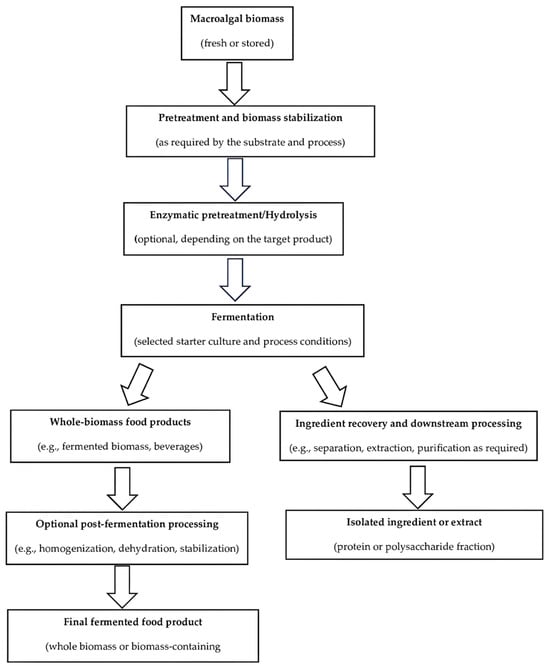
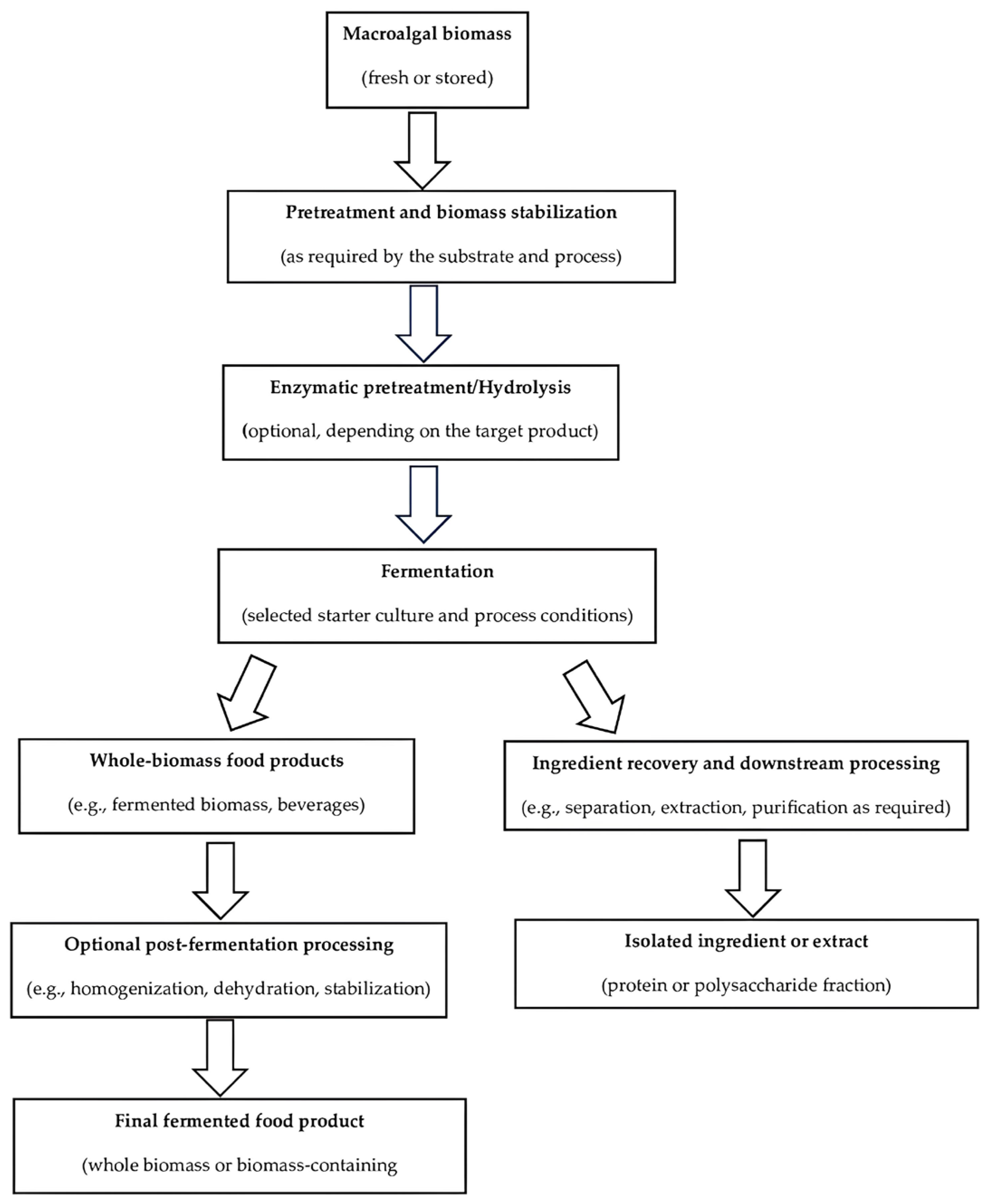
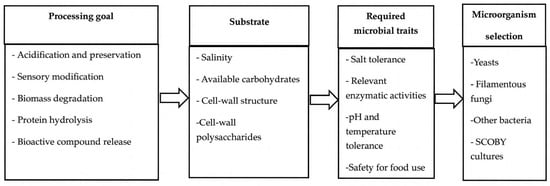
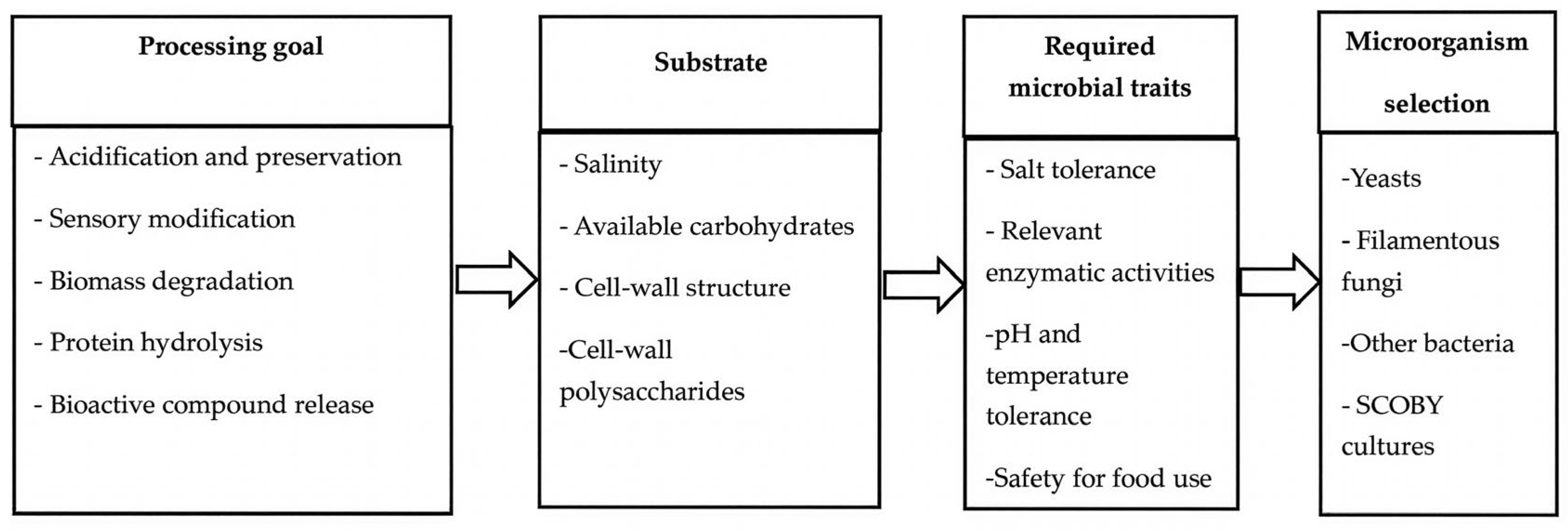

Disclaimer/Publisher’s Note: The statements, opinions and data contained in all publications are solely those of the individual author(s) and contributor(s) and not of MDPI and/or the editor(s). MDPI and/or the editor(s) disclaim responsibility for any injury to people or property resulting from any ideas, methods, instructions or products referred to in the content. |
© 2026 by the authors. Licensee MDPI, Basel, Switzerland. This article is an open access article distributed under the terms and conditions of the Creative Commons Attribution (CC BY) license.