


Abstract
The aim of this study was to assess the effects of acetylsalicylic acid (ASA) on the early development of cucumber (Cucumis sativus L.) and maize (Zea mays L.) and to determine whether exogenous ascorbic acid (AsA) could modify their responses. In a 14-day pot experiment, ASA was applied at nominal doses of 0, 1, 10, 100, 500, and 1000 mg kg−1 of soil dry weight (DW), and AsA was applied at concentrations of 0, 1, and 2 mM. Germination, growth, biomass, photosynthetic pigments, chlorophyll fluorescence, and selected oxidative stress markers were assessed. Plant responses varied depending on the species and exposure treatment. ASA had no statistically significant effect on seed germination rate (GR). Only the highest ASA dose (1000 mg kg−1 of soil DW) resulted in a 6% reduction in cucumber fresh biomass and a 13% increase in dry matter content. At this dose, total chlorophyll content in cucumber decreased by approximately 24% relative to the control. The addition of 2 mM AsA helped maintain chlorophyll content at a level close to that of the control and increased cucumber shoot length from 8.2–8.8 cm in treatments with ASA alone to 9.7–10.0 cm in selected combined treatments. In most treatments, Fv/Fm remained close to 0.80. Exogenous AsA was also associated with reduced H2O2 and MDA accumulation and increased the content of reduced AsA in leaf tissues in selected treatments, although its effects differed between the two species. These findings indicate that AsA can both stimulate seedling growth and alleviate selected physiological disturbances associated with ASA exposure; however, the observed effects cannot be unequivocally attributed to a specific detoxification mechanism.
1. Introduction
In recent years, pharmaceuticals have increasingly been recognised as an important class of emerging environmental contaminants because of their continuous release and incomplete removal during wastewater treatment. They enter aquatic and terrestrial ecosystems primarily through municipal and hospital wastewater, while their introduction into agricultural soils may also result from the application of treated wastewater and sewage sludge. Because these compounds are designed to exert biological activity, their presence in the environment may affect non-target organisms, including plants [1,2,3,4].
Pharmaceuticals and their transformation products are currently detected in wastewater, surface water, groundwater, and soils, with their concentrations in natural waters typically ranging from the ng·L−1 to the low µg·L−1 range. Considerably higher concentrations may occur in untreated wastewater and at sites directly affected by municipal, hospital, or industrial discharges. The increasing occurrence of biologically active pharmaceutical compounds in different environmental compartments has raised concern about their potential effects on terrestrial organisms, including crop plants [2,5,6].
Among pharmaceutical contaminants, non-steroidal anti-inflammatory drugs (NSAIDs), such as diclofenac, ibuprofen, naproxen, and acetylsalicylic acid, have attracted particular attention. Their widespread use, including the over-the-counter availability of many formulations, contributes to the continuous release of these substances and their metabolites into the environment [4,7]. Acetylsalicylic acid (ASA), commonly known as aspirin, is one of the oldest and most widely used NSAIDs. Upon entering the soil environment, ASA may undergo hydrolysis, sorption, and other transformation processes that affect its persistence and bioavailability. One of the main products of ASA hydrolysis is salicylic acid (SA), which functions as an endogenous signalling molecule in plants. Consequently, plant responses to soil-applied ASA may reflect the effects of both the parent compound and its transformation products, with the relative contribution of individual chemical species depending on the exposure conditions. Available evidence indicates that the biological effects of ASA and salicylates on plants strongly depend on their concentration and exposure conditions. At low concentrations, these compounds may participate in the regulation of plant growth and stress responses, whereas higher concentrations may disrupt physiological and biochemical processes [8,9,10].
One mechanism that may contribute to plant responses to xenobiotics is the disruption of cellular redox homeostasis. Exposure to contaminants may alter the balance between the production and scavenging of reactive oxygen species (ROS). ROS, including hydrogen peroxide (H2O2), are involved in cellular signalling; however, their excessive accumulation may lead to oxidative stress and damage to cellular components. One consequence of oxidative stress is lipid peroxidation, which may impair the properties and functions of biological membranes. Therefore, the simultaneous analysis of H2O2 levels and lipid peroxidation indicators, such as MDA, can provide important information on redox imbalances in plants exposed to environmental contaminants [2,11,12].
Alterations in redox homeostasis may also affect the photosynthetic apparatus, whose functioning is closely linked to the metabolic status of chloroplasts. Excessive ROS accumulation may disrupt chlorophyll and carotenoid metabolism, compromise thylakoid membrane integrity, and reduce photosynthetic performance [13,14,15,16]. Chlorophyll fluorescence, particularly the maximum quantum yield of photosystem II (Fv/Fm), is widely used for the non-invasive assessment of photosynthetic performance under stress conditions. However, individual components of the photosynthetic response may differ in their sensitivity to a given stressor. Changes in photosynthetic pigment content and parameters associated with redox homeostasis may occur without a concurrent, marked decline in Fv/Fm. Therefore, an assessment based solely on individual fluorescence parameters may not reflect the full range of physiological changes induced by contaminants. Combining chlorophyll fluorescence measurements with analyses of photosynthetic pigment content, oxidative stress markers, and growth parameters enables a more comprehensive characterisation of plant responses to xenobiotic exposure [15,17,18].
Plant enzymatic and non-enzymatic antioxidant systems play an important role in mitigating oxidative disturbances. Ascorbic acid (AsA) is one of the principal low-molecular-weight antioxidants involved in regulating cellular redox homeostasis and maintaining the function of the ascorbate–glutathione cycle. AsA participates in ROS scavenging, the regeneration of other components of the antioxidant system, and the protection of membranes and photosynthetic structures against oxidative damage. It is also involved in cell growth, hormone metabolism, and stress signalling [19,20,21,22]. Exogenous application of AsA may reduce ROS accumulation and lipid peroxidation, help maintain photosynthetic pigment levels, and improve plant growth under drought, salinity, metal toxicity, and other abiotic stress conditions [23,24,25,26]. However, considerably less is known about whether exogenous AsA can similarly modify plant responses to pharmaceutical contaminants. Previous research has primarily focused on characterising the phytotoxicity of individual pharmaceuticals, whereas the potential to mitigate the physiological disturbances they induce remains less well understood [19,27,28].
Responses to pharmaceutical contaminants may also vary considerably among plant species, making it difficult to generalise findings obtained for a single species. Cucumber (Cucumis sativus L.) and maize (Zea mays L.) differ in their morphological and physiological traits and use C3 and C4 photosynthetic pathways, respectively. In addition to photosynthetic metabolism, their responses to environmental stressors may be influenced by other species-specific characteristics, including seed size, seedling growth dynamics, root system development and nutrient uptake capacity, ascorbate metabolism, and antioxidant defence mechanisms [2,29,30,31]. Therefore, examining cucumber and maize together allows species-specific responses to ASA exposure and exogenous AsA application to be investigated. However, the observed differences cannot be attributed solely to their distinct photosynthetic pathways, as the effects of other morphological and physiological traits were not assessed independently.
Despite growing interest in the phytotoxicity of pharmaceuticals, the physiological and biochemical responses of crop plants to ASA in soil remain relatively poorly understood, particularly regarding their potential modification by exogenous AsA. An important research gap is the lack of a comprehensive assessment of the relationships among seedling growth, redox homeostasis, photosynthetic pigment content, and PSII function during simultaneous exposure to both compounds. An integrated analysis of these parameters in cucumber and maize may help identify the most sensitive components of plant responses and assess species-specific differences in the effects of AsA.
The aim of this study was to determine the effects of exogenous AsA on the physiological and biochemical responses of cucumber (Cucumis sativus L.) and maize (Zea mays L.) seedlings to ASA present in soil. Seed germination, plant growth, fresh and dry biomass yields, H2O2, MDA, and ascorbate levels, photosynthetic pigment content, and chlorophyll fluorescence parameters were evaluated. It was hypothesised that (i) increasing exposure to ASA would induce progressively more pronounced changes in seedling growth and redox homeostasis, particularly at high ASA concentrations; (ii) exogenous AsA would alleviate these changes by reducing oxidative stress, promoting growth, and helping maintain stable photosynthetic pigment levels; and (iii) the severity of ASA phytotoxicity and the protective effects of AsA would differ between cucumber and maize.
2. Materials and Methods
2.1. Chemicals
Acetylsalicylic acid (ASA, ≥98%; Sigma-Aldrich, Poznań, Poland) and L-ascorbic acid (AsA, ≥99.0%, Chempur, Piekary Śląskie, Poland) were used in the study. All other reagents used in the analyses were of analytical grade or higher purity (≥99.0%).
2.2. Experimental Design
The study was conducted using cucumber (Cucumis sativus L. cv. Śremski) and maize (Zea mays L. cv. Rywal). The experiment was carried out under controlled conditions in a growth facility, following OECD Test Guideline 208 [32] for terrestrial plant growth tests.
The growth substrate was prepared by mixing approximately 180 g of soil with 70 g of quartz sand per pot. The substrate prepared in this way was classified as loamy sand, with approximately 11% of particles < 0.02 mm in diameter, an organic carbon content of 8.5 g kg−1, and a pH (KCl) of 5.9. Acetylsalicylic acid was added to the sand in amounts corresponding to nominal concentrations of 0, 1, 10, 100, 500, and 1000 mg·kg−1 of soil dry weight (DW). The concentrations of ASA and its transformation products, including salicylic acid (SA), in the soil were not analytically verified during the 14-day cultivation period. ASA was dissolved in acetone, and an appropriate volume of the solution was then applied to the sand. The control treatment received acetone only. After thorough mixing, the samples were left in a laboratory fume hood until the solvent had completely evaporated. Soil and 25 cm3 of distilled water or an ascorbic acid solution at a concentration of 1 or 2 mM·kg−1 of soil dry weight were subsequently added to each sand sample. The mixture was mechanically homogenised to obtain a uniform growth substrate.
The experiment comprised six ASA concentrations and three AsA treatments (0, 1, and 2 mM). Three biological replicates were prepared for each treatment combination.
Ten seeds were sown in each pot. The plants were cultivated for 14 days in a controlled-environment growth facility at 20 ± 2 °C, with a 16 h light/8 h dark photoperiod and a photosynthetically active radiation intensity of 170 μmol·m−2·s−1. Substrate moisture was maintained at approximately 70% of field capacity using a gravimetric method. The target mass of each pot containing the substrate was determined at the desired moisture level. During the experiment, pot mass was monitored, and water losses due to evaporation and transpiration were replenished with distilled water to restore the predetermined target mass.
The experiment followed a two-factor design comprising six nominal ASA concentrations and three concentrations of exogenous AsA. Each treatment comprised three independent biological replicates, with a single pot sown with 10 seeds serving as the experimental unit. After 14 days of growth, plant material was collected separately from each pot and homogenised to obtain a representative sample. Weighed portions of this material were used for biochemical assays and photosynthetic pigment analysis. Results obtained from individual pots were treated as independent biological observations in the statistical analysis (n = 3).
The selected ASA concentrations (1, 10, 100, 500, and 1000 mg kg−1 of soil DW) were intended to investigate concentration-dependent plant responses across a broad exposure range rather than to reproduce typical environmental contamination levels. The higher concentrations were included to assess physiological and biochemical responses under elevated ASA exposure and to investigate the potential protective effects of exogenous AsA. Accordingly, the experimental design was primarily intended to characterise plant responses and stress-related processes rather than to provide a direct assessment of environmental risk.
2.3. Growth Parameters
The effects of ASA on the plants were evaluated based on shoot length, root length, and fresh biomass yield.
Seed germination potential (GP) and germination rate (GR) were determined according to the method described by Liu et al. [33], using the following equations:
Shoot and root lengths were measured in five seedlings randomly selected from each pot.
Shoot length was measured from the base of the stem to the tip of the longest leaf, whereas root length was measured from the root collar to the tip of the longest root [34].
Dry matter content was determined by drying approximately 1 g of fresh leaf material at 105 °C to constant weight [35].
2.4. Chlorophyll Fluorescence Measurements
Chlorophyll fluorescence parameters were measured using an OS1p fluorometer (Opti-Sciences Inc., Hudson, NH, USA). After dark adaptation of the leaves, minimum fluorescence (F0), maximum fluorescence (Fm), and variable fluorescence (Fv) were determined. The maximum photochemical efficiency of photosystem II (Fv/Fm) and the Fv/F0 ratio were subsequently calculated.
2.5. Determination of Photosynthetic Pigments
Photosynthetic pigments were determined spectrophotometrically. Fresh leaf samples (0.2 g) were homogenised in chilled 80% acetone (4 °C) and then centrifuged at 10,000 rpm for 10 min at 4 °C. The extract volume was adjusted to 25 cm3. Absorbance was measured at 470, 647, and 664 nm. Chlorophyll a, chlorophyll b, and carotenoid contents were calculated using the equations reported by Oren et al. [36]. The results were expressed on a plant dry-weight basis.
2.6. Determination of Oxidative Stress Indicators
Extracts used to determine malondialdehyde (MDA) and hydrogen peroxide (H2O2) were prepared by homogenising 0.5 g of fresh leaf material in 0.1% trichloroacetic acid (TCA). Following centrifugation, the resulting supernatant was used for further analyses.
Lipid peroxidation was assessed using a thiobarbituric acid (TBA)-based assay. The reaction mixture was incubated at 95 °C for 30 min, rapidly cooled in an ice bath, and its absorbance was measured at 532 and 600 nm. The results were expressed as MDA equivalents [37].
Hydrogen peroxide content was determined using the potassium iodide method. The supernatant was mixed with phosphate buffer and a KI solution, incubated in the dark for 60 min, and its absorbance was subsequently measured at 390 nm [38].
Ascorbate (AsA) was determined in extracts prepared by homogenising 0.5 g of fresh leaf material in 10% trichloroacetic acid. After centrifugation, a reaction mixture containing the supernatant, TCA, phosphoric acid, bipyridyl dissolved in ethanol, and iron(III) chloride was prepared. Following incubation at 37 °C for 1 h, absorbance was measured at 525 nm. Ascorbate concentration was determined using a calibration curve [39].
2.7. Statistical Analysis
The data were analysed using STATISTICA 13.3. The effects of acetylsalicylic acid concentration and ascorbic acid application were evaluated using two-way analysis of variance (ANOVA). Differences among means were assessed using Tukey’s test at a significance level of p < 0.05. Eta-squared (η2) values were calculated from the ANOVA sums of squares to estimate the proportion of the total variance explained by each factor and their interaction. Principal component analysis (PCA) was performed in Python 3.13.5 using the standardised mean values of individual parameters for each experimental treatment. PCA and η2 heatmaps were also generated in Python.
The pot was used as the experimental unit in the statistical analysis. Analysis of variance was performed using three independent biological observations for each ASA × AsA treatment combination. Measurements of individual seedlings or analytical replicates within the same pot were not treated as independent biological replicates.
3. Results
3.1. Plant Growth
The responses of cucumber and maize to acetylsalicylic acid (ASA) varied depending on the growth parameter analysed and the application of exogenous ascorbic acid (AsA) (Figure 1; Supplementary Table S1). The effects of ASA on seed germination depended on the parameter assessed and the plant species. Final germination rate (GR) remained relatively stable in both species, whereas germination potential (GP) showed greater variability, particularly in cucumber at the highest ASA doses. Changes in seedling growth parameters, plant fresh biomass, and selected physiological indices were more variable and also depended on exogenous AsA application.
Figure 1.
Effects of acetylsalicylic acid (ASA) and L-ascorbic acid (AsA) on the growth and fresh biomass yield of cucumber and maize seedlings. The individual panels show root length (A,B), shoot length (C,D), fresh biomass yield (E,F), and dry matter content (G,H) in cucumber and maize, respectively. Values are presented as means ± SD. Different letters indicate significant differences among treatments according to Tukey’s test (p < 0.05).
The effects of ASA and exogenous AsA on seed germination depended on the species and the parameter assessed (Supplementary Table S1). In cucumber, germination potential (GP) was 83.33 ± 5.77% in the control and decreased to 66.67 ± 5.77% and 60.00 ± 10.00% following the application of 500 and 1000 mg kg−1 of soil DW ASA, respectively, without AsA supplementation. However, these differences relative to the control were not statistically significant. At 1000 mg kg−1 of soil DW ASA, the addition of 2 mM AsA was associated with an increase in GP to 100.00 ± 0.00%, which differed significantly from the treatment with ASA alone. In maize, GP ranged from 70.00 ± 10.00% to 96.67 ± 5.77%, with the highest value recorded following the combined application of 1000 mg kg−1 of soil DW ASA and 2 mM AsA. Germination rate (GR) remained relatively stable in both species, ranging from 73.33 ± 5.77% to 100.00 ± 0.00% in cucumber and from 76.67 ± 11.55% to 100.00 ± 0.00% in maize. No statistically significant differences in GR were found among treatments in either species. These results indicate that GP was more sensitive to the applied combinations of ASA and AsA than the final germination rate.
ASA alone induced relatively small changes in cucumber seedling shoot and root lengths, whereas exogenous AsA supplementation promoted their elongation. In cucumber, root length remained relatively stable in treatments with ASA alone, ranging from approximately 7.0 to 7.6 cm. Exogenous AsA supplementation was associated with increased mean root length in some treatments, with values of approximately 8.5–8.6 cm recorded following the application of 2 mM AsA combined with ASA at 500 and 1000 mg kg−1 of soil DW (Figure 1A). In maize, root length showed relatively small changes depending on the ASA dose and AsA concentration. A tendency towards reduced root length was observed at the highest ASA dose, although the response to exogenous AsA was inconsistent (Figure 1B). Overall, changes in root length depended on the species and the combination of compounds applied, and the observed differences between means were not always statistically significant.
In cucumber, shoot length was significantly greater in all treatments supplemented with 2 mM AsA than in the corresponding treatments with ASA alone (Tukey’s test, p < 0.05; Figure 1C). Maize seedlings were less sensitive to ASA than cucumber seedlings. At the highest ASA concentration (1000 mg kg−1 of soil DW), mean shoot length decreased from 17.0 cm in the control to 16.5 cm, although this difference was not statistically significant. AsA supplementation was associated with increased shoot length in selected treatments, with the highest mean value (19.4 cm) recorded at 100 mg kg−1 of soil DW ASA combined with 1 mM AsA. Similar values were obtained at ASA concentrations of 500 and 1000 mg kg−1 of soil DW combined with 2 mM AsA (19.3 and 19.0 cm, respectively), with no statistically significant differences among these three treatments. Root growth was less affected than shoot growth. The only noticeable reduction occurred at an ASA concentration of 1000 mg kg−1 of soil DW; however, AsA supplementation was associated with an increase in mean root length, although these differences were not statistically significant.
The observed differences in seedling growth were reflected in fresh biomass yield. In cucumber, fresh biomass remained relatively stable at ASA concentrations of up to 500 mg·kg−1 of soil DW, whereas exposure to 1000 mg kg−1 of soil DW ASA resulted in a significant decrease compared with the lower ASA concentrations. Exogenous AsA progressively increased fresh biomass yield, with the highest values recorded following the application of 2 mM AsA at ASA concentrations of 500 and 1000 mg·kg−1 of soil DW. In maize, ASA alone caused only minor changes in fresh biomass. However, the addition of AsA, particularly at 2 mM, increased fresh biomass yield, resulting in the highest biomass at the highest ASA concentration (Figure 1E,F).
The two species exhibited different patterns of changes in dry matter content depending on the ASA and AsA treatments applied. In cucumber, dry matter content gradually increased with increasing ASA concentrations and reached its maximum in plants exposed to 1000 mg kg−1 of soil DW ASA. The addition of 2 mM AsA largely prevented this increase, reducing dry matter content to values comparable to those observed in the control. In contrast, maize showed only minor changes in dry matter content following ASA application. Although higher ASA concentrations alone tended to increase dry matter content, AsA supplementation reduced this parameter, particularly at ASA concentrations of 100–1000 mg·kg−1 of soil DW (Figure 1G,H).
3.2. Photosynthetic Performance
The presence of acetylsalicylic acid in the soil affected the photosynthetic apparatus of cucumber and maize to different extents. In cucumber, photosynthetic pigment content declined more clearly with increasing ASA dose, whereas in maize, the pattern of changes was less consistent. The addition of ascorbic acid (AsA) alleviated most of the ASA-induced changes in cucumber, while its effects on maize were less consistent (Figure 2; Supplementary Figure S1).
Figure 2.
Effects of acetylsalicylic acid (ASA) and L-ascorbic acid (AsA) on photosynthetic pigment content in cucumber and maize seedlings. Values are presented as means ± SD (n = 3). Different letters indicate significant differences among treatments according to Tukey’s test (p < 0.05).
In cucumber, increasing ASA concentrations in the soil resulted in a gradual decrease in chlorophyll a, chlorophyll b, and total chlorophyll contents. The greatest decline was observed at 1000 mg kg−1 of soil DW ASA, at which total chlorophyll content decreased by approximately 24% compared with the control. Carotenoid content also decreased, reaching its lowest value at the highest ASA concentration. The addition of AsA markedly alleviated these declines. The application of 2 mM AsA restored chlorophyll content to levels comparable to those recorded in the control plants, even at ASA concentrations of 500 and 1000 mg·kg−1 of soil DW. A similar pattern was observed for carotenoids, whose content increased following AsA application compared with that in plants exposed to ASA alone.
The response of maize differed considerably from that of cucumber. Exposure to ASA alone did not cause a clear dose-dependent decrease in photosynthetic pigment content. However, plant responses to exogenous AsA varied depending on its concentration and the nominal ASA dose applied to the soil. The application of 1 mM AsA was associated with increased chlorophyll and carotenoid contents in selected treatments, particularly at ASA doses of 10 and 100 mg kg−1 of soil DW. In contrast, lower photosynthetic pigment contents were observed in some combinations with 2 mM AsA, especially at ASA doses of 100, 500, and 1000 mg kg−1 of soil DW. These results indicate that exogenous AsA did not consistently improve the response of the maize photosynthetic apparatus to ASA and, in certain combinations of the two compounds, may have been associated with more pronounced adverse changes in pigment content. However, this effect was not consistent across all treatments examined.
Changes in photosynthetic pigment content were reflected in the calculated pigment ratios. In cucumber, the chlorophyll a-to-chlorophyll b ratio remained stable, indicating that both chlorophyll fractions responded similarly to the presence of ASA in the soil. In cucumber, the total chlorophyll-to-carotenoid ratio (Chl(a + b)/Car) decreased with increasing ASA dose, reaching approximately 6.4 at 100, 500, and 1000 mg kg−1 of soil DW ASA, compared with approximately 7.5 in the control (a decrease of approximately 14–15%). Supplementation with 2 mM exogenous AsA was associated with an increase in this ratio to approximately 8.0–8.1 at ASA doses of 100 and 500 mg kg−1 of soil DW and to approximately 7.6 at 1000 mg kg−1 of soil DW, corresponding to values close to or higher than that of the control (Supplementary Figure S1C). In maize, both photosynthetic pigment ratios varied only slightly among treatments, despite changes in the contents of the individual pigments.
Compared with photosynthetic pigment content, chlorophyll fluorescence parameters were considerably less responsive to the applied treatments (Table 1). In cucumber, minimum fluorescence (F0), maximum fluorescence (Fm), and variable fluorescence (Fv) showed consistent dose-dependent changes following ASA application. Similarly, the maximum quantum yield of PSII photochemistry (Fv/Fm) remained close to the optimal value of approximately 0.80 in most treatments. In cucumber, the combination of the highest ASA dose (1000 mg kg−1 of soil DW) and 2 mM AsA was associated with the highest mean initial fluorescence, F0 (200.3 ± 9.2), compared with 184.7 ± 16.9 in the control (an increase of 8.4%). This treatment also resulted in the lowest Fv/Fm (0.7721 ± 0.0126) and Fv/F0 (3.702 ± 0.185) values, which were 3.5% and 8.3% lower than those in the control, respectively. However, these differences relative to the control were not statistically significant. Compared with the treatment combining 1000 mg kg−1 of soil DW ASA and 1 mM AsA, F0 was significantly higher, whereas Fv/Fm and Fv/F0 were significantly lower (Table 1).
Table 1.
Effects of acetylsalicylic acid (ASA) and L-ascorbic acid (AsA) on chlorophyll fluorescence parameters in cucumber and maize seedlings. Values are presented as means ± SD. Different letters indicate significant differences among treatments according to Tukey’s test (p < 0.05).
In maize, chlorophyll fluorescence remained stable regardless of the ASA concentration or AsA supplementation. None of the analysed fluorescence parameters differed significantly among treatments, and Fv/Fm values consistently ranged from 0.78 to 0.80, indicating that the applied ASA and AsA treatments did not significantly affect the maximum photochemical efficiency of PSII.
3.3. H2O2, MDA, and AsA
To obtain a more precise assessment of the oxidative stress induced by soil contamination with acetylsalicylic acid (ASA) and the potential protective effects of exogenous ascorbic acid (AsA), the contents of hydrogen peroxide (H2O2), malondialdehyde (MDA), and reduced ascorbate (AsA) were determined in the leaf tissues of cucumber and maize seedlings (Figure 3).
Figure 3.
Effects of acetylsalicylic acid (ASA) and L-ascorbic acid (AsA) on oxidative stress markers in cucumber and maize seedlings. The individual panels show H2O2 content (A,B), MDA content (C,D), and reduced AsA content (E,F) in cucumber and maize, respectively. Values are presented as means ± SD (n = 3). Different letters indicate significant differences among treatments according to Tukey’s test (p < 0.05).
Hydrogen peroxide content differed between the plant species, although increasing ASA concentrations in the soil promoted H2O2 accumulation in both species examined. Throughout the experiment, cucumber had a markedly lower H2O2 content than maize. In cucumber, H2O2 content increased with increasing soil ASA concentrations, reaching its highest values at 500–1000 mg·kg−1 of soil DW. Exogenous AsA had only a limited effect on H2O2 levels at low ASA concentrations but clearly reduced H2O2 accumulation under severe ASA stress, particularly when applied at 2 mM. At 1000 mg kg−1 of soil DW ASA, H2O2 content decreased from 26.16 to 22.15 µmol·g−1 FW following the application of 2 mM AsA (Figure 3A,B).
In maize seedlings, H2O2 content was approximately four times that in cucumber and ranged from 77.07 to 104.70 µmol·g−1 FW. The highest H2O2 level was recorded in plants exposed to 500 mg kg−1 of soil DW ASA without exogenous AsA, whereas supplementation with 1 or 2 mM AsA generally reduced H2O2 accumulation, primarily at moderate and high ASA concentrations.
Changes in plant MDA content partly paralleled those observed for H2O2 levels, although the response was less pronounced, particularly in maize. In cucumber, increasing ASA concentrations intensified lipid peroxidation, with the highest MDA content recorded in plants exposed to 1000 mg kg−1 of soil DW ASA. Exogenous AsA application reduced MDA accumulation in cucumber tissues. The most pronounced reduction was observed at an ASA dose of 1000 mg kg−1 of soil DW, at which supplementation with 2 mM AsA decreased MDA content from 27.71 µmol g−1 FW in the treatment without exogenous AsA to 19.43 µmol g−1 FW, corresponding to a reduction of 29.9% (Figure 3C).
In maize, MDA content varied within a narrower range than H2O2 levels. At the highest ASA concentration, supplementation with 2 mM AsA reduced MDA content, whereas 1 mM AsA did not produce a comparable effect (Figure 3D).
Reduced AsA content in leaf tissues increased in response to AsA application in both plant species (Figure 3E,F). In cucumber, reduced AsA content increased with increasing ASA concentrations and was further enhanced by exogenous AsA supplementation. The highest content of reduced AsA (0.815 mmol·g−1 FW) was recorded in plants treated with 1000 mg kg−1 of soil DW ASA combined with 2 mM AsA.
In maize, reduced AsA content remained stable at low and moderate ASA concentrations but increased at high ASA levels, particularly following the application of exogenous AsA. The highest value (0.741 mmol·g−1 FW) was also observed in plants grown in soil contaminated with 1000 mg kg−1 of soil DW ASA and supplemented with 2 mM AsA.
3.4. Multifactorial Analysis of Plant Responses
Variance partitioning revealed clear differences in the relative contributions of ASA, AsA, and their interaction to individual plant responses (Figure 4A,B). In cucumber, exogenous AsA application explained a substantial proportion of the variation in fresh biomass yield (50.9%), shoot length (50.8%), chlorophyll a content (55.9%), chlorophyll b content (48.4%), and total chlorophyll content (55.6%). In contrast, ASA was the primary source of variation in H2O2 content (55.5%) and dry matter content (44.0%), whereas the ASA × AsA interaction accounted for the largest proportion of the total variance in MDA content (η2 = 62.1%). In maize, AsA was also the dominant source of variation in photosynthetic pigment content, explaining 49.9–57.2% of its variability. The effect of ASA was particularly pronounced for H2O2 content (83.4%), whereas the contributions of the experimental factors to Fv/Fm and Fv/F0 were relatively small.
Figure 4.
Variance partitioning and principal component analysis of cucumber and maize responses to ASA and AsA treatments. The heatmaps show the contributions of ASA, AsA, and their interaction (ASA × AsA) to the total variance (η2, %) in cucumber (A) and maize (B). The two-dimensional PCA plots show the distribution of treatments and the relationships among selected variables in cucumber (C) and maize (D). Colours indicate ASA concentrations (mg·kg−1 of soil DW), whereas symbol shapes represent AsA levels (mM).
Principal component analysis (PCA), performed separately for each species using standardised mean parameter values, provided a visual representation of the multivariate variation among experimental treatments (Figure 4C,D). In cucumber, the first two principal components explained 62.7% of the total variance, with PC1 and PC2 accounting for 42.9% and 19.8%, respectively. PC1 was strongly positively associated with photosynthetic pigments (Chl a, Chl b, and total chlorophyll), the Chl(a + b)/Car ratio, germination parameters, and biomass yield, whereas Fv/Fm, Fv/F0, dry matter content (DW), H2O2, and MDA had loadings in the opposite direction. PC2 was primarily associated with reduced AsA, root and shoot length, H2O2 content, dry matter content, and fresh biomass yield.
The distribution of cucumber treatments showed progressive differentiation associated with both ASA exposure and AsA supplementation. Treatments with high ASA concentrations but without AsA supplementation shifted towards negative PC1 values, with the clearest separation observed for the treatment containing 1000 mg kg−1 of soil DW ASA. In contrast, supplementation with 2 mM AsA shifted treatments towards positive PC1 values across the entire range of ASA concentrations, including 500 and 1000 mg·kg−1 of soil DW. Treatments combining 1 mM AsA with the highest ASA concentrations were distinguished primarily by positive PC2 values. The distribution of treatments in the space defined by the first two principal components reflected differences in the covariation of the analysed parameters depending on the ASA and AsA combinations applied.
In maize, PC1 and PC2 explained 29.4% and 18.5% of the total variance, respectively, accounting for 47.9% in total. PC1 was with primarily positively associated with Chl a, Chl b, total chlorophyll, and carotenoids, whereas biomass yield, reduced AsA, Fm, Fv, shoot length, and the Chl a/Chl b ratio were oriented towards negative PC1 values. PC2 showed the strongest positive associations with Fv/Fm and Fv/F0, followed by photosynthetic pigments and Fv, whereas F0 had a strong negative loading. Compared with cucumber, maize treatments showed less structured differentiation along the first two principal components. Nevertheless, treatments combining high ASA concentrations with 2 mM AsA—particularly those containing 500 and 1000 mg kg−1 of soil DW ASA—were clearly separated on the negative side of PC1. In maize, the first two principal components explained a smaller proportion of the total variance than in cucumber, and the distribution of treatments in the corresponding space was less structured. However, this alone does not provide evidence of greater complexity in the physiological response of maize.
4. Discussion
4.1. Effects of Acetylsalicylic Acid on Early Plant Development and the Mitigating Role of Exogenous Ascorbic Acid
The results of this experiment indicate that the responses of cucumber and maize seedlings to acetylsalicylic acid (ASA) were clearly species-dependent. Seed germination capacity was relatively insensitive to ASA, whereas seedling growth and fresh biomass yield responded more markedly to increasing exposure to the pharmaceutical. This suggests that post-germination plant development was more susceptible to ASA-induced disturbances than the germination process itself. Seed coats may restrict contaminant uptake, while germination relies largely on stored reserves. In contrast, seedling growth depends to a greater extent on active metabolism, photosynthesis, and nutrient uptake from the soil [40,41,42,43].
The two species differed in their responses to the nominal concentrations of ASA applied to the substrate. Cucumber showed greater sensitivity than maize, particularly at the highest exposure levels, as reflected primarily in changes in photosynthetic pigment content, oxidative stress markers, and selected growth parameters. These differences may be associated with distinct physiological, anatomical, and metabolic traits of the two species; however, the experimental design does not allow the relative contributions of individual factors to be determined. Thus, the results indicate differences in the sensitivity of cucumber and maize to the exposure treatments applied, without allowing the mechanisms underlying these differences to be conclusively identified [44,45,46,47].
Plant responses to ASA were also dependent on the concentration applied. Low and moderate concentrations caused little or no inhibition of seedling development, whereas the effects of ASA became more pronounced at the highest exposure levels. This dose-dependent response may be partly associated with the hydrolysis of ASA to salicylic acid (SA), suggesting that plants may have been exposed to both ASA and the SA formed through its transformation. Salicylates are important signalling molecules involved in stress responses, but their excessive or prolonged accumulation may disrupt plant metabolism and growth [8,48].
Exogenous AsA promoted shoot and root growth even under conditions of limited apparent ASA toxicity. Including treatments without ASA (0 mg kg−1 ASA + 0, 1, and 2 mM AsA) allows the effects of AsA on seedling growth to be considered independently of those of the pharmaceutical, suggesting that the beneficial effects of AsA application may reflect both its biostimulatory properties and its potential to mitigate ASA phytotoxicity. Ascorbate is involved in redox regulation, cell division and expansion, hormone metabolism, and numerous developmental processes, which may explain its growth-promoting effects even under relatively favourable conditions for plant growth and development [19,23,27]. This effect became particularly evident under high ASA exposure, when 2 mM AsA improved shoot and root growth compared with plants exposed to ASA alone.
Roots appeared to be particularly responsive to AsA supplementation. As organs directly exposed to contaminated soil, roots are susceptible to chemical disturbances, and inhibition of their elongation may reduce nutrient and water uptake, thereby affecting whole-plant development. The stimulation of root growth observed following AsA application may therefore have contributed to the simultaneous increases in shoot length and fresh biomass yield [49,50].
Fresh biomass yield and dry matter content provided additional information on plant responses. The stronger effect of AsA on fresh biomass yield than on dry matter content may reflect differences in both tissue hydration and growth. In cucumber, the increase in the percentage of dry matter at the highest ASA concentration may have resulted from reduced tissue water content rather than increased biomass production. The partial restoration of dry matter percentage towards the control level following AsA application may indicate improved plant water relations, but it cannot be regarded as direct evidence of enhanced tissue hydration [51,52].
When interpreting the beneficial effects of exogenous AsA on the growth of the plants studied, its direct growth-promoting effects should be distinguished from its potential role in mitigating the adverse effects of ASA exposure. In this experiment, AsA also favourably affected selected growth parameters in treatments without ASA, indicating that its effects were not restricted to stress conditions. Ascorbate participates in numerous physiological processes, including the regulation of redox balance, cellular metabolism, and processes associated with plant growth and development. Consequently, increases in shoot and root lengths and plant fresh biomass following AsA application in treatments containing ASA may partly reflect the general biostimulatory properties of ascorbate rather than solely its protective effects [19,27,53].
4.2. Oxidative Stress as an Important Component of Plant Responses to Acetylsalicylic Acid
The concurrent changes in oxidative stress markers and growth parameters suggest that disturbances in redox homeostasis may have contributed to seedling responses to ASA. Similar responses have been reported in plants exposed to other NSAIDs, in which increased ROS accumulation and lipid peroxidation were associated with growth inhibition and alterations in antioxidant metabolism [8,54,55].
H2O2 plays a dual role in plants. At controlled concentrations, it acts as a signalling molecule involved in activating plant stress responses, whereas its excessive accumulation contributes to oxidative damage. This occurs when ROS production exceeds the detoxification capacity of plant cells. The relatively small changes in H2O2 content observed at lower ASA concentrations may therefore reflect a regulated redox response, whereas its pronounced accumulation at high ASA exposure levels may indicate the occurrence of oxidative stress. However, because antioxidant enzyme activities were not measured, it cannot be directly concluded that the enzymatic antioxidant system was inhibited or overwhelmed under these conditions [56,57].
The concurrent changes in H2O2 content and MDA equivalents may therefore indicate a link between disturbances in redox homeostasis and lipid peroxidation processes, with potential implications for cell membrane function and plant growth [57,58,59].
The substantial contribution of the ASA × AsA interaction to the variance in MDA content in cucumber (62.1%) is particularly noteworthy, indicating that the effect of exogenous AsA on this lipid peroxidation marker depended on the ASA concentration applied. This means that plant responses to the combined application of the two compounds cannot be fully described by their individual main effects. This finding suggests that the potential of AsA to limit lipid peroxidation depended on the conditions of ASA exposure; however, it does not allow the mechanisms underlying the observed interaction to be conclusively identified.
Cucumber and maize differed not only in the magnitude of their oxidative responses but also in their H2O2 contents. Cucumber generally contained less H2O2 but showed greater changes in H2O2 levels following ASA exposure. In contrast, maize maintained considerably higher cellular H2O2 levels, with smaller treatment-related fluctuations in this ROS. Changes in H2O2 content should therefore not be interpreted as a simple measure of oxidative stress intensity. Instead, these differences may reflect species-specific strategies for balancing ROS production, signalling, and scavenging. Previous comparative studies of cucumber and maize have also demonstrated distinct metabolic and defence responses to the same stressor [60,61,62].
An important finding of the present study was the reduction in H2O2 and MDA levels following the application of exogenous AsA, particularly at high soil ASA concentrations. AsA is an important low-molecular-weight antioxidant and a component of the ascorbate–glutathione cycle. In addition to directly participating in ROS scavenging, AsA interacts with enzymatic and non-enzymatic antioxidant systems and helps maintain a favourable cellular redox environment. Previous studies have shown that exogenous AsA may reduce ROS accumulation and lipid peroxidation while modifying antioxidant metabolism under various stress conditions [25,63,64,65]. The reductions in H2O2 and MDA contents observed in selected treatments following AsA application are consistent with its potential role in alleviating oxidative disturbances associated with nominal ASA exposure [27,63]. Particularly noteworthy is the variation in MDA responses depending on the combination ASA and AsA, reflected in the substantial contribution of the interaction between these factors to the variance in this parameter in cucumber. These findings suggest that the effects of AsA on selected biochemical responses depended on the conditions of ASA exposure. However they neither allow the underlying mechanism to be conclusively identified nor demon-strate direct ASA detoxification. Therefore, the beneficial effects of AsA should be interpreted as a combination of its general physiological properties and its potential to alleviate selected disturbances associated with ASA exposure [19,27].
Exogenous AsA application was associated with an increased content of reduced ascorbate in the leaf tissues of both species, particularly in selected treatments with high ASA doses. The observed changes may have resulted from the uptake of exogenously supplied AsA, changes in endogenous ascorbate biosynthesis, regeneration of the reduced form, or a combination of these processes. However, the analytical method used does not allow these mechanisms to be distinguished or the total ascorbate pool and AsA/DHA ratio to be assessed. Therefore, the increased reduced ascorbate content should be interpreted as a change in the antioxidant fraction measured rather than as direct evidence of enhanced ascorbate biosynthesis or improved overall antioxidant capacity in plants. The co-occurrence of these changes with lower H2O2 and MDA contents in selected treatments is consistent with a possible role of AsA in regulating redox homeostasis [22,63,66].
4.3. Photosynthetic Performance Under Acetylsalicylic Acid-Induced Stress: Differential Sensitivity of Photosynthetic Pigment Composition and PSII Photochemistry
The differing responses of pigment and fluorescence parameters suggest that individual components of the photosynthetic apparatus may differ in their sensitivity to ASA in the substrate. This indicates that, under the experimental conditions, photosynthetic pigment metabolism was more sensitive to ASA than the maximum photochemical efficiency of PSII. A similar divergence between metabolic responses associated with chlorophyll and carotenoid levels and changes in Fv/Fm has been reported under other environmental stresses and following exposure to pharmaceuticals [8,57,67,68].
The decrease in chlorophyll content in cucumber may be associated with disturbances in chloroplast redox homeostasis. Excessive ROS production may affect chlorophyll biosynthesis, stability, and regulated catabolism. Because the enzymes and genes involved in chlorophyll metabolism were not analysed in the present study, the results do not allow impaired chlorophyll synthesis to be distinguished from accelerated pigment degradation. The observed relationships between oxidative stress markers and pigment parameters are consistent with the possible contribution of disturbances in redox homeostasis to changes in chlorophyll metabolism, although they do not establish a direct causal relationship [69,70].
Lipid peroxidation may also have contributed to the observed changes. Thylakoid membranes contain large amounts of polyunsaturated fatty acids and are therefore particularly susceptible to ROS-mediated oxidation. Damage to membrane lipids may affect pigment–protein complexes and the organisation of the photosynthetic apparatus. The potential effects of oxidative processes on thylakoid membranes therefore represent one possible explanation for the changes in pigment content; however, this mechanism was not directly verified in the present experiment [71,72].
Changes in carotenoid levels followed the same general pattern as those in chlorophyll content. The role of carotenoids extends beyond light harvesting, as they participate in photoprotection by quenching excited chlorophyll states and limiting ROS formation. Maintaining a larger carotenoid pool following AsA supplementation may therefore have helped protect pigment–protein complexes under stress conditions. This interpretation is consistent with studies showing that exogenous AsA may limit carotenoid loss and thereby reduce stress-induced oxidative damage [25,46,63,73].
In contrast to photosynthetic pigment content, chlorophyll fluorescence parameters in cucumber seedlings, particularly Fv/Fm, remained relatively stable. This indicates that the maximum quantum yield of PSII photochemistry was largely maintained despite pronounced changes in photosynthetic pigment levels and the oxidative stress markers measured in this study. However, a relatively stable Fv/Fm ratio should not be interpreted as evidence of the absence of physiological stress. This parameter may remain relatively insensitive under moderate stress, even when other metabolic processes have already been disturbed [67,74,75].
The slight increase in F0 observed in cucumber at the highest ASA concentration combined with 2 mM AsA requires cautious interpretation. An increase in F0 may reflect changes in the functional state of PSII or in the transfer of excitation energy between antenna complexes and reaction centres. However, because this response was restricted to a single treatment and was not accompanied by a pronounced decrease in Fv/Fm, it does not provide sufficient evidence of severe PSII damage or substantial structural reorganisation of the thylakoid membranes [76,77,78].
The contrasting responses of cucumber and maize to ASA in the substrate indicate species-specific differences in the sensitivity of the photosynthetic apparatus and selected biochemical parameters. In cucumber, photosynthetic pigment content decreased markedly with increasing nominal ASA concentration, whereas in maize, these changes were less consistent and chlorophyll fluorescence parameters remained relatively stable. These differences may reflect distinct physiological and metabolic characteristics of the two species; however, their direct causes were not determined in this experiment. In particular, the results do not establish whether the photosynthetic pathway contributed substantially to the observed plant responses to ASA [61,79,80].
The beneficial effect of AsA on photosynthetic pigment content further links redox regulation with the protection of the photosynthetic apparatus. By reducing ROS accumulation and lipid peroxidation, ascorbate may help preserve chloroplast membrane integrity and maintain stable photosynthetic pigment levels under stress conditions. Importantly, no pronounced changes in Fv/Fm occurred under these conditions, suggesting that the protective effects of AsA were more readily detected through measures of redox homeostasis and photosynthetic pigment content than through changes in the maximum photochemical efficiency of PSII [25,53,63].
Chlorophyll fluorescence alone may therefore not reflect the full physiological response to pharmaceutical contaminants. Accordingly, integrating plant growth parameters, oxidative stress markers, photosynthetic pigment content, and chlorophyll fluorescence provides a more comprehensive assessment of phytotoxicity than considering any single group of endpoints in isolation [81,82,83].
4.4. Study Limitations and the Significance of Nominal ASA Concentrations
An important limitation of this study is the relatively high ASA concentrations applied, particularly 500 and 1000 mg kg−1 of soil DW, which substantially exceed levels typically detected in the environment. The absence of treatments below 1 mg kg−1 of soil DW also limits the assessment of plant responses to lower, environmentally relevant concentrations. The results should therefore be interpreted primarily in terms of phytotoxicity under controlled experimental conditions, without direct extrapolation to typical environmental conditions.
Another limitation is the lack of quantitative measurements of ASA and its transformation products, particularly salicylic acid (SA), in the substrate and plant tissues. Following a single application to the mixture of soil and quartz sand, ASA may have undergone hydrolysis, biodegradation, and sorption, potentially altering its concentration and bioavailability during the 14-day experiment. As the dynamics of these processes were not monitored, the applied doses (1–1000 mg kg−1 of soil DW) should be regarded solely as nominal initial substrate loadings rather than actual concentrations maintained throughout the plant growth period. Furthermore, the extent to which the observed responses resulted from ASA, biologically active SA, or other transformation products cannot be conclusively determined.
The relatively short experimental period of 14 days allowed early seedling responses to be assessed but precluded the evaluation of long-term adaptation, cumulative effects, or the persistence of the beneficial effects of exogenous ascorbic acid (AsA). Moreover, AsA promoted growth even in the absence of ASA; therefore, increases in seedling length and biomass in the combined treatments cannot be attributed solely to the mitigation of phytotoxicity. The reductions in H2O2 and MDA contents observed in selected treatments are consistent with the potential alleviation of oxidative disturbances but do not constitute direct evidence of ASA detoxification.
A further limitation concerns the comparison of only two species, cucumber (Cucumis sativus L.) and maize (Zea mays L.), using C3 and C4 photosynthetic pathways, respectively. Given the numerous physiological, anatomical, and metabolic differences between these species, the observed differences in ASA sensitivity cannot be attributed to a particular photosynthetic pathway.
Overall, the results should be interpreted as early responses of cucumber and maize to nominal ASA doses and exogenous AsA under the controlled conditions of a pot experiment. Further studies should include environmentally relevant ASA concentrations, longer exposure periods, monitoring of ASA and SA in soil and plant tissues, and a larger number of species using C3 and C4 photosynthetic pathways.
5. Conclusions
The results of this study indicate that acetylsalicylic acid (ASA) induces species-dependent physiological and biochemical responses during the early stages of plant development. Cucumber was more sensitive to ASA than maize, particularly in terms of seedling growth, fresh biomass yield, oxidative stress markers, and photosynthetic pigment content. In contrast, seed germination and the maximum photochemical efficiency of PSII showed relatively small changes, even under elevated ASA exposure.
Exogenous ascorbic acid (AsA) alleviated the adverse effects of ASA, as reflected in lower H2O2 and MDA contents, an increased reduced ascorbate in leaf tissues, enhanced seedling growth, and the maintenance of stable photosynthetic pigment levels. The results suggest that exogenous AsA may help alleviate disturbances in redox homeostasis and certain physiological and biochemical changes associated with ASA exposure. Moreover, the relatively small changes in Fv/Fm, despite the observed changes in photosynthetic pigment content and oxidative stress markers, highlight the importance of jointly analysing biochemical and photochemical parameters when assessing early plant responses to pharmaceuticals.
The results should be interpreted in relation to the nominal ASA concentrations applied under controlled experimental conditions rather than as a direct reflection of the effects of environmental exposure. Further studies incorporating environmentally relevant ASA concentrations, longer exposure periods, quantitative measurements of ASA and its transformation products in soil and plant tissues, and an assessment of antioxidant response mechanisms are needed to verify the ecological relevance of the observed responses.
Supplementary Materials
The following supporting information can be downloaded at https://www.mdpi.com/article/10.3390/app162110629/s1. Figure S1: Effects of acetylsalicylic acid (ASA) and L-ascorbic acid (AsA) on the chlorophyll a-to-chlorophyll b ratio (Chl a/Chl b) and the total chlorophyll-to-carotenoid ratio [Chl(a + b)/Car] in cucumber and maize seedlings. Values are presented as means ± SD (n = 3). Different letters indicate significant differences among treatments according to Tukey’s test (p < 0.05); Table S1: Effects of acetylsalicylic acid (ASA) and L-ascorbic acid (AsA) on germination potential (GP) and germination rate (GR) in cucumber and maize. Values are presented as means ± SD (n = 3). Different letters indicate significant differences among treatments according to Tukey’s test (p < 0.05).
Author Contributions
Conceptualization, B.P. and R.B.; methodology, B.P. and R.B.; software, R.B.; validation, R.B. and B.P.; formal analysis, B.P.; investigation, R.B., B.P., J.Ł. and P.N.; resources, B.P.; data curation, R.B.; writing—original draft preparation, B.P.; writing—review and editing, R.B., B.P., J.Ł., P.N. and R.Š.; visualization, B.P.; supervision, B.P. and R.B.; project administration, B.P.; funding acquisition, R.B. All authors have read and agreed to the published version of the manuscript.
Funding
This research was funded by the Polish Ministry of Education and Science for The Faculty of Science and Technology of Jan Dlugosz University in Czestochowa (SBR/WNSPT/KBBE/18/2026).
Institutional Review Board Statement
Not applicable.
Informed Consent Statement
Not applicable.
Data Availability Statement
The original contributions presented in this study are included in the article or Supplementary Materials. Further inquiries should be directed to the corresponding author.
Conflicts of Interest
The authors declare no conflicts of interest.
References
- Maculewicz, J.; Kowalska, D.; Świacka, K.; Toński, M.; Stepnowski, P.; Białk-Bielińska, A.; Dołżonek, J. Transformation products of pharmaceuticals in the environment: Their fate, (eco)toxicity and bioaccumulation potential. Sci. Total Environ. 2022, 802, 149916. [Google Scholar] [CrossRef] [Scilit] [PubMed]
- Wei, H.; Tang, M.; Xu, X. Mechanism of uptake, accumulation, transport, metabolism and phytotoxic effects of pharmaceuticals and personal care products within plants: A review. Sci. Total Environ. 2023, 892, 164413. [Google Scholar] [CrossRef] [Scilit] [PubMed]
- Liu, N.; Jin, X.; Johnson, A.C.; Zhou, S.; Liu, Y.; Hou, L.; Meng, F.; Wu, F. Pharmaceutical and Personal Care Products (PPCPs) in Global Surface Waters: Risk and Drivers. Environ. Sci. Technol. 2025, 59, 19146–19159. [Google Scholar] [CrossRef] [Scilit] [PubMed]
- Przedpełska, L.; Witczak, A.; Pokorska-Niewiada, K. Non-steroidal anti-inflammatory drugs as emerging water and food contaminants: Review. Rev. Environ. Sci. Biotechnol. 2025, 24, 571–605. [Google Scholar] [CrossRef] [Scilit]
- Uluseker, C.; Lofts, S.; Harrison, S. Advances and challenges in modelling the environmental fate and exposure of pharmaceuticals: A comprehensive review. Environ. Sci. Processes Impacts 2025, 27, 3700. [Google Scholar] [CrossRef] [Scilit] [PubMed]
- Huang, E.; Liu, J.; Liu, S.; Zuo, Q.; Zhang, W.; Gong, L.; Ren, S. Advancements in understanding the occurrence and photodegradation mechanisms of pharmaceuticals and personal care products (PPCPs) in aquatic environments. Environ. Sci. Water Res. Technol. 2025, 11, 1608. [Google Scholar] [CrossRef] [Scilit]
- Singh, D.S.; Pflugmacher, S. Ecotoxicological assessments of over-the-counter NSAID (diclofenac, ibuprofen, aspirin) and antipyretic (acetaminophen) pharmaceuticals: A review of their toxicity effects on aquatic crustaceans. Integr. Environ. Assess. Manag. 2026, 22, 47–83. [Google Scholar] [CrossRef] [Scilit] [PubMed]
- Biczak, R.; Pawłowska, B. Reaction of spring barley seedlings and H. incongruens crustaceans to the presence of acetylsalicylic acid in soil. J. Environ. Manag. 2022, 302, 113936. [Google Scholar] [CrossRef] [Scilit] [PubMed]
- Senaratna, T.; Touchell, D.; Bunn, E.; Dixon, K. Acetyl salicylic acid (Aspirin) and salicylic acid induce multiple stress tolerance in bean and tomato plants. Plant Growth Regul. 2000, 30, 157–161. [Google Scholar] [CrossRef] [Scilit]
- Ali, H.; Aqsa; Qasim, M.; Munir, T.; Ullah, Q.; Liaquat, M.; Memon, S.R.; Hassan, M.U.; Haidri, I. Response of cucumber to foliar application of acetylsalicylic acid and different sowing dates. Int. J. Contemp. Issues Soc. Sci. 2024, 3, 132–144. [Google Scholar]
- Hasanuzzaman, M.; Borhannuddin Bhuyan, M.H.M.; Zulfiqar, F.; Raza, F.; Mohsin, S.M.; Mahmud, J.A.; Fujita, M.; Fotopoulos, V. Reactive Oxygen Species and Antioxidant Defense in Plants under Abiotic Stress: Revisiting the Crucial Role of a Universal Defense Regulator. Antioxidants 2020, 9, 681. [Google Scholar] [CrossRef] [Scilit] [PubMed]
- Foyer, C.H. Reactive oxygen species and oxidative signalling in plants. Essays Biochem. 2026, 70, 25–33. [Google Scholar] [CrossRef] [Scilit] [PubMed]
- Li, X.; Zhang, W.; Niu, D.; Liu, X. Effects of abiotic stress on chlorophyll metabolism. Plant Sci. 2024, 342, 112030. [Google Scholar] [CrossRef] [Scilit] [PubMed]
- Tanaka, A.; Ito, H. Chlorophyll Degradation and Its Physiological Function. Plant Cell Physiol. 2024, 66, 139–152. [Google Scholar] [CrossRef] [Scilit] [PubMed]
- Moustaka, J.; Moustakas, M. ROS Generation in the Light Reactions of Photosynthesis Triggers Acclimation Signaling to Environmental Stress. Photochem 2025, 5, 28. [Google Scholar] [CrossRef] [Scilit]
- Li, X.; Yang, S.; Zhang, J.; Wan, S. Photo-Oxidative Stress in Plants: ROS Signaling, Damage Propagation, and Systems-Level Resilience. Antioxidants 2026, 15, 371. [Google Scholar] [CrossRef] [Scilit] [PubMed]
- Chaudhary, H.D.; Bhatt, U.; Soni, V. Chlorophyll Fluorescence and Biochemical Biomarkers Reveal Plasticizer Di-n-Butyl Phthalate- Induced Stress in Azolla pinnata. Plants 2025, 14, 3629. [Google Scholar] [CrossRef] [Scilit] [PubMed]
- Chang, K.W.; Tang, H.; Fu, L.J.; Xia, Q.; Pan, Z.Y.; Tan, J.L.; Lysenko, V.; Guo, Y. Recent advances in plant stress analysis using chlorophyll a fluorescence. Photosynthetica 2025, 63, 359–373. [Google Scholar] [CrossRef] [Scilit] [PubMed]
- Wu, P.; Li, B.; Liu, Y.; Bian, Z.; Xiong, J.; Wang, Y.; Zhu, B. Multiple Physiological and Biochemical Functions of Ascorbic Acid in Plant Growth, Development, and Abiotic Stress Response. Int. J. Mol. Sci. 2024, 25, 1832. [Google Scholar] [CrossRef] [Scilit] [PubMed]
- Wang, C.; García-Caparros, P.; Li, Z.; Chen, F. A comprehensive review on plant ascorbic acid. Tropical Plants 2024, 3, e042. [Google Scholar] [CrossRef] [Scilit]
- Foyer, C.H.; Kunert, K. The ascorbate–glutathione cycle coming of age. J. Exp. Bot. 2024, 75, 2682–2699. [Google Scholar] [CrossRef] [Scilit] [PubMed]
- Cárcamo-Fincheira, P.; Nunes-Nesi, A.; Soto-Cerda, B.; Inostroza-Blancheteau, C.; Reyes-Díaz, M. Ascorbic acid metabolism: New knowledge on mitigation of aluminum stress in plants. Plant Physiol. Biochem. 2024, 217, 109228. [Google Scholar] [CrossRef] [Scilit] [PubMed]
- Zhang, K.; Wang, G.; Bao, M.; Wang, L.; Xie, X. Exogenous application of ascorbic acid mitigates cadmium toxicity and uptake in Maize (Zea mays L.). Environ. Sci. Pollut. Res. 2019, 26, 19261–19271. [Google Scholar] [CrossRef] [Scilit] [PubMed]
- Alves, R.C.; Oliveira, K.R.; Lúcio, H.C.B.; Silva, J.S.; Carrega, W.C.; Queiroz, S.F.; Gratão, P.L. Exogenous foliar ascorbic acid applications enhance salt-stress tolerance in peanut plants through increase in the activity of major antioxidant enzymes. S. Afr. J. Bot. 2022, 150, 759–767. [Google Scholar] [CrossRef] [Scilit]
- Saleem, N.; Noreen, S.; Akhter, S.M.; Alshaharni, M.O.; Athar, H.; Alzuaibr, F.M.; Al-zoubi, O.M.; Mahmood, S. Ascorbic acid-mediated enhancement of antioxidants and photosynthetic efficiency: A strategy for enhancing canola yield under salt stress. S. Afr. J. Bot. 2024, 173, 196–207. [Google Scholar] [CrossRef] [Scilit]
- Pawłowska, B.; Lechowska, A.; Ščurek, R.; Biczak, R. The Effect of 1-Ethyl-3-Methylimidazolium Chloride on Oxidative Stress and the Functioning of the Photosynthetic Apparatus in Maize Seedlings—The Modulatory Role of Exogenous Ascorbic Acid. Toxics 2026, 14, 589. [Google Scholar] [CrossRef] [Scilit] [PubMed]
- Xiao, M.; Li, Z.; Zhu, L.; Wang, J.; Zhang, B.; Zheng, F.; Zhao, B.; Zhang, H.; Wang, Y.; Zhang, Z. The Multiple Roles of Ascorbate in the Abiotic Stress Response of Plants: Antioxidant, Cofactor, and Regulator. Front. Plant Sci. 2021, 12, 598173. [Google Scholar] [CrossRef] [Scilit] [PubMed]
- Rogo, U.; Viviani, A.; Pugliesi, C.; Fambrini, M.; Usai, G.; Castellacci, M.; Simoni, S. Improving Crop Tolerance to Abiotic Stress for Sustainable Agriculture: Progress in Manipulating Ascorbic Acid Metabolism via Genome Editing. Sustainability 2025, 17, 719. [Google Scholar] [CrossRef] [Scilit]
- Pawłowska, B.; Biczak, R. Drugs in the environment—Impact on plants: A review. Environ. Toxicol. Pharmacol. 2024, 111, 104557. [Google Scholar] [CrossRef] [Scilit] [PubMed]
- Methela, N.J.; Islam, M.S.; Das, A.K.; Raihan, H.U.Z.; Rohman, M.M.; Chowdhury, A.K.; Mun, B.-G. Antioxidant mechanisms in salt-stressed Maize (Zea mays L.) seedlings: Comparative analysis of tolerant and susceptible genotypes. Appl. Biol. Chem. 2024, 67, 109. [Google Scholar] [CrossRef] [Scilit]
- Das, A.; Kumari, K.; Munshi, A.D.; Raju, D.; Talukdar, A.; Singh, D.; Hongal, D.; Iquebal, M.A.; Bhatia, R.; Bhattacharya, R.C.; et al. Physio-chemical and molecular modulation reveals underlying drought resilience mechanisms in Cucumber (Cucumis sativus L.). Sci. Hortic. 2024, 328, 112855. [Google Scholar] [CrossRef] [Scilit]
- OECD/OCDE 208, 2006; Guidelines for the Testing of Chemical. Terrestrial Plant: Seedling Test: Seedlings Emergence and Seedling Growth Test. OECD: Paris, France, 2006. Available online: https://www.oecd-ilibrary.org/environment/test-no-208-terrestrial-plant-test-seedling-emergence-and-seedling-growth-test_9789264070066-en (accessed on 8 January 2024).
- Liu, T.; Zhu, L.; Xie, H.; Wang, J.; Wang, J.; Sun, F.; Wang, F. Effects of the ionic liquid 1-octyl-3-methylimidazolium hexafluorophosphate on the growth of wheat seedlings. Environ. Sci. Pollut. Res. 2014, 21, 3936–3945. [Google Scholar] [CrossRef] [Scilit] [PubMed]
- Wang, L.-S.; Wang, L.; Wang, L.; Wang, G.; Li, Z.-H.; Wang, J.-J. Effect of 1-butyl-3-methylimidazolium tetrafluoroborate on the wheat (Triticum aestivum L.) seedlings. Environ. Toxicol. 2009, 24, 296–303. [Google Scholar] [CrossRef] [Scilit] [PubMed]
- Kowalska, I. Content of Selected Components of Spinach (Spinacia oleraceae L.) Grown with Different Calcium Content. Rocz. ARW Pozn. 2004, CCCLX, 105–110. (In Polish) [Google Scholar]
- Oren, R.; Werk, K.S.; Buchmann, N.; Zimmermann, R. Chlorophyll-nutrient relationships identify nutritionally caused decline in Picea abies stands. Can. J. For. Res. 1993, 23, 1187–1195. [Google Scholar] [CrossRef] [Scilit]
- Hodges, D.M.; DeLong, J.M.; Forney, C.F.; Prange, R.K. Improving the thiobarbituric acid-reactive-substances assay for estimating lipid peroxidation in plant tissues containing anthocyanin and other interfering compounds. Planta 1999, 207, 604–611. [Google Scholar] [CrossRef] [Scilit]
- Singh, H.P.; Batish, D.R.; Kohli, R.K.; Arora, K. Arsenic induced root growth inhibition in mung bean (Phaseolus aureus Roxb.) is due to oxidative stress resulting from enhanced lipid peroxidation. Plant Growth Regul. 2007, 53, 65–73. [Google Scholar] [CrossRef] [Scilit]
- Law, M.Y.; Charles, S.A.; Halliwell, B. Glutathione and ascorbic acid in spinach (Spinacia oleracea) chloroplasts. The effect of hydrogen peroxide and of Paraquat. Biochem. J. 1983, 210, 899–903. [Google Scholar] [CrossRef] [Scilit] [PubMed]
- Ghosh, T.; Atta, K.; Mondal, S.; Bandyopadhyay, S.; Singh, A.P.; Jha, U.C.; Kumar, R.; Gujjar, R.S. Hormonal signaling at seed germination and seedling stage of plants under salinity stress. Plant Growth Regul. 2025, 105, 583–600. [Google Scholar] [CrossRef] [Scilit]
- Li, L.; Li, T.; Liu, Y.; Li, L.; Huang, X.; Xie, J. Effects of antibiotics stress on root development, seedling growth, antioxidant status and abscisic acid level in wheat (Triticum aestivum L.). Ecotoxicol. Environ. Saf. 2023, 252, 114621. [Google Scholar] [CrossRef] [Scilit] [PubMed]
- Liza, S.C.; Sáenz, H.H.; Torres, O.C. Environmental effect and acetylsalicylic acid on agronomic performance of three sweet potato genotypes. Open Access Libr. J. 2016, 3, e3009. [Google Scholar]
- Pino, M.R.; Muñiz, S.; Val, J.; Navarro, E. Phytotoxicity of 15 common pharmaceuticals on the germination of Lactuca sativa and photosynthesis of Chlamydomonas reinhardtii. Environ. Sci. Pollut. Res. 2016, 23, 22530–22541. [Google Scholar] [CrossRef] [Scilit] [PubMed]
- Sonmez, M.C.; Ozgur, R.; Uzilday, B.; Turkan, I.; Ganie, S.A. Redox regulation in C3 and C4 plants during climate change and its implications on food security. Food Energy Secur. 2023, 12, e387. [Google Scholar] [CrossRef] [Scilit]
- Tahmasebi, A.; Niazi, A. Comparison of Transcriptional Response of C3 and C4 Plants to Drought Stress Using Meta-Analysis and Systems Biology Approach. Front. Plant Sci. 2021, 12, 668736. [Google Scholar] [CrossRef] [Scilit] [PubMed]
- Taschina, M.; Moisa, C.; Lupitu, A.; Copolovici, D.M.; Copolovici, L. Influence of Nonsteroidal Anti-Inflammatory Drugs (NSAIDs) on Photosynthetic Parameters and Secondary Metabolites of Plants from Fabaceae Family. Appl. Sci. 2022, 12, 6326. [Google Scholar] [CrossRef] [Scilit]
- Sun, C.; Dudley, S.; Trumble, J.; Gan, J. Pharmaceutical and personal care products-induced stress symptoms and detoxification mechanisms in cucumber plants. Environ. Pollut. 2018, 234, 39–47. [Google Scholar] [CrossRef] [Scilit] [PubMed]
- Tian, H.; Xu, L.; Li, X.; Zhang, Y. Salicylic acid: The roles in plant immunity and crosstalk with other hormones. J. Integr. Plant Biol. 2025, 67, 773–785. [Google Scholar] [CrossRef] [Scilit] [PubMed]
- Zhang, K.; Khan, M.N.; Khan, Z.; Luo, T.; Zhang, B.; Bi, J.; Hu, L.; Luo, L. Seed priming with ascorbic acid and spermidine regulated auxin biosynthesis to promote root growth of rice under drought stress. Front. Plant Sci. 2024, 15, 1482930. [Google Scholar] [CrossRef] [Scilit] [PubMed]
- Álvarez-Robles, M.J.; Clemente, R.; Ferrer, M.A.; Calderón, A.; Bernal, M.P. Effects of ascorbic acid addition on the oxidative stress response of Oryza sativa L. plants to As(V) exposure. Plant Physiol. Biochem. 2022, 186, 232–241. [Google Scholar] [CrossRef] [Scilit] [PubMed]
- Mijani, Z.; Sadat-Hosseini, M. Exogenous ascorbic acid enhances drought tolerance in sour orange through integrated physiological and antioxidant mechanisms. BMC Plant Biol. 2026, 26, 1181. [Google Scholar] [CrossRef] [Scilit] [PubMed]
- Asadi, F.; Etemadi, N.; Amirikhah, R.; Mosaddeghi, M.R.; Aalipour, H. Exogenous ascorbic acid enhances drought tolerance in Hypericum perforatum L. by modulating antioxidant defense and osmotic adjustment. Sci. Rep. 2026, 16, 6822. [Google Scholar] [CrossRef] [Scilit] [PubMed]
- Tóth, D.; Tengölics, R.; Aarabi, F.; Karlsson, A.; Vidal-Meireles, A.; Kovács, L.; Kuntam, S.; Körmöczi, T.; Fernie, A.R.; Hudson, E.P.; et al. Chloroplastic ascorbate modifies plant metabolism and may act as a metabolite signal regardless of oxidative stress. Plant Physiol. 2024, 196, 1691–1711. [Google Scholar] [CrossRef] [Scilit] [PubMed]
- Christou, A.; Michael, C.; Fatta-Kassinos, D.; Fotopoulos, V. Can the pharmaceutically active compounds released in agroecosystems be considered as emerging plant stressors? Environ. Int. 2018, 114, 360–364. [Google Scholar] [CrossRef] [Scilit] [PubMed]
- Wang, H.; Jin, M.; Xu, L.; Xi, H.; Wang, B.; Du, S.; Liu, H.; Wen, Y. Effects of ketoprofen on rice seedlings: Insights from photosynthesis, antioxidative stress, gene expression patterns, and integrated biomarker response analysis. Environ. Pollut. 2020, 263, 114533. [Google Scholar] [CrossRef] [Scilit] [PubMed]
- Shi, W.; Liu, Y.; Zhao, N.; Yao, L.; Li, J.; Fan, M.; Zhong, B.; Bai, M.-Y.; Han, C. Hydrogen peroxide is required for light-induced stomatal opening across different plant species. Nat. Commun. 2024, 15, 5081. [Google Scholar] [CrossRef] [Scilit] [PubMed]
- Majewska, M.; Harshkova, D.; Aksmann, A. NSAIDs in the environment: A 2020–2025 review of impacts on plant and algal Physiology. Ecotoxicology 2026, 35, 140. [Google Scholar] [CrossRef] [Scilit] [PubMed]
- Maslennikova, D.; Mozgovoj, O. Ibuprofen Improves Wheat Growth Under Salinity by Modulating Hormonal and Antioxidant Status. Plants 2026, 15, 360. [Google Scholar] [CrossRef] [Scilit] [PubMed]
- Silva, M.; Feijão, E.; de Carvalho, R.C.; Duarte, I.A.; Matos, A.R.; Cabrita, M.T.; Barreiro, A.; Lemos, M.F.L.; Novais, S.C.; Marques, J.C.; et al. Comfortably numb: Ecotoxicity of the non-steroidal anti-inflammatory drug ibuprofen on Phaeodactylum tricornutum. Mar. Environ. Res. 2020, 161, 105109. [Google Scholar] [CrossRef] [Scilit] [PubMed]
- Zhao, L.; Huang, Y.; Keller, A.A. Comparative Metabolic Response between Cucumber (Cucumis sativus) and Corn (Zea mays) to a Cu(OH)2 Nanopesticide. J. Agric. Food Chem. 2018, 66, 6628–6636. [Google Scholar] [CrossRef] [Scilit] [PubMed]
- Meriem, S.; Muliyah, E.; Angio, M.H.; Triadiati. The physiological responses of Zea mays L. and Cucumis sativus L. on drought stress and re-watering. J. Biodjati 2021, 6, 190–202. [Google Scholar] [CrossRef] [Scilit]
- Singh, K.; Asghar, M.A.; Jobbágy, K.; Kulman, K.; Szalai, G.; Hamow, K.A.; Soltész, A.; Polgári, D.; Gulyás, Z.; Kocsy, G. Different modulation of the redox homeostasis and hormone levels by ascorbate, hydrogen peroxide and hydrogen sulfide in maize. Physiol. Plant. 2025, 177, e70215. [Google Scholar] [CrossRef] [Scilit] [PubMed]
- Kanwal, R.; Maqsood, M.F.; Shahbaz, M.; Naz, N.; Zulfiqar, U.; Ali, M.F.; Jamil, M.; Khalid, F.; Ali, Q.; Sabir, M.A.; et al. Exogenous ascorbic acid as a potent regulator of antioxidants, osmo-protectants, and lipid peroxidation in pea under salt stress. BMC Plant Biol. 2024, 24, 247. [Google Scholar] [CrossRef] [Scilit] [PubMed]
- Khaliq, A.A.; Naeem, M.S.; Din, K.U.; Ahmad, M.; Zulfiqar, U.; Sarker, M.O.; Ashraf, U.; Ali, S.; El-Shaboury, G.A.; Alasmari, A.; et al. Ascorbic and salicylic acid regulate antioxidant defense and drought stress responses in maize. Plant Signal. Behav. 2026, 21, 2664295. [Google Scholar] [CrossRef] [Scilit] [PubMed]
- Mellidou, I.; Kanellis, A.K. Revisiting the role of ascorbate oxidase in plant systems. J. Exp. Bot. 2024, 75, 2740–2753. [Google Scholar] [CrossRef] [Scilit] [PubMed]
- Zhou, F.; Xu, D.; Xiong, S.; Chen, C.; Liu, C.; Jiang, A. Inhibition of wound healing in fresh-cut potatoes by ascorbic acid is associated with control of the levels of reactive oxygen species and the AsA-GSH cycle. Sci. Hortic. 2024, 323, 112472. [Google Scholar] [CrossRef] [Scilit]
- Moustaka, J.; Sperdouli, I.; Panteris, E.; Adamakis, I.-D.S.; Moustakas, M. Aspirin Foliar Spray-Induced Changes in Light Energy Use Efficiency, Chloroplast Ultrastructure, and ROS Generation in Tomato. Int. J. Mol. Sci. 2025, 6, 1368. [Google Scholar] [CrossRef] [Scilit] [PubMed]
- Pietrini, F.; Urbaniak, M.; Passatore, L.; Marzi, D.; Zacchini, M.; Donati, E. Diclofenac uptake does not affect the growth and photosynthetic performance of Spirodela polyrhiza (L.) Schleid. fronds under laboratory conditions: Implications for the pharmaceutical compound phytoremoval. Aquat. Toxicol. 2025, 289, 107598. [Google Scholar] [CrossRef] [Scilit] [PubMed]
- Xiong, B.; Li, L.; Li, Q.; Mao, H.; Wang, L.; Bie, Y.; Zeng, X.; Liao, L.; Wang, X.; Deng, H.; et al. Identification of Photosynthesis Characteristics and Chlorophyll Metabolism in Leaves of Citrus Cultivar (Harumi) with Varying Degrees of Chlorosis. Int. J. Mol. Sci. 2023, 24, 8394. [Google Scholar] [CrossRef] [Scilit] [PubMed]
- Song, L.; Li, T.; Wang, L.; Li, X.; Yin, R.; Zhai, W.; Luo, H. Involvement of BcNAC083 in 1-MCP-induced delayed yellowing of pak choi (Brassica rapa subsp. Chinensis) through the regulation of reactive oxygen species metabolism and inhibition of major chlorophyll catabolic genes. Postharvest Biol. Technol. 2024, 218, 113168. [Google Scholar] [CrossRef] [Scilit]
- Yu, Y.; Wang, S.; Guo, W.; Geng, M.; Sun, Y.; Li, W.; Yao, G.; Zhang, D.; Zhang, H.; Hu, K. Hydrogen Peroxide Promotes Tomato Leaf Senescence by Regulating Antioxidant System and Hydrogen Sulfide Metabolism. Plants 2024, 13, 475. [Google Scholar] [CrossRef] [Scilit] [PubMed]
- Yuzbasioglu, E.; Dalyan, E.; Akpinar, I. Effect of Dose-Dependent Application of Fungicides Propineb and Mancozeb on H2O2, Lipid Peroxidation, and Photosynthetic Pigment in Tomato Leaves. Eur. J. Biol. 2024, 83, 254–260. [Google Scholar] [CrossRef] [Scilit]
- Cai, L.; Abbey, L.; MacDonald, M. Changes in Endogenous Carotenoids, Flavonoids, and Phenolics of Drought-Stressed Broccoli Seedlings After Ascorbic Acid Preconditioning. Plants 2024, 13, 3513. [Google Scholar] [CrossRef] [Scilit] [PubMed]
- Zait, Y.; Shemer, O.E.; Cochavi, A. Dynamic responses of chlorophyll fluorescence parameters to drought across diverse plant families. Physiol. Plant. 2024, 176, e14527. [Google Scholar] [CrossRef] [Scilit] [PubMed]
- Lauterberg, M.; Tschiersch, H.; Zhao, Y.; Kuhlmann, M.; Mücke, I.; Papa, R.; Bitocchi, E.; Neumann, K. Implementation of theoretical non-photochemical quenching (NPQ(T)) to investigate NPQ of chickpea under drought stress with High-throughput Phenotyping. Sci. Rep. 2024, 14, 13970. [Google Scholar] [CrossRef] [Scilit] [PubMed]
- Bagchus, C.; van Amerongen, H.; Wientjes, E. Photodamage and excitation energy quenching in PSII: A time-resolved fluorescence study in Arabidopsis. Biochim. Biophys. Acta Bioenerg. 2025, 1866, 149569. [Google Scholar] [CrossRef] [Scilit] [PubMed]
- Koochak, H.; Oung, H.M.O.; Krysiak, M.; Svoboda, V.; Kirchhoff, H. How state transitions balance photosynthetic electron transport in plants—A quantitative study. New Phytol. 2026, 250, 209–229. [Google Scholar] [CrossRef] [Scilit] [PubMed]
- Murchie, E.H.; Lawson, T. Chlorophyll fluorescence analysis: A guide to good practice and understanding some new applications. J. Exp. Bot. 2013, 64, 3983–3998. [Google Scholar] [CrossRef] [Scilit] [PubMed]
- Killi, D.; Raschi, A.; Bussotti, F. Lipid Peroxidation and Chlorophyll Fluorescence of Photosystem II Performance during Drought and Heat Stress is Associated with the Antioxidant Capacities of C3 Sunflower and C4 Maize Varieties. Int. J. Mol. Sci. 2020, 21, 4846. [Google Scholar] [CrossRef] [Scilit] [PubMed]
- Zhang, P.; Sharwood, R.E.; Carroll, A.; Estavillo, G.M.; von Caemmerer, S.; Furbank, R.T. Systems analysis of long-term heat stress responses in the C4 grass Setaria viridis. Plant Cell 2025, 37, koaf005. [Google Scholar] [CrossRef] [Scilit] [PubMed]
- Kummerová, M.; Zezulka, Š.; Babula, P.; Tříska, J. Possible ecological risk of two pharmaceuticals diclofenac and paracetamol demonstrated on a model plant Lemna minor. J. Hazard. Mat. 2016, 302, 351–361. [Google Scholar] [CrossRef] [Scilit] [PubMed]
- Shen, L.; Zhang, L.; Jin, J.; Jin, Z.; Li, Z.; Wu, L.; Cheng, K.; Xu, D.; Liu, H. The phototoxicity of sulfamethoxazole stress on pakchoi cabbage (Brassica rapa var. chinensis) seedlings: From the perspective of photoreaction and omics analysis. Sci. Total Environ. 2024, 950, 175391. [Google Scholar] [CrossRef] [Scilit] [PubMed]
- Siemieniuk, A.; Ludynia, M.; Rudnicka, M. Response of Two Crop Plants, Zea mays L. and Solanum lycopersicum L., to Diclofenac and Naproxen. Int. J. Mol. Sci. 2021, 22, 8856. [Google Scholar] [CrossRef] [Scilit] [PubMed]
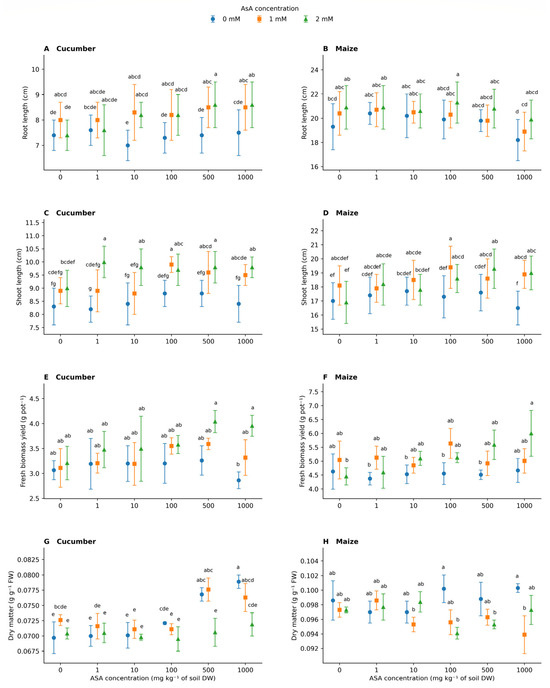
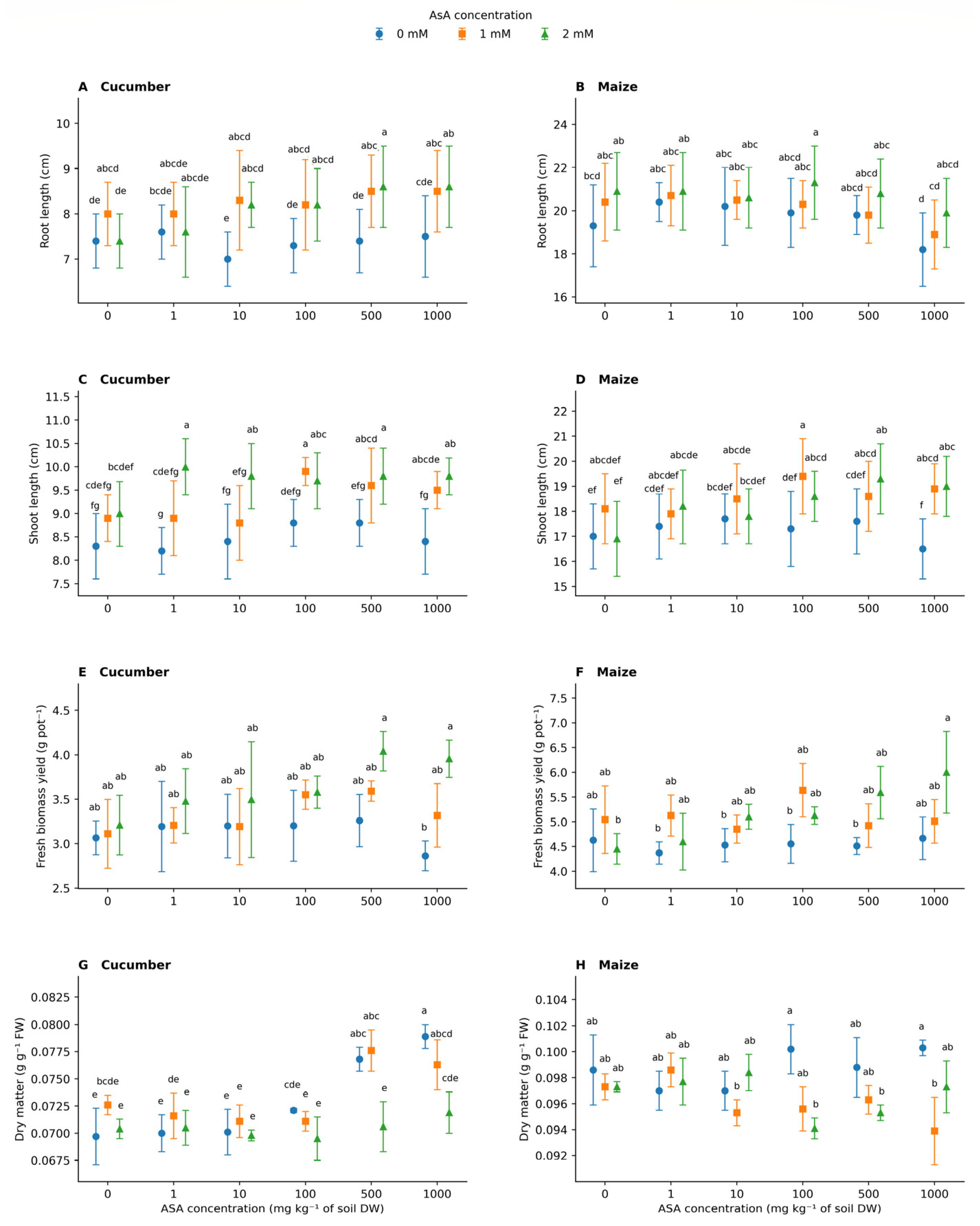
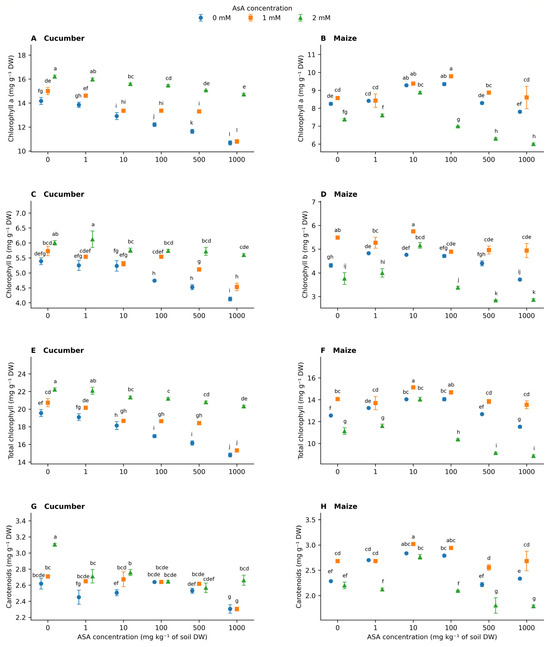
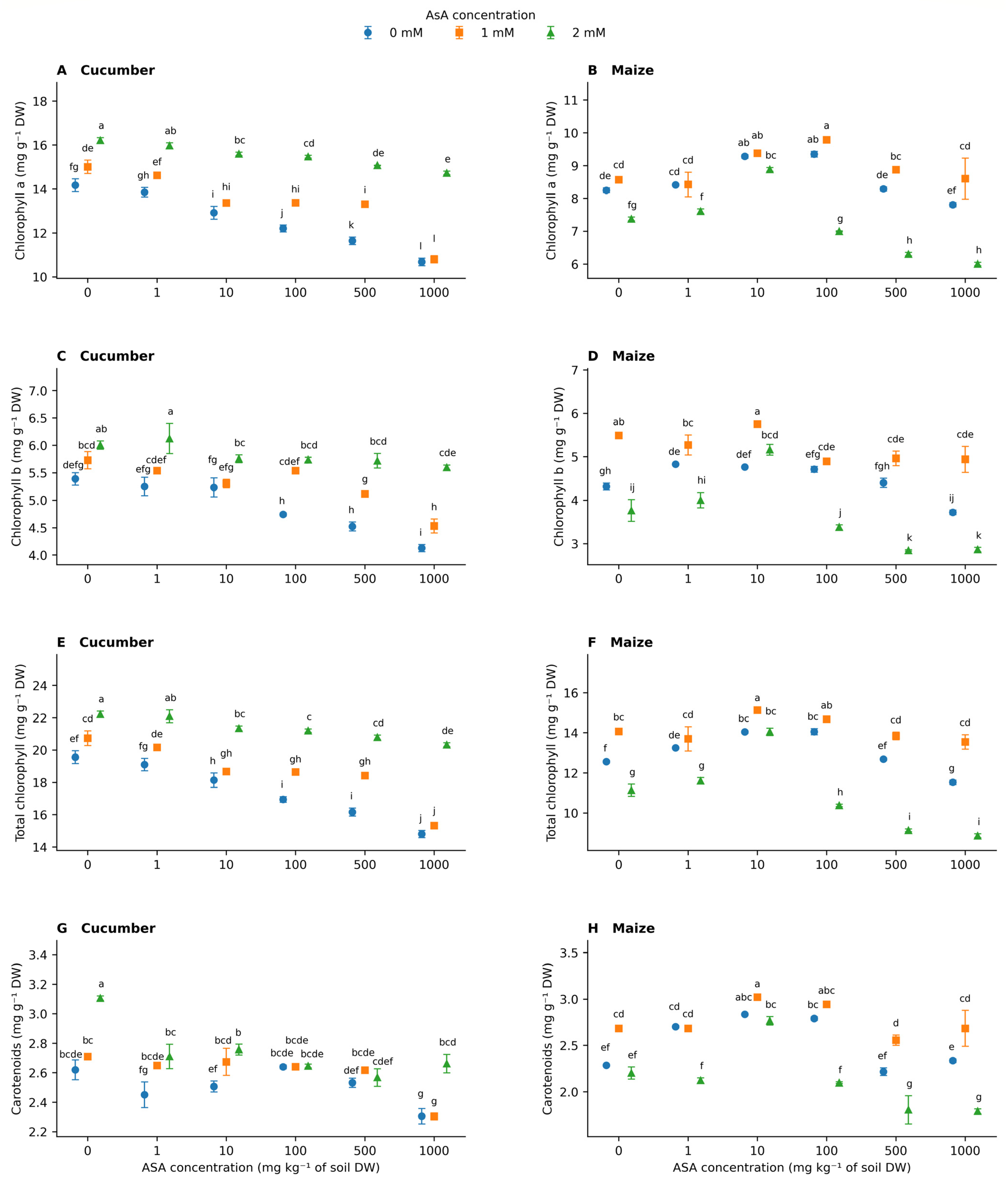
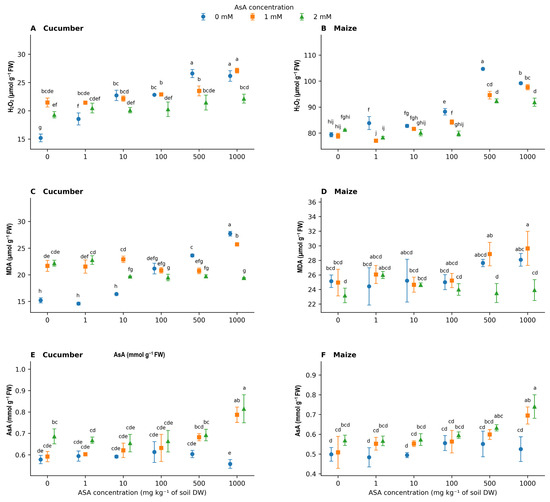
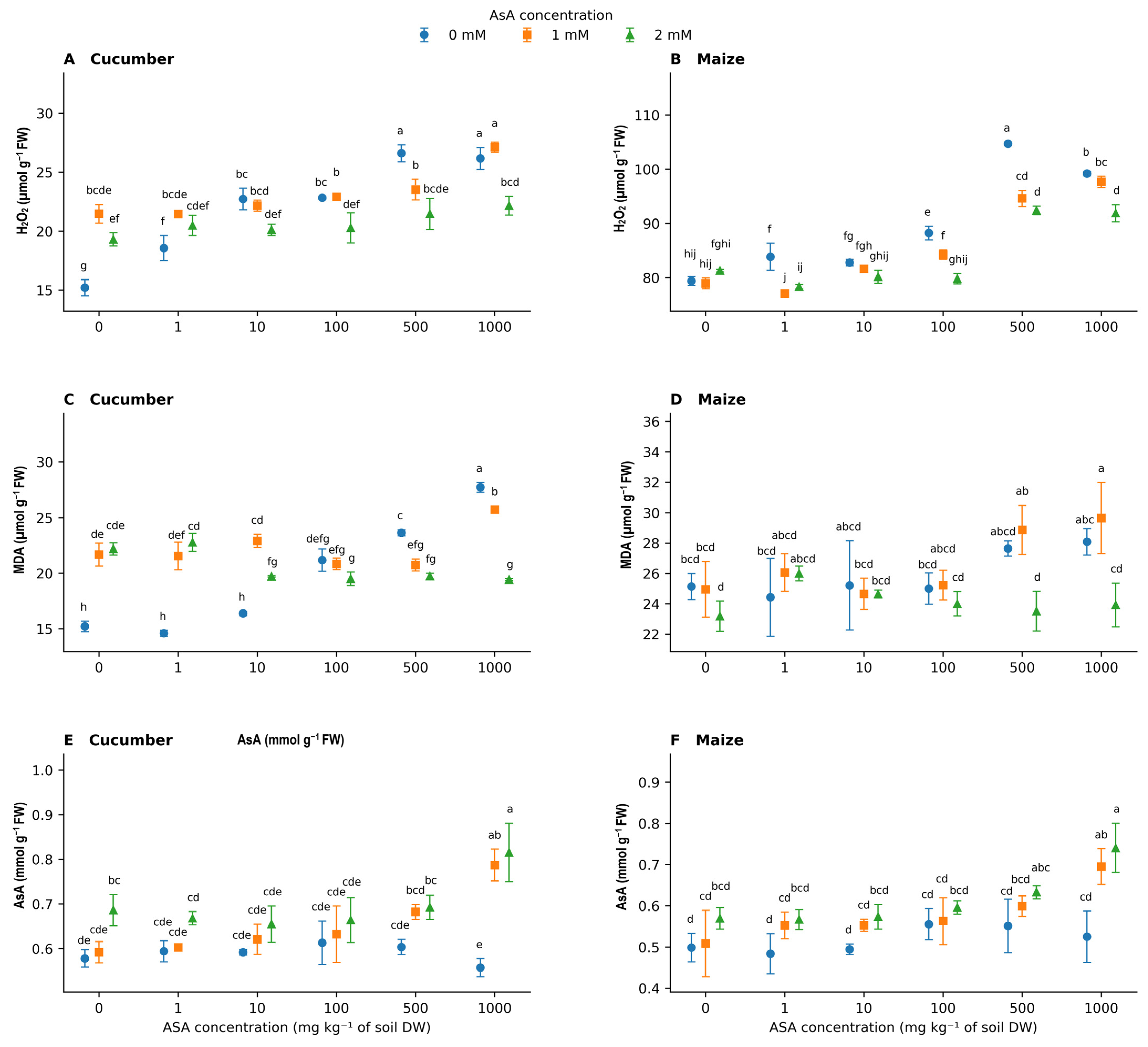
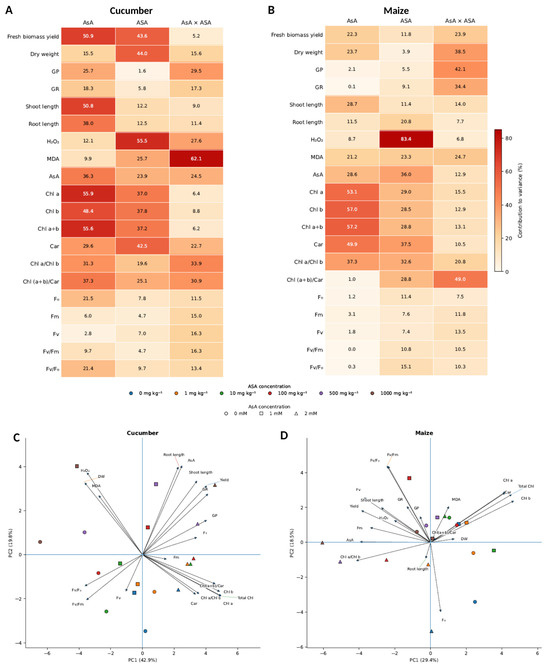
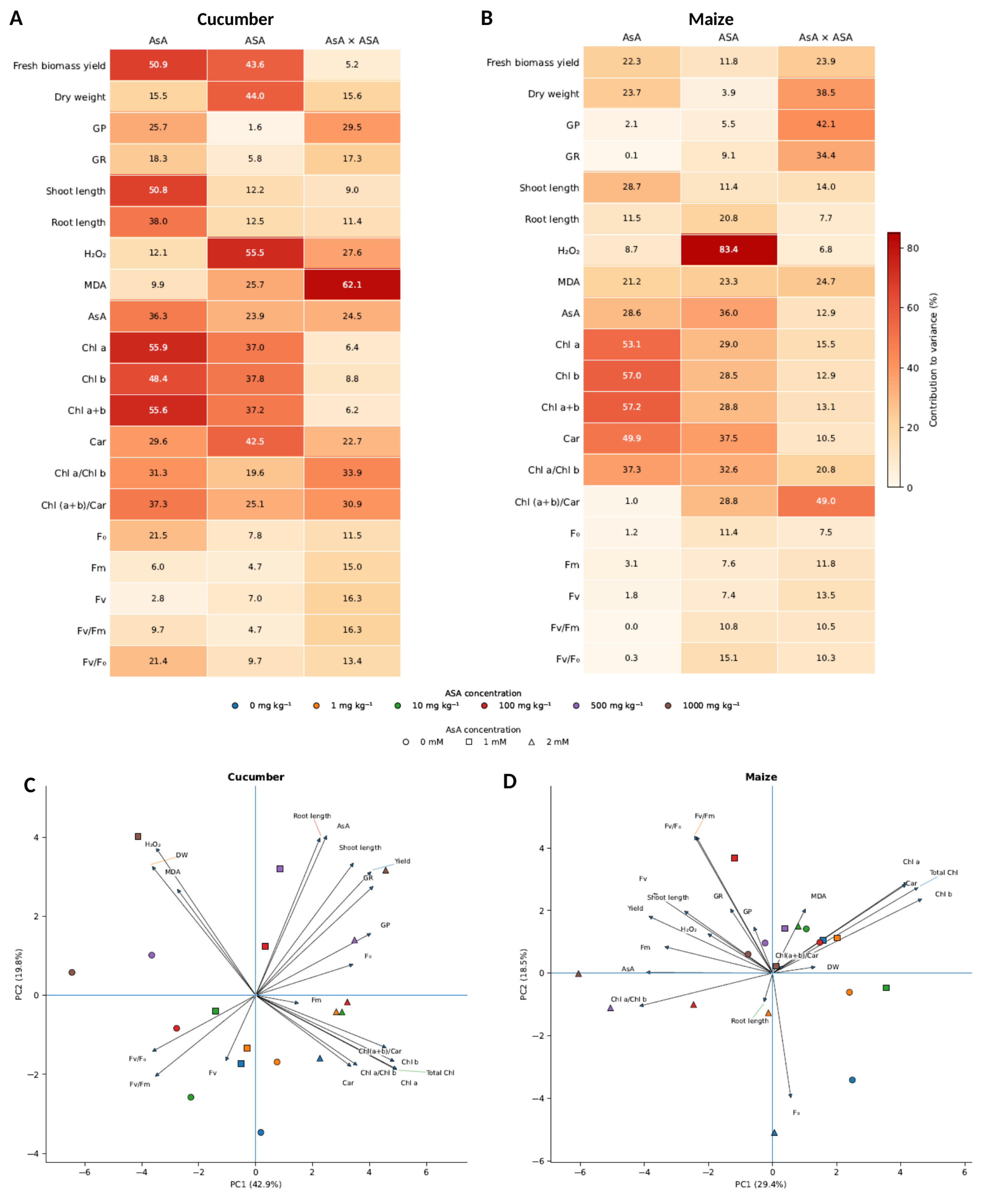

Disclaimer/Publisher’s Note: The statements, opinions and data contained in all publications are solely those of the individual author(s) and contributor(s) and not of MDPI and/or the editor(s). MDPI and/or the editor(s) disclaim responsibility for any injury to people or property resulting from any ideas, methods, instructions or products referred to in the content. |
© 2026 by the authors. Licensee MDPI, Basel, Switzerland. This article is an open access article distributed under the terms and conditions of the Creative Commons Attribution (CC BY) license.