


Abstract
Spasticity and neuromuscular dysfunctions are common consequences of neurological conditions such as cerebral palsy, stroke, traumatic brain injury, and spinal cord lesions, substantially impairing mobility and quality of life. Artificial intelligence (AI) is increasingly employed to process surface electromyography (sEMG) signals, inertial-sensor recordings, gait-analysis data, and clinical information, supporting more objective characterization of neuromuscular impairments. Following PRISMA guidelines, this systematic review synthesizes evidence from 78 studies published between 2010 and 2026, identified through an expanded multi-database search of Scopus, PubMed/MEDLINE, and IEEE Xplore. Most studies focused on lower-limb applications, followed by upper-limb assessment, whereas a smaller proportion addressed general neuromuscular impairments. Classification was a predominant AI task across the reviewed literature. Most studies relied on private or non-public datasets, limiting reproducibility and external validation, while small or single-center cohorts and heterogeneous methodological protocols were also frequent limitations. This review synthesizes methodological trends, dataset variability, and clinical applicability and identifies persistent gaps in generalizability, multimodal and longitudinal integration, and clinically validated decision-support capabilities. Overall, AI shows substantial potential to support more objective and individualized neurorehabilitation; however, broader external validation, standardized data acquisition, and prospective clinical evaluation remain necessary before widespread clinical integration.
1. Introduction
Neurological disorders such as stroke, cerebral palsy (CP), spinal cord injury, and traumatic brain injury frequently lead to spasticity and neuromuscular impairments [1]. Spasticity is a common consequence of upper motor neuron lesions, characterized by abnormal muscle activation, impaired motor control, and increased resistance to passive movement [2,3]. These motor impairments substantially affect patients’ mobility, daily functioning and independence [1]. Furthermore, they are associated with secondary musculoskeletal complications and a significant reduction in quality of life [2]. The global burden of neurological conditions that cause spasticity is substantial. Stroke represents a leading cause of long-term neurological disability worldwide and is a major contributor to post-stroke motor impairments, including spasticity [4]. CP, the most common childhood motor disability, also frequently presents with spasticity as its predominant motor subtype [5,6]. Similarly, traumatic brain injury (TBI) and spinal cord injury (SCI) are frequently associated with long-term neuromuscular impairments, resulting in persistent functional limitations and an ongoing need for rehabilitation and therapeutic management [1,3]. The prevalence of spasticity varies substantially across neurological conditions, being most consistently associated with CP, followed by high rates in SCI and TBI [1,3,5]. In stroke and early life brain injury, spasticity remains a common but heterogeneous outcome, shaped by clinical severity and assessment methodology [2,3]. These variations, together with secondary musculoskeletal complications such as contractures and pain, highlight the complexity of clinical management [1,2]. Consequently, timely and objective characterization of spasticity is essential for guiding individualized rehabilitation and optimizing long-term functional outcomes [1,2,3,7]. Despite their widespread use in clinical practice, traditional evaluation tools such as the Modified Ashworth Scale (MAS) and the Tardieu Scale are limited by subjective interpretation, substantial inter-rater variability, and reduced sensitivity to subtle neuromotor changes, raising concerns regarding their validity for accurately characterizing spasticity [1,8]. In response to these limitations, the integration of artificial intelligence (AI) and machine learning (ML) has emerged as a promising avenue for enabling objective and scalable assessment of motor dysfunctions. Recent studies have shown that ML models applied to biomedical signals—such as gait kinematics and inertial sensor measurements—can substantially improve diagnostic accuracy and classification performance [7,9,10]. In parallel, an increasing number of investigations leverage sEMG signals, often in combination with IMUs or video-based motion analysis, to extract physiologically meaningful biomarkers for spasticity detection [11,12]. Our systematic analysis of 78 included studies reveals clear methodological patterns in the application of AI to spasticity and gait-related neuromuscular assessment. While previous reviews have examined broader domains such as machine learning applications in gait analysis and motor function assessment [3,7], they provide limited synthesis for detecting and quantifying spasticity using wearable sensing technologies, clinical data, and multimodal AI approaches. In addition, existing reviews provide limited systematic comparison of sensor combinations, model architectures, and clinical validation strategies, and largely overlook challenges related to interpretability, generalizability, and clinical translation. Another limitation of the existing literature is the disproportionate focus on upper-limb assessment, predominantly in stroke populations. Although upper-limb dysfunction is clinically relevant, spasticity affecting the lower limbs has more substantial consequences for ambulation, balance, and functional independence. For this reason, our review places particular emphasis on lower-limb impairments, which are closely linked to gait disturbances and impaired balance [13]. Lower-limb spasticity critically influences gait stability and the capacity for independent mobilization, underscoring its importance in functional outcome assessment and rehabilitation planning [14,15]. Recent work has also demonstrated the potential of data-driven feature-selection approaches in biomechanical gait analysis. Xu et al. [16] combined metaheuristic optimization with classification algorithms to identify discriminative biomechanical gait features, demonstrating that optimized feature selection can improve gait-pattern recognition and support applications in sports and clinical gait analysis. This systematic review aims to fill a critical gap in the literature by providing a focused synthesis of AI-driven approaches for spasticity detection and classification, with particular emphasis on the integration of sEMG, IMU, and multimodal datasets. We contribute a detailed thematic analysis of model types, data fusion techniques, and clinical contexts, and identify promising model–sensor combinations. Moreover, we highlight current limitations, such as small sample sizes, lack of external validation, and limited interpretability, and discuss future directions for AI-assisted clinical decision support in neuromotor rehabilitation. By grounding our analysis in multimodal evidence from both upper and lower limb applications, this review offers insights to guide future research and clinical translation.
2. Materials and Methods
2.1. Review Methodology
This systematic review was conducted in accordance with the Preferred Reporting Items for Systematic Reviews and Meta-Analyses (PRISMA 2020) guidelines to ensure transparency and reproducibility in study identification, screening, and selection. The original Scopus-based search was expanded during the revision process to include PubMed/MEDLINE and IEEE Xplore, thereby increasing coverage across clinical, biomedical, and engineering literature. The revised search covered publications from 2010 to 2026 and combined terms related to spasticity, gait disorders, neuromuscular impairment, cerebral palsy, post-stroke conditions, wearable and biomechanical sensing, and artificial intelligence/machine learning. The core search concept was: (“spasticity” OR “spastic gait” OR “gait disorder” OR “gait disorders” OR “neuromuscular impairment” OR “neuromuscular impairments” OR (“cerebral palsy” OR “post-stroke”) AND (“sEMG” OR “surface electromyography” OR “IMU” OR “inertial measurement unit” OR “wearable sensor” OR “wearable sensors”))) AND (“artificial intelligence” OR “machine learning” OR “deep learning”). The syntax was adapted where necessary to the indexing structure and search interface of each database. The expanded searches retrieved 860 records from Scopus, 308 from IEEE Xplore, and 457 from PubMed/MEDLINE. Records were subsequently cross-checked and reconciled across databases before screening. Web of Science Core Collection was also considered as an additional information source; however, institutional access was not available during the revision period. The final searches in Scopus, PubMed/MEDLINE, and IEEE Xplore were conducted on 23 September 2026.
2.2. Inclusion and Exclusion Criteria
Eligibility criteria were reformulated according to the PICOS framework to provide a transparent definition of the target populations, computational approaches, comparators, outcomes, and eligible study designs. The review focused on neurological conditions associated with spasticity, gait dysfunction, or related neuromuscular impairment, with particular relevance to cerebral palsy, stroke, hereditary spastic disorders, spinal cord injury, and other neurological populations represented in the retrieved evidence. Eligible studies investigated AI, machine-learning, deep-learning, computational, or quantitative analytical approaches relevant to the assessment, classification, prediction, monitoring, rehabilitation, or treatment outcomes of spasticity, gait dysfunction, or related neuromuscular impairment. Clinical, biomechanical, and sensor-based data sources were considered, including sEMG, IMUs and other wearable sensors, motion capture or video-based gait analysis, force/kinetic measurements, ultrasound, robotic rehabilitation data, neuroimaging, and clinical assessments. A conventional comparator or control group was not mandatory because many studies developed or evaluated computational assessment and prediction models without a conventional comparator. When available, comparators included clinical scales, clinician assessments, reference measurement systems, control populations, or alternative computational models. Studies were excluded when their clinical or methodological focus was unrelated to the objectives of the review, when they did not provide a relevant computational or quantitative contribution, or when the full text could not be retrieved after reasonable attempts. The eligibility framework is summarized in Table 1.
Table 1.
The eligibility framework.
2.3. Screening and Selection Process
The expanded multi-database search retrieved 1625 records, comprising 860 records from Scopus, 308 from IEEE Xplore, and 457 from PubMed/MEDLINE. Following cross-database deduplication and reconciliation of overlapping records with the screening dataset, 613 records were retained for title and abstract screening. Of these, 535 records were excluded because they did not meet the predefined methodological or thematic eligibility criteria. The remaining 78 reports were sought for retrieval and assessed for eligibility. No reports were excluded at the final eligibility stage, resulting in 78 studies included in the final qualitative synthesis. The complete study-selection process is summarized in the PRISMA 2020 flow diagram (Figure 1).
Figure 1.
PRISMA 2020 flow diagram illustrating the identification, screening, eligibility assessment, and final inclusion of studies. * Consider, if feasible to do so, reporting the number of records identified from each database or register searched (rather than the total number across all databases/registers). ** If automation tools were used, indicate how many records were excluded by a human and how many were excluded by automation tools.
The expanded searches retrieved 860 records from Scopus, 308 from IEEE Xplore, and 457 from PubMed/MEDLINE. Records were subsequently cross-checked and reconciled across databases before screening. Web of Science Core Collection was also considered as an additional information source; however, institutional access was not available during the revision period. The final searches in Scopus, PubMed/MEDLINE, and IEEE Xplore were conducted on 23 September 2026. The core search strategy, final search date, and database-specific retrieval results are provided in Table 2.
Table 2.
Databases, final search date, and records retrieved.
Core search strategy: (“spasticity” OR “spastic gait” OR “gait disorder” OR “gait disorders” OR “neuromuscular impairment” OR “neuromuscular impairments” OR (“cerebral palsy” OR “post-stroke”) AND (“sEMG” OR “surface electromyography” OR “IMU” OR “inertial measurement unit” OR “wearable sensor” OR “wearable sensors”)) AND (“artificial intelligence” OR “machine learning” OR “deep learning”).
The same core search concept was applied across the three databases, with syntax adapted where necessary to the indexing structure and search interface of each database. The final searches were conducted on 23 September 2026. Table 2 summarizes the database-specific retrieval results.
2.4. Data Extraction and Synthesis
A structured data extraction process was undertaken for all included studies. Articles were classified according to several key dimensions:
- Data modality: The type of input data used for AI model training and evaluation, such as sEMG signals, IMU sensor data, or kinematic features derived from video-based motion analysis.
- AI methodology: The nature of computational models employed, including convolutional neural networks (CNNs), long short-term memory networks (LSTMs), support vector machines (SVMs), and hybrid or ensemble approaches.
- Clinical application: The intended medical utility of the AI system, such as aiding diagnosis, classifying spasticity severity, or predicting rehabilitation outcomes.
Due to the substantial heterogeneity in study design, dataset characteristics, model architectures, and evaluation protocols, a quantitative meta-analysis was not feasible. Instead, a qualitative thematic synthesis was conducted. This synthesis focused on identifying recurring patterns, clinical relevance, model generalizability, and the interpretability of AI systems in neuromuscular contexts.
For the descriptive analysis of algorithm use, methodological characteristics were extracted directly from the included studies and recorded in the structured data-extraction dataset. Algorithm type was coded at the study level, and a study could contribute to more than one category when multiple algorithms were explicitly implemented or evaluated; therefore, categories were not mutually exclusive. Frequencies were calculated as the number of included studies in which each algorithmic approach was identified, and percentages were calculated relative to the 78 included studies. These data were used to generate the descriptive distribution presented in Figure 2.
Figure 2.
Frequency of selected machine-learning algorithms identified across the reviewed studies. Percentages represent the proportion of the 78 included studies in which each algorithmic approach was identified. Individual studies could employ more than one algorithm; therefore, categories are not mutually exclusive and percentages do not sum to 100%.
2.5. Risk of Bias and Methodological Considerations
Risk of bias and methodological quality were assessed at the study level using established appraisal frameworks selected according to study design. For studies involving the development or evaluation of clinical prediction or classification models, the PROBAST+AI framework was applied. The assessment considered the four PROBAST+AI domains: participants and data sources, predictors, outcome, and analysis. Particular attention was given to participant selection and representativeness, predictor and outcome definition, sample size, data preprocessing, separation of training and evaluation data, validation strategy, class imbalance, and potential model overfitting. Given the methodological heterogeneity of the included literature, PROBAST+AI was not applied to studies outside its intended scope. Randomized studies were assessed using RoB 2, whereas non-randomized intervention or causal treatment-effect studies were evaluated using ROBINS-I. Observational, measurement, reliability, and other non-predictive studies were assessed using the relevant design-specific Joanna Briggs Institute (JBI) critical appraisal approach. Reviews, protocols, and contextual or methodological papers retained to support the broader technical synthesis were not assigned a primary-study risk-of-bias judgement. Assessments were based on the methodological information reported in the included articles. Where the available information was insufficient to support a reliable judgement, the corresponding item or overall assessment was classified as unclear rather than inferred from unreported information. Risk-of-bias and methodological-quality assessments were used to inform the interpretation of the evidence and were not applied as additional exclusion criteria. Detailed study-level assessments, including the appraisal framework applied to each study, are provided in Supplementary Table S1.
3. Related Work
The application of artificial intelligence (AI) in neurorehabilitation has received increasing attention, with several recent systematic reviews exploring its role in gait analysis, upper limb function, robotic-assisted therapy, and biosignal interpretation. These studies have contributed valuable perspectives but primarily focus on specific aspects of neurorehabilitation, offering only limited integration of spasticity assessment and neuromuscular impairments. Moreover, existing reviews provide only limited synthesis across multiple sensing modalities, AI methodologies, and neurological conditions within a consistent comparative framework.
For instance, the bibliometric analysis conducted by Facciorusso et al. (2024) [17] offered a high-level overview of global publication trends in botulinum toxin–related spasticity research. While informative from a scientometric standpoint, the study did not assess specific methodologies, sensor types, or machine learning (ML) models used for detection or monitoring of spasticity. Similarly, Marek et al. (2023) [18] reviewed technological advances in quantifying post-stroke hand rehabilitation, with a strong emphasis on sensorimotor scales and robotic tools. However, their focus remained confined to post-stroke upper limb recovery, lacking generalizability across neurological disorders and not addressing the computational underpinnings of AI-based approaches. Another recent narrative review by He et al. (2023) [3] summarized novel methods for spasticity assessment, including neuromechanical techniques, myotonometry, and motion analysis. Although the authors acknowledged the potential of sEMG and wearable sensors, their review provided only a limited discussion of machine learning methodologies without a structured analysis of model pipelines or feature representations. Furthermore, the qualitative nature of the review limited cross-study comparisons and offered minimal insight into data diversity, validation strategies, and reproducibility. Finally, a review by Zhang et al. (2017) [19] explored multivariate analyses and ML applications in cerebral palsy research, predominantly focusing on classification and regression models. While methodologically relevant, the study concentrated exclusively on CP and did not examine other spasticity-related conditions such as stroke, TBI, or spinal cord injury. Additionally, the review predated recent advances in deep learning and multimodal sensor fusion, which are now central to state-of-the-art systems. In contrast to these more focused perspectives, the present review provides a PRISMA-compliant synthesis of AI, machine-learning, and quantitative computational approaches for the assessment and characterization of spasticity, gait disorders, and related neuromuscular impairments across a range of neurological conditions. The review integrates evidence involving sEMG, inertial measurement units (IMUs), wearable sensors, motion capture and video-based analysis, clinical assessments, and other biomechanical and rehabilitation-related data sources. This multimodal perspective reflects the multidimensional nature of spasticity and motor dysfunction and the need to integrate complementary physiological, clinical, and kinematic information for objective assessment. Furthermore, the expanded search across Scopus, PubMed/MEDLINE, and IEEE Xplore enables broader coverage of both clinical and engineering literature. The review systematically compares upper-limb, lower-limb, and general neuromuscular applications using a common framework encompassing dataset characteristics, sensing modalities, analytical methods, model architectures, clinical targets, and methodological limitations. This approach enables the identification of recurring methodological patterns, limitations in dataset availability and external validation, gaps in multimodal and longitudinal integration, and underexplored opportunities for clinically interpretable decision-support systems.
4. Results
4.1. Thematic Review
This section provides a thematic synthesis of the 78 studies included in the final PRISMA-based analysis. The reviewed literature addresses the detection, classification, prediction, and quantitative characterization of spasticity, gait disorders, and related motor dysfunction across upper- and lower-limb applications, employing heterogeneous data sources (e.g., sEMG, IMUs, motion capture, clinical scores, and electronic medical records (EMRs)) and a wide range of analytical approaches, from conventional statistical methods to classical machine learning, deep learning, and unsupervised models. The literature is organized around four thematic axes: (i) upper-limb spasticity assessment and functional prediction, (ii) lower-limb gait analysis and outcome forecasting, (iii) general-purpose predictive models for neurorehabilitation, and (iv) methodological and technology-focused evidence. Across these axes, common limitations emerge, including small and heterogeneous datasets, frequent reliance on single-modality or limited multimodal sensing, offline or static modeling, and limited implementation of personalization or real-time decision support. While several studies explore multimodal sensing or deep learning approaches, closed-loop adaptive systems remain largely limited. The subsections that follow discuss representative studies selected for methodological and clinical relevance, while focused summary tables highlight representative evidence within the main thematic areas. Detailed characteristics of all 78 included studies, organized into lower-limb, upper-limb, and general applications, are provided in Supplementary Table S2. Risk-of-bias and methodological-quality assessment revealed substantial methodological heterogeneity across the included literature. Recurrent concerns included small or single-center samples, limited independent external validation, potential model overfitting, class imbalance, and reliance on clinical reference labels susceptible to inter-rater variability. Although several studies employed stronger validation strategies or larger and multicenter datasets, external clinical validation and prospective evaluation remained limited overall. Detailed study-level assessments are provided in Supplementary Table S1.
4.1.1. Upper Limb Spasticity Assessment and Functional Prediction
Research on upper-limb spasticity assessment has frequently focused on post-stroke and acquired brain injury populations, where objective quantification is particularly relevant because commonly used clinical scales such as the Modified Ashworth Scale (MAS) are affected by subjectivity and inter-rater variability. Recent studies have therefore investigated wearable sensing, biomechanical measurements, and machine-learning approaches to quantify spasticity using physiological and movement-related information [3,7].
Chen et al. (2021) [11] proposed a framework specifically targeting spasticity assessment during voluntary elbow movement. The approach combined sEMG and kinematic information and employed Empirical Mode Decomposition (EMD), feature-level data fusion, and machine-learning classification. Random Forest with a 256 ms window achieved the best performance (F1-score = 0.952), outperforming either EMG or motion information alone and demonstrating the potential value of multimodal sensing for voluntary-movement assessment. Wang et al. (2024) [20] similarly adopted a multimodal approach for post-stroke upper-limb spasticity, integrating electrophysiological, kinematic, and biomechanical information acquired through an exoskeletal measurement device. Their hierarchical framework first identified pathological electrophysiological responses using an LSTM network and subsequently quantified neural and non-neural components contributing to spastic resistance, providing a more comprehensive representation of spasticity severity.
Other studies investigated more compact wearable or biomechanical assessment configurations. Kim et al. (2020) [21] used IMU measurements acquired during passive elbow stretching and evaluated several machine-learning classifiers, with Random Forest achieving up to 95.4% accuracy. Zhang et al. (2019) [12] combined wearable sEMG and inertial data within a regression-based framework that extracted neurogenic and biomechanical biomarkers and used regression models to estimate spasticity severity relative to MAS scores. Yee et al. (2021) [22] instead combined joint-angle and resistance-force measurements during passive stretching and evaluated Decision Tree, Random Forest, and SVM models for binary spasticity detection, with SVM providing the best reported classification performance.
A complementary approach was presented by Park et al. (2019) [23], who investigated whether an artificial neural network could reproduce the clinical decision process underlying MAS assessment. Biomechanical parameters derived from joint motion and resistance during passive elbow stretching were used to predict MAS scores in 34 individuals with acquired brain injury. The model agreed with the majority of human ratings (82.2%; Cohen’s κ = 0.743), while interpretation of the network indicated that angle of catch, maximum stretching speed, and maximum resistance contributed strongly to its decisions. However, the authors noted that the small number of observations for MAS score 3 limited the evidence supporting results for this severity level.
More recent work has also extended assessment toward functional voluntary tasks. Lee et al. (2024) [24] developed an automatic system using multiple IMUs and force measurements acquired during upper-limb tasks to assess spasticity severity across the elbow, wrist, thumb, and fingers. Machine-learning models were evaluated using task-specific kinematic and force features, illustrating a progression from isolated passive-joint assessment toward quantitative evaluation during voluntary functional movement.
Across these studies, consistent methodological progression can be observed from single-modality and handcrafted-feature approaches toward multimodal sensing and more advanced machine-learning architectures. Nevertheless, important limitations remain. Sample sizes are generally modest, most systems have been evaluated under controlled experimental protocols, and independent external validation remains limited. Furthermore, the reviewed approaches predominantly employ offline or static models rather than continuously adaptive systems. These observations are consistent with broader reviews reporting persistent challenges related to representative datasets, methodological standardization, clinical interpretability, and translation of quantitative spasticity and gait-analysis methods into routine clinical practice [3,7]. Table 3 summarizes the principal characteristics of representative upper-limb studies, while the complete study-level evidence is provided in Supplementary Table S2.
Table 3.
Overview of representative studies on upper-limb spasticity assessment and functional prediction, summarizing study populations, data modalities, modelling approaches, and key methodological limitations.
4.1.2. Lower-Limb Spasticity, Gait Analysis, and Outcome Prediction
Lower-limb studies have addressed a broader range of clinical objectives, including gait characterization, treatment-response assessment, prediction of walking outcomes, and analysis of the biomechanical and neuromuscular consequences of spasticity. The reviewed approaches used heterogeneous data sources, ranging from wearable inertial sensors and laboratory-based gait kinematics to clinical assessments and routinely collected rehabilitation data.
Ibrahim et al. (2024) [25] investigated mobile digital gait analysis for evaluating the effects of botulinum toxin treatment in individuals with hereditary spastic paraplegia (HSP). Their approach used foot-mounted IMUs and supervised machine-learning methods to characterize treatment-related changes in gait. The study demonstrated the feasibility of mobile sensor-based assessment for detecting clinically relevant gait changes outside conventional laboratory-based gait analysis, although heterogeneity in disease characteristics, treatment targets, and follow-up data remained important limitations.
Deep learning has also been applied to post-treatment gait prediction. Khan et al. (2024) [14] developed a phase-based framework using bidirectional long short-term memory (Bi-LSTM) networks to predict knee and ankle kinematics following botulinum toxin type A (BTX-A) treatment. The models incorporated pre-treatment gait kinematics together with medical treatment information and explicitly modelled different phases of the gait cycle. This approach illustrates the potential of temporal deep-learning models for treatment-response prediction, although the framework relied primarily on kinematic and treatment information rather than direct neuromuscular biosignals.
Clinical variables have likewise been used for functional prognosis. Tang et al. (2024) [26] compared logistic regression, XGBoost, SVM, and Random Forest models for predicting independent walking at hospital discharge in 778 patients with stroke. XGBoost achieved an AUC of 0.880, while logistic regression achieved an AUC of 0.891, with no significant difference between them. Age, admission FMA-LE, admission FAC, and lower-limb spasticity were identified as important predictors of walking independence. These findings demonstrate the potential value of routinely collected clinical information for prognosis, while the retrospective single-center design and absence of external validation limit broader generalizability.
Other studies have focused on the relationship between neuromuscular impairment and gait mechanics. Steele and Schwartz (2022) [27] applied a causal modelling framework incorporating a directed acyclic graph and Bayesian Additive Regression Trees (BART) to investigate the effects of motor-control impairments and single-event multilevel orthopedic surgery (SEMLS) on gait in children with bilateral cerebral palsy. Their analysis incorporated clinical gait data and EMG-derived dynamic motor control, illustrating how machine learning can be combined with explicit causal assumptions to examine complex interactions between neurological and orthopedic impairments. Lee et al. (2023) [28] used LASSO and BART models to investigate whether hip and knee kinematics could predict quadriceps hyperreflexia in individuals with post-stroke stiff-knee gait. Their findings showed that selected pre-swing kinematic features can provide information about reflex-related abnormalities, suggesting that biomechanical measurements may serve as accessible proxies for aspects of neuromuscular dysfunction.
Not all relevant lower-limb evidence employed machine learning. Tutus et al. (2023) [13] used Kinect V2-based gait assessment together with clinical measures to examine relationships between gastrocnemius spasticity, gait symmetry, and trunk control in individuals with chronic stroke. Similarly, Silva et al. (2020) [29] evaluated long-term orthopedic outcomes following soft-tissue surgery for hip displacement in children with spastic cerebral palsy using radiographic and clinical measurements rather than computational prediction. These studies provide clinically relevant contextual evidence while also illustrating the distinction between quantitative measurement approaches and AI-based predictive modelling.
Bertoncelli et al. (2023) [30] addressed a different clinical prediction problem through TT-PredictMed, a multiple logistic regression model developed from routinely collected clinical and functional information in 102 adolescents with cerebral palsy. Rather than predicting gait performance directly, the model was designed to identify factors associated with postural impairment characterized by hypotonic or spastic truncal tone. This work demonstrates the potential of structured clinical information for predictive modelling without specialized biomechanical instrumentation, although physiological and gait-derived measurements were not incorporated.
Collectively, lower-limb studies demonstrate a progression from conventional clinical and biomechanical assessment toward wearable sensing, machine-learning-based prognosis, causal modelling, and deep-learning prediction of treatment-related gait trajectories. Nevertheless, the evidence remains heterogeneous with respect to populations, sensing modalities, outcomes, and validation strategies. Many approaches rely predominantly on one class of information—kinematic, inertial, or clinical—and direct integration of physiological, biomechanical, and clinical data remains comparatively limited. External validation and prospective evaluation are also uncommon. Table 4 summarizes representative lower-limb studies, while the complete study-level evidence is provided in Supplementary Table S2.
Table 4.
Summary of representative studies on AI-based lower limb spasticity assessment and gait outcome prediction, including data types, clinical tasks, computational methods, and primary methodological limitations.
4.1.3. General Predictive Models for Neurological Rehabilitation
Beyond limb-specific assessment, several studies have investigated broader applications of artificial intelligence for treatment-response prediction, clinical risk stratification, patient phenotyping, and rehabilitation planning. These approaches use heterogeneous information sources, including gait kinematics, routinely collected clinical data, electronic medical records, and neuromuscular measurements, illustrating the potential role of AI as a clinical decision-support tool across neurological rehabilitation settings.
Khan et al. [31] developed a multi-task recurrent deep-learning framework for predicting post-treatment gait trajectories following botulinum toxin type A (BTX-A) therapy. Pre-treatment gait kinematics were combined with treatment-related information to predict post-treatment knee and ankle trajectories across a heterogeneous neurological population. The multi-task architecture incorporated treatment characteristics and was designed to account for variability across injected muscle groups, demonstrating the potential of temporal deep learning for individualized treatment-response prediction. However, the heterogeneous clinical population and reliance predominantly on gait kinematics and treatment information limit the physiological characterization of treatment response.
Bertoncelli et al. (2022) [32] developed BTX-PredictMed to identify clinical phenotypes of children with cerebral palsy associated with the need for botulinum toxin treatment. The model used longitudinal multicenter clinical data from 165 children and incorporated routinely collected clinical and functional variables within a logistic-regression-based framework. The reported model achieved approximately 76% accuracy, with 67% sensitivity and 81% specificity, demonstrating how routinely available clinical information can support treatment-related patient stratification. Nevertheless, the framework did not incorporate gait, biomechanical, or physiological measurements and therefore represented clinical phenotype prediction rather than direct quantitative assessment of neuromuscular function.
A related PredictMed approach was applied by Bertoncelli et al. [33] to identify risk factors for neuromuscular hip dysplasia in children and adolescents with cerebral palsy. The model integrated clinical, functional, and radiographic variables within an interpretable logistic-regression framework for early risk stratification. Although high specificity was reported, sensitivity was substantially lower, and validation was based on the available clinical dataset rather than independent external evaluation. This study further illustrates the potential of structured clinical information for interpretable risk prediction while highlighting the need for validation across independent populations.
Hou et al. (2023) [34] adopted an unsupervised approach to investigate long-term functional outcomes following selective dorsal rhizotomy (SDR) in children with cerebral palsy. Hierarchical clustering and K-means were used to identify patient subgroups with different patterns of postoperative motor outcome. In contrast to supervised outcome prediction, this approach demonstrates how unsupervised learning can reveal clinically relevant heterogeneity within rehabilitation populations and may contribute to patient stratification and interpretation of variable treatment responses.
Spieker et al. [35] investigated neuromuscular responses to transcutaneous spinal cord stimulation (tSCS) using mechanomyography (MMG) and machine-learning-based analysis. The study evaluated whether MMG could characterize stimulation-induced muscle responses and support identification of stimulation parameters, illustrating an alternative sensing strategy for quantitative neuromuscular assessment. Although the study provides evidence for integrating physiological sensing with computational analysis, its limited cohort and experimental setting restrict conclusions regarding broader clinical deployment.
Collectively, these studies extend AI applications beyond direct classification of spasticity toward treatment-response prediction, clinical risk modelling, patient stratification, and quantitative support for rehabilitation interventions. Their methodological diversity also illustrates an important trade-off: models based on routinely collected clinical information may be comparatively accessible and interpretable, whereas sensor- and trajectory-based approaches can provide richer information about movement or neuromuscular function but require more specialized acquisition and processing. Across both approaches, independent external validation, prospective clinical evaluation, and integration of complementary clinical, biomechanical, and physiological information remain important requirements for translation into routine rehabilitation practice. The complete set of general and methodological studies is provided in Supplementary Table S2. Additional studies included in the systematic review are documented in Supplementary Tables S1 and S2 [36,37,38,39,40,41,42,43,44,45,46,47,48,49,50,51,52,53,54,55,56,57,58,59,60,61,62,63]. Related methodological research has also investigated multimodal gait abnormality recognition using multi-sensor data fusion and hybrid CNN–BiLSTM architectures [64]. Further studies are detailed in Supplementary Tables S1 and S2 [65,66,67,68,69,70,71,72,73,74,75,76,77,78,79,80,81,82,83,84,85,86,87,88,89,90,91].
4.2. Use of Machine-Learning Algorithms Across Reviewed Studies
To characterize the methodological landscape of the included literature, the machine-learning algorithms explicitly reported across the reviewed studies were examined. Considerable methodological heterogeneity was observed, with individual studies frequently employing or comparing more than one computational approach. Accordingly, the reported categories were treated as non-mutually exclusive study-level indicators.
Support Vector Machines and Support Vector Regression (SVM/SVR) were the most frequently identified algorithmic approaches (20/78, 25.6%), followed by Random Forest (14/78, 17.9%) and Multilayer Perceptron/Artificial Neural Network/Fully Connected Network (MLP/ANN) models (12/78, 15.4%). Long Short-Term Memory and bidirectional LSTM architectures (LSTM/Bi-LSTM) were identified in eight studies (10.3%), while CNN/1D-CNN approaches were identified in five studies (6.4%) and XGBoost in four studies (5.1%). These findings indicate that conventional machine-learning and neural-network approaches remain prominent, while more specialized deep-learning architectures are represented in a smaller proportion of the reviewed literature. A visual summary of the distribution of the principal machine-learning algorithms identified across the reviewed studies is provided in Figure 2.
4.3. Datasets
The datasets used across the reviewed studies encompassed a broad range of data modalities, including electromyographic recordings, inertial and wearable-sensor measurements, gait and motion-capture data, video-based measurements, clinical assessments and structured patient information, as well as multimodal combinations of these sources. Several studies integrated multiple data modalities, whereas others relied on a single physiological, biomechanical, or clinical source. This heterogeneity reflects the diversity of both the clinical populations investigated and the computational objectives addressed across the literature.
A recurring limitation was the relatively restricted availability of large, standardized, and openly accessible datasets. Many studies relied on data collected within individual clinical or research centers, which can limit independent replication and external validation. Among the explicitly identified resources, GAIT-IT represents an example of a publicly accessible gait dataset containing three-dimensional gait recordings and associated annotations. In contrast, datasets derived from initiatives such as the “Auf die Beine” rehabilitation program have been described in the literature but are not openly downloadable and may require access through the corresponding institutions. Overall, inconsistent reporting of dataset accessibility and the limited availability of shared multimodal resources remain important barriers to reproducibility, benchmarking, and cross-institutional validation.
GAIT-IT dataset: This publicly accessible dataset contains 3D gait data from 21 subjects, covering five gait types and two severity levels. It includes motion-capture and clinical annotation data relevant to gait analysis. The dataset is publicly available through the GAIT-IT repository.
Auf die Beine dataset: This retrospective dataset originates from the pediatric rehabilitation program “Auf die Beine” in Germany. It includes GMFM-66 assessments, longitudinal clinical evaluations, and functional outcome measures collected across multiple rehabilitation cycles. Unlike GAIT-IT, it is not openly downloadable.
Dataset accessibility represented an important limitation across the reviewed evidence. Many studies relied on institution-specific or otherwise non-public datasets, while dataset availability and accessibility were not consistently reported across publications. This limits independent replication, external validation, benchmarking across computational approaches, and collaborative development. Cohort sizes also varied considerably across the literature, with larger samples more commonly observed in studies based on structured clinical information or retrospective records, whereas studies requiring biosignal acquisition, wearable sensing, motion capture, or multimodal measurements frequently involved smaller cohorts. These findings highlight the need for larger and more standardized datasets, transparent reporting of dataset accessibility, and wider sharing of high-quality multimodal data.
Several studies employed advanced data-acquisition systems, including high-density electromyography, multi-camera motion-capture systems, wearable sensors, neurophysiological measurements, and rehabilitation technologies. However, such datasets were frequently collected within individual research or clinical centers, limiting their availability for independent replication and external validation. Consequently, the literature remains characterized by limited availability of large, standardized, externally accessible, and richly annotated multimodal datasets.
Although multimodal approaches are increasingly represented in the literature, integration across physiological signals, biomechanical measurements, longitudinal clinical assessments, and other patient-specific information remains limited. Furthermore, the reviewed evidence provides little support for fully integrated adaptive systems capable of continuously updating patient-specific models from heterogeneous longitudinal data. Future research should therefore investigate standardized multimodal data infrastructures and clinically validated adaptive decision-support frameworks capable of integrating heterogeneous biosignals and clinical information while maintaining interpretability and appropriate clinical oversight.
4.4. Overview of Prior Review Studies
Table 5 summarizes previous review studies relevant to spasticity assessment, gait analysis, and rehabilitation, highlighting their scope and methodological focus in relation to the present review.
Table 5.
Summary of prior review studies and their scope and limitations.
4.5. Identified Research Gaps and Future Directions
Despite the growing interest in AI applications for spasticity assessment, gait analysis, and neurorehabilitation, several methodological limitations remain evident across the reviewed literature. Many studies employ models developed and evaluated on relatively restricted datasets, frequently using individual sensing modalities or structured clinical information. Although multimodal approaches are increasingly represented, integration of physiological, biomechanical, and clinical information remains limited, particularly in longitudinal settings. External validation, prospective clinical evaluation, and continuous patient-specific model updating are also uncommon.
These limitations are particularly relevant to spasticity and gait disorders, where functional status may change over time and cannot necessarily be characterized by a single measurement modality. Combining complementary information from sources such as sEMG, IMUs, gait analysis, video or motion capture, and clinical assessments could provide a more comprehensive representation of neuromuscular function. However, multimodal integration also introduces substantial challenges related to data synchronization, missing data, interoperability, heterogeneous sampling protocols, model interpretability, and validation across clinical settings.
Adaptive and agent-based AI should therefore be considered a potential longer-term direction rather than an immediately deployable clinical solution. Progress toward such systems would require a staged translational pathway, beginning with robust and externally validated static models, followed by standardized multimodal and longitudinal data integration, patient-specific adaptive modelling, and clinician-in-the-loop decision support. Only after these components have been prospectively validated should more autonomous agent-based architectures be considered for clinical implementation.
Within such a framework, AI could potentially support clinicians by integrating longitudinal information, identifying changes in neuromuscular and functional patterns, and presenting interpretable information relevant to rehabilitation planning and treatment-response monitoring. Such systems should complement rather than replace clinical judgement, with appropriate mechanisms for uncertainty estimation, human oversight, data privacy, and monitoring of model performance over time. Accordingly, the principal research gap is not simply the absence of an AI agent, but the limited availability of validated multimodal, longitudinal, and clinically integrated foundations required for adaptive decision-support systems.
5. Discussion
The expanded evidence base of 78 included studies demonstrates substantial methodological diversity in the application of artificial intelligence and computational approaches to spasticity assessment, gait disorders, and related neuromuscular impairments. Many studies relied on structured clinical data, individual sensing modalities, or combinations of physiological and biomechanical measurements, reflecting the heterogeneous nature of both the clinical populations and the computational objectives addressed across the literature.
Deep-learning approaches identified across the reviewed literature included convolutional and recurrent neural-network architectures, as well as more recent attention-based approaches. However, substantial methodological heterogeneity was observed, and conventional machine-learning methods remained widely represented. Overall, the reviewed evidence does not indicate convergence toward a single deep-learning architecture for spasticity or gait-related applications. The reviewed studies also employed heterogeneous data-acquisition modalities, including sEMG, IMUs and other wearable sensors, video and motion-capture systems, MMG, ultrasound, and kinetic measurements. The diversity of sensing approaches reflects the multidimensional nature of spasticity and gait dysfunction, while also contributing to methodological heterogeneity across studies.
Across the reviewed literature, multimodal integration, longitudinal monitoring, real-time analysis, and patient-specific modelling were implemented to varying degrees, but their combined use within clinically integrated systems remained limited. Although wearable and biomechanical sensing technologies provide opportunities for more continuous and objective assessment, many existing approaches remain based on predefined analytical pipelines and are evaluated primarily in controlled or offline settings. The integration of heterogeneous physiological, biomechanical, and clinical information into longitudinal patient-specific models therefore remains an important methodological challenge. In particular, the reviewed evidence provides limited support for systems that combine multimodal sensing, continuous model updating, interpretable outputs, and clinician-in-the-loop decision support within a single validated framework. Future research should prioritize robust multimodal integration, longitudinal and external validation, uncertainty-aware modelling, and prospective evaluation of adaptive decision-support approaches before considering more autonomous AI-agent or closed-loop implementations.
Despite recent progress in applying AI to the assessment of spasticity, gait disorders, and related neuromuscular impairments, several persistent challenges continue to hinder clinical translation and broader applicability. These limitations concern data availability and standardization, methodological design, multimodal integration, interpretability, clinical validation, and integration into healthcare and rehabilitation workflows.
Lack of standardized datasets and protocols. The reviewed literature frequently relied on institution-specific or otherwise non-public datasets, while openly accessible and standardized resources remained comparatively limited. Heterogeneous sensor configurations, including differences in sEMG electrode placement and IMU positioning, together with variation in signal preprocessing and annotation procedures, further complicate comparisons across studies and independent replication.
Limited dataset diversity and sample size. Many sensor- and biosignal-based studies were conducted using relatively small or clinically specific cohorts, including populations with cerebral palsy or post-stroke motor impairment. Such sampling can limit generalizability across neurological conditions, age groups, impairment severity, and clinical settings. Larger multicenter datasets and independent external validation are therefore important priorities for future research.
Limited multimodal data integration. Although several studies combined complementary physiological, biomechanical, sensing, or clinical information, integration of heterogeneous data sources remained limited across the literature. More comprehensive multimodal approaches may provide a richer representation of neuromuscular dysfunction, but they also introduce challenges related to synchronization, missing data, feature integration, and interoperability.
Explainability and clinical interpretability. Deep-learning approaches, including convolutional and recurrent neural-network architectures, were represented in the reviewed literature. However, complex computational models can provide outputs that are difficult to interpret in physiological or clinical terms. Greater emphasis on explainable modelling, uncertainty estimation, and clinically meaningful outputs is therefore important for supporting appropriate clinician interpretation and use.
Limited real-time and adaptive implementation. Real-time analysis, longitudinal model updating, and patient-specific adaptation remain comparatively limited in the reviewed evidence. These capabilities may be particularly relevant to gait training, neurorehabilitation, and assistive technologies, where patient status and therapeutic response can evolve over time. Nevertheless, adaptive systems require robust validation and appropriate clinician oversight before they can be considered for routine clinical decision support.
Limited clinical validation and benchmarking. External and prospective clinical validation remains limited across much of the literature, and methodological heterogeneity complicates direct benchmarking between computational approaches. Future studies should place greater emphasis on independent validation, clinically meaningful outcome measures, transparent reporting, and comparison with appropriate clinical or biomechanical reference standards.
Ethical, legal, and integration considerations. Clinical deployment of AI-based assessment and decision-support systems also requires consideration of data privacy, informed consent, security, accountability, interoperability, and integration into existing clinical and rehabilitation workflows. These considerations become increasingly important as computational systems progress from retrospective analysis toward longitudinal and potentially adaptive clinical applications.
5.1. Clinical Value and Necessity of AI
An important question arising from the reviewed literature is whether AI is inherently necessary for the assessment of spasticity and gait disorders. Conventional clinical scales, biomechanical assessments, and clinician-led examination remain fundamental components of diagnosis and rehabilitation planning, and the use of AI should not be considered an objective in itself. For relatively straightforward clinical assessments, an AI-based system may provide limited additional value if it increases complexity, cost, or workflow burden without improving clinically meaningful information.
The potential value of AI becomes more relevant when conventional assessment is challenged by large, heterogeneous, or longitudinal datasets. Computational models can support the integration of information from wearable sensors, sEMG, gait analysis, clinical assessments, and other patient-specific measurements; identify complex patterns that may be difficult to recognize through isolated observations; and facilitate repeated or longitudinal assessment outside specialized laboratory environments. Such capabilities could potentially improve measurement consistency, support monitoring of functional changes over time, and assist clinicians in evaluating rehabilitation or treatment response.
However, these potential advantages should not be interpreted as evidence that AI systems are currently superior to established clinical assessment. The reviewed literature demonstrates important limitations in external validation, dataset standardization, interpretability, and prospective clinical evaluation. Furthermore, algorithmic outputs may introduce additional uncertainty or false confidence when models are applied to populations or clinical environments that differ from those used for development. AI should therefore be viewed primarily as a potential decision-support technology that complements, rather than replaces, clinical expertise. Its clinical value ultimately depends on whether it provides reliable, interpretable, and actionable information that improves assessment or decision-making without imposing disproportionate technical or organizational burden.
5.2. Authors’ Perspective
From the authors’ perspective, the motivation for investigating AI-supported assessment and neurorehabilitation is informed not only by academic and technical involvement in artificial intelligence and biomedical applications, but also by the first author’s personal experience as a parent of a child with cerebral palsy. This experience provided an additional perspective on practical challenges that can accompany long-term rehabilitation, including the fragmentation of information across clinical and rehabilitation professionals, the need for longitudinal assessment of functional changes, and differences in access to specialized services. These considerations contributed to the motivation for investigating whether computational approaches could facilitate continuity of assessment, longitudinal monitoring, and multidisciplinary communication. This personal perspective is presented solely as part of the motivation for the research and is not treated as scientific evidence; the findings and conclusions of the present review are based exclusively on the systematically reviewed literature.
5.3. Gaps in Upper- and Lower-Limb Research and Future Directions
Although both upper- and lower-limb applications are represented in the reviewed literature, their methodological emphasis differs. Upper-limb studies frequently investigate muscle activation, motor control, and functional assessment using electrophysiological and movement-related measurements, whereas lower-limb studies predominantly address gait characterization, mobility, and functional outcome prediction using kinematic, wearable-sensor, and clinical data. These differences reflect the distinct functional objectives of upper- and lower-limb assessment and should be considered when developing more generalizable computational frameworks.
Addressing the broader limitations identified in this review will require coordinated efforts among AI researchers, clinicians, rehabilitation specialists, and biomedical engineers. Future research should prioritize standardized and well-annotated datasets, multimodal integration of physiological, biomechanical, and clinical information, independent external validation, and longitudinal evaluation across diverse patient populations. Greater accessibility of high-quality datasets would also facilitate reproducibility, benchmarking, and cross-institutional validation.
A further research direction involves the gradual development of patient-specific adaptive decision-support systems. Rather than progressing directly toward autonomous AI agents, future work should first establish robust multimodal and longitudinal models capable of incorporating new patient information while maintaining interpretability, uncertainty awareness, and clinician oversight. Subsequent research could evaluate incremental or online model updating, real-time feedback, and closed-loop decision support in carefully controlled clinical settings. Such a staged approach may provide a more realistic pathway toward personalized and clinically integrated AI-supported neurorehabilitation.
6. Conclusions
This systematic review synthesized the current landscape of artificial intelligence (AI), machine-learning, and computational approaches for spasticity assessment, gait disorders, and related neuromuscular impairments across 78 studies identified through an expanded multi-database search. The reviewed literature demonstrates substantial methodological diversity, encompassing conventional machine-learning methods, deep-learning approaches, wearable and biomechanical sensing technologies, clinical data, and multimodal analytical strategies across upper- and lower-limb applications.
Despite continued methodological development, several challenges remain before these approaches can be translated reliably into routine clinical practice. Recurrent limitations include small or clinically specific cohorts, heterogeneous data-acquisition and preprocessing protocols, limited availability of standardized and openly accessible datasets, insufficient external and prospective validation, and incomplete integration of physiological, biomechanical, and clinical information. Real-time analysis, longitudinal modelling, patient-specific adaptation, interpretability, and integration into clinical and rehabilitation workflows also remain important areas for further development.
Future research should therefore prioritize standardized and well-annotated multimodal datasets, transparent and interpretable computational models, independent external validation, longitudinal evaluation, and clinically meaningful outcome measures. Progress toward adaptive clinical decision support should follow a staged translational pathway, beginning with robust validated models and multimodal data integration, followed by patient-specific longitudinal modelling and clinician-in-the-loop evaluation before more autonomous adaptive or agent-based systems are considered. Such an approach may support more objective assessment, longitudinal monitoring, and individualized rehabilitation while maintaining appropriate clinical oversight.
Supplementary Materials
The following supporting information can be downloaded at: https://www.mdpi.com/article/10.3390/app162010243/s1, Supplementary Table S1: Study-level risk-of-bias and methodological-quality assessment of the included studies; Supplementary Table S2: Detailed characteristics of the 78 included studies, including study populations, methodological approaches, sensing modalities, dataset characteristics, and identified research gaps.
Author Contributions
Methodology, D.S.; formal analysis, D.S.; investigation, D.S.; data curation, D.S.; writing—original draft preparation, D.S.; visualization, D.S.; writing—review and editing, D.S. and G.A.P.; supervision, G.A.P. All authors have read and agreed to the published version of the manuscript.
Funding
This research received no external funding.
Institutional Review Board Statement
Not applicable.
Informed Consent Statement
Not applicable.
Data Availability Statement
The data supporting the findings of this systematic review were derived from previously published studies cited within the manuscript. The study-level information synthesized during the review is provided in the Supplementary Materials. No new participant-level or experimental datasets were generated or collected as part of this study.
Conflicts of Interest
The authors declare no conflicts of interest.
References
- Rekand, T. Clinical assessment and management of spasticity: A review. Acta Neurol. Scand. 2010, 122, 62–66. [Google Scholar] [CrossRef] [Scilit] [PubMed]
- Pandyan, A.D.; Gregoric, M.; Barnes, M.P.; Wood, D.; Van Wijck, F.; Burridge, J.; Hermens, H.; Johnson, G.R. Spasticity: Clinical perceptions, neurological realities and meaningful measurement. Disabil. Rehabil. 2005, 27, 2–6. [Google Scholar] [CrossRef] [Scilit] [PubMed]
- He, J.; Luo, A.; Yu, J.; Qian, C.; Liu, D.; Hou, M.; Ma, Y. Quantitative assessment of spasticity: A narrative review of novel approaches and technologies. Front. Neurol. 2023, 14, 1121323. [Google Scholar] [CrossRef] [Scilit]
- Chen, C.H.; Chang, T.Y.; Sung, P.S.; Su, H.C.; Chou, C.H.; Tung, H.; Tsai, L.K.; Tang, S.C.; Jeng, J.S. An overview of post-stroke disability. J. Formos. Med. Assoc. 2026, 125, S32–S47. [Google Scholar] [CrossRef] [Scilit] [PubMed]
- Novak, I.; Morgan, C.; Fahey, M.; Finch-Edmondson, M.; Galea, C.; Hines, A.; Langdon, K.; Namara, M.M.; Paton, M.C.; Popat, H.; et al. State of the Evidence Traffic Lights 2019: Systematic Review of Interventions for Preventing and Treating Children with Cerebral Palsy. Curr. Neurol. Neurosci. Rep. 2020, 20, 3. [Google Scholar] [CrossRef] [Scilit] [PubMed] [PubMed Central]
- Patel, D.R.; Neelakantan, M.; Pandher, K.; Merrick, J. Cerebral palsy in children: A clinical overview. Transl. Pediatr. 2020, 9, S125–S135. [Google Scholar] [CrossRef] [Scilit] [PubMed] [PubMed Central]
- Samadi Kohnehshahri, F.; Merlo, A.; Mazzoli, D.; Bò, M.C.; Stagni, R. Machine learning applied to gait analysis data in cerebral palsy and stroke: A systematic review. Gait Posture 2024, 111, 105–121. [Google Scholar] [CrossRef] [Scilit] [PubMed]
- Fleuren, J.F.; Voerman, G.E.; Erren-Wolters, C.V.; Snoek, G.J.; Rietman, J.S.; Hermens, H.J.; Nene, A.V. Stop using the Ashworth Scale for the assessment of spasticity. J. Neurol. Neurosurg. Psychiatry 2010, 81, 46–52. [Google Scholar] [CrossRef] [Scilit] [PubMed]
- MacWilliams, B.A.; Carroll, K.L.; Stotts, A.K.; Kerr, L.M.; Schwartz, M.H. Discrimination between hereditary spastic paraplegia and cerebral palsy based on gait analysis data: A machine learning approach. Gait Posture 2022, 98, 34–38. [Google Scholar] [CrossRef] [Scilit] [PubMed]
- Ollenschläger, M.; Höfner, P.; Ullrich, M.; Kluge, F.; Greinwalder, T.; Loris, E.; Regensburger, M.; Eskofier, B.M.; Winkler, J.; Gaßner, H. Automated assessment of foot elevation in adults with hereditary spastic paraplegia using inertial measurements and machine learning. Orphanet J. Rare Dis. 2023, 18, 249. [Google Scholar] [CrossRef] [Scilit] [PubMed] [PubMed Central]
- Chen, Y.; Yu, S.; Cai, Q.; Huang, S.; Ma, K.; Zheng, H.; Xie, L. A spasticity assessment method for voluntary movement using data fusion and machine learning. Biomed. Signal Process. Control 2021, 65, 102353. [Google Scholar] [CrossRef] [Scilit]
- Zhang, X.; Tang, X.; Zhu, X.; Gao, X.; Chen, X.; Chen, X. A Regression-Based Framework for Quantitative Assessment of Muscle Spasticity Using Combined EMG and Inertial Data from Wearable Sensors. Front. Neurosci. 2019, 13, 398. [Google Scholar] [CrossRef] [Scilit]
- Tutus, N.; Ozdemir, F. The effects of gastrocnemius muscle spasticity on gait symmetry and trunk control in chronic stroke patients. Gait Posture 2023, 105, 45–50. [Google Scholar] [CrossRef] [Scilit] [PubMed]
- Khan, A.; Galarraga, O.; Garcia-Salicetti, S.; Vigneron, V. Phase-Based Gait Prediction after Botulinum Toxin Treatment Using Deep Learning. Sensors 2024, 24, 5343. [Google Scholar] [CrossRef] [Scilit]
- Bhambra, T.S.; Zafar, A.Q.; Fishlock, A. Understanding gait assessment and analysis. Orthop. Trauma 2024, 38, 371–377. [Google Scholar] [CrossRef] [Scilit]
- Xu, D.; Zhou, H.; Quan, W.; Jiang, X.; Liang, M.; Li, S.; Ugbolue, U.C.; Baker, J.S.; Gusztav, F.; Ma, X.; et al. A New Method Proposed for Realizing Human Gait Pattern Recognition: Inspirations for the Application of Sports and Clinical Gait Analysis. Gait Posture 2024, 107, 293–305. [Google Scholar] [CrossRef] [Scilit]
- Facciorusso, S.; Spina, S.; Picelli, A.; Baricich, A.; Francisco, G.E.; Molteni, F.; Wissel, J.; Santamato, A. The Role of Botulinum Toxin Type-A in Spasticity: Research Trends from a Bibliometric Analysis. Toxins 2024, 16, 184. [Google Scholar] [CrossRef] [Scilit]
- Marek, K.; Redlicka, J.; Miller, E.; Zubrycki, I. Objectivizing Measures of Post-Stroke Hand Rehabilitation through Multi-Disciplinary Scales. J. Clin. Med. 2023, 12, 7497. [Google Scholar] [CrossRef] [Scilit]
- Zhang, J. Multivariate Analysis and Machine Learning in Cerebral Palsy Research. Front. Neurol. 2017, 8, 715. [Google Scholar] [CrossRef] [Scilit]
- Wang, C.; Peng, L.; Hou, Z.-G.; Zhang, P.; Fang, P. An easy-to-use assessment system for spasticity severity quantification in post-stroke rehabilitation. IEEE Trans. Cogn. Dev. Syst. 2024, 16, 828–839. [Google Scholar] [CrossRef] [Scilit]
- Kim, J.-Y.; Park, G.; Lee, S.-A.; Nam, Y. Analysis of Machine Learning-Based Assessment for Elbow Spasticity Using Inertial Sensors. Sensors 2020, 20, 1622. [Google Scholar] [CrossRef] [Scilit]
- Yee, J.; Low, C.Y.; Mohamad Hashim, N.; Hanapiah, F.A.; Che Zakaria, N.A.; Asmar, L.; Rabe, M.; von Enzberg, S.; Dumitrescu, R. Data-Driven Model for Upper Limb Spasticity Detection. Int. J. Integr. Eng. 2021, 13, 180–188. [Google Scholar] [CrossRef] [Scilit]
- Park, J.H.; Kim, Y.; Lee, K.J.; Yoon, Y.S.; Kang, S.H.; Kim, H.; Park, H.S. Artificial Neural Network Learns Clinical Assessment of Spasticity in Modified Ashworth Scale. Arch. Phys. Med. Rehabil. 2019, 100, 1907–1915. [Google Scholar] [CrossRef] [Scilit] [PubMed]
- Lee, I.J.; Hu, Y.H.; Hsiao, P.C.; Yang, S.Y.; Lin, H.T.; Chen, Y.C.; Lin, B.S. AI-Based Automatic System for Assessing Upper-Limb Spasticity of Patients with Stroke Through Voluntary Movement. IEEE J. BioMed Health Inform. 2024, 28, 742–752. [Google Scholar] [CrossRef] [Scilit] [PubMed]
- Ibrahim, A.A.; Ollenschläger, M.; Klebe, S.; Schüle, R.; Jeschonneck, N.; Kellner, M.; Loris, E.; Greinwalder, T.; Eskofier, B.M.; Winkler, J.; et al. Mobile digital gait analysis captures effects of botulinum toxin in hereditary spastic paraplegia. Eur. J. Neurol. 2024, 31, e16367. [Google Scholar] [CrossRef] [Scilit]
- Tang, Z.; Su, W.; Liu, T.; Lu, H.; Liu, Y.; Li, H.; Han, K.; Moneruzzaman, M.; Long, J.; Liao, X.; et al. Prediction of poststroke independent walking using machine learning: A retrospective study. BMC Neurol. 2024, 24, 332. [Google Scholar] [CrossRef] [Scilit]
- Steele, K.M.; Schwartz, M.H. Causal Effects of Motor Control on Gait Kinematics After Orthopedic Surgery in Cerebral Palsy: A Machine-Learning Approach. Front. Hum. Neurosci. 2022, 16, 846205. [Google Scholar] [CrossRef] [Scilit]
- Lee, J.; Akbas, T.; Sulzer, J. Hip and Knee Joint Kinematics Predict Quadriceps Hyperreflexia in People with Post-stroke Stiff-Knee Gait. Ann. BioMed Eng. 2023, 51, 1965–1974. [Google Scholar] [CrossRef] [Scilit]
- Angelo da Silva, L.A.; Fucs, P.M.M.B. Soft tissue surgery as an initial treatment for hip displacement in spastic cerebral palsy. SICOT J. 2020, 6, 38. [Google Scholar] [CrossRef] [Scilit]
- Bertoncelli, C.M.; Bertoncelli, D.; Bagui, S.S.; Bagui, S.C.; Costantini, S.; Solla, F. Identifying Postural Instability in Children with Cerebral Palsy Using a Predictive Model: A Longitudinal Multicenter Study. Diagnostics 2023, 13, 2126. [Google Scholar] [CrossRef] [Scilit]
- Khan, A.; Hazart, A.; Galarraga, O.; Garcia-Salicetti, S.; Vigneron, V. Treatment Outcome Prediction Using Multi-Task Learning: Application to Botulinum Toxin in Gait Rehabilitation. Sensors 2022, 22, 8452. [Google Scholar] [CrossRef] [Scilit]
- Bertoncelli, C.M.; Latalski, M.; Bertoncelli, D.; Bagui, S.; Bagui, S.C.; Gautier, D.; Solla, F. Prediction Model for Identifying Computational Phenotypes of Children with Cerebral Palsy Needing Neurotoxin Treatments. Toxins 2022, 15, 20. [Google Scholar] [CrossRef] [Scilit]
- Bertoncelli, C.M.; Altamura, P.; Bertoncelli, D.; Rampal, V.; Vieira, E.R.; Solla, F. PredictMed: A Machine Learning Model for Identifying Risk Factors of Neuromuscular Hip Dysplasia: A Multicenter Descriptive Study. Neuropediatrics 2021, 52, 343–350. [Google Scholar] [CrossRef] [Scilit]
- Hou, X.; Yan, Y.; Zhan, Q.; Wang, J.; Xiao, B.; Jiang, W. Unsupervised machine learning effectively clusters pediatric spastic cerebral palsy patients for determination of optimal responders to selective dorsal rhizotomy. Sci. Rep. 2023, 13, 8095. [Google Scholar] [CrossRef] [Scilit]
- Spieker, E.L.; Dvorani, A.; Salchow-Hömmen, C.; Otto, C.; Ruprecht, K.; Wenger, N.; Schauer, T. Targeting Transcutaneous Spinal Cord Stimulation Using a Supervised Machine Learning Approach Based on Mechanomyography. Sensors 2024, 24, 634. [Google Scholar] [CrossRef] [Scilit]
- Oliveira, D.S.; Ponfick, M.; Braun, D.I.; Osswald, M.; Sierotowicz, M.; Chatterjee, S.; Weber, D.; Eskofier, B.; Castellini, C.; Farina, D.; et al. A direct spinal cord–computer interface enables the control of the paralysed hand in spinal cord injury. Brain 2024, 147, 3583–3595. [Google Scholar] [CrossRef] [Scilit]
- Gong, Z.; Lo, W.L.A.; Wang, R.; Li, L. Electrical impedance myography combined with quantitative assessment techniques in paretic muscle of stroke survivors: Insights and challenges. Front. Aging Neurosci. 2023, 15, 1130230. [Google Scholar] [CrossRef] [Scilit]
- Murakami, Y.; Honaga, K.; Kono, H.; Haruyama, K.; Yamaguchi, T.; Tani, M.; Isayama, R.; Takakura, T.; Tanuma, A.; Hatori, K.; et al. New Artificial Intelligence-Integrated Electromyography-Driven Robot Hand for Upper Extremity Rehabilitation of Patients with Stroke: A Randomized, Controlled Trial. Neurorehabilit. Neural Repair 2023, 37, 298–306. [Google Scholar] [CrossRef] [Scilit]
- Rotta, P.L.L.; Xu, J.; Chen, A.; Winterbottom, L.; Chen, W.; Nilsen, D.; Stein, J.; Ciocarlie, M. Meta-Learning for Fast Adaptation in Intent Inferral on a Robotic Hand Orthosis for Stroke. arXiv 2025, arXiv:2403.13147. [Google Scholar] [CrossRef] [Scilit]
- Daud, M.A.I.; Puzi, A.A.; Sidek, S.N.; Zainuddin, A.A.; Khairuddin, I.M.; Mutalib, M.A.A. Leveraging Mechanomyography Signal for Quantitative Muscle Spasticity Assessment of Upper Limb in Neurological Disorders Using Machine Learning. Int. J. Adv. Comput. Sci. Appl. 2024, 15, 991–1002. [Google Scholar] [CrossRef] [Scilit]
- Lee, J.; Kim, S.; Park, W.; Bae, J. Design of a wearable hand exoskeleton system for evaluation of hand functions. In Proceedings of the 2017 14th International Conference on Ubiquitous Robots and Ambient Intelligence (URAI), Jeju, Republic of Korea, 28 June–1 July 2017. [Google Scholar] [CrossRef] [Scilit]
- Quattrocelli, S.; Russo, E.F.; Gatta, M.T.; Filoni, S.; Pellegrino, R.; Cangelmi, L.; Cardone, D.; Merla, A.; Perpetuini, D. Integrating Machine Learning with Robotic Rehabilitation May Support Prediction of Recovery of the Upper Limb Motor Function in Stroke Survivors. Brain Sci. 2024, 14, 759. [Google Scholar] [CrossRef] [Scilit]
- Wang, S.-J.; Park, J.-H.; Park, H.-S.; Nanda, D.; Albert, M.V. Wearable spasticity estimation and validation using machine learning. In Proceedings of the 2020 IEEE International Conference on Bioinformatics and Biomedicine (BIBM), Seoul, Republic of Korea, 16–19 December 2020. [Google Scholar] [CrossRef] [Scilit]
- Yan, J.; Chen, Z.; Jin, S.; Guo, X.; Oetomo, D.; Tan, Y.; Luo, Q.; Niu, C.M. Generation of sEMG for Post-stroke Spasticity with Spike-based Neuromorphic Models. In Proceedings of the 2024 IEEE International Conference on Real-time Computing and Robotics (RCAR), Alesund, Norway, 24–28 June 2024; pp. 223–228. [Google Scholar] [CrossRef] [Scilit]
- Koike, Y.; Okino, A.; Takanami, Y.; Hamaguchi, T. Comparisons of Learning Effectiveness of Therapeutic Motion Techniques: Practicing with an Educational Hemiplegic Robot Arm versus Practicing with Other Students. Appl. Sci. 2024, 14, 8498. [Google Scholar] [CrossRef] [Scilit]
- Li, Y.; Song, A.; Huang, G.; Shen, Y.; Lu, Y.; Li, H. Feature Selection and Machine Learning for Online Upper Limb Spasticity Detection. In Proceedings of the 2024 17th International Convention on Rehabilitation Engineering and Assistive Technology (i-CREATe), Shanghai, China, 23–26 August 2024; pp. 1–4. [Google Scholar] [CrossRef] [Scilit]
- Albuquerque, P.; Machado, J.P.; Verlekar, T.T.; Correia, P.L.; Soares, L.D. Remote Gait Type Classification System Using Markerless 2D Video. Diagnostics 2021, 11, 1824. [Google Scholar] [CrossRef] [Scilit]
- Cenni, F.; Schless, S.H.; Bar-On, L.; Aertbeliën, E.; Bruyninckx, H.; Hanssen, B.; Desloovere, K. Reliability of a clinical 3D freehand ultrasound technique: Analyses on healthy and pathological muscles. Comput. Methods Programs Biomed. 2018, 156, 97–103. [Google Scholar] [CrossRef] [Scilit]
- Spieker, E.L.; Dvorani, A.; Salchow-Hömmen, C.; Wiesener, C.; Voigt, H.; Wenger, N.; Schauer, T. A Mechanomyography-Based System for Application and Tuning of Transcutaneous Spinal Cord Stimulation. FAC-PapersOnLine 2024, 58, 338–343. [Google Scholar] [CrossRef] [Scilit]
- Butler Forslund, E.; Truong, M.T.N.; Wang, R.; Seiger, Å.; Gutierrez-Farewik, E.M. A Protocol for Comprehensive Analysis of Gait in Individuals with Incomplete Spinal Cord Injury. Methods Protoc. 2024, 7, 39. [Google Scholar] [CrossRef] [Scilit]
- Lonini, L.; Shawen, N.; Ghaffari, R.; Rogers, J.; Jayarman, A. Automatic Detection of Spasticity from Flexible Wearable Sensors. In Proceedings of the 2017 ACM International Joint Conference on Pervasive and Ubiquitous Computing and Proceedings of the 2017 ACM International Symposium on Wearable Computers, Maui, HI, USA, 11–15 September 2017; Association for Computing Machinery: New York, NY, USA, 2017; pp. 133–136. [Google Scholar] [CrossRef] [Scilit]
- Feigin, M.; Zwecker, M.; Freedman, D.; Anthony, B.W. Detecting muscle activation using ultrasound speed of sound inversion with deep learning. In Proceedings of the 2020 42nd Annual International Conference of the IEEE Engineering in Medicine & Biology Society (EMBC), Montreal, QC, Canada, 20–24 July 2020; pp. 2092–2095. [Google Scholar] [CrossRef] [Scilit]
- Shin, J.; An, H.; Yang, S.; Park, C.; Lee, Y.; You, S.J.H. Comparative effects of passive and active mode robot-assisted gait training on brain and muscular activities in sub-acute and chronic stroke. NeuroRehabilitation 2022, 51, 51–63. [Google Scholar] [CrossRef] [Scilit]
- Schwartz, M.H.; Ries, A.J.; Georgiadis, A.G. Short-term causal effects of common treatments in ambulatory children and young adults with cerebral palsy: Three machine learning estimates. Sci. Rep. 2022, 12, 7818. [Google Scholar] [CrossRef] [Scilit]
- Covaciu, F.; Gherman, B.; Vaida, C.; Pisla, A.; Tucan, P.; Caprariu, A.; Pisla, D. A Combined Mirror–EMG Robot-Assisted Therapy System for Lower Limb Rehabilitation. Technologies 2025, 13, 227. [Google Scholar] [CrossRef] [Scilit]
- Huang, X.; Xiao, J.; Chang, Q.; Fang, B. An Onset Detection Method for Slowly Activated Muscle Based on Marginal Spectrum Entropy. Sensors 2025, 25, 2963. [Google Scholar] [CrossRef] [Scilit]
- Khan, N.A.; Jamwal, P.K.; Hussain, F.; Ghayesh, M.H.; Hussain, S. Reinforcement Learning-Driven Path Generation for Ankle Rehabilitation Robot Using Musculoskeletal-Informed Energy Optimization. IEEE Trans. Neural Syst. Rehabil. Eng. 2025, 33, 1774–1784. [Google Scholar] [CrossRef] [Scilit]
- Groos, D.; Adde, L.; Aubert, S.; Boswell, L.; de Regnier, R.-A.; Fjørtoft, T.; Gaebler-Spira, D.; Haukeland, A.; Loennecken, M.; Msall, M.; et al. Development and Validation of a Deep Learning Method to Predict Cerebral Palsy From Spontaneous Movements in Infants at High Risk. JAMA Netw. Open 2022, 5, e2221325. [Google Scholar] [CrossRef] [Scilit]
- Antón, M.J.; Molina, M.; Pérez, J.G.; Pina, S.; Tapiador, N.; De La Calle, B.; Martínez, M.; Ortega, P.; Ruspaggiari, M.B.; Tudela, C.; et al. Botulinum Toxin Type A (BoNT-A) Use for Post-Stroke Spasticity: A Multicenter Study Using Natural Language Processing and Machine Learning. Toxins 2024, 16, 340. [Google Scholar] [CrossRef] [Scilit]
- Bian, R.; Huo, M.; Liu, W.; Mansouri, N.; Tanglay, O.; Young, I.; Osipowicz, K.; Hu, X.; Zhang, X.; Doyen, S.; et al. Connectomics underlying motor functional outcomes in the acute period following stroke. Front. Aging Neurosci. 2023, 15, 1131415. [Google Scholar] [CrossRef] [Scilit]
- Perpetuini, D.; Russo, E.F.; Cardone, D.; Palmieri, R.; Filippini, C.; Tritto, M.; Pellicano, F.; De Santis, G.P.; Calabrò, R.S.; Merla, A.; et al. Identification of Functional Cortical Plasticity in Children with Cerebral Palsy Associated to Robotic-Assisted Gait Training: An fNIRS Study. J. Clin. Med. 2022, 11, 6790. [Google Scholar] [CrossRef] [Scilit]
- Rapuc, S.; Stres, B.; Verdenik, I.; Lučovnik, M.; Osredkar, D. Uncovering early predictors of cerebral palsy through the application of machine learning: A case-control study. BMJ Paediatr. Open 2024, 8, e002800. [Google Scholar] [CrossRef] [Scilit]
- Van der Stouwe, A.M.M.; Tuitert, I.; Giotis, I.; Calon, J.; Gannamani, R.; Dalenberg, J.R.; van der Veen, S.; Klamer, M.R.; Telea, A.C.; Tijssen, M.A. Next move in movement disorders (NEMO): Developing a computer-aided classification tool for hyperkinetic movement disorders. BMJ Open 2021, 11, e055068. [Google Scholar] [CrossRef] [Scilit]
- Li, J.; Liang, W.; Yin, X.; Li, J.; Guan, W. Multimodal Gait Abnormality Recognition Using a Convolutional Neural Network–Bidirectional Long Short-Term Memory (CNN-BiLSTM) Network Based on Multi-Sensor Data Fusion. Sensors 2023, 23, 9101. [Google Scholar] [CrossRef] [Scilit]
- Wang, C.; Peng, L.; Hou, Z.G.; Zhang, P. The Assessment of Upper-Limb Spasticity Based on a Multi-Layer Process Using a Portable Measurement System. IEEE Trans. Neural Syst. Rehabil. Eng. 2021, 29, 2242–2251. [Google Scholar] [CrossRef] [Scilit] [PubMed]
- Rezende, A.; Alves, C.; Marques, I.; de Souza, L.; Naves, E. An integrated machine learning approach for spasticity assessment combining passive and active movements. Biomed. Signal Process. Control 2025, 106, 107670. [Google Scholar] [CrossRef] [Scilit]
- Kavya, Y.; Reka, S.S. Abnormal Gait Classification in Children with Cerebral Palsy Using ConvLSTM Hybrid Model and GAN. IEEE Access 2024, 12, 117721–117736. [Google Scholar] [CrossRef] [Scilit]
- Qiu, S.; Liu, L.; Wang, Z.; Li, S.; Zhao, H.; Wang, J.; Li, J.; Tang, K. Body Sensor Network-Based Gait Quality Assessment for Clinical Decision-Support via Multi-Sensor Fusion. IEEE Access 2019, 7, 59884–59894. [Google Scholar] [CrossRef] [Scilit]
- Kolaghassi, R.; Marcelli, G.; Sirlantzis, K. Deep Learning Models for Stable Gait Prediction Applied to Exoskeleton Reference Trajectories for Children with Cerebral Palsy. IEEE Access 2023, 11, 31962–31976. [Google Scholar] [CrossRef] [Scilit]
- Wang, X.; Ristic-Durrant, D.; Spranger, M.; Graser, A. Gait Assessment System Based on Novel Gait Variability Measures. In Proceedings of the IEEE International Conference on Rehabilitation Robotics (ICORR), London, UK, 17–20 July 2017; pp. 467–472. [Google Scholar] [CrossRef] [Scilit]
- LeMoyne, R.; Kerr, W.; Mastroianni, T.; Hessel, A. Implementation of Machine Learning for Classifying Hemiplegic Gait Disparity through Use of a Force Plate. In Proceedings of the 2014 13th International Conference on Machine Learning and Applications, Detroit, MI, USA, 3–6 December 2014; pp. 379–382. [Google Scholar] [CrossRef] [Scilit]
- Shefa, F.R.; Sifat, F.H.; Shah, S.C.; Kibria, M.G. IoT-Based Smart Ankle-Foot Orthosis for Patients with Gait Imbalance. In Proceedings of the 2023 23rd International Conference on Control, Automation and Systems (ICCAS), Yeosu, Republic of Korea, 17–20 October 2023; pp. 969–974. [Google Scholar] [CrossRef] [Scilit]
- Yamamoto, M.; Murakami, Y.; Oeda, N.; Takemura, H. Prediction of Observational Gait Analysis Score in Stroke Using Sagittal Plane Gait Video and Clinical Assessment Data. In Proceedings of the 2026 IEEE/SICE International Symposium on System Integration (SII), Cancun, Mexico, 11–14 January 2026; pp. 1297–1302. [Google Scholar] [CrossRef] [Scilit]
- Ibrahim, A.A.; Koch, V.; Jakob, V.; Küderle, A.; Ollenschlager, M.; Kotter, K.; Eskofier, B.M.; Regensburger, M.; Winkler, J.; Gaßner, H. Sensor-Based Stride Segmentation and Gait Parameter Extraction Using a Hidden Markov Model in Patients with Hereditary Spastic Paraplegia. In Proceedings of the 2024 IEEE-EMBS Conference on Biomedical Engineering and Sciences (IECBES), Penang, Malaysia, 11–13 December 2024; pp. 47–52. [Google Scholar] [CrossRef] [Scilit]
- Peng, Y.; Zhang, X.; Zhou, H.; Chen, Z.; Mao, H.; Wang, L.; Cui, H.; Li, G. Smartphone-Based Brunnstrom Stage Classification of Hemiparetic Gait via Skeleton-Attention-LSTM-Inception Network. IEEE Trans. Biomed. Eng. 2026. [Google Scholar] [CrossRef] [Scilit]
- Shih, C.-J.; Kuo, T.-Y.; Li, Y.-C.; Chen, S.-F.; Lin, C.-H.; Wang, F.-C. Stroke-Gait Detection by DNN Models Employing Gait Data from Various Sensor Systems. In Proceedings of the 2021 International Conference on System Science and Engineering (ICSSE), Ho Chi Minh City, Vietnam, 26–28 August 2021; pp. 195–199. [Google Scholar] [CrossRef] [Scilit]
- Burduk, R.; Rojek, I.; Mikołajewska, E.; Mikołajewski, D. Post-Stroke Gait Classification Based on Feature Space Transformation and Data Labeling. Appl. Sci. 2022, 12, 11346. [Google Scholar] [CrossRef] [Scilit]
- Ventura, R.B.; Sousa, J.M.C.; João, F.; Veloso, A.P.; Vieira, S.M. Automatic Classification of Gait Patterns in Cerebral Palsy Patients. Automation 2025, 6, 71. [Google Scholar] [CrossRef] [Scilit]
- Yang, H.; Liao, Z.; Zou, H.; Li, K.; Zhou, Y.; Gao, Z.; Mao, Y.; Song, C. Machine Learning-Based Gait Adaptation Dysfunction Identification Using CMill-Based Gait Data. Front. Neurorobot. 2024, 18, 1421401. [Google Scholar] [CrossRef] [Scilit]
- Macciò, S.; Carfì, A.; Capitanelli, A.; Tropea, P.; Corbo, M.; Mastrogiovanni, F.; Picardi, M. IFRA: A Machine Learning-Based Instrumented Fall Risk Assessment Scale Derived from an Instrumented Timed Up and Go Test in Stroke Patients. Healthcare 2026, 14, 228. [Google Scholar] [CrossRef] [Scilit]
- Sukhadia, N.; Kamboj, P. IMU-Based Approach to Detect Spastic Cerebral Palsy in Infants at Early Stages. EAI Endorsed Trans. Pervasive Health Technol. 2024, 10, 1–12. [Google Scholar] [CrossRef] [Scilit]
- Jiao, Y.; Liu, Z.; Reading, S.; Smith, M.C.; Lin, J.; Zhang, Y. A Knowledge Graph-Based Post-Stroke Gait Assessment System: A Pilot Study. Med. Eng. Phys. 2025, 145, 104449. [Google Scholar] [CrossRef] [Scilit]
- Chakraborty, J.; Nandy, A. Discrete Wavelet Transform Based Data Representation in Deep Neural Network for Gait Abnormality Detection. Biomed. Signal Process. Control 2020, 62, 102076. [Google Scholar] [CrossRef] [Scilit]
- Yeh, Y.-C.; Tang, C.-S.; Ho, Q.H.; Tsai, C.-Y.; Kang, J.-H. A Feasible Method for Evaluating Post-Stroke Knee Spasticity: Pose-Estimation-Assisted Pendulum Test. Life 2025, 15, 1760. [Google Scholar] [CrossRef] [Scilit]
- Ulloa, R.; Pino, E.J.; Morante, M.; Llorente, L.; Rattin, V.; Galli, M. A Multicenter Standardized Gait Database from the ORITEL Network for Cerebral Palsy Gait Analysis. IEEE J. Biomed. Health Inform. 2026. [Google Scholar] [CrossRef] [Scilit]
- Lee, M.-H.; Kim, H.-J.; Jeong, I.C.; Lee, J.-J.; Kim, C.-H.; Won, D.-O. A Proposed Depth Camera-Based Gait Monitoring System for Stroke Detection. In Proceedings of the 2025 IEEE International Conference on Consumer Electronics (ICCE), Las Vegas, NV, USA, 11–14 January 2025; pp. 1–3. [Google Scholar] [CrossRef] [Scilit]
- Seo, K.; Chung, B.; Panchaseelan, H.P.; Kim, T.; Park, H.; Oh, B.; Chun, M.; Won, S.; Kim, D.; Beom, J.; et al. Forecasting the Walking Assistance Rehabilitation Level of Stroke Patients Using Artificial Intelligence. Diagnostics 2021, 11, 1096. [Google Scholar] [CrossRef] [Scilit]
- Shen, A.; Chen, X.; Yang, C.; Chen, M.; Lin, Z. MSPA-Net for Differential Diagnosis of Complex Pathological Gait Using a Public Multi-Cohort Wearable Sensor Dataset. IEEE Access 2026, 14, 110446–110461. [Google Scholar] [CrossRef] [Scilit]
- Truong, M.T.N.; Forslund, E.B.; Seiger, A.; Gutierrez-Farewik, E.M. Quantifying Demographic, Anthropometric, and Neurological Impairment Effects on Walking Performance in People with Spinal Cord Injury. IEEE Trans. Neural Syst. Rehabil. Eng. 2025, 33, 4422–4431. [Google Scholar] [CrossRef] [Scilit]
- Sadeghsalehi, H. Task-Specific Sensor Discovery through Attention-Based Deep Learning: Enabling Automated Dataset Auditing for Clinical Gait Analysis. Array 2026, 30, 100778. [Google Scholar] [CrossRef] [Scilit]
- Huang, T.; Yang, J.; Pushaj, E.; Silvanov, V.; Yu, S.; Yang, X.; Su, H.; Chang, S.; Francisco, G. Soft Physiology Sensors and Machine Learning to Enhance Spinal Cord Injury and Stroke Rehabilitation Outcomes in Home Settings. In Proceedings of the 2019 Design of Medical Devices Conference, Minneapolis, MN, USA, 15–18 April 2019; p. V001T05A001. [Google Scholar] [CrossRef] [Scilit]
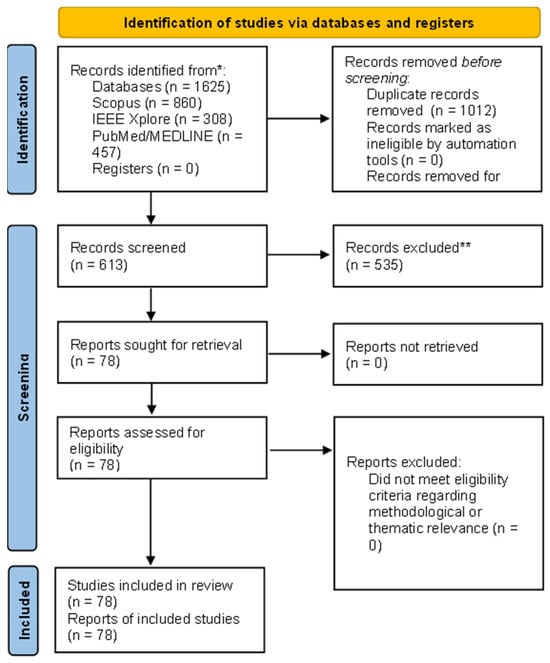
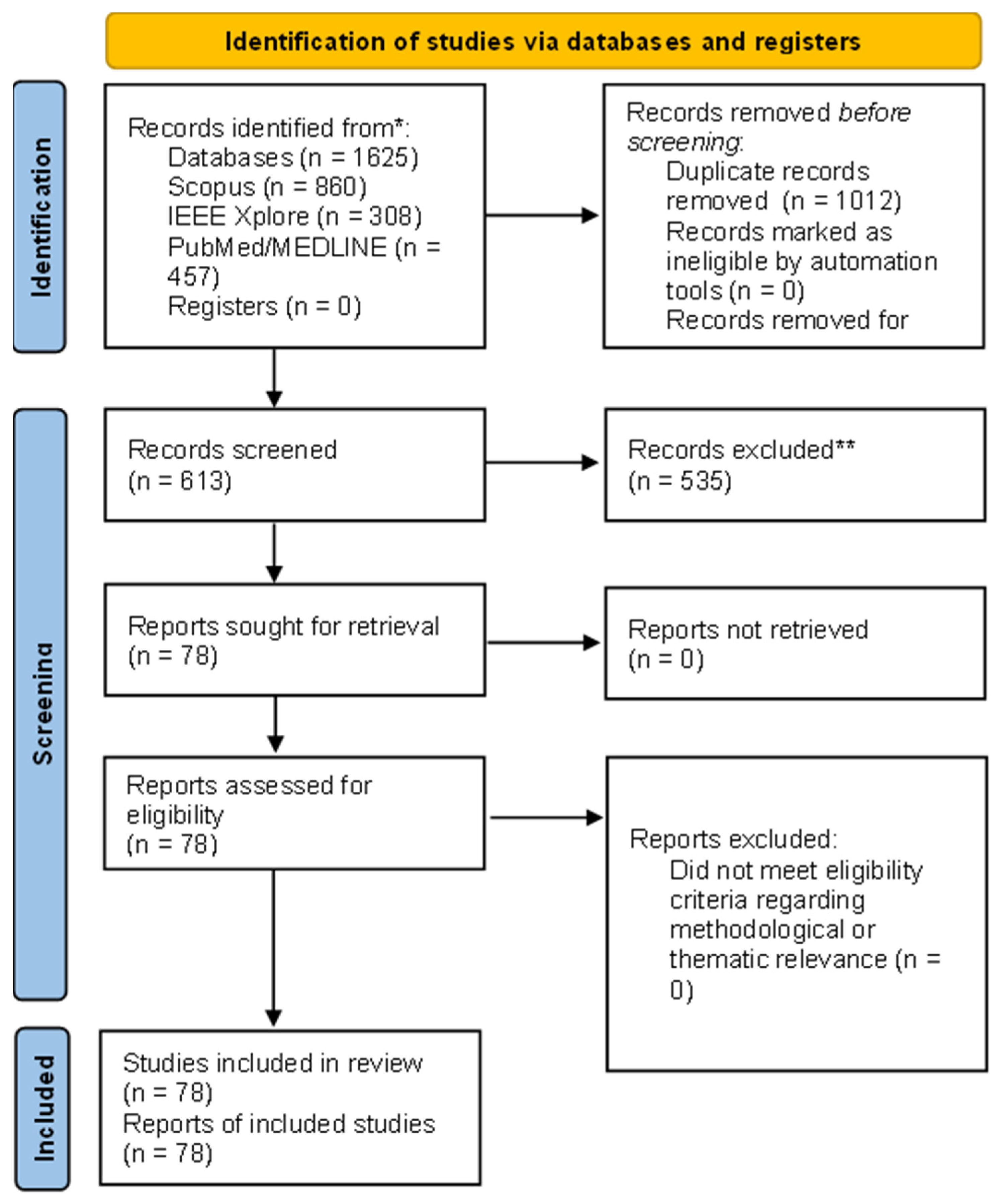
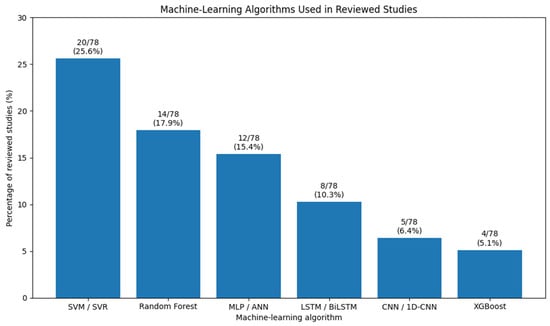
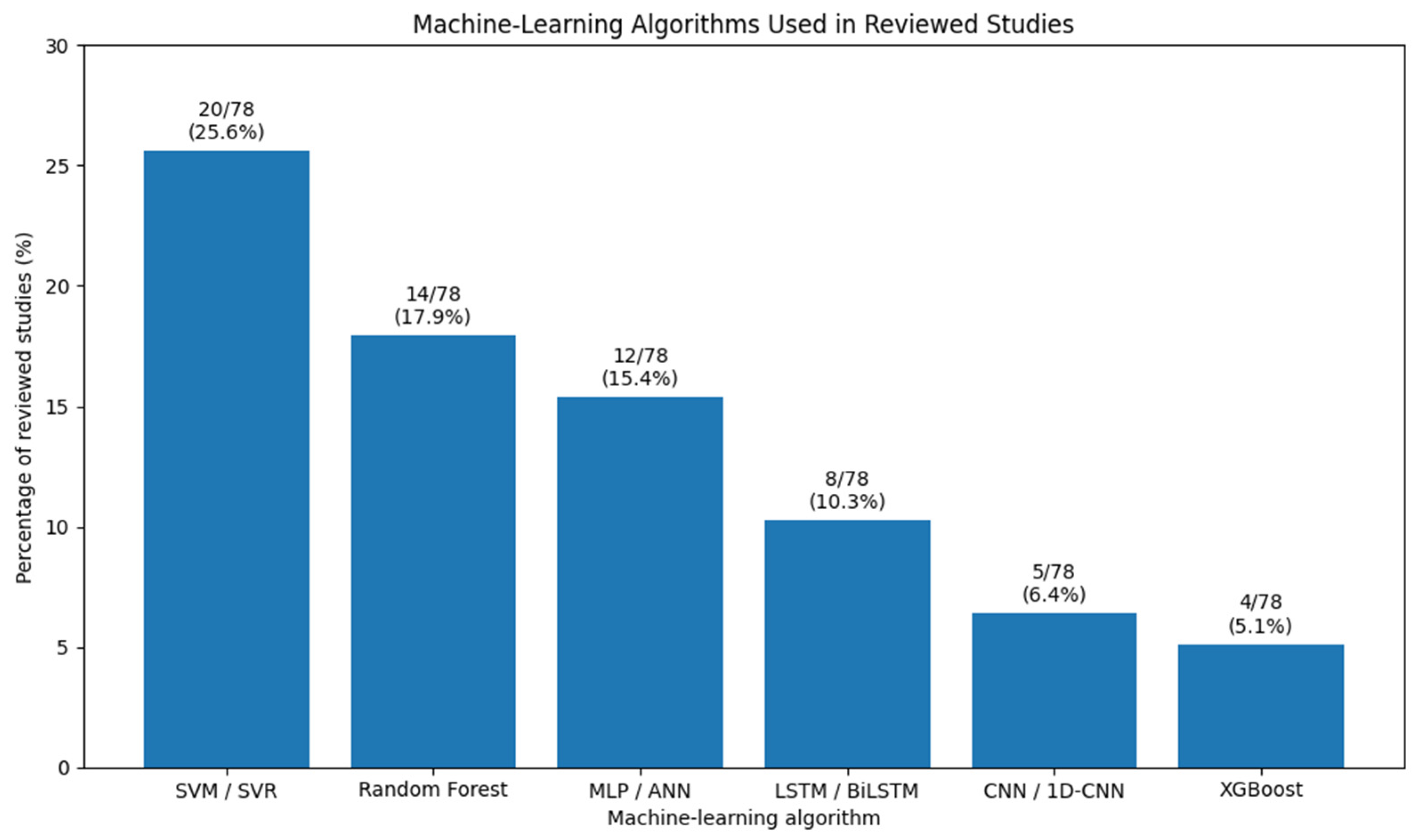

Disclaimer/Publisher’s Note: The statements, opinions and data contained in all publications are solely those of the individual author(s) and contributor(s) and not of MDPI and/or the editor(s). MDPI and/or the editor(s) disclaim responsibility for any injury to people or property resulting from any ideas, methods, instructions or products referred to in the content. |
© 2026 by the authors. Licensee MDPI, Basel, Switzerland. This article is an open access article distributed under the terms and conditions of the Creative Commons Attribution (CC BY) license.