


Abstract
While artificial intelligence (AI) is increasingly used in business, the quality management (QM) practices through which AI implementation is associated with competitive performance (CP) remain underexplored. Drawing on the cross-boundary ambidexterity perspective, this study distinguishes internal and external AI implementation and four QM practices defined by organizational boundary and learning orientation. Structural equation modeling (SEM) of survey data from 555 Chinese manufacturing enterprises indicates positive indirect associations between AI implementation and CP through QM practices in the corresponding organizational domain. External AI implementation is associated with CP through external QM practices, while internal AI implementation is associated with CP through internal QM practices. Market turbulence weakens the performance associations of exploitative QM practices and strengthens those of exploratory QM practices. The study extends research on AI implementation and QM by identifying distinct organizational pathways to current performance relative to competitors. The findings offer guidance on aligning AI investments with specific QM objectives and adjusting quality priorities to changing market conditions.
1. Introduction
Given competition arising from technological change and shifting consumer demands, quality management (QM) practices have become increasingly critical for manufacturing enterprises to improve competitive performance (CP) [1]. Currently, with the rapid advancement and growing implementation of artificial intelligence (AI), it holds significant potential to reshape QM practices. Yet, how to effectively leverage AI to support QM practices remains a pressing managerial challenge [2]. As AI can be implemented across different operational domains and QM itself comprises multiple dimensions, managers face substantial strategic uncertainty regarding how AI should be implemented to support specific QM practices [3]. Moreover, this dilemma is further compounded by the high costs of AI investment. Such considerations require manufacturing enterprises to implement AI in a targeted and efficient manner, aligned with organization-specific QM needs, e.g., whether oriented toward customer satisfaction or internal efficiency enhancement. Therefore, it is imperative to address a central research question: how does AI implementation across different enterprise domains relate to various aspects of QM practices, and through these practices, how is it associated with CP?
Research on the technological antecedents of enterprise QM practices has gained increasing attention. Existing studies link information technology infrastructure and digital capabilities to improvements in QM practices [4]. For example, big data, the Internet of Things, digital dexterity, and blockchain traceability can support internal quality control and supply chain collaboration, with implications for operational, quality, and economic performance [5,6,7,8]. While the extant literature has validated the positive impacts of various digital tools on quality outcomes and enterprise performance, it mainly focuses on the implementation of mature technologies or the impacts of general technological capabilities, yet few studies examine the enabling effect of AI. Given the disruptive potential and unique functional advantages of AI, its specific influence on QM practices and, further, on CP requires exploration.
Moreover, the prior literature tends to examine QM practices as a monolithic construct [4,5,7], overlooking their inherent heterogeneity as well as differences in the fit between QM practices and different technologies. From a cross-boundary ambidexterity perspective, manufacturing enterprises can overcome the inherent tensions in balancing exploration and exploitation internally (e.g., competition for scarce resources, conflicting routines, and limited specialization) by orchestrating exploratory and exploitative QM practices across organizational boundaries [9,10]. Research on how AI implementation supports CP through these different QM practices remains underexplored.
Concurrently, while research on enterprise AI implementation has begun to investigate how AI implementation supports enterprise management, most studies only examine the impact of whether enterprises adopt AI as a whole [11,12,13,14,15]. How the different domains of AI implementation exert their distinct influence, particularly in the QM context, remains understudied. This gap is noteworthy given that, as emphasized by Aral and Weill [16], investments in different domains of information technology can yield divergent performance outcomes. Scholars recognize that the organizational boundary (internal vs. external) serves as a fundamental basis for differentiating technology implementation strategies [17,18]. Hence, this study deconstructs AI implementation into external AI implementation and internal AI implementation, investigating their distinct associations with QM practices.
To address the identified research gaps, this study employs the cross-boundary ambidexterity perspective to develop a research model that explores how enterprises’ internal and external AI implementations are associated with CP via cross-boundary ambidextrous QM practices. Drawing on this perspective, we further examine how market turbulence moderates the contribution of QM practices to CP, as their performance benefits may depend on how well they meet environmental demands for efficiency and adaptation [19,20]. To test the research model, this study employed a structural equation modeling (SEM) approach to analyze survey data collected from top managers across various enterprises.
This study contributes to research in several ways. First, it distinguishes the organizational domains of AI implementation, and identifies differences in their associations with four types of QM practices. Second, this study shows that the performance benefits of these practices are contingent on demand volatility by introducing market turbulence as a moderator. Finally, the study extends the application boundaries of the cross-boundary ambidexterity perspective to the emerging context in which AI exerts influences on CP through QM practices, providing evidence of its explanatory relevance. The findings offer guidance on aligning AI investments with specific quality objectives and adjusting QM priorities as demand changes.
2. Literature Review
2.1. Enterprise Quality Management
Enterprise quality management (QM) comprises management practices that guide quality activities across organizational functions and processes [21]. Rooted in total QM, it considers how production, management, and external relationships jointly contribute to quality objectives [22]. Its scope therefore includes internal process control as well as activities involving customers and suppliers.
Scholars have developed several classifications to distinguish the objectives and learning requirements of QM practices [9,23,24]. After reviewing and comparing various classification frameworks, this study adopts Wu and Zhang’s [9] four-dimensional framework that identifies exploitative external QM practices (EIEP), exploratory external QM practices (EREP), exploitative internal QM practices (EIIP), and exploratory internal QM practices (ERIP). This framework integrates two fundamental dimensions of QM practices, organizational boundary and learning orientation, which capture where quality activities occur and whether they refine established routines or develop new solutions.
EIEP focuses on fulfilling established external requirements through efficient customer responsiveness and supplier management, emphasizing stable execution and feedback loops. Conversely, EREP emphasizes exploring new product and process innovations through collaborative research and development with customers and suppliers. EIIP aims to control and incrementally optimize existing processes by applying methods such as statistical tools and data monitoring within the enterprise, thereby enhancing internal efficiency and reliability. ERIP involves actively exploring and experimenting with breakthrough processes and methods within the organization to support internal transformation and innovation. These four QM practices had different associations with cost, quality, delivery, and flexibility, supporting their treatment as distinct practices [9].
Recent research has recognized the importance of digital technologies for QM practices, as summarized in Table 1. For instance, big data analytics capabilities allow enterprises to exploit data value and improve operational performance [25]. Internet of Things technologies revamp QM practices and enhance service reliability, operational efficiency, and customer satisfaction [8]. While existing research offers valuable insights, most of it focuses on relatively mature or traditional information technologies. A systematic understanding of how AI implementation may reshape QM practices remains limited. Unlike conventional information technologies that primarily support data storage, information transmission, and standardized processing [26,27], AI can learn from data, identify complex patterns, generate predictions, and support adaptive decision-making [28,29]. These capabilities may allow AI to become more deeply embedded in managerial activities such as process refinement, continuous improvement, and quality innovation. With rapid advances in data availability and computing power, AI’s potential to reshape business operations continues to grow, making it increasingly important to examine the specific pathways through which AI influences QM practices.
Table 1.
Representative literature on enterprise AI implementation and quality management.
More importantly, prior research typically conceptualizes QM practices as a unitary construct [5,6,7], thereby obscuring meaningful variation among QM practices in their task objectives, knowledge requirements, and modes of coordination. This aggregate treatment also leaves the alignment between specific technological functions and the heterogeneous requirements of QM practices insufficiently examined, limiting the practical guidance that existing research can provide for technology deployment and QM improvement. Accordingly, a more fine-grained classification of QM practices is needed to systematically examine the distinct pathways and effects through which AI supports different types of QM practices.
2.2. Enterprise AI Implementation
Enterprise artificial intelligence (AI) implementation refers to integrating AI technologies into business workflows and organizational activities to support decisions and operational tasks [28,30,42,43]. Research has examined several ways in which AI implementation relates to performance (see Table 1). Kwon et al. [31] emphasize decision-making agility, while Zhang and Yu [32] link the breadth and depth of AI use to digital innovation. Other research examines organizational creativity [14,15], supply chain analytics [12], and customer value and market responsiveness [35,36]. While the aforementioned studies provide valuable insights into the outcomes of enterprise AI implementation, its implications for QM practices, an increasingly important domain in the contemporary environment, remain underexplored. Enterprise AI implementation holds the potential not only to enhance operational consistency and reliability of QM practices but also to transform its function from a support role to a strategic source of innovation.
Concurrently, the extant literature predominantly treats AI as a monolithic construct and has not systematically disaggregated and examined its heterogeneous dimensions. This macro-level perspective may result in a superficial understanding of the impacts of AI implementation, as it fails to capture the nuanced influence of different domains of AI implementation on enterprise operations. In light of the gap and given that firms are increasingly aware of AI’s importance, it has become necessary to examine how more granular forms of enterprise AI implementation distinctly influence various dimensions of QM practices.
Drawing on the well-established internal–external classification framework for enterprise digitalization [17,18], this study distinguishes internal and external AI implementation. As emphasized in previous research [44,45], enterprise digitalization is not homogeneous but manifests as distinct pathways shaped by strategic focus and the scope of change. As an advanced form of digitalization in the intelligent era, AI implementation in internal and external scenarios also differs greatly in strategic objectives and value creation logic. Internal AI implementation refers to AI applications within organizational boundaries, such as production operations and management decision-making. It embeds intelligent technologies into internal processes to optimize operations, improve quality control, and enhance decision-making, thereby strengthening endogenous capabilities [46]. In contrast, external AI implementation targets ecosystem partners such as customers and suppliers. Through cross-organizational data connectivity and AI deployment, it breaks down information silos to improve external responsiveness, strengthen supply chain collaboration, and facilitate value co-creation [47].
2.3. Competitive Performance
Competitive performance (CP) refers to a firm’s overall financial, operational, market, and customer performance relative to its main competitors [40]. Prior literature has explored various antecedents of CP (see Table 1). Specifically, Waheed and Zhang [40] identify corporate social responsibility (CSR) capabilities as a mechanism connecting CSR practices with CP. Wu et al. [38] examine CSR in technological innovation and digital transformation. Li et al. [39] link digital supply chain capabilities to CP through supply chain ambidexterity. Wang et al. [37] examine social entrepreneurial orientation and disruptive innovation.
While these studies examined the impact of traditional organizational functions or digital technologies, the potential role of AI implementation and its pathways to achieving CP through QM practices remain underexplored. QM practices are important to this value-realization process as they can embed AI-enabled information processing, prediction, and decision support in recurring organizational practices. Through continuous quality learning and process improvement within and across organizational boundaries, these practices allow localized technological benefits to accumulate into competitive outcomes. Overall, this study aims to bridge the fields of AI implementation, QM practices, and CP by developing an integrated theoretical framework.
3. Theoretical Foundation and Hypothesis Development
3.1. Theoretical Foundation
This study is grounded in the cross-boundary ambidexterity perspective, which explains how firms coordinate exploitation and exploration within and beyond organizational boundaries to balance short-term efficiency with long-term development [10,48]. Organizational boundaries distinguish resources and activities under the firm’s direct control from those accessed through external relationships [49]. Ambidexterity concerns the pursuit of both exploratory and exploitative activities, where exploitation refines existing knowledge and routines, and exploration involves search and experimentation with unfamiliar alternatives [50].
This perspective provides a theoretical framework for unpacking the pathways through which AI implementation contributes to CP via QM practices. First, QM practices have a cross-boundary and ambidextrous structure, encompassing internal process control and external coordination alongside the refinement of established practices and the development of new solutions [9,50]. Second, internal and external AI implementation differ in their access to data and their coordination requirements. Each may therefore support QM practices in its corresponding organizational domain. Finally, the perspective links AI-enabled QM practices to CP by recognizing that competitiveness requires firms to preserve reliable operations while renewing their capabilities through internal learning and external knowledge access [9,51].
Furthermore, this study draws on the cross-boundary ambidexterity perspective to propose that market turbulence may moderate the relationships between QM practices and CP. This perspective emphasizes how firms exploit existing knowledge and explore new knowledge within and across organizational boundaries [10,48]. These activities serve different learning needs, and their performance benefits may vary with environmental conditions [19,20]. While stable demand allows firms to continue benefiting from improvements to established practices, frequent changes in demand may reduce the usefulness of existing knowledge, making new solutions developed through internal experimentation and collaboration with customers and suppliers more valuable for CP. We therefore examine market turbulence as a moderator of the relationships between the four QM practices and CP.
Figure 1 presents the proposed model. External AI implementation is expected to support EIEP and EREP, while internal AI implementation is expected to support EIIP and ERIP. All four QM practices are proposed to contribute positively to CP. Market turbulence is expected to weaken the performance associations of exploitative QM practices and strengthen those of exploratory QM practices.
Figure 1.
Research model. Note: EIEP: exploitative external QM practices; EREP: exploratory external QM practices; EIIP: exploitative internal QM practices; ERIP: exploratory internal QM practices.
3.2. External AI Implementation and External QM Practices
The cross-boundary ambidexterity perspective distinguishes between exploitative and exploratory learning conducted across organizational boundaries [10]. Within the external domain, exploitation focuses on the refinement of established interorganizational routines, such as responding to current customer requirements and maintaining the quality and reliability of supplier inputs. External AI implementation enables firms to use data from ongoing customer and supplier relationships to improve the efficiency, consistency, and reliability of these existing routines, therefore strengthening exploitative external QM practices (EIEP).
External AI implementation can strengthen EIEP by improving customer responsiveness. Organizational learning theory views exploitation as the refinement and extension of existing knowledge, competencies, and routines through accumulated experience [50]. AI-enabled customer service systems can automate routine inquiries and after-sales requests while providing timely responses to customers [52]. Beyond automation, AI can also analyze interaction data to refine communication templates and response protocols, thereby improving existing customer service routines [53].
Moreover, external AI implementation can improve EIEP by facilitating more efficient supplier management. Supplier collaboration often involves substantial cross-organizational information processing costs, which can hinder the timely integration of delivery and quality information [54,55]. AI-based supply chain analytics can collect and analyze real-time supplier data, automate performance evaluation, and identify potential risks from historical collaboration patterns [12,56]. These capabilities improve supplier evaluation and enable firms to manage quality issues more proactively. For example, AI- and machine-learning-based digital insights have been used by FedEx to address supply chain disruptions and market challenges [57]. Therefore, we propose the following hypothesis:
Hypothesis 1.
External AI implementation is positively related to EIEP.
The cross-boundary ambidexterity perspective conceptualizes external exploration as the search for new knowledge, opportunities, and solutions beyond the firm’s boundaries [10]. According to this perspective, the dilemma faced by EREP is to identify external innovation opportunities and suitable partners under uncertainty. External AI implementation can analyze multi-source data to support such search and reduce trial-and-error costs, so as to offer directional guidance for exploratory external QM practices (EREP).
External AI implementation enhances EREP by supporting exploratory customer collaboration. Organizational learning theory characterizes exploration as search, experimentation, and the pursuit of new alternatives under uncertainty [50]. Customer needs relevant to exploratory innovation are often latent, weakly expressed, and distributed across large volumes of unstructured feedback. Using technologies such as natural language processing, AI can extract and translate such feedback into actionable insights, helping firms identify and evaluate new innovation opportunities more systematically [58,59]. For example, Sandvik combines IBM’s AI analytics with Newtrax’s positioning technology to co-develop digitalized and automated mining solutions with customers [59].
External AI implementation can support EREP by assessing potential innovation partners and informing joint product and process development. According to dynamic capabilities theory [54,55], enterprises need to sense changes and seize opportunities when conducting exploration in uncertain environments. By analyzing suppliers’ patents, technical documents, R&D investments, and industry data, AI can help assess their technological capabilities and innovation potential, thereby improving partner selection and opportunity identification. For instance, Airbus uses Skywise to share data with suppliers and jointly develop applications for supply-chain coordination, quality improvement, and predictive maintenance [60]. Hence, we propose:
Hypothesis 2.
External AI implementation is positively related to EREP.
3.3. Internal AI Implementation and Internal QM Practices
From the cross-boundary ambidexterity perspective, internal exploitation involves refining established knowledge and routines within the firm’s organizational boundaries [10]. Since firms exercise relatively direct control over their proprietary data, operating processes, and decision authority, internally deployed AI can be closely embedded in existing quality-control routines to improve the speed, accuracy, and consistency of process improvement.
Internal AI implementation enhances EIIP by strengthening feedback-based process improvement. Organizational learning theory views exploitation as the refinement and application of existing knowledge and competencies through accumulated experience [9,50]. Internal AI implementation facilitates this process by continuously collecting and analyzing quality data from existing operations. Technologies such as machine learning, computer vision, and Internet of Things sensors enable firms to detect defects and process deviations in real time and provide timely feedback for corrective actions [61]. This faster and more accurate feedback helps firms refine established production routines and improve process stability and output consistency.
Internal AI implementation can also support EIIP by improving quality data accessibility and transparency across management hierarchies. Dynamic capabilities theory emphasizes the integration and reconfiguration of organizational resources and processes [55]. In the context of EIIP, AI-based platforms can combine data from equipment sensors, production systems, and customer relationship management systems, reducing information fragmentation across departments [62]. Machine-learning algorithms can further identify relationships between process conditions and quality outcomes, helping firms trace recurring problems and target areas for improvement. AI-enabled dashboards and automated recommendations also provide managers with timely quality information to support more precise adjustments to existing processes [63]. Based on the above derivation, we propose the following hypothesis:
Hypothesis 3.
Internal AI implementation is positively related to EIIP.
The cross-boundary ambidexterity perspective views internal exploration as the search for new knowledge, processes, and solutions within the firm’s boundaries, which requires firms to move beyond familiar solutions and experiment with alternative approaches to production and quality improvement. Internal AI implementation can support exploratory internal QM practices (ERIP) by enabling firms to identify, evaluate, and test new possibilities.
Internal AI implementation can first strengthen ERIP by broadening the scope of internal knowledge search. Organizational learning theory characterizes exploration as experimentation, variation, and the search for unfamiliar alternatives [50]. Manufacturing enterprises that leverage internal AI implementation, such as generative AI and reinforcement learning, can explore unconventional process designs and production scheduling strategies that might not be readily conceived by human experts [64]. For example, Outlier’s AI implementation identifies hidden anomalies in large datasets and translates them into interpretable insights [64,65]. Such capabilities help firms discover unconventional alternatives and move beyond local optimization in existing processes.
Internal AI implementation also reduces the trial-and-error costs and potential losses associated with ERIP by creating virtual experimentation environments. Exploratory learning is often constrained by high trial-and-error costs and uncertainty [50]. By integrating R&D data, production parameters, and equipment information, AI-enabled simulation environments allow firms to model and test alternative process solutions before physical implementation [58]. This lowers the cost of experimentation and makes the exploration of new production and quality-management approaches more feasible. Therefore, we propose:
Hypothesis 4.
Internal AI implementation is positively related to ERIP.
3.4. QM Practices and Competitive Performance
Exploitative external QM practices (EIEP) may contribute to CP by improving customer interactions and consolidating the firm’s existing market base. By responding promptly to customer demands and ensuring reliable order fulfillment, firms can provide more consistent service experiences. Higher customer satisfaction can strengthen loyalty and positive word-of-mouth, helping firms retain customers while reducing the costs of acquiring new ones [66]. Over time, the trust built through reliable and efficient service supports stable market share and profitability, thereby translating EIEP into competitive performance.
EIEP can also improve CP through more standardized and tightly controlled supplier management. Strict supplier selection, process control, and continuous monitoring help firms reduce supplier-related quality variation, production disruptions, and the costs of quality correction and material waste [67]. Greater operational stability also releases financial and human resources that can be redirected toward strategic activities such as R&D and talent development. In this way, efficient supply chain control not only improves current operations but also provides a resource foundation for sustaining future competitiveness [68]. Therefore, we propose:
Hypothesis 5.
EIEP is positively related to Competitive Performance.
Exploratory external QM practices (EREP) may contribute to CP through strengthening market awareness and first-mover advantages. Collaborating with customers in co-innovation activities allows manufacturing enterprises to gain direct market feedback, thereby improving product-market fit [69]. At the same time, early involvement of suppliers can facilitate the adoption of new materials and processes, reduce development costs, shorten development cycles, and improve product innovation [70]. For example, Boeing involves customer representatives in new aircraft development, helping reduce costly late-stage design changes and rework [69]. Such early and collaborative innovation can enable firms to enter markets faster, attract early adopters, and strengthen their competitive position.
EREP may also contribute to CP by building collaborative innovation networks that enhance firms’ resilience to external shocks. Close relationships with customers and suppliers can help firms detect emerging market and technological changes earlier and gain faster access to external knowledge and resources [71]. When market disruptions or technological shifts occur, firms with stronger external innovation networks are better able to reconfigure resources, redirect innovation efforts, and recover more quickly. This adaptability helps firms maintain competitive performance under environmental turbulence [72]. Therefore, we propose:
Hypothesis 6.
EREP is positively related to Competitive Performance.
Exploitative internal QM practices (EIIP) may enhance CP by improving operational stability and efficiency through standardized process control. Standardization allows manufacturing firms to replicate proven operating routines across products and production units while maintaining consistent quality [73]. Meanwhile, through continuous monitoring and refinement of the production process, EIIP promotes improvements in production quality, reduction in waste, and decrease in quality-related costs [74]. These improvements create cost advantages, enabling enterprises to navigate price competition with ease or secure higher profits at the same price. For example, the Toyota Production System ensures the consistency and stability of production processes worldwide through standardized operations, thereby achieving efficient replication and expansion of the operational model. Moreover, the system’s emphasis on continuous improvement supports ongoing refinement of production processes [75].
EIIP can also strengthen CP by enhancing the reliability and speed of operational decision-making. By integrating quality data across departments, EIIP enables management to swiftly identify production anomalies and adjust production plans and process parameters based on comprehensive information [76]. Such information can also support personnel decisions, such as targeted skill training or role adjustments, ensuring that competent individuals assume key responsibilities [74]. This timely production and personnel decision-making mechanism reduces rework and waste, shortens the production cycle, and improves process efficiency. Therefore, we propose the following hypothesis:
Hypothesis 7.
EIIP is positively related to Competitive Performance.
Exploratory internal QM practices (ERIP) may contribute to CP primarily through technological and managerial innovations. Firstly, ERIP supports the development of radical innovations such as new processes or disruptive manufacturing technologies. These outputs can be institutionalized into durable competitive barriers through patents, trade secrets, or industry standards, thereby securing sustained revenue streams [77]. ERIP can also facilitate the development of distinctive management systems that differentiate firms from competitors and improve their adaptability to market change [78]. More broadly, continuous exploration strengthens organizational learning, risk tolerance, and the capacity for change, providing an important basis for sustained competitiveness.
ERIP may further contribute to CP by cultivating an organizational environment that supports exploration, experimentation, and collaboration. Such an environment sharpens the firm’s ability to sense market shifts and accelerate the launch of new products and services that meet evolving customer needs, thereby effectively expanding market share [79]. For example, General Electric, Siemens, and Philips, which have long held strong positions in the medical imaging market, have continuously invested in open exploration and embedded innovation into organizational routines [80]. Such an exploratory environment fostered by ERIP promotes continuous learning and adaptability, enabling enterprises to respond more effectively to technological and market changes and sustain their competitive position. Therefore, we propose:
Hypothesis 8.
ERIP is positively related to Competitive Performance.
3.5. Moderating Effect of Market Turbulence
Market turbulence refers to the extent to which a firm’s competitive market changes over time, including shifts in customer requirements and demand [81,82]. Such changes affect the usefulness of existing knowledge and the need to develop new responses. Exploitative QM practices improve efficiency and reliability by refining established routines, whereas exploratory QM practices emphasize search, experimentation, and the development of new quality solutions. Accordingly, their performance effects depend on how well these practices fit changing market conditions. Research on organizational learning suggests that exploratory innovation becomes more valuable in dynamic environments [19]. We therefore expect market turbulence to weaken the positive relationships of EIEP and EIIP with CP and strengthen those of EREP and ERIP with CP.
Market turbulence may weaken the contribution of EIEP to CP by reducing the value of established customer and supplier routines. EIEP focuses on meeting current customer requirements and maintaining supplier quality through established interorganizational routines. Under relatively stable conditions, these practices improve customer responsiveness, input consistency, and supply-chain efficiency [83]. However, when customer preferences change quickly, routine feedback may provide limited insight into emerging needs, and improvements based on familiar requests can consequently lag behind changes in what customers value [20]. On the supply side, retaining the same qualification criteria and supplier relationships when product requirements change may make it harder to introduce new partners or adjust supply arrangements. These constraints become more consequential when firms need access to alternative suppliers to respond to changing demand [84]. Consequently, greater market turbulence weakens the contribution of EIEP to CP.
Market turbulence may also weaken the contribution of EIIP to CP because incremental improvements are less effective when market requirements change substantially. EIIP relies on standardization, process control, and incremental improvement to enhance efficiency and output consistency. These practices are particularly valuable when products, technologies, and demand patterns remain relatively stable, because firms can exploit scale economies and accumulate experience around established production systems [74]. Under high market turbulence, however, changing customer requirements may require new product features or production methods. Small adjustments to existing processes may improve the efficiency of producing current products but offer limited help in delivering the products customers now need. The resulting efficiency gains, therefore, make a smaller contribution to CP. Moreover, evaluating improvements mainly against established quality measures can direct managers’ attention toward familiar problems and delay consideration of alternative processes [20]. This focus can slow the changes needed to respond to new demand, further limiting the performance benefits of EIIP under high market turbulence. Therefore, we propose the following hypothesis:
Hypothesis 9.
Market turbulence negatively moderates the relationships of EIEP (H9a) and EIIP (H9b) with Competitive Performance.
Market turbulence may strengthen the contribution of EREP to CP by making customer and supplier involvement more valuable for developing products that meet changing demand. Organizational information processing theory suggests that environmental uncertainty increases the gap between the information firms require and the information available for decision-making [85]. EREP helps narrow this gap by involving customers, suppliers, and other partners in the collection and interpretation of market and technological information. Customer involvement allows development teams to clarify emerging needs and assess proposed product features [69]. Early supplier involvement provides knowledge about materials and production options, helping firms resolve design problems before committing to a particular solution [70]. Cross-organizational collaboration also distributes the costs and risks of experimentation and allows firms to combine information that no single organization possesses independently [70,84]. As turbulence increases, these capabilities strengthen firms’ ability to interpret market signals, redirect resources, and pursue emerging opportunities. In more stable markets, existing customer and supplier knowledge remains useful for longer, so exploratory collaboration provides fewer immediate benefits. Hence, EREP contributes more strongly to CP as market turbulence increases.
Market turbulence may strengthen the contribution of ERIP to CP because frequent changes in demand increase the value of finding and testing new production methods. ERIP encourages firms to search for innovative processes and learn from competitors’ practices [9]. Through these activities, firms gain experience in evaluating alternatives and introducing process changes, helping them develop their innovation capability [78]. This experience becomes particularly useful when changing customer requirements call for products that existing processes cannot produce efficiently. Firms that regularly explore new methods are better prepared to select suitable alternatives and put revised production arrangements into practice. Such adjustments can shorten response times and improve product offerings, allowing process innovation to contribute to operational and financial performance [77]. However, under stable market conditions, firms can continue using established processes for longer, making the benefits of developing alternatives less immediate. Higher market turbulence, therefore, increases the performance value of ERIP, and we propose the following hypothesis:
Hypothesis 10.
Market turbulence positively moderates the relationships of EREP (H10a) and ERIP (H10b) with Competitive Performance.
4. Research Design
4.1. Sample and Procedures
Following prior research on QM practices in China [9,68], we surveyed top managers of Chinese manufacturing enterprises. China’s large manufacturing sector and growing use of AI provide a suitable setting for examining how AI implementation relates to competitive performance through quality management practices. We employed structural equation modeling (SEM) to evaluate the proposed hypotheses. This methodology was selected for two main reasons: (1) the key constructs can be effectively measured as latent variables and are suitable to be assessed by top managers in organizations, and (2) the relationships between these constructs are complex. The survey was conducted online in July and August 2025 by a professional third-party agency with a nationwide panel of enterprise managers. Purposive screening identified chairpersons, general managers, and other senior executives of manufacturing firms who were familiar with their firms’ AI implementation and QM practices. The agency contacted 1017 firms through its own distribution channels.
Our questionnaire includes two parts: items on the key constructs in this study and questions on respondents’ and enterprises’ demographics. Within this single survey, retrospective questions referred to AI implementation one year earlier and QM practices and market turbulence six months earlier, while CP referred to current performance. An unrelated marker variable was included to address potential common method bias [86]. Before formal distribution, we conducted a pilot survey with 203 senior managers from manufacturing firms to assess the scales’ reliability and validity [87].
Of 1017 firms contacted, 742 submitted questionnaires (72.96%). Sequential screening excluded 48 with missing key items, 67 completed below the platform’s minimum time threshold, 60 failing attention checks or containing clear logical inconsistencies, and 12 duplicate firm submissions. The final sample comprised 555 managers from 555 distinct firms, representing 74.80% of returned questionnaires and 54.57% of contacted firms. Among respondents, 63.06% were chairpersons and 27.93% were general managers. Mean firm age was 23.83 years (SD = 16.89). The sample covered 30 provincial-level regions and 163 cities, with 54.77% in eastern, 14.41% in central, 23.06% in western, and 7.75% in northeastern China. Labor-, capital-, and technology-intensive firms accounted for 26.49%, 45.95%, and 27.57%, respectively. Firms were classified as micro, small, medium, or large using the employment and annual revenue criteria in the National Bureau of Statistics’ 2017 classification [88]. Micro, small, and medium enterprises together accounted for 90.99% of the sample.
Before data collection, the study received approval from the Institutional Review Board. Adults aged 18 or older provided electronic informed consent before entering the questionnaire and could decline or withdraw without penalty. The questionnaire collected no names, company names, or contact details. Data were securely stored with access restricted to the research team and reported only in aggregate.
4.2. Measurement Instrument
Table A1 in Appendix A provides details regarding the measures employed for our key constructs and their sources. The English scales were translated into Chinese and independently back-translated by two trained bilingual research assistants. A faculty researcher familiar with AI and management reviewed the reconciled version against the original. Industry experts then assessed terminology, item clarity, and contextual relevance, leading to minor wording adjustments. All statements in the surveys were evaluated using a 5-point Likert scale, where 1 represented “strongly disagree” and 5 represented “strongly agree” unless otherwise stated.
Independent variables: External AI implementation was measured with the four-item scale of Talaei-Khoei et al. [89]. A sample item is “Your company uses AI to maintain collaboration with existing partners.” The Cronbach’s alpha was 0.90. Internal AI implementation was measured with the four-item scale of Talaei-Khoei et al. [89]. A sample item is “Your company uses AI to handle communication within the firm.” The Cronbach’s alpha was 0.90. Before answering, respondents were instructed to distinguish AI implementations involving prediction, learning, complex interaction, or adaptive decision support from broader digital technologies or digitalization.
Mediators: The four QM practices were measured with the scale from Wu and Zhang [9]. An example item of EIEP is “We are highly responsive to our customers’ needs.” (Cronbach’s alpha = 0.89). A typical item of EREP is “We consult suppliers in the early stages of product development to get new ideas of products and processes.” (Cronbach’s alpha = 0.81). An example item of EIIP is “Quality data (defects, complaints, satisfaction, etc.) are available to different management levels.” (Cronbach’s alpha = 0.86). A typical item of ERIP is “We keep monitoring the processes of competitors to improve and update our own processes.” (Cronbach’s alpha = 0.92).
Dependent variable: Competitive performance was measured with the seven-item scale from Waheed and Zhang [40]. An example item is “Compared with our main competitors, our firm has a shorter product or service delivery cycle time.” The Cronbach’s alpha was 0.91. Consistent with the source study, CP was specified as a reflective construct [40].
Moderator variable: Market turbulence was measured using the three-item scale of Candi et al. [90]. A sample item is “Changes in our industry are intense.” The Cronbach’s alpha was 0.87.
Control variables: We controlled for firm age, size, and industry type. Firm size was coded from 1 (micro) to 4 (large). Industry type reflected the dominant production input: labor, fixed capital, or technology and R&D.
5. Results
5.1. Measurement Model
This study employed a two-step structural equation modeling (SEM) method, beginning with confirmatory factor analysis (CFA) to assess the measurement model, and proceeding to test the theoretical model only if the CFA results indicated construct validity and a good fit [91], which is widely accepted as a standard procedure for SEM analysis [92]. Analyses used Mplus 8.3 with robust maximum likelihood estimation (MLR), treating five-point indicators as approximately continuous. Item-level screening found no missing responses in the final sample. MLR sandwich standard errors and scaled chi-square statistics accommodated potential non-normality and heteroskedasticity.
We used Mplus 8.3 to conduct CFA to test the validity and reliability of the constructs. The model fit (χ2 = 1117.309, df = 436, p < 0.001; SRMR = 0.042 < 0.06, RMSEA = 0.053 < 0.06, CFI = 0.927 > 0.9, TLI = 0.917 > 0.9) for the eight-factor model (external AI implementation, internal AI implementation, EIEP, EREP, EIIP, ERIP, CP, market turbulence) showed better fit than the competing models in Table 2, lending support for discriminant validity [93]. Standardized factor loadings for the measured items on their respective constructs were above 0.6, the composite reliabilities (CRs) of the latent variables were greater than 0.7, average variances extracted (AVE) exceeded 0.5, and Cronbach’s alphas were all above 0.7. These results indicate that the convergent validity and reliability of the variables were acceptable [94]. Exploratory factor analysis (EFA) showed that each item loaded more strongly on its intended construct than on other constructs. For discriminant validity, the construct correlations are lower than the square root of AVE of their respective constructs [94], and all the correlations among the constructs are less than 0.7 [95]. These findings provide support for the discriminant validity of our constructs. Table 3 presents the means, standard deviations, and correlations of the study variables. The heterotrait–monotrait ratio (HTMT) ranged from 0.047 to 0.428, below 0.85 (Table A2). Competing CFA models successively merged the two most highly correlated factors while retaining earlier merges.
Table 2.
Competing confirmatory factor analysis models.
Table 3.
Means, standard deviations, and correlations.
5.2. Common Method Bias
We adopted procedural and statistical approaches to assess potential common method bias (CMB). Procedurally, an unrelated three-item marker variable measuring managers’ emotional exhaustion was embedded between the measures of AI implementation and QM practices. Emotional exhaustion was theoretically unrelated to the focal constructs. Its correlations with the study variables were small, ranging from −0.07 to 0.04, indicating limited common method contamination [86,96].
Statistically, we first conducted Harman’s single-factor test. The first unrotated factor explained 24.34% of the total variance, well below the recommended 40% threshold [97]. We then applied a confirmatory factor analysis marker-variable technique. The baseline model, in which the marker-factor loadings on the substantive items were fixed to zero, yielded χ2(532) = 1252.001. Allowing these loadings to vary produced χ2(500) = 1221.104. The Satorra–Bentler scaled chi-square difference test indicated that introducing the method factor did not significantly improve model fit, Δχ2SB(32) = 24.23, p > 0.05. Taken together, the marker-variable correlations, Harman’s test, and CFA marker analysis suggest that common method variance is unlikely to account for a meaningful proportion of the observed relationships or materially affect the study’s conclusions [98].
5.3. Results of Hypothesis Testing
We used latent SEM with measurements via Mplus 8.3 to test our hypothesized mediation model. The overall mediation model fits the data well (χ2 = 1197.788, df = 458, p < 0.001; SRMR = 0.051, RMSEA = 0.054, CFI = 0.917, TLI = 0.905). The model also estimated the non-hypothesized cross-boundary AI-to-QM paths and the direct paths from both AI constructs to CP, alongside the hypothesized paths and controls. Structural paths, interactions, and decomposed effects are unstandardized coefficients (b) with MLR robust standard errors.
The results, presented in Table 4 and Figure 2, show that external AI implementation is positively related to EIEP (b = 0.29, SE = 0.07, p < 0.001) and EREP (b = 0.14, SE = 0.05, p < 0.01); thus, Hypothesis 1 and Hypothesis 2 are supported. Internal AI implementation is positively related to EIIP (b = 0.33, SE = 0.07, p < 0.001) and ERIP (b = 0.19, SE = 0.04, p < 0.001); thus, Hypothesis 3 and Hypothesis 4 are supported. EIEP (b = 0.20, SE = 0.05, p < 0.001), EREP (b = 0.20, SE = 0.06, p < 0.01), EIIP (b = 0.15, SE = 0.06, p < 0.05) and ERIP (b = 0.28, SE = 0.05, p < 0.001) are all positively related to CP, supporting H5–H8.
Table 4.
SEM coefficients for the mediation model.
Figure 2.
Results of structural equation modeling. Note: * p < 0.05, ** p < 0.01, *** p < 0.001. Path coefficients are unstandardized (b).
We assessed the indirect associations of AI implementation with CP through QM practices using 20,000 joint Monte Carlo draws from the MLR parameter estimates and robust covariance matrix. The 2.5th and 97.5th percentiles provided 95% confidence intervals (CIs), retaining covariance among the estimated parameters [99]. The indirect effects were positive through EIEP (external AI: b = 0.0584, 95% CI [0.0220, 0.1077]), EREP (external AI: b = 0.0281, 95% CI [0.0070, 0.0565]), EIIP (internal AI: b = 0.0484, 95% CI [0.0084, 0.0889]), and ERIP (internal AI: b = 0.0524, 95% CI [0.0242, 0.0874]).
The total indirect effects across all four QM practices were 0.1121 (95% CI [0.0541, 0.1752]) for external AI and 0.1149 (95% CI [0.0524, 0.1785]) for internal AI. Their remaining direct effects were not significant: 0.0494 (95% CI [−0.0609, 0.1576]) and 0.0706 (95% CI [−0.0231, 0.1649]), respectively. Adding these direct and total indirect effects yielded total effects of 0.1614 (95% CI [0.0475, 0.2755]) and 0.1855 (95% CI [0.0867, 0.2831]). Thus, the observed AI–CP associations were primarily reflected in the QM pathways.
The non-hypothesized cross-boundary paths were not significant: external AI to EIIP (b = 0.0519, 95% CI [−0.0842, 0.1852]) and ERIP (b = 0.0650, 95% CI [−0.0324, 0.1610]), and internal AI to EIEP (b = 0.0604, 95% CI [−0.0385, 0.1608]) and EREP (b = 0.0090, 95% CI [−0.0683, 0.0869]). The corresponding indirect effects on CP were also nonsignificant: 0.0077 [−0.0130, 0.0348], 0.0179 [−0.0093, 0.0445], 0.0123 [−0.0081, 0.0355], and 0.0018 [−0.0141, 0.0188], respectively. These findings are consistent with AI implementation being more closely associated with QM practices in the same organizational domain. Transfers across domains may require additional coordination, which the present model does not directly test.
5.4. Moderating Effects of Market Turbulence
To test the moderated mediation model, we used the latent moderated structural equation method. Because conventional fit indices are unavailable for latent moderated structural equations (LMS), we compared Akaike information criterion (AIC) values with the corresponding eight-factor model without an interaction [100]. The AIC values for the four moderated mediation models (AICEREP = 31,188.555, AICERIP = 31,193.434, AICEIEP = 31,192.729, AICEIIP = 31,185.880) were lower than that for the corresponding model without an interaction (31,198.541). As presented in Table 5, market turbulence strengthens the associations of EREP (b = 0.26, SE = 0.10, p < 0.01) and ERIP (b = 0.16, SE = 0.07, p < 0.05) with CP, and weakens the associations of EIEP (b = −0.12, SE = 0.06, p < 0.05) and EIIP (b = −0.21, SE = 0.06, p < 0.01) with CP. Hence, H9 and H10 are supported.
Table 5.
SEM coefficients for the moderated mediation model.
We plot the interaction effects in Figure 3. Specifically, when market turbulence was at higher levels (+SD), the simple slopes for the four QM practices were: bhigh_EREP = 0.398, SE = 0.106, p < 0.001; bhigh_ERIP = 0.387, SE = 0.075, p < 0.001; bhigh_EIEP = 0.104, SE = 0.071, p = 0.141; and bhigh_EIIP = −0.014, SE = 0.072, p = 0.842. When market turbulence was at lower levels (-SD), the effects of the four QM practices were: blow_EREP = 0.029, SE = 0.075, p = 0.698; blow_ERIP = 0.162, SE = 0.059, p < 0.01; blow_EIEP = 0.277, SE = 0.060, p < 0.001; and blow_EIIP = 0.279, SE = 0.075, p < 0.001.
Figure 3.
Moderating effects of market turbulence. (a) The relationship between EREP and CP for higher and lower levels of market turbulence. (b) The relationship between ERIP and CP for higher and lower levels of market turbulence. (c) The relationship between EIEP and CP for higher and lower levels of market turbulence. (d) The relationship between EIIP and CP for higher and lower levels of market turbulence.
We then assessed conditional indirect effects at low (−1 latent SD), mean, and high (+1 latent SD) market turbulence. Each effect equals the AI-to-QM coefficient multiplied by the conditional QM-to-CP coefficient. The index of moderated mediation is the product of the AI-to-QM and interaction coefficients [101]. CIs were obtained from 20,000 joint Monte Carlo draws per model, retaining parameter covariances and uncertainty in the estimated moderator variance [99].
For external AI implementation → EIEP → CP, the indirect effect decreased from 0.0801 (95% CI [0.0318, 0.1447]) at low turbulence to 0.0302 (95% CI [−0.0094, 0.0796]) at high turbulence. The index was −0.0359 (95% CI [−0.0831, −0.0008]). For external AI implementation → EREP → CP, the effect increased from 0.0041 (95% CI [−0.0169, 0.0296]) to 0.0556 (95% CI [0.0154, 0.1052]), with an index of 0.0369 (95% CI [0.0060, 0.0767]).
For internal AI implementation → EIIP → CP, the indirect effect decreased from 0.0914 (95% CI [0.0431, 0.1445]) at low turbulence to −0.0047 (95% CI [−0.0554, 0.0417]) at high turbulence. The index was −0.0690 (95% CI [−0.1177, −0.0267]). For internal AI implementation → ERIP → CP, the effect increased from 0.0309 (95% CI [0.0079, 0.0603]) to 0.0737 (95% CI [0.0313, 0.1280]), with an index of 0.0307 (95% CI [0.0038, 0.0674]). All four index CIs excluded zero, supporting moderated mediation.
5.5. Endogeneity Analysis
To assess whether the estimated effects of AI implementation on QM practices are sensitive to potential endogeneity, we conducted a two-stage least squares (2SLS) analysis. Because the focal concern lies in the links from internal and external AI implementation to the four QM practices, we treated the two AI implementation constructs as endogenous regressors.
We used two city-level instruments: the log-transformed number of AI enterprises (IV1) and the share of employment in the information transmission, computer services, and software industry (IV2). AI–firm agglomeration can lower search, procurement, and support costs through access to specialized suppliers and knowledge [102]. A larger digital workforce can ease recruitment and system-integration constraints. Both instruments reflect city-level supplies of AI technologies and digital talent, which are unlikely to directly alter a firm’s supplier management, customer involvement, or internal quality routines. For these resources to contribute to QM practices, firms must deploy them through AI implementation and integrate them into their business processes [14,103]. We therefore expect their effects on QM and CP to operate through firm-level AI implementation. The instruments were constructed from objective secondary data obtained from the Chinese Research Data Services Platform and official government statistics, matched to firms by city, and measured in the year preceding the survey. This temporal separation and reliance on third-party data further reduce concerns associated with same-source, cross-sectional measurement. Owing to missing municipal data, the 2SLS sample comprises 529 firms.
The diagnostic tests provide evidence relevant to instrument strength and validity. In both the external- and internal-AI models, the two instruments significantly predicted the corresponding AI implementation variable. The Kleibergen–Paap rk LM tests rejected underidentification (p < 0.001), and the Cragg–Donald Wald F statistics (48.579 for external AI and 27.579 for internal AI) exceeded the relevant Stock–Yogo critical values, indicating that weak-instrument bias is unlikely [104,105]. The Hansen J tests did not reject the overidentifying restrictions for EIEP (p = 0.174), EREP (p = 0.914), EIIP (p = 0.780), or ERIP (p = 0.609). In the second stage, external AI implementation remained positively related to EIEP and EREP, while internal AI implementation remained positively related to EIIP and ERIP. These results, reported in Table 6, suggest that the main associations persist in the 2SLS analysis, conditional on the instruments’ exclusion restrictions.
Table 6.
Results of the two-stage least squares analysis.
6. Discussion
6.1. Discussion of Findings
The results support the proposed framework, suggesting that enterprise AI implementation is positively associated with CP through QM practices. First, the results show that the value of AI implementation is boundary-specific rather than uniform. External AI implementation mainly creates value through external QM practices, whereas internal AI implementation operates primarily through internal QM practices. This suggests that the performance value of AI depends on where it is embedded and the organizational activities through which it is translated into action.
Second, the estimated associations of internal AI implementation with QM practices are numerically larger than those of external AI implementation, suggesting that AI may contribute to value more readily when firms retain direct control over data, processes, and implementation routines. Conversely, external AI implementation depends on partners’ information sharing and participation, consistent with research on digital platforms and network capabilities [47]. From a cross-boundary ambidexterity perspective, this pattern suggests that uncertainty across external boundaries may limit how readily external AI implementation supports QM practices.
Third, current AI implementation has numerically larger estimated associations with exploitative than exploratory QM practices. This pattern suggests that the current strengths of AI remain concentrated in activities with clearer objectives, established routines, and richer historical data [106,107]. AI may support monitoring and incremental problem solving, while its role in experimentation and ambiguous tasks may depend on additional organizational conditions. The smaller coefficients for exploratory practices may reflect limitations of AI in addressing poorly structured and strategically uncertain tasks. This finding suggests that AI’s present benefits may be more concentrated in exploitative QM practices.
Fourth, ERIP has the numerically largest estimated coefficient in its association with CP. This finding suggests that CP may reflect firms’ capacity for adaptation as well as efficiency [108]. ERIP benefits from stronger internal control and greater access to firm-specific resources, allowing firms to experiment, recombine knowledge, and develop innovation routines that are difficult to imitate. By contrast, EREP relies on cross-organizational collaboration, where knowledge spillovers may weaken firms’ ability to capture the returns from innovation [109,110]. Among exploitative practices, the estimated coefficient of EIEP on CP is larger than that of EIIP on CP, possibly because customer responsiveness and supplier quality coordination extend firms’ resource base and enhance resilience. EIIP, however, is primarily confined to incremental efficiency gains within existing operations, limiting its contribution to longer-term differentiation.
Fifth, two of the positive indirect associations involve external AI implementation and CP through EIEP, and internal AI implementation and CP through ERIP. The former pathway uses established technologies to enhance customer responsiveness and supply chain stability, which may contribute to performance. Meanwhile, the latter may support internal experimentation through AI-assisted analysis and iteration. Together, these two pathways offer insights regarding how manufacturing enterprises can balance short-term gains with long-term development through differentiated AI implementation.
Sixth, market turbulence helps explain when these practices are more closely associated with performance. The stronger associations of exploratory QM practices under high turbulence accord with research linking innovation and external collaboration to performance in changing markets [111,112]. The weaker associations of exploitative QM practices under high turbulence suggest that reliable execution of established routines becomes less valuable when demand changes. The findings thus extend the cross-boundary ambidexterity perspective to the performance relevance of QM practices under different market conditions.
Drawing on the above discussion, this study ultimately synthesizes an integrated framework that illustrates the differential impacts of AI implementation across domains on CP through various QM dimensions (as shown in Table 7). This framework aims to present the complex underlying mechanisms with greater clarity.
Table 7.
Differential pathways from enterprise AI implementation to CP through QM practices.
6.2. Theoretical Contributions
The theoretical contributions are as follows. First, this study refines the conceptualization of AI implementation by distinguishing its internal and external organizational domains. Unlike studies centered on overall AI capabilities or particular business functions [11,12,13,14], we examine how the organizational scope of implementation relates to distinct QM practices. This aligns with the views of Zhou et al. [44] and Li et al. [45], who suggest that digitalization follows distinct pathways shaped by strategic focus. We complement their arguments by distinguishing internal and external AI implementation and explaining their associations with QM practices. These differences give substantive meaning to the internal–external distinction, connecting where firms apply AI with the organizational conditions under which AI may support management practices. This provides a more fine-grained understanding of how AI implementation may acquire organizational value.
Second, this study extends research on the technological antecedents of QM practices to the AI domain by examining how AI implementation relates to heterogeneous QM practices. The existing literature primarily examines the aggregate impacts of mature digital technologies such as blockchain on QM practices. Most prior studies treat QM practices as a homogeneous set of practices and fail to capture the divergent evolutionary patterns of internally distinct practice orientations [4,5,7]. By introducing and building upon the four-dimensional framework of QM practices [9], we treat AI as a technological antecedent and explore the mechanisms whereby AI affects enterprises’ QM practices. It is worth noting that the estimated coefficients linking AI implementation to exploitative QM practices were numerically larger than those for exploratory practices. This finding corroborates the view that AI currently functions mainly to reinforce existing paradigms and enhance the efficiency of solving well-defined problems [107]. Its effectiveness in handling high-ambiguity tasks remains constrained. Thus, this study offers a more nuanced and dynamic theoretical lens for understanding the evolutionary path and inherent tensions of QM practices in the era of AI.
Third, this study adds explanation to the relationship between AI implementation and CP. Whereas prior accounts emphasize supply chain analytics, decision-making agility, and dynamic capabilities [12,31,34], we examine QM practices as potential mediating mechanisms and conduct a detailed analysis based on a four-dimensional framework. This aligns with Haefner et al.’s [113] argument that AI value realization depends on complementary organizational capabilities. We extend this account by specifying how such complementarity may be expressed in practices of quality control and innovation. In addition, this study identifies market turbulence as a key boundary condition in the relationship between QM practices and CP, supporting the view that environmental dynamism increases the contribution of innovation and external resource integration to firm performance [111,112]. These findings provide a basis for firms to deploy AI to adjust their QM priorities to prevailing market conditions rather than relying on a fixed configuration.
Finally, this study extends the research from a cross-boundary ambidexterity perspective. While prior studies [51,114] have demonstrated that digital technologies can effectively support the implementation of cross-boundary ambidextrous management, this study extends the application of this theoretical lens to the context of AI-enabled QM practices. Moreover, existing studies often assume that a balanced configuration of exploration and exploitation is generally beneficial, while giving limited consideration to the contingent returns of different ambidextrous activities [51,115,116]. Our findings show that the value of exploitative and exploratory QM practices depends systematically on market turbulence, therefore advancing ambidexterity research from assessing whether ambidextrous management improves performance [117,118] to explaining when different ambidextrous dimensions create value. It also suggests how internal and external AI implementation may relate to tensions between exploration and exploitation in QM practices, thereby extending the logic of ambidextrous balance toward a more dynamic and context-sensitive account of organizational adaptation [54,119].
6.3. Practical Implications
The practical implications are detailed below. First, manufacturing firms can align AI implementation with the specific QM capability they aim to strengthen rather than adopt AI in a broad or undifferentiated manner [113]. Specifically, firms seeking faster responses to current customer needs can deploy intelligent customer-service systems and supplier-monitoring tools to strengthen EIEP. Implementation can begin with high-frequency external problems, such as recurring complaints or delivery delays, followed by customer and supplier data integration and a phased human–AI review process. Toyota Motor Europe’s use of AI agents to monitor logistics arrival times and coordinate responses with partners illustrates this approach [120]. Firms pursuing joint innovation can use collaborative platforms to support EREP, initially piloting them with selected customers or suppliers while establishing clear rules for data sharing and intellectual property. Internally, predictive maintenance and automated inspection are suitable for EIIP, whereas digital twins and generative design can support ERIP. Pilot selection, resource allocation, and evaluation indicators can therefore vary with the targeted QM practices.
Second, ERIP represents an important strategic investment that may contribute to CP. Managers can institutionalize ERIP by establishing dedicated innovation funds, forming cross-functional teams involving quality, production, research and development, and data specialists, and giving these teams access to operational and research and development data [108]. Digital twins, simulation systems, and generative design can then be used to test alternative process or product configurations before costly physical implementation. China Railway Rolling Stock Corporation Tangshan’s use of digital twins and AI models for virtual prototype verification illustrates how this approach can shorten design-validation cycles and reduce material costs [121]. The evaluation of such projects can extend beyond short-term financial returns to place greater emphasis on outcomes such as generated patents, new knowledge systems, and organizational dynamic adaptive capabilities. Through sustained investment in these areas, an enterprise can develop its QM capacity in support of competitive performance.
Third, manufacturing firms can allocate AI resources to both routine improvement and exploratory projects, with evaluation criteria suited to each objective. For firms seeking to improve external responsiveness, external AI implementation may be particularly relevant when combined with EIEP. By contrast, firms emphasizing internal process innovation may benefit more from pairing internal AI implementation with ERIP. Firms can adopt differentiated evaluation and management models aligned with distinct strategic orientations. Short-term projects can be assessed via explicit return on investment and efficiency improvement indicators to deliver rapid outcomes. Long-term projects, treated as research and development investments, can be managed with flexible budgets, extended evaluation cycles and higher tolerance for uncertainty. Meanwhile, enterprises can configure resources for these two tracks and seek potential dynamic synergies between them. For instance, the stable returns and high-quality data gained from EIEP may provide crucial resource support and real-world validation for ERIP. In practical implementation, firms may adopt differentiated portfolio strategies based on their own resource endowments.
Fourth, enterprises can flexibly adjust their QM strategies in response to market turbulence. The moderation results indicate that the associations of exploitative QM practices with CP weaken as market turbulence increases, whereas those of exploratory QM practices strengthen. Accordingly, enterprises may tentatively adopt QM strategies aligned with the characteristics of their respective industries. For firms in mature industries with stable demand, they can prioritize the construction of internal exploitative QM systems while maintaining standardized external quality coordination with supply chain partners to support competitive performance through operational efficiency. For firms in emerging or highly customized industries with volatile demand, they can tilt QM resources toward exploratory practices, especially strengthening co-innovation with core customers and suppliers on quality solutions, and simultaneously cultivating internal quality innovation capabilities, to adapt to dynamic market changes and support competitive performance.
6.4. Limitations and Future Directions
First, the sample comprises Chinese manufacturing firms, which constrains the generalizability of the findings. Various contextual conditions may shape the relationship between AI implementation and QM practices, for instance industrial policies, regulation, supply-chain structures, and cultural attitudes. Cross-country and cross-industry comparisons could examine these influences, including whether regulatory frameworks such as the EU AI Act affect the relationships observed here.
Second, single-source reports may introduce common method and perceptual bias. The cross-sectional design also limits causal inference despite the instrumental-variable sensitivity analysis. Future studies could combine AI implementation reports from managers, QM assessments from quality staff, and archival performance data, using longitudinal or experimental designs to establish temporal relationships.
Third, the measurement of AI implementation could be further refined. The concise AI implementation scales cannot fully capture the multidimensional depth and maturity of firm-level AI implementation. Future research could combine survey measures with AI expenditure or patents and develop measures covering technical infrastructure, organizational deployment, process integration, and value realization to examine these aspects of internal and external AI implementation.
Fourth, the CP measure captures current performance relative to competitors. Future research on sustained competitive performance could select measures for the intended performance dimensions at the questionnaire-design stage and combine longitudinal data with an appropriate higher-order or formative specification.
Finally, future research could examine whether managerial attention, leadership style, and attitudes toward AI shape firms’ ability to translate AI implementation into improved QM practices and CP.
Author Contributions
Conceptualization, Y.L. and L.C.; methodology, Y.L. and L.C.; software, L.C.; validation, L.C. and Y.Y.; formal analysis, L.C.; investigation, J.Z. and Y.Y.; resources, L.C. and Z.Z.; data curation, L.C.; writing—original draft preparation, J.Z.; writing—review and editing, L.C.; visualization, J.Z.; supervision, L.C. and Y.L.; project administration, Y.L.; funding acquisition, Y.L. and Z.Z. All authors have read and agreed to the published version of the manuscript.
Funding
This research was funded by the Research Project of Key Laboratory of Quality Infrastructure Efficacy Research, State Administration for Market Regulation (grant number 2025KTR0001YSS), the Beijing Municipal Social Science Foundation (grant number 25BJ03193), the China Postdoctoral Science Foundation (grant number 2025M780674), the Research Project of Beijing Educational Science Planning (grant number BCEA26130), and the Research Project of the 2026 Beijing College Student Employment and Entrepreneurship Research Program of Beijing Municipal Education Commission (grant number jycy202619).
Institutional Review Board Statement
The study protocol was approved by the Institutional Review Board of Guanghua School of Management, Peking University (IRB reference code #2023-10, approval date: 16 May 2023).
Informed Consent Statement
Electronic informed consent was obtained from all participants before they began the questionnaire.
Data Availability Statement
The data presented in this study are available on request from the corresponding author due to privacy and business confidentiality restrictions.
Conflicts of Interest
The authors declare no conflicts of interest.
Abbreviations
The following abbreviations are used in this manuscript:
| AI | Artificial Intelligence |
| QM | Quality Management |
| CP | Competitive Performance |
| SEM | Structural Equation Modeling |
| CFA | Confirmatory Factor Analysis |
| CR | Composite Reliability |
| AVE | Average Variance Extracted |
| CMB | Common Method Bias |
| 2SLS | Two-Stage Least Squares |
| EFA | Exploratory Factor Analysis |
| EIEP | Exploitative External QM Practices |
| EIIP | Exploitative Internal QM Practices |
| EREP | Exploratory External QM Practices |
| ERIP | Exploratory Internal QM Practices |
| SRMR | Standardized Root Mean Square Residual |
| RMSEA | Root Mean Square Error of Approximation |
| CFI | Comparative Fit Index |
| TLI | Tucker–Lewis Index |
| HTMT | Heterotrait–Monotrait Ratio |
| LMS | Latent Moderated Structural Equation |
| MLR | Robust Maximum Likelihood |
Appendix A
Table A1.
Measurement items, reliability, and validity.
Table A2.
HTMT ratios.
References
- Chen, R.; Lee, Y.-D.; Wang, C.-H. Total quality management and sustainable competitive advantage: Serial mediation of transformational leadership and executive ability. Total Qual. Manag. Bus. Excell. 2020, 31, 451–468. [Google Scholar] [CrossRef] [Scilit]
- van Giffen, B.; Beitinger, G.; Ludwig, H.; Schiano, B.; Schmidt, K.; vom Brocke, J. The Culture Clash of AI Adoption in Lean Quality Management. Resolving the Tensions at Siemens Electronics Works Amberg. Inf. Syst. J. 2026, 36, 315–339. [Google Scholar] [CrossRef] [Scilit]
- Hansen, E.B.; Bøgh, S. Artificial intelligence and internet of things in small and medium-sized enterprises: A survey. J. Manuf. Syst. 2021, 58, 362–372. [Google Scholar] [CrossRef] [Scilit]
- Basu, R.; Bhola, P. Modelling interrelationships of quality management, information technology and entrepreneurial culture and their impact on performance from Indian IT enabled service SMEs. Benchmarking An. Int. J. 2022, 29, 2177–2201. [Google Scholar] [CrossRef] [Scilit]
- Sahoo, S.; Islam, N.; Kumar, A.; Mangla, S.K. Exploring relationship between digital dexterity, supply chain quality management, agility and performance—Empirical evidence from Indian B2B manufacturers. Ind. Mark. Manag. 2025, 127, 44–61. [Google Scholar] [CrossRef] [Scilit]
- Sahoo, S. Blockchain-enabled traceability systems for supply chain quality management: Empirical insights from pharmaceutical manufacturers. Int. J. Qual. Reliab. Manag. 2025, 42, 1381–1410. [Google Scholar] [CrossRef] [Scilit]
- Zhou, X.; Zhu, Q.; Xu, Z. The mediating role of supply chain quality management for traceability and performance improvement: Evidence among Chinese food firms. Int. J. Prod. Econ. 2022, 254, 108630. [Google Scholar] [CrossRef] [Scilit]
- Saqib, Z.A.; Berg, D. Driving service quality to digital success in operations through IoT adoption: Insights from manufacturing and logistics services. Bus. Process Manag. J. 2026. ahead-of-print. [Google Scholar] [CrossRef] [Scilit]
- Wu, S.J.; Zhang, D. Analyzing the effectiveness of quality management practices in China. Int. J. Prod. Econ. 2013, 144, 281–289. [Google Scholar] [CrossRef] [Scilit]
- Russo, A.; Vurro, C. Cross-boundary ambidexterity: Balancing exploration and exploitation in the fuel cell industry. Eur. Manag. Rev. 2010, 7, 30–45. [Google Scholar] [CrossRef] [Scilit]
- Samadhiya, A.; Kumar, A.; Yadav, S.; Luthra, S.; Jabbour, C.J.C.; Agrawal, R. Artificial intelligence—Partner relationships management for climate management in B2B firms to achieve sustainable competitiveness. Ind. Mark. Manag. 2023, 115, 510–525. [Google Scholar] [CrossRef] [Scilit]
- Dubey, R.; Bryde, D.J.; Blome, C.; Roubaud, D.; Giannakis, M. Facilitating artificial intelligence powered supply chain analytics through alliance management during the pandemic crises in the B2B context. Ind. Mark. Manag. 2021, 96, 135–146. [Google Scholar] [CrossRef] [Scilit]
- Mu, J.; Zhang, J.Z. Artificial intelligence marketing usage and firm performance. J. Acad. Mark. Sci. 2025, 53, 1081–1134. [Google Scholar] [CrossRef] [Scilit]
- Mikalef, P.; Gupta, M. Artificial intelligence capability: Conceptualization, measurement calibration, and empirical study on its impact on organizational creativity and firm performance. Inf. Manag. 2021, 58, 103434. [Google Scholar] [CrossRef] [Scilit]
- Rammer, C.; Fernández, G.P.; Czarnitzki, D. Artificial intelligence and industrial innovation: Evidence from German firm-level data. Res. Policy 2022, 51, 104555. [Google Scholar] [CrossRef] [Scilit]
- Aral, S.; Weill, P. IT Assets, Organizational Capabilities, and Firm Performance: How Resource Allocations and Organizational Differences Explain Performance Variation. Organ. Sci. 2007, 18, 763–780. [Google Scholar] [CrossRef] [Scilit]
- Sun, Y.; Zhou, Y. Specialized complementary assets and disruptive innovation: Digital capability and ecosystem embeddedness. Manag. Decis. 2024, 62, 3704–3730. [Google Scholar] [CrossRef] [Scilit]
- Wang, J.; Bai, T. How digitalization affects the effectiveness of turnaround actions for firms in decline. Long. Range Plan. 2024, 57, 102140. [Google Scholar] [CrossRef] [Scilit]
- Jansen, J.J.P.; Van Den Bosch, F.A.J.; Volberda, H.W. Exploratory Innovation, Exploitative Innovation, and Performance: Effects of Organizational Antecedents and Environmental Moderators. Manag. Sci. 2006, 52, 1661–1674. [Google Scholar] [CrossRef] [Scilit]
- Benner, M.J.; Tushman, M.L. Exploitation, Exploration, and Process Management: The Productivity Dilemma Revisited. Acad. Manag. Rev. 2003, 28, 238–256. [Google Scholar] [CrossRef] [Scilit]
- Setterstrom, A.J.; Marchewka, J.T. Improving IT Project Outcomes with the Deming Management Method: A Quality Management Approach. Int. J. Inf. Technol. Proj. Manag. 2024, 15, 1–22. [Google Scholar] [CrossRef] [Scilit]
- Tortorella, G.; Giglio, R.; Fogliatto, F.S.; Sawhney, R. Mediating role of learning organization on the relationship between total quality management and operational performance in Brazilian manufacturers. J. Manuf. Technol. Manag. 2020, 31, 524–541. [Google Scholar] [CrossRef] [Scilit]
- Flynn, B.B.; Schroeder, R.G.; Sakakibara, S. A framework for quality management research and an associated measurement instrument. J. Oper. Manag. 1994, 11, 339–366. [Google Scholar] [CrossRef] [Scilit]
- Sitkin, S.B.; Sutcliffe, K.M.; Schroeder, R.G. Distinguishing Control from Learning in Total Quality Management: A Contingency Perspective. Acad. Manag. Rev. 1994, 19, 537–564. [Google Scholar] [CrossRef] [Scilit]
- Bilal, M.; Uzzaman, M.S.; Hassan, H.; Adnan, M. Factors influencing digital transformation adoption in manufacturing: Big data analytics, digital literacy, and firm performance. Total Qual. Manag. Bus. Excell. 2026, 37, 220–242. [Google Scholar] [CrossRef] [Scilit]
- Zhang, M.; Lee, P.K.C.; Liang, C.; Zhu, M.; Yeung, A.C.L.; Cheng, T.C.E. Digitalization and supplier environmental performance: An institutional perspective. J. Bus. Res. 2026, 209, 116098. [Google Scholar] [CrossRef] [Scilit]
- Takele Koyra, K.; Wang, M.; Zhang, C. How IT capability misalignment between buyers and suppliers affects product co-development: An information processing theory perspective. Int. J. Oper. Prod. Manag. 2026, 46, 938–958. [Google Scholar] [CrossRef] [Scilit]
- Chen, Y.; Yang, Q.; Hu, Y.; Hu, P.; Zhu, L. How does artificial intelligence implementation affect firm performance: A mixed-methods study. Manag. Decis. 2026. ahead-of-print. [Google Scholar] [CrossRef] [Scilit]
- Yue, X.; Lyu, X.; Tian, M. The Impact of AI Implementation on Employee Welfare: An Attention-Based View. IEEE Trans. Eng. Manag. 2026, 73, 1710–1722. [Google Scholar] [CrossRef] [Scilit]
- Hong, S.; Zhong, D.; Um, K.-H. The impact of artificial intelligence (AI) adoption on operational performance in manufacturing. J. Manuf. Technol. Manag. 2026, 37, 295–317. [Google Scholar] [CrossRef] [Scilit]
- Kwon, B.; Lee, J.; Kim, H.L. AI for decision-making: Exploring the linkage from AI capability to firm performance. Aslib J. Inf. Manag. 2026. ahead-of-print. [Google Scholar] [CrossRef] [Scilit]
- Zhang, X.; Yu, P. How AI use affects digital innovation performance: The roles of AI crafting and experience inertia. Ind. Manag. Data Syst. 2026. ahead-of-print. [Google Scholar] [CrossRef] [Scilit]
- Joshi, Y.; Almugren, I.; Sharma, V.K.; Imre, G. Does generative AI affect firm sustainability and market performance? Implications for information systems practitioners. J. Enterp. Inf. Manag. 2026. ahead-of-print. [Google Scholar] [CrossRef] [Scilit]
- Wong, D.T.W.; Ngai, E.W.T. Impact of artificial intelligence (AI) on operational performance: The role of dynamic capabilities. Inf. Manag. 2025, 62, 104162. [Google Scholar] [CrossRef] [Scilit]
- Li, L.; Tong, Y.; Liu, Y.; Yang, S. Artificial Intelligence-Enabled Customer Value Proposition Capability and Market Performance: The Moderating Role of Environmental Heterogeneity. IEEE Trans. Eng. Manag. 2024, 71, 5588–5599. [Google Scholar] [CrossRef] [Scilit]
- Mishra, S.; Ewing, M.T.; Cooper, H.B. Artificial intelligence focus and firm performance. J. Acad. Mark. Sci. 2022, 50, 1176–1197. [Google Scholar] [CrossRef] [Scilit]
- Wang, C.; Zhang, Q.; Zhang, W. Pathways to sustainable competitive performance: Social entrepreneurship orientation, disruptive innovation and artificial intelligence capabilities. Humanit. Soc. Sci. Commun. 2026, 13, 481. [Google Scholar] [CrossRef] [Scilit]
- Wu, W.; Shi, J.; Liu, Y. The impact of corporate social responsibility in technological innovation on sustainable competitive performance. Humanit. Soc. Sci. Commun. 2024, 11, 707. [Google Scholar] [CrossRef] [Scilit]
- Li, N.; Liu, D.; Boadu, F. The impact of digital supply chain capabilities on enterprise sustainable competitive performance: An ambidextrous view. Ind. Manag. Data Syst. 2023, 123, 1670–1689. [Google Scholar] [CrossRef] [Scilit]
- Waheed, A.; Zhang, Q. Effect of CSR and Ethical Practices on Sustainable Competitive Performance: A Case of Emerging Markets from Stakeholder Theory Perspective. J. Bus. Ethics 2022, 175, 837–855. [Google Scholar] [CrossRef] [Scilit]
- Ahmad, M.; Wu, Q.; Ahmed, S. Does CSR digitalization improve the sustainable competitive performance of SMEs? Evidence from an emerging economy. Sustain. Account. Manag. Policy J. 2024, 15, 119–147. [Google Scholar] [CrossRef] [Scilit]
- Qi, Y.; Yu, G. Does AI Application Enhance Corporate ESG Performance? The Role of Human Capital Structure. Sustainability 2025, 17, 11100. [Google Scholar] [CrossRef] [Scilit]
- Pinski, M.; Hofmann, T.; Benlian, A. AI Literacy for the top management: An upper echelons perspective on corporate AI orientation and implementation ability. Electron. Mark. 2024, 34, 24. [Google Scholar] [CrossRef] [Scilit]
- Zhou, D.; Yan, T.; Dai, W.; Feng, J. Disentangling the interactions within and between servitization and digitalization strategies: A service-dominant logic. Int. J. Prod. Econ. 2021, 238, 108175. [Google Scholar] [CrossRef] [Scilit]
- Li, L.; Tang, W.; Zhou, H.; Yang, S. Digitalization and Firm Performance: The Moderating Role of Top Management Team Attributes. IEEE Trans. Eng. Manag. 2024, 71, 6595–6605. [Google Scholar] [CrossRef] [Scilit]
- Ritter, T.; Pedersen, C.L. Digitization capability and the digitalization of business models in business-to-business firms: Past, present, and future. Ind. Mark. Manag. 2020, 86, 180–190. [Google Scholar] [CrossRef] [Scilit]
- Cenamor, J.; Parida, V.; Wincent, J. How entrepreneurial SMEs compete through digital platforms: The roles of digital platform capability, network capability and ambidexterity. J. Bus. Res. 2019, 100, 196–206. [Google Scholar] [CrossRef] [Scilit]
- Stettner, U.; Lavie, D. Ambidexterity under scrutiny: Exploration and exploitation via internal organization, alliances, and acquisitions. Strateg. Manag. J. 2014, 35, 1903–1929. [Google Scholar] [CrossRef] [Scilit]
- O’Reilly, C.A.; Tushman, M.L. Ambidexterity as a dynamic capability: Resolving the innovator’s dilemma. Res. Organ. Behav. 2008, 28, 185–206. [Google Scholar] [CrossRef] [Scilit]
- March, J.G. Exploration and Exploitation in Organizational Learning. Organ. Sci. 1991, 2, 71–87. [Google Scholar] [CrossRef] [Scilit]
- Wei, S.; Ke, W.; Wei, K.K. How Information Technology Capability Affects Supply Chain Innovation and Performance: A Cross-Boundary Ambidexterity Perspective. IEEE Trans. Eng. Manag. 2024, 71, 7988–8001. [Google Scholar] [CrossRef] [Scilit]
- Chakrabarti, C.; Luger, G.F. Artificial conversations for customer service chatter bots: Architecture, algorithms, and evaluation metrics. Expert Syst. Appl. 2015, 42, 6878–6897. [Google Scholar] [CrossRef] [Scilit]
- Abou-Foul, M.; Ruiz-Alba, J.L.; López-Tenorio, P.J. The impact of artificial intelligence capabilities on servitization: The moderating role of absorptive capacity-A dynamic capabilities perspective. J. Bus. Res. 2023, 157, 113609. [Google Scholar] [CrossRef] [Scilit]
- Teece, D.J.; Pisano, G.; Shuen, A. Dynamic capabilities and strategic management. Strateg. Manag. J. 1997, 18, 509–533. [Google Scholar] [CrossRef] [Scilit]
- Teece, D.J. Explicating Dynamic Capabilities: The Nature and Microfoundations of (Sustainable) Enterprise Performance. Strateg. Manag. J. 2007, 28, 1319–1350. [Google Scholar] [CrossRef] [Scilit]
- Guida, M.; Caniato, F.; Moretto, A.; Ronchi, S. Artificial intelligence for supplier scouting: An information processing theory approach. Int. J. Phys. Distrib. Logist. Manag. 2023, 53, 387–423. [Google Scholar] [CrossRef] [Scilit]
- Columbus, L. How FedEx Dataworks is using analytics, AI to fortify supply chains. VentureBeat. 17 July 2023. Available online: https://venturebeat.com/enterprise-analytics/how-fedex-dataworks-is-using-analytics-ai-to-fortify-supply-chains/ (accessed on 8 September 2026).
- Pournader, M.; Ghaderi, H.; Hassanzadegan, A.; Fahimnia, B. Artificial intelligence applications in supply chain management. Int. J. Prod. Econ. 2021, 241, 108250. [Google Scholar] [CrossRef] [Scilit]
- Sjödin, D.; Parida, V.; Kohtamäki, M.; Wincent, J. An agile co-creation process for digital servitization: A micro-service innovation approach. J. Bus. Res. 2020, 112, 478–491. [Google Scholar] [CrossRef] [Scilit]
- Airbus. Airbus Extends Skywise to Suppliers. 2018. Available online: https://www.airbus.com/en/newsroom/press-releases/2018-07-airbus-extends-skywise-to-suppliers (accessed on 11 December 2025).
- Chhetri, K.B. Applications of Artificial Intelligence and Machine Learning in Food Quality Control and Safety Assessment. Food Eng. Rev. 2024, 16, 1–21. [Google Scholar] [CrossRef] [Scilit]
- Ortega-Calvo, A.S.; Morcillo-Jimenez, R.; Fernandez-Basso, C.; Gutiérrez-Batista, K.; Vila, M.-A.; Martin-Bautista, M.J. AIMDP: An Artificial Intelligence Modern Data Platform. Use case for Spanish national health service data silo. Future Gener. Comput. Syst. 2023, 143, 248–264. [Google Scholar] [CrossRef] [Scilit]
- Ain, N.; Vaia, G.; DeLone, W.H.; Waheed, M. Two decades of research on business intelligence system adoption, utilization and success—A systematic literature review. Decis. Support Syst. 2019, 125, 113113. [Google Scholar] [CrossRef] [Scilit]
- Haefner, N.; Wincent, J.; Parida, V.; Gassmann, O. Artificial intelligence and innovation management: A review, framework, and research agenda. Technol. Forecast. Soc. Change 2021, 162, 120392. [Google Scholar] [CrossRef] [Scilit]
- Unemyr, M. Monitor Your Business Data and Detect Anomalies Using AI. 18 March 2018. Available online: https://www.unemyr.com/ai-business-data-outlier/ (accessed on 8 September 2026).
- Otto, A.S.; Szymanski, D.M.; Varadarajan, R. Customer satisfaction and firm performance: Insights from over a quarter century of empirical research. J. Acad. Mark. Sci. 2020, 48, 543–564. [Google Scholar] [CrossRef] [Scilit]
- Zimmer, K.; Fröhling, M.; Schultmann, F. Sustainable supplier management—A review of models supporting sustainable supplier selection, monitoring and development. Int. J. Prod. Res. 2016, 54, 1412–1442. [Google Scholar] [CrossRef] [Scilit]
- Zhou, H.; Li, L. The impact of supply chain practices and quality management on firm performance: Evidence from China’s small and medium manufacturing enterprises. Int. J. Prod. Econ. 2020, 230, 107816. [Google Scholar] [CrossRef] [Scilit]
- Cui, A.S.; Wu, F. The Impact of Customer Involvement on New Product Development: Contingent and Substitutive Effects. J. Product. Innov. Manag. 2017, 34, 60–80. [Google Scholar] [CrossRef] [Scilit]
- Petersen, K.J.; Handfield, R.B.; Ragatz, G.L. Supplier integration into new product development: Coordinating product, process and supply chain design. J. Oper. Manag. 2005, 23, 371–388. [Google Scholar] [CrossRef] [Scilit]
- Molinaro, M.; Danese, P.; Romano, P.; Swink, M. Implementing supplier integration practices to improve performance: The contingency effects of supply base concentration. J. Bus. Logist. 2022, 43, 540–565. [Google Scholar] [CrossRef] [Scilit]
- Laaksonen, O.; Peltoniemi, M. The Essence of Dynamic Capabilities and their Measurement. Int. J. Manag. Rev. 2018, 20, 184–205. [Google Scholar] [CrossRef] [Scilit]
- Moreno Luzon, M.D.; Valls Pasola, J. Ambidexterity and total quality management: Towards a research agenda. Manag. Decis. 2011, 49, 927–947. [Google Scholar] [CrossRef] [Scilit]
- Zeng, J.; Anh Phan, C.; Matsui, Y. The impact of hard and soft quality management on quality and innovation performance: An empirical study. Int. J. Prod. Econ. 2015, 162, 216–226. [Google Scholar] [CrossRef] [Scilit]
- Takeuchi, H.; Osono, E.; Shimizu, N. The Contradictions That Drive Toyota’s Success. Harv. Bus. Rev. 2008, 86, 96–104. Available online: https://hbr.org/2008/06/the-contradictions-that-drive-toyotas-success (accessed on 8 September 2026).
- Kafetzopoulos, D.; Gotzamani, K.; Gkana, V. Relationship between quality management, innovation and competitiveness. Evidence from Greek companies. J. Manuf. Technol. Manag. 2015, 26, 1177–1200. [Google Scholar] [CrossRef] [Scilit]
- García-Fernández, M.; Claver-Cortés, E.; Tarí, J.J. Relationships between quality management, innovation and performance: A literature systematic review. Eur. Res. Manag. Bus. Econ. 2022, 28, 100172. [Google Scholar] [CrossRef] [Scilit]
- Perdomo-Ortiz, J.; González-Benito, J.; Galende, J. Total quality management as a forerunner of business innovation capability. Technovation 2006, 26, 1170–1185. [Google Scholar] [CrossRef] [Scilit]
- Shahzad, F.; Xiu, G.; Shahbaz, M. Organizational culture and innovation performance in Pakistan’s software industry. Technol. Soc. 2017, 51, 66–73. [Google Scholar] [CrossRef] [Scilit]
- Klein, R.; de Haan, U.; Goldberg, A.I. Corporate Exploration Competence and the Entrepreneurial Enterprise. J. Knowl. Econ. 2010, 1, 86–116. [Google Scholar] [CrossRef] [Scilit]
- Wang, C.; Qureshi, I.; Guo, F.; Zhang, Q. Corporate social responsibility and disruptive innovation: The moderating effects of environmental turbulence. J. Bus. Res. 2022, 139, 1435–1450. [Google Scholar] [CrossRef] [Scilit]
- Cui, R.; Xia, E.; Zhou, C. How digital agility influences green supplier integration: Exploring the role of supply chain traceability and market turbulence. J. Manuf. Technol. Manag. 2026. ahead-of-print. [Google Scholar] [CrossRef] [Scilit]
- Dadzie, K.; Dadzie, C.; Johnston, W.J.; Winston, E.; Wang, H. The integration of logistics and marketing practice into baseline supply chain practices in the emerging markets. J. Bus. Ind. Mark. 2023, 38, 367–383. [Google Scholar] [CrossRef] [Scilit]
- Pratono, A.H. Multiple flexible suppliers and competitive advantage during market turbulence: The role of digital capabilities. J. Enterp. Inf. Manag. 2024, 37, 437–455. [Google Scholar] [CrossRef] [Scilit]
- Galbraith, J.R. Organization Design: An Information Processing View. Interfaces 1974, 4, 28–36. [Google Scholar] [CrossRef] [Scilit]
- Malhotra, N.K.; Kim, S.S.; Patil, A. Common Method Variance in IS Research: A Comparison of Alternative Approaches and a Reanalysis of Past Research. Manag. Sci. 2006, 52, 1865–1883. [Google Scholar] [CrossRef] [Scilit]
- Johanson, G.A.; Brooks, G.P. Initial Scale Development: Sample Size for Pilot Studies. Educ. Psychol. Meas. 2010, 70, 394–400. [Google Scholar] [CrossRef] [Scilit]
- National Bureau of Statistics of China. Statistical Classification of Large, Medium, Small and Micro Enterprises (2017). Available online: https://www.stats.gov.cn/xw/tjxw/tzgg/202302/t20230202_1893916.html (accessed on 7 September 2026).
- Talaei-Khoei, A.; Yang, A.T.; Masialeti, M. How does incorporating ChatGPT within a firm reinforce agility-mediated performance? The moderating role of innovation infusion and firms’ ethical identity. Technovation 2024, 132, 102975. [Google Scholar] [CrossRef] [Scilit]
- Candi, M.; Melia, M.; Colurcio, M. Two Birds with One Stone: The Quest for Addressing Both Business Goals and Social Needs with Innovation. J. Bus. Ethics 2019, 160, 1019–1033. [Google Scholar] [CrossRef] [Scilit]
- Anderson, J.C.; Gerbing, D.W. Structural equation modeling in practice: A review and recommended two-step approach. Psychol. Bull. 1988, 103, 411–423. [Google Scholar] [CrossRef]
- Hair, J.F.; Babin, B.J.; Krey, N. Covariance-Based Structural Equation Modeling in the Journal of Advertising: Review and Recommendations. J. Advert. 2017, 46, 163–177. [Google Scholar] [CrossRef] [Scilit]
- Hu, L.T.; Bentler, P.M. Cutoff criteria for fit indexes in covariance structure analysis: Conventional criteria versus new alternatives. Struct. Equ. Model. A Multidiscip. J. 1999, 6, 1–55. [Google Scholar] [CrossRef] [Scilit]
- Fornell, C.; Larcker, D.F. Evaluating Structural Equation Models with Unobservable Variables and Measurement Error. J. Mark. Res. 1981, 18, 39–50. [Google Scholar] [CrossRef] [Scilit]
- MacKenzie, S.B.; Podsakoff, P.M.; Podsakoff, N.P. Construct Measurement and Validation Procedures in MIS and Behavioral Research: Integrating New and Existing Techniques. MIS Q. 2011, 35, 293–334. [Google Scholar] [CrossRef] [Scilit]
- Venkatesh, V.; Cheung, C.M.K.; Davis, F.D.; Lee, Z.W.Y. Cyberslacking in the Workplace: Antecedents and Effects on Job Performance. MIS Q. 2023, 47, 281–316. [Google Scholar] [CrossRef] [Scilit]
- Podsakoff, P.M.; MacKenzie, S.B.; Lee, J.Y.; Podsakoff, N.P. Common method biases in behavioral research: A critical review of the literature and recommended remedies. J. Appl. Psychol. 2003, 88, 879–903. [Google Scholar] [CrossRef] [Scilit] [PubMed]
- Williams, L.J.; Hartman, N.; Cavazotte, F. Method Variance and Marker Variables: A Review and Comprehensive CFA Marker Technique. Organ. Res. Methods 2010, 13, 477–514. [Google Scholar] [CrossRef] [Scilit]
- Preacher, K.J.; Selig, J.P. Advantages of Monte Carlo Confidence Intervals for Indirect Effects. Commun. Methods Meas. 2012, 6, 77–98. [Google Scholar] [CrossRef] [Scilit]
- Sardeshmukh, S.R.; Vandenberg, R.J. Integrating Moderation and Mediation. Organ. Res. Methods 2017, 20, 721–745. [Google Scholar] [CrossRef] [Scilit]
- Hayes, A.F. An Index and Test of Linear Moderated Mediation. Multivar. Behav. Res. 2015, 50, 1–22. [Google Scholar] [CrossRef] [Scilit] [PubMed]
- Ellison, G.; Glaeser, E.L.; Kerr, W.R. What Causes Industry Agglomeration? Evidence from Coagglomeration Patterns. Am. Econ. Rev. 2010, 100, 1195–1213. [Google Scholar] [CrossRef] [Scilit]
- Devaraj, S.; Kohli, R. Performance Impacts of Information Technology: Is Actual Usage the Missing Link? Manag. Sci. 2003, 49, 273–289. [Google Scholar] [CrossRef] [Scilit]
- Stock, J.H.; Wright, J.H.; Yogo, M. A Survey of Weak Instruments and Weak Identification in Generalized Method of Moments. J. Bus. Econ. Stat. 2002, 20, 518–529. [Google Scholar] [CrossRef] [Scilit]
- Maydeu-Olivares, A.; Shi, D.; Fairchild, A.J. Estimating causal effects in linear regression models with observational data: The instrumental variables regression model. Psychol. Methods 2020, 25, 243–258. [Google Scholar] [CrossRef] [Scilit] [PubMed]
- Goodhue, D.L.; Thompson, R.L. Task-Technology Fit and Individual Performance. MIS Q. 1995, 19, 213–236. [Google Scholar] [CrossRef] [Scilit] [PubMed]
- Sedkaoui, S.; Benaichouba, R. Generative AI as a transformative force for innovation: A review of opportunities, applications and challenges. Eur. J. Innov. Manag. 2026, 29, 677–701. [Google Scholar] [CrossRef] [Scilit]
- Huang, K.F.; Dyerson, R.; Wu, L.Y.; Harindranath, G. From Temporary Competitive Advantage to Sustainable Competitive Advantage. Br. J. Manag. 2015, 26, 617–636. [Google Scholar] [CrossRef] [Scilit]
- Jaffe, A.B. Technological Opportunity and Spillovers of R & D: Evidence from Firms’ Patents, Profits, and Market Value. Am. Econ. Rev. 1986, 76, 984–1001. [Google Scholar]
- Cassiman, B.; Veugelers, R. R&D Cooperation and Spillovers: Some Empirical Evidence from Belgium. Am. Econ. Rev. 2002, 92, 1169–1184. [Google Scholar] [CrossRef] [Scilit]
- Tsai, K.-H.; Yang, S.-Y. Firm innovativeness and business performance: The joint moderating effects of market turbulence and competition. Ind. Mark. Manag. 2013, 42, 1279–1294. [Google Scholar] [CrossRef] [Scilit]
- Wang, G.; Dou, W.; Zhu, W.; Zhou, N. The effects of firm capabilities on external collaboration and performance: The moderating role of market turbulence. J. Bus. Res. 2015, 68, 1928–1936. [Google Scholar] [CrossRef] [Scilit]
- Haefner, N.; Parida, V.; Gassmann, O.; Wincent, J. Implementing and scaling artificial intelligence: A review, framework, and research agenda. Technol. Forecast. Soc. Change 2023, 197, 122878. [Google Scholar] [CrossRef] [Scilit]
- Feng, X.; Xiao, B.; Zheng, H. The key role of digital ambidextrous capabilities in cross-boundary innovation: Moderating effects of technological diversification and environmental turbulence. J. Eng. Technol. Manag. 2025, 77, 101895. [Google Scholar] [CrossRef] [Scilit]
- Camisón, C.; Boronat-Navarro, M.; Forés, B. The interplay between firms’ internal and external capabilities in exploration and exploitation. Manag. Decis. 2018, 56, 1559–1580. [Google Scholar] [CrossRef] [Scilit]
- Hoang, H.; Rothaermel, F.T. Leveraging internal and external experience: Exploration, exploitation, and R&D project performance. Strateg. Manag. J. 2010, 31, 734–758. [Google Scholar] [CrossRef] [Scilit]
- Chen, C.-J.; Huang, Y.-F.; Song, Y.-X. Strategic Ambidexterity and Platform Firm Performance. IEEE Trans. Eng. Manag. 2024, 71, 11407–11420. [Google Scholar] [CrossRef] [Scilit]
- Ouyang, H.; Park, C.; Oh, C.H. The impact of reverse knowledge transfers on exploitative and exploratory innovations in MNCs: The role of knowledge distance. J. Bus. Res. 2024, 179, 114682. [Google Scholar] [CrossRef] [Scilit]
- Warner, K.S.R.; Wäger, M. Building dynamic capabilities for digital transformation: An ongoing process of strategic renewal. Long. Range Plan. 2019, 52, 326–349. [Google Scholar] [CrossRef] [Scilit]
- Deloitte Insights. Reimagining Operations with Agentic AI at Toyota. 3 December 2025. Available online: https://www.deloitte.com/us/en/insights/topics/technology-management/tech-trends/2025/toyota-digital-transformation-ai.html (accessed on 16 April 2026).
- Han, D.; Wu, K. CRRC Tangshan Reshapes the New Paradigm of High-Speed Rail Intelligent Manufacturing. Tangshan Labor Daily. 8 July 2025. Available online: https://tangshan.huanbohainews.com.cn/2025-07/08/content_50449311.html (accessed on 12 September 2026). (In Chinese)
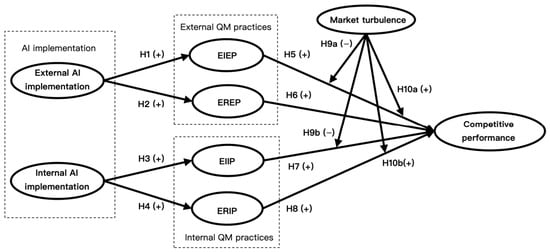
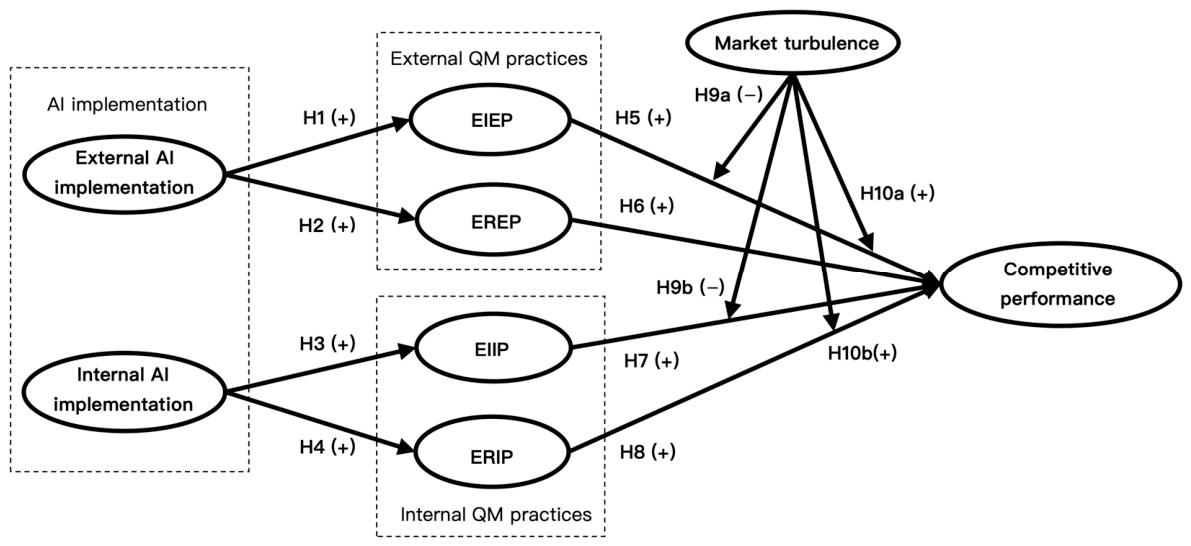
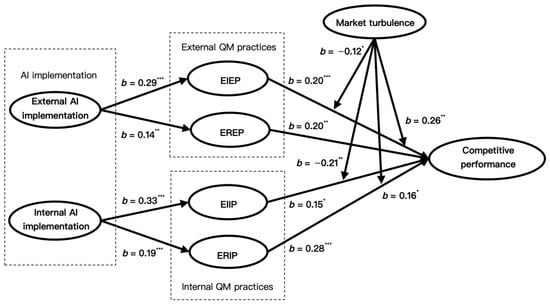
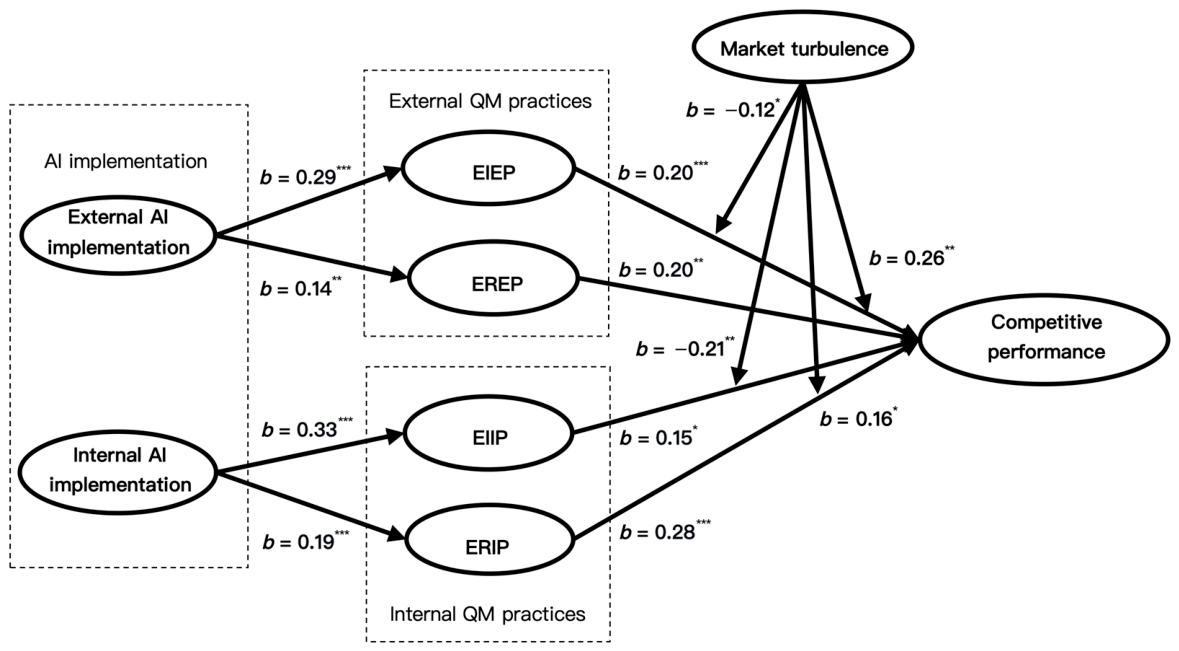
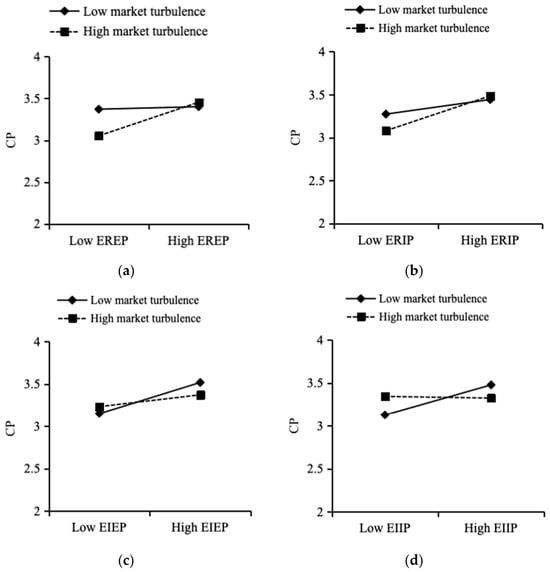
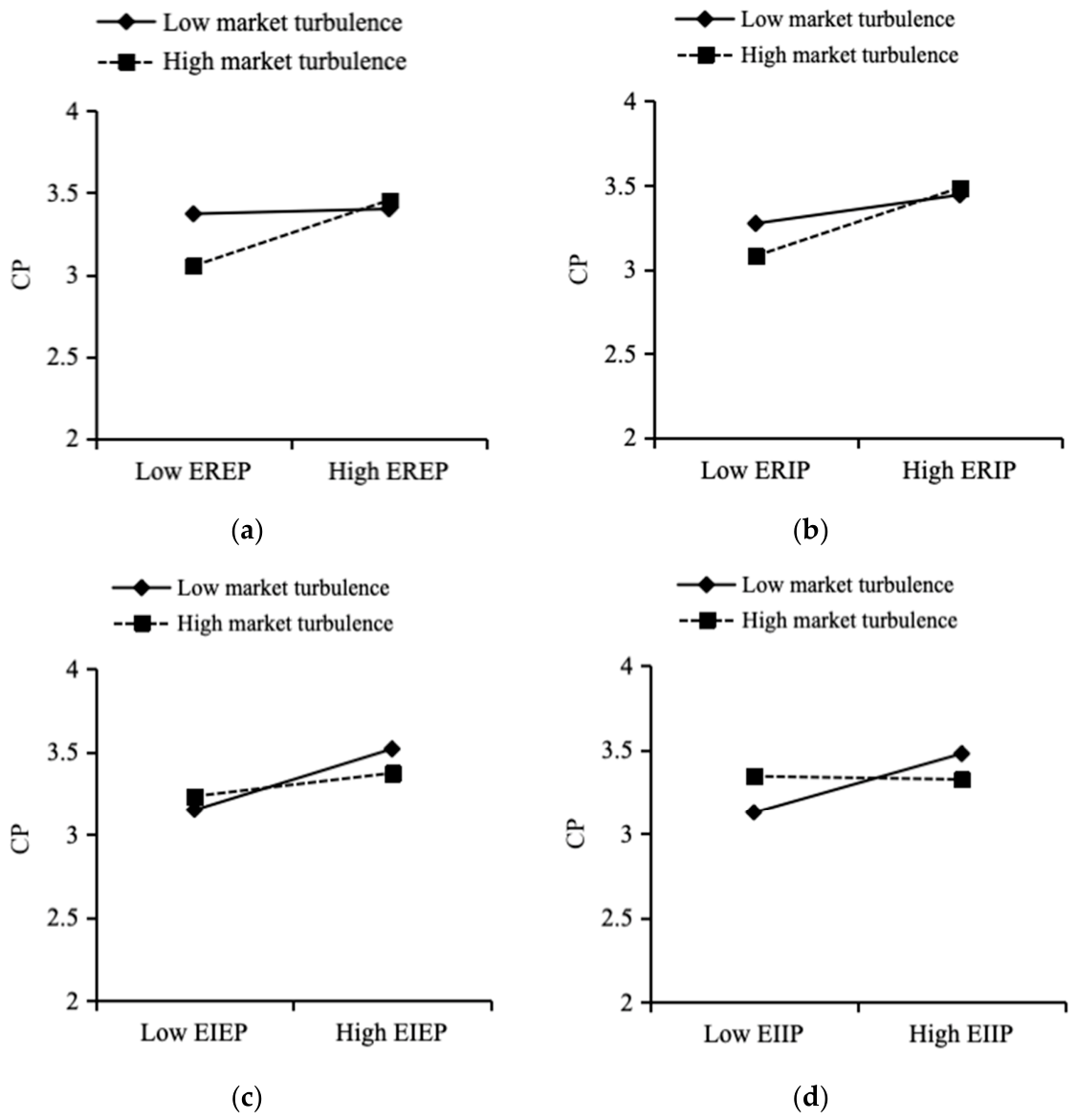

Disclaimer/Publisher’s Note: The statements, opinions and data contained in all publications are solely those of the individual author(s) and contributor(s) and not of MDPI and/or the editor(s). MDPI and/or the editor(s) disclaim responsibility for any injury to people or property resulting from any ideas, methods, instructions or products referred to in the content. |
© 2026 by the authors. Licensee MDPI, Basel, Switzerland. This article is an open access article distributed under the terms and conditions of the Creative Commons Attribution (CC BY) license.