


Abstract
Phosphorus is essential for plant growth and freshwater ecosystems. However, excessive concentrations in aquatic environments accelerate eutrophication and threaten aquatic life and biodiversity. In this study, walnut shell-derived activated carbon (WAL-AC) was modified with magnesium (WAL-AC@Mg), calcium (WAL-AC@Ca), and tin (WAL-AC@Sn) in different mass ratios, as well as with chitosan/magnesium (WAL-AC@CS/Mg), and evaluated for the removal of PO43− from aqueous solutions and real wastewater. Among all modifications, magnesium-activated WAL-AC (WAL-AC@Mg4:1) performed best, achieving consistently high phosphate removal efficiency (approximately 95%; 95.3% at pH 7.0) across the tested pH range (3–9). The adsorption of WAL-AC@Mg4:1 followed pseudo-second-order kinetics and the Langmuir isotherm (Qm = 41.80–46.13 mg/g, 303–323 K), with thermodynamics confirming spontaneous, endothermic uptake. FTIR, and SEM-EDS analyses revealed surface Mg-O sites, a P-O band at 996 cm−1, and phosphorus accumulation (up to 8.61 at.%) after adsorption, consistent with ligand exchange and possible Mg-phosphate precipitation. WAL-AC@Mg4:1 remained effective in real secondary wastewater (73% removal) and maintained approximately 34% removal after five regeneration cycles. A preliminary agronomic test showed that WAL-AC@Mg4:1 potentially recovered from wastewater supported the growth of tomato seedlings, providing a preliminary proof-of-concept for phosphorus recovery and reuse rather than a demonstrated fertilizer benefit. These findings identify magnesium-functionalized WAL-AC as the most promising adsorbent among those tested, derived from a low-cost agricultural waste precursor, combining phosphate removal from secondary wastewater with resource recovery.
1. Introduction
Phosphorus (P) is an essential nutrient for all living organisms and is indispensable in biological processes, agricultural productivity and ecosystem functioning [1,2]. However, human activities have significantly altered the natural phosphorus cycle through livestock farming, industrial discharges and municipal wastewater releases [1,3]. As a result, substantial amounts of phosphorus are continuously released into aquatic environments via agricultural runoff, sewage effluents and other anthropogenic sources. The accumulation of phosphorus in surface waters and receiving water bodies has become a major environmental concern, particularly in agricultural and urbanized regions [4]. This excessive phosphorus loading disrupts the natural balance of aquatic ecosystems and contributes to water quality deterioration [1,3].
One of the most significant consequences of excessive phosphorus loading is eutrophication, a process characterized by nutrient-induced stimulation of algal growth, leading to intense algal blooms that reduce water transparency and disrupt aquatic ecosystem functioning [4,5]. As algal biomass decomposes, dissolved oxygen levels are significantly depleted, adversely affecting aquatic organisms [6]. These conditions contribute to severe ecological deterioration, including loss of biodiversity and disruption of aquatic food webs [4,5]. Therefore, eutrophication represents a major environmental challenge associated with phosphorus pollution in surface waters, highlighting the urgent need for effective control strategies.
While effective phosphorus removal is necessary to prevent eutrophication, increasing attention has been directed toward phosphorus recovery due to its classification as a critical and non-renewable resource [7,8]. The global production of phosphate-based fertilizers depends heavily on finite phosphate rocks, raising concerns regarding long-term phosphorus sustainability [9]. Consequently, wastewater, particularly secondary effluents, is increasingly recognized as a secondary resource for phosphorus within circular economy frameworks [7]. To address this challenge, several technologies have been applied for phosphate removal and recovery, including adsorption/ion exchange, chemical precipitation, coagulation/flocculation, crystallization and membrane filtration/reverse osmosis [8,10]. Among these approaches, adsorption is considered one of the most promising techniques due to its simple operation, low cost, high removal efficiency and suitability for dilute phosphorus-containing wastewater streams. Furthermore, its reversible nature enables both effective phosphate uptake and subsequent recovery through desorption-based strategies, enhancing its overall sustainability and potential for phosphorus recovery [8]. Beyond phosphate removal, adsorption-based technologies are widely applied across environmental and industrial fields, including the separation and recovery of rare-earth [11,12,13], and other f-elements [14], using functionalized polymer adsorbents [15,16]. Moreover, adsorption was effectively applied for the removal of hydrocarbons [17], heavy metals [18], oxyanions [19] and other toxic organic pollutants [20] from water using multifunctional and polymeric sorbents [21], further underlining the versatility and broad applicability of the adsorption approach adopted in this study.
To further enhance the sustainability of adsorption process, increasing attention has been devoted to biomass-derived carbon adsorbents produced from agricultural residues [22,23,24]. These materials represent an environmentally friendly alternative to conventional commercial activated carbons, as they combine low production cost with the utilization of abundant agro-industrial wastes, supporting waste minimization and circular economy principles [22,23]. Through appropriate thermal and chemical activation, lignocellulosic biomass can be converted into porous activated carbons possessing high specific surface area and abundant surface functional groups that favor phosphate adsorption [23,24]. Among the various biomass precursors, walnut shells have attracted interest due to their high carbon content, low ash content, wide availability, low cost, and excellent suitability as starting material for high-performance activated carbons, transforming an agricultural by-product into a value-added adsorbent for wastewater treatment [25,26].
Although biomass-derived activated carbons exhibit promising adsorption properties, their phosphate removal performance can be further enhanced through surface modification with metal oxides and biopolymers [27,28,29,30,31]. Among the various modifiers investigated, magnesium- and calcium-based compounds have attracted particular interest due to their strong affinity for phosphate species and their ability to introduce additional active sites on the adsorbent surface [29,32,33,34]. Phosphate adsorption by these materials occurs through multiple mechanisms, including electrostatic attraction, ligand exchange between phosphate ions and surface hydroxyl groups, inner-sphere surface complexation, and, under favorable conditions, surface precipitation of magnesium or calcium phosphate compounds [27,32]. In addition, the incorporation of chitosan has been shown to improve the mechanical properties and stability of metal oxides while providing abundant amino and hydroxyl functional groups that facilitate phosphate adsorption and enhance the structural integrity of composite adsorbents [30,31].
The concept of wastewater treatment has progressively evolved from pollutant removal toward resource recovery, with increasing emphasis on recovering valuable nutrients such as phosphorus from secondary wastewater effluents while supporting recycling and reducing dependence on finite phosphate rock reserves [7,35]. In this context, magnesium-based materials have attracted particular attention because, beyond enhancing phosphate adsorption, they provide the opportunity for phosphorus recovery and subsequent fertilizer production [33,36,37]. This additional functionality is associated with the ability of magnesium to facilitate the recovery of phosphorus as stable magnesium phosphate minerals, most notably struvite (MgNH4PO4 · 6H2O), which is widely recognized as an effective, slow-release fertilizer owing to its low solubility and balanced nutrient composition [33,37]. These characteristics make magnesium-functionalized adsorbents particularly attractive for integrating phosphate removal, phosphorus recovery and sustainable fertilizer production within circular economy frameworks [7,35,36].
In this study, composite adsorbent materials derived from walnut shell biomass were synthesized and evaluated for the removal of phosphates from aqueous systems, including both single-component solutions and secondary wastewater treatment effluents. The walnut shell-based composite materials combine the advantages of utilizing agricultural waste, such as low cost and availability, with modification strategies aimed at enhancing phosphate removal and potential phosphorus recovery. Although metal-modified biomass-derived adsorbents have been extensively studied for phosphate removal, the performance of various modification strategies is often evaluated using different biomass precursors and experimental conditions, making direct comparison difficult. Therefore, this study employed a common carbon substrate derived from walnut shells to systematically compare modifications with Mg, Ca, Sn, and chitosan/Mg within a unified experimental framework. It is acknowledged that Mg-modified biochars and other biomass-derived Mg-containing materials have previously been studied for phosphate removal, including applications involving real water matrices, phosphate recovery, and potential agricultural reuse [33,36,37]. Therefore, the novelty of the present work lies not in the isolated use of Mg modification or phosphate recovery, but in the systematic, parallel comparison of Mg, Ca, Sn, and chitosan/Mg modifications on the same walnut-shell-derived carbon substrate, as well as the direct comparison of their performance using secondary wastewater treatment influent and effluent. A summary comparison with related biomass-based Mg systems is provided in the Supplementary Material (Table S1). Finally, a preliminary agronomic test was conducted using the phosphate-saturated adsorbents to investigate their potential for reuse. Thus, the contribution of this study lies in establishing a comparative framework that links the modification of biomass-derived carbon, phosphate removal under realistic wastewater conditions, and the preliminary recovery and reuse of phosphorus.
2. Materials and Methods
2.1. Materials
The materials used in this study included ammonium dihydrogen phosphate (NH4H2PO4), ACS, Reag. Ph Eur (≥99.0% (acidimetric)) that was supplied from Sigma-Aldrich-Merck KGaA (Darmstadt, Germany), to prepare phosphate stock solutions of 1000 mg/L by dissolving 0.302g of NH4H2PO4 in 250 mL of deionized water. Zinc chloride (ZnCl2), was used as a chemical activation reagent, while magnesium oxide (MgO), calcium oxide (CaO), as well as tin(IV) chloride, (SnCl4, anhydrous liquid, ≥99%) and chitosan (CS) (310–375 kDa, DDA 75%) (all supplied from Sigma-Aldrich-Merck KGaA, Darmstadt, Germany), were used for the modification of activated carbon. In addition, sodium tripolyphosphate (TPP) (Alfa Aesar, Thermo Fisher Scientific Inc., Waltham, MA, USA) was used as a crosslinking agent and acetic acid (≥99%; Fisher Chemicals, Hampton, NH, USA) for the preparation of chitosan solution. For pH adjustment, diluted solutions of 37% HCl (Panreac, AppliChem, Barcelona, Spain) or sodium hydroxide (NaOH) (≥97.0% ACS NaOH pellets, Sigma-Aldrich-Merck KGaA, Darmstadt, Germany) were used. Sodium nitrate (NaNO3) reagent, 99.0%, was also supplied from Sigma-Aldrich, Merck KGaA, Darmstadt, Germany and used for pHPZC determination and adjustment. Ammonium molybdate 99.99% (H8MoN2O4) (Thermo Fisher Scientific Inc., Waltham, MA, USA), concentrated sulfuric acid (H2SO4), tin(II)chloride dihydrate (SnCl2∙2H2O) and glycerol ≥99.0%, all from Sigma-Aldrich-Merck KGaA, Darmstadt, Germany, were used for the determination of residual phosphate concentration. Deionized water was used throughout all experiments. Walnut shells, collected as an agricultural by-product prior to disposal, were washed, dried, and used as the biomass precursor for activated carbon (WAL-AC) production.
2.2. Synthesis of WAL-AC
Walnut shells (WS) collected prior to disposal, were thoroughly washed with deionized water to remove surface impurities and subsequently dried overnight at 60 °C. The dried shells were initially crushed using a laboratory blender and further ground in a mortar and pestle to obtain fine powder. The resulting material was sieved to achieve a uniform size distribution. Chemical activation was performed using zinc chloride (ZnCl2) as the activating agent at a WS to ZnCl2 mass ratio of 1:2. The mixture was transferred into a beaker and a small amount of deionized water was added to ensure complete wetting. The suspension was continuously stirred for 24 h to promote effective impregnation of the precursor with the activating agent. After impregnation, the mixture was filtered and the solid fraction was collected and dried overnight in a laboratory oven. The impregnated material was then subjected to pyrolysis in a tube furnace under a continuous nitrogen (N2) flow. The temperature increased at a heating rate of 16.5 °C min−1 up to 500 °C where it was maintained for 2 h. Post pyrolysis, the material was allowed to cool down naturally to room temperature. The obtained biochar was washed with 1M HCl until neutral pH (~7) was reached, followed by repeated washing with deionized water to remove residual impurities. Finally, the material was filtered, dried and stored for further use as walnut-shell activated carbon (WAL-AC).
2.2.1. Preparation of Metal-Modified WAL-AC Composites
Metal-modified WAL-AC composites were prepared by wet impregnation using MgO, CaO and SnCl4 as metal precursors. WAL-AC and the corresponding metal precursors were mixed at carbon-to-metal mass ratios of 2:1 and 4:1. A sufficient amount of deionized water was added to ensure complete wetting of the mixture. Following impregnation, the suspensions were filtered and the obtained solids were dried overnight. The dried materials were subsequently subjected to thermal treatment at 500 °C under continuous nitrogen (N2) flow for 2 h. This thermal treatment was performed to promote the anchoring a homogenous distribution of the metal species on the activated carbon surface, enhancing the interaction between the metal oxides and the carbon matrix [38]. After cooling to room temperature, the composites were washed with 1M HCl until neutral pH was reached, repeatedly rinsed with deionized water, filtered, dried and stored for subsequent experiments.
2.2.2. Preparation of WAL-AC@CS/Mg Composite
The WAL-AC@CS/Mg composite was prepared using the WAL-AC@Mg material with a WAL-AC/Mg ratio of 4:1 (as resulted from the following evaluation experiments). Chitosan was dissolved in acetic acid to obtain 1% (w/v) solution. Subsequently, 1.60 g of WAL-AC@Mg was dispersed in 40 mL of the chitosan solution, corresponding to a WAL-AC@Mg-to-chitosan mass ration of 4:1. The suspension was stirred under mild heating to ensure homogenous mixing. Thereafter, 0.04 g of sodium tripolyphosphate (TPP) dissolved in 2.5 mL of deionized water was added dropwise as a crosslinking agent to ionically crosslink the chitosan matrix and improve the stability of the composite. The mixture was further stirred for 2 h and allowed to stand for 30–60 min. Finally, the resulting composite was filtered, washed with deionized water until neutral pH was reached, and dried overnight at 60 °C. Figure 1 describes the synthesis process of all prepared activated carbons.
Figure 1.
Composite route of modified activated carbons from walnut shells.
2.3. Adsorption Experiments
Batch adsorption experiments were conducted by adding a predetermined amount of adsorbent to 20 mL of phosphate solution in 50 mL Falcon tubes under controlled temperature conditions. The suspensions were agitated at 80 rpm using a Trayster overhead shaker and a Loopster rotator. The effects of solution pH (3.0, 7.0, 9.0), initial phosphate concentration (2–50 mg/L), adsorbent dosage (0.3–1.0 g/L) and contact time (5–180 min for kinetic studies and up to 24 h to reach equilibrium) were systematically investigated. Following adsorption, the suspensions were filtered through a 0.45 μm nylon membrane filter and the residual phosphate concentration in the filtrate was determined using the stannous chloride method (Section 2.4). The initial screening experiments (effects of pH, adsorbent dosage and contact time) were conducted at 293 K. The effect of temperature on phosphate removal was subsequently investigated at a fixed initial phosphate concentration, under the optimum pH and contact time, over the range 293–323 K (293, 303, 313 and 323 K), while the equilibrium isotherm and thermodynamic experiments, in which the initial phosphate concentration was varied, were carried out at 303, 313 and 323 K (Section 2.5).
The phosphate removal efficiency (%R) was calculated according to Equation (1):
where C0 is the initial phosphate concentration (mg/L) and Cf is the final (residual) phosphate concentration (mg/L), corresponding to either the equilibrium concentration (Ce) or the concentration at a given time (Ct), depending on the experiment.
The adsorption capacity (Qe, mg/g) was determined using Equation (2):
where Ce is the equilibrium phosphate concentration (mg/L), V is the solution volume (L) and m is the mass of the adsorbent (g).
All adsorption experiments were performed in duplicate (n = 2 independent replicates). The results are presented as mean ± standard deviation (SD).
2.3.1. Adsorption Isotherms
To evaluate the equilibrium behavior of phosphate onto the prepared adsorbents, the experimental data were analyzed using the Langmuir and Freundlich isotherm models, which are widely applied to describe adsorption equilibrium. The Langmuir isotherm, expressed by Equation (3) [39], assumes monolayer adsorption on a homogenous surface, where all of the adsorption sites are equivalent and each active site can interact with a pollutant molecule [40]. In contrast, the Freundlich isotherm model, as shown in Equation (4) [41], describes adsorption on heterogenous surfaces, which is multilayer and all active sites require different energies for adsorption, and accounts for the empirical relationship between the equilibrium adsorption capacity and the equilibrium concentration [42].
where Qe (mg/g) is the equilibrium adsorption capacity, Qm (mg/g) is the maximum monolayer adsorption capacity, Ce (mg/L) is the equilibrium phosphate concentration and KL (L/mg) is the Langmuir adsorption constant related to the affinity between phosphate ions and the adsorbent. In the Freundlich model, KF (mg/g)(L/mg)1/n is the Freundlich constant associated with the adsorption capacity, while 1/n is the heterogeneity factor where 1/n < 1 indicates favorable adsorption, 1/n = 1 corresponds to linear adsorption and 1/n > 1 suggests cooperative adsorption.
To further evaluate the best fit of the adsorption isotherm models, the Root Mean Square Error (RMSE) [43] was calculated in addition to the coefficient of determination (R2). RMSE provides a quantitative measure of the average deviation between the experimental (Qe,exp) and model-predicted (Qe,calc) adsorption capacities, with lower RMSE values indicating better agreement between the experimental data and the corresponding isotherm model. RMSE was calculated according to Equation (5):
where Qe,exp (mg/g) is the experimental adsorption capacity, Qe,cal (mg/g) is the adsorption capacity predicted by isothermal model (from Equations (3) and (4)) and n = the number of experimental data points.
In addition to R2 and RMSE, the Mean Absolute Error (MAE) was calculated for each isotherm model as a further, less outlier-sensitive measure of fit quality, according to Equation (6):
2.3.2. Kinetics
Two kinetic models, the pseudo-first-order (PFO) and pseudo-second-order (PSO) models [44], were applied to describe the kinetics of phosphate adsorption. These models are widely used to interpret adsorption kinetics. The PFO model refers to physisorption and the PSO model describes chemisorption [45,46]. The obtained kinetic parameters were further analyzed to evaluate the adsorption rate and to provide insight into the adsorption mechanism. The adsorption process is best explained by the model with the highest correlation coefficient (R2). The PFO and PSO models are expressed by Equations (7) and (8), respectively.
where Qe (mg/g) is the amount of phosphate adsorbed at equilibrium, Qt (mg/g) is the amount of phosphate adsorbed at time t, k1 (1/min) is the PFO rate constant and t is the contact time (min). The parameter k2 (g/mg min) is the PSO rate constant.
2.4. Determination of Residual Phosphate Concentration
The residual orthophosphate concentration was determined using the stannous chloride (molybdenum blue) colorimetric method (APHA Standard Method 4500-P D) [47]. Under acidic conditions, orthophosphate reacts with ammonium molybdate to form a phosphomolybdic acid complex, which is subsequently reduced by stannous chloride, resulting in the formation of a stable, blue-colored molybdenum complex. The intensity of the developed blue color is proportional to the orthophosphate concentration in the sample. Absorbance measurements were performed at 690 nm using a UV–Vis spectrophotometer (WTW SpectroFlex 6100, Weilheim, Germany). Phosphate concentrations were calculated from a calibration curve prepared using standard phosphate solutions [48] within the concentration range of 0.1–7.0 mg/L, described by the equation y = 0.1907x + 0.0764, with a coefficient of determination of R2 = 0.9899. Prior to spectrophotometric analysis, all samples were filtered through 0.45 μm membrane filters to remove suspended solids and minimize potential turbidity-related interference. Samples exhibiting phosphate concentrations above the calibration range were appropriately diluted with deionized water before analysis. Phosphate determination was conducted using the established standard colorimetric procedure and the calibration curve was applied for quantitative determination within the investigated concentration range. It should be noted that the analytical procedure was not subjected to full method validation; specifically, the limit of detection (LOD), limit of quantification (LOQ), recovery, matrix effects, and potential interferences from adsorbent-derived components, including magnesium, calcium, tin species, and chitosan, were not systematically evaluated. Therefore, the reported phosphate concentrations should be interpreted within the scope of the applied analytical procedure and experimental conditions.
2.5. Thermodynamics
Thermodynamic parameters, including the Gibbs free energy charge (ΔG°, kJ/mol), enthalpy change (ΔH°, kJ/mol) and entropy change (ΔH°, kJ/K), were calculated to evaluate the thermodynamic behavior of phosphate adsorption and assess its spontaneity [49]. Accordingly, the isotherm and thermodynamic experiments (varying initial phosphate concentration) were performed at three temperatures (303, 313 and 323 K); a separate set of experiments assessing the effect of temperature alone, at a fixed initial phosphate concentration and the optimum pH and contact time, was additionally carried out at four temperatures (293, 303, 313 and 323 K), and the thermodynamic parameters were determined using Equations (9)–(12) [50], matching the isotherm study (Section 2.1). The Langmuir affinity constant KL (L/mg) obtained from the isotherm fitting, is converted to a dimensionless standard equilibrium constant K° before its use in the van ’t Hoff analysis. This is the approach recommended for adsorption systems where an equilibrium “constant” derived directly from a concentration ratio is not truly dimensionless and depends on experimental conditions such as adsorbent dose and initial concentration [51].
K° = 1000 × KL × M
2.6. Characterization Techniques
The physicochemical properties of the prepared adsorbents were characterized using commonly applied analytical techniques. Prior to analysis, the samples were dried in an oven at 50–60 °C under atmospheric pressure for 3 h to ensure complete moisture removal. The surface morphology and elemental composition of the adsorbents were examined via a JEOL JSM6390LV scanning electron microscope (SEM) (Tokyo, Japan) coupled with energy dispersive X-ray spectroscopy (EDS), with an X-FLASH 4010 detector (Bruker AXS GmbH, Karlsruhe, Germany). The surface functional groups were identified by a (ATR-FTIR. ZnSe) Fourier-transform infrared spectrometer (FTIR) (PerkinElmer, New York, NY, USA).
2.7. Regeneration
In recent decades, the reuse of adsorbent materials have attracted increasing interest due to their environmental and economic benefits [52]. The regeneration and reusability of the optimized WAL-AC@Mg adsorbent were evaluated through consecutive adsorption–desorption cycles, aiming to assess its potential for repeated phosphate removal. Following phosphate adsorption, the spent adsorbent was treated with 0.01 M NaOH to desorb the retained phosphate species. The regenerated material was subsequently washed repeatedly with deionized water until neutral pH was reached and then reused in the next adsorption cycle [53]. A total of five consecutive adsorption–desorption cycles were performed to evaluate the reusability of the adsorbent. The desorption efficiency of phosphate can be calculated using the following Equation (13), where Cdes and Cads are the desorbed amount (mg/L) of PO43− in the solution and the adsorbed amount of PO43− by the adsorbent, respectively.
2.8. Swelling Experiments
The swelling behavior of the prepared adsorbents was evaluated using deionized water adjusted to the optimum pH determined for phosphate adsorption. Briefly, 0.01 g of the optimized adsorbent was accurately weighed (W1) and immersed in 20 mL of deionized water. At predetermined time intervals (5, 10, 15, 30, 45, 60, 120 min and 24 h) the samples were removed, carefully decanted to eliminate excess water and reweighed (W2). The swelling percentage equilibrium was calculated using Equation (14) [54]:
2.9. Preliminary Evaluation of Phosphate-Containing Adsorption Residues for Potential Agricultural Reuse
A preliminary pot experiment was conducted to investigate the potential agricultural reuse of phosphate-loaded adsorbents recovered after phosphate adsorption. The experiment was designed as an initial qualitative assessment of plant growth response and not as a quantitative evaluation of fertilizer effectiveness. Tomato (Solanum lycopersicum) was selected as the model plant to assess the feasibility of using the spent adsorbents as potential phosphorus-containing soil amendments.
Six treatments were investigated: (i) an unfertilized control, (ii) WAL-AC loaded with phosphate from a synthetic phosphate solution (WAL-AC_P), (iii) WAL-AC@Mg4:1 loaded with phosphate from a synthetic phosphate solution (WAL-AC@Mg4:1_P), (iv) WAL-AC recovered after phosphate adsorption from secondary wastewater influent (WWsecondary inlet-WAL-AC_P), (v) WAL-AC@Mg4:1 recovered after phosphate adsorption from secondary wastewater influent (WWsecondary inlet-WAL-AC@Mg4:1_P), and (vi) WAL-AC@Mg4:1 recovered after phosphate adsorption from secondary wastewater effluent (WWsecondary effluent-WAL-AC@Mg4:1_P). These adsorbents were selected because the former represents the unmodified activated carbon, whereas the latter was identified as the optimum material based on the adsorption performance evaluation experiments.
Tomato seeds were cultivated under identical experimental conditions for all treatments. Plant growth was monitored by periodic measurements of stem elongation and representative photographs were recorded under identical imaging conditions throughout the cultivation. The six treatments were initially evaluated over 14 days (Figure S1), and afterwards the three most efficient treatments were selected for further preliminary evaluation. These treatments were monitored for up to 36 days to assess plant development. The treatments based on phosphate recovery from secondary wastewater showed plant growth. On the other hand, no plant development was observed for the treatments prepared using phosphate-loaded adsorbents obtained from phosphate-contaminated deionized water.
The cultivation experiment was terminated after 36 days because it could not be continued under the available experimental conditions. Equal masses of the respective phosphate-loaded adsorbents were applied to the corresponding treatments to allow an initial qualitative comparison of plant response. Because the phosphorus content of the spent adsorbents was not determined, equivalent phosphorus application rates could not be established among the treatments. Therefore, the experiments should be considered a preliminary feasibility assessment of the potential reuse of phosphate-loaded adsorbents and plant cultivation rather than a quantitative comparison of fertilizer efficiency.
The preliminary plan trial was intended solely to examine whether the phosphate loaded adsorbents could support observable differences in early tomato growth. The study did not include analysis of magnesium or other elements in the soil or plant tissues, nor did it evaluate nutrient bioavailability, contaminant mobility, or long-term environmental impacts associated with the application of the spent adsorbents. Accordingly, the results should not be interpreted as evidence of the long term agronomic or environmental safety of these materials and further studies would be required before considering practical agricultural application.
3. Results and Discussion
3.1. Evaluation of Adsorption Process
The influence of solution pH on the adsorption of phosphate (PO43−) onto walnut shell-derived activated carbons adsorbents is presented in Figure 2a. As shown in Figure 2a, the effect of initial pH on phosphate adsorption varied considerably among the investigated adsorbents. The unmodified WAL-AC exhibited a marked pH dependence, with phosphate removal increasing from 18.34% at pH 3.0 to 86.07% at pH 7.0, followed by a decrease to 57.26% at pH 9.0. In contrast, the Mg-modified adsorbents showed consistently high phosphate removal across the investigated pH range. In particular, WAL-AC@Mg4:1 achieved approximately 95% removal across all pH values, while WAL-AC@ Mg2:1 showed removal values of 89.58–93.55%. This relatively stable adsorption performance suggests that Mg incorporation substantially improved phosphate uptake and reduced its dependence on solution pH. Previous studies on Mg-modified carbonaceous adsorbents have similarly reported enhanced and relatively stable phosphate removal over a broad pH range, which has been associated with the presence of Mg-containing surface sites and mechanisms including surface complexation, electrostatic attraction and precipitation of magnesium-phosphate species [55,56].
Figure 2.
(a) Comparison of adsorbents at various pH values for the removal of phosphate; C0 = 10 mg/L, dosage 0.5 g/L, 293 K, 1440 min. (b) pHpzc of adsorbent materials.
In particular, surface complexation refers to the inner-sphere binding of phosphate anions (H2PO4−/HPO42−) onto Mg-OH surface groups through ligand exchange, forming stable Mg-O-P bonds, as reported for MgO-modified biochar systems [32]. In addition, electrostatic attraction contributes to phosphate uptake when positively charged Mg-OH2+ sites interact with negatively charged phosphate species [55]. Furthermore, several studies have demonstrated that Mg-containing surfaces can promote chemical precipitation, leading to the formation of insoluble magnesium phosphate phases such as MgHPO4 and Mg3(PO4)2, which significantly enhances overall removal efficiency and explains the weak pH dependence observed in Mg-modified systems [32]. The Ca- and Sn-modified materials exhibited lower phosphate removal compared to the Mg-modified adsorbents throughout the investigated pH range. WAL-AC@Ca4:1 showed limited improvement compared to the unmodified WAL-AC, whereas WAL-AC@Sn4:1 exhibited the lowest adsorption performance among the modified materials. These differences indicate that the nature of the incorporated metal plays a significant role in determining the phosphate adsorption performance of the carbon matrix. In comparison, WAL-AC@CS/Mg demonstrated an intermediate but relatively high adsorption performance, with phosphate removal increasing from 41.02% at pH 3.0, to 94.08% and 93.43% at pH 7.0 and 9.0 respectively. This enhanced performance of the Mg-containing composite compared with WAL-AC once again highlights that Mg incorporation provides additional active sites with a strong affinity toward phosphate species [56].
Moreover, the point of zero charge (pHpzc) of the adsorbents is presented in Figure 2b, providing useful information on their surface charge behavior. The pHpzc was determined using the pH-drift method [57], by adjusting the initial pH of the solutions and recording the corresponding change in pH after contact with the adsorbent. The pHpzc was identified at the point where ΔpH approached zero, corresponding to the pH at which the net surface charge was approximately zero. At pH values below the pHpzc, the adsorbent surface is predominantly positively charged, whereas above the pHpzc it becomes progressively more negatively charged, which can influence the electrostatic interaction with phosphate species [32]. The relatively low pHpzc values observed for the WAL-AC and metal-modified materials indicate that their surfaces are predominantly negatively charged under neutral and alkaline conditions. Nevertheless, the higher phosphate removal observed for the Mg-modified adsorbents under these conditions suggests that electrostatic attraction alone cannot account for their adsorption performance and that additional interactions involving Mg-containing surface sites may contribute to phosphate uptake [55].
In contrast, WAL-AC@CS/Mg exhibited a considerably higher pHpzc (6.38), which may be associated with the incorporation of chitosan into the composite. The amino groups present in chitosan can undergo protonation, contributing to a less acidic surface character and shifting the pHpzc toward higher values [58]. This relatively high pHpzc suggests that WAL-AC@CS/Mg may maintain a more positively charged surface compared to most of the other investigative materials over a broad pH range, which could enhance electrostatic interactions with negatively charged phosphate species under near neutral conditions.
3.2. Effect of Contact Time/Kinetic Models
The effect of contact time on phosphate removal by the investigated adsorbents is shown in Figure 3a. Overall, the adsorption process was characterized by a rapid initial uptake, followed by a progressively slower increase until equilibrium was approached. The initial rapid adsorption can be attributed to the availability of accessible active sites on the adsorbents’ surfaces during the early stages of the adsorption process, while these sites are gradually occupied over time [59]. WAL-AC showed a gradual increase in phosphate removal with increasing contact time. Although its adsorption rate was lower during the initial stages, phosphate removal increased from 31.55% to 66.67% at 180 min, reaching 86.07% after 1440 min. Among the modified materials, the Mg-containing adsorbents exhibited the highest and fastest phosphate uptake. WAL-AC@Mg4:1 reached approximately 80–85% within 60–120 min and 95.30% at 1440 min, while WAL-AC@Mg2:1 reached 59.31% at 60 min, 79.35% at 180 min, and a 93.55% removal rate at 1440 min. Overall, the carbon-to-metal ratio of 4:1 consistently resulted in superior adsorption performance compared to the 2:1 ratio, as also observed from the evaluation of the effect of initial pH results, indicating that a lower metal loading may favor a more optimal dispersion of active Mg sites and improved accessibility for phosphate species. WAL-AC@CS/Mg also showed relatively fast uptake, reaching about 75–80% within 60–120 min and 85.66% at equilibrium, indicating that most adsorption occurs in the early stages, while the removal rate at 1440 min was 94.08%.
Figure 3.
(a) Effect of contact time on the adsorption of phosphate; C0 = 10 mg/L, dosage 0.5 g/L, 293 K, pH = 7.0). (b) Non-linear PFO and PSO kinetic model fits.
In contrast, the Ca- and Sn- modified materials exhibited much lower performance, with WAL-AC@Sn4:1 reaching 14.02% and WAL-AC@Ca4:1 34.77% maximum at 120 min. In general, the results indicated that the lowest ratio yielded the highest efficiency across all materials. Consequently, a 4:1 mass ratio (AC/M) was selected as the optimal ratio for each adsorbent and was subsequently employed in all further experiments.
Moreover, the adsorption kinetics of phosphate onto the investigated adsorbents were further evaluated using the non-linear pseudo-first-order (PFO) and pseudo-second-order (PSO) kinetic models, as shown in Figure 3b. The corresponding kinetic parameters and correlation coefficients (R2) are presented in Table 1. The models are fitted to the experimental adsorption data using OriginPro 9 software, to compare their ability to describe the phosphate uptake kinetics, to study their adsorption mechanism.
Table 1.
Parameters of PFO and PSO kinetic models for the adsorption of phosphate; dosage 0.5 g/L, pH 7.0, T = 298 K.
Overall, the PSO model provided a better fit to the experimental data for all investigated adsorbents, as indicated by its consistently higher R2 values compared to the PFO model for all materials, whereas the corresponding PFO values were lower.
It is noted that the RMSE and MAE values—calculated for both kinetic models and listed in Table 1—do not follow the same trend as R2 for each material: for WAL-AC@Sn2:1, WAL-AC@Sn4:1, WAL-AC/Mg2:1, and WAL-AC@Ca2:1, the PFO model actually yields lower (better) RMSE and MAE values, despite exhibiting a lower R2. This discrepancy reflects the fact that R2 is primarily determined by the overall variance of the dataset—including the equilibrium point at long contact times (1440 min)—whereas RMSE and MAE weigh deviations at each time point equally; for the materials in question, the equilibrium capacity derived from the PSO model fit slightly overestimates the saturation level (plateau) observed in the experimental data. This observation aligns with the recommendation to consider absolute error metrics alongside R2 when comparing kinetic models, and is presented here for the sake of completeness rather than as a revision of the previously stated model selection.
The better fit of the PSO model indicates that the adsorption kinetics are strongly influenced by interactions between phosphate species and the available adsorption sites on the adsorbent surface [60]. However, the higher R2 of the PSO model should not be considered, by itself, as definitive evidence of chemisorption. Rather, it indicates that the PSO model provides a better description of the overall adsorption kinetics under the experimental conditions investigated [61,62].
In addition, the differences observed in the Qe values among the adsorbents are consistent with the adsorption performance trends, with Mg-modified adsorbents and especially WAL-AC@Mg4:1, exhibiting the highest equilibrium capacities, followed by WAL-AC and WAL-AC@CS/Mg, while Ca- and Sn- modified materials showed comparatively lower Qe values, confirming the superior phosphate uptake capacity of the Mg-containing composites.
3.3. Isotherm Study
Adsorption isotherms describe the equilibrium relationship between the concentration of the adsorbate in the liquid phase and the amount adsorbed on to the solid surface. In the present study, the equilibrium adsorption behavior of phosphate onto the investigated walnut-shell-derived activated carbon materials was evaluated using the Langmuir and Freundlich isotherm models at 303, 313 and 323 K. The corresponding experimental data and model fittings are presented in Figure 4 while the calculated isotherm parameters are summarized in Table 2.
Figure 4.
Langmuir and Freundlich isotherm models for phosphate removal by walnut shell-derived activated carbons: (a) WAL-AC, (b) WAL-AC@Mg4:1, (c) WAL-AC@Ca4:1, (d) WAL-AC@Sn4:1, (e) WAL-AC@CS/Mg, and (f) effect of temperature for phosphate removal by walnut shell-derived activated carbons. Dose 0.5 g/L, pH 7.0, 90 min, at 293–323 K.
Table 2.
Parameters of Langmuir, and Freundlich isotherm models.
As shown in Figure 4, the equilibrium adsorption capacity (Qe) generally increased with increasing equilibrium phosphate concentration (Ce) followed by a gradual tendency toward a plateau. This behavior indicates progressive occupation of the available adsorption sites as the phosphate concentration increased. The adsorption capacity differed considerably among the investigative materials, with the Mg-modified adsorbent (Figure 4b) showing the highest phosphate uptake, followed by the chitosan-containing composite (Figure 4e) and the unmodified WAL-AC (Figure 4a), whereas the Sn- (Figure 4d) and Ca-modified (Figure 4c) materials exhibited comparatively lower adsorption capacities.
The Langmuir and Freundlich models showed different capabilities in describing the experimental data depending on the adsorbent. For WAL-AC, the Freundlich model provided a better fit at all investigated temperatures, with R2 values of 0.9661–0.9732, compared with 0.9482–0.9584 for the Langmuir model, suggesting adsorption on a heterogeneous surface with sites of different adsorption energies [63]. Although the Langmuir model also showed reasonable agreement for WAL-AC, its lower R2 values (0.9482–0.9584) indicate that monolayer adsorption on a homogeneous surface is less representative of the system. In addition, the Freundlich 1/n values were found to be lower than unity, indicating favorable adsorption. The Langmuir maximum adsorption capacity (Qmax) values obtained from the model, which increased with increasing temperature, suggest a mildly endothermic adsorption behavior, indicating that higher temperatures favor phosphate uptake and enhance the accessibility or activation of adsorption sites [29].
In contrast, the Mg- and Ca-modified were better described by the Langmuir model at all investigated temperatures. For WAL-AC@Mg4:1, the Langmuir model presented R2 values of 0.9641–0.9744, substantially higher than those obtained from the Freundlich model (R2 = 0.8155–0.8360). The corresponding Freundlich 1/n parameter ranged from 0.3108 to 0.3253, exhibiting favorable phosphate uptake process with moderate surface heterogeneity. Similarly, WAL-AC@Ca4:1 showed higher R2 values for the Langmuir model (0.9500–0.9691) than for the Freundlich model (0.9133–0.9379), while the 1/n values (0.3947–0.4307) fall within the favorable adsorption range (0 < 1/n < 1), but their comparatively higher values indicate weaker surface heterogeneity effects than observed for WAL-AC [41]. Additionally, WAL-AC@Mg4:1 exhibited the highest maximum adsorption capacity among all investigated adsorbents. This enhanced performance can be attributed to the presence of Mg-containing surface species, which can promote phosphate uptake through specific interactions such as surface complexion and the possible formation of metal-phosphate precipitates on the adsorbent surface [55]. For Ca-modified adsorbents, similar precipitation and ion exchange mechanisms may occur, although with slightly lower overall efficiency compared to Mg [28]. The increase in Qmax with temperature observed for both materials suggests that phosphate adsorption is a mildly endothermic process for said materials.
For WAL-AC@Sn4:1, both models provided relatively good fits, although the Langmuir model showed higher R2 values throughout all temperatures. The Freundlich 1/n values (0.3725–0.426) indicate favorable adsorption but with higher surface heterogeneity compared with the unmodified material. This suggests that the adsorption behavior of the Sn-modified material may not be described exclusively by one isotherm model, exhibiting a more heterogeneous adsorption surface. Notably, this material also exhibited the lowest adsorption capacity among all investigated adsorbents, in agreement with the overall performance trends observed in this study.
The WAL-AC@CS/Mg composite also showed the better fit to the Langmuir model, with an R2 value range of 0.9513 to 0.9773, compared to the Freundlich model (0.7954–0.8555). The Freundlich 1/n values also confirm favorable adsorption behavior with moderate surface heterogeneity following the same pattern as WAL-AC@Mg4:1 due to possible precipitation that occurred between phosphate and dissolved cations such as Mg2+ and a ligand exchange mechanism between the unprotonated oxygen atoms of the phosphate and hydroxyl on the surface of biochars [64]. The corresponding Qmax values (40.42–44.45 mg/g) further indicate the high phosphate adsorption capacity of this composite, with a slight increase observed with increasing temperature, suggesting endothermic adsorption process.
To provide a more reliable assessment of the equilibrium models, the best fit was assessed using both the coefficient of determination (R2) and the root mean square error (RMSE) [43]. While R2 reflects the percentage of the variation explained by the model, RMSE quantifies the average prediction error between the experimental and calculated adsorption capacities. Consequently, a lower RMSE value indicates a more accurate representation of the experimental equilibrium data. Therefore, the combined interpretation of R2 and RMSE provides a more reliable assessment of the best-fitting adsorption isotherm model than relying on R2 alone.
As shown in Table 3, the RMSE analysis generally confirmed the conclusions drawn from the isothermal fit. Among the adsorbents tested, WAL-AC consistently exhibited lower RMSE values for the Freundlich model (0.61–19.71) than for the Langmuir model (0.76–19.83), indicating that adsorption on unmodified activated carbon is more adequately described by the Freundlich isotherm. This finding suggests that adsorption occurs on a heterogeneous surface with active sites of different adsorption energies, which is consistent with the structural heterogeneity typically associated with biomass-derived activated carbons.
Table 3.
Comparison of the root mean square error (RMSE) and mean absolute error (MAE) values obtained for the Langmuir and Freundlich isotherm models at 303, 313, and 323 K. Lower RMSE values indicate a better agreement between the experimental data and the model-predicted adsorption capacities.
In contrast, the modified adsorbents, including WAL-AC@Sn4:1, WAL-AC@Mg4:1, WAL-AC@Ca4:1 and WAL-AC@CS/Mg, consistently exhibited lower RMSE values for the Langmuir model at all temperatures examined. In particular, WAL-AC@Sn4:1 showed the lowest RMSE values (0.29–0.36), indicating excellent agreement between the experimental and model-predicted adsorption capacities. The superior Langmuir model performance for the modified materials suggests that the surface modification promoted a more homogeneous distribution of active adsorption sites, favoring monolayer adsorption. Similar behavior has been reported for metal-modified carbon adsorbents, where the incorporation of metal species creates more uniform adsorption sites and enhances adsorbent-adsorbent interactions [65].
Although the RMSE values for WAL-AC@Mg4:1 and WAL-AC@CS/Mg increased slightly with increasing temperature, the Langmuir model remained the best-fitting equilibrium model over the entire temperature range examined. Overall, the combined evaluation of R2 and RMSE provides a more robust and reliable assessment of the adsorption behavior than using the correlation coefficient alone, confirming that surface modification significantly affects the adsorption mechanism and the homogeneity of the adsorption sites. The MAE values (Table 3) generally followed the same ranking as RMSE, being consistently lower for the Langmuir model for WAL-AC@Sn4:1, WAL-AC@Mg4:1, WAL-AC@Ca4:1 and WAL-AC@CS/Mg at all temperatures, and lower for the Freundlich model for raw WAL-AC at 303 and 313 K; at 323 K the two MAE values for WAL-AC were nearly identical (15.22 vs. 15.30 mg/g), consistent with the comparatively poor fit of both models for this material at that temperature.
3.4. Thermodynamics
The thermodynamic parameters presented in Table 4 provide further information on the spontaneous and temperature dependence of phosphate adsorption on the studied adsorbents. As described in Section 2.5, the Langmuir affinity constant KL was converted to a dimensionless standard equilibrium constant K° before the van ’t Hoff analysis. As a result, the ΔG° values reported here are significantly more negative than would be expected from a formulation based on a simple concentration ratio [51].
Table 4.
Thermodynamic parameters for phosphate adsorption.
For all materials, ΔG° was negative at all three temperatures (303–323 K) and became progressively more negative with increasing temperature, confirming that phosphate adsorption was thermodynamically favorable, spontaneous, and increasingly favorable at higher temperature under the test conditions. ΔG° ranged from −30.4 to −32.2 kJ/mol for WAL-AC, −22.8 to −25.2 kJ/mol for WAL-AC@Sn4:1, −26.9 to −28.7 kJ/mol for WAL-AC@Mg4:1, −23.3 to −24.7 kJ/mol for WAL-AC@Ca4:1, and −26.3 to −28.4 kJ/mol for WAL-AC@CS/Mg.
In contrast to the values reported previously, which suggest that WAL-AC@Sn4:1 had the most favorable and WAL-AC@Mg4:1 the least favorable thermodynamics of the series—a result that is difficult to reconcile with WAL-AC@Mg4:1 consistently showing the highest phosphate removal and highest adsorption capacity among all materials tested—the corrected ΔG° values show the opposite, and more physically consistent, pattern: WAL-AC@Sn4:1, which had the lowest KL and lowest phosphate removal among the modified materials, also shows the least negative ΔG°, while unmodified WAL-AC (highest KL) and WAL-AC@Mg4:1 (highest Qmax) both exhibit comparatively strongly negative ΔG° values. This follows directly from the fact that K°, and therefore ΔG°, is derived from the Langmuir affinity constant KL, which reflects the binding affinity of phosphate for the adsorbent surface and not its total adsorption capacity (Qmax). A material can therefore combine a high Qmax with a comparatively less negative ΔG° and vice versa [66].
The sign and magnitude of ΔH° varied among the adsorbents: ΔH° was negative for WAL-AC (−3.10 kJ/mol) and WAL-AC@Ca4:1 (−1.57 kJ/mol), indicating a slightly exothermic process, and positive for WAL-AC@Sn4:1 (+14.21 kJ/mol), WAL-AC@Mg4:1 (+0.46 kJ/mol) and WAL-AC@CS/Mg (+6.08 kJ/mol), consistent with a slightly to moderately endothermic process. All ΔS° values were positive (0.072–0.122 kJ/mol·K), indicating an increase in randomness at the solid–liquid interface during adsorption, possibly associated with the displacement of water molecules initially coordinated to the adsorbent surface by phosphate ions [67]. It should be noted that the correlation coefficients were high for WAL-AC (R2 = 0.94) and WAL-AC@Sn4:1 (R2 = 0.99), moderately limited for WAL-AC@CS/Mg (R2 = 0.42), and low limited for WAL-AC@Mg4:1 and WAL-AC@Ca4:1 (R2 = 0.05 and 0.04, respectively), for which KL did not vary monotonically with temperature at the three temperatures examined. The ΔH° and ΔS° values for these two materials are reported for the sake of completeness and transparency, but should be interpreted with caution. The corresponding ΔG° values, which depend directly on the KL measured at each temperature and not on the regression, remain reliable. A wider temperature range or additional intermediate temperatures would be required for a more robust van ’t Hoff analysis of these two materials in future work.
3.5. Effect of Adsorbent’s Mass
The effect of adsorbent dosage on phosphate removal and adsorption capacity was evaluated using the optimum adsorbents, as presented in Figure 5. Increasing the adsorbent dosage from 0.3 to 1.0 g/L resulted in a clear increase in phosphate removal for all investigated materials. The most pronounced performance was observed for WAL-AC@Mg4:1, for which phosphate removal increased from approximately 61% at 0.3 g/L to 85%, 88% and 92% at 0.5, 0.8 and 1.0 g/L respectively. Similarly, WAL-AC@CS/Mg showed an increase from approximately 51% to 80%, 87% and 90%, while the unmodified material exhibited an increase from approximately 36% to 59%, 62% and 73% over the same dosage range. The increase in removal efficiency with increasing adsorption dosage is mainly associated with the greater number of available adsorption sites and the larger total surface area provided by the higher amount of adsorbent [68].
Figure 5.
(a) Effect of adsorbent dosage on phosphate removal using the optimum adsorbents (C0 = 10 mg/L, pH 7.0, 120 min, at 293 K). (b) Adsorption capacity of the optimum adsorbents for phosphate removal.
In contrast, the adsorption capacity (Qe) generally decreased with increasing adsorbent dosage. For WAL-AC@Mg4:1, Qe decreased from approximately 16.2 mg/g at 0.3 g/L to 13.5, 8.8 and 7.4 mg/g at 0.5, 0.8 and 1.0 g/L respectively. A similar decrease was observed for WAL-AC@CS/Mg, from approximately 13.7 to 12.8, 8.7 and 7.2 mg/g. The other adsorbents also showed lower adsorption capacities and less pronounced phosphate removal, confirming their comparatively weaker performance under the investigated conditions. This inverse relationship is commonly attributed to the increasing number of adsorption sites relative to the fixed amount of phosphate available in solution, resulting in a larger fraction of unsaturated sites at higher adsorbent dosages [69]. At higher dosages, particle aggregation may also reduce the effective accessibility of adsorption sites and contribute to the decrease in adsorption capacity [70].
Among the investigated materials, WAL-AC@Mg4:1 consistently exhibited the highest phosphate removal and adsorption capacity, confirming its superior performance. Although increasing the dosage above 0.5 g/L resulted in a further increase in removal, the improvement was relatively limited compared with the additional amount of adsorbent required. Therefore, a dosage of 0.5 g/L was selected for the subsequent experiments as a practical compromise between high phosphate removal and efficient adsorbent utilization. Notably, the removal efficiency and adsorption capacity trends show a clear tradeoff with increasing adsorbent dosage, where higher dosages enhance overall phosphate removal but lead to a progressive decrease in Qe due to the distribution of a fixed amount of phosphate over a larger number of available adsorption sites. For WAL-AC@Mg4:1, this balance is most evident around 0.5 g/L, where high removal efficiency is achieved while maintaining relatively high adsorption capacity indicating an optimal operating point between performance and material utilization.
3.6. Regeneration Study
Figure 6a presents the regeneration–reuse results of optimum WAL-AC@Mg4:1 adsorbent material for phosphate removal, after five (5) consecutive adsorption–desorption cycles. In the first cycle, WAL-AC@Mg4:1 removed 86% of phosphate after 90 min, while the desorption efficiency was about 43%, indicating partial release of the retained phosphate and partial regeneration of the adsorbent. With increasing cycle number, both adsorption and desorption efficiencies progressively decreased. After the second cycle, the adsorption efficiency decreased to 72%, accompanied by a desorption efficiency of 34%. Further decreases were observed in the subsequent cycles, with approximately 34% phosphate removal and 10% desorption efficiency after the fifth cycle. This represents a substantial decline in both adsorption and desorption performance over successive cycles, rather than strong reusability; likely contributing factors include incomplete desorption, strongly bound or precipitated phosphate phases, partial loss of Mg species, and structural changes or mass loss of the adsorbent. However, these individual contributions were not separately quantified in the present study. Overall, the results demonstrate that WAL-AC@Mg4:1 can undergo phosphate desorption and regeneration, but its adsorption and desorption performance decreases substantially over repeated cycles. Therefore, the material exhibits limited regeneration–reuse performance under the investigated conditions, while its potential for phosphate recovery and reuse warrants further investigation.
Figure 6.
(a) Removal efficiency (%) over five adsorption–desorption cycles, using 0.01 M NaOH as the regeneration solution for 90 min, using optimum WAL-AC@Mg4:1. (b) Swelling percentage of optimum WAL-AC@Mg4:1 at pH = 7.0.
3.7. Swelling
The swelling behavior of the optimal WAL-AC@Mg4:1 was evaluated as a function of contact time as shown in Figure 6b. The swelling percentage increased rapidly during the initial stage, reaching approximately 47% within the first 5 min. A more gradual increase was subsequently observed, with a swelling percentage remaining relatively stable between 15 and 60 before increasing further to approximately 68% after 120 min. This behavior indicates a rapid initial water uptake followed by slower penetration and the retention of water within the material. Water uptake by biochar-based materials is strongly influenced by the pore structure and surface chemistry [71]. The observed swelling may also be related to interactions between water molecules and polar surface groups of the carbon material which can promote water retention and structural expansion upon hydration [72].
3.8. Characterizations
Scanning Electron Microscopy (SEM) analysis was used to examine the surface morphology of the composites before and after phosphate adsorption, as shown in Figure 7. As can be seen, SEM analysis revealed distinct morphological features among the examined adsorbents before phosphate adsorption. The unmodified WAL-AC material (Figure 7a) exhibited a highly irregular and interconnected structure with numerous cavities and surface irregularities [73], while WAL-AC@Mg4:1 (Figure 7c) consisted mainly of irregular particle aggregates. Furthermore, WAL-AC@Ca4:1 (Figure 7e) exhibited a heterogeneous morphology characterized by larger fragments combined with elongated/fibrous structures and visible voids, while WAL-AC@Sn4:1 (Figure 7g) exhibited relatively compact and angular particles with rough interfacial surfaces. On the other hand, WAL-AC@Cs/Mg (Figure 7h) exhibits a remarkably heterogeneous morphology, combining the layered carbon flakes observed in the base material with a bright, needle-like crystalline inclusion, indicating a more multiphase surface compatible with the dual Cs/Mg modification, which distinguishes it from the other materials. These morphological differences may affect the accessibility and availability of surface-active sites and, consequently, the phosphate adsorption performance of the different materials.
Figure 7.
SEM images of WAL-AC, WAL-AC@Mg4:1, WAL-AC@Ca4:1, WAL-AC@Sn4:1 and WAL-AC@Cs/Mg, before (a), (c), (e), (g) and (i); and after (b), (d), (f), (h) and (j) phosphate adsorption, respectively.
After phosphate adsorption, all materials exhibited notable morphological changes compared to their original forms. WAL-AC (Figure 7b) showed a more continuous and finely porous surface, with the original layered structure becoming less distinct, suggesting partial coverage of the surface after phosphate uptake. WAL-AC@Mg4:1 (Figure 7d) exhibited larger and more agglomerated particles, along with pronounced cavities [74], which may be related to the formation or deposition of magnesium phosphate species on the surface [75]. The Ca-modified material, WAL-AC@Ca4:1 (Figure 7f), showed the most obvious change, with the original rod-like and fragmented morphology being replaced by many well-defined polyhedral particles, possibly related to the formation of calcium-phosphate phases [76]. For WAL-AC@Sn4:1 (Figure 7h), the particles became more agglomerated and rougher after adsorption, with visible cavities, indicating changes in the surface structure upon phosphate uptake. Finally, WAL-AC@CS/Mg (Figure 7j) showed a strong transformation from the distinct acicular feature observed in the structure before attachment. Overall, these SEM observations indicate that phosphate adsorption was accompanied by surface coverage, particle aggregation, and morphological reorganization, with the changes being particularly pronounced for the Ca- and Mg-containing materials.
Figure 8 presents the EDS analysis of WAL-AC and its four metal-modified derivatives (WAL-AC@Mg4:1, WAL-AC@Ca4:1, WAL-AC@Sn4:1 and WAL-AC@Cs/Mg), recorded before (a, c, e, g, i) and after (b, d, f, h, j) phosphate adsorption, with the corresponding elemental compositions summarized in Table S2. The most obvious change after phosphate adsorption is the appearance of phosphorus in all five materials, while no detectable P signal is observed in the corresponding pristine samples. This provides direct elemental evidence for the presence and retention of phosphorus-containing species on the adsorbent surfaces after contact with the phosphate solution.
Figure 8.
EDS analysis of WAL-AC, WAL-AC@Mg4:1, WAL-AC@Ca4:1, WAL-AC@Sn4:1 and WAL-AC@Cs/Mg, before (a), (c), (e), (g), (i), and after (b), (d), (f), (h), (j) phosphate adsorption, respectively.
Among the materials tested, WAL-AC@Cs/Mg (8.85 at.%) and WAL-AC@Mg4:1 (8.61 at.%) exhibited the highest phosphorus content after adsorption, followed by WAL-AC (6.31 at.%). These materials were also the most effective in phosphate removal, as shown in the above sections. The relatively close phosphorus contents of WAL-AC@Mg4:1 and WAL-AC@Cs/Mg indicate comparable levels of surface phosphorus. However, this small difference should be interpreted with caution because EDS is a semi-quantitative and localized technique that can be affected by surface heterogeneity, sampling location, and matrix effects [77]. On the other hand, significantly lower phosphorus contents were detected for WAL-AC@Ca4:1 (1.79 at.%) and WAL-AC@Sn4:1 (1.70 at.%). These differences indicate a higher accumulation of phosphorus-containing species on the surfaces modified with Mg and Cs/Mg compared to the materials modified with Ca and Sn. Additional changes in the elemental composition provide useful information about the surface modifications that occur during phosphate adsorption.
Zn is detected in the pristine WAL-AC@Mg4:1, WAL-AC@Ca4:1 and WAL-AC@Cs/Mg samples, while it is absent in WAL-AC and WAL-AC@Sn4:1. The presence of Zn in these materials may be related to residual Zn-containing species originating from the chemical activation or modification process, although this assignment cannot be confirmed by EDS alone. After phosphate adsorption, the Zn content increases from 16.01 to 27.17 at.% for WAL-AC@Mg4:1 and from 12.52 to 15.59 at.% for WAL-AC@Cs/Mg, while Zn becomes undetectable in WAL-AC@Ca4:1. Interestingly, the increase in Zn content in WAL-AC@Mg4:1 and WAL-AC@Cs/Mg materials occurs together with the appearance of relatively high phosphorus contents. This correlation may suggest that Zn-containing surface species contribute to phosphate retention in these composites, in addition to the intended Mg-based interactions [78]. However, EDS data alone cannot substantiate a direct Zn-phosphate interaction or determine its contribution to the overall adsorption mechanism.
The oxygen content also showed different relative changes among the modified materials. For WAL-AC@Ca4:1, the oxygen content increased significantly from 33.77 to 48.73 at.% after adsorption, despite the relatively low phosphate content (1.79 at.%). In contrast, the relative oxygen content decreased for WAL-AC@Mg4:1 (34.97 to 29.50 at.%) and WAL-AC@Cs/Mg (47.69 to 32.05 at.%) after phosphate adsorption. These changes should be interpreted based on the normalized elemental composition obtained by EDS and not as a direct indication of oxygen gain or loss from the adsorbent surface. In particular, the decrease in O for Mg-containing materials occurs in parallel with the appearance of phosphorus and changes in the relative content of other elements, especially Zn. Therefore, EDS data do not allow a direct conclusion regarding changes in the absolute amount of surface oxygen or the formation of specific oxygen-containing phosphate phases.
Last but not least, the carbon content showed different relative changes after phosphate adsorption. WAL-AC@Mg4:1 showed the largest decrease (45.50 → 28.71 at.%), while WAL-AC increased from 36.52 to 45.72 at.%. In contrast, WAL-AC@Cs/Mg (39.22 → 38.09 at.%) and WAL-AC@Sn4:1 showed only small changes. These variations probably reflect changes in the normalized elemental composition of the EDS and not the actual loss or enrichment of carbon.
Figure 9 shows the FTIR spectra of analysis of optimum WAL-AC@Mg4:1 and raw WAL-AC for comparison reasons, before and after phosphate adsorption. The spectra of the pristine materials show a broad O–H/N–H stretching band around 3200–3600 cm−1 [79], along with bands related to C=O groups around 1600–1700 cm−1 and surface C–O-containing groups in the fingerprint region [80]. After Mg modification, changes in the O–H/N–H region are observed, while additional features at lower wavenumbers, particularly below about 700 cm−1, can be associated with Mg–O vibrations, confirming the introduction of Mg-containing species onto the carbon surface [81]. After phosphate adsorption, changes in the O–H/N–H band and in the region around 1600–1700 cm−1 indicate the involvement of surface oxygen-containing functional groups in the adsorption process. More pronounced changes are observed for WAL-AC@Mg4:1, particularly in the fingerprint region between approximately 1200 and 900 cm−1. The changes around 950–1100 cm−1, where the P–O stretching vibrations associated with phosphate are usually reported, are consistent with the presence of adsorbed phosphate species [82]. In particular, the peak of P-O appears at 996 cm−1, confirming the presence of phosphate units [83]. Furthermore, the changes in the Mg–O region with the lowest wavenumber after adsorption suggest that Mg-containing surface sites are involved in phosphate binding. Overall, the FTIR results indicate that phosphate adsorption involves the native oxygen-containing functional groups of WAL-AC, while Mg modification introduces additional Mg-containing sites that contribute to phosphate uptake.
Figure 9.
FTIR analysis of optimum WAL-AC@Mg4:1 and raw WAL-AC for comparison reasons, before and after phosphate adsorption.
3.9. Proposed Mechanism of Phosphate Removal by Optimum WAL-AC@Mg4:1
Based on the pH-dependent behavior, pHPZC, FTIR, and SEM-EDS results, a tentative phosphate removal mechanism is proposed for WAL-AC@Mg4:1 (Figure 10), involving three complementary pathways.
Figure 10.
Proposed mechanism of phosphate removal by WAL-AC@Mg4:1: (i) electrostatic attraction, (ii) ligand exchange/surface inner sphere complexation and (iii) surface precipitation of magnesium phosphate phases.
- (i)
- Electrostatic attraction: possibly protonated Mg–OH2+ surface sites attract negatively charged phosphate species (H2PO4−/HPO42−), especially under acidic to near-neutral conditions [55].
- (ii)
- Inner-sphere complexation: phosphates can replace surface hydroxyl groups and form Mg–O–P bonds, supported by the appearance of the P–O band at 996 cm−1 and changes in the Mg–O region (<700 cm−1) after adsorption [32,81,82,83].
- (iii)
- Possible surface precipitation: The presence of surface Mg species may favor the formation of sparingly soluble Mg phosphate phases under suitable local conditions, such as MgHPO4 and Mg3(PO4)2. This is supported by the accumulation of P up to 8.61 at.%, together with the observed changes in surface morphology, consistent with phosphate accumulation on the adsorbent surface [32,75]. However, the formation of specific crystalline Mg phosphate phases cannot be confirmed from the present FTIR and SEM-EDS results alone.
These mechanisms likely operate simultaneously, with their relative contributions varying with pH, and collectively provide a plausible explanation for the high and relatively pH-stable phosphate removal achieved with WAL-AC@Mg4:1. The proposed mechanism should therefore be considered tentative, particularly with respect to the formation of specific Mg phosphate phases.
The EDS results provide supportive evidence of phosphate accumulation and the presence of Mg-containing surface species, but they cannot alone establish the specific mechanism or confirm the formation of particular phosphate phases.
3.10. Real Wastewater Samples
To further evaluate the practical applicability of the developed adsorbents, phosphate removal was investigated using real urban wastewater collected as secondary inlet wastewater and secondary effluent. The physicochemical characteristics of these two wastewater matrices (temperature, pH, electrical conductivity, turbidity and initial phosphate concentration) are provided in Table S3 of the Supplementary Materials. As shown in Figure 11, at an adsorbent dosage of 0.5 g/L the unmodified WAL-AC achieved approximately 51% phosphate removal from the inlet wastewater, whereas its removal efficiency decreased to approximately 20% when applied to the secondary effluent. In contrast, the optimized WAL-AC@Mg4:1 exhibited higher and more consistent performance, achieving approximately 59% removal from the secondary inlet wastewater and increasing to approximately 73% in the secondary effluent.
Figure 11.
Removal of phosphate from municipal wastewater treatment plant; dose 0.5 g/L, using optimum WAL-AC@Mg4:1 and raw WAL-AC for comparison reasons.
The superior performance of WAL-AC@Mg4:1 suggests that modification provides additional phosphate-specific adsorption sites and interactions that remain effective in the real wastewater matrix, improving its affinity for phosphate uptake. The enhanced removal observed in the secondary effluent further highlights the potential of Mg-functionalized walnut shell-derived activated carbon for phosphate removal from real wastewater.
This contrasting trend is consistent with the physicochemical characteristics of the two feed solutions (Table S2). The secondary effluent exhibited a significantly higher initial phosphate concentration compared to the influent wastewater (13.50 vs. 2.41 mg/L) and slightly lower electrical conductivity (872 vs. 977 μS/cm), while the pH values were similar for both (7.2 vs. 7.6). For the WAL-AC@Mg4:1 material, the higher removal efficiency observed with the effluent is consistent with the fact that the higher initial phosphate concentration provides a stronger concentration gradient for adsorption at a fixed adsorbent dosage, combined with the effluent’s lower ionic strength, which limits competition from co-existing anions for the Mg-modified surface-active sites. For the unmodified WAL-AC, which lacks these specific phosphate-binding sites, the same shift to a feed solution of higher concentration and turbidity (turbidity of 329 vs. 140 NTU) corresponded, conversely, to a significant reduction in removal efficiency; this may indicate that non-selective adsorption sites became saturated more rapidly or were more affected by competition, in the absence of the affinity conferred by Mg—which determines selectivity in the modified adsorbent. This interpretation is consistent with the available data on the feed solutions, although it was not independently verified at a mechanistic level.
3.11. Possibility of Phosphate-Rich Recovered Residues as Tentative Fertilizers for Solanum lycopersicum Cultivation
The phosphate-loaded adsorbents used in the tomato cultivation experiments were obtained after phosphate adsorption from either a synthetic phosphate solution or real secondary municipal wastewater, using an adsorbent dose of 0.5 g/L. WAL-AC and WAL-AC@Mg4:1 were selected for the plant experiment, with WAL-AC representing the unmodified activated carbon and WAL-AC@Mg4:1 the optimum adsorbent identified from the phosphate adsorption experiments.
Since the phosphorus content of their covered adsorbents was not quantified before their application, the plant experiment was designed as a preliminary qualitative assessment of their potential as phosphorus-containing fertilizers and not as a quantitative comparison of fertilizer efficiency. Six treatments were initially evaluated: no fertilizer control, WAL-AC loaded with phosphate from a synthetic phosphate solution (WAL-AC_P), WAL-AC@Mg4:1 loaded with phosphate from a synthetic phosphate solution (WAL-AC@Mg4:1_P), WAL-AC recovered after phosphate adsorption from secondary wastewater influent (WWsecondary inlet-WAL-AC_P), WAL-AC@Mg4:1 recovered after phosphate adsorption from secondary wastewater influent (WWsecondary inlet-WAL-AC@Mg4:1_P) and WAL-AC@Mg4:1 recovered after phosphate adsorption from secondary wastewater effluent (WWsecondary effluent-WAL-AC@Mg4:1_P). Tomato seeds were cultivated under identical experimental conditions and plant growth was monitored by measuring stem elongation (Figure 12a) and recording representative photographs throughout the cultivation (Figure 12b). The six treatments were initially monitored for 14 days to provide first qualitative evaluation of plant response (Figure S1). During this initial period, plant growth was observed for the control and for the adsorbents recovered after phosphate adsorption from secondary wastewater, whereas no visible plant development was observed for the adsorbents recovered after adsorption from the synthetic phosphate solution. Based on these initial observations, the no fertilizer, WW secondary inlet-WAL-AC@Mg4:1_P and WWsecondary effluent-WAL-AC@Mg4:1_P treatments were selected for further preliminary evaluation. These three treatments were subsequently monitored for up to 36 days to assess their plant growth performance over a longer cultivation period (Figure 12).
Figure 12.
Preliminary growth performance of Solanum lycopersicum (Tomato) cultivated for 36 days under different fertilizer treatments. (a) Stem elongation (cm) recorded during cultivation of most efficient treatments for 36 days. (b) Representative photographs of plants grown under the most efficient treatments for 36 days. Most efficient treatments: (i) control (no fertilizer), (ii) WWsecondary inlet-WAL-AC@Mg4:1_P, and (iii) WWsecondary effluent-WAL-AC@Mg4:1_P, captured on the indicated cultivation days under identical imaging conditions. Equal quantities of the recovered residues were incorporated into each respective treatment. The plant trial was designed solely as a preliminary qualitative feasibility study rather than a quantitative assessment of plant response or fertilizer performance. Consequently, each treatment consisted of a single pot, no independent replicates were included, and statistical analyses were not performed.
During the initial growth phase (Days 0–9), all three treatments exhibited comparable growth trends, with stem elongation remaining relatively similar among them. From Day 9 onwards, clearer differences in plant growth became evident. The WWsecondary effluent-WAL-AC@Mg4:1_P treatment showed the highest stem elongation among the two wastewater-derived adsorbent treatments, during the intermediate cultivation period. However, from approximately day 26 onwards, the stem of the unfertilized plant exceeds that of the WWsecondary effluent-WAL-AC@Mg4:1_P treatment. By day 36, stem elongation is approximately 8.0 cm for the no fertilizer control, compared with 5.6 cm for the WWsecondary inlet-WAL-AC_P treatment and 6.4 cm for the WWsecondary effluent-WAL-AC@Mg4:1_P treatment. Although the wastewater-derived adsorbent treatments supported continuous plant growth throughout the cultivation, their final stem elongation remained lower than that of the unfertilized plant. This may indicate a gradual or slow-release contribution of the adsorbed phosphate. Notably, the secondary treatment generally exhibited higher growth than the corresponding inlet treatment during the cultivation period, suggesting a more favorable plant response to the phosphate-loaded adsorbent recovered from the secondary effluent. This observation is consistent with the phosphate adsorption results, which showed a higher phosphate uptake for WAL-AC@Mg4:1 when applied to the secondary effluent than to the corresponding secondary wastewater influent. The greater phosphate loading of the adsorbent recovered from the effluent may have contributed to the comparatively improved plant growth observed for this treatment. However, since the experiment was designed as a preliminary qualitative assessment and the applied phosphorus amounts were not quantified, these differences should not be interpreted as a direct measure of fertilizer efficiency.
The representative photographs in Figure 12b provide a visual overview of plant development throughout the cultivation period. Although the same number of tomato seeds were initially planted in each pot, differences in seedling emergence and development were observed among the three treatments. In both the no-fertilizer control and the WWsecondary inlet-WAL-AC_P treatment, only one seedling developed during the cultivation period, whereas three seedlings developed in the WWsecondary effluent-WAL-AC@Mg4:1_P treatment. The later treatment therefore exhibited a more pronounced plant establishment, with multiple seedlings developing and continuing to grow up to day 36. The photographs further show progressive development of the emerged plants, with increasing leaf formation and overall plant size throughout the cultivation period. These observations are consistent with the stem elongation trends presented in Figure 12b. The different number of plants emerging among the treatments should be considered when interpreting these results and the observations should be regarded as preliminary rather than as quantitative assessment of fertilizer performance. Further studies using controlled phosphorus application rates and plant nutrient analysis in comparison with conventional fertilizers are required to confirm the agricultural potential of the recovered phosphate-containing adsorbents.
3.12. Comparison with Literature
Το evaluate the performance of the optimum WAL-AC@Mg4:1 adsorbent developed in this study, its phosphate removal performance was compared with that of other modified activated carbon and carbon-based adsorbents reported in the literature, as summarized in Table 5. The comparison reveals considerable differences in adsorption performance, which are influenced by the nature of the precursor material, the type of surface modification and the resulting surface properties of the adsorbents. The reported maximum adsorption capacities (Qm) ranged from 5.49 mg/g for PF-BC [84] to 77.4 mg/g for Ag/CaO-AC [85], while WAL-AC@Mg4:1 exhibited a Qm of 46.13 mg/g. Although the Ag/CaO-AC adsorbent showed a higher adsorption capacity, its performance was obtained under higher adsorption dosage (1.2 g/L) and without application to real wastewater. In comparison WAL-AC@Mg4:1 achieved high phosphate removal efficiency at a relatively low dosage of 0.5 g/L and within 90 min, while also demonstrating successful phosphate removal from real wastewater. Moreover, the adsorption capacity of WAL-AC@Mg4:1 was higher than those reported for several modified carbon-based materials, including AgNPs-TAC/3% (11.63 mg/g), PF-BC (5.49 mg/g) and 0.5-Fe-RAC (26.29 mg/g) [85,86,87]. Overall, the combination of high phosphate removal efficiency, a relatively high adsorption capacity, short equilibrium time, adsorbent dosage, and demonstrated performance in the real wastewater highlights the potential of WAL-AC@Mg4:1 as an effective and practically applicable material for phosphate removal.
Table 5.
Comparison of optimum adsorbent with other relevant adsorbents found in very recent literature, for the removal of phosphates.
It should be noted that the adsorbents compared in Table 5 were evaluated under different experimental conditions (initial concentration, pH, dosage, temperature and equilibrium time); the comparison is therefore intended to provide context rather than a strict, quantitative ranking of performance.
3.13. Limitations and Future Perspectives
A limitation of the present study is that the BET specific surface area, pore volume, and pore size distribution were not determined. Therefore, interpretations regarding surface area and pore structure based on SEM and FTIR techniques should be considered qualitative. Future work should include characterization via BET/N2 physisorption, particularly for the WAL-AC and WAL-AC@Mg4:1 materials.
EDS analysis results should also be interpreted with caution, as this method pro-vides localized, semi-quantitative, and normalized elemental composition values rather than bulk concentrations. Consequently, changes in Zn, Mg, and P levels following adsorption should not be regarded as quantitative indicators of mass balance. The detected P signal indicates phosphate accumulation in the analyzed areas, whereas quantitative assessment would require bulk elemental analysis and EDS measurements across multiple sample regions. Quantifying the total Mg and Zn content requires elemental characterization of the bulk material using techniques such as ICP-OES, ICP-MS, or XRF, a procedure to be addressed in future work. Residual zinc (Zn) from the ZnCl2 activation process may also contribute to phosphate binding, although the leaching of this element was not evaluated in the present study and should also be investigated in future work before practical wastewater treatment or agricultural reuse is considered. The preliminary plant growth experiment provides an initial indication of the potential for reusing phosphate-saturated adsorbent materials, but it does not establish their safety for agricultural use or their effectiveness as fertilizers. Parameters such as metal leaching, soil chemistry, nutrient uptake, and pollutant mobility were not evaluated and should be investigated before considering agricultural reuse.
Finally, although the utilization of walnut shells supports resource recovery from waste, the preparation process also entails chemical and energy inputs, including ZnCl2 activation, thermal treatment with N2, acid leaching, and water consumption. These inputs were not quantitatively assessed and should be taken into account in a future life-cycle assessment study.
4. Conclusions
This study demonstrated that walnut shell-derived activated carbon, modified with Mg, Ca and Sn (in two ratios), can be used as a viable adsorbent for phosphate removal. Among the materials tested, WAL-AC@Mg4:1 showed the best overall performance, achieving approximately 95% phosphate removal at pH 3–9, compared to the strongly pH-dependent performance of raw WAL-AC. The adsorption kinetics for all materials were best described by the pseudo-second-order model, while WAL-AC@Mg4:1, WAL-AC@Ca4:1, WAL-AC@Sn4:1 and WAL-AC@CS/Mg followed the Langmuir isotherm, while raw WAL-AC followed the Freundlich model. WAL-AC@Mg4:1 exhibited the highest maximum adsorption capacity (41.80–46.13 mg/g), which increased with temperature, with favorable, spontaneous and slightly endothermic adsorption.
FTIR, and SEM-EDS confirmed the Mg incorporation and phosphate uptake. The P–O band at 996 cm−1 and the phosphorus accumulation up to 8.61 at.% after adsorption indicate that the phosphate removal involves electrostatic attraction, ligand exchange/inner sphere complexation and magnesium phosphate precipitation. Importantly, WAL-AC@Mg4:1 remained effective in real secondary wastewater, achieving phosphate removals of 59% and 73% from secondary influent and effluent, respectively, compared to 51% and 20% for raw WAL-AC. After five adsorption–desorption cycles, approximately 34% of the removal was maintained, although the decrease in efficiency and mass loss of up to 63% at pH 3 indicate that regeneration and long-term stability require further optimization.
Preliminary reuse experiments further demonstrated that WAL-AC@Mg4:1 with phosphate loadings recovered from real wastewater supported the emergence and growth of tomato seedlings over 36 days, suggesting potential for phosphorus recovery and agricultural reuse. However, the absence of phosphorus quantification and experimental replicates limits these findings to a proof of concept. It is also noted that the unfertilized control ultimately showed greater stem elongation than either adsorbent-derived treatment by day 36, so the present dataset does not yet demonstrate a fertilizer benefit relative to no treatment; a properly replicated trial with matched, quantified phosphorus doses is needed to support that claim.
Overall, WAL-AC@Mg4:1 combines consistently high phosphorus removal across a wide pH range (3–9) with potential phosphorus recovery and reuse, supporting its promise as a sustainable adsorbent, although the ZnCl2 activation, thermal treatments and washing steps involved in its preparation should be considered when evaluating its overall environmental and economic footprint. Future studies should focus on phosphorus bioavailability, regeneration efficiency, long-term stability, and repeated agronomic trials with controlled phosphorus doses.
Supplementary Materials
The following supporting information can be downloaded at: https://www.mdpi.com/article/10.3390/app16199696/s1. The Supplementary Information provides additional experimental and comparative results supporting the results and discussion presented in the main manuscript. These include: Table S1. Comparison of the present walnut-shell-based phosphate adsorbent system with representative biomass-derived Mg-based adsorbents reported in the literature; Table S2. Elemental composition of adsorbents before and after phosphate adsorption; Table S3. Physicochemical characteristics of the secondary wastewater influent and effluent used in this study; Figure S1. Preliminary growth performance of Solanum lycopersicum (Tomato) cultivated for 14 days under different fertilizer treatments. (a) Stem elongation (cm) recorded during cultivation of all applied treatments for the first 14 days, (b) Representative photographs of plants grown under the six treatments for the first 14 days. Six treatments: (i) control (no fertilizer), (ii) WAL-AC_P, (iii) WAL-AC@Mg4:1_P, (iv) WWsecondary inlet-WAL-AC_P, (v) WWsecondary inlet-WAL-AC@Mg4:1_P, and (vi) WWsecondary effluent-WAL-AC@Mg4:1_P, captured on the indicated cultivation days under identical imaging conditions. Equal quantities of the recovered residues were incorporated into each respective treatment. The plant trial was designed solely as a preliminary qualitative feasibility study rather than a quantitative assessment of plant response or fertilizer performance. Consequently, each treatment consisted of a single pot, no independent replicates were included, and statistical analyses were not performed.
Author Contributions
Conceptualization, A.K.T.; methodology, S.F. and A.K.T.; software, A.K.T.; validation, A.K.T.; formal analysis, S.F. and A.K.T.; investigation, S.F. and A.K.T.; resources, A.K.T.; data curation, S.F. and A.K.T.; writing—original draft preparation, S.F. and A.K.T.; writing—review and editing, S.F. and A.K.T.; visualization, A.K.T.; supervision, A.K.T. All authors have read and agreed to the published version of the manuscript.
Funding
This research received no external funding.
Institutional Review Board Statement
Not applicable.
Informed Consent Statement
Not applicable.
Data Availability Statement
All data analyzed during this study are included in this published article.
Conflicts of Interest
The authors declare no conflicts of interest.
References
- Smil, V. PHOSPHORUS IN THE ENVIRONMENT: Natural Flows and Human Interferences. Annu. Rev. Energy Environ. 2000, 25, 53–88. [Google Scholar] [CrossRef] [Scilit]
- Wuenscher, R.; Unterfrauner, H.; Peticzka, R.; Zehetner, F. A Comparison of 14 Soil Phosphorus Extraction Methods Applied to 50 Agricultural Soils from Central Europe. Plant Soil Environ. 2015, 61, 86–96. [Google Scholar] [CrossRef] [Scilit]
- Ruttenberg, K.C. The Global Phosphorus Cycle. In Treatise on Geochemistry; Elsevier: Amsterdam, The Netherlands, 2003; pp. 585–643. [Google Scholar]
- Pavlíková, M.; Odehnalová, K.; Zezulka, Š.; Maršálková, E.; Lamaczová, A.; Maršálek, B. Nature-Based Approaches for Managing Bioavailable Phosphorus in Aquatic Ecosystems. Hydrology 2025, 12, 236. [Google Scholar] [CrossRef] [Scilit]
- Smith, V.H.; Schindler, D.W. Eutrophication Science: Where Do We Go from Here? Trends Ecol. Evol. 2009, 24, 201–207. [Google Scholar] [CrossRef] [Scilit]
- Schindler, D.W. Recent Advances in the Understanding and Management of Eutrophication. Limnol. Oceanogr. 2006, 51, 356–363. [Google Scholar] [CrossRef] [Scilit]
- Raptopoulou, C.; Kalaitzidou, K.; Tolkou, A.; Palasantza, P.-A.; Mitrakas, M.; Zouboulis, A. Phosphate Removal from Effluent of Secondary Wastewater Treatment: Characterization of Recovered Precipitates and Potential Re-Use as Fertilizer. Waste Biomass Valor 2016, 7, 851–860. [Google Scholar] [CrossRef] [Scilit]
- Zheng, Y.; Wan, Y.; Zhang, Y.; Huang, J.; Yang, Y.; Tsang, D.C.W.; Wang, H.; Chen, H.; Gao, B. Recovery of Phosphorus from Wastewater: A Review Based on Current Phosphorous Removal Technologies. Crit. Rev. Environ. Sci. Technol. 2023, 53, 1148–1172. [Google Scholar] [CrossRef] [Scilit]
- Cordell, D.; Drangert, J.-O.; White, S. The Story of Phosphorus: Global Food Security and Food for Thought. Glob. Environ. Change 2009, 19, 292–305. [Google Scholar] [CrossRef] [Scilit]
- Nur, T.; Johir, M.A.H.; Loganathan, P.; Nguyen, T.; Vigneswaran, S.; Kandasamy, J. Phosphate Removal from Water Using an Iron Oxide Impregnated Strong Base Anion Exchange Resin. J. Ind. Eng. Chem. 2014, 20, 1301–1307. [Google Scholar] [CrossRef] [Scilit]
- Saputra, H.A.; Putri, R.A.K.; Vivas, E.L.; Herman; Daulay, A.; Mufakhir, F.R.; Supriyatna, Y.I.; Prasetia, H.; Suyanti; Sudibyo; et al. Recent Advances in Targeted Adsorption of Rare Earth Elements Using Metal-Organic Frameworks. Chem. Eng. J. 2026, 528, 172100. [Google Scholar] [CrossRef] [Scilit]
- Saravanan, S.B.; Ukkunda, N.S.; Negi, A.; Moses, J.A. Impact of Processing Techniques on Reduction of Heavy Metal Contamination in Foods. Discov. Food 2025, 5, 123. [Google Scholar] [CrossRef] [Scilit]
- Huang, M.; Tan, J.; Xia, L.; Han, K.; Cai, H.; Ma, X.; Wang, S. A Comprehensive Review of Adsorbents for Rare Earth Separation: Design, Synthesis, Adsorption Performance, and Mechanisms. Rare Met. 2026, 45, e70056. [Google Scholar] [CrossRef] [Scilit]
- Lopatin, D.A.; Domnikov, K.S.; Antonova, S.I.; Gerasimov, M.A.; Gopin, A.V.; Chistyakov, E.M.; Borisova, N.E.; Matveev, P.I. Sorption of F-Elements onto Sorbents with Synergistic Interaction of a Phosphorus-Containing Polymer Matrix and TODGA. Radiochemistry 2026, 68, 342–349. [Google Scholar] [CrossRef] [Scilit]
- Peng, Y.; Zhu, P.; Zou, Y.; Gao, Q.; Xiong, S.; Liang, B.; Xiao, B. Overview of Functionalized Porous Materials for Rare-Earth Element Separation and Recovery. Molecules 2024, 29, 2824. [Google Scholar] [CrossRef] [Scilit]
- Huang, J.; Wang, L. Recent Advances in Rare Earth Adsorption and Recovery Using Fe3O4-Based Functionalized Core–Shell Magnetic Nanomaterials: Challenges and Perspectives. J. Environ. Manag. 2026, 397, 128364. [Google Scholar] [CrossRef] [Scilit]
- Dedecker, K.; Drobek, M.; Julbe, A. Selective Adsorption and Separation of C6 Hydrocarbons: The Role of Structural Flexibility and Functionalization in Zeolitic Imidazolate Frameworks. RSC Appl. Interfaces 2025, 2, 364–372. [Google Scholar] [CrossRef] [Scilit]
- Jeyakumar, S.S.; Vashishth, R. Next-Generation Adsorbents for Heavy Metal Removal: Organic, Inorganic, and Hybrid Materials. Environ. Sci. Eur. 2026, 38, 72. [Google Scholar] [CrossRef] [Scilit]
- Jiang, Y.; Peng, L.; Hu, Z.; Li, M.; Xu, F.; Wang, Q.; Cui, P. Engineering a Multifunctional Chitosan-Based Adsorbent for the Synergistic Adsorption and Reduction of Hexavalent Chromium. Sep. Purif. Technol. 2025, 377, 134418. [Google Scholar] [CrossRef] [Scilit]
- Atangana, E.; Ajiboye, T.O.; Mafolasire, A.A.; Ghosh, S.; Hakeem, B. Adsorption of Organic Pollutants from Wastewater Using Chitosan-Based Adsorbents. Polymers 2025, 17, 502. [Google Scholar] [CrossRef] [Scilit]
- Tamboura, B.; Konstantinova, A.; Kotenko, A.; Chistyakov, E. Polymeric Sorbents in Environmental Protection-Removal of Hydrocarbons and Toxic Chemical Pollutants from Water: A Review. Macromol 2026, 6, 28. [Google Scholar] [CrossRef] [Scilit]
- Ukanwa, K.; Patchigolla, K.; Sakrabani, R.; Anthony, E.; Mandavgane, S. A Review of Chemicals to Produce Activated Carbon from Agricultural Waste Biomass. Sustainability 2019, 11, 6204. [Google Scholar] [CrossRef] [Scilit]
- Neme, I.; Gonfa, G.; Masi, C. Activated Carbon from Biomass Precursors Using Phosphoric Acid: A Review. Heliyon 2022, 8, e11940. [Google Scholar] [CrossRef] [Scilit]
- Lesbayev, B.; Auyelkhankyzy, M.; Ustayeva, G.; Yeleuov, M.; Rakhymzhan, N.; Maltay, A.; Maral, Y. Recent Advances: Biomass-Derived Porous Carbon Materials. S. Afr. J. Chem. Eng. 2023, 43, 327–336. [Google Scholar] [CrossRef] [Scilit]
- Albatrni, H.; Qiblawey, H.; Al-Marri, M.J. Walnut Shell Based Adsorbents: A Review Study on Preparation, Mechanism, and Application. J. Water Process Eng. 2022, 45, 102527. [Google Scholar] [CrossRef] [Scilit]
- Zhu, K.; Ma, J.; Cong, J.; Zhang, T.; Lei, H.; Xu, H.; Luo, Z.; Li, M. The Road to Reuse of Walnut By-Products: A Comprehensive Review of Bioactive Compounds, Extraction and Identification Methods, Biomedical and Industrial Applications. Trends Food Sci. Technol. 2024, 143, 104264. [Google Scholar] [CrossRef] [Scilit]
- Li, M.; Liu, J.; Xu, Y.; Qian, G. Phosphate Adsorption on Metal Oxides and Metal Hydroxides: A Comparative Review. Environ. Rev. 2016, 24, 319–332. [Google Scholar] [CrossRef] [Scilit]
- Zeng, S.; Lan, X.; Liu, P.; Zhang, Z.; Cheng, X.; Xu, N.; Yin, H. Removal of Phosphate from Water by Iron/Calcium Oxide-Modified Biochar: Removal Mechanisms and Adsorption Modeling. Water 2024, 16, 3245. [Google Scholar] [CrossRef] [Scilit]
- Liu, X.; Shen, F.; Qi, X. Adsorption Recovery of Phosphate from Aqueous Solution by CaO-Biochar Composites Prepared from Eggshell and Rice Straw. Sci. Total Environ. 2019, 666, 694–702. [Google Scholar] [CrossRef] [Scilit]
- Eltaweil, A.S.; Omer, A.M.; El-Aqapa, H.G.; Gaber, N.M.; Attia, N.F.; El-Subruiti, G.M.; Mohy-Eldin, M.S.; Abd El-Monaem, E.M. Chitosan Based Adsorbents for the Removal of Phosphate and Nitrate: A Critical Review. Carbohydr. Polym. 2021, 274, 118671. [Google Scholar] [CrossRef] [Scilit]
- Akter, M.; Hirase, N.; Sikder, M.T.; Rahman, M.M.; Hosokawa, T.; Saito, T.; Kurasaki, M. Pb (II) Remediation from Aqueous Environment Using Chitosan-Activated Carbon-Polyvinyl Alcohol Composite Beads. Water Air Soil Pollut. 2021, 232, 272. [Google Scholar] [CrossRef] [Scilit]
- Liu, J.; Jiang, J.; Aihemaiti, A.; Meng, Y.; Yang, M.; Xu, Y.; Gao, Y.; Zou, Q.; Chen, X. Removal of Phosphate from Aqueous Solution Using MgO-Modified Magnetic Biochar Derived from Anaerobic Digestion Residue. J. Environ. Manag. 2019, 250, 109438. [Google Scholar] [CrossRef] [Scilit]
- Silva, M.; Baltrusaitis, J. A Review of Phosphate Adsorption on Mg-Containing Materials: Kinetics, Equilibrium, and Mechanistic Insights. Environ. Sci. Water Res. Technol. 2020, 6, 3178–3194. [Google Scholar] [CrossRef] [Scilit]
- Wang, S.; Kong, L.; Long, J.; Su, M.; Diao, Z.; Chang, X.; Chen, D.; Song, G.; Shih, K. Adsorption of Phosphorus by Calcium-Flour Biochar: Isotherm, Kinetic and Transformation Studies. Chemosphere 2018, 195, 666–672. [Google Scholar] [CrossRef] [Scilit]
- Chrispim, M.C.; Scholz, M.; Nolasco, M.A. Phosphorus Recovery from Municipal Wastewater Treatment: Critical Review of Challenges and Opportunities for Developing Countries. J. Environ. Manag. 2019, 248, 109268. [Google Scholar] [CrossRef] [Scilit]
- Huang, Y.; Wu, Q.; Yan, J.; Chu, F.; Xu, Y.; Li, D.; Zhang, H.; Yang, S. Efficient Removal and Recovery of Phosphate by Biochar Loaded with Ultrafine MgO Nanoparticles. Environ. Res. 2025, 266, 120518. [Google Scholar] [CrossRef] [Scilit]
- Krishnamoorthy, N.; Dey, B.; Unpaprom, Y.; Ramaraj, R.; Maniam, G.P.; Govindan, N.; Jayaraman, S.; Arunachalam, T.; Paramasivan, B. Engineering Principles and Process Designs for Phosphorus Recovery as Struvite: A Comprehensive Review. J. Environ. Chem. Eng. 2021, 9, 105579. [Google Scholar] [CrossRef] [Scilit]
- Shahkarami, S.; Dalai, A.K.; Soltan, J. Enhanced CO2 Adsorption Using MgO-Impregnated Activated Carbon: Impact of Preparation Techniques. Ind. Eng. Chem. Res. 2016, 55, 5955–5964. [Google Scholar] [CrossRef] [Scilit]
- Langmuir, I. The adsorption of gases on plane surfaces of glass, mica and platinum. J. Am. Chem. Soc. 1918, 40, 1361–1403. [Google Scholar] [CrossRef] [Scilit]
- Swenson, H.; Stadie, N.P. Langmuir’s Theory of Adsorption: A Centennial Review. Langmuir 2019, 35, 5409–5426. [Google Scholar] [CrossRef] [Scilit]
- Freundlich, H. Über Die Adsorption in Lösungen. Z. Phys. Chem. 1907, 57U, 385–470. [Google Scholar] [CrossRef] [Scilit]
- Danat, B.T.; Wuana, R.A.; Chahul, H.F.; Iorungwa, M.S. Review of Adsorption Isotherms Models. Appl. Water Sci. 2026, 16, 72. [Google Scholar] [CrossRef] [Scilit]
- Yu, H.; Wang, D.; Li, Y.; Chen, G.; Ma, X. Explainable Molecular Simulation and Machine Learning for Carbon Dioxide Adsorption on Magnesium Oxide. Fuel 2024, 357, 129725. [Google Scholar] [CrossRef] [Scilit]
- Ng, K.C.; Burhan, M.; Shahzad, M.W.; Ismail, A.B. A Universal Isotherm Model to Capture Adsorption Uptake and Energy Distribution of Porous Heterogeneous Surface. Sci. Rep. 2017, 7, 10634. [Google Scholar] [CrossRef] [Scilit]
- Wu, F.-C.; Tseng, R.-L.; Juang, R.-S. Initial Behavior of Intraparticle Diffusion Model Used in the Description of Adsorption Kinetics. Chem. Eng. J. 2009, 153, 1–8. [Google Scholar] [CrossRef] [Scilit]
- Crispi, S.; Filice, S.; Scuderi, V.; Zimbone, M.; Iannazzo, D.; Celesti, C.; Scalese, S. Kinetic and Isotherm Studies of Organic and Inorganic Anions Adsorption from Water by Quaternized Pentablock Copolymeric Film (PTBr). Polymers 2025, 17, 1624. [Google Scholar] [CrossRef] [Scilit]
- American Public Health Association. Standard Methods for the Examination of Water and Wastewater; APHA: Washington, DC, USA, 1981. [Google Scholar]
- Carson, S.D. Ammonium Molybdate-Stannous Chloride Determination of Orthophosphate in the Presence of Triton X-100. Anal. Biochem. 1976, 75, 472–477. [Google Scholar] [CrossRef] [Scilit]
- Gibbs, J.W.; Tyndall, J.; Connecticut Academy of Arts and Sciences; Burndy Library. On the Equilibrium of Heterogeneous Substances: First [-Second] Part; Connecticut Academy of Arts and Sciences: New Haven, CT, USA, 1874. [Google Scholar]
- Rahman, N.; Haseen, U. Equilibrium Modeling, Kinetic, and Thermodynamic Studies on Adsorption of Pb(II) by a Hybrid Inorganic–Organic Material: Polyacrylamide Zirconium(IV) Iodate. Ind. Eng. Chem. Res. 2014, 53, 8198–8207. [Google Scholar] [CrossRef] [Scilit]
- Tran, H.N. Improper Estimation of Thermodynamic Parameters in Adsorption Studies with Distribution Coefficient KD (qe/Ce) or Freundlich Constant (KF): Considerations from the Derivation of Dimensionless Thermodynamic Equilibrium Constant and Suggestions. Adsorpt. Sci. Technol. 2022, 2022, 5553212. [Google Scholar] [CrossRef] [Scilit]
- Gkika, D.A.; Tolkou, A.K.; Katsoyiannis, I.A.; Kyzas, G.Z. The Adsorption-Desorption-Regeneration Pathway to a Circular Economy: The Role of Waste-Derived Adsorbents on Chromium Removal. Sep. Purif. Technol. 2025, 368, 132996. [Google Scholar] [CrossRef] [Scilit]
- Bayuo, J.; Rwiza, M.J.; Choi, J.W.; Mtei, K.M.; Hosseini-Bandegharaei, A.; Sillanpää, M. Adsorption and Desorption Processes of Toxic Heavy Metals, Regeneration and Reusability of Spent Adsorbents: Economic and Environmental Sustainability Approach. Adv. Colloid Interface Sci. 2024, 329, 103196. [Google Scholar] [CrossRef] [Scilit]
- Zhang, L.G.; Im, O.; Li, J.; Keidar, M. Biomimetic Three-Dimensional Nanocrystalline Hydroxyapatite and Magnetically Synthesized Single-Walled Carbon Nanotube Chitosan Nanocomposite for Bone Regeneration. Int. J. Nanomed. 2012, 7, 2087–2099. [Google Scholar] [CrossRef] [Scilit]
- Deng, Y.; Li, M.; Zhang, Z.; Liu, Q.; Jiang, K.; Tian, J.; Zhang, Y.; Ni, F. Comparative Study on Characteristics and Mechanism of Phosphate Adsorption on Mg/Al Modified Biochar. J. Environ. Chem. Eng. 2021, 9, 105079. [Google Scholar] [CrossRef] [Scilit]
- Zhang, M.; Yang, J.; Wang, H.; Lv, Q.; Xue, J. Enhanced Removal of Phosphate from Aqueous Solution Using Mg/Fe Modified Biochar Derived from Excess Activated Sludge: Removal Mechanism and Environmental Risk. Environ. Sci. Pollut. Res. 2021, 28, 16282–16297. [Google Scholar] [CrossRef] [Scilit]
- Kosmulski, M. The pH Dependent Surface Charging and Points of Zero Charge. X. Update. Adv. Colloid Interface Sci. 2023, 319, 102973. [Google Scholar] [CrossRef] [Scilit]
- Kyzas, G.; Bikiaris, D. Recent Modifications of Chitosan for Adsorption Applications: A Critical and Systematic Review. Mar. Drugs 2015, 13, 312–337. [Google Scholar] [CrossRef] [Scilit]
- Mi, B.; Wang, Y. Performance and Mechanism of Porous Carbons Derived from Biomass as Adsorbent for Removal of Cr(VI). Processes 2024, 12, 2229. [Google Scholar] [CrossRef] [Scilit]
- Fang, C.; Zhang, T.; Li, P.; Jiang, R.; Wang, Y. Application of Magnesium Modified Corn Biochar for Phosphorus Removal and Recovery from Swine Wastewater. Int. J. Environ. Res. Public Health 2014, 11, 9217–9237. [Google Scholar] [CrossRef] [Scilit]
- Rocky, M.M.H.; Rahman, I.; Yoshioka, S.; Keya, J.A.; Wong, K.H.; Mashio, A.S.; Hasegawa, H. Modeling Sorption Kinetics in Environmental Separations: Advancing beyond Traditional Pseudo-Order Approaches. Sep. Purif. Technol. 2026, 383, 135987. [Google Scholar] [CrossRef] [Scilit]
- Vashishtha, M.; Kumar, K.V. Insights into Solid–Liquid Adsorption Kinetics: Theory, Mechanisms, and Practical Guidelines. ACS EST Water 2026, 6, 2569–2601. [Google Scholar] [CrossRef] [Scilit]
- Acharya, A.; Jeppu, G.; Girish, C.R.; Prabhu, B.; Murty, V.R.; Martis, A.S.; Ramesh, S. Adsorption of Arsenic and Fluoride: Modeling of Single and Competitive Adsorption Systems. Heliyon 2024, 10, e31967. [Google Scholar] [CrossRef] [Scilit]
- Cui, X.; Dai, X.; Khan, K.Y.; Li, T.; Yang, X.; He, Z. Removal of Phosphate from Aqueous Solution Using Magnesium-Alginate/Chitosan Modified Biochar Microspheres Derived from Thalia Dealbata. Bioresour. Technol. 2016, 218, 1123–1132. [Google Scholar] [CrossRef] [Scilit]
- Yilmaz, N. Eco-Friendly Activated Carbon Derived from Pomegranate Peel for Amoxicillin Removal: Batch Adsorption, Kinetic Modeling, and Thermodynamics. Sci. Rep. 2026, 16, 18676. [Google Scholar] [CrossRef] [Scilit]
- Lima, E.C.; Hosseini-Bandegharaei, A.; Moreno-Piraján, J.C.; Anastopoulos, I. A Critical Review of the Estimation of the Thermodynamic Parameters on Adsorption Equilibria. Wrong Use of Equilibrium Constant in the Van’t Hoof Equation for Calculation of Thermodynamic Parameters of Adsorption. J. Mol. Liq. 2019, 273, 425–434. [Google Scholar] [CrossRef] [Scilit]
- Girish, C.R. Determination of Thermodynamic Parameters in Adsorption Studies: A Review. Chem. Pap. 2025, 79, 5687–5706. [Google Scholar] [CrossRef] [Scilit]
- Usevičiūtė, L.; Kaklauskas, A.; Danila, V.; Januševičius, T. Enhanced Aqueous Phosphate Removal Using Chitosan-Modified Zirconium-Loaded Cork Biochar. Sci. Rep. 2025, 15, 29240. [Google Scholar] [CrossRef] [Scilit]
- Kang, J.-K.; Kingkhambang, K.; Lee, C.-G.; Park, S.-J. Optimization of the Preparation Conditions of Aluminum-Impregnated Food Waste Biochar Using RSM with an MLP and Its Application in Phosphate Removal. Water 2023, 15, 2997. [Google Scholar] [CrossRef] [Scilit]
- Ebrahimzadeh, F.; Akbari, A. Investigation the Adsorption Mechanisms, Chemical Resistance and Mechanical Strength of the Synthesized Chitosan/Activated Carbon Composite in Methylene Blue Removal. Sci. Rep. 2025, 15, 37820. [Google Scholar] [CrossRef] [Scilit]
- Gray, M.; Johnson, M.G.; Dragila, M.I.; Kleber, M. Water Uptake in Biochars: The Roles of Porosity and Hydrophobicity. Biomass Bioenergy 2014, 61, 196–205. [Google Scholar] [CrossRef] [Scilit]
- Jačka, L.; Trakal, L.; Ouředníček, P.; Pohořelý, M.; Šípek, V. Biochar Presence in Soil Significantly Decreased Saturated Hydraulic Conductivity Due to Swelling. Soil Tillage Res. 2018, 184, 181–185. [Google Scholar] [CrossRef] [Scilit]
- Hussain, O.A.; Hathout, A.S.; Abdel-Mobdy, Y.E.; Rashed, M.M.; Abdel Rahim, E.A.; Fouzy, A.S.M. Preparation and Characterization of Activated Carbon from Agricultural Wastes and Their Ability to Remove Chlorpyrifos from Water. Toxicol. Rep. 2023, 10, 146–154. [Google Scholar] [CrossRef] [Scilit]
- Zhou, K.; Li, L.; Ma, X.; Mo, Y.; Chen, R.; Li, H.; Li, H. Activated Carbons Modified by Magnesium Oxide as Highly Efficient Sorbents for Acetone. RSC Adv. 2018, 8, 2922–2932. [Google Scholar] [CrossRef] [Scilit]
- Wang, C.-Y.; Wang, Q.; Zhou, H.-D.; Fang, X.; Zeng, Q.; Zhu, G. Adsorption of Phosphate over a Novel Magnesium-Loaded Sludge-Based Biochar. PLoS ONE 2024, 19, e0301986. [Google Scholar] [CrossRef] [Scilit]
- Tang, Q.; Zhang, A.; Lin, Y. Bio-Inspired Crystallinity Regulation of Calcium Phosphate: Structure-Dependent Adsorption Mechanisms and Fluorescence Detection for Rare Earth Recovery. ACS Appl. Mater. Interfaces 2026, 18, 41995–42010. [Google Scholar] [CrossRef] [Scilit]
- Fan, W.W.; Gualtieri, A.F.; Hamilton, A.; Patel, J.P.; Salmond, J.A. Determining Factors Affecting the Accuracy of SEM-EDX Data-Based Quantitative Chemical Analysis for Identifying Naturally Occurring Individual Carcinogenic Erionite Fibers. Sci. Rep. 2025, 15, 25316. [Google Scholar] [CrossRef] [Scilit]
- Nakarmi, A.; Bourdo, S.E.; Ruhl, L.; Kanel, S.; Nadagouda, M.; Kumar Alla, P.; Pavel, I.; Viswanathan, T. Benign Zinc Oxide Betaine-Modified Biochar Nanocomposites for Phosphate Removal from Aqueous Solutions. J. Environ. Manag. 2020, 272, 111048. [Google Scholar] [CrossRef] [Scilit]
- Dai, F.; Zhuang, Q.; Huang, G.; Deng, H.; Zhang, X. Infrared Spectrum Characteristics and Quantification of OH Groups in Coal. ACS Omega 2023, 8, 17064–17076. [Google Scholar] [CrossRef] [Scilit]
- Riebe, M.E.I.; Foustoukos, D.I.; Alexander, C.M.O.; Steele, A.; Cody, G.D.; Mysen, B.; Nittler, L.R. The Effects of Atmospheric Entry Heating on Organic Matter in Interplanetary Dust Particles. arXiv 2020. [Google Scholar] [CrossRef] [Scilit]
- Nga, N.K.; Thuy Chau, N.; Viet, P. Preparation and Characterization of a Chitosan/MgO Composite for the Effective Removal of Reactive Blue 19 Dye from Aqueous Solution. J. Sci. Adv. Mater. Devices 2020, 5, 65–72. [Google Scholar] [CrossRef] [Scilit]
- Maroulas, K.N.; Tolkou, A.K.; Efthymiopoulos, P.; Kalavrouziotis, I.K.; Ntougias, S.; Katsoyiannis, I.A.; Kostoglou, M.; Kyzas, G.Z. Adsorption Columns for the Removal of Hazardous Hexavalent Chromium, Arsenite and Fluoride Ions from Aqueous Media by Novel N, P—Doped Graphene Oxide/Chitosan Composites. Sep. Purif. Technol. 2026, 394, 137465. [Google Scholar] [CrossRef] [Scilit]
- Ubhi, M.K.; Kaur, M.; Singh, D.; Sharma, V.K. Structural and Adsorptive Properties of Boron- and Phosphorous-Doped Graphene Oxide: Insight into Effective Removal of Pb(II) and As(III). J. Water Process Eng. 2023, 52, 103539. [Google Scholar] [CrossRef] [Scilit]
- Li, S.; Guo, R.; Xiong, Q.; Liu, X.; Hou, C.; Ma, X. Food Waste Digestate-Derived Ca-Rich Biochar for Sustainable Phosphate Capture and Recovery: Synergistic Co-Pyrolysis, Mechanistic Insights and Reusability. RSC Adv. 2026, 16, 42207–42226. [Google Scholar] [CrossRef] [Scilit]
- Nyakairu, G.W.; Usman, M.O.; Ntale, M. Adsorption of Phosphate by Synthesized Silver/Calcium Oxide-Activated Carbon Nanocomposite. Adv. Environ. Eng. Res. 2023, 4, 1–20. [Google Scholar] [CrossRef] [Scilit]
- Trinh, V.T.; Nguyen, T.M.P.; Van, H.T.; Hoang, L.P.; Nguyen, T.V.; Ha, L.T.; Vu, X.H.; Pham, T.T.; Nguyen, T.N.; Quang, N.V.; et al. Phosphate Adsorption by Silver Nanoparticles-Loaded Activated Carbon Derived from Tea Residue. Sci. Rep. 2020, 10, 3634. [Google Scholar] [CrossRef] [Scilit]
- Tao, X.; Qiu, S.; Wang, X.; Lv, L.; Zhang, G.; Liang, J. Modified Distillers’ Grain Activated Carbon for Nitrogen and Phosphorus Removal from Actual Distillery Wastewater: Performance and Mechanism. Desalin. Water Treat. 2026, 326, 101809. [Google Scholar] [CrossRef] [Scilit]
- Zhou, Z.; Sun, H.; Qiu, C.; Ni, Y.; Wang, X.; Zhu, J.; Chen, J.; Fei, Z.; Liu, Q.; Qiao, X. Purification and Recovery of Phosphate Wastewater via Fe-Modified Activated Carbon Derived from Waste Phenolic Distillation Residue. J. Environ. Chem. Eng. 2025, 13, 117542. [Google Scholar] [CrossRef] [Scilit]
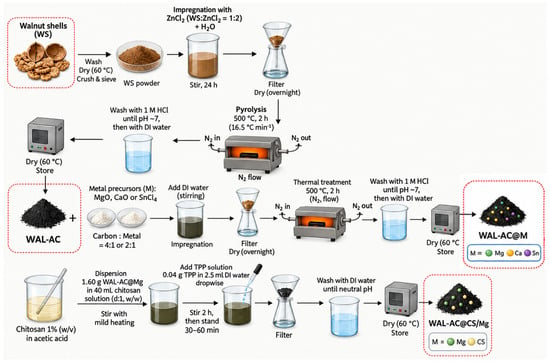
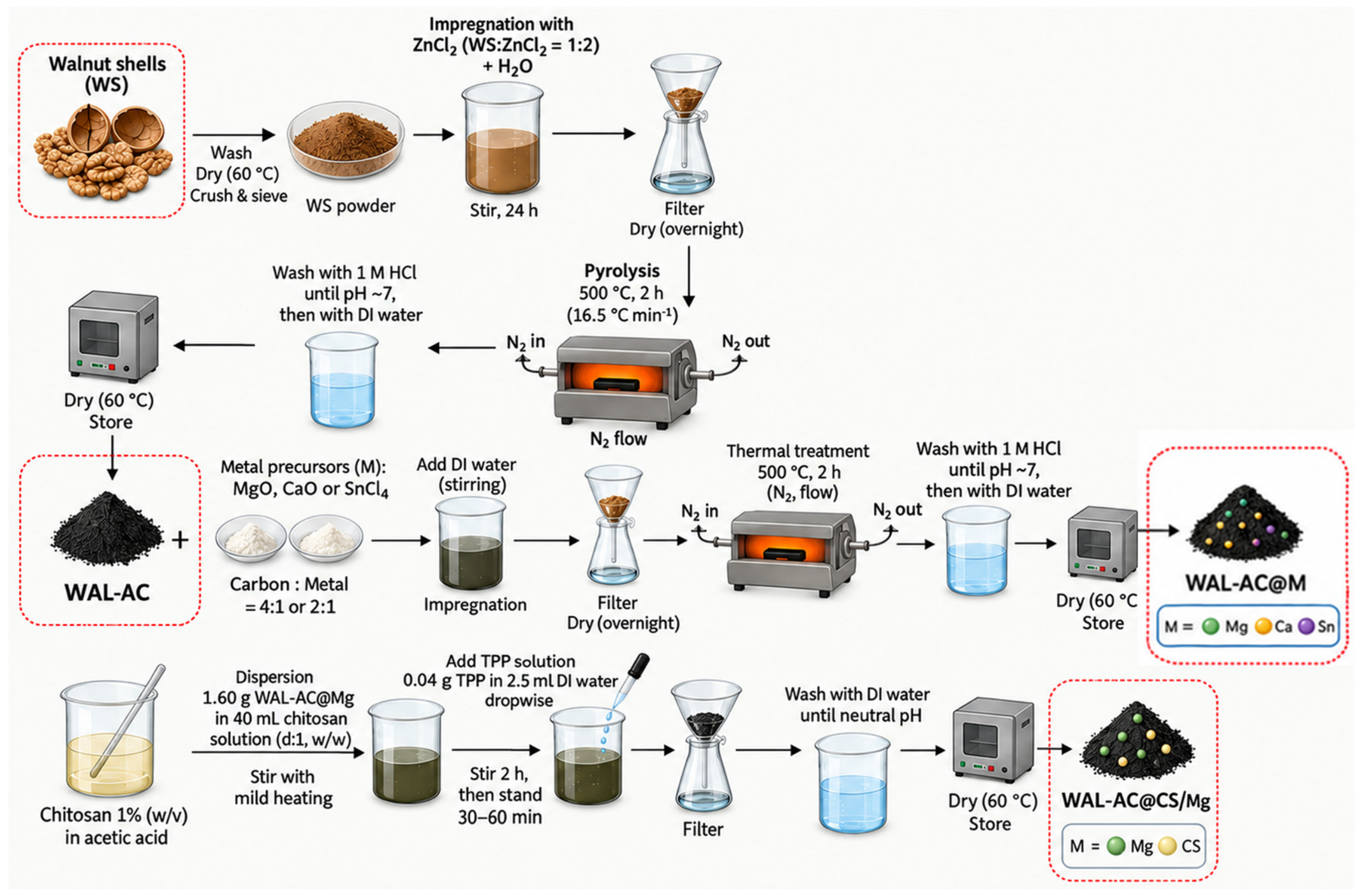
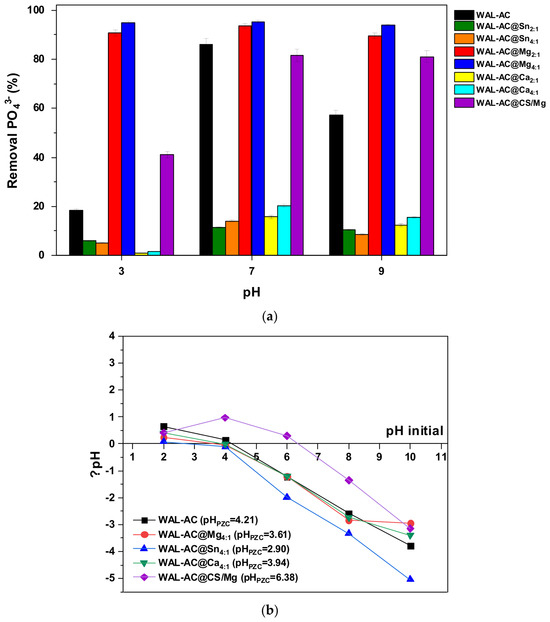
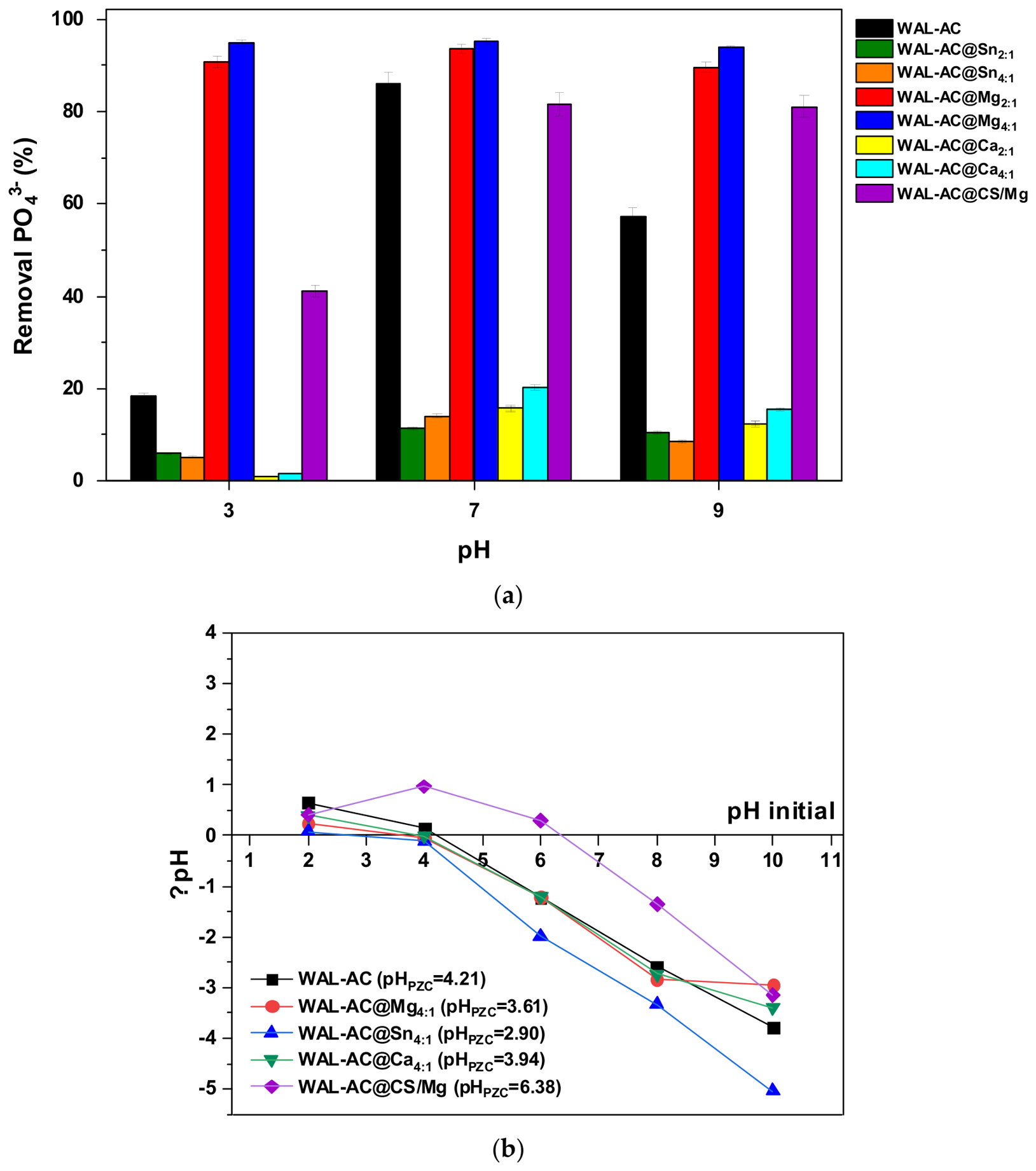
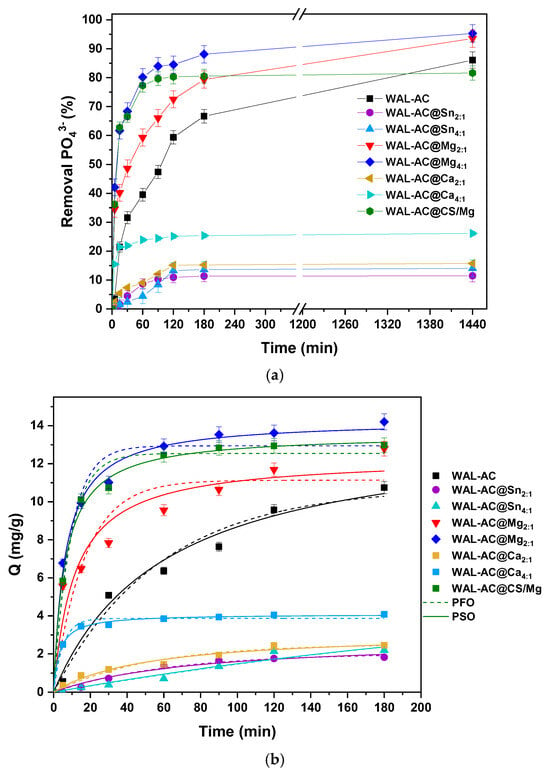
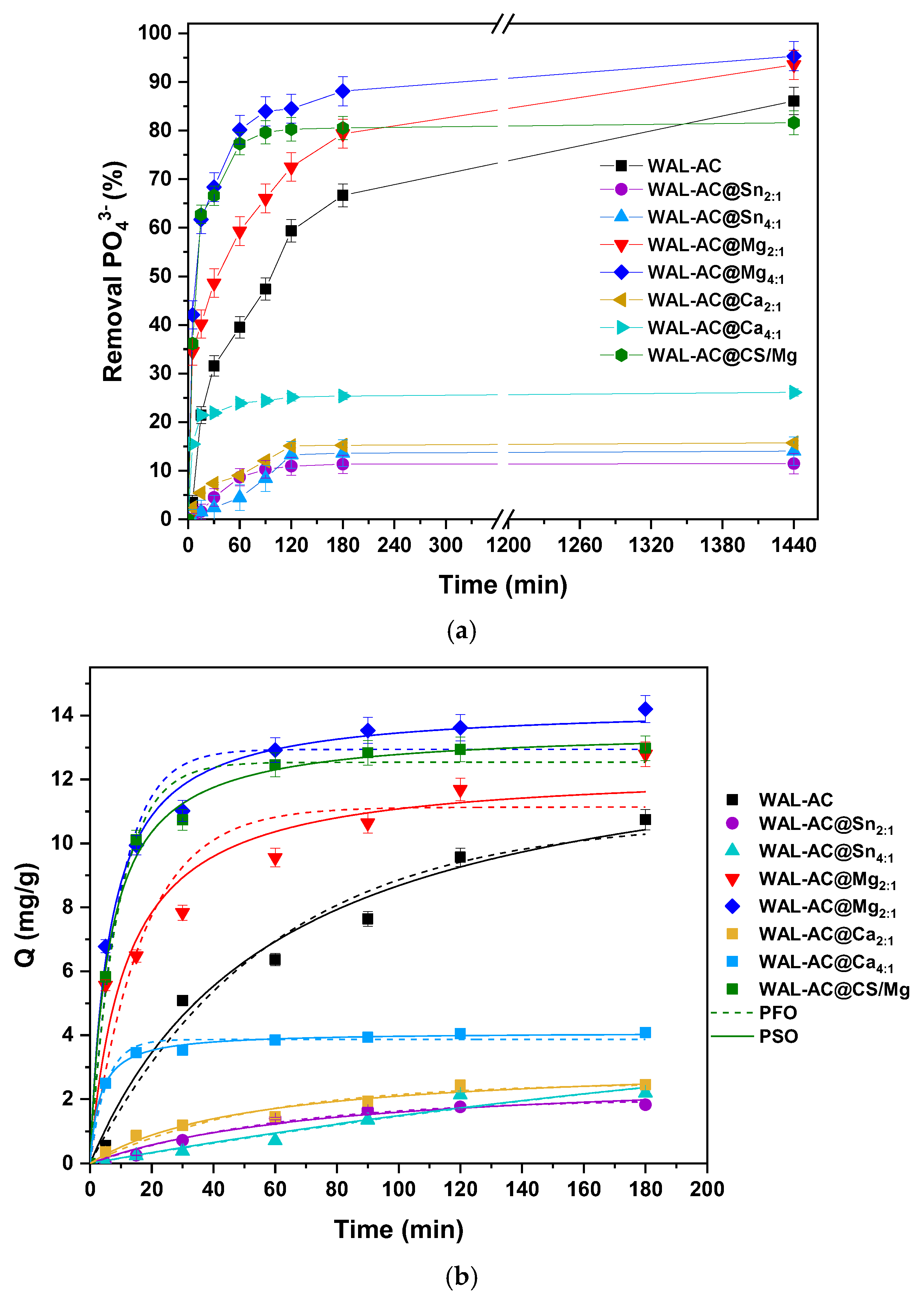
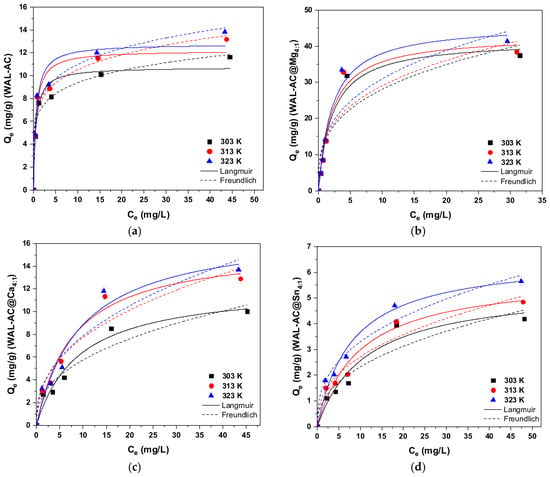
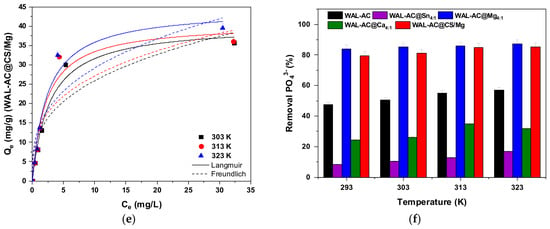
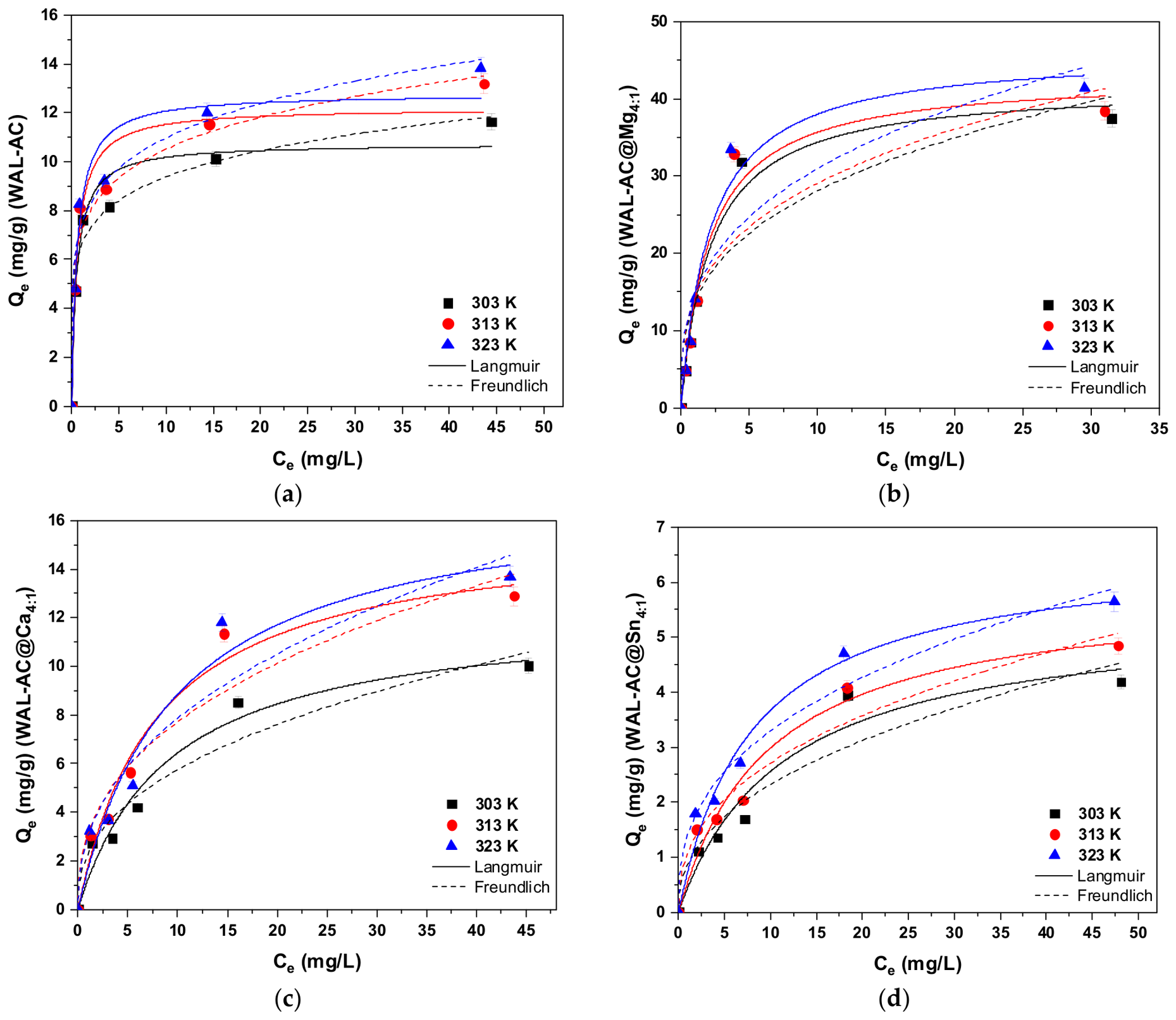
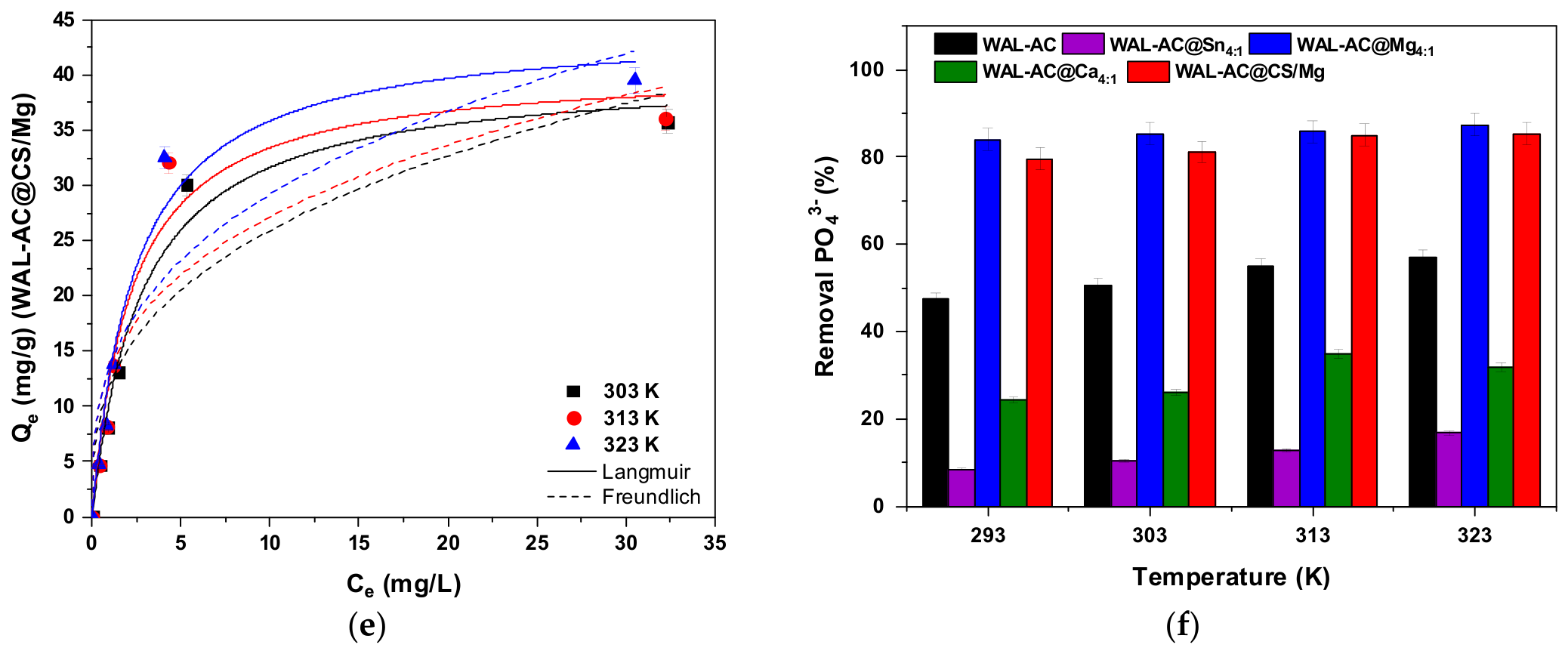
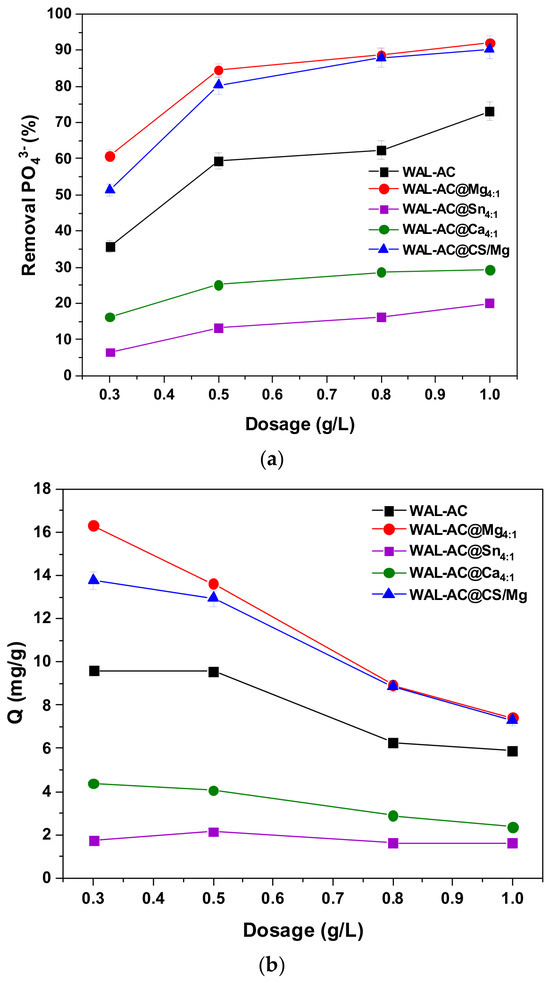
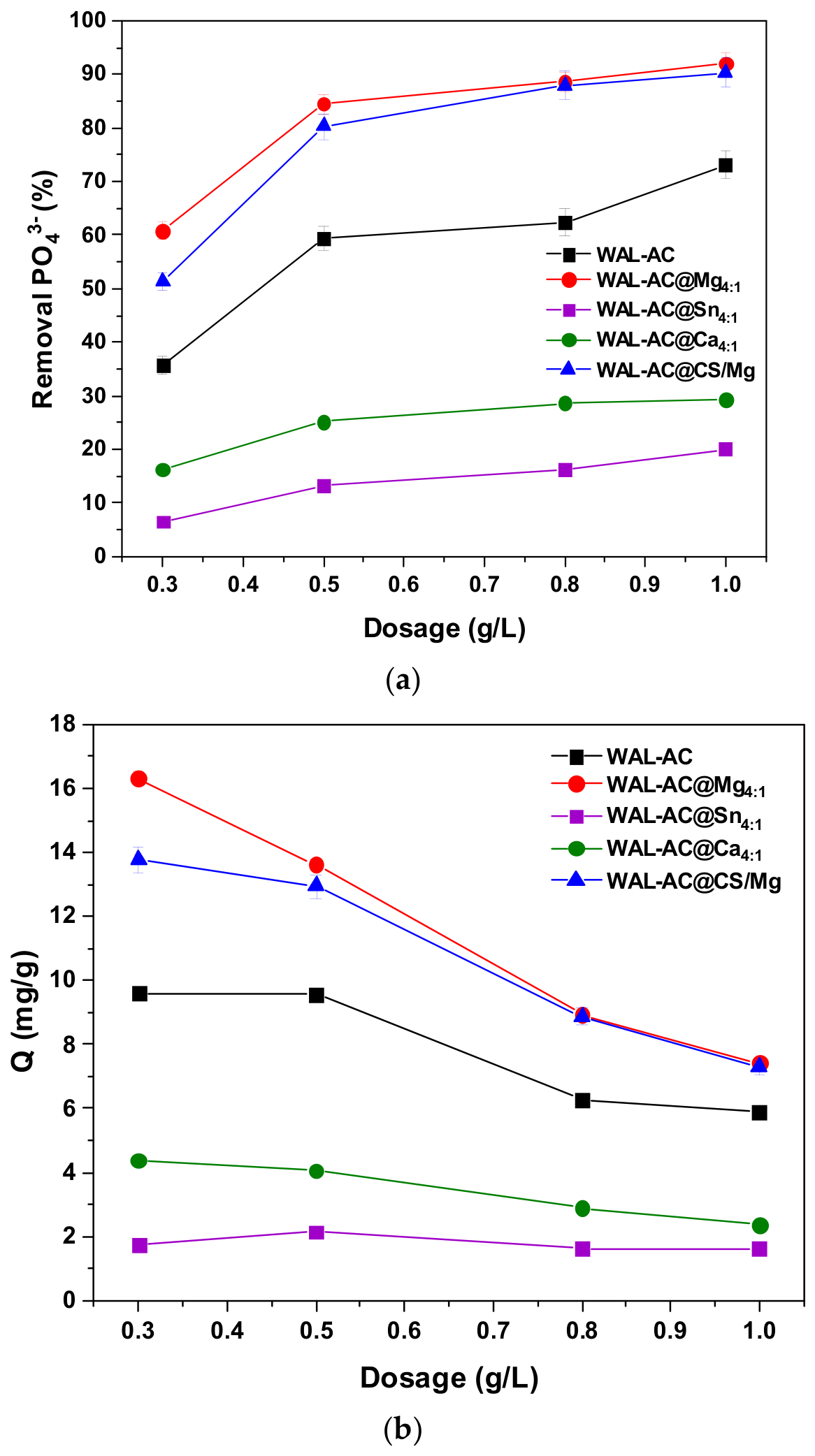
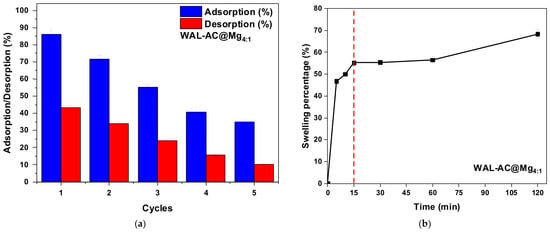
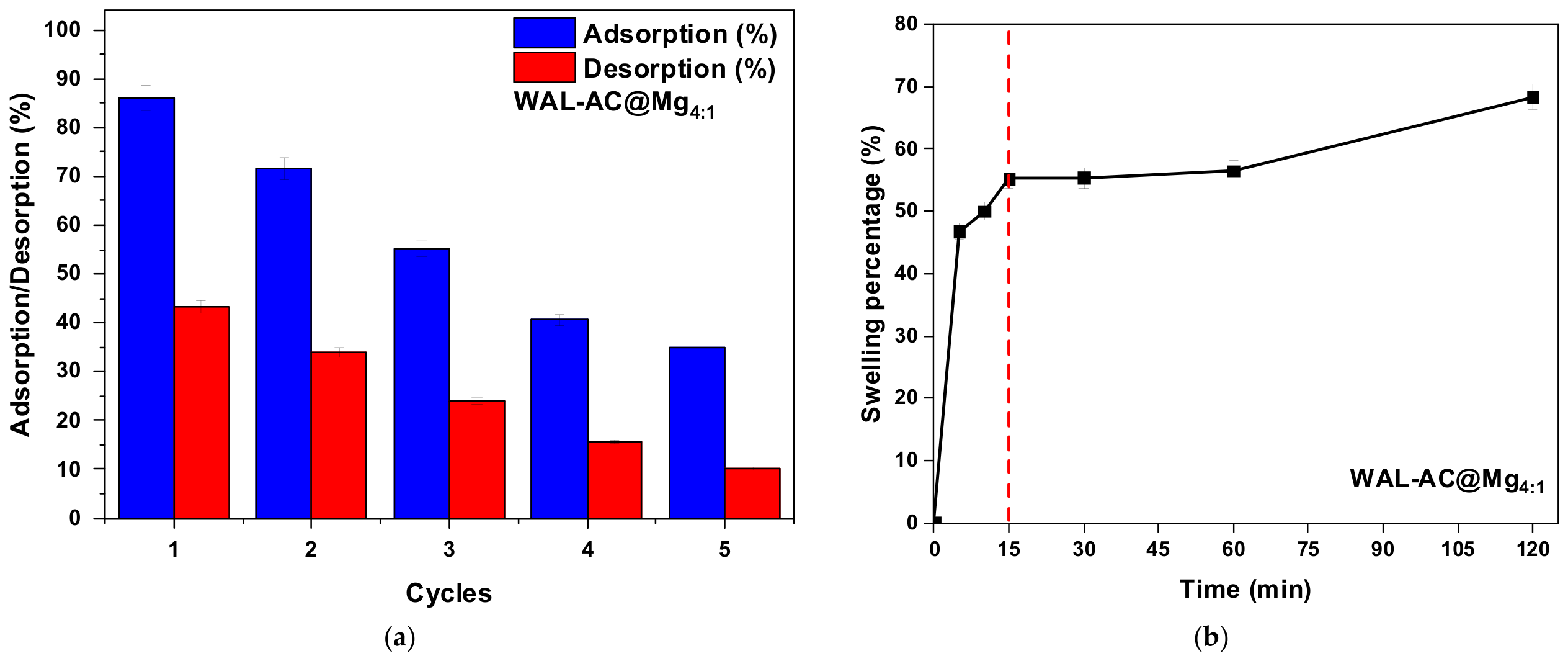
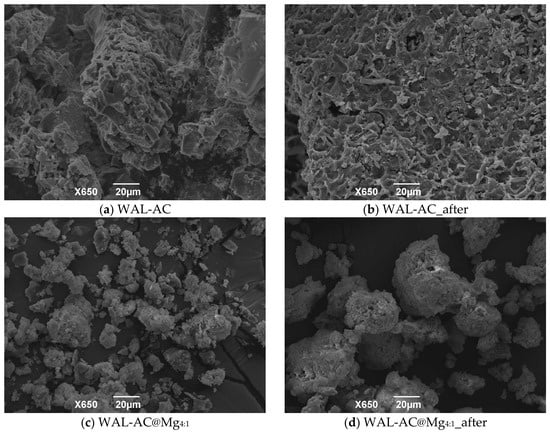
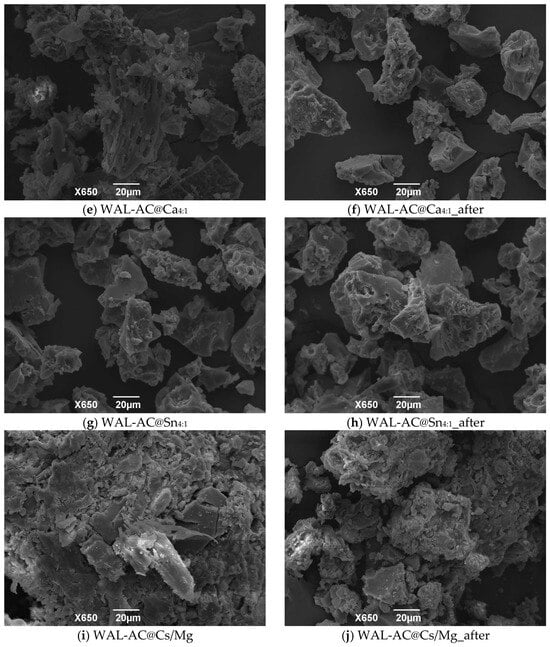
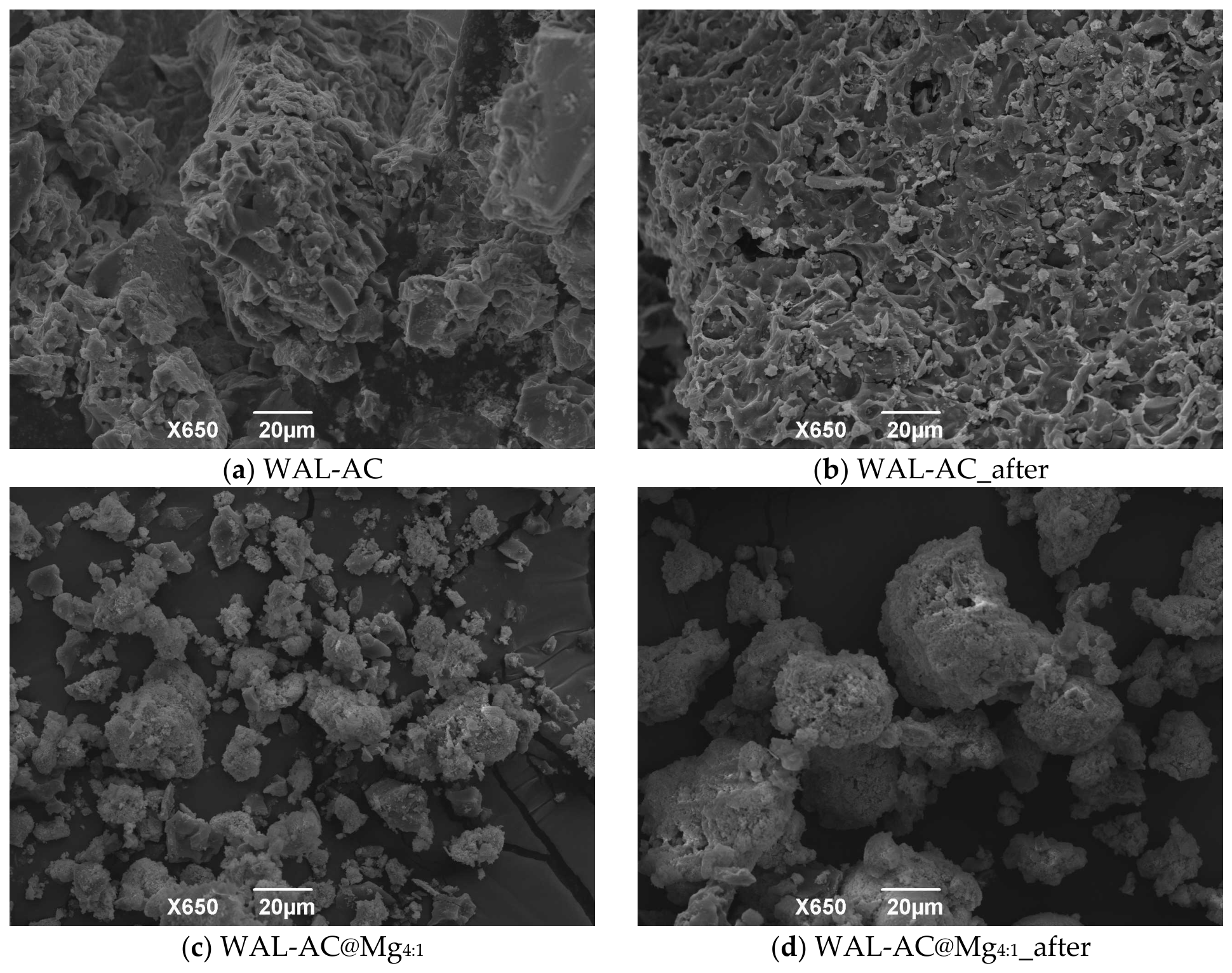
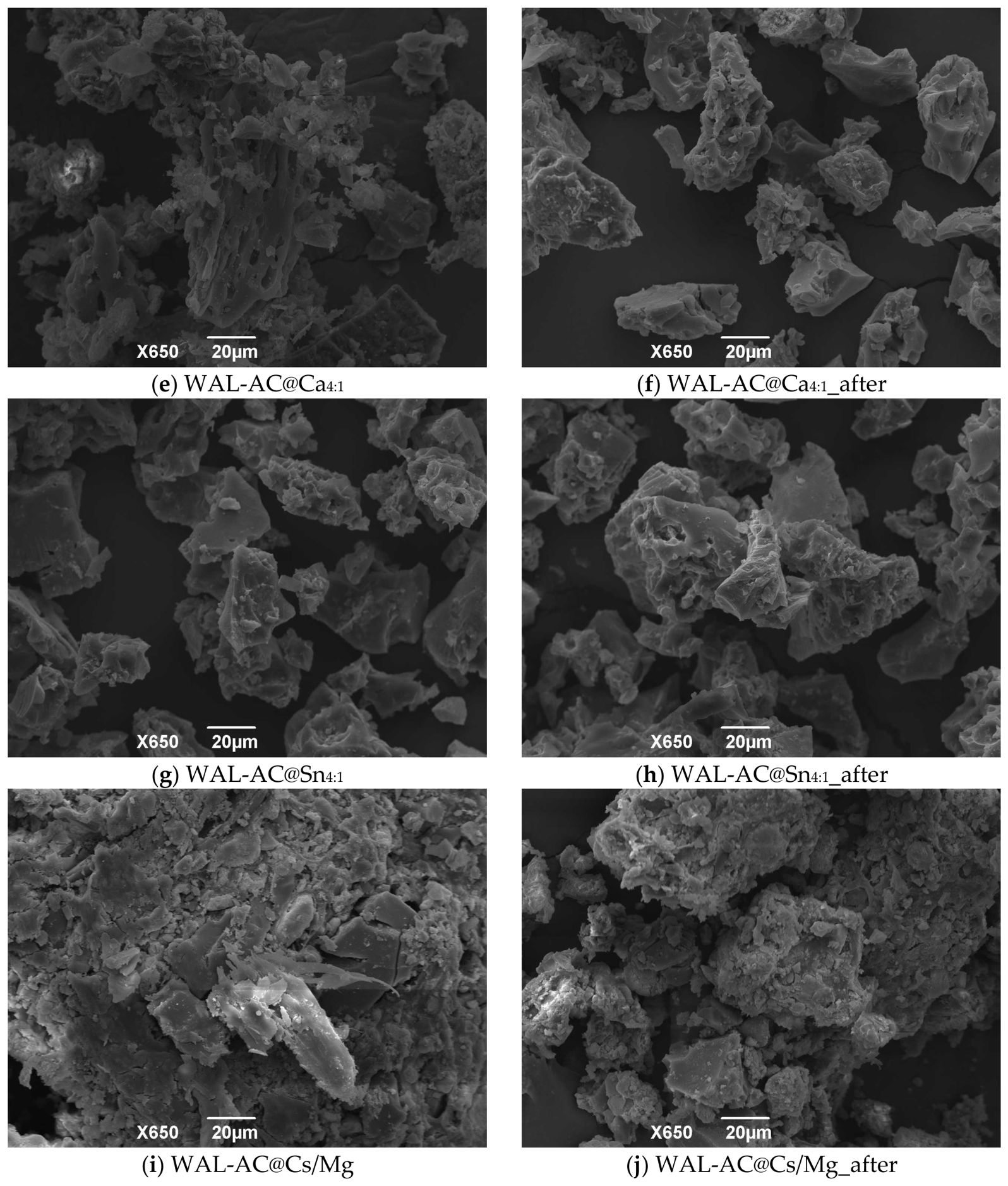
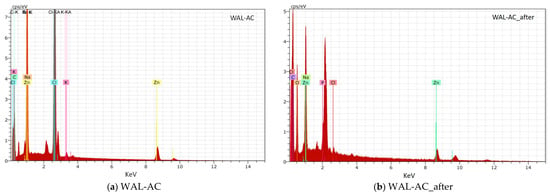
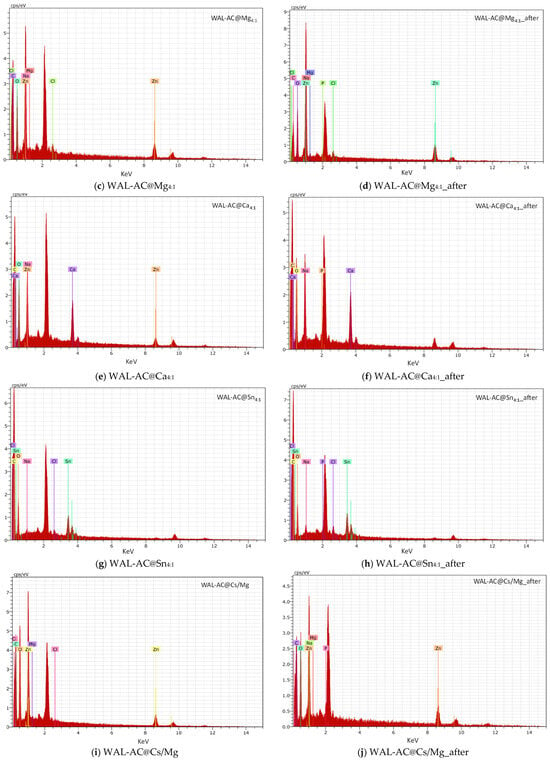
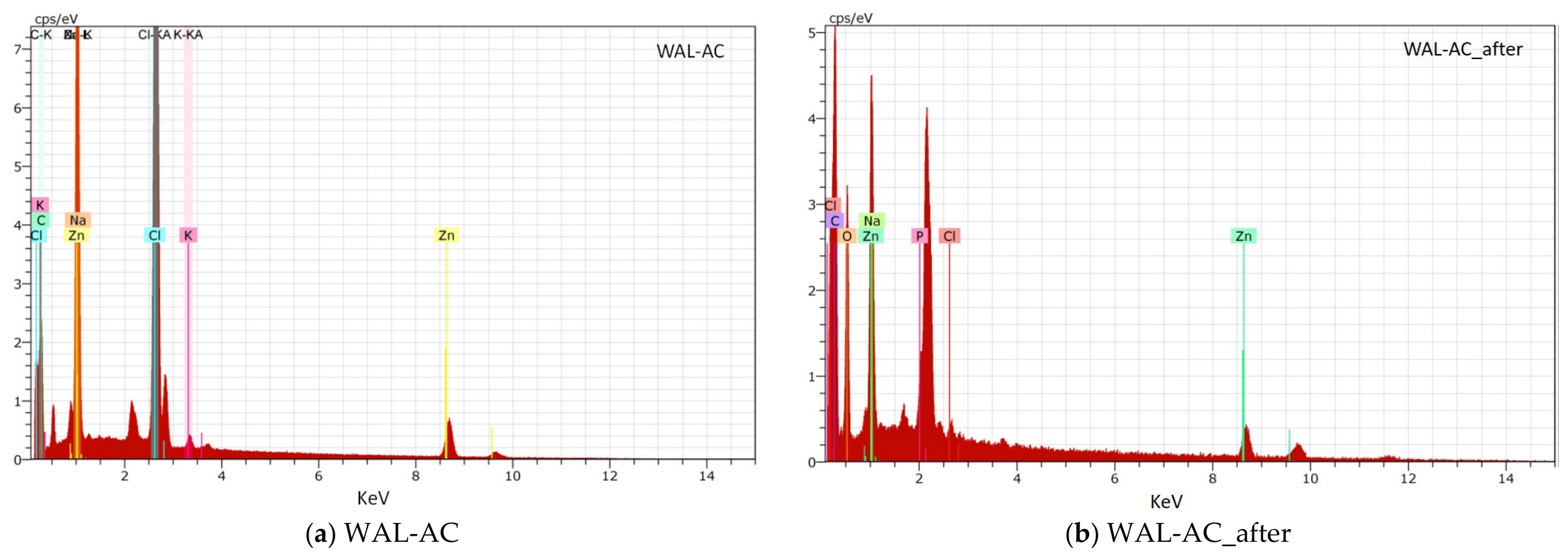
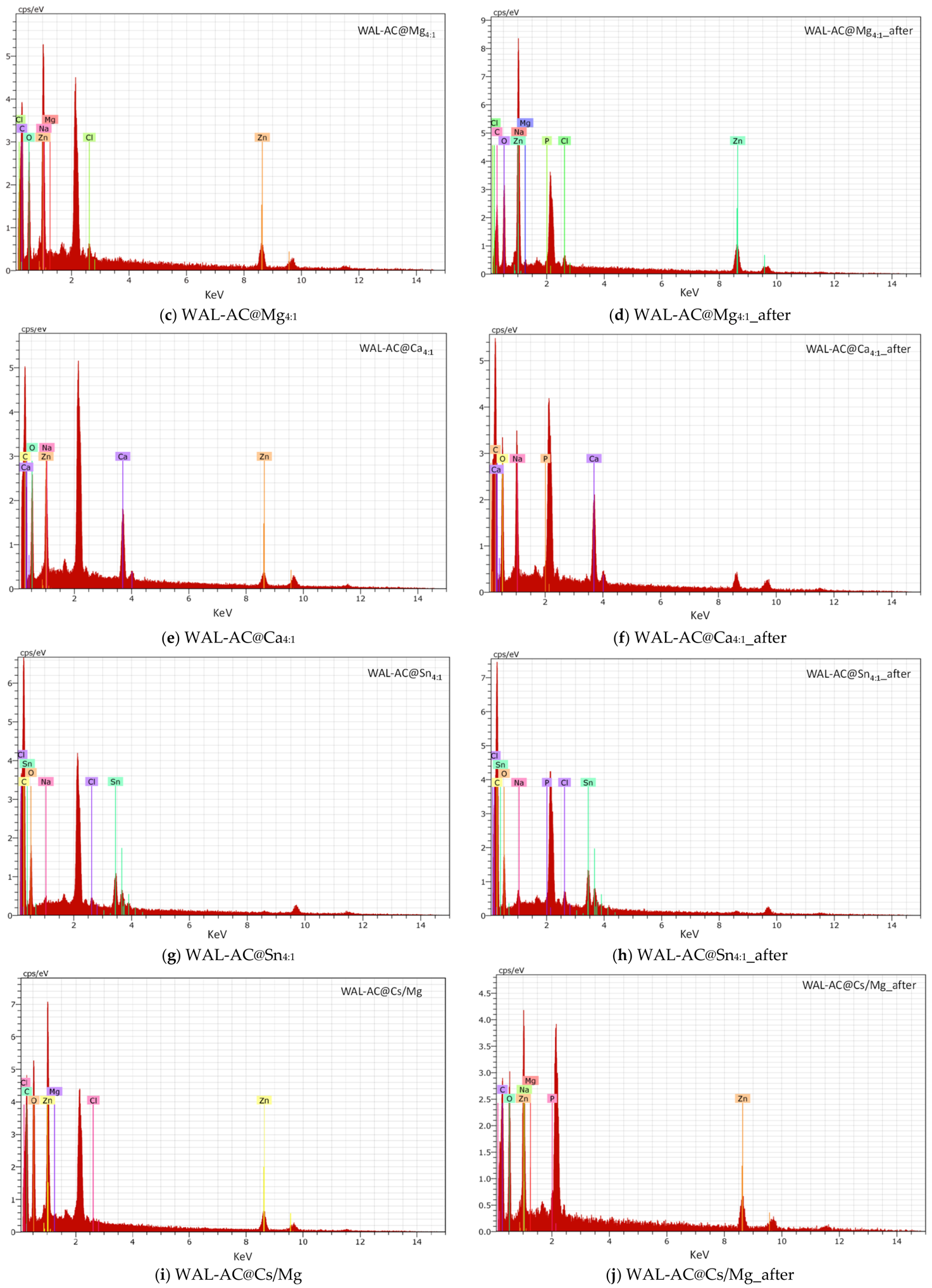
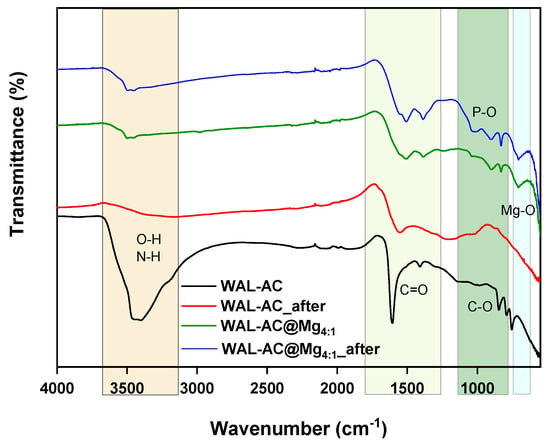
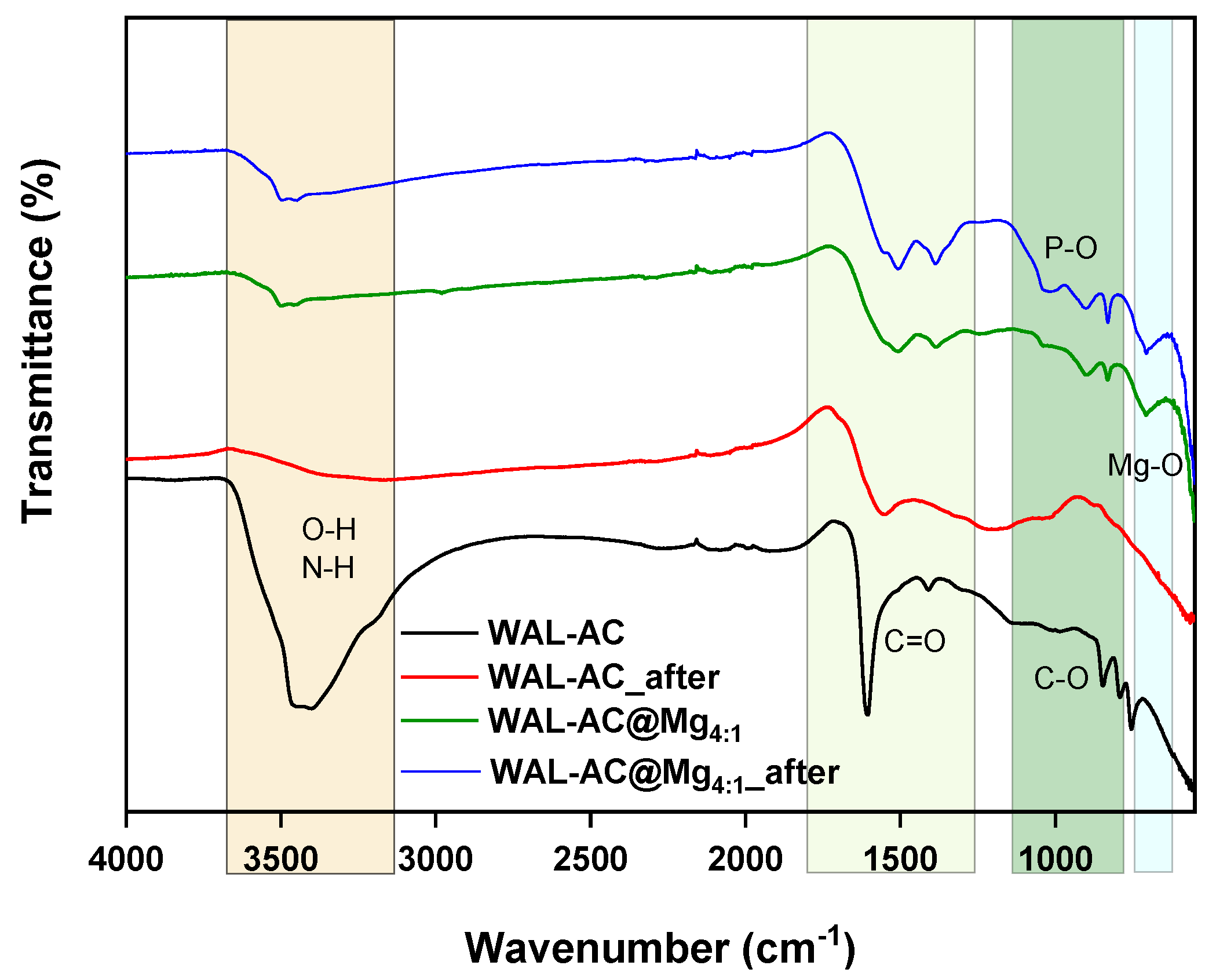
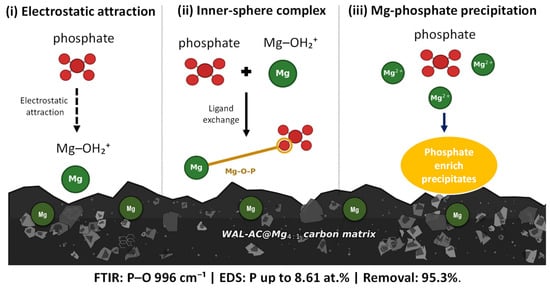
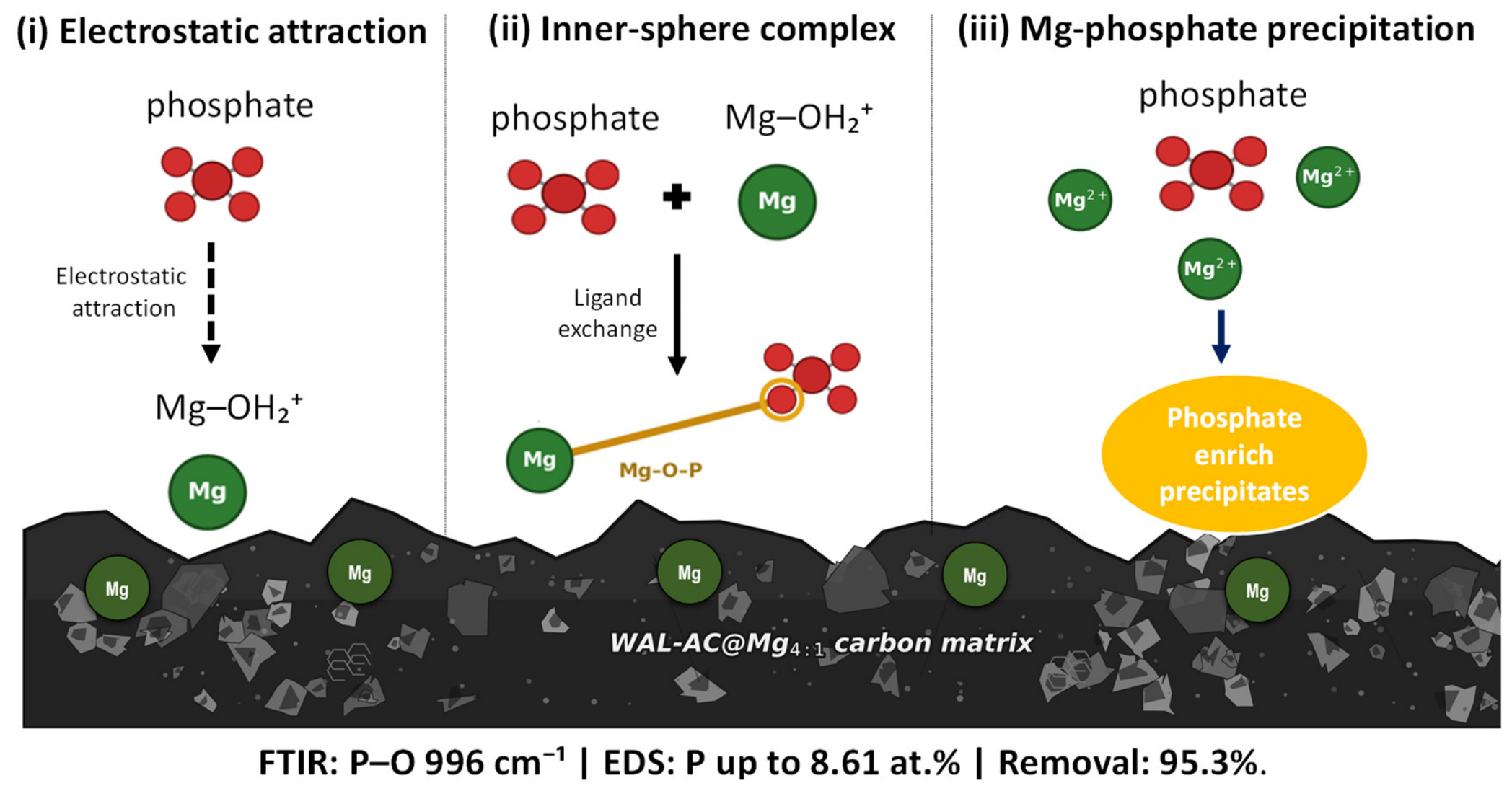
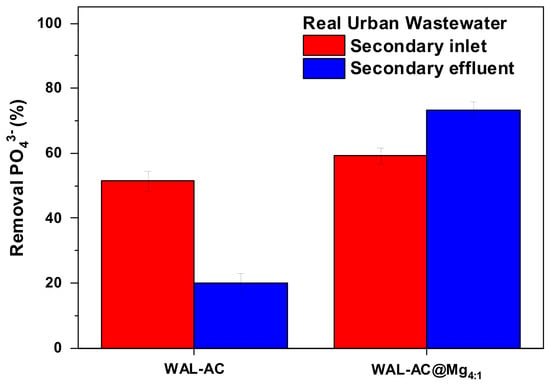
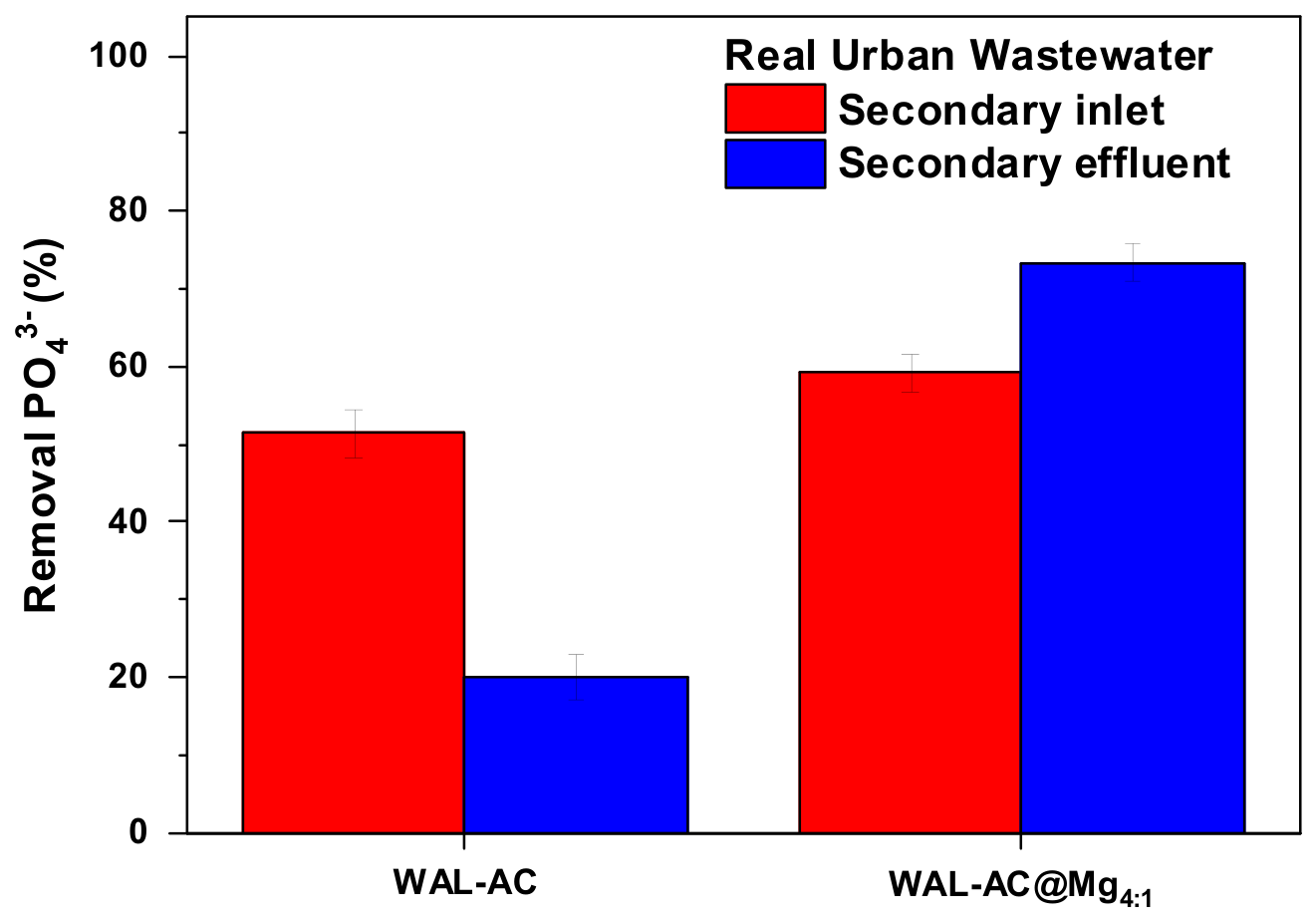
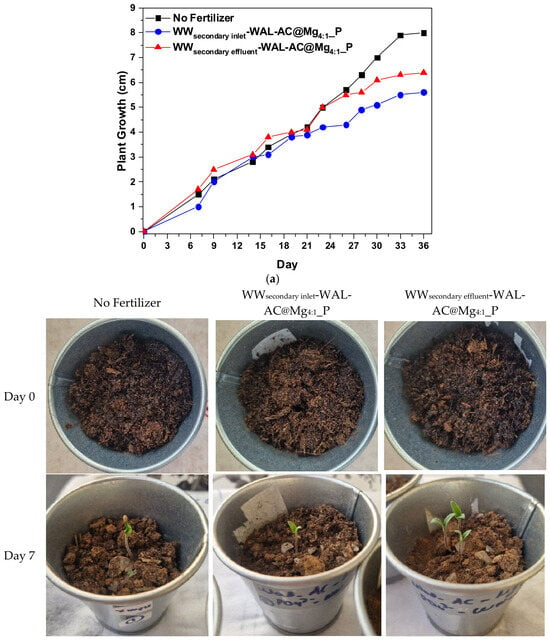
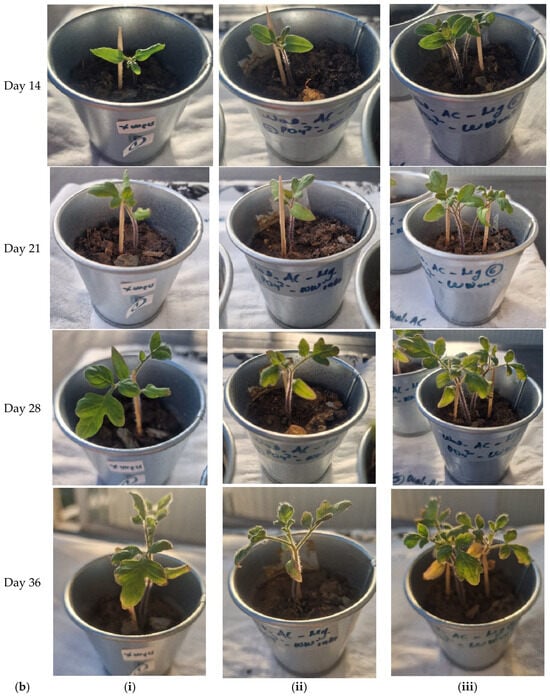
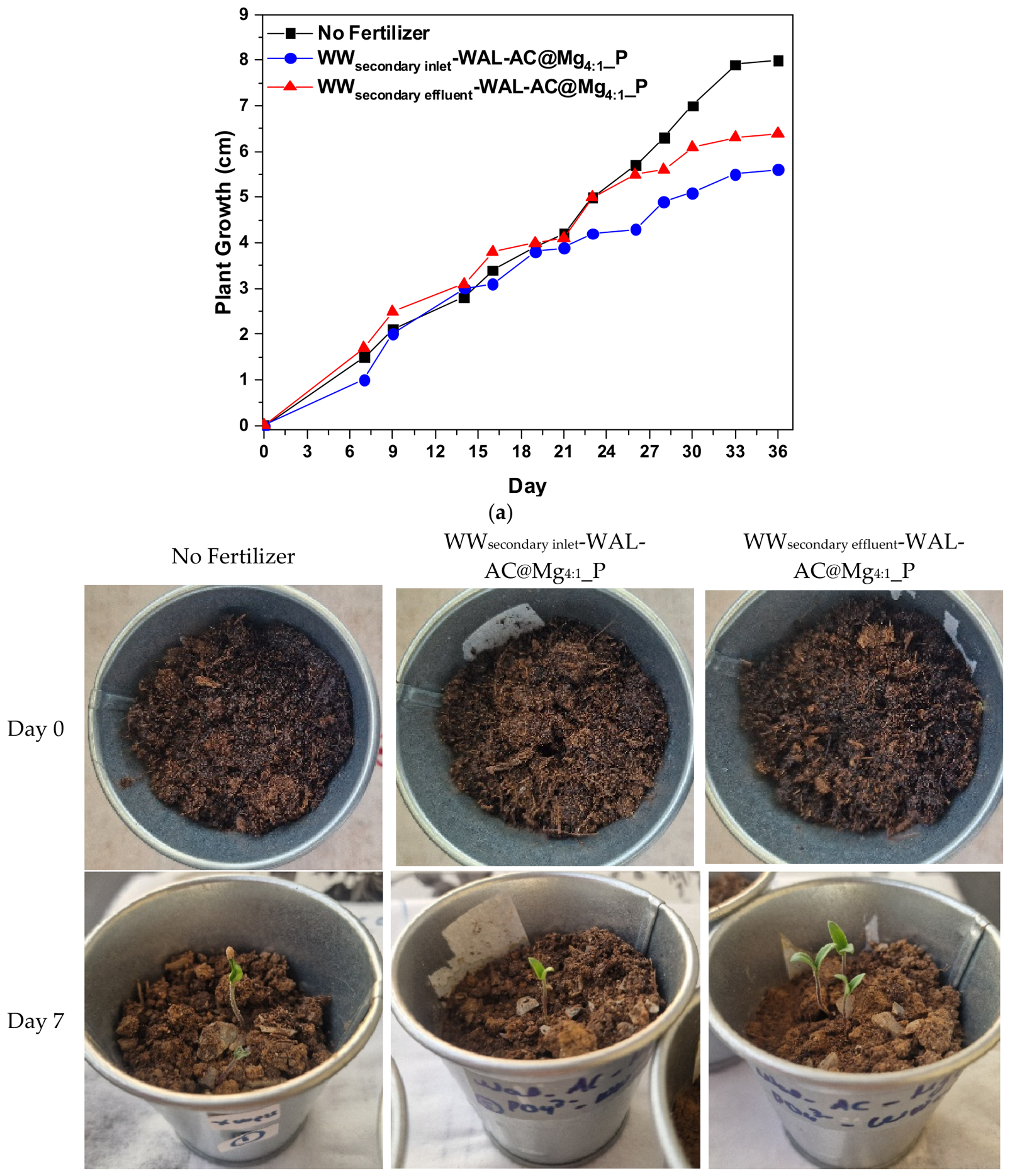
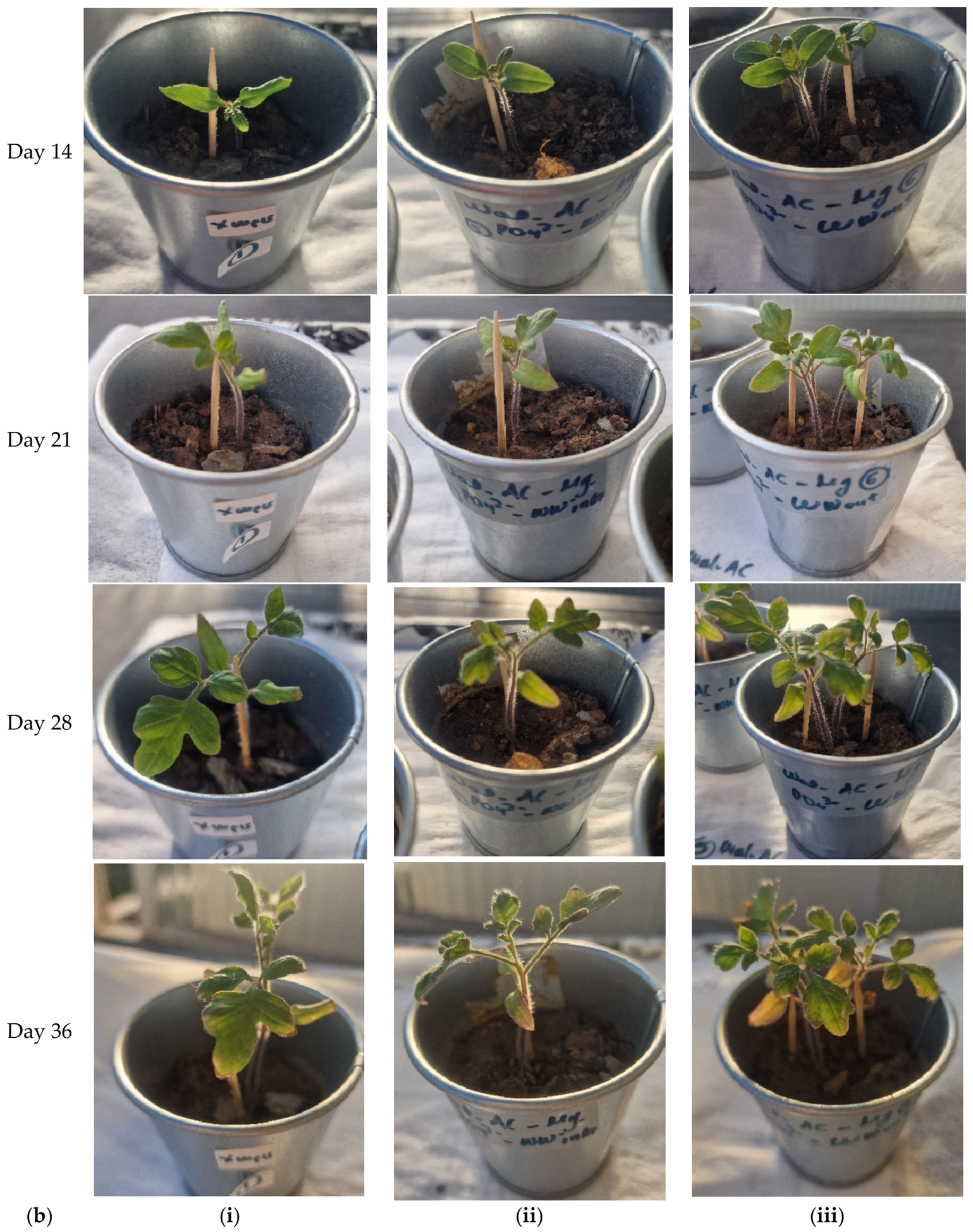

Disclaimer/Publisher’s Note: The statements, opinions and data contained in all publications are solely those of the individual author(s) and contributor(s) and not of MDPI and/or the editor(s). MDPI and/or the editor(s) disclaim responsibility for any injury to people or property resulting from any ideas, methods, instructions or products referred to in the content. |
© 2026 by the authors. Licensee MDPI, Basel, Switzerland. This article is an open access article distributed under the terms and conditions of the Creative Commons Attribution (CC BY) license.