


Abstract
Lavandula × intermedia (lavandin) is among the most cultivated Lavandula species, valued for its high essential oil yield and broad applications across different industries. Although it has traditionally been regarded as inferior to true lavender (Lavandula angustifolia), particularly within the field of perfumery, growing evidence suggests that lavandin essential oil holds comparable value in non-perfumery sectors, where its utility is increasingly recognized. The objectives of this study were to identify the volatile profiles of lavandin essential oils from two ‘Budrovka’ accessions from Hvar, Croatia, and to evaluate their cytotoxic activities against MDA-MB-231, MCF-7, and OVCAR-3 cell lines, as well as their antimicrobial activities against foodborne pathogens and spoilage organisms. Both oils were dominated by linalool. L1 showed higher proportions of linalool (52.50%) and linalyl acetate (11.96%) and a lower camphor content, yielding a profile closer to the compositional characteristics generally associated with lavender oils used in aromatic applications, while L2 was comparatively richer in borneol (10.18%) and camphor (3.04%), giving it a composition more typical of essential oils traditionally used for massage and topical applications, although suitability for such uses was not directly evaluated in this study. Both oils exhibited in vitro antimicrobial activity against all tested organisms, including, to the authors’ knowledge, the first reported activity against P. fragi, as well as reduced cellular metabolic activity in MDA-MB-231 and MCF-7 cells. These preliminary findings suggest that lavandin ‘Budrovka’ could represent a promising multifunctional natural raw material, warranting further investigation for its potential exploitation in the pharmaceutical and food-related industries.
Keywords:
lavandin; ‘Budrovka’; essential oil; GC–MS; linalool; linalyl acetate; camphor; MTT assay; microdilution 1. Introduction
The genus Lavandula comprises 39 species, 24 wild taxa, and 16 hybrid taxa, originated from the Mediterranean region and Southern Europe [1,2]. Among them, the most economically important species are true lavender (Lavandula angustifolia syn. Lavandula officinalis), spike lavender (Lavandula latifolia syn Lavandula spicata) and lavandin (Lavandula × intermedia, a hybrid of Lavandula angustifolia and Lavandula latifolia), all native to Southern Europe [2,3,4]. These species are widely cultivated due to their high essential oil content and their extensive use in the cosmetic, pharmaceutical, and food industries [5,6].
The essential oil (EO) of Lavandula angustifolia (syn. Lavandula officinalis) has been traditionally used for a variety of purposes, particularly for its calming, antiseptic, and aromatherapeutic properties [4,7]. Today, L. angustifolia is the only species officially recognized as a medicinal plant; it is also included in the European Pharmacopoeia and widely used in modern phytotherapy [8]. The European Medicines Agency [9] has acknowledged the use of lavender oil for the relief of mild symptoms of mental stress and exhaustion, as well as for improving sleep quality. The biological activity of lavender essential oil largely arises from the synergistic effects of its major constituents, primarily linalool and linalyl acetate [9,10,11,12]. True lavender also holds significant commercial importance in the perfumery industry due to its high-quality essential oil characterized by elevated concentrations of linalool and linalyl acetate [13].
Lavandula × intermedia (lavandin) is a sterile hybrid resulting from the spontaneous cross between L. angustifolia and L. latifolia, commonly occurring in southeastern France and the Alpine region [14,15]. Lavandin is agronomically advantageous due to its greater hardiness, higher biomass yield per hectare, and higher essential oil content per unit of plant material compared to L. angustifolia, and as such, it is the most cultivated Lavandula species. The chemical composition of lavandin essential oil is diverse and characterized by a high proportion of linalool (23.07–57.10%) and linalyl acetate (9.3–83–47.7%), but also 1,8-cineole (2.6–14.55%), camphor (0.12–16.29%) and borneol (0.57–5.23%) [16,17,18,19]. Although lavandin EO is not commonly used in perfumery, its utility in non-perfumery sectors is considered comparable in value. Lavandin EO is widely used in aromatherapy, cosmetics, the soap industry, and as a fragrance in household products [20]. Extensive research has been conducted on the antimicrobial properties of lavandin essential oil and its ethanolic extracts, with findings demonstrating efficacy analogous to that of true lavender. Furthermore, additional biological activities have been documented in the literature, including antiprotozoal, nematocidal, insecticidal, and allelopathic effects [21,22,23]. Anti-inflammatory, antithrombotic, antioxidant, antiapoptotic and neuroprotective activities have also been reported [24,25,26]. Regarding cytotoxic activities, only a few studies are available [20,27,28].
In Croatia, the cultivation of lavandin has a long tradition, particularly in Mediterranean regions such as the island of Hvar, which is considered one of the most favorable locations for lavender cultivation due to its suitable climatic and soil conditions. These specific environmental factors may influence variability and the quality of essential oils, highlighting the importance of studying local populations of Lavandula × intermedia [14,29]. The yield of essential oil from dried Lavandula × intermedia Emeric ex Loisel. ‘Budrovka’ flowers is up to 6.8% [18,30]. Traditional usage of ‘Budrovka’ essential oil was for analgetic purposes [31].
In recent years, the chemical composition and biological activities of ‘Budrovka’ essential oil have been investigated in several studies [18,32,33]. Ramić et al. [33] chemically compared two ‘Budrovka’ samples and evaluated their antimicrobial activities against Campylobacter jejuni, while Blažeković et al. [18] tested a range of other microorganisms; however, to our knowledge, no study has assessed activity against Pseudomonas fragi, nor has the cytotoxic potential of ‘Budrovka’ essential oil been previously investigated.
In order to address these gaps and to further contribute to the growing body of knowledge regarding the biological potential and industrial relevance of lavandin, this study aimed to isolate and chemically characterize essential oils of two accessions exhibiting distinct essential-oil profiles of Croatian hybrids Lavandula × intermedia Emeric ex Loisel. ‘Budrovka’” and, for the first time, to evaluate their cytotoxic activities against MDA-MB-231, MCF-7, and OVCAR-3 cell lines, as well as their antimicrobial activities against different Gram-positive and Gram-negative foodborne pathogens and spoilage organisms, including Pseudomonas fragi.
2. Materials and Methods
2.1. Chemicals
Standards of volatile compounds were commercially obtained as follows: α-pinene,1,8-cineole, (Z)-β-ocimene, (E)-β-ocimene, linalool, camphor, borneol, terpinen-4-ol, linalyl acetate, β-caryophyllene, caryophyllene oxide, α-bisabolol and alkane standard solutions C8-C20 and C10; C20-C40 were purchased from Sigma-Aldrich (St. Louis, MO, USA), while anhydrous sodium sulphate was purchased from Kemika (Zagreb, Croatia).
2.2. Plant Material
The cultivar ‘Budrovka’ develops into a densely branched shrub with a characteristic semi-spherical growth pattern, attaining a height of 0.8–1.0 m and a diameter of up to 1.5 m. Its vegetative shoots become lignified in their basal parts and bear oblong–elliptical leaves (4–6 cm long and 0.5–1 cm wide) arranged oppositely in a decussate pattern. During flowering, quadrangular shoots measuring approximately 50–90 cm emerge and usually produce lateral branches. Blue-violet, bilabiate flowers occur in successive whorls along these shoots, giving the inflorescence an overall spike-like appearance [34].
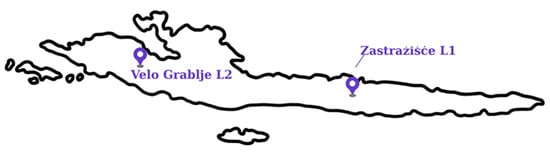
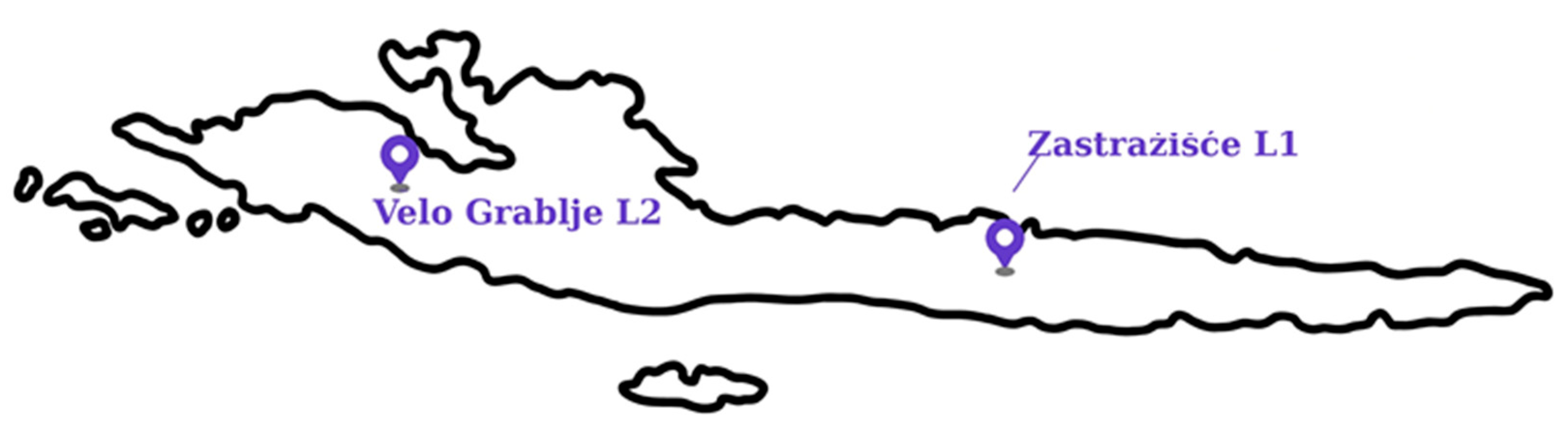
Two lavandin ‘Budrovka’ samples were harvested in 2021, specifically, flowers with shortened stems at the stage of half-opened flowers in inflorescence. Samples were harvested from the collection plantation of the Institute for Adriatic Crops and Karst Reclamation in Kaštel Stari, Croatia (43°55′ N; 16°35′ E). Samples L1 and L2, belonging to lavandin ‘Budrovka’—a formally recognized local landrace in Croatia—were collected from different locations. In 2018, vegetative cuttings were taken from original plants from Zastražišće (43°08′40.8″ N, 16°50′46.8″ E) and Velo Grablje (43°10′07.3″ N 16°31′53.7″ E) on the island of Hvar [14]. In 2019, cuttings were grown in a greenhouse and planted in the collection plantation of the Institute for Adriatic Crops and Karst Reclamation in Kaštel Stari, Croatia (43°55′ N; 16°35′ E), thereby minimizing potential variation attributable to differences in geographic location or agronomic conditions when conducting future analysis. Lavandin ‘Budrovka’ samples were identified by Dr. Marija Jug-Dujaković and Dr. Tonka Ninčević Runjić. Voucher specimens were deposited at the Institute for Adriatic Crops and Karst Reclamation. Both samples are recorded in the CPGRD database: L1, accession number MAP03084; L2, accession number MAP03106.
2.3. Hydrodistillation
Freshly harvested lavandin flowers with shortened stems were air-dried in a well-ventilated room at room temperature for 10 days prior to distillation. Three replicate hydrodistillations were performed using subsamples obtained from the pooled plant material of each accession (50 g) in a Clevenger apparatus for one hour [35]. The essential oils were dried over anhydrous sodium sulphate and further dried under a stream of nitrogen, then stored in dark glass vials at room temperature until analysis.
2.4. GC-FID/MS
Essential oils were diluted (v/v, 1:1000) and analyzed using a Shimadzu Nexis GC-2030 gas chromatograph (Kyoto, Japan) coupled with a flame ionization detector and a Shimadzu QP2020 NX mass spectrometer (GC-FID/MS), according to the methods of Popović et al. [35,36], with slight modifications, in separate analytical runs. The samples were separated on a Shimadzu non-polar 5% diphenyl/95% dimethyl polysiloxane SH-5MS capillary column (30 m × 0.25 mm × 0.25 µm) in both runs. For the GC–MS analysis, helium was used as a carrier gas, with the flow rate of 1 mL/min. The inlet temperature was 250 °C; the volume of the injected sample was 1 μL, and the split ratio was 1:50. The column temperature was initially set at 60 °C for the first 3 min, increased to 246 °C at a rate of 3 °C/min and maintained at 246 °C for 25 min. The ionization energy of the mass spectrometer was set at 70 eV, with the ion source temperature at 230 °C and a scanning range of 40–350 m/z. The compounds were identified by comparison of their retention indices with the series of n-hydrocarbons (C8–C40), using Van den Dool and Kratz formula for linear retention indices [37] integrated within the Shimadzu QP2020 NX mass software [38], together with matching of mass spectra with the literature data [39], as well as with data from commercial databases (Wiley 7 139 MS library, Wiley, NY, USA, and NIST02, Gaithersburg, MD, USA), with a library match threshold for tentative identification of 90%. For final semi-quantification (chromatogram area %) by GC-FID, nitrogen (99.999% purity) was used as the carrier gas at a constant column flow of 1 mL/min, while inlet temperature, the volume of the injected sample, split ratio, and the column temperature were the same as for the GC–MS analysis. Available pure compounds, i.e., those described in Section 2.1, were used for identification by comparing their retention times with the obtained compounds, as well as with the results for compounds previously identified by mass spectrometry. All analyses were performed in duplicate.
2.5. Cytotoxic Activity
In order to determine the cytotoxic activity of lavandin essential oils, a cell viability assay (3-(4,5-dimethylthiazol-2-yl)-2,5-diphenyltetrazolium bromide, MTT) was performed on human ovarian carcinoma OVCAR-3, human breast adenocarcinoma MDA-MB-231, and human breast metastatic adenocarcinoma MCF-7 cell lines (ATCC), in accordance with Režić Mužinić et al. [40]. OVCAR-3 cells were cultured in DMEM (Dulbecco’s Modified Eagle Medium) supplemented with 10% FBS, 2 mM L-glutamine, and 1% penicillin. MDA-MB-231 cells were cultured in high-glucose DMEM supplemented with 10% FBS, 2 mM L-glutamine, sodium pyruvate, and 1% penicillin. MCF-7 cells were cultured in EMEM (Eagle’s Minimum Essential Medium) supplemented with 10% FBS, 2 mM L-glutamine, and 1% penicillin–streptomycin. All cell lines were maintained at 37 °C in a humidified atmosphere containing 5% CO2. MDA-MB-231 and MCF-7 cells were used between passages 4 and 6 after thawing, whereas OVCAR-3 cells were used between passages 3 and 5. The essential oils were first dissolved in dimethyl sulfoxide (DMSO)/medium to obtain stock solutions, which were then further diluted in culture medium immediately before use. The final DMSO concentration in all test wells, including the controls, was kept constant around 0.1%. OVCAR-3, MDA-MB-231, and MCF-7, cell lines were seeded and incubated overnight in 96-well plates, followed by incubation with medium alone or with serial dilutions of essential oils at concentrations in a range of 1–200 µg/mL for 4, 24, 48 and 72 h (three wells within one experiment for each concentration). Afterward, 100 µL of 0.5 g MTT/L was added to each well, mixed, followed by incubation at 37 °C for 2 h; the medium was removed, and 100 µL dimethylsulfoxide (DMSO) was added for another 10 min at 37 °C. The indicator of metabolically active cells formazan was formed and measured at 570 nm on the microplate reader (BioSan, Riga, Latvia).
2.6. Antimicrobial Activity
The antimicrobial activity of lavandin EOs was tested against six foodborne pathogens and spoilage organisms: Escherichia coli ATCC 25922, Enterococcus faecalis ATCC 29212, Salmonella Enteritidis ATCC 13076, Listeria monocytogenes ATCC 7644, Staphylococcus aureus ATCC 25923, and Pseudomonas fragi ATCC 4973 [41,42]. The bacterial strains were maintained in a cryopreservation medium (50% glycerol) and revitalized on Mueller–Hinton agar (MHA) prior to antimicrobial testing.
The minimum inhibitory concentration (MIC) of lavandin essential oils was determined using a modified broth microdilution assay based on the EUCAST/ISO reference principles [43,44]. Oils were prepared gravimetrically by weighing 40 mg of each EO and bringing the final volume to 1 mL with 50% (v/v) ethanol, yielding a stock concentration of 40 mg/mL, which was then mixed with Mueller–Hinton broth (MHB) in a 1:1 ratio. A 100 µL aliquot of the prepared mixture was added to the first wells in a 96-well microtiter plate. Two-fold serial dilutions were performed by transferring 50 µL into subsequent wells containing 50 µL MHB, leaving 50 µL in each well before inoculation. After addition of the bacterial inoculum, the final EO concentrations were 10, 5, 2.5, 1.25, 0.625, 0.313, and 0.156 mg/mL.
Bacterial inocula were prepared based on growth curves, adjusted spectrophotometrically to OD ≈ 0.5, and diluted in MHB to ~1 × 10⁶ CFU/mL. A 50 µL aliquot was added to each well, resulting in a final concentration of ~5 × 10⁵ CFU/mL in a final volume of 100 µL. The inoculum concentrations were verified by ten-fold serial dilution in PBS and triplicate 10 µL spot-plating on MHA, followed by viable colony counting.
After adding the inoculum, each plate was shaken on a plate shaker for 1 min at 600 rpm (Plate Shaker-Thermostat PST-60 HL, Biosan, Riga, Latvia). Alongside the samples, a matched vehicle-control dilution series of 50% ethanol used in sample preparation was tested, corresponding to final ethanol concentrations of 12.5, 6.25, 3.13, 1.56, 0.78, 0.39, and 0.20% (v/v). No growth inhibition was observed in the corresponding ethanol controls. The assay also included a positive growth control (50 µL inoculum and 50 µL growth medium), a sample sterility control (50 µL growth medium and 50 µL oil dilution), and a blank sample (100 µL growth medium). Ampicillin, chloramphenicol, tigecycline, and gentamicin were included as assay-performance controls, and the corresponding MIC values were compared with the applicable EUCAST quality-control ranges. After 24 h incubation at 37 °C, satisfactory growth was confirmed in all untreated growth controls, including those of P. fragi. Then, 20 µL of the bacterial metabolic activity indicator 2-p-iodophenyl-3-p-nitrophenyl-5-phenyl tetrazolium chloride (INT; 2 mg/mL) was added. Plates were shaken and incubated for 1 h at 37 °C. Development of red coloration due to INT reduction was interpreted as bacterial metabolic activity and growth, whereas the absence of red coloration indicated growth inhibition. The MIC was defined as the lowest EO concentration showing no red coloration, provided that the corresponding growth, sterility, and vehicle controls showed the expected responses.
The minimum bactericidal concentration (MBC) of lavandin EO was determined by sub-culturing 10 µL aliquots from wells corresponding to the MIC and with higher EO concentrations on MHA. Aliquots were obtained from each of the three technical replicate wells and spot-inoculated on MHA in triplicate. Following incubation at 37 °C for 24 h, viable colonies were enumerated. The MBC was defined as the lowest EO concentration producing a ≥99.9% (≥3 log10) reduction in viable counts relative to those of the experimentally determined initial inoculum. The initial inoculum used for calculation was verified by serial dilution and viable colony counting for each assay. All MIC and MBC determinations were performed in three technical replicates.
2.7. Statistical Analyses
Past 3.X software (version 3.14, University of Oslo, Oslo, Norway) was used to perform statistical analysis.
ANOVA
Normality was assessed using the Shapiro–Wilk test. Differences between tested concentrations were analyzed by ANOVA, followed by Tukey’s post hoc test (p < 0.05), using Past 3.X software (version 3.14, University of Oslo, Norway), with the significance level at p < 0.05. The calculation of IC50 values was performed with an IC50 calculator (GraphPad Prism 11.1.0) using a nonlinear regression dose–response model.
3. Results and Discussion
3.1. Volatile Composition of Lavandula × intermedia Emeric ex Loisel. ‘Budrovka’ Essential Oils
Two populations of Croatian Lavandula × intermedia Emeric ex Loisel. ‘Budrovka’ from the island of Hvar were cultivated under uniform conditions within an experimental plantation field belonging to the Institute for Adriatic Crops and Karst Reclamation, Split (Figure 1).
Figure 1.
Schematic presentation of the original locations of two Croatian Lavandula × intermedia Emeric ex Loisel. ‘Budrovka’ samples collected on the island of Hvar.
Essential oils from two ‘Budrovka’ lavandin accessions were obtained by hydrodistillation and analyzed by GC-FID/MS (Table 1). A total of 47 compounds were identified in the essential oils of both accessions. Both EOs were dominated by oxygenated monoterpenes (L1 90.02% and L2 88.74%, respectively), followed by monoterpene hydrocarbons (5.86% and 6.75%, respectively) (Figure 2). The L1 accession had a slightly higher amount of sesquiterpenes (1.79%) than L2 (1.03%).
Table 1.
Chemical composition of volatile compounds identified in two accessions of Croatian lavandin ‘Budrovka’.
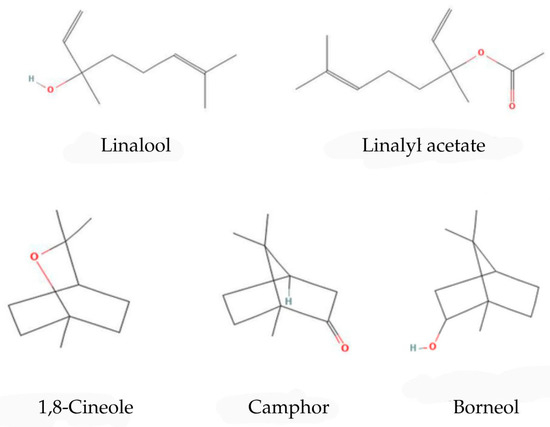
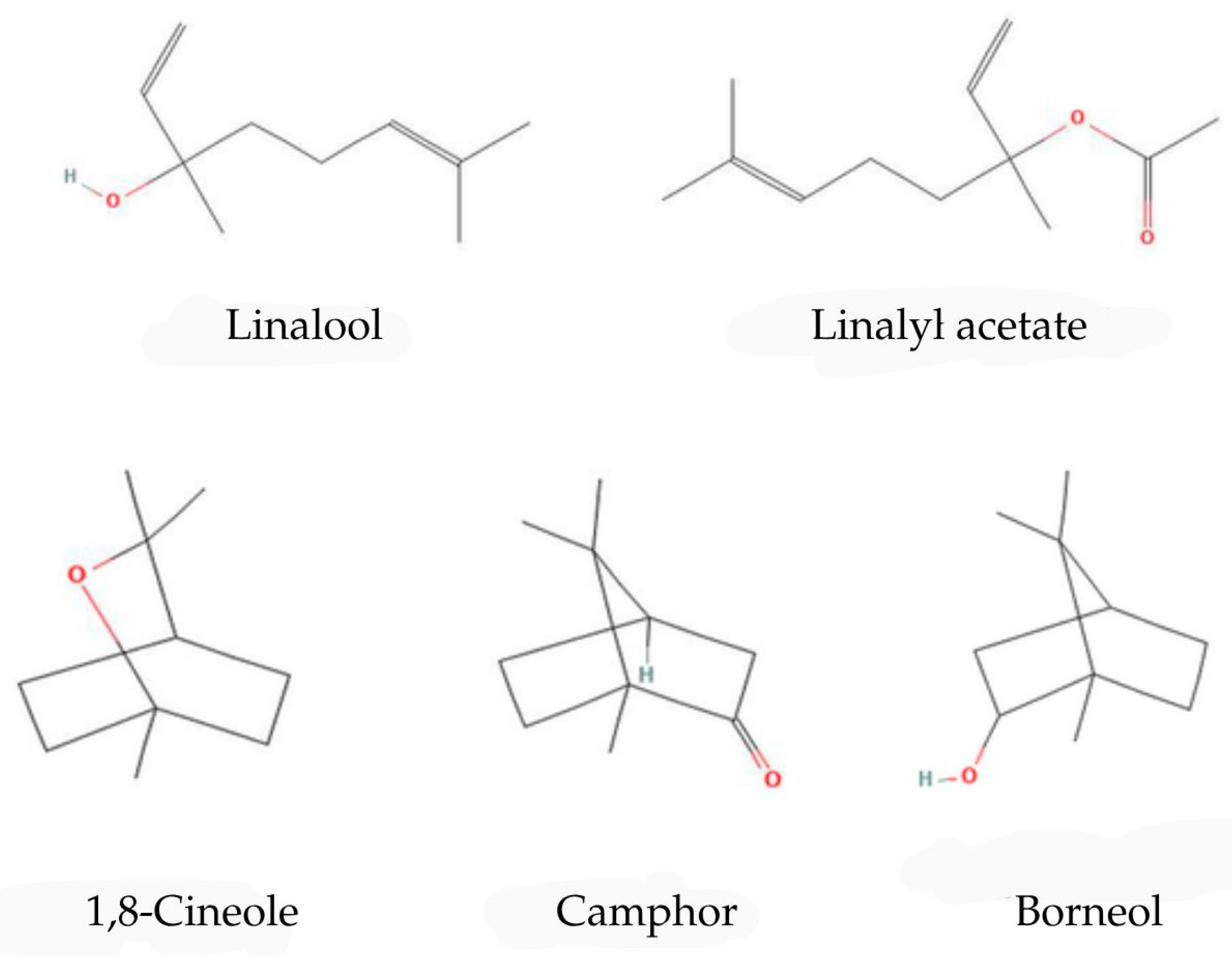
Figure 2.
Molecular structures of key volatile constituents: linalool, linalyl acetate, 1,8-cineole, camphor, and borneol, identified by GC-FID/MS in the essential oils of the two accessions of Croatian lavandin ‘Budrovka’. Chemical structures were retrieved from the PubChem database [45].
According to the WHO [46], the essential oils of Lavandula angustifolia, as well as Lavandula × intermedia, are considered to have beneficial health properties; in contrast, the European Pharmacopeia states that only Lavandula angustifolia has pharmaceutical properties [8]. High amount of linalool (20–45%) as well as linalyl acetate (25–46%) are required for the pleasant floral aroma, as well as for the pharmaceutical quality, of both EOs [46].
Nine components are regulated for Lavandula × intermedia, according to the WHO: linalool (20–45%), linalyl acetate (25–46%), 1,8-cineole (<2.5), camphor (<1.2), limonene (<1), terpinene-4-ol (1.2–6.0), α-terpineol (<2.0), lavandulyl acetate (>0.1) and 3-octanone (<2.5) [46]. Predominant components of both EOs were linalool, yielding 52.50% (L1) and 47.19% (L2), followed by 1,8-cineole, with 17.93% and 12.92%, respectively (Table 1, Figure 2 and Figure S1). High amount was also noted for linalyl acetate (11.96%, L1) and borneol (10.18%, L2). The preferable amount of terpinen-4-ol is 1.2–6% [46], and is present with 1.11% (L1) and 5.21% (L2). Camphor is considered one of the less-desirable compounds in lavandin essential oils (typically <1.2%) due to its potential neurotoxicity [47], and the oral usage is therefore strictly limited. However, it is still of great interest for topical applications because of its spasmolytic and muscle-relaxing properties [48], as well as for preventative applications in dermatological infectious diseases or as a component in medical and cosmetic products [49]. The L1 accession had a camphor level of 0.48%, while the result for L2 was 3.04%. Both EOs were also high in 1,8-cineole (17.93% and 12.92%, respectively), considerably exceeding the WHO-recommended reference range (Figure 2). Eucalyptus, rosemary, and camphor laurel are other essential oil-bearing plants also rich in 1,8-cineole, a natural compound clinically relevant in the treatment of various respiratory disorders [50,51]. Spanish lavandin Lavandula × intermedia Emeric ex Loiseleur ‘Abrial’ is the most similar to ‘Budrovka’ in chemical composition, whereas it is also abundant in camphor and 1,8-cineole, but with a higher camphor content (up to 12.3%) and a lower level of 1,8-cineole (10.3%) [52,53], and it is traditionally used for respiratory infection treatment [54].
Several compounds differed in relative abundance between the two ‘Budrovka’ accessions. Among the constituents associated with essential oil quality, linalyl acetate (L1: 11.96%, L2: 5.63%), camphor (L1: 0.48%, L2: 3.04%), terpinen-4-ol (L1: 1.11%, L2: 5.21%), α-terpineol (L1: 3.21%, L2: 1.79%), and lavandulyl acetate (L1: 0.15%, L2: 0.84%) showed the greatest differences in relative abundance. In terms of overall essential oil (EO) quality, the L1 ‘Budrovka’ accession exhibits a chemical profile more closely aligned with WHO recommendations for Lavandula × intermedia, with the concentration of 1,8-cineole emerging as the most distinguishing difference between the essential oils.
Few studies have been conducted on ‘Budrovka’ essential oils collected or cultivated from the island of Hvar. Blažeković et al. [18] cultivated ‘Budrovka’ samples in central Croatia (in a field near Zagreb) and obtained results similar to those for our L1 accession, but with a higher level of linalool (57.10%), lower levels of linalyl acetate (9.83%) and 1,8-cineole (8.44%), and a lower camphor content (0.12%). Pisernik et al. [32] studied ‘Budrovka’ EO from island Hvar (exact location unknown) for two consecutive years and obtained similar results to those for our L2 accession, but with a somewhat lower level of linalool (41.50% and 44.67%, respectively) and a higher linalyl acetate content (6.27% and 7.87%, respectively) in both years. The levels of camphor were slightly lower than those in our L2 accession for both years (2.46% and 1.77%, respectively), but still exceeded the range recommended by the WHO. Terpinen-4-ol was found in a higher amount (6.6% and 6.81%, respectively) than in our L2 samples, while 1,8-cineole exhibited lower levels than those in our samples in both years (11.72% and 7.02%, respectively). Ramić et al. [33] analyzed two ‘Budrovka’ samples from Jelsa, island of Hvar, i.e., ‘Budrovka’ SN and ‘Budrovka’. The ‘Budrovka’ sample had high levels of linalool (47.21%) and linalyl acetate (26.71%), as well as low levels of camphor (0.38%), while ‘Budrovka’ SN exhibited lower linalool (43.06%) and linalyl acetate (5.26%) levels, as well as a higher camphor content (1.37%), following the similar pattern to that noted for our L1 and L2 accessions.
The observed compositional differences cannot be attributed to the extraction method, as all compared studies employed hydrodistillation. Environmental effects could not be directly assessed due to the absence of matched environmental data, and in any case, the observed differences remain relatively small. Steam distillation, the industry-standard method for lavender essential oil production, has been reported to yield essential oils with higher linalyl acetate content compared to the levels for hydrodistillation [55]. Preliminary unpublished data from our group similarly indicate higher linalyl acetate content following microwave-assisted distillation, which additionally offers the advantage of reduced extraction time and lower thermal degradation of labile compounds. Supercritical CO2 extraction has also been reported to markedly enhance linalyl acetate recovery, as well as increase in isolation efficiency [56].
3.2. Cytotoxic and Antimicrobial Activities of Lavandula × intermedia Emeric ex Loisel. ‘Budrovka’ Essential Oils
3.2.1. Cytotoxic Activity
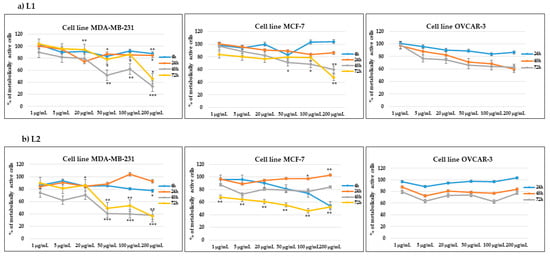
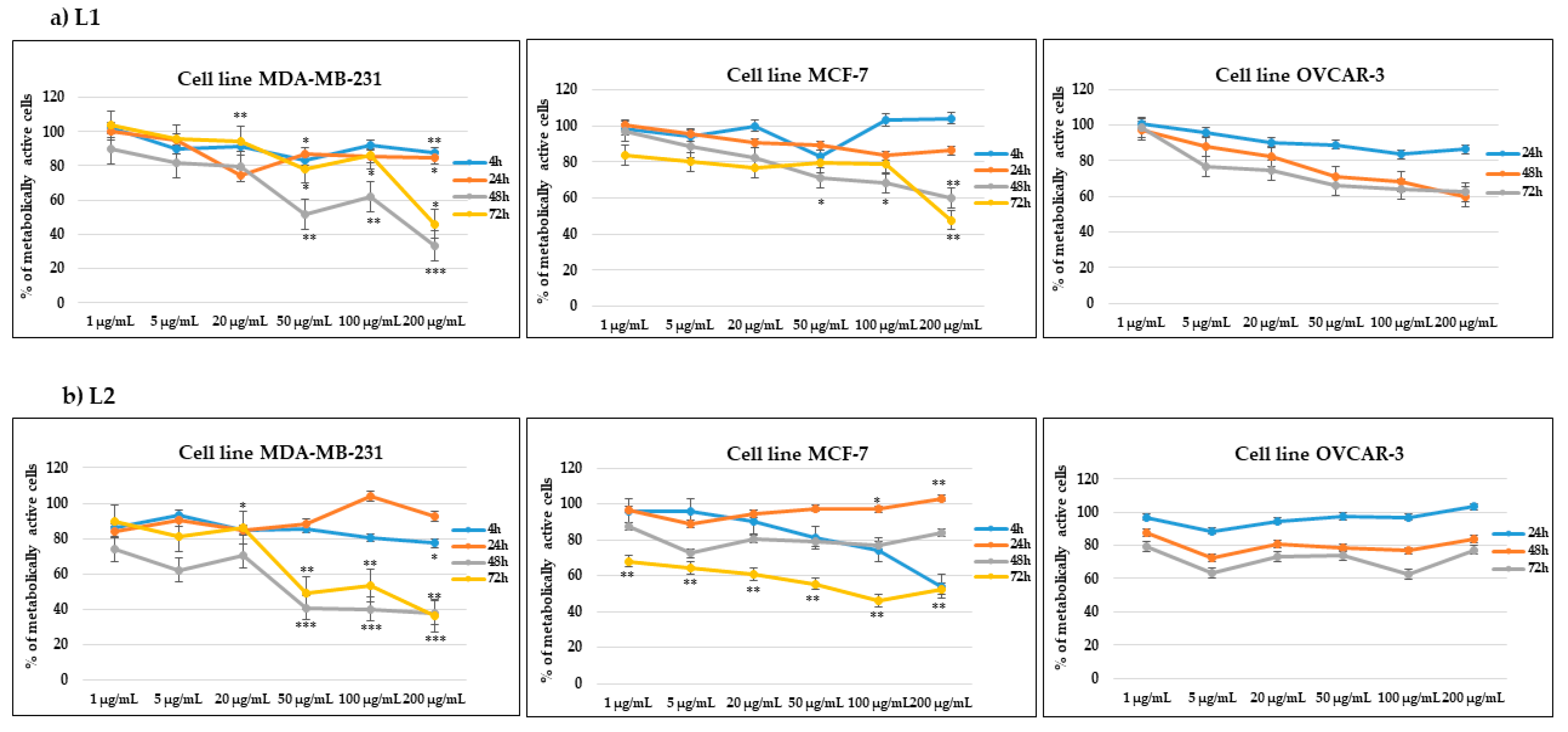
The cytotoxic effect of both lavandin ‘Budrovka’ accessions was tested using an MTT assay against three cell lines: human ovarian carcinoma OVCAR-3, human breast adenocarcinoma MDA-MB-231, and human breast metastatic adenocarcinoma MCF-7. The percentage of metabolically active cells for tested concentrations after 4 h, 24 h, 48 h, and 72 h incubation is shown in Figure 3.
Figure 3.
Percentage of metabolically active human breast adenocarcinoma MDA-MB-231, human breast metastatic adenocarcinoma MCF-7 and human ovarian carcinoma OVCAR-3 cell lines after 4, 24, 48 and 72 h of incubation with different concentrations of lavandin (L1 and L2) essential oils. * p < 0.05; ** p < 0.01; *** p < 0.001.
None of the ‘Budrovka’ lavandin essential oils reached the IC50 value at any tested concentration in the OVCAR-3 cell line (Figure 3). For L1 EO after 48 h of incubation and at the highest concentration of 200 μg/mL, the lowest % of cell survival was 59.68%, while for the L2 EO, the lowest % of cell survival was 76.69% after 48 h of incubation and at the concentration of 100 μg/mL. After 72 h of incubation, the survival rate was similar for both EOs at the concentration of 100 μg/mL: 63.82% for L1 and 62.71% for L2. Using a nonlinear regression dose–response model, L1 exhibited the highest activity against the human breast adenocarcinoma cell line MDA-MB-231, with an IC50 of 141.42 µg/mL after 48 h of incubation (95% CI, profile likelihood: 123.46–183.4 µg/mL). The most pronounced effect was observed at a concentration of 200 μg/mL, with statistically significant differences compared with the results for the control (p = 0.001 and p = 0.0003). Similarly, L2 exhibited its strongest effect on MDA-MB-231 cells, with an IC50 of 40.25 µg/mL after 48 h of incubation (95% CI, profile likelihood:13.99–86 µg/mL; p = 0.002) and 125.72 µg/mL after 72 h (95% CI, profile likelihood: 73.45–158.6; p = 0.00023). Both essential oils showed activity against the MCF-7 cell line, with 47.3% and 45.8% metabolically active cells after 72 h for L1 and L2, respectively. The most pronounced effect was observed at a concentration of 200 μg/mL, with statistically significant differences compared with the results for the control (p = 0.001 for L1; p = 0.006 for L2). The non-monotonic response observed for L2 after 24 h cannot be attributed to individual essential-oil constituents based on the present experimental design. Moreover, because essential oils may interfere with colorimetric viability assays, this response should be interpreted cautiously and confirmed using complementary methods.
To the best of the authors’ knowledge, this is the first report describing the cytotoxic activity of lavandin ‘Budrovka’ essential oil against all three tested cell lines, as well as the first report on the activity of lavender or lavandin essential oils against the MDA-MB-231 and OVCAR-3 cell lines. Previous studies have investigated lavandin ‘Grosso’ on MCF-7 cells, reporting a strong effect (EC50 = 3.62 × 10⁻²% EO after 24 h) [28]. In addition, Tabatabaei et al. [27] demonstrated dose-dependent cytotoxic activity of lavandin essential oil on MCF-7 cells, with cell viability falling below 50% at 1000 µg/mL after 24 h (44.52 ± 1.11%), at 400 µg/mL after 48 h (42.90 ± 0.89%), and at 400 µg/mL after 72 h (44.93 ± 0.87%). Additionally, as the MTT assay reflects changes in cellular metabolic activity rather than direct evidence of cell death, confirmation of cytotoxicity and its underlying mechanism would require complementary assays (e.g., Annexin V/PI staining, LDH release).
3.2.2. Antimicrobial Activity
Antimicrobial activity of both lavandin oils was tested against common foodborne pathogens and spoilage organisms to determine the minimum inhibitory concentration (MIC), as well as the minimum bactericidal concentration (MBC) (Table 2).
Table 2.
Results of the minimal inhibitory concentration (mg/mL) and minimal bactericidal concentration (mg/mL) from essential oils from two Croatian lavandin accessions against foodborne pathogens and spoilage organisms (n = 3).
Both essential oils exhibited inhibitory and bactericidal activity, as demonstrated by measurable MIC and MBC values against all tested microorganisms. L2 showed numerically lower MIC and/or MBC values against some of the tested microorganisms compared to the results for L1; however, these differences are interpreted descriptively and should not be regarded as statistically demonstrated differences between the essential oils. No differences were observed between the essential oils in their activity against E. coli, P. fragi, and S. aureus. To the best of the authors’ knowledge, this is the first report describing the antimicrobial activity of lavandin essential oils against P. fragi.
The antimicrobial activity of a complete essential oil is likely to result from the combined effects of multiple constituents, including possible additive, synergistic, or antagonistic interactions among them. Differences in the relative proportions of major and minor oxygenated monoterpenes may therefore contribute to the distinct antimicrobial profiles observed for L1 and L2, rather than from activity attributable to a single compound.
Blažeković et al. [18] investigated the MIC values of lavandin essential oils against E. coli, S. enteritidis, E. faecalis, L. monocytogenes, and S. aureus, reporting comparable but slightly lower antimicrobial activity than that observed in the present study, which may be attributed to differences in the relative abundance of major essential oil constituents. Since individual constituents may contribute to the overall antimicrobial activity of essential oils, linalool and linalyl acetate were also evaluated. Linalyl acetate exhibited higher activity than that of lavandin essential oil against E. coli, E. faecalis, L. monocytogenes, and S. aureus, while no activity was observed against S. enteritidis. Linalool showed slightly higher MIC values for most tested strains, except for E. coli, for which a lower MIC was recorded. Pisernik et al. [32] evaluated several S. aureus strains and reported MIC values ranging from 2.5 to 13.33 mg/mL.
The antimicrobial activity of essential oils is closely associated with their chemical composition, wherein monoterpenes and their oxygenated derivatives, such as linalool and linalyl acetate, are considered important contributors to antimicrobial activity [57,58]. The antimicrobial effects of these compounds have been associated with their ability to interact with and disrupt bacterial cell membranes, leading to alterations in membrane permeability and cellular integrity. However, the antimicrobial activity of essential oils is complex and cannot necessarily be attributed to a single constituent, as interactions among multiple compounds may contribute to the overall effect [59,60,61]. Essential oils of lavender and lavandin exhibit activity against various bacteria and fungi, with differences in activity between samples often corresponding to variations in the relative abundance of major components [62,63]. Overall, the results of the present study are in line with previous findings, suggesting that both lavandin ‘Budrovka’ accessions possess promising in vitro antimicrobial activity that warrants further investigation.
4. Conclusions
The two Croatian Lavandula × intermedia ‘Budrovka’ accessions from the island of Hvar exhibited distinct essential oil profiles, although both oils were dominated by oxygenated monoterpenes, primarily linalool, 1,8-cineole, linalyl acetate, borneol, and terpinen-4-ol. L1 contained higher proportions of linalool and linalyl acetate and lower concentrations of camphor and borneol, yielding a profile closer to the compositional characteristics generally associated with lavender oils used in aromatic applications, whereas L2 showed comparatively higher concentrations of camphor, borneol, and terpinen-4-ol, giving it a composition more typical of essential oils traditionally used for massage and topical applications—although suitability for such uses was not directly evaluated in this study.
Both oils exhibited measurable in vitro antimicrobial activity against all six tested foodborne pathogens and spoilage organisms, as well as reduced metabolic activity in MDA-MB-231 and MCF-7 cells. These results represent preliminary evidence that Croatian lavandin ‘Budrovka’ may be a valuable multifunctional natural raw material with possible future applications in the pharmaceutical and food-related industries. Further studies, including the evaluation of antimicrobial efficacy within relevant food matrices and the assessment of cytotoxic selectivity, the mechanism of action, and in vivo efficacy, are required before such applications can be recommended.
Supplementary Materials
The following supporting information can be downloaded at: https://www.mdpi.com/article/10.3390/app16189054/s1, Figure S1. GC–MS chromatograms of essential oils of two Croatian lavandin ‘Budrovka’ accessions (a) L1 and (b) L2; Figure S2. Corresponding peak tables of GC–MS chromatograms of essential oils of two Croatian lavandin ‘Budrovka’ accessions (a) L1 and (b) L2; Table S1. Individual replicate values (%) of volatile compounds identified by GC-FID in the essential oils of lavandin varieties L1 and L2; Table S2. Individual cell viability (%) values obtained for all cell lines treated with L1 and L2 essential oils underlying the results shown in Figure 2.
Author Contributions
Conceptualization, M.P.; methodology, M.P., N.R.M., D.S. and T.N.R.; formal analysis, M.P., N.R.M., D.S. and R.F.M.; investigation, M.P., N.R.M., D.S., R.F.M. and T.N.R.; data curation, M.P., N.R.M., D.S. and R.F.M.; writing—original draft preparation, M.P.; writing—review and editing, M.P., N.R.M., D.S., R.F.M. and T.N.R.; visualization, M.P. and N.R.M. All authors have read and agreed to the published version of the manuscript.
Funding
This research received no external funding specific to this study; the experimental work was conducted using the institutional resources of the Institute for Adriatic Crops and Karst Reclamation, School of Medicine, University of Split and Faculty of Chemistry and Technology, University of Split.
Institutional Review Board Statement
Not applicable.
Informed Consent Statement
Not applicable.
Data Availability Statement
The datasets generated and analyzed in the present study are provided as Supplementary Materials.
Acknowledgments
The National Program for the Conservation and Sustainable Use of Plant Genetic Resources for Food and Agriculture in the Republic of Croatia (2021–2027) supported the maintenance of the plant collection from which the plant material used in this study originated. The GC-FID/MS equipment used was financed by the European Regional Development Fund through the project “New methods in olive pest control using plant volatiles” (KK.01.1.1.04.0002); this project did not fund the present study but provided institutional access to the instrumentation. During the preparation of this manuscript/study, the author(s) used ChatGPT (GPT-5.6 Luna, OpenAI) and Claude Sonnet 5 (Anthropic) for the purposes of generating figures and graphical abstracts. The authors have reviewed and edited the output and take full responsibility for the content of this publication.
Conflicts of Interest
The authors declare no conflicts of interest.
Abbreviations
The following abbreviations are used in this manuscript:
| EO | Essential oil |
| GC-FID/MS | Gas chromatography-flame ionization detector/mass spectrometry |
| MDA-MB-231 | Human breast adenocarcinoma |
| MCF-7 | Human breast metastatic adenocarcinoma |
| OVCAR-3 | Human ovarian carcinoma |
| MIC | Minimum inhibitory concentration |
| MBC | Minimum bactericidal concentration |
References
- Upson, T. The Taxonomy of the Genus Lavandula L. In Lavender: The Genus Lavandula; Lis-Balchin, M., Ed.; CRC Press: London, UK, 2002. [Google Scholar] [CrossRef] [Scilit]
- Upson, T.; Andrews, S.; Harriott, G.; King, C.; Langhorne, J.V. The Genus Lavandula. 2004. Available online: https://api.semanticscholar.org/CorpusID:83492035 (accessed on 14 July 2026).
- Moja, S.; Guitton, Y.; Nicolè, F.; Legendre, L.; Pasquier, B.; Upson, T.; Jullien, F. Genome Size and Plastid trnK-matK Markers Give New Insights into the Evolutionary History of the Genus Lavandula L. Plant Biosyst. 2016, 150, 1216–1224. [Google Scholar] [CrossRef] [Scilit]
- Gallotte, P.; Fremondière, B. Lavandula angustifolia Mill. and Lavandula × intermedia Emeric ex Loisel: Lavender and Lavandin. In Medicinal, Aromatic and Stimulant Plants; Novak, J., Blüthner, W.-D., Eds.; Springer International Publishing: Cham, Switzerland, 2020; pp. 303–311. [Google Scholar] [CrossRef] [Scilit]
- Wells, R.; Truong, F.; Adal, A.M.; Sarker, L.S.; Mahmoud, S.S. Lavandula Essential Oils: A Current Review of Applications in Medicinal, Food, and Cosmetic Industries of Lavender. Nat. Prod. Commun. 2018, 13, 1403–1417. [Google Scholar] [CrossRef] [Scilit]
- Lesage-Meessen, L.; Bou, M.; Sigoillot, J.-C.; Faulds, C.B.; Lomascolo, A. Essential Oils and Distilled Straws of Lavender and Lavandin: A Review of Current Use and Potential Application in White Biotechnology. Appl. Microbiol. Biotechnol. 2015, 99, 3375–3385. [Google Scholar] [CrossRef] [Scilit] [PubMed]
- Batiha, G.E.-S.; Teibo, J.O.; Wasef, L.; Shaheen, H.M.; Akomolafe, A.P.; Teibo, T.K.A.; Al-kuraishy, H.M.; Al-Garbeeb, A.I.; Alexiou, A.; Papadakis, M. A Review of the Bioactive Components and Pharmacological Properties of Lavandula Species. Naunyn-Schmiedebergs Arch. Pharmacol. 2023, 396, 877–900. [Google Scholar] [CrossRef] [Scilit] [PubMed]
- European Directorate for the Quality of Medicines & HealthCare (EDQM). Lavender Oil. In European Pharmacopoeia, 10th ed.; Council of Europe: Strasbourg, France, 2019. [Google Scholar]
- European Medicines Agency (EMA). Lavender Oil: Summary for the Public; EMA: Amsterdam, The Netherlands, 2013. Available online: https://www.ema.europa.eu/en/documents/herbal-summary/lavender-oil-summary-public_en.pdf (accessed on 16 June 2026).
- Malloggi, E.; Menicucci, D.; Cesari, V.; Frumento, S.; Gemignani, A.; Bertoli, A. Lavender Aromatherapy: A Systematic Review from Essential Oil Quality and Administration Methods to Cognitive Enhancing Effects. Appl. Psychol. Health Well Being 2022, 14, 663–690. [Google Scholar] [CrossRef] [Scilit] [PubMed]
- Koulivand, P.H.; Khaleghi Ghadiri, M.; Gorji, A. Lavender and the Nervous System. Evid. Based Complement. Altern. Med. 2013, 2013, 681304. [Google Scholar] [CrossRef] [Scilit] [PubMed]
- Yoo, O.; Park, S.-A. Anxiety-Reducing Effects of Lavender Essential Oil Inhalation: A Systematic Review. Healthcare 2023, 11, 2978. [Google Scholar] [CrossRef] [Scilit] [PubMed]
- Despinasse, Y.; Moja, S.; Soler, C.; Jullien, F.; Pasquier, B.; Bessière, J.-M.; Baudino, S.; Nicolè, F. Structure of the Chemical and Genetic Diversity of the True Lavender over Its Natural Range. Plants 2020, 9, 1640. [Google Scholar] [CrossRef] [Scilit] [PubMed]
- Jug-Dujaković, M.; Ninčević Runjić, T.; Grdiša, M.; Liber, Z.; Šatović, Z. Intra- and Inter-Cultivar Variability of Lavandin (Lavandula × intermedia Emeric ex Loisel.) Landraces from the Island of Hvar, Croatia. Agronomy 2022, 12, 1864. [Google Scholar] [CrossRef] [Scilit]
- Pokajewicz, K.; Czarniecka-Wiera, M.; Krajewska, A.; Maciejczyk, E.; Wieczorek, P.P. Lavandula × intermedia—A Bastard Lavender or a Plant of Many Values? Part I. Biology and Chemical Composition of Lavandin. Molecules 2023, 28, 2943. [Google Scholar] [CrossRef] [Scilit] [PubMed]
- Baydar, H.; Kineci, S. Scent Composition of Essential Oil, Concrete, Absolute and Hydrosol from Lavandin (Lavandula × intermedia Emeric ex Loisel.). J. Essent. Oil Bear. Plants 2009, 12, 131–136. [Google Scholar] [CrossRef] [Scilit]
- Périno-Issartier, S.; Ginies, C.; Cravotto, G.; Chemat, F. A Comparison of Essential Oils Obtained from Lavandin via Different Extraction Processes: Ultrasound, Microwave, Turbohydrodistillation, Steam and Hydrodistillation. J. Chromatogr. A 2013, 1305, 41–47. [Google Scholar] [CrossRef] [Scilit] [PubMed]
- Blažeković, B.; Yang, W.; Wang, Y.; Li, C.; Kindl, M.; Pepeljnjak, S.; Vladimir-Knežević, S. Chemical Composition, Antimicrobial and Antioxidant Activities of Essential Oils of Lavandula × intermedia ‘Budrovka’ and L. angustifolia Cultivated in Croatia. Ind. Crops Prod. 2018, 123, 173–182. [Google Scholar] [CrossRef] [Scilit]
- Pljevljakušić, D.; Drinić, Z. GC/MS Chemical Analysis of Lavandin (Lavandula × intermedia) Hydrolat: Successive Extraction Fractions. Lek. Sirovine 2020, 40, 33–39. [Google Scholar] [CrossRef] [Scilit]
- Pokajewicz, K.; Czarniecka-Wiera, M.; Krajewska, A.; Maciejczyk, E.; Wieczorek, P.P. Lavandula × intermedia—A Bastard Lavender or a Plant of Many Values? Part II. Biological Activities and Applications of Lavandin. Molecules 2023, 28, 2986. [Google Scholar] [CrossRef] [Scilit] [PubMed]
- Moon, T.; Wilkinson, J.M.; Cavanagh, H.M.A. Antiparasitic Activity of Two Lavandula Essential Oils against Giardia duodenalis, Trichomonas vaginalis and Hexamita inflata. Parasitol. Res. 2006, 99, 722–728. [Google Scholar] [CrossRef] [Scilit] [PubMed]
- D’Addabbo, T.; Laquale, S.; Argentieri, M.P.; Bellardi, M.G.; Avato, P. Nematicidal Activity of Essential Oil from Lavandin (Lavandula × intermedia Emeric ex Loisel.) as Related to Chemical Profile. Molecules 2021, 26, 6448. [Google Scholar] [CrossRef] [Scilit] [PubMed]
- Santana, O.; Cabrera, R.; González-Coloma, A.; Sánchez-Vioque, R.; De Los Mozos-Pascual, M.; Rodríguez-Conde, M.F.; Laserna-Ruiz, I.; Usano-Alemany, J.; Herraiz, D. Chemical and Biological Profiles of the Essential Oils from Aromatic Plants of Agro Industrial Interest in Castilla-La Mancha (Spain). Grasas Aceites 2012, 63, 214–222. [Google Scholar] [CrossRef] [Scilit]
- Baker, J.; Brown, K.; Rajendiran, E.; Yip, A.; DeCoffe, D.; Dai, C.; Molcan, E.; Chittick, S.A.; Ghosh, S.; Mahmoud, S.; et al. Medicinal Lavender Modulates the Enteric Microbiota to Protect against Citrobacter rodentium-Induced Colitis. Am. J. Physiol. Gastrointest. Liver Physiol. 2012, 303, G825–G836. [Google Scholar] [CrossRef] [Scilit] [PubMed]
- Ballabeni, V.; Tognolini, M.; Chiavarini, M.; Impicciatore, M.; Bruni, R.; Bianchi, A.; Barocelli, E. Novel Antiplatelet and Antithrombotic Activities of Essential Oil from Lavandula hybrida Reverchon ‘grosso’. Phytomedicine 2004, 11, 596–601. [Google Scholar] [CrossRef] [Scilit] [PubMed]
- Hancianu, M.; Cioanca, O.; Mihasan, M.; Hritcu, L. Neuroprotective Effects of Inhaled Lavender Oil on Scopolamine-Induced Dementia via Anti-Oxidative Activities in Rats. Phytomedicine 2013, 20, 446–452. [Google Scholar] [CrossRef] [Scilit] [PubMed]
- Tabatabaei, S.M.; Kianinodeh, F.; Nasiri, M.; Tightiz, N.; Asadipour, M.; Gohari, M. In Vitro Inhibition of MCF-7 Human Breast Cancer Cells by Essential Oils of Rosmarinus officinalis, Thymus vulgaris L., and Lavender × intermedia. Arch. Breast Cancer 2018, 5, 81–89. [Google Scholar]
- Ovidi, E.; Laghezza Masci, V.; Taddei, A.R.; Paolicelli, P.; Petralito, S.; Trilli, J.; Mastrogiovanni, F.; Tiezzi, A.; Casadei, M.A.; Giacomello, P.; et al. Chemical Investigation and Screening of Anti-Proliferative Activity on Human Cell Lines of Pure and Nano-Formulated Lavandin Essential Oil. Pharmaceuticals 2020, 13, 352. [Google Scholar] [CrossRef] [Scilit] [PubMed]
- Blažeković, B.; Vladimir-Knežević, S.; Brantner, A.; Štefan, M.B. Evaluation of Antioxidant Potential of Lavandula × intermedia Emeric ex Loisel. ‘Budrovka’: A Comparative Study with L. angustifolia Mill. Molecules 2010, 15, 5971–5987. [Google Scholar] [CrossRef] [Scilit] [PubMed]
- Blazekovic, B.; Stanic, G.; Pepeljnjak, S.; Vladimir-Knezevic, S. In Vitro Antibacterial and Antifungal Activity of Lavandula × intermedia Emeric ex Loisel. ‘Budrovka’. Molecules 2011, 16, 4241–4253. [Google Scholar] [CrossRef] [Scilit]
- Vlahović, M.; Mršić, K.; Popović, G.; Petek, D.; Gršković, M.J.; Špoljarić, B.; Mršić, I.; Šantek Pulić, T.; Špoljarić, A.M.; Popović, D.; et al. Primjena eteričnih ulja lavandi i lavandina u biomedicini i veterinarskoj medicini. Vet. Stanica 2013, 44, 235–242. [Google Scholar]
- Piskernik, S.; Jeršek, M.; Klančnik, A.; Smole Možina, S.; Bucar, F.; Jeršek, B. Chemical Composition and Antimicrobial Activity of Essential Oils Made from Lavandula × intermedia from Hvar (Croatia). Nat. Prod. Res. 2023, 37, 4018–4022. [Google Scholar] [CrossRef] [Scilit] [PubMed]
- Ramić, D.; Ogrizek, J.; Bucar, F.; Jeršek, B.; Jeršek, M.; Smole Možina, S. Campylobacter jejuni Biofilm Control with Lavandin Essential Oils and By-Products. Antibiotics 2022, 11, 854. [Google Scholar] [CrossRef] [Scilit] [PubMed]
- Žutić, I. Lavandin, Kadulja I Komorač U Kontinentalnom Području; Sveučilište u Zagrebu, Agronomski Fakultet: Zagreb, Croatia, 2014; Available online: https://unizg.eindigo.net/?pr=i&id=12943 (accessed on 25 August 2026).
- Popović, M.; Radman, S.; Generalić Mekinić, I.; Ninčević Runjić, T.; Urlić, B.; Veršić Bratinčević, M. A Year in the Life of Sea Fennel: Annual Phytochemical Variations of Major Bioactive Secondary Metabolites. Appl. Sci. 2024, 14, 3440. [Google Scholar] [CrossRef] [Scilit]
- Popović, M.; Burčul, F.; Veršić Bratinčević, M.; Režić Mužinić, N.; Skroza, D.; Frleta Matas, R.; Nazlić, M.; Ninčević Runjić, T.; Jukić Špika, M.; Bego, A.; et al. In the Beginning Was the Bud: Phytochemicals from Olive (Olea europaea L.) Vegetative Buds and Their Biological Properties. Metabolites 2023, 13, 237. [Google Scholar] [CrossRef] [Scilit] [PubMed]
- van Den Dool, H.; Kratz, P.D. A Generalization of the Retention Index System Including Linear Temperature Programmed Gas–Liquid Partition Chromatography. J. Chromatogr. A 1963, 11, 463–471. [Google Scholar] [CrossRef] [Scilit] [PubMed]
- Shimadzu Corporation. Available online: https://www.shimadzu.com/an/service-support/technical-support/analysis-basics/gcms/fundamentals/retention/linear_retention_index.html (accessed on 25 August 2026).
- Adams, R.P. Identification of Essential Oil Components by Gas Chromatography/Quadrupole Mass Spectrometry, 4th ed.; Allured Publishing Corporation: Carol Stream, IL, USA, 2007. [Google Scholar]
- Režić Mužinić, N.; Veršić Bratinčević, M.; Grubić, M.; Frleta Matas, R.; Čagalj, M.; Visković, T.; Popović, M. Golden Chanterelle or a Gold Mine? Metabolites from Aqueous Extracts of Golden Chanterelle (Cantharellus cibarius) and Their Antioxidant and Cytotoxic Activities. Molecules 2023, 28, 2110. [Google Scholar] [CrossRef] [Scilit] [PubMed]
- Skroza, D.; Šimat, V.; Smole Možina, S.; Katalinić, V.; Boban, N.; Generalić Mekinić, I. Interactions of Resveratrol with Other Phenolics and Activity against Food-Borne Pathogens. Food Sci. Nutr. 2019, 7, 2312–2318. [Google Scholar] [CrossRef] [Scilit] [PubMed]
- Čagalj, M.; Skroza, D.; Razola-Díaz, M.D.C.; Verardo, V.; Bassi, D.; Frleta, R.; Generalić Mekinić, I.; Tabanelli, G.; Šimat, V. Variations in the Composition, Antioxidant and Antimicrobial Activities of Cystoseira compressa during Seasonal Growth. Mar. Drugs 2022, 20, 64. [Google Scholar] [CrossRef] [Scilit] [PubMed]
- ISO 20776-1:2019; Susceptibility Testing of Infectious Agents and Evaluation of Performance of Antimicrobial Susceptibility Test Devices—Part 1: Broth Micro-Dilution Reference Method for Testing the In Vitro Activity of Antimicrobial Agents Against Rapidly Growing Aerobic Bacteria. ISO: Geneva, Switzerland, 2019. Available online: https://www.iso.org/standard/70464.html (accessed on 25 August 2026).
- EUCAST. Reading Guide for Broth Microdilution Version 5.0; European Committee on Antimicrobial Susceptibility Testing: Basel, Switzerland, 2024; Available online: https://www.eucast.org/fileadmin/eucast/pdf/MIC/Reading_guide_BMD_v_5.0_2024.pdf (accessed on 25 August 2026).
- Kim, S.; Chen, J.; Cheng, T.; Gindulyte, A.; He, J.; He, S.; Li, Q.; Shoemaker, B.A.; Thiessen, P.A.; Yu, B.; et al. PubChem 2023 Update. Nucleic Acids Res. 2023, 51, D1373–D1380. [Google Scholar] [CrossRef] [Scilit] [PubMed]
- World Health Organization (WHO). Monographs on Selected Medicinal Plants; WHO: Geneva, Switzerland, 2007.
- Bahr, T.A.; Rodriguez, D.; Beaumont, C.; Allred, K. The Effects of Various Essential Oils on Epilepsy and Acute Seizure: A Systematic Review. Evid. Based Complement. Altern. Med. 2019, 2019, 6216745. [Google Scholar] [CrossRef] [Scilit] [PubMed]
- Freitas, M.M.; Cavalcante, P.M.; Duarte-Filho, L.A.M.S.; Macedo, C.A.F.; Brito, M.C.; Menezes, P.M.N.; Ribeiro, T.F.; Costa, S.M.; Carvalho, B.A.G.; Ribeiro, F.P.R.A.; et al. Investigation of the Relaxing Effect of a Camphor Nanoemulsion on Rat Isolated Trachea. Chem. Biol. Interact. 2021, 348, 109656. [Google Scholar] [CrossRef] [Scilit] [PubMed]
- Duda-Madej, A.; Viscardi, S.; Grabarczyk, M.; Topola, E.; Kozłowska, J.; Mączka, W.; Wińska, K. Is Camphor the Future in Supporting Therapy for Skin Infections? Pharmaceuticals 2024, 17, 715. [Google Scholar] [CrossRef] [Scilit] [PubMed]
- Hoch, C.C.; Petry, J.; Griesbaum, L.; Weiser, T.; Werner, K.; Ploch, M.; Verschoor, A.; Multhoff, G.; Bashiri Dezfouli, A.; Wollenberg, B. 1,8-Cineole (Eucalyptol): A Versatile Phytochemical with Therapeutic Applications across Multiple Diseases. Biomed. Pharmacother. 2023, 167, 115467. [Google Scholar] [CrossRef] [Scilit] [PubMed]
- Pries, R.; Jeschke, S.; Leichtle, A.; Bruchhage, K.-L. Modes of Action of 1,8-Cineol in Infections and Inflammation. Metabolites 2023, 13, 751. [Google Scholar] [CrossRef] [Scilit] [PubMed]
- Moon, T.; Cavanagh, H.M.A.; Wilkinson, J.M. Antifungal Activity of Australian Grown Lavandula spp. Essential Oils against Aspergillus nidulans, Trichophyton mentagrophytes, Leptosphaeria maculans and Sclerotinia sclerotiorum. J. Essent. Oil Res. 2007, 19, 171–175. [Google Scholar] [CrossRef] [Scilit]
- Carrasco, A.; Martinez-Gutierrez, R.; Tomas, V.; Tudela, J. Lavandin (Lavandula × intermedia Emeric ex Loiseleur) Essential Oil from Spain: Determination of Aromatic Profile by Gas Chromatography–Mass Spectrometry, Antioxidant and Lipoxygenase Inhibitory Bioactivities. Nat. Prod. Res. 2016, 30, 1123–1130. [Google Scholar] [CrossRef] [Scilit] [PubMed]
- Lawless, J. The Encyclopedia of Essential Oils, Updated ed.; Harper Thorsons: London, UK, 2014. [Google Scholar]
- Perović, A.B.; Karabegović, I.T.; Krstić, M.S.; Veličković, A.V.; Avramović, J.M.; Danilović, B.R.; Veljković, V.B. Novel Hydrodistillation and Steam Distillation Methods of Essential Oil Recovery from Lavender: A Comprehensive Review. Ind. Crops Prod. 2024, 211, 118244. [Google Scholar] [CrossRef] [Scilit]
- Wei, M.-C.; Lee, W.-L.; Huang, P.-H.; Wei, D.-H.; Jheng, Z.-S.; Yang, Y.-C. Programming and Validation of a Novel Green Procedure for the Production of Essential Oil from Lavandula angustifolia. Food Bioprod. Process. 2024, 145, 239–249. [Google Scholar] [CrossRef] [Scilit]
- Barut Gök, S.; Erdoğdu, Y. Chemical Composition and Antimicrobial Activity of Essential Oils from Six Lavender (Lavandula angustifolia Mill.) Cultivars. Plant Soil Environ. 2024, 70, 111–123. [Google Scholar] [CrossRef] [Scilit]
- Ben Miri, Y. Essential Oils: Chemical Composition and Diverse Biological Activities: A Comprehensive Review. Nat. Prod. Commun. 2025, 20. [Google Scholar] [CrossRef] [Scilit]
- Stamova, S.; Ermenlieva, N.; Tsankova, G.; Georgieva, E. Antimicrobial Activity of Lavender Essential Oil from Lavandula angustifolia Mill.: In Vitro and In Silico Evaluation. Antibiotics 2025, 14, 656. [Google Scholar] [CrossRef] [Scilit] [PubMed]
- Dias, D.A.; Urban, S.; Roessner, U. A Historical Overview of Natural Products in Drug Discovery. Metabolites 2012, 2, 303–336. [Google Scholar] [CrossRef] [Scilit] [PubMed]
- Bălașoiu (Jigău), R.A.C.; Obistioiu, D.; Hulea, A.; Suleiman, M.A.; Popescu, I.; Floares (Oarga), D.; Imbrea, I.M.; Neacșu, A.-G.; Șmuleac, L.; Păscălău, R.; et al. Analysing the Antibacterial Synergistic Interactions of Romanian Lavender Essential Oils via Gas Chromatography–Mass Spectrometry: In Vitro and In Silico Approaches. Plants 2024, 13, 2136. [Google Scholar] [CrossRef] [Scilit] [PubMed]
- Tardugno, R.; Serio, A.; Pellati, F.; D’Amato, S.; Chaves López, C.; Bellardi, M.G.; Di Vito, M.; Savini, V.; Paparella, A.; Benvenuti, S. Lavandula × intermedia and Lavandula angustifolia Essential Oils: Phytochemical Composition and Antimicrobial Activity against Foodborne Pathogens. Nat. Prod. Res. 2019, 33, 3330–3335. [Google Scholar] [CrossRef] [Scilit] [PubMed]
- Walasek-Janusz, M.; Grzegorczyk, A.; Zalewski, D.; Malm, A.; Gajcy, S.; Gruszecki, R. Variation in the Antimicrobial Activity of Essential Oils from Cultivars of Lavandula angustifolia and L. × intermedia. Agronomy 2022, 12, 2955. [Google Scholar] [CrossRef] [Scilit]

Disclaimer/Publisher’s Note: The statements, opinions and data contained in all publications are solely those of the individual author(s) and contributor(s) and not of MDPI and/or the editor(s). MDPI and/or the editor(s) disclaim responsibility for any injury to people or property resulting from any ideas, methods, instructions or products referred to in the content. |
© 2026 by the authors. Licensee MDPI, Basel, Switzerland. This article is an open access article distributed under the terms and conditions of the Creative Commons Attribution (CC BY) license.