


Abstract
The growing interest in lactic acid bacteria (LAB) within the baking sector is driven by their ability to improve both the technological performance and nutritional quality of bakery products. The purpose of this study was to provide a comprehensive overview of current knowledge regarding the use of conventional and unconventional LAB in breadmaking, with particular emphasis on their influence on dough properties, shelf life, sensory characteristics, nutritional value, stress tolerance, and sustainability and their interactions with unconventional yeast. The available evidence indicates that LAB contributes significantly to dough development through acidification, proteolytic activity, and exopolysaccharide production, leading to improvements in viscosity, elasticity, extensibility, water absorption, and gluten network formation. Their metabolic activity also promotes the production of organic acids, bacteriocins, and other antimicrobial compounds that help delay microbial spoilage and extend product shelf life. In addition, LAB fermentation enhances flavor and aroma complexity while increasing mineral bioavailability, vitamin content, and the formation of beneficial bioactive compounds. Attention has been given to the capacity of selected LAB strains to tolerate thermal, osmotic, acidic, and oxidative stress conditions, highlighting their suitability for industrial applications. Furthermore, combinations of LAB with unconventional yeast have shown potential for improving nutritional quality, sensory acceptance, texture, and shelf life and reducing the glycemic impact of bakery products. Overall, LAB represents a versatile group of microorganisms capable of supporting the development of innovative, high-quality, and more sustainable bakery products. The synthesis of current research highlights both the opportunities and challenges associated with their application and emphasizes the need for further studies focused on strain selection, fermentation optimization, and large-scale implementation.
1. Introduction
Lactic acid bacteria (LAB) in dough systems have long been recognized as central drivers of sourdough fermentation, shaping the texture, flavor, nutritional profile, and shelf life of bakery products. In recent years, research has expanded beyond traditional wheat-based sourdoughs to emphasize unconventional LAB and yeast communities, nontraditional cereal matrices, and novel fermentation strategies that leverage the broader microbial diversity found in bakery ecosystems. This shift reflects both scientific interest and industry demand for more sustainable, controllable, and health-promoting bread technologies. The contemporary landscape positions “unconventional LAB” in the bakery field as a focal point for understanding how microbial ecology, taxonomy, and techno-functional traits intersect to influence dough behavior, end-product quality, and process robustness under diverse production conditions [1,2,3].
LAB are a functionally diverse group of Gram-positive acid-tolerant bacteria that dominate many sourdough ecosystems. They include genera such as Lactobacillus (now reorganized into multiple genera within the Lactobacillaceae) [4], Leuconostoc, Pediococcus, and Weissella, among others. In traditional sourdoughs, LAB populations are shaped by flour microbiota, back-slopping practices, fermentation temperature and time, dough yield, and the surrounding bakery environment, which together govern species persistence and community dynamics [3,5]. Contemporary metagenomic and culture-independent studies have demonstrated that LAB communities in sourdough are remarkably stable at the species level over extended propagation periods within a bakery, even as the strain-level composition can fluctuate with time and nutrient inputs [2]. This ecological stability underpins reproducible bread quality in artisanal and some industrial contexts and provides a basis for selecting robust unconventional LAB strains for broader application [2,3].
Recent work has highlighted the potential of non-traditional LAB strains and non-conventional flours as substrates for sourdough fermentation. For example, studies isolating LAB from date seed flour, amaranth blends, or gluten-free matrices have demonstrated that autochthonous or selected LAB can rapidly adapt to new substrates, modulate organic acid production (lactic and acetic acids), and influence the fermentation quotient (FQ), thereby affecting dough acidification, rheology, and sensory outcomes [6,7,8,9]. Moreover, multispecies starters combining LAB with non-traditional yeast or Saccharomyces cerevisiae in novel combinations have shown promise for tailoring volatile profiles, texture, and antioxidant properties in breads containing unconventional ingredients such as pseudocereals, legumes, or spent-grain-enriched flours [3,6,7,10]. Beyond traditional sourdough, there is growing interest in using wild or selected LAB strains to improve gluten-free and reduced-gluten bread systems. Gluten-free sourdoughs often rely on selected LAB with appropriate proteolytic activity and exopolysaccharide (EPS) production to emulate gluten’s viscoelastic network, while also enhancing the nutritional and sensory attributes. This area illustrates how unconventional LAB can function as functional bread improvers in matrices, where gluten is absent or limited, expanding the bakery sector’s product portfolio [9,10,11].
The expansion toward unconventional LAB and matrixes aligns with sustainability goals in several ways. First, sourdough and LAB-focused fermentation can improve the mineral bioavailability, reduce antinutritional factors, and lower the glycemic response of breads, contributing to the nutritional quality and potential health benefits for consumers [6,12]. Second, the use of locally sourced or by-product-derived flours (e.g., bran, spent grains, or date seed flour) as fermentation substrates supports circular economy concepts, reducing waste and broadening feedstock options for bakers [6]. Third, the ability to tailor fermentation via selected or mixed cultures can enhance process control, enabling shorter or more predictable fermentation timelines and improving consistency in industrial settings while preserving the sensory identity of sourdough breads [3,5,6]. LAB activity influences the dough rheology primarily through acidification and proteolysis, which affects gluten network formation, dough extensibility, and gas retention. The balance between lactic and acetic acids, often captured by the FQ, is a key determinant of dough acidity, crumb structure, and bread crumb morphology. Homofermentative LAB tend to produce lactic acid, contributing to milder sourness, whereas heterofermentative LAB generate both lactic and acetic acids, which can intensify the tanginess and influence the crust color and crumb structure. The interplay of LAB metabolism with flour proteolysis also shapes free amino acids and peptide profiles, which contribute to the flavor development and nutritional quality of the bread [1,3,12,13]. Furthermore, LAB-derived metabolites, including organic acids, esters, and other volatile compounds, contribute to the characteristic aroma of sourdough bread and can be modulated through selection of strains and substrates [3,14,15]. Notably, many of these LAB-derived metabolites and cell-wall components persist in the final product after the producing cells have been inactivated by baking; such non-viable microbial fractions and metabolites, collectively termed postbiotics, are increasingly recognized as contributors to the functional and potential health-promoting value of bread and other baked goods [16].
The bakery industry is increasingly embracing unconventional LAB and non-traditional substrates to expand product diversity, improve nutritional attributes, and strengthen process resilience. The introduction of robust well-characterized LAB strains—in combination with non-Saccharomyces yeast or amaranth/date seed flour matrices—offers a path toward bread with desirable rheological properties, enhanced flavor complexity, improved shelf life, and sustainable production. Ongoing research employing culture-dependent and -independent methods, coupled with systems-level omics analyses, will be essential to resolve remaining questions about strain–substrate compatibility, ecological stability, and the scalability of these approaches in commercial bakeries [2,3,6,9,15]. The main objective of the present review is to synthesize the existing scientific literature and to outline the current state of research on the application of conventional and unconventional LAB in the baking industry, thereby providing a basis for future work on innovative fermentation strategies and sustainable bakery technologies. This integrative scope distinguishes the present review from recent contributions that have addressed lactic acid bacteria in sourdough from narrower angles, most notably the nutritional quality and postbiotic potential of sourdough [17,18]. Rather than revisiting a single dimension, the present work deliberately connects the microbiological, biochemical, technological, and ecological determinants of LAB performance and, where the evidence allows, emphasizes mechanisms, strain-level specificity, and current knowledge gaps rather than being a purely descriptive account.
2. Taxonomic Diversity of Lactic Acid Bacteria and the Genetic Basis of Their Techno-Functional Traits
Throughout this review, lactic acid bacteria and yeast are designated as either conventional or unconventional. Conventional cultures are those with a long history of established use in commercial baking and industrial fermentation—typically the baker’s yeast S. cerevisiae and the well-characterized widely commercialized LAB species that have traditionally dominated sourdough starters. Unconventional cultures, by contrast, comprise autochthonous, wild, or newly characterized LAB and non-Saccharomyces yeast that have not been routinely applied in breadmaking but are increasingly exploited to broaden techno-functional, nutritional, and sustainability outcomes [17,19]. This distinction is functional and application-oriented rather than strictly taxonomic: a species such as Lactiplantibacillus plantarum may be regarded as unconventional in a bakery context when it is isolated from non-traditional substrates or applied to novel matrices, even though it is common in other fermented foods. Because many relevant traits are strain-specific, the conventional or unconventional status of a given culture is best interpreted at the strain level and in relation to its intended application.
Lactic acid bacteria encompass a broad and phylogenetically heterogeneous group of genera whose members differ markedly in metabolism, stress physiology, and techno-functional potential. The genus Lactobacillus, historically dominant in sourdough, was recently reclassified into 25 genera on the basis of whole-genome phylogeny, so that species central to breadmaking are now distributed across taxa such as L. (e.g., Lactiplantibacillus plantarum, formerly Lactobacillus plantarum), Levilactobacillus (Levilactobacillus brevis), Limosilactobacillus (Limosilactobacillus fermentum), Lacticaseibacillus (Lacticaseibacillus rhamnosus), and Fructilactobacillus (Fructilactobacillus sanfranciscensis), alongside genera retained from earlier classifications such as Leuconostoc, Pediococcus, and Weissella [4]. A primary functional divide separates obligately homofermentative species, which convert hexoses almost exclusively into lactic acid, from heterofermentative species such as F. sanfranciscensis and L. brevis, which additionally produce acetic acid, ethanol, and carbon dioxide and thus contribute more strongly to leavening, aroma, and the fermentation quotient. Comparative-genomic analyses indicate that these metabolic and ecological differences are underpinned by extensive genome-level variation, including lineage-specific gene gains and losses affecting carbohydrate utilization, proteolysis, and adaptation to the cereal matrix [20,21]. Importantly, many technologically relevant properties are strain-dependent rather than shared by all members of a species, as documented for the sourdough specialist F. sanfranciscensis, whose strains differ in acidification, proteolytic activity, and stress tolerance [22,23].
Several of the traits that make LAB attractive as bread improvers are genetically encoded and unevenly distributed across taxa. Exopolysaccharide (EPS) formation is a representative example: homopolysaccharides such as dextrans and levans are synthesized extracellularly from sucrose by glucansucrase- and fructansucrase-type enzymes encoded by dedicated genes, whereas heteropolysaccharides are assembled intracellularly under the control of eps gene clusters [24]. The capacity for abundant in situ EPS synthesis is particularly pronounced in Weissella and Leuconostoc, as well as in selected strains of Lactiplantibacillus and Lacticaseibacillus, and this genetic potential can be exploited to emulate gluten functionality and to improve dough rheology and bread texture [25,26,27]. Because the EPS yield and polymer structure depend on both the genetic repertoire of the strain and the fermentation substrate, strain selection guided by these determinants is central to reproducible techno-functional outcomes [25].
Bacteriocin production is likewise a genetically determined trait with a taxon-specific distribution. Bacteriocin biosynthesis typically depends on clustered structural, immunity, transport, and regulatory genes, and the resulting peptides are commonly grouped into post-translationally modified lantibiotics (class I, e.g., nisin produced by Lactococcus lactis) and unmodified heat-stable class II peptides that are widespread among Lactiplantibacillus, Latilactobacillus, and Pediococcus species [28]. The presence and expression of these gene clusters govern the antimicrobial spectrum available to a given starter and, in bakery applications, the extent to which spoilage molds and pathogenic bacteria can be suppressed to extend shelf life [28,29]. Mapping the distribution of EPS- and bacteriocin-related genes across genera and species therefore provides a rational basis for assembling starter cultures with predictable performance in breadmaking.
3. Factors Influenced by Lactic Acid Bacteria During Fermentation in Baking
3.1. Rheological Properties
The incorporation of LAB in the baking industry notably influences the rheological properties of dough, including viscosity, elasticity, extensibility, fermentation behavior, gluten network development, and water absorption (Table 1). These properties are critical for the quality and performance of baked products (Figure 1).
Table 1.
Rheological attributes of lactic acid bacteria.
Figure 1.
Rheological properties of lactic acid bacteria strains in dough systems.
3.1.1. Viscosity
Viscosity refers to the dough’s resistance to flow and deformation, which is significantly influenced by its composition and fermentation stage. LAB species such as L. plantarum and L. casei alter the dough structure through the production of organic acids and exopolysaccharides, which enhance water retention and modify the fluidity of the dough. Studies have shown that doughs fermented with these LAB exhibit increased viscosity due to the development of a robust carbohydrate network resulting from the metabolic activities of the bacteria. This effect, driven by lactic acid fermentation, leads to the enhanced hydration of gluten proteins, which increases the dough viscosity [35,36,37,38].
Specifically, the study demonstrated that L. plantarum significantly improved the viscosity of wheat dough by enhancing its water-binding capacity, while L. brevis also had a notable positive effect on dough stability during processing. Conversely, excessive acidification can negatively impact the sensory qualities and overall volume of the baked products, highlighting the need for balance in fermentation conditions [30,38].
3.1.2. Elasticity
Elasticity is a measure of a dough’s ability to return to its original shape after deformation—this property is critically important for the dough’s performance during baking. LAB species such as L. casei and L. brevis influence the elasticity of dough primarily by modifying the gluten network. The fermentation process mediated by these LAB contributes to the formation of a more cohesive and extensible gluten structure through proteolytic activity, which enhances dough elasticity [29].
Research indicates that L. casei can significantly decrease dough stickiness while enhancing its elastic modulus, creating a more stable structure during processing. Moreover, studies have shown that the extent of acidification achieved by LAB directly correlates with changes in elasticity; optimal production of lactic acid can improve gluten cross-linking, enhancing gas retention vital for the final volume of baked products [34]. A balanced acidification environment results in doughs that are both elastic and resilient, supporting robust leavening activity during baking [31].
3.1.3. Extensibility
Extensibility reflects the dough’s capacity to stretch without breaking, which is particularly critical for various types of bread. LAB fermentation significantly influences this characteristic through the enhancement of gluten hydration and modification of its structural integrity. LAB species like L. plantarum and specific strains of L. paracasei produce organic acids that help to lower the pH and improve the solubility of gluten, leading to a more extensible dough matrix [37].
Important work demonstrated that doughs fermented with L. paracasei had significantly enhanced extensibility due to increased water retention and a more flexible structure resulting from exopolysaccharide production [38]. This property is crucial for products like pizza bases and flatbreads, where high extensibility is desired. Moreover, the optimal extent of acidification provided by LAB contributes to both extensibility and resilience, ensuring high-quality dough performance during fermentation and baking [39].
3.1.4. Fermentation Behavior
The fermentation performance of dough is markedly affected by the incorporation of LAB, including L. plantarum and L. brevis. These microorganisms trigger metabolic pathways that transform flour-derived sugars into lactic acid and additional metabolites, leading to dough acidification. This decrease in pH is crucial for establishing favorable conditions for subsequent microbial proliferation and activity, thereby improving the rheological properties of the dough.
During the initial stages of fermentation, LAB proliferates rapidly, producing lactic acid, which decreases the pH of the dough. This shift in pH not only creates a more favorable environment for other beneficial microorganisms but also influences the dough’s rheological properties. As the pH decreases, the solubility of gluten proteins increases, contributing to an improved gluten network [40,41]. Fermentation also leads to the production of carbon dioxide, which contributes to leavening and results in a lighter texture in the final product. The overall metabolic processes utilized by LAB are crucial for promoting healthy fermentation, enhancing dough stability, and improving the sensory qualities of baked goods [30,42].
3.1.5. Gluten Network Development
Lactic acid bacteria, especially F. sanfranciscensis and L. plantarum, contribute significantly to the formation of the gluten network throughout sourdough fermentation. A primary mechanism underlying their effect is their proteolytic activity, which entails the degradation of gluten proteins into smaller peptides and free amino acids. This proteolytic process improves the extensibility and elasticity of the dough.
As LAB ferment the dough, they produce enzymes, including proteases, that hydrolyze gluten proteins. This hydrolysis creates a network of smaller more functional gluten peptides that improve the structural properties of the dough and its ability to retain gas produced during fermentation [30,37]. This modified gluten structure allows for better gas retention, which is crucial for the dough to rise effectively. Furthermore, the presence of organic acids produced during fermentation reinforces the gluten matrix, leading to improved dough strength and stability [28,32]. The result is a well-developed gluten network that provides a superior texture and volume in baked products.
3.1.6. Water Absorption
The addition of LAB further improves the dough’s capacity to absorb water, a factor essential for attaining appropriate dough consistency. This effect is attributed to the fermentation processes driven by LAB, which alter the structural properties of starch and protein fractions in the flour, thereby facilitating enhanced water retention.
LAB produce EPS during fermentation, which contributes to increased water retention within the dough. These polysaccharides create a hydrophilic environment that can capture and retain more water, thereby increasing the overall water absorption capacity of the dough. This is especially important for achieving the desired dough viscosity and extensibility. Studies have indicated that doughs fermented with L. paracasei and L. brevis exhibited significantly higher water absorption rates compared to those fermented without LAB [35,41]. Furthermore, lower pH levels resulting from fermentation facilitate the hydration of gluten proteins, enhancing their capacity to absorb water and form a cohesive dough matrix [32,43].
In the end, the combined action of lactic acid bacteria in promoting water absorption exerts a substantial impact on dough behavior, resulting in enhanced processing performance and a superior final product quality. This underscores the necessity of carefully selecting suitable LAB strains when designing dough formulations to ensure optimal hydration and consistency across diverse baking applications.
In conclusion, the production of EPS by LAB strains aids in achieving more desirable fermentation profiles, allowing for controlled acidification that optimizes the flavor and texture without compromising the structural integrity of the dough. This balance between acidity and rheology enhances retention during fermentation, ultimately leading to higher volume and improved organoleptic properties in the baked products [24,27]. Hence, the strategic application of EPS-producing LAB can significantly improve the overall quality and acceptability of bakery formulations, making them a valuable component in modern baking practices [26].
3.2. Shelf Life
LAB are essential in extending the shelf life of baked goods through a range of biochemical mechanisms that both enhance dough functionality and suppress spoilage processes. A thorough understanding of LAB interactions during fermentation (Figure 2) enables bakers to exploit these effects, resulting in products with prolonged stability and improved sensory attributes.
Figure 2.
Shelf-life compounds and their mechanism of formation by the LAB in doughs.
3.2.1. Organic Acids
The fermentation of dough with unconventional LAB, such as L. plantarum and L. rhamnosus (here termed unconventional because they are applied to non-traditional bakery substrates and matrices rather than as established commercial baker’s cultures; see Section 2), results in the production of lactic acid and acetic acid. These organic acids play crucial roles in inhibiting the growth of spoilage organisms and pathogens, such as molds and bacteria, thereby extending the shelf life of bread products [44,45,46,47]. The lower pH caused by these acids creates an environment less favorable for microbial growth, which helps prevent spoilage and maintains the quality of the bread for a longer duration [44]. Lactic acid, in particular, has been shown to possess strong antimicrobial properties against a broad spectrum of bacteria and fungi, contributing significantly to the preservation of the final baked product [27,48,49]. At the molecular level, the antimicrobial action of lactic and acetic acids is driven mainly by their undissociated forms, which are lipophilic and diffuse freely across the microbial cell membrane; once inside the near-neutral cytoplasm they dissociate, releasing protons and anions that acidify the cytoplasm, dissipate the transmembrane pH gradient, and interfere with essential metabolic and membrane functions [50]. Because the proportion of undissociated acid increases as the pH of the dough falls, the acidic weakly buffered microenvironment generated during fermentation markedly enhances this activity, and the effect is frequently reinforced through synergy with other LAB metabolites such as bacteriocins, phenyllactic acid, and diacetyl [51].
3.2.2. Bacteriocins and Antimicrobial Peptides
The potential for LAB to reduce mycotoxin levels is another crucial attribute affecting the shelf life of baked products. Certain LAB strains have been identified to effectively detoxify mycotoxins produced by mold contamination, such as aflatoxins and ochratoxin A, thus enhancing food safety [47,48]. The interaction of LAB metabolites with these mycotoxins can facilitate their degradation, therefore rendering contaminated grains safer for consumption after fermentation [49]. This aspect not only contributes to the preservation of baked goods but also serves as a significant public health measure. LAB also produce bacteriocins—proteinaceous compounds that exhibit antimicrobial activity against a variety of harmful bacteria. For example, nisin, produced by L. lactis, is a well-studied bacteriocin known for its effectiveness against Gram-positive pathogens [25,52]. The production of bacteriocins provides an additional layer of protection against spoilage microorganisms in baked products, further extending the shelf life. Bacteriocins work through various mechanisms, including interference with cell membrane integrity and inhibition of cell wall synthesis in target bacteria. This ability to disrupt key bacterial functions results in a decreased likelihood of spoilage and microbial contamination in bread [25]. Moreover, the application of LAB cultures that produce these antimicrobial peptides not only improves the safety of the product but also enhances its sensory attributes by adding complex flavors [26]. The reduction in aflatoxin contamination attributed to LAB is achieved chiefly by physical binding rather than enzymatic degradation: aflatoxin B1 is sequestered at the bacterial cell-wall surface, where teichoic acids and peptidoglycan constitute the principal binding sites, so that both viable and heat-killed cells can remove the toxin from the matrix [50,53]. With respect to bacteriocins, ready-to-use protective cultures based on bacteriocin- and organic-acid-producing strains of L. plantarum and P. acidilactici have already been applied to extend the mold-free shelf life of packaged and clean-label breads, illustrating the practical translation of these traits [48]. Nevertheless, the antibacterial spectrum of most LAB bacteriocins is largely restricted to Gram-positive bacteria and their direct efficacy against spoilage molds is limited, which remains a key knowledge gap; current trends therefore favor combining bacteriocin producers with antifungal-metabolite producers within multifunctional starter cultures [48].
3.2.3. Alcohol and Other Volatile Compounds
Another group of metabolites produced by LAB includes ethanol and diacetyl. Ethanol, produced as a by-product of fermentation, has been recognized for its preservative effects due to its ability to inhibit the growth of various pathogenic microorganisms [27,46]. Diacetyl, which contributes a buttery flavor to bread, is also produced during the fermentation process and serves a role in impacting both flavor and shelf stability [46,54]. Additionally, recent studies have highlighted the roles of phenyl-lactic acid as an antimicrobial agent, further emphasizing the potential of LAB to mitigate microbial spoilage in baked goods [55]. Mechanistically, the antimicrobial activity of diacetyl is attributed to its reaction with arginine-binding proteins, which interferes with arginine utilization and thereby inhibits susceptible Gram-negative bacteria, yeast, and molds [48]. Phenyllactic acid, in turn, is a broad-spectrum antifungal compound synthesized by LAB such as L. plantarum through the transamination of phenylalanine to phenylpyruvic acid and its subsequent reduction; it is water-soluble, chemically stable, and active against a wide range of spoilage and mycotoxigenic fungi, and its natural occurrence in fermented foods supports a favorable food-safety profile as a bio-preservative [48,55].
In summary, the various chemical substances produced by unconventional LAB during dough fermentation—organic acids, bacteriocins, alcohols, and volatile compounds—play crucial roles in the preservation of baked goods. By cultivating specific strains of LAB in the fermentation process, bakers can leverage these antimicrobial properties to create bread with enhanced shelf life and improved quality, thus meeting consumer demands for longer-lasting, safe, and flavorful products.
3.3. Sensory Characteristics
LAB are fundamental to the formation of sensory characteristics and flavor profiles in sourdough products. Their metabolic activity throughout fermentation results in the generation of a wide range of volatile organic compounds (VOCs), which play a crucial role in shaping the aroma and taste of the final baked goods (Figure 3).
Figure 3.
Sensory and nutritional contributions of LAB during bread fermentation.
For instance, LAB such as L. plantarum and L. casei are known for their ability to produce organic acids, particularly lactic and acetic acid, which influence both flavor and antimicrobial properties [56,57]. Furthermore, the synthesis of VOCs, including alcohols, aldehydes, and esters, occurs as a result of carbohydrate fermentation by these LAB, contributing to complex flavor notes in the bread [58,59].
The specific VOCs produced can have distinct sensory implications. For example, aldehydes can impart fruity or floral notes, while acids can provide sourness contributing to the characteristic taste of sourdough. A study found that the incorporation of LAB during sourdough fermentation led to the enhanced production of small organic molecules, which are essential for flavor development [60,61]. Additionally, the proteolytic activity of LAB during fermentation breaks down proteins into free amino acids, further leading to the generation of flavor compounds, as these amino acids are converted into volatile compounds during baking [62].
The fermentation process also enhances the complexity of flavors through the breakdown of carbohydrates into simpler sugars that can be fermented by yeast present in the dough. For example, yeast such as S. cerevisiae and LAB synergistically contribute to the fermentation environment by producing ethanol and other flavor-active compounds [63]. This interaction helps in the production of a diversity of aroma compounds, enriching the sensory profile of the final baked product.
It is critical to highlight that the flavor-enhancing attributes of LAB are not merely by-products of fermentation but are actively manipulated through the selection of specific LAB strains and fermentation processes. For instance, L. brevis has been noted for improving the sensory profile through its involvement in the synthesis of certain flavor compounds [57], while strains such as L. casei are recognized for their unique ability to enhance loaf volume and provide desirable sensory characteristics such as improved aroma and texture [64].
Lastly, the sensory qualities of sourdough breads are further discerned through consumer acceptability studies, which often indicate a preference for sourdough products enriched with specific LAB strains over those produced with conventional yeast fermentation methods. Studies confirm that breads made with LAB exhibit not only improved flavor profiles but also a longer shelf life due to the natural preservation mechanisms sustained by organic acid production and the competitive environment LAB create against spoilage organisms [56,64]. In conclusion, LAB contributes to the sensory attributes of sourdough bread in multifaceted ways, through both direct flavor contributions via metabolic by-products and indirect influences by interacting with yeast and fermentation conditions.
3.4. Nutritional Properties
The use of non-conventional lactic acid bacteria in the baking sector is increasingly attracting interest due to their nutritional properties, which contribute to the enhancement of both the health value and overall quality of baked products. Species such as L. plantarum and L. brevis have been reported to carry out key metabolic functions during bread fermentation, leading to significant improvements in nutritional composition and digestibility.
One of the main nutritional benefits conferred by LAB during sourdough fermentation involves the hydrolysis of antinutritional factors, such as phytic acid, which can bind essential minerals and hinder their absorption. Various studies elucidate that strains like L. plantarum exhibit phytase activity, leading to a reduction in phytic acid and an enhancement in the bioavailability of zinc, iron, and calcium in the final product [65,66]. This enzymatic action not only assists in freeing minerals for better absorption but also promotes a more favorable amino acid profile of the bread through proteolysis [67].
Moreover, the fermentation process catalyzed by LAB is pivotal for the synthesis of bioactive compounds and vitamins. Sourdough fermentation, particularly utilizing LAB, has been reported to increase vitamins such as B vitamins and folate in bread [66]. The acidic environment created by LAB fermentation aids in the stability of these vitamins during storage and baking while simultaneously improving the overall sensory qualities of the bread [68,69].
Additionally, LAB contributes to the production of short-chain fatty acids (SCFAs) during the fermentation process, which are believed to play a role in gut health by enhancing the gut microbiota composition and acting as an energy source for colonic cells. Research indicates that such SCFAs can potentially lower the risk of metabolic disorders by modulating inflammatory responses in the gut [67]. The presence of LAB therefore not only enriches the nutritional profile of bread but also supports long-term health benefits through its influence on digestive health.
The antimicrobial properties of LAB, stemming from the organic acids they produce (primarily lactic acid), also inherently extend the shelf life and safety of baked products. These acids inhibit the growth of spoilage microorganisms and pathogens, thereby reducing the incidence of foodborne illnesses associated with traditional bread-making methods [70,71].
In summary, the application of lactic acid bacteria in the baking industry not only improves the nutritional profile of bread and similar baked products but also plays a substantial role in enhancing their safety and sensory qualities. The diverse effects of LAB include enzymatic hydrolysis that increases mineral bioavailability, vitamin synthesis, and the generation of beneficial metabolites, highlighting the significant importance of these microorganisms in contemporary baking processes.
4. Microbial Viability Under Different Stress Conditions
Sourdough and bakery ecosystems are dominated by LAB and yeast, with LAB contributing to dough acidification, texture modification, and shelf-life extension, while yeast provides leavening through production. The interplay between species and strains determines how dough responds to processing stresses such as heating, drying, high salt, and high sugar content [16,21,72,73]. The stress physiology of LAB in dough is central to understanding which strains retain viability and functional activity after processing steps such as baking, freezing, or dehydration and which may contribute to postbiotic benefits or antifungal protection in bakery products [16,18,21,74]. Detailed reviews emphasize that LAB in sourdough endure and adapt to low pH, high carbohydrate loads, oxygen limitation, and osmotic challenges, employing robust stress response systems that include heat shock proteins and osmotolerance mechanisms [16,18,21].
4.1. Temperature Stress Conditions
The viability of lactic acid bacteria under varying temperature stress conditions is critical in the baking industry, as temperature fluctuations can considerably affect the fermentation process and, consequently, the quality of the bread produced. LAB, specifically homofermentative strains like L. plantarum and P. pentosaceus, are prevalent in sourdough fermentation. As the temperature rises, there is a notable increase in the rates of fermentation; however, excessive heat can lead to thermal stress, resulting in diminished microbial viability [75]. LAB must navigate thermal stress during bulk fermentation, which generally occurs at an optimal range of 25 to 37 °C. Beyond these limits, for example, exceeding 45 °C can drastically reduce the survival rates of LAB, negatively impacting bread characteristics such as dough elasticity and gas retention [75]. Strains such as L. plantarum and F. sanfranciscensis are noted for their heat tolerance capabilities.
F. sanfranciscensis is specifically adapted to survive and perform effectively in varied thermal environments during sourdough fermentation. Studies suggest it can endure processes involving higher temperatures due to its metabolic pathways that facilitate survival and activity, often leading to significant flavor enhancements in the baked goods produced [22].
In high-temperature environments, LAB exhibit various physiological adaptations to withstand thermal stress, including the production of heat shock proteins and enhancing membrane stability [59]. Additionally, the synthesis of protective substances like exopolysaccharides allows LAB to cope with elevated thermal conditions, thus maintaining their probiotic functions and the fermented dough’s sensory qualities [76]. Moreover, the genetic adaptability of certain LAB strains enables them to produce heat shock proteins that assist in surviving heat stress, which may also contribute to better enzyme activity, crucial for dough fermentation, particularly in the degradation of gluten factors during baking [77]. This enhances not just the fermentation process but also improves the nutritional profile and flavor attributes of the baked products, making LAB not just resilient but also functionally beneficial at higher temperatures [78]. Mechanistically, heat shock proteins function as molecular chaperones—most notably the GroEL–GroES and DnaK–DnaJ–GrpE systems, together with small heat shock proteins and ATP-dependent proteases such as Clp—that prevent the aggregation of denatured proteins, assist the refolding of damaged polypeptides, and degrade those beyond repair, thereby preserving cellular function during thermal stress [79]. In LAB, expression of the corresponding genes is controlled mainly by dedicated transcriptional repressors, such as HrcA and CtsR, whose repression is relieved as the temperature increases, allowing chaperone synthesis to be rapidly induced. During baking, the gradual temperature rise of the oven, combined with progressive dehydration and the acidic dough matrix, provides the sub-lethal conditions that trigger this heat shock response before lethal temperatures are reached, favoring the survival of well-adapted strains and the retention of their techno-functional activity [59,79].
It is also important to consider climate and environmental factors, as local humidity and temperature can interact with LAB functionality. Seasonal variations may influence the viability of LAB such that conditions that are ideal for dough fermentation in one season may not be conducive in another. This necessitates bakers to adjust the fermentation times and temperatures to optimize the performance of LAB in their sourdough starters [80,81].
4.2. Osmotic Stress Conditions
Osmotic stress poses significant challenges to lactic acid bacteria, particularly in the baking industry, where high sugar concentrations in dough can create inhospitable environments for microbial viability. LAB, including strains such as Lactobacillus and Pediococcus, are crucial for fermentation processes in bread-making, but their growth can be severely affected by osmotic pressures resulting from the addition of sugars or other solutes.
Under conditions of high osmotic stress, LAB experience alterations in cellular osmotic pressure, primarily leading to cell membrane destabilization and increased permeability. This physiological stress triggers protective mechanisms, such as the synthesis of osmoregulatory solutes like trehalose and other compatible solutes, which help to stabilize cellular structures and maintain osmotic balance. LAB strains such as L. plantarum and Pediococcus pentosaceus have been documented to exhibit increased resilience under osmotic stress conditions, likely due to their enhanced production of these substrates, which confer cellular protection by stabilizing proteins and maintaining cell turgor [74]. In greater detail, trehalose can be accumulated either by de novo biosynthesis—through the OtsA–OtsB pathway, in which trehalose-6-phosphate synthase (OtsA) and trehalose-6-phosphate phosphatase (OtsB) convert glucose-6-phosphate and UDP-glucose into trehalose—or by uptake and interconversion of environmental sugars; its accumulation can be promoted by providing fermentable sugars and by controlled pre-exposure to mild osmotic stress [79]. In addition to trehalose, LAB import or synthesize other compatible solutes such as glycine betaine and carnitine via dedicated osmolyte transporters, the genes of which are up-regulated under hyperosmotic conditions; these solutes counterbalance the external osmotic pressure and protect enzymes and membranes, thereby reducing the loss of viability during sugar- or salt-rich dough fermentation [79].
Furthermore, research indicates that osmotic stress can lead to a reduction in the viability of LAB during fermentation processes. Different LAB demonstrate varying tolerance levels to osmotic pressure; certain strains show reduced survival rates when subjected to high concentrations of sucrose, while others effectively adapt through the activation of stress-response genes and metabolic pathways that enhance their survivability [82]. This adaptation is essential not only for the stability of microbial communities but also for the overall quality of the bread produced, as it influences the texture and flavor profiles attributed to LAB fermentation [19].
Interestingly, the selection of specific LAB strains is crucial for optimizing fermentation in baking contexts. Strains like F. sanfranciscensis have been favored in sourdough fermentation due to their dual ability to withstand osmotic stress and contribute to flavor development through the production of organic acids. These acids assist in preserving the microbial environment by lowering the pH and inhibiting the growth of spoilage organisms, thereby enhancing the shelf life and safety of the final product [74,83].
4.3. Acid Stress Conditions
The fundamental mechanism by which LAB withstands acid stress primarily involves the regulation of internal pH. LAB such as L. plantarum and L. paracasei have developed sophisticated systems to maintain their intracellular pH near neutrality despite external acidic challenges. This is achieved via the action of ATP-dependent efflux pumps that expel protons (H+) from the cell, thereby re-establishing pH homeostasis [84]. Additionally, some LAB utilize carboxylate and amino acid decarboxylation pathways to produce metabolites that further stabilize the intracellular pH during fermentation processes [41]. Research has demonstrated that supplemental nutrient conditions, such as those provided by the inclusion of unconventional flours, can also play a significant role in enhancing the acid tolerance of LAB. For instance, the addition of alternative flours like amaranth has been shown to improve LAB strains’ resilience under acidic conditions due to their higher nutritional profiles [7].
During the fermentation of sourdough, LAB metabolize carbohydrates and produce lactic acid, contributing not only to the acidic environment but also to flavor and texture improvements in bread [85]. For instance, LAB strains isolated from spontaneous sourdough, such as L. paracasei LUHS244, have demonstrated effective acidification properties, enhancing sourdough quality when subjected to acid stress conditions [83]. Furthermore, LAB are responsible for producing bioactive compounds that can positively affect both the sensory and health attributes of bread, such as improved antioxidant properties linked to fermentation processes [86].
The impact of acid stress extends beyond mere survival; it can influence the metabolic activities of LAB, leading to the synthesis of flavor compounds, including esters, which enhance the sensory quality of bread [87]. Specifically, LAB isolated from sourdough may show variations in esters production under high-acid conditions, indicating a complex interplay between stress and microbial metabolic pathways [87]. Such adaptability not only underscores the resilience of LAB in bread-making but also emphasizes their importance in creating products that meet consumer taste preferences specifically in fermentative environments.
The application of LAB, particularly unconventional strains, in stress-laden environments enhances both the microbial viability and product quality. For instance, sourdough breads produced with robust LAB strains can exhibit a lower postprandial glycemic response, likely due to the higher lactic acid concentrations resulting from effective fermentation processes [88]. This characteristic is highly desirable in today’s health-conscious market, where consumers increasingly favor products associated with lower glycemic indices.
4.4. Oxidative Stress Conditions
Lactic acid bacteria, widely recognized for their involvement in fermentation processes such as baking, are exposed to oxidative stress as a major environmental factor that can compromise their viability and functional performance. Oxidative stress arises from an imbalance between the production of reactive oxygen species (ROS) and the antioxidant defense mechanisms available to mitigate their effects. Under these conditions, LAB must employ various strategies to survive and maintain their metabolic functions. Numerous species of LAB exhibit the ability to synthesize antioxidant enzymes that play a crucial role in neutralizing harmful ROS. For instance, L. plantarum has been shown to induce superoxide dismutase (SOD), catalase, and glutathione peroxidase (GPx), which catalyze the dismutation of superoxide radicals and detoxification of hydrogen peroxide, respectively [89,90]. These enzymes are pivotal in preventing oxidative damage to cellular components, thereby enhancing the survival of LAB under oxidative stress conditions. Specifically, L. reuteri has demonstrated a strong capability for reducing oxidative damage during endotoxic shocks, indicating the superior functionality of certain LAB strains in antioxidant production [90].
Moreover, the ability of LAB to utilize manganese as a cofactor instead of iron is a notable adaptation. It has been observed that many LAB species accumulate high intracellular concentrations of manganese, which serve as effective scavengers of superoxide radicals, compensating for the low levels of conventional iron-dependent SOD found in other bacterial groups [91]. This unique feature allows LAB to thrive in environments where oxygen is present, a common condition during the fermentation and baking processes. In addition to the enzymatic defense mechanisms, LAB also produce bioactive metabolites, such as peptides and exopolysaccharides, that contribute to their antioxidant capacity. These compounds not only scavenge free radicals but also enhance the growth of beneficial microbiota by modulating gut health, further exhibiting the multifaceted roles LAB play under oxidative stress [89]. This is particularly relevant in the context of baking, where LAB fermentation can improve the nutritional profile of baked goods and extend the shelf life by enhancing their resistance to spoilage [92].
Although LAB generally possess effective mechanisms to cope with oxidative stress, some LAB strains, such as L. lactis, have shown limitations under high oxidative conditions due to their lack of SOD and catalase [93,94]. This suggests a heterogeneous response among LAB species to oxidative stresses, necessitating careful selection of strains for optimal performance in baking and related applications. The interplay between LAB and oxidative stress illustrates the complexity of their roles in food microbiology and highlights their potential in enhancing the quality and safety of baked products.
5. Alternative Substrates for LAB Fermentation
Lactic acid bacteria are essential in the baking industry, not only as microorganisms involved in sugar fermentation and dough leavening but also as important contributors to sustainability across the bread production chain. Their contribution to sustainable practices is mainly associated with their capacity to improve bread quality, extend shelf life, and reduce spoilage through the production of metabolic by-products. The fermentation process carried out by LAB not only contributes to a richer flavor profile and texture, particularly in sourdoughs, but also supports the bioavailability of minerals and phytochemicals present in grains. This aspect underscores a sustainable nutrient profile, as LAB fermentation tends to decrease substances such as phytic acid, which inhibit mineral absorption [65,95]. Additionally, LAB in sourdough can produce metabolites with potential probiotic effects, further enhancing the nutritional value of bread and making it more appealing to health-conscious consumers [33,95].
Another crucial sustainability aspect of LAB in baking is their ability to produce antimicrobial compounds such as bacteriocins and organic acids. These substances help inhibit pathogenic bacteria and mold growth, which contributes significantly to extending the shelf life of bread [82,96]. Research has demonstrated that sourdough fermentation can significantly reduce the formation of acrylamide, a potential carcinogen typically found in baked goods, through the synergistic action of LAB fermentation processes [97,98]. This not only aligns with consumer safety standards but also reduces food waste, defining a more sustainable approach to bread production. Studies have highlighted that integrating LAB strains into baking processes confers desirable attributes such as antifungal capabilities, effectively combating spoilage and maintaining bread quality over time [84,96]. The metabolic by-products of LAB fermentation, including various organic acids like acetic acid, contribute to the preservation of bread, making this a sustainable alternative to synthetic preservatives [96,98]. This natural approach ensures products are free from artificial additives, catering to the rising market demand for clean-label products.
5.1. Substrates for Lactic Acid Bacteria in Fermentation
The exploration of substrates for lactic acid bacteria (Figure 4) in fermentation processes is crucial for developing sustainable practices in the baking industry and beyond. Different substrates, whether derived from agricultural waste, fruits, grains, or other organic materials, significantly influence the efficiency and outcome of the fermentation process. This section will delve deeply into various substrates that can be utilized by LAB, analyzing their sources characteristics, and benefits they confer.
Figure 4.
The exploration of substrates for lactic acid bacteria.
5.2. Cereal-Based Substrates
Cereal grains, such as wheat, barley, oats, and rice, are favorable substrates for LAB fermentation due to their high carbohydrate content, which is easily fermentable. Studies indicate that LAB, like L. plantarum, thrive in cereal-based environments, efficiently converting starches into lactic acid and other metabolites [99,100]. The fermentation of whole oat flour and other cereal by-products can yield probiotic-rich products with enhanced digestibility and improved physiochemical characteristics [99].
5.2.1. Fruit and Vegetable By-Products
The use of fruit and vegetable by-products, such as peels, pomace, and pulp, serves as a dual-purpose substrate—providing nutrients for LAB while simultaneously reducing waste. For example, the fermentation of apple pomace using LAB has demonstrated the production of lactic acid and an increase in bioactive compounds, thus enhancing the nutritional value of the final product [101]. Similarly, various parts of fruits like mangoes or bananas can be incorporated into fermentative processes, yielding beverages with desirable probiotic properties [102].
5.2.2. Legumes and Pulses
The protein-rich substrates derived from legumes, such as lentils and chickpeas, present another viable option for LAB fermentation. These substrates can enhance the nutritional profile of derived foods by supplementing them with proteins and fibers while also contributing to the growth and metabolic activity of LAB. The fermentation of such substrates has been found to increase their prebiotic properties, enhancing beneficial interactions within the gut microbiome [103,104].
5.2.3. Finger Millet and Other Grains
Finger millet is particularly noteworthy due to its high fiber content and antioxidant properties. It has been effectively used in the production of probiotic beverages when inoculated with LAB like L. plantarum and L. curieae [105]. The high levels of starch and polysaccharides in these grains support robust fermentation processes, leading to improved texture and palatability.
5.2.4. Sugarcane and Other Agro-Industrial By-Products
Sugarcane bagasse, a fibrous by-product of sugar production, can be effectively utilized for LAB fermentation. Using this by-product through solid-state fermentation not only creates value but also minimizes the environmental impact by reducing waste [106]. LAB can convert the sugars present in sugarcane into beneficial compounds, thus facilitating the production of biofuels and other eco-friendly products.
5.2.5. Mushroom By-Products
The fermentation of mushroom by-products, particularly spent substrates from mushrooms like Pleurotus ostreatus, has garnered interest due to their high nutritional value and probiotic potential. LAB fermentation of these substrates enhances their digestibility and the bioavailability of nutrients while also rendering the substrates palatable for various applications in animal feed [107].
5.2.6. Organic Waste and Residues
The concept of valorizing organic waste, such as restaurant waste or decomposed organic matter, has gained traction as an innovative approach to sustainable fermentation. LAB can thrive on this material, converting waste into valuable products like organic acids, which can subsequently be leveraged in food preservation or as biofertilizers [108].
5.2.7. Dairy By-Products
Although non-dairy options are becoming increasingly important, dairy by-products, such as whey, remain notable substrates for LAB fermentation. Whey, rich in lactose, is readily fermentable by LAB, resulting in the production of various lactic acid-based products that enhance the flavor profiles of several baked goods [109].
5.2.8. Herbal and Botanical Extracts
The fermentation of herbal and botanical extracts can lead to innovative applications in the food industry. Substrates derived from plants like hibiscus have shown promising results, as LAB fermentation can enhance the phenolic profile and impart antioxidant properties to beverages and baking products [110].
In terms of translating these substrates into bakery applications, several have already been incorporated into dough systems with measurable benefits. Cereal by-products such as wheat bran and brewers’ spent grain, once bioprocessed by LAB, can be reincorporated into wheat sourdoughs and composite breads to increase dietary-fiber, phenolic, and mineral content while improving crumb softness and delaying staling [76]. Date-seed flour fermented with selected LAB has been applied as a value-added ingredient in wheat sourdough, enhancing the antioxidant capacity and shelf life of the resulting bread [6]. Protein-rich legume and pseudocereal flours, together with alternative and ancient cereals, are increasingly combined with LAB fermentation to formulate high-protein, gluten-free, or nutritionally enriched breads with acceptable volume and texture [80]. These examples show that the value of alternative substrates for the baking sector lies not only in valorizing by-products but in their direct contribution to the nutritional and techno-functional quality of the final baked product.
Overall, the integration of LAB in the baking industry exemplifies a sustainable model, capitalizing on natural fermentation processes that enrich the product while minimizing waste and resource consumption. The ability of LAB to effectively ferment various substrates enables the development of innovative food products that align with sustainability goals and consumer preferences. By harnessing agricultural by-products, organic wastes, and alternative plant sources, LAB not only contributes to reducing environmental impacts but also paves the way for creating nutrient-rich probiotic-enhanced foods. This multifaceted approach highlights the vital role of LAB not only as functional microorganisms but also as critical elements in fostering sustainability within the baking sector.
6. Combination with Unconventional Yeast and Multi-Bacterial Systems
The incorporation of lactic acid bacteria in dough formulations, particularly alongside unconventional yeast, has been shown to significantly improve the nutritional and sensory attributes of baked products compared to traditional approaches using conventional yeast (Table 2). As defined above (Section 2), conventional yeast refers principally to the domesticated baker’s yeast S. cerevisiae, whereas unconventional (non-Saccharomyces) yeast—including Kluyveromyces, Torulaspora, Wickerhamomyces, Pichia, Zygosaccharomyces, Brettanomyces, and Candida species—are those less commonly employed in industrial breadmaking but of growing interest for their distinctive metabolic, aromatic, and nutritional contributions [16]. The various outcomes of these combinations are discussed through a comparative analysis focused on the specific beneficial effects, the mechanisms at play, and LAB characteristics where applicable.
Table 2.
Attributes of doughs with LAB and unconventional and conventional yeast compared to doughs with single conventional yeast.
6.1. Lactic Acid Bacteria–Yeast Combinations and Multi-Bacterial Systems
6.1.1. Nutritional Enhancement
The interaction of lactic acid bacteria, such as L. plantarum and L. brevis, with unconventional yeast contributes to the nutritional enhancement of bread products significantly. This synergy results in the improved bioavailability of minerals and the generation of bioactive compounds, which could have health benefits, such as dietary fiber production through the metabolic activities of LAB [121,122,123]. Compared to conventional yeast like S. cerevisiae, which primarily ferments sugars without boosting nutrient availability, the LAB–yeast combination offers a more nutritionally rich product suitable for health-conscious consumers [16].
6.1.2. Shelf-Life Extension
The ability of LAB to produce substances that can inhibit the growth of spoilage microorganisms is a significant advantage in extending the shelf-life of baked goods [121,122,124]. The antifungal properties of metabolites produced during the fermentation process, particularly in the presence of unconventional yeast, stand in stark contrast to the modest preservation attributes associated with conventional yeast [48]. This ability to extend the shelf life not only enhances the commercial viability for bakeries but also contributes to reducing food waste [125].
6.1.3. Flavor Development
The flavor profile of baked goods is markedly improved using LAB in conjunction with unconventional yeast. While conventional yeast primarily contributes to the basic fermentation flavor, the unique metabolic pathways of LAB lead to the development of a complex array of flavors [122,126,127]. The production of aromatic compounds during fermentation plays a crucial role in making sourdough and other baked products more palatable to consumers, which can drive market preference toward these enriched products [126].
6.1.4. Texture Improvement
The formation of exopolysaccharides by various LAB strains, when paired with unconventional yeast, enhances dough textural properties [26,128]. This is a notable advancement compared with conventional yeast-focused fermentation, which does not produce similar functional polysaccharides. EPS not only improves the dough’s mechanical properties but also contributes positively to the overall mouthfeel of the baked products, making bread softer and prolonging its freshness [26,128].
6.1.5. Glycemic Index Reduction
Dramatically lowering the glycemic index of bread is another notable benefit of LAB combined with unconventional yeast. Sourdough fermentation processes effectively reduce starch digestibility, thus lowering the glycemic response compared to breads made with conventional yeast [121,122,123]. This characteristic makes the LAB–yeast combination particularly advantageous for consumers managing blood sugar levels while still enjoying baked goods [26].
The integration of lactic acid bacteria with unconventional yeast marks a significant advancement in the baking industry, crucially enhancing the nutritional value, shelf life, flavor, texture, and overall health benefits of bread products compared to conventional yeast methods. The combined metabolic activities of these microorganisms create products that meet consumer demands for healthier and more flavorful baked goods.
Beyond binary LAB–yeast pairings, contemporary bakery biotechnology increasingly exploits broader microbial consortia that extend the functional repertoire of fermented cereal matrices. Multi-bacterial systems combining LAB with propionic acid bacteria are of particular interest: co-fermentation of Propionibacterium freudenreichii with L. brevis in wheat bran enables the in situ biosynthesis of active vitamin B12, providing a route to naturally fortified breads while preserving the acidifying and antifungal contributions of LAB [129]. Inter-kingdom associations between LAB and filamentous fungi have likewise shown promise; solid-state co-fermentation of wheat bran with Aspergillus niger and L. plantarum increases the phenolic and alkylresorcinol content, reduces the mycotoxin levels, and improves the specific volume and texture of whole-wheat bread through enzyme-driven hydrolysis of the bran matrix [130]. In tempeh-inspired fermentations, Rhizopus species similarly restructure legume and cereal substrates prior to their incorporation into bakery products [131]. Such multi-species and inter-kingdom interactions represent an emerging frontier for sustainable bakery innovation and broaden the scope of microbial combinations beyond the LAB–yeast systems considered above.
7. Future Perspectives
The incorporation of lactic acid bacteria in the bakery industry represents a significant opportunity to enhance the nutritional and quality profiles of baked goods. LAB, including species such as L. casei, L. rhamnosus, and L. fermentum, have shown capabilities to enhance fermentation processes, improve functional properties, and provide health benefits in baked product formulations [82,97,132]. A notable trend is the integration of unconventional and conventional yeast strains alongside these LAB to aid in developing more complex flavors, aromas, and nutritional attributes [133]. This includes yeast such as Kazachstania unispora and S. cerevisiae, which can contribute to the production of beneficial metabolites such as organic acids and esters that enhance the sensory quality of sourdough and other baked products [87]. Furthermore, microbial co-culturing could potentially improve the regulation of the fermentation process, leading to bread with a decreased phytic acid content and improved nutritional uptake due to the action of phytase and other phytate-degrading enzymes during fermentation [134,135].
As consumer preferences shift toward more natural and functional foods, the use of LAB in sourdough technology may prove advantageous. Notably, spontaneous fermentation using local LAB can enhance the organoleptic qualities of bread and improve its nutritional profile due to beneficial enzymatic activities [136]. Future research could explore the utilization of autochthonous LAB and yeast from specific geographical regions, contributing to a unique identity of regional bread products [14,132].
Despite these promising prospects, several challenges must be addressed for the effective implementation of LAB and unconventional yeast in the baking industry. The unpredictability of spontaneous fermentation processes poses a significant challenge in ensuring the consistency and standardization of quality in baked goods [136]. The microbial diversity present in sourdough can lead to variations in acid production and sensory characteristics of the final product, which may impact consumer acceptance [137,138].
Another obstacle lies in the regulatory landscape governing food safety and the approval processes for new microbial strains. The integration of unconventional yeast and LAB will require thorough safety assessments and validation studies to ensure their compliance with food safety standards. Furthermore, bakeries must create conditions that are conducive to maintaining the viability of LAB and yeast cells throughout the dough-making process, which can be affected by environmental factors such as the temperature, humidity, and time [139].
The advantages of utilizing LAB in the bakery sector are manifold. LAB fermentation not only enhances the flavor profile and nutritional quality but also increases the shelf life of bread by producing natural preservatives such as acetic acid and bacteriocins, which possess antifungal properties. Furthermore, LAB can reduce the levels of potential contaminants, such as ochratoxin A, during the bread-making process [140].
Conversely, the incorporation of LAB does present disadvantages related to their metabolic activities, which can influence dough behavior and fermentation kinetics. Excessive acid production can lead to over-acidification, negatively impacting the texture and volume of the final product [81,97]. Additionally, the presence of mixed microbial populations may complicate bakers’ ability to control the fermentation processes, leading to inconsistencies in product outcomes [132].
In summary, the future of LAB in the baking industry, particularly with synergistic applications involving unconventional yeast, holds significant promise. However, addressing the associated limitations while leveraging the advantages will be crucial, as this field continues to evolve.
8. Conclusions
Lactic acid bacteria represent an essential component of modern bakery technologies due to their multifunctional role in improving dough characteristics, product quality, nutritional value, sensory properties, and shelf life. The current scientific evidence demonstrates that both conventional and unconventional LAB strains possess remarkable technological potential, particularly in sourdough-based systems and alternative fermentation processes.
The metabolic activity of LAB contributes significantly to dough rheology through the production of organic acids, exopolysaccharides, enzymes, and other bioactive metabolites that influence elasticity, extensibility, viscosity, hydration capacity, and gas retention. These mechanisms lead to improved texture, volume, and the overall quality of baked products. At the same time, LAB plays a major role in flavor and aroma formation by generating volatile compounds that increase the sensory complexity and consumer acceptability. Increasing attention has been directed toward the use of unconventional LAB strains together with non-traditional substrates such as pseudocereals, legumes, by-products, gluten-free matrices, and alternative cereal sources. Their adaptability to diverse fermentation environments highlights their importance in the development of innovative bakery products with enhanced nutritional and functional properties. In addition, the combination of LAB with unconventional yeast has demonstrated promising effects on the mineral bioavailability, antioxidant activity, glycemic index reduction, shelf-life extension, and texture improvement. Moreover, the recent reclassification of the lactobacilli and a clearer understanding of the genetic determinants of traits such as exopolysaccharide and bacteriocin production, together with the broadening of fermentation consortia beyond LAB–yeast pairs to include propionic acid bacteria and filamentous fungi and the recognition of postbiotics, further expand the technological toolbox for innovative baking.
Another important aspect is the ability of LAB to survive and remain metabolically active under multiple stress conditions encountered during fermentation and processing, including temperature fluctuations, osmotic pressure, acidic environments, and oxidative stress. These adaptive responses confirm the technological robustness of LAB and their suitability for industrial bakery applications. At the same time, several limitations remain important challenges for future applications. The variability in spontaneous fermentations, difficulties in standardizing microbial communities, strain compatibility, and excessive acidification may influence the consistency and quality of the final products. Further investigations are therefore necessary to better understand microbial interactions, optimize fermentation parameters, and improve industrial scalability.
Overall, the growing interest in lactic acid bacteria reflects their strong potential to support the development of healthier, more sustainable, and higher-quality bakery products. Bringing together the available information may contribute to increasing scientific and industrial interest in this topic and encourage future research focused on innovative fermentation strategies and sustainable bakery technologies.
Author Contributions
Conceptualization, C.M., A.D. and I.A.; Methodology, C.M.; Formal Analysis, I.A. and A.D.; Investigation, C.M.; Resources, A.D.; Writing—Original Draft Preparation, C.M.; Writing—Review and Editing, I.A. and A.D.; Visualization, C.M.; Supervision, A.D. and I.A.; Project administration, A.D.; Validation, A.D.; Data curation, C.M.; Funding acquisition, A.D. All authors have read and agreed to the published version of the manuscript.
Funding
This research received no external funding.
Institutional Review Board Statement
Not applicable.
Informed Consent Statement
Not applicable.
Data Availability Statement
No new data were created or analyzed in this study. Data sharing is not applicable to this article.
Conflicts of Interest
The authors declare no conflicts of interest.
References
- Gobbetti, M.; Minervini, F.; Pontonio, E.; Di Cagno, R.; De Angelis, M. Drivers for the Establishment and Composition of the Sourdough Lactic Acid Bacteria Biota. Int. J. Food Microbiol. 2016, 239, 3–18. [Google Scholar] [CrossRef] [Scilit] [PubMed]
- Minervini, F.; Dinardo, F.R.; Celano, G.; De Angelis, M.; Gobbetti, M. Lactic Acid Bacterium Population Dynamics in Artisan Sourdoughs over One Year of Daily Propagations Is Mainly Driven by Flour Microbiota and Nutrients. Front. Microbiol. 2018, 9, 1984. [Google Scholar] [CrossRef] [Scilit] [PubMed]
- Sidari, R.; Martorana, A.; Zappia, C.; Mincione, A.; Giuffrè, A.M. Persistence and effect of a multistrain starter culture on antioxidant and rheological properties of novel wheat sourdoughs and bread. Foods 2020, 9, 1258. [Google Scholar] [CrossRef] [Scilit]
- Zheng, J.; Wittouck, S.; Salvetti, E.; Franz, C.M.A.P.; Harris, H.M.B.; Mattarelli, P.; O’Toole, P.W.; Pot, B.; Vandamme, P.; Walter, J.; et al. A Taxonomic Note on the Genus Lactobacillus: Description of 23 Novel Genera, Emended Description of the Genus Lactobacillus Beijerinck 1901, and Union of Lactobacillaceae and Leuconostocaceae. Int. J. Syst. Evol. Microbiol. 2020, 70, 2782–2858. [Google Scholar] [CrossRef] [Scilit] [PubMed]
- Arena, M.P.; Russo, P.; Spano, G.; Capozzi, V. From Microbial Ecology to Innovative Applications in Food Quality Improvements: The Case of Sourdough as a Model Matrix. J 2020, 3, 9–19. [Google Scholar] [CrossRef] [Scilit]
- Ameur, H.; Cantatore, V.; Filannino, P.; Cavoski, I.; Nikoloudaki, O.; Gobbetti, M.; Di Cagno, R. Date Seeds Flour Used as Value-Added Ingredient for Wheat Sourdough Bread: An Example of Sustainable Bio-Recycling. Front. Microbiol. 2022, 13, 873432. [Google Scholar] [CrossRef] [Scilit] [PubMed]
- Venturi, M.; Galli, V.; Pini, N.; Guerrini, S. Use of Selected Lactobacilli to Increase γ-Aminobutyric Acid (GABA) Content in Sourdough Bread Enriched with Amaranth Flour. Foods 2019, 8, 218. [Google Scholar] [CrossRef] [Scilit] [PubMed]
- Albagli, G.; Finotelli, P.V.; Ferreira, T.F.; Amaral, P.F.F. Toward Sourdough Microbiome Data: A Review of Science and Patents. Foods 2023, 12, 420. [Google Scholar] [CrossRef] [Scilit] [PubMed]
- Păcularu-Burada, B.; Georgescu, L.A.; Vasile, M.A.; Rocha, J.M.; Bahrim, G.-E. Selection of Wild Lactic Acid Bacteria Strains as Promoters of Postbiotics in Gluten-Free Sourdoughs. Microorganisms 2020, 8, 643. [Google Scholar] [CrossRef] [Scilit] [PubMed]
- Gunduz, C.P.; Gaglio, R.; Franciosi, E.; Settanni, L.; Erten, H. Molecular Analysis of the Dominant Lactic Acid Bacteria of Chickpea Liquid Starters and Doughs and Propagation of Chickpea Sourdoughs with Selected Weissella Confusa. Food Microbiol. 2020, 91, 103490. [Google Scholar] [CrossRef] [Scilit] [PubMed]
- Baev, V.; Apostolova, E.; Gotcheva, V.; Koprinarova, M.; Papageorgiou, M.; Yahubyan, G.; Angelov, A. 16S-RRNA-Based Metagenomic Profiling of the Bacterial Communities in Traditional Bulgarian Sourdoughs. Microorganisms 2023, 11, 803. [Google Scholar] [CrossRef] [Scilit] [PubMed]
- Hernández-Figueroa, R.H.; Mani-López, E.; Palou, E.; López-Malo, A. Sourdoughs as Natural Enhancers of Bread Quality and Shelf Life: A Review. Fermentation 2024, 10, 7. [Google Scholar]
- Vrancken, G.; De Vuyst, L.; Van Der Meulen, R.; Huys, G.; Vandamme, P. Yeast Species Composition Differs between Artisan Bakery and Spontaneous Laboratory Sourdoughs. FEMS Yeast Res. 2010, 10, 471–481. [Google Scholar] [CrossRef] [Scilit] [PubMed]
- Niccolai, A.; Venturi, M.; Galli, V.; Pini, N.; Rodol, L.; Biondi, N.; Ottavio, M.D.; Batista, A.P.; Raymundo, A.; Granchi, L.; et al. Development of New Microalgae- Based Sourdough “Crostini”: Functional Effects of Arthrospira platensis (Spirulina) Addition. Sci. Rep. 2019, 9, 19433. [Google Scholar] [CrossRef] [Scilit] [PubMed]
- Salminen, S.; Collado, M.C.; Endo, A.; Hill, C.; Lebeer, S.; Quigley, E.M.M.; Sanders, M.E.; Shamir, R.; Swann, J.R.; Szajewska, H.; et al. The International Scientific Association of Probiotics and Prebiotics (ISAPP) Consensus Statement on the Definition and Scope of Postbiotics. Nat. Rev. Gastroenterol. Hepatol. 2021, 18, 649–667. [Google Scholar] [CrossRef] [Scilit] [PubMed]
- Pérez-Alvarado, O.; Zepeda-Hernández, A.; Garcia-Amezquita, L.E.; Requena, T.; Vinderola, G. Role of Lactic Acid Bacteria and Yeast in Sourdough Fermentation during Breadmaking: Evaluation of Postbiotic-like Components and Health Benefits. Front. Microbiol. 2022, 13, 969460. [Google Scholar] [CrossRef] [Scilit] [PubMed]
- Reffai, Y.M.; Fechtali, T. A Critical Review on the Role of Lactic Acid Bacteria in Sourdough Nutritional Quality: Mechanisms, Potential, and Challenges. Appl. Microbiol. 2025, 5, 74. [Google Scholar] [CrossRef] [Scilit]
- Sionek, B.; Szydłowska, A.; Küçükgöz, K. Traditional and New Microorganisms in Lactic Acid Fermentation of Food. Fermentation 2023, 9, 1019. [Google Scholar] [CrossRef] [Scilit]
- He, X.; Yu, Y.; Kemperman, R.; Jimenez, L.; Sadiq, F.A.; Zhang, G. Comparative Genomics Reveals Genetic Diversity and Variation in Metabolic Traits in Fructilactobacillus sanfranciscensis Strains. Microorganisms 2024, 12, 845. [Google Scholar] [CrossRef] [Scilit] [PubMed]
- Huang, X.; Liu, J.; Luo, H.; Zou, W. Research Progress on the Diversity, Physiological and Functional Characteristics of Lactic Acid Bacteria in the Nongxiangxing Baijiu Microbiome. J. Food Sci. 2025, 90, e70082. [Google Scholar] [CrossRef] [Scilit] [PubMed]
- Zhang, G.; Tu, J.; Sadiq, F.A.; Zhang, W.; Wang, W. Prevalence, Genetic Diversity, and Technological Functions of the Lactobacillus sanfranciscensis in Sourdough: A Review. Compr. Rev. Food Sci. Food Saf. 2019, 18, 1209–1226. [Google Scholar] [CrossRef] [Scilit] [PubMed]
- Caggianiello, G.; Kleerebezem, M.; Spano, G. Exopolysaccharides Produced by Lactic Acid Bacteria: From Health-Promoting Benefits to Stress Tolerance Mechanisms. Appl. Microbiol. Biotechnol. 2016, 100, 3877–3886. [Google Scholar] [CrossRef] [Scilit] [PubMed]
- Angelov, A.; Georgieva, A.; Petkova, M.; Ognyanov, M.; Gotcheva, V.; Bartkiene, E.; Rocha, J.M. On the Molecular Selection of Exopolysaccharide-Producing Lactic Acid Bacteria from Indigenous Fermented Plant-Based Foods and Further Fine Chemical Characterization. Foods 2023, 12, 3346. [Google Scholar] [CrossRef] [Scilit] [PubMed]
- Hussein, A.S.; Ibrahim, G.S.; Asker, M.M.S.; Mahmoud, M.G. Exopolysaccharide from Lactobacillus helveticus: Identification of Chemical Structure and Effect on Biscuit Quality. Czech J. Food Sci. 2010, 28, 225–232. [Google Scholar] [CrossRef] [Scilit]
- Galle, S.; Schwab, C.; Arendt, E.; Gänzle, M. Exopolysaccharide-Forming Weissella Strains as Starter Cultures for Sorghum and Wheat Sourdoughs. J. Agric. Food Chem. 2010, 58, 5834–5841. [Google Scholar] [CrossRef] [Scilit] [PubMed]
- Cintas, L.M.; Casaus, M.P.; Herranz, C.; Nes, I.F.; Hernandez, P.E. Review: Bacteriocins of Lactic Acid Bacteria. Food Sci. Technol. Int. 2001, 7, 281–305. [Google Scholar] [CrossRef] [Scilit]
- Lv, W.; Cong, W.; Cai, Z. Improvement of Nisin Production in PH Feed-Back Controlled, Fed-Batch Culture by Lactococcus lactis subsp. lactis. Biotechnol. Lett. 2004, 26, 1713–1716. [Google Scholar] [CrossRef] [Scilit] [PubMed]
- Dallagnol, A.M.; Pescuma, M.; De Valdez, G.F.; Rollán, G. Fermentation of Quinoa and Wheat Slurries by Lactobacillus plantarum CRL 778: Proteolytic Activity. Appl. Microbiol. Biotechnol. 2013, 97, 3129–3140. [Google Scholar] [CrossRef] [Scilit] [PubMed]
- Stone, A.K.; Lam, R.S.H.; Hopkins, E.J.; Hucl, P.; Scanlon, M.G.; Nickerson, M.T. Effect of Organic Acids and NaCl on the Rheological Properties of Dough Prepared Using Pembina and Harvest CWRS Wheat Cultivars. Cereal Chem. 2018, 95, 478–485. [Google Scholar] [CrossRef] [Scilit]
- Vermeulen, N.; Pavlovic, M.; Ehrmann, M.A.; Gänzle, M.G.; Vogel, R.F. Functional Characterization of the Proteolytic System of Lactobacillus sanfranciscensis DSM 20451T during Growth in Sourdough. Appl. Environ. Microbiol. 2005, 71, 6260–6266. [Google Scholar] [CrossRef] [Scilit] [PubMed]
- Villanueva, M.; Pérez-Quirce, S.; Collar, C.; Ronda, F. Impact of acidification and protein fortification on rheological and thermal properties of wheat, corn, potato and tapioca starch-based gluten-free bread doughs. LWT 2018, 96, 446–454. [Google Scholar] [CrossRef] [Scilit]
- Corsetti, A.; Settanni, L. Lactobacilli in Sourdough Fermentation. Food Res. Int. 2007, 40, 539–558. [Google Scholar] [CrossRef] [Scilit]
- Gong, Y. A Study Revealing Volatile Aroma Produced by Pediococcus Pentosaceus in Dough Fermentation. Food Sci. Nutr. 2020, 8, 5077–5085. [Google Scholar] [CrossRef] [Scilit] [PubMed]
- Longoria, S.; Contreras, J.; Belmares, R.; Cruz, M.; Flores, M. Effect of Short Fermentation Times with Lactobacillus paracasei in Rheological, Physical and Chemical Composition Parameters in Cassava Dough and Biscuits. Appl. Sci. 2020, 10, 1383. [Google Scholar] [CrossRef] [Scilit]
- di Renzo, T.; Reale, A.; Boscaino, F.; Messia, M.C. Flavoring Production in Kamut®, Quinoa and Wheat Doughs Fermented by Lactobacillus paracasei, Lactobacillus plantarum, and Lactobacillus brevis: A SPME-GC/MS Study. Front. Microbiol. 2018, 9, 429. [Google Scholar] [CrossRef] [Scilit] [PubMed]
- Komlenić, D.K.; Ugarčić-Hardi, Ž.; Jukić, M.; Planinić, M.; Bucić-Kojić, A.; Strelec, I. Wheat Dough Rheology and Bread Quality Effected by Lactobacillus brevis Preferment, Dry Sourdough and Lactic Acid Addition. Int. J. Food Sci. Technol. 2010, 45, 1417–1425. [Google Scholar] [CrossRef] [Scilit]
- Tamani, R.J.; Goh, K.K.T.; Brennan, C.S. Physico-Chemical Properties of Sourdough Bread Production Using Selected Lactobacilli Starter Cultures. J. Food Qual. 2013, 36, 245–252. [Google Scholar] [CrossRef] [Scilit]
- Yan, B.; Yang, H.; Wu, Y.; Lian, H.; Zhang, H.; Chen, W.; Fan, D.; Zhao, J. Quality Enhancement Mechanism of Alkali-Free Chinese Northern Steamed Bread by Sourdough Acidification. Molecules 2020, 25, 726. [Google Scholar] [CrossRef] [Scilit] [PubMed]
- Wang, S.; Li, H.; Li, Z.; Sun, Y.; Wang, J.; Li, M. Fitness of Jiaozi Starter for Steamed Bread Production Using a Two-Stage Procedure. Food Sci. Nutr. 2018, 6, 1394–1401. [Google Scholar] [CrossRef] [Scilit] [PubMed]
- Carbó, R.; Gordún, E.; Fernández, A.; Ginovart, M. Elaboration of a Spontaneous Gluten-Free Sourdough with a Mixture of Amaranth, Buckwheat, and Quinoa Flours Analyzing Microbial Load, Acidity, and PH. Food Sci. Technol. Int. 2020, 26, 344–352. [Google Scholar] [CrossRef] [Scilit] [PubMed]
- Van Der Meulen, R.; Scheirlinck, I.; Van Schoor, A.; Huys, G.; Vancanneyt, M.; Vandamme, P.; De Vuyst, L. Population Dynamics and Metabolite Target Analysis of Lactic Acid Bacteria during Laboratory Fermentations of Wheat and Spelt Sourdoughs. Appl. Environ. Microbiol. 2007, 73, 4741–4750. [Google Scholar] [CrossRef] [Scilit] [PubMed]
- De Vero, L.; Iosca, G.; La China, S.; Licciardello, F.; Gullo, M.; Pulvirenti, A. Yeast and Lactic Acid Bacteria for Panettone Production: An Assessment of Candidate Strains. Microorganisms 2021, 9, 1093. [Google Scholar] [CrossRef] [Scilit] [PubMed]
- Apostol, L.; Belc, N.; Gaceu, L.; Oprea, O.B.; Popa, M.E. Sorghum Flour: A Valuable Ingredient for Bakery Industry? Appl. Sci. 2020, 10, 8597. [Google Scholar] [CrossRef] [Scilit]
- Debonne, E.; Van Schoors, F.; Maene, P.; Van Bockstaele, F.; Vermeir, P.; Verwaeren, J.; Eeckhout, M.; Devlieghere, F. Comparison of the Antifungal Effect of Undissociated Lactic and Acetic Acid in Sourdough Bread and in Chemically Acidified Wheat Bread. Int. J. Food Microbiol. 2020, 321, 108551. [Google Scholar] [CrossRef] [Scilit] [PubMed]
- Hadaegh, H.; Seyyedain Ardabili, S.M.; Tajabadi Ebrahimi, M.; Chamani, M.; Azizi Nezhad, R. The Impact of Different Lactic Acid Bacteria Sourdoughs on the Quality Characteristics of Toast Bread. J. Food Qual. 2017, 2017, 7825203. [Google Scholar] [CrossRef] [Scilit]
- Bedel, F.J.; Gbocho, E.E.S.; Constant, Y.J.; Patrice, K.L. Change in Physicochemical Parameters during Traditional Processing of Cassava (Manihot Esculenta Crantz) into Attiéké (Cassava Semolina). Int. J. Biochem. Res. Rev. 2021, 30, 61–68. [Google Scholar] [CrossRef] [Scilit]
- Klaenhammer, T.R.; Barrangou, R.; Buck, B.L.; Azcarate-Peril, M.A.; Altermann, E. Genomic Features of Lactic Acid Bacteria Effecting Bioprocessing and Health. FEMS Microbiol. Rev. 2005, 29, 393–409. [Google Scholar] [CrossRef] [Scilit] [PubMed]
- Mishra, B.; Mishra, A.K.; Kumar, S.; Mandal, S.K.; NSV, L.; Kumar, V.; Baek, K.-H.; Mohanta, Y.K. Antifungal Metabolites as Food Bio-Preservative: Innovation, Outlook, and Challenges. Metabolites 2022, 12, 12. [Google Scholar] [CrossRef] [Scilit] [PubMed]
- Podgórska-Kryszczuk, I.; Pankiewicz, U.; Sas-Paszt, L. Biological Control of Aspergillus Parasiticus and Aspergillus Ochraceus and Reductions in the Amount of Ochratoxin A and Aflatoxins in Bread by Selected Non-Conventional Yeast. Foods 2023, 12, 3871. [Google Scholar] [CrossRef] [Scilit] [PubMed]
- Piotrowska, M. The Adsorption of Ochratoxin a by Lactobacillus Species. Toxins 2014, 6, 2826–2839. [Google Scholar] [CrossRef] [Scilit] [PubMed]
- Adebo, O.A.; Kayitesi, E.; Njobeh, P.B. Reduction of Mycotoxins during Fermentation of Whole Grain Sorghum to Whole Grain Ting (A Southern African Food). Toxins 2019, 11, 180. [Google Scholar] [CrossRef] [Scilit] [PubMed]
- Savino, F.; Bailo, E.; Oggero, R.; Tullio, V.; Roana, J.; Carlone, N.; Cuffini, A.M.; Silvestro, L. Bacterial Counts of Intestinal Lactobacillus Species in Infants with Colic. Pediatr. Allergy Immunol. 2005, 16, 72–75. [Google Scholar] [CrossRef] [Scilit] [PubMed]
- Hernandez-Mendoza, A.; Guzman-de-Peña, D.; García, H.S. Key Role of Teichoic Acids on Aflatoxin B1 Binding by Probiotic Bacteria. J. Appl. Microbiol. 2009, 107, 395–403. [Google Scholar] [CrossRef] [Scilit] [PubMed]
- Bieniek, A.; Buksa, K. The Influence of Arabinoxylan on the Properties of Sourdough Wheat Bread. Appl. Sci. 2024, 14, 2649. [Google Scholar] [CrossRef] [Scilit]
- Lee, J.Y.; Nguyen, D.T.; Park, Y.S.; Hwang, K.Y.; Cho, Y.S.; Kang, K.D.; Yoon, J.; Yu, J.; Yee, S.T.; Ahn, Y.H.; et al. Organic Acid Profiling Analysis in Culture Media of Lactic Acid Bacteria by Gas Chromatography-Mass Spectrometry. Mass Spectrom. Lett. 2012, 3, 74–77. [Google Scholar] [CrossRef] [Scilit]
- Syrokou, M.K.; Tziompra, S.; Psychogiou, E.E.; Mpisti, S.D.; Paramithiotis, S.; Bosnea, L.; Mataragas, M.; Skandamis, P.N.; Drosinos, E.H. Technological and Safety Attributes of Lactic Acid Bacteria and Yeast Isolated from Spontaneously Fermented Greek Wheat Sourdoughs. Microorganisms 2021, 9, 671. [Google Scholar] [CrossRef] [Scilit] [PubMed]
- Doğan, M. The Effect of Different Compositions of Starter Cultures Developed from Phytic Acid-Degrading Lactic Acid Bacteria on the Sensory Quality of Bread. Int. Food Res. J. 2021, 28, 926–935. [Google Scholar] [CrossRef] [Scilit]
- Yi, R.; Tan, F.; Liao, W.; Wang, Q.; Mu, J.; Zhou, X.; Yang, Z.; Zhao, X. Isolation and Identification of Lactobacillus plantarum HFY05 from Natural Fermented Yak Yogurt and Its Effect on Alcoholic Liver Injury in Mice. Microorganisms 2019, 7, 530. [Google Scholar] [CrossRef] [Scilit] [PubMed]
- Boyaci Gunduz, C.P.; Agirman, B.; Gaglio, R.; Franciosi, E.; Francesca, N.; Settanni, L.; Erten, H. Evaluation of the Variations in Chemical and Microbiological Properties of the Sourdoughs Produced with Selected Lactic Acid Bacteria Strains during Fermentation. Food Chem. X 2022, 14, 100357. [Google Scholar] [CrossRef] [Scilit] [PubMed]
- Mohd Roby, B.H.; Muhialdin, B.J.; Abadl, M.M.T.; Mat Nor, N.A.; Marzlan, A.A.; Lim, S.A.H.; Mustapha, N.A.; Meor Hussin, A.S. Physical Properties, Storage Stability, and Consumer Acceptability for Sourdough Bread Produced Using Encapsulated Kombucha Sourdough Starter Culture. J. Food Sci. 2020, 85, 2286–2295. [Google Scholar] [CrossRef] [Scilit] [PubMed]
- Thomas, R.M.; Falegan, C.R.; Olojede, A.O.; Oludipe, E.O.; Awarun, O.D.; Daodu, G.O. Nutritional and Sensory Quality of Ofada Rice Sourdough Bread Made with Selected Lactic Acid Bacteria Strains. Heliyon 2023, 9, e20828. [Google Scholar] [CrossRef] [Scilit] [PubMed]
- Corsetti, A.; De Angelis, M.; Dellaglio, F.; Paparella, A.; Fox, P.F.; Settanni, L.; Gobbetti, M. Characterization of Sourdough Lactic Acid Bacteria Based on Genotypic and Cell-wall Protein Analyses. J. Appl. Microbiol. 2003, 94, 641–654. [Google Scholar] [CrossRef] [Scilit] [PubMed]
- Katina, K.; Heiniö, R.L.; Autio, K.; Poutanen, K. Optimization of Sourdough Process for Improved Sensory Profile and Texture of Wheat Bread. LWT 2006, 39, 1189–1202. [Google Scholar] [CrossRef] [Scilit]
- Hernández-Figueroa, R.H.; Mani-López, E.; Ramírez-Corona, N.; López-Malo, A. Optimizing Lactic Acid Bacteria Proportions in Sourdough to Enhance Antifungal Activity and Quality of Partially and Fully Baked Bread. Foods 2024, 13, 2318. [Google Scholar] [CrossRef] [Scilit] [PubMed]
- Kulathunga, J.; Simsek, S. Stone Milling Conditions and Starter Culture Source Influence Phytic Acid Content and Antioxidant Activity in Whole-Grain Sourdough Bread. Cereal Chem. 2024, 101, 313–322. [Google Scholar] [CrossRef] [Scilit]
- Mancino, W.; Carnevali, P.; Terzi, V.; Pérez, P.G.; Zhang, L.; Giuberti, G.; Morelli, L.; Patrone, V.; Lucini, L. Hierarchical Effects of Lactic Fermentation and Grain Germination on the Microbial and Metabolomic Profile of Rye Doughs. Foods 2023, 12, 998. [Google Scholar] [CrossRef] [Scilit] [PubMed]
- Xu, X.; Yang, Q.; Zhigang, L.; Xiao, Z. Effects of Sourdough Fermentation and an Innovative Compound Improver on the Baking Performance, Nutritional Quality, and Antistaling Property of Whole Wheat Bread. ACS Food Sci. Technol. 2022, 2, 825–835. [Google Scholar] [CrossRef] [Scilit]
- Hu, Y.; Zhang, J.; Wang, S.; Liu, Y.; Li, L.; Gao, M. Lactic Acid Bacteria Synergistic Fermentation Affects the Flavor and Texture of Bread. J. Food Sci. 2022, 87, 1823–1836. [Google Scholar] [CrossRef] [Scilit] [PubMed]
- Di Biase, M.; Scicchitano, D.; Valerio, F.; Lonigro, S.L.; Cifarelli, V.; Ostante, G.; D’Antuono, I.; Candela, M.; Ferrara, M. Microbial Ecology and Nutritional Features in Liquid Sourdough Containing Hemp Flour Fermented by Lactic Acid Bacterial Strains. Foods 2025, 14, 469. [Google Scholar] [CrossRef] [Scilit] [PubMed]
- Ramos, L.; Alonso-Hernando, A.; Martínez-Castro, M.; Morán-Pérez, J.A.; Cabrero-Lobato, P.; Pascual-Maté, A.; Téllez-Jiménez, E.; Mujico, J.R. Sourdough Biotechnology Applied to Gluten-Free Baked Goods: Rescuing the Tradition. Foods 2021, 10, 1498. [Google Scholar] [CrossRef] [Scilit] [PubMed]
- Amr, A.S.; Alkhamaiseh, A.M. Sourdough Use in Bread Production: Review. Jordan J. Agric. Sci. 2022, 18, 81–98. [Google Scholar] [CrossRef] [Scilit]
- Yang, Q.; Rutherfurd-markwick, K.; Mutukumira, A.N. Current Research in Food Science Identification of Dominant Lactic Acid Bacteria and Yeast in Rice Sourdough Produced in New Zealand. Curr. Res. Food Sci. 2021, 4, 729–736. [Google Scholar] [CrossRef] [Scilit] [PubMed]
- Liu, A.; Xu, R.; Zhang, S.; Wang, Y.; Hu, B.; Ao, X.; Li, Q.; Li, J.; Hu, K.; Yang, Y.; et al. Antifungal Mechanisms and Application of Lactic Acid Bacteria in Bakery Products: A Review. Front. Microbiol. 2022, 13, 924398. [Google Scholar] [CrossRef] [Scilit] [PubMed]
- Pacher, N.; Burtscher, J.; Johler, S.; Etter, D.; Bender, D.; Fieseler, L.; Domig, K.J. Ropiness in Bread—A Re-Emerging Spoilage Phenomenon. Foods 2022, 11, 3021. [Google Scholar] [CrossRef] [Scilit] [PubMed]
- Neylon, E.; Arendt, E.K.; Zannini, E.; Sahin, A.W. Fermentation as a Tool to Revitalise Brewers’ Spent Grain and Elevate Techno-Functional Properties and Nutritional Value in High Fibre Bread. Foods 2021, 10, 1639. [Google Scholar] [CrossRef] [Scilit] [PubMed]
- Omoba, O.S.; Isah, L.R. Influence of Sourdough Fermentation on Amino Acids Composition, Phenolic Profile, and Antioxidant Properties of Sorghum Biscuits. Prev. Nutr. Food Sci. 2018, 23, 220–227. [Google Scholar] [CrossRef] [Scilit] [PubMed]
- Luciana, C.G.; Dallagnol, A.; Rollán, G.; Font, G.; Valdez, D. Short Communication A Combination of Two Lactic Acid Bacteria Improves the Hydrolysis of Gliadin during Wheat Dough Fermentation. Food Microbiol. 2012, 32, 427–430. [Google Scholar] [CrossRef] [Scilit] [PubMed]
- Bucka-Kolendo, J.; Sokołowska, B. Lactic Acid Bacteria Stress Response to Preservation Processes in the Beverage and Juice Industry. Acta Biochim. Pol. 2017, 64, 459–464. [Google Scholar] [CrossRef] [Scilit] [PubMed]
- Sereti, V.; Lazaridou, A.; Biliaderis, C.G.; Valamoti, S.M. Reinvigorating Modern Breadmaking Based on Ancient Practices and Plant Ingredients, with Implementation of a Physicochemical Approach. Foods 2021, 10, 789. [Google Scholar] [CrossRef] [Scilit] [PubMed]
- Reese, A.T.; Madden, A.A.; Joossens, M.; Lacaze, G.; Dunn, R. Influences of Ingredients and Bakers on the Bacteria and Fungi in Sourdough Starters and Bread. mSphere 2020, 5, e00950-19. [Google Scholar] [CrossRef] [Scilit] [PubMed]
- Liu, N.; Hu, Y.; Wu, M.; Qin, L.; Bao, A.; Qin, W. The Quality Characteristics and Microbial Communities of Three Components in Traditional Split-Fermented Red Sour Soup. Food Sci. Nutr. 2024, 12, 7287–7305. [Google Scholar] [CrossRef] [Scilit] [PubMed]
- Gerez, C.L.; Rolla, G.C.; de Valdez, G.F. Gluten Breakdown by Lactobacilli and Pediococci Strains Isolated from Sourdough. Lett. Appl. Microbiol. 2006, 42, 459–464. [Google Scholar] [CrossRef] [Scilit] [PubMed]
- Juodeikiene, G.; Zadeike, D.; Bartkiene, E.; Lele, V.; Bernatoniene, J.; Jakstas, V. A New Delivery System Based on Apple Pomace–Pectin Gels to Encourage the Viability of Antimicrobial Strains. Food Sci. Technol. Int. 2019, 26, 242–253. [Google Scholar] [CrossRef] [Scilit] [PubMed]
- Mckevith, B. Nutritional Aspects of Cereals. Nutr. Bull. 2004, 29, 111–142. [Google Scholar] [CrossRef] [Scilit]
- Neagu, C.; Dossa, S.; Negrea, M.; Jianu, C.; Fluerasu, D.; Alexa, E. The Use of Whey Powder to Improve Bread Quality: A Sustainable Solution for Utilizing Dairy By-Products. Foods 2025, 14, 2911. [Google Scholar] [CrossRef] [Scilit] [PubMed]
- Pradal, I.; Weckx, S.; De Vuyst, L. The Production of Esters by Specific Sourdough Lactic Acid Bacteria Species Is Limited by the Precursor Concentrations. Appl. Environ. Microbiol. 2025, 91, e0221624. [Google Scholar] [CrossRef] [Scilit] [PubMed]
- Ramel, A.; Gudmundsdottir, F.D.; Thorsdottir, I. Effects of Two Different Types of Fast Food on Postprandial Metabolism in Normal and Overweight Subjects. Eur. J. Clin. Nutr. 2012, 66, 1193–1198. [Google Scholar] [CrossRef] [Scilit] [PubMed]
- Park, K.; Lee, Y.; Lee, N.; Paik, H. Lactiplantibacillus Plantarum WB3801 and Lactiplantibacillus Plantarum WB3808 Showed Antioxidant Effect and Anti-Apoptosis through Activation of the Keap1/Nrf2/HO-1 Pathway in H2O2-Induced HT-29 Cells. J. Microbiol. Biotechnol. 2025, 35, e2508014. [Google Scholar] [CrossRef] [Scilit] [PubMed]
- Guergoletto, K.B.; Bonifácio, K.L.; Barbosa, D.S.; Valezi, D.F.; Salviato, A.; Mauro, D.; Ida, E.I.; Garcia, S. Influence of Spray-Drying and Room Temperature Storage on the Anti- and Prooxidant Properties of Fermented Juçara Pulp. Food Technol. Biotechnol. 2020, 58, 29–37. [Google Scholar] [CrossRef] [Scilit] [PubMed]
- Archibald, F.S.; Duong, M. Manganese Acquisition by Lactobacillus plantarum. J. Bacteriol. 1984, 158, 1–8. [Google Scholar] [CrossRef] [Scilit] [PubMed]
- Gigante, V.; Aliotta, L.; Ascrizzi, R.; Pistelli, L.; Zinnai, A.; Batoni, G.; Coltelli, M.; Lazzeri, A. Innovative Biobased and Sustainable Polymer Packaging Solutions for Extending Bread Shelf Life: A Review. Polymers 2023, 15, 4700. [Google Scholar] [CrossRef] [Scilit] [PubMed]
- Barre, O.; Solioz, M. Copper Induction of Lactate Oxidase of Lactococcus lactis: A Novel Metal Stress Response. J. Bacteriol. 2007, 189, 5947–5954. [Google Scholar] [CrossRef] [Scilit] [PubMed]
- Abee, T.; Rombouts, F.M.; Hugenholtz, J.; Guihard, G.; Letellier, L.; Biomembranes, L.; National, C.; Recherche, D. Mode of Action of Nisin Z against Listeria Monocytogenes Scott A Grown at High and Low Temperatures. Appl. Environ. Microbiol. 1994, 60, 1962–1968. [Google Scholar] [CrossRef] [Scilit] [PubMed]
- Abbondio, M.; Palomba, A.; Tanca, A.; Fraumene, C.; Pagnozzi, D.; Serra, M.; Marongiu, F.; Laconi, E.; Uzzau, S. Fecal Metaproteomic Analysis Reveals Unique Changes of the Gut Microbiome Functions After Consumption of Sourdough Carasau. Front. Microbiol. 2019, 10, 1733. [Google Scholar] [CrossRef] [Scilit] [PubMed]
- Quattrini, M.; Liang, N.; Fortina, M.G.; Xiang, S.; Curtis, J.; Gänzle, M. Exploiting Synergies of Sourdough and Antifungal Organic Acids to Delay Fungal Spoilage of Bread. Int. J. Food Microbiol. 2019, 302, 8–14. [Google Scholar] [CrossRef] [Scilit] [PubMed]
- Nachi, I.; Fhoula, I.; Smida, I.; Ben Taher, I.; Chouaibi, M.; Jaunbergs, J.; Bartkevics, V.; Hassouna, M. Assessment of Lactic Acid Bacteria Application for the Reduction of Acrylamide Formation in Bread. LWT-Food Sci. Technol. 2018, 92, 435–441. [Google Scholar] [CrossRef] [Scilit]
- Urbanaviciute, S.; Vandyt, E.; Rozaityte, E.; Mikoliunas, L.; Venckute, R.; Starkute, V.; Klupsaite, D.; Mockus, E.; Cernauskas, D.; Kamarauskiene, E.; et al. Effect of Spontaneous Rye, Wheat, and Mixed Rye-Wheat Sourdoughs on Quality, Aroma, and Acrylamide Content of Homemade and Small Bakeries Bread. J. Food Sci. 2025, 90, e70315. [Google Scholar] [CrossRef] [Scilit] [PubMed]
- Kedia, G.; Vázquez, J.A.; Pandiella, S.S. Fermentability of Whole Oat Flour, PeriTec Flour and Bran by Lactobacillus plantarum. J. Food Eng. 2008, 89, 246–249. [Google Scholar] [CrossRef] [Scilit]
- Charalampopoulos, D.; Pandiella, S.S.; Webb, C. Growth Studies of Potentially Probiotic Lactic Acid Bacteria in Cereal-based Substrates. J. Appl. Microbiol. 2002, 92, 851–859. [Google Scholar] [CrossRef] [Scilit] [PubMed]
- Mantzourani, I.; Nikolaou, A.; Kourkoutas, Y.; Alexopoulos, A.; Dasenaki, M.; Mastrotheodoraki, A.; Proestos, C.; Thomaidis, N.; Plessas, S. Chemical Profile Characterization of Fruit and Vegetable Juices after Fermentation with Probiotic Strains. Foods 2024, 13, 1136. [Google Scholar] [CrossRef] [Scilit] [PubMed]
- Ardani, L.R.; Marlida, Y.; Zain, M.; Jamsari, J.; Fassah, D.M. Lactic Acid Bacteria and Yeast Strains Isolated from Fermented Fish (Budu) Identified as Candidate Ruminant Probiotics Based on in Vitro Rumen Fermentation Characteristics. Veter-World 2023, 16, 395–402. [Google Scholar] [CrossRef] [Scilit] [PubMed]
- Sarita, B.; Kovaleva, E.G. A Comprehensive Review of Probiotics and Human Health-Current Prospective and Applications. Front. Microbiol. 2025, 15, 1487641. [Google Scholar] [CrossRef] [Scilit] [PubMed]
- Mathur, H.; Beresford, T.P.; Cotter, P.D. Health Benefits of Lactic Acid Bacteria (LAB) Fermentates. Nutrients 2020, 12, 1679. [Google Scholar] [CrossRef] [Scilit] [PubMed]
- Mudiyanselage, D.; Devanmini, W. Development of Probiotic Beverages Using Fingermillet [Eleusinecoracana (L.) Gaertn.] and Banana [Musa spp.] as Prebiotic Substrates. Asian Plant Res. J. 2021, 8, 123–131. [Google Scholar] [CrossRef] [Scilit]
- Ramli, M.N.; Imura, Y.; Takayama, K.; Nakanishi, Y. Bioconversion of Sugarcane Bagasse with Japanese Koji by Solid-State Fermentation and Its Effects on Nutritive Value and Preference in Goats. Asian-Australas. J. Anim. Sci. 2005, 18, 1279–1284. [Google Scholar] [CrossRef] [Scilit]
- Katya, K.; Yun, Y.; Yun, H.; Lee, J.; Bai, S.C. Effects of Dietary Fermented By-Product of Mushroom, Pleurotus ostreatus, as an Additive on Growth, Serological Characteristics and Nonspecific Immune Responses in Juvenile Amur Catfish, Silurus asotus. Aquac. Res. 2016, 47, 1622–1630. [Google Scholar] [CrossRef] [Scilit]
- Basto, B.; da Silva, N.R.; Teixeira, J.A.; Silvério, S.C. Biotechnological Production of Natural Pigments for Textile Dyeing. Front. Microbiol. 2025, 16, 1677799. [Google Scholar] [CrossRef] [Scilit] [PubMed]
- Rodrigues, T.J.A.; Albuquerque, A.P.; de Azevedo, A.V.S.; da Silva, L.R.; Pasquali, M.A.d.B.; de Araújo, G.T.; Monteiro, S.S.; Lima, W.D.L.; Rocha, A.P.T. Production and Shelf-Life Study of Probiotic Caja (Spondias mombin L.) Pulp Using Bifidobacterium animalis ssp. Lactis B94. Foods 2022, 11, 1838. [Google Scholar] [CrossRef] [Scilit] [PubMed]
- Properties, A.; Kowalczyk, P.; Milala, J.; Piekarska-radzik, L. Hibiscus Moscheutos L. Flower Petals Extract Phenolic Profile and In Vitro Antimicrobial, Biofilm Formation, Autoaggregation, Prebiotic, Genotoxicity, and Anti-Inflammatory Properties. Molecules 2025, 30, 3569. [Google Scholar] [CrossRef] [Scilit] [PubMed]
- Carbonetto, B.; Nidelet, T.; Guézenec, S.; Perez, M.; Segond, D.; Sicard, D. Interactions between Kazachstania Humilis Yeast Species and Lactic Acid Bacteria in Sourdough. Microorganisms 2020, 8, 240. [Google Scholar] [CrossRef] [Scilit] [PubMed]
- Winters, M.; Panayotides, D.; Bayrak, M.; Rémont, G.; Viejo, C.G.; Liu, D.; Le, B.; Liu, Y.; Luo, J.; Zhang, P.; et al. Defined Co-Cultures of Yeast and Bacteria Modify the Aroma, Crumb and Sensory Properties of Bread. J. Appl. Microbiol. 2019, 127, 778–793. [Google Scholar] [CrossRef] [Scilit] [PubMed]
- Mietton, L.; Samson, M.-F.; Marlin, T.; Godet, T.; Nolleau, V.; Guézenec, S.; Segond, D.; Nidelet, T.; Desclaux, D.; Sicard, D. Impact of Leavening Agent and Wheat Variety on Bread Organoleptic and Nutritional Quality. Microorganisms 2022, 10, 1416. [Google Scholar] [CrossRef] [Scilit] [PubMed]
- Fekri, A.; Torbati, M.; Yari Khosrowshahi, A.; Bagherpour Shamloo, H.; Azadmard-Damirchi, S. Functional Effects of Phytate-Degrading, Probiotic Lactic Acid Bacteria and Yeast Strains Isolated from Iranian Traditional Sourdough on the Technological and Nutritional Properties of Whole Wheat Bread. Food Chem. 2020, 306, 125620. [Google Scholar] [CrossRef] [Scilit] [PubMed]
- Katsi, P.; Kosma, I.S.; Michailidou, S.; Argiriou, A.; Badeka, A.V.; Kontominas, M.G. Characterization of Artisanal Spontaneous Sourdough Wheat Bread from Central Greece: Evaluation of Physico-Chemical, Microbiological, and Sensory Properties in Relation to Conventional Yeast Leavened Wheat Bread. Foods 2021, 10, 635. [Google Scholar] [CrossRef] [Scilit] [PubMed]
- Li, Y.; Zhao, R.; Tian, S.; Zhu, Z.; Wu, H.; Wang, X. Effect of Wheat Bran Fermentation with Wickerhamomyces Anomalus, Pediococcus Pentosaceus, and Bacillus Natto on Flavor, Structure, and Processing Properties. J. Food Sci. 2025, 90, e70692. [Google Scholar] [CrossRef] [Scilit] [PubMed]
- Pejcz, E.; Lachowicz-Wiśniewska, S.; Nowicka, P.; Wojciechowicz-Budzisz, A.; Harasym, J. Enhancing Bread’s Benefits: Investigating the Influence of Boosted Native Sourdough on FODMAP Modulation and Antioxidant Potential in Wheat Bread. Foods 2023, 12, 3552. [Google Scholar] [CrossRef] [Scilit] [PubMed]
- Banu, I.; Aprodu, I. Studies Concerning the Use of Lactobacillus helveticus and Kluyveromyces marxianus for Rye Sourdough Fermentation. Eur. Food Res. Technol. 2012, 234, 769–777. [Google Scholar] [CrossRef] [Scilit]
- Zhang, G.; Qi, Q.; Sadiq, F.A.; Wang, W.; He, X.; Wang, W. Proteomic Analysis Explores Interactions between Lactiplantibacillus Plantarum and Saccharomyces Cerevisiae during Sourdough Fermentation. Microorganisms 2021, 9, 2353. [Google Scholar] [CrossRef] [Scilit] [PubMed]
- Rizzello, C.G.; Portincasa, P.; Montemurro, M.; Di Palo, D.M.; Lorusso, M.P.; De Angelis, M.; Bonfrate, L.; Genot, B.; Gobbetti, M. Sourdough Fermented Breads Are More Digestible than Those Started with Baker’s Yeast Alone: An In Vivo Challenge Dissecting Distinct Gastrointestinal Responses. Nutrients 2019, 11, 2954. [Google Scholar] [CrossRef] [Scilit] [PubMed]
- Hayta, M.; Ertop, M.H. Evaluation of Microtextural Properties of Sourdough Wheat Bread Obtained from Optimized Formulation Using Scanning Electron Microscopy and Image Analysis during Shelf Life. J. Food Sci. Technol. 2018, 55, 1–9. [Google Scholar] [CrossRef] [Scilit] [PubMed]
- Gharekhani, M.; Nami, Y.; Aalami, M. Sourdoughs Fermented by Autochthonous Lactobacillus Strains Improve the Quality of Gluten-Free Bread. Food Sci. Nutr. 2021, 9, 6372–6381. [Google Scholar] [CrossRef] [Scilit] [PubMed]
- Ola, K.; Tamar, D.; Ali, A.; Hallal, N.; Wiam, R. Investigating the Potential of Fine Bulgur—Wheat Flour in Lebanese Flatbread for Enhancing Food Security and Consumer Satisfaction. Cereal Chem. 2025, 102, 661–670. [Google Scholar] [CrossRef] [Scilit]
- Scarnato, L.; Montanari, C.; Serrazanetti, D.I.; Aloisi, I.; Balestra, F.; Del Duca, S.; Lanciotti, R. New Bread Formulation with Improved Rheological Properties and Longer Shelf-Life by the Combined Use of Transglutaminase and Sourdough. LWT 2017, 81, 101–110. [Google Scholar] [CrossRef] [Scilit]
- Messina, V.; Cano, J.; Silvio, A.; Pattison, A.L.; Roberts, T.H. Wholegrain Triticale Sourdough: Effects of Triticale: Wheat Flour Ratio and Hydration Level on Bread Quality. Food Sci. Nutr. 2024, 12, 3910–3919. [Google Scholar] [CrossRef] [Scilit] [PubMed]
- Aplevicz, K.S.; Ogliari, P.J.; Sant’Anna, E.S. Influence of Fermentation Time on Characteristics of Sourdough Bread. Braz. J. Pharm. Sci. 2013, 49, 233–239. [Google Scholar] [CrossRef] [Scilit]
- Bavaro, A.R.; Di Biase, M.; Conte, A.; Lisa, S.; Leonardo, L.; Logrieco, A.F.; Cedola, A.; Alessandro, M.; Nobile, D.; Valerio, F. Weissella cibaria Short-Fermented Liquid Sourdoughs Based on Quinoa or Amaranth Flours as Fat Replacer in Focaccia Bread Formulation. Int. J. Food Sci. Technol. 2021, 56, 3197–3208. [Google Scholar] [CrossRef] [Scilit]
- Xie, C.; Coda, R.; Chamlagain, B.; Varmanen, P.; Piironen, V.; Katina, K. Co-Fermentation of Propionibacterium freudenreichii and Lactobacillus brevis in Wheat Bran for in Situ Production of Vitamin B12. Front. Microbiol. 2019, 10, 1541. [Google Scholar] [CrossRef] [Scilit] [PubMed]
- Wang, Z.; Song, S.; Liu, J.; Bai, X.; Ye, G.; Liu, J. Solid-State Fermentation by Aspergillus niger and Lactobacillus plantarum Improved the Nutritional and Physicochemical Properties of Wheat Bran and Whole Wheat Bread. Int. J. Food Sci. Technol. 2024, 59, 5223–5233. [Google Scholar] [CrossRef] [Scilit]
- Ahnan-Winarno, A.D.; Cordeiro, L.; Winarno, F.G.; Gibbons, J.; Xiao, H. Tempeh: A Semicentennial Review on Its Health Benefits, Fermentation, Safety, Processing, Sustainability, and Affordability. Compr. Rev. Food Sci. Food Saf. 2021, 20, 1717–1767. [Google Scholar] [CrossRef] [Scilit] [PubMed]
- Sadeghi, A.; Ebrahimi, M.; Sadeghi, B.; Mortazavi, S.A.; Resources, N.; Health, C. Evaluation of safety and antifungal activity of Lactobacillus reuteri and Pediococcus diacetilactis isolates against aflatoxigenic. Bulg. J. Vet. Med. 2019, 22, 190–199. [Google Scholar] [CrossRef] [Scilit]
- Korcari, D.; Ricci, G.; Capusoni, C.; Grazia, M. Physiological Performance of Kazachstania unispora in Sourdough Environments. World J. Microbiol. Biotechnol. 2021, 37, 88. [Google Scholar] [CrossRef] [Scilit] [PubMed]
- Ciccolini, V.; Pellegrino, E.; Coccina, A.; Fiaschi, A.I.; Cerretani, D.; Sgherri, C.; Quartacci, M.F.; Ercoli, L. Biofortification with Iron and Zinc Improves Nutritional and Nutraceutical Properties of Common Wheat Flour and Bread. J. Agric. Food Chem. 2017, 65, 5443–5452. [Google Scholar] [CrossRef] [Scilit] [PubMed]
- Chen, H.Y.; Hsieh, C.W.; Chen, P.C.; Lin, S.P.; Lin, Y.F.; Cheng, K.C. Development and Optimization of Djulis Sourdough Bread Fermented by Lactic Acid Bacteria for Antioxidant Capacity. Molecules 2021, 26, 5658. [Google Scholar] [CrossRef] [Scilit] [PubMed]
- Minervini, F.; Lattanzi, A.; De Angelis, M.; Celano, G.; Gobbetti, M. House Microbiotas as Sources of Lactic Acid Bacteria and Yeast in Traditional Italian Sourdoughs. Food Microbiol. 2015, 52, 66–76. [Google Scholar] [CrossRef] [Scilit] [PubMed]
- Minervini, F.; Celano, G.; Lattanzi, A.; Tedone, L.; De Mastro, G.; Gobbetti, M.; Angelis, D. Lactic Acid Bacteria in Durum Wheat Flour Are Endophytic Components of the Plant during Its Entire Life Cycle. Appl. Environ. Microbiol. 2015, 81, 6736–6748. [Google Scholar] [CrossRef] [Scilit] [PubMed]
- Oshiro, M.; Tanaka, M.; Zendo, T.; Nakayama, J. Impact of PH on Succession of Sourdough Lactic Acid Bacteria Communities and Their Fermentation Properties. Biosci. Microbiota Food Health 2020, 39, 152–159. [Google Scholar] [CrossRef] [Scilit] [PubMed]
- Baek, H.W.; Bae, J.H.; Lee, Y.G.; Kim, S.A.; Min, W.; Shim, S.; Han, N.S.; Seo, J.H. Dynamic Interactions of Lactic Acid Bacteria in Korean Sourdough during Back-slopping Process. J. Appl. Microbiol. 2021, 131, 2325–2335. [Google Scholar] [CrossRef] [Scilit] [PubMed]
- Panebianco, F.; Caridi, A. New Insights into the Antifungal Activity of Lactic Acid Bacteria Isolated from Different Food Matrices. Grasas Aceites 2021, 72, e400. [Google Scholar] [CrossRef] [Scilit]
- Ribet, L.; Dessalles, R.; Lesens, C.; Brusselaers, N.; Durand-Dubief, M. Nutritional Benefits of Sourdoughs: A Systematic Review. Adv. Nutr. 2023, 14, 22–29. [Google Scholar] [CrossRef] [Scilit] [PubMed]
- Milani, J.; Heidari, S. Stability of Ochratoxin a During Bread Making Process. J. Food Saf. 2017, 37, e12283. [Google Scholar] [CrossRef] [Scilit]
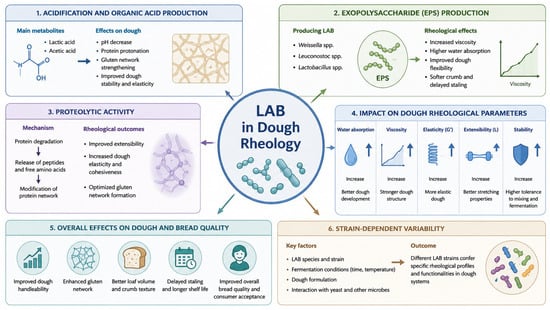
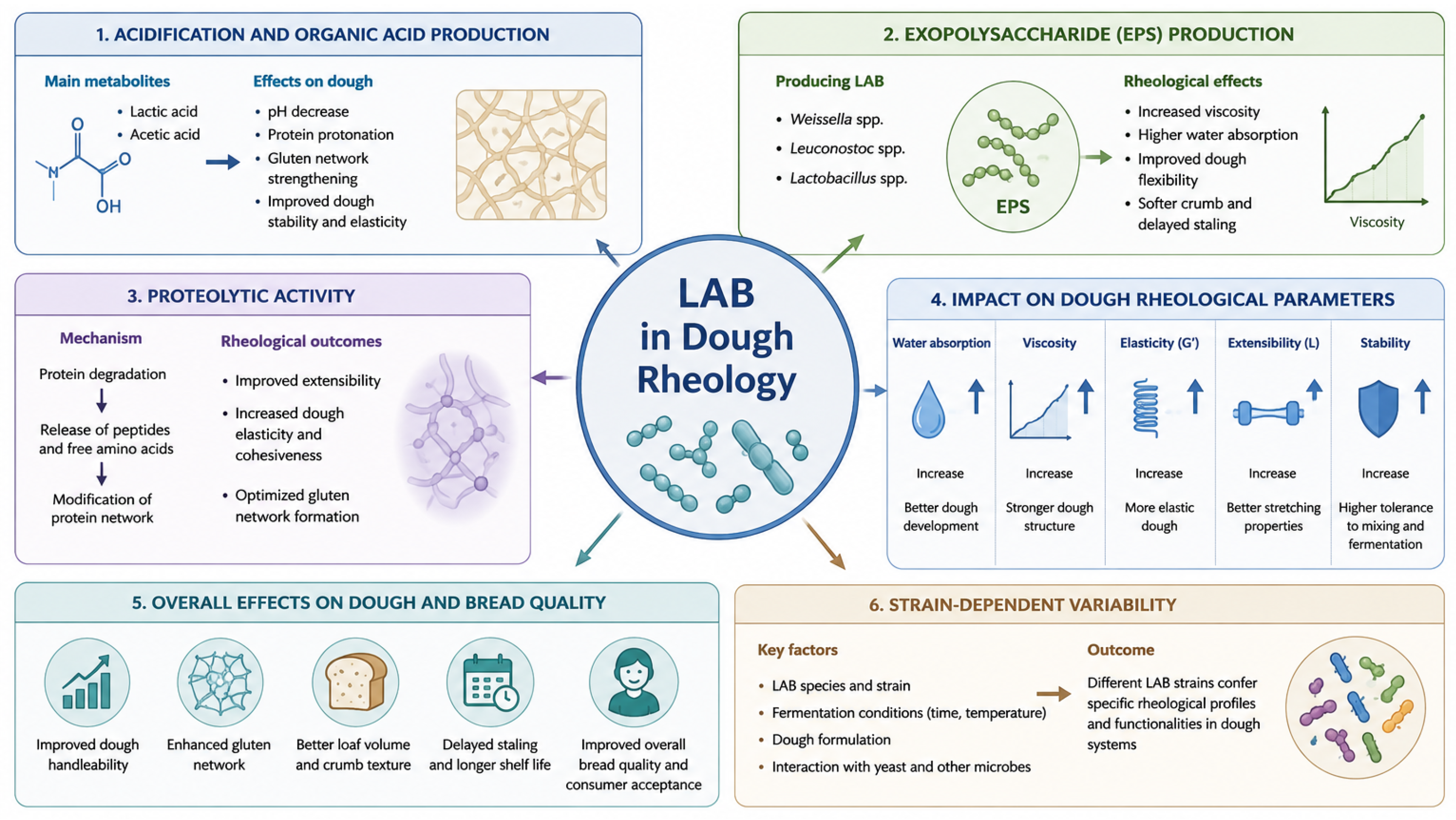
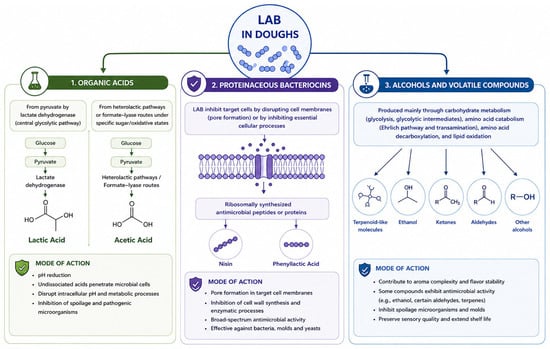
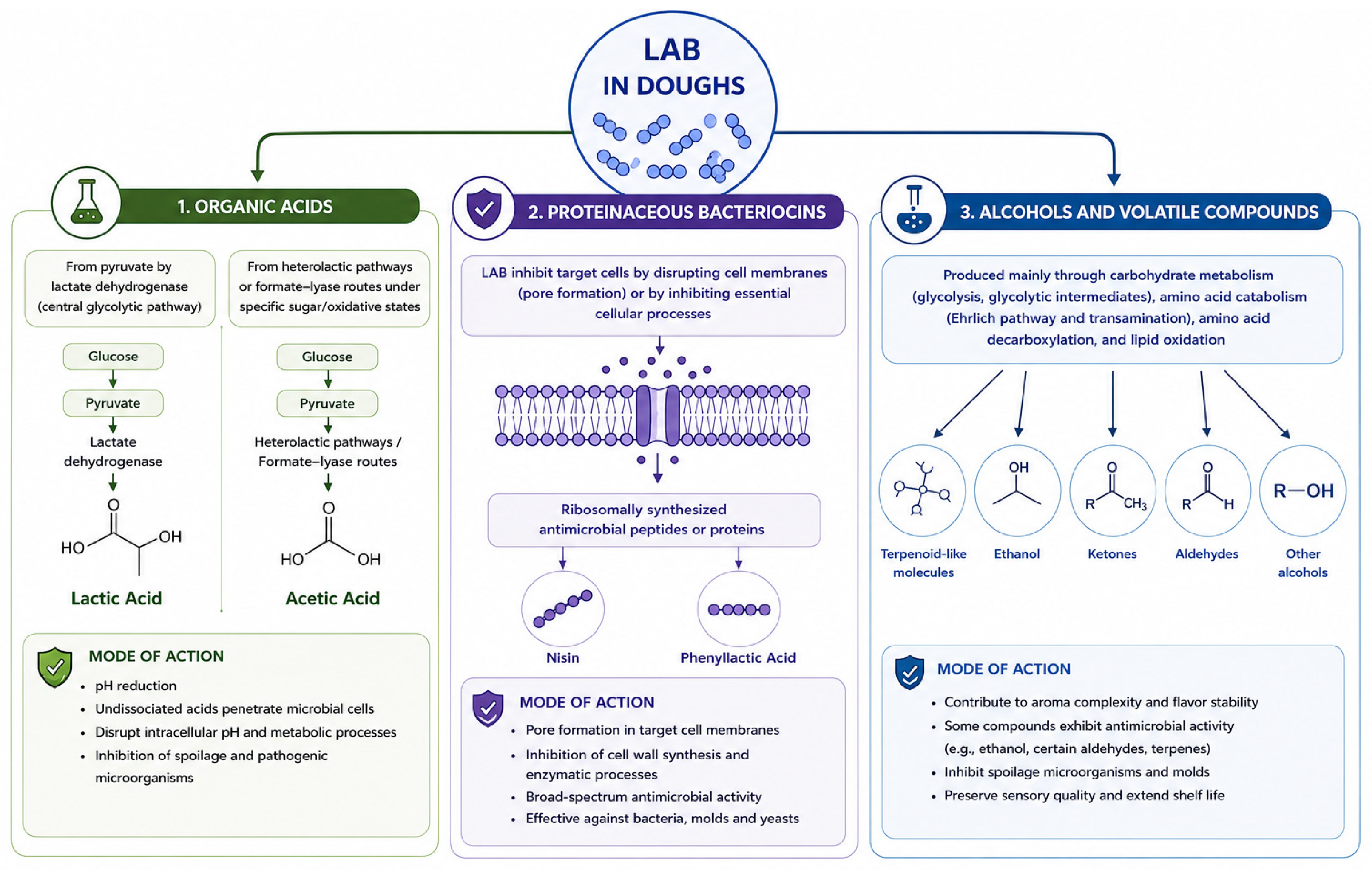
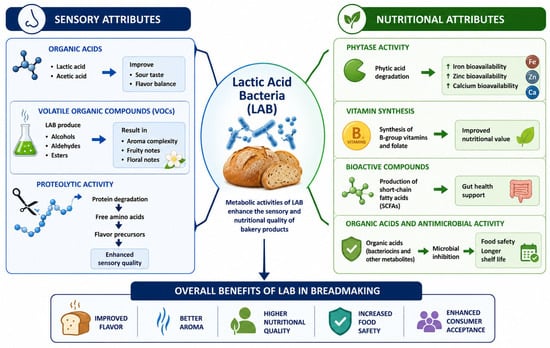
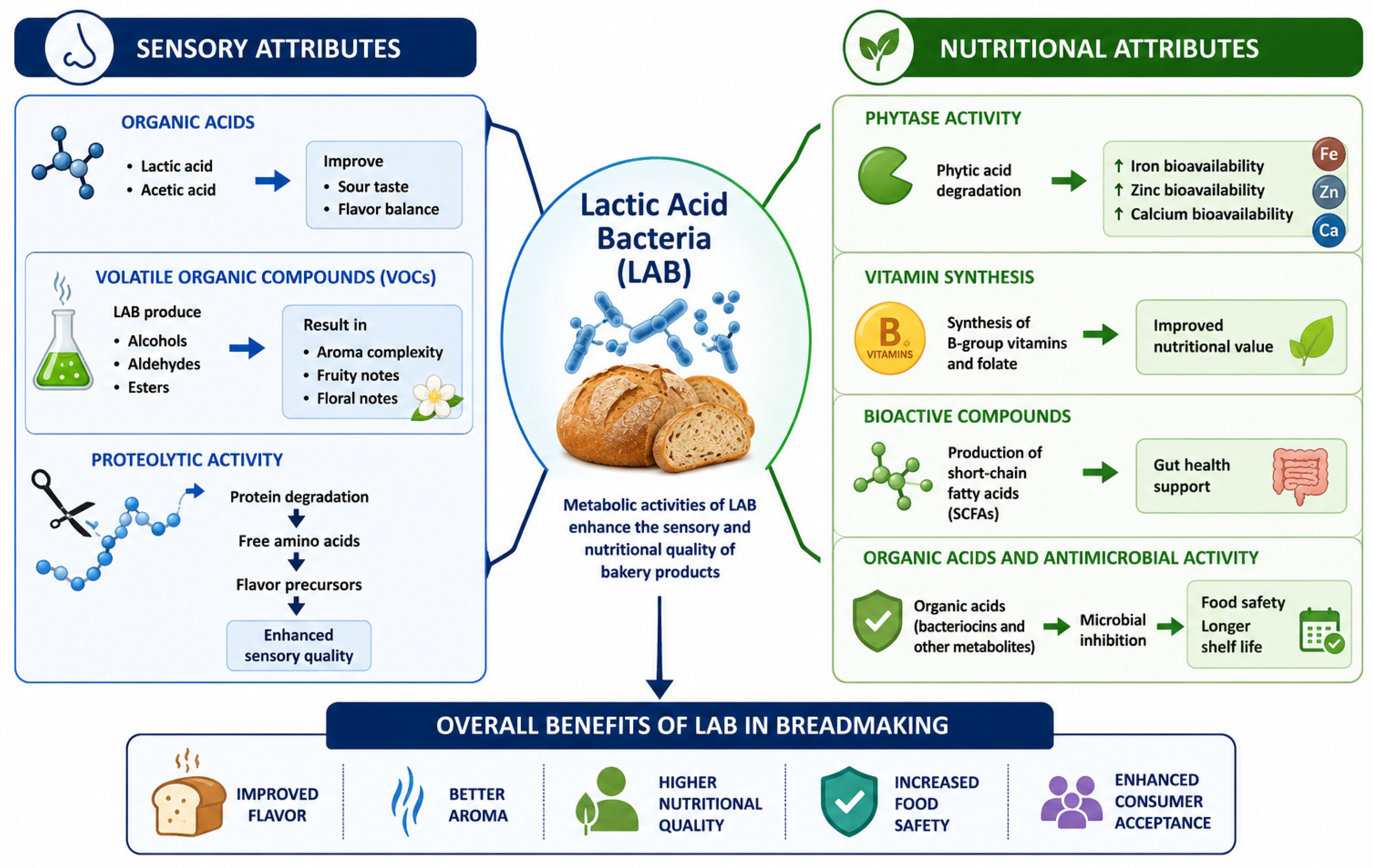
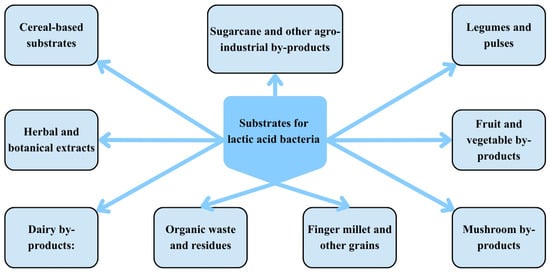
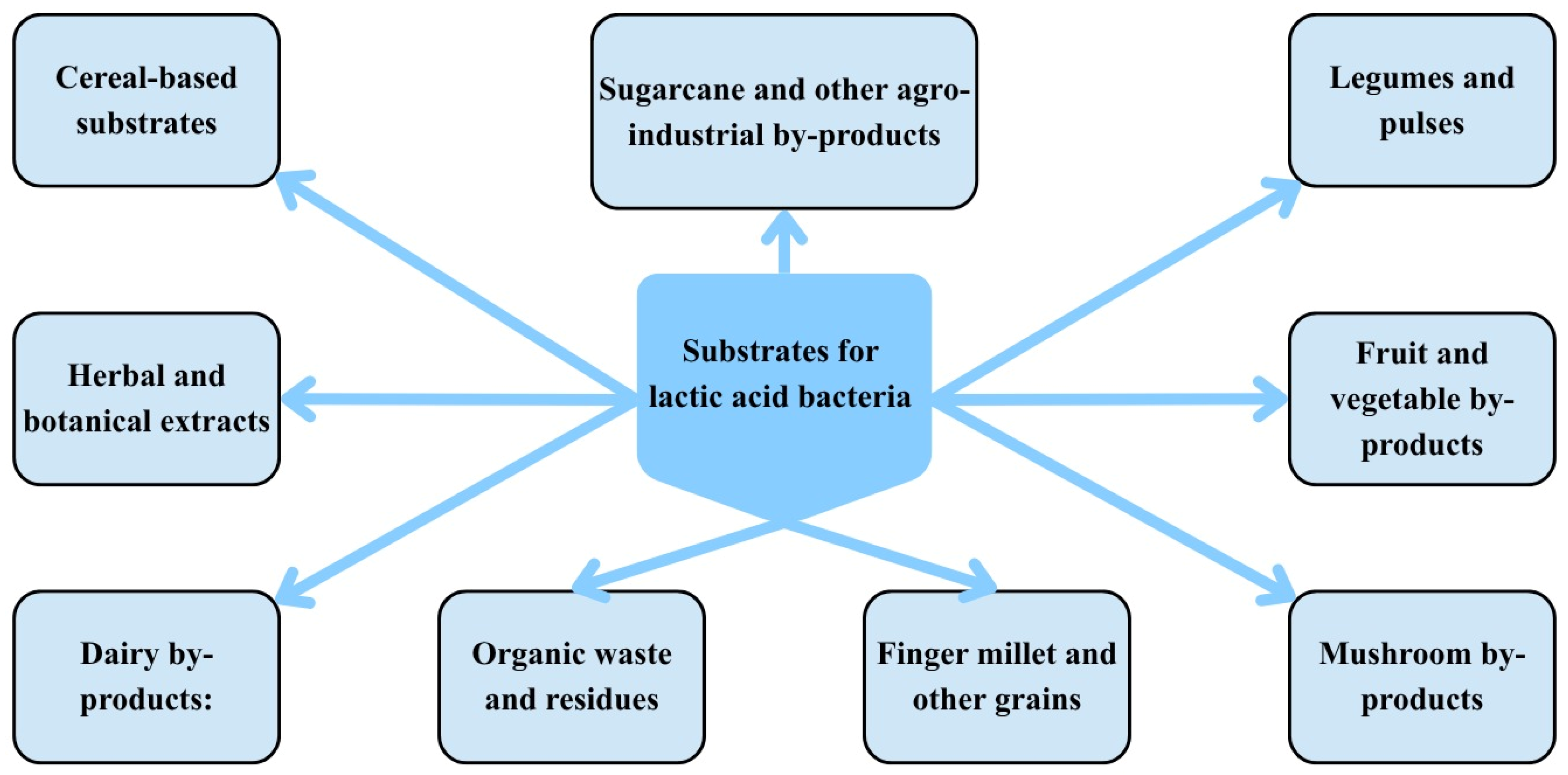

Disclaimer/Publisher’s Note: The statements, opinions and data contained in all publications are solely those of the individual author(s) and contributor(s) and not of MDPI and/or the editor(s). MDPI and/or the editor(s) disclaim responsibility for any injury to people or property resulting from any ideas, methods, instructions or products referred to in the content. |
© 2026 by the authors. Licensee MDPI, Basel, Switzerland. This article is an open access article distributed under the terms and conditions of the Creative Commons Attribution (CC BY) license.