


Abstract
In the context of the global energy transition and China’s “double carbon” strategy, power demand continues to grow, leading to expanded power plant construction that faces challenges such as spatial resource conflicts and multi-objective trade-offs. Multi-objective optimization methods are widely used for coordinating economic, environmental, and social objectives in power plant site selection. This paper systematically reviews the application of multi-objective optimization in power plant site selection using bibliometric and classification methods. The review covers four dimensions, namely, research trends, objective functions, constraints, and optimization algorithms, thereby constructing a reference framework. The study revealed that research began in 2008, with wind farm site selection now accounting for the greatest proportion. Objective functions can be summarized into four dimensions: energy and utilization, costs or benefits, engineering feasibility, and environmental and social impacts. There are six types of constraints for optimization: economic, technical, environmental, social, resource, and spatial. Genetic algorithms and their variants are the most widely used. This framework enhances the scientific rigor of power plant site selection and supports feasibility assessment, providing methodological references for site selection for power plants.
1. Introduction
Power plant site selection in China is undergoing a transition from high-speed development to high-quality development. Influenced by global climate change, electrification, and digitalization, under the backdrop of the global energy transition, China’s proposed “double carbon” strategic goals (carbon peaking and carbon neutrality) pose significant challenges to the energy transition of the domestic power industry [1]. According to the International Energy Agency’s survey report, as of 2024, global electricity demand has experienced the greatest growth on record, with electricity consumption increasing progressively; China’s electricity consumption growth in 2024 exceeded 550 TWh, far surpassing that in other regions worldwide [2]. Under the combined effects of rapidly growing electricity demand and stringent energy transition constraints, clean energy power plants, such as hydropower, wind power, photovoltaic power, nuclear power, and pumped storage, have been constructed to meet electricity demand. However, alongside the large-scale construction of these power plants, land requirements continue to grow annually, which overlaps with other land use demands [3]. Additionally, the reduction in available site space further constrains power plant site selection, which faces challenges related to geographical conditions, technical constraints, and social acceptance [4,5,6]. Furthermore, previous power plant construction decisions tended to prioritize high-quality spatial resources (i.e., spatial units that meet the following criteria: terrain suitability, low land-use conflicts, minimal ecological and policy constraints, manageable population density risks, sufficient distance from sensitive facilities, and alignment with the resource and infrastructure requirements of the specific power generation technology [7]), leading to a decrease in developable high-quality site resources [8]. Therefore, selecting the most suitable locations for power plant construction within remaining land space has become an urgent priority in current energy facility site selection.
In power plant site selection processes, decision-makers typically aim to maximize operational efficiency while minimizing development costs, construction complexity, and environmental impacts. However, practical scenarios often reveal conflicts in which single-site selection plans fail to balance these objectives [9] or even create contradictions [10]. Typical examples include wind farm locations: proximity to urban areas makes power transmission more convenient but frequently leads to noise pollution, while construction may endanger nearby bird populations, necessitating the avoidance of avian habitat zones [11]. To address these competing objectives and ensure that power plant designs meet economic, environmental, and social requirements, multi-objective optimization (MOO) methodologies have gained prominence in energy infrastructure planning. Unlike single-objective optimization, which seeks singular optimal solutions, MOO identifies a set of solutions termed the Pareto frontier. Within this framework, no solution universally outperforms others across all criteria; however, each solution demonstrates superiority over alternatives in at least one objective [12,13]. By integrating multiple evaluation metrics during Pareto frontier generation, MOO enables comprehensive optimization of site selection strategies through balanced consideration of diverse assessment criteria. Compared with another commonly used method for energy facility site selection, multi-criteria decision-making (MCDM) [14], MOO does not generally require all objectives to be aggregated into a single weighted index before optimization. Instead, MOO generates a set of Pareto-optimal solutions that explicitly represent trade-offs among conflicting objectives.
To date, the academic community has conducted extensive single-site/regional studies employing multi-objective optimization methods for power plant site selection and layout planning, covering diverse energy facilities, including wind power, photovoltaic systems, and thermal power plants. However, a notable lack of systematic reviews specifically addressing “multi-objective optimization-based power plant site selection” remains, particularly from modern perspectives on objective functions, constraint conditions, and implementation methodologies. In light of this gap, conducting a systematic review focusing on the current application status of multi-objective optimization methods in power plant site selection, methodological variations, and data constraint approaches holds significant theoretical and practical value.
In this study, power plant site selection based on multi-objective optimization methods is investigated, and four key components are systematically addressed: site selection objects, objective functions, site selection constraints and algorithms for multi-objective optimization. The analysis firstly reviews various types of power plants and their site selection characteristics, then systematically summarizes the objective functions and constraints employed in existing studies, and integrates these objectives into a unified analytical framework. Subsequently, the paper provides a comprehensive review of multi-objective optimization algorithms applied to power plant siting, examining their theoretical properties, advantages, limitations, and applicable scenarios. By integrating these critical dimensions—site selection objects, objective functions, constraints and algorithms—this research provides systematic methodological references and theoretical foundations for future multi-objective optimization applications in energy facility site selection. In addition, in the subsequent use of professional terminology, this article consistently follows the content of Table A1 in Appendix A.
2. Taxonomy and Bibliometric Analysis
2.1. Power Plant Classification System
The fundamental principle of energy facilities such as power plants lies in converting primary energy sources into electrical energy. On the basis of existing reviews and reports on various types of power plants [15,16,17], current power plants can be classified into the following categories according to different energy sources (see Table 1). Since case studies on site selection optimization using multi-objective optimization methods are available for only seven types of power plants—including coal-fired power plants (thermal power), nuclear power plants, biomass gasification power plants, hydropower plants, wind farms, solar photovoltaic systems, and hybrid power generation systems—this section focuses solely on the objective function systems of these seven categories.
Table 1.
Power plant types by energy source classification.
2.2. Bibliometric Analysis
In this study, bibliometric methods were employed to examine the research status of energy facility site selection problems using multi-objective optimization approaches. To improve the reproducibility and completeness of the literature retrieval process, the scope of the English literature search includes Google Scholar, ScienceDirect, SpringerLink, IEEE Xplore, and Web of Science. The search was conducted for studies published from January 2008 to May 2026, without restrictions on publication year or journal category. The core English search string was constructed as follows: (“multi-objective optimization” OR “multiobjective optimization” OR “MOO”) AND (“site selection” OR “siting” OR “location selection” OR “layout optimization”) AND (“power plant” OR “wind” OR “solar photovoltaic” OR “PV” OR “thermal” OR “hydropower” OR “biomass” OR “nuclear power” OR “hybrid” OR “tidal”). Additional iterative searches were conducted by combining multi-objective optimization terms with specific power generation types, including wind, solar, thermal, hydro, biomass, nuclear, and hybrid power plants.
The inclusion criteria were as follows: (1) the study explicitly addressed power plant site selection, siting, location selection, or layout optimization; (2) the study adopted a multi-objective optimization framework and generated or discussed Pareto-optimal solutions; (3) the study focused on one or more power generation facilities; and (4) sufficient information on objectives, constraints, decision variables, or algorithms was available for classification. Studies were excluded if they transformed all objectives into a single weighted objective, relied solely on multicriteria decision-making methods without multi-objective optimization, lacked a clear site selection or layout optimization component, or were unrelated to power generation facilities. After duplicate removal, title and abstract screening, and full-text assessment, 36 relevant English articles were retained for final analysis.
In addition, a Chinese literature search was performed using the China National Knowledge Infrastructure (CNKI). Keywords such as “多目标优化”, “多目标” and “选址” were used, supplemented by iterative searches with power generation-type terms such as “风电”, “光伏”, “水电”, “火电”, “生物质”, “核电”, “混合”, “潮汐” and “地热能”. Given the limited number of relevant studies, no restrictions were placed on journal type or publication year. Following the same exclusion criteria as in the English literature, only 6 Chinese articles that strictly addressed multi-objective optimization for energy facility site selection were ultimately included. The changes in the total number of literature articles specifically retrieved and obtained are shown in Table A2 in Appendix A.
Notably, to clarify the scope of this review, studies based solely on MCDM methods were not included unless they were combined with a MOO model. MOO and MCDM are related but distinct approaches. In general, MOO aims to generate a set of Pareto-optimal solutions that represent trade-offs among conflicting objectives, whereas MCDM methods are often used to rank, evaluate, or select alternatives according to preference information. However, MOO is not completely free from preferences. In practical applications, preferences may still be introduced through constraint thresholds, objective normalization or reference points. Therefore, MOO and MCDM should not be regarded as mutually exclusive approaches. Hybrid MOO–MCDM frameworks can be useful in energy facility site selection when both optimization results and transparent decision support are required.
We collected the relevant literature and conducted a statistical analysis of the research content and publication timelines, summarizing the research trends in this field through a visual representation. As shown in Figure 1, studies on power plant site selection based on multi-objective optimization methods experienced a surge starting in 2016, with significant increases in published papers during two periods: 2016–2018 and 2023–2025. The right panel shows that among the 42 collected literature articles, 27 focused on wind farms [18,19,20,21,22,23,24,25,26,27,28,29,30,31,32,33,34,35,36,37,38,39,40,41,42,43,44], 3 on hybrid wind–solar power plants [45,46,47], 3 on biomass energy stations [48,49,50], 2 on thermal power plants [51,52], 3 on photovoltaic power plants [53,54,55], 3 on hydropower plants [56,57,58], and 1 on nuclear power plants [59]. As shown in Figure 2, wind farm site selection using multi-objective optimization methods accounted for approximately 65% of all the studies and dominated the field. This dominance of wind farm studies can be interpreted from both bibliometric and technological perspectives. In the reviewed corpus, wind farm site selection and layout optimization accounted for the largest share, with 27 out of 42 studies focusing on wind-related applications. This pattern is consistent with broader renewable-energy decision-making research, in which wind energy has been identified as the most extensively studied technologies in MCDM-related renewable energy studies [60]. In particular, wind farm site-selection research has already developed into a mature and specialized research field. Previous systematic reviews on onshore and offshore wind farm siting have summarized a large body of studies involving site-selection methodologies, exclusion criteria, assessment criteria, spatial planning scales, wind resource analysis, stakeholder participation, policy constraints, and micro-siting configuration of wind turbines [61]. This imbalance may also be related to the physical and computational characteristics of different power generation facilities. Wind farm micro-scale layout optimization usually involves discrete turbine coordinates, wake interactions, turbine spacing, terrain ruggedness, fatigue loads, and cable topology, which naturally generate conflicting objectives and complex spatial constraints.
Figure 1.
Annual publication trend of the reviewed studies from January 2008 to May 2026. The bar chart shows the number of studies published each year, and the line chart shows the cumulative number of publications. The data for 2026 are incomplete and only reflect studies collected up to May 2026.
Figure 2.
Distribution of the reviewed studies by power plant type. The figure summarizes the number and proportion of studies associated with different power plant types in the final literature corpus.
In addition, recent developments in renewable energy technologies have led to the development of photovoltaic power plants and multi-energy hybrid complementary systems (e.g., wind–solar hybrid plants), which collectively represent approximately 18% of the research outputs, highlighting their strategic significance. Although studies on multi-objective optimization for biomass energy stations, hydropower plants, thermal power plants, and nuclear power plants remain limited, they demonstrate the method’s applicability across diverse power plant site selection scenarios.
The distributions of keywords, study regions, institutional affiliations, and publication sources reveal a clear methodological orientation, regional differentiation, and interdisciplinary character in the reviewed literature. First, the keyword structure is dominated by methodological terms such as “multi-objective optimization”, “Pareto optimization”, “NSGA-II” and “NSGA-III”, together with spatial decision-related terms such as “site selection”, “layout optimization” and “spatial planning”. This indicates that the central concern of this research field is the coordination of trade-offs among multiple objectives in energy facility planning. Second, the distribution of study regions reflects the influence of resource endowment and planning demand. China appears most frequently as a study region, followed by the United States, India, the United Kingdom, and several European countries, while cases from Vietnam, Mozambique, Brazil, and the Amazon Basin, highlight spatial trade-offs between energy development and environmental constraints in developing regions or ecologically sensitive areas. The distribution of institutional affiliations similarly shows that China, the United States, the United Kingdom, and India are major contributors to knowledge production in this field. The relationship between institutional countries and study regions can be characterized by both domestic studies conducted by local institutions and cross-regional or international studies conducted through collaboration or methodological transfer, indicating that this field combines local engineering practice with global diffusion of optimization methods. Finally, publication sources show a strong energy engineering orientation and interdisciplinary nature. Most studies are published in energy-related journals such as Energy Conversion and Management, Renewable Energy, and Energy, while others appear in journals such as Ocean Engineering, Applied Soft Computing, Swarm and Evolutionary Computation, Environmental Science & Policy, and Sustainability. This pattern suggests that the field has extended beyond the application of optimization algorithms alone toward an integrated research framework involving spatial data processing, environmental constraints, policy analysis, and sustainable decision support.
3. Optimization Objectives for Site Selection
In the power plant site selection decision-making process based on multi-objective optimization methods, the formulation of objective functions constitutes the core component of the site selection problem. The rationality of the objective function design directly affects the scientific validity of the entire site selection plan and the reliability of its outcomes. Owing to variations in operational characteristics, resource dependencies, environmental impacts, social acceptance levels, and technoeconomic conditions among different types of power plants, the optimization objectives involved may differ slightly. In this study, all objective function areas from the relevant literature are systematically aggregated, as presented in Table 2.
Table 2.
The optimization objective areas considered by each type of power plant in the site selection tasks.
Generally, the objective functions for power plant facility site selection based on multi-objective optimization can be broadly categorized into multiple dimensions, including energy, economic, technical, environmental, and social aspects, with these objectives often exhibiting constraints or conflicts. In this study, classified discussions on various types of power plants, are presented providing an analytical summary of their respective objective functions for site selection decisions.
It must also be mentioned that, to reduce ambiguity in the classification of objective functions and constraints, this review classified each item according to its modeling role and dominant function in the original study. An item was coded as an objective function when it was explicitly maximized or minimized in the optimization model. An item was coded as a constraint when it was used to restrict the feasible solution space through thresholds, exclusion rules, buffer distances, or mandatory feasibility requirements. When the same indicator could belong to more than one category, the classification followed its primary role in the original formulation rather than its possible secondary implications.
For example, the distance to transmission lines was coded as a technical objective when it was optimized to improve grid accessibility or reduce transmission complexity, as an economic objective when it was explicitly converted into construction or connection cost, and as a spatial constraint when it was used as a mandatory distance threshold or exclusion rule. Similarly, land-use restrictions were coded as spatial constraints when they defined available or prohibited construction areas, as environmental constraints when they referred to protected areas, ecological reserves, wetlands, or biodiversity-sensitive zones, and as social constraints when they concerned residential areas, cultural heritage sites, or public acceptance. This coding rule was applied consistently when constructing the objective and constraint classifications in Table 2 and Table 3 in the following section.
Table 3.
Constraint areas considered for each type of power plant in the site selection tasks.
3.1. Wind Farm
A wind farm is a facility that uses wind energy to drive wind turbines, which in turn generate electricity through generators. Among the various forms of power generation, wind power has become a crucial pillar of global energy structure transformation because of its mature technology, abundant resources, and low carbon emissions.
Existing studies on wind farm site selection based on multi-objective optimization methods emphasize that, in addition to the objective function for determining the quality of wind energy resources, which is essential for operational reliability, factors such as technical complexity, environmental impact, and economic benefits must also be considered. Academic research on multi-objective optimization for wind farm site selection began as early as 2010 [33], with contemporary objective function frameworks encompassing resource requirements, economic indicators, engineering layout, and social impacts. This study systematically reviews the literature on objective functions and categorizes multi-objective site selection optimization objectives into four key dimensions.
3.1.1. Maximization of Energy Supply and Utilization
During wind farm site selection, the adequacy of wind resources directly determines the suitability of a location and serves as a critical factor in ensuring economic benefits and other outputs. Ideal regional wind energy resources are characterized by stable wind speeds, consistent wind directions, and appropriate air density. In the macro-scale site selection study of offshore wind farms conducted by Zhang et al. [19], the authors considered the positive effects of air density and wind speed on wind farm efficiency, employing maximized wind energy density as one of the objective functions.
With respect to the optimization of the layout of the micro-scale layout optimization of wind farms, the range of the wind energy resources within the study area does not significantly change. Therefore, in addition to methods for directly evaluating wind energy resources, the power generation obtained by wind farms utilizing wind energy resources is also the most critical objective function in numerous micro-scale layout optimization studies of wind farms. Almost all research employing multi-objective optimization methods for wind farm micro-scale layout optimization uses power generation as the objective function [18,20,23,25,26,27,28,30,34,36,37], which essentially reflects the degree of utilization of regional wind energy resources by wind farms through power generation. Taking the micro-scale layout optimization study of China’s Xinjiang wind farms conducted by Liu et al. as an example [18], the objective of maximizing annual power generation is set to achieve the most dispersed arrangement of wind turbines to reduce wake effects and enhance the utilization efficiency of wind energy resources.
3.1.2. Cost Minimization and Profit Maximization
The economic dimension objective function serves as the most direct indicator for evaluating power plant construction effectiveness. Common objective functions include two approaches: minimizing associated costs and maximizing economic returns. Since power plant economic returns are influenced not only by site location but also by subsequent operational performance and market policies, most researchers adopt the “minimized associated costs” approach as the economic dimension objective function, which more directly reflects construction outcomes.
Power plant site selection constitutes a long-term process, requiring initial investments to be strategically allocated across all lifecycle phases—including surveys, legal compliance, project management, engineering activities, emergency response, and monitoring—to ensure successful project execution. For instance, in Mytilinou et al.’s UK offshore wind farm micro-scale layout optimization study [22], a four-dimensional economic objective function was developed based on life cycle cost theory: minimizing upfront development and regulatory approval costs, production and procurement expenses, installation and commissioning costs, and operational and maintenance expenditures. In contrast, certain wind farm site selection optimization studies incorporating noneconomic dimensions typically also employ single-objective metrics of the economic dimension, such as initial investment costs [23,32], the cost of electricity [24,32] or the levelized cost of electricity [28,36].
3.1.3. Maximization of Technical Feasibility
Technical dimension objective functions are typically employed to quantify the engineering feasibility of wind farm construction and long-term reliable operation and serve as critical factors influencing plant performance. In wind farm site selection optimization processes, technical dimension objective functions include but are not limited to total power capacity, turbine count, cable length, and transmission/distribution losses.
The objective functions in the technical dimension can be roughly divided into two usage scenarios. The first is for power generation facility layout objectives, such as in the wind farm site selection study conducted by Spielhofer et al. in Switzerland [35], where objective functions were employed across three technical dimensions: minimizing the number of wind turbines, minimizing the spatial fraction of turbines, and maximizing the energy density (annual power generation divided by the wind farm area). Additionally, there are common cases where minimizing the cable length is used as one of the objectives to prevent excessive distances between turbines [18,21,27,28]. The second scenario pertains to power plant operations, exemplified by the wind farm site selection study conducted by Verma et al. in Madhya Pradesh, India [24], where minimizing interregional transmission and distribution losses was included as one of the objectives. Rodrigues et al. maximized the energy utilization efficiency of wind farms in terms of microscale wind farm layout optimization [25], whereas Biswas et al. employed both total wind farm output power and wind farm efficiency as objective functions [31]. There are also intermediate objectives reflecting variations in power generation facilities during power plant operations; for example, Zhang et al.’s wind farm layout optimization study in China’s Sichuan Province employed minimizing maximum damage equivalent loads representing turbine structural fatigue damage as the objective function to minimize the negative impact of turbine installation environments on equipment [28].
3.1.4. Minimization of Environmental Effects
The objective functions in the environmental dimensions primarily reflect the effects of power plant construction on ecosystems. With respect to environmental effects, wind farms utilize clean energy (wind power) for electricity generation, and their construction and operation have relatively minor effects on regional ecosystems. Consequently, environmental objectives in wind farm site optimization are often indirectly addressed—for instance, by minimizing land use [27,36]—rather than being explicitly quantified through ecological damage metrics.
3.1.5. Minimization of Social Impacts
The objective functions in the social dimensions reflect the influences of power plant construction on human communities. The impacts of wind farms on human communities can be categorized into direct and indirect effects. Direct impacts involve the power supply–demand balance between wind farms and society. Verma et al. [24] quantified the disparity between regional electricity demand and wind farm generation capacity and established a monthly root-mean-square error minimization objective function to achieve supply–demand alignment. Indirect impacts manifest primarily as persistent auditory and visual disturbances. Acoustic interference stems from continuous noise pollution affecting nearby residential areas during construction, while visual disturbances caused by landscape modifications also contribute to public discontent. Mitigating these effects fundamentally requires locating wind farms as far from residential zones as possible. To reduce noise impacts, researchers have employed sound pressure level minimization objectives to restrict wind farm distances from residential areas [26,30,37]. For visual mitigation, Gonzalez-Rodriguez et al. [29] developed a visual impact function based on geometric parameters such as the field of view (lower values indicating reduced visual interference), implementing distance constraints through optimization algorithms.
3.2. Thermal Power Plants
A thermal power plant is a power facility that uses fossil fuels such as coal and natural gas to generate electricity by heating working fluids through combustion. Since thermal power plants employ nonrenewable energy sources for power generation, their environmental impact is more pronounced. The site selection quality directly affects energy supply efficiency, environmental sustainability, and socioeconomic benefits.
Existing thermal power plant site selection optimization methods based on multi-objective optimization focus primarily on economic dimension objective functions. In their study on thermal power plant site selection in northern Hunan, China [51], Bao et al. employed three objective functions: minimizing economic criteria, minimizing environmental criteria, and maximizing reliability criteria. One set of economic criteria refers to investment and operational costs, including initial capital investment and coal supply consumption; another economic criteria are reflected by the sum of construction and maintenance costs for emission control equipment and environmental loss costs of the power plant; additionally, the authors defined the product of load transmitted by transmission lines and transmission line length as the load moment and the sum of load moments from the thermal power plant to various load points as the reliability criterion. Song et al. [52] exclusively used economic dimension objective functions for macro-scale site selection and microlayout optimization of a thermal power plant in Guangyuan County, Sichuan, China, achieving economic objectives pursued by decision-makers at different levels by minimizing annual investment and operational costs, maximizing site layout profits, and minimizing environmental impacts quantified through environmental costs.
3.3. Hydropower Plants
A hydropower plant is a renewable energy facility that converts water potential or kinetic energy into electrical energy. By constructing projects such as river dams and water diversion systems, a hydropower plant transforms water head or flow into mechanical energy to drive generators for power generation. This type of plant serves as a key energy source for ensuring energy security and achieving China’s “double carbon” goals in the global energy transition.
The site selection of hydropower plants relies primarily on water bodies such as rivers, whose locations are typically near these water bodies. In the Brazilian Paru River hydropower plant dam site selection study conducted by de Paula [56], the authors formulated a objective function focusing on two dimensions: maximizing the total power generation capacity from an energy perspective and minimizing the total reservoir inundation area while maximizing the undisturbed river segment length from environmental and social perspectives. In contrast, Piao et al.’s hydropower plant site selection study [57] integrated economic and social benefits into a combined benefit objective function, summarized geological and topographical risks along with natural disaster risks using risk index objective functions, and established a dual-objective function system combining profit maximization with risk-level coefficient minimization.
3.4. Photovoltaic Power Plants
Photovoltaic power plants (PV plants) are renewable energy facilities that directly convert solar energy into electricity through photovoltaic modules and represent one of the fastest-growing forms of renewable energy generation worldwide. Like wind farms, PV plants also require the consideration of microscale layouts for multiple power generation facilities (solar panels) in certain site selection scenarios.
In their study on photovoltaic power plant site selection in KaMavota District, Maputo City, Mozambique, Sicuaio et al. established six objective functions covering energy and technical dimensions: maximizing solar radiation, minimizing the distance to the grid, minimizing the distance to road networks, minimizing the distance to urban areas, minimizing the slope, and maximizing the slope orientation [53]. Deng et al. conducted microscale layout optimization for photovoltaic power plants in the administrative building area of Leshan Vocational and Technical College, Leshan City, Sichuan Province, China [55], using energy dimension objectives such as maximizing power generation per unit area and technical dimension objectives such as maximizing the overall operational efficiency of photovoltaic systems. In contrast, Verma et al. [54] focused on environmental and social dimensions in their research on site selection and layout optimization for photovoltaic power plants on abandoned land in Madhya Pradesh, India. They conducted experiments using two objective functions (minimizing the monthly supply–demand root mean square error at the district level and minimizing generation costs) and four objective functions (adding minimizing the monthly supply–demand root mean square error at the interconnected district-group level and minimizing transmission and distribution losses to the former two) for macro-scale photovoltaic power plant site selection.
3.5. Biomass Energy Power Plant
A biomass power plant is an eco-friendly energy facility that converts biomass resources such as agricultural waste, forestry residues, and livestock manure into electricity through combustion or gasification processes, combining renewable energy attributes with waste resource utilization. Like thermal power plants, biomass power plants require efficient fuel energy transportation systems and use combustion-based power generation methods. Therefore, when the site selection of multi-objective biomass power plants is optimized, critical considerations should include supporting energy supply sources and the environmental impacts of power plant operations.
In a study conducted by Nandimandalam et al. on dual-site selection for biomass power plants and supply sources in Grenada County, Mississippi, USA [49], two objective functions were employed: minimizing the total system cost and reducing greenhouse gas emissions, with a focus on both economic and environmental dimensions. In the site selection study for biomass energy power plants in southern Vietnam conducted by Nguyen et al. [50], total cost and other environmental factors were taken into the consideration. In contrast, Zhang et al.’s study on biomass power plant site selection in Hubei Province [48] included objective functions aimed at maximizing straw collection volume and minimizing the distances between resource collection points and power plants. These examples demonstrate that the objective functions applied in biomass energy plant site selection optimization studies cover a wide range of scenarios.
3.6. Nuclear Power Plants
Nuclear power plants are high-efficiency energy facilities that utilize energy released through nuclear fission reactions to heat working fluids and generate electricity. With advantages such as high energy density, extremely low carbon emissions, and stable operation, these plants serve as crucial strategic energy sources for ensuring a baseload power supply and addressing climate change. Site selection for nuclear power plants imposes stringent safety requirements, necessitating compliance with rigid constraints, including geological stability, adequate water supply, distance from residential areas, and suitable emergency conditions. Consequently, the objective functions for nuclear power plant site selection are replaced by multiple evaluation indicators, with the content increasingly emphasizing technical, environmental, and social dimensions.
In a U.S. nuclear power plant site optimization study conducted by Erdem et al. [59], multiple core attributes were utilized as objective functions for plant site selection. The authors defined 22 objectives across three dimensions. The socioeconomic dimension included eight criteria—state nuclear capacity limits, annual average electricity prices, nuclear inclusion policies, public attitudes towards nuclear energy, net electricity imports, five-year average labour costs, social vulnerability, and energy market regulation. The safety dimension comprised eight parameters—intersections with protected lands, hazardous facility density within 5 miles, fault line crossings, landslide risks, peak ground acceleration below 0.3 g, flood disaster records over the past century, proximity to open water/wetlands, and slope gradients below 12%. The accessibility dimension covered six metrics—proximity to population centres, distribution of nuclear R&D facilities within 100 miles, distances to grid substations and transportation networks, proximity to decommissioned plants within 20 years, and water flow distribution patterns within a 20-mile radius (50,000 gallons per minute). Through this comprehensive evaluation of 22 objectives, the authors ranked more than 10,000 candidate sites to identify the most geographically compatible locations.
3.7. Hybrid Power Plants
A hybrid power plant is a composite energy facility that integrates two or more energy sources, increasing energy supply reliability and utilization efficiency through the complementary characteristics of different energy types. Given that hybrid power plant site selection based on multi-objective optimization methods involves multiple energy sources, the objective function must simultaneously consider demand requirements from various energy sources. Additionally, incorporating grid compatibility objectives specific to hybrid power plants into the evaluation framework is needed.
In a study on site selection for offshore wind–solar hybrid power plants within India’s exclusive economic zone, Srinivas et al. first established two objective functions in the energy dimension, namely, maximizing the wind speed and solar radiation, to ensure an adequate energy supply for both wind and solar power generation facilities [53]. Additionally, they set five technical dimension objective functions and environmental/social dimension objective functions, namely, maximizing water depth adaptability, minimizing the distance to transmission lines, minimizing the distance to substations, maximizing the distance to ports, and maximizing the distance to protected areas, to reduce technical risks, operational and construction costs, and the impact of power plants on surrounding shipping and ecology. In a spatial layout optimization study of offshore wind–solar hybrid power plants within China’s exclusive economic zone conducted by Jiang et al. [45], the authors established an economic dimension objective function to minimize investment costs and control the project’s full life cycle cost, supporting project feasibility. They also set a technical dimension objective function to minimize facility quantity to reduce operation and maintenance complexity, along with two energy dimension objective functions, namely, minimizing the proportion of external power and minimizing the curtailment rate, to improve regional energy self-sufficiency while reducing energy waste. In a site selection study of onshore and offshore wind–solar hybrid power plants across Australia and its exclusive economic zone conducted by Wu et al. [46], an energy dimension objective function was established to maximize median power generation, power fluctuations caused by multiple types of power plants were considered and a technical dimension objective function was proposed to minimize the median absolute deviation, thereby reducing grid dispatching pressure.
4. Constraints in Multi-Objective Optimization-Based Site Selection
In practical power plant site selection processes, some solutions may be feasible only under ideal conditions, while real-world implementation often faces challenges because of various constraints. Sites identified through manual searches or alternative methods may be limited by natural environmental factors, economic conditions, and government land development policies. Therefore, before addressing site selection tasks that consider mathematical programming problems, it is essential to first convert potential quantifiable constraints into operational requirements. The establishment of a more realistic site selection framework through this approach can significantly increase the credibility and validity of the final outcomes.
In this study, the evolution of power plant energy sources is integrated with literature analysis, and common constraints in power plant site selection are categorized into six types: economic constraints, technical condition constraints, environmental constraints, social constraints, resource constraints, and spatial constraints. Table 3 lists the constraints considered for each type of power plant in site selection tasks based on multi-objective optimization methods.
4.1. Economic Constraints
Power plant construction typically involves profit-driven economic activity. From an economic perspective, such projects require substantial capital investment (costs) while generating revenue through electricity sales to recover expenditures. Decision-making processes must be grounded in economic feasibility studies, incorporating factors such as return on investment and cost control to ensure profitability. In existing studies on multi-objective power plant site selection optimization, economic constraints remain a critical limiting factor in site selection decisions.
Cost is a critical factor in determining site layout in power plant location studies and serves as the primary constraint on potential site selection areas. For power generation facilities that require cable connections, cost limitations often restrict the scope of potential sites. Taking hybrid wind–solar power plant construction as an example [46], researchers have established maximum distance requirements between power plants and both the grid and substations to reduce transmission costs. In some case studies [46], authors limited construction costs by defining site selection within “renewable energy zones” identified through Australian energy market operator surveys. A more direct approach is demonstrated in Şişbot et al.’s wind farm location study [33], where a $20 million cost ceiling was explicitly imposed to regulate wind farm site planning.
4.2. Technical Constraints
Any power plant that aims to convert natural energy into grid-ready electricity must rely on a series of interconnected technical systems. Only appropriate technical conditions can ensure the technical feasibility of power plant projects. In site selection for power plants represented by wind farms and photovoltaic plants, factors beyond geographical location may include the choice of installed equipment models. Photovoltaic plants may also optimize micro-scale site layout parameters such as array size and tilt angle.
Such constraints are typically encountered in complex power plant site selection scenarios involving wind farms and photovoltaic plants. Most micro-scale layout optimization studies for wind farms establish turbine spacing requirements prior to site selection to ensure construction and operational safety [34,36,37], while photovoltaic plants also specify solar panel tilt angles [55]. Beyond spatial constraints, some research, including the Round 3 UK Offshore Wind Farm site selection optimization project conducted by Mytilinou et al. [22], introduces additional technical constraints such as “selecting turbine models and installation quantities with different parameters”. Furthermore, hydropower plant site selection involving simultaneous multisite evaluations must incorporate these constraints. For instance, the Paru River Basin hydropower plant site selection study in Brazil [56] implemented mutually exclusive constraints to prevent the simultaneous construction of overlapping projects, along with free-flow river segment determination criteria to identify non-dam-connected river sections between plants, ensuring that selected hydropower plants operate without mutual interference.
4.3. Environmental Constraints
The implementation of power plant projects depends not only on current technological capabilities but also on whether the selected site and surrounding environment are suitable for construction. Throughout the lifecycle of a power plant—from initial construction through operation to decommissioning—it will serve as a long-term environmental intervenor, affecting adjacent land, water bodies, and ecosystems. Therefore, environmental constraints and the potential impacts of power plant development on surrounding areas must be rigorously considered in site selection.
Environmental constraints are primarily reflected in the delineation of the study area for site selection. The main applications include two scenarios. The first scenario involves constraints such as prohibited development zones represented by ecologically sensitive areas and specific land use types. Before conducting experiments, such areas should be directly excluded from the candidate area, or buffer zones should be established around them. In a study of the layout optimization of micro-scale sites of onshore wind farms [30], the authors designated lakes, private lands, and ecological reserves as prohibited development zones. In a wind farm site selection study in Sichuan, China [28], in addition to excluding villages and infrastructure areas, a slope limit of less than 26.57° was imposed for turbine placement. In a micro-scale layout optimization study of offshore wind farms conducted by Zhang et al. [19], the authors, in compliance with the National Energy Administration’s requirements, established a 10 km buffer zone centred on the coast to prevent turbines from being installed too close to the shore. In spatial discretization site selection tasks, environmental constraints are also necessary to limit the selection area. In practical site selection problems using this method, the candidate location set typically consists of a binary raster reflecting the geographical location of the study area or a set of uniformly distributed binary point coordinates, where binary values of 0/1 indicate whether the selected facility is within the pixel or whether a point coordinate is chosen. In a thermal power plant site selection study in Hunan, China [51], the authors directly excluded pixels representing unsuitable areas such as mountainous regions and urban zones. Similarly, in a study of the layout optimization of the selection of micro-scale sites of wind farms in Xinjiang, China [16], the authors calculated the ruggedness index for each candidate pixel and excluded those with high ruggedness indices.
Another aspect involves evaluating site selection schemes to ensure their feasibility for construction in specific environments. In a Yarlung Zangbo River hydropower plant site selection study [57], the authors considered geological topography, natural disasters, and hydrometeorological risks associated with hydropower plant site selection. They established a “total risk constraint” as a limiting indicator to restrict potential site options.
4.4. Social Constraints
In multi-objective power plant site selection optimization studies, social constraints are relatively uncommon. Moreover, most constraints involve assessments of the impacts on the power plant itself after its construction.
In social-level research on multi-objective power plant site selection optimization, the primary constraints involve limiting distances from residential areas or human activity zones to mitigate environmental impacts. For instance, the photovoltaic power plant site selection project in Mozambique [53] required locations far from urban areas to reduce noise pollution. In offshore wind farm site selection studies [19], researchers evaluated navigation risk levels across study areas, excluded high-risk zones, and restricted turbine placement from shipping routes to prevent radar shadow interference with nearby vessels. For environmentally sensitive sites such as nuclear power plants [59], safety regulations mandate “locations at least 4 miles away from population centres with more than 25,000 residents” to ensure public safety. Less frequent but equally critical social constraints stem from government policies. In a wind farm site selection study in Switzerland [35], researchers developed seven policy scenarios aligned with Swiss wind energy regulations, explicitly prohibiting turbine installation in prohibited zones throughout the site selection process.
4.5. Resource Constraints
Natural resources are not uniformly distributed geographically and exhibit seasonal fluctuations, competitive utilization, and transportation radius limitations. For the majority of power plant types, whether the energy supply meets demand also serves as one of the factors restricting site selection. In coal-based thermal power plant site selection study [51,52], the investment cost objective function considered supply constraints from coal sources and explicitly specified coal demand requirements for power plants. In a study on photovoltaic power plant site selection in Maputo’s KaMavota region, Mozambique [53], given that Mozambique lies in the Southern Hemisphere, where solar panels must face northwards for maximum sunlight exposure, Sicuaio et al., imposed a slope orientation constraint of 10–12° on site units. In a solar power plant study in Madhya Pradesh, India [54], Verma et al. calculated capacity utilization on the basis of global horizontal irradiance, excluding areas with utilization rates below 18%. In a nuclear power plant site selection study in the U.S. [59], Erdem et al. required runoff exceeding 50 kGPM within 20 miles of candidate sites because of substantial freshwater demands for cooling systems. In a biomass energy plant and supply point site selection study in Mississippi, USA [49], Nandimandalam et al. imposed constraints on biomass yield and flow balance. In a Hubei Province biomass power plant site selection study [48], Zhang included straw availability within raw material collection zones as a key constraint. Hybrid power plant site selection tasks such as wind–solar hybrid projects require resource constraints for diverse energy sources. For instance, studies on the exclusive economic zone power plant site in India have established threshold requirements for regional wind speed and solar radiation intensity [46]. In a micro-scale layout optimization study of wind farms in Madhya Pradesh, India [24], the requirements for the wind speed were more stringent, with strict upper and lower bounds defined to characterize the effective wind speed.
4.6. Spatial Constraints
The most common and essential spatial constraint in spatial planning is the boundary constraint, which confines the power plant site selection process within predefined parameters, as demonstrated in the preceding section. Spatial constraints also occur in other application scenarios. In a nuclear power plant site selection study in the U.S. [59], researchers integrated brownfield data with historical coal plant site locations and analysed 34,476 candidate sites. To eliminate computational redundancy, all the geographic coordinates of all the sites were rounded to 0.01° precision, and duplicate coordinates were filtered out, reducing the candidate pool to 16,057 sites—a process that decreased the computational time required for experimental simulations by more than 64%. Similar approaches were applied in wind–solar hybrid power plant site selection studies [46], where the authors employed K-means clustering algorithms to streamline 55,741 candidate sites to 1000 for optimized simulation efficiency.
In addition to ensuring operational efficiency, spatial constraints also serve the direct needs of decision-makers. In a study on wind farm site selection conducted by Gonzalez-Rodriguez et al., all the wind turbines were required to be uniformly distributed in a parallelogram configuration [29].
5. Algorithms for Multi-Objective Optimization-Based Site Selection
In multi-objective optimization, it is rare for any single solution to dominate all the others comprehensively. Therefore, the primary objective of such optimization is to obtain a solution set (i.e., the Pareto frontier) where no solution can dominate another within this set. The methods for acquiring such a solution set are referred to as multi-objective optimization algorithms. From this perspective, this study categorizes multi-objective optimization algorithms into the following types. All the power plant types listed in Table 4 employ these methods for location optimization.
Table 4.
MOO methods used by each type of power plant in the site selection tasks.
Through a systematic literature survey, this study identified multi-objective optimization algorithms applied to power plant site selection. For brevity and consistency in the following subsections, these algorithms are hereafter referred to using their standard abbreviations as follows: NSGA-II, NSGA-III, VdRBNSGA-II, MOEA/D-DRA, SPEA2, MOGOMEA, DMOSTA, ε-constraint method, BiPSO, MOECPO, NDMCSA, PMOCSA, MO_HH, MOEA/D-P, MORSA, VEPSO, PG-MOO and MOPSO.
Although Table 4 summarizes the application of different multi-objective optimization algorithms across power plant types, these algorithms differ substantially in computational cost, convergence behavior, diversity preservation, and scalability to high-dimensional objective spaces. NSGA-II has been widely used in general multi-objective site selection problems because of its robust performance, relatively simple implementation, and acceptable convergence speed when the number of objectives is limited. Its crowding-distance mechanism is effective for maintaining solution diversity in low- or moderate-dimensional objective spaces. However, as the number of objectives increases to three or more, the proportion of non-dominated solutions usually increases, which weakens the selection pressure of NSGA-II and may lead to slower convergence and a less uniformly distributed Pareto front.
Compared with NSGA-II, NSGA-III is more suitable for many-objective optimization problems because it introduces a reference-point-based selection mechanism. This mechanism helps maintain diversity and distribution uniformity when several conflicting objectives are optimized simultaneously, such as cost, energy output, engineering feasibility, environmental impact, and social acceptance in power plant site selection. Nevertheless, NSGA-III may require additional computational effort because the number and distribution of reference points must be properly defined, and larger populations are often needed to approximate high-dimensional Pareto fronts.
Other algorithms also present different trade-offs. SPEA2 and IBEA can improve solution quality evaluation through archive-based or indicator-based selection, but they may increase computational overhead when the population size or number of objectives grows. MOGOMEA is more suitable for discrete or combinatorial layout optimization problems because it can exploit linkage structures among decision variables, although its model-building process may be computationally demanding. VdRBNSGA-II and related hybrid evolutionary algorithms are useful for mixed-variable problems, such as wind farm micro-scale layout optimization involving turbine coordinates, spacing constraints, wake effects, and cable routing. The ε-constraint method is computationally interpretable and useful when one objective can be treated as the primary objective while the remaining objectives are converted into constraints, but its performance depends strongly on the selection of constraint thresholds.
Therefore, algorithm selection should not be based solely on frequency of use. For macro-scale site selection with moderate objective dimensions and GIS-based spatial variables, NSGA-II remains a practical and robust option. For problems involving three or more conflicting objectives, NSGA-III is generally more appropriate because of its stronger diversity-preservation ability in high-dimensional objective spaces. For micro-scale layout optimization with discrete, continuous, or mixed decision variables, problem-specific evolutionary or combinatorial algorithms may be more effective despite their higher computational burden.
5.1. Classical Genetic Algorithms
The principle of genetic algorithms (GAs) lies in “population iteration”, where the initial solution set is modelled as a chromosome population. By simulating evolutionary operations such as selection, crossover, and mutation from biological populations, the algorithm conducts parallel searches across multiple solution spaces to generate a diverse set of nondominated solutions rather than being confined to a single optimal solution. During solution set updates, genetic algorithms actively pursue diversity to ensure that solutions are evenly distributed throughout the target space, effectively preventing the algorithm from becoming trapped in local optima.
The method of solving multi-objective optimization problems using genetic algorithms is referred to as multi-objective genetic algorithms. Its workflow comprises six steps: population initialization, selection, crossover, mutation, nondominated sorting, and population update. Initially, each solution is assigned a value as a chromosome to ensure that the initial population covers the solution space preliminarily. To maintain both solution diversity and convergence trends, chromosomes undergo processing through selection operators, crossover operators, and mutation operators. After processing, the original solutions and new solutions are combined. On the basis of the dominance relationships between solutions, all the solutions are hierarchically sorted according to dominance status. Solutions from higher dominance levels (i.e., those capable of dominating other solutions) are prioritized as new population members. This iterative process continues until a population with a diverse distribution across the objective space and no mutual dominance relationships is obtained—the Pareto frontier.
5.1.1. NSGA-II
NSGA-II, developed by Deb et al. as an improvement over the original NSGA [62], was the first to be applied in multi-objective optimization for power plant site selection. This algorithm addresses the shortcomings of the initial algorithm, including poor solution distribution across the objective space and high computational complexity. To date, NSGA-II remains a benchmark for multi-objective optimization and was the first methodology employed in power plant site selection optimization research [51].
NSGA-II follows the traditional genetic algorithm framework, with its most notable distinction being the introduction of the “crowding distance” during population updating. This metric considers the spatial dispersion of solutions by measuring their distances from neighbouring solutions within the objective space. In addition to dominance sorting, NSGA-II implements crowding factor sorting during population updates, prioritizing solutions with higher crowding values to prevent excessive clustering of the solution set.
5.1.2. NSGA-III
While NSGA-II represents significant improvements over earlier genetic algorithms, it still faces challenges in handling excessive objectives because of the computational inefficiency of crowding factor calculations in high-dimensional spaces, resulting in reduced solution set uniformity and slower convergence rates when dealing with a large number of objective functions. To address these limitations, Deb et al. refined this algorithm and introduced it as NSGA-III [63,64].
NSGA-III is an enhanced algorithm specifically designed for high-dimensional multi-objective optimization problems and maintains the same overall workflow as NSGA-II does. Unlike NSGA-II, which preserves solution diversity through crowding factor calculations, NSGA-III introduces a reference point mechanism. Strategic placement of reference points uniformly distributed in high-dimensional space provides clear guidance for solution exploration in the objective space. During solution set updates, the algorithm prioritizes solutions that exhibit strong proximity to reference points (i.e., low distance) and remain undominated, ensuring a uniform distribution of solutions across the target space.
In power plant site selection optimization using NSGA-III, the algorithm is typically employed for multi-objective optimization scenarios involving three or more objectives. In Spielhofer et al.’s study on Pareto-optimal site selection for Swiss onshore wind farms, three objective functions were utilized: minimizing the turbine count, reducing the spatial clustering density of turbines, and maximizing the energy density [35]. Moreover, Manikowski et al. implemented six objective functions in their wind farm micro-scale layout optimization process: wind turbine quantity, farm area, power cable length, normalized energy cost, annual power generation, and farm efficiency [36]. Through comparative simulations using NSGA-II and NSGA-III, Manikowski et al. demonstrated that NSGA-III outperforms NSGA-II in terms of metrics such as solution distribution uniformity and spacing evaluation [36].
5.2. VdRBNSGA-II
VdRBNSGA-II builds upon NSGA-II by employing variable decomposition and real binary hybrid encoding to address the challenge of efficiently handling scenarios where continuous and discrete variables coexist, which is a common limitation in traditional algorithms [26]. Its core innovation lies in integrating the global search capability of evolutionary algorithms with variable decomposition techniques for dimensionality reduction, making it particularly suitable for multi-objective problems requiring the simultaneous optimization of discrete and continuous decision-making processes.
In a wind farm site selection study [26], Mittal et al. aimed at maximizing annual power generation and minimizing sound pressure levels. A micro-scale layout optimization scheme was first established using a binary-coded format comprising two segments: continuous segments represented turbine coordinates through real numbers, while discrete segments indicated the turbine placement status via binary values. This approach not only provides comprehensive decision-making support for wind farm site selection but also empirically validates the effectiveness and practicality of VdRBNSGA-II in solving engineering optimization problems involving mixed variables.
5.3. MOEA/D-DRA
MOEA/D-DRA is an enhanced variant of decomposition-based multi-objective evolutionary algorithms, it decomposes complex problems into interconnected subproblems and employs dynamic resource allocation with neighbourhood collaboration to prioritize convergence performance for high-efficiency subproblems [31].
In a micro-scale layout optimization study of wind farms conducted by Biswas et al. [31], 600 weight vectors were established to simultaneously maximize annual power generation and wind farm efficiency. By assigning weights to these dual objectives, the multi-objective optimization problem was transformed into 600 single-objective problems, yielding 600 potential solutions. The iterative update phase involved identifying 60 neighbouring weight vectors for each target vector on the basis of spatial relationships. Three neighbouring vectors were selected as parent solutions for crossover/mutation operations, generating new solutions with updated objective function values. Solution updates were determined by evaluating new objective function values relative to existing solutions. After 50 iterations, each solution’s utility value was assessed: solutions demonstrating optimization potential or generating superior new solutions over existing ones received higher utility values, whereas others experienced value reduction. Through this process, high-utility solutions are consistently selected for iteration updates, ultimately constructing a Pareto frontier through multiple iterations.
5.4. SPEA 2
SPEA2 is a multi-objective optimization algorithm based on evolutionary mechanisms. Its principle involves maintaining nondominated solutions through an additional independent archive pool while assessing solution quality and diversity using strength evaluation and density estimator metrics.
This algorithm was applied to solve a seven-objective optimization problem for offshore wind farm site selection in the UK’s Round 3 project. After the solution set was initialized, dominance relationships were used to calculate the solution intensities. The conventional population and independent archive pool were merged to screen nondominant solutions, with the archive pool size adjusted through K-nearest neighbour density estimation. Parent solutions were selected on the basis of intensity values, followed by single-point crossover mutation to generate offspring populations. Experimental comparisons with NSGA-II and NSGA-III methods demonstrated that the solution set coverage of SPEA2 in the objective space falls between those of NSGA-II and NSGA-III [22].
5.5. IBEA
The core design philosophy of IBEA lies in quantifying the relative quality of solutions within the objective space through binary quality metrics and replacing the Pareto ranking dependency inherent in traditional multi-objective optimization algorithms to solve such problems. IBEA typically employs binary indicators with dominance-preserving properties, such as the ε-indicator (which measures solution dominance) or the supervolume difference (which reflects solution convergence and diversity).
Scholars have utilized IBEA to solve micro-scale layout optimization problems for wind farms [27]. In practical applications, this algorithm resolves the trade-off between solution quality through ε-indicator quantification and narrows the Pareto frontier via progressive elimination. Experimental comparisons with NSGA-II and SPEA2 demonstrate that IBEA outperforms NSGA-II in terms of supervolume metrics and objective function optimization but falls short of SPEA2 in terms of the solution uniformity distribution and nondominated individual proportion. This disparity stems from IBEA’s lack of explicit diversity maintenance mechanisms for solutions.
5.6. MOGOMEA
MOGOMEA is a metaheuristic multi-objective optimization algorithm based on discrete variables. Its core mechanism employs “gene pool hybrid mutation, objective space clustering, and variable-dependent adaptive optimization” to efficiently generate Pareto-optimal solutions that cover the entire trade-off space in combinatorial optimization and practical engineering problems. The innovations of MOGOMEA can be summarized as follows. First, an initial population composed of discrete solutions is initialized. Afterwards, the population is clustered on the basis of objective space proximity, with mutation operations performed only within clusters to avoid invalid combinations across clusters. In variable dependency identification, traditional statistical analysis methods are replaced with inherent problem attributes to measure variable correlations, and linkage trees are constructed to identify dependencies and ensure that critical variable combinations are preserved. With respect to population size, a dynamic expansion strategy that gradually increases with iterations is adopted to avoid local optimization traps. Additionally, an elite archive is established to store solutions that remain undominated by any other solutions.
In existing multi-objective optimization location studies, MOGOMEA is frequently employed for selecting the layouts of offshore wind farms. Compared with algorithms such as NSGA-II, MOGOMEA demonstrates superior solution diversity, higher computational efficiency, and stronger engineering adaptability in offshore wind farm micro-scale layout optimization [23,25].
5.7. DMOSTA
DMOSTA is a multi-objective metaheuristic algorithm specifically designed for binary coding combinatorial optimization problems and is fundamentally derived from the discretized application extension of state transition algorithms.
DMOSTA treats candidate solutions as discrete distribution states and iteratively updates them within a discrete space through four deterministic state transition operators—exchange, movement, symmetry, and substitution—to achieve global solution exploration. The algorithm employs fast nondominated sorting and crowding distance maintenance strategies to update the solution set after each generation, enabling solutions to progressively converge towards the Pareto frontier. Given that most application scenarios involve discrete distribution results of multiple location options, this method is widely applied to complex power generation facility site selection problems, such as micro-scale layout optimization for wind farms [18].
5.8. ε-Constraint Method
The ε-constraint method is a classical multi-objective optimization algorithm that transforms multi-objective problems into a series of single-objective subproblems. By progressively adjusting the constraint ranges of the secondary objectives, all the complete Pareto frontiers are generated.
The process is as follows. First, the maximum values of the objective functions for all the objectives in the multi-objective optimization problem are identified, and the feasible range is determined for each objective. Second, one objective is selected as the main objective, and the other objectives are converted into constraints, with one or more ε values set for each converted constraint, which is adjusted within the extreme range of that objective. For each ε value combination, a single-objective optimization subproblem is constructed, and the optimal solution of the main objective function under the constraints is solved. After all the optimal solutions of the subproblems are collected, the nondominated solutions are screened through Pareto ranking to output the Pareto frontier. The ε-constraint method has been applied to optimize hydropower plant site selection for the Paru River Basin in Brazil [56], Xizang Yarlung Zangbo River Basin hydropower plant site selection optimization in China [57], and biomass power plant site and supply chain site selection optimization in Mississippi, USA [49].
5.9. BiPSO
The BiPSO algorithm represents an improvement over traditional multi-objective PSO algorithms. In single-objective PSO problems, particle positions are updated by comparing their objective function values with those after position updates. Since multi-objective optimization problems typically lack a solution that completely dominates all others, an external archive set is used to select “leading particles” to replace gBest, guiding the swarm search. To prevent the swarm from becoming trapped in local optima, the multi-objective PSO algorithm adopts methods similar to those of genetic algorithms, adjusting leading particles through crowding factor calculations and mutation operators. This approach ensures both convergence and diversity during the search process.
The BiPSO algorithm operates through a dual-layer collaborative optimization framework to address optimization problems involving multiple decision-making entities and multi-objective coupling. Structurally, it decomposes the optimization problem into two layers, typically implemented via a two-stage iterative process. First, the optimal solution is identified in the upper layer, and then, in the lower layer, each candidate solution from the upper layer is evaluated to find corresponding optimal solutions, which are subsequently fed back to update the positions of the upper-layer particles.
In the study by Song et al. on thermal power plant site selection [52], BiPSO was employed to address the joint optimization problem of coal-fired power plant location and construction site layout. The authors modelled decision-makers at two hierarchical levels: project owners and specialized subcontractors. The upper-level model uses a combined objective function of annual total costs and environmental protection costs as the fitness function for upper-level particles, whereas the lower-level model adopts an annual profit maximization objective function as the fitness criterion. This approach enabled micro-scale layout optimization of site-specific layout arrangements for each potential plant location.
5.10. MOECPO
The MOECPO algorithm is an innovative swarm intelligence algorithm developed on the basis of charge particle optimization methods. It simulates the physical principle of “like charges repel and opposite charges attract”. In this algorithm, each candidate solution is modelled as a particle whose “charge level” is determined by a fitness function. High-quality solutions exert attractive forces on other particles, guiding the swarm to concentrate in high-fit regions, whereas inferior solutions generate repulsive forces to prevent particle aggregation, thereby enhancing global search capabilities.
In a study on the layout of selected wind farms on micro-scale site conducted by Ramli et al. [34], the MOECPO algorithm was applied to jointly optimize the spatial distribution of turbines and tower height. Each particle represents a potential site selection solution. The algorithm first generates a particle swarm, calculates objective function values for individual particles, performs Pareto hierarchical sorting, allocates charge quantities on the basis of dominance rankings, and updates positions accordingly. Through this evolutionary mechanism, the particle swarm progressively converges within the solution space, ultimately forming a Pareto front with a balanced distribution across the target space.
5.11. NDMOCSA
NDMOCSA is a multi-objective optimization algorithm designed for scenarios with many objective functions. When dealing with multiple objectives, performing nondominated sorting in high-dimensional space simultaneously may result in a sparse solution distribution across the high-dimensional objective space, leading to most solutions exhibiting complementary dominance and making distinguishing between superior and inferior solutions difficult.
The nondominated multi-objective combinatorial optimization algorithm generates all possible objective function combinations ranging from single-objective functions to multi-objective combinations for every potential objective function variable. For each objective combination, the Pareto ranking method is applied to determine the corresponding Pareto front, with each solution (i.e., site selection scheme) being labelled as belonging to that front. Then, the frequency of solutions appearing on the Pareto front are statistically analysed to quantify their aggregate dominance under varying objective quantity scenarios. Finally, normalized scores are calculated for each solution, where higher scores indicate stronger adaptability.
In a case study on nuclear power plant site selection in the United States [59], the authors extracted 22 objective function values from all the candidate sites and constructed 4,194,303 objective function combinations. Nondominated sorting was performed for each candidate site under every possible combination scenario. The authors subsequently statistically analysed the frequency of each site appearing on the Pareto frontier, normalized the observed ratios on the basis of total combinations of varying lengths, aggregated all observed ratios across combination lengths, and recalibrated the aggregated ratios through normalization to obtain final scores for each solution. The optimal sites were identified on the basis of these scoring evaluations.
5.12. PMOCSA
PMOCSA is a multi-objective optimization algorithm inspired by artificial immune clonal selection theory and is capable of generating a uniformly distributed Pareto front under complex constraints. In location optimization tasks, the multi-objective optimization problem and location schemes are mapped to antigens and antibodies, respectively, with the affinity between antibodies and antigens defined as the degree to which the candidate solutions satisfy the objective function.
Zhang and colleagues conducted a biomass power plant site selection study in Hubei Province [48]. After the complete set of candidate solutions was obtained, the multidimensional coding method was employed to integrate attributes such as candidate site coordinates, straw volume, and distance constraints into antibody genes. During the iterative process, PMOCSA first screened high-affinity antibodies on the basis of the objective function and constraint conditions. Following high-affinity antibody cloning and differential frequency mutation processing, the Pareto solution set was updated through nondominated sorting.
5.13. MO_HH
The MO_HH algorithm fundamentally operates as a high-level search framework that avoids direct manipulation of the solution space. Instead, it dynamically selects and integrates underlying multi-objective optimization algorithms to leverage their respective strengths, thereby achieving efficient solutions for multi-objective optimization problems. The algorithm establishes scheduling rules to identify optimal optimization algorithms. Upon generating new solutions through underlying algorithms, MO_HH applies screening criteria to evaluate these solutions, selecting the best candidates to form the next generation of the input population. Upon completing the iterations, the algorithm outputs the final Pareto frontier.
Scholars have applied the MO_HH algorithm to optimize the micro-scale layout optimization of wind farms [27]. The authors employed three existing algorithms—NSGA-II, SPEA2, and IBEA—as the underlying multi-objective optimization framework for MO_HH, implementing three scheduling rules and three result screening criteria. Nine scenario experiments were conducted to comprehensively evaluate the algorithm’s performance, revealing its advantages over standalone multi-objective optimization algorithms. MO_HH effectively integrates the strengths of various optimization methods to achieve broader Pareto frontier coverage in objective space. Additionally, its solution set is more uniformly distributed across objective space, providing decision-makers with more diverse trade-off options.
5.14. MOEA/D-P
MOEA/D-P is a probability-guided variant of the multi-objective evolutionary algorithm based on decomposition. Similar to the classical MOEA/D framework, it decomposes a multi-objective optimization problem into a set of scalar subproblems and solves them simultaneously through neighbourhood-based evolutionary search. Its distinctive feature lies in the introduction of a probability distribution mechanism to guide turbine placement. In wind farm layout optimization, each candidate location can be associated with a placement probability, which is updated according to the information extracted from high-quality solutions during the evolutionary process. Therefore, MOEA/D-P improves the reuse of historical search information and reduces the randomness of turbine placement. This method is particularly suitable for discrete wind farm layout optimization with multiple conflicting objectives, such as maximizing power output while minimizing land occupation and total cost [43].
5.15. MORSA
MORSA is an extension of the reptile search algorithm for solving multi-objective optimization problems. In power plant site selection and layout optimization, MORSA introduces elite nondominated sorting to identify Pareto-optimal individuals and employs crowding distance to maintain the diversity of solutions. In addition, an external archive and grid indexing mechanism are used to store and manage nondominated solutions. The grid indexing strategy helps select or delete archive members according to their density in the objective space, thereby preventing the Pareto front from becoming excessively concentrated in local regions. This algorithm has been applied to wind farm layout optimization [44], where the main objectives include maximizing power generation and minimizing turbine cost. Compared with conventional single-objective search methods, MORSA can provide decision-makers with a set of trade-off solutions under conflicting economic and energy objectives.
5.16. VEPSO
VEPSO is a multi-objective extension of particle swarm optimization. It uses different swarms or information channels to represent different objective functions. During the search process, each swarm evaluates one objective, while the position update of particles is influenced by the information obtained from other swarms. This structure allows the algorithm to maintain the search direction of each objective while promoting information exchange among objectives. In floating offshore wind farm layout optimization, VEPSO has been used to minimize the levelized cost of electricity and visual impact simultaneously [42]. This method is suitable for continuous spatial layout problems in which turbine positions directly affect both economic performance and social acceptance.
5.17. PG-MOO
For clustered offshore wind farms, the layout optimization problem is not limited to the internal arrangement of turbines within a single wind farm. Adjacent wind farms may interact through inter-farm wake effects, and different wind farms may belong to different stakeholders. To address this issue, potential game theory has been introduced into multi-objective wind farm layout optimization [41]. In this framework, each wind farm in the cluster is regarded as an independent player, its layout decision variables are mapped to strategies, and its feasible spatial and engineering constraints are mapped to the strategy set. The optimization objectives, such as maximizing generated power and minimizing turbulence intensity, are treated as payoff functions. A hybrid evolutionary algorithm combining GA such as NSGA-II can then be used to generate Pareto-optimal strategies, while a best-strategy-response iterative process is applied to search for the Nash equilibrium of the game. This method extends conventional wind farm layout optimization from single-owner planning to multi-stakeholder coordinated decision-making.
5.18. MOPSO
MOPSO extends the conventional particle swarm optimization algorithm to multi-objective problems by incorporating Pareto dominance concepts, an external archive mechanism, and global best selection strategies, enabling the algorithm to simultaneously handle multiple conflicting objectives and generate a Pareto front composed of non-dominated solutions that provide diverse trade-off options for decision-makers. In the context of renewable energy station optimization, Manzoni et al. employed MOPSO in their study on sustainable dam planning in the Amazon basin to balance the maximization of electricity generation and the minimization of carbon emission intensity, validating the algorithm’s effectiveness in identifying efficient dam configurations and revealing energy–environment trade-offs through comparative analysis of three parameter variants [58].
Overall, the reviewed algorithms show different levels of suitability depending on the spatial scale of the site selection problem, the structure of decision variables, and the number of objectives. For macro-scale site selection problems based on candidate sites, GIS layers, exclusion zones, and regional suitability indicators, algorithms such as NSGA-II, ε-constraint methods, and particle-swarm-based approaches are practical choices because they can handle moderate-dimensional objective spaces with relatively clear decision variables and interpretable Pareto solutions. For micro-scale layout optimization, especially wind farm layout optimization, the decision space is usually more complex because turbine coordinates, spacing constraints, wake effects, cable routing, terrain conditions, and equipment interactions must be optimized simultaneously. In such cases, algorithms such as MOGOMEA, DMOSTA, MOEA/D-P, VdRBNSGA-II and MO_HH are more suitable because they can better handle discrete, continuous, or mixed decision variables and maintain solution diversity in complex spatial layouts. For many-objective problems involving three or more objectives, NSGA-III, MOEA/D-DRA and NDMOCSA provide stronger scalability than conventional NSGA-II because they introduce reference-point, decomposition-based, or combinatorial dominance mechanisms to improve diversity preservation and solution distribution in high-dimensional objective spaces. However, these advantages are often accompanied by higher computational burden, larger population requirements, or more complex parameter settings. Therefore, no single algorithm can be regarded as universally superior. Algorithm selection should be based on the objective dimension, decision-variable structure, computational cost, required Pareto-front diversity, and whether the problem belongs to macro-scale site selection or micro-scale layout optimization.
6. Conclusions
In this study, a systematic literature review on the current research status and development trends of power plant site selection optimization based on multi-objective optimization methods was conducted. From three perspectives—the objective function, constraint conditions, and optimization methods—the following conclusions were drawn.
Through bibliometric analysis, this study revealed that research on multi-objective optimization methods for power plant site selection has experienced rapid growth since 2016. The analysis covered seven types of facilities, including wind farms, hydropower plants, thermal power plants, photovoltaic plants, nuclear power plants, biomass energy plants, and hybrid wind–solar power plants, with wind farms dominating the literature corpus. This trend indicates substantial untapped potential for multi-objective optimization methods in site selection studies across diverse power plant categories.
This study categorizes and summarizes site selection objective functions through classification analysis. During multi-objective site selection optimization experiments for various power plant types, a objective function system was established across four dimensions: maximizing energy acquisition and utilization, minimizing construction costs while maximizing returns, ensuring operational feasibility, and minimizing environmental and social impacts. For each power plant category, this study identified and summarized their respective objective function systems in multi-objective optimization, highlighting key considerations in system construction: wind farms, solar power plants, and hybrid wind–solar plants prioritize resource utilization and microscale layout engineering feasibility optimization; thermal power plants focus on economic objectives; nuclear power plants emphasize safety and socioeconomic dimensions; while hydropower plants balance energy output with ecological conservation.
Through a systematic review of the relevant literature, this study identified six major categories of constraints in power plant site selection: economic, technical, environmental, social, resource, and spatial considerations. Economic constraints focus on lifecycle cost management; technical constraints address construction and operational safety; environmental constraints emphasize ecological preservation and land use limitations; social constraints consider impacts on local communities; resource constraints reflect energy source availability limitations; and spatial constraints primarily define geographic boundaries and enhance computational efficiency. These integrated constraints collectively ensure the feasibility and scientific validity of site selection decisions.
Through optimization method analysis, 12 types of existing multi-objective site selection algorithms, including genetic algorithms, ε-constraint methods, and particle swarm optimization, were identified in this study. Each algorithm has distinct advantages in terms of convergence speed and solution diversity. Practical applications require algorithm selection on the basis of objective quantity and problem characteristics. For instance, NSGA-II remains the most widely adopted approach, NSGA-III is optimized for high-dimensional objective optimization, and VdRBNSGA-II is effective in hybrid variable scenarios.
To provide clearer practical guidance, the selection of an appropriate multi-objective optimization method should be linked to the available data, the number of objectives, the form of decision variables, and the spatial scale of the site selection problem. For macro-scale site selection, GIS-based spatial datasets, including energy resource distribution, land use, terrain, environmental protection zones, population distribution, transportation networks, and grid infrastructure, provide the fundamental data basis. When the number of objectives is moderate and the decision variables are relatively standard, NSGA-II remains a robust and widely applicable method. When the problem involves four or more objectives, NSGA-III is more suitable because its reference-point mechanism can better maintain solution diversity in high-dimensional objective spaces.
For micro-scale layout optimization, especially in wind farm applications, more detailed engineering data are required, including turbine coordinates, wake effects, terrain conditions, turbine spacing, cable length, and equipment-related constraints. In such cases, algorithms such as MOGOMEA, VdRBNSGA-II, DMOSTA, and other evolutionary or combinatorial optimization methods may be more appropriate because they can better handle discrete, continuous, or mixed decision variables. For hydropower and biomass plant siting, where one objective can be treated as the primary objective and the remaining objectives can be transformed into constraints, the ε-constraint method provides an interpretable way to generate Pareto solutions. Therefore, the “best” optimization performance should not be understood as the result of a single universally superior algorithm, but as the best match among data availability, objective dimensions, decision-variable types, spatial scale, and engineering characteristics of the specific power plant site selection problem.
On the basis of the aforementioned analysis, this study revealed that comprehensive and systematic methodologies for optimizing existing multi-objective site selection for power plants have been established. Future research on power plant site selection using multi-objective optimization approaches can be advanced in four key directions. First, the objective function dimensions can be expanded by incorporating emerging influencing factors such as policy adjustments and energy market fluctuations to refine multidimensional objective function frameworks. Second, algorithm integration and optimization can be enhanced through collaborative optimization models to improve computational efficiency and solution uniformity in high-dimensional scenarios. Third, the research scope should be broadened by applying multi-objective optimization algorithms to site selection studies of tidal power plants, geothermal power plants, and other hybrid energy facilities, thereby addressing gaps in facility-specific research. Finally, artificial intelligence and machine learning techniques are integrated to develop intelligent site selection decision platforms that replace traditional manual site selection tasks.
Funding
This research was funded by Science and Technology Project of the Headquarters of State Grid Corporation of China (Research on the Strategic Value and Site Assessment Index System of Pumped Storage), grant number 52060025001M-017-ZN.
Institutional Review Board Statement
Not applicable.
Informed Consent Statement
Not applicable.
Data Availability Statement
No new data were created or analyzed in this study. Data sharing is not applicable to this article.
Conflicts of Interest
Authors Liu Yang and Siteng Zhao were employed by the company State Grid Electric Power Engineering Research Institute Co., Ltd. The remaining authors declare that the research was conducted in the absence of any commercial or financial relationships that could be construed as a potential conflict of interest.
Abbreviations
The following abbreviations are used in this manuscript:
| MOO | Multi-objective Optimization |
| MCDM | Multi-criteria Decision-making |
| GA | Genetic Algorithm |
| CNKI | China National Knowledge Infrastructure |
| NSGA-II | Nondominated Sorting Genetic Algorithm II |
| NSGA-III | Nondominated Sorting Genetic Algorithm III |
| VdRBNSGA-II | Variable Decomposed Evolutionary Real-binary Codified Multi-objective Genetic Algorithm II |
| MOEA/D-DRA | Composition-based Multi-objective Evolutionary Algorithm with Dynamic Resource Allocation |
| SPEA2 | Strength Pareto Evolutionary Algorithm 2 |
| IBEA | Indicator-based Evolutionary Algorithm |
| MOGOMEA | Multi-objective Gene-pool Optimal Mixing Evolutionary Algorithm |
| DMOSTA | Discrete Multi-objective State Transition Algorithm |
| PSO | Particle Swarm Optimization |
| BiPSO | Bilevel Particle Swarm Optimization |
| MOECPO | Multi-objective Electric Charged Particles Optimization |
| NDMOCSA | Nondominated Multi-objective Combined Search Algorithm |
| PMOCSA | Pareto Multi-objective Clonal Selection Algorithm |
| MO_HH | Multiobject Hyperheuristic |
| MOEA/D-P | Composition-based Multi-objective Evolutionary Algorithm with Probability |
| MORSA | Multi-objective Reptile Search Algorithm |
| VEPSO | Vector Evaluated Particle Swarm Optimization |
| PG-MOO | Potential Game-based Multi-objective Optimization |
| MOPSO | Multi-objective Particle Swarm Optimizer |
Appendix A
Table A1.
Terminology and scope definitions used in this review.
Table A2.
Results of literature screening and selection.
References
- Xu, Z. Research on environmental information disclosure and low-carbon transition path of electricity industry in Guangdong province under the “Double Carbon” goals. Mod. Manag. 2025, 15, 191. [Google Scholar]
- IEA. Global Energy Review 2025; IEA: Paris, France, 2025. [Google Scholar]
- IEA. Land-Use Competition Between Biodiversity and Net Zero Goals; IEA: Paris, France, 2025. [Google Scholar]
- Ali, S.; Stewart, R.A.; Sahin, O. Drivers and barriers to the deployment of pumped hydro energy storage applications: Systematic literature review. Clean. Eng. Technol. 2021, 5, 100281. [Google Scholar] [CrossRef] [Scilit]
- Heidenreich, S.; Köhler, B.; Andersen, O. Social acceptance of pumped hydroelectricity energy storage (PHES). Encycl. Energy Storage 2022, 181–192. [Google Scholar] [CrossRef] [Scilit]
- Zhang, W.; Wang, Q.; Wan, F.; Kou, X. Analysis of environmentally sensitive factors in site selection for pumped storage power stations. Fujian Shuili Fadian 2025, 01, 33–35. [Google Scholar] [CrossRef]
- Shen, J.; Wang, R.; Zhang, S.; Wang, J.; Wang, C.; Cai, W. A high spatial resolution suitability layers to support feasible power plant site selection in China. Sci. Data 2025, 12, 608. [Google Scholar] [CrossRef] [Scilit] [PubMed]
- Cunningham, M.A.; Seidman, J. Competition for land: Equity and renewable energy in farmlands. Land 2024, 13, 939. [Google Scholar] [CrossRef] [Scilit]
- Patankar, N.; Sarkela-Basset, X.; Schivley, G.; Leslie, E.; Jenkins, J. Land use trade-offs in decarbonization of electricity generation in the American West. Energy Clim. Change 2023, 4, 100107. [Google Scholar] [CrossRef] [Scilit]
- Voigt, C.C.; Straka, T.M.; Fritze, M. Producing wind energy at the cost of biodiversity: A stakeholder view on a green-green dilemma. J. Renew. Sustain. Energy 2019, 11, 063303. [Google Scholar] [CrossRef] [Scilit]
- Bilgili, A.; Arda, T.; Kilic, B. Explainability in wind farm planning: A machine learning framework for automatic site selection of wind farms. Energy Convers. Manag. 2024, 309, 118441. [Google Scholar] [CrossRef] [Scilit]
- Giagkiozis, I.; Fleming, P.J. Methods for multi-objective optimization: An analysis. Inf. Sci. 2015, 293, 338–350. [Google Scholar] [CrossRef] [Scilit]
- Gao, P.; Wang, H.; Cushman, S.A.; Cheng, C.; Song, C.; Ye, S. Sustainable land-use optimization using NSGA-II: Theoretical and experimental comparisons of improved algorithms. Landsc. Ecol. 2021, 36, 1877–1892. [Google Scholar]
- Shao, M.; Han, Z.; Sun, J.; Xiao, C.; Zhang, S.; Zhao, Y. A review of multi-criteria decision making applications for renewable energy site selection. Renew. Energy 2020, 157, 377–403. [Google Scholar] [CrossRef] [Scilit]
- Kablar, N.A. Renewable energy: Wind turbines, solar cells, small hydroelectric plants, biomass, and geothermal sources of energy. J. Energy Power Eng. 2019, 13, 162–172. [Google Scholar] [CrossRef] [Scilit]
- Gimeno-Gutiérrez, M.; Lacal-Arántegui, R. Assessment of the European potential for pumped hydropower energy storage based on two existing reservoirs. Renew. Energy 2015, 75, 856–868. [Google Scholar] [CrossRef] [Scilit]
- Rahman, A.; Farrok, O.; Haque, M.M. Environmental impact of renewable energy source based electrical power plants: Solar, wind, hydroelectric, biomass, geothermal, tidal, ocean, and osmotic. Renew. Sustain. Energy Rev. 2022, 161, 112279. [Google Scholar] [CrossRef] [Scilit]
- Liu, J.; Wang, C.; Zhang, H.; Ma, P.; Li, X.; Dong, Y. Multi-objective optimization design of micro-site selection of complex terrain wind farms assisted by proxy model. J. Shanghai Jiaotong Univ. 2025, 59, 1315–1326. [Google Scholar]
- Zhang, J.; Xiong, M.; Wu, X.; Li, Q.; Sun, Y.; Yang, T. Multi-objective optimization of offshore wind farm site selection considering navigational safety. Navig. China 2024, 47, 66–72. [Google Scholar]
- He, J. Research on Joint Optimization of Micro-Siting and Cable Topology for Offshore Wind Farms. Master’s Thesis, North China Electric Power University, Beijing, China, 2024. [Google Scholar]
- Tan, M.; Huang, W.; Che, W.; Yan, B.; Tan, R. Improved pareto optimality based on multi-objective micro-siting planning of offshore wind farm. Electr. Power Constr. 2017, 38, 103–111. [Google Scholar]
- Mytilinou, V.; Kolios, A.J. A multi-objective optimization approach applied to offshore wind farm location selection. J. Ocean Eng. Mar. Energy 2017, 3, 265–284. [Google Scholar]
- Rodrigues, S.; Restrepo, C.; Katsouris, G.; Teixeira Pinto, R.; Soleimanzadeh, M.; Bosman, P.; Bauer, P. A multi-objective optimization framework for offshore wind farm layouts and electric infrastructures. Energies 2016, 9, 216. [Google Scholar] [CrossRef] [Scilit]
- Verma, M.; Ghritlahre, H.K.; Chaurasiya, P.K.; Ahmed, S.; Bajpai, S. Optimization of wind power plant sizing and placement by the application of multi-objective genetic algorithm (GA) in Madhya Pradesh, India. Sustain. Comput. Inform. Syst. 2021, 32, 100606. [Google Scholar] [CrossRef] [Scilit]
- Rodrigues, S.; Bauer, P.; Bosman, P.A. Multi-objective optimization of wind farm layouts–Complexity, constraint handling and scalability. Renew. Sustain. Energy Rev. 2016, 65, 587–609. [Google Scholar]
- Mittal, P.; Mitra, K. Decomposition based multi-objective optimization to simultaneously determine the number and the optimum locations of wind turbines in a wind farm. IFAC-PapersOnLine 2017, 50, 159–164. [Google Scholar] [CrossRef] [Scilit]
- Li, W.; Özcan, E.; John, R. Multi-objective evolutionary algorithms and hyper-heuristics for wind farm layout optimisation. Renew. Energy 2017, 105, 473–482. [Google Scholar]
- Zhang, X.; Wang, Q.; Ming, X.; Luo, K.; Fan, J. Multi-objective layout optimization in complex terrain wind farms using an improved non-dominated sorting genetic algorithm. Energy Convers. Manag. 2026, 347, 120528. [Google Scholar] [CrossRef] [Scilit]
- Gonzalez-Rodriguez, A.G.; Serrano-Gonzalez, J.; Burgos-Payan, M.; Riquelme-Santos, J. Multi-objective optimization of a uniformly distributed offshore wind farm considering both economic factors and visual impact. Sustain. Energy Technol. Assess. 2022, 52, 102148. [Google Scholar] [CrossRef] [Scilit]
- Sorkhabi, S.Y.D.; Romero, D.A.; Yan, G.K.; Gu, M.D.; Moran, J.; Morgenroth, M.; Amon, C.H. The impact of land use constraints in multi-objective energy-noise wind farm layout optimization. Renew. Energy 2016, 85, 359–370. [Google Scholar] [CrossRef] [Scilit]
- Biswas, P.P.; Suganthan, P.N.; Amaratunga, G.A. Decomposition based multi-objective evolutionary algorithm for windfarm layout optimization. Renew. Energy 2018, 115, 326–337. [Google Scholar] [CrossRef] [Scilit]
- Chen, Y.; Li, H.; He, B.; Wang, P.; Jin, K. Multi-objective genetic algorithm based innovative wind farm layout optimization method. Energy Convers. Manag. 2015, 105, 1318–1327. [Google Scholar] [CrossRef] [Scilit]
- Şişbot, S.; Turgut, Ö.; Tunç, M.; Çamdalı, Ü. Optimal positioning of wind turbines on Gökçeada using multi-objective genetic algorithm. Wind Energy Int. J. Prog. Appl. Wind Power Convers. Technol. 2010, 13, 297–306. [Google Scholar]
- Ramli, M.A.; Bouchekara, H.R.; Milyani, A.H. Wind farm layout optimization using a multi-objective electric charged particles optimization and a variable reduction approach. Energy Strategy Rev. 2023, 45, 101016. [Google Scholar]
- Spielhofer, R.; Schwaab, J.; Grêt-Regamey, A. How spatial policies can leverage energy transitions—finding Pareto-optimal solutions for wind turbine locations with evolutionary multi-objective optimization. Environ. Sci. Policy 2023, 142, 220–232. [Google Scholar] [CrossRef] [Scilit]
- Manikowski, P.L.; Craven, M.J.; Walker, D.J. Many-objective optimisation of offshore wind farms. Appl. Soft Comput. 2025, 173, 112879. [Google Scholar] [CrossRef] [Scilit]
- Sorkhabi, S.Y.D.; Romero, D.A.; Beck, J.C.; Amon, C.H. Constrained multi-objective wind farm layout optimization: Novel constraint handling approach based on constraint programming. Renew. Energy 2018, 126, 341–353. [Google Scholar] [CrossRef] [Scilit]
- Barnabei, V.F.; Conti, M.; Ancora, T.C.M.; Delibra, G.; Castorrini, A.; Rispoli, F.; Corsini, A. Minimizing levelized cost of energy and visual impact in Mediterranean offshore wind farms: A multi-objective optimization approach. Energy Convers. Manag. 2025, 344, 120204. [Google Scholar] [CrossRef] [Scilit]
- Aghababaei, H.; Jahangirian, A. A multi-objective framework for wind farm layout optimization considering land area and performance uniformity. Energy Convers. Manag. 2026, 357, 121460. [Google Scholar] [CrossRef] [Scilit]
- Hua, E.; Sun, R.; Feng, P.; Song, L.; Han, M. Optimizing onshore wind power installation within China via geographical multi-objective decision-making. Energy 2024, 307, 132431. [Google Scholar] [CrossRef] [Scilit]
- Tao, S.; Feijoo-Lorenzo, A.E. Multi-objective optimization of clustered wind farms based on potential game approach. Ocean Eng. 2024, 300, 117291. [Google Scholar] [CrossRef] [Scilit]
- Tsarknias, N.; Friis-Møller, M.; Clausen, N.-E. Optimizing the layout of floating wind farms in Crete: A combined LCOE and visual impact minimization. Energy 2025, 337, 138645. [Google Scholar] [CrossRef] [Scilit]
- Zhang, C.; Li, H.; Li, X.; Cheng, J.; Lei, Z.; Gao, S. Probabilistic bootstrap-based evolutionary algorithm for three-objective wind farm turbine position optimization. Swarm Evol. Comput. 2025, 96, 101972. [Google Scholar]
- Zheng, Y.; Wang, J.-S.; Zhu, J.-H.; Zhang, X.-Y.; Xing, Y.-X.; Zhang, Y.-H. MORSA: Multi-objective reptile search algorithm based on elite non-dominated sorting and grid indexing mechanism for wind farm layout optimization problem. Energy 2024, 293, 130771. [Google Scholar] [CrossRef] [Scilit]
- Jiang, H.; Yao, L.; Zhou, C. Assessment of offshore wind-solar energy potentials and spatial layout optimization in mainland China. Ocean Eng. 2023, 287, 115914. [Google Scholar] [CrossRef] [Scilit]
- Wu, H.; West, S.R. Co-optimisation of wind and solar energy and intermittency for renewable generator site selection. Heliyon 2024, 10, e26891. [Google Scholar] [CrossRef] [Scilit] [PubMed]
- Srinivas, B.A.; Shah, M.; Varshney, S. A Comprehensive GIS-driven multi-criteria framework for offshore floating hybrid wind–solar site selection and performance analysis. Int. J. Thermofluids 2025, 29, 101362. [Google Scholar]
- Zhang, D.; Wang, K.; Long, Y.; Zhao, X. Multi-objective clonal selection algorithm applying to biomass power plant location model. J. Geomat. 2018, 43, 19–23. [Google Scholar]
- Nandimandalam, H.; Aghalari, A.; Gude, V.G.; Marufuzzaman, M. Multi-objective optimization model for regional renewable biomass supported electricity generation in rural regions. Energy Convers. Manag. 2022, 266, 115833. [Google Scholar] [CrossRef] [Scilit]
- Nguyen, T.D.; Do, N.H.; Nguyen, D.D. Weighted max-min model for fuzzy multi-objective biomass power plants location optimization problem. In EAI International Conference on Renewable Energy and Sustainable Manufacturing; Springer Nature: Cham, Switzerland, 2023; pp. 205–220. [Google Scholar]
- Bao, W.; Yao, J.; Li, Q. The multi-objective site selection for thermal power plant based on NSGA-II and GIS. Power Syst. Prot. Control 2008, 36, 25–28, 39. [Google Scholar]
- Song, X.; Xu, J.; Zhang, Z.; Shen, C.; Xie, H.; Peña-Mora, F.; Wu, Y. Reconciling strategy towards construction site selection-layout for coal-fired power plants. Appl. Energy 2017, 204, 846–865. [Google Scholar] [CrossRef] [Scilit]
- Sicuaio, T.; Zhao, P.; Pilesjö, P.; Shindyapin, A.; Mansourian, A. A multi-objective optimization approach for solar farm site selection: Case study in Maputo, Mozambique. Sustainability 2024, 16, 7333. [Google Scholar] [CrossRef] [Scilit]
- Verma, M.; Ghritlahre, H.K.; Bajpai, S. A case study of optimization of a solar power plant sizing and placement in Madhya Pradesh, India using multi-objective genetic algorithm. Ann. Data Sci. 2023, 10, 933–966. [Google Scholar]
- Deng, K.; Wang, T.; Quan, H. Multi objective optimization of photovoltaic power station array layout using NSGA-II algorithm. In Proceedings of the 2024 4th International Conference on Mobile Networks and Wireless Communications (ICMNWC), Tumkuru, India, 4–5 December 2024; IEEE: Piscataway, NJ, USA, 2024; pp. 1–6. [Google Scholar]
- de Paula, H. Optimizing Dam Siting in the Paru River in Brazil Using a Multi-Objective Approach. Master’s Thesis, Utah State University, Logan, UT, USA, 2016. [Google Scholar]
- Piao, Y.; Zhou, Q.; Huang, L.; Li, K. Hydropower plant siting based on 5G risk benefit assessment. In International Conference on Mobile Multimedia Communications; Springer Nature: Cham, Switzerland, 2023; pp. 333–339. [Google Scholar]
- Manzoni, L.; Puzzoli, L.; Sbaiz, G. Sustainable multi-objective optimization problem for environmental impact and electricity production analysis of dams. Energy Syst. 2026, 1–30. [Google Scholar] [CrossRef] [Scilit]
- Erdem, O.; Daley, K.; Hoelzle, G.; Radaideh, M.I. Multi-objective combinatorial methodology for nuclear reactor site assessment: A case study for the United States. Energy Convers. Manag. X 2025, 26, 100923. [Google Scholar] [CrossRef] [Scilit]
- Demir, G.; Ecer, F.; Yüksel, S.; Dinçer, H. A bibliometric mapping and trend analysis of MCDM in renewable energy research. Energy Strategy Rev. 2026, 64, 102079. [Google Scholar] [CrossRef] [Scilit]
- Spyridonidou, S.; Vagiona, D.G. Systematic review of site-selection processes in onshore and offshore wind energy research. Energies 2020, 13, 5906. [Google Scholar] [CrossRef] [Scilit]
- Deb, K.; Pratap, A.; Agarwal, S.; Meyarivan, T. A fast and elitist multiobjective genetic algorithm: Nsga-II. IEEE Trans. Evol. Comput. 2002, 6, 182–197. [Google Scholar] [CrossRef] [Scilit]
- Deb, K.; Jain, H. An evolutionary many-objective optimization algorithm using reference-point-based nondominated sorting approach, part I: Solving problems with box constraints. IEEE Trans. Evol. Comput. 2013, 18, 577–601. [Google Scholar]
- Jain, H.; Deb, K. An evolutionary many-objective optimization algorithm using reference-point based nondominated sorting approach, part II: Handling constraints and extending to an adaptive approach. IEEE Trans. Evol. Comput. 2013, 18, 602–622. [Google Scholar]
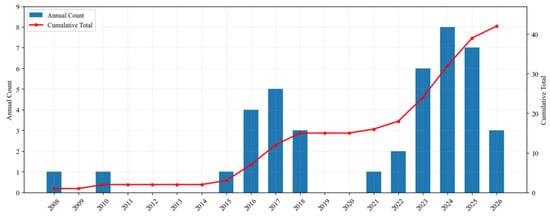
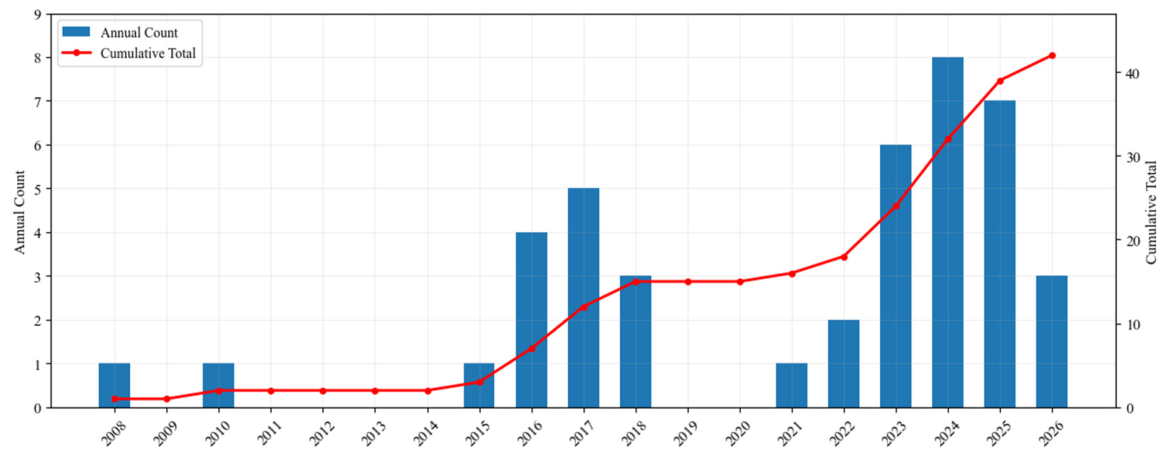
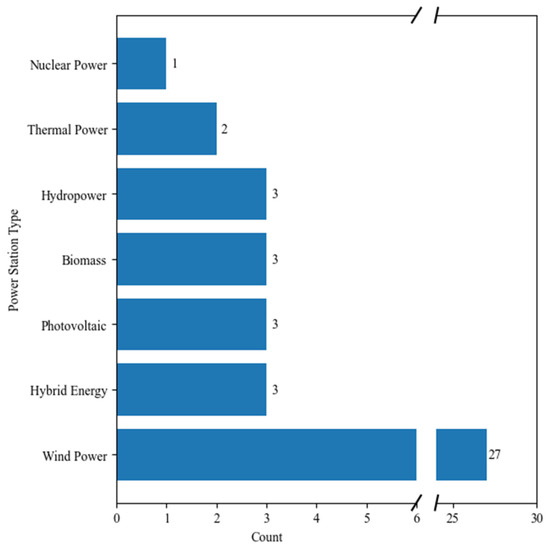
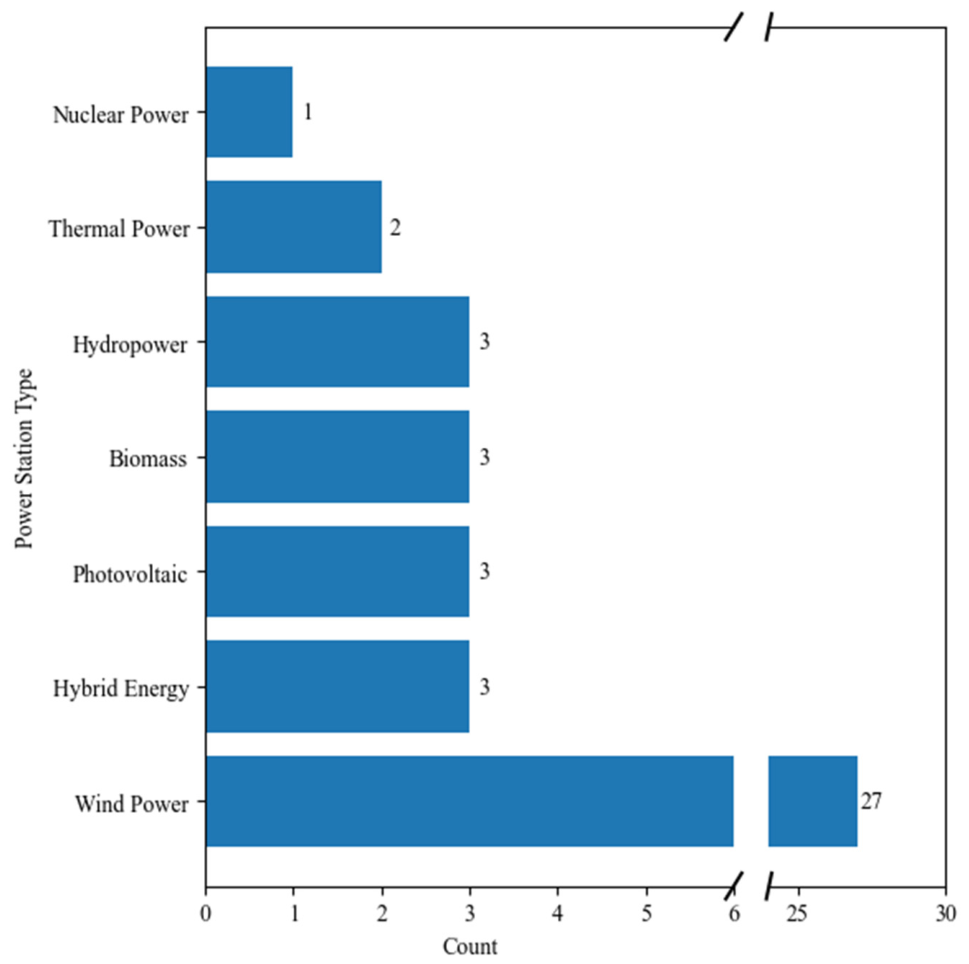

Disclaimer/Publisher’s Note: The statements, opinions and data contained in all publications are solely those of the individual author(s) and contributor(s) and not of MDPI and/or the editor(s). MDPI and/or the editor(s) disclaim responsibility for any injury to people or property resulting from any ideas, methods, instructions or products referred to in the content. |
© 2026 by the authors. Licensee MDPI, Basel, Switzerland. This article is an open access article distributed under the terms and conditions of the Creative Commons Attribution (CC BY) license.