


Abstract
The present study evaluated the hypothesis that young shoots of red- and white-headed cabbage possess greater health-promoting potential than their mature counterparts. In order to test this hypothesis, the proximate composition, antioxidative properties, thiocyanate content and nitrate and nitrite levels were analysed at different growth stages. The findings indicate that developmental stages have a profound impact on the metabolic profile of both cultivars, revealing distinct nutritional trade-offs. In red cabbage, maturation has been demonstrated to induce a synergistic accumulation of health-promoting compounds. This results in superior antioxidant protection being delivered by the mature head, driven by anthocyanins, alongside a safe reduction in nitrate content. Conversely, white cabbage undergoes a metabolic dilution, resulting in a decline in antioxidant density as it matures. However, this decline is counterbalanced by a significant positive reduction in nitrate levels. In conclusion, the metabolic strategies of Brassica oleracea are found to be highly plastic and cultivar-dependent.
1. Introduction
Non-communicable diseases (NCDs) are typically characterised by a chronic clinical course, arising from a multifaceted interplay of genetic, physiological, environmental, and behavioral determinants. Primary classifications of these conditions encompass a wide range of medical ailments, including cardiovascular diseases, neoplasms, chronic respiratory disorders, metabolic syndromes and neurological pathologies. In light of the aforementioned evidence, it is widely acknowledged that nutritional habits play a critical role in the prevention of the onset and management of the clinical progression of NCDs [1]. Among the vegetable crops consumed globally, members of the Brassica genus are recognized as being of paramount importance. These vegetables exhibit significant variability in their phytochemical profiles and nutrient content. Given their high consumption frequency and large portion sizes in human diets, Brassica vegetables constitute a critical source of essential nutrients and diverse bioactive compounds, playing a substantial role in daily nutritional intake [2,3].
Brassica vegetables represent a significant dietary source of essential micronutrients, including folate, vitamins C, E, and K, alongside a selection of B-complex vitamins (specifically B1, B2, B3, B5, and B6). Furthermore, these crops provide substantial quantities of dietary fiber, omega-3 fatty acids, proteins, and key minerals such as potassium, phosphorus, magnesium, and manganese. Apart from their core macronutrient and vitamin composition, Brassica species are characterized by an abundance of secondary plant metabolites, most notably flavonoids, coumarins, terpenes, S-methylcysteine sulfoxide, and sulfur-bearing glucosinolates, alongside other less abundant compounds [4].
Microgreens, also referred to as microleaves, are defined by a condensed production cycle. These young, edible plant tissues are harvested either partially or entirely, typically between 7 and 21 days following germination, with the precise timeframe contingent on the species and prevailing growth conditions. Baby greens (young shoots) can be considered to be synonymous with microgreens, albeit with a slightly more advanced maturation stage. In essence, all microgreens are classified as baby greens; however, in the commercial context, very young baby greens are designated as microgreens. Microgreens are defined as edible, immature seedlings of diverse flora, ranging from standard vegetables and grains to wild edible taxa and ornamental flowers. The timing of this harvest is typically concurrent with the early cotyledonary stage, occurring just before the development of the primary true leaves, generally two to three weeks following germination. Beyond their emerging role in enhancing the aesthetic appeal and sensory profile of gastronomy, microgreens and young shoots (baby greens) are increasingly recognised for their pro-health potential [5,6]. It is important to note that the cultivation and harvesting method employed in this process, which involves the cutting of stems above the substrate, distinguishes these sprouts from their counterparts. A significant amount of epidemiological data confirms the association between high consumption of plant-based foods and a diminished risk of developing NCDs and various malignancies. Within this dietary framework, Brassica vegetables occupy a position of particular significance due to their rich profile of bioactive constituents that exert antioxidant effects and possess additional health-promoting attributes. The presence of these phytochemicals confers functional properties to food, justifying the classification of Brassica crops as functional foods.
The aim of this study was to verify the hypothesis that young shoots of red and white headed cabbage exhibit superior health-promoting potential compared to their mature counterparts. Therefore, their basic composition, antioxidative properties, nitrate, nitrite and thiocyanate concentrations were examined.
While the nutritional profile of mature Brassica oleracea is well-documented, data regarding its ontogenetic changes—specifically comparing 28-day-old young shoots with mature crops of the same cultivar—remains limited. This study fills this gap by demonstrating how metabolic trade-offs between antioxidant capacity and nitrate accumulation shift during plant development, providing insights for both agronomic optimization and consumer-focused functional food selection.
2. Materials and Methods
2.1. Plant Materials
The experimental material comprised two cultivars of Brassica oleracea: white headed cabbage (B. oleracea L. var. capitata f. alba, cv. ‘Kamienna Głowa’) and red headed cabbage (B. oleracea L. var. capitata f. rubra, cv. ‘Langedijker Dauer’). For both varieties, ready-to-eat 28-day-old young shoots, as well as fully mature vegetables were evaluated. The Supplementary Materials include photographs of the young shoots and vegetables at full maturity. Commercially sourced seeds were grown in a greenhouse under controlled environmental conditions. The growing medium exhibited a pH level of 6. The temperature and humidity conditions in the greenhouse were 21 °C and 50–63% during the day and 18 °C and 78–88% at night. Plants were grown in a TS 2 peat substrate, which included a PG Mix fertilizer and a wetting agent. The substrate was amended with 2 g/L of a complex fertilizer providing the following nutrient profile: 16% P2O5, 14% total N (5.5% N-NO3 and 8.5% N-NH4), 18% K2O, 0.8% MgO, 19% SO3, 0.03% B, 0.12% Cu, 0.09% Fe, 0.16% Mn, 0.20% Mo, and 0.04% Zn. The plants were subjected to a natural photoperiodic cycle. The lighting in the greenhouse was exclusively natural; no supplementary lamps were used, in order to maintain consistency with the natural variations in solar radiation intensity and day length throughout the experiment.
For the production of mature crops, the same seedlings were transferred to a field plot located near Krakow, Poland. All plants analysed were grown under identical agrotechnical and climatic conditions, which made it possible to eliminate the influence of environmental factors on the variability of physicochemical characteristics. Given the consumer-oriented nature of the study, the analysis focused exclusively on the difference in nutritional value resulting from the different stages of vegetation (developmental phases). Seed from a single batch was used, thereby ensuring the genetic identity of the plants in the comparison groups. White and red cabbages were harvested at harvest maturity. The raw vegetables were stored in a cold store at +4 °C, from where they were directly sampled for analysis.
The aboveground parts of the young shoots were excised using sterile scissors, thoroughly washed in tap water, and then finely minced (1–2 cm wide) to create representative samples. The other parts of the raw material were subjected to a series of processing steps, including rinsing, dehydration using filter paper, mechanical crushing, freezing at −22 °C, and final lyophilisation (Christ Alpha 1–4, Martin Christ, Osterode am Harz, Germany). From each vegetable species, at harvest maturity, 2 pieces with the largest and smallest diameter were selected. The vegetables were washed, dried and cut ¼ of the way along the axis, after the inedible parts had been removed, and then crushed and thoroughly mixed. From the material thus prepared, an average, representative sample was obtained, which was then used, identically to the previously discussed young shoots, for analyses of dry matter, vitamin C, total carotenoids, chlorophyll and nitrate and nitrite content. At the same time, methanolic extracts were prepared from the fresh material for the determination of total polyphenols and antioxidant activity, acidified methanolic extracts for the determination of anthocyanins, and lyophilisates needed for the proximate composition determinations were prepared. The residual portion of the fresh material was washed, blotted dry with filter paper, and mechanically shredded before being frozen at −22 °C. Subsequently, lyophilization was carried out using a Christ Alpha 1–4 apparatus (Martin Christ, Osterode am Harz, Germany). The resulting freeze-dried material was then pulverized in a Knifetec 1095 Sample Mill (Tecator, Höganäs, Sweden) to achieve a highly homogenous sample with minimal particle size. In each experimental series, analyses were carried out on a minimum of four independent biological replicates (n = 4). Each biological replicate comprised a sample of plant material. In order to ensure the requisite precision for measurement, three technical replicates were carried out for each biological sample. From these, an average value was calculated for use in further statistical analysis.
2.2. Analytical Methods
Dry matter content was determined gravimetrically as mass loss upon heating to 105 °C under atmospheric pressure, following the PN-EN-12145:2001 standard [7]. The chemical composition of lyophilized microgreen as well as vegetables at full maturity samples were analyzed using standard AOAC protocols. Total protein (AOAC 950.36) was quantified using a Tecator Kjeltec 2200 analyzer (Tecator, Höganäs, Sweden) [8], while crude fat (AOAC 935.38) was assessed via the Soxhlet extraction method using a Tecator Soxtec Avanti 2050 apparatus (Tecator, Höganäs, Sweden) [9]. Ash content (AOAC 930.05) was obtained by dry mineralization in a muffle furnace SNOL-8 (SNOL, Utena, Lithuania) at 525 °C [10]. Total carbohydrate levels were determined by difference, subtracting the individual percentages of protein, fat, and ash from the total dry matter content. The protein content was determined by mineralizing the product in concentrated sulphuric acid(VI) (aqueous mineralization), followed by alkalization of the solution, distillation of the released ammonia, and subsequent quantification. Fat determination was performed by extracting the fat from the dried material using an organic solvent, such as petroleum ether. The solvent was then distilled, the residue was dried, and the mass of the extracted ‘crude fat’ was measured.
Vitamin C content was determined according to the Polish standard (PN-A-04019:1998) [11] using the 2,6-dichlorophenolindophenol titration method. In this procedure, L-dehydroascorbic acid was reduced to L-ascorbic acid using a sodium sulphide solution, excess sulphide was removed with a mercury(II) chloride solution, and the total reducing power was determined by titration with 2,6-dichlorophenolindophenol. Prior to titration, the samples were stabilized with a 2% oxalic acid solution. The use of this 2% oxalic acid solution was imperative, as it served to reduce the pH of the medium, thereby stabilizing vitamin C against oxidation and chelating metal ions that might otherwise have catalyzed its degradation before the titration process was completed. The total anthocyanin content was quantified using the pH differential method based on visible light absorbance in buffer solutions adjusted to pH 1.0 and 4.5. Standard buffers were used, such as potassium chloride for pH 1.0 and sodium acetate for pH 4.5. This assay exploits the structural transition of the pigments, which exist as a red-coloured flavylium cation at pH 1.0 and convert into a colourless carbinol pseudobase at pH 4.5. The final values were calculated and expressed as milligrams of cyanidin-3-glucoside equivalents [12].
The quantification of total carotenoids was performed via spectrophotometry in accordance with the modified Polish Standard PN-90/A-75101/12 [13]. Carotenoids were extracted from the test sample using an acetone-hexane mixture (4:6 v/v), and the optical density of the resulting solution at a wavelength of 450 nm was measured using a RayLeigh UV-1800 spectrophotometer (Beijing Rayleigh, Beijing, China). The material (2 g) was subjected to compression using a homogeniser (CAT type X 120, Ingenieurbüro CAT, M. Zipperer GmbH, Ballrechten-Dottingen, Germany) and transferred to a porcelain mortar. Subsequently, approximately 2 g of the sand was utilised in the extraction of the dye from the plants, employing a mixture of hexane and acetone. The extracted dye was then transferred into a designated test cylinder. The procedure was repeated until the desired level of decolouration had been achieved. The volume of the extract was then measured in a cylindrical measuring cylinder. The beaker was then shaken and left in a dark place for 30 min. Once the specified time had elapsed, the absorbance of the solution was measured. The results were calculated on the basis of a standard curve (r = 0.995) that had been prepared from β-carotene (Sigma-Aldrich, St. Louis, MO, USA). The determination of chlorophyll a and b concentrations was achieved through spectrophotometric measurement of the plant extract’s optical density at wavelengths corresponding to the absorption maxima of both pigments, specifically 663 and 645 nanometres.
To prepare the plant extract, 5 g of raw vegetable material was combined with 80 mL of 70% methanol. This mixture was agitated at ambient temperature for 2 h using a water bath (Elpan 357, Łubna, Poland). After being subjected to centrifugation (MPW-340, Warsaw, Poland) and subsequent filtration, the resulting extracts were stored at −22 °C in a Liebherr GTS 3612 chamber freezer (Liebherr, Ochsenhausen, Germany) [14]. Parallel extractions were conducted using an acidified methanol solution (70% methanol + 0.1% HCl) (maintaining the same 5 g to 80 mL ratio) specifically for the quantification of anthocyanin content [15]. The 70% methanol extracts described above were utilized for analyzing the total polyphenols content as well as antioxidant activity.
Total polyphenols content was quantified spectrophotometrically using the Folin–Ciocalteu reagent, with results quantified against a chlorogenic acid (CGA) standard curve (r = 0.996) and expressed in mg per 100 g of fresh weight [16]. The methanol extracts prepared earlier were diluted in a ratio of 1:20. To do this, 5 mL of extract was transferred to a 100 mL volumetric flask and made up to the mark with distilled water. From the resulting solution, 5 mL was taken and transferred to test tubes. Next, 0.5 mL of Folin–Ciocalteu reagent (diluted with water in a 1:1 volume ratio) and 0.25 mL of a 25% sodium carbonate solution were added. The mixture was left to stand for 20 min, after which it was centrifuged (MPW-340, Warsaw, Poland) for 10 min (1250 rpm). In the course of the subsequent procedure, the absorbance of the centrifuged solutions was measured on a spectrophotometer (RayLeigh UV-1800, Beijing Rayleigh, Beijing, China) at a wavelength of 760 nm against a methanol reference.
Antioxidant activity was assessed via the ABTS•+ radical scavenging assay [17]. Appropriate volumes of methanol extract were measured into test tubes, made up to 1 mL with methanol, 2 mL of ABTS•+ (2,2-azino-bis-3-ethylbenzothiazoline-6-sulphonic acid) free radical solution was added, and the mixture was incubated at 30 °C for 6 min. The absorbance of the solution was then measured (RayLeigh UV-1800, Beijing Rayleigh, Beijing, China) at a wavelength of 734 nm against a methanol reference. Prior to the analysis, the reagents were prepared, i.e., two solutions were made. Solution A—66.2 mg of crystalline potassium persulphate was dissolved in 10 mL of distilled water. Solution B—38.4 mg of crystalline ABTS•+ was weighed into a 10 mL measuring flask, to which 2 mL of distilled water and 1 mL of solution A were added, and the flask was then made up to the mark with distilled water. Solution B was left in the dark at room temperature for 14–16 h to generate ABTS•+ free radicals (this solution remained stable for three days). It was then diluted 80-fold for the experiments so that its absorbance, measured at a wavelength of 734 nm, was 0.740–0.750. Its absorbance was checked at regular intervals. The sample’s scavenging potential was determined from a Trolox reference curve (r = 0.993), with outcomes expressed as μmol Trolox equivalents per gram of fresh weight (TEAC).
To quantify thiocyanates, samples were extracted using trichloroacetic acid (TCA) and subsequently reacted with ferric ions for spectrophotometric analysis. After grinding the test material, 5 g samples were prepared. Then, 45 mL of 5% trichloroacetic acid was added to each sample. The samples prepared in this way were shaken on a shaker for 10 min at 560 rpm. The plant material was then centrifuged in a centrifuge (MPW-340, Warsaw, Poland) at 3000 rpm for 10 min. After centrifugation, the samples were filtered through a filter paper. 2 mL of extract was taken and 2 mL of iron(II) nitrate was added. A blank sample was prepared by adding to a test tube 2 mL of distilled water and 2 mL of iron(II) nitrate. The absorbance was measured at a wavelength of 470 nm. The absorbance was measured within no more than 5 min. In order to prepare a calibration curve, a working solution with a concentration of 33.4 mg of potassium thiocyanate was prepared. Then, using the method of successive dilutions, a series of standard solutions was prepared in the concentration range 1–12 μg/mL SCN−. The calculation of the concentration of thiocyanates in raw plant material was performed, utilising the equation derived from the calibration curve (r = 0.995) [18].
The quantification of nitrate and nitrite content was conducted in accordance with the Polish Standard PN-92/A-75112 [19], employing the colorimetric Griess reaction. The reaction of nitrites with N-(1-naphthyl)ethylenediamine dihydrochloride was conducted in an acidic environment, utilising the Griess I reagent (sulfanilamide in HCl, Sigma-Aldrich, St. Louis, MO, USA) and the Griess II reagent (aqueous N-(1-naphthyl)ethylenediamine dihydrochloride, Sigma-Aldrich, St. Louis, MO, USA). In order to enable nitrate quantification, it was first necessary to pass the samples through a reduction column filled with cadmium powder in order to achieve quantitative conversion into nitrites. Subsequent to the initiation of the colorimetric reaction, the degree of absorption of the ensuing azo chromophore was measured at a wavelength of 538 nm. The levels of nitrate and nitrite were calculated on the basis of standard curves (r = 0.992, r = 0.991, respectively) and expressed as milligrams of sodium nitrate and sodium nitrite per 1000 g of fresh weight. This method aligns with standard procedures for the determination of nitrate and nitrite in vegetable matrices and is recognised and widely utilised.
2.3. Statistical Analysis
The analyses were carried out in four parallel replicates, with a relative error not exceeding 10%, in both fresh material and previously prepared extracts and freeze-dried samples. A one-way analysis of variance (ANOVA) was employed to evaluate the significance of variations in the fundamental composition, levels of antioxidant compounds and nitrates and nitrites, and antioxidant activity, separately for white cabbage and red cabbage, across various stages of vegetation. The significance of the observed differences was assessed using Duncan’s range test, with a critical significance level of p ≤ 0.05. The standard deviation (SD) was subsequently calculated for the mean values obtained. In addition, the relationships between selected parameters were examined using Pearson’s correlation coefficient. All calculations were performed using the Statistica 10.1 package (StatSoft, Inc., Tulsa, OK, USA).
3. Results
Table 1 and Table 2 comprehensively outline the chemical profiles, nitrate and nitrite levels and antioxidant capacities of Brassica oleracea L. var. capitata f. alba cv. ‘Kamienna Głowa’ and f. rubra cv. ‘Langedijker Dauer’, respectively. The data demonstrate a clear comparison between the developmental stages of the young shoots and the mature cabbage heads separately for each form. Figure 1 and Figure 2 show the proportions of individual parameters in their total quantity, depending on the stage of plant growth. The correlations between the content of selected bioactive compounds and the concentrations of nitrates and nitrites, and the antioxidant activity measured using the ABTS method, in young shoots of white and red cabbage and their mature counterparts are shown in Table 3 and Table 4, respectively.
Table 1.
Chemical composition, nitrate and nitrite content and antioxidant capacity of white cabbage (Brassica oleracea L. var. capitata f. alba) of the cultivar ‘Kamienna Głowa’: a comparison between young shoots and mature tissue.
Table 2.
Chemical composition, nitrate and nitrite content and antioxidant capacity of red cabbage (Brassica oleracea L. var. capitata f. rubra) of the cultivar ‘Langedijker Dauer’: a comparison between young shoots and mature tissue.
Figure 1.
Differential accumulation of selected parameters in white cabbage: Implications of growth stage.
Figure 2.
Differential accumulation of selected parameters in red cabbage: Implications of growth stage.
Table 3.
Correlation of bioactive compounds content and nitrate and nitrite levels with antioxidant activity, measured by ABTS assay, in young shoots of white cabbage and the mature vegetable.
Table 4.
Correlation of bioactive compounds content and nitrate and nitrite levels with antioxidant activity, measured by ABTS assay, in young shoots of red cabbage and the mature vegetable.
3.1. Proximate Composition of Young Shoots and Mature Cabbage Heads
3.1.1. White Cabbage (Brassica oleracea L. var. capitata f. alba)
At a significance level of p ≤ 0.05, young white cabbage shoots exhibited a 63% reduction in dry matter content relative to the mature vegetable. The dry matter content was found to be 8.01 g in 100 g of mature white cabbage, and 5.30 g in young shoots. No statistically significant variations (p > 0.05) were noted between the protein content in mature white cabbage (1.74 g) and its young shoots (1.45 g). The fat content per 100 g of mature white cabbage was significantly reduced (p ≤ 0.05), amounting to 0.11 g, compared to the young shoots, where these levels were approximately twofold higher, at 0.23 g. With regard to total ash content, a significantly superior content (p ≤ 0.05) was found in the young white cabbage shoots (0.90 g per 100 g of fresh weight) compared to the mature vegetable, where this value was approximately 39% lower (38.89%) (0.55 g per 100 g of product). Furthermore, a significantly diminished total carbohydrate content was exhibited by young shoots in comparison to mature white cabbage (p ≤ 0.05). The total carbohydrate content in 100 g of mature white cabbage was 5.62 g, whereas in young shoots, it was only 2.73 g, representing a 51.42% difference.
3.1.2. Red Cabbage (Brassica oleracea L. var. capitata f. rubra)
The mean dry matter content in mature red cabbage (8.38 g) exhibited a significantly elevated (p ≤ 0.05) compared to that in young red cabbage shoots (5.94 g), representing a 29.12% difference. As demonstrated in Table 2, mature red cabbage exhibited a total protein content (1.67 g/100 g) that was comparable to that of the young shoots (1.41 g/100 g). In a similar manner, the mean fat content in mature red cabbage (0.15 g/100 g) was found to be statistically comparable (p > 0.05) to the content of this component in young red cabbage shoots (0.18 g/100 g). With regard to the total ash content, a significantly higher value (p ≤ 0.05) was observed in young red cabbage shoots (0.75 g per 100 g of fresh plant tissue) compared to mature vegetables (0.63 g per 100 g). This discrepancy amounted to 19.05%. Mature red cabbage exhibited a significantly elevated (p ≤ 0.05) total carbohydrate content, reaching 5.94 g/100 g of fresh mass plant tissue. Conversely, the carbohydrate content in young shoots was found to be lower, with an average of 3.59 g per 100 g of fresh weight, representing a 39.56% difference.
3.2. Content of Antioxidant Substances and Antioxidant Activity of Young Shoots and Mature Cabbage Heads
3.2.1. White Cabbage (Brassica oleracea L. var. capitata f. alba)
Statistical analysis revealed no significant variations (p > 0.05) in vitamin C concentration between the mature cabbage heads (25.32 mg/100 g) and their young shoot counterparts (23.43 mg/100 g). A statistically significant variation (p ≤ 0.05) in total carotenoid concentration was identified when comparing mature cabbage heads with young shoots. As demonstrated in Table 1, young white cabbage shoots exhibited a 93.67-fold higher total carotenoid content (14.05 mg) compared to mature cabbage (0.15 mg). In addition, a statistically significant (p ≤ 0.05) increase in the content of chlorophyll a (90.04-fold higher) and chlorophyll b (23.19-fold higher) was observed in young white cabbage shoots when compared to mature vegetables. The total polyphenol content (expressed as chlorogenic acid—CGE—equivalents per 100 g) was found to be significantly lower (p ≤ 0.05) in mature white cabbage (71.83 mg) compared to young shoots (123.95 mg), representing a 5842.05% difference. Antioxidant activity, measured in terms of the scavenging efficiency against ABTS+ radical cations, was found to be 2.40 µmol Trolox/g of fresh weight in fully developed Brassica oleracea f. alba heads. In contrast, in young shoots, this activity reached a higher level of 8.27 µmol Trolox/g. Consequently, young white cabbage shoots exhibited a significantly higher antioxidant activity (244.58%) compared to the mature vegetable.
3.2.2. Red Cabbage (Brassica oleracea L. var. capitata f. rubra)
No significant variation in vitamin C concentration was detected between young shoots and mature red cabbage counterparts (p > 0.05). The vitamin C content was found to be 35.36 mg/100 g of fresh weight in young shoots and 40.95 mg/100 g in mature red cabbage. Statistically significant variations (p ≤ 0.05) between young shoots and mature red cabbage were observed in total carotenoid content. These findings contrast with those previously discussed for white cabbage. In mature plants, this value was significantly higher (p ≤ 0.05) at 2.45 mg/100 g of product, compared to 0.20 mg/100 g in young red cabbage shoots, representing a 12.25-fold difference. Statistical analysis revealed significant disparities in the concentrations of these compounds, with mature red cabbage exhibiting a concentration of 75.11 mg/100 g of product, and young shoots displaying a concentration of 21.85 mg/100 g of product. The observed difference between these concentrations was found to be statistically significant at a p-value of ≤0.05, with a calculated 243.75% variation. In contrast to the trends observed in the alba cultivar, the total polyphenol pool in mature red cabbage was found to significantly exceed that of its young shoots (p ≤ 0.05). In 100 g of mature cabbage, the content was 425.97 mg (expressed as chlorogenic acid equivalents), whereas in 100 g of young shoots, it was approximately three times lower, at 138.21 mg/100 g of product. Conversely, the outcomes pertaining to antioxidant activity exhibited substantial discrepancies when compared with those documented for white cabbage. Mature red cabbage exhibited a significantly higher (p ≤ 0.05) antioxidant activity, more than fivefold greater than that of young shoots, as indicated by its capacity to scavenge the ABTS•+ radical cation.
3.3. Content of Anti-Nutritional Substances and Selected Chemical Contaminants of Young Shoots and Mature Cabbage Heads
3.3.1. White Cabbage (Brassica oleracea L. var. capitata f. alba)
The thiocyanate content of market-mature white cabbage (1.29 mg SCN−) was found to be significantly higher than that of young shoots (0.73 mg SCN− per 100 g of fresh weight) by 76.71% (p ≤ 0.05). Furthermore, a marked statistical divergence (p ≤ 0.05) in nitrate concentration was evident between the fully developed heads and the juvenile tissue. The nitrate content of mature white cabbage was found to be 259.78 mg, whereas in young shoots, it was 778.25 mg per 1000 g of fresh weight (expressed as sodium nitrate, NaNO3). The nitrate content of young shoots was found to be approximately 2.9-fold higher than that of mature white cabbage. The mean content of nitrite in mature white cabbage was 0.91 mg, whereas in young shoots it was 2.27 mg per 1000 g of fresh weight (expressed as sodium nitrite, NaNO2). Conversely, the content of nitrite in young shoots was found to be significantly higher (p ≤ 0.05) at approximately 149.45% higher than that in mature white cabbage.
3.3.2. Red Cabbage (Brassica oleracea L. var. capitata f. rubra)
With regard to thiocyanate concentration, mature red cabbage heads and their corresponding young shoots were found to be statistically comparable (p > 0.05). In mature plants, the content was 2.22 mg SCN− per 100 g of product, while in young shoots, the levels were similar (p > 0.05), amounting to 1.97 mg SCN− per 100 g of product. Statistically significant discrepancies (p ≤ 0.05) between the shoots of red cabbage and the mature plant were identified in the nitrate content. In 1000 g of young shoots, 785.60 mg of nitrate (expressed as sodium nitrate, NaNO3) was determined; this value was statistically (p ≤ 0.05) higher, approximately 10-fold, relative to the amount of nitrate in mature red cabbage (76.94 mg NaNO3/1000 g of product). In 1000 g of mature red cabbage, 0.58 mg of nitrite (expressed as sodium nitrite, NaNO2) was determined. Conversely, in young shoots, the content reached 1.66 mg of nitrite, which was significantly (p ≤ 0.05) higher (approximately 2.9-fold) compared to the mature plant.
3.4. The Correlations Between the Content of Selected Bioactive Compounds and the Concentrations of Nitrates and Nitrites, and the Antioxidant Activity Measured Using the ABTS Method in Young Shoots of White and Red Cabbage, and Their Mature Counterparts
3.4.1. White Cabbage (Brassica oleracea L. var. capitata f. alba)
In order to evaluate the relationship between the content of selected bioactive compounds as well as nitrate and nitrite levels and the antioxidant activity expressed by the ABTS assay performed, a Pearson’s correlation coefficient was analysed and some significant correlations were found (Table 3). In the young shoots and the mature vegetable, a very strong dependency between antioxidant activity and total polyphenols, chlorophyll a (only in young shoots of white cabbage) and chlorophyll b were found.
3.4.2. Red Cabbage (Brassica oleracea L. var. capitata f. rubra)
Statistical analysis revealed a highly significant positive correlation between antioxidant activity, as determined by the ABTS assay, and the content of vitamin C, total carotenoids, total polyphenols and anthocyanates in young shoots of red cabbage and the mature vegetable.
A significant positive correlation was observed between levels of nitrite content and antioxidant activity in samples of young red cabbage shoots.
4. Discussion
4.1. Proximate Composition of Young Shoots and Mature Cabbage Heads
Despite their classification as members of the same species, Brassica oleracea var. capitata f. alba (hereafter referred to as “white cabbage”) and Brassica oleracea var. rubra (hereafter referred to as “red cabbage”) exhibit substantial disparities in their nutritional and phytochemical composition. White cabbage has been found to contain a marginally higher carbohydrate content relative to the red variety, alongside a concomitantly elevated moisture level. The quantities of protein, fat, ash, and total carbohydrates obtained in this study generally align with or show slight deviations from literature data [20,21,22]. It is a well-established fact that both white and red cabbage are classified as long-storage vegetables. In addition, the ‘Kamienna Głowa’ and ‘Langedijker Dauer’ cultivars are classified as late-maturing varieties, which are predominantly cultivated for storage purposes. Microgreens of the Brassicaceae family typically exhibit dry matter content ranging from 5.87 to 7.92 g/100 g, which is not entirely congruent with our findings for white cabbage [23,24,25]. In the case of young red cabbage shoots, dry matter levels were significantly lower than those of mature counterparts (p ≤ 0.05), amounting to 5.94 g, which is consistent with the values previously reported in the literature. In contrast, the data recorded herein for the young rubra shoots differs from the findings of Drozdowska et al. [21] for 14-day-old ‘Haco’ cultivar sprouts (7.33 g), as well as those reported by Ghoora et al. [24] (6.56–7.92 g) and Bafumo et al. [23] (6.80 g). Podsędek et al. [26] compared the basic composition of 14-day-old microgreens of Brassica oleracea var. capitata f. alba and f. rubra produced under varied spectral configurations (traditional white with blue and red tones). The composition (g/100 g dry matter) of young white cabbage shoots cultivated under traditional white LED light (most similar to standard greenhouse cultivation) was as follows: 21.36 (ash), 30.48 (protein), 7.33 (fat), and 2.43 (available carbohydrates). Upon recalculation of the results of the present study per 100 g of dry matter, it was observed that the levels of all analysed components were marginally lower in comparison to the findings of Podsędek et al. [26]. In contrast, young red cabbage shoots cultivated under comparable conditions have been found to contain 25.60 g of ash, 29.27 g of protein, 7.97 g of fat, and 5.84 g of available carbohydrates per 100 g of dry matter—values significantly higher than those obtained in this study. In their research, Drozdowska et al. [21] compared the basic composition of 14-day-old red cabbage microgreens with their mature form. The microgreens generally yielded higher results compared to this study, as the authors reported 21.4 g of ash, 33.21 g of protein, 2.5 g of fat, and 42.89 g of total carbohydrates per 100 g of dry matter. Only the fat content in the 14-day-old shoots was similar to that observed in our study. Those authors also noted that young shoots were characterised by a statistically significantly higher protein (approx. 48.7%) and fat (approx. 65.2%) content compared to mature cabbage. The findings of the present study differ from those obtained in the aforementioned study, in which both 28-day-old shoots and fully mature cabbage exhibited comparable levels of protein and fat. The chemical composition of vegetables is not a fixed value. The nutritional value of a specific vegetable is the result of complex interactions between its genotype, environmental factors, and production methods. It is important to note that the nutrient content of plants changes dynamically during the maturation process. Mature vegetables frequently exhibit a distinctly divergent phytochemical profile in comparison to those harvested at an immature stage. The process of germination is known to result in the breakdown of proteins into amino acids, polysaccharides into simple sugars, and fats into free fatty acids. Consequently, young shoots are often more readily assimilated by the human body than mature plant material. Furthermore, anti-nutritional compounds are degraded during these processes, while health-promoting and antioxidant compounds are synthesised [27]. Furthermore, young shoots have been shown to exhibit high levels of enzymatic activity, containing amylolytic, proteolytic, lipolytic, and other enzymes [28].
4.2. Content of Antioxidant Substances and Antioxidant Activity of Young Shoots and Mature Cabbage Heads
Beyond its primary function in neutralising oxidative stress, vitamin C also acts as a potent genetic modulator. It enhances superoxide dismutase and catalase gene expression while concurrently inhibiting disulfide isomerase, an enzyme linked to vascular smooth muscle cell growth. At the transcriptional level, vitamin C suppresses elastin synthesis within these cells. Moreover, it downregulates monocytic adhesion molecules and exhibits robust cytoprotection via Bcl-2 activation. Vitamin C also improves endothelial function in the coronary and brachial arteries of patients with hypertension and diabetes [29,30]. The vitamin C content in mature white cabbage observed herein aligns well with the published literature values, i.e., 5–56.83 mg/100 g fresh weight [31,32,33,34,35,36]. The vitamin C content in 28-day-old white cabbage shoots was comparable to that in mature cabbage. A similar pattern was observed for red cabbage at both stages of development. For the mature plant, these findings correspond with most literature data, despite significant discrepancies in this parameter reported across various studies. Such varying results, even for the same cultivars grown in different years, indicate high instability of this compound and confirm the strong influence of agrotechnical factors during cultivation and storage on vitamin C levels. Literature reports indicate a very wide range, from 24 to 147 mg of vitamin C per 100 g of fresh weight [37,38,39,40]. In the final year of their three-year study, Leja et al. [41] recorded only 38.4 mg of this vitamin per 100 g of red cabbage (cv. ‘Langedijker’), a value closest to that obtained in our study for the same cultivar, making this the most reliable point of comparison. Drozdowska et al. [42] conducted a comparative analysis of vitamin C content in fully developed heads of red cabbage and 14-day-old red cabbage shoots (cv. ‘Haco’), reporting a range of 415.1 and 795.9 mg/100 g dry weight, respectively. These findings differ from those obtained in the present study. There is a lack of literature specifically addressing vitamin C content in 28-day-old shoots. Vale et al. [43] provided values for sprouts grown under different light conditions: after 15 days of germination with a 16 h light/8 h dark cycle, sprouts contained 33 mg of vitamin C per 100 g of dry weight, whereas those grown in total darkness for 12 days contained as much as 235 mg/100 g. In the study by Dhaka et al. [44], this parameter reached 86 mg/100 g FW, while Fabek Uher et al. [45] reported 49.24 mg per100 g of fresh weight for microgreens grown in hydroponic systems rather than traditional soil. Research on Brassica oleracea indicates that vitamin C content does not follow a linear progression throughout the plant’s life cycle. During germination, the activation of vitamin C biosynthetic pathways occurs, which is essential to protect the young seedling against oxidative stress induced by sudden exposure to oxygen and light [46]. The progression from the sprout to the microgreen phase is often associated with a significant increase in ascorbic acid content. For some Brassica cultivars, microgreens can contain concentrations of vitamin C several times higher than their mature counterparts (per unit of dry weight) [47]. It has been observed that red cultivars often exhibit greater stability in vitamin C content during early growth stages compared to white cultivars. It is highly probable that during germination and growth, the anthocyanins present in red varieties interact with vitamin C, forming a more effective defense system against free radicals [48].
Most literature sources do not report total carotenoid content but rather the concentrations of individual fractions. According to Nurzyńska-Wierdak [49], mature white cabbage contains 0–0.002 mg of α-carotene, 0.01–0.41 mg of β-carotene, and 0.08–0.45 mg of total lutein and zeaxanthin per 100 g of fresh weight. Nawirska-Olszańska et al. [35] reported a total carotenoid content of 4.94 mg/100 g in mature white cabbage, which deviates from the findings presented herein (0.15 mg per 100 g of fresh weight). Furthermore, Lenzi et al. [50] estimated the mean carotenoid content in Brassicaceae microgreens at 18 mg/100 g, a figure that also differs from our findings (14.05 mg per 100 g of fresh weight). Chlorophyll is the primary green pigment in plants, essential for photosynthesis. Due to its instability, it is highly sensitive to oxygen and sunlight, which often results in higher concentrations during early growth stages. Chlorophylls absorb light within the visible spectrum (380–780 nm) and convert it into the chemical energy required for photosynthesis. They are located within the chloroplasts of plant cells as protein—lipid complexes [51]. The pigment matrix of vascular plants is predominantly composed of blue-green chlorophyll a and yellow-green chlorophyll b; the latter is distinguished by the presence of an aldehyde group in place of a methyl group. Typically, chlorophyll b accounts for approximately one-third of the chlorophyll a content [52]. Cebula et al. [53] reported chlorophyll a levels in white cabbage between 0.9 and 1.5 mg/100 g, and chlorophyll b levels between 0.6 and 0.8 mg/100 g. Earlier investigators, such as Voća et al. [32] and Nawirska-Olszańska et al. [35], reported the total chlorophyll content (a + b) in mature white cabbage as 3.15 mg/1 g and 116.9 mg/100 g of fresh weight, respectively. Mature red cabbage displayed over ten times more carotenoid compounds than the young shoots. According to Llorente et al. [54], the maturation process favors the accumulation of carotenoids in vegetables. This is associated with the transformation of plastids (chloroplasts into chromoplasts), within which carotenoid compounds are synthesized, explaining the low levels of these compounds in young shoots. In this study, total carotenoids were determined, a group comprising numerous compounds, including β-carotene, α-carotene, lutein, lycopene as well as zeaxanthin. Most literature data refers to the content of individual compounds, which complicates the discussion and direct comparison of the obtained results. Drozdowska et al. [42] compared total carotenoid content within mature red cabbage and its 14-day-old microgreen counterparts (cv. ‘Haco’), reporting values of 22.2 and 123.3 mg per 100 g of dry weight, respectively. This indicates that the young shoots contained approximately a 5.5-fold higher abundance of these compounds relative to the mature red cultivar. These findings differ from those obtained in our study, where the total carotenoid content was estimated to be 12-fold higher in mature red cabbage than in 28-day-old young shoots.
In cabbage, polyphenols act as endogenous antioxidants, protecting the plant against environmental stress, while for humans, they represent a source of valuable bioactive compounds. The most well-documented health-promoting properties of these compounds include anti-inflammatory, antioxidant, anti-allergic, anti-atherosclerotic, anti-mutagenic, anti-edematous, and even immunomodulatory activities [55]. In mature white cabbage, authors report highly varied total polyphenol content: Bahorun et al. [56]—15.3; Podsędek et al. [57]—23.3–29.7; Leja et al. [58]—48.7–48.9; Proteggente et al. [59]—58.0; and Kapusta-Duch et al. [60]—58.4–59.8 mg per100 g of fresh weight (quantified as chlorogenic acid equivalents—CAE). These values do not align with the results obtained in this study (71.83 mg/100 g). According to various authors, the total polyphenol content in red cabbage ranges from 134.7 to 257.0 mg per 100 g of fresh weight, which also differs from the results obtained in this study (425.95 mg/100 g product). Mejías et al. [61] showed a content of 11.53 mg/1 g of dry mass (expressed as gallic acid equivalent), whereas two years later, Podsędek et al. [57] reported values for various red cabbage cultivars (expressed as gallic acid equivalents) ranging from 134.7 to 171.4 mg/100 g of fresh weight. Other researchers cited below presented their results as gallic acid equivalents: Wu et al. [62]—254.0 mg; Proteggente et al. [59]—158.0 mg; Leja et al. [63]—221.2 mg; and Heo and Lee [64]—185.9–196.5 mg per100 g of fresh weight. The results of the present study indicate a threefold higher total polyphenol content in mature red cabbage compared to young shoots. It is evident that red cabbage is abundant in various polyphenolic compounds. Różańska et al. [65] identified cyanidin (209.83 mg/100 g) and quercetin (0.36 mg/100 g) as dominant compounds in this vegetable. In addition to quercetin (0.02–0.46 mg/100 g), Sosnowska [66] identified kaempferol (<0.01 mg/100 g) and myricetin (1.1–1.3 mg/100 g) as flavonols present in red cabbage. Furthermore, Leja et al. [67] reported that the ‘Langedijker’ red cabbage cultivar is characterized by the highest total polyphenol content (248.8–273.2 mg/100 g) compared to other varieties. Kapusta-Duch et al. [22] reported 260.3 mg of polyphenols per 100 g of fresh weight (calculated in terms of chlorogenic acid equivalents). One reason for these discrepancies may be the low specificity of the Folin–Ciocalteu (F-C) assay, as noted by Kapusta-Duch et al. [22], who cite other literature sources indicating that other compounds, such as sugars, could potentially interfere with the F–C assay. This is further supported by the divergent results (101.30 mg/100 g) obtained by Singh et al. [37] using the same method. Another factor contributing to such significant differences may be the sample preparation procedure, which Soengas et al. [68] describe as a critical step in the analysis. Variations in extraction methods and solvents hinder direct comparison of results. Podsędek et al. [57] also reported lower polyphenol values for red cabbage (171.36 mg for ‘Kissendrup’ and 134.73 mg/100 g for ‘Koda’ cultivar, expressed as gallic acid equivalents) compared to our study. Biesiada et al. [69] presented highly variable results for red cabbage over a three-year trial depending on nitrogen dosage, with differences between years reaching nearly sixfold. Although this study lacks data on fertilization, the findings of Biesiada et al. [69] highlight the enormous variability of this parameter. The total polyphenol content in young cabbage shoots was approximately three times lower than in the mature plant. Drozdowska et al. [42] compared mature red cabbage and 14-day-old red cabbage microgreens (cv. ‘Haco’), reporting similar values of 3340.5 and 3201.5 mg/100 g of dry weight, respectively. Bafumo et al. [23] compared 14 cruciferous microgreens, including white and red cabbage, obtaining similar results of 1038.99 and 1020.27 µg/g of dry weight, respectively. Borowska [70] emphasizes that the concentration of these compounds depends on the degree of maturity, and that “during maturation, the concentration of phenolic acids may increase or decrease.” The present findings indicate a progressive accumulation of these constituents throughout the maturation of red cabbage, reaching the levels observed in the mature plant. Furthermore, Sosnowska [66] points to the significant influence of sunlight on the conversion of phenylalanine to p-coumaric acid, a precursor for the biosynthesis of other polyphenols. This undoubtedly influenced the polyphenol content in young shoots, which were grown under greenhouse conditions.
Anthocyanins belong to the broad group of benzopyrene derivatives—the flavonoids. This class is considered one of the most intriguing groups within the polyphenols. Numerous biological properties have been attributed to them, confirmed in both in vitro and in vivo studies. They exhibit antioxidant, anticancer, anti-inflammatory, anti-atherosclerotic, anti-aggregatory, detoxifying, neuroprotective, hepatoprotective, nephroprotective, antidiabetic, cardioprotective and anti-obesity activities [71]. A high abundance of secondary metabolites is inherently present within the red cabbage matrix. The anthocyanin content in mature red cabbage determined in this study was more than three times higher than that in young shoots. This value correlates with or slightly deviates from results reported by various authors in the literature. Kaulmann et al. [72] showed a content of 71 mg/100 g, while Śniegowska and Biesiada [73] indicated a slightly higher value of 93.34 mg/100 g of fresh weight. In a three-year study, Biesiada et al. [69] presented a relatively broad range of results, from 83.81 to 178.55 mg/100 g for the ‘Langedijker’ red cabbage cultivar. Similarly, Mizgier et al. [74] reported an anthocyanin content ranging from 40 to 188 mg/100 g of fresh weight. Leja et al. [68] demonstrated that the ‘Langedijker’ cultivar, with an anthocyanin content of 94.6–101.8 mg/100 g, is the richest in anthocyanins compared to other tested varieties. In the case of young shoots, the anthocyanin content was significantly lower. Anthropogenic and developmental factors heavily influence pigment distribution in Brassica species. For instance, Drozdowska et al. [42] observed that mature red cabbage yielded 626.3 mg/100 g of total anthocyanins, whereas the 14-day-old microgreens (cv. ‘Haco’) contained 337.7 mg/100 g of dry weight. This statistically significant difference represents a 1.8-fold upregulation in the fully developed plant, a phenomenon logically linked to the progressive intensification of foliar pigmentation over time. However, this accumulation reaches a plateau; when examining seven red cabbage cultivars at two distinct maturity stages (eight weeks apart), Ahmadiani et al. [75] demonstrated that anthocyanin levels were governed primarily by genetic background (cultivar), whereas prolonging the cultivation timeframe provided no additional benefit for pigment enrichment. In contrast, Wiczkowski et al. [76] isolated five times as many anthocyanin compounds—a total of 20—from mature red cabbage. This difference in the number of identifiable compounds is certainly one of the reasons for the lower total anthocyanin content observed in the young plants.
The total antioxidant status (TAS) represents the capacity of a raw material to inactivate specific reactive oxygen species, regardless of the individual antioxidant activity of the constituents present in the analydsed sample [77]. The total antioxidant activity of vegetables is influenced by both hydrophilic and lipophilic antioxidants. Hydrophilic antioxidants include vitamin C and polyphenols, which comprise two main classes: phenolic acids (caffeic, ellagic, and ferulic acids) and flavonoids, which are categorized into six subclasses (flavonols, flavanols, flavanones, flavones, anthocyanins, and isoflavonoids); stilbenes (e.g., resveratrol) form a distinct group of polyphenols). Lipophilic antioxidants present in cruciferous vegetables include carotenoids (α-carotene, β-carotene, lutein, zeaxanthin, and lycopene) as well as vitamin E (tocopherols) [78]. Quantification of the antioxidant activity within the young shoots was achieved through the ABTS method. This method provides a comprehensive assessment of antioxidant potential, in contrast to methods such as DPPH, which do not account for all substances. The ABTS assay detects both hydrophilic and hydrophobic antioxidants, as the ABTS radical cation is soluble in both: organic and aqueous solvents. Conversely, DPPH is soluble exclusively in organic solvents, which precludes the detection of hydrophilic antioxidants [79]. Antioxidant activity in vegetables depends on, among other factors, the species, cultivar, soil and climatic conditions, temperature, storage time, and the plant’s stage of maturity [80]. A baseline antioxidant activity of 2.40 μmol Trolox/g was recorded for the mature white cabbage matrix, whereas in its 28-day-old young shoots, it was 3.4-fold higher, amounting to 8.27 µmol Trolox/g. The results obtained in this study for mature white cabbage fall within the range of 1.3 to 4.9 µmol Trolox per 1 g of fresh weight. Similar values have been reported by, among others: Kusznierewicz et al. [81]—3.3–4.9 and Podsędek et al. [57]—1.3–1.8 µmol Trolox/g of fresh weight. Conversely, Wu et al. [62] and Ou et al. [82] reported values significantly higher than those cited above and those obtained in this study, even surpassing the values for white cabbage young shoots, reaching 13.6 µmol Trolox/g of fresh weight. Kusznierewicz et al. [81] stated that red cabbage exhibits the highest antioxidant activity among the most common cabbage varieties in Poland. In our examination, the antioxidant activity of mature red cabbage was more than five times higher (37.77 µmol Trolox/g) compared to young shoots (7.15 µmol Trolox/g). The results obtained for mature red cabbage exceeded the wide range reported in the literature, which typically spans from 5.6 to 34.0 µmol Trolox/g FW. Values within this range have been reported by: Borowska [70]—5.6; Podsędek et al. [57]—9.8–12.6; Wu et al. [62]—22.5; Leja et al. [58]—9.2–34.0; Kapusta-Duch et al. [22]—28.5; and Śniegowska and Biesiada [73]—18.55 µmol Trolox/g of fresh weight. The variability in antioxidant activity results demonstrated by numerous authors confirms that this parameter is subject to significant fluctuations. The polyphenolic architecture and radical scavenging potential of vegetable matrices are heavily dictated by a number of variables, including the specific cultivar, growth stage, and environmental parameters at the cultivation site, such as light exposure, temperature, and humidity [83]. The findings consistently indicated that the applied analytical techniques were well-suited for the studied material, as red cabbage microgreens demonstrated superior radical scavenging capacity compared to the white cabbage cultivar. This trend aligns, in part, with the findings documented by Baenas et al. [84], who observed comparable antioxidant activity in 4-day-old red cabbage sprouts across DPPH and FRAP tests. Existing literature frequently reports antioxidant activity, typically quantified in terms of μmol Trolox equivalents per gram of fresh weight, specifically for mature cabbage heads. For instance, studies on mature white cabbage show a wide variance in findings: Kusznierewicz et al. [81] observed values between 3.3 and 4.9 μmol Trolox/g, whereas Podsędek et al. [57] noted a lower range of 1.3–1.8 μmol Trolox/g. Notably higher amounts were recorded by Wu et al. [62], who reported 13.6 μmol Trolox/g fresh weight, and Ou et al. [82], who documented ranges of 23.0–146.0 μmol Trolox/g on a dry matter basis. With respect to the mature red cultivar, the data remains similarly diverse; Podsędek et al. [57] cited values of 9.8–12.6 μmol Trolox/g, Wu et al. [62] identified 22.5 μmol Trolox/g, and Leja et al. [58] reported a broader interval of 9.2–34.0 μmol Trolox/g fresh weight. The observed disparities between the concentrations of phytochemical constituents and antioxidant performance in our study and those documented in the literature may stem from a multitude of variables. Specifically, the levels of vitamin C, carotenoids, and polyphenols are highly susceptible to fluctuations due to the inherent biological diversity of the samples, the specific timing of harvest, the developmental phase of the plant, cultivation techniques, local environmental factors, and the duration and nature of post-harvest storage [85]. The evaluation of total antioxidant capacity via in vitro chemical assays involves diverse analytical approaches. These methodologies mainly encompass the suppression of oxidation kinetics, the reduction of transition metals (CUPRAC, FRAP), and the neutralization of synthetic radical species, such as ABTS or DPPH. Additionally, some techniques focus on quantifying lipid peroxidation markers or lipoprotein fractions. A critical challenge in this field is the lack of standardized protocols for antioxidant evaluation. Frequently, different versions of the same analytical method are employed, varying so significantly in experimental parameters that direct cross-study comparisons become problematic. While high-performance liquid chromatography (HPLC) techniques may circumvent some of these limitations, they are not entirely immune to experimental variability [86]. Finally, the findings reported by Drozdowska et al. [42] suggest a temporal decline in the antioxidant activity of red cabbage as the cultivation cycle progresses, implying that the maximum antioxidant potential may be reached at the early leaf development stage.
4.3. Content of Anti-Nutritional Substances and Selected Chemical Contaminants of Young Shoots and Mature Cabbage Heads
Anti-nutritional factors in food are substances that limit or impede the bioavailability of nutrients from foods eaten. They are also characterised by their potential adverse effects on the human body. Thiocyanates readily permeate all cell membranes. By competing with iodide ions, they inhibit their transport into tissues, including the thyroid gland (competitive inhibition of I− transport). Furthermore, thiocyanates accelerate the renal excretion of iodine and inactivate thyroid peroxidase, an enzyme responsible for the oxidation of I− anions—a process known as iodide organification (the conversion of inorganic iodine into organic iodine)—and the coupling of iodotyrosines. This action leads to a decrease in thyroid iodine concentration, impaired iodination of tyrosine, and the accumulation of mono- and diiodotyrosine, which results in thyroid gland enlargement. Thiocyanates can be metabolised in various tissues into cyanates and sulfates. The degradation of thiocyanate ions can occur via peroxidase activity, a role that can also be performed by hemoglobin [87]. The glucosinolate family comprises over 300 structurally related compounds, all characterized by a conserved scaffold containing a β-D-thioglucose moiety and a sulfonated oxime group. This core structure is attached to a variable side chain, the precursor of which is determined by one of seven proteinogenic amino acids. Based on these biosynthetic origins, glucosinolates are classified as aliphatic (derived from methionine, alanine, leucine, isoleucine, or valine), aromatic (from phenylalanine or tyrosine), or indole-based (from tryptophan) [88]. Glucosinolates exhibit high chemical stability; however, their enzymatic hydrolysis leads to the formation of isothiocyanates and indoles, which exhibit significant biological activity. This reaction is catalyzed by β-thioglucosidase, a thioglucoside glucohydrolase (EC 3.2.3.1), commonly known as myrosinase. This enzyme is localized within specialized cells known as myrosin cells and is released under appropriate conditions [89]. According to Hanschen and Schreiner [90], isothiocyanates demonstrate significant anti-carcinogenic activity in humans, alongside a wide range of health-promoting benefits, e.g., anti-thrombotic, anti-inflammatory, and anti-microbial properties. Conversely, other degradation products like nitriles and epithionitriles appear to offer a more limited protective effect on human health. Kołodziejski et al. [91] conducted a comprehensive study on the distribution of major glucosinolate breakdown products (isothiocyanates, indoles, nitriles, and epithionitriles) across multiple plant organs and developmental stages in four representative Brassica cultivars, notably white head cabbage. Their findings revealed that white cabbage roots possessed the highest total isothiocyanate concentration (5.51 µmol/g of dry weight), followed by the leaves (4.88 µmol/g of dry weight). Lower levels were recorded in the seeds and stem, while the sprouts exhibited the lowest concentration of these compounds (0.25 µmol/g of dry weight). In the case of white cabbage, Przybylska et al. [92] showed a mean thiocyanate content of 1.194 mg/100 g of product. Conversely, research by other authors indicates significantly higher SCN− ion concentrations in white cabbage, ranging from 3 to 6 mg/100 g [93]. In studies conducted by Bhattacharjee et al. [94], the mean SCN− ion content in white cabbage was found to be 23.6 mg/kg of fresh weight. The thiocyanate content in the analysed mature red cabbage and its young sprouts was found to be very similar. Wojciechowska et al. [95] reported a thiocyanate content of 2.24 mg/100 g of fresh product for the ‘Langedijker’ red cabbage cultivar. This result is the most consistent with the findings of this study; furthermore, this comparison is considered more reliable due to the use of the same red cabbage cultivar. However, the thiocyanate content does not provide a comprehensive picture of the total glucosinolate levels in vegetables, as they represent only one of several products of glucosinolate hydrolysis. Púčiková et al. [96] identify the developmental stage as a key factor determining both the qualitative and quantitative ingredients of glucosinolates. Additionally, the content of their hydrolysis products is influenced by species, cultivar, site of hydrolysis, the presence of cofactors (e.g., vitamin C), as well as environmental factors. The degradation of glucosinolates occurs only upon tissue damage, which triggers the release of the enzyme myrosinase. Púčiková et al. [96] reported that the distribution of cells containing this enzyme varies across different plant parts and specific developmental stages.
Regarding nitrate concentrations, values closely align with the findings reported in this study were shown by Amr and Hadidi [97]—34 mg/1000 g of product. In a two-year study on white cabbage, Murawa et al. [98] recorded nitrate contents ranging from 1007.30 to 6598.50 mg NaNO3/1000 g in the first year, and from 73.41 to 1060.00 mg NaNO3/1000 g in the second year. Similarly, substantial variability in results was reported by Du et al. [99], with values ranging from 259 to 1250 mg NO3−/1000 g of fresh weight, and by Gajewska et al. [100], who observed nitrate levels in white cabbage ranging from 75.0 to 915.2 mg NaNO3/1000 g in the spring–summer season and from 30.5 to 655.4 mg NaNO3/1000 g in the autumn–winter period. Over a three-year experimental period, Biesiada et al. [69] also noted a broad range of nitrate concentrations in red cabbage (cv. ‘Langedijker’), specifically 98.01–757.77 mg/1000 g of fresh weight. Furthermore, Gajewski and Radzanowska [101] reported nitrate levels in four white cabbage cultivars ranging from 103 to 308 mg NO3−/1000 g of fresh weight. Markowska et al. [102] determined a mean concentration of 557.8 mg NaNO3/1000 g in 30 cabbage samples. Additionally, Tietze et al. [103] reported that the mean nitrogen compound content in cabbage between 2002 and 2004 was 829.4 mg/1000 g of fresh weight. Wojciechowska et al. [95] identified 958.7 mg NO3−/1000 g of fresh weight in the leaves of red cabbage (cv. ‘Langedijker’). Finally, Czech et al. [104] investigated nitrate content in white and red cabbage samples from Lublin and Katowice, reporting mean values of 99.8 mg/1000 g and 77.65 mg/1000 g of fresh weight, respectively. The nitrite (NO2−/1000 g) content in mature red cabbage, which amounted to 0.38 mg/1000 g of product, was nearly three times lower than that recorded in young sprouts (1.11 mg/kg of product) and fell within the range reported in the literature. According to guidelines established by the Joint FAO/WHO Expert Committee on Food Additives (JECFA), the Acceptable Daily Intake (ADI) is set at 3.7 mg/kg b.w. for nitrates and 0.06 mg/kg b.w. for nitrites [105]. Regulatory oversight regarding nitrate content in food was addressed by Commission Regulation (EU) No 1258/2011, which imposed maximum thresholds specifically for certain horticultural products, such as various types of lettuce, rucola and spinach [106]. Following updated safety evaluations by the European Food Safety Authority (EFSA), the European Commission established rigorous regulatory limits for these substances, effective as of April 2023. These updated guidelines adjusted the ADI for nitrite ions to 0.07 mg/kg of body weight per day, while reaffirming the previous threshold of 3.7 mg/kg of body weight for nitrates [107]. Murawa et al. [98] showed the nitrite content in Brassica oleracea var. capitata f. alba, expressed as sodium nitrite, to be in the range of 0.13–0.74 mg/1000 g of product over a two-year experimental period. Gajewska et al. [100] reported values of 0.6–3.5 mg NaNO2/1000 g in white cabbage for the period from April 1st to September 30th, and 0.8–4.1 mg NaNO2/1000 g of fresh cabbage for the period from October 1st to March 31st. In turn, Markowska et al. [102] presented a range of results from 0 to 3.42 mg NaNO2/1000 g of cabbage, while Du et al. [99] showed levels of 0–0.41 mg NO2−/1000 g of fresh cabbage. Amr and Hadidi [97] analysed 32 cabbage samples and obtained a mean value of 1 mg/1000 g of fresh weight, with some samples containing undetectable levels of nitrites. Czech et al. [104] investigated the nitrite amount in white and red head cabbage sourced from Lublin and Katowice, finding mean values of 0.70 mg and 0.69 mg/1000 g of fresh weight, respectively. As stated by Dodocioiu et al. [108], the amount of nitrate and nitrite in vegetables is influenced by numerous factors, both environmental (soil composition and pH, fertilization practices, air temperature and humidity, light intensity) and biological (plant cultivar, developmental stage, harvest and storage time, consumed plant part). The existence of certain amounts of nitrates in crops results from natural nitrogen metabolism processes utilized for the synthesis of nitrogenous compounds. Giordano et al. [109] stated that excessive fertilization with nitrogen can cause the growth of this compound in plants, which are unable to metabolize such quantities. The findings of this research demonstrated a significantly higher content of nitrate compounds in young cabbage shoots. In young plants, which contain greater levels of nitrogen compared to mature ones, the nitrate ion reduction process cannot keep pace with its uptake [110]. This is undoubtedly the primary cause of the high nitrate accumulation observed in young red cabbage shoots in this study. An additional factor that may exacerbate this phenomenon is light intensity. Low light conditions—such as those under which the young shoots were grown in the greenhouse—result in low photosynthetic intensity, which in turn contributes to increased nitrate content in the plants [110].
4.4. The Correlations Between the Content of Selected Bioactive Compounds and the Concentrations of Nitrates and Nitrites, and the Antioxidant Activity Measured Using the ABTS Method in Young Shoots of White and Red Cabbage, and Their Mature Counterparts
High values of the Pearson correlation coefficient indicate that secondary metabolites, such as total polyphenols, carotenoids, chlorophylls, and anthocyanins, constitute the predominant component of antioxidant potential at both stages of development of the species Brassica oleracea var. capitata. In young shoots of red head cabbage, a strong positive correlation was observed, suggesting that nitrogen assimilation processes in rapidly developing meristematic tissues may be functionally linked to the production of antioxidant compounds. Correlations analogous to those obtained in the present study have been documented by Drozdowska et al. [42], Hounsome et al. [111], Soengas et al. [68] and Baenas et al. [84]. At this early stage of growth, nitrogen metabolism appears to stimulate or co-occur with the synthesis of antioxidants, providing protection against the oxidative stress associated with rapid cell division. However, this phenomenon disappears in mature vegetables, where the correlation becomes insignificant, which may indicate the plant’s transition to a state of physiological stabilisation and the separation of nitrogen metabolism pathways from antioxidant defence mechanisms [112].
The differences in the levels of bioactive compounds between white and red cabbage varieties are due to variations in the expression of genes involved in the biosynthesis of flavonoids, in particular, phenylpropanoids [113]. A key differentiating factor is the accumulation of anthocyanins in the vacuoles of red cabbage cells, resulting from the high activity of chalcone synthase and other enzymes in the anthocyanin biosynthesis pathway, which remain largely silenced or exhibit significantly lower activity in white varieties. The presence of anthocyanin pigments in red cabbage induces specific shifts in carbon metabolism, leading to a higher total polyphenol content compared with the white variety. From an ecophysiological perspective, the accumulation of anthocyanin pigments acts as a photoprotective and antioxidant mechanism, enabling red cabbage to tolerate oxidative stress induced by UV radiation and fluctuating thermal conditions more effectively, which accounts for its higher health-promoting value compared with its white counterpart [114].
5. Conclusions
The present study reveals that developmental stages significantly influence the metabolic profile and nutritional quality of both red and white cabbage (Brassica oleracea L. var. capitata). The findings of the present study demonstrate that there are distinct metabolic trade-offs that vary according to cultivar. In red cabbage, the transition from young shoots to mature heads is characterised by a synergistic accumulation of health-promoting compounds. Mature tissue exhibits a substantial shift towards elevated antioxidant capacity, predominantly driven by a considerable augmentation in anthocyanin content, concomitant with a favourable, pronounced decline in nitrate levels. In the case of white cabbage, the trade-off follows a different trajectory. The emergence of young shoots as the metabolically superior stage, characterised by significantly higher levels of total polyphenols, carotenoids, and chlorophylls. These higher levels correlate with higher antioxidant activity compared to mature heads. However, this high physiological activity is linked to a heavy investment in nitrogen-based growth, resulting in significantly higher nitrate accumulation. As the white cabbage matures, it experiences a metabolic “decline” in antioxidant density, though this is offset by a substantial reduction in nitrate levels.
Overall, the study demonstrates that the metabolic strategy of Brassica oleracea is plastic and highly dependent on both cultivar and developmental stage. While young shoots of white cabbage offer high initial antioxidant density, they carry a higher nitrate burden. In contrast, mature red cabbage represents a more balanced nutritional profile, combining effective antioxidant protection (via anthocyanins) with lower nitrate content.
Supplementary Materials
The following supporting information can be downloaded at: https://www.mdpi.com/article/10.3390/app16136710/s1, Figure S1: Pictures of mature heads and young shoots of white headed cabbage (Brassica oleracea L. var. capitata f. alba) cv. ‘Kamienna Głowa’; Figure S2: Pictures of mature heads and young shoots of red headed cabbage (Brassica oleracea L. var. capitata f. rubra) cv. ‘Langedijker Dauer’.
Author Contributions
Conceptualization, T.L. and J.K.-D.; methodology, B.B. (Barbara Borczak); formal analysis, J.K.-D. and B.B. (Barbara Borczak); investigation, D.G. and B.B. (Beáta Baranová); resources, J.K.-D. and B.B. (Barbara Borczak); data curation, B.B. (Beáta Baranová); writing—original draft preparation, J.K.-D. and D.G.; writing—review and editing, J.K.-D., B.B. (Barbara Borczak) and B.B. (Beáta Baranová); visualization, B.B. (Barbara Borczak); supervision, T.L. All authors have read and agreed to the published version of the manuscript.
Funding
This research received no external funding.
Institutional Review Board Statement
Not applicable.
Informed Consent Statement
Not applicable.
Data Availability Statement
The original contributions presented in this study are included in the article/supplementary material. Further inquiries can be directed to the corresponding author.
Acknowledgments
This publication was made possible through the support of the Central European Exchange Program for University Studies (CEEPUS), facilitating the establishment and further development of our academic cooperation.
Conflicts of Interest
The authors declare no conflicts of interest.
References
- Di Renzo, L.; Gualtieri, P.; Frank, G.; Cianci, R.; Caldarelli, M.; Leggeri, G.; Raffaelli, G.; Pizzocaro, E.; Cirillo, M.; De Lorenzo, A. Exploring the Exposome Spectrum: Unveiling Endogenous and Exogenous Factors in Non-Communicable Chronic Diseases. Diseases 2024, 12, 176. [Google Scholar] [CrossRef] [Scilit] [PubMed]
- Singh, S.; Das, A.; Singh, R.; Chikh-Rouhou, H.; Priyadarsini, S.; Nandi, A. Phyto-nutraceutical promise of Brassica vegetables in post-genomic era: A comprehensive review. Planta 2025, 261, 10. [Google Scholar] [CrossRef] [Scilit] [PubMed]
- Mittal, R.; Rasane, P.; Gunjal, M.; Singh, J. Brassica oleracea as a functional crop: Phytochemical potential and sustainable applications. J. Sci. Food Agric. 2025, 105, 3525–3538. [Google Scholar] [CrossRef] [Scilit] [PubMed]
- Zhang, X.; Jia, Q.; Jia, X.; Li, J.; Sun, X.; Min, L.; Liu, Z.; Ma, W.; Zhao, J. Brassica vegetables—An undervalued nutritional goldmine. Hortic. Res. 2025, 12, uhae302. [Google Scholar] [CrossRef] [Scilit] [PubMed]
- Bhaswant, M.; Shanmugam, D.K.; Miyazawa, T.; Abe, C.; Miyazawa, T. Microgreens—A Comprehensive Review of Bioactive Molecules and Health Benefits. Molecules 2023, 28, 867. [Google Scholar] [CrossRef] [Scilit] [PubMed]
- Seth, T.; Mishra, G.P.; Chattopadhyay, A.; Deb Roy, P.; Devi, M.; Sahu, A.; Sarangi, S.K.; Mhatre, C.S.; Lyngdoh, Y.A.; Chandra, V.; et al. Microgreens: Functional Food for Nutrition and Dietary Diversification. Plants 2025, 14, 526. [Google Scholar] [CrossRef] [Scilit] [PubMed]
- PN-EN 12145:2001; Fruit and Vegetable Juices—Determination of Total Dry Matter—Gravimetric Method with Loss of Mass on Drying. Polish Committee for Standardization (PKN): Warsaw, Poland, 2001.
- AOAC Official Method 950.36. In Official Methods of Analysis of AOAC International, 21st ed.; AOAC International: Gaithersburg, MD, USA, 2019.
- AOAC Official Method 935.38. In Official Methods of Analysis of AOAC International, 21st ed.; AOAC International: Gaithersburg, MD, USA, 2019.
- AOAC Official Method 930.03. In Official Methods of Analysis of AOAC International, 21st ed.; AOAC International: Gaithersburg, MD, USA, 2019.
- PN-A-04019:1998; Food Products—Determination of Vitamin C. Polish Committee for Standardization (PKN): Warsaw, Poland, 1998. (In Polish)
- AOAC Official Method 2005.02. In Official Methods of Analysis of AOAC International, 18th ed.; AOAC International: Gaithersburg, MD, USA, 2005.
- PN-90/A-75101/12; Food Products—Determination of Total Carotenoids and β-Carotene. Polish Committee for Standardization (PKN); Polish Committee for Standardization: Warsaw, Poland, 1990. (In Polish)
- Re, R.; Pellegrini, N.; Proteggente, A.; Pannala, A.; Yang, M.; Rice-Evans, C. Antioxidant activity applying an improved ABTS radical cation decolorization assay. Free Radic. Biol. Med. 1999, 26, 1231–1237. [Google Scholar] [CrossRef] [Scilit] [PubMed]
- Giusti, M.M.; Wrolstad, R.E. Characterization and Measurement of Anthocyanins by UV-Visible Spectroscopy. Curr. Protoc. Food Anal. Chem. 2001, F1.2.1–F1.2.13. [Google Scholar] [CrossRef] [Scilit]
- Swain, T.; Hillis, W.E. The phenolic constituents of Prunus domestica (L.). I.—The quantitative analysis of phenolic constituents. J. Sci. Food Agric. 1959, 10, 63–68. [Google Scholar] [CrossRef] [Scilit]
- Pellegrini, N.; Del Rio, D.; Colombi, B.; Bianchi, M.; Brighenti, F. Application of the 2′2-azobis (3-ethylenebenzothiazoline-6-sulfonic acid) radical cation assay to flow injection system for the evaluation of antioxidant activity of some pure compounds and bevereges. J. Agric. Food Chem. 2003, 51, 260–264. [Google Scholar] [CrossRef] [Scilit] [PubMed]
- Mendham, J.; Denney, R.C.; Barnes, J.D.; Thomas, M.J.K. Vogel’s Textbook of Quantitative Chemical Analysis, 6th ed.; Prentice Hall: Harlow, UK, 2000. [Google Scholar]
- PN-EN 12014-2:2001; Foodstuffs—Determination of Nitrate and/or Nitrite Content—Part 2: HPLC/IC Method for the Determination of Nitrate Content of Vegetables and Vegetable Products. Polish Committee for Standardization (PKN): Warsaw, Poland, 2001.
- U.S. Department of Agriculture (USDA), Agricultural Research Service. FoodData Central. Available online: https://fdc.nal.usda.gov/ (accessed on 28 May 2026).
- Drozdowska, M.; Leszczyńska, T.; Koronowicz, A.; Piasna-Słupecka, E.; Domagała, D.; Kusznierewicz, B. Young shoots of red cabbage are a better source of selected nutrients and glucosinolates in comparison to the vegetable at full maturity. Eur. Food Res. Technol. 2020, 246, 2201–2215. [Google Scholar] [CrossRef] [Scilit]
- Kapusta-Duch, J.; Florkiewicz, A.; Bieżanowska-Kopeć, R.; Leszczyńska, T. Selected parameters of the health quality of young shoots of white- and red-headed cabbage. Acta Pol. Pharm. Drug Res. 2022, 79, 377–384. [Google Scholar] [CrossRef] [Scilit]
- Bafumo, R.F.; Alloggia, F.P.; Ramirez, D.A.; Maza, M.A.; Fontana, A.; Moreno, D.A.; Camargo, A.B. Optimal Brassicaceae family microgreens from a phytochemical and sensory perspective. Food Res. Int. 2024, 184, 114258. [Google Scholar] [CrossRef] [Scilit] [PubMed]
- Ghoora, M.D.; Haldipur, A.C.; Srividya, N. Comparative evaluation of phytochemical content, antioxidant capacities and overall antioxidant potential of select culinary microgreens. J. Agric. Food Res. 2020, 2, 100046. [Google Scholar] [CrossRef] [Scilit]
- Gunjal, M.; Singh, J.; Kaur, J.; Kaur, S.; Nanda, V.; Mehta, C.M.; Bhadariya, V.; Rasane, P. Comparative analysis of morphological, nutritional, and bioactive properties of selected microgreens in alternative growing medium. S. Afr. J. Bot. 2024, 165, 188–198. [Google Scholar] [CrossRef] [Scilit]
- Podsędek, A.; Frąszczak, B.; Sosnowska, D.; Kajszczak, D.; Szymczak, K.; Bonikowski, R. LED Light Quality Affected Bioactive Compounds, Antioxidant Potential, and Nutritional Value of Red and White Cabbage Microgreens. Appl. Sci. 2023, 13, 5435. [Google Scholar] [CrossRef] [Scilit]
- Dragomir, C.; Misca, C.D.; Dossa, S.; Stoin, D.; Velciov, A.; Jianu, C.; Radulov, I.; Suba, M.; Ianasi, C.; Alexa, E. Germination as a Sustainable Green Pre-Treatment for the Recovery and Enhancement of High-Value Compounds in Broccoli and Kale. Molecules 2026, 31, 350. [Google Scholar] [CrossRef] [Scilit] [PubMed]
- Wu, Y.; Shin, W.S. Germination-Induced Changes in the Nutritional, Bioactive, and Digestive Properties of Lima Bean (Phaseolus lunatus L.). Foods 2025, 14, 2123. [Google Scholar] [CrossRef] [Scilit] [PubMed]
- Chrysikopoulou, V.; Rampaouni, A.; Adamantidi, T.; Pantazi, D.; Ofrydopoulou, A.; Tsoupras, A. Beneficial Synergistic Roles of Flavonoids and Vitamin C Against Inflammatory Complications, Cancer, and Cardiovascular Diseases: A Comprehensive Review. Appl. Sci. 2026, 16, 1838. [Google Scholar] [CrossRef] [Scilit]
- Costa, V.B.; de Matos, I.A.F.; Nogueira, I.R.G.; de Godoi, M.A.; Leite, F.R.M.; Guimarães-Stabili, M.R. Nrf2 Activation in Inflammatory Diseases: A Review of Natural and Synthetic Modulators. Oxid. Med. Cell. Longev. 2026, 2026, 4538420. [Google Scholar] [CrossRef] [Scilit]
- Kosson, R.; Felczyński, K.; Szwejda-Grzybowska, J.; Grzegorzewska, M.; Tuccio, L.; Agati, G.; Kaniszewski, S. Nutritive value of marketable heads and outer leaves of white head cabbage cultivated at different nitrogen rates. Acta Agric. Scand. Sect. B Soil Plant Sci. 2017, 67, 524–533. [Google Scholar] [CrossRef] [Scilit]
- Voća, S.; Šic Žlabur, J.; Dobričević, N.; Benko, B.; Pliestić, S.; Filipović, M.; Galić, A. Bioactive compounds, pigment content and antioxidant capacity of selected cabbage cultivars. J. Cent. Eur. Agric. 2018, 19, 593–606. [Google Scholar] [CrossRef] [Scilit]
- Šamec, D.; Pavlović, I.; Salopek-Sondi, B. White cabbage (Brassica oleracea var. capitata f. alba): Botanical, phytochemical and pharmacological overview. Phytochem. Rev. 2017, 16, 117–135. [Google Scholar] [CrossRef] [Scilit]
- Nawaz, H.; Shad, M.A.; Muzaffar, S. Phytochemical Composition and Antioxidant Potential of Brassica. In Brassica Germplasm—Characterization, Breeding and Utilization; IntechOpen: London, UK, 2018. [Google Scholar] [CrossRef] [Scilit]
- Nawirska-Olszańska, A.; Biesiada, A.; Kita, A. Effect of Different Forms of Sulfur Fertilization on Bioactive Components and Antioxidant Activity of White Cabbage (Brassica oleracea L.). Plants 2024, 13, 468. [Google Scholar] [CrossRef] [Scilit] [PubMed]
- Schmidt, G.; Vågen, I.M.; Hagen, S.F.; Guren, G.; Borge, G.I.A. Health- and Sensory-Related Phytochemicals and Agronomic Characteristics of 26 Head Cabbage Cultivars. ACS Food Sci. Technol. 2024, 4, 2341–2354. [Google Scholar] [CrossRef] [Scilit]
- Singh, J.; Upadhyay, A.K.; Bahadur, A.; Singh, B.; Singh, K.P.; Rai, M. Antioxidant phytochemicals in cabbage (Brassica oleracea L. var. capitata). Sci. Hortic. 2006, 108, 233–237. [Google Scholar] [CrossRef] [Scilit]
- Liang, Y.; Li, Y.; Zhang, L.; Liu, X. Phytochemicals and antioxidant activity in four varieties of head cabbages commonly consumed in China. Food Prod. Process. Nutr. 2019, 1, 3. [Google Scholar] [CrossRef] [Scilit]
- Ashfaq, F.; Butt, M.S.; Bilal, A.; Tehseen, S.; Suleria, H.A.R. Comparative assessment of free radical scavenging ability of green and red cabbage based on their antioxidant vitamins and phytochemical constituents. Curr. Bioact. Compd. 2020, 16, 1231–1241. [Google Scholar] [CrossRef] [Scilit]
- Gandhi, A.; Soga, K.; Thakur, V.; Mal, D. Nutritional Quality of Red Cabbage (Brassica oleracea var. capitata f. rubra): A Review. Ecol. Environ. Conserv. 2022, 28, S243–S246. [Google Scholar] [CrossRef] [Scilit]
- Leja, M.; Wyżgolik, G.; Kamińska, I. Some parameters of antioxidant capacity of red cabbage as related to different forms of nutritive nitrogen. Folia Hortic. 2007, 19, 15–23. [Google Scholar]
- Drozdowska, M.; Leszczyńska, T.; Koronowicz, A.; Piasna-Słupecka, E.; Dziadek, K. Comparative study of young shoots and the mature red headed cabbage as antioxidant food resources with antiproliferative effect on prostate cancer cells. RSC Adv. 2020, 10, 43021–43034. [Google Scholar] [CrossRef] [Scilit] [PubMed]
- Vale, A.P.; Santos, J.; Brito, N.V.; Peixoto, V.; Carvalho, R.; Rosa, E.; Oliveira, M.B. Light influence in the nutritional composition of Brassica oleracea sprouts. Food Chem. 2015, 178, 292–300. [Google Scholar] [CrossRef] [Scilit] [PubMed]
- Dhaka, A.S.; Dikshit, H.K.; Mishra, G.P.; Tontang, M.T.; Meena, N.L.; Kumar, R.R.; Ramesh, S.V.; Narwal, S.; Aski, M.; Thimmegowda, V.; et al. Evaluation of Growth Conditions, Antioxidant Potential, and Sensory Attributes of Six Diverse Microgreens Species. Agriculture 2023, 13, 676. [Google Scholar] [CrossRef] [Scilit]
- Fabek Uher, S.; Radman, S.; Opačić, N.; Dujmović, M.; Benko, B.; Lagundžija, D.; Mijić, V.; Prša, L.; Babac, S.; Šic Žlabur, J. Alfalfa, Cabbage, Beet and Fennel Microgreens in Floating Hydroponics—Perspective Nutritious Food? Plants 2023, 12, 2098. [Google Scholar] [CrossRef] [Scilit] [PubMed]
- Di Bella, M.C.; Niklas, A.; Toscano, S.; Picchi, V.; Romano, D.; Lo Scalzo, R.; Branca, F. Morphometric Characteristics, Polyphenols and Ascorbic Acid Variation in Brassica oleracea L. Novel Foods: Sprouts, Microgreens and Baby Leaves. Agronomy 2020, 10, 782. [Google Scholar] [CrossRef] [Scilit]
- Le, T.N.; Chiu, C.-H.; Hsieh, P.-C. Bioactive Compounds and Bioactivities of Brassica oleracea L. var. Italica Sprouts and Microgreens: An Updated Overview from a Nutraceutical Perspective. Plants 2020, 9, 946. [Google Scholar] [CrossRef] [Scilit] [PubMed]
- Kaya, S.; Yardımcı, H. Microgreens: Nutritional properties, health benefits, production techniques, and food safety risks. PeerJ 2025, 13, e17938. [Google Scholar] [CrossRef] [Scilit] [PubMed]
- Nurzyńska-Wierdak, R. Green Leafy Vegetables (GLVs) as Nutritional and Preventive Agents Supporting Metabolism. Metabolites 2025, 15, 502. [Google Scholar] [CrossRef] [Scilit] [PubMed]
- Lenzi, A.; Orlandini, A.; Bulgari, R.; Ferrante, A.; Bruschi, P. Antioxidant and Mineral Composition of Three Wild Leafy Species: A Comparison Between Microgreens and Baby Greens. Foods 2019, 8, 487. [Google Scholar] [CrossRef] [Scilit] [PubMed]
- Ngcobo, S.; Bada, S.O.; Ukpong, A.M.; Siwela, M. Optimal chlorophyll extraction conditions and postharvest stability in Moringa (Moringa oleifera) leaves. Food Meas. 2024, 18, 1611–1626. [Google Scholar] [CrossRef] [Scilit]
- Heidari, A.; Safa, K.D.; Teimuri-Mofrad, R. Chlorophyll b-modified TiO2 nanoparticles for visible-light-induced photocatalytic synthesis of new tetrahydroquinoline derivatives. Mol. Catal. 2023, 547, 113338. [Google Scholar] [CrossRef] [Scilit]
- Cebula, S.; Mazur, S.; Kalisz, A. Evaluation of productive value of several white cabbage cultivars resistant to clubroot (Plasmodiophora brassicae WOR.). Ecol. Chem. Eng. A 2010, 17, 1083–1088. [Google Scholar]
- Llorente, B.; Torres-Montilla, S.; Morelli, L.; Florez-Sarasa, I.; Matus, J.T.; Ezquerro, M.; D’Andrea, L.; Houhou, F.; Majer, E.; Picó, B.; et al. Synthetic conversion of leaf chloroplasts into carotenoid-rich plastids reveals mechanistic basis of natural chromoplast development. Proc. Natl. Acad. Sci. USA 2020, 117, 21796–21803. [Google Scholar] [CrossRef] [Scilit] [PubMed]
- Bas, T.G. Dietary Polyphenols (Flavonoids) Derived from Plants for Use in Therapeutic Health: Antioxidant Performance, ROS, Molecular Mechanisms, and Bioavailability Limitations. Int. J. Mol. Sci. 2026, 27, 1404. [Google Scholar] [CrossRef] [Scilit] [PubMed]
- Bahorun, T.; Luximon-Ramma, A.; Crozier, A.; Aruoma, O.I. Total phenol, flavonoid, proanthocyanidin and vitamin C levels and antioxidant activities of Mauritian vegetables. J. Sci. Food Agric. 2004, 84, 1553–1561. [Google Scholar] [CrossRef] [Scilit]
- Podsędek, A.; Sosnowska, D.; Redzynia, M.; Andres, B. Antioxidant capacity and content of Brassica oleracea dietary antioxidants. Int. J. Food Sci. Technol. 2006, 41, 49–58. [Google Scholar] [CrossRef] [Scilit]
- Leja, M.; Mareczek, A.; Adamus, A.; Strzetelski, P.; Combik, M. Some antioxidative properties of selected white cabbage DH lines. Folia Hortic. 2006, 18, 31–40. [Google Scholar]
- Proteggente, A.R.; Pannala, A.S.; Paganga, G.; van Buren, L.; Wagner, E.; Wiseman, S.; van de Put, F.; Dacombe, C.; Rice-Evans, C.E. The antioxidant activity of regularly consumed fruit and vegetables reflects their phenolic and vitamin C content. Free Radic. Res. 2002, 36, 217–233. [Google Scholar] [CrossRef] [Scilit] [PubMed]
- Kapusta-Duch, J.; Leszczyńska, T.; Filipiak-Florkiewicz, A. Comparison of total polyphenol contents and antioxidant activity in cruciferous vegetables grown in diversified ecological conditions. Acta Sci. Pol. Technol. Aliment. 2012, 11, 335–346. [Google Scholar]
- Mejías, N.; Vega-Galvez, A.; Gomez-Perez, L.S.; Pasten, A.; Uribe, E.; Cortés, A.; Valenzuela-Barra, G.; Camus, J.; Delporte, C.; Bernal, G. Health-Promoting Properties of Processed Red Cabbage (Brassica oleracea var. capitata f. rubra): Effects of Drying Methods on Bio-Compound Retention. Foods 2024, 13, 830. [Google Scholar] [CrossRef] [Scilit] [PubMed]
- Wu, X.; Beecher, G.R.; Holden, J.M.; Haytowitz, D.B.; Gebhardt, S.E.; Prior, R.L. Lipophilic and hydrophilic antioxidant capacities of common foods in the United States. J. Agric. Food Chem. 2004, 52, 4026–4037. [Google Scholar] [CrossRef] [Scilit] [PubMed]
- Leja, M.; Wyżgolik, G.; Mareczek, A. Phenolic compounds of red cabbage as related to different forms of nutritive nitrogen. Hortit. Veg. Grow. 2005, 24, 421–428. [Google Scholar]
- Heo, H.J.; Lee, C.Y. Phenolic phytochemicals in cabbage inhibit amyloid b protein-induced neurotoxicity. LWT 2006, 39, 330–336. [Google Scholar] [CrossRef] [Scilit]
- Różańska, D.; Regulska-Ilow, B.; Ilow, R. Wpływ wybranych procesów kulinarnych na potencjał antyoksydacyjny i zawartość polifenoli w żywności. Probl. Hig. Epidemiol. 2014, 95, 215–222. [Google Scholar]
- Sosnowska, D. Występowanie związków polifenolowych w warzywach. In Przeciwutleniacze w Żywności. Aspekty Zdrowotne, Technologiczne, Molekularne i Analityczne; Grajek, W., Ed.; Wydawnictwo Naukowo-Techniczne: Warszawa, Poland, 2007; pp. 151–157. [Google Scholar]
- Leja, M.; Kamińska, I.; Kołton, A. Phenolic compounds as the major antioxidants in red cabbage. Folia Hortic. 2010, 22, 19–24. [Google Scholar] [CrossRef] [Scilit]
- Soengas, P.; Cartea, M.E.; Francisco, M.; Sotelo, T.; Velasco, P. New insights into antioxidant activity of Brassica crops. Food chem. 2012, 134, 725–733. [Google Scholar] [CrossRef] [Scilit] [PubMed]
- Biesiada, A.; Nawirska-Olszańska, A.; Kucharska, A.; Sokół-Łętowska, A.; Kędra, K. The effect of nitrogen fertilization on nutritive value and antioxidative activity of red cabbage. Acta Sci. Pol. Hortorum Cultus 2010, 9, 13–21. [Google Scholar]
- Borowska, J. Owoce i warzywa jako źródło naturalnych przeciwutleniaczy (1). Przem. Ferment. Owoc.-Warz. 2003, 47, 11–12. [Google Scholar]
- Ghareaghajlou, N.; Hallaj-Nezhadi, S.; Ghasempour, Z. Red cabbage anthocyanins: Stability, extraction, biological activities and applications in food systems. Food Chem. 2021, 365, 130482. [Google Scholar] [CrossRef] [Scilit] [PubMed]
- Kaulmann, A.; Jonville, M.-C.; Schneider, Y.-J.; Hoffmann, L.; Bohn, T. Carotenoids, polyphenols and micronutrient profiles of Brassica oleraceae and plum varieties and their contribution to measures of total antioxidant capacity. Food Chem. 2014, 155, 240–250. [Google Scholar] [CrossRef] [Scilit] [PubMed]
- Śniegowska, J.; Biesiada, A. Związki biologicznie czynne i aktywność antyoksydacyjna w wybranych gatunkach warzyw z rodziny Brassicaceae i Asteraceae. Epistem. Czas. Nauk.-Kult. 2014, 3, 163–170. [Google Scholar]
- Mizgier, P.; Kucharska, A.Z.; Sokół-Łętowska, A.; Kolniak-Ostek, J.; Kidoń, M.; Fecka, I. Characterization of phenolic compounds and antioxidant and anti-inflammatory properties of red cabbage and purple carrot extracts. J. Funct. Foods 2016, 21, 133–146. [Google Scholar] [CrossRef] [Scilit]
- Ahmadiani, N.; Robbins, R.J.; Collins, T.M.; Giusti, M.M. Anthocyanins contents, profiles, and color characteristics of red cabbage extracts from different cultivars and maturity stages. J. Agric. Food Chem. 2014, 62, 7524–7531. [Google Scholar] [CrossRef] [Scilit] [PubMed]
- Wiczkowski, W.; Szawara-Nowak, D.; Topolska, J. Red cabbage anthocyanins: Profile, isolation, identification, and antioxidant activity. Food Res. Int. 2013, 51, 303–309. [Google Scholar] [CrossRef] [Scilit]
- Silvestrini, A.; Meucci, E.; Ricerca, B.M.; Mancini, A. Total Antioxidant Capacity: Biochemical Aspects and Clinical Significance. Int. J. Mol. Sci. 2023, 24, 10978. [Google Scholar] [CrossRef] [Scilit] [PubMed]
- Gulcin, İ. Antioxidants: A comprehensive review. Arch. Toxicol. 2025, 99, 1893–1997. [Google Scholar] [CrossRef] [Scilit] [PubMed]
- Wołosiak, R.; Drużyńska, B.; Derewiaka, D.; Piecyk, M.; Majewska, E.; Ciecierska, M.; Worobiej, E.; Pakosz, P. Verification of the Conditions for Determination of Antioxidant Activity by ABTS and DPPH Assays—A Practical Approach. Molecules 2022, 27, 50. [Google Scholar] [CrossRef] [Scilit] [PubMed]
- Cristea, E.; Ghendov-Mosanu, A.; Patras, A.; Socaciu, C.; Pintea, A.; Tudor, C.; Sturza, R. The Influence of Temperature, Storage Conditions, pH, and Ionic Strength on the Antioxidant Activity and Color Parameters of Rowan Berry Extracts. Molecules 2021, 26, 3786. [Google Scholar] [CrossRef] [Scilit] [PubMed]
- Kusznierewicz, B.; Bartoszek, A.; Wolska, L.; Drzewiecki, J.; Gorinstein, S.; Namieśnik, J. Partial characterization of white cabbages (Brassica oleracea var. capitata f. alba) from different regions by glucosinolates, bioactive compounds, total antioxidant activities and proteins. LWT 2008, 41, 1–9. [Google Scholar] [CrossRef] [Scilit]
- Ou, B.; Huang, D.; Hampsch-Woodill, M.; Flanagan, J.A.; Deemer, E.K. Analysis of antioxidant activities of common vegetables employing oxygen radical absorbance capacity (ORAC) and ferric reducing antioxidant power (FRAp) assays: A comperative study. J. Agric. Food Chem. 2002, 50, 3122–3128. [Google Scholar] [CrossRef] [Scilit] [PubMed]
- Maietti, A.; Brighenti, V.; Bonetti, G.; Tedeschi, P.; Prencipe, F.P.; Benvenuti, S.; Brandolini, V.; Pellati, F. Metabolite profiling of flavonols and in vitro antioxidant activity of young shoots of wild Humulus lupulus L. (hop). J. Pharm. Biomed. Anal. 2017, 142, 28–34. [Google Scholar] [CrossRef] [Scilit] [PubMed]
- Baenas, N.; Moreno, D.A.; García-Viguera, C. Selecting Sprouts of Brassicaceae for Optimum Phytochemical Composition. J. Agric. Food Chem. 2012, 60, 11409–11420. [Google Scholar] [CrossRef] [Scilit] [PubMed]
- Apak, R.; Özyürek, M.; Güçlü, K.; Çapanoğlu, E. Antioxidant activity/capacity measurement. 2. Hydrogen atom transfer (HAT)-based, mixed-mode (electron transfer (ET)/HAT), and lipid peroxidation assays. J. Agric. Food Chem. 2016, 64, 1028–1045. [Google Scholar] [CrossRef] [Scilit] [PubMed]
- Brainina, K.; Stozhko, N.; Vidrevich, M. Antioxidants: Terminology, Methods, and Future Considerations. Antioxidants 2019, 8, 297. [Google Scholar] [CrossRef] [Scilit] [PubMed]
- Willemin, M.E.; Lumen, A. Thiocyanate: A review and evaluation of the kinetics and the modes of action for thyroid hormone perturbations. Crit. Rev. Toxicol. 2017, 47, 537–563. [Google Scholar] [CrossRef] [Scilit] [PubMed]
- Wu, X.; Huang, H.; Childs, H.; Wu, Y.; Yu, L.; Pehrsson, P.R. Glucosinolates in Brassica vegetables: Characterization and factors that influence distribution, content, and intake. Annu. Rev. Food Sci. Technol. 2021, 12, 485–511. [Google Scholar] [CrossRef] [Scilit] [PubMed]
- Wu, Y.; Li, R.W.; Huang, H.; Fletcher, A.; Yu, L.; Pham, Q.; Yu, L.; He, Q.; Wang, T.T.Y. Inhibition of Tumor Growth by Dietary Indole-3-Carbinol in a Prostate Cancer Xenograft Model May Be Associated with Disrupted Gut Microbial Interactions. Nutrients 2019, 11, 467. [Google Scholar] [CrossRef] [Scilit] [PubMed]
- Hanschen, F.S.; Schreiner, M. Isothiocyanates, nitriles, and epithionitriles from glucosinolates are affected by genotype and developmental stage in Brassica oleracea varieties. Front. Plant Sci. 2017, 8, 1095. [Google Scholar] [CrossRef] [Scilit] [PubMed]
- Kołodziejski, D.; Piekarska, A.; Hanschen, F.; Pilipczuk, T.; Tietz, M.F.; Kusznierewicz, B.; Bartoszek-Pączkowska, A. Relationship between conversion rate of glucosinolates to isothiocyanates/indoles and genotoxicity of individual parts of Brassica vegetables. Eur. Food Res. Technol. 2019, 245, 383–400. [Google Scholar] [CrossRef] [Scilit]
- Przybylska, A.; Mariańska, A.; Koba, M. Analiza zawartości tiocyjanianów w wybranych warzywach krzyżowych (Cruciferae). Bromat. Chem. Toksykol. 2021, 54, 265–278. [Google Scholar] [CrossRef] [Scilit]
- Augustyniak, A.; Brzozowska, A.; Czerwińska, D. Wpływ procesów technologicznych na zawartość tiocyjanianów w warzywach. In Toksykologia Żywności. Przewodnik do Ćwiczeń; Brzozowska, A., Ed.; Wydawnictwo SGGW: Warszawa, Poland, 2010; pp. 54–61. [Google Scholar]
- Bhattacharjee, A.; Chandra, A.K.; Malik, T. Goitrogenic Content of Common Vegetables In Sub-Himalayan Tarai Region of Eastern Uttar Pradesh. Int. J. Med. Health Sci. 2012, 1, 32–38. [Google Scholar]
- Wojciechowska, R.; Rożek, S.; Kołton, A. Zawartość wybranych składników w plonie kapusty czerwonej w zależności od formy azotu nawozowego. Rocz. Akad. Rol. Pozn. 2007, 383, 667–671. [Google Scholar]
- Púčiková, V.; Rohn, S.; Hanschen, F.S. Glucosinolate Accumulation and Hydrolysis in Leafy Brassica Vegetables Are Influenced by Leaf Age. J. Agric. Food Chem. 2023, 71, 11466–11475. [Google Scholar] [CrossRef] [Scilit] [PubMed]
- Amr, A.; Hadidi, N. Effect of Cultivar and Harvest Date on Nitrate (NO3) and Nitrite (NO2) Content of Selected Vegetables Grown Under Open Field and Greenhouse Conditions in Jordan. J. Food Compos. Anal. 2001, 14, 59–67. [Google Scholar] [CrossRef] [Scilit]
- Murawa, D.; Banaszkiewicz, T.; Majewska, E.; Błaszczuk, B.; Sulima, J. Zawartość azotanów (III) i (V) w wybranych gatunkach warzyw i ziemniakach dostępnych w handlu w Olsztynie w latach 2003–2004. Bromat. Chem. Toksykol. 2008, 41, 67–71. [Google Scholar]
- Du, S.; Zhang, Y.; Lin, X. Accumulation of nitrate in vegetables and its possible implications to human health. Agric. Sci. China 2007, 6, 1246–1255. [Google Scholar] [CrossRef] [Scilit]
- Gajewska, M.; Czajkowska, A.; Bartodziejska, B. Zawartość azotanów (III) i (V) w wybranych warzywach dostępnych w handlu detalicznym regionu łódzkiego. Ochr. Środ. Zasob. Natur. 2009, 40, 388–395. [Google Scholar]
- Gajewski, M.; Radzanowska, J. Skład chemiczny i jakość sensoryczna kapusty głowiastej w zależności od jej odmiany i dawki azotu stosowanej w nawożeniu mineralnym. Żywność. Nauka. Technol. Jakość 2004, 2, 108–120. [Google Scholar]
- Markowska, A.; Kotkowska, A.; Furmanek, W.; Gackowska, L.; Siwek, B.; Kacprzak-Strzałkowska, E.; Błońska, A. Ocena zawartości azotanów i azotynów w warzywach pochodzących z terenu województwa łódzkiego. Rocz. Panstw. Zakl. Hig. 1995, 46, 341–344. [Google Scholar] [PubMed]
- Tietze, M.; Burghardt, A.; Brągiel, P.; Mac, J. Zawartość związków azotowych w produktach spożywczych. Ann. Univ. Mariae Curie-Sklodowska Sect. EE 2007, 25, 71–77. [Google Scholar]
- Czech, A.; Pawlik, M.; Rusinek, E. Contents of Heavy Metals, Nitrates, and Nitrites in Cabbage. Pol. J. Environ. Stud. 2012, 21, 321–329. [Google Scholar]
- Joint FAO/WHO Expert Committee on Food Additives (JECFA). Sixty-First Meeting of the Joint FAO/WHO Expert Committee on Food Additives. 2003. Available online: https://inchem.org/documents/jecfa/jecmono/v50je01.htm (accessed on 23 May 2026).
- Commission Regulation (EU) No 1258/2011 of 2 December 2011 Amending Regulation (EC) No 1881/2006 as Regards Maximum Levels for Nitrates in Foodstuffdz. Urz. UE L 320/15, s. 1-3, z 3.12. 2011. Available online: https://eur-lex.europa.eu/LexUriServ/LexUriServ.do?uri=OJ:L:2011:320:0015:0017:EN:PDF (accessed on 23 May 2026).
- Commission Regulation (EU) 2023/2108 of 6 October 2023 Amending Annex II to Regulation (EC) No 1333/2008 of the European Parliament and of the Council and the Annex to Commission Regulation (EU) No 231/2012 as Regards Food Additives Nitrites (E 249-250) and Nitrates (E 251-252). Available online: https://eur-lex.europa.eu/legal-content/EN/TXT/PDF/?uri=OJ:L_202302108 (accessed on 23 May 2026).
- Dodocioiu, A.M.; Buzatu, G.-D.; Botu, M. Nitrates and Nitrites in Vegetables and the Health Risk. Foods 2025, 14, 3037. [Google Scholar] [CrossRef] [Scilit] [PubMed]
- Giordano, M.; Petropoulos, S.A.; Rouphael, Y. The Fate of Nitrogen from Soil to Plants: Influence of Agricultural Practices in Modern Agriculture. Agriculture 2021, 11, 944. [Google Scholar] [CrossRef] [Scilit]
- Bian, Z.; Wang, Y.; Zhang, X.; Li, T.; Grundy, S.; Yang, Q.; Cheng, R. A Review of Environment Effects on Nitrate Accumulation in Leafy Vegetables Grown in Controlled Environments. Foods 2020, 9, 732. [Google Scholar] [CrossRef] [Scilit] [PubMed]
- Hounsome, N.; Hounsome, B.; Tomos, D.; Edwards-Jones, G. Changes in antioxidant compounds in white cabbage during winter storage. Postharvest Biol. Technol. 2009, 52, 173–179. [Google Scholar] [CrossRef] [Scilit]
- Glińska, S.; Bartczak, M.; Oleksiak, S.; Wolska, A.; Gabara, B.; Posmyk, M.; Janas, K. Effects of anthocyanin-rich extract from red cabbage leaves on meristematic cells of Allium cepa L. roots treated with heavy metals. Ecotoxicol. Environ. Saf. 2007, 68, 343–350. [Google Scholar] [CrossRef] [Scilit] [PubMed]
- Ramaroson, M.L.; Koutouan, C.; Helesbeux, J.J.; Le Clerc, V.; Hamama, L.; Geoffriau, E.; Briard, M. Role of phenylpropanoids and flavonoids in plant resistance to pests and diseases. Molecules 2022, 27, 8371. [Google Scholar] [CrossRef] [Scilit] [PubMed]
- Agati, G.; Guidi, L.; Landi, M.; Tattini, M. Anthocyanins in photoprotection: Knowing the actors in play to solve this complex ecophysiological issue. New Phytol. 2021, 232, 2228–2235. [Google Scholar] [CrossRef] [Scilit] [PubMed]
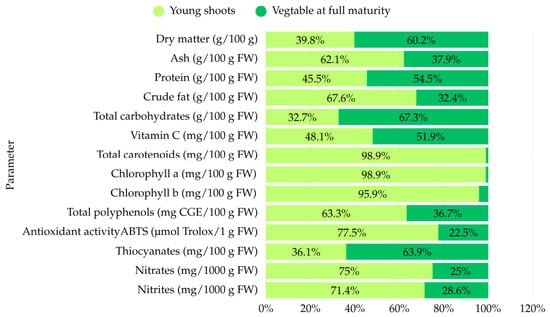
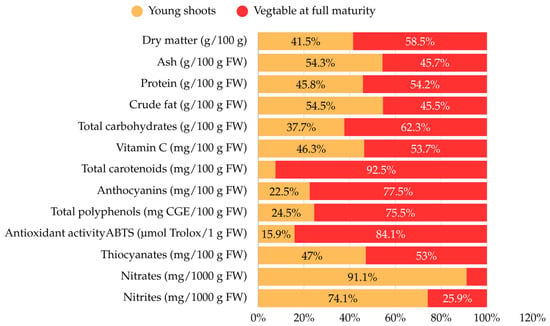

Disclaimer/Publisher’s Note: The statements, opinions and data contained in all publications are solely those of the individual author(s) and contributor(s) and not of MDPI and/or the editor(s). MDPI and/or the editor(s) disclaim responsibility for any injury to people or property resulting from any ideas, methods, instructions or products referred to in the content. |
© 2026 by the authors. Licensee MDPI, Basel, Switzerland. This article is an open access article distributed under the terms and conditions of the Creative Commons Attribution (CC BY) license.