


Abstract
This study investigates the effect of low-temperature pulsed DC plasma nitriding on the surface properties of AISI 304 stainless steel for homogenizer valve-seat components. Plasma nitriding was performed in an ammonia atmosphere at 400, 440 and 480 °C for 8 h. The treatment led to the formation of expanded austenite at 400 °C, while higher temperatures promoted the formation of Fe-N and CrN-containing phases. The thickness of the modified layer increased from approximately 36 μm at 400 °C to 65 μm at 480 °C. Surface microhardness increased from 203 HV0.1 for the untreated steel to 652.6, 806.0 and 961.8 HV0.1 after nitriding at 400, 440 and 480 °C, respectively. The wear rate decreased markedly, reaching 1.92 × 10⁻⁵ mm3/(N·m) for DCPN480 compared with 30.65 × 10⁻⁵ mm3/(N·m) for the untreated sample. Among the nitrided samples, DCPN440 showed the most favorable corrosion behavior in 3.5 wt.% NaCl solution, indicating a balance between surface hardening and preservation of corrosion resistance. Numerical modeling confirmed that the strengthened surface layer can withstand equivalent homogenizer valve-seat loading without local plastic deformation. The results demonstrate that pulsed DC plasma nitriding can significantly improve the hardness and wear resistance of AISI 304 stainless steel while maintaining acceptable corrosion performance under optimized treatment conditions.
1. Introduction
High-pressure homogenization is widely used in the food, pharmaceutical, and chemical industries to produce stable emulsions with a fine-dispersed structure [1,2,3,4]. In valve-type high-pressure homogenizers, the product is forced through a narrow working gap between the valve and the seat, where high flow velocity, pressure gradients, turbulence, and local hydrodynamic stresses promote droplet disruption and emulsion refinement [5,6,7,8]. A typical design of a homogenization valve is shown in Figure 1. Since the valve-seat assembly directly forms the working gap, its surface condition strongly affects homogenization efficiency, process stability, and the quality of the final product.
Figure 1.
Valve-seat assembly of a high-pressure homogenizer and the principle of product flow through the valve gap. Black arrows indicate the flow direction, and green circles schematically represent dispersed particles or droplets in the processed product.
The valve-seat pair operates under repeated contact interactions, high localized loading, and intensive flow-induced action. Under these conditions, the working surfaces are subjected to a combination of adhesive and abrasive wear, cavitation erosion, local plastic deformation, corrosion damage, and particle-induced erosion. Numerical and experimental investigations of high-pressure homogenizers have demonstrated that particle impact and erosion are concentrated in the valve-gap and impact regions, while wear becomes especially severe during the processing of multiphase and particle-containing food products [9,10,11,12]. Therefore, improving the surface durability of the valve and seat is a key engineering problem for extending the service life of homogenizer components.
Austenitic chromium-nickel stainless steels, particularly AISI 304 and AISI 304L, are widely used in food-processing equipment, including homogenizer components, because of their corrosion resistance, cleanability, hygienic suitability, manufacturability, and weldability [13,14,15,16,17,18]. Their corrosion resistance is mainly provided by a chromium-rich passive oxide film, which is essential for operation in chloride-containing and weakly acidic food-processing environments [15,16,17]. However, these steels have relatively low surface hardness and limited wear resistance, which restricts their long-term performance under combined mechanical, hydrodynamic, cavitation, and corrosive loading.
Different surface engineering approaches have been proposed to improve the wear resistance of stainless steels, including deformation hardening, protective coatings, and thermochemical treatments [19,20,21]. However, for food-processing equipment, the use of coatings may be limited by requirements related to sanitary safety, coating adhesion, cleanability, and resistance to cavitation-induced damage [22,23]. In this context, low-temperature plasma nitriding is a promising diffusion-based surface modification method because it can increase surface hardness and wear resistance while maintaining the bulk properties and dimensional accuracy of the component.
The functional response of plasma-nitrided austenitic stainless steels is strongly governed by processing parameters, including temperature, treatment time, gas composition, chamber pressure, applied voltage, pulse frequency, and duty cycle. Lu et al. [24] investigated short-time atmospheric pressure plasma nitriding of SS304 using a H2/N2 gas mixture. A 5 min treatment at approximately 495 °C, with a plasma power of 500 W and a frequency of 27 kHz, produced a nitrided layer with an estimated diffusion depth of about 21.7 μm. The surface hardness increased from 193 HV0.1 to 1124 HV0.1, and wear and impact-fatigue resistance were improved. However, corrosion resistance was slightly reduced because of CrN precipitation and increased surface roughness [24]. These results demonstrate that rapid nitriding can strongly improve mechanical performance, but excessive nitride formation may reduce passive-film stability.
Landek et al. [25] studied DC plasma nitriding of AISI 316L at 430 ± 5 °C for 4–24 h using a H2/N2 gas ratio of 3:1, a pressure of 200 Pa, a discharge voltage of 360 V DC, and a duty cycle of 90% during the nitriding stage. They showed that increasing the nitriding time increased surface hardness and roughness due to nitrogen saturation and the formation of iron and chromium nitrides. At the same time, nitriding for longer than 8 h promoted the formation of a thicker but brittle compound layer, which reduced micro-abrasion resistance compared with shorter treatments and also led to lower corrosion resistance than that of the untreated steel [25]. These findings indicate that layer thickening alone is not sufficient for improving service performance; phase composition and brittleness of the surface layer must also be controlled.
Zou et al. [26] proposed ultrasonic-frequency pulsed DC nitriding of AISI 316L in pure N2 at 8 Pa, using a pulsed voltage of 6.4 kV, a duty cycle of 10%, frequencies of 5–20 kHz, and a treatment duration of 5.5 h. At 320 °C and 20 kHz, a γN layer with a thickness of 9.5 μm was formed, while the surface hardness reached 13.2 GPa and the corrosion current density in 3.5 wt.% NaCl decreased from 9.01 × 10⁻⁶ A·cm−2 for untreated AISI 316L to 4.489 × 10⁻⁷ A·cm−2 This work shows that pulse parameters and ion bombardment frequency can significantly intensify nitrogen diffusion at reduced temperatures and improve the hardness–corrosion balance [26]. Liu et al. [27] demonstrated that plasma nitriding of a laser-clad AISI 316L coating at 430 °C for 5 h under 300 Pa and a N2 ratio of 3:2 improved surface hardness and wear resistance. The coefficient of friction decreased from 0.55 to 0.45, and the wear rate decreased from 231 × 10−7 to 1.61 × 10⁻⁷ mm3·N−1·m−1, which was attributed to the hard nitrided layer and oxide layers formed during sliding [27].
The importance of phase composition has also been confirmed for valve-related stainless steels. A previous study on low-temperature pulsed DC ion-plasma nitriding of 30Cr13 martensitic stainless steel in an ammonia atmosphere at 400–480 °C, 700 V, 400 Pa, in a duty cycle of 75%, and with a treatment time of 4 h showed that the surface hardness increased to approximately 1100–1150 HV [28]. The tribological and corrosion behavior was governed by the relative contribution of nitrogen-supersaturated martensite and ε-(Fe2–3)N. The predominance of the nitrogen-supersaturated solid solution at 400–450 °C provided a more stable tribological response and a lower corrosion rate, whereas a higher fraction of nitride phases at 480 °C increased hardness but produced a more heterogeneous electrochemical state [28]. These results are consistent with the general concept that plasma nitriding parameters determine nitrogen diffusion, phase formation, hardness, wear behavior, and corrosion response [29].
Although recent studies provide detailed information on the effect of plasma nitriding parameters on microhardness, corrosion behavior, friction, and wear resistance, most investigations are still focused on standard flat specimens and individual material properties. In particular, the majority of published works do not connect the phase and microstructural state of the nitrided layer with the behavior of real engineering components operating under service-relevant loading conditions. For homogenizer valve-seat assemblies, this limitation is especially important because the working surfaces are simultaneously exposed to high-velocity flow, pressure gradients, cyclic contact loading, cavitation effects, particle impact, and corrosion-active food-processing media. Therefore, material characterization alone is insufficient for evaluating the applicability of a nitrided surface layer in this type of equipment.
Therefore, the remaining research gap lies in the absence of an application-oriented structure–property–performance assessment of pulsed DC plasma-nitrided AISI 304 stainless steel for homogenizer valve-seat components. Previous studies have shown that low-temperature nitriding can form nitrogen-enriched surface layers and improve hardness and wear resistance; however, the relationship between phase composition, modified layer morphology, nitrogen distribution, roughness, corrosion response, friction coefficient, wear rate, and the stress–strain state of the valve-seat assembly remains insufficiently understood. In addition, only limited attention has been paid to linking experimentally measured surface-layer properties with numerical modeling of the critical valve-gap and impact-ring regions.
Accordingly, the aim of the present study is to investigate the effect of low-temperature pulsed DC plasma nitriding on the phase composition, microstructure, microhardness, surface roughness, corrosion resistance, friction coefficient, and wear rate of AISI 304 stainless steel, and to evaluate the performance of a strengthened homogenizer valve-seat assembly using numerical modeling. Plasma nitriding was performed in an ammonia atmosphere at 400, 440, and 480 °C for 8 h under pulsed DC conditions. The experimental results were used to calculate application-oriented performance indicators, including relative surface life and the valve-seat operability index, and were further correlated with numerical simulations of hydrodynamic behavior and stress distribution in the homogenizer valve-seat region. This combined approach makes it possible to relate surface modification effects to the predicted functional behavior of the valve-seat pair under service-relevant loading conditions.
2. Materials and Methods
Austenitic stainless steel AISI 304 was selected as the material for this study. The specimens were prepared in the form of disks with a diameter of 30 mm and a thickness of 7 mm. Prior to plasma nitriding, the sample surfaces were ground using an LMP-3S grinding machine at a rotational speed of 400–600 rpm with silicon carbide (SiC) abrasive papers of progressively finer grit sizes ranging from P120 to P2500. Final polishing was subsequently performed using an alumina suspension with a particle size of 0.5 μm. The specimens were then cleaned in an ultrasonic bath and dried with compressed air. The chemical composition of the investigated material is presented in Table 1.
Table 1.
Chemical composition of AISI 304 austenitic stainless steel.
After polishing, the AISI 304 austenitic stainless steel specimens were subjected to low-temperature plasma nitriding in an ammonia atmosphere using a BY-LXH-30GZD10RB pulsed DC plasma nitriding system manufactured by Wuhan Plasma Nitriding Furnace Co., Ltd. (Wuhan, China). Since this system is not widely represented in open-access equipment databases, additional information is provided here for clarity. The installation is an industrial plasma nitriding unit equipped with a sealed vacuum treatment chamber, a pulsed direct current (DC) power supply, a cathodic sample holder, a gas supply and flow-control system, a vacuum and pressure-control system, a thermocouple-based temperature monitoring system, and a programmable control unit for regulating the treatment parameters.
A composite illustration of the plasma nitriding process is presented in Figure 2. Figure 2a shows the schematic layout of the experimental setup and its main components, whereas Figure 2b presents the appearance of the plasma discharge observed through the chamber viewing window during processing, together with the macroscopic appearance of the untreated and nitrided AISI 304 specimens obtained under different treatment conditions. The process parameters, including chamber pressure, applied voltage, treatment temperature, processing time, gas flow rate, and pulse duty cycle, were monitored and controlled using the system control unit. The specimens were mounted on a holder acting as the cathode relative to the vacuum chamber walls. The treatment temperature was maintained within ± 5 °C using a thermocouple and a feedback control system that regulated the pulse duty cycle. The plasma nitriding conditions used in this study are summarized in Table 2.
Figure 2.
(a) Schematic illustration of the pulsed DC plasma nitriding system [29]; (b) plasma discharge appearance during treatment and macroscopic appearance of the untreated and nitrided AISI 304 specimens. The different discharge colors correspond to the visual plasma appearance under the three treatment-temperature conditions.
Table 2.
Processing parameters for pulsed DC ion-plasma nitriding of AISI 304 stainless steel specimens.
The treatment temperatures of 400, 440, and 480 °C were selected to represent the low-temperature plasma nitriding range for AISI 304 stainless steel. This interval was chosen to evaluate the effect of temperature on nitrogen diffusion, modified layer growth, phase formation, and corrosion–tribological response while limiting excessive high-temperature nitride precipitation. The temperature of 400 °C was used as a lower treatment condition with relatively limited nitrogen diffusion, whereas 480 °C represented the upper part of the selected low-temperature range, where intensified nitrogen diffusion and nitride formation are expected. The intermediate temperature of 440 °C was selected to evaluate the transition between limited layer development and more intensive nitride formation.
The remaining parameters listed in Table 2 were kept constant in order to isolate the effect of treatment temperature. Ammonia was selected as the nitriding gas because it provides an active nitrogen-containing atmosphere for the formation of a nitrogen-enriched modified layer. The treatment time of 8 h was chosen to ensure the development of a measurable nitrided layer at all selected temperatures. The applied voltage of 700 V, chamber pressure of 300 Pa, pulse duty cycle of 70%, and ammonia flow rate of 500 mL min−1 were selected to maintain a stable pulsed DC glow discharge and reproducible nitriding conditions for all specimens. Therefore, the observed differences in phase composition, layer thickness, microhardness, corrosion behavior, and tribological performance can be mainly attributed to the effect of nitriding temperature.
Upon completion of the plasma nitriding process, the specimens were cooled to room temperature inside the treatment chamber in an ammonia-containing atmosphere in order to minimize the possibility of surface oxidation. The cooling process was not actively controlled and occurred simultaneously with the natural cooling of the chamber. Based on the temperature decrease from the nitriding temperature to approximately 50 °C over a period of 10–12 h, the average cooling rate inside the chamber was estimated to be approximately 0.5–0.7 °C/min.
Phase analysis was carried out using a D6 PHASER Material Research X-ray diffractometer (Bruker AXS GmbH, Ettlingen, Germany). The measurements were performed using CuKα radiation (λ1 = 1.5406 Å, λ2 = 1.5444 Å) at an accelerating voltage of 40 kV and a current of 15 mA. Diffraction patterns were recorded over a 2θ range from 30° to 80° with a step size of 0.02° and a counting time of 0.8 s per step.
Microstructural analysis was performed on cross-sections of the plasma-nitrided specimens prepared using standard metallographic procedures. The cross-sectional samples were sequentially ground using SiC abrasive papers with grit sizes from P120 to P2500, followed by final polishing with an alumina suspension with a particle size of 0.5 μm. Chemical etching was then carried out using 4 vol.% Nital reagent for 5–10 s. After etching, the samples were rinsed with ethanol and dried with compressed air before SEM examination. The microstructure was examined using a Vega4 scanning electron microscope (TESCAN VEGA 3 LMH, TESCAN, Brno, Czech Republic) operated at an accelerating voltage of 20 kV. The thickness of the modified layer was determined from SEM cross-sectional images by calculating the average value from five independent measurements.
Surface microhardness was measured using the Vickers method with a HV-1 DT digital microhardness tester (Shanghai HLV, Shanghai, China) in accordance with ISO 6507-1 [30]. The measurements were performed under a load of 0.1 kgf with a dwell time of 10 s. At least ten indentations were made on each specimen, and the average microhardness value was subsequently calculated.
The microhardness distribution across the depth of the modified layer was determined on cross-sections of the nitrided specimens by instrumented indentation using a FISCHERSCOPE HM2000 measurement system (Helmut Fischer GmbH, Sindelfingen, Germany) in accordance with DIN EN ISO 14577-1 [31]. Measurements were performed sequentially from the specimen surface toward the substrate to evaluate the variation in hardness throughout the thickness of the nitrided layer. The tests were conducted under a load of 100 mN with a loading time of 15 s and a holding time of 5 s at the maximum load to account for material creep effects. The indentation load–displacement data were processed using the manufacturer-supplied WIN-HCU software (software version not specified by the instrument supplier). The software was used to calculate the indentation hardness values, which were then used to construct the hardness distribution profile across the nitrided layer and substrate.
The tribological behavior of the nitrided specimens was evaluated under dry sliding conditions using a ball-on-disk configuration on an Anton Paar TRB3 tribometer (Anton Paar GmbH, Graz, Austria) in accordance with ASTM G99 [32], ASTM G133 [33], and DIN 50324 [34]. A 6 mm diameter ball made of 100Cr6 bearing steel was used as the counterbody. The tests were performed under a normal load of 6 N, a sliding speed of 5 cm/s, a wear track radius of 2 mm, and a total sliding distance of 100 m.
The corrosion resistance of the specimens was evaluated by potentiodynamic polarization using a CS350M potentiostat/galvanostat (Corrtest Instruments, Wuhan, China) equipped with a CS934 flat corrosion cell. Measurements were carried out in a conventional three-electrode configuration consisting of a saturated Ag/AgCl reference electrode, a platinum counter electrode, and the specimen as the working electrode. All potentials reported in this study are given relative to the saturated Ag/AgCl reference electrode. The tests were performed in a 3.5 wt.% NaCl solution at a temperature of 25 ± 1 °C with an exposed working surface area of 1 cm2. Prior to polarization measurements, the specimens were immersed in the electrolyte and the open-circuit potential (OCP) was monitored for 30 min until a stable potential was reached. Potentiodynamic polarization curves were subsequently recorded in the potential range from −0.1 to +0.1 V relative to the stabilized OCP at a scan rate of 0.5 mV·s−1 in accordance with ASTM G5-13 [35]. The experimental polarization curves were analyzed using Tafel extrapolation in CS Studio6 software. The corrosion potential (Ecorr), corrosion current density (icorr), anodic and cathodic Tafel slopes, and corrosion rate were determined from the fitted polarization curves.
Surface roughness was evaluated using a contact profilometric method with a HY2300 surface roughness tester (AnyTester (Hefei) Co., Ltd., Hefei, China). The surface condition of the untreated and nitrided specimens was characterized by the arithmetic mean roughness (Ra) and the ten-point height of irregularities (Rz). To minimize the influence of local surface heterogeneity and point-selection error, measurements were performed at several fixed positions on the circular plane of each specimen according to the same measurement scheme. One profile was recorded near the central region of the specimen, while the remaining profiles were recorded along radial directions at comparable distances from the center. The same orientation and measurement layout were used for the untreated and nitrided specimens. The reported Ra and Rz values represent the average values obtained from repeated measurements, and the scatter of the data is presented as the standard deviation.
Numerical modeling was performed to evaluate the mechanical response of plasma-nitrided AISI 304 valve-seat components under operating conditions characteristic of high-pressure homogenizers. The model was developed in COMSOL Multiphysics 6.2 and was designed to connect the experimentally measured properties of the nitrided layer with the stress distribution expected in the most loaded regions of the valve-seat assembly. The model included the forcer, valve seat, narrow valve gap, outlet chamber and impact-ring region. These elements reproduce the principal hydrodynamic and mechanical loading zones of a homogenizer valve.
A two-dimensional axisymmetric approximation was selected because the real valve-seat assembly is rotationally symmetric and the main flow-induced loads act along the circumferentially continuous gap. This approximation substantially reduced the computational cost while preserving the essential features of the valve-seat configuration. The computational domains consisted of the fluid passage and the solid structural regions. The solid part included the AISI 304 substrate and a separate nitrided surface layer on the seat and impact-ring surfaces. The nitrided layer thicknesses were assigned according to the cross-sectional SEM measurements: 36 μm for DCPN400, 46 μm for DCPN440 and 65 μm for DCPN480. These thicknesses were used directly in the geometry rather than only as material parameters.
The calculated stress levels and the corresponding stress concentration zones for each loading case are summarized in Table 3.
Table 3.
Main material and modeling parameters used in the numerical model.
The base AISI 304 material was assigned a Young’s modulus of 193 GPa, a Poisson’s ratio of 0.29 and a density of 7900 kg·m−3. The nitrided layer was treated as a mechanically strengthened surface zone. The Young’s modulus of the nitrided layer was set to 208, 212 and 216 GPa for DCPN400, DCPN440 and DCPN480, respectively. The experimentally measured microhardness values were used to estimate the load-bearing capacity of the surface layer and to compare the calculated von Mises stresses with the hardness-derived yield strength of the nitrided region.
Governing equations and numerical formulation.
To make the numerical formulation reproducible, the main governing equations used in the flow and structural calculations are summarized below. The fluid flow in the valve gap was described using the incompressible continuity and momentum equations. For the stationary flow calculation, the conservation of mass was written as
where u is the velocity vector. The momentum balance was expressed as
where is the fluid density, is the dynamic viscosity and p is the pressure. Turbulence effects in the narrow valve gap and outlet chamber were taken into account using the Turbulent Flow interface in COMSOL Multiphysics 6.2. A no-slip condition was applied at all solid-fluid boundaries.
The mechanical response of the valve-seat assembly was calculated using the equilibrium equation for the solid domains:
where σ is the Cauchy stress tensor and F is the body-force vector. The AISI 304 substrate and nitrided surface layer were treated as linear elastic materials for the stress-distribution analysis. The constitutive relation was written as
where C is the elastic stiffness tensor and ε is the strain tensor. The equivalent stress was evaluated using the von Mises criterion:
where , and are the principal stresses. The experimentally measured Vickers hardness values were used to estimate the load-bearing capacity of the nitrided layer. The approximate relationship between hardness and yield strength was expressed as
The equivalent 10 h loading condition was interpreted as a sustained service-load state. If the operating frequency of the homogenizer is known, the number of loading cycles corresponding to 10 h can be estimated as
where f is the operating frequency in Hz.
The simulation procedure consisted of two stages. In the first stage, the flow field was calculated in the valve gap and outlet chamber using the Turbulent Flow interface. The fluid was treated as incompressible with a density of 1000 kg·m−3 and dynamic viscosity of 1 × 10⁻³ Pa·s. The inlet pressure was assigned according to the selected loading case, and the outlet was set to zero gauge pressure. No-slip wall conditions were applied on all solid-fluid interfaces. The purpose of the flow analysis was to determine the location of high-velocity regions and identify the wall surfaces where hydrodynamic loading is most intense.
In the second stage, the mechanical response of the valve-seat system was evaluated using the Solid Mechanics interface. A one-way coupling strategy was used: the flow solution was first used to identify the critical hydrodynamic loading zones, and then equivalent pressure loads were applied to the corresponding solid surfaces. The pressure loads were applied to three regions: the nitrided seat surface in the narrow gap, the lower surface of the forcer and the impact-ring surface. The structural calculations were performed for equivalent pressure levels of 50, 150 and 300 MPa, representing low, medium and high service loading conditions. This approach was selected because fully coupled fluid–structure interaction with thin nitrided layers and very high pressures requires a much finer moving mesh and can introduce convergence instability. Therefore, the present model should be interpreted as a flow-equivalent structural assessment rather than a fully coupled transient FSI analysis.
The equivalent 10 h service condition was represented by a stationary sustained loading state. The model did not reproduce every transient pressure fluctuation during actual homogenizer operation; instead, it evaluated the stress state generated by sustained high-pressure loading during service. This interpretation is suitable for comparing the relative load-bearing response of the untreated and nitrided surfaces and for identifying the most critical stress-concentration zones.
COMSOL solver configuration. To ensure numerical reproducibility, the solver settings used in COMSOL are summarized in Table 4. A stationary study was used for both the flow-field calculation and the structural response. In the workflow used in this study, the flow and solid problems were solved sequentially rather than as a fully coupled fluid–structure interaction problem. The turbulent flow calculation was solved first, after which the structural analysis was performed using equivalent pressure loads applied to the wetted surfaces of the nitrided valve-seat geometry. The nonlinear stationary solver used automatic damping and iterative convergence control, with a relative tolerance of 1 × 10⁻³. Mesh refinement was applied in the narrow valve gap, near the nitrided layer, and around the impact-ring surface, since these regions were expected to exhibit the largest gradients in velocity, pressure, and stress.
Table 4.
COMSOL solver and boundary-condition configuration used for the numerical model.
To further assess the influence of pulsed DC plasma nitriding on the functional performance of the surface, several engineering performance indicators were calculated. These parameters were used to characterize the resistance of the surface to contact loading and wear, as well as to estimate the potential service life of homogenizer valve-seat components operating under high-pressure conditions.
The engineering performance indicators were calculated using the experimentally obtained values of surface microhardness, nitrided layer thickness, coefficient of friction, and wear rate.
Hardness reserve factor. To evaluate the ability of the surface to resist contact-induced plastic deformation under high loading conditions, a hardness reserve factor was introduced and calculated according to the following expression:
where Ks is the hardness reserve factor;
Ks = (HV∙9.807)/P,
HV is the surface microhardness (HV);
9.807 is the conversion factor from Vickers hardness to MPa;
P is the homogenization operating pressure, MPa.
In the calculations, an operating pressure of P = 28 MPa was used, corresponding to typical operating conditions of high-pressure food homogenizers. An increase in the Ks value indicates an enhanced resistance of the surface to contact indentation and localized plastic deformation under valve-seat operating conditions.
Valve-seat performance index. To provide a comprehensive comparative assessment of the functional potential of the treated surfaces, a valve-seat performance index was introduced and calculated according to the following expression:
where PIv is the valve-seat performance index;
PIv = (HV∙h)/(W∙μ),
HV is the surface microhardness (HV);
h is the thickness of the nitrided layer, μm;
W is the wear rate, mm3·(N−1·m−1);
μ is the coefficient of friction.
Relative surface life index. To assess the potential improvement in surface durability, a relative surface life index was introduced based on a modified form of Archard’s wear law:
where Rrel is the relative surface life index;
Rrel = (HVn·W0)/(Wn·HV0),
HV0 and W0 are the microhardness and wear rate of the untreated specimen, respectively;
HVn and Wn are the corresponding parameters of the nitrided specimen.
This parameter reflects the relative change in the potential surface life after plasma nitriding by simultaneously accounting for the increase in microhardness and the reduction in wear rate. An increase in the Rrel value indicates an enhancement in the potential service life of the valve-seat surface.
3. Results and Discussion
3.1. X-Ray Diffraction Analysis (XRD)
Figure 3 shows the XRD patterns of the untreated and plasma-nitrided AISI 304 specimens treated at 400, 440, and 480 °C for 8 h. The untreated specimen is characterized by the presence of typical diffraction peaks of the austenitic γ-phase with a face-centered cubic structure at 2θ ≈ 43.18°, 50.94°, and 74.83°, corresponding to the γ(111), γ(200), and γ(220) crystallographic planes, respectively. These peaks confirm the fully austenitic structure of the untreated AISI 304 stainless steel.
Figure 3.
XRD patterns of untreated and pulsed DC plasma nitrided AISI 304 samples.
Following plasma nitriding, significant changes in the diffraction patterns are observed as a result of nitrogen diffusion into the surface layer and subsequent phase and microstructural transformations. For the DCPN400 specimen, broadened diffraction peaks appear in the range of 41–47°, which may be associated with the formation of expanded austenite γN (S-phase), a nitrogen-supersaturated solid solution based on the austenitic structure [36,37,38,39]. The formation of this phase is attributed to the incorporation of nitrogen atoms into the octahedral interstitial sites of the austenite lattice, resulting in an increase in the lattice parameter and interplanar spacing [37,40]. Consequently, the diffraction peaks shift toward lower diffraction angles compared with those of the original austenitic phase [36,39,41]. For the DCPN400 specimen, the peaks located at 41.16° and 46.79° may be attributed to γN(111) and γN(200), respectively. The pronounced peak broadening may be associated with a high concentration of dissolved nitrogen, increased lattice microstrain, and the development of residual compressive stresses [40,41].
When the treatment temperature is increased to 440 °C, the phase composition becomes more complex. In addition to the peaks associated with expanded austenite, additional reflections appear at 2θ ≈ 37.97°, 43.83°, 48.24°, 63.66°, 65.21°, 70.00°, and 74.66°. The appearance of these reflections suggests the onset of iron nitride and chromium nitride precipitation [39,42]. The peak near 37.97° may be attributed to CrN, whereas the reflections in the range of 43–48° may correspond to overlapping contributions from γN, Fe4N, and ε- Fe2–3N. The peak observed near 63.66° may also result from overlapping reflections of CrN and Fe4N.
For the DCPN480 specimen, a further increase in phase complexity is observed. The pronounced reflection near 37.57° may indicate the presence of chromium nitride CrN, whereas the peaks located at approximately 41.19° and 47.97° may be associated with Fe4N. Reflections in the 43–44° region and near 63° may be related to the formation of ε- Fe2–3N and overlapping signals from CrN and Fe4N. These results indicate that increasing the treatment temperature promotes more intensive nitrogen diffusion and enhances the formation of nitride phases.
The observed sequence of phase transformations is consistent with previous studies [39,42,43], which have shown that the formation of expanded austenite is the dominant process during low-temperature DC plasma nitriding, whereas further increases in treatment temperature lead to the partial decomposition of nitrogen-supersaturated austenite and the precipitation of iron and chromium nitrides [39,42]. The formation of chromium nitrides is accompanied by local chromium depletion of the austenitic matrix because part of the chromium leaves the solid solution and participates in CrN formation. This phenomenon may reduce the ability of the material to maintain a stable passive film and, consequently, may impair its corrosion resistance [42,43].
Therefore, the XRD results indicate that expanded austenite γN is the predominant phase in the modified layer of the DCPN400 specimen. At 440 °C, the formation of a mixed structure containing γN and iron nitrides begins, whereas the DCPN480 specimen exhibits more pronounced formation of CrN and iron nitrides. This behavior indicates the partial decomposition of nitrogen-supersaturated austenite as a consequence of enhanced nitrogen diffusion and nitride precipitation at elevated treatment temperatures.
3.2. Surface Morphology and Elemental Composition (SEM/EDS)
Figure 4 presents SEM cross-sectional micrographs of AISI 304 specimens after pulsed DC plasma nitriding at temperatures ranging from 400 to 480 °C: (a) DCPN400, (b) DCPN440, and (c) DCPN480. For all treatment conditions, the formation of a distinct near-surface modified zone can be observed, clearly differing from the substrate in both contrast and morphological characteristics. A heterogeneous region corresponding to the nitrided layer is visible near the surface, whereas the underlying substrate retains a relatively uniform microstructure. A well-defined interface between the modified layer and the substrate is observed, enabling reliable determination of the layer thickness from the cross-sectional SEM images.
Figure 4.
Cross-sectional SEM images of AISI 304 samples after pulsed DC plasma nitriding: (a) DCPN400, (b) DCPN440, and (c) DCPN480. Red measurement lines indicate the local thickness of the modified layer.
The microstructural analysis revealed a pronounced dependence of the modified layer thickness on treatment temperature. For the DCPN400 specimen (Figure 4a), the average layer thickness was approximately 36 μm. Increasing the treatment temperature to 440 °C resulted in an increase in layer thickness to approximately 46 μm for the DCPN440 specimen (Figure 4b). The greatest thickness was observed for the DCPN480 specimen (Figure 4c), where the modified layer reached approximately 65 μm. In addition to the increase in thickness, changes in the morphology of the near-surface region were also observed. As the treatment temperature increased, the modified zone became more extensive and pronounced, indicating intensified diffusion processes and deeper nitrogen penetration into the material.
The observed trend is consistent with the XRD results, which showed that increasing the treatment temperature was accompanied by changes in the phase composition of the surface layer. For the DCPN400 specimen, expanded austenite (γN) was identified as the predominant phase, whereas additional iron and chromium nitrides were detected at treatment temperatures of 440 and 480 °C. The increase in temperature enhances the diffusional mobility of nitrogen atoms and promotes their penetration into the austenitic matrix, resulting in an increase in the depth of the modified zone.
A similar temperature-dependent increase in modified layer thickness was reported by Jun Wang et al. [39], who investigated the influence of DC plasma nitriding parameters on AISI 304L stainless steel. They demonstrated that the thickness of the modified layer increased almost linearly with increasing treatment temperature and reached its maximum value near 480 °C. This behavior was attributed to enhanced diffusion kinetics at elevated temperatures, which promote deeper nitrogen penetration and the development of a thicker nitrided layer. Therefore, the present SEM observations are consistent with the previously reported diffusion-controlled behavior of plasma-nitrided austenitic stainless steels.
However, in the present work, the increase in layer thickness with temperature is not considered as the main independent novelty of the study. Instead, the thickness data are used as a structural basis for interpreting the combined changes in phase composition, nitrogen-enriched layer morphology, microhardness, surface roughness, corrosion behavior, friction coefficient, wear rate, and calculated performance indicators of the homogenizer valve-seat pair. This application-oriented correlation between the plasma-nitrided surface layer and the predicted functional performance of homogenizer working components distinguishes the present study from earlier works focused mainly on the effect of nitriding parameters on layer formation.
In addition to increasing the layer thickness, increasing the treatment temperature also affects the mechanism of surface layer formation. At relatively low temperatures, the formation of nitrogen-supersaturated expanded austenite predominates, whereas further temperature increases promote the formation of nitride phases. This behavior indicates enhanced nitrogen redistribution processes and the development of a more complex multiphase surface structure, which subsequently affects the mechanical, tribological, and corrosion responses of the treated steel.
The results of the point EDS analysis performed on the cross-sections of AISI 304 specimens treated by pulsed DC plasma nitriding at 400, 440, and 480 °C are presented in Figure 5 and Table 5. The spectra were acquired along the depth of the nitrided layer, from the modified surface region toward the substrate, in order to evaluate the elemental distribution throughout the layer thickness.
Figure 5.
Cross-sectional EDS analysis of AISI 304 samples after pulsed DC plasma nitriding at different treatment temperatures: (a) DCPN400, (b) DCPN440, and (c) DCPN480.
Table 5.
Weight and atomic percentages of chemical elements at EDS analysis points in the cross section of AISI 304 samples after DC ion plasma nitriding at different treatment temperatures.
For the DCPN400 specimen (Figure 5a), an increased nitrogen content was detected in the near-surface region, reaching 10.69 wt.% and 10.23 wt.% in Spectrum No.1 and Spectrum No.2, respectively. With increasing depth, the nitrogen distribution became non-uniform. Nitrogen was not detected in Spectrum No.3, whereas its presence was again observed in Spectrum No.4 at a concentration of 6.43 wt.%, followed by a decrease to 2.35 wt.% in Spectrum No. 5. Nitrogen was absent in Spectrum No. 6, corresponding to the substrate region. This behavior indicates a locally heterogeneous nitrogen distribution within the diffusion layer, which may be associated with microstructural heterogeneity, the presence of defects or pores, or local redistribution of alloying elements.
For the DCPN440 specimen (Figure 5b), the nitrogen distribution was more pronounced. The nitrogen concentration reached 13.19 wt.% in the surface region (Spectrum No.1), representing the highest value among all investigated specimens. As the analysis points moved deeper into the modified layer, the nitrogen content gradually decreased to 9.01 wt.%, 6.59 wt.%, 3.87 wt.%, and 4.75 wt.% in Spectrum No.2-5, respectively. Nitrogen was not detected in Spectrum No.6, indicating the transition to the substrate. These results suggest more intensive nitrogen enrichment of the surface at a treatment temperature of 440 °C.
A similar trend was observed for the DCPN480 specimen (Figure 5c). The highest nitrogen concentration was detected near the surface, reaching 12.11 wt.% in Spectrum No.1. With increasing depth, the nitrogen content decreased to 6.86 wt.% in Spectrum No. 2, 4.32 wt.% in Spectrum No.3, and 2.13 wt.% in Spectrum No.4. Nitrogen was no longer detected in Spectrum No.5 and Spectrum No.6, corresponding to the substrate region of the AISI 304 steel.
All investigated specimens exhibited a similar elemental distribution trend. The nitrogen content was highest in the modified surface layer and gradually decreased toward the substrate. Simultaneously, the iron concentration increased from the surface toward the bulk material. The chromium and nickel contents remained relatively stable and were consistent with the nominal composition of AISI 304 stainless steel. Local variations in chromium concentration observed in certain spectra may be related to heterogeneity within the diffusion layer and the possible formation of chromium-rich phases.
Overall, the EDS results confirm the formation of a nitrided layer with a graded elemental distribution, characterized by maximum nitrogen enrichment in the near-surface region and a progressive decrease in nitrogen concentration with increasing depth toward the substrate.
3.3. Microhardness and Nitrided Layer Characterization
Figure 6 presents the surface microhardness of the untreated specimen and the specimens subjected to pulsed DC plasma nitriding at different treatment temperatures. The untreated AISI 304 specimen exhibited an average microhardness of 203.3 ± 12.6 HV0.1, whereas plasma nitriding resulted in a substantial increase to 652.6 ± 33.8 HV0.1 for DCPN400, 806.0 ± 53.7 HV0.1 for DCPN440, and 961.8 ± 71.0 HV0.1 for DCPN480. Thus, pulsed DC plasma nitriding produced approximately 3.2-, 4.0-, and 4.7-fold increases in surface microhardness compared with the untreated condition.
Figure 6.
Surface microhardness of untreated and pulsed DC plasma nitrided AISI 304 samples.
The observed trend is consistent with previously reported temperature-dependent behavior of plasma-nitrided AISI 304 stainless steel. Shen et al. [27] reported that, for nitrided SS304 samples without shot peening, the surface hardness increased from approximately 580 HV0.1 at 410 °C to about 1220 HV0.1 at 480 °C and nearly 1450 HV0.1 at 520 °C. For pre-shot-peened samples, higher hardness values were obtained, increasing from approximately 1000 HV0.1 at 410 °C to about 1600 HV0.1 at 480–500 °C. Although the absolute hardness values differ due to differences in processing conditions and surface pretreatment, the same general tendency of increasing hardness with nitriding temperature was observed. This behavior is mainly associated with enhanced nitrogen uptake, lattice distortion of the nitrogen-expanded austenite, and the formation of hard nitride-containing phases at higher treatment temperatures. A similar tendency was also reported by Sun and Bell [44], who showed that low-temperature plasma nitriding of austenitic stainless steel led to a substantial increase in surface hardness, reaching approximately 1200 HV0.1. This increase was associated with the formation of a nitrogen-supersaturated expanded austenite layer, in which solid-solution strengthening and lattice distortion play a major role.
The increase in microhardness is in good agreement with the XRD results. As demonstrated by the diffraction analysis, pulsed DC plasma nitriding promotes the formation of nitrogen-enriched expanded austenite γN (S-phase) together with Fe-N phases. The diffraction peaks of austenite shift toward lower 2θ angles relative to the untreated condition, indicating an increase in the lattice parameter due to the incorporation of nitrogen atoms into interstitial sites. The expansion of the crystal lattice generates significant elastic distortions and increases the defect density, thereby restricting dislocation movement and leading to a substantial increase in hardness. Additional strengthening is provided by the formation of nitrogen-containing phases with inherently high hardness. As the treatment temperature increases, the higher nitrogen concentration in the near-surface region further enhances the hardening effect.
Figure 7 shows the microhardness profiles measured across the cross-sections of the specimens after pulsed DC plasma nitriding. All treated specimens exhibited maximum hardness values near the surface, followed by a gradual decrease with increasing distance from the surface. For the DCPN400 specimen, the microhardness decreased from approximately 750 HV0.1 at the surface to values close to that of the substrate at a depth of about 15–20 μm. In contrast, the DCPN440 and DCPN480 specimens exhibited a more gradual decrease in hardness, with elevated hardness values being maintained to a depth of approximately 70 μm. Such behavior is characteristic of nitrogen diffusion layers and is consistent with the findings reported by Lu et al. [28]. The high hardness values observed near the surface are attributed to the elevated nitrogen concentration, whereas the gradual reduction in nitrogen content with increasing depth results in a lower degree of lattice distortion and a reduced contribution from phase strengthening. The more extended microhardness profiles observed for DCPN440 and DCPN480 indicate the formation of thicker hardened layers, which is in good agreement with the measured thicknesses of the modified layers.
Figure 7.
Cross-sectional microhardness profiles of untreated and pulsed DC plasma nitrided AISI 304 samples.
The increase in microhardness and the greater depth of the hardened layer achieved by pulsed DC plasma nitriding may be particularly important for homogenizer valve-seat assemblies operating under high contact loads. The formation of a hardened surface layer can potentially reduce localized plastic deformation and wear of the contacting surfaces, which is of interest for subsequent stress–strain analysis and service life prediction.
3.4. Corrosion Behavior
Figure 8 shows the potentiodynamic polarization curves of the untreated specimen and the specimens subjected to pulsed DC plasma nitriding in a 3.5 wt.% NaCl solution. The electrochemical parameters, including corrosion potential (Ecorr), corrosion current density (Icorr), and corrosion rate determined by Tafel extrapolation, are summarized in Table 6.
Figure 8.
Potentiodynamic polarization curves of untreated and DC ion plasma nitrided AISI 304 samples.
Table 6.
Potentiodynamic polarization curves of untreated and DC ion plasma nitrided AISI 304 samples in 3.5 wt.% NaCl solution.
The untreated specimen exhibited a corrosion current density of 0.471 μA·cm−2 and a corrosion rate of 0.0055 mm·year−1. Following plasma nitriding, noticeable changes in the electrochemical behavior of the surface were observed. For the DCPN400 specimen, the corrosion current density increased to 2.351 μA·cm−2, while the corrosion rate reached 0.0276 mm·year−1. Increasing the treatment temperature to 440 °C resulted in a decrease in the corrosion current density to 1.255 μA·cm−2 and a reduction in the corrosion rate to 0.0147 mm·year−1, indicating a partial improvement in corrosion resistance compared with DCPN400. However, a further increase in temperature to 480 °C led to an increase in the corrosion current density to 4.390 μA·cm−2 and the highest corrosion rate of 0.0515 mm·year−1. The corrosion potential also changed after treatment. The untreated material exhibited an Ecorr value of 0.185 V, whereas the DCPN400, DCPN440, and DCPN480 specimens showed a shift toward more negative values of −0.147 V, −0.106 V, and −0.027 V, respectively. Among the nitrided specimens, DCPN440 exhibited the most favorable combination of electrochemical parameters, characterized by a lower corrosion current density and a lower corrosion rate than the other nitrided conditions.
The difference in corrosion behavior between the nitrided specimens indicates that corrosion resistance is controlled not only by the thickness of the modified layer, but also by its phase composition, structural homogeneity, surface roughness, and ability to maintain a stable passive film [42,44,45,46]. For DCPN400, the relatively thin modified layer formed at 400 °C provided limited protection in the chloride-containing medium. At 440 °C, nitrogen diffusion was more intensive, resulting in the formation of a thicker and more developed modified layer. At the same time, excessive nitride precipitation was still less pronounced than at 480 °C. Therefore, DCPN440 provided a more favorable balance between the development of the nitrogen-enriched surface layer and the preservation of passive-film stability.
The deterioration of corrosion resistance at 480 °C, despite the greatest modified layer thickness, can be explained by changes in the phase composition and surface state. According to the XRD results, increasing the nitriding temperature promoted the formation of additional nitride phases, including chromium nitride. The precipitation of CrN can locally bind chromium and produce chromium-depleted regions in the surrounding matrix, which reduces the ability of the surface to form and maintain a stable Cr-rich passive film [44,46]. In addition, the more heterogeneous multiphase structure formed at 480 °C, together with the increased surface roughness observed after nitriding, may create local electrochemical heterogeneity and preferential sites for passive film breakdown in chloride-containing solution [42,45]. Therefore, the lower corrosion resistance of DCPN480 is associated with the combined effect of chromium nitride formation, possible local chromium depletion, phase heterogeneity, and increased surface roughness rather than with insufficient layer thickness.
The observed behavior is consistent with previously published studies. Zhao et al. [42] reported that the corrosion behavior of plasma-nitrided AISI 304 stainless steel strongly depends on the nitriding temperature. The authors demonstrated that specimens treated at temperatures below 430 °C retained relatively low corrosion current densities and more noble corrosion potentials compared with the untreated material. Further increases in temperature resulted in higher corrosion current densities and deterioration of the passive behavior of the surface. Similar observations were reported by Shen et al. [45], who showed that the corrosion current density of nitrided specimens could be significantly reduced due to the formation of a dense modified layer. According to these authors, the nitrided layer exhibited a more stable passive state and the absence of a pronounced active-to-passive transition region.
According to ASTM G102 [47], the corrosion rate is directly proportional to the corrosion current density determined from polarization measurements. Therefore, the increased Icorr values observed for DCPN400 and DCPN480 indicate a negative effect of these nitriding conditions on corrosion resistance, as they correspond to higher corrosion rates of 0.0276 and 0.0515 mm·year−1, respectively, compared with 0.0055 mm·year−1 for the untreated specimen. In contrast, DCPN440 showed a lower corrosion current density than the other nitrided specimens and a corresponding corrosion rate of 0.0147 mm·year−1, indicating comparatively greater resistance to electrochemical dissolution among the nitrided conditions.
Thus, the corrosion behavior of plasma-nitrided AISI 304 stainless steel is governed by a competition between two effects. On the one hand, the formation of a nitrogen-enriched modified layer can improve the barrier properties of the surface and contribute to a more stable passive state [45]. On the other hand, excessive treatment temperature promotes nitride precipitation, chromium redistribution, phase heterogeneity, and roughness growth, which may reduce passive-film stability in chloride-containing media [42,44,46]. Within the investigated temperature range, DCPN440 provided the most favorable balance between these factors, whereas DCPN480 showed a deterioration in corrosion resistance despite having the thickest modified layer.
3.5. Tribological Performance
Figure 9 shows the coefficient of friction as a function of sliding distance for the untreated specimen and the plasma-nitrided DCPN400, DCPN440, and DCPN480 specimens. For all investigated specimens, the initial running-in stage was followed by a relatively stable friction regime. The untreated specimen exhibited an average coefficient of friction of 0.699 ± 0.128. After plasma nitriding at 400 °C, the coefficient of friction was 0.696 ± 0.159, showing virtually no change compared with the untreated condition. Increasing the treatment temperature to 440 °C resulted in a decrease in the coefficient of friction to 0.651 ± 0.145, whereas the DCPN480 specimen exhibited a further reduction to 0.515 ± 0.120. In addition to the change in the average coefficient of friction, plasma nitriding also influenced the shape of the tribological curves. The DCPN400 specimen exhibited pronounced fluctuations in the coefficient of friction throughout the test, whereas the DCPN440 and, particularly, the DCPN480 specimens demonstrated a more stable sliding regime with lower fluctuation amplitudes. Compared with the untreated condition, the coefficient of friction of the DCPN480 specimen decreased by approximately 26.3%. A similar dependence of friction behavior on the nitriding condition was reported by Li et al. [48], who showed that the coefficient of friction of plasma-nitrided AISI 304 stainless steel is strongly affected by the electric potential configuration, surface morphology, and phase state of the nitrided layer. In their study, cathodic-potential nitriding resulted in relatively high steady-state friction coefficients of approximately 0.80–0.94, whereas active-screen/floating-potential nitriding produced a more stable friction curve with lower fluctuation amplitude. Therefore, the lower and more stable friction behavior observed for DCPN480 in the present work can be associated not only with increased surface hardness, but also with the formation of a more developed modified layer and a more stable sliding contact.
Figure 9.
Coefficient of friction as a function of sliding distance for untreated and DC ion plasma nitrided AISI 304 samples.
The wear rate results are presented in Figure 10. The untreated specimen exhibited a wear rate of 30.65 × 10⁻⁵ mm3·N−1·m−1. After plasma nitriding at 400 °C, this value increased to 34.05 × 10⁻⁵ mm3·N−1·m−1. However, a further increase in treatment temperature resulted in a substantial reduction in wear rate. The wear rate decreased to 4.049 × 10⁻⁵ mm3·N−1·m−1 for DCPN440 and to 1.924 × 10⁻⁵ mm3·N−1·m−1 for DCPN480. Compared with the untreated condition, the wear rate was reduced by 86.8% for DCPN440 and by 93.7% for DCPN480. This trend is consistent with previously reported data for plasma-nitrided AISI 304/304L stainless steels, although direct comparison of absolute wear-rate values is limited by differences in test configuration, counterbody material, applied load, sliding mode, and wear-rate units. Wang et al. [39] reported that DC plasma nitriding of 304L stainless steel substantially reduced the dry-sliding wear rate compared with the untreated material. In their work, the wear rate decreased from 6.38 mg·km−1 for the untreated steel to 0.48–0.53 mg km−1 after nitriding at 400–480 °C, confirming the beneficial effect of nitriding on wear resistance. The observed trend is also consistent with the microhardness and modified layer thickness results obtained in the present study. As shown previously, increasing the treatment temperature resulted in both higher hardness and a greater nitrided layer thickness. Increased hardness reduces the penetration depth of the counterbody and decreases the extent of plastic deformation and material removal at the surface, thereby improving wear resistance [21,25,27,39]. At the same time, the higher wear rate of DCPN400 compared with the untreated specimen suggests that a relatively thin and insufficiently developed modified layer may be unable to provide stable protection under the applied sliding conditions. The tribological characteristics obtained in this study may be of particular importance for homogenizer valve-seat assemblies, where improved wear resistance and a reduced coefficient of friction can decrease surface damage under repeated contact interactions and high localized loads.
Figure 10.
Wear rate of untreated and DCPN-treated AISI 304 samples.
3.6. Surface Roughness Characteristics
The surface roughness parameters of the untreated and plasma-nitrided AISI 304 specimens are presented in Table 7.
Table 7.
Surface roughness parameters (Ra and Rz) of untreated and pulsed DC plasma nitrided AISI 304 samples.
The untreated specimen exhibited the lowest surface roughness values, with an Ra value of 0.023 ± 0.002 μm and an Rz value of 0.193 ± 0.038 μm, which can be attributed to the prior mechanical grinding and polishing of the surface. Following pulsed DC plasma nitriding, a progressive increase in both roughness parameters was observed. For the DCPN400 specimen, the Ra value increased to 0.054 ± 0.012 μm, while the Rz value reached 0.535 ± 0.174 μm. With further increases in treatment temperature to 440 °C and 480 °C, the surface roughness continued to increase. The Ra values reached 0.092 ± 0.002 μm and 0.098 ± 0.002 μm, respectively, whereas the corresponding Rz values increased to 0.661± 0.021 μm and 0.692 ± 0.042 μm.
Compared with the untreated condition, the DCPN480 specimen exhibited an approximately 4.3-fold increase in Ra and a 3.6-fold increase in Rz. These results indicate a clear dependence of surface roughness on the plasma nitriding temperature. Increasing the treatment temperature enhances the mobility of nitrogen atoms and intensifies ion bombardment of the surface, resulting in modifications to the surface microrelief.
A similar trend was reported by Lu et al. [29], who observed an increase in the surface roughness of plasma-nitrided AISI 304 stainless steel from 0.023 μm in the untreated condition to 0.084, 0.100, and 0.147 μm after nitriding. The authors attributed this effect to the increased energetic impact of ions on the surface and the expansion of the crystal lattice resulting from nitrogen incorporation. In addition, Cucatti et al. demonstrated that ion bombardment contributes to the development of a more pronounced surface relief and changes in the surface nanostructure [49].
Despite the increase in roughness after plasma nitriding, the absolute values of Ra and Rz remained relatively low. For the DCPN480 specimen, the Ra value did not exceed 0.1 μm, indicating that the overall surface quality was not significantly deteriorated. This aspect is particularly important for homogenizer valve-seat assemblies, as plasma nitriding is primarily intended to modify the near-surface region and improve the functional properties of the material without substantially altering the geometric dimensions of the component. Maintaining the original geometry of the contacting valve and seat surfaces while simultaneously improving hardness and wear resistance represents an important advantage for components operating under homogenization conditions.
Overall, the obtained results show that the effect of pulsed DC plasma nitriding cannot be evaluated only by the increase in modified layer thickness or surface hardness. The functional response of the treated AISI 304 steel is determined by the combined influence of phase composition, nitrogen-enriched layer thickness, surface roughness, passive-film stability, and wear resistance. Therefore, the main contribution of the present work is the integrated assessment of these factors and their connection with the predicted performance of homogenizer valve-seat components.
3.7. Numerical Modeling of the Valve–Seat Assembly
Flow-field simulation
The flow-field results in Figure 11 show that the velocity increases sharply in the narrow valve gap and decreases after the flow enters the wider outlet chamber. The highest velocity is concentrated along the thin gap between the forcer and the seat, confirming that this region is the main hydrodynamic acceleration zone. Downstream of the gap, the jet-like region is directed toward the impact-ring area, indicating the location where flow release can generate additional surface loading. Therefore, the flow calculation justifies the selection of the seat-gap surface and impact-ring surface as the main structural loading zones in the subsequent Solid Mechanics analysis.
Figure 11.
Velocity-magnitude distributions in the valve-gap region for equivalent pressure cases of (a) 50 MPa, (b) 150 MPa, and (c) 300 MPa. The color scale represents velocity magnitude in m/s, from blue (lowest) to red (highest).
Structural stress distribution under equivalent service loading
The structural result for the 50 MPa loading case is presented in Figure 12. The full-model view in Figure 12a shows that the stress field remains localized rather than spreading uniformly through the entire component. The detailed seat-gap view in Figure 12b demonstrates that the highest stress is concentrated along the nitrided surface layer in the gap. The impact-ring detail in Figure 12c shows a second local stress maximum on the downstream wall. The maximum von Mises stress for this case was approximately 45 MPa. This value is lower than the estimated yield strength of both the untreated substrate and the nitrided layers, indicating predominantly elastic behavior at the low-pressure loading level.
Figure 12.
Von Mises stress distribution under 50 MPa equivalent loading: (a) full model, (b) seat-gap detail, and (c) impact-ring detail. The color scale represents stress magnitude in MPa; triangular markers show the plotted scale limits, and black lines delineate the model boundaries.
When the equivalent pressure was increased to 150 MPa, the same stress-concentration pattern was preserved, as shown in Figure 13. The maximum stress increased to approximately 136 MPa and remained localized in the nitrided surface layer at the seat gap and along the impact-ring surface. This result confirms that the geometry of the gap, rather than only the absolute pressure level, governs the location of the most critical stress concentrations. The stress level is still below the hardness-derived strength of the nitrided layers, which suggests that the plasma-treated surface can withstand the medium equivalent load without extensive plastic deformation.
Figure 13.
Von Mises stress distribution under 150 MPa equivalent loading: (a) full model, (b) seat-gap detail, and (c) impact-ring detail. The color scale represents stress magnitude in MPa; triangular markers show the plotted scale limits, and black lines delineate the model boundaries.
The high-pressure loading case of 300 MPa is shown in Figure 14. Under this condition, the maximum von Mises stress reached approximately 271 MPa. The highest stress remained concentrated at the same critical regions: the seat-gap surface and the impact ring. The nearly proportional increase in maximum stress from 45 MPa at 50 MPa loading to 136 MPa at 150 MPa and 271 MPa at 300 MPa indicates that the structural response of the model was mainly elastic within the investigated range (Table 8). This is an important result because it shows that the nitrided layer works as the main load-bearing surface while transferring lower stresses into the substrate.
Figure 14.
Von Mises stress distribution under 300 MPa equivalent loading: (a) full model, (b) seat-gap detail, and (c) impact-ring detail. The color scale represents stress magnitude in MPa; triangular markers show the plotted scale limits, and black lines delineate the model boundaries.
Table 8.
Maximum von Mises stress obtained from the equivalent service-load simulations.
The comparison of the calculated stresses with the estimated strength of the nitrided layers further supports the experimental results. Using the approximate relationship between Vickers hardness and yield strength, the estimated yield strength of the nitrided layer is about 2135 MPa for DCPN400, 2635 MPa for DCPN440 and 3145 MPa for DCPN480. The maximum calculated von Mises stress under the highest investigated load was approximately 271 MPa, which is substantially lower than these estimated values. This suggests that the nitrided surface layer remains within the elastic regime under the considered equivalent service-load conditions and can suppress local plastic deformation in the valve-seat contact region.
The modeling results also explain the experimentally observed improvement in tribological performance. The higher hardness and greater thickness of the nitrided layer in DCPN440 and DCPN480 increase the load-bearing capacity of the surface, thereby reducing the probability of local plastic deformation and surface damage under repeated valve-seat loading. The reduction in coefficient of friction and wear rate observed for the nitrided samples is therefore consistent with the stress distribution predicted by the numerical model. However, the corrosion behavior must also be considered when selecting the optimal nitriding condition. Although DCPN480 provides the highest hardness and the thickest nitrided layer, DCPN440 may provide a more balanced combination of mechanical strengthening, wear resistance and corrosion behavior.
Model limitations and interpretation. The present numerical model was intended for comparative assessment of the load-bearing behavior of nitrided valve-seat surfaces rather than for direct prediction of the complete transient flow-structure interaction process. The pressure distribution was applied as an equivalent boundary load based on the identified hydrodynamic loading zones. Therefore, the model does not reproduce all transient pressure fluctuations, cavitation collapse events or cyclic impact phenomena occurring during real homogenizer operation. Nevertheless, the approach is suitable for comparing the relative mechanical stability of DCPN400, DCPN440 and DCPN480 layers and for identifying the critical regions where surface strengthening is most important.
Overall, the numerical modeling confirms that the valve gap and impact-ring surfaces are the most critical regions during homogenizer operation. The plasma-nitrided layer improves the load-bearing capacity of AISI 304 by providing a hardened surface zone in exactly the regions where the highest stresses are predicted. The one-way coupled COMSOL model therefore supports the experimental conclusion that low-temperature pulsed direct-current plasma nitriding can improve the functional durability of AISI 304 valve-seat components operating under combined hydrodynamic, tribological and corrosive loading conditions.
3.8. Wear and Service Life Prediction of the Valve–Seat Assembly
To further evaluate the influence of pulsed DC plasma nitriding on the functional performance of the valve-seat surface, several engineering performance indicators were calculated using the corresponding analytical expressions based on the experimentally determined tribological and mechanical properties.
The hardness reserve factor, Ks, was calculated according to Equation (8). The calculated values are presented in Table 9. As shown in Table 7, the hardness reserve factor increased significantly after pulsed DC plasma nitriding. For the DCPN480 specimen, the value of Ks was approximately 4.7 times higher than that of the untreated condition. These results indicate a substantial improvement in the resistance of the surface to contact-induced plastic deformation and localized contact wear under the high loading conditions characteristic of homogenizer valve-seat assemblies.
Table 9.
Calculated values of the surface hardness reserve factor Ks.
The valve-seat performance index PIv was calculated according to Equation (9). The calculated values are presented in Table 10. As shown in Table 8, increasing the nitriding temperature resulted in a substantial increase in the performance index. The highest PIv value was obtained for the DCPN480 specimen, which can be attributed to the combination of high surface microhardness, increased nitrided layer thickness, and the lowest wear rate among the investigated conditions.
Table 10.
Calculation of the valve-seat performance index (PIv).
The reduction in wear rate had a particularly pronounced effect on the increase in PIv because this parameter appears in the denominator of the calculation equation. Compared with DCPN400, the PIv value of the DCPN480 specimen increased by more than 60 times, indicating a significant enhancement in the functional performance potential of the surface under contact-impact and abrasive loading conditions. It should be noted that the PIv index was not calculated for the untreated specimen because the equation includes the nitrided layer thickness, which is absent in the untreated steel.
The relative surface life index Rrel was calculated according to Equation (10). As shown in Figure 15, the relative surface life increased substantially after pulsed DC plasma nitriding. The highest value was obtained for the DCPN480 specimen, for which the Rrel parameter was approximately 75 times higher than that of the untreated condition.
Figure 15.
Relative surface life index (Rrel) after pulsed DC plasma nitriding.
The obtained results are in good agreement with the tribological test data and the calculated valve-seat performance index. The significant increase in Rrel is associated with the simultaneous increase in surface microhardness and the reduction in wear rate following plasma nitriding.
Therefore, the calculated engineering performance indicators confirm that low-temperature pulsed DC plasma nitriding substantially enhances the functional performance potential of the surface. This improvement is particularly important for the working components of high-pressure homogenizers operating under severe contact and abrasive loading conditions.
4. Conclusions
This study demonstrated that low-temperature pulsed DC plasma nitriding significantly modifies the phase composition, microstructure, mechanical properties, corrosion behavior, and tribological performance of AISI 304 stainless steel intended for homogenizer valve-seat components. Nitriding at 400 °C led mainly to the formation of expanded austenite (γN), whereas increasing the treatment temperature to 440 and 480 °C promoted nitrogen diffusion, growth of the modified layer, and the formation of Fe-N and CrN-containing phases. As a result, the thickness of the modified layer increased from approximately 36 μm for DCPN400 to 46 μm for DCPN440 and 65 μm for DCPN480, while the surface microhardness increased from 203 HV0.1 for the untreated material to 653, 806, and 962 HV0.1, respectively. The improvement in hardness and layer thickness strongly enhanced the wear resistance: the wear rate decreased from 30.65 × 10⁻⁵ mm3 N−1 m−1 for the untreated specimen to 4.05 × 10⁻⁵ mm3 N−1 m−1 for DCPN440 and 1.92 × 10⁻⁵ mm3 N−1 m−1 for DCPN480, corresponding to reductions of 86.8% and 93.7%, respectively. The coefficient of friction also decreased, with the lowest value obtained for DCPN480. However, the corrosion behavior showed that the highest treatment temperature was not optimal from an electrochemical point of view. Among the nitrided specimens, DCPN440 exhibited the most favorable corrosion response in 3.5 wt.% NaCl solution, whereas DCPN480 showed the highest corrosion rate, which was associated with increased nitride formation, phase heterogeneity, and reduced passive-film stability. Numerical modeling of the homogenizer valve-seat assembly identified the valve-gap and impact-ring regions as the most critical stress concentration zones, while the calculated stresses remained below the estimated yield strength of the nitrided layers. The engineering performance indices further confirmed the beneficial effect of plasma nitriding on the expected service behavior, with DCPN480 showing the highest PIv and Rrel values due to its superior hardness and wear resistance. Overall, pulsed DC plasma nitriding is an effective surface engineering approach for improving the predicted durability of AISI 304 homogenizer valve-seat components; however, the treatment temperature must be optimized because DCPN480 provides the highest hardness and wear resistance, whereas DCPN440 offers the most balanced combination of mechanical, tribological, and corrosion properties.
Author Contributions
Conceptualization, K.O., B.R. and Z.S.; methodology, D.O. and B.R.; software, K.B.; validation, K.B.; formal analysis, K.O. and B.R.; investigation, K.O., V.K. and A.S.; resources, D.O.; data curation, K.B.; writing—original draft preparation, K.O.; writing—review and editing, K.O., D.O. and Z.S.; visualization, K.O., K.B., V.K. and A.Z.; supervision, D.O. and Z.S.; project administration, Z.S.; funding acquisition, Z.S. All authors have read and agreed to the published version of the manuscript.
Funding
This research was funded by the Committee of Science of the Ministry of Science and Higher Education of the Republic of Kazakhstan, grant number BR24992870.
Data Availability Statement
The data supporting the findings of this study are available within the article. Further inquiries can be directed to the corresponding author.
Conflicts of Interest
Author’s Zarina Satbayeva and Bauyrzhan Rakhadilov were employed by PlasmaScience LLP. The remaining authors declare that the research was conducted in the absence of any commercial or financial relationships that could be construed as a potential conflict of interest.
References
- Phipps, L.W. The fragmentation of oil drops in emulsions by a high-pressure homogenizer. J. Phys. D Appl. Phys. 1975, 8, 448–462. [Google Scholar] [CrossRef] [Scilit]
- Hayes, M.G.; Fox, P.F.; Kelly, A.L. Potential applications of high pressure homogenisation in processing of liquid milk. J. Dairy Res. 2005, 72, 25–33. [Google Scholar] [CrossRef] [Scilit] [PubMed]
- Walstra, P. Principles of emulsion formation. Chem. Eng. Sci. 1993, 48, 333–349. [Google Scholar] [CrossRef] [Scilit]
- Samoichuk, K.; Zhuravel, D.; Palianychka, N.; Oleksiienko, V.; Petrychenko, S. Improving the quality of milk dispersion in a counter-jet homogenizer. Potravin. Slovak J. Food Sci. 2020, 14, 633–640. [Google Scholar] [CrossRef] [Scilit] [PubMed]
- Floury, J.; Bellettre, J.; Legrand, J.; Desrumaux, A. Analysis of a new type of high pressure homogeniser. A study of the flow pattern. Chem. Eng. Sci. 2004, 59, 843–853. [Google Scholar] [CrossRef] [Scilit]
- Yong, A.P.; Islam, M.A.; Hasan, N. A review: Effect of pressure on homogenization. Sigma J. Eng. Nat. Sci. 2017, 35, 1–22. [Google Scholar]
- Håkansson, A.; Trägårdh, C.; Bergenståhl, B. Dynamic simulation of emulsion formation in a high pressure homogenizer. Chem. Eng. Sci. 2009, 64, 2915–2925. [Google Scholar] [CrossRef] [Scilit]
- Dmytrevskyi, D.; Chervonyi, V.; Horielkov, V. Improvement of the homogenizer head design. Sci. Bull. Taurida State Agrotechnol. Univ. 2024, 14, 1–11. [Google Scholar] [CrossRef] [Scilit]
- Ransmark, E.; Håkansson, A. Particle erosion wear in a high-pressure homogenizer–insights from DPM-CFD-erosion modelling. Wear 2025, 586, 206445. [Google Scholar] [CrossRef] [Scilit]
- Innings, F.; Hultman, E.; Forsberg, F.; Prakash, B. Understanding and analysis of wear in homogenizers for processing liquid food. Wear 2011, 271, 2588–2598. [Google Scholar] [CrossRef] [Scilit]
- Ransmark, E.; Håkansson, A. Particle impact in high-pressure homogenizer valves—A step towards understanding wear and cell breakup in food and beverage processing. Food Bioprod. Process. 2025, 149, 1–15. [Google Scholar] [CrossRef] [Scilit]
- Casoli, P.; Vacca, A.; Berta, G.L. A numerical procedure for predicting the performance of high pressure homogenizing valves. Simul. Model. Pract. Theory 2010, 18, 125–138. [Google Scholar] [CrossRef] [Scilit]
- Kaladhar, M.; Subbaiah, K.V.; Rao, C.S. Machining of austenitic stainless steels—A review. Int. J. Mach. Mach. Mater. 2012, 12, 178–192. [Google Scholar] [CrossRef] [Scilit]
- Cerri, E.; Pirondi, A.; Bergmann, J.P. Friction stir welded AISI 304 metal sheets for application in food implants. Mater. Sci. Forum 2021, 1016, 63–68. [Google Scholar] [CrossRef] [Scilit]
- Rossi, S.; Leso, S.M.; Calovi, M. Study of the corrosion behavior of stainless steel in food industry. Materials 2024, 17, 1617. [Google Scholar] [CrossRef] [Scilit] [PubMed]
- Hamadou, L.; Kadri, A.; Benbrahim, N. Impedance investigation of thermally formed oxide films on AISI 304L stainless steel. Corros. Sci. 2010, 52, 859–864. [Google Scholar] [CrossRef] [Scilit]
- Abreu, C.M.; Cristóbal, M.J.; Losada, R.; Nóvoa, X.R.; Pena, G.; Pérez, M.C. The effect of Ni in the electrochemical properties of oxide layers grown on stainless steels. Electrochim. Acta 2006, 51, 2991–3000. [Google Scholar] [CrossRef] [Scilit]
- Moerman, F.; Kastelein, J.; Rugh, T. Hygienic design of food processing equipment. In Food Safety Management; Academic Press: Cambridge, MA, USA, 2023; pp. 623–678. [Google Scholar] [CrossRef] [Scilit]
- Davis, J.R. (Ed.) Surface Hardening of Steels: Understanding the Basics; ASM International: Materials Park, OH, USA, 2002. [Google Scholar]
- Bell, T. Surface engineering of austenitic stainless steel. Surf. Eng. 2002, 18, 415–422. [Google Scholar] [CrossRef] [Scilit]
- Dong, H. S-phase surface engineering of Fe-Cr, Co-Cr and Ni-Cr alloys. Int. Mater. Rev. 2010, 55, 65–98. [Google Scholar] [CrossRef] [Scilit]
- Boulané-Petermann, L. Processes of bioadhesion on stainless steel surfaces and cleanability: A review with special reference to the food industry. Biofouling 1996, 10, 275–300. [Google Scholar] [CrossRef] [Scilit] [PubMed]
- Zaffora, A.; Di Franco, F.; Santamaria, M. Corrosion of stainless steel in food and pharmaceutical industry. Curr. Opin. Electrochem. 2021, 29, 100760. [Google Scholar] [CrossRef] [Scilit]
- Lu, T.W.; Mosisa, F.T.; Sun, Y.S.; Kuo, Y.L.; Wang, J.L. Microstructural and Surface Property Evolution of Austenitic Stainless Steel via Short-Time Atmospheric Pressure Plasma Nitriding. Mater. Chem. Phys. 2025, 351, 131952. [Google Scholar] [CrossRef] [Scilit]
- Landek, D.; Kurtela, M.; Stojanović, I.; Jačan, J.; Jakovljević, S. Corrosion and micro-abrasion properties of an AISI 316L austenitic stainless steel after low-temperature plasma nitriding. Coatings 2023, 13, 1854. [Google Scholar] [CrossRef] [Scilit]
- Zou, Y.; Wu, Y.; Wang, X.; Cao, X.; Wang, L. Ultrasonic-frequency pulsed DC nitriding: Low-temperature nitriding of AISI 316L stainless steel with enhanced surface properties. Surf. Coat. Technol. 2026, 528, 133465. [Google Scholar] [CrossRef] [Scilit]
- Liu, Z.; Han, C.; Cao, X.; Guo, J.; Li, H.; Lin, Y.; Yang, J.; Liu, W. Microstructure and wear behavior of AISI 316L austenitic stainless steel coating fabricated by laser cladding and plasma nitriding. Mater. Lett. 2025, 383, 137951. [Google Scholar] [CrossRef] [Scilit]
- Ormanbekov, K.; Satbayeva, Z.; Orynbekov, D.; Zhassulan, A.; Rakhadilov, B.; Shynarbek, A.; Kadyrbolat, N. Effect of phase composition on the tribological behavior and corrosion resistance of 30Cr13 martensitic stainless steel after low-temperature ion plasma nitriding. Metals 2026, 16, 356. [Google Scholar] [CrossRef] [Scilit]
- Bolotov, M.G.; Bolotov, G.P.; Rudenko, M.M. The impact of nitriding parameters on evolution of properties of stainless-steel surface plasma-nitrided in glow discharge. Prog. Phys. Met. 2024, 25, 74–113. [Google Scholar] [CrossRef] [Scilit]
- OST R ISO 6507-1-2007; Metallic Materials—Vickers Hardness Test—Part 1: Test Method. Standartinform: Moscow, Russia, 2008.
- ISO 14577-1; Metallic Materials—Instrumented Indentation Test for Hardness and Materials Parameters—Part 1: Test Method. ISO: Geneva, Switzerland, 2002.
- ASTM G99-17; Standard Test Method for Wear Testing with a Pin-on-Disk Apparatus. ASTM International: West Conshohocken, PA, USA, 2017.
- ASTM G133-05(2016); Standard Test Method for Linearly Reciprocating Ball-on-Flat Sliding Wear. ASTM International: West Conshohocken, PA, USA, 2016.
- DIN 50324:1992-07; Tribology—Testing of Friction and Wear Model Test for Sliding Friction of Solids (Ball-on-Disc System). Deutsches Institut für Normung (DIN): Berlin, Germany, 1992.
- ASTM G5-13; Standard Reference Test Method for Making Potentiostatic and Potentiodynamic Anodic Polarization Measurements. ASTM International: West Conshohocken, PA, USA, 2013.
- Menthe, E.; Rie, K.T.; Schultze, J.W.; Simson, S. Structure and properties of plasma-nitrided stainless steel. Surf. Coat. Technol. 1995, 74, 412–416. [Google Scholar] [CrossRef] [Scilit]
- Raman, S.G.S.; Jayaprakash, M. Influence of plasma nitriding on plain fatigue and fretting fatigue behaviour of AISI 304 austenitic stainless steel. Surf. Coat. Technol. 2007, 201, 5906–5911. [Google Scholar] [CrossRef] [Scilit]
- Qayyum, A.; Naveed, M.A.; Zeb, S.; Murtaza, G.; Zakaullah, M. Glow discharge plasma nitriding of AISI 304 stainless steel. Plasma Sci. Technol. 2007, 9, 463–468. [Google Scholar] [CrossRef] [Scilit]
- Wang, J.; Xiong, J.; Peng, Q.; Fan, H.; Wang, Y.; Li, G.; Shen, B. Effects of DC plasma nitriding parameters on microstructure and properties of 304L stainless steel. Mater. Charact. 2009, 60, 197–203. [Google Scholar] [CrossRef] [Scilit]
- Moskalioviene, T.; Galdikas, A.; Rivière, J.P.; Pichon, L. Modeling of nitrogen penetration in polycrystalline AISI 316L austenitic stainless steel during plasma nitriding. Surf. Coat. Technol. 2011, 205, 3301–3306. [Google Scholar] [CrossRef] [Scilit]
- Asgari, M.; Barnoush, A.; Johnsen, R.; Hoel, R. Microstructural characterization of pulsed plasma nitrided 316L stainless steel. Mater. Sci. Eng. A 2011, 529, 425–434. [Google Scholar] [CrossRef] [Scilit]
- Zhao, Y.; Yu, B.; Dong, L.; Du, H.; Xiao, J. Low-pressure arc plasma-assisted nitriding of AISI 304 stainless steel. Surf. Coat. Technol. 2012, 210, 90–96. [Google Scholar] [CrossRef] [Scilit]
- Lu, J.; Dou, H.; Zhou, Z.; Li, H.; Wang, Z.; Jiang, M.; Li, Y. Effect of rapid hollow cathode plasma nitriding treatment on corrosion resistance and friction performance of AISI 304 stainless steel. Materials 2023, 16, 7616. [Google Scholar] [CrossRef] [Scilit] [PubMed]
- Sun, Y.; Bell, T. Low temperature plasma nitriding characteristics of precipitation hardening stainless steel. Surf. Eng. 2003, 19, 331–336. [Google Scholar] [CrossRef] [Scilit]
- Shen, H.; Wang, L.; Sun, J. Characteristics and properties of CrN compound layer produced by plasma nitriding of Cr-electroplated of AISI 304 stainless steel. Surf. Coat. Technol. 2020, 385, 125450. [Google Scholar] [CrossRef] [Scilit]
- Ryan, M.P.; Williams, D.E.; Chater, R.J.; Hutton, B.M.; McPhail, D.S. Why stainless steel corrodes. Nature 2002, 415, 770–774. [Google Scholar] [CrossRef] [Scilit] [PubMed]
- ASTM G102-89; Standard Practice for Calculation of Corrosion Rates and Related Information from Electrochemical Measurements. ASTM International: Philadelphia, PA, USA, 1995.
- Li, Y.; He, Y.; Wang, W.; Mao, J.; Zhang, L.; Zhu, Y.; Ye, Q. Plasma nitriding of AISI 304 stainless steel in cathodic and floating electric potential: Influence on morphology, chemical characteristics and tribological behavior. J. Mater. Eng. Perform. 2018, 27, 948–960. [Google Scholar] [CrossRef] [Scilit]
- Cucatti, S.; Ochoa, E.A.; Morales, M.; Droppa, R., Jr.; Garcia, J.; Pinto, H.C.; Alvarez, F. Effect of bombarding steel with Xe+ ions on the surface nanostructure and on pulsed plasma nitriding process. Mater. Chem. Phys. 2015, 149, 261–269. [Google Scholar] [CrossRef] [Scilit]
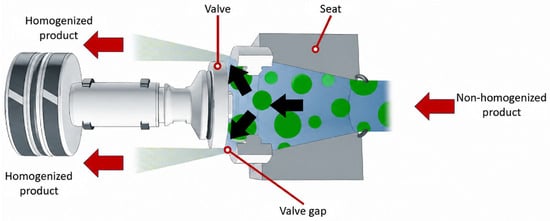
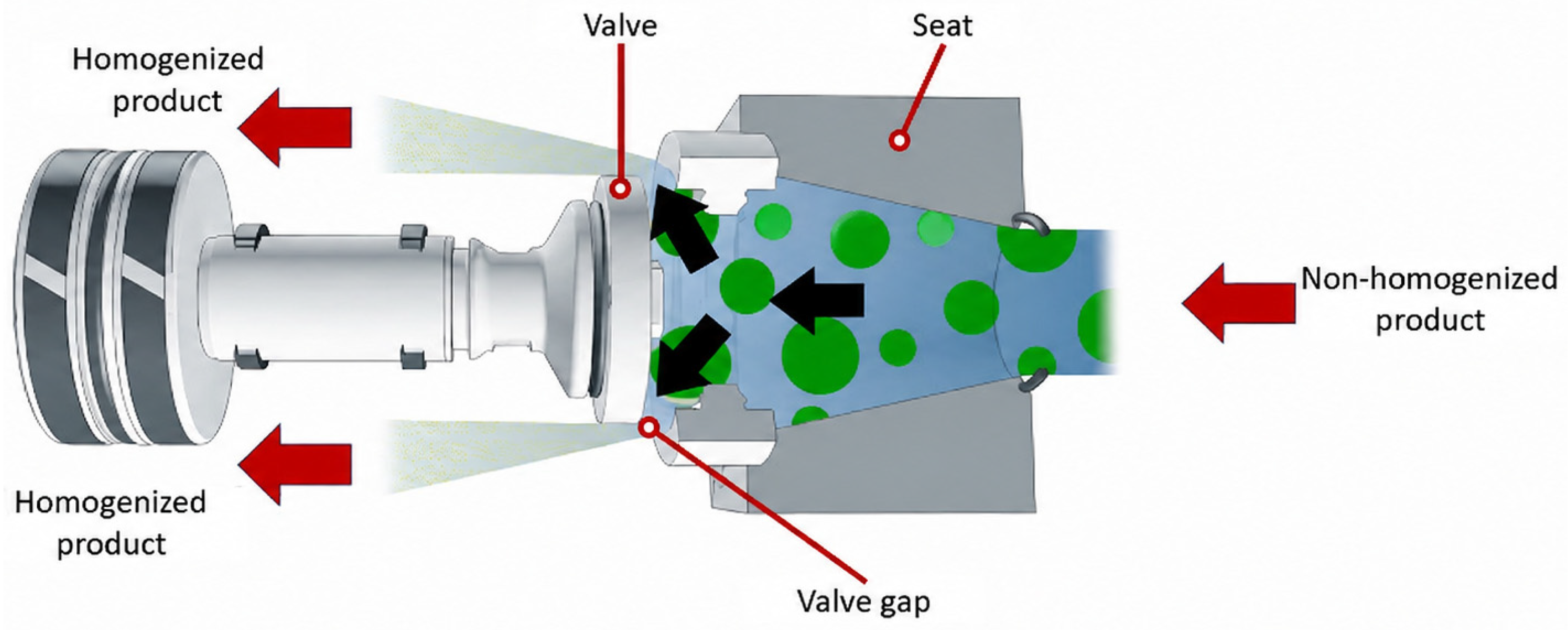
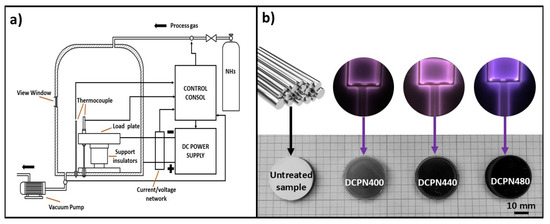
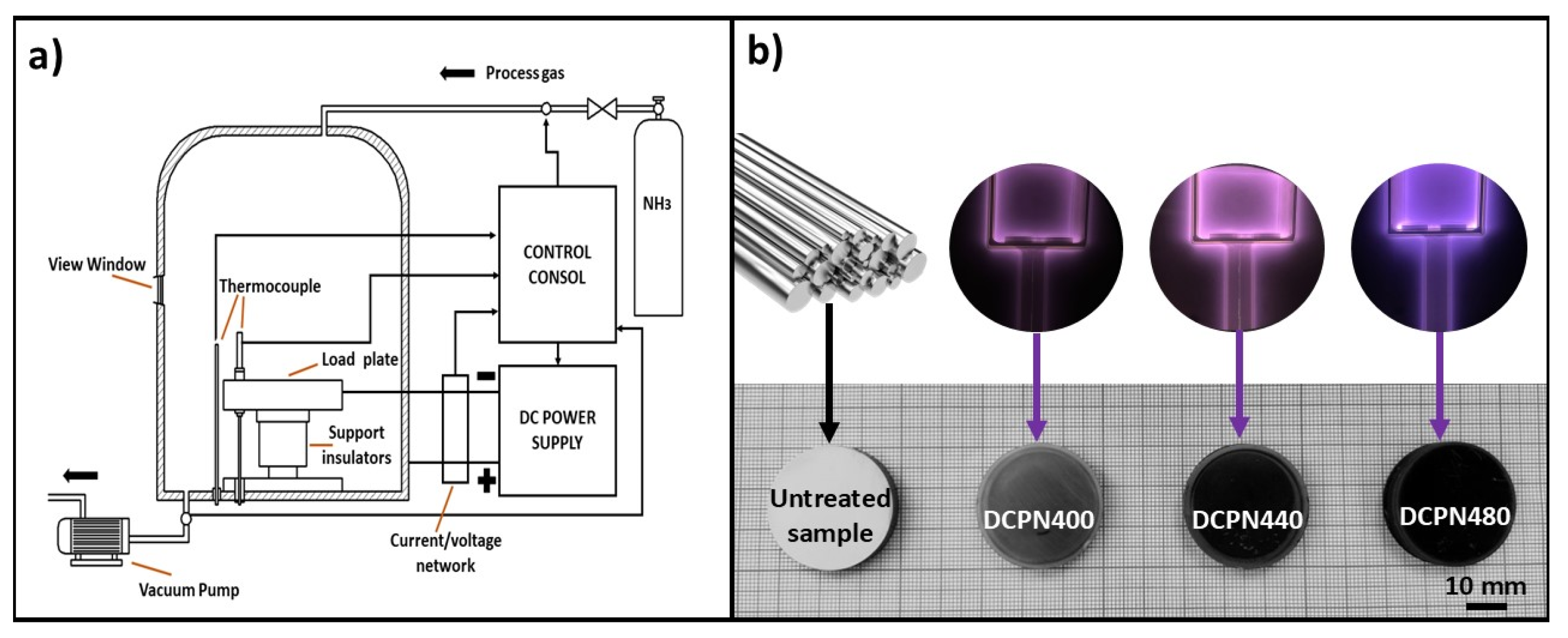
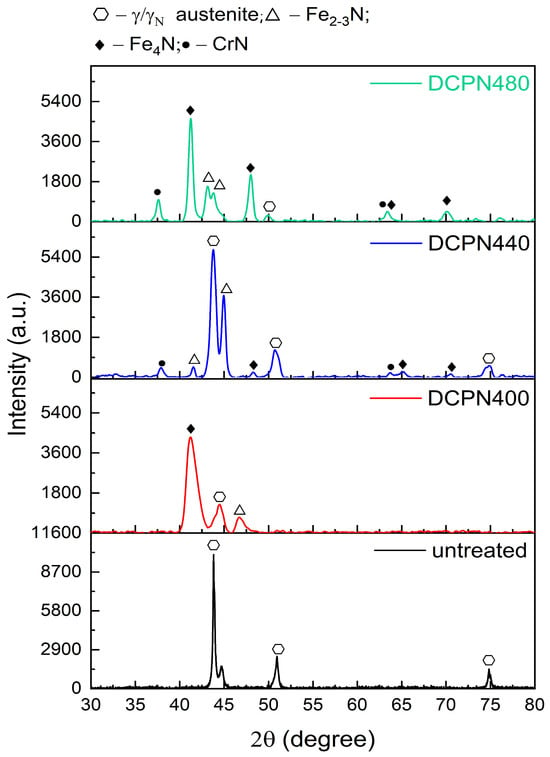
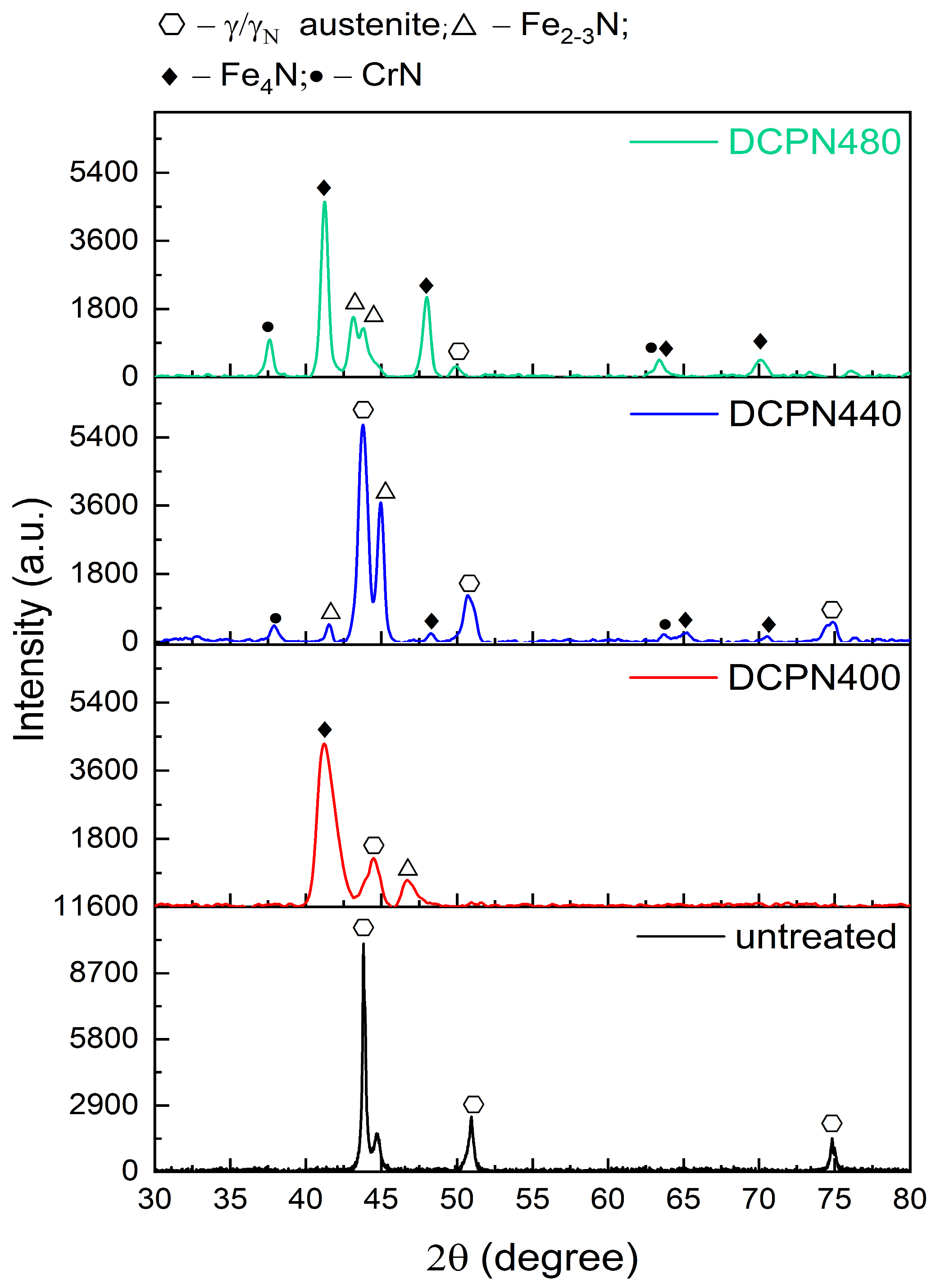
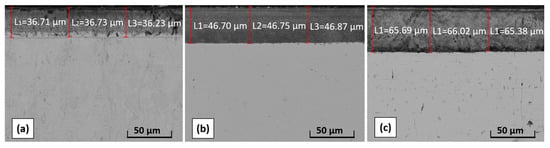
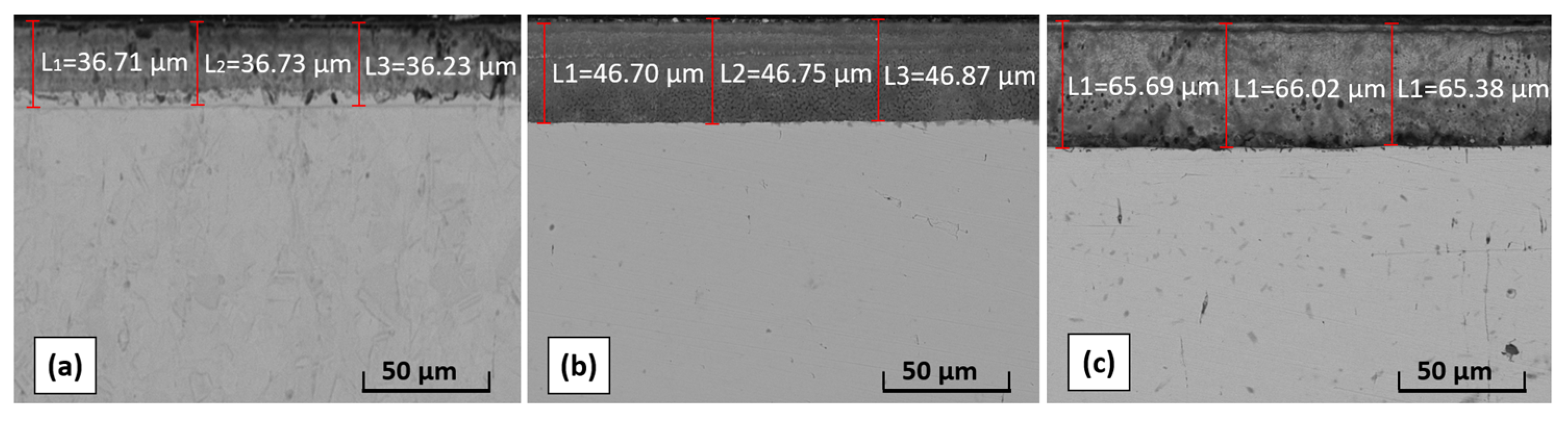
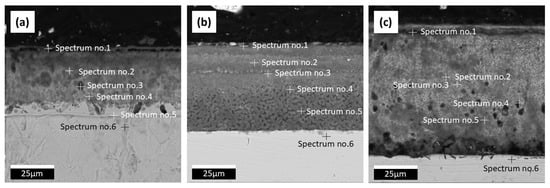
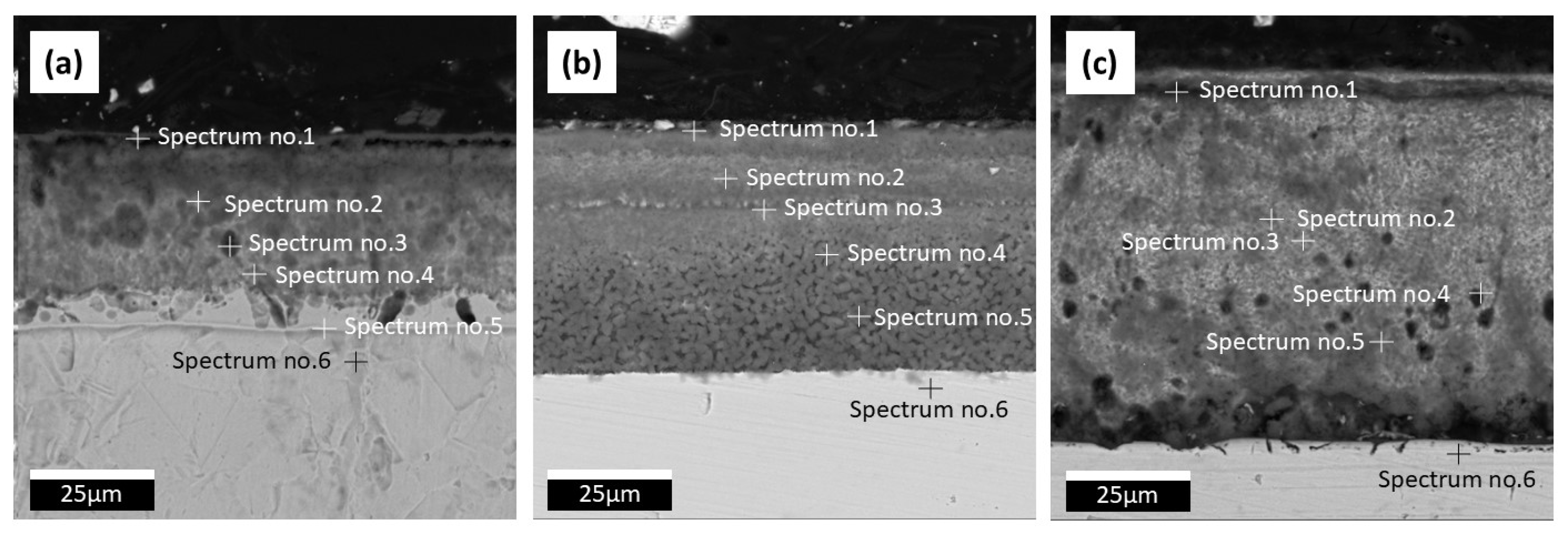
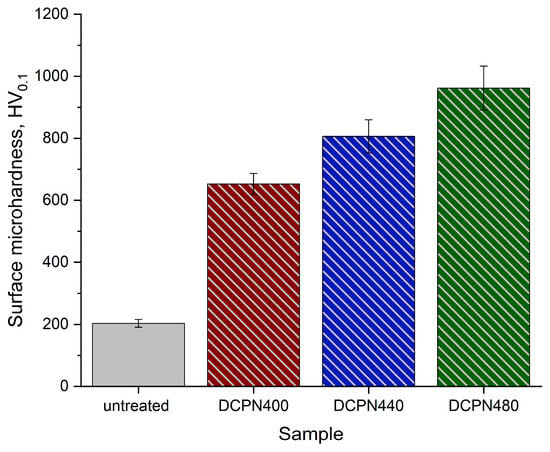
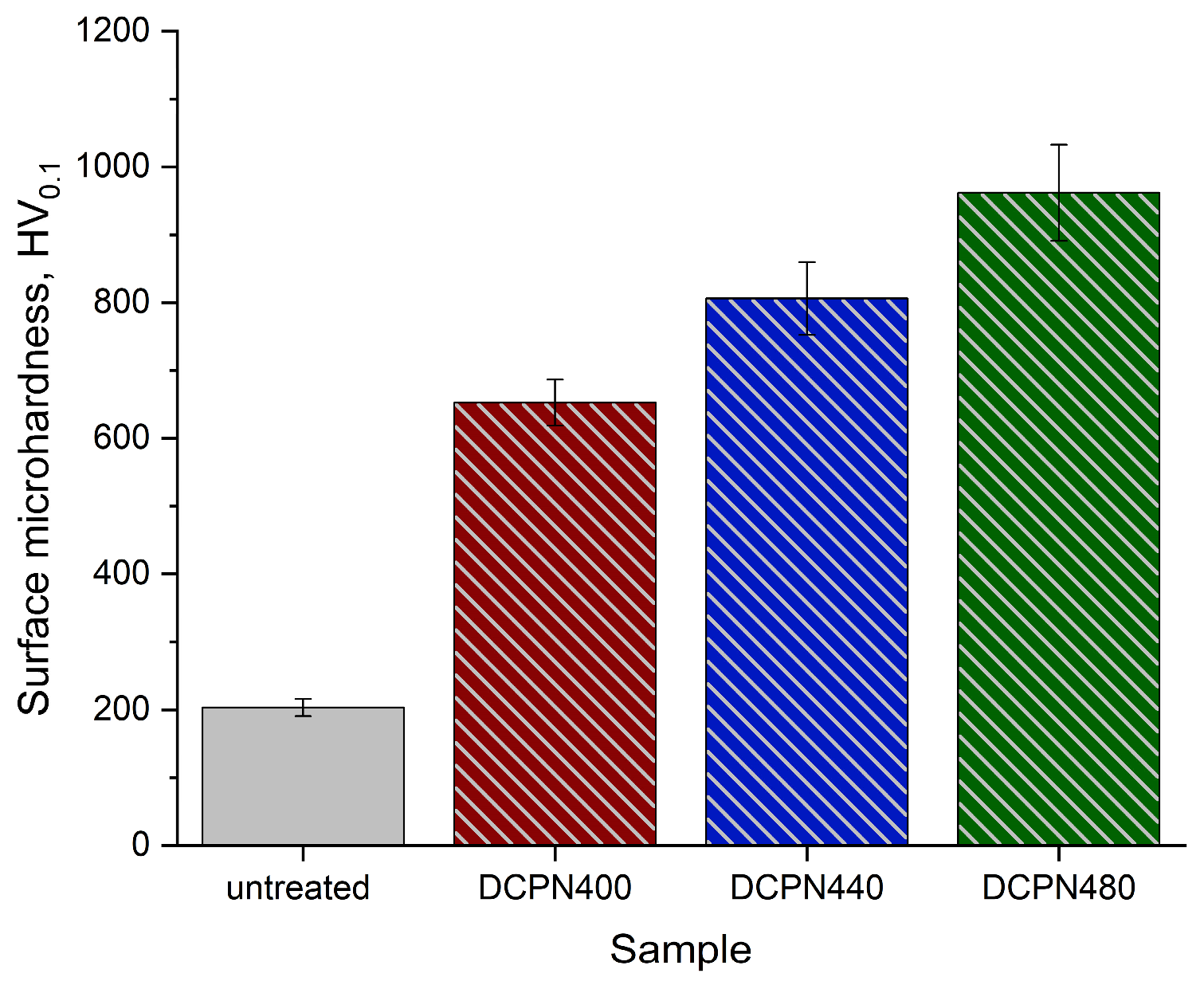
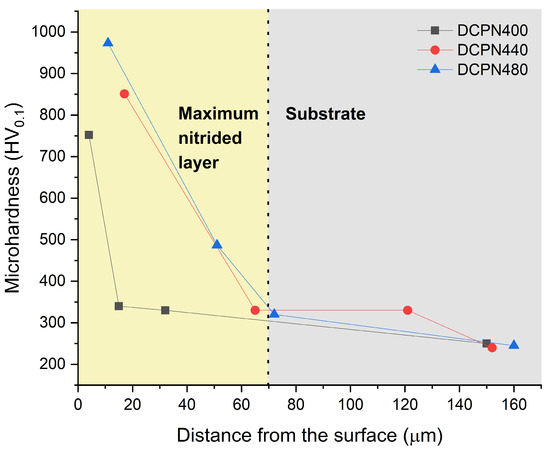
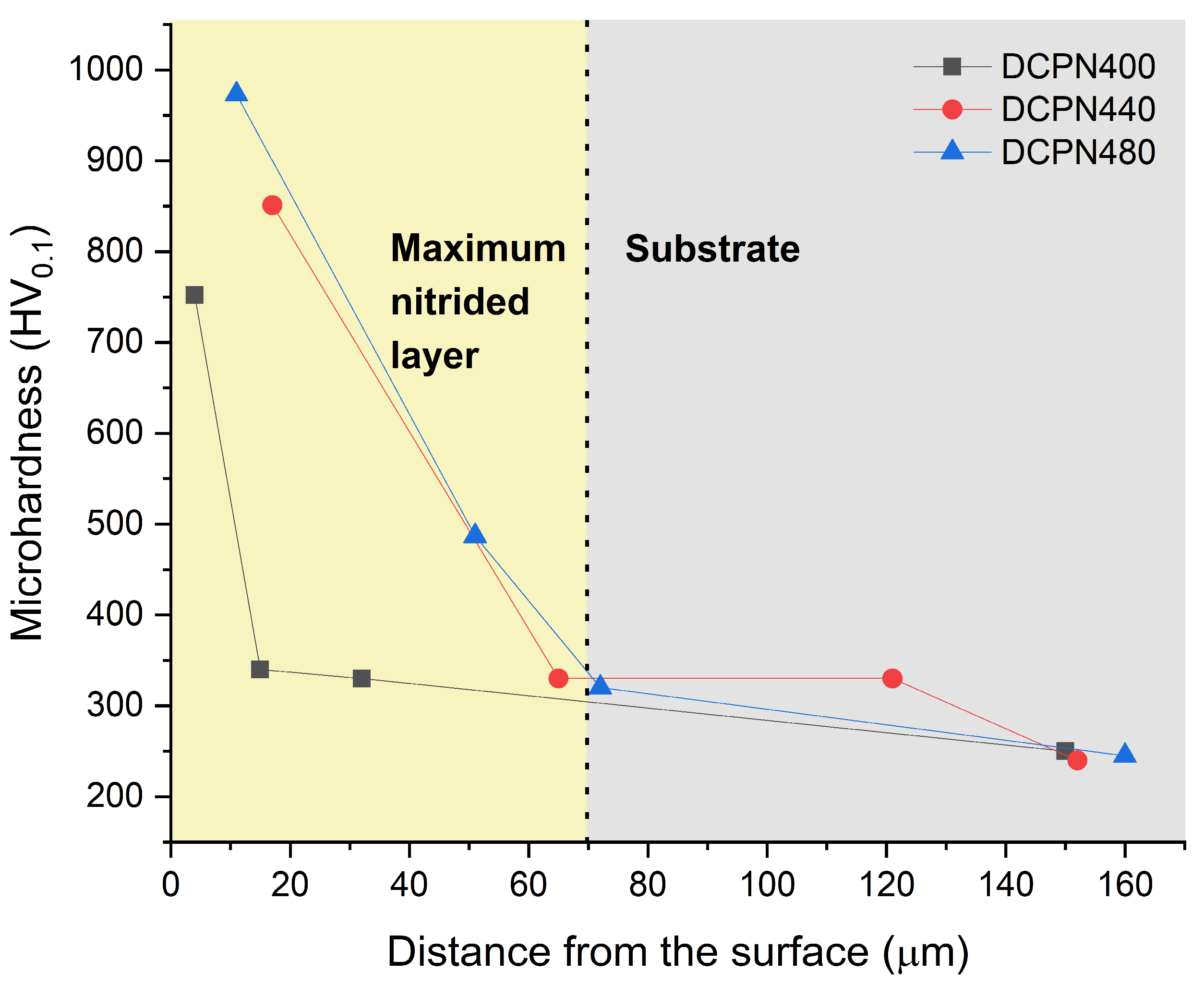
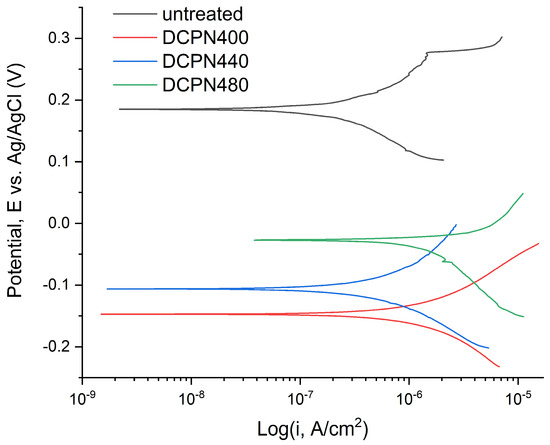
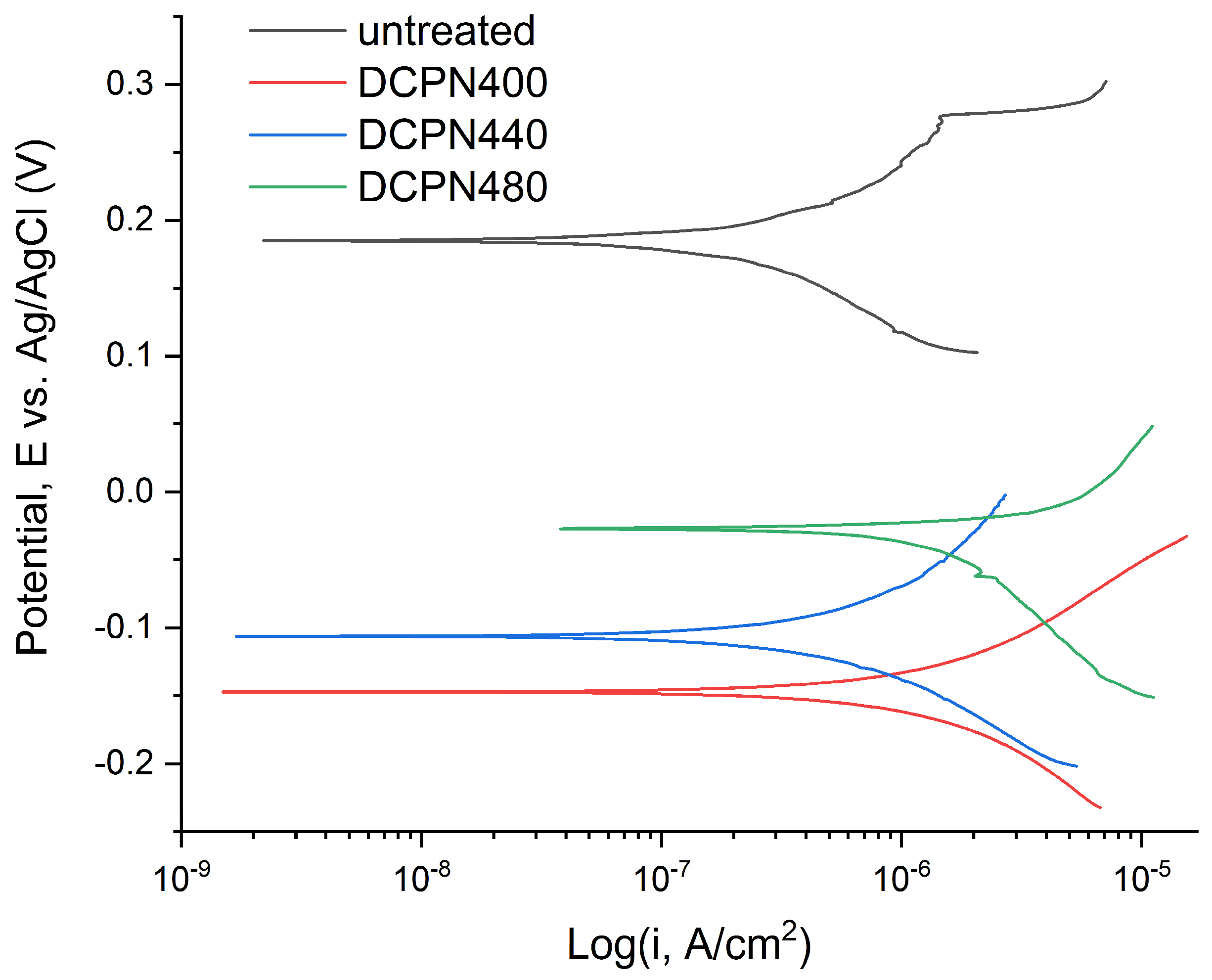
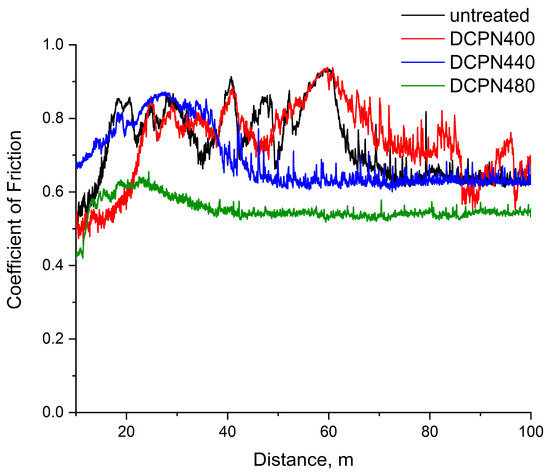
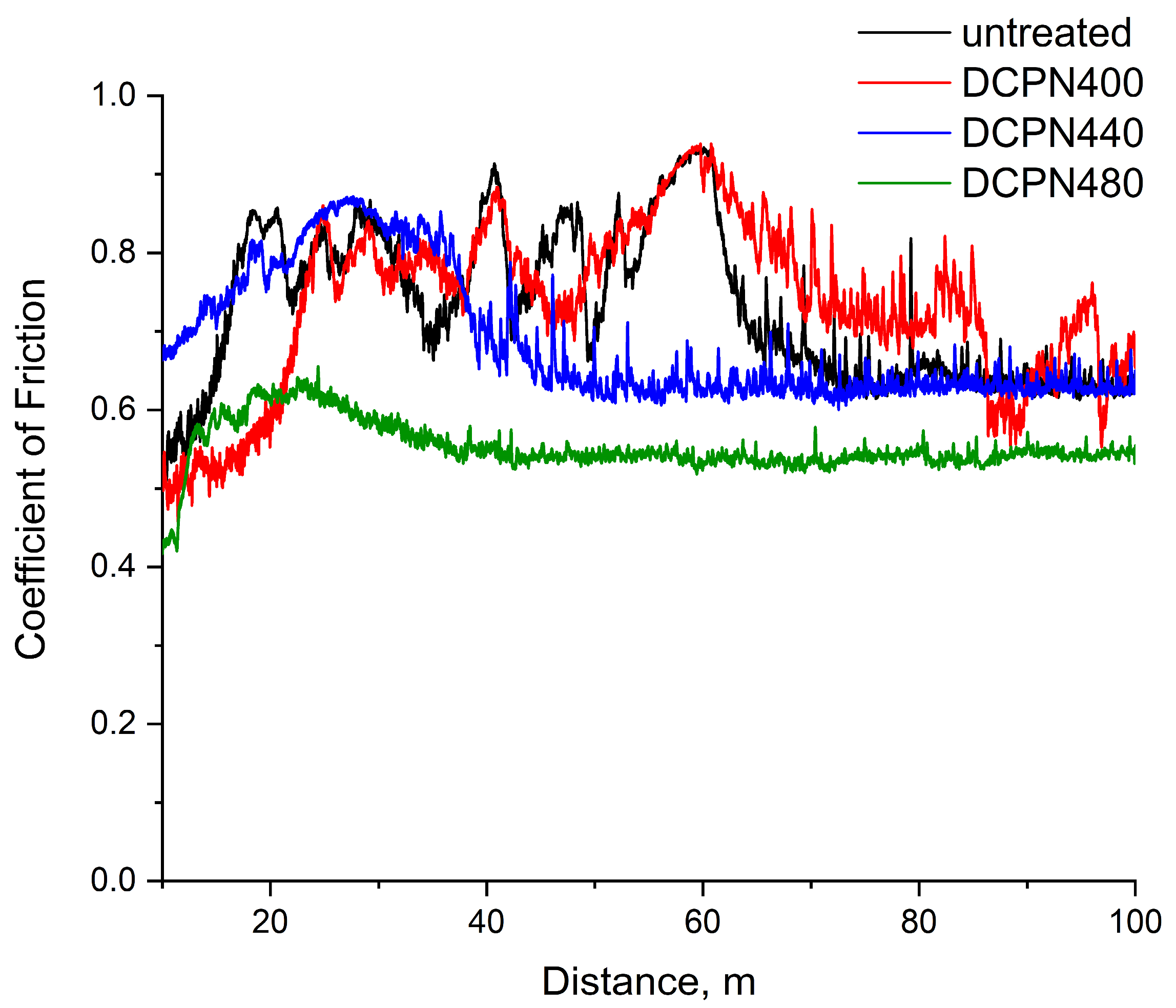
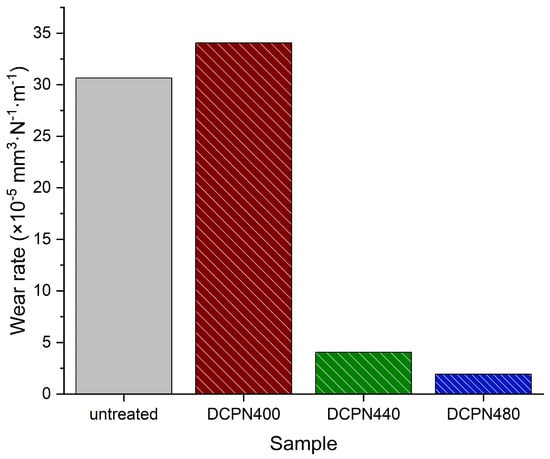
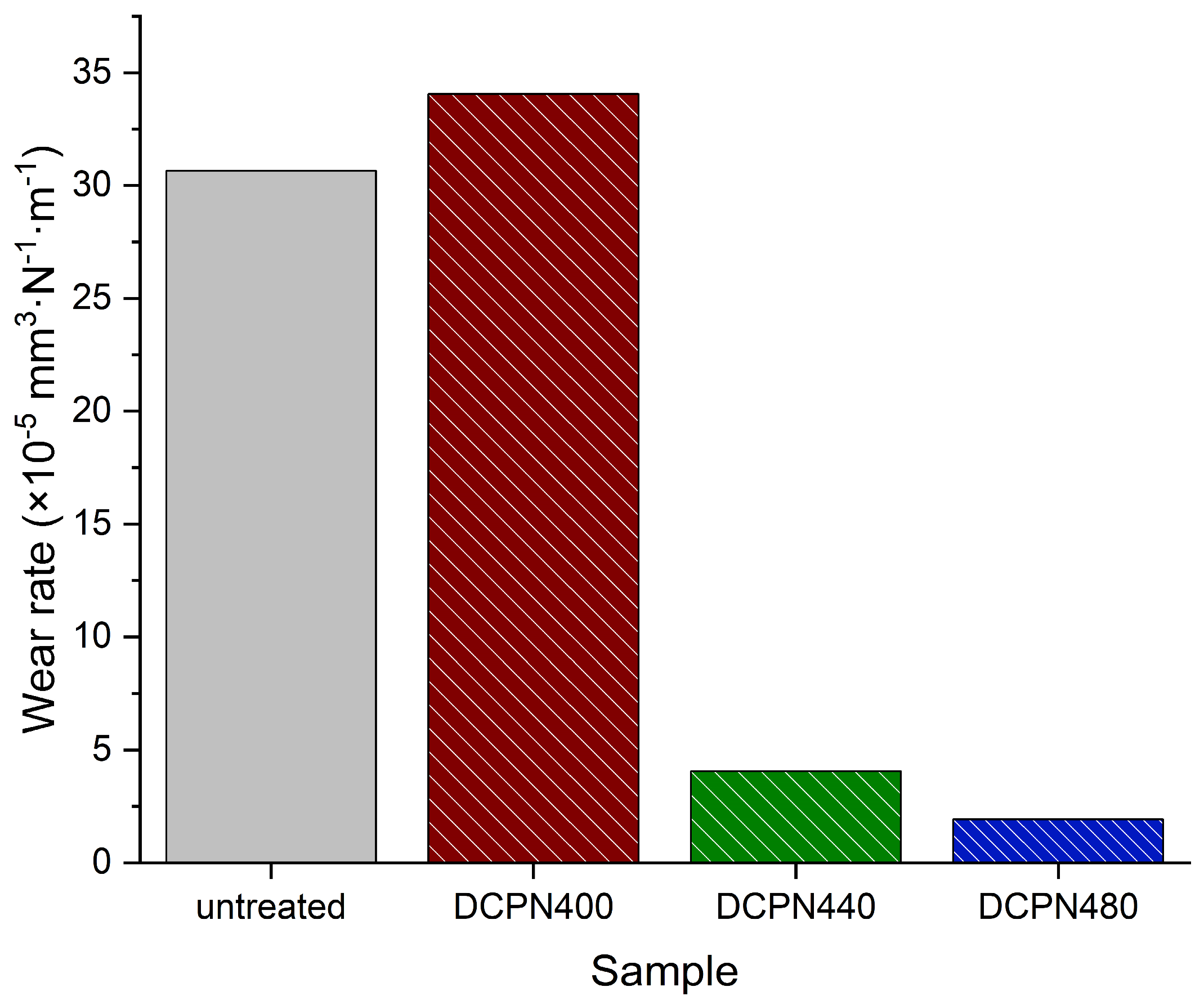
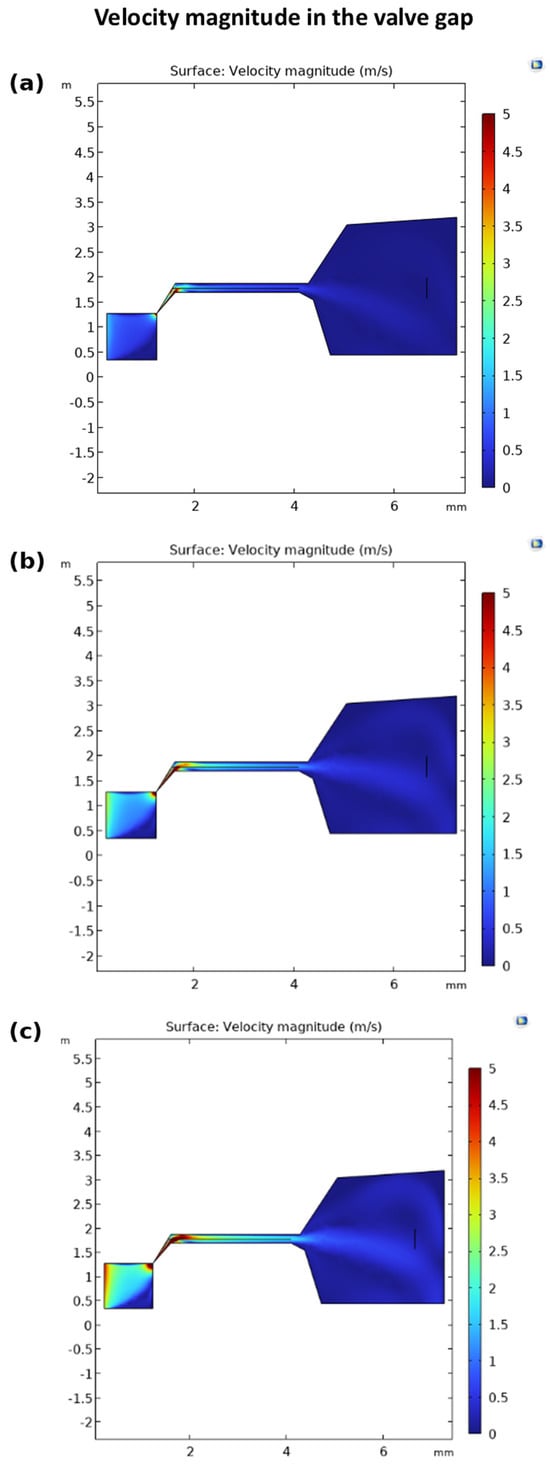
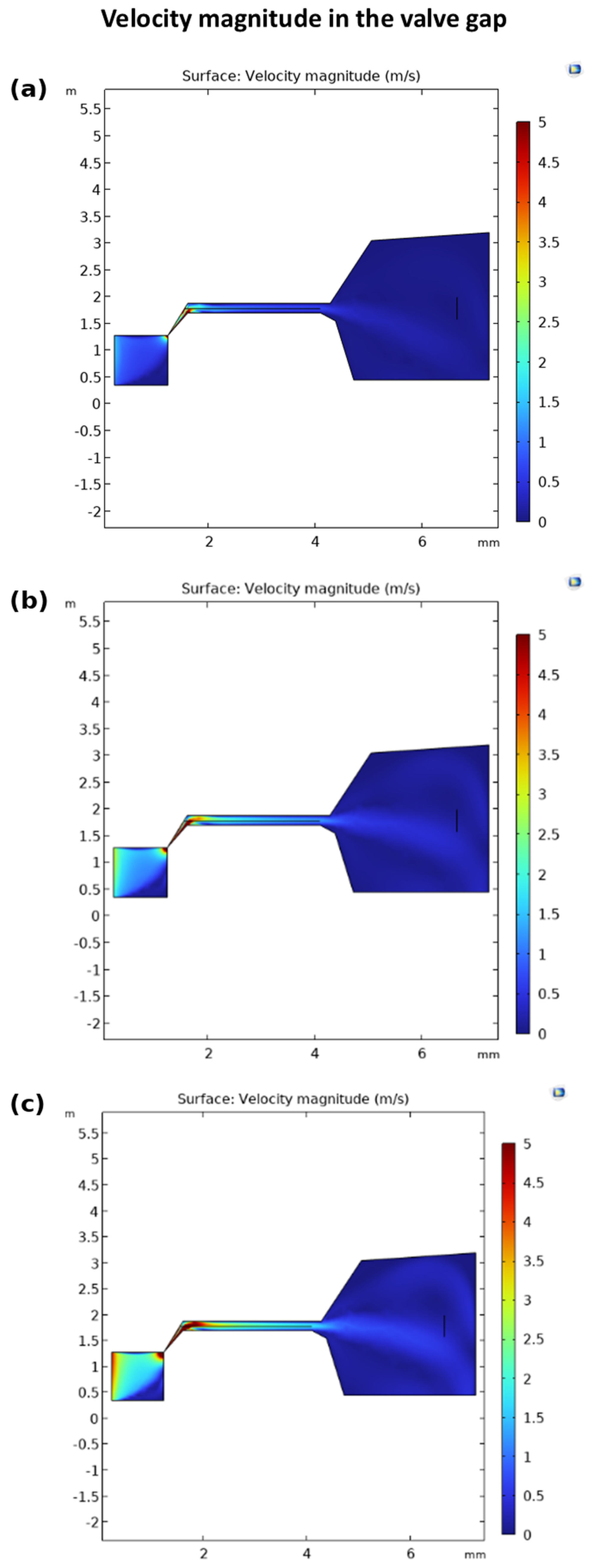
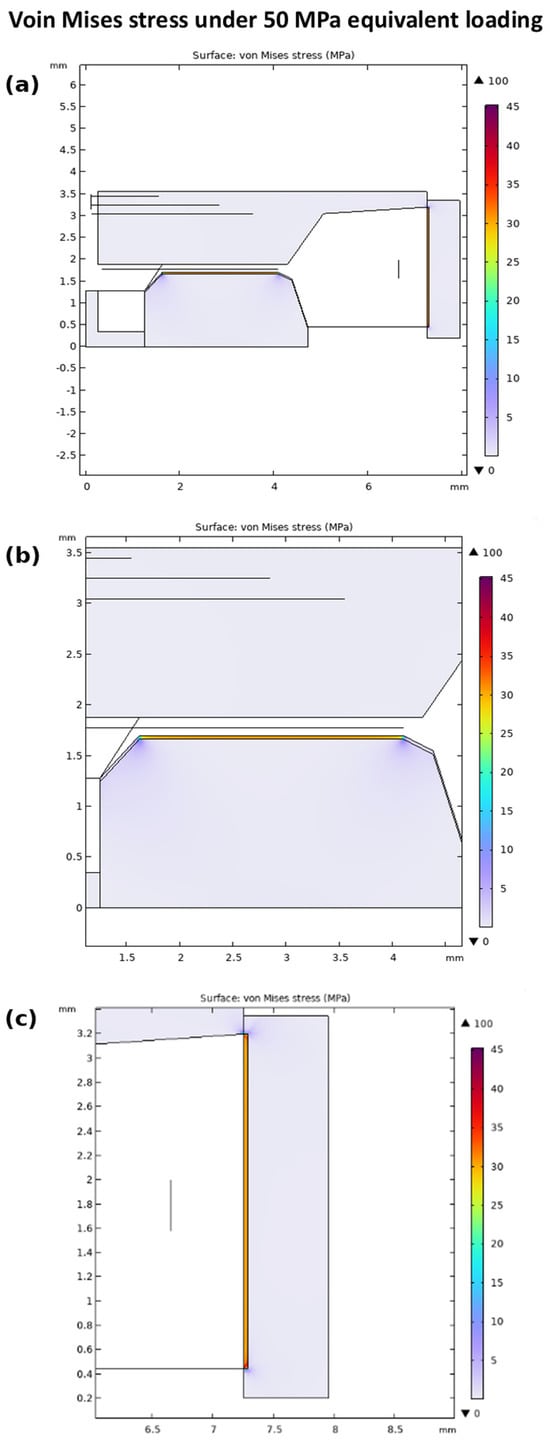
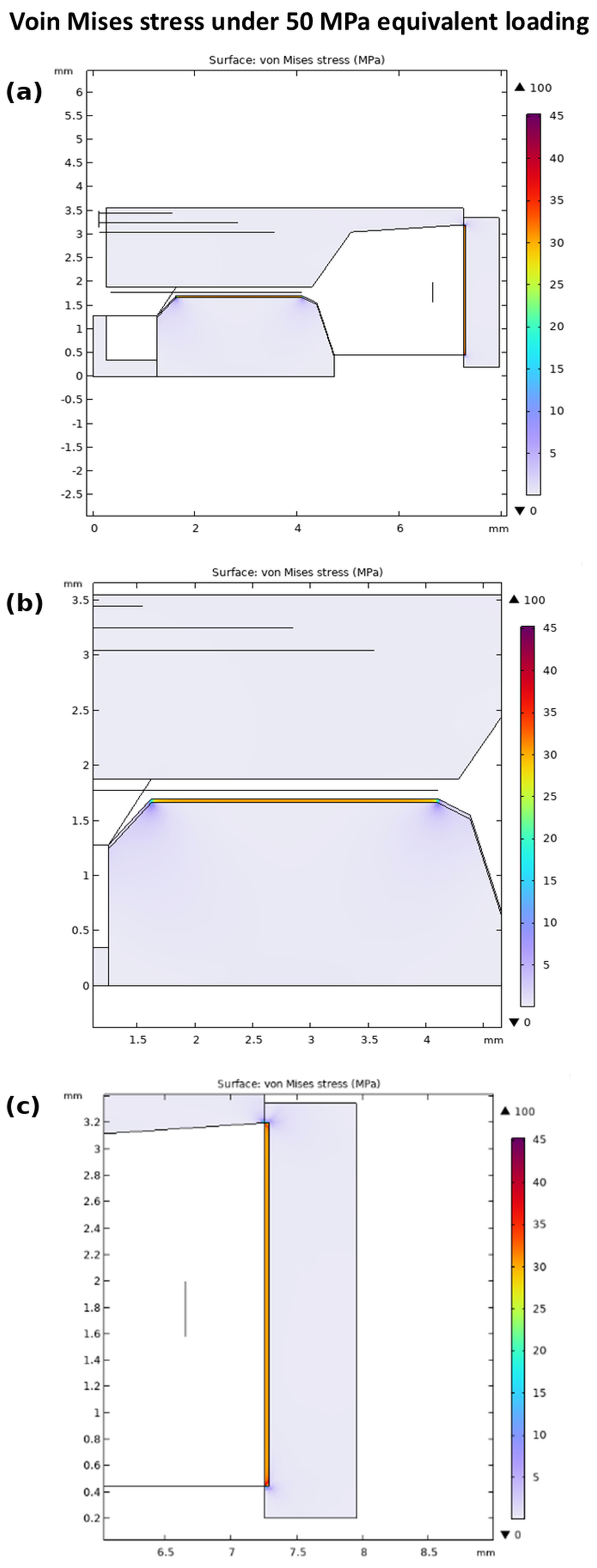
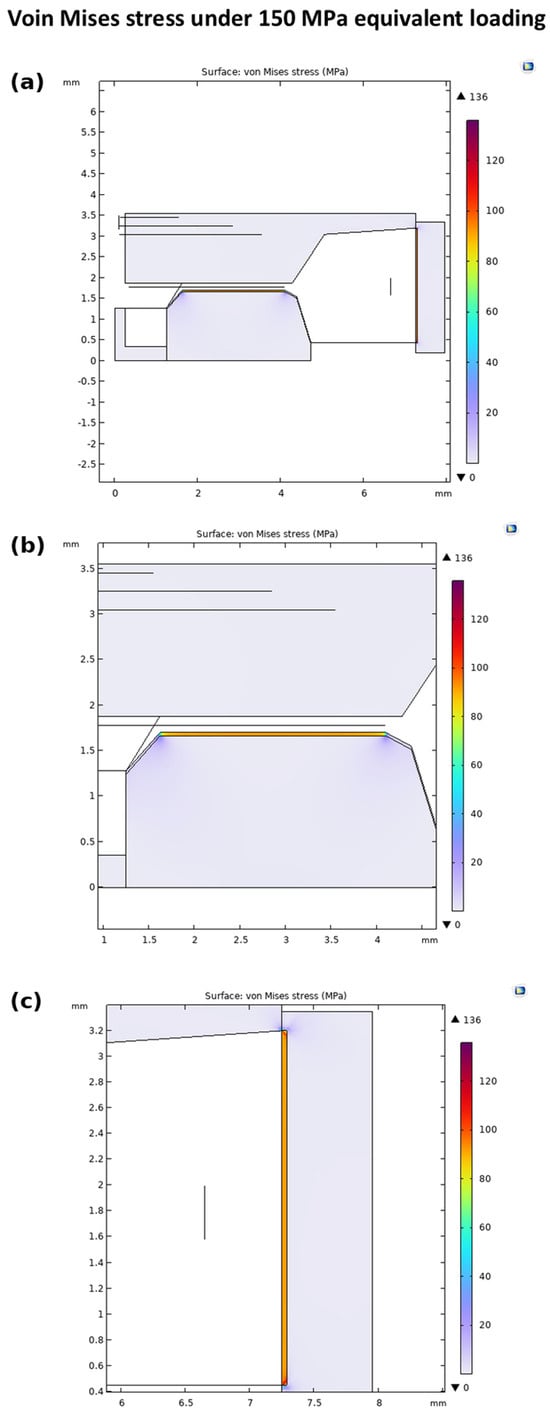
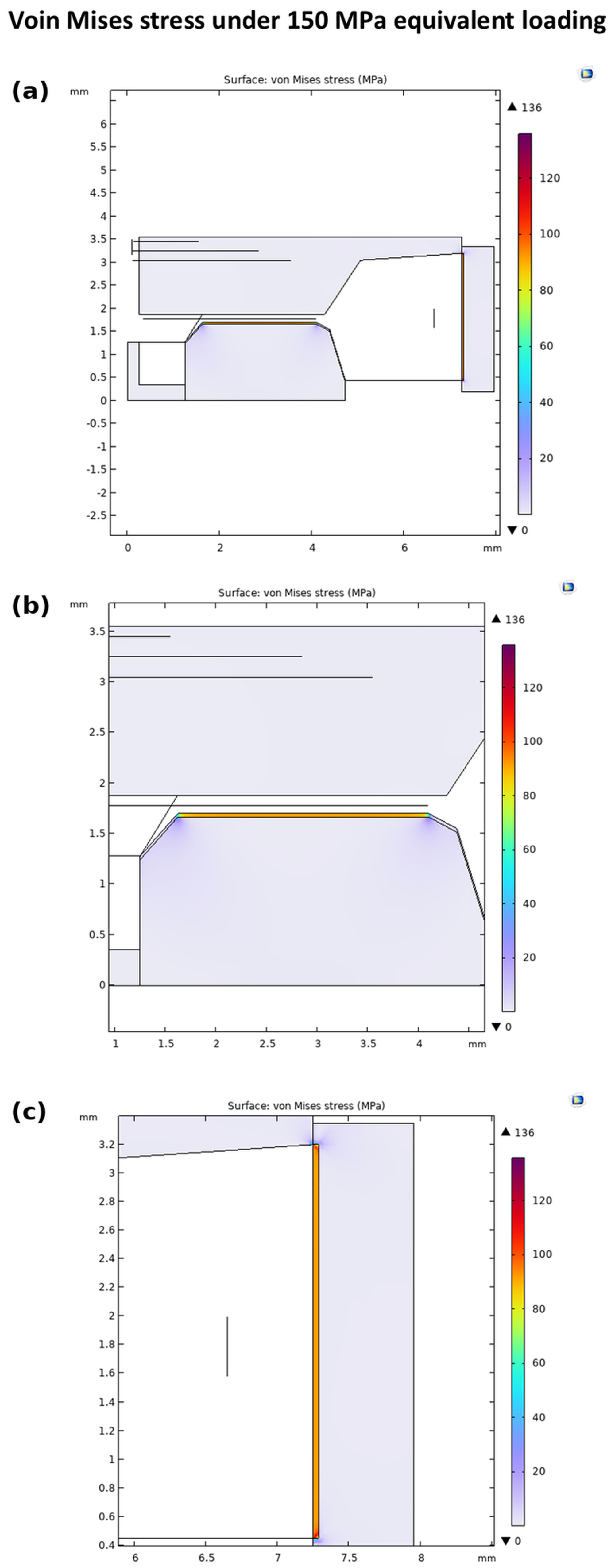
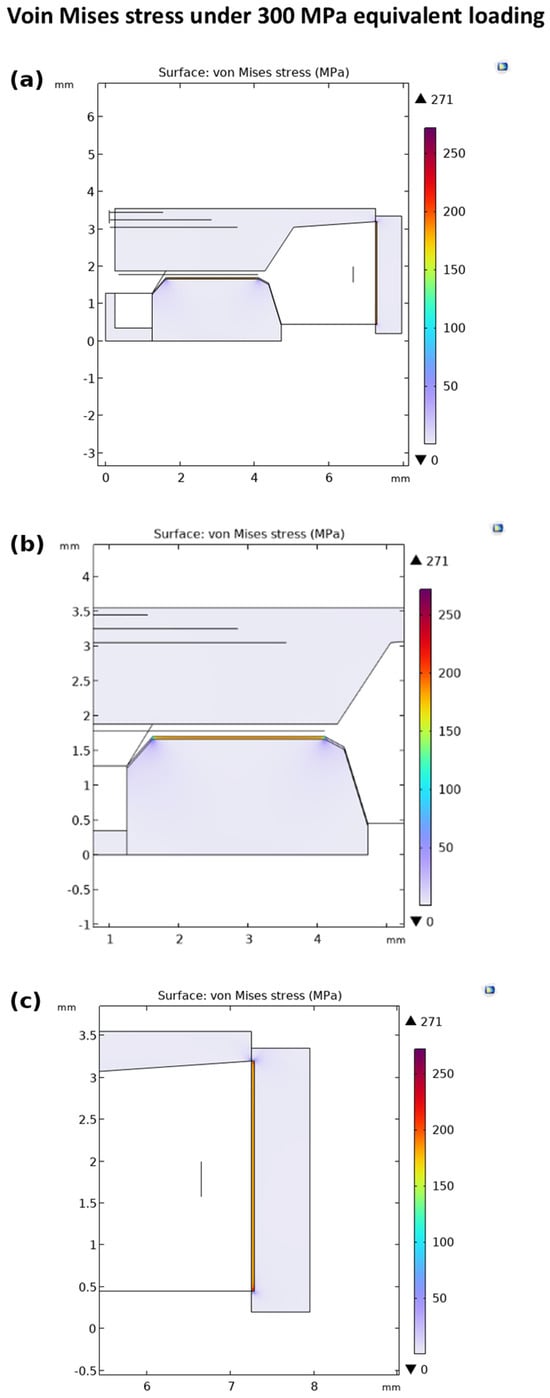
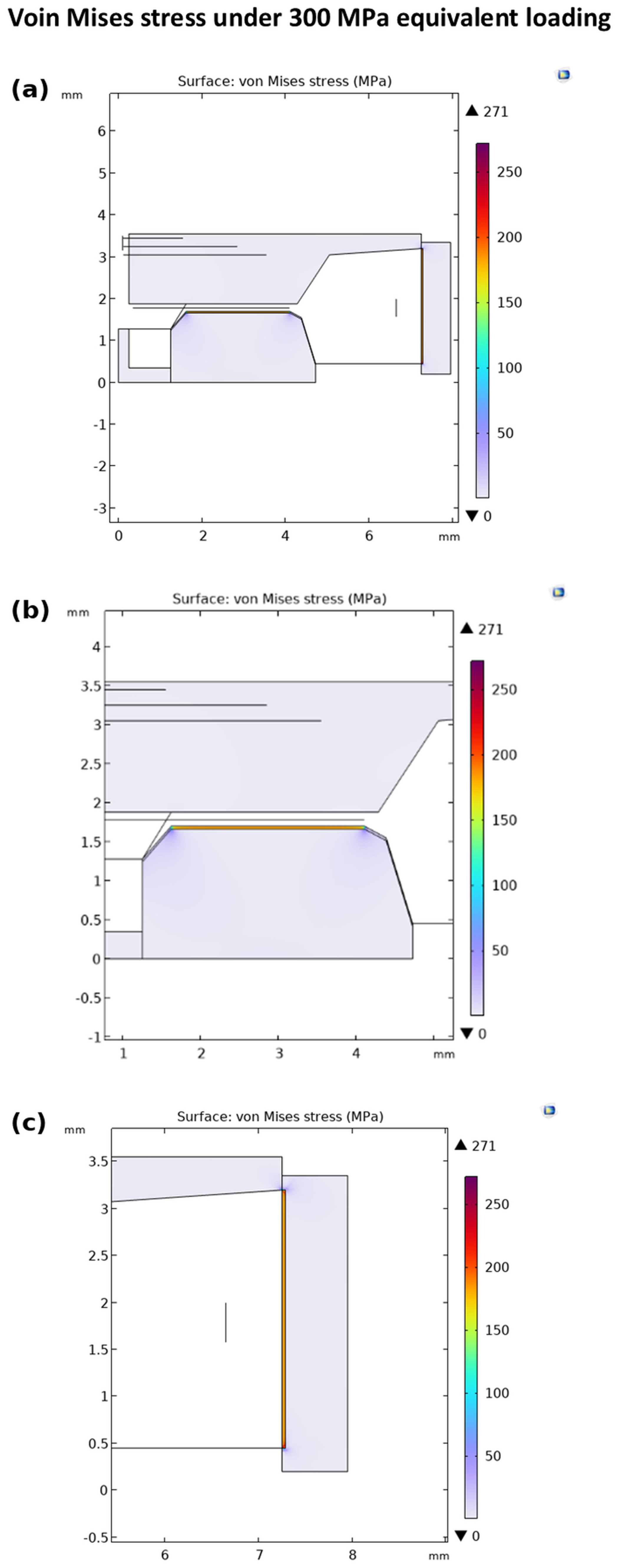
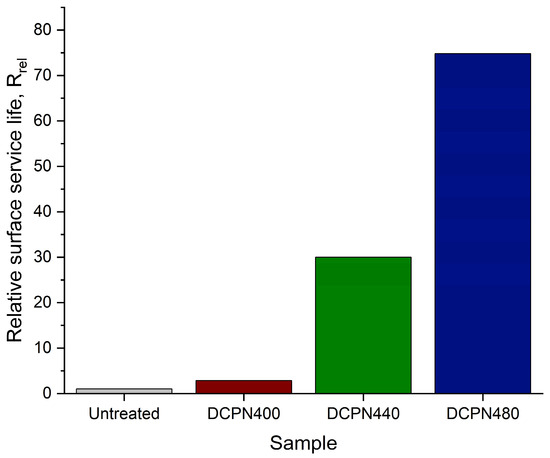
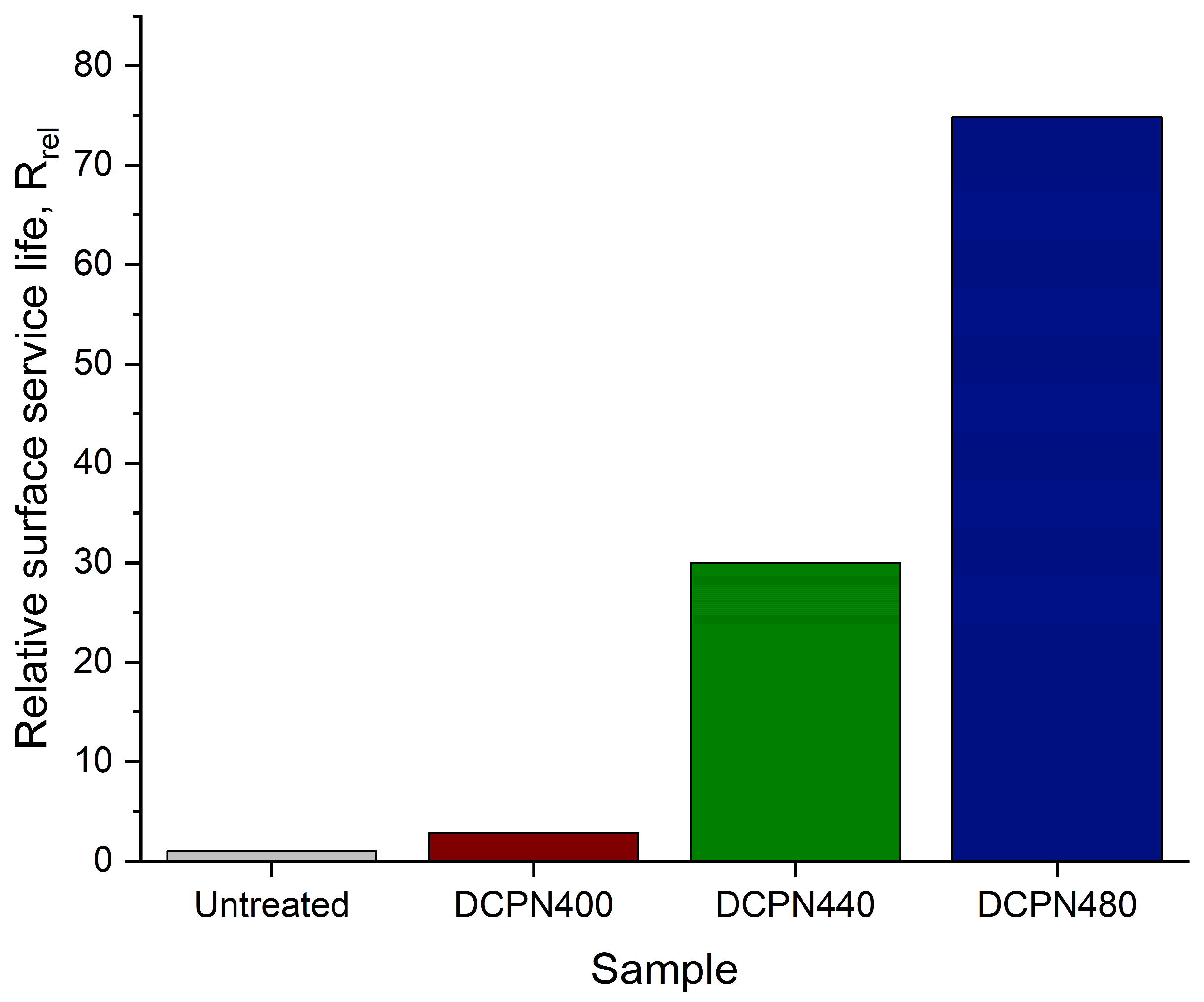

Disclaimer/Publisher’s Note: The statements, opinions and data contained in all publications are solely those of the individual author(s) and contributor(s) and not of MDPI and/or the editor(s). MDPI and/or the editor(s) disclaim responsibility for any injury to people or property resulting from any ideas, methods, instructions or products referred to in the content. |
© 2026 by the authors. Licensee MDPI, Basel, Switzerland. This article is an open access article distributed under the terms and conditions of the Creative Commons Attribution (CC BY) license.