


Abstract
Background: An ingrown nail (IN—ingrowing nail) is a very troublesome condition that mainly affects the big toe in all age groups and involves the ingrowth of part of the nail plate into the soft periungual tissues, causing an inflammatory reaction, pain, and even a bacterial infection. As a result of the evolution of inflammation, highly vascularized and painful granulation tissue is formed, visible in the side walls, which causes difficulties in walking, while reducing the quality of life of patients in everyday functioning. The aim of the study was to evaluate the effectiveness of the VHO-Osthold® Perfect orthonyxic buckle while treating ingrown nails and its effect on the clinical picture of the nail apparatus. Methods: A prospective observational study was conducted on 39 patients with ingrown toenails in Scholz stage 3a–5b who underwent therapy with the use of a VHO-Osthold® Perfect orthonyxic brace. An original questionnaire form was used to assess the therapy, consisting of several parts concerning the type and stage of the ingrown nails, the location and aetiopathogenesis of the ingrown nails, pain, and the patients’ life quality before and after therapy. Results: All elements improved significantly after treatment (p < 0.05 each). Twelve months after the end of therapy, none of the probands reported disease relapse. The predominant location of ingrown nails was both big toes (69.2% for each foot). The most common group of reasons was outer pressure—all patients experienced at least one issue, with frequent mechanical injuries being the most common (59.0%), followed by wearing too-small shoes (46.2%). Almost half of the patients declared no worries during treatment (48.7%). Life quality assessment grew from 1.82 ± 1.02 to 6.41 ± 0.72 on a scale from 1 to 7, p < 0.001. Conclusions: The VHO-Osthold® Perfect clamp eliminates pain after application to the ingrown toenail and allows for a safe and conservative approach to the treatment of ingrown toenails, improving the clinical picture of the nail apparatus, general well-being, and the quality of life of patients with advanced ingrown toenails.
1. Introduction
There are several treatment methods for the treatment of an unguis incarnatus ingrown nail, which range from non-invasive conservative treatment: pharmacotherapy, tamponade, protective tubes, orthonyxic buckles, and taping, to extensive surgical procedures: wedge resection using the Quenu method, the Zadik procedure, and the procedure according to Frost and Steindler [1,2,3]. Several factors have been proposed as contributory to the occurrence or worsening of ingrown toenails with varying degrees of evidence. These include poor nail-cutting technique, cutting the nails too short or not cutting the nails straight, hyperhidrosis, ill-fitting footwear, nail deformity, trauma, excess internal pressure caused by over curvature of the nail plate, arthritis, skeletal abnormalities, diabetes, obesity, and peripheral edema [3].
Although with surgical treatment one can achieve quick results by completely removing the ingrown nail or the tissue surrounding it, it should be borne in mind that these measures are invasive and may lead to deformation of the nail plate at a later stage of growth. Complications following surgical interventions can include significant post-operative pain, prolonged wound healing, the risk of bone infections or other infections, and a longer recovery period compared to conservative methods. However, there is no consensus on the ideal first-choice treatment; the choice of therapy depends on the etiology, clinical picture, and ingrowth stage. To avoid convalescence-requiring surgical treatment, it is worth considering alternative methods if the nail condition is not a contraindication [3,4].
Developed classification systems for ingrown toenails serve as the basis for treatment decisions. The most commonly used classification is based on age, and most of them focus on the severity of ingrown nails in three stages: from mild (stage I) to severe (stage III). Youth ingrowth affects children and adolescents but can also occur in mature individuals. It is characterized by a flat nail plate, deeply embedded in the fleshy nail walls. Adult ingrowth mainly affects mature and elderly people and is characterized by an arched nail plate with a tendency to roll [5,6].
A more precise five-point classification according to Scholz is also used, with a letter designation, where “a” always means one-side discomfort, while “b” means ingrowth on both sides, i.e., the nail grows in from the lateral side and the medial part. Stage 1a/1b means the initial stage of an ingrown nail, with no inflammatory symptoms and little or no pain. Stage 2a/2b—pain with inflammatory symptoms. Stage 3a/3b—purulent inflammation and increased pain. Stage 4a/4b—paronychia and hypergranulation (caro luxarians); patients feel severe pain. Stage 5a—status post-operation with recurrent complaints, i.e., the nail continues to grow inward. It involves significant pain. Stage 5b—status post-surgery; severe soreness due to a “snag” as a result of incomplete removal of the matrix [3,4,5,6].
Innovative treatment involves removing the ingrown part of the nail and installing an orthonyxic buckle, which, with appropriate tension, orients the nail plate so that the nail can grow in the right direction without causing any discomfort. The aim of this paper is to evaluate the efficacy of the VHO-Osthold® Perfect orthonyxic buckle while treating ingrown nails requiring podiatric care. The following research questions were formulated. What will the effects in the clinical picture of the nail apparatus be after the application of the VHO-Osthold® Perfect buckle? What will the number of applications, full treatment time, and therapeutic effect of the VHO-Osthold® Perfect buckle be? What factors predispose to ingrown nails? Will the buckle affect the subjects’ quality of life scores before and after application?
2. Materials and Methods
The study was conducted in a podiatry office between June 2021 and April 2023. The study group consisted of N = 39 patients with a diagnosed pathological condition in the form of an ingrown toenail or nails of both toes at Scholz stage 3a–5b, of whom 51.3% were female. The mean age was 28.31 ± 14.55 years and ranged from 10 to 67 years. Detailed characteristics of the patients’ education and occupation are shown in Table 1.
Table 1.
Demographic characteristics of the study group.
Eligibility was based on a physical examination and detailed patient history. The study used an original questionnaire form. It consisted of several parts concerning the type and stage of ingrown nails, location and etiopathogenesis of the ingrown nails, pain, and patients’ life quality before and after therapy. The exclusion criteria for the study were patients who were minors, under 10 years of age, pregnant women, people who were allergic to nickel, mental illness or other ailments that could impair cooperation with a specialist, and no informed consent from the patient.
The VHO-Osthold® Perfect orthonyxic buckle, made of thin, resilient steel wire, CE certified according to the EU Medical Products Directive 93/42/EEC (Class I), was used in the study. Patients enrolled in the research project did not receive any other additional general or local treatment in the evaluated area. The procedures and follow-up visits were performed every 2–4 weeks until complete healing. The following treatment procedure was used:
- Before applying the buckle, the wound was disinfected and cleaned, and the nail wall groove on the side where the implant application started was protected with a sterile non-woven dressing (tamponade).
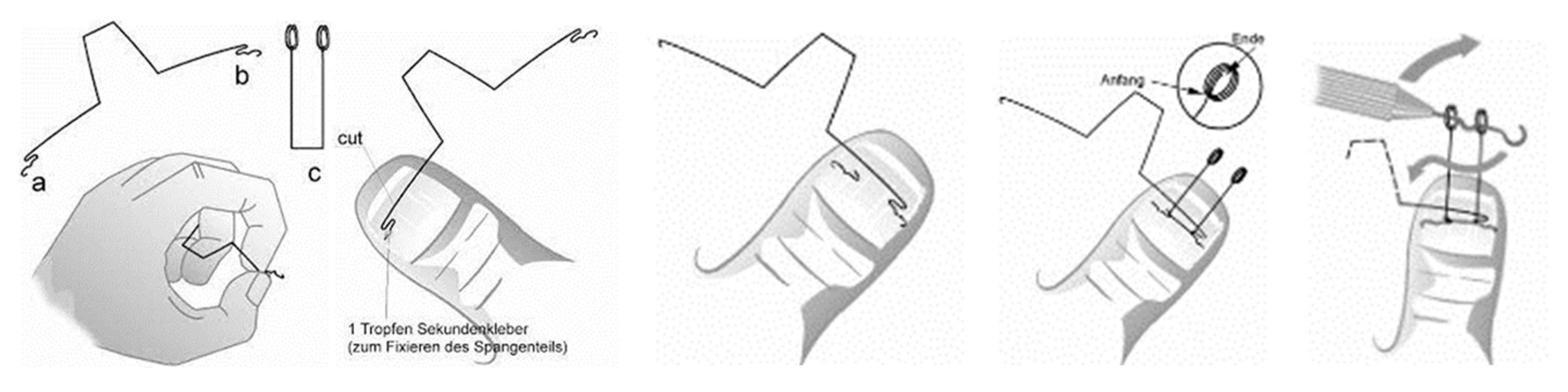
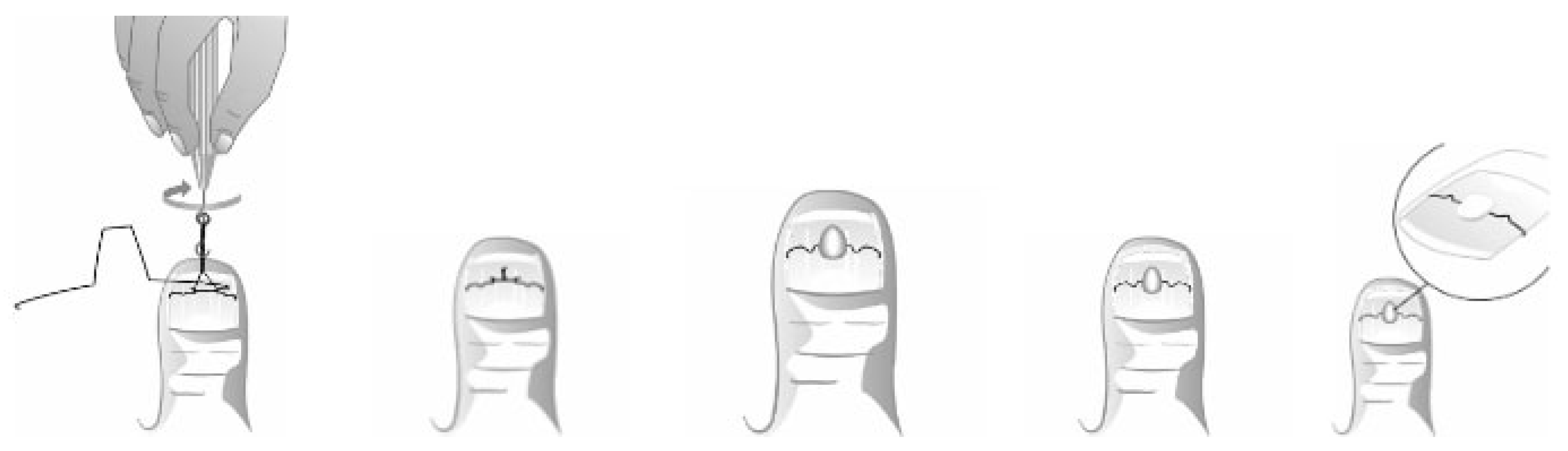
- The buckle was disinfected with a certified disinfectant and applied according to Figure 1 and Figure 2. For purulent leakages in the nail wall groove, povidone–iodine solution (Polyvidonum iodinatum) was used prior to application for 7 days.Figure 1. The buckle consists of three parts: two buckle halves/arms (a,b) with a diameter of 0.3/0.4/0.5 mm and a connector (c) made of soft stainless steel wire (0.3/0.4 mm). The first half of the buckle was fixed on the healthier side of the nail and one arm was trimmed with pincers. The second half was carefully fitted to the other part of the plate, with the preserved implant arm. The appropriate connectors were then fitted; the special twisting hook was threaded through both eyelets and pulled while holding the connector [7].Figure 2. The two arms of the buckle were drawn together with the use of a twisting hook, while the protruding parts of the wire (buckle and connector) were cut off and covered with acrylic compound (to prevent the wire from snagging on socks or tights). The tamponade was then reattached. The generated pressure-relieving force lifts the lateral edges of the nail from the wound area, i.e., the site of ingrowth [7].
- The patient was given information on checking the buckle every evening, reporting to the podiatry specialist about pain, buckle loosening, or other problems, scheduling a follow-up appointment every 2–4 weeks, and changing the buckle if necessary.
Data were collected via several techniques: direct observation during follow-up visits and evaluation of photographic records to better monitor the course of treatment, as well as prospective analysis of medical records.
Statistical analysis was performed in R software, version 4.1.2. The variables’ description depended on the variable type; numeric or ordinal variables were presented with the mean and standard deviation as well as the median and interquartile range (IQR). Nominal variables were described with the number of observations and the proportion of replies in the group. Comparisons of before/after treatment were performed with a paired t-test or the Wilcoxon test. Dependency of treatment effectiveness on age, sex, type, and stage of ingrown nails was verified with Student’s t-test, the Mann–Whitney U test, or Fisher’s exact test, as appropriate. Normality of distribution and variance homogeneity for the assessment of test assumptions were performed with the Shapiro–Wilk test (and further verified with skewness and kurtosis) and the Levene test, respectively. All statistical calculations assumed a significance level of alpha = 0.05.
The medical experiment was approved by the Bioethics Committee of the Silesian Medical University in Katowice, Poland under Resolution No. PCN/0022/KB1/43/21 on 18 May 2021.
3. Results
3.1. Clinical Assessment of Nails before Therapy
The majority of patients suffered from ingrown nails for longer than 1 year (61.5%). One in five had had ingrown nails for 1 year (20.5%) and one in ten—from 1 to 2 months (10.3%). The predominant location of ingrown nails was both big toes (69.2% for each foot). Additionally, three patients had ingrown nails located on other toes. More than half of cases were two-sided ingrown nails on the big toe (61.5%). The group with a one-sided ingrown nail on the big toe was smaller (38.5%). Two people confirmed the presence of ingrown nails other than on the big toe, with both being nails ingrown on one side. One in five patients tried therapies other than VHO-Osthold® Perfect treatment (20.5%); the most popular alternative therapies were: complete nail removal (five patients) and metal buckle and marginal nail removal (three patients each). Almost three in four people confirmed regular physical activity (74.4%). No one declared that their problem was eliminated completely by the time of participation in the study. No one confirmed an allergy to nickel (Table 2).
Table 2.
Clinical assessment of nails before therapy.
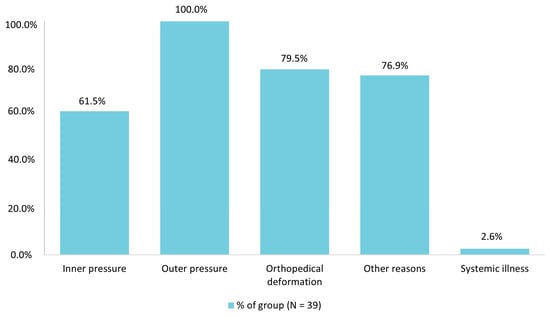
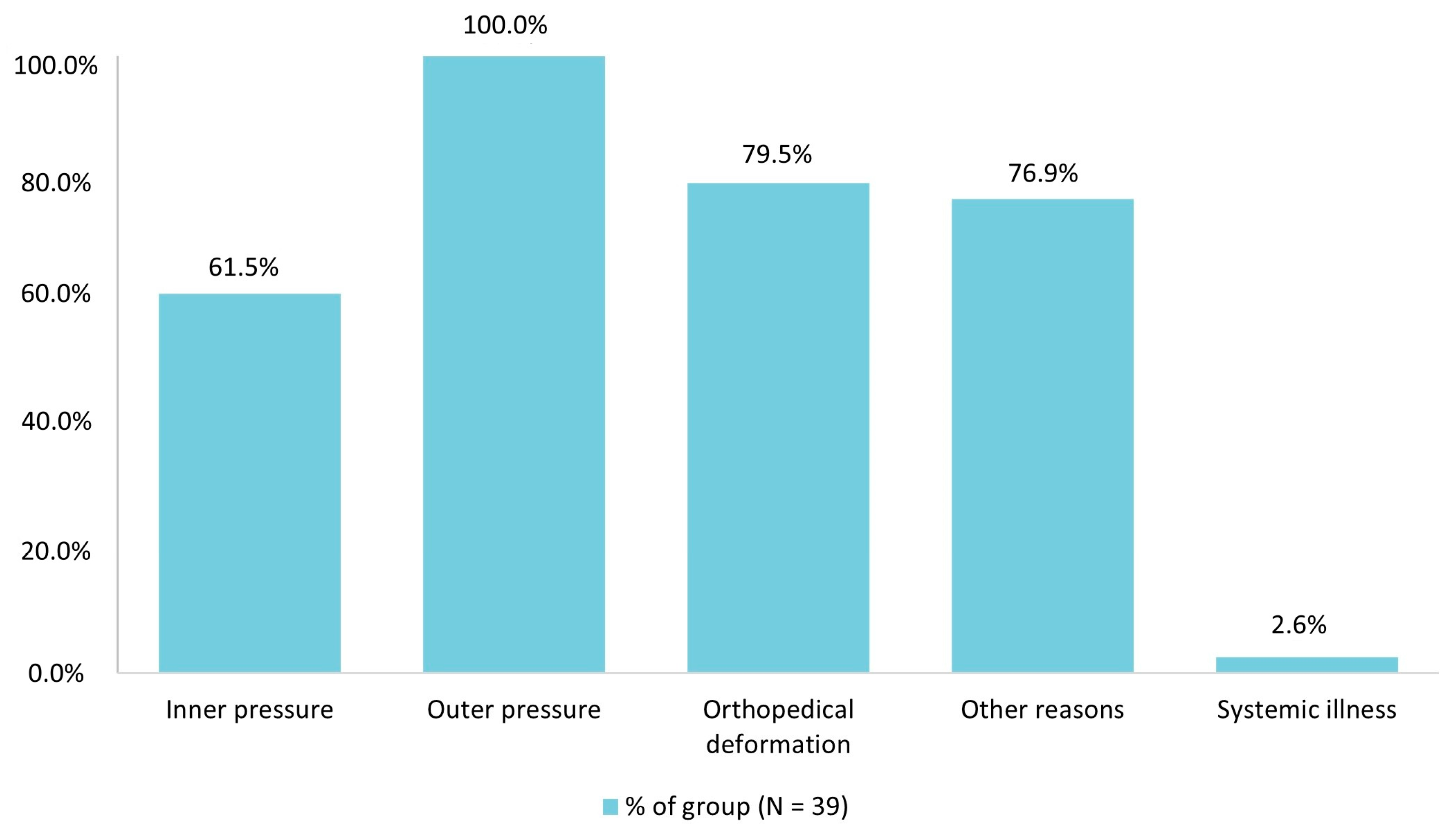
The youth type of ingrown nails dominated in the analyzed group (64.1%). The patients were also characterized with the Scholz stage of ingrown nails. None of the patients had a stage lower than three. Purulent inflammation (stage 3) was the case for 40.0% of all patients, of which 32.0% of the total group had a one-sided condition (eight patients) and two patients had a two-sided condition. Additional tissue hypergranulation (caro luxurians)—stage 4—was the case for 52.0% of the group, and 24.0% (six patients) had one-sided and 28% (seven patients) had two-sided ingrown nails in that stage. Stage 5, which meant post-operational relapse of symptoms, was the case for two patients. Fowler and Johnson’s classification of reasons for ingrown nails was used to characterize the analyzed group. The most common group of reasons was outer pressure—all patients experienced at least one issue with frequent mechanical injuries being the most common (59.0%), followed by wearing too-small shoes (46.2%). Orthopaedic deformation was the second most common group of reasons (79.5%), and the other types of reasons had the third most common frequency (76.9%). Pressure from the inside was the case for 61.5% of patients, and systemic illness happened in the case of one patient. Details of the reasons for ingrown nails according to Fowler and Johnson are presented in Table 3 and Figure 3.
Table 3.
Details of the ingrown nail diagnosis.
Figure 3.
Reasons for ingrown nails in the analyzed group, according to Fowler and Johnson’s classification.
3.2. Concerns before and during Treatment
The highest concern before starting treatment was related to the feeling of discomfort (79.5%). Also, more than half of patients considered their problems with their nails disruptive (64.1%). Four in ten patients had to select shoes to fit their ingrown nails (43.6%), and four in ten patients had concerns that the problem would not be solved and would stay with them permanently (41.0%). Three patients had worries about infecting other people. Almost half of the patients declared no worries during treatment (48.7%). The predominant concern appearing during treatment was about causing damage to the buckle (41.0%). Apart from that, three patients worried they would have to wear the buckle permanently, and three patients admitted they had to select special shoes to fit the buckle (Table 4).
Table 4.
Concerns before and during treatment with the VHO-Osthold® Perfect buckle.
3.3. Life Quality Assessment before and after VHO-Osthold® Perfect Buckle Treatment
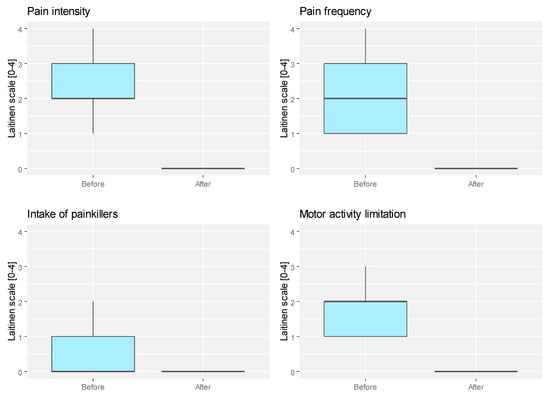
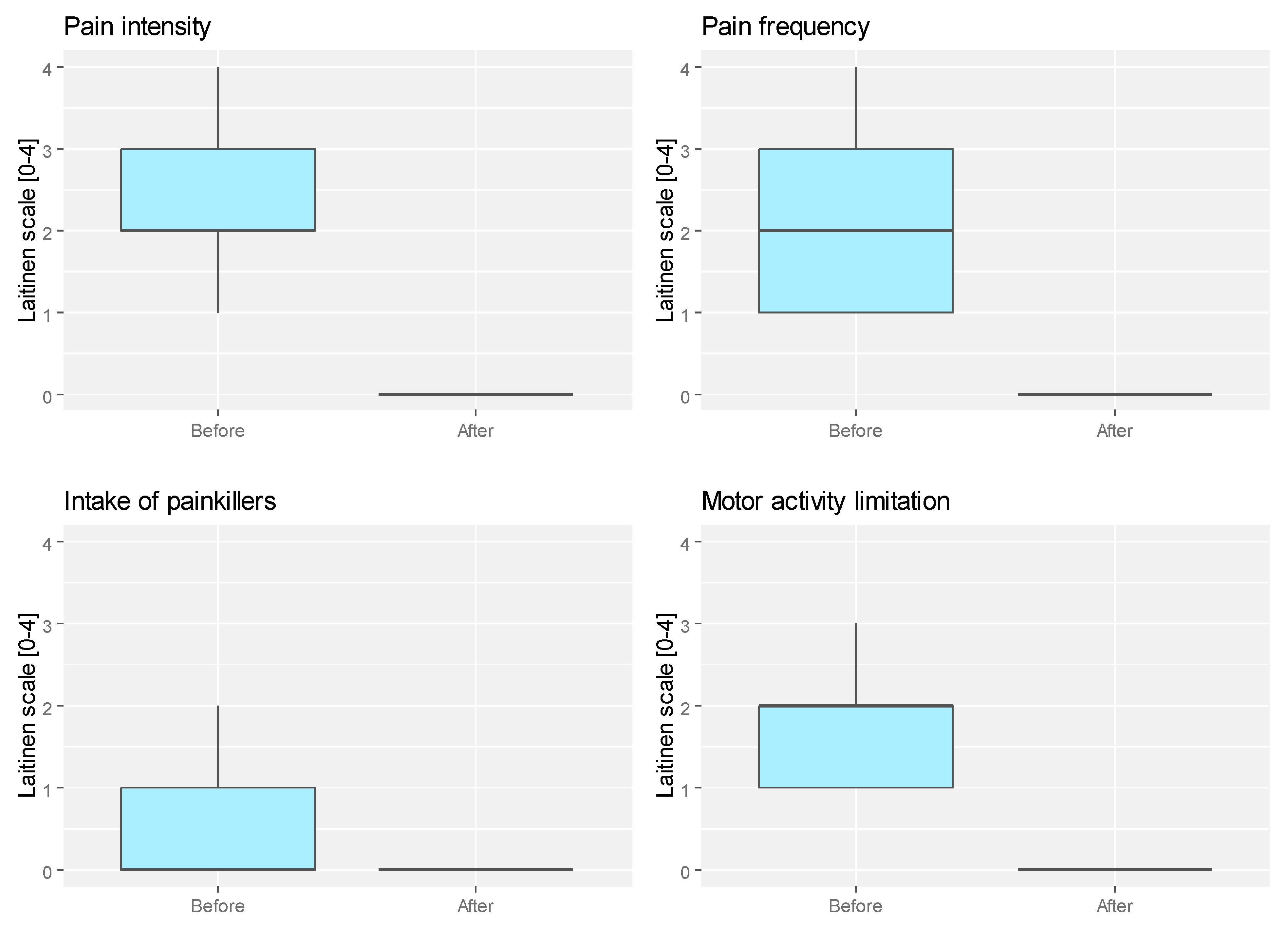
The patients assessed a series of life quality-related elements before and after treatment with the VHO-Osthold® Perfect buckle. All elements improved significantly after treatment (p < 0.05 each). Worries about the appearance of the nails and the feeling of discomfort decreased (from 3.13 ± 0.80 to 1.15 ± 0.37 and from 3.46 ± 0.55 to 1.10 ± 0.31, both on 1–4 scales), p < 0.001 each. The pain level was assessed with a 1 to 4 scale where 1 meant the highest pain level and 4 meant the lowest pain level. The median outcome changed from 2.00 to 4.00, suggesting a lower pain level after treatment, p < 0.001. Further pain assessment was built on a scale of 1 to 4 according to the VAS definition of pain and indicated that after treatment, the patients experienced lower pain levels, and the outcome decreased from 3.31 ± 0.69 to 1.18 ± 0.39, p < 0.001. Next, four questions measured the intensity of pain, its frequency, the intake of painkillers, and motor activity limitations caused by pain, all with a five-grade Laitinen scale. The outcomes reflected a decrease in measured inconveniences; their visual presentation is given in Figure 4. It was also evaluated whether the pain restricted patients from wearing full shoes. On a scale of 1 to 4, where 1 meant high restriction and 4 meant no restriction; the average outcome varied from 2.03 ± 0.71 before treatment to 3.85 ± 0.37 after treatment, p < 0.001, indicating that the limitations from wearing full shoes were lower after using the VHO-Osthold® Perfect buckle. Satisfaction from the health condition grew from 2.05 ± 1.10 to 6.31 ± 0.69 on a scale from 1 to 7, p < 0.001. Life quality assessment grew from 1.82 ± 1.02 to 6.41 ± 0.72 on a scale from 1 to 7, p < 0.001 (Table 5).
Figure 4.
Boxplot charts presenting the distribution of pain assessment according to the Laitinen scale before and after therapy with the VHO-Osthold® Perfect buckle.
Table 5.
Comparison of life quality assessment before and after VHO-Osthold® Perfect buckle treatment.
3.4. Assessment of Treatment Effectiveness
The predominant therapy length was 2–3 months (33.3%). Furthermore, it lasted 4–5 months (nine patients) in the case of 23.1% of patients. The shortest therapy, which was 1–1.5 months, happened in the case of 17.9% of patients (seven patients), while the longest therapy of 6 months or longer than 6 months was the case for 10.3% (four patients) and 15.4% (six patients), respectively. In patients with the therapy length over six months, the duration was 10.50 ± 1.64 months on average (ranging from 8.00 to 12.00 months). The most common number of buckles used in the therapy was two (39.4%). One in five patients used one buckle (21.2%, seven patients) and similarly, one in five patients used more than three buckles (21.2%, seven patients). Three buckles were employed in the treatment of 18.2% of patients (six people). In all patients treated with more than three buckles, the number of buckles ranged from 4.00 to 6.00 buckles. Pain level during installation of the buckle was assessed with a 1 to 4 scale with the outcome of 1.51 ± 0.50 on average. None of the patients considered the therapy disturbing to their everyday lives. Almost all patients declared the desire to repeat the treatment in case the problem appeared again (94.9%). The patients assessed the therapy’s effectiveness on a scale from 1 to 10. The average outcome in the analyzed group was 9.08 ± 0.93, ranging from 7.00 to 10.00. Patients evaluated how the treatment influenced the clinical picture of their nails using a scale from 1 to 4, with 1 meaning no improvement and 4 meaning full recovery. The average outcome was 3.54 ± 0.64, and the replies ranged from 2 to 4, meaning that the patients claimed considerable improvement/full improvement on average, while their replies ranged from minimal improvement to full improvement. No patient indicated a lack of any improvement, (Table 6).
Table 6.
Assessment of treatment effectiveness.
3.5. Effectiveness of Treatment—Dependance on Selected Predictors
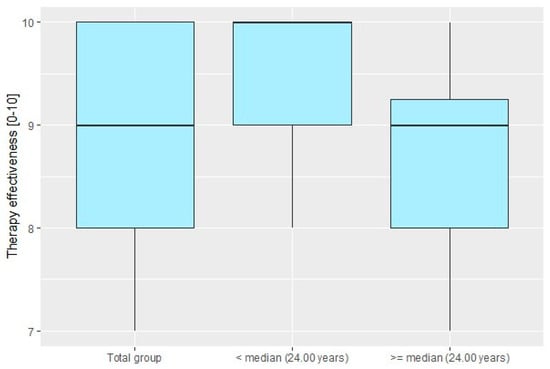
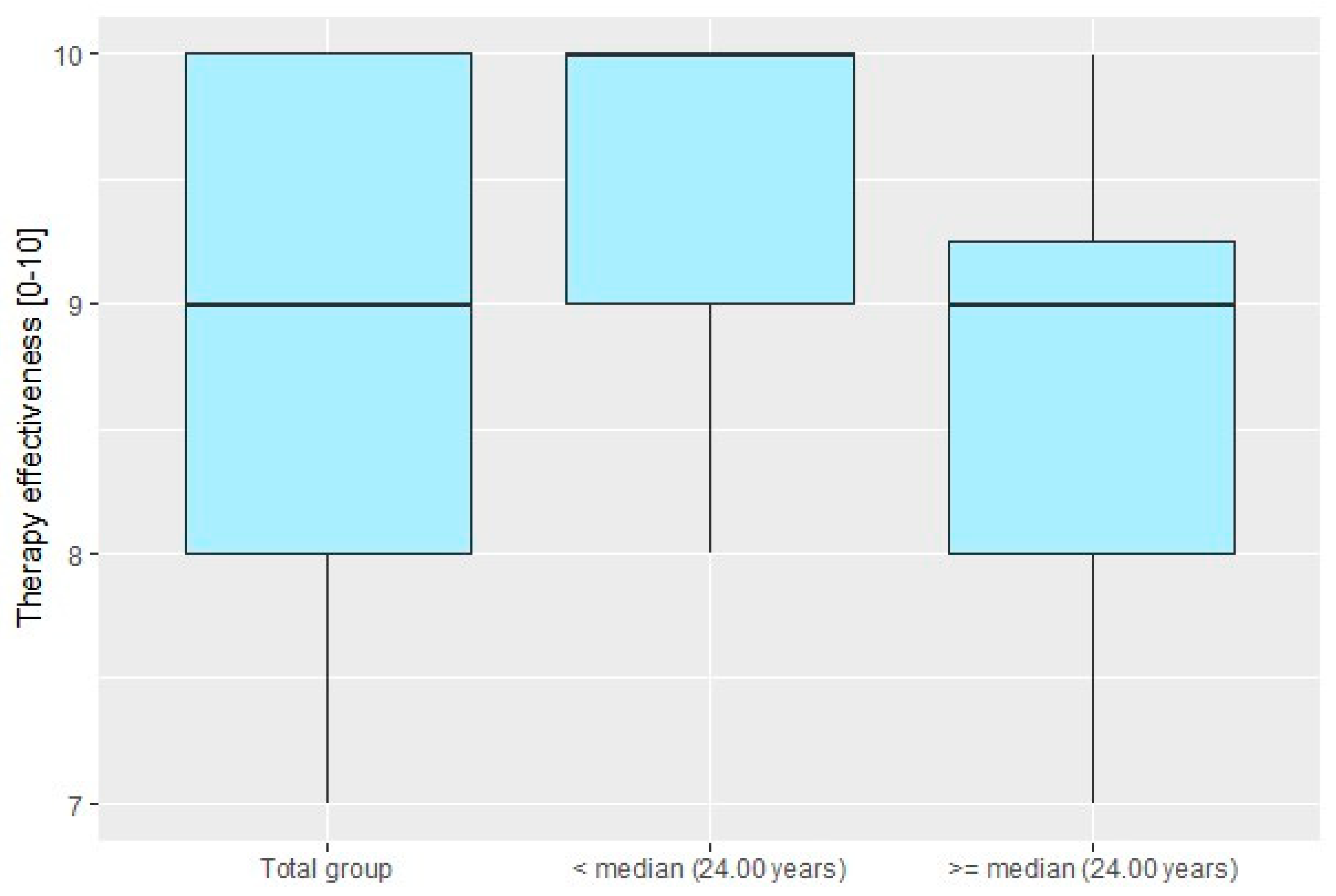
Age determined the assessment of therapy effectiveness in a significant way. Younger patients evaluated the therapy higher than older patients (9.42 ± 0.77 vs. 8.75 ± 0.97 on a scale from 0 to 10, respectively), MD = 0.67 CI95 [0.10; 1.24], p = 0.022. The dependence of therapy effectiveness on age is visualized in Figure 5. Therapy duration and the number of buckles did not depend on the patients’ age in a significant way (Table 7). The patients’ sex did not significantly determine the effectiveness of the assessment, the therapy duration, or the number of buckles (Table 8).
Figure 5.
Boxplot chart presenting the distribution of therapy effectiveness assessment on a scale from 0 to 10, for the total group and depending on the age of the patient.
Table 7.
Effectiveness of VHO-Osthold® Perfect buckle treatment against the age of patients.
Table 8.
Effectiveness of VHO-Osthold® Perfect buckle treatment against the sex of the patients.
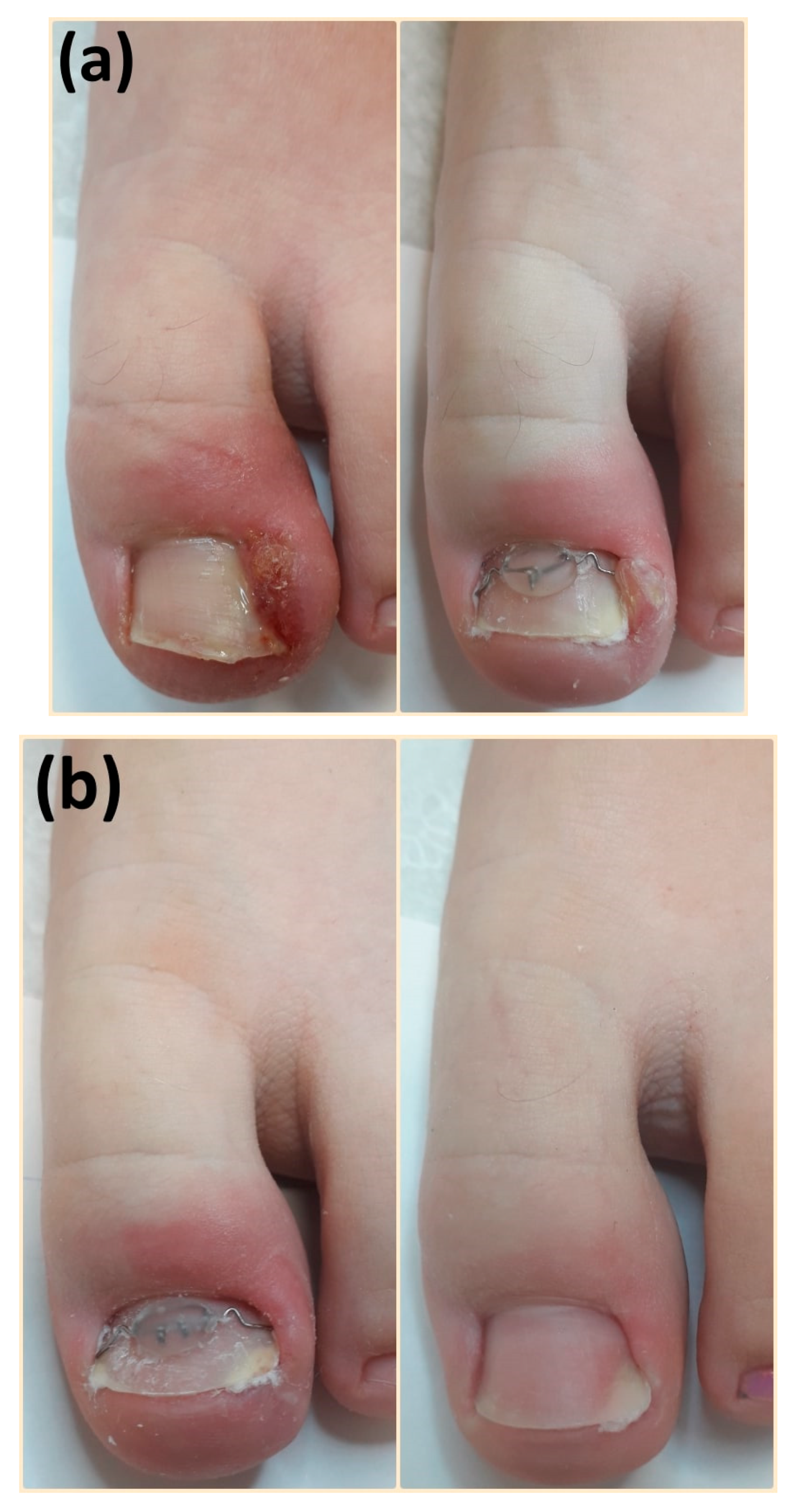
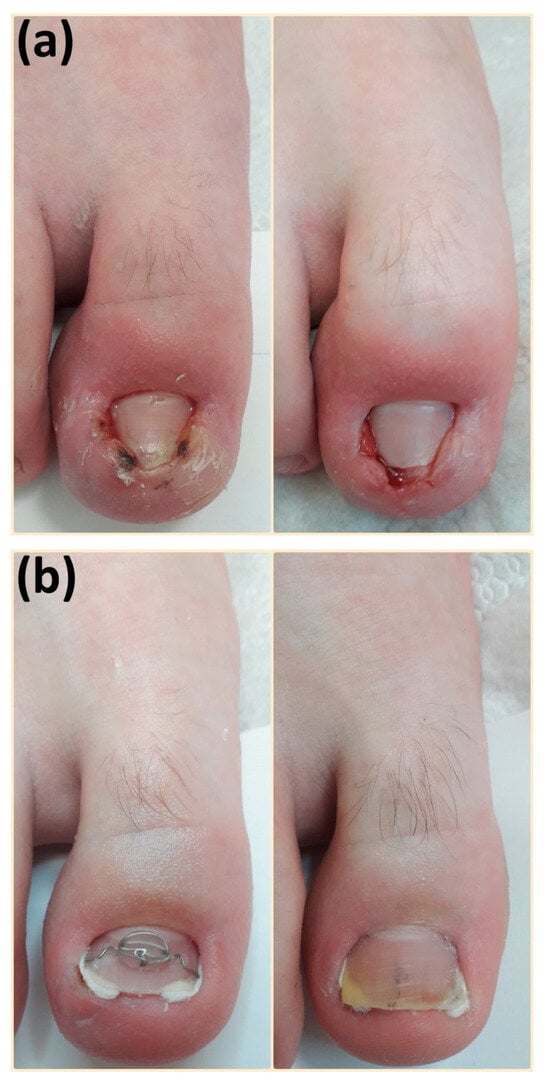
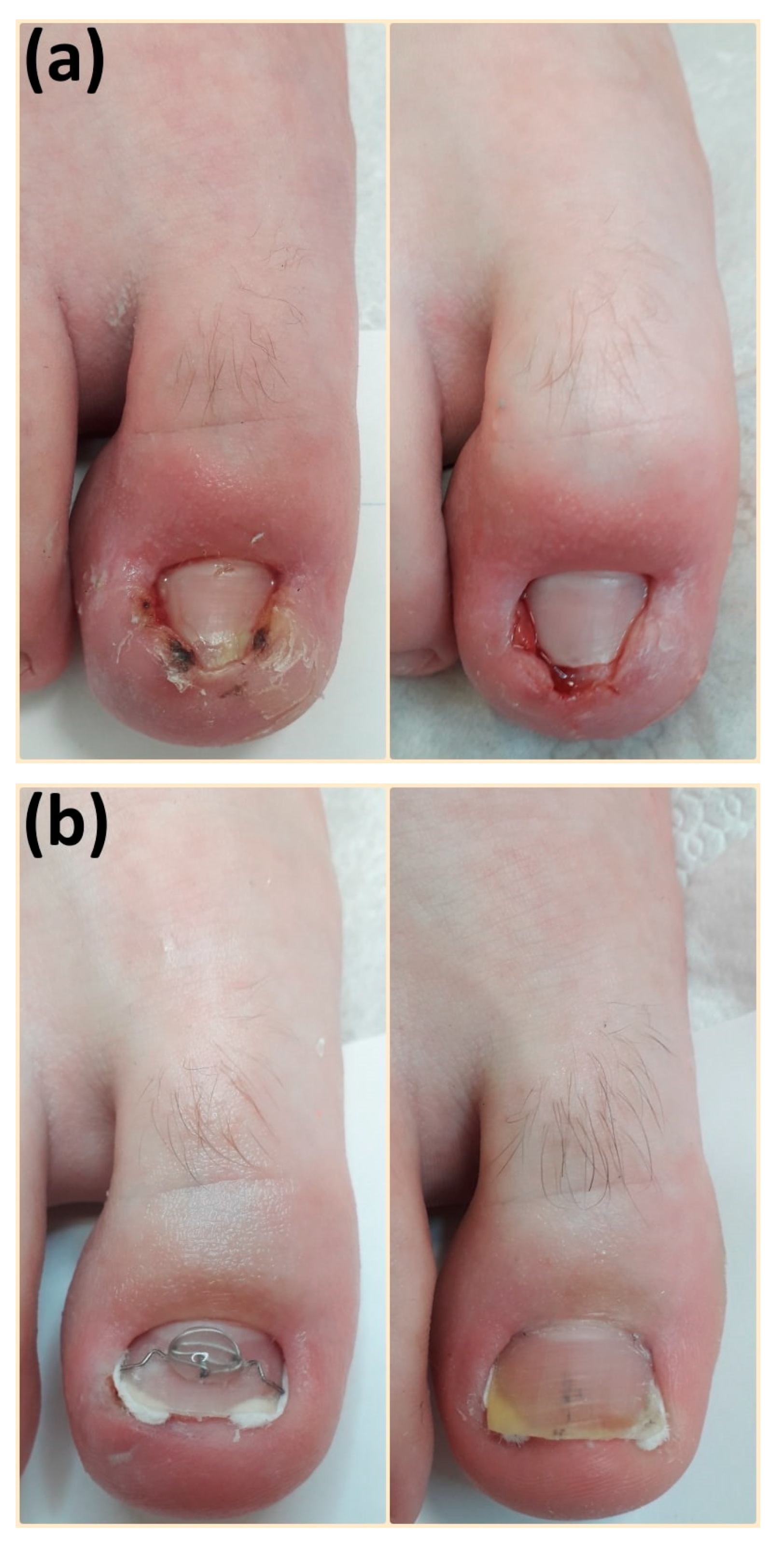
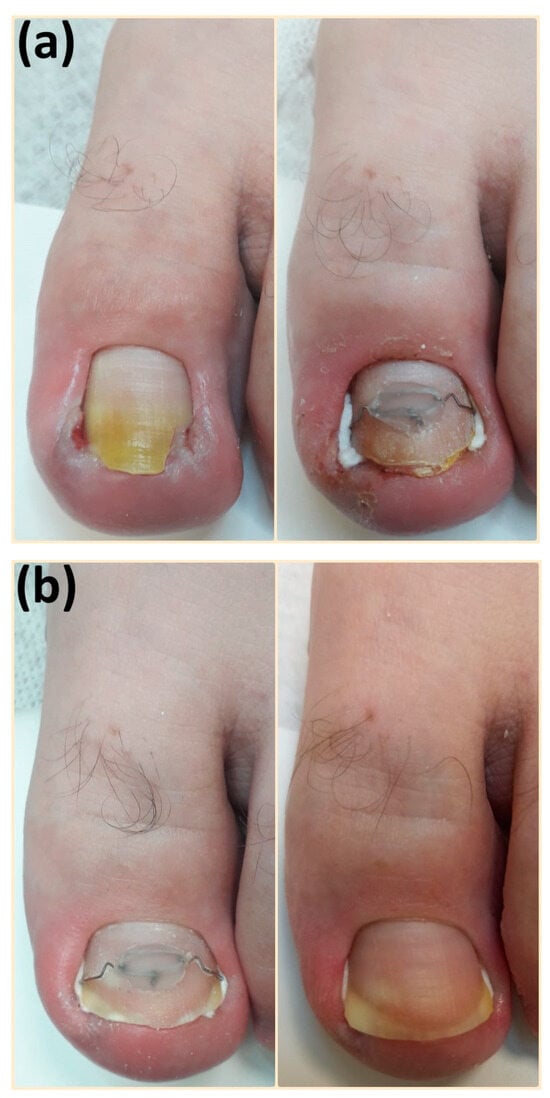
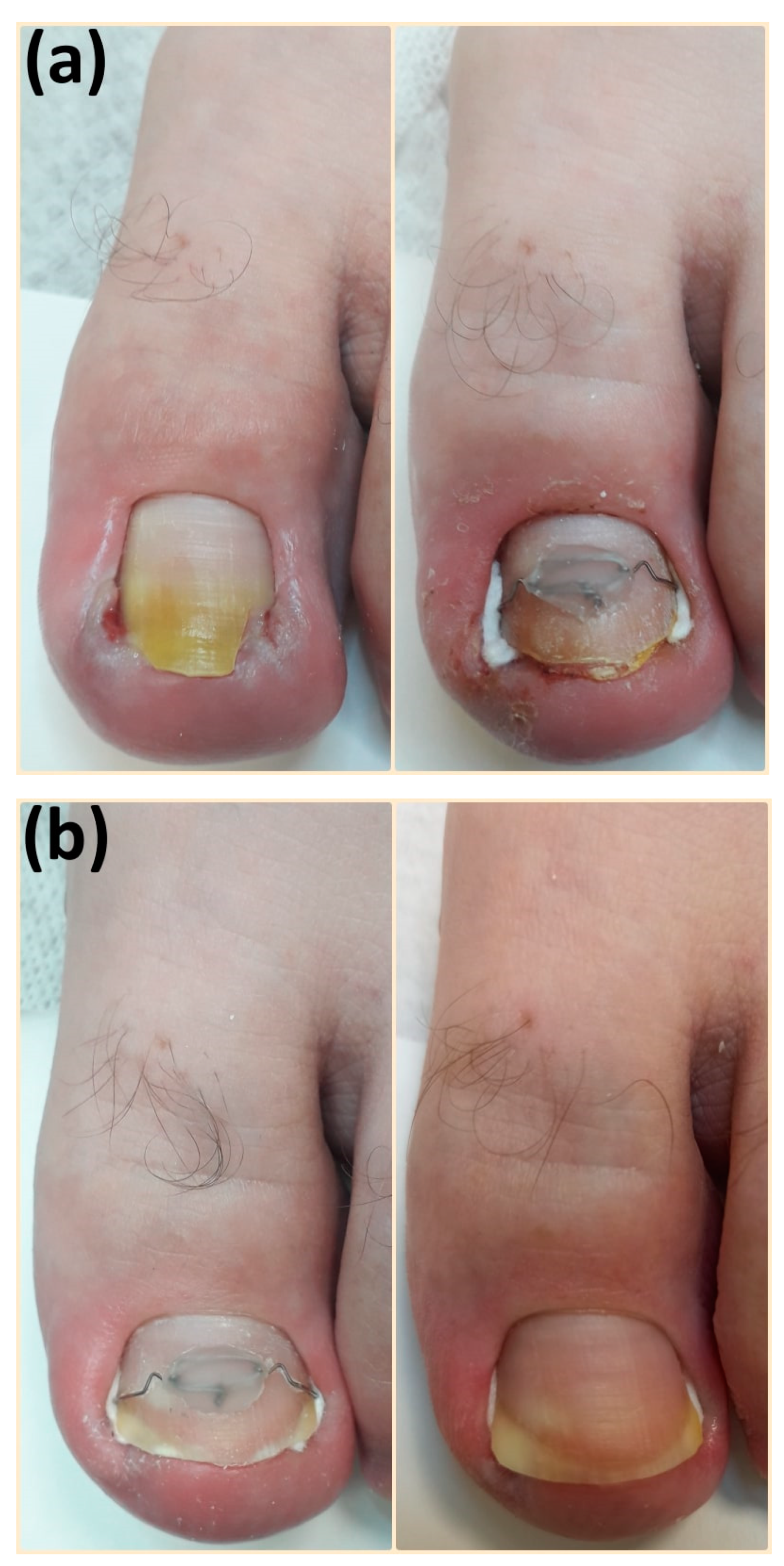
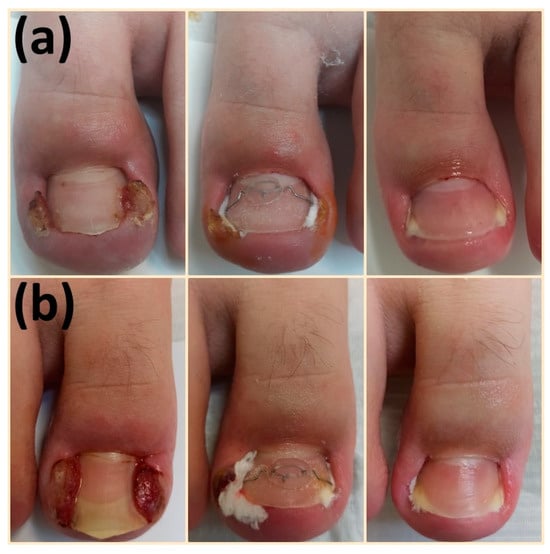
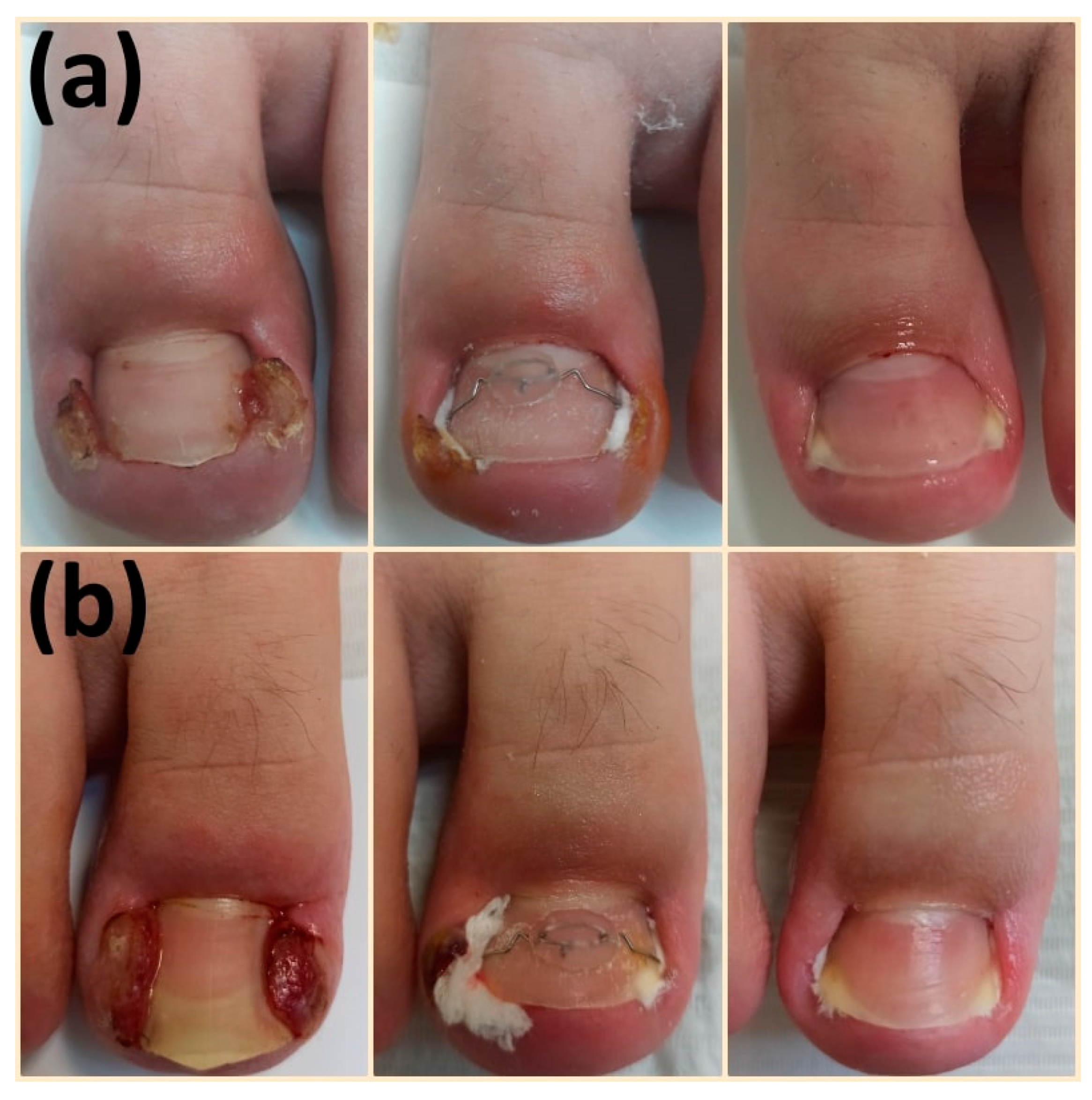
Therapy effectiveness did not depend on the type of ingrown nail in a significant way, p = 0.485. Both therapy duration and the number of buckles did depend on the type of ingrown nail, p = 0.001 and p = 0.017, respectively. In the case of the majority of the patients with youth ingrown nails, treatment lasted 2–3 or 4–5 months (40.0% and 24.0%, six patients, respectively), while in patients with adult ingrown nails, the biggest subgroup of treatment duration was over 6 months (42.9%, six patients). Youth ingrown nails were related to a lower number of buckles; almost half of the group was treated with two buckles (45.5%), while for people with adult ingrown nails, it was typically more than three buckles (45.5%), (Table 9). The stage of ingrown nails did not determine the effectiveness assessment of the therapy duration or the number of buckles significantly (Table 10). The effects of podiatry therapy with the VHO-Osthold® Perfect buckle are shown in Figure 6, Figure 7, Figure 8 and Figure 9. Twelve months after the end of therapy, none of the probands reported disease relapses.
Table 9.
Effectiveness of VHO-Osthold® Perfect buckle treatment against the type of ingrown nail.
Table 10.
Effectiveness of VHO-Osthold® Perfect buckle treatment against the stage of the ingrown nail.
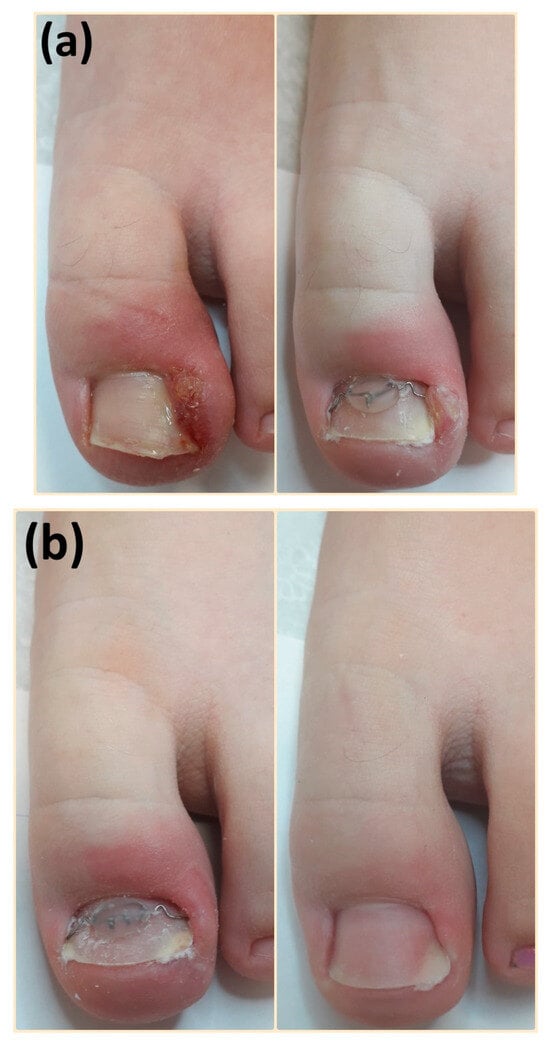
Figure 6.
Clinical picture of the nail apparatus on a 13-year-old girl. The 4a stage of ingrowth according to Scholz. Duration of the disease: 1 year. Cause of ingrowth: hyperhidrosis and improper nail trimming. Condition before therapy and after the first brace application (a). Three VHO-Osthold® Perfect buckles were applied and the therapeutic effect was achieved after 4 months (b). Source: own archives.
Figure 7.
A 13-year-old boy. 4b stage of ingrowth according to Scholz. Duration of the disease: 3 years. The patient has had two total nail resections with a surgeon, and the patient also does not exclude the possibility that he may have inadequately shortened the nail plate. To date, there has been no supportive treatment for ingrown nails. Severe hyperhidrosis of the feet (a). Two buckles each were applied to both nails of the big toe. Therapeutic effect after 2 months (b). Source: own archives.
Figure 8.
A 41-year-old man. The 4b stage of ingrowth according to Scholz. Duration of disease: 1 year. Cause of ingrowth: hyperhidrosis, work shoes, and own interference. Applied two VHO-Osthold® Perfect buckles (a); effect of 3 months’ therapy (b). Source: own archives.
Figure 9.
A 13-year-old boy. The 4b stage of ingrowth in both toes. Duration of the disease: 1 year. Cause of ingrowth: hyperhidrosis, sports shoes, and improper trimming. Two buckles were applied to the left big toe—effect after 2 months of treatment (a); one buckle was applied to the right big toe—effect after 1 month (b). Source: own archives.
4. Discussion
Nail surgery has been identified as the tenth most commonly performed procedure by many healthcare professionals, including GPs, orthopedic surgeons, and podiatrists. Surgery for an ingrown nail mostly involves partial or complete removal of the nail plate and excision of the nail bed, often combined with ablation of the nail matrix to stop regrowth. Radical excision of the nail bed is associated with a higher risk of postoperative infection compared with other procedures involving ingrown nails [8,9,10].
Delgado-Miguel et al. conducted a prospective observational study on patients with stage 2–3 ingrown nails who underwent partial onychectomy with silver nitrate chemical matricectomy in 2018–2019. The success rate of the procedure was 95.3%, with only 11 recurrences (4.7%) at follow-up. Postoperative infections were observed in four patients (1.7%). Side effects, such as pain and postoperative drainage, were negligible in most patients [11].
Exley et al. reviewed five databases (MEDLINE, Embase, CINAHL, Web of Science, and CENTRAL) and two registries (Clinicaltrials.gov and ISRCTN) up until January 2022 for randomized trials evaluating the effect of surgical intervention(s) on ingrown toenails with at least 1-month follow-up. In these studies, no beneficial effect was observed between chemical or surgical versus conservative treatment (0.55 [0.19 to 1.61], p = 0.280; 0.72 [0.33 to 1.56], p = 0.410) and chemical or surgical versus other (e.g., CO2 laser, electrocautery, and electrocoagulation) (1.61 [0.88 to 2.95], p = 0.120; 0.58 [0.25 to 1.37], p = 0.220). Central nail resection was the only procedure that significantly relieved symptoms (p = 0.001), but data were only available up to eight weeks after the procedure. Despite the large number of publications, the quality of the studies was poor, the conclusions from existing studies are limited, and there is still no good quality evidence to guide practice [3].
A study by Nasr et al. showed that after wedge resections and the Vandenbos procedure, a total of 78 complications and recurrences occurred in the wedge resection group (21%), while a total of 32 complications and recurrences occurred in the Vandenbos group (14%; p = 0.0949). A total of 46 first recurrences of IGTN occurred after the first surgery [12].
An alternative to surgery is orthonyxia, a podiatric method of correcting the shape of the nails using buckles. It is a non-invasive, bloodless, and painless method that aims to reduce the pressure of the lateral edges of the nail on the soft tissues in the area of the lateral wall and to quickly eliminate pain, as well as to change the growth trajectory and restore the normal plane of the nail plate. Depending on the stage of the disease and factors such as the thickness, degree of vaulting, or transverse curvature of the plate, stainless steel (surgical) metal buckles or plastic buckles are used. Metal buckles take the form of appropriately shaped wires, which are formed individually for each application. Their mechanism of action is similar to that of orthodontic braces. The buckle does not interfere with the patient’s activities of daily living; it grows together with the nail plate while correcting an ingrown or curved nail (unguis convolutus) [5,6,13].
Although the published data describing how ingrown nail pathology is treated conservatively in podiatric practice are rare, the literature data suggest that most previous studies are retrospective small-scale case series with short follow-up times. Further research into these relationships is recommended to enable evidence-based practice [14].
Wang et al. presented an effective and non-invasive treatment option for ingrown nails of the acute inflammatory (AI) and chronic dystrophic (CD) types using COMBIped and Podofix adhesive buckles (made of flexible plastic and activation wire). The relief of pain was achieved in almost all patients within 1 day and they were able to return to work immediately. At the final evaluation, 97.5% (79/81) and 100% of patients attained satisfactory results. Patients experienced minimal pain and a high level of satisfaction after treatment. For ingrown CD nails, the therapy required a longer treatment time and patients experienced minimal discomfort when wearing the nail brace, while pain, awful nail appearance, and well-being improved subjectively [15].
In a randomized clinical trial, Márquez-Reina et al. used a polyethylene nail stabilizer to treat ingrown toenails, achieving a lower recurrence rate compared to wedge resection after 12 months from study commencement (N.S. = 0.000 for α = 0.05) [16].
In Pelant’s own study, E-brace correction was performed in patients with varying degrees of ingrowth who presented for the procedure. E-brace correction led to clinical improvement in all subjects from the study group, with 114 of the 120 patients having complete resolution of the ingrown toenail and the remaining 6 patients having stage 1 according to Scholz after treatment. The time required to correct ingrown nails with the E-brace ranged from 1 month to 1 year, and the treatment did not exclude patients from work and daily life, which is described as a benefit of conservative methods as opposed to surgical procedures [17].
Guler O et al. stated the nail brace can be an alternative treatment for ingrown toenails that has high patient satisfaction, fast recovery times, and a low recurrence rate compared with the Winograd technique [18].
In conclusion, the VHO-Osthold® buckle is a bloodless and painless method, does not require a period of sick leave, and provides high comfort of use.
There are no articles in the available and current literature that have evaluated the correction of an ingrown nail with the VHO-Osthold® Perfect buckle, which is Elvira Osthold’s 1992 patented invention under the name VHO-Osthold® buckle [13].
Evaluation of the treatment effects and comparison of our own results with those of other authors is hampered by the use of different classifications of ingrowth, different methods of result analysis, including the assessment of pain intensity, and, above all, different treatment modalities.
5. Conclusions
Based on the results obtained from the study, the following conclusions were drawn. The majority of patients with youth ingrown toenails had a shorter treatment time than those with adult ingrown toenails. The VHO-Osthold® Perfect buckle effectively alleviates pain symptoms when applied to the ingrown nail and non-invasively improves the clinical picture of the nail apparatus at the advanced stage of ingrowth. Proper podiatric care allows a safe and conservative approach to the treatment of ingrown toenails, improving patients’ physical and emotional quality of life.
Author Contributions
Conceptualization, F.K. and D.W.-D.; data curation, F.K. and D.W.-D.; analysis and interpretation of data, F.K.; investigation, F.K.; methodology, F.K.; software, F.K.; supervision, D.W.-D.; writing—original draft, F.K.; writing—review and editing, D.W.-D. All authors have read and agreed to the published version of the manuscript.
Funding
This research received no external funding.
Institutional Review Board Statement
The study was conducted in accordance with the Declaration of Helsinki and approved by the Bioethics Committee of the Silesian Medical University in Katowice under Resolution (No. PCN/0022/KB1/43/21 date of approval: 18 May 2021).
Informed Consent Statement
Patients included in the research project gave informed consent to the publication of the photos.
Data Availability Statement
The data that support the findings of this study are not publicly available. The data are available from the authors upon reasonable request and with permission of the Department of Cosmetology of the Medical University of Silesia, however.
Conflicts of Interest
The authors declare no conflict of interest.
References
- Shajil, C.; Kumari, R. Surgical Matricectomy versus Phenolization in the Treatment of Ingrown Toenails: A Randomized Controlled Trial. Dermatol. Surg. 2023, 49, 231–236. [Google Scholar] [CrossRef] [Scilit] [PubMed]
- Tian, J.; Chen, Z.; Li, J. Ingrown Toenail Treated by the Modified Howard-Dubois Technique: Long-Term Follow-Up Results. Indian J. Dermatol. 2022, 67, 343–348. [Google Scholar] [PubMed]
- Exley, V.; Jones, K.; O’Carroll, G.; Watson, J.; Backhouse, M. A systematic review and meta-analysis of randomised controlled trials on surgical treatments for ingrown toenails part I: Recurrence and relief of symptoms. J. Foot Ankle Res. 2023, 16, 35. [Google Scholar] [CrossRef] [Scilit] [PubMed]
- Kuros, F.; Wcisło-Dziadecka, D. A case of ingrown nail using buckle VHO-Osthold® Perfect as a method of conservative treatment. J. Cosmet. Dermatol. 2021, 20, 290–294. [Google Scholar] [CrossRef] [Scilit] [PubMed]
- Antończak, P.; Jurzak, M.; Adamczyk, K.; Gancarczyk, A. Ingrown nail—Pathogenesis, prevention and conservative treatment. Rev. Dermatol. 2015, 102, 343–348. [Google Scholar] [CrossRef] [Scilit]
- Klamczyńska, M.; Kopaczewska, E.; Skocka-Pietruszewska, A. Patologie skóry i paznokci. In Atlas Podologiczny, 1st ed.; PZWL: Warszawa, Poland, 2020; pp. 143–145. [Google Scholar]
- Klamra VHO Osthold® Perfect Informacja o Produkcie i jego Zastosowaniu© MECOTRADE AG Kriens/Szwajcaria. Available online: https://silo.tips/download/klamra-vho-osthold-perfect (accessed on 7 October 2022).
- Reilly, I. Toenail surgery: Indications, options and techniques. Dermatol. Nurs. 2021, 20, 10–18. [Google Scholar]
- Terrill, A.J.; Green, K.J.; Salerno, A.; Butterworth, P.A. Risk factors for infection following ingrowing toenail surgery: A retrospective cohort study. J. Foot Ankle Res. 2020, 13, 48. [Google Scholar] [CrossRef] [Scilit] [PubMed]
- Altun, İ.; Peker, G. A Comparison of Clinical Outcomes Between the Winograd and Modified Winograd Methods for Ingrown Toenails: A Retrospective Study of the Importance of Suturing Techniques. Cureus 2022, 14, e25941. [Google Scholar] [CrossRef] [Scilit]
- Delgado-Miguel, C.; Muñoz-Serrano, A.J.; Estefanía, K.; Velayos, M.; Miguel-Ferrero, M.; Martínez, L. Matrix Cauterization With Silver Nitrate in the Treatment of Ingrown Toenails in Children: Pilot Study. Actas Dermosifiliogr. 2023, 114, 19–24. [Google Scholar] [CrossRef] [Scilit]
- Nasr, Y.; Nasr, A.; Bettolli, M. The effectiveness of nail excision versus Vandenbos procedure for the surgical management of ingrown toenails in children: A retrospective chart review. J. Pediatr. Surg. 2021, 56, 1857–1860. [Google Scholar] [CrossRef] [Scilit]
- Niederau, A.O. Wielka Księga Chorób Paznokci: Przyczyny, Diagnostyka Podologiczna, Leczenie, Profilaktyka, 1st ed.; Lady’s Nails Cosmetics©: Żory, Poland, 2020; pp. 113–135. [Google Scholar]
- Ergün, T.; Korkmaz, M.; Ergün, D.; Turan, K.; Muratoğlu, O.G.; Çabuk, H. Treatment Of Ingrown Toenail with a Minimally Invasive Nail Fixator: Comparative Study with Winograd Technique. J. Am. Podiatr. Med. Assoc. 2022, 29, 1–16. [Google Scholar] [CrossRef] [Scilit]
- Wang, H.H.; Yang, T.H.; Liu, C.W.; Tsai, T.Y.; Huang, Y.C. Efficacy of Nail Braces for Acute and Chronic Ingrown Toenails: A Prospective Study. Dermatol. Surg. 2020, 46, 258–266. [Google Scholar] [CrossRef] [Scilit] [PubMed]
- Márquez-Reina, S.; Palomo-Toucedo, I.; Reina-Bueno, M.; Castillo-López, J.M.; Ortega, J.R.; Calvo-Lobo, C.; López-López, D.; Domínguez-Maldonado, G. Polyethylene Nail Brace for Ingrown Toenails Treatment: A Randomized Clinical Trial. Int. J. Environ. Res. Public Health 2020, 17, 7741. [Google Scholar] [CrossRef] [Scilit]
- Pelant, E. Ocena Jakości Życia Pacjentów z Wrastającym Paznokciem. Ph.D. Thesis, Uniwersytet Medyczny im, Poznań, Poland, 2018. [Google Scholar]
- Guler, O.; Tuna, H.; Mahirogullari, M.; Erdil, M.; Mutlu, S.; Isyar, M. Nail braces as an alternative treatment for ingrown toenails: Results from a comparison with the Winograd technique. J. Foot Ankle Surg. 2015, 54, 620–624. [Google Scholar] [CrossRef] [Scilit]

Disclaimer/Publisher’s Note: The statements, opinions and data contained in all publications are solely those of the individual author(s) and contributor(s) and not of MDPI and/or the editor(s). MDPI and/or the editor(s) disclaim responsibility for any injury to people or property resulting from any ideas, methods, instructions or products referred to in the content. |
© 2023 by the authors. Licensee MDPI, Basel, Switzerland. This article is an open access article distributed under the terms and conditions of the Creative Commons Attribution (CC BY) license (https://creativecommons.org/licenses/by/4.0/).