Article

Analysis and Design of Protection Device for Anchor Cable Pull-Out in High-Stress Roadways

School of Mining Engineering, Anhui University of Science and Technology, Huainan 232001, China
*
Authors to whom correspondence should be addressed.
Appl. Sci. 2023, 13(21), 12023; https://doi.org/10.3390/app132112023
Submission received: 22 September 2023 / Revised: 25 October 2023 / Accepted: 30 October 2023 / Published: 3 November 2023
(This article belongs to the Special Issue Mechanics, Damage Properties and Impacts of Coal Mining)

Abstract

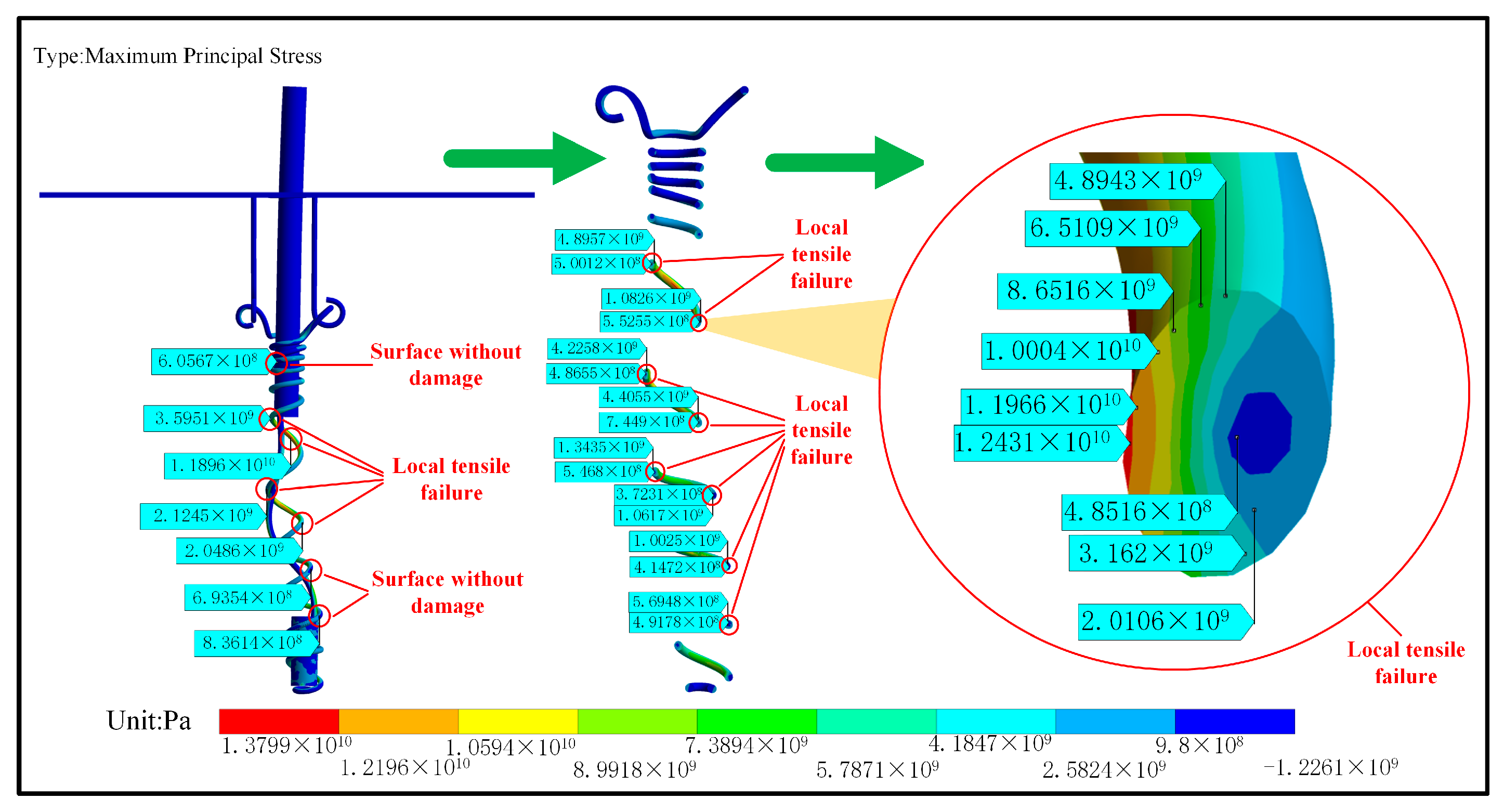
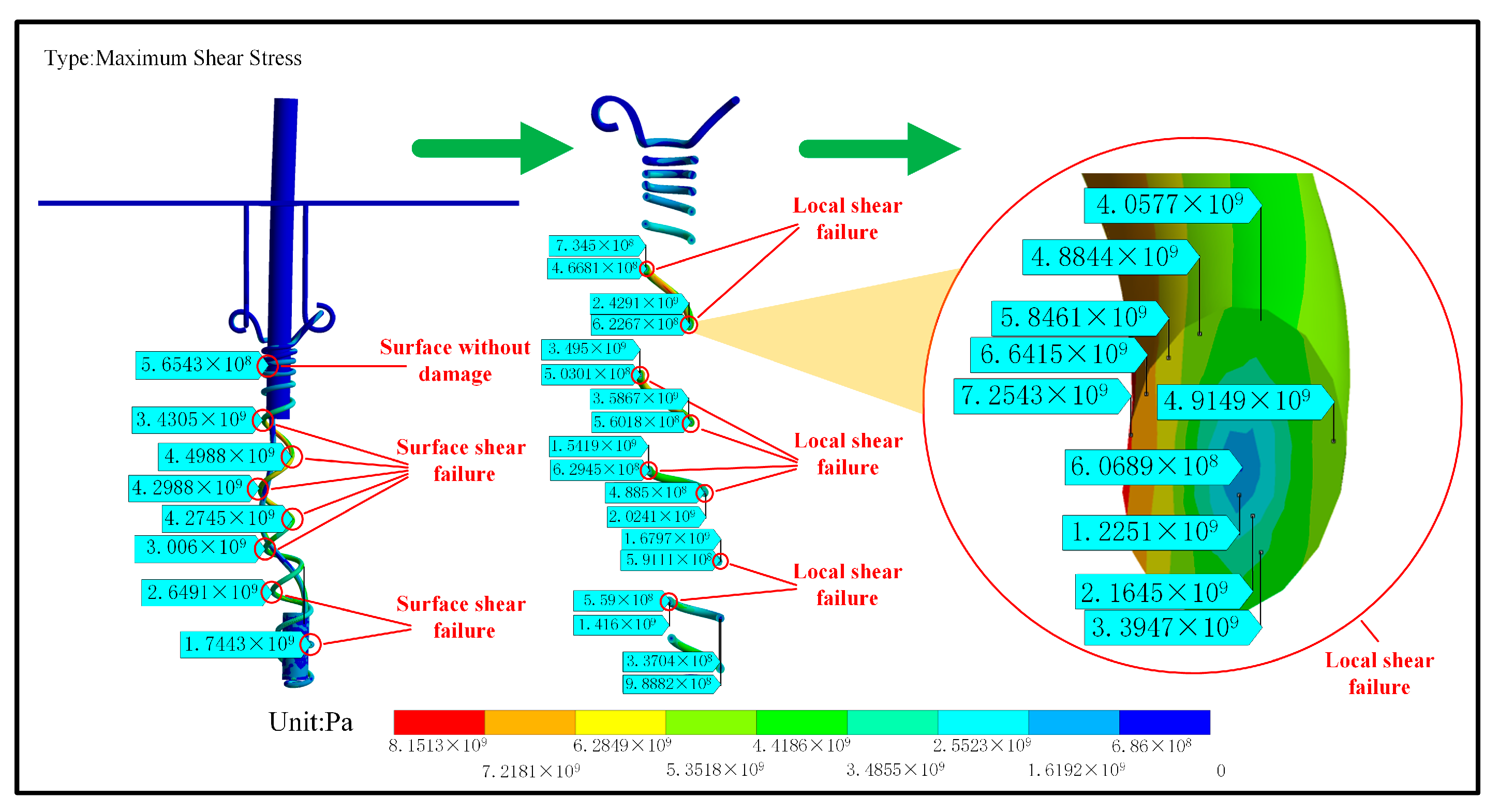
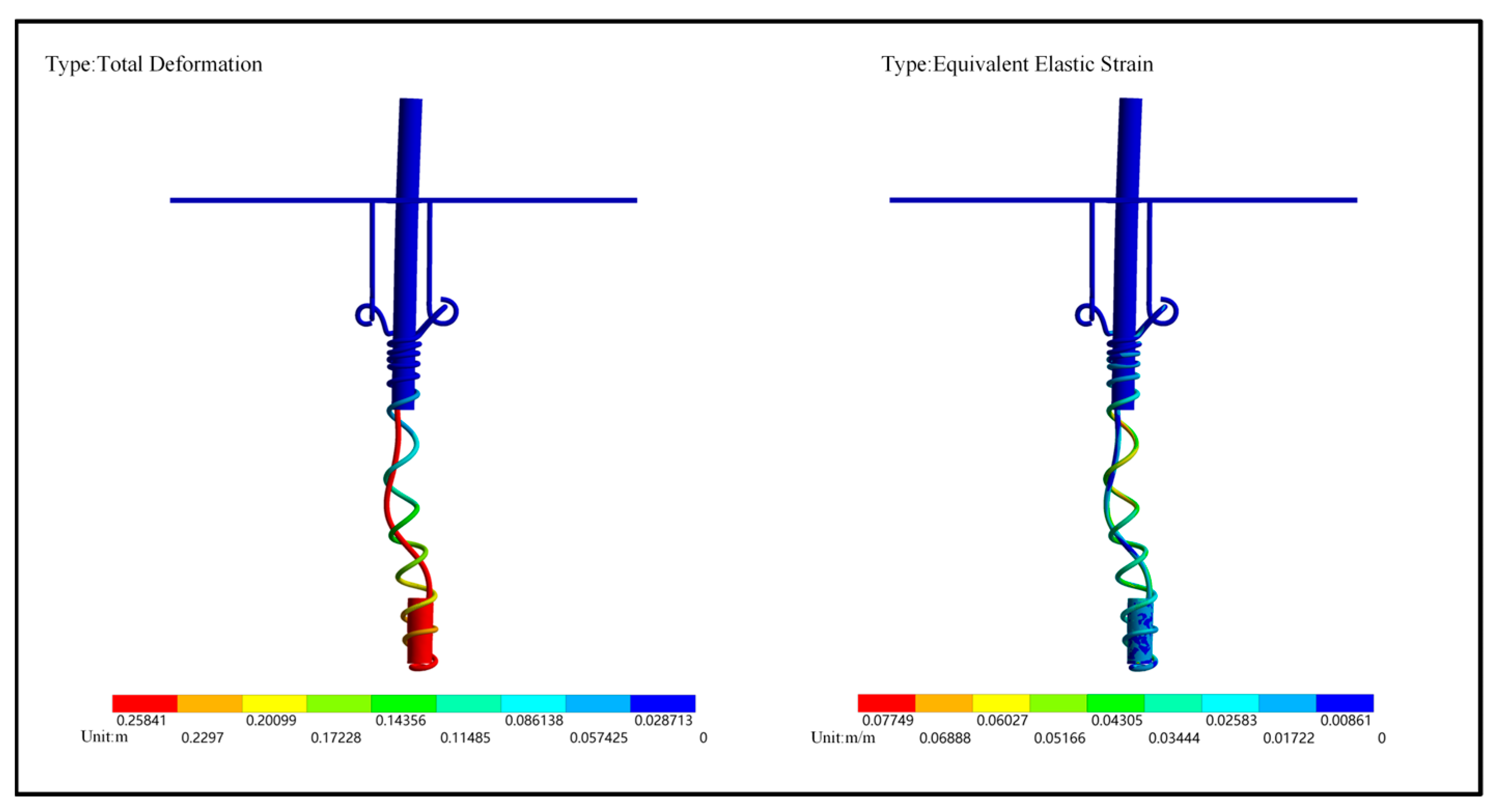
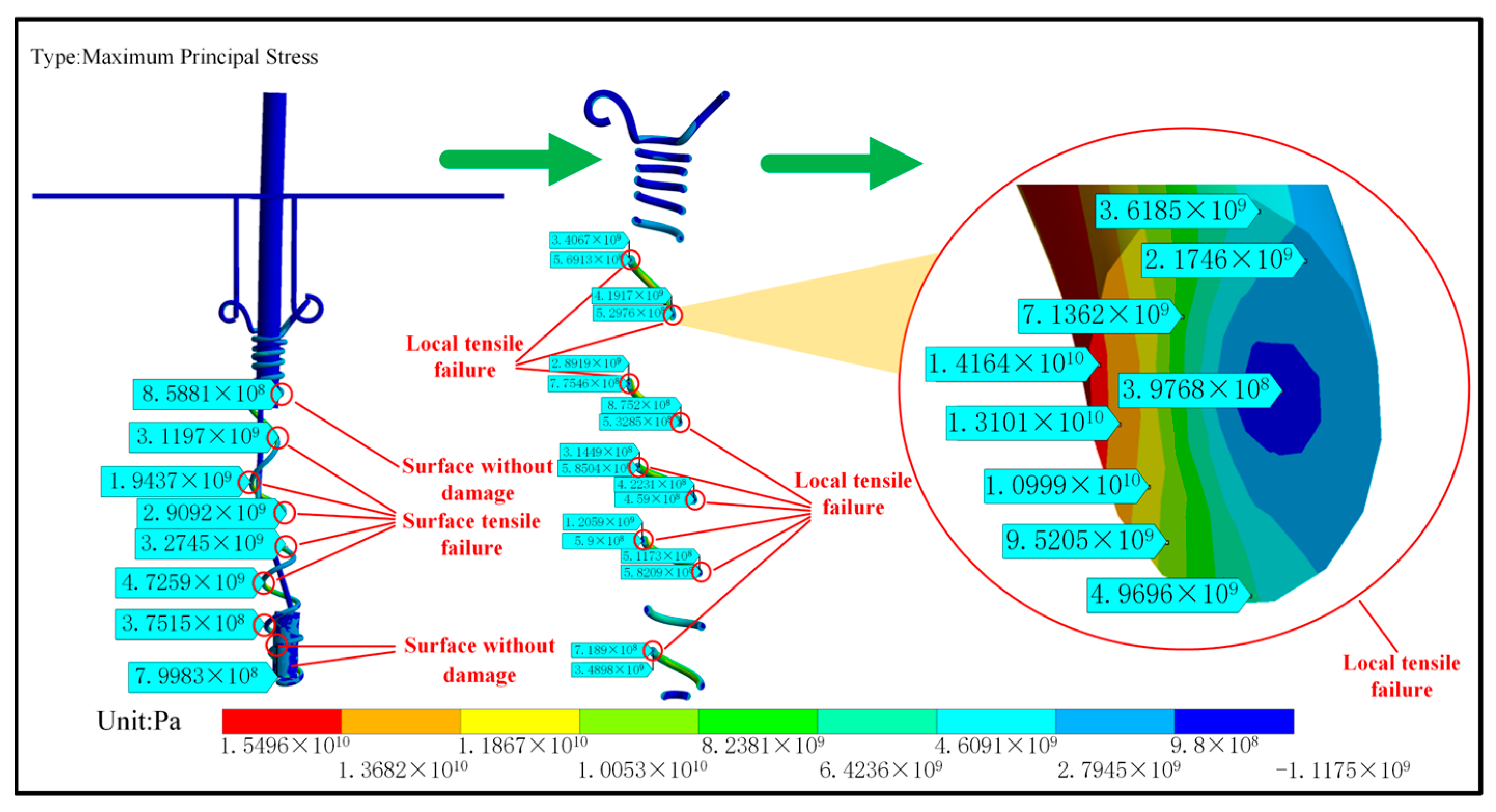
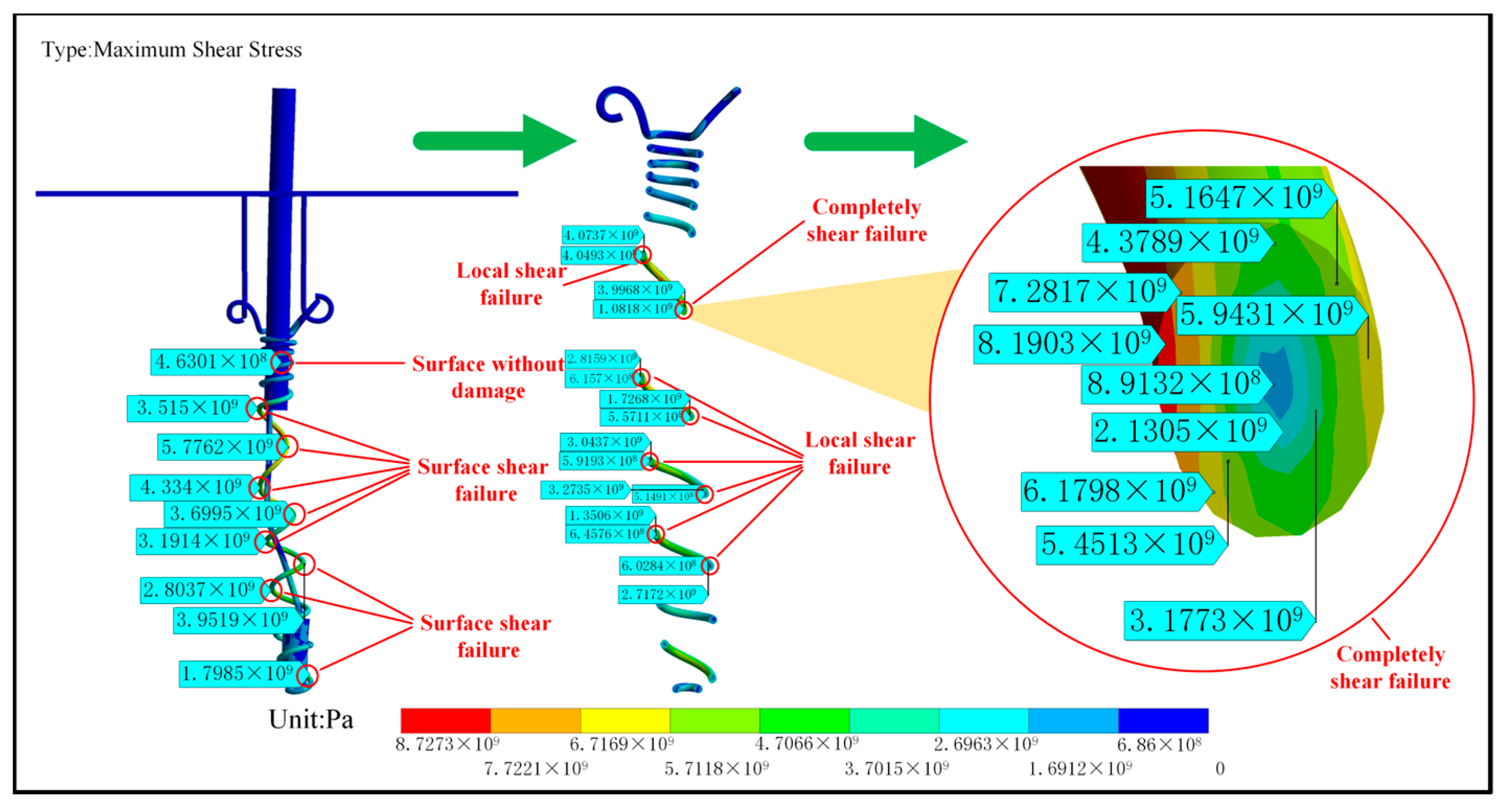
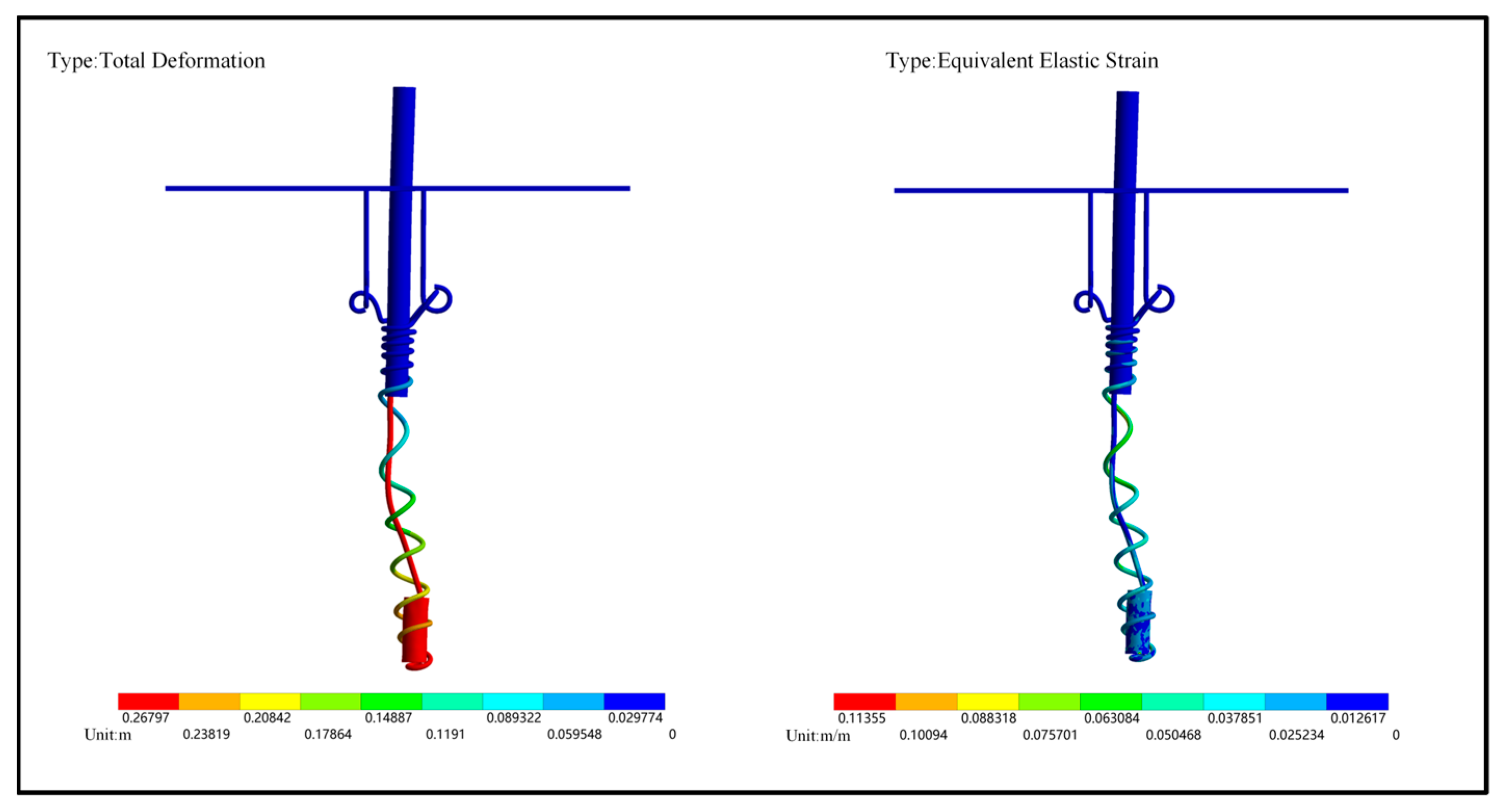
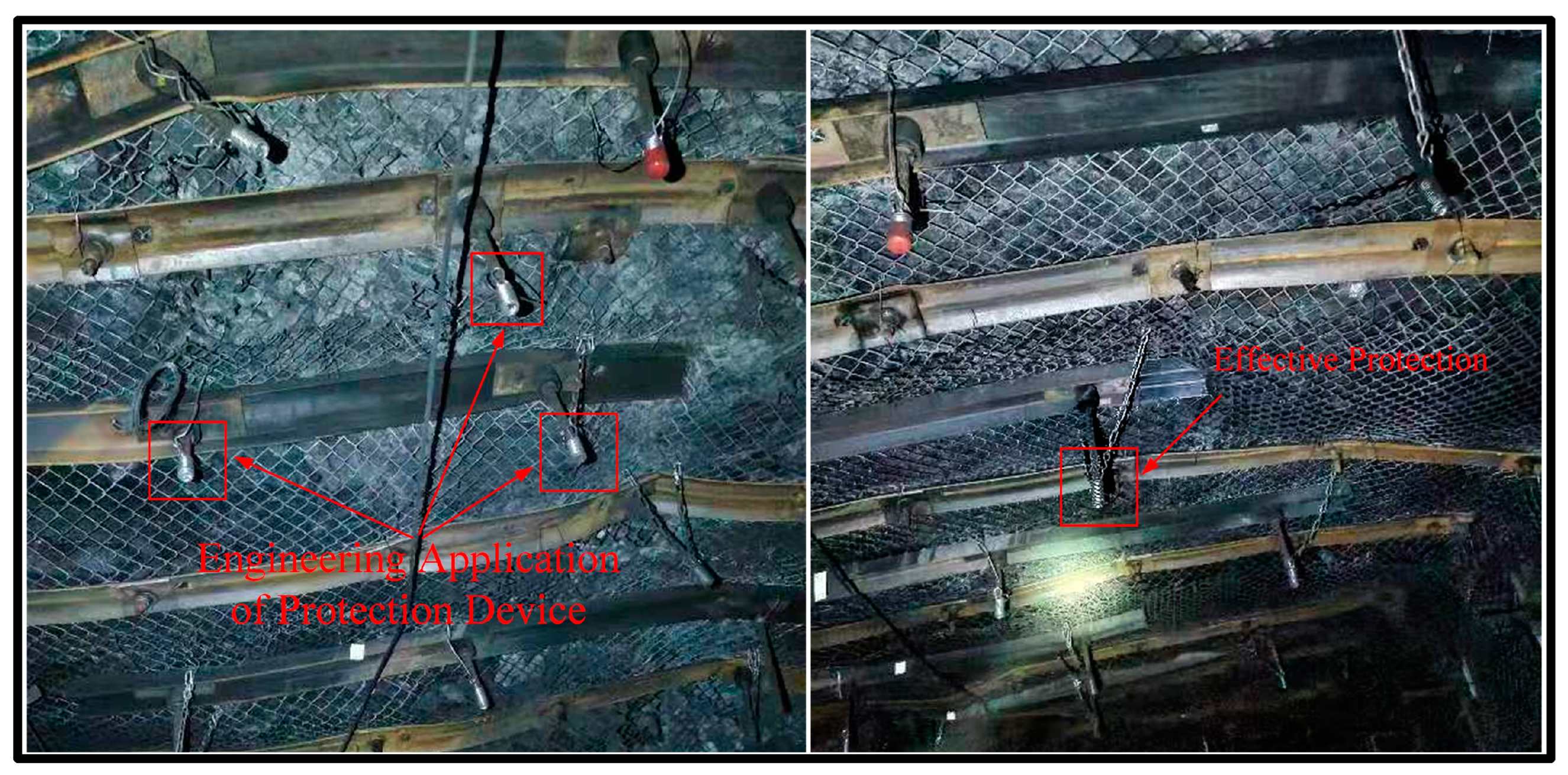
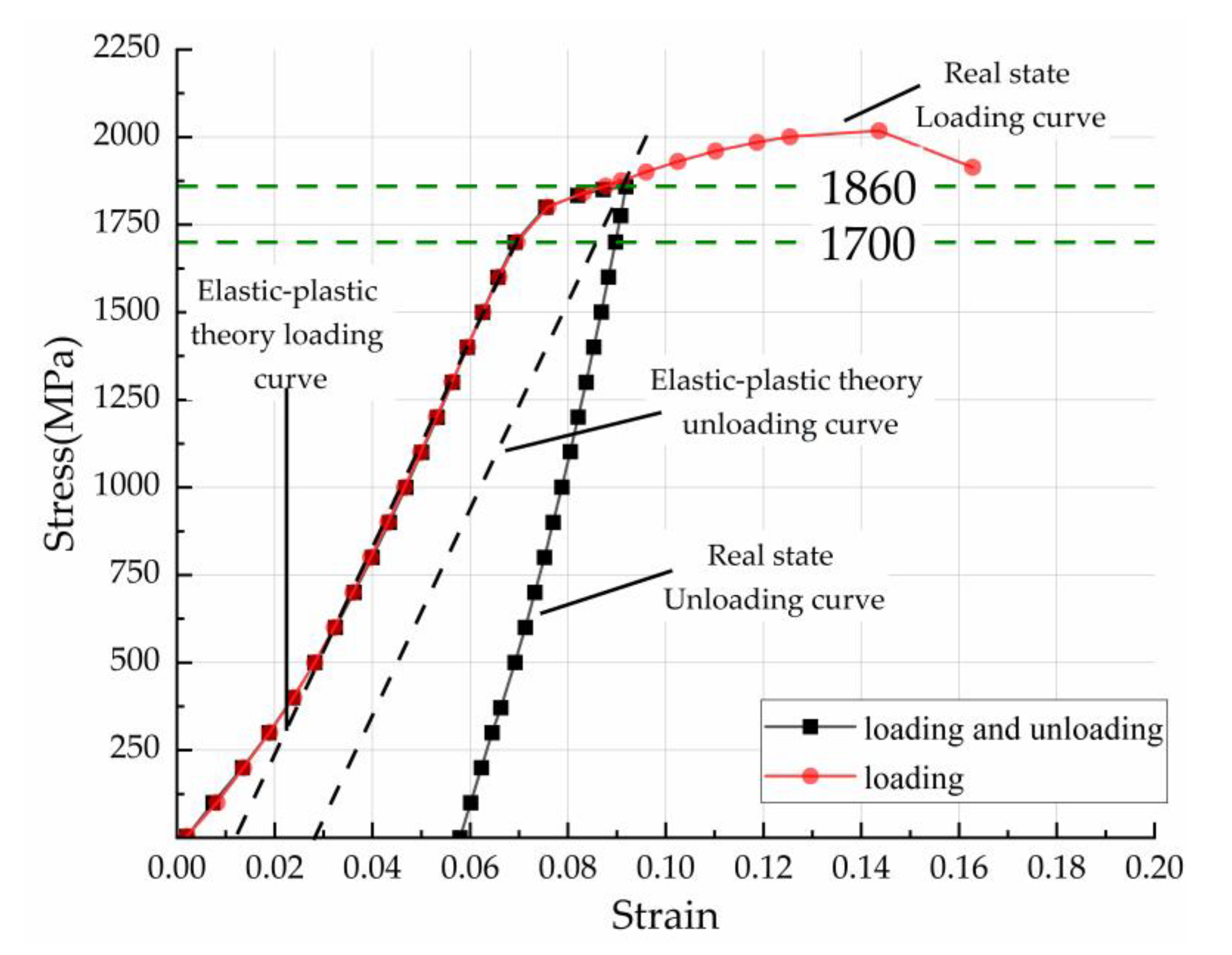
In regions with high-stress roadway stress, anchor cables frequently experience damage, leading to risky pull-outs and ejections. This study aimed to determine the dynamics of such incidents, refine protective devices, and validate their efficacy in enhancing safety. Drawing from an ejection accident in the 1632 (3) roadway of Pan San Mine, a combination of laboratory experiments, theoretical analysis, simulations, and field applications was utilized. The kinetic energy and speed of cable ejections were determined from single-axis tension test data. Based on these insights, a spring-based protection device was conceptualized. Subsequent experiments and simulations evaluated the energy absorption and deformation characteristics of these devices with different diameters. The results included the following: A cable, during ejection, moved at 48 m/s. Spring protective devices of 4 mm can absorb more energy than the 5 mm, but the anti-ejection effect is poor respectively. Increasing the device diameter improved its performance, especially in controlling spring deformation rate and preventing cable lock-ups. This devised protection mechanism showed promising results when implemented in the 1511 (1) roadway of Zhangji Mine.
Keywords: anchor cable; ejection; strain energy; protective devices of spring anchor cable; ejection; strain energy; protective devices of spring