Article

MuseStudio: Brain Activity Data Management Library for Low-Cost EEG Devices
by
Miguel Ángel Sánchez-Cifo
*,
Francisco Montero
and
María Teresa López
Laboratory of User Interaction & Software Engineering (LoUISE), Department of Computing Systems, University of Castilla-La Mancha, 02071 Albacete, Spain
*
Author to whom correspondence should be addressed.
Appl. Sci. 2021, 11(16), 7644; https://doi.org/10.3390/app11167644
Submission received: 26 May 2021 / Revised: 9 July 2021 / Accepted: 16 August 2021 / Published: 20 August 2021
(This article belongs to the Special Issue Advances in Neuroimaging Data Processing)

Abstract

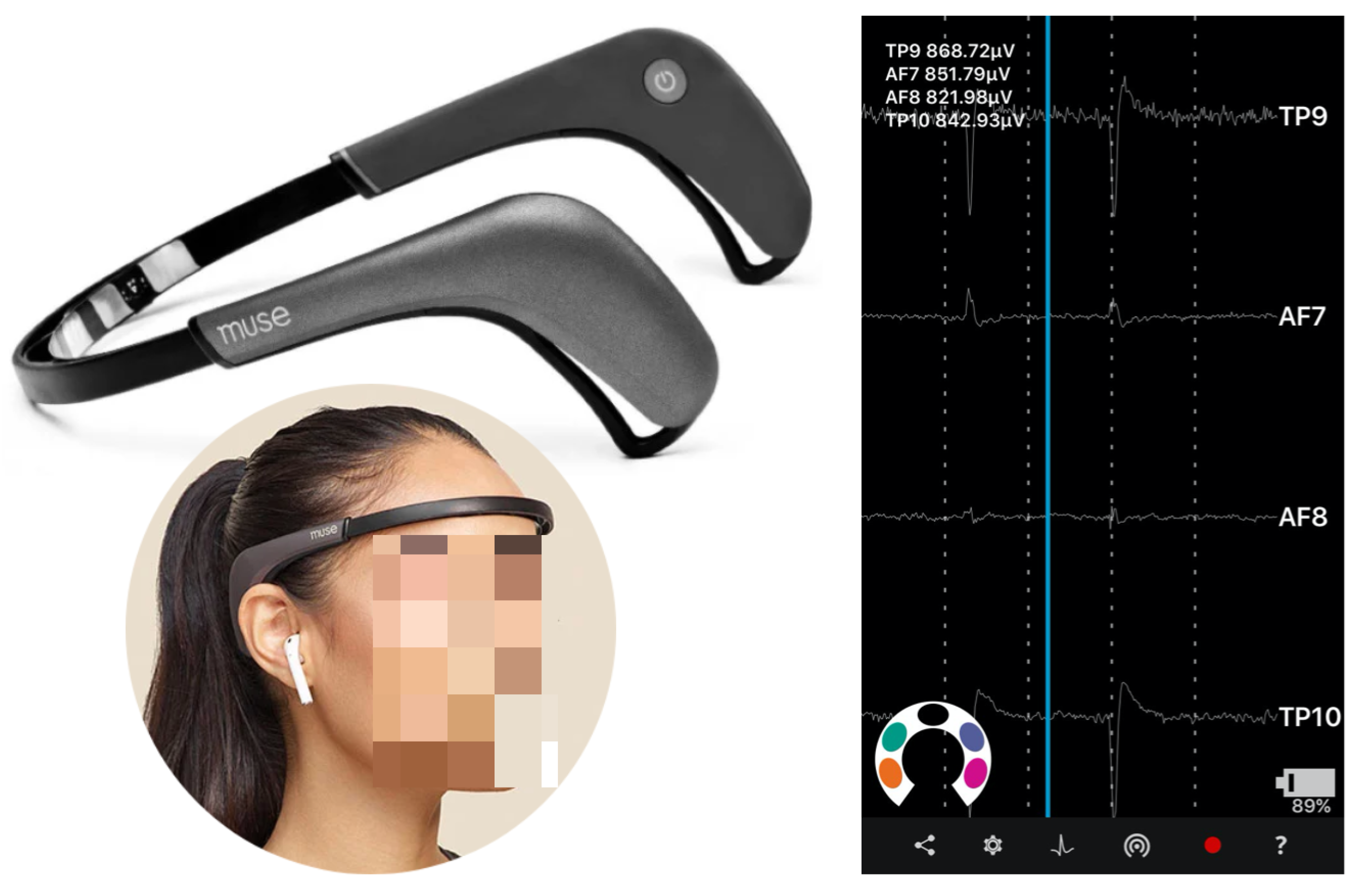
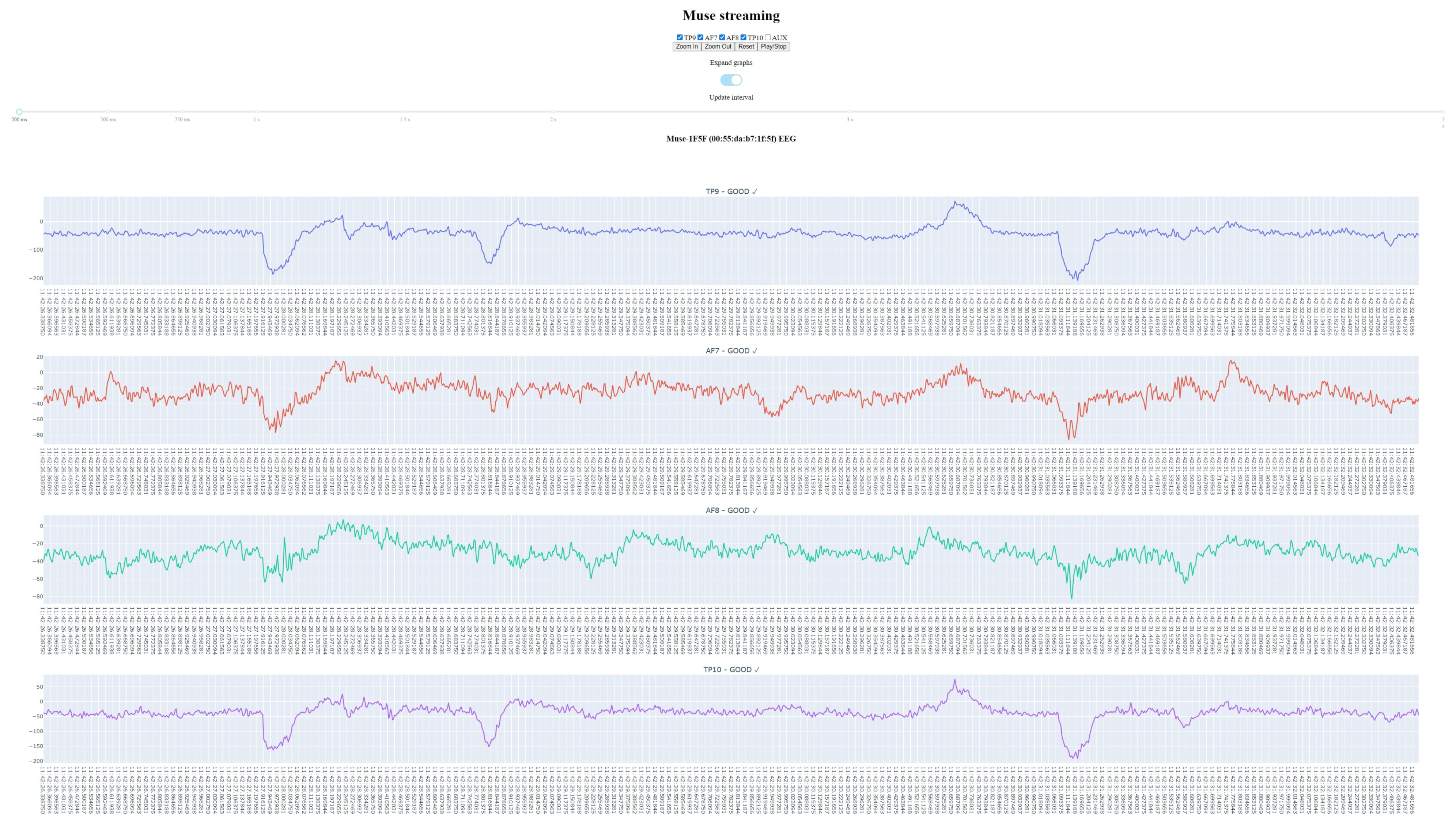
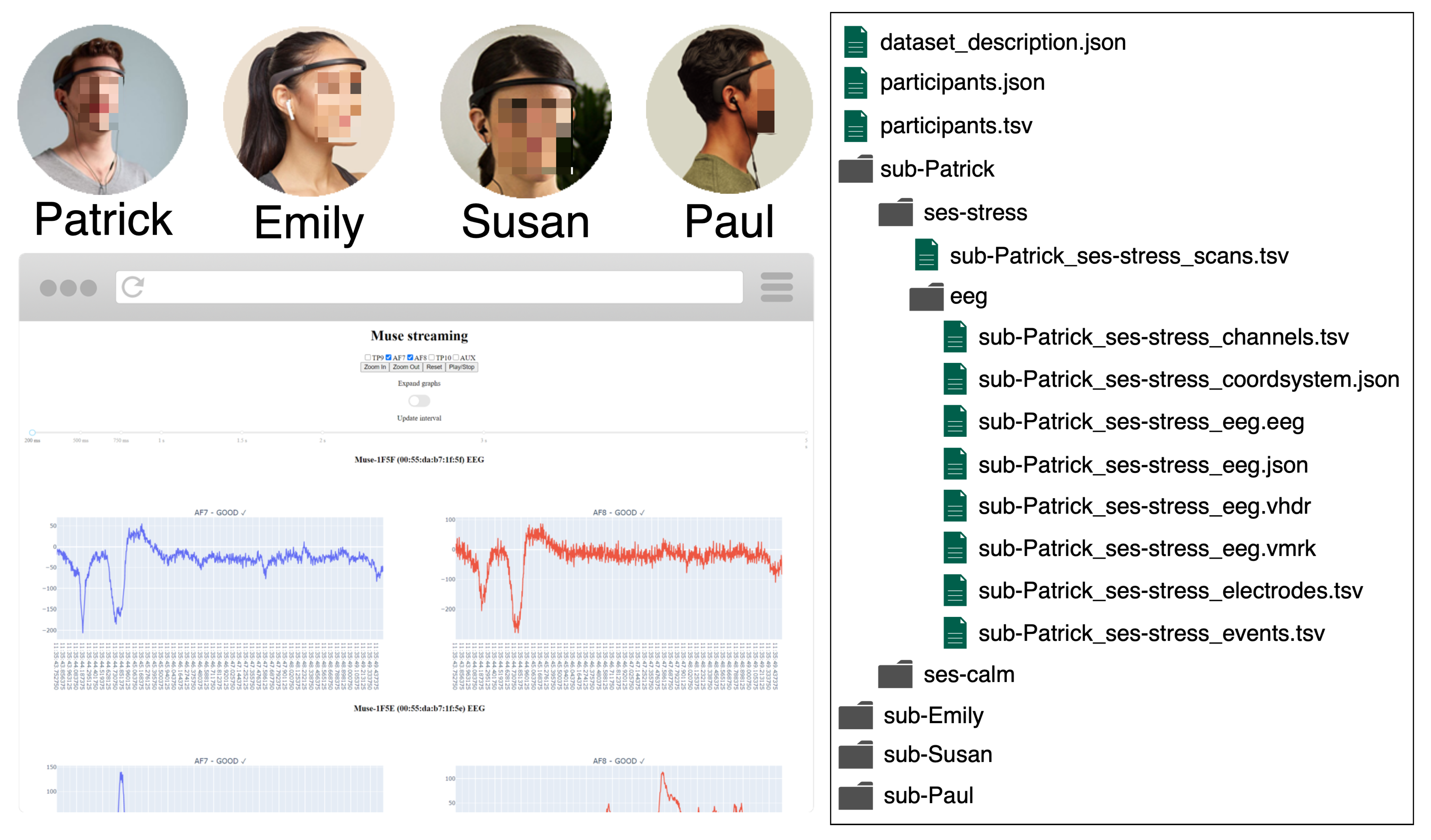
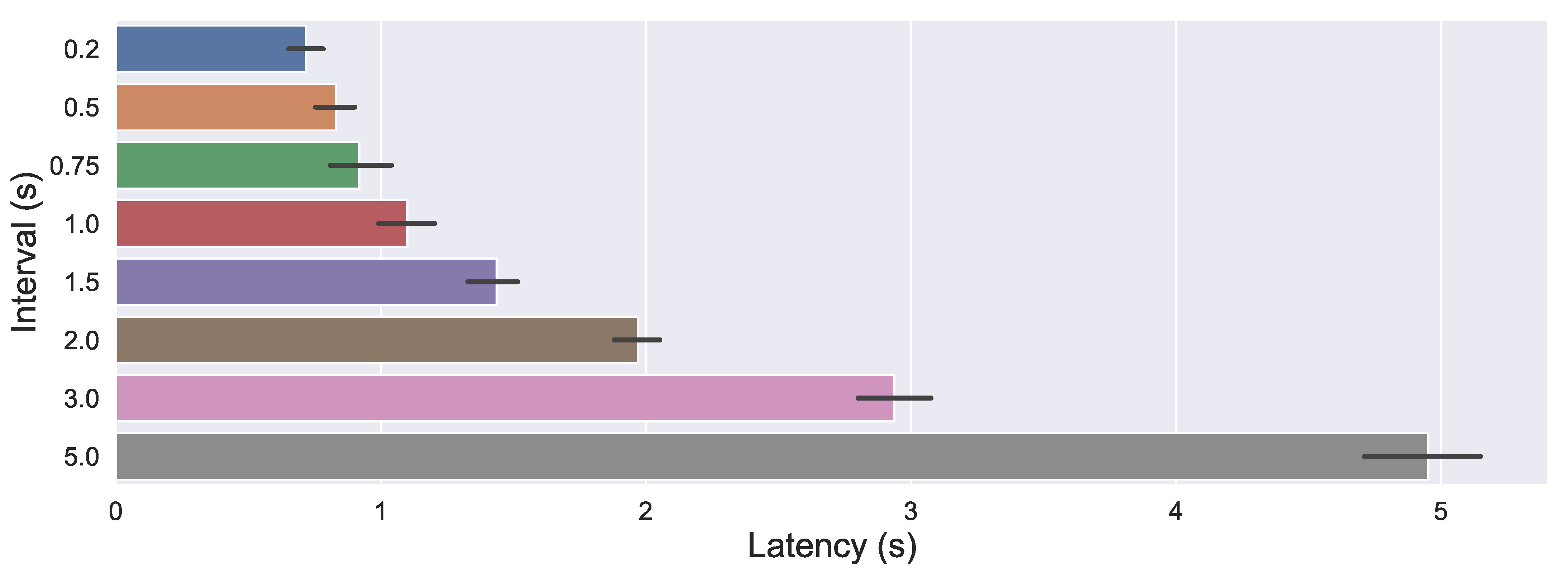
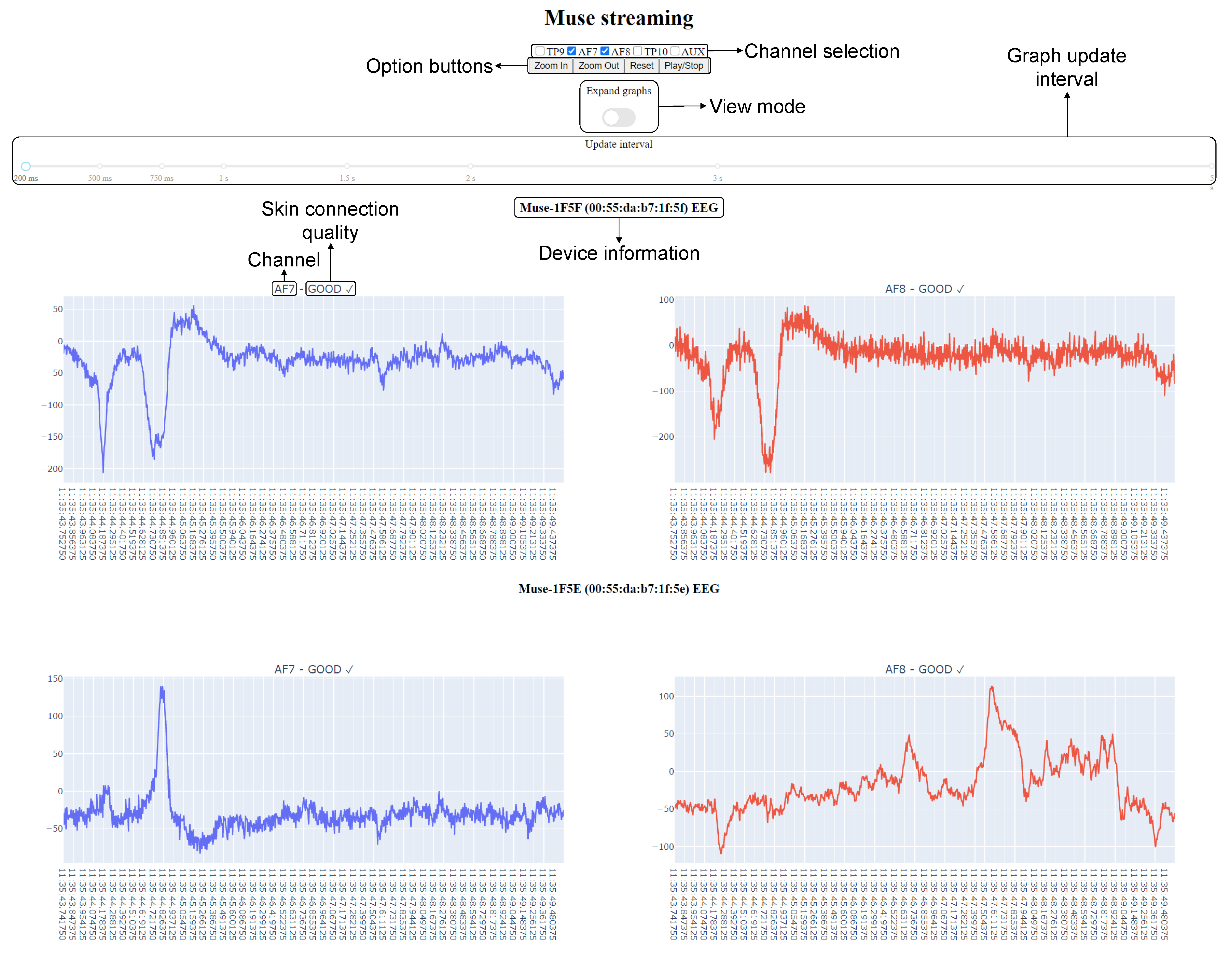
Collecting data allows researchers to store and analyze important information about activities, events, and situations. Gathering this information can also help us make decisions, control processes, and analyze what happens and when it happens. In fact, a scientific investigation is the way scientists use the scientific method to collect the data and evidence that they plan to analyze. Neuroscience and other related activities are set to collect their own big datasets, but to exploit their full potential, we need ways to standardize, integrate, and synthesize diverse types of data. Although the use of low-cost ElectroEncephaloGraphy (EEG) devices has increased, such as those whose price is below 300 USD, their role in neuroscience research activities has not been well supported; there are weaknesses in collecting the data and information. The primary objective of this paper was to describe a tool for data management and visualization, called MuseStudio, for low-cost devices; specifically, our tool is related to the Muse brain-sensing headband, a personal meditation assistant with additional possibilities. MuseStudio was developed in Python following the best practices in data analysis and is fully compatible with the Brain Imaging Data Structure (BIDS), which specifies how brain data must be managed. Our open-source tool can import and export data from Muse devices and allows viewing real-time brain data, and the BIDS exporting capabilities can be successfully validated following the available guidelines. Moreover, these and other functional and nonfunctional features were validated by involving five experts as validators through the DESMET method, and a latency analysis was also performed and discussed. The results of these validation activities were successful at collecting and managing electroencephalogram data.
Keywords: brain data; low-cost devices; EEG; BIDS; neuroscience; library brain data; low-cost devices; EEG; BIDS; neuroscience; library