


Abstract
This study aims to investigate the factors influencing kombucha purchase intention among online consumers in Northern Thailand by addressing the “perception–execution gap” between consumer preferences and entrepreneurial logistics and green supply chain practices in the rapidly growing functional beverage market in Southeast Asia. This study integrates an adapted Theory of Planned Behavior (TPB) perspective with the Stimulus–Organism–Response (S-O-R) framework. A quantitative research design was employed, collecting primary data from 400 online consumers from Chiang Mai, Chiang Rai, and Lamphun provinces in Northern Thailand, complemented by qualitative insights from five local kombucha entrepreneurs. The study conceptualizes consumer belief, subjective norm, lifestyle, and last-mile delivery as external stimuli influencing consumer attitude, which is subsequently associated with purchase intention. Data were analyzed using Partial Least Squares Structural Equation Modeling (PLS-SEM). The results reveal that consumer attitude serves as a significant mediating mechanism linking external stimuli to purchase intention. Among the antecedents, lifestyle and last-mile delivery emerged as important factors associated with positive consumer attitudes. Additionally, health consciousness significantly moderates the relationship between consumer belief and purchase intention, with the negative interaction indicating that this relationship becomes weaker as health consciousness increases. From an entrepreneurial perspective, the findings highlight the importance of last-mile accessibility, while the qualitative interviews additionally identify cold-chain management as a relevant operational consideration for maintaining product quality. This study contributes to the literature by offering an integrated theoretical framework that combines an adapted TPB perspective with the S-O-R framework to explain psychological and logistical determinants of consumer behavior in the functional beverage context. It provides a dual-perspective roadmap that bridges consumer psychology and entrepreneurial practice, delivering actionable insights for kombucha businesses to align distribution strategies with the needs of health-conscious consumers in Northern Thailand.
1. Introduction
The global functional beverage market has undergone a profound transformation in recent years, largely driven by the post-pandemic emphasis on preventive healthcare and mindful consumption (Polaris Market Research, 2024). Among the various functional beverages, kombucha—a fermented tea rich in probiotics and bioactive compounds—has emerged as one of the fastest-growing products within the Southeast Asian wellness market. In Thailand, the kombucha market was valued at approximately USD 35.4 million in 2024 and is projected to reach USD 119.4 million by 2033, representing a compound annual growth rate (CAGR) of 14.5% (Grand View Research, 2024). Beyond these commercial market estimates, recent empirical evidence indicates that consumer demand for kombucha is shaped by specific health- and product-related attributes. A’yuni et al. (2025), for example, found that Thai consumers placed particular importance on reduced sugar content, affordable prices, natural fruity flavors, and gut-health benefits when evaluating kombucha products. These findings are consistent with broader evidence showing that kombucha consumers tend to be health-conscious and attentive to attributes such as sugar content and natural ingredients (Kim et al., 2022).
Despite this market growth, consumer acceptance of kombucha remains contingent on the alignment between product attributes and consumer expectations. Empirical evidence from Thai consumers indicates that affordability, reduced sugar content, flavor, and perceived gut-health benefits are important considerations in kombucha preference (A’yuni et al., 2025). Recent evidence further suggests that health consciousness is positively associated with kombucha purchase intention, highlighting the importance of consumers’ health orientation in this emerging beverage category (Pakhunwanich et al., 2026). From the entrepreneurial perspective, translating these perceived health benefits into sustainable business performance presents substantial operational challenges. Entrepreneurs must overcome high market-entry barriers associated with maintaining product quality throughout the supply chain. The distribution of live-culture beverages requires reliable cold-chain and last-mile logistics to preserve probiotic viability, a challenge that is especially pronounced under Thailand’s tropical climatic conditions. Together, these consumer and operational challenges illustrate the interconnected nature of consumer decision-making and product distribution in the emerging kombucha market.
To explain these complex relationships, the present study adopts an adapted TPB perspective integrated with the Stimulus–Organism–Response (S-O-R) framework. Rather than applying the original TPB in its entirety, the adapted perspective draws on its core attitudinal and normative mechanisms that are theoretically relevant to purchase intention in the present context. TPB provides a well-established explanation of behavioral intention through attitude, subjective norm, and perceived behavioral control, and its applications can incorporate contextual influences relevant to specific behavioral settings. However, the present study seeks to explicitly model how external consumer- and distribution-related stimuli are associated with internal evaluative processes before shaping purchase intention. For this purpose, the S-O-R framework complements the adapted TPB perspective by providing a process-oriented structure in which external stimuli influence an internal organismic state and subsequently a behavioral response. Accordingly, the integration is not intended to address an inherent inability of TPB to accommodate contextual factors, but rather to distinguish theoretically between external stimuli, internal evaluation, and behavioral intention within the kombucha consumption context.
Furthermore, the effects of these external stimuli are unlikely to be uniform across consumers. Health consciousness is expected to play an important moderating role in strengthening or weakening these relationships. Individuals with higher levels of health consciousness are generally more motivated to process health-related information and may therefore place greater value on the functional benefits of kombucha. Consequently, they are more likely to tolerate barriers such as premium pricing or refrigeration requirements than consumers with lower levels of health consciousness (Paul et al., 2016; Yadav & Pathak, 2016). Despite growing research on functional beverage consumption, three specific gaps remain. First, previous studies have largely examined consumer beliefs, subjective norms, healthy lifestyles, attitudes, and health consciousness independently, providing limited understanding of how these factors operate together in shaping kombucha purchase intention. Second, last-mile delivery has received comparatively limited attention within consumer behavioral frameworks, despite its relevance to product accessibility and distribution in the functional beverage market. Third, limited empirical research has combined consumer-level behavioral analysis with entrepreneurial perspectives to contextualize how consumer decision-making relates to practical market and distribution considerations. These gaps indicate the need for a framework that integrates consumer behavioral mechanisms with relevant distribution-related factors in the context of the emerging kombucha market.
The complementary nature of the adapted TPB perspective and the S-O-R framework provides the theoretical basis for examining kombucha purchase intention through both internal behavioral mechanisms and external contextual influences. Their integration enables the present study to examine how consumer-related and distribution-related factors jointly contribute to purchase intention within a unified conceptual framework.
Building on this integrated perspective, this study extends the application of an adapted TPB perspective within the S-O-R framework to the context of kombucha purchase intention. First, it broadens the empirical scope of the S-O-R framework by incorporating last-mile delivery as an operational and logistical stimulus alongside consumer-related factors. Second, complementary entrepreneurial perspectives provide an integrated contextualization of the quantitative findings by linking consumer behavioral mechanisms with practical market and operational considerations. Third, health consciousness is examined as a moderating mechanism to account for heterogeneous consumer responses. Collectively, these elements broaden the empirical application of the integrated framework to the functional beverage context without implying modification of the underlying theoretical propositions of TPB or S-O-R.
Accordingly, this study develops an integrated conceptual framework that combines an adapted TPB perspective with the Stimulus–Organism–Response (S-O-R) framework to examine kombucha purchase intention among online consumers in Northern Thailand. Specifically, the study examines the mediating role of consumer attitude in the relationships between consumer belief, subjective norm, healthy lifestyle, last-mile delivery, and purchase intention, as well as the moderating role of health consciousness in these relationships. Complementary qualitative insights from kombucha entrepreneurs are further incorporated to contextualize the quantitative findings from a market and operational perspective.
2. Theoretical Framework
2.1. The Theory of Planned Behavior (TPB)
The Theory of Planned Behavior (TPB) remains one of the most widely applied frameworks for explaining consumer purchase intention, particularly in the context of sustainable and health-related consumption (Ajzen, 1991). According to TPB, behavioral intention is determined by three core constructs: attitude, subjective norm, and perceived behavioral control. Recent studies have reaffirmed the critical role of subjective norm in shaping food-related purchase intention, especially for products associated with health and sustainability. For instance, Wang and Chu (2021) found that social influence significantly affects consumers’ intention to adopt functional and health-oriented food products. Similarly, Müller-Pérez et al. (2025) reported that peer and family influence play a crucial role in shaping sustainable food consumption behavior.
However, emerging evidence suggests that the influence of subjective norm may not always be direct. In some contexts, social influence operates indirectly through attitude, shaping consumers’ internal evaluations before translating into behavioral intention (Asif et al., 2018; Confente & Scarpi, 2021). This indicates that individuals may internalize social expectations, which then influence their attitudes toward a product. Given this perspective, the present study emphasizes consumer attitude as a central mechanism linking external factors to purchase intention, while elements of social influence are partially captured through value-related constructs. This approach aligns with recent adaptations of TPB that focus on context-specific determinants of consumer behavior in emerging product categories (Wang & Chu, 2021; Müller-Pérez et al., 2025).
In the present study, TPB is adopted as an adapted theoretical perspective rather than applied in its original entirety. The framework retains the attitudinal and normative mechanisms that are directly relevant to the study context and integrates them with the S-O-R framework to capture additional lifestyle and distribution-related influences on purchase intention. Accordingly, the proposed model should not be interpreted as a test of the complete original TPB model, but rather as an adapted TPB-based framework integrated with S-O-R to explain kombucha purchase intention.
Although perceived behavioral control (PBC) is a core component of the original TPB, the present study does not aim to test the complete TPB model. Instead, it adopts an adapted TPB perspective focused on the attitudinal and normative mechanisms relevant to the proposed TPB–S-O-R integration. PBC was therefore excluded to maintain this theoretical scope rather than because contextual influences cannot be accommodated within TPB. More specifically, the present research question focuses on how consumer-related and distribution-related stimuli are associated with purchase intention through internal evaluative processes, rather than on consumers’ perceived capacity or control to perform the purchasing behavior. Including PBC would therefore extend the model toward a broader test of the original TPB, whereas the present framework intentionally maintains a narrower focus on the attitudinal and normative mechanisms integrated with the S-O-R process structure. Importantly, last-mile delivery is not treated as a substitute for PBC: PBC represents perceived personal control over performing a behavior, whereas last-mile delivery is conceptualized as an external distribution-related stimulus within the S-O-R framework.
Numerous studies have examined food purchase intention using a wide range of variables, including health consciousness, food safety perception, perceived value, trust, and environmental concern, the present study intentionally focuses on a parsimonious set of constructs grounded in the theoretical foundations of the adapted TPB perspective and the S-O-R framework. The selected variables were chosen because they collectively capture the sequential decision-making process in functional beverage consumption, beginning with external environmental stimuli, followed by internal psychological evaluations, and ultimately leading to purchase intention. This theory-driven approach ensures conceptual coherence while avoiding unnecessary model complexity.
2.2. Stimulus–Organism–Response (S-O-R)
The Stimulus–Organism–Response (S-O-R) framework, originally developed in environmental psychology by Mehrabian and Russell (1974), has been widely adopted in marketing and consumer behavior research to explain how external environmental cues influence internal psychological states and subsequently drive behavioral responses. The model posits that external stimuli (S) trigger internal cognitive and affective processes within an organism (O), which in turn lead to behavioral responses (R). In contemporary consumer research, the S-O-R framework has been extensively applied to understand purchasing behavior across various contexts, including online retail, social commerce, and sustainable consumption. Recent studies have demonstrated that environmental and informational stimuli, such as product attributes, service quality, and digital interactions, significantly influence consumers’ internal states—such as attitudes, emotions, and perceptions—which subsequently shape their purchase intentions and behaviors (Lim & Rasul, 2022; Ilmalhaq et al., 2024).
Within this framework, stimuli are conceptualized as external factors that consumers encounter during the decision-making process. These may include product-related beliefs, perceived value, lifestyle influences, and service-related factors such as last-mile delivery. Prior research indicates that such stimuli play a crucial role in shaping consumers’ cognitive evaluations and perceptions, particularly in emerging product categories and digital retail environments (Vakulenko et al., 2019; Yang et al., 2023). The organism component refers to the internal psychological processes that mediate the relationship between external stimuli and behavioral outcomes. These processes include cognitive and affective states such as attitude, perception, and emotional responses. In consumer behavior research, attitude has been widely recognized as a key organismic variable that reflects individuals’ evaluations of products and significantly influences their behavioral intentions (Hongsuchon et al., 2025).
Finally, the response component represents the resulting behavioral outcomes, such as purchase intention and actual purchasing behavior. Empirical evidence consistently supports that consumers’ internal evaluations, shaped by external stimuli, lead to behavioral responses such as willingness to purchase, repurchase intention, and consumption behavior (Prasetya et al., 2025). Applying the S-O-R framework to the context of kombucha consumption, this study conceptualizes consumer belief, subjective norm, lifestyle, and last-mile delivery as external stimuli that influence consumer attitude (organism), which subsequently drives purchase intention (response). This approach provides a comprehensive framework for understanding how both psychological and contextual factors interact to shape consumer decision-making in the emerging market of functional beverages.
Although the S-O-R framework emphasizes the sequential pathway from stimulus to organism and subsequently to response (S → O → R), the present model does not assume that consumer attitude fully mediates all stimulus–response relationships. Instead, attitude is conceptualized as a potential mediating mechanism through which the effects of consumer belief, subjective norm, lifestyle, and last-mile delivery may be transmitted to purchase intention. At the same time, direct paths from these stimulus variables to purchase intention are retained to account for the possibility that certain cognitive, social, lifestyle, and distribution-related factors may influence behavioral intention independently of attitudinal evaluation. Accordingly, the model examines both indirect pathways (S → O → R) and direct pathways (S → R), allowing consumer attitude to function as a partial rather than necessarily complete mediator. This specification is also consistent with the adapted TPB perspective adopted in this study, in which behavioral intention may be influenced by multiple theoretically relevant determinants rather than through attitude alone.
2.3. Last-Mile Delivery
Last-mile delivery has become a critical component in modern food and beverage distribution, particularly for emerging functional products such as kombucha. Unlike conventional packaged beverages, kombucha is often associated with freshness, probiotic content, and perceived health benefits, which increase consumers’ expectations regarding product quality, handling, and delivery conditions. In this context, last-mile delivery extends beyond a logistical function and becomes an integral part of the overall consumption experience. Factors such as delivery speed, accessibility, flexibility of delivery options, and product condition upon arrival can significantly influence consumers’ perceptions and evaluations of the product. Recent studies suggest that delivery service quality directly affects consumer satisfaction and purchase intention, especially in food-related contexts where timeliness and product integrity are critical (Lim & Rasul, 2022; Vakulenko et al., 2019).
Moreover, the growing adoption of omnichannel retailing and direct-to-consumer distribution has further increased the importance of last-mile delivery in shaping consumer behavior. Consumers increasingly expect seamless access to products through multiple channels, including home delivery, convenience stores, and online platforms (Hübner et al., 2016; Yang et al., 2023). For niche health products such as kombucha, which may not always be widely available in traditional retail channels, efficient last-mile delivery plays a crucial role in reducing access barriers and enhancing purchase likelihood. From a theoretical perspective, last-mile delivery can be conceptualized as an external stimulus within the Stimulus–Organism–Response (S-O-R) framework. It provides the structural and situational conditions that influence consumers’ internal evaluations, particularly their attitudes toward the product. A positive delivery experience may reinforce favorable attitudes, which subsequently translate into stronger purchase intention. Therefore, in the context of kombucha consumption, last-mile delivery is expected to act as a key external driver that shapes consumer attitude and purchase intention by enhancing convenience, accessibility, and perceived service quality.
In the present study, last-mile delivery is conceptualized from the consumer perspective as an overall perception of the accessibility, convenience, and service quality associated with obtaining kombucha, rather than as a technical assessment of individual logistics activities. Accordingly, response time, direct delivery, access to purchase points, delivery-cost options, and product-return handling are treated as related manifestations of consumers’ broader evaluation of the last-mile service experience. Although these indicators represent different operational touchpoints, they share a common conceptual domain because each reflects the extent to which the final stage of product acquisition is perceived as convenient, accessible, and supportive of purchase. This consumer-level conceptualization therefore provides the basis for treating last-mile delivery as a single construct in the present behavioral model.
2.4. Hypothesis Development
While the Theory of Planned Behavior (TPB) traditionally includes attitude, subjective norm, and perceived behavioral control, recent studies have adopted a partial TPB approach by focusing on contextually relevant constructs. In this study, consumer attitude is emphasized as the central determinant of purchase intention, while social influence is incorporated through subjective norm. Perceived behavioral control is not explicitly included, as the focus is placed on psychological and contextual drivers rather than perceived constraints. This approach is consistent with prior research that adapts TPB to specific consumption contexts (Yadav & Pathak, 2016; Wang & Chu, 2021). In addition, this study integrates the Stimulus–Organism–Response (S-O-R) framework to provide a more comprehensive explanation of consumer behavior. Specifically, belief (BL), subjective norm (SN), lifestyle (LS), and last-mile delivery (LM) are conceptualized as stimulus variables, while consumer attitude (AT) represents the organism, and purchase intention (PI) is the response.
To operationalize these constructs, measurement items were adapted from prior literature, as summarized in Table 1. The table presents the definitions and indicators used to capture each construct, including belief toward kombucha (e.g., perceived safety and health benefits), subjective norm (e.g., influence from family and peers), lifestyle (e.g., health-oriented consumption habits), and last-mile delivery (e.g., accessibility and delivery convenience). In addition, consumer attitude is measured through evaluative perceptions of kombucha, while health consciousness reflects consumers’ concern for maintaining good health. Purchase intention is assessed through consumers’ likelihood and willingness to purchase kombucha products (Moroșan et al., 2025).
Table 1.
Sample characteristics.
The use of measurement items adapted from prior studies enhances the content validity and reliability of the constructs, ensuring that the conceptual framework is empirically grounded. Based on the integration of TPB and S-O-R, as well as the operationalization of constructs shown in Table 1, the following hypotheses are proposed.
2.4.1. The Mediating Role of Consumer Attitude
Drawing on the Stimulus–Organism–Response (S-O-R) framework, external stimuli influence individuals’ internal cognitive and affective states, which subsequently shape behavioral responses (Mehrabian & Russell, 1974). This framework has been widely applied in consumer behavior research to explain how product-related and contextual factors affect purchase decisions through internal evaluations such as attitude (Eroglu et al., 2001; Vieira, 2013). Recent studies further confirm that such stimuli influence purchase intention indirectly via attitudinal mechanisms, particularly in sustainable and food consumption contexts (Yadav & Pathak, 2016).
In this study, consumer belief, subjective norm, lifestyle, and last-mile delivery experience are conceptualized as external stimuli (S) associated with consumer attitude (O), which in turn is associated with purchase intention (R) toward kombucha products. This perspective aligns with prior research identifying attitude as a key mediating mechanism linking external influences to behavioral intention in health-related and sustainable consumption (Paul et al., 2016; Shin et al., 2018; White et al., 2019).
Consumer belief reflects individuals’ perceptions regarding the safety, health benefits, and environmental friendliness of kombucha. Prior studies have shown that health-related beliefs and environmental awareness significantly shape consumers’ attitudes toward functional and sustainable food products, which subsequently influence purchase intention (Yadav & Pathak, 2016; Rana & Paul, 2017). In the context of kombucha, which is widely associated with probiotic benefits and natural ingredients, such beliefs are expected to form favorable product evaluations that translate into stronger purchase intention through attitude. In another vein, subjective norm reflects perceived social pressure from important others, such as family members and peers, to engage in a particular behavior. Empirical evidence suggests that social influence significantly affects consumer decision-making, particularly in health-oriented and sustainable consumption contexts (Ajzen, 1991; Paul et al., 2016; Mamalikou et al., 2024). However, several studies have also indicated that subjective norm may exert an indirect effect on behavioral intention through attitude, as individuals internalize social expectations into their own evaluations (Shin et al., 2018; Confente & Scarpi, 2021). In the case of kombucha consumption, social endorsement of healthy lifestyles may influence consumers’ attitudes, which in turn shape their purchase intention. As such, our two first hypotheses have been addressed as;
H1.
Consumer attitude plays a mediating role in the relationship between consumer belief and purchase intention toward kombucha products.
H2.
Consumer attitude mediates the relationship between subjective norm and purchase intention toward kombucha products.
Consumer lifestyle also represents individuals’ habitual behaviors and health-oriented consumption patterns and has been widely recognized as a key determinant of food choice behavior, particularly for functional and health-related products (Grunert, 2006; Verain et al., 2012). Individuals who adopt a health-conscious lifestyle are more likely to evaluate products such as kombucha positively, as these products align with their daily routines and personal health goals. This congruence between lifestyle and product attributes reinforces favorable attitudes, which in turn enhance purchase intention (Mai & Hoffmann, 2015; Ditlevsen et al., 2019).
Beyond internal factors such as lifestyle, external factors—particularly those related to product accessibility—also play a critical role in shaping consumer evaluations. Last-mile delivery experience reflects consumers’ perceptions of convenience, accessibility, and service quality in obtaining products. Prior studies suggest that logistics-related factors, including delivery speed, flexibility, and reliability, significantly influence consumer perceptions and behavioral intentions in retail and food delivery contexts (Hübner et al., 2016; Vakulenko et al., 2019; Ahmed et al., 2021). This is especially relevant for emerging product categories such as kombucha, which may not be widely available across all retail channels. Efficient last-mile delivery helps reduce access barriers and enhances the overall consumption experience. Consequently, improved delivery experiences contribute to more favorable product evaluations, strengthen consumer attitudes, and ultimately increase purchase intention. As a result, consumer lifestyle reflects individuals’ enduring patterns of behavior, values, and health orientations, which shape how they perceive and evaluate food products. Individuals with a health-conscious lifestyle are more likely to perceive kombucha as consistent with their personal goals related to wellness and preventive health. This alignment fosters favorable cognitive and affective evaluations of the product, leading to a positive consumer attitude. According to attitude–behavior frameworks such as the Theory of Planned Behavior, attitude plays a central role in translating personal predispositions into behavioral intentions. Therefore, rather than directly influencing purchase intention, consumer lifestyle exerts its effect indirectly through consumer attitude (Skąpska et al., 2020). In this sense, attitude functions as a psychological mechanism that explains how lifestyle congruence is transformed into a stronger intention to purchase kombucha products. The next two hypotheses have been formulated as follows:
H3.
Consumer attitude serves as a mediator in the relationship between consumer lifestyle and purchase intention toward kombucha products.
H4.
Consumer attitude acts as a mediating mechanism linking last-mile delivery experience to purchase intention toward kombucha products.
2.4.2. The Moderating Role of Health Consciousness
Health consciousness refers to the extent to which individuals are concerned about their health and are motivated to engage in behaviors that maintain or improve it (Michaelidou & Hassan, 2008). In the context of food consumption, it has been widely recognized as a critical determinant of consumer decision-making, particularly for functional and health-oriented products (Rana & Paul, 2017; Ditlevsen et al., 2019). Health-conscious consumers tend to process product-related information more elaborately and place greater emphasis on attributes such as nutritional value, safety, and natural ingredients. As a result, they are more likely to form favorable evaluations of products that are perceived to support their health goals.
Conceptually, health consciousness is distinct from the other consumer constructs examined in this study. Health consciousness reflects an individual’s general orientation and motivation toward maintaining or improving health, whereas consumer belief represents product-specific cognitive perceptions regarding the benefits, safety, and other attributes of kombucha. Consumer attitude reflects an overall favorable or unfavorable evaluation of kombucha, while lifestyle represents broader patterns of habitual behavior and consumption orientation. Purchase intention, in contrast, captures the individual’s prospective behavioral willingness to purchase kombucha. Thus, although these constructs may share a health-related context, they represent theoretically distinct motivational, cognitive, evaluative, behavioral-orientation, and intentional dimensions.
Beyond its direct influence on purchase intention, health consciousness also plays an important moderating role in shaping the strength of relationships between key antecedents and behavioral intention. Prior studies suggest that individuals with higher levels of health consciousness are more capable of translating their beliefs, values, and lifestyle orientations into actual purchase decisions, whereas those with lower health consciousness exhibit weaker or less consistent behavioral responses (Yadav & Pathak, 2016; Paul et al., 2016; Wen et al., 2022). In the context of kombucha consumption—where the product is strongly associated with probiotic benefits and health-enhancing properties—health consciousness is expected to amplify the effects of several psychological and situational factors on purchase intention.
First, consumer belief, defined as individuals’ perceptions regarding the health benefits, safety, and environmental friendliness of kombucha, is likely to have a stronger impact on purchase intention among highly health-conscious individuals. These consumers are more responsive to health-related information and are more inclined to act upon such beliefs when making consumption decisions (Rana & Paul, 2017; Yadav & Pathak, 2016). Therefore, health consciousness strengthens the positive relationship between consumer belief and purchase intention.
Second, subjective norm—representing perceived social pressure from important others—also interacts with health consciousness. While social influence can affect consumer behavior, its effectiveness depends on the extent to which individuals internalize such expectations. Health-conscious consumers are more likely to adopt and reinforce social norms related to healthy consumption, thereby intensifying the influence of subjective norm on purchase intention (Al-Swidi et al., 2014; Paul et al., 2016; Shin et al., 2018). In contrast, individuals with lower health consciousness may be less responsive to these social cues.
Third, consumer lifestyle, which reflects habitual behaviors and health-oriented consumption patterns, is more strongly linked to purchase intention among individuals with high health consciousness. Existing research indicates that lifestyle significantly shapes food choices, particularly for products aligned with health and wellness trends (Verain et al., 2012; Ditlevsen et al., 2019; Szymkowiak et al., 2022). When individuals are highly health-conscious, they are more likely to align their purchasing behavior with their lifestyle, thereby reinforcing the lifestyle–purchase intention relationship.
Finally, last-mile delivery experience, defined as consumers’ perceptions of convenience, accessibility, and service quality, is also expected to interact with health consciousness. Although delivery-related factors influence consumer decisions, their relative importance varies across individuals. Health-conscious consumers, who actively seek healthier product options, are more likely to value efficient and reliable access to such products—especially in the case of niche items like kombucha (Hübner et al., 2016; Vakulenko et al., 2019). Consequently, the positive effect of last-mile delivery experience on purchase intention is expected to be stronger among consumers with higher levels of health consciousness. Therefore, the hypotheses have been stated as follows:
H5.
Health consciousness moderates the relationship between consumer belief and purchase intention toward kombucha products.
H6.
Health consciousness moderates the relationship between perceived subjective norm and purchase intention toward kombucha products.
H7.
Health consciousness moderates the relationship between consumer lifestyle and purchase intention toward kombucha products.
H8.
Health consciousness moderates the relationship between last-mile delivery and purchase intention toward kombucha products.
2.4.3. The Effect of Consumer Attitude on Purchase Intention
According to the Theory of Planned Behavior (TPB), attitude represents a fundamental determinant of behavioral intention, reflecting individuals’ overall evaluation of performing a specific behavior (Ajzen, 1991). A more favorable attitude toward a product increases the likelihood that consumers will develop a stronger intention to purchase it. This relationship has been consistently supported across various domains, particularly in the contexts of food consumption, sustainable products, and health-related behaviors (Paul et al., 2016; Yadav & Pathak, 2016). Building on this theoretical foundation, recent studies emphasize the central role of attitude in shaping purchase intention for functional and health-oriented foods. When consumers perceive a product as beneficial, safe, and congruent with their personal values, they are more likely to form positive evaluations, which subsequently translate into stronger purchase intentions (Rana & Paul, 2017; Ditlevsen et al., 2019). In this regard, attitude functions as a key psychological mechanism that bridges consumers’ perceptions and their behavioral responses.
Furthermore, prior research on sustainable and health-conscious consumption suggests that attitude often emerges as the most influential predictor of intention compared to other psychological factors, particularly when consumers are driven by health and well-being motivations (Mensah et al., 2024). This highlights the importance of attitudinal formation in contexts where personal values and perceived benefits are highly salient. In the context of kombucha, a beverage widely recognized for its probiotic content and health-enhancing properties, consumer attitude is expected to play a particularly critical role. When consumers evaluate kombucha positively in terms of its health benefits, natural ingredients, and functional value, they are more likely to develop favorable attitudes, which in turn strengthen their intention to purchase. Thus, a positive consumer attitude serves as a direct and significant predictor of purchase intention toward kombucha products. Thus, the final hypothesis has been addressed.
H9.
Consumer attitude has a positive effect on purchase intention toward kombucha products.
Based on the theoretical foundations and the hypotheses developed above, this study proposes an integrated theoretical framework to explain the relationships among the key factors influencing consumers’ purchase intention toward kombucha. The framework incorporates the direct relationships among the study constructs, the mediating role of consumer attitude, and the moderating role of health consciousness. These hypothesized relationships are summarized and illustrated in Figure 1.
Figure 1.
Theoretical framework (Source: Authors’ own work).
3. Materials and Methods
This study employed an explanatory sequential mixed-methods design in which the quantitative phase constituted the primary component of the study and was followed by a complementary qualitative phase. The quantitative phase examined the hypothesized relationships among consumer-related constructs using PLS-SEM, whereas the subsequent qualitative phase was used to contextualize and enrich the interpretation of the quantitative findings from an entrepreneurial and operational perspective. Given that the two phases involved different stakeholder groups—consumers in the quantitative phase and kombucha entrepreneurs in the qualitative phase—the qualitative component was intended to provide complementary contextual insights rather than to statistically validate the quantitative results (Creswell & Plano Clark, 2018).
3.1. Quantitative Approach: Customer Insights and Purchase Intention
This study aims to investigate the key factors influencing kombucha purchase intention among online consumers in Northern Thailand, with a particular focus on prospective purchase decision-making. Despite the growing popularity of functional beverages, limited empirical research has examined how psychological, behavioral, and distribution-related factors jointly influence consumer decision-making in the context of kombucha consumption. Therefore, this study addresses this gap by integrating complementary theoretical perspectives to better explain consumer purchase intention.
The conceptual framework of this study integrates the Stimulus–Organism–Response (S-O-R) framework with an adapted Theory of Planned Behavior (TPB) perspective. Consumer belief (BL), subjective norm (SN), lifestyle (LS), and last-mile delivery (LM) are conceptualized as stimulus variables that may influence purchase intention both indirectly through consumer attitude (AT), representing the organism, and directly through pathways to purchase intention (PI), representing the behavioral response. Thus, the framework accommodates both mediated S → O → R mechanisms and direct S → R relationships rather than assuming complete mediation through attitude. In addition, health consciousness (HC) is incorporated as a moderating variable that may strengthen or weaken the relationships between the antecedent variables and purchase intention. This integration enables the model to capture attitudinal and normative mechanisms derived from the adapted TPB perspective together with lifestyle and distribution-related influences incorporated through the S-O-R framework.
The target population comprised Thai consumers aged 18 years or older who had prior purchasing or consumption experience with kombucha beverages. A non-probability purposive sampling approach was employed because the study specifically targeted consumers with prior purchasing or consumption experience relevant to the research context. In this study, purchase intention refers to respondents’ prospective intention to purchase kombucha in the future. Because eligibility required prior purchasing or consumption experience with kombucha, the construct should not be interpreted as first-purchase intention. At the same time, the measurement items assess general future purchase intention rather than explicitly asking respondents whether they intend to “buy again”; therefore, the construct is not labeled as repurchase intention. Data were collected using an online questionnaire distributed through Facebook communities, Line Open Chat groups, and other online communities in Chiang Mai, Chiang Rai, and Lamphun provinces. These provinces were selected because they represent active consumer markets for health-oriented beverages in Northern Thailand and provide an appropriate context for examining emerging consumption behavior. The online distribution channels enabled researchers to reach active kombucha consumers within the study area. The original questionnaire items were adapted from previous international studies and translated into Thai following a translation and back-translation procedure to ensure semantic equivalence. First, the questionnaire was translated from English into Thai by researchers familiar with both languages and the research domain. Subsequently, an independent bilingual expert translated the Thai version back into English. Any discrepancies between the original and back-translated versions were discussed and revised until conceptual equivalence was achieved. This procedure improves content validity and cross-language consistency (Brislin, 1970).
Prior to the main survey, a pilot study involving 30 respondents was conducted to evaluate the clarity, readability, and reliability of the questionnaire. The pilot results indicated that respondents clearly understood all questionnaire items, and only minor wording adjustments were made to improve readability. The questionnaire demonstrated satisfactory internal consistency reliability, with an overall Cronbach’s alpha coefficient of 0.82, exceeding the recommended threshold of 0.70 (Hair et al., 2017). Therefore, the questionnaire was considered suitable for the subsequent large-scale survey.
This study adhered to the ethical principles of the Declaration of Helsinki. The research involved voluntary participation from adult respondents and did not include any medical intervention, collection of biological specimens, or personally identifiable information. Ethical principles of voluntary participation, anonymity, confidentiality, and informed consent were strictly observed throughout the study. Before completing the questionnaire, all participants were informed about the purpose of the research, their right to withdraw at any time without penalty, and the confidentiality of their responses. Completion of the questionnaire was regarded as providing informed consent to participate in the study.
A total of 750 online questionnaires were distributed through Facebook communities, groups, and other online platforms targeting potential kombucha consumers. Data collection was conducted between August and December 2025. Of the 750 questionnaires distributed, 422 were returned, corresponding to a response rate of 56.3%. All returned questionnaires were screened prior to analysis, and 22 were excluded because of incomplete responses, resulting in a final sample of 400 valid questionnaires for statistical analysis. The final sample was distributed across three provinces in Northern Thailand—Chiang Mai (37%), Chiang Rai (34%), and Lamphun (29%). These provinces were selected due to their active consumer markets and increasing demand for health-related products, thereby providing a suitable context for examining emerging consumption behavior. An a priori statistical power analysis was conducted using G*Power version 3.1 to determine the minimum sample size required for the structural model. Using a medium effect size (f2 = 0.15), a significance level of α = 0.05, statistical power of 0.80, and nine predictors for the most complex endogenous construct, the analysis indicated a minimum required sample size of 114 respondents. Therefore, the final sample of 400 respondents substantially exceeded the minimum requirement and was considered adequate for estimating the proposed structural model. Consequently, 400 complete questionnaires were retained for statistical analysis. The online survey platform required mandatory responses for most questionnaire items, thereby minimizing missing data. No data imputation procedures were performed because only complete questionnaires were included in the final dataset.
Measurement items were adapted from established scales in prior studies to ensure content validity. A detailed description of constructs and measurement items is provided in Table 1. The constructs include belief, subjective norm, lifestyle, last-mile delivery, attitude, health consciousness, and purchase intention. All items were measured using a five-point Likert scale ranging from 1 (strongly disagree) to 5 (strongly agree). All constructs were specified reflectively in the measurement model. For last-mile delivery, the reflective specification was based on its conceptualization as consumers’ overall evaluation of the last-mile service experience rather than as an index of distinct logistics capabilities. The five indicators—response time, direct delivery, access to purchase points, delivery-cost options, and return handling—were therefore treated as manifestations of this broader consumer perception. In this specification, the indicators are expected to share variance because a more favorable overall perception of last-mile service should generally be reflected in more favorable evaluations across these service touchpoints. The construct should therefore be interpreted as perceived last-mile service experience in the consumer decision-making context, rather than as a comprehensive formative measure of logistics performance.
The data were analyzed using Partial Least Squares Structural Equation Modeling (PLS-SEM) with SmartPLS version 4.1.1.2. This method is suitable for analyzing complex models with multiple constructs and is particularly appropriate for prediction-oriented research (Hair et al., 2021). The analysis followed a two-step approach. First, the measurement model was assessed by evaluating indicator reliability (outer loadings), internal consistency reliability (Cronbach’s alpha, rho_A, and composite reliability), convergent validity (average variance extracted: AVE), and discriminant validity using both the Fornell–Larcker criterion and the heterotrait-monotrait ratio (HTMT), including HTMT inference (Henseler et al., 2015; Hair et al., 2019).
Health consciousness was operationalized using items contextualized to kombucha consumption. Accordingly, the construct in the present study should be interpreted as health consciousness expressed within the kombucha consumption context rather than as a fully context-independent general health disposition. Although this contextualization may create conceptual proximity to product-related beliefs and attitudes, discriminant validity was empirically assessed using the Fornell–Larcker criterion and HTMT. Nevertheless, the context-specific wording of the health-consciousness items is acknowledged as a measurement limitation of the present study.
Because the quantitative data for the constructs were collected from the same respondents using a single self-administered questionnaire, potential common method bias was additionally assessed using the full-collinearity approach proposed by Kock (2015). Full-collinearity variance inflation factor (VIF) values were examined across the latent constructs, with values below 3.3 considered indicative that pathological collinearity and substantial common method bias were unlikely to be a major concern.
The moderating effects of health consciousness were assessed using the two-stage approach in SmartPLS. In the first stage, latent variable scores were estimated for the predictor and moderator constructs. In the second stage, interaction terms between health consciousness and each predictor construct were generated from the construct scores and included in the structural model to predict purchase intention. SmartPLS was configured to report standardized results; no separate mean-centering procedure was applied prior to estimating the interaction effects.
Second, the structural model was evaluated using a bootstrapping procedure with 5000 bootstrap resamples in SmartPLS. Statistical significance was assessed using 95% confidence intervals at the 5% significance level (α = 0.05) based on two-tailed tests. The structural model was further evaluated by examining the coefficient of determination (R2), adjusted R2, effect sizes (f2), predictive relevance (Q2), variance inflation factor (VIF), and standardized root mean square residual (SRMR) (Hair et al., 2021).
3.2. Qualitative Approach: Contextualization Through Entrepreneurial Insights
To enhance the robustness and practical relevance of the study, qualitative data were incorporated alongside the quantitative consumer survey. Specifically, in-depth interviews with kombucha entrepreneurs were conducted to contextualize and provide deeper explanations for the relationships identified in the structural model. This approach aligns with mixed-method research principles, where qualitative insights complement quantitative findings and strengthen overall research validity (Creswell & Plano Clark, 2018; Hair et al., 2021). In addition, prior entrepreneurship research highlights the importance of integrating practitioner perspectives to capture real-world business dynamics, particularly under uncertain and rapidly changing environments (Nasar et al., 2022; Tajeddini et al., 2023).
A purposive sampling technique was employed to recruit participants with direct and relevant experience in the kombucha market. Five entrepreneurs representing product manufacturing, brand ownership, and distribution activities were selected because they possessed information-rich knowledge of consumer interactions, product positioning, distribution, and operational challenges in the emerging kombucha market. More specifically, Entrepreneurs E1, E2, and E3 were owners of kombucha manufacturing facilities that operated both as original equipment manufacturers (OEMs) for other brands and as producers of their own kombucha brands. In contrast, Entrepreneurs E4 and E5 owned their own kombucha brands but did not operate manufacturing facilities, relying on external manufacturers for production. Thus, the five participants represented two distinct business configurations within the kombucha market: manufacturer–brand owners and non-manufacturing brand owners. This diversity provided complementary entrepreneurial perspectives on production, brand management, marketing, and distribution within the kombucha value chain. Participant codes (E1–E5) are used to preserve confidentiality.
The qualitative component was designed as a focused complementary phase rather than as a standalone qualitative study intended to achieve statistical or population-level representativeness. Accordingly, the small purposive sample was considered appropriate for generating contextual entrepreneurial perspectives that could enrich the interpretation of the quantitative findings (Patton, 2015). Nevertheless, the limited number of participants restricts the transferability of the qualitative findings and is acknowledged as a limitation of the study. Furthermore, qualitative entrepreneurship studies emphasize that selecting experienced entrepreneurs enhances the explanatory power of findings, particularly when investigating market adaptation and decision-making processes (Nasar et al., 2022).
Semi-structured interviews were conducted to allow flexibility in exploring participants’ perspectives while maintaining consistency across interviews. This method is widely used in entrepreneurship and consumer behavior research as it enables both structured and emergent insights to be captured (Kvale & Brinkmann, 2009). Prior studies also indicate that semi-structured interviews are particularly effective in uncovering entrepreneurial strategies, resource utilization, and adaptive behaviors in dynamic market environments (Nasar et al., 2022; Tajeddini et al., 2023).
Each interview lasted approximately 30 min and was conducted via online video conferencing. With participants’ consent, all interviews were recorded and transcribed for analysis. This procedure enhances data accuracy and reliability in qualitative research (Saunders et al., 2019). In line with best practices in qualitative entrepreneurship research, transcription and documentation processes were carefully implemented to ensure data credibility and traceability (Nasar et al., 2022).
The interview protocol was developed based on the conceptual framework of the study to ensure alignment between qualitative and quantitative components. The key topics included:
- Consumer attitude toward kombucha products (e.g., perceived taste, health benefits)
- Consumer belief regarding functional beverages
- Social influence (operationalized as subjective norm)
- Consumer lifestyle and health-oriented behavior
- The role of last-mile delivery in purchase decisions
- Differences between health-conscious and general consumers
This alignment enabled the qualitative findings to provide contextual insights into the constructs and relationships examined in the quantitative model. Following the quantitative analysis, the qualitative phase specifically focused on contextualizing key findings from the PLS-SEM results, including the central mediating role of consumer attitude, the significant direct effects of subjective norm and last-mile delivery on purchase intention, and the selective moderating role of health consciousness. Integration occurred at the interpretation stage by comparing the qualitative themes with the corresponding quantitative relationships. Specifically, the integration followed an explanatory sequence in which the quantitative results identified the relationships requiring further interpretation, while the qualitative themes were subsequently mapped onto these findings to identify areas of convergence, complementarity, and contextual explanation. The entrepreneurial insights were used to contextualize and provide possible practical explanations for the observed statistical patterns, particularly regarding attitude formation, social influence, distribution accessibility, and heterogeneous responses associated with health consciousness. Moreover, linking interview themes to theoretical constructs is recommended in mixed-method research to strengthen construct validity and theoretical integration (Hair et al., 2021). The qualitative data were analyzed using reflexive thematic analysis following Braun and Clarke (2006). The analysis proceeded through several iterative stages. First, the interview transcripts were read repeatedly to achieve familiarization with the data. Second, initial codes were generated from segments relevant to consumer perceptions, purchasing behavior, product attributes, distribution, and operational issues. Third, conceptually related codes were compared and grouped into preliminary categories. These categories were subsequently examined for recurring patterns and organized into candidate themes. The candidate themes were then reviewed against the interview data, refined for conceptual coherence and distinctiveness, and assigned descriptive labels reflecting their underlying meanings. This iterative process resulted in four overarching themes: health-related value, social influence, product accessibility and last-mile delivery, and product quality and cold-chain management. The analysis focused on identifying patterns that could contextualize and enrich the quantitative findings rather than developing an independent qualitative theory.
Because reflexive thematic analysis recognizes the interpretive role of researchers, reflexivity was maintained throughout the analytical process. The researchers remained aware that their backgrounds in consumer behavior, logistics, and supply-chain research could influence the interpretation of participants’ accounts. Interpretations were therefore repeatedly checked against the original interview transcripts, and themes were developed from recurring patterns in participants’ accounts rather than being predetermined solely by the quantitative model. This process was intended to enhance analytical transparency while acknowledging that qualitative interpretation is inherently shaped by researcher judgment.
During the interview process, the researchers also monitored the recurrence of key issues across participants. The later interviews largely reiterated issues identified in earlier interviews, particularly those concerning health benefits, social influence, product accessibility, and product quality. However, given the small and specialized sample, the study does not claim that comprehensive thematic saturation was achieved across the broader kombucha industry. To enhance the trustworthiness of the findings, interpretations were continuously compared across interview transcripts and checked against the original data to ensure that the identified themes adequately reflected participants’ perspectives (Lincoln & Guba, 1985; Braun & Clarke, 2006).
4. Results
4.1. Quantitative Approach Results
4.1.1. Sample Characteristics
Table 1 presents the demographic and behavioral characteristics of the respondents involved in this study. The sample consists of 400 participants with diverse demographic characteristics within the targeted kombucha consumer group. In terms of gender distribution, the sample is relatively balanced, with 55% male and 45% female respondents. This distribution suggests that both male and female consumers are actively engaged in the consumption of health-oriented beverages. Regarding age, many respondents fall within the 26–33 age group (40%), followed by those aged 18–25 (36%) and 34–40 (24%). This indicates that the sample is predominantly composed of young adults, a segment known for its openness to functional and health-related products such as kombucha.
In terms of geographical distribution, respondents were drawn from three provinces in Northern Thailand, namely Chiang Mai (37%), Chiang Rai (34%), and Lamphun (29%). This distribution reflects the geographical composition of the study sample across the three selected provinces. With respect to income levels, the largest proportion of respondents (36%) reported a monthly income between 15,000 and 25,000 baht, followed by those earning less than 15,000 baht (30%), 25,000–35,000 baht (22%), and above 35,000 baht (12%). This indicates that the sample primarily consists of middle- to lower-middle-income consumers, which is consistent with the target market for accessible functional beverages. In terms of weekly expenditure on healthy beverages, nearly half of the respondents (47%) reported spending between 500 and 1000 baht per week, while 36% spend less than 500 baht. A smaller proportion reported higher spending levels, with 12% spending between 1000 and 1500 baht and only 5% exceeding 1500 baht. These findings suggest that while consumers are willing to allocate a budget for health-related beverages, spending remains moderate. Regarding purchasing frequency, many respondents reported consuming healthy beverages a few times a week (40%) or weekly (34%), while 12% reported daily consumption and 14% reported occasional consumption. This indicates a relatively high level of engagement with health-oriented beverage products.
Finally, respondents’ dietary behavior reflects a strong orientation toward health-conscious consumption. The most common dietary pattern is a low-sugar diet (37%), followed by a low-calorie diet (29%), probiotic-rich diet (23%), and high-fiber diet (11%). This distribution aligns closely with the positioning of kombucha as a functional beverage associated with low sugar content, probiotics, and health benefits. Overall, the sample characteristics indicate that the respondents are largely health-conscious, moderately spending, and regularly engaged in healthy beverage consumption. These attributes make them a suitable and relevant population for examining purchase intention toward kombucha products.
4.1.2. Measurement Model Assessment
To ensure the robustness of the measurement model, reliability and validity were assessed prior to structural model evaluation. Indicator reliability was first examined using outer loadings. As shown in Table 2, all measurement items exhibit loadings above the recommended threshold of 0.70, indicating that each indicator adequately represents its corresponding latent construct (Hair et al., 2019). This suggests that the observed variables are strong reflections of the underlying constructs. Internal consistency reliability was evaluated using Cronbach’s alpha, rho_A, and composite reliability (CR). All constructs reported Cronbach’s alpha values ranging from 0.718 to 0.847, exceeding the acceptable threshold of 0.70. Similarly, rho_A values ranged from 0.724 to 0.848, exceeding the recommended threshold of 0.70. Composite reliability values ranged from 0.853 to 0.903, which fall within the recommended range of 0.70 to 0.90 (Hair et al., 2019), indicating a high level of internal consistency across all constructs. Convergent validity was assessed using the average variance extracted (AVE). As presented in Table 2, all AVE values exceed the recommended threshold of 0.50 (Fornell & Larcker, 1981), indicating that each construct explains more than half of the variance of its indicators. This confirms adequate convergent validity.
Table 2.
Measurement model assessment and full-collinearity statistics.
Potential common method bias was further assessed using the full-collinearity approach proposed by Kock (2015). As shown in Table 2, the full-collinearity VIF values ranged from 2.034 to 2.642, with all values below the conservative threshold of 3.3. These results indicate that pathological collinearity was not evident and suggest that common method bias was unlikely to substantially affect the estimated relationships in the model.
Discriminant validity was examined using both the Fornell–Larcker criterion and the heterotrait–monotrait ratio (HTMT). As shown in Table 3, the square root of AVE for each construct is greater than its correlations with other constructs, satisfying the Fornell–Larcker criterion (Fornell & Larcker, 1981).
Table 3.
Discriminant validity—Fornell-Larcker criterion.
Furthermore, the HTMT values presented in Table 4 are all below the recommended threshold of 0.90 (Henseler et al., 2015), indicating acceptable discriminant validity. These results provide empirical support for the discriminant validity of the constructs, indicating that consumer belief, health consciousness, lifestyle, attitude, and purchase intention capture empirically distinguishable concepts despite some shared health-related content in their measurement items. Overall, the measurement model demonstrates satisfactory levels of reliability, convergent validity, and discriminant validity. Therefore, the model is deemed suitable for subsequent structural model analysis.
Table 4.
Discriminant validity—Heterotrait-Monotrait ratio (HTMT).
Particular attention was given to the discriminant validity of health consciousness because its measurement items were contextualized to kombucha consumption and could therefore exhibit conceptual proximity to consumer belief and attitude. Nevertheless, the discriminant validity assessment indicated that health consciousness remained empirically distinguishable from the other constructs based on the Fornell–Larcker criterion and HTMT results. Thus, although conceptual proximity arising from the context-specific item wording cannot be completely excluded, the measurement model provided empirical evidence of construct distinctiveness within the present dataset.
4.1.3. Hypothesis Testing Results
Lastly, we proceeded to assess the proposed hypotheses. The structural model results, as shown in Figure 2 and Table 5, Table 6 and Table 7, illustrate the relationships between the constructs. Figure 2 presents the structural model, while Table 5, Table 6 and Table 7 report the detailed results of the mediating, moderating, and direct effects, respectively. In this sense, consumer attitude (AT) showed a strong and significant positive relationship with purchase intention (PI) (H9) (β = 0.369, p < 0.001). This result indicates that attitude is the strongest predictor of purchase intention in this model, consistent with the Theory of Planned Behavior (Ajzen, 1991). Among the antecedent variables, subjective norm (SN) (β = 0.152, p = 0.003), health consciousness (HC) (β = 0.206, p = 0.004), and last-mile delivery (LM) (β = 0.127, p = 0.043) showed significant positive relationships with purchase intention. In contrast, belief (BL) (β = 0.027, p = 0.614) and lifestyle (LS) (β = 0.083, p = 0.094) do not have significant direct effects on purchase intention.
Figure 2.
The Structural model integrating S-O-R framework and moderating role of health consciousness in predicting kombucha purchase intention. (Source: Authors’ own work).
Table 5.
Mediating Effect Hypotheses of purchase intention toward kombucha products.
Table 6.
Moderating Effect Hypotheses of purchase intention toward kombucha products.
Table 7.
Direct Effects on Purchase Intention toward Kombucha Products.
Consumer attitude (AT) was found to have a strong and significant positive effect on purchase intention (PI) (H9) (β = 0.369, p < 0.001). In addition to the hypothesized indirect effects, the structural model retained direct paths from the stimulus variables to purchase intention to assess whether consumer attitude functions as a partial mediator. Among these direct paths, subjective norm (SN) (β = 0.152, p = 0.003) and last-mile delivery (LM) (β = 0.127, p = 0.043) had significant positive effects on purchase intention, whereas consumer belief (BL) (β = 0.027, p = 0.614) and lifestyle (LS) (β = 0.083, p = 0.094) did not show significant direct effects.
The mediating effects of consumer attitude further support this interpretation. As shown in Table 5, all mediating hypotheses (H1–H4) are supported, as the 95% bootstrap confidence intervals for all indirect effects do not include zero. Consumer attitude significantly mediates the relationships between belief and purchase intention (H1: β = 0.077, 95% CI [0.031, 0.130], p = 0.002), subjective norm and purchase intention (H2: β = 0.086, 95% CI [0.037, 0.144], p = 0.002), lifestyle and purchase intention (H3: β = 0.058, 95% CI [0.016, 0.108], p = 0.013), and last-mile delivery and purchase intention (H4: β = 0.130, 95% CI [0.068, 0.195], p < 0.001). Based on the corresponding direct and indirect effects, H1 and H3 demonstrate indirect-only mediation, whereas H2 and H4 demonstrate complementary mediation. These findings indicate that belief and lifestyle influence purchase intention primarily through consumer attitude, while subjective norm and last-mile delivery influence purchase intention through both direct and attitude-mediated pathways.
Regarding the moderating effects, health consciousness (HC) showed limited evidence of moderation across the proposed relationships. As shown in Table 6, HC negatively moderated the relationship between belief and purchase intention (H5: β = −0.126, 95% CI [−0.241, −0.020], p = 0.024). Although this interaction was statistically significant, its negative direction was opposite to the theoretically expected strengthening effect; therefore, H5 was not supported. For the relationship between subjective norm and purchase intention, the interaction coefficient was positive (H6: β = 0.097, 95% CI [−0.007, 0.183], p = 0.045); however, the 95% bootstrap confidence interval included zero. Therefore, H6 was not supported based on the bootstrap confidence interval criterion. The moderating effects of HC on lifestyle (H7: β = −0.041, 95% CI [−0.138, 0.074], p = 0.450) and last-mile delivery (H8: β = 0.070, 95% CI [−0.019, 0.157], p = 0.119) were also not supported. Overall, these findings indicate that the hypothesized moderating role of health consciousness was not consistently supported across the proposed relationships.
As shown in Table 7, consumer attitude has a significant positive direct effect on purchase intention (H9: β = 0.369, 95% CI [0.223, 0.498], p < 0.001), supporting H9. Subjective norm (β = 0.152, 95% CI [0.051, 0.250], p = 0.003), health consciousness (β = 0.206, 95% CI [0.065, 0.346], p = 0.004), and last-mile delivery (β = 0.127, 95% CI [0.010, 0.257], p = 0.043) also show significant positive direct effects on purchase intention. In contrast, the direct effects of belief (β = 0.027, 95% CI [−0.075, 0.139], p = 0.614) and lifestyle (β = 0.083, 95% CI [−0.013, 0.183], p = 0.094) are not statistically significant.
Overall, the results demonstrate that purchase intention toward kombucha products is shaped by a combination of direct effects, mediated relationships, and selective moderating influences. As illustrated in Figure 2, consumer attitude serves as a central mediating mechanism linking the antecedent variables to purchase intention, while health consciousness acts as a conditional factor that alters the strength of specific relationships within the model.
Table 8 presents the structural model assessment. The SRMR value of 0.076 was below the commonly applied threshold of 0.08, suggesting an acceptable level of approximate model fit. However, the NFI value of 0.738 was relatively low and should therefore be interpreted cautiously rather than as evidence of good global model fit. In PLS-SEM, global fit indices such as NFI should not be interpreted in the same manner as in covariance-based SEM, as PLS-SEM primarily emphasizes the model’s explanatory and predictive performance. Accordingly, the evaluation of the present structural model places greater emphasis on R2, Q2, and effect sizes, while SRMR and NFI are reported as supplementary diagnostic information.
Table 8.
Structural Model Assessment.
The coefficient of determination showed that the model explained 66.7% of the variance in consumer attitude (R2 = 0.667) and 72.8% of the variance in purchase intention (R2 = 0.728), indicating substantial explanatory power. Furthermore, the predictive relevance values were greater than zero (Q2 = 0.421 for attitude and Q2 = 0.487 for purchase intention), confirming that the structural model possessed satisfactory predictive relevance according to the PLS-SEM guidelines (Hair et al., 2021).
Table 9 summarizes additional structural model diagnostics, including standard errors, variance inflation factors (VIF), and effect sizes (f2). The standard errors obtained from the bootstrapping procedure indicate stable parameter estimation across all hypothesized relationships. As expected, variance inflation factor (VIF) and effect size (f2) values are reported only for the direct and moderating structural paths because these statistics are not applicable to indirect (mediation) effects in PLS-SEM. All reported VIF values ranged from 2.794 to 4.462, remaining below the recommended threshold of 5.0 and indicating that multicollinearity was not a concern. The effect size (f2) analysis revealed that the moderating effects of health consciousness were generally small, whereas the direct effect of consumer attitude on purchase intention exhibited the largest effect size (f2 = 0.135), highlighting attitude as the most influential predictor of purchase intention in the proposed model.
Table 9.
Additional Structural Model Diagnostics.
Although some structural relationships were statistically significant, their effect sizes should also be considered when evaluating their substantive importance. In particular, the small f2 values associated with the moderation effects indicate that the interaction effects provide only limited incremental contribution to the explained variance in purchase intention, even when an interaction effect reaches statistical significance. Therefore, statistical significance in this study should not necessarily be interpreted as evidence of substantial practical significance. To further interpret the significant interaction between consumer belief and health consciousness, a simple slope analysis was conducted, as illustrated in Figure 3. The interaction plot indicates that the relationship between consumer belief and purchase intention becomes progressively weaker as health consciousness increases. At a lower level of health consciousness (−1 SD), consumer belief exhibits a relatively strong positive relationship with purchase intention. This relationship becomes substantially weaker at the mean level of health consciousness and changes to a negative relationship at a higher level of health consciousness (+1 SD). This pattern is consistent with the negative interaction effect observed for H5, suggesting that higher health consciousness weakens the positive association between consumer belief and purchase intention.
Figure 3.
Interaction effect of health consciousness on the relationship between consumer belief and purchase intention. (Source: Authors’ own work).
4.2. Qualitative Approach Results
The thematic analysis identified four major themes that explain the quantitative findings and provide additional practical insights into consumer decision-making. Rather than merely confirming the statistical relationships identified through PLS-SEM, the interviews revealed how entrepreneurs interpret consumer behavior in real market situations.
Entrepreneurs consistently described that consumers rarely purchased kombucha solely because it was a fermented beverage. Instead, purchasing decisions were primarily driven by consumers’ perceptions of health benefits, natural ingredients, and positive consumption experiences. Several entrepreneurs noted that consumers who experienced noticeable health benefits were more likely to become repeat buyers rather than one-time purchasers. As one entrepreneur explained: “Most customers do not buy kombucha because of curiosity alone. They continue purchasing only after they perceive real health benefits and develop confidence in the product.” (Entrepreneur 2).
These findings suggest that positive product experiences reinforce favorable consumer attitudes beyond the initial purchase decision. This practical explanation complements the quantitative finding that consumer attitude significantly influences purchase intention (H9), indicating that repeated positive experiences strengthen consumers’ willingness to repurchase (Tajeddini et al., 2023).
In addition, entrepreneurs observed that recommendations from family members, friends, and social media influencers often encouraged first-time product trials. However, they also emphasized that social influence mainly affected the initial purchase rather than long-term loyalty. According to one entrepreneur: “Many customers first try kombucha after seeing recommendations on social media, but whether they buy again depends on their personal experience with the product.” (Entrepreneur 4).
This finding provides additional insight beyond the structural model. While the quantitative analysis confirmed the significant role of subjective norm (H2), the interviews revealed that social influence primarily stimulates trial behavior, whereas continued purchasing depends more heavily on consumers’ own evaluations of the product. (Nasar et al., 2022).
Entrepreneurs further explained that convenient delivery is particularly important for consumers living in urban areas with busy lifestyles. They perceived that delivery convenience alone rarely motivates consumers to purchase kombucha unless the product already matches their health needs and lifestyle preferences. As one entrepreneur noted: “Fast delivery helps customers complete the purchase, but it cannot compensate for low interest in the product itself.” (Entrepreneur 1).
This finding indicates that last-mile delivery functions primarily as a facilitating condition that reduces purchasing barriers rather than serving as the principal motivation for purchase. Therefore, the qualitative findings provide practical context for understanding why last-mile delivery significantly influences purchase intention (H4). (Zhou et al., 2020; Tajeddini et al., 2023).
Finally, entrepreneurs consistently differentiated between health-conscious consumers and general consumers. They perceived that health-conscious consumers tended to seek detailed product information, ingredient transparency, and scientific evidence before purchasing. In contrast, participants reported that general consumers appeared to be more influenced by taste, price, and recommendations from others. As one entrepreneur stated: “Customers who regularly care about their health usually ask about probiotics, sugar content, and fermentation, whereas general consumers mainly ask whether the drink tastes good.” (Entrepreneur 5).
From the entrepreneurs’ perspectives, health consciousness appeared to influence the criteria consumers use when evaluating kombucha products. Participants perceived that health-conscious consumers tended to place greater emphasis on detailed product information, ingredient transparency, and scientific evidence, whereas general consumers appeared to be more responsive to taste, price, and recommendations from others. This qualitative insight provides contextual support for interpreting consumer heterogeneity associated with health consciousness, although the hypothesized moderating effects were not consistently supported in the quantitative model. Such behavior reflects differences in consumer cognitive processing and aligns with research suggesting that consumer segments may respond differently to marketing stimuli based on their level of involvement and awareness (Hair et al., 2021). Overall, the interviews provided entrepreneurs’ perspectives on several practical mechanisms that may underlie consumer decision-making, including the importance of positive product experiences in shaping attitudes, the role of social influence in encouraging initial product trials, the importance of distribution accessibility, and the different evaluation criteria perceived for health-conscious and general consumers. These qualitative insights complement the quantitative findings by providing contextual explanations for the observed relationships rather than representing population-level characteristics of Thai consumers.
5. Discussion
This study provides important insights into the factors influencing consumer purchase intention toward kombucha products by integrating the Stimulus–Organism–Response (S-O-R) framework with an adapted Theory of Planned Behavior (TPB) perspective. The findings highlight how psychological, social, and contextual factors interact in shaping consumer decision-making in the functional beverage context.
The central role of consumer attitude is theoretically meaningful because it suggests that kombucha purchase intention depends less on exposure to isolated product cues than on how consumers integrate those cues into an overall product evaluation. This interpretation is consistent with the attitudinal mechanism of TPB (Ajzen, 1991) and with evidence from health-oriented consumption research. In an emerging fermented-beverage category, where familiarity may be lower than for conventional beverages, attitude can therefore operate as an evaluative filter through which perceived health benefits, functional value, and consumption experience acquire behavioral relevance is consistent international on food. However, unlike previous studies focusing primarily on organic food or general functional foods, the present study demonstrates that consumer attitude remains the dominant predictor even within the fermented beverage market, where product familiarity is relatively low.
The roles of subjective norm and last-mile delivery further show that favorable purchase intention is embedded in both social and market-access conditions. Social influence may be particularly consequential for an emerging product category because recommendations from peers, family members, or online communities can reduce uncertainty and legitimize trial, consistent with prior research on socially influenced consumption (Paul et al., 2016; Wang & Chu, 2021). Last-mile delivery, by contrast, appears to operate primarily by reducing friction between favorable evaluation and feasible purchase. Its importance is therefore not merely logistical; accessibility and convenience can determine whether positive consumer evaluations can be translated into an actionable purchasing opportunity (Vakulenko et al., 2019; Yang et al., 2023).
The absence of significant direct effects for belief and lifestyle, alongside their significant indirect effects through attitude, provides a more nuanced interpretation of the adapted TPB–S-O-R framework. General beliefs about kombucha and a health-oriented lifestyle may be insufficient by themselves to trigger purchase intention; rather, these predispositions become behaviorally relevant when they are converted into a favorable evaluation of the product. This pattern is consistent with the S → O → R logic in which external or predisposition stimuli acquire behavioral influence through internal psychological processing (Mehrabian & Russell, 1974). At the same time, the presence of significant direct paths for other antecedents indicates that attitude is not a universal transmission mechanism. The model therefore supports a combination of mediated S → O → R and direct S → R pathways, suggesting that different stimuli enter the decision process through different mechanisms rather than through a single uniform route.
The moderation findings provide a more cautious and pathway-specific interpretation of the role of health consciousness. The negative belief × health consciousness interaction is especially informative because it contradicts the expected strengthening effect and prior evidence that health-conscious consumers rely more heavily on health-related beliefs (Nagaraj, 2021; Su et al., 2022). One plausible explanation is that highly health-conscious consumers apply a higher evidentiary threshold: broad beliefs that kombucha is healthy or safe may carry less incremental persuasive value because these consumers may scrutinize ingredients, scientific support, and claim credibility more carefully. However, these mechanisms were not directly measured in the present study; therefore, this explanation should be regarded as tentative rather than empirically demonstrated. The interaction between subjective norm and health consciousness was positive in direction, but its 95% bootstrap confidence interval included zero, providing insufficient evidence to support the hypothesized moderating effect. Similarly, the moderating effects on lifestyle and last-mile delivery were not supported. Taken together, these results suggest that health consciousness should not be regarded as a general amplifier of the antecedents of kombucha purchase intention. Instead, its moderating influence appears limited and relationship-specific, with the only statistically robust interaction observed for consumer belief and in a direction opposite to that hypothesized.
In addition to confirming previous consumer behavior research, the present findings also offer several theoretical implications. First, the results extend the application of the S-O-R framework by demonstrating that operational capabilities, particularly last-mile delivery, can function as environmental stimuli alongside traditional psychological and social factors. This suggests that external stimuli influencing purchase intention are not limited to marketing cues but also include logistics-related conditions that shape consumers’ evaluations. Second, the complementary entrepreneurial perspectives provide contextual insights into how operational realities relate to the consumer-level behavioral mechanisms identified in the quantitative analysis. Finally, the moderation results indicate that health consciousness does not uniformly alter the effects of the antecedent variables on purchase intention. Rather than functioning as a general boundary condition across the model, its moderating influence appears limited and relationship specific. Collectively, these patterns refine the theoretical contribution of the study. The adapted TPB perspective explains why attitudinal and normative mechanisms remain central to purchase intention, while the S-O-R framework clarifies how consumer-related and operational stimuli can enter the decision process through both internal evaluation and direct contextual influence.
From a theoretical perspective, the study contributes to the integrated adapted TPB–S-O-R framework in three respects. First, it shows that consumer attitude functions as a central but not exclusive mechanism linking external stimuli to purchase intention, supporting a model in which mediated and direct pathways coexist. Second, it broadens the S-O-R conceptualization of environmental stimuli by positioning last-mile delivery as an operational accessibility cue: logistics-related conditions can shape behavioral intention because they affect the feasibility and convenience of acting on favorable evaluations. Third, the selective moderating effects of health consciousness identify consumer heterogeneity as a pathway-specific boundary condition. Taken together, these findings explain functional beverage purchase intention through the interaction of psychological evaluation, social influence, operational accessibility, and differences in how consumers process health-related information. The significant effect of last-mile delivery indicates that behavioral intention may depend partly on whether favorable evaluations can be translated into feasible purchasing opportunities. Second, the findings enrich the S-O-R framework by broadening the conceptualization of external stimuli beyond conventional marketing, social, and product-related cues to include logistics-related conditions. In this context, last-mile delivery represents an operational stimulus that influences purchase intention through product accessibility, convenience, and reduced purchasing uncertainty, while consumer attitude remains an important internal evaluative mechanism linking selected stimuli to behavioral response. Third, the moderation results refine rather than overturn existing theoretical assumptions regarding health consciousness. The hypothesized moderating effects were not consistently supported. Although the interaction between health consciousness and consumer belief was statistically significant, its negative direction was contrary to the hypothesized effect. The interactions involving subjective norm, lifestyle, and last-mile delivery were not supported based on the 95% bootstrap confidence intervals. These findings suggest that health consciousness should not be conceptualized as a universal moderator across the model; rather, its influence may depend on the specific decision cue under consideration.
From a practical perspective, the findings suggest that kombucha businesses should first strengthen consumer attitude by communicating credible health benefits, functional value, product quality, and positive consumption experiences. Because social influence can help legitimize trial, influencer marketing, peer recommendations, and community engagement may be particularly useful for attracting new consumers, while product experience remains important for sustaining favorable evaluations. The evidence for last-mile delivery supports investments aimed at reducing purchasing friction through reliable delivery, online availability, and convenient purchase points. These recommendations should remain focused on the dimensions directly measured in the quantitative model—accessibility, response time, direct delivery, delivery options, and handling of damaged products—rather than being interpreted as quantitative evidence for cold-chain performance. Cold-chain management emerged from the entrepreneur interviews as a product-quality and operational consideration and may therefore inform managerial practice, but its performance and effect on purchase intention were not directly tested in the PLS-SEM model. Finally, the findings concerning health consciousness suggest that highly health-conscious consumers may require more evidence-based and transparent product information. However, given the limited support for the hypothesized moderating effects, segmentation strategies based on health consciousness should be interpreted cautiously rather than assuming that health consciousness systematically changes consumers’ responses to all marketing and distribution cues.
The qualitative findings help explain the mechanisms underlying these quantitative patterns without serving as statistical validation of them. Entrepreneurs described product experience as central to continued evaluation, social recommendations as especially relevant to initial trial, and delivery convenience as a facilitator that reduces barriers rather than as a primary reason for choosing kombucha. These accounts are consistent with the interpretation of attitude as an evaluative mechanism and last-mile delivery as an accessibility condition. They also provide context for the unexpected moderation result: entrepreneurs characterized highly health-conscious consumers as more analytical and more likely to seek information about probiotics, sugar content, ingredients, and fermentation. This observation supports the interpretation that stronger health consciousness may raise the threshold for accepting general positive beliefs rather than simply strengthening their influence. Importantly, entrepreneurs also identified product quality and cold-chain management as operational concerns. Because cold-chain performance was not included in the quantitative measurement model, this theme should be interpreted as complementary entrepreneurial evidence that extends the practical context of the study, not as an empirically tested determinant of purchase intention. This distinction preserves the explanatory value of the mixed-method design while maintaining a clear boundary between the consumer-level structural evidence and entrepreneur-derived operational insights (Creswell & Plano Clark, 2018).
6. Conclusions
This study investigated the factors influencing kombucha purchase intention among online consumers in Northern Thailand by integrating an adapted Theory of Planned Behavior (TPB) perspective with the Stimulus–Organism–Response (S-O-R) framework. Using Partial Least Squares Structural Equation Modeling (PLS-SEM) with data collected from 400 consumers, together with qualitative interviews involving five kombucha entrepreneurs, the study provides a comprehensive understanding of both consumer decision-making and entrepreneurial perspectives in the emerging functional beverage market.
The findings demonstrate that consumer attitude serves as the central mechanism linking external stimuli to purchase intention. Subjective norm and last-mile delivery were found to exert significant positive influences on purchase intention, while belief and lifestyle primarily affected purchase intention indirectly through consumer attitude. The hypothesized moderating effects of health consciousness were not consistently supported. Although health consciousness significantly moderated the relationship between belief and purchase intention, the interaction was negative and contrary to the hypothesized direction, while the moderating effects involving subjective norm, lifestyle, and last-mile delivery were not supported. The qualitative findings further contextualized these quantitative results by providing complementary entrepreneurial insights into positive product experience, social influence, distribution accessibility, and differences in how health-conscious consumers evaluate product information.
From a theoretical perspective, this study extends the application of an adapted TPB perspective within the S-O-R framework by examining attitudinal, normative, lifestyle, and distribution-related mechanisms together with the moderating role of health consciousness. Moreover, the complementary entrepreneurial perspectives provide additional contextual understanding of how consumer behavioral mechanisms may intersect with operational and logistical considerations in the kombucha market.
From a managerial perspective, the findings suggest that kombucha businesses should prioritize strategies that strengthen consumers’ attitudes toward the product by emphasizing scientifically supported health benefits, product quality, and authentic consumer experiences. Companies should also leverage social influence through digital marketing, influencer engagement, and community-based communication. The quantitative findings support prioritizing efficient last-mile delivery to improve product accessibility and purchasing convenience. Cold-chain management should be interpreted more cautiously: although entrepreneurs identified temperature-sensitive handling and product-quality preservation as relevant operational concerns, cold-chain performance was not directly measured in the quantitative model. Accordingly, cold-chain management is presented as a complementary managerial consideration derived from the qualitative findings rather than as a quantitatively established determinant of purchase intention. Finally, market segmentation based on consumers’ health consciousness may enhance the effectiveness of marketing communication by delivering messages that match different consumer profiles.
Despite these contributions, this study has several limitations. First, the quantitative sample was obtained through non-probability purposive sampling using Facebook communities, LINE Open Chat groups, and other online communities in Northern Thailand. Consequently, the sample may be subject to online sampling and self-selection biases, as individuals who were active in online communities and voluntarily chose to participate may differ systematically from the broader consumer population. Moreover, the study specifically targeted consumers with prior purchasing or consumption experience with kombucha. Accordingly, the purchase-intention construct reflects prospective purchase intention among consumers with prior kombucha experience and should not be generalized to first-purchase intention among consumers who have never consumed kombucha. Although this criterion ensured that respondents could meaningfully evaluate the product-related constructs, it may introduce prior-consumer bias, as existing consumers are likely to have greater product familiarity, involvement, or more established attitudes than non-consumers. The findings should therefore be interpreted as reflecting the perceptions and purchase intentions of online-accessible consumers with relevant kombucha experience in Northern Thailand rather than those of Thai consumers generally. In addition, the cross-sectional research design limits causal interpretation. Future research should employ probability-based or more diverse sampling approaches, include both prior consumers and potential first-time consumers, and collect data across different regions of Thailand to assess the generalizability of the proposed relationships.
Furthermore, the mechanisms potentially underlying the negative moderating effect of health consciousness, such as greater requirements for scientific evidence, ingredient transparency, health-claim skepticism, perceived risk, and more intensive information processing, were not directly measured in this study. Therefore, the proposed explanations for this unexpected interaction should be interpreted as tentative rather than empirically established mechanisms. The observed interaction may also reflect measurement characteristics, potential construct overlap, sample composition, or other unobserved factors. In addition, the health-consciousness items used in this study were framed specifically within the context of kombucha consumption rather than measuring a fully context-independent health-conscious disposition. This contextualization may have increased conceptual proximity between health consciousness and kombucha-related beliefs or attitudes, even though the discriminant validity criteria were satisfied. Future research should therefore employ a more general, context-independent health-consciousness scale to more clearly distinguish consumers’ underlying health orientation from their product-specific beliefs and evaluations of kombucha.
Author Contributions
Conceptualization, W.W.; Methodology, T.C.; Software, T.C.; Validation, T.C.; Formal analysis, W.W.; Investigation, W.W.; Data curation, T.C.; Writing—original draft, T.C.; Writing—review & editing, W.W.; Visualization, W.W.; Supervision, W.W.; Funding acquisition, T.C. All authors have read and agreed to the published version of the manuscript.
Funding
This research received no external funding.
Institutional Review Board Statement
The study was conducted in accordance with the ethical principles of the Declaration of Helsinki. According to the Standard Operating Procedures of the Chiang Mai University Research Ethics Committee (CMUREC), Version 3.1, specifically CMUREC SOP 08/V3.1, Sections 6.2 and 6.4, research involving surveys and interviews with healthy adult participants may be exempt from formal ethics review when it does not involve sensitive questions or sensitive personal information and when disclosure of the collected information would not adversely affect participants. The present study involved questionnaire data from adult consumers and interviews with adult kombucha entrepreneurs and did not collect sensitive personal information or address sensitive behaviors. Accordingly, the study met the institutional criteria for exemption from formal ethics review. Nevertheless, all ethical principles regarding voluntary participation, anonymity, confidentiality, and informed consent were strictly followed.
Informed Consent Statement
Informed consent was obtained from all participants involved in the study prior to data collection. Participation was voluntary, and participants were informed of the purpose of the study, their right to withdraw at any time, and the confidentiality and anonymity of their responses.
Data Availability Statement
The data is unavailable due to privacy or ethical restrictions. Therefore, the data are available from the corresponding author upon reasonable request.
Acknowledgments
The authors gratefully acknowledge the financial support provided by the Faculty of Agro-Industry, Chiang Mai University, through the New Researcher Grant. Also, the Article Processing Charge (APC) for this publication was funded by Chiang Mai University.
Conflicts of Interest
The authors declare no conflicts of interest.
References
- Ahmed, N., Li, C., Khan, A., Qalati, S. A., Naz, S., & Rana, F. (2021). Purchase intention toward organic food among young consumers using theory of planned behavior: Role of environmental concerns and environmental awareness. Journal of Environmental Planning and Management, 64(5), 796–822. [Google Scholar] [CrossRef] [Scilit]
- Ajzen, I. (1991). The theory of planned behavior. Organizational Behavior and Human Decision Processes, 50(2), 179–211. [Google Scholar] [CrossRef] [Scilit]
- Al-Swidi, A., Mohammed Rafiul Huque, S., Haroon Hafeez, M., & Noor Mohd Shariff, M. (2014). The role of subjective norms in theory of planned behavior in the context of organic food consumption. British Food Journal, 116(10), 1561–1580. [Google Scholar] [CrossRef] [Scilit]
- Asif, M., Xuhui, W., Nasiri, A., & Ayyub, S. (2018). Determinant factors influencing organic food purchase intention and the moderating role of awareness: A comparative analysis. Food Quality and Preference, 63, 144–150. [Google Scholar] [CrossRef] [Scilit]
- A’yuni, Q., Soontrunnarudrungsri, A., & Pirak, T. (2025). Consumer preferences on key kombucha attributes among Thais and Indonesians: A conjoint analysis study for advanced food product development. ASEAN Journal of Scientific and Technological Reports, 28(3), e255936. [Google Scholar] [CrossRef] [Scilit]
- Braun, V., & Clarke, V. (2006). Using thematic analysis in psychology. Qualitative Research in Psychology, 3(2), 77–101. [Google Scholar] [CrossRef] [Scilit]
- Brislin, R. W. (1970). Back-translation for cross-cultural research. Journal of Cross-Cultural Psychology, 1(3), 185–216. [Google Scholar] [CrossRef] [Scilit]
- Confente, I., & Scarpi, D. (2021). Achieving environmentally responsible behavior for tourists and residents: A norm activation theory perspective. Journal of Travel Research, 60(6), 1196–1212. [Google Scholar] [CrossRef] [Scilit]
- Creswell, J. W., & Plano Clark, V. L. (2018). Designing and conducting mixed methods research (3rd ed.). SAGE Publications. [Google Scholar]
- Ditlevsen, K., Sandøe, P., & Lassen, J. (2019). Healthy food is nutritious, but organic food is healthy because it is pure: The negotiation of healthy food choices by Danish consumers of organic food. Food Quality and Preference, 71, 46–53. [Google Scholar] [CrossRef] [Scilit]
- Eroglu, S. A., Machleit, K. A., & Davis, L. M. (2001). Atmospheric qualities of online retailing: A conceptual model and implications. Journal of Business Research, 54(2), 177–184. [Google Scholar] [CrossRef] [Scilit]
- Fornell, C., & Larcker, D. F. (1981). Evaluating structural equation models with unobservable variables and measurement error. Journal of Marketing Research, 18(1), 39–50. [Google Scholar] [CrossRef] [Scilit]
- Grand View Research. (2024). Thailand kombucha market size, share & trends analysis report by product, by distribution channel, and segment forecasts, 2025–2033. Available online: https://www.grandviewresearch.com/industry-analysis/thailand-kombucha-market-report (accessed on 14 September 2025).
- Grunert, K. G. (2006). Future trends and consumer lifestyles with regard to meat consumption. Meat Science, 74(1), 149–160. [Google Scholar] [CrossRef] [Scilit] [PubMed]
- Hair, J. F., Jr., Hult, G. T. M., Ringle, C. M., Sarstedt, M., Danks, N. P., & Ray, S. (2021). Partial least squares structural equation modeling (PLS-SEM) using R: A workbook. Springer. [Google Scholar] [CrossRef] [Scilit]
- Hair, J. F., Jr., Risher, J. J., Sarstedt, M., & Ringle, C. M. (2019). When to use and how to report PLS-SEM. European Business Review, 31(1), 2–24. [Google Scholar] [CrossRef] [Scilit]
- Hair, J. F., Jr., Sarstedt, M., Ringle, C. M., & Gudergan, S. P. (2017). Advanced issues in partial least squares structural equation modeling. SAGE Publications. [Google Scholar]
- Henseler, J., Ringle, C. M., & Sarstedt, M. (2015). A new criterion for assessing discriminant validity. Journal of the Academy of Marketing Science, 43(1), 115–135. [Google Scholar] [CrossRef] [Scilit]
- Hongsuchon, T., Chen, S. C., & Khan, A. (2025). Applying the SOR model to explore impulsive buying behavior driven by influencers on social commerce websites. PeerJ Computer Science, 11, e3113. [Google Scholar] [CrossRef] [Scilit] [PubMed]
- Hübner, A. H., Kuhn, H., & Wollenburg, J. (2016). Last mile fulfilment and distribution in omni-channel grocery retailing: A strategic planning framework. International Journal of Retail & Distribution Management, 44(3), 228–247. [Google Scholar] [CrossRef] [Scilit]
- Ilmalhaq, A., Pradana, M., & Rubiyanti, N. (2024). Indonesian local second-hand clothing: Mindful consumption with stimulus-organism-response (SOR) model. Discover Sustainability, 5(1), 251. [Google Scholar] [CrossRef] [Scilit]
- Kim, J., Bhattarai, U., & Adhikari, K. (2022). The healthy eater’s idea and related behavior of a healthy diet—A case study with kombucha drinkers. Beverages, 8(2), 25. [Google Scholar] [CrossRef] [Scilit]
- Kock, N. (2015). Common method bias in PLS-SEM: A full collinearity assessment approach. International Journal of e-Collaboration, 11(4), 1–10. [Google Scholar] [CrossRef] [Scilit]
- Kvale, S., & Brinkmann, S. (2009). InterViews: Learning the craft of qualitative research interviewing (2nd ed.). SAGE Publications. [Google Scholar]
- Lim, W. M., & Rasul, T. (2022). Customer engagement and social media: Revisiting the past to inform the future. Journal of Business Research, 148, 325–342. [Google Scholar] [CrossRef] [Scilit]
- Lincoln, Y. S., & Guba, E. G. (1985). Naturalistic inquiry. Sage Publications. [Google Scholar]
- Mai, R., & Hoffmann, S. (2015). How to combat the unhealthy = tasty intuition: The influencing role of health consciousness. Journal of Public Policy & Marketing, 34(1), 63–83. [Google Scholar] [CrossRef] [Scilit]
- Mamalikou, M., Gkatzionis, K., & Panagiotou, M. (2024). Do social media likes affect food consumption? Businesses, 4(4), 620–631. [Google Scholar] [CrossRef] [Scilit]
- Mehrabian, A., & Russell, J. A. (1974). An approach to environmental psychology. MIT Press. [Google Scholar]
- Mensah, K., Wieck, C., & Rudloff, B. (2024). Sustainable food consumption and Sustainable Development Goal 12: Conceptual challenges for monitoring and implementation. Sustainable Development, 32(1), 1109–1119. [Google Scholar] [CrossRef] [Scilit]
- Michaelidou, N., & Hassan, L. M. (2008). The role of health consciousness, food safety concern and ethical identity on attitudes and intentions towards organic food. International Journal of Consumer Studies, 32(2), 163–170. [Google Scholar] [CrossRef] [Scilit]
- Moroșan, E., Popovici, V., Popescu, I. A., Daraban, A., Karampelas, O., Matac, L. M., Licu, M., Rusu, A., Chirigiu, L.-M.-E., Opriţescu, S., Ionita, E. I., Saulean, A., & Nitescu, M. (2025). Perception, trust, and motivation in consumer behavior for organic food acquisition: An exploratory study. Foods, 14(2), 293. [Google Scholar] [CrossRef] [Scilit] [PubMed]
- Müller-Pérez, J., Acevedo-Duque, Á., García-Salirrosas, E. E., Escobar-Farfán, M., Esponda-Pérez, J. A., Cachicatari-Vargas, E., Álvarez-Becerra, R., & Alcina De Fortoul, S. (2025). Factors influencing healthy product consumer behavior: An integrated model of purchase intention. Frontiers in Public Health, 13, 1576427. [Google Scholar] [CrossRef] [Scilit] [PubMed]
- Nagaraj, S. (2021). Role of consumer health consciousness, food safety & attitude on organic food purchase in emerging market: A serial mediation model. Journal of Retailing and Consumer Services, 59, 102423. [Google Scholar] [CrossRef] [Scilit]
- Nasar, A., Akram, M., Safdar, M. R., & Akbar, M. S. (2022). A qualitative assessment of entrepreneurship amidst COVID-19 pandemic in Pakistan. Asia Pacific Management Review, 27(3), 182–189. [Google Scholar] [CrossRef] [Scilit]
- Pakhunwanich, P., Rattanapituk, S., Sapuntupong, S., & Jaichakan, P. (2026). Exploring the effects of food neophobia, social lifestyle, and health consciousness on purchase intention: A case study of Boat Lily kombucha. Journal of Accountancy and Management, 18, 430–451. [Google Scholar]
- Patton, M. Q. (2015). Qualitative research & evaluation methods (4th ed.). SAGE Publications. [Google Scholar]
- Paul, J., Modi, A., & Patel, J. (2016). Predicting green product consumption using theory of planned behavior and reasoned action. Journal of Retailing and Consumer Services, 29, 123–134. [Google Scholar] [CrossRef] [Scilit]
- Polaris Market Research. (2024). Kombucha market size, share, growth & industry analysis 2034. Available online: https://www.marketsandmarkets.com/Market-Reports/kombucha-market-211406364.html (accessed on 6 May 2025).
- Prasetya, P., Bakti, I. G. M. Y., Yarmen, M., Tercia, C. Y., Dinaseviani, A., Yaman, A., Widyanty, W., Oktasari, D. P., Sumaedi, S., & Fahlevi, M. (2025). A bibliometric analysis and policy recommendation on Asian consumers’ green purchasing behavior. Discover Sustainability, 6(1), 865. [Google Scholar] [CrossRef] [Scilit]
- Rana, J., & Paul, J. (2017). Consumer behavior and purchase intention for organic food: A review and research agenda. Journal of Retailing and Consumer Services, 38, 157–165. [Google Scholar] [CrossRef] [Scilit]
- Saunders, M., Lewis, P., & Thornhill, A. (2019). Research methods for business students (8th ed.). Pearson. [Google Scholar]
- Shin, Y. H., Im, J., Jung, S. E., & Severt, K. (2018). The theory of planned behavior and the norm activation model approach to consumer behavior regarding organic menus. International Journal of Hospitality Management, 69, 21–29. [Google Scholar] [CrossRef] [Scilit]
- Skąpska, S., Marszałek, K., Woźniak, Ł., Szczepańska, J., Danielczuk, J., & Zawada, K. (2020). The development and consumer acceptance of functional fruit-herbal beverages. Foods, 9(12), 1819. [Google Scholar] [CrossRef] [Scilit] [PubMed]
- Su, Y., Khaskheli, A., Raza, S. A., & Yousufi, S. Q. (2022). How health consciousness and social consciousness affect young consumers’ purchase intention towards organic foods. Management of Environmental Quality: An International Journal, 33(5), 1249–1270. [Google Scholar] [CrossRef] [Scilit]
- Szymkowiak, A., Antoniak, M. A., & Borusiak, B. (2022). The role of health orientation in determining purchase intention and behavior. British Food Journal, 124(13), 559–577. [Google Scholar] [CrossRef] [Scilit]
- Tajeddini, K., Gamage, T. C., Tajdini, J., Qalati, S. A., & Siddiqui, F. (2023). Achieving sustained competitive advantage in retail and consumer service firms: The role of entrepreneurial orientation and entrepreneurial bricolage. Journal of Retailing and Consumer Services, 75, 103495. [Google Scholar] [CrossRef] [Scilit]
- Vakulenko, Y., Shams, P., Hellström, D., & Hjort, K. (2019). Online retail experience and customer satisfaction: The mediating role of last mile delivery. The International Review of Retail, Distribution and Consumer Research, 29(3), 306–320. [Google Scholar] [CrossRef] [Scilit]
- Verain, M. C. D., Bartels, J., Dagevos, H., Sijtsema, S. J., Onwezen, M. C., & Antonides, G. (2012). Segments of sustainable food consumers: A literature review. International Journal of Consumer Studies, 36, 123–132. [Google Scholar] [CrossRef] [Scilit]
- Vieira, V. A. (2013). Stimuli–organism-response framework: A meta-analytic review in the store environment. Journal of Business Research, 66(9), 1420–1426. [Google Scholar] [CrossRef] [Scilit]
- Wang, E. S.-T., & Chu, Y.-H. (2021). How social norms affect consumer intention to purchase certified functional foods: The mediating role of perceived effectiveness and attitude. Foods, 10(6), 1151. [Google Scholar] [CrossRef] [Scilit] [PubMed]
- Wen, H., Pookulangara, S., & Josiam, B. M. (2022). A comprehensive examination of consumers’ intentions to use food delivery apps. British Food Journal, 124(5), 1737–1754. [Google Scholar] [CrossRef] [Scilit]
- White, K., Habib, R., & Hardisty, D. J. (2019). How to SHIFT consumer behaviors to be more sustainable: A literature review and guiding framework. Journal of Marketing, 83(3), 22–49. [Google Scholar] [CrossRef] [Scilit]
- Yadav, R., & Pathak, G. S. (2016). Young consumers’ intention towards buying green products in a developing nation: Extending the theory of planned behavior. Journal of Cleaner Production, 135, 732–739. [Google Scholar] [CrossRef] [Scilit]
- Yang, H. J., Fang, M., Yao, J., & Su, M. (2023). Green cooperation in last-mile logistics and consumer loyalty: An empirical analysis of a theoretical framework. Journal of Retailing and Consumer Services, 73, 103308. [Google Scholar] [CrossRef] [Scilit]
- Zhou, M., Zhao, L., Kong, N., Campy, K. S., Xu, G., Zhu, G., Cao, X., & Wang, S. (2020). Understanding consumers’ behavior to adopt self-service parcel services for last-mile delivery. Journal of Retailing and Consumer Services, 52, 101911. [Google Scholar] [CrossRef] [Scilit]
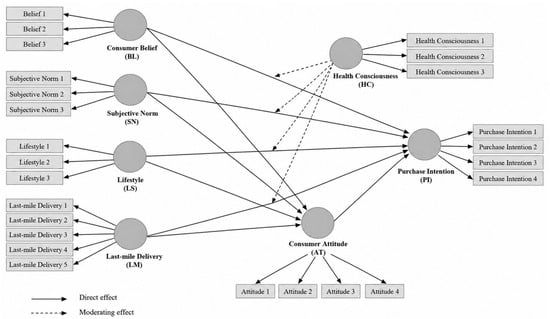
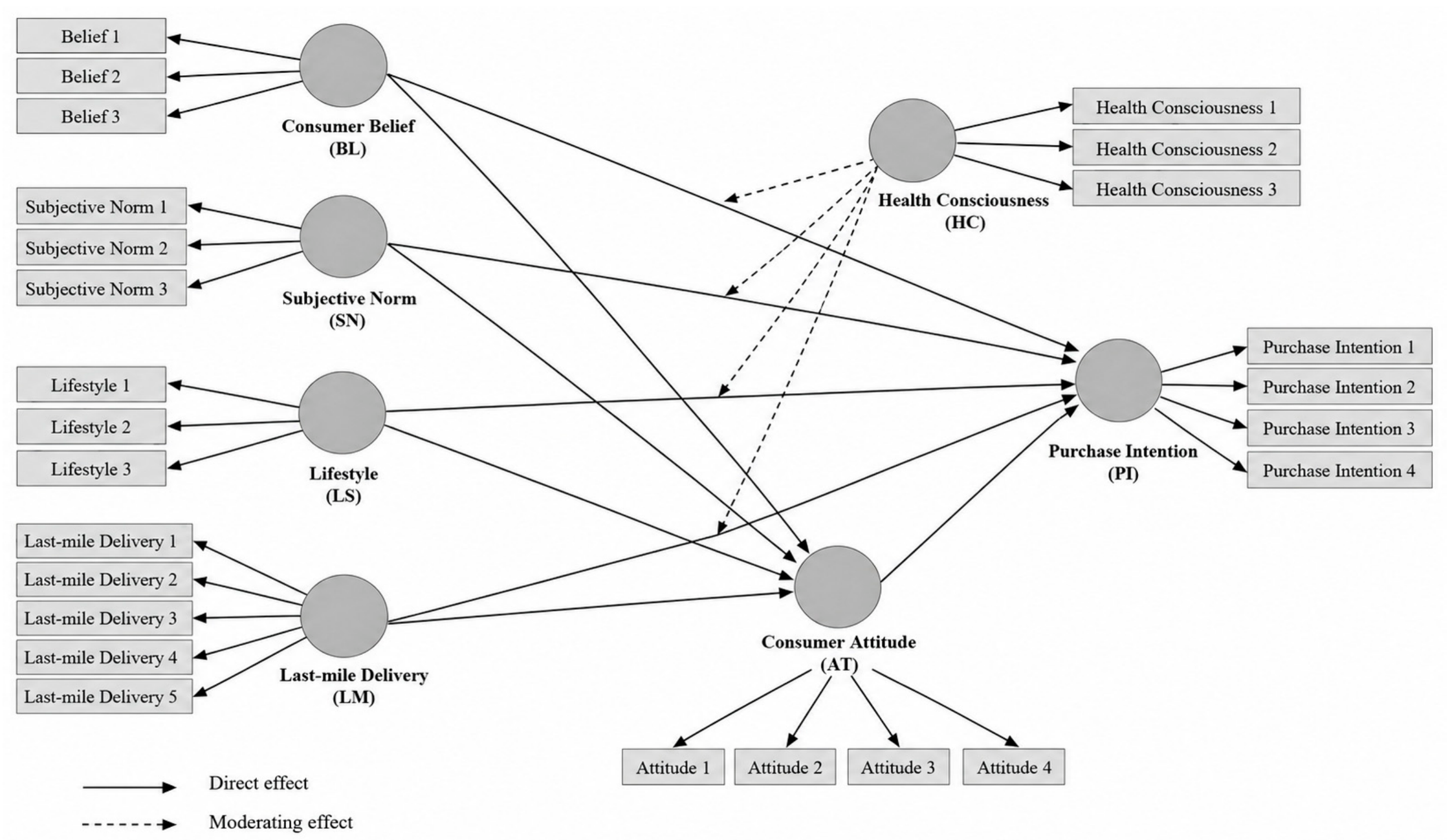
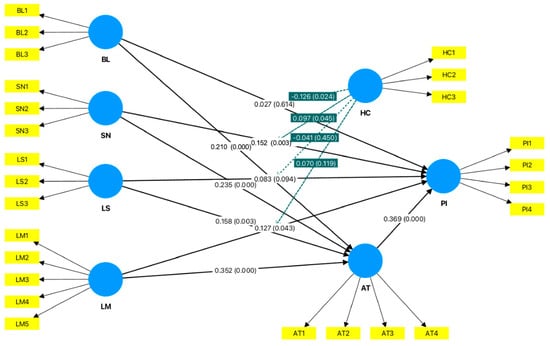
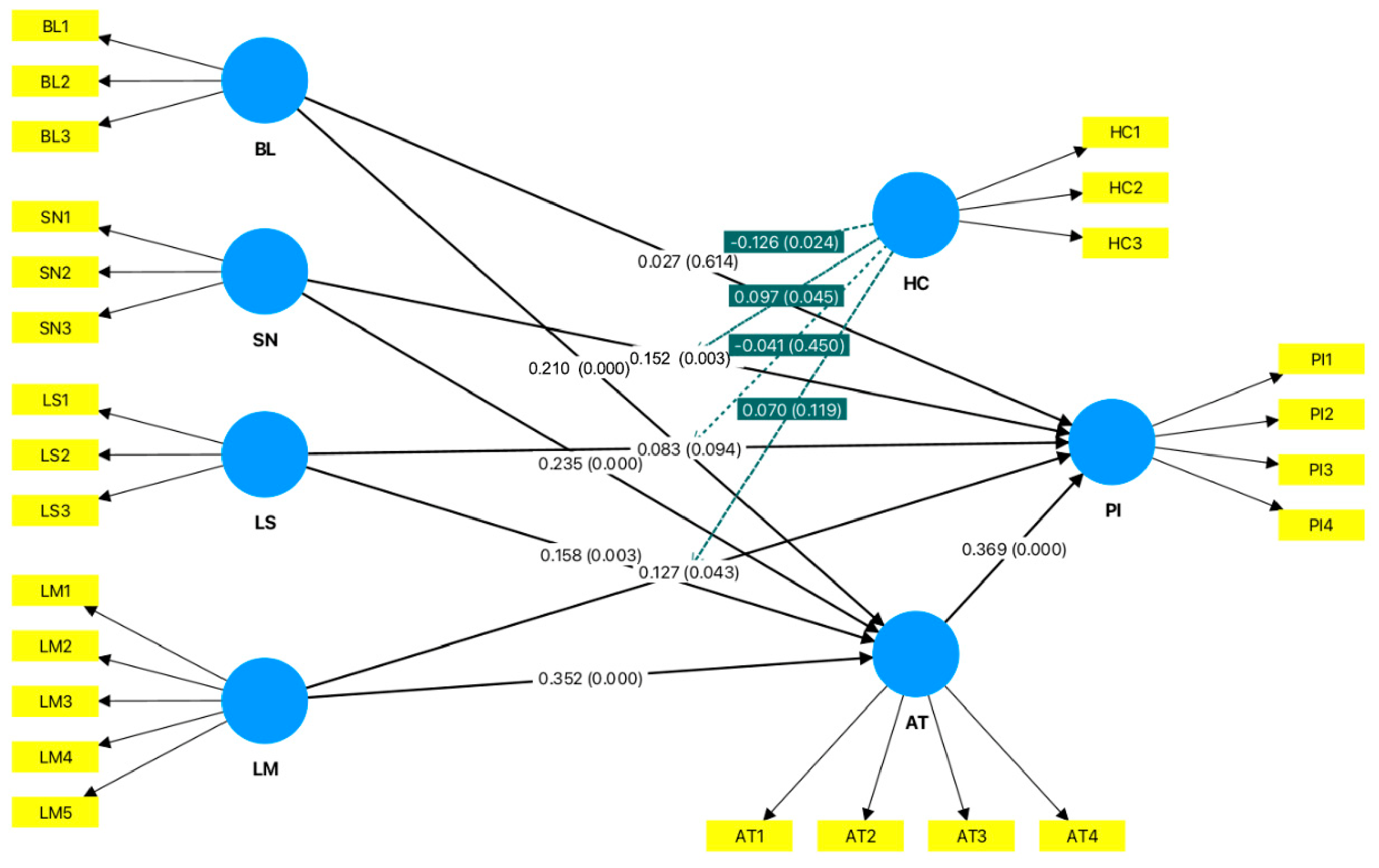
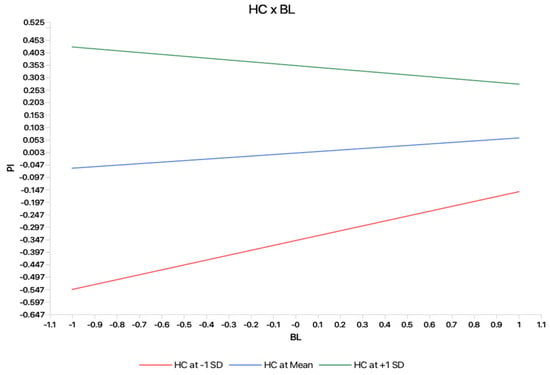
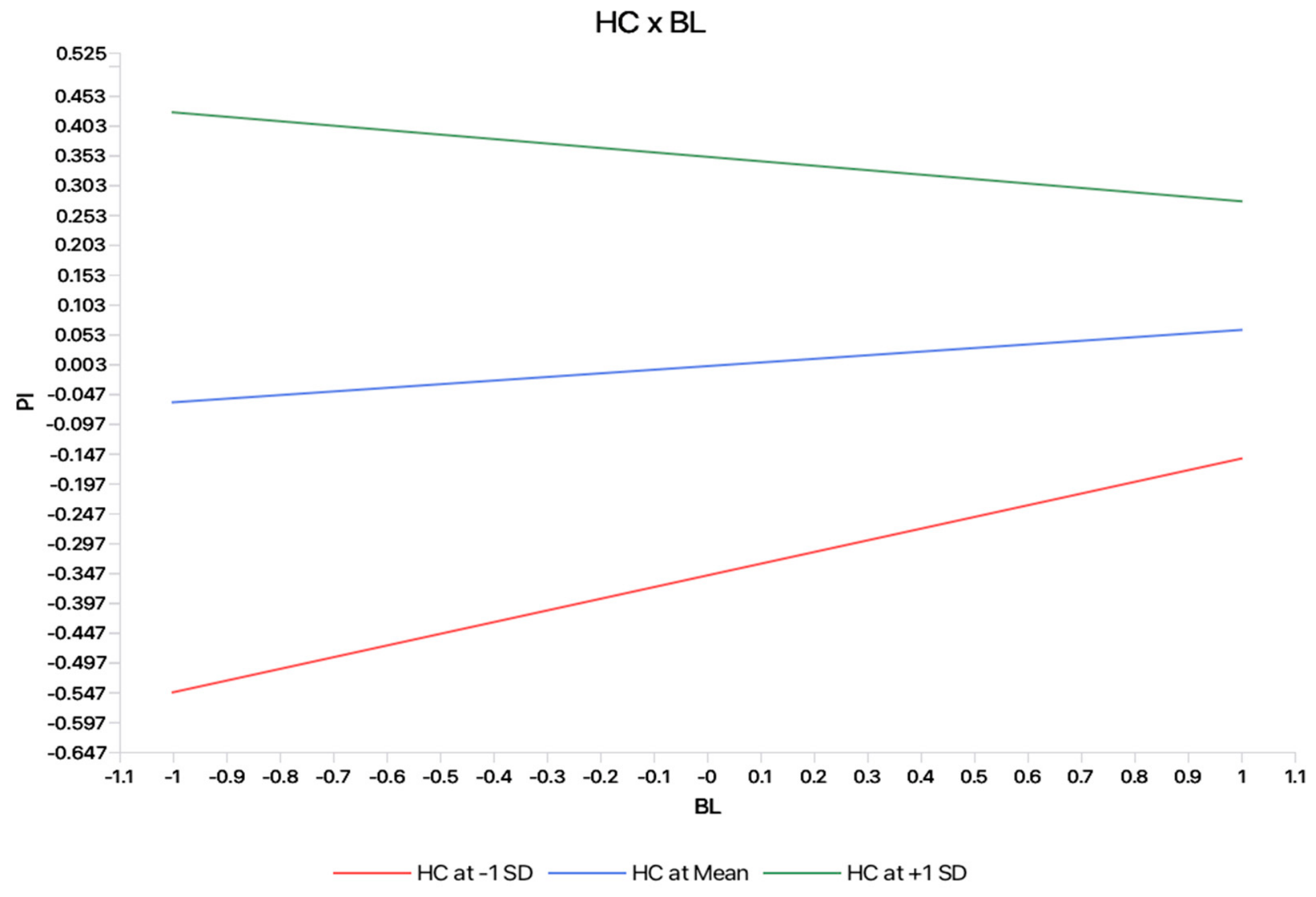

Disclaimer/Publisher’s Note: The statements, opinions and data contained in all publications are solely those of the individual author(s) and contributor(s) and not of MDPI and/or the editor(s). MDPI and/or the editor(s) disclaim responsibility for any injury to people or property resulting from any ideas, methods, instructions or products referred to in the content. |
© 2026 by the authors. Licensee MDPI, Basel, Switzerland. This article is an open access article distributed under the terms and conditions of the Creative Commons Attribution (CC BY) license.