


Abstract
Self-leadership is increasingly important in service and knowledge-intensive work, yet sustained self-regulation may also create hidden psychological costs. This study introduces self-leadership overload (SLO) as a distinct self-regulatory strain state and examines whether it emerges nonlinearly, whether the self-leadership–SLO association is stronger under high work pressure, and whether SLO shows indirect associations with employee outcomes through work rumination. A two-wave survey of 408 full-time employees across seven service and knowledge-intensive sectors was analyzed using scale-development procedures, iterative PLS-SEM, two-stage nonlinear and moderation models, bootstrapped indirect-effect analysis, incremental-validity tests, and supplementary robustness checks. Self-leadership was positively associated with work happiness and sustainable performance, while its quadratic terms for these outcomes were nonsignificant. By contrast, the quadratic self-leadership–SLO term was positive and significant, indicating a progressively stronger association with overload at higher levels of self-leadership, and work pressure strengthened this association. SLO was associated with lower work happiness and sustainable performance and higher burnout and turnover intention; significant indirect associations through work rumination were observed for all four outcomes. SLO also explained additional variance beyond demographic and employment controls, conventional self-leadership, work pressure, and organizational and personal resources (ΔR2 = 0.049–0.123). General organizational resources did not show the hypothesized buffering pattern, whereas health-oriented self-care was negatively associated with overload. The findings refine the self-leadership paradox by showing that a beneficial self-regulatory capability can coexist with an escalating internal burden without a corresponding direct curvilinear downturn in positive outcomes. The study contributes a theoretically bounded and empirically differentiated SLO construct and highlights workload boundaries, recovery, and health-oriented self-care as important conditions for sustainable self-leadership.
1. Introduction
Contemporary organizations increasingly expect employees to manage their own goals, motivation, priorities, learning, and performance while operating with substantial discretion. This expectation is especially visible in service and knowledge-intensive work, where employees frequently face changing demands, interdependent tasks, digital communication, and limited direct supervision. Self-leadership provides an established framework for understanding how individuals influence their own behavior and cognition through behavior-focused strategies, natural rewards, and constructive thought patterns. Evidence has generally portrayed these strategies as beneficial. A meta-analysis covering 101 studies and 111 independent samples linked self-leadership with job performance, self-efficacy, and favorable job attitudes (Harari et al., 2021), while more recent studies associate it with need satisfaction, job crafting, innovative work behavior, performance, and other adaptive employee outcomes (Bakker et al., 2023; Chughtai & Khalid, 2022; Khan et al., 2023; Liu et al., 2023; Ștefan & Vîrgă, 2025). As organizations place greater responsibility for prioritization and performance regulation on employees; however, an important question is whether the capacity to lead oneself remains uniformly beneficial when it must be exercised continuously under demanding conditions.
This question matters because self-leadership is not only a personal resource; using it also requires resource investment. Setting goals, monitoring progress, sustaining motivation, controlling attention, correcting errors, and regulating emotions consume time, cognitive capacity, and psychological energy. Conservation of resources theory proposes that strain becomes more likely when valued resources are repeatedly invested, threatened, or depleted without sufficient replenishment (Hobfoll et al., 2018). Job demands-resources theory similarly emphasizes that personal resources can support effective functioning while their benefits remain contingent on the demands and resources surrounding the employee (Bakker & Demerouti, 2017). From this perspective, the same self-regulatory strategies that increase control and effectiveness under manageable conditions may become psychologically demanding when they are used persistently to compensate for heavy workloads, unclear priorities, boundary erosion, or high personal accountability. Employees may therefore continue to perform effectively while privately devoting increasing effort to supervising, motivating, evaluating, and correcting themselves.
Despite the maturity of self-leadership research, this potential cost remains theoretically underdeveloped. Existing studies have concentrated primarily on whether self-leadership improves performance, satisfaction, creativity, proactive behavior, innovation, or adaptation (Harari et al., 2021; Khan et al., 2023; Naveed et al., 2026; Ștefan & Vîrgă, 2025). Related constructs explain important parts of demanding work, but they do not center on the specific regulatory burden created by having to direct and supervise oneself continuously. Workload concerns the amount or pace of work; workaholism concerns a compulsive drive to work; rumination concerns continued work-related cognition; and burnout reflects a more developed state of depletion. This leaves two theoretically important questions unresolved: whether a burden arising specifically from sustained self-leadership can be distinguished from established job demands and strain outcomes, and whether such a state can account for employee functioning beyond the beneficial capability of self-leadership itself and the pressure of the job context. The present study addresses this gap by positioning self-leadership overload as a self-regulatory strain state characterized by excessive self-monitoring, repeated self-correction, concentrated personal responsibility, decision burden, and difficulty disengaging from work-related self-regulation. Crucially, self-leadership overload is not proposed as another label for high self-leadership. It is a conceptually separate state that may develop from sustained regulatory investment and may coexist with the continuing benefits of self-direction.
The proposed transition from adaptive self-leadership to overload is expected to depend on both work demands and recovery processes. Under manageable conditions, self-leadership can enhance control, competence, and purposeful action; under persistent workload and time pressure, employees may respond by intensifying self-monitoring, motivational effort, and corrective behavior. If this regulatory investment continues without adequate recovery, the burden may persist beyond formal working time. Research on psychological detachment shows that demanding work conditions can prevent employees from mentally disengaging and thereby weaken recovery (Sonnentag & Fritz, 2015). Work rumination may consequently provide a pathway through which overload is carried into nonwork time as employees replay decisions, evaluate unfinished tasks, and plan further corrective action. The study therefore examines work pressure as a contextual amplifier of self-leadership overload and work rumination as a psychological mechanism associated with its consequences for work happiness, sustainable performance, burnout, and turnover intention. It also considers psychosocial safety climate, supervisor support, psychological safety, and health-oriented self-care as potential resources that may limit this process.
The study makes four related contributions. First, it specifies the theoretical domain and intended incremental value of self-leadership overload by locating the construct between the use of self-leadership strategies and more distal strain outcomes. This framing asks not merely whether employees lead themselves extensively, but whether the continuing regulatory demands of doing so become a distinct burden that helps explain employee functioning beyond self-leadership and work pressure. Second, it develops a dual-process paradox perspective: self-leadership may continue to support work happiness and sustainable performance while the regulatory effort required to sustain self-direction simultaneously generates a less visible psychological cost. Third, it identifies the transition conditions and mechanisms of this process by examining nonlinear escalation, work pressure as a contextual amplifier, and work rumination as a pathway through which regulatory burden may extend beyond working time. Fourth, it distinguishes general organizational resources from health-oriented self-care as potentially different forms of protection against unsustainable self-regulation. Together, these contributions shift the theoretical question from whether self-leadership is simply beneficial or harmful to when a beneficial self-regulatory capability begins to carry an additional psychological cost and how that cost can be recognized before more visible deterioration occurs.
2. Literature Review and Hypothesis Development
2.1. Self-Leadership in Contemporary Human Resource Management
Self-leadership refers to the process through which employees influence their own thoughts, motivation, and behavior to accomplish work-related goals. It is commonly represented by behavior-focused strategies, natural reward strategies, and constructive thought-pattern strategies. These domains include self-goal setting, self-observation, self-reward, self-cueing, positive self-talk, mental imagery, and deliberate attention to the intrinsically satisfying aspects of work. The Revised Self-Leadership Questionnaire developed by Houghton and Neck (2002) remains the principal measurement framework for this multidimensional view, while the abbreviated instrument developed by Houghton et al. (2012) provides a shorter alternative for survey research. Recent reviews confirm that self-leadership is better understood as a trainable set of cognitive and behavioral strategies than as a fixed personality characteristic (Goldsby et al., 2021; Harari et al., 2021).
The organizational relevance of self-leadership has grown as work has become more autonomous, project-based, digitally mediated, and geographically dispersed. Employees in finance, logistics, consulting, healthcare administration, higher education administration, and other knowledge-intensive services are often required to make rapid decisions without continuous managerial direction. Remote and hybrid work have further increased the need to structure tasks, manage attention, and regulate effort independently. Studies of contemporary work design show that autonomy can support effective performance, but its benefits depend on role clarity, appropriate resources, and social support (Contreras et al., 2020; Wang et al., 2021). Recent evidence further shows that employees in flexible work designs must actively self-regulate work boundaries and detachment to sustain well-being (Althammer et al., 2025). In this setting, self-leadership is not merely a personal development preference; it has become part of how organizations coordinate work.
Evidence generally supports its positive role. Harari et al. (2021) found, across more than two decades of research, that self-leadership was positively associated with self-efficacy, constructive job attitudes, and performance. Knotts and Houghton (2021) linked self-leadership to organizational commitment and work engagement, while Castellano et al. (2021) showed that self-leadership can contribute to virtual research and development team performance when it operates alongside shared leadership. Other studies associate self-leadership with thriving, resilience, innovative behavior, job crafting, psychological empowerment, and more favorable performance and well-being under demanding conditions (Abid et al., 2021; Khan et al., 2023; Khahan et al., 2024; Liu et al., 2023; Naveed et al., 2026; Park & Byon, 2024; Ștefan & Vîrgă, 2025). These findings suggest that employees who can guide their motivation and behavior are often better positioned to use autonomy productively.
Self-leadership is consequently relevant to human resource development. HR systems can strengthen it through coaching, participative goal setting, developmental feedback, learning programs, and opportunities to practice self-directed decision-making. Kim et al. (2024) frame self-leadership as a value-adding HRD strategy because it helps employees assume an active role in their development while aligning personal and organizational goals. Training studies also indicate that self-leadership skills can be developed, although transfer depends on the work environment and opportunities to apply the strategies after training (Botke et al., 2022; Krampitz et al., 2023). Research on learning organizations likewise indicates that self-leadership can strengthen the translation of employee capabilities into innovative work behavior (Chughtai & Khalid, 2022). Research in professional and healthcare contexts similarly suggests that self-leadership can support resilience and adaptation when employees face complex responsibilities (Matahela & van Rensburg, 2024; Ren et al., 2024).
Nevertheless, self-leadership should complement rather than replace responsible management. Autonomy does not guarantee clear priorities, adequate staffing, realistic deadlines, or fair performance expectations. If organizations encourage employees to be proactive while withholding the resources needed to address structural problems, self-leadership may become unsupported self-management. The same practices that create agency in one context can shift responsibility for workload, motivation, and well-being onto employees in another. This distinction is especially important because self-leadership programs are increasingly presented as solutions to uncertainty and change, even though individual regulation cannot compensate indefinitely for poor work design or inadequate support (Demerouti & Bakker, 2023; Sjöblom et al., 2022).
The present study therefore measures self-leadership with theoretically relevant dimensions from the Revised Self-Leadership Questionnaire rather than with newly created autonomy items. This preserves the established content domain of self-leadership and keeps the beneficial capability analytically separate from the proposed overload state. At moderate levels and under supportive conditions, self-leadership should help employees clarify goals, maintain effort, derive meaning from tasks, and respond constructively to difficulty. These processes should be associated with positive work-related affect and performance that can be maintained over time. Establishing this resource pathway is important because the proposed paradox does not assume that self-leadership ceases to be useful when overload emerges. Instead, the positive associations of self-leadership and the development of self-leadership overload are treated as theoretically distinct processes that can occur simultaneously. H1 therefore captures the beneficial pathway, while the following section develops the separate overload pathway.
H1.
Self-leadership is positively associated with employee well-being and sustainable performance.
2.2. The Self-Leadership Overload Paradox
2.2.1. Defining Self-Leadership Overload
Construct development requires a clearly specified conceptual domain, explicit boundaries with neighboring constructs, and a theoretically coherent position within a nomological network (MacKenzie et al., 2011). Accordingly, self-leadership overload is defined here as a self-regulatory strain state that arises when the continuing demands of directing, monitoring, motivating, evaluating, and correcting oneself exceed the cognitive, emotional, temporal, and recovery resources available to sustain those activities without psychological strain. The construct therefore concerns the experienced burden of having to remain one’s own motivator, evaluator, coordinator, and performance controller, rather than the mere frequency or sophistication of self-leadership behavior.
Five attributes delimit this conceptual domain. First, the source of the burden is self-regulatory work: the employee must repeatedly organize, motivate, monitor, and correct the self. Second, the regulation is persistent rather than episodic, so demands accumulate across tasks and over time. Third, the state contains a perceived demand-resource imbalance, meaning that the regulatory effort required to maintain self-direction is no longer matched by sufficient attention, energy, time, or recovery. Fourth, the employee experiences difficulty suspending the regulatory process, even when additional monitoring or correction is no longer clearly useful. Fifth, this continuing self-regulation is experienced as psychological burden or concentrated personal responsibility. These attributes distinguish self-leadership overload from a trait, a general preference for autonomy, or simply a high score on self-leadership.
Conservation of resources theory explains how this state can emerge from an otherwise constructive capability. Self-leadership can generate resource gains when goal setting, self-observation, natural rewards, and constructive thought strategies improve control and accomplishment. At the same time, using these strategies requires resource investment. When work demands remain high, employees may respond by investing still more attention, motivational effort, emotional control, and corrective behavior. If those investments are repeatedly required without adequate replenishment, the regulatory activity itself can become a demand (Hobfoll et al., 2018). JD-R theory reinforces this interpretation by locating personal resources within the broader balance of job demands and available resources (Bakker & Demerouti, 2017). Self-leadership overload therefore represents a state produced by unsustainable regulatory investment, not a reversal in which self-leadership as a capability suddenly becomes inherently harmful.
2.2.2. Why the Term “Overload”?
The term overload is used deliberately because the proposed phenomenon is defined by a demand-resource imbalance. In conventional workload research, overload occurs when the quantity, pace, or role requirements of work exceed available time or capacity (Duxbury et al., 2008; Spector & Jex, 1998). Self-leadership overload applies the same demand-resource logic to a different object: the regulatory work of managing oneself. What becomes overloaded is not simply the employee’s task list, but the continuing capacity to sustain self-monitoring, self-motivation, prioritization, correction, and personal responsibility without adequate replenishment.
This terminology is more precise than alternatives such as excessive self-leadership or maladaptive self-leadership. Excessive self-leadership would describe the amount or intensity of self-leadership behavior without specifying why it becomes costly, whereas maladaptive self-leadership would imply that the strategies themselves are dysfunctional. The present argument makes neither claim. An employee can display high self-leadership without experiencing overload when demands are manageable, decision boundaries are clear, and recovery resources are sufficient. Conversely, the risk of overload rises when self-regulatory demands are sustained under high pressure and insufficient recovery. The term overload therefore captures the theorized threshold condition in which regulatory demands exceed sustainable regulatory resources while preserving the established beneficial meaning of self-leadership itself.
2.2.3. Construct Boundaries and Nomological Position
Self-leadership overload is related to, but conceptually distinct from, several neighboring constructs. Quantitative workload concerns how much work must be completed and how quickly (Spector & Jex, 1998), while role overload concerns demands from role responsibilities that exceed available time and energy (Duxbury et al., 2008). Both are primarily demand constructs; self-leadership overload concerns the internal regulatory burden of having to manage oneself in response to such demands. Workaholism centers on an internally driven tendency to work excessively and compulsively (Taris & de Jonge, 2024), whereas self-leadership overload does not require a compulsive desire to work. Perfectionism concerns exacting standards and stringent self-evaluation (Hewitt & Flett, 1991); such tendencies may increase vulnerability to overload, but they are not defining features of it.
The construct is also distinct from work rumination and burnout. Rumination concerns repetitive work-related cognition, particularly when work continues mentally during nonwork time (Querstret & Cropley, 2012), whereas self-leadership overload refers to the burden embedded in the regulatory process that can give rise to such continued cognition. Burnout represents a more developed exhaustion-related outcome of prolonged demands (Kristensen et al., 2005), whereas self-leadership overload is positioned earlier in the proposed process as a proximal self-regulatory strain state. This nomological position is important to the construct’s incremental value: self-leadership overload is intended to explain how a beneficial self-regulatory capability can acquire a psychologically costly state before more distal manifestations such as impaired sustainable performance, burnout, or withdrawal become fully visible.
Table 1 consolidates these conceptual boundaries by comparing the proposed construct with the most closely related concepts in the current model and the broader occupational-well-being literature. The comparison emphasizes the source of the burden, the construct’s position in the process, and the feature that differentiates it from self-leadership overload.
Table 1.
Conceptual Boundaries of Self-Leadership Overload and Related Constructs.
The distinctions in Table 1 are conceptual and should not be interpreted as evidence that every neighboring construct was measured in the present dataset. The empirical model directly evaluates differentiation from the constructs included in the survey, including self-leadership, work pressure, work rumination, and burnout. Workaholism, perfectionism, and role overload were not measured separately; their empirical incremental distinctiveness remains an important target for future validation of the self-leadership overload construct.
2.2.4. Transition from Adaptive Self-Leadership to Overload
The transition from adaptive self-leadership to overload is best understood as a staged resource-investment process rather than as a simple linear shift from beneficial to harmful behavior. In an initial resource-gain stage, self-goal setting, self-observation, natural rewards, and constructive thought strategies can improve control, competence, and task organization. These gains can make further self-regulation worthwhile because effort is followed by accomplishment, efficacy, or greater predictability. COR theory therefore helps explain why employees continue investing resources in self-leadership, while JD-R theory clarifies why the sustainability of that investment depends on the surrounding balance between job demands and available resources (Hobfoll et al., 2018; Bakker & Demerouti, 2017).
A second, compensatory stage becomes more likely when demands remain high. Employees may respond to workload, ambiguity, interruptions, or accountability by increasing the very strategies that previously helped them cope: they monitor themselves more closely, reprioritize repeatedly, intensify motivational effort, correct performance more frequently, and extend cognitive control over unfinished work. Self-regulation research suggests that this pattern can temporarily preserve functioning because employees invest additional personal resources to meet continuing demands (Bakker & De Vries, 2021). The critical transition occurs when this compensatory investment ceases to restore balance. At that point, additional self-regulation is no longer only a resource for dealing with work; it becomes part of the demand structure itself because maintaining control requires progressively more attention, energy, time, and emotional effort.
In the third stage, regulatory escalation produces the demand-resource imbalance defined here as self-leadership overload. Employees may become increasingly vigilant about their performance, reluctant to accept that a task is sufficiently complete, and more likely to interpret unresolved demands as requiring further personal adjustment. This does not imply that self-leadership as a capability has become maladaptive. Rather, the burden lies in the continuing requirement to activate that capability under conditions in which resource replenishment is insufficient. The nonlinear proposition follows from this escalation logic: as self-leadership becomes more intensive, each additional increment of monitoring, correction, and motivational control can add disproportionately to regulatory burden when demands are already high.
A fourth stage concerns recovery failure and resource-loss continuation. Effective recovery requires periods in which work-related regulatory activity can be suspended and depleted resources can be restored. The stressor-detachment perspective identifies psychological disengagement as central to this process, while intervention research on flexible work similarly shows that self-regulation around boundaries and detachment is consequential for well-being (Sonnentag & Fritz, 2015; Althammer et al., 2025). When overloaded employees continue evaluating goals, unfinished tasks, or their own performance after work, recovery becomes incomplete, and resource loss can extend beyond the workday. Work rumination is therefore positioned as a downstream mechanism through which overload persists rather than as a defining feature of overload itself. This staged account explains how self-leadership can continue to support happiness and performance while a less visible regulatory cost is already accumulating, allowing overload to emerge before a clear deterioration in those positive outcomes becomes observable.
The framework therefore distinguishes two related but theoretically different forms of nonlinearity. H2 concerns an outcome-reversal proposition: whether the positive associations of self-leadership with work happiness and sustainable performance eventually weaken or turn negative at very high levels. H3 concerns a burden-escalation proposition: whether the internal regulatory burden associated with maintaining self-direction increases disproportionately as self-leadership intensifies. These propositions need not move in parallel because employees may temporarily preserve positive functioning by investing additional effort even while the psychological cost of doing so is rising. Accordingly, accelerated overload can theoretically emerge before a direct downturn in happiness or sustainable performance becomes observable.
H2.
Self-leadership has an inverted U-shaped relationship with employee well-being and sustainable performance, such that its positive associations weaken and may become negative at very high levels.
H3.
The relationship between self-leadership and self-leadership overload is nonlinear, such that the positive association with self-leadership overload becomes stronger at high levels of self-leadership.
2.3. Work Pressure, Rumination, and Employee Outcomes
The staged transition proposed above makes work pressure a key contextual trigger of compensatory self-regulation. Work pressure is expected to determine whether self-leadership remains beneficial. High-pressure service and knowledge-intensive jobs require employees to manage simultaneous deadlines, coordinate with multiple stakeholders, respond to interruptions, and preserve service quality despite limited time. These conditions increase not only the amount of work but also the frequency with which employees must prioritize, motivate, and correct themselves. The present study measures this contextual demand with the five-item Quantitative Workload Inventory (Spector & Jex, 1998), thereby separating the volume and pace of work from the proposed psychological burden of self-leadership overload.
Under moderate pressure, self-leadership can help employees structure tasks and maintain focus. As pressure becomes persistent, self-regulation may feel compulsory. Employees may repeatedly revise schedules, extend working hours, suppress fatigue, and interpret any shortfall as a personal failure. Evidence from digitally mediated work indicates that demanding communication patterns and blurred boundaries can increase fatigue and interfere with recovery (Minnen et al., 2021; Wang et al., 2021). Thus, work pressure can transform self-leadership from an empowering strategy into an internalized performance obligation.
This moderating effect is consistent with the job demands-resources perspective. Self-leadership may function as a personal resource when it helps employees manage demands, but the same resource can be depleted when it is used continually to compensate for excessive workloads. Studies of workaholism, technostress, and remote work suggest that sustained self-regulatory effort can maintain output temporarily while concealing the deterioration of employee well-being (Molino et al., 2020; Spagnoli et al., 2020). Recent studies similarly treat self-leadership as a personal resource for coping with demanding conditions and change fatigue, while showing that the surrounding demand context remains consequential for burnout and performance (Linnenborn & Borchert, 2025; Naveed et al., 2026).
H4.
Work pressure strengthens the positive relationship between self-leadership and self-leadership overload.
Self-leadership overload is expected to be associated with several employee outcomes. Work-related affect will be measured with the Job-Related Affective Well-Being Scale, which captures positive and negative emotional responses to work (Van Katwyk et al., 2000). Sustainable performance will be assessed with the E-SuPer scale, developed specifically to measure an employee’s capacity to maintain effective performance without undermining longer-term functioning (Ji et al., 2021). Work-related burnout will be measured with the Copenhagen Burnout Inventory (Kristensen et al., 2005), and withdrawal will be represented by turnover intention based on the measure used by Kelloway et al. (1999). Using established instruments makes it possible to test whether self-leadership overload contributes criterion-related information beyond conventional workload and self-leadership.
The distinction between immediate and sustainable performance is important. Employees experiencing overload may continue producing strong short-term results because they keep investing effort. Continued output does not necessarily show that they are coping successfully. It may instead conceal a resource-loss process that reduces vitality, increases emotional exhaustion, and weakens the ability to maintain performance. Meta-analytic recovery research demonstrates that insufficient psychological recovery is consistently associated with poorer health and work outcomes (Headrick et al., 2023).
Self-leadership overload may also be associated with a lower willingness to remain with the organization. When workers perceive that they are personally responsible for absorbing unrealistic demands, autonomy can begin to feel like abandonment. Supportive self-direction may then be replaced by a belief that the organization expects employees to solve structural problems through continuous individual effort. This pattern may coincide with lower work happiness and stronger thoughts of leaving even before visible performance declines.
H5.
Self-leadership overload is associated with lower work happiness and sustainable performance and with higher burnout and turnover intention.
Work rumination is proposed as the central mechanism linking overload to these outcomes. The Work-Related Rumination Questionnaire distinguishes affective rumination, problem-solving pondering, and psychological detachment. The present study focuses on affective rumination because it reflects repetitive, emotionally charged thinking about work and is consistently associated with fatigue and poor sleep (Querstret & Cropley, 2012; Pauli et al., 2023). Employees experiencing self-leadership overload may continue evaluating their goals, mistakes, and unfinished tasks after formal work has ended because they have internalized performance responsibility.
Research supports this extension of work into nonwork time. Minnen et al. (2021) found that after-hours email characteristics were associated with rumination and well-being, while Gossmann et al. (2023) linked daily work-related rumination to burnout and poorer well-being among psychotherapists. Daily recovery studies further indicate that proactive recovery strategies and supportive leader interactions can help employees detach from work (Althammer et al., 2025; Kujanpää & Olafsen, 2024; Volmer et al., 2023). These findings suggest that rumination is not simply an unpleasant thought pattern; it is a process through which resource depletion continues after work.
Through reduced psychological detachment, rumination may be associated with poorer positive affect, sleep, health, and next-day functioning. The broader recovery literature describes detachment as a core process through which employees restore depleted resources (Sonnentag et al., 2022). When self-leadership overload makes it difficult to stop evaluating one’s own performance, this restorative process may be constrained.
H6.
Self-leadership overload is indirectly associated with employee well-being, sustainable performance, burnout, and turnover intention through affective work rumination.
2.4. Organizational and Individual Resources for Sustainable Self-Leadership
Self-leadership does not operate independently of the work environment. Employees may possess strong self-regulatory skills, yet their ability to use those skills sustainably depends on whether the organization provides sufficient support, psychological security, and opportunities for recovery. Conservation of resources theory predicts that personal resources are most likely to generate gains when they are reinforced by complementary social and organizational resources. When such resources are absent, employees may use self-leadership mainly to compensate for structural deficiencies.
The study represents the organizational context through psychosocial safety climate, perceived supervisor support, and psychological safety. Psychosocial safety climate refers to the extent to which senior management prioritizes psychological health through commitment, communication, participation, and prevention. Hall et al. (2010) developed the PSC-12, from which the concise PSC-4 is frequently derived. This established construct is more defensible than creating an unvalidated HR recovery climate scale. Reviews and contemporary studies indicate that a strong psychosocial safety climate can protect employee health and strengthen resilience under demanding conditions (Amoadu et al., 2023; Chughtai et al., 2022; Nasir et al., 2024; Siami et al., 2023; Zadow et al., 2023).
A strong psychosocial safety climate communicates that recovery, workload adjustment, and psychological health are legitimate organizational priorities. Formal policies alone may not be sufficient if employees believe that using them will damage their reputation. The climate becomes meaningful when leaders allocate resources, discuss risks openly, and avoid rewarding continuous availability. Health-promoting leadership research similarly shows that employee well-being depends on whether leaders translate concern for health into observable behavior (Yao et al., 2021; Zhang & Liu, 2022).
Perceived supervisor support provides a more immediate relational resource. Eisenberger et al. (2002) define it in terms of whether supervisors value employee contributions and care about employee well-being. Supportive supervisors can clarify priorities, redistribute work, and help employees recognize when personal standards have become unrealistic. Recovery-focused leadership studies show that leaders also shape after-hours detachment by respecting boundaries and reducing unnecessary communication demands (Matick et al., 2022; Sonnentag et al., 2024; Volmer et al., 2023). Experimental evidence further suggests that supportive leadership training can improve employee well-being (Stein et al., 2021).
Psychological safety concerns whether employees feel able to raise concerns, acknowledge mistakes, ask questions, and seek help without fear of humiliation or punishment. Edmondson’s (1999) seven-item scale remains the dominant instrument for this construct. In the present study, psychological safety is treated as an employee’s perception of the immediate work team. This is appropriate because employees are unlikely to reduce self-imposed effort or disclose overload when they fear being judged as incompetent. Studies in remote and high-demand settings indicate that psychological safety supports well-being, voice, learning, and adaptive performance (Sjöblom et al., 2022; Li & Tang, 2022; Bahadurzada et al., 2024).
These resources are related but not interchangeable. Psychosocial safety climate reflects senior-management priorities, supervisor support captures the employee’s relationship with the immediate manager, and psychological safety describes the interpersonal environment of the team. Their combined presence should make it less likely that employees respond to high pressure only by increasing self-control.
H7.
Psychosocial safety climate, supervisor support, and psychological safety weaken the positive relationships of self-leadership and work pressure with self-leadership overload.
The model also includes health-oriented self-care as an individual protective resource. The employee self-care component of the Health-Oriented Leadership instrument distinguishes health awareness, the value assigned to health, and health-promoting behavior (Franke et al., 2014). This established measure is preferable to presenting health-promoting self-leadership as a universally standardized scale. It captures whether employees notice health signals, take their own well-being seriously, and act to protect it.
Health-oriented self-care complements traditional self-leadership by introducing limits into self-regulation. An employee may be skilled at setting goals and maintaining motivation while still neglecting fatigue or recovery. Self-care encourages employees to adjust effort, protect nonwork time, and seek support before exhaustion becomes severe. Recent health-promoting leadership studies reinforce the importance of integrating health considerations into everyday self-management and leadership practices (Bjerke, 2024, 2025; Efimov et al., 2024; Fu et al., 2022).
H8.
Health-oriented self-care is negatively associated with self-leadership overload and strengthens the positive relationships of self-leadership with work happiness and sustainable performance.
2.5. Integrated Research Model
The proposed model treats self-leadership as a conditionally beneficial capability. In the sustainable pathway, employees use self-leadership to organize behavior and maintain motivation while drawing on psychosocial safety climate, supervisor support, psychological safety, and health-oriented self-care. This combination is expected to promote positive work-related affect and performance that can be maintained without unacceptable psychological costs.
In the overload pathway, high self-leadership interacts with persistent work pressure. Employees increase self-monitoring and motivational effort until the demands of self-regulation exceed their available resources. Self-leadership overload then encourages affective rumination, limits recovery, and contributes to burnout, weaker sustainable performance, poorer work-related affect, and stronger turnover intention.
The empirical tests were organized around the central theoretical sequence rather than around multiple parallel analytical frameworks. The reflective measurement and structural model were estimated using iterative partial least squares structural equation modeling (PLS-SEM). The focal hypothesis tests then examined the nonlinear self-leadership–overload relationship, the moderating role of work pressure, the mediating role of work rumination, and the proposed resource effects. Measurement invariance, sector comparisons, repeated holdout prediction, endogeneity diagnostics, and related checks were retained as supplementary robustness evidence. This ordering keeps the core theoretical argument—benefit, regulatory burden, contextual amplification, and spillover through rumination—visible throughout the analysis.
3. Methodology
3.1. Research Design and Conceptual Model
This study adopted a quantitative, explanatory, and time-lagged research design to examine the self-leadership overload paradox in high-pressure service and knowledge-intensive work environments. The model was developed to explain how self-leadership can produce beneficial employee outcomes while simultaneously creating cognitive and psychological demands when employees engage in excessive self-regulation. A two-wave survey design was used to reduce the risk of same-occasion measurement effects and to establish temporal separation between the principal predictors and the proposed outcomes. Self-leadership, work pressure, psychosocial safety climate, supervisor support, psychological safety, and health-oriented self-care were measured in Wave 1. Self-leadership overload, work rumination, work happiness, sustainable performance, burnout, and turnover intention were measured in Wave 2.
The conceptual model integrates self-leadership theory with conservation of resources and occupational well-being perspectives. Self-leadership was expected to support work happiness and sustainable performance by strengthening employees’ ability to regulate their behavior, motivation, and cognition. However, the model also proposed that the demands associated with continuous self-monitoring, self-correction, goal regulation, and personal responsibility could become burdensome at high levels. This possibility was represented through a nonlinear relationship between self-leadership and self-leadership overload. Work pressure was included as a contextual moderator because intensive workloads and performance demands may strengthen the extent to which self-regulation develops into overload.
Self-leadership overload was positioned as the central explanatory mechanism in the model. It was expected to reduce work happiness and sustainable performance while increasing burnout and turnover intention. Work rumination was included as a mediator to capture the cognitive process through which overload may continue beyond active working hours and affect subsequent well-being and performance. The model also examined whether psychosocial safety climate, supervisor support, and psychological safety buffered the development of overload. Health-oriented self-care was assessed as a personal protective resource that could directly reduce overload and potentially strengthen the beneficial effects of self-leadership.
PLS-SEM was selected because the study combines construct validation with a prediction-oriented structural model containing direct, nonlinear, moderation, and mediation relationships. It is particularly suitable for evaluating the newly developed self-leadership overload construct while estimating the broader network of relationships in a single iterative latent-variable framework (Hair et al., 2019, 2022). Figure 1 presents the proposed conceptual model and the hypothesized relationships among the study constructs.
Figure 1.
Conceptual Model of the Self-Leadership Overload Paradox. 2 means wave 2.
3.2. Sample and Data Structure
The study used a two-wave dataset comprising 408 full-time employees from high-pressure service and knowledge-intensive sectors. Participants are from finance, logistics and supply chain services, healthcare administration, higher education administration, consulting, information and business services, and project-based professional services. Participants had a mean age of 38.87 years, an average organizational tenure of 5.09 years, and an average working time of 44.08 h per week. Table 2 summarizes the main characteristics, while Table 3 presents the sector distribution.
Table 2.
Main Characteristics of the Analytical Sample.
Table 3.
Sector Distribution of the Analytical Sample.
The dataset followed a time-lagged structure. Wave 1 included self-leadership, work pressure, psychological safety, supervisor support, psychosocial safety climate, and health-oriented self-care. Wave 2 included self-leadership overload, work rumination, work happiness, sustainable performance, burnout, and turnover intention. Unique participant codes were used to match the two waves. All 408 cases were successfully matched, with no duplicate identifiers, unmatched records, or attrition.
Data quality was assessed before the main analyses. The screening covered missing values, out-of-range responses, duplicate records, zero-variance indicators, coding errors, and careless-response patterns. No missing or invalid values were identified across the 35,904 item-level observations. One case showed a relatively long repetitive-response pattern, but it was retained because no additional evidence of careless responding was found. For the scale-development analysis, the sample was divided through sector-stratified random allocation into an exploratory subsample of 204 cases and a validation subsample of 204 cases. The exploratory subsample was used to examine the factor structure of the self-leadership overload scale, while the validation subsample was used to assess its reliability and validity.
3.3. Measures and Survey Instrument
All constructs were measured using multi-item scales with a five-point Likert response format ranging from 1 = strongly disagree to 5 = strongly agree. Higher scores indicated higher levels of the relevant construct. The questionnaire contained 88 items across 12 constructs and was administered in two waves.
Wave 1 measured self-leadership, work pressure, psychological safety, supervisor support, psychosocial safety climate, and health-oriented self-care. Wave 2 measured self-leadership overload, work rumination, work happiness, sustainable performance, burnout, and turnover intention. Table 4 summarizes the operational definitions and measurement structure.
Table 4.
Construct Definitions and Measurement Structure.
The self-leadership overload scale was evaluated through a separate scale-development procedure. The sample was divided into exploratory and validation subsamples of 204 cases each. Exploratory factor analysis supported a predominantly unidimensional structure. The validation analysis confirmed satisfactory reliability, convergent validity, and discriminant validity for the final 12-item scale.
For descriptive and preliminary analyses, each construct score was calculated as the mean of its corresponding items:
where represents participant ’s score for construct , is the response to item , and is the number of items measuring the construct. No reverse-coded items were specified in the final instrument. Table 5 presents the item allocation across the two survey waves.
Table 5.
Survey Structure and Item Allocation.
3.4. Data Analysis Strategy
The analysis was conducted in several stages. First, the two survey waves were matched using participant identification codes. Data screening covered duplicate records, missing values, out-of-range responses, coding errors, zero-variance indicators, and careless-response patterns. Descriptive statistics, skewness, kurtosis, and Pearson correlations were then calculated for all constructs.
The self-leadership overload scale was evaluated using separate exploratory and validation subsamples. Exploratory factor analysis was conducted with 204 cases. Sampling adequacy was examined using the Kaiser–Meyer–Olkin measure and Bartlett’s test of sphericity, while parallel analysis was used to determine the number of factors to retain. The factor model was expressed as:
where represents the observed indicators, is the factor-loading matrix, is the latent factor, and represents measurement error. The resulting structure was subsequently assessed in the validation subsample of 204 cases.
The complete reflective measurement model was evaluated using standardized indicator loadings, Cronbach’s alpha, composite reliability, average variance extracted (AVE), indicator variance inflation factors, the heterotrait–monotrait ratio (HTMT), the Fornell–Larcker criterion, and cross-loading comparisons. Values above 0.70 for internal consistency and above 0.50 for AVE were treated as satisfactory, while HTMT values below 0.85 were used as a conservative discriminant-validity criterion (Hair et al., 2019, 2022).
where represents the standardized loading of indicator , and represents its error variance. Values above 0.70 for reliability and above 0.50 for AVE were treated as satisfactory. Discriminant validity was examined using the heterotrait–monotrait ratio, Fornell–Larcker criterion, and cross-loadings. The measurement model was evaluated using established criteria for indicator reliability, internal consistency, construct reliability, convergent validity, discriminant validity, and collinearity, as summarized in Table 6. HTMT values below 0.85 were considered evidence that the constructs were empirically distinct.
Table 6.
Measurement-Model Assessment Criteria.
The reflective measurement and structural models were estimated with an iterative PLS path-modeling algorithm using Mode A outer estimation and the path-weighting scheme. All indicators were z-standardized before estimation. Outer weights were iteratively updated until the maximum change fell below 1 × 10⁻⁷ or 300 iterations; the final model converged after five iterations. Inner-model collinearity was evaluated using variance inflation factors, while R2 and f2 were used to characterize explanatory power and effect size. Standardized structural coefficients and 95% percentile confidence intervals were obtained from 10,000 case-resampled bootstrap samples in which the complete PLS model was re-estimated. The procedure followed established PLS-SEM reporting guidance (Hair et al., 2019, 2022).
Values of 0.02, 0.15, and 0.35 were used as general reference points for small, medium, and large f2 effects, respectively. Repeated sector-stratified 80/20 holdout samples were retained as a supplementary predictive robustness check rather than as a substitute for the iterative PLS-SEM estimates; full predictive results are reported in Supplementary Table S7.
Nonlinear relationships were examined in two-stage models based on the estimated PLS latent scores. A mean-centered squared self-leadership score was added to the equations for work happiness, sustainable performance, and self-leadership overload. In every bootstrap resample, the PLS measurement and structural scores were re-estimated before the squared term was formed, preserving uncertainty from the latent-score estimation stage.
Because the PLS latent scores were standardized, curvature was interpreted from the sign and confidence interval of the quadratic coefficient, the associated change in explained variance, the f2 effect size, and fitted-value plots rather than by treating a raw-score turning point as a substantive threshold.
Moderation was tested using product terms formed from the re-estimated standardized PLS latent scores. The focal self-leadership × work-pressure interaction was evaluated together with the corresponding lower-order terms, and significant interactions were interpreted using conditional slopes at low (−1 SD), mean, and high (+1 SD) levels of work pressure.
The same two-stage procedure was used for the organizational-resource and health-oriented self-care interactions so that their bootstrap confidence intervals reflected re-estimation of the underlying PLS scores.
Work rumination was tested as the proposed intervening variable between self-leadership overload and the four employee outcomes. Indirect estimates were calculated as the product of the PLS path from overload to rumination and the corresponding path from rumination to each outcome. An indirect-association hypothesis was supported when the 10,000-resample percentile confidence interval for the indirect estimate excluded zero.
The indirect estimates were interpreted together with the corresponding direct associations to distinguish complementary partial from indirect-only statistical patterns.
To assess the incremental value of self-leadership overload beyond established predictors, hierarchical regression models were estimated using the construct scores. Model 1 included age, gender, education, organizational tenure, weekly work hours, managerial responsibility, work arrangement, and sector. Model 2 added self-leadership, work pressure, psychological safety, supervisor support, psychosocial safety climate, and health-oriented self-care. Model 3 then added self-leadership overload. Incremental criterion validity was evaluated from the change in explained variance (ΔR2) and the corresponding F-change test. For work happiness, sustainable performance, burnout, and turnover intention, a fourth model also added work rumination to examine whether self-leadership overload retained a unique association after accounting for the proposed mediator. Continuous variables were standardized before estimation, and categorical controls were represented by indicator variables.
After the focal construct-validation and hypothesis tests, supplementary diagnostics assessed common-method risk, sector comparability, coefficient stability, predictive robustness, and plausible alternative explanations. These checks were treated as supporting evidence rather than as additional theoretical tests. Table 7 summarizes the analytical sequence.
Table 7.
Summary of the Data Analysis Procedure.
3.5. Supplementary Diagnostics and Robustness Checks
Common-method diagnostics were retained because all substantive constructs were ultimately self-reported. Harman’s single-factor test showed that the first unrotated factor accounted for 24.4% of total indicator variance, and the maximum full-collinearity VIF was 2.803. These results did not indicate severe common-method contamination, but they were treated only as diagnostics; common-source and perceptual bias cannot be ruled out.
Three additional sets of checks were used to evaluate robustness without expanding the core theoretical model. First, MICOM and permutation-based multigroup comparisons assessed sector comparability. Second, demographic and employment controls, leave-one-sector-out models, and repeated sector-stratified holdouts assessed coefficient stability and predictive robustness. Third, Gaussian-copula and reverse-direction diagnostics examined possible endogeneity and alternative ordering. Full procedures and estimates are reported in Supplementary Tables S5–S8.
To provide a comprehensive assessment of model validity and robustness, several supplementary diagnostics were conducted, including common-method checks, sector comparability analyses, coefficient and predictive robustness tests, and endogeneity and alternative-ordering diagnostics, as summarized in Table 8.
Table 8.
Summary of Supplementary Diagnostics and Robustness Checks.
These checks were used to evaluate stability and plausible alternative explanations, not to generate additional theoretical claims. Because the design is observational and relies on self-reported constructs, the findings are interpreted as associations consistent with the proposed model rather than as definitive causal effects.
3.6. Analytical Software and Reporting Conventions
Data preparation, exploratory factor analysis, descriptive and correlation analyses, the iterative PLS-SEM estimation, bootstrap resampling, nonlinear and moderation models, hierarchical incremental-validity analyses, indirect-effect analyses, repeated holdout prediction, and graphical analyses were conducted in Python 3.13.5. The full reflective PLS model was estimated using a NumPy-based iterative implementation with Mode A outer estimation and path weighting; NumPy 2.3.5 was used for numerical computation. The implementation estimated iterative latent-variable weights and provided the PLS scores used in the focal structural, nonlinear, moderation, and indirect-effect analyses.
Statistical significance was evaluated using two-tailed tests and 95% confidence intervals. Direct path, nonlinear, moderation, and indirect-effect estimates were evaluated with 10,000 bootstrap resamples. A hypothesis was considered supported when its confidence interval excluded zero and the coefficient was consistent with the predicted direction. Standardized coefficients were reported with confidence intervals and f2 where applicable. R2 values were used descriptively to summarize explained variance, while repeated holdout prediction, measurement invariance, multigroup comparisons, and endogeneity diagnostics were treated as supplementary evidence rather than as separate theoretical tests. Because the study is observational, all path and indirect-effect estimates are interpreted as statistical associations; references to mediation denote the estimated indirect-effect structure and do not imply causal mediation.
4. Results
4.1. Preliminary Analysis and Descriptive Results
Preliminary screening confirmed that all 408 cases could be included in the analysis. No duplicate participant identifiers, unmatched wave records, missing values, out-of-range responses, or zero-variance indicators were identified. The 88 survey items produced 35,904 complete item-level observations. One participant displayed a relatively long repetitive-response pattern; however, the case was retained because no additional indicators of careless responding were observed.
Table 9 presents the descriptive statistics and zero-order correlations among the study constructs. Mean scores ranged from 2.94 for turnover intention to 3.09 for supervisor support. Standard deviations ranged from 0.92 to 1.05, indicating sufficient variation across all constructs. The absolute skewness values did not exceed 0.121, while the largest absolute excess-kurtosis value was 0.921. Thus, none of the construct scores showed substantial departures from normality.
Table 9.
Descriptive Statistics and Correlations Among the Study Constructs.
The correlations were consistent with the proposed theoretical relationships. Self-leadership was positively associated with work happiness (r = 0.166, p < 0.001) and sustainable performance (r = 0.248, p < 0.001). However, it also showed a positive association with self-leadership overload (r = 0.204, p < 0.001), providing preliminary evidence that self-regulation may involve both beneficial and demanding processes.
Self-leadership overload was positively related to work rumination (r = 0.605, p < 0.001), burnout (r = 0.624, p < 0.001), and turnover intention (r = 0.542, p < 0.001). It was negatively associated with work happiness (r = −0.501, p < 0.001) and sustainable performance (r = −0.420, p < 0.001). The strongest zero-order relationship was observed between self-leadership overload and burnout, with a bootstrapped 95% confidence interval of approximately [0.564, 0.679]. Work pressure was also positively associated with overload (r = 0.503, p < 0.001) and work rumination (r = 0.442, p < 0.001).
The organizational and personal resources were generally associated with more favorable outcomes. Psychological safety, supervisor support, psychosocial safety climate, and health-oriented self-care were negatively related to overload and burnout and positively related to work happiness and sustainable performance. No correlation exceeded 0.85, suggesting that the constructs were not excessively redundant.
Common-method diagnostics were examined despite the temporal separation of the survey waves. The first unrotated factor explained 24.4% of total variance and the maximum full-collinearity VIF was 2.803. Neither diagnostic indicated severe common-method contamination. However, because the substantive variables were self-reported, these tests do not eliminate common-source or perceptual bias; this limitation is considered explicitly in the Discussion.
4.2. Scale Development and Measurement-Model Assessment
The psychometric evaluation proceeded in two stages. First, the factor structure of the self-leadership overload scale was examined using an exploratory subsample of 204 cases. The Kaiser–Meyer–Olkin value was 0.961, indicating excellent sampling adequacy, while Bartlett’s test of sphericity was significant, χ2(66) = 1632.923, p < 0.001, confirming that the correlation matrix was appropriate for factor analysis.
Parallel analysis and the observed eigenvalue pattern supported a one-factor solution. As shown in Figure 2, only the first observed eigenvalue exceeded the corresponding random-data benchmark. These results supported a predominantly unidimensional structure for self-leadership overload. All 12 items were therefore retained for validation. Although SLO7 produced the weakest indicator loading, it remained above the acceptable minimum, and deleting it did not meaningfully improve the scale’s reliability or validity.
Figure 2.
Scree Plot and Parallel Analysis for the Self-Leadership Overload Scale.
The one-factor structure was subsequently evaluated using the independent validation subsample of 204 cases. The 12-item scale demonstrated strong internal consistency, with a Cronbach’s alpha of 0.933 and composite reliability of 0.942. Its average variance extracted was 0.577, exceeding the recommended threshold of 0.50. All standardized indicator loadings were above 0.65, with the lowest loading equal to 0.653. Taken together, these results supported the reliability and convergent validity of the self-leadership overload scale.
The complete reflective measurement model was then estimated iteratively using the full sample of 408 cases. As reported in Table 10, Cronbach’s alpha ranged from 0.853 to 0.938, composite reliability ranged from 0.901 to 0.947, and AVE ranged from 0.576 to 0.735. All AVE values exceeded 0.50, and all composite reliability estimates fell within the recommended range, supporting convergent validity and internal consistency.
Table 10.
Reliability and Convergent Validity of the Measurement Model.
Most indicator loadings exceeded the preferred benchmark of 0.708. Nine indicators were slightly below this value but remained above 0.65; the complete loading range was 0.658–0.897. These indicators were retained because their removal was not theoretically justified and construct reliability and AVE were already satisfactory. The maximum indicator-level VIF remained 3.110, below the conservative threshold of 3.3.
Discriminant validity was examined using the heterotrait–monotrait ratio, the Fornell–Larcker criterion, and cross-loading comparisons. Table 11 presents the construct-level discriminant-validity results. The highest HTMT value was 0.677, while the highest upper bound of the bootstrapped confidence intervals was 0.734. Both values remained below the conservative threshold of 0.85. In addition, the square root of each construct’s AVE exceeded its correlations with the other constructs, and no indicator loaded more strongly on another construct than on its intended construct.
Table 11.
Discriminant Validity Assessment.
Overall, the exploratory and validation results supported the unidimensional structure of the self-leadership overload scale. The complete measurement model also demonstrated satisfactory indicator reliability, internal consistency, convergent validity, and discriminant validity. The structural relationships were therefore examined in the next stage of the analysis.
Incremental and Nomological Validity of Self-Leadership Overload
Incremental criterion validity was examined after the measurement model had demonstrated satisfactory reliability and discriminant validity. Adding self-leadership overload in Model 3 significantly increased explained variance in work rumination (ΔR2 = 0.123), work happiness (ΔR2 = 0.079), sustainable performance (ΔR2 = 0.049), burnout (ΔR2 = 0.086), and turnover intention (ΔR2 = 0.095); all F-change tests were significant at p < 0.001. In the full Model 3 equations, self-leadership overload was uniquely associated with higher work rumination (β = 0.497), lower work happiness (β = −0.399), lower sustainable performance (β = −0.312), higher burnout (β = 0.415), and higher turnover intention (β = 0.437), with all coefficients significant at p < 0.001.
A further nonredundancy check added work rumination to the four employee-outcome models. Self-leadership overload remained independently associated with work happiness (β = −0.290, p < 0.001), sustainable performance (β = −0.234, p < 0.001), burnout (β = 0.316, p < 0.001), and turnover intention (β = 0.262, p < 0.001). Thus, the new construct contributed criterion-related information beyond demographic and employment controls, conventional self-leadership, work pressure, organizational and personal resources, and the proposed rumination mechanism. These analyses do not constitute direct empirical comparisons with workaholism, perfectionism, or role overload, which were not separately measured in the present dataset. Detailed estimates are reported in Supplementary Table S5C.
4.3. Structural-Model Evaluation and Direct Associations
Before hypothesis testing, the iterative PLS structural model was evaluated for collinearity and explained variance. The maximum inner-model VIF was 1.824, indicating that predictor collinearity was not a concern. The model explained 46.8% of the variance in self-leadership overload, 36.8% in work rumination, 39.1% in work happiness, 33.8% in sustainable performance, 44.3% in burnout, and 36.0% in turnover intention.
Table 12 summarizes explained variance for the endogenous constructs. The largest R2 was observed for self-leadership overload, followed by burnout and work happiness. The repeated holdout prediction results are reported separately as supplementary robustness evidence in Table S7.
Table 12.
Explained Variance of the Endogenous Constructs.
The direct structural associations of self-leadership with the positive employee outcomes were examined first. Self-leadership was positively associated with work happiness (β = 0.240, 95% CI [0.164, 0.317], f2 = 0.088), supporting H1a. It was also positively associated with sustainable performance (β = 0.298, 95% CI [0.217, 0.380], f2 = 0.117), supporting H1b.
The direct structural associations of self-leadership overload with the employee outcomes were then assessed. Overload was negatively associated with work happiness (β = −0.353, 95% CI [−0.449, −0.256], f2 = 0.112) and sustainable performance (β = −0.327, 95% CI [−0.431, −0.221], f2 = 0.089), supporting H5a and H5b. It was positively associated with burnout (β = 0.440, 95% CI [0.350, 0.525], f2 = 0.203) and turnover intention (β = 0.319, 95% CI [0.220, 0.416], f2 = 0.100), supporting H5c and H5d. The overload–burnout path was the strongest adverse direct association.
Figure 3 summarizes the core overload pathway from the iterative PLS-SEM model. For visual clarity, the figure emphasizes self-leadership overload, work pressure, health-oriented self-care, work rumination, and the four employee outcomes. The lower-order work-pressure → overload path (β = 0.396), the positive direct self-leadership paths to work happiness and sustainable performance, and the ancillary organizational-resource paths remain reported in Table 13 and Table S4.
Figure 3.
Iterative PLS-SEM Results for the Core Self-Leadership Overload Pathway. Solid arrows show direct paths; dashed arrows show the work-pressure interaction and rumination paths. Positive direct paths from self-leadership to work happiness and sustainable performance, and ancillary resource paths are reported in Table 13 and Table S4.
Table 13.
Structural Path Estimates and Direct-Association Hypothesis Tests.
Taken together, the direct-association findings supported H1 and H5. The nonlinear association of self-leadership with overload, the moderating role of work pressure, and the indirect associations through work rumination are examined in the following subsection.
4.4. Nonlinear, Moderation, and Indirect-Effect Results
The nonlinear associations were examined using the two-stage PLS latent-score procedure. The quadratic term for self-leadership in relation to work happiness was not significant (β = −0.015, 95% CI [−0.115, 0.083]), so H2a was not supported. The corresponding quadratic term for sustainable performance was also nonsignificant (β = −0.015, 95% CI [−0.110, 0.080]), so H2b was not supported. Thus, the data did not show the hypothesized direct curvilinear reversal in the two positive employee outcomes.
In contrast, the quadratic self-leadership term in relation to self-leadership overload was positive and statistically significant (β = 0.082, 95% CI [0.008, 0.157]). Adding the quadratic term increased explained variance by approximately 0.007 and produced a small f2 of 0.013. The fitted pattern indicated a progressively stronger positive association with overload as standardized self-leadership scores rose, supporting H3.
Considered jointly, the H2 and H3 results reveal an asymmetric nonlinear pattern. Self-leadership did not show the predicted downturn in work happiness or sustainable performance, but its association with overload became progressively stronger. This pattern refines the proposed paradox: the nonlinear feature appears in the accumulation of regulatory burden rather than in an immediate reversal of positive outcomes. Because these analyses do not establish a temporal sequence among the Wave 2 outcomes, the pattern is interpreted as consistent with a hidden-cost account rather than as proof that overload necessarily precedes later deterioration.
Work pressure significantly moderated the relationship between self-leadership and self-leadership overload (β = 0.092, 95% CI [0.020, 0.164], ΔR2 = 0.008, f2 = 0.016), supporting H4. Conditional slopes based on standardized PLS latent scores were 0.142 at low work pressure (−1 SD), 0.234 at the mean, and 0.325 at high work pressure (+1 SD), showing a progressively stronger self-leadership–overload relationship as work pressure increased. Figure 4 presents the interaction between self-leadership and work pressure in predicting self-leadership overload, based on standardized PLS latent scores.
Figure 4.
Interaction Between Self-Leadership and Work Pressure in Predicting Self-Leadership Overload. Predicted values use standardized PLS latent scores.
The interaction plot confirms that self-leadership was most strongly associated with overload when work pressure was high. The pattern is consistent with the proposed compensatory-regulation mechanism: the burden associated with continued self-direction becomes more pronounced when employees are simultaneously managing heavier work demands. Table 14 summarizes the nonlinear effects of self-leadership and the moderating effect of work pressure on the examined outcomes, together with the corresponding effect sizes, confidence intervals, and hypothesis decisions.
Table 14.
Nonlinear and Work-Pressure Moderation Estimates.
Work rumination was next examined as the proposed intervening variable in the indirect-effect model. Self-leadership overload had a strong positive relationship with work rumination (β = 0.606, 95% CI [0.543, 0.667]). In turn, rumination was negatively associated with work happiness (β = −0.222) and sustainable performance (β = −0.185) and positively associated with burnout (β = 0.253) and turnover intention (β = 0.350).
The indirect associations through work rumination were statistically significant for work happiness (βindirect = −0.135, 95% CI [−0.194, −0.078]), sustainable performance (βindirect = −0.112, 95% CI [−0.178, −0.049]), burnout (βindirect = 0.153, 95% CI [0.097, 0.214]), and turnover intention (βindirect = 0.212, 95% CI [0.149, 0.278]). Because the corresponding direct associations remained significant and operated in the same direction, the pattern is statistically consistent with complementary partial mediation. H6a–H6d were supported, but these estimates do not establish causal mediation.
Table 15 presents the indirect effects of self-leadership overload on the examined outcomes through work rumination, together with the corresponding confidence intervals, mediation patterns, and hypothesis decisions.
Table 15.
Indirect-Effect Estimates for Self-Leadership Overload Through Work Rumination.
The proposed buffering effects of psychosocial safety climate, supervisor support, and psychological safety were then tested using the same two-stage bootstrap procedure. Five of the six organizational-resource interaction confidence intervals included zero. The self-leadership × supervisor-support interaction was nominally positive (β = 0.078, 95% CI [0.001, 0.152]), which is opposite to the hypothesized buffering direction. Accordingly, H7c was not supported despite its nonzero interval, and the predicted-direction buffering pattern was not supported for H7 overall.
Health-oriented self-care had a significant negative direct association with self-leadership overload (β = −0.189, 95% CI [−0.271, −0.109], f2 = 0.058), supporting H8a. However, it did not significantly moderate the self-leadership relationship with sustainable performance (β = −0.038, 95% CI [−0.106, 0.031]) or work happiness (β = −0.005, 95% CI [−0.080, 0.070]). H8b and H8c were therefore not supported, giving H8 partial support. Table 16 summarizes the associations of organizational and personal resources with self-leadership overload and related outcomes, including the tested interaction effects, confidence intervals, effect sizes, and hypothesis decisions.
Table 16.
Organizational and Personal Resource Associations.
The focal PLS-SEM results supported the central burden-escalation pattern while refining the originally proposed outcome-reversal component. H2 was not supported because the quadratic terms for work happiness and sustainable performance were nonsignificant, whereas H3 showed a progressively stronger nonlinear association between self-leadership and overload. H4 indicated that this relationship was stronger under higher work pressure, and H6 identified significant indirect associations through rumination for all four outcomes. The organizational resources did not show the predicted buffering pattern; one supervisor-support interaction was nominally significant but operated in the opposite direction. Health-oriented self-care, by contrast, was negatively associated with overload.
4.5. Supporting Robustness Evidence
The supporting analyses were broadly consistent with the focal model. Control-variable and leave-one-sector-out models preserved the direction and statistical significance of the supported associations, and all four controlled indirect estimates remained significant. Sector comparability was more limited: compositional invariance was established for 9 of 21 sector pairs, and five differences emerged among 90 multigroup comparisons. These sector results are therefore treated as exploratory rather than as evidence of distinct sector-specific mechanisms.
Repeated sector-stratified holdout prediction produced positive Q2 predict values for all six endogenous criteria. Gaussian-copula diagnostics flagged three of the 12 tested relationships as potentially endogenous. The reverse-direction diagnostics were mixed: coefficient magnitudes favored the proposed direction in four of five comparisons, whereas R2 favored the proposed direction in only two of five. These checks support the stability of the main pattern but do not establish causal direction. Full estimates are reported in Supplementary Tables S5–S8. Table 17 summarizes the supporting robustness evidence from coefficient-stability, sector-comparability, predictive-robustness, and endogeneity analyses, together with their implications for the interpretation of the main findings.
Table 17.
Summary of Supporting Robustness Evidence.
Table 18 consolidates the final hypothesis decisions. H1, H3, H4, H5, and H6 were supported. H2 and H7 were not supported, while H8 received partial support because health-oriented self-care was negatively associated with overload but did not significantly moderate the relationships of self-leadership with work happiness or sustainable performance.
Table 18.
Consolidated Hypothesis-Testing Results.
Overall, 13 of the 23 individual hypothesis components were supported. The core self-leadership-overload pathway was stable across the principal sensitivity checks, but incomplete sector invariance and the endogeneity diagnostics warrant caution. The substantive interpretation therefore centers on the supported overload mechanism rather than on sector differences or causal claims.
5. Discussion
5.1. Interpretation of the Main Findings
The findings present a more balanced account of self-leadership than the predominantly positive picture found in earlier research. Self-leadership was positively related to both work happiness and sustainable performance, supporting H1 and reinforcing prior evidence that intentional self-regulation is associated with favorable attitudes, performance, and adaptive functioning (Harari et al., 2021; Castellano et al., 2021; Krampitz et al., 2023). At the same time, the results show why self-leadership should not be treated as an unlimited personal resource. Positive associations with the two focal outcomes remained evident, while the regulatory burden associated with sustaining self-direction became more pronounced under particular conditions.
The contrast between the unsupported H2 effects and the supported H3 effect is central to the revised interpretation of the paradox. The results do not support a simple tipping-point account in which increasing self-leadership eventually reverses its association with work happiness or sustainable performance. Within the observed range, both relationships remained positive, while self-leadership overload accelerated at higher levels of self-leadership. The paradox therefore lies in the coexistence of benefit and burden rather than in an immediate conversion of a beneficial capability into a harmful one. Employees may continue to function effectively while investing progressively more attention, time, emotional control, and corrective effort in maintaining that functioning. From a conservation-of-resources perspective, such compensatory investment can preserve visible functioning while increasing the risk that regulatory demands outpace replenishment (Hobfoll et al., 2018). The two-wave design does not establish that overload necessarily precedes later declines in happiness or performance, but the pattern is consistent with self-leadership overload functioning as a candidate early strain state that warrants direct longitudinal testing.
Work pressure strengthened the relationship between self-leadership and overload, supporting H4 and indicating that self-regulation cannot be understood independently of the environment in which it is exercised. Under lower work pressure, the self-leadership–overload relationship was weaker; under high pressure, it became substantially stronger. The problem is therefore not simply that employees lead themselves ‘too much.’ Rather, strong expectations for self-direction may be more psychologically demanding when they coexist with heavy workloads, short deadlines, competing priorities, and continuous performance demands. This finding is consistent with the proposed transition from adaptive resource investment to compensatory self-regulation and suggests that autonomy may become more burdensome when employees are expected to absorb structural pressures through ever-greater personal regulation.
Self-leadership overload was associated with lower work happiness and sustainable performance and with higher burnout and turnover intention, supporting H5. The strongest direct relationship was observed for burnout, which is consistent with the argument that overload reflects a resource-intensive regulatory state associated with depletion-related outcomes. This result also helps distinguish overload from the positive capability of self-leadership itself: favorable associations with self-direction can coexist with strain associated with the sustained effort required to maintain control, motivation, and performance. Turnover intention may therefore reflect not a rejection of autonomy itself but a response to work that has become difficult to disengage from psychologically.
The indirect-effect findings provide process-level insight into how this burden may extend beyond active working time. Self-leadership overload was strongly associated with work rumination, and significant indirect associations through rumination were observed for work happiness, sustainable performance, burnout, and turnover intention, supporting H6. This pattern is consistent with the stressor-detachment model, in which continued mental engagement with work delays recovery and extends the consequences of job demands into nonwork time (Sonnentag & Fritz, 2015). Overloaded self-leaders may continue reviewing decisions, reconsidering targets, evaluating mistakes, or planning corrective action after formal work has ended. Rumination therefore appears to be a plausible cognitive pathway through which regulatory burden may be associated with poorer recovery, although the present design does not establish causal mediation.
The organizational-resource findings were more selective. H7 was not supported: five of the six hypothesized interactions were statistically indistinguishable from zero, while the self-leadership × supervisor-support interaction was small and positive, opposite to the predicted buffering direction. This isolated interaction should not be interpreted as evidence that supervisor support increases overload. Rather, the pattern indicates that broad perceptions of support, psychological safety, and psychosocial safety climate did not reliably weaken the regulatory relationships tested here. General support may improve employees’ overall work experience without directly reducing the private cognitive labor involved in continually monitoring, motivating, and correcting oneself. Protection may therefore require more concrete workload, decision-boundary, and recovery practices.
Health-oriented self-care showed a more directly protective association. H8 received partial support because self-care was negatively associated with self-leadership overload but did not significantly strengthen the positive relationships of self-leadership with happiness or sustainable performance. This distinction suggests that self-care may operate primarily as a boundary-setting and recovery resource rather than as a performance-enhancing moderator. Employees who notice signs of depletion, regulate availability, prioritize recovery, and act to protect their health may be better able to interrupt the escalation from disciplined self-direction to persistent self-surveillance (Franke et al., 2014; Klug et al., 2019; Krick et al., 2024).
5.2. Theoretical Contributions
The study makes four theoretical contributions. First, it develops self-leadership overload as a distinct self-regulatory strain state rather than treating it as another label for high self-leadership, workload, rumination, or burnout. The construct is positioned between the use of self-leadership strategies and more distal strain outcomes and is defined by persistent regulatory demands, responsibility concentration, repeated self-correction, and difficulty disengaging. The incremental-validity analyses strengthen this contribution empirically: after demographic and employment controls, self-leadership, work pressure, psychological safety, supervisor support, psychosocial safety climate, and health-oriented self-care had already been entered, adding self-leadership overload explained an additional 4.9% to 12.3% of variance across the five criterion variables. Overload also retained unique associations with work happiness, sustainable performance, burnout, and turnover intention after work rumination was controlled. These findings support its proposed nomological position while still leaving direct comparison with workaholism, perfectionism, and role overload for future multi-construct validation.
Second, the study refines the self-leadership paradox by separating continuing benefit from increasing regulatory cost. The nonsignificant quadratic terms for work happiness and sustainable performance, together with the significant nonlinear association with overload, indicate that the dark side of self-leadership need not take the form of an immediate reversal in positive outcomes. A hidden psychological burden can coexist with favorable functioning. Third, the study specifies a theoretically plausible transition by integrating conservation-of-resources, job-demands-resources, self-regulation, and recovery perspectives: higher work pressure was associated with a stronger self-leadership–overload relationship, and rumination formed a statistically significant indirect pathway linking overload with the four outcomes. Fourth, the different findings for broad organizational resources and health-oriented self-care suggest that supportive climates and health-protective self-regulation should not be treated as interchangeable resources. General support may be valuable without necessarily interrupting regulatory escalation, whereas self-care appears more directly connected to recognizing limits and protecting recovery.
5.3. Managerial Implications
The managerial implication is not to reduce autonomy or discourage self-leadership, but to design work so that self-direction does not become a substitute for adequate organizational coordination. In job design, managers should limit the number of simultaneous priorities, clarify which decisions employees genuinely own, establish escalation routes when workloads exceed individual control, and avoid relying on employee initiative to compensate indefinitely for understaffing or ambiguous responsibilities. Performance-management systems should also look beyond output alone. Repeated reworking, difficulty stopping completed tasks, persistent after-hours problem solving, and the perceived need to remain continuously available may signal that acceptable performance is being sustained through excessive regulatory effort rather than through a sustainable work process.
Supervisory practice can translate general support into concrete protection. Managers can define what constitutes ‘good enough’ completion, help employees rank competing demands, redistribute work during high-pressure periods, and explicitly authorize employees to defer or stop lower-priority tasks. Recovery should be treated as part of performance management rather than as a private activity left to employees after all work is finished. Protected nonwork time, realistic after-hours communication expectations, recovery periods following intensive projects, and clear stopping rules can reduce the conditions that sustain rumination and continual self-correction (Sonnentag, 2018; Sonnentag & Fritz, 2015). These practices are especially important because the present results suggest that broad support alone may not automatically buffer overload unless it changes the concrete demands employees face.
Self-leadership development programs should likewise be broadened. Traditional training emphasizes goal setting, self-observation, self-reward, constructive thinking, and persistence. The present findings suggest that sustainable self-leadership also requires skills for boundary management, prioritization, health awareness, recovery planning, self-compassion, and recognizing diminishing returns from continued effort. Leadership development should therefore teach employees not only how to mobilize additional self-regulation but also when additional regulation is no longer productive. This approach preserves the benefits of self-leadership while reducing the risk that autonomy is experienced as unlimited personal responsibility.
5.4. Limitations and Future Research
Several limitations should be considered when interpreting the findings. First, the two-wave design provides temporal separation between the principal predictors and outcomes but does not establish causal direction. Selected endogeneity and reverse-direction diagnostics also indicated that reciprocal or omitted-variable explanations cannot be ruled out. Second, all substantive constructs were self-reported. The common-method diagnostics did not indicate severe contamination, but perceptual and common-source bias remain possible, and the sustainable-performance measure should not be interpreted as equivalent to objective performance. Third, measurement invariance was established for only some sector comparisons and subgroup sizes were modest, so sector-specific differences should remain exploratory. Fourth, the sample focused on high-pressure service and knowledge-intensive work, limiting confident generalization to manual, routine, public-sector, or lower-autonomy occupations. Fifth, self-leadership was assessed using theoretically relevant dimensions of the Revised Self-Leadership Questionnaire developed by Houghton and Neck (2002). Although the instrument remains an established measure, it was developed more than two decades ago, before major shifts toward digitally mediated, remote, hybrid, and highly autonomous work and subsequent theoretical extensions of self-leadership. It may therefore not fully capture contemporary forms of self-leadership involving boundary management, recovery, health-oriented self-regulation, and the management of persistent digital demands.
Future research should use designs that provide stronger tests of temporal ordering and the proposed transition mechanism. Studies with three or more waves, cross-lagged panels, diary methods, and experience-sampling designs could examine whether increases in self-leadership precede overload, whether overload predicts subsequent rumination, and whether sustained overload eventually produces changes in well-being or objectively assessed performance. Employee reports should also be combined with supervisor evaluations, objective performance indicators, working-time records, absenteeism, sleep or recovery measures, and actual turnover data. Independent replication of the self-leadership overload scale across larger occupational and cross-cultural samples is needed. Future research could also develop and validate an updated self-leadership measure that reflects contemporary forms of self-regulation. A cross-cultural mixed-method study would be particularly valuable, using qualitative interviews or focus groups to identify emerging self-leadership practices, followed by quantitative scale development, validation, and measurement-invariance testing across occupational and cultural contexts. Most importantly for construct development, future studies should measure workaholism, perfectionism, role overload, quantitative workload, rumination, burnout, and related self-regulatory-demand constructs within the same design so that discriminant, incremental, and nomological validity can be tested directly against the full set of neighboring concepts.
6. Conclusions
This study advances self-leadership research by introducing self-leadership overload as a distinct self-regulatory strain state associated with the potential psychological costs of sustained self-direction. Its main novelty lies in moving beyond the usual question of whether self-leadership is beneficial and examining conditions under which continued self-regulation can coexist with excessive self-monitoring, responsibility burden, and difficulty disengaging from work. In doing so, the study offers a more complete account of the self-leadership paradox in high-pressure service and knowledge-intensive settings. The additional hierarchical analyses further showed that overload contributes explanatory value beyond self-leadership, work pressure, organizational and personal resources, and demographic and employment controls.
The hypothesis findings showed that self-leadership remained positively associated with work happiness and sustainable performance, supporting H1. The expected curvilinear downturns in these outcomes were not observed, so H2 was not supported. In contrast, the positive association between self-leadership and overload became progressively stronger at higher levels of self-leadership, supporting H3. This asymmetry refines the paradox considerably: the evidence is more consistent with a hidden-cost pattern than with a direct reversal of self-leadership’s positive associations. Employees may continue to report favorable functioning while simultaneously experiencing an increasing internal burden associated with sustaining self-regulation. The findings therefore position self-leadership overload as a plausible early strain state rather than evidence that high self-leadership itself becomes dysfunctional. H4 further showed that the self-leadership–overload relationship was stronger under higher work pressure, highlighting the importance of context.
The study also clarified the outcome pattern associated with overload. H5 was supported, as overload was linked to lower work happiness and sustainable performance and to higher burnout and turnover intention. H6 was also supported because significant indirect associations through work rumination were observed for all four outcomes. This pattern is consistent with a process in which regulatory burden extends into nonwork time through repetitive work-related thinking, but the two-wave observational design does not establish that rumination causally carries overload into later outcomes.
The findings concerning protective resources were more selective. H7 was not supported because the organizational resources did not show the predicted-direction buffering pattern; one small self-leadership × supervisor-support interaction was nominally significant but positive, opposite to the hypothesized protective direction. H8 received partial support because health-oriented self-care was negatively associated with overload but did not strengthen the positive relationships of self-leadership with work happiness or sustainable performance. This distinction suggests that general organizational support and concrete health-protective self-regulation may operate through different mechanisms.
Overall, the findings support a view of self-leadership as a conditionally sustainable capability: favorable associations can coexist with an increasing regulatory burden, especially under high work pressure. Self-leadership overload captures that burden, work rumination represents a plausible indirect pathway linking it with employee outcomes, and health-oriented self-care shows a more directly protective association than the broad organizational-resource interactions tested here.
Accordingly, sustainable self-leadership requires more than encouraging employees to be proactive and self-managing. It also requires realistic workloads, clear priorities and decision boundaries, recovery opportunities, and explicit permission to disengage. Organizations that attend only to visible performance may miss employees who continue to deliver results while carrying an increasing internal regulatory burden.
Supplementary Materials
The following supporting information can be downloaded at: https://www.mdpi.com/article/10.3390/admsci16090443/s1, Table S1. Full Item-Level Measurement Results; Table S2A. Parallel-Analysis Results for the Self-Leadership Overload Scale; Table S2B. Exploratory Factor Loadings for the Self-Leadership Overload Scale; Table S3. Bootstrapped HTMT Confidence Intervals for Focal Construct Pairs; Table S4. Full Iterative PLS-SEM Structural-Model Estimates; Table S5A. Controlled Focal Structural Effects; Table S5B. Controlled Indirect Effects Through Work Rumination; Table S5C. Incremental and Nomological Validity of Self-Leadership Overload; Table S6A. Pairwise MICOM Measurement-Invariance Summary; Table S6B. Sector Multigroup Path-Stability Summary; Table S7. Detailed Out-of-Sample Predictive Assessment; Table S8A. Gaussian-Copula Endogeneity Diagnostics; and Table S8B. Reverse-Direction Model Comparisons. The supplementary Excel workbook also contains de-identified Wave 1 and Wave 2 data, construct scores, and supporting analytical worksheets used for the reported analyses; these worksheets are provided for transparency and are not separate numbered supplementary tables.
Author Contributions
Conceptualization, F.M. and U.E.; Methodology, F.M. and U.E.; Software, F.M. and U.E.; Validation, F.M. and U.E.; Formal analysis, F.M. and U.E.; Investigation, F.M. and U.E.; Resources, F.M. and U.E.; Data curation, F.M. and U.E.; Writing—original draft, F.M. and U.E.; Writing—review and editing, F.M. and U.E.; Visualization, F.M.; Supervision, F.M.; Project administration, F.M.; Funding acquisition, F.M. All authors have read and agreed to the published version of the manuscript.
Funding
This research received no external funding.
Institutional Review Board Statement
The study was conducted in accordance with the Declaration of Helsinki and approved the Ethics Committee of Istanbul Atlas University (protocol code E-22686390-050.99-95898 and 9 April 2026).
Informed Consent Statement
Informed consent was obtained from all subjects involved in the study.
Data Availability Statement
The original contributions presented in this study are included in the article/Supplementary Materials. Further inquiries can be directed to the corresponding author.
Acknowledgments
AI was used solely for language editing and improving the clarity and readability of the manuscript. All scientific content, analyses, interpretations, and conclusions were developed and verified by the authors. The authors have reviewed and edited the output and take full responsibility for the content of this publication.
Conflicts of Interest
The authors declare no conflicts of interest.
References
- Abid, G., Arya, B., Arshad, A., Ahmed, S., & Farooqi, S. (2021). Positive personality traits and self-leadership in sustainable organizations: Mediating influence of thriving and moderating role of proactive personality. Sustainable Production and Consumption, 25, 299–311. [Google Scholar] [CrossRef] [Scilit]
- Althammer, S. E., Wöhrmann, A. M., & Michel, A. (2025). Meeting the challenges of flexible work designs: Effects of an intervention based on self-regulation on detachment, well-being, and work–family conflict. Journal of Happiness Studies, 26, 18. [Google Scholar] [CrossRef] [Scilit]
- Amoadu, M., Ansah, E. W., & Sarfo, J. O. (2023). Influence of psychosocial safety climate on occupational health and safety: A scoping review. BMC Public Health, 23(1), 1344. [Google Scholar] [CrossRef] [Scilit] [PubMed]
- Bahadurzada, H., Edmondson, A., & Kerrissey, M. (2024). Psychological safety as an enduring resource amid constraints. International Journal of Public Health, 69, 1607332. [Google Scholar] [CrossRef] [Scilit] [PubMed]
- Bakker, A. B., Breevaart, K., Scharp, Y. S., & de Vries, J. D. (2023). Daily self-leadership and playful work design: Proactive approaches of work in times of crisis. The Journal of Applied Behavioral Science, 59(2), 314–336. [Google Scholar] [CrossRef] [Scilit]
- Bakker, A. B., & Demerouti, E. (2017). Job demands–resources theory: Taking stock and looking forward. Journal of Occupational Health Psychology, 22(3), 273–285. [Google Scholar] [CrossRef] [Scilit] [PubMed]
- Bakker, A. B., & De Vries, J. D. (2021). Job demands–resources theory and self-regulation: New explanations and remedies for job burnout. Anxiety, Stress, & Coping, 34(1), 1–21. [Google Scholar] [CrossRef] [Scilit] [PubMed]
- Bjerke, R. (2024). The multiple advantages of self-leadership in higher education: The role of health-promoting self-leadership among executive MBA students. Administrative Sciences, 14(9), 211. [Google Scholar] [CrossRef] [Scilit]
- Bjerke, R. (2025). Employee emotions during organizational change among Nordic academics: Health-promoting self-leadership as a coping strategy. Businesses, 5(3), 27. [Google Scholar] [CrossRef] [Scilit]
- Botke, J. A., Tims, M., Khapova, S. N., & Jansen, P. G. (2022). Transfer of self-leadership skills within the Dutch police: A three-wave study. Journal of Police and Criminal Psychology, 37(3), 650–668. [Google Scholar] [CrossRef] [Scilit]
- Castellano, S., Chandavimol, K., Khelladi, I., & Orhan, M. A. (2021). Impact of self-leadership and shared leadership on the performance of virtual R&D teams. Journal of Business Research, 128, 578–586. [Google Scholar] [CrossRef] [Scilit]
- Chughtai, M. S., & Khalid, Y. (2022). Learning organizations and innovative work behaviors: A moderated mediation model of creative self-efficacy and self-leadership from the perspective of social cognitive theory and social schema theory. Journal of Innovative Research in Management Sciences, 3(1), 22–41. [Google Scholar] [CrossRef] [Scilit]
- Chughtai, M. S., Syed, F., & Naseer, S. (2022). Learning organizations and employees’ outcomes: A perspective of psychosocial safety climate. NICE Research Journal, 15(1), 15–46. [Google Scholar] [CrossRef] [Scilit]
- Contreras, F., Baykal, E., & Abid, G. (2020). E-leadership and teleworking in times of COVID-19 and beyond: What we know and where do we go. Frontiers in Psychology, 11, 590271. [Google Scholar] [CrossRef] [Scilit] [PubMed]
- Demerouti, E., & Bakker, A. (2023). Job demands-resources theory in times of crises: New propositions. Organizational Psychology Review, 13(3), 209–236. [Google Scholar] [CrossRef] [Scilit]
- Duxbury, L., Lyons, S., & Higgins, C. (2008). Too much to do, and not enough time: An examination of role overload. In K. Korabik, D. S. Lero, & D. L. Whitehead (Eds.), Handbook of work-family integration: Research, theory, and best practices (pp. 125–140). Academic Press. [Google Scholar] [CrossRef] [Scilit]
- Edmondson, A. (1999). Psychological safety and learning behavior in work teams. Administrative Science Quarterly, 44(2), 350–383. [Google Scholar] [CrossRef] [Scilit]
- Efimov, I., Harth, V., & Mache, S. (2024). “That was one of my most difficult and biggest challenges”: Experiences, preconditions and preventive measures of health-oriented leadership in virtual teams–A qualitative study with virtual leaders. BMC Public Health, 24(1), 1338. [Google Scholar] [CrossRef] [Scilit] [PubMed]
- Eisenberger, R., Stinglhamber, F., Vandenberghe, C., Sucharski, I. L., & Rhoades, L. (2002). Perceived supervisor support: Contributions to perceived organizational support and employee retention. Journal of Applied Psychology, 87(3), 565. [Google Scholar] [CrossRef] [Scilit] [PubMed]
- Franke, F., Felfe, J., & Pundt, A. (2014). The impact of health-oriented leadership on follower health: Development and test of a new instrument measuring health-promoting leadership. German Journal of Human Resource Management, 28(1–2), 139–161. [Google Scholar] [CrossRef]
- Fu, B., Peng, J., & Wang, T. (2022). The health cost of organizational citizenship behavior: Does health-promoting leadership matter? International Journal of Environmental Research and Public Health, 19(10), 6343. [Google Scholar] [CrossRef] [Scilit] [PubMed]
- Goldsby, M. G., Goldsby, E. A., Neck, C. B., Neck, C. P., & Mathews, R. (2021). Self-leadership: A four decade review of the literature and trainings. Administrative Sciences, 11(1), 25. [Google Scholar] [CrossRef] [Scilit]
- Gossmann, K., Schmid, R. F., Loos, C., Orthmann, A. B. A., Rosner, R., & Barke, A. (2023). How does burnout relate to daily work-related rumination and well-being of psychotherapists? A daily diary study among psychotherapeutic practitioners. Frontiers in Psychiatry, 13, 1003171. [Google Scholar] [CrossRef] [Scilit] [PubMed]
- Hair, J. F., Hult, G. T. M., Ringle, C. M., & Sarstedt, M. (2022). A primer on partial least squares structural equation modeling (PLS-SEM) (3rd ed.). Sage. [Google Scholar]
- Hair, J. F., Risher, J. J., Sarstedt, M., & Ringle, C. M. (2019). When to use and how to report the results of PLS-SEM. European Business Review, 31(1), 2–24. [Google Scholar] [CrossRef] [Scilit]
- Hall, G. B., Dollard, M. F., & Coward, J. (2010). Psychosocial safety climate: Development of the PSC-12. International Journal of Stress Management, 17(4), 353. [Google Scholar] [CrossRef] [Scilit]
- Harari, M. B., Williams, E. A., Castro, S. L., & Brant, K. K. (2021). Self-leadership: A meta-analysis of over two decades of research. Journal of Occupational and Organizational Psychology, 94(4), 890–923. [Google Scholar] [CrossRef] [Scilit]
- Headrick, L., Newman, D. A., Park, Y. A., & Liang, Y. (2023). Recovery experiences for work and health outcomes: A meta-analysis and recovery-engagement-exhaustion model. Journal of Business and Psychology, 38(4), 821–864. [Google Scholar] [CrossRef] [Scilit]
- Hewitt, P. L., & Flett, G. L. (1991). Perfectionism in the self and social contexts: Conceptualization, assessment, and association with psychopathology. Journal of Personality and Social Psychology, 60(3), 456–470. [Google Scholar] [CrossRef] [PubMed]
- Hobfoll, S. E., Halbesleben, J., Neveu, J. P., & Westman, M. (2018). Conservation of resources in the organizational context: The reality of resources and their consequences. Annual Review of Organizational Psychology and Organizational Behavior, 5, 103–128. [Google Scholar] [CrossRef] [Scilit]
- Houghton, J. D., Dawley, D., & DiLiello, T. C. (2012). The abbreviated self-leadership questionnaire (ASLQ): A more concise measure of self-leadership. International Journal of Leadership Studies, 7(2), 216–232. [Google Scholar]
- Houghton, J. D., & Neck, C. P. (2002). The revised self-leadership questionnaire: Testing a hierarchical factor structure for self-leadership. Journal of Managerial Psychology, 17(8), 672–691. [Google Scholar]
- Ji, T., de Jonge, J., Peeters, M. C., & Taris, T. W. (2021). Employee sustainable performance (E-SuPer): Theoretical conceptualization, scale development, and psychometric properties. International Journal of Environmental Research and Public Health, 18(19), 10497. [Google Scholar] [CrossRef] [Scilit] [PubMed]
- Kelloway, E. K., Gottlieb, B. H., & Barham, L. (1999). The source, nature, and direction of work and family conflict: A longitudinal investigation. Journal of Occupational Health Psychology, 4(4), 337. [Google Scholar] [CrossRef] [Scilit] [PubMed]
- Khahan, N. N., Vrabcová, P., Prompong, T., & Nattapong, T. (2024). Moderating effects of resilience on the relationship between self-leadership and innovative work behavior. Sustainable Futures, 7, 100148. [Google Scholar] [CrossRef] [Scilit]
- Khan, H. S. U. D., Li, P., Chughtai, M. S., Mushtaq, M. T., & Zeng, X. (2023). The role of knowledge sharing and creative self-efficacy on the self-leadership and innovative work behavior relationship. Journal of Innovation & Knowledge, 8(4), 100441. [Google Scholar] [CrossRef] [Scilit]
- Kim, K. N., Wang, J., & Williams, P. (2024). Self-leadership: A value-added strategy for human resource development. European Journal of Training and Development, 48(10), 1–15. [Google Scholar] [CrossRef] [Scilit]
- Klug, K., Felfe, J., & Krick, A. (2019). Caring for oneself or for others? How consistent and inconsistent profiles of health-oriented leadership are related to follower strain and health. Frontiers in Psychology, 10, 2456. [Google Scholar] [CrossRef] [Scilit] [PubMed]
- Knotts, K. G., & Houghton, J. D. (2021). You can’t make me! The role of self-leadership in enhancing organizational commitment and work engagement. Leadership & Organization Development Journal, 42(5), 748–762. [Google Scholar] [CrossRef] [Scilit]
- Krampitz, J., Tenschert, J., Furtner, M., Simon, J., & Glaser, J. (2023). Effectiveness of online self-leadership training on leaders’ self-leadership skills and recovery experiences. Journal of Workplace Learning, 35(9), 66–85. [Google Scholar] [CrossRef] [Scilit]
- Krick, A., Arnold, M., & Felfe, J. (2024). SelfCare when working from home: Easier but also more important. Frontiers in Organizational Psychology, 2, 1333689. [Google Scholar] [CrossRef] [Scilit]
- Kristensen, T. S., Borritz, M., Villadsen, E., & Christensen, K. B. (2005). The Copenhagen Burnout Inventory: A new tool for the assessment of burnout. Work & Stress, 19(3), 192–207. [Google Scholar] [CrossRef] [Scilit]
- Kujanpää, M., & Olafsen, A. H. (2024). Take action, recover well? The role of daily proactive recovery strategies for recovery, stress, affect, and next-day performance. Journal of Business and Psychology, 39(6), 1471–1490. [Google Scholar] [CrossRef] [Scilit]
- Li, T., & Tang, N. (2022). Inclusive leadership and innovative performance: A multi-level mediation model of psychological safety. Frontiers in Psychology, 13, 934831. [Google Scholar] [CrossRef] [Scilit] [PubMed]
- Linnenborn, V., & Borchert, M. (2025). Lead yourself through change: How self-leadership buffers the impact of change fatigue on employee outcomes. The Journal of Applied Behavioral Science, 61(3), 499–536. [Google Scholar] [CrossRef] [Scilit]
- Liu, G., Peng, H., & Wen, H. (2023). How self-leadership promotes job crafting: Based on the perspective of self-determination theory. Frontiers in Psychology, 14, 1079196. [Google Scholar] [CrossRef] [Scilit] [PubMed]
- MacKenzie, S. B., Podsakoff, P. M., & Podsakoff, N. P. (2011). Construct measurement and validation procedures in MIS and behavioral research: Integrating new and existing techniques. MIS Quarterly, 35(2), 293–334. [Google Scholar] [CrossRef] [Scilit]
- Matahela, V. E., & van Rensburg, G. H. (2024). Enhancing nurse faculty resilience through self-leadership: Guidelines for resource mobilization in dynamic academic environments. Frontiers in Psychology, 15, 1280561. [Google Scholar] [CrossRef] [Scilit] [PubMed]
- Matick, E., Kottwitz, M. U., Rigotti, T., & Otto, K. (2022). I can’t get no sleep: The role of leaders’ health and leadership behavior on employees’ sleep quality. European Journal of Work and Organizational Psychology, 31(6), 869–879. [Google Scholar] [CrossRef] [Scilit]
- Minnen, M. E., Mitropoulos, T., Rosenblatt, A. K., & Calderwood, C. (2021). The incessant inbox: Evaluating the relevance of after-hours e-mail characteristics for work-related rumination and well-being. Stress and Health, 37(2), 341–352. [Google Scholar] [CrossRef] [Scilit] [PubMed]
- Molino, M., Ingusci, E., Signore, F., Manuti, A., Giancaspro, M. L., Russo, V., Zito, M., & Cortese, C. G. (2020). Wellbeing costs of technology use during COVID-19 remote working: An investigation using the Italian translation of the technostress creators scale. Sustainability, 12, 5911. [Google Scholar] [CrossRef] [Scilit]
- Nasir, S., Chinchilla, N., Chughtai, M. S., & Khalid, Y. (2024). Living a calling and career success: A moderated mediation model of psychosocial safety climate and leadership humility through job crafting. Journal of Innovative Research in Management Sciences, 5(4), 48–73. [Google Scholar] [CrossRef] [Scilit]
- Naveed, M., Zia, M. Q., Ramish, M. S., & Hassan, S. (2026). The role of self-leadership in mitigating burnout and enhancing in-role performance. Journal of Management Development, 45(3), 451–469. [Google Scholar] [CrossRef] [Scilit]
- Park, M. E., & Byon, K. K. (2024). Exploring the relationship between super-leadership, self-leadership, and exercise commitment in university Taekwondo teams. Frontiers in Psychology, 15, 1323503. [Google Scholar] [CrossRef] [Scilit] [PubMed]
- Pauli, R., Gaum, P. M., Cropley, M., & Lang, J. (2023). Antecedents, outcomes and measurement of work related-cognition in non-work time: A multistudy report using the work-related rumination questionnaire in two languages. Frontiers in Psychology, 14, 1013744. [Google Scholar] [CrossRef] [Scilit] [PubMed]
- Querstret, D., & Cropley, M. (2012). Exploring the relationship between work-related rumination, sleep quality, and work-related fatigue. Journal of Occupational Health Psychology, 17(3), 341. [Google Scholar] [CrossRef] [Scilit] [PubMed]
- Ren, J., Zhu, Y., He, Y., Zhao, X., Pang, G., Long, L., & Zhang, Q. (2024). Association of self-leadership and epidemic risk perception on quality of life in post-pandemic mainland of China: A cross-sectional study. Frontiers in Public Health, 12, 1394416. [Google Scholar] [CrossRef] [Scilit] [PubMed]
- Siami, S., Gorji, M., & Martin, A. (2023). Psychosocial safety climate and supportive leadership as vital enhancers of personal hope and resilience during the COVID-19 pandemic. Stress and Health, 39(2), 404–413. [Google Scholar] [CrossRef] [Scilit] [PubMed]
- Sjöblom, K., Juutinen, S., & Mäkikangas, A. (2022). The importance of self-leadership strategies and psychological safety for well-being in the context of enforced remote work. Challenges, 13(1), 14. [Google Scholar] [CrossRef] [Scilit]
- Sonnentag, S. (2018). The recovery paradox: Portraying the complex interplay between job stressors, lack of recovery, and poor well-being. Research in Organizational Behavior, 38, 169–185. [Google Scholar] [CrossRef] [Scilit]
- Sonnentag, S., Cheng, B. H., & Parker, S. L. (2022). Recovery from work: Advancing the field toward the future. Annual Review of Organizational Psychology and Organizational Behavior, 9(1), 33–60. [Google Scholar] [CrossRef] [Scilit]
- Sonnentag, S., & Fritz, C. (2015). Recovery from job stress: The stressor-detachment model as an integrative framework. Journal of Organizational Behavior, 36(S1), S72–S103. [Google Scholar] [CrossRef] [Scilit]
- Sonnentag, S., Kark, R., & Venz, L. (2024). Leader support for recovery: A multi-level approach to employee psychological detachment from work. Journal of Occupational and Organizational Psychology, 97(4), 1762–1788. [Google Scholar] [CrossRef] [Scilit]
- Spagnoli, P., Molino, M., Molinaro, D., Giancaspro, M. L., Manuti, A., & Ghislieri, C. (2020). Workaholism and technostress during the COVID-19 emergency: The crucial role of the leaders on remote working. Frontiers in Psychology, 11, 620310. [Google Scholar] [CrossRef] [Scilit] [PubMed]
- Spector, P. E., & Jex, S. M. (1998). Development of four self-report measures of job stressors and strain: Interpersonal conflict at work scale, organizational constraints scale, quantitative workload inventory, and physical symptoms inventory. Journal of Occupational Health Psychology, 3(4), 356. [Google Scholar] [CrossRef] [Scilit] [PubMed]
- Stein, M., Schümann, M., Teetzen, F., Gregersen, S., Begemann, V., & Vincent-Höper, S. (2021). Supportive leadership training effects on employee social and hedonic well-being: A cluster randomized controlled trial. Journal of Occupational Health Psychology, 26(6), 599. [Google Scholar] [CrossRef] [Scilit] [PubMed]
- Ștefan, A. D., & Vîrgă, D. (2025). Self-leadership, performance, and life-satisfaction: The mediation role of flow at work in a three-wave study. The Journal of Psychology, 159(4), 245–265. [Google Scholar] [CrossRef] [Scilit] [PubMed]
- Taris, T. W., & de Jonge, J. (2024). Workaholism: Taking stock and looking forward. Annual Review of Organizational Psychology and Organizational Behavior, 11, 113–138. [Google Scholar] [CrossRef] [Scilit]
- Van Katwyk, P. T., Fox, S., Spector, P. E., & Kelloway, E. K. (2000). Using the Job-Related Affective Well-Being Scale (JAWS) to investigate affective responses to work stressors. Journal of Occupational Health Psychology, 5(2), 219. [Google Scholar] [CrossRef] [Scilit] [PubMed]
- Volmer, J., Schulte, E. M., & Fritz, C. (2023). Facilitating employee recovery from work: The role of leader-member-exchange. Occupational Health Science, 7(2), 297–319. [Google Scholar] [CrossRef] [Scilit]
- Wang, B., Liu, Y., Qian, J., & Parker, S. K. (2021). Achieving effective remote working during the COVID-19 pandemic: A work design perspective. Applied Psychology, 70(1), 16–59. [Google Scholar] [CrossRef] [Scilit] [PubMed]
- Yao, L., Li, P., & Wildy, H. (2021). Health-promoting leadership: Concept, measurement, and research framework. Frontiers in Psychology, 12, 602333. [Google Scholar] [CrossRef] [Scilit] [PubMed]
- Zadow, A., Loh, M. Y., Dollard, M. F., Mathisen, G. E., & Yantcheva, B. (2023). Psychosocial safety climate as a predictor of work engagement, creativity, innovation, and work performance: A case study of software engineers. Frontiers in Psychology, 14, 1082283. [Google Scholar] [CrossRef] [Scilit] [PubMed]
- Zhang, C., & Liu, L. (2022). The influence of health-promoting leadership on employees’ positive workplace outcomes: The mediating role of employability and the moderating role of workplace civility. International Journal of Environmental Research and Public Health, 19(22), 15300. [Google Scholar] [CrossRef] [Scilit] [PubMed]
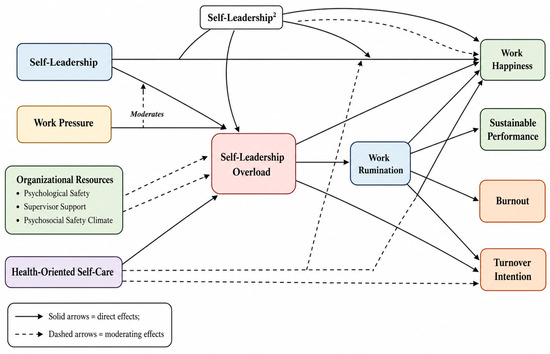
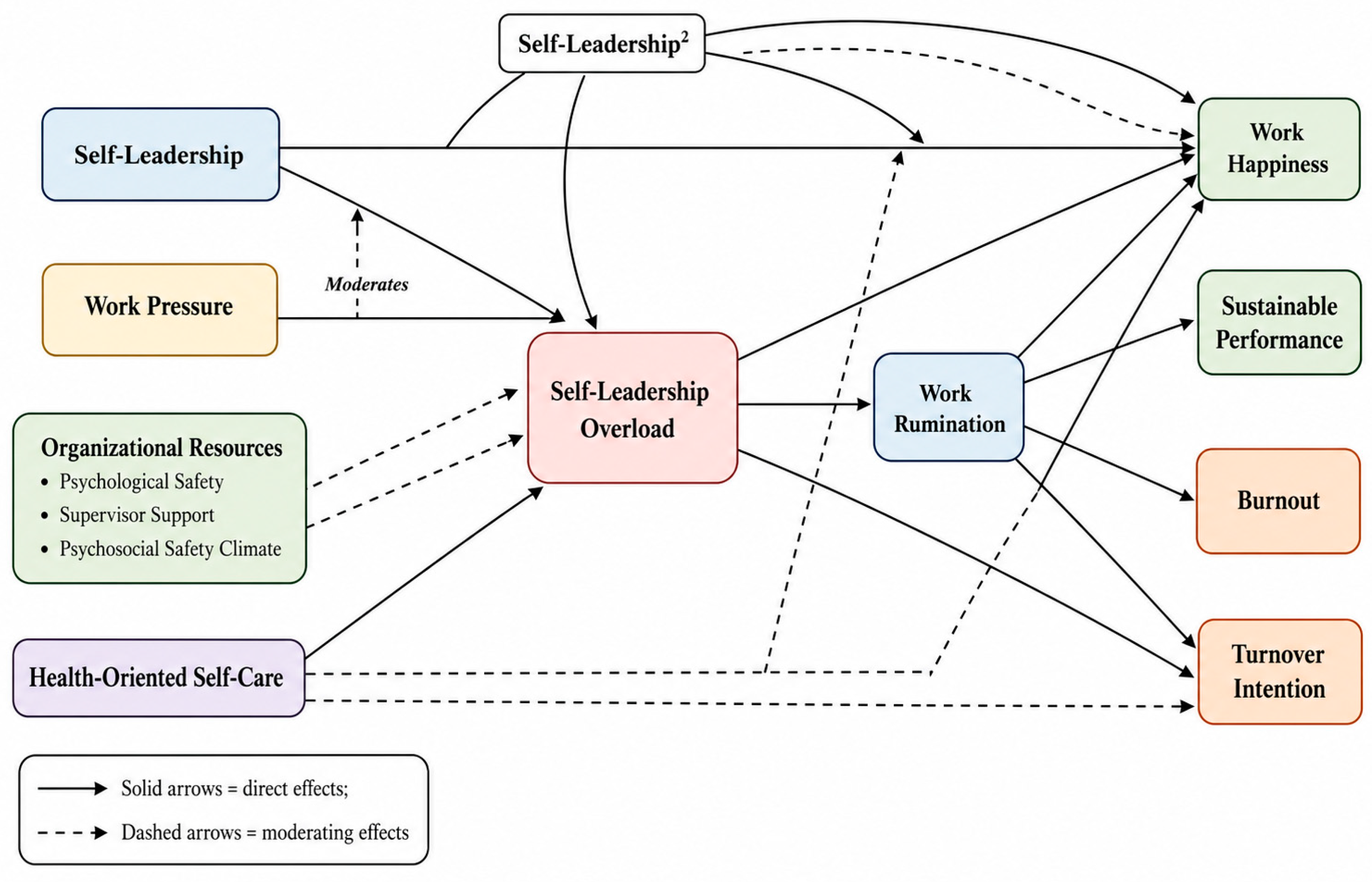
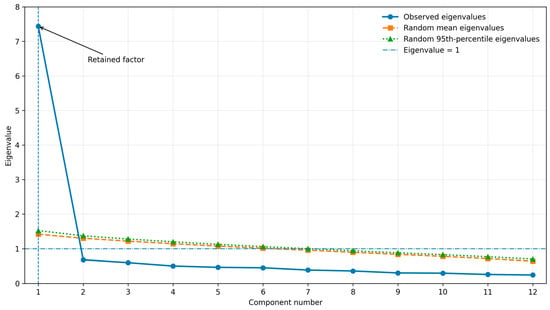
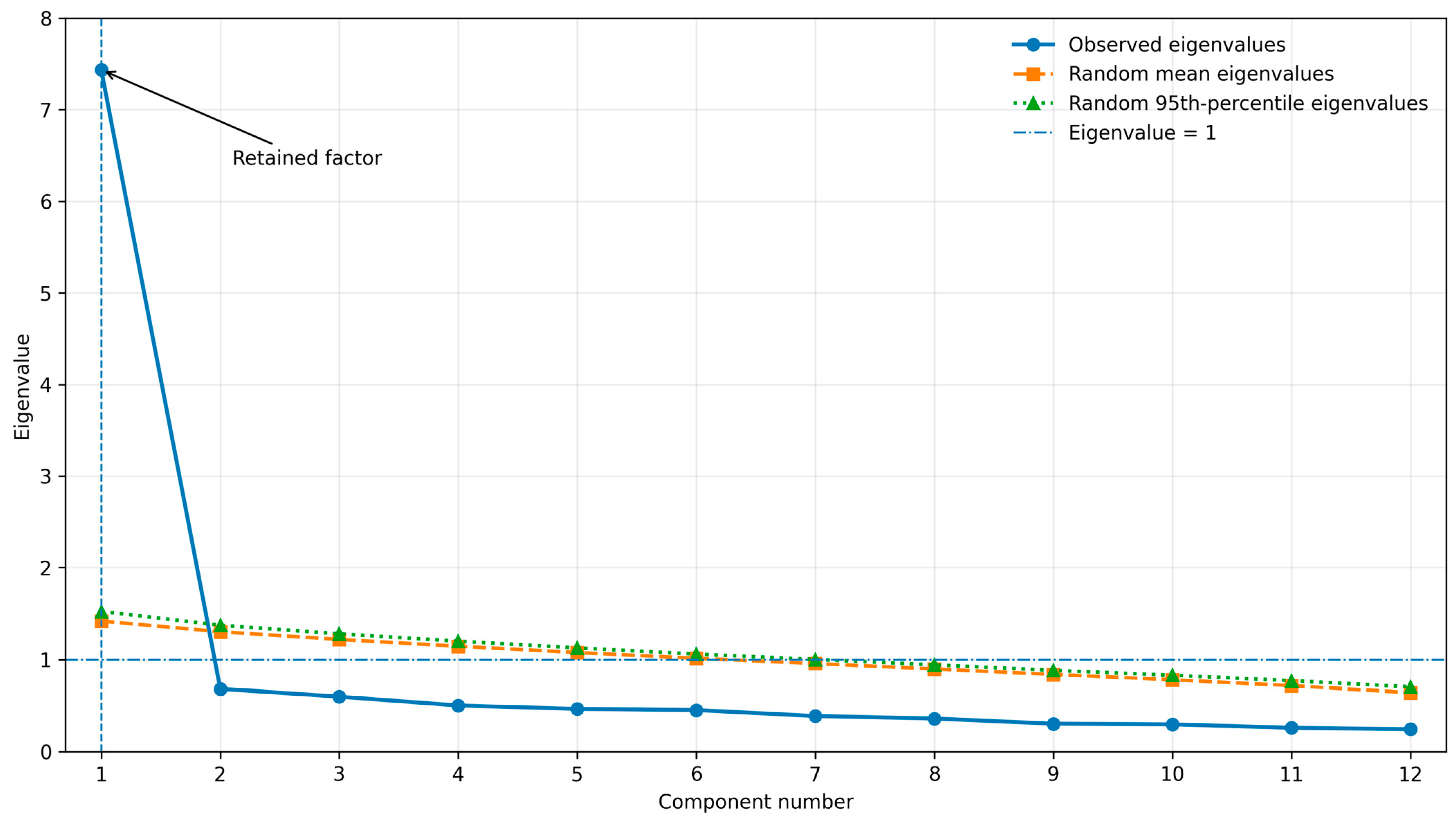
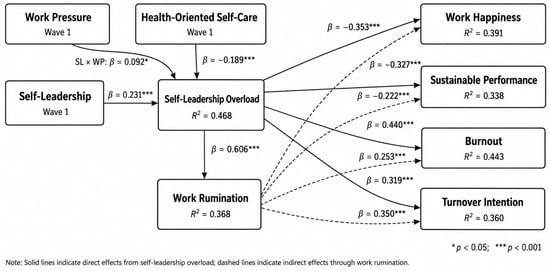
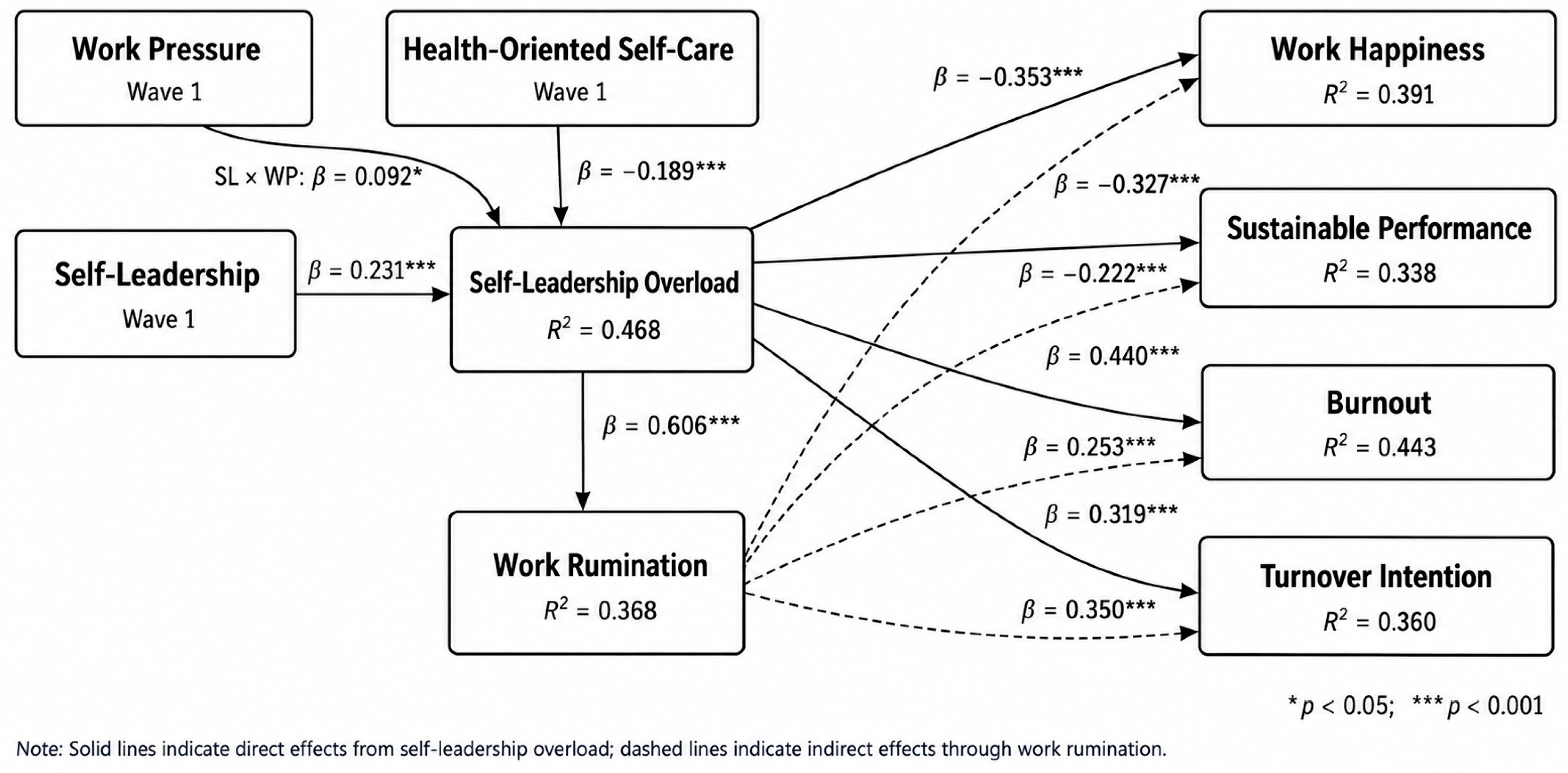
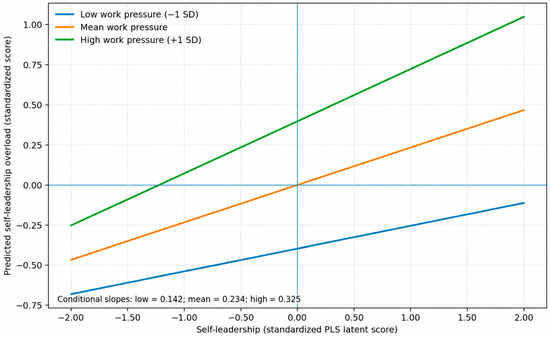
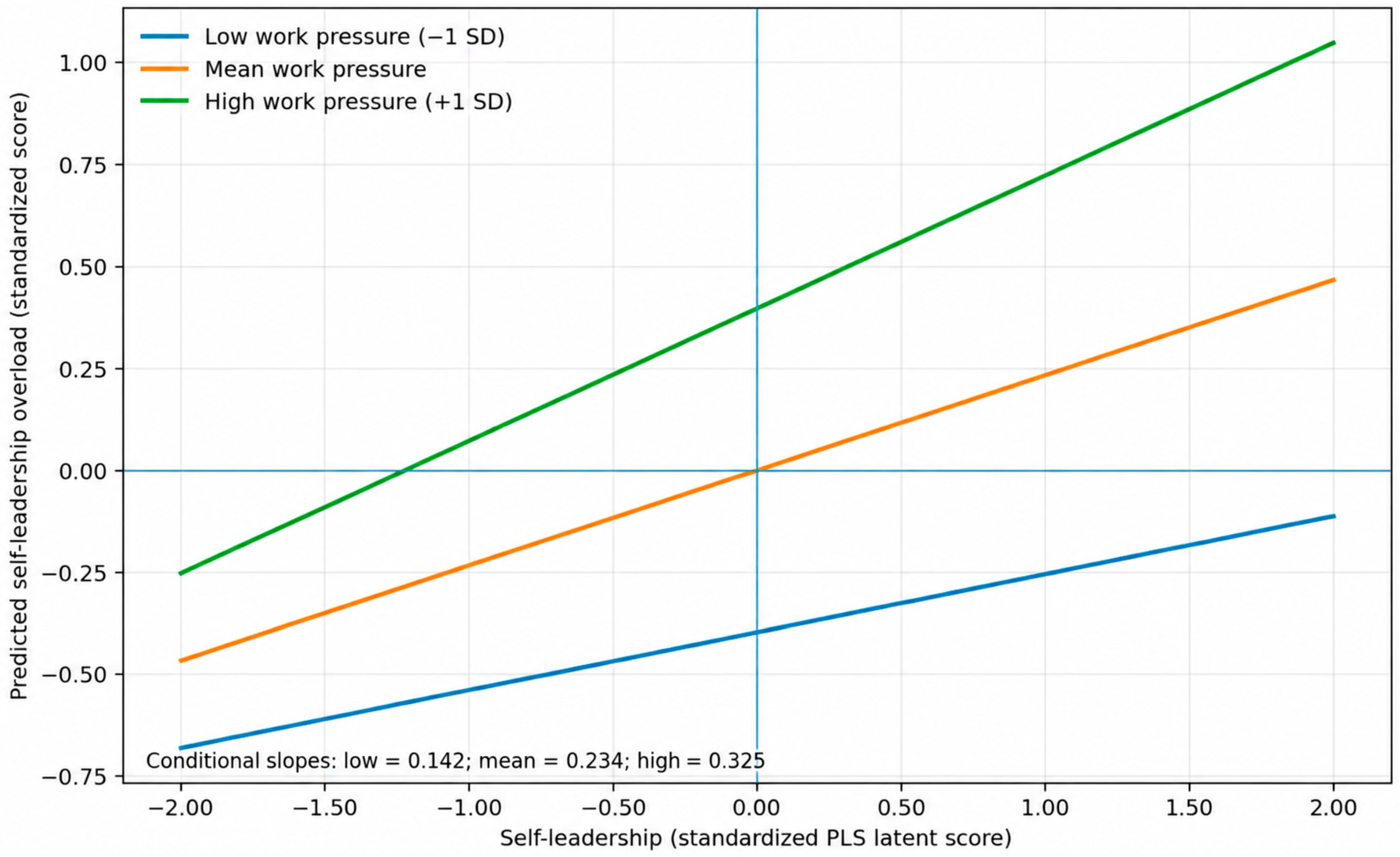

Disclaimer/Publisher’s Note: The statements, opinions and data contained in all publications are solely those of the individual author(s) and contributor(s) and not of MDPI and/or the editor(s). MDPI and/or the editor(s) disclaim responsibility for any injury to people or property resulting from any ideas, methods, instructions or products referred to in the content. |
© 2026 by the authors. Licensee MDPI, Basel, Switzerland. This article is an open access article distributed under the terms and conditions of the Creative Commons Attribution (CC BY) license.