


Abstract
Growing concern for environmental sustainability has prompted the hospitality sector to adopt environmentally responsible practices that support both business performance and long-term competitiveness. This study explores the extent to which green marketing activities and digital transformation influence tourists’ perceptions and their decisions to reserve eco-friendly accommodation. Data were obtained from visitors to major tourist destinations in three provinces of Thailand through a stratified sampling technique. After screening the questionnaires, 410 usable responses were retained and examined through structural equation modeling to test the proposed relationships. The results indicate that green marketing, digitalization, and tourists’ perceptions play significant roles in shaping accommodation booking behavior. Together, these factors account for a substantial proportion of the variation in eco-friendly hotel booking decisions. Tourist perception was identified as the most influential determinant and served as a significant mediating mechanism through which green marketing and digitalization affected booking intentions. This study extends the sustainable hospitality literature by developing an integrated framework that explains how sustainability-oriented marketing efforts and digital technologies influence consumer decision-making. The findings provide valuable insights for hotel managers seeking to enhance green brand image, improve customer perceptions, and encourage environmentally responsible travel choices through the effective use of digital technologies.
1. Introduction
Recent shifts in consumer expectations, environmental priorities, and global sustainability commitments have fundamentally reshaped the hospitality and tourism industry, driving organizations to adopt more sustainable operational and marketing practices (Abdou et al., 2020). As environmental consciousness continues to grow, tourists are increasingly inclined to favor hospitality businesses that demonstrate responsible environmental practices, carbon reduction initiatives, and sustainable service operations. In response to these evolving preferences, hotels and tourism enterprises are incorporating sustainability into their operational and marketing strategies in order to maintain competitiveness and meet evolving customer expectations. Consequently, sustainable hospitality has evolved from a peripheral concern into a strategic priority, enabling organizations to pursue economic objectives while fulfilling their environmental responsibilities (Abdou et al., 2020; Preziosi et al., 2022).
Within this context, green marketing has become an essential strategic approach in the hospitality sector. It involves embedding environmental considerations into hotel operations, service design, and stakeholder communications to improve sustainability performance while responding to evolving market expectations. In practice, such initiatives may include eco-friendly service offerings, resource and energy conservation measures, waste reduction programs, sustainability certifications, and transparent environmental communication. By implementing these practices, hotels can strengthen their brand image, foster customer loyalty, enhance competitive advantage, and improve overall organizational performance (Brañes et al., 2025; Fang & Zaman, 2025; Seo et al., 2024). However, ineffective or exaggerated sustainability claims may generate perceptions of greenwashing, thereby reducing tourists’ trust and weakening the effectiveness of sustainability communication (Adhikari, 2024; Brañes et al., 2025).
Alongside sustainability-driven changes, digitalization has emerged as a transformative force within the hospitality industry. The proliferation of advanced technologies, including artificial intelligence, mobile applications, online booking platforms, and data-driven personalization systems, has altered how tourists obtain information, evaluate accommodation options, and interact with service providers. As a result, digital technologies have become instrumental in enhancing customer experiences and facilitating more informed travel decisions (Zeqiri et al., 2025). Digitalization also enables hospitality businesses to communicate sustainability initiatives more effectively, improve transparency, and strengthen relationships with environmentally conscious travelers. In sustainable hospitality contexts, digital platforms have become critical channels for promoting green services, delivering environmental messages, and influencing tourists’ perceptions toward eco-friendly accommodations (Zada et al., 2025; Zeqiri et al., 2025).
Although green marketing and digitalization are widely recognized as key enablers of sustainable hospitality, translating these initiatives into favorable consumer responses remains a significant challenge. While many hospitality organizations have invested considerable resources in sustainability programs and digital innovations, tourists often remain skeptical regarding the credibility of environmental claims because of concerns related to greenwashing, limited transparency, and inconsistent sustainability communication (Acampora et al., 2022; Alyahia et al., 2024). Consequently, this skepticism may weaken tourists’ trust and reduce the effectiveness of green marketing strategies in encouraging environmentally responsible booking behavior.
Moreover, prior studies have largely examined green marketing and digitalization as separate or partially connected constructs, frequently focusing on isolated dimensions such as eco-labels, online reviews, or digital platforms. Limited research has developed integrated frameworks explaining how green marketing strategies and digital innovation jointly shape tourists’ perceptions and eco-friendly booking decisions within sustainable hospitality settings (Fang & Zaman, 2025; Pan et al., 2022; Velaoras et al., 2025; Zada et al., 2025). Existing studies have also primarily emphasized psychological factors such as perceived value, satisfaction, trust, destination image, attitudes, and social norms, while comparatively limited attention has been given to tourists’ perceived environmental responsibility as a distinct construct influencing sustainable booking behavior (Fauzi et al., 2024; Hashish et al., 2022; Khan et al., 2025). Consequently, a more comprehensive framework is needed to explain how digitalization and green marketing strategies interact to influence tourists’ perceptions and behavioral intentions toward eco-friendly accommodations.
Drawing on the Stimulus-Organism-Response (S-O-R) paradigm, this study provides a theoretical explanation for how sustainability-oriented marketing and digital transformation influence tourist behavior. According to the S-O-R framework, environmental cues affect individuals’ internal psychological states, which in turn determine subsequent behavioral responses (Mehrabian & Russell, 1974). Within the sustainable hospitality sector, green marketing strategies and digitalization are conceptualized as external stimuli, tourist perception represents the organism component, and booking decisions constitute the behavioral response. Specifically, digital technologies and sustainability-oriented marketing practices may influence tourists’ perceptions regarding environmental responsibility, value, trust, and brand image, which subsequently affect their eco-friendly booking decisions. Therefore, the S-O-R framework helps explain the mechanisms through which green marketing strategies and digital transformation shape tourists’ behavioral responses within sustainable hospitality.
Despite growing research on sustainable hospitality and digital transformation, limited attention has been given to how green marketing strategies and digitalization jointly shape tourists’ perceptions and eco-friendly accommodation booking decisions within an integrated theoretical framework. In particular, the psychological mechanism through which these organizational initiatives translate into booking behavior remains insufficiently understood. Accordingly, this study addresses the following research question: How are perceived green marketing practices and perceived digitalization associated with tourists’ perceptions and their intentions to book eco-friendly accommodation?
To address this question, the study aims to (1) examine the relationships among perceived green marketing practices, perceived digitalization, tourist perception, and eco-friendly accommodation booking intention; (2) investigate the mediating role of tourist perception within the Stimulus-Organism-Response (S-O-R) framework; and (3) provide theoretical and managerial insights into digital green hospitality. A quantitative cross-sectional survey of domestic tourists in Thailand was conducted, and the proposed model was tested using Structural Equation Modeling (SEM). By integrating sustainability-oriented marketing and digitalization within the S-O-R framework, the study extends understanding of how these organizational initiatives operate through tourist perception to shape eco-friendly accommodation booking decisions and provides practical insights for strengthening credible sustainability communication and digitally enabled green hospitality strategies.
2. Theory-Informed Conceptual Framework
2.1. Stimulus-Organism-Response (S-O-R) Framework
This study draws upon the Stimulus-Organism-Response (S-O-R) framework as the principal theoretical lens for understanding the mechanisms through which green marketing strategies and digitalization influence tourists’ decisions to select eco-friendly accommodations. Developed by Mehrabian and Russell (1974), the S-O-R framework proposes that external cues from the environment trigger individuals’ internal psychological processes, which subsequently shape their behavioral outcomes. Owing to its ability to explain the link between environmental stimuli, individual evaluations, and behavioral consequences, the framework has been widely employed in tourism and hospitality research. In particular, it has been used to examine how sustainability-related initiatives, technological innovations, and environmental communications affect tourists’ perceptions, attitudes, and environmentally responsible behavioral intentions.
According to the S-O-R perspective, the stimulus dimension encompasses external conditions and situational cues that activate individuals’ internal psychological processes. In tourism and hospitality contexts, these stimuli may include destination image, environmental conditions, technological attributes, social interactions, sustainability policies, and communication strategies (Khan et al., 2025; Nieves-Pavón et al., 2023; Nosrati et al., 2026). Previous studies have demonstrated that sustainability-related information and digital technologies can significantly shape tourists’ perceptions, experiences, and behavioral intentions by providing accessible, transparent, and interactive information environments.
The organism (O) component represents individuals’ internal cognitive and affective states that emerge after exposure to external stimuli. These internal states commonly include attitudes, perceived value, emotions, trust, eco-guilt, satisfaction, place attachment, and personal norms (Khan et al., 2025; Liu et al., 2025; Nosrati et al., 2026). In sustainable hospitality research, tourists typically evaluate environmental information and digital experiences before forming perceptions regarding the credibility, attractiveness, and reliability of eco-friendly accommodation providers. Such internal evaluations play a critical mediating role between external environmental stimuli and tourists’ subsequent behavioral responses.
The response (R) dimension represents the actions and behavioral consequences that emerge from individuals’ cognitive and affective processing of external stimuli. Within tourism research, such outcomes may be reflected in environmentally conscious actions, sustainable consumption patterns, customer loyalty, intentions to revisit, support for destination conservation, adoption of virtual reality technologies, and spontaneous travel-related decisions (Khan et al., 2025; Liu et al., 2025). From this perspective, the Stimulus-Organism-Response (S-O-R) framework offers a valuable conceptual basis for understanding the pathways through which sustainability-oriented and technology-driven stimuli affect tourists’ perceptions and psychological states, ultimately influencing their environmentally responsible and sustainability-related behaviors.
In this study, green marketing strategies and digitalization are conceptualized as the stimulus (S) variables. Green marketing strategies include environmental communication, eco-friendly certifications, sustainable products and services, and customer engagement in sustainability initiatives. These strategies function as external cues that communicate an accommodation provider’s environmental responsibility and sustainability commitment. At the same time, digitalization-represented by digital culture, digital organization, digital technology, and digital insights-enhances transparency, information accessibility, personalization, and interactive communication between hospitality businesses and tourists. Collectively, these sustainability and technological stimuli influence tourists’ cognitive and emotional evaluations during the accommodation selection process.
Within the proposed framework, tourist perception constitutes the organism (O) dimension and captures tourists’ assessments of eco-friendly accommodation in terms of environmental responsibility, perceived value, trustworthiness, and image. Consistent with S-O-R theory, behavioral outcomes are not generated directly by environmental stimuli; instead, they emerge through internal psychological mechanisms that shape how individuals interpret and evaluate external information. In sustainable hospitality settings, tourists interpret and evaluate sustainability-related information and digital experiences before developing judgments regarding the credibility, value, and attractiveness of eco-friendly accommodations. Positive perceptions may strengthen tourists’ trust, confidence, and emotional attachment toward environmentally responsible accommodation providers.
Finally, the response (R) component is operationalized as purchase decisions toward eco-friendly accommodation. These responses include tourists’ intention, likelihood, prioritization, and willingness to select and book environmentally responsible accommodations. The S-O-R framework suggests that favorable cognitive and emotional evaluations generated through positive environmental and technological stimuli are likely to enhance consumers’ behavioral intentions and purchasing behavior. Therefore, when tourists perceive eco-friendly accommodations as trustworthy, valuable, environmentally responsible, and technologically advanced, they are more likely to prioritize and select such accommodations during their travel decision-making process.
Accordingly, the S-O-R framework offers a valuable basis for understanding the pathways linking green marketing strategies, digitalization, tourist perception, and eco-friendly accommodation purchase decisions. It further highlights the role of tourist perception as a key psychological mechanism through which environmental and technological cues are transformed into sustainability-oriented consumer actions.
In this study, green marketing refers to tourists’ perceptions of environmentally responsible marketing practices communicated by eco-friendly accommodation providers rather than the organizations’ objectively implemented sustainability strategies. The construct captures respondents’ evaluations of observable environmental communication, eco-certification, environmentally responsible products and services, and customer engagement in sustainability that may influence accommodation evaluation. This perception-based conceptualization is consistent with the Stimulus-Organism-Response (S-O-R) framework, which emphasizes individuals’ responses to perceived environmental stimuli rather than objective organizational characteristics.
Digitalization is conceptualized as tourists’ perceptions of digitally enabled services and digital communication practices offered by eco-friendly accommodation providers. The construct reflects customers’ evaluations of observable digital capabilities, including online information availability, digital service accessibility, technology-supported customer interactions, and digital communication. It does not measure an organization’s internal digital strategy, organizational culture, or technological maturity, which cannot be directly evaluated by consumers. Accordingly, the construct represents perceived digital capability rather than objective organizational digital transformation.
2.2. Perceived Green Marketing Practices
As sustainability becomes increasingly influential in consumer decision-making, green marketing has evolved into a key managerial practice within the hospitality sector. It involves embedding environmental principles into service delivery, operational processes, and stakeholder communications to appeal to environmentally aware travelers and reinforce organizational competitiveness. In this context, the strategic communication of sustainability efforts plays a critical role in shaping positive customer perceptions, fostering trust, and encouraging long-term customer engagement.
Hotels are increasingly embedding sustainability principles into their operational activities through initiatives such as energy-efficient systems, water resource management, waste minimization, recycling programs, responsible sourcing, environmentally friendly amenities, and the adoption of green technologies. These practices not only reduce environmental impacts but also contribute to a more favorable organizational image (Majeed et al., 2022; Seo et al., 2024; Kholijah, 2024). Furthermore, eco-oriented service innovations, environmental certifications, and sustainability-focused operational strategies can enhance the credibility and reputation of hospitality businesses (Yu et al., 2021). The success of green marketing largely depends on the authenticity and clarity of sustainability-related communications. When hotels consistently communicate their environmental commitments, they are more likely to strengthen customer confidence, improve brand perceptions, and alleviate concerns associated with greenwashing (Alyahia et al., 2024; Brañes et al., 2025). Empirical evidence also suggests that sustainability-driven marketing initiatives can encourage favorable booking intentions and increase consumers’ acceptance of higher prices for environmentally responsible hospitality services, particularly among sustainability-minded travelers (Chang et al., 2024; Velaoras et al., 2025).
Previous studies further indicate that green marketing significantly associates with tourists’ psychological and behavioral responses. Green practices enhance environmental values, perceived responsibility, and green perceived value, which subsequently increase booking intention, revisit intention, favorable recommendations, and loyalty toward green hotels (Han, 2021; Seo et al., 2024). Environmental concern, environmental knowledge, and perceived effectiveness also positively associate with tourists’ intention to choose eco-friendly accommodation (Sharma, 2021; Wang, 2022).
However, the success of green marketing is largely determined by the consistency between actual sustainability practices and communicated environmental claims. Misalignment may relate to greenwashing perceptions and reduce consumer trust (Seyfi et al., 2025). Therefore, effective green marketing requires authentic sustainability implementation, consistent communication, technological capability, and long-term corporate commitment to environmental stewardship (Jia et al., 2023).
Overall, green marketing strategies make a substantial contribution to advancing sustainable hospitality by enhancing brand reputation, fostering consumer confidence, and encouraging environmentally conscious consumption patterns, while simultaneously strengthening hotels’ competitiveness and long-term sustainability performance.
2.3. Perceived Digitalization
Digitalization within the hospitality sector has evolved beyond the mere adoption of technology tools and is now viewed as a transformative organizational approach that embeds digital capabilities across service operations, customer interactions, and business processes to improve performance, sustainability, and market competitiveness (Amirulloh Anwar et al., 2024; Farías & Cancino, 2021). Contemporary hospitality businesses increasingly employ emerging digital solutions such as AI-driven applications, IoT-enabled technologies, and data-driven analytical tools, and smart systems to optimize energy consumption, minimize waste, and support low-carbon operations. These technologies improve operational efficiency while simultaneously contributing to environmental sustainability. Moreover, digital transformation enables tourism and hospitality enterprises, especially resource-constrained and medium-scale businesses, to strengthen competitiveness by accessing broader markets, improving resource management, and enhancing communication with target customers through digital platforms, online booking systems, and social media channels (Chorna et al., 2024; Zeqiri et al., 2025). Digitalization also supports sustainable tourism development by facilitating eco-tourism practices, resource optimization, and environmentally responsible business operations. In addition, data-driven platforms and digital systems enable personalized green marketing strategies, sustainability-oriented business innovations, as well as more efficient sustainability-focused tourism management practices (Rodrigues et al., 2023).
Existing literature further demonstrates that digitalization enriches customer experiences through tailored, integrated, and technology-enabled service interactions, leading to more favorable evaluations of service value, greater customer satisfaction, stronger relational commitment, and an increased likelihood of recommendations (Nguyen et al., 2022; Orús et al., 2021). Furthermore, a wide range of digital tools, including social networking platforms, online feedback systems, virtual reality (VR), augmented reality (AR), and AI-powered technologies, influence tourists’ perceptions, confidence, and sustainability-oriented behaviors by improving access to information and strengthening the transparency and reliability of sustainable tourism offerings (Lee et al., 2025; Yang et al., 2024). Despite these benefits, the successful implementation of digital transformation depends heavily on technological capabilities, organizational readiness, employee digital competencies, and effective ethical governance. Challenges associated with data privacy, digital inequality, cybersecurity concerns, and limited financial and technological resources among SMEs continue to constrain digital transformation in the hospitality sector (Zeqiri et al., 2025). Overall, digitalization is increasingly regarded as a critical strategic enabler for sustainable hospitality development and long-term organizational competitiveness.
Operational digitalization refers to the application of digital technologies to improve service delivery and operational efficiency, such as online reservation systems, mobile applications, contactless services, smart room technologies, and AI-enabled customer support. In contrast, strategic digitalization encompasses the integration of digital capabilities into organizational strategy, sustainability management, data-driven decision-making, customer engagement, and long-term competitive positioning. We clarify that our measurement of digitalization primarily reflects the strategic organizational perspective through dimensions such as digital culture, digital organization, digital technology, and digital insights, while recognizing that future studies could separately investigate the effects of operational and strategic digitalization on tourists’ behavioral outcomes.
The digital technologies can enhance environmental communication, operational efficiency, customer engagement, and sustainability performance, they may also generate unintended negative consequences. These include increased energy consumption associated with digital infrastructures, electronic waste, algorithmic bias, privacy and cybersecurity concerns, digital exclusion among certain traveler groups, and the growing dependence on technology that may undermine authentic tourism experiences.
Digitalization is increasingly recognized as a multidimensional organizational capability rather than merely the adoption of digital technologies. Contemporary digital transformation encompasses technological infrastructure, organizational processes, strategic management, data-driven decision-making, and the development of a digital culture that supports innovation and sustainable value creation. Within the hospitality industry, digitalization enables organizations to integrate advanced technologies with organizational capabilities to improve operational efficiency, customer engagement, sustainability communication, and long-term competitiveness. Accordingly, this study conceptualizes digitalization through four complementary dimensions: digital culture, reflecting organizational support for innovation; digital organization, representing digitally enabled structures and management practices; digital technology, referring to the adoption of digital systems and platforms; and digital insights, representing the strategic use of digital data to support managerial decision-making. Together, these dimensions capture the strategic and operational capabilities required for sustainable digital transformation in hospitality. This multidimensional operationalization is particularly appropriate for sustainable hospitality because effective environmental communication depends not only on technological adoption but also on organizational readiness and the strategic integration of digital capabilities to enhance tourists’ perceptions of environmental responsibility.
2.4. Tourist Perception
Tourists’ perceptions of eco-friendly hotels are shaped by multiple interrelated factors, including psychological, social, and marketing-related influences. Previous studies indicate that environmental concern, personal values, perceived value, satisfaction, service quality, visible green practices, eco-labels, trust, social norms, demographic characteristics, and marketing communication significantly shape tourists’ attitudes and behavioral intentions toward sustainable accommodation (Araújo et al., 2025; Hou & Wu, 2021; Patwary et al., 2022a; Sadiq et al., 2022). Despite growing public awareness of environmental issues and sustainability, consumer adoption of eco-friendly hotels remains modest. This situation can be attributed to the well-documented attitude–behavior gap, whereby pro-environmental beliefs do not always translate into actual purchasing decisions, together with concerns related to cost, convenience, and the credibility of sustainability-related claims (Fuchs et al., 2025).
The literature further suggests that tourist perception of eco-friendly hotels is multidimensional. Environmental values and ecological awareness often enhance favorable perceptions toward green accommodation; however, these perceptions are strongly mediated by perceived service quality, value, and overall satisfaction (Chang et al., 2024; Kokkhangplu et al., 2023). Tourists tend to respond positively when sustainable practices are visible, practical, and integrated with high-quality hospitality experiences. In this context, eco-labels and sustainability certifications can strengthen trust and reduce uncertainty, particularly when supported by transparent and authentic environmental actions (Težak Damijanić et al., 2023). Conversely, superficial or misleading sustainability communication may generate skepticism and weaken consumer confidence (Alyahia et al., 2024; Brañes et al., 2025).
Social influence also plays an important role in shaping tourists’ perceptions and decision-making processes. Recommendations from peers, family members, online communities, and broader cultural trends can significantly affect tourists’ willingness to choose environmentally responsible accommodation (Patwary et al., 2022b). Moreover, demographic factors such as age, education, and income have been identified as important predictors of sustainable accommodation preferences, with younger, highly educated, and higher-income travelers generally demonstrating stronger support for eco-friendly lodging options (Brañes et al., 2025; Velaoras et al., 2025). Nevertheless, price sensitivity remains a major constraint for some market segments.
Marketing communication is another critical determinant influencing tourist perception toward eco-friendly hotels. Effective communication strategies that clearly emphasize genuine sustainability initiatives can enhance environmental awareness, trust, and positive booking intentions (Acampora et al., 2022; Seyfi et al., 2025; Zheng et al., 2025). In particular, digital platforms and social media have become increasingly influential channels for promoting sustainable hospitality, as tourists frequently rely on online reviews, digital content, and social media influencers when evaluating environmentally responsible accommodation choices (Mariani & Borghi, 2023).
2.5. Eco-Friendly Accommodation Booking Intention
Eco-friendly hotels and sustainable accommodation practices have gained considerable prominence across the hospitality sector as organizations strive to deliver high-quality guest experiences while fulfilling environmental responsibilities and long-term sustainability goals (Abdou et al., 2020; Bhinder & Singh, 2025). Sustainable hospitality emphasizes the integration of service quality, environmental stewardship, and operational efficiency in response to the growing demand for environmentally responsible tourism and accommodation services. This approach emphasizes the adoption of sustainable operational practices that simultaneously enhance customer value and organizational competitiveness.
Within this context, green hospitality practices primarily aim to reduce environmental impacts through resource-efficient operations, including lower energy consumption, water conservation, and waste reduction. Previous studies indicate that sustainable operational practices can significantly improve environmental performance, reduce operating costs, strengthen corporate reputation, and enhance alignment with global sustainability initiatives (Abdou et al., 2020). Accordingly, the adoption of sustainability initiatives has evolved beyond environmental compliance, becoming a strategic means of creating long-term environmental and economic value for hospitality organizations (Kholijah, 2024).
The growing adoption of sustainability-oriented practices within the hospitality sector also supports international sustainability agendas by encouraging efficient resource utilization, environmentally responsible operations, and climate-conscious business practices (Abdou et al., 2020). Through environmentally responsible management systems, waste reduction programs, and energy-efficient operations, hotels contribute to broader global sustainable objectives and climate action efforts.
Previous studies indicate that sustainability-oriented practices and environmental certifications contribute to improved organizational performance and stronger customer loyalty, especially among environmentally aware consumers who are prepared to accept price premiums for sustainable offerings (Velaoras et al., 2025). In addition, proactive environmental strategies and corporate sustainability initiatives encourage eco-innovation, strengthen green core competencies, and enhance sustainable competitive positioning for hospitality organizations (Langgat et al., 2023). As a result, sustainability has evolved beyond a purely ethical obligation and is now considered a critical strategic asset within the hospitality sector.
Across previous studies, green hotels are commonly characterized by systematic and integrated approaches to environmental management while simultaneously supporting local communities and generating economic value. The successful implementation of sustainable hospitality practices is often facilitated through environmental certifications, green human resource management, sustainable leadership, and green marketing strategies. Collectively, these organizational mechanisms help institutionalize sustainability within hotel operations and translate environmental initiatives into improved business performance, enhanced customer satisfaction, and stronger guest loyalty.
2.6. Purchase Decision and Behavioral Intention
Tourists’ intentions to book eco-friendly accommodation are shaped by multiple interacting psychological, social, contextual, and marketing-related influences. Previous studies indicate that environmental attitudes and values, perceived capability to perform the behavior, subjective norms, trust in green practices, eco-labeling, perceived value, satisfaction, environmental awareness, and effective green communication significantly shape booking intentions (Patwary et al., 2022a; Sadiq et al., 2022; Van Huy et al., 2024). Although tourists generally express positive attitudes toward sustainability, actual booking decisions are often moderated by practical considerations such as convenience, price sensitivity, credibility of green claims, and the visibility of sustainable practices.
The literature further highlights that tourists’ behavioral intention toward eco-friendly accommodation is multidimensional. Psychological determinants, including environmental concern and pro-environmental attitudes, interact with social influences such as subjective and personal norms, while trust in green certifications and sustainable practices strengthens tourists’ confidence in accommodation providers (Chi, 2021; Dong et al., 2024; Fauzi et al., 2024). In addition, perceptions of value and overall satisfaction serve as important mechanisms through which positive attitudes are translated into accommodation selection decisions. However, barriers such as high prices, insufficient information, and skepticism regarding greenwashing may weaken tourists’ intentions if sustainability claims are not communicated transparently (Alyahia et al., 2024; Fuchs et al., 2025).
Trust is consistently identified as a crucial factor in reducing uncertainty and enhancing tourists’ willingness to select eco-friendly accommodation (Vu, 2025). Tourists increasingly expect environmentally responsible practices without compromising service quality, comfort, or convenience. Consequently, hospitality businesses should emphasize transparent sustainability communication, credible eco-certifications, authentic green practices, and social proof, such as reviews and testimonials, to strengthen consumer trust and behavioral intention. Overall, tourists’ purchase decisions toward eco-friendly accommodation are driven by the integrated effects of environmental attitudes, social influence, trust, perceived value, satisfaction, communication effectiveness, past experience, and economic considerations.
2.7. Hypothesis Development
2.7.1. Green Marketing Strategies and Digitalization
Green marketing initiatives within the hospitality sector are becoming increasingly intertwined with digital innovation, enabling organizations to communicate environmental commitments more effectively, connect with sustainability-oriented travelers, and improve service experiences. Drawing on the Stimulus-Organism-Response (S-O-R) framework, green marketing can be viewed as an environmental cue that motivates hospitality organizations to incorporate digital solutions into their sustainability strategies. Through technologies such as mobile applications, social networking platforms, online reservation systems, and AI-enabled customer support, hotels can disseminate sustainability-related information more transparently, encourage customer interaction, and improve the efficiency of environmentally responsible operations (Chaudhary et al., 2025; Hussein et al., 2024; Uludag et al., 2024). Prior research has indicated that hospitality organizations pursuing sustainability-oriented marketing initiatives are more inclined to integrate digital capabilities into their business activities to enhance sustainability communication and reinforce their market position (Chaudhary et al., 2025; Hussein et al., 2024). Therefore, the following hypothesis is proposed:
H1.
Perceived green marketing practices are positively associated with perceived digitalization in eco-friendly accommodation.
2.7.2. Green Marketing Strategies and Tourist Perception
Green marketing strategies are widely recognized as influential factors affecting tourists’ evaluations of eco-friendly accommodation. From the perspective of the Stimulus-Organism-Response (S-O-R) framework, sustainability-focused marketing initiatives can be viewed as environmental cues that shape tourists’ psychological interpretations and affective responses toward hospitality providers. Green certifications, eco-labels, sustainability communication, environmentally responsible operations, and transparent environmental practices can strengthen tourists’ trust, perceived environmental responsibility, and positive attitudes toward sustainable accommodation. When tourists perceive that hotels genuinely implement environmentally friendly practices, they are more likely to develop favorable perceptions regarding service quality, brand credibility, and environmental commitment. Prior studies consistently indicate that green marketing initiatives positively affect tourists’ perceptions and attitudes toward sustainable hospitality services (Abdou et al., 2022; Chen et al., 2025; Kapoor et al., 2022). Therefore, the following hypothesis is proposed:
H2.
Perceived green marketing practices are positively associated with tourist perception.
2.7.3. Green Marketing Strategies and Purchase Decision for Eco-Friendly Accommodation
By communicating environmental responsibility and sustainability commitments, green marketing strategies can influence tourists’ accommodation selection behavior through enhanced perceptions of value, greater confidence in green practices, and stronger psychological connections with eco-friendly hospitality providers. Drawing upon the S-O-R theory, green marketing activities act as environmental stimuli that affect tourists’ internal evaluations and subsequently shape behavioral responses, including booking and purchase decisions. Sustainability-focused promotional campaigns, eco-labels, environmental transparency, and green branding can reduce perceived risk and encourage tourists to select environmentally responsible accommodation providers. The growing prominence of sustainability considerations in travel decision-making has increased tourists’ preference for accommodation providers that actively integrate environmental responsibility into their operations. Empirical evidence indicates that sustainability-oriented marketing efforts can enhance tourists’ intentions to reserve eco-friendly accommodation and positively affect their accommodation selection decisions (Khan et al., 2025; Nelson et al., 2021; Qubbaj et al., 2023). Therefore, the following hypothesis is proposed:
H3.
Perceived green marketing practices are positively associated with booking intention.
2.7.4. Digitalization and Purchase Decision for Eco-Friendly Accommodation
Digitalization has become a critical factor influencing tourists’ purchase decisions in the hospitality industry. A wide range of digital solutions, including web-based reservation systems, smartphone applications, artificial intelligence, contactless service technologies, and personalized recommendation tools, enhance convenience, information accessibility, service efficiency, and overall travel experiences. Drawing upon the Technology Acceptance Model (TAM), tourists’ adoption of digital technologies is influenced by their perceptions of the technology’s utility and user-friendliness, which subsequently affect behavioral intentions and decision-making processes. In the context of eco-friendly accommodation, digital channels also provide greater access to sustainability-related information, customer feedback, and environmental certifications, thereby reinforcing tourists’ confidence in accommodation choices. Previous research has consistently demonstrated that digitalization positively affects tourists’ booking intentions and purchase behaviors in hospitality and tourism settings (Assaker & O’Connor, 2023; Li et al., 2024; Tran & Khoa, 2025). Therefore, the following hypothesis is proposed:
H4.
Perceived digitalization is positively associated with booking intention.
2.7.5. Tourist Perception and Purchase Decision for Eco-Friendly Accommodation
Tourist perception is an important determinant of purchase decisions toward eco-friendly accommodation. Positive perceptions regarding environmental responsibility, service quality, trustworthiness, and sustainability performance can significantly influence tourists’ willingness to book environmentally friendly hotels. According to the S-O-R theory, tourists’ internal cognitive and emotional evaluations directly shape behavioral responses, including purchase and booking intentions. When tourists perceive eco-friendly accommodation as credible, valuable, and aligned with their environmental values, they are more likely to demonstrate favorable purchasing behavior. Furthermore, positive tourist perceptions can reduce uncertainty and enhance emotional attachment toward sustainable hospitality brands. Prior studies have consistently confirmed that favorable tourist perceptions positively affect purchase intentions and booking decisions in the hospitality sector (Chang et al., 2024; Kokkhangplu et al., 2023). Therefore, the following hypothesis is proposed:
H5.
Tourist perception is positively associated with booking intention.
2.7.6. Digitalization and Tourist Perception
Digitalization can substantially shape tourists’ perceptions toward eco-friendly accommodation by improving communication quality, service efficiency, transparency, and customer engagement. Digital technologies such as interactive websites, social media platforms, online reviews, virtual experiences, and AI-enabled customer services provide tourists with greater access to sustainability-related information and personalized experiences. According to the Technology Acceptance Model (TAM), digital systems that are perceived as useful and user-friendly can positively influence users’ attitudes and perceptions. In sustainable hospitality contexts, digitalization enhances tourists’ confidence in hotel services and strengthens perceptions of innovation, convenience, and environmental responsibility. Previous studies have demonstrated that digital technologies positively influence tourists’ perceptions, satisfaction, and attitudes toward hospitality services (Galati et al., 2023; Van Huy et al., 2024; Zhang et al., 2022). Therefore, the following hypothesis is proposed:
H6.
Perceived digitalization is positively associated with tourist perception.
2.7.7. Digitalization as an Intervening Mechanism Linking Green Marketing Strategies and Eco-Friendly Accommodation Purchase Decisions
Digitalization may act as a key pathway through which green marketing initiatives affect tourists’ accommodation choices. In the contemporary hospitality industry, green marketing initiatives are increasingly integrated with digital technologies to communicate sustainability practices, enhance customer engagement, and improve service accessibility. Drawing upon the Stimulus-Organism-Response (S-O-R) theory, green marketing strategies function as external stimuli that encourage the adoption of digital technologies, which subsequently influence tourists’ behavioral responses, including booking and purchase decisions. Digital platforms such as mobile applications, online booking systems, social media communication, virtual tours, and AI-enabled services allow hotels to deliver sustainability-related information more effectively while improving tourists’ convenience and trust (Zeqiri et al., 2025). These digital interactions can strengthen tourists’ confidence in eco-friendly accommodation and facilitate purchasing behavior. Previous studies have suggested that digital transformation enhances the effectiveness of sustainability communication and positively affects tourists’ behavioral intentions in hospitality contexts. Consequently, digitalization is proposed as an intervening factor linking green marketing strategies with eco-friendly accommodation purchase decisions (Uludag et al., 2024; Van Huy et al., 2024). Thus, the following hypothesis is proposed:
H7.
Digitalization mediates the relationship between green marketing strategies and purchase decisions for eco-friendly accommodation.
2.7.8. Tourist Perception as an Intervening Mechanism Linking Green Marketing Strategies and Eco-Friendly Accommodation Purchase Decisions
Tourist perception may function as a key explanatory pathway connecting green marketing strategies with purchase decisions for eco-friendly accommodation. Drawing on the Stimulus-Organism-Response (S-O-R) framework, sustainability-oriented marketing initiatives can be viewed as environmental cues that shape tourists’ psychological interpretations and affective responses, which subsequently influence accommodation-related decision-making. Green marketing practices, including eco-labels, sustainability-focused communication, environmental certifications, and responsible business operations, can strengthen tourists’ confidence in hospitality providers while enhancing perceptions of environmental responsibility, service excellence, and brand reliability. Favorable perceptions may alleviate uncertainty and strengthen perceived benefits, thereby increasing tourists’ willingness to choose environmentally responsible accommodation options (Abdou et al., 2022; Kokkhangplu et al., 2023; Patwary et al., 2022a). Prior research has consistently demonstrated that favorable perceptions toward sustainable hospitality services significantly influence tourists’ behavioral intentions and purchasing decisions. Accordingly, tourist perception is likely to function as a psychological mechanism through which green marketing strategies influence tourists’ purchase decisions. Therefore, the following hypothesis is proposed:
H8.
Tourist perception mediates the relationship between green marketing strategies and purchase decisions for eco-friendly accommodation.
3. Materials and Methods
3.1. Research Design
This research adopted a quantitative approach and utilized Structural Equation Modeling (SEM) to investigate the associations among green marketing strategies, digitalization, tourist perception, and eco-friendly accommodation booking decisions. SEM was considered appropriate for this study because it facilitates the examination of complex interconnections among multiple latent constructs, including both direct and indirect effects. This analytical technique enables a deeper understanding of the factors underlying tourists’ decision-making behavior and contributes to the advancement of sustainable tourism research and practice.
3.2. Research Instrument
Data were collected using a structured questionnaire comprising multiple observed indicators for each latent construct. The measurement items were developed by the authors based on a synthesis of relevant literature in the sustainable tourism, hospitality, digital transformation, and consumer behavior literature and subsequently refined to reflect the context of eco-friendly accommodation (Appendix A). All items were assessed using a five-point Likert scale ranging from 1 (strongly disagree) to 5 (strongly agree). Green Marketing Strategies were measured through environmental communication, eco-certification, environmentally responsible products and services, and customer engagement in sustainability. Digitalization encompassed digital culture, digital organization, digital technology, and digital insights. Tourist Perception comprised perceived environmental responsibility, value, trust, and organizational image, while Booking Decision was assessed through intention, likelihood, effort, and prioritization to choose eco-friendly accommodation.
Prior to the main survey, a preliminary study involving 40 participants was conducted to assess the measurement quality of the instrument. One indicator with a factor loading below 0.40 was removed. The remaining constructs demonstrated satisfactory internal consistency, with Cronbach’s alpha coefficients exceeding the recommended threshold of 0.70.
Digitalization was operationalized as tourists’ perceptions of the digital capabilities and digitally enabled services associated with eco-friendly accommodation providers, rather than as an objective assessment of organizational digitalization strategies. This perception-based operationalization is consistent with the S-O-R framework, in which behavioral responses are shaped by individuals’ perceptions of environmental stimuli.
3.3. Sampling and Data Collection
The study targeted Thai tourists aged 20 years and above who had traveled domestically within the previous 12 months and intended to travel domestically in the following 12 months. Using stratified cluster sampling, data were collected from 430 tourists across three tourism destinations in Thailand: natural tourism attractions in Nakhon Ratchasima, historical and cultural tourism attractions in Phra Nakhon Si Ayutthaya, and coastal tourism attractions in Prachuap Khiri Khan.
Trained research assistants administered the questionnaires directly to eligible domestic tourists at the selected destinations. Before participation, respondents were informed of the study’s purpose, assured of anonymity and confidentiality, and advised that participation was voluntary. Completed questionnaires were screened for completeness prior to analysis.
After data screening using Mahalanobis distance, 20 outliers were removed, resulting in 410 valid responses for SEM analysis. The sample size was considered adequate for SEM and sufficient for analyzing complex relationships among latent variables.
3.4. Sample Characteristics
Table 1 summarizes the characteristics of the 410 valid respondents. The sample comprised slightly more female respondents (52.44%) than male respondents (44.15%) and was predominantly young, with 55.12% aged 20–28 years. Consistent with this age distribution, students constituted the largest occupational group (38.54%), while 63.17% of respondents held a bachelor’s degree. The relatively high proportion of younger respondents reflected their greater presence at the selected tourist sites during the data collection period, as well as their greater willingness to participate in the face-to-face survey. This sampling pattern should be considered when interpreting the findings and their generalizability to other age groups.
Table 1.
Sample Characteristics of Respondents (N = 410).
Regarding travel characteristics, most respondents traveled primarily for recreation (86.76%), with traveling with friends being the most common travel style (35.32%). Approximately half (50.24%) reported previous experience staying at accommodation they perceived as environmentally friendly, while 29.51% were uncertain whether they had previously stayed at such accommodation. Detailed sample characteristics are presented in Table 1.
3.5. Data Analysis
Data processing and statistical analyses were conducted using SPSS version 26 and AMOS. The analysis involved data screening, descriptive statistics, measurement model assessment, and Structural Equation Modeling (SEM). The measurement model was evaluated for reliability and validity, followed by assessment of the structural model to examine the hypothesized relationships among green marketing strategies, digitalization, tourist perception, and eco-friendly accommodation booking decisions.
Given that all constructs were measured using a single questionnaire, common method bias (CMB) was assessed. Procedurally, respondents were assured of anonymity and confidentiality, informed that there were no right or wrong answers, and encouraged to respond honestly. Statistically, Harman’s single-factor test was conducted, with the first unrotated factor accounting for less than 50% of the total variance, suggesting that CMB was unlikely to be a dominant concern. Nevertheless, the potential for common method bias cannot be entirely excluded because the data were self-reported and collected at a single point in time.
4. Results
Figure 1 presents the structural equation model (SEM) developed using AMOS to examine the relationships among Green Marketing Strategies, Digitalization, Tourist Perception, and Purchase Decisions in the context of eco-friendly accommodation. The model serves as a conceptual framework for assessing the interactions and causal pathways among these key constructs. The proposed model incorporates both direct and indirect relationships among the latent constructs, offering empirical evidence on the key determinants and underlying processes that influence tourists’ intentions and decisions when choosing environmentally sustainable accommodation. The results provide valuable insights into consumer behavior in the domain of sustainable tourism. The structural model demonstrates that Green Marketing Strategies function as a fundamental antecedent variable, significantly enhancing both Digitalization and Tourist Perception. These findings highlight the pivotal role of environmentally oriented marketing practices in shaping tourists’ perceptions and supporting the adoption of digital initiatives within eco-friendly accommodation settings. Among the direct effects assessed in the model, the relationship between Green Marketing Strategies and Digitalization demonstrated the greatest magnitude, with a standardized path coefficient of 0.634, indicating a strong positive association between the two constructs. The association was statistically significant at the 0.001 level, indicating a strong relationship between green marketing strategies and digital transformation. This finding underscores the critical contribution of green marketing initiatives to advancing digitalization efforts within organizations. This finding indicates that tourism and hospitality organizations implementing environmentally oriented marketing practices are more likely to adopt digital technologies and strengthen digital organizational systems to support sustainable tourism operations. Environmental communication, eco-friendly certifications, green service offerings, and customer engagement initiatives appear to encourage organizations to integrate digital platforms and technological innovations as part of their sustainability strategies.
Figure 1.
AMOS-Based Estimation of the Structural Equation Model.
The results reveal that Green Marketing Strategies have a statistically significant and positive influence on Tourist Perception, with the estimated path coefficient reaching 0.316. This finding suggests that the implementation of green marketing initiatives contributes positively to shaping tourists’ perceptions of eco-friendly accommodation. This outcome suggests that the implementation of sustainability-oriented marketing initiatives plays a crucial role in shaping tourists’ perceptions and evaluations of environmentally responsible accommodations. Tourists tend to develop more favorable perceptions of tourism enterprises when these organizations effectively communicate their environmental commitments and consistently implement authentic sustainability initiatives. Such efforts enhance the perceived credibility, social responsibility, and overall value of the enterprises in the eyes of tourists. Such perceptions enhance the overall organizational image and strengthen tourists’ confidence in the credibility of green initiatives. As a result, well-executed green marketing strategies foster more favorable attitudes, deeper psychological connections, and stronger preferences toward eco-friendly accommodation providers.
Furthermore, the results presented in Figure 1 indicate a strong positive relationship between Digitalization and Tourist Perception, with a standardized path coefficient of 0.602, suggesting that higher levels of digitalization are associated with more favorable tourist perceptions. This result suggests that digital transformation serves as a critical factor in enhancing tourists’ awareness, knowledge, and evaluation of sustainable tourism services. The integration of digital technologies, online communication platforms, social media channels, and readily accessible environmental information enables tourists to make more informed decisions and strengthens their perceptions of environmentally responsible accommodations. Consequently, digitalization indirectly promotes sustainable purchasing behavior by improving information transparency, increasing accessibility to sustainability-related content, and fostering greater customer engagement with environmentally sustainable practices.
The findings indicated that Green Marketing Strategies and Digitalization did not exert a statistically significant direct influence on consumers’ purchase decisions regarding eco-friendly accommodation. Specifically, Green Marketing Strategies exhibited a relatively weak direct effect on Purchase Decision (β = 0.061), while Digitalization demonstrated a modest path coefficient (β = 0.120). These findings suggest that neither sustainable marketing initiatives nor digital transformation efforts are sufficient, on their own, to directly influence tourists’ accommodation choices. Rather, the impact of these factors may operate through perceptual, cognitive, or emotional mechanisms that shape tourists’ evaluations and attitudes before being translated into actual purchasing behavior. Consequently, sustainability-related awareness and digital engagement may require the support of intermediary psychological processes to effectively drive decisions regarding eco-friendly accommodation.
Among the relationships examined in the structural model, the association between Tourist Perception and the Purchase Decision for Eco-Friendly Accommodation emerged as the strongest. This relationship was supported by a standardized path coefficient of 0.690 and was found to be highly significant at the 0.001 level, indicating a substantial positive influence of tourist perceptions on accommodation purchase decisions. This result suggests that Tourist Perception serves as the most influential predictor of environmentally responsible accommodation choices. Specifically, tourists who perceive eco-friendly accommodations as credible, beneficial, environmentally sustainable, and reputable are more likely to select these accommodations during their travels. The results highlight the significant influence of cognitive evaluations and perceptual processes on sustainable consumption behavior in the tourism context. Specifically, positive tourist perceptions play a crucial role in fostering environmentally responsible purchasing intentions and encouraging the selection of sustainable tourism products and services.
Furthermore, Tourist Perception is proposed to function as a mediating variable in the relationship between Green Marketing Strategies and Purchase Decisions for eco-friendly accommodation. This mediating role provides insight into the mechanism through which green marketing initiatives influence tourists’ accommodation choices. Although Green Marketing Strategies did not have a statistically significant direct effect on tourists’ purchase decisions, they influenced these decisions indirectly by enhancing tourists’ perceptions of eco-friendly accommodation. These positive perceptions, in turn, played a crucial role in shaping tourists’ purchase intentions and decision-making behavior. This mediation mechanism indicates that tourists’ perceptions serve as a psychological bridge connecting sustainability initiatives with environmentally responsible purchasing behavior.
The results of the measurement model assessment are presented in Table 2, which reports the reliability, convergent validity, and discriminant validity of the study constructs, namely Green Marketing Strategies, Digitalization, Tourist Perception, and Purchase Decision for Eco-Friendly Accommodation. All constructs were found to satisfy the recommended statistical thresholds, providing evidence of acceptable reliability and validity and supporting their psychometric soundness. These results provide empirical support for the reliability and validity of the measurement model and justify its use in the subsequent structural equation modeling analysis.
Table 2.
Assessment of Convergent Validity, Discriminant Validity, and Construct Reliability.
All observed indicators exhibited factor loadings ranging from 0.758 to 0.907, with each value surpassing the established benchmark of 0.70, indicating adequate construct measurement. The findings indicate that all measurement items demonstrated substantial loadings on their respective latent constructs, suggesting that they adequately represented the intended conceptual dimensions of the variables examined in this study. For the Green Marketing Strategies construct, factor loadings varied between 0.764 and 0.893, indicating satisfactory contributions from all measurement items. Environmental Communication emerged as the strongest indicator, with a loading of 0.893, highlighting its pivotal role in reflecting green marketing initiatives within the tourism and hospitality context. Furthermore, Eco-Friendly Certifications, Green Product and Service Offerings, and Customer Engagement in Sustainability also showed substantial factor loadings, highlighting their significant contributions to the measurement and operationalization of the Green Marketing Strategies construct.
The factor loadings for the Digitalization construct ranged from 0.790 to 0.907, indicating a strong association between the latent construct and its observed indicators. Among these indicators, Digital Organization exhibited the highest factor loading (0.907), suggesting that it contributed most substantially to the measurement of Digitalization. This was followed by Digital Culture, Digital Insights, and Digital Technology, respectively. These findings indicate that organizational digital transformation and technological integration are important components influencing tourism and hospitality operations in the digital era. The high loading values further confirm that the indicators effectively capture the multidimensional characteristics of digitalization.
For the construct of Tourist Perception, all observed indicators demonstrated high factor loadings, with values ranging from 0.794 to 0.889. These results suggest that the indicators are strongly representative of the latent construct and provide substantial evidence of their measurement validity. Among these indicators, Perceived Trust (0.889) and Perceived Value (0.888) demonstrated the highest factor loadings, reflecting their significant contribution to the formation of Tourist Perception. These findings suggest that tourists’ trust in and perceived value of environmentally sustainable accommodations constitute key dimensions influencing their overall perceptions and evaluations of such establishments.
In addition, Perceived Environmental Responsibility and Perceived Image also significantly contributed to the construct measurement, reflecting tourists’ awareness of sustainability and environmental responsibility in accommodation selection.
The Purchase Decision for Eco-Friendly Accommodation construct demonstrated acceptable measurement properties, with factor loadings ranging from 0.758 to 0.900, indicating a strong relationship between the observed indicators and the underlying latent construct. Likelihood demonstrated the highest loading value at 0.900, indicating that tourists’ probability of selecting environmentally friendly accommodations strongly reflects their purchasing decision behavior. The indicators of Intention, Effort, and Prioritization also showed substantial contributions, suggesting that behavioral intention and decision prioritization are essential determinants of eco-friendly accommodation selection.
The results of the reliability analysis demonstrated a high level of internal consistency across all constructs examined in the study, indicating that the measurement items reliably captured their respective latent variables. The Composite Reliability (CR) values varied between 0.899 and 0.915, exceeding the recommended minimum threshold of 0.70. These results demonstrate a high level of internal consistency and confirm the reliability of the measurement constructs. Furthermore, the Cronbach’s Alpha values ranged from 0.910 to 0.919, indicating a strong level of internal consistency among the measurement items used to assess each construct. Overall, the evidence suggests that the measurement scales exhibit strong reliability, thereby ensuring their effectiveness in capturing the underlying latent variables with both accuracy and consistency.
The AVE values, ranging from 0.691 to 0.730, surpassed the recommended threshold of 0.50, providing evidence of acceptable convergent validity across all constructs. These results indicate that each construct accounts for a substantial proportion of the variance in its associated indicators. Among the constructs, Tourist Perception exhibited the highest AVE value (0.730), followed by Purchase Decision for Eco-Friendly Accommodation (0.718), Digitalization (0.710), and Green Marketing Strategies (0.691). Collectively, these findings provide evidence that the measurement constructs possess strong convergent validity and effectively represent their underlying theoretical dimensions.
Furthermore, the assessment of discriminant validity yielded satisfactory results. Discriminant validity was confirmed, as the MSV and ASV values for all constructs were consistently below their respective AVE values. This finding demonstrates that the measurement constructs exhibit adequate distinctiveness and meet the established validity requirements. The results demonstrate that the constructs are conceptually and empirically distinct, with each variable representing a separate underlying dimension and exhibiting limited overlap with the other constructs. The results indicate that the measurement model achieves satisfactory discriminant validity, confirming its robustness and appropriateness for further structural model evaluation and hypothesis testing.
Table 3 presents the results of the hypothesis testing performed to evaluate the structural relationships among Green Marketing Strategies, Digitalization, Tourist Perception, and Purchase Decisions regarding eco-friendly accommodation. Structural equation modeling (SEM) was employed to assess the direct relationships among the latent constructs included in the proposed research framework. The findings demonstrate that four of the six proposed hypotheses were supported, indicating significant relationships among the corresponding variables, while two hypotheses were not supported by the empirical data.
Table 3.
Summary of Hypothesis Testing Results.
Hypothesis 1 (H1) suggested that the implementation of Green Marketing Strategies has a significant positive impact on Digitalization. The results of the empirical analysis provided strong support for the proposed relationship, indicating that Green Marketing Strategies exert a significant positive influence on Digitalization (β = 0.634, p < 0.001). Therefore, the findings offer empirical evidence in favor of H1, leading to its acceptance. The significant path coefficient suggests that green marketing initiatives serve as an important driver of digital transformation within the tourism and hospitality industry. This finding highlights the role of environmentally oriented marketing practices in fostering the adoption and integration of digital technologies across the sector. Specifically, organizations that actively engage in environmental communication, obtain eco-certifications, offer sustainable products and services, and promote environmentally responsible customer engagement are more likely to adopt and integrate digital technologies into their operational and managerial processes. These findings highlight the complementary relationship between sustainability-oriented marketing practices and digital transformation efforts, emphasizing their joint contribution to enhancing organizational sustainability and competitiveness in the tourism and hospitality industry.
The second hypothesis (H2) investigated the influence of Green Marketing Strategies on Tourist Perception. The findings indicated a statistically significant and positive association between the two constructs (β = 0.316, p < 0.001). This result provides empirical support for Hypothesis 2 (H2), suggesting that an increase in one construct is associated with a corresponding increase in the other. The results indicate that green marketing strategies significantly contribute to the formation of tourists’ perceptions regarding environmentally responsible accommodation providers. Specifically, effective sustainability-oriented communication, together with clearly observable environmental practices, enhances tourists’ evaluations of an accommodation’s environmental commitment, credibility, perceived value, and corporate image. As a result, tourists are more inclined to form positive perceptions and favorable attitudes toward accommodations that actively demonstrate and promote sustainable business practices.
Contrary to the proposed expectation, the results failed to confirm Hypothesis 3 (H3), indicating that Green Marketing Strategies do not have a statistically significant direct effect on consumers’ Purchase Decisions for Eco-Friendly Accommodation. The estimated path coefficient was 0.061, with a p-value of 0.196, exceeding the conventional threshold for statistical significance. The analysis revealed that the direct relationship between green marketing strategies and tourists’ intentions to purchase eco-friendly accommodation services was not statistically significant.
This finding suggests that, while tourists may be aware of and respond positively to sustainability-oriented marketing initiatives, such strategies alone may be insufficient to directly drive purchasing behavior. Instead, the impact of green marketing efforts may operate indirectly through intervening factors, including consumer trust, perceived value, environmental concern, or other cognitive and affective mechanisms. Therefore, the effectiveness of green marketing strategies in shaping purchase decisions may depend on their ability to foster favorable perceptions and attitudes that ultimately translate into behavioral intentions and actual purchasing actions.
Hypothesis 4 (H4) was formulated to assess the impact of digitalization on tourists’ purchasing decisions concerning eco-friendly accommodation options. The results indicated that the proposed relationship did not achieve statistical significance, with a standardized path coefficient of 0.120 and a p-value of 0.078. Therefore, the empirical evidence was insufficient to support Hypothesis H4. This result suggests that digitalization, in isolation, may not exert a direct influence on tourists’ decisions to choose environmentally sustainable accommodations. Although digital technologies and online platforms can enhance information accessibility, communication effectiveness, and service convenience, tourists’ accommodation choices appear to be more strongly shaped by factors such as environmental attitudes, perceived credibility, trust, and personal sustainability values. Therefore, the impact of digitalization on purchase decisions may be indirect and contingent upon the presence of other psychological or value-driven determinants.
Among all hypothesized relationships, Hypothesis 5 (H5) exhibited the strongest effect within the structural model. The findings indicate that Tourist Perception exerts a statistically significant positive effect on Purchase Decisions for Eco-Friendly Accommodation (β = 0.690, p < 0.001). This result provides robust empirical evidence in support of the proposed hypothesis. The substantial magnitude of the path coefficient suggests that tourist perception represents the most influential predictor of purchase decisions in the present study. This finding underscores the critical role of factors such as perceived trustworthiness, environmental commitment, value, and the overall image of eco-friendly accommodations in shaping consumer decision-making. Consequently, tourists who develop favorable perceptions of green accommodations are more inclined to consider and select environmentally responsible lodging options during their travel experiences.
The results supported Hypothesis 6 (H6), which postulated a positive effect of digitalization on tourist perception. Statistical analysis indicated a strong and significant association, as evidenced by a path coefficient of 0.602 (p < 0.001). Therefore, the hypothesis was accepted, suggesting that digitalization plays a substantial role in shaping tourists’ perceptions. This result highlights the pivotal role of digitalization in shaping favorable perceptions of eco-friendly accommodation services among tourists. The availability of digital platforms, enhanced access to online information, virtual engagement, and technological advancements appear to increase tourists’ awareness, confidence, and understanding of sustainable hospitality initiatives. As a result, digital transformation not only improves perception formation but may also indirectly encourage environmentally responsible purchasing decisions by fostering more positive attitudes toward sustainable accommodation options.
Overall, the hypothesis-testing results indicate that Tourist Perception is a pivotal factor shaping tourists’ purchase decisions regarding eco-friendly accommodations. The findings further reveal that Green Marketing Strategies exert a significant positive influence on both Digitalization and Tourist Perception, while Digitalization also significantly enhances Tourist Perception. However, neither Green Marketing Strategies nor Digitalization demonstrates a direct effect on purchase decisions. These results suggest that Tourist Perception functions as a key mediating psychological mechanism through which sustainability-oriented marketing initiatives and digital transformation efforts influence environmentally responsible consumer behavior within the tourism and hospitality sector.
Table 4 presents the findings of the mediation analysis conducted to examine the indirect influence of Green Marketing Strategies on Purchase Decisions for Eco-Friendly Accommodation. Specifically, the analysis evaluates the mediating roles of Digitalization and Tourist Perception in explaining the relationship between Green Marketing Strategies and consumers’ purchase decisions. To assess the underlying mechanism linking green marketing initiatives to tourists’ selection of environmentally sustainable accommodations, the analysis examined the mediating roles of these variables and evaluated the degree to which they explain this relationship. The findings indicate that Tourist Perception plays a significant mediating role in the relationship between Green Marketing Strategies and Purchase Decisions. This suggests that the effectiveness of green marketing initiatives in shaping consumers’ purchasing behavior operates, at least in part, through their influence on tourists’ perceptions of eco-friendly accommodation. In contrast, Digitalization does not exhibit a significant mediating effect, suggesting that it does not substantially contribute to the transmission of the influence of green marketing strategies on purchase decisions.
Table 4.
Mediation Effect Analysis.
The findings further confirm that the direct effect of Green Marketing Strategies on Purchase Decisions for Eco-Friendly Accommodation was not statistically significant. Specifically, the path coefficient was 0.061 with a p-value of 0.196, indicating that green marketing initiatives alone are insufficient to directly influence tourists’ accommodation purchasing decisions. This result suggests that while tourists may be aware of environmental messaging, sustainability certifications, and other green promotional activities, such initiatives do not necessarily lead to purchasing behavior in the absence of intervening psychological or perceptual mechanisms. Therefore, additional factors may play a crucial role in translating green marketing efforts into actual consumer decision-making regarding eco-friendly accommodations.
Hypothesis 7 (H7) examined whether Digitalization serves as a mediating mechanism in the relationship between Green Marketing Strategies and consumers’ Purchase Decisions regarding eco-friendly accommodation. The results indicated an indirect effect coefficient of 0.070; however, the associated p-value of 0.146 exceeded the conventional significance threshold, suggesting that the mediating effect was not statistically significant. The results indicate that H7 was not supported, implying that Digitalization does not function as a significant mediating variable within the proposed relationship. Therefore, the indirect effect transmitted through Digitalization was not sufficiently strong to establish a meaningful mediation mechanism.
The results indicate that Green Marketing Strategies play a significant role in promoting the adoption of digitalization practices. However, the implementation of these digital initiatives does not appear to exert a direct effect on tourists’ accommodation purchase decisions. This suggests that, although digital transformation may support organizational sustainability efforts, its influence on consumer purchasing behavior may be mediated by other factors. Although digital technologies, online communication channels, and digitally enabled organizational processes can improve operational performance and facilitate access to information, these factors alone may be insufficient to drive consumer preference for environmentally friendly accommodations. Instead, tourists’ decisions appear to be more strongly shaped by psychological factors, personal values, environmental concerns, and emotional motivations associated with sustainable tourism. Therefore, digitalization may function as a supporting mechanism rather than a primary determinant of eco-friendly accommodation purchase behavior.
In contrast, Hypothesis 8 (H8) investigated whether Tourist Perception serves as a mediating mechanism in the relationship between Green Marketing Strategies and consumers’ Purchase Decisions regarding eco-friendly accommodation. The analysis demonstrated a significant indirect effect (β = 0.202, p < 0.001), providing empirical support for H8. The results further indicated that Tourist Perception plays a mediating role within this relationship.
This finding suggests that Green Marketing Strategies do not directly influence tourists’ purchasing decisions; rather, their impact is transmitted through tourists’ perceptions of environmentally responsible accommodations. More specifically, the implementation of effective green marketing strategies positively influences tourists’ perceptions of an organization’s environmental responsibility, credibility, value proposition, and overall trustworthiness. As tourists develop favorable perceptions toward environmentally responsible accommodation, their willingness to choose such options is significantly enhanced. Accordingly, Tourist Perception plays a pivotal role in the decision-making process, acting as an important pathway through which green marketing efforts influence purchase intentions and subsequent accommodation choices.
The meditating role on effect observed in this study demonstrates that Tourist Perception serves as the sole mechanism through which Green Marketing Strategies affect Purchase Decisions for eco-friendly accommodation. In other words, the impact of Green Marketing Strategies on purchase behavior is transmitted entirely through tourists’ perceptions rather than through a direct relationship. Although Green Marketing Strategies did not exert a statistically significant direct influence on purchase decisions, a significant indirect effect was observed through Tourist Perception, indicating the mediating role of this construct in the relationship. This result demonstrates that Tourist Perception functions as the key mediating mechanism through which green marketing initiatives influence consumers’ environmentally responsible purchasing decisions.
The results indicate that sustainable marketing initiatives do not exert a direct influence on consumers’ decisions to purchase eco-friendly accommodation. Rather, their effectiveness depends on their ability to positively shape tourists’ perceptions, attitudes, trust, and perceived value regarding sustainability practices. Consequently, tourists are more likely to choose eco-friendly accommodation when green marketing strategies successfully enhance their understanding and evaluation of an establishment’s environmental commitment. These results highlight the critical role of perceptual and psychological factors in converting sustainability-oriented marketing activities into actual consumer behavior.
Overall, the mediation analysis highlights the critical importance of Tourist Perception in sustainable tourism marketing. While Digitalization contributes to organizational transformation and communication processes, it does not significantly mediate tourists’ purchasing behavior in this study. Conversely, Tourist Perception emerged as the key mechanism through which green marketing strategies shape tourists’ eco-friendly accommodation decisions. These results underscore the importance of integrating sustainable marketing initiatives and digital innovations within tourism and hospitality operations. The development of tourists’ trust, favorable perceptions, and environmental consciousness is equally critical, as these factors play a significant role in shaping environmentally responsible purchasing decisions.
Figure 2 presents the proposed causal relationship model that examines the interactions among Green Marketing Strategies, Digitalization, Tourist Perception, and Purchase Decision for Eco-Friendly Accommodation. The structural model was designed to assess both the direct and indirect relationships among these constructs within the framework of sustainable tourism and environmentally conscious accommodation choices. Specifically, the model offers a comprehensive understanding of how green marketing initiatives and digital transformation influence tourists’ purchasing decisions, both directly and indirectly through their perceptions of eco-friendly accommodation services.
Figure 2.
Conceptual Model Illustrating the Causal Relationships among Green Marketing Strategies, Digitalization, Tourist Perceptions, and Their Influence on Purchase Decisions for Eco-Friendly Accommodation. Note: *** Sig at 0.001 level.
The figure demonstrates that Green Marketing Strategies serve as a fundamental antecedent variable influencing both Digitalization and Tourist Perception. The strongest direct relationship identified in the model is between Green Marketing Strategies and Digitalization, with a path coefficient of 0.634. The integration of environmental communication, eco-friendly certifications, sustainable product offerings, and customer engagement activities appears to encourage organizations to strengthen their digital capabilities and technological infrastructure.
The model further shows that Green Marketing Strategies positively influence Tourist Perception, with a statistically significant path coefficient of 0.316. Green marketing activities enhance tourists’ trust, perceived value, environmental awareness, and organizational image, thereby contributing to more positive attitudes toward environmentally responsible accommodations.
Furthermore, Figure 2 demonstrates a substantial positive association between Digitalization and Tourist Perception, as evidenced by a path coefficient of 0.602. The integration of digital technologies, online communication platforms, virtual engagement tools, and readily available sustainability-related information contributes significantly to improving tourists’ understanding and assessment of environmentally sustainable accommodations. These results suggest that digitalization extends beyond operational improvements by fostering greater tourist awareness, trust, and confidence in sustainable hospitality practices, thereby enhancing the perceived value of eco-friendly tourism services.
Nevertheless, the structural model indicated that the direct effects of Green Marketing Strategies and Digitalization on tourists’ Purchase Decisions for Eco-Friendly Accommodation were not statistically significant. Specifically, the direct effect of Green Marketing Strategies on Purchase Decision was relatively weak (β = 0.061), while Digitalization demonstrated a similarly modest effect (β = 0.120). These findings suggest that neither green marketing initiatives nor digital transformation efforts, when considered independently, are sufficient to directly influence tourists’ decisions to choose environmentally sustainable accommodations. Rather, the impact of these factors appears to operate through more complex psychological mechanisms, requiring the development of stronger cognitive evaluations, emotional engagement, and positive perceptions before sustainability-related awareness can be translated into actual purchasing behavior.
Conversely, the strongest association identified within the structural model was between Tourist Perception and the Purchase Decision for Eco-Friendly Accommodation, as indicated by a path coefficient of 0.690. This result demonstrates that Tourist Perception serves as the most influential factor shaping consumers’ decisions to select environmentally sustainable accommodations. Specifically, tourists who perceive green accommodations as credible, valuable, environmentally responsible, and reputable exhibit a greater propensity to choose such lodging options during their travels. The findings emphasize the significant influence of tourist perceptions on sustainable consumption behavior. They further suggest that cultivating favorable perceptions toward environmentally responsible practices is essential for promoting the adoption of eco-friendly accommodation choices within the tourism industry.
Furthermore, the results demonstrate that Tourist Perception serves as a significant mediating mechanism in the relationship between Green Marketing Strategies and consumers’ Purchase Decisions regarding eco-friendly accommodation. This finding suggests that the influence of green marketing initiatives on purchasing behavior is transmitted, at least in part, through tourists’ perceptions and evaluations of environmentally sustainable lodging options. While green marketing strategies do not exert a significant direct influence on purchasing decisions, they indirectly shape tourists’ behavioral intentions by fostering favorable perceptions of environmentally sustainable accommodations. The observed mediating effect suggests that tourist perception functions as a key psychological pathway through which organizational sustainability practices influence environmentally responsible purchasing decisions. This finding highlights the importance of tourists’ perceptions in transforming sustainability initiatives into actual consumer behavior. Consequently, the effectiveness of green marketing strategies depends largely on their ability to cultivate positive perceptions among tourists, thereby encouraging the selection of eco-friendly accommodation options.
Overall, Figure 1 confirms that Tourist Perception is the central mechanism driving tourists’ decisions to select eco-friendly accommodations. Green Marketing Strategies and Digitalization contribute significantly to shaping tourists’ perceptions, but their influence on purchase decisions occurs primarily through perceptual and psychological processes rather than through direct effects. These findings suggest that tourism and hospitality businesses should prioritize strategies that strengthen tourists’ trust, perceived value, environmental awareness, and positive image perceptions in order to effectively encourage sustainable accommodation purchasing behavior.
5. Discussion
The findings related to Hypothesis 1 indicate that Green Marketing Strategies have a statistically significant and positive influence on Digitalization, suggesting that the adoption of environmentally oriented marketing practices contributes to the advancement of digital transformation initiatives. This finding suggests that tourism and hospitality enterprises that actively integrate sustainability-oriented marketing practices are more inclined to adopt digital technologies and organizational digital systems to support and enhance their environmental initiatives. The result aligns with prior research highlighting the pivotal role of digital technologies in fostering inclusivity within the tourism sector. Within the context of sustainable tourism, digital transformation not only facilitates the effective communication of environmental practices but also improves tourists’ access to sustainability-related information, ultimately enhancing stakeholder engagement and supporting responsible tourism development.
Hypothesis 2 demonstrated that Green Marketing Strategies significantly influenced Tourist Perception. This finding suggests that environmental communication, eco-friendly certifications, and sustainable service offerings positively shape tourists’ perceptions toward environmentally friendly accommodations. The result aligns with prior research emphasizing that green marketing activities enhance tourists’ trust, perceived value, and environmental awareness (Hsiao et al., 2026). Tourists tend to develop more favorable perceptions of eco-friendly accommodations when hospitality providers demonstrate a genuine commitment to environmental sustainability and consistently implement sustainable practices throughout their operations.
The analysis of Hypothesis 3 demonstrated that the direct relationship between Green Marketing Strategies and tourists’ purchase decisions for eco-friendly accommodation was not statistically significant. This finding suggests that although tourists may acknowledge and value sustainability-oriented marketing efforts, such initiatives alone may be insufficient to directly motivate purchasing behavior. Consistent with the S-O-R framework, green marketing strategies function as external stimuli whose behavioral influence may operate through tourists’ internal evaluations, including perceived environmental responsibility, value, trust, and organizational image. This interpretation is consistent with previous research indicating that sustainability-oriented marketing does not necessarily translate directly into green purchasing behavior, as consumers’ psychological evaluations and situational considerations also shape their decisions (Khan et al., 2025).
Likewise, Hypothesis 4 was not supported as Digitalization did not demonstrate a statistically significant influence on Purchase Decisions regarding eco-friendly accommodation. This finding suggests that digital technologies and online communication platforms alone may be insufficient to directly influence tourists’ accommodation choices. Rather, digitalization may function primarily as an enabling or supporting factor by improving information accessibility and sustainability communication, while tourists’ decisions remain dependent on factors such as environmental values, perceived credibility, trust, and perceived ecological benefits (Karunaratna et al., 2026).
This finding differs from previous studies reporting significant effects of digital tourism technologies on consumer decision-making. One possible explanation is the contextual variation across geographical, technological, and socioeconomic settings, as much of the existing evidence has been derived from technologically advanced markets. Further investigation across emerging and developed tourism contexts is therefore needed to clarify the conditions under which digitalization contributes to sustainable accommodation choices.
The results of Hypothesis 5 demonstrated the most substantial effect within the structural model, suggesting that Tourist Perception plays a pivotal role in shaping Purchase Decisions related to eco-friendly accommodation. Specifically, a positive and statistically significant relationship was observed, indicating that favorable tourist perceptions are likely to enhance consumers’ intentions to select environmentally sustainable lodging options. The present findings highlight the importance of tourists’ evaluations of a firm’s environmental commitment, trustworthiness, perceived value, and organizational image in influencing pro-environmental purchasing behavior. This outcome supports the Stimulus-Organism-Response (S-O-R) theory, which proposes that external environmental cues, such as green marketing strategies and sustainable business practices, shape consumers’ internal cognitive and affective states. These psychological responses subsequently drive behavioral intentions and decision-making processes related to eco-friendly consumption (Vilkaite-Vaitone & Skackauskiene, 2026). From this theoretical standpoint, tourist perception represents the organism component, acting as an internal cognitive and evaluative process through which sustainability-related stimuli influence purchasing decisions. As a result, travelers who view eco-friendly accommodations as trustworthy, beneficial, and genuinely dedicated to environmental sustainability are more inclined to select these establishments when making accommodation choices during their trips. These findings underscore the importance of fostering positive perceptions through effective sustainability initiatives and transparent environmental communication to encourage eco-friendliness.
The results of Hypothesis 6 revealed that Digitalization exerts a significant positive effect on Tourist Perception. This finding indicates that the use of digital platforms, virtual communication channels, and online dissemination of sustainability-related information enhances tourists’ awareness, knowledge, and perceptions of environmentally responsible accommodation providers. This finding aligns with prior research highlighting the significant role of digital technologies in enhancing tourists’ experiences, building trust, and shaping perceptions of destination image. The evidence suggests that the effective integration of digital tools can positively influence how tourists evaluate and engage with tourism destinations (Veseli et al., 2025). Consequently, digitalization serves as an important enabling mechanism for sustainable tourism development by improving tourists’ confidence in and perceptions of green hospitality practices and services.
The mediation analysis revealed partial support for the proposed mechanisms. Hypothesis 7 was not supported, as Digitalization did not significantly mediate the relationship between Green Marketing Strategies and Purchase Decisions, suggesting that digital transformation alone does not explain how sustainable marketing initiatives translate into purchasing behavior. In contrast, Hypothesis 8 was supported, with Tourist Perception fully mediating the relationship between Green Marketing Strategies and Purchase Decision. This finding identifies Tourist Perception as a key psychological pathway through which sustainability-oriented marketing efforts are translated into environmentally responsible purchasing behavior and is consistent with previous research emphasizing the importance of consumer perceptions and trust in green purchase decisions (Vilkaite-Vaitone & Skackauskiene, 2026).
The findings reinforce the Stimulus-Organism-Response (S-O-R) framework by demonstrating that tourists’ psychological evaluations are central to translating organizational sustainability initiatives into eco-friendly accommodation booking intentions. Rather than directly influencing booking decisions, green marketing strategies and digitalization appear to shape consumer behavior through enhanced perceptions of environmental credibility, trust, and value. This interpretation extends previous hospitality research by highlighting the complementary roles of sustainability-oriented marketing and digital transformation in influencing tourist decision-making. The results further suggest that successful digital green hospitality requires not only technological adoption but also authentic sustainability communication that strengthens tourists’ confidence in environmentally responsible accommodation providers.
An important finding of this study is that green marketing strategies and digitalization did not exert significant direct effects on eco-friendly accommodation booking intentions. Rather than contradicting the S-O-R framework, these results suggest that sustainability-related and digital stimuli require favorable cognitive evaluations before they translate into behavioral responses. This finding also provides insight into the attitude–behavior gap in sustainable consumption, whereby positive evaluations of environmental initiatives do not necessarily result in corresponding purchasing behavior. Tourists may acknowledge sustainability efforts yet remain influenced by practical considerations such as price, convenience, service quality, and travel context. Similarly, sustainability claims may have limited behavioral influence unless they are perceived as authentic and credible. The findings therefore reinforce the importance of Tourist Perception as the psychological mechanism through which sustainability-oriented initiatives become relevant to eco-friendly accommodation choices.
The findings should be interpreted from the perspective of consumer perceptions rather than organizational capabilities. Specifically, the study examines how tourists perceive the digital characteristics of eco-friendly accommodation providers and how these perceptions relate to booking intentions. It does not evaluate the effectiveness of hotels’ actual digital transformation strategies or objectively measure organizational digital maturity. Consequently, the results reflect tourists’ interpretations of digital service quality and sustainability communication rather than the strategic decisions made by hospitality organizations.
The positive association between perceived green marketing practices and perceived digitalization should be interpreted cautiously. Rather than indicating that sustainability initiatives directly lead to greater digitalization, the findings suggest that tourists tend to perceive environmentally responsible accommodation providers as also exhibiting stronger digital capabilities. This relationship may reflect the complementary nature of sustainability communication and digital technologies, as digital platforms increasingly serve as primary channels for communicating environmental initiatives, engaging customers, and delivering service information. Conversely, digitally advanced accommodation providers may also be perceived as more innovative and environmentally responsible. Therefore, the observed association may represent reciprocal or mutually reinforcing organizational characteristics rather than a unidirectional causal relationship. Given the cross-sectional design, alternative explanations—including reverse causality or shared antecedents such as organizational innovation capability or strategic orientation—cannot be excluded.
Overall, the principal theoretical contribution of this study lies in integrating perceived green marketing practices and perceived digitalization within a unified S-O-R framework and demonstrating the central role of Tourist Perception in linking these stimuli to eco-friendly accommodation booking decisions. Rather than establishing fundamentally new direct relationships, the findings provide a more integrated explanation of how sustainability-oriented marketing and digitalization operate through tourists’ cognitive evaluations. This perspective contributes to understanding digital green hospitality by highlighting that the effectiveness of sustainability and digital initiatives depends not merely on their implementation but on their ability to generate credible and favorable tourist perceptions.
6. Conclusions
This study examined how Green Marketing Strategies and Digitalization are associated with Tourist Perception and eco-friendly accommodation booking decisions within the S-O-R framework. The findings demonstrate that Green Marketing Strategies are significantly associated with both Digitalization and Tourist Perception, while Tourist Perception emerges as the key predictor of Booking Decision. In contrast, Green Marketing Strategies and Digitalization do not exert significant direct effects on Booking Decision. Most importantly, Tourist Perception fully mediates the relationship between Green Marketing Strategies and Booking Decision, indicating that sustainability-oriented marketing efforts are associated with booking decisions primarily through favorable perceptions of environmental responsibility, value, trust, and organizational image.
Theoretically, the findings provide an integrated explanation of how sustainability-oriented marketing and digitalization operate through tourists’ cognitive evaluations within the S-O-R framework. The nonsignificant direct effects of Green Marketing Strategies and Digitalization, together with the full mediating effect of Tourist Perception, provide further insight into the attitude–behavior gap in sustainable hospitality; sustainability-related and digital stimuli alone may not be sufficient to influence booking decisions unless they generate credible and favorable consumer perceptions. Tourist Perception therefore represents a critical psychological mechanism linking sustainability-oriented initiatives to eco-friendly accommodation choices.
From a managerial perspective, hospitality providers should focus not only on implementing green marketing initiatives and digital technologies but also on how these efforts are perceived by tourists. Authentic sustainability practices, transparent environmental communication, credible sustainability claims, and digitally enabled customer interactions can help strengthen perceived environmental responsibility, value, trust, and organizational image. The effectiveness of digital green hospitality therefore depends on integrating sustainability practices and digital capabilities in ways that foster favorable tourist perceptions and support eco-friendly accommodation choices.
7. Research Limitations and Directions for Future Research
This study has several limitations that provide directions for future research. First, its cross-sectional design limits causal inference because all variables were measured at a single point in time. The relationships among Green Marketing Strategies, Digitalization, Tourist Perception, and Booking Decision should therefore be interpreted as theory-informed statistical associations consistent with the S-O-R framework rather than definitive causal relationships. Future studies should employ longitudinal, time-lagged, panel, or experimental designs to establish temporal precedence and examine potential reciprocal relationships and changes in sustainability perceptions and booking behavior over time.
Second, the sample was relatively concentrated among younger, well-educated domestic tourists, with more than half of the respondents aged 20–28 years and students representing the largest occupational group. This demographic composition may limit the generalizability of the findings to older travelers, international tourists, and other socioeconomic or market segments. Future research should employ more heterogeneous and representative samples and use multi-group SEM or moderation analysis to determine whether the proposed relationships vary across demographic, cultural, and market segments.
Third, the study relied on self-reported data collected through a single questionnaire, which may be susceptible to common method bias and social desirability effects despite the procedural and statistical measures employed to assess these concerns. Future research could combine survey responses with objective behavioral measures, such as actual booking records, or collect predictor and outcome variables from different sources or at different points in time. More rigorous approaches, including marker-variable techniques, latent common method factor models, and multitrait–multimethod designs, could also strengthen the assessment of common method variance.
Fourth, the study focused on tourists’ general perceptions of eco-friendly accommodation rather than specific hotels or destinations and examined a defined set of constructs within the accommodation context. The findings should therefore not be generalized directly to individual hospitality organizations or other tourism sectors. Future studies could test the framework across specific hotel brands, destinations, and other tourism services, while incorporating additional psychological and contextual factors such as environmental concern, green trust, perceived authenticity, willingness to pay, social influence, and perceived behavioral control.
Finally, the nonsignificant direct effect of Digitalization on Booking Decision suggests that its role in sustainable accommodation choice warrants further investigation. Future research could examine specific digital mechanisms and contextual factors, including digital trust, technology readiness, digital literacy, privacy concerns, and technology-enabled greenwashing, to clarify the conditions under which digitalization strengthens sustainability perceptions and contributes to eco-friendly accommodation choices.
Author Contributions
Conceptualization, A.S. and N.J.; methodology, A.S. and N.J.; validation, A.S. and N.J.; formal analysis, A.S. and N.J.; investigation, A.S. and N.J.; data curation, A.S. and N.J.; writing—original draft preparation, A.S. and N.J.; writing—review and editing, A.S. and N.J.; visualization, A.S. and N.J. All authors have read and agreed to the published version of the manuscript.
Funding
This research was funded by the SUT Research and Development Fund of Suranaree University of Technology, Grant No. IRD2-205-69-12-03 and The Article Processing Charge (APC) was funded by Suranaree University of Technology.
Institutional Review Board Statement
The study was conducted in accordance with the Declaration of Helsinki and was granted exemption by the Human Research Ethics Committee of Suranaree University of Technology (COE no. 163/2568; 26 December 2025).
Informed Consent Statement
Written informed consent was waived by the Human Research Ethics Committee. Participants provided implied consent through their voluntary completion and submission of the questionnaire.
Data Availability Statement
Data are available upon request.
Acknowledgments
The authors sincerely thank all survey participants for their valuable time and contributions to this study. The authors also gratefully acknowledge the financial support provided by the SUT Research and Development Fund, Suranaree University of Technology.
Conflicts of Interest
The authors declare the absence of any competing interests related to this research. The sponsors of the study had no involvement in the conceptualization and design of the research, the acquisition, analysis, or interpretation of data, the preparation of the manuscript, or the decision to publish the findings.
Appendix A
Table A1.
Measurement Items, Scales, and Sources. Rating Scale: All items were measured using a 5-point Likert scale: 1 = Strongly Disagree, 2 = Disagree, 3 = Neutral, 4 = Agree, and 5 = Strongly Agree.
Table A2.
Construct Validity and Reliability of Measurement Items.
Table A3.
Construct Validity and Reliability of Dimension-Level Mean Scores (Observed Variables).
Table A4.
Path Analysis Results (Direct, Indirect, and Total Effects).
References
- Abdou, A. H., Hassan, T. H., & El Dief, M. M. (2020). A Description of green hotel practices and their role in achieving sustainable development. Sustainability, 12(22), 9624. [Google Scholar] [CrossRef] [Scilit]
- Abdou, A. H., Shehata, H. S., Mahmoud, H. M. E., Albakhit, A. I., & Almakhayitah, M. Y. (2022). The effect of environmentally sustainable practices on customer citizenship behavior in eco-friendly hotels: Does the green perceived value matter? Sustainability, 14(12), 7167. [Google Scholar] [CrossRef] [Scilit]
- Acampora, A., Preziosi, M., Lucchetti, M. C., & Merli, R. (2022). The role of hotel environmental communication and guests’ environmental concern in determining guests’ behavioral intentions. Sustainability, 14(18), 11638. [Google Scholar] [CrossRef] [Scilit]
- Adhikari, U. (2024). Greenwashing practices and its consequences in hospitality industry: A systematic literature review. Janaprakash Journal of Multidisciplinary Research, 2, 120–141. [Google Scholar] [CrossRef] [Scilit]
- Alyahia, M., Azazz, A. M. S., Fayyad, S., Elshaer, I. A., & Mohammad, A. A. A. (2024). Greenwashing behavior in hotels industry: The role of green transparency and green authenticity. Sustainability, 16(3), 1050. [Google Scholar] [CrossRef] [Scilit]
- Amirulloh Anwar, F., Deliana, D., & Suyamto, S. (2024). Digital transformation in the hospitality industry: Improving efficiency and guest experience. International Journal of Management Science and Information Technology, 4(2), 428–437. [Google Scholar] [CrossRef] [Scilit]
- Araújo, A., Marques, I. A., Moreno, L. L., & García, P. C. (2025). Bridging the attitude–behavior gap in sustainable tourism: An extended TPB model of green hotel purchase intentions. Tourism and Hospitality, 6(4), 215. [Google Scholar] [CrossRef] [Scilit]
- Assaker, G., & O’Connor, P. (2023). The importance of green certification labels/badges in online hotel booking choice: A conjoint investigation of consumers’ preferences pre- and post-COVID-19. Cornell Hospitality Quarterly, 64(4), 401–414. [Google Scholar] [CrossRef] [Scilit]
- Bhinder, H., & Singh, A. (2025). Evaluating the effectiveness of sustainable management practices in promoting eco-friendly initiatives in the hospitality industry. International Journal for Multidisciplinary Research, 7(3), 46057. [Google Scholar] [CrossRef]
- Brañes, L., Gamarra, M. F., Guillen, N. K., & Regalado, M. (2025). Avoiding greenwashing through the application of effective green marketing: The case of hospitality industry in Lima City—Peru. Sustainability, 17(17), 7605. [Google Scholar] [CrossRef] [Scilit]
- Chang, R., Chanda, R. C., Vafaei-Zadeh, A., Hanifah, H., & Gui, A. (2024). Assessing green practices on eco-friendly hotel customer loyalty: A partial least squares structural equation modeling and fuzzy-set qualitative comparative analysis hybrid approach. Sustainability, 16(9), 3834. [Google Scholar] [CrossRef] [Scilit]
- Chaudhary, H. K., Singh, M., & Ghosh, P. (2025). Influence of corporate digital responsibility, responsible marketing, green technology and responsible practices on green brand equity in star-rated hotels. International Journal of Contemporary Hospitality Management, 37(11), 3632–3656. [Google Scholar] [CrossRef] [Scilit]
- Chen, T., Liu, G., Sui, X., & Solangi, Y. A. (2025). Influencing consumer perceptions in green tourism: Criteria and strategies for effective destination branding. PLoS ONE, 20(2), e0319254. [Google Scholar] [CrossRef] [Scilit] [PubMed]
- Chi, N. T. K. (2021). Understanding the effects of eco-label, eco-brand, and social media on green consumption intention in ecotourism destinations. Journal of Cleaner Production, 321, 128995. [Google Scholar] [CrossRef] [Scilit]
- Chorna, N., Korzh, N., Kiziun, A., Onyshchuk, N., & Antoniuk, K. (2024). The role of digital technologies in the transformation of the tourism business: Prospects for development and impact on the country’s economy. Ad Alta: Journal of Interdisciplinary Research, 14(1), 136–140. [Google Scholar] [CrossRef] [Scilit]
- Dong, Z., He, C., Hu, T., & Jiang, T. (2024). Integrating values, ascribed responsibility and environmental concern to predict customers’ intention to visit green hotels: The mediating role of personal norm. Frontiers in Psychology, 14, 1340491. [Google Scholar] [CrossRef] [Scilit] [PubMed]
- Fang, L., & Zaman, U. (2025). Sustainable consumer-brand relationship: The role of sustainable marketing in shaping room booking intentions in green hospitality services. Acta Psychologica, 258, 105197. [Google Scholar] [CrossRef] [Scilit] [PubMed]
- Farías, A., & Cancino, C. A. (2021). Digital Transformation in the Chilean lodging sector: Opportunities for sustainable businesses. Sustainability, 13(14), 8097. [Google Scholar] [CrossRef] [Scilit]
- Fauzi, M. A., Hanafiah, M. H., & Kunjuraman, V. (2024). Tourists’ intention to visit green hotels: Building on the theory of planned behaviour and the value-belief-norm theory. Journal of Tourism Futures, 10(2), 255–276. [Google Scholar] [CrossRef] [Scilit]
- Fuchs, K., Prideaux, B., & Konar, R. (2025). An exploratory study on tourist perception of green hotels: Empirical evidence from Thailand. Journal of Vacation Marketing, 31(3), 683–697. [Google Scholar] [CrossRef] [Scilit]
- Galati, A., Thrassou, A., Christofi, M., Vrontis, D., & Migliore, G. (2023). Exploring travelers’ willingness to pay for green hotels in the digital era. Journal of Sustainable Tourism, 31(11), 2546–2563. [Google Scholar] [CrossRef] [Scilit]
- Han, H. (2021). Consumer behavior and environmental sustainability in tourism and hospitality: A review of theories, concepts, and latest research. Journal of Sustainable Tourism, 29(7), 1021–1042. [Google Scholar] [CrossRef] [Scilit]
- Hashish, M. E.-S., Abdou, A. H., Mohamed, S. A. K., Elenain, A. S. A., & Salama, W. (2022). The nexus between green perceived quality, green satisfaction, green trust, and customers’ green behavioral intentions in eco-friendly hotels: A structural equation modeling approach. International Journal of Environmental Research and Public Health, 19(23), 16195. [Google Scholar] [CrossRef] [Scilit]
- Hou, H. (Cynthia), & Wu, H. (2021). Tourists’ perceptions of green building design and their intention of staying in green hotel. Tourism and Hospitality Research, 21(1), 115–128. [Google Scholar] [CrossRef] [Scilit]
- Hsiao, T. Y., Sung, P. L., & Yeh, Y.-C. (2026). Resetting sustainable tourism policy amid climate change: The role of green perceived value, trust, satisfaction, and purchase intention from civil servants’ perspective. Journal of Policy Research in Tourism, Leisure and Events, 18(2), 458–475. [Google Scholar] [CrossRef] [Scilit]
- Hussein, H., Albadry, O. M., Mathew, V., Al-Romeedy, B. S., Alsetoohy, O., Abou Kamar, M., & Khairy, H. A. (2024). Digital leadership and sustainable competitive advantage: Leveraging green absorptive capability and eco-innovation in tourism and hospitality businesses. Sustainability, 16(13), 5371. [Google Scholar] [CrossRef] [Scilit]
- Jia, T., Iqbal, S., Ayub, A., Fatima, T., & Rasool, Z. (2023). Promoting responsible sustainable consumer behavior through sustainability marketing: The boundary effects of corporate social responsibility and brand image. Sustainability, 15(7), 6092. [Google Scholar] [CrossRef] [Scilit]
- Kapoor, P. S., Balaji, M. S., Jiang, Y., & Jebarajakirthy, C. (2022). Effectiveness of travel social media influencers: A case of eco-friendly hotels. Journal of Travel Research, 61(5), 1138–1155. [Google Scholar] [CrossRef] [Scilit]
- Karunaratna, D., Senevirathne, C., Jayasinghe, P. S. K., Samarakkody, T., Peksha, P., & Fernando, K. (2026). Unveiling the digital pathways: Exploring the key drivers behind travelers’ decision-making in smart tourism—A systematic literature review. Journal of Hospitality and Tourism Insights, 9(2), 648–667. [Google Scholar] [CrossRef] [Scilit]
- Khan, U., Ali, F., Ali, L., Parvez, M. O., & Alotaibi, S. (2025). The effectiveness of sustainability badges in hospitality: Examining credibility and its impact on booking intentions. International Journal of Tourism Research, 27(6), e70142. [Google Scholar] [CrossRef] [Scilit]
- Kholijah, S. (2024). Analysis of economic and environmental benefits of green business practices in the hospitality and tourism sector. Involvement International Journal of Business, 1(1), 60–74. [Google Scholar] [CrossRef] [Scilit]
- Kokkhangplu, A., Onlamai, W., Chokpreedapanich, T., & Phikul, K. (2023). What predicts behavioral intention in eco-friendly hotels? The roles of tourist’s perceived value and satisfaction: A case study of Thailand. Sustainability, 15(4), 3219. [Google Scholar] [CrossRef] [Scilit]
- Langgat, J., Ramdani, B., Pavic, S., & Tok, E. (2023). Environmentally sustainable practices and hotel performance: Evidence from Malaysia. Sustainability, 15(6), 5289. [Google Scholar] [CrossRef] [Scilit]
- Lee, M., Lee, S. A., Shin, H. H., & Jeong, M. (2025). Revisiting and exploring trust in the digital era: Conceptualization and scale development of digital trust in hospitality and tourism. Information Technology & Tourism, 27(1), 125–155. [Google Scholar] [CrossRef] [Scilit]
- Li, F. (Sam), Zhu, D., Lin, M.-T. (Brian), & Kim, P. B. (2024). The technology acceptance model and hospitality and tourism consumers’ intention to use mobile technologies: Meta-analysis and structural equation modeling. Cornell Hospitality Quarterly, 65(4), 461–477. [Google Scholar] [CrossRef] [Scilit]
- Liu, J., Zhu, Y., Liu, J., & Wang, P. (2025). Unraveling tourist behavioral intentions in historic urban built environment: The mediating role of perceived value via SOR model in Macau’s heritage sites. Buildings, 15(13), 2316. [Google Scholar] [CrossRef] [Scilit]
- Majeed, M. U., Aslam, S., Murtaza, S. A., Attila, S., & Molnár, E. (2022). Green marketing approaches and their impact on green purchase intentions: Mediating role of green brand image and consumer beliefs towards the environment. Sustainability, 14(18), 11703. [Google Scholar] [CrossRef] [Scilit]
- Mariani, M., & Borghi, M. (2023). Exploring environmental concerns on digital platforms through big data: The effect of online consumers’ environmental discourse on online review ratings. Journal of Sustainable Tourism, 31(11), 2592–2611. [Google Scholar] [CrossRef] [Scilit]
- Mehrabian, A., & Russell, J. A. (1974). An approach to environmental psychology. The MIT Press. [Google Scholar]
- Nelson, K. M., Partelow, S., Stäbler, M., Graci, S., & Fujitani, M. (2021). Tourist willingness to pay for local green hotel certification. PLoS ONE, 16(2), e0245953. [Google Scholar] [CrossRef] [Scilit]
- Nguyen, T., Quach, S., & Thaichon, P. (2022). The effect of AI quality on customer experience and brand relationship. Journal of Consumer Behaviour, 21(3), 481–493. [Google Scholar] [CrossRef] [Scilit]
- Nieves-Pavón, S., López-Mosquera, N., & Jiménez-Naranjo, H. (2023). The factors influencing STD through SOR theory. Journal of Retailing and Consumer Services, 75, 103533. [Google Scholar] [CrossRef] [Scilit]
- Nosrati, S., Rabbani, M., Sharifipur Shirazi, R., Yorganci, I., Talebzadeh, N., & Bassirat, N. (2026). Can environmentally friendly hotels lead customers to green behaviors? Evidence from the stimulus–organism–response model and social cognitive theory. Consumer Behavior in Tourism and Hospitality, 21(2), 197–214. [Google Scholar] [CrossRef] [Scilit]
- Orús, C., Ibáñez-Sánchez, S., & Flavián, C. (2021). Enhancing the customer experience with virtual and augmented reality: The impact of content and device type. International Journal of Hospitality Management, 98, 103019. [Google Scholar] [CrossRef] [Scilit]
- Pan, J., Teng, Y.-M., Wu, K.-S., & Wen, T.-C. (2022). Anticipating Z-generation tourists’ green hotel visit intention utilizing an extended theory of planned behavior. Frontiers in Psychology, 13, 1008705. [Google Scholar] [CrossRef] [Scilit]
- Patwary, A. K., Mohamed, M., Rabiul, M. K., Mehmood, W., Ashraf, M. U., & Adamu, A. A. (2022a). Green purchasing behaviour of international tourists in Malaysia using green marketing tools: Theory of planned behaviour perspective. Nankai Business Review International, 13(2), 246–265. [Google Scholar] [CrossRef] [Scilit]
- Patwary, A. K., Rasoolimanesh, S. M., Rabiul, M. K., Aziz, R. C., & Hanafiah, M. H. (2022b). Linking environmental knowledge, environmental responsibility, altruism, and intention toward green hotels through ecocentric and anthropocentric attitudes. International Journal of Contemporary Hospitality Management, 34(12), 4653–4673. [Google Scholar] [CrossRef] [Scilit]
- Preziosi, M., Acampora, A., Lucchetti, M. C., & Merli, R. (2022). Delighting hotel guests with sustainability: Revamping importance-performance analysis in the light of the three-factor theory of customer satisfaction. Sustainability, 14(6), 3575. [Google Scholar] [CrossRef] [Scilit]
- Qubbaj, A. I., Peiró-Signes, A., & Najjar, M. (2023). The Effect of green certificates on the purchasing decisions of online customers in green hotels: A case study from Saudi Arabia. Sustainability, 15(7), 5892. [Google Scholar] [CrossRef] [Scilit]
- Rodrigues, V., Eusébio, C., & Breda, Z. (2023). Enhancing sustainable development through tourism digitalisation: A systematic literature review. Information Technology & Tourism, 25(1), 13–45. [Google Scholar] [CrossRef] [Scilit]
- Sadiq, M., Adil, M., & Paul, J. (2022). Eco-friendly hotel stay and environmental attitude: A value-attitude-behaviour perspective. International Journal of Hospitality Management, 100, 103094. [Google Scholar] [CrossRef] [Scilit]
- Seo, J., Kim, C.-S., Kim, B.-S., & Park, S. (2024). Customers’ behavioral intentions in relation to sustainable green marketing activities in hotels. Sage Open, 14(2), 21582440241247655. [Google Scholar] [CrossRef] [Scilit]
- Seyfi, S., Elhoushy, S., Kuhzady, S., Vo-Thanh, T., & Zaman, M. (2025). Bridging the green marketing communication gap: Assessing image coherence in green hotels. International Journal of Tourism Research, 27(2), e70027. [Google Scholar] [CrossRef] [Scilit]
- Sharma, A. P. (2021). Consumers’ purchase behaviour and green marketing: A synthesis, review and agenda. International Journal of Consumer Studies, 45(6), 1217–1238. [Google Scholar] [CrossRef] [Scilit]
- Težak Damijanić, A., Pičuljan, M., & Goreta Ban, S. (2023). The role of pro-environmental behavior, environmental knowledge, and eco-labeling perception in relation to travel intention in the hotel industry. Sustainability, 15(13), 10103. [Google Scholar] [CrossRef] [Scilit]
- Tran, A. V., & Khoa, B. T. (2025). Generation Z customers’ online outbound tourism booking intention in Vietnam: Extending the technology acceptance model with intercultural competence. Geojournal of Tourism and Geosites, 60(Suppl. S2), 1119–1127. [Google Scholar] [CrossRef] [Scilit]
- Uludag, O., Andrlić, B., & Omoruyi, D. (2024). The role of green consumer brand engagement in shaping brand loyalty through digital marketing in the hotel industry. Sustainability, 16(23), 10410. [Google Scholar] [CrossRef] [Scilit]
- Van Huy, L., Nguyen, H. T. T., Hoang Long, P., Quyen Phu Thi, P., & Pham, N. T. (2024). Going green: Predicting tourists’ intentions to stay at eco-friendly hotels—The roles of green attitude and environmental concern. Journal of Hospitality and Tourism Insights, 7(5), 2723–2741. [Google Scholar] [CrossRef] [Scilit]
- Velaoras, K., Menegaki, A. N., Polyzos, S., & Gotzamani, K. (2025). The role of environmental certification in the hospitality industry: Assessing sustainability, consumer preferences, and the economic impact. Sustainability, 17(2), 650. [Google Scholar] [CrossRef] [Scilit]
- Veseli, A., Bytyqi, L., Hasanaj, P., & Bajraktari, A. (2025). The impact of digital marketing on promotion and sustainable tourism development. Tourism and Hospitality, 6(2), 56. [Google Scholar] [CrossRef] [Scilit]
- Vilkaite-Vaitone, N., & Skackauskiene, I. (2026). Going green: The key to winning over the next generation of travellers. Sage Open, 16(1), 21582440251414859. [Google Scholar] [CrossRef] [Scilit]
- Vu, H. G. (2025). The impact of tourists’ awareness of greenwashing on their intention of booking green accommodation services: The mediating roles of green skepticism and tourists’ trust. Journal of Sustainable Marketing, 6(2), 323–340. [Google Scholar] [CrossRef] [Scilit]
- Wang, L. (2022). Determinants of consumers purchase attitude and intention toward green hotel selection. Journal of China Tourism Research, 18(1), 203–222. [Google Scholar] [CrossRef] [Scilit]
- Yang, X., Zhang, L., & Feng, Z. (2024). Personalized tourism recommendations and the E-tourism user experience. Journal of Travel Research, 63(5), 1183–1200. [Google Scholar] [CrossRef] [Scilit]
- Yu, J., Park, J., Lee, K., & Han, H. (2021). Can environmentally sustainable development and green innovation of hotels trigger the formation of a positive brand and price premium? International Journal of Environmental Research and Public Health, 18(6), 3275. [Google Scholar] [CrossRef] [Scilit]
- Zada, M., Erkol Bayram, G., Contreras-Barraza, N., Kaptangil, K., & Aylan, S. (2025). Integrating social media-driven service innovation and sustainable leadership: Advancing sustainable practices in tourism and hospitality. Sustainability, 17(2), 399. [Google Scholar] [CrossRef] [Scilit]
- Zeqiri, A., Ben Youssef, A., & Maherzi Zahar, T. (2025). The role of digital tourism platforms in advancing sustainable development goals in the industry 4.0 era. Sustainability, 17(8), 3482. [Google Scholar] [CrossRef] [Scilit]
- Zhang, Y., Sotiriadis, M., & Shen, S. (2022). Investigating the impact of smart tourism technologies on tourists’ experiences. Sustainability, 14(5), 3048. [Google Scholar] [CrossRef] [Scilit]
- Zheng, S., Han, J., Gandolfi, F., Alturise, F., & Alkhalaf, S. (2025). Fostering eco-conscious tourists: How sustainable marketing drives green consumption behaviors. Acta Psychologica, 255, 104900. [Google Scholar] [CrossRef] [Scilit]
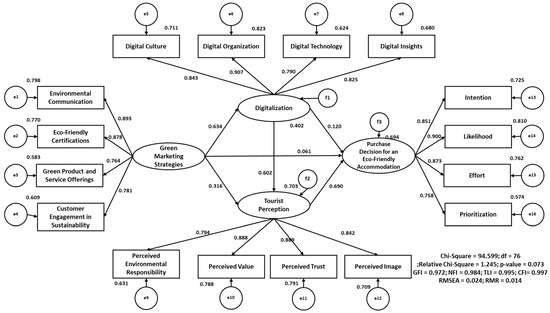
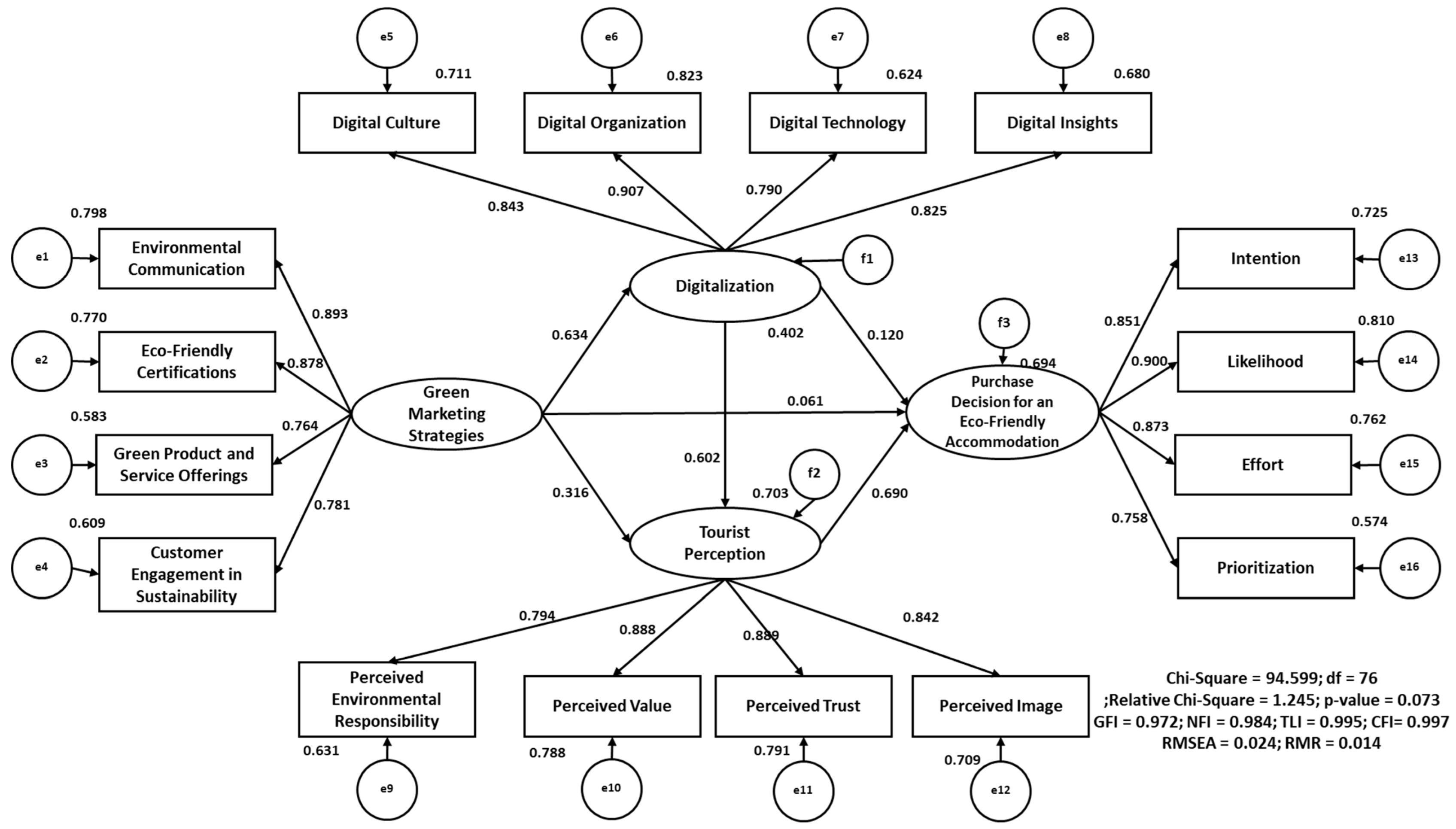
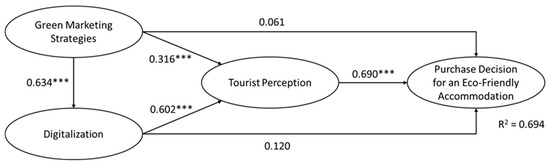
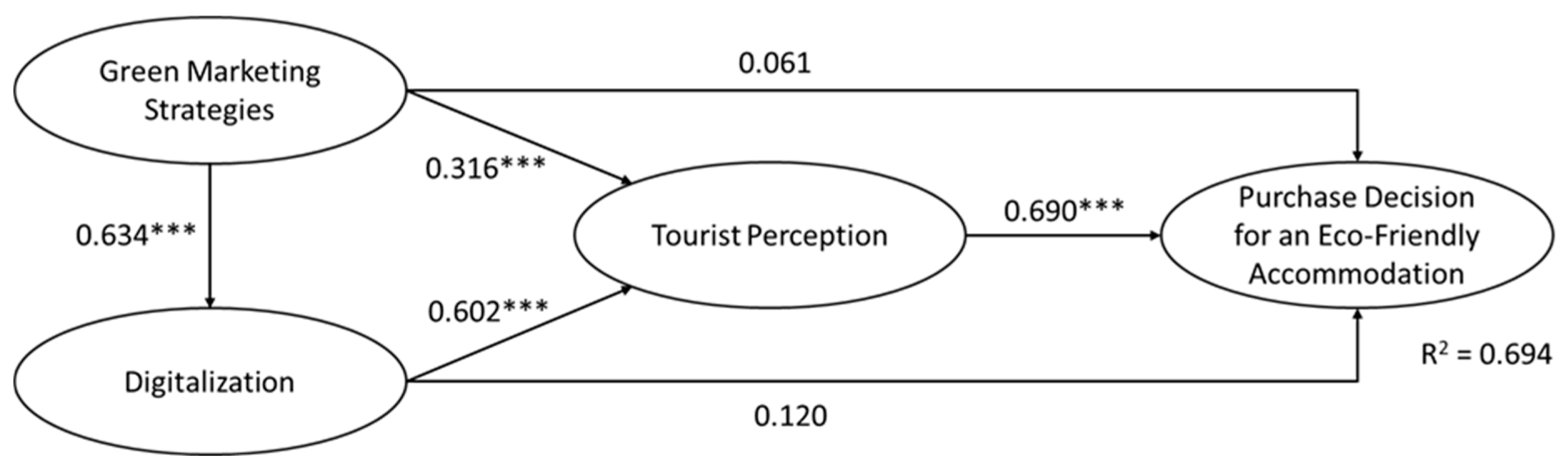

Disclaimer/Publisher’s Note: The statements, opinions and data contained in all publications are solely those of the individual author(s) and contributor(s) and not of MDPI and/or the editor(s). MDPI and/or the editor(s) disclaim responsibility for any injury to people or property resulting from any ideas, methods, instructions or products referred to in the content. |
© 2026 by the authors. Licensee MDPI, Basel, Switzerland. This article is an open access article distributed under the terms and conditions of the Creative Commons Attribution (CC BY) license.