


Abstract
This article investigates how structural transformations—growth, development, digitalisation, renewable energy consumption, education, and economic freedom—could influence public investment in education and public debt in the EU27. This objective was achieved by taking into consideration suggestive secondary data for the period 2009–2021 and applying the Structural Equation Model (SEM), dynamic panel data (ARDL), and, for robustness, fixed effects (FE) models. Education shows the ability, in structural terms, to relax the public budget, even if, in the very short term, the mandatory education is associated with additional public investment. Growth may create conditions, in the short term, to diminish the public investment in education and to be favourable for less dependence on financial markets, regardless of the period. In contrast, human development is associated with increased investment in education in the very short and long term and with increased public debt in the short and very short term. Education can adjust investment in the sector, especially in the long term, even if tertiary education depresses public investment in the very short term. However, education, regardless of level, has a significant contribution to the economy and society, which qualifies investment in education as being strategic, and education as a sector which must be protected even in complicated economic periods. Economic freedom, in the very short term, through deregulations, helps the state to become less indebted; in the long term, the accumulation of vulnerabilities and dependencies changes this dynamic. The energy transition, despite an immediate favourable effect, in the short term implies state intervention, including through debt, so that European decarbonisation objectives can be achieved as soon as possible. The results complete the literature, especially as there are significant gaps, and inspire decision-makers in establishing educational policy measures regarding public investment and in resolving tensions among European economic policy objectives. The results are not strictly causal relationships; the situation of each member state may differ due to the heterogeneity in the European space.
1. Introduction
Achieving European economic policy objectives involves attention to education, digitalisation and environmental measures, which put pressure on the public budget in the short term but, at the same time, generate long-term structural benefits. The twin transition—digital and green—is very current due to its desirable global effects and can, in certain circumstances, modify the fiscal behaviour of states. European economies are pursuing the simultaneous passage of the two transitions. In this transformational process, human capital is the basic component of development strategies. The evolution of human capital is associated with education and it requires financing, which, depending on the circumstances, changes fiscal policy. Complex economic interdependencies need the analysis in an extended approach of public investment in education and debt, including structural change factors such as digitalisation, renewable energy consumption, economic freedom, growth, and development. These structural factors translate into EU objectives, possibly achievable through public financial support, sometimes at the cost of increasing public debt.
The EU has set itself ambitious goals through its economic policy. The 2030 Agenda for Sustainable Development targets development, education, environment, public investment and, indirectly, digitalisation (Kostetckaia & Hametner, 2022). A series of Sustainable Development Goals (SDGs) are related to the subject under analysis. For example, SDG4—Quality Education directly targets education, SDG8—Decent Work and Economic Growth directly targets growth and digitalisation, SDG9—Industry, Innovation and Infrastructure targets digitalisation and energy transition, and SDG13—Climate Action targets energy transition and the environment (Kluza et al., 2021; López-Vizcaíno & Sanchez-Fernandez, 2023). Achieving the SDGs requires an effort involving investments which generate fiscal pressure and influence the dynamics of public debt.
Through the European Green Deal, the EU has made commitments on sustainability, energy transition, public investment, and fiscal transformation (Paleari, 2022; Domorenok & Graziano, 2023; Oberthür & Kulovesi, 2025). Decarbonisation, green investment, infrastructure transformation and the modernisation of the economy are ambitious objectives which require public investments and active policies.
Next Generation EU and the Recovery and Resilience Facility connect digitalisation, sustainability, human capital and public finances (Buti & Fabbrini, 2022; Ladi et al., 2024).
Regardless of the objectives pursued by the state, human capital plays a central role. This is associated with people’s knowledge and skills and is a critical component of human development (Angrist et al., 2021). Consequently, to omit it from the priority factors of economic policy would be a major error. Education is a public good, because the state needs high-quality human capital, especially in such a challenging period in which digitalisation, artificial intelligence, and economic, social, and environmental issues are becoming increasingly intense. State expenditures are, in reality, an investment in human capital, because the added value generated has a favourable impact on the economy and society, contributing to growth and development. The role of growth is strategic, because it is the channel of progress and sustainable development. Ideally, there should be a balance among growth, development, environmental protection, digitalisation and economic freedom. Sustainable development has become a central concept in European economic policy, in the strategic thinking of governments, and international organisations to address today’s economic, social and environmental challenges.
Achieving the goals of sustainable development brings human capital and education back into focus. The process has a major advantage, because it changes people from the inside, enables self-development and improves the ability to overcome the turning points induced by anthropogenic causes (Benavot et al., 2022; Salmi & D’Addio, 2020; Agbedahin, 2019). At the same time, education increases the associated costs (Sarrico & Godonoga, 2021). Access to education brings into question the issue of financial sustainability or the ability to cover annual budgets without restrictions. This, in relation to higher education institutions, translates into the ability to generate income that exceeds their needs (Almagtome et al., 2019; Chakrabarti et al., 2020). The allocation of public funds for education is questionable when a mistaken perception about its efficiency dominates. The quasi-general and mistaken perception is that education consumes public funds without generating short-term and very short-term income, deprives other areas of financing, and sometimes puts the state in debt.
The size of public debt provides some important information. Low public debt, associated with human capital quality, supports resilience and social development, especially since human capital is considered the most significant historical factor influencing economic growth (Diebolt & Hippe, 2019). The state pursues growth and development through various direct and indirect ways such as improving productivity, education, and loans granted to the private sector through credit (Kitsos & Bishop, 2018; Navasardyan & Mkrtchyan, 2023) and through the ability of public debt to counter shocks (Briguglio et al., 2006).
Nowadays transformations are changing the traditional concepts of growth which should integrate digitalisation and the environment, not only human capital or economic freedom (Aleksandrova et al., 2022), but future developments depend on education, especially on higher education (Kholiavko et al., 2020).
The proposed researched topic is strongly linked to theory. For example: Human Capital Theory supports the long-term importance of investment in education for productivity and growth, which can increase public debt (Deming, 2022); Endogenous Growth Theory supports the role of knowledge and innovations, the prerogative of human capital for growth (Acs & Sanders, 2021); Fiscal Sustainability Framework highlights the tension between state investments and fiscal sustainability (K. Pradhan, 2019); Capability approach postulates that the concept of development goes beyond that of growth by integrating education, health and the quality of capital (Jamil, 2024); Institutional Economics and Economic Freedom Theory presents the role of institutions in influencing economic efficiency, fiscal discipline and public investment productivity (Grinberg, 2018; Thuy, 2021), and Sustainability Transition Theory explains how to move from traditional development models, intensive in carbon, resources and conventional technologies, to sustainable, digital and green economic systems (Avelino & Grin, 2017).
Our study distinguishes between public investment in human capital and participation in the educational process measured as a percentage of enrolments in secondary and tertiary educational institutions. Government expenditures on education are an indirect measure of public investment in education or in human capital. It reflects the fiscal resources allocated by the state to the educational sector for the formation of human capital in the long term. Enrolment rates in secondary and tertiary education reflect the size of participation in the educational system and not the state’s fiscal commitment. They provide information on the size of educational demand, access to education, educational models and the capacity of institutions to form and develop human capital. The indicators present complementary and not equivalent dimensions. A higher percentage of enrolments in secondary and tertiary education does not necessarily imply a proportional increase in public investment on education, nor does their resizing necessarily imply changes in the demand for education.
The current European development model is based on investment in digital transformation (digital transition), sustainability (energy transition), and human capital, closely related to an improved competitiveness and resilience in the long term, which are financially demanding. The pressure derives from the imbalance of the public budget and the over-dimensioning of debt to achieve European structural objectives by 2030, 2050 or other time horizons. Therefore, the central problem of the study is that EU member states pursue digital and energy transitions (twin transition) simultaneously with the development of human capital, with fiscal constraints and pressures on public debt. This raises the question of whether the structural transformations associated with development, digitalisation, sustainability and investment in education contribute to the dynamics of European public debt. The research mechanism argues that transitions require institutional involvement, especially in the formation of human capital, aspects which can reconfigure public debt. The problem, question and mechanism of the research generate the objective of analysing how structural transformation—growth, development, digitalisation, renewable energy consumption, and economic freedom—influences public investment in education and debt in the EU27.
Our study contributes to the literature in several ways: it analyses public debt together with investment in education in a broader framework, which includes growth, human development, economic freedom and twin transition in the EU27; it highlights the structural tension between the objectives of fiscal sustainability and those of achieving the investments necessary for long-term development; the estimates of the empirical models separate the contemporary relationships—in the very short term (SEM)—from the dynamic ones—in the short and long term (dynamic panel data model). The results show that human development and secondary education, which is mandatory in the member states, require fiscal costs. Structurally, growth and development may put pressure on the state budget unlike education. The EU objectives regarding fiscal sustainability, human development, and twin transition are interdependent, but generate different trade-offs in time.
As a structure, after the literature analysis, this study presents the applied methodology, results, discussions and conclusions.
2. Literature Review
2.1. Public Debt
2.1.1. Public Debt—Structural Determinants (Economic Growth and Development and Economic Freedom) and Their Relationship
Growth and development, the main objectives of economic policy, imply substantial public expenditures or investments. Some chapters of public expenditures, such as education, are debatable, because they can increase public debt without immediate concrete financial benefits. The literature suggests that education, predominantly tertiary, has overwhelming benefits (Alshubiri, 2021; Sotiropoulou, 2019). It is true that public debt is a tool to finance the economy and achieve the growth objective as long as it does not reach an excess, because future re-payment becomes problematic (Joy & Panda, 2020), leading to mistakes and distortions of economic policy (Alesina et al., 2019; Asteriou et al., 2020; Abubakar & Mamman, 2020; Law et al., 2021). Reducing the public deficit by contracting public investment on education and health represents such an unfavourable distortion, especially for emerging economies. Developing countries tend to sacrifice education when orienting the budget (Lahiani et al., 2022), despite its favourable implications (Pegkas et al., 2020; Schuknecht, 2022).
In crisis periods, states opt for increasing public debt in order to support, as a priority, infrastructure development and the supply of public goods, and to reduce the economic and social pressures (Petrakos et al., 2020), to the detriment of education. A debt-based strategy of growth is, then, acceptable under adequate conditions. Although a balanced budget is preferred, under conditions of minimal indebtedness, people have different perceptions (Bremer & Bürgisser, 2023). People often characterise the state as a narrowly focused entity, unwilling to ensure social welfare. Therefore, institutional quality makes the difference between perceiving the state as a parasite or not, supporting or invalidating the Ricardian approach, given that the state, through its priorities and decisions, influences public debt (Sardoni, 2021; Arvin et al., 2021; Schuknecht, 2022).
Human development is in the core of public policy, closely dependent on growth. Any crisis is associated with a poverty accent and school dropout, which affects development, especially in low-income countries (Antoniades et al., 2020). In this case, public debt greatly influences human development and the environment through growth (Sadiq et al., 2022). The literature mentions that human development, together with globalisation and the financial dimension, impact the economy and environment (Wang et al., 2019; Sadiq et al., 2022). Too much debt obstructs government expenditures, reduces employment and unbalances the labour market, thereby affecting human development.
Prior studies examined economic freedom as an important determinant of growth, depending on institutional quality. It has been shown that a high freedom environment boosts finances of developing countries (M. A. Khan et al., 2020; Feruni et al., 2020; Huang et al., 2021), and the degree of freedom is proportional to quality of life (Feruni et al., 2020). Economic freedom supports investments, associates with democracy, well-being, human development, poverty alleviation, and a clean environment (Singh & Gal, 2020).
Public debt and economic openness, which derives from economic freedom, contribute to structural European growth as some studies show (R. P. Pradhan et al., 2022). Others argue that financial freedom does not support growth (D. V. Tran, 2019), unlike trade openness, which is one of the main channels of globalisation and technology transfer with environmental impact (Tachie et al., 2020). In addition, economic freedom, in the states without democratic institutions, has consequences only for non-inclusive growth (Lawson et al., 2020). Other research works show that public debt negatively influences economic freedom, in the short and long term alike (Mura & Donath, 2023), and economic freedom does not affect gross public debt. Although public debt and economic freedom seem unrelated, they are two aspects of the same thing when considering their potential for growth.
2.1.2. Public Debt—Sustainability Relationship
Green fiscal public investment expands sustainable growth; therefore, balanced budgets and investments in public goods are recommended in order to achieve the goal of sustainable development (Fang & Chang, 2022). The literature suggests that some developed countries invest substantially in public goods such as education, research and development to stimulate green economic development. This is because sustainable growth improves financial stability in the short and long term (Jadoon et al., 2021). Public investments determine the performance of the green economy through technically advanced work, development practices, or through other ways with different consequences from country to country (Yao et al., 2019; I. Khan et al., 2021; Wang et al., 2019; Feng et al., 2022). In this context, economic freedom is a useful tool for economy, society, and environment through trade openness. Two views have been identified in the literature in this regard (Esmaeili et al., 2022). On the one hand, trade openness is considered to have effects on environmental quality as a result of improved technology and environmental standards. On the other hand, the intensification of trade through robust growth and intensive energy consumption exerts devastating effects on the environment.
2.2. Human Capital
2.2.1. Human Capital—Education Relationship
Education characterises human capital and fuels its development, but also economic growth. The literature highlights the economic and social role of education, emphasising its economic and social dimension. Education offers the opportunity to increase people’s income through participation in the labour market (Jorgenson & Fraumeni, 2020; Madani, 2019, Angrist et al., 2021; Cichoracki, 2021). Thus, education contributes not only to economic growth, but also to human development.
Investment in education helps growth through the improvement of labour force quality and productivity (Jorgenson & Fraumeni, 2020). However, economic policy decision-makers paid too little attention to the educational policy implications, even if basic educational skills increase a person’s income, acting as a lever for people’s freedom, eradicating poverty and hunger (Madani, 2019).
Human capital explains income differences among countries, but the extent to which it does so varies substantially from one state to another (Celikay & Sengur, 2016; Angrist et al., 2021). More recently, digitalisation exacerbates inequalities among countries with low incomes and mitigates them among those with higher incomes (Consoli et al., 2023), together with cultural, social, economic and fiscal characteristics. Human capital is more likely to be associated with growth than with development, because schooling and learning are not similar, and the reactions differ among countries with a different degree of development (Ionuț et al., 2021). Gradually, human capital has become a means of efficiency, growth and development, especially through the premises of digitalisation and sustainability (Grigorescu et al., 2021), which bring education back into focus.
The economic implications of education and public investment in this sector are not limited to income. Education has a key role in labour productivity improvement (Abbott et al., 2018). The ability to invest optimally in education supports prosperity, social mobility and income distribution in economy and society (Corvers, 1997). In addition, through outsourcing, the progress of an economy is reflected in its neighbouring states (Corvers, 1997; Annoni et al., 2019; Valero & Van Reenen, 2019; Batóg & Batóg, 2019; Mihi-Ramirez et al., 2020; Hanushek & Woessmann, 2020; Sarwar et al., 2020), stimulating growth through outsourcing. Due to this, the state is motivated to undertake investment in human capital (Abbott et al., 2018; Kornieieva et al., 2022), similar to private entities (Siedschlag & Durán, 2025; Schwarz et al., 2025), even at the cost of indebtedness (Coronel & Díaz-Roldán, 2024).
The advantages of education are seen in the way people perceive and manage the issue of environmental sustainability (Kopnina, 2020; uz Zaman et al., 2021; Özbay & Duyar, 2022). A healthy environment, economy, and society are conditions for sustainable development. Educated people are aware of the need for the production and consumption of clean energy, which they aim to use to protect the environment (uz Zaman et al., 2021). Unfortunately, human capital is not at the necessary level to mitigate environmental damage (Özbay & Duyar, 2022). There are studies which demonstrate that human development must exceed a certain level to be positively associated with urban sustainability (Radulescu et al., 2025), and people’s behaviour towards the environment differs depending on demographic and cultural characteristics (Cantillo et al., 2025; Kichurchak, 2023).
2.2.2. Institutional Quality and Economic Freedom—Education, Growth and Development Relationship
A good relation between education and growth depends on institutional quality and financial development, especially in the less-developed countries (Sarwar et al., 2020; Hanushek & Woessmann, 2020; Deming, 2022). Labour productivity, public debt in the period of crisis (Batóg & Batóg, 2019), and government quality (Ezcurra & Rios, 2019) are factors related to education, which are able to support growth and resilience.
The benefits of education are divided dichotomously (Salmi & D’Addio, 2020). On the one hand, education generates individual, private benefits. Higher education is associated with improved health, increased earning potential and better quality of life (De La Hoz-Rosales et al., 2019; Banerjee et al., 2021). On the other hand, education generates public and social benefits, such as labour market balance, higher tax revenues, good intergenerational mobility, a greater civic and voluntary participation and less dependence on social services (Sultana et al., 2022; Purcell & Lumbreras, 2021). In order to play a valuable role in the economy and society, and for environmental protection, higher education needs financial support from the state (Masduki et al., 2022). This is where institutional quality and the state’s ability to efficiently orient its resources come in. Education should be a priority, because it shapes the quality of human capital (N. V. Tran et al., 2019; Rahim et al., 2021), but, again, the results differ depending on the level of development of the economy (Olo et al., 2021).
2.2.3. Digitalisation, Education and Sustainability Relationship
The world has entered a period defined by digitalisation. The trend requires going through a digital transition. Many studies prove that digitalisation is a process with realistic implications for progress through the improvement in productivity, employment, and competitiveness, with deep implications for economic policy (Balsmeier & Woerter, 2019; Aghion et al., 2019; Lange et al., 2020; Aleksandrova et al., 2022; Anderton et al., 2020). Like any new and key process, digitalisation divides. The leading countries in digitalisation benefit from higher advantages than the countries which are in the early stages of the process (Anderton et al., 2020; Grinberga Zalite & Zvirbule, 2020; Švarc et al., 2021). The intervention of higher education institutions to train the workforce, develop digital skills and support adaptation to technology is mandatory for adapting to the changes which digitalisation and artificial intelligence are producing in all fields of activity (Kholiavko & Djakona, 2021). The way the state approaches tertiary education has implications on human development and on the capacity of each country to adapt quickly to an environment completely different from the one in which humanity has lived until now (Anderton et al., 2020; Mubarak et al., 2020; Heredia et al., 2022).
Given that not only digitalisation is a major challenge, but also that climate change caused by the lack of sustainability of anthropogenic activities is also critical, the relationship between digitalisation and energy plays a decisive role for environmental sustainability (Thanh et al., 2023), motivating the orientation towards green transition (Sareen et al., 2023) and its structural transformations (Mainzer, 2022).
Green fiscal investments are oriented towards growth. So, balancing budgets and stimulating investments in public goods are recommended in order to achieve the goal of sustainable growth and development (Fang & Chang, 2022). Some developed countries invested substantially in public goods such as education, research and development to stimulate green growth and development, because, as it was demonstrated, green growth improves financial stability in the short and long term (Jadoon et al., 2021). Public investments influence the performance of the green economy through technically advanced work, development practices or through other ways with different consequences from country to country (Yao et al., 2019; I. Khan et al., 2021; Wang et al., 2019; Feng et al., 2022). Studies conclude that education and human capital are important tools which support the environment by reducing emissions (Zafar et al., 2019) in a digitalised context.
The literature suggests that growth has the capacity to manage debt pressures by increasing government revenues and macroeconomic stability. However, post-crisis fiscal consolidation strategies within the EU may limit public investments, including those allocated to education. Therefore, we propose the following research hypothesis:
Hypothesis (H1).
Economic growth can influence, in the short and long term, public investment in education and public debt.
Human development, through its complexity and profound qualitative substratum, reflects extensive investment in education, health and living standards, which is why we propose the following research hypothesis:
Hypothesis (H2).
Human development can influence, in the short and long term, public investment in education and public debt.
Given that secondary and tertiary education enrolments capture social demand and the institutional expansion of education systems, and high demand for education can increase pressure on governments to expand educational infrastructure, we propose the following research hypothesis:
Hypothesis (H3).
Secondary and tertiary education can influence, in the short and long term, public investment in education.
Because economic freedom can stimulate investment, productivity, and fiscal efficiency, we propose the following research hypothesis:
Hypothesis (H4).
Economic freedom can influence, in the short and long term, public debt.
The energy transition can generate mixed fiscal effects, which is why we propose the research hypothesis:
Hypothesis (H5).
Renewable energy consumption can influence, in the short and long term, public debt.
Digitalisation can transform the structure of public investment in human capital by increasing the demand for digital skills, educational technology and workforce adaptation, which is why we propose the following research hypothesis:
Hypothesis (H6).
Digitalisation can influence, in the short and long term, public investment in education.
The validation or invalidation of the six hypotheses contribute to achieving the proposed research objective—how structural transformations—growth, development, digitalisation, renewable energy consumption, education and economic freedom—influence state investment in education and public debt in the EU27.
3. Materials and Methods
3.1. Method
We carried out the empirical analysis by applying the Structural Equation Model (SEM) and dynamic panel data (ARDL).
Structural equations constitute multivariate statistical analysis techniques which allow the observation of relationships among variables and names of path analysis. Paths refer to direct relationships among variables, hence the name causal models. After evaluating criteria such as the chi-square test, likelihood ratio, Akaike’s Information Criterion (AIC), Swartz’s Bayesian Informative Criterion (BIC), the coefficient of determination (CD), Root Mean Square Error of Approximation (RMSEA), Comparative Fit Index (CFI), and Tucker–Lewis Index (TLI), the Standardised Root Mean Square Residual (SRMR) was used to evaluate the fit of the model.
The probability ratio X2 (chi-square test value) in the case of baseline vs. saturated models is determined according to Equation (1). A statistically insignificant probability indicates good model fit, but it is not definitive information. In the situation where this criterion does not show the good fit of the model, being influenced by the sample size, we analysed other good fit criteria from those already mentioned.
where Ls represents the probability of the saturated model; Lb represents the likelihood of the base model.
X2bs = 2{logLs − logLb},
The structural model involves linear regression equations in which the variables are endogenous (the equivalent of the dependent ones) and exogenous (the equivalent of the independent ones).
For the robustness analysis, panel data were dynamically applied, namely Pooled Mean Group (PMG). By applying the Hausman test, we demonstrated that PMG was the appropriate variant for our data. The PMG model allows for heterogeneous dynamics in the short run and common elasticities of variables in the long run. Often, only long-term parameters are of interest. Default model outputs consist of long-term parameter estimates and short-term mean estimates (Blackburne & Frank, 2007). According to Pesaran et al. (1997), the dynamic model is of the following form (2):
where (k × 1) and (s × 1) are the vectors of the explanatory variables. varies across time periods and across groups, and varies across time periods. represent the coefficients of the lagged dependent variables and they are scalar; are k × 1 and s × 1, vectors of the unknown parameters.
The study of Pesaran et al. (1997) provides non-stationary dynamic panel estimation techniques with heterogeneous parameters among groups (Mean Group estimator—MG—and Pooled Mean Group—PMG). The PMG model constrains the long-run coefficient vector to be equal across panels and allows short-run and adjustment group-specific coefficients. PMG is based on a combination and averaging of coefficients. The appropriate dynamic model was chosen using the Hausman test (3), which allows the comparison of two estimators, one consistent under both null and alternative hypotheses, and one consistent under the null hypothesis.
where shows the estimates of the covariance matrices.
The Hausman test checks whether the estimators of fixed and random effects are significantly different (Verbeek, 2017).
We applied path-based SEM with observed variables, because it allowed us to estimate, simultaneously, the relationships between two interdependent processes: public investment in education and debt dynamics. The simultaneous relationships, the type of effects, and the structural interdependencies are in favour of applying a structural path model with observed variables. This is the tool for analysing relationships among variables in the very short or contemporary term. We applied the dynamic panel model due to the presence of temporal dynamics, short-term and long-term effects, and dynamic adjustments. The model captures temporal dynamics and robustness, allowing the segregation of short-term and long-term results. The two models are complementary and, together, allow us to achieve the proposed research objective by providing structural and dynamic perspectives on the relationships analysed.
Finally, we applied the fixed effects regression model for added robustness. The model helps to validate or invalidate the cyclical and structural results of the basic models.
3.2. Data
To study the effects of sustainable development on state investment in human capital and on public debt under sustainable conditions, we analysed six variables: two of which are endogenous observables (public debt (GODE) and the share of state expenditure on education (GEE) or public investment in education/human capital), and the rest are exogenous observables (gross domestic product per inhabitant (GDP) describing economic growth, human development index (HDI) describing human development, index of economic freedom (IEF) describing the ability to exercise activities without restrictions from the state or the quality of public sector, renewable energy consumption (REG), which describes the percentage of renewable energy in total energy consumption), which together define sustainable development, the number of internet users (UTI) as a measure of digitalisation, the number of people attending secondary school courses (SECSH) and tertiary (TERT) components of human capital (Table 1).
Table 1.
Variable definitions and sources.
The EU27 member states constitute the interest group of the study, and the covered period is 2009–2021. The time interval was chosen not only based on the validity of the data. The period is relevant because it covers the post-global financial crisis, the Euro-Zone sovereign debt crisis, and the COVID-19 pandemic. This accumulation of events and dimensions includes, among others, public investments, public debt, environmental issues, the education sector, and digitalisation progress. The period 2009–2021 captures several structural disruptions which influenced the accumulation of public debt and the state investment model in the EU.
Table 2 describes the variables. The dependent variables are GODE and GEE. Larger cleavages among European countries are noticeable in the case of GODE. The lowest level of public debt was recorded by Ireland in 2011, the highest level was recorded by Germany in 2020, and the European average was 67.77%. At the EU27 level, in the period 2009–2021, governments allocated, on average, 5.09% of GDP to education. The differences among the members were relatively significant, with the deviation from the European average being 1.13%. The lowest percentage of GEE was allocated by Romania in 2012, a country which stands out anyway for low public investment in the education sector, while Denmark supported education with 8.56% of GDP in 2010.
Table 2.
Variable description.
Growth drew another clear difference in the EU27. The average GDP per capita was 33,918.45 USD, with the lowest value being recorded by Bulgaria in 2010 and the highest by Luxembourg in 2021. Regarding the growth, the discrepancies are large in time and space and the development offers a more homogeneous picture, with an average of 0.88 and a deviation of 0.04, varying between Bulgaria in 2009 and Ireland in 2020. Growth is a component of development so that quantitative economic results are not fully reflected in social terms, because it is important how they are directed by economic policy. The IEF had an average value of 69.24, with a deviation of 5.6. The European country with the lowest degree of economic freedom was Greece in 2016, and Ireland was the country with the highest degree of economic freedom in 2009.
Regarding access to education, the European average of enrolments in the secondary cycle was 109.87%, higher than that of enrolments in the tertiary cycle, which was 70.03%. In this last case, deviations from the average are also greater across countries. The entity with the lowest percentage of the population enrolled in a secondary education institution was Romania in 2020, and with the highest—Belgium, in 2015. The country with the lowest demand for tertiary education was Luxembourg in 2010, while Greece recorded the highest demand in 2020. Progress in digitalisation differs among members. The European average of internet users was 77.37%, with a deviation of 12.94%: the lowest percentage of the population with digital skills characterised Romania in 2009, and the highest percentage was seen in Denmark, in 2021.
Sustainability was evaluated by the percentage of renewable energy consumption. In this regard, there is heterogeneity among European states. On average, the percentage of REC in total energy consumption was 20.48, with a deviation of 11.83%, with the lowest consumption recorded in Malta in 2010, and the highest in Sweden in 2020. All this information can be found in Table 2.
Figure 1 shows the public investment in education. Italy, Greece and Latvia stand out for their investment in education. The difference between the European country with the highest average investment in education and the one with the lowest was 2.15%. The highest average number of the population enrolled in secondary education was recorded in Cyprus, Malta and the Czech Republic, and the lowest was recorded in Hungary, Greece and Italy. Instead, a great similarity is noted between the public investment in education and the number of people enrolled in secondary education. The change in the percentage of public investment in education influences higher education rather than secondary education, possibly also due to the fact that the latter is, in many European states, mandatory.
Figure 1.
Education sector description (mean). Source: Authors’ contribution.
Cyprus and Malta, on average, recorded public debt per capita higher than growth per capita, while in the case of Croatia the average values are roughly equal. For the rest of the states, the average increase per capita exceeded the value of the debt related to the population number. The countries with the lowest levels of public debt were Sweden, the Netherlands and Hungary, while at the opposite pole these were Cyprus, Malta and Croatia (Figure 2).
Figure 2.
Growth and public debt (mean, per capita). Source: Authors’ contribution.
Among some of the European states, the differences in the degree of economic freedom are not large. The state with the highest average level of economic freedom is Belgium, and at the opposite pole we find Slovenia, with the gap being 5.76 points (Figure 3). Average values of human development give the same picture. The gaps among less-developed and developed European states are significant (Figure 3).
Figure 3.
Index of economic freedom (mean). Source: Authors’ contribution.
Italy, Greece, Germany, and France were the most digitised European states, with a difference of 23.11% between the leader, Italy, and the least digitised, Hungary. Italy recorded the lowest consumption of renewable energy in the EU27, compared to Austria and Belgium, which excelled in this area (Figure 4).
Figure 4.
Digitalisation and renewable energy consumption (mean). Source: Authors’ contribution.
The indicator values which describe public debt, public investment in education, growth, human development, economic freedom, education, digitalisation and sustainability present a picture of these processes in the EU27, but are not sufficiently relevant to highlight the effects of growth, development, digitalisation and sustainability on public investment in education and on public debt. This insufficiency requires the development of the analysis starting from the six hypotheses identified as a result of the literature analysis.
4. Results
The data form a strongly balanced panel of 27 European countries, with no missing observations. We used standardised data (using z-score transformation) to estimate the structural and dynamic panel models. Standardisation was useful to facilitate interpretation, comparisons and analysis of the indicators expressed in different units of measurement in a consistent and objective manner. Standardisation reduces scale-related estimation bias in both SEM and dynamic panel data models. Through standardisation, the data have been brought to the same measurement scale, which facilitates their direct comparison. The endogenous observable variables are GEE and GODE. The exogenous observable variables are GDP, HDI, SECSH, TERT, UTI, IEF and REG. GDP per capita is expressed in current values, consistent with the data source, the World Bank. Standardisation with z-scores mitigates compatibility issues related to differences among panel entities.
4.1. The Results of the SEM Model
The SEM model highlights the simultaneous relationships among variables, in the very short term, giving an image of contemporary reality. Figure 5 and Table 3 are suggestive in this regard.
Figure 5.
Structural model. Source: Authors’ contribution.
Table 3.
Good fit statistics.
The good fit of the model is certified by the fit statistics values (Table 3). Even if the value of chi2_ms(6) and the probability (15.554 and 0.016, respectively) do not show the good fit of the model, the rest of the statistics contradict this information; therefore, we can conclude that the relationship between the data and the model is of good fit.
The recommended theoretical limit for CFI and TLI values is 0.90. Values greater than or equal to 0.90 indicate a good-fitting model. The values of SRMR (0.021) and RMSEA (0.067), where the probability is devoid of statistical significance, also show the good fit of the model (Table 3).
Sustainable development explains approximately 29% of the public investment in education, approximately 32% of the public debt, and approximately 51% of a part of the financial resources managed through economic policy (Table 3).
The correlation among variables offers important information. Despite the negative relationship between growth and renewable energy consumption, progress in Europe is unsustainable, but the statistical significance for this statement (cov(GDP, REG) = −0.023, p-value = 0.672) is missing. Human development and renewable energy consumption have a positive but statistically insignificant relationship (cov(HDI, REG) = 0.065, p-value = 0.221), similar to that between higher education and digitalisation (cov(TERT, UTI) = 0.049, p-value = 0.355).
European growth enables human development (cov(GDP, HDI) = 0.691; p-value = 0.000) and the access to secondary education (cov(GDP, SECSH) = 0.340; p-value = 0.000), digitalisation (cov(GDP, UTI) = 0.600; p-value = 0.000) and economic freedom (cov(GDP, IEF) = 0.529; p-value = 0.000). Conversely, it seems that, as member states achieve growth, Europeans lose motivation for higher education (cov(GDP, TERT) = −0.239; p-value = 0.000). Growth is vital for the economy and society in a digitised environment, for resilience and sustainability. Consequently, member states should encourage higher education, especially since the interest in studying decreases as living conditions improve, with negative economic–social effects.
Human development is strongly related to growth, being characterised by quality-of-life improvement. Higher education gives a boost to human development (cov(HDI, SECSH) = 0.556; p-value = 0.000; cov(HDI, TERT) = 0.231; p-value = 0.000) in a digital environment (cov(HDI, UTI) = 0.756; p-value = 0.000) and in a free economy (cov(HDI, IEF) = 0.527; p-value = 0.000). Improving the quality of education and increasing the number of students in the primary cycle are important aspects for development. In line with social progress, people are encouraged to continue the educational process. Each educational cycle depends on the previous one. For this reason, secondary education is fundamental for accessing higher education (cov(SECSH, TERT) = 0.291; p-value = 0.000) and for developing the digital skills of the population (cov(SECSH, UTI) = 0.422; p-value = 0.000). Education is a channel through which it is possible to create conditions for widening the degree of economic freedom (cov(SECSH, IEF) = 0.332; p-value = 0.000) and for sustainability (cov(SECSH, REG) = 0.145; p-value = 0.007), with the aim of safeguarding the environment. Higher education is negatively associated with economic freedom (cov(TERT, IEF) = −0.138; p-value = 0.010). As Europeans are accumulating knowledge through formal education, the possibility to become reluctant to economic openness exists. However, the propensity towards renewable energy consumption (cov(TERT, REG) = 0.130; p-value = 0.016) means that the population better understand the need for sustainability. Knowledge opens people’s horizons, develops the perception of risks and the ability to adopt appropriate measures to reduce them. Education prepares people for a growing digitised environment all over the world. It is possible that digital skills can improve European economic freedom parameters (cov(UTI, IEF) = 0.611; p-value = 0.000) and increase renewable energy consumption (cov(UTI, REG) = 0.206; p-value = 0.000), with the latter also being stimulated by the expansion of economic freedom across European territory (cov(IEF, REG) = 0.611; p-value = 0.000).
4.1.1. The Results of the SEM Model Regarding Public Investment in Education
The evolution of public investment in education and debt is difficult to estimate if we ignore sustainable development paths. Growth has a statistically marginal effect on public investment in education (β = −0.146, p-value = 0.057). The state is constantly interested in improving the quality of human capital through the prism of its economic and social benefits. The effect of reducing the state’s fiscal involvement in education is illusory, even if it is possible in the short term. Indeed, human development is reflected in the improvement of quality of life, giving people the opportunity to self-finance their education by choosing private institutions. This trend leads to the contraction of public investment on education, without persistence over time. The implications of development are much more complex. Improving quality of life stimulates demographic growth and, consequently, the state’s financial effort to finance secondary education, which is mandatory in European countries (βHDI = 0.280, p-value = 0.003; βSECSH = 0.356, p-value = 0.000). Theoretically, tertiary education and digitalisation would require additional investment from the public budget, but attending tertiary education is a personal choice. More than that, digitalisation is naturally integrated into everyday life, no longer requiring public funding for adaptation, as is evident from the lack of statistical significance of the results.
The SEM results regarding public investment in education (Table 4) confirm the role of education as a public good with a key role in achieving the objectives of economic policy and social equilibrium.
Table 4.
Results of SEM.
4.1.2. The Results of the SEM Model Regarding Public Debt
Public debt may diminish together with growth, economic freedom and renewable energy consumption. Growth improves the economic and social situation, implicitly improving the budgetary revenues, balances the public finances and moderates the state’s debt trend. On the other hand, weak growth may put pressure on the state budget. Sustained and sustainable growth, based on renewable energy consumption and economic freedom, appears to be a determinant of public debt reduction. Improving economic parameters (βGDP = −0.324; p-value = 0.000), correlated with the replacement of energy consumption from conventional sources with that from renewable sources (βREG = −0.124; p-value = 0.008), can contribute to lower public debt.
Public investment in the energy system can be offset by the production of renewable energy in the private system as a result of the embrace of the prosumer idea by a substantial part of the population. On the one hand, education facilitates understanding the need for environmental sustainability. On the other hand, growth provides the financial resources necessary for private investment in renewable energy. Economic freedom creates the conditions for accessing new technology and facilitates its adoption through appropriate regulations. Indirectly, by stimulating the private sector, economic freedom can help the state to cover its needs through budgetary revenues in a greater proportion (βIEF = −0.435; p-value = 0.000).
Human development, through its complexity, involves economic and educational progress (Table 4). The process is associated with the capacity to ensure medical services for the population, a decent living, gender equality, protecting the vulnerable population, and eradicating poverty, objectives which require active public intervention (βHDI = 0.676; p-value = 0.000). This aspect brings into attention the importance of institutional quality.
4.2. The Results of the Dynamic Panel Data (ARDL) Model
The dynamic panel data (ARDL) model highlights temporal dynamics because it segregates short-term and long-term outcomes. The results partially confirm those of the SEM model. Any differences between the SEM and dynamic panel data estimates reflect the divergent purposes of the models. SEM captures current or contemporary relationships among variables, while dynamic panel data (ARDL) captures short-term and long-term relationships. Any differences between the short-term results of the two models are not empirical contradictions, but reflect some transformations in the analysed processes and their effects. SEM provides the theoretical structure, while dynamic panel data provides the main empirical dynamics. Finally, the tool for validating the results is the fixed effects regression model.
The advantage offered by the dynamic model lies in the generation of short-term and long-term results (Table 5). Initially, we applied a series of tests. We checked sectional dependence with the Pesaran test. This confirms the dependence among the panel entities, given their membership in the EU (13.004, p-value = 0.0000). The Levin–Lin–Chu (LLC) stationarity test confirms the stationarity of some variables (DEBT, GEE, REG, SECHSH, TERT, UTI) and the non-stationarity of others (GDP, HDI, IEF). The Im–Pesaran–Shin unit root test shows that GEE and GODE are stationary and GDP, HDI, IEF, SECSH, TERT, UTI, REG are non-stationary (Table 5).
Table 5.
Stationarity tests.
The null hypothesis of the LLC and IPS tests is H0: the variable has a unit root (it is not stationary), and the alternative H1: the variable does not have a unit root (it is stationary). LLC includes GEE, GODE, SECSH, TERT, UTI, and REG in the category of stationary variables and GDP, HDI and IEF in that of non-stationary variables. IPS includes GEE and GODE in the category of stationary variables and the rest in that of non-stationary variables. According to Pesaran et al. (1997), the dynamic model can be applied when the variables are I(0) and I(1). Since the variables are a mixture of I(0) and I(1), the dynamic model qualifies to be applied. In addition, the Kao test provides evidence of long-run equilibrium relationships. Table 6 presents the Kao test on the two models which we estimate, starting from the two dependent variables GEE and GODE.
Table 6.
Kao test for cointegration.
The null hypothesis H0 of the cointegration test refers to the lack of cointegration. The Kao panel cointegration test shows mixed evidence of long-term equilibrium relationships among variables. In the case of the GODE Model, three out of five tests validate cointegration, being significant at 5%. Cointegration is moderate to strong, with the model not being robust on all statistics. The GODE Model is more fragile in terms of cointegration, but still acceptable for applying the dynamic model, as cointegration is supported by multiple statistics. In the case of the GEE Model, all statistics are significant, so cointegration is strongly supported, confirming stable long-term equilibrium relationships among variables.
Kao cointegration tests prove the long-run equilibrium relationships among the variables. Most of the statistics in the GEE Model and all of the statistics in the GODE Model reject the null hypothesis of no cointegration (Table 6). The choice of the dynamic model depends on the Hausman test results, presented in Table 7. In addition, the negative and statistically significant error correction coefficients confirm the adjustment towards long-run equilibrium (Table 8).
Table 7.
Heterogeneity tests.
Table 8.
Results of dynamic panel analysis.
The Hausman test results confirm the validity of the PMG model. There is sufficient heterogeneity across EU27 countries for the DFE, but there is a common structure for the PMG. The dynamic fixed effects estimator is rejected in both models (p < 0.05), suggesting that the hypothesis of complete homogeneity of coefficients is too restrictive for the EU27 countries. The common group mean estimator cannot be rejected in either specification, supporting a framework which allows for heterogeneous dynamics in the short term while implying a common relationship in the long term. Therefore, the PMG estimator is retained as the preferred specification for both models. Table 8 contains the PMG results for both cases.
According to the theory, the Error Correction Term must be negative and fall within the range (−1, 0). In both models, the results are significant and show the relatively rapid adjustment of the EU27 states after a shock. It is possible that, within a year, 41% of the imbalance in state investment in education will adjust. GODE shows a more rigid adjustment speed of only 21%. Recovery after shocks generally requires deeper state involvement compared to growth periods, in all sectors, explaining the high inertia of GODE compared to GEE.
4.2.1. The Results of Dynamic Panel Data Regarding Public Investment in Education
In the short term, the analysis confirms that GEE may contract under economic growth. The upward interest for SECSH and TERT may call for state involvement through investment in education, without having statistical support for this assessment. Similarly, HDI and UTI would relax state involvement in the education sector, without statistical basis, unlike GDP, which exerts possible favourable effects on the budget allocated to GEE and GODE.
The effects of GDP on GEE (βGDP = −0.609, p-value = 0.028) extend the SEM results in the very short term (βGDP = −0.146, p-value = 0.057). Economic progress implies higher budgetary and personal incomes and an improved quality of life. This broadens the scope of opportunities, so that part of the educational demand can be covered by one’s own efforts. When the educational demand for the services offered by public institutions decreases, the state’s financial effort in this direction follows a similar trajectory.
In the long term, the dynamics change substantially. GDP, over time, is associated with the evolution of GEE. This is because the public education system requires adaptation to the changes which occur, mainly of a technological nature or derived from the demand for adaptation or modernisation of the infrastructure. HDI, supported by growth, is associated with the implication of the state to a greater extent. The state must get involved to cover the demand generated by demographic evolution, to ensure adaptation to the requirements of the labour market, including through funds for lifelong learning, and to support all areas which the quantitative and qualitative evolution of the economy and society involves. An important aspect is that GEE is no longer oriented towards supporting the demand for SECSH (βSECSH = −1.175, p-value = 0.004) and TERT (βTERT = −0.305, p-value = 0.004), but rather to cover other shortcomings and dysfunctions of the education system, such as the integration of digitalisation and sustainability or in adapting and improving educational infrastructure.
4.2.2. The Results of Dynamic Panel Data Regarding Public Debt
In the short term, GDP is able to diminish GODE (βGDP = −0.202, p-value = 0.000), similar to the reaction it can manifest in the very short term (βGDP = −0.324, p-value = 0.000) and long term (βGDP = −0.535, p-value = 0.000). In the long run, growth has a lever effect in economic policy. GDP supports HDI and requires investment efforts in the education sector, an aspect confirmed, in the long term, by the dynamic analysis. Qualitative transformations, specific to development, are sustainable over time. Their benefits, especially quality-of-life improvement, decouple the state from social commitment, but require involvement through investments in all public sectors and areas. HDI evolution, in the very short and short term, involves the state, including through indebtedness (βHDI = 0.676, p-value = 0.000; βHDI = 0.157, p-value = 0.028), an aspect which could be maintained over time, and a conclusion for which the statistical significance of the results is missing. REG imposed by environmental damage and climate change is possible through state intervention due to high initial costs (βREG = 0.394, p-value = 0.000). The investment in research and innovation, in the production and implementation of green technologies, in the production and consumption of renewable energy on a large scale facilitates the energy transition towards a system based on green energy, with zero greenhouse gas emissions.
The generalisation of REG, which is important for sustainable development, may accentuate GODE in the very short term (βREG = −0.124, p-value = 0.000), but in the short term, energy transition needs financial support from the state (βREG = 0.394, p-value = 0.000). The favourable ratio reflects energy efficiency, fiscal sustainability and reduced energy dependence as a result of the adoption of environmental policies.
In the short term, the EU is undergoing an energy transition with state involvement, in some cases at the cost of GODE. In the long term, in line with the established environmental objectives, the energy system should be fully transformed into a sustainable one. The fact that the models capture different temporal dimensions of the relationship between REG and GODE has theoretical and practical justification in accordance with the literature on green transition and EU climate policy. Sustainable Transition and Ecological Modernization Theory stipulates that, in the first phase, the energy transition involves high costs, but generates structural benefits. The European Green Deal, Next Generation EU and the energy transition imply, for some member states, high public investments and increased GODE, assumed with the aim of achieving long-term environmental objectives. In the long term, it is assumed that the energy transition will be completed and the entire energy system will be green and clean.
In the case of IEF, the very short-term reaction may be favourable for GODE (βIEF = −0.435, p-value = 0.000), but, over time, it is not excluded that the dynamics will reverse (βIEF = 0.296, p-value = 0.000). In the very short term, IEF allows the reduction in GODE. In the long term, the dynamics can change substantially. An incorrectly understood and managed IEF can create dependence on external factors and a reduction in domestic economic activity. The context becomes unfavourable for growth, development, and for the public budget. The budget imbalance can be covered, when resilience is fragile or in times of crisis, through indebtedness.
Regression models were used for robustness. The results were evaluated using three alternative estimators: OLS (Ordinary Least Squares) as a reference specification, a model with FE (fixed effects) to control for heterogeneity specific to each EU27 member state which does not vary over time, and a model with FE and pooled standard errors to account for possible heteroscedasticity and serial correlation at the national level, because the model controls unobserved heterogeneity among countries and allows for heteroscedasticity, within-country autocorrelation and macro-panel analysis. Table 9 presents the results of the three regressions.
Table 9.
Validation of results.
The EU includes developed and emerging economies and presents differences in terms of fiscal regimes, measures of economic policies, welfare-state models, digitalisation, public debt and efficiency of the educational system. Heterogeneity is partially treated in the basic model through dynamic analysis, which allows for short-run heterogeneity and long-run convergence. The fixed effects regression model allowed the results to be strengthened. Table 9 is suggestive in this regard. The FE model assumes homoscedasticity and independence of errors. In the European reality, these assumptions are rarely met due to common shocks, such as crises, regardless of their nature, persistence over time, and heteroscedasticity. The FE model with clustered standard errors allows for heteroscedasticity among countries and autocorrelation within countries, which is why the standard errors tend to be larger. We will give an order of priority among the regression models, justification and results (Table 10), which prove the validity of the FE model with clustered standard errors.
Table 10.
The validity of the models.
The sigma and rho values show that, in both models, structural differences between countries are much more important than annual differences. The proportion of the total variation explained by differences between countries is 91.4% for GEE and 92.6% for GODE. The remaining 8.6% and 7.4% are explained by variations over time. The main explanation is found in the heterogeneity of the EU27 member states. The regressors explain 17.8% for GEE and 8.13% for GODE, respectively, of the within-country variation over time. In total, 23.4% of the GEE differences and only 1.12% of the GODE differences are explained by the model. It justifies the differences between countries somewhat better than the variations over time within each country. The corr value shows the very strong correlation between the unobserved characteristics of the countries and the explanatory variables, since, in absolute value, it supports the use of a model with FE in the case of GEE. In the case of GODE, the correlation close to zero suggests that the explanatory variables are not strongly determined by the fixed characteristics of the countries and would allow consideration of the OLS results, although we can be sceptical due to the fact that the F test that all u_i = 0 certifies, in both cases, the existence of significant fixed effects and the existence of structural heterogeneity among the EU27 states.
Table 9 is suggestive in this regard. The FE model assumes homoscedasticity and independence of errors. In the European reality, these assumptions are rarely met due to common shocks, such as crises, regardless of their nature, persistence over time and heteroscedasticity. The FE model with clustered standard errors allows for heteroscedasticity among countries and autocorrelation within countries, which is why the standard errors tend to be larger. We will give an order of priority among the regression models, justification and results (Table 10), which prove the validity of the FE model with clustered standard errors.
The results confirm the short-term effect of HDI on GEE. The lack of statistical significance leads to a purely theoretical assessment of the possible effects of GDP, SECSH and UTI in the short term, of SECSH and TERT in the very short term and of TERT in the long term. Regarding the effects on GODE, the FE results with standard errors are statistically insignificant. The FE model confirms the possible effect of HDI and IEF in the very short term, of HDI and REG in the short term and of HDI in the long term. Regarding REG, the OLS model also confirms the very short-term nexus.
The presence of cross-dependence is not surprising in the context of the European Union, where economic, fiscal, digital and environmental policies are increasingly interconnected. Although we used cointegration tests and first-generation panel tests, the consistency of the cointegration results, together with the significant error correction coefficients and robustness checks based on fixed effects estimates with pooled standard errors, provide confidence in the reliability of the estimated long-run relationships.
5. Discussion
In the EU, following the financial crisis at the beginning of this century and the sovereign debt crisis, a large part of the member states adopted austerity policies. These aimed to impose fiscal discipline and reduce budget expenditures, while stimulating economic growth. Greece, Portugal, Ireland, Spain, and Italy opted for severe austerity measures. Romania, Latvia, Lithuania and Estonia opted for monetary austerity, and Germany and France opted for greater flexibility in their economic policy. Austerity measures have also influenced public investment in education. An important aspect to consider is the type of growth promoted by each EU member. States pursuing export-led growth rely on industrial development and external competitiveness to stimulate exports. Germany, the Netherlands, Austria, the Czech Republic, Slovakia, Hungary and Poland base their growth predominantly on external competitiveness and industrial productivity and not necessarily on the expansion of investment in education. Sweden, Finland, Denmark, Ireland and Estonia are states with a high human development index, whose growth is technology-led. These economies invest substantially in human capital through education and digitalisation. Growth and development are, in their case, associated with investment in education. Luxembourg, Ireland and the Netherlands promote finance-led growth with support in services and the financial market. The states in Southern Europe are debt-driven, consumption-led and service-led economies. Greece, Spain, Portugal, and Italy are part of the economies whose growth depends on the service sector, especially tourism and consumption, and the public budget is balanced through debt. The states in Eastern Europe aim to reduce the gaps compared to the developed ones, and follow multiple growth paths simultaneously: export, European funds, and infrastructure development. Growth and development strategies, including investment in education, are not central instruments in all member states. Growth is possible without a proportionate increase in this type of investment, given that the EU promotes fiscal efficiency, revenue-generating performance and expenditure rationalisation. This does not mean neglecting human capital. It means optimising public investment in education rather than increasing it. Developed European countries are advantaged, because their budget revenues allow for increased investment in education, skill development and social inclusion. Human capital, through the European Educational Area and the European Pillar of Social Rights, is included among the structural components of sustainable development. The EU faces a structural tension between the need for fiscal discipline and the need to invest in human capital. Fiscal rules and debt control are the instruments used to de-escalate the tension. In this sense, the Stability and Growth Pact was proposed. Europe 2020 and the Digital Education Plan have the role of promoting skills, digital education, and lifelong learning. In addition, achieving the twin transition requires technical education and innovation and research stimulation. The empirical analysis suggests that economic growth alone does not guarantee educational investment. These should be viewed as long-term productive investments and should be protected even during periods of fiscal consolidation. The twin transition needs a population with developed digital skills, green skills and vocationally adapted competencies. Otherwise, long-term competitiveness, the innovation process and sustainability may become vulnerable. Secondary education requires public investment in the short term. In the long term, it will be decoupled from this kind of state expenditure. An aspect to consider is that secondary education is mandatory in all European countries, with small differences among them. For example, Germany, the Netherlands, Belgium and Portugal finance not only secondary education, but also vocational education. Other countries, for example Romania, are starting to focus on vocational education in order to adapt to the demands of the labour market. Public investment in secondary education may avoid early school dropout, to develop digital and technical skills, and, thus, to achieve the objectives of the Europe 2020 Strategy. In addition, European secondary education is a tool of cohesion policy, labour market policy, social inclusion and competitiveness. Regarding tertiary education, in addition to some saturation and a decrease in young people’s interest in continuing their studies, the system tends to stabilise. The number of students at national level is set according to the market demand for highly qualified labour, and simulating tertiary enrolments is not equivalent to the increase in public investment in education. In the long term, tuition fees, private financing, dual education may relax the pressure on the state budget. We can also witness a substitution effect by redirecting funds towards research, innovation, digitalisation and lifelong learning. Access to tertiary education can be achieved through efficiency and budgetary balance, not necessarily by boosting public investment in education. Higher education generates knowledge and qualifies the workforce according to the needs of the economy (Cirillo et al., 2021; Kholiavko et al., 2020; Habibi & Zabardast, 2020; Matthess & Kunkel, 2020). Adapting to the new reality requires synergistic cooperation among educational institutions, the entrepreneurial environment and state authorities. Synergistic action ensures the adaptation of the educational system to digitalisation, sustainability in exogenous dynamic conditions, the ability to restore the appropriate development trajectory after a shock, reorganisation and adaptation to change (Kholiavko et al., 2020). The cuts of significant funds for higher education in recent decades have contributed to the rise in tuition fees, limiting access to education, reducing the number of graduates, and increasing social inequalities as a result of diminishing opportunities on the labour market (Mitchell et al., 2019). Building a functioning economy in which the advantages of higher education are widely disseminated needs state involvement by investing in high-quality, affordable public higher education, possibly supplementing public funds and channelling them to institutions with limited resources (Mitchell et al., 2019). In addition, digital technologies have the potential to improve economic resilience and ensure the provision of efficient and reliable services in a proactive and reactive manner, contributing to the achievement of global goals (Bejinaru, 2019; Brenner & Hartl, 2021; Argyroudis et al., 2022). Education guarantees quality oflife and has implications at the macroscale through growth and productivity, which, in turn, determine development (Habibi & Zabardast, 2020) and improve the socio-economic context of a country (Mondejar et al., 2021; Aly, 2022; van der Vlies, 2020; Hurduzeu et al., 2022).
Subnational differences in human capital in order to design and implement well-oriented economic policies should be in the attention of economic policymakers (Kitsos & Bishop, 2018). Labour productivity, culture, good economic governance, effective educational system and results in the field of innovation determine the dimensions of growth and public debt (Batóg & Batóg, 2019; Coccia, 2019). All progress valves focus on human capital. This explains regional economic and innovation development disparities, the induction of entrepreneurial progress and innovation-driven development (Diebolt & Hippe, 2019). The quality of education and its effect on human development depends not only on educational policy, but on public funds (Tømte et al., 2019) and on the respect with which the state treats education as a precious public good, which needs the involvement of public and private sectors.
Conjunctural and structural policy tools are the main instruments by which the state gets involved in the economy. In the literature, there are some hypotheses regarding the nexus between government expenditure, which is the equivalent of public investments, and economic growth. One is government expenditure-led growth, according to which public investments are able to stimulate growth. Underlying this assumption is the Keynesian notion that government investments in social programmes and infrastructure thereby stimulate aggregate demand and growth. One perspective of this hypothesis derives from the provision of public goods which have two important attributes, non-rivalry and non-exclusivity. This approach stipulates that no person is excluded from the consumption of these goods, and consumption does not advantage some people to the disadvantage of others. Public investments are able to create jobs; consequently, they make a contribution to the labour market balance and improve the economic environment. Government expenditure-led growth is a path according to which progress is associated with public investments. The basis of this hypothesis is Wagner’s Law of State. Growth gives the state the freedom and opportunity to invest in public programmes and in economy. In the case of some countries, the government applies forward-looking development in order to support the economy. Public investments are intended to attract extra investments, domestic and foreign, to enhance physical, digital infrastructure, human capital, institutions, governance systems, and the entire national innovation ecosystem. Another hypothesis invokes feedback starting from the premise that public investments and economic growth reinforce each other. The last hypothesis, of neutrality, suggests that there is no relationship between growth and public investments (Arvin et al., 2021). State expenditure, in terms of desirable effects for the economy, society and the environment, can be considered investment.
The EU adopted the Global Financial Crisis and the European Debt Crisis to manage public debt. In addition to public debt management, the EU pursues fiscal consolidation, budgetary sustainability and structural growth. The Stability Growth Pact imposed a deficit below 3% of GDP and a debt below 60% of GDP. For example, Greece took severe budget reduction measures and adopted fiscal reforms, Portugal opted for fiscal consolidation, and Romania opted for fiscal adjustment and public spending cuts. These types of measure explains the reduction in public investment in education even amid economic growth. The EU introduced strict budgetary rules and structural balance, placing public debt stability as a priority. The EU focuses on measures to stimulate competitiveness, productivity and innovation to attain the growth targets. Through the 2020 Strategy, the EU seeks to achieve the objective of sustainable, inclusive and smart growth, increasing revenues and limiting the public debt of the member states, in accordance with growth-led fiscal sustainability.
States should encourage growth, economic freedom and renewable energy consumption if public debt contraction is desired in the very short term and short term. In the long term, the growth and, marginally, renewable energy consumption could have a favourable effect on public debt, unlike economic freedom and, possibly, human development. It was demonstrated that a nation without economic, political and social freedom cannot prosper (Feruni et al., 2020). Economic freedom contributes to avoiding falling into the poverty trap and helps economies grow. There is also the opinion that economic freedom does not correlate with inequality, but with the deepening of inequality (Lawson et al., 2020), a conclusion that our results validate in the long term. The EU promotes economic freedom, liberalisation, market reforms, and improvement of the business environment in order to reduce the public debt of member states. Through the European Green Deal, the EU has invested substantially in energy transition and decarbonising the environment. In the short term, encouraging the consumption of renewable energy is associated with higher public debt, because the allocated investments are costly. In a structural context, in the long term, theoretically the configuration of the energy transition should have a positive influence on public debt as a result of efficiency gains, diminishing energy dependence and improving sustainability. The energy transition is associated with the digital one. Through the Digital Europe Programme and the Digital Compass 2030, the EU pursues technology-based governance, productivity gains, efficiency and competitiveness in order to increase public revenues by easing the revenue collection process and reducing debt. In structural terms, human development requires public implications even through debt. Explanations can be found in the expansion of the welfare state, the increasing expenditure on social protection, and public investment in education and health. Therefore, the EU focuses on managing the public debt of the member states through fiscal discipline, structural reforms, and growth strategies oriented towards competitiveness and structural development linked to the twin transition. The empirical findings reflect the structural tension between budgetary policy objectives and the impetuous need for development investments. The reality confirms that higher public investments and public debt in times of crisis are acceptable and desirable if the returns of government intervention exceed the costs of financing the debt; public intervention can target expenditure on infrastructure, education, the operation of its institutions, security and tax reduction in order to moderate the adverse impact on economic growth. However, a debt above the optimal level exerts negative long-term effects (Cornille et al., 2019). The analysis of public debt from a historical perspective shows the reasons why the state borrows vary over time. Periods in which the public debt increased significantly led to its management problems solved through write-downs and restructurings, with debt consolidation being little appreciated. This is why public investments need to be prioritised towards growth drivers with long-term impact, including education and human capital. In particular, higher education serves as an important public good, because it enables efficiency gains and the reduction of inequalities (Hazelkorn & Gibson, 2019).
The challenges are even greater as the global market has to become green. Economic progress, natural resource conservation, and environmental management are the three pillars of the green market (Fang & Chang, 2022). Improving growth, productivity, the labour market and education can reduce social, environmental and macroeconomic effects (Omri & Belaïd, 2021).
Growth, development, digitalisation and sustainability involve the public sector through investment in education and through changes in the public debt. Economic and social progress management imposes a more intense state activity, especially in the declining periods of the economy.
Summarising the empirical results, we note that, structurally, in relation to public investment in education, growth and development are procyclical, while secondary and tertiary education are countercyclical. In relation to public debt, renewable energy, theoretically, is countercyclical, while economic freedom is procyclical, with the caveat that the impact of renewable energy is marginal. In the short term, in relation to public investment in education, growth is countercyclical and human development and secondary education are procyclical. In relation to public debt, human development and renewable energy are procyclical and growth is countercyclical.
The results outline three policy trade-offs. Debt consolidation and public investment in education—growth does not guarantee public investment in education and austerity limits human capital development, but the state can enable human development through efficient investment in the education sector. The EU should consolidate public investment in education even in periods of fiscal consolidation.
Digitalisation and human capital/education—in the absence of skills acquired through education, digitalisation does not produce sustainable productivity gains. It remains only a set of unproductive modern technologies.
Renewable energy and debt—highly indebted states may experience difficulties in implementing the twin transition. Therefore, economic policies should be adapted to the specifics of each European member state. Regarding public investment in education and fiscal sustainability, financial austerity is not recommended. The development of human capital through education and a pro-human development fiscal policy seems more appropriate. This is possible through public investment allocations which productively justify the state debt. In addition, overcoming periods characterised by profound changes, such as the twin transition, can be easier when the workforce adapts by developing skills in the formal, informal and lifelong learning environment.
The research hypotheses are validated, except for H6. The last hypothesis is associated with a statistically insignificant result. The explanation lies in the possibly faster, natural and generalised integration of digital technology into the daily activities of Europeans due to the multiple benefits they offer, especially the ease of carrying out professional and daily activities.
H1 and H2 are both validated. The probability that growth and development influence public investment in education and debt is high in both its dimensions, the very short and short term, and structurally in the long term. Growth can manifest itself countercyclically in the very short and short term and countercyclically in the long term. Conjuncturally, GDP evolution favourably configures state investment in education through the self-financing capacity of educational institutions and the population. In the long term, growth involves adapting to progress and is associated with increased investment effort, especially in infrastructure. In relation to the impact of growth on public debt, conjuncturally and structurally, GDP evolution proves to be favourable, mitigating the degree of indebtedness. Human development is procyclically related to both public investment in education and debt, because it involves qualitative improvements in the human condition, possibly through the contribution of own investments and through the financial contribution of the state.
H3 is validated. In the very short term and short term, secondary education shapes public investment in education. Structurally, both forms of education can compress the public investment designed for them. In the short term, the state theoretically becomes socially involved by investing more in secondary education, but the result is not supported by statistical significance. Unlike secondary education, which requires a mandatory state budget, tertiary education manifests itself in the opposite way. Structurally, education demonstrates its role as a positive determinant of economic progress by changing the dynamics of the state budget.
H4 is validated in the very short and long term. Economic freedom, in the short term, theoretically preserves the ability not to put pressure on the state through indebtedness. In the long term, the results associate greater economic freedom with state indebtedness as a result of the risks deriving from the intensification of external dependence.
H5 is validated in the short term in both its dimensions. In the very short term, the consumption of renewable energy relaxes the fiscal involvement of the state. In the short term, the state gets involved by supporting the energy transition process which involves the adoption of new environmentally friendly technologies in all areas, new practices and changes in production and consumption behaviour. In the long term, the logic leads to the reduction in the degree of indebtedness associated with the energy transition. This aspect, while not supported by statistical significance, is based on the optimistic assumption of the completion of the energy transition and the replacement of conventional sources with renewable sources for energy consumption (Figure 6).
Figure 6.
Validation/Invalidation of the research hypotheses. Source: Authors’ contribution.
The differences between SEM and dynamic panel estimates are economically significant and reflect distinct adjustment mechanisms. While SEM captures contemporary structural correlations, dynamic models distinguish short-term (cyclical) responses from long-term (structural) equilibrium adjustments. The divergences in sign and magnitude indicate the presence of adjustment costs, fiscal rigidities, institutional heterogeneity across EU member states, and the impact of structural disruptions, such as the post-crisis and COVID-19 periods, and socio-political unrest specific to the current period amid military conflicts with repercussions on the economies of EU member states, especially the emerging ones, which are strongly affected by the digital transition with major economic and social impacts.
Even in conditions of growth, immediate budgetary reorientation is not excluded, to the detriment of the budget allocated to education. In the long term, growth can be beneficial to fiscal accumulations and orientation towards education and development. Unlike growth, which fluctuates over time, development involves a continuous qualitative fund which is maintained through institutional support. Public obligations associated with demography and EU reforms may require immediate educational expansion. In the long term, a possible substitution effect occurs. Secondary education can depress future marginal investment, and the educational system can become saturated through diminishing returns and orientation towards tertiary education. The latter, non-compulsory and associated with the personal desire for development, can relax the public investments which are intended for it through the development of the private system or financial self-support of studies in the public system, the maturation of human capital, and diminishing marginal returns to public investments.
Growth can create conditions for budgetary balance, according to economic logic, in all dimensions by expanding the tax base, reducing the deficit or automatic stabilisation. Development manifests itself differently, because it involves supporting the social, educational and health components. In terms of economic freedom, in the very short term, this translates into deregulation, which comes with fiscal efficiency. Possible fiscal volatility, in the long term, and dependence on the outside, especially in the case of emerging members, associate economic freedom with increased indebtedness.
The analysis of renewable energy indicates that green investments initially reduce fiscal dependence on energy. The energy transition involves implementation costs and subsidies, putting pressure on the public budget, at least temporarily.
Educational and fiscal policies do not adjust immediately, because budgets are rigid in the short term, with differences from one member to another. The differences between the SEM and dynamic model estimates are not statistical discrepancies, but reflect economic and structural adjustment processes. Any differences in dynamics and magnitude can be attributed to the adjustment costs of public investments, fiscal rigidities, institutional heterogeneity and structural shocks specific to the period analysed. All of this makes the state’s investments in education and public debt react differently in the very short, short and long term, underlining the importance of distinguishing between immediate fiscal constraints and long-term development objectives.
6. Conclusions
This study analyses how structural transformations—growth, development, digitalisation, renewable energy consumption, education and economic freedom—influence public investment in education and debt in the EU27. The results of the empirical analysis show that, in conditions of growth, European states can experience the possibility of diminishing, in the short term, public investment in education, as well as debt. Structurally, growth is positively and significantly associated with public investment in education and debt. Public investment in education may increase, in the very short term, as a result of a higher demand for secondary education. An explanation would be found in its mandatory nature coupled with population growth. In the long term, the need for this kind of investment may be diluted as a result of a higher demand for superior education on the grounds of development. Human development is connected with the expansion of public investment in education, both in the very short and long term.
Growth is viewed as a process with many positive effects, being associated with the contraction of public debt, regardless of the temporal aspect. Growth generates human development, a process which is in conjunctural and structural association with public debt. In the very short term and short term, growth, economic freedom and energy transition may favour the reduction in public debt. The generalisation of renewable energy consumption is urgent given the environmental and climate problems. The private sector’s reactions, which are too slow, especially in countries with medium to low living standards, make the public sector intensely involved in the energy transition and achievement of environmental objectives.
The relationships with public investment in education are more complex. In the very short term and short term, growth and higher education appear to be reducers of this type of investment. Structurally, education, regardless of its form, may show this effect. The result highlights the importance of education in structural terms, its inclusion in the category of key public goods, and its support from public funds. Therefore, the analysis validates hypotheses H1–H5 and invalidates H6 through the lack of statistical significance of the estimates.
Our findings highlight important fiscal trade-offs between short-term budgetary constraints and long-term human capital investment objectives. Public investment in education should be considered as strategic, in the long term, and may need protection during periods of fiscal consolidation to avoid long-term losses of human capital or deterioration in its quality. Digitalisation and green transition policies should be designed in coordination with human capital investment, as empirical results appear to be insignificant, in some cases. Economic policymaking and European reforms should take into account the heterogeneity of the EU27 member states, differentiating between highly and less indebted ones, as well as among economies with different institutional, growth and development capacities.
The conclusions highlight the structural tension among the objectives of fiscal sustainability, the need for investment in education and the twin transition to ensure sustainable growth and development in the EU27. However, it is advisable to interpret the empirical results as estimated structural and dynamic associations and less as definitive causal effects.
Our results are in line with those reached by M. A. Khan et al. (2020), R. P. Pradhan et al. (2022), Mura and Donath (2023), Petrakos et al. (2020), Sardoni (2021), Lahiani et al. (2022), Salmi and D’Addio (2020), and Olo et al. (2021) and indirectly with those reached by Balsmeier and Woerter (2019) and Alshubiri (2021).
Our study contributes to the literature and constitutes an inspirational basis for economic policymakers. In the literature, there is a tendency to approach the relationships among the variables from completely different perspectives. Consequently, the analysis of how structural transformations—growth, development, digitalisation, renewable energy consumption, education and economic freedom—influence public investment in education and debt in the EU27 offers a different representation. It highlights the way investments in education and human capital and public debt change under certain pressures derived from macroeconomic challenges. Understanding the short- and long-term manifestations of some processes, such as those analysed, it offers the opportunity to develop an adequate set of economic policy measures.
Our paper simultaneously addresses the issue of public investment in education and debt. Most articles analyse these concepts separately. Our study, in return, creates a multidimensional framework by integrating growth, development, digitalisation, renewable energy and economic freedom. A contribution which underpins the analysis is the orientation towards the tension between fiscal sustainability and investments, considering that the EU pursues conflicting objectives such as less public indebtedness, human development, twin transition and environmental decarbonisation.
The contribution of our study is related to the clarification of the economic mechanisms regarding the simultaneous analysis of public investment in education and debt, the integration of economic growth, human development, digitalisation, economic freedom and renewable energy in a unified EU27 framework, and the identification of short-term versus long-term fiscal trade-offs during structural transformation. Even if it does not bring methodological novelty, our study clarifies how fiscal variables respond differently in the very short, short, and long term during periods of European structural transformation. In particular, our analysis highlights the presence of significant fiscal trade-offs between debt sustainability and investment in education and shows that these relationships vary depending on the temporal dimension of the adjustment and the macroeconomic context.
The empirical approach shows heterogeneous relationships among public debt, public investment in education and macroeconomic determinants in the EU-27 countries. Several findings are robust across specifications, in particular the positive association between economic growth and public debt and the consistent role of human development indicators in shaping fiscal outcomes. Other relationships vary depending on the econometric specification and the time horizon considered. In particular, the differences between SEM and dynamic panel estimates suggest that some effects are sensitive to short-term adjustments and long-term equilibrium dynamics, given structural heterogeneity and country-specific fiscal adjustment processes. The results should be interpreted in the context of the limitations of an observational panel data design, which does not allow for strict causal inference and may be affected by unobserved heterogeneity and cross-sectional dependence. Consequently, policy implications should be understood as conditional perspectives and not universal prescriptions, varying according to country-specific fiscal positions and institutional frameworks within the EU27.
Our study has limitations related to the selection of macro-indicators, target group, time horizon and methodology. These limitations open possibilities for future research aimed at analysing public debt and public investment in education from the perspective of influencing factors.
Author Contributions
Conceptualisation, H.A.-P. and L.-L.D.; Methodology, H.A.-P. and L.-L.D.; Software, H.A.-P. and L.-L.D.; Validation, H.A.-P. and L.-L.D.; Formal analysis, H.A.-P. and L.-L.D.; Investigation, H.A.-P. and L.-L.D.; Resources, H.A.-P. and L.-L.D.; Data curation, H.A.-P. and L.-L.D.; Writing—original draft, H.A.-P. and L.-L.D.; Writing—review and editing, H.A.-P. and L.-L.D.; Visualisation, H.A.-P. and L.-L.D.; Supervision, H.A.-P. and L.-L.D.; Project administration, H.A.-P. and L.-L.D.; Funding acquisition, H.A.-P. and L.-L.D. All authors have read and agreed to the published version of the manuscript.
Funding
This research received no external funding.
Institutional Review Board Statement
Not applicable.
Informed Consent Statement
Not applicable.
Data Availability Statement
The data is transparent, being macro-indicators available to the public.
Conflicts of Interest
The authors declare no conflicts of interest.
References
- Abbott, B., Gallipoli, G., Meghir, C., & Violante, G. L. (2018). Education policy and intergenerational transfers in equilibrium. Journal of Political Economy, 127(6), 2569–2624. [Google Scholar] [CrossRef] [Scilit]
- Abubakar, A. B., & Mamman, S. O. (2020). Permanent and transitory effect of public debt on economic growth. Journal of Economic Studies, 48(5), 1064–1083. [Google Scholar] [CrossRef] [Scilit]
- Acs, Z., & Sanders, M. (2021). Endogenous growth theory and regional extensions. In Handbook of regional science (pp. 615–634). Springer. [Google Scholar] [CrossRef] [Scilit]
- Agbedahin, A. V. (2019). Sustainable development, education for sustainable development, and the 2030 agenda for sustainable development: Emergence, efficacy, eminence, and future. Sustainable Development, 27(4), 669–680. [Google Scholar] [CrossRef] [Scilit]
- Aghion, P., Antonin, C., & Bunel, S. (2019). Artificial intelligence, growth and employment: The role of policy. Economie et Statistique/Economics and Statistics, 510–511–512, 149–164. [Google Scholar] [CrossRef] [Scilit]
- Aleksandrova, A., Truntsevsky, Y., & Polutova, M. (2022). Digitalization and its impact on economic growth. Brazilian Journal of Political Economy, 42(2), 424–441. [Google Scholar] [CrossRef] [Scilit]
- Alesina, A., Favero, C., & Giavazzi, F. (2019). Effects of austerity: Expenditure- and tax-based approaches. Journal of Economic Perspectives, 33(2), 141–162. [Google Scholar] [CrossRef] [Scilit]
- Almagtome, A., Shaker, A., Al-Fatlawi, Q., & Bekheet, H. (2019). The integration between financial sustainability and accountability in higher education institutions: An exploratory case study. International Journal of Innovation, Creativity and Change, 8(2), 202–221. [Google Scholar]
- Alshubiri, F. N. (2021). Analysis of financial sustainability indicators of higher education institutions on foreign direct investment. International Journal of Sustainability in Higher Education, 22(1), 77–99. [Google Scholar] [CrossRef] [Scilit]
- Aly, H. (2022). Digital transformation, development and productivity in developing countries: Is artificial intelligence a curse or a blessing? Review of Economics and Political Science, 7(4), 238–256. [Google Scholar] [CrossRef] [Scilit]
- Anderton, B., Jarvis, V., Labhard, V., Morgan, J., Petroulakis, F., & Vivian, L. (2020). Virtually everywhere? Digitalisation and the Euro area and EU economies: Degree, effects, and key issues. Available online: http://hdl.handle.net/10419/234485 (accessed on 5 February 2026).
- Angrist, N., Djankov, S., Goldberg, P. K., & Patrinos, H. A. (2021). Measuring human capital using global learning data. Nature, 592(7854), 403–408. [Google Scholar] [CrossRef] [Scilit] [PubMed]
- Annoni, P., Dominicis, L., & Khabirpour, N. (2019). Location matters: A spatial econometric analysis of regional resilience in the European Union. Growth and Change, 50(3), 824–855. [Google Scholar] [CrossRef] [Scilit]
- Antoniades, A., Widiarto, I., & Antonarakis, A. S. (2020). Financial crises and the attainment of the SDGs: An adjusted multidimensional poverty approach. Sustainability Science, 15, 1683–1698. [Google Scholar] [CrossRef] [Scilit]
- Argyroudis, S. A., Mitoulis, S. A., Chatzi, E., Baker, J. W., Brilakis, I., Gkoumas, K., Vousdoukas, M., Hynes, W., Carluccio, S., Keou, O., Frangopol, D. M., & Linkov, I. (2022). Digital technologies can enhance climate resilience of critical infrastructure. Climate Risk Management, 35, 100387. [Google Scholar] [CrossRef] [Scilit]
- Arvin, M. B., Pradhan, R. P., & Nair, M. S. (2021). Are there links between institutional quality, government expenditure, tax revenue and economic growth? Evidence from low-income and lower middle-income countries. Economic Analysis and Policy, 70, 468–489. [Google Scholar] [CrossRef] [Scilit]
- Asteriou, D., Pilbeam, K., & Pratiwi, C. E. (2020). Public debt and economic growth: Panel data evidence for Asian countries. Journal of Economics and Finance, 45, 270–287. [Google Scholar] [CrossRef] [Scilit]
- Avelino, F., & Grin, J. (2017). Beyond deconstruction. A reconstructive perspective on sustainability transition governance. Environmental Innovation and Societal Transitions, 22, 15–25. [Google Scholar] [CrossRef] [Scilit]
- Balsmeier, B., & Woerter, M. (2019). Is this time different? How digitalization influences job creation and destruction. Research Policy, 48(8), 103765. [Google Scholar] [CrossRef] [Scilit]
- Banerjee, R., Mishra, V., & Maruta, A. A. (2021). Energy poverty, health and education outcomes: Evidence from the developing world. Energy Economics, 101, 105447. [Google Scholar] [CrossRef] [Scilit]
- Batóg, J., & Batóg, B. (2019). Macroeconomic factors of economic growth in the European Union in 2000–2016: A multidimensional analysis. Econometrics, 23(3), 1–14. [Google Scholar] [CrossRef] [Scilit]
- Bejinaru, R. (2019). Impact of digitalization on education in the knowledge economy. Management Dynamics in the Knowledge Economy, 7(3), 367–380. [Google Scholar] [CrossRef] [Scilit]
- Benavot, A., Hoppers, C. O., Lockhart, A. S., & Hinzen, H. (2022). Reimagining adult education and lifelong learning for all: Historical and critical perspectives. International Review of Education, 68(2), 165–194. [Google Scholar] [CrossRef] [Scilit] [PubMed]
- Blackburne, E. F., & Frank, M. W. (2007). Estimation of nonstationary heterogeneous panels. The Stata Journal: Promoting Communications on Statistics and Stata, 7(2), 197–208. [Google Scholar] [CrossRef] [Scilit]
- Bremer, B., & Bürgisser, R. (2023). Do citizens care about government debt? Evidence from survey experiments on budgetary priorities. European Journal of Political Research, 62(1), 239–263. [Google Scholar] [CrossRef] [Scilit]
- Brenner, B., & Hartl, B. (2021). The perceived relationship between digitalization and ecological, economic, and social sustainability. Journal of Cleaner Production, 315, 128128. [Google Scholar] [CrossRef] [Scilit]
- Briguglio, L., Cordina, G., Farrugia, N., & Vella, S. (2006). Conceptualising and measuring economic resilience. In S. Chand (Ed.), Pacific islands regional integration and governance (pp. 26–49). ANU Press. [Google Scholar] [CrossRef] [Scilit]
- Buti, M., & Fabbrini, S. (2022). Next generation EU and the future of economic governance: Towards a paradigm change or just a big one-off? Journal of European Public Policy, 30(4), 676–695. [Google Scholar] [CrossRef] [Scilit]
- Cantillo, J., Astorino, L., & Tsana, A. (2025). Determinants of pro-environmental attitude and behaviour among European Union (EU) residents: Differences between older and younger generations. Quality & Quantity, 59(3), 2623–2659. [Google Scholar] [CrossRef] [Scilit]
- Celikay, F., & Sengur, M. (2016). Education expenditures and income distribution: An empirical analysis on European countries. Humanomics, 32(3), 248–257. [Google Scholar] [CrossRef] [Scilit]
- Chakrabarti, R., Gorton, N., & Lovenheim, M. (2020). State investment in higher education: Effects on human capital formation, student debt, and long-term financial outcomes of students (Working Paper 27885). National Bureau of Economic Research Cambridge. [Google Scholar] [CrossRef] [Scilit]
- Cichoracki, M. (2021). Quality of basic, tertiary education and adult learning in the European Union: The key trends. The Modern Higher Education Review, 6, 10–25. [Google Scholar] [CrossRef] [Scilit]
- Cirillo, V., Evangelista, R., Guarascio, D., & Sostero, M. (2021). Digitalization, routineness and employment: An exploration on Italian task-based data. Research Policy, 50(7), 104079. [Google Scholar] [CrossRef] [Scilit]
- Coccia, M. (2019). Theories of development. In Global encyclopedia of public administration, public policy, and governance (pp. 1–7). Springer. [Google Scholar] [CrossRef] [Scilit]
- Consoli, D., Castellacci, F., & Santoalha, A. (2023). E-skills and income inequality within European regions. Industry and Innovation, 30(7), 919–946. [Google Scholar] [CrossRef] [Scilit]
- Cornille, D., Godefroid, H., Van Meensel, L., & van Parys, S. (2019). Quels risques la dette publique élevée pose-t-elle dans un contexte de faibles taux d’intérêt [How risky is the high public debt in a context of low interest rates]? Available online: http://hdl.handle.net/11159/4473 (accessed on 10 February 2026).
- Coronel, V. J., & Díaz-Roldán, C. (2024). Government expenditure, education, and productivity in the european union: Effects on economic growth. Economics, 18(1), 20220081. [Google Scholar] [CrossRef] [Scilit]
- Corvers, F. (1997). The impact of human capital on labour productivity in manufacturing sectors of the European Union. Applied Economics, 29(8), 975–987. [Google Scholar] [CrossRef] [Scilit]
- De La Hoz-Rosales, B., Camacho Ballesta, J. A., Tamayo-Torres, I., & Buelvas-Ferreira, K. (2019). Effects of information and communication technology usage by individuals, businesses, and government on human development: An international analysis. IEEE Access, 7, 129225–129243. [Google Scholar] [CrossRef] [Scilit]
- Deming, D. J. (2022). Four facts about human capital. Journal of Economic Perspectives, 36(3), 75–102. [Google Scholar] [CrossRef] [Scilit]
- Diebolt, C., & Hippe, R. (2019). The long-run impact of human capital on innovation and economic development in the regions of Europe. Applied Economics, 51(5), 542–563. [Google Scholar] [CrossRef] [Scilit]
- Domorenok, E., & Graziano, P. (2023). Understanding the European green deal: A narrative policy framework approach. European Policy Analysis, 9(1), 9–29. [Google Scholar] [CrossRef] [Scilit]
- Esmaeili, P., Rafei, M., Balsalobre-Lorente, D., & Adedoyin, F. F. (2022). The role of economic policy uncertainty and social welfare in the view of ecological footprint: Evidence from the traditional and novel platform in panel ARDL approaches. Environmental Science and Pollution Research, 30(5), 13048–13066. [Google Scholar] [CrossRef] [Scilit] [PubMed]
- Ezcurra, R., & Rios, V. (2019). Quality of government and regional resilience in the European Union. Evidence from the great recession. Papers in Regional Science, 98(3), 1267–1290. [Google Scholar] [CrossRef] [Scilit]
- Fang, M., & Chang, C.-L. (2022). Nexus between fiscal imbalances, green fiscal spending, and green economic growth: Empirical findings from E-7 economies. Economic Change and Restructuring, 55, 2423–2443. [Google Scholar] [CrossRef] [Scilit]
- Feng, H., Liu, Z., Wu, J., Iqbal, W., Ahmad, W., & Marie, M. (2022). Nexus between government spending’s and green economic performance: Role of green finance and structure effect. Environmental Technology & Innovation, 27, 102461. [Google Scholar] [CrossRef] [Scilit]
- Feruni, N., Hysa, E., Panait, M., Rădulescu, I. G., & Brezoi, A. (2020). The impact of corruption, economic freedom and urbanization on economic development: Western balkans versus EU-27. Sustainability, 12(22), 9743. [Google Scholar] [CrossRef] [Scilit]
- Grigorescu, A., Pelinescu, E., Ion, A. E., & Dutcas, M. F. (2021). Human capital in digital economy: An empirical analysis of central and eastern european countries from the European Union. Sustainability, 13(4), 2020. [Google Scholar] [CrossRef] [Scilit]
- Grinberg, N. (2018). Institutions and capitalist development: A critique of the new institutional economics. Science & Society, 82(2), 203–233. [Google Scholar] [CrossRef] [Scilit]
- Grinberga Zalite, G., & Zvirbule, A. (2020). Digital readiness and competitiveness of the EU higher education institutions: The COVID-19 pandemic impact. Emerging Science Journal, 4(4), 297–304. [Google Scholar] [CrossRef] [Scilit]
- Habibi, F., & Zabardast, M. A. (2020). Digitalization, education and economic growth: A comparative analysis of Middle East and OECD countries. Technology in Society, 63, 101370. [Google Scholar] [CrossRef] [Scilit]
- Hanushek, E. A., & Woessmann, L. (2020). The economic impacts of learning losses (OECD Education Working Papers, No. 225). OECD Publishing. [Google Scholar] [CrossRef]
- Hazelkorn, E., & Gibson, A. (2019). Public goods and public policy: What is public good, and who and what decides? Higher Education, 78, 257–271. [Google Scholar] [CrossRef] [Scilit]
- Heredia, J., Castillo-Vergara, M., Geldés, C., Carbajal, M., Flores, A., & Heredia, W. (2022). How do digital capabilities affect firm performance? The mediating role of technological capabilities in the “new normal”. Journal of Innovation & Knowledge, 7(2), 100171. [Google Scholar] [CrossRef] [Scilit]
- Huang, R., Kale, S., Paramati, S. R., & Taghizadeh-Hesary, F. (2021). The nexus between financial inclusion and economic development: Comparison of old and new EU member countries. Economic Analysis and Policy, 69, 1–15. [Google Scholar] [CrossRef] [Scilit]
- Hurduzeu, G., Lupu, I., Lupu, R., & Filip, R. I. (2022). The interplay between digitalization and competitiveness: Evidence from european countries. Societies, 12(6), 157. [Google Scholar] [CrossRef] [Scilit]
- Ionuț, J., Ioana Andrada, G., Silvia Elena, I., & Andrei, H. (2021). Income inequalities and their social determinants: An analysis over developed vs. developing EU member states. Economic Computation and Economic Cybernetics Studies and Research, 55(2), 125–142. [Google Scholar] [CrossRef] [Scilit]
- Jadoon, I. A., Mumtaz, R., Sheikh, J., Ayub, U., & Tahir, M. (2021). The impact of green growth on financial stability. Journal of Financial Regulation and Compliance, 29(5), 533–560. [Google Scholar] [CrossRef] [Scilit]
- Jamil, S. (2024). Amartya Sen, Martha Nussbaum, and the capability approach. A Journal of Philosophy, 44, 73–87. [Google Scholar]
- Jorgenson, D. W., & Fraumeni, B. M. (2020). Investment in education and U.S. economic growth. The Scandinavian Journal of Economics, 94, S51–S70. [Google Scholar]
- Joy, J., & Panda, P. K. (2020). Pattern of public debt and debt overhang among BRICS nations: An empirical analysis. Journal of Financial Economic Policy, 12(3), 345–363. [Google Scholar] [CrossRef] [Scilit]
- Khan, I., Hou, F., Irfan, M., Zakari, A., & Le, H. P. (2021). Does energy trilemma a driver of economic growth? The roles of energy use, population growth, and financial development. Renewable and Sustainable Energy Reviews, 146, 111157. [Google Scholar] [CrossRef] [Scilit]
- Khan, M. A., Islam, M. A., & Akbar, U. (2020). Do economic freedom matters for finance in developing economies: A panel threshold analysis. Applied Economics Letters, 28(10), 840–843. [Google Scholar] [CrossRef] [Scilit]
- Kholiavko, N., & Djakona, A. (2021). Higher education as a driver of the digital economy development. Economics & Education, 6(1), 83–91. [Google Scholar] [CrossRef] [Scilit] [PubMed]
- Kholiavko, N., Djakona, A., Dubyna, M., Zhavoronok, A., & Lavrov, R. (2020). The higher education adaptability to the digital economy. The Bulletin, 4(386), 294–306. [Google Scholar] [CrossRef] [Scilit]
- Kichurchak, M. (2023). Human capital in the sustainable development of EU countries: A longitudinal data analysis. Economic Forum, 14(1), 18–27. [Google Scholar] [CrossRef] [Scilit]
- Kitsos, A., & Bishop, P. (2018). Economic resilience in Great Britain: The crisis impact and its determining factors for local authority districts. The Annals of Regional Science, 60(2), 329–347. [Google Scholar] [CrossRef] [Scilit]
- Kluza, K., Zioło, M., Bąk, I., & Spoz, A. (2021). Achieving environmental policy objectives through the implementation of sustainable development goals. The case for European Union countries. Energies, 14(8), 2129. [Google Scholar] [CrossRef] [Scilit]
- Kopnina, H. (2020). Education for the future? Critical evaluation of education for sustainable development goals. The Journal of Environmental Education, 51(4), 280–291. [Google Scholar] [CrossRef] [Scilit]
- Kornieieva, T., Varela, M., Luís, A. L., & Teixeira, N. (2022). Assessment of labour productivity and the factors of its increase in European Union 27 and Ukrainian economies. Economies, 10(11), 287. [Google Scholar] [CrossRef] [Scilit]
- Kostetckaia, M., & Hametner, M. (2022). How sustainable development goals interlinkages influence European Union countries’ progress towards the 2030 Agenda. Sustainable Development, 30(5), 916–926. [Google Scholar] [CrossRef] [Scilit]
- Ladi, S., Tsarouhas, D., & Copeland, P. (2024). Negotiating the recovery and resilience facility: The emergence of coordinative conditionality. Comparative European Politics, 23(1), 18–39. [Google Scholar] [CrossRef] [Scilit]
- Lahiani, A., Mtibaa, A., & Gabsi, F. (2022). Fiscal consolidation, social sector expenditures and twin deficit hypothesis: Evidence from emerging and middle-income countries. Comparative Economic Studies, 64, 710–747. [Google Scholar] [CrossRef] [Scilit] [PubMed]
- Lange, S., Pohl, J., & Santarius, T. (2020). Digitalization and energy consumption. Does ICT reduce energy demand? Ecological Economics, 176, 106760. [Google Scholar] [CrossRef] [Scilit]
- Law, S. H., Ng, C. H., Kutan, A. M., & Law, Z. K. (2021). Public debt and economic growth in developing countries: Nonlinearity and threshold analysis. Economic Modelling, 98, 26–40. [Google Scholar] [CrossRef] [Scilit]
- Lawson, R. A., Murphy, R., & Powell, B. (2020). The determinants of economic freedom: A survey. Contemporary Economic Policy, 38(4), 622–642. [Google Scholar] [CrossRef] [Scilit]
- López-Vizcaíno, E., & Sanchez-Fernandez, P. (2023). Monitoring the evolution of sustainable development goals in the European Union: A synthetic approach. Environment, Development and Sustainability, 27(3), 7973–8001. [Google Scholar] [CrossRef] [Scilit]
- Madani, R. A. (2019). Analysis of educational quality, a goal of education for all policy. Higher Education Studies, 9(1), 100–109. [Google Scholar] [CrossRef] [Scilit]
- Mainzer, K. (2022). Renewable energy and sustainable digitalisation: Challenges for europe. Chemistry-Didactics-Ecology-Metrology, 27(1–2), 5–23. [Google Scholar] [CrossRef] [Scilit]
- Masduki, U., Rindayati, W., & Mulatsih, S. (2022). How can quality regional spending reduce poverty and improve human development index? Journal of Asian Economics, 82, 101515. [Google Scholar] [CrossRef] [Scilit]
- Matthess, M., & Kunkel, S. (2020). Structural change and digitalization in developing countries: Conceptually linking the two transformations. Technology in Society, 63, 101428. [Google Scholar] [CrossRef] [Scilit]
- Mihi-Ramirez, A., Melchor-Ferrer, E., & Sobieraj, J. (2020). Integration and productivity of labor factor in Europe. Perspective from nationality and the attainment level. Engineering Economics, 31(1), 18–25. [Google Scholar] [CrossRef] [Scilit]
- Mitchell, M., Leachman, M., & Saenz, M. (2019). State higher education funding cuts have pushed costs to students, worsened inequality. Available online: https://tacc.org/sites/default/files/documents/2019-11/state_he_funding_cuts.pdf (accessed on 5 February 2026).
- Mondejar, M. E., Avtar, R., Diaz, H. L. B., Dubey, R. K., Esteban, J., Gómez-Morales, A., Hallam, B., Mbungu, N. T., Okolo, C. C., Prasad, K. A., She, Q., & Garcia-Segura, S. (2021). Digitalization to achieve sustainable development goals: Steps towards a smart green planet. Science of the Total Environment, 794, 148539. [Google Scholar] [CrossRef] [Scilit] [PubMed]
- Mubarak, F., Suomi, R., & Kantola, S.-P. (2020). Confirming the links between socio-economic variables and digitalization worldwide: The unsettled debate on digital divide, emerald insight. Journal of Information, Communication and Ethics in Society, 18(3), 415–430. [Google Scholar] [CrossRef] [Scilit]
- Mura, P.-O., & Donath, L. (2023). Government debt and economic freedom in the CEE countries. Less is more. Prague Economic Papers, 32(4), 350–366. [Google Scholar] [CrossRef] [Scilit]
- Navasardyan, M., & Mkrtchyan, T. (2023). Assessing economic growth quality. International Journal of Professional Business Review, 8(7), e02810. [Google Scholar] [CrossRef] [Scilit]
- Oberthür, S., & Kulovesi, K. (2025). Accelerating the EU’s climate transformation: The European Green Deal’s fit for 55 package unpacked. Review of European, Comparative & International Environmental Law, 34(1), 7–22. [Google Scholar] [CrossRef] [Scilit]
- Olo, D., Correia, L., & Rego, C. (2021). Higher education institutions and development: Missions, models, and challenges. Journal of Social Studies Education Research, 12(2), 1–25. [Google Scholar] [CrossRef] [Scilit]
- Omri, A., & Belaïd, F. (2021). Does renewable energy modulate the negative effect of environmental issues on the socio-economic welfare? Journal of Environmental Management, 278, 111483. [Google Scholar] [CrossRef] [Scilit] [PubMed]
- Özbay, F., & Duyar, İ. (2022). Exploring the role of education on environmental quality and renewable energy: Do education levels really matter? Current Research in Environmental Sustainability, 4, 100185. [Google Scholar] [CrossRef] [Scilit]
- Paleari, S. (2022). The impact of the european green deal on EU environmental policy. The Journal of Environment & Development, 31(2), 107049652210822. [Google Scholar] [CrossRef] [Scilit]
- Pegkas, P., Staikouras, C., & Tsamadias, C. (2020). On the determinants of economic growth: Empirical evidence from the Eurozone countries. International Area Studies Review, 23(2), 210–229. [Google Scholar] [CrossRef] [Scilit]
- Pesaran, M. H., Shin, Y., & Smith, R. P. (1997). Pooled estimation of long-run relationships in dynamic heterogeneous panels (RePEc: Research Papers in Economics). University of Cambridge, Department of Applied Economics. [Google Scholar]
- Petrakos, G., Artelaris, P., & Kallioras, D. (2020). Convergence and public debt in the European Union: An overlooked trade-off? Regional & Federal Studies, 31(5), 671–688. [Google Scholar] [CrossRef] [Scilit]
- Pradhan, K. (2019). Analytical framework for fiscal sustainability: A review. Review of Development and Change, 24(1), 100–122. [Google Scholar] [CrossRef] [Scilit]
- Pradhan, R. P., Arvin, M. B., Nair, M., & Hall, J. H. (2022). Public debt, economic openness, and sustainable economic growth in europe: A dynamic panel causal analysis. Journal of Economic Development, 47(1), 167–183. [Google Scholar]
- Purcell, W. M., & Lumbreras, J. (2021). Higher education and the COVID-19 pandemic: Navigating disruption using the sustainable development goals. Discover Sustainability, 2(1), 6. [Google Scholar] [CrossRef] [Scilit] [PubMed]
- Radulescu, M., Simionescu, M., Kartal, M. T., Mohammed, K. S., & Balsalobre-Lorente, D. (2025). The impact of human capital, natural resources, and renewable energy on achieving sustainable cities and communities in European Union countries. Sustainability, 17(5), 2237. [Google Scholar] [CrossRef] [Scilit]
- Rahim, S., Murshed, M., Umarbeyli, S., Kirikkaleli, D., Ahmad, M., Tufail, M., & Wahab, S. (2021). Do natural resources abundance and human capital development promote economic growth? A study on the resource curse hypothesis in Next Eleven countries. Resources, Environment and Sustainability, 4, 100018. [Google Scholar] [CrossRef] [Scilit]
- Sadiq, M., Shinwari, R., Usman, M., Ozturk, I., & Maghyereh, A. I. (2022). Linking nuclear energy, human development and carbon emission in BRICS region: Do external debt and financial globalization protect the environment? Nuclear Engineering and Technology, 54, 3299–3309. [Google Scholar] [CrossRef] [Scilit]
- Salmi, J., & D’Addio, A. (2020). Policies for achieving inclusion in higher education. Policy Reviews in Higher Education, 5(1), 47–72. [Google Scholar] [CrossRef] [Scilit]
- Sardoni, C. (2021). The public debt and the Ricardian equivalence: Some critical remarks. Structural Change and Economic Dynamics, 58, 153–160. [Google Scholar] [CrossRef] [Scilit]
- Sareen, S., Smith, A., Gantioler, S., Balest, J., Brisbois, M. C., Tomasi, S., Sovacool, B. K., Torres, G. A., Della Valle, N., & Haarstad, H. (2023). Social implications of energy infrastructure digitalisation and decarbonisation. Buildings & Cities, 4(1), 612–628. [Google Scholar] [CrossRef] [Scilit]
- Sarrico, C. S., & Godonoga, A. (2021). Higher education system rankings and benchmarking. In E. Hazelkorn, & G. Mihut (Eds.), Research handbook on university rankings (pp. 197–209). Edward Elgar Publishing. [Google Scholar] [CrossRef] [Scilit]
- Sarwar, A., Khan, M. A., Sarwar, Z., & Khan, W. (2020). Financial development, human capital and its impact on economic growth of emerging countries. Asian Journal of Economics and Banking, 5(1), 86–100. [Google Scholar] [CrossRef] [Scilit]
- Schuknecht, L. (2022). Public debt—The EU perspective. CESifo Forum, 23(1), 9–16. [Google Scholar]
- Schwarz, S., Du, J., Nduka, U., & Zhang, L. (2025). The impact of staff and manager training on firm productivity: Differential and interaction effects. British Journal of Industrial Relations, 64(1), 148–167. [Google Scholar] [CrossRef] [Scilit]
- Siedschlag, I., & Durán, J. D. (2025). The effects of investment in education and training on productivity growth in the European Union. Available online: https://hdl.handle.net/10419/322439 (accessed on 5 February 2026).
- Singh, D., & Gal, Z. (2020). Economic freedom and its impact on foreign direct investment: Global overview. Review of Economic Perspectives, 20(1), 73–90. [Google Scholar] [CrossRef] [Scilit]
- Sotiropoulou, T. (2019). Financial development, financial stability and economic growth in European Union: A panel data approach. Advances in Management and Applied Economics, 9(3), 1–4. [Google Scholar]
- Sultana, T., Dey, S. R., & Tareque, M. (2022). Exploring the linkage between human capital and economic growth: A look at 141 developing and developed countries. Economic Systems, 46(3), 101017. [Google Scholar] [CrossRef] [Scilit]
- Švarc, J., Lažnjak, J., & Dabić, M. (2021). The role of national intellectual capital in the digital transformation of EU countries. Another digital divide? Journal of Intellectual Capital, 22(4), 768–791. [Google Scholar] [CrossRef] [Scilit]
- Tachie, A. K., Xingle, L., Dauda, L., Mensah, C. N., Appiah-Twum, F., & Adjei Mensah, I. (2020). The influence of trade openness on environmental pollution in EU-18 countries. Environmental Science and Pollution Research, 27(28), 35535–35555. [Google Scholar] [CrossRef] [Scilit] [PubMed]
- Thanh, T. T., Ha, L. T., Dung, H. P., & Huong, T. T. L. (2023). Impacts of digitalization on energy security: Evidence from European countries. Environment, Development and Sustainability, 25, 11599–11644. [Google Scholar] [CrossRef] [Scilit] [PubMed]
- Thuy, D. T. B. (2021). Impacts of economic freedom on economic growth in developing countries. In Global changes and sustainable development in Asian emerging market economies (Vol. 1, pp. 35–44). Springer International Publishing. [Google Scholar] [CrossRef] [Scilit]
- Tømte, C. E., Fossland, T., Aamodt, P. O., & Degn, L. (2019). Digitalisation in higher education: Mapping institutional approaches for teaching and learning. Quality in Higher Education, 25(1), 98–114. [Google Scholar] [CrossRef] [Scilit]
- Tran, D. V. (2019). A study on the impact of economic freedom on economic growth in ASEAN countries. Business and Economic Horizons, 15(3), 423–449. [Google Scholar] [CrossRef]
- Tran, N. V., Tran, Q. V., Thuy, L. T., Dinh, L. H., & Thu, H. T. (2019). Trade-off between environment, energy consumption and human development: Do levels of economic development matter? Energy, 173, 483–493. [Google Scholar] [CrossRef] [Scilit]
- uz Zaman, Q., Wang, Z., Zaman, S., & Rasool, S. F. (2021). Investigating the nexus between education expenditure, female employers, renewable energy consumption and CO2 emission: Evidence from China. Journal of Cleaner Production, 312, 127824. [Google Scholar] [CrossRef] [Scilit]
- Valero, A., & Van Reenen, J. (2019). The economic impact of universities: Evidence from across the globe. Economics of Education Review, 68, 53–67. [Google Scholar] [CrossRef] [Scilit]
- van der Vlies, R. (2020). Digital strategies in education across OECD countries: Exploring education policies on digital technologies (pp. 1–45). OECD Publishing. [Google Scholar] [CrossRef]
- Verbeek, M. (2017). A guide to modern econometrics. Wiley Custom. [Google Scholar]
- Wang, Z., Rasool, Y., Asghar, M., & Wang, B. (2019). Dynamic linkages among CO2 emissions, human development, financial development, and globalization: Empirical evidence based on PMG long-run panel estimation. Environmental Science and Pollution Research, 26(36), 36248–36263. [Google Scholar] [CrossRef] [Scilit] [PubMed]
- Yao, Y., Ivanovski, K., Inekwe, J. N., & Smyth, R. (2019). Human capital and energy consumption: Evidence from OECD countries. Energy Economics, 84, 104534. [Google Scholar] [CrossRef] [Scilit]
- Zafar, M. W., Saud, S., & Hou, F. (2019). The impact of globalization and financial development on environmental quality: Evidence from selected countries in the Organization for Economic Co-Operation and Development (OECD). Environmental Science and Pollution Research, 26(13), 13246–13262. [Google Scholar] [CrossRef] [Scilit] [PubMed]
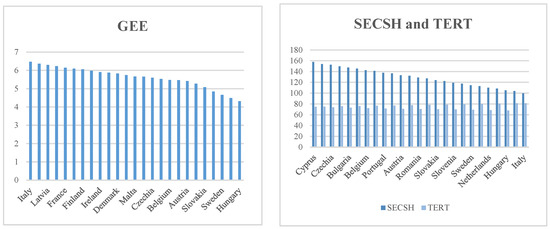
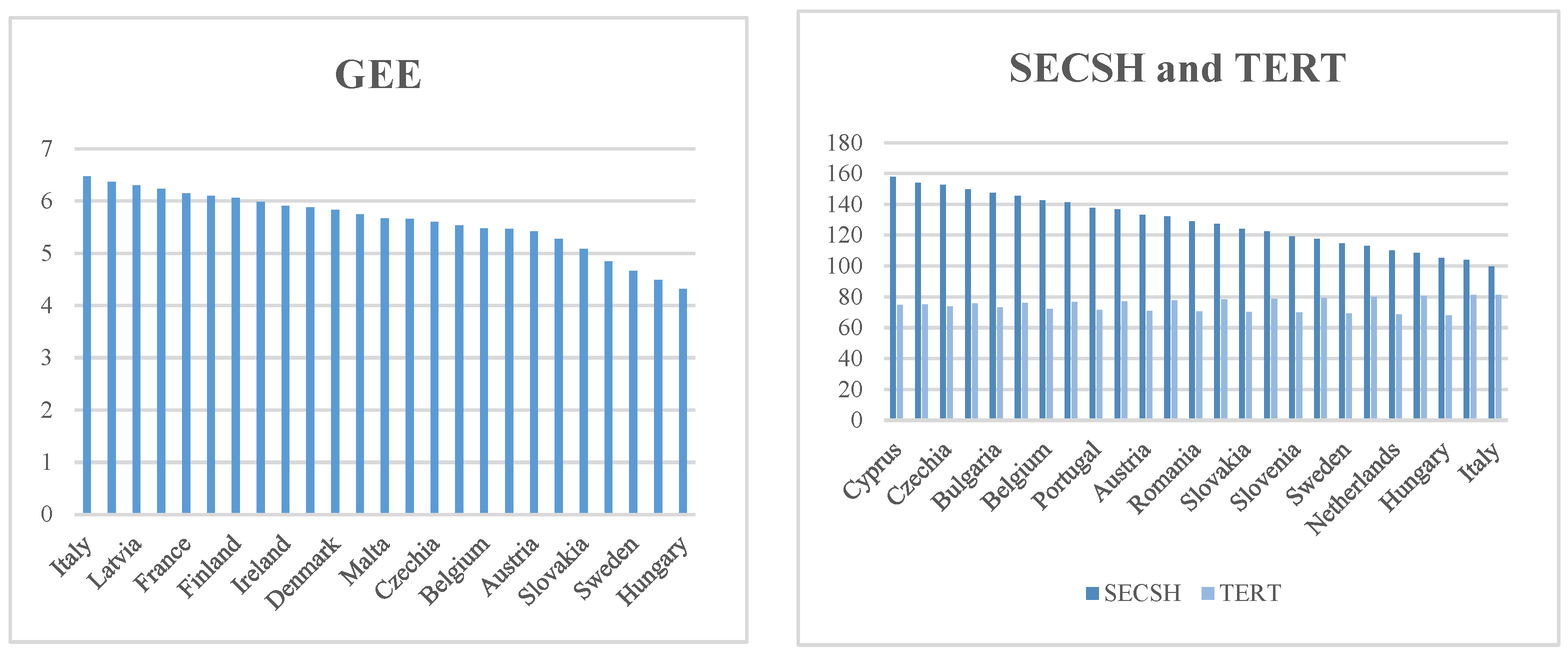
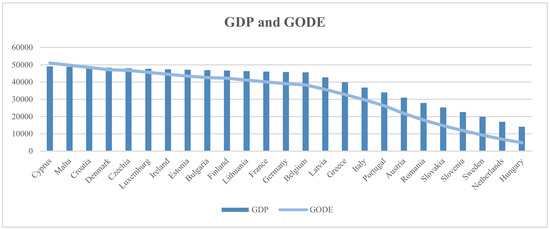
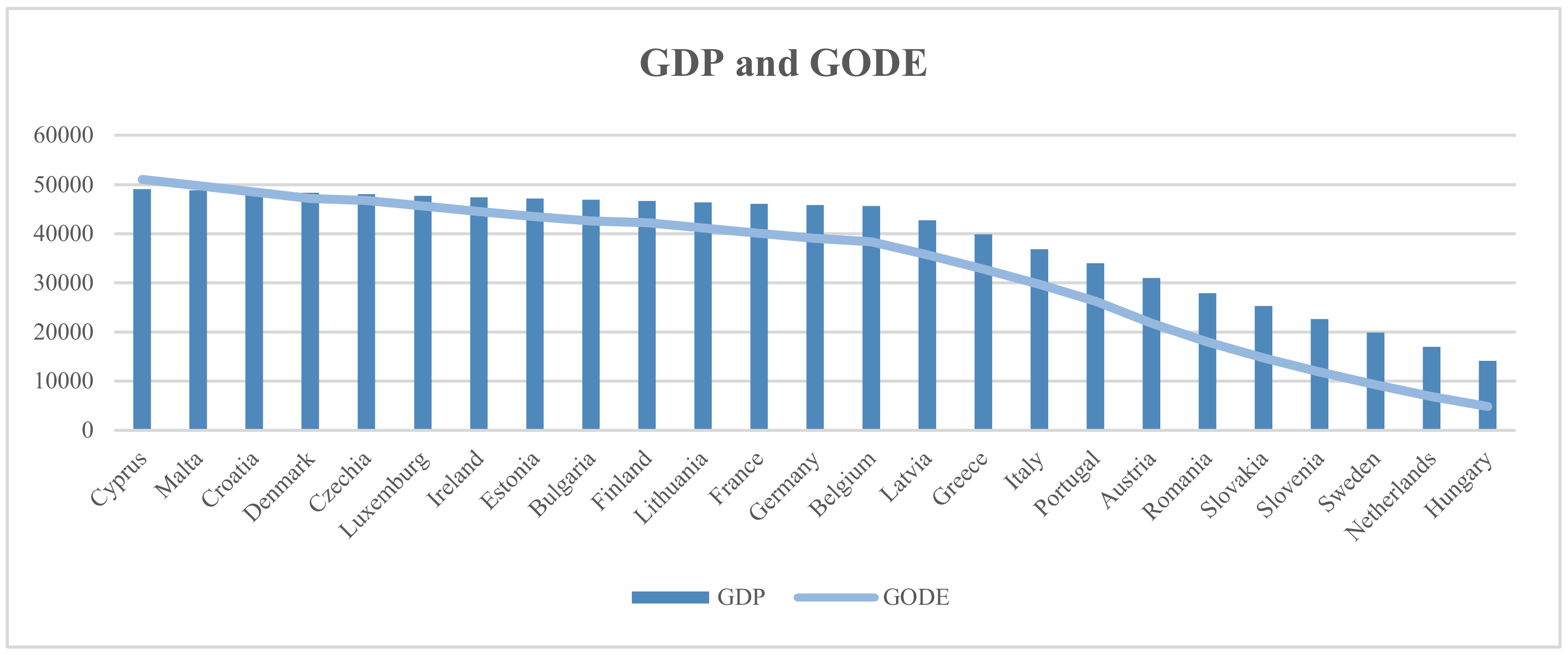
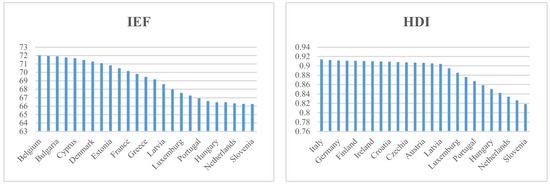
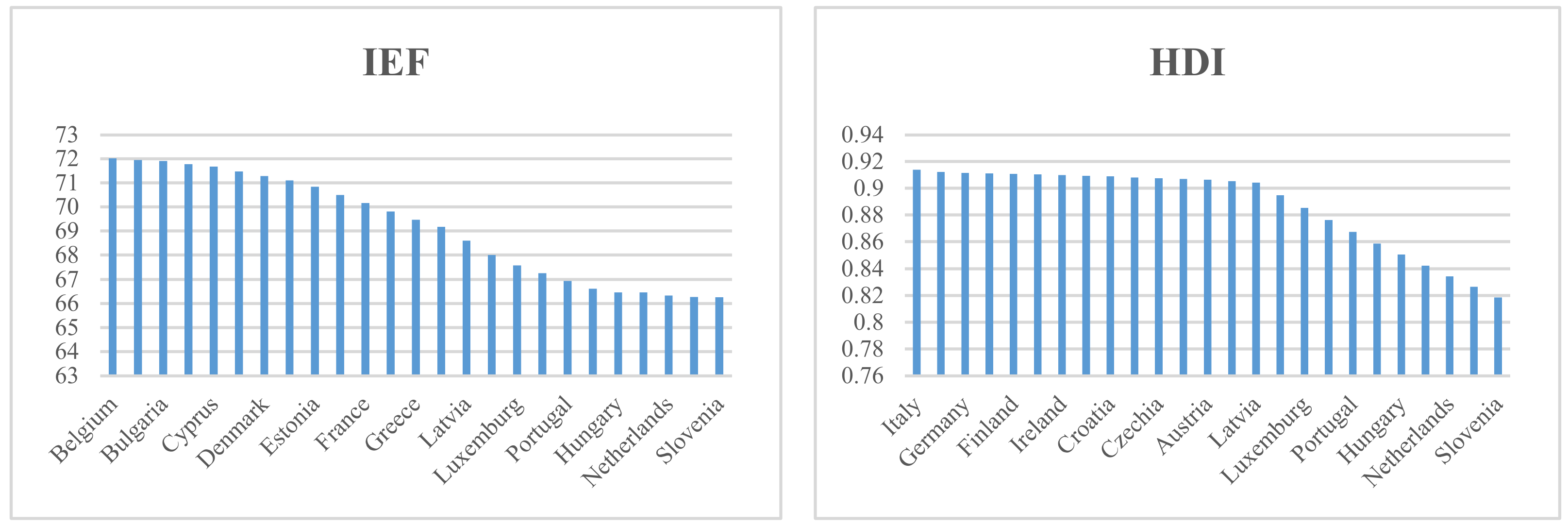
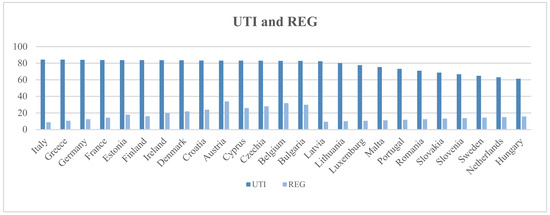
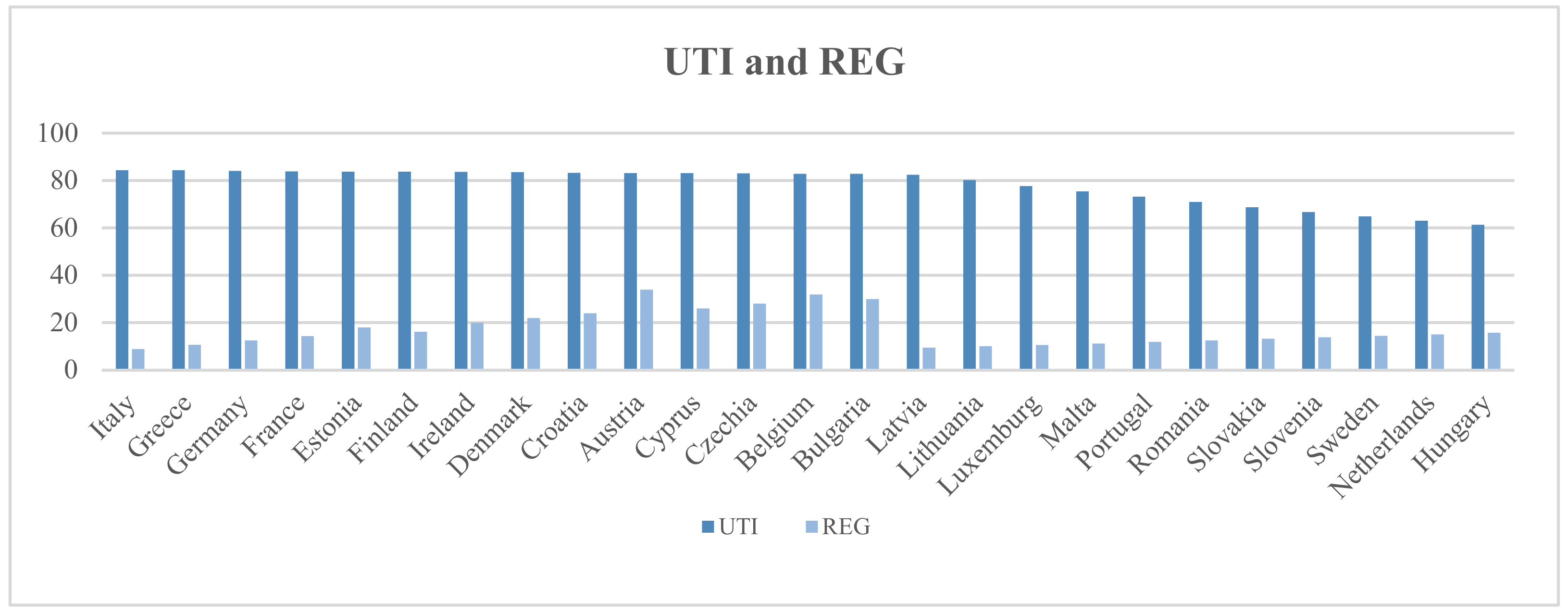
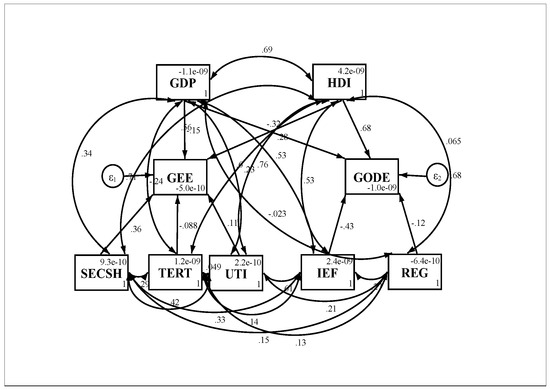
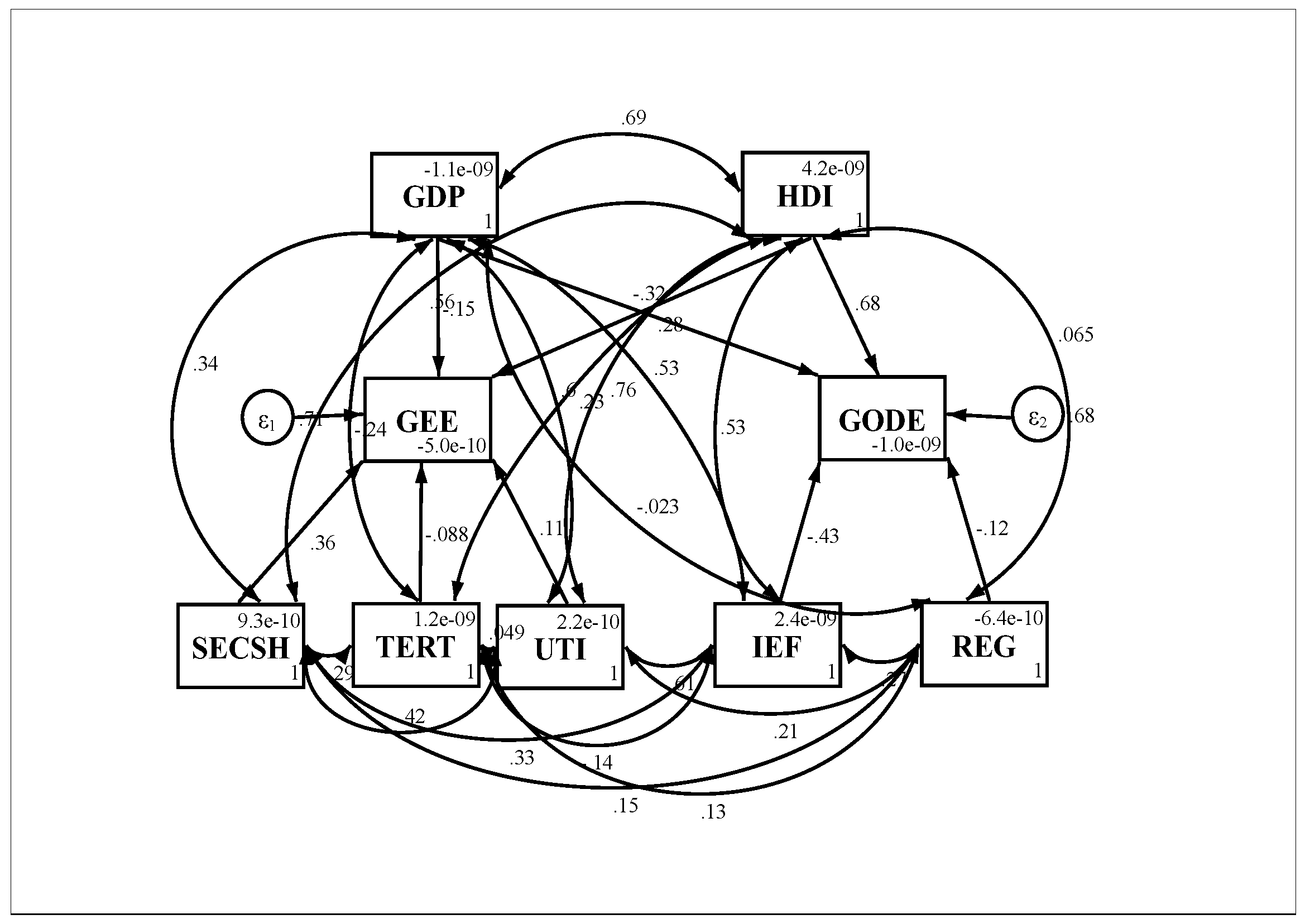
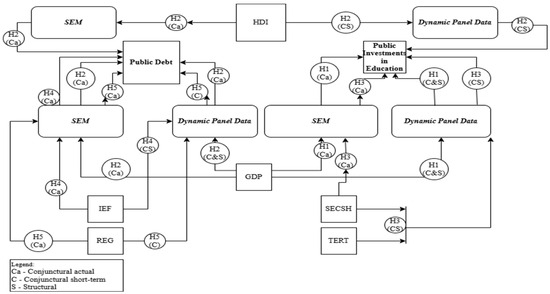
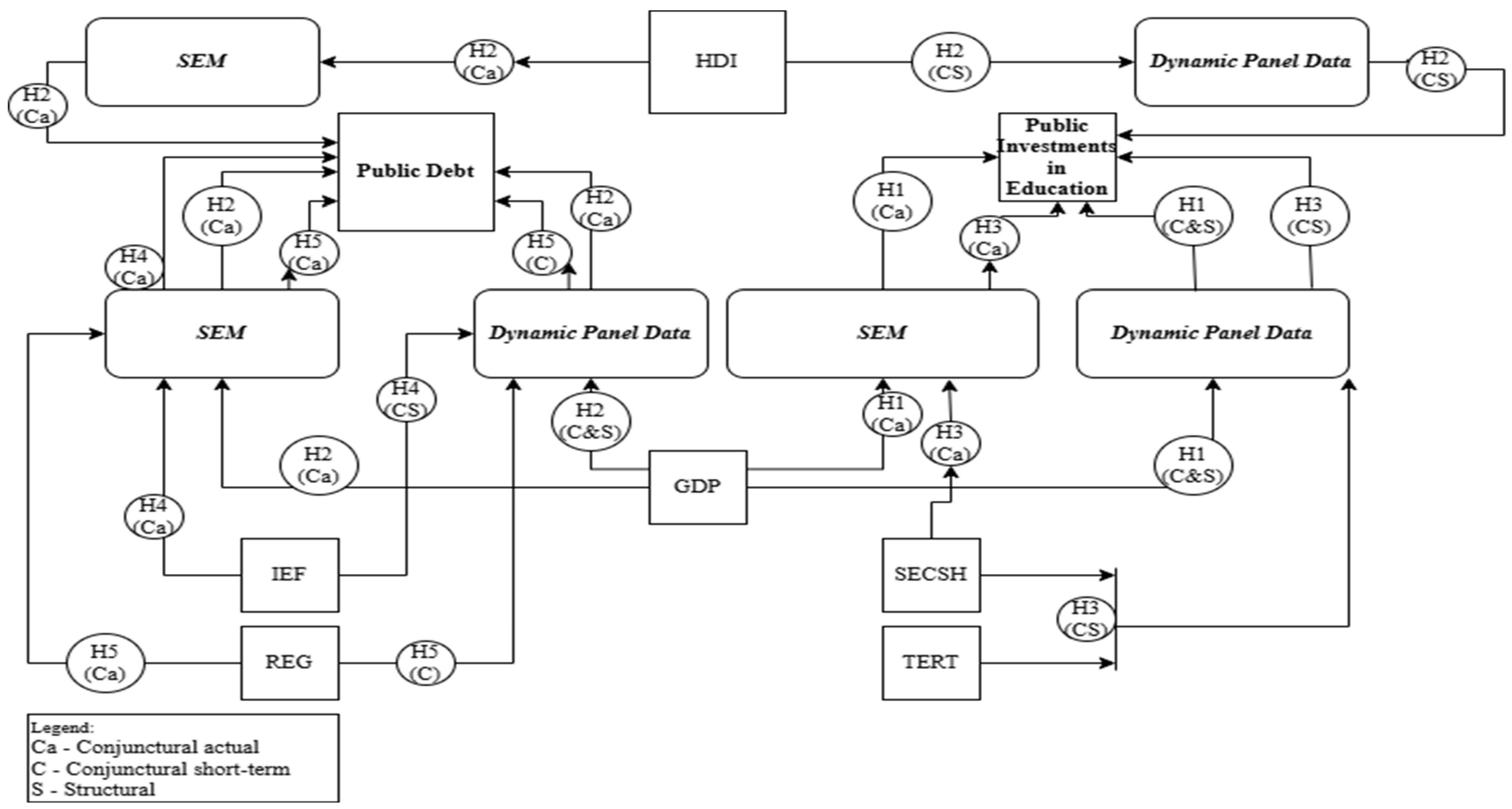

Disclaimer/Publisher’s Note: The statements, opinions and data contained in all publications are solely those of the individual author(s) and contributor(s) and not of MDPI and/or the editor(s). MDPI and/or the editor(s) disclaim responsibility for any injury to people or property resulting from any ideas, methods, instructions or products referred to in the content. |
© 2026 by the authors. Licensee MDPI, Basel, Switzerland. This article is an open access article distributed under the terms and conditions of the Creative Commons Attribution (CC BY) license.