


Abstract
Prior research focused mainly on exploring the implementations of Artificial Intelligence (AI) in efficient and eco-friendly hotel operations, with very limited studies investigating the vast capabilities of AI, such as AI-generated visual information, in shaping green attitudes and behaviors among hotel guests. Therefore, this study addresses such a gap testing the potential contributions of AI-generated visual images to hotel guests’ eco-friendly attitudes and behaviors. Explicitly, the study adopts a stimulus-based approach to examine the effects of the perceived persuasiveness of AI-generated stimulating images on guests’ green attitudes, willingness to sacrifice for the environment, and green citizenship. Moreover, it investigates the perceived authenticity of AI-generated visual information as a moderator of these linkages. A stimulus-based questionnaire was developed and administered among hotel guests. The survey was Web-based and included four AI-generated images encouraging eco-friendly attitudes and behaviors, followed by scales measuring the study constructs. The sample of the study included 428 participants who were enlisted using a convenience sampling technique. Data analysis included the performance of a PLS-SEM using Smart PLS 3.0 to test the postulated hypotheses. The findings of the study reveal that AI-generated visuals positively contributed to guests’ attitudes, willingness to sacrifice for the environment, and green citizenship behaviors. The perceived authenticity of the generated visuals also exerted a moderating effect on the examined linkages. Overall, this research fills a gap in knowledge and provides practical implications that support more sustainable attitudes and behaviors among hotel guests.
1. Introduction
With an increased stream of travel and tourism activities worldwide, the tourism and hospitality industry has been recognized as a major contributor to the degradation of the environment and climate changes (Chiwaridzo & Masengu, 2025). Therefore, the sustainability of hospitality operations has become crucial not only as an environmental initiative but also as an economic and social responsibility (Gajić et al., 2024a, 2024b). This has led to a growing interest in conserving the environment and affirmed the need of the tourism and hospitality industry to undergo serious transitions toward more sustainable operations. Moreover, since the industry is largely dependent on physical and natural resources, it is pivotal for the industry to conserve such resources to ensure its continuity (Doğan & Niyet, 2024). This is supported by the growing awareness among tourists about environmental issues, responsible consumption, and preference for eco-friendly products/services, which, in its turn, has resulted in a surge in demand for sustainable tourism (Alaflak et al., 2025). In this context, hotel guests represent a crucial partner in the success of hotel sustainability goals. Garg et al. (2025) stated that environmental awareness is a key driver that guides customers to purchase sustainable products/services or behave in eco-friendly manners. As such, hotels are constantly seeking efficient strategies to actively engage their guests in more eco-friendly behaviors like green citizenship behaviors or willingness to sacrifice for the environment (Chen et al., 2022; Rahman & Reynolds, 2016; Wang et al., 2024).
The prevalence of Artificial Intelligence (AI) and its progressive capabilities can dramatically advance the sustainability of the tourism and hotel industry through the promotion of green travel and by changing travelers’ behaviors (Alaflak et al., 2025). Ganesh et al. (2024) explained that AI-driven marketing solutions can significantly increase consumer awareness of environmental issues. Filimonau et al. (2025) explained that the abundant capabilities of artificial intelligence (AI) represent potential tools that can enable a more sustainable hotel industry. There is a growing body of empirical evidence suggesting that AI can be integrated into hospitality operations to optimize the consumption of natural resources, increase operational efficiency, customize services, and reduce waste (Begu et al., 2025; Filimonau et al., 2025; Gajić et al., 2024a; Sigala et al., 2025; Tung & Au, 2018). One prominent area in which AI can be used to support sustainability is the promotion of environmentally conscious practices and the encouragement of sustainable behaviors (Hermann & Puntoni, 2025; Troglia, 2025). Saxena and Rishi (2025) explained that it is critical to understand the impact of AI-generated content on the promotion of eco-friendly behaviors in order to craft digital marketing campaigns that support sustainability. AI-generated content has radically revolutionized the marketing sector by automating marketing content generation. Some companies have already successfully experimented with AI-generated content in their marketing campaigns; for instance, Heinz’s award-winning “AI Ketchup” campaign garnered over 850 million earned impressions worldwide (Hartmann et al., 2025). The market value of AI in marketing reached approximately 15.84 billion USD in 2021, with projections indicating it could expand to around 107.5 billion USD by 2028 (Zhang & Hur, 2025). The pivotal role of AI-generated content in the future of marketing is underscored by the high costs of professional visual creation, particularly for global campaigns requiring hundreds of tailored assets. While acquiring a standard stock image costs between 5 and 10 USD—excluding licensing fees, professional designers, and advertising agency expenses—the cost of generating an image via premium GAI platforms drops to less than 0.04 USD (Hartmann et al., 2025).
However, these potentials of AI remain empirically underexplored, as very limited research has examined how hospitality enterprises can harness AI capabilities for sustainability purposes (Filimonau et al., 2025; Mesquita et al., 2026). Specifically, prior studies on AI and hotel sustainability focused on the utilization or integration of AI in hotel operations to improve operational efficiency, enhance guest experience, and reduce waste (such as: Begu et al., 2025; Bulchand-Gidumal et al., 2024; Filimonau et al., 2025; Gajić et al., 2024a, 2024b; Saydam et al., 2022; Tung & Au, 2018) while discarding the potential of its generated content as marketing or promotional tools and how it can shape guests’ attitudes and behaviors (Mesquita et al., 2026; Troglia, 2025). Such a notable gap in knowledge limits our understanding of possible ways that AI can enable sustainable hospitality operations. Kulkov et al. (2024) and Hermann and Puntoni (2025) disputed that there is a research gap related to understanding how generative AI enhances the promotion of environmentally friendly behaviors. Additionally, recently, empirical research has examined the quality of AI-generated advertising images and their subsequent impact on online click-through rates (Zhang & Hur, 2025). Nevertheless, there remains a critical dearth of empirical knowledge regarding how consumers perceive and interact with AI-generated imagery within the context of sustainability. Specifically, it remains unclear how the deployment of such imagery shapes green consumer attitudes and behaviors and what driving factors—such as perceived authenticity—must be embedded within these generated images to foster positive green attitudes and behaviors. Several recent studies also have advocated for further investigations into AI and its potential roles in fostering eco-friendly practices in the tourism and hospitality industry. However, much of this literature has overlooked AI-generated content—specifically, AI-generated imagery—including its subsequent impact on green behaviors and the extent to which perceived authenticity influences these behavioral outcomes. For instance, Alaflak et al. (2025) disputed that the applications of AI in enabling sustainable tourism in emerging tourism destinations like Egypt represent an underdeveloped research area. Nevertheless, their study strictly focused on the roles of Social Media Branding (SMB) and AI applications in supporting green tourism, without addressing AI-generated content. Likewise, Dogru et al. (2025) and Filimonau et al. (2025) declared that there is a need for further intricate investigation into the various applications of AI in hospitality strategies and operations, especially with respect to sustainability.
Furthermore, Garg et al. (2025) reported that despite the increased volume of research on AI, there is a lack of studies examining the adoption of AI, sustainability marketing, and consumer perception in an integrative model. Schwaeke et al. (2025) claimed that previous studies on AI and sustainability are constrained and focused mainly either on specific applications or on the theoretical implications of AI. Additionally, Gajić et al. (2024b) agreed with García-Madurga and Grilló-Méndez (2023) that the integration of AI in the hospitality sector in developing countries remains poorly explored, as the majority of significant research has been based in developed countries. Finally, a recent study aimed at comparing the performance of marketing images generated by generative AI versus those created by humans across key marketing dimensions to assess their effectiveness and economic impact advocated for the expanded deployment of AI-generated imagery within various marketing domains. Concurrently, it emphasized the imperative need to explore the extent to which perceived authenticity influences the effectiveness of such generated images (Hartmann et al., 2025). This represents another gap in knowledge and leaves an interesting subject for further investigation, particularly when considering the various technological, economic, cultural, and political aspects that shape the applications of AI in these settings (Gajić et al., 2024b; Qin et al., 2024).
Moreover, from the perspective of Service-Dominant Logic (SDL), hotel guests should not be considered recipients of persuasive sustainability stimuli. Instead, they are participants who actively engage in the co-creation of value and sustainable hotel experiences through their interaction with hotel sustainability communication and green initiatives (Jaakkola et al., 2024; Vargo & Lusch, 2017). As such, AI-generated persuasive sustainability visuals act as stimulators for engagement, interpretation, and participation in environmentally responsible behaviors among tourists and hotel guests. Hence, this study adopts the stimulus–organism–response (S-O-R) model and the Elaboration Likelihood Model (ELM) to investigate the effects of AI-generated visual stimulus in terms of supporting eco-friendly attitudes and behaviors among hotel guests. Specifically, it uses a stimulus-based survey to examine: (1) the influence of the perceived persuasiveness of AI-generated photos (stimulus) on guests’ green attitudes (organism), willingness to sacrifice for the environment, and green citizenship behaviors (response); (2) the mediating role of green attitudes in the linkages between the perceived persuasiveness of AI-generated photos and both willingness to sacrifice for the environment and green citizenship behaviors; (3) the moderating effects of the perceived authenticity of AI-generated photos on the perceived persuasiveness of AI-generated photos, as well as guests’ green attitudes, willingness to sacrifice for the environment, and green citizenship behaviors. The findings of this study address a gap in knowledge and draw the attention of both academic and practitioners to the potential of AI applications to shape guests’ eco-friendly attitudes and behaviors and support sustainable hotel initiatives. Additionally, based on the S-O-R framework and the ELM, this study seeks to answer the following research question: To what extent does the perceived persuasiveness of AI-generated photos influence hotel guests’ green attitudes, willingness to sacrifice for the environment, and green citizenship behaviors, and how are these relationships affected by perceived authenticity?
2. Literature and Hypotheses
2.1. Artificial Intelligence (AI)
AI is defined as technology that allows electronic devices to simulate human behaviors (Bowen & Morosan, 2018). In the same vein, Huang and Rust (2021) defined AI as the use of computational machinery to emulate human capabilities to perform physical or mechanical tasks, thinking, or even feeling. In other words, AI refers to the ability of computers or machines to imitate humans in terms of comprehension, creativity, learning, data analytics, problem solving, decision making, and autonomy (Filieri et al., 2021). This includes various technologies, such as robots, machine learning, natural language processing, service automation, big data analytics, etc. (Ganesh et al., 2024; Garg et al., 2025). Most importantly, it includes generative AI (GAI), which is a form of AI that generates new content, including text, images, sounds and videos (Filimonau et al., 2025; Schwaeke et al., 2025). These technological solutions represent an essential element that supports the progress of the hotel industry toward sustainability goals, particularly in relation to policy interventions and behavioral change (Filimonau et al., 2025; Molina-Collado et al., 2022). Garg et al. (2025) explained that AI has revolutionized sustainability marketing by increasing environmental consciousness and influencing consumer behaviors.
2.2. Perceived Persuasiveness of AI-Generated Visuals (Stimulus)
AI enables the ideal crafting and effective communication of ideas and messages that support sustainability and resonate with eco-conscious customers (Troglia, 2025). Persuasive marketing messages—AI-generated visuals in this case—play an important role in conveying the intended promotional message. The dynamics by which AI-generated images stimulate certain attitudes and behavioral responses can be considered through the lens of Stimulus–Organism–Response (S-O-R) theory, the Elaboration Likelihood Model (ELM), and the servicescape theory. S-O-R theory represents an overarching model that explains the behavioral responses of individuals toward external stimulus (Jacoby, 2002). The theory posits that the incentives or inducements of the external environment (stimulus) can arouse the internal psychological state of an individual (organism) or sequentially trigger certain behavioral responses (Jacoby, 2002; Song et al., 2022). In other words, the exposure of to an external stimulus or motivation evokes a certain psychological condition that, in turn, results in specific reactions or responses to that stimulus. In the present study, the perceived persuasiveness of AI-generated sustainability visuals acts as the stimulus (S), while green attitudes represent the organism (O) and, lastly, both willingness to sacrifice for the environment and green citizenship behavior represent the response (R).
Although S-O-R theory explains the mechanism or sequence through which stimuli influence attitudes and behaviors, it does not fully explain how individuals cognitively process the persuasive message of the stimulus. The Elaboration Likelihood Model (ELM) of persuasion (Petty, 1984) can address this aspect. According to the ELM, people tend to process information through two main routes. The first is the peripheral route, according to which people process information based on surface causes such as images or emotional appeal. The second is the central route, where individuals conduct deep analysis and dedicate thoughtful consideration to the information they consume (Petty, 1984; Shahab et al., 2021). In the context of the current study, hotel guests may form favorable environmental evaluations because AI-generated sustainability visuals provide compelling cues that enhance message persuasiveness and facilitate its processing through the peripheral route.
In a context that is more relevant to the hospitality industry, the servicescape theory (Bitner, 1992) indicates that environmental and symbolic cues are key drivers that shape guests’ perceptions, emotional states, and resultant behavioral responses. In this regard, AI-generated sustainability visuals can be viewed as part of a hotel’s symbolic servicescape that helps to communicate environmental values to guests. As such, hotel guests interpret AI-generated sustainability visuals as part of a hotel’s symbolic servicescape. This encourages environmentally responsible behaviors (White et al., 2019). Accordingly, the ELM supports the S-O-R framework by highlighting how AI-generated visuals function as persuasive stimuli, while servicescape theory provides the hospitality-specific context to explain how visual cues are perceived by hotel guests.
Through its unique features and capabilities, AI can generate vivid, engaging, and context-specific images that effectively communicate a hotel’s eco-friendly message, as hotel guests largely depend on visual cues when they evaluate sustainability information (White et al., 2019). As such, this study assumes that generating appealing and informative AI marketing visuals will enhance the persuasiveness of marketing messages, which, in turn, contribute positively to green attitudes and behavioral responses, including willingness to sacrifice for the environment and green citizenship behaviors. In other words, presenting environmental practices in an appealing manner using AI-generated images enhances guests’ awareness about environmental issues, which promotes positive green attitudes (Alaflak et al., 2025). Persuasive sustainability messages also motivate hotel guests to prioritize environmental benefits over personal gains such as luxury or comfort (Rahman & Reynolds, 2016).
Evidence from previous studies showed that AI-generated content has contributed significantly to the enhancement of sustainability communications and the stimulation of supporting patronage behaviors. For example, a study by Alaflak et al. (2025) revealed that AI plays an important role in promoting green tourism by raising tourists’ awareness of eco-friendly travel destinations. Similarly, a study by Shabankareh et al. (2025) reported that the use of AI on hotel social medial pages resulted in increased brand engagement and intentions to revisit. Likewise, the findings of Islam et al. (2025) showed that AI-driven green marketing significantly improved consumer awareness and engagement, which, in turn, resulted in increased adoption of sustainable tourism options. A study by Zhang and Hur (2025) reported that AI-generated advertising content led consumers to form attitude judgments based on the persuasive quality and presentation of generated images. Dwivedi et al. (2024) implied that AI-generated content in the hospitality and tourism industry significantly shapes guest attitudes.
Accordingly, we argue that an AI-generated stimulating photo perceived to be persuasive by hotel hotels guests will evoke positive green attitudes, leading to increased willingness to sacrifice for the environment and stronger green citizenship behaviors. The following hypotheses are set for testing:
H1.
The perceived persuasiveness of an AI-generated stimulus photo is positively linked to guests’ green attitudes in hotels.
H2.
The perceived persuasiveness of AI-generated stimulus photo is positively linked to guests’ willingness to sacrifice for the environment in hotels.
H3.
The perceived persuasiveness of AI-generated stimulus photo is positively linked to guests’ green citizenship behaviors in hotels.
2.3. Guest Green Attitudes (Organism)
T. M. et al. (2021) defined guests’ green attitudes in hotels as “the extent to which a consumer has a favorable or unfavorable feeling towards issues related to green hotels”. In other words, the attitudes of individuals lead to a positive or negative assessment of the performance of a specific behavior (Ajzen, 1989). In the S-O-R model, attitude represents the second dimension (i.e., organism), which occurs as a result of exposure to external stimulus, leading consumers to act in certain manners or ways (response). Accordingly, green attitudes act as the main organismic mechanism that connects persuasive AI-generated sustainability visuals to pro-environmental behavioral responses, that is, guests’ exposure to persuasive sustainability visuals does not directly lead to environmentally responsible behaviors. Alternatively, these visuals first shape how guests receive, interpret, and internally evaluate environmental issues. Such evaluations are then transformed into favorable green attitudes. Green attitude, in its turn, is a function of psychological readiness to support environmental sustainability (Ajzen, 1989).
Prior research provided empirical evidence supporting the proposed mechanism. For example, a study by Verma and Chandra (2018) reported that green attitudes significantly predict green hotel visit intentions. Huy et al. (2022) reported that green attitude represents a psychological factor that mediates the linkage between green ability, motivation, and opportunity (AMO), as well as eWOM. Similarly, Van Huy et al. (2024) found that green attitude is positively linked to tourists’ intentions to stay at green hotels. In the same vein, we propose that green attitudes positively contribute to guests’ willingness to sacrifice for the environment and green citizenship behavior, either directly or through a mediation mechanism as postulated in the following hypotheses:
H4.
Green attitude is positively associated with hotel guests’ willingness to sacrifice for the environment.
H5.
Green attitude is positively associated with hotel guests’ green citizenship behaviors.
H6.
Green attitude positively mediates the linkage between the perceived persuasiveness of AI-generated stimulus photos and hotel guests’ willingness to sacrifice for the environment.
H7.
Green attitude positively mediates the linkage between the perceived persuasiveness of AI-generated stimulus photos and green citizenship behaviors in hotels.
2.4. Willingness to Sacrifice for the Environment and Green Citizenship Behavior (Response)
Willingness to sacrifice for the environment refers to the tendency of individuals to forgo personal interests, like comfort, or incur extra costs, such as by paying extra charges/fees for green products/services, in their pursuit to conserve the environment and promote sustainability (Martín-Gago et al., 2025). In the context of the hotel industry, willingness to sacrifice (WTS) may include behaviors like paying premium or higher rates for green hotel services or accepting reduced accommodation convenience or adjustments. Meanwhile, green citizenship behavior indicates the voluntary or extra-role activities assumed by customers, such as advocating for eco-friendly practices or providing constructive feedback to support the organization’s eco-friendly initiatives (Groth, 2005). In this study, both willingness to sacrifice for the environment and green citizenship behavior are examined as outcomes (response) of tourists’ exposure to persuasive AI-generated visuals either directly or through green attitude as a mediator.
2.5. The Moderating Role of Perceived Authenticity
This study presumes that the perceived authenticity of AI-generated visuals will play a moderating role and reinforce the effects of the perceived persuasiveness on green attitudes, WTS, and green citizenship behaviors. Perceived authenticity denotes the extent to which people consider a visual representation to be genuine and reflect reality instead of being artificially manipulated (Jiang et al., 2017; Moulard et al., 2016; Napoli et al., 2014). The Source Credibility Theory (Hovland et al., 1953; McCroskey & Young, 1981) posits that authenticity acts as a major cue that the audience depends on to assess the credibility and trustworthiness of marketing message/content and therefore enhances or diminishes persuasive outcomes. Higher perceived authenticity and credibility of marketing stimuli support the formation of positive attitudes and enhance persuasion outcomes; meanwhile, extreme artificial manipulation triggers skepticism and resistance (Appelman & Sundar, 2016; Pornpitakpan, 2004; Sundar, 2008).
The conceptual model of this study anticipates perceived authenticity to strengthen the effects of persuasive AI-generated sustainability visuals. This is because hotel guests are more likely to accept and act upon sustainability messages that are considered to be genuine and credible (Appelman & Sundar, 2016; Bui et al., 2024). When guests perceive AI-generated visuals as authentic and concur with the hotel’s real-life sustainability practices, they tend to trust the eco-friendly claims depicted by these environmental visuals. This trust boosts the persuasive influence of AI-generated visuals on guests’ green attitudes. Accordingly, the potential positive effects of persuasive AI-generated visuals on green attitudes, willingness to sacrifice for a green hotel, and green customer citizenship behaviors are stronger when the visuals are perceived to be authentic.
Previous studies in tourism marketing have reported significant effects of perceived authenticity on various marketing outcomes. For example, Kim and Wang (2024) reported that the authenticity and credibility of virtual influencers on social media significantly affect the effectiveness of marketing campaigns, including positive attitudes and intentions toward endorsed products. In a more relevant context, a study by Bui et al. (2024) examined the effect of the perceived authenticity of AI-generated visual content on tourist patronage intentions. Their findings showed that the perceived authenticity of AI-generated images positively impacted trust and patronage intentions. Thus, we propose the following hypotheses (see Figure 1):
H8a.
The perceived authenticity of AI-generated visuals positively moderates the linkage between perceived persuasiveness and green attitudes.
H8b.
The perceived authenticity of AI-generated visuals positively moderates the linkage between perceived persuasiveness and willingness to sacrifice for the environment.
H8c.
The perceived authenticity of AI-generated visuals positively moderates the linkage between perceived persuasiveness and green citizenship behavior.
Figure 1.
Study conceptual model.
3. Materials and Methods
3.1. Instrument and Measures
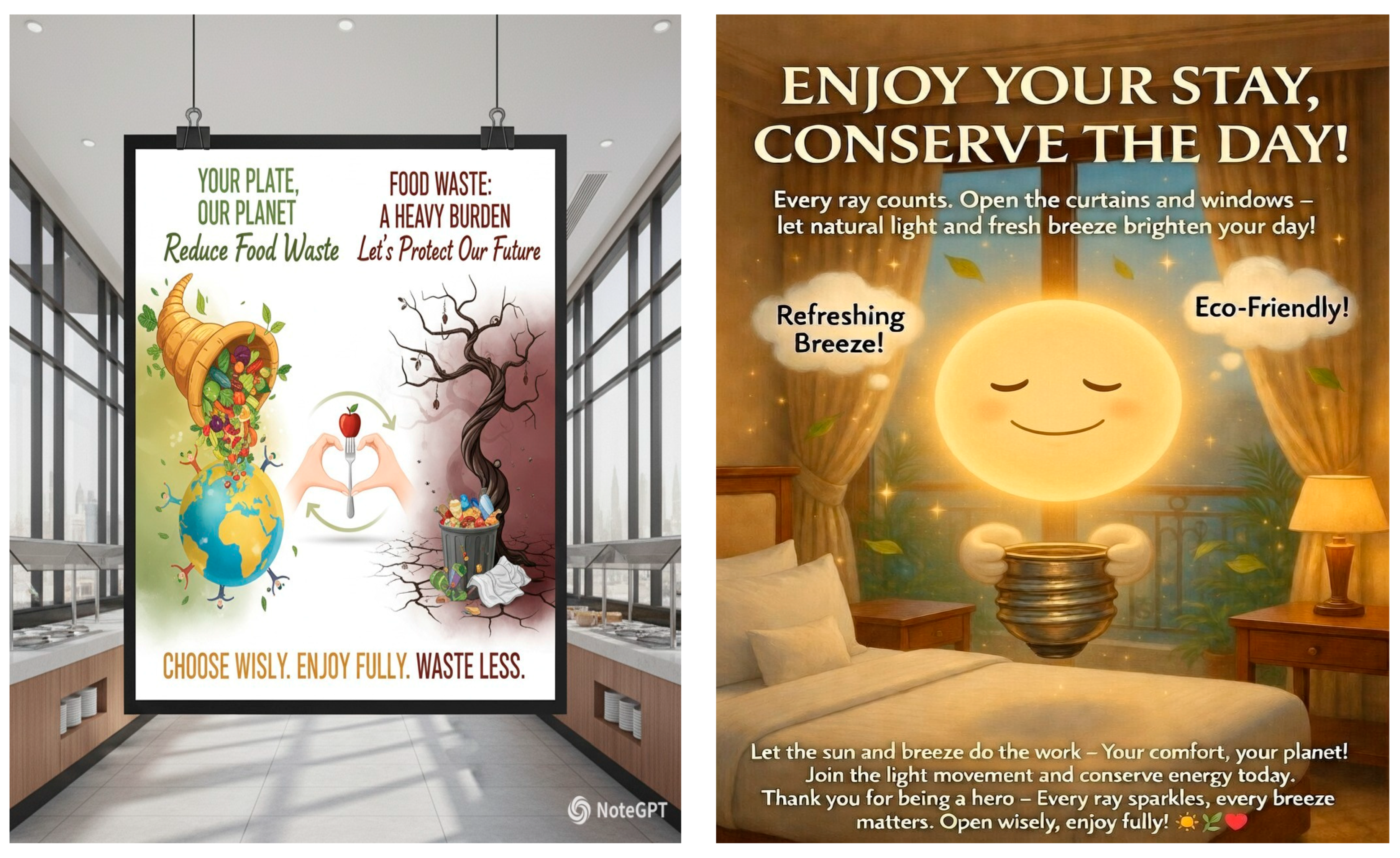
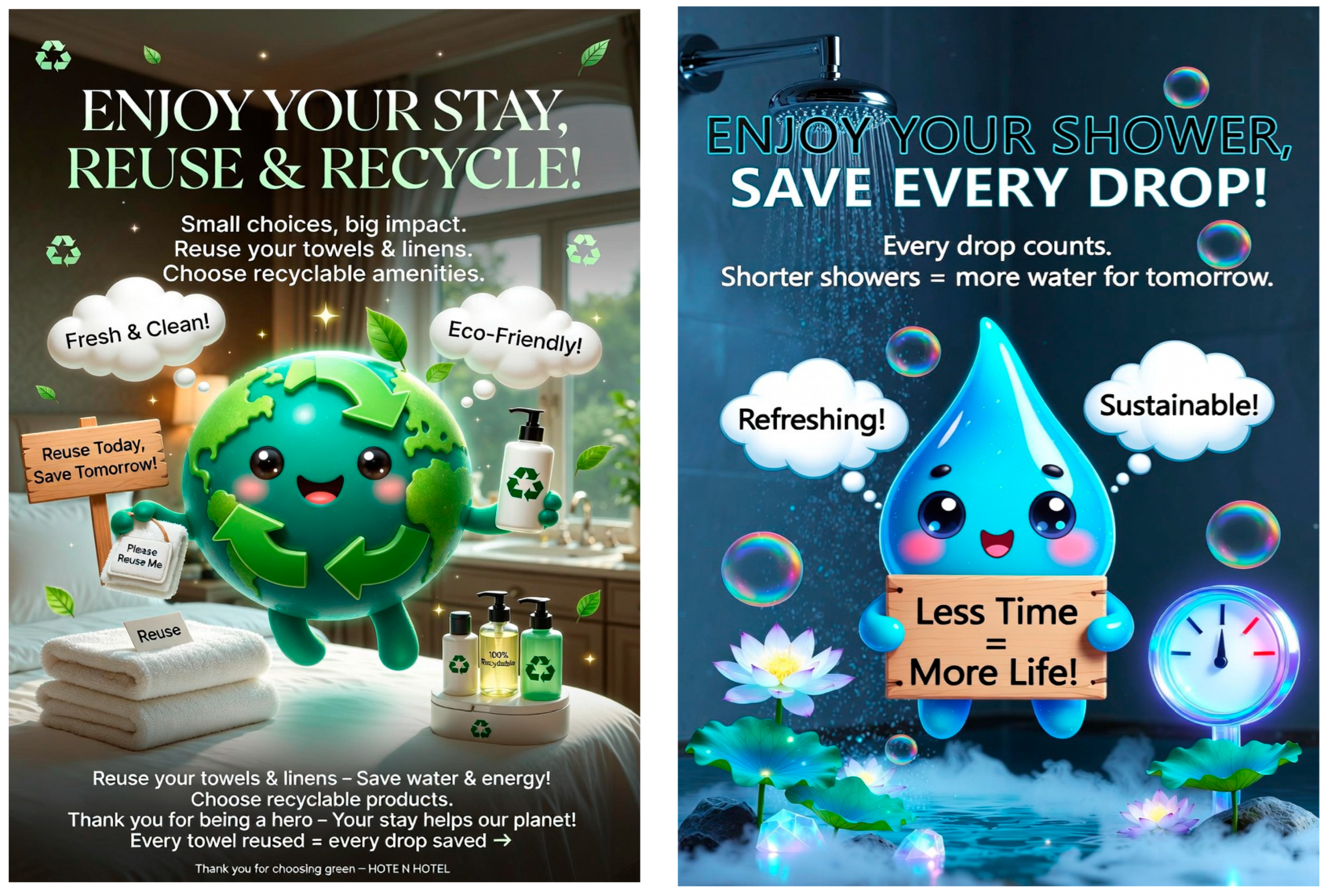
A stimulus-based survey using AI-generated persuasive visuals promoting eco-friendly cultural behaviors as stimuli was developed for study participants. Hox and Boeije (2005) explained that a stimulus-based questionnaire is an effective tool to elicit information from respondents. The visual stimuli used in this study were generated using ChatGPT-5.5 based on text prompts designed to persuade hotel guests to adopt environmentally responsible behaviors, including food waste reduction, water conservation, energy saving, and recycling practices. Several images were generated and reviewed, and the most suitable images were selected based on their relevance to hotel sustainability initiatives and the clarity of the intended environmental message. Prior to the main survey, the questionnaire and AI-generated images were evaluated by seven academics, six hotel practitioners responsible for green program implementation in green hotels, and twenty guests with experience staying in green hotels. Their feedback was used to refine the wording, clarity, relevance, authenticity, and persuasive appeal of the visual stimuli before data collection.
This study also adhered to the recommendation of Hox and Boeije (2005) that stimulus-based surveys represent an effective method for eliciting rich and reliable information from respondents. Accordingly, we adopted this tool and featured persuasive, sustainability-themed visual images generated by artificial intelligence, specifically designed to encourage and elicit pro-environmental behavioral intentions among hotel guests
Items were adapted from various sources in the relevant literature. A 5-point scale, ranging from “(1) strongly disagree” to “(5) strongly agree”, was employed for the subsequent items.
3.1.1. Photo Perceived Persuasiveness (PPP)
A total of 9 items were adapted from Thomas et al. (2019) to assess Photo Perceived Persuasiveness. These items were equally distributed across three dimensions—Effectiveness (PPPE), Quality (PPPQ), and Capability (PPPC)—with three items per dimension. Example items include “This message will cause changes in my behavior” and “This message has the potential to change user behavior”.
3.1.2. Photo Perceived Authenticity (PPA)
PPA was operationalized utilizing 4 items from Bui et al. (2024). Sample items are “The photo makes a genuine impression” and “The photo gives an impression of being natural”.
3.1.3. Willingness to Sacrifice for Green Hotels (WTSG)
For the operationalization of this variable, we adapted 3 items from Rahman and Reynolds (2016). Example items are “ I am willing to sacrifice quality by staying at a green hotel” and “ I am willing to sacrifice convenience by staying at a green hotel”.
3.1.4. Green Attitudes (GA)
To gauge GA, we adopted 3 items from Van Tonder et al. (2023). Example items are “I believe that staying at a green hotel is a valuable experience” and “I believe that it is wise to book a room in a green hotel”.
3.1.5. Green Customer Citizenship Behavior (GCCB)
GCCB was operationalized utilizing 6 items from Deng and Yang (2022). Sample items are “I am willing to suggest innovative ideas to enhance the hotel’s green practices and sustainability initiatives” and “I will encourage others to choose this green hotel for their future stays”.
A pilot study was conducted with 30 customers who had visited green-certified hotels in Sharm El-Sheikh, Egypt. This process confirmed the validity of the questionnaire items, their clarity of wording, and their alignment with the study’s objectives.
3.2. Sampling and Participants Selection
Hotel guests in Sharm El-Sheikh, Egypt, completed an online questionnaire through Microsoft Forms. The city has received strong government support and implemented several initiatives to become a green city. Sharm El-Sheikh alone has 42.6% of all hotels certified under the Green Star Hotel Programme, corresponding to 78 certified properties (Ahmed et al., 2025). The questionnaires were distributed to guests staying in hotels certified with the Green Star certification in Sharm El-Sheikh. Data collection was facilitated by hotel managers and postgraduate researchers, who distributed the questionnaires during guests’ stays or at the time of check-out. Hotel managers and postgraduate researchers were provided with ethical guidelines and instructions to ensure proper distribution procedures, while they did not interfere with respondents’ answers. Respondents were also asked to refer other guests with prior experience staying in green hotels to enhance participation. The questionnaire opened with an introduction outlining the research objectives and the ethical considerations involved in data collection. This was followed by a set of artificial intelligence (AI)-generated images designed to encourage reduced food waste, water conservation, and energy conservation and promoting the recycling and reuse of materials (see Appendix A). Participants were instructed to view these images before proceeding to complete the questionnaire, which contained the measurement items for the study variables and demographic questions. The data collection process lasted approximately two months, from November 2025 to early January 2026, during which 428 completed questionnaires were received. The demographic analysis indicates a relatively balanced gender distribution (54.9% male; 45.1% female), with a predominant representation of younger participants, as 76.6% were aged 35 or below. Furthermore, the sample is characterized by a high educational level, with the majority (72.2%) holding either a bachelor’s or postgraduate degree.
To minimize potential bias from common method variance (CMV), we used both procedural and statistical approaches (Podsakoff et al., 2003). First, Participants were told the purpose of the research and that joining the study by filling out the questionnaire was voluntary. We assured them that their responses would remain confidential and anonymous and explained that there were no right or wrong answers to the survey questions. Second, for statistical procedures, we used Harman’s single-factor test with an unrotated exploratory factor analysis. The main factor explained 45.641% of the total variance, which is less than 50%. Third, we checked for collinearity using the variance inflation factor (VIF) as recommended by Kock (2015). The highest VIF value was 2.939, which is below the threshold of 3.3. Fourth, a theoretically unrelated marker variable (airport safety) was included to assess CMV, and the results indicated that its inclusion did not materially change the significance or magnitude of the structural relationships, confirming that CMV was not a serious concern (Lindell & Whitney, 2001).
3.3. Data Analysis
Consistent with several recent studies in the hospitality field (e.g., Aboutaleb et al., 2025; Alzadjali et al., 2026; Elshaer et al., 2025; Khairy et al., 2025; Olya et al., 2024), partial least squares structural equation modeling (PLS-SEM) was performed using SmartPLS version 3. This approach was chosen because of its suitability for predictive research involving complex relationships, including mediation and moderation effects, as well as its ability to analyze multiple constructs simultaneously (Hair et al., 2019). The analysis followed the two-stage procedure outlined by Chin (1998). First, the measurement model was assessed through loadings, composite reliability (CR), Cronbach’s alpha, convergent validity, and discriminant validity. The structural model was then evaluated by examining the coefficient of determination (R2), effect sizes (f2), path coefficients (β), and predictive relevance (Q2) (Hair et al., 2019). Finally, for hypothesis testing, a bootstrapping procedure with 5000 resamples was conducted to determine the significance of the structural relationships. Moderation effects were examined by creating interaction terms using the product indicator approach in SmartPLS v3, allowing for the assessment of the moderating role of perceived authenticity in the proposed relationships. The results confirmed the robustness and predictive validity of the model.
4. Results
4.1. Measurement Model
The results of the confirmatory factor analysis (Table 1) showed that all scale-item loadings were above the 0.70 benchmark (Hair et al., 2019). Reliability was measured using Composite Reliability (CR) and the alpha coefficient (α). Both CR and α values were >0.70 (Hair et al., 2017), confirming the reliability of the measures (Table 1). We also used average variance extracted (AVE) to measure convergent validity. According to Fornell and Larcker (1981), AVE values greater than 0.50 show acceptable convergent validity. As shown in Table 1, all AVEs were above 0.50, supporting convergent validity.
Table 1.
Confirmatory factor analysis results.
To validate the higher-order construct of PPP, several steps were undertaken. First, the correlations among the first-order constructs (Effectiveness (PPPE), Quality (PPPQ), and Capability (PPPC)) were examined, confirming their conceptual relatedness and theoretical coherence. Second, variance inflation factor (VIF) values were assessed to test for multicollinearity among the first-order constructs. The VIF values ranged from 1.940 to 2.764—all below the recommended threshold—indicating the absence of serious multicollinearity issues. Likewise, VIF values for the higher-order PPP construct ranged from 2.291 to 2.809, further confirming that collinearity was not a concern. Finally, the significance and relevance of the paths linking the first-order constructs to the higher-order PPP construct were evaluated. The results indicated that all first-order constructs exhibited significant and substantial weights, demonstrating their strong contribution to the formation of the overall PPP construct within the PLS-SEM framework.
We also used two tests to check for discriminant validity: the heterotrait–monotrait (HTMT) ratio and the Fornell–Larcker criterion. According to Fornell and Larcker (1981), the square root of the AVE for a variable should be greater than its correlations with other variables. In our results, the square roots of the AVEs were higher than the correlations below the diagonal in Table 2. Table 3 shows that all HTMT values were below 0.85 (Henseler et al., 2015). These findings confirm that discriminant validity was established.
Table 2.
Descriptive statistics, correlations, and discriminant validity.
Table 3.
HTMT ratio.
4.2. Structural Model
Before testing the hypotheses, we assessed the structural model using R2, f2, β, and Q2 (Hair et al., 2019). R2 measures how much of the outcome variable’s variance is explained by the predictors. Our results showed R2 values of 0.407 for GA, 0.592 for GCCB, and 0.604 for WTSG—all above the 0.10 threshold (Falk & Miller, 1992)—indicating moderate to substantial explanatory power, particularly for the two behavioral outcomes (GCCB and WTSG), which suggests that the proposed model explains a considerable proportion of variance in guests’ green citizenship and willingness to sacrifice for the environment. We also assessed predictive relevance by calculating Q2. According to Hair et al. (2019), a Q2 greater than 0 shows predictive relevance. The Q2 values for GA, GCCB, and WTSG were 0.297, 0.360, and 0.405, respectively, which shows our model has meaningful predictive relevance. The effect size (f2) also ranged from 0.089 to 0.304, which is above the 0.02 threshold for a small effect (see Table 4) (Cohen, 2013). Finally, we tested the significance of the path coefficients using a bootstrap analysis with 5000 resamples.
Table 4.
Results of Q2, R2, and f2.
The results of the structural model, as summarized in Table 5, provide empirical support for all proposed hypotheses. The analysis reveals several key insights into the relationships between Photo Perceived Persuasiveness (PPP), Green Attitudes (GA), and customer behavioral outcomes.
Table 5.
Results of hypothesis testing.
The structural paths indicate that PPP has a significant and positive direct influence on GA (β = 0.460, t = 7.358, p < 0.001), WTSG (β = 0.453, t = 11.275, p < 0.001), and GCCB (β = 0.285, t = 5.774, p < 0.001). Consequently, H1, H2, and H3 are supported. Similarly, GA significantly predicts both WTSG (β = 0.252, t = 6.059) and GCCB (β = 0.247, t = 4.130), providing support for H4 and H5.2, as seen in Figure 2.
Figure 2.
Evaluation of the structural model.
Regarding the indirect paths, Green Attitudes (GA) successfully mediated the relationship between PPP and both behavioral outcomes. Specifically, the indirect effect of PPP on WTSG (β = 0.116, p < 0.001) and GCCB (β = 0.114, p = 0.001) was significant, as the 95% bias-corrected confidence intervals did not include zero. Thus, H6 and H7 are supported.
Furthermore, the interaction effect of Photo Perceived Authenticity (PPA) was tested (see Figure 3). The results confirm that the interaction between PPP and PPA significantly influences GA (β = 0.120, t = 2.910), WTSG (β = 0.102, t = 3.609) and GCCB (β = 0.133, t = 4.080), providing strong support for H8a, H8b, and H8c.
Figure 3.
Moderation effects of PPA. (a) PPP× PPA -> GA (PPA strengthens the positive relationship between PPP and GA). (b) PPP× PPA -> WTSG (PPA strengthens the positive relationship between PPP and WTSG). (c) PPP× PPA -> GCCB (PPA strengthens the positive relationship between PPP and GCCB).
5. Discussion and Conclusions
5.1. Findings and Theoretical Implications
The present study seeks to address a pronounced research gap. Unlike most prior studies, this study endeavors to make a meaningful contribution to the literature on artificial intelligence in the hospitality sector of developing countries—a domain that remains underexplored to date. This is in addition to the contextual differences that distinguish developing countries, i.e., technological infrastructure, economic conditions, cultural norms, and political environments, shaping the adoption, implementation, and outcomes of AI applications in such settings (Chen et al., 2022; Dong et al., 2023; Gajić et al., 2024b). However, despite the expanding body of research on artificial intelligence, there remains a significant gap in studies that jointly consider the adoption of AI, sustainable marketing practices, and consumer perceptions within a unified theoretical framework (Garg et al., 2025). To address this gap, this study sought to examine the effects of the perceived persuasiveness of AI-generated visuals on guest green attitudes (mediator), willingness to sacrifice for green hotels, and green customer citizenship behavior. It also tested the moderating role of the perceived authenticity of AI-generated visuals on the proposed model. The findings show that the perceived persuasiveness of AI-generated visuals significantly and positively contributed to guests’ green attitudes, which, in turn, stimulated willingness to sacrifice for a green hotel and green customer citizenship behavior. Furthermore, the perceived authenticity of AI-generated visuals strengthened the positive influence of the perceived persuasiveness of AI-generated visuals on guests’ green attitudes, willingness to sacrifice for green hotels, and green customer citizenship behavior, confirming its significant moderating role.
A key theoretical implication of this study is that the perceived persuasiveness of AI-generated visuals exerted indirect effects through green attitudes, as well as substantial direct effects on willingness to sacrifice and green citizenship behaviors. This result partially extends the traditional assumptions of the S-O-R framework, which assumes that external stimuli influence behavior through intervening cognitive or affective states. Conversely, the study findings suggest that visually persuasive AI-generated sustainability content may also trigger immediate behavioral responses among hotel guests. This interpretation is consistent with the Elaboration Likelihood Model (ELM), particularly the peripheral route of information processing, that is, emotionally engaging and easily accessible visual cues can influence behavioral responses without extensive cognitive evaluation or deliberate attitudinal processing. This is particularly relevant to the hospitality industry, where hotel guests primarily seek relaxation and enjoyment during their hotel experiences. Consequently, positively framed and appealing sustainability visuals may be more effective in these settings than negative or guilt-inducing representations.
Moreover, this study contributes to the emerging literature on AI in hospitality by shifting attention from operational applications of AI toward its communicative and persuasive capabilities. This study provides empirical evidence that AI-generated visual sustainability content can function as a mechanism for behavioral influence or change by shaping guests’ environmental attitudes, willingness to sacrifice for environmental sustainability, and green citizenship behaviors. This enhances the current understanding of generative AI within hospitality contexts by introducing AI-generated visuals as a strategic sustainability marketing tool instead of simply functioning as an operational support technology. Another important contribution of this study involves the positioning of generative AI as a marketing communication tool instead of considering it a technological innovation. Previous studies have focused mainly on the examination of AI from operational, service automation, and efficiency perspectives. However, the present study empirically reports that AI-generated visuals can effectively shape customer attitudes and stimulate engagement with organizational sustainability initiatives and goals.
Importantly, this study provides empirical evidence about the moderating role of perceived authenticity, which exceeds the interpretation of authenticity as a traditional or regular communication cue. In the context of hospitality sustainability, authenticity functions as a core dimension of the service experience itself, with guests evaluating whether sustainability-related messages are consistent with the actual practices and values of a hotel. Previous studies have revealed that sustainability communication becomes more persuasive when it is supported by tangible and observable operational practices. In contrast, inconsistencies between environmental claims and actual hotel operations increase skepticism and perceptions of greenwashing (Ivasciuc & Ispas, 2025). In addition, research on greenwashing in hospitality has demonstrated that practices such as encouraging towel reuse without implementing more sustainability initiatives may lead guests to perceive hotel communication as opportunistic or misleading (Alyahia et al., 2024; Fayyad & Aly, 2026). Accordingly, AI-generated sustainability visuals are likely to be perceived as credible and persuasive only when they align with guests’ actual service experiences and observable sustainability practices in hotel settings.
Additionally, the results of this study extend the application of the stimulus–organism–response (S-O-R) model and the Elaboration Likelihood Model (ELM). This study assumes that generating appealing and informative AI marketing visuals will enhance the persuasiveness of marketing messages (S), which, in turn, will positively contribute to green attitudes (O) and behavioral responses, including willingness to sacrifice for the environment and green citizenship behaviors (R). The results explain how hotel guests process AI-generated sustainability visuals. Specifically, perceived persuasiveness acts as the main stimulus that encourages pro-environmental behaviors. The significant mediation effects of green attitudes indicate that persuasive visuals influence behavior partially by stimulating pro-environmental attitudes. The moderating effect of perceived authenticity indicates that hotel guests tend to be more receptive to AI-generated eco-friendly messages when these visuals are considered to be genuine and credible. Collectively, this reveals that the effectiveness of AI-generated visuals depends mainly on both persuasive appeal and perceived authenticity, which act together to motivate guests’ green attitudes and behavioral responses. Although this study operationalized sustainable behavioral responses through willingness to sacrifice, some studies have suggested that environmentally responsible consumption may also reflect positive identity-related and self-expressive motivations rather than personal loss or reduced utility (Elshaer et al., 2023; Molinillo et al., 2020; White et al., 2019). Hence, green consumption in hotels does not necessarily means exchanging comfort for environmental responsibility; instead, it can be a way to experience meaningful and value-congruent consumption.
The findings of this study can also be understood through the lens of Service-Dominant Logic (SDL). SDL posits that customers, i.e., hotel guests, are active participants in value co-creation rather than passive recipients of organizational stimuli (Vargo & Lusch, 2004, 2008). By applying this perspective, hotel guests not only react to persuasive AI-generated sustainability visuals but also actively integrate these sustainability cues into their evaluations and environmentally responsible practices. Accordingly, green customer citizenship behavior, which reflects voluntary and participatory actions that contribute to a hotel’s sustainability goals, can be considered a form of collaborative value co-creation rather than merely a behavioral response. This conclusion concurs with some hospitality and tourism studies that have adopted SDL and reported that sustainability in hospitality occurs through collaborative processes between service providers and customers/guests who actively participate in the shaping of sustainable service experiences (Campos et al., 2016; Rather & Hollebeek, 2021; Vargo & Lusch, 2017).
The findings also extend the concept of servicescape to the hospitality industry. Servicescape theory posits that cues of the physical and symbolic environment often shape cognitive, emotional, and behavioral responses of hotel guests (Bitner, 1992). Accordingly, AI-generated sustainability visuals should not be viewed as just persuasive stimuli; alternatively, they represent experiential elements that are embedded within the hotel environment. For example, visuals that depict eco-friendly amenities, natural materials, and energy-efficient spaces may also ignite aesthetic, emotional, and normative responses among hotels guests, in addition to their persuasive role.
Overall, this study contributes to the hospitality and tourism literature in several ways. While prior research has primarily focused on the integration of artificial intelligence (AI) into hotel operations to improve efficiency, it has largely neglected the role of AI-generated content—particularly images—as a tool for sustainable marketing and its influence on guests’ environmental attitudes and behaviors. The present study bridges this gap by using survey data from 428 participants (convenience sampling), with relationships analyzed via PLS-SEM. Specifically, this research examines the effect of the perceived persuasiveness of AI-generated visuals on guests’ willingness to sacrifice for the environment and their green customer citizenship behavior (both directly and indirectly through green attitudes), as well as the moderating role of perceived image authenticity in these relationships. In doing so, this study offers novel empirical insights into how AI-generated visual content can be leveraged to promote environmentally responsible behavior among hotel guests.
5.2. Managerial Implications
Based on the empirical findings, this study provides several actionable recommendations. The results reveal that hotels can influence hotel guests’ willingness to sacrifice for environmental sustainability and green citizenship behaviors by designing AI-generated sustainability visuals that should be both persuasive and perceived as authentic. As such, hotels managers and marketing directors should fully leverage generative artificial intelligence to create compelling and eye-catching images—such as those illustrating water-efficient showers, natural daylight in guest rooms, and the reuse of towels and linens—and deploy them as in-hotel posters or in digital marketing campaigns. This approach effectively encourages green behaviors among guests and aligns with emerging evidence on the persuasive power of authentic AI-generated sustainability visuals in fostering positive environmental attitudes, willingness to make green sacrifices, and citizenship behaviors in hotel settings.
Additionally, in line with the study findings, hotels are advised to pair these AI-generated images with concise, emotionally resonant messages that connect individual guest actions (e.g., “Enjoy every drop—save water too”) to broader environmental benefits. This linkage strengthens guests’ environmental attitudes, indirectly fostering greater willingness to make sacrifices—such as by accepting fewer towel changes—and encouraging proactive citizenship behaviors, including the promotion of green hotels to others.
Furthermore, marketers should follow the Elaboration Likelihood Model (ELM) by prioritizing realistic, credible AI-generated images that support trust and should avoid overly idealized or artificial visuals that erode trust and weaken impact. It is also important to use engaging yet authentic images that include expressive human elements, accurate details, subtle eco-symbols, and high-resolution fidelity, all of which match the hotel’s actual sustainability practices to enhance credibility and persuasive outcomes.
Hotels should also ensure the use of authentic AI-generated sustainability visuals that accurately reflect their actual environmental practices and operational standards. The effectiveness of persuasive AI-generated eco-friendly visuals depends mainly on visual attractiveness or realism and the consistency between promotional messages and guests’ real service experiences. For example, a persuasive visual that encourages towel reuse or energy conservation is more likely to be perceived as authentic and persuasive when guests actually observe real sustainability initiatives during their stay, such as visible recycling systems, energy-efficient facilities, or water conservation practices.
Finally, hotels should integrate these AI-generated photos into a cohesive green marketing strategy—such as themed campaigns (“Green Stays Matter”)—across all guest touchpoints, i.e., in-hotel posters, digital signage, mobile apps, email communications, and social media. Hotels are also advised to continuously monitor their guest feedback and behavioral metrics (e.g., towel/linen reuse rates and energy and water consumption data) to evaluate effectiveness and refine visually generated content.
5.3. Limitations and Future Research
This study has some limitations to be acknowledged. First, the current study adopted a stimulus-based survey to test its conceptual model. Although this is a valid and widely adopted approach, future studies can adopt an experimental design with manipulated conditions comparing AI-generated visuals with human-made visuals and establish a causal relationship between tested variables. Second, the results of this study are based on responses from hotel guests in Egypt, which might limit the generalizability of its findings. Therefore, more studies can replicate this model in different hotel setting or across countries to further validate the conceptual model and provide more generalizable results. Third, this study examined responses to AI-generated stimulating visuals from the perspective of hotel guests. Future studies can examine the responses of internal stakeholders like hotel employees and middle or top management to AI-generated stimulating visuals. Further limitations of this study include the adoption of a convenience sampling technique, it cross-sectional design, the collection of primary data at a specific point in time, and the reliance on a self-reported questionnaire survey. Despite the soundness of the study design and methodology, future studies can avoid these concerns to provide better results.
Further studies can also explore how different framing strategies of AI-generated visuals (i.e., positive vs. negative framing) can influence hotel guests’ sustainability responses. For example, positively framed sustainability visuals that highlight environmental preservation may generate different emotional and behavioral outcomes when compared to negatively framed visuals that stress environmental degradation, guilt, or resource loss. Lastly, future studies may extend the current model by incorporating positive motivational constructs related to eco-conscious consumption, such as environmental identity, moral satisfaction, self-congruence, or meaning-making, or by comparing the potential effects of AI-generated and human-made visuals. This will provide a holistic understanding of guests’ sustainability-related behaviors.
Author Contributions
Conceptualization, I.A.E.; Methodology, A.M.S.A. and S.F.; Software, S.F.; Validation, A.A.A.M.; Formal analysis, A.M.S.A. and S.F.; Investigation, A.M.S.A. and A.A.A.M.; Resources, S.F. and A.A.A.M.; Data curation, A.A.A.M.; writing—original draft preparation, I.A.E., S.F. and A.A.A.M.; Writing—review & editing, I.A.E., A.M.S.A., S.F. and A.A.A.M.; Visualization, A.A.A.M.; Supervision, I.A.E. and S.F., project administration, I.A.E. and S.F.; funding acquisition, I.A.E. and A.M.S.A. All authors have read and agreed to the published version of the manuscript.
Funding
This work was funded by the Deanship of Scientific Research, Vice Presidency for Graduate Studies and Scientific Research, King Faisal University, Saudi Arabia [Project No. KFU261414].
Institutional Review Board Statement
The study was conducted in accordance with the Declaration of Helsinki and approved by the deanship of the scientific research ethical committee, King Faisal University (Approval code KFU261414), with the approval granted on 25 April 2025.
Informed Consent Statement
Informed consent was obtained from all subjects involved in the study.
Data Availability Statement
The original contributions presented in the study are included in the article; further inquiries can be directed to the corresponding author.
Conflicts of Interest
The authors declare no conflicts of interest.
Appendix A
Figure A1.
AI-generated visual stimuli.
References
- Aboutaleb, M., Mohammad, A., & Fayyad, S. (2025). Emotional contagion in hotels: How psychological resilience shapes employees’ performance, satisfaction, and retention. Journal of Quality Assurance in Hospitality & Tourism, 1–30. [Google Scholar] [CrossRef] [Scilit]
- Ahmed, H. A. M., Abdelghani, A. A. A., Fayyad, S., & Rashwan, K. A. (2025). From commitment to action: The mediating effect of environmental identity in green buying, with eco-conscious behavior as a moderator. Administrative Sciences, 15(8), 303. [Google Scholar] [CrossRef] [Scilit]
- Ajzen, I. (1989). Attitude structure and behavior. In Attitude structure and function (pp. 241–274). Lawrence Erlbaum Associates, Inc. [Google Scholar]
- Alaflak, A., Sharma, N., & Gawshinde, S. (2025). The impact of social media branding and AI on promoting green tourism in emerging economies like Egypt. Journal of Hospitality and Tourism Insights, 8(9), 3496–3511. [Google Scholar] [CrossRef] [Scilit]
- Alyahia, M., Azazz, A. M. S., Fayyad, S., Elshaer, I. A., & Mohammad, A. A. A. (2024). Greenwashing Behavior in Hotels Industry: The Role of Green Transparency and Green Authenticity. Sustainability, 16(3), 1050. [Google Scholar] [CrossRef] [Scilit]
- Alzadjali, B., Abualigah, A., & Karatepe, O. M. (2026). How does green empowering leadership promote environmental performance? Unfolding the roles of green intrinsic motivation and green innovative work behavior. International Journal of Hospitality Management, 132, 104382. [Google Scholar] [CrossRef] [Scilit]
- Appelman, A., & Sundar, S. S. (2016). Measuring message credibility. Journalism & Mass Communication Quarterly, 93(1), 59–79. [Google Scholar] [CrossRef] [Scilit]
- Begu, T. M., Soica, S., & Nedelcu, A. (2025). The impact of AI on digital quality and technical sustainability of travel websites. Sustainability, 17(21), 9879. [Google Scholar] [CrossRef] [Scilit]
- Bitner, M. J. (1992). Servicescapes: The impact of physical surroundings on customers and employees. Journal of Marketing, 56(2), 57–71. [Google Scholar] [CrossRef] [Scilit]
- Bowen, J., & Morosan, C. (2018). Beware hospitality industry: The robots are coming. Worldwide Hospitality and Tourism Themes, 10(6), 726–733. [Google Scholar] [CrossRef] [Scilit]
- Bui, H. T., Filimonau, V., & Sezerel, H. (2024). AI-thenticity: Exploring the effect of perceived authenticity of AI-generated visual content on tourist patronage intentions. Journal of Destination Marketing & Management, 34, 100956. [Google Scholar] [CrossRef] [Scilit]
- Bulchand-Gidumal, J., William Secin, E., O’Connor, P., & Buhalis, D. (2024). Artificial intelligence’s impact on hospitality and tourism marketing: Exploring key themes and addressing challenges. Current Issues in Tourism, 27(14), 2345–2362. [Google Scholar] [CrossRef] [Scilit]
- Campos, A. C., Mendes, J., do Valle, P. O., & Scott, N. (2016). Co-creation experiences: Attention and memorability. Journal of Travel & Tourism Marketing, 33(9), 1309–1336. [Google Scholar] [CrossRef] [Scilit]
- Chen, Q., Hu, M., He, Y., Lin, I., & Mattila, A. S. (2022). Understanding guests’ evaluation of green hotels: The interplay between willingness to sacrifice for the environment and intent vs. quality-based market signals. International Journal of Hospitality Management, 104, 103229. [Google Scholar] [CrossRef] [Scilit]
- Chin, W. W. (1998). The partial least squares approach for structural equation modeling. Modern Methods for Business Research, 295(2), 295–336. [Google Scholar]
- Chiwaridzo, O. T., & Masengu, R. (2025). The influence of technology adoption and social media branding on green tourism in Zimbabwe: Exploring the intermediary role of tourists’ behaviour. Journal of African Business, 26(1), 88–108. [Google Scholar] [CrossRef] [Scilit]
- Cohen, J. (2013). Statistical power analysis for the behavioral sciences. Routledge. [Google Scholar] [CrossRef] [Scilit]
- Deng, Y.-Y., & Yang, Y.-C. (2022). Exploring the role of green attributes transparency influencing green customer citizenship behavior. British Food Journal, 124(5), 1473–1484. [Google Scholar] [CrossRef] [Scilit]
- Dogru, T., Line, N., Mody, M., Hanks, L., Abbott, J., Acikgoz, F., Assaf, A., Bakir, S., Berbekova, A., Bilgihan, A., Dalton, A., Erkmen, E., Geronasso, M., Gomez, D., Graves, S., Iskender, A., Ivanov, S., Kizildag, M., Lee, M., … Zhang, T. (2025). Generative artificial intelligence in the hospitality and tourism industry: Developing a framework for future research. Journal of Hospitality & Tourism Research, 49(2), 235–253. [Google Scholar] [CrossRef] [Scilit]
- Doğan, S., & Niyet, İ. Z. (2024). Artificial Intelligence (AI) in tourism. In Future tourism trends (Vol. 2, pp. 3–21). Emerald Publishing Limited. [Google Scholar] [CrossRef] [Scilit]
- Dong, Y., Li, Y., Hua, H.-Y., & Li, W. (2023). Perceived tourism authenticity on social media: The consistency of ethnic destination endorsers. Tourism Management Perspectives, 49, 101176. [Google Scholar] [CrossRef] [Scilit]
- Dwivedi, Y. K., Pandey, N., Currie, W., & Micu, A. (2024). Leveraging ChatGPT and other generative artificial intelligence (AI)-based applications in the hospitality and tourism industry: Practices, challenges and research agenda. International Journal of Contemporary Hospitality Management, 36(1), 1–12. [Google Scholar] [CrossRef] [Scilit]
- Elshaer, I. A., Azazz, A. M. S., Kooli, C., & Fayyad, S. (2023). Green human resource management and brand citizenship behavior in the hotel industry: Mediation of organizational pride and individual green values as a moderator. Administrative Sciences, 13(4), 109. [Google Scholar] [CrossRef] [Scilit]
- Elshaer, I. A., Azazz, A. M. S., Zain, M. E. A., Fayyad, S., ElShaaer, N. I., & Mahmoud, S. W. (2025). The dark side of the hospitality industry: Workplace bullying and employee well-being with feedback avoidance as a mediator and psychological safety as a moderator. Healthcare, 13(3), 319. [Google Scholar] [CrossRef] [Scilit] [PubMed]
- Falk, R. F., & Miller, N. B. (1992). A primer for soft modeling. University of Akron Press. [Google Scholar]
- Fayyad, S., & Aly, Y. Z. (2026). From paternalistic leadership to green innovation in hospitality: Unpacking the roles of clan culture, green engagement, and organisational-based self-esteem. Journal of Hospitality and Tourism Insights, 1–21. [Google Scholar] [CrossRef] [Scilit]
- Filieri, R., D’Amico, E., Destefanis, A., Paolucci, E., & Raguseo, E. (2021). Artificial intelligence (AI) for tourism: An European-based study on successful AI tourism start-ups. International Journal of Contemporary Hospitality Management, 33(11), 4099–4125. [Google Scholar] [CrossRef] [Scilit]
- Filimonau, V., Ashton, M., Derqui, B., & Hernandez-Maskivker, G. (2025). Exploring how artificial intelligence (AI) can enable sustainability in the hospitality industry. Sustainable Development, 33(6), 9123–9143. [Google Scholar] [CrossRef] [Scilit]
- Fornell, C., & Larcker, D. F. (1981). Structural equation models with unobservable variables and measurement error: Algebra and statistics. Journal of Marketing Research, 18(3), 382–388. [Google Scholar] [CrossRef] [Scilit]
- Gajić, T., Petrović, M. D., Pešić, A. M., Conić, M., & Gligorijević, N. (2024a). Innovative approaches in hotel management: Integrating artificial intelligence (AI) and the internet of things (IoT) to enhance operational efficiency and sustainability. Sustainability, 16(17), 7279. [Google Scholar] [CrossRef] [Scilit]
- Gajić, T., Ranjbaran, A., Vukolić, D., Bugarčić, J., Spasojević, A., Đorđević Boljanović, J., Vujačić, D., Mandarić, M., Kostić, M., Sekulić, D., Bugarčić, M., Drašković, B. D., & Rakić, S. R. (2024b). Tourists’ willingness to adopt ai in hospitality—Assumption of sustainability in developing countries. Sustainability, 16(9), 3663. [Google Scholar] [CrossRef] [Scilit]
- Ganesh, C., Podila, N., Bharani Krishna Vamsi, G., Mallikarjuna Rao, C., & Bhardwaj, N. (2024). AI-enhanced content marketing for sustainability: A theoretical perspective on eco-friendly communication strategies. MATEC Web of Conferences, 392, 01045. [Google Scholar] [CrossRef] [Scilit]
- García-Madurga, M.-Á., & Grilló-Méndez, A.-J. (2023). Artificial intelligence in the tourism industry: An overview of reviews. Administrative Sciences, 13(8), 172. [Google Scholar] [CrossRef] [Scilit]
- Garg, V., Bohara, S., & Srivastav, A. (2025). AI-driven sustainability marketing transforming consumers’ perception toward eco-friendly brands. Discover Sustainability, 6(1), 984. [Google Scholar] [CrossRef] [Scilit]
- Groth, M. (2005). Customers as good soldiers: Examining citizenship behaviors in internet service deliveries. Journal of Management, 31(1), 7–27. [Google Scholar] [CrossRef] [Scilit]
- Hair, J. F., Hult, G. T. M., Ringle, C. M., & Sarstedt, M. (2017). A primer on partial least squares structural equation modeling (PLS-SEM) (2nd ed.). SAGE Publications, Inc. [Google Scholar]
- Hair, J. F., Risher, J. J., Sarstedt, M., & Ringle, C. M. (2019). When to use and how to report the results of PLS-SEM. European Business Review, 31(1), 2–24. [Google Scholar] [CrossRef] [Scilit]
- Hartmann, J., Exner, Y., & Domdey, S. (2025). The power of generative marketing: Can generative AI create superhuman visual marketing content? International Journal of Research in Marketing, 42(1), 13–31. [Google Scholar] [CrossRef] [Scilit]
- Henseler, J., Ringle, C. M., & Sarstedt, M. (2015). A new criterion for assessing discriminant validity in variance-based structural equation modeling. Journal of the Academy of Marketing Science, 43(1), 115–135. [Google Scholar] [CrossRef] [Scilit]
- Hermann, E., & Puntoni, S. (2025). Generative AI in marketing and principles for ethical design and deployment. Journal of Public Policy & Marketing, 44(3), 332–349. [Google Scholar] [CrossRef] [Scilit]
- Hovland, C. I., Janis, I. L., & Kelley, H. H. (1953). Communication and persuasion. Yale University Press. [Google Scholar]
- Hox, J. J., & Boeije, H. R. (2005). Data collection, primary vs. secondary. In Encyclopedia of social measurement (pp. 593–599). Elsevier. [Google Scholar] [CrossRef] [Scilit]
- Huang, M.-H., & Rust, R. T. (2021). A strategic framework for artificial intelligence in marketing. Journal of the Academy of Marketing Science, 49(1), 30–50. [Google Scholar] [CrossRef] [Scilit]
- Huy, L. V., Phan, Q. P. T., Phan, H. L., Pham, N. T., & Nguyen, N. (2022). Improving tourists’ green electronic word-of-mouth: A mediation and moderation analysis. Asia Pacific Journal of Tourism Research, 27(5), 547–561. [Google Scholar] [CrossRef] [Scilit]
- Islam, M. A., Goldar, S. C., Imran, S. A., Halimuzzaman, M., & Hasan, S. (2025). AI-driven green marketing strategies for eco-friendly tourism businesses. International Journal of Tourism and Hotel Management, 7(1), 56–60. [Google Scholar] [CrossRef] [Scilit]
- Ivasciuc, I.-S., & Ispas, A. (2025). Communicating sustainability in hospitality: A multi-layer analysis of transparency, green claims, and corporate value construction. Sustainability, 18(1), 172. [Google Scholar] [CrossRef] [Scilit]
- Jaakkola, E., Kaartemo, V., Siltaloppi, J., & Vargo, S. L. (2024). Advancing service-dominant logic with systems thinking. Journal of Business Research, 177, 114592. [Google Scholar] [CrossRef] [Scilit]
- Jacoby, J. (2002). Stimulus-organism-response reconsidered: An evolutionary step in modeling (consumer) behavior. Journal of Consumer Psychology, 12(1), 51–57. [Google Scholar] [CrossRef] [Scilit]
- Jiang, Y., Ramkissoon, H., Mavondo, F. T., & Feng, S. (2017). Authenticity: The link between destination image and place attachment. Journal of Hospitality Marketing & Management, 26(2), 105–124. [Google Scholar] [CrossRef] [Scilit]
- Khairy, H. A., Fayyad, S., & El Sawy, O. (2025). AI awareness and work withdrawal in hotel enterprises: Unpacking the roles of psychological contract breach, job crafting, and resilience. Current Issues in Tourism, 1–21. [Google Scholar] [CrossRef] [Scilit]
- Kim, D., & Wang, Z. (2024). Social media influencer vs. virtual influencer: The mediating role of source credibility and authenticity in advertising effectiveness within AI influencer marketing. Computers in Human Behavior: Artificial Humans, 2(2), 100100. [Google Scholar] [CrossRef] [Scilit]
- Kock, N. (2015). Common method bias in PLS-SEM: A full collinearity assessment approach. International Journal of E-Collaboration, 11(4), 1–10. [Google Scholar] [CrossRef] [Scilit]
- Kulkov, I., Kulkova, J., Rohrbeck, R., Menvielle, L., Kaartemo, V., & Makkonen, H. (2024). Artificial intelligence—Driven sustainable development: Examining organizational, technical, and processing approaches to achieving global goals. Sustainable Development, 32(3), 2253–2267. [Google Scholar] [CrossRef] [Scilit]
- Lindell, M. K., & Whitney, D. J. (2001). Accounting for common method variance in cross-sectional research designs. Journal of Applied Psychology, 86(1), 114–121. [Google Scholar] [CrossRef] [Scilit]
- Martín-Gago, A. B., Camarero, C., & Laguna-García, M. (2025). Pay more and sacrifice more for environmental practices? The role of compensation in hotel booking intentions. Tourism Management Perspectives, 58, 101384. [Google Scholar] [CrossRef] [Scilit]
- McCroskey, J. C., & Young, T. J. (1981). Ethos and credibility: The construct and its measurement after three decades. Central States Speech Journal, 32(1), 24–34. [Google Scholar] [CrossRef] [Scilit]
- Mesquita, E., Herrero, E., Lopes, E. L., Ribeiro, T. d. L. S., & Scrivano, P. (2026). Artificial influence: How AI and influencers shape choices in tourism and hospitality. International Journal of Contemporary Hospitality Management, 38(1), 86–103. [Google Scholar] [CrossRef] [Scilit]
- Molina-Collado, A., Santos-Vijande, M. L., Gómez-Rico, M., & Madera, J. M. (2022). Sustainability in hospitality and tourism: A review of key research topics from 1994 to 2020. International Journal of Contemporary Hospitality Management, 34(8), 3029–3064. [Google Scholar] [CrossRef] [Scilit]
- Molinillo, S., Vidal-Branco, M., & Japutra, A. (2020). Understanding the drivers of organic foods purchasing of millennials: Evidence from Brazil and Spain. Journal of Retailing and Consumer Services, 52, 101926. [Google Scholar] [CrossRef] [Scilit]
- Moulard, J. G., Raggio, R. D., & Folse, J. A. G. (2016). Brand authenticity: Testing the antecedents and outcomes of brand management’s passion for its products. Psychology & Marketing, 33(6), 421–436. [Google Scholar] [CrossRef] [Scilit]
- Napoli, J., Dickinson, S. J., Beverland, M. B., & Farrelly, F. (2014). Measuring consumer-based brand authenticity. Journal of Business Research, 67(6), 1090–1098. [Google Scholar] [CrossRef] [Scilit]
- Olya, H., Ahmad, M. S., Abdulaziz, T. A., Khairy, H. A., Fayyad, S., & Lee, C. (2024). Catalyzing green change: The impact of tech-savvy leaders on innovative behaviors. Corporate Social Responsibility and Environmental Management. [Google Scholar] [CrossRef] [Scilit]
- Petty, R. (1984). Source factors and the elaboration likelihood model of persuasion. Advances in Consumer Research, 11(1), 668–672. [Google Scholar]
- Podsakoff, P. M., MacKenzie, S. B., Lee, J.-Y., & Podsakoff, N. P. (2003). Common method biases in behavioral research: A critical review of the literature and recommended remedies. Journal of Applied Psychology, 88(5), 879–903. [Google Scholar] [CrossRef] [Scilit]
- Pornpitakpan, C. (2004). The persuasiveness of source credibility: A critical review of five decades’ evidence. Journal of Applied Social Psychology, 34(2), 243–281. [Google Scholar] [CrossRef] [Scilit]
- Qin, Y., Xu, Z., Wang, X., & Skare, M. (2024). Artificial intelligence and economic development: An evolutionary investigation and systematic review. Journal of the Knowledge Economy, 15(1), 1736–1770. [Google Scholar] [CrossRef] [Scilit]
- Rahman, I., & Reynolds, D. (2016). Predicting green hotel behavioral intentions using a theory of environmental commitment and sacrifice for the environment. International Journal of Hospitality Management, 52, 107–116. [Google Scholar] [CrossRef] [Scilit]
- Rather, R. A., & Hollebeek, L. D. (2021). Customers’ service-related engagement, experience, and behavioral intent: Moderating role of age. Journal of Retailing and Consumer Services, 60, 102453. [Google Scholar] [CrossRef] [Scilit]
- Saxena, A., & Rishi, B. (2025). AI and human collaboration in tourism: A framework for scalable, authentic, and engaging content. Asia Pacific Journal of Tourism Research, 30(9), 1226–1244. [Google Scholar] [CrossRef] [Scilit]
- Saydam, M. B., Arici, H. E., & Koseoglu, M. A. (2022). How does the tourism and hospitality industry use artificial intelligence? A review of empirical studies and future research agenda. Journal of Hospitality Marketing & Management, 31(8), 908–936. [Google Scholar] [CrossRef] [Scilit]
- Schwaeke, J., Gerlich, C., Nguyen, H. L., Kanbach, D. K., & Gast, J. (2025). Artificial intelligence (AI) for good? Enabling organizational change towards sustainability. Review of Managerial Science, 19(10), 3013–3038. [Google Scholar] [CrossRef] [Scilit]
- Shabankareh, M., Ranjbaran, A., Marc Lim, W., Kalantari Daronkola, H., & Nazarian, A. (2025). Artificial intelligence on social media and revisit behavior: Evidence from the hotel industry. International Journal of Advertising, 44(8), 1523–1562. [Google Scholar] [CrossRef] [Scilit]
- Shahab, M. H., Ghazali, E., & Mohtar, M. (2021). The role of elaboration likelihood model in consumer behaviour research and its extension to new technologies: A review and future research agenda. International Journal of Consumer Studies, 45(4), 664–689. [Google Scholar] [CrossRef] [Scilit]
- Sigala, E. G., Gerwin, P., Chroni, C., Abeliotis, K., Strotmann, C., & Lasaridi, K. (2025). Reducing food waste in the HORECA sector using AI-based waste-tracking devices. Waste Management, 198, 77–86. [Google Scholar] [CrossRef] [Scilit]
- Song, Z., Liu, C., & Shi, R. (2022). How do fresh live broadcast impact consumers’ purchase intention? Based on the SOR theory. Sustainability, 14(21), 14382. [Google Scholar] [CrossRef] [Scilit]
- Sundar, S. S. (2008). The MAIN model: A heuristic approach to understanding technology effects on credibility. MacArthur Foundation Digital Media and Learning Initiative. [Google Scholar]
- Thomas, R. J., Masthoff, J., & Oren, N. (2019). Can I influence you? Development of a scale to measure perceived persuasiveness and two studies showing the use of the scale. Frontiers in Artificial Intelligence, 2, 24. [Google Scholar] [CrossRef] [Scilit] [PubMed]
- T. M., A., Kaur, P., Bresciani, S., & Dhir, A. (2021). What drives the adoption and consumption of green hotel products and services? A systematic literature review of past achievement and future promises. Business Strategy and the Environment, 30(5), 2637–2655. [Google Scholar] [CrossRef] [Scilit]
- Troglia, L. (2025). AI and green creativity using generative AI to enhance sustainability in social media marketing [Master’s thesis, Universidade NOVA de Lisboa]. [Google Scholar]
- Tung, V. W. S., & Au, N. (2018). Exploring customer experiences with robotics in hospitality. International Journal of Contemporary Hospitality Management, 30(7), 2680–2697. [Google Scholar] [CrossRef] [Scilit]
- Van Huy, L., Nguyen, H. T. T., Hoang Long, P., Quyen Phu Thi, P., & Pham, N. T. (2024). Going green: Predicting tourists’ intentions to stay at eco-friendly hotels—The roles of green attitude and environmental concern. Journal of Hospitality and Tourism Insights, 7(5), 2723–2741. [Google Scholar] [CrossRef] [Scilit]
- Van Tonder, E., Fullerton, S., De Beer, L. T., & Saunders, S. G. (2023). Social and personal factors influencing green customer citizenship behaviours: The role of subjective norm, internal values and attitudes. Journal of Retailing and Consumer Services, 71, 103190. [Google Scholar] [CrossRef] [Scilit]
- Vargo, S. L., & Lusch, R. F. (2004). Evolving to a new dominant logic for marketing. Journal of Marketing, 68(1), 1–17. [Google Scholar] [CrossRef] [Scilit]
- Vargo, S. L., & Lusch, R. F. (2008). Service-dominant logic: Continuing the evolution. Journal of the Academy of Marketing Science, 36(1), 1–10. [Google Scholar] [CrossRef] [Scilit]
- Vargo, S. L., & Lusch, R. F. (2017). Service-dominant logic 2025. International Journal of Research in Marketing, 34(1), 46–67. [Google Scholar] [CrossRef] [Scilit]
- Verma, V. K., & Chandra, B. (2018). An application of theory of planned behavior to predict young Indian consumers’ green hotel visit intention. Journal of Cleaner Production, 172, 1152–1162. [Google Scholar] [CrossRef] [Scilit]
- Wang, J., Vo-Thanh, T., Gursoy, D., Dang-Van, T., & Nguyen, N. (2024). Effects of hotels’ green practices on consumer citizenship behavior. International Journal of Hospitality Management, 118, 103679. [Google Scholar] [CrossRef] [Scilit]
- White, K., Habib, R., & Hardisty, D. J. (2019). How to SHIFT consumer behaviors to be more sustainable: A literature review and guiding framework. Journal of Marketing, 83(3), 22–49. [Google Scholar] [CrossRef] [Scilit]
- Zhang, L., & Hur, C. (2025). The impact of generative AI images on consumer attitudes in advertising. Administrative Sciences, 15(10), 395. [Google Scholar] [CrossRef] [Scilit]
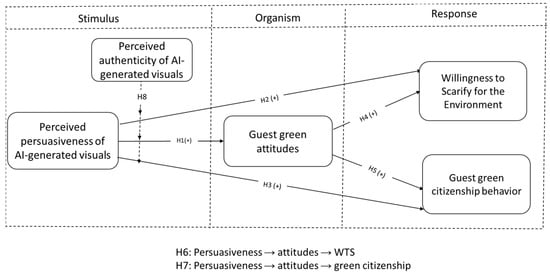
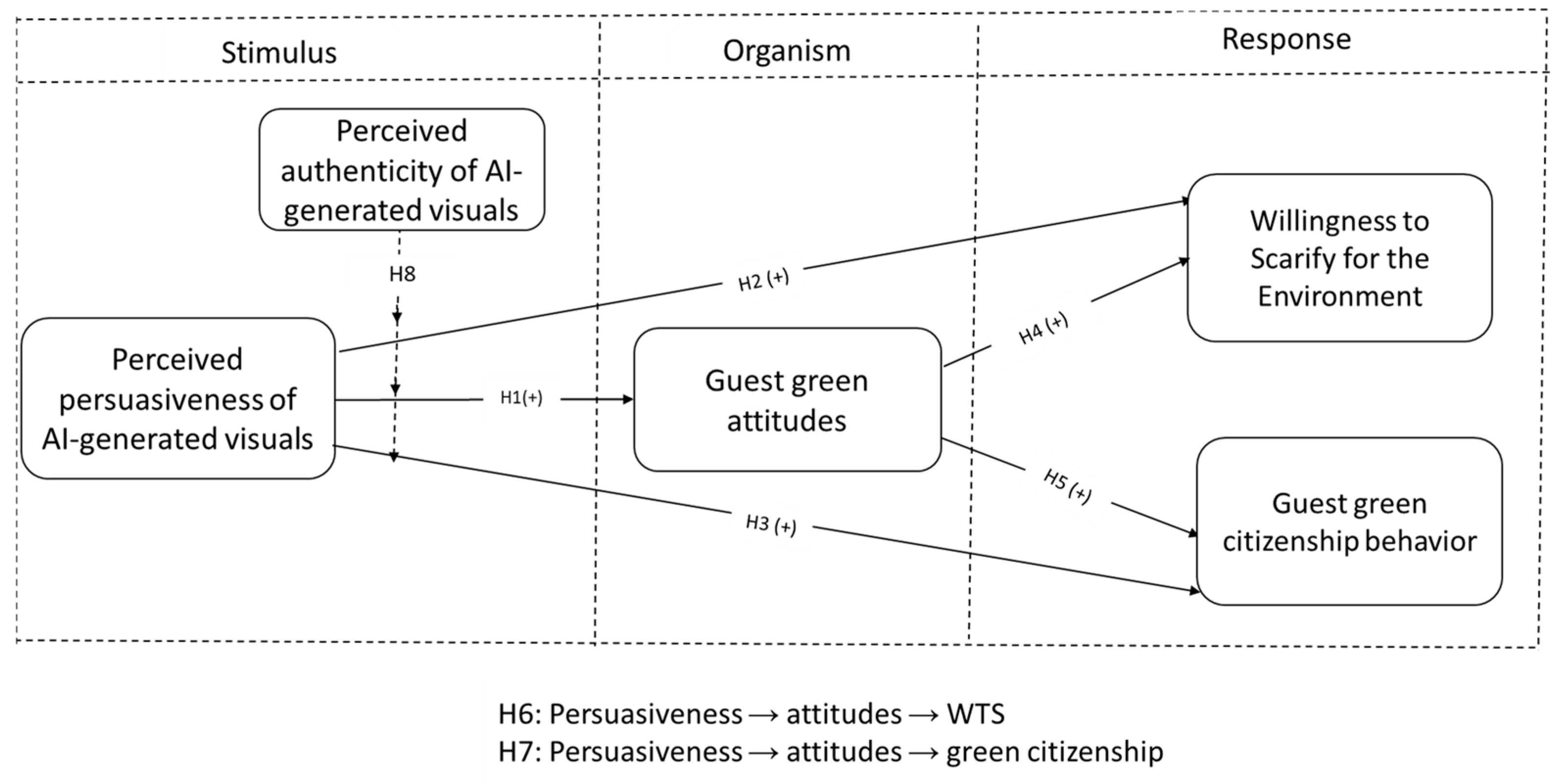
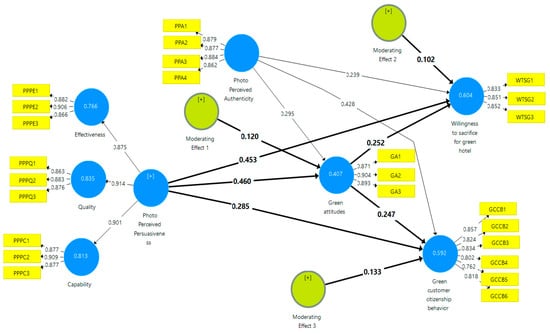
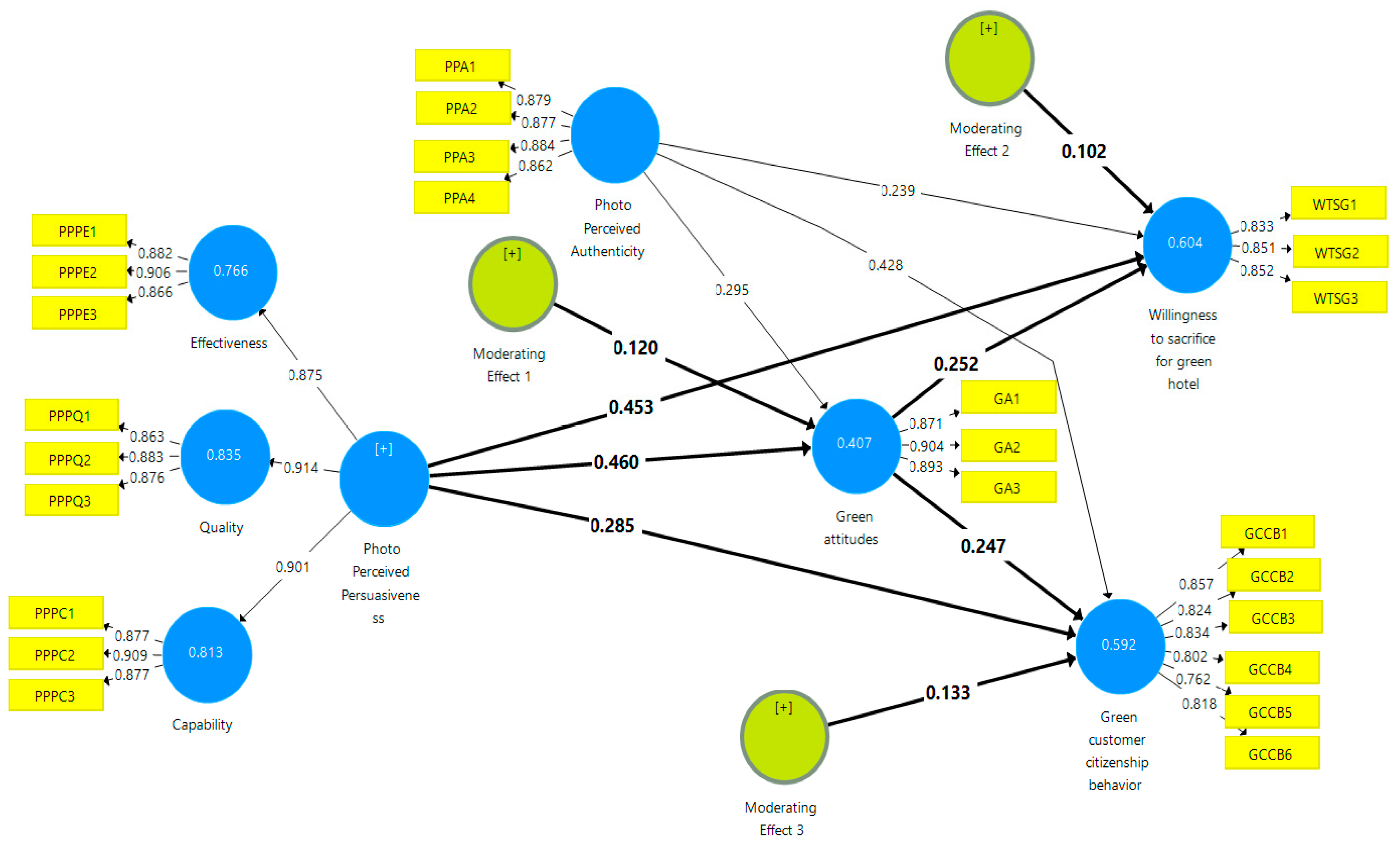
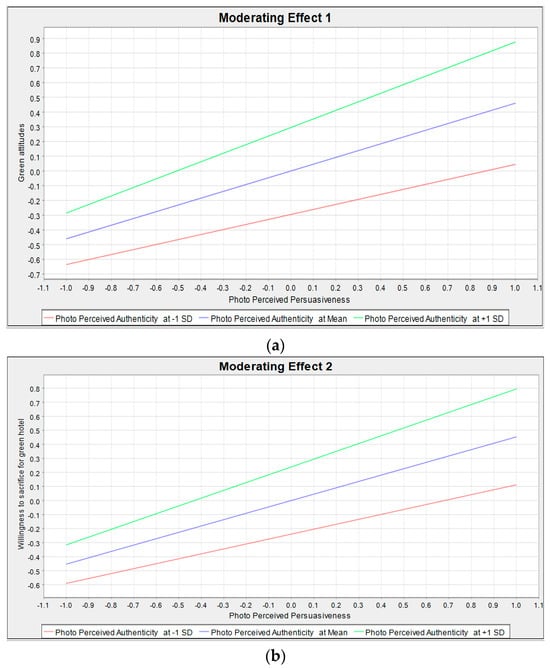
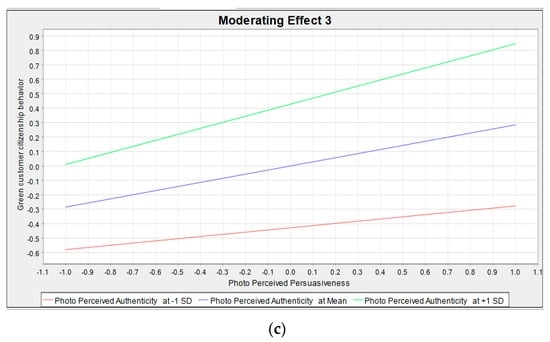
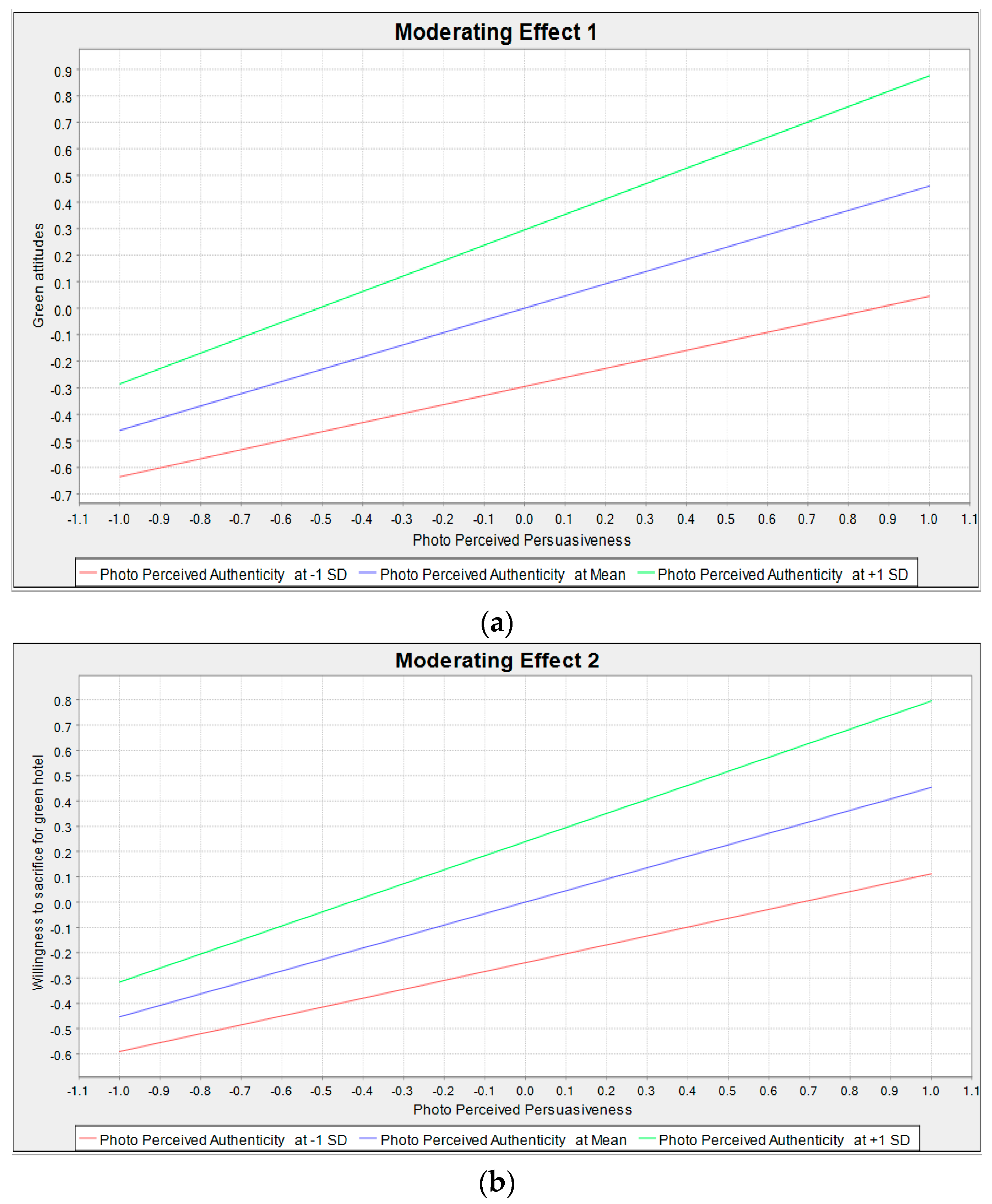
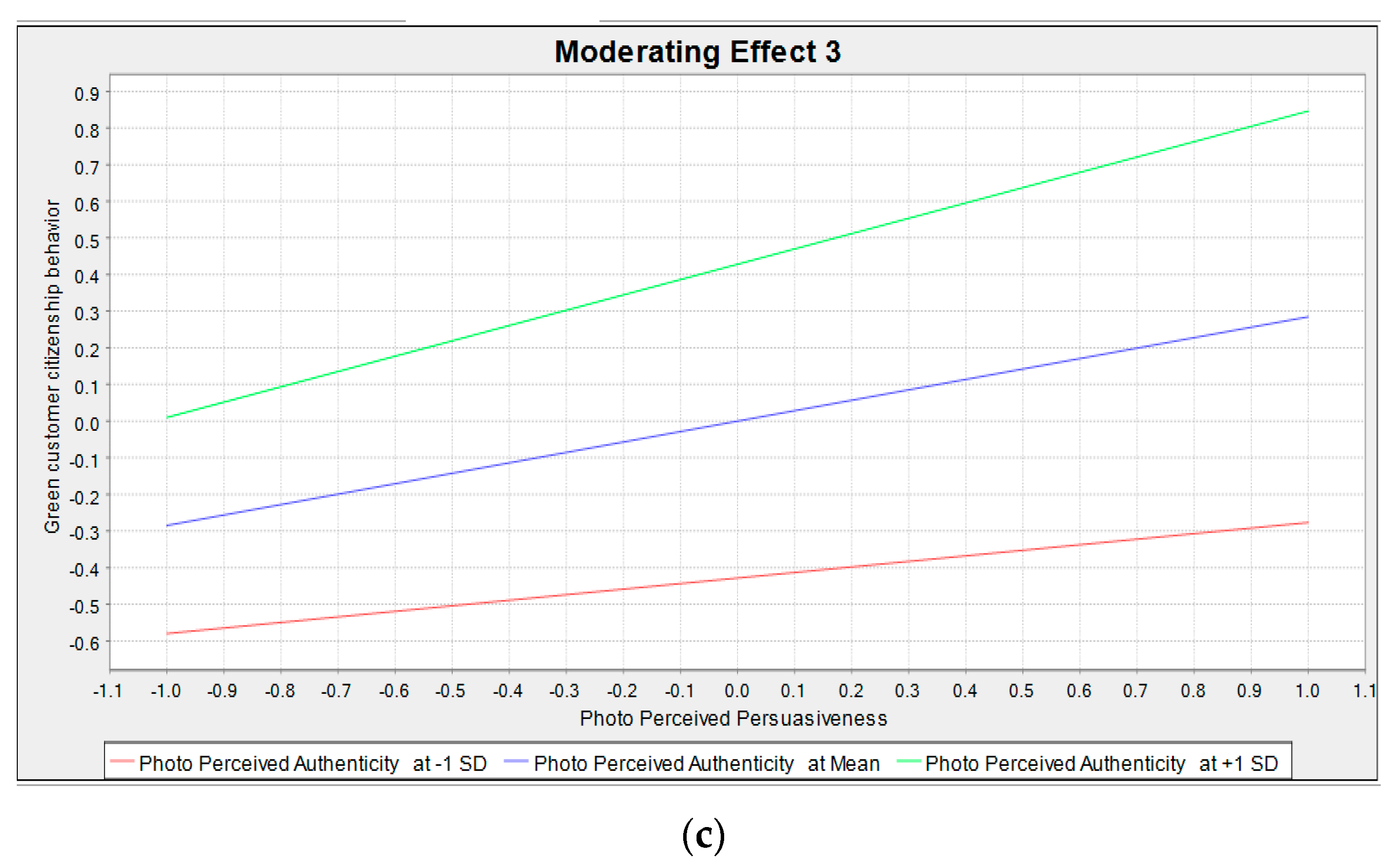

Disclaimer/Publisher’s Note: The statements, opinions and data contained in all publications are solely those of the individual author(s) and contributor(s) and not of MDPI and/or the editor(s). MDPI and/or the editor(s) disclaim responsibility for any injury to people or property resulting from any ideas, methods, instructions or products referred to in the content. |
© 2026 by the authors. Licensee MDPI, Basel, Switzerland. This article is an open access article distributed under the terms and conditions of the Creative Commons Attribution (CC BY) license.